The Proposal to Redefine Ethiopia’s Federalism: A Critical Crossroads
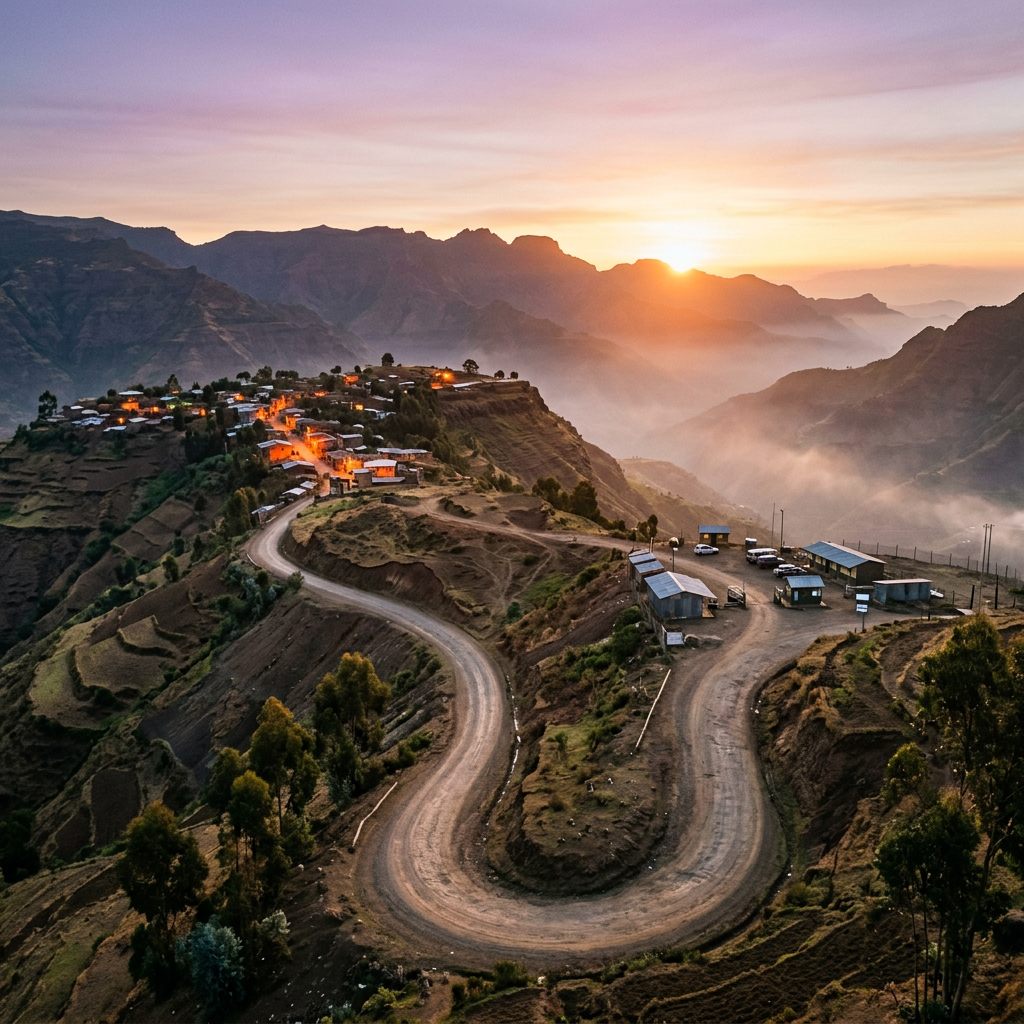
A proposal by the central committee of a major political party is calling for sweeping changes to Ethiopia’s federal structure, raising fundamental questions about the future of the nation’s governance.
The proposal, reportedly originating from a party’s central committee meeting in Adama, has sent shockwaves through Ethiopia’s political landscape. It outlines a series of far-reaching constitutional amendments that would fundamentally alter the nature of the federation, including proposals to:
The Four Pillars of Change
1. Redefining Regional Boundaries
The proposal calls for the scrapping of the current federal arrangement, suggesting that regions be reorganised based on geographic location and economic ties rather than ethnic identity. This would involve amending Article 39 of the constitution, which currently grants nations, nationalities, and peoples the right to self-determination up to and including secession.
2. Establishing New Regional Administrations
The plan proposes to establish “Dirre Dhawaa” (the area around Addis Ababa) and Finfinne (Addis Ababa) as separate regions with their own administrations. This would require amendments to Article 49, which currently designates Addis Ababa as the capital city and the seat of the federal government.
3. Rethinking Land Ownership
The proposal suggests that lands currently designated as belonging to “the state and the people” would be transferred to private ownership. This would require amending Article 40, which defines the land tenure system in Ethiopia.
4. Transitioning to a Semi-Presidential System
Perhaps the most significant change is the proposed shift from a parliamentary to a semi-presidential system. In this model, the Prime Minister would be replaced by a President elected by parliament, with the current role of the Prime Minister being abolished. The position of Prime Minister would be replaced by a President elected by parliament, marking a dramatic shift in the balance of executive power.
How the Changes Would Be Implemented
Perhaps the most alarming aspect of the proposal is the mechanism for its implementation. The proposal suggests that the creation of new regions or the restructuring of existing ones would be decided not through a referendum, but through parliamentary vote and presidential approval. This bypasses the constitutional requirement for public consultation and presents a clear break from the principles of democratic decision-making.
This is not the first time such proposals have emerged. Discussions within the party regarding federalism and administrative restructuring have been ongoing, with some arguing that the current system has failed to deliver on its promises of equitable development and political representation. As one party member noted, “the foundation of federalism is not problematic, but the lack of proper implementation has led to significant shortcomings.”
The Broader Context: A History of Tension
The proposal emerges against a backdrop of simmering tensions over federalism in Ethiopia. Since the adoption of the 1995 constitution, ethnic federalism has been a contentious issue. Critics argue that it has fostered division and ethnic nationalism, while supporters maintain that it is essential for preserving the rights of Ethiopia’s diverse communities.
Some analysts have argued that the federal system “exists in name only,” and that a lack of genuine power-sharing has led to political instability. The current proposal, with its dramatic restructuring of the regional landscape, appears to be a response to these persistent tensions.
What’s at Stake: A Crossroads for Democracy
The proposal raises profound questions about the future of Ethiopia’s political system. Critics argue that the proposed changes would centralise power in the hands of the executive, undermine the rights of regions, and erode the constitutional safeguards that protect minority communities. The proposal to abolish the current federal structure and replace it with a semi-presidential system, in particular, has drawn sharp criticism from opposition groups, who see it as a power grab.
The proposal also comes at a time of heightened political instability. Several regions are embroiled in conflict, and the country is grappling with a severe humanitarian crisis. In this context, the proposal to implement such sweeping changes without a broader national consensus raises serious questions about the future of peace and democracy in Ethiopia.
The Way Forward
The debate over federalism is likely to intensify in the coming weeks and months. The proposal has already sparked debate among political elites and civil society, and it is expected to be a central issue in the upcoming national elections.
The question now is whether a national consensus can be reached on the path forward. Some have called for a national dialogue to address the underlying issues that have led to political instability, including the question of federalism itself. Others have argued that any changes to the constitution must be made through a democratic and transparent process, with the full participation of all stakeholders.
The future of Ethiopia’s federal structure is at a crossroads. The decisions made in the coming months will shape the nation for generations to come.
Dembi Eco Lodge: A Window into Ethiopia’s Untapped Natural Wealth

Nestled in 36.7 hectares of pristine forest in Southwest Ethiopia, Dembi Eco Lodge is more than a destination—it is a testament to a nation’s commitment to unlocking its hidden treasures.
Addis Ababa, June 24, 2018 (FMC) — Ethiopia stands among the world’s foremost nations, blessed with a wealth of both tangible and intangible heritage. Yet for too long, these natural and man-made resources—capable of becoming tourism powerhouses—remained hidden, their beauty obscured by decades of neglect and a fundamental misunderstanding of their value .
That era is coming to an end.
Through the Homegrown Economic Reform Agenda, the Ethiopian government identified tourism as one of five key pillars for national transformation. Under the leadership of Prime Minister Abiy Ahmed (PhD), a series of ambitious projects have breathed new life into the country’s tourism landscape .
The results are visible across the nation—from the rejuvenation of Addis Ababa’s green spaces under the “Dine for Sheger” initiative, to the development of heritage destinations under “Dine for the Nation.” The “Dine for a Generation” project continues this momentum, transforming previously undiscovered locations into world-class destinations. Among these, Dembi Eco Lodge stands as a striking example of what can be achieved when vision meets action.
Where Nature Meets Architecture
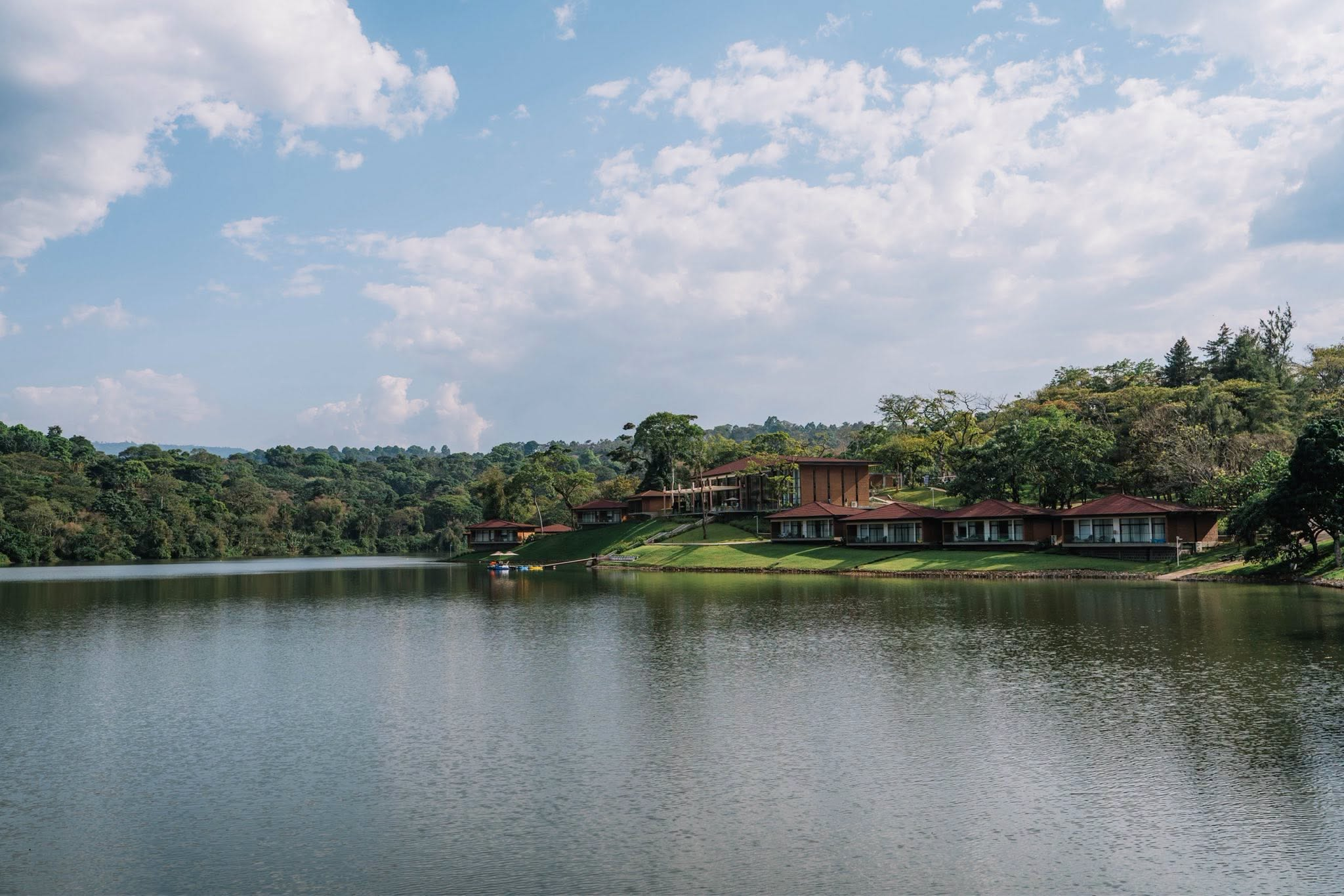
Located in the Bench Sheko Zone of the South West Ethiopia Peoples’ Region, near the town of Mizan Aman, Dembi Eco Lodge represents a new chapter in Ethiopian tourism . Opened in January 2018, it is the first of the “Dine for a Generation” projects to be completed and inaugurated.
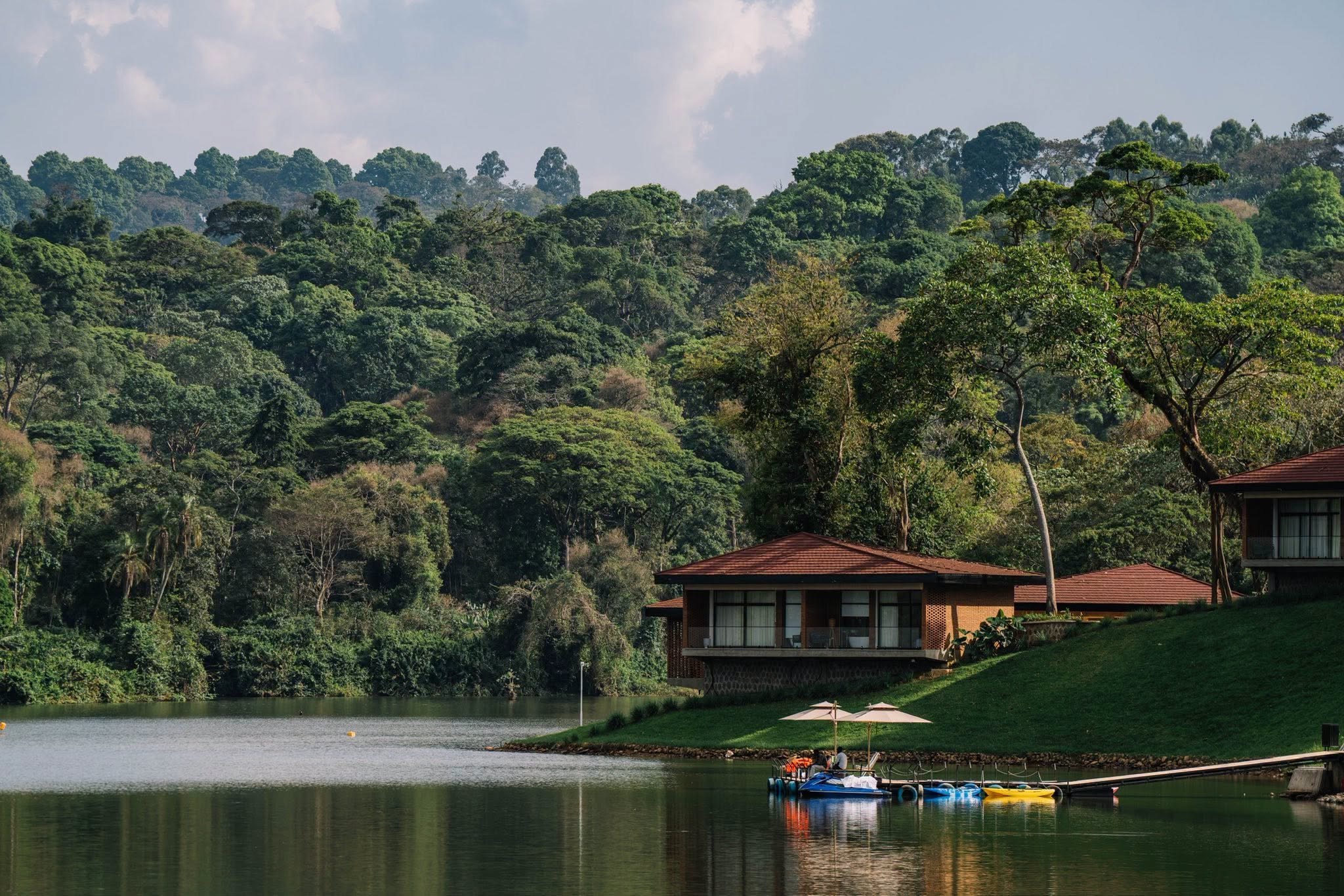
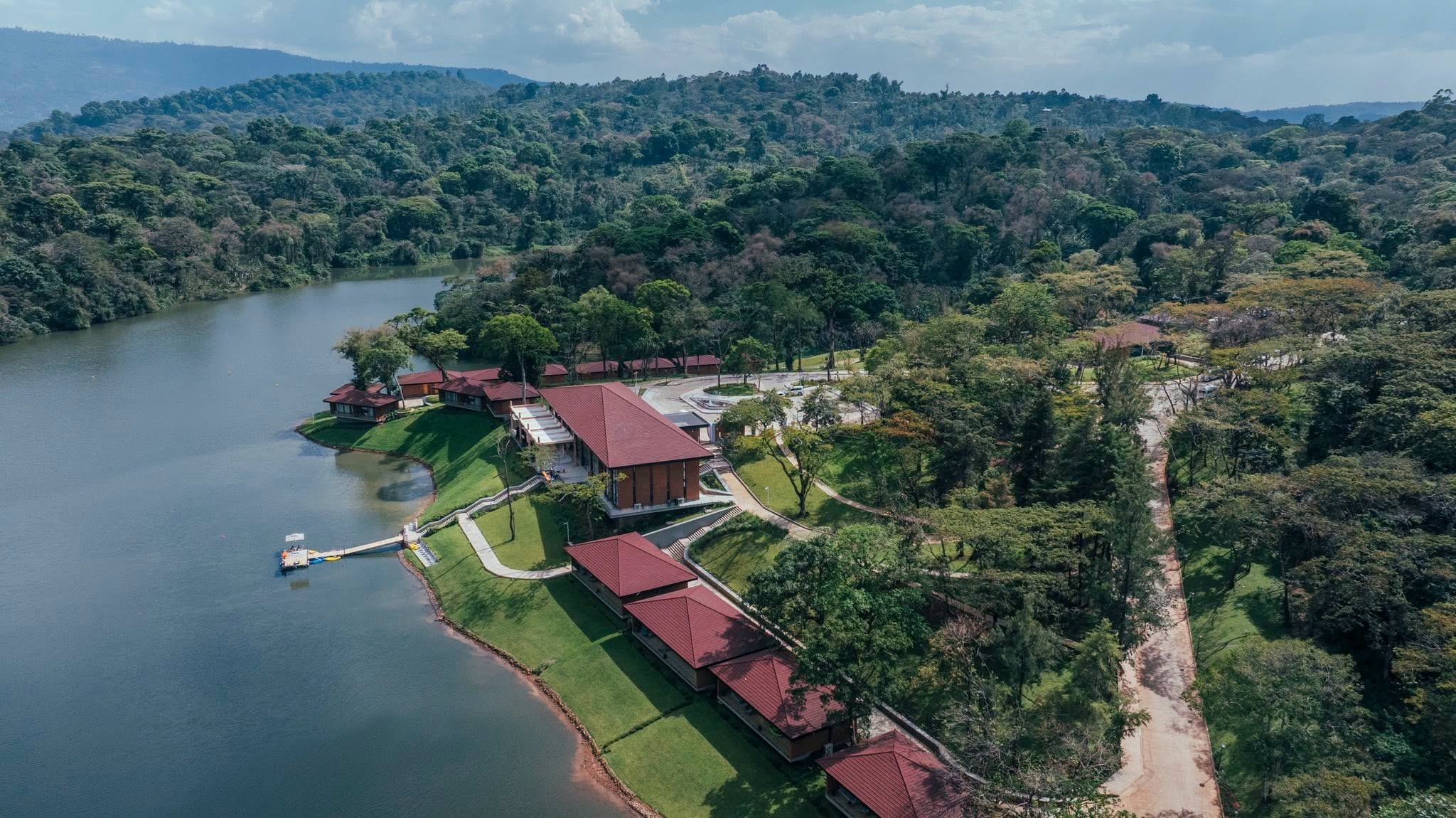
The lodge is perched on a dramatic 36.7-hectare site of dense forest, where architectural design harmonises with the natural splendour of the landscape. Here, visitors don’t simply observe nature—they become part of it. The lodge’s construction combines modern and traditional craftsmanship, using local materials and relying on Ethiopian expertise, in a unique public-private partnership.
Dembi Eco Lodge integrates world-class accommodation with a design that merges contemporary and traditional aesthetics. The restaurant spaces are architectural marvels—blending heritage and innovation—while celebrating the culture and music of the local community. With its doors open to both domestic and international guests, the lodge serves as a cultural ambassador, introducing visitors to the richness of the region’s traditions.
A Model of Sustainability and Community Engagement
Dembi Eco Lodge is powered entirely by renewable energy, reflecting Ethiopia’s strong commitment to environmental conservation . This is not merely an aesthetic choice; it is a statement—a declaration that tourism and ecological responsibility can go hand in hand.
The lodge’s impact extends far beyond its boundaries. The project is a model of collaboration between government and private sector, built with the highest quality standards by Midroc Ethiopia using local materials and Ethiopian professionals. It is also one of the first tourism destinations in Ethiopia to adopt a shared ownership model, ensuring that the local community has a stake in the benefits tourism brings.
A Symbol of Ethiopia’s Tourism Transformation
Dembi Eco Lodge stands as a permanent witness to what Ethiopia can achieve when its immense natural and man-made resources are developed and transformed into a solid economic asset . It demonstrates how the country’s tourism sector can become competitive and preferred on the global stage—while also increasing the sector’s contribution to national prosperity.
The story of Dembi Eco Lodge is not just about a beautiful lodge in a forest. It is about a nation awakening to its potential. It is about turning hidden wealth into visible value. It is about the transformation of Ethiopia—one destination, one visitor, one story at a time.
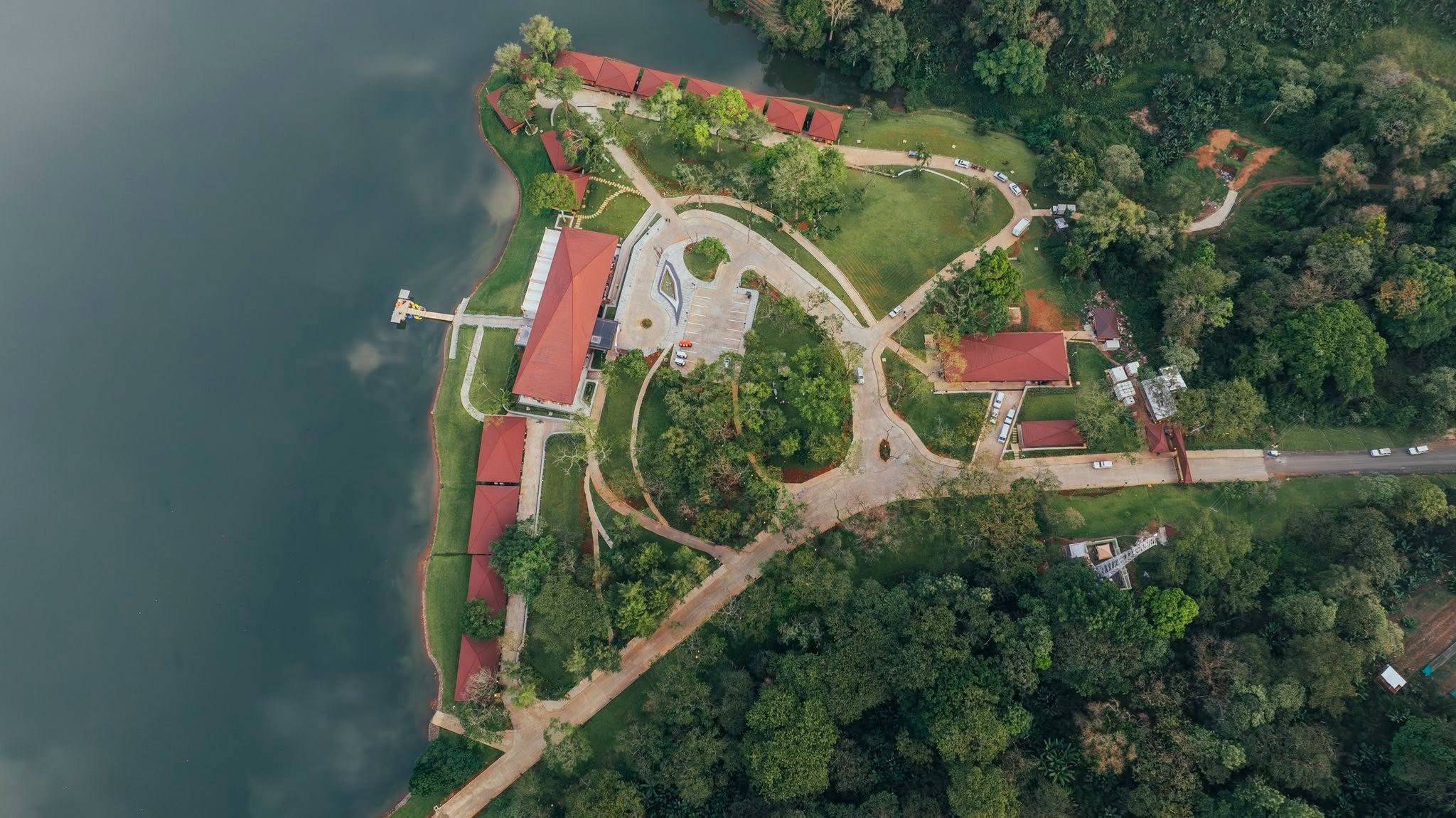
Ethiopia’s hidden wealth is no longer hidden. The world is invited to come and see—and the world has not seen enough.

Smiles and Respect: The Cornerstones of Ethiopia’s Tourism Transformation
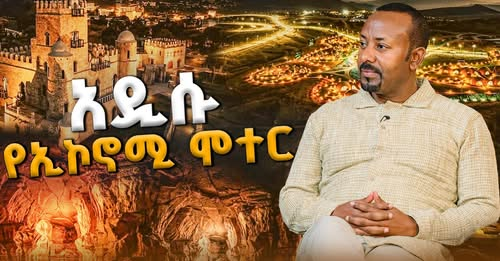
Prime Minister Abiy Ahmed has issued a national call to replace “sternness” with “smiles and respect,” positioning hospitality as the key to unlocking Ethiopia’s vast tourism potential.
Ethiopia is a land of ancient wonders—the rock-hewn churches of Lalibela, the obelisks of Axum, the castles of Gondar, and the breathtaking landscapes of the Simien Mountains. Yet for decades, the country’s immense tourism potential remained largely untapped. Infrastructure was inadequate, destinations were limited, and visitors often left after a brief tour of a few well-known sites .
That narrative is now changing. Through a comprehensive Homegrown Economic Reform Agenda, the Ethiopian government has identified tourism as one of the five key pillars of national economic transformation . But according to Prime Minister Abiy Ahmed (PhD), the success of this vision depends not just on infrastructure—but on a fundamental shift in national mindset.
“One visa, a world within!”
This is the vision the Prime Minister has articulated for Ethiopia’s tourism future. And at its heart lies a simple but powerful call: replace “sternness” with “smiles and respect.”
The Five Pillars: Tourism as an Economic Engine
Ethiopia’s economic reform agenda is a comprehensive, multi-sector strategy designed to develop agriculture, manufacturing, mining, tourism, and the digital economy simultaneously . Tourism was selected for profound reasons: the sector possesses a unique capacity to generate extensive employment, secure foreign currency, and portray the true image of the country on the global stage .
The results are already visible. In the first nine months of the recent budget year alone, Ethiopia attracted 1.2 million foreign tourists, generating over $2.6 billion in revenue . The capital, Addis Ababa, hosted approximately 150 international and continental events in just six months—a 50% increase compared to the previous year—injecting 155 billion Birr into the economy .
But these numbers represent more than statistics. They reflect a deliberate, strategic effort to transform Ethiopia’s tourism landscape.
A New Face for Ethiopian Tourism
The transformation has been driven by landmark initiatives: Dine for Sheger, Dine for the Nation, and Dine for a Generation. These projects have fundamentally reshaped the nation’s tourism map .
Dine for Sheger transformed the heart of Addis Ababa through the development of Unity Park, Sheger Park, and Entoto Park—creating green spaces and recreational hubs where none existed before. The Addis Ababa Riverbank Development Project, spanning 50 kilometers and encompassing eight rivers, has converted polluted, hazardous areas into lush recreational spaces .
Dine for the Nation developed destinations like Halala Kela, Chebera Churchura, and Wenchi, blending natural beauty with historical footprints. Dine for the Generation continued this momentum with modern destinations such as Gorgora, Dembi, Shebelle, and Lake Logo .
Beyond new destinations, the government has focused on restoring Ethiopia’s historical heritage. The Castle of Fasilides in Gondar, which had suffered neglect for a century, has undergone sophisticated restoration that will preserve it for the next 50 to 60 years . The rock-hewn churches of Lalibela are undergoing delicate restoration guided by international experts. The Sof Omar Cave, previously inaccessible due to infrastructure deficits, has been transformed to ensure a seamless tourist experience .
The message from the Prime Minister is clear: “We are restorers and protectors of heritages, not destroyers” .
The Call for Service Excellence
Yet infrastructure alone is not enough. As the Prime Minister has emphasized, natural and historical assets must be matched by service excellence . This is where the call for “smiles and respect” becomes crucial.
For years, a culture of “sternness”—what some have called kostaranet—has been a significant barrier to tourism growth. Visitors arriving at airports, using taxis, or checking into hotels have sometimes encountered indifference or even hostility. This cultural disconnect has undermined the hospitality that Ethiopia is historically known for.
The Prime Minister has called for a national shift, urging citizens to greet visitors with warmth and professionalism starting from the moment they arrive at the airport . This is not merely about being polite—it is about economic necessity.
The Role of Transport Workers
One of the first interactions visitors have with Ethiopia is with transport workers—taxi drivers, bus operators, and airport transfers. The Prime Minister has stressed that these individuals are, in effect, “national ambassadors.” They have the power to shape a visitor’s entire perception of the country .
Drivers are expected to:
- Reflect Ethiopia’s great tradition of hospitality in practice
- Charge fair prices
- Serve with integrity and honesty
- Recognize their role as ambassadors for the nation
Hospitality and Accommodation
The Prime Minister has also called upon hotels and tourism service providers to deliver quality, internationally competitive service to guests . Beyond welcoming guests, hotels are expected to promote local products and strengthen economic linkages by showcasing Ethiopian goods to visitors.
Tour industry professionals have noted that the greatest success lies in completing the service chain. While beautiful sites existed in the past, they were often bypassed due to a lack of suitable accommodations. Now, international-standard lodges and resorts allow tourists to stay longer and enjoy their visit without haste .
The Diaspora: Ambassadors of a New Ethiopia
The diaspora community has a special role to play. The Prime Minister has called on Ethiopians abroad to take the lead in presenting the true and beautiful Ethiopia to the world—rather than allowing negative narratives to dominate .
Previously, diaspora members returning home often worried about finding quality destinations to take their families. The Prime Minister has declared that this concern is now fully resolved. Attractive destinations are being built across the country, and the diaspora is expected to use its resources and knowledge for national image building .
The government has actively encouraged this engagement. Ethiopian Airlines has offered 15-20% discounts on airfare and hotel accommodation for second-generation Ethiopians returning to their homeland, along with free one-day tours of Addis Ababa for the first 100 participants . The “Leave Your Legacy” program has brought numerous diaspora members to Ethiopia for Green Legacy initiatives, renovation projects, and educational programs .
Every Citizen’s Responsibility
The Prime Minister has emphasized that tourism success is not solely the responsibility of government or service providers—it belongs to every citizen. All Ethiopians have a role to play in :
- Protecting natural treasures
- Maintaining national parks and green spaces
- Strengthening peace and unity
- Presenting a welcoming face to the world
Ethiopia’s Growing International Recognition
The results of these efforts are being noticed internationally. The President of the Pan-African Tourism Board (PATB), Mariam Lesian, has recognized Ethiopia as a leading model for tourism development in Africa, citing rapid growth, rich cultural heritage, and expanding infrastructure as key drivers of continental influence .
Lesian highlighted Ethiopia’s unique attractions—from its globally renowned coffee heritage to its landscapes, museums, parks, and lakes—as strong draws for visitors .
“When you come to Ethiopia, you get that appetite to come again because there are so many things to see,” she said. “It’s peaceful, it’s clean and the people are very friendly” .
She also credited Ethiopian Airlines as a strategic pillar in Ethiopia’s tourism expansion, describing the carrier as a major force in positioning the country as a gateway to Africa .
A Message of Unity and Hope
The Prime Minister’s call for “smiles and respect” is also a broader message about national identity. Drawing on a cultural comparison, he described Ethiopia as being like the people of Wollo—immensely hospitable when approached with love, yet invincible when faced with aggression .
“Ethiopia has a deep-rooted culture of extending its hand in a smile and welcoming others with honor,” he said. “Conflict hinders development and prosperity; it prolongs our journey” .
This message resonates beyond tourism. It speaks to the kind of nation Ethiopia aspires to be: open, welcoming, and united. As the Prime Minister has said, “Let’s show them why Ethiopia is known for its unmatched hospitality. Let’s make them feel at home, greet them with respect, and embrace them with love” .
The Path Forward
The transformation of Ethiopia’s tourism sector is well underway. From the restoration of ancient heritage sites to the creation of world-class modern destinations, the physical infrastructure is being built . But the final ingredient is the one that only the Ethiopian people can provide: a culture of service, warmth, and genuine hospitality.
The Prime Minister’s message is clear: tourism growth can only continue sustainably when every citizen—not just the government—fulfils their national responsibility. Transport workers, hotel staff, tour operators, diaspora members, and ordinary citizens all have a role to play.
“Together, let’s work to further increase the contribution of the tourism industry to national growth.”
This is the message—a call for a national movement to position Ethiopia as Africa’s premier destination through professional and competent hospitality . It is a vision where ancient history meets modern service, where the warmth of the Ethiopian people becomes as legendary as their heritage.
And it all begins with a smile.
The era of limited destinations is over. Ethiopia now offers a wealth of experiences—historical wonders, natural beauty, modern comfort, and most importantly, a people ready to welcome the world with open arms.
The Truth Behind the Lens: A Reflection on Activism, Legacy, and Identity

“Dabeessi afaan goota, yoo diina arge hoota.” (A coward speaks like a hero, but flees at the sight of the enemy.)
In the period of transformation, a desire emerged among some activists from the Oromo Liberation Front (ABO) and the Oromo Federalist Congress (KFO) to meet and exchange views. This led to an unusual gathering at the residence of Jawar Mohammed—a meeting that would later become a source of profound reflection for those who attended.
The story of that day, and the subsequent events, reveals a complex narrative about leadership, media representation, and the ownership of a people’s struggle.
The Summons and the Scrutiny
Darajjee Margaa, who at the time had a role in the KFO concerning youth affairs, acted as an intermediary. He was contacted by Jawar Mohammed, who expressed a desire to discuss important matters with several youth from the ABO. Darajjee then extended the invitation to a group of us.
On the appointed day, about 15 of us assembled and went to Jawar’s residence in Bole. The atmosphere was laden with suspicion. Before we entered, we were subjected to a thorough security check. We were disarmed—our phones and even our pens were taken from us. The justification given was the fear that if we recorded the conversation, it could be weaponized against them.
This act of stripping us of our basic belongings set the tone for a meeting that was meant to be a dialogue but felt more like an interrogation. It was the first time most of us had seen Jawar in person. He appeared to us not as the figure we saw on television, but as someone seated in a posture we found peculiar—sitting low like a Somali woman selling jima (khat) at a market.
The Core of the Conversation
Once the formalities were over, Jawar laid out his intentions. He stated that the struggle had moved past the phase of confrontation, and now it was time to work for the people. He urged the youth, whom he acknowledged had paid a heavy price in the struggle, to join him in this new endeavor. He raised a crucial question for debate: Should he found a new political party? Or should he join the existing ABO or KFO? Or should he continue as an activist?
This was the moment for us to speak. I took the opportunity to respond with two critical points:
- The Silence on Atrocities: I questioned Jawar’s moral standing, pointing out that while he spoke of struggle, he remained silent on the fate of Oromo prisoners and massacres. I asked him why he had not raised his voice against the suffering of Oromos. “Why are you silent when Oromos are being imprisoned and killed?”
- The Redundancy of a New Party: I argued that the Oromo people do not need a new party. The existing structures—the ABO and KFO—are sufficient vehicles for the struggle. If he wished to serve the people, he should join one of these existing organizations. “The Oromo people do not need a new party. The ABO and KFO are enough for us.”
The meeting was charged with emotion. Fellow youth, particularly those from Guji, were visibly angry and spoke with deep frustration.
The Interview with Tom Gardner and the “Father of Qeerroo”
Following the meeting, a documentary filmmaker named Tom Gardner from the UK began researching the Oromo youth movement. He interviewed many figures, including Jawar Mohammed, and then approached me for an interview at the Hyatt Regency in Finfinne.
During the interview, Tom asked a series of pivotal questions regarding the emergence of the Qeerroo (Oromo Youth) movement. He wanted to know when I joined and how the movement was organized.
In my response, I clarified that while the youth movement had existed since 2005, it was formalized as the “Qeerroo Bilisummaa Oromoo” (QBO) in 2011. I explained that this structure was established under the umbrella of the ABO, with its leaders reporting to ABO officials. I emphasized that Jawar Mohammed had no role in founding the QBO; his influence came much later, around 2014, and was limited to social media activism.
When Tom Gardner indicated that Jawar had claimed to be the leader of the Qeerroo, I felt it was necessary to correct the record. I urged Tom to interview more youth who had been actively involved in the struggle from 2014 to 2018, assuring him they would confirm that the leadership and direction came from the ABO, not from Jawar.
The Fight for Truth
Later, I learned that Jawar was attempting to claim ownership of the Qeerroo movement. He aimed to position himself as the “Father of Qeerroo” to legitimize his political ambitions and draw youth away from the ABO and KFO. This was a betrayal of the trust of the youth who had sacrificed so much.
The narrative that Jawar was the architect of the Qeerroo movement is a distortion. The QBO was established in 2011 by the ABO, and its legitimacy is rooted in its connection to the Oromo people’s long struggle for freedom, not in the media campaigns of an individual.
A Final Reflection
Jawar Mohammed has used his platform for personal gain. He has surrounded himself with people who flatter him, failing to build a genuine relationship with the courageous youth who have endured imprisonment and the frontlines. In my view, he is like a dog that barks endlessly, but in the end, it is the bite that reveals true intent.
The Oromo struggle is bigger than any single individual. The history of our freedom is written by those who have sacrificed, not by those who seek to rewrite it for their own benefit.
It is my duty to tell this story so that the Oromo people may know the truth about those who seek to lead them.
Beyond the Ballot Box: ABO Calls for Inclusive Dialogue as Ethiopia’s 7th Election Looms
In a sweeping declaration, the Oromo Liberation Front (ABO) has charted a course that transcends electoral politics, positioning itself as a champion of comprehensive national dialogue rather than a mere participant in Ethiopia’s upcoming 7th round of elections.
“Rakkoon Biyya keenya qabatee jiru, Filannoo qofaan kan furamu osoo hin taane, Marii hunda galeessa barbaada” — “The problems gripping our country cannot be solved by elections alone; we need inclusive dialogue.”
This powerful assertion forms the cornerstone of the ABO’s latest communiqué, issued from Finfinnee on June 22, 2026, as the party reflects on its participation in the electoral process while maintaining its commitment to peaceful struggle and national reconciliation.
A Dual Path Forward
The ABO’s statement reveals a nuanced position: while the party has engaged in the electoral mechanisms established by the electoral board, it maintains that genuine solutions to Ethiopia’s multifaceted crises require far more than ballot box outcomes. The party emphasizes that genuine, transparent dialogue involving all stakeholders must be conducted without undue time constraints.
“We have participated in Ethiopia’s 7th election, fulfilling our obligations and addressing gaps through our communications to the public,” the statement reads. “We have achieved this; there is no doubt.”
Yet beneath this measured tone lies a persistent critique of the electoral process itself. The ABO has raised concerns about irregularities and submitted complaints to the Electoral Board — though they express skepticism about whether these grievances have been properly investigated with the depth and fairness the situation demands.
The Cost of Participation
In a particularly striking passage, the ABO acknowledges the sacrifices made by its members and supporters throughout the campaign period. Despite challenging circumstances, the party has maintained its presence in various election-related forums, demonstrating resilience in the face of obstacles.
“ABO members, the public, and security forces who endured difficulties during the ‘choose me’ campaign are thanked for their support,” the statement declares.
This recognition of grassroots sacrifice underscores the party’s broader narrative: that meaningful political participation often comes at great personal cost, yet remains essential for those committed to democratic transformation.
A Warning to Political Rivals
Perhaps most significantly, the ABO’s statement delivers a pointed warning to both victorious parties and perceived adversaries. The party cautions that electoral victory alone cannot resolve Ethiopia’s fundamental challenges, suggesting that those who believe otherwise risk perpetuating cycles of conflict and instability.
“Those who have won through elections must not believe that winning and gaining power alone can solve the country’s problems,” the statement warns. “They must demonstrate genuine commitment, determination, and resolve to resolve the crises through justice and truth, so that Oromia may find peace.”
The ABO particularly singles out the “Tsimdoo” forces, described as political and military groups operating from the North against Oromia and the Oromo people. “What are they coming to bring to the Oromo people?” the statement asks, urging clear-eyed reflection on the consequences of continued conflict.
Unity and Peace as Paramount Goals
Throughout the communiqué, the ABO returns to themes of unity and peace as essential prerequisites for meaningful progress. The party calls for strengthened unity among Oromo political parties through dialogue, suggesting that a unified Oromo front represents the best defense against external threats.
The statement also demands the release of political prisoners and detainees held without proper legal proceedings, framing this as a fundamental matter of justice and human rights.
“Security and unity in Oromia are serious matters that cannot be ignored,” the ABO insists, calling on Gadaa leaders and religious institutions to continue their crucial work toward peace and unity in the region.
Looking Forward
Despite its criticisms, the ABO maintains that it harbors no regrets about participating in the electoral process. The party reaffirms its commitment to the path of peaceful struggle and ideological competition, promising to strengthen and expand the space for political engagement.
“The door for ideological competition has been opened small and must be strengthened and widened,” the statement concludes. “Others must work to achieve this.”
As Ethiopia approaches this pivotal election, the ABO’s message serves as both a call to action and a cautionary tale: that democracy requires more than elections, peace requires more than power, and the nation’s future demands participation from all its diverse voices.
Adda Bilisummaa Oromoo
June 22, 2026
Finfinnee
‘An Avoidable War’: Oromo Federalist Congress Demands Immediate Action Amid Escalating Mass Atrocities in Oromia
By Oromia News Agency
FINFINNE, OROMIA– The Oromo Federalist Congress (OFC) has issued an urgent and deeply alarming statement condemning the escalating wave of mass killings, civilian displacement, and identity-based violence that has gripped the Oromia region of Ethiopia. The party, which has long been a voice for federalism and the rights of the Oromo people, expressed profound grief and anger over what it describes as a systematic campaign of violence that is spreading to new areas with unprecedented ferocity.
In a detailed press release, the OFC highlighted that the conflict, once confined to certain areas, has now expanded into central and eastern parts of the region. Specifically, the party points to the districts of Arsi, East Shewa, and West Hararghe as the latest theaters of brutal violence. The statement describes a “coordinated attack” in the Asako district of East Arsi, where civilians were reportedly targeted regardless of their ethnicity or religion, with both Amhara and Oromo, Christians and Muslims, falling victim to the bloodshed.
A Crisis of Displacement and Suffering
The humanitarian situation detailed by the OFC paints a picture of a population in despair. The party reports that in the Seru district, a systematic burning campaign has destroyed entire villages, displacing an estimated 17,000 households. Tens of thousands of vulnerable citizens have been forced to flee to remote and inhospitable areas, including dense forests and deserts. The press release described harrowing accounts of mothers giving birth alone in the wilderness, and children dying from cold, hunger, and lack of basic medical care .
The OFC’s statement squarely blames the violence on a complex and chaotic mix of actors. “The peaceful people of Oromia are currently being subjected to horrific massacres in the war between the government and armed groups,” the statement reads. It further expresses deep concern over the proliferation of splinter groups, opportunistic bandits, and counterfeit armed factions operating under various names.
The Weaponization of Identity
A key element of the OFC’s alarm is the deliberate strategy of using identity as a weapon of war. The party vehemently condemns what it calls the “cynical and dangerous” tactic of orchestrating violence to pit communities against one another—killing Christians to blame Muslims, and vice versa, or igniting conflict between Amhara and Oromo civilians. The press release warns that this strategy is a calculated attempt to dismantle the social fabric of the region for narrow political gain. “In this atmosphere of chaos, fueled by finger-pointing and mutual suspicion, truth is obscured and accountability has vanished entirely,” the statement declared .
A Call for an End to the Military-Only Approach
After eight years of military campaigns, the OFC argues that the government’s reliance on a purely military solution has proven to be a catastrophic failure, only multiplying the number and types of armed groups and leading to more civilian casualties. The party asserts that the primary, constitutional, and moral duty to protect its citizens lies with the government. “A government that has failed to protect its most vulnerable citizens has failed in its most fundamental duty,” the statement proclaims.
Urgent Demands from the OFC
To stop the bloodshed and prevent further catastrophe, the OFC has issued four urgent demands :
- An Immediate Cessation of Attacks on Civilians: The party calls on all parties to the conflict—including the Ethiopian National Defense Force, regional forces, all government-affiliated militias, and the Oromo Liberation Army (OLA)—to strictly adhere to international humanitarian law and immediately cease all attacks on non-combatants.
- Unrestricted Humanitarian Access: The OFC demands that federal and regional governments, as well as armed opposition groups, immediately open pathways for unrestricted humanitarian aid to reach the affected populations. It stresses the need for emergency food, shelter, and medical supplies for the displaced in severely affected districts like Seru, Asako, Merti, and Heben Arsi.
- An Independent International Investigation: Given the complexity and the conflicting narratives surrounding the violence, the OFC is calling for an urgent, independent, and transparent international investigation. The party argues that domestic institutions alone cannot ensure impartiality and accountability. It proposes an investigation involving the UN Human Rights Council and independent domestic human rights bodies to identify the true perpetrators of these horrific acts .
- An Inclusive Political Solution: The OFC reiterates its firm stance that the root cause of the conflict is political and cannot be resolved through force of arms. The party calls for the immediate commencement of urgent, inclusive, and unconditional political dialogue and negotiation to achieve a lasting, negotiated solution.
The Oromo Federalist Congress concluded its statement with a stark warning: “The people of Oromia must not continue to be used as pawns in a political gamble. The bloodshed must end, the rule of law must be respected, and genuine political dialogue must begin immediately.”
#Oromia #Ethiopia #OFC #HumanitarianCrisis #MassAtrocities #PoliticalSolution
FILE MANDARA (QANYA) (1873-1954): The Oromo Patriot Who Chose Death Over Surrender
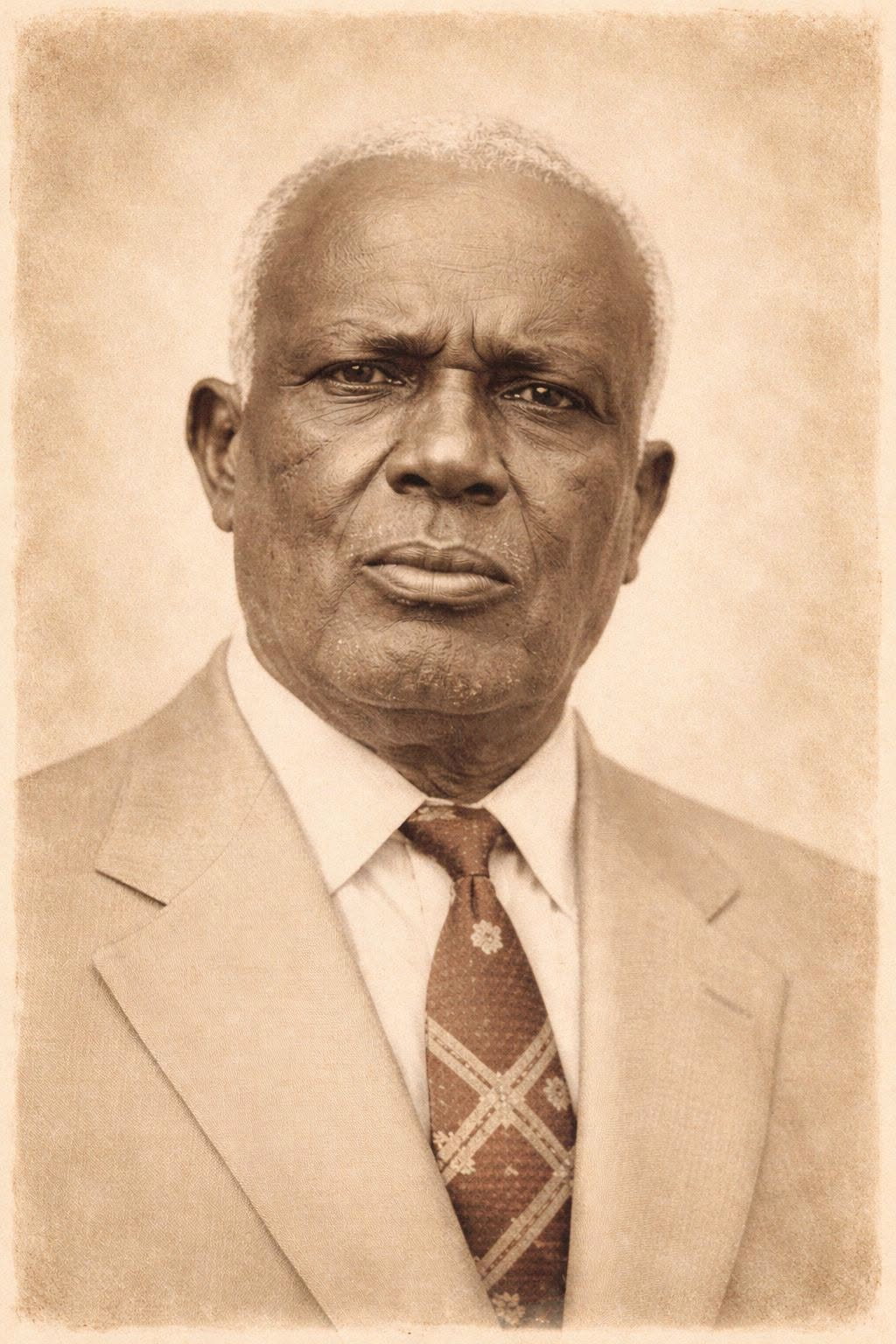
A warrior’s bloodline, a fighter’s courage, and a martyr’s final stand against colonial occupation.
A Feature Story – Oromo History, Resistance, and Heroism
PROLOGUE: A NAME CARVED IN HISTORY
There are names that echo through generations – not because they were written in royal chronicles, but because they were carved into the memory of a people by the edge of a sword and the weight of sacrifice.
File Mandara, known also as Qanyaa, is one such name.
Born into an Oromo society that valued courage above comfort and loyalty above life, File Mandara grew from a boy learning the ways of his people into a warrior who would face the Italian colonial army – and refuse to bow.
This is his story. It is a story of family, of tradition, of love, of war, and of a final, defiant stand at the banks of the Dannabaa River.
PART ONE: BIRTH AND BLOODLINE
The Time and Place
File Mandara (Qanyaa) was born in 1873 in what is today the Horro Guduru Wallagga region, specifically in the Guduru district, near the banks of the Miixaa River.
At the time of his birth, the Oromo people of Wallagga still governed themselves according to the ancient Gadaa system. The Italian colonial invasion – the second wave – had not yet reached his homeland. But it was coming.
His Parents
| Parent | Name |
|---|---|
| Father | Mandara Guddaa |
| Mother | Yaadatee Aliimaa |
From his father, File learned the arts of war, the responsibilities of land ownership (he was an abbaa lafaa – a landholder), and the duty of protecting the community. From his mother, he learned the stories, the customs, and the moral code of the Oromo people.
Growing Up
Like every Oromo boy of his era, File grew up following his father – learning by watching, by listening, by doing. He studied the history of his people, the strategies of defense, the value of livestock, and the sacred duty of resisting anyone who threatened their way of life.
He was not raised to be a conqueror. He was raised to be a protector.
PART TWO: FAMILY AND LOVE
First Marriage
When File reached the age of marriage – according to Oromo custom – he took Warqituu Lamuu as his first wife. Together, they had three children: two sons and one daughter.
Second Marriage
As an abbaa lafaa (landholder), File also took a second wife – Lataa – according to the traditions of his society. From this union, he had two more children: one son and one daughter.
In total, File Mandara was father to five children – a legacy that would carry his name forward even after his death.
PART THREE: THE CALL TO WAR – RESISTING ITALIAN COLONIALISM
The Second Italo-Ethiopian War
By the late 1920s and early 1930s (Ethiopian calendar years 1928/29 A.L.I.), the Italian colonial forces under Fascist leader Benito Mussolini were preparing for a second invasion of Ethiopia. The first invasion (1895-96) had ended in Italian defeat at Adwa. The second would be far more brutal – using poison gas, aerial bombardment, and scorched-earth tactics.
File Mandara answered the call. He became a warrior leader (abbaa duulaa) and joined the resistance.
The Battlefield
File fought across multiple fronts:
| Location | Role |
|---|---|
| Guduru | Resistance fighter |
| Amuru | Resistance fighter |
| Jaartee | Resistance fighter |
| Jaardagaa | Resistance fighter |
| Giddaa | Resistance fighter |
He did not fight alone. He fought alongside his fellow Oromo patriots, men who shared his conviction that no foreign power had the right to occupy their land.
“He made himself a thorn in the side of Haile Selassie and his bandits.”
Capturing Weapons
One of File’s key contributions to the resistance was his ability to capture Italian weapons and ammunition. When the resistance fighters defeated colonial troops, they did not simply kill or drive them away. They took their rifles, their machine guns, their mortars, and their supplies – turning the enemy’s own arsenal against them.
PART FOUR: THE BATTLE OF DANNABAA RIVER – A STAND FOR THE AGES
The Setting
One of the fiercest battles took place near the Dannabaa River in the Jimma Raaree and Guduru areas. File fought alongside his comrade and brother-in-arms, Lammaa Heenii.
The Italian forces – backed by colonial auxiliaries loyal to Emperor Haile Selassie’s local allies – launched a massive assault. They had air support. They had artillery. They had machine guns.
The Oromo resistance had courage.
The Battle
According to oral historians who know the story of this hero, the battle on that day was more intense than any they had faced before. The enemy surrounded them.
File and Lammaa realized the situation was desperate. They had run out of ammunition. The enemy was closing in.
The Choice
A colonial soldier – armed with a bayonet and a mortar – rushed toward File, intending to capture him alive. The soldier wanted the glory of taking a prominent resistance leader as a prisoner.
File Mandara faced a choice: surrender or die.
He chose death.
Before the soldier could reach him, File’s comrade Lammaa Heenii took his last remaining bullet and fired it into the mortar – engulfing the colonial soldier in smoke and flames.
The Escape
File seized the opportunity. He captured the colonial soldier’s weapons – the mortar, the bayonet, and ammunition – and turned them against the enemy. He and his surviving fighters cut down many of the colonial troops and broke through the encirclement.
“He captured the enemy who had come to capture him – and then used his own weapons to destroy his men.”
PART FIVE: THE FINAL MOMENTS
The battle at Dannabaa River was not easily won. File’s fighters were scattered. The enemy regrouped. The Mosoloon (perhaps a reference to colonial militias or local collaborators) burned the area.
But File’s courage that day became legendary.
After the battle, the surviving fighters praised his bravery. They said:
“He stood like a lion. He refused to bow. He chose death over dishonor.”
File Mandara did not survive the war. But he did not die as a prisoner. He did not die on his knees. He died fighting – a warrior’s death, an Oromo patriot’s death.
PART SIX: THE FUNERAL – HONORING A HERO
File Mandara died in battle on or around the 5th of Qaammee (Ethiopian calendar), 1954? The precise dating is complex, but what is clear is that his funeral ceremony was held on Fulbaana 1, 1955 (Ethiopian calendar), at a location chosen by his family and relatives.
The ceremony was conducted in a manner worthy of a hero – with all the rites and traditions that an Oromo patriot deserved.
His body was laid to rest among his own people, in the land for which he had fought, in the soil that had been watered by his sweat and his blood.
PART SEVEN: LEGACY – WHAT FILE MANDARA REPRESENTS
A Warrior of the Oromo People
File Mandara was not fighting for an emperor. He was not fighting for a political party. He was fighting for his land, his people, and his way of life. The enemy was not just Italy – it was any foreign power that sought to impose its will on Oromo soil.
A Symbol of Resistance
His refusal to surrender – even when surrounded, even when out of ammunition – became a model for future generations. He demonstrated that death is preferable to life under a conqueror’s boot.
A Family Man
Despite his life as a warrior, File was also a husband and a father. He left behind two wives and five children. His descendants carry his name and his legacy.
A Figure of Oromo Oral Tradition
The story of File Mandara (Qanyaa) is preserved not in government archives (which often ignore or suppress Oromo heroes) but in the oral histories of the Oromo people. It is passed from elders to youth, from parents to children, ensuring that his name is never forgotten.
PART EIGHT: THE PHOTOGRAPH – A FACE FOR THE NAME
The original bio mentions a photograph – an image of this hero. Photographs from the late 19th and early 20th centuries are rare, especially of Oromo resistance fighters. If such an image exists, it is a priceless artifact.
It would show not just a man, but an era – a time when Oromo warriors stood against colonial armies with rifles and courage, before the age of modern weapons and mass armies.
That face – File Mandara’s face – would be a testament to the Oromo struggle that began long before the 20th century and continues today.
CONCLUSION: A HERO FOR ALL SEASONS
File Mandara (Qanyaa) was born in 1873, when Oromia was still largely independent. He fought in the 1920s and 1930s, when the colonial wolves were at the door. He died on the battlefield, refusing to be taken alive.
His story is not merely history. It is instruction.
| Lesson | Meaning |
|---|---|
| Know your land | File knew the rivers, the forests, the hills of Wallagga |
| Know your enemy | He studied the Italians and their local collaborators |
| Fight with what you have | He captured enemy weapons and used them |
| Stand with your comrades | He fought alongside Lammaa Heenii and others |
| Never surrender | He chose death over captivity |
In an age when some Oromos debate the merits of armed struggle versus political negotiation, File Mandara’s life offers a clear answer from history: When your land is invaded and your people are threatened, the only honorable response is resistance.
He did not win the war. The Italians were eventually driven out by a combination of Allied forces and Ethiopian resistance – but not before they had killed hundreds of thousands and left deep scars.
But File Mandara won something else: the memory of a people.
And that memory, unlike colonial regimes, does not die.
FINAL TRIBUTE
To File Mandara (Qanyaa) – abbaa lafaa, abbaa duulaa, goota Oromoo:
You were born free. You lived as a protector. You died as a warrior. You refused to bow to any foreign flag. You chose death over chains. May the land for which you fought remember your name. May the people for whom you died honor your sacrifice. And may every Oromo who hears your story find in it the courage to stand – as you stood – for Oromia.
Waaqni goota kana haa rahmate.
May God have mercy on this hero.
Seenaan isaa haa jiraatu.
May his story live forever.
Qabsoon Oromoo galmaan haa gahu.
May the Oromo struggle reach its goal.
“He was surrounded. He was out of bullets. The enemy wanted to take him alive. He chose death. That is what makes a hero.”
© 2026 – A Feature on Oromo Patriot File Mandara (Qanyaa)
‘We Are Eagles, Not Vultures’: PM Abiy Defends His Government’s Vision
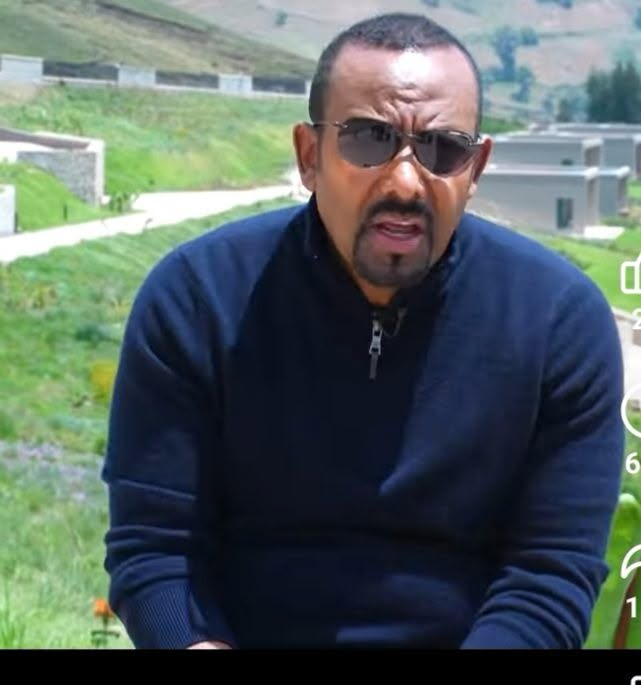
In a striking analogy at the Haro Dendi Lodge inauguration, the Prime Minister contrasts soaring ambition with lowly scavenging.
By Staff Writer | Published: April 2026
FINFINNE (ADDIS ABABA) – April 11, 2018 (E.C.) – Prime Minister Dr. Abiy Ahmed has invoked a powerful ornithological analogy to describe his government’s philosophy, declaring: “We are eagles, not vultures. We leave crying and weeping to the vulture.”
Speaking at the inauguration of the Haro Dendi Lodge construction project in Oromia, the Prime Minister used the contrasting characteristics of two birds to frame his administration’s approach to governance and national development.
The Eagle: A Symbol of Greatness
According to the Prime Minister, the eagle (Risaa) is a bird known for its extraordinary vision and its ability to soar far above all other birds.
“The eagle flies at the highest altitude. It is a symbol of heroism and great capability.”
The eagle’s ability to see from a distance and rise above challenges represents the kind of leadership the Prime Minister says his government embodies – forward-looking, ambitious, and unwilling to be dragged into petty disputes.
The Vulture: A Bird of Scavenging
In contrast, the vulture (Quuroo) was described as a bird that inhabits filthy places, lingers around garbage, and is known for its loud, unpleasant crying.
“Vultures cannot fly at high altitudes. They dwell in filth. We leave crying and weeping to the vulture.”
The Prime Minister’s contrast was clear: while vultures scavenge and lament, eagles rise and achieve.
A Rejection of Victimhood
The analogy carries a clear political message. By declaring “We are eagles, not vultures,” the Prime Minister is rejecting what he characterizes as a culture of complaint and victimhood.
The phrase “iyyaafi boo’icha Quuroof dhiifna” – “we leave crying and weeping to the vulture” – suggests that his government will not be distracted by constant criticism or drawn into cycles of lamentation.
Instead, the Prime Minister signaled that his administration will focus on soaring higher – pushing forward with development projects, infrastructure initiatives, and national progress regardless of the noise from below.
The Occasion: Haro Dendi Lodge
The Prime Minister’s remarks were delivered during the inauguration ceremony of the Haro Dendi Lodge, a tourism development project in Oromia.
The choice of venue was significant. The lodge represents the kind of development that the Prime Minister says defines the “eagle” approach – building, creating, and lifting the nation upward.
The Prime Minister used the occasion to reaffirm that development projects across the country will continue despite challenges.
Context: A Nation at a Crossroads
The Prime Minister’s “eagle vs. vulture” analogy did not emerge in a vacuum. It comes at a time when Ethiopia faces multiple challenges:
| Challenge | Description |
|---|---|
| Political instability | Ongoing conflicts in various regions |
| Economic pressure | Inflation, debt, and foreign currency shortages |
| International criticism | Concerns over human rights and democratic space |
| Internal dissent | Opposition from various political factions |
The Prime Minister’s message appeared aimed at both domestic and international audiences: We will not be pulled down by criticism. We will continue to build.
Mixed Reactions
As with many of the Prime Minister’s rhetorical flourishes, the analogy has drawn both praise and criticism.
Supportive Voices
“We need this kind of leadership. Constant complaining gets us nowhere. Let’s focus on building.”
— Addis Ababa resident
“The eagle analogy is powerful. It’s time to soar.”
— Government supporter
Critical Voices
“Calling legitimate criticism ‘vulture crying’ is a way to dismiss dissent. Democracy requires listening, not just soaring.”
— Political analyst (anonymous)
“Eagles can also be blind to what’s on the ground. The government should not ignore real problems.”
— Civil society observer
A Pattern of Analogies
Prime Minister Abiy Ahmed is known for using vivid analogies to communicate his political message.
| Year | Analogy | Meaning |
|---|---|---|
| 2018 | “The hyena and the crocodile” | Warning against ethnic conflict |
| 2019 | “The rose and the thorn” | Acknowledging progress amid challenges |
| 2020 | “The river and the bridge” | Unity and connection |
| 2024 | “The eagle and the vulture” | Soaring above criticism |
Each analogy has sparked debate, reflecting the Prime Minister’s ability to shape public discourse through accessible imagery.
Development Continues
Beyond the analogy, the Prime Minister used the Haro Dendi ceremony to reiterate that infrastructure and development projects across Ethiopia will continue.
“Development projects being built across the country will continue,” he affirmed.
The Haro Dendi Lodge itself is part of a broader push to expand tourism and hospitality infrastructure in Oromia and beyond.
What the Analogy Reveals
Political observers note that the “eagle vs. vulture” analogy reveals several aspects of the Prime Minister’s worldview:
- Optimism over criticism – He prioritizes forward momentum over responding to detractors.
- Development as proof – He believes that visible projects (roads, lodges, dams) are the best response to critics.
- Rejection of victimhood – He discourages what he sees as a culture of complaint, whether from political opponents or international observers.
- National pride – The eagle, a majestic bird found in Ethiopian highlands, serves as a fitting national symbol.
Conclusion: Soaring or Ignoring?
The Prime Minister’s message is clear: Ethiopia under his leadership is an eagle, not a vulture.
For supporters, this represents a much-needed shift toward optimism, action, and national pride.
For critics, it risks dismissing legitimate grievances as mere “crying and weeping.”
What is not in dispute is the Prime Minister’s continued ability to capture attention with vivid imagery. Whether the nation soars like an eagle or remains grounded by its challenges will be determined not by analogies, but by results.
As the Prime Minister himself might say: The eagle does not explain itself to the vulture. It simply flies higher.
At a glance:
| Bird | Characteristics | Government’s Claim |
|---|---|---|
| Eagle (Risaa) | Soars high, sharp vision, heroic | “We are eagles” |
| Vulture (Quuroo) | Scavenges, dwells in filth, cries loudly | “We leave crying to vultures” |
“We are eagles, not vultures. We leave crying and weeping to the vulture.”
— PM Abiy Ahmed (PhD)
Source: Prime Minister Abiy Ahmed’s remarks at Haro Dendi Lodge inauguration, April 11, 2018 (E.C.)
© 2026 – Ethiopia News | Finfinne
Oromo Martyrs and Heroes Day Marked at ABO Headquarters in Gullalle
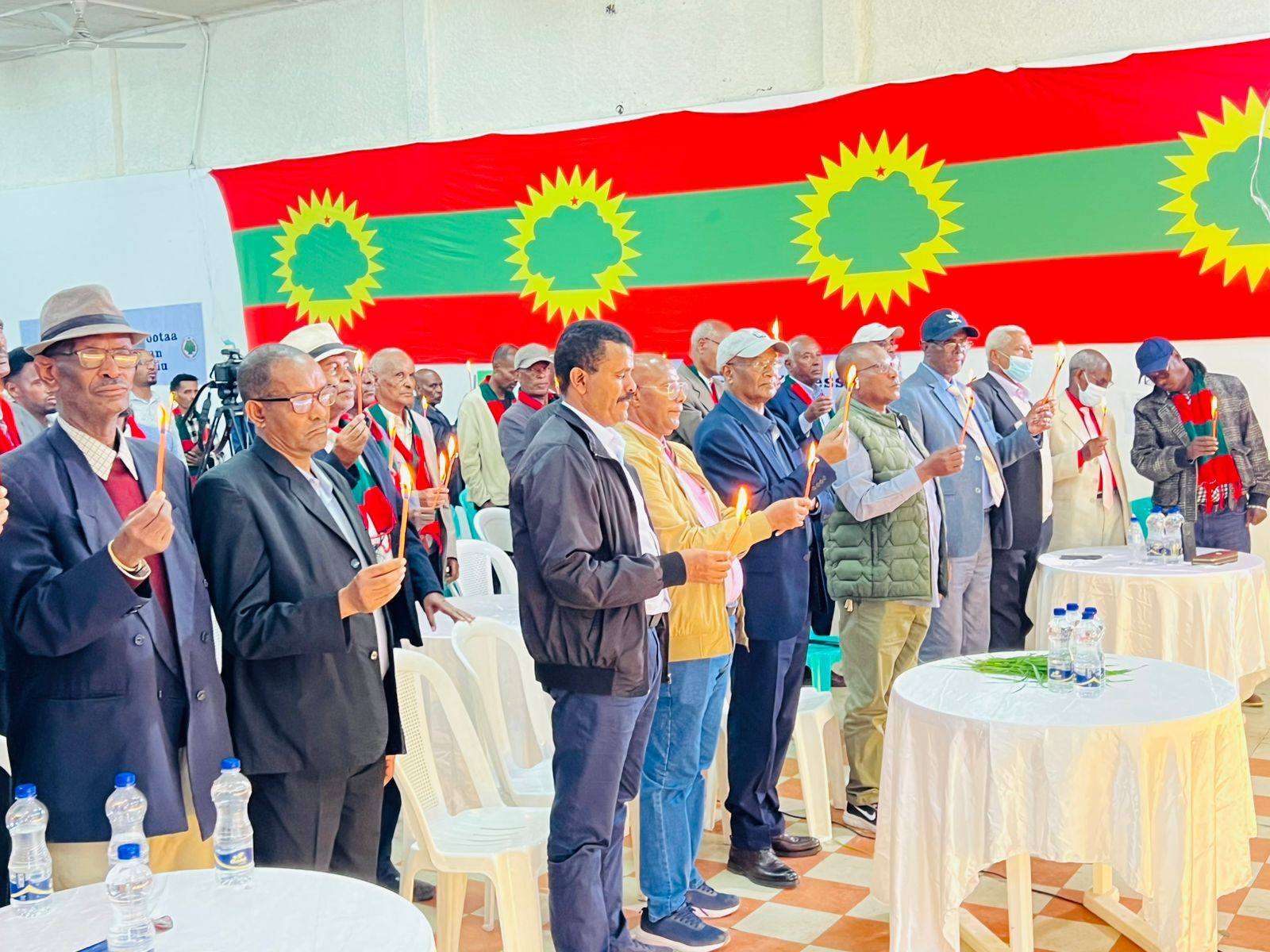
Hundreds gather to honor fallen heroes, raise banned flag, and renew calls for justice and peace on Ebla 15
By Daandii Ragabaa
GULLALLE, FINFINNE – April 15, 2026 (Ebla 15)
GULLALLE – Hundreds of Oromo men, women, and youth gathered today at the Head Office of the ABO (Arsi, Bale, Oromo organization) in the Gullalle district of Addis Ababa to observe Guyyaa Gootota Wareegamtoota Oromoo (Oromo Martyrs and Heroes Day), an annual commemoration held on Ebla 15 (April 15).
The event, which lasted from 9:00 AM to 3:00 PM, included a minute of silence for the fallen, the reading of hundreds of names of martyrs, cultural performances, and the raising of the Oromo flag – a symbol repeatedly banned in public spaces over the years. No violence or security incidents were reported.
The gathering was peaceful but emotionally charged. Attendees included elderly community members, mothers with young children, and large numbers of Qeerroo and Qarree (Oromo youth activists). Organizers described the event as a “people’s holiday” – not sanctioned by any government but observed annually by Oromo communities both inside Ethiopia and in the diaspora.
A banner at the venue read:
“Guyyaa Gootota Wareegamtoota Oromoo – Ebla 15, 2026 – Hin Irraanfatnu. Hin Lolti Dhaabnu.”
(Translation: “Oromo Martyrs and Heroes Day – We will not forget. We will not stop struggling.”)
One of the most powerful moments came when a list of martyrs’ names was read aloud. The names included individuals killed in protests between 2014 and 2026, as well as historical figures from the 19th century. After each name, the crowd responded in unison: “Nu jirra. Hin irraanfatne.” (“We are here. We have not forgotten.”)
An elderly woman, who identified herself only as the mother of a son killed in 2018, held up a faded photograph and told the crowd: “I did not come to speak. I came to show you his face. Do not let his memory die.”
At exactly 12:00 noon, two young women raised the Oromo flag at the ABO compound. The flag – which has been banned at various times in modern Ethiopian history – flew for approximately three hours before being lowered and stored in a wooden box.
Witnesses described an elderly man falling to his knees as the flag rose, weeping and saying: “Forgive us. We are still fighting. We have not given up.”
A senior ABO official, who spoke on condition of anonymity for security reasons, delivered the keynote address. He outlined five core values that he said Oromo martyrs died for:
- Nageenya (Justice / Peace / Well-being)
- Misooma (Development)
- Badhaadhina (Progress)
- Dimokiraasii (Democracy)
- Nagaa (True Peace / Safety)
“These five words are not decorations,” the speaker said. “They are debts. Our heroes paid with their lives. We must pay with our actions.”
The newspaper spoke with several attendees:
Bontu, 23, university student:
“I was not born when many of these heroes died. But I carry their names in my phone. I read them every morning.”
Jirenya, 58, farmer (traveled three hours by bus):
“My brother was killed in 2015. No one was arrested. No one apologized. Today, I am his memory.”
Marga, 19, high school student:
“The next heroes are not dead yet. They are standing right here.”
Hundessa, 72, retired teacher:
“Each year, there are new names. That breaks my heart. But each year, there are also new young faces. That gives me hope.”
Ebla 15 (which corresponds to April 15 in the Gregorian calendar) has become a significant date in Oromo collective memory. While not recognized as an official public holiday by the Ethiopian government, it is widely observed by Oromo communities as a day to honor both historical figures (including 19th-century horseback warriors who fought colonialism) and contemporary martyrs killed in protests and political violence.
The ABO (Arsi, Bale, Oromo – a prominent Oromo civil society and cultural organization) has organized commemorative events on Ebla 15 for several years, though the scale and location have varied due to security constraints.
A visible but low-key security presence was observed in areas surrounding Gullalle throughout the day. No arrests or confrontations were reported. The event ended peacefully at approximately 3:00 PM, after a collective vow in which attendees raised their right hands and recited a pledge to continue the struggle for justice, democracy, and peace.
Organizers declined to provide an official estimate of crowd size, but eyewitnesses placed attendance between 300 and 500 people.
As of press time, the Ethiopian government had not issued an official statement regarding the commemoration.
The ceremony concluded with the Oromo anthem sung by the entire crowd, followed by a slow dispersal. Many attendees lingered to take photographs with the flag and exchange contact information for future organizing.
A young Qeerroo shouted as the crowd began to leave: “Ebla 15 next year – where will we be?”
The crowd responded: “Stronger! More! Free!”
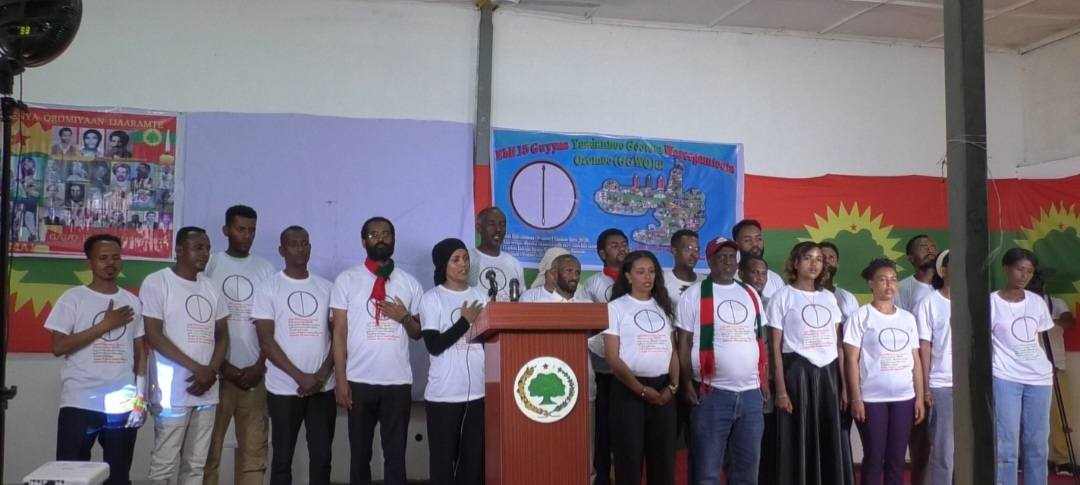
Exclusive: Prosperity Party Officials Accused of Colluding with Security Forces to Thwart Opposition in Oromia Ahead of June Elections
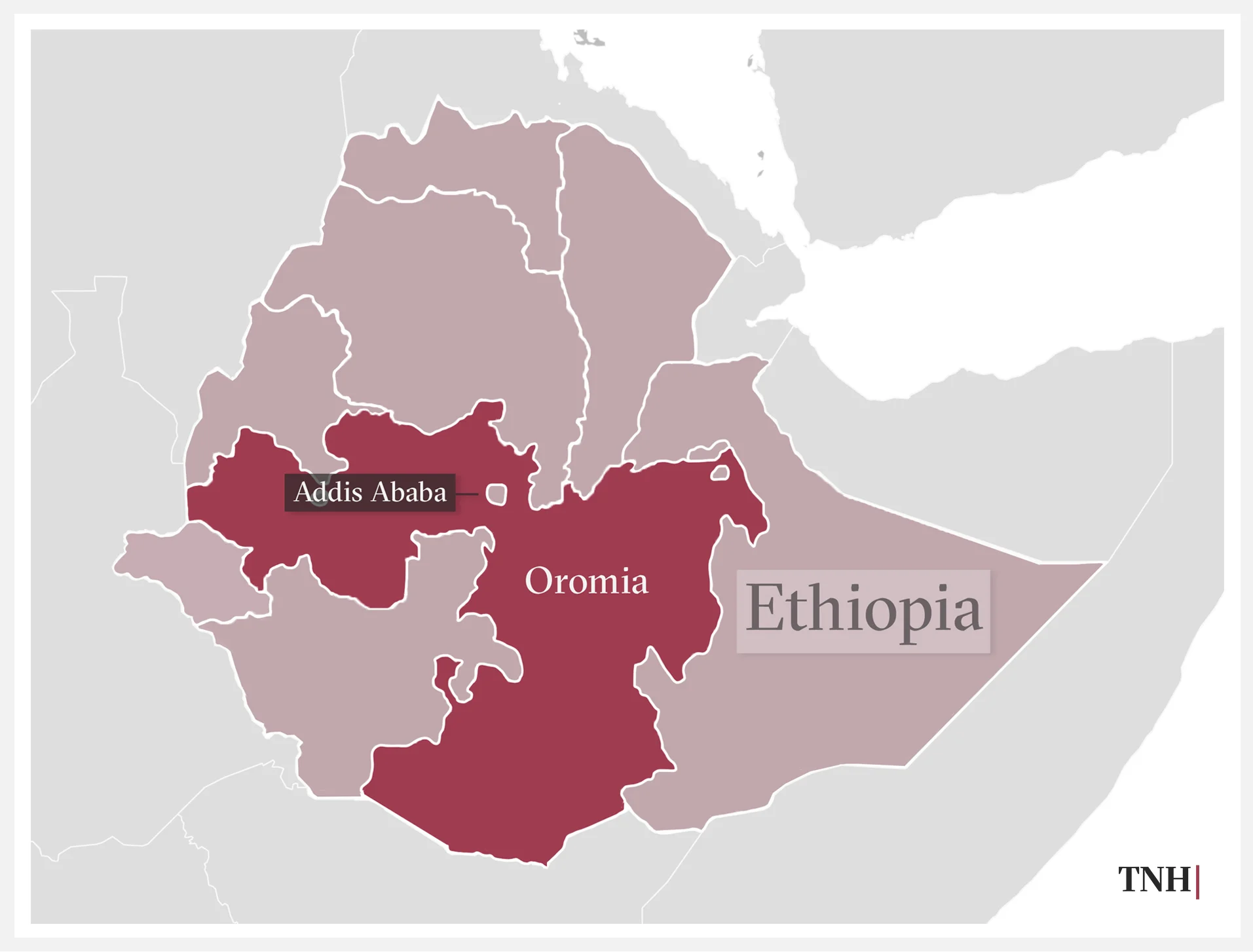
FINFINNE – With less than three months until Ethiopia’s seventh general elections, scheduled for June 1, 2026, the political atmosphere in the Oromia region is becoming increasingly charged. Sources within several zones and districts have revealed to local media that officials from the ruling Prosperity Party (PP) are moving secretly through communities, allegedly instructing party and security bodies to disrupt opposition activities.
According to accounts collected from residents in multiple districts, PP leaders at the zonal and district level are holding undisclosed meetings with security apparatuses. These sources claim that directives have been issued to monitor and crack down on political rivals rather than allowing them to campaign freely.
“People in our districts and zones are not speaking out,” one resident told a local reporter on condition of anonymity. “They told us in secret that directives are being given to party and security offices to work against us. They are using the election as a cover while they try to move through Oromia to stir up trouble and spy on opposition activities.”
The informants specifically identified concerns regarding the Oromo Liberation Front (OLF). Community members expressed that while they have no issue with the OLF contesting elections peacefully, they oppose the idea of the party using the electoral process as a pretext for movement and mobilization across the region under the current circumstances.
“If the OLF wants to compete, let them do so like they do in Addis Ababa, but campaigning inside Oromia is a concern for our party,” a source quoted local PP hardliners as arguing. “But now they are moving through the zones and entering districts. If they are not allowed to compete, it is very worrying. Therefore, we need to follow their movements and take action preemptively.”
These allegations point to a strategy of preemptive disruption, with reports suggesting that regional officials are coordinating with unspecified parties to monitor and counter the opposition’s reach into rural constituencies.
The claims come amid a backdrop of severe political fragmentation and security concerns. Analysts note that the Oromia region, which holds the largest number of parliamentary seats (178 seats in the House of Peoples’ Representatives and 537 in the regional council) , remains a volatile battleground. The Oromo Liberation Army (OLA) insurgency continues in several zones, including East and West Wollega, rendering large areas insecure and complicating logistical preparations for the vote.
Opposition parties have long argued that the playing field is tilted. The Oromo Federalist Congress (OFC) has previously stated that participating in elections while its leaders are imprisoned or under threat would be “politics over the graves of its people” . In a joint statement issued late last year, a coalition of ten opposition parties, including the OLF and OFC, warned that proceeding without “enabling conditions”—such as the release of political prisoners, the reopening of party offices, and guarantees of freedom of movement—would result in a “sham democracy”.
The National Election Board of Ethiopia (NEBE) has cleared over 60 political parties to contest and approved 45 domestic observer groups . However, logistical and security hurdles remain daunting. A recent report by the Ethiopian Human Rights Commission (EHRC) highlighted that freedom of movement is “under siege” in multiple regions, with roadblocks, ambushes, and curfews making it nearly impossible for civilians and candidates to move safely—a prerequisite for any credible election.
“The NEBE must evolve from a mere administrator of rules to a courageous facilitator of political consensus,” wrote Sultan Kassim, an OFC official, in a recent analysis. “An election that is boycotted or only symbolically contested will not resolve Ethiopia’s deep-seated political questions. It will exacerbate them.”.
The residents who spoke out warn that the alleged collusion between party officials and security forces threatens to undermine the will of the Oromo people. “We send a message of brotherhood to everyone holding onto their Oromo identity in the zones and districts,” a resident pleaded. “Do not accept these directives they are giving you. Do not let them drag you into committing a crime against your own people.”
As the June 1 polling date approaches , the credibility of the election hangs in the balance. The combination of active insurgencies, restricted civic space, and deepening distrust between the ruling party and opposition forces suggests that without urgent corrective measures, the 2026 vote may struggle to confer legitimacy or unify the nation.

