Subtitle:Legal Authorities Arrested as Police Claim Orders “From Above,” Raising Alarms About Judicial Independence.
In a move that strikes at the heart of judicial independence, two judges in East Hararge have been arrested on accusations of having links to the Oromo Liberation Army (OLA). The arrests, carried out by the East Hararge Zonal Police, were justified with a chillingly simple explanation: “The higher body commanded us.”
The detained officials are:
Judge Mahbuubee Jundaa, a judge serving in the Qarsaa District of East Hararge Zone. He was arrested on Saturday morning.
Judge Abdallaa Mahammad, a judge at the East Hararge Zone High Court. He was also arrested on Saturday morning.
Both men are currently being held under the custody of the East Hararge Zonal Police Command. The sole public reason given for their detention is the allegation that they “have connections with the OLA.”
The police command’s stated justification—”The higher body commanded us”—raises immediate and profound concerns. It implies an extra-judicial directive, bypassing standard legal procedures and the principle of due process. This phrase suggests that the arrests were not necessarily based on independently investigated evidence presented to a prosecutorial body, but on orders from an unnamed superior authority.
Why This Matters:
Assault on Judicial Independence: Judges are the cornerstone of the rule of law. Their arrest on seemingly political grounds, without transparent legal process, undermines the very notion of an impartial judiciary. It creates a climate of fear where legal decisions may be influenced by political considerations rather than evidence and law.
The “Higher Body” Precedent: The invocation of an unnamed superior command sets a dangerous precedent. It effectively places certain individuals or institutions above the law, allowing for detentions without clear accountability or a defined chain of evidence.
Erosion of Public Trust: When those sworn to uphold the law can be arbitrarily detained, public trust in the entire justice system erodes. Citizens may lose faith in the courts as fair arbiters, which is fundamental for social stability.
Context of Broader Arrests: These arrests occur amidst a wider pattern of detentions of local and regional officials in Oromia under various allegations. This incident specifically targets the judiciary, marking a significant and alarming escalation.
The legal community, civil society, and all advocates for the rule of law must seek clarity. Who is the “higher body”? What specific, admissible evidence exists to warrant the arrest of these judges? They are entitled to due process, a transparent charge, and the right to a fair hearing—the very rights they were appointed to safeguard for others.
A nation cannot be governed by secret commands. The gavel must not be silenced by the chain.
Subtitle:In Ilu Abbaa Boor, a Crackdown on Prosperity Party Officials Coincides with a Deepening Security Crisis.
In a move that has sent shockwaves through the local political landscape, Obbo Rashidoo Baalchaa, the head of the Prosperity Party in Ilu Abbaa Boor Zone, along with numerous members of his executive committee, have been arrested on accusations of forming a “clandestine committee.”
This political crackdown unfolds against a backdrop of a severe and deteriorating security situation across the zone. Many districts (aanaas) are currently grappling with profound safety crises. Farmers are unable to tend to their fields, and even essential food crops left for harvest are reportedly being looted. The timing raises urgent questions: Why this focus now?
This pattern is not isolated to Ilu Abbaa Boor. In recent days, similar arrests of district and municipal administrators have been reported in several other zones. The stated justifications vary, with some vaguely linked to alleged associations with “Shane” (the OLA). This strategy of detaining mid-level officials appears to be a growing tactic.
However, this approach rings hollow against the national reality. While a full federal cabinet sits in the capital, and regional presidents operate with apparent normalcy, the relentless arrest of local administrators does not solve the core problem of instability. It often feels like a superficial fix—applying a small bandage to a gaping wound.
Furthermore, the narrative framing these detained individuals as “revolutionary sympathizers” lacks credibility. Many of those targeted are not ideological militants; they are often pragmatic local figures who have, at times, acted as crucial bridges to calm and negotiate with communities. Their removal may not weaken armed groups, but it almost certainly weakens the fragile lines of communication and local governance.
This creates a dangerous paradox: at the very moment when communities most need effective, trusted local leadership to navigate security threats, that leadership is being systematically removed from the equation. The result is not greater state control, but a deepening vacuum where fear and lawlessness thrive.
The people of Ilu Abbaa Boor and similar zones are left with a pressing plea: Do not distract us with political purges while our basic safety is stripped away. Address the root causes of the conflict. Reinforce, do not dismantle, the local structures that can build peace. The security of our homes and farms cannot be sacrificed on the altar of political maneuvering. The bandage is too small, and the wound is too deep.
Subtitle: The Brutal Abduction of Two Oromia Officials and a Crisis of Trust
A chilling Oromo proverb cuts to the heart of a profound societal betrayal: “Abiyootiin ilmaan ishii nyaachutti ceete fakkaata.” – “The hyena, having eaten her own children, licks her lips.”
This week, in West Hararge, this proverb ceased to be a metaphor and became a terrifying reality. In a brazen and cowardly act, two local administrators—the very figures entrusted with the safety and governance of their communities—were violently abducted from their own homes. Hassan Mahammad, Administrator of Odaa Bultum District, and Sufiyan Ahmad, Administrator of Habro District, were reportedly taken by armed men from their residences late on Saturday night. As of this report, their whereabouts remain unknown, and their fate is a source of agonizing dread for their families and constituents.
This is not merely a crime; it is a symbolic catastrophe. These men were not just officials; they were the embodiment of the local social contract. They were the points of contact between the people and the state, responsible for development, justice, and order. Their abduction from the sanctity of their homes sends a seismic shock through the very foundations of community trust. Who, then, is safe? If those appointed to protect can be so easily seized, what security exists for the ordinary farmer, teacher, or merchant?
The hyena of the proverb is an apt image for the perpetrators, whomever they may be. It represents a force that preys upon its own, that violates the most sacred bonds of protection and community. This act consumes the very social fabric it pretends to guard, leaving behind only trauma and a bitter taste of fear.
The deafening silence and lack of immediate resolution amplify the terror. The unknown is a weapon. The community is left suspended in a nightmare, caught between grief for their leaders and fear for their own futures. This event exposes a terrifying vulnerability and raises urgent, unanswerable questions about who holds power in the shadows, and to what brutal end.
We stand in solidarity with the families of Hassan Mahammad and Sufiyan Ahmad, and with the people of Odaa Bultum and Habro. We demand immediate and transparent action from all relevant authorities to secure their safe return. A community cannot be governed by the law of the jungle. The hyena must be exposed, driven out, and held to account. The lips of the predator must be stained not with satisfaction, but with the dust of defeat.
Subtitle: In Ambo Ejersa, the beautiful kora lammii—a community pitch Becomes a Classroom for Culture, Proving That Our Strongest Defence is Unity
The scene is familiar—a dusty pitch, the sharp cry of a whistle, the unified gasp of a crowd as a ball soars toward the goal. But in the Boji area of Ambo, the familiar scene is telling a profoundly unfamiliar, and more beautiful, story. Here, the Ambo Ejersa Community gathering has become something far greater than a community gathering. It has transformed into a living, breathing symposium on survival.
Kora Lammii of Buundhaa from Itaya, Ambo, Meti, Machi, Wadesse, and Shanen did not just come to compete. They came to convene. In a world where fragmentation is often the default, these generation chose convergence. They built a kora lammii—a community pitch—and upon it, they are rebuilding a community spirit. The real match is not just between teams; it is a collective struggle against the erosion of identity. The victory they seek is the preservation of their cultural soul: aadaa and safuu.
This is the quiet, revolutionary power of what is happening. In the breaks between matches, in the shade of Odaa tree, the kora lammii gathering organically spawns marii boonsaa—deep, communal dialogues. These are not academic lectures, but urgent, grassroots consultations. How do we practice respect (safuu) in a digital age? How do we wear our culture (aadaa) not as a costume for holidays, but as daily armour against assimilation? The gathering is the ignition; the conversation is the sustainable fire.
What these young people in Boji instinctively understand is a truth many societies grapple with: culture is not a museum artifact. It is a muscle. It atrophies without use. It strengthens under collective strain. By using the universal language of community gathering to strengthening the dispersed chapters of their community, they are creating a gymnasium for their Oromumma. They are exercising their shared identity, passing the weight of tradition from elder to youth, ensuring it does not grow weak.
The palpable joy reported by participants—“waan haalan nama gammachisuu dha” (it is something that brings deep joy)—is the most important metric here. This joy is not merely the thrill of sport. It is the profound relief and empowerment that comes from reconnection. It is the joy of speaking your mother tongue freely in a crowd that understands its nuance. It is the joy of seeing your values reflected in the conduct of your peers—in a fair tackle on the field, in the respectful deference to an elder off it.
In an era where globalized culture often flattens uniqueness, the Ambo Ejersa Buundhaa gathering is an act of gentle defiance. It declares that the future need not be a departure from the past, but a continuation of it, adapted on our own terms. These players are not running away from their heritage to chase modernity; they are sprinting toward a future where their heritage is the foundation of their strength.
The commentary from the sidelines, therefore, should be one of keen observation and high praise. This is grassroots cultural innovation at its finest. The kora lammii gathering is proof that the most effective guardians of a people’s spirit are not always politicians or institutions, but can be its youth, a ball, and a collective will to remember. They have remembered that the most crucial goal to defend is the one protecting their very essence. And in that defense, they are finding not just victory, but a deep and abiding joy.
Subtitle: Lammii gathering of Buundhaa from Across the Region Unite on the Pitch, Spark Community Dialogue on Aadaa and Safuu
BOJI, OROMIA — The sound of cheering fans and bouncing footballs has become a powerful call to unity in the rural landscape of Boji. Here, at the Ambo Ejersa gathering, a simple cultural gathering event has blossomed into a profound social gathering, uniting Oromo generations from various parts of the country and reigniting vital conversations about cultural heritage and values.
The generation gathering has successfully drawn teams that map the Oromo heartland: local generation from Boji are competing alongside their brothers from Itaya, Ambo, Meexxii, Maatii, Wadesse, and Shanan. This convergence on the lammii pitch represents a significant grassroots effort to strengthen communal bonds that stretch across the region.
“This is truly something that brings joy,” remarked an elderly spectator, Bulo Tadese, his eyes following the energetic play. “In these times, seeing our sons from different corners come together in peace and healthy competition… it warms the heart. Waan haalan nama gammachisudha (It is profoundly joyous).”
Yet, the true significance of the event extends far beyond the final score. In the shade of trees and under makeshift tents, the community surrounding the gathering is engaging in a parallel, equally important contest: a collective effort to reclaim and revive core Oromo principles.
During breaks and after matches, elders, players, and spectators are gathering for marii boonsaa—meaningful, extended community dialogues. The central focus is the urgent discussion of aadaa (culture/tradition) and safuu (a deep-seated moral and ethical code governing respect and social harmony).
“This lammii gathering of Buundhaa was the spark, but the conversation is the real fire,” said organizer Dhaqaba Gammada. “We play the meeting to bring the generation of Buundhaa together, but we use this gathering to ask important questions: How do we preserve our identity? How do we practice safuu in our daily lives? The energy here shows our people are hungry for this discussion.”
The spontaneous emergence of these dialogues points to a deep-seated community desire to navigate modernity while firmly rooting the younger generation in their cultural foundation. Elders see it as a chance to impart wisdom, while youth see it as a space to understand their heritage in a contemporary context.
The Ambo Ejersa lammii gathering of Buundhaa stands as a powerful example of how lammii gathering can serve as a catalyst for social cohesion and cultural preservation. It demonstrates that the goal is not only to win games but to strengthen the very fabric of the community, ensuring that the values of aadaa and safuu are passed on, debated, and lived.
As the lammii gathering of Buundhaa continues, the message is clear: the most important victory is happening off the field, in the hearts and minds of a people rediscovering the strength of their shared identity.
Addis Ababa, Ethiopia – The life of Dr. Paulos Dubale, a groundbreaking Ethiopian agronomist and soil scientist, stands as a powerful testament to a relentless pursuit of knowledge and an unwavering dedication to national development, often achieved in the face of severe institutional and financial constraints.
Born in June 1936 E.C. in Kendo Wolayta, Dr. Paulos’s journey began humbly in local schools before he pursued agriculture at the then-Alemaya College of Agriculture. His talent was quickly recognized; excelling as both a student and a singer, he was appointed as a “Student Singer” to a national development campaign, which led to his first research posting at the Jimma Agricultural Research Station in 1968 E.C.
His career would become synonymous with coffee research, a cornerstone of Ethiopia’s economy. Recognizing a critical shortage of specialists, the research institute sponsored him for a Master’s degree at the University of Hawaii, USA, which he earned in Horticulture with a focus on coffee. Despite his professors’ strong recommendations to pursue a doctorate immediately, a lack of replacement staff at home forced his premature return to Ethiopia—a recurring theme of institutional limitations that would challenge his progress for years.
A Champion of Collaboration Against Scarcity
Back at the Jimma research center, Dr. Paulos rose to lead the coffee research team and later coordinated the entire national coffee research program. His role expanded dramatically as he was tasked with simultaneously managing the nascent Soil and Water Research directorate. Archival documents reveal a continuous, frustrating struggle: numerous invitations for doctoral fellowships in Italy, the Netherlands, and the UK were declined by the institute due to a crippling “lack of qualified manpower” to fill his role.
His perseverance finally paid off in 1982 E.C. when, with World Bank funding, he secured a “Split PhD” program at Wye College in the UK. This allowed him to conduct research in Ethiopia while completing his degree, which he earned in 1986 E.C. He returned immediately to Ethiopia and was appointed Director of the newly formed National Soil and Water Research Directorate.
A Life of Multifaceted Service and Modest Reward
Dr. Paulos’s leadership extended beyond the lab. He taught at Alemaya University, served on the board of the Metehara Sugar Factory, and was an active member of the Ethiopian Society of Soil Science. His scientific contributions were prolific, authoring or co-authoring over 60 publications, including progress reports, technical papers, journal articles, and handbooks.
Despite his monumental contributions, his personal compensation starkly highlighted the sacrifices made by a generation of scientists. Records show that upon his retirement, his monthly salary was just 3,335 Ethiopian Birr, with a responsibility allowance of 450 Birr. His pension was calculated at 1,576.78 Birr per month.
His career was also marked by extensive international travel for training and conferences, taking him to the USA, UK, Brazil, Ghana, Tanzania, India, Uganda, Sri Lanka, and Kenya, where he represented Ethiopia’s scientific community.
Forced to retire in 1991 E.C. upon reaching the mandatory age, his expertise was deemed so indispensable that his tenure was extended twice, allowing him to continue coordinating vital research projects for an additional six years before his final retirement in 1997 E.C.
Dr. Paulos Dubale’s story is not merely one of personal achievement but a narrative of intellectual resilience. It illustrates the profound impact one dedicated scientist can have—nurturing a key economic sector, mentoring future generations, and building institutional capacity—even when operating within a system strained by scarcity. His legacy endures in Ethiopia’s agricultural research foundations and serves as a powerful inspiration for the nation’s scientific community.
Addis Ababa – The Ministry of Tourism has announced with deep sorrow the passing of veteran journalist Zerihun Girma, a respected figure who dedicated his long career to promoting Ethiopia’s cultural and tourism heritage. In an official statement of condolence, the Ministry hailed Zerihun as a passionate advocate whose work left an indelible mark on the sector.
“Journalist Zerihun Girma was well known for his great love and determination to introduce our country’s tourist attractions, historical heritage, and cultural values to the world,” the Ministry’s statement read. It credited his professional contributions with playing a significant role in the growth of the sector, stating that through his work, “he has left his own unique footprint.”
Zerihun Girma served for many years within Ethiopia’s tourism and culture landscape, utilizing his journalism to spotlight the nation’s vast potential as a premier destination. His reporting was instrumental in bringing international attention to Ethiopia’s diverse historical sites, vibrant traditions, and natural wonders.
During this difficult time, the Ministry extended its heartfelt condolences to his family, friends, and colleagues. “We pray for comfort for his family, his dear relatives, as well as his work associates,” the statement concluded.
The passing of Zerihun Girma represents a significant loss for Ethiopia’s media and tourism communities, removing a dedicated voice that consistently championed the nation’s rich cultural tapestry on both local and global stages.
Senior Official Rebuts PM Abiy’s Claims, Alleges Cover-Up in Eritrean Role During Tigray War
[February 4, 2026] – In a scathing and meticulously detailed open letter to Prime Minister Abiy Ahmed, Gedu Andargachew, a former high-ranking official, has issued a sharp rebuttal to the Prime Minister’s recent parliamentary statements, directly challenging the official narrative of Eritrea’s role in the Tigray war and accusing the administration of evading moral responsibility for the conflict’s atrocities.
The letter, dated January 27, 2015, Ethiopian Calendar, was prompted by the Prime Minister’s mention of Gedu by name during a parliamentary address concerning tensions with Eritrea on January 26, 2015, Ethiopian Calendar. Gedu states that this reference compelled him to “place the matter on the public record, without addition or subtraction,” offering a starkly different account of key wartime events.
Disputing the Official Eritrea Narrative
Gedu’s core contention challenges the timeline presented by the government. He asserts that Eritrean forces fought alongside the Ethiopian National Defense Force (ENDF) from the war’s outset until the Pretoria Agreement was finalized, contradicting the official line that their involvement was brief or contested.
He provides specific military details to support his claim, recalling a moment in the winter of 2013 E.C. (2020/2021 Gregorian) when Tigrayan forces advanced into the Amhara region. “We remember that the Eritrean army came as far as the Debretabor area and fought,” he writes. He further alleges that the ENDF and the Eritrean military conducted joint operations “in a manner resembling a single national army” until the peace deal was made public.
Alleging a Deliberate Cover-Up and Shift of Blame
The letter accuses PM Abiy of a pattern of deflecting responsibility for the war’s devastating human cost. Gedu expresses disappointment that instead of seeking forgiveness from the peoples of Tigray and Ethiopia, the Prime Minister chose to “simply provide explanations” and “try to find another party to blame.”
He argues this approach is not only a moral failure but also dangerous, stating it prevents the necessary lessons from being learned and “makes the recurrence of similar disasters possible.” Gedu directly links a range of national crises—the wars in Tigray and Oromia, alleged atrocities in Amhara, and conflicts in Benishangul-Gumuz—to what he calls the leadership’s “deficiency” and a flawed mindset that “cannot stay in power without conflict and war.”
Denying a Secret Mission to Eritrea
Gedu forcefully denies the Prime Minister’s insinuation that he was sent to Eritrea as a special envoy concerning the Tigray war. He clarifies he was removed from his post as Foreign Minister the day after the conflict began and states, “There has never been a suspicion that this issue was entrusted to me.”
He confirms a single trip to Asmara in early 2013 E.C. but describes a mission with entirely different objectives: to convey gratitude for Eritrea’s joint military cooperation, deliver a victory message regarding coordinated operations, and discuss mutual caution over mounting international “naming and shaming campaigns” related to human rights abuses.
Critically, Gedu claims that when he raised the international community’s demand for Eritrean troop withdrawal, PM Abiy explicitly instructed him not to request that Eritrea pull its forces out. “You warned me, ‘Do not at all ask them to withdraw your army,'” Gedu writes.
Revealing Contemptuous Remarks Toward Tigrayans
In the letter’s most explosive personal allegation, Gedu recounts a private meeting where he advised caution and the rapid establishment of civilian administration in Tigray to prevent future grievances. He claims PM Abiy dismissed these concerns with contemptuous rhetoric.
Gedu quotes the Prime Minister as allegedly stating: “Tigrayans will not rebel from now on; don’t think they can get up and fight seriously… we have crushed them so they cannot rise. Many people tell me ‘the people of Tigray, the people of Tigray’; how are the people of Tigray better than anyone? We have crushed them so they cannot rise. We will hit them even more; because the escape route is difficult, from now on the Tigray we know will not return.”
A Call for Accountability
The letter concludes not with personal grievances, but with a broader indictment of the administration’s governance. Gedu presents his detailed refutation as a necessary corrective to the historical record and an implicit call for a truthful accounting of the war’s origins, conduct, and consequences—an accounting he suggests is being actively avoided by the highest levels of government.
The Prime Minister’s office has not yet issued a public response to the allegations contained in the letter.
Borana University Mourns a Beacon of Indigenous Knowledge: Professor Asmarom Legesse
(Yabelo, Oromia – February 5, 2026) Borana University, an institution deeply embedded in the cultural landscape it studies, today announced its profound sorrow at the passing of Professor Asmarom Legesse, the preeminent anthropologist whose lifelong scholarship fundamentally defined and defended the indigenous democratic traditions of the Oromo people. The University’s tribute honors the scholar not only as an academic giant but as a “goota” (hero) for the Oromo people and for Africa.
In an official statement, the University highlighted Professor Legesse’s “lifelong dedication to understanding the complexities of Ethiopian society—especially the Gadaa system,” crediting him with leaving “an indelible mark on both the academic and cultural landscapes.” This acknowledgment carries special weight from an institution situated in the heart of the Borana community, whose traditions formed the bedrock of the professor’s most celebrated work.
The tribute detailed the pillars of his academic journey: a Harvard education, esteemed faculty positions at Boston University, Northwestern University, and Swarthmore College, and the groundbreaking field research that led to his seminal texts. His 1973 work, “Gada: Three Approaches to the Study of African Society,” was cited as revolutionary for revealing “the innovative solutions indigenous societies developed to tackle the challenges of governance.”
It was his 2000 magnum opus, however, that solidified his legacy as the definitive voice on the subject. In “Oromo Democracy: An Indigenous African Political System,” Professor Legesse meticulously documented a system characterized by eight-year term limits for all leaders, a sophisticated separation of powers, and the Gumi assembly for public review—a structure that presented a centuries-old model of participatory democracy. “His insights challenged prevalent misconceptions about African governance,” the University noted, “showcasing the rich traditions and political innovations of the Oromo community.”
For his unparalleled contributions, he was awarded an honorary Doctor of Letters from Addis Ababa University in 2018.
Perhaps the most powerful element of the University’s statement was its framing of his legacy beyond academia. By “intertwining the mechanics of the Gadaa system with the broader narrative of Oromo history and cosmology,” Professor Legesse was credited with fostering “a profound understanding of Oromo cultural identity.” It is for this work of preservation, interpretation, and transmission that he is declared “a hero—a goota—to the Oromo people and to Africa as a whole.”
Looking forward, Borana University management has called upon its students and faculty to honor his memory through “ongoing research and discourse on indigenous governance systems,” ensuring his foundational work continues to inspire new generations of scholars.
The entire university community extended its deepest condolences to Professor Legesse’s family, friends, and loved ones, mourning the loss of a true champion of Oromo culture and a guiding light in the study of African democracy.
About Borana University: Located in Yabelo, Borana Zone, Oromia, Borana University is a public university committed to academic excellence, research, and community service, with a focus on promoting and preserving the rich cultural and environmental heritage of the region and beyond.
A Scholar Immortal: Prof. Asmerom Legesse’s Legacy Lives in the Hearts of a Nation
5February 2026 – Across the globe, from the halls of academia to the living rooms of the diaspora, the Oromo community is united in a chorus of grief and profound gratitude. The passing of Professor Asmerom Legesse at the age of 94 is not merely the loss of a preeminent scholar; it is, as countless tributes attest, the departure of a cherished friend, a fearless intellectual warrior, and an adopted son whose life’s work became the definitive voice for Oromo history and democratic heritage.
The outpouring of personal reflections paints a vivid portrait of a man whose impact was both global and deeply intimate. Olaansaa Waaqumaa recalls a brief conversation seven years ago, where the professor’s conviction was unwavering. “Yes! It is absolutely possible,” he declared when asked if the Gadaa system could serve as a modern administrative framework. “The scholars and new generation must take this mantle, think critically about it, and bridge it with modern governance,” he advised, passing the torch to future generations.
This personal mentorship extended through his work. Scholar Luba Cheru notes how Professor Legesse’s 1973 seminal text, Gada: Three Approaches to the Study of African Society, became an indispensable guide for her own decade-long research on the Irreecha festival. She reflects, “I never met him in person, but his work filled my mind.”
Ituu T. Soorii frames his legacy as an act of courageous resistance against historical erasure. “When the Ethiopian empire tried to erase Oromo existence, Professor Asmarom rose with courage to proclaim the undeniable truth,” they write, adding a poignant vision: “One day, in a free Oromiyaa, his statues will rise—not out of charity, but out of eternal gratitude.” Similarly, Habtamu Tesfaye Gemechu had earlier praised him as the scholar who shattered the conspiracy to obscure Oromo history, “revealing the naked truth of the Oromo to the world.”
Echoing this sentiment, Dejene Bikila calls him a “monumental figure” who served as a “bridge connecting the ancient wisdom of the Oromo people to the modern world.” This notion of the professor as a bridge is powerfully affirmed by Yadesa Bojia, who poses a defining question: “Did you ever meet an anthropologist… whose integrity was so deeply shaped by the culture and heritage he studied that the people he wrote about came to see him as one of their own? That is the story of Professor Asmerom Legesse.”
Formal institutions have also affirmed his unparalleled role. The Oromo Studies Association (OSA), which hosted him as a keynote speaker, stated his work “fundamentally reshaped the global understanding of African democracy.” Advocacy for Oromia and The Oromia Culture and Tourism Bureau hailed him as a “steadfast guardian” of Oromo culture, whose research was vital for UNESCO’s 2016 inscription of the Gadaa system as Intangible Cultural Heritage.
Binimos Shemalis reiterates that his “groundbreaking and foundational work… moved [Oromo studies] beyond colonial-era misrepresentations.” Scholar Tokuma Chala Sarbesa details how his book Oromo Democracy: An Indigenous African Political System proved the Gadaa system was a sophisticated framework of law, power, and public participation, providing a “strong foundation for the Oromo people’s struggle for identity, freedom, and democracy.”
The most recent and significant political tribute came from Shimelis Abdisa, President of the Oromia Regional State, who stated, “The loss of a scholar like Prof. Asmarom Legesse is a great damage to our people. His voice has been a lasting institution among our people.” He affirmed that the professor’s seminal work proved democratic governance originated within the Oromo people long before it was sought from elsewhere.
Amidst the grief, voices like Leencoo Miidhaqsaa Badhaadhaa offer a philosophical perspective, noting the professor lived a full 94 years and achieved greatness in life. “He died a good death,” they write, suggesting the community should honor him not just with sorrow, but by learning from and adopting his teachings.
As Seenaa G-D Jimjimo eloquently summarizes, “His scholarship leaves behind not just a legacy for one community, but a gift to humanity.” While the physical presence of this “real giant,” as Anwar Kelil calls him, is gone, the consensus is clear: the intellectual and moral bridge he built is unshakable. His legacy, as Barii Milkeessaa simply states, ensures that while “the world has lost a great scholar… the Oromo people have lost a great sibling.”
We are deeply saddened by the passing of Abbaa Gadaa Professor Asmerom Legesse, a towering African intellectual whose scholarship stands among the most consequential contributions to Oromo history and African political thought.
Abbaa Gadaa Professor Asmerom Legesse, an Eritrean social anthropologist trained at Harvard University and later a distinguished professor at institutions including Boston University, Northwestern University, Swarthmore College, and Yale University, devoted rare rigor and integrity to African knowledge systems. Yet his true stature was not defined by titles, but by the seriousness with which he treated the Oromo Gadaa system.
At a time when African societies were routinely dismissed as lacking political sophistication, he refused to reduce Gadaa to “custom” or folklore. Through disciplined research and cultural immersion, he framed Gadaa as an indigenous constitutional order—built on rotating generational leadership, codified law (seera), institutional checks and balances, accountability, and collective sovereignty.
His landmark work, Gadaa: Three Approaches to the Study of African Society (1973), introduced the world to the depth and coherence of Oromo political organization. Decades later, Oromo Democracy: An Indigenous African Political System (2000) further clarified Gadaa as an egalitarian democratic system whose institutional logic long predates modern Western models. These works remain core references for understanding Oromo governance and for challenging enduring stereotypes about African political thought.
Abbaa Gadaa Professor Asmerom Legesse understood what many still refuse to acknowledge: Oromo history is not marginal, not invented, and not secondary to anyone else’s narrative. It is a complete intellectual tradition—deserving serious documentation, protection, and transmission. By recording Gadaa with scholarly precision, he did more than study Oromo society; he defended it against erasure and misrepresentation.
For this reason, Oromo communities came to hold him in special esteem, symbolically recognizing him as an “Abbaa Gadaa”—a guardian of truth and a custodian of a threatened heritage. Beyond Oromo studies, he wrote on Eritrean refugees, and wider questions of displacement, power, and justice in the Horn of Africa, embodying the responsibilities of a public intellectual.
We at OROMEDIA express our heartfelt condolences to his family, colleagues, students, and all communities touched by his life and work. We also offer our deep gratitude for the intellectual ground he helped secure for generations of Oromo scholars and citizens. His scholarship did not merely preserve the past; it equipped future generations with evidence and language to assert historical truth.
Rest in power, Abbaa Gadaa Professor Asmerom Legesse. Your work lives on, wherever Gadaa is studied, defended, and lived as a testament to indigenous Oromo democracy and African intellectual greatness.
A World Mourns an Intellectual Giant: Unified Tributes Honor Professor Asmerom Legesse, Scholar of Oromo Democracy
4 February 2026 – The global Oromo community, alongside academic and cultural institutions, is united in profound grief following the passing of Professor Asmerom Legesse, the preeminent scholar whose life’s work defined the study of the Oromo Gadaa system. Hailed as a “towering scholar,” “global voice,” and “steadfast guardian,” his death has prompted a powerful wave of tributes that collectively affirm his unparalleled role in bringing an indigenous African democratic tradition to the world stage.
Across statements from scholars, activists, and organizations, a consistent narrative emerges: Professor Legesse was far more than an academic. He was a truth-teller, a bridge-builder, and a revolutionary intellectual who dedicated his career to the reclamation and elevation of a system long marginalized by colonial and oppressive narratives.
Scholars and Leaders Reflect on a Transformative Legacy Prominent voices have emphasized the transformative nature of his work. Scholar Asebe Regassa called him a “pioneer of Gadaa studies,” whose “groundbreaking anthropological work” ensured he will be “remembered forever.” Tayiba Hassen Kayo noted his “unwavering commitment” left an “enduring mark on academia and on the Oromoo people,” ensuring his life’s work “will never be forgotten.”
The personal dimension of his scholarship was highlighted by Israel Fayisa, who poignantly described him as “Eritrean by birth and Oromo by choice,” a scholar treated “like an enemy by many Ethiopianist scholars merely because he dedicated his life to revealing the truth.” This sentiment underscores the courageous stance his research represented.
A Legacy of Global Recognition and Cultural Pride His work is credited with achieving what once seemed impossible: securing global academic respect for an indigenous African system. As Visit Oromia stated, his research “gave international recognition to one of Africa’s most remarkable indigenous governance systems.” Activist Dereje Hawas pointed out that what defined him was “the seriousness with which he treated African and especially Oromo knowledge systems,” elevating them to their rightful place in global discourse.
Activist and journalist Dhabessa Wakjira captured the core of his academic revolution, writing that Legesse “proved definitively that principles of equality, rotational leadership, checks and balances, and the rule of law were not foreign imports to the continent, but were deeply embedded, living traditions.” This work, as Lelise Dhugaa noted, was foundational to UNESCO’s inscription of the Gadaa system as Intangible Cultural Heritage of Humanity in 2016.
A Community’s Deep Personal Loss For the Oromo people, the loss is both intellectual and deeply personal. The tribute from Olumaa Qubee expresses this communal grief: “Oromoon fira guddaa tokko dhabe” (“The Oromo people have lost a great sibling”). The call for schools and institutions to be named in his honor within Oromia reflects a desire to anchor his legacy physically in the land of the people he championed.
As tributes from colleagues like Zewdu Lechissa remember the “truly brilliant scholar and a kind soul,” the collective message is one of both mourning and determined continuity. Professor Asmerom Legesse’s pioneering scholarship did not merely document the Gadaa system; it restored a pillar of Oromo identity and gifted the world a timeless model of democracy. His legacy, as echoed by all, will undoubtedly “continue to inspire generations.”
The Oromia Culture and Tourism Bureau expresses its profound sorrow and deep sense of loss at the passed away of Professor Asmarom Legesse, an eminent scholar, cultural custodian, and an unwavering servant of the Gada system.
Professor Asmarom devoted his life to the preservation, interpretation, and transmission of the Gadaa system—a living heritage of governance, justice, peace, and social responsibility. Through his scholarship, leadership, and lifelong service, he played an indispensable role in safeguarding the philosophical foundations and moral values that define Oromo identity and humanity at large.
His work bridged generations, linking ancestral wisdom with contemporary knowledge, and ensured that the Gadaa system remains a guiding light for social harmony, equity, and collective responsibility.
Beyond academia, Professor Asmarom stood as a moral compass for his community. He embodied the principles of truth, justice, service, and integrity, and tirelessly worked to nurture unity, dialogue, and cultural continuity. His contributions have left an enduring imprint on cultural institutions, academic circles, and community life, both within Oromiyaa and beyond.
On behalf of the Oromia Culture and Tourism Bureau, we extend our heartfelt condolences to his family, relatives, colleagues, students, and the entire Oromo community who mourn this irreplaceable loss. While his physical presence has departed, his wisdom, teachings, and exemplary life will continue to live on, inspiring generations to uphold the values of Gada and to serve society with dedication and humility.
May the Almighty grant strength and solace to all who grieve his passing.
A Guardian of Heritage: Advocacy for Oromia Mourns the Passing of Professor Asmerom Legesse (1931-2026)
(Melbourne, Victoria) – February 5, 2026 – Advocacy for Oromia, with profound respect and deep sorrow, announces the passing of the world-renowned scholar, Professor Asmerom Legesse. We extend our most heartfelt condolences to his family, his colleagues in academia, and to the entire Oromo people, for whom his work held monumental significance.
Professor Legesse was not simply an academic; he was a steadfast guardian and a preeminent global ambassador for the ancient Gadaa system, the sophisticated democratic and socio-political foundation of Oromo society. For more than forty years, he dedicated his intellect and passion to meticulously studying, documenting, and advocating for this profound indigenous system of governance, justice, and balanced social order.
His seminal work, including the definitive text Oromo Democracy: An Indigenous African Political System, transcended mere historical analysis. Professor Legesse’s scholarship performed a vital act of cultural reclamation and global education. It restored dignity to a marginalized history, affirmed the cultural identity of millions, and presented to the international community a powerful, self-originating model of African democracy that predated and paralleled Western constructs.
Born in Asmara in 1931, Professor Legesse’s intellectual journey—from political science at the University of Wisconsin to a doctorate in anthropology from Harvard University, where he later taught—was always directed by a profound sense of purpose. His research provided the rigorous, academic foundation for understanding indigenous African political philosophy.
His passing is felt as a deeply personal loss within our community, reminding us of the interconnected threads of Oromo history and resilience. On a recent visit to Asmara, a delegation from Advocacy for Oromia visited a site of immense historical importance: the church where Abbaa Gammachis and Aster Ganno, giants of faith and resistance, resided while translating the Bible into Afaan Oromo. It was there we learned that the family home of Professor Asmerom Legesse stood adjacent.
This physical proximity stands as a powerful metaphor. It connects the spiritual and linguistic preservation embodied by Abbaa Gammachis with the intellectual and political excavation led by Professor Legesse. They were neighbors not only in geography but in sacred purpose: both dedicated their lives to protecting, promoting, and elucidating the core pillars of Oromo identity against historical forces of erasure.
Professor Legesse’s lifetime of contributions has endowed current and future generations with the intellectual tools to claim their rightful place in global narratives of democracy and governance. For this invaluable and enduring gift, we offer our eternal gratitude.
While we mourn the silence of a towering intellect, we choose to celebrate the immortal legacy he leaves behind—a legacy of knowledge, pride, and empowerment that will continue to guide and inspire.
May his soul rest in eternal peace. May his groundbreaking work continue to illuminate the path toward understanding, justice, and self-determination.
Rest in Power, Professor Asmerom Legesse.
About Advocacy for Oromia: Advocacy for Oromia is a global network dedicated to promoting awareness, justice, and the rights of the Oromo people. We work to uphold the principles of democracy, human rights, and cultural preservation central to Oromo identity and heritage.
Feature Commentary: Unpacking the Narrative – A Rebuttal to General Hailu Gonfa’s ETV Interview
By Daandii Ragabaa February 1, 2026
A recent interview given by General Hailu Gonfa, a former high-ranking member of the Oromo Liberation Army (OLA), to Ethiopian state television (ETV) has sent ripples through political and activist circles. Presented as a “tell-all,” the interview was a stark narrative of disillusionment with the OLF/OLA, peppered with allegations of foreign manipulation and internal failure. For the state broadcaster, it was a coup—a former insurgent commander validating state narratives. For many observers, however, it was a performance laden with contradictions and historical revisionism that demands scrutiny, not passive acceptance.
General Gonfa’s core thesis is one of victimhood at the hands of the Eritrean government (Shaebia) and strategic confusion within the OLF/OLA. He paints a picture of being used, misled, and ultimately betrayed. Yet, a closer examination of his own points reveals a narrative more complex and less absolving of his own agency.
1. The Eritrea Conundrum: Pawns or Strategic Partners? Gonfa claims they went to Eritrea not out of hatred for Ethiopia, but to oppose the system, following the path of Eritreans themselves. He then details a three-month military training at Camp Ashfaray, a period of intense hardship. The critical question he sidesteps is: what did he and his comrades believe they were building towards in Asmara? Did they receive a political program from the OLF leadership? As senior military cadres, did they simply execute orders without understanding the overarching political strategy? His portrayal reduces seasoned officers to naive children, which insults both their intelligence and the gravity of their decision to seek foreign military training.
2. The Phantom “Russian Assignment” and Internal Discord. He recounts a meeting in Russia where OLF members approached him, but they could not agree on a common agenda for working inside Ethiopia. He claims he was later given a vague, “impossible” national assignment. This raises a fundamental question: if there was such profound disagreement on core strategy before undertaking major actions, why proceed? The attempt to blame subsequent failures on a pre-existing lack of consensus suggests a failure of leadership and collective decision-making, not merely the deceit of others.
3. The “Oromia Republic” Straw Man. This is perhaps the most disingenuous claim. Gonfa asserts a foundational disagreement over the goal of an “Oromia Republic,” which he labels a “colonial agenda.” He claims this deadlock was irreconcilable. Yet, the public record shows that figures like General Kamal Galchu, in a VOA interview, spoke openly about the possibility of a republic after achieving liberation. Furthermore, the OLF’s own political programs have historically navigated the spectrum between self-determination and possible independence based on a popular referendum. To frame a central, debated political aspiration as a shocking, divisive “colonial” plot is a gross misrepresentation of the struggle’s own intellectual history, likely tailored for his current audience in Addis Ababa.
4, 5 & 7: The Shaebia Scapegoat and the Mystery of Betrayal. Gonfa dedicates significant time to blaming Eritrea for their imprisonment and manipulating the OLA’s military wing. He describes a mysterious Colonel “Xamee” who allegedly controlled them. This narrative of total Eritrean control sits awkwardly with his other claims of internal OLA agency, such as the alleged refusal of some army units to follow orders in 2018. If the OLA was merely a puppet, how did it exercise such defiance? His testimony about Colonel Abebe (allegedly now a Brigadier General in the OLA) is particularly damaging but presented without context or corroboration. It creates a convenient fog where all failures can be attributed to a shadowy foreign hand, absolving internal leadership of critical misjudgments.
6. The Uncomfortable Transition from Refugee to Parliamentarian. Gonfa’s personal journey—from an economic refugee with a Swedish passport to a member of parliament—is presented as a triumph of resilience. Yet, it unavoidably invites questions about the pathway from armed opposition to state legitimization. He speaks of the hardships of struggle, but for many watching, the stark contrast between the described suffering and his current official position underscores the complex, often ambiguous, transitions in Ethiopian political life, where former enemies can become state stakeholders.
8 & 9: Rewriting the Homecoming and the Gadaa Model. He claims that upon returning to Ethiopia, they chose to work on national issues within the political system, respecting the existing OLF leadership. This sanitizes what many saw as a major split and a demobilization. His praise for the “Gadaa model” of conflict resolution, now being adopted in Amhara region, rings hollow. It appears less as a genuine endorsement of traditional systems and more as an endorsement of the federal government’s current policy of co-opting ethnic administrative models, a far cry from the Gadaa system’s principles of sovereignty and self-rule.
Conclusion: A Performance with a Purpose General Hailu Gonfa’s interview is less a revelation and more a strategic repositioning. It is an effort to construct a personal and political narrative that reconciles a past of armed rebellion with a present of state accommodation. In doing so, it simplifies a multifaceted struggle into a story of foreign deception and internal error, draining it of its political substance and reducing it to a series of personal grievances and bad partnerships.
For the state, it is a useful narrative: the rebels were confused, controlled by Eritrea, and have now seen the light. For the still-active struggle, it is a warning about the power of state platforms to reshape history. For critical observers, it is a reminder that every testimony, especially those given in such loaded circumstances, must be read not just for what is said, but for the silences it cultivates and the interests it serves. The truth of the Oromo struggle, in all its sacrifice, complexity, and ongoing evolution, lies not in this single curated confession, but in the totality of its lived history, which is far messier, more principled, and more enduring than this interview suggests.
“Daraaro”: The Gedeo Festival of Renewal and its Modern Resonance
In the heart of Ethiopia’s capital, a celebration of profound cultural and spiritual significance is unfolding. The Gedeo people’s “Daraaro” festival—the annual marker of their transition from the old year to the new—is being observed in Addis Ababa with a solemnity and vibrancy that speaks to both its deep roots and its contemporary relevance.
Described as a festival of “gift, gratitude, and peace,” Daraaro is far more than a calendrical event. It is a living embodiment of a worldview. At its core, it is an act of communal reorientation: a time to present gifts (sita) to spiritual leaders (Abba Gada), expressing thanks for peace and success granted, and articulating collective hopes for health, security, and a bountiful harvest in the year ahead. This intertwining of the spiritual, the social, and the agricultural reveals a holistic philosophy where human well-being is inseparable from divine favor and environmental harmony.
What makes the current observance in Addis Ababa particularly noteworthy is its dual character. It is simultaneously an act of cultural preservation and a statement of modern identity. The inclusion of symposia and events detailing Gedeo history, culture, and language transforms the celebration into a platform for education and dialogue. It asserts that Gedeo heritage is not a relic of the past, but a vital, intellectual, and artistic tradition deserving of national recognition and understanding.
The festival’s official framing around the theme of “development for culture and tourism” is a significant and complex evolution. On one hand, it represents a strategic move to gain visibility and economic leverage within the Ethiopian state, which actively promotes cultural tourism. On the other, it risks commodifying a sacred tradition. The true test will be whether this external framing can remain a vessel for the festival’s intrinsic meanings of gratitude, peace, and social justice, rather than subsuming them.
Indeed, the commentary’s note that issues of “justice and the national system” are part of the discourse during Daraaro is crucial. For the Gedeo—a people with a distinct identity and a history intertwined with questions of land, resource rights, and administrative recognition—a festival of renewal is inevitably also a moment to reflect on societal structures. Prayers for a good harvest and communal safety are, in the modern context, also implicit commentaries on land tenure, economic equity, and political inclusion.
The most forward-looking aspect of the report is the work towards UNESCO recognition as intangible cultural heritage. This pursuit is a high-stakes endeavor. Success would provide a global shield for the festival, fostering preservation, research, and prestige. However, it must be navigated carefully to avoid fossilizing the tradition or divorcing it from the community that gives it life.
A Commentary: The Bridge of Daraaro
Daraaro, in its essence, builds a bridge. It bridges the old year and the new, the human and the divine, the individual and the community. Now, as celebrated in Addis Ababa, it builds another: a bridge between the particularity of Gedeo culture and the broader Ethiopian—and indeed global—conversation.
Its message of gratitude and peace is a universal one, yet it is delivered in the specific, potent vocabulary of Gedeo tradition. Its emphasis on social justice ties an ancient ritual to the most pressing contemporary debates. Its pursuit of UNESCO status places a local Ethiopian practice within an international framework of cultural value.
The celebration of Daraaro in the capital is thus a powerful symbol. It signifies that Ethiopia’s strength does not lie in a monolithic culture, but in the ability of its diverse nations and peoples to bring their unique, rich, and reflective traditions to the national table. It reminds us that a “new year” is not just a change of date, but an opportunity for societal recalibration—a time to offer gratitude, seek justice, and plant collective hopes for the future. In honoring Daraaro, we are reminded that some of the most vital frameworks for building a peaceful and prosperous society are not new political doctrines, but ancient festivals of renewal, patiently observed year after year.
A Green Future Takes Root: Soil and Water Conservation as a Legacy in Shawa Lixaa, Dirree Incinnii district.
In the heart of Shawa Lixaa, Dirree Incinnii district, a quiet but profound transformation is unfolding. Across multiple villages, a community-led initiative titled “Soil and Water Conservation Campaign for National Pride” has been underway for weeks. This is not a temporary project, but the steady, ongoing work of building a legacy.
The message from local leaders, like Administration and Natural Resources Office Head Obbo Tashoomaa Baqqalaa, is clear and compelling: “We are working to create a clean and fertile country for future generations.” This statement reframes environmental work from a technical chore into a moral and patriotic duty—a gift to the unborn.
The campaign’s objectives are a masterclass in integrated community development. It aims to:
Enhance natural resource productivity and quality, turning existing assets into greater wealth.
Combat soil erosion, directly addressing the creeping threat to Ethiopia’s agricultural backbone.
Increase soil fertility and water availability, the twin pillars of food security and resilience.
What makes the effort in Dirree Incinnii particularly noteworthy is its stated methodology. Officials emphasize that the work is being carried out “at all levels and in an organized manner.” This suggests a holistic framework that moves beyond scattered plots of land. It implies coordination from household to village to district levels, ensuring the work is sustainable and scalable. The phrase “organized manner” points to planning, training, and community mobilization—the essential ingredients that separate a fleeting effort from a lasting movement.
Furthermore, the commitment to “participate and facilitate participation” reveals a crucial insight. The leadership understands their role is not just to direct, but to enable. True, lasting environmental stewardship cannot be imposed; it must be adopted, owned, and championed by the community itself. By actively facilitating broad-based involvement, the campaign sows the seeds of long-term stewardship alongside the physical conservation structures.
Commentary: Beyond Trenches and Terraces
This initiative in Shawa Lixaa represents more than the construction of physical soil bunds (misooma sululaa). It is the construction of a new environmental consciousness.
Firstly, it localizes a global crisis. Climate change and land degradation can feel abstract. By framing the work as creating a “clean and fertile country for our children,” it makes the imperative intimate, urgent, and actionable. It connects the trench dug today to the dinner table of tomorrow.
Secondly, it redefines “national pride.” Too often, national pride is linked solely to history, sport, or military achievement. Here, pride is being cultivated literally in the soil. The health of the land becomes a measure of collective responsibility and a source of dignity. A conserved landscape becomes a badge of honor, a “National Pride” earned through collective sweat and foresight.
Finally, it presents a model of proactive legacy building. In a world where future generations often inherit problems—pollution, debt, degraded ecosystems—this campaign is an act of intergenerational justice. It is about bequeathing an asset: productive, resilient land.
The challenge, as with all such endeavors, will be continuity. Will the structures be maintained? Will the participatory spirit endure beyond the campaign period? Yet, the foundational vision is precisely right. By tying soil and water conservation directly to national pride, community well-being, and the right of future generations to a fertile home, Obbo Tashoomaa and the people of Dirree Incinnii are not just conserving land. They are cultivating hope, responsibility, and a tangible, green legacy. Their work reminds us that the most profound patriotism can sometimes be found not in grand speeches, but in the quiet, determined act of planting a seed, or building a terrace, for a future one may never see.
Oromo Community in Calgary Celebrates WBO Day and Amajjii Festival with Cultural Pride
28 January 2026,CALGARY, CANADA – The Oromo community in Calgary gathered this past weekend for a vibrant celebration of WBO Day (Waaqeffannaa, Boorana, and Oromo Heritage) and the traditional Amajjii festival. The event, held with great enthusiasm, served as both a cultural celebration and a reflection on the Oromo liberation struggle.
The festivities highlighted the spiritual and cultural significance of Amajjii, celebrated in accordance with the traditions of the Oromo Liberation Front (OLF). Speeches and presentations honored the legacy of past sacrifices in the Oromo freedom struggle, connecting the diaspora to ongoing narratives of resilience.
A powerful moment occurred as the Oromo flag was raised, drawing applause and reverence from the audience. Organizers used the gathering to educate the community about the enduring history and ongoing journey of the Oromo people’s quest for freedom.
“This event is about preserving our identity, honoring our heroes, and uniting our community across borders,” said one of the event’s organizers. “It is a day of both celebration and solemn remembrance.”
The celebration featured traditional Oromo music, dance, and poetry, transforming the venue in Calgary into a hub of cultural pride and collective memory. The event successfully reinforced cultural bonds for Oromos in diaspora while affirming their support for the cause of self-determination back home.
A Strategic Embrace: Reading Between the Lines of the US-Ethiopia “Anti-Terror” Accord
By Maatii Sabaa
This week, the corridors of power in Addis Ababa hosted a meeting that was, on the surface, all about forward momentum. Ethiopian Defense Minister Engineer Aisha Mohammed received United States Africa Command (USAFRICOM) Commander General Dagvin Anderson, and the subsequent joint statement was a masterclass in diplomatic phraseology. The two nations, we are told, agreed to elevate their “growing diplomatic and military relations into a higher strategic partnership,” reaffirmed a shared commitment to “peace and security,” and—most pointedly—pledged to “jointly combat terrorism to safeguard their respective national interests.”
The language is smooth, strategic, and designed for international news wires. Yet, in the complex geopolitical theater of the Horn of Africa, such declarations are never just ink on paper. They are seismic signals, revealing shifting tectonic plates of influence, ambition, and realpolitik. To understand this meeting, one must read not just the statement, but the subtext, the timing, and the unspoken needs of both parties.
For the United States, represented by the commander of its African military umbrella, the engagement is a calibrated re-engagement. Ethiopia, long a cornerstone of US strategy in the region, experienced a profound rupture in relations following the Tigray War. The meeting signals a deliberate American pivot: from a posture of pressure and sanctions to one of renewed partnership, albeit with a clear, security-first agenda. The framing of “combating terrorism” provides a mutually acceptable chassis for this rebuilt relationship. It allows the US to re-establish critical military-to-military ties, secure influence in a strategically vital nation bordering volatile regions, and counter the deepening foothold of rivals like Russia and China. General Anderson’s presence at the 90th anniversary of the Ethiopian Air Force was not merely ceremonial; it was a symbolic reinvestment in a key institutional partner.
For the Ethiopian government of Prime Minister Abiy Ahmed, the benefits are equally compelling, but stem from a position of seeking consolidation. Emerging from a devastating internal conflict and facing persistent security challenges—from insurgent groups in Oromia to tensions with neighboring Somalia—Addis Ababa craves international legitimacy and material support. A publicized strategic partnership with the world’s preeminent military power serves both ends. It burnishes the government’s diplomatic standing, frames its internal conflicts through the lens of a global “war on terror,” and potentially unlocks access to security assistance, intelligence sharing, and diplomatic cover. The phrase “safeguard their respective national interests” is crucial here; it acknowledges Ethiopia’s sovereign prerogative to define its threats, while America gains a partner in regional stability.
However, the term “terrorism” in this context is a Pandora’s Box. Who defines it? Which groups fall under this banner? The agreement risks providing international sanction for the domestic suppression of political dissent or armed resistance movements, branding them as terrorists in the name of shared security. This has profound implications for human rights and political negotiation within Ethiopia. Critics will argue that such pacts can embolden securitized approaches to complex political problems, prioritizing military solutions over dialogue and reconciliation.
Ultimately, the Addis Ababa meeting is a transaction. The United States gains a relaunched strategic foothold. Ethiopia gains validation and support. The glue binding the deal is a shared, if vaguely defined, enemy: “terrorism.” While the language speaks of peace and partnership, the underlying calculus is one of hard-nosed interest. The test of this new chapter will not be in the warmth of high-level meetings, but in the concrete actions that follow. Will it lead to greater stability and rights-respecting security in Ethiopia, or will it simply militarize a troubled landscape under a new banner of cooperation? The joint statement opens a door; what walks through it will define the true meaning of this strategic embrace.
A Pillar in the Diaspora: The Deep Loss of Ob Maammaa Argoo and the Meaning of Home
By Maatii Sabaa
A community’s strength is often measured in its quiet pillars—the individuals who don’t just inhabit a space, but who become synonymous with its heartbeat, its memory, and its sense of home. When such a pillar falls, the tremor is felt across oceans, reaching from a neighborhood in Seattle to the soul of a global nation. The recent, stark announcement from the Oromo community carries this profound weight: “OROMOON har’a nama jabaa tokko dhabne; Keessumattu Oromoon Seattle, Ob Maammaa Argoo dhabnee jirra. Ob Maammaa Argoon Abbaa Margituu Argoo ti.”(Today, the Oromo people have lost a strong one; Especially we, the Oromo of Seattle, have lost Ob Mama Argoo. Ob Mama Argoo is Abbaa Margituu Argoo.)
This is more than an obituary. It is a communal acknowledgment of a foundational fracture. The title “Ob” or “Abbaa” is not given lightly; it denotes fatherhood, leadership, and a gravitas earned through steadfast presence. He was not just a resident of Seattle, but a cornerstone for Oromoon Seattle, a vital node in the vast diaspora network that sustains Oromo culture, politics, and mutual aid far from the physical borders of Oromia.
The loss of such a figure in the diaspora cuts with a unique sharpness. For a community shaped by displacement, struggle, and the constant work of preserving identity in a foreign land, people like Ob Argoo are more than leaders. They are living archives and architects. They are the ones who remember the names and stories of new arrivals. They are the organizers behind cultural festivals that transform a community hall into a pocket of Oromiyaa for an evening. They are the first call in times of crisis—whether it’s navigating a bureaucratic system or mourning a loss back home. They become the embodied answer to the unspoken question: Where is our home here?
Abbaa Margituu Argoo—Father of Margituu Argoo—this final identification roots him in the most sacred of Oromo traditions: lineage and relational identity. Even in announcing his passing, the community defines him by his cherished role as a father, reminding us that the strongest community pillars are always, first, pillars of a family. His strength (“nama jabaa”) was likely not the loud, theatrical kind, but the resilient, reliable strength of a great tree: providing shade, stability, and a point of orientation for all who gathered beneath.
His passing leaves a silence that is both personal and structural. Who will now hold the intricate web of connections with the same familiarity? Who will offer that specific, grounding wisdom that comes from having witnessed decades of the community’s joys and struggles in this particular city? The grief expressed is for the man, undoubtedly, but also for the irreplaceable role he occupied—a role that represents the very glue of diaspora life.
In mourning Ob Maammaa Argoo, the Oromo community of Seattle, and indeed the wider Oromo nation, confronts a poignant truth about diaspora. The greatest assets are not buildings or institutions, but the living human repositories of memory, commitment, and unwavering presence. The work of a community is to build upon the foundation such individuals leave behind, to ensure that the “home” they helped construct does not crumble with their passing.
Today, Seattle feels less like home for many. But in their collective grief and in the powerful, simple act of naming his loss and his title, they perform the very culture he helped sustain. They affirm that an Oromo community exists, that it feels its losses deeply, and that it honors its fathers. Ob Maammaa Argoo’s legacy is not just in what he did, but in the palpable space his absence reveals—a space that testifies to the immense weight of the presence that once filled it. May his roots nourish the generations that follow.
Title: The Unbent Reed: A Commentary on Colonel Gammachuu Ayyaanaa and the Cost of Truth
By Maatii Sabaa
In the suffocating political atmosphere of empires, where silence is often traded for security and allegiances are bartered for comfort, a singular figure stands apart not for the power he wields, but for the truth he refuses to relinquish. Colonel Gammachuu Ayyaanaa, as profiled in a recent and fervent tribute, is presented not merely as a man, but as a phenomenon—an unbent reed in a storm of compromise. He embodies a rare and dangerous archetype: the native son who, understanding the inner workings of the Ethiopian imperial system, chooses not to dine at its table but to speak its crimes aloud.
The commentary paints him with the brush of absolute conviction. He is a man who “knows no malice” and “speaks no falsehood.” This is his foundational identity. In a landscape riddled with coded language and strategic ambiguity, his clarity is itself a revolution. He does not speak truth as a strategy for a better personal life; indeed, his truth-telling guarantees the opposite. As the piece starkly notes, he has “no private life,” existing instead in a state of “lowly livelihood.” The trade-off is explicit: his comfort for his people’s cause. What worries him is not personal hardship, but the “encroachment on the rights of the Oromo people and the violation of Oromia’s borders.”
This is where Gammachuu transcends the typical political or military figure. He is portrayed not as a commander giving orders from a safe remove, but as a “dhaabee”—one who is stationed, rooted, and bearing the brunt. He stands not on a podium, but in the line of fire. His advocacy is particular and painful, giving voice to the displaced communities of Tulama Oromos, whose land and heritage have been erased by force. He channels their specific grief into a universal indictment.
The tribute makes a searing observation about the Oromo community itself, suggesting a troubling tendency to withhold honor from those who most deserve it. It frames Gammachuu as a man whose primary, overriding identity is Oromummaa—Oromo nationhood—which supersedes all clan, regional, or religious affiliations. This unitary focus makes him a stark anomaly in a system, and a society, often fractured by internal divisions the empire readily exploits.
His fearlessness is not born of ignorance, but of profound understanding. Having “analyzed the politics of the Ethiopian Empire,” he comprehends the full weight of its machinery. Yet, this knowledge does not paralyze him with caution; it liberates him with purpose. The system, the commentary asserts, has already declared its verdict on such men, whether they are called “scholars” or “heroes.” In the face of this, Gammachuu speaks with “no fear,” save the fear of failing his unwavering commitment.
The final exhortation—”Nama kana Kunuunsadhu Oromoo!” (Oromo people, support this man!)—is the crucial pivot from admiration to action. It recognizes that such singular courage is not a self-sustaining artifact. It is a flame that must be shielded by the collective will of the people it seeks to illuminate. Colonel Gammachuu Ayyaanaa, as presented, is the unwavering voice. The question implicit in the commentary is whether the people for whom he speaks will become the unshakeable chorus, ensuring that the cost of truth is borne not by one man alone, but shared by a nation determined to hear it. In an age of calculated silence, his story is a piercing reminder that the most potent form of resistance is a life lived in uncompromising alignment with truth, regardless of the price.
Legacy in Learning: World Food Prize Laureate Professor Gebisa Ejeta Honors Mother with New School in Hometown
EJERSA LAFO, OROMIA REGION, ETHIOPIA – In a powerful tribute to maternal sacrifice and the roots of education, a newly constructed secondary school in the rural heartland of Ethiopia now bears the name of a mother whose vision changed a family’s destiny. The “Mootuu Ayyaanoo Secondary School,” named in honor of Professor Gebisa Ejeta’s late mother, was officially inaugurated in Ejersa Lafo, West Shewa Zone.
The state-of-the-art facility, built at a cost of over 60 million Ethiopian Birr, stands as a permanent monument to the enduring power of a parent’s belief in education. The school is equipped with modern classrooms, laboratories, and facilities designed to provide quality education for the community.
Professor Gebisa Ejeta, a globally renowned plant geneticist and 2009 World Food Prize Laureate, was born in the nearby village of Holonkomii in 1950. In numerous interviews, he has consistently credited his mother, Mootuu Ayyaanoo, as the foundational force behind his academic journey. He has recounted how she sold firewood and walked vast distances to markets to earn the funds necessary for his early schooling, instilling in him the values of perseverance and the transformative power of knowledge.
“It is the deep wish of every child to honor their parents. We are profoundly moved and grateful that this school, a place of learning and future-building, carries our mother’s name,” said Professor Ejeta, reflecting on the inauguration. He and his family have long championed the critical importance of education for rural development.
The school’s inauguration is more than a local event; it is a symbolic closing of a circle. The boy who walked dusty paths from Holonkomii, propelled by his mother’s sacrifices, has become a world-leading scientist whose work on drought-tolerant sorghum has improved food security for millions. Now, his legacy ensures that children from his homeland will walk into a modern school bearing the very name that set him on his path.
“For us, this is the fulfillment of a long-held hope,” said a community elder during the celebrations. “Professor Gebisa has not forgotten his home. This modern, clean, and high-standard school is a gift that will change generations. We are overjoyed.”
Local residents expressed immense pride and gratitude, highlighting that the “Mootuu Ayyaanoo Secondary School” is a beacon of inspiration. It serves as a constant reminder that from the humblest beginnings—fueled by love, sacrifice, and education—global leaders can emerge.
The naming elegantly weaves together personal history and national progress. It honors a mother’s silent labor while investing directly in Ethiopia’s most vital resource: the educated mind of its youth. As students begin their studies within its walls, they will learn not only from textbooks but from the story embedded in the school’s very name—a story of unwavering belief and the seeds of greatness sown by a mother’s hands.
MAJOR BORDER FORCE OPERATION NETS FOUR IN FAR NORTH QUEENSLAND CRACKDOWN ON MIGRANT EXPLOITATION SYNDICATES
CAIRNS, QLD – Australian Border Force (ABF) officers have launched a major offensive against criminal networks profiting from the illegal exploitation of migrant workers, detaining four high-priority targets in Far North Queensland in a sweeping operation.
The Department of Home Affairs-led operation, which targeted immigration non-compliance, visa fraud, and labour trafficking, marks a significant escalation in efforts to dismantle sophisticated syndicates preying on vulnerable workers and undermining the integrity of Australia’s migration system.
“This operation sends a strong message that Australia will not tolerate the abuse of our visa system or the exploitation of people who come here to work,” a senior ABF official stated. “Regional communities do not want this criminal behaviour in their backyard, and we are acting decisively to disrupt it.”
The Detained:
According to ABF sources, those apprehended include:
A suspected fraudulent migration agent and his partner, who allegedly targeted workers from the Pacific Australia Labour Mobility (PALM) scheme. They are accused of charging exorbitant fees to lodge invalid Protection Visa applications, leaving workers in legal limbo and severe debt.
An unlawful non-citizen alleged to be a key facilitator, trafficking illegal migrant workers to local businesses while providing unlawful immigration assistance.
An individual accused of using violence and coercion to control vulnerable migrants, funneling them into illegal work while subjecting them to substandard housing and appalling working conditions.
Cracking Down on “Modern Slavery” in Plain Sight
The operation highlights a growing national focus on what authorities describe as “modern slavery in plain sight” within certain industries. Criminal syndicates are suspected of using complex visa fraud, deceptive recruitment, and intimidation to create a cheap, compliant, and illegal workforce.
The exploitation of PALM scheme workers, a government program designed to support Australia’s agricultural and regional sectors through legal, protected labour, is of particular concern. The alleged actions of the detained migration agent represent a direct attack on a vital bilateral program, jeopardising the welfare of workers and community trust.
Community Vigilance Crucial
Authorities have praised the role of the public and regional communities in reporting suspicious activity, which directly contributed to the intelligence-led operation.
“Members of the public continue to play a critical role,” the ABF emphasised. “Their reports help us build a picture of these exploitative networks and take action.”
The ABF urges anyone with information on visa fraud, illegal work, or worker exploitation to report it anonymously via the Border Watch program online. The public is reminded that illegal workers are often victims themselves, ensnared by deceptive promises and crippling debt.
The four individuals are now in immigration detention pending their removal from Australia. Investigations into the wider networks involved are ongoing, with the ABF warning that further enforcement action is expected.
Feature Commentary: “መመለስ” – The Return of a Voice and the Resonance of Memory
In the rich tapestry of Ethiopian political life, few contemporary figures command the blend of unwavering principle and administrative acumen quite like W/ro Burtukan Mideksa. Her journey—from the bench to political leadership, from imprisonment to international diplomacy—has been a defining narrative of Ethiopia’s turbulent recent decades. The recent ceremonial launch of her Amharic-language memoir, “መመለስ: ቦጌ ትውስታዎቼ” (“Return: My Bogé Memories”), is therefore more than a literary event. It is a significant political and cultural moment, a formal re-entry of a pivotal perspective into the nation’s ongoing dialogue about its past and its future.
The title itself, “መመለስ” (Return), is profoundly evocative. On one level, it refers to a physical and spiritual return to Bogé—a place steeped in personal and national history, likely referencing a period of reflection, struggle, or origin. On another, it signifies the return of Burtukan Mideksa’s own voice to the public sphere in a new, enduring form. After years of being analyzed, quoted, and defined by others—as a judge, an opposition leader, a prisoner of conscience, and most recently as the Chairperson of the National Election Board of Ethiopia (NEBE)—this book represents her opportunity to define her own narrative, to “return” the story to its source.
The launch event, as reported, was fittingly dignified, attended by a host of guests and featuring readings by prominent figures like Abba Balcha and Konjit Seyoum. The participation of intellectuals and analysts such as Soliana Shimelis, Worqneh Tefera, Hirut Tefaye, Tewodros Aylaw, and Dawit Birhanu underscores the book’s perceived weight. It is not treated as a mere personal account but as a primary source document, a contribution to the collective understanding of Ethiopia’s political evolution over the last thirty years.
The book’s structure—37 chapters spanning 292 pages—suggests a comprehensive and detailed reckoning. For students of Ethiopian politics, the promise lies in the granular, firsthand account of critical junctures: the fraught 2005 elections, the experience of political imprisonment, the internal dynamics of opposition politics, and the complex challenges of leading an institution like the NEBE in a polarized environment. It offers a rare, insider’s view from a figure who has operated at the highest stakes of the country’s democratic struggle.
However, the publication of “መመለስ” arrives at a deeply complex moment. Ethiopia is a nation still grappling with the wounds of a brutal civil war, severe internal fractures, and an uncertain political transition. In this context, a memoir by a figure of Burtukan’s stature is inevitably a political act. It will be read not just for its recollections, but for its judgments, its silences, and its implicit commentary on present-day actors and crises. It has the potential to reframe debates, validate certain historical narratives, and challenge others.
Ultimately, the significance of “መለሰ” extends beyond its immediate political insights. It represents the power of personal testimony in a national story often dominated by grand ideologies and collective movements. By sharing her “Bogé memories,” Burtukan Mideksa does more than recount events; she invites a conversation about resilience, principle, and the personal cost of public life in Ethiopia. Whether as a tool for historical clarification, a mirror for the present, or a guide for future leaders, this “return” of memory to the public domain is a vital addition to the fragile architecture of Ethiopia’s national understanding. Its true impact will be measured not just in book sales, but in the depth and quality of the dialogue it inspires.
Feature Commentary: Untangling the Nile – Correcting the Record on Africa’s Renaissance Dam
In the global discourse surrounding the Grand Ethiopian Renaissance Dam (GERD), facts have often been submerged under waves of political rhetoric and historical bias. A recent intervention by former U.S. President Donald Trump, laden with sweeping inaccuracies, serves as a stark case study in how misinformation can poison complex transboundary issues. By examining his ten central claims, we can separate hydroelectric reality from hydrological fiction and recenter a conversation that is fundamentally about development, sovereignty, and dignity.
The False Financial Ledger
The assertion that “The United States paid for the dam” (Claim No. 1) is not merely incorrect; it is an erasure of a national endeavor. GERD stands as a monument to domestic sacrifice, funded by Ethiopian bonds, civil servant contributions, and public mobilization. This narrative of external funding subtly strips Ethiopia of its agency, reframing a sovereign project as a foreign-sponsored venture. The truth is more powerful: Africa’s largest hydropower plant is being built by Africans, for Africans.
The Hydro-Logic of Power, Not Theft
The core technical misrepresentations reveal a fundamental misunderstanding—or deliberate mischaracterization—of how a dam functions. GERD does not “stop the Nile” (Claim No. 2) nor did Ethiopia ever “cut off Egypt’s water” (Claim No. 3). A run-of-the-river hydropower plant generates electricity from the flow of water, which then continues downstream. It is not a reservoir of contention but a conduit of energy. Repeating the fiction of water theft does not make it fact; it manufactures a crisis where none exists.
The Colonial Claim vs. The Geographic Truth
The most historically loaded falsehood is that “The Nile belongs to Egypt” (Claim No. 4). This claim is a relic of colonial-era agreements from which Ethiopia was excluded. Over 86% of the Nile’s water originates in the Ethiopian highlands. A nation does not seek permission to use a river that springs from its own soil. Sovereignty over natural resources is not granted by historical habit or downstream hegemony.
Sovereignty, Not Permission
This leads directly to the paternalistic fantasy that “someone allowed Ethiopia to build this dam” (Claim No. 6). Ethiopia, a sovereign state, did not request nor require an external permit to develop its infrastructure. To frame GERD’s existence as something that was “allowed” is to deny the very essence of self-determination. Similarly, labeling national development as a “crisis Ethiopia created” (Claim No. 5) inverts the moral framework. The crisis is the persistent expectation that African nations should forgo electrification and growth to preserve an untenable status quo.
Weaponizing Rhetoric vs. Generating Watts
The rhetorical escalation to call GERD “a weapon” (Claim No. 7) or a direct threat to “Egypt’s survival” (Claim No. 8) is dangerous alarmism. The dam is concrete and steel, producing megawatts, not conflict. Egypt’s water security challenges—rooted in population growth and resource management—predate GERD. Blaming an upstream dam is a political diversion from difficult domestic reforms.
The Fallacy of the Outsider Savior & The Apology That Is Not Owed
Finally, the twin falsehoods of a solitary “powerful outsider” capable of solving the dispute (Claim No. 9) and that “Ethiopia must apologize for progress” (Claim No. 10) are two sides of the same coin. They suggest African agency is insufficient and that development is an offense. Sustainable resolution will come from good-faith negotiation among the Nile Basin nations—Egypt, Sudan, and Ethiopia—not from external diktat. And using one’s own resources to lift millions from energy poverty warrants celebration, not contrition.
The Real Dam Blocking Progress
In the end, GERD is not the problem. Ethiopia’s pursuit of development is not the problem. The problem, as this list of false claims makes abundantly clear, is misinformation. It is the circulation of outdated narratives, the weaponization of technical ignorance, and the refusal to acknowledge a simple truth: that the long-overdue renaissance the dam’s name promises is for Ethiopia, and its light need not dim any other nation’s future. The path forward is lit by facts, not fiction.
January 22, 2026 | AUSTRALIA – Today, Australia stands still in a sombre moment of national unity, observing a National Day of Mourning for the 15 lives taken in the devastating terrorist attack at Bondi’s Jewish community centre last month.
The Day of Mourning has been declared as a time for collective reflection, with all Australians called upon to join together in grief and solidarity. “It is a day for all Australians to come together to grieve, remember, and stand against antisemitism and hate,” a government statement affirmed.
In a series of formal tributes, flags are being flown at half-mast across federal and Victorian government buildings. As evening falls, iconic landmarks throughout Victoria will be illuminated in white—a powerful visual symbol of resilience, peace, and the collective determination to move forward.
At exactly 7:01 PM, the time the attack unfolded on December 14, 2025, the nation is invited to pause for a minute of silence—a shared moment to remember the innocent victims whose lives and futures were violently cut short.
Personal Acts of Remembrance Echo National Resolve
The official day of mourning is mirrored in the private homes of Australians from all walks of life, where the national tragedy resonates with personal histories of loss and resilience. For some, the act of remembrance is profoundly intertwined with their own experiences.
“At 7:01 PM, my family and I lit memorial candles for a minute of silence,” shared one community member, speaking from Melbourne. Their reflection wove together the national moment with a deeply personal journey: “We found the peace and freedom in Australia that was violated in our homeland, Oromia. Therefore, we condemn any act of hatred. We reiterated our hope that any darkness will be conquered by light.”
This sentiment underscores the profound significance of safety and social cohesion for Australia’s multicultural communities. For many who have sought refuge and stability, the attack strikes at the very promise of sanctuary that Australia represents.
A Nation’s Grief, A Shared Commitment
Today’s observances are more than ritual; they are a national reaffirmation of the values that bind a diverse society together. The minute of silence, the lowered flags, and the glowing white landmarks serve as public pledges against hate, offering a collective response to tragedy through unity and remembrance.
As candles flicker in windows and cities shine with light, the message echoing across the country is clear: from the depths of shared mourning arises a strengthened commitment to ensure that light—and the hope it carries—will always prevail.
Feature News: Victoria Joins National Day of Mourning, Illuminating a Path Forward from Bondi Tragedy
MELBOURNE, VIC – Today, Victoria stands in solemn solidarity with the nation, observing a National Day of Mourning to honour the 15 lives lost in the devastating terrorist attack at Bondi Beach’s Jewish community centre on December 14, 2025.
The Victorian Department of Premier and Cabinet has outlined the state’s formal acts of remembrance, framing the day as both a moment for collective grief and a resolute stance against hate. “It is a day for all Australians to come together to grieve, remember, and stand against antisemitism and hate,” the statement read.
Across the state and the country, visual symbols will mark the day’s gravity. Flags will be flown at half-mast at all Commonwealth and Victorian Government buildings—a universal gesture of loss and respect. As dusk falls, the tribute will transform. Major landmark buildings across Victoria’s skyline will be illuminated in white, a deliberate symbol of light, peace, and resilience cutting through the darkness of tragedy. “A symbol of light, as we move forward as a nation,” the government statement noted.
The commemoration will reach its poignant peak at 7:01 PM, the exact time the attack unfolded. Australians are invited nationwide to observe a minute of silence, a shared national pause to remember the 15 innocent victims whose lives and futures were tragically stolen.
The coordinated national response, which includes similar observances from federal and other state authorities, underscores a unified commitment to social cohesion. By designating a National Day of Mourning, officials aim to channel raw community sorrow into a reaffirmation of shared values—condemning antisemitic violence and all forms of bigotry while honoring the victims with dignity.
Today, as buildings glow white and flags hang low, Victoria’s official acts of remembrance serve as a public covenant: to mourn deeply, to remember collectively, and to walk forward together, guided by light.
GREATER DANDENONG, VIC – In a proactive move to strengthen the social fabric of one of Australia’s most diverse regions, three neighbouring councils are joining forces to host a unique community workshop. The City of Greater Dandenong, the City of Casey, and the Shire of Cardinia are calling on local residents to help define and build a shared vision for a stronger, fairer future.
The initiative, a facilitated workshop titled “Defining Social Cohesion,” aims to create a safe space for residents to explore what unity, belonging, and mutual respect mean in their rapidly growing communities today.
Turning Shared Visions into Reality
“Every voice matters,” states the joint announcement, framing the workshop as a foundational step in collaborative community planning. The goal is to move beyond abstract ideals and turn collective aspirations into tangible outcomes. The facilitated discussion will focus not only on defining social cohesion but also on the practical role each resident plays in shaping it.
“Together, we can turn our shared visions into reality,” the councils propose, positioning the event as a grassroots opportunity to directly influence the social landscape of Melbourne’s vibrant southeast.
A Call for Diverse Voices
Participation is specifically limited to residents of the southeast Melbourne area, ensuring the conversation is grounded in local experiences and challenges. With limited spots available, organisers are urging interested community members to register early.
Event Details:
Date: Wednesday, 28 January
Time: 12:30 PM – 3:30 PM
Location: Dandenong Civic Centre – Training Rooms 1 and 2
Registration & Info: Residents are encouraged to register promptly via their local council websites or contact the organising academic partner for questions at tmiletic@unimelb.edu.au.
Building Resilience from the Ground Up
This workshop comes at a time when communities nationwide are reflecting on social harmony and resilience. By facilitating these conversations locally, the councils of Greater Dandenong, Casey, and Cardinia are investing in a community-led model for social planning, recognizing that the strongest cohesion is built from the ground up, one conversation at a time.
The event represents a significant opportunity for residents to become active architects of their community’s future, ensuring the southeast continues to be a place where diversity is not just acknowledged but is the very source of its strength.
SYDNEY, Thursday, 22 January 2026 – The nation will come to a standstill in quiet reflection today as Australia marks a National Day of Mourning for the 15 innocent lives lost in the tragic anti-semitic attack at Bondi Beach last month.
On 14 December 2025, a devastating act of violence shattered the community of Bondi, targeting its Jewish community centre and leaving a nation in mourning. Today, Thursday, 22 January, is dedicated to honouring the victims, their grieving families, and all communities scarred by the tragedy.
A Nation’s Symbols at Half-Mast
As a mark of solemn respect, the Australian Government has directed all flags across the country, including on government buildings and naval vessels, to be flown at half-mast from sunrise to sunset. The visual gesture represents a nation’s collective grief and solidarity.
The official commemoration will reach its poignant peak this evening. Australians in every state and territory are invited to join in a shared national moment: lighting a candle at 7:01pm AEST—the time the attack unfolded—and observing one minute of silence.
“This simple, powerful act is a symbol of our remembrance and our unity,” a government statement read. “It is a light against the darkness of hate, a silent promise to stand together.”
Community and Coalition Stands in Solidarity
The Federation of Ethnic Communities’ Councils of Australia (FECCA), the peak national body representing Australia’s multicultural communities, issued a powerful statement of solidarity.
“FECCA stands firmly with the Jewish community and all those affected by this horrific act of hate,” the statement said. “We call for unity, compassion, and responsible public discourse in our shared efforts to eradicate anti-Semitism, racism, and all forms of bigotry from our society.”
The call underscores the day’s dual purpose: not only to mourn but to reaffirm a commitment to social cohesion. Vigils and interfaith gatherings are being held in capital cities and towns nationwide, bringing together leaders from diverse faiths and cultural backgrounds in a show of collective resilience.
A Day of Reflection and Resolve
Today is more than a date on the calendar; it is a national pause. It is a day for Australians to reflect on the preciousness of life, the strength found in community, and the enduring values of tolerance and respect that define the nation.
As candles are lit in windows from Bondi to Broome, the message is clear: Australia mourns together, remembers together, and stands determined to ensure that light and unity prevail over hatred and division.
DIRRE DHAWAA, OROMIA – In a move set to transform the cultural and academic landscape of eastern Oromia, Dirre Dhawaa University has announced the foundation of a new institution dedicated to musical excellence: the Dr. Alii Birraa Memorial Music School.
The university made the formal announcement via its official Facebook page, outlining plans to establish the school in the legendary artist’s hometown. This initiative is not just about building a structure, but about rooting a center of artistic excellence in the very soil that inspired one of Ethiopia’s most cherished musical voices.
Bridging Institutions for a Harmonious Future
The project is already hitting the right notes through a powerful collaboration. Experts and lecturers from the renowned Yared Music School at Addis Ababa University are providing crucial initial support. According to the university, these seasoned academics are traveling to Dirre Dhawaa to share their expertise, helping to design curricula and establish foundational frameworks. This knowledge transfer represents a significant vote of confidence and a bridge between the nation’s premier music academy and this promising new venture.
A key driving force behind this collaborative spirit is Dr. Malaaku Yigzaw, Dean of the Yared Music School. The university confirmed that Dr. Malaaku has formally pledged his institution’s full professional support to ensure the successful establishment of the memorial school.
Honoring a Native Son, Investing in a Region’s Soul
The decision to name the school after the late Kabajaa Artist Alii Birraa is deeply symbolic. Born in the Dirre Dhawaa area, Alii Birraa was a monumental figure in Ethiopian music, celebrated for popularizing the Oromo musical tradition of Biftuu and singing powerfully about love, social issues, and identity. Establishing a music school in his name serves a dual purpose: immortalizing his legacy and actively nurturing the next generation of artists from his region.
President of Dirre Dhawaa University, Magarsaa Qaasim (PhD), emphasized this point, highlighting the area’s rich but often under-recognized artistic heritage. “Dirre Dhawaa is a wellspring of many renowned artists,” President Magarsaa noted, underscoring the school’s mission to cultivate this latent talent formally.
A Conductor’s Baton for Regional Development
The university stated that it is undertaking all necessary preparations for the project and has already begun receiving “favorable support” from various organizations. This suggests the project is resonating beyond academic circles, potentially attracting cultural and developmental partners.
The establishment of the Dr. Alii Birraa Memorial Music School is more than an academic expansion. It is an act of cultural preservation, a tribute to a national icon, and a strategic investment in the creative future of eastern Ethiopia. By transforming the memory of a single great artist into a living institution of learning, Dirre Dhawaa University is ensuring that the region’s melodies will not only be remembered but will continue to evolve, inspire, and educate for generations to come.
Feature Commentary: The Unbroken Seed – A Grandson’s Oath to Hundee
In the heart of every liberation struggle lies a covenant between the fallen and the living, a sacred trust passed down through blood and memory. It is not just a political cause; it is a familial debt, an amaanaa.
This truth burns at the core of a powerful testament written by Afandii Muttaqii, a grandson of the Oromo martyr known as Hundee—The Foundation. His words are not a dry historical account but a raw, personal reckoning that bridges generations. “Ani shanyii Hundeeti,” he declares. “I am the grandson of Hundee.” With this, he steps forward not merely as a commentator, but as a living vessel of an unfinished promise.
The story he narrates is one of deliberate, symbolic terror and unbreakable prophecy. In September 1974, the Ethiopian military regime executed a group of Oromo freedom fighters, including the iconic Elemoo Qilxuu. Among them was Hundee, born Ahmad Taqii. In a calculated act meant to crush the spirit of his people, the regime singled out Hundee’s body. They transported it to his hometown, Galamso, and publicly dragged it through the streets behind a vehicle. The message was clear: This is the fate of those who defy us.
The regime’s calculus was one of fear. They hoped the desecration would shatter the community’s will. But in the courtyard of history, they misjudged their audience. Hundee’s own father, the respected Sheikh Muhammad Rashiid, heard the news and responded not with a wail of despair, but with a prophecy of fierce resilience. He reframed the atrocity: “They are doing this to break our morale. But this is more astonishing than it is saddening. For them to drag my son’s body on the ground is a great thing. It means the seed of the Oromo liberation struggle has been sown. This seed, now planted, will grow and spread; nothing will stop it until it bears fruit.”
Today, as Afandii Muttaqii writes, that fruit is ripening. The Oromo struggle has indeed “spread.” But his commentary arrives at a critical juncture, asking a piercing question of the present generation: How do we honor the seed that was sown in such brutal soil?
His answer is the core of his testimony: the concept of Amaanaa—the sacred trust. He issues a thunderous, poetic vow, a litany of names that stretches from the martyrs of that day in 1974—Elemoo, Colonel Mahdi, Sheekh Jamaal, Suleymaan, Abdi Kaahin—across decades to fallen heroes like Mecha Tullu, Bakkalchaa, Baaroo Tumsaa, and the victims of more recent state violence. “Amaanaa Hundee hin nyaannu,” he repeats like a mantra. “We will not betray the trust of Hundee.”
This is the powerful pivot of his commentary. He warns against the ultimate betrayal: using the hard-won spaces of the struggle for personal gain, of “walking on the blood of Oromo martyrs to polish Abyssinian nationalism.” In remembering the specific, gruesome detail of his grandfather’s martyrdom, he fortifies a collective moral compass. The struggle, he insists, must remain pure to its foundational purpose—the liberation of Oromiya—lest the sacrifice of Hundee and thousands others be consumed and forgotten.
The image of Hundee’s body, that “seed” dragged to be destroyed, becomes the central, haunting metaphor. It was meant to be a final exhibit of power. Instead, as foretold by a grieving father, it became a source of inextinguishable life. Afandii Muttaqii’s commentary is a vital act of watering that seed. He reminds us that true victory is not just in territorial gains or political seats, but in guarding the amaanaa. The struggle continues not merely in protests and negotiations, but in the daily, conscious choice to refuse betrayal, to remember each name, and to ensure that the fruit of freedom, once borne, belongs wholly and justly to the people for whom the seed was sown.
The foundation—the Hundee—was laid in sacrifice. The grandson’s oath is to build upon it with integrity. The harvest is yet to come.
The Unstoppable Train of Oromo Struggle: Navigating Detours on the Long Road to Freedom
As the Oromo Liberation Struggle evolves through generations, internal debates and shifting allegiances test its unity while fueling its enduring momentum.
The Oromo struggle for self-determination has never relied on today’s technology or instant communication. Historically, Oromo intellectuals and leaders from all regions – East, West, North, and South – united under the common banner of Oromumma (Oromo national identity). They converged with a shared goal: to liberate the Oromo people and their homeland from subjugation. This foundational mission continues to live on in new generations.
History shows that in any protracted struggle, there are those who win and those who are won over. Individuals who were once active participants or leaders sometimes shift allegiances, abandon the cause, or change sides at critical junctures. Within the Oromo struggle, some who initially fought against the imperial system later shifted to defending the very Ethiopian imperial structure when the Oromo people mobilized to reclaim their inherent right to self-rule. We see those who left the Oromo Liberation Front (OLF) to spend their twilight years propping up the oppressive empire.
When a people’s struggle is long, the commitment of its fighters is tested. Some persevere through the long years, while others, from leadership to the rank-and-file, grow weary. Some withdraw, others are co-opted, and some simply disappear. Yet, the struggle itself does not halt; it regenerates, absorbing new generations and maintaining its forward momentum. This is why it is likened to a train.
A train, once departed, does not stop until it reaches its final destination. Some passengers disembark at stations convenient for them, having traveled as far as they wished. Others may fall off along the tracks. But the train continues, picking up new passengers at every stop, joining them with those who began the journey, all moving together. The struggle operates similarly. If it stalls for a decade, thousands more join its ranks. Thus, even if some OLF leaders or members abandon it, new generations, believing deeply in its cause and ready for sacrifice, will take their place.
The core mission of the OLF is to secure a system of freedom for the Oromo people.
Historical figures like Jaal Dawud Ibsa and Obbo Leencoo Baati once shared a common goal and vision. Their paths, and those of many others, reflect the complex dynamics of a movement navigating the arduous journey toward liberation.
Ethiopian Adventist College Honors a Pillar of Oromo Resistance and Humanity: Father Beyene Badhasso
ADDIS ABABA — In a powerful act of historical reclamation, the Ethiopian Adventist College has officially recognized the legacy of Father Beyene Badhasso, celebrated as one of the Oromo people’s most courageous and transformative figures. The ceremony honored a man who, against immense odds, helped pry open the gates of history for future generations.
The tribute arrives as a poignant reminder of an era when Oromo identity was systematically suppressed—a time when their language was silenced, culture criminalized, and fundamental dignity denied. In this oppressive climate, Father Beyene Badhasso stood where few dared.
With a small band of brave comrades, he confronted the highest authorities of his day, including the Imperial throne itself, to demand a forbidden right: access to education for Oromo children. This defiant act was not without profound cost; Father Beyene paid a “golden price” for his courage, enduring persecution for his advocacy.
“His sacrifice was the seed,” noted one attendee at the recognition event. “The educated Oromo generation of today, our reclaimed language, culture, and standing in the world—these grew from the ground he helped break.”
Beyond his role as a fearless advocate, Father Beyene was revered as a man of deep and practical compassion. Operating a pharmacy, he became a beacon of hope in his community, providing medicine and treatment to hundreds based on need, not payment. In a landscape where poverty was compounded by injustice, he consistently chose mercy over profit, saving countless lives through quiet, unwavering charity.
The college’s decision to honor Father Beyene has resonated deeply within the Oromo community and among scholars of Ethiopian history. Dr. Abraham Dalu and the entire leadership of the Ethiopian Adventist College received heartfelt praise for their “honorable step” in bringing this giant of history into the light of formal academic recognition.
“Thank you for honoring a true giant of our history,” read a statement from community organizers. “Father Beyene didn’t just open a school; he opened the future. Today, we stand tall as Oromo and as Oromia because he stood firm.”
The recognition serves as both a memorial and a mirror, reflecting the enduring power of resilience, education, and humanitarian spirit in the ongoing story of the Oromo people.
# # #
About Father Beyene Badhasso: A seminal Oromo intellectual and activist, Father Beyene is remembered for his pivotal role in the struggle for Oromo educational rights during the mid-20th century and for his lifelong dedication to community healthcare and charity.
Eight Farmers and Landholders Imprisoned in Bishoftu After Defying Eviction Order
BISHOFTU, OROMIA – Eight individuals, primarily farmers and family heads, are currently being held at the Dhaka Booraa detention center in Bishoftu town after reportedly refusing to vacate their homes on an area known as “Aabbuu” land. The group was forcibly evicted and detained after their refusal to leave voluntarily, according to information obtained by the Oromo Media Network (OMN).
The individuals detained are identified as both landowners and tenant farmers, holding legal documentation for the land from either their fathers or previous owners. The list provided by OMN details their circumstances:
Biraanuu Tolosaa: Holds ownership documents certified by a court. Father of 2.
Dammaa Kaasa: A tenant farmer (qotee bultuu).
Zawuduu Juuflaa: Holds court-certified documents granted by his father. Father of 6.
Likkuu Miidhaksa: Holds court-certified ownership documents. Mother of 5.
Shuumii Juuflaa: Holds court-certified documents granted by his father. Father of 6.
Biree Tarruu: Holds court-certified documents granted by his father. Father of 2.
Baalchaa Bashaadaa: Holds court-certified documents granted by his father. Father of 3.
Abarraa Lammeechoo: Holds court-certified documents granted by his father. Is a person with a disability.
Qorichoo Gammachuu: Holds land received from his family. Father of 4.
The case highlights tensions over land rights and eviction procedures. The detainees’ possession of court-certified documents suggesting legal ownership or tenure raises significant questions about the basis of the eviction order and their subsequent arrest.
Officials from the Bishoftu city administration or local police have not yet issued a public statement regarding the specific charges against the group or the legal authority for the eviction at the “Aabbuu” site.
Community sources express concern over the detention of multiple breadwinners and a person with a disability. The incident is expected to amplify ongoing debates about land disputes, due process, and the protection of livelihoods in the region.
This is a developing story. Further updates will follow as more information becomes available from official sources.
A New Urban Vision for Oromia: How Smart Cities Are Redefining Governance, Service, and Mobility
An In-Depth Analysis of the Transformative Projects in Adama, Gadaa, Bishoftu, and Shaggar
By Maatii Sabaa, Feature Commentary
A quiet revolution in urban planning is unfolding in the heart of Oromia. It’s a vision that moves beyond concrete and asphalt to embed technology, data, and citizen-centric design into the very DNA of its cities. Following a significant directive from President Shimelis Abdisa, the Oromia Regional Government has embarked on an ambitious journey to transform Adama, Gadaa, Bishoftu, and Shaggar into model “smart cities” for Ethiopia and East Africa.
This initiative recognizes a fundamental truth: the success of a modern city is no longer measured solely by its buildings but by the intelligence of its systems—its governance, services, mobility, and environmental sustainability. For too long, our cities have lagged, not just nationally but regionally, in the foundational digital infrastructure that powers 21st-century urban life. This project is a decisive attempt to bridge that gap.
1. Smart Governance: The Backbone of a New System
The transformation begins with governance itself. The regional government understands that overcoming legacy planning, economic, and political hurdles requires, first and foremost, modernizing city leadership and administration.
All four pilot cities have initiated a new, streamlined governance model for smart cities. This involves tech-driven planning processes, digitalized workflows, and participatory monitoring systems. The aim is to foster transparency, accountability, and digital inclusion. For instance, the use of digital technologies is already enhancing community safety and information-sharing protocols.
The Gadaa Special Economic Zone stands out as a test case for autonomous, specialized urban governance. Operating under its own set of bylaws and directives, the Zone manages investment and administrative processes with remarkable agility, including handling its own fiscal instruments like taxes and capital goods imports. This specialized governance model is proving to be a catalyst for rapid development, having already attracted 39 significant local and international investors.
2. Smart Service: The “One-Stop Shop” Revolution
A smart city is only as good as the services it provides. The flagship innovation here is the “WIIRTUU TOKKOffaa” or One-Stop Service Center. This is far more than a convenience; it’s a complete re-engineering of the citizen-government interface.
These centers are architecturally designed and digitally saturated hubs. They eliminate the need for citizens to trek between disparate offices. A citizen can check requirements online, arrive at a welcoming space with amenities, and have their request processed under camera-monitored, streamlined systems. Adama currently offers 138 services, Bishoftu 131, and Shaggar 159 through these centers, with notable improvements in service quality and speed.
Crucially, reform extends to the civil servants. Work environments have been upgraded, and training systems now focus on enhancing skills, efficiency, and a culture of servitude. The vision is expansive: by 2030, aligned with “Digital Ethiopia 2030,” the government aims to digitize all city-level services and extend the one-stop-shop model to the woreda (district) level, bringing government to the people’s doorstep.
3. Smart Mobility: Engineering Connection, Not Just Concrete
The master plans for these cities envision more than roads; they envision integrated, sustainable, and intelligent mobility ecosystems. The focus is on creating multi-modal corridors that facilitate economic flow, are technologically enabled, and offer choices for all citizens.
Each city has a detailed, phased roadmap:
Adama has planned over 425 km of asphalt roads, strategically categorizing them into major corridors (62km), arterial links (39km), and extensive local and collector streets to ensure seamless intra-city and inter-regional connectivity.
Gadaa (the SEZ) is planning approximately 900 km of road network, including an 88 km expressway to link it directly with Bishoftu’s international airport. The plan also includes dedicated bicycle lanes and new bus terminals.
Bishoftu has a comprehensive plan for 1,674 km of roads and rail lines, carefully tiered from high-capacity corridors to local neighborhood streets. Over 55% of the first-phase corridor development is already complete.
Shaggar (Addis Ababa) is undertaking the most extensive overhaul, planning 7,000 km of intelligent asphalt roads. Projects like the Galaan-Galaan corridor and upgrades to major arteries are already underway. Plans even include futuristic options like a cable car system.
The underlying principle for all this infrastructure is integration—of energy lines, universal accessibility, climate resilience, and technology. The future points toward implementing Intelligent Transportation Systems (ITS) to manage traffic in real-time and developing Bus Rapid Transit (BRT) systems. The goal is fluid movement: efficient, uncongested, and safe.
Conclusion: A Holistic Blueprint for the Future
The smart city initiative in Oromia is not a piecemeal tech upgrade. It is a holistic blueprint that interlinks intelligent governance, human-centered service delivery, and sustainable mobility. It acknowledges that a city’s greatness lies in its ability to improve the lives of its inhabitants—their environment, their daily experience, and their connection to opportunity.
The journey has begun with significant early wins in investor confidence and citizen satisfaction metrics. The path ahead is long and requires sustained investment and commitment. However, by placing data, transparency, and citizen needs at the core of urban development, Oromia is not just building smarter cities; it is forging a more responsive, efficient, and inclusive model of urban life for all of Ethiopia. The transformation of Adama, Gadaa, Bishoftu, and Shaggar is a project worth watching, a bold experiment in writing a new chapter for the Ethiopian city.
Feature News: Empowering Victoria’s Multicultural Homes in the Clean Energy Transition
MELBOURNE, VIC – As Victoria accelerates its shift toward renewable energy, one question remains central for many households: how can every family participate in and benefit from electrification? The answer lies not just in technology, but in accessible information and community-led support. Recognising this, the Ethnic Communities’ Council of Victoria (ECCV) is launching a pioneering new project designed to empower multicultural households to make confident, informed decisions about electrifying their homes.
Titled “Empowering Multicultural Communities at Home,” the initiative directly addresses a critical gap in the clean energy transition: ensuring that language barriers, cultural nuances, and access to trusted information do not leave diverse communities behind.
“Every Victorian deserves the opportunity to lower their energy bills and reduce their carbon footprint through home electrification,” a project spokesperson said. “But to do that, people need information that is clear, in their own language, and delivered by those they trust. That’s where this project comes in.”
A Tailored, In-Language Approach
The project will move beyond generic brochures by providing clear, culturally relevant, and in-language information about home electrification and available energy upgrades. This includes everything from understanding efficient electric heating and cooling (reverse-cycle systems) and hot water systems to navigating government rebates and installer qualifications. The goal is to equip people with the knowledge to understand their options and ask the right questions of providers.
“Information is power,” the spokesperson added. “We’re demystifying the process—from what an induction cooktop is really like to use, to how to finance upgrades—so households can make choices that are right for their family and budget.”
Community at the Core
The project’s methodology is deeply community-centric. Key activities will include:
Local Information Sessions & Workshops: Held within community hubs, these sessions will provide practical, hands-on guidance.
Training Community Electrification Leads: ECCV will train and support trusted community members to become local points of knowledge and guidance.
Developing Accessible Multilingual Resources: Creating easy-to-understand guides, checklists, and digital content in multiple languages.
Facilitating Peer-to-Peer Learning: Creating spaces for communities to share experiences, concerns, and successes.
This model ensures information is not only translated but also transcreated—adapted to be meaningful within specific cultural contexts—and delivered through trusted channels.
Navigating the Transition with Confidence
With a focus on practical support, the project aims to do more than just inform; it aims to build confidence. For many families, the upfront cost and complexity of upgrading appliances or installing solar can be daunting. By breaking down the steps, explaining long-term savings, and clarifying available support, the project helps households see a clear pathway forward.
“Our focus is on making sure multicultural communities across Victoria have the information and support they need to navigate this transition with confidence,” the spokesperson emphasised. “This is about equity, ensuring the benefits of a clean energy future—like healthier homes, lower bills, and a safer climate—are shared by all.”
The “Empowering Multicultural Communities at Home” project is set to launch in the coming months, with ECCV beginning outreach to communities across the state. It represents a vital step toward an inclusive and just energy transition for Victoria.
For more information or to express interest in partnering, community organisations are encouraged to contact the Ethnic Communities’ Council of Victoria (ECCV).
Condolence News: The Passing of Dr. Lata Tesfaye Jule
It is with profound sorrow and heavy hearts that we announce the sudden passing of Dr. Lata Tesfaye Jule, former President of Dembi Dollo University and a senior advisor to the Prime Minister of Ethiopia. Dr. Lata passed away in his hotel room at the Hilton Hotel in Virginia, USA, earlier today.
He was in Washington D.C. as part of an official Ethiopian government delegation, having arrived just yesterday. The cause of death is not yet publicly known, pending the results of a hospital examination. His remains are expected to be repatriated to Ethiopia tomorrow, Sunday, through the coordination of the Ethiopian Embassy.
Dr. Lata was also a member of the Ethiopian Parliament. He was widely recognized as a brilliant and accomplished scholar, having earned two doctorate degrees at a young age and playing a pivotal role in the expansion and development of Dembi Dollo University during his presidency.
A colleague who knew him personally from his time in Washington shared these reflections:
“I had the privilege of meeting Dr. Lata closely when he came to Washington D.C. for work. In our time together, I came to understand what a profoundly knowledgeable man he was—a scholar with great dreams. He never stopped learning. He had come to America to pursue his third doctoral degree when his life was tragically cut short in his hotel room, leaving his ambitions unfulfilled. The grief is double when people of such integrity and grand vision are taken from us so soon.”
The news of Dr. Lata’s untimely demise has sent shockwaves through communities in Ethiopia and abroad, prompting an outpouring of grief. Many express a deep sense of loss, mourning a dedicated public servant who worked with humility for his community and a man whose character and expertise transformed many lives.
Our deepest condolences go to his family, friends, colleagues, and all who knew and loved him. May God grant strength and solace to his loved ones during this unimaginably difficult time. May his soul rest in eternal peace.
A ceremony of reconciliation, peace, and renewal marks a profound cultural resurgence for the people of East Shewa.
DIRREEBADHAAS, OROMIA – In a powerful display of cultural and spiritual revival, the Waaqeffannaa community recently conducted the sacred Galma Araaraa (House of Reconciliation/Restoration) ritual within the revered DirreeBadhaas ritual ground. This profound ceremony, described by participants as a monumental sign of reclaiming their ancestral identity, wove together deep spiritual homage, ecological connection, and intergenerational transmission.
The Galma Araaraa was enacted as a multifaceted ritual of restoration. It began with devoted prayers to Waaqa (the Supreme Being) at the site, followed by rituals performed within the surrounding natural landscape (duudhaa gaa’elaa), emphasizing the inseparable bond between the community, their spirituality, and their environment.
A central and hopeful aspect of the gathering was the active involvement and education of the younger generation (dhaloota haaraa), ensuring the continuity of this sacred knowledge and practice. The rituals culminated in community-wide celebrations featuring traditional songs of blessing (qabbanaa) and joyous dances (marabbaa), transforming the site into a vibrant hub of collective expression.
Elders and spiritual leaders present articulated that the Galma Araaraa served a higher purpose than a single event. It was, they stated, a deliberate act of constructing five essential spiritual houses: a House of Peace (galma nagaa), a House of Joy (galma gammachuu), a House of Resolution (galma furmaataa), a House of Motivation (galma dammaqiinsaa), and a House of Unity (galma waloomaa).
“The successful completion of this Galma Araaraa on our ancestral land of Dirree Badhaas is our greatest sign (mul’ata keenya guddaa),” declared one senior Qallu. “It signifies the return of our people to the dignity and fullness of our original identity (eenyummaa duriitti deebisu). This is a journey of spiritual homecoming.”
The event has been hailed by cultural observers as a significant step in the preservation and revitalization of indigenous Oromo spiritual heritage, demonstrating its enduring role in fostering social harmony, environmental stewardship, and cultural pride.
Oromia Launches Major Two-Month Watershed Development Campaign
FINFINNE, OROMIA – A large-scale, region-wide watershed development and soil conservation campaign is set to begin tomorrow across all zones of the Oromia region, the regional Agriculture Bureau announced. The intensive, two-month initiative aims to rehabilitate landscapes, boost agricultural productivity, and bolster climate resilience.
According to Mr. Getu Gemechu, Head of the Oromia Agriculture Bureau, the campaign will target over 6,000 specific sites, collectively covering more than 3 million hectares of land. The work will focus on constructing terraces, check dams, and other physical structures to control erosion, alongside extensive tree planting and green development activities.
This year’s campaign builds on what regional officials describe as a track record of success. Mr. Getu pointed out that past watershed and green development projects have already contributed to increasing the region’s forest cover from 17% to 19%. Furthermore, these efforts have successfully reclaimed previously non-arable land, converting it into productive farmland and enhancing overall agricultural output and productivity.
Training and a Focus on Climate Change
To ensure the effectiveness of the massive mobilization, the bureau has conducted various training programs for implementing staff and community participants. Mr. Getu emphasized that the work is strategically aligned with climate change adaptation, noting that “green development activities are being prioritized to mitigate the challenges of climate change.”
A Call for Collective Participation
Launching the campaign under the guiding principle “Watershed Development for National Pride,” Mr. Getu issued a rallying call for widespread participation. “For the success of the watershed development work starting tomorrow in the region, I call on everyone to participate jointly,” he stated.
The initiative represents a critical component of Oromia’s long-term strategy for sustainable land management and food security. By simultaneously combating land degradation, expanding green cover, and creating more arable land, the regional government aims to build ecological and economic resilience for millions of residents whose livelihoods depend on agriculture.
The success of the two-month blitz will depend heavily on the mobilization of local communities, government agencies, and other stakeholders across Ethiopia’s largest regional state.
The Return: Burtukan Mideksa’s Memoir Set to Unveil Decades of Political Journey
ADDIS ABABA – One of Ethiopia’s most resilient and influential political figures is set to share her remarkable story in a keenly anticipated autobiography. The life memoir of Burtukan Mideksa, titled “መመለስ” (The Return / The Answer), is scheduled for release in the coming days, promising an intimate account of three turbulent decades at the heart of the nation’s politics.
A symbol of strength for many, especially women and youth, Burtukan—often affectionately called “Birtu Kan” (The Strong One) by her admirers—has navigated a journey few can match. Her forthcoming book chronicles a path that has spanned from the judiciary to political leadership, from exile to the helm of the National Election Board.
A Title with Dual Meaning
The choice of the single-word title “መመለስ” is profoundly evocative. It is a word loaded with dual significance in Amharic, reflecting the dual arcs of her narrative. It can be read as “The Return”—signifying her physical and political comeback to Ethiopia and to the public stage. Simultaneously, it resonates as “The Answer”—suggesting her response to long-standing questions about her role, her struggles, and the nation’s transformative journey. In either interpretation, the title promises a compelling and revealing narrative.
Charting a Nation’s Journey Through One Life
The memoir is expected to trace her unique passage through Ethiopia’s modern history. From her early career as a judge and her bold stance for judicial independence, to her political activism, subsequent imprisonment, and years in exile, Burtukan’s life mirrors the nation’s own struggles with democracy, justice, and change.
Her later return to Ethiopia and her historic appointment as the first woman chairperson of the National Election Board of Ethiopia (NEBE) marked a pivotal chapter, placing her at the center of the country’s most consequential democratic exercises. The book is anticipated to provide an insider’s perspective on these critical moments, detailing both the triumphs and profound challenges faced along the way.
Highly Anticipated by Scholars and Public Alike
The announcement has generated significant excitement among political analysts, historians, and the general public. Many hope the memoir will shed new light on untold stories, private reflections, and the inner workings of Ethiopia’s political evolution over the last 30 years. It is viewed not just as a personal history, but as a vital primary source for understanding contemporary Ethiopia.
A High-Profile Launch
Plans are underway for a high-profile official book launch ceremony this month. Arts TV has been named as the exclusive media partner for the event, ensuring comprehensive coverage and bringing the proceedings to millions of viewers across the nation and the diaspora.
Burtukan Mideksa’s “መመለስ” arrives at a critical juncture, offering a deeply personal lens on Ethiopia’s ongoing quest for stability and democracy. It is poised to be one of the most significant political memoirs of the year, providing answers, prompting reflection, and celebrating the return of a formidable voice to the literary and public sphere.
Historic Gathering at Odaa Roobaa: The Heero Council Ascends, Uniting the Five Branches of Arsii
In a landmark ceremony resonating with deep historical significance, the 20 Dhaddachas (Gadaa class leaders) of the Arsii Sikkoo Mandoo generation gathered under the sacred Odaa Roobaa sycamore. From this assembly, the most senior and pivotal leader, the Dhaddacha Heeroo, has formally risen, marking a decisive moment in the restoration and unity of the Arsii Gadaa system.
The ascension of the Dhaddacha Heeroo is the culmination of a major decree passed during the recent Dhaddacha Guutaa (Grand Assembly). This decree, rooted in a call made by the Abbaa Gadaa of all Arsii, Aliyyii Muhaammad-Suruur, mandated the reconstitution of this supreme council. Its purpose is to reunite the five historic branches (Baalli) of the Arsii nation—Birmajii, Bultuma, Bahara, Horata, and Roobalee—whose people are spread across the lands of Baale, Diida’a, Gadab, Albaso, Laangannoo, and Dambal.
A Unifying Vision for a Dispersed People
Abbaa Gadaa Aliyyii Muhaammad-Suruur, during his term of office, has spearheaded efforts to bring the dispersed children of Sikkoo Mandoo back to their rightful place within the Gadaa structure. Strengthening this mission, the recent decrees are a high-level strategy designed to foster unity among the five branches. The plan specifically allocates a dedicated week for the branches to meet, allowing communities separated by distance to see each other, share ideas, and discuss their collective concerns.
A Community’s Determined Effort
The successful execution of this profound ceremony is credited to the exceptional effort and organization of the broader community, particularly the people of Baalee Bahaa and the residents of the historic Laga Hidhaa district. Their deep commitment to the success of this Gadaa event underscores the living, community-driven nature of the institution.
This gathering at Odaa Roobaa transcends ritual. It is a powerful act of political and cultural revitalization, signaling the Arsii Sikkoo Mandoo’s intent to reclaim the cohesion and governance envisioned by their forefathers. As the Heero council takes its place, it reaffirms the core Gadaa principle: “Gadaan ta misaaf mirgaati” — “Gadaa is both a duty and a right.”
The rise of the Heero is not just a return to formality; it is the reassembly of a people’s parliament under their sacred tree, ready to guide their future through the ancient, yet ever-relevant, laws of balance, justice, and collective responsibility.
The Vanguard Generation: Young Oromo Candidates Emerge as the Face of OLF’s Election Bid
As Ethiopia prepares for its pivotal Seventh General Election, a profound generational shift is unfolding within the ranks of the Oromo Liberation Front (OLF). The party’s slate of candidates is increasingly defined by a cadre of highly educated, media-savvy, and strategically-minded young Oromos who represent the maturation of a decades-long struggle and the living hope of their people.
The upcoming election is viewed by many within the Oromo national movement not merely as a political contest, but as a potential culmination. The prospect of seeing these young, academically and professionally accomplished candidates—”who have grown up wise and skilled within the sphere of the OLF”—enter Parliament is seen as the realization of the Oromo people’s long-held aspiration for rightful representation and justice.
From Sacrifice to the Ballot Box
The OLF underscores that these candidates embody a legacy of sacrifice. “The OLF is presenting these educated youth,” states a party communique, “who have forsaken their own personal lives and safety to fight for the protection of their people’s interests.” Their candidacies are framed not as personal ambition, but as the logical next step in a collective liberation struggle. They are portrayed as the intellectual and political heirs of that struggle, now prepared to translate its objectives from the fields of activism into the halls of legislation.
The party message strikes a tone of determined optimism and urgent action: “As you know, the Oromo people who speak for you and on your behalf—when the day comes that the National Election Board confirms the locations where the election will be held, we will gather the candidates who represent you and prepare them.” The ultimate aim is to ensure the election becomes a peaceful, legitimate forum where “the rights of our nation are respected.”
More Than Politicians: Storytellers, Historians, and Strategists
Crucially, the OLF is reframing the identity of its political representatives. “These are not just political figures,” the narrative asserts. “They are historians, writers, strategists. They are the children of the Oromo people.”
This characterization is powerful. It positions these candidates not as distant bureaucrats, but as organic intellectuals whose understanding is rooted in the lived history and cultural consciousness of their community. They are presented as the very storytellers and analysts who can articulate the Oromo narrative within—and to—the Ethiopian state.
A Critical Test of the Political Transition
The emergence of this “vanguard generation” within the OLF’s electoral strategy marks a critical test for Ethiopia’s post-2018 political transition. Their participation seeks to answer a fundamental question: Can a movement historically engaged in armed struggle successfully channel its energy, its grievances, and its vision through democratic competition?
For the Oromo electorate, particularly the youth (Qeerroo), these candidates represent a bridge between the protest-filled recent past and a potential future of institutional influence. Their success or failure at the polls will be interpreted as a verdict on the feasibility of achieving Oromo objectives through parliamentary means.
As the election campaign begins, the world will be watching not just the OLF as a party, but this new generation of leaders. They carry with them the weight of history, the expectations of a nation, and the formidable task of transforming a legacy of resistance into a blueprint for governance.
NEWS RELEASE: A Community Mourns the Tragic Loss of Visionary Mentor Guy Moon
It is with profound sorrow that we share the news of the tragic passing of Guy Moon, a beloved patriarch, husband, father, and a visionary figure in media and faith communities. Mr. Moon was killed in a traffic collision on Thursday morning.
In a heartfelt statement, his family expressed their deep grief and the profound impact of their loss: “We are overcome with grief to announce the passing of our beloved patriarch, Guy Moon… We feel singularly blessed to have been able to call him dad and husband.” Acknowledging the immense pain, they drew strength from his own legacy, stating they are “emboldened to grieve him with honor and courage with the tools that he equipped us with in his beautiful life.”
The family tentatively plans to celebrate his life on his birthday, February 7th, in the Los Angeles area, with a later gathering in his hometown in Wisconsin. Details will be shared as they become available.
A Legacy of Faith and Mentorship
News of his passing has sent waves of grief through a wide network of friends, colleagues, and those he served. Dhaba Wayessa, a close friend and brother in Christ, shared a moving tribute highlighting Guy Moon’s remarkable spirit.
“I am deeply shocked and heartbroken to hear of the passing of my brother in Christ, Guy Moon… Guy was a man of vision, faith, and generous courage,” Wayessa stated.
He specifically recalled Moon’s transformative initiative in 2011, when he coordinated the LA Media Mission Team and traveled to Ethiopia. There, in collaboration with Sandscribe Communications and Mekane Yesus Seminary, he dedicated himself to serving and mentoring young media students.
“His commitment to equipping others, especially emerging storytellers, left a lasting imprint that continues to bear fruit,” Wayessa added. “His life reflected Christ’s love through action, creativity, and service.”
This mission stands as a testament to Moon’s belief in empowering the next generation, extending his influence far beyond his immediate circle and leaving a global legacy of inspiration and practical skill.
A Call for Prayer and Comfort
As the Moon family and all who knew him navigate this sudden and painful loss, the community is called to surround them with support. Wayessa’s prayer echoes the sentiment of many: “May the Lord surround His family and friends with His peace and comfort, and may the hope of the resurrection sustain all in this time of deep sorrow.”
Guy Moon’s unmistakable legacy of familial love, creative mentorship, and faithful service will be profoundly missed. His memory will continue to inspire those who were fortunate enough to know him and the many young professionals he helped to shape.
The family respectfully requests privacy as they mourn and make arrangements.
Together we remain, The Moon Family & A Grieving Community
Historic Gadaa Assembly in Baalee Bahaa Enacts Six Major Decrees for Social Renewal
LAGA HIDHAA DHAADDACHA HEEROO, BAALEE BAHAA – A major Gadaa assembly of the Arsii Sikkoo Mandoo generation is currently underway at the historic site of Dhaddacha Heeroo, signaling a significant restoration of its traditional leadership structure and the enactment of sweeping social mandates.
The central act of the assembly is the formal reinstatement of the senior Dhaddacha Heeroo council. This council, comprised of the five senior Luba Gadaa from among the younger Gadaa classes operating under the Odaa Roobaa ritual center, is being restored to its full authority. This move directly implements a prior resolution to reinstate twenty (Dhaddachas) of the Sikkoo Mandoo generation.
With the restoration of this senior council, the assembly has proceeded to deliberate on and proclaim six major decrees (murtiiwwan gurguddoo), addressing critical issues from marriage and culture to security and environmental protection.
The Six Major Decrees of the Assembly:
Leadership Restoration: Formalizes the return of the Dhaddacha Heeroo council and the reinstatement of the twenty Sikkoo Mandoo Dhaddachas, completing a key structural revival.
Regulation of Marriage and Heerumaa (Bridewealth): Mandates that gabbarri (a customary fine or compensatory payment) must be settled in cases related to marriage and bridewealth, aiming to standardize and resolve disputes within these customary practices.
Cultural Revival and Propriety: Calls for the return and strict observance of safuu (moral and ethical codes) and traditional customs (aadaa fi duudhaa), emphasizing a cultural renaissance rooted in ancestral values.
A Universal Mandate for Peace: Issues a powerful decree on peace (nagaa), stating that all unresolved conflicts must be settled peacefully. It calls upon every individual to heed the call of Gadaa fathers and Siinqee (women’s institution) elders and come forward for reconciliation, placing peace as the foremost communal priority.
Curbing Illegal Migration: Addresses the concerning trend of youth being trafficked and illegally sent abroad. The decree states this must stop, highlighting the Gadaa system’s role in confronting modern social crises affecting its youth.
Environmental Protection: Decrees the protection of natural resources (qabeenya uumamaa), specifically ordering that deforestation (biqiltuu) must be halted and managed. This underscores the indigenous ecological stewardship inherent in the Gadaa system.
A Living System Addressing Contemporary Challenges
The convocation of this assembly and the scope of its decrees demonstrate the Gadaa system’s dynamic role as a living governance framework. It is not merely conducting ritual observances but is actively legislating on pressing issues—from safeguarding youth against trafficking to enforcing environmental conservation and mandating universal peace-building.
The reinstatement of the senior council provides the institutional authority to oversee the implementation of these far-reaching decisions. The assembly at Dhaddacha Heeroo thus stands as a potent example of indigenous sovereignty in action, using its restored structures to mandate social, cultural, and environmental order for the Arsii Sikkoo Mandoo community and beyond.
Oromo Liberation Front Prepares for Seventh General Election, Announces Strategic Pivot
FINFINNEE – In a significant political announcement, the Oromo Liberation Front (OLF) has declared its readiness to contest in Ethiopia’s upcoming Seventh General Election, scheduled to be held in five months. The party’s announcement signals its intent to transition fully from its historical armed struggle to a peaceful political competition within the nation’s electoral framework.
OLF officials confirmed that the party is undertaking final preparations to meet all the legal and procedural requirements set by the National Election Board of Ethiopia (NEBE) for participation. The statement underscores a pivotal shift: “The OLF, which returned from armed struggle to peaceful political struggle in 2018, announces that it is completing the prerequisites required of it by the NEBE to participate.”
This move represents the most concrete step yet in the party’s often-turbuous journey into mainstream politics since its leadership returned to Ethiopia following the 2018 peace agreement. By affirming it can contest “in places where the National Election Board conducts elections,” the OLF is positioning itself as a nationwide contender, aiming to mobilize its traditional base and beyond.
A Commitment to Democratic Process
A core tenet of the announcement is the party’s stated respect for the will of the Oromo people. “In this Seventh General Election, it is stated that the OLF will respect the vote that its people give it,” the declaration noted. This framing presents the OLF as a democratic entity prepared to accept electoral outcomes, a crucial message for both its supporters and the broader political landscape.
Jaal Jabeessaa Gabbisaa, a party official, emphasized the organization’s commitment, stating, “The OLF will do everything required of it for the Seventh General Election… it is prepared.”
Forging a New Political Identity
The announcement also hints at an internal reorganization and candidate selection process. The OLF indicated it is “placing people who represent it and execute the objectives of the OLF” into candidacy positions. This suggests an effort to build a coherent electoral team that can translate the party’s longstanding objectives into a compelling political platform for the ballot box.
Analysis: A High-Stakes Gambit
The OLF’s participation in the election is a high-stakes endeavor. For the government and international observers, it tests the inclusivity and credibility of Ethiopia’s post-conflict political process. For the OLF, it is a definitive test of its political relevance and organizational capacity in a peaceful, competitive arena.
Success could see the party secure a substantial bloc in parliament, giving it a direct platform to advocate for Oromo interests within the federal system. Failure, or a poor electoral showing, could weaken its influence and spark internal dissent.
The next five months will be critical as the OLF finalizes its registration, campaigns, and navigates the complex electoral environment. Its participation promises to make the Seventh General Election one of the most closely watched and consequential in recent Ethiopian history, a direct measure of whether a historic armed movement can successfully reinvent itself as a potent political force.
Gadaa Assembly in Harar Champions Oromo Identity, Peace, and Pre-Colonial Democracy
HARAR, OROMIA – In a vibrant display of cultural continuity and unity, the Gumii Gadaa (Gadaa Assembly) of the Humbannaa Bareentoo Oromo generation was held in the historic city of Harar. Convening under the theme “Gadaa is Oromo Identity, Equality, Peace, and Justice,” the assembly brought together diverse Gadaa councils and a broad public audience to reaffirm the enduring values of the indigenous Oromo governance system.
The significant gathering saw the participation of leaders from three major Oromo Gadaa lineages: the Abbootiin Gadaa Humbannaa, Abbootiin Gadaa Afran Qalloo, and Abbootiin Gadaa Ituu. The event served as a powerful platform to discuss Gadaa’s role as a bedrock of social order and a precursor to modern democratic ideals.
Gadaa as a Foundational System of Equality and Governance
Addressing the assembly, Abbaa Gadaa Humbannaa Bareentoo, Gugsaa Ibsaa, articulated the system’s core philosophy. He stated that the Gadaa system is the framework through which all human beings are born equal and should live as equals—a principle embedded in its social and political structures.
“Peace is essential for everyone, and therefore, paramount attention must be given to peace,” Abbaa Gadaa Gugsaa emphasized, highlighting the system’s intrinsic link to stability and social harmony. He further described Gadaa as a system of “development, unity, brotherhood, and love.”
Official Recognition of Historical Contribution
Regional officials acknowledged the profound historical and contemporary relevance of the Gadaa system and the Oromo people.
Mr. Naasir Ahmad, Head of the Harari Regional Culture, Sports, and Tourism Bureau, praised the Humbannaa Bareentoo lineage for playing a distinctive and vital role in the struggle and interests of the Oromo people throughout history.
He also made a striking historical assertion, noting that “the Gadaa system was an example of democracy before the concept of democracy itself [existed in the region].”
Echoing this sentiment, Ms. Sa’aada Abdurahman, Head of the East Hararghe Zone Culture and Tourism Bureau, reminded attendees that the Oromo people have lived for centuries with their own history, language, culture, and self-governing Gadaa system.
She provided a compelling timeline, asserting that “the Oromo people governed themselves with the Gadaa system for over 700 years,” and that this system predates the democracies currently practiced in Western nations by some 200 years.
A Convergence of Leadership and Legacy
The assembly was attended by senior leadership from the Harari Regional State and East Hararghe Zone, alongside delegations from the three participating Gadaa councils and numerous invited guests.
The convening of this Gadaa assembly in Harar—a city emblematic of Ethiopia’s rich Islamic and cultural heritage—signifies a strengthening cross-cultural recognition of the Oromo system. It reinforces Gadaa not as a relic of the past, but as a living, breathing institution that offers timeless principles of egalitarianism, peaceful coexistence, and cyclical leadership.
By framing Gadaa as both the core of Oromo identity and a pioneering democratic model, the Humbannaa Bareentoo assembly serves as a potent reminder of Ethiopia’s deep and diverse wells of indigenous governance knowledge, now receiving renewed scholarly and official appreciation.
News Alert: The Gadaa Assembly of Sikkoo Mandoo Convenes in Baalee Bahaa
LAGA HIDHAA DHAADDACHA HEEROO, BAALEE BAHAA, OROMIA – A significant Gadaa assembly is currently underway in the historic lands of Dhaddacha Heeroo, Laga Hidhaa district. The gathering marks a pivotal moment for the Arsii Sikkoo Mandoo Gadaa generation as it implements a major decision to restore its core leadership council.
This assembly, known as the Yaa’a Gadaa, follows a prior meeting where a decisive resolution was passed: twenty (20) Dhaddachas (Gadaa class leaders) of the Sikkoo Mandoo are to return to their positions. The current assembly is tasked with the practical execution of this decision, specifically focusing on the reinstatement of the senior leadership council, the Dhaddacha Heeroo.
“The current Gadaa assembly is also where Gadaa elders and knowledgeable scholars have declared that the reinstatement of the five senior Luba Gadaa to the Dhaddacha Heeroo council signifies the restoration of the foundational, morning-generation covenant,” a source close to the proceedings explained. This statement underscores the profound cultural and spiritual significance of the event, framing it not as a simple meeting but as the revival of a sacred social contract that guides the community.
The gathering at Dhaddacha Heeroo—a site laden with historical and ritual importance—highlights the ongoing vitality of the Gadaa system as a living framework for governance, justice, and cultural continuity. The reinstatement of the Dhaddacha Heeroo is seen as a crucial step in strengthening the institutional integrity of the Sikkoo Mandoo Gadaa administration for its remaining term.
The community and observers await the formal conclusion of the assembly, which will reaffirm the leadership structure and the enduring principles of Oromo democracy in action.
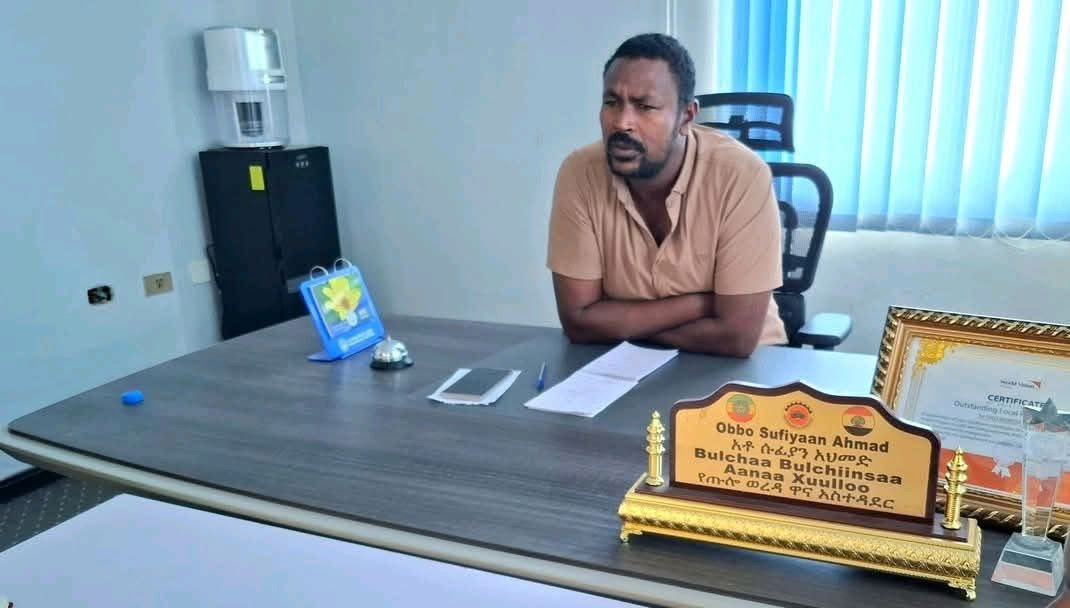
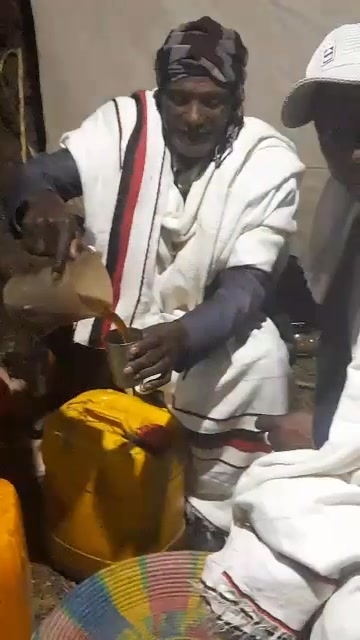
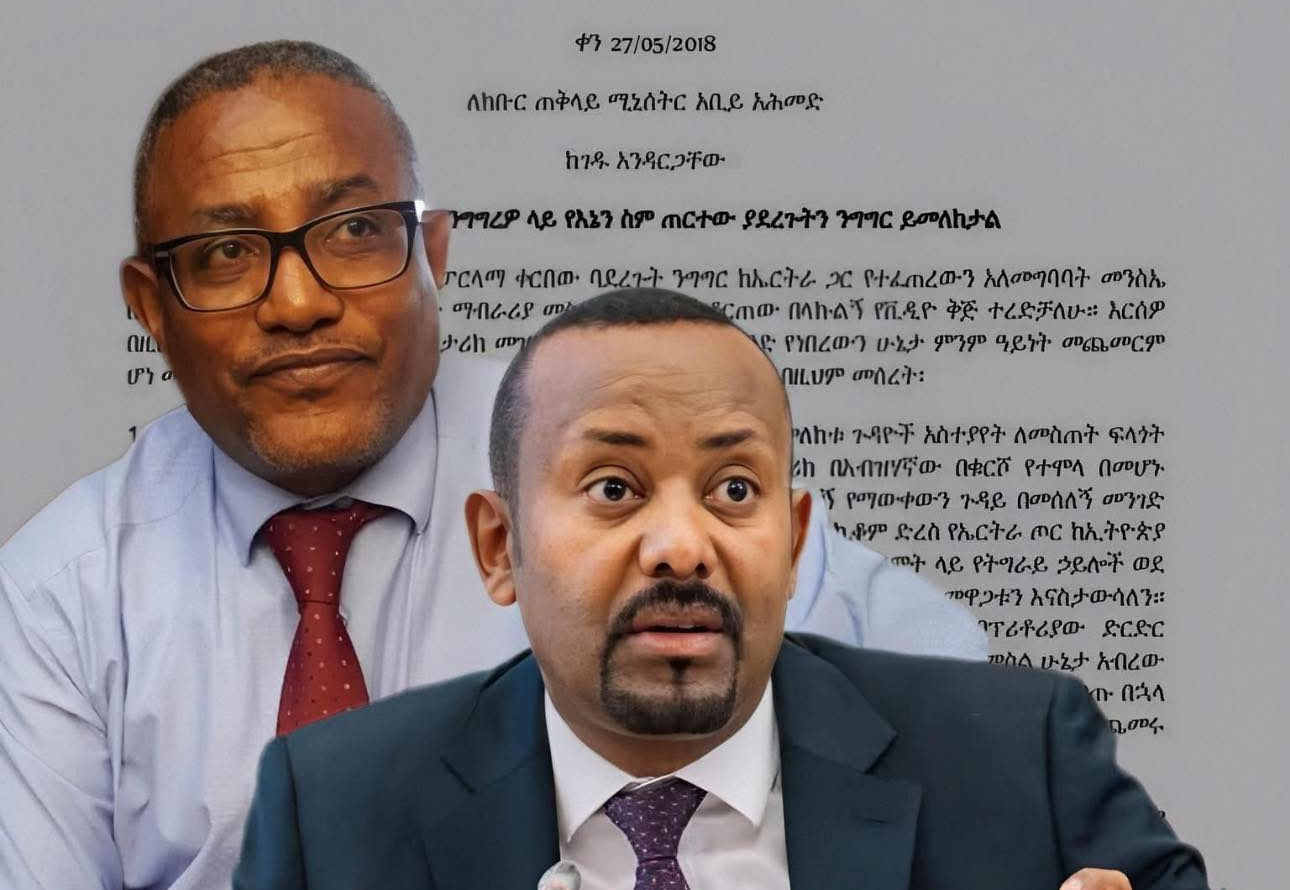
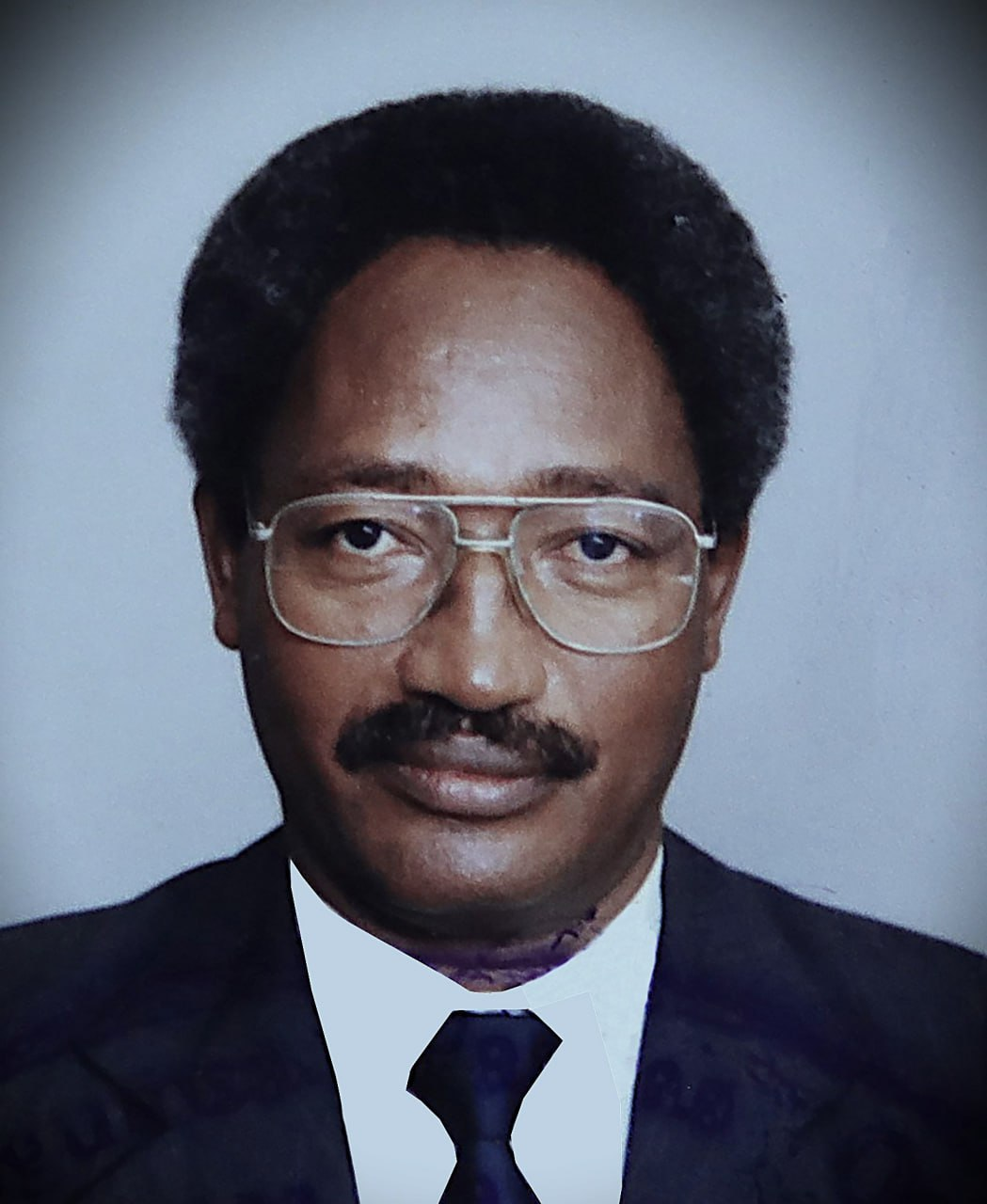
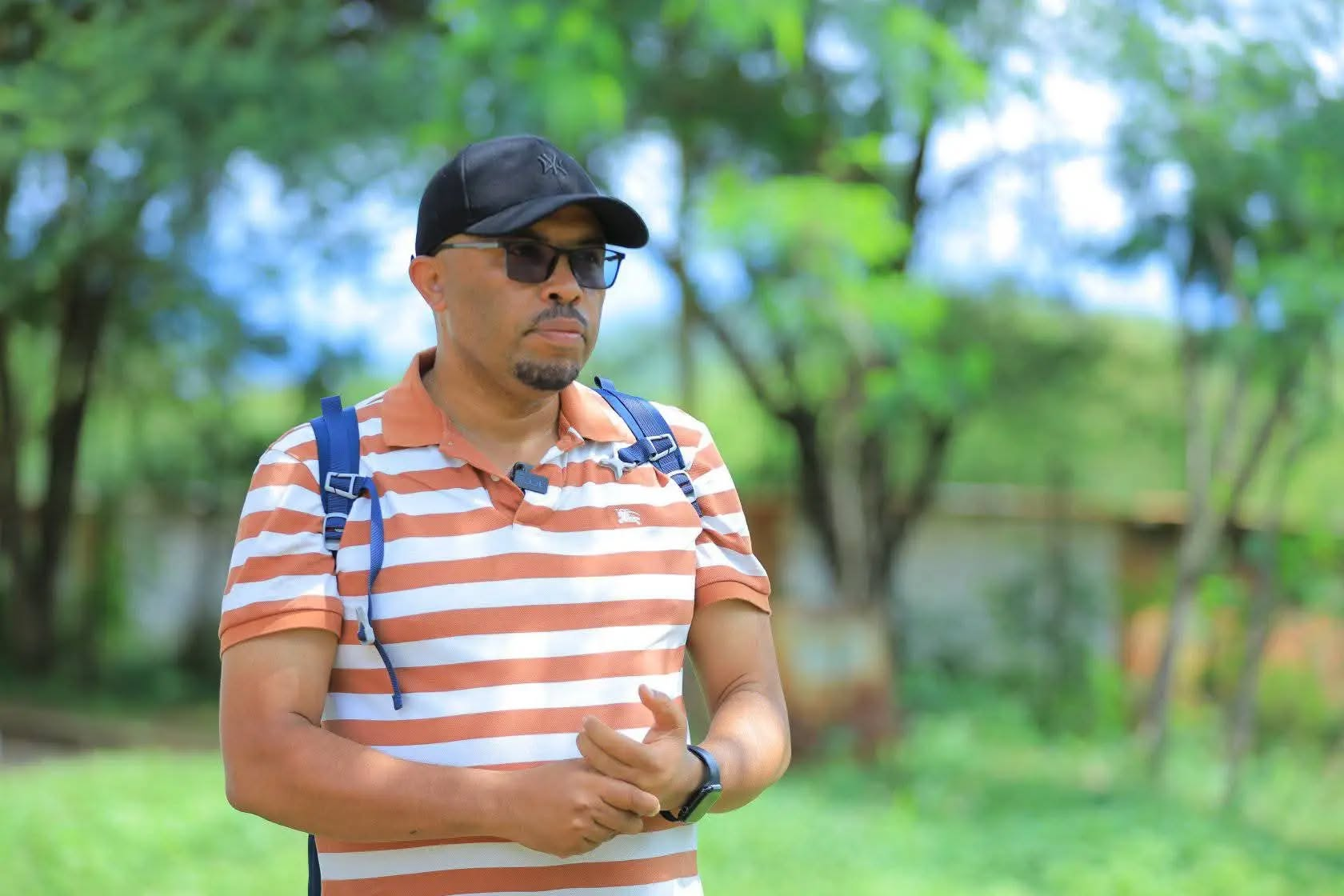
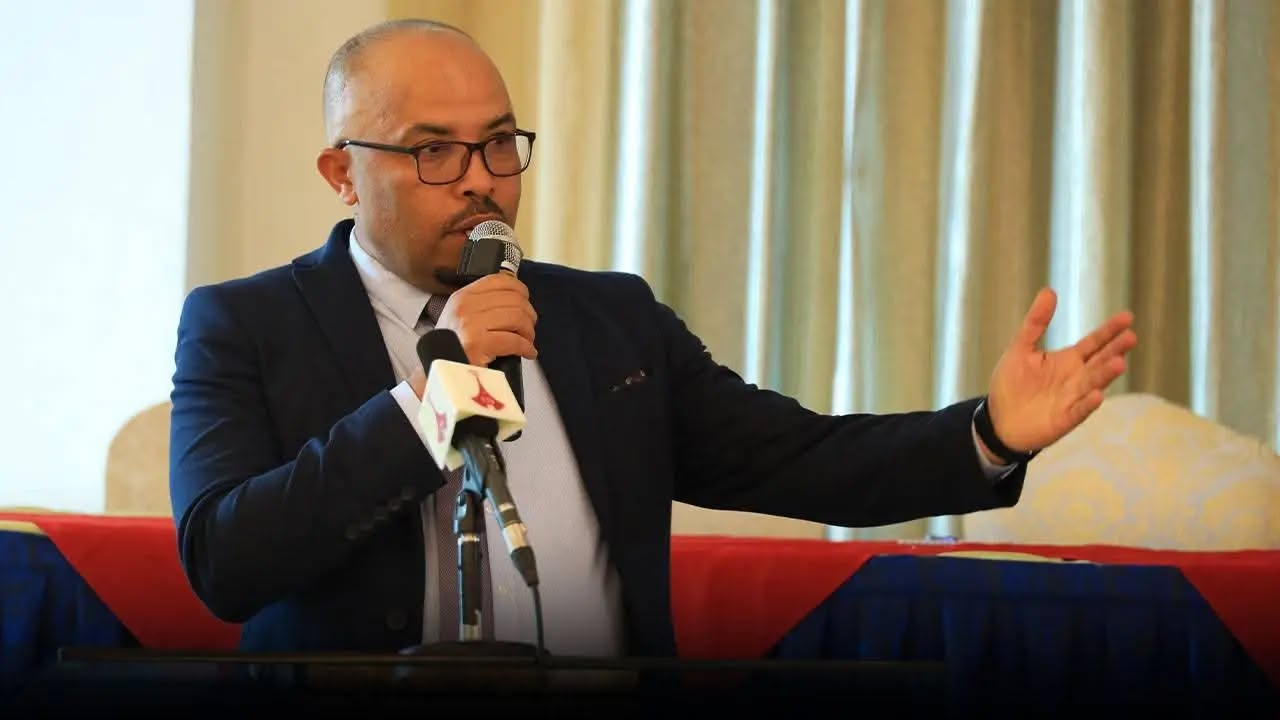

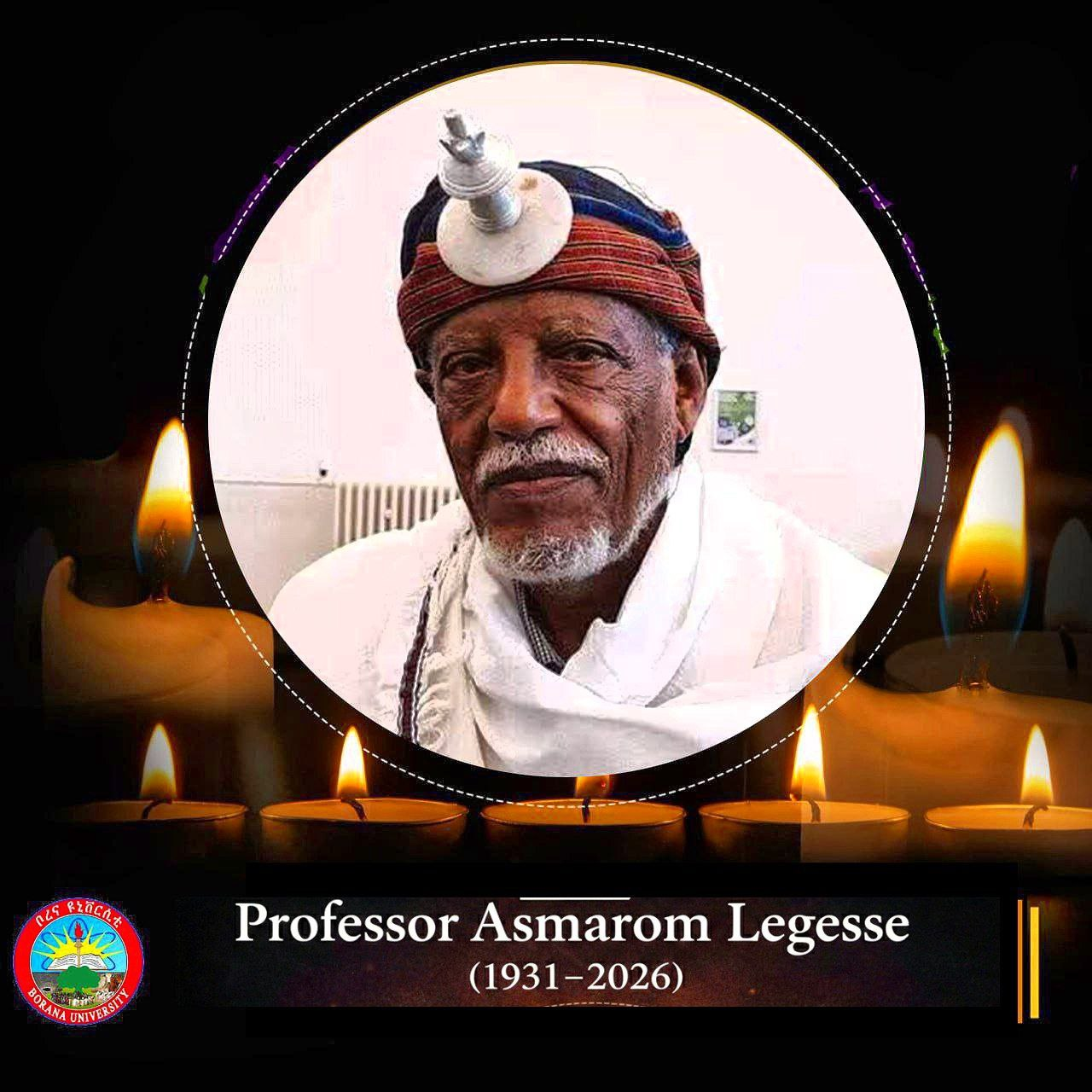
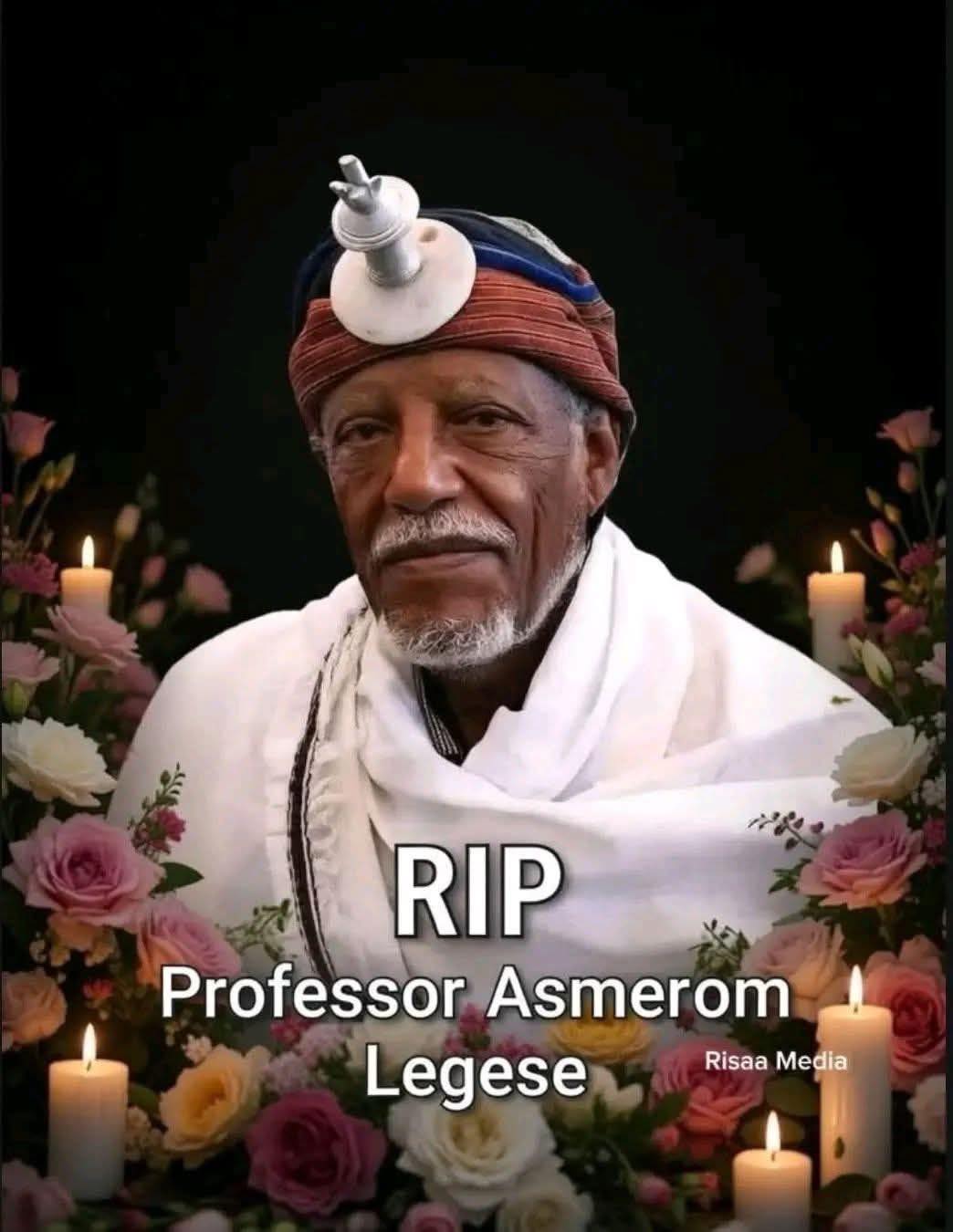
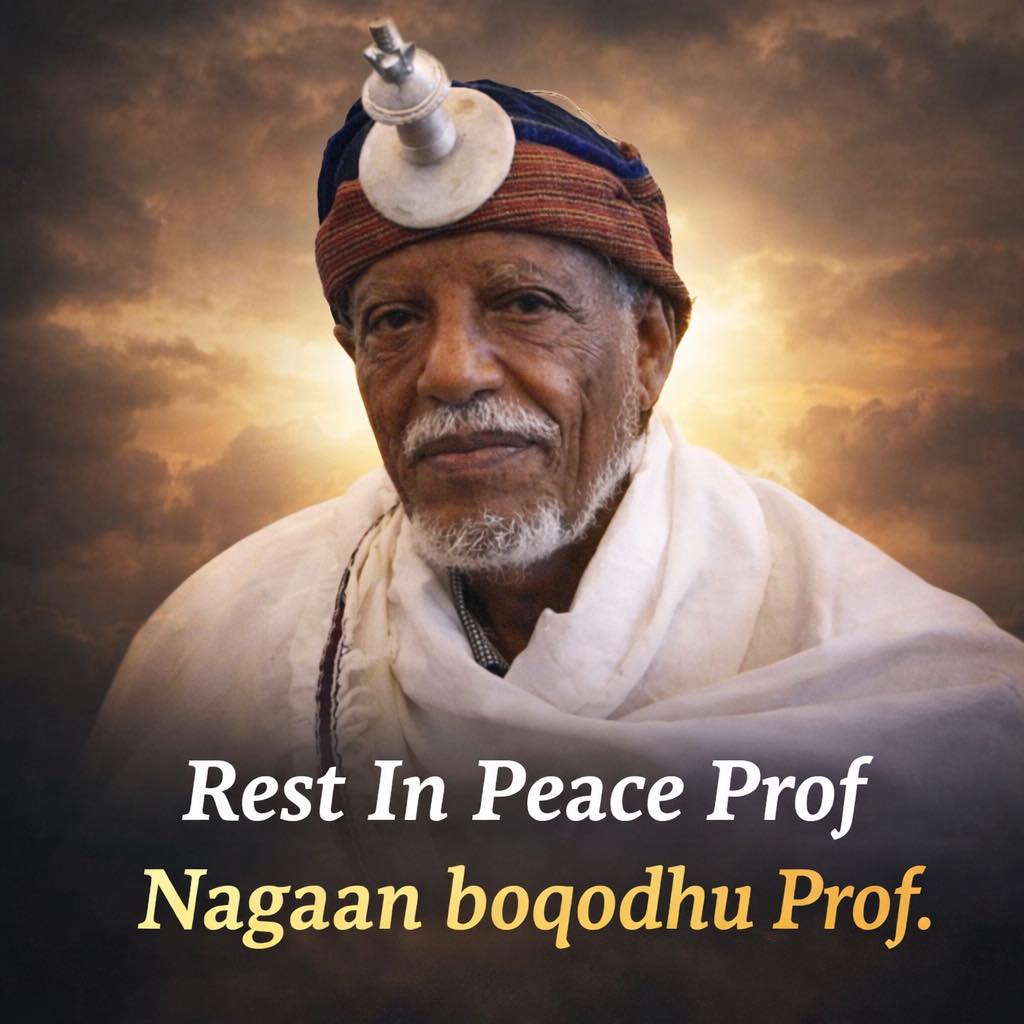
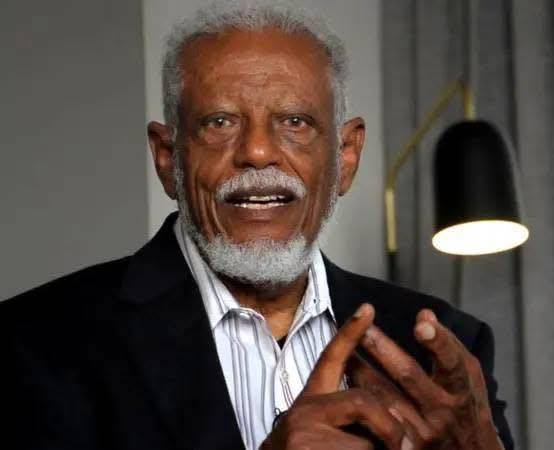

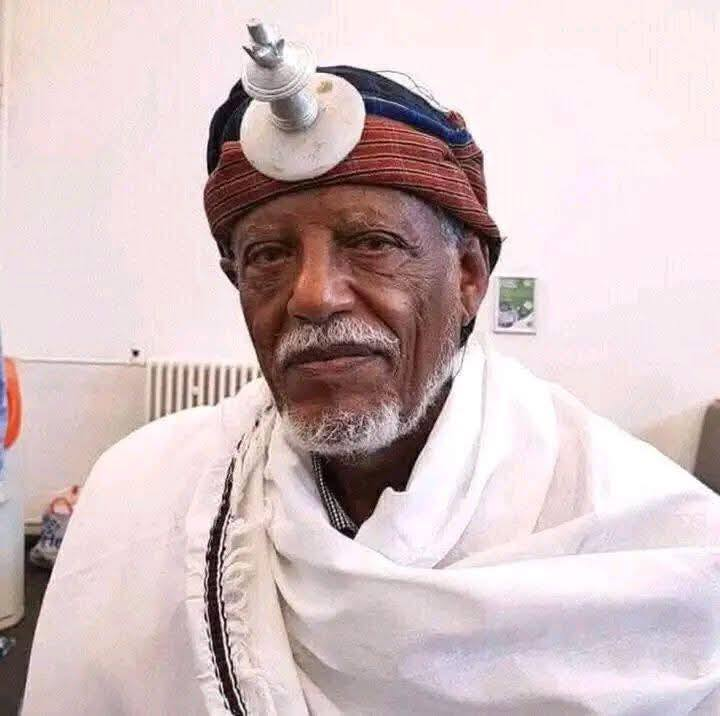


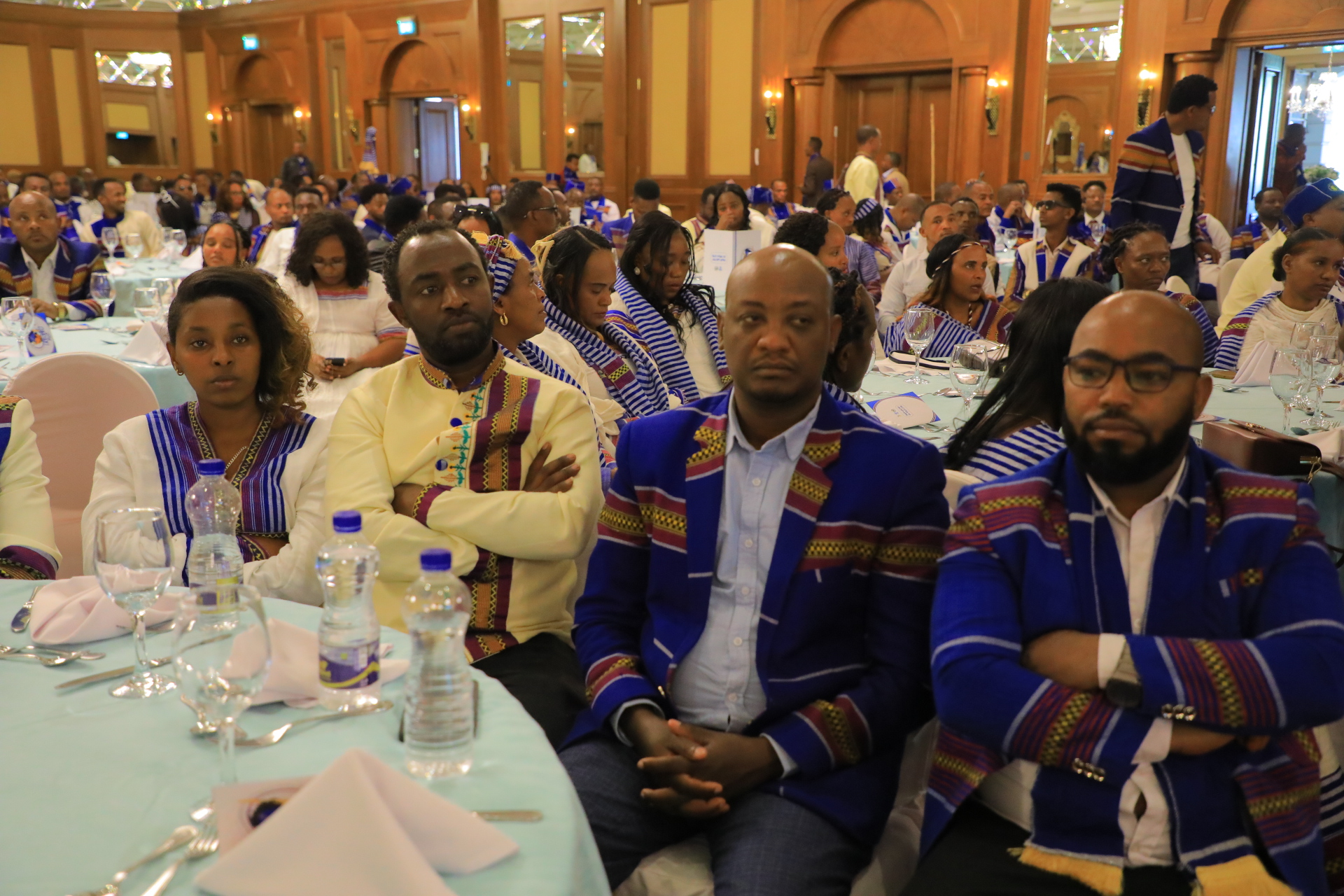
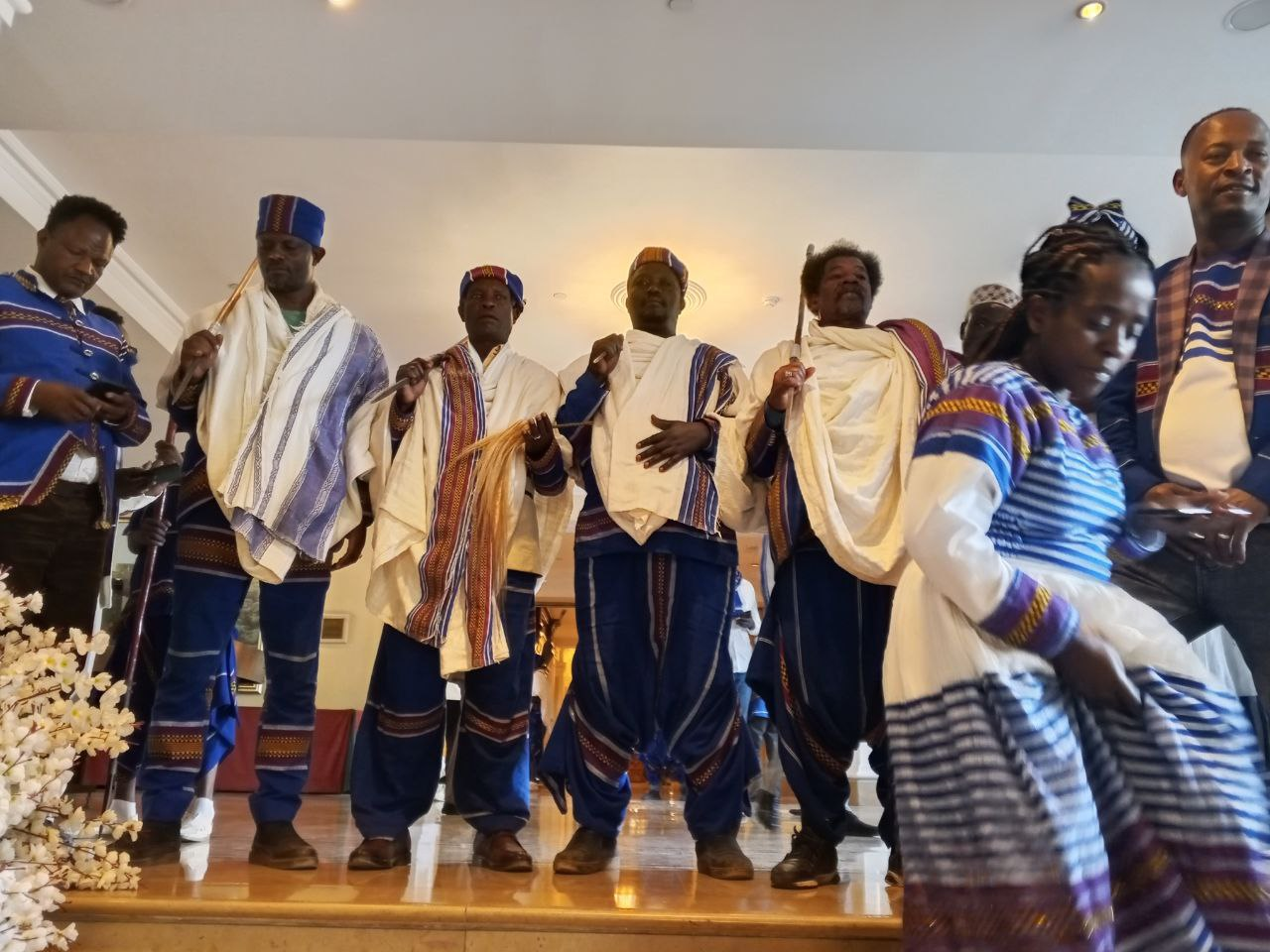

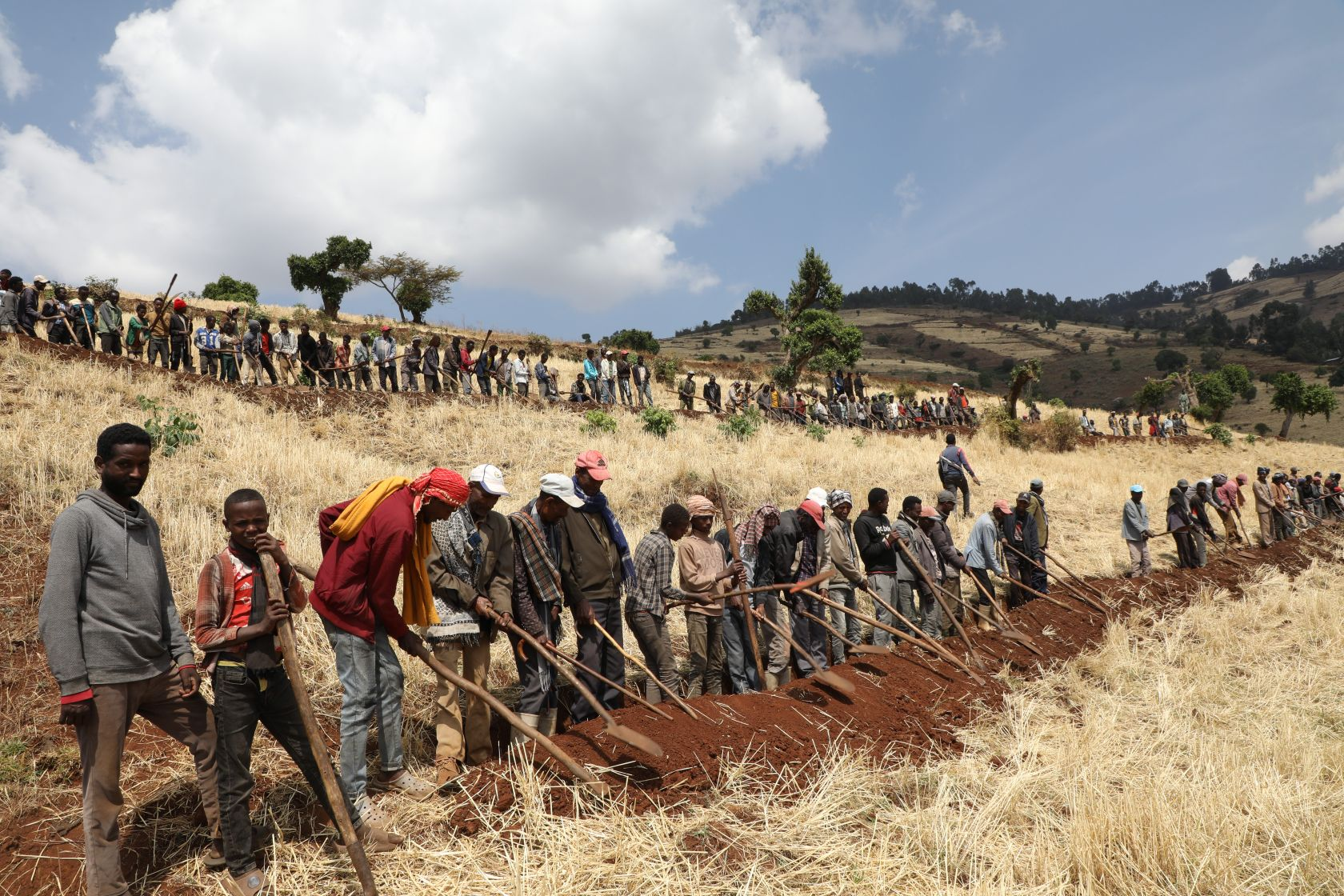
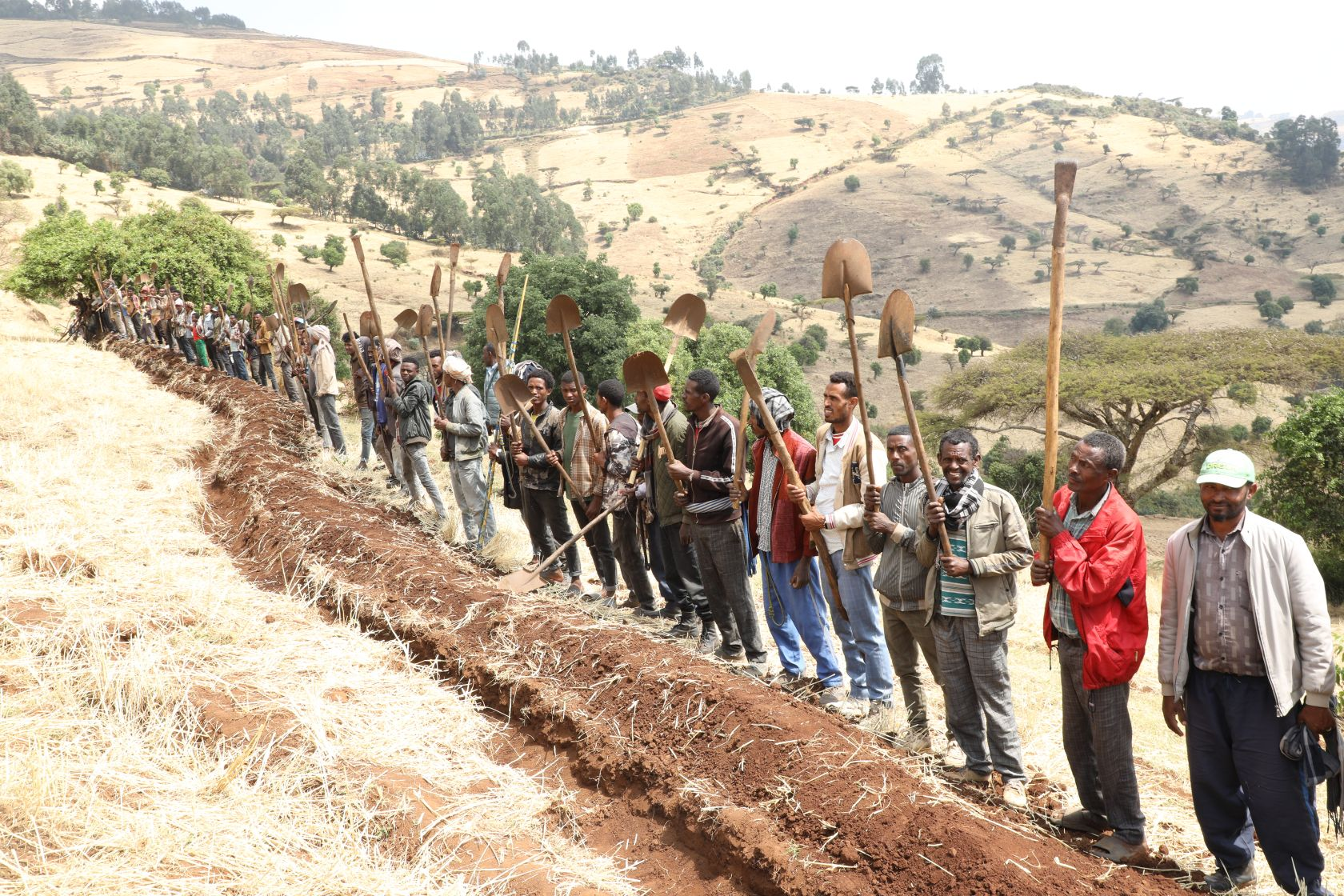
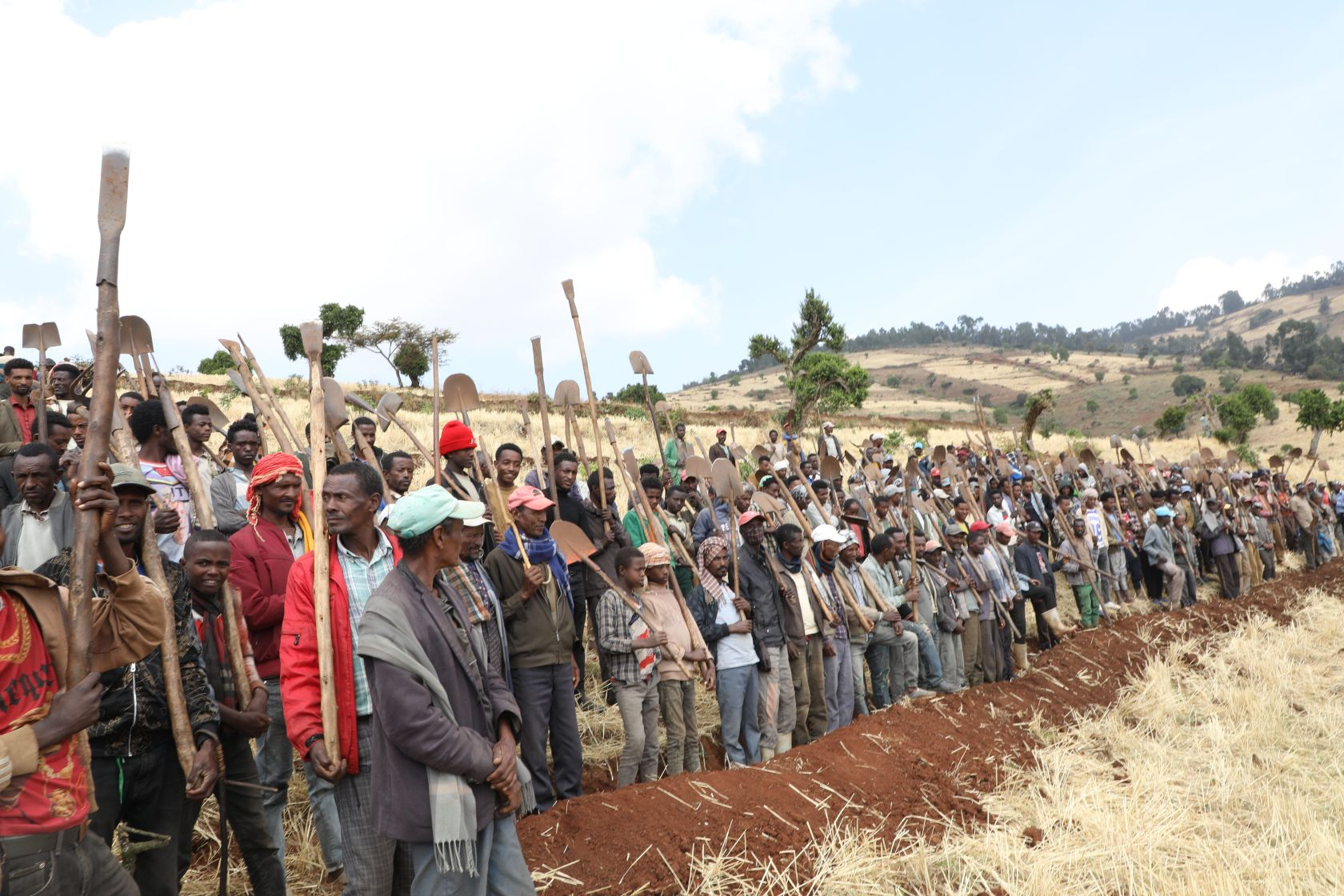
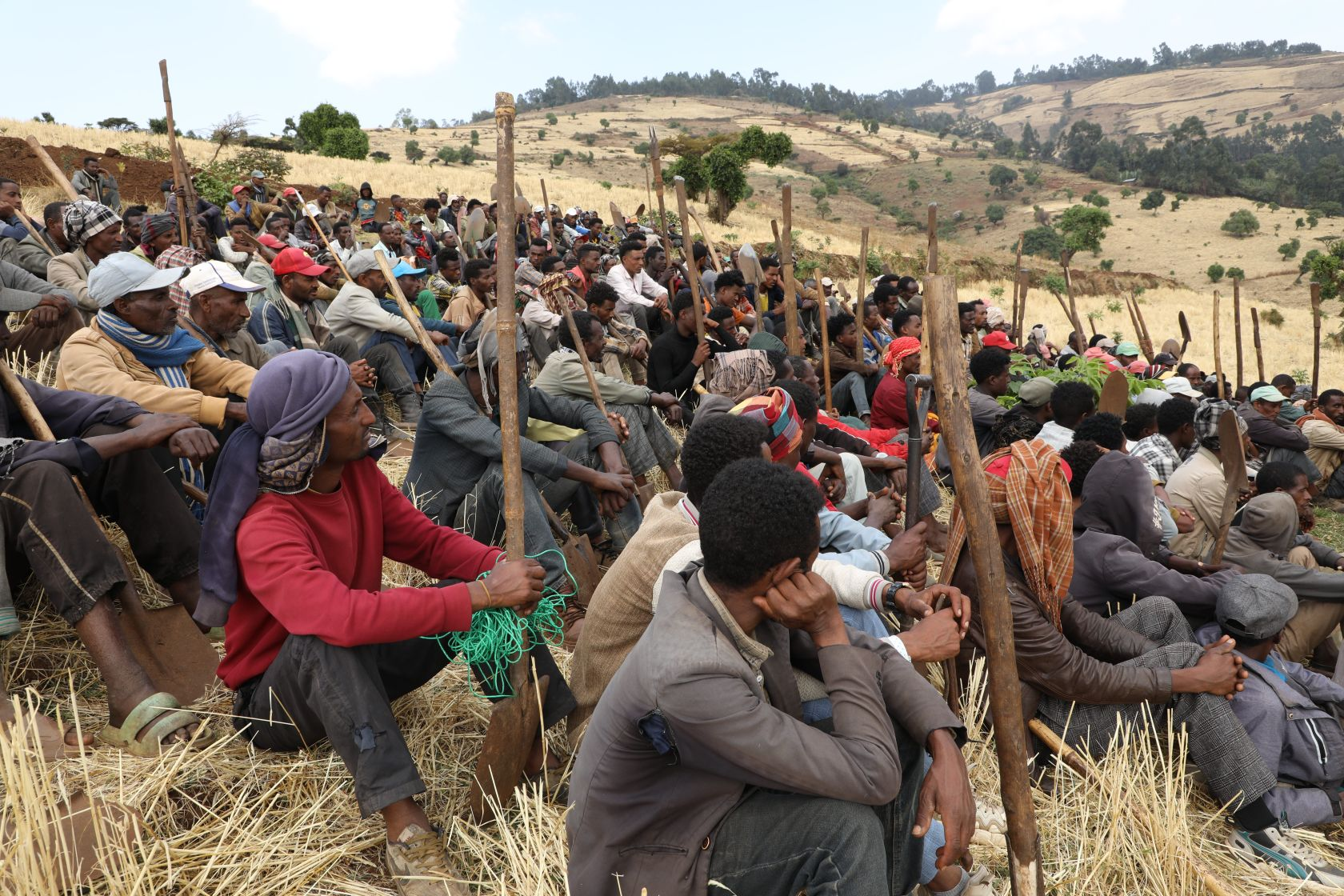

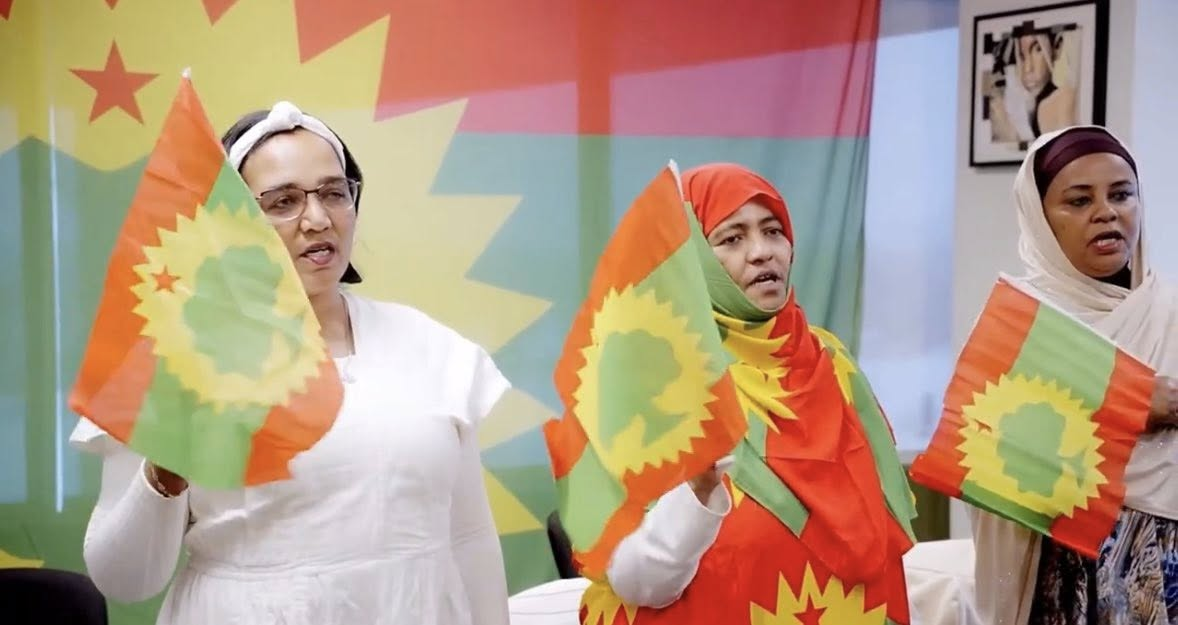
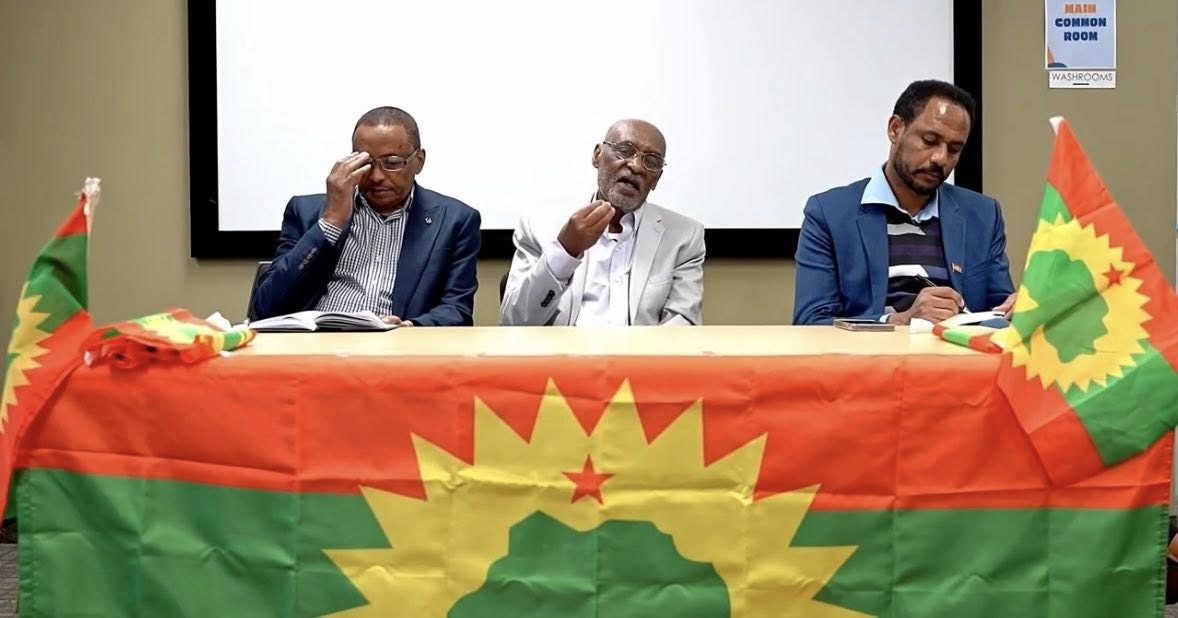
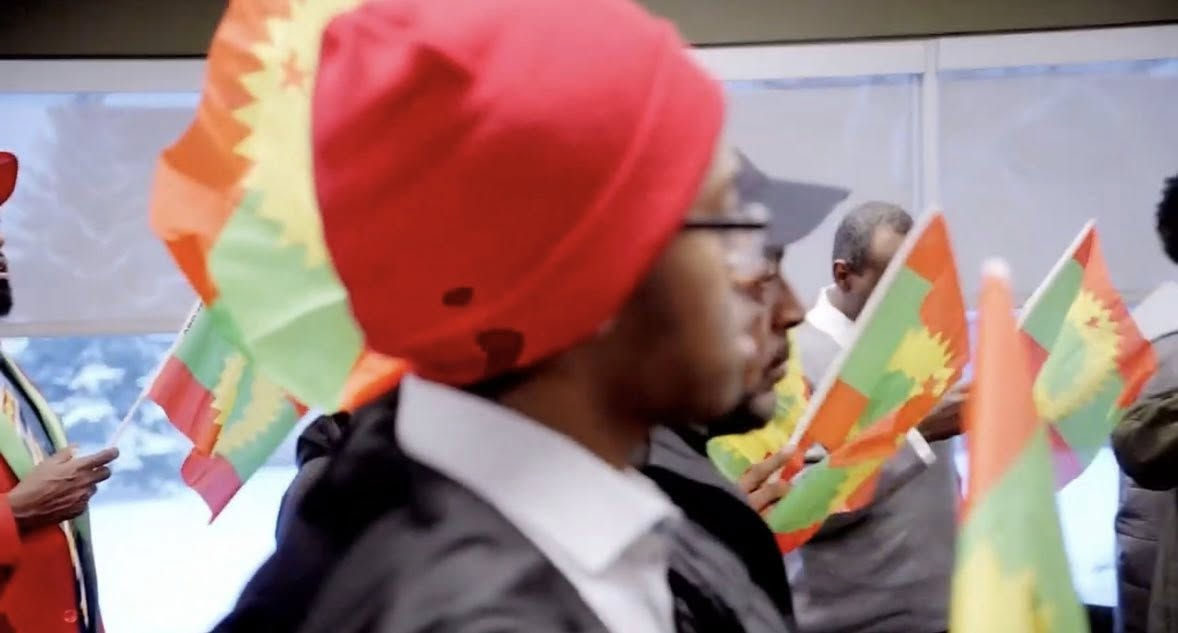


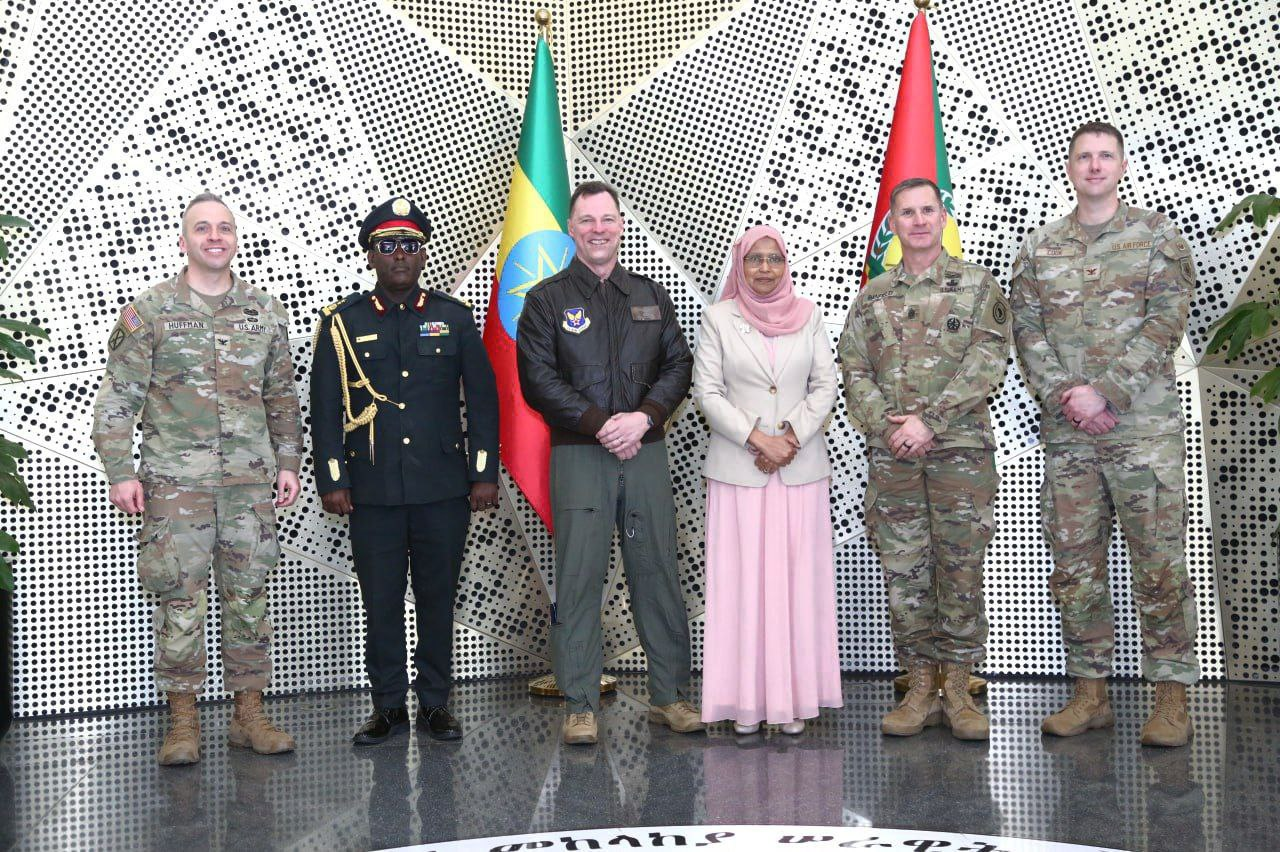

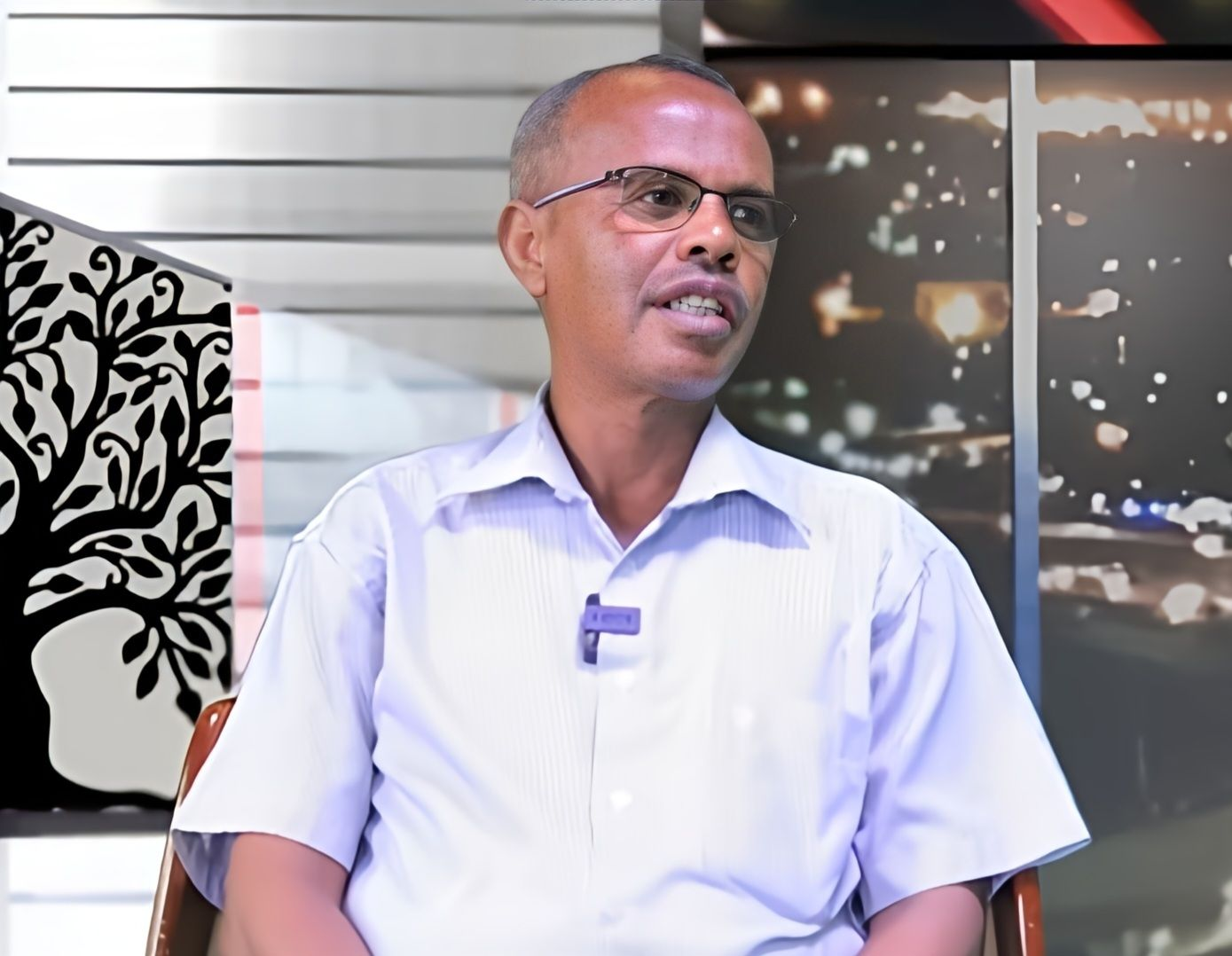

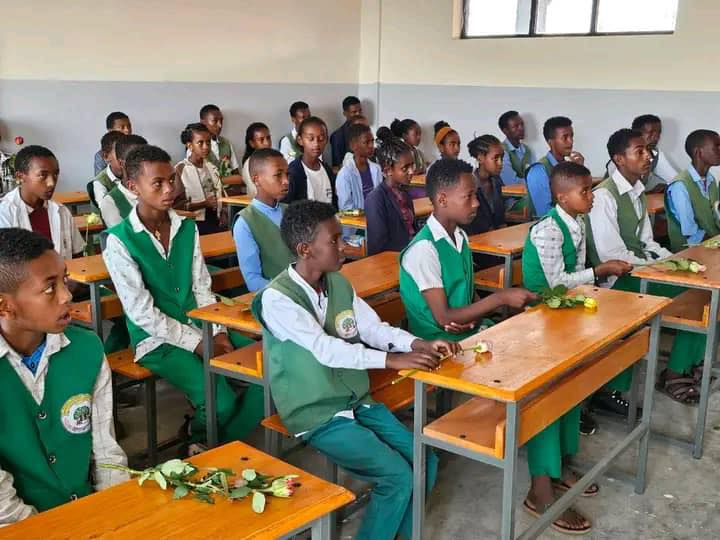
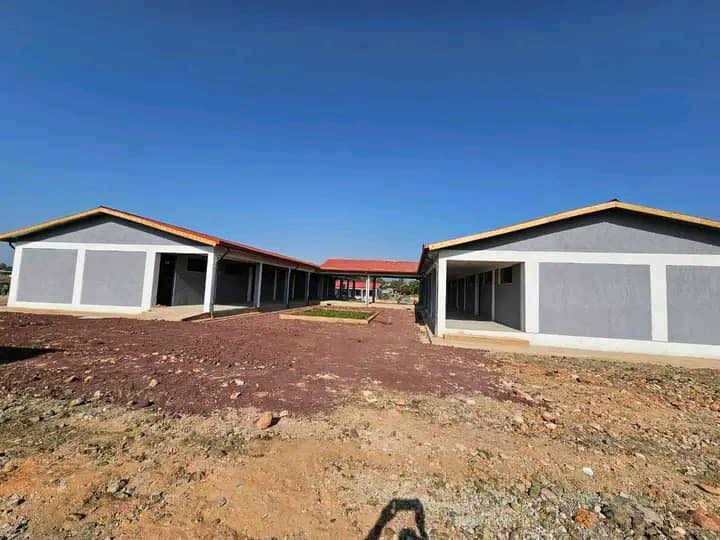
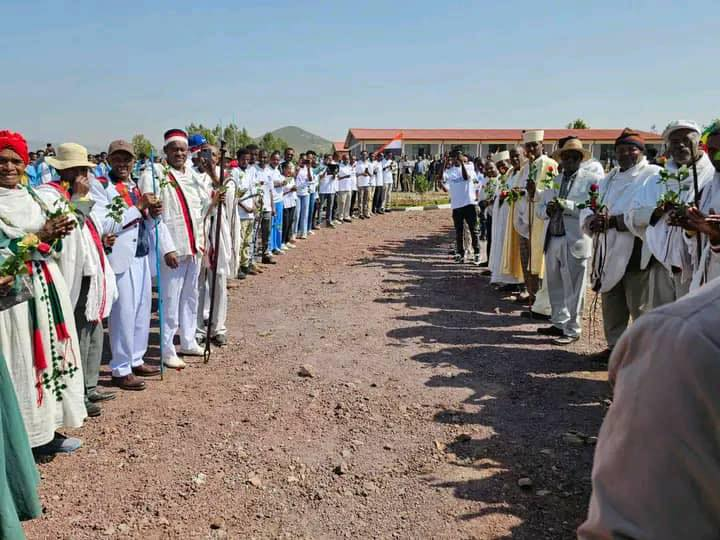
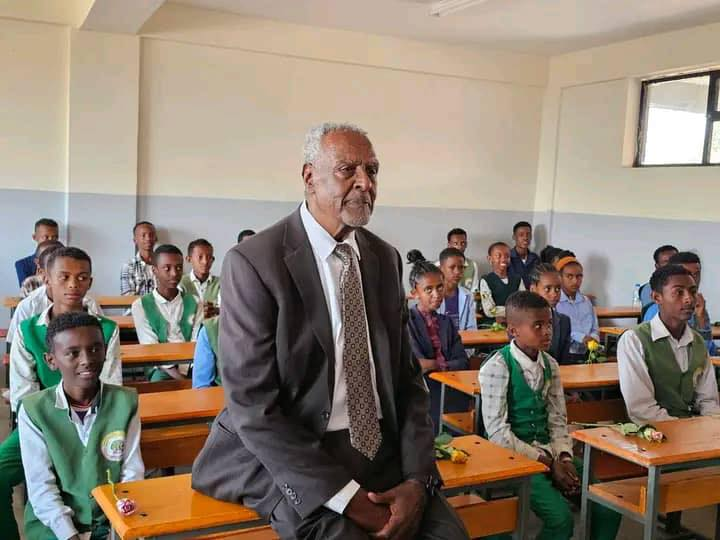
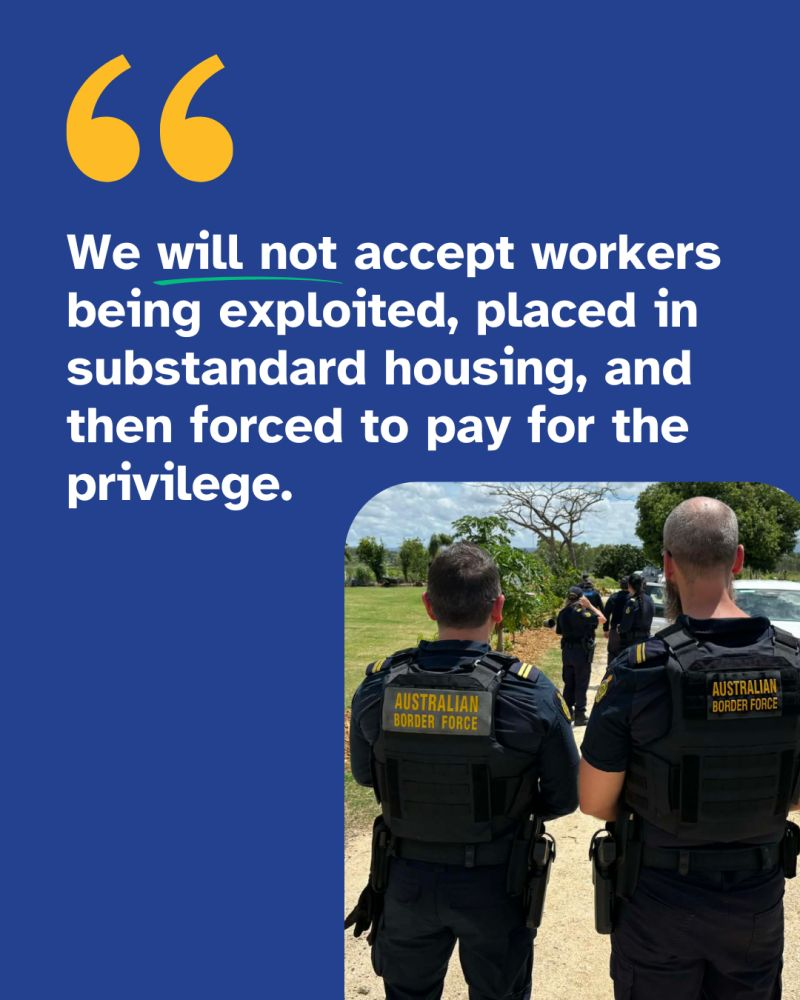

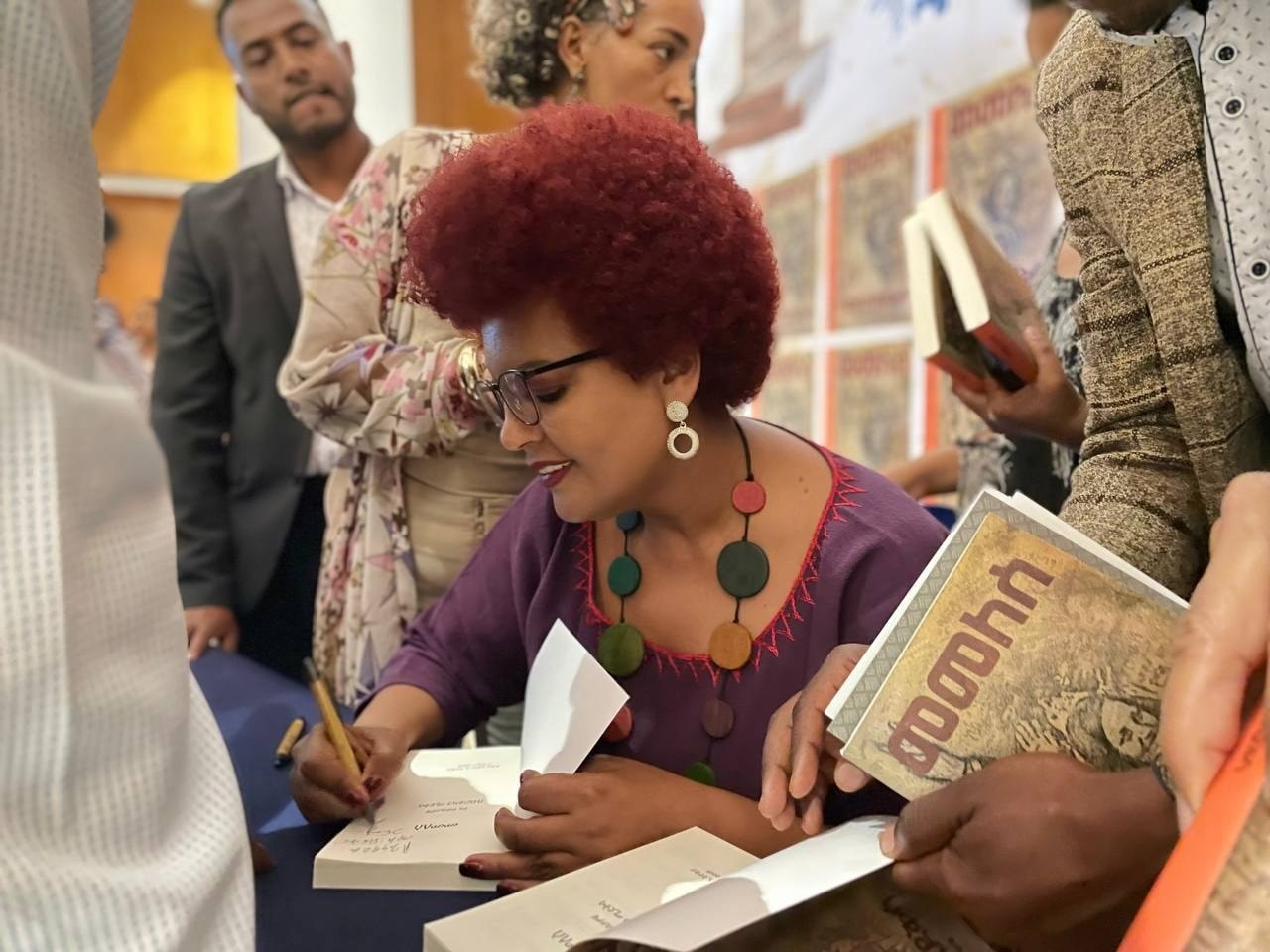
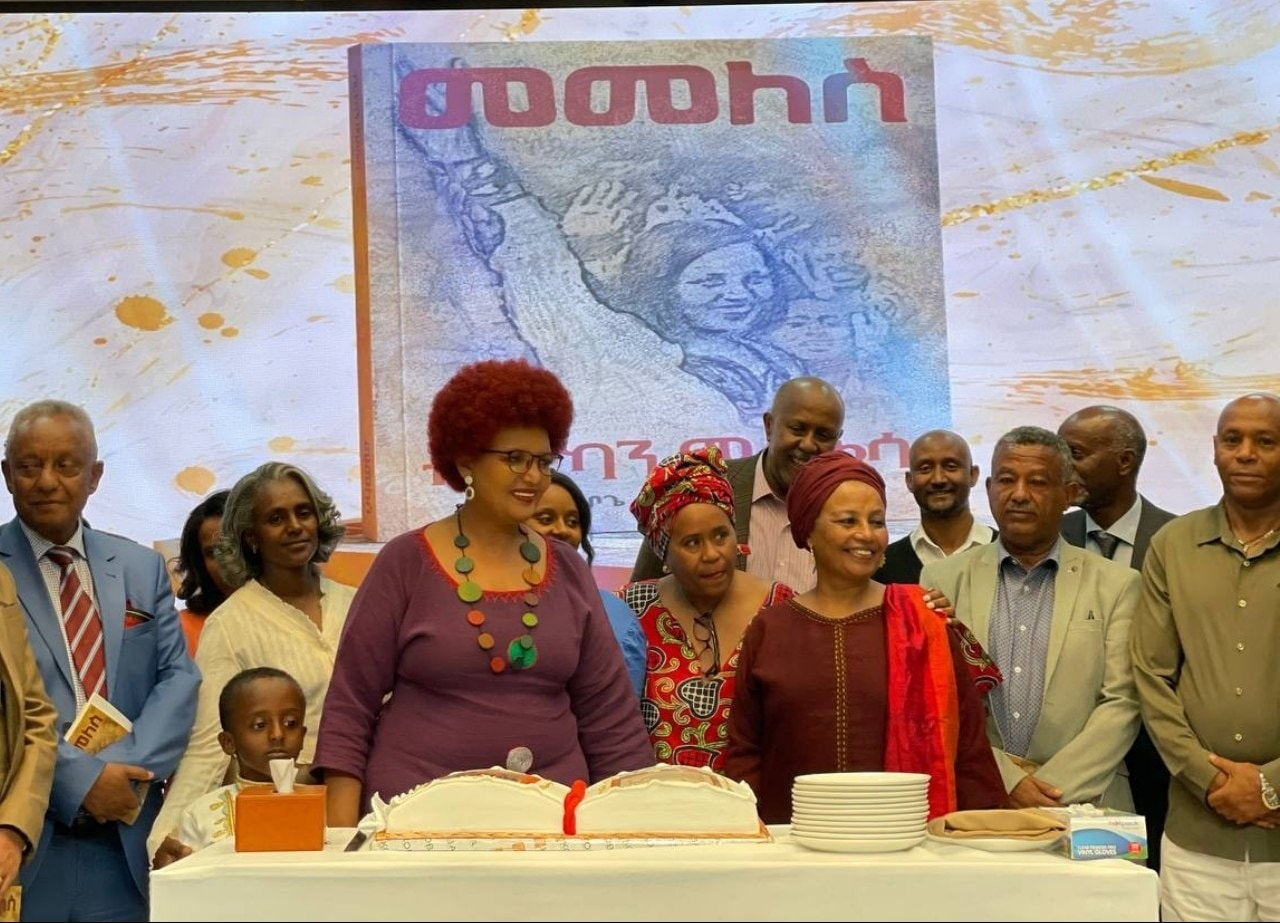








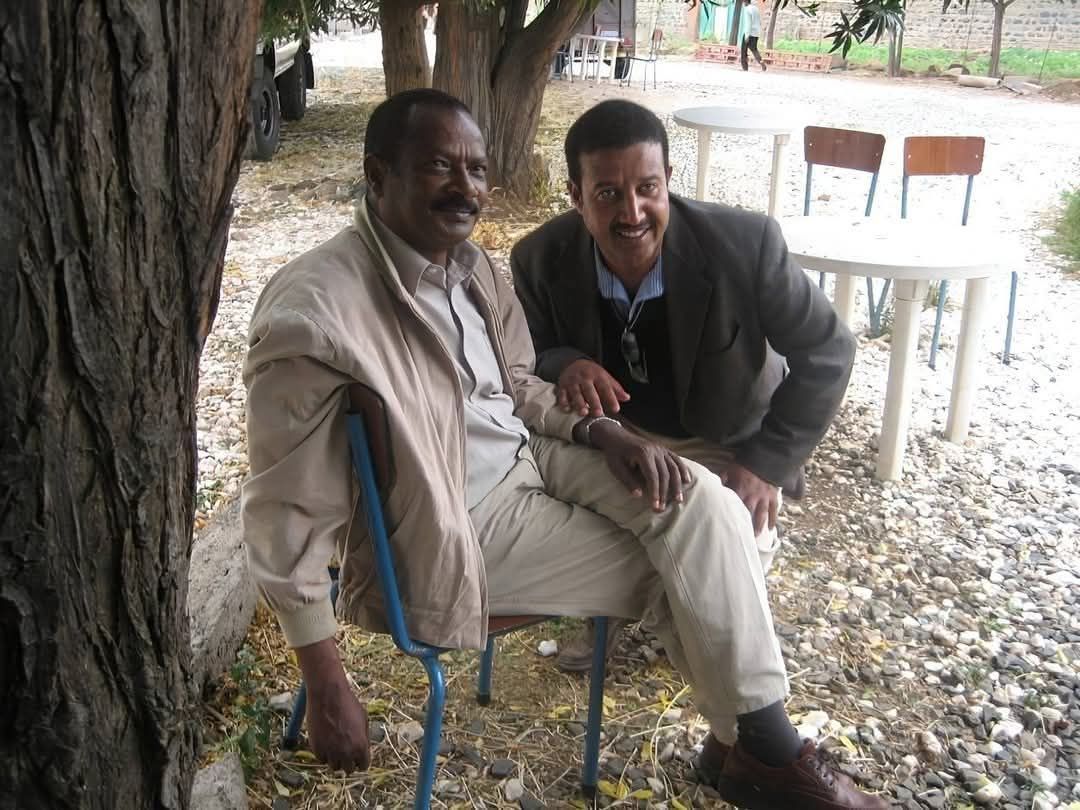


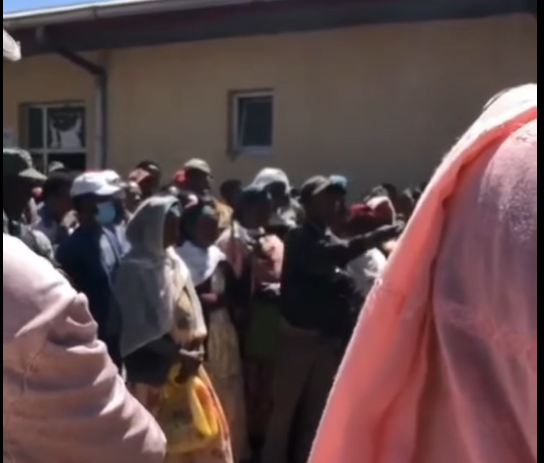

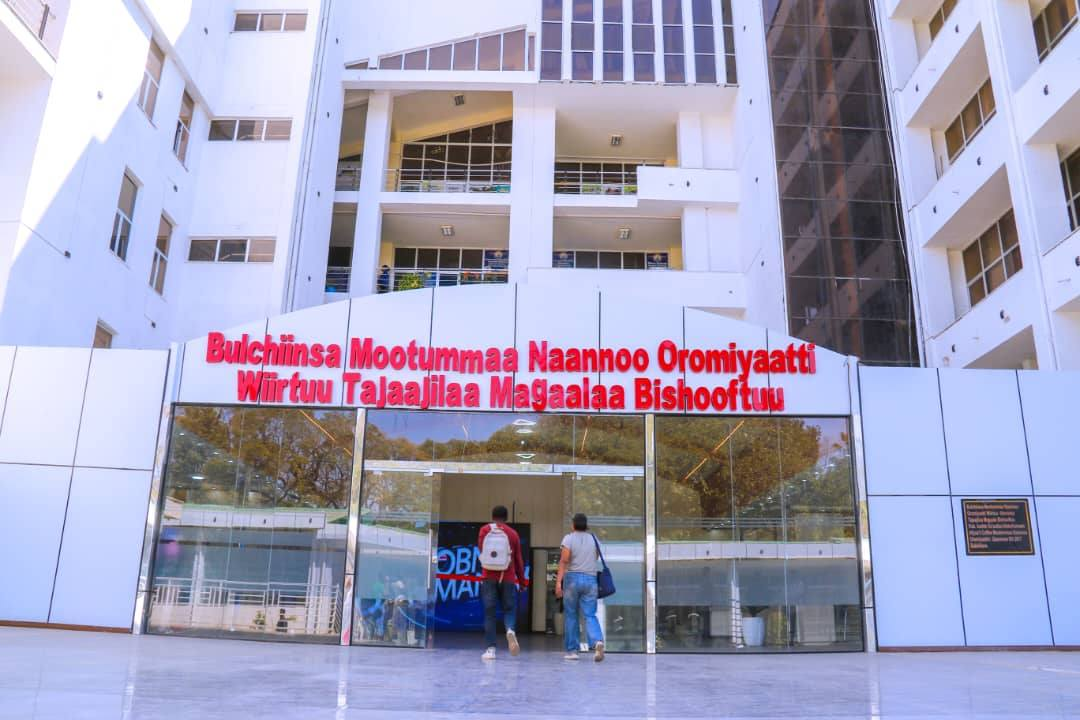





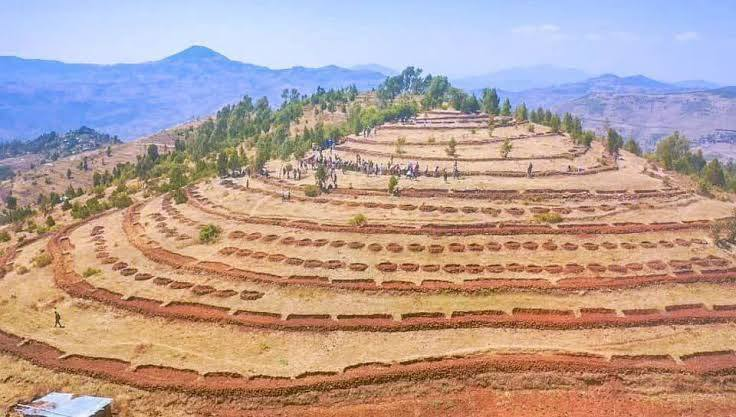
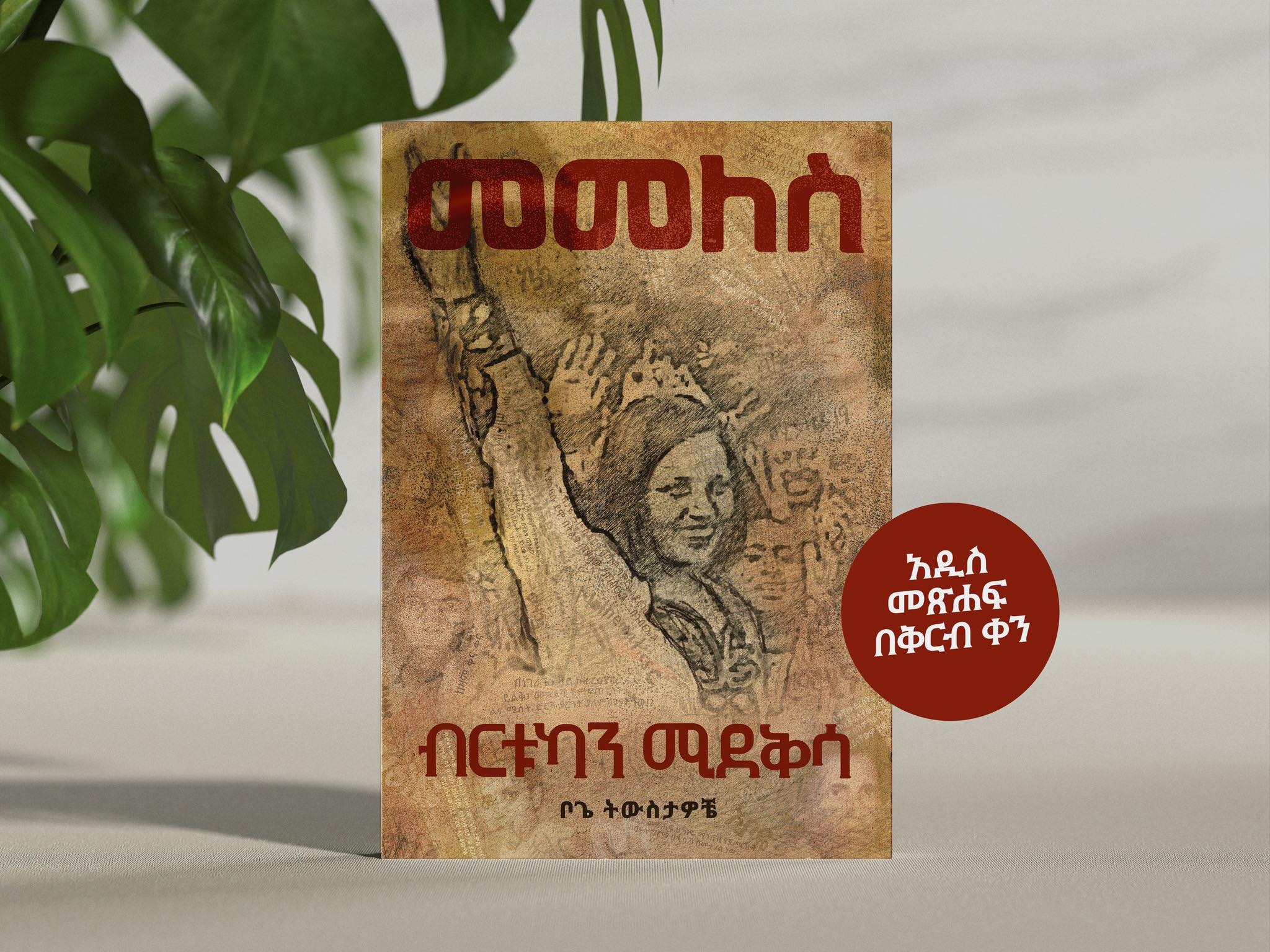
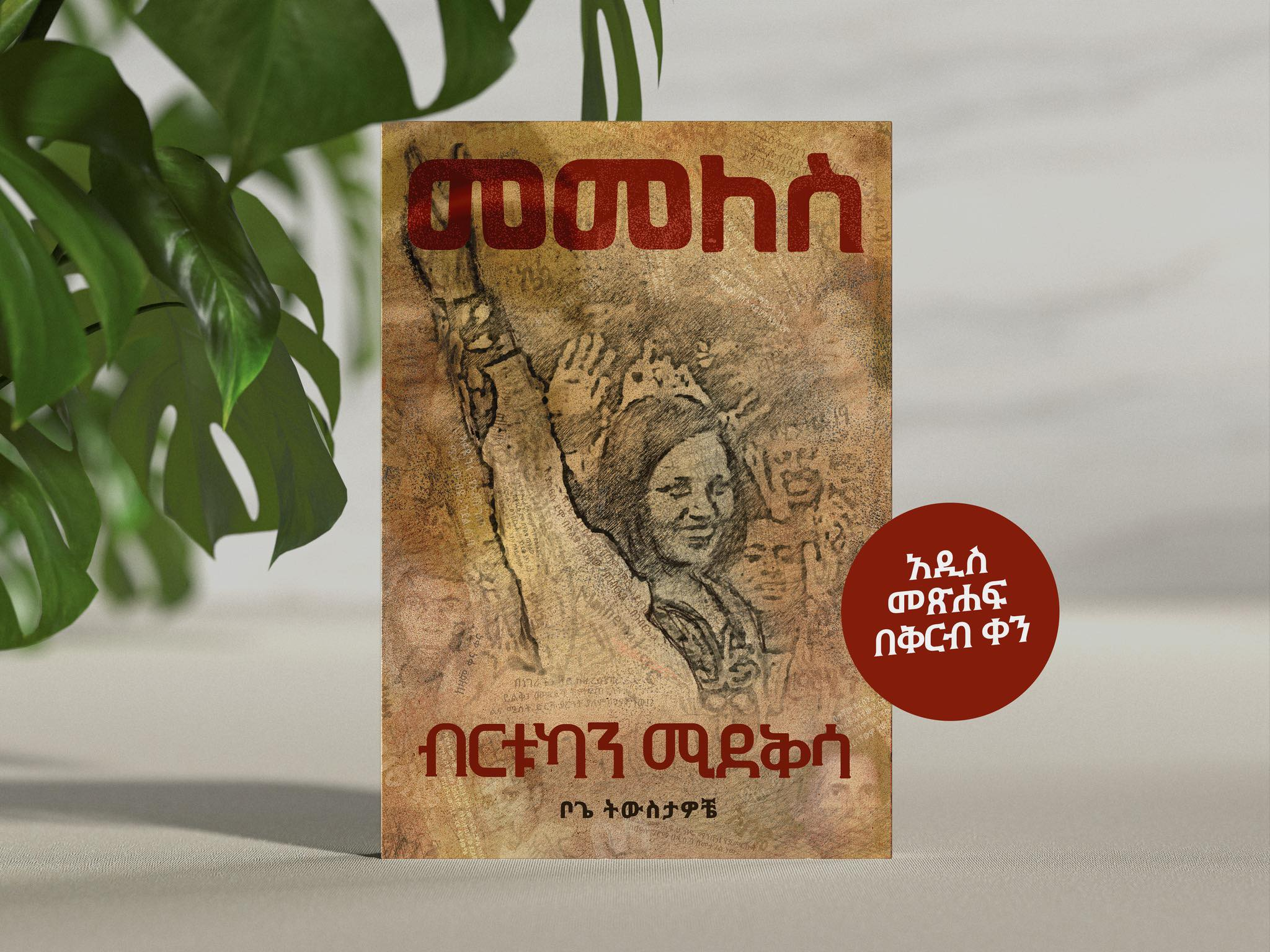


 Tibba magaalaan guddoo Oromiyaa, Adaamaadha jedhamee murteeffame sanatti Adaamaa magaalaa guddoo Oromiyaa tahuu hindandeessu jedhee namni ragaa qabatee jalqaba TV irratti mormii dhiheesse Dhaabasaa Waagjiraa ture Galaalechessitoota keessaa.


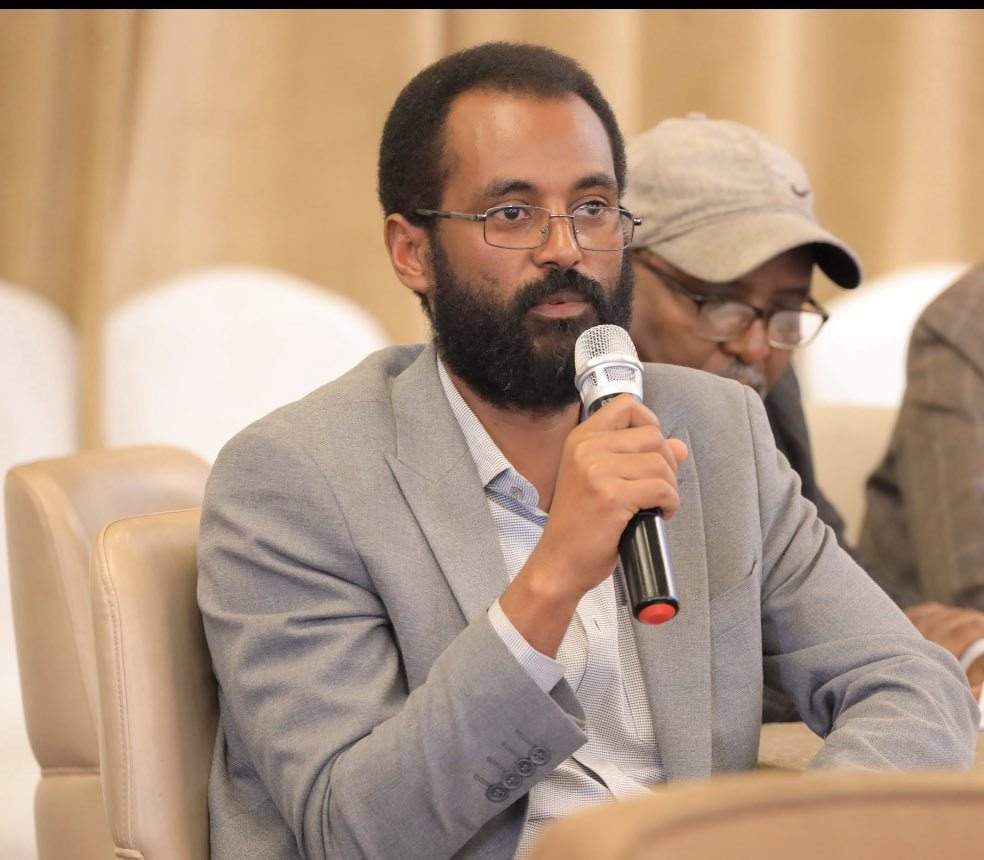




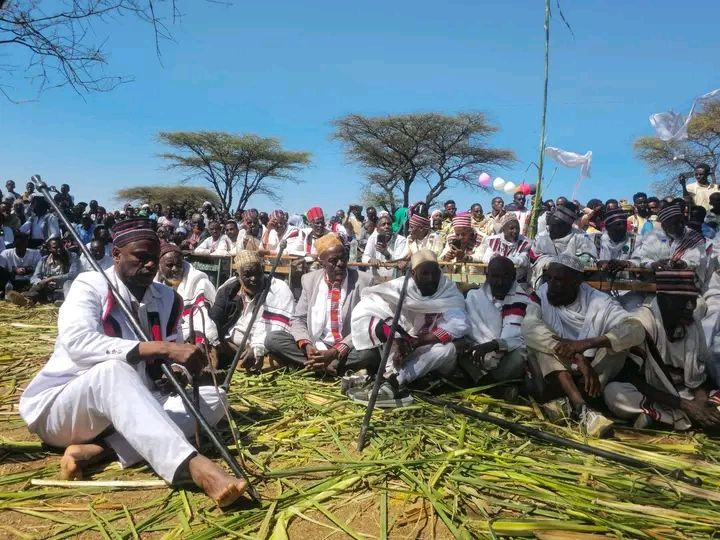


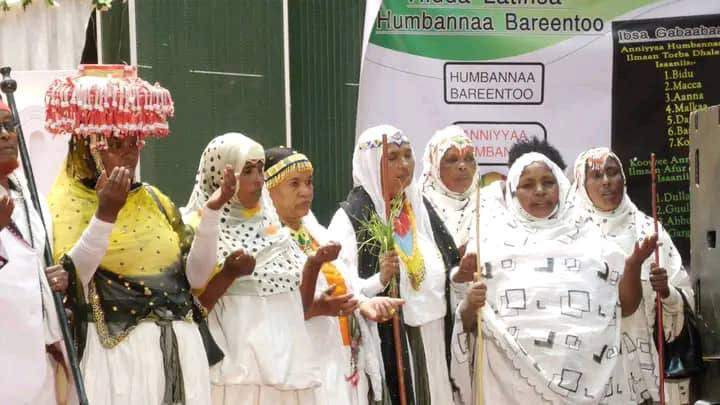
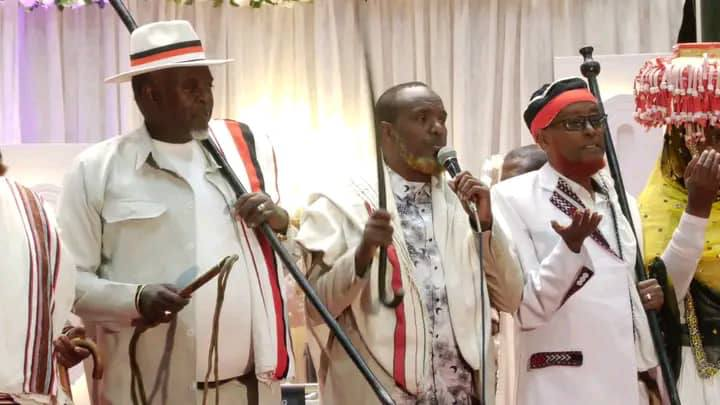
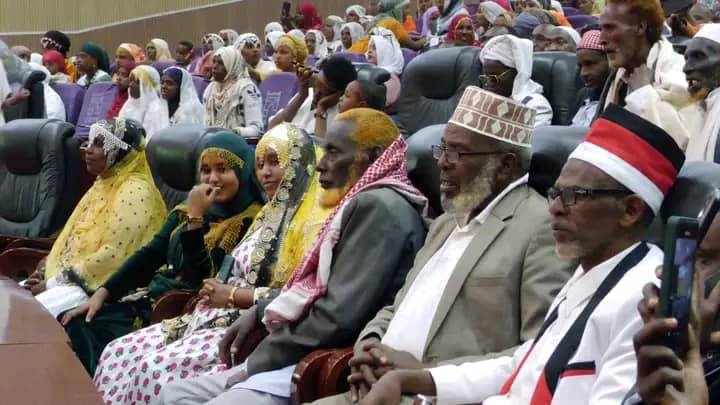
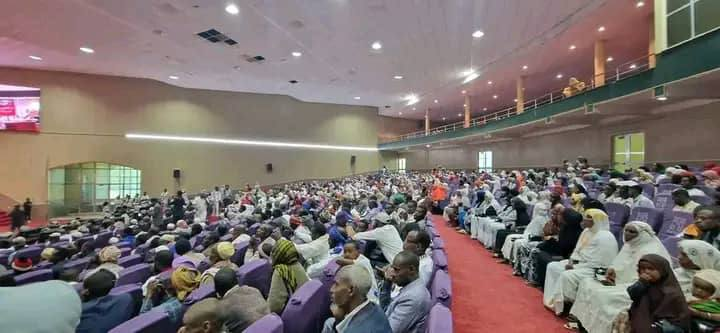


 Oromedia