“Rakkoo Itoophiyaa Furuuf Gaaffii Oromoo Kaasuun Dirqama”
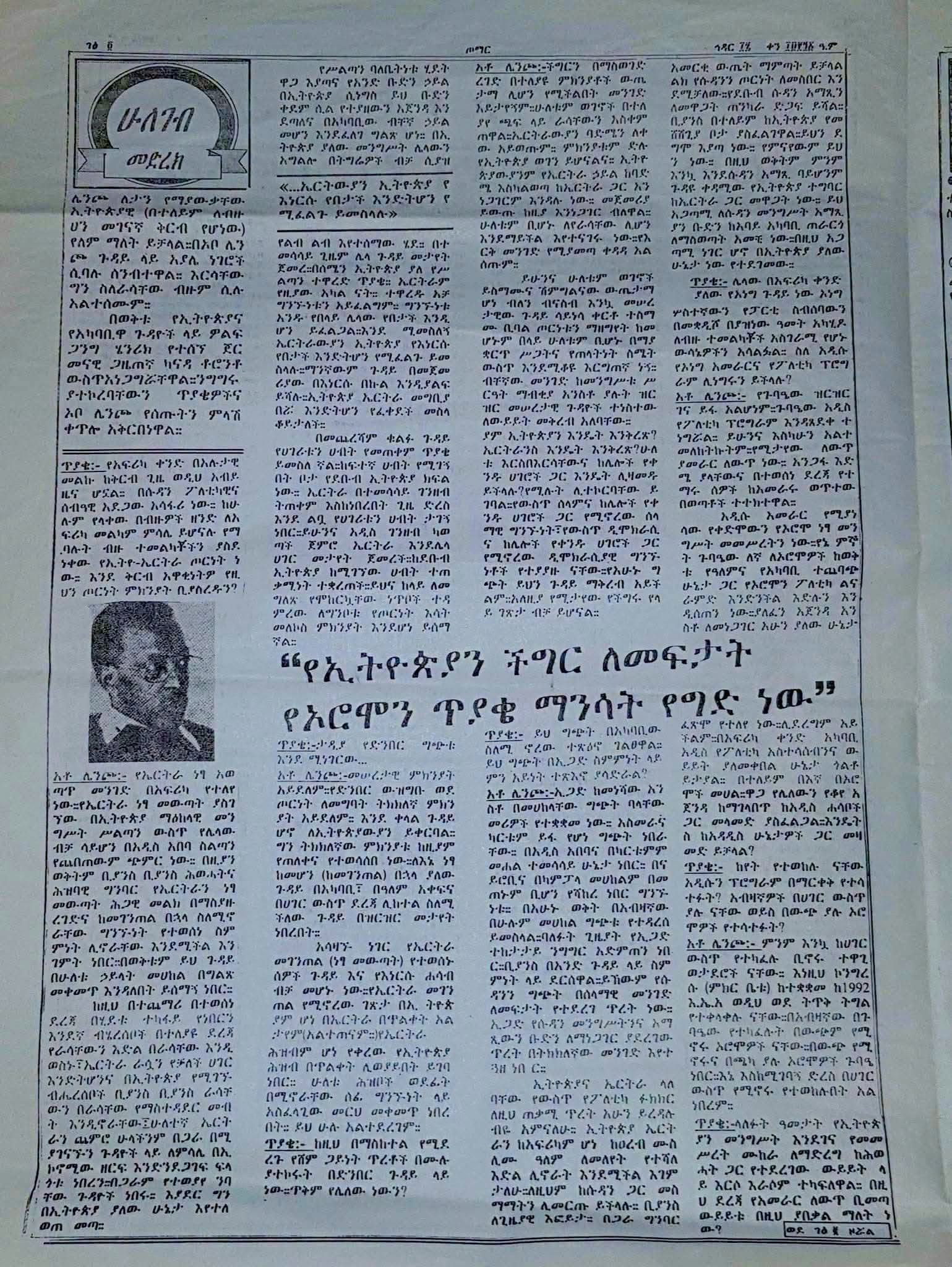
Obbo Leencoo Lataan: Mirgi Oromoo yoo kabajame, nagaan biyyaalessaa waaraa ta’a
“Akkuma Itoophiyaan Gaanfa Afrikaa keessatti bakka olaanaa qabdu, Oromoonis Itoophiyaa keessatti bakka olaanaa qaba.”
Kana jechuun Obbo Leencoo Lataan yeroo hunda dubbata. Haata’u malee, kun jecha bareedaa qofa miti — dhugaa siyaasaa fi haala teessuma lafaa irratti hundaa’e ibsuudha.
Barruu gaazexaa dhiyeenya kanaa irraa hubatamu, Obbo Leencoo Lataan baay’ina uummata Oromoo biyyattii keessatti qabu, akkasumas haala teessuma lafaa fi iddoo tarsiimawaa Oromoon qabu bal’inaan ibsaniiru. Kunis gaaffii Oromoo fi walitti dhufeenya isaa jiraachuu Itoophiyaa waliin ifa taasisuuf gargaare.
Mirgi Bu’uuraa fi Nagaa Waaraa
Yaada guddaa barruu kana keessatti mul’atu: mirgoonni bu’uuraa uummata Oromoo yoo hin kabajamne, akkasumas bakka bu’ummaan dhugaa yoo hin jiraanne, Itoophiyaa keessatti nagaa waaraa, dimokraasii fi tasgabbii fiduun hin danda’amu.
Kun yaada siyaasaa qofa miti. Seenaa biyyattii keessatti rakkoolee gara cinaatti dhiibuu fi humnaan ukkaamsuun qofti tokkummaa biyyaalessaa yeroo dheeraaf itti fufsiisuuf gahaa akka hin taane hubachiisa. Rakkoon yoo dhokate, furamuu miti — guddachuu qofa.
Yeroo Ce’umsaa fi Yaaddoowwan Biyyaalessaa
Yeroon ammaa yeroo ce’umsaa ta’ee, yaaddoowwan biyyaalessaa hedduu mudatan. Isaan keessaa:
Ummata eenyummaa isaa beekamtii kennuu: Rakkoolee seenaa fi siyaasaa biyyattii keessatti mul’atan haala waaraan furuuf, eenyummaa sabaa fi mirga ofiin of bulchuu/ofiin murteeffachuu ifatti gara minjaala marii irratti fiduun mari’achuun barbaachisaa ta’e. Dhoksuun ykn didduun furmaata miti.
Qormaata tokkummaa itti fufsiisuu: Tokkummaan humnaan ykn ukkaamsaan ijaarame waaraa miti. Tokkummaan dhugaa kabaja, walh Hubbannaa fi walii galtee irratti hundaa’a.
Waltajjii Siyaasaa Hunda Hammate
Ergaan guddaan barruu kanaa: waltajjii hunda hammatu — yeroo ce’umsaa keessatti mootummaa ce’umsaa fi humnoota siyaasaa garaagaraa gidduutti turee kanneen akka walitti bu’iinsaa fi dhiphuu siyaasaa tasgabbeessuuf, waltajjii marii bal’aa hundeessuun barbaachisaa ta’e.
Akkuma ilaalcha ABO/OLF calaqqisiisanitti, qaamolee fi dhaabbilee siyaasaa hunda hammate, ifa, nagaa fi marii biyyaalessaa bal’aa ta’e hatattamaan qophaa’uu qaba.
Gaaffii Oromoo fi Ijaarsa Biyyaa
Barruu kana keessaa yaadni hubannoo gaafatu: Obbo Leencoo Lataan jalqabumarraa eegalee akka warri biraa ja’u, biyya Oromiyaa walaba taate ijaaruu irra hiree, Oromoofii Oromiyaa biyya Itoophiyaa keessatti furuun akka danda’amu ni amanu.
Kanaaf, Haaceen jecha gaafannoo dhiyeesse: “Oromoon biyya ijaara malee biyya diigaaree?”
Deebiin isaa ifa: Oromoon biyya ijaaruuf qofa waamame. Gaaffiin Oromoo kaasuun rakkoo Itoophiyaa furuuf dirqama ta’e — sababni isaas Oromoo malee Itoophiyaan guutummaa miti.
Xumura
Yaadni ijoo barruu kanaa ifa: mirgi Oromoo fi nagaan Itoophiyaa walirraa adda ba’uu hin danda’an. Yoo mirgi Oromoo kabajame, yoo bakka bu’ummaan dhugaa jiraate, yoo waltajjiin marii hunda hammate baname — nagaan waaraan, dimokraasiin fi tasgabbiin biyyaalessaa danda’ama.
Kanaaf, gaaffii Oromoo kaasuun rakkoo Itoophiyaa furuuf dirqama qofa miti — karaan inni tokkicha nagaa waaraa fiduudha.
“Oromoon biyya ijaara malee biyya diigaaree?”
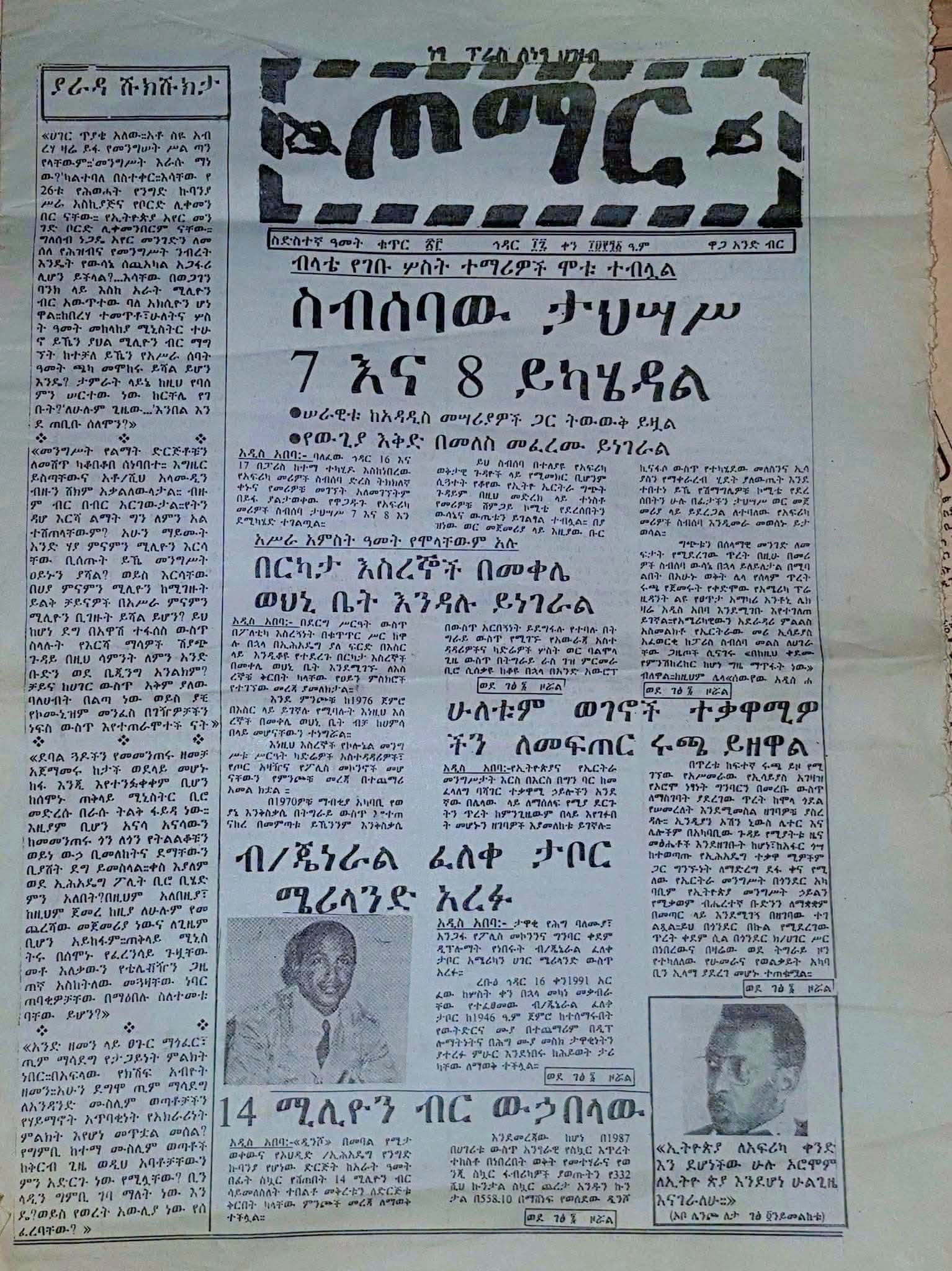
ከክረምት ወደ ብራ: የሜልቦርን ኦሮሞ ማህበረሰብ ኢሬቻን በደስታ አከበረ
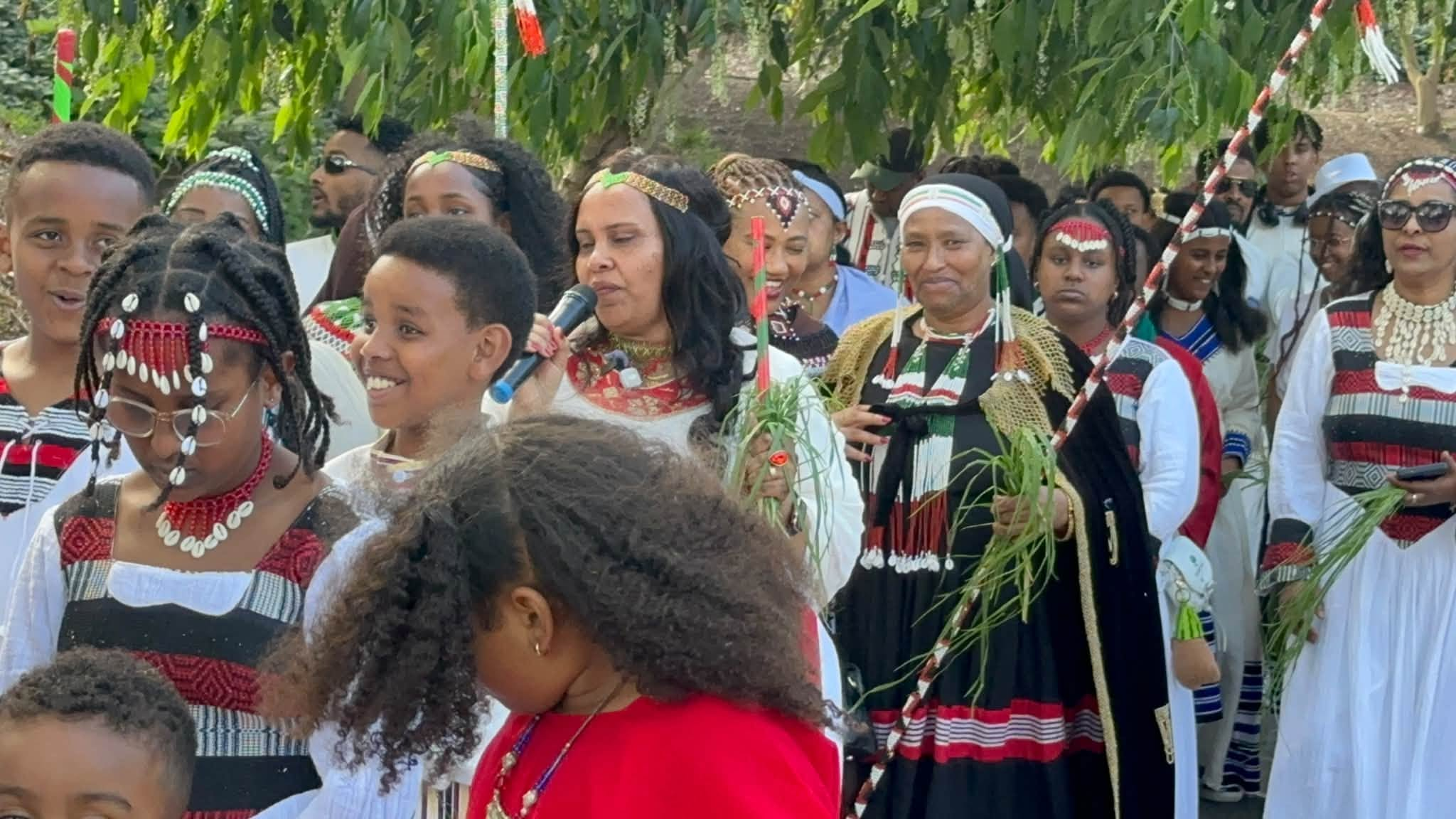
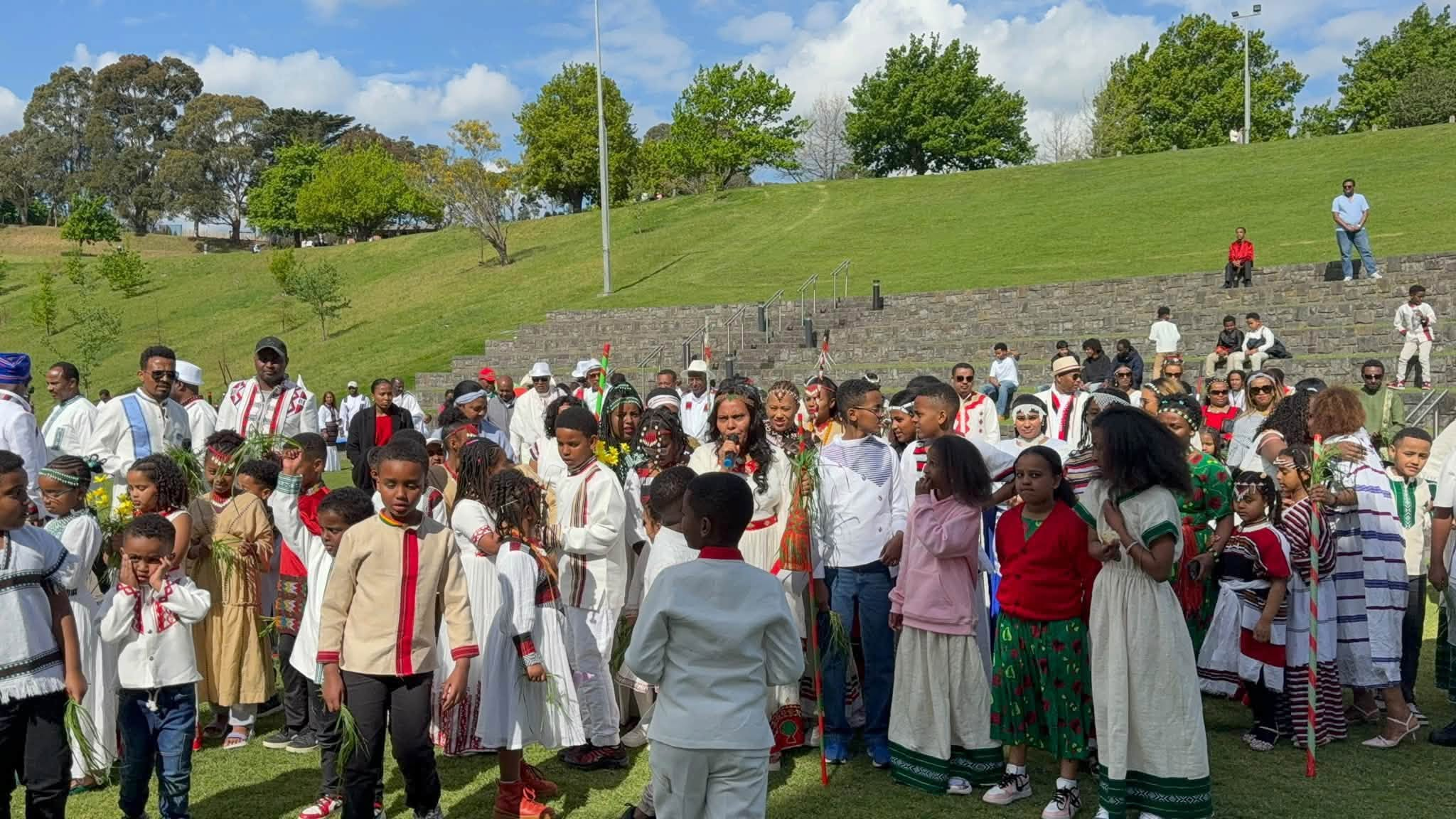
ሜልቦርን፣ መስከረም 27፣ 2026 — በቦታኒካል ጋርደንስ አካባቢ፣ የሜልቦርን ኦሮሞ ማህበረሰብ ዛሬ ኢሬቻን፣ ከክረምት ወቅት ወደ አዲስ ብራ መሸጋገርን የሚያመለክተውን ባህላዊ የኦሮሞ የምስጋና በዓል፣ በደማቅ እና ውብ መልኩ አከበረ።
ሥርዓቱ በባህላዊ ቡራኬዎች ተጀመረ — የምስጋና፣ የማሰላሰል እና የማህበረሰብ አንድነት ቀንን የሚያስተዋውቅ መንፈሳዊ መግቢያ። የማህበረሰቡ አባላት በባህላዊ የኦሮሞ ልብስ ለብሰው በብዛት ተገኝተዋል።
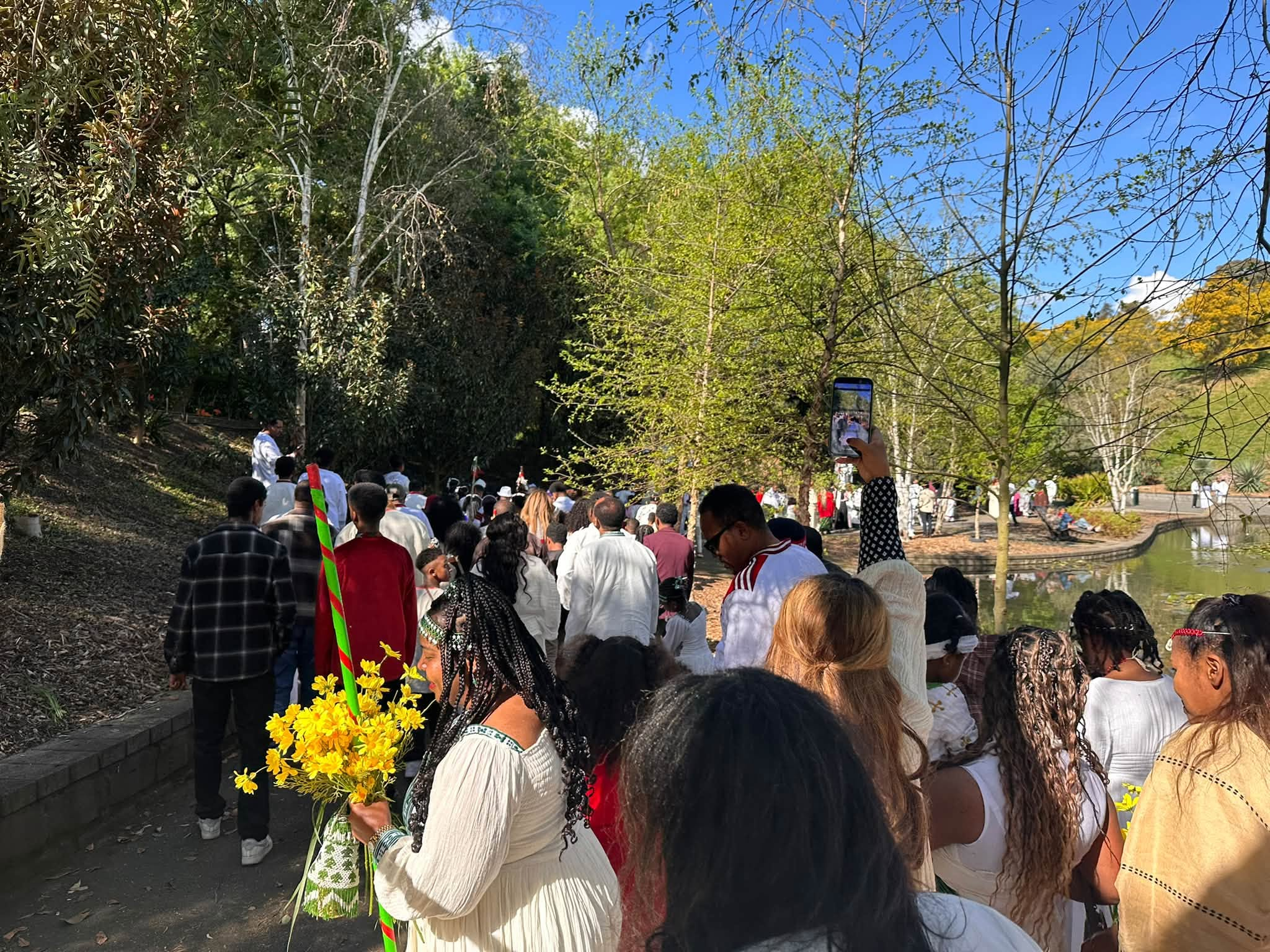
በበዓሉ መንፈስ የተሰጠ አቀባበል
አቶ አብደታ ሆማ፣ የኢሬቻ በዓል ኮሚቴ ሰብሳቢ፣ ሥርዓቱን “Baga Nagaan Dhuftan!” —እንኳን በሰላም መጣችሁ — በሚል የአቀባበል ንግግር ከፍተዋል። ቃላቱ ከጥንት ጀምሮ ኢሬቻን የሚለዩትን ሞቅታ እና እንግዳ ተቀባይነት አንጸባርቀዋል።
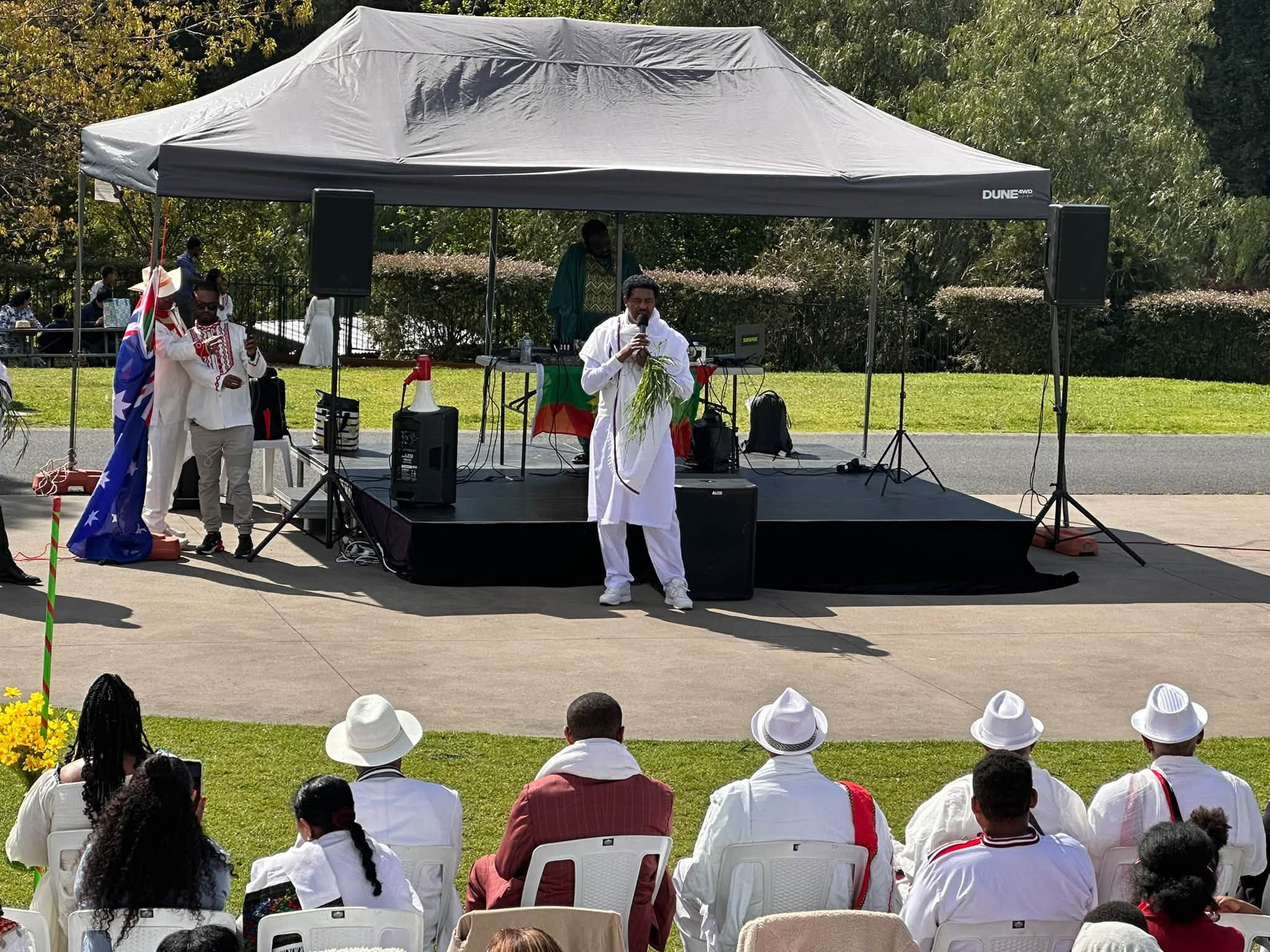
ከትውልድ ወደ ትውልድ የሚተላለፍ ባህል
ከልጆች እስከ ሽማግሌዎች፣ ማህበረሰቡ በባህላዊ የኦሮሞ ልብስ ተሸምድዶ ታየ፤ የበዓሉ ቀለም፣ መዓዛ እና ድምጽ መናፈሻውን ሞልተዋል። ብዙ ትውልዶች በአንድ ላይ መሰባሰባቸውን ማየት የኦሮሞ ባህላዊ ማንነት ጥንካሬን አሳይቷል።
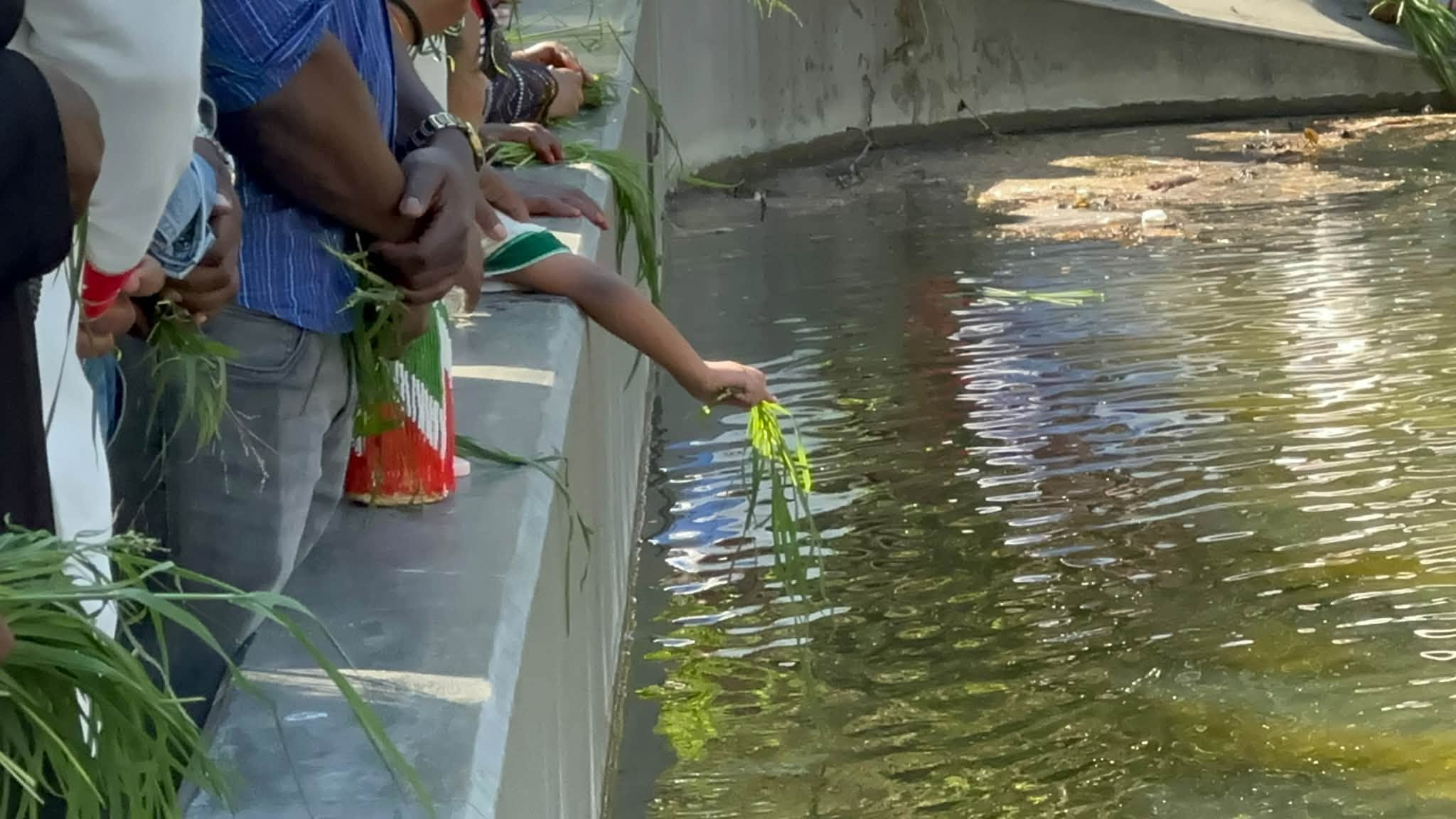
ሣር፣ ውሃ እና ምስጋና
የኢሬቻ ምልክት የሆነውን ትኩስ አረንጓዴ ሣር እና አበቦችን በእጃቸው ይዘው፣ የማህበረሰቡ አባላት ወደ ውሃ ዳርቻ በመሄድ ሣሩን በውሃ ውስጥ ነክረዋል። ይህ ሥርዓት ያለፈውን ዓመት በሰላም አልፈው የፀደይ ወቅትን በሰላም መድረሳቸውን የሚያመሰግኑበት ነው።
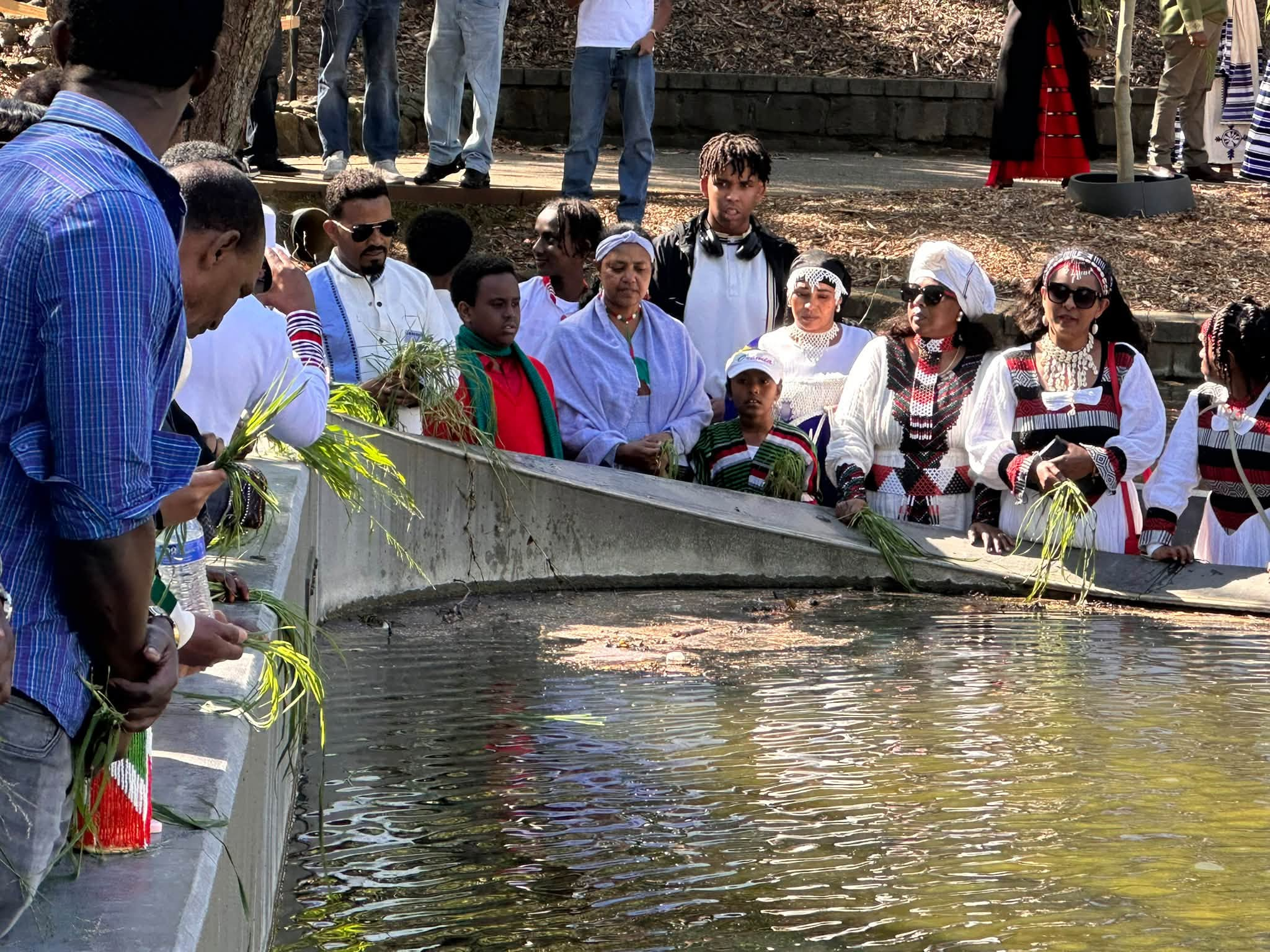
ለወደፊቱ ጸሎት
ኢሬቻ ላለፈው ነገር ምስጋና ብቻ አይደለም፤ ለሚመጣው ነገር በሰላም እንዲያልፉ ዋቃን የሚለምኑበት ጊዜም ነው። በዓሉ ሁለቱንም ይዟል — ለመዳን ምስጋና እና ለወደፊት ጸሎት።
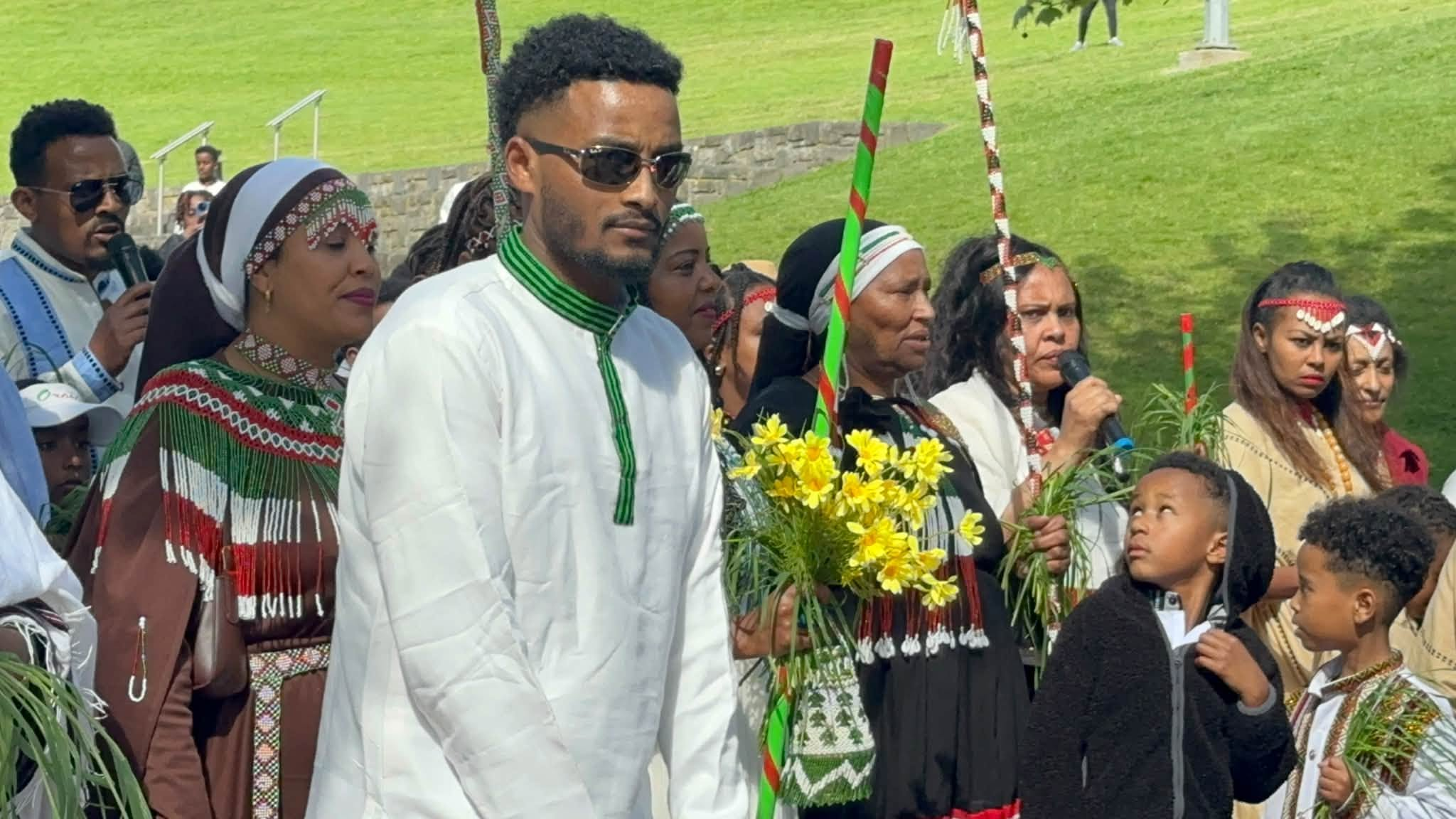
የዘለቀ በዓል
በዓለም ዙሪያ የሚገኙ የኦሮሞ ህዝቦች ኢሬቻን በአንድነት እና በአንድ መልኩ በማክበር ይታወቃሉ። በዓሉ ለብዙ ትውልዶች በኦሮሞ ተከብሮ የቆየ፣ ለብዙ ዓመታት ጭቆናን እና የስርዓት ባርነትን እየተቃወመ እስከ አሁኑ ትውልድ የደረሰ ነው። ኢሬቻ ከደረቅ ወቅት ወደ ፀደይ መሸጋገርን የሚያመለክት በዓል ነው።
ለሜልቦርን የኦሮሞ ማህበረሰብ፣ የዛሬው ክብረ በዓል የወቅት ሥርዓት ብቻ አይደለም — የኦሮሞ ባህል፣ ማንነት እና ወግ ጥንካሬ ያለው፣ ያልተቋረጠ እና ነፃ መሆኑን የሚያውጅ ነው።
Ireecha: Ayyaana Galateeffannaa Oromoo Kan Yeroo Dheeraa Dursee Turee fi Kan Saayinsiin Amma Hubachuu Jalqabe
Barreessaa: Daandii Ragabaa
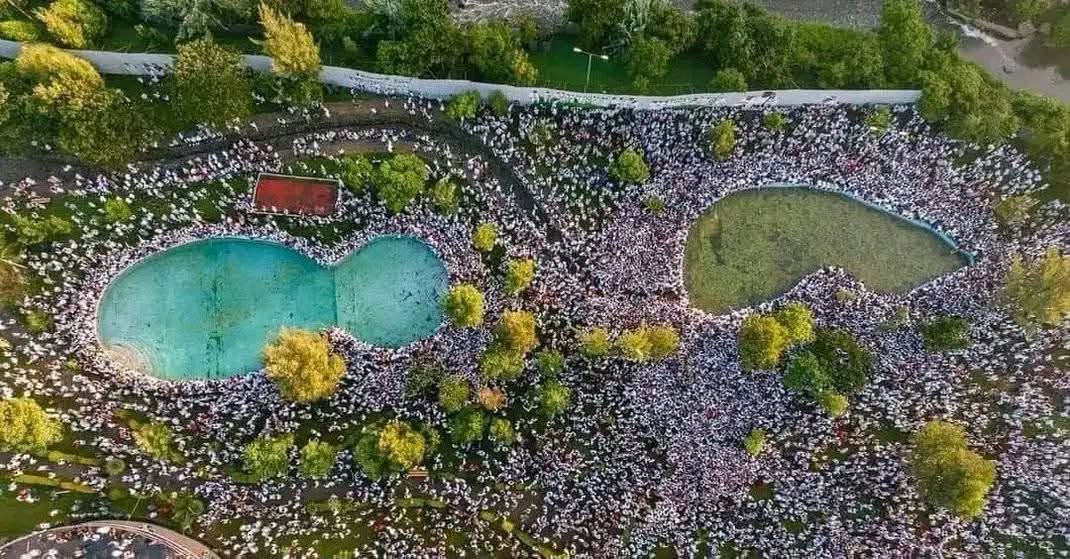
Oromiyaa, Itoophiyaa — Waggaa waggaan, namoonni miliyoonaan lakkaa’aman Oromiyaa keessatti gaara laggeenii fi haroowwan biratti Ireecha, ayyaana galateeffannaa Oromoo waggaa waggaan ittiin kabajamuuf walgargaaru. Marga magariisa haaraa fi daraaraa keelloo qabatanii, bishaan keessa cuunfatu, kanaafis faaruu galateeffannaa kan jaarraa kumaatamaan lafa kana irratti jedhamee ture faarfatu.
Ummata Oromoof, Ireecha ayyaana hafuuraa fi aadaa qulqulluu ti — yeroo roobaaf, oomishaaf, fi kennaa jireenyaaf Waaqni (Waaqa) galateeffatamu. Garuu qorannoon saayinsii guddachaa jiru waan biraas mul’isa: ayyaanni durii kun karaa fayyaa sammuu kan mala hedduu of keessatti hammate ta’ee, saayinsiin ammayyaa guutummaatti hubachuu jalqabee jira.
Seensa: Gadaa Melbaa irraa hanga Ammaatti
Aadaan Oromoo akka jedhutti, Ireecha abbootii Oromoo tiin yeroo Gadaa Melbaa keessatti hundeeffamee, xumura waqtii roobaa Ganna jedhamu agarsiisa. Ayyaanni kun jaarraa kumaatamaan kabajamee, amantiiwwan Kiristaanaa fi Islaamaa caalaa dursee ture. Hundee isaa Waaqeffannaa, amantii Oromoo aadaa kan humna guddaa tokko Waaqa jedhamu irratti hundaa’e keessa jira.
Ireecha erga uummataan Oromoo aangoo Menelek II jalatti kufe booda fi bulchiinsaawwan itti aanan keessatti jaarraa tokkoo fi oliffi sirnaan dhorkame ture. Yeroo rakkoowwan kun jiranuu, aadaan kun onnee ummataa keessa jiraatee, waggoottan dhiyoo keessatti haaromsa cimaa argateera.
Akkuma seenaawaan Oromoo tokko jedhe, “Ireecha eenyummaa Oromoo wantoota hunda caalaa dursee kaa’uun haaromsee jira.”
Hiika Qulqulluu
Tokkoon tokkoon qaama Ireecha hiika hedduu qabata. Bishaan hiika gadi fagoo qaba — ayyaanni kun Malkaa (gama lagaa) fi Hora (gama haroo) irratti kabajama, gartokkeen marga magariisa haaraa fi daraaraa bishaan keessa cuunfachuuf walgargaru. Gochi kun qulqullina, haaromsa, fi rakkoowwan waggaa darbe dhiqachuu agarsiisa.
Marga magariisa haaraa fi daraaraa keelloo hirmaattoonni qabatan mallattoo abdii (abdi) fi haaromsaa ti. Ilaalcha Oromoo keessatti, biqiltoonni kunneen jireenya fi oomisha Waaqni kenne fakkeessu. Gama bishaa geessanii dhiyeessuun, hirmaattoonni kanaaf galateeffannaa isaanii ibsu, gara fuulduraas badhaadhinaaf kadhatu.
Gartokkeen gara bishaatti Abbaa Malkaa (mootiiwwan sanyii) fi Abbaa Gadaa (geggeessitoota Gadaa) tiin geggeeffama, faaruu aadaa, sirbaa, fi iyyansa dubartootaan deeggaramee. Dubartoonni gartokkee kana keessatti gahee guddaa qabu, geggeessitoota dura dhaabbatanii deemani. Karaa irratti yoo dhaabbatan, gartokkeen guutuu dhaabbata — eenyuyyuu isaan dura hin darbu, sababiin isaas aadaan Oromoo dubartoota akka qulqulluu fi akka nagaa ilaala. Kun Siinqee jedhamuun hundaa’e, dhaabbata dubartootaa aadaa kan ergaa nagaa fi araaraaf tajaajilu.
Bishaan bira ga’anii booda, Abbaa Malkaa, Abbaa Gadaa fi Qaalluu (geggeessitoota hafuuraa) hirmaattoota eebbisu, seeraa fi dambiiwwan irratti haasaa dhaabbatan. Eebbi kun aangoo sirna Gadaa qabata, kan jireenya siyaasaa, dinagdee, hawaasummaa fi amantii bulchu. Ireecha kana malees yeroo namoonni walfaallessan araaramaniif — daangaa yeroo cimaa fi hawaasaadhaan hojiirra oolu walfaallessummaa furuuf.
Saayinsiin Faaruu Irratti Maal Jedha?
Faaruu, sirna malkaa Ireecha keessatti hojii guddaa qabu, safaramaa ta’ee hir’ina dhiphinaa fi yaaddoo agarsiiseera. Qorannoo to’annoo adda addaa Awustiraaliyaa keessatti godhame akka agarsiisutti, daqiiqaa kudha lamaan faaruu gareen — sagalee ykn callisaan — hir’ina guddaa corrtisolii fi yaaddoo ofii ibsame fidde.
Hir’inni corrtisolii, hormoonii dhiphinaa ijoo qaamaa, faaruu sagalee fi callisaaf walqixa ture. Haata’uu malee, yaadoon ofii ibsame faaruu sagalee booda caalaa hir’ate, jechuun gochi sagalee baasuu — faaruu Ireechaa — faayidaa saayikoolojii guddisa.
Qorannoon kunis erga faaruu sagalee fi callisaan booda qabxiin nama gargaaruu dabaleera jedhee agarsiise, kunis sirni aadaa kun fedhii hawaasummaa guddisa jedhee agarsiisa. Walqixxummaan gareen, amala faaruu waloo, tumsa fi sassabii namoota biroo waliin guddisa jedhamee yaadama.
Qorannoon gareen keessatti faaruu irratti godhame muuziqni “afaan ykn suuraa fayyadamuun malees gara miira keenya gadi fagoo geessuu danda’a” fi namoonni walii wajjin yoo faarfatan “miira hirmaattota harkisu qooddatu, kanaafis qaamni isaanii karaa wal fakkaatuun miiraan deebii kennuu isaanii itti dhaga’u” jedhee mirkaneessa.
Kun muuxannoo hirmaattota Ireechaa waliin walsimu, isaanis ibsa galateeffannaa fi abdii waloo keessatti walii wajjin faarfatu. Faaruun Maarewoo yeroo gartokkee faarfamu galateeffannaa fi abdii waggaa haaraaf ibsu. Dubartoonni “Maariyoo… Maareyoo…” jechuun “rahmata kee nu irratti” faarfatu, dhiiroonnis faaruu Ireechaa isaan waliin faarfatu.
Kadhaan aadaa tokko akkanatti jalqaba:
“Dukkana gannaa nubaaftee / Booqa Birraa nugarsiiftee / Akkanumatti fuuldura keenyaafis / Waan horre walin nagaa nu godhi”
Kun hiika isaa: “Dukkana gannaa xumurteetta / Abdii birraa nutti fiddeetta / Akkasumas fuuldura keenyaaf / Waan walitti qabnetti nagaa nu godhi.” Faaruun kun galateeffannaa kan darbeefi kadhannaa kan fuulduraaf — ibsa guutuu hariiroo Oromoo Waaqa waliin.
Tuquu Margaa Fayyaa
Marga magariisa haaraa hirmaattoonni Ireechaa qabatan — bishaan keessa akka dhiyeessii fi mallattoo haaromsaatti cuunfamu — yeroo tuqamu faayidaa saayikoolojii galmee qaba. Qorannoon 2024 Joornaalii Fayyaa Magaalaa keessatti maxxanfame dhibee marga dhugaa fi marga namtolchee gidduu jiru adda baasee qorate.
Bu’aan isaa marga dhugaa tuquu miira boqonnaa fi tasgabbii ol kaasa, hir’ina dhukkubsachuu dhiignaa sistoolikii giddugaleessaa dabala, fi amaloota dhaqdhaqaaqa sammuu boqonnaa waliin walqabatan agarsiisa.
Qorannoon biraa dargaggoota irratti godhame daqiiqaa shan tuquu marga lafaa dhugaa, harruu harkaa keessa karaa, hir’ina dhiignaa diastoolikii guddaa, dabaluu sochii dhaqdhaqaaqa sammuu alfa (mallattoo boqonnaa dammaqaa), fi salphisuu yaaddoo yeroo waliin madaalu agarsiise.
Qorattoonni “marga harruun harkaa tuquu — marga harkaan tuquu — qaama fi saayikoolojii lamaanuu irratti dhiphina irratti tasgabbii qaba” jedhanii xumuran.
Hirmaattota Ireechaaf, marga qabatanii bishaan keessa cuunfachuun mallattoo hafuuraa qofa miti, muuxannoo tuquu kan sirna narvii irratti tasgabbii safaramaa qabu.
Humna Haaromsaa Bishaan
Ireecha laggeenii fi haroowwan biratti argamu — Ireecha Malkaa — hirmaattoota “bakka samii” jedhaman keessatti kan bishaan qabu keessa galcha. Kaartaan ragaa sirna qorannoo bakka samii tuquu naannoo bishaan waliin walqabachuu faayidaa fayyaa sammuu, kan hir’ina dhiphinaa fi fayyaa fooyya’e of keessatti qabate mirkaneessa.
Qorannoon biyya 19 keessatti hirmaattota 17,000 ol of keessatti qabate bakka samii hundi akka haaromsaatti yaadatamu argisiise, laggeen baadiyyaa fi boolloonni isaan caalaa haaromsa qabu. Qorannoon kunis hariiroo wal-fakkaatu haaromsaa fi walqabachuu uumamaa gidduu jiru argisiise — nama tokko akka haaromsaa itti dhaga’amu, uumama waliin walqabata, kanaafis karaa biraa.
Qorannoon Ireecha keessatti godhame amaloota sagalee bishaanii fi bakka uumamaa isaa “biophilia kakaasu, fayyaa sammuu guddisu” jedhee ibsa. Sagalee keessatti, dandeettii bishaanii sagalee yeroo afuuraa caalaa dafee dabarsuu sagalee laggeenii miira guddisu uuma.
Ummataan Oromoo waan saayinsiin naannoo amma mirkaneessu yeroo dheeraa dura hubateera: gama bishaa walgargaruu, sagalee bishaan yaa’u fi bal’ina isaa ilaaluu, miira tasgabbii fi boqonnaa kan xiyyeeffannaa hafuuraa fi walqabachuu hawaasummaa deeggaru uuma.
Walitti Makamuu Sagalee, Margaa fi Bishaan
Ireecha saayikoolojii irratti humna qabu qaama tokko adda bahee miti, walitti makamuu isaanii ti. Sirni kun faaruu sagalee, tuquu margaa haaraa, fi bishaan keessa cuunfachuu walitti fida — muuxannoo miira hedduu kan karaa fayyaa hedduu yeroo tokkotti kakaasu.
Qorannoon Ireecha irratti godhame walitti makamuu kana ifatti ibsa: “bishaan ya’a fi calaqqee, sagalee waliin walitti makamee, sirna miira hedduu kan xiyyeeffannaa hafuuraa gadi fageessu uuma.”
Qorannoon “saayikoolojii keessatti, faaruu fi sirbuun dhiphina hir’isa, doopamiinii yaasuu kakaasu, miira ol kaasuu fi walqabachuu hawaasummaa guddisa” jedha, “bakka bishaan uumamaa biophilia kakaasu, fayyaa sammuu guddisu, fi ifa hafuuraa sirna keessatti barbaadamu waliin walsima.”
Qaamni hawaasummaa isaas guddaa dha. Ummataan Oromoo laggeenii fi haroowwan qulqulluu irratti marga roobni fideef Uumaa isaanii galateeffachuuf walgargara. Dhiiroonni, dubartoonni, jaarsoliinii fi dargaggoonni hundi uffata fi faaya hawwataa uffatanii makamu. Faarfatu, sirbatu, seenaa qooddatu, marga haaraa murameefi daraaraa bishaan keessa kaa’atu — mallattoo jireenyaa, haaromsaa fi abdii.
Hawaasa erga waqtii roobaa adda bahe booda walgargaruuf, walqabachuu kun — sagalee waloo, tuquu margaa waloo, fi argamuu bishaan waloo — haaromsa saayikoolojii waloo ta’ee tajaajila. Sirni kun duraan walfaallessummaa irraa walii galcha, karaa aadaadhaan seerame kan walqabachuu hawaasummaa cabee jiru dhiphina dheeraatti jijjiiramuu dura sukkuumuu.
Karaa Fayyaa Aadaa Keessa Hundeeffame
Ummata Oromoof, Ireecha ayyaana hafuuraa fi aadaa ti. Ragaan saayinsii amma waan dhalootaan dursee hubatan mirkaneessa: qaamni sirna kanaa — sagalee, margaa fi bishaan — meeshaalee humna guddaa fayyaa sammuuf qabu.
Haala tajaajila fayyaa sammuu idilee baay’ee hin argamne keessatti, Ireecha karaa dhaqqabamaa fi hiika aadaa qabu salphisuu dhiphinaa, haaromsa miiraa, fi walqabachuu hawaasummaa dhiyeessa.
Humna saayikoolojii Ireecha qaama, sammuu fi hawaasa walitti fiduu irratti argama — mala fayyaa guutuu kan qorannoon ammayyaa guutummaatti hubachuu jalqabee jiru.
Ayyaanni kun hirmaannaa fi beekumsaan guddachaa jiru, mallattoowwan durii kunneen akkuma yeroo hunda barbaachisoo ta’ee jiraatu — ummata Oromoo Waaqa, lafa, fi walii isaanii waliin walqabachuu isaanii yaadachiisa.
Ireecha waggaa waggaan Oromiyaa keessatti gaara laggeenii fi haroowwan irratti kabajama, Ireecha Malkaa ji’a Fulbaanaa giddugaleessa waqtii roobaa xumuraatti, Ireecha Tulluu garuu waqtii gogaa birraa jalqabaatti kabajama.
ኢሬቻ፡ ሳይንስ መረዳት የጀመረው የጥንት የኦሮሞ የምስጋና በዓል
በዳንዲ ረገባ
ኦሮሚያ፣ ኢትዮጵያ — በየዓመቱ በሚሊዮኖች የሚቆጠሩ ሰዎች በኦሮሚያ የከርሰ ምድር ወንዞችና ሐይቆች ዳርቻ ላይ ለኢሬቻ፣ ለዓመታዊው የኦሮሞ የምስጋና በዓል ይሰበሰባሉ። ትኩስ አረንጓዴ ሣርና ቢጫ አበባዎችን ይይዛሉ፣ በውሃ ውስጥ ያጠምቁታል፣ እና ለሺህ ዓመታት በእነዚህ መሬቶች ላይ የተደረገውን የጥንት የምስጋና ዘፈኖች ይዘምራሉ።
ለኦሮሞ ህዝብ፣ ኢሬቻ ቅዱስ መንፈሳዊና ባህላዊ በዓል ነው — ለዝናብ፣ ለምርትና ለህይወት ስጦታ ራሱ ለዋቃ (እግዚአብሔር) ለማመስገን የሚደረግ ጊዜ። ነገር ግን እያደገ ያለው የሳይንሳዊ ምርምር ሌላ ነገርንም ያሳያል፡ ይህ ጥንታዊ በዓል ዘመናዊ ሳይንስ ሙሉ በሙሉ መረዳት የጀመረው ብዙ ዘዴዎችን የሚያካትት የአእምሮ ጤንነት መንገድ ነው።
ከግዛቶች የቆየ በዓል
በኦሮሞ ወግ መሰረት፣ ኢሬቻ በኦሮሞ አባቶች በጋዳ መልባ ዘመን ተመስርቶ የነበረ ሲሆን፣ የዝናብ ወቅት ጋና ማብቂያን ያመለክታል። በዓሉ ለሺህ ዓመታት የተከበረ ሲሆን፣ ከክርስትናና ከእስልምና ተቋማዊ ሃይማኖቶች ቀደም ብሎ የነበረ ነው። በዋቄፈና፣ የኦሮሞ ባህላዊ እምነት በዋቃ የሚባል አንድ ከፍተኛ ሃይል ላይ የተመሰረተ ነው።
ኢሬቻ ከምኒልክ ዳግማዊ የኦሮሞ ብሔር ውድቀት በኋላና በተከታታይ አገዛዞች ከአንድ ምዕተ ዓመት በላይ በስርዓት ታግዶ ነበር። እነዚህ ተግዳሮቶች ቢኖሩም፣ ወጉ በህዝቡ ልብ ውስጥ ተቀምጦ በቅርብ አስርት ዓመታት ውስጥ ኃይለኛ መነቃቃት አግኝቷል።
አንድ የኦሮሞ ታሪክ ጸሐፊ እንደገለጹት፣ “ኢሬቻ የኦሮሞ ማንነትን ከሁሉም በላይ አስቀምጦ መነቃቃት አግኝቷል።”
ቅዱሳን ክፍሎች
እያንዳንዱ የኢሬቻ ክፍል ብዙ ትርጉሞችን ይይዛል። ውሃ ጥልቅ ትርጉም አለው — በዓሉ በመልካ (የወንዝ ዳር) እና በሆራ (የሐይቅ ዳር) የሚከበር ሲሆን፣ ማህበረሰቦች ትኩስ አረንጓዴ ሣርና አበቦችን በውሃ ውስጥ ለማጠምቅ ይሰበሰባሉ። ይህ ተግባር መንጻትን፣ መታደስን እና ያለፈውን ዓመት ችግሮች ማጠብን ያመለክታል።
በተሳታፊዎች የሚይዙት ትኩስ አረንጓዴ ሣርና ቢጫ አበቦችን የተስፋ (አብዲ) እና የመታደስ ምልክቶች ናቸው። በኦሮሞ አመለካከት፣ እነዚህ ተክሎች ዋቃ የሰጠውን ህይወትና ለምነት ይወክላሉ። ወደ ውሃ ዳርቻ በመውሰድና በማቅረብ፣ ተሳታፊዎች ለያለፈው አመስጋኝነታቸውን ይገልጻሉ እና ለወደፊት ብዝበዛ ይጸልያሉ።
ወደ ውሃው የሚደረገው ሰልፍ በአባ መልካ (የዘር አለቆች) እና በአባ ገዳ (የገዳ መሪዎች) ይመራል፣ በባህላዊ ዘፈኖች፣ ጭፈራዎችና ኡሉላሽኖች አልፎ ይዘዋወራሉ። ሴቶች በዚህ ሰልፍ ውስጥ ጎልቶ የሚታይ ሚና ይጫወታሉ፣ ከመሪዎቹ ፊት ይራመዳሉ። በመንገድ ላይ ካቆሙ፣ መላው ሰልፍ ይቆማል — ማንም ከእነሱ ፊት አያልፍም፣ ምክንያቱም የኦሮሞ ባህል ሴቶችን እንደ ቅዱስና እንደ ሰላም ምልክት ያያል። ይህ በሲንቄ ተቋም ላይ የተመሰረተ ነው፣ የሴቶች ልማዳዊ ተቋም የሰላም ተልእኮና አማላጅ ሆኖ የሚያገለግል።
ውሃው ላይ ከደረሱ በኋላ፣ አባ መልካ፣ አባ ገዳ እና ቃሉ (መንፈሳዊ መሪዎች) ተሳታፊዎችን ይባርካሉ እና ስለ ደንቦችና ህጎች ንግግሮችን ያደርጋሉ። ይህ ቡራኬ የዳ ስርዓትን ስልጣን ይይዛል፣ ይህም ፖለቲካዊ፣ ኢኮኖሚያዊ፣ ማህበራዊና ሃይማኖታዊ ህይወትን ይቆጣጠራል። ኢሬቻ በተጨማሪም በግጭት ውስጥ ያሉ ሰዎች የሚታረቁበት አጋጣሚ ነው — ጠንካራና በማህበረሰብ የሚተገበር አለመግባባቶችን ለመፍታት የጊዜ ገደብ።
ሳይንስ ስለ ዘፈን ምን ይላል
ዘፈን፣ በኢሬቻ የወንዝ ዳር ሥርዓቶች ውስጥ ማዕከላዊ ልማድ፣ በሚለካ መልኩ የጭንቀትና የጭንቀት ቅነሳን ያሳያል። በአውስትራሊያ የተደረገ የዘፈቀደ ቁጥጥር የሚደረግበት ሙከራ እንደሚያሳየው፣ አስራ ሁለት ደቂቃ የቡድን ዘፈን — ድምጻዊም ሆነ ዝምተኛ — በኮርቲሶል መጠንና በራስ የሚገለጽ ጭንቀት ላይ ከፍተኛ ቅነሳ አስከትሏል።
የኮርቲሶል፣ የሰውነት ዋና የጭንቀት ሆርሞን፣ ቅነሳ ለድምጻዊም ሆነ ለዝምተኛ ዘፈን ተመሳሳይ ነበር። ሆኖም፣ ራስ የሚገለጽ ጭንቀት ከድምጻዊ ዘፈን በኋላ የበለጠ ቀንሷል፣ ይህም የመናገር ተግባር — የኢሬቻን ዘፈኖች መዘመር — ሥነ ልቦናዊ ጥቅሙን እንደሚያጎለብት ያሳያል።
ጥናቱ በተጨማሪም ከድምጻዊም ሆነ ከዝምተኛ ዘፈን በኋላ የልግስና ውጤቶች መጨመራቸውን አሳይቷል፣ ይህም የሥርዓቱ ልማድ ለህብረተሰብ ተስማሚ ዝንባሌዎችን እንደሚያ foster ያሳያል። የቡድን ተመሳሳይነት፣ የጋራ ዘፈን ባህሪ፣ ትብብርንና ከሌሎች ጋር የመገናኘት ስሜትን እንደሚያራምድ ይታሰባል።
በቡድን ውስጥ ዘፈን ላይ የተደረገ ምርምር ሙዚቃ “ቋንቋን ወይም ምስሎችን ሳይጠቀም ወደ ጥልቅ ስሜቶቻችን ሊደርስ” እንደሚችል እና ሰዎች አብረው ሲዘምሩ “ተሳታፊዎቹን የሚይዝ የስሜት ዓይነት ስለሚጋሩ አካላቸው በተመሳሳይ መንገድ ስሜታዊ ምላሽ ሲሰጥ ይሰማቸዋል” በማለት ያረጋግጣል።
ይህ ከኢሬቻ ተሳታፊዎች ልምድ ጋር ይጣጣማል፣ እነሱም በጋራ የምስጋናና የተስፋ መግለጫ ውስጥ አብረው ይዘምራሉ። በሰልፉ ወቅት የሚዘመሩት የማረዎ ዘፈኖች ለአዲሱ ዓመት ምስጋናና ተስፋን ይገልጻሉ። ሴቶች “ማሪዮ… ማረዮ…” ማለትም “ፀጋህ በእኛ ላይ” ይዘምራሉ፣ ወንዶች ደግሞ የኢሬቻን ዘፈን አብረው ይዘምራሉ።
አንድ ባህላዊ ጸሎት እንዲህ ይጀምራል፡
“Dukkana gannaa nubaaftee / Booqa Birraa nugarsiiftee / Akkanumatti fuuldura keenyaafis / Waan horre walin nagaa nu godhi”
ይህ ማለት፡ “የክረምቱን ጨለማ አስቀረህ / የፀደይን ተስፋ አመጣህልን / እንዲሁም ለወደፊታችን / በሰበሰብነው ነገር ሰላም አድርገን” ማለት ነው። ዘፈኑ ለያለፈው ምስጋናም ሆነ ለወደፊት ጸሎት ነው — የኦሮሞን ከዋቃ ጋር ያለውን ግንኙነት ሙሉ በሙሉ የሚገልጽ።
የሣር ፈዋሽ ንክኪ
በኢሬቻ ተሳታፊዎች የሚይዙት ትኩስ አረንጓዴ ሣር — በውሃ ውስጥ እንደ መስዋዕትና የመታደስ ምልክት የሚጠመቀው — ሲነካም የተመዘገበ ሥነ ልቦናዊ ጥቅም አለው። በ2024 በጆርናል ኦፍ ኡርባን ሄልዝ የታተመ ጥናት በአረጋውያን ላይ እውነተኛ ሣርና ሰው ሰራሽ ሣርን የመንካት ውጤቶችን መርምሯል።
ግኝቶቹ እውነተኛ ሣርን መንካት የመዝናናትና የመረጋጋት ስሜትን ከፍ ያደርጋል፣ አማካይ የሲስቶሊክ የደም ግፊት ቅነሳን ይጨምራል፣ እና ከመዝናናት ጋር የተያያዙ የአንጎል ሞገድ ንድፎችን ያሳያል።
በወጣት አዋቂዎች ላይ የተደረገ የተለየ ጥናት አምስት ደቂቃ ከእውነተኛ የመሬት አቀማመጥ ሣር ጋር በእጅ መዳፍ አማካኝነት የሚደረግ ንክኪ ማነቃቂያ በዲያስቶሊክ የደም ግፊት ላይ ከፍተኛ ቅነሳን፣ የአልፋ የአንጎል ሞገድ እንቅስቃሴን (የመዝናናት መጠን ምልክት) መጨመርን እና ከቁጥጥር ሁኔታ ጋር ሲነጻጸር ጭንቀትን ማቃለልን አስከትሏል።
ተመራማሪዎቹ “ሣርን በእጅ መዳፍ መንካት — ሣርን በእጅ የመንካት ተግባር — በፊዚዮሎጂካዊም ሆነ በሥነ ልቦናዊ የጭንቀት ምላሾች ላይ የማረጋጋት ውጤት አለው” በማለት ደምድመዋል።
ለኢሬቻ ተሳታፊዎች፣ ሣርን ይዞ በውሃ ውስጥ የመጠመቅ ተግባር መንፈሳዊ የእጅ ምልክት ብቻ ሳይሆን በነርቭ ስርዓት ላይ የሚለካ የማረጋጋት ውጤት ያለው የንክኪ ልምድ ነው።
የውሃ መልሶ ማገገሚያ ኃይል
የኢሬቻ በወንዞችና በሐይቆች አቅራቢያ መቀመጥ — ኢሬቻ መልካ — ተሳታፊዎችን ተመራማሪዎች “ሰማያዊ ቦታዎች” ብለው በሚጠሩት ውሃ ባለባቸው አካባቢዎች ውስጥ ያስቀምጣል። የሰማያዊ ቦታ ምርምር ስርዓታዊ የማስረጃ ካርታ ከውሃ አካባቢዎች ጋር መገናኘት ከአእምሮ ጤና ጥቅሞች ጋር የተያያዘ መሆኑን ያረጋግጣል፣ ይህም የጭንቀት ቅነሳንና የተሻሻለ ደህንነትን ያካትታል።
ከ17,000 በላይ ተሳታፊዎችን ያካተተ በ19 ሀገሮች የተደረገ ታዋቂ ጥናት ሁሉም ሰማያዊ ቦታ ቅንብሮች እንደ አድሳት የሚታወሱ መሆናቸውን አረጋግጧል፣ የገጠር ወንዞችና ቦዮች ከሁሉም በላይ አድሳት ካላቸው መካከል ናቸው። ጥናቱ በተጨማሪም በአድሳትና በተፈጥሮ ትስስር መካከል የተገላቢጦሽ ግንኙነት መኖሩን አሳይቷል — አንድ ሰው የበለጠ እየታደሰ ሲሄድ፣ ከተፈጥሮ ጋር የበለጠ ይገናኛል፣ እንዲሁም በተቃራኒው።
በተለይ ኢሬቻን የሚመረምር ምርምር የውሃ አኮስቲክ ባህሪያትና የተፈጥሮ አቀማመጡ “ባዮፊሊያን ያሳትፋሉ፣ የአእምሮ ደህንነትን ያሻሽላሉ” በማለት ይገልጻል። በአኮስቲክ ደረጃ፣ የውሃ ድምጽን ከአየር በአራት እጥፍ ፍጥነት የማስተላለፍ ችሎታ የወንዝ ዳር ዘፈኖችን ስሜታዊ ተጽእኖ የሚያጎለብቱ አስደናቂ የድምጽ ቦታዎችን ይፈጥራል።
የኦሮሞ ህዝብ የአካባቢ ሥነ ልቦና አሁን የሚያረጋግጠውን ከረጅም ጊዜ ጀምሮ ተረድቷል፡ በውሃ ዳርቻ መሰብሰብ፣ የሚፈሰውን ውሃ ድምጽና ስፋቱን በማየት፣ መንፈሳዊ ነጸብራቅንና የማህበረሰብ ትስስርን የሚደግፍ የመረጋጋትና የእረፍት ስሜት ይፈጥራል።
የድምጽ፣ የሣርና የውሃ ቅንጅት
ኢሬቻን በሥነ ልቦና ኃይለኛ የሚያደርገው ማንኛውም ነጠላ ክፍል በገለልተኛነት ሳይሆን ጥምረታቸው ነው። ሥርዓቱ ድምጻዊ ዘፈንን፣ ከትኩስ ሣር ጋር የንክኪ ግንኙነትንና በውሃ አካባቢ ውስጥ መጥለቅን አንድ ላይ ያመጣል — በአንድ ጊዜ ብዙ የደህንነት መንገዶችን የሚያሳትፍ የብዙ ስሜት ልምድ።
በኢሬቻ ላይ የተደረገ ምርምር ይህን ቅንጅት በግልጽ ይገልጻል፡ “የውሃ ፈሳሽነትና ነጸብራቅ፣ ከድምጽ ሬዞናንስ ጋር ተጣምረው፣ መንፈሳዊ ተሳትፎን የሚያጠልቁ የብዙ ስሜት ሥርዓቶችን ይፈጥራሉ።”
ጥናቱ እንደሚገልጸው “በሥነ ልቦና ደረጃ፣ ዘፈንና ዝማሬ ጭንቀትን ይቀንሳሉ እና ዶፓሚን መፍሰስን ያስነሳሉ፣ ስሜታዊ ከፍታንና የማህበረሰብ ትስስርን ያ foster ያደርጋሉ”፣ በአንጻሩ ደግሞ “የተፈጥሮ ውሃ አቀማመጦች ባዮፊሊያን ያሳትፋሉ፣ የአእምሮ ደህንነትን ያሻሽላሉ እና በሥርዓቶች ውስጥ ከሚፈለገው መንፈሳዊ ግልጽነት ጋር ይጣጣማሉ።”
የማህበረሰብ ገጽታም እንዲሁ አስፈላጊ ነው። የኦሮሞ ህዝብ ዝናቡ ያመጣውን አረንጓዴ ለፈጣሪያቸው ለማመስገን በቅዱሳን ወንዞችና ሐይቆች ይሰበሰባል። ወንዶች፣ ሴቶች፣ አረጋውያንና ወጣቶች ሁሉም በሚማርኩ ልብሶችና ጌጣጌጦች ተሸምደው ይቀላቀላሉ። ይዘምራሉ፣ ይጨፍራሉ፣ ታሪኮችን ይጋራሉ እና አዲስ የተቆረጠ ሣርና አበቦችን በውሃ ውስጥ ያስቀምጣሉ — የህይወት፣ የመታደስና የተስፋ ምልክት።
ከገለልተኛ የዝናብ ወቅት በኋላ ለሚሰበሰብ ማህበረሰብ፣ ይህ እንደገና መገናኘት — በጋራ ድምጽ፣ በጋራ የሣር ንክኪና በጋራ በውሃ መገኘት — እንደ የጋራ ሥነ ልቦናዊ መታደስ ያገለግላል። ሥርዓቱ ከመሳተፍ በፊት የሚጠይቀው እርቅ ይህንን የበለጠ ያጠናክራል፣ የተሰበሩ ማህበራዊ ትስስሮች ወደ ሥር የሰደደ ጭንቀት ከመቀየራቸው በፊት ለመጠገን በባህል የተደነገገ መንገድ ይፈጥራል።
በባህል ሥር የሰደደ የደህንነት መንገድ
ለኦሮሞ ህዝብ፣ ኢሬቻ መንፈሳዊና ባህላዊ በዓል ነው። ሳይንሳዊው ማስረጃ አሁን ትውልዶች በደመ ነፍስ የተረዱትን ያረጋግጣል፡ የሥርዓቱ ክፍሎች — ድምጽ፣ ሣርና ውሃ — ለአእምሮ ጤና ኃይለኛ መሳሪያዎችም ናቸው።
መደበኛ የአእምሮ ጤና አገልግሎቶች ብዙም በማይገኙበት ሁኔታ ውስጥ፣ ኢሬቻ ለጭንቀት እፎይታ፣ ለስሜታዊ አድሳትና ለማህበራዊ ትስስር ተደራሽና በባህል ትርጉም ያለው መንገድ ያቀርባል።
የኢሬቻ ሥነ ልቦናዊ ኃይል አካልን፣ አእምሮንና ማህበረሰብን በማዋሃድ ላይ ይገኛል — ዘመናዊ ምርምር ሙሉ በሙሉ መረዳት የጀመረው አጠቃላይ የደህንነት አቀራረብ።
በዓሉ በተሳታፊነትና በእውቅና እያደገ ሲሄድ፣ እነዚህ ጥንታዊ ምልክቶች እንደ ሁልጊዜ ተገቢ ሆነው ይቆያሉ — የኦሮሞን ህዝብ ከዋቃ፣ ከምድርና እርስ በርስ ያላቸውን ትስስር ያስታውሳሉ።
ኢሬቻ በየዓመቱ በኦሮሚያ የከርሰ ምድር ወንዞችና ሐይቆች ዳርቻ ላይ ይከበራል፣ ኢሬቻ መልካ በመስከረም አጋማሽ በዝናብ ወቅት ማብቂያ ላይ፣ ኢሬቻ ቱሉ ደግሞ በደረቅ ወቅት በፀደይ መጀመሪያ ላይ ይከበራል።
ኦነግ፡ በኦሮሚያ ውስጥ ለሚካሄደው ጦርነት ዘላቂ መፍትሔ ለማምጣት መንግሥት ለእውነተኛ እርቅ በር መክፈት አለበት!
ፊንፊኔ፣ መስከረም 14 ቀን 2019 ዓ.ም — የኦሮሞ ነፃነት ግንባር (ኦነግ) በወቅታዊ ሁኔታ ላይ መግለጫ አውጥቶ፣ በኦሮሚያ ውስጥ ለዓመታት ሲካሄድ የቆየውን ጦርነት ለማስቆም እና ዘላቂ መፍትሔ ለማምጣት የብልፅግና ፓርቲ መንግሥት ለእውነተኛ እርቅ በር እንዲከፍት በአጽኖት ጠይቋል።
የጦርነቱ አስከፊ ውጤት
መግለጫው እንደሚያስረዳው፣ በኦሮሚያ ውስጥ ለዓመታት ሲካሄድ የቆየውና አሁንም እየተካሄደ ያለው ጦርነት በሕዝባችንና በሀገራችን ላይ ከፍተኛ ቀውስ ማምጣቱ የማይካድ እውነት ነው። በዚህ ጦርነት የብዙ ሰዎች ሕይወት አልፏል፤ የብዙ ንጹሃን ዜጎች ደም ፈሷል።
የሕዝባችንን ኑሮ ለማሻሻል አስተዋፅኦ ማድረግ የነበረበት ነገር ግን በዚህ ጦርነት ምክንያት የተደመሰሰ እና የባከና የሀገራችንና የሕዝባችን ሀብት ቢሰላ እጅግ በጣም ከፍተኛ ነው።
የተሳሳተ የጦርነት ውሳኔ
ኦነግ እንዳስታወቀው፣ ባለው የኃይልና የኢኮኖሚ አቅም በመተማመን፣ ለእውነተኛ እርቅና ለጋራ መግባባት እራስን ባለማዘጋጀት የጦርነት ውሳኔ መወሰዱ ምን ያህል ጥፋት እንዳስከተለ ለሁሉም ሰው ግልፅ ነው። በዚህ ጦርነት የተገኘ ውጤት ቢኖር የሕዝባችንን መከራ ማባባስ፣ ሕይወቱንና ኑሮውን ማናጋት እና ሰላም እንዳይኖር ከማድረግ ባለፈ ለነባሩ የፖለቲካ ችግር መፍትሄ እንዳላመጣ ኦነግ ያምናል።
ለእውነተኛ እርቅ ጥሪ
በኦሮሚያ ውስጥ የብዙ ዜጎችን ሕይወት የቀጠፈውን ጦርነት ለመፍታት፣ እውነተኛና ፍትሃዊ የሆነ እርቅ በመታጣቱ ጦርነቱ መልክ እየቀየረ እንዲቀጥል አድርጎታል። ስለሆነም የብልፅግና ፓርቲ መንግሥት (PP) በኦሮሚያ ውስጥ እየተካሄደ ላለው ጦርነት ዘላቂ መፍትሔ ለማምጣት ሲባል ለእውነተኛ እርቅ በር እንዲከፍት ኦነግ በአጽኖት ይጠይቃል።
የኦሮሞ ትግል እና የብሔሮች መብት
የኦሮሞ ብሔራዊ ነፃነት ትግል የኦሮሞን መብትና ነፃነት ለማስመለስ የሚካሄድ ነው። የኦሮሞ ሕዝብም መብቱና የሀገር ባለቤትነቱን ለማረጋገጥ ይታገላል። የኦሮሞ ሕዝብና ትግሉ የብሔሮችን መብት ሙሉ በሙሉ የሚያከብሩ ናቸው።
የሰሜን ጥምረት አደጋ
ኦነግ እንዳስጠነቀቀው፣ የሰሜን ጥምረት አካሄድና ዓላማው ኦሮሚያን የጦር አውድማ ማድረግ፣ በሕዝባችን ላይ የከፋ ጥፋትና መከራ ማምጣት፣ እስካሁን የተጎናፀፍናቸውን መብቶች ማሸርሸር፣ ኦሮሚያን እንደገና መያዝ፣ የሀገሪቱን ኢኮኖሚ መዝረፍ፣ እንዲሁም በምድራችንና በሕዝባችን ላይ ያልተፈለገና ያልተጠበቀ አደጋ ለማምጣት መሆኑ ታዉቆ፣ የኦሮሞ ሕዝብ በኦሮሚያ ውስጥ የሚኖሩ ብሔሮችን መብት እያከበረና እየጠበቀ፣ ያለ ምንም የፖለቲካ ልዩነት ቄውንና ወሰኑን አጥብቆ እንዲጠብቅ ኦነግ ጥሪውን በድጋሚ ያቀርባል።
የአንድነት ጥሪ
አሁን ያለንበት ወቅት በዝምታ የምናልፍበት ስላልሆነ፣ የኦሮሚያ መንግሥት ሁሉም የኦሮሞ ፖለቲካ ፓርቲዎች በአንድ ጥላ ሥር ተሰባስበው የኦሮሞን ጥቅም ሳይሸራርፉ እንዲጠብቁ ሁኔታ ማመቻቸት እንዳለበት ኦነግ ቀደም ብሎ ያቀረበውን ጥሪ በድጋሚ ያድሳል።
የፖለቲካ እስረኞች ጉዳይ
ጦርነት መፍትሔ እንደማያመጣ ሁሉ፣ ሰዎችን በፖለቲካ አመለካከታቸውና በፓርቲ ደጋፊነታቸው ምክንያት ወንጀለኛ ማድረግና ማሰር መፍትሔ የሚያመጣ ስላልሆነ፣ ሁሉም የፖለቲካ እስረኞች እንዲፈቱ መንግሥትን በድጋሚ እናሳስባለን።
ለኦሮሞ ጥቅም እንታገላለን እያሉ…
ለኦሮሞ ጥቅም እንታገላለን እያሉ የጠላት በትር በመሆን፣ ሕዝባችን በከባድ መስዋዕትነት ያስወገደውን የጨቋኝና የብዝበዛ ሥርዓት በሕዝባችን ላይ በአዲስ መልክ መልሰው ወደ ኦሮሚያ የሚስቡ አካላት ከታሪክ ተጠያቂነት እንደማያመልጡ በማወቅ፣ ከእንደዚህ ዓይነቱ አስጸያፊና አሳፋሪ አካሄድ እራሳቸውን እንዲቆጥቡ ኦነግ አጥብቆ ያሳውቃል።
የመጨረሻ ጥሪ
በመጨረሻም፣ ጦርነቱ ቆሞ ሰላም እንዲሰፍን፣ ሕዝባችን ወደ ሰላምና መረጋጋት ምዕራፍ እንዲሸጋገር እንዲሁም ያሉት ችግሮች በሰላማዊ መንገድ መፍትሔ እንዲያገኙ፣ ለእርቅና ለሁሉ አቀፍ ውይይት ምሁራን፣ የሀገር ሽማግሌዎች፣ የሃይማኖት መሪዎች፣ ዲፕሎማቶችና የሚዲያ አንቀሳቃሾች አስፈላጊውን ጫና እንዲያደርጉ፣ ሕዝባችንም ይህንን ሃላፊነት በራሱ ተነሳሽነት ተረክቦ ለማሳካት እንዲሰራ ኦነግ ጥሪውን ያቀርባል።
ድል ለሰፊው ሕዝብ!
ምንጭ፡ የኦሮሞ ነፃነት ግንባር (ኦነግ)
ABO: Lola Oromiyaa Keessatti Furmaata Waaraa Argamsiisuuf Mootummaan Araara Dhugaaf Balbala Banuu Qaba!
Finfinnee, Fulbaana 24, 2026 — Adda Bilisummaa Oromoo (ABO) haala yeroo ammaa irratti ibsa adda baasaa baastee, lola Oromiyaa keessaatti furmaata waaraa argamsiisuuf mootummaan Paartii Badhaadhinaa (PP) araara dhugaaf balbala banuu akka qabu gadi jabeessee gaafatte.
Ibsi ABO, Fulbaana 24, 2026 Finfinneerraa bahe, lolli Oromiyaa keessatti waggootaaf geggeeffamaa ture gaaga’ama olaanaa ummataa fi biyya keenya irratti fiduun isaa dhugaa hin haalamne ta’uu ibse. Lola kanaan lubbuu namoota hedduutu bade; dhiigni lammiilee qulqulluu baay’eetu dhangala’e. Qabeenyi biyyaa fi ummata keenyaa kan silaa jireenya isaa wayyeessuu keessatti gumaachu lola kanaan barbadaa’ee fi qisaasame yoo shallagame haalaan guddaa dha.
Wal Hubannaa fi Araara Dhugaa Dhabuu
ABO ibsa isaa keessatti, “Wal hubannaa fi araara dhugaaf of qopheessuu dhabuun, humnaa fi dinagdee jirutti abdatamee murtiin lolatti seename hagam gaaga’ama akka dhaqqabsiise hundaafuu ifaa dha” jette. Lola kanaan bu’aan argame yoo jiraate gidiraa ummata keenyaa hammeessuu, jiruu fi jireenya isaa gaaga’uu fi nageenyi akka dhabamu gochuun ala rakkoo siyaasaa jiruuf furmaata akka hin fidin ABO itti amante.
Furmaata Waaraa: Araara Dhugaa fi Haqa Qabeessa
ABO akka ibsite, lola Oromiyaa keessaa lubbuu lammiilee hedduu galaafate kanatti furmaata barbaaduuf, araarri dhugaa fi haqa qabeessi dhibamuu irraa lolichi bifa jijjiirrataa akka deemu taasisee argama. “Kana waan ta’eef, mootummaan paartii Badhaadhinaa (PP), lola Oromiyaa keessaaf furmaata waaraa argamsiisuuf, araara dhugaaf balbala banuu akka qabu ABOn gadi jabeessee gaafata,” jette.
Qabsoo Bilisummaa Oromoo fi Mirga Sabootaa
Ibsi ABO qabsoon bilisummaa Oromoo mirgaa fi bilisummaa Oromoo deebisuuf kan adeemsisamuu ta’uu, ummatni Oromoos gaaffii mirgaa fi abbaa biyyummaa isaa mirkaneeffachuuf qabsa’uu ibse. “Ummatni Oromoo fi qabsoon isaa mirga sabootaa guutuutti kan kabajanii dha,” jette ABO.
Akeekaa fi Imallii Tumsaa Kaabaa
ABO ibsa isaa keessatti, tumsi Kaabaa imallii fi akeekni isaa Oromiyaa dirree waraanaa taasisuun, dhumaatii kan daranii fi hiraara gara biraa ummata keenyatti fiduu, mirgoota haga ammaa gonfataman sharafuu, Oromiyaa deebisanii dhuunfatuun dinagdee biyyaa saamuu, balaa hin hawwamnee fi hin eegamne dachee keenyaa fi ummata keenyatti fiduuf kan sossohamu ta’uun beekamee, ummatni Oromoo mirga saboota Oromiyaa keessaa kabajaa fi tiksaa, garaagarummaa siyaasaa tokko malee qe’ee fi daangaa isaa jabaatee akka tikfatu ABOn irra deebi’ee dhaame.
Tokkummaa Oromoo: Yaamicha Haaromsaa
“Yeroon amma keessa jirru kan cal’isaan wal bira darban waan hin taaneef, Mootummaan Oromiyaa paartiileen Oromoo hundi gaaddisa tokkotti dhufuun dantaa Oromoo bifa hin sharafamneen akka tiksaniif haala mijeessuu akka qabu ABOn yaamicha amma dura taasise irra deebi’ee haaromsa,” jette ABO.
Hidhaa Siyaasaa fi Araara
ABO ibsa isaa keessatti, “Ilaalcha siyaasaa fi deggertummaa dhaabotaa ykn paartileen nama yakkuun hidhuun akkuma lolli furmaata hin argamsiisin kunis furmaata fidu waan hin qabneef, hidhamtootni siyaasaa hundi akka hiikaman irra deebiin mootummaa hubachiisna,” jette.
Akeekkachiisa Qaamotaa fi Yaamicha Araaraa
ABO qaamotni dantaa Oromoof qabsoofna jechaa ulee diinaa ta’uun sirna cunqursaa fi saaminsaa kaleessa ummatni keenya wareegama guddaa itti kafalee of irraa darbate bifa haaraan deebisanii Oromiyaatti harkisan itti gaafatama seenaa jalaa akka hin baane beekuudhaan, deemsa fokkisaa fi qaanfachiisaa akkanaa irraa akka if qusatan cimsee hubachiiste.
Yaamicha Ummata Oromoof
Ammas irra deebi’uudhaan ummatni Oromoo keessaa fi alaa garaagartummaa siyaasaa tokkoon alatti, kan yeroo kamii caalaatti tokkummaa fi gurmuu isaa jabeeffatuu fi itichuun, daangaa biyya isaa eeggachuu akka qabu ABOn yaamicha isaa dhiheessite.
Yaamicha Furmaata Nagaa
Maayii irratti, lolli dhaabbatee nageenyi akka bu’uuf, ummatni keenya boqonnaa nagaa fi tasgabbiitti akka ce’uuf, dhibdeeleen jiran karaa nagaan furmaata akka argataniif, Araaraa fi Marii hunda galeessaaf, hayyootni, maanguddootnii fi abbootiin amantaa, dippilomaatotnii fi rogeeyyiin miidiyaa dhiibbaa barbaachisu akka taasisan, ummatni keenyas kana ofitti fudhatee milkeessuu irratti akka hojjetu ABOn yaamicha isaa dhiheessite.
Injifannoo Ummata Bal’aaf!
Madda: Adda Bilisummaa Oromoo (ABO)
“ኢትዮጵያ ለሰው ልጅ የምትሰጠውን የመጨረሻ ክብር ሰጥታኛለች — ለሀገሬ ኢትዮጵያ ያልከፈልኩት ነገር የለም”ፊልድ ማርሻል ብርሃኑ ጁላ
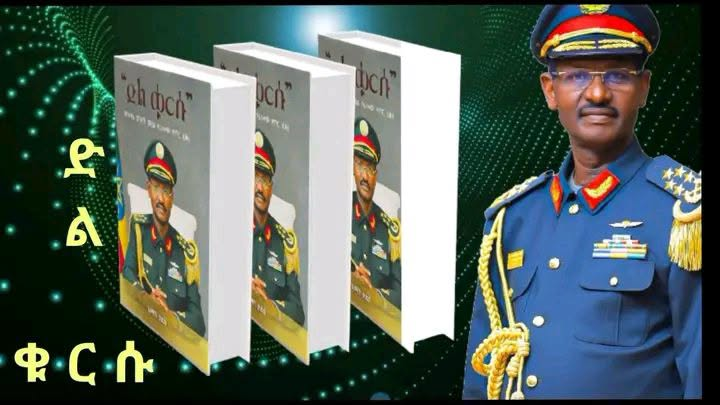
አዲስ አበባ፣ መስከረም 12/2019 (ኢኤንኤ) — የኢትዮጵያ ብሔራዊ መከላከያ ሠራዊት ጠቅላይ ሹም ፊልድ ማርሻል ብርሃኑ ጁላ፣ ኢትዮጵያ ለሰው ልጅ የምትሰጠውን የመጨረሻ ክብር ሰጥታኛለች፤ ለሀገሬም ያልከፈልኩት ነገር የለም ብለዋል።
ፊልድ ማርሻል ብርሃኑ ጁላ ይህን ያሉት ትናንት ማታ “ድል ቁርሱ” በሚል ርዕስ የተጻፈውን የመጽሐፍ መገለጫ ሥነ ሥርዓት ላይ ነው። መጽሐፉ ፊልድ ማርሻል ብርሃኑ ጁላ በሕይወታቸው ውስጥ ያለፉበትን የሕይወት ታሪክና የወታደራዊ ጉዞ ያሳያል።
ፊልድ ማርሻል ብርሃኑ ጁላ በሥነ ሥርዓቱ ላይ መልእክት አስተላልፈው፣ ሀገሬ ክብር ሰጥታኛለች፤ እኔም ለሀገሬ ያልከፈልኩት ነገር የለም፤ በሙሉ ኃይሌ አገለግላለሁ ብለዋል።
“ድል ቁርሱ” የሚል ርዕስ ያለው መጽሐፍ ፊልድ ማርሻል ብርሃኑ ጁላ ካሳለፉት የሕይወት ጉዞ ጀምሮ እስከ ወታደራዊ ጀግንነታቸው ታሪክ ድረስ የያዘ ሲሆን፣ ለዩኒቨርሲቲዎችና ለታሪክ ተመራማሪዎች እንዲሁም ለመከላከያ ሠራዊቱ ጠቃሚ መሆኑን ፊልድ ማርሻል ብርሃኑ ጁላ ገልጸዋል።
የጦር ኃይሉ ጠቅላይ ሹም ፊልድ ማርሻል ብርሃኑ ጁላ፣ የጀግኖችን ታሪክ መጻፍና ለትውልድ ማስተላለፍ መጀመራቸውን፣ የጀግኖችን ስም ማክበር የሀገሪቱን ትውልድ በብዛት እንዲቆም ያደርጋል ብለዋል።
“ድል ቁርሱ” የሚል ርዕስ ያለው መጽሐፍ በ8 ምዕራፎች የተከፈለ ሲሆን 355 ገጽ እንዳለው ተገልጿል። መጽሐፉ ከልጅነታቸው ጀምሮ እስከ ከፍተኛው ደረጃ ድረስ ያለፉበትን ሁኔታ በስፋት ያብራራል።
የመከላከያ ሠራዊት ጀግኖችን የሚመዘግቡ መጻሕፍት የወደፊት ትውልድን ለመገንባት ይረዳሉ ያሉት ፊልድ ማርሻል ብርሃኑ ጁላ፣ ሀገር ለመገንባት ትውልድን ማሳደግ ያስፈልጋል ብለዋል።
ምንጭ፡ የኢትዮጵያ ዜና አገልግሎት (ኢኤንኤ)
“Itoophiyaan dhala namaaf kabaja isa xumuraa kan kennamu naaf laachuun na kabajjeetti; anis Biyya koo Itoophiyaaf waanan waakkadhe tokkollee hin jiru”-Fiildi Maarshaal Birhaanuu Juulaa
Fulbaana 12/2019(ENA):Itoophiyaan dhala namaaf kabaja isa xumuraa kan kennamu naaf laachuun na kabajjeetti;anis Biyya koo Itoophiyaaf waanan waakkadhe tokkollee hin jiru jedhan Itaamaajooriin shuumii walii galaa Raayyaa Ittisa Biyyaa Fiildi Maarshaal Birhaanuu Juulaa.
Fiildi Maarshaal Birhaanuun kana kan jedhan sagantaa eebba kitaaba mata dureen isaa “Dil Qursuu” jedhu, seenaa jireenyaafi imala loltummaa isaan keessa darban irratti xiyyeeffatee barreeffamuun galgala kana eebbifameerrattidha.
Itaamaajoor Shuumii Waliigalaa Humna Waraanaa Fiildi Maarshaal Birhaanuu Juulaan saganticharratti ergaa dabarsaniin biyyi koo na kabajjeettii kaasuun anis biyya koof waaniin qusadhu hin qabu humna koo guutuun nan tajaajila jedhaniiru.
Kitaabni mata dureen isaa ‘Dil Qursuu’ jedhu bu’aa ba’ii jireenya dabarsan wal duraa duubaan hanga seenaa gootummaa isaanii kan qabate yoo tahu Yuunivarsiitiwwaniifi qorattoota seenaa raayyaa ittisa biyyaaf kan fayyadu ta’uu Fiildi Maarshaal Birhaanuun eeraniiru.
Itaamaajoor Shuumiin Waliigalaa Humna Waraanaa Itoophiyaa Fiildi Maarshaal Birhaanuu Juullaan seenaa goototaa barreessuun dhalootaaf olkaa’uu irraa eegalee maqaa gootota leellisuun dhalootni biyya isaaf dhaabbatu akka baay’inaan horatamaa deemus taasisa jechuun hubachiisaniiru.
Kitaabni mata duree “Dil Qursuu” jedhun bu’aa ba’ii jireenyaa Fiildi Maarshaal Birhaanuu Juullaarratti xiyyeeffachuun ijoollummaa isaanii irraa eegalee hanga sadarkaa olaanaa ga’anitti keessa darban bal’inaan kan ibsu yoo tahu boqonnaa 8’tti qoodamuun fuula 355 akka qabu ibsameera.
Kitaabochi Gootota Raayyaa egeree ijaaruuf gargaara kan jedhan Fiildi Maarshaal Birhaanuu Juulaan,biyya ijaaruuf dhaloota ceesisuu kan danda’u ta’uu ibsaniiru.
Field Marshal Birhanu Jula: “Ethiopia Has Honored Me with Its Highest Recognition — I Have Withheld Nothing from My Country”
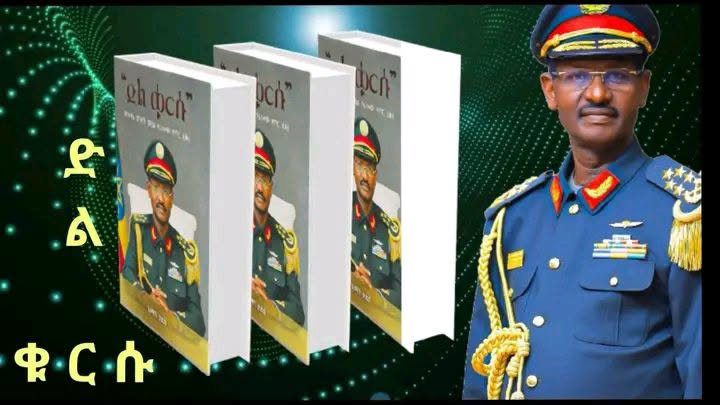
Addis Ababa, September 12, 2019 (ENA) — Field Marshal Birhanu Jula, Chief of the General Staff of the Ethiopian National Defense Force, has declared that Ethiopia has honored him with its highest recognition, and that he has withheld nothing in service to his nation.
“I am honored that Ethiopia has given me the highest honor bestowed upon a person,” Field Marshal Birhanu said. “There is nothing I have withheld for my country Ethiopia.”
The Field Marshal made these remarks during a ceremony held this evening to launch a book titled “Dil Qursuu” (The Unbroken Bond), which focuses on his life story and the military journey he has traversed.
A Life of Service, A Legacy of Courage
The book, written to chronicle the life and military career of Field Marshal Birhanu Jula, was officially inaugurated at the ceremony. It details his journey from childhood through to his rise to the highest ranks of the Ethiopian military, capturing the history of his heroism and dedication to national service.
During the event, Field Marshal Birhanu conveyed a powerful message: “My country has honored me, and I, in turn, have nothing to withhold from my country. I will serve with my full strength.”
The book, he noted, is not only a record of his personal life but also a valuable resource for universities, historians, and researchers studying the Ethiopian National Defense Force.
Preserving History, Inspiring Generations
Field Marshal Birhanu emphasized the importance of documenting the history of heroes for future generations. “Writing the history of heroes and elevating it for generations, and honoring the names of heroes, will inspire the younger generation to stand up for their country in greater numbers,” he said.
He stated that books chronicling the heroes of the Defense Force will help build the future generation. “Building a country requires nurturing a generation,” he affirmed, underscoring the role of historical documentation in shaping national identity and patriotic commitment.
A Detailed Account of an Extraordinary Journey
The book “Dil Qursuu” is divided into 8 chapters and spans 355 pages. It provides a comprehensive account of Field Marshal Birhanu’s life, beginning from his childhood and tracing his path through the various stages of his military career up to his current position at the pinnacle of the Ethiopian defense establishment.
The title “Dil Qursuu” — meaning “The Unbroken Bond” — reflects the enduring connection between the Field Marshal and his nation, a bond that has never been severed despite the many challenges and sacrifices of his military journey.
A Testament to Duty and Patriotism
The launch of this book serves as a testament to the values of duty, sacrifice, and patriotism that Field Marshal Birhanu Jula embodies. His words — “I have withheld nothing from my country” — resonate as a powerful declaration of selfless service, a reminder of the profound commitment required of those who take up arms in defense of their nation.
For Ethiopia, the book is more than a biography. It is a historical document, a teaching tool, and an inspiration for generations to come. It reminds young Ethiopians that heroism is not merely a thing of the past but a living tradition, carried forward by those who serve with honor and dedication.
A Nation’s Gratitude
Field Marshal Birhanu’s statement — “Ethiopia has honored me with its highest recognition” — reflects a reciprocal relationship between the nation and its servants. The honor bestowed upon him is not merely a personal accolade; it represents the gratitude of a nation for a lifetime of service, sacrifice, and unwavering commitment.
As the book “Dil Qursuu” takes its place in the historical record, it stands as both a tribute to one man’s extraordinary journey and a beacon for future generations — a reminder that the bond between a patriot and his country is, indeed, unbroken.
Source: Ethiopian News Agency (ENA)
Jawar Mohammed Releases Strategic Analysis of Ethiopia’s New “Survival Alliance,” Warning of Internal Contradictions and Unpredictable Outcomes
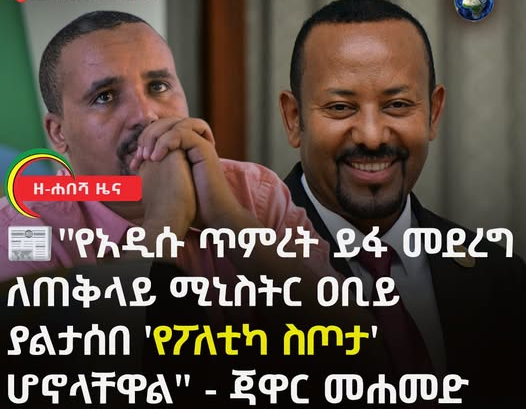
(Zehabesha, ADDIS ABABA) — Political analyst and activist Jawar Mohammed has released a comprehensive strategic and political analysis of the newly formed “Survival Alliance” (Alliance for Survival), a coalition established against the Ethiopian federal government that reportedly includes the Tigray People’s Liberation Front (TPLF), the Eritrean government, the Oromo Liberation Army (OLA/Shane), and Fano.
The analysis, which has circulated widely among political observers, paints a picture of a coalition fraught with internal tensions, where the stakes vary dramatically between members and where recent military and political decisions will determine its ultimate fate.
A Coalition of Unequal Stakes
According to Jawar’s analysis, the Survival Alliance represents an existential question for some of its members—particularly the TPLF and Eritrea—for whom the coalition is a matter of life and death, survival or annihilation. If the alliance succeeds, it could preserve their political standing; if it fails, it could accelerate their destruction.
For Fano and the OLA/Shane, however, the calculation is different. Jawar argues that for these groups, the alliance is a strategic matter rather than an existential threat. They do not face the same level of risk if the coalition collapses, giving them greater flexibility in their commitments.
The Ball is in Tigray’s Court
The analysis suggests that the immediate burden of action falls on the TPLF. Having exerted significant pressure for the alliance to be publicly announced, the TPLF now faces a critical test: if it does not launch a large-scale and decisive offensive soon, it will struggle to bring other alliance members into active operation.
The Eritrean government, meanwhile, is said to be pursuing a “wait and see” strategy, seeking to keep the war as far from its borders as possible. According to Jawar’s analysis, Eritrea will only enter direct combat if the TPLF either wins decisively or is defeated and pushed back to Eritrean territory.
The Role of External Actors
A crucial dimension of the conflict, according to the analysis, is the role of external supporters. How much force Egypt is willing to commit to break the air superiority enjoyed by Prime Minister Abiy Ahmed and the United Arab Emirates (UAE), as well as how much support the UAE and Saudi Arabia provide to whom, will significantly determine the war’s trajectory.
Additionally, the analysis suggests that if Eritrea enters the war directly, Prime Minister Abiy may seize the opportunity to link his “Red Sea and Assab” agenda to existential and security concerns, potentially making it a central focus of the conflict.
The Great Paradox
The most significant and controversial conclusion of Jawar’s analysis concerns what he describes as the “stunning contradiction” created by the alliance’s public announcement.
On one hand, the formation of the alliance strengthens the TPLF’s negotiating position with the government, allowing it to demonstrate that it has “another option” at the negotiating table.
On the other hand, the same public announcement has handed Prime Minister Abiy’s administration what Jawar describes as a “political gift from the sky.” The government can now reinforce its long-standing narrative of a “security threat emanating from the north,” using it as a powerful tool to mobilize public opinion—particularly among the Oromo people—and consolidate support around its leadership.
The True Measure of Success
Jawar’s analysis concludes that the success of this alliance will not be measured by its public statements, but by the internal cohesion and coordination that forces with vastly different territorial ambitions and histories—such as Fano and the TPLF—can demonstrate on the battlefield, and how they withstand the government’s counter-offensive capacity.
The coming weeks and months will reveal whether the Survival Alliance can translate its public declaration into coordinated military action, or whether its internal contradictions will prove insurmountable.
About the Analyst:
Jawar Mohammed is a prominent Oromo political analyst, activist, and former media owner known for his commentary on Ethiopian politics, federalism, and Oromo nationalism. He has been a controversial figure in Ethiopian political discourse, advocating for Oromo rights and systemic reform.

