Abbabach Gobena:The Woman Who Became a Mother to Millions Orphanage and beyond.
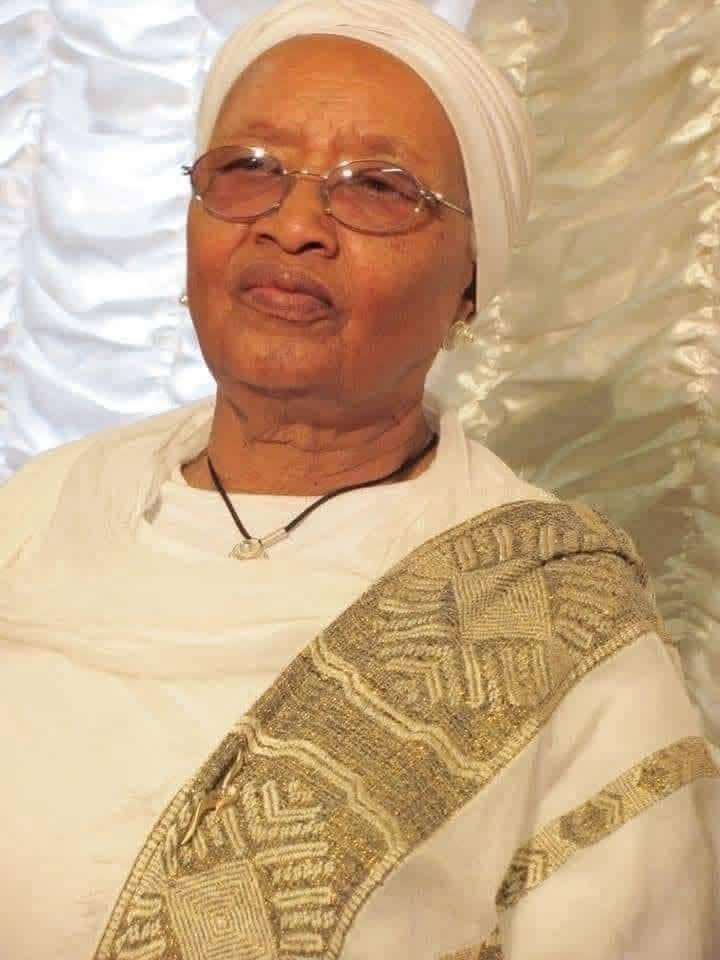
From the pain of famine to a lifetime of compassion — the remarkable journey of the Ethiopian woman known as Africa’s Mother Teresa, who gave hope, dignity, and a future to more than a million orphaned children.
Abbabach Gobena – The Mother Teresa of Africa lost her father during the period of the Italian occupation of Abyssinia/ Ethiopia/. At the age of ten, she was forced into marriage. Refusing to accept a life decided for her, she fled and made her way to Finfine /Addis Ababa/. In the city she struggled to rebuild her life, pursued her education with determination, and eventually secured a stable job.
Abbabach was a woman of deep faith. Her spiritual life guided her actions and shaped her character. She loved God deeply and placed great trust in her faith. During the Derg era, around 1980, she undertook a spiritual pilgrimage to Gishen Mariam, one of Ethiopia’s most sacred religious sites.
After completing the pilgrimage and beginning her journey back to Addis Ababa, she passed through Wollo, which at the time was suffering from a devastating famine. What she witnessed there changed the direction of her life forever.
She saw people dying from hunger. Families had been destroyed by starvation, and countless children had been left without parents. Among the heartbreaking scenes she encountered was a small child trying to breastfeed from his mother who had already died from hunger. The child, unaware of death, was still desperately searching for milk from a lifeless body of his mother.
When Abbabach saw this scene, she was deeply shaken. She could not walk away. Overcome with compassion, she picked up the child and took him with her. At that moment, the only thing she possessed was a small bottle of holy water she had brought from Gishen. Yet despite having almost nothing, she made a life-changing decision. She began caring for children who had lost their parents to famine and hardship.
Abbabach started raising orphaned children with whatever means she could find. She worked tirelessly, taking on different kinds of labor to support them. Within just one year, she had already taken in 21 children.
What began as a single act of compassion gradually grew into a lifelong mission. Over the course of her life, Abbabach Gobena went on to rescue, support, and educate more than 1.5 million children. She helped them grow, receive education, and become self-reliant members of society.
Today, her extraordinary life continues to inspire people across Ethiopia and beyond. In honor of her legacy, a film titled “Adaraa Abbabach” has been produced to tell the story of this remarkable woman who became a mother to millions. Plans are also underway to establish a hospital bearing her name so that her service to humanity may continue in new forms.
The name Abbabach Gobena has become a symbol of compassion, faith, honesty and sacrifice.Yet remembering her name alone is not enough. The greatest tribute to her life is to continue the work she began — caring for the vulnerable, protecting children, and standing with those in need.
This week we renew our commitment to the legacy of Abbabach Gobena. By learning about the work done in her name and contributing in whatever way we can, we carry forward the promise she made through her life.
May God help us succeed in continuing her mission.
Robera Abdeta’s 18th Birthday: A Cultural Celebration

Robera Abdeta’s 18th birthday marks a significant milestone, not only for him but also for his family, friends, and the broader Oromo community. Turning 18 is often seen as a transition into adulthood, a moment filled with hope, responsibility, and celebration. For Robera, this day was made even more special by the presence and blessings of his loved ones, including his family, siblings, friends, and relatives.
In Oromo culture, such celebrations are deeply rooted in communal values, where the collective joy of the community amplifies the significance of individual milestones. The blessings from Oromo elders and fathers carry profound cultural and spiritual weight, symbolizing the passing of wisdom, guidance, and good fortune to the younger generation. These blessings are not just personal but are seen as a way to strengthen the bonds within the community and ensure its continuity.
The presence of family, brothers, sisters, and friends highlights the importance of kinship and solidarity in Oromo society. Such gatherings are not merely social events but are also opportunities to reinforce cultural identity and shared values. For Robera, this day likely represents a moment of reflection on his journey so far and the responsibilities that come with adulthood.
The celebration also underscores the role of the Oromo community in nurturing and supporting its youth. By coming together to celebrate Robera’s 18th birthday, the community reaffirms its commitment to guiding and empowering the next generation. This day, therefore, is not just about Robera as an individual but also about the collective aspirations of his family and community for his future.
In essence, Robera Abdeta’s 18th birthday is a celebration of growth, unity, and cultural heritage. It is a day that encapsulates the love, hope, and blessings of his family and community, marking the beginning of a new chapter in his life as a young adult within the Oromo tradition.

