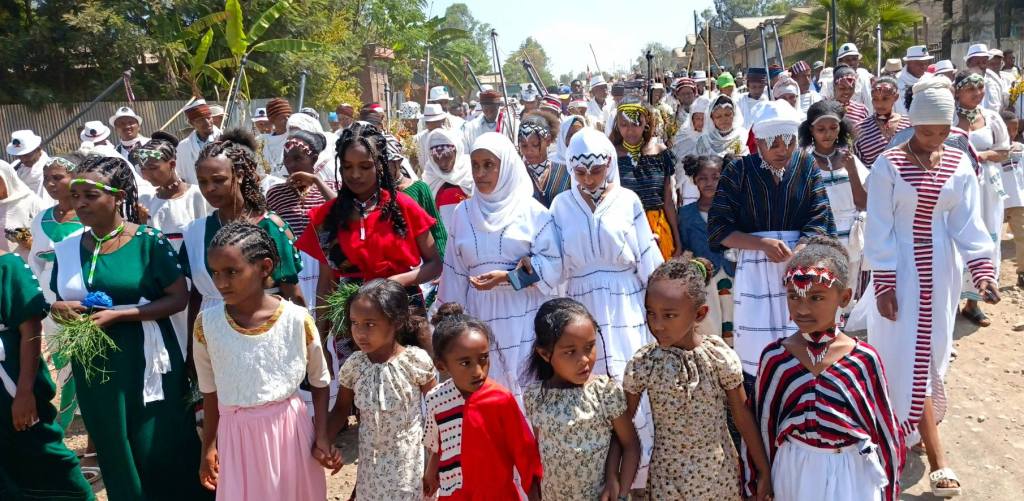
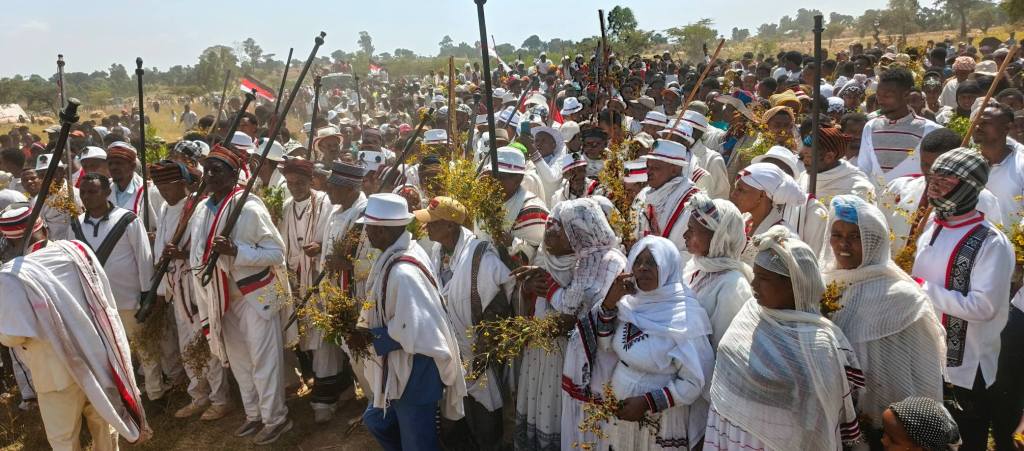
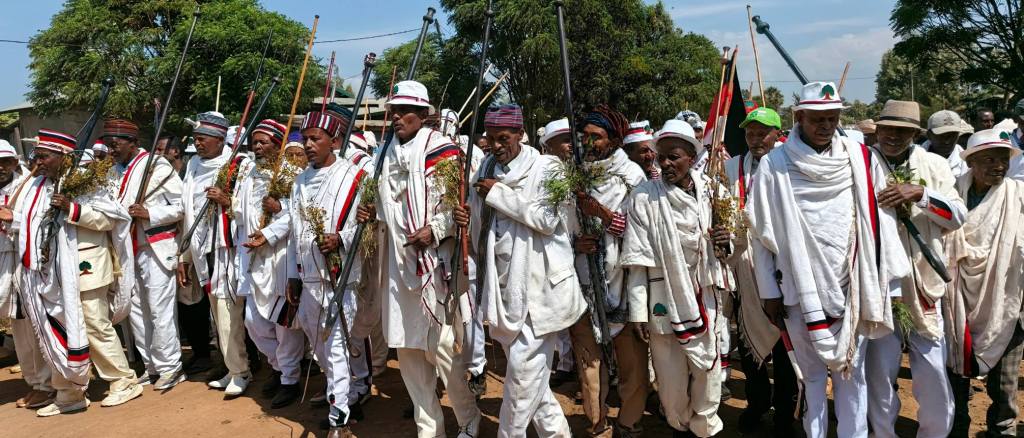
Seenaan Oromoo Gullallee akkuma seenaa Oromoota kaanii nama gaddisiisa, nama boochisa, haaridhaan ilkaan nama ciniinnachiisee, xiiqii garaa nama kaayee, booree baafachuuf, jechuun biyya ofii deebisanii harkatti galfachuuf nama kakkaasa. Kanaafuu, nama boochisas nama boonsisasi!
Raasaa kana (jidduu kana) namoonni keenya tokko tokko waayee dhuma kanaa irratti yaada ciccimaa fi barreeffama (material) kana irratti argatan nuu dabarsaniiti jiru. Keessumaayyuu barreeffamni karaa Dr. Makuraa Bulchaa argame gammachiisaa dha. Waraqata isaa kana otoo namoonni yeroo qaban gara afaan Oromootti hiikanii, akkuma inni jedhe karaa beektaniin warra biyyaatii ergamee hedduu gaarii dha. Har’a ijoolleen Oromoo kan miliyoonaan lakkaawamantu dheebuu barreeffatoota afaan keenyaan bayanii qabu.
Gabaasa Seenaa
Amma ennaa warraaqaa jiran kana immoo kan akkanaa, kan namni oggaa warri Minilik biyya keenya gubu, nama keenya gorra’u, dachee barbadeessee loonillee gadoochuu wajjin deemee, argee barreesse kana argata! niitoo dubbisan baay’ee isaan gargaara.
Waan hundaafuu, akkuma obboleessi keenya kun jedhe, nuti “lamenting” guddifnee jirraa, mee kana dhiifnee karaa biyyaas karaa alaas warraaqnee, uummata keenya isa itti duulamaa jiru maddii ijaajjineetoo, haa sochoonu! Nuti hunduu akka kanaan duraatti qabsoo bilisummaa saba keenyaa adeemsisuu akka hin dandeenye, daran beekuu qabna.
Addunyaa geeddaramte tana keessatti nutis geeddaramuu qabna. Akkuma Dr. Asaffaa Jaalataa sirriitti kaaye, “the politics of common sense”-n bilisummaa keenya gonfachuu hin dandeenyu. Dammaqiinsa sabaa, Oromummaa, kan ammaa caala gabbifnee, tokkummaa ijaarsota keenya isa bu’ureeffame (ULFO) sirriitti cimsineetoo, qabsoo sirriitti ijaaramee qindeeffame adeemsisuun dirqama. Dirqama kana tahu waan karaan biraa hin jirreefi.
Hunduu akkanumatti harqoota koloneeffattootaa caccabsee of irraa darbate. Nutis harqoota kononeeffattoota Abas haa akkanumtti hurreessinee darbachuu qabna. Yoo akka kanaa olitti ibsame goone qofa, jara meeshaa waraanaa isa ammayyaa hidhatee nuttu duule, hammas ittuma fufee nutti duulaa jiru kana, kan of irraa faccisuu dandeenyu.
Shaggar-Finfinnee fi Oromoon Naannoo Isaa
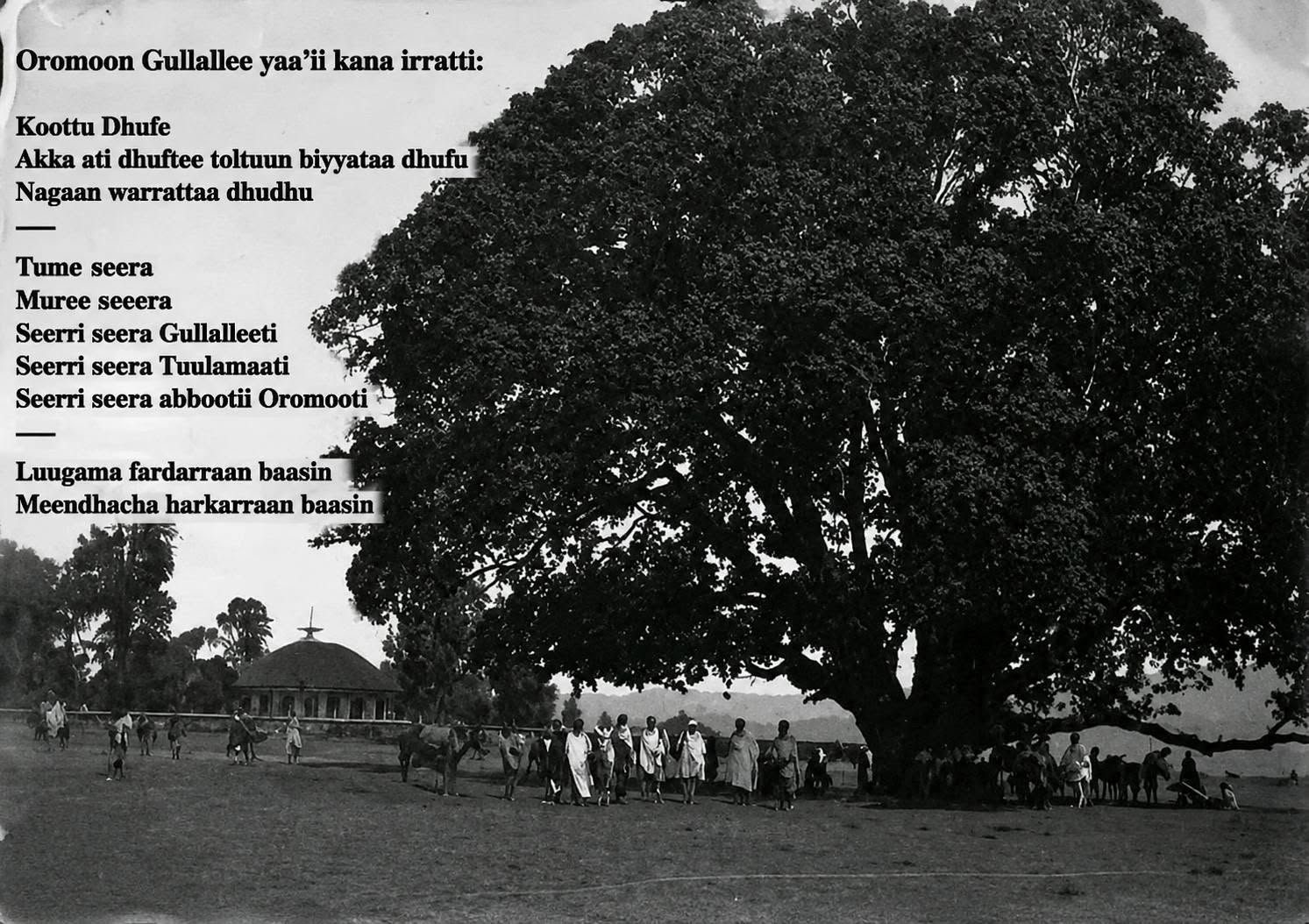
Seenaan Shaggar-Finfinnee seenaa Oromoota isa marsanii jiran, keessumaayyuu seenaa Oromoo Gullallee wajjin walqabata. Oromoonni Shaggar marsanii jiran: Gullallee, Eekkaa, Galaan, Sulutaa fi Meettaa Aabbuu ti. Kana keessa Gullallee fi Eekkaan Shaggar keessas jiraatuyyu, jechuun akka biyya lammiin tokko irra jiruutti. Hammas isaan lafa irraa duguuganee fuxuun, koloneeffattoota keenyyaa hin taane, akka gurmee fi namtokkeettis Shaggar keessa ni jiraatu.
Dabaleesoo, kan buqqa’us kan bakka isaa buqqa’ee qubatus uummatuma tokko. Keenya garuu, kan buqqa’u ganda Oromoo ti; kan dhufee achi qubatu warra Abashaa ti. Gandi Oromoo tokko oggaa buqqa’u, aadaa fi seenaa Oromootu wajjin buqqa’a.
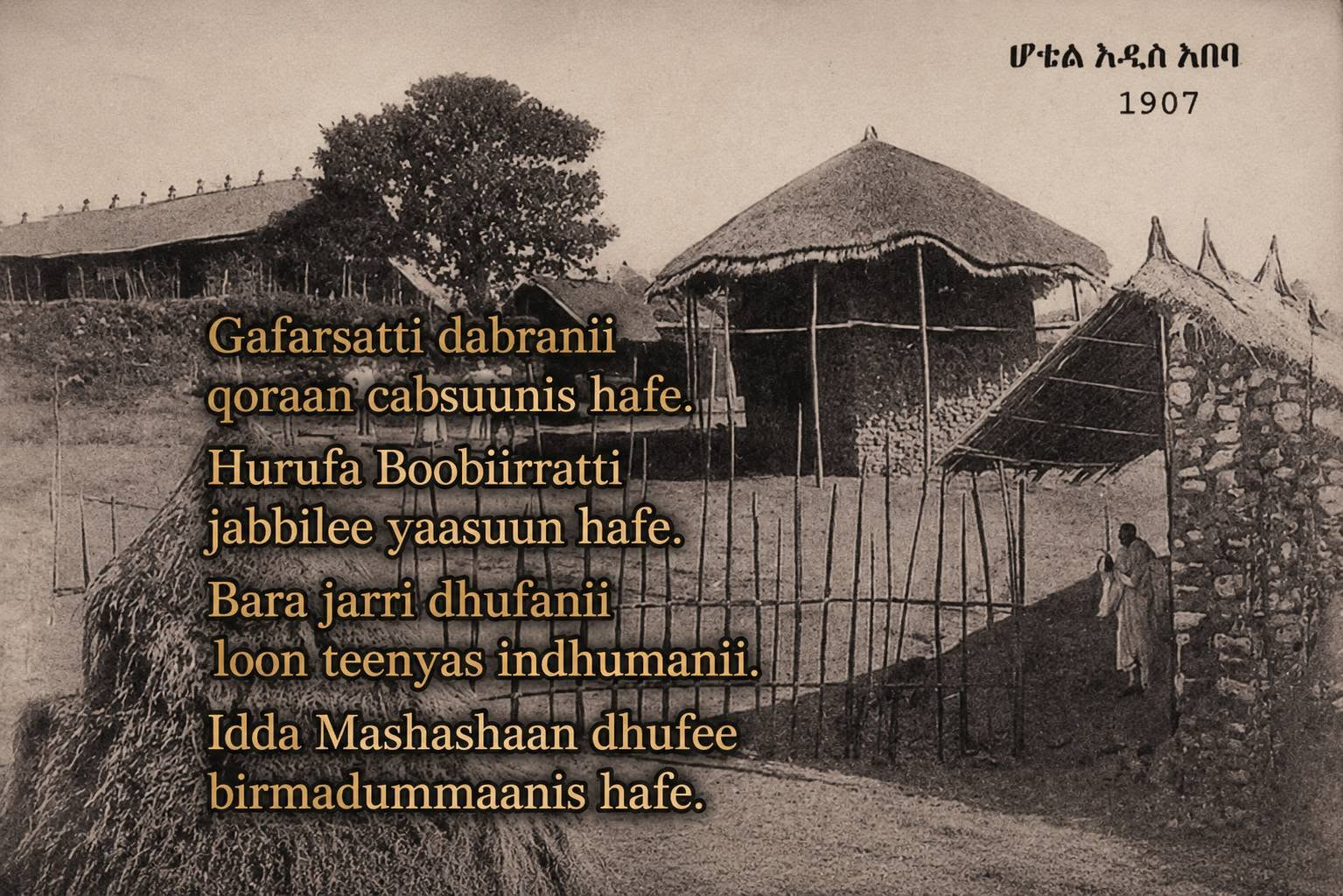
Silaa Shaggar dalgamalee, ol hin ijaaramu, manni dhoqqee Buraayyuu irraa kaasee Aqaaqii Basaqaa gayee jira. Kun immoo baatii baatiin Oromoo naannoo kanaa irratti raawwatamaa jira. Gullalleen fi Eekkaan buqqifama durattii irraa hafee, kunoo amma ijuma keenya duratti buqqifamaa jira. Kanas Oromoonni kun tole jedhanii hin fudhanne. Gara waggaa torbaatii kaasee ofi irraa faccisaati jiru. Ammoo kan isaan dhagawu, kan isanii birmatu, kan waayee kanaa illee addunyaa dhageessiseef hin jiru.
Uummanni kun waldaa gandaatiin ijaaramee, yaa’ii ofii irratti murtii dabarsee, mana marii Shaggar dura dhaabatee jira. Garuu, manni marii Shaggar kunis foolisii itti duulchisee isaan buqqiseeti jira. Kuni Oromoota Naannoo Buraayyuu (Gullallee), naannoo Garjii (Eekkaa), naannoo Boolee fi Laaftoo (Gullallee!) fa irratti raawwatamee jira. Ammallee ittima fufeetoo jira.
Kun cufti yommuu tahu, warri OPDO isaan hin gargaarre. Ilaa gandeen kun kan turan gariin hammas kan jiran “Bulchiinsa Shaggar” jala otoo hin tayin, Oromiyaa jala. Oromiyaan warra OPDO immoo, Oromiyaa uummata ofiitii dhaabattu otoo hin taane, Oromiyaa kophee koloneeffattootaa fi maxxantoota isaanii jala jirtuu ti.
Warri Amaaraa Shaggar yeroo duraa karaa mara hammaa kiilomeetira 50-tti babaldhisuuf, kan karoora baafatan jabana Darguu ti. Karaa hundaa kiilomeetira 50 jechuun: karaa Salaalee magaalaa Caancoo fi Sulultaa dabree hamma laga Dubar-itti, karaa Amboo hamma Ijeree (“Addis Alam”)-tti, karaa Walisoo hamma Tajiitti, karaa Sooddooo hamma Malkaa Qunxureetti, karaa Adaamaa hamma Bishooftuutti, karaa Abbichuu hamma Bakeetti.
Kuni sagantaa isanii isa duraati malee, booda babaldhisani “mootummaa naannoo Addis Ababa” jedhaniitoo, Shaggar-Finfinnee biyya Amaaraa isa Manjee (Manz) wajjin walqabsiisuufi. Ammaa egaa, oftuultonni Amaaraa isa bara Darguu galmee keessaa baasanii Wayyaaneetti kennaa jiru. Mallasis warra Amaaraa ofitti harkisuuf, dabalees fedhii warra isaatii eeguuf, kana haaromsee itti ka’e.
Ka’iisa Oromoo Gullallee Bara 1878
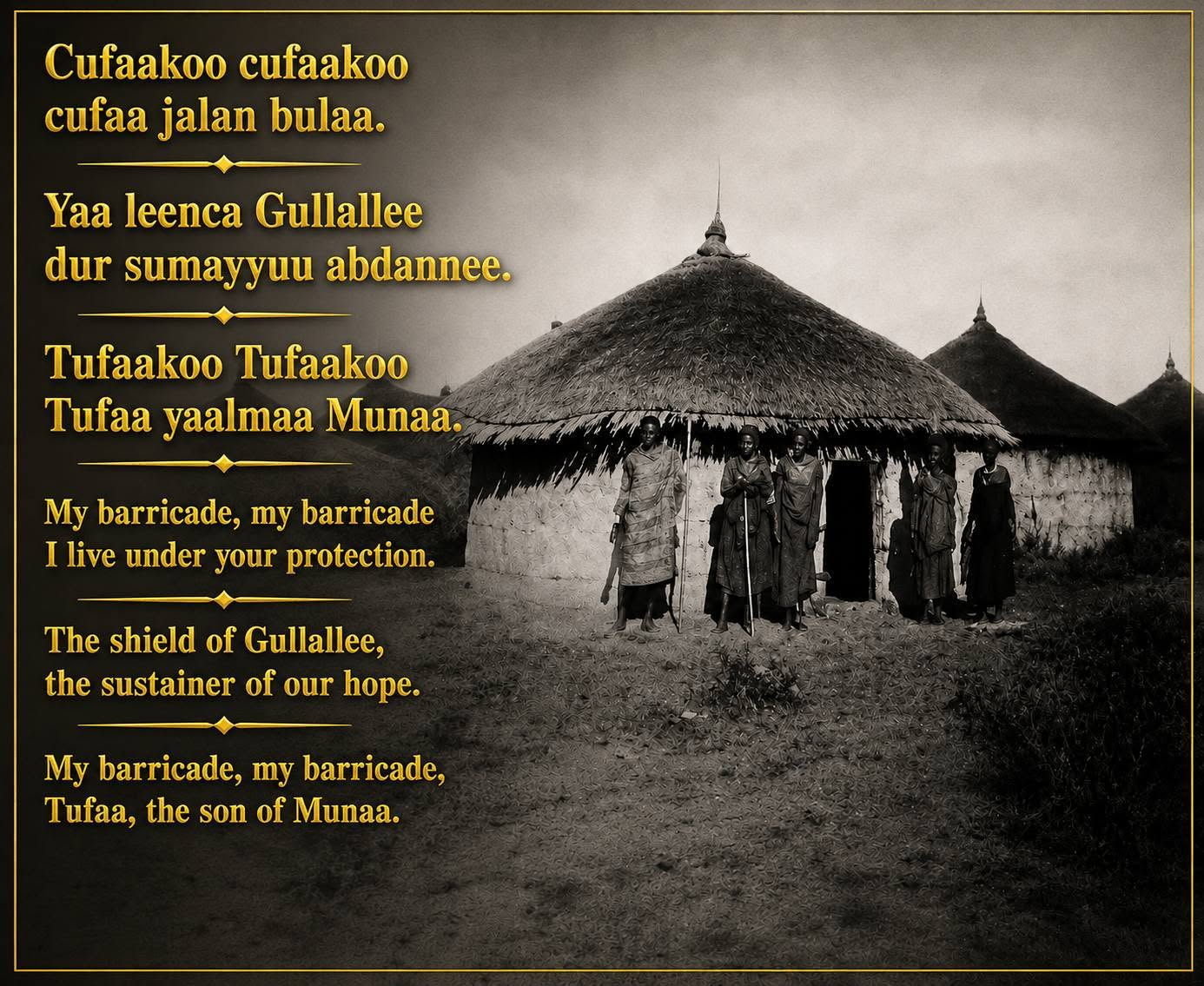
Oromoon Gullallee bara dheeraa waraanaa mootummaa Abashaa of irraa faccisaa ture. Isa xixxiqaa yoo dhiifne yeroo lama, waraana isatti duule of irraa deebisee jira. Ammoo dubbiin meeshaa waraanaa isa ammayyaa irratti kan hundaaye, waan tayeef, waraana isa sadaffaa irratti moyame.
Sana dura Goobana Daccee Minilik wajjin dhaabatee, erga Oromoo Abbichuu, Jirruu fi Galaan faa cabse, Oromoota Tuulamaa fi Maccaatti jaarsa ergee, akka Minilik dura hin dhaabanne gochuuf yaale. Kan inni jedhus: nuti fi warri Sidaamaa bara dheeraa wallollee, wal-madeessinee jirra. Isaan amma qawwee argatanii nuti garuu, homaa of harkaa hin qabnu. Nutumtuu gosa gosaan wallolaa jirra.
Kanaa mannaa koottaa nuti tokkummaa Oromoo dhaabaneeti, isaan wajjinis nagaan fi walqixxummaan jiraannaa! Ammoo durreewwan Oromoo baay’een tokkummaa Oromoo inni kaase, yoo jaalatan illee isa Amaara wajjin taana jedhu hin jaalanne. Isas amanuu hin dandeenye. Booda Oromoonni “yoo tokkummaa Oromoo feete kophaa kee koottu! Diina harkiftee nutti hin dhufini. Yoo isaan wajjin dhuftee, isaan jala nu galchuu barbaadde, nuti si dura dhaabanna.”, jedhaniini.
Innis gorsa isaanii hin dhageenye; isaanis dhaamsa isaa hin fudhanne. Warri Minilik in dhufu, Oromoon immoo of irraa deebisa. Kuni waggaa baay’ee fudhate. Minilik inni Oromoo Abbichuu bara 1868 keessa qabate, Oromiyaa guutuu qabachuuf waggaa 31 irraa fudhate. Kunis inni dhumaa Oromoo Booranaa isa bara 1899 qabatame.
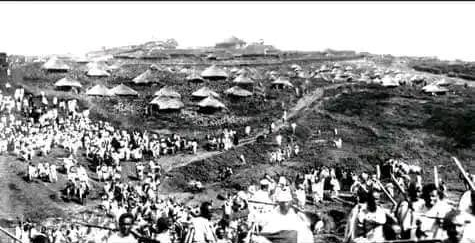
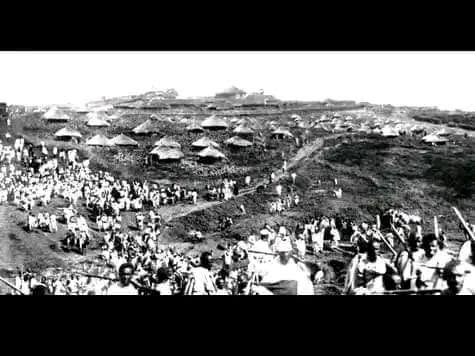
Waraanni Minilik inni yeroo lama Oromoo Gullalleetin moyame, isa sadaffaa irratti akkaan hidhatee itti dhufe. Gullalleen waraanaa dhufaa jiru dhageyee, yaa’ii waame. Yaa’iin kun waltajjii Shaggar bakka yaa’iin isaanii durattumaa itti tahu, Tulluu Daalattii irratti. Bakki kun iddoo booda Minilik masaraa itti ijaarratee, “masaraa guddicha” jedhen, bakka amma Mallas Zenaa jiraatu. Yaa’iin seena-qabeessi kun guyyaa guutuu walmariyachaa oolee, booda sagalee tokkoon waraarana Minilik dura dhaabachuuf murtee dabarse. Murtee yaa’ii kanaa E. Cerulli: The folk-Literature of the Galla of Southern Abssinia: Cambridge, 1922, keessatti barreeffamee jira.
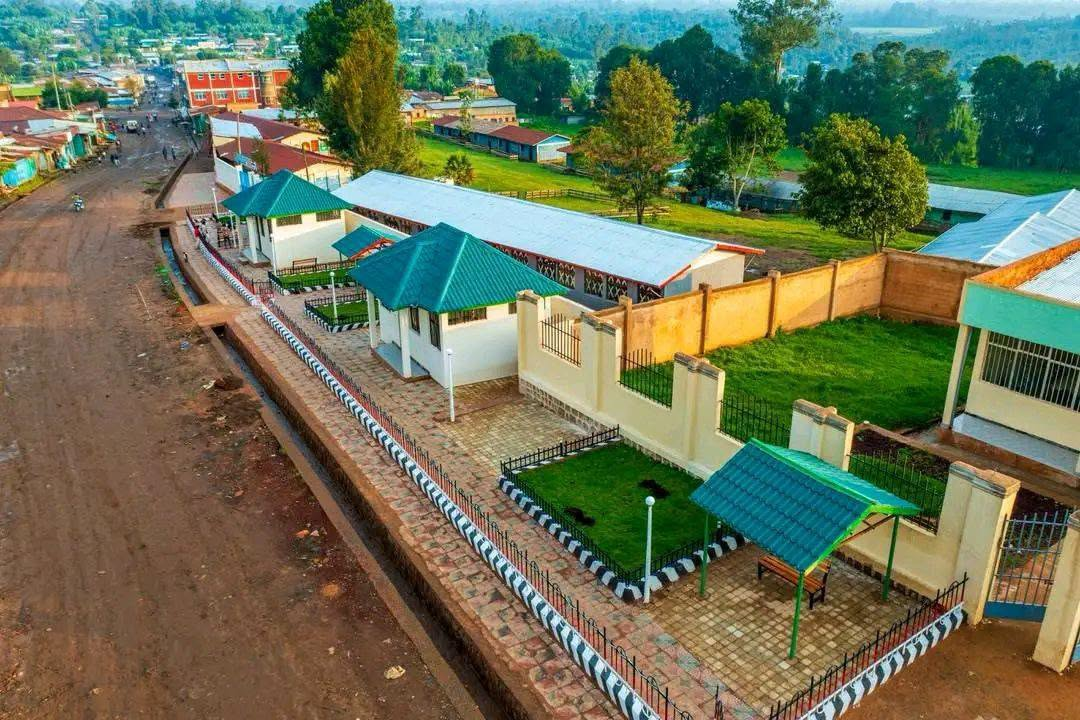
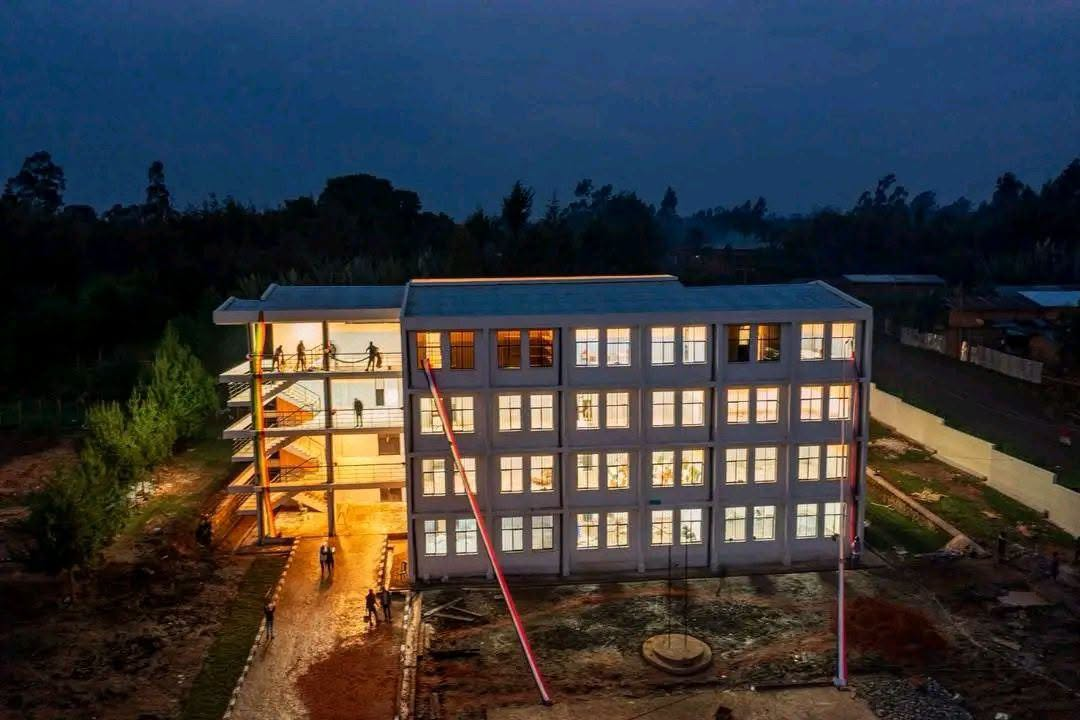
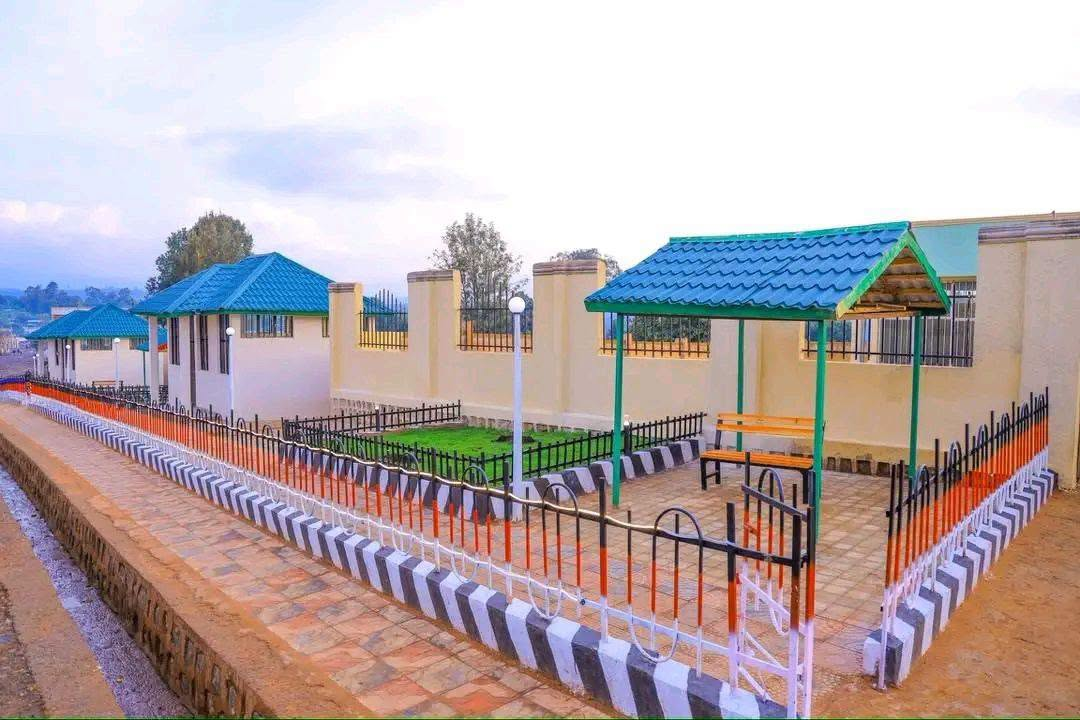
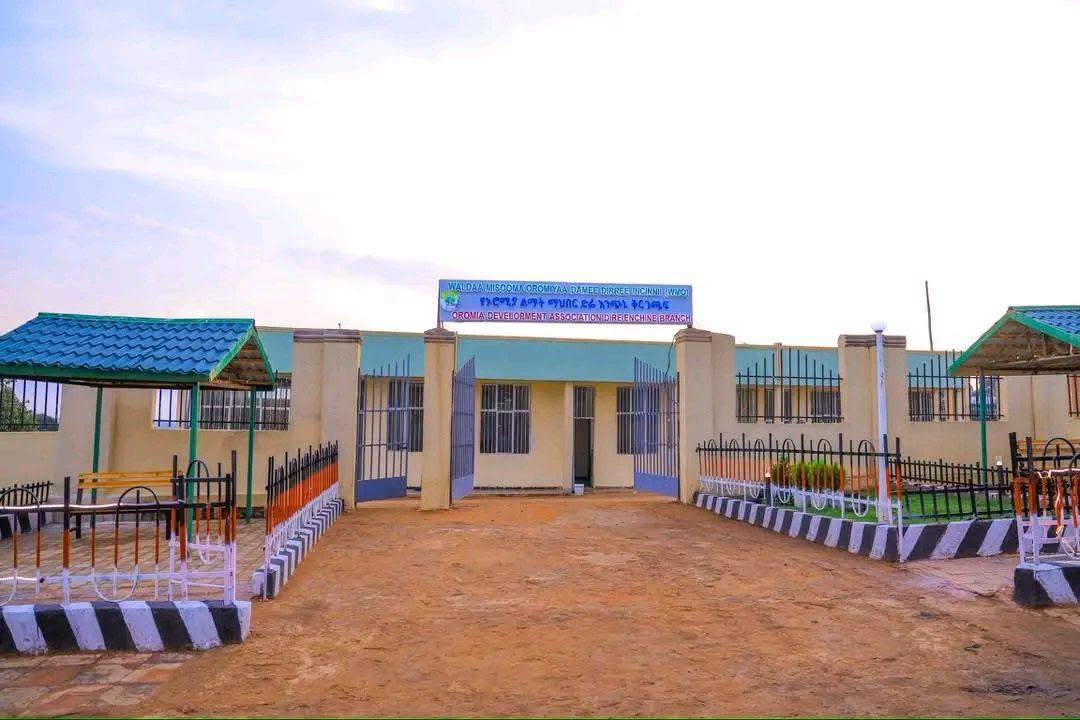
Community and government join hands to inaugurate 23 development projects worth over 278 million birr in a district shaped by heroism and resilience
DIRREE INCINNII, OROMIYA — There are places in the world where history and hope meet—where the struggles of the past become the foundation for the dreams of the future. Dirree Incinnii, a district in West Shewa Zone, is one such place. Rich in natural resources and agricultural abundance, it is also a land steeped in the memory of heroism, anti-slavery struggles, and the enduring legacy of Oromo resistance.
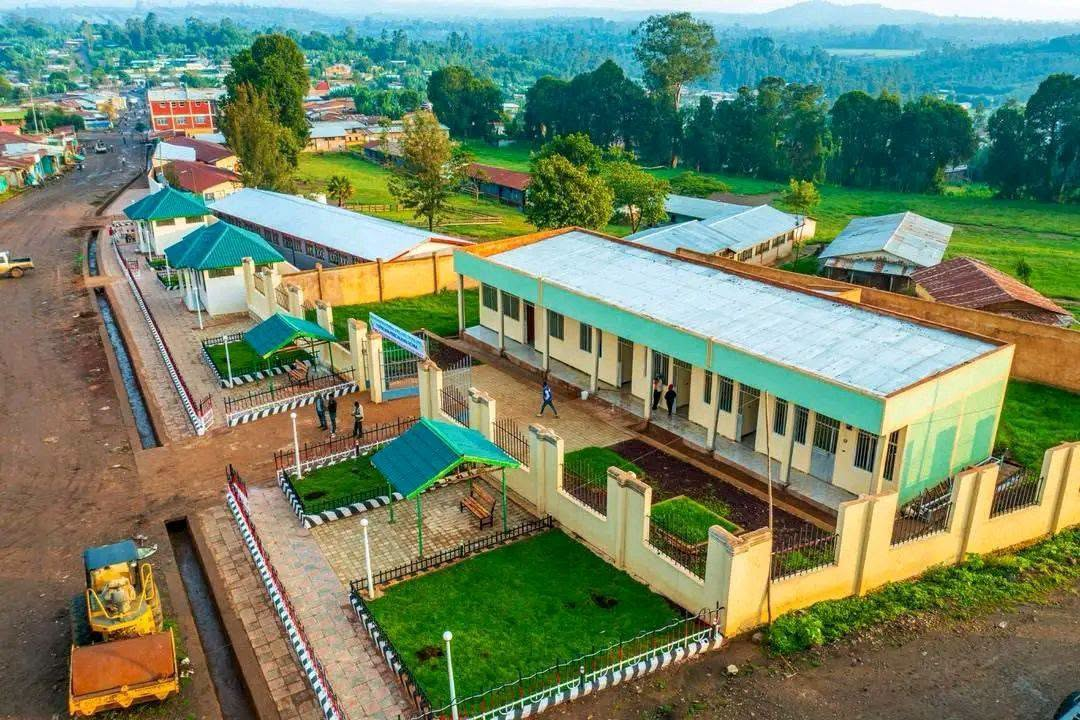
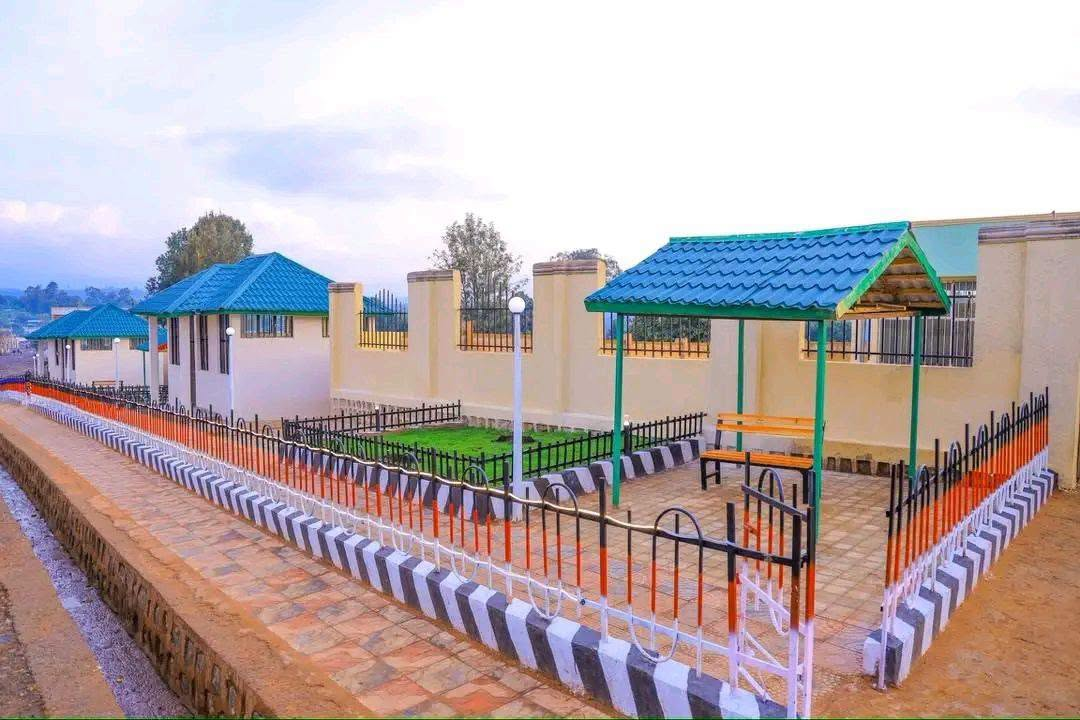
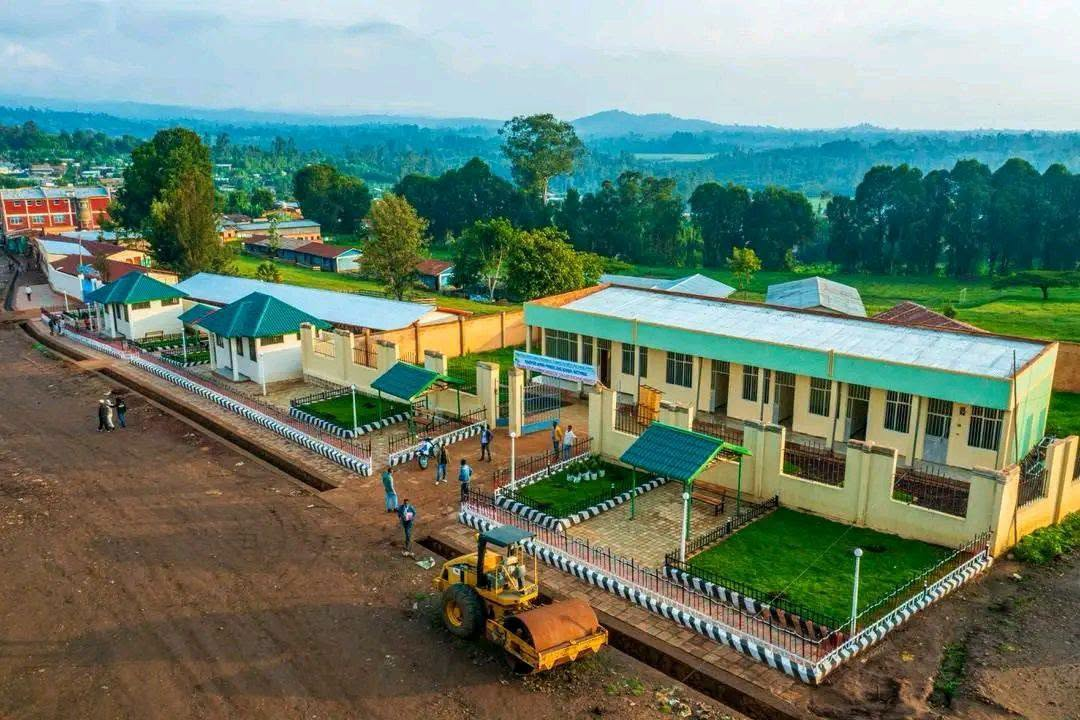
On Adoolessa 16, 2018, this proud community came together to celebrate a new chapter in its journey. In a ceremony filled with gratitude and pride, 23 community development projects—valued at over 278.7 million birr—were officially inaugurated. These projects, built through a combination of community participation and government budget, represent not just physical infrastructure but the collective will of a people determined to build a better future.
The people of Dirree Incinnii were greeted with a message of celebration: “Happy Inauguration Day of the Projects built with government budget and your participation—where you have shown your unity and demonstrated the fruits of your sacrifice with your own hands.”
The ceremony was a testament to the power of collective effort. The projects were not handed down from above; they were built from the ground up, with the active participation of the community. From the planning stages to the final construction, the people of Dirree Incinnii contributed their labour, their resources, and their unwavering commitment to the development of their district.
A total of 23 projects have been completed, including:
Urban greenery initiatives: Beautifying and greening the district
A clinic: Improving access to healthcare for the community
A special needs school: Built with community participation, ensuring inclusive education
Additional classrooms: Expanding access to quality education
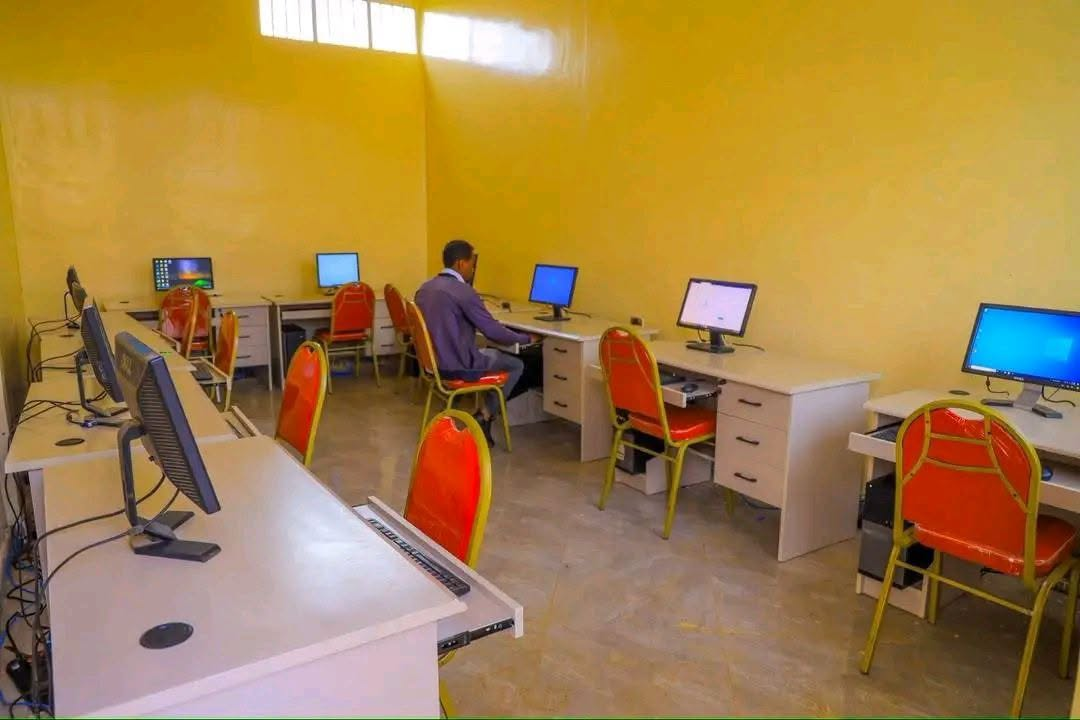
A digital library: Bringing technology and knowledge to the district
These projects, valued at over 278.7 million birr, represent a comprehensive investment in the future of Dirree Incinnii. They address the core needs of the community—health, education, and environmental sustainability—while laying the foundation for long-term growth and prosperity.
The success of these projects is a direct result of the active participation of the community. The people of Dirree Incinnii, along with supporters from various places, prepared a joint plan, established a committee, and worked tirelessly to ensure the success of the projects. Their collective effort demonstrates the power of unity and the importance of community ownership in development.
The projects were not imposed from outside—they were built by the community, for the community.
A District of Historical Significance
“Aanaan Dirree Incinnii badhaadhina uumamaa fi omisha qonnaatiin qofa osoo hin taane, seenaa gootummaa, falmaa diddaa garbummaa fi gootota seenaa Oromoo keessatti iddoo guddaa qabdi.”
Dirree Incinnii is not merely a land of natural wealth and agricultural production—it is a place steeped in the history of heroism, anti-slavery struggles, and the legacy of Oromo heroes. The district’s rich history of resistance and resilience serves as an inspiration for its current development efforts.
The spirit of the ancestors who fought against oppression lives on in the determination of the current generation to build a better future.
A Vision for Transformation
The inauguration of these projects marks a significant milestone in the transformation of Dirree Incinnii. It reflects the broader vision of the current leadership to address socio-economic challenges, improve education, and foster community participation.
As the community celebrates these achievements, it does so with a deep appreciation for its history and a hopeful vision for a prosperous future. The district’s journey from a history of struggle to a present of progress is a testament to the resilience and determination of the Oromo people.
Conclusion
The inauguration of 23 community development projects in Dirree Incinnii is more than a celebration of infrastructure—it is a celebration of unity, resilience, and hope. It is a testament to what can be achieved when a community comes together, when government and people work hand in hand, and when the spirit of sacrifice is matched by the vision of transformation.
As the people of Dirree Incinnii look to the future, they carry with them the legacy of their ancestors—the heroes who fought for freedom, the resisters who refused to be enslaved, and the visionaries who dreamed of a better tomorrow. In the classrooms, the clinics, and the green spaces that now grace their district, that dream is becoming a reality.
In an age of ecological crisis, political division, and spiritual searching, the indigenous Oromo faith offers profound lessons in balance, justice, and harmony with creation
In the highlands and lowlands of the Horn of Africa, long before the arrival of Christianity and Islam, the Oromo people developed a sophisticated spiritual worldview centred on one supreme Creator: Waaqa . This ancient faith, known as Waaqeffannaa, is not merely a relic of the past but a living tradition whose core principles speak directly to the most pressing challenges of our time.
From the climate crisis to the erosion of democratic values, from social fragmentation to the loss of meaning, the wisdom of Waaqeffannaa offers a coherent and ethical framework for navigating a complex world. It reminds us that we are not separate from nature, that balance is the foundation of all well-being, and that truth is sacred.
The Core Principles
Waaqa: The One God
At the heart of Waaqeffannaa lies a steadfast belief in Waaqa Tokkicha—the One God. The Oromo have historically been monotheistic, never substituting other gods or carved statues for their Waaqa . This supreme being is understood through attributes that, in their simplicity, speak to a profound understanding of the divine:
Uumaa: The creator of everything in the world
Hunda Beekaa: The all-knowing (omniscient)
Hunda Danda’aa: The all-powerful (omnipotent)
Hundaa Tola’a: The all-good (omnibenevolent)
Qulqulluu: Pure
Gonkumaa Kan Hin Duune: Immortal, eternal
Waaqa is also the “source and lover of dhugaa (truth)” . This emphasis on truth is not merely theological—it is an ethical call to live with integrity, honesty, and justice.
Safuu: The Moral Order
One of the most powerful concepts in Waaqeffannaa is Safuu—the moral and spiritual balance that Waaqa offered to human beings . Safuu governs relationships between humans, the community, the divine, and nature. It is not merely a list of rules but a cosmic order that must be maintained for Nagaa (peace, well-being, and balance) to prevail.
When Safuu is broken—through lying, stealing, harming nature, or breaking sacred oaths—it is a sin (cubbuu) that disrupts the harmony of the universe . Unlike in some other traditions, however, the consequences of sin are experienced during earthly life, not in an afterlife. There is no concept of eternal punishment in hell . This places responsibility squarely on human beings to create a just and balanced world here and now.
Ayyaana: Divine Manifestations
The power of Waaqa is manifested through Ayyaana, a divine spirit that serves as an intermediary between God and the world . The Ayyaana are “both that causes something to come into being and to become that which it has caused” . They are not additional gods but manifestations of the divine essence of Waaqa.
All creatures (Uuma) are believed to be assigned an Ayyaana by Waaqa for guidance and protection . This belief has profound ethical implications: all life is sacred, all beings are guided, and all existence is interconnected.
Uumaa: Creation as Sacred
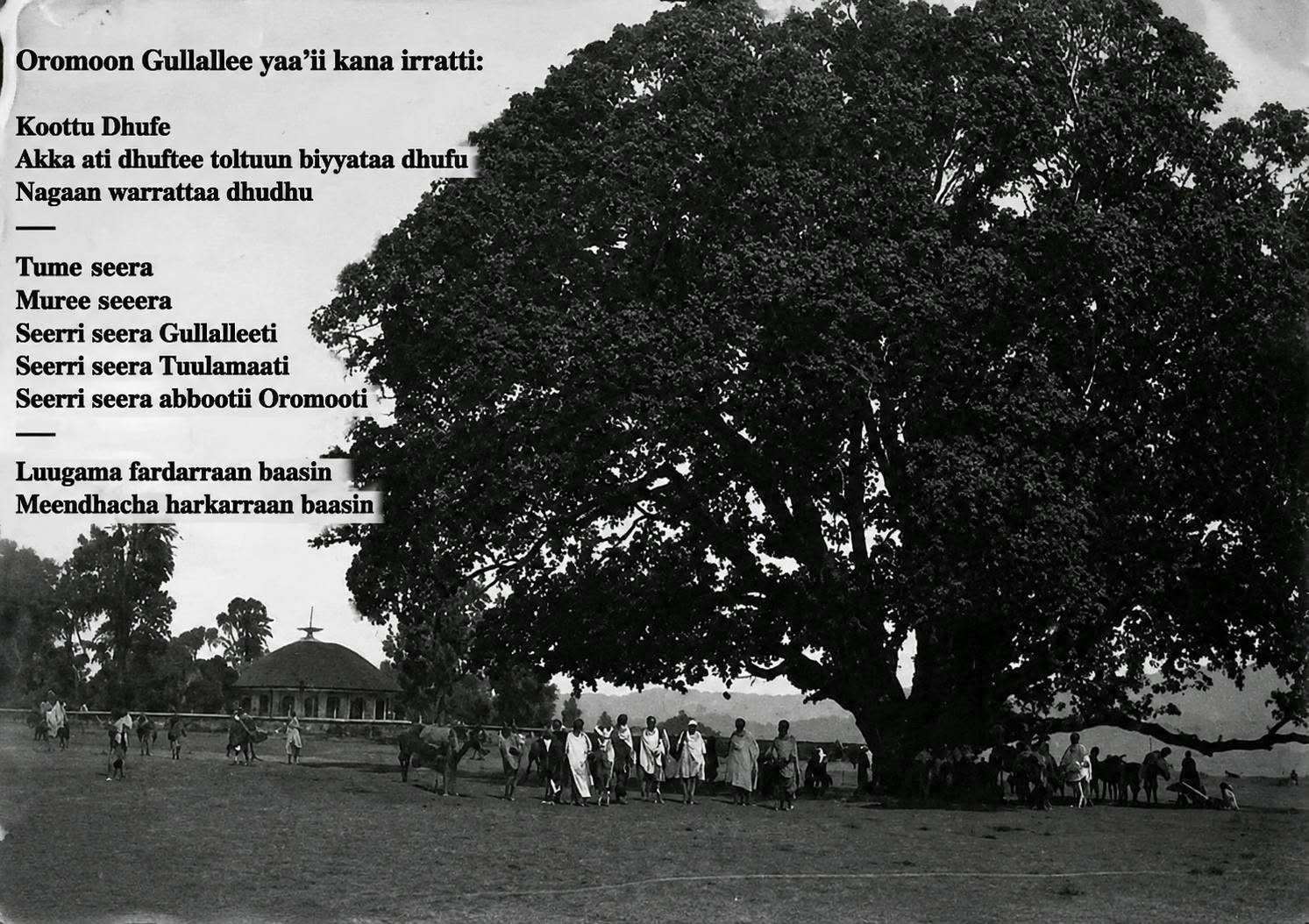
The Oromo concept of Uumaa includes the sky, water (laga), trees (muka), and mountains (tullu) as sacred elements . The most sacred of these is the Odaa tree (sycamore), considered a symbol of justice and often used as a site for prayer, community gatherings, and conflict resolution .
The Oromo believe that “they suck the breast of the Earth as the baby sucks its mother’s breast. All things originate from the Earth and depend on the resources of the Earth for their survival” . This profound connection to nature makes environmental stewardship a religious duty, not a political option.
The Institutional Pillars
The Gadaa System
Waaqeffannaa is closely linked with the Gadaa system, the indigenous democratic governance structure of the Oromo people . The Gadaa system is recognized by UNESCO as an Intangible Cultural Heritage of Humanity. It is a sophisticated republican model of governance marked by “codified separation of powers, democratic deliberation, and jurisprudential sophistication” .
According to the Oromo worldview, knowledge is classified into two types:
Beekumsa addaa: Cultural and customary knowledge
Beekumsa seeraa: Knowledge of laws, subdivided into:
Seera Waaqaa: The law of God—immutable
Seera Namaa: The laws of human beings—changeable through consensus and democratic means
The Gadaa system embodies principles of equality, participatory democracy, and the peaceful transfer of power, principles that predate Enlightenment republicanism by centuries . American anthropologist Bonnie Holcomb noted that Gadaa “organized the Oromo people in an all-encompassing democratic republic even before the few European pilgrims arrived from England on the shores of North America and only later built a democracy” .
The Qaalluu Institution
The Qaalluu (male priest) and Qaallitti (female priestess) serve as spiritual intermediaries and guardians of the laws of Waaqa . The term Qaalluu derives from the Oromiffa word qull, meaning “pure, holy, sacred, blameless, black” .
The Qaalluu and Qaallitti are expected to remain politically neutral, condemn tyranny, and support the democratic Gadaa system . They have the power to give or withhold blessings to the Gadaa leadership as they see fit, serving as a powerful check on political power.
The Abbaa Muudaa, regarded as the highest Qaalluu and a prophet, receives pilgrims seeking blessings and anointment . Those who make the pilgrimage must pass the highest moral standards of society and are given the title Jila (saintly people), qualifying them to perform rituals and sermons in their clans and villages .
Women’s Institutions
Waaqeffannaa recognizes women’s spiritual authority and rights through specific institutions. The Siinqee is a ritual stick given to married women, symbolizing their dignity and protection against violence and injustice . If a woman’s rights are violated, she can raise the Iyya Siinqee (Siinqee scream), which mobilizes all women in the community to support her cause .
The Maaram is the divinity of women, considered “another creation of Waaqa” and the mother of the ocean. Maaram was believed to help barren women conceive and help pregnant women give birth without complications . The Qaalluu pray for Maaram biweekly for fertility and children .
The Rituals of Connection
The Irreechaa Festival
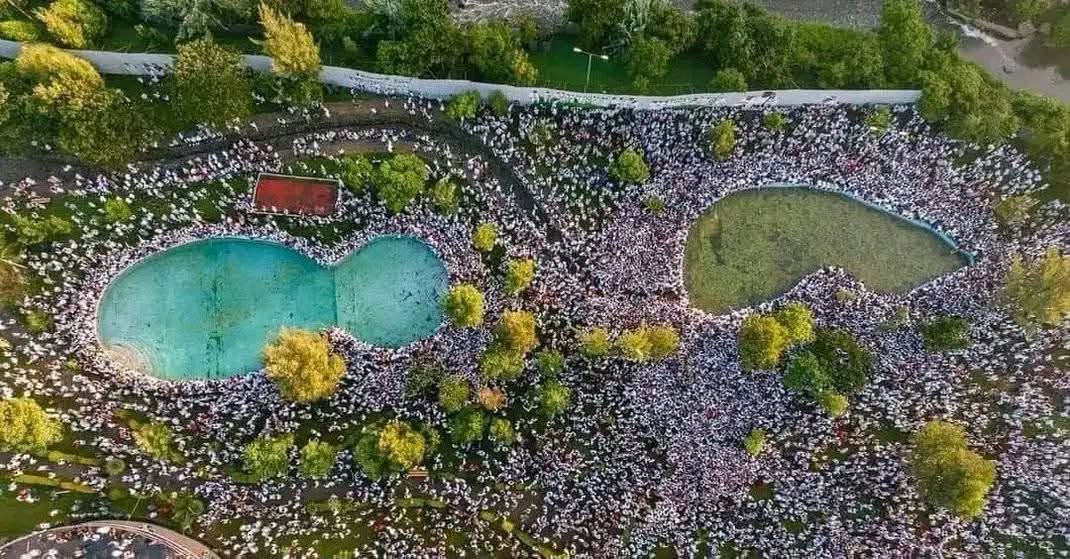
Irreechaa is the most prominent Oromo festival—the thanksgiving celebration at sacred lakesides held twice a year . It is a time to thank Waaqa for rain, harvest, and the gift of life .
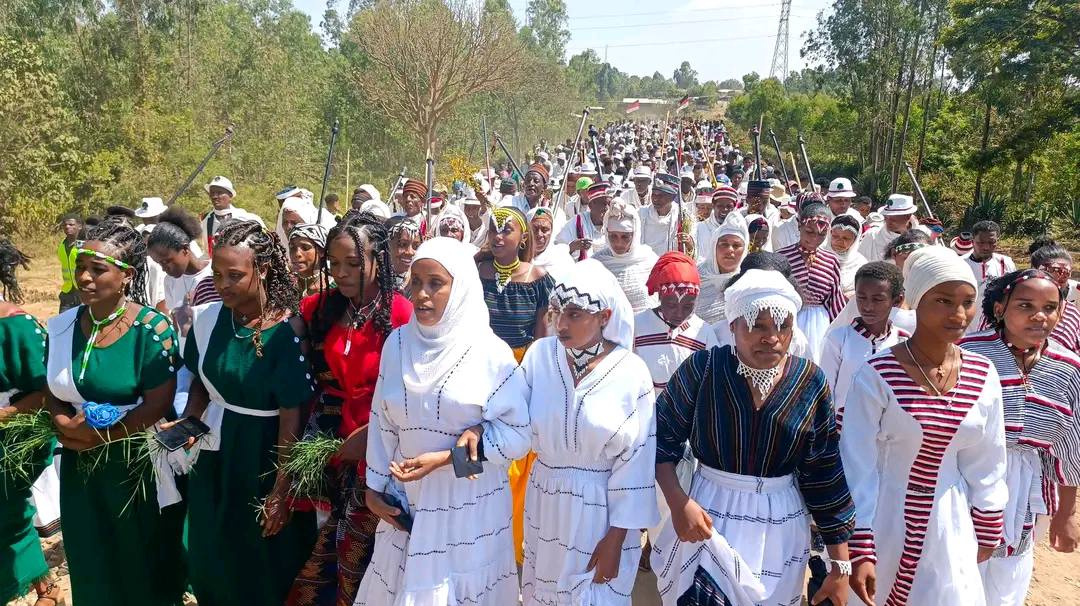
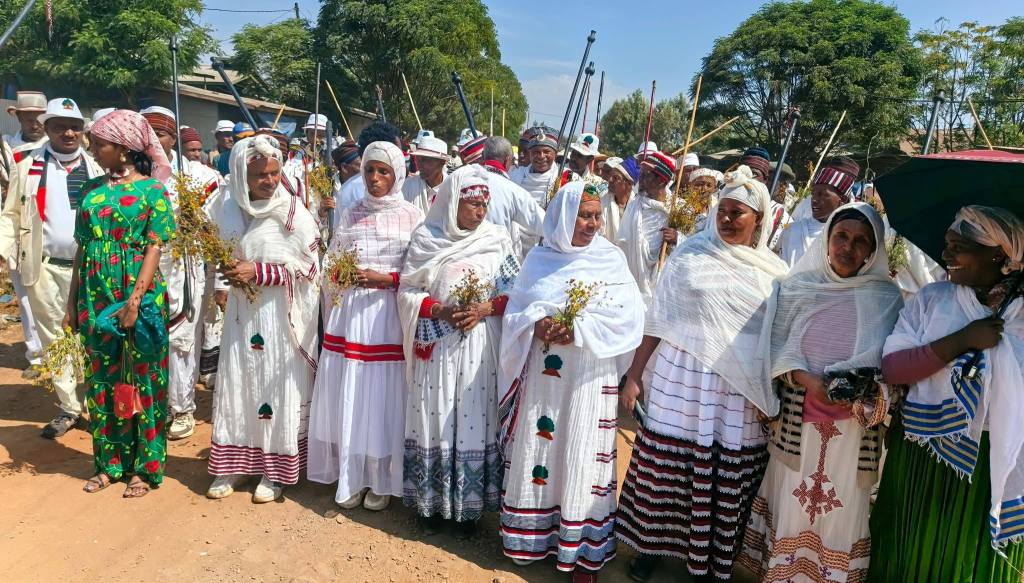
“Irreecha is a celebration of fertility, love, and peace. We pray for peace not only for Ethiopia but for all of Africa and the world” . The festival draws millions of participants from across the Oromo community, dressed in traditional white attire to express their gratitude .
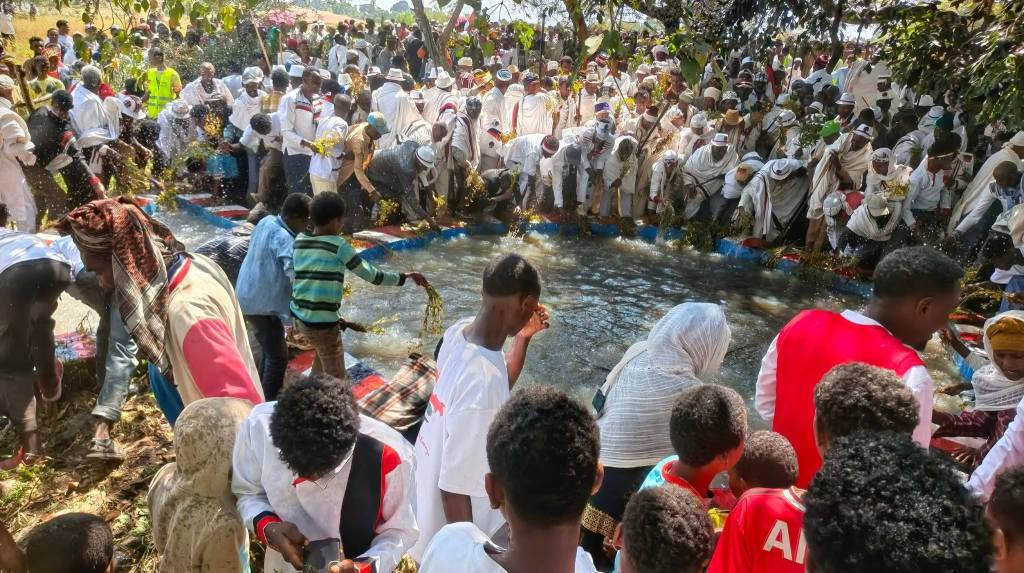
Irreechaa represents the deep spiritual connection between the Oromo people and the natural world. The ritual of putting wet grass (cogorsa) on riverbanks and sacred sites expresses thanks and respect for God, acknowledging the hope for the continuation of life .
The Ekeraa
The Waaqeffataa believe that when a person dies, they will be reunited with former loved ones in Iddoo Dhugaa (the Place of Truth) . They honour the spirits of the deceased and observe Ekeraa (the spirit of the deceased person) . Every year in December, they celebrate the Ekeraa with bread, cheese with butter, beer, and honey .
Lessons for the Modern World
Lesson 1: Environmental Stewardship as a Sacred Duty
The Oromo concept of interconnectedness with nature—expressed through Waaqa, Safuu, Ayyaana, and the Gadaa system—offers a powerful framework for ecological ethics . In a world facing climate crisis, biodiversity loss, and environmental degradation, the Oromo belief that “they suck the breast of the Earth as the baby sucks its mother’s breast” is a profound call to stewardship. When trees, water, and mountains are understood as sacred, they cannot simply be exploited for profit. Environmental protection becomes a religious obligation.
Lesson 2: Democracy Rooted in Indigenous Wisdom
The Gadaa system demonstrates that democratic governance is not a Western invention but has deep roots in African political thought . Its principles of separation of powers, participatory deliberation, and peaceful transfer of power offer a model of governance that predates and parallels European democratic traditions. The dual failure—by Abyssinia to transform internally and by Europe to learn externally—represents a profound historical loss for the global democratic evolution . Rediscovering Gadaa’s democratic wisdom is essential for reimagining governance in Africa and beyond.
Lesson 3: Balance and Harmony as Moral Principles
Safuu, the Oromo concept of moral and spiritual balance, is a powerful corrective to the extremism that characterises much of modern life. The breach of Safuu disrupts the harmony of the universe; the restoration of Safuu is essential for peace and well-being . This principle applies equally to politics, economics, social relations, and our relationship with nature.
Lesson 4: Religious Tolerance and Coexistence
Waaqeffannaa has demonstrated a remarkable degree of tolerance in its historical interaction with Christianity and Islam. Scholars note “the historical symbiotic relationship between Waaqeffana and the major religions reflecting a significant degree of tolerance on the part of the former” . Whether the Oromo have become Christians or Muslims, “a true belief in one God (Waaqeffanna dhugaa) remains the basic tenet of Oromo identity” . This model of religious coexistence offers a valuable lesson for societies divided by religious conflict.
Lesson 5: The Power of Oral Tradition and Living Wisdom
Waaqeffannaa has no written scriptures . Its wisdom is transmitted through oral tradition, ritual, and lived experience. This is not a weakness but a strength. It ensures that knowledge remains relevant, adaptable, and embedded in community practice. The Waaqeffataa believe that Waaqa gave human beings their minds to distinguish right from wrong, and the natural order as a guide to living well . This is a profound challenge to the modern tendency to rely on external authority rather than internal wisdom.
Conclusion
The wisdom of Waaqeffannaa is not a relic of the past but a living tradition with profound relevance for the present. Its core principles—the unity of God, the importance of truth and justice, the sacredness of nature, the value of democratic governance, and the necessity of balance and harmony—speak directly to the challenges of the modern world.
As the Oromo continue to revive and celebrate their faith, they offer a gift to the wider world: a vision of life that is spiritually rich, ecologically sustainable, socially just, and deeply human. In an age of fragmentation and crisis, the wisdom of Waaqeffannaa is a light worth following.
“Whether the Oromo are Christians or Muslims, a true belief in one God remains the basic tenet of Oromo identity. This common denominator could be an important asset for democratization, creating harmony, understanding and better integration among the population” .
This feature draws on scholarly research, oral traditions, and the lived experience of the Oromo community, synthesising insights from Ethiopia’s largest ethnic group.
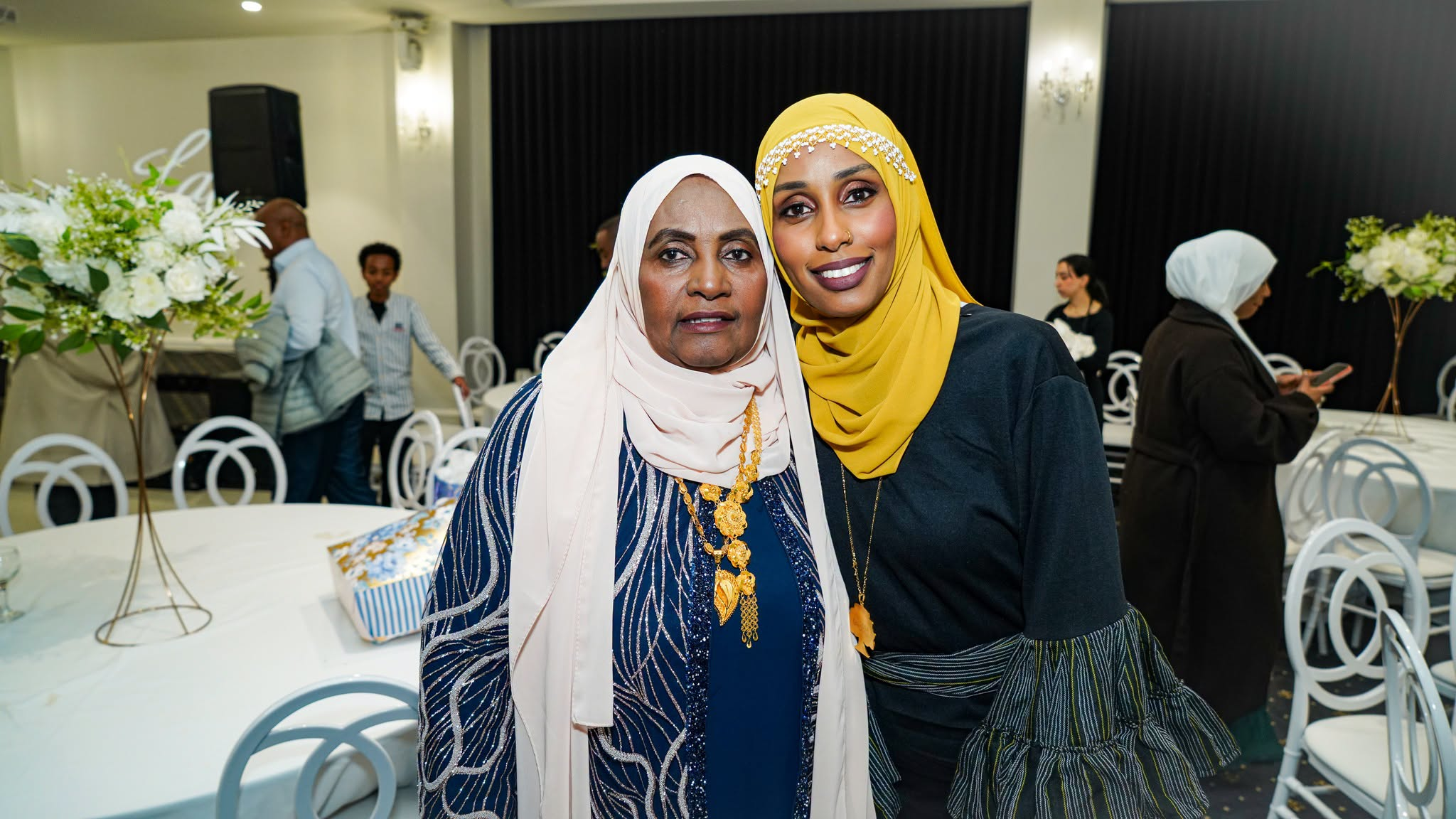
An Oromo Australian mother of four from Melbourne has shown the world that humanity knows no language barrier—and that a single act of kindness can echo far beyond one hospital room.
The Call That Changed Everything
It was the end of a long shift. Muhuba, a cleaner at the Women’s Hospital in Melbourne, was heading home after another day of ensuring that rooms were sanitised and environments were safe for patients, families, and staff. She was tired. She was ready to return to her family.
Then her phone rang.
On the other end was a voice from the hospital, asking if she could help. A labouring patient had arrived alone. She was scared. She couldn’t speak English. And staff had just discovered that Muhuba spoke her language.
Muhuba didn’t hesitate. She turned around and came straight back.
“I just wanted to help,” she said.
Those few words—simple, unassuming—speak volumes about the kind of person she is.
Five Hours of Compassion
Muhuba was quickly given scrubs and rushed into the operating theatre. For the next five hours, she stayed by the patient’s side. She held her hand. She spoke to her in her own language. She calmed her fears.
She was not a midwife, a nurse, or a doctor. She was a cleaner—a “placemaker,” in the language of her employer, ISS. But in that moment, she was the only person who could truly communicate with a terrified mother about to bring a new life into the world.
The woman gave birth safely, comforted by the presence of someone who spoke her words, understood her heart, and gave her the dignity of being heard.
For that mother, Muhuba was more than a translator. She was comfort. She was courage. She was a familiar voice in a frightening moment. She became like family when the woman needed someone the most.
A Legacy of Kindness
Muhuba’s colleagues say she has always been known for her caring heart. For many years, she has helped people at her workplace, especially those who struggle with language barriers or need someone to stand with them during difficult moments. Her act was not a one-time gesture—it is a reflection of who she is.
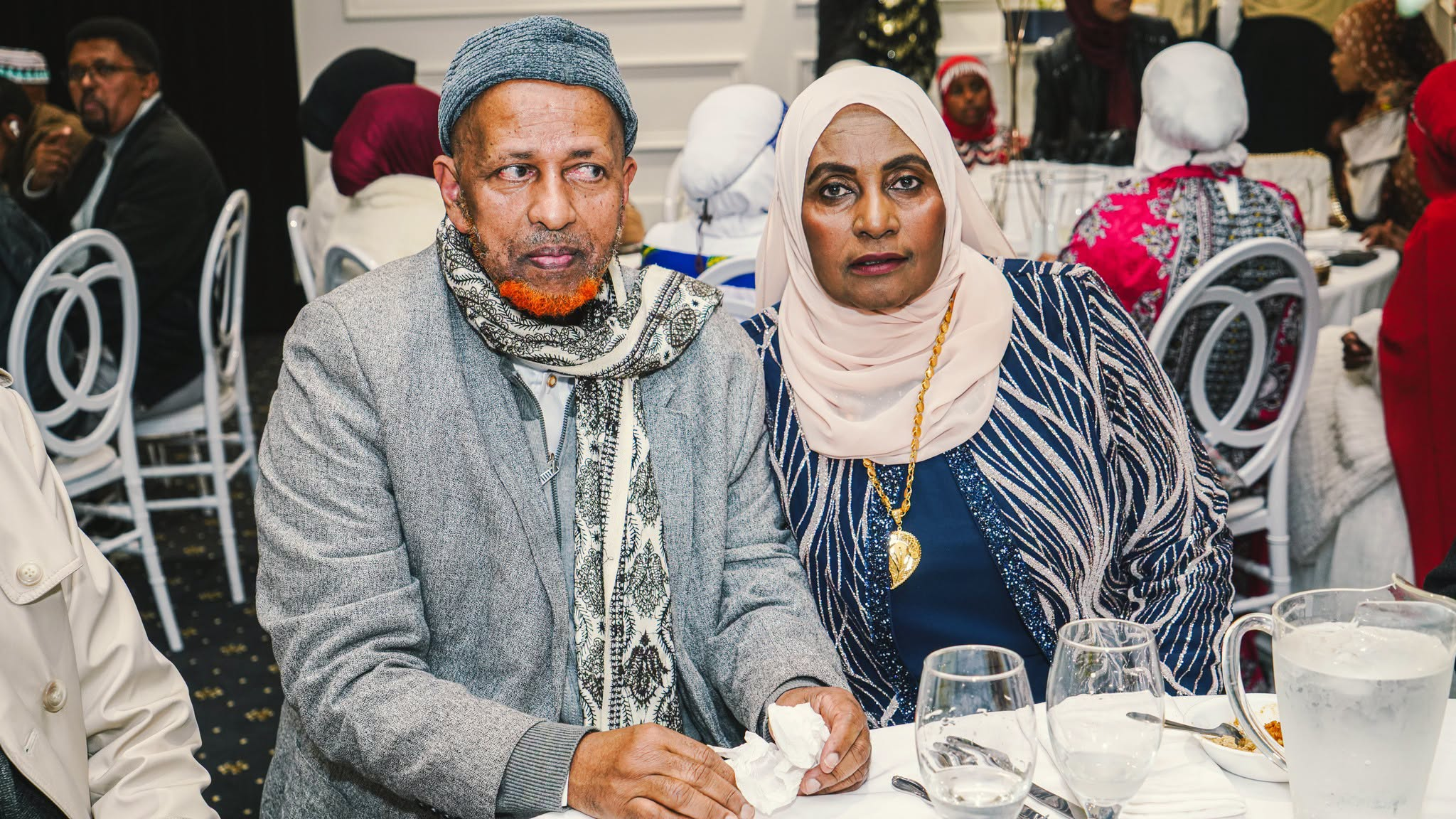
As an Oromo Australian woman, Muhuba has made her family, her community, and her people proud. She has shown the world the beauty of kindness, respect, generosity, and humanity. She has demonstrated that compassion does not require a clinical degree—it requires a human heart.
Global Recognition
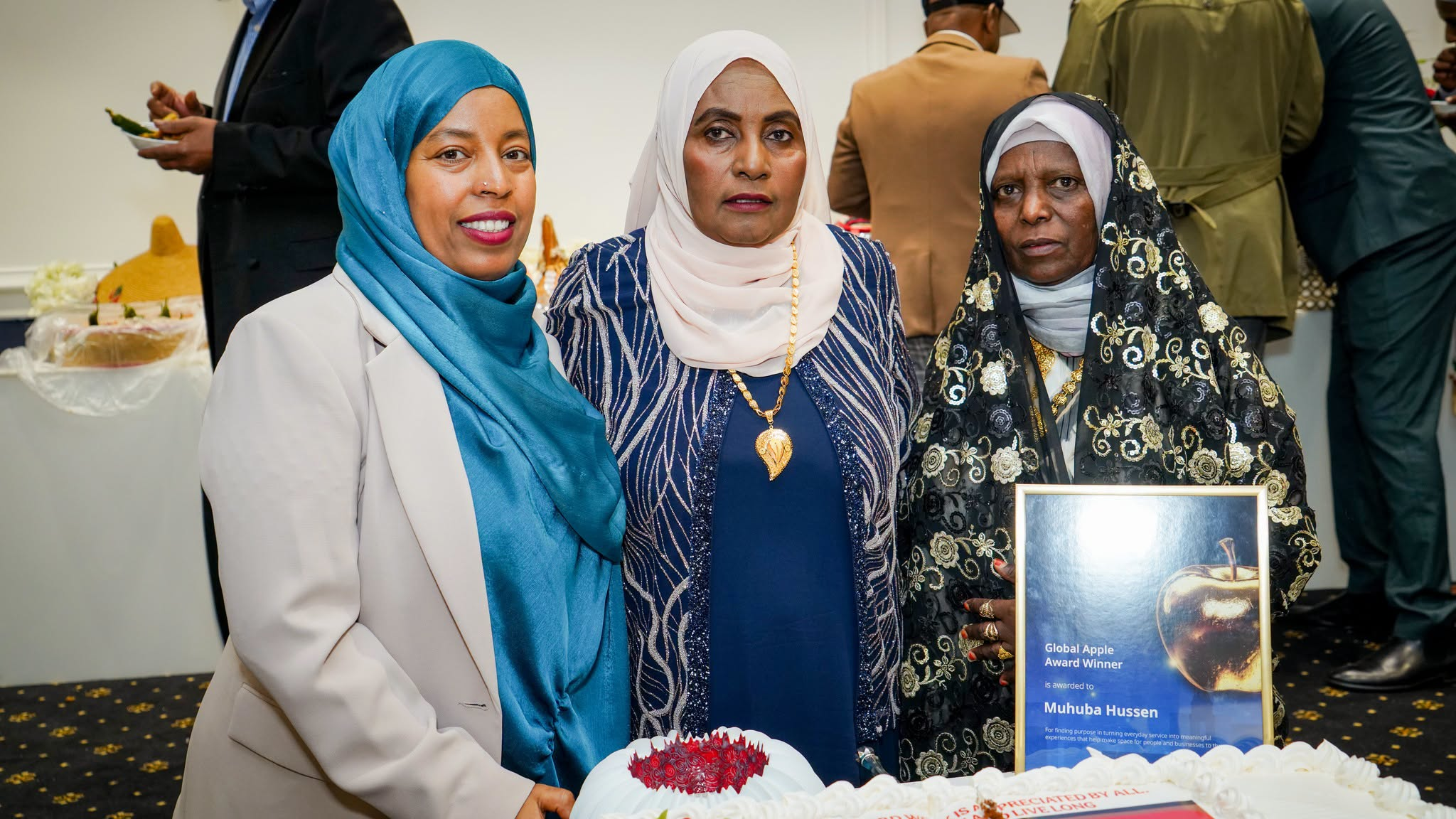
Last year, Muhuba’s extraordinary kindness was recognised with a state-wide award from ISS, the global facility services company that employs her. Her act of going above and beyond stood out as an example of the power of compassion in healthcare.
This year, her story has reached an even greater level. She has been named one of four international finalists in a global awards program. In May, ISS will fly her to Denmark for the awards ceremony, where she will represent Australia—and the Oromo community—on the international stage.
This is a proud moment for Muhuba, for her family, for the Oromo community in Australia, and for everyone who believes in the power of helping others.
A Message to Us All
Muhuba did not help because she wanted praise. She helped because her heart told her to help. That is what makes her story so powerful.
A mother of four, a hardworking Oromo Australian woman, and a symbol of compassion, Muhuba reminds us that one act of kindness can touch lives far beyond one hospital room. Her story is not only about an award. It is about kindness. It is about humanity. It is about standing beside someone when they are scared, alone, and in need of support.
“Aayyoo Muhuba, thank you for showing us the true meaning of humanity. Thank you for representing your family, your community, and your people with dignity. May Allah bless you, raise you higher, and give you a long life.”
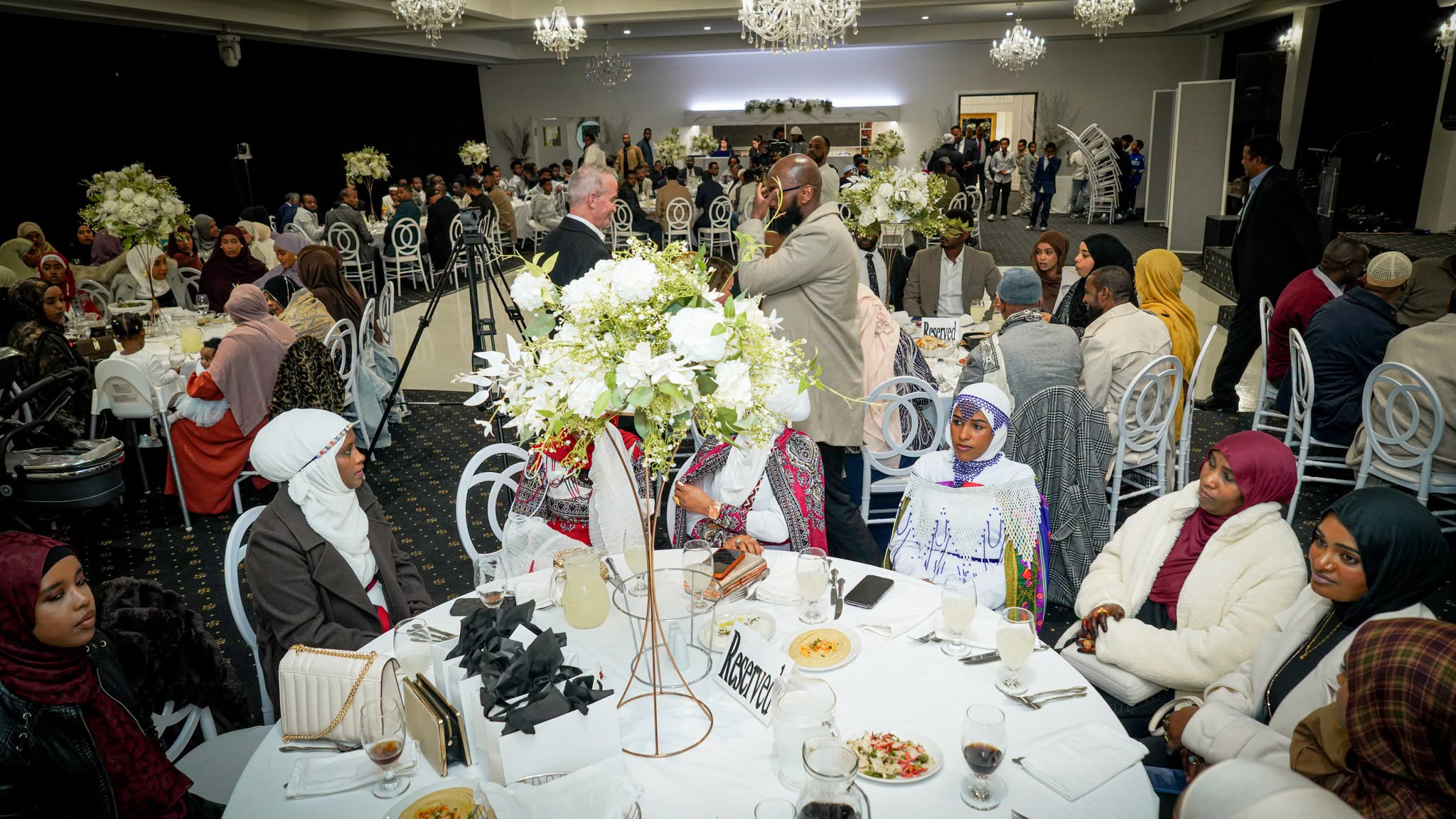
Shabo Media proudly celebrates Muhuba—a beautiful example of kindness, compassion, and humanity. Muhuba’s family and the Oromo people are proudly celebrating her achievements.
In our increasingly interconnected world, the Ethiopian diaspora represents a vast reservoir of talent, capital, and cultural richness. To fully harness this potential, the Ethiopian government should formally recognize dual citizenship. This policy shift is a strategic imperative for national development, moving beyond outdated notions of exclusive allegiance to embrace a more inclusive and pragmatic vision of Ethiopian identity.
The current denial of dual citizenship creates an artificial and counterproductive divide. It forces a choice between a new life abroad and a fundamental connection to their homeland, stifling the very contributions the nation needs. The benefits of reform are clear and compelling:
Economic Growth: Dual citizenship would unlock significant investment. By granting diaspora Ethiopians the full rights and security of citizenship, they would be empowered to invest more confidently in businesses, real estate, and the stock market, directly fueling entrepreneurship and economic growth.
Knowledge and Cultural Exchange: This policy would fortify the bonds of culture and knowledge. It facilitates the seamless flow of ideas, skills, and heritage, ensuring that future generations remain connected to their roots and actively engaged in Ethiopia’s cultural and intellectual landscape.
Political Engagement and Unity: Granting dual citizenship integrates the diaspora into the nation’s democratic fabric. It provides a formal voice in Ethiopia’s future, transforming alienation into engagement and fostering a stronger, more unified global Ethiopian community.
Global Competitiveness: Ethiopia is currently an outlier. Many nations across Africa and the world actively leverage dual citizenship to engage their diaspora. To compete for global talent and investment, Ethiopia must modernize its citizenship laws and join this progressive trend.
Ultimately, accepting dual citizenship is more than a legal update—it is a profound commitment to inclusivity and progress. It is a recognition that the strength of a nation lies not only within its borders but also in the hands of its global citizens. By embracing its diaspora, Ethiopia can unlock a new chapter of development, unity, and shared prosperity.
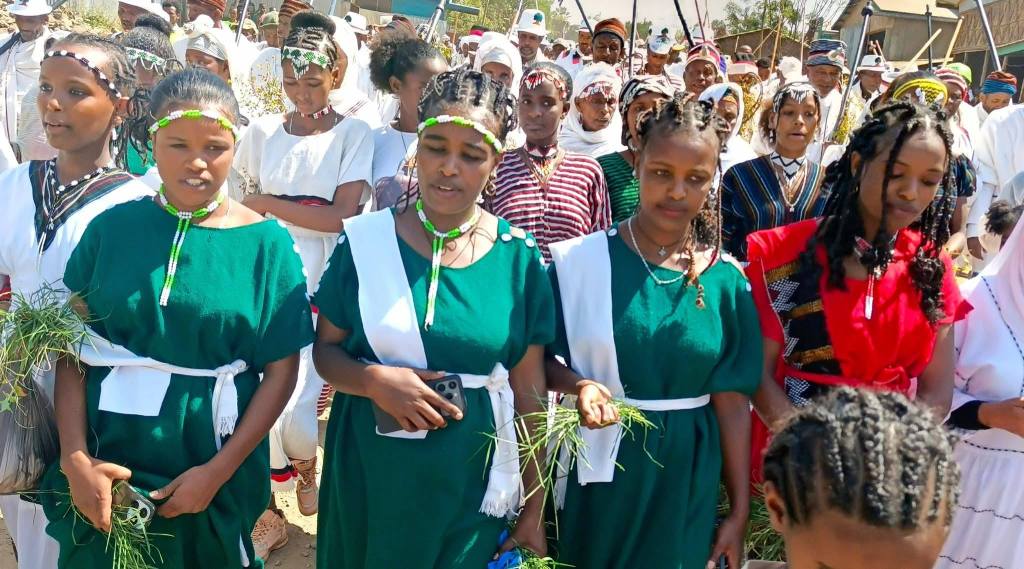
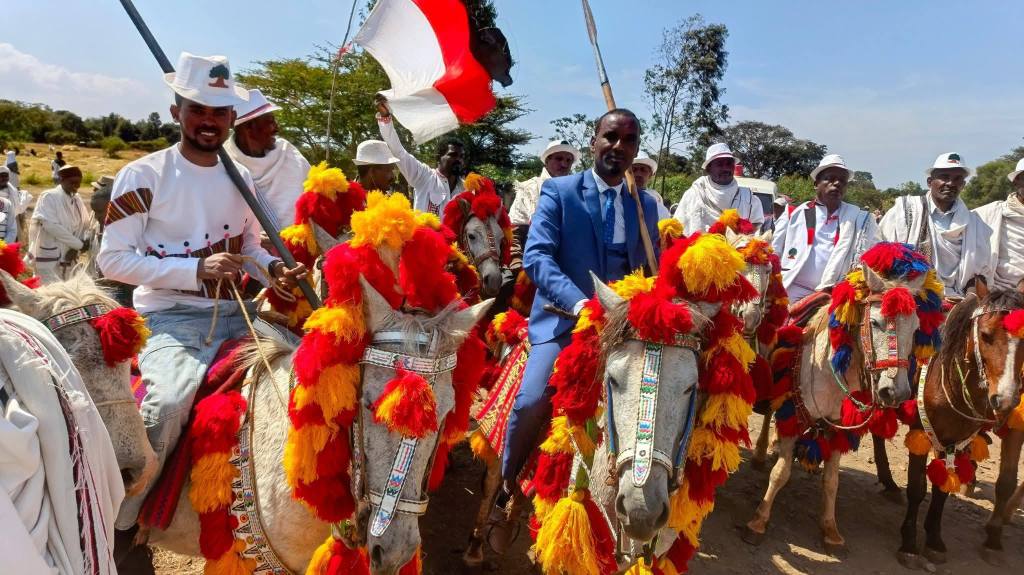
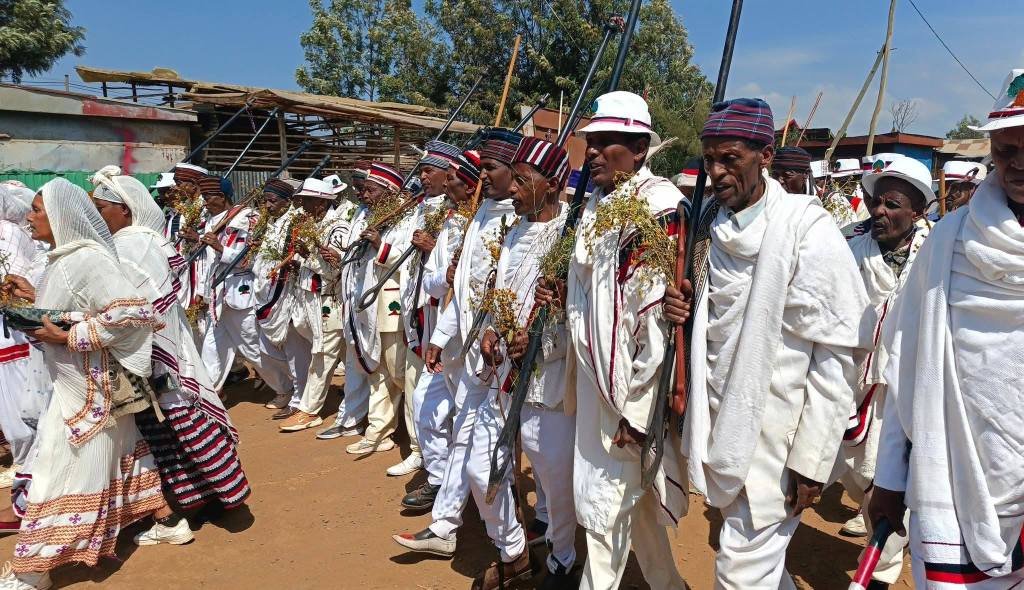
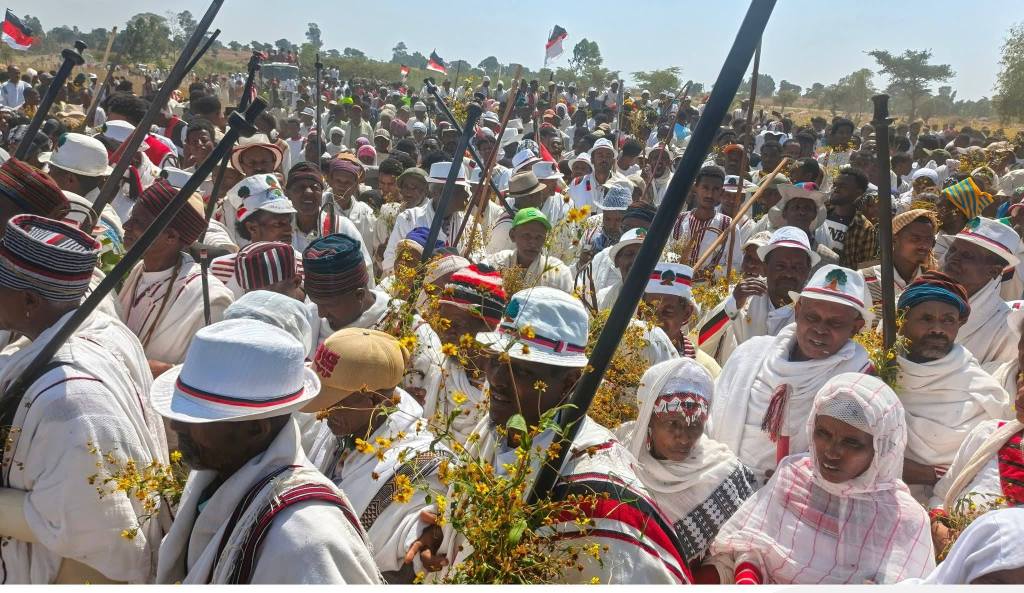
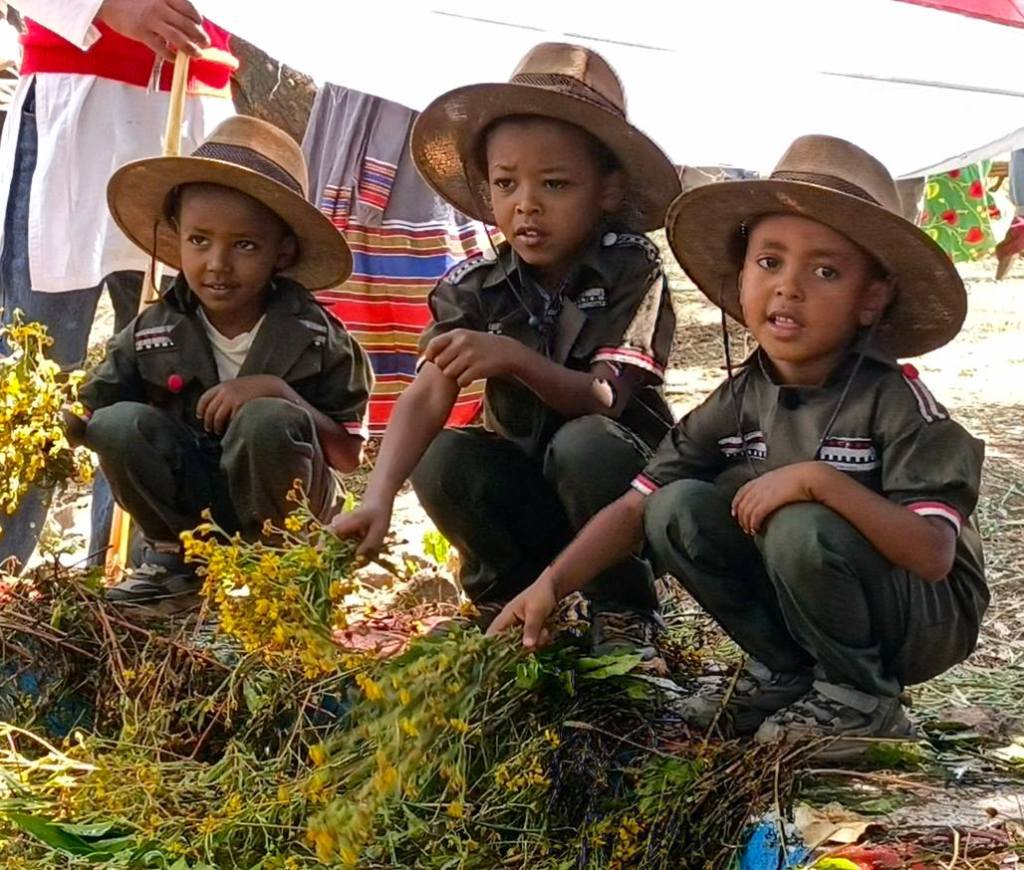
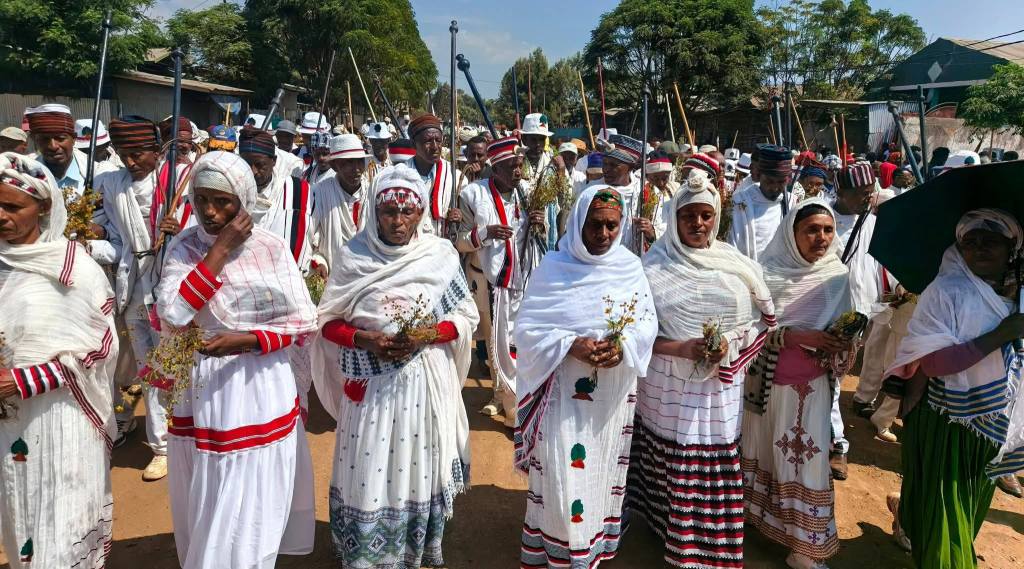
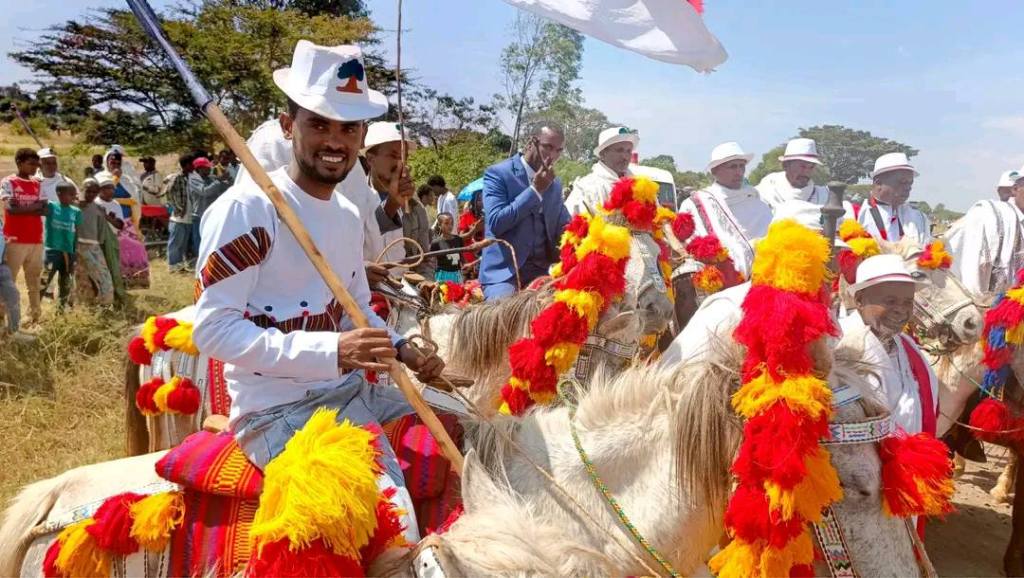
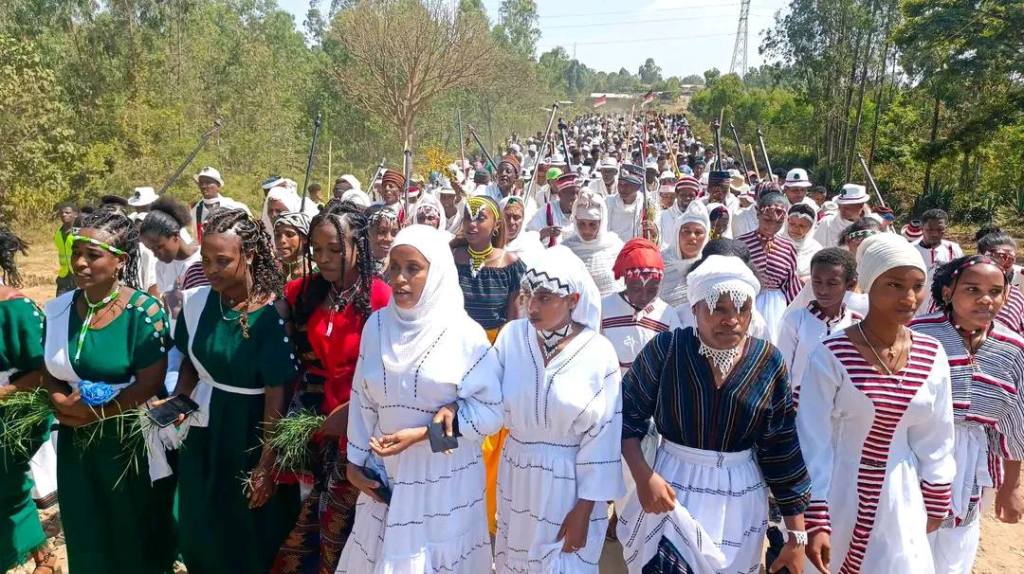
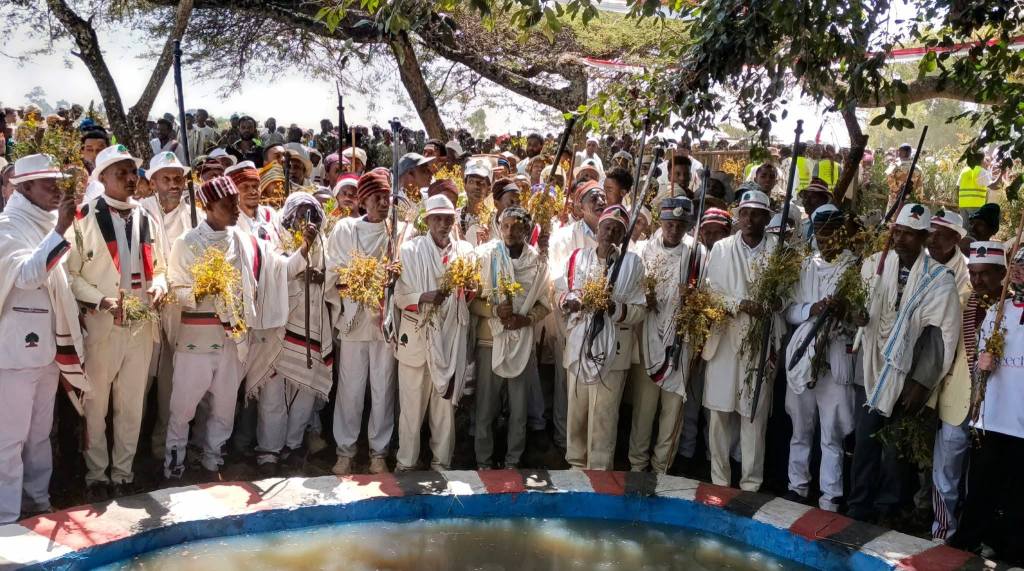
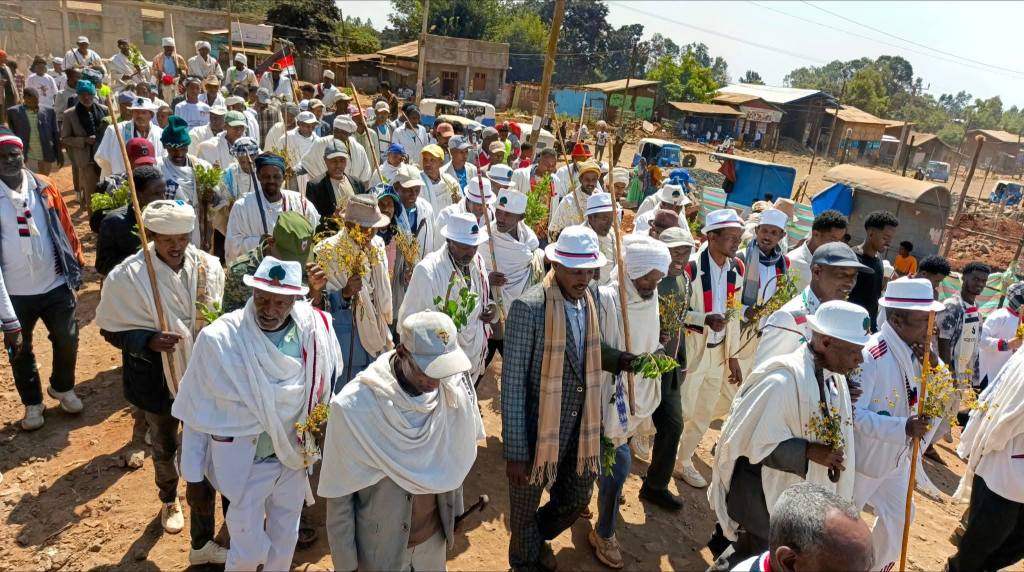
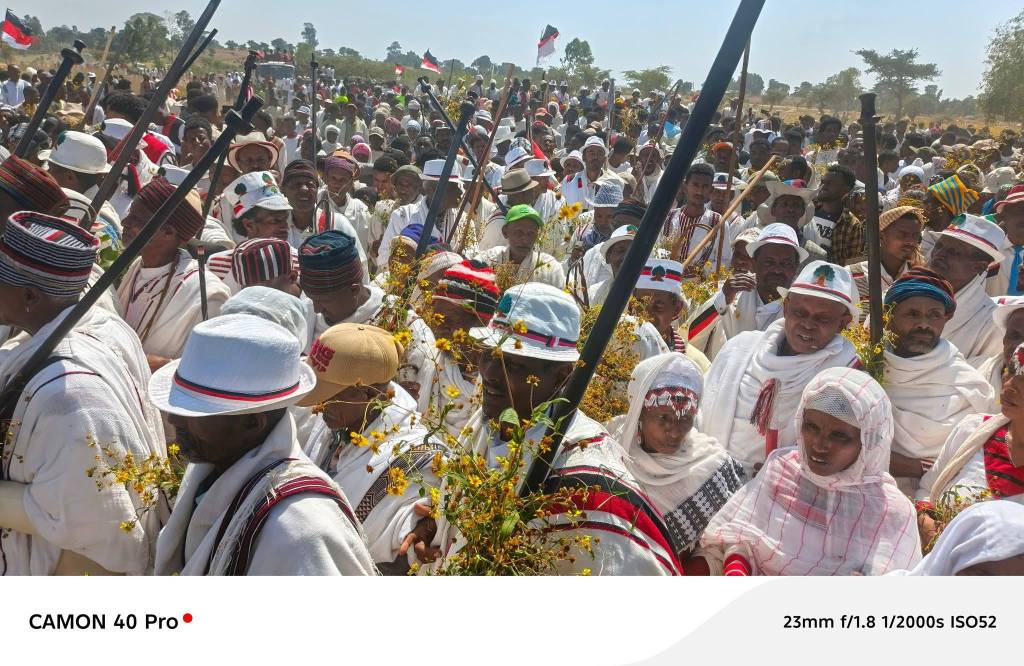
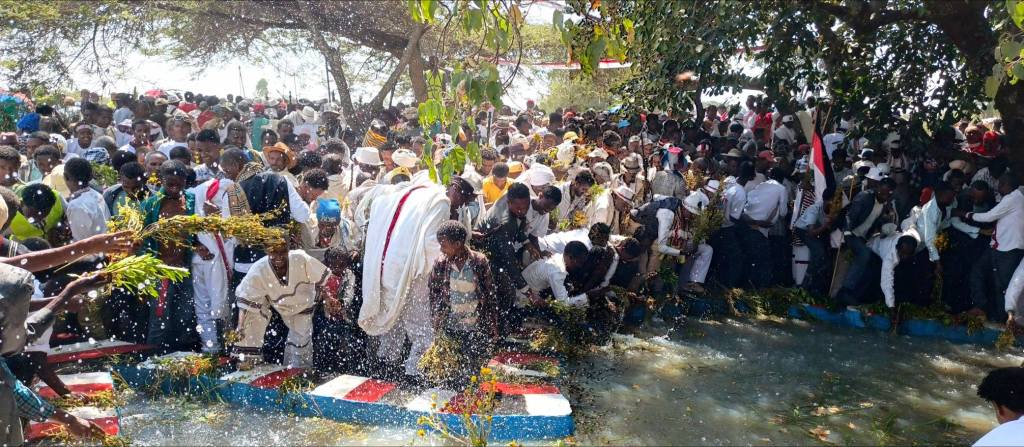
NOONNO, WEST SHEWA – The Irreecha festival, a symbol of peace, reconciliation, thanksgiving, love, brotherhood, and prosperity, was celebrated with great fervor at the Hora Shaankurii spring in the Nonno district of the West Shewa Zone.
On Saturday, September 29, 2025, the ceremony was held at the sacred site, drawing large crowds of participants. The celebration was a profound display of Oromo culture and spirituality, attended by Qeerroo and Qarree youth, women carrying siinqee (symbols of women’s power), and Gadaa leaders.
In Oromo tradition, Irreecha is a thanksgiving festival through which the Oromo people express gratitude to Waaqaa (God), celebrate life, and pray for the resolution of hidden conflicts and for a prosperous future. The ceremony commenced with the Abbaa Horaa (custodian of the spring) performing the ritual, followed by the Eebba (prayers and blessings) led by the Gadaa leaders.
The festival serves not only the Oromo people but also as a beacon of unity, love, and genuine brotherhood among all nations and nationalities, strengthening mutual respect and understanding.
In conclusion, the Gadaa leaders of Noonno district extended their gratitude to the Foolee (youth), various security forces, the community of the district, and all individuals who contributed to the successful and respectful celebration of the festival.