ኢሬቻ 2026፡ “ለሀገራዊ መግባባት!” — ከበዓል ባሻገር ያለ ትርጉም
የጥንቱ የኦሮሞ ሕዝብ የምስጋና በዓል የኢትዮጵያ ታላቁ የፖለቲካ ፕሮጀክት ማዕከላዊ ጉዳይ ሆኗል፡ ከውኃ ዳርቻ የሚጀምረው የዕርቅ ሥርዓት የአገሪቱ አስተዳደር ሞዴል እንዲሆን።
አዲስ አበባ — ጭብጡ ሁሉንም ይናገራል፡ “ኢሬቻ፡ ለሀገራዊ መግባባት!”
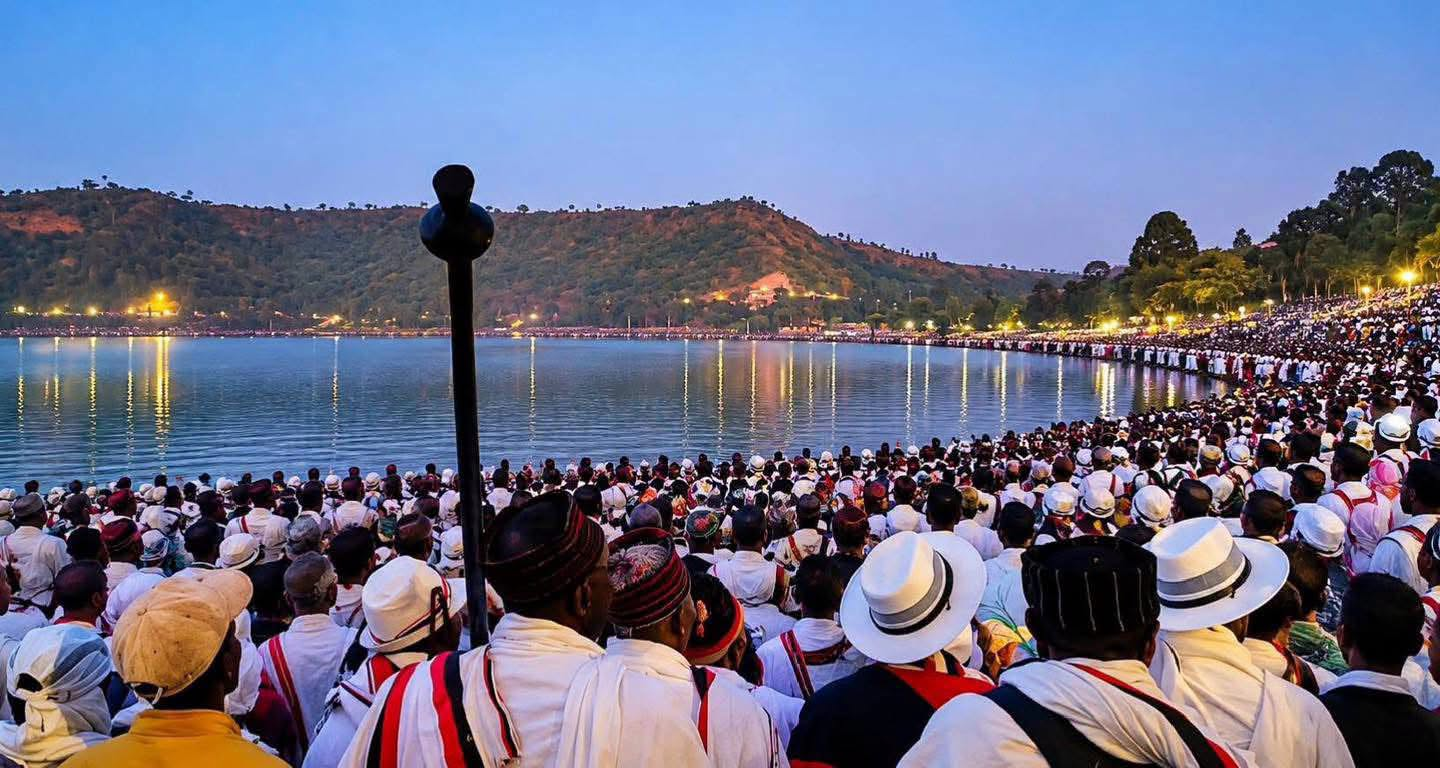
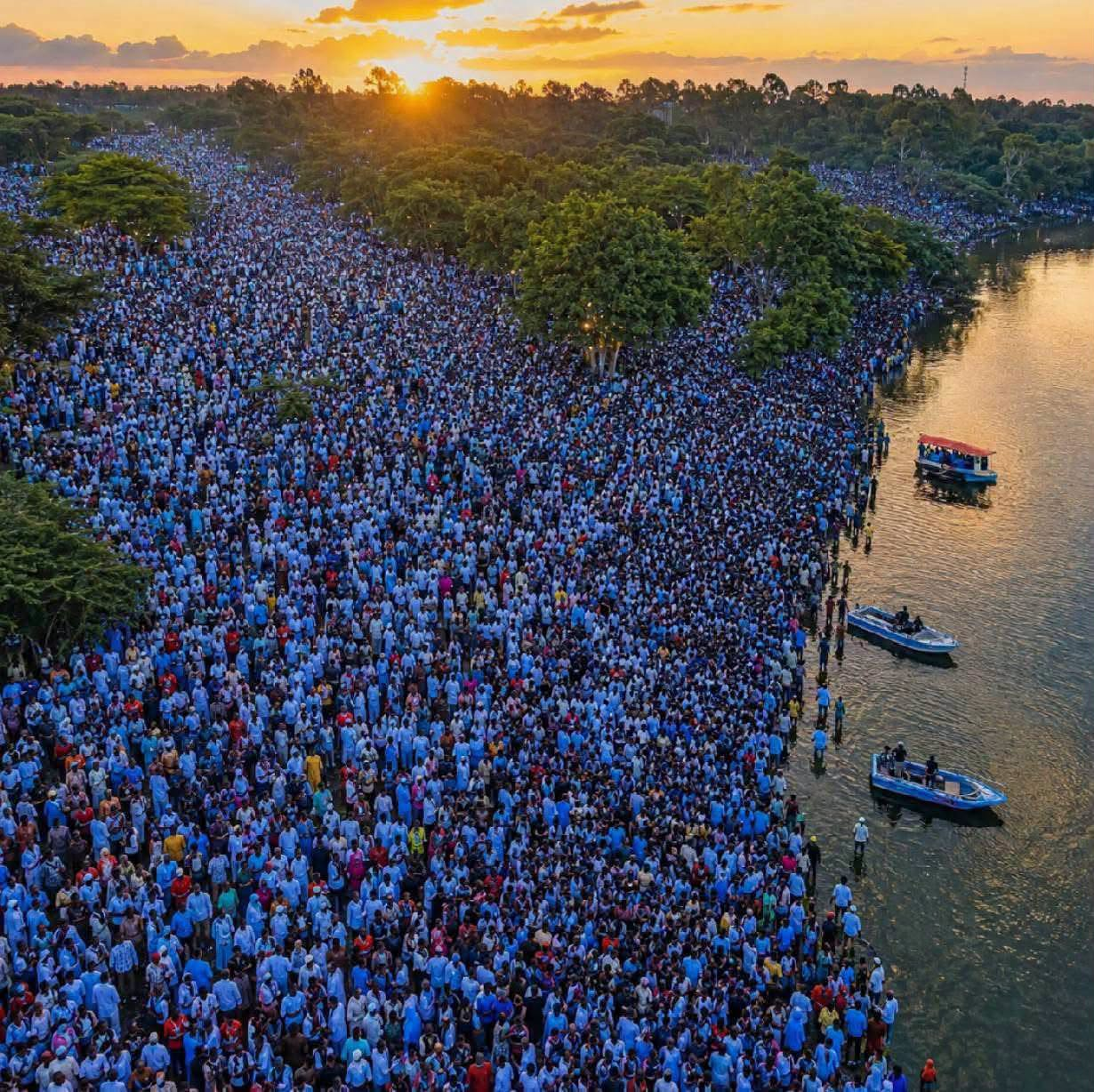
በዚህ ቅዳሜና እሁድ በአዲስ አበባ ሆረ ፊንፊኔ ላይ በመቶ ሺዎች የሚቆጠሩ ሰዎች ነጭ ልብስ ለብሰው፣ ትኩስ አረንጓዴ ሣርና ቢጫ አደይ አበባ ይዘው ሲሰበሰቡ፣ ባህላዊው የምስጋና ሥርዓት ከኦሮሞ ማህበረሰብ አልፎ ሰፊ ትርጉም አግኝቷል። ለዓመታት ውስብስብ የፖለቲካና የብሔር ክፍፍል ያሳለፈችው አገሪት፣ የ2026 ኢሬቻ ጠብን ወደ መግባባት፣ ቅሬታን ወደ ምስጋና የሚቀይር ሰፊ ሀገራዊ ጉዞ ተምሳሌት ሆኗል።
ተልዕኮ ያለው በዓል
በየዓመቱ ከዋናው በዓል በፊት በአዲስ አበባ የሚካሄደው የኢሬቻ ጉባኤ የዚህ ዓመት በዓል መንፈስን አስቀምጧል። “ኢሬቻ፡ ለሀገራዊ መግባባት” በሚል ጭብጥ የተካሄደው ጉባኤ የበዓሉን የአንድነት፣ የአብሮነት፣ የይቅርታና የዕርቅ እሴቶች አፅንዖት ሰጥቶ፣ እነዚህን እሴቶች ከኢትዮጵያ የወደፊት ዕጣ ፈንታ ጋር በቀጥታ አገናኝቷል።
የአዲስ አበባ ከንቲባ ወይዘሮ አዳነች አቤቤ በጉባኤው ላይ ባደረጉት ንግግር፣ ኢሬቻ “አንድነትን፣ አብሮነትን፣ ይቅርታንና ዕርቅን ያስተዋውቃል፤ ለሀገራዊ መግባባትም ታላቅ ዋጋ አለው” ብለዋል። የከንቲባዋ ቃላት የሥርዓት አካል ብቻ አልነበሩም። ኢሬቻን ለኦሮሞ ሕዝብ ብቻ ሳይሆን ለመላው ኢትዮጵያውያን ሀገራዊ ሀብት አድርጎ የማቅረብ ሆን ተብሎ የተደረገ ጥረትን ያንፀባርቃሉ — መንፈሳዊ ሥርዓቱ ኢትዮጵያውያን አብረው እንዴት መኖር እንደሚችሉ ሞዴል ሊሆን ይችላል የሚል ራዕይ።
የ2026 በዓል በጥቅምት 3 እና 4 ቀናት የተካሄደ ሲሆን፣ አባ ገዳዎችን፣ ሀዳ ሲንቄዎችን፣ ሽማግሌዎችን፣ ወጣቶችንና ከመላው ኢትዮጵያና ከውጭ የመጡ እንግዶችን አንድ ላይ አሰባስቧል። በአዲስ አበባ ሆረ ፊንፊኔና በቢሾፍቱ ሆረ አርሳዲ የተካሄደው በዓል፣ ነጭ ልብሶች የተላበሱ ሰዎችና ባህላዊ ዜማዎች “የቀለም፣ የባህልና የአብሮነት ድንቅ ትዕይንት” ፈጥረዋል።
የሰላም ቅድመ ሁኔታ
ኢሬቻን ልዩ የሚያደርገው — እና የ2026 ጭብጡን በጣም አግባብ የሚያደርገው — ዕርቅ በዓሉ የሚያከብረው እሴት ብቻ አለመሆኑ ነው። ለተሳትፎ ቅድመ ሁኔታ ነው።
ኢሬቻ ከመድረሳቸው በፊት፣ ተሳታፊዎች ከራሳቸውና ከሌሎች ጋር መታረቅ፣ ጥላቻን፣ ቁጣንና ቅሬታን ማስወገድ ይጠበቅባቸዋል። የበዓሉ የሰላምና የዕርቅ ማዕድነት የሚወሰነው በዚህ የመንፈስ ቅድመ ሥራ ላይ ነው። ቅሬታ ይዞ ወደ ቅዱሱ ውኃ መቅረብ አይቻልም። ልብህ ጦርነት ላይ እያለ ማመስገን አይቻልም።
ይህ ሥርዓት — ቅዱሱ ከመቅረቡ በፊት ግጭትን ሆን ብሎ ማስወገድ — የኢትዮጵያ ብሔራዊ ውይይት ሂደት በሀገራዊ ደረጃ ተቋማዊ ለማድረግ የፈለገው ነገር ነው። እና የዚህ ዓመት ኢሬቻ ጊዜው በአጋጣሚ አይደለም።
ብሔራዊ ውይይት ተጠናቀቀ፣ በዓል ተጀመረ
ሚሊዮኖች በሆረ ፊንፊኔ ከመሰብሰባቸው ጥቂት ሳምንታት በፊት፣ ኢትዮጵያ ታሪካዊ ምዕራፍ ደርሳለች፡ በአዲስ አበባ የተካሄደው የብሔራዊ ውይይት ጉባኤ ተጠናቀቀ።
በሐምሌ 8 ቀን 2018 ዓ.ም በይፋ የተከፈተው ውይይት፣ ከመላው አገሪቱ የመጡ ከ4,000 በላይ ልዑካንን — የሲቪል ማህበረሰብ፣ የሃይማኖት ቡድኖች፣ ወጣቶች፣ ሴቶችና በታሪክ የተገለሉ ማህበረሰቦች ተወካዮችን — አሰባስቧል። በ46 ቀናት ምክክር ውስጥ ተሳታፊዎች ስለ መንግሥት ግንባታ መሠረታዊ ምሰሶዎች፣ ሀገራዊ ማንነት፣ ማህበራዊ አንድነትና የመንግሥት አወቃቀርና ቅርፅ ሰፊ ውይይቶችን አድርገዋል።
የብሔራዊ ውይይት ኮሚሽን ለዓመታት በሀገር ውስጥና በውጭ የሚገኙ ኢትዮጵያውያንን በማሳተፍ የሕዝብ ምክክር በማካሄድ በእነዚህ ውይይቶች የተነሱ ቅድሚያ የሚሰጣቸውን ስምንት ዋና የአጀንዳ ምሰሶዎች ለይቷል። ሂደቱ በከተማ ልሂቃን በሚቆጣጠሩ ያለፉ የፖለቲካ ስብሰባዎች ላይ ሆን ተብሎ የተለየ አቀራረብ ላይ የተመሠረተ ነበር — ለዓመታት ከሀገራዊ ውይይት የተገለሉ ማህበረሰቦች ድምፅ እንዲሰጣቸው የሚያደርግ ከመሠረቱ የመጣ አቀራረብ።
በመዝጊያ ሥርዓቱ ላይ የቀድሞው የናይጄሪያ ፕሬዚዳንት ኦሉሴጉን ኦባሳንጆ ቁልፍ ንግግር ያደረጉ ሲሆን፣ የኢትዮጵያን ብሔራዊ ውይይት “ታሪካዊ ስኬትና ለተቀረው አፍሪካ ምሳሌ” ብለው ገልፀዋል። ሰላም “ሁሉን አቀፍ፣ አካታችና ሙሉ” መሆን እንዳለበት አፅንዖት ሰጥተው፣ “ሰላማዊ፣ ደህንነቱ የተጠበቀ፣ የተረጋጋና አንድ የሆነች ኢትዮጵያ” በሰባት ዓመታት ውስጥ ምርቷን በእጥፍ ማሳደግና የአፍሪካ ትልቁ ኢኮኖሚ ሆኖ መውጣት እንደምትችል መተማመናቸውን ገልፀዋል።
መልዕክቱ ግልፅ ነበር፡ ኢትዮጵያ ከክፍፍል ይልቅ ውይይትን፣ ከግጭት ይልቅ መግባባትን መርጣለች። እና አሁን፣ ኢሬቻ 2026 ያንን ምርጫ ለማጠናከር ደርሷል።
የጠቅላይ ሚኒስትሩ መልዕክት
ጠቅላይ ሚኒስትር ዐቢይ አሕመድ በኢሬቻ መልዕክታቸው፣ የበዓሉን መንፈሳዊ ሥርዓቶችና የአገሪቱን የፖለቲካ ጉዞ በቀጥታ አገናኝተዋል።
“ኢሬቻ ሰላም ነው! ገዳ ሥልጣኔ ነው! የኢትዮጵያ ሥልጣኔ የማይቀር ነው!” በሚል ጭብጥ የተናገሩት ጠቅላይ ሚኒስትሩ፣ ዜጎች “አስቸጋሪውን የዝናብ ወቅት በሰላም አሳልፈው ወደ ተስፋ ወቅት ስለገቡ” አስታውሰዋል። የክረምቱ ጨለማ ሲያልፍ የኦሮሞ ሕዝብ በወንዝ ዳርቻ ለባህላዊ የምስጋና ሥርዓት እንደሚሰበሰብ — አባቶች “መርሆ” ሴቶች “አራሮ” እያነበቡ ለፈጣሪው ምስጋና እንደሚያቀርቡ — ገልፀዋል።
ጠቅላይ ሚኒስትሩ ግን የበለጠ ሄደዋል። በክረምቱ ወቅት በሚከሰቱት ከባድ ዝናቦች፣ ጎርፎችና የተገደበ እንቅስቃሴ እና በኢትዮጵያ “የረዥም ጊዜ የኢኮኖሚ፣ የፖለቲካና የአስተዳደር ትግሎች” መካከል ቀጥተኛ ንፅፅር አድርገዋል። ዝናቡ በመጨረሻ ማለቁና ፀሐይ በመጨረሻ መመለሱ እንደማይቀር፣ የኢትዮጵያም የመከራ ወቅት ለመታደስ ወቅት መስጠቱ የማይቀር ነው።
ጠቅላይ ሚኒስትሩ የኦሮሞን ምሳሌ “የሚተኛበት ቤት ከሚያመሽበት ይበልጣል” የሚለውን ጠቅሰው፣ ታጣቂ ቡድኖች ከርዝመት ግጭት ይልቅ መረጋጋትን፣ ከእርግጠኛ አለመሆን ይልቅ ሰላምን እንዲመርጡ ጥሪ አቅርበዋል። መንግሥት ለሰላምና ለሀገራዊ መግባባት ያለውን ቁርጠኝነት አረጋግጠው፣ ሁሉም ኢትዮጵያውያን “የኢሬቻን ዋና እሴቶች — ሰላምን፣ ዕርቅን፣ ይቅርታንና ወንድማማችነትን — አቅፈው አንድነትን በማጠናከርና የሀገሪቱን ዘላቂ ብልጽግና ጉዞ በማራመድ” እንዲሳተፉ አሳስበዋል።
የውኃና የሣር ምሳሌነት
በኢሬቻ ማዕከል ያሉት ቁሳቁሶች — ውኃ፣ ሣርና አበባ — ጥልቅ ትርጉም ይይዛሉ።
ተሳታፊዎች ትኩስ አረንጓዴ ሣርና ደማቅ ቢጫ አደይ አበባ ይዘው ይደርሳሉ። ሣሩን ወደ ቅዱሱ ውኃ አስገብተው፣ ጠብታዎችን በራሳቸውና በሌሎች ላይ ይረጫሉ፣ ሣሩንና አበባውንም በውኃው ዳርቻ ላይ ያስቀምጣሉ። በበዓሉ ጊዜ በሺዎች የሚቆጠሩ የግል መባዎች በውኃው ጠርዝ ላይ ተሰብስበው፣ ጊዜያዊ አረንጓዴና ቢጫ ድንበር ፈጥረው መልክዓ ምድሩን ይለውጣሉ።
ከሱሉልታ ተጉዞ በሆረ ፊንፊኔ የተካፈለው ተሳታፊ ጉዲሳ ገዳ እንደገለፀው፡ “የሣር ወደ ውኃ መንቀሳቀስ በማህበረሰብ ልማድና በመልክዓ ምድር መካከል ግንኙነት ይፈጥራል፣ ዕርቅን፣ ፍቅርን፣ አንድነትንና በሰዎችና በተፈጥሮ መካከል ያለውን ግንኙነት ያካትታል”።
ይህ የሥርዓት ተግባር — ሣሩን ወደ ውኃ ማስገባት — ለጌጣጌጥ አይደለም። የበዓሉን መንፈሳዊ አመክንዮ በአካላዊ መልኩ የሚያካሂድ ነው። በኦሮሞ አስተምህሮ ውኃ የንፅህና ምንጭና የፍጥረት መሠረት ነው። ሣር የመራባትና የመታደስ ምሳሌ ነው። ሣሩን ወደ ውኃ ማስገባት በትንሹ መልኩ በሰውና በመለኮት፣ በማህበረሰብና በምድር፣ በያለፈውና በወደፊቱ መካከል ያለውን ዕርቅ ማካሄድ ነው።
ኢትዮጵያ የራሷን ክፍፍሎች ለማቀራረብ በምትፈልግበት ወቅት፣ ምሳሌነቱ ግልፅ ነው።
የገዳ ሥርዓትና ሀገራዊ ታደሳ
ኢሬቻ ከገዳ ሥርዓት ጋር ተለያይቶ አይታይም — በUNESCO እንደ የሰው ልጅ ዢብል ቅርስ የተመዘገበው ባህላዊ የኦሮሞ ማህበረ-ፖለቲካዊ ሥርዓት። የገዳ ሥርዓት ማህበረሰብን በዕድሜ ደረጃዎች ያደራጃል፣ እያንዳንዱም የተወሰነ ኃላፊነትና የሽግግር ጊዜ አለው። ልማዳዊ ሕግን፣ የአካባቢ እውቀትንና ግጭት የመፍታት ዘዴዎችን ያካትታል።
የጠቅላይ ሚኒስትር ዐቢይ የኢሬቻ መልዕክት የገዳ ሥርዓትን ለኢትዮጵያ ሀገራዊ ታደሳ ያለውን ጠቀሜታ አፅንዖት ሰጥቷል። “የሆረ ፊንፊኔ ኢሬቻን ወደ ወንዙ ስፍራ መመለስና ተቋማዊ ማድረግ፣ በቢሾፍቱ ሆረ ሀርሳዲም ታላላቅ ስብሰባዎች” ለብዙ ጊዜ የቆዩ “የቋንቋና የቅርስ ጥያቄዎች ሙሉ በሙሉ መመለሳቸውን” የሚያረጋግጡ ማስረጃዎች መሆናቸውን ገልፀዋል።
ኢሬቻ ወደ ሆረ ፊንፊኔ — አዲስ አበባ የኦሮሞ ስም የወሰደበት በዋናው ከተማ መሃል ወደሚገኘው ቅዱስ ስፍራ — መመለሱ ራሱ ኃይለኛ የመልሶ ማግኛ ተግባር ነው። ለአሥርተ ዓመታት በዚህ ስፍራ የኢሬቻ ህዝባዊ አከባበር ተጨቁኗል። የኦሮሞ ሕዝብ በራሱ ቅዱስ ውኃ ላይ የመሰብሰብ መብት ተነፍጎታል። በዓሉ ወደ ቅድሚያው ስፍራው መመለሱ “የቦታን፣ የማንነትንና የክብርን ኃይለኛ መልሶ ማግኛ” ነው።
ግን የገዳ ሥርዓት ከታሪካዊ ምሳሌነት በላይ ይሰጣል። መርሆቹ — ሳፉ (የሞራል ሥርዓት)፣ ልማዳዊ ፍርድ ቤቶች፣ የማህበረሰብ አገልግሎትና የአካባቢ ጥበቃ — ከዘመናዊ የፖለቲካ አወቃቀሮች በፊት የነበረ የኢትዮጵያ ተወላጅ የአስተዳደርና የማህበራዊ ድርጅት ማዕቀፍን ይወክላሉ። ኢትዮጵያ ከራሷ ወግ የሚመነጭና ዘመናዊ ችግሮችን የሚያሟላ ሥርዓት ለመገንባት ስትፈልግ፣ የገዳ ሥርዓት በእውነት ኢትዮጵያዊና በጣም ተገቢ የሆነ ሞዴል ይሰጣል።
ወጣቶችና ወደፊቱ
የዚህ ዓመት ኢሬቻ በጣም የሚስቡ ገፅታዎች አንዱ የወጣቶች ጉልህ ሚና ነበር — ተሳታፊዎች ብቻ ሳይሆኑ አዘጋጆች፣ ጠባቂዎችና የወግ አስተላላፊዎች።
የኦሮሚያ ቱሪዝም ቢሮ ምክትል ኮሚሽነር ነጋ ወዳጆ እንደገለፁት፣ ለኢሬቻ ዝግጅቶች ከዋናዎቹ የበዓል ቀናት ከመጀመራቸው ከረጅም ጊዜ በፊት ይጀመራሉ፣ ወጣቶችም በባህላዊ ትርኢቶች፣ በማህበረሰብ ፕሮጀክቶችና ወደ አዲሱ ዓመት የሚደረገውን ሽግግር በሚያመለክቱ ተግባራት ይሳተፋሉ። “ወጣቶች አካባቢያቸውን በመጠበቅ፣ ባህላቸውን በማስተዋወቅና በራሳቸው መካከል መልካም ግንኙነት በመፍጠር ኃላፊነት እየተወጡ ነው” ብለዋል ነጋ። “ሀገሪቱ የወጣቶች ናት”።
ይህ ተሳትፎ አጋጣሚ አይደለም። ወግ የሚተላለፈው በተሳትፎ ነው — ሣሩን ወደ ውኃ በማስገባት አካላዊ ተግባር፣ ፀሐይ ስትወጣ በሚነሳው የዜማ ድምፅ፣ በነጭ ልብሶች ባህር ውስጥ በመቆም በሚገኘው ተሞክሮ። ዛሬ በኢሬቻ የሚሳተፉ ወጣቶች እሴቶቹን ወደፊት ይይዛሉ።
እና እነዚያ እሴቶች — ዕርቅ፣ ምስጋና፣ አንድነት፣ ሰላም — ኢትዮጵያ ግጭትን የሚተካ መግባባት ያለበትን ሀገር ለመገንባት ስትፈልግ በትክክል የሚያስፈልጋት ነው።
ለሁሉም የሆነ በዓል
በኦሮሞ ወግ ውስጥ ጥልቅ ሥር ያለው ቢሆንም፣ ኢሬቻ በየጊዜው በሁሉም የኢትዮጵያውያን ተቀባይነት ያገኘ ሀገራዊ በዓል ሆኗል። የዚህ ዓመት በሆረ ፊንፊኔ የተካሄደው ስብሰባ ከመላው አገሪቱ — ከኦሮሚያ፣ ከሌሎች ክልሎች፣ ከዲያስፖራና ከዓለም አቀፍ ማህበረሰብ — ተሳታፊዎችን አሰባስቧል።
በዓሉ እያደገ ያለ ዓለም አቀፍ ትኩረትንም ስቧል። ከዓለም ዙሪያ የመጡ ጎብኚዎች ትክክለኛነቱን፣ የወጎቹን ውበትና የሕዝቡን የጋራ ደስታ ለመመልከት ይመጣሉ። እንደ ጥምቀትና የላሊበላ ውቅር አብያተ ክርስቲያናት ካሉ የኢትዮጵያ ተወዳጅ ሀብቶች ጎን ለጎን፣ ኢሬቻ የኢትዮጵያን ልዩ የባህል ሀብትና የተፈጥሮ ድንቅ ውህደት ለዓለም ያሳያል፣ ለሰው ልጅ የሚያነሳሳ የስምምነት፣ የቅርስና የተስፋ ራዕይ ያቀርባል።
ብዙ ጊዜ ከክፍፍል ትርፍ በሚያገኝ ዓለም ውስጥ፣ ኢሬቻ የተለየ ሞዴል ያቀርባል፡ ልዩነታቸው ቢኖርም በስር ያለውን የጋራ ሰብአዊነት ምክንያት በማድረግ ሰዎችን አንድ የሚያደርግ በዓል።
በውኃ ዳርቻ የሚጀምረው መግባባት
የ2026 ኢሬቻ አከባበር በሆረ ፊንፊኔ በሰላም ሲጠናቀቅ፣ ከንቲባ አዳነች አቤቤ የዝግጅቱን መንፈስ የሚያካትት የመዝጊያ መልዕክት አቅርበዋል፡ “ኢሬቻ ለሀገራዊ መግባባት! ኢሬቻ ለሰላምና ለአንድነት!”
የዚህ ዓመት በዓል ጭብጥ መግለጫ ብቻ አይደለም። ከቅዱሱ ውኃ ዳርቻ በላይ የሚዘልቅ ጥሪ — የተግባር ጥሪ ነው።
ብሔራዊ ውይይቱ ተጠናቅቋል። ምክረ ሀሳቦቹ ቀርበዋል። አስቸጋሪው የትግበራ ሥራ ወደፊት አለ። ግን ለዚያ ሥራ መንፈሳዊ መሠረት ተጥሏል — በስብሰባ አዳራሾች ወይም በፓርላማ ክፍሎች ውስጥ ሳይሆን፣ በውኃ ዳርቻ፣ ሚሊዮኖች ኢትዮጵያውያን ለሺዎች ዓመታት የዕርቅ፣ የምስጋናና የአንድነት ሥርዓቶችን በተግባር ያከናወኑበት።
ኢሬቻ የሚያስተምረው መግባባት የፖለቲካ ውጤት ብቻ አለመሆኑን ነው። መንፈሳዊ ሥርዓት ነው። ቅሬታን ሆን ብሎ ማስወገድ፣ ከትክክለኝነት ይልቅ ግንኙነትን መምረጥ፣ በክፍት እጆችና በተታረቀ ልብ ወደ ቅዱሱ መቅረብ ነው።
ኢትዮጵያ ያንን ሥርዓት ከውኃ ዳርቻ ወደ ተቋሞቿ፣ ወደ ማህበረሰቦቿና ወደ ፖለቲካዋ ማምጣት ከቻለች፣ የኢሬቻ 2026 ጭብጥ ከቃላት በላይ ይሆናል።
የተነገረ ትንቢት ፍፃሜ ይሆናል።
እንኳን ለኢሬቻው በሰላም አደረሰን። ያነሳሳው መግባባትም ይኖራል።
#ኢሬቻ #ኢሬቻ2026 #ለሀገራዊመግባባት #ኢትዮጵያ #ሰላም #ዕርቅ #አንድነት #ገዳ #ሆረፊንፊኔ #ሆረአርሳዲ #ብሔራዊውይይት
ኢሬቻ፡ የሰላም፣ የዕርቅና የኢትዮጵያ ስልጣኔ በዓል
በጠቅላይ ሚኒስትር ዐቢይ አሕመድ አሊ የቀረበ መልእክት
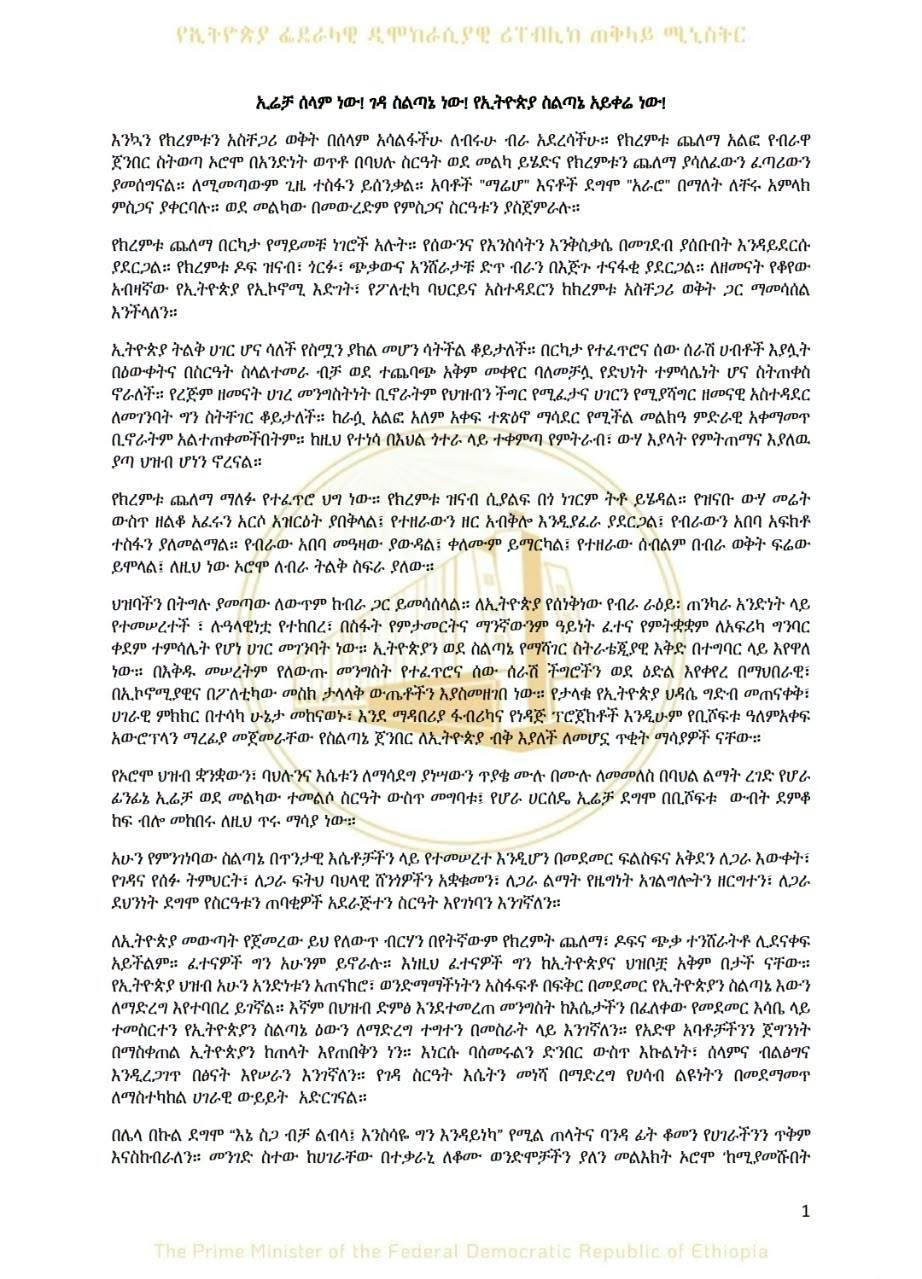
ፊንፊኔ፣ መስከረም 2019 ዓ.ም. — የክረምቱ ጨለማ አልፎ የብራዋ ጀንበር ስትወጣ፣ በሚሊዮን የሚቆጠሩ የኦሮሞ ህዝብ በኢትዮጵያና በዓለም ዙሪያ የኢሬቻን ታላቅ በዓል ያከብራሉ። ኢሬቻ ከጨለማ ወደ ብርሃን፣ ከጭንቀት ወደ ተስፋ፣ ከመለያየት ወደ አንድነት የሚደረግ ሽግግርን የሚያመለክት የኦሮሞ ህዝብ ቅዱስ በዓል ነው።
የዘንድሮው በዓል ከኦሮሞ ማህበረሰብ ባሻገር ለመላው የኢትዮጵያ ህዝብ የሚያስተላልፈው መልእክት አለው፡ ኢሬቻ ሰላም ነው። ገዳ ስልጣኔ ነው። የኢትዮጵያ ስልጣኔ አይቀሬ ነው።
የወቅት ሽግግር በዓል
ኢሬቻ በኦሮሞ ህዝብ የግብርናና የመንፈሳዊ ሕይወት ምት ላይ የተመሠረተ ነው። በዓሉ የጋና — የክረምቱ ጨለማ ወቅት — ማብቂያና የብራ — የፀደይ ወቅት — መጀመሪያን ያመለክታል። በክረምቱ ወቅት እንቅስቃሴ ይገደባል፣ መንገዶች ይዘጋሉ፣ የዕለት ተዕለት ሕይወት ይቀዘቅዛል። ዝናቡ ሲያልቅ ግን መሬቱ ያብባል፣ ወንዞች ይሞላሉ፣ ህዝቡም ለምስጋና ይወጣል።
የኦሮሞ ህዝብ በወንዞችና በሐይቆች ዳርቻ — በሆራ ፊንፊኔ እና በሆራ ሀርሰዴ — ተሰብስቦ ዋቃን (ፈጣሪን) ከጨለማው ወቅት በሰላም ስላሳለፈው ያመሰግናል። አባቶች በረከትን ይሰጣሉ። እናቶች ለሰላም ይጸልያሉ። የወቅቱ ብሩህ ቀለም ያለው ሣር በውሃ ውስጥ ተነክሮ ለመሬቱ፣ ለከብቶቹና ለህዝቡ በረከት ሆኖ ይረጫል።
የጨለማና የብርሃን ምሳሌ
የዘንድሮው የኢሬቻ መልእክት በተፈጥሮ ወቅቶችና በኢትዮጵያ የፖለቲካና የኢኮኖሚ ጉዞ መካከል ጠንካራ ትይዩ ይስላል።
ለትውልዶች ኢትዮጵያ ሰፊ አቅም ያላት — በተፈጥሮ ሀብት የበለጸገች፣ በስትራቴጂያዊ ቦታ የምትገኝ፣ የተለያዩ ህዝቦች መኖሪያ የሆነች — ሀገር ናት። ሆኖም መልእክቱ እንደሚገልጸው፣ “ኢትዮጵያ ትልቅ ሀገር ሆና ሳለች የስሟን ያክል መሆን ሳትችል ቆይታለች።” የክረምቱ ጨለማ ሀገሪቱን ለብዙ ዓመታት ያንቀጠቀጠውን ትግል፣ የኋላ ቀርነትና የፖለቲካ ውዥንብር ያመለክታል።
ነገር ግን ዝናቡ መጨረሻ እንዳለው፣ የኢትዮጵያ ያለፈችበት ጨለማም ለአዲስ ጎህ መንገድ ይሰጣል። መልእክቱ ይገልጻል፡ “የኢትዮጵያ ስልጣኔ ጀንበር ብቅ እያለች ነው።”
የአንድነትና የዕርቅ ጥሪ
የኢሬቻ መልእክት ማዕከላዊ ነጥብ ሰላም፣ ዕርቅና ብሔራዊ አንድነት ጥሪ ነው።
ጽሑፉ የኦሮሞን ምሳሌ ይጠቅሳል፡ “በኦሮሞ ‘ከሚያመሹበት የሚያድሩበት ቤት ይሻላል’ ብሎ እንደሚተርት” — ማለትም ዕርቅና መመለስ ከረዥም ግጭትና መለያየት ይበልጣል።
መልእክቱ መንግስትን በጠብመንጃ ለተቃወሙት ሰዎች የሰላም ቅርንጫፍ ይዘረጋል፡ ወደ ሰላም ከተመለሱ “የሰላም በር እንደተከፈተ ያለ መሆኑን” ያረጋግጣል። የኦሮሞ ትግል በሰላማዊ መንገድ እንደተፈታና ከዚህ በኋላ በጠብመንጃ አፈሙዝና ከጠላት ጋር በመወገን የሚመለስ የኦሮሞ ጥያቄ ፈጽሞ እንደማይኖር ያረጋግጣል።
በተመሳሳይ ጊዜ መልእክቱ የኢትዮጵያን ሉዓላዊነትና የግዛት አንድነት ያረጋግጣል፣ የአድዋን — በ1896 የኢትዮጵያ ኃይሎች ቅኝ ገዢዎችን ያሸነፉበትን ታሪካዊ ድል — ውርስ ይጠቅሳል። “የአድዋ አባቶቻችንን ጀግንነት በማስቀጠል ኢትዮጵያን ከጠላት እየጠበቅን ነን” ይላል።
የስልጣኔ ራዕይ
መልእክቱ የኢትዮጵያን የወደፊት ራዕይ በጥንታዊ ውርስና በዘመናዊ ልማት ላይ ተመስርቶ ይዘረዝራል።
የታላቁ የኢትዮጵያ ህዳሴ ግድብ (GERD) መጠናቀቅ፣ የሀገራዊ ምክክር በተሳካ ሁኔታ መከናወን፣ የማዳበሪያና የነዳጅ ፋብሪካዎች መገንባት፣ እንዲሁም የቢሾፍቱ ዓለምአቀፍ አውሮፕላን ማረፊያ ግንባታ መጀመር — እነዚህ ሁሉ “የኢትዮጵያ ስልጣኔ ጀንበር ብቅ እያለች ለመሆኗ ጥቂት ማሳያዎች” ተብለዋል።
መልእክቱ የገዳ ስርዓትን — በUNESCO እንደ ቅርስ የተመዘገበውን የኦሮሞ ባህላዊ የአስተዳደር ስርዓት — ያጎላል። የገዳ መርሆችን — ሰፉ (የሞራል ህግ)፣ ባህላዊ ሸንጎዎችንና የማህበረሰብ አገልግሎትን — ወደ ዘመናዊ አስተዳደር ማ integrating ይጠይቃል።
“በጥንታዊ እሴቶቻችን ላይ የተመሠረተ ስልጣኔ እየገነባን ነን” ይላል ጽሑፉ። “ለጋራ እውቀት የገዳና የሰፉ ትምህርት፤ ለጋራ ፍትህ ባህላዊ ሸንጎዎች፤ ለጋራ ልማት የዜግነት አገልግሎት፤ ለጋራ ደህንነት የስርዓቱን ጠባቂዎች አደራጅተን ስርዓት እየገነባን ነን።”
ኢሬቻ እንደ ብሔራዊ በዓል
የዘንድሮው የኢሬቻ በዓል በሆራ ፊንፊኔና በሆራ ሀርሰዴ የኦሮሞ ባህላዊ ህዳሴና ብሔራዊ አንድነት ምልክት አድርጎ ተጠቅሷል።
ኢሬቻ ወደ ሆራ ፊንፊኔ — በአዲስ አበባ እምብርት ውስጥ ወደሚገኘው የመጀመሪያው ቅዱስ ቦታ — መመለሱ ታሪካዊ የባህል ቦታ መልሶ መያዝ ተደርጎ ይታያል። ለብዙ አስርት ዓመታት የኢሬቻ ህዝባዊ በዓል ተከልክሎ ነበር፣ የኦሮሞ ህዝብም በቅዱሳን ቦታዎቹ ላይ የመሰብሰብ መብቱ ተነፍጎ ነበር።
በቢሾፍቱ በሚሊዮን የሚቆጠሩ ሰዎች የተገኙበት የሆራ ሀርሰዴ በዓል በአፍሪካ ካሉት ትላልቅ ዓመታዊ ስብሰባዎች አንዱ ሆኗል። በዓሉ በዓለም ዙሪያ በሚገኙ የኦሮሞ ማህበረሰቦች — ከሜልበርን እስከ አምስተርዳም እስከ ሚኒያፖሊስ — ተከብሮ ይከበራል፣ ዲያስፖራውም ባህላዊ ውርሱን ለማስቀጠል ይሰበሰባል።
የተስፋ መልእክት
የኢሬቻ መልእክት በጥሪና በጸሎት ይደመድማል፡
“ኢሬቻ ሰላም ነው! ገዳ ስልጣኔ ነው! የኢትዮጵያ ስልጣኔ አይቀሬ ነው! ከለቻና ጫጩው የሰላም ይሁን! ኢትዮጵያ በልጆቿ ጥረት ታፍራና ተከብራ ለዘላለም ትኑር! ፈጣሪ ኢትዮጵያንና ህዝቦቿን ይባርክ!”
አረንጓዴው ሣር ሲረጭና በረከቱ ሲነገር፣ ኢሬቻ ከየትኛውም ጨለማ ወቅት በኋላ የብርሃን ወቅት እንደሚመጣ፣ የህዝብ ዘላቂ መንፈስም — በውርስ ላይ የተመሠረተ፣ በዓላማ የተካተተና ለሰላም የተሰጠ — ማንኛውንም እንቅፋት ማሸነፍ እንደሚችል ኃይለኛ ማስታወሻ ሆኖ ያገለግላል።
ኢሬቻ ሰላም ነው! ገዳ ስልጣኔ ነው! የኢትዮጵያ ስልጣኔ አይቀሬ ነው!
ፊንፊኔ፣ ኢትዮጵያ
መስከረም 2019 ዓ.ም.
Koreen Hooggansa Olaanaa Godinaalee Haaraa Oromiyaa Ramadame

Finfinnee — Mootummaan Naannoo Oromiyaa murtee seena qabeessa fayyadamummaa uummataa mirkaneessuu danda’u murteessuun rifoormii haaraa ijaarsa sirna cimaafi mootummaa jabaa bu’uuressuuf ooluu taasiseen caasaa Godinaalee Oromiyaa 21 gara caasaa Godinaalee 6tti fiduun hundeesseera. Haaluma kanaan koreen hooggansa olaanaa Godinaalee kanaas ramadameera.
Tajaajilli Kominikeeshinii Oromiyaa ergaa kana ifoomseera. Rifoormiin kun sirna bulchiinsaa fooyyessuu fi tajaajila uummataaf dhiyaatu saffisiisuuf kan qophaa’e ta’uu ibsameera.
Godina Oromiyaa Bahaa
Godina Oromiyaa Bahaa kan teessoon isaa Harar ta’eef, Obbo Abdurrahmaan Abdallaa sadarkaa itti aanaa Pirezidantiitti Bulchaa Godina Oromiyaa Bahaa ta’anii ramadamaniiru.
Aadde Miski Muhammad sadarkaa Hoogganaa Biirootti Itti aantuu Bulchaa Damee Misoomaa Godina Oromiyaa Bahaa ta’anii, teessoon isaanii Ciroo ta’a. Obbo Anas Aliyyii sadarkaa Hoogganaa Biirootti Itti aanaa Bulchaa Damee Nagaafi Haqaa Godina Oromiyaa Bahaa ta’anii, teessoon isaanii Galamsoo ta’a.
Obbo Jaarsoo Boruu sadarkaa Hoogganaa Biirootti Gorsaa Olaanaa Bulchaa Bulchiinsa Godina Oromiyaa Bahaa ta’anii, teessoon isaanii Gurawaa ta’a. Obbo Fiqaaduu Miiliyoon fi Aadde Saamiyaa Abdallaa sadarkaa Hoogganaa Biirootti Gorsaa Bulchaa Bulchiinsa Godina Oromiyaa Bahaa ta’anii ramadamaniiru.
Godina Oromiyaa Giddu galeessaa
Godina Oromiyaa Giddu galeessaa kan teessoon isaa Shaggar fi Adaamaa ta’eef, Dr. Mangistuu Baqqalaa sadarkaa itti aanaa Pirezidantiitti Bulchaa Bulchiinsa Godina Oromiyaa Giddu galeessaa ta’anii ramadamaniiru.
Obbo Abbaabbuu Waaqoo sadarkaa Hoogganaa Biirootti Itti aanaa Bulchaa Damee Misoomaa Godina Oromiyaa Giddu galeessaa ta’anii, teessoon isaanii Waliso ta’a. Obbo Kifalaw Adaree sadarkaa Hoogganaa Biirootti Itti aanaa Bulchaa Damee Nagaafi Haqaa Godina Oromiyaa Giddu galeessaa ta’anii, teessoon isaanii Fiichee ta’a.
Obbo Makkonnin Baay’isaa sadarkaa Hoogganaa Biirootti Gorsaa Olaanaa Bulchaa Bulchiinsa Godina Oromiyaa Giddu galeessaa ta’anii, teessoon isaanii Ambo ta’a. Obbo Ashannaafii Ajjamaa fi Obbo Taaddalaa Diriirsaa sadarkaa Hoogganaa Biirootti Gorsaa Bulchaa Bulchiinsa Godina Oromiyaa Giddu galeessaa ta’anii ramadamaniiru.
Godina Oromiyaa Kibba-Lixaa
Godina Oromiyaa Kibba-Lixaa kan teessoon isaa Jimma ta’eef, Dr. Rashaad Kamaal sadarkaa itti aanaa Pirezidantiitti Bulchaa Bulchiinsa Godina Oromiyaa Kibba-Lixaa ta’anii ramadamaniiru.
Obbo Indaalkaachaw Tafarii sadarkaa Hoogganaa Biirootti Itti aantaa Bulchaa Damee Misoomaa Godina Oromiyaa Kibba-Lixaa ta’anii, teessoon isaanii Beddellee ta’a. Obbo Amaan Danuu sadarkaa Hoogganaa Biirootti Itti aanaa Bulchaa Damee Nagaafi Haqaa Godina Oromiyaa Kibba-Lixaa ta’anii, teessoon isaanii Limmuu Gannat ta’a.
Obbo Didhaa Guddataa sadarkaa Hoogganaa Biirootti Gorsaa Olaanaa Bulchaa Bulchiinsa Godina Oromiyaa Kibba-Lixaa ta’anii, teessoon isaanii Mattuu ta’a. Obbo Muhaammadxaahaa Abbaa Fiixaa fi Obbo Moosisaa Lammeessaa sadarkaa Hoogganaa Biirootti Gorsaa Bulchaa Bulchiinsa Godina Oromiyaa Kibba-Lixaa ta’anii ramadamaniiru.
Godina Oromiyaa Kibbaa
Godina Oromiyaa Kibbaa kan teessoon isaa Yaabeelloo ta’eef, Obbo Ahmad Haajii sadarkaa itti aanaa Pirezidantiitti Bulchaa Bulchiinsa Godina Oromiyaa Kibbaa ta’anii ramadamaniiru.
Obbo Adulaa Hirbaayyee sadarkaa Hoogganaa Biirootti Itti aanaa Bulchaa Damee Misoomaa Godina Oromiyaa Kibbaa ta’anii, teessoon isaanii Adoolaa ta’a. Obbo Liiban Areeroo sadarkaa Hoogganaa Biirootti Itti aanaa Bulchaa Damee Nagaafi Haqaa Godina Oromiyaa Kibbaa ta’anii, teessoon isaanii Nageellee Booranaa ta’a.
Obbo Wandimmuu Roobee sadarkaa Hoogganaa Biirootti Gorsaa Ol’aanaa Bulchaa Bulchiinsa Godina Oromiyaa Kibbaa ta’anii, teessoon isaanii Bulee Horaa ta’a. Obbo Ibraahim Abdii fi Obbo Isaaq Xaachoo sadarkaa Hoogganaa Biirootti Gorsaa Bulchaa Bulchiinsa Godina Oromiyaa Kibbaa ta’anii ramadamaniiru.
Godina Oromiyaa Lixaa
Godina Oromiyaa Lixaa kan teessoon isaa Naqamte ta’eef, Obbo Masfin Malaakuu sadarkaa itti aanaa Pirezidantiitti Bulchaa Godina Oromiyaa Lixaa ta’anii ramadamaniiru.
Obbo Mirreessaa Fiixee sadarkaa Hoogganaa Biirootti Itti aanaa Bulchaa Damee Misoomaa Godina Oromiyaa Lixaa ta’anii, teessoon isaanii Gimbii ta’a. Obbo Gammachuu Gurmeessaa sadarkaa Hoogganaa Biirootti Itti aanaa Bulchaa Damee Nagaafi Haqaa Godina Oromiyaa Lixaa ta’anii, teessoon isaanii Shaambuu ta’a.
Obbo Taliilaa Tarrafaa sadarkaa Hoogganaa Biirootti Gorsaa olaanaa Bulchaa Bulchiinsa Godina Oromiyaa Lixaa ta’anii, teessoon isaanii Dambii Doolloo ta’a. Obbo Badhaasaa Dhaabaa fi Obbo Dassuu Lammii sadarkaa Hoogganaa Biirootti Gorsaa Bulchaa Bulchiinsa Godina Oromiyaa Lixaa ta’anii ramadamaniiru.
Godina Oromiyaa Kibba Bahaa
Godina Oromiyaa Kibba Bahaa kan teessoon isaa Roobee ta’eef, Obbo Ahimad Idriis sadarkaa itti aanaa Pirezidantiitti Bulchaa Godina Oromiyaa Kibba Bahaa ta’anii ramadamaniiru.
Obbo Asaffaa Tolasaa sadarkaa Hoogganaa Biirootti Itti aanaa Bulchaa Damee MisoomaaGodina Oromiyaa Kibba Bahaa ta’anii, teessoon isaanii Gindhiir ta’a. Obbo Abdurrazaaq Huseen sadarkaa Hoogganaa Biirootti Itti aanaa Bulchaa Damee Nagaafi Haqaa Godina Oromiyaa Kibba Bahaa ta’anii, teessoon isaanii Asallaa ta’a.
Obbo Ibraahim Kadiir sadarkaa Hoogganaa Biirootti Gorsaa Olaanaa Bulchaa Bulchiinsa Godina Oromiyaa Kibba Bahaa ta’anii, teessoon isaanii Shaashamannee ta’a. Obbo Izzaddiin Abuubakar fi Obbo Birhaanuu Arfaasaa sadarkaa Hoogganaa Biirootti Gorsaa Bulchaa Bulchiinsa Godina Oromiyaa Kibba Bahaa ta’anii ramadamaniiru.
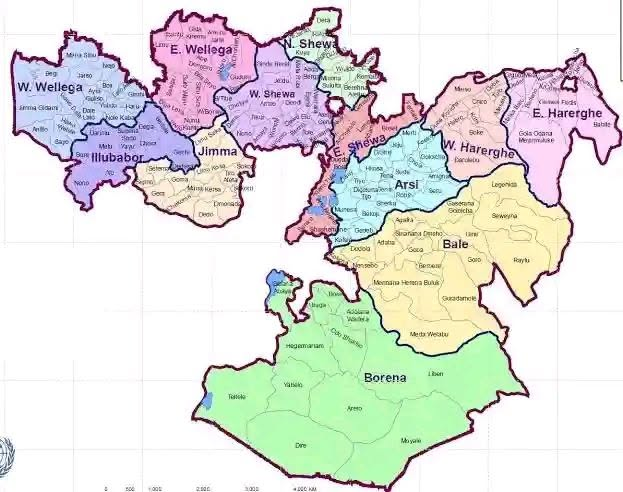
Rifoormiin caasaa Godinaalee Oromiyaa 21 gara 6tti fiduun hundeessuun sirna bulchiinsaa fooyyessuu fi tajaajila uummataaf dhiyaatu saffisiisuuf kan qophaa’e ta’uu Tajaajilli Kominikeeshinii Oromiyaa ibseera. Koreen hooggansa olaanaa Godinaalee haaraa kanaas ramadamaniiru.
የአዲስ አበባ የተቀናጀ የደኅንነት ግብረ ኃይል ለኢሬቻ ሆራ ፊንፊኔ በዓል ሰላማዊ መጠናቀቅ የሚያስፈልጉ ዝግጅቶችን አጠናቀቀ
በምክትል ኢንስፔክተር ዳዊት እርጌቴ
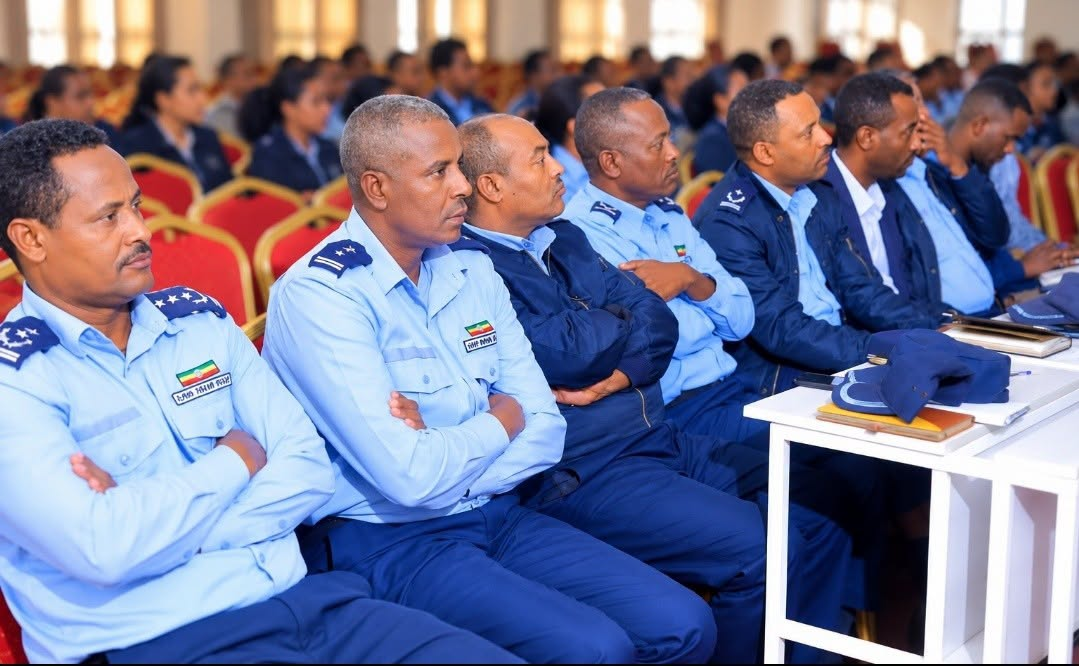
አዲስ አበባ — የአዲስ አበባ የተቀናጀ የደኅንነት ግብረ ኃይል የሚመጣው የኢሬቻ ሆራ ፊንፊኔ በዓል ሰላማዊ መጠናቀቅን ለማረጋገጥ የሚያስፈልጉ ዝግጅቶች መጠናቀቃቸውን ዛሬ አስታወቀ። ይህም በአዲስ አበባ ፖሊስ ዋና መሥሪያ ቤት የተካሄደውን ከፍተኛ የደኅንነት ቅንጅት ስብሰባ ተከትሎ ነው።
ስብሰባው በመስከረም 30 ቀን 2026 ዓ.ም. የተካሄደ ሲሆን፣ የካፒታሉን በዓላት አንዱ የሆነውን የኢሬቻ በዓል ለማክበር የተዘጋጀውን አጠቃላይ የደኅንነት ዕቅድ ለማጠናቀቅ ከኢትዮጵያ የደኅንነትና የደኅንነት ተቋማት ከፍተኛ አመራሮችን አሰባስቧል።
ከፍተኛ አመራሮች ተገኝተዋል
በስብሰባው ላይ ሌተናል ጄኔራል አስራት ደነሮ፣ የአዲስ አበባ ፖሊስ ዋና መሥሪያ ቤት አዛዥ፤ ወ/ሮ ሊዲያ ግርማ፣ የአዲስ አበባ ሰላምና ደኅንነት አስተዳደር ቢሮ ኃላፊ፤ ምክትል ኮሚሽነር ቶፊክ መደድ፣ የወንጀል መከላከል አዛዥ፤ ምክትል ኮሚሽነር እርዚቅ ኤሳ፣ የወንጀል ምርመራ አዛዥ፤ ሜጀር ዘሪሁን ተፈራ፣ የአዲስ አበባ ከተማ አስተዳደር የሥርዓት አስከባሪ ባለሥልጣን ዋና ዳይሬክተር፤ እና ረዳት ኮሚሽነር ደረጄ ሽፈራው፣ የሸገር ከተማ ፖሊስ አዛዥ ተገኝተዋል።
እንዲሁም ከማዕከላዊና ከክፍለ ከተማ ፖሊስ አዛዦች፣ ከጀግናው ብሔራዊ መከላከያ ኃይል፣ ከፌደራል ፖሊስ፣ ከብሔራዊ መረጃና ደኅንነት አገልግሎት፣ ከእሳትና አደጋ መከላከልና ሥራ አመራር ኮሚሽን፣ ከሸገር ከተማ አስተዳደር ፖሊስ እና ከሌሎች የደኅንነትና የደኅንነት ተቋማት ከፍተኛ ባለሥልጣናት ተገኝተዋል።
የ24/7 ሥራ አስፈላጊነት ተጎላብቷል
ሌተናል ጄኔራል አስራት ደነሮ፣ የአዲስ አበባ ፖሊስ ዋና መሥሪያ ቤት አዛዥ፣ በአዲስ አበባ የተካሄዱት ያለፉት ዝግጅቶች በተሳካና ያለ ምንም ችግር መጠናቀቃቸው በሁሉም ደረጃ የሚገኙ የደኅንነት ኃይሎች ቁርጠኝነትና የከተማዋ ሰላም ወዳድ ነዋሪዎች ምክንያት መሆኑን ገልጸዋል።
የሚመጣው የኢሬቻ ሆራ ፊንፊኔ በዓል በሰላም እንዲካሄድ ከተለመደው ሥራ በተጨማሪ የ24 ሰዓት ሥራ አስፈላጊነት ላይ አጽንዖት ሰጥተዋል።
ሌተናል ጄኔራል አስራት “የደኅንነት ኃይሎቻችን ለበዓሉ ወደ ከተማችን የሚመጡ እንግዶችን በእንግዳ ተቀባይነት መንፈስ መቀበልና ማገልገል አለባቸው፤ በተመሳሳይ ጊዜ የምናደርገው ምርመራ ጥብቅና ሙያዊ መሆን አለበት” ብለዋል።
ከመስቀል-ደመራ የተገኘውን ስኬት ማስቀጠል
ወ/ሮ ሊዲያ ግርማ፣ የአዲስ አበባ ሰላምና ደኅንነት አስተዳደር ቢሮ ኃላፊ፣ በዚህ ወቅት ልዩ ቅንጅት ስለሚያስፈልግ፣ በመስቀል-ደመራ በዓል ወቅት የተተገበሩት ጥብቅ የደኅንነት እርምጃዎች ለኢሬቻ በዓልና ለመንግሥት ምስረታ ጉባኤ መቀጠልና መጠናከር እንዳለባቸው አጽንዖት ሰጥተዋል።
የደኅንነት ኃይሎች ማሰማራት ጠንካራ መሆን እንዳለበትና ወጥና ውጤታማ መሆኑ የተረጋገጠ መሆን እንዳለበትም አሳስበዋል።
ሰላም ለማፍረስ ሊገቡ ከሚችሉ ግለሰቦች መጠንቀቅ
ምክትል ኮሚሽነር አበራ ሁንዴ፣ የኢትዮጵያ ፌደራል ፖሊስ የደኅንነት ተቋማት ጥበቃ ዳይሬክቶሬት ኃላፊ፣ የደኅንነት መጓደል ለማስከተል ያሰቡ ግለሰቦች ወደ በዓሉ ማክበሪያ ቦታዎች በሚገቡ ሕዝቦች ውስጥ ሊዘመቁ ስለሚችሉ ጥብቅ የደኅንነት ምርመራ መደረግ እንዳለበት አስጠንቅቀዋል።
በተጨማሪም በጌጣጌጥና በልብስ ውስጥ የተካተቱ ያልተፈቀዱ አርማዎችንና ባንዲራዎችን የሚሸጡ ግለሰቦችን የመከታተልና የመቆጣጠር እርምጃዎች እንደሚወሰዱ ገልጸዋል።
ከኦሮሚያ የደኅንነት አካላት ጋር የተቀናጀ ትብብር
በስብሰባው የተሳተፉ የደኅንነት ባለሥልጣናት ከኦሮሚያ ሸገር ከተማ አስተዳደር ፖሊስና የደኅንነት አካላት ጋር በመተባበር—በተራዎች በመደራጀት ጨምሮ—በዓሉ ልክ እንደ መስቀል ደመራ በዓል በሙሉ ሰላም እንዲጠናቀቅ እየሠሩ መሆናቸውን ገልጸዋል።
ለሕዝብ የተሰጠ ማሳሰቢያ
የአዲስ አበባ ፖሊስ ዋና መሥሪያ ቤት በዓሉ በሰላም እንዲጠናቀቅ፣ የተከለከሉ ወይም ያልተፈቀዱ ባንዲራዎችን መያዝ፣ እንዲሁም አስቀያሚ መፈክሮችን የያዙ ቲሸርቶችን ወይም ቁሳቁሶችን መያዝ የተከለከለ መሆኑን አሳስቧል።
ዋና መሥሪያ ቤቱ ተጨማሪም ሕዝቡ ማንኛውንም አጠራጣሪ እንቅስቃሴ በ”የዜጎች ተሳትፎ መተግበሪያ” (EFPApp) ወይም በነጻ የስልክ መስመሮች 990 እና 991፣ ወይም 0111110111 በመደወል ሪፖርት እንዲያደርግ አሳስቧል።
የኢሬቻ ሆራ ፊንፊኔ በዓል የኦሮሞ ሕዝብ የምስጋናና የባህል በዓል ሲሆን፣ በየዓመቱ በመቶ ሺዎች የሚቆጠሩ ተሳታፊዎችን ወደ ካፒታሉ ይስባል። ባለሥልጣናት የዚህ ዓመት በዓል ከቅርብ ጊዜ ብሔራዊ በዓላት የተገኘውን የደኅንነት ስኬት በመቀጠል በሰላም እንደሚካሄድ መተማመናቸውን ገልጸዋል።
ካንቤራ የሚገኘው የኢፌድሪ ኤምባሲ የኢ-ፓስፖርት አገልግሎት በይፋ ጀመረ
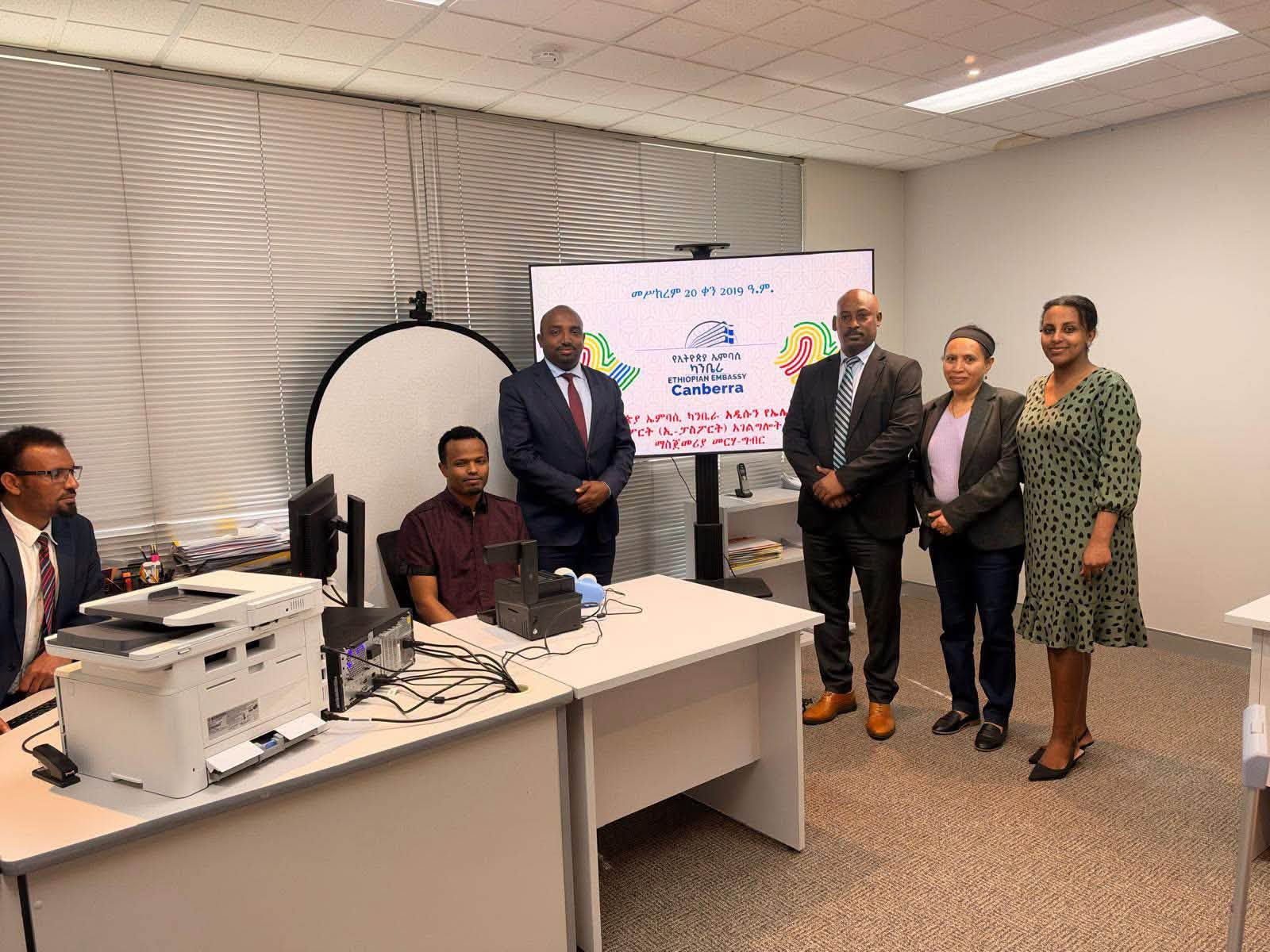
የዜጎችን እንግልት የሚቀንስ እና የአገልግሎት ተደራሽነትን የሚያሰፋ አዲስ ምዕራፍ
(ካንቤራ፣ መስከረም 20 ቀን 2019 ዓ.ም)-ካንቤራ የሚገኘው የኢትዮጵያ ፌዴራላዊ ዲሞክራሲያዊ ሪፐብሊክ ኤምባሲ የኢ-ፓስፖርት (E-Passport) አገልግሎትን በይፋ ማስጀመሩን አስታወቀ። ይህ አዲስ ምዕራፍ በውጭ ሀገር ለሚኖሩ ኢትዮጵያውያን ዜጎች የሚሰጠውን የቆንስላ አገልግሎት በማዘመን ረገድ ትልቅ ስኬት ነው።
የምረቃ ሥርዓቱ
የሚሲዮኑ ተጠባባቂ ጉዳይ ፈጻሚ አቶ ያለለት ጌታቸው ዛሬ መስከረም 20 ቀን 2019 ዓ.ም በካንቤራ የኢ.ፌ.ዲ.ሪ ኤምባሲ የኢ-ፓስፖርት አገልግሎትን በይፋ አስጀምረዋል። ሥርዓቱ የአገልግሎቱን መጀመር ብቻ ሳይሆን ለዜጎች የተሻለ አገልግሎት ለመስጠት የተደረገውን ቁርጠኝነትም ያሳያል።
የዓለም አቀፍ መስፈርቶችን የሚያሟላ
አዲሱ የኤሌክትሮኒክስ ፓስፖርት የዓለም አቀፍ ሲቪል አቪዬሽን ድርጅት (ICAO) መስፈርቶችን የሚያሟላ በመሆኑ፣ በዓለም አቀፍ አየር ማረፊያዎች አገልግሎትን በማሣለጥ የዜጎችን እንግልት ይቀንሳል። ይህ ማለት ኢትዮጵያውያን ተጓዦች በዓለም አቀፍ ደረጃ ተቀባይነት ያለው እና የተሻሻለ የደህንነት ባህሪያት ያለው ፓስፖርት በመያዝ በየአየር ማረፊያዎች የሚያጋጥማቸውን ችግሮች ማስወገድ ይችላሉ።
ለዜጎች የተሻሻለ አገልግሎት
የዚህ አዲስ አገልግሎት ትልቁ ለውጥ ለውጭ ሀገር ዜጎች የሚሰጠው ጥቅም ነው። ከዚህ ቀደም የባዮሜትሪክ መረጃ መሠብሰብ አገልግሎት በኢሚግሬሽንና ዜግነት አገልግሎት ዋና መስሪያ ቤት ብቻ ይሰጥ ነበር። ይህ ማለት በውጭ የሚኖሩ ዜጎች የፓስፖርት ማመልከቻቸውን ለማጠናቀቅ ወደ ኢትዮጵያ መመለስ ነበረባቸው ማለት ነው።
አሁን ግን አገልግሎቱ በኤምባሲ ደረጃ መስጠት የሚያስችል በመሆኑ፣ ዜጎች፦
- ባሉበት ሆነው በOnline የፓስፖርት ጥያቄያቸውን ማቅረብ ይችላሉ
- የባዮሜትሪክ መረጃቸውን በኤምባሲ መሥጠት ይችላሉ
- ለአስተዳደራዊ ሥራ ብቻ ወደ ኢትዮጵያ የመመለስ ወጪና ጊዜ ማስወገድ ይችላሉ
ይህ ለውጥ የኢትዮጵያ መንግሥት የዲያስፖራ አገልግሎትን ከማዕከላዊ ሞዴል ወደ ዜጎች ባሉበት የሚደርስ ሞዴል ሲቀይር የሚያሳየው መሠረታዊ ለውጥ ነው።
አገልግሎቱን ወደ ሌሎች ከተሞች ማስፋፋት
ኤምባሲው ይህ ጅምር መጀመሪያ ብቻ መሆኑን አሳውቋል። በማስታወቂያው እንደተገለጸው፣ ስለ አገልግሎቱ ተጨማሪ መረጃዎች የሚጋሩ ሲሆን፣ ከካንቤራ በተጨማሪ ዜጎቻችን በሚኖሩባቸው ከተሞች በመገኘት አገልግሎቱን ተደራሽ ለማድረግ በዝግጅት ላይ መሆናቸውን አረጋግጠዋል።
ይህ ቁርጠኝነት ከዋና ከተማው ባሻገር ያሉ ማህበረሰቦችን ለማዳረስ የተያዘውን ሰፊ ስትራቴጂ ያሳያል።
በዲፕሎማሲ ውስጥ የተደረገ እርምጃ
በካንቤራ የኢ-ፓስፖርት አገልግሎትን መጀመር ከአስተዳደራዊ ማሻሻያ በላይ ነው — በኢትዮጵያ እና በውጭ የሚኖሩ ዜጎቿ መካከል ስላለው ግንኙነት የሚናገር መግለጫ ነው። ተደራሽ እና ዘመናዊ የቆንስላ አገልግሎት ላይ በመዋዕለ ንዋይ በማፍሰስ፣ መንግሥቱ የዲያስፖራውን አስፈላጊነት እና በአገሪቱ ዓለም አቀፍ መገኘት ውስጥ ያላቸውን ሚና እውቅና ይሰጣል።
በአውስትራሊያ ለሚኖሩ ኢትዮጵያውያን፣ ይህ እድገት ተግባራዊ ጥቅሞችን ብቻ ሳይሆን የመተሳሰብ እና የእውቅና ስሜትንም ያመጣል። በቤት እና በውጭ መካከል ያለው ርቀት ትንሽ ቀርቧል።
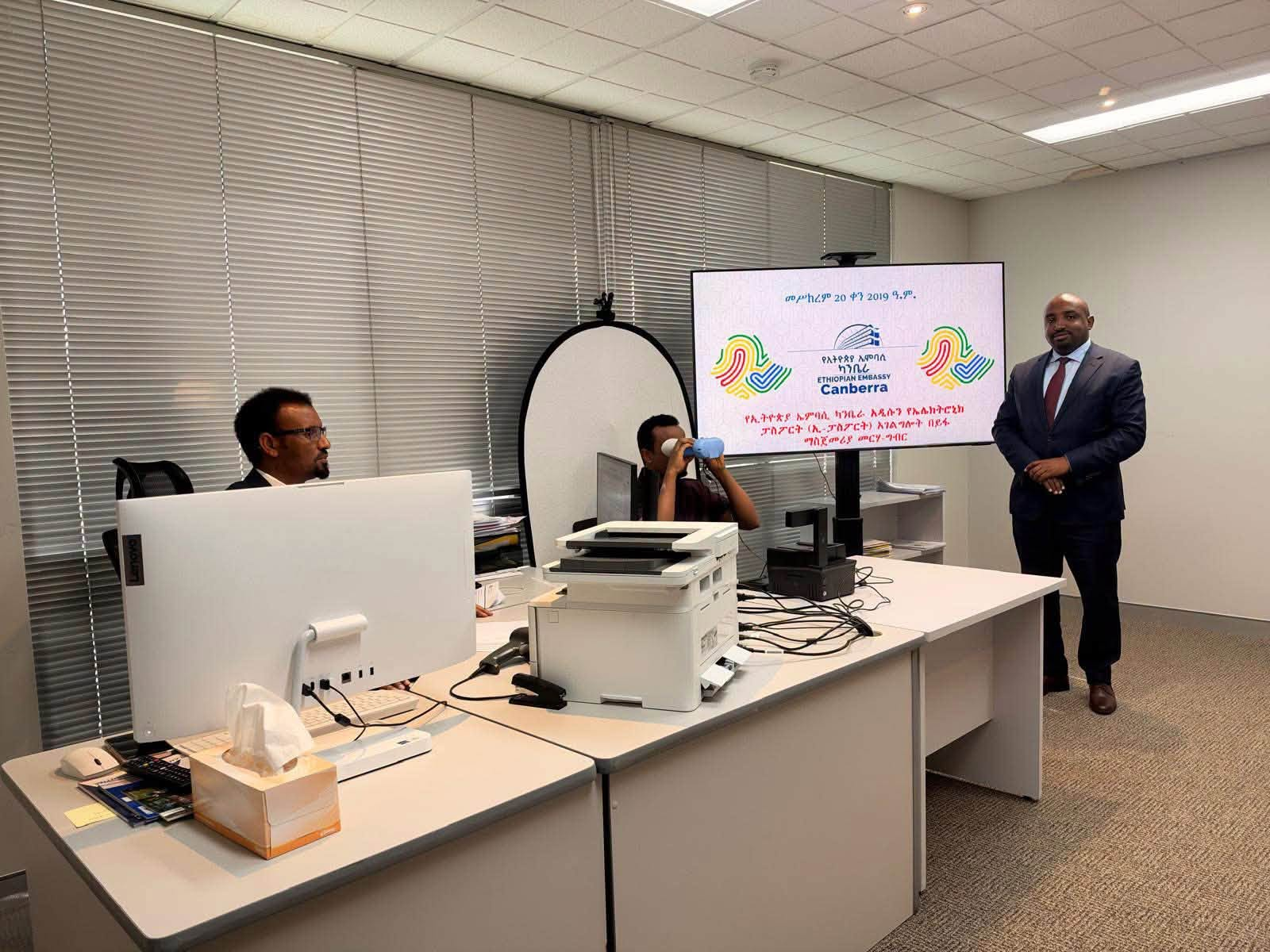
ስለ ኢ-ፓስፖርት አገልግሎት ተጨማሪ መረጃ ለማግኘት ዜጎች የኤምባሲውን ይፋዊ ገጾች እንዲከታተሉ ይመከራል።
#ኢትዮጵያ #ኢፓስፖርት #ካንቤራ #ዲፕሎማሲ #የኢትዮጵያዲያስፖራ #የቆንስላአገልግሎት
ገዳዮቹ እምነት ሊከፍላቸው ይችላል ብለው ሲያስቡ፣ እነሱ አንድ ስም መረጡ፡ ኦሮሞ።

በኦሮሞ የጋራ ትውስታ ውስጥ፣ ከ1966 እስከ 2016 ድረስ ግማሽ ምዕተ ዓመት የሚሸፍኑ ሦስት ጊዜያት ተደጋግመው ይነገራሉ፣ ይዘፈናሉ፣ በድንጋይ ላይ ይቀረጻሉ። በተለያዩ ዘመናት፣ በተለያዩ ቦታዎች፣ ከተለያዩ ትውልዶች ተሳታፊዎች ጋር ተከስተዋል። ሆኖም የውስጣቸው አመክንዮ በሚያስደንቅ ሁኔታ ተመሳሳይ ነው፡ የውጭ ኃይሎች የኦሮሞን አንድነት በሃይማኖታዊ ማንነት ለመከፋፈል በሚሞክሩ ቁጥር፣ ሁልጊዜ አንድ ሰው ተነስቶ በሕይወቱ “Maqaa amantaan gargar hin baanu” ማለትም “ስሙ በእምነት አይከፈልም” በማለት ያረጋግጣል።
ከአርሲ ወደ ሺኒጋ፣ ከዚያም ወደ ቢሾፍቱ፣ ሦስቱ ቦታዎች የደም ቀይ ክር ይፈጥራሉ፣ የተጨቆነ ሕዝብ “መከፋፈልን እምቢ ማለት” የማንነቱ ዋና አካል አድርጎ እንዴት እንደሠራ ይነግራሉ።
አርሲ፡ የአንድ ስም ትንሣኤ
በ1966 ኢትዮጵያ፣ “ኦሮሞ” የሚለውን ቃል በአደባባይ መጠቀም ራሱ አደገኛ ፈተና ነበር። የግዛቱ ትረካ ማሽን ስሙን ከይፋዊ ንግግር አጥፍቶ በንቀት መጠሪያዎች ተክቶት ነበር። በዚህ ዘመን ነበር አሕመድ ታቂ ሼክ መሐመድ ራሺድ የሚባል እስላማዊ ምሁር የታሪክን አቅጣጫ የሚቀይር ውሳኔ ያደረገው።
ታቂ፣ በኋላ “ሁንዴ” (ማለትም ሥር ወይም መሠረት) በመባል የሚታወቀው፣ በሐረርጌ ከእስላማዊ ምሁራን ቤተሰብ ተወለደ። ከልጅነቱ ጀምሮ ቁርአንን፣ ሐዲስን እና የኦሮሞን ታሪክ አጠና። በሃያ ዓመቱ መጀመሪያ ላይ ስኬታማ ነጋዴ ነበር፣ ነገር ግን በእውነት የገለጸው ከጄኔራል ታደሰ ብሩ፣ የመጫ-ቱላማ ራስን መርዳት ማኅበር መስራች ጋር መገናኘቱ ነበር። ታደሰ በገላምሶ በቤት እስር ከተያዘ በኋላ፣ ታቂ ከእሱ ጋር ተዋወቀ እና በወቅቱ እንደ መናፍቅነት የሚታይ ሃሳብ ማሰራጨት ጀመረ፡ ኦሮሞ መሆን እርግማን አይደለም፣ ነገር ግን ሊወደድ የሚገባ በጎነት ነው።
በ1966፣ ታቂ እና ኤለሞ ቂልቱ—ከሶሪያ የተመለሰ ሌላ አብዮታዊ—በጉባ ኮሪቻ ተራሮች የታጠቀ ትግል ጀመሩ። ይህ የዘመናዊው የኦሮሞ ብሔራዊ ነፃ አውጪ ንቅናቄ መነሻ ነበር። ድርጅታቸው ሃይማኖታዊ ገደብ አልነበረውም፣ የኑፋቄ ቅድመ ሁኔታ አልነበረውም። ሙስሊም ምሁራን እና ክርስቲያን ተዋጊዎች በአንድ ባንዲራ ስር ተዋጉ።
መስከረም 6፣ 1974 ታቂ እና ኤለሞ በሒሮ ተገደሉ። ነገር ግን የአንድ ስም ትንሣኤ ወደ ኋላ የማይመለስ ሆኖ ነበር። ዘፋኙ አሊ ብራ፣ በአቡበከር ሙሳ እርዳታ፣ የታቂን ትውስታ “Yaa Hundee Bareedaa” (ውብ ሁንዴ) በሙዚቃ አስቀመጠ። ዘፈኑ በሬዲዮ ተሰማ፣ በሠርግ ላይ ተዘፈነ፣ በቀብር ላይ ተንጫጫ። የታቂ “ሥር” በኦሮሞ የጅምላ ንቃተ ህሊና ጥልቅ ንጣፍ ውስጥ ሰመጠ—በሙስሊሞች፣ ክርስቲያኖች እና ዋቄፈታ በጋራ የተያዘ ንቃተ ህሊና።
ሺኒጋ፡ በጉድጓድ ጠርዝ ላይ መለያየትን እምቢ ማለት
1966 ዘሩን ከዘራ፣ 1980 በጣም አሳዛኝ አበባው ነበር።
ኤፕሪል 15፣ 1980 አሥራ አንድ የኦሮሞ ነፃ አውጪ ግንባር ከፍተኛ መሪዎች በሺኒጋ (በኦጋዴን ክልል) በሶማሊያ ሚሊሻ ተደባደቡ። ይህ ድንገተኛ ግጭት አልነበረም—በሕይወት ተያዙ። ሚሊሻው ትልቅ ጉድጓድ ቆፈረ፣ ከዚያም በጣም ገዳይ ነው ብለው ያሰቡትን አደረጉ፡ እስረኞቹን በሃይማኖት ከፈሉ።
“እናንተ ታያላችሁ፣” አንድ አዛዥ ለታሰሩት እስረኞች እንደተናገረው ተዘግቧል፣ “አብራችሁ ተዋጋችሁ። ግን ተለያይታችሁ ትሞታላችሁ። እያንዳንዱ ወደ ጉድጓዱ ከመውደቁ በፊት ለራሱ አምላክ ይጸልይ።”
ገዳዮቹ ፍርሃትን ጠበቁ። የመጨረሻ ሥርዓትን ለማግኘት መጣደፍን ጠበቁ። የኦሮሞ ዓላማ ውሸት ነው የሚያረጋግጥ ትንሽ ስብራትን ጠበቁ።
የተቀበሉት መልስ ከጃል መገርሳ ባሪ፣ የወቅቱ የኦሮሞ ነፃ አውጪ ግንባር ሰብሳቢ መጣ። ካህን አልጠየቀም፣ ሼክ አልጠየቀም። ወደ እኩዮቹ ዞሮ በኋላ ስፍር ቁጥር የሌለው ጊዜ የተደገመውን ቃል ተናገረ፡
“Maqaa amantaan gargar hin baanu። ስሙን በሃይማኖት አንከፍልም። ጉድጓዱን አስፋ ወይም አብረን ጣለን። እኛ በመጀመሪያ ኦሮሞ ነን።”
አሥራ አንድ ሰዎች—ሰብሳቢ ባሪሶ ዋቤ፣ ምክትል ሰብሳቢ ገዳ ገመዳ፣ አባ ሺኪ፣ ዶሪ ባሪ፣ ፈርመታ፣ ፋፋም ዶዮ፣ ኢላና ካቻሌ፣ ዳዳቾ ቦሩ፣ ዳዳቾ ሙራታ፣ ማሪ ገላን—ክንዶቻቸው አብረው ታስረው፣ ወደ ፊት ሄዱ። በኦሮሞ የቃል ወግ መሠረት፣ ገዳ ገመዳ ወደ ገዳዮቹ ዞሮ ፈገግ አለ፡ “ጸሎታችንን ማየት ትፈልጋላችሁ? ይህን ተመልከቱ።”
ይህ ቀን በታሪክ ተጻፈ። እንደ እልቂት አይደለም፣ ነገር ግን እንደ መሐላ።
ቢሾፍቱ፡ የሌላ ትውልድ ምርጫ
ሠላሳ ስድስት ዓመታት በኋላ፣ ተመሳሳይ ትዕይንት በተመሳሳይ አመክንዮ ተከሰተ።
2016፣ ቢሾፍቱ-ሐርሳዲ። አዲስ የኦሮሞ ተቃውሞ ማዕበል በክልሉ ተስፋፋ፣ “የአዲስ አበባ እና አካባቢው ኦሮሚያ ማስተር ፕላን” በመባል በሚታወቀው—የኦሮሞን መሬት ለመቀላቀል ሙከራ ተደርጎ በሰፊው የሚታየው—ተነሳሽነት። “ቄሮ” በመባል የሚታወቁ ወጣት አክቲቪስቶች በከተማ ጎዳናዎች እና በገጠር መንገዶች የፀጥታ ኃይሎችን ገጠሙ።
በቢሾፍቱ፣ የኦሮሞ ወጣቶች ቡድን ተከበበ። በተሰራጩ ዘገባዎች መሠረት፣ የፀጥታ ኃይሎች እንደገና ሃይማኖታዊ ማንነትን ለመበዝበዝ ሞክረዋል—ሙስሊሞችን ከክርስቲያኖች ለይተዋል፣ አንዳንዶች የኦሮሞ ማንነታቸውን አስክደው ሕይወታቸውን እንዲያገኙ አሳመኑ። ውጤቱ እንደገና እምቢ ማለት ነበር።
አብረው ሞቱ፣ በአንድ ቦታ ተቀበሩ። ስሞቻቸው በኦሮሞ ማህበራዊ ሚዲያ፣ በግጥም እና በዘፈን ተደጋግመው ተጠሩ። “የማንነት አምዶች” ሆኑ።
የኦሮሞ አክቲቪስቶች ይህን ክስተት “ለኦሮሞ ማንነት መሞት፣ በሃይማኖት ለመከፋፈል እምቢ ማለት” ብለው ገለጹት። በሺኒጋ ሠላሳ ስድስት ዓመታት በፊት የተነገሩት ቃላት በቢሾፍቱ በአዲስ ትውልድ በአካል እንደገና ተነገሩ።
ይህ ለምን አስፈላጊ ነው
እነዚህ ሦስት ክስተቶች—አርሲ፣ ሺኒጋ፣ ቢሾፍቱ—ግልጽ ንድፍ ይፈጥራሉ። ሃይማኖት በኦሮሞ ማኅበረሰብ ውስጥ እውነተኛ የልዩነት መስመር ነው። የአርሲ ኦሮሞዎች በአብዛኛው ሙስሊም ናቸው፣ በከፊል በአሥራ ዘጠነኛው ክፍለ ዘመን እስልምናን ከአማራ ኦርቶዶክስ ቅኝ ግዛት ለመከላከል የባህል ምሽግ አድርገው ስለመረጡ። የኦርቶዶክስ ቤተክርስቲያን በኦሮሞ ግዛቶች ውስጥ ያላት ሚና ከቅኝ ግዛት ጋር በጥብቅ የተሳሰረ ነበር፡ ካህናት ከሜነሊክ ጄኔራሎች ጋር አብረው መጡ፣ እልቂቶችን “ባረኩ”፣ ከዚያም መሬት እና ገባሮች ተቀበሉ። ስለዚህ በኦሮሞ ማኅበረሰብ ውስጥ የሃይማኖት ልዩነት ትንሽ ጉዳይ አይደለም—የቅኝ ግዛት ሁከት ታሪክን ሙሉ ክብደት ይይዛል።
በዚህ ምክንያት ነው የውጭ ኃይሎች ይህን ስብራት ለመበዝበዝ ተደጋግመው የሞከሩት። የ1980 ሶማሊያ ሚሊሻ ሞከረ። የ2016 የፀጥታ ኃይሎች ሞከሩ። በየጊዜው፣ ተሸነፉ።
ነገር ግን የተሸነፉበት ምክንያት ሃይማኖታዊ ልዩነቶች ስላልነበሩ አይደለም። ምክንያቱ የኦሮሞ ብሔርተኝነት፣ በጣም ወሳኝ በሆኑ ሰዎቹ ውስጥ፣ ሃይማኖትን የሚያልፍ ቅድሚያ ማዳበሩ ነው፡ እኛ በመጀመሪያ ኦሮሞ ነን። ይህ እምነትን መካድ አይደለም፣ ነገር ግን ቅደም ተከተልን ማጥበቅ ነው። የጭቆና ዋና አመክንዮ ሕልውናህን መካድ ሲሆን፣ ያንን ጭቆና የበለጠ ውጤታማ የሚያደርግ ማንኛውም የውስጥ ክፍፍል ክዳታ ነው።
በሺኒጋ ያሉት አሥራ አንዱ “የሙስሊም ሰማዕታት” እና “የክርስቲያን ሰማዕታት” አልሆኑም። አንድ ነገር ሆኑ፡ የኦሮሞ ሰማዕታት። የቢሾፍቱ ወጣቶችም እንዲሁ።
“Seenaa keenya keessatti barayyuu cululuqee jiraata”
እነሱን ለመቅበር የፈለጉት ሰዎች አንድ መሠረታዊ ነገር አልተረዱም፡ መከፋፈልን እምቢ የሚል ሕዝብ ከሞት የሚበልጥ ነገር አግኝቷል። በሺኒጋ ያለው ጉድጓድ የኦሮሞን አንድነት አልጨረሰም—የአንድነት ሐውልት ሆነ። በቢሾፍቱ የተደገመው ታሪክ ይደጋገማል ብሎ አላረጋገጠም—ትውስታ ይኖራል ብሎ አረጋገጠ።
ታቂ እና ኤለሞ በ1966 መሣሪያ ከያዙበት ጊዜ ጀምሮ፣ በ1980 አሥራ አንድ ሰዎች ክንድ ለክንድ ተያይዘው ወደ ጉድጓዱ ጠርዝ ወደ ሄዱበት ከሰዓት በኋላ፣ እስከ 2016 የቢሾፍቱ ጎዳናዎች፣ በሁሉም ውስጥ የሚያልፈው ረቂቅ መፈክር አይደለም፣ ነገር ግን ተጨባጭ፣ ሊፈተሽ የሚችል ቃል ኪዳን ነው፡ ሌሎች በውስጣችሁ ያሉትን ልዩነቶች ተጠቅመው ሊገድሉዎት ሲሞክሩ፣ በምትጋሩት ነገር ራሳችሁን መግለጽ ትመርጣላችሁ።
ይህ ምርጫ ታውቋል። ተዘፍኗል። በትውልድ ትውልድ በሕይወት እንደገና ተኖሯል።
“Seenaa keenya keessatti barayyuu cululuqee jiraata”—በታሪካችን ውስጥ፣ ለዘላለም ይኖራል፣ ያበራል።
Oromiyaa: Naannoo Kuusaa Bulchiinsaa Haaraa Ja’a fi Bulchitoota Isaanii
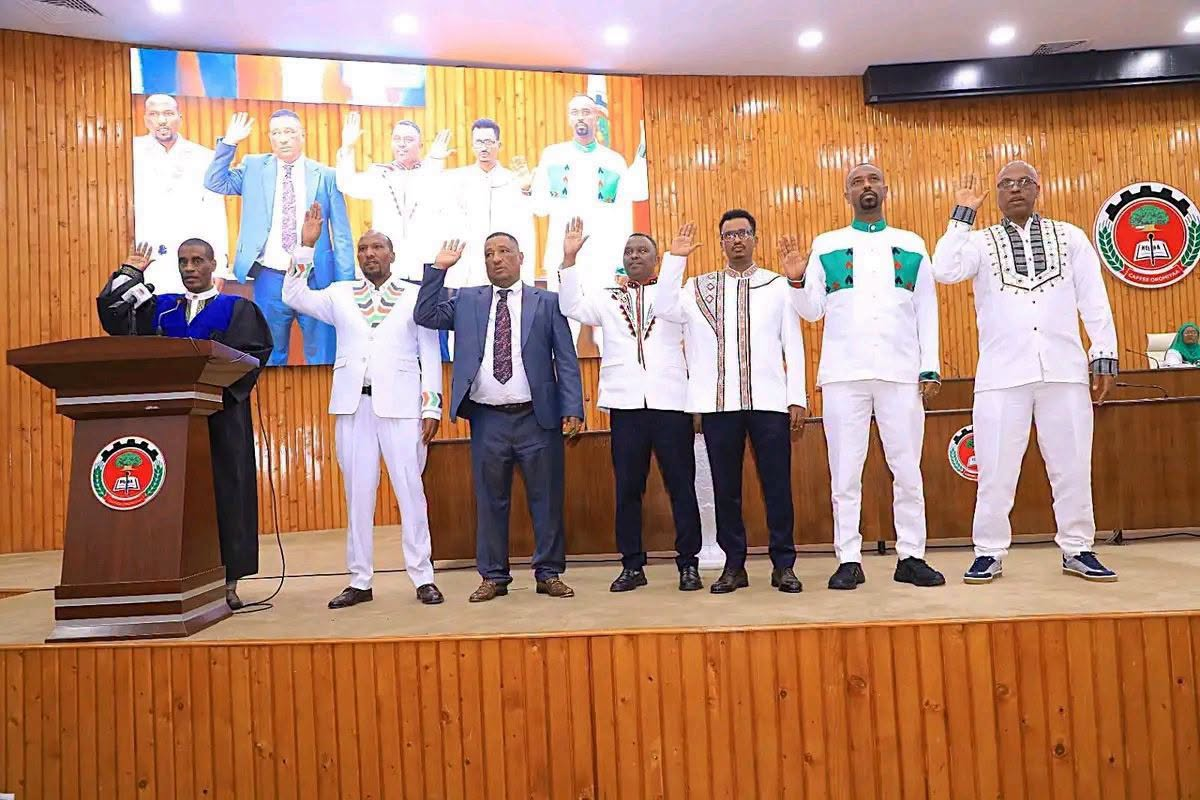
Naannoon Oromiyaa, guddicha fi baay’ee ummataa Itoophiyaa, gara moodeela bulchiinsa kuusaatti ce’aa jirti; naannoo tokkoon tokkoon isaa I/Pirezidaantii Itoophiyaa ta’ee tajaajila
(ONA, Finfinnee)— Oromiyaa, naannoo federaalaa Itoophiyaa keessaa guddicha fi baay’ee ummataa, guutummaatti haaraa ta’uu qophaa’aa jirti. Akka karoora haaraa raggaasifameetti, naannoon kun kuusaa bulchiinsa “ja’a”tti qoodamtee, kuusaan tokkoon tokkoon isaa I/Pirezidaantii Itoophiyaa ta’ee, naannoo isaa keessa jiran walitti qindeessa.
Karoorri kun yeroo jalqabaa Caffee Oromiyaa magaalaa Adaamaatti walgahii isaa gaggeesse irratti raggaasifame. Pirezidaantiin Oromiyaa, Obbo Shimallis Abdiisaa, filannoo isaa irratti milkaa’ee, I/Pirezidaantii ja’a filate; Caffeenis hundi isaanii raggaasise.
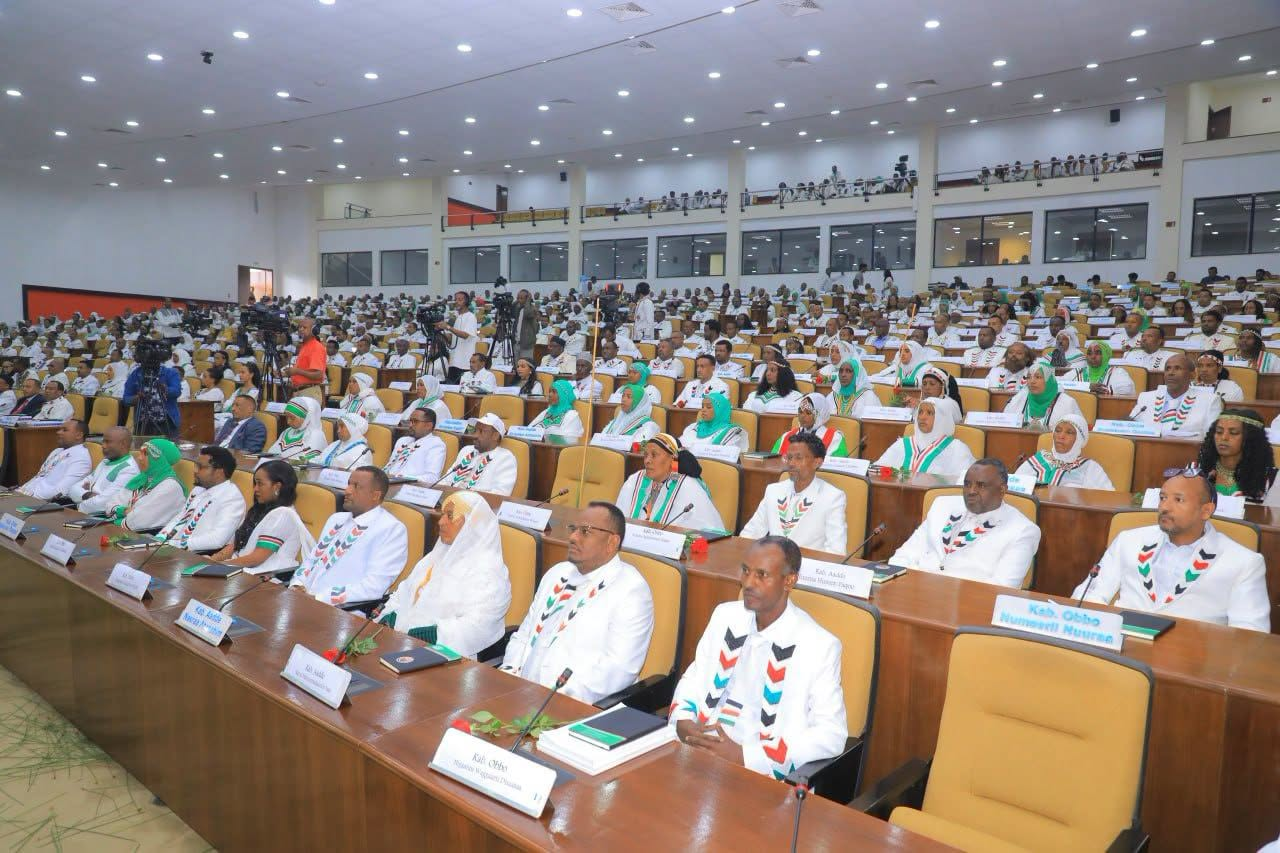
Kuusaa Ja’a fi Bulchitoota Isaanii
Akka karoora raggaasifametti, Oromiyaan kuusaa bulchiinsa ja’a kanneen armaan gadiitti qoodamti:
1. Oromiyaa Bahaa (Naannoo 2) — Bulchaa Obbo Abdurrahmaan Abdellaa
Naannoo Harargee Dhihaa fi Harargee Bahaa bulcha. Naannoon kunneen Oromiyaa bahaatti argamu, naannoo Somaalee fi naannoo Hararii wajjin daangaa qabu.
2. Oromiyaa Kibba-Bahaa (Naannoo 4) — Bulchaa Obbo Ahmed Idriis
Naannoo Arsii, Baalee, Arsii Dhihaa fi Baalee Bahaa bulcha. Kuusaan kun sulula Rift Valley keessa jira, paarkii biyya Baalee akka qabeenya uumamaa barbaachisaa ta’etti of keessatti qabata.
3. Oromiyaa Kibbaa (Naannoo 4) — Bulchaa Obbo Ahmed Haajii
Naannoo Gujii, Gujii Dhihaa, Borenaa fi Borenaa Bahaa bulcha. Naannoon kunneen Keeniyaa wajjin daangaa qabu, hojiin isaanii inni guddaan horsiisee bulaa fi daldala daangaa ce’uuti.
4. Oromiyaa Dhihaa (Naannoo 4) — Bulchaa Obbo Melaakuu Melaakuu
Naannoo Wallagga Bahaa, Wallagga Dhihaa, Kallam Wallaggaa fi Horroo Guduruu Wallaggaa bulcha. Naannoon kun naannoo buna oomishuun Itoophiyaa keessatti beekamaa ta’e keessaa tokko.
5. Oromiyaa Kibba-Dhihaa (Naannoo 3) — Bulchaa Dr. Rashaad Kamaal
Naannoo Iluu Abbaa Boor, Buunoo Baddallee fi Jimmaa bulcha. Jimmaan magaalaa buna Itoophiyaa jedhamtee beekamti, naannoon kun qabeenya qonnaa fi bosonaa badhaadhaa qaba.
6. Oromiyaa Giddu-galeessaa (Naannoo 4) — Bulchaa Dr. Mangistuu Baqqalaa
Naannoo Shawaa Bahaa, Shawaa Kaabaa, Shawaa Kibba-Dhihaa fi Shawaa Dhihaa bulcha. Kuusaan kun magaalaa guddaa Finfinnee naanna’ee jira, magaalaa Adaamaa akka magaalaa guddaatti of keessatti qabata.
Seenaa fi Mormii
Sana booda, kun yeroo jijjiirama siyaasaa Itoophiyaa keessatti mudaa’uun dhufee jira. Odeeffannoon ni argisiisa, Paartiin Badhaadhinaa (Prosperity Party) haaromsa “kuusaa” federaalaa biyya guutuutti yaadaa jiraachuu danda’a; karoorri kuusaa ja’a Oromiyaa immoo karoora guddaa sana keessaa tokko ta’uu danda’a.
Deeggartoonni ni jedhu, naannoo guddaa gara gitaa bulchiinsa xiqqaatti qooduun mootummaa ummataatti dhiheessuu, hojii bulchiinsaa fooyyessuu fi tajaajila hawaasaa fooyyessuu danda’a. Oromiyaan bal’ina 353,600 km² fi ummata miiliyoona 27 ol qabdi; bulchiinsi sadarkaa tokkoo dhuguma rakkoo guddaa qaba.
Garuu, yaadni mormiiis akkasuma cimaa dha. Xiinxaltoonni tokko tokko ni jedhu, haaromsi kun kaayyoo siyaasaa qabaachuu danda’a — Oromiyaa akka qaama siyaasaa tokkootti walitti qabamuu fi dandeettii mari’achuu ishee hir’isuudhaan. Yaadni tokko tokko “humna siyaasaa Oromoo sirnaan hir’isuu” jedhee ibse.
Warra mirga namoomaa ilaalanis ni yaadu, naannoo tokko tokko Oromiyaa keessatti haala nagaa tasgabbaa’aa hin taane keessatti haaromsa bulchiinsa guddaa akkasii raawwachiisuun dhiphina naannoo cimsuu danda’a.
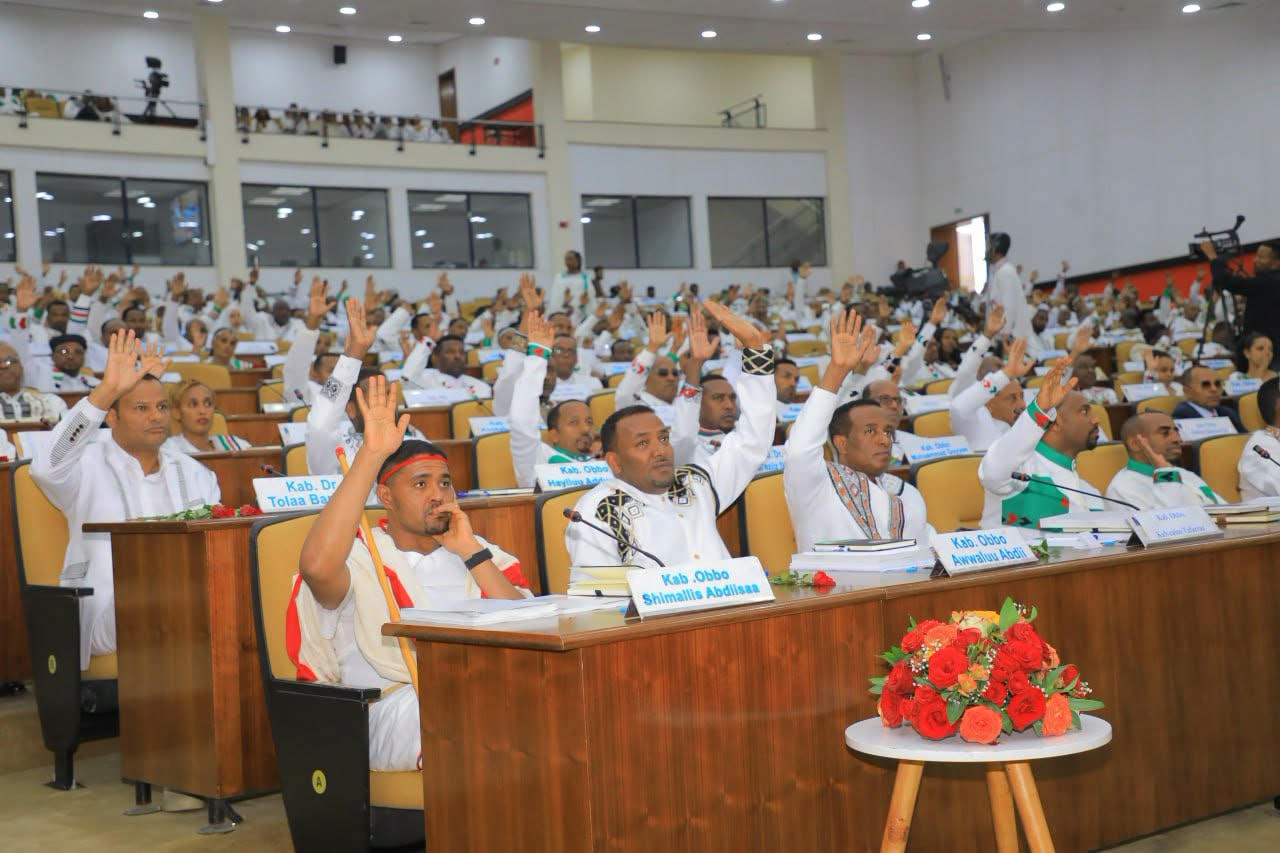
Itti Aanu
I/Pirezidaantoonni ja’a amma bakka bu’aniiru, kuusaa tokkoon tokkoon isaaf qaama qindeessaa ijaaruu jalqabuu ni eegamu. Garuu, qoodinsa aangoo addaa, karoora maallaqaa fi hariiroo naannoo sadarkaa jiran wajjin ifa ta’uu qaba.
Walgahii Caffee irratti, Obbo Shimallis akka ibsetti, bara haaraa keessatti “bu’aalee misoomaa cimsuu fi haaromsa dhaqqabsiisuun” akka itti fufu, garuu waa’ee qaama mormii haaromsa bulchiinsaa sanaa bal’inaan hin ibsine.
Oromiyaaf — taphattoota siyaasaa Itoophiyaa keessatti bakka guddaa qabdu — haaromsi bulchiinsaa cal’isaa kun, tarreeffama filannoo tokkoo irraa fagoo ta’ee dhiibbaa guddaa qabaachuu danda’a.
እሬቻ፡ በሌሎች ሃይማኖቶች አውድ ውስጥ ያለው አንድምታ
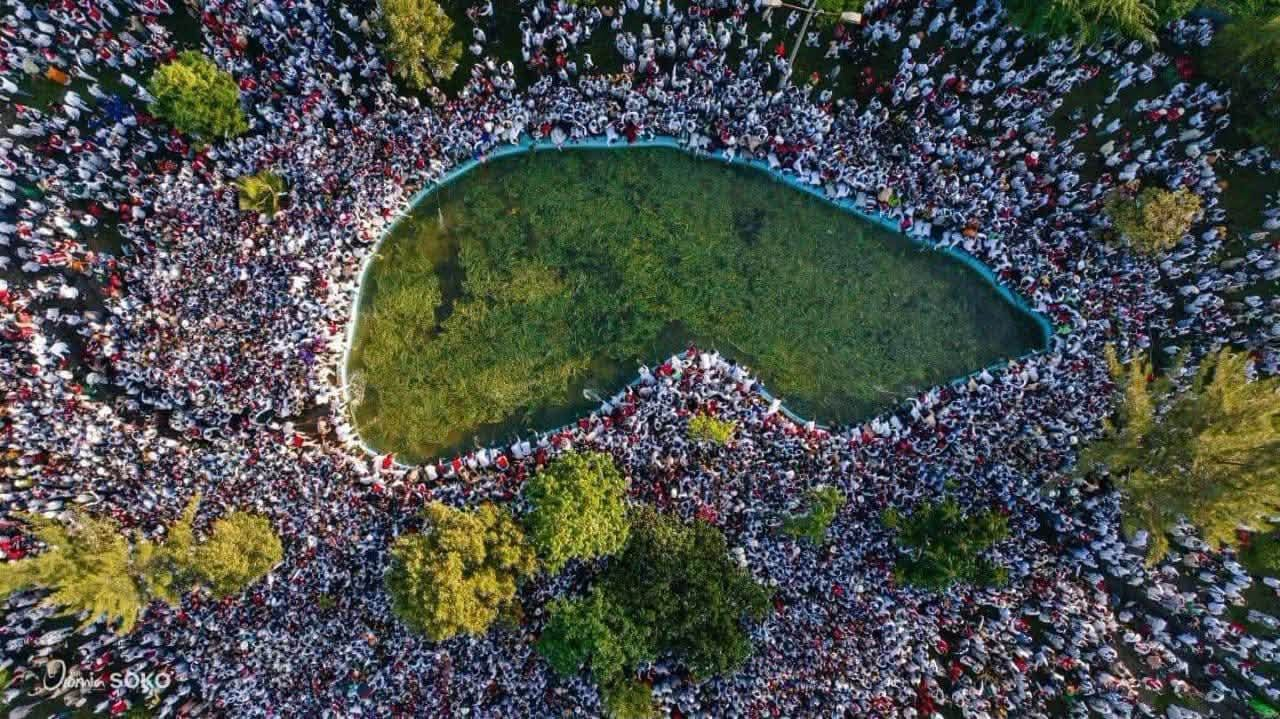
“እሬቻ የምስጋና ቀን ነው!” — ይህ ጽንሰ-ሐሳብ ለምን ሁሉንም እምነቶች ያስተናግዳል?
በዶክተር ዮሴፍ ሙሉጌታ ባባ (2024) የቀረበ ጥናታዊ ጽሑፍ፣ የእሬቻን በዓል በሌሎች ሃይማኖቶች አውድ ውስጥ አስገብቶ ሲመረምር፣ ከአመክንዮ አንጻር ስህተት መሆን የማይችልና አዎንታዊ አንድምታ ያለው አንድ ዋና ጽንሰ-ሐሳብ ያገኛል። ይኸውም “እሬቻ የምስጋና ቀን ነው” የሚለው ነው።
ጽሑፉ እንደሚያብራራው፣ ይህ ጽንሰ-ሐሳብ ሌላ ሳይሆን የሚከተለውን ይዘት አለው፦
“እሬቻ የፈጣሪ ስጦታ ተመልሶ ለፈጣሪ የሚሰጥበት የምስጋና ቀን ነው። በእሬቻ በዓል ላይ የሚሳተፈው እያንዳንዱ ግለሰብ፣ ለምለም ሣር በሁለት እጆቹ በመያዝ ፈጣሪውን ያመሰግናል። ለምለም ሣር የሰላምና የብልጽግና ምልክት ነው። ከሁሉም በላይ ክረምቱን ከበረዶ፣ ከከባድ ነፋስ፣ ከጎርፍና ከውርጭ የታደጋቸውን ታላቅና ቅዱስ ፈጣሪያቸውን አንድ ላይ ሆኖ ያመሰግናሉ። መኸሩንና አስመራውን ደግሞ እንድባርክላቸው ወደ አምላካቸው ይጸልያሉ። ስለዚህ የእሬቻ በዓል ከጨለማ ወደ ብርሃን ላሻገረ አምላክ የሚሰጥ የክብር ዋጋ ነው።”
“ማንን ነው የምናመሰግነው?” — የኦሮሞ ንጽረተ-ዓለም መልስ
ከዚህ ጋር ተያይዞ የሚነሳው ቀጣይ ጥያቄ “ማንን ነው የምናመሰግነው?” የሚል ነው። ጥያቄውን በትክክልና በማያሻማ አኳኋን ለመመለስ፣ ሀገር-በቀሉ የኦሮሞ ንጽረተ-ዓለም (Oromo Ontology) ስለ ፈጣሪ ወይም ዋቃዮ ያለውን ጽንሰ-ሐሳብ ቅልብጭ አድርጎ ማስቀመጥ ያስፈልጋል።
ሀገር-በቀሉ የኦሮሞ ሥነ-እውቀት ዋቃን የሚገልጽበት መንገድ ጥንቃቄ የተሞላበትና ወሰነ-ትርጉሙ እንደሚከተለው ነው፦
“ዋቃ የሁሉም ነገር አስገኚ ነው። ዋቃ ምሉዕ በኩለሄ (omniscient)፣ ሁሉን ቻይ (omnipresent)፣ ዘላለማዊ (eternal)፣ ፍጹም (absolute)፣ እና ገደብ የሌለው (infinite) ነው። ዋቃ ፍጹም አንድ ነው።”
ከክርስትናና ከእስልምና ጋር ያለው ግንኙነት
በዚህ ወሰነ-ትርጉም ውስጥ፣ ፈጣሪን በተመለከተ የክርስትናም ሆነ የእስልምና አስተምህሮን በቀጥታ የሚቃረን ጽንሰ-ሀሳብ የለበትም። ለምን?
ታዋቂው የካቶሊክ ቤተክርስቲያን ፈላስፋና የነገረ-መለኮት ሊቅ ቅዱስ ቶማስ አኩዊናስ (St. Thomas Aquinas) “Summa Theologica” በተሰኘ ድንቅ መጽሐፉ ውስጥ እንዲህ ሲል በትክክል ይሞግታል፦
“የፍጥረታት ሁሉ መጀመሪያና መጨረሻ የሆነ ሰው ሁሉ ‘እግዚአብሔር’ ብሎ የሚጠራው አንድ እውነት እንዳለ ሰብአዊ ፍጡር በብዙ መንገዶች መገንዘብ ይችላል!”
ለዚህም ነው መጽሐፍ ቅዱስ ወደ ተለያዩ ቋንቋዎች ሲተረጎም፣ ለፈጣሪ አዲስ ስም የማይሰጠው። ቀደም ተብሎ በሀገር-በቀሉ ሃይማኖት ውስጥ የሚታወቀውና ከላይ የተጠቀሱትን የፈጣሪ ባህሪያት በትክክል መግለጽ የሚችል ስም በቀጥታ ይወሰዳል! ለምሳሌ፦ ማጋኖ፣ ዋአ፣ ዬሪ፣ ዋቃዮ፣ እግዚአብሔር፣ ጆዎክ ወዘተ።
ልዩነቱ የሚገኘው የት ነው?
በመሆኑም፣ ልዩነቱ ያለው በእግዚአብሔር ባህሪያት (attributes of God) ላይ ሳይሆን፣ እያንዳንዱ ሃይማኖት በሚከተለውና በሚያስተምረው ቀኖና፣ ትውፊትና ደንብ ውስጥ ነው። የዚህ ልዩነት ምንጭ ታሪካዊ አልያም ከነገረ-መለኮት ሐተታ ጋር የተያያዘ የቋንቋ አጠቃቀማችን ሊሆን ይችላል።
ቅዱስ ቶማስ አኩዊናስ እንደሚለው፦
“እግዚአብሔርን በተመለከተ፣ መገንዘብ የምንችለው የሆነውን ሳይሆን ያልሆነውን እንዲሁም ከሌሎች ፍጡሮች ጋር በንጽጽር ሲታይ ምን እንደሚመስል መገንዘብ የምንችለው ነው።”
ይህ “የሃይማኖታዊ ቋንቋ ችግር” (the problem of religious language) ይባላል። እግዚአብሔር ከፍጥረታት ሁሉ በላይ ነው። ስለዚህም ሰብአዊ አስተሳሰባችን መገለጫ የሌለውን፣ ጨርሰው ሊያውቁት የማይቻለውን፣ የማይታየውንና የማይጨበጠውን የእግዚአብሔርን ማንነት እንዳያዛባብን፤ ስለ እግዚአብሔር ያለንን ውስን፣ ከምስል ጋር የተቆራኘውንና ጎዶሎ የሆነውን ቋንቋችን ማስተካከል አለብን። የምንጠቀማቸው ቃላት ሁሌም የእግዚአብሔርን ምስጢር መግለጥ ይሳናቸዋል!
“ጉራቻ” — የዋቃ ስም እና ትርጉሙ
ለምሳሌ፦ በኦሮሞ ሀገረ-በቀል ሃይማኖት፣ ዋቃ የሚለው ቃል ሲጻፍም ሆነ ሲነገር “ጉራቻ” የሚለውን ቅጽል አስከትሎ ነው። ቀጥተኛ ትርጉሙም “ጥቁር” ማለት ሲሆን በኦሮሞ ንጽረተ-ዓለም ጥቁርነት የልዕልና ምልክት ብቻ ሳይሆን፣ የዋቃን ቀዳማዊነት (Originality) የሚገልጽ ነው። ጥቁርነት የዋቃ ምንነት በሰው አእምሮ ሊደረስበት የማይቻል እጅግ ፍጹም ምስጢር መሆኑን የሚገልጽ ጽንሰ-ሐሳብ ነው።
እሬቻ እና ሁለንተናዊ የፈጣሪ እውቀት
በመሆኑም፣ የእሬቻን በዓል ስናከብር የፈጣሪን ባህሪያት (attributes of God) ታሳቢ ባደረገው መልኩ ነው። እንዲህ ያለው የፈጣሪ እውቀት ነባራዊ (universal) በመሆኑ፣ የየትኛውም ሃይማኖት ተከታይ የሆነ ግለሰብ በውስጡ ስለ እሬቻ አዎንታዊ ትርጉም እየሰጠ በደስታና በእውነተኛ መንፈስ ሊያከብረው ይችላል።
የአሜሪካ ምሳሌ፡ የምስጋና ቀን
ከሁሉም በላይ፣ ነገረ-ሃይማኖትን (religious studies) በትክክል ሳንገነዘብ በሃይማኖት ሽፋን የአንድን ሕዝብ አንድነት ከሚሸረሽሩ ድርጊቶች መቆጠብ ይኖርብናል።
አሜሪካ 340 ሚሊዮን የሕዝብ ብዛትና አምስት ታላላቅ የአለማችን ሃይማኖቶች ያሉባት ሀገር ናት። ሕዝቡ በየዓመቱ “የምስጋና ቀን – Thanksgiving Day!” በሚያከብርበት ወቅት፣ አንድም ቀን “ማንን ነው የሚያመሰግነው?” የሚል የጸጉር ስንጠቃ ጥያቄም ሆነ ክርክር ውስጥ ገብተው አያውቅም።
የሰው ልጅ መንፈሳዊ ፍጡር ነው
በአለማችን በአጠቃላይ፣ በኢትዮጵያ በተለይ ነገረ-ሃይማኖትን በተመለከተ የአእምሮ መቀንጨር እንዳለ የሚያሳይ የሚከተለውን የሰው ልጅ ሕልውናዊ ምንነት (Ontological characteristics of human existence) እንደ ምሳሌ ወስደን እንመልከት።
የሰው ልጅ መንፈሳዊ ፍጡር ነው (man is a spiritual being)። ከሁሉም ፍጥረታት ለሰው ልጅ ብቻ የተሰጠውና ሌሎች ፍጡራን (creatures) ግን በተፈጥሯቸው (intrinsically) በፍጹም የሌላቸው ሁለት ‘ነገሮች’ (faculties) አእምሮ (intellect) እና ነጻ-ፍቃድ (free-will) ናቸው።
የሰው ዘር በመላ የተፈጥሮ ሕግን (natural law) የሚያውቀውና መርጦ የሚከተለው በተፈጥሮው (intrinsically) ሁለንተናዊ እውነትና ግብረገብን (Universal Truth and Morality) የማወቅ ብቃት ስላለው ነው።
ለምሳሌ፦ አንድ ክርስቲያን ወይም ሙስሊም “አትስረቅ!” የሚለውን የተፈጥሮ ሕግ ማወቅ የቻለው፣ ትዕዛዙ በመጽሐፍ ቅዱስ ወይም በቅዱስ ቁርአን ስለተጻፈ አልያም በእምነት አስተምህሮአቸው ውስጥ ስላለ ሳይሆን፣ የሰው ልጅ በተፈጥሮውና በጥሪው ይህንኑ የተፈጥሮ ሕግ የማወቅ ብቃት/ኃይል ስላለው ነው።
ባህላዊ እሴቶች የአእምሮ ውጤት ናቸው
ባህላዊ እሴቶች የሰው ልጅ አእምሮ ውጤት ናቸው። አእምሮ (intellect) የተፈጠረው በእግዚአብሔር ነው። እግዚአብሔር አእምሮን የፈጠረበት አይነተኛ ምክንያት አለምን እንድመረምረውና እንድረዳው ነው። የሰው ልጅ ከጥንት ዘመን ጀምሮ የመሰረታቸው ባህላዊ እሴቶች ምንጫቸው፣ ይህ በፈጣሪው የተቸረው የማሰቢያ ኃይልና መሣሪያ አእምሮው ነው። በሰው ልጅ ታሪክ ውስጥ እያንዳንዱ ማኀበረሰብ የራሱን ባህልና ሀገር-በቀል ሃይማኖት መመሰረት የቻለው፣ እግዚአብሔር በሰጠው አእምሮ (intellect) እና ነጻ-ፍቃድ (free-will) መሆኑን በአጽንኦት ሊሰመርበት ይገባል።
የሰው ልጅ ውስንነት እና የትርጉም ጥንቃቄ
ይሁን እንጂ፣ የሰው ልጅ በቦታና በጊዜ የተገደበ በመሆኑ፤ እውቀቱ ውስን ነው። የሰው ልጅ አእምሮ ፍጹማዊ እውቀት ላይ መድረስ አይቻለውም። ሰው ታሪካዊ ፍጡር ነው። ሁላችንም የታሪክና የመልክዓ-ምድር ውጤቶች ነን! (man is a historical being, we are the products of history and geography!)
በመሆኑም፣ ፍጹም የሆነና ከስህተት የጸዳ ባህላዊ እሴቶች ባለቤት የሆነ ማኀበረሰብ በሰው ልጅ ታሪክ ውስጥ አልተፈጠረም። በዚህ የተነሳ ነው ባህላዊ እሴቶች አልያም ሀገር-በቀል ሃይማኖቶች በጊዜና ቦታ አውድ (context) ውስጥ ጥንቃቄ በተሞላበት አኳኋን ትክከለኛ ትርጉም የሚያሰጥ አንደምታ (hermeneutics) ማግኘት ያለባቸው።
ማጠቃለያ
የእሬቻ በዓል በሌሎች ሃይማኖቶች አውድ ውስጥ ሲታይ፣ “የምስጋና ቀን” ከመሆኑ አንጻር ሁሉንም እምነቶች የሚያስተናግድ ሁለንተናዊ ትርጉም አለው። ልዩነቱ በፈጣሪ ባህሪያት ላይ ሳይሆን በእያንዳንዱ ሃይማኖት ቀኖና፣ ትውፊትና ደንብ ውስጥ ነው።
ስለዚህም እሬቻን ማክበር የፈጣሪን ባህሪያት ታሳቢ ያደረገ ሁለንተናዊ የምስጋና ተግባር ነው። የየትኛውም ሃይማኖት ተከታይ በደስታና በእውነተኛ መንፈስ ሊያከብረው ይችላል።
ከሁሉም በላይ፣ ነገረ-ሃይማኖትን በትክክል ሳንገነዘብ በሃይማኖት ሽፋን የአንድን ሕዝብ አንድነት ከሚሸረሽሩ ድርጊቶች መቆጠብ ይኖርብናል። እሬቻ የሁሉም ሰው የምስጋና ቀን ነው።
ይህ ጽሑፍ በዶክተር ዮሴፍ ሙሉጌታ ባባ (2024) ጥናት ላይ የተመሠረተ ነው።
ኢሬቻ፡ የሚቆይ፣ የሚሻሻል እና የሚኖር ውርስ
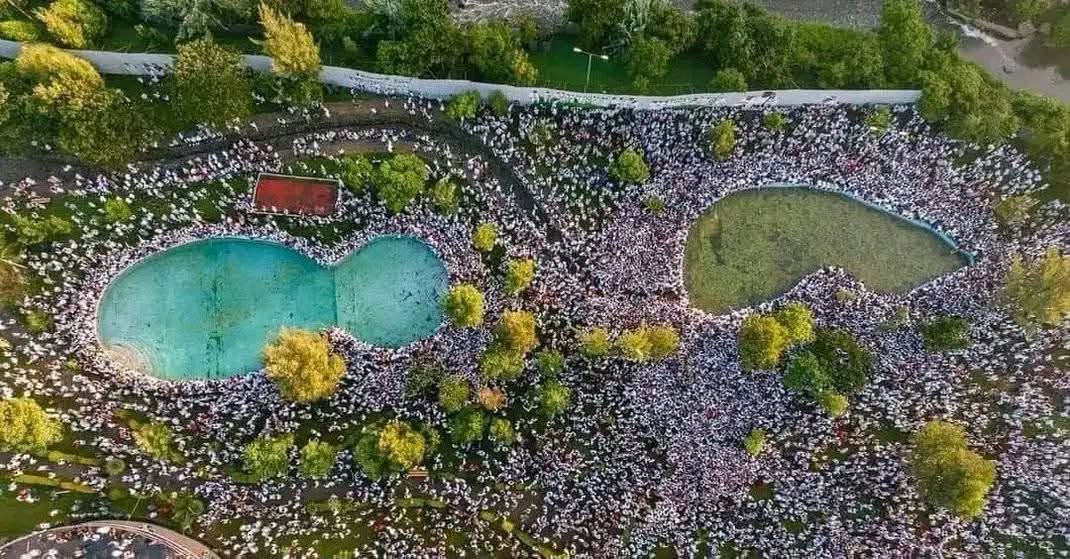
የምስጋና በዓል ለተፈጥሮና ለተከታይ ትውልድ ኃላፊነት መጠየቂያ ሆኗል
በየዓመቱ፣ በሚሊዮን የሚቆጠሩ የኦሮሞ ሕዝብ አባላት የወንዞችንና የሐይቆችን ዳርቻ ይሰበሰባሉ። ነጭ ልብስ ለብሰው፣ ትኩስ አረንጓዴ ሣርና ቢጫ አበቦችን ይዘው ይመጣሉ። ለማመስገን ይመጣሉ። ለመጸለይ ይመጣሉ። ለማስታወስ ይመጣሉ።
ነገር ግን በዶክተር ወርቁ ቡራዩ አዲስ ጽሑፍ መሠረት፣ ኢሬቻ ከዓመታዊ ባለቀለም ስብሰባ እጅግ የላቀ ነው። እሱ የሚቆይ፣ የሚሻሻል እና የሚኖር ሕያው ውርስ ነው።
ዶክተር ወርቁ እንደጻፉት፣ “ኢሬቻ ወደ ዓመታዊ ጽሑፍ፣ ንግግር፣ ሕዝባዊ ስብሰባ ወይም የባህል ትዕይንት መቀነስ የለበትም። ትርጉሙ ትውልዶችን ማስተማር፣ መምራት እና ማገናኘቱን የሚቀጥል ሕያው ውርስ ነው።”
“ኢሬቻ፡ የሚቆይ፣ የሚሻሻል እና የሚኖር ውርስ” በሚል ርዕስ የቀረበው ጽሑፍ፣ በ2025 በ”ኢሬቻ፡ ከተፈጥሮ ወደ ብሔር፣ የኦሮሞ ባህል ዋና እሴቶች” በሚል ርዕስ የተጀመረውን ትንታኔ ይቀጥላል። በዘንድሮው ጽሑፍ፣ በአትላንታ ሜትሮፖሊታን አካባቢ ኢሬቻ ኢቨንት አድ ሆክ ኮሚቴ ጥሪ ከተደረገ በኋላ፣ ኢሬቻን እንደ በዓል ብቻ ሳይሆን እንደ ትውስታና ኃላፊነት መካከል ያለ ግንኙነት አድርጎ ይመለከታል።
ከሥርዓት በላይ
ኢሬቻ በሰፊው የኦሮሞ የምስጋና በዓል በመባል ይታወቃል። በዝናብ ወቅት መጨረሻ በወንዞችና በሐይቆች አቅራቢያ ይከበራል። ተሳታፊዎች ለዋቃ (እግዚአብሔር) ስለ ሕይወት፣ ጤና፣ ሰላም፣ ዝናብ፣ መከር፣ ቤተሰብና ማኅበረሰብ ያመሰግናሉ። ይዘፍናሉ፣ ይጨፍራሉ፣ ውሃ ይረጩና የመታደስ በረከትን ይለምናሉ።
ምሁራን ኢሬቻን የኦሮሞ ማንነትና አንድነት መገለጫ አድርገው ከረጅም ጊዜ ጀምሮ ይገነዘቡታል። ዩኔስኮ ኢሬቻን ከገዳ ሥርዓት፣ ከኦሮሞ ተወላጅ ዲሞክራሲያዊ ማኅበረ-ፖለቲካዊ ሥርዓት ጋር በቅርብ የተሳሰረ አድርጎ ይገልጻል።
ነገር ግን ዶክተር ወርቁ ትርጉሙ በአንድ የተወሰነ ወቅት የሚከናወን ሥርዓት በመሆኑ ብቻ ሙሉ በሙሉ ሊገባ አይችልም ይላሉ። ኢሬቻ ሰዎች ከዋቃ፣ ከተፈጥሮ፣ ከማኅበረሰብ፣ ከቀድሞ አባቶችና ከተከታይ ትውልዶች ጋር በግንኙነት ውስጥ የሚኖሩበት ሰፊ የኦሮሞ ዓለም አመለካከት አካል ነው።
“የተፈጥሮ አካባቢ ለባህላዊ ልማድ ዝርዝር ቦታ ብቻ አይደለም፤” በማለት ይጽፋሉ። “አፈር፣ ውሃ፣ አየር፣ ደኖች፣ ሣር፣ አበቦች፣ እንስሳትና የእርሻ መልክዓ ምድሮች ሕይወት የሚያስቀጥልና ምስጋና የሚገለጽበት ሕያው ዓለም አካል ናቸው።”
ምስጋና ኃላፊነት መሆን አለበት
በኢሬቻ ልብ ውስጥ ምስጋና አለ። ነገር ግን ዶክተር ወርቁ ፈታኝ ጥያቄ ያቀርባሉ፡ ውሃ፣ ደኖች፣ አፈር፣ ሣርና አበቦች የዋቃ ስጦታዎች ከሆኑ፣ እንዴት ልንይዛቸው ይገባል?
“መልሱ በምስጋና ቃላት ብቻ ሊገደብ አይችልም፤” በማለት ይጽፋሉ። “እውነተኛ ምስጋና ኃላፊነትን ይፈጥራል።”
ውሃ ስጦታ ከሆነ፣ መጠበቅ አለበት። ከኢሬቻ ጋር የተያያዙ ሐይቆች፣ ወንዞች፣ ምንጮችና ረግረጋማ መሬቶች የሥርዓት ቦታዎች ብቻ አይደሉም — ሕያዋን ሥነ-ምህዳሮች ናቸው። ውሃን ማክበር ማለት ብክለትን መከላከል፣ የወንዝና ሐይቅ ዳርቻዎችን መጠበቅ፣ ምንጮችን ማስጠበቅና ቆሻሻን በኃላፊነት ማስወገድ ማለት ነው።
ደኖች ስጦታ ከሆኑ፣ መጠበቅና መታደስ አለባቸው። በሥርዓቶች ወቅት የሚያገለግሉ ተፈጥሯዊ ቁሳቁሶች ሕያዋን ዛፎችንና እፅዋትን ሳያጠፉ በኃላፊነት መሰብሰብ አለባቸው። ኢሬቻ የዛፍ ተከላና የደን መልሶ ማቋቋም አጋጣሚ ሊሆን ይችላል።
አፈር ስጦታ ከሆነ፣ ለምነቱ መጠበቅ አለበት። “የመሬቱን ፍሬ ስናከብር ለወደፊት ትውልድ ፍሬ የሚያፈራውን አፈር ማጥፋት አንችልም።”
ሣርና አበቦች በበዓል ውስጥ ጥቅም ላይ ከዋሉ፣ ተፈጥሯዊ መታደስ በሚፈቅድ መንገድ መሰብሰብ አለባቸው። አበቦች ወይም ቅጠሎች ብቻ ሲያስፈልጉ እፅዋት በከንቱ መነቀል የለባቸውም።
“የተፈጥሮ ስጦታ የሰው ልጆች ብቻ አይደለም፤” በማለት ዶክተር ወርቁ ይጽፋሉ። “ሙሉውን የሕይወት ማኅበረሰብ ያስቀጥላል።”
ውሃ እንደ ቅዱስ ኃላፊነት
የኢሬቻና የውሃ ግንኙነት በተለይ ጉልህ ነው። ብዙ የኢሬቻ በዓላት በወንዞች፣ በሐይቆችና በምንጮች አጠገብ ይከበራሉ። የውሃ ምሳሌያዊ ትርጉም ከሥነ-ምህዳራዊ እውነታው ተለይቶ መታየት የለበትም።
“ሰዎች በኢሬቻ ወቅት ወደ ውሃ ሲቀርቡ፣ ሲነኩት፣ ሲረጩት ወይም በጸሎት አጠገቡ ሲሰበሰቡ፣ ከሕይወት መሠረታዊ ሁኔታዎች አንዱን ያገኛሉ።”
ወደ ውሃ የመቅረብ ተግባር ኃላፊነትን ማንቂያ ማድረግ አለበት። “በወንዝ አጠገብ ከጸለይን፣ ማብከል የለብንም። ውሃን እንደ በረከት ከተመለከትን፣ በግዴለሽነት ማባከን የለብንም። በምንጭ ዙሪያ ከተሰበሰብን፣ ምንጩንና ዙሪያውን እፅዋት መጠበቅ አለብን።”
መልእክቱ ቀላል ነው፡ “ያመጣንበትን ነገር ማበላሸት የለብንም።”
ሰፉ፡ የተወላጅ የመገደብ ምግባር
ዶክተር ወርቁ እነዚህን ኃላፊነቶች በሰፉ፣ በኦሮሞ ተገቢ ምግባርና ኃላፊነት ያለው ግንኙነት ጽንሰ-ሐሳብ ላይ ያስቀምጣሉ። ሰፉ አንድ ሰው በቴክኒክ አንድን ነገር ማድረግ ይችል እንደሆነ ከመጠየቅ የላቀ ጥያቄ ያቀርባል። ተግባሩ ተገቢ፣ ኃላፊነት ያለውና አክብሮት የተላበሰ እንደሆነ ይጠይቃል።
“አንድ ሰው በአካል ዛፍ መቁረጥ ይችላል፣ ነገር ግን ዛፉ ያለ አስፈላጊነት መቁረጥ አለበት ማለት አይደለም።”
የኦዳ ዛፍን እንደ ኃይለኛ ባህላዊ ምሳሌ ይጠቅሳሉ። የኦዳ ዛፎች በኦሮሞ ማኅበረሰብ ውስጥ ለረጅም ጊዜ ጥልቅ ባህላዊ፣ ማኅበራዊና መንፈሳዊ ጠቀሜታ አላቸው። በባህላዊ መልኩ ከአስፈላጊ የማኅበረሰብ ቦታዎችና ጉባኤዎች ጋር የተያያዙ የኦዳ ዛፎች በተለይ አክብሮት ይሰጣቸው ነበር፣ በፈቃድም አይቆረጡም ነበር።
“ጥያቄው ‘ልወስደው እችላለሁ?’ ብቻ አይደለም፣ ‘ልወስደው አለብኝ? ከመውሰዴስ ምን ኃላፊነት ይከተላል?’ ነው።”
ይህ መርህ ወደ ወንዞች፣ ደኖች፣ ሣር ሜዳዎችና ረግረጋማ መሬቶች ይዘልቃል። “ተፈጥሮን የመጠቀም ችሎታ ያልተገደበ የመጠቀም መብት አይፈጥርም። ሳፉ ሕይወትን ለሚያስችሉ ሁኔታዎች መገደብ፣ ኃላፊነትና አክብሮት ይጠይቃል።”
የዘመናዊ በዓል ፈተና
ዘመናዊ የኢሬቻ በዓላት በጣም ብዙ ሰዎችን ሊያካትቱ ይችላሉ። እድገታቸው ለባህላዊ ታይነትና ለማኅበረሰብ ግንኙነት እድሎችን ይፈጥራል፣ ነገር ግን በቀድሞ ጊዜያት በዚህ መጠን ያልነበሩ የአካባቢ ኃላፊነቶችንም ይፈጥራል።
ብዙ ሰዎችን የሚያካትቱ ስብሰባዎች መጓጓዣ፣ ምግብ፣ ውሃ፣ ንጽህና፣ ኃይልና ቆሻሻ አስተዳደር ይፈልጋሉ። በሣር ሜዳዎች፣ በወንዝ ዳርቻዎችና በዛፎች ላይ ጫና ሊያስከትሉ ይችላሉ።
“የኢሬቻ ስብሰባ ስኬት በተሳታፊዎች ቁጥር፣ በታይነት ወይም በባህላዊ ትዕይንት ብቻ መለካት የለበትም። ከስብሰባው በኋላ በሚቀረው ነገርም መለካት አለበት።”
ወንዝ የተበከለ፣ እፅዋት የተጎዱና መልክዓ ምድር በቆሻሻ የተሸፈነ በዓል ኢሬቻ ሊገልጽ የሚፈልገውን ከተፈጥሮ ጋር ያለውን ግንኙነት ይቃረናል። በአንጻሩ፣ አካባቢውን የጠበቀ፣ ንጹህና የታደሰ ትቶ የሚሄድ በዓል ምስጋና ወደ ኃላፊነት መቀየሩን ያሳያል።
ከመትረፍ ወደ መታደስ
ኢሬቻ የተረፈው በፊታችን የነበሩ ትውልዶች በአስቸጋሪ ሁኔታዎች ውስጥ ስለጠበቁት ነው። ነገር ግን መትረፍ ብቻ በቂ አይደለም።
“አንድ ወግ እንደ ሥርዓት ሊተርፍ ይችላል፣ ጥልቅ እሴቶቹን ግን ሊያጣ ይችላል። ያለመገንዘብ በየዓመቱ የሚደጋገም ነገር ወይም ከዕለት ተዕለት ምግባር የተለየ የባህል ትዕይንት ሊሆን ይችላል።”
ኢሬቻ ሕያው ውርስ ሆኖ እንዲቀጥል፣ በትምህርት ያለማቋረጥ መታደስ አለበት። መታደስ ማለት ባህላዊ ዕውቀት ከመጥፋቱ በፊት መመዝገብ ማለት ነው። ሽማግሌዎች ዕውቀትን ለወጣት ትውልድ የሚያካፍሉበትና ወጣቶች ጥያቄ የሚጠይቁበት እድል መፍጠር ማለት ነው። ባህላዊ ሥነ-ምህዳራዊ ዕውቀትን ከዘመናዊ ሳይንሳዊ ግንዛቤ ጋር ማገናኘት ማለት ነው።
“መታደስ ወግን መተው አይጠይቅም። ዘላቂ መርሆችን ከእነዚህ መርሆች ከተገለጹበት የተወሰነ ታሪካዊ ቅርጽ ለመለየት ወግን በበቂ ሁኔታ መረዳት ይጠይቃል።”
ያለ ራስን መናቅ የባህል በራስ መተማመን
የባህላዊ ውርስ ቀጣይነት አንድ ሕዝብ ራሱን እንዴት እንደሚረዳም ይወሰናል። ዶክተር ወርቁ የኦሮሞ ታሪክ፣ ባህልና ማንነት ብዙ ጊዜ በውጫዊ ማዕቀፎች — ፖለቲካዊ፣ ሃይማኖታዊና ቅኝ ገዥ — ተተርጉመዋል ይላሉ።
“የኛን የሆነውን ከመተው በፊት፣ የመረዳት ኃላፊነት አለብን። ስለ ባህላችን የተሰጡ ፍርዶችን ከመድገም በፊት፣ ባህሉን ራሱ የማጥናት ኃላፊነት አለብን።”
ይህ ያለፈውን ወቅት የማጋነን ጥሪ አይደለም። የባህል በራስ መተማመን ከቀድሞ ትውልዶች የተወረሰው ሁሉ ፍጹም ነው ብሎ ማመንን አይጠይቅም። ሕያው ባህል ራሱን የመመርመር ችሎታ ሊኖረው ይገባል።
“በሂደታዊ ትንታኔና በባህላዊ ራስን መናቅ መካከል ጠቃሚ ልዩነት አለ። ሂደታዊ ትንታኔ ለመረዳት፣ ለማሻሻልና ለማጠናከር ይፈልጋል። ራስን መናቅ የሌሎችን ፍርድ ብቻ ይደግማል።”
በትውልዶች መካከል ያለ ኃላፊነት
እያንዳንዱ ትውልድ ያልፈጠረውን ነገር ይወርሳል — ቋንቋ፣ ታሪኮች፣ እሴቶች፣ ዘፈኖች፣ መልክዓ ምድሮች፣ ወንዞች፣ ደኖችና አፈር። ዶክተር ወርቁ ስለዚህ ራሳችንን እንደ ባለቤት ብቻ ሳይሆን እንደ ጠባቂ በመቁጠር ኃላፊነት አለብን ይላሉ።
“ዛሬ ያለ ወንዝ ገና ያልተወለዱ ልጆች ያስፈልጋቸዋል። ዛሬ ያለ ደን ለማናያቸው ትውልዶች ጥላ፣ የውሃ መከላከያ፣ ብዝሃ ሕይወትና መተዳደሪያ ሊሰጥ ይችላል። ዛሬ የጠፋ የአፈር ለምነት ለመመለስ አስርት ዓመታት ሊወስድ ይችላል።”
ኢሬቻ ይህን በትውልዶች መካከል ያለ ግንኙነት ይገልጣል። “ቀድሞ አባቶቻችን ተሸክመውታል። እኛ ተቀብለናል። ልጆቻችን ለመጠበቅ፣ ለመቀየር ወይም ችላ ለማለት የመረጥነውን ይወርሳሉ።”
ኢሬቻ በዲያስፖራ
ከኦሮሚያ ውጭ ለሚኖሩ የኦሮሞ ማኅበረሰቦች — በዩናይትድ ስቴትስ፣ በአትላንታ፣ ሚኒያፖሊስና ዋሽንግተን ዲሲ አካባቢዎች፣ እንዲሁም በአውሮፓ፣ በአውስትራሊያ፣ በእስያና በሌሎች የአፍሪካ አገሮች — ኢሬቻ ተጨማሪ ጠቀሜታ አለው። በዲያስፖራ ውስጥ፣ ባህላዊ ቀጣይነት ሆን ተብሎና በዘላቂነት መተላለፍን ይጠይቃል፣ ምክንያቱም ወጣት ትውልዶች አፋን ኦሮሞ፣ የኦሮሞ ልማዶች፣ ተወላጅ ዕውቀት፣ ታሪክና ባህላዊ ልማዶች የዕለት ተዕለት አካባቢያቸው አካል በማይሆኑበት ማኅበራዊ አካባቢ ውስጥ ሊያድጉ ይችላሉ። በዚህ ሁኔታ፣ ኢሬቻ በትውልዶች መካከል ድልድይ ሆኖ ሊያገለግል ይችላል።
ይሁን እንጂ ያ ድልድይ ሥርዓትን ብቻ ሳይሆን ዕውቀትንም መሸከም አለበት። ልጆችና ወጣቶች ኢሬቻ ለምን እንደሚከበር፣ ምልክቶቹ ምን እንደሚወክሉ፣ ከዋቃና ከተፈጥሮ ጋር ምን ግንኙነት እንደሚገልጽና እሴቶቹ ለምን ጠቃሚ እንደሆኑ የመረዳት እድል ሊኖራቸው ይገባል።
“የባህል ማንነት ሰዎች ውጫዊ ቅርጾቹን ብቻ ከመፈጸም ይልቅ ትርጉሙን ሲረዱ የበለጠ ዘላቂ ይሆናል።”
ከሥርዓት ወደ ዕለት ተዕለት ሕይወት
የኢሬቻ ጥልቁ መለኪያ ከበዓሉ በኋላ የሚሆነው ነገር ነው።
“አንድ ሰው በወንዝ አጠገብ ለምስጋና ተሰብስቦ በኋላ ውሃን ለመጠበቅ የበለጠ ንቁ ከሆነ፣ ሥርዓቱ ዘላቂ እሴት አፍርቷል። አንድ ወጣት ስለ ሣርና አበቦች ጠቀሜታ ተምሮ ተፈጥሯዊ ሀብቶችን በመጠቀም የበለጠ ኃላፊነት ያለው ከሆነ፣ ወጉ በትርጉም ተተላልፏል።”
አንድ ባህላዊ ወግ መርሆቹ ወደ ዕለት ተዕለት ምግባር ሲገቡ በእውነት ሕያው ይሆናል።
“ኢሬቻ ሰዎች የሚገኙበት ነገር ብቻ ተደርጎ ሊታይ የለበትም። እሴቶቹ የሚኖሩበት ነገር ነው።”
ይቆያል። ይሻሻላል። ይኖራል።
ዶክተር ወርቁ በአስተያየታቸው አጠቃላይ ማጠቃለያ ያቀርባሉ።
“ኢሬቻ ይቆያል ምክንያቱም በኦሮሞ ሕዝብ ታሪካዊና ባህላዊ ልምድ ውስጥ ሥር ስለሰደደ። ኢሬቻ ይሻሻላል ምክንያቱም እያንዳንዱ ትውልድ የተለያዩ ሁኔታዎችን ስለሚያጋጥመው። ኢሬቻ ይኖራል የሚሠራባቸው እሴቶች በሚለዋወጡ ሁኔታዎች ውስጥ ትርጉም ያላቸው ሆነው ሲቀጥሉ።”
ሕያው ባህሪው ምስጋና ኃላፊነት ሲሆን፣ ማንነት በራስ መተማመን ሲሆን፣ በዓል ጠባቂነት ሲሆን፣ ወግ ትምህርት ሲሆን፣ የባህል ትውስታ ለወደፊት ዝግጅት ሲሆን ይታያል።
“ጥያቄው ኢሬቻ በሕይወት ይተርፋል ወይ የሚለው ብቻ አይደለም። ጥልቁ ጥያቄ እንዲኖር ለመርዳት በበቂ ሁኔታ እንረዳዋለን ወይ የሚለው ነው።”
ኢሬቻ የያዝነው ያለፈ ውርስ ብቻ አይደለም። የዛሬ ኃላፊነትና ለወደፊት ቃል ኪዳን ነው።
ይቆያል። ይሻሻላል። ይኖራል።
“Rakkoo Itoophiyaa Furuuf Gaaffii Oromoo Kaasuun Dirqama”
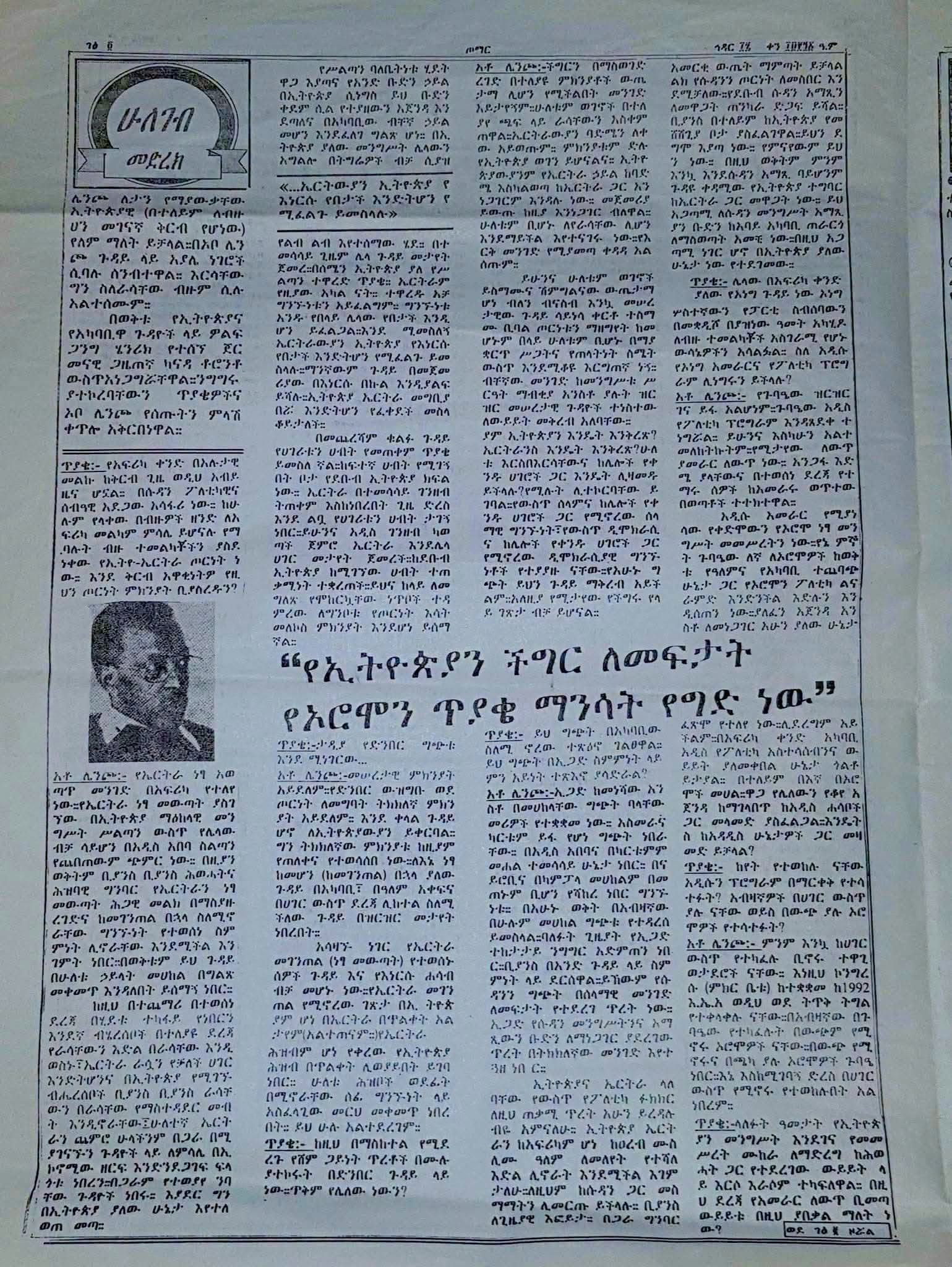
Obbo Leencoo Lataan: Mirgi Oromoo yoo kabajame, nagaan biyyaalessaa waaraa ta’a
“Akkuma Itoophiyaan Gaanfa Afrikaa keessatti bakka olaanaa qabdu, Oromoonis Itoophiyaa keessatti bakka olaanaa qaba.”
Kana jechuun Obbo Leencoo Lataan yeroo hunda dubbata. Haata’u malee, kun jecha bareedaa qofa miti — dhugaa siyaasaa fi haala teessuma lafaa irratti hundaa’e ibsuudha.
Barruu gaazexaa dhiyeenya kanaa irraa hubatamu, Obbo Leencoo Lataan baay’ina uummata Oromoo biyyattii keessatti qabu, akkasumas haala teessuma lafaa fi iddoo tarsiimawaa Oromoon qabu bal’inaan ibsaniiru. Kunis gaaffii Oromoo fi walitti dhufeenya isaa jiraachuu Itoophiyaa waliin ifa taasisuuf gargaare.
Mirgi Bu’uuraa fi Nagaa Waaraa
Yaada guddaa barruu kana keessatti mul’atu: mirgoonni bu’uuraa uummata Oromoo yoo hin kabajamne, akkasumas bakka bu’ummaan dhugaa yoo hin jiraanne, Itoophiyaa keessatti nagaa waaraa, dimokraasii fi tasgabbii fiduun hin danda’amu.
Kun yaada siyaasaa qofa miti. Seenaa biyyattii keessatti rakkoolee gara cinaatti dhiibuu fi humnaan ukkaamsuun qofti tokkummaa biyyaalessaa yeroo dheeraaf itti fufsiisuuf gahaa akka hin taane hubachiisa. Rakkoon yoo dhokate, furamuu miti — guddachuu qofa.
Yeroo Ce’umsaa fi Yaaddoowwan Biyyaalessaa
Yeroon ammaa yeroo ce’umsaa ta’ee, yaaddoowwan biyyaalessaa hedduu mudatan. Isaan keessaa:
Ummata eenyummaa isaa beekamtii kennuu: Rakkoolee seenaa fi siyaasaa biyyattii keessatti mul’atan haala waaraan furuuf, eenyummaa sabaa fi mirga ofiin of bulchuu/ofiin murteeffachuu ifatti gara minjaala marii irratti fiduun mari’achuun barbaachisaa ta’e. Dhoksuun ykn didduun furmaata miti.
Qormaata tokkummaa itti fufsiisuu: Tokkummaan humnaan ykn ukkaamsaan ijaarame waaraa miti. Tokkummaan dhugaa kabaja, walh Hubbannaa fi walii galtee irratti hundaa’a.
Waltajjii Siyaasaa Hunda Hammate
Ergaan guddaan barruu kanaa: waltajjii hunda hammatu — yeroo ce’umsaa keessatti mootummaa ce’umsaa fi humnoota siyaasaa garaagaraa gidduutti turee kanneen akka walitti bu’iinsaa fi dhiphuu siyaasaa tasgabbeessuuf, waltajjii marii bal’aa hundeessuun barbaachisaa ta’e.
Akkuma ilaalcha ABO/OLF calaqqisiisanitti, qaamolee fi dhaabbilee siyaasaa hunda hammate, ifa, nagaa fi marii biyyaalessaa bal’aa ta’e hatattamaan qophaa’uu qaba.
Gaaffii Oromoo fi Ijaarsa Biyyaa
Barruu kana keessaa yaadni hubannoo gaafatu: Obbo Leencoo Lataan jalqabumarraa eegalee akka warri biraa ja’u, biyya Oromiyaa walaba taate ijaaruu irra hiree, Oromoofii Oromiyaa biyya Itoophiyaa keessatti furuun akka danda’amu ni amanu.
Kanaaf, Haaceen jecha gaafannoo dhiyeesse: “Oromoon biyya ijaara malee biyya diigaaree?”
Deebiin isaa ifa: Oromoon biyya ijaaruuf qofa waamame. Gaaffiin Oromoo kaasuun rakkoo Itoophiyaa furuuf dirqama ta’e — sababni isaas Oromoo malee Itoophiyaan guutummaa miti.
Xumura
Yaadni ijoo barruu kanaa ifa: mirgi Oromoo fi nagaan Itoophiyaa walirraa adda ba’uu hin danda’an. Yoo mirgi Oromoo kabajame, yoo bakka bu’ummaan dhugaa jiraate, yoo waltajjiin marii hunda hammate baname — nagaan waaraan, dimokraasiin fi tasgabbiin biyyaalessaa danda’ama.
Kanaaf, gaaffii Oromoo kaasuun rakkoo Itoophiyaa furuuf dirqama qofa miti — karaan inni tokkicha nagaa waaraa fiduudha.
“Oromoon biyya ijaara malee biyya diigaaree?”