By Daandii Ragabaa*
“Uummata safuu fi safeeffannaa qabu.”
A people with dignity and a sense of honor.
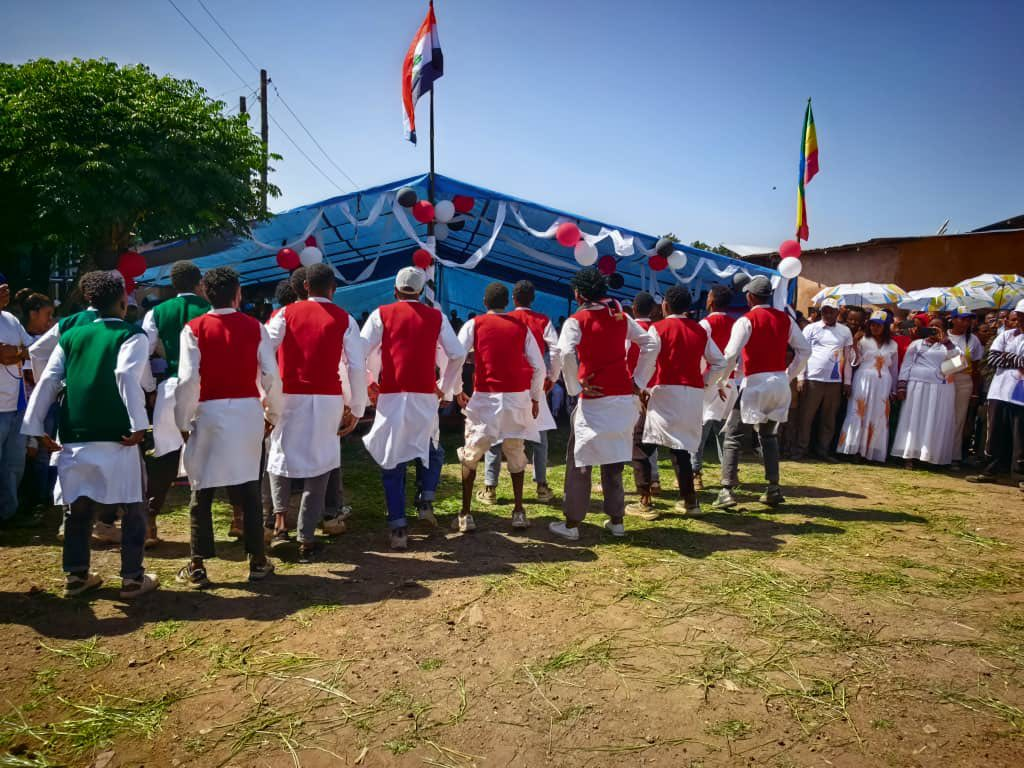
These words open a reflection that is at once a meditation and a summons. They speak of a community that has walked alongside the plains of Dirree Incinnii—a place heavy with history, where the Oromo people have gathered to assert their identity, to mourn their wounds, and to chart their collective future.
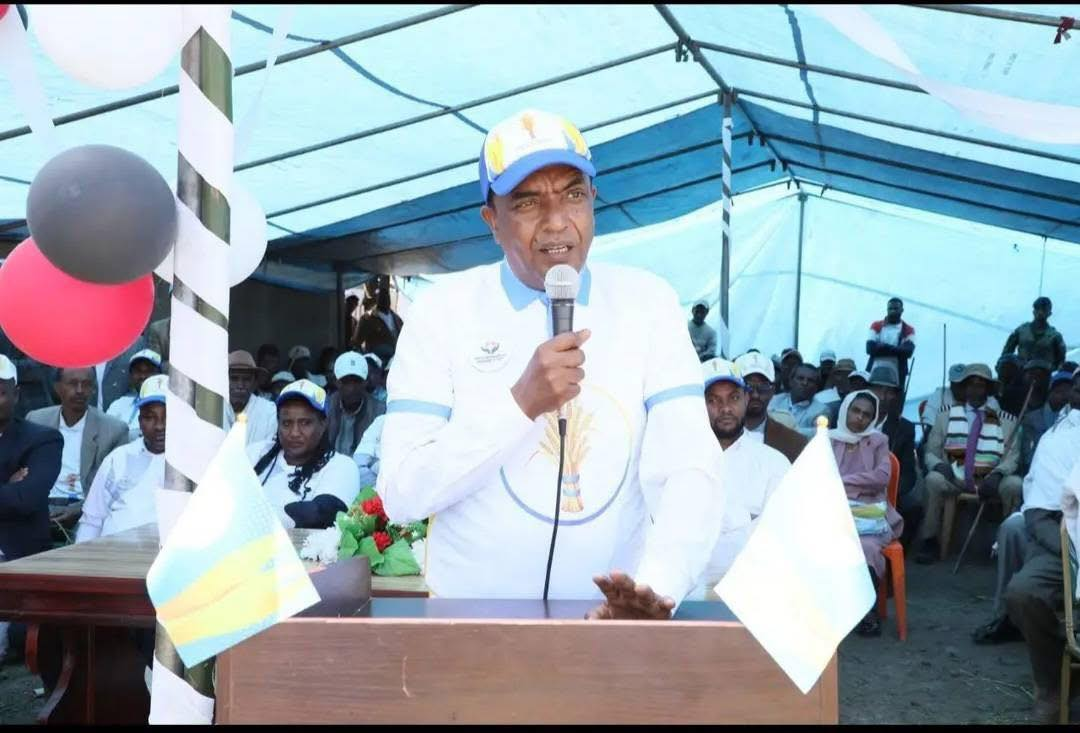
Hailu Gonfa, whose original post sparked this reflection, writes not as a distant observer but as one who stands within the circle. And Daandii Ragabaa, as commentator, amplifies that voice—calling attention to what has been done, what remains undone, and what must yet be dared.
The Work That Was Begun
The reflection turns first to the recent electoral process. It acknowledges that work was begun. But it does not shy away from naming the shortcomings—the gaps, the failures, the moments when the promise of democratic participation was not fully realized.
Peace. Development. Unity.
These are the pillars upon which the Oromo people have built their aspirations. Yet the reflection insists that these cannot be achieved through mere declarations. They require labor. They require patience. And they require something that cannot be legislated: the warmth of tradition and the binding force of mutual respect.
“Simannaa ho’aa aadaa fi safuu qabun,” the post reads.
With the warm embrace of culture and dignity.
It is a striking phrase. The image is not one of cold legalism or bureaucratic procedure. It is an embrace—a welcome, a recognition that the leaders and representatives of the people are not distant functionaries but kin, bound by the same history and the same hopes.
We thank you, the reflection says, for what you have done for us.
The Wisdom of the Eldest Sons
There is a particular quality attributed to the people of Dirree Incinnii and the eldest sons of the Warra Ammayyaa. They know. They know when. They know what. They know where. They know how.
This is not the arrogance of knowledge without experience. It is the earned wisdom of a people who have learned, through generations of struggle and survival, that action without timing is wasted, that strategy without place is lost, that effort without method is scattered.
The reflection captures this in a cascade of questions that are really affirmations:
Yoom? When?
Maaltu? What?
Eessetti? Where?
Akkamitti? How?
These are not the questions of the confused. They are the questions of the prepared—of a people who have learned to ask everything before they act, because the cost of acting without knowing has been paid too many times already.
The Gathering of the Community
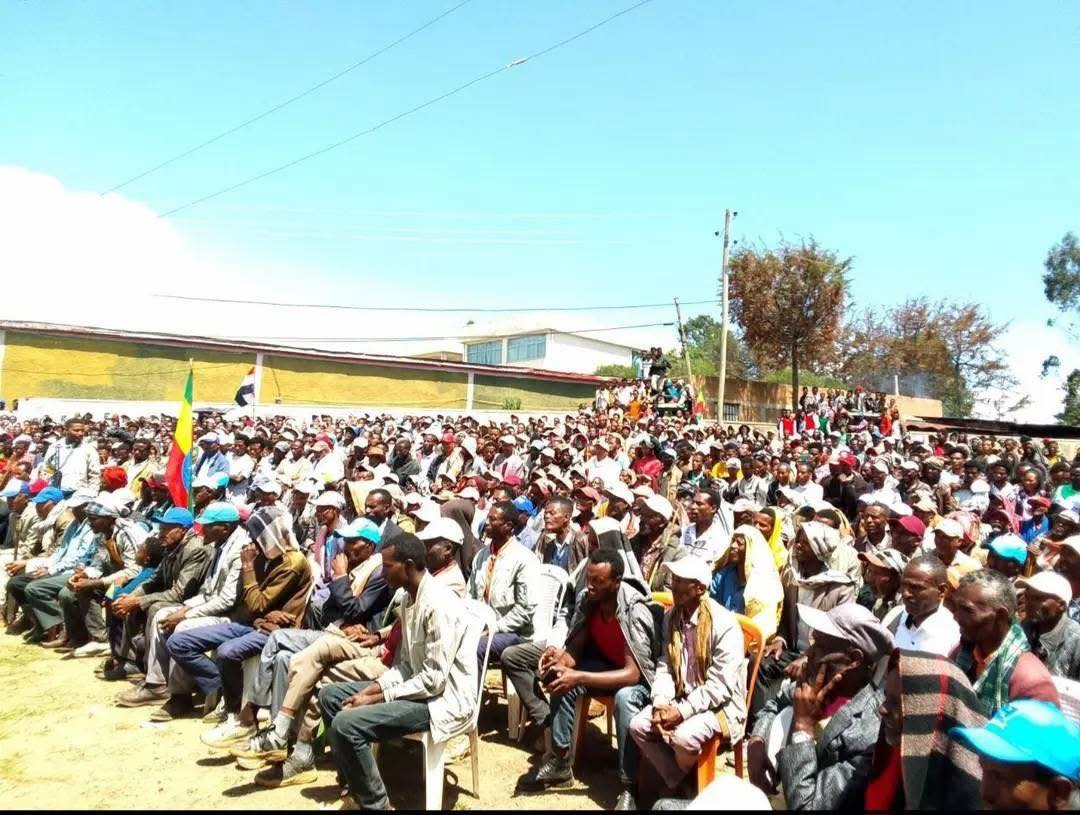
The heart of the reflection lies in a series of verbs that describe the work of community:
Nyaaraa fi qalbiin wal hubannee — We understood one another with patience and heart.
Afaaniin walitti dubbannee — We spoke to one another directly, mouth to mouth.
Dhaamsa wal bira keewwanne — We conveyed messages to one another, side by side.
There is no translation in these lines. There is only the texture of a people who have refused to allow distance to become division. They have talked. They have listened. They have passed the word from hand to hand, from house to house, from heart to heart.
This is democracy before the ballot box. This is the Gadaa assembly on the grass. This is the chaffe under the tree. It is the ancient Oromo way of making decisions—not through the silence of isolated individuals but through the noise of collective deliberation.
Choosing Wealth or Choosing Peace
The reflection then arrives at a stark choice:
“Badhaadhina filachuun, nagaa, kan jalqabame xumurree waantota aaraa jalqabuu fi tokkummaa sabaa fi biyyaa tiksuun biyya ijaaruudha.”
Choosing wealth, peace, completing what has been begun, beginning things that heal, and protecting the unity of the nation and the country—this is how we build the nation.
The phrasing is deliberate. Wealth is named first—not because it is the highest good, but because it cannot be separated from the other goods. A people without material foundation cannot sustain peace. A people without peace cannot accumulate wealth. A people without unity cannot defend either.
The reflection insists that building a nation is not the work of slogans. It is the work of finishing what was started. It is the work of starting things that do not injure but heal. It is the work of protecting unity—not the false unity of silence, but the hard-won unity of a people who have disagreed and still chosen to stand together.
The Final Affirmation
The post closes with a line that lands like a stone dropped into still water—the ripples spreading outward, unstoppable:
“Biyya wal gargaarree ijaarru malee, biyya wal gargaarree diignu hin qabnu.”
We build a country by helping one another. We do not have a country that we destroy by helping one another.
It is a sentence that turns logic on its head. The usual expectation is that helping one another builds a country, while turning against one another destroys it. But the reflection says something more radical: there is no country that we destroy by helping one another. Because the moment we help one another, we are already building. And the moment we turn against one another, we are no longer in possession of a country—we are only occupying the ruins of one.
The Unspoken Challenge
What makes this reflection powerful is what it does not say directly. It does not name the enemies of unity. It does not catalogue the betrayals. It does not rehearse the litany of wounds.
Instead, it assumes that the people of Dirree Incinnii already know. They know when. They know what. They know where. They know how.
The challenge, then, is not to inform them. It is to remind them. To call them back to the warmth of tradition, to the embrace of dignity, to the work of finishing what was begun.
A People Who Remember
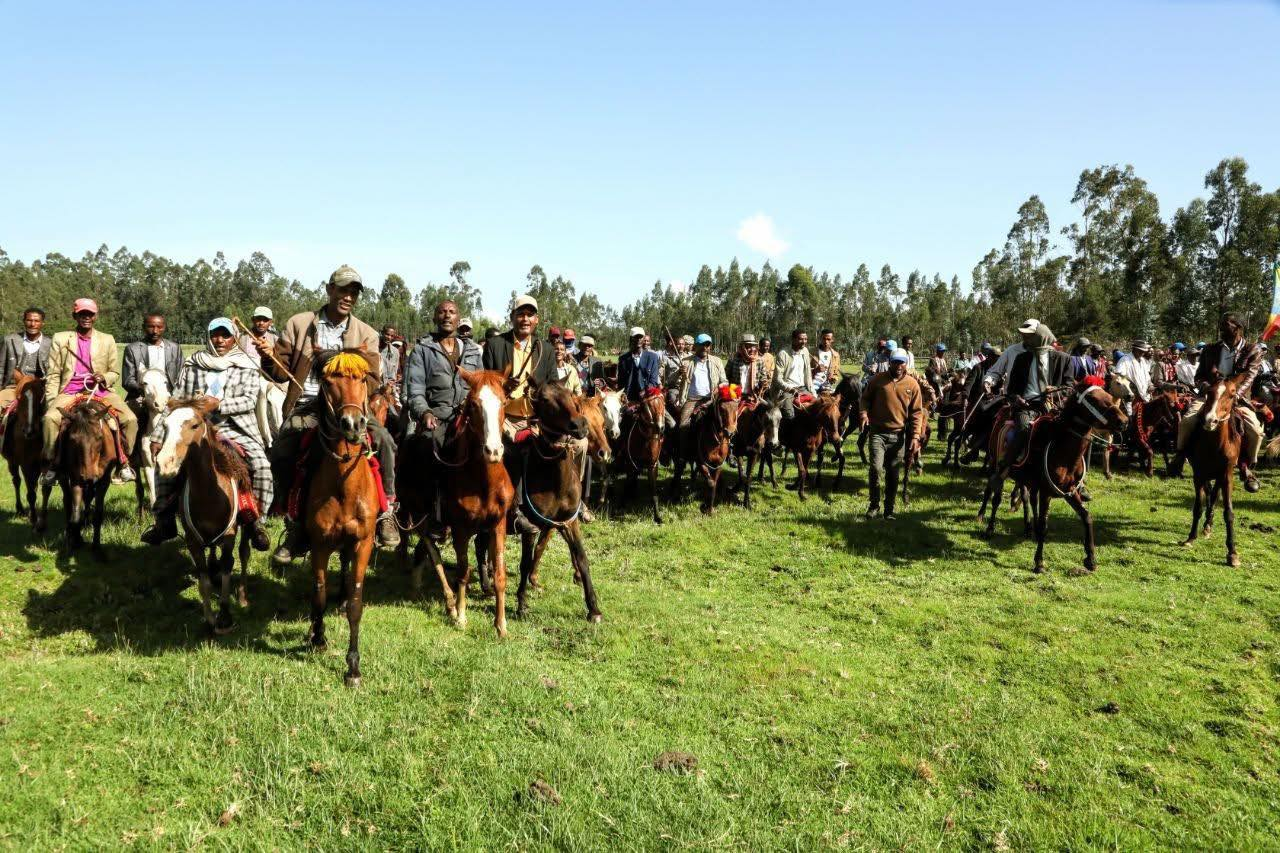
Dirree Incinnii is not just a place. It is a memory. It is the field where the Oromo have gathered in times of celebration and times of mourning. It is the ground that has absorbed the footsteps of ancestors and the tears of the dispossessed. It is the stage upon which the drama of Oromo political life has been performed again and again.
To say that a people walks alongside Dirree Incinnii is to say that they carry that memory with them. They are not lost. They are not scattered. They are not forgetful.
They know.
Conclusion: The Work Continues
Hailu Gonfa’s post, as reflected upon by Daandii Ragabaa, is not a victory lap. It is not a eulogy. It is a work report—a sober assessment of what has been achieved, what has been neglected, and what remains to be done.
The electoral process had shortcomings. Peace is fragile. Development is uneven. Unity is tested daily.
But the people of Dirree Incinnii have not despaired. They have gathered. They have spoken. They have understood one another with patience and heart.
And now, they build.
They build by helping one another. Not by destroying one another. Not by allowing the enemy to divide them. Not by forgetting that the warmth of culture and the dignity of honor are the only foundations upon which a nation can stand.
Biyya wal gargaarree ijaarru malee, biyya wal gargaarree diignu hin qabnu.
We build a country by helping one another. We do not have a country that we destroy by helping one another.
May that truth endure. May that work continue. May the people of Dirree Incinnii never forget what they already know.
Yoom? Maaltu? Eessetti? Akkamitti?
When? What? Where? How?
They know. And they build.
*Author’s Note on Attribution: The feature story is based on a social media post written by Hailu Gonfa. Daandii Ragabaa engaged with that post as a commentator, and the present reflection draws substantially from the ideas, themes, and framing originally articulated by Hailu Gonfa. This feature story is offered as a synthesis and expansion of that shared conversation, with full acknowledgment of the original source.

