Qabsoo Hin Xumuramne: Leencoo Lataa fi Karaa Dheeraa Bilisummaa Oromoo
Barreessaa: Daandii Ragabaa*
“Mootummaa kana akkuma mootummaa Hayilasillaasee, Dargiifi Wayyaanee lolaa turetti lolla taanaan gaarii hinta’u.”
— Obbo Leencoo Lataa
Jechoonni kun kan dubbataman yeroo ayyaana eebba kitaabaa keessatti, kan jedhaman nama waggoota 50 ol qabsoo Oromoo keessa tureeti. Obbo Leencoo Lataa, nama seenaan qabsoo Oromoo keessatti kan beekamu, hayyuu siyaasaa kan jaarraa walakkaa ol Oromoofi Oromiyaaf qabsaa’ee, kan ABO fi Gaazexaa Bariisaa hundeessan keessaa tokko.
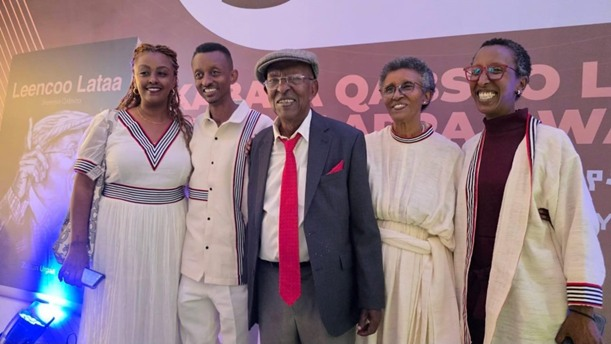
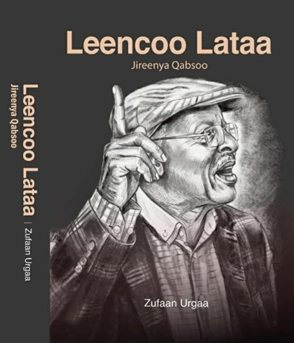
Kitaabni seenaafi imala qabsoo jaarraa walakkaa isaati, “Leencoo Lataa: Jireenya Qabsoo” jedhu, kan barreessituu Zufaan Urgaatiin Afaan Oromoofi Amaariffaan qophaa’e, Dilbata darbe Finfinneetti eebbifame. Kutaalee sadii, boqonnaawwan 11, fi fuulawwan 447 kan qabu, kitaabichi qarshii 1,200n gabaarra oole.
Sirnichatti, namoonni hedduun—hoggantoonni mootummaa federaalaafi naannoo Oromiyaa, miseensonni mana maree, hayyoonni, ambaasaaddaroonni, artistoonni, abbootiin Gadaa, haadholiin Siinqee, maatiifi firoonni Obbo Leencoo—walitti qalaman. Isaanis ilaalcha qabsoo waggoota 50 kan turan, gaaddisa fi ifa, milkaa’inaafi rakkinawwan walitti qaban.
Maatii Qabsoon Hidhe
Obbo Leencoo Lataa Pirofesar Kuwee (Maartaa) Kumsaa waliin bultii dhaabbate. Ijoollee sadii: Huriyaa, Roobaa, fi Goolii. Garuu seenaan maatii kanaa kan akka maatii kaanii miti. Kana keessatti, qabsoon mana keessa seena. Mana keessaa, qabsoon baqaqa.
Huriyaa Leencoo: Yaadannoo Intala Hangafaa
Huriyaan, intala hangafaa, sirratti dubbachuun yaadannoo ishee dhiyaatte. Garaan ni dhaga’ama. Afaaniin baay’ee hin miidhammu:
“Ijoollummaa kootti abbaa koo baay’ee hin yaadadhu. Garuu dhiphina haati koo keessa turte nan yaadadha. Haatiifi abbaan koo bultii dhaabbatanii waggaa sadii keessatti ijoollee sadii horatan.
Abbaan warraashee, jaalli qabsoofi abbaan ijoollee ishee, baay’ee mararfatu, haala hin taaneen manaa bahee dirree qabsoo seene. Yeroo abbaan keenya manaa bahe, haati keenya baay’ee dhiphattee, soofaarra ciiste, imimmaan dhangala’aa, ‘Beenu ka’ii, beenu ka’ii, allaattii koo joobiraa beenu sifaanan bu’aa’ jettee boossu nan yaadadha.
Ani yeroo sana maaliif akka isheen boossu hin beeku. Garuu ishee gaafachuuf yaalaan ture; gaafachuus nan sodaadhan ture.
Abbaan keenya utuu gara dirree qabsoo hin deemin, akka ijoolleetti daa’immee nu waliin taphata ture. Utuu jaalala isaa dhandhamnee hin quufiin, manaa bahee qabsoo seene.
Erga deemee booda, aniifi obboleessi koo, ‘Abbaan keenya eessa jiraa?’ jennee haadha keenya baay’ee rakkisaa turre.
Haati keenya poostarii (suura abbaa keenyaa) girgiddaarratti maxxansitee, ‘Har’arraa kaastanii waa’ee abbaa keessanii na hin gaafatinaa! Abbaan keessan kunooti!’ nuun jette. Nuti garuu carraa arganne hundaan waa’ee abbaa keenyaa haasa’uu barbaannu.
Erga haati keenya nurraa hidhamtee booda, waa’een abbaa keenyaa baay’ee hin dubbatamu ture. Erga isheen mana hidhaatii baatee, baqannee biyyaa baane, Keeniyaa, Naayiroobii geenyee booda, sagalee abbaa keenyaa bilbilaan dhageenye.
Abbaan keenya yeroo sana konfaransii Landan irra jira. Bilbilichi bilbilamee, ‘Ati eenyu?’ jedhee gaafate. Anis, ‘Bineensa naan jedhe,’ nan jedhe. Sagalee abbaa koo ta’uu keessa kootti natti dhaga’ame. Bilbila sana abbaa keenya ture.
Ji’oota sadiif, waa’een isaa mana keessatti baay’ee haasa’amaa ture. Innis utuu nuti gara Kaanaadaa hin deemin, guyyaa lamaaf dhufee nu arge.
Nuti maqaa abbaa keenyaa Yohaannis Lataatti beekna turre. Maqaa Leencoo Lataa jedhu akka haaraatti shaakalaa turre. Maqaan Leencoo jedhu sammuu koo keessatti nama daran dheeraafi guddaa ta’ee natti mul’ata ture.
Oggaa inni konkolaataa keessaa bu’ee nu dubbisu, waanti afaan koo keessaa bahe, ‘Maal atoo baay’ee gabaabaadha!’ jedhu ture.”
Waggaa hedduu booda, ijoolleen abbaa isaanii wajjiin walbaran. Kuni jaalala qabsoo fi jaalala maatii gidduu jiru.
Roobaa Leencoo: Ilmi Dubbata
“Abbaa koo xinnummaa kootti hin beeku. Abbaa koo waliin walitti dhufnee maatii kan taane Kanaadaatti ture. Nuti waliin hin guddanne. Kanaaf, abbaan koo gaaf tokko maatii walitti qabee, ‘Akka abbaa irraa jalqabuurra, hiriyyaa taanee haa jalqabnu’ jedhe.
Suuta obsaan hariiroo keenya cimsee, abbaa gaarii nuu ta’e. Inni nama obsa guddaa qabuufi kutannoo cimaa qabuudha.”
Goolii Leencoo: Intala Addummaan Dubbatti
“Maatiin koo maatii kaanirraa adda ta’uu jireenya koo guutuun beeka. Yeroo ijoollummaa keenyatti, haatiifi abbaan keenya nu bira hin turre. Abbaan keenya bosona, haati keenya ammoo mana hidhaa seenan.
Nuti sadanuu fira biratti guddanne. Erga ofbaraafi guddachaa dhufee booda, maaliif akka haadhaafi abbaa irra adda baane guddanne hubadhe. Haati keenya, ‘Ani ani hatee ykn ajjeesee miti kanan hidhame. Waan Oromummaafan hidhame,’ nuun jechaa turte.
Ergan abbaa keenya barreetti booda, maaliif akka qabsaa’u nutti haasa’aa ture. Haadhaafi abbaa keenya waliin erga guguddannee booda walitti dhufne. Garuu jaalalli nu gidduu jiru, akki itti walbarree, walii obsinee, wal deggarree, wal sirreessinee, wal gorsinee as geenye—anaaf daran adda.”
Pirofesar Kuwee Kumsaa: Qabsoo fi Of Darbuu
Pirofesar Kuween, haadha warraasaa, keessummeef dubbachuun akka jedhan:
“Seenaa qabsoo Obbo Leencoorraa waan xiqqoo gabaabsee haasa’uun barbaada. Yeroo jalqaba qabsootti seennu, akka qabsoon bara dheeraa fudhatuufi dhaloota baay’ee gaaga’u ni beekna turre.
Hacuuccaafi gabrummaan ummata keenya irra ture waggaa 100 ykn 200 qofa utuu hin taane, kan dhaloota dheeraa fudhatedha. Yeroo qabsoo kanatti seenne, ‘utuu lubbuun jirru kana argina’ jennee hin yaadne.
Leencoon haqaaf loluuf jecha, kanaanis sanaanis walitti bu’eera. Aniifi inni qabsaa’aafi qabsooftuutu wal argate. Qabsaa’aan dhugaa ofiisaatiif jiraatee saba isaa hin miidhu.
Qabsaa’aan dhugaa saba isaa tiif dabarsuuf ofii darba. Qabsaa’aan dhugaa ofii kootii darbeen, saba kootiif dabarsa jedhee qabsootti seena. Kaayyoon qabsoo Leencoos ofii darbee saba isaa fi dabarsuudha.
Leencoon nama kaayyoon qabsoo isaa hojiifi gochaan mul’iseedha. Bilisummaa, haqaafi walqixxummaa barbaachaaf hafuura nu keessaa wixxifatutu jira.”
Obbo Leencoo Lataa: Akeekkachiisa fi Ergaa
Obbo Leencoon, erga qabsoo dheeraa booda, sababa isaatiif hamatama, tuffatama, garuu hin dhokatu. Inni akkas jedhe:
“Galanni kan maluuf namoota qabsoo kanarratti wareegaman qofaafi. Nuti warri lubbuudhaan jiru, beekamtii yoo arganne nu ga’a. Seenaa koo keessatti nama dallansiiseeran ta’a. Abaarsi baay’eenis narra gahaa tureera.
Yeroo mootummaa ce’umsaa sana, gaafa Finfinnee seennu, Afaan Oromoo sadarkaa dhabamuurra gahee ture. Afaan Oromoo dhabamnaan ammoo sabichis dhabameera jechuudha.
Yeroo ammaa garuu Oromoon ‘Baala Gizee’ jedhamee hamatama. Hamiin akkasii gaariidha. Kanaan dura akkas jedhamnee hamatamuu dadhabne.
Qabsoon kun bakka irraa ka’eefi waan galmeeffate qaba. Waan ammayyuu irraa hafetu jira. Yoo waan hanqate xiinxallee, guuttachaa yoo deemuu baane, gaarii hin ta’u.
Akkuma mootummoota Hayilasillaasee, Dargiifi Wayyaanee lolaa turetti, kanas lola taanaan gaarii hin ta’u. Haala yeroo wajjin tarsiimoo keenya fooyyessuu qabna.
Qabsoo taasifneen: maaltu galmaa’e? maaltu hir’ate? jennee of gaafachuun, isa hir’ate guuttachaa deemuu malee, zeeroorraa ka’uu hin qabnu.”
Yaadannoo Daandii Ragabaa: Ergaan Kee Maali?
Yeroo Obbo Leencoon “Mootummaa kana akkuma mootummaa Hayilasillaasee, Dargiifi Wayyaanee lolaa turetti lola taanaan gaarii hin ta’u” jedhu, inni hubachiisa: Qabsoon lolaaf loluu miti. Qabsoon, xumuraaf, bilisummaaf, haqaaf, fi namoomni akka maatii jiraachuu danda’an biyya ijaaruuf.
Garuu, akka yaadannoo Daandii Ragabaa, Oromoon har’a sadarkaa qabsoo haaraa keessa jira. Hayilasillaasee fi Derg dabarani. Woyaanes ni dabare. Ammas immoo waggoota 50 booda, mootummaan ammaas “lola taanaan gaarii hin ta’u.” Mee hamma yoom? Mee hamma dhiiga yoom?
Obbo Leencoo akka jedhetti, karaan duubatti, bakka jalqabnee, galmaa’e hubachuudha. Akkasumas waa’ee hanqinaa of gaafachuudha. Waan hanqate guutuu. Garuu zeeroo kaasee bilbiluu fi qabsoo lolaatti deebisuu miti.
Huriyaan abbaa ishee “gabaaba” jette. Roobaan “obsa” fi “kutannoo” dhaha. Goliin “walbaruu, walobsii, waldeeggarsa, walsirreessuu, fi walgorsuu” maatii isaanii adda isaan ta’uu dubbatti. Pirofesar Kuween “qabsaa’aan dhugaa ofiisaatiif jiraatee saba isaa hin miidhu” jetti.
Hooggantoonni, hayyuunni, Gadaan, Siinqeen, artistoonni, ambaasaaddaroonni, fi ummatni walitti qabamanii kitaabicha eebbisan. Garuu eebbi kun kan galmaan ga’uu isa dhugaa eebbisa. Eebbi kun gaaffii: “Ati, karaa kana irraa, maal fudhata?” jedhu gaafata.
Xumura: Qabsoon Itti Fufa
Obbo Leencoo Lataa, tarsiimoo fooyyessuu qabna. Isaan kan dabaraniin, karaa isaanii irratti baruu qabna. Waan milkaa’e ijaaruu. Waan hanqate guutuu. Kana malee, lola lolaaf gadhee.
Kitaabichis, yaadannoo fi dhugaattiin, eebba qofa miti; tokkummaafi akeekkachiisa.
Ammas waan hafe jira. Ijoolleen Leencoo, walitti dhufan. Haatiifi abbaan, erga waggoota booda, walitti dhufan. Oromoon jaalala qabsoo fi jaalala maatii gidduu madaala barbaada. Kuni qabsoo dhugaa.
Ergaa Obbo Leencoo Lataa:
“Haala yeroo wajjin tarsiimoo keenya fooyyessuu qabna. Qabsoo taasifneen maaltu galmaa’e? maaltu hir’ate? jennee of gaafachuun, isa hir’ate guuttachaa deemuu malee, zeeroorraa ka’uu hin qabnu.”
Karaan lola miti. Karaan deeggarsa, tolcha, fi tokkummaa ti. Oromoon duuba hin deebi’u. Garuu duuba ilaaluun, waan qabu hubachuufi waan dhabe guutuu ni danda’a.
Qabsoo Leencoo Lataa, qabsoo Pirofesar Kuwee, qabsoo Huriyaa, Roobaa, fi Goolii—qabsoon kun qabsoo Oromoo ti. Akka dhiiga dhangala’uu dhiisu, lubbuun akka hin badne, fi biyyi akka ijaaramtu.
“Mootummaa kana akkuma mootummaa Hayilasillaasee, Dargiifi Wayyaanee lolaa turetti lola taanaan gaarii hinta’u.”
Lola miti. Tokkummaa. Nagaa. Bilisummaa.
Qabsoon itti fufa.
*Gabaasti kun kan barreeffame dhaabbata ‘Gaazexaa Bariisaa’ irratti Natsaannat Taadsasaatiin guyyaa Caamsaa 5, 2018 maxxanfame irratti hundaa’e. Barreeffama asii olii yaadannoo fi ibsa Daandii Ragabaa ti. Yaanni, haasawiifi dhugaattiin as keessatti dhiyaatu kan abbootii qabsoo Obbo Leencoo Lataa, Pirofesar Kuwee Kumsaa, fi ijoollee isaanii (Huriyaa, Roobaa, fi Goolii Leencoo) irraa dhufe. Daandii Ragabaan akka yaadannoo fi ibsituutti tajaajileera. Maddi bu’uuraa yaadannoo kan Natsaannat Taadsasaa fi Gaazexaa Bariisaa ti.
A People of Dignity: The Path of Dirree Incinnii
By Daandii Ragabaa*
“Uummata safuu fi safeeffannaa qabu.”
A people with dignity and a sense of honor.
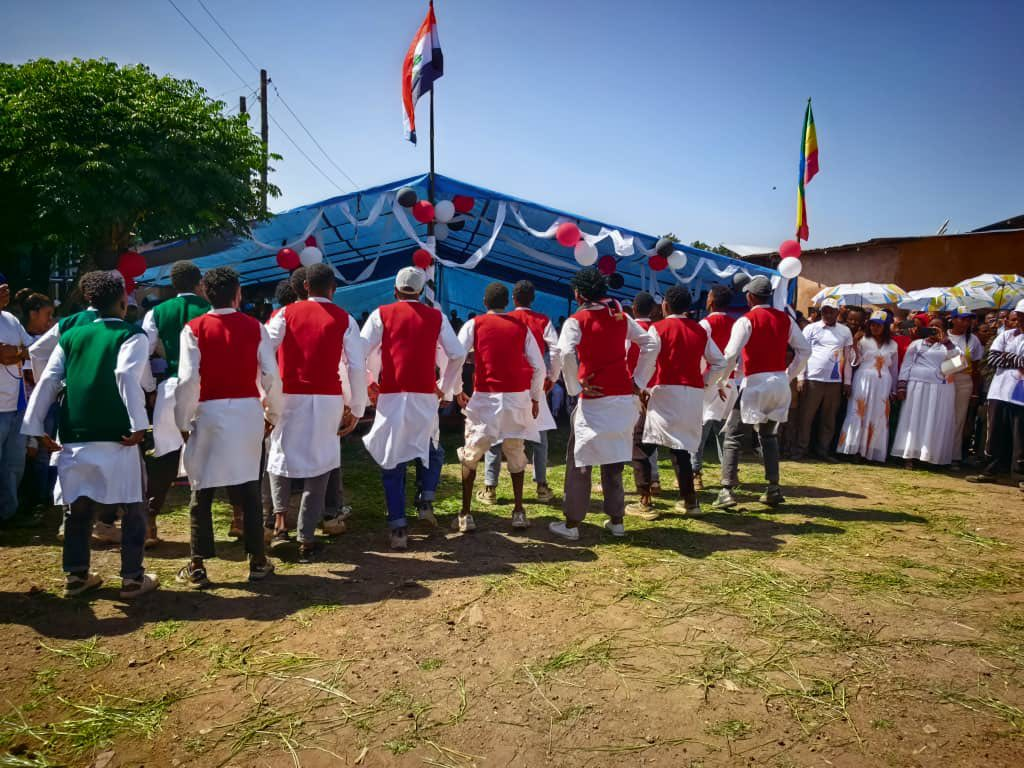
These words open a reflection that is at once a meditation and a summons. They speak of a community that has walked alongside the plains of Dirree Incinnii—a place heavy with history, where the Oromo people have gathered to assert their identity, to mourn their wounds, and to chart their collective future.
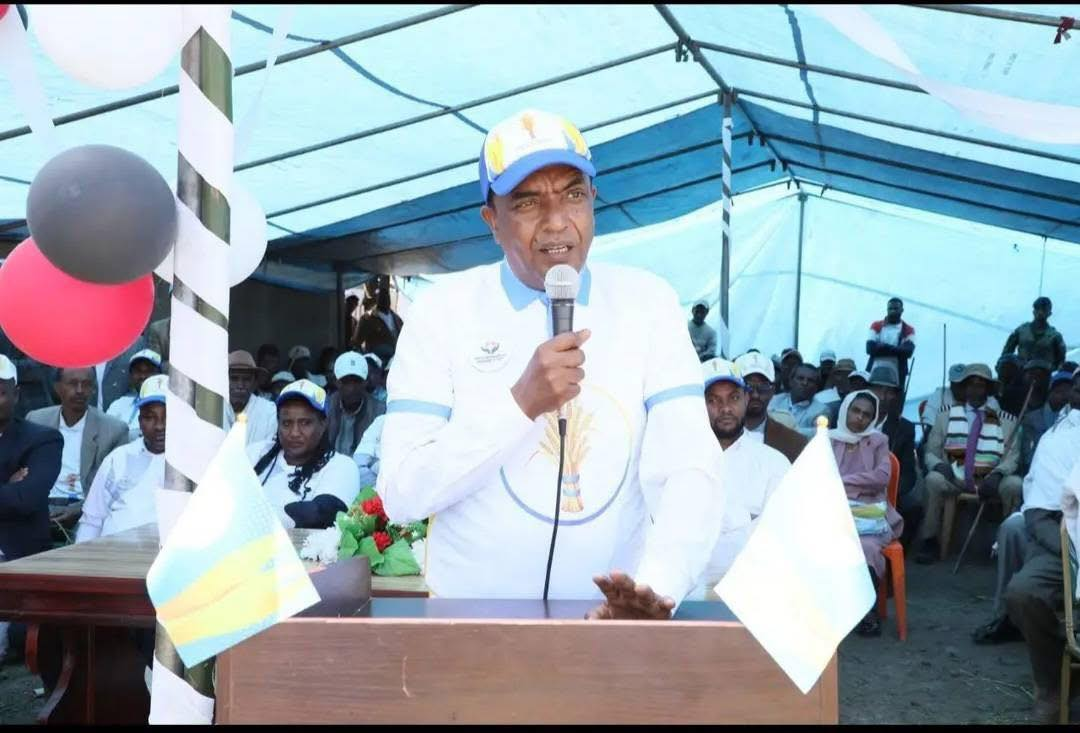
Hailu Gonfa, whose original post sparked this reflection, writes not as a distant observer but as one who stands within the circle. And Daandii Ragabaa, as commentator, amplifies that voice—calling attention to what has been done, what remains undone, and what must yet be dared.
The Work That Was Begun
The reflection turns first to the recent electoral process. It acknowledges that work was begun. But it does not shy away from naming the shortcomings—the gaps, the failures, the moments when the promise of democratic participation was not fully realized.
Peace. Development. Unity.
These are the pillars upon which the Oromo people have built their aspirations. Yet the reflection insists that these cannot be achieved through mere declarations. They require labor. They require patience. And they require something that cannot be legislated: the warmth of tradition and the binding force of mutual respect.
“Simannaa ho’aa aadaa fi safuu qabun,” the post reads.
With the warm embrace of culture and dignity.
It is a striking phrase. The image is not one of cold legalism or bureaucratic procedure. It is an embrace—a welcome, a recognition that the leaders and representatives of the people are not distant functionaries but kin, bound by the same history and the same hopes.
We thank you, the reflection says, for what you have done for us.
The Wisdom of the Eldest Sons
There is a particular quality attributed to the people of Dirree Incinnii and the eldest sons of the Warra Ammayyaa. They know. They know when. They know what. They know where. They know how.
This is not the arrogance of knowledge without experience. It is the earned wisdom of a people who have learned, through generations of struggle and survival, that action without timing is wasted, that strategy without place is lost, that effort without method is scattered.
The reflection captures this in a cascade of questions that are really affirmations:
Yoom? When?
Maaltu? What?
Eessetti? Where?
Akkamitti? How?
These are not the questions of the confused. They are the questions of the prepared—of a people who have learned to ask everything before they act, because the cost of acting without knowing has been paid too many times already.
The Gathering of the Community
The heart of the reflection lies in a series of verbs that describe the work of community:
Nyaaraa fi qalbiin wal hubannee — We understood one another with patience and heart.
Afaaniin walitti dubbannee — We spoke to one another directly, mouth to mouth.
Dhaamsa wal bira keewwanne — We conveyed messages to one another, side by side.
There is no translation in these lines. There is only the texture of a people who have refused to allow distance to become division. They have talked. They have listened. They have passed the word from hand to hand, from house to house, from heart to heart.
This is democracy before the ballot box. This is the Gadaa assembly on the grass. This is the chaffe under the tree. It is the ancient Oromo way of making decisions—not through the silence of isolated individuals but through the noise of collective deliberation.
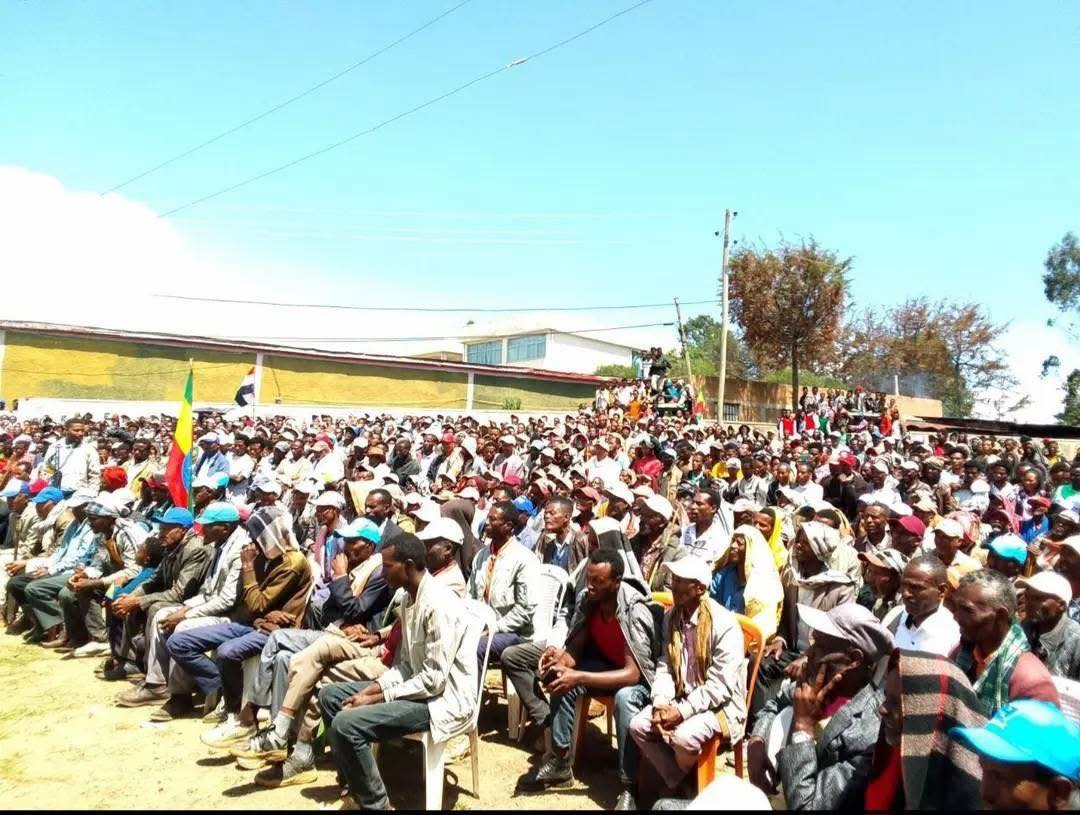
Choosing Wealth or Choosing Peace
The reflection then arrives at a stark choice:
“Badhaadhina filachuun, nagaa, kan jalqabame xumurree waantota aaraa jalqabuu fi tokkummaa sabaa fi biyyaa tiksuun biyya ijaaruudha.”
Choosing wealth, peace, completing what has been begun, beginning things that heal, and protecting the unity of the nation and the country—this is how we build the nation.
The phrasing is deliberate. Wealth is named first—not because it is the highest good, but because it cannot be separated from the other goods. A people without material foundation cannot sustain peace. A people without peace cannot accumulate wealth. A people without unity cannot defend either.
The reflection insists that building a nation is not the work of slogans. It is the work of finishing what was started. It is the work of starting things that do not injure but heal. It is the work of protecting unity—not the false unity of silence, but the hard-won unity of a people who have disagreed and still chosen to stand together.
The Final Affirmation
The post closes with a line that lands like a stone dropped into still water—the ripples spreading outward, unstoppable:
“Biyya wal gargaarree ijaarru malee, biyya wal gargaarree diignu hin qabnu.”
We build a country by helping one another. We do not have a country that we destroy by helping one another.
It is a sentence that turns logic on its head. The usual expectation is that helping one another builds a country, while turning against one another destroys it. But the reflection says something more radical: there is no country that we destroy by helping one another. Because the moment we help one another, we are already building. And the moment we turn against one another, we are no longer in possession of a country—we are only occupying the ruins of one.
The Unspoken Challenge
What makes this reflection powerful is what it does not say directly. It does not name the enemies of unity. It does not catalogue the betrayals. It does not rehearse the litany of wounds.
Instead, it assumes that the people of Dirree Incinnii already know. They know when. They know what. They know where. They know how.
The challenge, then, is not to inform them. It is to remind them. To call them back to the warmth of tradition, to the embrace of dignity, to the work of finishing what was begun.
A People Who Remember
Dirree Incinnii is not just a place. It is a memory. It is the field where the Oromo have gathered in times of celebration and times of mourning. It is the ground that has absorbed the footsteps of ancestors and the tears of the dispossessed. It is the stage upon which the drama of Oromo political life has been performed again and again.
To say that a people walks alongside Dirree Incinnii is to say that they carry that memory with them. They are not lost. They are not scattered. They are not forgetful.
They know.
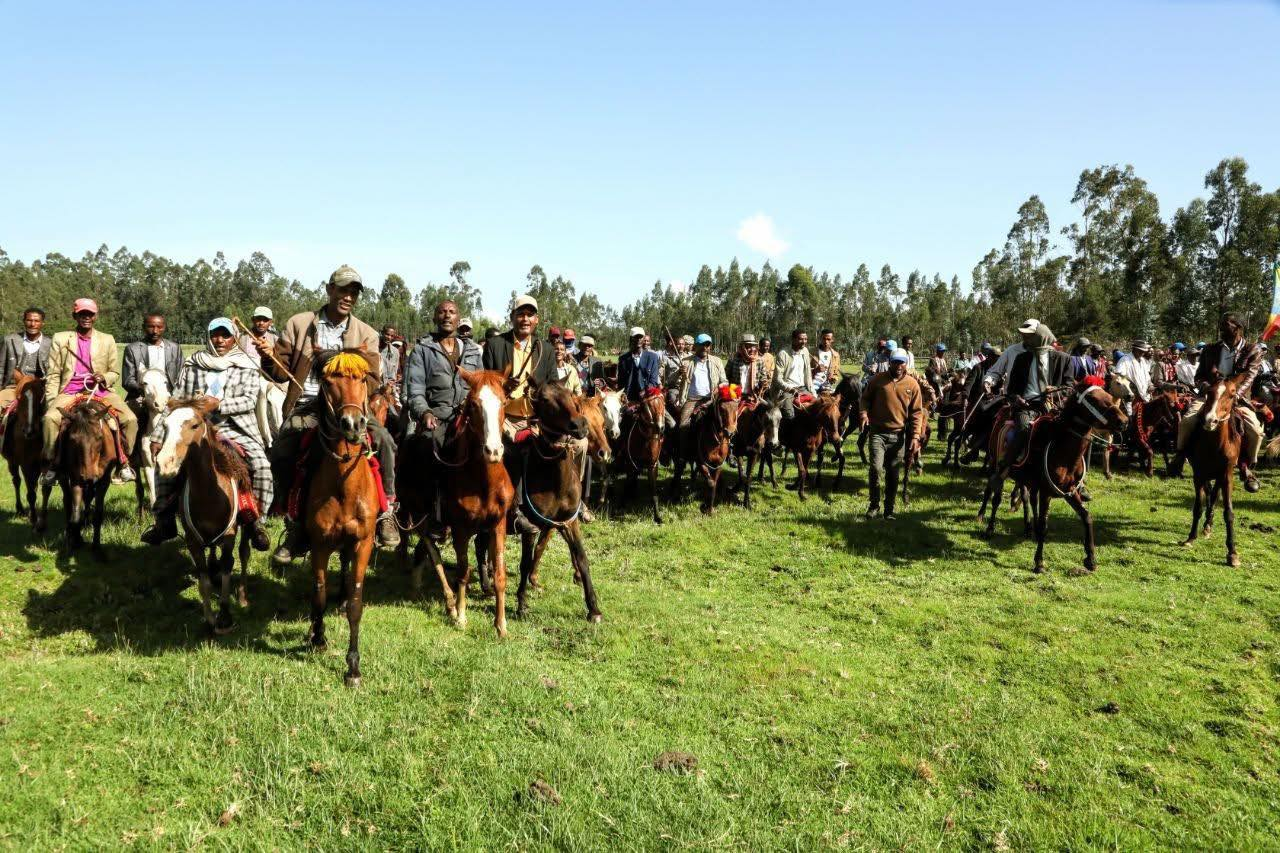
Conclusion: The Work Continues
Hailu Gonfa’s post, as reflected upon by Daandii Ragabaa, is not a victory lap. It is not a eulogy. It is a work report—a sober assessment of what has been achieved, what has been neglected, and what remains to be done.
The electoral process had shortcomings. Peace is fragile. Development is uneven. Unity is tested daily.
But the people of Dirree Incinnii have not despaired. They have gathered. They have spoken. They have understood one another with patience and heart.
And now, they build.
They build by helping one another. Not by destroying one another. Not by allowing the enemy to divide them. Not by forgetting that the warmth of culture and the dignity of honor are the only foundations upon which a nation can stand.
Biyya wal gargaarree ijaarru malee, biyya wal gargaarree diignu hin qabnu.
We build a country by helping one another. We do not have a country that we destroy by helping one another.
May that truth endure. May that work continue. May the people of Dirree Incinnii never forget what they already know.
Yoom? Maaltu? Eessetti? Akkamitti?
When? What? Where? How?
They know. And they build.
*Author’s Note on Attribution: The feature story is based on a social media post written by Hailu Gonfa. Daandii Ragabaa engaged with that post as a commentator, and the present reflection draws substantially from the ideas, themes, and framing originally articulated by Hailu Gonfa. This feature story is offered as a synthesis and expansion of that shared conversation, with full acknowledgment of the original source.

