Jireenya Qabsoo fi Tajaajilaa: Kitaabni Obbo Yonaattaan Dhibbisaa Seedaan Qophaa’e Dubbisamuuf Jira
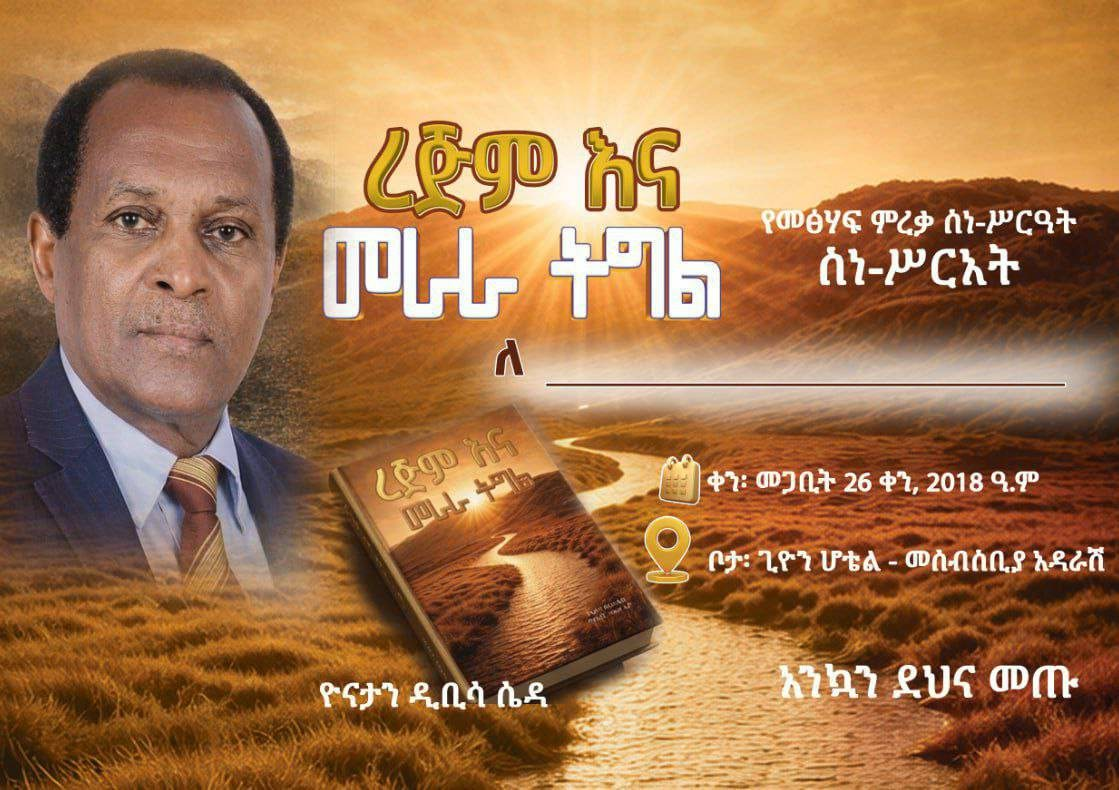
Finfinnee – Kitaabni jireenya fi imala siyaasaa obbo Yonaattaan Dhibbisaa Seedaa, miseensa hundeessaa fi hogganaa koree giddu galeessaa duraanii Dhaabbata Dimokiraatawaa Ummatoota Oromoo (OPDO) ta’an, guyyaa Ebla 4, 2026 gaaraa Hoteela Giyoon irratti sa’aatii 7:00 Waaree booda calaqqisiifama.
Obbo Yonaattaan Dhibbisaa namoota siyaasaa Oromoo keessatti beekamoo fi ulfina qabaniin tokko yoo ta’u, kitaabni kun imala isaanii waggaa 17 ol tajaajila biyyaa, qabsoo bilisummaa, fi hooggansa mootummaa keessatti qaban ifa godha.
Qabsoo Bilisummaa keessatti Hooggansaa
Obbo Yonaattaan Dhibbisaa utuu siyaasicha hin seenin dura, Waraana Bilisummaa Oromoo (WBO) keessatti hogganaa ta’anii waggaa 17 ol tajaajilanii jiru. Imala siyaasaa isaanii keessatti, gara Eriteraa hanga Egypt deemuun hooggansa waraanaa keessatti qooda fudhataniiru.
Bara Gumuz, Godina Wallagga Bahaa keessatti Aanaalee Gidda fi Kiiramuu seenuun uummata Oromoo duguugaa turte qaamaan lolee lolchiisuun seenaa yoomillee hin dagatamne katabaniiru. Yeroo sanatti hooggansi isaanii fi dhiibeenna qaamaa isaanii akka jiraataa jireenya uummataa eeguuf godhan kun, amma illee kan hin dagatamne seenaa keessatti jira.
Hooggansa Siyaasaa fi Tajaajila Mootumma
Obbo Yonaattaan Dhibbisaa miseensa hundeessaa fi hogganaa koree giddu galeessaa OPDO ta’anii tajaajilanii, booddees mootummaa naannoo Oromiyaa keessatti iddoo itti gaafatamaa adda addaa qabaniiru. Isaan keessaa:
- Ajajaa Hunma Dafee Qaqqabaa Oromiyaa
- Ministeera Ministeera Haqaa Oromiyaa
ta’uun tajaajilaniiru. Tajaajilli isaanii kun jijjiirrama siyaasaa Oromiyaa keessatti iddoo guddaa qaba.
Jireenya Dhuunfaa fi Guyyaa Eebbicha
Boodarra wayyaanen aangoo gadi dhiisuu hordofee gara biyyaa galuun, obbo Yonaattaan amma jireenya dhuunfaa isaanii irratti xiyyeeffatanii jiraachaa jiru. Kitaabni kun, kan qophaa’e yeroo kana keessatti, hubannoo cimaa imala siyaasaa isaanii, muuxannoo dhuunfaa isaanii fi mul’ata egeree isaanii irraa akka qooddatamuuf.
Warra gaggeessummaa, qabsoo, fi jijjiirrama hawaasaa irratti fedhii qabaniif kitaabni kun gatii guddaa qaba. Seenaa isaanii keessatti barumsi jiru, dhaloota haaraa siyaasa Oromoo keessatti hordofuu barbaadanis ni gargaara.
“Yoo Namni Seenaa Dagate, Seenaan Nama Hin Dagatu”
Dhaamsi sirni eebbichaa ni jedha:
“Yoo namni seenaa dagate, seenaan nama hin dagatu.”
Kunis faayidaa kitaaba kanaa fi haala kitaabni kun jireenya tokkoo keessaa barumsi, cimina fi ofittoo itti fudhachuun jireenya biyyaa keessatti qabu mul’isa.
Eebbi Kitaabichaa
- Guyyaa: Ebla 4, 2026
- Bakka: Hoteela Giyoon, Finfinnee
- Sa’aatii: 7:00 Waaree booda
- Afuura: Namni hundi kabajamaan affeerama.
Dhaamsa kana namoota hundaaf qoodaa!
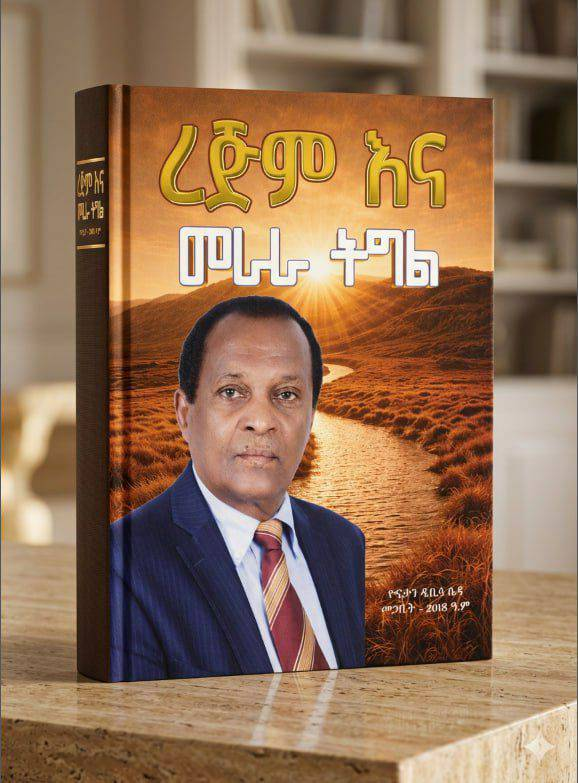
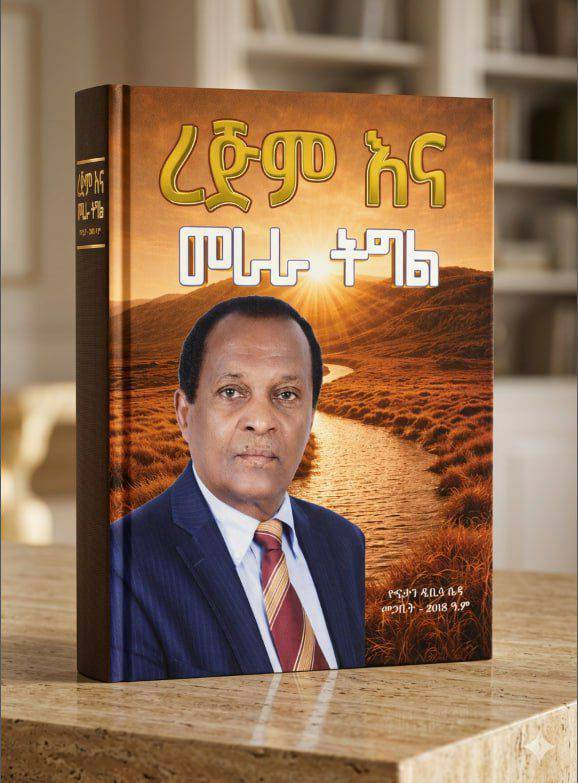
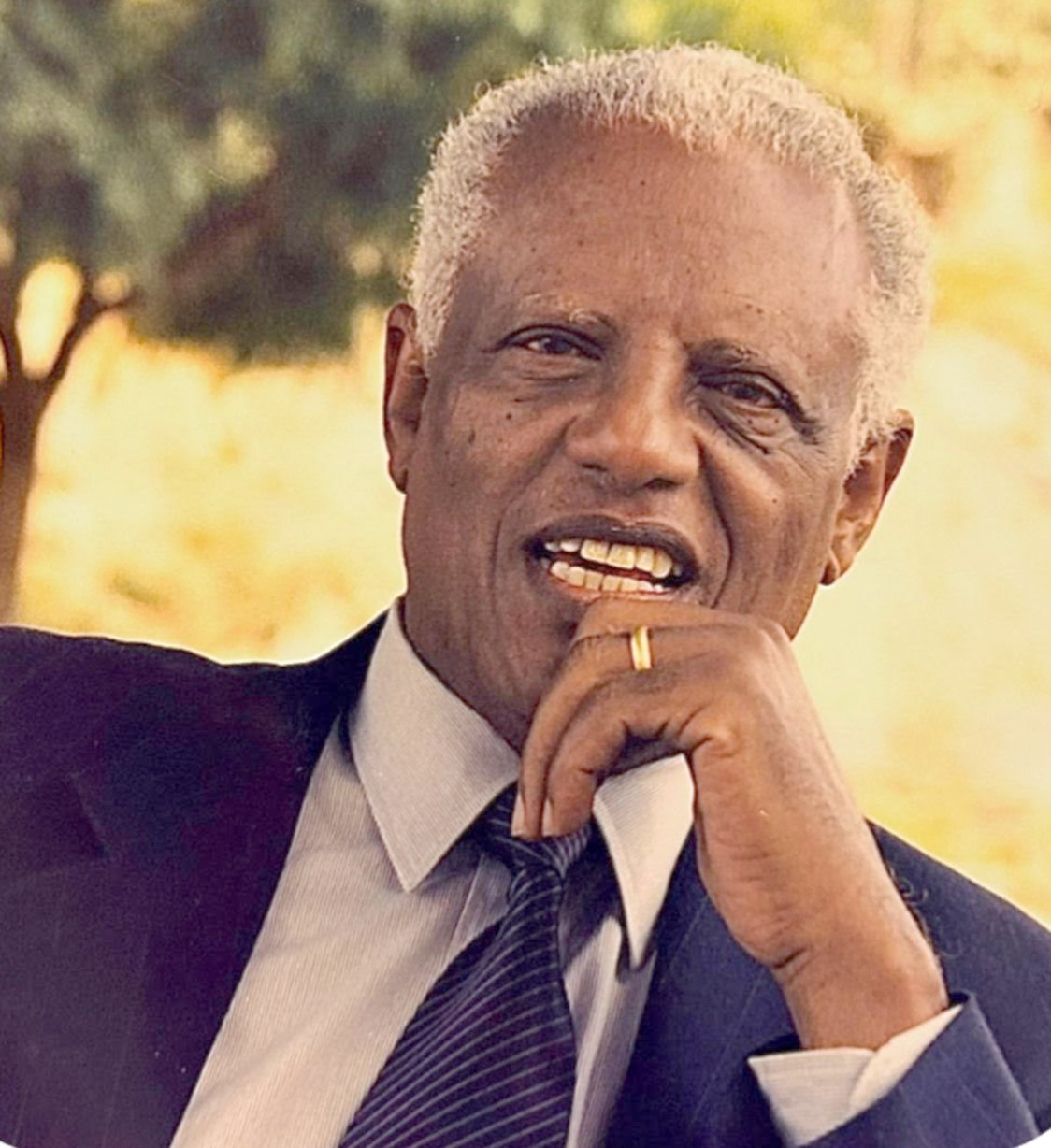
የትግልና የአገልግሎት መንገድ፦ የአቶ ዮናታን ድብሳ ሴዳ የሕይወት ታሪክ በመጽሐፍ ቅንብር ሊነበብ ነው
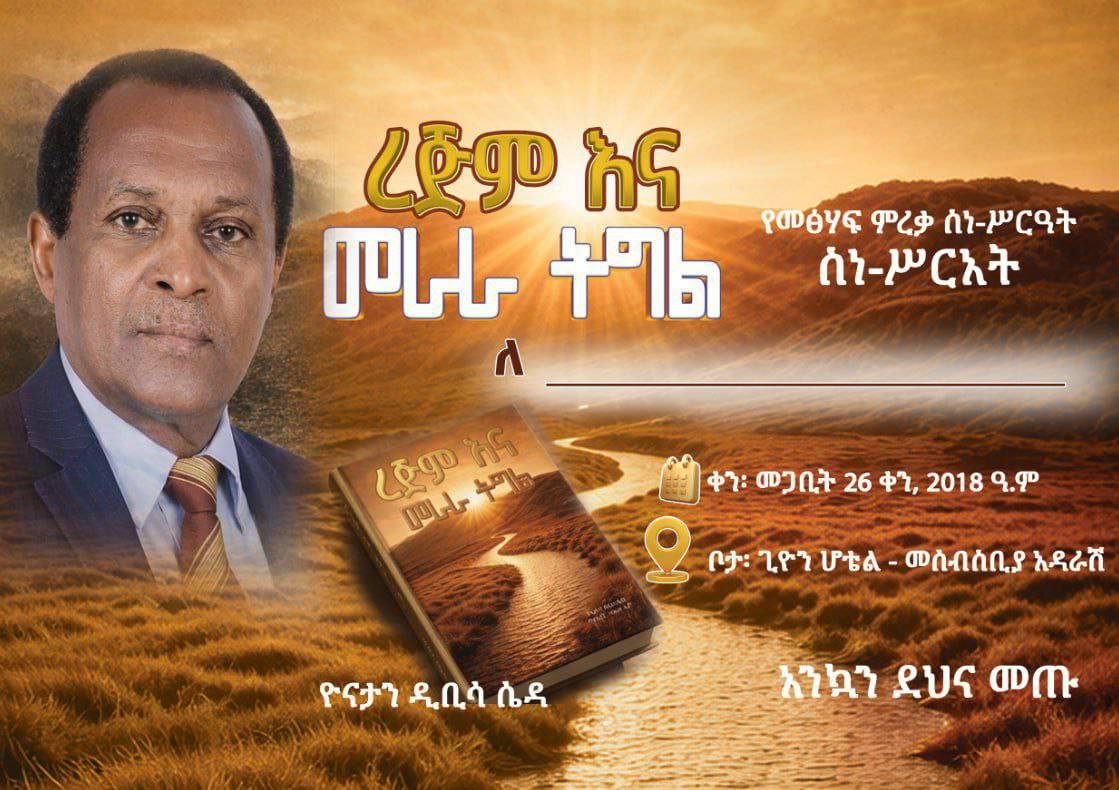
አዲስ አበባ – በኦሮሚያ ክልል ፖለቲካ መስክ ጉልህ ሚና የተጫወቱት፣ የኦሮሞ ሕዝቦች ዴሞክራሲያዊ ድርጅት (ኦሕዴድ) መሥረታ አባል እና የማዕከላዊ ኮሚቴ አመራር የነበሩት አቶ ዮናታን ድብሳ ሴዳ የሕይወት ጉዞ በመጽሐፍ ቀርቧል።
“የሕይወት ተሞክሮና ራዕይ” በሚል መጠሪያ የተዘጋጀው ይኸው መጽሐፍ በሚቀጥለው ሚያዝያ 4 ቀን 2026 በአዲስ አበባ ግዮን ሆቴል ከምሽቱ ፯ ሰዓት ላይ በሚካሄድ ልዩ ዝግጅት ለንባብ ይበቃል።
መጽሐፉ በሕዝብ አገልግሎት፣ በትጥቅ ትግል እንዲሁም በከፍተኛ የአመራር ሃላፊነት ያሳለፉትን ዓመታት የሚዳስስ ሲሆን ለታሪክ አፍቃሪዎች፣ ለወጣት ትውልድ እንዲሁም ለማኅበራዊ ለውጥ ፍላጎት ላላቸው ሁሉ ጠቃሚ መረጃዎችን ይዟል።
ከትጥቅ ትግል እስከ ከፍተኛ አመራር
አቶ ዮናታን ድብሳ በፖለቲካ መስክ ከመሳተፋቸው ቀደም ብለው ለረጅም ዓመታት በኦሮሞ ነጻነት ሠራዊት (ኦነሠ) ውስጥ አመራር ሆነው አገልግለዋል። ከኤርትራ እስከ ግብጽ ባለው ሰፊ ግዛት ውስጥ በመንቀሳቀስ ከ፲፯ ዓመታት በላይ በትጥቅ ትግሉ ውስጥ ቆይተዋል።
በቤንሻንጉል ጉሙዝ ክልል በምሥራቅ ወለጋ ዞን ጊዳ እና ኪራሙ ወረዳዎች ኦሮሞ ሕዝብ ከከፋ ጥቃት ሲደርስበት በነበረበት ወቅት በአካል ተገኝተው የሕዝቡን መከላከያ በማደራጀት ከፍተኛ ሚና ተጫውተዋል። ይህ የሕይወታቸው ምዕራፍ በትግሉ ታሪክ ውስጥ ዘላቂ አሻራ አሳርፏል።
ከኦሕዴድ መሥረት እስከ ሚኒስቴር ማዕረግ
የኦሮሞ ሕዝቦች ዴሞክራሲያዊ ድርጅት (ኦሕዴድ) መመሥረት ላይ በቀጥታ ከተሳተፉት መካከል አንዱ የሆኑት አቶ ዮናታን፣ በድርጅቱ ውስጥ የማዕከላዊ ኮሚቴ አባል እና አመራር ሆነው ሰርተዋል።
በኦሮሚያ ክልል መንግሥት ውስጥም ከከፍተኛ የደህንነት ሃላፊነት ጀምሮ እስከ ፍትሕ ሚኒስቴር ሚኒስትርነት ድረስ በተለያዩ የኃላፊነት ደረጃዎች አገልግለዋል።
ከሥልጣን በኋላ
ከረጅም ዓመታት የሕዝብ አገልግሎት በኋላ፣ አቶ ዮናታን ሥልጣንን በፈቃደኝነት ለቀው ወደ ግል ሕይወት ተመልሰዋል። በዚህ ወቅት ደግሞ የራሳቸውን የሕይወት ተሞክሮ፣ የፖለቲካ እንቅስቃሴ ግንዛቤ እና የወደፊቱን ራዕይ በመጽሐፍ መልክ ለትውልድ ማስተላለፍ ላይ ትኩረት ሰጥተው ቆይተዋል።
ለምን ይህ መጽሐፍ?
የዝግጅቱ አዘጋጆች እንደሚሉት፣ ይህ መጽሐፍ ለወጣቶች እና ለመጪው ትውልድ ከትግል፣ ከቁርጠኝነት እና ከአገልግሎት ጋር ተያይዘው ሊጠና የሚገቡ ትምህርቶችን ይዟል።
“የሕዝብ ታሪክ ካልተዘከረ፣ ታሪክ ሕዝቡን አይረሳውም” በሚል ሀሳብ የተዘጋጀው ይህ መጽሐፍ ትውልዱን ከራሱ ታሪክ ጋር ለማገናኘት ያለመ ነው።
የመጽሐፉ የምርቃት ሥነ ሥርዓት ለሕዝብ ክፍት የሚሆን ሲሆን፣ አዘጋጆቹ መጽሐፉን ማንበብ ለሚፈልጉ፣ የአመራርና የታሪክ አፍቃሪ ለሆኑ ሁሉ ይህን ጥሪ አስተላልፈዋል።
የዝግጅቱ ዝርዝር መረጃ፦
- ዝግጅት፦ የአቶ ዮናታን ድብሳ ዳ መጽሐፍ ምርቃት
- ቀን፦ ሚያዝያ 4 ቀን 2026
- ሰዓት፦ ከምሽቱ 7 ሰዓት (ከምሽቱ ፩ ሰዓት)
- ቦታ፦ ግዮን ሆቴል፣ አዲስ አበባ
- መግቢያ፦ ለሁሉም ክፍት
Manneen Murtii Aadaa: Bu’uura Nageenyaafi Tokkummaa Hawaasaa Cimsuu Keessatti Gahee Ol’aanaa Qabu

Ummanni Oromoo seenaa dheeraa keessa sirna haqaa aadaa isaaniitti bu’uureffate kan jaarrolii fi hayyoonni aadaa geggeessan qabu. Manneen Murtii Aadaa kunis gahee guddaa taphachuun nageenya hawaasaa eeguufi waldhabdee hawaasaa hiikuu keessatti hirmaatu.
OROMIYA — Manneen Murtii Aadaa Oromoo sirna haqaa hawaasaa keessatti aadaa fi duudhaa irratti hundaa’ee rakkoo ummataa hiikuun nageenya hawaasaa tiksuu keessatti gahee guddaa qabu. Rakkoolee akka walitti bu’iinsa maatii, walitti bu’iinsa ollaa fi hawaasa gidduutti uumaman karaa araaraa fi marii irratti hundaa’een furmaata kennu.
Sirni kun akka adda addummaatti yeroo fi baasii guddaa osoo hin gaafatin dhimmoota ykn waldhabdee hiikuun hariiroo hawaasaa akka hin diigamne godha. Kunis hawaasni nagaa fi tasgabbiin jiraachuu danda’u.
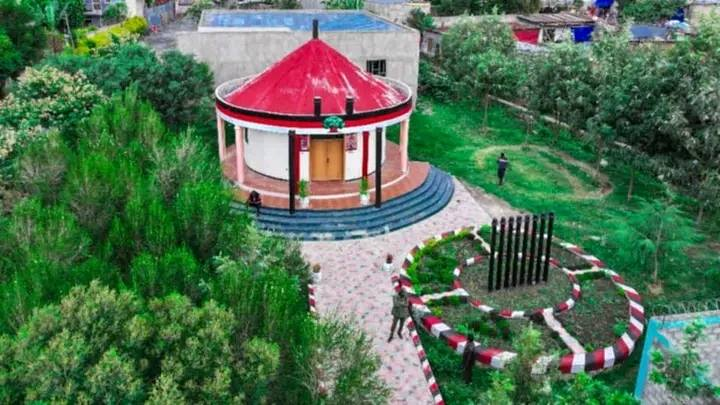
Bu’uurri Isaa Aadaa fi Duudhaa
Manneen Murtii Aadaa sirna haqaa kan aadaa fi duudhaa Oromoo irratti hundaa’een hojjetu yoo ta’u, kaayyoon isaa ijoon waldhabdee furuun nagaa fi tokkummaa hawaasaa eeguudha. Sirni kun hariiroo hawaasaa cimsuufi walitti bu’iinsa garaagaraa furuuf karaa salphaa fi hawaasatti dhihoo ta’e uuma.
Jaarsoliin biyyaa fi hayyoonni aadaa kanneen beekumsaafi muuxannoo dhaloota darbe irraa argatan fayyadamuun dhimmoota hawaasaa hiikuun duudhaa sana dhaloota darbee gara fulduraatti dabarsuuf gargaaru.

Gahee Jaarsolii fi Hayyoota Aadaa
Manneen Murtii Aadaa keessatti gaheen jaarsolii biyyaa fi hayyoota aadaa baay’ee murteessaadha. Isaan kunneen beekumsa isaanii fi muuxannoo jireenyaa fayyadamuun waldhabdee furuuf qofa osoo hin taane, hawaasa keessatti nagaa fi tokkummaa cimsuuf hojjetu.
Jaarsoliin kunneen aadaa, duudhaa fi seera Oromoo beekanii rakkoo hawaasaa hiikuun dhaloota darbee fi kan fulduraa gidduutti walitti hidhaa uumu. Akkasumas, isaan dhaloota dargaggootaaf fakkeenya ta’uun amala gaarii fi kabaja hawaasaa barsiisu.
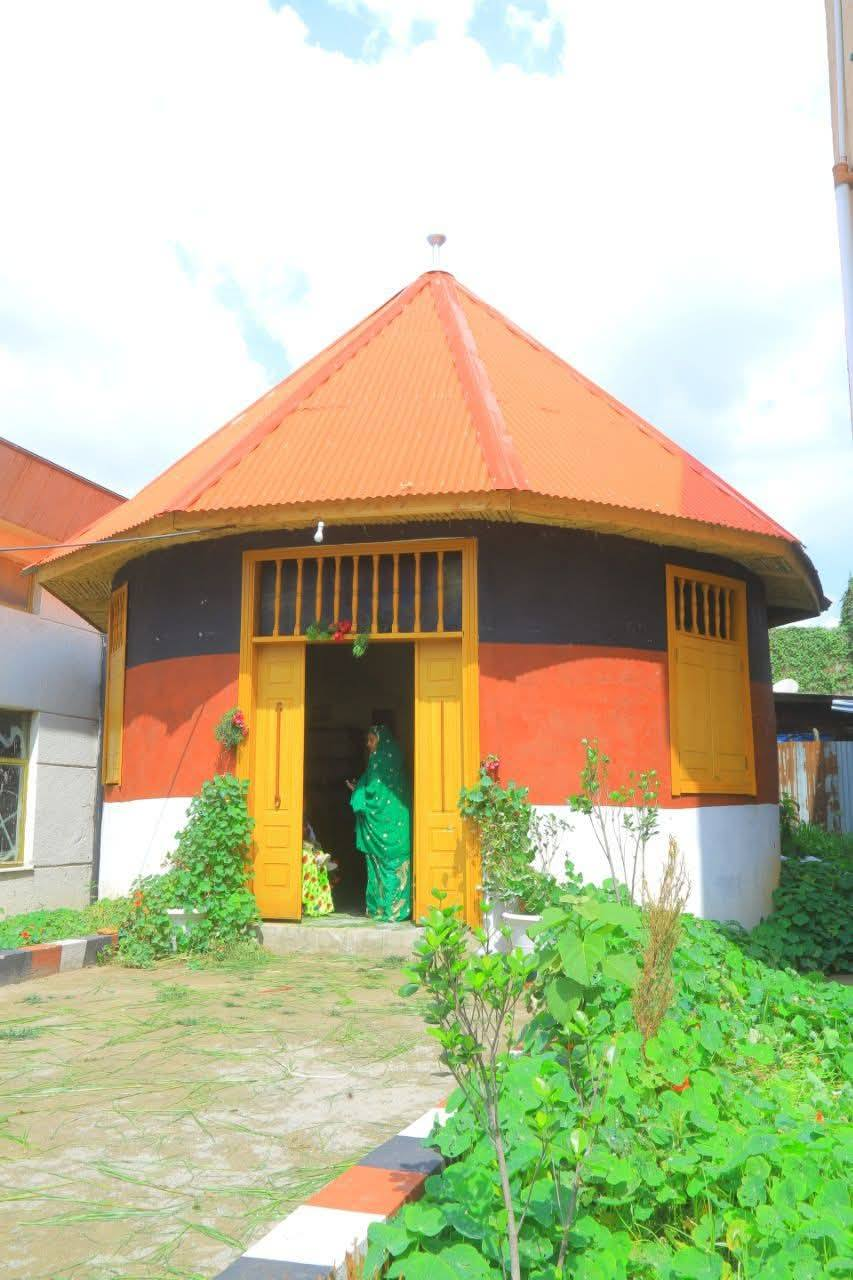
Furmaata Araaraa fi Marii Irratti Hundaa’e
Manneen Murtii Aadaa adabbii irratti utuu hin hundoofne, araara fi marii irratti hundaa’ee waldhabdee furuuf yaala. Kun immoo ossoo walitti bu’iinsa cimsuu fi diiguu utuu hin taane, walitti araarsee nageenya hawaasaa eeguuf gargaara.
Sirni kun hawaasa keessatti hariiroo gaarii uumuufi walitti dhufeenya cimsuuf gumaacha guddaa qaba. Waldhabdee yeroo kana furmaata argatu, namoonni walitti bu’an walitti araaramuun akka turan taasisa.
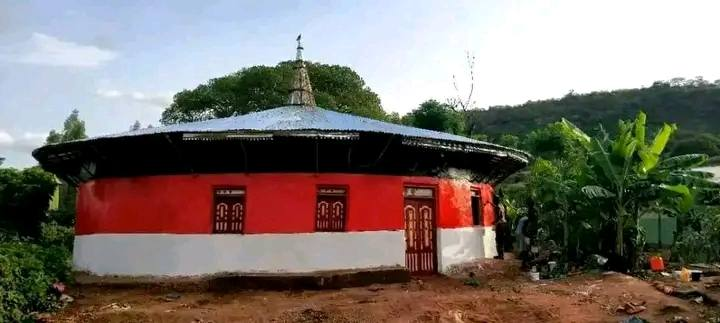
Aadaa Dhaloota Darbee Bulchuufi Kan Fulduraa Ijaaru
Manneen Murtii Aadaa sirna haqaa aadaa Oromoo kan dhaloota darbee irraa dhaalan yoo ta’u, kunis dhaloota har’aafi kan fulduraatiif bu’uura guddaa ta’a. Sirni kun duudhaa Oromoo jiraachisuun akka inni hin dagatamneefi dhaloota itti aanuuf akka dabarfamu godha.
Dhaloonni dargaggoon Manneen Murtii Aadaa keessatti hirmaachuun aadaa fi duudhaa isaanii baratu. Kunis eenyummaa Oromoo cimsuufi seenaa isaanii akka hin daganne gochuuf gumaacha guddaa qaba.
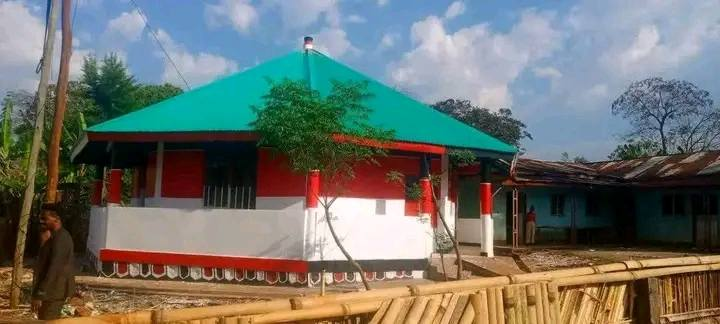
Nageenya, Waliigaltee fi Tokkummaa Hawaasaa Cimsuu
Manneen Murtii Aadaa nageenya, waliigaltee fi tokkummaa hawaasaa cimsuun sirna haqaa hawaasaaf dhihoo ta’e ijaaruufi duudhaa Oromoo ganamaatti deebi’uu keessatti shoora olaanaa qabu. Sirni kun hawaasa keessatti nagaa fi tasgabbiin akka jiraatu gochuun bu’uura guddaa ta’a.
Hawaasni nagaa fi tokkummaan jiraatu, guddinaa fi misooma argachuuf carraa qaba. Manneen Murtii Aadaa kunis bu’uura kana cimsuuf hojjetu.

Guddina Sirna Murtii Aadaa Oromoo
Manneen Murtii Aadaa Oromoo akka qaama sirna haqaa hawaasaa Oromootti fudhatama argachuufi cimsuuf hojiin itti fufaa jira. Sirni kun akka aadaa Oromootti eegamuufi dhaloota itti aanuuf dabarfamuuf yaaliiwwan garaagaraa godhaa jira.
Dabalataan, sirni kun sirna haqaa kan ammayyaa wajjin walitti hidhamee hojjechuu danda’a. Kunis hawaasni haqa aadaa fi haqa ammayyaa walitti maksee argachuu danda’a.
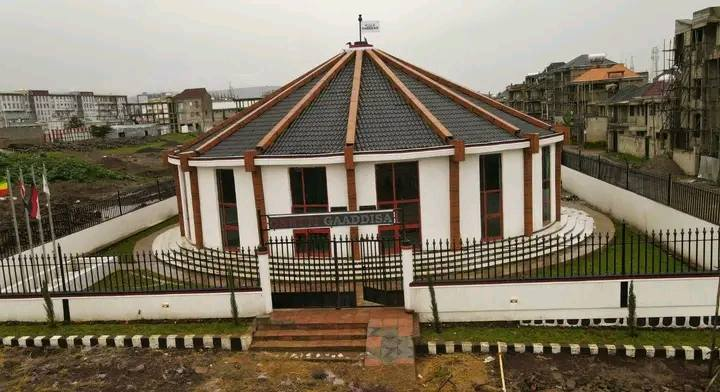
Gabaabaatti
Manneen Murtii Aadaa Oromoo bu’uura nageenyaa fi tokkummaa hawaasaa cimsuu keessatti gahee ol’aanaa qabu. Sirni kun aadaa fi duudhaa Oromoo eeguun dhaloota darbee kan fulduraatiif dabarsuun nagaa fi tasgabbiin hawaasaa akka jiraatu godha.
Kanaafuu, Manneen Murtii Aadaa kunis sirna haqaa hawaasaa keessatti bakka murteessaa qabaachuu isaa hubachuun, isaan cimsuufi eeguun dirqama keenya. Jaarsolii biyyaa fi hayyoonni aadaa hirmaachisanii hojjechuun isaanii hawaasa keenyaaf bu’uura guddaa ta’a.

Hub: Suurawwan gubbaatti mul’atan suuraa muraasa manneen Murtii Aadaa Oromiyaa keessatti argaman keessaa muraasatu fudhatame. Isaanis Manneen Murtii Aadaa jiranii fi hojiirra jiran agarsiisu. 🤝
Oromiyaa #MurtiiAadaa #NageenyaHawaasaa #Tokkummaa #JaarsoliiBiyyaa #AadaaOromoo #DuudhaaOromoo #AraaraFiMarii
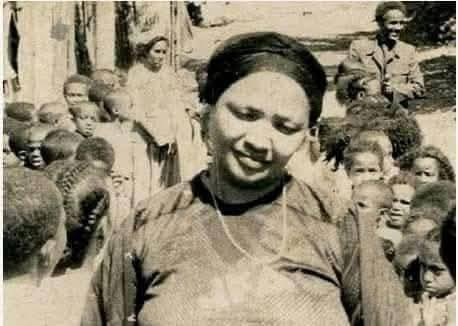
Abbabach Gobena:The Woman Who Became a Mother to Millions Orphanage and beyond.
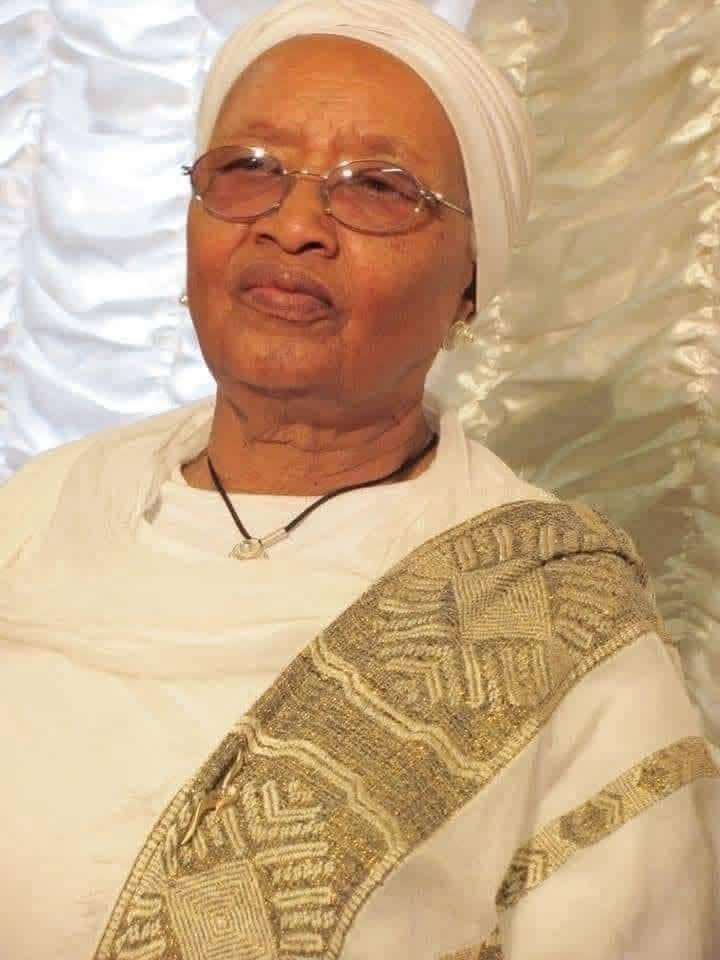
From the pain of famine to a lifetime of compassion — the remarkable journey of the Ethiopian woman known as Africa’s Mother Teresa, who gave hope, dignity, and a future to more than a million orphaned children.
Abbabach Gobena – The Mother Teresa of Africa lost her father during the period of the Italian occupation of Abyssinia/ Ethiopia/. At the age of ten, she was forced into marriage. Refusing to accept a life decided for her, she fled and made her way to Finfine /Addis Ababa/. In the city she struggled to rebuild her life, pursued her education with determination, and eventually secured a stable job.
Abbabach was a woman of deep faith. Her spiritual life guided her actions and shaped her character. She loved God deeply and placed great trust in her faith. During the Derg era, around 1980, she undertook a spiritual pilgrimage to Gishen Mariam, one of Ethiopia’s most sacred religious sites.
After completing the pilgrimage and beginning her journey back to Addis Ababa, she passed through Wollo, which at the time was suffering from a devastating famine. What she witnessed there changed the direction of her life forever.
She saw people dying from hunger. Families had been destroyed by starvation, and countless children had been left without parents. Among the heartbreaking scenes she encountered was a small child trying to breastfeed from his mother who had already died from hunger. The child, unaware of death, was still desperately searching for milk from a lifeless body of his mother.
When Abbabach saw this scene, she was deeply shaken. She could not walk away. Overcome with compassion, she picked up the child and took him with her. At that moment, the only thing she possessed was a small bottle of holy water she had brought from Gishen. Yet despite having almost nothing, she made a life-changing decision. She began caring for children who had lost their parents to famine and hardship.
Abbabach started raising orphaned children with whatever means she could find. She worked tirelessly, taking on different kinds of labor to support them. Within just one year, she had already taken in 21 children.
What began as a single act of compassion gradually grew into a lifelong mission. Over the course of her life, Abbabach Gobena went on to rescue, support, and educate more than 1.5 million children. She helped them grow, receive education, and become self-reliant members of society.
Today, her extraordinary life continues to inspire people across Ethiopia and beyond. In honor of her legacy, a film titled “Adaraa Abbabach” has been produced to tell the story of this remarkable woman who became a mother to millions. Plans are also underway to establish a hospital bearing her name so that her service to humanity may continue in new forms.
The name Abbabach Gobena has become a symbol of compassion, faith, honesty and sacrifice.Yet remembering her name alone is not enough. The greatest tribute to her life is to continue the work she began — caring for the vulnerable, protecting children, and standing with those in need.
This week we renew our commitment to the legacy of Abbabach Gobena. By learning about the work done in her name and contributing in whatever way we can, we carry forward the promise she made through her life.
May God help us succeed in continuing her mission.
Exclusive: Prosperity Party Officials Accused of Colluding with Security Forces to Thwart Opposition in Oromia Ahead of June Elections
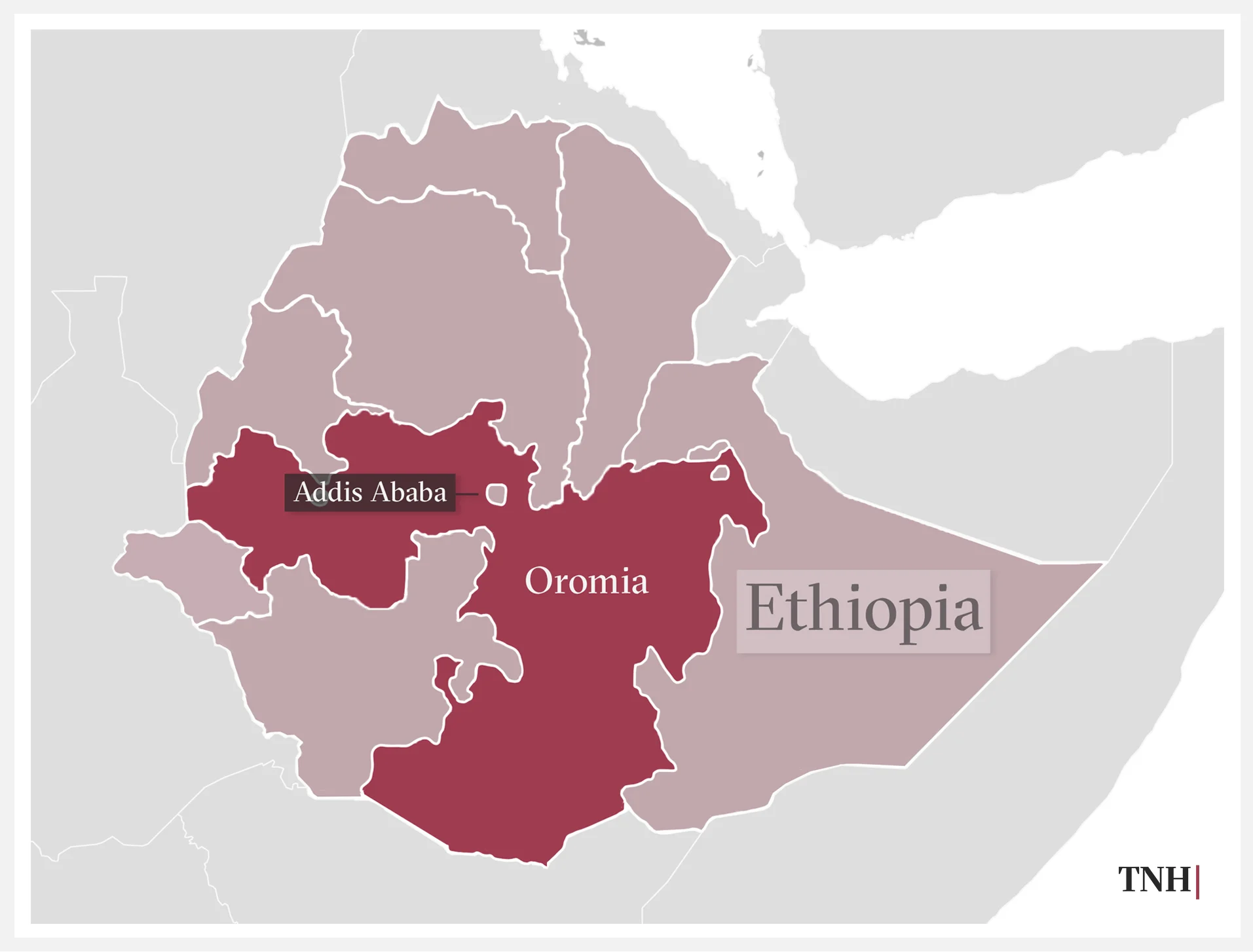
FINFINNE – With less than three months until Ethiopia’s seventh general elections, scheduled for June 1, 2026, the political atmosphere in the Oromia region is becoming increasingly charged. Sources within several zones and districts have revealed to local media that officials from the ruling Prosperity Party (PP) are moving secretly through communities, allegedly instructing party and security bodies to disrupt opposition activities.
According to accounts collected from residents in multiple districts, PP leaders at the zonal and district level are holding undisclosed meetings with security apparatuses. These sources claim that directives have been issued to monitor and crack down on political rivals rather than allowing them to campaign freely.
“People in our districts and zones are not speaking out,” one resident told a local reporter on condition of anonymity. “They told us in secret that directives are being given to party and security offices to work against us. They are using the election as a cover while they try to move through Oromia to stir up trouble and spy on opposition activities.”
The informants specifically identified concerns regarding the Oromo Liberation Front (OLF). Community members expressed that while they have no issue with the OLF contesting elections peacefully, they oppose the idea of the party using the electoral process as a pretext for movement and mobilization across the region under the current circumstances.
“If the OLF wants to compete, let them do so like they do in Addis Ababa, but campaigning inside Oromia is a concern for our party,” a source quoted local PP hardliners as arguing. “But now they are moving through the zones and entering districts. If they are not allowed to compete, it is very worrying. Therefore, we need to follow their movements and take action preemptively.”
These allegations point to a strategy of preemptive disruption, with reports suggesting that regional officials are coordinating with unspecified parties to monitor and counter the opposition’s reach into rural constituencies.
The claims come amid a backdrop of severe political fragmentation and security concerns. Analysts note that the Oromia region, which holds the largest number of parliamentary seats (178 seats in the House of Peoples’ Representatives and 537 in the regional council) , remains a volatile battleground. The Oromo Liberation Army (OLA) insurgency continues in several zones, including East and West Wollega, rendering large areas insecure and complicating logistical preparations for the vote.
Opposition parties have long argued that the playing field is tilted. The Oromo Federalist Congress (OFC) has previously stated that participating in elections while its leaders are imprisoned or under threat would be “politics over the graves of its people” . In a joint statement issued late last year, a coalition of ten opposition parties, including the OLF and OFC, warned that proceeding without “enabling conditions”—such as the release of political prisoners, the reopening of party offices, and guarantees of freedom of movement—would result in a “sham democracy”.
The National Election Board of Ethiopia (NEBE) has cleared over 60 political parties to contest and approved 45 domestic observer groups . However, logistical and security hurdles remain daunting. A recent report by the Ethiopian Human Rights Commission (EHRC) highlighted that freedom of movement is “under siege” in multiple regions, with roadblocks, ambushes, and curfews making it nearly impossible for civilians and candidates to move safely—a prerequisite for any credible election.
“The NEBE must evolve from a mere administrator of rules to a courageous facilitator of political consensus,” wrote Sultan Kassim, an OFC official, in a recent analysis. “An election that is boycotted or only symbolically contested will not resolve Ethiopia’s deep-seated political questions. It will exacerbate them.”.
The residents who spoke out warn that the alleged collusion between party officials and security forces threatens to undermine the will of the Oromo people. “We send a message of brotherhood to everyone holding onto their Oromo identity in the zones and districts,” a resident pleaded. “Do not accept these directives they are giving you. Do not let them drag you into committing a crime against your own people.”
As the June 1 polling date approaches , the credibility of the election hangs in the balance. The combination of active insurgencies, restricted civic space, and deepening distrust between the ruling party and opposition forces suggests that without urgent corrective measures, the 2026 vote may struggle to confer legitimacy or unify the nation.
Commentary: Of Elders, Apologies, and the Weight of Generational Debt
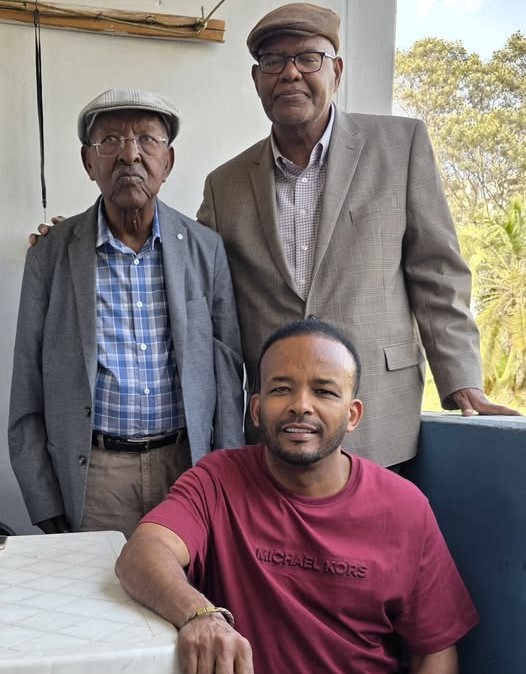
By Daandii Oromia
There is a photograph circulating on social media this week. In it, a young man sits at the feet of elders. His head is bowed slightly. The elders regard him with the mixture of suspicion and tenderness that only old men can muster when they look at the young.
The man is Habtamu Lamu. And he has done something remarkable: he has apologised.
“I represent my generation,” he wrote. “I have asked forgiveness from our elders.”
It is a simple act. But in a cultural landscape where elders are too often dismissed as obstacles rather than honoured as anchors, it carries the weight of centuries.
The weight of what was taken
Habtamu’s apology was not generic. It was directed specifically at those who carried the struggle for Oromo liberation through its darkest decades—veterans like the venerable intellectual Leenco Lata and former Oromia President Hasan Ali Waaqayyo.
“Sitting at the feet of elders, I learned many things,” Habtamu wrote. “May God grant them long life.”
One does not need to agree with every political position these men have ever taken to recognise what they represent. They are living archives. They carry within their bones the memory of what was done to the Oromo people, and the memory of what was done by Oromo people in the long march toward dignity.
Leenco Lata, in particular, embodies a certain kind of Oromo intellectual tradition—rigorous, uncompromising, and deeply rooted in the soil of his people’s experience. His writings on Oromo political history are not mere academic exercises; they are acts of preservation, ensuring that a generation born after the struggle understands what came before.
The rejoinder: who owes what to whom?
But no act of public apology goes unanswered in our times. Enter Magaada Boruu, whose response cuts against the grain of Habtamu’s humility.
“We, this generation, have nothing to apologise for,” he wrote. “If anything, we have been imprisoned and tortured ourselves, while they returned to their properties and prospered! Ashqaabbaxuunis hanguma obboo Gingilshaa”
The emojis do not disguise the anger beneath the words. Magaada Boruu speaks for a generation that watched many of the old guard return from exile to reclaim houses and land while young activists filled prisons. He invokes the name of Gingilshaa—the Oromo revolutionary flame—as witness to his claim.
And he is not entirely wrong.
There is a painful asymmetry in the Oromo experience of the past decade. Some elders returned to comfortable retirements. Some young people returned to torture chambers. The revolution devoured its children even as it elevated its patriarchs.
The dialectic of debt
Between Habtamu’s apology and Magaada’s rejection lies the full complexity of Oromo politics today.
Habtamu recognises something true: that generations build upon generations, that no struggle begins in a vacuum, that the young walk paths carved by the old through bush and briar. There is dignity in acknowledging that debt.
Magaada recognises something equally true: that debt can be claimed fraudulently, that suffering is not evenly distributed across generations, that some elders used the young as cannon fodder while securing their own exits. There is justice in demanding accountability.
The danger is that these two truths become mutually exclusive—that the young refuse all honour to the old, or that the old demand all honour from the young without examination of their own compromises.
Sitting at the feet
Habtamu’s photograph captures something worth preserving: a young man choosing to sit rather than to stand, to listen rather than to speak, to honour rather than to dismiss.
In Oromo tradition, the jaarsummaa—the council of elders—is not merely a social institution but a philosophical one. It rests on the understanding that wisdom accumulates slowly, that no single generation possesses all truth, that the young who do not sit at the feet of elders will eventually have no feet to sit at.
But elders, too, have obligations. The feet at which the young sit must be feet that walked toward justice, not away from it. The wisdom imparted must be wisdom tested by experience, not merely authority asserted by age.
The long road
The Oromo struggle has always been a relay race across generations, not a sprint within them. The baton passes from those who fought with the pen (like Leenco Lata), to those who fought with the gun, to those who fight now with keyboards and courage and the willingness to fill prisons.
Each generation stumbles. Each generation falls short. Each generation imagines itself the first to truly understand what is required.
And each generation must decide whether it will honour what came before while building what must come after—or whether it will burn down the past in the name of a future it cannot yet see.
Habtamu has chosen to honour. Magaada has chosen to question.
Perhaps both are necessary. Perhaps the Oromo people need young people who sit at the feet of elders and young people who demand that those elders account for what they did while sitting in comfort.
But in the photograph, the young man sits. The elders look at him. And something passes between them that cannot be captured in Facebook comments or Twitter threads—something older than politics, deeper than grievance, more enduring than any single generation’s anger.
It is simply this: the recognition that we belong to each other across time, that the debt runs both ways, that apology and accountability are not opposites but partners in the long work of becoming a people worthy of our ancestors and our descendants.
May God grant long life to those who carry memory. May God grant courage to those who carry struggle. And may God grant wisdom to all of us who must somehow do both at once.
The views expressed in this commentary are those of the author and do not necessarily reflect the positions of any organisation or institution.
A Scholar Between Two Worlds: Professor Asmerom Legesse Laid to Rest in Asmara
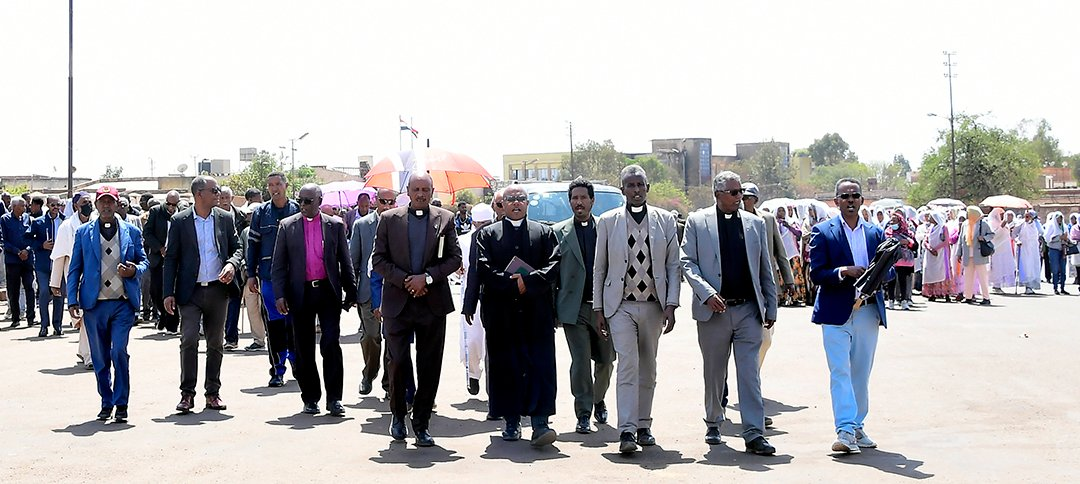
The renowned anthropologist, who bridged Eritrean patriotism with pioneering scholarship on Oromo democracy, was honored at a state funeral after his body was returned from the United States for burial.
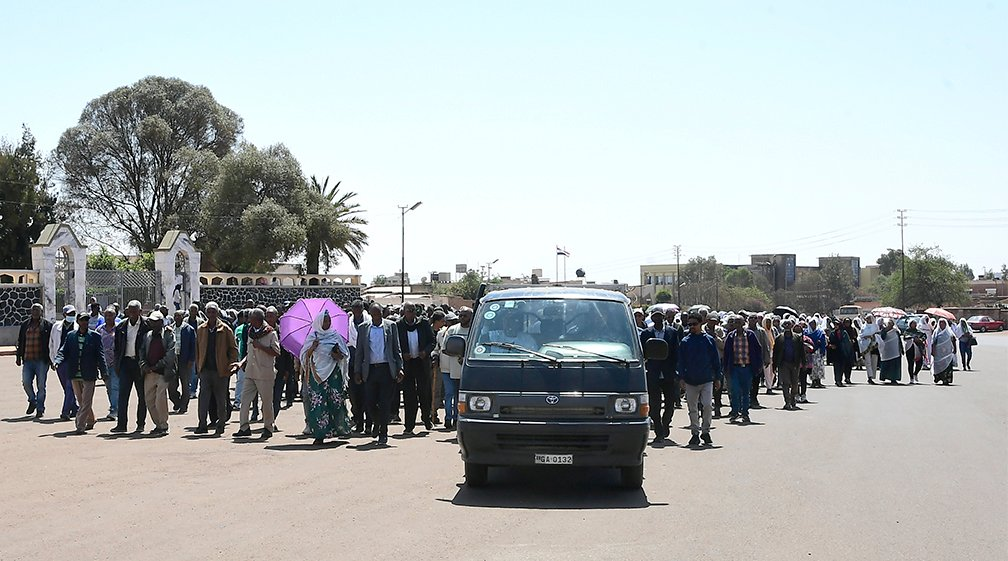
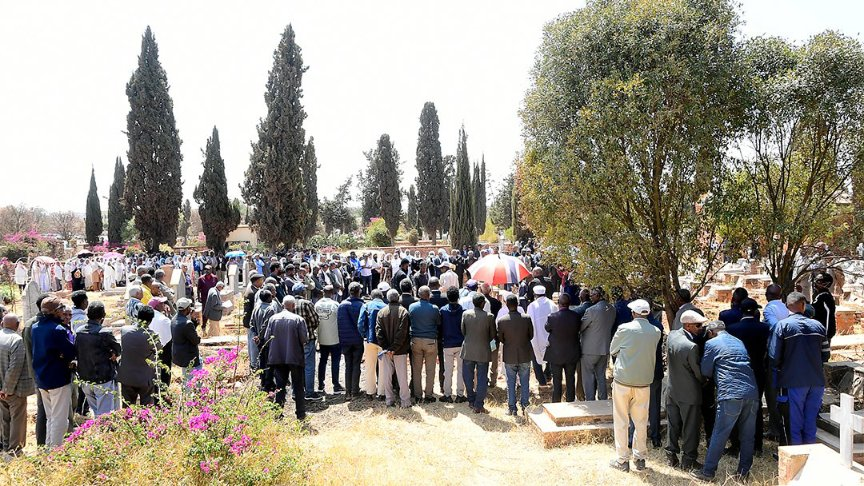
Asmara — A funeral service for Professor Asmerom Legesse was held today at Asmara’s Evangelical Lutheran Church Cemetery, bringing home one of the Horn of Africa’s most distinguished intellectual figures for burial in the land of his birth .
The ceremony was attended by Ministers, senior government and PFDJ officials, religious leaders, and family members, reflecting the high esteem in which Professor Legesse was held by the Eritrean state . His body had been transported from the United States, where he passed away on 31 January at the age of 94 .
The Ministry of Foreign Affairs expressed “deep sorrow” over his passing, conveying condolences to his family and friends in an official statement.
A towering intellectual figure
Professor Asmerom was a prominent and illustrious anthropologist who produced important research during his tenure at some of America’s most prestigious institutions, including Harvard, Boston, Northwestern, and Chicago universities. A Harvard-trained anthropologist, he served as Emeritus Professor of Anthropology at Swarthmore College.
His scholarship spanned more than half a century, during which he conducted extensive field research among the Oromo people of Ethiopia and Kenya, living among Borana and other Oromo communities to understand the intricate workings of the Gadaa system from within .
His seminal 1973 work, Gada: Three Approaches to the Study of African Society, introduced the world to the sophisticated constitutional and democratic principles embedded in the Gadaa system. The book was revolutionary in its methodology and presented Gadaa as a highly developed system of checks and balances, age-set organization, and rotational leadership that had governed Oromo society for centuries.
Nearly three decades later, he published Oromo Democracy: An Indigenous African Political System (2000), which became the most authoritative scholarly work on the subject and was instrumental in UNESCO’s recognition of Gadaa as an Intangible Cultural Heritage of Humanity in 2016.
Two homelands, one legacy
Professor Legesse’s life embodied the complex intertwining of Eritrean and Oromo histories. Born in 1931 in Geza Kenisha, Asmara, he grew up in the same area where the pioneering Oromo scholar Onesimos Nesib had sought refuge and translated the Bible into Afaan Oromoo more than a century earlier. Advocacy for Oromia noted this “physical proximity” as a powerful metaphor, linking the spiritual resilience of those earlier figures with Professor Legesse’s intellectual fortitude in defending Oromo identity.
For the Oromo people, he became known as “Abbaa Gadaa”—a symbolic recognition of his role as a guardian of their threatened heritage. The Oromo Studies Association described him as a “kinsman of the Oromo people” whose work on Oromo customs, history, and culture significantly advanced understanding of political and social systems across Africa.
Defender of Eritrea
Beyond his academic achievements, Professor Legesse served his country and people in various capacities over four decades. From 1984 until independence, he served as Chairman of the U.S. branch of the Eritrean Relief Association, supporting Eritrea’s liberation struggle.
In 1998, he published well-researched documents on atrocities perpetrated by the Ethiopian regime against Eritreans and Ethiopians of Eritrean origin. He also documented and exposed extensive gender-based violence committed by the Ethiopian army during its occupation of various areas, particularly in the Senafe sub-zone during the border war.
In 2015, he played a significant role in countering what Eritrea viewed as attempts to dehumanize the nation through allegations of human rights violations, preparing a critique of the UN Human Rights Commission on Eritrea for a meeting at the House of Lords in the United Kingdom.
A complex political geography
Professor Legesse’s life was not without political complication. In 2017, despite his stature as the world’s leading authority on Gadaa and an invitation to attend a historic Gadaa power transfer ceremony in Borana, the Ethiopian government refused to issue him a visa, citing his Eritrean background . The incident reflected the tragic political tensions that for decades prevented scholarly exchange between the two countries.
Yet his influence on Oromo scholarship remained profound. Ezekiel Gebissa, professor of history and African studies at Kettering University, wrote in a tribute: “For the Oromo people, whose culture Asmarom studied for more than half a century, death is not an ending but a passage from the world of binary reality to the realm of singularity. It is fitting to imagine him joining the ancestors he so often wrote about”.
An enduring legacy
Professor Legesse’s work challenged colonial narratives that had dismissed African governance systems as primitive or lacking in sophistication. The Oromia Culture and Tourism Bureau emphasized that his life’s work preserved the Oromo Gadaa system and documented its practices for future generations, serving as a bridge for knowledge and scholarship.
The Oromo Liberation Front issued a statement describing his passing as a significant loss to the Oromo community. “His research highlighted Gadaa’s principles of equality, leadership rotation, and social cohesion, positioning it as a model of African democracy,” the statement read.
At his funeral in Asmara, the gathering of state officials, religious leaders, and family members honored a man who had walked many paths—from the shearing sheds of his youth to the hallowed halls of Harvard, from the remote airstrips of Farrer to the Gadaa assemblies of Borana. His final manuscript, Gada: Democratic Institutions of the Borana Oromo, is expected to be published posthumously.
“His work did not merely preserve the past,” wrote OROMIA TODAY in a tribute. “It equipped future generations with evidence and language to assert historical truth”.
“A Country Without Freedom”: Veteran Journalist Zeru Belay Exposes Decades of State Control Over Ethiopian Media
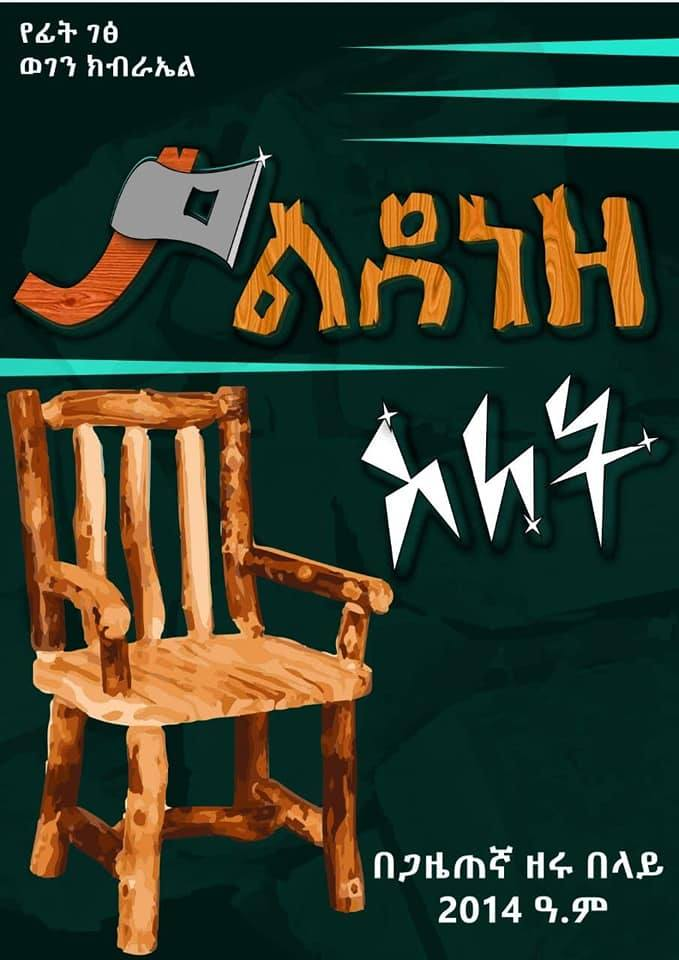
In a searing personal account, the veteran reporter reveals how governments from Meles Zenawi to Abiy Ahmed have manipulated, intimidated, and suppressed independent journalism
ADDIS ABABA — For three decades, Zeru Belay worked inside the belly of the beast. As a reporter, editor, and finally a senior figure at Ethiopian Television, he witnessed firsthand how successive regimes turned the state broadcaster into an instrument of control rather than a source of information. Now, in a lengthy and devastating personal account, he has pulled back the curtain on the systematic manipulation that has defined Ethiopian media for generations .
“Among the institutions the government controls through its officials, extending its hand deep into their operations, state media are at the forefront,” Belay writes. “And Ethiopian Television, which until recently was the only broadcaster, has attracted the most attention from government officials. If I said that Ethiopian Television is the leading institution where officials use their authority to interfere, I would not be exaggerating” .
The Meles Zenawi Era: When a Reporter’s Words Became a Crime
Belay’s account begins with a chilling anecdote from the Meles Zenawi era that illustrates the impossible position of journalists under authoritarian rule .
He was assigned to cover a discussion between Prime Minister Meles Zenawi and Addis Ababa University professors. When Meles made a remark suggesting the professors seemed “stuck in a garrison mentality,” Belay reported it as news. The report aired, and the next day, the country was in an uproar .
Belay was summoned by his manager, Assefa Bekele, and told they needed to visit Berket Simon, a senior official. At the office, Berket was “consumed by rage.” He rushed the assembled media professionals to Meles’s parking garage—a secure area that felt less like a meeting place and more like an interrogation room .
There, surrounded by security, Berket demanded to know why Belay had aired Meles’s remark. When Belay responded, “I don’t understand what mistake I made,” Berket’s anger intensified. “How can you say you don’t understand? You’re making news by snatching words from people’s mouths and you say you don’t understand?”
Belay stood his ground: “Unless I fabricated it myself, what is my mistake? Didn’t Ato Meles say those words?”
Berket then shifted tactics: “The words Ato Meles spoke are not your fabrication. He spoke them correctly. But how did you, as a responsible journalist, fail to consider why he said them?”
The argument continued, with Belay alone defending himself while other journalists and officials remained silent. Finally, Berket asked a question designed to destroy: “How are you different from a blogger?” At the time, bloggers were considered troublemakers by the government .
Belay understood he had reached the edge. “I realized nothing I said would help. If this man falls on me, or I fall on him, I would be the one to break.” He conceded: “I should have considered what you said.”
The resolution was telling. Belay was told a program would be produced presenting Meles’s full remarks. When he submitted the script, Berket reviewed it carefully and approved it. “At least the media will gain credibility,” he said. But Belay had been placed on a blacklist for simply reporting what the Prime Minister said .
The Price of Truth: Threats and Blacklists
Belay’s account reveals that journalists who reported uncomfortable truths paid a price—even when those truths came directly from the mouths of the most powerful officials. His “crime” was not fabrication or distortion, but failing to “consider” why Meles said what he said—in other words, failing to self-censor in advance .
This created an impossible professional environment. Journalists could not simply report what officials said; they had to anticipate how their words might be received, what interpretations might be drawn, and whether reporting the truth would be seen as a betrayal. The journalist’s duty to inform became subordinate to the official’s desire to control narrative and perception .
A Leader Who Protected Journalists: The Solome Tadesa Story
Yet Belay’s account also reveals that even within this oppressive system, some officials protected journalistic integrity at tremendous personal risk .
During a period of student unrest at Addis Ababa University in 1993 E.C. (2000/01 G.C.), Belay and colleague Shelesh Shibru were sent to cover the protests. When they arrived, police initially blocked them, but they persuaded the commander to let them in .
Inside, they found a student who had been beaten and was bleeding. When they tried to document it, some students objected: “We won’t allow you to mock our blood! We know you!” A heated debate divided students—some supporting coverage, others opposing .
Those supporting coverage prevailed, and Belay documented the blood and the damaged dormitory. Returning to the office, they reported to their editor, Solome Tadesa. After viewing the footage, Solomon insisted the blood must air. When Belay and Shibru tried to argue, Solome held firm: “By no means should the blood be omitted, but add doctors’ commentary about the injury”.
The report aired, and the protests spread nationwide—to Alemaya University, Jimma University, and beyond. Then-Minister of Education Genet Zewdie called Solomon with a threatening message: “Because of the blood you showed, all the country’s students have risen. Congratulations.”
Solome’s response was remarkable: “We broadcast the truth. If you want to harm anyone, you can do whatever you want to me—but don’t let anything happen to the journalists.”
Belay reflects: “We had a leader who would defend journalists like that. But they didn’t last.”
Government Interference Without Limit
Belay’s decades of experience at Ethiopian Television newsroom taught him that interference from officials is constant and without limit. As a result, journalists face immense challenges in maintaining their professional independence .
He describes rising through the ranks to become an editor—a role that involves shaping news, ensuring proper packaging, and supervising evening broadcasts. At every level, he witnessed how officials’ interests determined what Ethiopians could see and hear .
The pattern Belay describes is consistent across regimes: journalists who report uncomfortable truths face intimidation, blacklisting, and threats. Those who survive learn to anticipate what officials want—to self-censor before anyone has to tell them. The result is media that serves power rather than the public.
Who Is Zeru Belay?
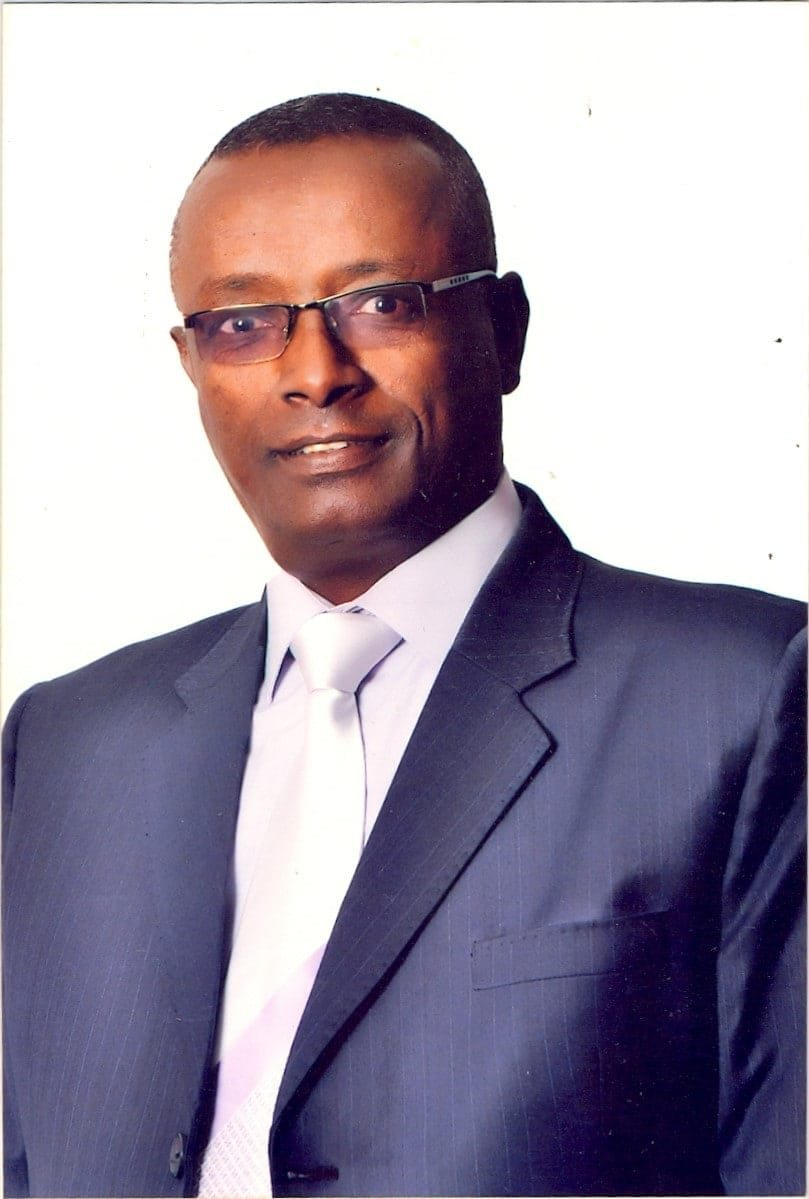
Belay concludes his account with a brief autobiography, grounding his critique in the lived experience of a man who rose from humble beginnings to become one of Ethiopia’s most experienced journalists .
Born in Woreilu, Wollo Province, in the Jama district, in a place called Aley, Belay began his education in Degolo town under a traditional teacher (nebab bet) before attending Degolo Elementary School. He completed junior secondary in Degolo and secondary at Woreilu Comprehensive Secondary School .
When his matriculation results weren’t as expected, he left Wollo for Addis Ababa, where he used tailoring skills learned from his father to earn money selling second-hand clothes on the street. But national military service was announced, disrupting his plans. After trying to avoid conscription, he eventually served, receiving officer training and being commissioned as a lieutenant in the Tigray front, 16th Division, 120th Brigade, in Adigrat .
After four years, he was discharged in Pagume 1981 E.C. (September 1989 G.C.). He then joined EPRDF and worked in security at the transitional conference that established the new government .
Later assigned to Radio Ethiopia, he began his journalism career. Without ever producing a radio program, he was transferred to Ethiopian Television, starting as a reporter. Over 30 years, he has worked across the country, produced numerous reports on transportation problems, traffic accidents, forest and wildlife conservation, agricultural modernization, and many other topics .
He holds a diploma from the former Mass Media Training Institute and a degree in Journalism and Communication from Addis Ababa University, specializing in broadcasting, graduating with good grades. He has also taken short courses in Ethiopia and abroad .
“A Country Without Freedom”
Belay’s account, published under the headline “A Country Without Freedom,” offers a rare insider’s perspective on how Ethiopian media has been systematically captured by political power. From Meles Zenawi’s era through the present, the pattern remains consistent: journalists who tell uncomfortable truths pay a price; those who learn to anticipate official desires survive; and the public is denied the information it needs for genuine democratic participation .
The title encapsulates his verdict on Ethiopia’s political condition: a country without freedom, where even reporting the words of the most powerful can land a journalist on a blacklist, and where those who defend journalistic integrity are eventually pushed out .
Contemporary Relevance
Belay’s historical account resonates powerfully with Ethiopia’s current media landscape. As reported separately, the Ethiopian Media Authority revoked Addis Standard’s license on February 24, 2026, alleging “repeated violations of media ethics, national laws, and the country’s national interests” —the same vague charges that have been used for decades to silence independent voices .
International press freedom organizations have condemned Ethiopia’s escalating repression, with the Committee to Protect Journalists counting 12 journalists behind bars—among the worst in Africa. Ethiopia now ranks 145th out of 180 countries in the 2025 World Press Freedom Index, falling into the “very serious” category .
As Belay’s account makes clear, this is not a new development but the continuation of a long pattern. From Meles Zenawi through Abiy Ahmed, Ethiopian governments have treated media as an instrument of control rather than a public service. Journalists who refuse to comply face intimidation, blacklisting, and imprisonment. The public, deprived of independent information, cannot meaningfully participate in democratic life .
Conclusion: The Struggle Continues
Belay concludes his account by noting that despite 30 years in journalism, navigating countless ups and downs, he continues working. But his testimony stands as both a warning and a call: a warning about how thoroughly state media can be captured by power, and a call for the independent journalism Ethiopia desperately needs .
The stories he tells—of reporters threatened for simply reporting leaders’ words, of editors who defended truth at great personal risk, of officials who manipulated news to serve their interests—reveal a media system that has never been allowed to serve its proper function. Until that changes, Ethiopia will remain, in Belay’s words, “a country without freedom.”
Liberal Party in Turmoil: Angus Taylor Elected Opposition Leader as Susan Lee Announces Retirement from Politics
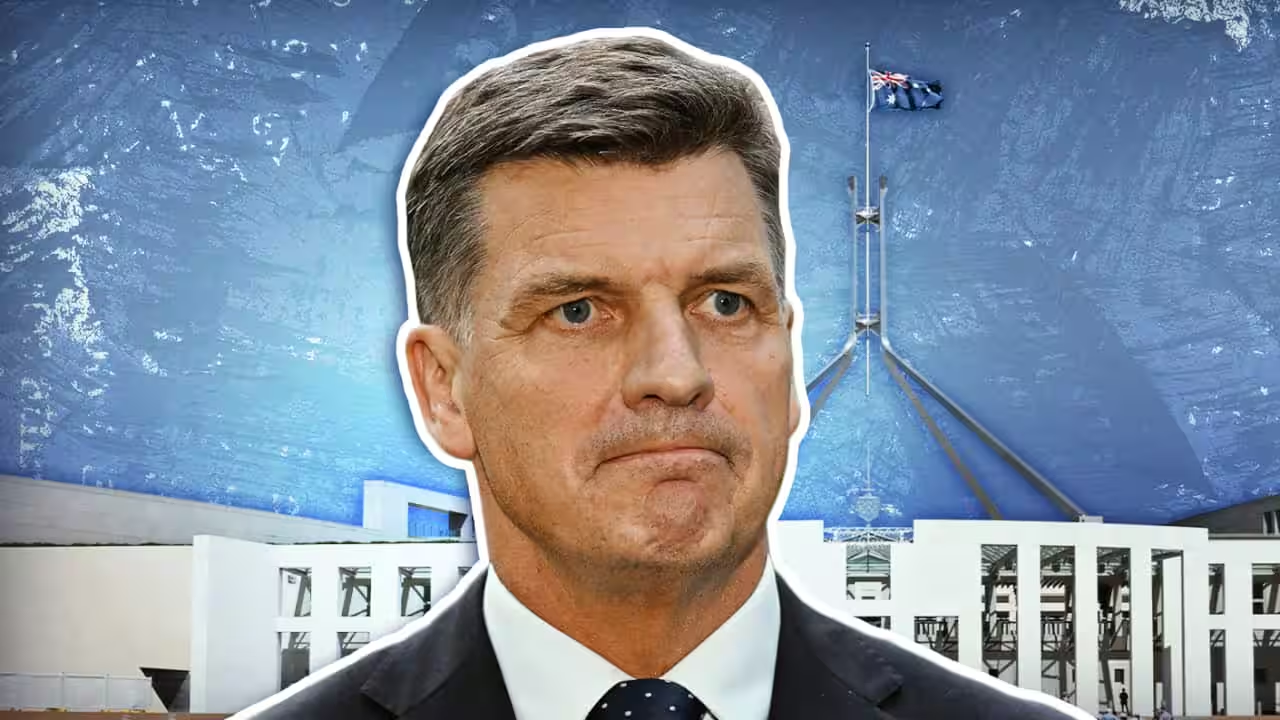
By Hayyuu Oromia
Feature News
In a stunning political realignment that has sent shockwaves through Australia’s political landscape, Angus Taylor has been elected as the new leader of the Liberal Party and Opposition, decisively defeating Susan Lee in a 34–17 vote of the Liberal Party room. The result, which hands Taylor a commanding 17-vote margin, marks the first time in the Liberal Party’s history that a woman leader has been ousted and effectively compelled to exit public life altogether.
Ms Lee, who made history as the first female leader of the federal Liberal Party, has announced she will tender her resignation to the Speaker and retire from Parliament entirely—bringing a definitive close to a political career that once held the promise of breaking the nation’s highest glass ceiling.
The Numbers That Shifted
According to sources within the party room who spoke to SBS News on condition of anonymity, Taylor secured 37 votes from the 51-member Liberal Party room—a commanding majority that reflected not merely his own support base but a significant cross-over of former Lee loyalists.
“Some of Susan’s own people crossed the floor in that room,” one senior Liberal source said. “That’s what made the margin so devastating. It wasn’t just that Angus won. It was that her own tent had holes she hadn’t seen coming.”
The 34–17 count among voting members represented not merely a defeat but a collapse. For a sitting leader—particularly one who had broken historical ground—to lose by such a margin signaled deep fractures that had been concealed beneath public displays of unity.
‘I Don’t Know What Comes Next’
Emerging from the party room, Ms Lee appeared composed but visibly somber as she addressed waiting journalists. Her statement was brief, personal, and delivered with the restraint of a politician accustomed to public composure—yet carrying undertones of finality.
“I will be tendering my resignation letter to the Speaker,” she said. “I don’t know what comes next. I intend to spend time with my family—to withdraw entirely from public life.”
There was no pledge to contest again. No hint of a return. No fight for redemption. In a matter of sentences, Australia’s most senior female Liberal parliamentarian signaled the quiet close of a chapter that many had hoped would span years.
Colleagues who spoke with her afterward described a woman at peace with her decision, if not the circumstances that precipitated it.
“She wasn’t angry,” one longtime ally said. “She was tired. There’s a difference between being defeated and being done. Susan was done.”
Taylor’s Challenge: Unity Without Concession
For Angus Taylor, the victory presents both opportunity and immediate pressure. Assuming the leadership of a divided party room requires more than numbers; it demands the ability to heal wounds he did not create but from which he has now benefited.
Taylor’s supporters characterize him as a seasoned economic manager with the gravitas to hold the government to account. His detractors—including some who voted for him—wonder whether the manner of his ascension will haunt his early tenure.
“He didn’t just win. He won because Susan’s people abandoned her,” a Liberal moderate said. “That creates expectations. It creates resentments. And it creates questions about what promises were made behind closed doors.”
Taylor himself has not commented on the internal dynamics of the vote, issuing a brief statement thanking his colleagues and paying tribute to Ms Lee’s “historic leadership and dedicated service to the party and the nation.”
The First Woman Curse?
Ms Lee’s departure renews uncomfortable questions within the Liberal Party about its relationship with women leaders—and the political price they appear to pay for occupying the role.
She is the third woman to lead the federal Liberal partyroom, following the tenures of Julie Bishop, who never led the party to an election and was deposed before contesting one, and Tony Abbott’s single term. But Lee’s case is distinct: she was elected leader, contested an election, and was removed before she could lead the party to a second.
“She did what she was asked to do,” a former staffer reflected. “She stabilised the party. She made them competitive again. And this is how it ends—not with a loss at the ballot box, but with her own colleagues deciding they’d seen enough.”
The contrast with Labor’s treatment of female leaders—Julia Gillard was removed by her party, but contested again and remained in Parliament—has not gone unnoticed. Lee’s immediate and total exit suggests a rupture beyond ordinary leadership defeat.
What Remains
Ms Lee’s departure leaves a vacuum not only in the Liberal Party’s leadership but in its parliamentary ranks. Her seat, considered reasonably safe, will trigger a closely watched by-election that will serve as an early referendum on the Taylor leadership and the government’s standing.
For the Liberal Party, the challenge is immediate: present a coherent alternative to a government seeking re-election, while managing the fallout of removing—and effectively retiring—a leader who broke barriers but could not hold her ground.
For Ms Lee, the future is deliberately undefined. “I don’t know what comes next,” she said. For a woman who spent decades knowing exactly what came next—policy briefings, media appearances, late sittings, electorate events—that uncertainty is itself a form of liberation.
Whether it is also a loss—for her party, for women in politics, for the institution of Parliament itself—will be debated long after she has cleared her office and returned to the private life she has briefly, poignantly claimed as her next act.
Ethiopia’s Strategic Crossroads: When Criticism Blurs the Line Between Government and Nation
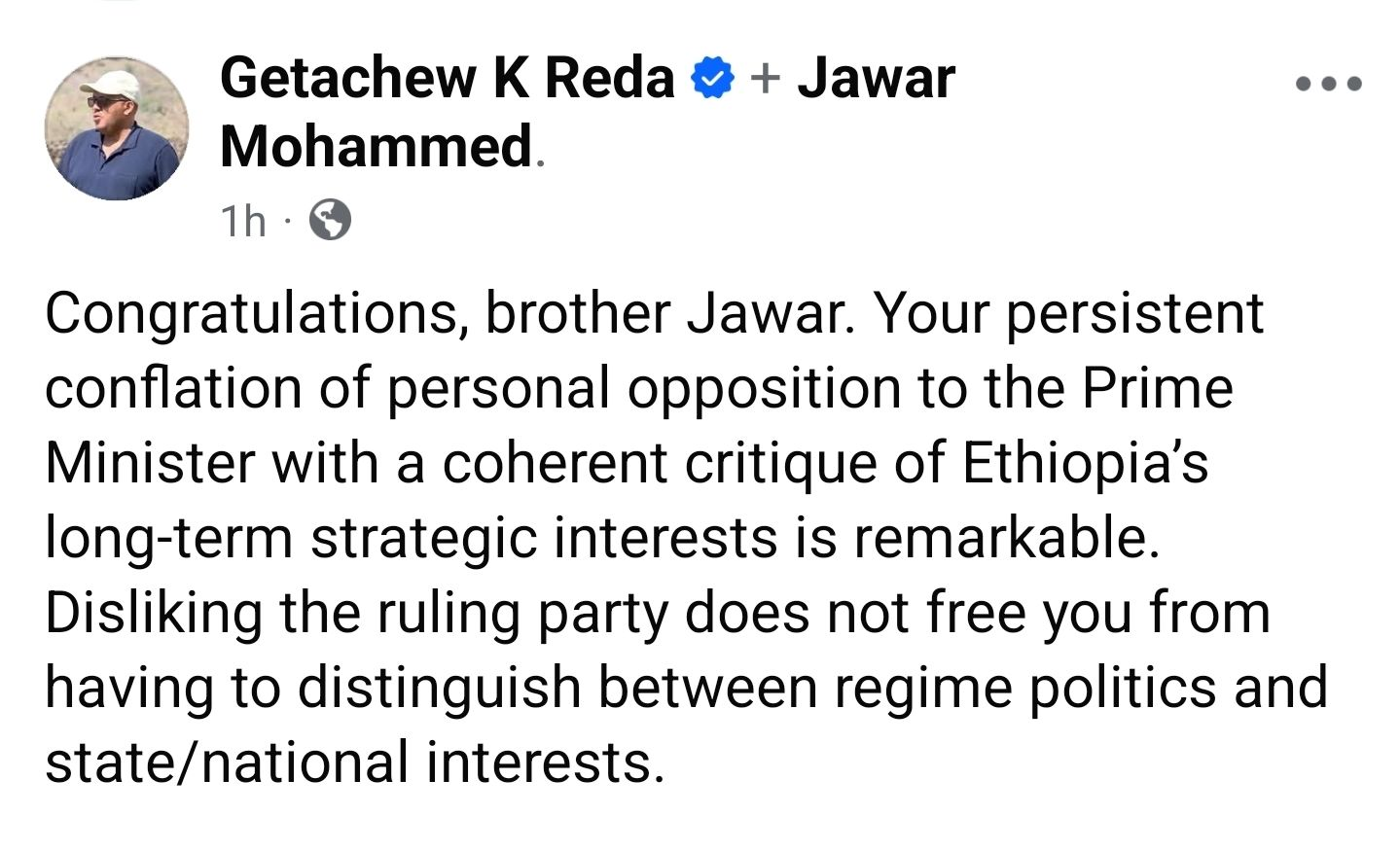
By Maatii Sabaa
Feature News
In the high-stakes arena of the Horn of Africa, where geopolitics shifts like tectonic plates beneath ancient soils, a troubling pattern has emerged in Ethiopia’s opposition discourse—one that increasingly conflates personal grievances against a sitting prime minister with the nation’s enduring strategic interests.
Over the past several days, Jawar Mohammed, once a close ally of Prime Minister Abiy Ahmed and now one of his most prominent critics, has launched a series of attacks against Ethiopia’s posture toward the deepening crisis in neighboring Sudan. His criticism, while occasionally resting on isolated facts, appears to systematically strip those facts of their broader strategic context—reducing complex national security calculations to evidence of government incompetence or malice.
The distinction being lost, critics argue, is one upon which stable democracies are built: the difference between the party in power and the state itself.
Facts Without Context: The Strategic Vacuum
Some of the reports circulated by Mohammed and his associates may be factually accurate in their narrowest sense. Ethiopia has indeed sought to protect its strategic interests amid Sudan’s collapse. It has engaged with actors on the ground. It has not adopted the posture of a passive observer.
Yet to present these moves as evidence of strategic folly—without reference to the regional power competition, Ethiopia’s existential stake in Sudanese stability, or the active interventions of other external actors—is to substitute selective outrage for sober analysis.
“The tragedy unfolding in Sudan is indeed exacerbated by foreign intervention,” one regional analyst noted, speaking on condition of anonymity. “But Ethiopia is hardly unique in pursuing its interests. What’s unique is Ethiopia’s vulnerability.”
No country in the region, and perhaps few beyond it, stands to lose more from a permanently destabilized Sudan. Ethiopia shares a 744-kilometer border with its northern neighbor. It hosts hundreds of thousands of Sudanese refugees. Its access to critical trade routes, its management of transboundary water resources, and its exposure to cross-border armed group proliferation are all directly implicated in Sudan’s trajectory.
Egypt and other regional actors are not neutral mediators. They have been actively shaping the conflict’s trajectory to favor preferred belligerents. To suggest that Ethiopia should operate as though this were not the case—or that acknowledging these realities somehow constitutes aggression—reflects what one foreign policy specialist described as “an aversion to the very language of national security.”
The Luxury of Abstraction
Mohammed positions himself as a politician-activist, a hybrid role that in theory could bridge grassroots mobilization and high-level policy engagement. But his recent posture suggests discomfort with the hard currency of statecraft: strategic interest, national security, geopolitical positioning.
In the Horn of Africa—a region defined by proxy competition, transboundary militant threats, and zero-sum maneuvering among rival states—such discomfort is not a virtue. It is a liability.
“States do not have the luxury of moral abstraction when core national interests are at stake,” said a former Ethiopian diplomat who requested anonymity to speak candidly. “You can critique how a government pursues those interests. You can propose alternative strategies. But to pretend that Ethiopia should have no strategy at all—or to frame every strategic move as evidence of malign intent simply because it originates from this prime minister—is not analysis. It’s partisan grievance dressed in policy language.”
The pattern has raised concerns among observers who note that Mohammed, widely believed to harbor ambitions for higher office, appears to be adopting what one analyst termed a “scorched-earth posture” not merely toward the Abiy administration but toward the Ethiopian state itself.
Governments Change. Geography Doesn’t.
This conflation carries implications beyond the immediate policy debates.
Governments are transient. Parties rise and fall. But strategic geography is stubborn. Ethiopia’s long-term national interests—its access to the sea, the security of its borders, the stability of its neighborhood, the viability of its water security arrangements—will outlast any single administration.
A credible political alternative, analysts argue, must demonstrate the capacity to distinguish between the party temporarily in power and the permanent interests of the nation. It must show that it can inherit the state without seeking to dismantle it.
“Thus far, Jawar has shown a near-pathological inability to make that distinction,” said Meheret Ayenew, a political scientist at Addis Ababa University. “The criticism never stops at the government. It bleeds into delegitimization of the state’s very right to defend its interests. That’s not opposition. That’s something else entirely.”
The Accountability Question
To be clear: critique of government policy is not only legitimate but essential. Ethiopia’s approach to the Sudan crisis, like any foreign policy posture, warrants scrutiny. Questions about coordination, consistency, and effectiveness are fair game.
But critique demands an alternative framework. What, precisely, should Ethiopia be doing differently? Should it abandon its engagement in Sudan entirely? Should it defer to Cairo’s preferred outcomes? Should it pretend that its national security is not implicated in the fate of its neighbor?
These questions, conspicuously absent from Mohammed’s recent broadsides, are the ones that distinguish serious opposition from performance.
Beyond the Immediate
The tragedy in Sudan has already claimed thousands of lives and displaced millions. For Ethiopia, the stakes are not abstract. They involve real security threats, real economic costs, and real humanitarian obligations that will persist regardless of who sits in the prime minister’s office in Addis Ababa.
In such moments, the distinction between government and state matters. A political culture that cannot sustain that distinction is one that struggles to produce durable alternatives—only perpetual opposition.
Whether Mohammed and his allies can evolve beyond this posture remains to be seen. But the clock is ticking. The region does not pause for Ethiopia to resolve its internal political debates.
And strategic interests, neglected or denied, have a way of asserting themselves regardless.

