The Unwavering Spirit of General Garasuu Dhukii and the Eternal Struggle for Oromo Liberation
By Daandii Ragabaa
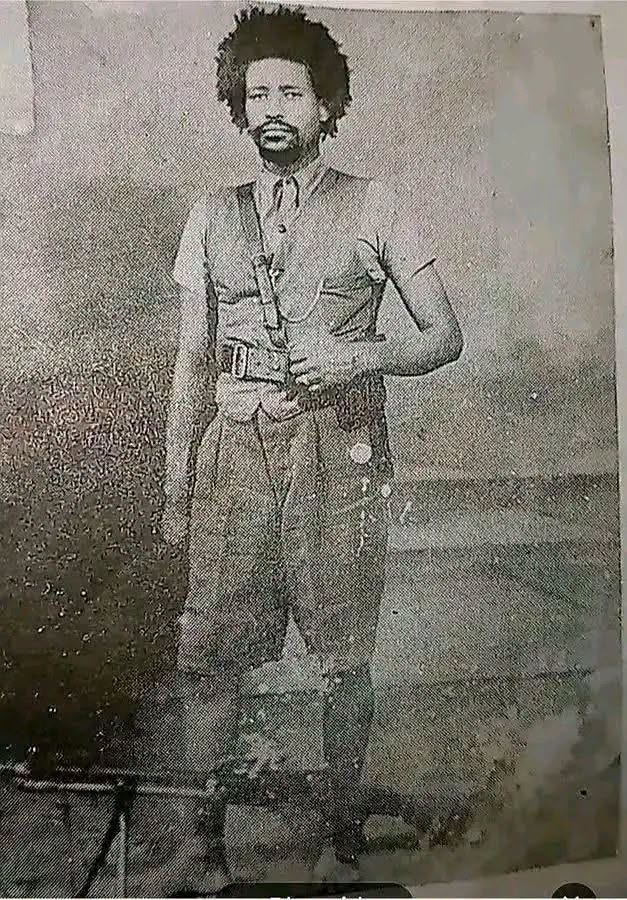
In the annals of Oromo history, few figures embody the spirit of sacrifice and unwavering dedication to the cause of freedom as profoundly as General Garasuu Dhukii. A man forged in the crucible of war, he stood as a pillar of resistance against colonial subjugation, his life intertwined with the struggle for Oromo self-determination.
His story, however, is not merely one of military might, but of a man whose deepest pain was not for his own fate, but for the future of his people and their ancestral capital. His dying wish echoes through the ages, a stark reminder of the burden carried by those who fight for justice.
The Weight of a General’s Resolve
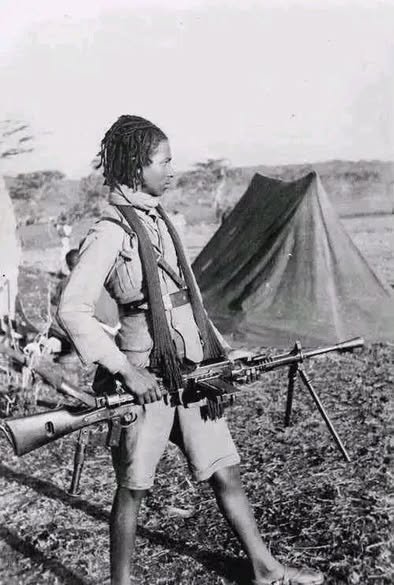
General Garasuu Dhukii was a symbol of Oromo resistance during the fierce battles against the Italian colonial forces. On the frontlines, where the fighting was most brutal, the general found himself trapped in a harrowing situation. He had done all he could, given his all for the cause. As he later confided, the heaviest burden was not the fear of death in battle, but the thought of dying while his homeland remained unfree.
In his final moments, he is remembered for a profound reflection, etched into the memory of those who knew him. He declared, “I have done all that I should do. If I die, it is not my time that grieves me. But what truly grieves me is the thought that Finfinne, the land of my people, will remain unfree.” These were not the words of a coward, but the lament of a leader for whom victory was measured not in personal glory, but in the liberation of his people’s heartland.
This sentiment captures the essence of the Oromo struggle: the fight for Finfinne is not a matter of political maneuvering but a fight for identity, dignity, and historical justice.
Finfinne: The Eternal Heart of the Struggle
Finfinne is not just a city of political and economic power. It is the “eye” of the Oromo people, the axis around which their history and destiny revolve. From the legendary heroes of the past, like General Garasuu Dhukii, to the modern-day Qeerroo youth, Finfinne stands as an unyielding symbol.
The general’s reflections echo a truth that has been carried through the generations: “The eye does not tolerate an obstruction.”
For the Oromo people, Finfinne is that eye, and the struggles of the past have made it clear that its people will never accept a future where they are not masters of their own land. The recent history of resistance in Finfinne is a testament to this unwavering spirit, proving that the fight for liberation is a continuous legacy passed down through generations.
A Legacy That Lives On
The sacrifice of General Garasuu Dhukii is a poignant testament to the resilience of the Oromo nation. He, like countless others, understood that his personal survival was secondary to the collective destiny of his people. His grief, recorded for history, is not just a memory but a call to action, a reminder that the battle for Finfinne’s soul is a long and arduous one that requires the commitment of all.
His death serves as a powerful message to the world and to the Oromo people themselves: that the spirit of resistance, kindled in the hearts of heroes like him, remains alight. The realization that a hero’s greatest regret was not his own mortal end, but the continued subjugation of his homeland, continues to fuel the struggle for Oromo liberation.

Conclusion: A Grief That Inspires
General Garasuu Dhukii gave his life for a cause he believed in, but his legacy lives on in the countless Oromos who continue to demand justice and freedom. His dying words are a profound reflection of the Oromo struggle: a fight not for land alone, but for the very soul of a nation.
The battle for Finfinne continues. But the general’s grief will never be in vain as long as the Oromo people remember his sacrifice and carry the torch of resistance forward.
Injifannoon Ummata Oromoo!
Finfinne haa jabaattu!

