Fifty Years of Unyielding Resolve: The Oromo Freedom Struggle and the Blueprint for Tomorrow

The 2023 theme was more than a commemoration; it was a clarion call to witness the indomitable spirit of a nation that refuses to be erased.
—
The year 2023 did not simply pass through the calendars of the Oromo people; it carved itself into the bedrock of their collective memory. As the Oromo Liberation Front (OLF) unveiled its theme—”50 Years of Freedom Struggle”—it invited not just a celebration, but a profound reckoning. It asked us to pause. To look back at the winding, thorn-filled path of the past half-century. To measure the weight of sacrifices made. And most importantly, to draw strength from the wisdom of our ancestors while fueling the fire of our future.
For five decades, the Oromo people have stood as a pillar of resilience in the Horn of Africa. Despite facing systems historically aligned against their identity, rights, and aspirations, they have not only survived—they have thrived in their cultural essence. The 2023 theme served as a mirror, reflecting the “strength, wisdom, and resilience of Oromo people, past and present.”
The Voices That Guide Us
Throughout the anniversary year, we have heard from the Oromo people themselves—the backbone of this enduring movement. Their voices are not just echoes from the past; they are the vibrant, unwavering chords of the present. These are the voices of mothers who taught their children the Gadaa principles of justice, fathers who instilled the importance of self-reliance, and young activists who amplify the call for dignity on global stages.
“We walk alongside the many children of the Oromo nation in our community,” they reminded us. This journey is not a solitary march. It is a collective pilgrimage. As a community, the goal remains singular and sacred: to ensure that every Oromo individual experiences the fundamental human gifts of being safe, connected, and thriving. The celebration of fifty years is, therefore, a testament to the unbreakable bonds that hold the nation together, even under the crushing weight of adversity.
Anchoring the Legacy, Charting the Future
As the curtains slowly draw on the official festivities of the 50-year commemoration, we find ourselves at a powerful crossroads. The stories of our founding ancestors—the brave visionaries who lit the torch of liberation—serve as our guiding constellations. Their legacy is not merely historical; it is a living testament to the enduring sovereignty of the Oromo nation.
Yet, looking backward is only half the journey. The true measure of our success lies in our foresight. In reflecting on the journey, a profound realization has echoed through the gatherings:
“The last fifty years showed what Oromo people can achieve despite many systems being against us. The next fifty years depend on building a stronger foundation and investing in our leadership and solutions.”
These are not just words; they are a strategic manifesto. They acknowledge that while survival in the face of opposition was the triumph of the past, sustainability and prosperity are the mandates of the future. This means doubling down on Oromo-led solutions. It means cultivating a new generation of leaders—educated, principled, and deeply rooted in the cultural ethos of Jaarsummaa (elder wisdom) and Gumaa (justice). It means shifting from merely resisting external systems to constructing robust, indigenous frameworks for governance, economy, and social wellbeing.
A Shared Commitment to Self-Determination
We extend our deepest gratitude to the generations who have led the way—the freedom fighters who laid down their youth, the activists who spoke when speaking was dangerous, and the families who kept the language and culture alive in the quiet sanctity of their homes. Their courage is the soil from which our current momentum grows.
As we move forward, we reaffirm our unshakable commitment to supporting the leadership, strength, and self-determination of those who are currently shaping the future. The torch is passed, but the flame grows brighter. The Oromo nation is not waiting for permission to exist; it is actively defining its destiny.
The Future We Build, Together
The story of the Oromo freedom struggle is far from over—in fact, a new and exciting chapter is only just beginning. The next fifty years will be written by the hands of the youth, the intellect of the scholars, and the unity of the diaspora.
Today, we invite you to be a part of this historical narrative. Share this post. Celebrate the remarkable contributions of the Oromo people. Let the world see a nation that honors its past with dignity, navigates its present with courage, and builds its future with unwavering hope.
We have walked fifty years in the valley of the shadow. Now, we climb together toward the dawn.
Sirni Seera Qofaa Miti…
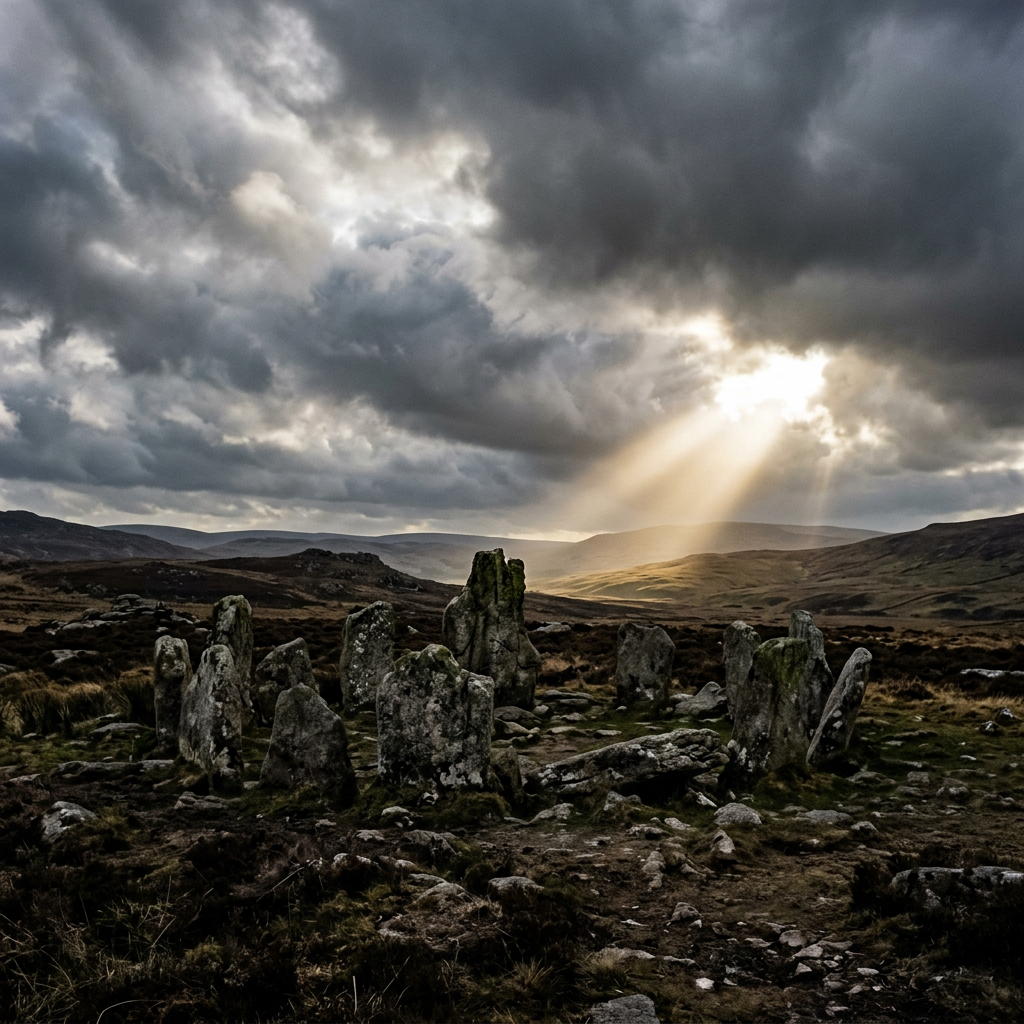
(Taliila Bulbula Tulluutiin)
Gubuun sirnaa bal’ina hariiroo uumamaa keessatti argama
Garaagarummaa fi walitinsa uumamaa keessatti, namoonni karaa ittiin waliin jiraatan barbaadu. Namni tokko karaa ittiin bulu qaba; namoota hedduunis karaa ittiin walbulchan qabu. Karaan kun seera dha. Seerri immoo wantoota uumamaa keessatti argaman kan akka bishaan, lafa, qilleensa fi lubbu-qabeeyyii waliin walqabatee jira.
“Sirni seera ittiin walbulchan qofaa miti; karaa hariiroo Uumaa fi uumamaa waliin ittiin horataniidhas.”
Seerri namoonni ittiin walbulchan qofaa miti. Seerri karaa hariiroo Uumaa (Waaqayyoo) fi uumamaa (namootaa fi wantoota uumaman) waliin ittiin walqabatanidha. Kunis wanti sirni dhumaa isaa nama qofaaf utuu hin taane, uumama guutuuf akka ta’ee agarsiisa. Yeroo nama tokko seera cabsu, namoota kaan qofa utuu hin taane, uumama guutuutti miidhaa gahaa.
“Hariiroo Uumamaa kana keessaa immoo sirni karaa ilmi namaa ittiin waltoo’atuu fi walqajeelchuudha.”
Sirni karaa ilmi namaa ittiin wal hormaata, wal gargaara, wal qajeelcha. Karaan kun nama tokko tokkoo fi namoota gidduutti hariiroo qajeelaa uumu. Innis haala jireenyaa namaaf ta’u, kabajaa, jaalala fi walgargaarsa irratti hundaa’a. Qaamni tokko kan biraa wajjin akkaataa ittiin walqabatu qaba; akkuma wantoonni uumamaa kanneen biroo wajjin hariiroo qaban.
Sabni Sirna Hin Qabne
“Ummanni sirna hin qabne karaa ittiin waltoo’atus hin qabu.”
Ummanni sirna hin qabne karaa ittiin wal qindeessan, wal gargaaran, wal to’atan hin qabu. Wanti kun ummata addaan baasa; namoota tokko tokkoo fi gareewwan gidduutti walitti buusa.
“Kana jechuun karaa ittiin jabaa ofii jabeeffatu, karaa ittiin dadhabaa tini’ifatu, karaa ittiin hamaa/dabaa ofii qajeelfatu hin qabu.”
Ummanni sirna hin qabne:
- Karaa ittiin jabaan ofii jabeessatu hin qabu
- Karaa ittiin dadhabaan ofii tumsatu hin qabu
- Karaa ittiin nama hamaa/dabaa qajeelchu hin qabu
Wanti kun fedhii fi hawwii waloo hin qabu. Namni hunduu waan fedhu fi barbaadu ofii isaatiif qofa. Wal gargaarsa, wal kabaju, wal jaallachu hin jiru.
“Hunduu quba wal hinqabu waan ta’eef…”
Sababni hunduu wal hin qabnee fi wal hin simnee, gidduu isaanitti walitti bu’insa fi waldhabdeetu jira. Namni tokko fedhii ofii isaatiif qofa hawwata. Namni biraan maal barbaada, maal fedha, maal rakkoo qaba hin yaadu. Kunis haala wal hin beekne, wal hin kabajne, wal hin gargaarne uuma.
Dhugeeffannaa Ummataa Keessaa Ba’uu
“Kan quufee buluuf namni hunduu quufee waan jiru se’a; kan beelaan dararamaa jiru immoo isa qofatu akkas ta’e itti fakkaata…”
Yeroo sirni hin jirree, namni quufee bulu hunduu akka quufee jiru se’a. Namni beelaan dararamaa jiru immoo isa qofatu akkas ta’uu, namoota biroo hundaatu quufee akka jiran se’a. Fakkaattin kana jireenya keessatti yeroo hedduu mul’ata. Namoonni rakkoo hin qabne warra rakkoo qaban hin argu; warri rakkoo qaban immoo akka nama hunduu isaan wajjin rakkoo keessa jiran se’u.
“kan hataa jirus namni hunduu waan saamaa jiru itti fakkaata…”
Yeroo tokko tokko, namni saamuu fedhu hataa jiru namoonni biroo hundaatu akka saamaa jiran itti fakkeessa. Wanti kun fudhatama namaa argachuuf, yakka ofii isaatiif mirkanaa’ina argachuuf, ykn waan ofii barbaadu karaa ittiin argatu. Wanti kun ammoo jireenya walii wajjin jiraachuu, wal amanuu fi wal gargaaru akka hin jirre godha.
“kan dantaa dhuunfatif jecha shiraan ajjeesaa jirus yoo namni isa arguu baate Waaqni akka isa argu hin beeku…”
Namni dantaa dhuunfatiif jecha shiraan ajjeesaa jiru, yoo namni isa arguu baate, Waaqayyo akka isa argu hin beeku. Kunis dhugeeffannaa ummataa keessaa ba’uu. Dantaa dhuunfaa isaa biyyaa, saba, ummata, fi waan hundumaa irratti gora. Namni akkasii waan ofii barbaadu qofa. Innis wantoota ummataaf barbaachisan hin ilaalu; fedhii ofii isaatiif qofa tajaajila.
Walborcuu fi Walmarquu
“Haala akkasii keessatti eenyutu eenyu qulqulleessaa? Walborceera, walmarqeera waan ta’eef eenyutu eenyun Xaddecha dhaabaa?”
Yeroo hunduu walborceeranii fi walmarqanitti, eenyutu eenyu qulqulleessuu danda’a? Yeroo tokko tokko namoonni guutumaan guututti wal borceeranii fi wal marqanitti, eenyutu seera dhaabuu, haqa dhaabuu, fi qajeelina dhaabuu danda’a?
Wanti kun gaaffii ulfaataa ta’e dhiyeessa. Yeroo haalli akkasii ta’u, yeroo namoonni hunduu yakkamaa fi balleessaa ta’an, yeroo namni tokko dhugaa dubbachuu ykn haqa dhaabuu hin danda’amne, yeroo hunduu wal qulqulleessuu dhiisanii, wal yakkuu jalqaban, maal ta’a?
Dhugaan dubbatamaa, haqni dhaabamaa, qajeelinichi cimaa ta’uu qaba. Garuu yeroo hunduu walborceeraniifi walmarqanitti, haqa dhaabuu, dhugaa dubbachuu, fi qajeelina dhaabuu ulfaataa ta’a. Yeroo akkasii keessatti, namoota haqa dhaabuu, dhugaa dubbachuu, fi qajeelina dhaabuu danda’an barbaaduun ulfaataa ta’uu danda’a, garuu barbaachisaadha.
Rakkoo Himuun fi Rakkoo Itti Aansisuu
“Rakkoo jiru himuun, badii namoota dhuunfaa ykn gareen raawwatamu saaxiluun barbaachisaadha; garuu isuma hojii godhachuun rakkoo ittuu hammeessa deemuu waan ta’uuf innuu mataa isaatin rakkoodha!”
Rakkoo jiru himuun fi badii namoota dhuunfaa ykn gareen raawwatamu saaxiluun barbaachisaadha. Wanti kun dhugaa fi haqa dubbachuu, rakkoo adda baasuu, fi furmaata argachuuf. Garuu rakkoo himuu qofa osoo hin taane, isuma hojii godhachuun (rakkoo himuu irraa itti aansuu) rakkoo ittuu hammeessa deemuu danda’a.
Fakkeenyaaf, yoo namni tokko rakkoo himuu qofa, osoo furmaata hin barbaadin, kun rakkoo itti fufiinsaa, hammeessuu, fi walitti bu’insa uumuu danda’a. Kanaaf, rakkoo himuu qofa utuu hin taane, furmaata barbaaduu fi hojii godhachuun barbaachisaadha.
“Innuu mataa isaatin rakkoodha!”
Wanti kun rakkoo mataa isaatiif rakkoodha jechuu dha. Rakkoo akkasii keessa jiraachuun ofii isaatiif, namoota kaanif, fi ummataaf rakkoodha. Kanaaf, rakkoo kana irraa bahuuf tattaafachuun barbaachisaadha.
Falli Sirna Ummataa Deebisanii Ijaaruu
“Maraamartoo kana obbaafachuuf falli tokkichi jiru sirna ummataa deebisanii ijaaruu irratti akeekaa fi tarsimoo waloo tolfatanii marii fi marabbaatti dhufuu feesisa!”
Rakkoo maraamartoo kana obbaafachuuf, ykn walborceeruu, walmarquu, fi dhugeeffannaa ummataa keessaa ba’uu obbaafachuuf, falli tokkichi jiru:
Sirna ummataa deebisanii ijaaruu.
Wanti kun akeekaa fi tarsimoo waloo tolfatanii marii fi marabbaatti dhufuu feesisa. Kana jechuun:
- Akeekaan: Waan sirna ummataa ta’uu qabu, waan isa jeequ, fi waan isa jabaachisu hubachuu
- Tarsiimoon: Karaa ittiin sirna ummataa ijaaruu, karaa ittiin isa jabeessuu, fi karaa ittiin rakkoo isaa furuu
- Marii fi Marabbaan: Namoota hunda waliin mari’achuu, yaada walii qabuu, fi waliin hojjachuu
Sirni ummataa kan ijaaramu:
- Hubannaa waloo irratti: Namoota hundaatu waan tokko irratti walii galuu
- Wal kabaju irratti: Namni hunduu kan biraa kabaju, fi kan biraan isa kabaju
- Wal gargaaru irratti: Namni hunduu kan biraa gargaaru, fi kan biraan isa gargaaru
- Haqa irratti: Namni hunduu haqa dhaabuu, fi haqni hundumaaf ta’uu
- Dhugaa irratti: Namni hunduu dhugaa dubbachuu, fi dhugaan waan hundumaa irratti dhaabuu
Gubuun Sirnaa
Waan armaan olitti dubbatame hunda keessaa, wanti tokko ifa ta’e jira: sirni seera qofaa miti.
Sirni karaa hariiroo Uumaa fi uumamaa waliin ittiin walqabatanidha. Sirni karaa ilmi namaa ittiin waltoo’atuu fi walqajeelchuudha.
- Sirni hin jiraanne, namoonni hunduu quba wal hin qabnee waan ta’eef, waldhabdeetu jira.
- Sirni hin jiraanne, namoonni hunduu waan ofii isaaniif qofa hawwatan, wal gargaarsu hin jiru.
- Sirni hin jiraanne, dhugeeffannaa ummataa keessaa ba’uun mul’ata.
- Sirni hin jiraanne, walborceeruu fi walmarquun mul’ata.
- Sirni hin jiraanne, eenyutu eenyu qulqulleessuu, haqa dhaabuu, fi dhugaa dubbachuu danda’a?
Kanaaf, sirni barbaachisaadha. Sirni ummataa deebisanii ijaaruu dirqama. Kanaaf, akeekaa fi tarsimoo waloo tolfatanii marii fi marabbaatti dhufuun barbaachisaadha.
Xumura
Yeroo dhumaatti, wanti keenya hubannu tokko: sirni ummataa ijaaruun dirqama. Sirna kanaan ummata tokko wal qindeessuu, wal gargaaruu, wal kabajuu, fi waliin jiraachuu danda’a.
“Maraamartoo kana obbaafachuuf falli tokkichi jiru sirna ummataa deebisanii ijaaruu irratti akeekaa fi tarsimoo waloo tolfatanii marii fi marabbaatti dhufuu feesisa!”
Akka kanaan, namoonni hunduu waliin mari’achuun, yaada walii qabuun, fi waliin hojjachuun sirna ummataa ijaaruun barbaachisaadha. Wanti kun dhugaa dubbachuu, haqa dhaabuu, fi qajeelina dhaabuu keessatti gargaara.
Gubuun sirnaa, seera qofa miti; karaa hariiroo uumamaa waliin ittiin wal qabatanidha!
የኦሮሞ ትግል በጠላት እይታ በላይ እንዴት እያበበ ነው

በዳንዲ ረገባ
የኦሮሚያ ጠላቶች ዓይናቸውን ዘግተው የኦሮሞ ነፃነት ትግል እንደጠፋ ቢያስቡም፣ ከእግራቸው በታች ያለው መሬት ግን ሁሉንም እየቀየረ ነበር። የኦሮሞ ነፃነት ትግል ለጠላቶች እይታ የተዘጋጀ ትርኢት አይደለም፤ ዓለም ባትመለከትም መልክዓ ምድሩን እየቀረጸ የሚሄድ ጸጥተኛና የማያቋርጥ ማዕበል ነው። ዛሬ እንቅስቃሴው በተጓዘበት መንገድ ላይ ሲያሰላስል፣ አንድ እውነት ግልጽ ሆኗል፦ ሥራው ቀጥሏል፣ ፍሬዎቹ ተባዝተዋል፣ የኦሮሞ ብሔር መሠረትም ከመቼውም ጊዜ በላይ ጠንካራ ሆኗል።
የመቀዛቀዝ ተረት
የኦሮሞ ነፃነት ተቃዋሚዎች ዝምታ መገዛት እንደሆነ በመገመት ለዓመታት ተናግረዋል። ዘዴያዊ እንደገና ማስተካከያዎችን ወይም ጊዜያዊ እረፍቶችን በመጥቀስ ትግሉ እንደሞተ አውጀዋል። ተሳስተዋል። አንድ ነጸብራቅ እንደሚያስታውሰን፣ “Diinonni Oromoo otuu hin beekiin hojiilee ABO hojjataa ture” —ጠላቶቹ እየተሠራ ስላለው ሥራ አያውቁም ነበር። የኦሮሞ ነፃነት ግንባር አልጠፋም፤ ተላመደ። ሠራ። በጭቆና ኮንክሪት ውስጥ ዘልቀው የሚወጡ ዘሮችን ተከለ።
ትግሉ ቀጥተኛ መስመር አይደለም፤ ከጊዜ በኋላ ሸለቆዎችን የሚቀርጽ ጠመዝማዛ ወንዝ ነው። የመመለስ ጊዜያት ነበሩ፣ ተዋጊዎቹ ራሳቸው በማያውቁት ግዛት ውስጥ ሲሰናከሉበት ነበር። “Yeroo garii qabsaa’oti waan muuxannoo itti hin qabneef danqamuun ifaa dha.” መደናቀፍ፣ ያልታወቀ ነገር መጋፈጥ፣ የማንኛውም የነፃነት ጉዞ ተፈጥሯዊና አብራሪ አካል ነው። ነገር ግን ነጸብራቁ ወሳኝ ልዩነት ያሳያል፦ “Danqamuun garuu qabsoo irraa yeroof duubatti deebi’uu malee qabsoo dhiisuu jechuu miti.”
መደናቀፍ የማቆሚያ ምልክት አይደለም፤ ማዞሪያ ነው። ለጊዜው ወደ ኋላ መመለስ፣ መገምገም፣ መሰባሰብ እና በብልህነት መምታት ሽንፈት ሳይሆን እውነተኛ ድል ለማግኘት የሚያስችል እንቅስቃሴ ምልክት ነው።
የማይታገል ፈቃድ ተጨባጭ ፍሬዎች
ተቺዎች በምናብ ድክመቶች ላይ ባተኮሩ ቁጥር፣ የኦሮሞ ትግል በጸጥታ ሊሰረዙ የማይችሉ ድሎችን እያከማቸ ነበር። ነጸብራቁ እነዚህን ስኬቶች በገርነትና በተገቢው ኩራት ዘርዝሯል፦
ኦሮሚያ ተነስታለች። ኦሮሚያ ረቂቅ ነገር ናት ብለው መደበቅ አይችሉም። እውቅና ያለው አካል፣ ክብር የሚሰጠው የትውልድ አገር፣ ፍትሕ የሚጠይቅ ታሪክ ሆናለች። “Oromiyaan bobaa diinaa jalaa bahee beekamee jira.” ብሔሩ ከመካድ ጥላ ወጥቶ ወደ አለም አቀፍና ሀገር ውስጥ እውቅና ብርሃን ወጥቷል።
ቋንቋው ተገቢውን ቦታ አግኝቷል። አፋን ኦሮሞ፣ በአንድ ወቅት ወደ ግል ሕይወት ዳር የተገፋው ቋንቋ፣ አሁን የትምህርትና የመንግሥት ሥራ ቋንቋ በመሆን ከፍ ብሎ ቆሟል። “Afaan Oromoo afaan barnootaa fi hojii mootummaa ta’eera.” ይህ ትንሽ ስጦታ አይደለም፤ አብዮታዊ ለውጥ ነው። የአንድ ሕዝብ ቋንቋ የክፍል እና የቢሮ ቋንቋ በሚሆንበት ጊዜ፣ የዚያ ሕዝብ ነፍስ በይፋ እውቅና አግኝታለች።
ጽሑፉ በሕይወት አለ። “Qubeen Afaan Oromoo kan Afaan Oromoo ittiin barsiisan ta’eera.” የኦሮሞ ፊደል—በአንድ ወቅት የታገደ፣ በአንድ ወቅት የተሰረዘ—አሁን ልጆች የራሳቸውን ቅርስ ውበት እንዲማሩ በንቃት ጥቅም ላይ ይውላል። ፊደል መማር ነፃነት ነው። በእናት ቋንቋ ማንበብ አእምሮን ከቅኝ ግዛት ባርነት መልሶ መያዝ ነው።
ባንዲራው ሳይሸነፍ ይውለበልባል። “Alaabaan Oromoo mallattoo diddaa fi bilisummaa qabsoo Oromoo ta’ee beekamee jira.” የኦሮሞ ባንዲራ ከእንግዲህ የተሸሸገ የአመጽ ምልክት አይደለም፤ እውቅና ያለው የመቋቋምና የነፃነት አርማ ነው። በስብሰባዎች፣ በዲያስፖራ አዳራሾችና በሚሊዮኖች ልብ ውስጥ ይንፀባርቃል። እንደገና ሊሰየም ፈቃደኛ ያልሆነ ብሔር ቀለሞች ናቸው።
የዘሩ አበባ
ነጸብራቁ ስለ አንድ ቆንጆና ጥልቅ ለውጥ ይናገራል፦ “Akkanaan sanyiin bilisummaa facaafamee daraaree hundee sabboonummaa Oromoo fi Oromummaa ta’aa jira.”
የነፃነት ዘሮች፣ በትግሉ አስቸጋሪ አፈር ላይ የተበተኑት፣ አሁን እያበቡ ነው። በኦሮሞ ማንነትና ብሔርነት መሠረቶች ላይ ሥር እየሰደዱ ነው። ይህ አፋጣኝ ድል አይደለም፤ ትውልዳዊ ለውጥ ነው። የኦሮሞ ሕዝብ ቅድመ አያቶቻቸው ስለታገሉት ነገር አበባ እያዩ ነው። ማንነቱ ከእንግዲህ ዝም ትውስታ አይደለም፤ በየቀኑ እያደገ የሚሄድ ሕያውና ትንፋሽ ያለው እውነታ ነው።
የመቀጠል ቅዱስ ግዴታ
ሆኖም፣ ነጸብራቁ የእርካታ ዘፈን አይደለም። የሚያስተጋባውን ተጠያቂነት የሚያሳይ ቃል ይዞ አምጥቷል፦ “Kun haga hireen murteeffannaa ummata Oromoo dhugoomutti jabaatee kan itti fufu ta’a.”
ይህ ጉዞ ቀጥሎ ይቆያል—በጥንካሬ፣ ያለ ምንም ይቅርታ፣ እየጨመረ በሚሄድ ሞገድ—የኦሮሞ ሕዝብ መሠረታዊ መብቶች ሙሉ በሙሉ እስኪሳኩ ድረስ። ራስን መወሰን ጥያቄ ከመሆን ይልቅ እውነታ እስኪሆን ድረስ። የኦሮሚያ ምድር በራሷ ልጆች ፈቃድ እስክትተዳደር ድረስ።
የትግሉ የአሁኑ ምዕራፍ ያልተለመደ ክስተት አይደለም፤ የዚያ የማይታገል ቁርጠኝነት ቀጥተኛ ውጤት ነው። “Waanti amna qabsoo keessatti argaa jirrus dhugaadhuma kana.” ዛሬ የምናየው ሁሉ መንበርከክ ፈቃደኛ ያልሆኑ ሕዝቦች ንጹሕ እውነት ነው።
የመቋቋም ቅርስ፣ የፍትሕ የወደፊት ጊዜ
“Qabsoon Bilisummaa fi haqa Oromoo kabachiisuuf yoomiyyuu jabatee itti fufa; hireen murteeffannaa ummata Oromoof godhamus kan wareegama keenyaan dhugoomuu dha.”
የኦሮሚያን ነፃነትና ፍትሕ ለማክበር የሚደረገው ትግል በማይዳከም ጥንካሬ ይቀጥላል—ለዘላለም እና ለዘለዓለም። የኦሮሞ ሕዝብ የሚታገለው መብቶች ለመለመን የሚቻሉ ስጦታዎች አይደሉም፤ መገኘት ያለባቸው ውስጣዊ እውነቶች ናቸው። የእነዚያ መብቶች ማሳካትም የፖለቲካ ምኞት ብቻ አይደለም፤ የተቀደሰ አደራ፣ በኦሮሞ ሁሉ ትከሻ ላይ ያረፈ ሃላፊነት—በትውልድ አገሩም ሆነ በዲያስፖራ ሩቅ አገሮች።
ጠላቶቹ ወደ ጎን ተመልክተው ሊሆን ይችላል። ሥራው እንደቆመ አስበው ሊሆን ይችላል። ነገር ግን የኦሮሞ ሕዝብ ከመቼውም ጊዜ በበለጠ ጥልቅ እየቆፈረ፣ ከጭቆኞች የሚበልጡ ዘሮችን እየተከለ፣ እና ለብዙ ሺህ ዓመታት የሚቆይ ብሔራዊ ማንነት እየገነባ ነው።
ያልታየው ሥራ አሁን ታይቷል። የተተከሉት ዘሮች እያበቡ ነው። በእሳት የተፈተነውና በትዕግሥት የተደቀነው ትግልም ወደ ፊት ይጓዛል—ቆራጭ፣ ወጥ፣ እና የማይሸነፍ።
ድል ለኦሮሞ ሕዝብ! 

የቀኝና የግራ ክንፍ አክራሪዎች የፖለቲካ ጀልባ “ጥምቦ” (ጽምዶ) ከየት ወዴት እያመራ ነው?

በዘመናዊ ፖለቲካ አስገራሚ ቲያትር ውስጥ፣ እንግዳ የሆኑ አጋሮች ይወጣሉ—ጊዜያዊ ጥምረት የተወለደው ከጋራ ራዕይ ሳይሆን ከጋራ ጥላቻ ነው
በአቶ ኢብሳ ናጋዎ
በዘመናዊ የፖለቲካ ታሪክ መዝገቦች ውስጥ፣ እንደ የቀኝ እና የግራ ፖለቲካ አክራሪዎች የፖለቲካ ጀልባ “ጥምቦ” አስደናቂ ክስተት ተደርጎ ሊወሰድ ይችላል። ይህ ጽምዶ እንግዳ መንገደኞችን የሚሸከም፣ አስቸጋሪ ውኃዎችን የሚጓዝ፣ እና በመጨረሻም በጀልባው ላይ ላሉት ሁሉ ወደ ጥሩ ቦታ የማያመራ መርከብ ነው።
እንግዳው ጥምረት
“በዘመናዊው የዓለም ፖለቲካ ከሚታዩ አስገራሚ ክስተቶች መካከል አንዱ፣ በመሠረታዊ የፖለቲካ ፍልስፍናቸው፣ በኢኮኖሚ ፖሊሲያቸውና በመንግሥት ሚና ላይ ፈጽሞ የሚቃረኑ ኃይሎች አንድን ‘የጋራ ጠላት’ በመለየት ለጊዜው የፖለቲካ ጥምረት ሲፈጥሩ መታየታቸው ነው።”
ይህ አዲስ ክስተት አይደለም፣ ነገር ግን በቅርብ ዓመታት ውስጥ እጅግ በግልፅ ታይቷል። ግራ እና ቀኝ፣ በተለምዶ በርዕዮተ ዓለም ትግል ውስጥ የተቆለፉት፣ ለአንድ የተወሰነ መሪ፣ መንግስት፣ ወይም የፖለቲካ አቅጣጫ ያላቸው ጥላቻ ልዩነቶቻቸውን እንደሚያሸንፍ ያገኛሉ። የጋራ ጠላትን ለማስወገድ ጊዜያዊ ጥምረት ይፈጥራሉ—ነገር ግን ከዚያ በኋላ ምን መሆን እንዳለበት ምንም ግልፅ ራዕይ ሳይኖራቸው።
“ይሁን እንጂ እንዲህ ዓይነቱ ጥምረት በጋራ ራዕይና በጋራ ፖለቲካዊ መርህ ላይ ሳይሆን በጋራ ጠላትነት ላይ የተመሠረተ ስለሆነ፣ ብዙ ጊዜ ዘላቂነት አይኖረውም።”
ይህ የእነዚህ ጥምረቶች ገዳይ ጉድለት ነው። እነሱ የምቾት ጥምረት እንጂ የእምነት ጥምረት አይደሉም። ማፍረስ ይችላሉ፣ ግን መገንባት አይችሉም። መቃወም ይችላሉ፣ ግን ማቅረብ አይችሉም። በጥላት አንድ መሆን ይችላሉ፣ ግን በሰላም ማስተዳደር አይችሉም።
የኢትዮጵያ የራሱ ተሞክሮ
“የዓለምም ሆነ የኢትዮጵያ የፖለቲካ ታሪክ ይህን የሚያረጋግጡ በርካታ ምሳሌዎችን ያቀርባል።”
በቅርብ ዓመታት ውስጥ ኢትዮጵያ ይህንን ክስተት በግልፅ አይታለች። በፌዴራል መንግስት እና በወያኔ መካከል የተካሄደው ጦርነት እና በዙሪያው የተፈጠሩት ጥምረት በሀገሪቱ ታሪክ ውስጥ በጣም ያልተለመዱ የፖለቲካ ጋብቻዎችን ፈጥረዋል።
“በኢትዮጵያም በቅርብ ዓመታት ይህ አዝማሚያ በግልጽ ሁኔታ ታይቷል። በወያኔ ትንኮሳ በፌዴራል የኢትዮጵያ መንግሥትና በወያኔ መካከል የተካሄደው ጦርነትና የተፈጠሩትን ጥምረት የማይመሳሰል የፖለቲካ ጋብቻን መውሰድና መገምገም ይቻላል።”
ለአስርተ ዓመታት እርስ በርሳቸው የሚቃወሙ ቡድኖች—በርዕዮተ ዓለም፣ በፖለቲካ፣ አንዳንዴም በወታደራዊ—በአንድ ግጭት ላይ አንድ ላይ ሆነው አግኝተዋል። የወያኔን ከስልጣን ለማስወገድ የጋራ ግብ ስለኢትዮጵያ የፖለቲካ የወደፊት ጊዜ መሰረታዊ አለመግባባቶችን የሚሸፍን ጊዜያዊ አንድነት ፈጠረ።
በኦሮሞ ጥቅም ላይ ያለው ኢ-ቅዱስ ጥምረት
“በኦሮሞ ሕዝብ፣ በአማራ፣ በትግራይና በኢትዮጵያ ሕዝብ ስም የአዞ እንባ የሚያፈሱ የቀኝና የግራ ክንፍ አክራሪ ኃይሎች የፈጠሩት ኢ-ቅዱስ ጥምረት ምንም ያህል ቢጠናከርም፣ የኦሮሞ ሕዝብ በረጅም ትግልና በብዙ ዓመታት መስዋዕትነት ያገኘውን ፖለቲካዊ፣ ኢኮኖሚያዊና ሕጋዊ መብት በቀላሉ አሳልፎ አይሰጥም።”
ይህ የነጸብራቁ ማዕከላዊ ማስጠንቀቂያ ነው፡ ለትውልዶች መብቶቻቸውን ለማስጠበቅ የታገሉት የኦሮሞ ህዝብ፣ ለኦሮሞ መናገር ይገባል ለሚሉ የምቾት ጥምረት ሊሰጥ አይችልም—ያ ጥምረት ለኦሮሞ መናገር ይገባል ቢናገርም ባይናገርም።
“ነገሩ የህልውና ጉዳዩም እየሆነ ነው። የተገኘውም ድል በጊዜያዊ የፖለቲካ ግፊት ወይም በውሸት ፕሮፓጋንዳ ብዛት ሊነጠቅ የሚችል ጉዳይም አይደለም።”
የኦሮሞ ትግል ማለፍ ያልሆነ ወይም ጊዜያዊ የፖለቲካ ማሰባሰብ አይደለም። ለአስርተ ዓመታት ጭቆናን፣ መግዛትን፣ እና መገለልን የተቋቋመ ጥልቅ፣ ዘላቂ፣ እና መርሃዊ እንቅስቃሴ ነው። የኦሮሞ ትግል ወደ ፊት መሄዱን በማያውቅ ጥምረት ሊበላሽ አይችልም።
የአንዳንድ ኦሮሞዎች ዕውርነት
“በኢትዮጵያ ውስጥ የኦሮሞ ሕዝብ ትግል እየተጠናከረ እና አንዳንድ ድሎችን እያስመዘገበ ስመጣ የኦሮሞ ጥላቻ በተደራጀ የፖለቲካ አጀንዳ መልክ ለረጅም ጊዜ ሲገነባ መቆየቱን ማየት ያልቻሉ ወይም ማመን የማይፈልጉ አንዳንድ የኦሮሞ ግለሰቦችና ቡድኖች፣ ዛሬም በለውጡ አራማጅ ጠቅላይ ሚኒስትር ዶ/ር አብይ አህመድ ላይ የሚካሄደው የተጋነነ የፖለቲካ ጥላቻ፣ የስም ማጥፋትና የተቀናጀ የበሬ ወለደ ፕሮፓጋንዳ በመጨረሻ ዒላማው ዶ/ር አብይ ብቻ ሳይሆን ኦሮሞውን በአጠቃላይ መሆኑን ለመገንዘብ አልቻሉም።”
ይህ አንዳንድ ኦሮሞዎች ለመጋፈጥ ደፋር ያልነበሩት አሳዛኝ እውነት ነው። በጠቅላይ ሚኒስትር ዶ/ር አብይ አህመድ ላይ የሚደረገው ዘመቻ በአንድ ግለሰብ ላይ የግል በቀል ብቻ አይደለም። በኦሮሞ አመራር፣ በኦሮሞ ጥቅሞች፣ እና በኦሮሞ ምኞቶች ላይ ጥቃት ነው። አንዳንድ ኦሮሞዎች በዚህ ዘመቻ ውስጥ መሳተፋቸው ወይም በፊቱ ዝም ማለታቸው የኦሮሞ ጉዳይ ክህደት ነው።
“ለምን እንደዚህ ሆነ የሚለውን ጥያቄ የሚመልሱት ራሳቸው እነሱ ብቻ ናቸው።”
ነጸብራቁ ይህንን ጥያቄ በአየር ላይ ትቶታል፣ ለራስ መመርመር ጋብዟል። ለምን አንዳንድ ኦሮሞዎች የኦሮሞን መብቶች ከሚቃወሙት ጋር ኃይላቸውን ተቀላቀሉ? ለምን የፀረ-ኦሮሞ ንግግር አደገኛ ደረጃ ላይ በደረሰ ጊዜ አንዳንዶቹ ዝም አሉ? ለምን አንድ ኦሮሞ መሪ ላይ የሚደረገው ጥቃት በሁሉም ኦሮሞዎች ላይ ጥቃት መሆኑን ለማየት አንዳንዶቹ አልቻሉም?
የዋሽንግተን መግለጫ እና ውጤቱ
“ሁላችንም የማንረሳው አንድ ጉዳይና ትልቅ አቅ አለ። በዋሽንግተን የተነበበው የዓለም አቀፍ የፋኖ ‘ምሁራን’ መግለጫ፣ ‘ጋሎችን ወደ ማዳጋስካር እንመልሳለን’ የሚል አደገኛ ንግግር ነበር። እስካሁንም በመሃይማኑ ፋኖ እየተስተጋባ ይገኛል።”
ይህ በውስጡ ያለውን አደጋ የሚያስታውስ ነገር ነው። እየተዘራው ያለው የፀረ-ኦሮሞ ንግግር ምንም ጉዳት የሌለው አይደለም—በእውነተኛ ዓለም ውጤቶች አሉት። ንጹህ ኦሮሞዎች ተጠቂ፣ ጥቃት ደርሶባቸዋል፣ እና ተገድለዋል። የጥላቻ ቃላቶች የጥቃት ተግባራት ሆነዋል።
“እውነተኛ ነው።”
ነጸብራቁ የዚህን ጥቃት እውነት በግልፅ ይገልፃል።
“የሚያሳዝነው ግን እራሳቸውን ‘የነፃነት ታጋዮች’ነን በሚሉ አንዳንድ ኃይሎች ይህንን ጉዳይ በዝምታ መሸፈናቸው ወይም ማለፋቸው ነው። ይህ ዝምታ በራሱ ትልቅ የፖለቲካ መልዕክት አለው።”
እራሳቸውን የነጻነት ተዋጊዎች ነን የሚሉት ዝምታ ሰሚ ነው። ራሳቸውን የነጻነት ሻምፒዮኖች አድርገው የሚያቀርቡት በኦሮሞ ላይ የሚደርሰውን ጥቃት ለማውገዝ ፈቃደኛ ባለመሆናቸው እውነተኛ ቅድሚያ የሚሰጡትን ያሳያሉ። ዝምታቸው ገለልተኝነት አይደለም—አጋዥነት ነው።
የተመረዘው ጀልባ
“በዚህ ምክንያትም አንዳንድ የኦሮሞ ፖለቲከኞችና አቀንቃኞች የራሳቸውን የፖለቲካ አቅጣጫ በማጣት፣ ከአማራ አክራሪ አሃዳዊ ቀኝ ጽንፈኞች ጋር በአንድ የፖለቲካ ጀልባ (ጽምዶ) ውስጥ ሳይሰማቸው ተገኝተዋል።”
ይህ ምናልባት በነጸብራቁ ውስጥ በጣም አሳሳቢ ትችት ነው፡ አንዳንድ ኦሮሞዎች መንገዳቸውን አጥተዋል። የኦሮሞ ነጻነት መርሆችን ትተው በታሪካዊ መልኩ የኦሮሞን መብቶች ከተቃወሙት እና አሁንም ከሚቃወሙት ጋር ኃይላቸውን ተቀላቅለዋል።
“ይህ ድርጊት ከኦሮሞ ሕዝብ የጋራ ጥቅምና ፖሊቲካዊ ፍላጎት ጋር የሚጋጭ በመሆኑ፣ ለትውልድ የሚያስተምር የፖለቲካ ትምህርትና የታሪክ ማስጠንቀቂያ ሆኖ ሊታወስ ይገባል።”
ይህ ወደ ኦሮሞ ፖለቲካ ተዋናዮች ግልፅ ጥሪ ነው፡ እናንተ ማን እንደሆናችሁ፣ ምን እንደምትቆሙ፣ እና እውነተኛ አጋሮቻችሁ እና ጠላቶቻችሁ ማን እንደሆኑ ወቅታችሁ። መስመሮች በግልፅ መሳል አለባቸው። የኦሮሞ ህዝብ ህልውና አደጋ ላይ በሚሆንበት ጊዜ አሻሚነት ቦታ የለውም።
ጀልባውን ለመተው ጥሪ
“በዚህ በጅምላ ኦሮሞ ጥላቻ ላይ በተመሰረተ የፖለቲካ ፕሮፓጋንዳ ውስጥ ራሳችሁን ካገኛችሁ፣ ከዚህ የጥፋት የፖለቲካ ጀልባ (ጽምዶ) ራሳችሁን ማራቅ ይገባችኋል።”
ይህ የመምረጥ ጥሪ ነው። የጥላቻ ጥምረትን ትተው ወደ ፍትህ፣ ራስን በራስ መወሰን፣ እና አንድነት መርሆች ለመመለስ ጥሪ ነው። የጽንፈኝነት መንገድ ወደ ምንም ጥሩ ነገር እንደማያመራ ለመገንዘብ ጥሪ ነው።
“ዛሬም ከዚህ አክራሪ የፖለቲካ አቅጣጫ ለመራቅ ዘግይቶ አይደለም፤ የሚበጀውም ይህን ማቆም ነው።”
አሁንም ለመመለስ ጊዜ አለ። አሁንም የውይይት፣ የጋራ መከባበር፣ እና የሰላማዊ የፖለቲካ ውድድር መንገድን ለመምረጥ ጊዜ አለ። አሁንም ከማፍረስ ይልቅ ለመገንባት ጊዜ አለ።
የውጭ ኃይሎች ሚና
“በመጨረሻም፣ ይህ የጽንፈኝነት የፖለቲካና የጦርነት ‘ጽምዶ’ የውስጥ ችግር ብቻ ሳይሆን፣ የውጭ ኃይሎች ፍላጎትና የውክልና ጦርነትም መሳሪያ ሊሆን የሚችልና የታለመለትም ይህ በመሆኑ፣ ለኦሮሞ፣ ለአማራ፣ ለትግራይና ለሌሎች ብሔር ብሔረሰቦችም ሆነ ለኢትዮጵያ ሕዝብ በአጠቃላይ ዘላቂ ጥቅም አያመጣም።”
ነጸብራቁ “ጽምዶ”ን የሚያንቀሳቅሱት ኃይሎች የውስጥ ብቻ እንዳልሆኑ ይገነዘባል። የውጭ ተዋናዮች በኢትዮጵያ የፖለቲካ መልክዓ ምድር ውስጥ የራሳቸው ፍላጎቶች አሏቸው። ክፍፍሎችን ለመጠቀም፣ ሀገሪቱን ለማዳከም፣ እና የራሳቸውን አጀንዳዎች ለማሳደግ ይፈልጋሉ። ጽምዶ የኢትዮጵያን ህዝብ ፍላጎት ሳይሆን የራሳቸውን ፍላጎት ያገለግላል።
“ስለዚህ ይህ የጥላቻ፣ የክፍፍልና የጽንፈኝነት ፖለቲካን በመተው ወደ ውይይት፣ መተማመንና ሰላማዊ የፖለቲካ ውድድር መመለስ ለሁሉም የሚበጅ መንገድ ነው ብዬ አምናለሁ።”
ይህ የተስፋ ራዕይ ነው፡ ልዩነቶችን ለማፍታረት ፖለቲካን እንደ መሳሪያ መመለስ፣ ጠላቶችን ለማጥፋት መሳሪያ አይደለም። ውይይት እና መተማመን ይቻላል ወደሚለው እምነት መመለስ። የኢትዮጵያ የወደፊት ጊዜ የሚገነባው እንጂ የማይፈራረስበት እምነት ነው።
ወደ ፊት ያለው መንገድ
“የኢትዮጵያ የወደፊት ዕጣ ፈንታ በጥላቻ ላይ በተመሠረተ ጥምረት ውስጥ አይገኝም። የሀገሪቱ ዘላቂ ሰላም፣ መረጋጋትና ዴሞክራሲያዊ የሂደት ዕድገት ሊረጋገጥ የሚችለው በሕገ መንግሥት የበላይነት፣ በሕግ የበላይነት፣ በመከባበር፣ በእውነተኛ ዴሞክራሲያዊ ውይይትና በጋራ ብሔራዊ ራዕይ ላይ ሲመሠረት ብቻ ነው።”
ይህ የመልዕክቱ ልብ ነው፡ የወደፊት ጊዜ የሚገባው ለሚጠሉት ሳይሆን ለሚገነቡት ነው። ለሚከፋፍሉት ሳይሆን ለሚያንደኑት ነው። ለሚያጠፉት ሳይሆን ለሚፈጥሩት ነው።
“አንድ እውነት ግን ግልጽ ነው፤ በጥላቻ ላይ የተመሰረተ የፖለቲካ ጥምረት መንግሥትን ሊለውጥ ይችል ይይሆናል፤ ሀገርን ግን ሊገነባ አይችልም።”
ይህ ጥልቅ ግንዛቤ ነው። ጽምዶ በቅጽበት ግቡ ሊሳካ ይችላል—የአንድ የተወሰነ መሪ መወገድ ወይም የአንድ የተወሰነ መንግስት መጣል። ነገር ግን ከዚያ በኋላ ምን? ለወደፊት ምን ራዕይ ያቀርባል? ምን መርሆች ይመራሉ? በምን መሠረት ላይ ይገነባል?
መልሱ ምንም የለም። በጥላቻ ላይ ብቻ የተመሰረተ ጥምረት ማጥፋት ብቻ ይችላል፤ መፍጠር አይችልም። ማፍረስ ይችላል፤ መገንባት አይችልም። መቃወም ይችላል፤ ማስተዳደር አይችልም።
መደምደሚያ፡ መወሰን ያለበት ምርጫ
ጽምዶ የተባለው የፖለቲካ ጀልባ አደገኛ መርከብ ነው። መንገዳቸውን ያጡትን፣ ጥላቻን ከመርህ ጋር ያመቻቹትን፣ የፍትህ ትግልን በመበቀል ቀላል መንገድ የተዉትን ይሸከማል።
ግን ሌላ መንገድ አለ። የውይይት፣ የመተማመን፣ እና የሰላማዊ የፖለቲካ ውድድር መንገድ። ከማፍረስ ይልቅ የሚገነባው መንገድ። ከማከፋፈል ይልቅ የሚያንድነው መንገድ። ወደ ዘላቂ ሰላም፣ መረጋጋት፣ እና ዴሞክራሲ የሚመራው መንገድ።
ምርጫው ግልፅ ነው። የመምረጥ ጊዜው አሁን ነው።
“በጥላቻ ላይ የተመሰረተ የፖለቲካ ጥምረት መንግሥትን ሊለውጥ ይችል ይይሆናል፤ ሀገርን ግን ሊገነባ አይችልም።”
ለመገንባት እንምረጥ። ለመአደን እንምረጥ። የሰላም፣ የፍትህ፣ እና የጋራ ብሔራዊ ራዕይ መንገድን እንምረጥ።
ሁላችንም ትክክለኛውን ምርጫ እንምረጥ።
*ከላይ ያለው የፌቸር ጽሁፍ የተመሰረተው በአቶ ኢብሳ ናጋዎ ግላዊ አስተሳሰብ ላይ ነው።
ሀገር መገንባት፦ ወደ ነጻነትና አንድነት የሚወስደው ረጅሙ ጉዞ
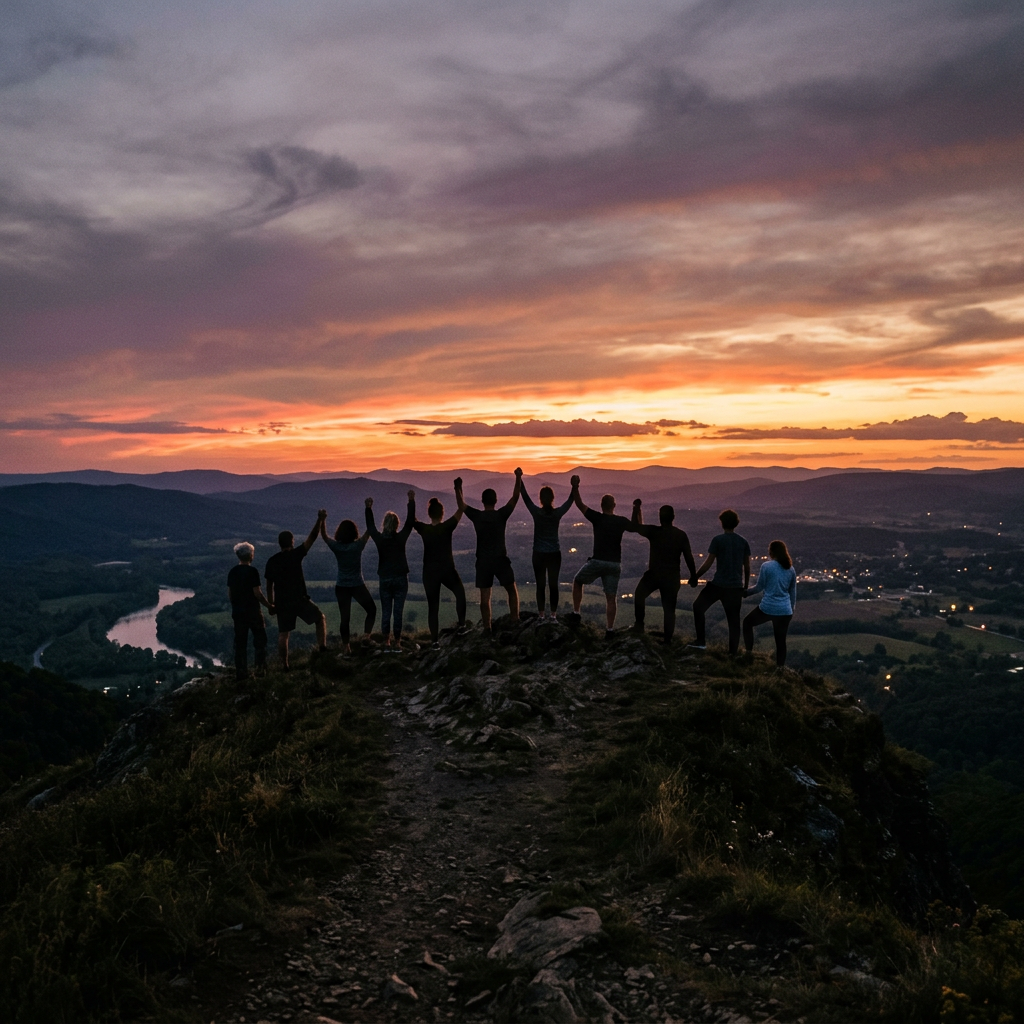
በዳበሳ ዋቅጅራ
—
ሀገር መገንባት ቀላል ሥራ አይደለም። እርሱ ረጅም፣ አድካሚ ጉዞ ሲሆን የማያቋርጥ ቁርጠኝነትን፣ ከፍተኛ መስዋዕትነትንና የማይበገር መንፈስን ይጠይቃል። ሀገር መገንባት ማለት ዕውቀትን፣ ድፍረትንና ጽናትን ወደማይበጠስ ጨርቅ መሸመን ነው—ለማንኛውም ጠላት ፊት ለፊት ለመቆም የሚያስችል ጋሻ። እርሱ የባርነት ሰንሰለትን አለመቀበል፣ ከባርነት ለመውጣት በፍጥነት ማደራጀትና በብሔራዊ ነቅቶ መነሳት ውስጥ የየራሳችንን ሚና መገበር ነው። የባርነትን ቀንበር ያፈረሰና ከውስጧ የወጣች ማንኛዋም ብሔር ያለ ታጋሽ ትግል ነጻ የሆነች የለም።
ይህ እውነት በኦሮሚያ ልብ ውስጥ በጥልቅ ያስተጋባል።
የትግሉ ምንነት
በታሪክ ዘመናት ሁሉ ወደ ነጻነት የሚወስደው መንገድ እነዚያን መስገድ ፈቃደኛ ባልሆኑት ደም፣ ላብና እንባ ተዘርግቷል። ሀገር መገንባት መንገዶችን፣ ትምህርት ቤቶችን ወይም ሆስፒታሎችን ከመሥራት በላይ ነው—እነዚህ አስፈላጊ ቢሆኑም—እርሱ የጋራ ማንነትን፣ የጋራ ዓላማንና የተሻለ ነገ እንደሚቻል የሚያሳድር የማያወላውል እምነትን መገንባት ነው። ዕውቀትንና ድፍረትን ማዋሐድ፣ ተስፋን ወደ ንቁ ተቃውሞ መለወጥ፣ የሕዝብን ክብር ለማጉደል የሚፈልጉትን ኃይሎች ሁሉ መቋቋም ያስፈልጋል።
የጭቆናን እንግላ ያፈረሰች እያንዳንዷ ሀገር ይህንን ያደረገችው በንቃተ ምልከታ፣ በሆነ ሆነ በተዘጋጀና በተቀጠለ ትግል ነው። አጭር መንገድ የለም። የሚሰጥ ስጦታ የለም። ነጻነት፣ ታሪክ እንደሚያስተምረን፣ በፈቃድ አይሰጥም—የሚወሰድ ነው። የሚገኘው ለነጻነት ሙሉ ዋጋ ለመክፈል፣ መከራን ለመቋቋምና አስቸጋሪው ቢመስልም ወደፊት ለመገስገስ ባለን ፈቃድ ነው።
ወደ አንድነት ጥሪ
ኦሮሚያ የሁሉም ኦሮሞ ሕዝብ ናት—ይህ የማይካድ እውነት ነው። ነገር ግን መጠቀሚያ ብቻ በቂ አይደለም። በሕግ የራሳቸውን ነገር በትክክል ለመያዝ ኦሮሞ ሕዝቦች አንድ ሆነው መቆም አለባቸው። መለያየት የጨቋኝ መሣሪያ ነው፤ አንድነት የተጨቈኑት ጋሻ ነው። እጆች በጋራ ዓላማ ሲጣመሩ ነጻ ለመሆን የወሰነውን ሕዝብ መንፈስ የሚያፈርስ ኃይል የለም።
የነጻነት ትግል የተመልካች ስፖርት አይደለም። ከእያንዳንዱ የኦሮሚያ ወንድና ሴት ልጅ ንቁ ተሳትፎ ይጠይቃል። ልዩነቶችን ወደ ጎን በመተው፣ የውስጥ ግጭቶችን በማሸነፍና በአንድ ራዕይ ላይ መሰባሰብ ያስፈልጋል፦ ነጻ፣ የበለጸገችና ክብር ያላት ኦሮሚያ፣ በውስጧ እያንዳንዱ ዜጋ ሊያድግ የሚችልባት።
የነጻነት ዋጋ
የመጨረሻውን ዋጋ ያልከፈለች ነጻ ብሔር የለም። ነጻነት በዋጋ ይገኛል፣ ያ ዋጋም በጋራ መሸከም አለበት። ነጻነትን ተስፋ ማድረግ ብቻ አይበቃም፤ ለእርሱ መታገል ዝግጁ መሆን ይገባል። ትግሉ ለደካማ ልብ አይደለም፣ ወይም ምቾትን በነባር ሁኔታ ውስጥ ለሚፈልጉ አይደለም። እርሱ ለደፋሮች፣ ለቆራጦችና ለማያወላውሉት ነው።
ከፊት ያለው መንገድ ረጅምና በተለያዩ ፈተናዎች የተሞላ ነው። ሽንፈቶች፣ ተስፋ መቁረጦችና የመጠራጠር ጊዜያት ይኖራሉ። ነገር ግን ታሪክ የሚያሳየን እነዚያ የጸኑ፣ መከራ በገጠማቸው ጊዜ ሊተዉት ፈቃደኛ ያልሆኑት በመጨረሻ የሚያሸንፉት መሆኑን ነው። የኦሮሞ ሕዝብ በዚህ ትግል አንድ ሆኖ በመቆም ሁሉን ሊያገኝ ይችላል፤ ሊያጣውም የሚችለው ነገር የለም።
የመጨረሻው ድል
አንድነት ስልት ብቻ አይደለም—እርሱ የትግሉ መንፈስ ነው። የኦሮሞ ሕዝብ አንድ ሆኖ በቆመ ጊዜ፣ እጅ ለእጅ ተያይዘው፣ ትከሻ ለትከሻ ተጠግተው፣ ሊገታቸው የማይችል ኃይል ይሆናሉ። የጋራ ጥንካሬያቸው በጦር መሣሪያም ሆነ በሀብት ላይ አይደለም—ነገር ግን ለማሸነፍ ባላቸው የጋራ ቁርጠኝነት ላይ ነው።
ትግሉ ረጅም ነው፣ ፈተናዎቹም ትልቅ ናቸው። ነገር ግን የኦሮሞ ሕዝብ መንፈስ የማይበገር ነው። አንድነትን መሠረት አድርገው፣ ድፍረትን መሪ አድርገው፣ የነጻነት ሕልምንም ኢላማ አድርገው በእርግጠኝነት ያሸንፋሉ።
ኦሮሚያዉያን በእርግጠኝነት ያሸንፋሉ!
ኦሮሚያ የኦሮሞ እውነት መናገር ለምን ትፈልጋለች?

አንድ ሀገር ያለፈ ታሪኳን በሐቀኝነት መጋፈጥ ፈቃደኛ ባልሆነች ጊዜ ወደ ፊት መራመድ አትችልም። ያልተገነዘቡት የታሪክ ቁስሎች እስኪፈወሱ ድረስ የሚቆዩ አይደሉም—ያባብሳሉ።
በባህሎች እና በአህጉራት ላይ፣ በትውልዶች እና በሥልጣኔዎች ውስጥ የሚያስተጋባ ጥልቅ እውነት አለ፡ ያለፈ ታሪኩን ለመጋፈጥ ፈቃደኛ ያልሆነ ማህበረሰብ ስህተቶቹን እንደገና እንዲደግም ተፈርዶበታል። ያልተገነዘቡት ቁስሎች አይፈወሱም—ያባብሳሉ። ያልተነገሩት ታሪኮች አይጠፉም—ያስጨንቃሉ። ያልተፈቱት ፍትህ መዛባቶች አይጠፉም—ይቀጥላሉ።
ለኦሮሚያ፣ የእውነት መናገር አስፈላጊነት የቅንጦት ጉዳይ አይደለም። አስፈላጊነት ነው። ፍትሃዊ እና እኩል የሆነ የወደፊት ጊዜ መገንባት ያለበት መሠረት ነው።
ታላቁ ዝምታ
ብዙ ኦሮሞዎች የቅኝ ግዛት ሙሉ ታሪክ ተምረው አያውቁም።
ይህ በአጋጣሚ አይደለም። ሆን ተብሎ የተደረገ ምርጫ ነው—የኦሮሞ ህዝብ ቀጣይ መገዛት ተጠቃሚ ለሆኑት ፍላጎቶች የሚያገለግል ስልታዊ መሰረዝ ነው።
ትውልዶች ኦሮሞ ልጆች ታሪካቸውን የሚማሩት በቅኝ ገዢው እይታ ነው። ተጎጂዎቹን እያለቀሱ አሸናፊዎችን እንዲያከብሩ ተምረዋል። ተቃዋሚዎችን ሳያውቁ የንጉሠ ነገሥትና የጄኔራሎች ስሞችን ተምረዋል። የእነዚያ ጦርነቶች ሰብአዊ ዋጋ በጭራሽ ሳይረዱ የጦርነቶችን ቀናት በልባቸው ገምተዋል።
የቅኝ ግዛት ታሪክ የራቀ የአካዳሚክ ትምህርት አይደለም። ኦሮሚያ ዛሬ እንዴት እንደሆነች ታሪክ ነው። አያቶቻችን አያቶች መሬታቸውን፣ ነጻነታቸውን፣ እና የህይወት መንገዳቸውን እንዴት እንዳጡ ታሪክ ነው። የህብረተሰባችን ዋና ህንፃ እንዴት እንደተቀደደ እና በሌሎች ንድፎች መሰረት እንደገና እንደተሸመነ ታሪክ ነው።
ያልተማሩት ትምህርቶች
በኦሮሞ ታሪካዊ ትምህርት ውስጥ ያሉት ክፍተቶች ሰፊ እና ጉልህ ናቸው። ምን እንዳልተማረ አስቡት፡
የድንበር ጥቃት፡ በ19ኛው ክፍለ ዘመን መገባደጃ ላይ ኦሮሚያን ያጠለቀላት የድል ጦርነቶች ቀስቃሽ መስፋፋት አልነበሩም—በታሪክ ውስጥ በማይታመን ሁኔታ ላይ በጭፍጨፋ፣ በመፈናቀል፣ እና በጥፋት ምልክት የተደረጉ የጭካኔ የመገዛት ዘመቻዎች ነበሩ። የተቃጠሉ መንደሮች፣ የተበተኑ ቤተሰቦች፣ እና የጠፉ ማህበረሰቦች ታሪኮች ስልታዊ በሆነ መንገድ ዝም ተደርገዋል።
የተዘረፈ መሬት እና ባህል፡ የኦሮሚያ መሬት ወደ አሁኑ አቀማመጥ የመጣው በሰላማዊ ድርድር አይደለም። ተወስዷል—በጥንካሬ፣ በማታለል፣ የኦሮሞ ህዝብን ምድራዊ መብትም ሆነ ሰብአዊነት የማያውቁ የባዕድ የህግ ስርዓቶችን በማስገደድ። ከመሬቱ ጋር፣ ባህሉ ጥቃት ደርሶበታል—ቋንቋው ተከልክሏል፣ ባህሎቹ ተጨቁነዋል፣ ማንነቱ ተክዷል።
ቅኝ ግዛቱ፡ የኦሮሞ ቅኝ ግዛት ልዩ እና ብዙ ጊዜ የሚሳሳትበት ክስተት ነው። ከባህር ማዶ ድል አልነበረም፣ ነገር ግን ከአህጉሩ ውስጥ—አንድ አፍሪካዊ ኢምፓየር ሌሎች አፍሪካዊ ህዝቦችን በማስገዛት ራሱን መገንባት። ይህ የውስጥ ቅኝ ግዛት በተለይ አደገኛ ሆኗል ምክንያቱም ተክዷል፣ ተቀልሏል፣ እና “ብሄራዊ አንድነት” ተብሎ እንኳን ተከብሯል።
የተገለሉ ትውልዶች፡ ሁሉም ኦሮሞዎች ቅኝ ግዛትን በተመሳሳይ መንገድ አልተሞክሩም። አንዳንዶች ተፈናቅለዋል፤ ሌሎች ተግዘዋል። አንዳንዶች ተገድለዋል፤ ሌሎች በባርነት ተይዘዋል። ነገር ግን ትውልዶች ኦሮሞዎች በዚህ ስርዓት ጥላ ስር ኖረዋል—ዕድላቸው የተገደበ፣ ድምፃቸው የተረፈ፣ አቅማቸው ያልተሳካ።
የኦሮሞን ህይወት የተቆጣጠሩ ህጎች፡ የቅኝ ግዛት ህጋዊ እና አስተዳደራዊ መዋቅሮች ገለልተኛ መሳሪያዎች አልነበሩም—የቁጥጥር መሳሪያዎች ነበሩ። ከግዴታ የጉልበት ስርዓቶች እስከ የመሬት አጠቃቀም ስርዓቶች፣ ከእንቅስቃሴ ገደቦች እስከ የባህል አገላለጽ ክልከላዎች፣ የኢትዮጵያ ኢምፓየር ህጎች የኦሮሞን መገዛት ለማስቀጠል ተዘጋጅተው ነበር።
ያለፈው ታሪክ አልሆነም
እነዚያ ክስተቶች ከአሁኑ የተለዩ አይደሉም። ተጽዕኖዎቻቸው ዛሬም በቤተሰቦች፣ በማህበረሰቦች፣ እና በተቋማት ውስጥ ይታያሉ።
የኦሮሚያ ቅኝ ግዛት በነጻነት ወይም በስምምነት መፈረም ያበቃ የታሪክ ምዕራፍ አይደለም። ተጽዕኖዎቹ በጊዜ ውስጥ እያንቀላፉ የኦሮሞ ህዝብ ህይወት ላይ በሁለቱም ግልፅ እና ስውር መንገዶች ተጽዕኖ ማሳደራቸውን ቀጥለዋል።
በቤተሰቦች ውስጥ፡ የቅኝ ግዛት ጉዳት በትውልዶች ተላልፏል። የመሬት መጥፋት፣ የቤተሰብ መለያየት፣ የባህል መጨቆን—እነዚህ ተሞክሮዎች በቤተሰብ ውስጥ በሚታዩ ችግሮች፣ በአእምሮ ጤና ተግዳሮቶች፣ እና በትውልድ ትውልድ ጉዳት ማስተላለፍ ውስጥ የሚታዩ የስቃይ ቅጦችን ፈጥረዋል።
በማህበረሰቦች ውስጥ፡ በቅኝ ግዛት የተፈጠሩት ክፍፍሎች በኦሮሞ ማህበረሰቦች ማህበራዊ ገጽታ ላይ ቀጥለዋል። የከፋፍል እና ግዛት ፖሊሲዎች፣ አንዳንድ ኦሮሞዎችን በሌሎች ላይ ማስተባበር፣ ለቅኝ ገዢው የሚያገለግሉ ተዋረዶችን መፍጠር—እነዚህ ኦሮሞዎች እርስ በርሳቸው እንዴት እንደሚዛመዱ ተጽዕኖ ማሳደራቸውን ቀጥለዋል።
በተቋማት ውስጥ፡ በኦሮሚያ ላይ የተጫኑት የቅኝ ግዛት መዋቅሮች አልጠፉም። ተለውጠዋል፣ እንደገና ጥቅም ላይ ውለዋል፣ እና እንደገና ተሰይመዋል፣ ነገር ግን አሁንም አሉ—የህግ ስርዓቶቹ፣ የአስተዳደር ማዕቀፎቹ፣ የትምህርት ተቋማቱ፣ የኢኮኖሚ መዋቅሮቹ። የቅኝ ግዛት አመጣጣቸውን ቅድሚያዎች እና የስልጣን ተለዋዋጭነት ማንፀባረቃቸውን ቀጥለዋል።
የእውነት መናገር ኃይል
የኦሮሞ እውነት መናገር ኦሮሚያ ሀገር እንደሆነች የጋራ ግንዛቤ ይፈጥራል።
እውነት መናገር ስለ ጥፋተኝነት መመደብ ወይም በቅሬታዎች ላይ ማሰላሰል አይደለም። ፍትሃዊ የወደፊት ጊዜ ሊገነባበት የሚችልበት የጋራ የመረዳት መሠረት መፍጠር ነው። የኦሮሞ ህዝብ የራሱን ታሪክ እንዲረዳ እና የራሱን እጣ ፈንታ እንዲቀርፅ የሚያስፈልጉትን መሳሪያዎች መስጠት ነው።
የኦሮሞ ድምፆች በእኛ ፋንታ ታሪካችን ከመብራራት ይልቅ እንዲሰሙ ያደርጋል።
ለረጅም ጊዜ የኦሮሚያ ታሪክ በሌሎች ተነግሯል—ድርጊቶቻቸውን ባጸደቁ አሸናፊዎች፣ ወንጀሎቻቸውን በካዱ መንግስታት፣ ኦሮሞን ከምቹ ርቀት ባጠኑ ምሁራን። የኦሮሞ እውነት መናገር ትረካውን ይመልሳል። የኦሮሞ ህዝብ የራሱን ታሪክ፣ በራሱ ቃላት፣ ከራሱ እይታ የመናገር እድል ይሰጣል።
ይህ የጥቃት ተግባር አይደለም—የነጻነት ተግባር ነው።
ከመረዳት ወደ ተግባር
ስለ ያለፈው መኖር አይደለም። ኦሮሚያ ፍትሃዊ የወደፊት ጊዜ መገንባት እንድትችል ያለፈውን መረዳት ነው።
እውነት መናገር በቅሬታዎች ላይ ማሰላሰል ወይም ቂም ማፍራት አይደለም። አዲስ ማህበረሰብ ሊገነባበት የሚችልበትን መሬት ማጽዳት ነው። ህንፃ በውሸት መሠረት ላይ ሊገነባ እንደማይችል፣ ፍትሃዊ ማህበረሰብ በታሪክ መካድ ላይ ሊገነባ አይችልም።
ፍትሃዊ የወደፊት ጊዜ ለመገንባት፣ ኦሮሚያ መረዳት አለባት፡
- መሬቱ እንዴት እንደተወሰደ
- ህዝቡ እንዴት እንደተከፋፈለ
- ባህሉ እንዴት እንደተጨቆነ
- ተቋማቱ እንዴት እንደተነደፉ
- ቁስሎቹ እንዴት እንደተደረሱ
በዚህ ግንዛቤ ብቻ የፈውስ ስራ በእውነት ሊጀምር ይችላል። በዚህ እውቀት ብቻ የፍትህ መዛባት ዑደት ሊሰበር ይችላል።
የሞራል ግዴታ
የማታውቀውን ነገር መፈወስ አትችልም።
ይህ ምናልባት ከሁሉም እውነታዎች የበለጠ ጥልቅ ነው። መካድ ፈውስ አይደለም—የእስር አይነት ነው። ያለፈውን ለመገነዘብ ፈቃደኛ ባለመሆን፣ በቅጦቹ ውስጥ ተይዘን እንቀራለን። ቁስሎቹን በመካድ፣ ህክምናቸውን እንከላከላለን። ታሪኮቹን በማጥፋት፣ ስቃዩን እናስቀጥላለን።
ለኦሮሚያ፣ የቅኝ ግዛት ታሪክን ለመገነዘብ ፈቃደኛ አለመሆን ከፍተኛ ዋጋ አስከፍሏል። አጥፊዎቹ ተጠያቂ እንዳይሆኑ ፈቅዷል። ተጎጂዎቹ የሚገባቸውን እውቅና እንዳያገኙ ከልክሏል። እውነቱ በሚነገርበት ጊዜ ብቻ የሚቻለውን ፈውስ ከልክሏል።
የሞራል ግዴታው ግልፅ ነው፡ እውነቱ መነገር አለበት።
የእውነት መናገር ሂደት
የኦሮሞ እውነት መናገር ምን ይመስላል? እሱ ይሆናል፡
አጠቃላይ፡ የኦሮሞ ልምድን ሙሉ ወሰን ያካትታል—የድል ጦርነቶች፣ የመሬት መዘረፍ፣ የባህል መጨቆን፣ የህግ አድልዎ፣ የኢኮኖሚ ብዝበዛ።
ሁሉን አቀፍ፡ የኦሮሞ ድምፆችን እና እይታዎችን ያማከላል፣ በተለይም የተገለሉትን እና ተጋላጮቹን። ሁሉም ኦሮሞዎች ልምዳቸውን እና ጥበባቸውን ለመጋራት ቦታ ይፈጥራል።
ደፋር፡ አስቸጋሪ እውነቶችን ይጋፈጣል—አንዳንድ ኦሮሞዎች ከቅኝ ገዢው ጋር መተባበር፣ የተፈጠሩት እና የተበዘበዙት ክፍፍሎች፣ ተቃውሞን ያዳከሙት የውስጥ ግጭቶች።
ወደ ፊት የሚመለከት፡ ወደ ተሻለ የወደፊት ጊዜ መገንባት ያመራል—ካለፈው የሚማር እንጂ በሱ የማይታሰር፣ ቁስሎቹን የሚገነዘብ እንጂ ወደ ፈውስ የሚሰራ፣ የበቀል ዑደቶችን ሳያስቀጥል ፍትህ የሚፈልግ።
እውነተኛ፡ ስለተከሰተው እና አሁንም ስለሚከሰተው ሐቀኛ ነው። አያጸዳም፣ አያቀልም፣ አይክድም።
የኦሮሞ ጋዜጠኝነት ሚና
የኦሮሞ እውነት መናገር ስራ በኦሮሞ ጋዜጠኞች፣ ጸሃፊዎች፣ እና የታሪክ ምሁራን ተቀጥሏል። በአፋን ኦሮሞ ለማተም እስር መያዝን ከተደፈሩት ቀደምት አቅኚዎች እስከ ሙሉ የኦሮሞ ታሪክን የሚመዘግቡ ዘመናዊ ምሁራን ድረስ፣ የኦሮሞ እውነት ነጋሪዎች ታሪኩን በህይወት አስቀምጠዋል።
ባሪሳአ፣ የሮኦ፣ የኦሮሞ ነጻነት ድምፅ—እነዚህ እና ሌሎች በርካታ የኦሮሞ ሚዲያዎች የእውነት መናገር መሳሪያዎች ነበሩ፣ በጭቆና ጨለማ ውስጥ ብርሃን በማብራት፣ ድምፅ ለሌላቸው ድምፅ በመስጠት፣ እና የኦሮሞ ህዝብን ትውስታ በመጠበቅ።
የኦሮሞ ጋዜጠኝነት ዜና መዘገብ ብቻ አይደለም—እውነትን መናገር ነው። ሌሎች ሊያጠፉት የሚፈልጉትን ታሪክ መዘገብ፣ ሌሎች ሊያጠፉት የሚፈልጉትን ቃላት መናገር፣ እና ሌሎች ሊክዱት የሚፈልጉትን ልምዶች መመስከር ነው።
የእውነት ፈውስ ኃይል
እውነት መናገር በራሱ መጨረሻ አይደለም—መጀመሪያ ነው። በረጅሙ የፈውስ መንገድ ላይ አስፈላጊው የመጀመሪያ እርምጃ ነው።
የኦሮሞ ታሪክ በመጨረሻ ሲነገር—በሁሉም ውስብስብነቱ እና ስቃዩ—የበቀል ተግባር አይሆንም። የነጻነት ተግባር ይሆናል። የኦሮሞ ህዝብ የማይረዱትን ታሪክ የመሸከም ሸክም ነጻ ያደርጋል። የወደፊት ትውልዶችን ከሚስጥሮች እና ከውሸቶች ክብደት ነጻ ያደርጋል። ለእውነተኛ ፈውስ፣ ለእርቅ፣ እና ለፍትህ ሁኔታዎችን ይፈጥራል።
እውነት መናገር ቁስሎችን ክፍት ማድረግ አይደለም—በትክክል እንዲፈወሱ መፍቀድ ነው። በያለፈው ውስጥ መኖር አይደለም—በሱ የማይከበድ የወደፊት ጊዜ መገንባት ነው።
ለኦሮሞ ህዝብ ጥሪ
የእውነት መናገር ጥሪ ለተስፋ መቁረጥ ጥሪ አይደለም—ለድፍረት ጥሪ ነው። ለልጆቻችን እና የልጅ ልጆቻችን የተሻለ የወደፊት ጊዜ መገንባት እንድንችል የታሪካችንን አስቸጋሪ እውነቶች ለመጋፈጥ ጥሪ ነው።
ይህ የሚከተለውን ጥሪ ነው፡
- ተከልክሎ የነበረውን ታሪክ መማር
- የተጠፋውን እውነት መናገር
- የተገለሉትን ድምፆች ማዳመጥ
- የተረሱትን ታሪኮች ማስታወስ
- ችላ የተባሉትን ቁስሎች መፈወስ
- የእኛ የትውልድ መብት የሆነውን የወደፊት ጊዜ መገንባት
እውነቱ አሳዛኝ ሊሆን ይችላል፣ ግን ነጻ የሚያወጣም ነው። እውነቱ አስቸጋሪ ሊሆን ይችላል፣ ግን የሚፈውስም ነው። እውነቱ ሊቃወም ይችላል፣ ግን የማይቀርም ነው።
ለአለም አቀፍ ማህበረሰብ ጥሪ
የእውነት መናገር ግዴታ ከኦሮሚያ ያልፋል። አለም አቀፉ ማህበረሰብ የኦሮሞ እውነት መናገርን በመደገፍ፣ የቅኝ ግዛት ታሪክን በመገነዘብ፣ እና ወደ ፍትህ በመስራት ሚና አለው።
ይህ በውስጥ ጉዳዮች ውስጥ ጣልቃ መግባት አይደለም—ሁለንተናዊ የሰብአዊ መብቶችን፣ ክብርን፣ እና ፍትህን መርሆች ማስጠበቅ ነው። ያለፈው አላለፈም፣ የቅኝ ግዛት ተጽዕኖዎች እየተሰማቸው መሆኑን፣ እና ፍትህ ያለ እውነት ሊገኝ እንደማይችል መገነዘብ ነው።
ኦሮሚያ እንድትፈወስ እውነቱ መነገር አለበት። ኦሮሚያ ወደ ፊት እንድትራመድ ያለፈው መገነዘብ አለበት። ኦሮሚያ ነጻ እንድትሆን የቅኝ ግዛት ታሪክ መረዳት አለበት።
መደምደሚያ፡ ያልተጠናቀቀው ስራ
የኦሮሞ እውነት መናገር ስራ አልተጠናቀቀም። ዝምታን ለመስበር ደፋር በሆኑ፣ እውነቱን ለመናገር ሁሉንም ነገር ለአደጋ በተጋረጡ፣ ፍትህ በመጨረሻ እንደሚሰፍን ባመኑ ትውልዶች ቀጥሏል።
ዛሬ የምንቆመው እኛ ያንን ቅርስ ወራሾች ነን። ስራውን ማጠናቀቅ ያለብን እኛ ነን። እውነቱን መናገር ያለብን እኛ ነን።
ታሪካቸውን የሚያውቁ ልጆች—በቅኝ ገዢዎች የተጣራውን ስሪት ሳይሆን ሙሉውን፣ ውስብስብ፣ አሳዛኝ፣ እና ውብ እውነቱን—ለሚያውቁ ልጆች። እንዴት እንደተከፋፈሉ እና እንዴት ሊፈወሱ እንደሚችሉ በመጨረሻ ለሚረዱ ማህበረሰቦች። በፍትህ መሠረት እንደገና ሊመሠረቱ እና ሊገነቡ ለሚችሉ ተቋማት። ካለፈው የበለጠ ፍትሃዊ እና እኩል ሊሆን ለሚችል የወደፊት ጊዜ።
የማታውቀውን ነገር መፈወስ አትችልም።
እንገነዘብ። እንረዳ። እንፈወስ። እንገንባ።
“የኦሮሞ እውነት መናገር ኦሮሚያ ሀገር እንደሆነች የጋራ ግንዛቤ ይፈጥራል። ታሪካችን በእኛ ፋንታ ከመብራራት ይልቅ የኦሮሞ ድምፆች እንዲሰሙ ያደርጋል። ስለ ያለፈው መኖር አይደለም። ኦሮሚያ ፍትሃዊ የወደፊት ጊዜ መገንባት እንድትችል ያለፈውን መረዳት ነው።”
ስራው ይቀጥላል። እውነቱ ይነገራል። እና ኦሮሚያ ነጻ ትሆናለች።
የችቦውን ማስተላለፍ፦ 50 ዓመታት የኦሮሞ ነፃነት ትግል
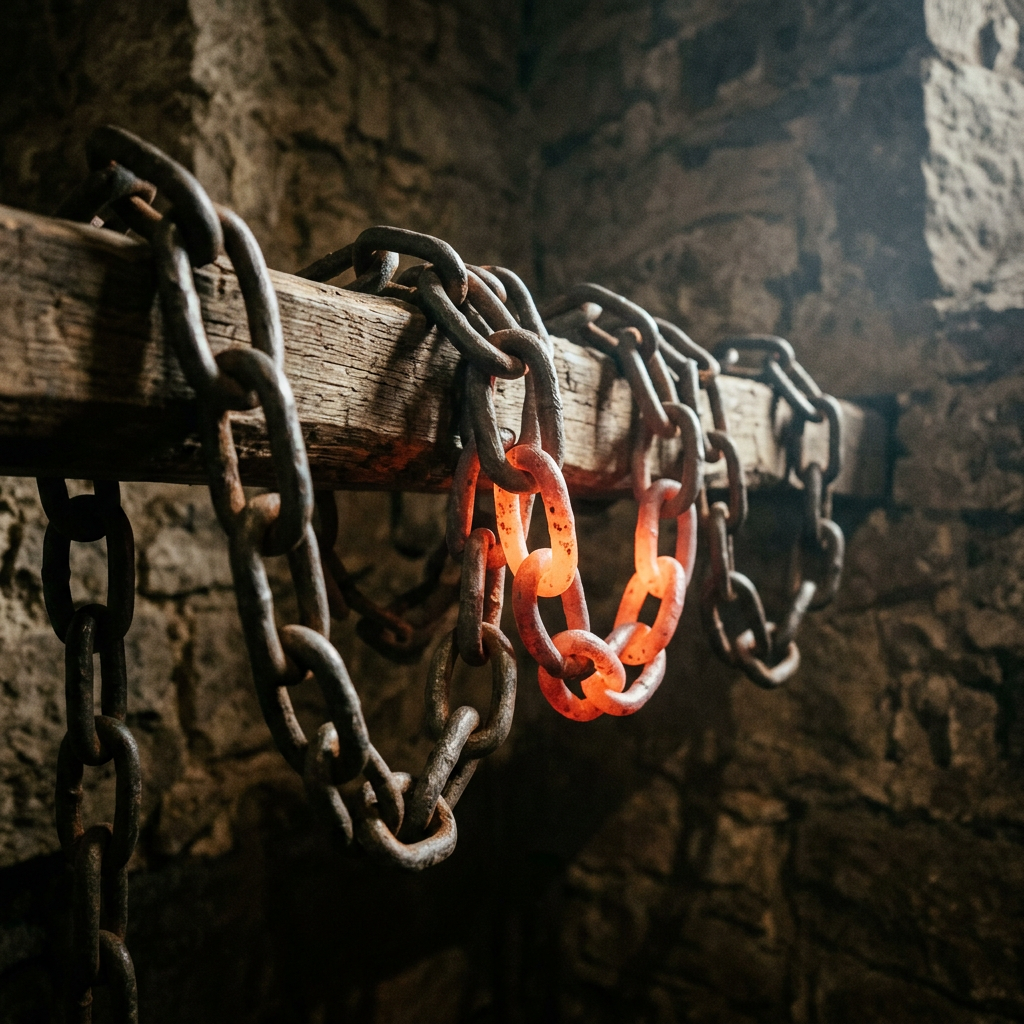
የግማሽ ምእተ ዓመት የመቋቋም፣ የመቻልና የማይሰበር የሕዝብ መንፈስ ነጸብራቅ
—
በ2023 ዓ.ም. በተረጋጋ ቀን፣ ዓለም የለውጥና የለውጥ ሞገዶችን ማሽከርከሩን በቀጠለበት ጊዜ፣ የኦሮሞ ሕዝብ ትልቅ የዚህ ዘመን ምዕራፍ ለማስታወስ ዝግጅት ያደርጋል። ዘመናዊው የኦሮሞ ነፃነት ትግል በፖለቲካዊ እና ትጥቅ መልክ በይፋ ከተጀመረ አምሳ ዓመታት ሞሉ። “50 ዓመታት የኦሮሞ ነፃነት ትግል” በሚል መሪ ቃል የተካሄደው ይህ የመታሰቢያ ሥነ-ሥርዓት ወደ ታሪክ መለስ ብሎ የሚመለከት ብቻ አይደለም። ይህ የጥንካሬውን ሸክም ወደ መጪው ጊዜ ማስተላለፍ እንዳለብን የሚያሳይ ጉልህ መግለጫ ነው።
“Kunis waan nu ibsuu fi nu boonsu tokko akka baatee jiru mirkaneessa” — ይህም ማለት የሚያስተዋውቀን እና የሚያኮራን አንድ ነገር እንዳለ ያረጋግጣል። በእርግጥም አለ።
—
የጥንት ባህል ባለቤቶች
የዚህን የአምሳ ዓመት የበኩል ትርጉም ለመረዳት የኦሮሞ ትግል ከሚነሳበትን ጥልቅ ሥረ-መሠረት መገንዘብ ይገባል። ኦሮሞዎች በቅርብ ጊዜ የተፈጠሩ የፖለቲካ ፍጥረታት አይደሉም፤ እነሱ በዓለም ላይ ካሉ ጥንታዊና የበሰሉ ሥልጣኔዎች አንዱን የሚጠብቁ ናቸው።
ገዳ የሚባለው ባህላዊ የዴሞክራሲ አስተዳደር ሥርዓት ለዘመናት የኦሮሞ ማኅበረሰብን የመራ ሲሆን የማደራጀት ችሎታቸውን የሚያሳይ ምስክር ነው። ዘመናዊ ዴሞክራሲዎች የስልጣን መወሰኛ፣ የመደራደሪያ እና የአስተዳደር ተሳትፎ መርሆዎችን ከመቅረጻቸው ከረጅም ጊዜ በፊት፣ ኦሮሞዎች እነዚህን መርሆዎች በገዳ አሟልተው ነበር። በየስምንት ዓመቱ ሥልጣን ከትውልድ ወደ ትውልድ በሰላም ያስተላለፉ ነበር — ይህ የአመራር ለውጥ ዑደት ተጠያቂነትንና የሕብረት ውሳኔ አሰጣጥን ያረጋግጣል።
ከዚህ በተጨማሪ ዋቄፈና የሚባለው ባሕል አንድ አምላክ (ዋቃ) ያምናል፤ ይህም ከተፈጥሮ፣ ከእውነትና ከፍትሕ ጋር ያለውን ስምምነት ያጎላል። በተቀደሱ ሐይቆችና ኮረብታዎች ላይ የሚከበረው ኢሬቻ በዓል ባህላዊ ክንውን ብቻ ሳይሆን መንፈሳዊ መታደስ ነው — ለሕይወት፣ ለጤናና ለፍጥረት በረከት የምስጋና ጊዜ ነው። በሚሊዮን የሚቆጠሩ ሰዎች በባህላዊ ልብሳቸው ተዘጋጅተው እጃቸውን ወደ ላይ በማንሳት የዘመናት ዘለላ ዘፈኖችን እየዘመሩ ይጸልያሉ።
ይህ የኦሮሞ ማንነት ነው፦ ጥንታዊ፣ ኩሩና ተቋቃሚ። ኢምፓየሮችን፣ ወረራዎችንና የመጥፋት ሙከራዎችን የተረፈ ሥልጣኔ። ይህንኑ ማንነት የነፃነት ትግሉ ለመጠበቅና ለማስመለስ ይፈልጋል።
—
ያልተጠናቀቀው ታሪክ
የኦሮሞ ነፃነት ትግል፣ ባለፉት አምሳ ዓመታት ዘመናዊ መልክ እንደተለበሰው፣ የጥቃት ታሪክ አይደለም። ይልቁንም አንድ ሕዝብ በተፈጥሮ የሚገባውን ነገር የሚጠይቅበት ታሪክ ነው፦ እውቅና፣ ክብር፣ ራስን የመወሰን መብትና በሕዝቦች መካከል ተገቢውን ቦታ ማግኘት።
የዚህ ትግል መዛግብት በደም የተጻፉ፣ በቆርቆሮም የተቀረጹ፣ ግን ሁሉም በኦሮሞ ሕዝብ የጋራ ትውስታ ውስጥ ያልጠፉ ስሞችን ይዘዋል። ይህ ትግል መጠናቀቅ የማይፈልግ የጀግንነት ታሪክን መዝግቧል — በየዓመቱ እየተገለጠ የሚሄድ ትረካ።
ይህ ትግል ልዩ የሚያደርገው በጥልቅ ባህላዊ መሠረቱ ላይ የተመሠረተ መሆኑ ነው። ኦሮሞዎች አዲስ ነገር ለመፍጠር አይዋጉም፤ ይልቁንም ጥንታዊ የሆነውን ለመመለስ ይታገላሉ። የገዳ የፍትሕ መርሆዎች፣ የዋቄፈና የእውነት እሴቶች፣ የኢሬቻ የምስጋና መንፈስ በመማሪያ መጽሐፍ ወይም በቱሪዝም በራሪ ወረቀቶች ውስጥ እንዳይቀሩ ለማድረግ ነው — ለትውልድ ልጆች የሚተላለፉ ሕያው እውነታዎች እንዲሆኑ ማድረግ ነው።
“Qabsoon Bilisummaa Oromoo seenaa boonsaa himamee hin dhumne galmeessee jira” — የኦሮሞ ነፃነት ትግል ገና ያልተጠናቀቀ የጀግንነት ታሪክ መዝግቧል። በእርግጥም እሱ ሕያው ሰነድ ነው፤ በየተግባሩ የድፍረት፣ በየመቋቋሚያ ዘፈኑ፣ እና ርስቱን በሚያውቅ በእያንዳንዱ ልጅ እየተጻፈ ነው።
—
ለሁሉም ትውልዶች የሚሆን ታሪክ
ምናልባት የዚህ የመታሰቢያ ክብረ በዓል በጣም የሚያምረው ገጽታ ትግሉ ከማንኛውም ነጠላ ትውልድ እንደሚበልጥ ያለው እውቅና ነው። እሱ ከአያቶች ወደ ወላጆች፣ ከወላጆች ወደ ልጆች የሚተላለፍ ውርስ ነው። በመዋዕለ ሕጻናት ዘፈኖች ውስጥ የሚዘመር፣ በትምህርት ክፍሎች ውስጥ የሚከራከርበት፣ በጸሎቶችም ውስጥ የሚሾለቅ ታሪክ ነው።
“Kun barayyuu dhalootaan kan leellifamuu fi faarfamuu dha” — ይህ በመጪዎቹ ትውልዶች የሚወደስና የሚዘመር ታሪክ ነው። መዘጋት ያለበት ምዕራፍ ሳይሆን መደገም ያለበት መዝሙር፣ መማር ያለበት ትምህርት፣ ሕያው እንዲቆይ መደረግ ያለበት ነበልባል ነው።
ዛሬ ያሉት ወጣት ኦሮሞዎች የዚህ ውርስ ሸክም ይሸከማሉ፣ ግን ተስፋውንም ይሸከማሉ። እነሱ በትግሉ አርበኞች የተላለፈውን ችቦ ተቀብለው የሚቀጥሉት ዙር የሚሮጡት ናቸው። የነጻ፣ የክብርና የበለጸገ ኦሮሚያ ሕልም ከመፈክር በላይ እውነታ እንዲሆን የሚያደርጉት እነሱ ናቸው።
—
በጥንካሬ ወደ ፊት መጠመቅ
ኦሮሞዎች አምሳ ዓመታትን ሲያከብሩ፣ ይህንን የሚያደርጉት ከፊታቸው ስላለው መንገድ ግልጽ ግንዛቤ ይዘው ነው። ፈተናዎች ከፍተኛ ናቸው። ትግሉ ከመጠናቀቅ የራቀ ነው። ነገር ግን የግማሽ ምእተ ዓመት የመታሰቢያ ሥነ-ሥርዓት ራሱ የመቃወም ተግባር ነው — ኦሮሞዎች አሁንም እንደቆሙ፣ አሁንም እንደሚቃወሙ እና አሁንም እንደሚያምኑ የሚያሳይ መግለጫ ነው።
ዓለም የኦሮሞን መቻል ተመልክቷል። ከደጋ እስከ ደጋ፣ ከከተማ እስከ ገጠር፣ የኦሮሚያ መንፈስ የማይረባ ነው። የነፃነት ትግሉ የፖለቲካ እንቅስቃሴ ብቻ አይደለም፤ እሱ የባህል ሕዳሴ፣ የመንፈሳዊ መነቃቃት እና የሥነ-ምግባር ግዴታ ነው።
—
ማጠቃለያ
አምሳ ዓመታት። ይህ ቁጥር ክብደት አለው — የመስዋዕትነት ክብደት፣ የተስፋ ክብደት እና ያልተጠናቀቀ ጉዞ ክብደት። የኦሮሞ ነፃነት ትግል ረጅምና አስቸጋሪ መንገድ ነበር፤ በእንባ እንዲሁም በድል የተሞላ መንገድ። ነገር ግን ኦሮሞዎች ይህን የበኩል ጊዜ ለማሰላሰል ሲሰበሰቡ፣ ይህንን የሚያደርጉት በመራራ ወይም በተስፋ መቁረጥ አይደለም። ያሉትን ማንነታቸውንና መብታቸውን የሚያውቁ ሕዝቦች በረጋ በሆነ በራስ መተማመን ያደርጉታል።
“50 ዓመታት የኦሮሞ ነፃነት ትግል” የሚለው መሪ ቃል ያለፈውን ለማክበር ብቻ አይደለም። ይልቁንም ያንን ጥንካሬ ወደ ፊት ማስተላለፍ፣ ቀጣዮቹ አምሳ ዓመታት ይበልጥ እድገትና የመጨረሻ ድል እንደሚያመጡ ማረጋገጥ ነው። ገዳ፣ ዋቄፈና እና ኢሬቻ ትውስታዎች ብቻ ሳይሆኑ ኦሮሞዎችን ወደ ብሩህ ነገ የሚመሩ ሕያው ወጎች እንዲሆኑ ማድረግ ነው።
የኦሮሞ ታሪክ ከሰው ልጅ ታሪክ ታላላቅ ግጥሞች አንዱ ነው — የመቻል፣ የባህል እና የማይጠገብ የነፃነት ጥማት ታሪክ። ኦሮሞ ሊናገሩት፣ ሊዘምሩትና ሊኖሩት እስካሉ ድረስ ይህ ታሪክ ፈጽሞ አያልቅም። ለወደፊት ትውልዶች እንደሚገባው ይወደሳልና ይዘመራል።
—
“Qabsoon keenya bilisummaa fi mirga namaa kan mata keenyaati. Kun hidhannoo keenyatti amanuufi dhaloota dabarsuuti.”
“ትግላችን ለነፃነት እና ለሰብዓዊ መብቶች የሚደረግ ነው። ይህ ለመጪው ጊዜ እና ለመጪዎቹ ትውልዶች ያለን ቃል ኪዳን ነው።”

የትግሉ ክብደት፡ የኦሮሞን ጉዞ ማክበር እንጂ ማቃለል አይገባም

ረጅሙን መንገድ—በስደት፣ እና በመስዋዕትነት—የተራመዱት ለእኛ ጥልቅ ክብር ይገባቸዋል፣ በቀላል አለማድረግ አይደለም
በዘመናችን አደገኛ አዝማሚያ አለ—በፊታችን የመጡትን መስዋዕትነት የማቃለል ልማድ። በጫማቸው ባልተራመድን ጊዜ የሌሎችን ትግል መቀልበስ ቀላል ነው፣ ህመማቸውን ባልተሰማን ጊዜ መከራቸውን ማቃለል ቀላል ነው፣ የማይቻሉ ምርጫዎችን ባልገጠሙን ጊዜ ውሳኔዎቻቸውን መፍረድ ቀላል ነው።
ይህ ነጸብራቅ ለዚህ አዝማሚያ ኃይለኛ ማስተካከያ ይሰጣል። የኦሮሞ ህዝብ የተጓዘውን እጅግ በጣም ረጅም ጉዞ—የተቋቋሟቸውን ፈተናዎች፣ ያደረጉትን መስዋዕትነት፣ እና በሁሉም ነገር ላይ ጠብቀው የቆዩትን ክብር—እንድንገነዘብ ይጠራናል።
በእንቅስቃሴ ላይ ያለ ህዝብ
“Nama Oromoo bu’aa bahii hedduu keessa darbuun har’a gahe, xiqqeessuu fi salphisuun faayidaan argamu hin jiru; jiraatus yoo nutti hafe wayya.”
በብዙ ፈተናዎች ውስጥ አልፎ ዛሬ የደረሰው ኦሮሞ ሰው—እሱን ማቃለል ወይም ማሳነስ ምንም ጥቅም የለውም። ምንም እንኳን የሆነ ነገር ቢቀርም፣ ለእኛ ቢተወው ይሻላል።
ይህ መግለጫ በትውልዶች መካከል ስላለው ግንኙነት ጥልቅ ማሰላሰያ ነው። የኦሮሞ ህዝብ እጅግ በጣም ከባድ ችግሮችን እንደተቋቋመ ይገነዘባል—በመቶዎች የሚቆጠሩ የቅኝ ግዛት ዓመታት፣ አስርት ዓመታት የባህል መጨቆን፣ ትውልዶች መፈናቀል፣ እና ተደጋጋሚ የጭካኔ ጭቆና ማዕበሎች።
ዛሬ በፊታችን የሚቆሙት ኦሮሞዎች የዚያ ትግል ውጤቶች ናቸው። እኛ ከመወለዳችን ከረጅም ጊዜ በፊት ከተካሄዱ ጦርነቶች ያሉ ጠባሳዎችን ይሸከማሉ። ዝምታን ባወቁ ድምፆች ይናገራሉ፣ ብዙ ባዩ ዓይኖች ያለቅሳሉ፣ እና ደጋግመው በተሰበሩ እና እንደገና በተገነቡ ልቦች ተስፋ ያደርጋሉ።
እነሱን ማቃለል ራሳችንን ማቃለል ነው። ስኬቶቻቸውን ማቅለል ራሳችን የምንቆምበትን መሠረት እንኳን ማቅለል ነው።
የስደት ጉዞ
“Oromoon hedduun imala godaansaa keessatti gidiraa hedduu keessa darban.”
ብዙ ኦሮሞዎች በስደት ጉዞአቸው ወቅት በብዙ ችግሮች ውስጥ አልፈዋል። የኦሮሞ ዲያስፖራ የበጎ ፈቃድ ፍልሰት ታሪክ አይደለም—ከስደት መሸሽ፣ መጠለያ መፈለግ፣ ህይወትን ራሱን ለማስጠበቅ ሁሉንም ነገር መተው ታሪክ ነው።
የኦሮሞ ስደት ከዘመናዊው ዘመን በፊት ጀምሯል። ትውልዶች ኦሮሞዎች ከትውልድ አገራቸው ለመሸሽ ተገደዋል—ከጦርነት፣ ከረሃብ፣ ከፖለቲካ ጭቆና፣ እና ማህበረሰቦቻቸው ስልታዊ ውድመት ሸሽተዋል። ድንበሮችን፣ ውቅያኖሶችን፣ እና አህጉራትን ተሻግረው ደህንነትን በመፈለግ አልፈዋል።
ይህ የምርጫ ጉዞ አይደለም። የመትረፍ ጉዞ ነው። እና ይህን ጉዞ ያደረገ እያንዳንዱ ኦሮሞ ያጣውን ነገር ክብደት እና ምናልባትም ሊያገኘው የሚችለውን ተስፋ ይሸከማል።
በእሳት ፈተናዎች
“Biyya baqannaa keessatti qormaata hedduuf saaxilanii darban.”
በመጠለያ አገሮች ውስጥ፣ ስፍር ቁጥር የሌላቸውን ፈተናዎች ገጥሟቸዋል። የስደት ተሞክሮ ከአደጋ ቀላል ማምለጫ አይደለም—ወደ አዲስ የትግል ዓይነቶች መግባት ነው። ኦሮሞ ስደተኞች እና ፍልሰቶች ጥላቻን፣ አድልዎን፣ ኢኮኖሚያዊ ብዝበዛን፣ ባህላዊ መገለልን፣ እና እርግጠኛ ያልሆነ የህግ ሁኔታ የማያቋርጥ ጭንቀት ገጥሟቸዋል።
ህይወታቸውን ከምንም ነገር መልሰው መገንባት ነበረባቸው—አዲስ ቋንቋዎችን መማር፣ አዲስ ባህሎችን መላመድ፣ ትምህርታቸው እና ክህሎታቸው ሊያልፍባቸው የሚገባ ዝቅተኛ ስራዎችን መቀበል። ከቤተሰቦቻቸው ተለይተዋል፣ ከማህበረሰቦቻቸው ተቋርጠዋል፣ እና በጭራሽ ለእነሱ ባልተዘጋጁ ስርዓቶች ውስጥ ለመንቀሳቀስ ተገደዋል።
እና ግን ጸንተዋል። በባዕድ አገሮች አዳዲስ ማህበረሰቦችን ገንብተዋል። ቋንቋቸውን፣ ባህላቸውን፣ እና ማንነታቸውን በሁሉም ችግሮች ላይ ጠብቀዋል። ትግሉን ለመደገፍ ገንዘብ ወደ አገራቸው ልከዋል። ልጆቻቸውን አስተምረዋል፣ ድርጅቶችን አቋቁመዋል፣ እና የኦሮሞ ማንነት ችቦ እንዲቃጠል አድርገዋል።
የማቃለል አደጋ
“Qormaata isaan mudatee fi keessa darban kan akka tasaa ykn beekaa nu harka gale baafnee ittiin isaan salphisuu fi xiqqeessuuf yaaluun akka naamusa hojiittis akka safuu hojiittis fudhatama hin qabu.”
ያጋጠሟቸውን እና ያለፉባቸውን ፈተናዎች ለማቃለል እና ለማሳነስ መሞከር—እኛ በተአምር ወይም በእውቀት ያልቻሉትን አሳክተናል በማለት—በሙያዊ ስነምግባርም ሆነ በሞራላዊ ግዴታ ተቀባይነት የለውም።
ይህ ነጸብራቅ በቀጥታ የሚናገረው አሳሳቢ ክስተትን ነው፡ አንዳንዶች የቀድሞ ትውልዶችን ትግሎች የማቃለል፣ እነሱ የተሻለ ባደረጉ ነበር የሚል የይገባኛል ጥያቄ ለማቅረብ፣ ወይም የአሁኑን ስኬቶች ያስቻሉትን መስዋዕትነት ለማቃለል የሚሞክርበትን አዝማሚያ ነው።
ይህ አክብሮት ማጣት ብቻ አይደለም—በታሪክም እና በሞራልም ስህተት ነው።
ከእኛ በፊት መንገዱን የተራመዱት ሙሉ በሙሉ ልንገነዘባቸው የማንችላቸው ፈተናዎች ገጠሟቸው። እኛ በጭራሽ ባላጋጠሙን ሁኔታዎች ውስጥ ሰርተዋል። ውስን መረጃ እና በማይቻሉ ሁኔታዎች ውስጥ ምርጫዎችን አድርገዋል። ውስንነቶቻቸው ምንም ቢሆኑም ስኬቶቻቸው የአሁኑ ቦታችን የተገነባበት መሠረት ናቸው።
የአክብሮት ስነምግባር
ነጸብራቁ የሌሎችን ትግሎች ማቃለል ተቀባይነት የሌለው መሆኑን በሁለት ምክንያቶች ይከራከራል፡
በመጀመሪያ፣ እንደ ሙያዊ ስነምግባር ጉዳይ—”naamusa hojii“ —ከእኛ በፊት የመጡትን ስራ አክብሮት የሚጠይቅ የምግባር ደረጃ አለ። በማንኛውም መስክ የቀድሞዎችን አስተዋፅኦ መቀልበስ የራሳችንን ስራ ያስቻለውን ባህል ማለት ነው።
በሁለተኛ፣ እንደ ሞራላዊ ግዴታ ጉዳይ—”safuu hojii“ —የሌሎችን መስዋዕትነት ለማክበር መሰረታዊ የሰው ልጅ ግዴታ አለ። የአንድን ሰው መከራ ማቃለል የጥቃት አይነት ነው። የአንድን ሰው ትግል መካድ የመሻር አይነት ነው።
ለኦሮሞ ጉዳይ መስዋዕት ያደረጉት ለእኛ ፍርዳቸውን ሳይሆን ምስጋናቸውን ይገባቸዋል። ለእኛ አዋራጅነት ሳይሆን ክብራቸውን ይገባቸዋል። የሚገባቸው መቀለስ ሳይሆን መከበር ነው።
ለአሁኑ ትውልድ ትምህርቶች
ነጸብራቁ የኦሮሞ ትግል ቅርስ ለምንወርስ በርካታ ጠቃሚ ትምህርቶችን ይሰጣል፡
1. እውቅና፡ አሁን ያለንበት ቦታ—ምንም ይሁን ምን—በሌሎች በተጣለ መሠረት ላይ የተገነባ መሆኑን ማወቅ አለብን። የኦሮሞ ማንነትን አልፈጠርንም፤ ወርሰነዋል። የኦሮሞ ትግልን አልፈለሰፍንም፤ እንቀጥለዋለን።
2. ትህትና፡ የቀድሞ ትውልዶችን ስኬቶች በትህትና መቅረብ አለብን። እነሱ የሌላቸው ጥቅሞች ሊኖሩን ይችላሉ—የተሻለ ቴክኖሎጂ፣ ተጨማሪ ሀብቶች፣ የበለጠ ዓለም አቀፍ ግንዛቤ—ነገር ግን እኛም እነሱ የሌላቸው ፈተናዎች ያጋጥሙናል። የትኛውም ትውልድ የላቀ አይደለም፤ እያንዳንዱ የራሱን ሚና ተጫውቷል።
3. ምስጋና፡ ከእኛ በፊት ለመጡት መስዋዕትነት አመስጋኝ መሆን አለብን። ዛሬ በአፋን ኦሮሞ ማንበብ እና መጻፍ የሚችል እያንዳንዱ ኦሮሞ በቋንቋው ለማተም እስር ለመያዝ ለተደፈሩ እዳ አለበት። በማንነቱ ኩራት መግለፅ የሚችል እያንዳንዱ ኦሮሞ ለዚያው ሲሰቃዩ ለቆዩት እዳ አለበት።
4. ቀጣይነት፡ እኛ ቀጣይ ታሪክ አካል መሆናችንን መረዳት አለብን። የኦሮሞ ትግል በእኛ አልተጀመረም፣ በእኛም አያበቃም። የእኛ ሚና ቅርሱን ማስቀጠል፣ በመሠረቶቹ ላይ መገንባት፣ እና የተሻለ ነገር ለሚከተሉት ማስተላለፍ ነው።
ያልተጠናቀቀው ጉዞ
“Nama Oromoo bu’aa bahii hedduu keessa darbuun har’a gahe…”
በብዙ ፈተናዎች ውስጥ አልፎ ዛሬ የደረሰው ኦሮሞ ሰው—ይህ የተጠናቀቀ ጉዞ መግለጫ አይደለም። አሁንም በመካሄድ ላይ ያለ ጉዞ መግለጫ ነው።
የኦሮሞ ህዝብ አሁንም እየታገለ ነው። አሁንም ለእውቅና፣ ለመብቶች፣ ለራስን በራስ መወሰን እየታገለ ነው። አሁንም ጭቆናን፣ አድልዎን፣ እና ጥቃትን እያጋጠመ ነው። አንዳንዶች በሌሎች አገሮች መጠለያ ማግኘታቸው ትግሉ አለቀ ማለት አይደለም። አንዳንዶች በስደት ስኬት ማግኘታቸው የትውልድ አገሩ ነጻ ነው ማለት አይደለም።
እያንዳንዱ ትውልድ የራሱ ሚና አለው። እያንዳንዱ ትውልድ የራሱ ፈተና
ያልተጠናቀቀው ታሪክ፥ የኦሮሞ እውነት መናገር ለምን አስፈላጊ ነው?
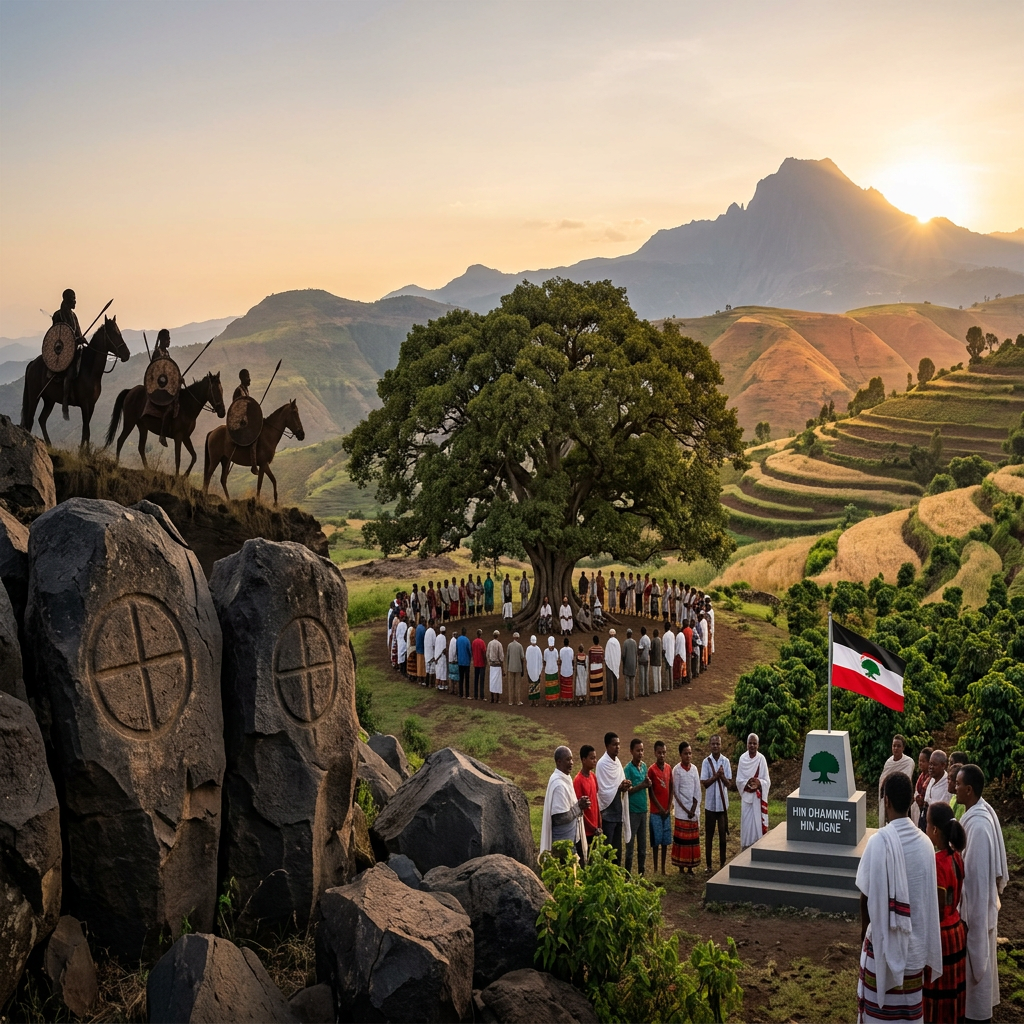
የኦሮሞ እውነት መናገር ማለት ምን ማለት ነው?
ለትውልድ ተከታታይ የኦሮሚያ ታሪክ በጠባብ እይታ እየተነገረ ቆይቷል — ይህም የኦሮሞን ድምጽና አመለካከት ብዙ ጊዜ ያገለለ፣ ያፈነ ወይም ያጣመመ ነበር። የኦሮሚያ ታሪክ ኦፊሻል ሥሪቶች ሙሉውን ታሪክ በተደጋጋሚ ትተው በማለፍ፣ የዛሬውን እውነታ እንዴት እንደሚረዳ ብቻ ሳይሆን የአሁኑ ትውልድ እንዴት እንደሚለማመድ ላይ ተጽእኖ የፈጠሩ ክፍተቶችን ትተዋል። የኦሮሞ እውነት መናገር የኦሮሞን ድምጽና ልምዶች ወደ ታሪካዊ ትረካው መሃል በማስቀመጥ ይህንን ለመለወጥ ይፈልጋል።
የኦሮሞ እውነት መናገር ማለት ምን ማለት ነው?
በመሰረቱ፣ የኦሮሞ እውነት መናገር ማለት የኦሮሚያን ታሪክ ሙሉ እና ቅን ዘገባ መናገር ማለት ነው። ይህም እንደ ቅኝ ግዛት፣ መፈናቀል፣ ጥቃት፣ ልጆችን ከቤተሰብ መንጠቅ፣ የደመወዝ መዝረፍ እና አድልዎ የሚፈጥሩ ህጎች ያሉ አስቸጋሪ ምዕራፎችን መጋፈጥን ያካትታል። ነገር ግን የኦሮሞን ህልውና፣ ተቃውሞ፣ ባህሎች፣ እውቀት እና ስኬቶች ማክበርንም ይጨምራል። ይህ ታሪክን ማጥፋት ወይም እንደገና መፃፍ አይደለም — ይልቁኑም የበለጠውን ታሪክ በመጨረሻ መናገር ነው።
ይህ ሃሳብ የሚነሳው ኦፊሻል የታሪክ ሥሪቶች ብዙ ጊዜ ያልተሟሉ መሆናቸውን ከመገንዘብ ነው። እንደ አንድ ጥናት ከ1880 እስከ 1974 ባለው ጊዜ ውስጥ የኢትዮጵያ ንጉሣዊ የኦሮሞ ግዛቶች ወረራ ወታደራዊ ግዛትን ብቻ ሳይሆን ሥርዓታዊ የመሬት መንጠቅ፣ የፖለቲካ ቁጥጥር እና የባህል ማህቀስንም ያካተተ ነበር። የኦሮሞዎች በዚህ ንጉሣዊ ወረራ ላይ ያደረጉት ተቃውሞ ግን በዋና ታሪካዊ ትረካዎች ውስጥ በተደጋጋሚ ቀንሷል ወይም ተጥሏል።
ታሪካዊ ዳራ
ኦሮሞ ህዝብ፣ በአፍሪካ ቀንድ ካሉት ታላላቅ ብሄሮች አንዱ ሲሆን፣ የገዳና-ቃሉ ስርዓትን የሚያካትት ሀብታም ፖለቲካዊ እና ባህላዊ ቅርስ አለው — ይህም ከብዙ ምዕራባዊ ዴሞክራሲያዊ ተቋማት ቀደም ብሎ የነበረ የእኩልነት አስተዳደር፣ ዴሞክራሲ እና ማህበራዊ ድርጅት ሞዴል ነው። ይህ ስርዓት እንደ ጨፌ እና ቂጭዬ ባሉ የጋራ መግባባት መርሆዎች ላይ የተመሰረተ ሲሆን፣ የኦሮሞ ማህበረሰብን እንደ ፖለቲካዊ ጥንታዊ አድርገው የሚያሳዩትን አመለካከቶች ይፈታተናል።
ነገር ግን ይህ ቅርስ በወረራ ተስተጓጉሏል። ለምሳሌ፣ ከ1880 እስከ 1900 ባለው ጊዜ ውስጥ የአርሲ ኦሮሞዎች በንጉሣዊ የኢትዮጵያ ጦር ላይ ያደረጉት ተቃውሞ ከፍተኛ ግጭት ያሳየ ሲሆን የጦር መሳሪያ መግቢያ የስልጣን ሚዛን በከፍተኛ ሁኔታ ቀይሯል። ተከታዩ ሽንፈት የፖለቲካ ቁጥጥርን ብቻ አልቀየረም — ምሁራን እንደሚገልጹት “ፊውዳል ቅኝ አገዛዝ”ን አቋቁሟል፣ በዚህም የኦሮሞ መሬቶች ተዘረፈው እና ናፍጠኛ (ሰፋሪ-አስተዳዳሪዎች) ከአካባቢው ህዝብ በላይ የበላይ ሆኑ።
እውነት መናገር እንዴት ይከሰታል?
እውነት መናገር አንድ ነጠላ ክስተት ሳይሆን በብዙ መንገዶች ሊከሰት የሚችል ሂደት ነው። የቃል ታሪኮች፣ የማህበረሰብ ፕሮጀክቶች፣ ትምህርት ቤቶች፣ ሙዚየሞች፣ መዛግብት፣ መታሰቢያዎች፣ የህዝብ ችሎቶች እና መደበኛ ምርመራዎች ሁሉም የኦሮሞን አመለካከቶች ለማስመለስ እና ለማጉላት እንደ መሳሪያ ያገለግላሉ። ይህን ሥራ የሚመራው መርህ በኦሮሞ ማህበረሰብ መመራት አለበት፣ በአካባቢያዊ ታሪክ ላይ የተመሰረተ እና በአክብሮት መያዝ አለበት። ትርጉም ያለው እርምጃ መከተል አለበት — እውነት መናገር መናገርን ብቻ አይደለም፤ ሰዎች እንዲያዳምጡ እና ምላሽ እንዲሰጡ ይጠይቃል።
ዛሬ ለምን አስፈላጊ ነው?
ያለፈው ተላልፎ የሄደ አይደለም። ከቀደምት ዘመናት የመጡ አድልዎ የሚፈጥሩ ህጎች እና ፖሊሲዎች ዛሬም በኦሮሚያ ኢኮኖሚያዊ ሁኔታዎች፣ በፖለቲካዊ ውክልና እና በማህበራዊ ግንኙነቶች ላይ ተጽእኖ መፍጠራቸውን ቀጥለዋል። የበላይነት ስርዓቶች እንዴት እንደተዋቀሩ መረዳት — ያለ ውክልና ግብር ከመክፈል ጀምሮ በታሪካዊ ምርምር ውስጥ የተመረመሩትን መደበኛ ያልሆኑ የቁጥጥር አወቃቀሮች ድረስ — ቀጣይነት ያላቸውን እኩል ያልሆኑ ሁኔታዎች ለማስረዳት ይረዳል።
አስቸጋሪ ምዕራፎች ሳይታረሙ ሲቀሩ እርቅ መፍጠር አይቻልም። የኦሮሞ እውነት መናገር ውንጀላ ስለመጣል ወይም መለያየት ስለማራመድ አይደለም። ይልቁኑም የታሪኩ ክፍሎች ሁሉ እውቅና እንዲያገኙ በማድረግ ለእውነተኛ እርቅ ምቹ ሁኔታዎችን ስለመፍጠር ነው። የማይመች ታሪኩን የሚያስወግድ ህዝብ መሠረቱን ባልተረጋገጠ መሬት ላይ ይገነባል።
ለማዳመጥ ጥሪ
የኦሮሞ እውነት መናገር እንቅስቃሴ ለኦሮሞ ህዝብ ብቻ ሳይሆን ለሁሉም ኢትዮጵያውያን እና ከኦሮሚያ ታሪክ ጋር ለሚገናኙ ሁሉ የማዳመጥ ጥሪ ነው። ያለፈውን ሙሉ ውስብስብነት ለመረዳት እና የኦሮሞ ህዝብ በትውልድ ተከታታይ ያሳዩትን የመቋቋም ችሎታ እና አስተዋጽዖ ለመገንዘብ የሚደረግ ግብዣ ነው። የኦሮሞ ባህሎች፣ የእውቀት ስርዓቶች እና ማንነቶች በቅኝ ግዛት እና በመፈናቀል ፊት የተረፉት ህልውና እውነት መናገር ልታከብረው የሚፈልገውን ጥንካሬ ያሳያል።
ኦሮሚያ ወደፊት የምትጓዝበትን መንገድ ስትመረምር፣ እውነት መናገር መሠረት ይሰጣል። ቀላል መልሶችን አይሰጥም፣ ነገር ግን አስፈላጊ የሆነውን ነገር ይሰጣል፥ የት እንደነበርን ሙሉ እና ቅን ዘገባ፣ ስለዚህም የት እንደሆንን በተሻለ ሁኔታ ለመረዳት እና ወዴት መሄድ እንዳለብን በጥንቃቄ ለመምረጥ ያስችላል።
ጠንካራ ተዋጊዎች እና ደካማ ተዋጊዎች፡ ከኦሮሞ ነጻነት ትግል የመቋቋም ትምህርቶች

የትግል እቶን ውስጥ፣ በድልና በሽንፈት መካከል ያለው ልዩነት የጠላት ጥንካሬ ሳይሆን የተዋጊው ቁርጠኝነት ነው።
የነጻነት ትግል የአንድን ሕዝብ ነፍስ የሚፈትን እቶን ነው። የቆረጠውን ከተስፋ ቆራጡ ይለያል። በኦሮሞ ሕዝብ ረጅምና አስቸጋሪ የነጻነት ጉዞ ውስጥ፣ ሁለት አርአያዎች ብቅ አሉ—ጠንካራ ተዋጊ እና ደካማ ተዋጊ። ታሪኮቻቸው ለኦሮሞ ነጻነት እንቅስቃሴ ብቻ ሳይሆን፣ በመላው ዓለም ለሚደረጉ የፍትህና የራስን ዕድል በራስ መወሰን ትግሎች ሁሉ ጠቃሚ ትምህርቶችን ይሰጣሉ።
ደካማ ተዋጊ፡ ራስን የማጥፋት ጥናት
የትግሉ ጫና ሲጨምር፣ ጠላት እጅግ ሲበረታ፣ ወደ ፊት ያለው መንገድ ሲዘጋ፣ አንድ ዓይነት ተዋጊ ይታያል—ውጫዊ ጠላትን መታገል ባለመቻሉ ብስጭቱን ወደ ውስጥ የሚመልስ።
“ተዋጊዎች ደካማ በሆኑ ጊዜ ጠላትንና የጠላትን መዋቅር መግፋት ባለመቻላቸው በራሳቸው በተገነቡት ውስጥ አልፈው እርስ በርሳቸው መዋጋት ይጀምራሉ።”
ደካማ ተዋጊው፣ ጠላትን መምታት ወይም መዋቅሮቹን ማፍረስ ባለመቻሉ፣ እራሱን ማጥፋት ይጀምራል። ብስጭት ወደ ተስፋ መቁረጥ፣ ተስፋ መቁረጥ ወደ ተስፋ መቆረጥ፣ ተስፋ መቆረጥ ደግሞ ወደ ራስን ማጥፋት ይመራል። አንዴ ያገለገሉት ድርጅት የውስጥ ቅሬታቸው ኢላማ ይሆናል። አንዴ አብረው የተጓዙት ጓዶች የጥርጣሬና የተጠርጣሪነት ሰለባ ይሆናሉ። አንዴ ያገለገሉት ጉዳይ የመራራነት ምንጭ ይሆናል።
“ወደፊት ድል ከማድረግ ይልቅ፣ ሽንፈታቸውን በማስፋፋት ለመጪዎቹ ትውልዶች ተስፋ እንዲቆርጡ ያደርጋሉ።”
የደካማ ተዋጊው አሳዛኝ ነገር ርስታቸው ድል ሳይሆን መበታተን መሆኑ ነው። የነጻነት የወደፊት ጊዜን ከመገንባት ይልቅ፣ የመከፋፈልና የተስፋ መቁረጥ ቅርስ ይተዋል። የውስጥ ግጭት ፍርስራሽ የሚወርሱ የወደፊት ትውልዶች ትግሉ ራሱ ከንቱ ነበር ብለው ማመን ይጀምራሉ።
ይህ ደካማ ተዋጊው የሚያስከትለው ትልቁ አደጋ ነው—ለራሳቸው ብቻ ሳይሆን፣ ለጋራ የነጻነት ህልምም ጭምር። ተዋጊዎች እርስ በርሳቸው ሲዋጉ፣ ድርጅቶች ወደ ተፋላሚ አንጃዎች ሲከፋፈሉ፣ በጭቆና ላይ መወርወር ያለበት ሃይል በውስጥ ግጭት ሲበላ፣ ጠላት ያለምንም ጥይት ያሸንፋል።
ጠንካራ ተዋጊ፡ መከራን መቋቋም
ከዚህ በእጅጉ በተቃራኒው ጠንካራ ተዋጊው ይቆማል—ሁኔታው ምንም ይሁን ምን፣ በፍትህና በእውነት ላይ የተጠነከረው።
“ጠንካራ ተዋጊው፣ በሌላ በኩል፣ ሁልጊዜ በፍትህና በእውነት ላይ ተጠንክሮ በመቆም የተገኘው ድል የበለጠ እንዲያድግ ያደርጋል።”
ጠንካራ ተዋጊው ድል ዋስትና እንዳልሆነ ይረዳል—በየቀኑ፣ በየትግሉ፣ በየመስዋዕቱ መገንባት አለበት። ወደ ነጻነት የሚወስደው መንገድ ረጅምና ጠመዝማዛ፣ በሽንፈቶችና በሀዘኖች የተሞላ መሆኑን ያውቃል። ሆኖም ፍትህና እውነት በመጨረሻ እንደሚሰፍን በማመን ወደ ፊት ይገፋል።
“የጠላት ጫናና ጉዳት ምንም ያህል ቢበዛ ይቋቋማል፤ ትናንት የገነባቸውን መንገዶች በጠላት ውስብስብ ነገሮች ውስጥ ሲያልፉ አይነኩም፤ አያበላሹም።”
ምንም ያህል ጫናው ቢጠናክር፣ ምንም ያህል የጠላት ጥቃት አስከፊ ቢሆን፣ ጠንካራ ተዋጊው ጸንቶ ይቆማል። ለዓመታት በትግል በጥንቃቄ የተገነቡትን ስልቶችና መዋቅሮች አይተውም። መርሆቻቸውን አያበላሹም ወይም የመጨረሻ ግባቸውን አያጡም። ፍርሃት ወይም ብስጭት ቁርጠኝነታቸውን እንዲያበላሹ አይፈቅዱም።
“በእውነቱ፣ በጠላት ውስብስብ ነገሮች ውስጥ የሚያሳልፉትን ጥንካሬ በማድነቅ፣ ያለውን ድክመት ደግሞ ለመጪዎቹ ትውልዶች በማስተካከል ወደ ታላቅ ድል ይገሰግሳሉ።”
ጠንካራ ተዋጊው በድክመት ከመበላት ይልቅ ከእሱ ይማራል። የዛሬዎቹ ተግዳሮቶች ለነገው ድሎች እያዘጋጇቸው መሆኑን ይገነዘባሉ። መከራን በማሸነፍ የሚያዳብሯቸው ጥንካሬዎች ለወደፊት ስኬት መሠረት ይሆናሉ። የሚለዩትና የሚያስተካክሏቸው ድክመቶች ደግሞ የሚቀጥለው ትውልድ ተመሳሳይ ስህተቶችን እንዳይደግም ያደርጋሉ።
የኦሮሞ ነጻነት ትግል፡ የመቋቋም ጥናት
የኦሮሞ ሕዝብ በተከታታይ የኢትዮጵያ አገዛዞች ሥር ከመቶ ዓመት በላይ የቅኝ ግዛት ጭቆና ተቋቁሟል። ለራስ ዕድል በራስ መወሰን የሚያደርጉት ትግል የታላቅ ድልና አስከፊ ሽንፈት ጊዜያትን አሳይቷል። በሁሉም ነገር ውስጥ፣ በጠንካራና በደካማ ተዋጊ መካከል ያለው ልዩነት በግልጽ ታይቷል።
በኦሮሞ ታሪክ ውስጥ ደካማ ተዋጊ፦
በኦሮሞ ትግል ታሪክ ውስጥ፣ የቅኝ ግዛት ሥርዓትን ውጤታማ በሆነ መንገድ መምታት ባለመቻላቸው ሃይላቸውን ወደ ውስጣዊ ግጭት ያዞሩ ሰዎች ነበሩ። አንጃዊነት፣ የግል ፉክክር፣ እና ርዕዮተ ዓለማዊ አለመግባባቶች እንቅስቃሴውን በተወሰነ ጊዜ አዳክመው የኦሮሞ ነጻነት መገኘትን አዘግይተዋል።
አንዳንድ ተዋጊዎች፣ በትግሉ የማይቻል ይመስል በመሆኑ ተስፋ ቆርጠው፣ ጉዳዩን ሙሉ በሙሉ ትተዋል። ሌሎች ደግሞ፣ ከእንቅስቃሴው በላይ ራሳቸውን ማሳካት ባለመቻላቸው፣ ከውስጥ ለማጥፋት ፈለጉ። አሁንም ሌሎች ደግሞ፣ በራሳቸው ቅሬታ ተበልተው፣ የጋራ ህልሙን አጡ።
የዚህ ድክመት ውጤቶች ጥልቅ ናቸው። አስርት ዓመታት የትግል ጊዜ ተራዝሟል። ትውልዶች በውስጣዊ ክፍፍል ጠፍተዋል። የተጨቆኑት አለመቻቻል ጠላትን አጠንክሮታል።
በኦሮሞ ታሪክ ውስጥ ጠንካራ ተዋጊ፦
ከእነዚህ ማስጠንቀቂያ ታሪኮች ጎን ለጎን የኦሮሞ ትግል ጀግኖች ይቆማሉ—እነዚያ ሁኔታው ምንም ቢሆን፣ ለፍትህና ለእውነት ያላቸውን ቁርጠኝነት ያላሳጡት። መኒልክን ጦር በጥቂት ድፍረትና እምነት ከተጋፈጡት ቀደምት ተቃዋሚ ተዋጊዎች አንስቶ፣ የነጻነት ችቦውን ወደ 21ኛው ክፍለ ዘመን እስካስተላለፉት ዘመናዊ አብዮተኞች ድረስ፣ የኦሮሚያ ጠንካራ ተዋጊዎች ለተስፋ መቁረጥ እጅ ለመስጠት ፈቃደኞች አልነበሩም።
እነዚህ እስር፣ ስቃይ፣ እና ግዞት ቢደርስባቸውም ጉዳዩን ፈጽሞ ያልተዉት ተዋጊዎች ናቸው። እነዚያ እንቅስቃሴው በጣም በተዳከመ ጊዜ፣ ከቀመር ያሳደጉት። እነዚያ ጠላት የማይሸነፍ በሚመስል ጊዜ፣ አዳዲስ የመቃወሚያ መንገዶችን ያገኙት።
የኦሮሚያ ጠንካራ ተዋጊዎች ትግሉ ስፕሪንት ሳይሆን ማራቶን መሆኑን ተረድተዋል። ተቋማትን ገንብተዋል፣ አሰልጣኞችን አሰልጥነዋል፣ እና የተቃውሞ ቅርስን ለአዳዲስ ትውልዶች አስተላልፈዋል። ከድካሞች ተምረው ሽንፈቶችን ወደ ድል ማሳከሚያ ደረጃዎች ቀይረዋል።
ለሁሉም ትግሎች ትምህርቶች
በጠንካራና በደካማ ተዋጊ መካከል ያለው ልዩነት ከኦሮሞ ነጻነት እንቅስቃሴ በላይ የሚዘልቅ ትምህርት ይዟል። እያንዳንዱ የፍትህ ትግል—ለሲቪል መብቶች፣ ለብሔራዊ ነጻነት፣ ወይም ለሰብአዊ ክብር—ተመሳሳይ ፈተናዎች ይገጥሙታል።
ትምህርት አንድ፡ ጠላት ጓድህ አይደለም
ውጫዊ ጫና ሲጨምር፣ እርስ በርሳችን የመዞር ፈተና ጠንካራ ነው። ነገር ግን እውነተኛ ጠላት የሚስማማህ ጓድህህ፣ ስህተት የሚሰራ መሪህ፣ ወይም የሚያሳዝንህ ድርጅትህ አይደለም። እውነተኛ ጠላት የጭቆና ሥርዓቱ ነው። ሃይልን ወደ ውስጣዊ ግጭት ማዞር ጨቋኙን ለማጠንከር ብቻ ያገለግላል።
ትምህርት ሁለት፡ የመቋቋም ብቃት የሚገነባ እንጂ አይሰጥም
ጠንካራ ተዋጊዎች አይወለዱም—የሚፈጠሩት በትግል እቶን ውስጥ ነው። እያንዳንዱ ድካም የመማር አጋጣሚ ነው። እያንዳንዱ ተስፋ መቁረጥ የማደግ አጋጣሚ ነው። እያንዳንዱ መስዋዕት የመቀጠል ቁርጠኝነትን ያጠነክራል።
ትምህርት ሶስት፡ ድል ለጸንተው ነው
የታሪክ አቅጣጫ ወደ ፍትህ ያጎንበሳል—ግን ጠንካራ ተዋጊዎች ማጎንበሱን ስለሚቀጥሉ ብቻ ነው። ድል ፈጽሞ ዋስትና የለውም፤ በትውልዶች የማያቋርጥ ጥረት ማሸነፍ አለበት። ተስፋ የሚቆርጡ ሽንፈትን ያረጋግጣሉ፤ ምንም እንቅፋት ቢኖርም የሚቀጥሉ ደግሞ የስኬት እድል ይፈጥራሉ።
ትምህርት አራት፡ ቅርስ ጉዳይ ነው
ደካማ ተዋጊው መከፋፈልና ተስፋ መቁረጥ ይተዋል። ጠንካራ ተዋጊው ተስፋና ለወደፊት ድል መሠረት ይተዋል። ምን ቅርስ ትተሃል? መጪዎቹ ትውልዶች ለትግሉ ያበረከትከው አስተዋፅኦ ምን ይላሉ?
ወደ ፊት ያለው መንገድ
የኦሮሞ ነጻነት እንቅስቃሴ ወደ ራስ ዕድል በራስ መወሰን ጉዞውን ሲቀጥል፣ በጥንካሬና በድክመት መካከል ያለው ምርጫ እንደ ሁልጊዜው አስፈላጊ ነው። ተግዳሮቶቹ እጅግ በጣም ብዙ ናቸው—ኃያል የመንግስት መሳሪያ፣ የመከፋፈል ታሪክ፣ እና ከመቶ አመት በላይ የጭቆና ሸክም። ሆኖም ለድል ያለው እድል ከመቼውም ጊዜ በላይ ታላቅ ነው።
ጠንካራ ተዋጊው እነዚህን ተግዳሮቶች ተመልክቶ እድል ያያል። በኢትዮጵያ መንግስት ውስጥ ያሉት ስንጥቆች፣ የኦሮሞ ጉዳዮች እየጨመረ ያለው ዓለም አቀፍ ግንዛቤ፣ የኦሮሞ ሕዝብ እያደገ ያለው አንድነት—ሁሉም ወደ ነጻነት መገኘት እየጠቆሙ ነው።
“በጠላት ውስብስብ ነገሮች ውስጥ የሚያሳልፉትን ጥንካሬ በማድነቅ፣ ያለውን ድክመት ደግሞ ለመጪዎቹ ትውልዶች በማስተካከል ወደ ታላቅ ድል ይገሰግሳሉ።”
የኦሮሞ ትግልን እስካሁን ያስቀጠለውን ጥንካሬ በመገንዘብና በማክበር፣ እንዲሁም ያገደውን ድክመቶች በቅንነት በመፍታት፣ እንቅስቃሴው ወደ ድል የወደፊት ጊዜ መገንባት ይችላል። የዛሬዎቹ ጠንካራ ተዋጊዎች ለነገው ጠንካራ ተዋጊዎች መሠረት እየጣሉ ነው።
መደምደሚያ፡ ምርጫው የኛ ነው
በጠንካራና በደካማ ተዋጊ መካከል ያለው ልዩነት የሚወሰነው በሁኔታ ሳይሆን በምርጫ ነው። እያንዳንዱ ተዋጊ፣ እያንዳንዱ አክቲቪስት፣ እያንዳንዱ አብዮተኛ የጥርጣሬ፣ የፍርሃት፣ እና የድካም ጊዜያት ያጋጥሙታል። ጥያቄው እነዚህ ጊዜያት ይመጣሉ አይመጡም አይደለም፤ በሚመጡበት ጊዜ እንዴት እንደምንምላስ ነው።
ብስጭታችንን ወደ ውስጥ አዞር ራሳችንን እናጠፋለን? ወይስ በቀድሞ አባቶቻችን ጥንካሬ፣ በጓዶቻችን የመቻል ብቃት፣ እና በጉዳያችን እርግጠኛነት ላይ ተመርኩዘን ወደ ፊት እንገፋለን?
የኦሮሞ ሕዝብ ብዙ ተቋቁሟል። የመሬታቸው ውድመት፣ የባህላቸው መጨቆን፣ እና የመብቶቻቸው መካድ ተመልክተዋል። ሆኖም አልጠፉም። አልተሸነፉም። ተስፋ አልቆረጡም።
“ጠንካራ ተዋጊው፣ በሌላ በኩል፣ ሁልጊዜ በፍትህና በእውነት ላይ ተጠንክሮ በመቆም የተገኘው ድል የበለጠ እንዲያድግ ያደርጋል።”
ጠንካራ ተዋጊው ድል የሽንፈት አለመኖር ብቻ ሳይሆን—የማያቋርጥ፣ መርሃዊ፣ እና የማይናወጥ ትግል ውጤት መሆኑን ያውቃል። እና ይህ እምነት በመጨረሻ የኦሮሞ ሕዝብን ከጭቆና ወደ ነጻነት፣ ከዓመጽ ወደ ፍትህ፣ ከተስፋ መቁረጥ ወደ ተስፋ ያመራል።
“በጠላት ውስብስብ ነገሮች ውስጥ የሚያሳልፉትን ጥንካሬ በማድነቅ፣ ያለውን ድክመት ደግሞ ለመጪዎቹ ትውልዶች በማስተካከል ወደ ታላቅ ድል ይገሰግሳሉ።”
የትግሉን ውስብስብ ነገሮች የምናሳልፍበትን ጥንካሬ እናክብር፣ ድክመቶቻችንን ደግሞ ለሚቀጥሉት ትውልዶች እናስተካክል ወደ ታላቅ ድል እንዲገሰግሱ።
ትግሉ ይቀጥላል። ጠንካራ ተዋጊው ይቋቋማል። እና ድል፣ ምንም ያህል የራቀ ቢመስልም፣ በመድረስ ርቀት ላይ ነው።

 Oromedia