ፊንፊኔ እና የታሪካዊ እውቅና ጥያቄ፦ ለሞገስ ዘውዱ ተሾመ ምላሽ
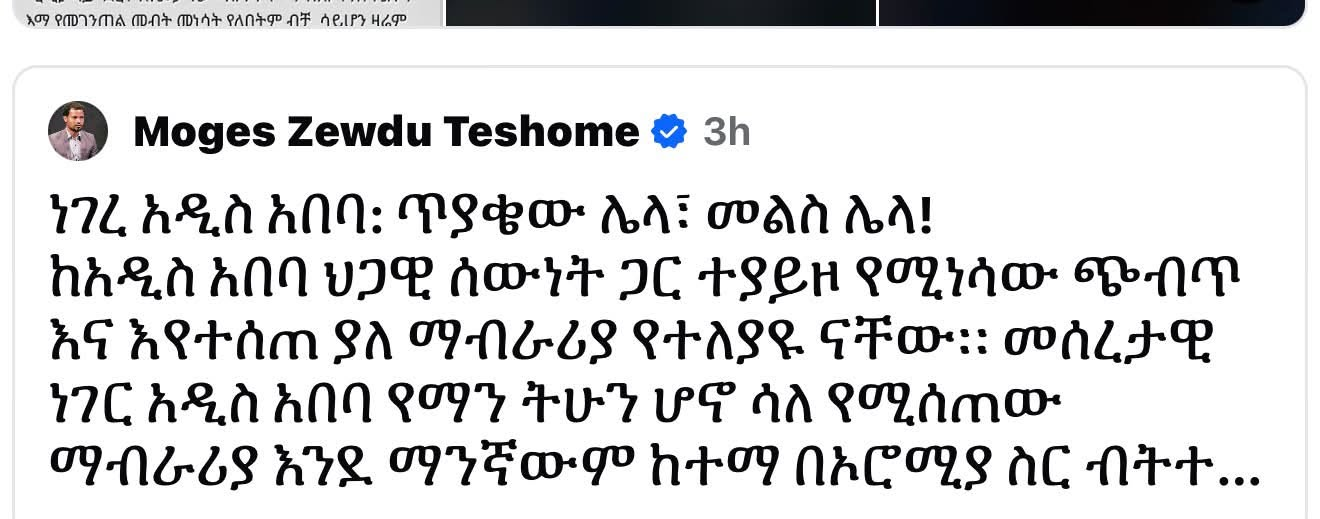
ታሪክን ማወቅ፣ ዜግነትን ማረጋገጥ እና ለአብሮ መኖር መሠረት መገንባት
ጸሐፊ፦ ኢያሱ እኖሮ
በፊንፊኔ—በአለም አቀፍ ደረጃ አዲስ አበባ በመባል በምትታወቀው ከተማ—ዙሪያ ያለው ክርክር ለረጅም ጊዜ በተፎካካሪ ትረካዎች፣ በፖለቲካ አቋሞች እና በጥልቅ ስጋቶች ተለይቶ ይታወቃል። በቅርቡ ለዚህ ውይይት ባደረጉት አስተዋፅኦ፣ ሞገስ ዘውዱ ተሾመ የኦሮሚያን ከዋና ከተማዋ ጋር ያለውን ግንኙነት እውቅና መስጠት ስላለው አንድምታ አሳሳቢ ጉዳዮችን አንስተዋል። ዋናው ጉዳይ አስተዳደር ሳይሆን ፊንፊኔ በአንድ የዘር ቡድን ብቸኛ ቁጥጥር ስር እንድትውል የሚደረገው ስጋት እንደሆነ ይከራከራሉ። በተጨማሪም ፊንፊኔን ከኦሮሚያ ጋር ማያያዝ በሚሊዮኖች ለሚቆጠሩ ነዋሪዎች መገለል እና አድልዎ ያስከትላል ብለው ይጠቁማሉ።
እነዚህ ስጋቶች ከባድ ውይይት ሊደረግባቸው የሚገባ ቢሆንም፣ በውይይቱ መሃል ያለውን ታሪካዊ ጥያቄ በበቂ ሁኔታ አይመልሱም። ይህ ምላሽ ከሞገስ ዘውዱ ተሾመ ክርክሮች ጋር ገንቢ በሆነ መንገድ ለመሳተፍ እና ለፊንፊኔ ጉዳይ ሰፊ አመለካከት ለማቅረብ ያለመ ነው።
ዋናው ጉዳይ፦ የታሪካዊ እውቅና እንጂ የዘር ባለቤትነት አይደለም
የመጀመሪያው እና መሠረታዊው ጉዳይ ስለ ፊንፊኔ ውይይት በመሠረቱ የታሪካዊ እውቅና ጥያቄ እንጂ የዘር ባለቤትነት አይደለም። የኦሮሞ ሰዎች ፊንፊኔን በተመለከተ የሚያነሱት ጥያቄ የሚመነጨው ኦሮሞዎች ብቻ በከተማዋ ውስጥ መኖር አለባቸው ከሚል እምነት አይደለም፤ ይልቁንም ፊንፊኔ በመባል የምትታወቀው አካባቢ የከተማዋ መስራች በፊት የነበረች እና በኦሮሞ ማህበረሰቦች ይኖርባት ከነበረው ታሪካዊ እውነታ ይነሳል።
ታሪካዊ መዛግብት ክልሉ ፊንፊኔ በመባል ይታወቅ እንደነበር እና አፄ ሚኒሊክ በ1886 የከተማዋን መስራች ከማቋቋማቸው በፊት የኦሮሞ ጎሳዎች እዚያ ይኖሩ እንደነበር ያረጋግጣሉ።
ስለዚህ የፊንፊኔን የኦሮሞ ቅርስ ማወቅ የኦሮሞ ካልሆኑ ነዋሪዎች መባረር፣ መገለል ወይም መብት መንጠቅ ጥያቄ አያመጣም። የአገሬው ተወላጆች ታሪክ እውቅና ከዘር ብቸኝነት ጋር መምታታት የለበትም።
ዓለም አቀፍ ቅድመ ሁኔታ፦ የአገሬው ተወላጆች እውቅና ለአብሮ መኖር መሠረት
በፊንፊኔ እና በኦሮሚያ መካከል ያለ ማንኛውም ጠንካራ ግንኙነት የግድ ወደ ጭቆና ይመራል የሚለው ክርክር ምርመራ ይጠይቃል። በዓለም ዙሪያ፣ የአገሬው ተወላጆች ህዝቦች ከአባቶች ግዛቶቻቸው ጋር ያላቸውን ትስስር እውቅና ይፈልጋሉ፣ ይህም የግድ በእነዚያ ግዛቶች ላይ ብቸኛ የፖለቲካ ቁጥጥር ሳይፈልጉ ነው።
- በአውስትራሊያ፣ የከፍተኛ ፍርድ ቤት ታሪካዊ የማቦ ውሳኔ የቴራ ኑሊየስ (ባዶ መሬት) መርህን ውድቅ አድርጎ የአገሬው ተወላጆች የመሬት ባለቤትነት መብቶችን እውቅና ሰጠ። የአውስትራሊያ አገሬው ተወላጆች ከመሬት ጋር ያላቸውን የአባቶች ትስስር ህጋዊ እውቅና አገኙ፣ ይህም የሌሎች አውስትራሊያውያንን እኩል የሲቪል እና የፖለቲካ መብቶች አልጎዳም።
- በኒው ዚላንድ፣ የዋይታንጊ ስምምነት የማኦሪ መብቶችን፣ ባህልን እና የአባቶች መሬቶች ጥያቄዎችን ለመጠበቅ መሠረት ይሰጣል፣ በተመሳሳይ ጊዜ ለሁሉም ኒው ዚላንዳውያን እኩል ዜግነት ያረጋግጣል።
- በካናዳ፣ የመጀመሪያ ብሄሮች፣ ኢኑይት እና ሜቲስ ህዝቦች በሕገ መንግሥት እውቅና ያገኙ የአገሬው ተወላጆች መብቶች አሏቸው። የመሬት ጥያቄ ስምምነቶች እና የራስ ገዝ አስተዳደር ዝግጅቶች ከባህላዊ ግዛቶች ጋር ያለውን ታሪካዊ ትስስር ይገነዘባሉ፣ በተመሳሳይ ጊዜ ከተሞች እና ማህበረሰቦች ለሁሉም ዳራ ነዋሪዎች ክፍት ሆነው ይቀጥላሉ።
- በዩናይትድ ስቴትስ፣ የአሜሪካ ተወላጆች ጎሳዎች ከራስ ገዝ አስተዳደር፣ ባህል እና የአባቶች ግዛቶች ጋር የተያያዙ የተወሰኑ መብቶችን ይይዛሉ። እነዚህ መብቶች በዩናይትድ ስቴትስ ውስጥ ከሁሉም ነዋሪዎች የዜግነት መብቶች ጋር አብረው ይኖራሉ።
እነዚህ ምሳሌዎች የጋራ ዓለም አቀፍ መርህን ያሳያሉ፦ የአገሬው ተወላጆችን ከመሬት ጋር ያላቸውን ታሪካዊ እና የአባቶች ትስስር መገንዘብ ለሌሎች ነዋሪዎች የዴሞክራሲ፣ የሲቪል ወይም የሰብአዊ መብቶች መከልከልን አያስፈልግም።
ከዚህ በኋላ ጥያቄው ይህ ነው፦ የኦሮሞን ከፊንፊኔ ጋር ያለውን ታሪካዊ ትስስር ማወቅ ለምን ብዙ ጊዜ ስጋት ተብሎ ይተረጎማል፣ ሌሎች ህዝቦች ከአባቶች መሬቶቻቸው ጋር ያላቸውን ታሪካዊ ትስስር ማወቅ ግን ህጋዊ ተብሎ ይታያል?
ታሪካዊ ቅሬታዎች፦ ከአስተዳደር ድንበሮች በላይ
ለፊንፊኔ ጥያቄዎች የሚሰጠው ምላሽ ብዙ ጊዜ ከከተማዋ መስራች ጋር የተያያዙ ታሪካዊ ቅሬታዎችን ያስወግዳል። ለብዙ ኦሮሞዎች፣ ክርክሩ ስለ አስተዳደር ድንበሮች ብቻ ሳይሆን ስለ አስራ ዘጠነኛው ክፍለ ዘመን የመንግሥት መስፋፋት፣ የመሬት ዘረፋ እና ባህላዊ መገለል ቅርስ ነው።
በአፄ ሚኒሊክ የፊንፊኔ መስራች መቋቋም የኦሮሞ ማህበረሰቦች ከአባቶች መሬቶቻቸው መፈናቀል፣ የኦሮሞ ንብረት መዘረፍ እና የኦሮሞ ማንነት ስርዓታዊ መደምሰስ አብሮ መጣ። ይህ ታሪክ የሩቅ ትውስታ አይደለም፤ ከአንድ ክፍለ ዘመን በላይ የኦሮሞ ህዝብ እና የኢትዮጵያ መንግሥት ግንኙነት የቀረጸ ህያው እውነታ ነው።
እነዚህን ስጋቶች ችላ ማለት እና ውይይቱን እንደ የወደፊት የአስተዳደር ጉዳይ ብቻ መግለጽ የአገሬው ተወላጆች ታሪካዊ ጥያቄዎች ከመሳተፍ ይልቅ የሚያስወገዱበትን አሰራር ለመድገም ያጋልጣል። ስለ ፊንፊኔ እውነተኛ ውይይት ይህንን ታሪክ ማወቅ እና የፈጠራቸውን ቅሬታዎች መፍታት አለበት።
የአስተዳደር ውድቀቶች ታሪካዊ ጥያቄዎችን አያሳንሱም
በኦሮሚያ ውስጥ ያሉ የአስተዳደር ውድቀቶችን ወይም የዘር ጥቃቶችን መጥቀስ በፊንፊኔ እና በኦሮሚያ መካከል ያለውን ታሪካዊ ግንኙነት አያሳንስም። ታሪካዊ እውነታዎች የዘመኑ የፖለቲካ ተቋማት ፍጹም ስላልሆኑ በዋጋ አይቀንሱም።
የአስተዳደር ውድቀቶች ካሉ፣ እነዚያ ውድቀቶች በቀጥታ በሕገ መንግሥታዊ ማሻሻያ፣ በህግ የበላይነት እና በዲሞክራሲያዊ ተጠያቂነት መፍታት አለባቸው። የአንድ ቦታ ታሪካዊ ማንነት ለመካድ ምክንያት መሆን የለባቸውም። በሌሎች የኦሮሚያ ክፍሎች ያለው የአስተዳደር ውድቀት ምክንያት የኦሮሞን ቅርስ በፊንፊኔ ማወቅ አደገኛ ነው ብሎ መከራከር ጉዳዩን ማደናገር ነው። ደካማ የአስተዳደር ችግር የፊንፊኔን ሁኔታ ምንም ይሁን ምን አለ፣ እና በራሱ መፍታት አለበት።
ሕገ መንግሥታዊ ልኬት፦ ቀድሞውንም እውቅና ያገኘ ልዩ ጥቅም
የኢትዮጵያ ሕገ መንግሥት ከተማዋ በኦሮሚያ ውስጥ በመገኘቷ እና ከአካባቢው ክልል ጋር ባላት ግንኙነት ምክንያት የኦሮሚያን ልዩ ጥቅም በፊንፊኔ ውስጥ ያምናል። የሕገ መንግሥቱ አንቀጽ 49(5) ማህበራዊ አገልግሎቶችን፣ የተፈጥሮ ሀብቶችን እና ከተማዋ በኦሮሚያ ግዛት ውስጥ ካለመገኘት የሚነሱ የጋራ አስተዳደር ጉዳዮችን በሚመለከት የኦሮሚያን ልዩ ጥቅም ያረጋግጣል።
የዚህ ሕገ መንግሥታዊ ድንጋጌ መኖር በፊንፊኔ እና በኦሮሚያ መካከል ያለው ግንኙነት የፈጠራ የፖለቲካ ጥያቄ ሳይሆን ቀድሞውንም በኢትዮጵያ ህጋዊ ማዕቀፍ ውስጥ እውቅና ያገኘ ጉዳይ መሆኑን ያሳያል። ሕገ መንግሥቱ ለኦሮሚያ በዋና ከተማዋ ላይ ብቸኛ ባለቤትነት ወይም ቁጥጥር አይሰጥም፤ ይልቁንም ተግባራዊ እና ታሪካዊ እውነታን ያምናል፦ ከተማዋ በኦሮሚያ ውስጥ ትገኛለች፣ እና ሥራዋ ከአካባቢው ኦሮሞ ማህበረሰቦች በሚገኙ ሀብቶች፣ መሠረተ ልማቶች እና ትብብር ላይ የተመሠረተ ነው።
ጥያቄው ሕገ መንግሥቱ በፊንፊኔ እና በኦሮሚያ መካከል ግንኙነት ይገነዘባል ወይ የሚል አይደለም፤ ጥያቄው ያ ግንኙነት በተግባር እንዴት መተግበር አለበት የሚል ነው።
የውሸት ምርጫ፦ ኦሮሚያ እና ኢትዮጵያ
የፊንፊኔን ታሪክ ማወቅ በራሱ ከተማዋን ለዘር የበላይነት መስጠት ማለት ነው የሚለው ፍራቻ የውሸት ምርጫ ይፈጥራል። ክርክሩ “ኦሮሚያ እና ኢትዮጵያ” ተብሎ መቅረጽ የለበትም፤ ይልቁንም ኢትዮጵያ ታሪካዊ እውነታዎችን እያወቀች እኩል ዜግነትን፣ ዲሞክራሲያዊ አስተዳደርን እና ፊንፊኔን ቤት አድርገው ለሚጠሩት ሁሉ ክብርን እንዴት ማረጋገጥ እንደምትችል መቅረጽ አለበት።
ኢትዮጵያ ዛሬ የምትገጥማት እውነተኛ ፈተና በኦሮሞ መብቶች እና በኢትዮጵያ ዜግነት መካከል መምረጥ አይደለም፤ ሁለቱንም ማስተናገድ የሚችል የፖለቲካ ማዕቀፍ ማግኘት ነው። የፊንፊኔን የኦሮሞ ቅርስ ማወቅ እና የሁሉም የፊንፊኔ ነዋሪዎች መብቶች መጠበቅ እርስ በርስ የሚጋጩ ግቦች አይደሉም። በእውነቱ፣ ዘላቂ መፍትሔ ሁለቱንም ይጠይቃል።
ለፊንፊኔ ዘላቂ የወደፊት ጊዜ በርካታ እውነቶችን በአንድ ጊዜ መገንዘብ ይጠይቃል፦
- ፊንፊኔ የኢትዮጵያ ዋና ከተማ ናት እና ለሁሉም ነዋሪዎቿ ናት። የከተማዋ የተለያየ ህዝብ—ኦሮሞ፣ አማራ፣ ጉራጌ፣ ትግራይ፣ ሶማሌ እና ሌሎች—ሁሉም ለወደፊት ዕጣዋ አስተዋፅኦ አላቸው።
- ፊንፊኔ ከኦሮሞ ህዝብ ጋር ጥልቅ ታሪካዊ እና ባህላዊ ትስስር አላት። ይህ ቅርስ ሊታወቅ እና ሊከበር ይገባል፣ ሊካድ ወይም ሊደመሰስ አይገባም።
- የኦሮሞ ባህል የከተማዋን ማንነት እና ልማት ማበልጸግ ቀጥሏል። ከተማዋ ለተለያዩነቷ ጠንካራ ናት፣ እና የሁሉም ማህበረሰቦች አስተዋፅኦ መከበር አለበት።
- የፊንፊኔ መስፋፋት በአካባቢው ያሉ የኦሮሞ ማህበረሰቦች ላይ ቀጥተኛ ተጽዕኖ ያሳድራል። ድምጻቸው ህይወታቸውን በሚነኩ ውሳኔዎች ውስጥ መሰማት አለበት።
- ኦሮሚያ ከተማዋን በሚመለከት ጉዳዮች ላይ ሕገ መንግሥታዊ እውቅና ያገኙ ጥቅሞች አሏት። እነዚህ ጥቅሞች በጋራ የአስተዳደር ዘዴዎች እና በትብብር አስተዳደር ተግባራዊ መሆን አለባቸው።
- ልማት ማህበረሰቦችን ከማግለል ይልቅ መጠቀም አለበት። ፍትሃዊ ካሳ፣ ምክክር እና ተሳትፎ አስፈላጊ ናቸው።
ወደፊት የሚወስደው መንገድ፦ ለአብሮ መኖር ማዕቀፍ
ወደፊት የሚወስደው መንገድ ባለቤትነት፣ መገለል ወይም ታሪካዊ መካድ አይደለም፤ በሕገ መንግሥታዊ አክብሮት፣ በባህላዊ እውቅና፣ በኢኮኖሚያዊ ፍትህ እና በእውነተኛ ትብብር ላይ የተመሠረተ ሽርክና ነው።
እንዲህ ያለው ማዕቀፍ የሚከተሉትን ያካትታል፦
- የሕገ መንግሥታዊ ድንጋጌዎች ትግበራ፦ የኦሮሚያ ልዩ ጥቅም በአንቀጽ 49(5) እውቅና ያገኘው ከተማዋን እና አካባቢውን ማህበረሰቦች በሚመለከቱ ውሳኔዎች ውስጥ ትርጉም ያለው የኦሮሞ ተሳትፎ በሚያረጋግጡ የጋራ የአስተዳደር ዘዴዎች ተግባራዊ መሆን አለበት።
- ባህላዊ እውቅና፦ የፊንፊኔ የኦሮሞ ቅርስ በባህላዊ ተቋማት፣ በሕዝብ እውቅና እና የከተማዋን የተለያየ ታሪክ በሚያከብሩ የትምህርት ፕሮግራሞች ማወቅ አለበት።
- ፍትሃዊ ልማት፦ የከተማ መስፋፋት ከተጎዱ ማህበረሰቦች ጋር ትርጉም ባለው ምክክር፣ ፍትሃዊ ካሳ፣ የአካባቢ ጥበቃ እና ጋራ ጥቅሞችን በማረጋገጥ ማቀድ አለበት።
- ሁሉን አቀፍ አስተዳደር፦ ሁሉም የፊንፊኔ ነዋሪዎች—በዘር ሳይለዩ—እኩል የተሳትፎ፣ የህዝብ አገልግሎቶች እና የህጋዊ ጥበቃ መብቶች ሊኖራቸው ይገባል።
- ጋራ ብልጽግና፦ የዋና ከተማዋ እድገት ኢኮኖሚያዊ ጥቅሞች ከአካባቢው ማህበረሰቦች ጋር መጋራት አለባቸው፣ ከመበዝበዝ ንድፍ ይልቅ የልማት አዎንታዊ ክበብ መፍጠር አለበት።
ማጠቃለያ፦ ታሪክን ማክበር፣ የወደፊት ጊዜን መገንባት
የፊንፊኔ ጉዳይ በፊት ለፊት ግጭት ወይም በመካድ አይፈታም፤ በታሪክ ሐቀኝነት እውቅና፣ ለሕገ መንግሥታዊ መርሆች አክብሮት እና ሁሉም ኢትዮጵያውያን—ኦሮሞ እና ኦሮሞ ያልሆኑ—በክብር፣ በደህንነት እና በተስፋ መኖር በሚችሉበት የወደፊት ጊዜ ለመገንባት በጋራ ቁርጠኝነት ይፈታል።
ፊንፊኔ ለሁሉም ኢትዮጵያውያን ናት።
ፊንፊኔ የኦሮሞ ቅርስ ናት።
የወደፊት ጊዜ የጋራ ነው።
የፊንፊኔን የኦሮሞ ቅርስ ማወቅ እና የሁሉም የፊንፊኔ ነዋሪዎች መብቶች መጠበቅ እርስ በርስ የሚጋጩ ግቦች አይደሉም፤ ለፍትሃዊ እና ዘላቂ የወደፊት ጊዜ ተጓዳኝ ምሰሶዎች ናቸው።
ታሪክን ማወቅ ከተማዋን ለዘር የበላይነት መስጠት ማለት አይደለም፤ ለትውልድ ኢትዮጵያን ሊደግፍ የሚችል የመተማመን፣ የመግባባት እና የአብሮ መኖር መሠረት መገንባት ማለት ነው።
ይህ የፊቸር ጽሁፍ ለሞገስ ዘውዱ ተሾመ ምላሽ ነው እና ለፊንፊኔ ጉዳይ ፍትሃዊ፣ ሕገ መንግሥታዊ እና ዘላቂ መፍትሔ ለማግኘት ለሚታገሉ ሁሉ የተሰጠ ነው።
ፊንፊኔ እና ኦሮሚያ፦ በታሪክ፣ በባህል እና በሕገ መንግሥታዊ እውነታ ላይ የተመሠረተ የጋራ የወደፊት ጊዜ
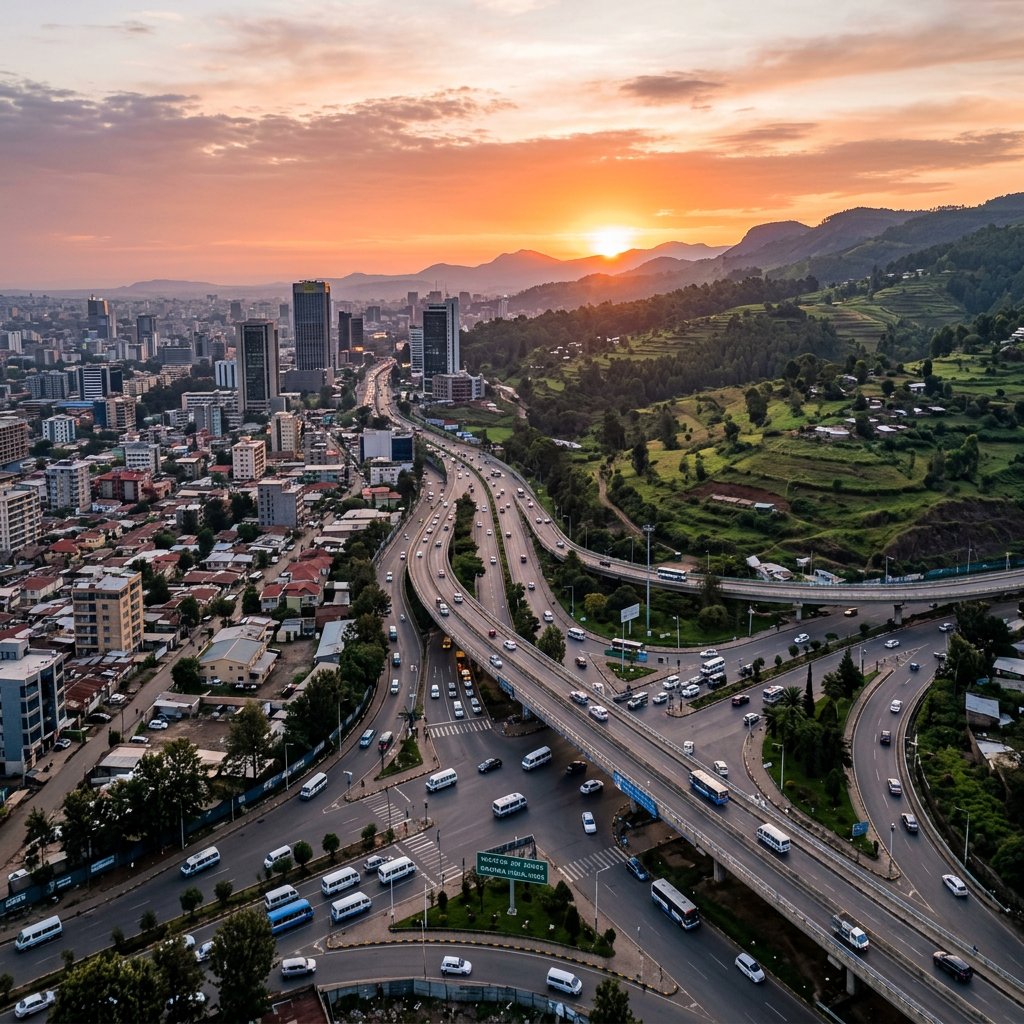
ከባለቤትነት ባሻገር ወደ ሽርክና፣ ፍትህ እና ዘላቂ አብሮ መኖር
ጸሐፊ፦ ዳንዲ ረገባ
በፊንፊኔ—በአለም አቀፍ ደረጃ አዲስ አበባ በመባል በምትታወቀው ከተማ—ዙሪያ ያለው ክርክር ለረጅም ጊዜ በተፎካካሪ ታሪካዊ ትረካዎች፣ በስሜታዊ ይግባኝ እና በማንነት ፖለቲካ ተለይቶ ይታወቃል። ነገር ግን የፊንፊኔ ጉዳይ በመሠረቱ በዋናነት ታሪካዊ ወይም መልክዓ-ምድራዊ አይደለም፤ የህግ፣ የአስተዳደር እና የፖለቲካ ፈቃድ ጉዳይ ነው።
ፊንፊኔ የኢትዮጵያ ፌዴራል ዲሞክራሲያዊ ሪፐብሊክ ዋና ከተማ ናት። የፌዴራል መንግሥት መቀመጫ ሆና ታገለግላለች። ነገር ግን እሷ በኦሮሚያ ድንበሮች ውስጥ የምትገኝ ከተማ ናት፣ እና ይህ መልክዓ-ምድራዊ እውነታ ሊታለፍ የማይችል ሕገ መንግሥታዊ አንድምታ ይዟል። የከተማዋ የፌዴራል ዋና ከተማነት ሚና እና የክልል አቀማመጥ መካከል ያለው ልዩነት ዘላቂ መፍትሔ ለማግኘት በግልጽ መረዳት አለበት።
የሕገ መንግሥቱ ማዕቀፍ፦ በኦሮሚያ ውስጥ የምትገኝ ከተማ
ፊንፊኔ የኢትዮጵያ ዋና ከተማ የሆነችው ባለቤት ስለሌላት አይደለም። የሆነችው የኦሮሞ ህዝብ—የመሬቱ ህጋዊ ባለቤቶች—ለመሬታቸው የፌዴራል መንግሥት መቀመጫ ሆና ለማገልገል ስለፈቀዱ ነው። ይህ ፈቃድ በኢትዮጵያ ሕገ መንግሥት ውስጥ ተመዝግቧል፣ ይህም ማህበራዊ አገልግሎቶችን፣ የተፈጥሮ ሀብቶችን እና ከተማዋ በኦሮሚያ ግዛት ውስጥ ካለመገኘት የሚነሱ የጋራ አስተዳደር ጉዳዮችን በሚመለከት የኦሮሚያን “ልዩ ጥቅም” እውቅና ሰጥቷል።
ይህ ሕገ መንግሥታዊ እውቅና የኦሮሚያን ብቸኛ ባለቤትነት አዋጅ አይደለም። ይልቁንም ተግባራዊ እና ታሪካዊ እውነታን ያምናል፦ የፊንፊኔ የወደፊት ጊዜ እና የአካባቢው የኦሮሞ ማህበረሰቦች የወደፊት ጊዜ የማይነጣጠሉ ናቸው።
ሁለት የተለያዩ ልኬቶች በግልጽ መለየት አለባቸው፦
- የከተማዋ የክልል ሁኔታ — በኦሮሚያ ውስጥ መገኘቷ እና ከአካባቢው ማህበረሰቦች ጋር ያላት ግንኙነት።
- የከተማዋ የፌዴራል ሁኔታ — የኢትዮጵያ ዋና ከተማ እና የፌዴራል መንግሥት መቀመጫ ሆና ያላት ሚና።
ሁለቱም ልኬቶች ህጋዊ ናቸው እና መከበር አለባቸው። ፈተናው ሁለቱንም የሚያከብር የአስተዳደር ማዕቀፍ ማግኘት ነው።
የኦሮሞ አቋም፦ ግልጽ እና ህጋዊ ጥያቄ
የኦሮሞ ህዝብ ፊንፊኔን በተመለከተ ያለው ፍላጎት ግልጽ እና ቀጥተኛ ነው፦ ፊንፊኔ የኢትዮጵያ ዋና ከተማ ሆና ትቀጥል፣ ነገር ግን አስተዳደሯ በኦሮሚያ ብሔራዊ ክልላዊ መንግሥት ሥር መሆን አለበት።
ይህ ፍላጎት በሚከተሉት ጉዳዮች ላይ የተመሠረተ ነው፦
- መልክዓ-ምድራዊ እውነታ፦ ፊንፊኔ በኦሮሚያ ከበባ ናት እና የኦሮሞ የትውልድ አገር ዋና አካል ናት።
- ታሪካዊ ትስስር፦ ፊንፊኔ በመባል የምትታወቀው አካባቢ ለትውልድ በኦሮሞ ህዝብ ይኖርባት ነበር እና ጥልቅ ባህላዊ ጠቀሜታ አላት።
- ሕገ መንግሥታዊ እውቅና፦ ሕገ መንግሥቱ የኦሮሚያን ልዩ ጥቅም ያምናል፣ ይህ ድንጋጌ በተግባር ግን ተግባራዊ ሆኖ አያውቅም።
- ተግባራዊ አስፈላጊነት፦ የከተማዋ ልማት እና የአካባቢው ማህበረሰቦች ደህንነት እርስ በርስ የተያያዙ ናቸው እና የተቀናጀ አስተዳደር ይጠይቃሉ።
የኦሮሞ አቋም የፊንፊኔን የፌዴራል ዋና ከተማነት ሚና ውድቅ አይደለም፤ ለሕገ መንግሥታዊ ትግበራ፣ ለአስተዳደር ፍትህ እና ለተግባራዊ ትብብር የሚቀርብ ጥያቄ ነው።
የኦሮሚያ ባህላዊ አስተዋፅኦ ለፊንፊኔ
የፊንፊኔ ታሪክ ከኦሮሞ ባህል እና ቅርስ ታሪክ ሊለይ አይችልም። ዘመናዊ የፖለቲካ ክርክሮች ከመፈጠራቸው ከረጅም ጊዜ በፊት፣ ፊንፊኔ በመባል የምትታወቀው አካባቢ የቱላማ ኦሮሞ ማህበራዊ እና ባህላዊ ገጽታ አካል ነበረች።
ዛሬ፣ የኦሮሞ ባህል የዋና ከተማዋን ማንነት መቅረጽ ቀጥሏል፦
- አፋን ኦሮሞ በሕዝብ ህይወት፣ በመገናኛ ብዙሀን፣ በትምህርት፣ በንግድ እና በባህላዊ ተቋማት ውስጥ እየጨመረ ታይነት አግኝቷል።
- የኦሮሞ አርቲስቶች፣ ሙዚቀኞች፣ ጸሐፊዎች፣ ምሁራን፣ ሥራ ፈጣሪዎች፣ አትሌቶች እና የህዝብ አገልጋዮች ለፊንፊኔ ባህላዊ እና ኢኮኖሚያዊ ህይወት ከፍተኛ አስተዋፅኦ ማድረጋቸውን ቀጥለዋል።
- የስሙ ፊንፊኔ እውቅና እየጨመረ መምጣት የከተማዋን ታሪካዊ ሥሮች ለማወቅ እና የብሄራዊ ዋና ከተማነት ሚናዋን ለመጠበቅ የሚደረግ ጥረትን ያሳያል።
- እንደ ኢርሬቻ ያሉ ዋና ዋና የኦሮሞ ባህላዊ ክብረ በዓላት በዋና ከተማዋ እና በሰፊው የኦሮሚያ ክልል መካከል ያለውን ባህላዊ ትስስር አጠናክረዋል።
የኦሮሞ ቅርስ እውቅና የአማራ፣ የጉራጌ፣ የስልጤ፣ የሶማሌ፣ የትግራይ፣ የአፋር ወይም የማንኛውም ሌላ ማህበረሰብ አስተዋፅኦ አያሳንስም። ፊንፊኔ በብዙ ህዝቦች የጋራ ጥረት ተገንብታለች። እውነተኛ ሁሉን አቀፍ ከተማ የኦሮሞ ህዝብን ጨምሮ ሁሉንም እነዚህን አስተዋፅኦዎች ማክበር አለባት፣ ምክንያቱም የእነሱ ታሪካዊ ትስስር ከአካባቢው ጋር የማይካድ ነው።
ልማት እና በኦሮሞ ማህበረሰቦች ላይ ያለው ተጽዕኖ
በፊንፊኔ እና በኦሮሚያ መካከል ያለው ግንኙነት ተምሳሌታዊ ብቻ አይደለም፤ በአካባቢው ላሉ ማህበረሰቦች ቀጥተኛ መዘዝ አለው።
በ2014 በተዘጋጀው የፊንፊኔ የተቀናጀ ልማት ማስተር ፕላን ዙሪያ የተፈጠረው ውዝግብ እነዚህን ስጋቶች አጉልቶ አሳይቷል። ብዙ የኦሮሞ ማህበረሰቦች የዋና ከተማዋ ወደ አካባቢው የኦሮሚያ ወረዳዎች የታቀደው መስፋፋት ወደ መፈናቀል፣ የእርሻ መሬት መጥፋት እና በሀብቶች ላይ የአካባቢ ቁጥጥር መቀነስ ያስከትላል ብለው ፈሩ። የተከሰቱት ተቃውሞዎች በመላው ኦሮሚያ ተስፋፍተው በመጨረሻም የእቅዱ መሰረዝ አስከተለ።
ልምዱ አንድ አስፈላጊ እውነታ አሳይቷል፦ በፊንፊኔ የሚደረጉ ውሳኔዎች ብዙ ጊዜ በአካባቢው ያሉ የኦሮሞ ማህበረሰቦች ላይ ቀጥተኛ ተጽዕኖ ያሳድራሉ።
ፈጣን የከተማነት መስፋፋት ተግዳሮቶችን ማስከተሉን ቀጥሏል፦
- የእርሻ መሬት ወደ መኖሪያ እና የንግድ ልማቶች መቀየር
- በከተማዋ እና በአካባቢው ማህበረሰቦች መካከል በጋራ የሚጋሩ የውሃ ምንጮች፣ የአካባቢ ሀብቶች እና የህዝብ መሠረተ ልማት ላይ ጫና
- በከተማ መስፋፋት ምክንያት መተዳደሪያቸው በተጎዳው የግብርና ቤተሰቦች ላይ ኢኮኖሚያዊ መዛባት
- በልማት ፕሮጀክቶች ውስጥ ፍትሃዊ ካሳ፣ ምክክር እና ተሳትፎን በተመለከተ ስጋቶች
- ባህላዊ ማህበረሰቦች በፍጥነት እየሰፉ ባሉ የከተማ አካባቢዎች ሲዋሃዱ ሊከሰቱ የሚችሉ ባህላዊ እና ቋንቋዊ ጫናዎች
እነዚህ የንድፈ ሀሳብ ስጋቶች አይደሉም፤ በፊንፊኔ ዙሪያ ለሚኖሩ ብዙ ማህበረሰቦች የዕለት ተዕለት እውነታዎች ናቸው፣ ይህም ለዘላቂ ልማት ምክክር እና ትብብር አስፈላጊ ያደርጋቸዋል።
የፊንፊኔ እድገት በኦሮሚያ ላይ ያለው ኢኮኖሚያዊ ተጽዕኖ
በፊንፊኔ እና በኦሮሚያ መካከል ያለው ግንኙነት ኢኮኖሚያዊም ነው። የኢትዮጵያ ዋና ከተማ እየሰፋች ስትሄድ፣ የዚያ እድገት ጥቅሞችም ሆኑ ሸክሞች በአካባቢው ባሉ የኦሮሞ ማህበረሰቦች ላይ እየተሰማ መጥቷል።
የቅርብ ጊዜ ጥናቶች ወደ ፊንፊኔ አካባቢዎች ፈጣን መስፋፋት ለግብርና መሬት መጥፋት፣ ለደን መራቆት እና ለባህላዊ መተዳደሪያ መዳከም አስተዋፅኦ እንዳደረገ አረጋግጠዋል።
በ2024 የተደረገ ጥናት በፊንፊኔ የመሬት አጠቃቀም ለውጥን መርምሯል፤ የከተማዋ ግንባታ አካባቢ በ2000 እና 2020 መካከል በ25.28 በመቶ መጨመሩን ሪፖርት አድርጓል። በተመሳሳይ ጊዜ፣ የግብርና መሬት በ15.92 በመቶ ቀንሷል እና የእፅዋት ሽፋን የከተማ ልማት ወደ ውጭ ሲሰፋ በ9.35 በመቶ ቀንሷል።
ጥናቱ ተጨማሪ ያስተዋለው ይህ መስፋፋት አብዛኛውን ጊዜ የመኖሪያ ቤት ፕሮጀክቶች፣ የመሠረተ ልማት ግንባታ፣ የኢንዱስትሪ ልማት እና የከተማ ዳርቻ ገጽታዎችን የለወጡ የኢንቨስትመንት እንቅስቃሴዎች ጋር የተያያዘ መሆኑን ነው።
በከተማ መስፋፋት በተጎዱ ማህበረሰቦች ላይ የተደረገ ጥናት መሬታቸው ለተዘረፈ ብዙ ገበሬዎች ከፍተኛ ኢኮኖሚያዊ መዘዝ አግኝቷል። አንድ ጥናት እንደሚያሳየው ብዙ የተፈናቀሉ ገበሬዎች ገቢ እየቀነሰ እንደሄደ ተናግሯል፣ ሌሎች ደግሞ የእርሻ መሬት ተደራሽነት ካጡ በኋላ ወደ ጊዜያዊ ወይም ዝቅተኛ ክፍያ ሥራ ተገፋፍተዋል። ሌላ ጥናት የከተማ መስፋፋት በተጎዱ የኦሮሞ የግብርና ማህበረሰቦች ህይወት ላይ ኢኮኖሚያዊ እና ማህበራዊ ደህንነታቸውን ጨምሮ በብዙ ገጽታዎች ላይ አሉታዊ ተጽዕኖ እንዳሳደረ አረጋግጧል።
በተመሳሳይ ጊዜ፣ የፊንፊኔ እድገት በሥራ፣ በትራንስፖርት ትስስር፣ በትምህርት፣ በንግድ መስፋፋት፣ በኢንዱስትሪ ኢንቨስትመንት እና በከተማ ገበያዎች ተደራሽነት ለኦሮሞ ነዋሪዎች እድሎችን ፈጥሯል። ፈተናው የልማት ጥቅሞች በፍትሃዊነት መጋራታቸውን እና በከተማ እድገት በቀጥታ የተጎዱ ማህበረሰቦች ከውሳኔ አሰጣጥ ሂደቶች እንዳይገለሉ ማድረግ ነው።
ይህ እውነታ የኦሮሚያ ሕገ መንግሥታዊ ልዩ ጥቅም በፊንፊኔ ውስጥ ዛሬም ተገቢ የሆነበትን ምክንያት ለማስረዳት ይረዳል። ጉዳዩ የዋና ከተማዋ ባለቤትነት ሳይሆን የመሬት አጠቃቀም፣ መሠረተ ልማት፣ የተፈጥሮ ሀብቶች፣ የህዝብ አገልግሎቶች እና የከተማ መስፋፋት ውሳኔዎች ከነሱ በቀጥታ ከሚጎዱ ማህበረሰቦች ትርጉም ባለው ተሳትፎ መደረጋቸውን ማረጋገጥ ነው።
ከባለቤትነት ባሻገር፦ ወደ ሽርክና
እውነተኛው ጥያቄ ፊንፊኔን ማን እንደሚይዝ አይደለም። ከተማዋ ለማንኛውም ነጠላ የዘር ቡድን ብቻ መሆን አትችልም እና አይገባትም። በተመሳሳይ ጊዜ፣ የኦሮሚያን ታሪካዊ መገኘት፣ ባህላዊ አስተዋፅኦ፣ ኢኮኖሚያዊ ተሳትፎ እና ሕገ መንግሥታዊ እውቅና ያገኙ ጥቅሞች መካድ ፍትህን ወይም የረጅም ጊዜ መረጋጋትን አያበረታታም።
ዘላቂ የወደፊት ጊዜ በርካታ እውነቶችን በአንድ ጊዜ መገንዘብ ይጠይቃል፦
- ፊንፊኔ የኢትዮጵያ ዋና ከተማ ናት እና ለሁሉም ነዋሪዎቿ ናት።
- ፊንፊኔ ከኦሮሞ ህዝብ ጋር ጥልቅ ታሪካዊ እና ባህላዊ ትስስር አላት።
- የኦሮሞ ባህል የከተማዋን ማንነት እና ልማት ማበልጸግ ቀጥሏል።
- የፊንፊኔ መስፋፋት በአካባቢው ያሉ የኦሮሞ ማህበረሰቦች ላይ ቀጥተኛ ተጽዕኖ ያሳድራል።
- ኦሮሚያ ከተማዋን እና ከአካባቢው ማህበረሰቦች ጋር ያላትን ግንኙነት በሚመለከት በሕገ መንግሥት እውቅና ያገኙ ጥቅሞች አሏት።
- ልማት ማህበረሰቦችን ከማግለል ይልቅ መጠቀም አለበት።
ስለዚህ ወደፊት የሚወስደው መንገድ ባለቤትነት፣ መገለል ወይም ታሪካዊ መካድ አይደለም። በሕገ መንግሥታዊ አክብሮት፣ በባህላዊ እውቅና፣ በኢኮኖሚያዊ ፍትህ እና በእውነተኛ ትብብር ላይ የተመሠረተ ሽርክና ነው።
ፊንፊኔ የፊንፊኔን ቅርስ እያወቀች፣ የአካባቢውን የኦሮሞ ማህበረሰቦች ጥቅሞች እየጠበቀች እና በዋና ከተማዋ እና በኦሮሚያ መካከል ያለውን ግንኙነት ለማስተዳደር የተነደፉ ሕገ መንግሥታዊ መርሆችን እያከበረች ለሁሉም ኢትዮጵያውያን ከተማ ሆና መቀጠል ትችላለች። እንዲህ ያለው አካሄድ ለፍትህ፣ ለመረጋጋት፣ ለማካተት እና ለዘላቂ አብሮ መኖር ጠንካራውን መሠረት ይሰጣል።
ማጠቃለያ፦ ለፍትህ እና ለዘላቂ አብሮ መኖር መሠረት
የፊንፊኔ ጉዳይ በሽርክና፣ በሕገ መንግሥታዊ አክብሮት እና በትብብር ሊፈታ ይችላል። ወደፊት የሚወስደው መንገድ የሚከተሉትን ያካትታል፦
- ሕገ መንግሥታዊ ትግበራ፦ የኦሮሚያ ልዩ ጥቅም በጋራ የአስተዳደር ዘዴዎች ተግባራዊ መሆን አለበት።
- ባህላዊ እውቅና፦ የፊንፊኔ የኦሮሞ ቅርስ በባህላዊ ተቋማት እና በሕዝብ እውቅና መገንዘብ አለበት።
- ፍትሃዊ ልማት፦ የከተማ መስፋፋት ከተጎዱ ማህበረሰቦች ጋር ትርጉም ባለው ምክክር ማቀድ አለበት።
- ሁሉን አቀፍ አስተዳደር፦ ሁሉም የፊንፊኔ ነዋሪዎች በዘር ሳይለዩ እኩል የተሳትፎ እና የህዝብ አገልግሎት መብቶች ሊኖራቸው ይገባል።
- ጋራ ብልጽግና፦ የዋና ከተማዋ እድገት ኢኮኖሚያዊ ጥቅሞች ከአካባቢው ማህበረሰቦች ጋር መጋራት አለባቸው።
ፊንፊኔ ለሁሉም ኢትዮጵያውያን ከተማ ሆና መቀጠል ትችላለች፣ የፊንፊኔን ቅርስ እያወቀች፣ የአካባቢውን የኦሮሞ ማህበረሰቦች ጥቅሞች እየጠበቀች እና በዋና ከተማዋ እና በኦሮሚያ መካከል ያለውን ግንኙነት ለማስተዳደር የተነደፉ ሕገ መንግሥታዊ መርሆችን እያከበረች። እንዲህ ያለው አካሄድ ለፍትህ፣ ለመረጋጋት፣ ለማካተት እና ለዘላቂ አብሮ መኖር ጠንካራውን መሠረት ይሰጣል።
ይህ የፊቸር ጽሁፍ ፍትሃዊ፣ ሕገ መንግሥታዊ እና ዘላቂ መፍትሔ ለማግኘት ለሚታገሉ ሁሉ የተሰጠ ነው።
The Qunnii Buqqifannaa Ceremony: Welcoming the Spring Season Through Oromo Cultural Tradition
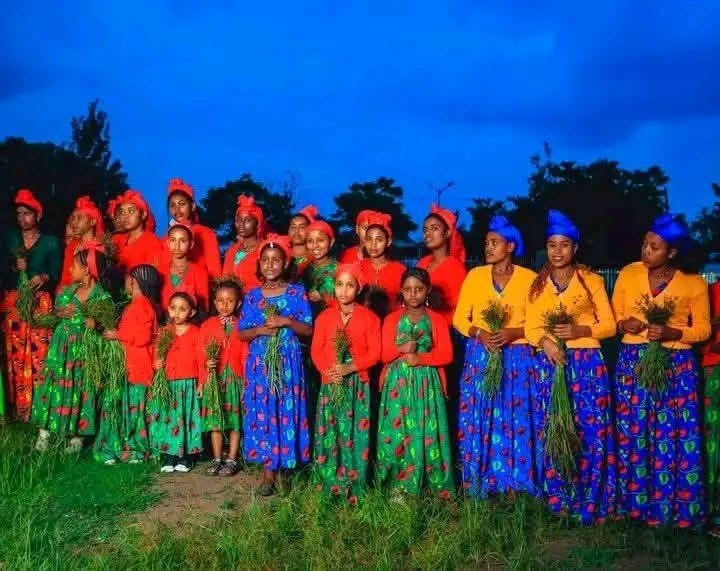
Young Women’s Shinooyyee Ritual Marks the Transition from Winter to Spring with Blessings, Song, and Community Unity
By Maatii Sabaa
Across the vast landscapes of Oromia, the changing of seasons has always been marked by rich cultural traditions that connect the Oromo people to their land, their heritage, and their community. As the harsh winter months give way to the renewal of spring (Birraa), the Oromo people celebrate this transition through a series of sacred rituals and ceremonies.
Among these, the Qunnii Buqqifannaa ceremony holds a special place—a tradition performed by young unmarried women (Shamarran) as part of the larger Shinooyyee celebration. This beautiful ritual marks the end of winter and the joyful arrival of spring, symbolizing renewal, hope, and the continuity of Oromo culture.
Understanding Shinooyyee: The Celebration of Spring
Shinooyyee is one of the most vibrant and significant cultural celebrations in Oromo tradition. It marks the transition from the rainy, cold season of Ganna (winter) to the warmer, blooming season of Birraa (spring). This transition is not merely a change in weather—it is a spiritual and cultural moment of renewal.
During Shinooyyee, young unmarried women (Shaammarranii/Shamarran) gather in groups and go from house to house, singing traditional songs, expressing their joy, and receiving blessings and gifts from elders and community members. The celebration is a time of happiness, community bonding, and cultural pride.
The Shinooyyee tradition embodies several important cultural values:
- Community Unity: The celebration brings together families, neighbours, and entire communities in shared joy and purpose.
- Respect for Elders: The young women seek the blessings of elders, reinforcing the importance of intergenerational relationships.
- Cultural Continuity: Through songs, rituals, and traditions, the younger generations learn about their heritage and their responsibilities to their community.
- Gratitude and Hope: The celebration expresses gratitude for the past season and hope for the abundance of the coming spring.
The Qunnii Buqqifannaa Ceremony: A Sacred Ritual
Within the larger Shinooyyee celebration, the Qunnii Buqqifannaa ceremony is one of the most important and sacred rituals. Qunnii refers to a special type of grass or plant (marga jiidhaa) that grows during the rainy season and has cultural and practical significance.
The Qunnii Buqqifannaa ceremony involves the following elements:
Preparation and Gathering
As the end of winter approaches, young unmarried women begin preparing for the ceremony. They gather in groups, often organized by their neighbourhood or community, and coordinate the activities for the celebration.
The Breaking and Preparation of Qunnii
The central ritual of the ceremony is the Buqqisaa—the breaking or preparation of the Qunnii plant. The women collect the Qunnii, which grows abundantly during the rainy season, and prepare it for use in the ceremony.
The Qunnii plant is significant for several reasons:
- It represents the abundance of the rainy season
- It has a pleasant fragrance that is pleasing to the senses
- It has practical uses, including as a natural perfume
- It symbolizes the renewal and growth associated with spring
Songs, Dance, and Community Procession
The women, carrying the prepared Qunnii, go from house to house in their community, singing traditional songs and dancing. The songs, known as Faaruu Shinooyyee or Abaabilee, celebrate the arrival of spring and express joy and gratitude.
Receiving Blessings and Gifts
At each household, the women are received warmly by the elders and community members. They receive blessings, prayers, and sometimes small gifts or food. The elders offer prayers for the young women’s well-being, prosperity, and future.
Passing the Qunnii Forward
The Qunnii that has been prepared is passed from house to house, symbolizing the sharing of blessings and the continuity of community bonds.

The Role of Young Men in the Celebration
While the Qunnii Buqqifannaa ceremony is primarily focused on young women, young unmarried men also participate in the broader Shinooyyee celebration. They accompany the women in their processions, participating in the songs and dances while respecting the cultural protocols of the ceremony.
The participation of young men reflects the collective nature of Oromo culture, where celebrations and rituals are shared by the entire community. It also provides opportunities for young men and women to interact in culturally appropriate ways, strengthening social bonds and community cohesion.
Cultural Significance and Meaning
The Qunnii Buqqifannaa ceremony carries deep cultural and spiritual meaning for the Oromo people:
1. Renewal and Rebirth
The transition from winter to spring represents renewal and rebirth. The Qunnii, which grows during the rainy season, symbolizes this renewal and the promise of abundance.
2. Gratitude and Thanksgiving
The ceremony is an act of thanksgiving—giving thanks for the rains, the harvest, and the continuity of life.
3. Community and Unity
The tradition of going from house to house reinforces community bonds and collective responsibility. It reminds the Oromo people that they are part of a larger community, connected by shared traditions and values.
4. Respect for Elders
By seeking the blessings of elders, the young women demonstrate respect for those who came before them. This reinforces the importance of intergenerational relationships and the passing down of cultural knowledge.
5. Identity and Pride
The celebration of Shinooyyee and the Qunnii Buqqifannaa ceremony is an expression of Oromo identity and cultural pride. In a world where many indigenous traditions are at risk of being lost, these celebrations are vital for preserving Oromo culture for future generations.
The Role of Cultural Institutions
The revival and preservation of traditions like Shinooyyee and Qunnii Buqqifannaa have received increasing attention in recent years. Cultural institutions, community organizations, and government bodies have recognized the importance of preserving and promoting Oromo cultural heritage.
The Oromo people’s cultural heritage is increasingly being recognized and celebrated through festivals, cultural events, and educational programs. These efforts help to reconnect the younger generation with their roots and ensure that these beautiful traditions are not lost to time.
As the statement from the community emphasizes: “Mootummaan jijjiiramaa hojiilee Misooma Aadaatiif xiyyeeffannaa kenneen Aadaan keenya bakka isaatti deebi’ee Haaromaa kan jiruufi duudhaa ganamaatti deebisuu keessatti injifannoowwan argamaniiru.” —The government, through its renewed focus on cultural development activities, has achieved successes in restoring and revitalizing our traditions.
Conclusion: Honouring Tradition, Building the Future
The Qunnii Buqqifannaa ceremony and the broader Shinooyyee celebration are more than just cultural events—they are expressions of Oromo identity, resilience, and continuity. They connect the present generation to their ancestors, reinforce community bonds, and provide a foundation for the future.
As the Oromo people continue to navigate the challenges of the modern world, these traditions serve as anchors—reminders of who they are, where they come from, and the values that unite them as a people.
Sirni Qunnii Buqqifannaa haa jabaattu!
Ayyaanni Birraa nuun haa jegu!
Shinooyyee haa jabaattu!
This feature article is dedicated to all the young Oromo women who carry the spirit of Shinooyyee in their hearts, and to the communities who are working to preserve and revitalize this beautiful tradition for future generations.
ፊንፊኔ፣ የአገሬው ተወላጆች መብቶች እና እኩል ዜግነት፦ ለፍትህ እና ለጋራ መኖር የሚሆን ራዕይ
በኦሮሚያ ልብ ውስጥ ያሉትን ታሪካዊ ጥያቄዎች እና ዴሞክራሲያዊ መርሆችን ማስታረቅ
ጸሐፊ፦ ኢያሱ እኖሮ
በፊንፊኔ—በአለም አቀፍ ደረጃ አዲስ አበባ በመባል በምትታወቀው ከተማ—ዙሪያ በሚካሄደው ቀጣይ ውይይት ውስጥ፣ መሠረታዊ ጥያቄ አለ፦ የኦሮሞ ህዝብ ታሪካዊ እና የአገሬው ተወላጆች መብቶች ከአሁን የከተማዋ ነዋሪ ከሆኑት ሁሉ እኩል የዜግነት መብቶች ጋር እንዴት ማስታረቅ ይቻላል?
ለኦሮሞ ህዝብ መልሱ ግልጽ ነው። ፊንፊኔ የተመሰረተችው በኦሮሞ መሬት ላይ ነው፣ እና እሷ የኦሮሞ ህዝብ ታሪካዊ እና የአባቶች የትውልድ መሬት ወሳኝ አካል ናት። ከዚህ አንፃር፣ ስጋቱ ጥልቅ ነው፦ አንዳንድ የፖለቲካ ተዋናዮች ኦሮሞዎች የራሳቸው የአባቶች ንብረት አድርገው በሚቆጥሩት ነገር ላይ እንደ ሸቀጣ ሸቀጥ ለመደራደር እየሞከሩ ነው።
በተመሳሳይ ጊዜ፣ ዓለም አቀፍ የሰብአዊ መብቶች መርሆች ለሁሉም ነዋሪዎች እኩልነት እና አድልዎ አለመደረግን ያረጋግጣሉ። የሰብአዊ መብቶች ዓለም አቀፍ አዋጅ (UDHR) እና ሌሎች ዓለም አቀፍ የሰብአዊ መብቶች መሳሪያዎች እንደሚያረጋግጡት፣ እያንዳንዱ ሰው—በዘር፣ በቋንቋ፣ በሃይማኖት ወይም በአመጣጥ ሳይለይ—እኩል መብቶች አሉት። እነዚህ መብቶች በህግ ፊት እኩልነት፣ የመናገር ነጻነት፣ የመደራጀት ነጻነት፣ በህዝብ ጉዳዮች ውስጥ መሳተፍ፣ እና የመምረጥ እና ተመራጭ የመሆን መብትን ያካትታሉ።
እንግዲህ ጥያቄው እነዚህ ሁለት የመብቶች ስብስቦች አብረው መኖር ይችሉ እንደሆነ አይደለም—ይችላሉ፣ እና አለባቸውም። ጥያቄው ሁለቱንም ለመገንዘብ የፖለቲካ ፈቃድ ካለ ነው።
የኦሮሞ አቋም፦ የአባቶች የትውልድ መሬት፣ የማይደራደር ንብረት
ከኦሮሞ አመለካከት፣ በፊንፊኔ ዙሪያ ድርድር ወይም ስምምነት አያስፈልግም። ከተማዋ የተመሰረተችው በባዶ መሬት ላይ አይደለም፤ የተመሰረተችው በኦሮሞ ግዛት ላይ ነው፣ እና የኦሮሞ ህዝብ ከተማዋን እንደ ታሪካዊ እና የአባቶች የትውልድ መሬታቸው አካል አድርገው ይመለከቷታል።
ይህ በፖለቲካ ምቾት የተመሰረተ ጥያቄ አይደለም—በታሪክ የተመሰረተ ነው። የኢትዮጵያ ንጉሠ ነገሥት በሚኒሊክ መስፋፋት በፊት፣ አሁን ፊንፊኔ በመባል የምትታወቀው አካባቢ በኦሮሞ ህዝብ ይኖርባት ነበር። የሙቅ ጸዋዎች፣ የግጦሽ መሬቶች እና የባህላዊ ጠቀሜታ ቦታ ነበረች። የከተማዋ ስም እራሷ፣ ፊንፊኔ—”የሙቅ ጸዋ ቦታ” ማለት ነው—ኦሮሞ ነው።
የከተማዋ መስራች እና የኦሮሞ ህዝብ ተከታዩ መፈናቀል በታሪክ ሙሉ በሙሉ እውቅና ያላገኙ እና ያልተፈቱ የንብረት መንጠቅ ተግባራት ነበሩ። ለኦሮሞ ህዝብ፣ ፊንፊኔ የፖለቲካ ድርድር አይደለችም—የትውልድ አገራቸው ልብ፣ ከመሬት ጋር ያላቸውን ታሪካዊ ትስስር ምልክት፣ እና የነጻ ኦሮሚያ የወደፊት ዋና ከተማ ናት።
የእኩል ዜግነት መርህ፦ የሁሉም ነዋሪዎች መብቶች
ዓለም አቀፍ የሰብአዊ መብቶች ህግ ግልጽ ነው፦ ሁሉም ዜጎች እኩል የሲቪል እና የፖለቲካ መብቶች የተጠበቁላቸው ናቸው። ማንኛውም የፊንፊኔ ነዋሪ በዘር ማንነት ምክንያት ከዲሞክራሲያዊ ተሳትፎ፣ ከህዝብ አገልግሎቶች፣ ከስራ እድሎች ወይም ከህጋዊ ጥበቃ መከልከል የለበትም። በፊንፊኔ የሚኖሩ ሁሉም ዜጎች በከተማዋ የፖለቲካ እና የሲቪል ህይወት ውስጥ እኩል አያያዝ እና እኩል ተሳትፎ የማድረግ መብት አላቸው።
ይህ መርህ የማይደራደር ነው። ነዋሪው ኦሮሞ፣ አማራ፣ ጉራጌ፣ ትግራይ ወይም ሌላ ማንኛውም ዳራ ቢኖረውም፣ የህግ ሙሉ ጥበቃ እና የሲቪልነት ሙሉ መብቶች የተጠበቁለት ነው። በዘር ላይ የተመሰረተ መድልዎ በጣም መሠረታዊ የሰብአዊ መብቶች ጥሰት ነው።
በፊንፊኔ ላይ ሲተገበር፣ ይህ ማለት የከተማዋ እያንዳንዱ ነዋሪ—በአመጣጣቸው ምንም ይሁን ምን—እኩል መብቶች ሊኖራቸው ይገባል ማለት ነው። ማንም ነዋሪ እንደ ሁለተኛ ደረጃ ዜጋ እንዲሰማው ሊደረግ አይገባም። ማንም ሰው የህዝብ አገልግሎቶችን፣ ኢኮኖሚያዊ እድሎችን፣ ወይም የፖለቲካ ተሳትፎን ሊከለከል አይገባም።
የአገሬው ተወላጆች መብቶች፦ ታሪክን እና የአባቶች ትስስርን መገንዘብ
እኩል ዜግነት ለሁሉም ሰው በህግ ስር ተሳትፎ እና ጥበቃ ያረጋግጣል፣ ነገር ግን የታሪካዊ ባለቤትነት፣ የአገሬው ተወላጆች መብቶች፣ ወይም የግዛት ሁኔታ ጥያቄዎችን አይፈታም። እነዚህ የተለያዩ ግን እኩል አስፈላጊ ጥያቄዎች ናቸው።
የተባበሩት መንግስታት የአገሬው ተወላጆች መብቶች አዋጅ (UNDRIP) የአገሬው ተወላጆች ባህላዊ ማንነት፣ ቅርስ እና ከአባቶች ግዛቶቻቸው ጋር ያላቸውን ታሪካዊ ትስስር መጠበቅ አስፈላጊ መሆኑን ያረጋግጣል። የአገሬው ተወላጆች የተለዩ የፖለቲካ፣ ህጋዊ፣ ኢኮኖሚያዊ፣ ማህበራዊ እና ባህላዊ ተቋማቶቻቸውን የማጠበቅ እና የማጠናከር መብት እንዳላቸው ይገነዘባል።
የኦሮሞ አቋም ደጋፊዎች በኦሮሞ ህዝብ እና ፊንፊኔ በተመሰረተችበት መሬት መካከል ያለው ታሪካዊ ግንኙነት እውቅና እና ክብር ሊያገኝ ይገባል ብለው ይከራከራሉ። ይህ የሌሎች ነዋሪዎች መብቶች ውድቅ አይደለም—የታሪካዊ ፍትህ እና እውቅና ጥያቄ ነው።
ዓለም አቀፍ ምሳሌዎች፦ የአገሬው ተወላጆች እና የዜግነት መብቶች አብሮ መኖር
በዓለም ዙሪያ፣ የአገሬው ተወላጆች መብቶች የሌሎች ነዋሪዎችን እኩል የዜግነት መብቶች ሳይነጠቁ እውቅና ያገኙባቸው በርካታ ምሳሌዎች አሉ። እነዚህ ምሳሌዎች ሁለቱም የመብቶች ስብስቦች አብረው መኖር እንደሚችሉ እና የአገሬው ተወላጆች ጥያቄዎችን መገንዘብ የሌሎችን መብቶች እንደማያሳንስ ያሳያሉ።
ኒው ዚላንድ፦ የዋይታንጊ ስምምነት
የማኦሪ ህዝብ የኒው ዚላንድ አገሬው ተወላጅ ህዝብ እንደሆነ ይታወቃል። የዋይታንጊ ስምምነት የማኦሪ መብቶችን፣ ባህልን እና የአባቶች መሬቶች ጥያቄዎችን ለመጠበቅ መሠረት ይሰጣል፣ በተመሳሳይ ጊዜ ለሁሉም ኒው ዚላንዳውያን እኩል ዜግነት ያረጋግጣል። የማኦሪ የፖለቲካ ውክልና፣ ባህላዊ ጥበቃ እና የመሬት ጥያቄዎች ከሁሉም ዜጎች ሙሉ ዴሞክራሲያዊ መብቶች ጋር እውቅና አግኝተዋል።
ካናዳ፦ የመጀመሪያ ብሄሮች፣ ኢኑይት እና ሜቲስ
በካናዳ፣ የመጀመሪያ ብሄሮች፣ ኢኑይት እና ሜቲስ ህዝቦች በሕገ መንግሥት እውቅና ያገኙ የአገሬው ተወላጆች መብቶች አሏቸው። የመሬት ጥያቄ ስምምነቶች እና የራስ ገዝ አስተዳደር ዝግጅቶች ከባህላዊ ግዛቶች ጋር ያለውን ታሪካዊ ትስስር ይገነዘባሉ፣ በተመሳሳይ ጊዜ ከተሞች እና ማህበረሰቦች ለሁሉም ዳራ ነዋሪዎች ክፍት ሆነው ይቀጥላሉ። የአገሬው ተወላጆች መብቶች እና የዜግነት መብቶች በጋራ የመከባበር ማዕቀፍ ውስጥ አብረው ይኖራሉ።
አውስትራሊያ፦ የማቦ ውሳኔ
የአውስትራሊያ ከፍተኛ ፍርድ ቤት ታሪካዊ የሆነው የማቦ ውሳኔ የቴራ ኑሊየስ (ባዶ መሬት) መርህን ውድቅ አድርጎ የአገሬው ተወላጆች የመሬት ባለቤትነት (Native Title) መብቶችን እውቅና ሰጠ። የአውስትራሊያ አገሬው ተወላጆች ከመሬት ጋር ያላቸውን የአባቶች ትስስር ህጋዊ እውቅና አገኙ፣ ይህም የሌሎች አውስትራሊያውያንን እኩል የሲቪል እና የፖለቲካ መብቶች አልጎዳም። ይህ ውሳኔ ታሪካዊ ኢፍትህን እያመነጨ ሁሉንም ዜጎች መብቶች አረጋግጧል።
ኖርዌይ፣ ስዊድን እና ፊንላንድ፦ የሳሚ ህዝብ
በኖርዌይ፣ ስዊድን እና ፊንላንድ ውስጥ የሳሚ ህዝብ እንደ አገሬው ተወላጅ ህዝብ እውቅና አግኝቷል—ባህላዊ፣ ቋንቋዊ እና ፖለቲካዊ መብቶች አሉት። የሳሚ ተወካይ ተቋማት ከሁሉም ዜጎች እኩል ከሚደሰቱበት ዴሞክራሲያዊ መብቶች ጋር አብረው ይኖራሉ። ይህ እውቅና የሳሚ ያልሆኑ ነዋሪዎችን መብቶች አልቀነሰም።
ዩናይትድ ስቴትስ፦ የአሜሪካ ተወላጆች ጎሳዎች
በዩናይትድ ስቴትስ ውስጥ የአሜሪካ ተወላጆች ጎሳዎች ከራስ ገዝ አስተዳደር፣ ባህል እና የአባቶች ግዛቶች ጋር የተያያዙ የተወሰኑ መብቶችን ይይዛሉ። እነዚህ መብቶች በዩናይትድ ስቴትስ ውስጥ ከሁሉም ነዋሪዎች የዜግነት መብቶች ጋር አብረው ይኖራሉ። የጎሳ ሉዓላዊነት እና የግለሰብ የዜግነት መብቶች እንደ ተጓዳኝ፣ እንጂ እንደ ተቃራኒ አይደሉም ይታወቃሉ።
የጋራ ዓለም አቀፍ መርህ
እነዚህ ምሳሌዎች የጋራ ዓለም አቀፍ መርህን ያሳያሉ፦ የአገሬው ተወላጆችን ከመሬት ጋር ያላቸውን ታሪካዊ እና የአባቶች ትስስር መገንዘብ ለሌሎች ነዋሪዎች የዴሞክራሲ፣ የሲቪል ወይም የሰብአዊ መብቶች መከልከልን አያስፈልግም። ከዚህ ይልቅ፣ ሁለቱም የመብቶች ስብስቦች አብረው መኖር ይችላሉ።
የአገሬው ተወላጆች መብቶች እውቅና የዜግነት ተዋረድ አይፈጥርም። አንዳንድ ማህበረሰቦች ከአሁኑ የፖለቲካ ሥርዓት በፊት ከአንድ የተወሰነ ግዛት ጋር የተለየ ታሪካዊ ግንኙነት እንዳላቸው ይገነዘባል። ይህ እውቅና ለእኩል ዜግነት ስጋት አይደለም፤ ለእሱ ማሟያ ነው።
የእኩልነት ፈተና
ራሳቸውን ከሌሎች በላይ የሚያስቀምጡ ሰዎች ብዙ ጊዜ እውነተኛ እኩልነትን ለመቀበል ይቸገራሉ። በታሪክ፣ የበላይ ቡድኖች የአገሬው ተወላጆች መብቶችን እውቅና መስጠትን ለልዩ ቦታቸው ስጋት አድርገው በመቃወም ተቃውመዋል። ነገር ግን ዘላቂ ሰላም እና አብሮ መኖር በበላይነት እና በመካድ ሊገነቡ አይችሉም።
ከኦሮሞ አመለካከት፣ ወደፊት የሚወስደው መንገድ የሁሉንም ነዋሪዎች እኩል መብቶች እና የኦሮሞ ህዝብ ህጋዊ ታሪካዊ እና የአገሬው ተወላጆች ጥያቄዎችን ማወቅ ይጠይቃል። ይህ ዜሮ-ድምር ጨዋታ አይደለም—ሁለቱም የመብቶች ስብስቦች ሊከበሩ ይችላሉ።
ለፊንፊኔ ራዕይ
ፊንፊኔ የኦሮሚያ ዋና አካል ሆና ትቀጥላለች። በኦሮሞ መሬት ላይ ትገኛለች፣ እና የኦሮሞ ህዝብ ከከተማዋ ጋር ያለው ታሪካዊ ትስስር እውቅና እና ክብር ሊያገኝ ይገባል። ይህ እውቅና የሌሎች ነዋሪዎችን መገለል አያስፈልገውም—በጋራ መከባበር እና ፍትህ ላይ የተመሰረተ አዲስ የአብሮ መኖር ማዕቀፍ ይጠይቃል።
እንዲህ ያለው ማዕቀፍ የሚከተሉትን ያካትታል፦
- የኦሮሞ የአገሬው ተወላጆች መብቶች እውቅና፦ ፊንፊኔ በተመሰረተችበት መሬት ላይ የኦሮሞ ህዝብ ታሪካዊ ትስስር መደበኛ እውቅና።
- ለሁሉም ነዋሪዎች እኩል ዜግነት፦ ሁሉም ነዋሪዎች በዘር ሳይለዩ የተረጋገጠ ዲሞክራሲያዊ ተሳትፎ፣ የህዝብ አገልግሎቶች እና ህጋዊ ጥበቃ።
- የጋራ አስተዳደር፦ ሁሉም ነዋሪዎች ለከተማዋ የወደፊት ዕጣ ፈንታ ድምጽ እንዲኖራቸው የሚያረጋግጡ ሁሉን አቀፍ የአስተዳደር ስልቶች።
- ታሪካዊ ፍትህ፦ በእውቅና፣ በይቅርታ እና በተገቢ መፍትሄዎች የኦሮሞ ህዝብ ታሪካዊ የንብረት መንጠቅን መፍታት።
- ባህላዊ ጥበቃ፦ በከተማዋ ውስጥ የኦሮሞ ባህል፣ ቋንቋ እና ቅርስ ጥበቃ እና ማስተዋወቅ ድጋፍ።
ማጠቃለያ፦ ወደ ዘላቂ ሰላም የሚወስድ መንገድ
የአገሬው ተወላጆች መብቶች እውቅና እና እኩል ዜግነት ተቃርኖ አይደለም—ለዘላቂ ሰላም እና አብሮ መኖር መሠረት ነው። ዓለም አቀፉ ማህበረሰብ ሁለቱም የመብቶች ስብስቦች ሊከበሩ እንደሚችሉ አሳይቷል፣ እና የኦሮሞ ህዝብ ለዚህ እውቅና መብት አለው።
ይህንን እውቅና የሚቃወሙ ሰዎች ለቦታቸው ስጋት ሊመለከቱት ይችላሉ፣ ነገር ግን እውነተኛ ሰላም በመካድ እና በበላይነት ሊገነባ አይችልም። ዘላቂ ሰላም የታሪክን እውነት መገንዘብ፣ የሁሉንም መብቶች ማክበር፣ እና በፍትህ ላይ የተመሰረተ የወደፊት ጊዜ መገንባት ይጠይቃል።
ከኦሮሞ አመለካከት፣ ፊንፊኔ የኦሮሚያ ዋና አካል ሆና ትቀጥላለች—ሊገነዘብ፣ ሊከበር እና ሊመለስ የሚገባው የተቀደሰ የትውልድ አገር። ነገር ግን ይህ መመለስ የሌሎችን ውድቅ አይደለም፤ የኦሮሞ ህዝብ ለቅርሳቸው፣ ለማንነታቸው እና ለወደፊታቸው ያላቸው መብት ማረጋገጫ ነው።
ይህ የፊቸር ጽሁፍ ለኦሮሞ ህዝብ እና በፍትህ፣ በእኩልነት እና በጋራ መኖር መርሆች ለሚያምኑ ሁሉ የተሰጠ ነው።
ለጋዜጠኛነት ራሱን ለሚጠራው ጌታቸው ሽፈራው እና ለፕሮፓጋንዳ አስተያየቱ የተሰጠ ምላሽ

የመስፋፋት ፖለቲካ፣ የብሔራዊ ምክክር ክህደት፣ እና የፊንፊኔ የማይቀለበስ እውነት
ጸሐፊ፦ ኢብሳ ናጋዎ
ለራሱ ጋዜጠኛ ነኝ ለሚለው ጌታቸው ሽፈራው እና በፌዴራል መንግሥትና በፌዴራሊዝም ሥርዓት ላይ ተመሳሳይ ጥርጣሬና ተቃውሞ ለሚያነሱ ሰዎች የምለው አለኝ።
በአማራ ሕዝብ ስም እያለቀሱ እና ፕሮፓጋንዳ እየነዙ ኢትዮጵያን በሴራ ማፍረስ ይቻላል ብሎ ማሰብ ትልቅ ስህተት ነው። ታሪክ ያስተምረናል—ሴራ ሀገርን አይገነባም፤ ያፈርሳል። እና አፍራሽ ሀሳብ የዘላቂ መፍትሔ መሠረት ሊሆን አይችልም።
የመስፋፋት አስተሳሰብ፦ ለአማራም ሆነ ለኢትዮጵያ አደገኛ
ከዚህም በላይ የኦሮሚያን መሬት ቆርጦ ለፌዴራል መንግሥት ማስተላለፍ ወይም ፊንፊኔን ከኦሮሚያ መለየት ኢትዮጵያን የሚያድን መፍትሔ አይሆንም። በተቃራኒው ዛሬ እንደሚታየው በጽንፈኝነትና በመስፋፋት ላይ የተመሰረተ አስተሳሰብ ከቀጠለ፣ የአማራን ክልል ራሱንም ወደ አለመረጋጋትና መበታተን ሊመራ ይችላል።
የቅርብ ታሪክ ለዚህ ግልጽ ማስረጃ ነው። በአማራ ክልል ውስጥ የነበሩ አንዳንድ ጽንፈኛ ኃይሎች “አራት ኪሎን እንቆጣጠራለን” በማለት በኃይል የሚመራ አሃዳዊ ሥርዓት በምኞት ለመመስረት ሞክረዋል። ይህ የበላይነት ህልም ግን ወደ አስከፊ ውጤት አመራ።
በመጨረሻም የራሳቸውን ክልል ወደ ታላቅ ችግር በመክተት፣ ከታጠቁ ቡድኖች ጋር በመተባበር፣ የኤርትራ፣ የሱዳንና የግብፅ ፍላጎት አገልጋዮች በመሆን በራሳቸው መንግሥትና ሕዝብ ላይ ጉዳት አድርሰዋል። የውጭ ኃይሎችን ፍላጎት ማገልገል መቼም ለሀገር ሰላም አላገለገለም፤ ሁልጊዜ ወደ መበታተን አመራ።
የብሔራዊ ምክክር ክህደት፦ ሰላምን ማደናቀፍ እንጂ ማስፈን አይደለም
ዛሬም የብሔራዊ ምክክር አጀንዳን ተቀብለው በመወያየት ፋንታ፣ ውይይቱን ለማደናቀፍና ለማክሸፍ እየሠሩ ይገኛሉ። ይህ ደግሞ በሀገሪቱ ሰላም፣ እርቅና መረጋጋት ላይ ከፍተኛ ጉዳት ሊያደርስ ይችላል።
እንዲህ ያሉ ሰዎች ብሔራዊ ምክክሩ ከከሸፈ የሚጎዳው ኦሮሞና ሌሎች ብሔሮች ብቻ ነው ብለው ራሳቸውን እያታለሉ መሆኑን ሊገነዘቡ ይገባል። ምክክሩ ከከሸፈ ጉዳቱ በፌዴራል መንግሥት ላይ ብቻ ሳይሆን በመላው የኢትዮጵያ ሕዝብ ላይ ይደርሳል።
የብሔራዊ ምክክር ማክሸት ማለት የሁሉም ኢትዮጵያውያን ውድቀት ነው። ይህንን እውነታ ለመረዳት ፈቃደኛ ያልሆኑ ሰዎች በጭፍን ጥላቻ እንጂ በምክንያታዊ አስተሳሰብ እየተመሩ አይደለም።
ፊንፊኔ፦ በፕሮፓጋንዳ የማይወሰን ጉዳይ
በአሁኑ ወቅት በፊንፊኔ እየተካሄደ ባለው ብሔራዊ ምክክር ውስጥ እንደ ጌታቸው ሽፈራው ያሉ ሰዎች ፊንፊኔ የኦሮሚያ አካል እንዳትሆን ጫና ለመፍጠር እየሞከሩ ነው። ሆኖም የፊንፊኔ ጉዳይ በግል አስተያየት ወይም በፖለቲካ ፕሮፓጋንዳ የሚወሰን ጉዳይ አይደለም። ይህ ጉዳይ በሕገ መንግሥት፣ በሕግ፣ በታሪክና በሰፊ ብሔራዊ ውይይት ላይ ተመስርቶ መፍትሔ ሊያገኝ ይገባል።
ፊንፊኔ የኦሮሚያ ዋና ከተማ ናት። ይህ የፖለቲካ አቋም አይደለም—ታሪካዊ እውነታ ነው። ይህ ሊደራደር የሚችል ጉዳይ አይደለም—የህልውና እውነት ነው። ይህንን እውነት ለመቀየር የሚደረግ ማንኛውም ሙከራ በሕግ፣ በታሪክ እና በህዝቡ ፈቃድ ላይ ጥቃት ነው።
የፌዴራሊዝም መፍትሔ፦ እኩልነት እንጂ የበላይነት አይደለም
የፌዴራሊዝም ሥርዓቱ ሁሉንም ክልሎች በእኩልነት የሚመለከት ከሆነ፣ ለዚህ ረጅም ዘመን የቆየ ውዝግብ ሚዛናዊ መፍትሔ ሊገኝ ይችላል። ይህም በፌዴራል መንግሥትና በሁሉም የክልል መንግሥታት መካከል እውነተኛ እኩልነት መፍጠር ማለት ነው።
በመሆኑም የሁሉም ክልሎች ዋና ከተሞች፣ ፊንፊኔን ጨምሮ፣ በሕጋዊ ስምምነትና በእኩልነት መርህ መሠረት ከፌዴራል መንግሥት ጋር ያላቸውን ግንኙነት በሰፊ ውይይት ሊወስኑ ይገባል።
ይህ የግል ሐሳቤ ብቻ ሳይሆን፣ ለረጅም ጊዜ የፖለቲካ መፍትሔ ሊያመጣ ከሚችሉ አማራጮች አንዱ መሆን እንደሚችል አምናለሁ። ነገር ግን ማንኛውም ቡድን በራሱ ውሳኔ ፊንፊኔን ከኦሮሚያ ለይቶ ለፌዴራል መንግሥት ብቻ እንድትገዛ ማወጅ በሕግም ሆነ በሕገ መንግሥት ተቀባይነት የለውም።
የማስፋፋት አስተሳሰብ ውድቀት
የሌላ ክልል መስፋፋትን የሚያበረታታ አስተሳሰብ ከቀጠለ፣ የኦሮሞ ሕዝብም ወደ ሌላ የፖለቲካ አማራጭ እንዲያስብ ሊገደድ ይችላል። በጽንፈኝነት የተነሳሱ ሰዎች ይህንን እውነታ በማቃለል ከራሳቸው በስተቀር ማንንም አያታልሉም።
ሁሉም ክልሎች በእኩልነት መርህ ላይ ከተስማሙ፣ አዲሱ የፌዴራል አወቃቀር ለረጅም ዘመን የቆዩ የፖለቲካ አለመግባባቶችን በማስወገድ፣ በእውነተኛ እኩልነት ላይ የተመሰረተ ሥርዓት ለመገንባት መሠረት ሊሆን ይችላል። በተለይም በፊንፊኔ ጉዳይ ላይ ለብዙ ዓመታት የቆየውን አለመግባባት በዘላቂነት ለመፍታት አስተዋፅኦ ሊያደርግ ይችላል።
ሆኖም፣ “የእኔ የእኔ ነው፤ ያንተም የእኔ ነው” የሚል አስተሳሰብ በዴሞክራሲያዊ ሥርዓት ውስጥ ቦታ የለውም። እንዲህ ዓይነቱ አመለካከት በሕግ የበላይነት ላይ በተመሠረተ መንግሥት ውስጥ ተቀባይነት የለውም፤ ከዚህ ይልቅ ለአምባገነናዊ ሥርዓትና ለመስፋፋት ፖለቲካ የሚመች ነው።
የታሪክ ትምህርት፦ የቱለማ ኦሮሞዎች ቁስል
ከዚህም በላይ፣ ይህ አስተሳሰብ ቀደም ሲል “የአዲስ አበባ ማስተር ፕላን” በሚል ስም ቀርቦ በኦሮሞ ሕዝብ ከፍተኛ ተቃውሞ ገጥሞት ከተሰረዘው ፕሮጀክት ጋር በመሠረቱ የሚለይ አይደለም። ስለዚህ እንዲህ ያለ አስተሳሰብ እንደገና እንዳይነሳ ማድረግ በእኩልነት፣ በፍትሕና በዴሞክራሲ ላይ የተመሰረተ ሥርዓት ለመገንባት አስፈላጊ ነው።
እንዲህ ያለው የፖለቲካ ፕሮፓጋንዳ በኦሮሞ ሕዝብ ላይ በተፈጸመው ታሪካዊ በደል ፍትሕና ይቅርታ ለሚጠብቁ ሰዎች ተጨማሪ ስድብ ነው። በተለይም ከአባቶቻቸው መሬት በግዳጅ ለተፈናቀሉት የቱላማ ኦሮሞዎችና ቤተሰቦቻቸው ላይ የደረሰውን በደል በድጋሚ ማቃለል ለብሔራዊ እርቅ ምንም አስተዋፅኦ አያደርግም።
የቱለማ ኦሮሞዎች—ከፊንፊኔ የተገፉት እና የተፈናቀሉት—ከማንም ይበልጥ በተለየና በብዛት መገኝት ነበረባቸው። የጥፋቱን ጉዳትና ቁስል ተሸክመው የሚዞሩት እነሱ ሰለ ሆኑ። ያለባለቤቱ ቡዳ ነው ይባላል አይደለም።
የኦሮሞ ባህል ጥበብ፦ “ክፉ ሰው ከክፉነቱ አይታጠብም”
እንደ ኦሮሞ ባህል አባባል፣ “ክፉ ሰው ከክፉነቱ አይታጠብም።” ኢትዮጵያን መጠበቅና መገንባት የሁሉም ሕዝቦች ኃላፊነት ነው፤ የኦሮሞ ሕዝብ ብቻ አይደለም። ስለዚህ በአንድ ሀገር ውስጥ በእኩልነት መኖር ካልተቻለ፣ ማንኛውም ሕዝብ በራሱ ዕጣ ፈንታ ላይ በሰላም የመወሰን መብቱ ሊከበር ይገባል።
የአንዳንድ ጽንፈኛ ቡድኖች “ይህን መሬት አባቶቻችን ሰጥተውናል (አውርሶናል)” የሚሉት አባባል በታሪክና በሕግ ላይ የተመሠረተ ሳይሆን፣ የመስፋፋት የፖለቲካ አመለካከት ውጤት መሆኑ ሊገነዘብ ይገባል።
ታሪክ የተጻፈው በደም እንጂ በምኞት አይደለም። መሬት የሚወረሰው በዘር ሳይሆን በህልውና እና በፍትህ ነው።
የኦሮሞ ሕዝብ መልእክት፦ ግልጽ እና የማያሻማ
የኦሮሞ ሕዝብ መልእክቱን በተደጋጋሚና በግልጽ ሁኔታ አስተላልፏል። “የእኔ የእኔ ነው፤ ያንተም የእኔ ነው” በሚል አመለካከት የተመሠረተውን ኢ-ፍትሃዊ የፖለቲካ ሥርዓት ተቃውሞ ታግሏል። ዛሬም አንዳንድ ጽንፈኛ ኃይሎችና ከቀድሞ የነበሩ የፖለቲካ ቡድኖች ጋር በመተባበር ብሔራዊ ምክክሩን ለማደናቀፍ የሚደረገው ጥረት መፍትሔ ሳይሆን ችግሩን የሚያራዝም ነው።
የኦሮሞ ሕዝብ ከሌሎች ሕዝቦች ጋር በመልካም ጉርብትና፣ በመከባበርና በእኩልነት ላይ ተመስርቶ መኖርን ይፈልጋል። ነገር ግን ማንኛውም አካል በሕግ የተረጋገጠውን መብቱን በመጣስ በራሱ ቤት ውስጥ እንደ እንግዳ እንዲኖር ማስገደድን አይቀበልም።
በአገራዊ ምክክር ላይ የተገኙት ኦሮሞዎች የመፍትሔ አሳብ መብት እንደሌላቸው ያቀረበው ከጽንፈኝነት ባለፈ ምንም ልባል የሚችል አይደለም።
የመጨረሻ መልእክት፦ በግልጽነት የቀረበ
በመጨረሻም፣ ለአቶ ጌታቸው ሽፈራውና አመለካከታቸውን ለሚጋሩ ሰዎች የማስተላልፈው መልእክት ግልጽ ነው።የምትናገሩላት ኢትዮጵያ አንድን ሕዝብ ለመጨቆንና የጥቂት ቡድኖችን ጥቅም ለማስጠበቅ ብቻ የምትውል ከሆነ፣ እንዲህ ዓይነቱ አስተሳሰብ በዴሞክራሲያዊ ሥርዓት ውስጥ ምንም ቦታ የለውም።
እኛ ግን ለሀገራችን በክብር፣ በሰላም፣ በእኩልነት፣ በፍትሕና በዴሞክራሲ ላይ የተመሠረተ ሥርዓት እንዲገነባ እንፈልጋለን።
ስለዚህ በዚህ የጽንፈኝነትና የመስፋፋት አስተሳሰብ ላይ አጥብቃችሁ የምትቀጥሉ ከሆነ፣ ሐሳባችሁን በሰላማዊና በዴሞክራሲያዊ መንገድ የማቅረብ መብታችሁ የተጠበቀ ነው። ሆኖም ሀገራችንን፣ መሬታችንንና በሕግ የተረጋገጡ መብቶቻችንን በማንኛውም ጫና ወይም ፕሮፓጋንዳ ከእኛ መነጠቅ አይቻልም።
ማጠቃለያ፦ እውነት ይበልጣል
በማጠቃለያው፣ የመስፋፋት ፖለቲካ፣ የጽንፈኝነት አስተሳሰብ፣ እና ብሔራዊ ምክክርን የማደናቀፍ ሙከራ ሁሉ ውድቀት የተፈረደበት ነው። ታሪክ በጎናችን ነው። ሕገ መንግሥቱ በጎናችን ነው። ህዝባችን ፈቃድ በጎናችን ነው።
ፊንፊኔ የኦሮሚያ ናት። ዘላለም የኦሮሚያ ትሆናለች።
ይህንን መልእክቴን በግልጽነት አቀርባለሁ።
ኦሮሚያ ትነግር!
ፊንፊኔ የኦሮሚያ ናት!
ዘላለም የኦሮሚያ ትሆናለች!
“ክፉ ሰው ከክፉነቱ አይታጠብም” — የኦሮሞ ምሳሌ
ፊንፊኔ፣ ኦሮሚያ
ነሐሴ ፮ ቀን፣ ፳፻፲፰ ዓ.ም. (ኦገስት ፮፣ ፳፻፲፮ ዓ.ም.)
ፊንፊኔ የኦሮሚያ ዋና ከተማ ሆና ትኖራለች!
የትህነግ ሁለት ቁጭቶች ሲቃኝ
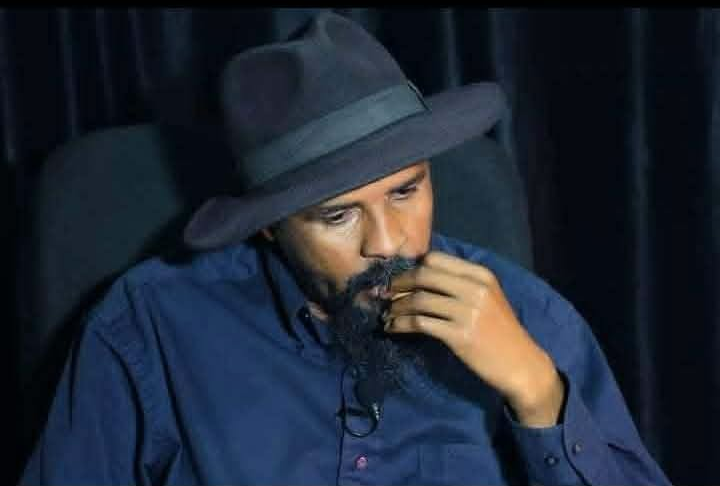
በኢትዮጵያ ፖለቲካ ተለዋዋጭ ሁኔታዎች ውስጥ፣ የትግራይ ህዝብ ነጻነት ግንባር በጊዜ ያልተፈወሱ ቁስሎችን ተቀብሏል—እና የኦሮሞ ህዝብ በዚህ እየተገለጠ ባለው ድራማ ውስጥ ማዕከላዊ ተዋናይ ሆኖ ይቀራል
በኢትዮጵያ ፖለቲካ ታሪክ መዝገቦች ውስጥ፣ ጥቂት ድርጅቶች እንደ ትግራይ ህዝብ ነጻነት ግንባር (ትህነግ) ከፍ ያለ እና በአስደናቂ ሁኔታ የወደቀ አሉ። ለሦስት አስርት ዓመታት ያህል፣ የኢትዮጵያን ኢምፓየር የፖለቲካ መልክዓ ምድር በብረት እጅ ተቆጣጥሮ፣ ራሱን እንደ አብዮታዊ ህጋዊ መንግስት አድርጎ ያቀረበ ነበር። ዛሬ ግን ትህነግ በጊዜ ሊረሱ የማይችሉ ቁስሎችን ሲያስተናግድ ይገኛል—በውጭ ጠላቶች ሳይሆን ለማስገዛት በፈለገው ህዝብ የተጎዱ ቁስሎች።
የአባ ኤባ ነጸብራቅ የትህነግን “ሁለት ቁጭቶች” አሳዛኝ ትንተና ያቀርባል—ቁጭቶች በእሱ አመለካከት ከኦሮሞ ህዝብ እና ከመነቃቃቱ ጋር የማይነጻጠሩ ናቸው። እነዚህ ወታደራዊ ሽንፈቶች ብቻ ሳይሆኑ ትህነግ መቀበል ወይም ማስኬድ ያልቻለው የሞራል እና የፖለቲካ ሂሳብ አጠቃላይ ግምገማዎች ናቸው።
የመጀመሪያው ቁጭት፡ የመቀሌ ውድቀት
“ለ27 ዓመታት፣ ‘የጥንቸልን ቆዳ ዝሆን ላይ ማጥለቅ አይቻልም’ እንደሚባለው፣ ትፕልፍ ቆዳውን ከአካሉ በላይ ለሆነ ኢምፓየር ለመዘርጋት ሞክሯል። በመጨረሻው ሰዓት፣ የኦሮሞ ቁርጥ ቀን ልጆች—ቄሮና ቀሬ—ባዶ እጃቸውን ታንክ ፊት ቆመው አገዛዙን አዋረዱ። ትፕልፍ ሀብቱን አዝረክርኮ ወደ መቀሌ እንዲሸሽ አስገደዱት። ይህ ዛሬ ድረስ ያልሻረ የመጀመሪያው ቁጭት ነው።”
የ2018 የኦሮሞ ተቃውሞ የፖለቲካ አመጽ ብቻ አልነበረም—በኢትዮጵያ የፖለቲካ መልክዓ ምድር ውስጥ የመሬት መንቀጥቀጥ ነበር። ቄሮና ቀሬ በመባል የሚታወቁት የኦሮሞ ወጣቶች ትህነግ ሊቆጣጠረው ባልቻለው የህዝብ ተቃውሞ ማዕበል ተነሱ። ተቃውሞዎቹ ያልተማከሉ፣ መሪ የሌላቸው፣ ነገር ግን ለፍትህ፣ ለእኩልነት፣ እና ለትፕልፍ የበላይነት መጨረሻ በሚጠይቁ ጥያቄዎች ላይ በሚያስደንቅ ሁኔታ የተወዳጁ ነበሩ።
በ27 ዓመታት የኢትዮጵያን አገዛዝ የቆጣጠረው ትህነግ፣ ወደ ሰሜናዊው ምሽጉ መቀሌ ለመሸሽ ተገዷል። ይህ በተቀናቃኝ ወታደራዊ ኃይል የተጎዳ ሽንፈት አልነበረም ነገር ግን በጦር መሳሪያ በሌላቸው ሰላማዊ ተቃዋሚዎች ፊት መውደቅ ነበር። ቁጭቱ ጥልቅ ነበር እና እንደ አባ ኤባ ገለጻ፣ በትፕልፍ አመራር ዘንድ በጭራሽ ተቀባይነት አላገኘም።
“ትህነግ የተሸነፈው ከኦሮሚያ እስከ ዳር ዳር በተቀጣጠለው የህዝብ ማዕበል—የኦሮሞ ነጻነት ትግል አካል በሆነው ማዕበል ነው። ይህ የማይካድ እውነት ነው። ኦሮሞ ዝሆን ነው፤ ሲረግጥ ይደፈጥጣል። ትህነግ ይህንን እውነታ ቢወደውም ባይወደውም ለመዋጥ ተገዷል።”
ሁለተኛው ቁጭት፡ ወደ መቀሌ መመለስ
ሁለተኛው ቁጭት የመጀመሪያውን ተከትሏል። መጀመሪያ ወደ መቀሌ ከተሸሸ በኋላ፣ ትህነግ በብሔራዊ መድረክ ላይ ተፅዕኖውን እንደገና ለማረጋገጥ ፈለገ። ከተለያዩ ኃይሎች—በተለይም በአማራ የፖለቲካ ህዝቦች መካከል ያሉ—ጋር ህብረት ፈጠረ እና የብልጽግና ፓርቲን መንግስት ለመቃወም ሞከረ።
ነገር ግን ይህ ጥረት በሌላ ሽንፈት አበቃ። ትህነግ እንደገና ወደ መቀሌ ለመሸሽ ተገዷል፣ ምኞቶቹን እና አጋሮቹን ትቶ፣ እሱ ባቀጣጠለው እሳት እየተቃጠለ። ይህ ሁለተኛ ሽንፈት፣ አባ ኤባ በሚከራከሩት መሠረት፣ ጥሬ እና ያልተስተካከለ ሌላ ቁጭት ነው።
“ትህነግ ወደ ፊንፊኔ ሊመለስ ሲል፣ እሱ ባቀጣጠለው እሳት ሲቃጠል አገኘ። ያለ ቅጣት አስተናግዶ ወደ መቀሌ ለመመለስ ተገዷል—ሌላው ያላሻረ ቁጭት።”
ያልተማረው ትምህርት
እነዚህ ቁጭቶች ቢኖሩም፣ ትህነግ ትምህርቱን አልተማረም። ይልቁንም፣ ለአዲስ ጦርነት መዘጋጀቱን ቀጥሏል፣ ይህንን ጊዜ በብልጽግና ፓርቲ መንግስት ሽፋን ተጠቅሟል። ከአራት ዓመት ያልቀረ ወታደራዊ ዝግጅት በኋላ፣ ትህነግ እንደገና ወደ ግጭት ለመግባት እየተዘጋጀ ነው።
አባ ኤባ ይህ ዝግጅት የበቀል ፍላጎት እንደሆነ ያስጠነቅቃል—ለኦሮሞ ህዝብ ለተፈጸሙ ቁጭቶቹ መውጫ የማግኘት ፍላጎት። “በብልጽግና ፓርቲ መንግስት ሽፋን፣ ትህነግ ለያለፉት ቁጭቶቹ በህዝባችን ላይ ቂም ለመውጣት እየፈለገ ነው።”
አላስፈላጊው ዋጋ
አባ ኤባ አሳሳቢ ጥያቄ ያነሳል፡ ለትህነግ ምኞቶች የኦሮሞ ህዝብ ለምን ዋጋ መክፈል አለበት? ኦሮሚያ በራሱ ፈጠራ ባልሆኑ ግጭቶች ውስጥ ለምን የጦር ሜዳ መሆን አለበት?
“ትህነግ ዛሬም ሆነ ትናንት 600 ኪሎ ሜትር ወደ ሀገሪቱ ልብ ወደ ኢትዮጵያ የዳቦ ቅርጫት ወደ ኦሮሚያ መጓዝ አያስፈልገውም ነበር። ደርግ ሲወድቅ እንደ ኤርትሪያ ነጻነት ማወጅ ይችል ነበር፣ እና ዛሬም ይችላል። ያስፈልገዋል የራሱን ሂሳብ ማወራረድ እና የህዝቡን ፈቃድ ማግኘት ብቻ ነው።”
ትህነግ ሽንፈትን ለመቀበል ፈቃደኛ አለመሆኑ የኦሮሞ ህዝብ በብዙ ስጋቶች መካከል እንዲጣላ አድርጓል። በአንድ በኩል፣ የትህነግ ቀጣይ ወታደራዊ ዝግጅቶች እና የበቀል ፍላጎት አለ። በሌላ በኩል ደግሞ እንደ ፋኖ ያሉ ኃይሎች እና ሌሎች የታጠቁ ቡድኖች የኦሮሞን ማህበረሰቦች ኢላማ አድርገዋል።
የኦሮሞ ልሂቃን ሃላፊነት
አባ ኤባ ጣቱን ወደ ኦሮሞ ልሂቃን ይመራል፣ ሃላፊነታቸውን በመወጣት መውደቃቸውን በመክሰስ። ለኢትዮጵያ ኢምፓየር በመቃወም ትግል ውስጥ ከፍተኛውን ዋጋ የከፈለው የኦሮሞ ህዝብ፣ አሁን የሁለት ዓይነት ስጋቶች ይጋፈጣል፡ የትህነግ የበቀል ጥማት እና የኦሮሞ ልሂቃን የትግሉን ጥቅሞች ለመጠበቅ አለመቻላቸው።
“የኦሮሞ ልሂቃን በኦሮሞ ህዝባዊ ትግል የተገኘውን ታሪካዊ ድል ለመጠበቅ አልቻሉም። የህዝቡን የዴሞክራሲ፣ የፍትህ፣ እና የራስን ዕድል በራስ መወሰን ህገመንግስታዊ መብት ከመጎዳት ለመጠበቅም አልቻሉም።”
ይህ መውደቅ፣ አባ ኤባ በሚከራከሩት መሠረት፣ የኦሮሞ ህዝብ እንዲገለል እና በጎረቤቶቹ ዘንድ በጥርጣሬ እንዲታይ አድርጓል። የኦሮሞ ልሂቃን ወደ ፊት ለመምጣት አለመቻላቸው ህዝቡን ለመጠቀሚያ እና ለመገለል ተጋላጭ አድርጓል።
ለንቃት ጥሪ
አባ ኤባ ለኦሮሞ ህዝብ በሚያቀርቡት መደምደሚያ ጥሪ ላይ፡
“ህዝባችን ለሚመጣው ጦርነት አደጋ ከወዲሁ ራሱን ማዘጋጀት እና ሁኔታውን በንቃት መከታተል አለበት እላለሁ። በትህነግ ሆነ በፋኖ ኃይሎች እየተዘጋጀ ያለው ጦርነት ለመጪው የኦሮሞ ትውልድ ስጋት ነው። ቆራጥ እርምጃ ተወስዶ ቀጣይነት ያለው መፍትሄ ሊገኝለት ይገባል።”
በአጥብቆ ይናገራል ኦሮሚያ ለሌሎች ምኞቶች ማቅለጫ ሆና መቆየት እንደሌለባት። “ኦሮሚያ የፋኖ ወይም የትህነግ መረማመጃ አትሆንም! በቁርጥ ቀን ልጆቿ ነጻ ወጥታ ተከብራና ተፈርታ ለዘለዓለም ጸንታ ትኖራለች።”
ታሪካዊ ማስጠንቀቂያ
የአባ ኤባ ነጸብራቅ ወቅታዊ የፖለቲካ ትችት ብቻ አይደለም—ታሪካዊ ማስጠንቀቂያ ነው። የኦሮሞ ህዝብ ትህነግ በምኞቶቹ ውስጥ እንዳልተተወ እና ሁለቱ ቁጭቶች እንዳልፈወሱ ያስታውሳቸዋል። ነገር ግን ነጸብራቁ የተስፋ እና የቁርጠኝነት መልእክትም ይዟል። የኦሮሞ ህዝብ አንዴ ከተነሳ፣ እንደገና ሊነሳ ይችላል። ዝሆን ከዚህ በፊት ጠላቶቹን ደፍጦአል፣ እንደገናም ይችላል።
መደምደሚያ
የትህነግ ሁለት ቁጭቶች ወታደራዊ ወይም የፖለቲካ ሽንፈቶች ብቻ አይደሉም—ድርጅቱ መቀበል ያልቻላቸው ምሳሌያዊ ቁስሎች ናቸው። ትፕልፍ ከታሪኩ ለመማር ፈቃደኛ አለመሆኑ የኦሮሞ ህዝብ አዲስ ስጋት እንዲገጥም አድርጓል። ነገር ግን የኦሮሞ ህዝብ፣ ኃይሉን አሳይቶ፣ አስቸጋሪ አይደለም።
እንደ አባ ኤባ ገለጻ፡ “ኦሮሚያ የፋኖ ወይም የትፕልፍ መረማመጃ አትሆንም! በቁርጥ ቀን ልጆቿ ነጻ ወጥታ ተከብራና ተፈርታ ለዘለዓለም ጸንታ ትኖራለች።”
ዝሆን ከዚህ በፊት ጠላቶቹን ደፍጦአል፣ እንደገናም ይችላል።
ቸር ያሰማን!
Dirree Incinnii: A Legacy of Resistance, A Future of Progress
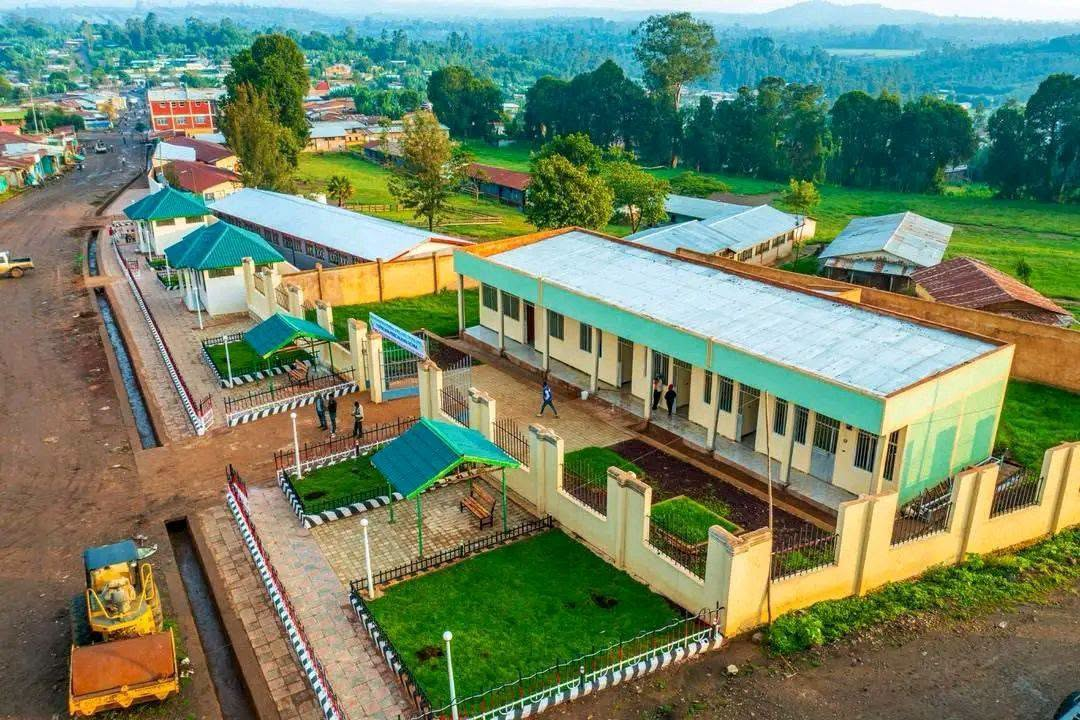
Community and government join hands to inaugurate 23 development projects worth over 278 million birr in a district shaped by heroism and resilience
DIRREE INCINNII, OROMIYA — There are places in the world where history and hope meet—where the struggles of the past become the foundation for the dreams of the future. Dirree Incinnii, a district in West Shewa Zone, is one such place. Rich in natural resources and agricultural abundance, it is also a land steeped in the memory of heroism, anti-slavery struggles, and the enduring legacy of Oromo resistance.
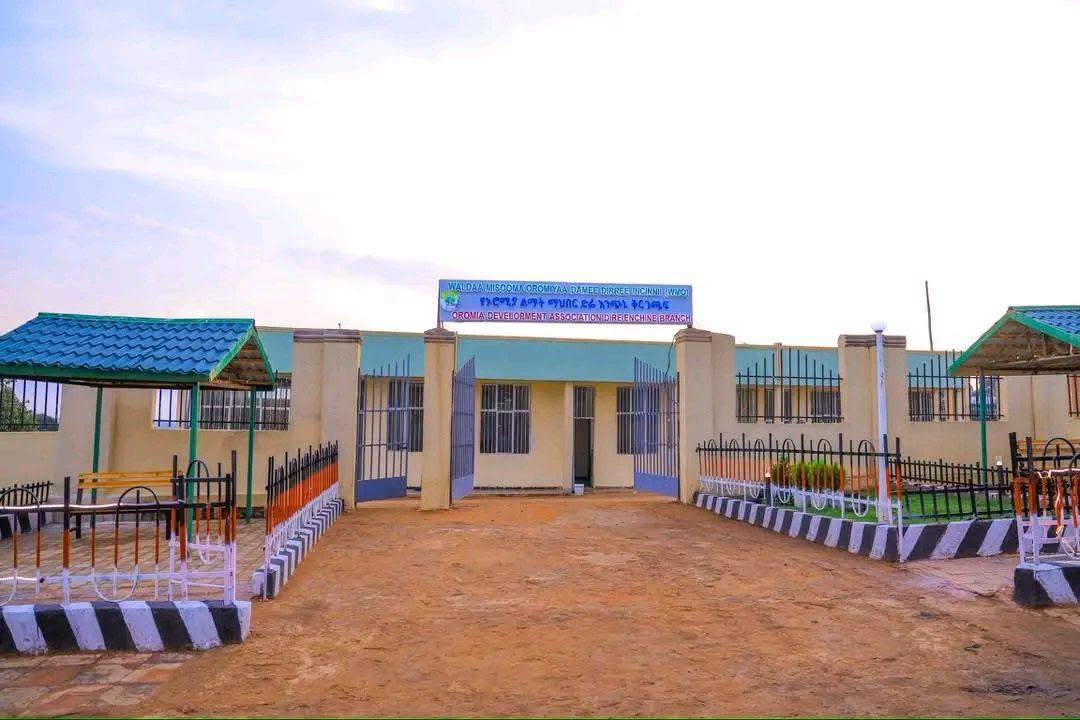
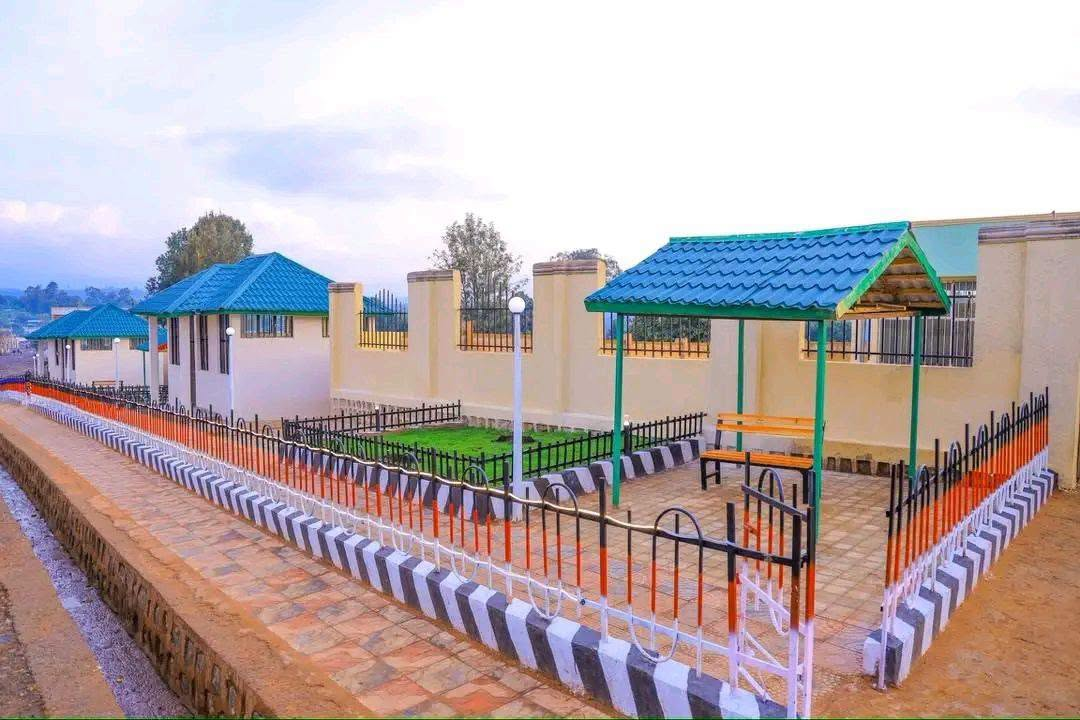
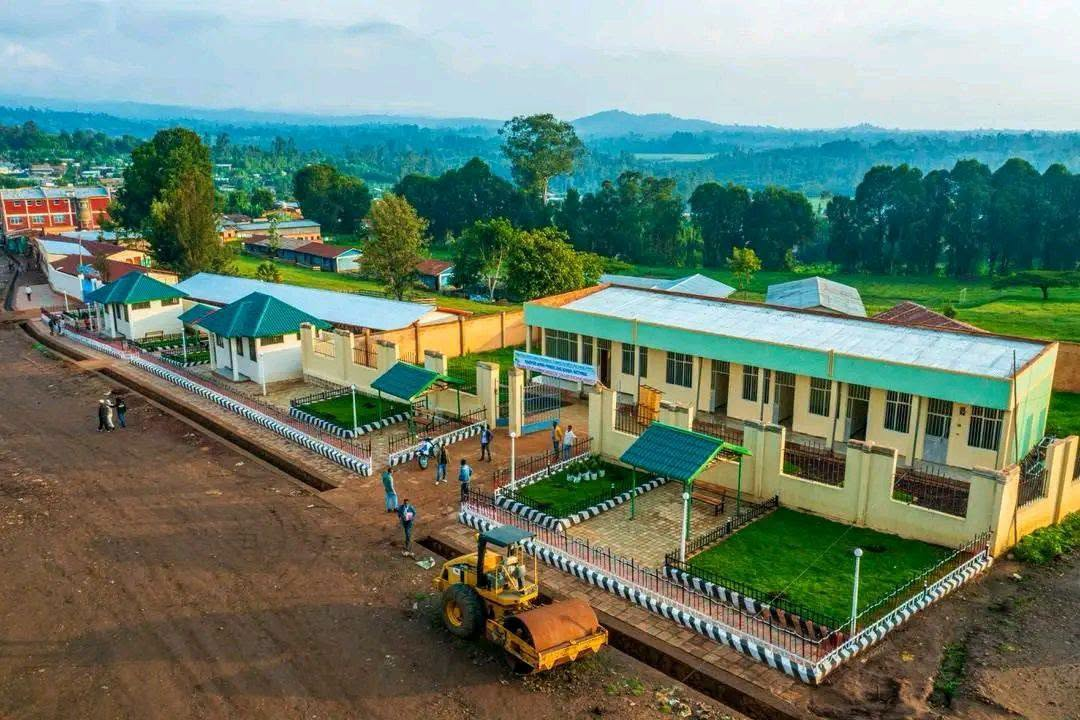
On Adoolessa 16, 2018, this proud community came together to celebrate a new chapter in its journey. In a ceremony filled with gratitude and pride, 23 community development projects—valued at over 278.7 million birr—were officially inaugurated. These projects, built through a combination of community participation and government budget, represent not just physical infrastructure but the collective will of a people determined to build a better future.
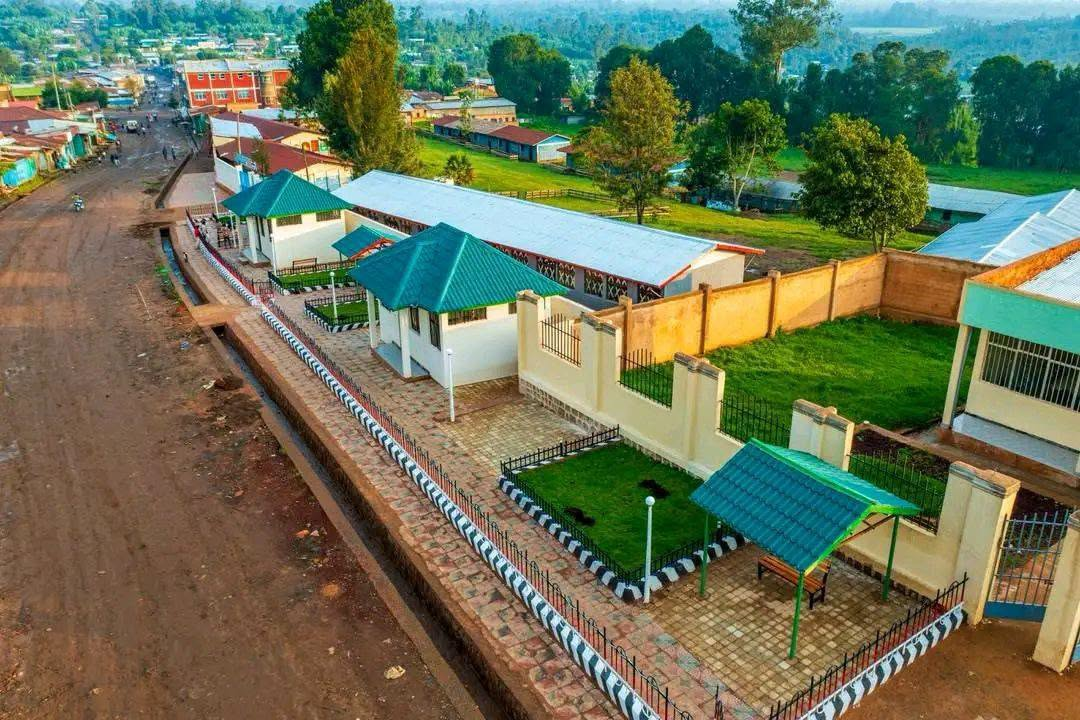
A Day of Celebration and Gratitude
“Uummatni Aanaa Dirree Incinnii Marti Baga Guyyaa Eebba Pirojektota bajata Mootummaa fi hirmaannaa keessaaniin hojjettanii tokkummaa keessan itti agarsiiftanii fi firii dadhabbii keessanii ijaan agartan.”
The people of Dirree Incinnii were greeted with a message of celebration: “Happy Inauguration Day of the Projects built with government budget and your participation—where you have shown your unity and demonstrated the fruits of your sacrifice with your own hands.”
The ceremony was a testament to the power of collective effort. The projects were not handed down from above; they were built from the ground up, with the active participation of the community. From the planning stages to the final construction, the people of Dirree Incinnii contributed their labour, their resources, and their unwavering commitment to the development of their district.
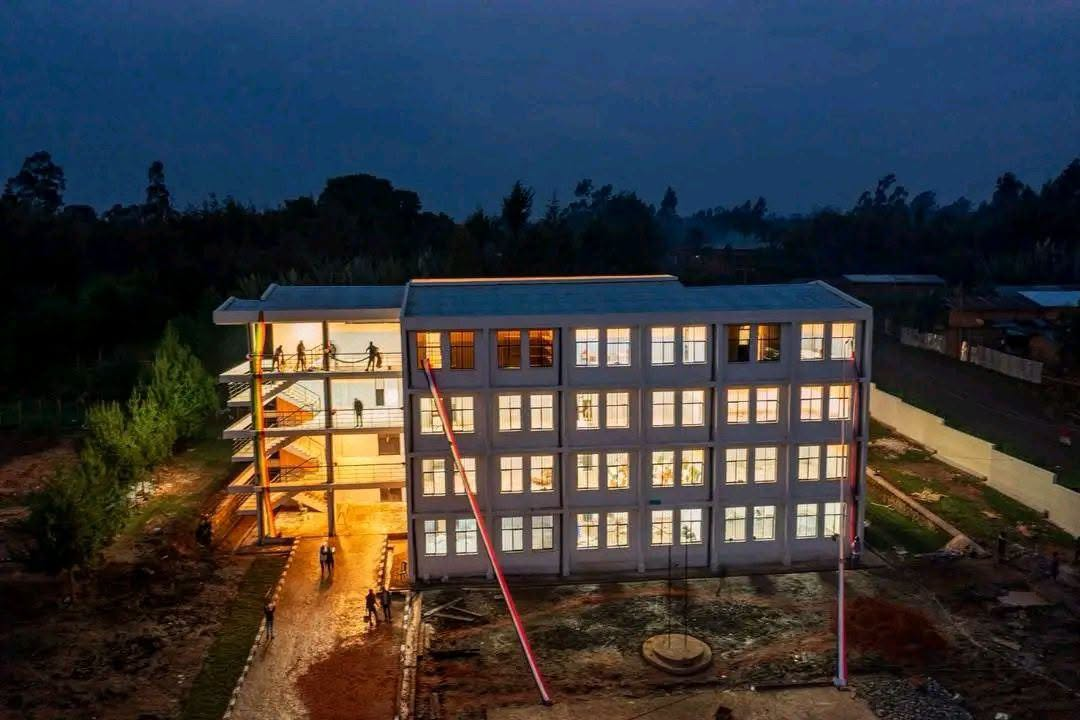
23 Projects, One Vision
“Pirojektoonni baay’inni isaanii 23 ta’an, kanneen akka magariisummaa magaalaa, riqicha, mana barumsaa oolmaa addaa hirmaannaa hawaasaatiin ijaarame, dareewwan dabalataa, dijitaala laibraarii fi kanneen biroo maallaqa miiliyoona 278.7 oliin ijaaramee xumuramee eebbaaf qaqqabee jira.”
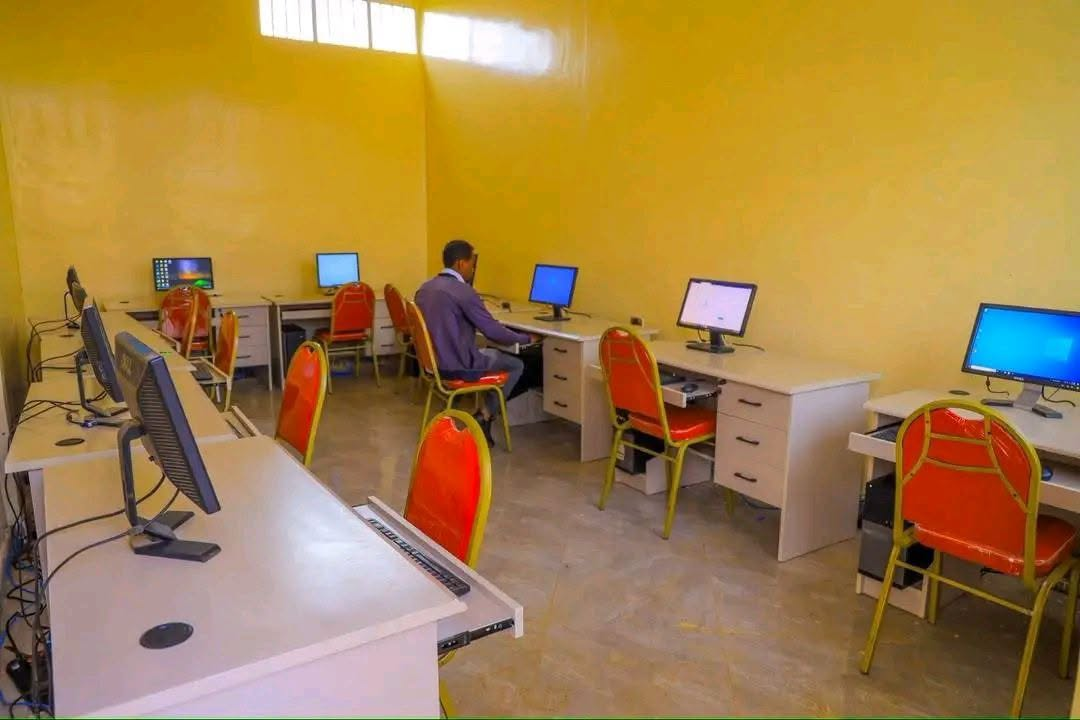
A total of 23 projects have been completed, including:
- Urban greenery initiatives: Beautifying and greening the district
- A clinic: Improving access to healthcare for the community
- A special needs school: Built with community participation, ensuring inclusive education
- Additional classrooms: Expanding access to quality education
- A digital library: Bringing technology and knowledge to the district
These projects, valued at over 278.7 million birr, represent a comprehensive investment in the future of Dirree Incinnii. They address the core needs of the community—health, education, and environmental sustainability—while laying the foundation for long-term growth and prosperity.
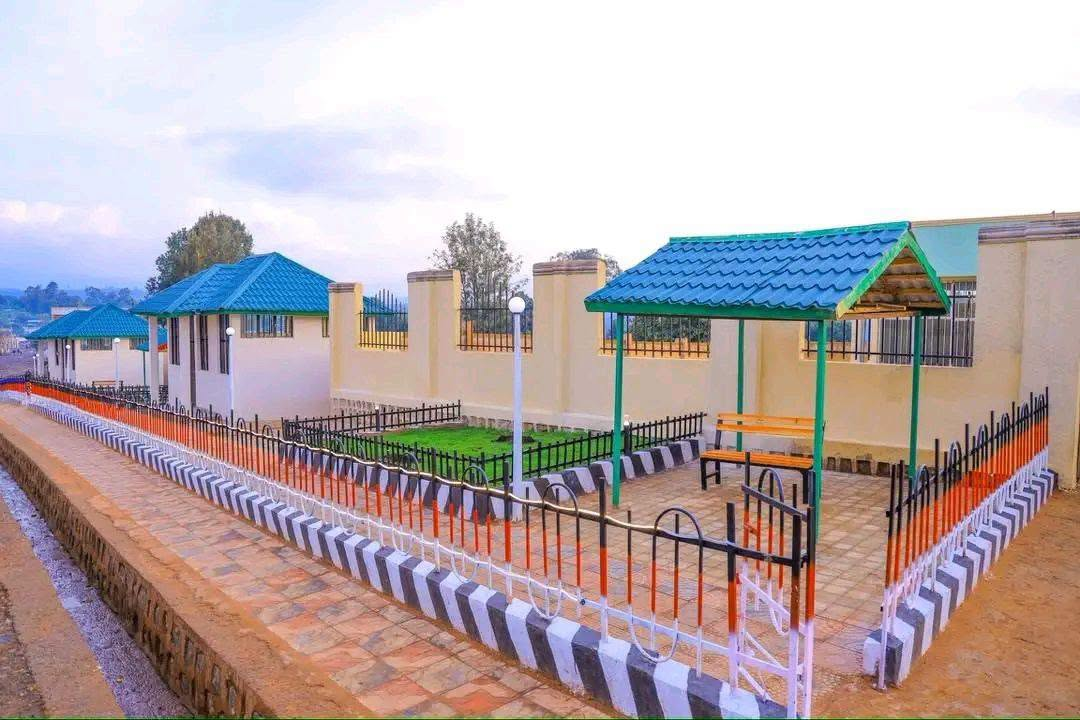
Community Participation: The Key to Success
“Tumsii hawaasni Dirree Incinnii fi jaalattoonni aanichaa bakka garaa garaa garaa jiran karoora waloon qopheessuun, koree dhaabanii milkaa’ina pirojektoota aanichaaf deeggarsa guddaa taasisaniiru.”
The success of these projects is a direct result of the active participation of the community. The people of Dirree Incinnii, along with supporters from various places, prepared a joint plan, established a committee, and worked tirelessly to ensure the success of the projects. Their collective effort demonstrates the power of unity and the importance of community ownership in development.
The projects were not imposed from outside—they were built by the community, for the community.
A District of Historical Significance
“Aanaan Dirree Incinnii badhaadhina uumamaa fi omisha qonnaatiin qofa osoo hin taane, seenaa gootummaa, falmaa diddaa garbummaa fi gootota seenaa Oromoo keessatti iddoo guddaa qabdi.”
Dirree Incinnii is not merely a land of natural wealth and agricultural production—it is a place steeped in the history of heroism, anti-slavery struggles, and the legacy of Oromo heroes. The district’s rich history of resistance and resilience serves as an inspiration for its current development efforts.
The spirit of the ancestors who fought against oppression lives on in the determination of the current generation to build a better future.
A Vision for Transformation
The inauguration of these projects marks a significant milestone in the transformation of Dirree Incinnii. It reflects the broader vision of the current leadership to address socio-economic challenges, improve education, and foster community participation.
As the community celebrates these achievements, it does so with a deep appreciation for its history and a hopeful vision for a prosperous future. The district’s journey from a history of struggle to a present of progress is a testament to the resilience and determination of the Oromo people.
Conclusion
The inauguration of 23 community development projects in Dirree Incinnii is more than a celebration of infrastructure—it is a celebration of unity, resilience, and hope. It is a testament to what can be achieved when a community comes together, when government and people work hand in hand, and when the spirit of sacrifice is matched by the vision of transformation.
As the people of Dirree Incinnii look to the future, they carry with them the legacy of their ancestors—the heroes who fought for freedom, the resisters who refused to be enslaved, and the visionaries who dreamed of a better tomorrow. In the classrooms, the clinics, and the green spaces that now grace their district, that dream is becoming a reality.
The Wisdom of Waaqeffannaa: Ancient Truths for a Modern World

In an age of ecological crisis, political division, and spiritual searching, the indigenous Oromo faith offers profound lessons in balance, justice, and harmony with creation
In the highlands and lowlands of the Horn of Africa, long before the arrival of Christianity and Islam, the Oromo people developed a sophisticated spiritual worldview centred on one supreme Creator: Waaqa . This ancient faith, known as Waaqeffannaa, is not merely a relic of the past but a living tradition whose core principles speak directly to the most pressing challenges of our time.
From the climate crisis to the erosion of democratic values, from social fragmentation to the loss of meaning, the wisdom of Waaqeffannaa offers a coherent and ethical framework for navigating a complex world. It reminds us that we are not separate from nature, that balance is the foundation of all well-being, and that truth is sacred.
The Core Principles
Waaqa: The One God
At the heart of Waaqeffannaa lies a steadfast belief in Waaqa Tokkicha—the One God. The Oromo have historically been monotheistic, never substituting other gods or carved statues for their Waaqa . This supreme being is understood through attributes that, in their simplicity, speak to a profound understanding of the divine:
- Uumaa: The creator of everything in the world
- Hunda Beekaa: The all-knowing (omniscient)
- Hunda Danda’aa: The all-powerful (omnipotent)
- Hundaa Tola’a: The all-good (omnibenevolent)
- Qulqulluu: Pure
- Gonkumaa Kan Hin Duune: Immortal, eternal
Waaqa is also the “source and lover of dhugaa (truth)” . This emphasis on truth is not merely theological—it is an ethical call to live with integrity, honesty, and justice.
Safuu: The Moral Order
One of the most powerful concepts in Waaqeffannaa is Safuu—the moral and spiritual balance that Waaqa offered to human beings . Safuu governs relationships between humans, the community, the divine, and nature. It is not merely a list of rules but a cosmic order that must be maintained for Nagaa (peace, well-being, and balance) to prevail.
When Safuu is broken—through lying, stealing, harming nature, or breaking sacred oaths—it is a sin (cubbuu) that disrupts the harmony of the universe . Unlike in some other traditions, however, the consequences of sin are experienced during earthly life, not in an afterlife. There is no concept of eternal punishment in hell . This places responsibility squarely on human beings to create a just and balanced world here and now.
Ayyaana: Divine Manifestations
The power of Waaqa is manifested through Ayyaana, a divine spirit that serves as an intermediary between God and the world . The Ayyaana are “both that causes something to come into being and to become that which it has caused” . They are not additional gods but manifestations of the divine essence of Waaqa.
All creatures (Uuma) are believed to be assigned an Ayyaana by Waaqa for guidance and protection . This belief has profound ethical implications: all life is sacred, all beings are guided, and all existence is interconnected.
Uumaa: Creation as Sacred
The Oromo concept of Uumaa includes the sky, water (laga), trees (muka), and mountains (tullu) as sacred elements . The most sacred of these is the Odaa tree (sycamore), considered a symbol of justice and often used as a site for prayer, community gatherings, and conflict resolution .
The Oromo believe that “they suck the breast of the Earth as the baby sucks its mother’s breast. All things originate from the Earth and depend on the resources of the Earth for their survival” . This profound connection to nature makes environmental stewardship a religious duty, not a political option.
The Institutional Pillars
The Gadaa System
Waaqeffannaa is closely linked with the Gadaa system, the indigenous democratic governance structure of the Oromo people . The Gadaa system is recognized by UNESCO as an Intangible Cultural Heritage of Humanity. It is a sophisticated republican model of governance marked by “codified separation of powers, democratic deliberation, and jurisprudential sophistication” .
According to the Oromo worldview, knowledge is classified into two types:
- Beekumsa addaa: Cultural and customary knowledge
- Beekumsa seeraa: Knowledge of laws, subdivided into:
- Seera Waaqaa: The law of God—immutable
- Seera Namaa: The laws of human beings—changeable through consensus and democratic means
The Gadaa system embodies principles of equality, participatory democracy, and the peaceful transfer of power, principles that predate Enlightenment republicanism by centuries . American anthropologist Bonnie Holcomb noted that Gadaa “organized the Oromo people in an all-encompassing democratic republic even before the few European pilgrims arrived from England on the shores of North America and only later built a democracy” .
The Qaalluu Institution
The Qaalluu (male priest) and Qaallitti (female priestess) serve as spiritual intermediaries and guardians of the laws of Waaqa . The term Qaalluu derives from the Oromiffa word qull, meaning “pure, holy, sacred, blameless, black” .
The Qaalluu and Qaallitti are expected to remain politically neutral, condemn tyranny, and support the democratic Gadaa system . They have the power to give or withhold blessings to the Gadaa leadership as they see fit, serving as a powerful check on political power.
The Abbaa Muudaa, regarded as the highest Qaalluu and a prophet, receives pilgrims seeking blessings and anointment . Those who make the pilgrimage must pass the highest moral standards of society and are given the title Jila (saintly people), qualifying them to perform rituals and sermons in their clans and villages .
Women’s Institutions
Waaqeffannaa recognizes women’s spiritual authority and rights through specific institutions. The Siinqee is a ritual stick given to married women, symbolizing their dignity and protection against violence and injustice . If a woman’s rights are violated, she can raise the Iyya Siinqee (Siinqee scream), which mobilizes all women in the community to support her cause .
The Maaram is the divinity of women, considered “another creation of Waaqa” and the mother of the ocean. Maaram was believed to help barren women conceive and help pregnant women give birth without complications . The Qaalluu pray for Maaram biweekly for fertility and children .
The Rituals of Connection
The Irreechaa Festival
Irreechaa is the most prominent Oromo festival—the thanksgiving celebration at sacred lakesides held twice a year . It is a time to thank Waaqa for rain, harvest, and the gift of life .
“Irreecha is a celebration of fertility, love, and peace. We pray for peace not only for Ethiopia but for all of Africa and the world” . The festival draws millions of participants from across the Oromo community, dressed in traditional white attire to express their gratitude .
Irreechaa represents the deep spiritual connection between the Oromo people and the natural world. The ritual of putting wet grass (cogorsa) on riverbanks and sacred sites expresses thanks and respect for God, acknowledging the hope for the continuation of life .
The Ekeraa
The Waaqeffataa believe that when a person dies, they will be reunited with former loved ones in Iddoo Dhugaa (the Place of Truth) . They honour the spirits of the deceased and observe Ekeraa (the spirit of the deceased person) . Every year in December, they celebrate the Ekeraa with bread, cheese with butter, beer, and honey .
Lessons for the Modern World
Lesson 1: Environmental Stewardship as a Sacred Duty
The Oromo concept of interconnectedness with nature—expressed through Waaqa, Safuu, Ayyaana, and the Gadaa system—offers a powerful framework for ecological ethics . In a world facing climate crisis, biodiversity loss, and environmental degradation, the Oromo belief that “they suck the breast of the Earth as the baby sucks its mother’s breast” is a profound call to stewardship. When trees, water, and mountains are understood as sacred, they cannot simply be exploited for profit. Environmental protection becomes a religious obligation.
Lesson 2: Democracy Rooted in Indigenous Wisdom
The Gadaa system demonstrates that democratic governance is not a Western invention but has deep roots in African political thought . Its principles of separation of powers, participatory deliberation, and peaceful transfer of power offer a model of governance that predates and parallels European democratic traditions. The dual failure—by Abyssinia to transform internally and by Europe to learn externally—represents a profound historical loss for the global democratic evolution . Rediscovering Gadaa’s democratic wisdom is essential for reimagining governance in Africa and beyond.
Lesson 3: Balance and Harmony as Moral Principles
Safuu, the Oromo concept of moral and spiritual balance, is a powerful corrective to the extremism that characterises much of modern life. The breach of Safuu disrupts the harmony of the universe; the restoration of Safuu is essential for peace and well-being . This principle applies equally to politics, economics, social relations, and our relationship with nature.
Lesson 4: Religious Tolerance and Coexistence
Waaqeffannaa has demonstrated a remarkable degree of tolerance in its historical interaction with Christianity and Islam. Scholars note “the historical symbiotic relationship between Waaqeffana and the major religions reflecting a significant degree of tolerance on the part of the former” . Whether the Oromo have become Christians or Muslims, “a true belief in one God (Waaqeffanna dhugaa) remains the basic tenet of Oromo identity” . This model of religious coexistence offers a valuable lesson for societies divided by religious conflict.
Lesson 5: The Power of Oral Tradition and Living Wisdom
Waaqeffannaa has no written scriptures . Its wisdom is transmitted through oral tradition, ritual, and lived experience. This is not a weakness but a strength. It ensures that knowledge remains relevant, adaptable, and embedded in community practice. The Waaqeffataa believe that Waaqa gave human beings their minds to distinguish right from wrong, and the natural order as a guide to living well . This is a profound challenge to the modern tendency to rely on external authority rather than internal wisdom.
Conclusion
The wisdom of Waaqeffannaa is not a relic of the past but a living tradition with profound relevance for the present. Its core principles—the unity of God, the importance of truth and justice, the sacredness of nature, the value of democratic governance, and the necessity of balance and harmony—speak directly to the challenges of the modern world.
As the Oromo continue to revive and celebrate their faith, they offer a gift to the wider world: a vision of life that is spiritually rich, ecologically sustainable, socially just, and deeply human. In an age of fragmentation and crisis, the wisdom of Waaqeffannaa is a light worth following.
“Whether the Oromo are Christians or Muslims, a true belief in one God remains the basic tenet of Oromo identity. This common denominator could be an important asset for democratization, creating harmony, understanding and better integration among the population” .
This feature draws on scholarly research, oral traditions, and the lived experience of the Oromo community, synthesising insights from Ethiopia’s largest ethnic group.
Dirree Incinnii Celebrates Inauguration of Major Community Development Projects
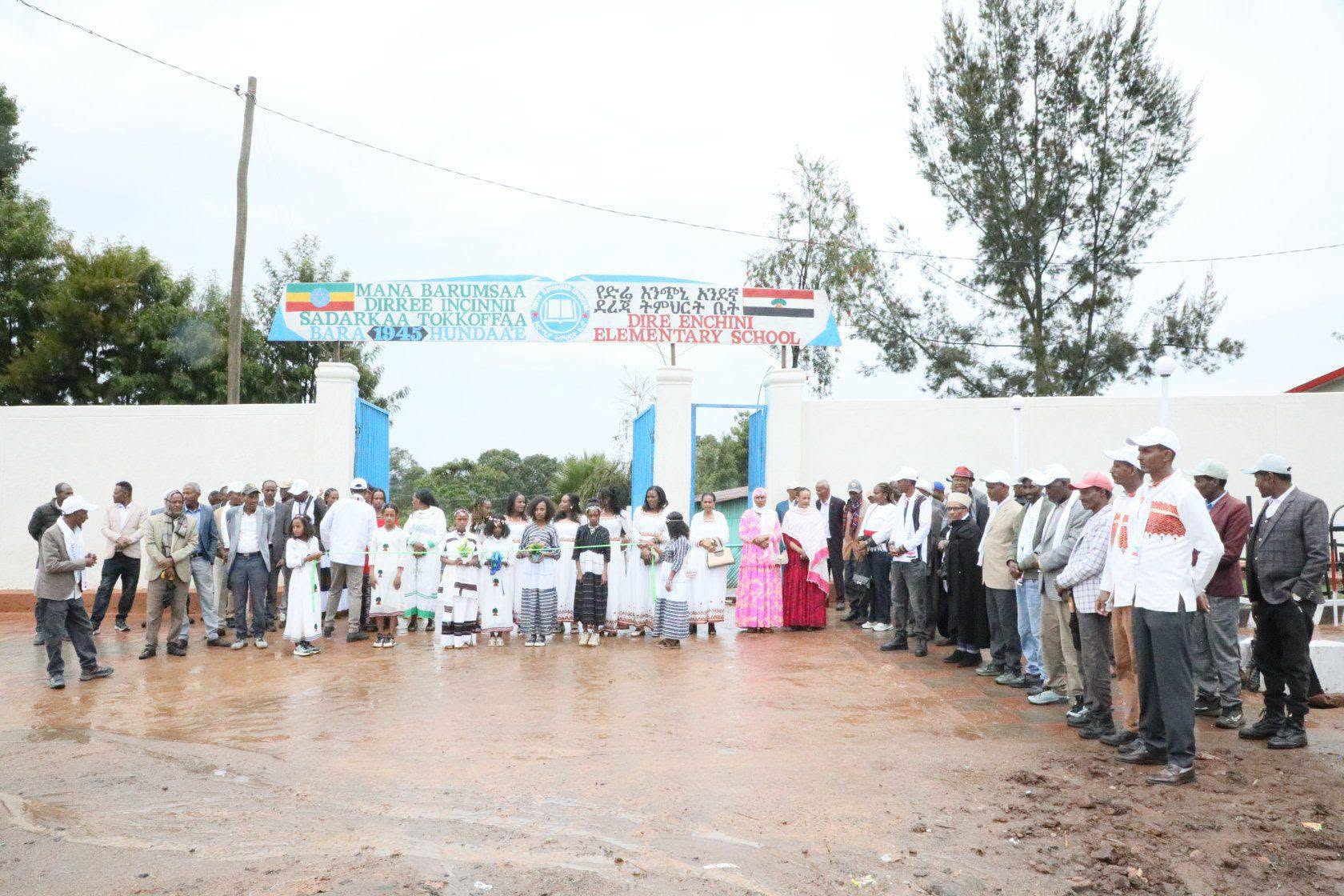
A symbol of resilience and progress, the district honours its history of resistance while embracing a future of transformation and growth
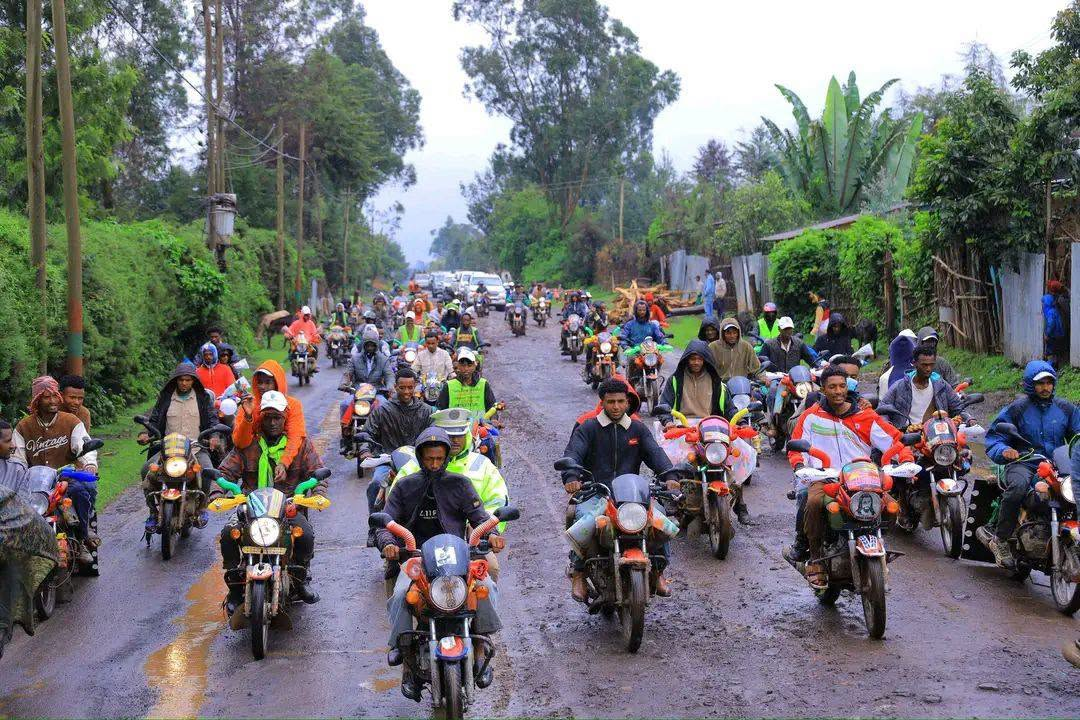
DIRREE INCINNII, OROMIYA — The district of Dirree Incinnii in West Shewa Zone is not merely a land of natural wealth and agricultural abundance—it is a place steeped in the history of Oromo resistance, a site where the struggle against oppression has left an indelible mark on the identity of its people. On Adoolessa 16, 2018, this proud community came together to celebrate the inauguration of a series of community development projects, marking a significant milestone in the district’s journey toward progress and prosperity.
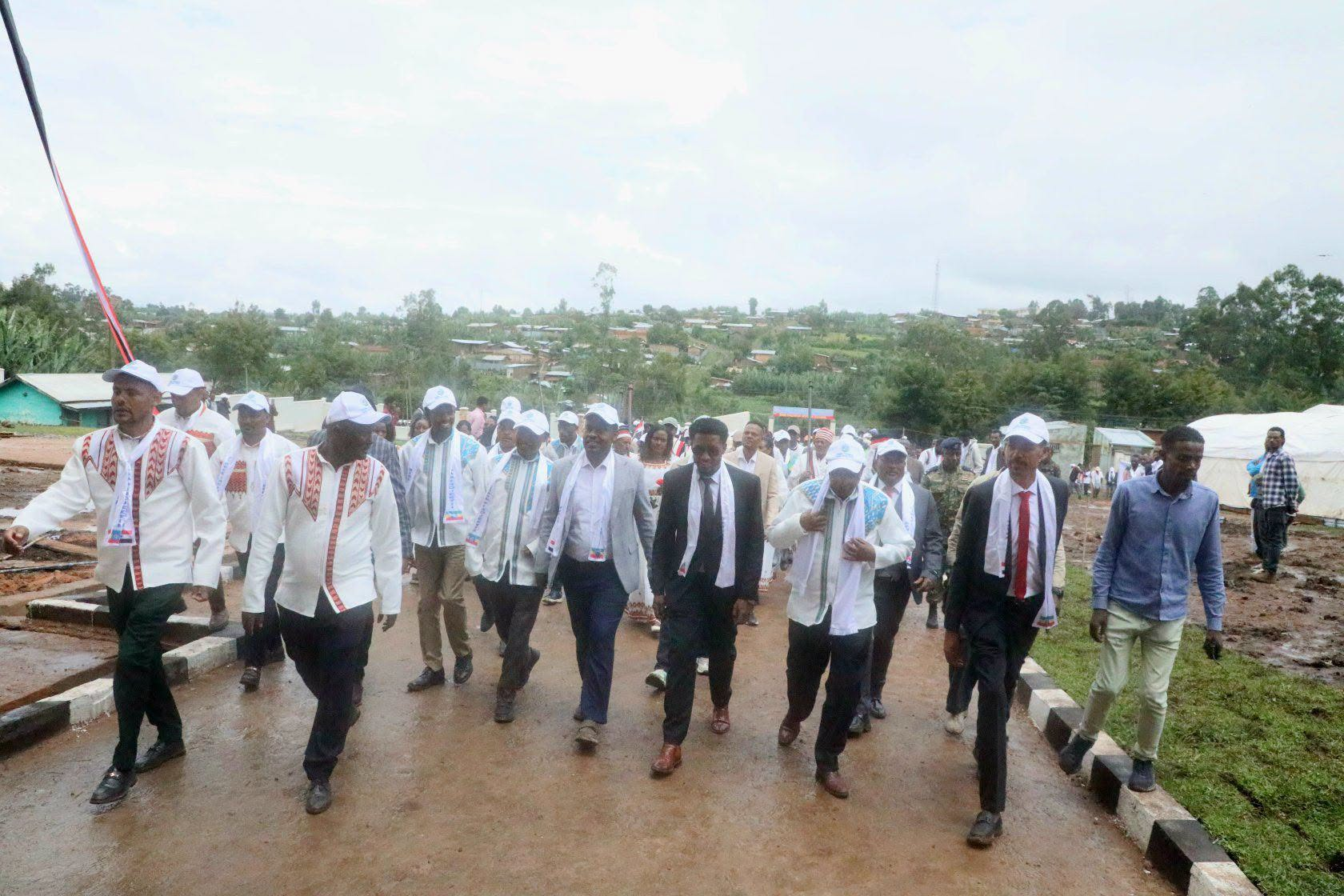
The projects, which have been implemented through a combination of community participation and government budget, were officially inaugurated in a ceremony that underscored the transformative vision of the current leadership.
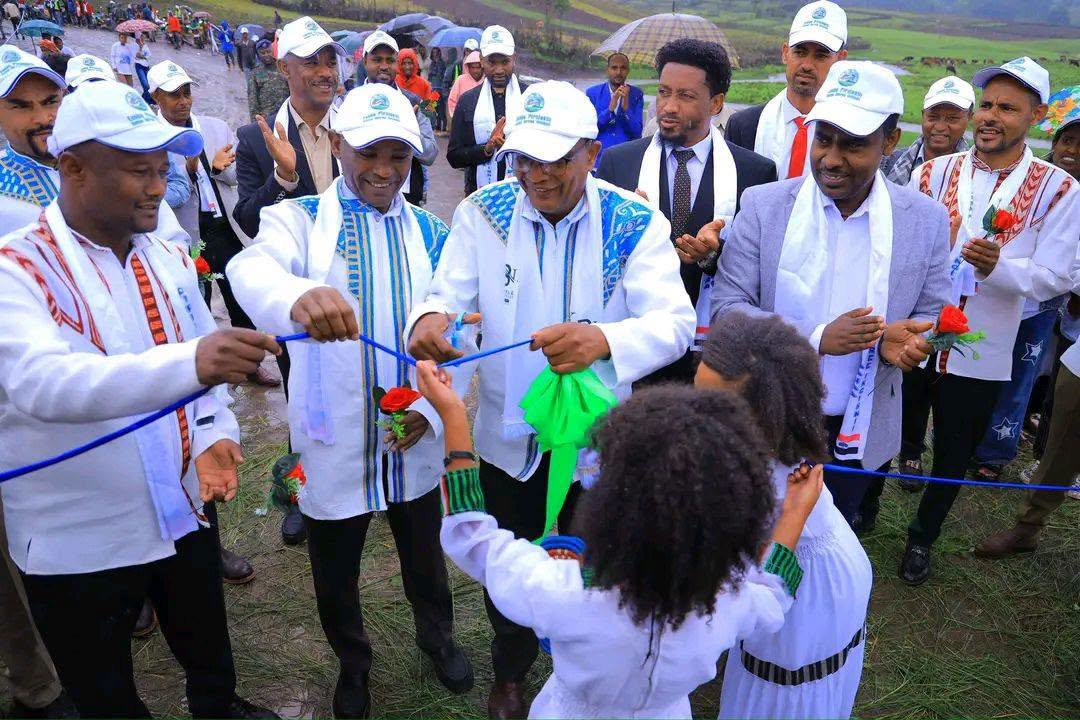
A Vision for Transformation
“Jijjiiramni amma addunyaan dinqisiifachaa jirtu kun tarsiimoo hoggansi jijjiiramaa ittiin hoggananiin mul’achuu danda’e.”
Speaking at the ceremony, the Administrator of West Shewa Zone, Ababa Camada, highlighted that the current transformation is a testament to the vision of the reformist leadership under the Abbaa Gadaa-led government. He noted that while economic resources existed in the past, there was a deliberate effort to weaken the Oromo people economically. However, today, under the new leadership, the era of instability has ended, and the focus has shifted to development.
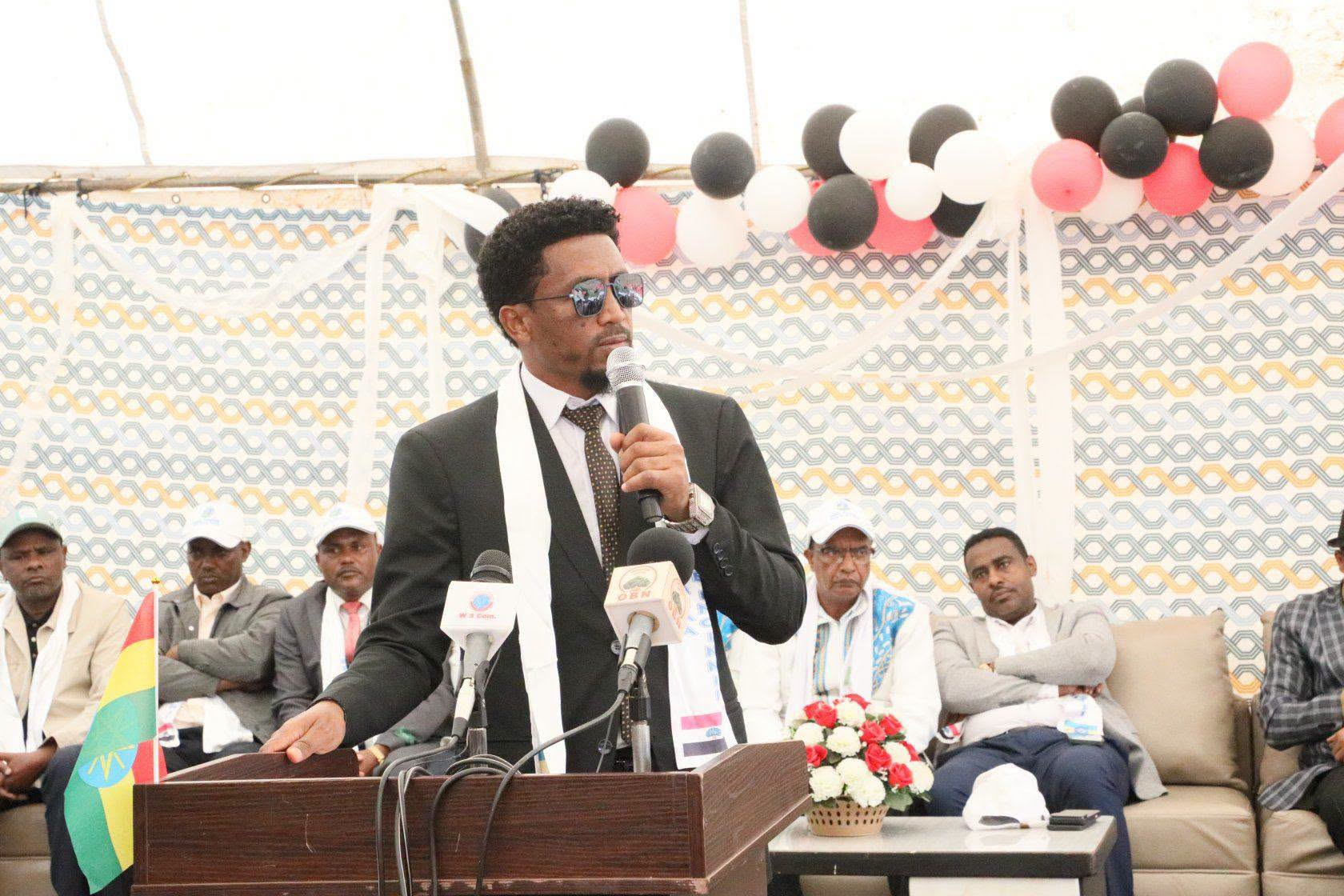
A Call for Vigilance and Unity
“Baroota darban keessa qormaata nageenyaa ture keessaa ba’uun pirojektoota gurguddaa rakkoo hawaas-dinagdee hiikuu danda’an eebbisuun wanta guddaadha. Ammas warra rakkoo uumanii deebi’anii isinitti himuu barbaadaniif gurra keessan gurra arbaa godhaa, jala hin qabinaa.”
The People’s Representative Council Representative, Kab. Gen. Hayiluu Gonfaa, called on the community to celebrate the achievement of emerging from past security challenges to inaugurate major projects that address socio-economic problems. He urged the people to remain vigilant against those who seek to destabilise the region, advising them not to be swayed by misleading voices.
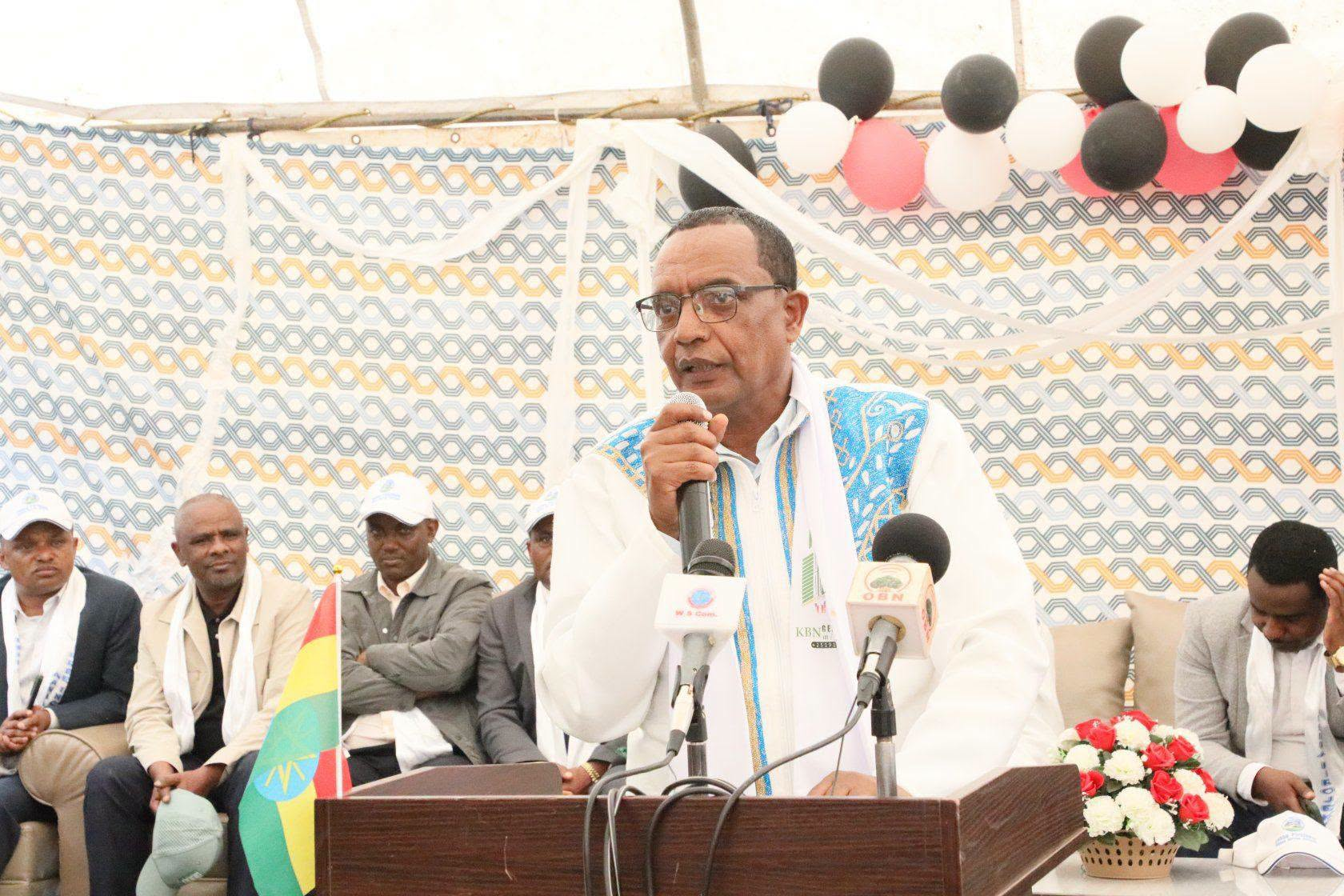
Education at the Forefront
“Sirnoota darban keessa cabsi barnootaa, teeknoloji fi qulqullinni barnootaa baay’ee kuufaatii yaaddeessaa keessa ture. Sana hubachuun bu’uura irratti hojjechuun hiikuuf hojiin guddaan hojjetamaa jira.”
The representative of the Oromia Education Bureau, Galaatuu Tukee, spoke about the critical state of education under previous regimes, where a collapse in education, technology, and quality was evident. He emphasised that significant work is now being done to address these challenges by building on the existing foundations. Efforts are underway to construct educational projects that align with cultural values.
23 Projects Inaugurated
“Pirojektootni baay’inni isaanii 23 ta’an, kanneen akka magariisummaa magaalaa, riqicha, mana barumsaa oolmaa addaa hirmaannaa hawaasaatiin ijaarame, dareewwan dabalataa, dijitaala laibraarii fi kanneen biroo maallaqa miiliyoona 278.7 oliin ijaaramee xumuramee eebbaaf qaqqabee jira.”
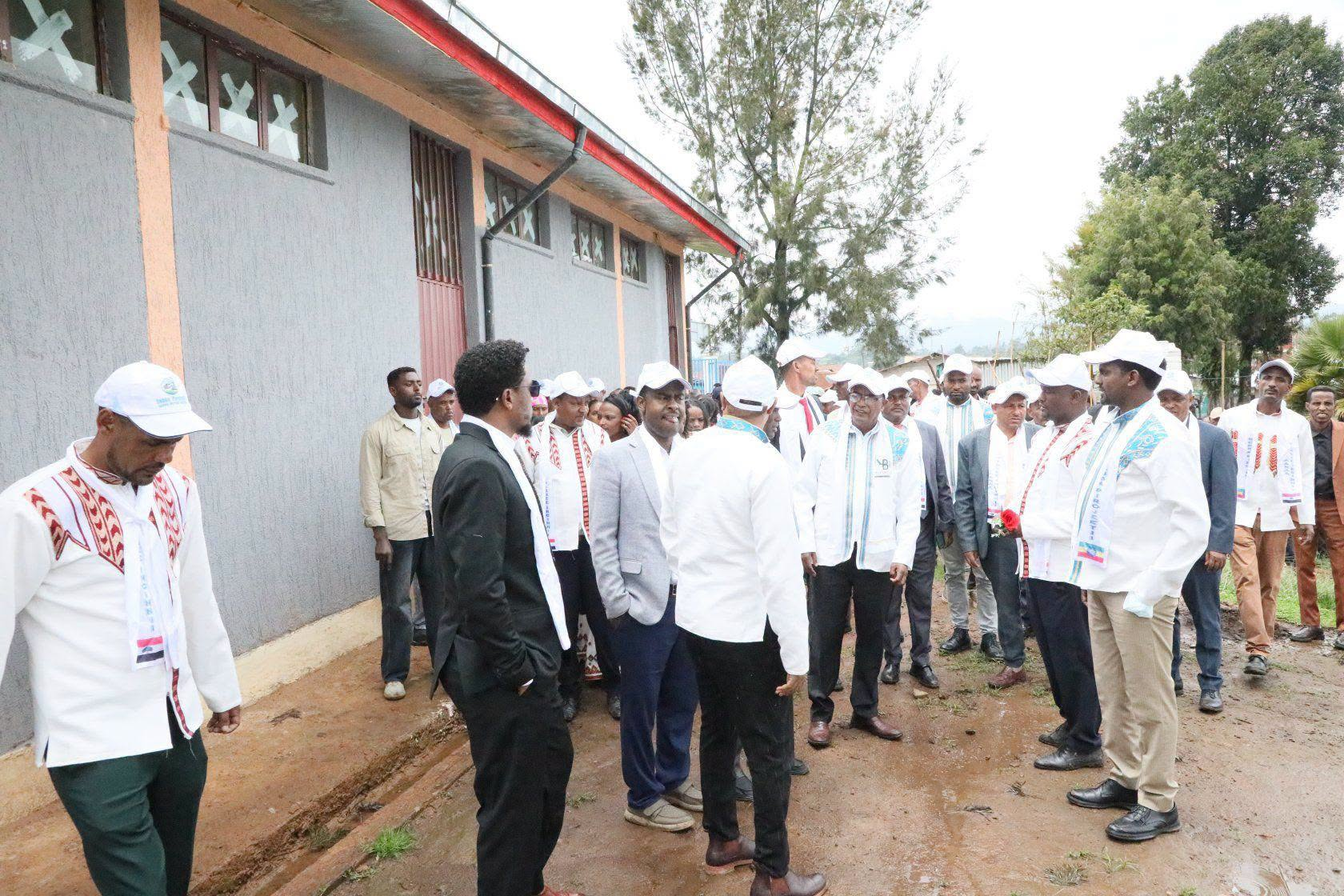
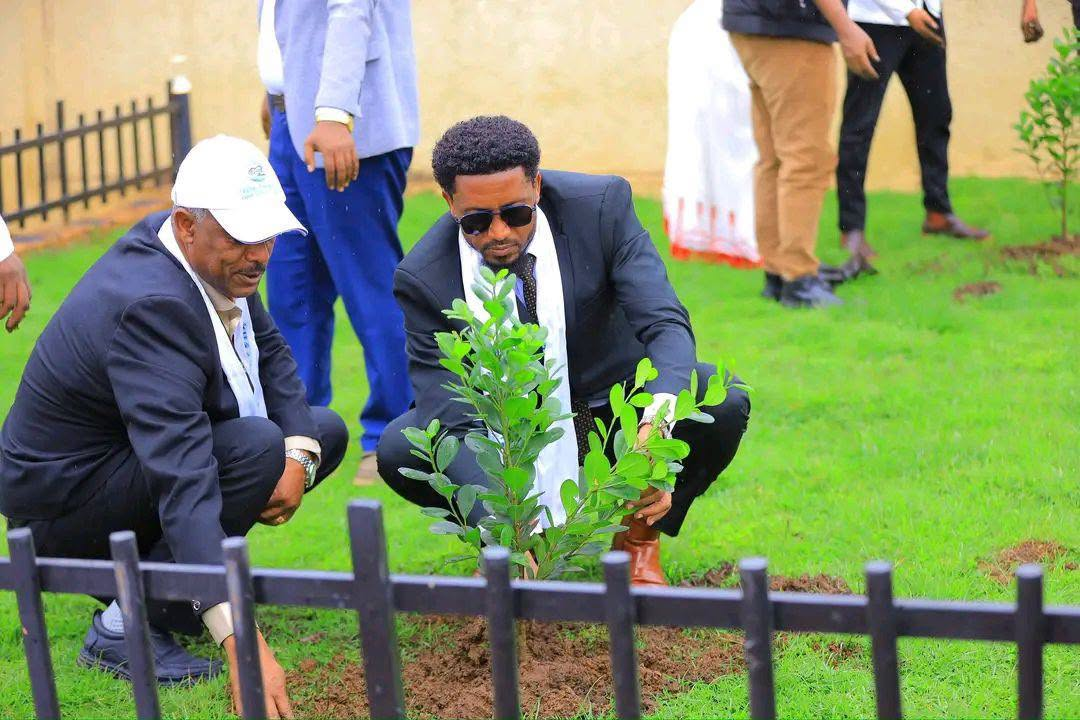
The Administrator of Dirree Incinnii District, Araarsaa Hirphaa, announced that a total of 23 projects have been completed, including urban greenery initiatives, a clinic, a special needs school constructed with community participation, additional classrooms, a digital library, and other facilities. These projects, valued at over 278.7 million birr, have been completed and are now ready for official inauguration.
He expressed his gratitude to the community of Dirree Incinnii and the supporters from various places who prepared a joint plan and established a committee to ensure the success of the projects.
A District of Historical Significance
Dirree Incinnii is not only a district blessed with natural resources and agricultural production but also a place of great historical importance for the Oromo people. It is a site of heroism, anti-slavery struggles, and a legacy of Oromo heroes who have shaped the history of the nation. The district’s rich history of resistance and resilience serves as an inspiration for its current development efforts.
Conclusion
The inauguration of the 23 community development projects in Dirree Incinnii represents a significant step forward in the district’s transformation. The ceremony highlighted the commitment of the current leadership to address socio-economic challenges, improve education, and foster community participation.
As the people of Dirree Incinnii celebrate these achievements, they do so with a deep appreciation for their history and a hopeful vision for a prosperous future. The district’s journey from a history of struggle to a present of progress is a testament to the resilience and determination of the Oromo people.
Transformation is not only possible—it is already becoming real in Dirree Incinnii.
ህልሞች ሥር ሲሰድዱ፦ የኦሮሞ የነጻነት ትግል ህልም ለምን የተሻለ ሊያድግ ይችላል?
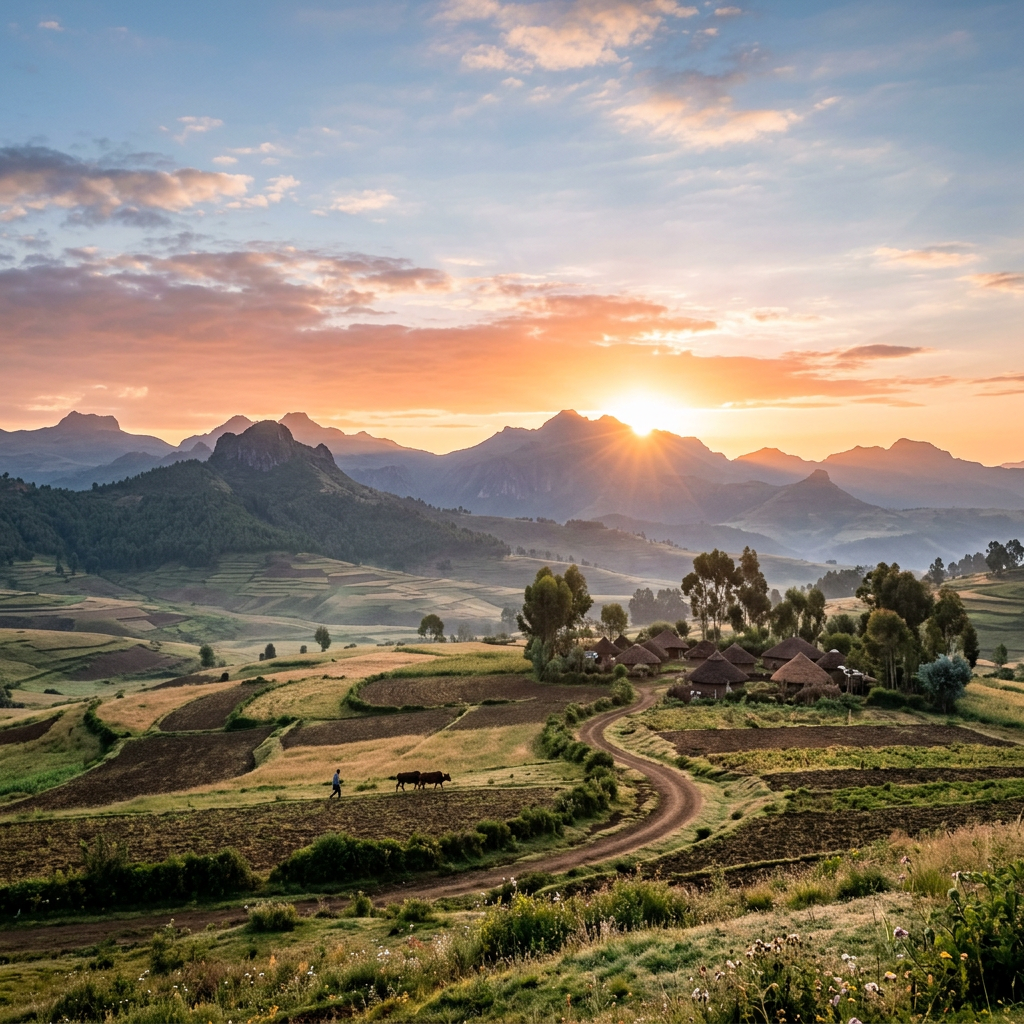
የሕገ መንግሥት ተስፋ፣ የባህል መነቃቃት እና ወደ ፍትህ የሚወስደው ረጅም መንገድ
ለትውልዶች፣ የኦሮሞ የነጻነት ትግል በመቋቋም ችሎታው ይገለጻል። ለአስርተ ዓመታት በተደረገ ገለልተኝነት፣ በግዳጅ መፈናቀል እና በሥርዓታዊ መገለል ውስጥ እንኳን፣ ህልሙ እንደ ጠፍቶ የሚታወስ ትውስታ ሳይሆን ሊጠፋ የማይችል ሕያው ኃይል ሆኖ ቆይቷል።
ዛሬ፣ ያ ህልም በመስቀለኛ መንገድ ላይ ቆሟል። ወደፊት ያለው መንገድ ቀላልም አይደለም ዋስትና ያለውም አይደለም። ነገር ግን ከግጭት እና ከፖለቲካ ሁከት በታች፣ የኦሮሞ የነጻነት ትግል ህልም የተሻለ ሊያድግ እንደሚችል ለማመን ምክንያቶች አሉ—ተግዳሮቶች ቢኖሩም አይደለም፤ ይልቁንም በተማሩት ትምህርቶች፣ በተገነቡት ተቋማት እና ፍጹም ባይሆኑም በሥርአት ላይ በተቀመጡት ሕገ መንግሥታዊ መሠረቶች ምክንያት።
ይህ ህልሙ ሊያድግ የሚችልበትን ምክንያት የሚተርክ ታሪክ ነው።
ሕገ መንግሥታዊ መሠረቱ፦ ሊፈጸም የሚጠብቅ ተስፋ
እያንዳንዱ ታላቅ ትግል ሕጋዊ እና ሥነ ምግባራዊ ማዕቀፍ ይጠይቃል። ለኦሮሞ ህዝብ፣ ያ ማዕቀፍ በኢትዮጵያ 1995 ሕገ መንግሥት ውስጥ አለ—በወረቀት ላይ አስደናቂ ነገር የሚያቀርብ ሰነድ።
የሕገ መንግሥቱ አንቀጽ 39 እያንዳንዱ ብሔር፣ ብሔረሰብ እና ህዝብ የራስን ዕድል በራስ የመወሰን መብት፣ የመገንጠል መብትን ጨምሮ፣ ያለቅድመ ሁኔታ እንዳለው ያረጋግጣል። ሕገ መንግሥቱ ኢትዮጵያን እንደ መድብለ ብሔራዊ ፌዴራላዊ መንግሥት አቋቁሟል፣ ለአናሳ ህዝቦች በግዛት ድንበር ላይ የተመሠረተ ራስ ገዝ አስተዳደር በመስጠት እና ራስን በራስ የማስተዳደር እና የክልል ቁጥጥርን በማጎልበት ላይ ነው። አፋን ኦሮሞ አሁን በኦሮሚያ ፍርድ ቤቶች፣ ትምህርት ቤቶች እና ቢሮክራሲ ውስጥ ጥቅም ላይ ይውላል፣ ይህም ለበርካታ አስርተ ዓመታት የነበረውን ገለልተኝነት ይቀለብሳል።
ይሁን እንጂ ምሁራን በሕገ መንግሥታዊ ተስፋ እና በፖለቲካዊ እውነታ መካከል ያለውን የማያቋርጥ ክፍተት ይገልጻሉ። የፌዴራል አሠራሩ በማዕከላዊነት የተጠመቀ ሆኖ ቆይቷል። የኦሮሚያ ልዩ ጥቅም በፊንፊኔ (አዲስ አበባ) ላይ ያለው ጥያቄ በአብዛኛው አልተፈታም።
ይህ ክፍተት ለተስፋ መቁረጥ ምክንያት አይደለም—ለተስፋ መንስኤ ነው። ሕገ መንግሥቱ አለ። ሕጋዊ ማዕቀፉ ተቀምጧል። ከፊት ያለው ትግል አዳዲስ መብቶችን መፍጠር ሳይሆን ያሉትን ማስፈጸም ነው። ሕገ መንግሥታዊ ዋስትናዎች ችላ ሲባሉ፣ የህዝብ መተማመን ይሸረሽራል፤ ነገር ግን በመጨረሻ ሲፈጸሙ፣ ለዘላቂ ሰላም መሠረት ይጣላል።
የፖለቲካ ዝግመተ ለውጥ፦ ከትጥቅ ትግል ወደ ፖለቲካዊ ተሳትፎ
የኦሮሞ ነጻነት ግንባር (ኦነግ)፣ በ1973 የኦሮሞ ህዝብ ራስን የመወሰን መብትን የሚደግፍ የፖለቲካ ድርጅት ሆኖ የተመሠረተው፣ አስደናቂ ለውጥ አሳልፏል። በ2018፣ የኢትዮጵያ መንግሥት ኦነግን ከሽብርተኝነት ዝርዝር አስወግዶ፣ መሪዎቹ ከስደት እንዲመለሱ አስችሏል። በጁን 2025፣ ኦነግ ከነሐሴ 2020 ጀምሮ መጠቀም ያልቻለውን ዋና መሥሪያ ቤቱን በፊንፊኔ (አዲስ አበባ) በይፋ መልሶ አግኝቷል።
ይህ ተምሳሌታዊ ብቻ አይደለም። ከትጥቅ ትግል ወደ ፖለቲካዊ ተሳትፎ የሚደረግ ሽግግርን ይወክላል—ዘላቂ ለውጥ በዲሞክራሲያዊ ሂደት ውስጥ መሳተፍ እንደሚጠይቅ እውቅና መስጠት፣ ያ ሂደት ምንም ያህል ውስን ቢሆንም።
ኦነግ በምርጫዎች ተሳትፏል—በ2026 ምርጫ ለፌዴራል ፓርላማ እና ለክልላዊ ምክር ቤት 163 እጩዎችን በማቅረብ። ምንም እንኳን አንድም መቀመጫ ባያሸንፍም፣ ፓርቲው ዓላማዎቹን እና መርሆቹን ለህዝብ ለማስተላለፍ ያለውን ጠባብ የፖለቲካ ቦታ ተጠቅሟል።
ፕሮፌሰር መረራ ጉዲና፣ የኦሮሞ ፌዴራሊስት ኮንግረስ (ኦፌኮ) ሊቀመንበር፣ ከረጅም ጊዜ ጀምሮ “ግንድ እና ቅርንጫፎች” የሚለውን ፍልስፍና ይደግፋሉ—ኦሮሚያ የኢትዮጵያ እገዛ የማይቻልበት ልብ እንደሆነች እና ህዝቦቿ በአንድነት፣ በዲሞክራሲያዊ መንግሥት ውስጥ ራስን በራስ ማስተዳደር እና የጋራ አስተዳደር ማረጋገጥ እንዳለባቸው ያምናሉ። የእርሱ አመለካከት፣ ከአምስት አስርት ዓመታት እንቅስቃሴ በኋላ፣ ኢትዮጵያ አሁንም ጥልቅ የሆነ ውይይት ለማድረግ እውነተኛ የፖለቲካ ፈቃድ እንደሌላት ይከራከራሉ።
ነገር ግን የፖለቲካ ፈቃድ ሊገነባ ይችላል። ተቋማት ሊጠናከሩ ይችላሉ። ተቃዋሚ ፓርቲዎች ማደራጀታቸው፣ ምርጫን መወዳደራቸው እና ተጠያቂነትን መጠየቃቸው ህልሙ ሕያው እና እየተሻሻለ መሆኑን የሚያሳይ ማስረጃ ነው።
የባህል መነቃቃት፦ የማንነት ዳግም ልደት
የነጻነት ትግል ስለ ፖለቲካ ብቻ አይደለም—ስለ ማንነት፣ ስለ ትውስታ እና ስለ መታየት መብት ነው።
ኢሬቻ፣ የኦሮሞ ህዝብ ዓመታዊ በዓል፣ አስደናቂ ለውጥ አሳልፏል—ከታገደ ዝግጅት ወደ እውቅና ያገኘ ብሔራዊ ባህላዊ ቅርስ እና ለዓለም አቀፍ ቱሪዝም መስህብ በመሸጋገር። የ2025 መሪ ቃል፣ “ኢሬቻ፡ ለብሔራዊ መታደስ፣” ዘላቂ እድገት በባህላዊ እርቅ እና በጋራ እሴቶች ላይ መመሥረት እንዳለበት ያመለክታል።
አፋን ኦሮሞ፣ በአንድ ወቅት ወደ አናሳነት የተቀነሰው፣ አሁን በማደስ ጥረቶች እየታየ ነው። ምንም እንኳን አተገባበሩ አሁንም ያልተስተካከለ ቢሆንም፣ በኢትዮጵያ እና በአጎራባች ሀገራት የመገናኛ ቋንቋ የሆነው ቋንቋ ቦታውን እየመለሰ ነው። የጋዳ ሥርዓት የዲሞክራሲ እና የአካባቢ አስተዳደር ሞዴል በመሆን ዓለም አቀፍ እውቅና አግኝቷል።
የባህል መነቃቃት ከትግሉ መበታተን አይደለም—የትግሉ ነፍስ ነው። አንድ ህዝብ ማን እንደሆነ ሲያስታውስ፣ ምን እንደሚገባው ያስታውሳል።
ኢኮኖሚያዊ ልማት፦ የቁሳዊ መሠረት መገንባት
ፍትህ በባዶ ሆድ ላይ ሊገነባ አይችልም። በኦሮሚያ ያለው ኢኮኖሚያዊ ልማት የፖለቲካ ህልሞች እውን ሊሆኑ የሚችሉበትን ቁሳዊ መሠረት ያቀርባል።
እንደ ወንጪ እና ሶፍ ኦመር የቅንጦት ሎጅ፣ ከሚቀጥለው የግብርና ዘመናዊነት እና በባሌ ዞን የቱሪዝም ጥረቶች ጋር፣ የኢኮኖሚ ለውጥ ምሰሶዎች ናቸው። አዲሱ የያቤሎ አውሮፕላን ማረፊያ የክልል ንግድን፣ ቱሪዝምን እና ኢንቨስትመንትን በእጅጉ ለማሳደግ እንዲሁም የህዝብ ለህዝብ ግንኙነቶችን ለማጠናከር ይጠበቃል።
የኦሮሚያ ክልላዊ መንግሥት ፈጣን ልማትን ለማራመድ የአገር ውስጥ የአየር ጉዞን ማስፋፋትን ቅድሚያ ሰጥቷል። የኢንቨስትመንት ፕሮጀክቶች በተለያዩ ዘርፎች—በተለይም በግብርና፣ በማኑፋክቸሪንግ እና በአገልግሎቶች—ከ284,174 በላይ ሰዎችን የሥራ ዕድል እንደሚፈጥሩ ይጠበቃል።
ኢኮኖሚያዊ ዕድሎች ሲስፋፉ፣ የፖለቲካ ተሳትፎ የበለጠ ትርጉም ያለው ይሆናል። ማህበረሰቦች ለወደፊቱ ተሳትፎ ሲኖራቸው፣ ለዚያ ወደፊት በሚደረገው ትግል ለመዋዕለ ንዋይ ለማፍሰስ የበለጠ ፈቃደኛ ይሆናሉ።
መወጣት ያለባቸው ተግዳሮቶች
የኦሮሞ የነጻነት ትግል ቅን ግምገማ የሚቀሩትን ጥልቅ ተግዳሮቶች ሳይገልጽ ሊቀር አይችልም።
የኦሮሞ ነጻነት ሰራዊት (ኦነሰ) ከ2018 ጀምሮ ለበለጠ ራስ ገዝ አስተዳደር ከኢትዮጵያ መንግሥት ጋር ሲዋጋ ቆይቷል። ግጭቱ ከፍተኛ ጉዳት አድርሷል። በጃንዋሪ 2025፣ የተባበሩት መንግሥታት ድርጅት በጦርነቱ ምክንያት 3.2 ሚሊዮን ልጆች ትምህርት ቤት እንደማይሄዱ ዘግቧል። በኦሮሚያ ግጭቶች መካከል የሰው ልጅ ሕይወት እና ነጻነት በዘፈቀደ መነፈግ ተመዝግቧል።
የፖለቲካ ቦታ ቀንሷል። የተቃዋሚ መሪዎች ታስረዋል። የምርጫ ውድድር ብቻ የኦሮሚያን የፖለቲካ ተግዳሮቶች ለመፍታት በቂ ተደርጎ አይታይም። ኦነግ “ጽምዱ” (አጋር) ኃይሎች በአካባቢው ነዋሪዎች ላይ ጉዳት ያደረሱ ጥቃቶችን ሞክረዋል የሚል ስጋት አስነስቷል።
እነዚህ ተግዳሮቶች እውነተኛ ናቸው። አሳዛኝ ናቸው። ተሻጋሪ አይደሉም።
ወደፊት የሚወሰደው መንገድ፦ ህልሙ ለምን የተሻለ ሊያድግ ይችላል
የኦሮሞ የነጻነት ትግል ህልም የተሻለ ሊያድግ ይችላል ምክንያቱም ለእድገቱ የሚያስፈልጉ ሁኔታዎች እየተዘረጉ ስለሆነ—በውጭ ኃይሎች ሳይሆን በኦሮሞ ህዝብ ራሱ።
በመጀመሪያ፣ ሕገ መንግሥታዊ መሳሪያዎች አሉ። የ1995 ሕገ መንግሥት ለራስን የመወሰን መብት ማዕቀፍ ያቀርባል፣ ፍጹም ባይተገበርም፣ ኃይለኛ የሕግ መሳሪያ ሆኖ ይቀራል። በተስፋ እና በእውነታ መካከል ያለው ክፍተት ዘላቂ አይደለም—በቀጣይ የፖለቲካ ግፊት እና በሕግ ተከራካሪነት ሊዘጋ ይችላል።
በሁለተኛ፣ የፖለቲካ ተሳትፎ እየጠለቀ ነው። የኦነግ ከስደት መመለስ፣ በምርጫዎች መሳተፍ እና ሁሉን አቀፍ ውይይት ለማድረግ ያቀረበው ጥሪ የትግሉን ብስለት ያሳያል። ኦነግ መንግሥት በፍትህ፣ በእውነት እና በእርቅ በኩል ያሉትን ቅሬታዎች ለመፍታት እውነተኛ የፖለቲካ ፈቃድ እንዲያሳይ ጥሪ አቅርቧል።
በሦስተኛ፣ የባህል ማንነት እየተጠናከረ ነው። የኢሬቻ መነቃቃት፣ የአፋን ኦሮሞ መነሳት እና የገዳ ሥርዓት ዓለም አቀፍ እውቅና ምንም የፖለቲካ ጭቆና ሊያጠፋው የማይችለውን ባህላዊ መሠረት ያቀርባሉ።
በአራተኛ፣ ኢኮኖሚያዊ ልማት አዳዲስ ዕድሎችን እየፈጠረ ነው። የኦሮሚያ ኢኮኖሚ እያደገ ሲሄድ፣ የህዝቦቿ አቅምም ያድጋል—ማደራጀት፣ መደገፍ እና መብቶቻቸውን መጠየቅ።
በአምስተኛ፣ ዓለም አቀፍ ማህበረሰብ እየተመለከተ ነው። የሰብአዊ መብቶች ዘገባዎች፣ የተባበሩት መንግሥታት ድርጅት ሰነዶች እና ዓለም አቀፍ ተሟጋችነት ለተጠያቂነት ግፊት ይፈጥራሉ። የኦሮሞ ጉዳይ ከእንግዲህ የማይታይ አይደለም።
ማጠቃለያ፦ ረጅሙ መንገድ
የኦሮሞ የነጻነት ትግል ረጅም ነበር። ውድ ነበር። በክህደት፣ በአመጽ እና በልብ ስብር ተለይቷል። ነገር ግን በመቋቋም ችሎታ፣ በድፍረት እና ለፍትህ በማይናወጥ ቁርጠኝነትም ተለይቷል።
ህልሙ የተሻለ ሊያድግ ይችላል ምክንያቱም ታሪክ ሊወረውረው የሚችለውን ከባዱን ነገር አስቀድሞ በመትረፉ ነው። የቆየው በእውነት ሥር ስለሆነ ነው—በፕሮፓጋንዳ አይደለም፣ በሐሰተኛ ትረካዎች አይደለም፤ ይልቁንም ያጡትን እና ምን እንደሚገባቸው በሚያውቁ ህዝቦች ሕያው እውነታ ላይ ነው።
ኦነግ እንደገለጸው፣ በኦሮሚያ እና በመላው ኢትዮጵያ ያለው ሁኔታ የምርጫ ድል በማወጅ ብቻ ሊፈታ አይችልም። “ሁሉን አቀፍ፣ እውነተኛ እና ግልጽ ውይይት” ይጠይቃል። ታሪካዊ እውነታዎችን የመቀበል ድፍረት፣ የተለያዩ አመለካከቶችን የማክበር ጥበብ እና የሕገ መንግሥታዊ ዴሞክራሲ እና የሕግ የበላይነት መርሆችን የማስከበር ቁርጠኝነት ይጠይቃል።
የኦሮሞ የነጻነት ትግል ህልም የተሻለ ሊያድግ ይችላል ምክንያቱም የኦሮሞ ህዝብ ህልም ማየቱን በጭራሽ ስላላቆመ ነው። እና ህልሞች፣ በእውነት፣ በፍትህ እና በማይናወጥ ቁርጠኝነት ሲዳበሩ፣ እውን የመሆን ባህሪ አላቸው።
—
ይህ መጣጥፍ በአዲስ ስታንዳርድ፣ ዘ ሪፖርተር ኢትዮጵያ፣ ኦሮሚያ ቱዴይ፣ አሶሺየትድ ፕሬስ፣ ኦቨርሳይት ቦርድ እና ሌሎች የኦሮሞ የነጻነት ትግል፣ የፖለቲካ ለውጦች እና በኢትዮጵያ ያለውን የባህል መነቃቃት በሚመለከቱ ምንጮች ላይ የተመሠረተ ነው።
 Oromedia