Ethiopia’s Foreign Policy: The Four Pillars of Medemer Diplomacy

How Active, Adaptive, and Agenda-Setting Engagement Is Reshaping Ethiopia’s Global Standing
By Oromia News Agency
In a world of rapid geopolitical shifts and emerging multipolar dynamics, Ethiopia is charting a bold and distinctive foreign policy course. Prime Minister Abiy Ahmed (PhD) has outlined a clear vision for the nation’s international engagement, anchored in what can be described as four fundamental pillars of Medemer diplomacy—a philosophy of synergy, collaboration, and proactive engagement .
As Africa’s second most populous nation and host of the African Union headquarters, Ethiopia is leveraging its strategic position to move from being a passive observer of global events to an active agenda-setter on the world stage . The four principles guiding this transformation are Active Diplomacy, Alternative Partnership Networks, Adaptive Diplomacy, and Agenda-Setting Diplomacy.
1. Active Diplomacy: Engagement Over Isolation
The first principle, Active Diplomacy, reflects Ethiopia’s commitment to being a proactive participant in global affairs rather than a bystander. Prime Minister Abiy has emphasized that in an era of rapid international change, Ethiopia cannot afford to remain passive . The nation must instead be an engaged, dynamic, and agenda-setting actor on the world stage.
This active approach draws from the broader “Medemer” philosophy—a concept of synergy and collaboration that has already yielded tangible results, including the Green Legacy Initiative, the Summer Wheat Program, and the expansion of Ethiopian Airlines as a continental connector . By actively participating in international forums and shaping narratives rather than simply responding to them, Ethiopia is positioning itself to defend its interests with clarity and conviction.
2. Alternative Partnership Networks: Diversifying Alliances
The second pillar, Alternative Partnership Networks, represents a strategic shift from over-reliance on traditional partners to building a broader, more resilient web of international relationships. Rather than depending on a limited number of countries, Ethiopia is expanding its diplomatic footprint across diverse regions .
This approach is particularly significant in the context of Ethiopia’s contested neighbourhood. Strained relations with Eritrea, ongoing rivalry with Egypt over the Nile and the Grand Ethiopian Renaissance Dam (GERD), and Ethiopia’s pursuit of Red Sea access have all intensified in recent years . The competing regional interests of the UAE, Israel, Saudi Arabia, and Türkiye, combined with a more transactional United States and China’s subtle but persistent influence, have reshaped the environment in which Ethiopia must operate .
By cultivating a diverse network of reliable partners, Ethiopia aims to build friendships that endure through challenges, tensions, and celebrations alike—ensuring it has allies who stand by it in both difficult and prosperous times.
3. Adaptive Diplomacy: Flexibility in a Changing World
The third principle, Adaptive Diplomacy, acknowledges the fluid and ever-evolving nature of international politics. As global power balances shift, new powers emerge, and the rules of engagement evolve, Ethiopia’s foreign policy must remain flexible and responsive .
This adaptive approach rejects rigid adherence to predetermined positions in favour of a pragmatic, context-sensitive engagement that prioritises Ethiopia’s national interests . It reflects a recognition that in a multipolar world, states must constantly adapt their strategies to navigate between competing great-power interests . By remaining flexible, Ethiopia can seize opportunities and mitigate risks as they arise, ensuring its foreign policy remains relevant and effective.
4. Agenda-Setting Diplomacy: From Follower to Leader
The fourth and perhaps most ambitious pillar, Agenda-Setting Diplomacy, positions Ethiopia as a proactive force capable of bringing critical African and global issues to the international table. Instead of merely accepting and executing agendas set by others, Ethiopia aims to shape the conversations that matter to it and to the continent .
This principle was recently articulated by Prime Minister Abiy when he proposed a “4-pillar bricks of unity” for the Africa-Caribbean (AFRICA-CARICOM) relationship—a framework built on agriculture and innovation, collaboration, culture and leadership, and knowledge and health . By putting forward such frameworks, Ethiopia is demonstrating its capacity to lead and its commitment to advancing not only its own interests but also those of the broader African continent.
This shift from agenda-receiver to agenda-creator is arguably the defining feature of Ethiopia’s evolving foreign policy. It represents a confident, assertive nation ready to take its rightful place as a leading voice on the African and global stage.
Conclusion: A New Chapter in Ethiopian Diplomacy
Ethiopia’s foreign policy, guided by the four pillars of Active, Alternative, Adaptive, and Agenda-Setting Diplomacy, reflects a nation in transformation. It is a policy that embraces the complexities of a contested neighbourhood, leverages Ethiopia’s unique position as a regional anchor state, and seeks to build a prosperous future through strategic international engagement .
As Prime Minister Abiy Ahmed’s Prosperity Party prepares for a new governmental term, the commitment to these principles—rooted in the broader philosophy of Medemer—will likely continue to shape Ethiopia’s international relations . In a world of shifting alliances and emerging challenges, Ethiopia is making clear that it intends to be not just a participant in global affairs, but a shaper of them.
Ethiopia Prevails!
Medemer haa jabaattu!
This feature article is dedicated to all those committed to building a prosperous, engaged, and respected Ethiopia on the global stage.
A General’s Final Regret: “My Death Does Not Grieve Me—What Grieves Me Is Finfinne Not Being Free”
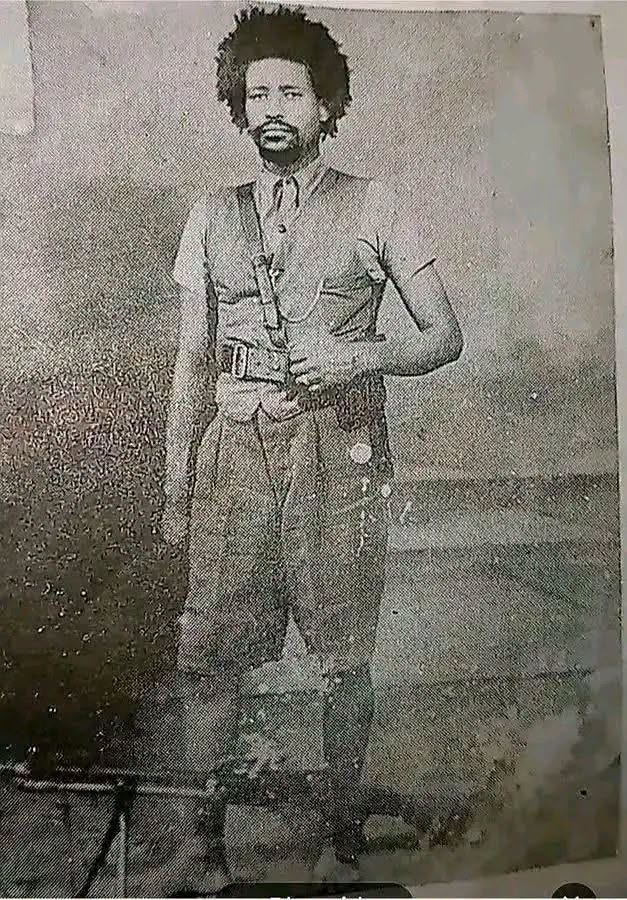
The Unwavering Spirit of General Garasuu Dhukii and the Eternal Struggle for Oromo Liberation
By Daandii Ragabaa
In the annals of Oromo history, few figures embody the spirit of sacrifice and unwavering dedication to the cause of freedom as profoundly as General Garasuu Dhukii. A man forged in the crucible of war, he stood as a pillar of resistance against colonial subjugation, his life intertwined with the struggle for Oromo self-determination.
His story, however, is not merely one of military might, but of a man whose deepest pain was not for his own fate, but for the future of his people and their ancestral capital. His dying wish echoes through the ages, a stark reminder of the burden carried by those who fight for justice.
The Weight of a General’s Resolve
General Garasuu Dhukii was a symbol of Oromo resistance during the fierce battles against the Italian colonial forces. On the frontlines, where the fighting was most brutal, the general found himself trapped in a harrowing situation. He had done all he could, given his all for the cause. As he later confided, the heaviest burden was not the fear of death in battle, but the thought of dying while his homeland remained unfree.
In his final moments, he is remembered for a profound reflection, etched into the memory of those who knew him. He declared, “I have done all that I should do. If I die, it is not my time that grieves me. But what truly grieves me is the thought that Finfinne, the land of my people, will remain unfree.” These were not the words of a coward, but the lament of a leader for whom victory was measured not in personal glory, but in the liberation of his people’s heartland.
This sentiment captures the essence of the Oromo struggle: the fight for Finfinne is not a matter of political maneuvering but a fight for identity, dignity, and historical justice.
Finfinne: The Eternal Heart of the Struggle
Finfinne is not just a city of political and economic power. It is the “eye” of the Oromo people, the axis around which their history and destiny revolve. From the legendary heroes of the past, like General Garasuu Dhukii, to the modern-day Qeerroo youth, Finfinne stands as an unyielding symbol.
The general’s reflections echo a truth that has been carried through the generations: “The eye does not tolerate an obstruction.”
For the Oromo people, Finfinne is that eye, and the struggles of the past have made it clear that its people will never accept a future where they are not masters of their own land. The recent history of resistance in Finfinne is a testament to this unwavering spirit, proving that the fight for liberation is a continuous legacy passed down through generations.
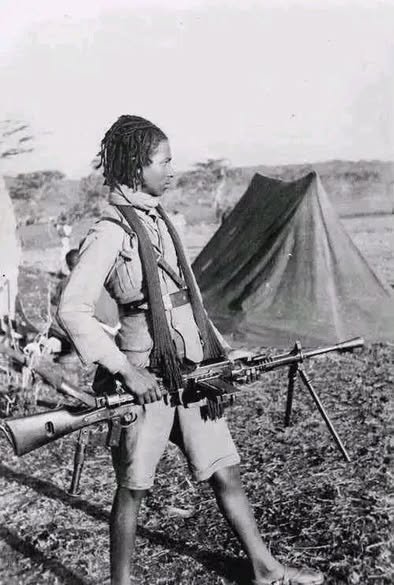
A Legacy That Lives On
The sacrifice of General Garasuu Dhukii is a poignant testament to the resilience of the Oromo nation. He, like countless others, understood that his personal survival was secondary to the collective destiny of his people. His grief, recorded for history, is not just a memory but a call to action, a reminder that the battle for Finfinne’s soul is a long and arduous one that requires the commitment of all.
His death serves as a powerful message to the world and to the Oromo people themselves: that the spirit of resistance, kindled in the hearts of heroes like him, remains alight. The realization that a hero’s greatest regret was not his own mortal end, but the continued subjugation of his homeland, continues to fuel the struggle for Oromo liberation.

Conclusion: A Grief That Inspires
General Garasuu Dhukii gave his life for a cause he believed in, but his legacy lives on in the countless Oromos who continue to demand justice and freedom. His dying words are a profound reflection of the Oromo struggle: a fight not for land alone, but for the very soul of a nation.
The battle for Finfinne continues. But the general’s grief will never be in vain as long as the Oromo people remember his sacrifice and carry the torch of resistance forward.
Injifannoon Ummata Oromoo!
Finfinne haa jabaattu!
Wareegama Seenaa Oromoo Finfinnee
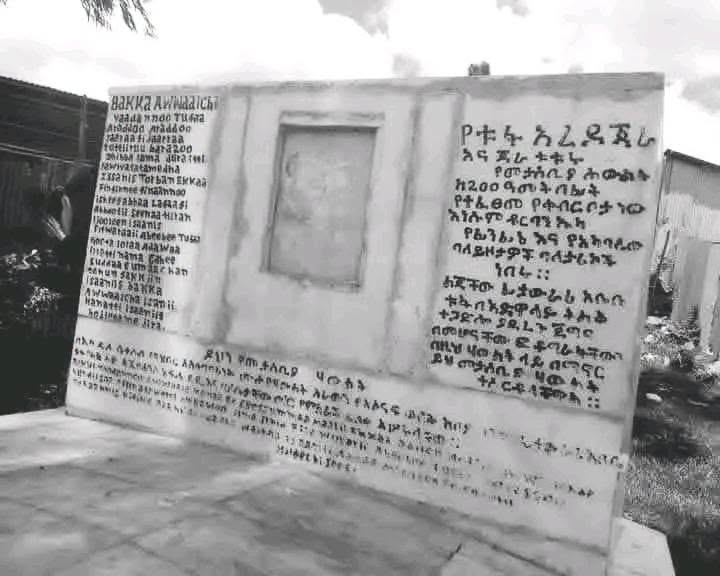
Oromoon lafa dhaloota isaa fi handhuura seenaa isaa taate Finfinnee irratti eenyummaa isaa, kabaja isaa fi Oromoo ta’uu isaa tiksuuf seenaa keessatti wareegama guddaa kaffaleera. Kanaafis wareegamni kabajaa Tufaa Araddoo Jaarraa fi Jaarraa Tuturuu ragaa seenaa lubbuun jiru ta’anii dhaabbatu.
Finfinneen Bakka Hunda Oromooti
Magaalaan Finfinnee, kan amma Addis Ababa jedhamuun beekamtu, bakka hunda Oromooti. Isheen handhuura Oromiyaa keessatti argamti, qabiyyee fi seenaa Oromooti. Oromoon Finfinnee irratti lafa fi dhugaa qaba. Seenaan Oromoo fi Finfinnee walitti hidhata. Oromoon Finfinnee irratti lafa isaa fi dhugaa isaa qabaachuun isaa, seenaadhaan fi aadaadhaan walqabata.
Wareegama Goototaa
Tufaa Araddoo Jaarraa fi Jaarraa Tuturuun gootota Oromoo keessaa isaan tokko. Isaanis Finfinnee irratti dhugaa isaanii qabaachuuf, Oromoo fi Oromummaa tiksuuf wareegaman. Wareegamni isaanii ragaa seenaa lubbuun jiru ta’uun isaanii, Oromoon Finfinnee irratti dhugaa qabaachuun isaa agarsiisa. Akkasumas, isaanis Oromoon Finfinnee irratti lafa isaa fi dhugaa isaa qabaachuuf qabsoo itti fufuuf kan gargaaru dha.
Xumura
Oromoon Finfinnee irratti dhugaa qaba. Seenaan Oromoo fi Finfinnee walitti hidhata. Gootonni akka Tufaa Araddoo Jaarraa fi Jaarraa Tuturuu, Oromoon Finfinnee irratti dhugaa qabaachuun isaa agarsiisaniiru. Kanaaf, Oromoon Finfinnee irratti lafa isaa fi dhugaa isaa qabaachuuf qabsoo itti fufuuf jira.
Injifannoon Ummata Oromoo!
Finfinneen lafa Oromooti!
Finfinne Maaliif Lafa Falmii Taate?
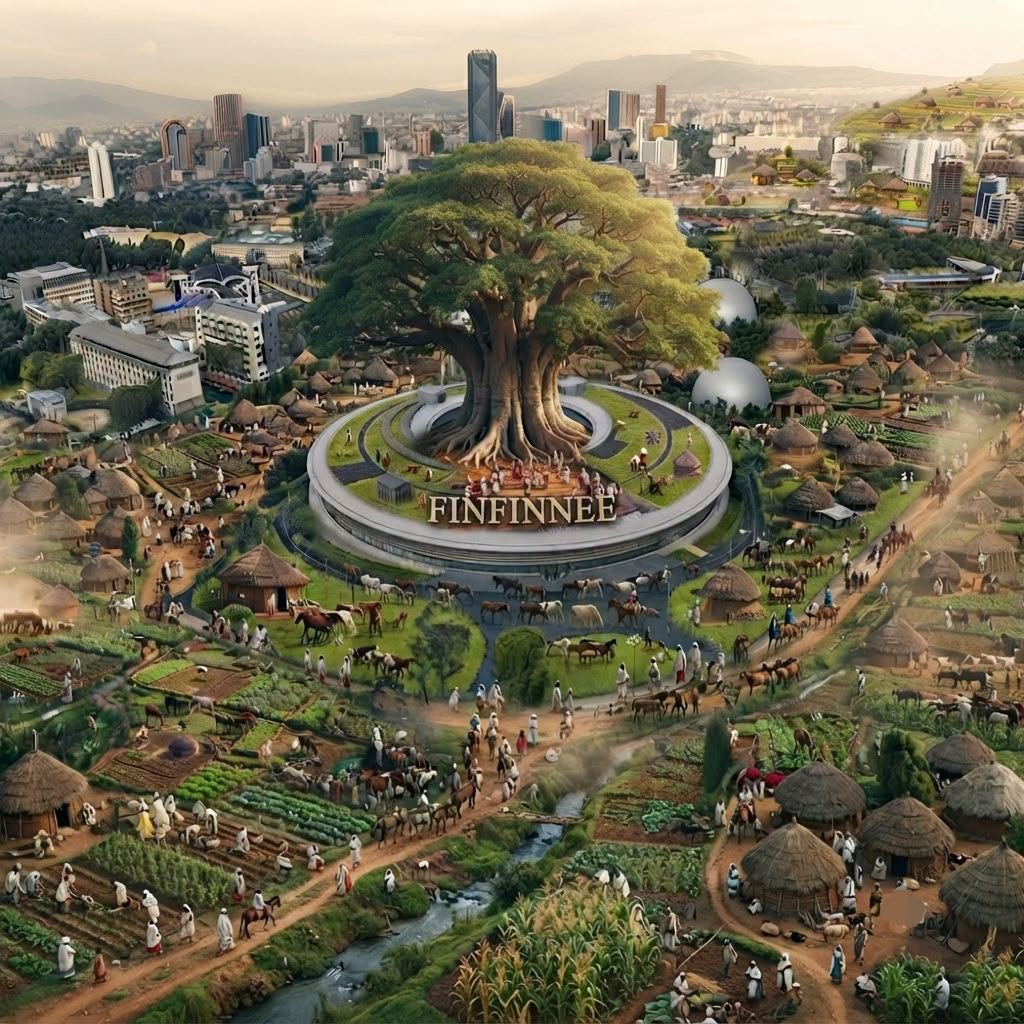
Seenaa, Waan Badde, fi Qabsoo Deebisuu
Barreessaa: Asheetuu Sanbata Raggaasaa
Finfinneen, magaalaan waan amma Addis Ababa jedhamuun beekamtu, Afrikaa Bahaatti digrii dagalee/latiituudii 9′ Kaabaafi digrii irraangadee/loongituudii 39′ gara Bahaatti argamti. Isheenis handhuura Oromiyaa, handhuura biyya Itoophiyaa keessatti hundooftee jirti. Finfinneen dachii handhuura Oromoo taatee qabiyyee gosa Oromoo Tuulamaa torban Oboofi ja’an Galaan irratti hundoofte ta’uu barreeffamoonni gara garaa ni ibsu.
Waa’ee seenaa Finfinnee barreessuuf kitaabolee garaa garaa dubbisuun, manguddoota, hayyootaafi jiraattota magaalittii irraa odeeffannoon funaanameera. Dhimmi Finfinnee dhimma Oromoo marti xiiqiidhaan ilaalu, lafa seenaan irratti dabe, lafa Oromoon irratti cabe, lafa fardeen Oromoo irratti ajjeefaman, lafa Oromoorraa diinni adda kuteefi lafa bara hedduudhaaf Oromootti madaa seenaa taatee jirtuudha. Finfinneen lafa Oromoon dhugaa irraa barbaadu, qe’eesaa ganamaa, mana keessaa ari’ametti deebi’uuf qabsaa’uufidha.
Finfinneen Kolonii, Oromoon Aarsaa
Magaalaan Finfinnee magaala koloniin ijaaramte yoo taatu, dhiiga ilmaan Oromoo hedduu dhangalaasaa fi lafees isaanii caccabsuun sadarkaa amma irra jirturra geese. Magaalli tun yoo ijaarramtu humna namaafi meeshaalee ijaarsaa dhiyeessuun kan gumaacha hunda ba’e ummata Oromooti. Kana yoo jennu, sirni nafxanyaa Minilik ijaare humna namaafi meeshaalee ijaarsaa qabeenya Oromootti fayyadamuun magaalatti ijaare. Mukeen magaalatti ijaaruuf oolanis handhuuruma Oromiyaa, Finfinnee fi naannawaa isheerraa kan argamanidha.
Kunis kanumaaf, Finfinneen magaalaa “dhiiga Oromootiin ijaaramte” jedhamuun beekamti. Oromoon lafa isaatti, qabeenya isaatti, fi jireenya isaatti aarsaa ta’ee, isa immoo qabeenya isaanii irraa buqqifamee, iddoo isaaniitiin ala godhamee, bakka isaanii keessatti keessummaa taasisame.
Finfinneen dur osoo gara magaalatti hin dhufin dura ganda qonnaan bultootaa Gullallee fi Harbuu Marii turte. Ganda qonnaan bultootaa irraa kan hafe lafa duwwaa margaafi bosonaan uwwifame ture akka ta’e ragaaleen hedduun ni ibsu. Naannoon Finfinnee jedhamee beekkamu addatti naannoo xiqqoo Horri Finfinnee jiru kanadha. Kunis bakkeewwan amma ‘Filwuhaa’, ‘Masqal Addababayi’, 70 Biheeraawwii’ fi ‘Istaadiyeemii’ jedhamee waamamu kana ofkeessatti hammata.
Finfinneen Qorqalbiin Oromummaa
Qorqalbiin Oromummaa ummata Oromoo, Finfinnee irratti ijaarame. Sababiin isaas, Finfinneen qe’ee heeraafi seeraa, araddaa muudaa ta’uudhaan Oromticha ganamaa tajaajiluu bira darbee giddugala ilmaan Booranaafi Baareentuu ta’uudhaan beekkamti.
Magaalaan Finfinnee akka magaalota naannolee biyya kanaa kanneen biroo qooqa naannichaatiin tajaajiluu baattus magaalaa guddittii mootummaa naannoo Oromiyaa; akkasumas, teessoo Mootummaa Federaalawaa Rippaabilika Itoophiyaafi teessoo Gamtaa Afrikaa ta’uudhaan magaalaa tajaajilaa turteefi tajaajilaa jirtudha. Finfinneen teessoo mootummaa federaalaati jechuun, magaalaan tun qabeenyummaan ishee kan naannolee kurnaniiti jechuun miti. Seerri akkas jedhus hin jiru. Kanaaf, handhuura Oromiyaa waan taateef qabeenyummaan ishee kan ummata Oromooti.
Kana malees, Finfinnee dabalatee Dirree Dhawaanis sababa daangaa bulchiinsaa mootummaa naannoo Oromiyaa kessatti argamtuuf qofa osoo hin taane, Oromiyaan dhugaa seeraafi heeraas irraa qabdi waan ta’eef magaalaawwan Oromiyaafi Oromoo ta’uudhaan beekkamu; Oromoon dhugaa kana deeffachuuf qabsaa’aa jira.
Sababoonni Finfinneen Lafa Falmii Taate
Finfinneen lafa falmii ta’uuf sababoonni hedduun jiru. Isaan keessaa muraasni:
1. Seenaa Hiraarsaa fi Qabsoo
Finfinneen lafa Oromoon irratti cabe. Lafti kun dhugaa Oromooti, garuu akkaataa humnaatiin isaan irraa buqqifame. Kunis sababa qabsoo dheeraa Oromootiif ta’ee jira.
2. Qabeenya Oromoo
Finfinneen handhuura Oromiyaa taatee, qabeenya uumamaa, qabeenya namaa, fi qabeenya aadaa Oromoo ofkeessatti qabdi. Kunis Oromoon lafa isaa irratti dhugaa qabaachuun isaa agarsiisa.
3. Teessoo Siyaasaa
Finfinneen teessoo mootummaa federaalaa ta’uun ishee, Oromoof haala siyaasaa keessatti iddoo guddaa qabdi. Kunis Oromoon lafa isaa irratti aangoo qabaachuu qabu agarsiisa.
4. Aadaa fi Eenummaa
Finfinneen aadaa fi eenummaa Oromoo keessatti iddoo guddaa qabdi. Oromoon Finfinneen lafa isaa ta’uun ishee haala aadaa fi eenummaa isaatiin wal qabata.
Qabsoo Deebisuu
Oromoon Finfinneen lafa isaa ta’uun ishee deebisuu qaba. Kunis qabsoo dheeraa ta’uu danda’a, garuu Oromoon lafa isaa irratti dhugaa qaba. Qabsoo kun:
- Qabsoo Seenaa: Oromoon seenaa isaa irratti dhugaa qaba. Finfinneen seenaa Oromooti.
- Qabsoo Seeraa: Oromoon seera irratti dhugaa qaba. Finfinneen seera Oromooti.
- Qabsoo Aadaa: Oromoon aadaa isaa irratti dhugaa qaba. Finfinneen aadaa Oromooti.
Xumura
Finfinneen lafa falmii ta’uuf sababoonni hedduun jiru. Isaan keessaa muraasni seenaa hiraarsaa fi qabsoo, qabeenya Oromoo, teessoo siyaasaa, fi aadaa fi eenummaa Oromooti. Oromoon Finfinneen lafa isaa ta’uun ishee deebisuu qaba. Kunis qabsoo dheeraa ta’uu danda’a, garuu Oromoon lafa isaa irratti dhugaa qaba.
Finfinneen lafa Oromooti!
Oromoon Finfinneen lafa isaa ta’uun ishee deebisuu qaba!
Qabsoon Oromoo itti fufa!
Injifannoon Ummata Oromoo!
Finfinne haa jabaattu!
Barruun kun Asheetuu Sanbata Raggaasaa irraa kan argame yoo ta’u, Finfinneen lafa Oromoo ta’uun ishee deebisuuf qabsoo Oromoo itti fufuuf kan gargaaru dha.
የኦሮሞ ጀግኖች በፊንፊኔ እና በአባቶች መሬታቸው ላይ ያሳለፉት ትግል
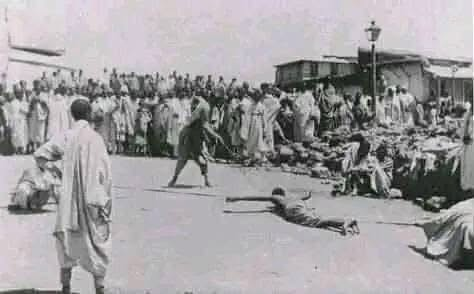
በንጉሠ ነገሥቱ አገዛዝ ስር ተዋርደው የሞቱትን የኦሮሞ ጀግኖች ማስታወስ
ጸሐፊ፦ ደበሌ ይገዙ ቲክሴ
ታሪክ የተከሰቱትን ክስተቶች መዝገብ ብቻ አይደለም—የቀደሙት ትውልዶች ድፍረት፣ መቻቻል እና መስዋዕትነት ህያው ምስክር ነው። ለኦሮሞ ህዝብ፣ ለፍትህ እና ለክብር የሚደረገው ትግል ለጭቆና ለመስገድ እምቢ ባሉ በማይበገሩ ጀግኖች ምልክት ተደርጎበታል። የእነሱ ታሪኮች በኦሮሞ ህዝብ ትውስታ ውስጥ ተቀርፀዋል፣ ለተስፋ ብርሃን እና ለነጻነት ትግሉን ለመቀጠል ጥሪ ሆነው ያገለግላሉ።
ዛሬ፣ በፊንፊኔ ላይ በጨቋኝ አገዛዞች የተዋረዱ፣ የተሰቃዩ እና የተገደሉትን የኦሮሞ አባቶች እና ጀግኖች አንዳንዶቹን እናስታውሳለን። መስዋዕትነታቸው በጭራሽ አይረሳም።
1. ሳፎ ካሎ፦ ሁሉንም ነገር ያጣው ሀብታም
ሳፎ ካሎ በኪላ ሊቃ አካባቢ ሀብታም እና ተደማጭ ሰው ነበር። ከረጅም ጊዜ ትግል በኋላ፣ ሰላምን ተስፋ በማድረግ ለአፄ ሚኒሊክ ተገዛ። ነገር ግን እጁን ሰጠ በማለቱ ተክዶ እጆቹን አጣ። የዚያን ጊዜ ምሳሌ እንዲህ ይላል፦
“ሆርቱ አካ ሳፎ ካሎ፣ ሎልቱ አካ ጃራ ማታኮ”
“እንደ ሳፎ ካሎ ሀብታም፣ እንደ ጃራ ማታኮ ተዋጊ።”
2. ቡታ ሎኮ፦ የፊት መጋፈጥ ዋጋ
አዲስ ግብር ሲጣል፣ ቡታ ሎኮ ለመክፈል ፈቃደኛ አልሆነም። በቅጣት፣ እሱ እና ሌሎች 19 ሰዎች እጆቻቸው ተቆራረጡ። ይህ የአገዛዙ ጭካኔ እውነታ ነበር—ለመቃወም ለሚደፍሩ ሁሉ ማስጠንቀቂያ።
“ቃሊ አፅህ ሂሪሴ፣ ቃማ ኢሳቱ ሂራታ”
“ከንጉሠ ነገሥቱ የሚወስድ የራሱን አካል ያጣል።”
3. ሶራ ሎሜ፦ የሆራ ቦሌ ተዋጊ
ሶራ ሎሜ ከሆራ ቦሌ አካባቢ የመጣ ተዋጊ ሲሆን በንጉሠ ነገሥቱ ኃይሎች ላይ በጥብቅ ተዋግቷል። ከተያዘ በኋላ፣ ተሰቃይቶ በጦር እና በበትር ተደብድቦ ተገደለ። ሞቱ የተቃወሙትን የሚጠብቀውን ጭካኔ አሳዛኝ አስታዋሽ ነው።
4. ጉራራ ላታ፦ የመሬቱ ተከላካይ
ጉራራ ላታ ከአሁኑ ኪሎ 6 እስከ ጊራር ድረስ ያለው መሬት ባለቤት ነበር። ከመጠን በላይ ግብር ለመክፈል ፈቃደኛ ባለመሆኑ፣ ተሰቅሎ ተገደለ። መሬቱም በሃይል ተወሰደ።
5. ላታ ገዳ፦ የአባት መስዋዕትነት
ላታ ጋዳ፣ የጉራራ ላታ አባት፣ ከልጁ ጋር ተሰቅሎ ተገደለ። በአርሲ መሬት ከተሰጣቸው በኋላ እንዲገዙ ሲባሉ፣ እንዲህ አሉ፦ “መሬታችን እዚህ ነው—እዚህ እንሞታለን ወይም እዚህ እንኖራለን።”
6. አያኖ ቱራ፦ የመቃወም ዋጋ
አያኖ ቱራ ያለምክንያት ከመጠን በላይ ግብር ተጣለበት። ፍላጎታቸውን ማሟላት ባለመቻሉ፣ እጆቹ ተቆራረጡ። ከጥቂት ጊዜ በኋላ ሞተ።
7. ዶሪ ዶዶታ ኦብሴ፦ ተከላካዮቹ
የዶሪ ቤተሰብ መሬታቸውን ለመተው ፈቃደኛ አልሆነም። በአስተሳሰብ ልዩነት ምክንያት ግብር መክፈል ባለመቻላቸው፣ እጆቻቸው ተቆራረጡ። የመቃወም መንፈሳቸው አፈ ታሪክ ሆነ።
“ወራ ሀርካን ከናኒ፣ ሀርካ ኢሳኒ ዳባን”
“በእጃቸው የሰጡ እጃቸውን ያጡ።”
ሌላ ቡድን፣ የዶዶታ ኦብሴ፣ “ኩማ ጋቴ፣ ጉራቻ ኡፋቴ”—”ሺ የከፈሉ እና ጥቁር የለበሱ” በመባል ይታወቃሉ።
8. ዳሆ ጉራሮ ቡሎ፦ ልትለወጥ ያልፈለገችው እናት
ዳሆ ጉራሮ ቡሎ ወደ ክርስትና ለመለወጥ ፈቃደኛ አልሆነችም። ከተገደለች በኋላ፣ አካሏ ለሁለት ሳምንታት ያለቀብር ቀረ፣ ይህም የአገዛዙን ጭካኔ ያሳያል።
9. ጉራራ ዶዮ፦ በሕይወት ተቃጥለው
ከረጅም ጊዜ ተቃውሞ በኋላ፣ ጉራራ ዶዮ እና ሚስቱ በራሳቸው ቤት ውስጥ በሕይወት ተቃጥለዋል። የንጉሠ ነገሥቱ ኃይሎች መሬታቸውን ከበቡ እና አቃጠሉት።
10. ቀጀላ ዶዮ፦ የቢርቢርሳ ሰማዕት
ቃጀላ ዶዮ፣ የቢርቢርሳ ተዋጊ በመባል የሚታወቀው፣ ከረጅም ጊዜ ተቃውሞ በኋላ ከሚስቱ ጋር በሕይወት ተቃጥሏል።
11. ጃንጎ ቁምቢ፦ የተባረረው ተዋጊ
ጃንጎ ቁምቢ እና ህዝቦቹ፣ “ወራ ኪላ ሊቀ ሞራ ኡፋቴ” በመባል የሚታወቁት፣ ለመገዛት ፈቃደኛ አልሆኑም። መሬታቸውን ትተው ከከብቶቻቸው ጋር ወደ ሞጆ እና ቆቃ ሸሹ።
12. አቤቤ ቱፋ፦ ለመስገድ ያልፈለገው ፈረሰኛ
አቤቤ ቱፋ፣ የኤካ ጎሳ መሪ፣ ለዓመታት ከንጉሠ ነገሥቱ ኃይሎች ጋር ለመደራደር ሞከረ። ነገር ግን የአባቶቹን መሬት ትቶ በዋለጋ ወይም በአርሲ አዲስ ቤት እንዲመርጥ ሲጠየቅ፣ እምቢ አለ። እንዲህ አለ፦ “የአባቴን መሬት እገዛለሁ—ህዝቤ እዚህ እየተጨቆነ ነው።”
ተይዞ የተሞላ መያዣ ዳዋ ኮሶ (ኃይለኛ መጠጥ) ከጠጣ በኋላ ተገደለ። በጣሊያን ላይ ባደረገው ጀግንነትም ፊታውራሪ ሀቤቤ ቱፋ በመባል ይታወቅ ነበር።
13. ሹቡ ኤጀርሳ፦ የተቆረጠው ፈረሰኛ
ሹቡ ኤጀርሳ፣ ከቦሌ የመጣ ጠንካራ ፈረሰኛ፣ ተይዞ ከመገደሉ በፊት እጆቹ እና እግሮቹ ተቆርጠዋል።
14. ዱላ አራዬ፦ የወንዙ ተከላካዮች
የሆራ ፊንፊኔ ወንዝ ጠባቂዎች የነበሩት የጉዳ ዱላ ቤተሰብ፣ ተባረሩ እና ወደ ሜታ ሮቢ ለመሸሽ ተገደዱ።
15. ገላቴ አሼታ፦ የተሰቀለው ሽማግሌ
ጋላቴ አሼታ፣ የጋላን ጎሳ ሽማግሌ፣ በተቃውሞው ምክንያት ተሰቅሎ ተገደለ።
16. ጉዮ ባዳሶ፦ የቃሉ ጠባቂዎች
ጉዮ ባዳሶ፣ ከጋዳ ሙዳ መንፈሳዊ መሪ፣ የኦሮሞ ወጎችን በመጠበቅ ረገድ ላበረከተው ሚና ኢላማ ተደረገ። የንጉሠ ነገሥቱ ኃይሎች የቃሉን መቅደስ አዋረዱ እና ህዝቦቹን ለመሸሽ አስገደዱ።
17. አክሳሌ ጃታኒ፦ በረሃብ የተገደለው ሰው
አክሳሌ ጃታኒ፣ ከጉላሌ ጎሳ የመጣ ታዋቂ ጀግና፣ ተይዞ በንጉሠ ነገሥቱ ኃይሎች በረሃብ ተገደለ።
18. ወራ ገኑ፦ የማይደፈሩት
የወራ ጋኑ ጎሳ፣ “ወራ ሂን ጋኑ”—”ሊሸነፉ የማይችሉት” በመባል የሚታወቀው፣ ለሚኒሊክ አገዛዝ ለመገዛት ፈቃደኛ አልሆነም። ያለማቋረጥ ጥቃት ይደርስባቸው ነበር ነገር ግን መቃወማቸውን ቀጠሉ።
19. ኮምቦሌ ጃራ፦ አስፈሪው ተዋጊ
ኮምቦሌ ጃራ መገኘቱ ለጠላቶቹ ፍርሃት የሚጥል ተዋጊ ነበር። በጨፌ ቆቃ ተገደለ፣ እና ብዙ የኦሮሞ ጀግኖች “በራሳቸው ላይ በመዞራቸው” በሚል ሰበብ ተጨፈጨፉ።
20. ላታ ገዳ ሀዋስ፦ የዋንጂ ሰማዕት
ላታ ጋዳ ሀዋስ በዋንጂ ጨፌ ላይ ለዓመታት ከንጉሠ ነገሥቱ ኃይሎች ጋር ተዋግቷል። በተያዘ ጊዜ፣ በፊንፊኔ ውስጥ በሕይወት ተቀበረ። ቅርሱ በህዝቦቹ ዘፈኖች ውስጥ ይኖራል፦
“Lataa yaa Miidhagaa
Miidhagaa fuula godeessaa
Lataan xiiqii hin sarmu
Labanii gurratti bobeessa
Kan Abbootni Warjii
Akka Kanniisat hidditi
Ijoolleen Wanjii”
21. ሀሳኑ ወዳይ፦ በራሱ ሁኔታ የሞተው ተዋጊ
ሀሳኑ ዋዳይ በጭራሽ ለንጉሠ ነገሥቱ ኃይሎች አልተገዛም። እንደተከበበ ሲያውቅ፣ መሳሪያዎቹን እና ፈረሱን ቀበረ፣ ከዚያም ራሱን አጠፋ። እንዲህ አለ፦ “ጠላት ሰይፌን አይወስድም—የራሴን መሳሪያ ተጠቅሜ ኦሮሞን አልገድልም።”
22. ሲዳ ደበሌ ቢርማጂ፦ የጋራ ፈረሰኛ
ሲዳ ዳባሌ፣ ከጋራ የመጣ ተዋጊ፣ ለዓመታት የንጉሠ ነገሥቱን ኃይሎች አሸብሯል። የዋጋ ፈረሱን ለሚኒሊክ ለመስጠት ተገደደ፣ ነገር ግን የመቃወም መንፈሱ አፈ ታሪክ ሆኖ ይቀራል።
“Farda siidaaf hatanii
Siidaa Dabaleen soore…. “
23. ገርጂ ሮባ፦ ሀብታሙ የመሬት ባለቤት
ጋርጂ ሮባ ከቦሌ እስከ ጎሮ ጃልዱ ድረስ የሚዘልቅ ሰፊ መሬት ያለው ሀብታም የመሬት ባለቤት ነበር። ለመገዛት ፈቃደኛ አልሆነም።
24. በርካታ ሰማዕታት
በሺዎች የሚቆጠሩ የኦሮሞ ጀግኖች—ማሞ ሞዛሚርን፣ ዳዲ ፋይሳን፣ ታዳሳ ቢሩን፣ ሀይሉ ራጋሳን፣ ኤቢሳ አዱንያን፣ ታስፋሁን ጫማዳን፣ ጋዲሳ ሂርፋሳን፣ አላማዮ ጋርባን፣ ሀቻሉ ሁንዴሳን እና ሌሎችን ጨምሮ—በፊንፊኔ ተሰቃይተው ተገድለዋል። መስዋዕትነታቸው ሊቆጠር የማይችል ነው።
ማጠቃለያ፦ መሬቱ ምስክር ነው
ፊንፊኔ ከተማ ብቻ አይደለችም—የኦሮሞ ጀግኖች መቃብር ናት። የቅድመ አያቶቻችን ደም መሬቱን ያረሰው ሲሆን ድምጾቻቸውም ለፍትህ ይጩኻሉ። ጭቆናው፣ ስቃዩ እና ግድያዎቹ የጭካኔ ተግባራት ብቻ አልነበሩም—የኦሮሞን ማንነት ለማጥፋት የተደረጉ ሙከራዎች ነበሩ። ነገር ግን ተሸንፈዋል።
የኦሮሞ ህዝብ ያስታውሳል።
ገዳ ለትውልድ ይናገራል።
መሬቱ ለባለቤቶቹ ነው።
ይህ የፊቸር ጽሁፍ ለህዝባቸው ክብር እና ነጻነት ህይወታቸውን ላበረከቱ የኦሮሞ ጀግኖች ትውስታ የተሰጠ ነው። ቅርሳቸው ለዘላለም ይኖራል።

Massacre in East Wollega: Over 30 Civilians Killed in Fano Attack

Eyewitnesses Describe Brutal Assault on Andode Dicho Village
By Oromia News Agency
(ONA, Finfinne, 12 August 2026)-Reports coming from Gida Ayana District in the East Wollega Zone indicate that armed Fano forces have carried out a devastating attack, resulting in the deaths of more than 30 innocent civilians. Eyewitnesses have told Oromia News Agency that the assault, which took place in the village of Andode Dicho, was deliberately targeted at unarmed residents.
The Attack: Eyewitness Accounts
According to eyewitnesses who spoke with Oromia News Agency, the armed group launched a coordinated assault on multiple villages in the area. Witnesses described a scene of chaos and terror as fighters swept through the community, opening fire on civilians.
“We saw them coming and there was nothing we could do,” one eyewitness recounted. “They were shooting at anyone in sight—men, women, children. It was not a battle; it was a slaughter.”
The attack has left over 30 people dead and many others wounded. Survivors are struggling to come to terms with the scale of the violence.
A Pattern of Violence
This incident is part of a disturbing pattern of violence targeting civilian populations in the region. Local residents have expressed fear and frustration over the lack of security and the continued presence of armed groups.
“They attacked without warning,” another survivor said. “We are farmers, we are families—we have nothing to do with their politics. We just want to live in peace.”
Eyewitnesses also reported that the attackers looted property and burned homes before fleeing the area, adding to the suffering of the already traumatized community.
Victims Include Women and Children
The victims of the attack included men, women, and children. Families have been torn apart, and the community is in mourning. Emergency responders and local authorities are struggling to provide medical care and support to the wounded, many of whom are in critical condition.
Local officials have condemned the attack and called for an immediate investigation to bring those responsible to justice. However, eyewitnesses expressed doubt about the ability of authorities to protect them in the future.
Fano Group and the Conflict in Oromia
The Fano militia has been active in various parts of Ethiopia, particularly in the Amhara region, but has increasingly been involved in cross-regional violence. In Oromia, Fano forces have been accused of targeting civilians in areas with mixed populations, exacerbating ethnic tensions and causing widespread displacement.
Previous attacks in the region have led to mass displacement, economic devastation, and loss of life. The international community has raised concerns over the growing instability and the humanitarian crisis unfolding in parts of Oromia.
Eyewitness Testimonies
One survivor told Oromia News Agency:
“They came to Andode Dicho, shooting at everyone they saw. They didn’t care who it was—whether old or young, man or woman. My neighbor was killed in front of her children. We are afraid to go back to our homes. We don’t know if they will return.”
Another witness added:
“The government has failed to protect us. We are being killed and nothing is being done. We want the world to know what is happening here.”
Call for Investigation and Accountability
Human rights groups and local leaders are calling for an immediate and thorough investigation into the massacre. They demand that those responsible for the attack be held accountable and that measures be taken to ensure the safety of civilians in the region.
“We have buried our loved ones. We have cried enough,” one community elder said. “We need justice, but more than that, we need peace.”
Government Response
As of now, the Fano group has not issued any official statement regarding the incident. Meanwhile, local authorities have pledged to investigate the attack and bring perpetrators to justice. However, community members remain skeptical, citing previous incidents where perpetrators were not held accountable.
Humanitarian Concerns
The violence in East Wollega has left many families displaced and in urgent need of humanitarian assistance. Medical facilities are overwhelmed, and there are reports of shortages of essential supplies. The United Nations and other humanitarian organizations have expressed concern over the growing insecurity in the region and its impact on civilians.
Conclusion: A Call for Peace and Justice
The massacre in Andode Dicho is another tragic chapter in the ongoing conflict that continues to devastate communities across Oromia. As the death toll rises and families mourn, the international community, human rights organizations, and Ethiopian authorities must take urgent action to stop the violence and protect innocent civilians.
The people of Gida Ayana have suffered enough. They deserve peace, security, and justice.
This feature news is dedicated to the victims of the Andode Dicho attack and all civilians who have suffered in the ongoing conflict.
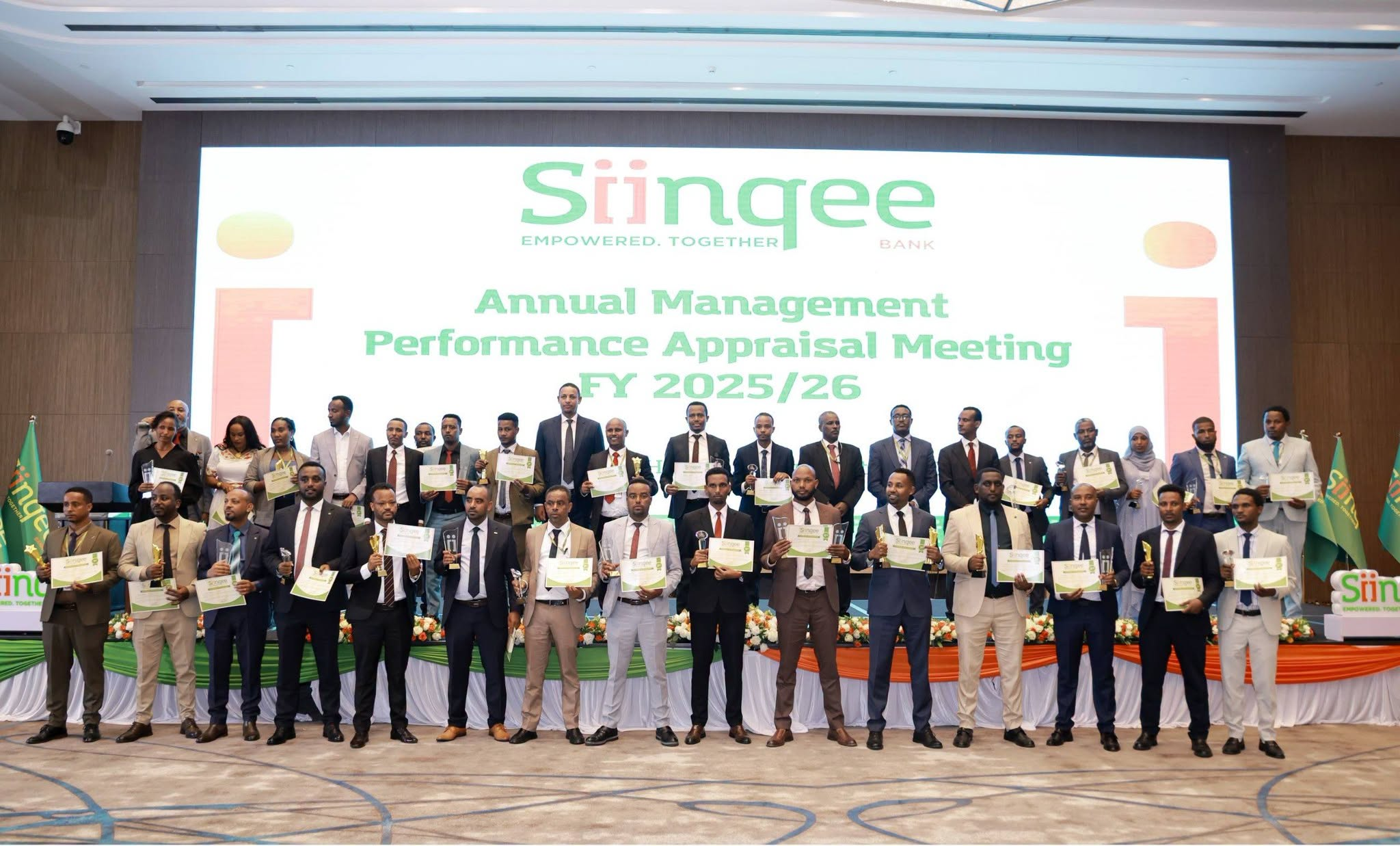
Siinqee Bank: From Financial Access to Economic Power
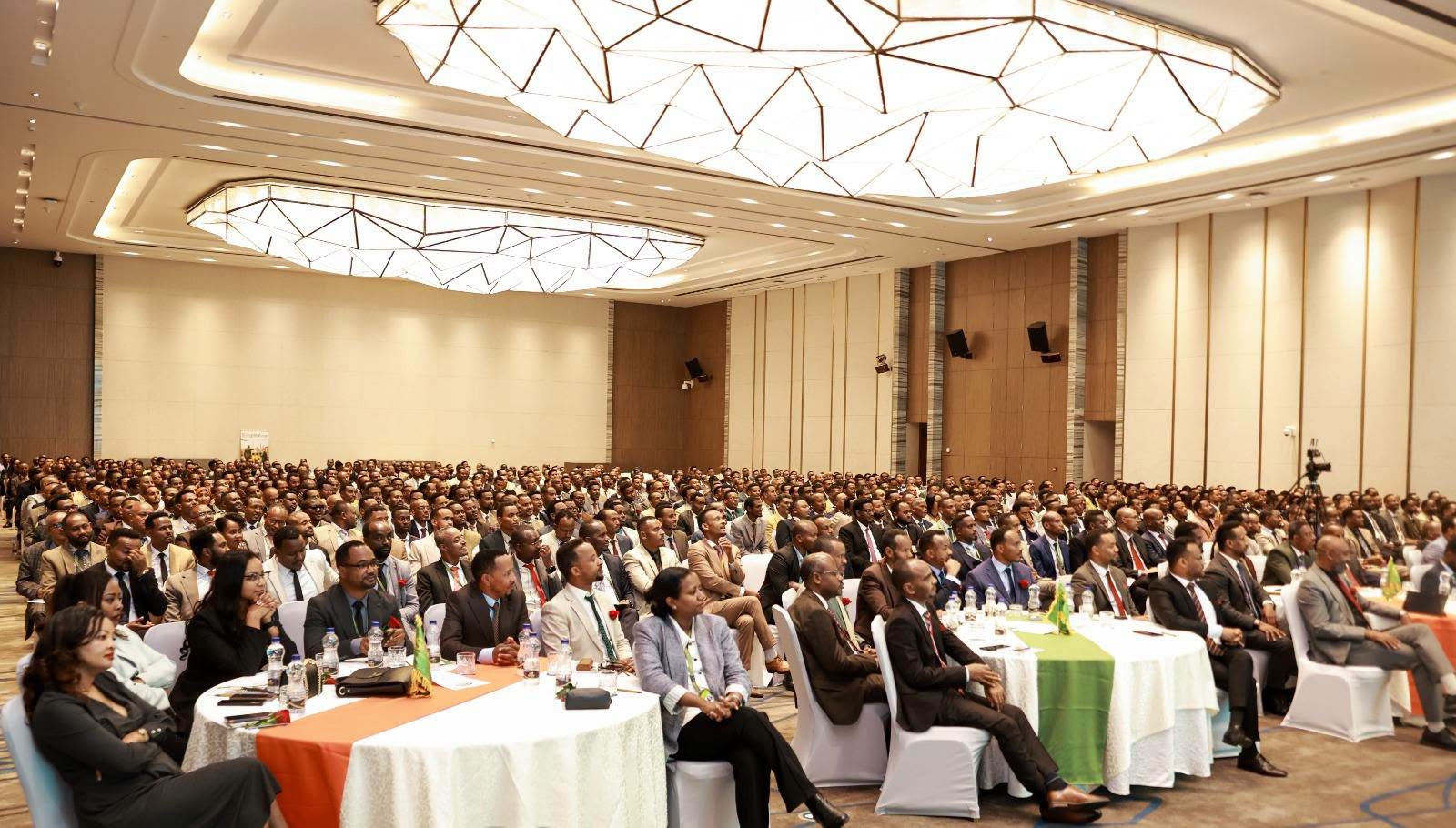
Transforming Scale into Tangible Community Impact
By Abdi Milkessa
(Finfinne-12 August 2026)-Building a strong economy is not a task for the government alone. Economic progress requires financial institutions that actively drive production, investment, and innovation. In the effort to empower the Oromo people economically, institutions that mobilize capital and involve the broader community play a central role. Siinqee Bank, in recent years, has taken significant steps to move this vision from theory to reality.

For a long time, Ethiopia’s financial system has been largely inaccessible to low-income earners, farmers, pastoralists, youth, and small-scale entrepreneurs. Breaking this barrier and bringing finance to the wider community is where Siinqee Bank has distinguished itself. To date, the Bank has disbursed over 127.1 Billion Birr in cumulative loans, reaching more than 855,000 people. Through its digital service “Wabii” alone, it has provided over 8.3 Billion Birr in loans, serving more than 1.6 million people. These numbers reflect not just the breadth of the Bank’s operations but a shift from financial exclusion to active participation in the economy.
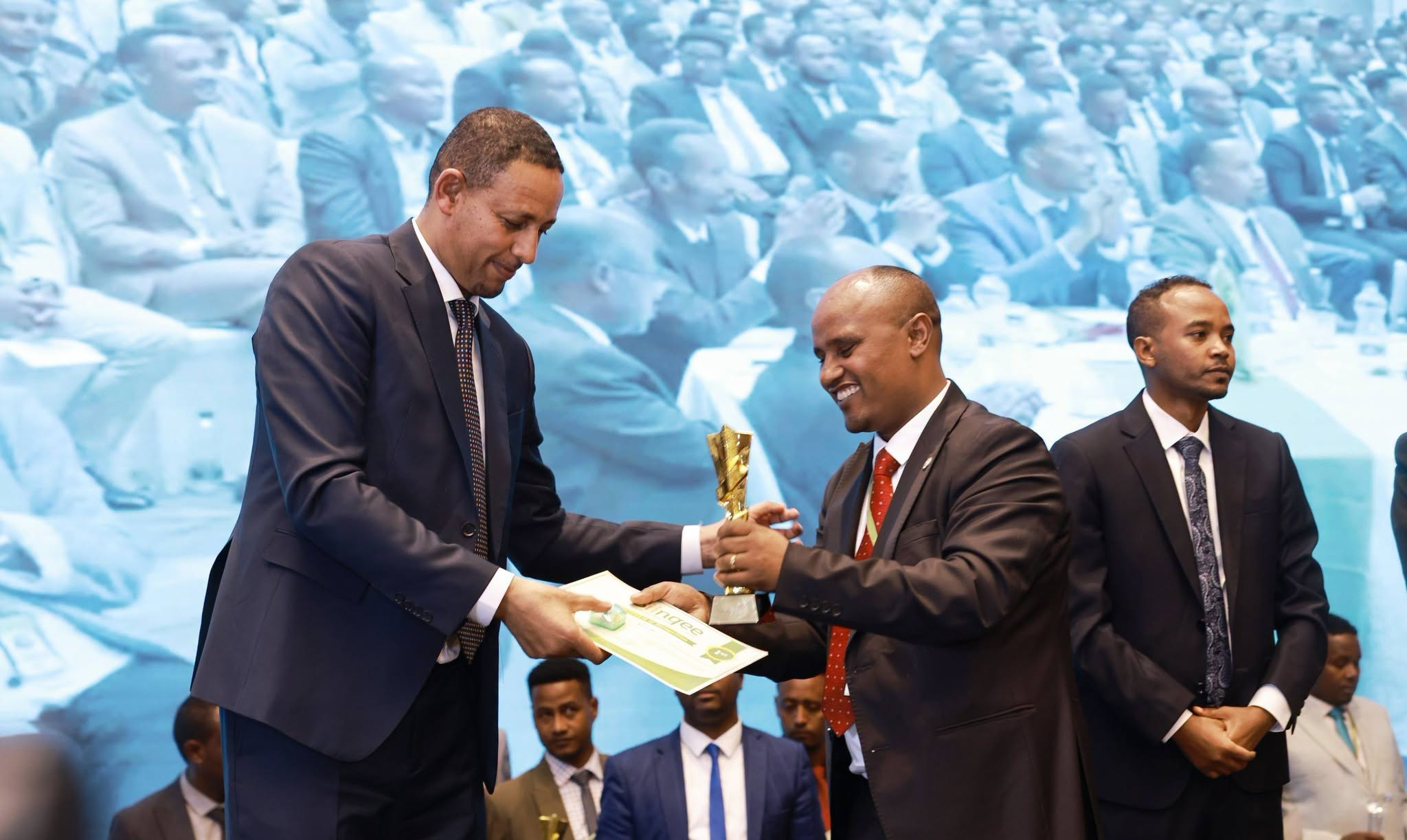
When finance reaches farmers, it creates more than just loans—it builds productive capacity. When a young entrepreneur or a smallholder gains access to capital, their ideas can turn into enterprises, and their skills into production. Small enterprises, when supported, create jobs and generate income. Therefore, the role of Siinqee Bank should be measured not just by the number of customers or volume of loans, but by its success in turning financial access into productive capacity and improved livelihoods.
The Bank’s growth is also built on a solid financial foundation. In the past fiscal year alone, it recorded a pre-tax profit of 10.7 billion Birr. Customer deposits reached 178.1 billion Birr, total assets grew to 216.2 billion Birr, and total capital stood at 23.1 billion Birr. This evidence shows more than just institutional growth; it demonstrates the Bank is building the human and financial capacity to achieve its mission.
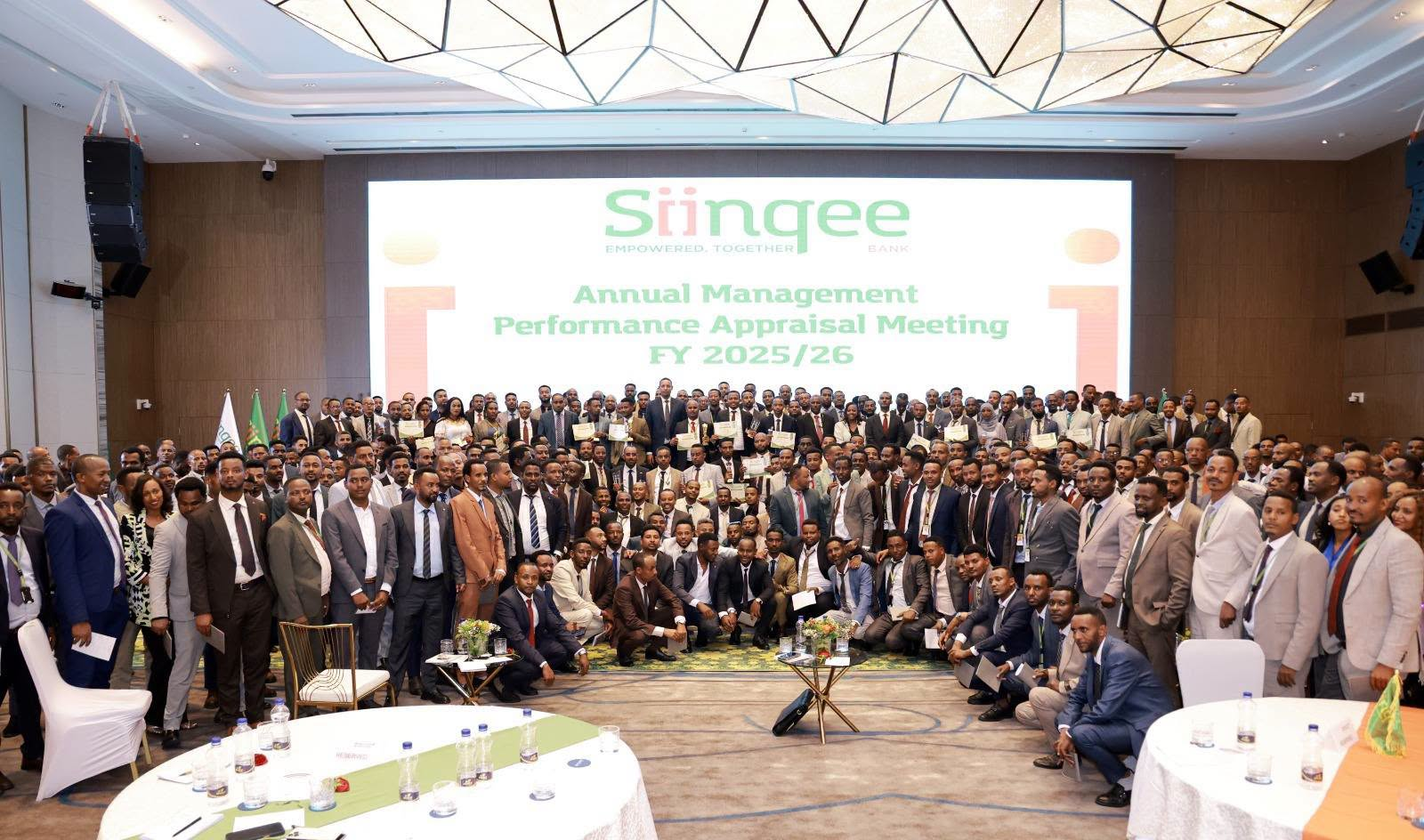
However, the ultimate success of Siinqee Bank is not measured solely by financial returns or asset growth. The real measure is how that financial growth translates into productive power, how productive power becomes investment, how investment creates jobs and income, and how that income leads to tangible improvements in community life. True success lies in breaking financial barriers, bringing low-income communities into the economic mainstream, helping farmers become investors, enabling youth and women to turn their ideas into businesses, and ultimately transforming finance into prosperity.
Therefore, the next step must focus not just on the Bank’s asset growth but on the quality of capital allocation. On one hand, the Bank’s capital should be systematically directed toward high-productivity sectors: from agriculture and agro-processing to industry, services, technology, and youth-led enterprises. On the other hand, there is a need to expand digital financial infrastructure, making services faster, more accessible, and more affordable. As Siinqee Bank continues to grow, its growth must increasingly serve as a catalyst for grassroots economic empowerment.

The Oromia Sovereign Fund and a Vision for the Future
In this regard, the reforms undertaken through the Oromia Sovereign Fund are a strategic step forward. By strengthening the capital capacity of public enterprises and creating interconnected financial institutions, the Fund is laying the groundwork for a more integrated and robust financial system. Under the Siinqee Group, the establishment of Siinqee Bank, Siinqee Leasing, Siinqee Insurance, and Siinqee Investment Bank—by combining capital mobilization, lending, investment, insurance, and leasing—creates a powerful opportunity to build a comprehensive and inclusive financial system.
The key question moving forward is: “How do we turn this structure into real economic power that reaches our communities?”
For the outstanding performance of the past fiscal year, the leadership, board, and staff of Siinqee Bank deserve recognition on behalf of the Oromo people. The Oromia Regional Government remains committed to providing the necessary support for Siinqee Bank to continue growing in line with its core mission and to fulfill its role in driving economic empowerment.
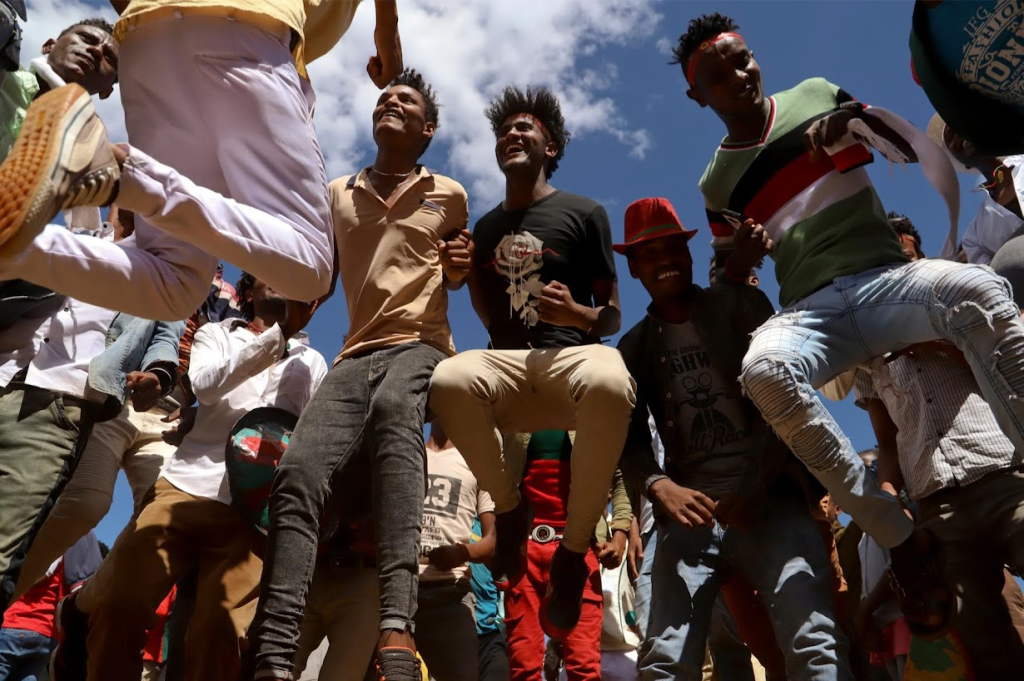
ኢትዮጵያን ከወጣቶቿ ነጥሎ ማየት አይቻልም!

ጠቅላይ ሚኒስትር ዐቢይ አህመድ ወጣቶችን የለውጥ ሞተር እና የሉዓላዊነት ማገር አድርገው ጠሩ
ጸሐፊ፦ አብዲ ሚልኬሳ
የኢትዮጵያ ህዝብ የእድሜ ስብጥር እንደሚያመላክተው፣ ወጣቶች ከፍተኛውን ቁጥር መያዛቸው ሀገሪቱ ለብልጽግና እና ለዘላቂ እድገት ያላትን ታላቅ እድል ያሳያል። ጠቅላይ ሚኒስትር ዐቢይ አህመድ አሊ ወጣቶችን የለውጥ ዋነኛ ሞተር እና የሀገሪቱ ሉዓላዊነት ጽኑ ማገር አድርገው በመግለፅ ወደፊት ለሚገነባው ኢትዮጵያ ግንባታ ቁልፍ ሚና እንዳላቸው አጥብቀው ተናግረዋል።
ወጣቶች፦ የለውጥ ሞተር እና የሉዓላዊነት ማገር
ጠቅላይ ሚኒስትሩ በቅርቡ ባስተላለፉት መልዕክት፣ የኢትዮጵያ ወጣት መልካም ዓላማን አንግቦ የሚንቀሳቀስ፣ የለውጥ ዋነኛ ሞተርና የሉዓላዊነታችን ጽኑ ማገር መሆኑን አስምረውበታል። የኢትዮጵያ ወጣት የሀገሩን ታሪክ በአዲስ ብዕርና ብራና እየፃፈ መሆኑን ገልፀው፣ ዛሬው ወጣት ከሀገሪቱን ከኋላ ጠፍንገው ከያዙዋት አጓጉል ልማዶች፣ አላስፈላጊ ንትርኮች፣ ጭቅጭቅ እና ግጭቶች በመራቅ በልማት ላይ ማተኮሩን እና ድህነትን መቃወሙን አመላክተዋል።
የኢትዮጵያ ህዝብ የእድሜ ስብጥር እንደሚያመላክተው ወጣቶች ከፍተኛውን ቁጥር መያዛቸው ሀገሪቱ ለብልጽግና እና ለዘላቂ እድገት ያላትን ታላቅ እድል ያሳያል።
የመደመር መንግሥት ለወጣቶች ቁርጠኝነት
ጠቅላይ ሚኒስትሩ የመደመር መንግሥት የወጣቶችን ሁለንተናዊ ተጠቃሚነትና የአመራርነት ሚና ለማጠናከር በትኩረትና በቁርጠኝነት እየሰራ መሆኑን አስታውቀዋል። መንግሥት ወጣቶችን በማበረታታት፣ በማጎልበት እና በአመራርነት ሚና ለማበልጸግ የተለያዩ መርሃ ግብሮችን እያከናወነ መሆኑን ገልፀዋል።
ወጣቶች በሀገር ግንባታ ውስጥ ያላቸው ተሳትፎ እንዲጠናከር እና የእነሱን የፈጠራ እና የስራ አቅም በማሳደግ ረገድ መንግስት የተለያዩ እርምጃዎችን እየወሰደ ነው።
ወጣቶች፦ የተሻለ ነገ መሠረት
ወጣቶች የኢትዮጵያ ልዩ ሀብት መሆናቸውን የተናገሩት ጠቅላይ ሚኒስትሩ፣ የሀገር ግንባታ ስራ በወጣቶች እጅ እንደሚዳብር አመላክተዋል። የኢትዮጵያ ወጣት የሀገሪቱን ታሪክ በአዲስ ብዕርና ብራና እየፃፈ መሆኑ በልማት መስክ እያሳዩ ያሉት ተሳትፎ ጎልቶ ይታያል።
ጠቅላይ ሚኒስትሩ በመጨረሻም ሀገራዊ ራዕያችንን ዕውን ለማድረግ ሁላችሁም በንቃት እየተጋን፣ በፍቅር እንድንመላለስ ጥሪያቸውን አቅርበዋል።
ማጠቃለያ፦ ወጣቶች የተሻለ ነገ መሠረት ናቸው
ኢትዮጵያ ወደፊት የምትገነባው በወጣቶቿ እጅ ነው። ወጣቶች የሀገር ግንባታ፣ የለውጥ ሞተር እና የሉዓላዊነት ማገር ናቸው። መንግሥት ወጣቶችን በማጎልበት እና በሁሉም የሀገር ግንባታ ዘርፎች እንዲሳተፉ በማድረግ ረገድ ቁርጠኝነቱን ገልፆታል።
ኢትዮጵያ ትነግር!
ወጣቶች ኃይል ናቸው!
ለውጥ ይኑር!
A Grand Opening: Godo Housing and Smart Real Estate Ushers in a New Era of Development
A Celebration of Partnership, Innovation, and Community in Finfinne
By Dhabessa Wakjira
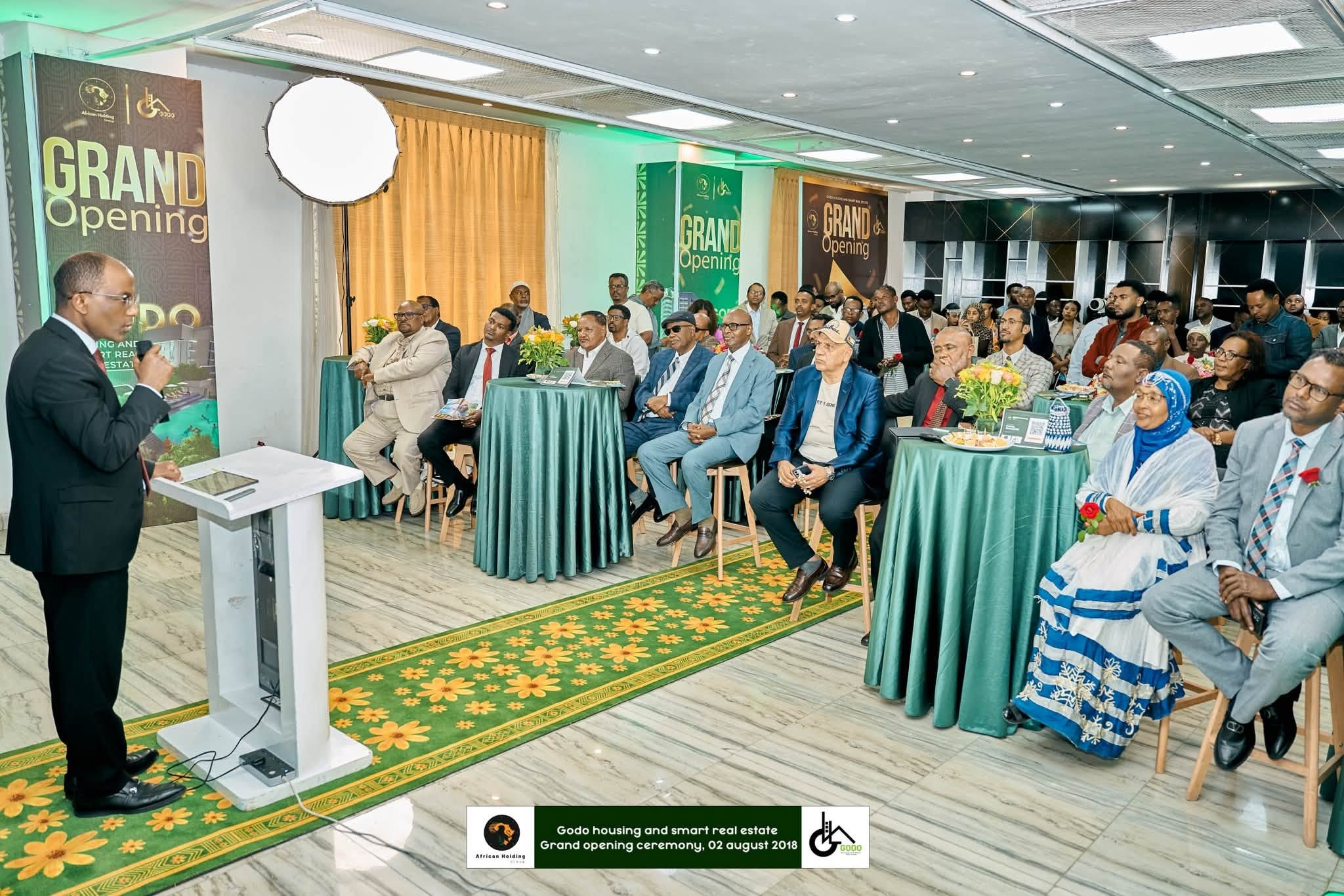
(Finfinne — Saturday, August 8, 2026) In a spectacular display of progress and collaboration, the grand opening ceremony of Godo Housing and Smart Real Estate took place in Finfinne, marking a significant milestone in the region’s development. The event, held on August 8, 2026, brought together distinguished guests, government officials, and community leaders to celebrate the successful launch of the groundbreaking project.
The ceremony was a testament to the power of partnership and shared vision, featuring the presence of Oromia’s highest leadership and key figures behind this transformative initiative.

A Gathering of Leaders
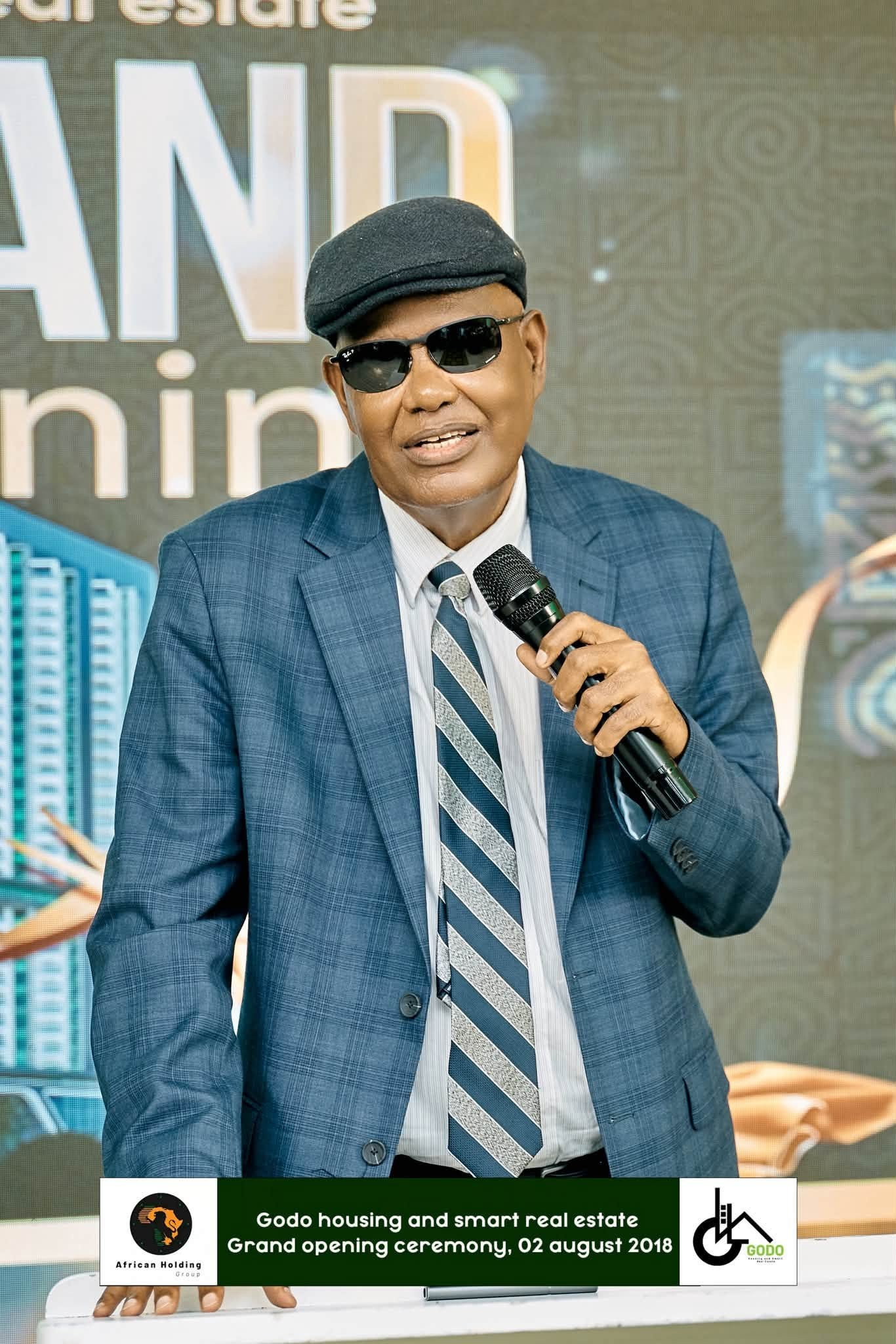
The opening ceremony was graced by a host of esteemed dignitaries, reflecting the project’s importance to the region.
- His Excellency Obbo Hasan Ali, the President of the Oromia Regional Government, was in attendance, underscoring the administration’s commitment to development and economic growth.
- Representing the “Public-Private Partnership” (70/30) project was Honorable Dr. Abdii Fufaa, who spoke on the collaborative model that combines public sector support with private sector efficiency.
- The Founder and CEO of the African Holding Group, Obbo Darajjee Maammuyyee, was also present, highlighting his company’s vision and execution of this ambitious project.
The event also welcomed numerous invited guests, all of whom contributed to the celebratory atmosphere and the exchange of ideas for the future.
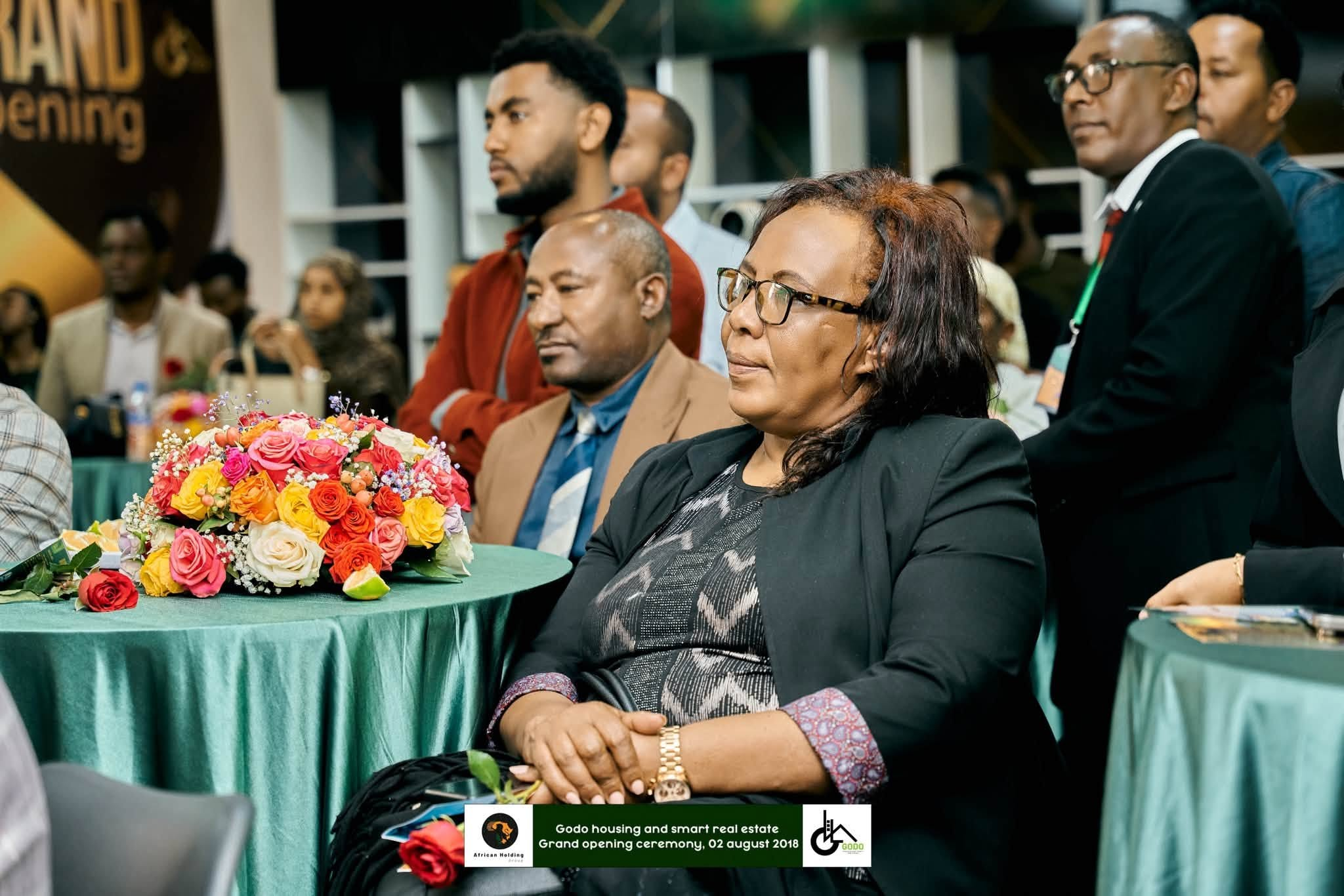
Voices of Support and Vision
The program featured insightful speeches that focused on strengthening and expanding the project’s impact. Attendees praised the initiative’s potential to reshape the real estate landscape and boost the local economy. The collaborative spirit of the 70/30 model was a central theme, emphasizing how government and private entities can work together to achieve sustainable development.
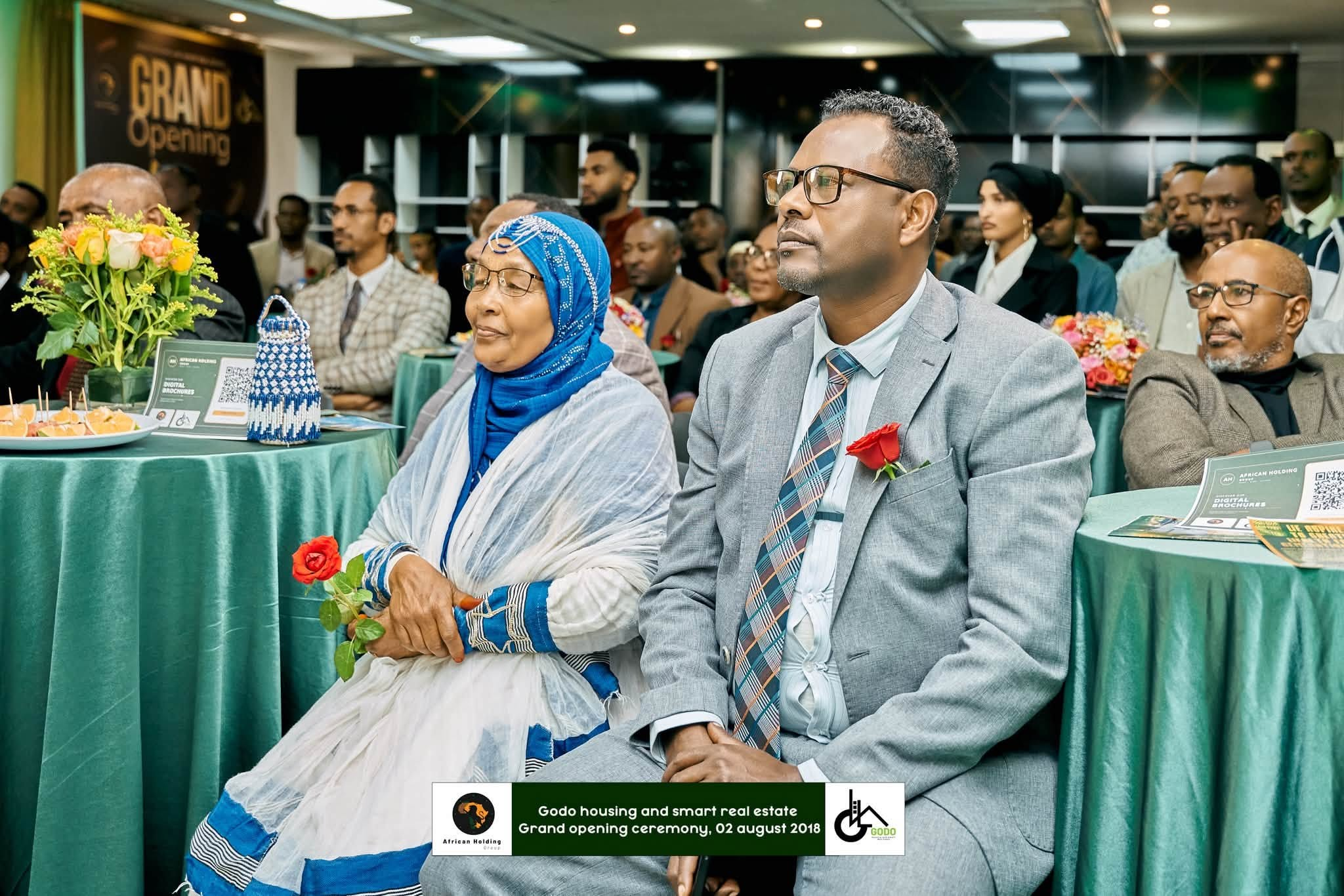
Godo Housing: A Symbol of Progress
The inauguration of Godo Housing and Smart Real Estate represents a significant achievement in Oromia’s development journey. As a key project under the public-private partnership framework, it is expected to:
- Provide modern and accessible housing solutions.
- Create employment opportunities for the local population.
- Boost investment and economic activity in the region.
- Showcase a model of sustainable and collaborative urban development.
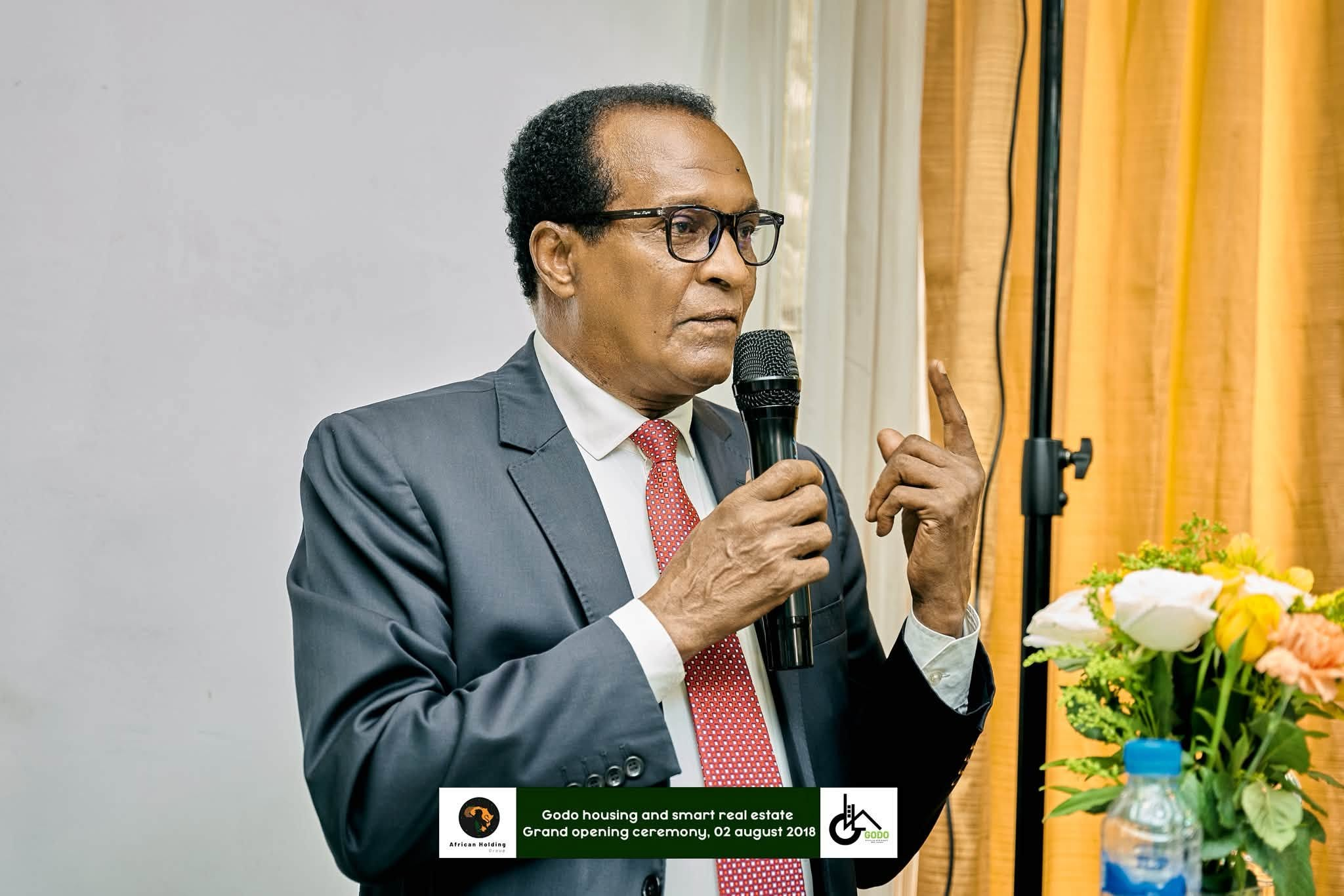
A Bright Future Ahead
The successful ceremony marks the beginning of a new chapter for urban development in Finfinne. The project stands as a beacon of what can be achieved when vision, innovation, and collaboration come together.

Injifannoon Ummata Oromoo!
Godo Housing and Smart Real Estate haa jabaattu!
This feature article is dedicated to all those who have worked tirelessly to bring this vision to life.
የፊንፊኔ ልዩ ሁኔታ ህጋዊ መሠረቶች፦ የፌዴራል እና የክልል ህጎች ግምገማ
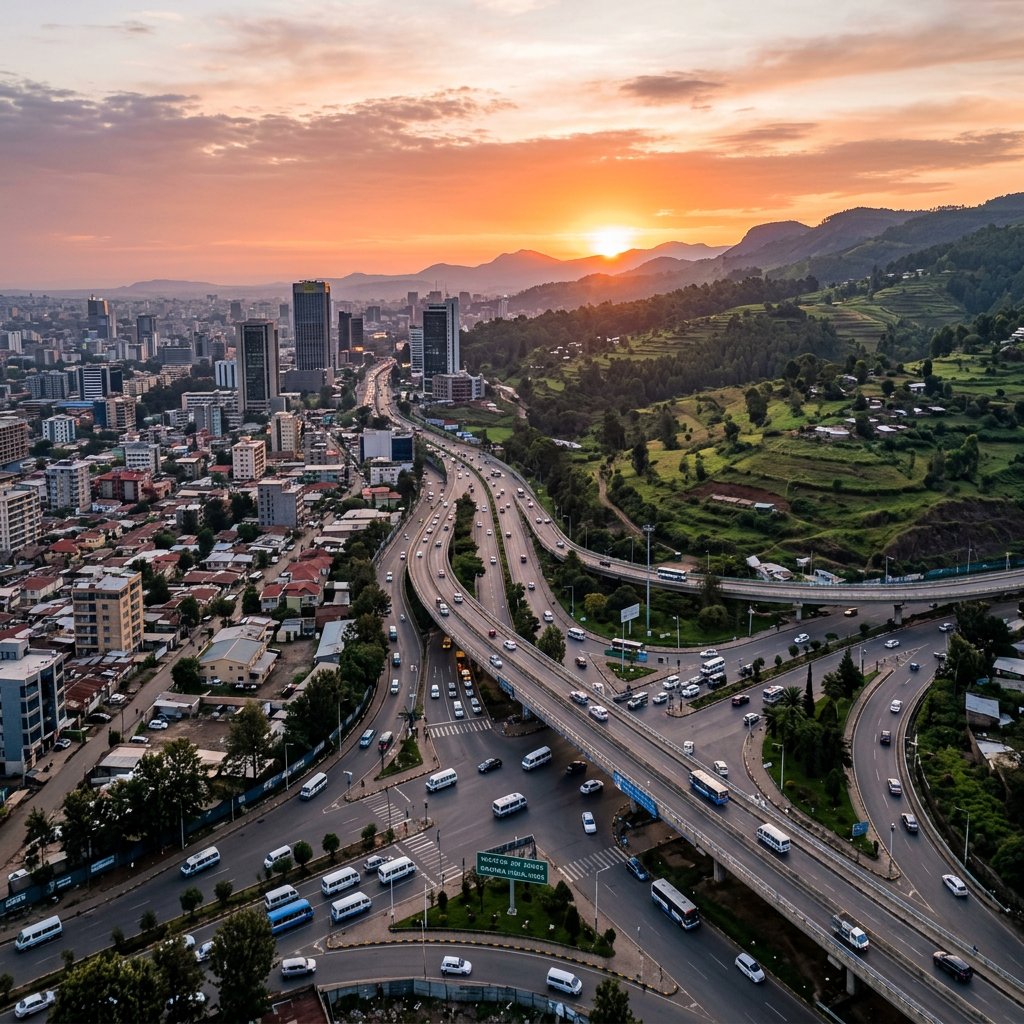
የኦሮሚያን ልዩ ጥቅም በዋና ከተማው ላይ የሚያረጋግጡ ሕገ መንግሥታዊ እና ህጋዊ ድንጋጌዎችን መመርመር
ጸሐፊ፦ ዳበሳ ዋቅጂራ
የፊንፊኔ—በአለም አቀፍ ደረጃ አዲስ አበባ በመባል የምትታወቀው ከተማ—ጉዳይ የፖለቲካ ክርክር ወይም ታሪካዊ ትረካ ጉዳይ ብቻ አይደለም፤ የህግ ጉዳይም ነው። ባለፉት አራት አስርት ዓመታት ውስጥ፣ ተከታታይ የፌዴራል እና የክልል ህጋዊ መሳሪያዎች በኦሮሞ ህዝብ እና በቅድመ አያቶቻቸው ዋና ከተማ መካከል ያለውን ልዩ ግንኙነት እውቅና ሰጥተው በህግ አስቀምጠዋል።
ከደርግ ውድቀት በኋላ ካለው የሽግግር ወቅት ጀምሮ እስከ አሁን ድረስ፣ የኢትዮጵያ ህግ ፊንፊኔ በኦሮሚያ ግዛት ውስጥ በመገኘቷ ምክንያት ለኦሮሚያ “ልዩ ጥቅም” —ማህበራዊ አገልግሎቶችን፣ የተፈጥሮ ሀብቶችን እና የጋራ አስተዳደር ጉዳዮችን ያካተተ ጥቅም—እንዳላት እውቅና ሰጥቷል። ይህ ህጋዊ ማዕቀፍ፣ በተግባር ተግባራዊነቱ አከራካሪ ቢሆንም፣ የኦሮሞ ህዝብ ለታሪካዊ ዋና ከተማቸው ለሚያቀርቡት ጥያቄ ሕገ መንግሥታዊ መሠረት ይሰጣል።
የፌዴራል ህጋዊ መሳሪያዎች፦ ሕገ መንግሥታዊ እና ህጋዊ ማዕቀፍ
ሀ. አዋጅ ቁጥር 7/1984፦ ብሔራዊ ክልላዊ የሽግግር መስተዳድሮችን ማቋቋም
የኦሮሚያ ልዩ ጥቅም በፊንፊኔ ላይ ያለው ህጋዊ እውቅና ከ1995 ሕገ መንግሥት በፊት ይጀምራል። ከደርግ አገዛዝ ውድቀት በኋላ በሽግግር ወቅት፣ የኢትዮጵያ ሽግግር መንግሥት ብሔራዊ ክልላዊ የሽግግር መስተዳድሮችን ለማቋቋም አዋጅ ቁጥር 7/1984 አውጥቷል።
የዚህ አዋጅ አንቀጽ 3(1) የኦሮሞ ብሔር የክልል ራስ ገዝ አስተዳደር ለማቋቋም ከተፈቀደላቸው ብሔሮች፣ ብሔረሰቦች እና ህዝቦች መካከል አንዱ መሆኑን ለይቷል፣ ክልሉም “ክልል 4” ተብሎ ተሰይሟል። በአንቀጽ 3(4) መሠረት በክልል 13 (ሐረሪ ብሔረሰብ ወይም የሐረር ከተማ) እና በክልል 14 (አዲስ አበባ) ላይ የኦሮሞ “ልዩ ብሔራዊ ጥቅም እና የፖለቲካ መብት” የተጠበቀ ይሆናል ተብሏል።
ይህ ድንጋጌ የነጠላ መንግሥት ውድቀትን ተከትሎ የኦሮሚያን ልዩ ጥያቄ በዋና ከተማው ላይ የመጀመሪያውን መደበኛ ህጋዊ እውቅና ይወክላል። ከተማው እንደ ተለየ የአስተዳደር አካል ቢመደብም፣ በኦሮሚያ ውስጥ መገኘቷ ሊታለፍ የማይችል ልዩ ግንኙነት እንደፈጠረ እውቅና ሰጥቷል።
ለ. የኢፌዲሪ ሕገ መንግሥት፣ አንቀጽ 49(5)፦ ሕገ መንግሥታዊ እውቅና
በፊንፊኔ ላይ የኦሮሚያን ልዩ ጥቅም በጣም አስፈላጊው ህጋዊ እውቅና በ1995 የኢትዮጵያ ፌዴራላዊ ዲሞክራሲያዊ ሪፐብሊክ ሕገ መንግሥት ውስጥ ተካቷል።
አንቀጽ 49(5) እንዲህ ይላል፦
“የኦሮሚያ ክልል ፡ የአገልግሎት አቅርቦት ወይም የተፈጥሮ ሀብት አጠቃቀምንና የመሳሰሉትን ጉዳዮች በተመለከተ እንዲሁም አዲስ አበባ በኦሮሚያ ክልል መሀል የሚገኝ በመሆኑ የሚነሱ ሁለቱን የሚያስተሳስሩ አስተዳደራዊ ጉዳዮች በተመለከተ ያለው ልዩ ጥቅም ይጠበቅለታል፡፡ ዝርዝሩ በህግ ይወሰናል።”
ይህ ድንጋጌ በሕገ መንግሥት ጉባዔ ውስጥ ሰፊ ክርክር የተደረገበት ነው። የሕገ መንግሥት ጉባዔ የውይይት ቃለ ጉባዔ ገፅ 106-108 እንደሚያሳየው፣ የኦሮሞ ተወካዮች ይህ አንቀጽ እንዲካተት የተከራከሩት በበርካታ ምክንያቶች ነው፦
- መልክዓ-ምድራዊ እውነታ፦ ፊንፊኔ በኦሮሚያ ግዛት ውስጥ ትገኛለች።
- ታሪካዊ ትስስር፦ ከተማዋ የተመሰረተችው በኦሮሞ መሬት ላይ ነው እና የኦሮሚያ እምብርት ናት።
- ተግባራዊ አስፈላጊነት፦ የከተማዋ መስፋፋት በአካባቢው ያሉ የኦሮሞ አርሶ አደሮች ላይ ተጽዕኖ ያሳድራል።
- ሕገ መንግሥታዊ ማንነት፦ ከተማዋ የኦሮሚያ ክልል ዋና ከተማ ሆና ታገለግላለች እና ከኦሮሞ ማንነት ጋር ጥልቅ ትስስር አላት።
አንቀጹ በ507 ድጋፍ እና በ6 ተቃውሞ ተፀድቋል፣ ይህም የኦሮሚያ ልዩ ጥቅም መርህ ላይ ሰፊ መግባባት መኖሩን ያሳያል።
ሐ. የአዲስ አበባ ከተማ አስተዳደር ቻርተር አዋጅ ቁጥር 87/1989
ለአዲስ አበባ ከተማ አስተዳደር የመጀመሪያው ቻርተር፣ አዋጅ ቁጥር 87/1989፣ በከተማው እና በኦሮሚያ መካከል ስላለው ግንኙነት ዝርዝር ድንጋጌዎችን አስቀምጧል።
አንቀጽ 33 የዚህ አዋጅ የኦሮሚያን ልዩ ጥቅም አራት ቁልፍ አካላት አስቀምጧል፦
- የወሰን ውሳኔ፦ የከተማው ወሰን በከተማው አስተዳደር እና በኦሮሚያ ክልላዊ መንግሥት በጋራ ይለያል እና የወሰን ምልክት ይደረግበታል።
- የመቀመጫ መብት፦ የኦሮሚያ ክልላዊ መንግሥት መቀመጫውን በአዲስ አበባ የማድረግ መብት አለው።
- የአገልግሎት ተደራሽነት፦ የከተማው አስተዳደር ለአዲስ አበባ ነዋሪዎች የሚያቀርባቸው አገልግሎቶች ለአካባቢው የኦሮሚያ ማህበረሰቦችም ተደራሽ መሆን አለባቸው።
- በልማት ላይ ምክክር፦ የከተማው አስተዳደር የኦሮሚያን ህዝብ የሚነኩ የልማት ሥራዎችን ከኦሮሚያ ክልላዊ መንግሥት ጋር በመመካከር እና በመስማማት ብቻ ሊሠራ ይችላል።
ይህ ቻርተር በከተማው እና በአካባቢው ክልል መካከል ያለውን ተግባራዊ ትስስር ጠቃሚ ህጋዊ እውቅና ይወክላል።
መ. የተሻሻለው የከተማ ቻርተር አዋጅ ቁጥር 311/1995 እና 361/1995
የከተማው ቻርተር ተከታይ ማሻሻያዎች፣ አዋጅ ቁጥር 311/1995 እና አዋጅ ቁጥር 361/1995ን ጨምሮ፣ በከተማው እና በኦሮሚያ መካከል ስላለው ግንኙነት ያለውን ማዕቀፍ ቀይረዋል።
የእነዚህ አዋጆች አንቀጽ 62፣ በከተማው አስተዳደር እና በኦሮሚያ ክልላዊ መንግሥት መካከል ስላለው ግንኙነት፣ የሚከተሉትን ደንግጓል፦
- የከተማው አስተዳደር ከኦሮሚያ ክልል ጋር ፍሬያማ ትብብርን መሠረት ያደረገ ግንኙነት ይኖረዋል።
- በሕገ መንግሥቱ አንቀጽ 49(5) መሠረት የኦሮሚያ ክልል ጥቅም የተጠበቀ ነው። ዝርዝሩ በከተማው አስተዳደር እና በክልሉ መንግሥት መካከል በሚደረግ ስምምነት ወይም በሕዝብ ተወካዮች ምክር ቤት በሚወጣ ህግ ይወሰናል።
አንቀጽ 5፣ የከተማውን ወሰን በተመለከተ፣ ከቀዳሚው ቻርተር ተለይቷል። ወሰኑ በከተማው አስተዳደር እና በኦሮሚያ መካከል በስምምነት ወይም በፌዴራል መንግሥት ውሳኔ ሊወሰን እንደሚችል ደንግጓል—ይህም የኦሮሚያ ክልል ፈቃድ ሳያስፈልግ ወሰኖች በፌዴራል ደረጃ ሊወሰኑ እንደሚችሉ ያሳያል።
ይህ ለውጥ ከ1989 ቻርተር ጋር ሲነጻጸር የኦሮሚያን ልዩ ጥቅም ህጋዊ መቀነስን ይወክላል፣ ይህም ቀጣይ ውጥረት ምንጭ ሆኗል።
የክልል ህጋዊ መሳሪያዎች፦ የኦሮሚያ ሕገ መንግሥታዊ ማዕቀፍ
ሀ. የኦሮሚያ ሽግግር ሕገ መንግሥት (1984)
የኦሮሚያ ብሔራዊ ክልላዊ መንግሥት የመጀመሪያው ሕገ መንግሥት፣ በ1984 አዋጅ ቁጥር 2/1985 የወጣው፣ የክልሉን መሠረታዊ ማንነት አስቀምጧል።
ይህ ታሪካዊ ሰነድ፣ በህዝባዊ ምርጫ ተከትሎ በአዲስ በተቋቋመው የኦሮሚያ ምክር ቤት የጸደቀው፣ የሚከተሉትን አስታውቋል፦
- አንቀጽ 55፦ የክልሉ ስም ኦሮሚያ ይሆናል።
- አንቀጽ 57፦ የክልሉ የሥራ ቋንቋ አፋን ኦሮሞ ይሆናል፣ የሚጻፈውም በላቲን ፊደል ነው።
- አንቀጽ 58፦ የክልሉ ዋና ከተማ ፊንፊኔ ይሆናል።
ይህ ሕገ መንግሥት የመጀመሪያውን መደበኛ የኦሮሞ ራስ ገዝ አስተዳደር ማረጋገጫ ይወክላል እና ፊንፊኔን እንደ ኦሮሚያ ልብ አረጋግጧል።
ለ. የኦሮሚያ ሕገ መንግሥት (1987)
ሁለተኛው የኦሮሚያ ሕገ መንግሥት፣ በአዋጅ ቁጥር 1/1987 የወጣው፣ የሲቪል መንግሥት ሽግግርን ተከትሎ የክልሉን ማንነት እና ዋና ከተማ አረጋግጧል።
አንቀጽ 6 የዚህ ሕገ መንግሥት የኦሮሚያ ክልል ዋና ከተማ ፊንፊኔ መሆኑን አረጋግጧል፣ ይህም የክልሉን ሕገ መንግሥታዊ ማንነት ቀጣይነት ጠብቋል።
ሐ. የተሻሻለው የኦሮሚያ ሕገ መንግሥት (1994) እና አዋጅ ቁጥር 94/1997
ሶስተኛው የኦሮሚያ ሕገ መንግሥት፣ በአዋጅ ቁጥር 46/1994 የወጣው፣ በ1993 የፖለቲካ ማሻሻያዎችን ተከትሎ፣ ጉልህ ለውጥ አስተዋወቀ፦ አንቀጽ 6 የኦሮሚያ ዋና ከተማ አዳማ ይሆናል ብሏል።
ይህ ለውጥ የተደረገው የኦሮሚያ ዋና ከተማን ለመወሰን በወጣው አዋጅ ቁጥር 35/1992 አንቀጽ 3(1) መሠረት ከሐምሌ 5 ቀን 1992 ጀምሮ አዳማ የኦሮሚያ ዋና ከተማ መሆኑ በመታወቁ ነው።
ሆኖም ይህ ውሳኔ ሰፊ ህዝባዊ ተቃውሞ እና ተቃውሞ ገጠመው።
የ1997 ምርጫዎችን ተከትሎ፣ የኦሮሚያ ክልላዊ መንግሥት ህዝባዊ ፍላጎትን በመቀበል መቀመጫውን ወደ ፊንፊኔ መለሰ። ከዚያም በኦሮሚያ ምክር ቤት የጸደቀው አዋጅ ቁጥር 94/1997 የኦሮሚያ ዋና ከተማ ፊንፊኔ መሆኑን በማረጋገጥ የ1994 ማሻሻያን ቀለበሰ።
አንቀጽ 2(3) የዚህ አዋጅ የኦሮሚያ ዋና ከተማ ፊንፊኔ መሆኑን በመደበኛነት አስታውቋል። ይህ ውሳኔ በኦሮሞ ህዝብ እና በቅድመ አያቶች ዋና ከተማቸው መካከል ያለውን ጥልቅ ታሪካዊ እና ባህላዊ ትስስር ያንጸባርቃል።
ቀጣይ ክርክር፦ ትግበራ እና ውዝግብ
የኦሮሚያን ልዩ ጥቅም በፊንፊኔ ላይ የሚያረጋግጠው ህጋዊ ማዕቀፍ በደንብ የተቋቋመ ቢሆንም፣ ተግባራዊነቱ ቀጣይ ውጥረት ምንጭ ሆኗል።
የልዩ ጥቅም ምክር ቤት
በአዲስ አበባ ላይ የኦሮሚያን ልዩ ጥቅም በተመለከተ የተዘጋጀው ረቂቅ አዋጅ ከከተማው አስተዳደር እና ከኦሮሚያ ክልላዊ መንግሥት የተውጣጡ ተወካዮችን ያቀፈ የጋራ ምክር ቤት እንዲቋቋም ያስባል። ነገር ግን የህግ ባለሙያዎች የአባላትን ብዛት፣ አወቃቀር፣ ስልጣኖች እና የስልጣን ጊዜ መወሰንን ጨምሮ ቁልፍ ዝርዝሮችን ለሌላ ጊዜ ማስተላለፉን እንደ ጉልህ ጉድለት ጠቁመዋል።
የ2014 ማስተር ፕላን ውዝግብ
በ2014 የቀረበው የአዲስ አበባ የተቀናጀ ልማት ማስተር ፕላን የከተማውን ወሰን ወደ አካባቢው የኦሮሚያ ወረዳዎች 1.1 ሚሊዮን ሄክታር ለማስፋት ያቀደው፣ ሰፊ ተቃውሞ አስነስቶ በመቶዎች የሚቆጠሩ ሰዎች ህይወታቸውን አስተዋለ። ተቺዎች እቅዱ ከኦሮሚያ ክልላዊ መንግሥት ቅድመ ምክክር ወይም ተሳትፎ ውጭ በማዕከላዊ ደረጃ ተጭኗል ብለው ተከራክረዋል፣ ይህም ከሕገ መንግሥታዊ መርሆች ጋር ይቃረናል።
አንቀጽ 49(5) ሙሉ በሙሉ አለመተግበር
የህግ ተንታኞች “ልዩ ጥቅም” የሚለው ፅንሰ-ሀሳብ የባለቤትነት አይነት እና የኦሮሞ ህዝብ ከከተማው እንዳይባረር መከላከልን ለማመላከት የታሰበ ነበር። ሆኖም ተከታታይ የፌዴራል መንግሥታት ሕገ መንግሥታዊ ድንጋጌውን በትርጉም ተግባራዊ ማድረግ ባለመቻላቸው ተከሰዋል፣ ይልቁንም በዋና ከተማው እና በአካባቢው ያሉ የኦሮሞ ማህበረሰቦችን የሚያገለሉ ፖሊሲዎችን በመከተላቸው ተችተዋል።
ማጠቃለያ፦ ትግበራን የሚጠባበቅ ህጋዊ ማዕቀፍ
በዚህ ጽሁፍ ውስጥ የተመለከቱት ህጋዊ መሳሪያዎች ወጥ የሆነ ንድፍ ያሳያሉ፦ ከሽግግር ወቅት ጀምሮ እስከ አሁን ድረስ፣ የኢትዮጵያ ህግ የኦሮሚያን ልዩ ጥቅም በፊንፊኔ ላይ እውቅና ሰጥቷል። የኢፌዲሪ ሕገ መንግሥት፣ የከተማው ቻርተሮች እና የኦሮሚያ ሕገ መንግሥቶች በከተማው እና በዙሪያው ባለው ክልል መካከል ያለውን ልዩ ግንኙነት ሁሉ ያምናሉ።
ሆኖም ህጋዊ እውቅና ብቻውን በቂ አይደለም። በወረቀት ላይ ባለው ህግ እና በተግባር በሚተገበርበት መካከል ያለው ክፍተት ቀጣይ ውጥረት እና ግጭት ምንጭ ሆኗል። አንቀጽ 49(5) ሙሉ በሙሉ አለመተግበር፣ የወሰን መስፋፋት ውዝግቦች እና በዋና ከተማው አስተዳደር ውስጥ የኦሮሞ ጥቅሞች በቂ ያልሆነ ውክልና ሁሉ የኦሮሚያ ሕገ መንግሥታዊ መብቶች እየተጣሱ ነው የሚል ግንዛቤ እንዲፈጠር አስተዋፅኦ አድርገዋል።
ወደፊት የሚወስደው መንገድ በጋራ የአስተዳደር ዘዴዎች፣ በትርጉም ምክክር እና በከተማው መስፋፋት ለተጎዱ የኦሮሞ ማህበረሰቦች ጥበቃ በማድረግ የሕገ መንግሥት እና ህጋዊ ማዕቀፉን እውነተኛ ትግበራ ላይ ነው። አንድ የህግ ተንታኝ እንዳስተዋሉት፦ “ልዩ ጥቅም የሚለው ፅንሰ-ሀሳብ ዋና ከተማውን ለማቋቋም መሬታቸው የተወሰደው የኦሮሞ ህዝብ ከከተማው ህልውና ጥቅሞች እንዳይገለሉ ለማድረግ ወደ ኢትዮጵያ ህጋዊ ቃላት ገብቷል።” ይህን ራዕይ መፈጸም ህጋዊ እውቅና ብቻ ሳይሆን የፖለቲካ ፈቃድም ይጠይቃል።
ይህ የፊቸር ጽሁፍ የፌዴራል እና የክልል ህጋዊ መሳሪያዎችን ግምገማ ላይ የተመሠረተ ነው እና የኦሮሚያን ሕገ መንግሥታዊ መብቶች በፊንፊኔ ሙሉ በሙሉ ተግባራዊ ለማድረግ ለሚታገሉ ሁሉ የተሰጠ ነው።
 Oromedia