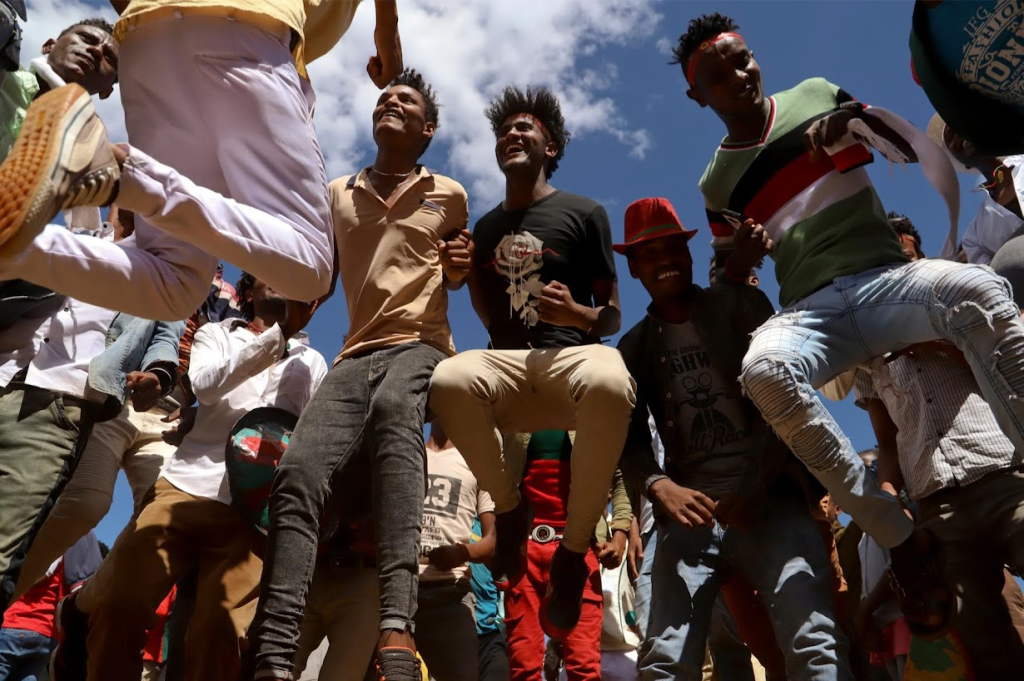
Gooticha Baddaa Horroo Abiishee Waliin Hariiroo Akka Qabutu Himama
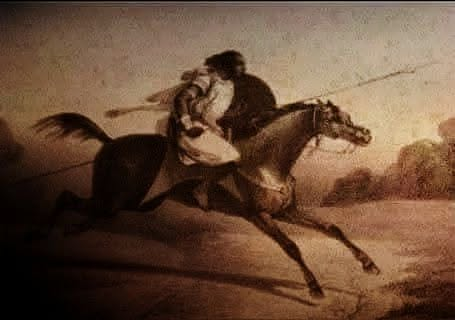
Isin Waa’ee Gootummaa Abbaa Biichee Maal Beektu?
Barreessaa: Malkaamuu Taarikuu Amoosaa
Walakkeessi Jaarraa 19ffaa seenaa uummata Oromoo keessatti yeroo itti uummanni Oromoo akka sabaatti falaasama sirna gadaa isaa humnaan molqame, yeroo weerarri maqaa babal’ifannaa lafaa kibba, kibba-dhihaafi baha Oromiyaa guutuu keessatti afaan nafxiin adeemsifamaa ture ta’uu seenaan dubbata. Yeroon kun yeroo Oromoon Arsii fi Harargee Aanolee fi Calanqootti harkaaf miilla, harmaaf qaamni saalaa aalbeen cirame ta’uu seenaan yaadata.
Mootonni kaaba Itoophiyaa yeroo sanii tooftaa gurguddaa lama baafachuun yeroo itti qabeenyaaf eenyummaa Oromoo saamuuf itti adeeman ture. Kunis, humnaan jiilchanii jilbeeffachiisanii bituufi hariiroo michummaa uumuu of keessaa qaba. Jiilchanii bituu keessatti taateen Aanolee, Azulee fi Calanqootti ta’e ragaadha. Hariiroo michummaa uumuu keessatti garuu waraanaa tokko malee abbootii waraanaa Oromoo gariin lola malee olaantummaa mootota warra Kaabaa fudhatan beekamtii kennanii of jalatti hiriirsuun gibira kanfalchiisuu, lola irratti hirmaachisuufi lafa fudhachuu of keessaa qaba.
Mootonni yeroos lola tokko malee karaa nagaa hariiroo jara waliin uuman hedduun akkuma jiran warri akka Waacoo Dabaloo, Abiishee Garbaa, Jorgoo Dagaagoo, Leenjisoo Digaa, Bakar Waaree, fi kkf kanneen olaantummaa mootota warra Kaabaa hinfudhannu jechuun waraanaan dura dhaabbachuu filatanis turaniiru. Gootawwan kanneen hunda guyyaa tokkootti ilaallee fixuu hindandeenyu kanaaf, warra hafe guyyaa biraaf beellama qabadheen keessaa waa’ee seenaa gootummaa Waacoo Dabaloo isiniif qooda.
Dhaloota Waacoo Dabaloo
Waacoo Dabaloo dhiha Oromiyaa, godina Wallagga Lixaa, Aanaa Jaarsoo (Gabaa Dafinoo) jedhamee beekamu keessatti dhalate. Bakki dhaloota isaa kun duratti “citaa Akkumaa” jedhamuun akka beekamu seenaan afoolaa hima.
Har’a Aanaan Jaarsoo magaalaa guddoo Finfinneerraa kiilo meetira 525 akkasumas, Magaalaa guddoo Godina Wallagga Lixaa Gimbiirraa gara Lixaatti kiilo meetira 103 fagaattee kan argamti. Yeroo ammaa Aanaa Jaarsoo karaa bahaan Aanaa Najjoo, karaa Lixaan Aanaa Baabboo Gaambel, karan Kibbaan Aanaa Gullisoofi karaa Kaabaan Aanaa Lataa sibuun kan daangeeffamteedha. Bal’inni lafa aanichaas iskuweer km 491,620 yoo ta’u, olka insa lafaan meetira 1300-2600 meetirakan taateefi teessuma lafaa %85 diriiraa, %10 lafa dachaafi %5 immoo garreen kan ta’eedha.
Waacoof bakki kun bakka ka’umsa qabsooti. Waacoo Dabaloo goota Oromoo dhaloota jaarraa kanaa biratti nama akka mallattoo gootummaa fi sabboonummaa ta’uun yaadatama. Waa’een gootummaafi seenaa jireenya isaa bal’inaan barreeffamee hinjiru, seenaan isaa caalaatti afoola akkasumas geerarsaan dhalootarra dhalootatti afaaniin darbaa dhufeen har’a dhaqqabuu danda’eera.
Hidda Dhalootaa fi Gosaa
Waacoo Dabaloo hidda dhaloota isaatiin Sibuu yoo ta’u lolee lolchiisaa goota jabaa fi hogganaa gosa Siibuuti. Sibuun hidda dhaloota Maccaa shanan keessaa kan Daallee ykn Daadhiiti. Daallee ykn Daadhii ilmaan torba hore. Isaanis Oboo (Leeqaa), Sayyoo, Sibuu, Tummee, Limmuu, Noonnoo fi Daannoo hore. Sibuun ilma sadaffaa Daalleeti. Lixa Oromiyaa keessatti bal’inaan qubatanii argamu.
Seenaa Sibuu dabalataan baruu yoo feetan barruu “Article” John Hultan waa’ee babal’ifannaa Sibuu irratti barreesse barbaaddaa dubbisaa.
Gootummaa fi Qabsoo
Waacoo Dabaloo yeroo saamichi qabeenya fi eenyummaa adeemsifamu san dhaabbatee hin ilaalle. Meeshaa waraanaa aadaa qabuun dura dhaabbate. lafa fi mirga uummata sanaa weerara waraana Miniilik irraa ittisuuf wareegama olaanaa kaffalluu filate.
Seenaan lolaa Waacoo Dabaloo caalaatti jaarraa 19ffaa gara dhumaa keessa, yeroo mootummaan Minilik II babal’ifannaa naannoo kibbaa fi dhiha Oromiyaa gaggeessaa tureetti kan raawwatedha. Lolli isaa amala ittisa biyyaa fi fincila mootummoota nafxanyaa gadootti bitamuu diduu qaba ture. Kanaafis, tooftaa waraanaa Riphee Loltummaa (Guerilla Warfare) fayyadamuun daggala seenee loltoota Miniiliikii Goobanaan hoogganamu waraanuu hoji manee godhate.
Waacoon dinagdee fi waraana kaabaa itti dhufe kiyyootti galchuuf (ambush)-tti dhimma ba’aa akka ture maanguddoonni argaa dhageettii himu. Waacoon bosona aanaa Jaarsoo, Siibu fi dhiha Wallaggaa sirriitti waan beekuuf, naannoo saniin loltoota Miniiliik saamicha lafaa gaggeessuu dhufan hedduu adaba itti tolchuun fi dhabamsiisaa ture jedhu.
Waacoon faayidaa fi angoo Miniiliik isaaf kenne fudhatatee gadootti galuu irra bilisummaa uummata isaatiif jecha daggala akkasumas naannoo keessa sosocho’uun loltuu kaabaa finciluu filate jechuun dubbatu. Meeshaa waraanaa ammayyaa dhabus, tooftaa waraana daggalaa (guerilla warfare) fi onnee gootummaatiin loltoota sirnichaa naannoo isaatti faca’aanitti adaba tolchuu akka danda’ellee seenaan hima.
Waacoo Dabaloo gootota naannoo sanaa kanneen akka Abishee Garbaa fi kanneen biroo waliin hidhata uumuun, Oromoon gidduu-galeessa fi dhihaa akka gurmaa’uufi saamicha lafaa mudataa jiru dura akka dhaabbataniif goota gahee guddaa taphachaa turedha. Tooftaa waraanaa cimaa gootummaan dabaalameen lola gaggeessuun gootummaa isaa mul’iseera. Lola kana keessatti fardaan lolaa akka tureefi maqaan farda isaa “Biichee” jedhamee akka waamamu maanguddoon seenaa dubbatu.
Geerarsa Gootummaa
Hawaasni naannoo sana waa’ee gootummaa Waacoo Dabaloo geerarsaan waan jedhu jedheera. Keessattuu, Wallagga Lixaa naannoo Jaarsoo fi gosni Siibuu gootummaa isaa beekan qubatanii jiran keessatti abboonni onnee dhalootaa qabsootti kakaasuuf dhimma itti ba’aa akka turantu himama. Yeroo baay’ee geerarsi isaa fardasaa “Biichee” fi lola inni diina waraaneen wal qabata.
Geerarsi gootummaa Waacoo Dabaloof geerarame baay’ee beekamaa keessaa muraasni kunooti:
“Waacoon daggala galee,
Daggallikoo hin qabiniin.
Inni farda koomfatee,
Mootichi hin dhabamiin!”
“Mee fardaan dhufe jedhaa,
Biicheen Waacoo Dabaloo.
Gootni eeboo luqqisee,
Diinaaf laatu gadoo!”
Akkuma Seenaa Gootota Oromoo kanneen akka Jeneraal Waaqoo Guutuu fi Abdiisaa Aagaa, seenaan Waacoo Dabaloo hidda dhiiga sabboonummaa Uummata Oromoo keessatti adda dureen kan ibsamudha. Seenaa qabsoo Oromoo keessatti, maqaan Waacoo Dabaloo yeroo baay’ee yaadama “Gabarummaa fudhatanii jiraachuu caalaa fincilanii wareegamuun kabaja” jedhuun walitti hidhamee ka’a.
Hariiroo Gootummaa Waacoo Dabaloo fi Abishee Garbaa
Gootonni inni yeroo sana caalaatti itti dhihaatu fi michummaa hidhata qabsoo waliin qabaachaa ture keessaa inni beekamaan gooticha baddaa Horroo Abiishee Garbaa ture. Waacoon qabsoo isaa keessatti gootota akka Abishee Garbaa (Goodaa Kokoritti kan falme) gargaaruuf gurmaa’ina uumuuf akka yaalaa ture seenaan afoolaa ni ibsa.
Abishee Garbaa goota naannoo Horroo Guduruutti sirna nafxanyaa dura jabinaan dhaabbachaa tureedha. Waacoo Dabaloo fi Abishee Garbaa dhimma saamicha qabeenyaafi eenyummaa waliin ittisuu keessatti hidhata gootummaa guddaa waliin qabu turan. Ergaa walii erguu fi yeroo diinni naannoo tokko weeraru waliif dirmachuuf yaalii gochaa akka turan seenaan afoolaa ni dubbata.
Waacoon meeshaa ammayyaa dhabus onnee gootummaan eeboof gaachana qofaan diina qawwee ammayyaa qabu kuffisee meeshaa irraa hiikaa akka ture dubbatama. Kana malees Waacoon abbootii duulaa fi gootota gosa Siibu kanneen akka isaatti fincila filatan waliin loltoota gurmeessuun lolchiisaa tureera. Gootota naannoo Leeqaa keessatti bulchiinsa giddugaleessaa didanii daggala galan waliinis hariiroo guddaa akka qabaachaa ture seenaan dubbata.
Walitti Bu’iinsa Waacoo Dabaloo fi Kuumsaa Morodaa
Mootonni akka Kuumsaa Miniliik II waliin marii fi nagaan walii galuu yeroo filatanitti Waacoon akka malee morme. Akka seenaan barreeffamaa tokko tokko jedhutti Kuumsaan fa’aa “Yoo waraana Miniiliik waliin lollu uummata keenyatu dhuma, lafnis ni gubata” jedhanii waan yaadaniif akka sirna nafxanyaa fudhatantu himama. Akka yaada isaaniitti sirnichaaf bitamanii naannoo sana nagaatti eeguu barbaadu turan.
Waacoon Dabaloo garuu “karaa nagaan bitamanii mootummaa kaabaaf gibira ykn galii kaffaluun gabrummaadha; lafa abbaa keenyaa dabarsinee eenyuuf iyyuu kennuu hin qabnu” jechuun loltoota kaabaa yeroo sanii finciluu filate.
Kanaaf, yoggaa mootiin Kuumsaa maqaa Dejjaazmaach Gabre Igzihaabiheer gonfachuun beekamtii mootummaa Miniiliikii irraa argachuun bulchaa naannichaa ta’uun bakka bu’ee gibira sassaabee erguu jalqabutti Waacoon dura dhaabbachuun diddaa mul’isaa ture. Ilaalchi isaanii lamaan waan wal faallesseef wal loluu akka hin oolle seenaan dubbata.
Waacoo Dabaloo akka harka kennatuu fi mootummaa Miniiliikiif bitamu ajaja dabarsuus Waacoon ajaja kana tuffatee diduun eeboof gaachana isaan waraanuu filate. Haaluma kanaan, uummanni Oromoo Sibuu naannoo Jaarsoo jiraatu akka gibira mootummaa alagaaf hin kaffalleef inumaayyuu kakaasuun fincilsiisuu eegale.
Xumura
Akkuma Seenaa Gootota Oromoo kanneen akka Jeneraal Waaqoo Guutuu, Aliyyii Cirrii, Bakar Waaree…seenaan Waacoo Dabaloo hidda dhiiga sabboonummaa Uummata Oromoo keessatti tokko jedhamee kan ibsamudha. Waacoo Dabaloo har’as dhaloota jaarraa kanaa biratti asxaa kabaja mirga abbaa biyyummaa Oromootii fi mallattoo gootummaaf sabboonummaa akkasumas fakkeenya cichoominaa ta’uun kaafama.
Akkuma gootota Oromoo hedduu, Waacoo Dabaloo dirree lolarratti humnaan injifatamee osoo hin taane, shiraaf dabaan kiyyootti galuun akka qabamee achumaan akka wareegame dubbatama. Har’a uummati naannoo sanaa gootummaa isaa kanaan kan ka’e daggala fi lafa inni itti falme maqaa isaatiin yaadatu.
Har’a siidaan dhaabbachuufii baatus gootummaa fi guddummaa isaa dhaloota yaadachiisuuf maatii Waacoon gamoo guddaan tajaajila Hoteelaa kennu tokko magaalaa Jaarsoo keessatti akka yaadannoo Waacoo Dabaloof ta’utti ijaaramee jira.
Injifannoon Ummata Oromoo!
Gootummaa Waacoo Dabaloo haa jabaattu!
Galfata nurraa qabu! Hayyoota, beektoota akkasumas gootawwan qaqqaalii dilbii seenaa nu kudhaamuuf aarsaa qaalii kanfalanii darban maraaf ulfinaafi yaadatamuutu mala!
Instability in the Oromia Region: The Unrelenting Conflict Between the Government and the OLA
A Crisis of Violence, Displacement, and Broken Peace Efforts
By Our Senior Correspondent
The Oromia region, Ethiopia’s most populous state and the heartland of the Oromo people, continues to be ravaged by a protracted and brutal conflict between the federal government and the Oromo Liberation Army (OLA). Since the group split from the Oromo Liberation Front (OLF) in 2018 and took up arms, the region has been mired in a cycle of violence that shows no signs of abating .
What began as an insurgency has evolved into a complex security crisis characterized by widespread human rights abuses, mass displacement, and failed peace initiatives. As the conflict grinds on, civilians are bearing the heaviest burden, caught between government forces and an increasingly emboldened rebel army.
The Human Cost: Atrocities on Both Sides
The conflict in Oromia has been marked by shocking violence against civilians. According to a 2026 Amnesty International report, both the OLA and government forces have been implicated in grave human rights violations . The report documented multiple instances of conflict-related sexual violence (CRSV), including gang rape and sexual slavery, perpetrated against women and girls in Oromia .
In one documented case, a 12-year-old survivor described being raped twice daily for an extended period . Another survivor recounted being subjected to sexual abuse for three weeks alongside her child . The report highlighted that women with family members in government forces were explicitly targeted as reprisals by OLA fighters, with attacks lasting days or even weeks carried out by armed actors in rotation .
Amnesty International concluded that these “repeated abuses are not only horrific but may amount to war crimes” .
The Casualty Count: A Toll on Civilians
The violence has also resulted in significant civilian casualties. In June 2026, attacks in the Arsi Zone, specifically in the Aseko area, left dozens of civilians dead . A medical worker reported counting 56 dead and 50 wounded from attacks on multiple localities between May 31 and June 3 . Witnesses described OLA militants “using their rifles to hunt and kill residents” .
The Ethiopian Human Rights Commission (EHRC) linked the OLA to deadly attacks in East Arsi Zone, which resulted in civilian deaths, large-scale displacement, and widespread destruction of property, including the burning of a church and damage to a mosque . However, the OLA has consistently denied involvement, accusing authorities of orchestrating communal tensions and attempting to shift responsibility for the violence .
Failed Peace Efforts
Despite multiple attempts to resolve the conflict through dialogue, peace remains elusive. In April 2026, talks between the government and the OLA in Dar es Salaam ended without agreement . Prime Minister Abiy Ahmed’s national security adviser attributed the failure to “the obstructive approach and unrealistic demands of the other party” . The OLA, in turn, accused the government of being “only interested in co-optation of the leadership of the OLA rather than beginning to address the fundamental problems” underlying Ethiopia’s security and political challenges .
The breakdown of talks has perpetuated the cycle of violence, with both sides accusing each other of bad faith. The OLA had expressed its determination to achieve a “peaceful political settlement,” but the gap between the two parties has proven unbridgeable .
The Fragmented Peace: Surrenders and Splits
The government has pursued a dual-track approach: encouraging fighters to lay down arms while continuing military operations against those who reject peace calls . In December 2024, the Oromia regional government signed a peace agreement with a faction that split from the OLA, led by former central zone commander Yadessa Negassa . More than 800 fighters reportedly surrendered, and several former OLA figures were appointed to senior government positions .
However, the main OLA faction, led by Kumsa Diriba (also known as Jaal Maroo), dismissed the signatories as individuals who had been expelled months earlier over disciplinary issues . The OLA has continued to attack those who surrendered, with the Oromia Peace and Security Bureau alleging that the group targets former fighters who have returned to civilian life .
Expanding Conflict: Coordination with Other Armed Groups
The security situation in Oromia has been further complicated by reports of coordination between the OLA and other armed groups. In June 2026, the Ethiopian National Defense Force (ENDF) claimed that the OLA and Fano fighters coordinated an attempted attack in East Wollega Zone . While the ENDF said the “operation was completely foiled,” the claim suggests a growing convergence of anti-government forces .
The OLA’s strength, estimated at a few thousand in 2018, has grown significantly in recent years, though observers believe it remains insufficiently organized to pose a serious threat to the federal government . Nevertheless, the group has carried out multiple deadly attacks, contributing to widespread insecurity and instability .
Conclusion: A Region in Crisis
The conflict between the Ethiopian government and the OLA has exacted a devastating toll on the people of Oromia. Civilians have been subjected to sexual violence, summary killings, torture, and mass displacement . The conflict has also exacerbated ethnic tensions, particularly between Oromos and Amharas, with retaliatory attacks leading to further bloodshed .
Efforts to bring the conflict to an end through peace talks have failed, and the government’s strategy of co-opting splinter factions has done little to weaken the main OLA insurgency. As the violence continues, the humanitarian crisis in Oromia deepens, with millions of children out of school and health facilities damaged or destroyed .
The international community has largely remained silent, but as Amnesty International has noted, “when sexual violence amid conflict is not acknowledged or prosecuted, it enables more violence and abuse” . Without a genuine commitment to addressing the root causes of the conflict—marginalization, political exclusion, and historical grievances—the cycle of violence in Oromia is likely to continue.
This feature article is dedicated to the people of Oromia who continue to suffer the consequences of this devastating conflict.
Forced Military Conscription Resurfaces in Oromia Amid Worsening Security Crisis
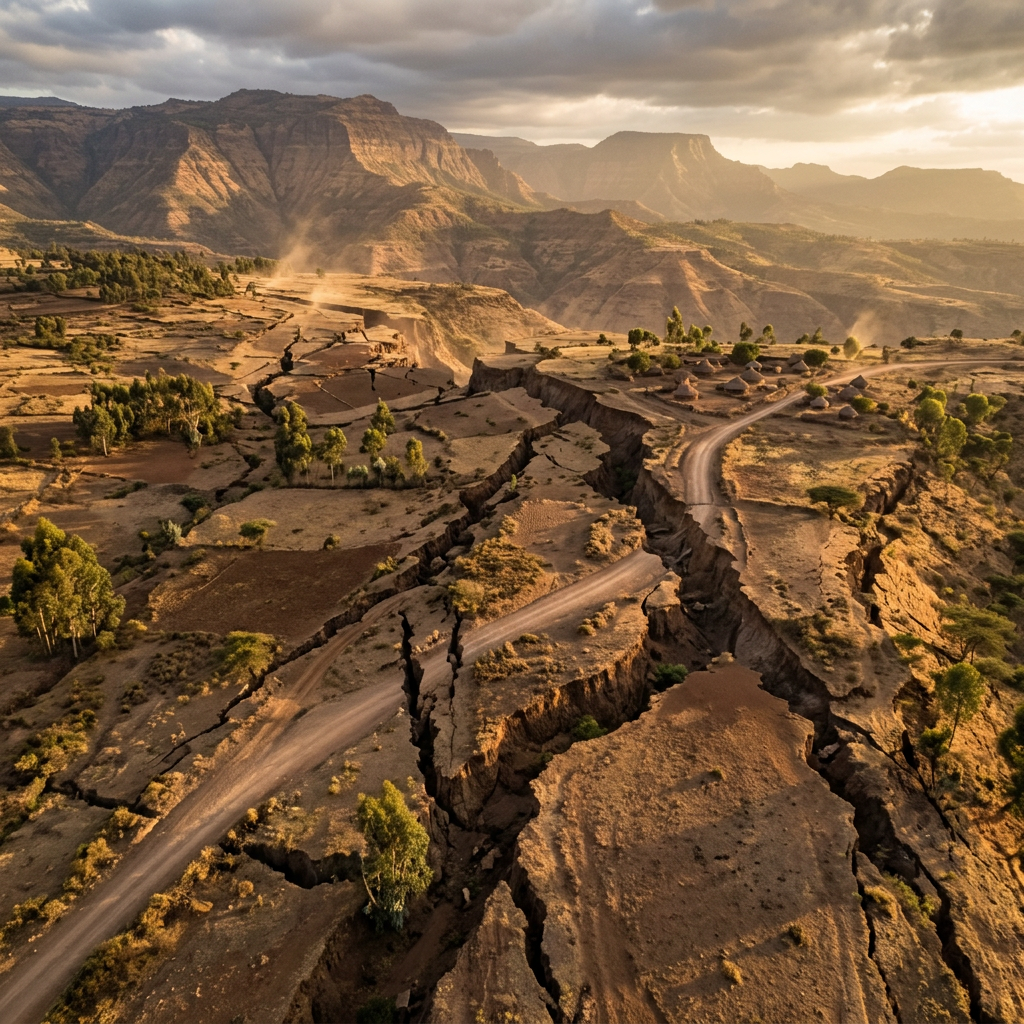
Residents Report Compulsory Recruitment in Sheger, East Hararghe, and East Bale Zones
By Oromia News Agency
(ONA, Finfinne, 14 August 2026)-As Ethiopia grapples with escalating security tensions across multiple regions, reports have emerged of a resurgence of forced military conscription in various parts of Oromia. Residents from the Sheger City area surrounding Finfinne (Addis Ababa), as well as the East Hararghe and East Bale zones, have described a renewed campaign of compulsory recruitment that is instilling fear and uncertainty in communities already strained by conflict.
According to eyewitness accounts, young men are being taken against their will by security forces, while in some cases, families have been ordered to pay money for their sons’ release from forced military service.
The Recruitment Campaign
Residents from the Sheger City area, which encircles the capital, have reported that military recruiters have been conducting door-to-door operations, rounding up young men without prior notice or consent. In many instances, those taken are not given the opportunity to object or appeal.
“Youths are being loaded onto trucks and taken away without any explanation,” one resident told Oromia News Agency, speaking on condition of anonymity. “They do not ask whether you are willing to serve. They just come and take you.”
In some areas, families have allegedly been given a choice: pay a “release fee” to have their sons returned, or accept that they will be conscripted into military service. The exact amounts being demanded remain unclear, but residents have expressed outrage at the practice, which they describe as extortion.
East Hararghe and East Bale: Expanding Operations
The forced recruitment is not confined to the capital’s periphery. Reports from East Hararghe Zone and East Bale Zone indicate that conscription operations are also underway in these areas. Witnesses have described a similar pattern: security forces arriving in villages, taking young men, and transporting them to undisclosed military training camps.
“The government says it needs soldiers to protect the country,” a local elder from East Hararghe said. “But why are they taking our children by force? Why not give them a choice? We are already suffering from the conflict. This only makes things worse.”
The renewed conscription comes at a time when Ethiopia’s security situation has become increasingly fragile, with multiple regions experiencing violence and instability.
A Nation in Crisis
The resurgence of forced military recruitment is unfolding against a backdrop of deepening security challenges across the country. The crisis is multi-faceted, with several distinct conflicts and tensions converging:
1. Renewed Tensions Between the Federal Government and Tigray (TPLF)
After years of devastating war and a fragile peace agreement, relations between the federal government and the Tigray People’s Liberation Front (TPLF) have once again soured. The two sides have exchanged accusations of violations, and tensions in the northern region are rising. The prospect of renewed conflict has forced the federal government to bolster its military capacity, contributing to the demand for fresh recruits.
2. Ongoing Conflict in the Amhara Region
The Amhara region remains engulfed in an armed confrontation between federal forces and the Fano militia. The conflict, rooted in disputes over territorial control, political representation, and the federal structure, has led to widespread displacement and human rights concerns. The continued fighting has drained military resources, further driving the need for personnel.
3. Instability in the Benishangul-Gumuz Region
The Benishangul-Gumuz region continues to experience instability, with armed groups and ethnic tensions threatening the safety of local populations. The region’s proximity to the Ethiopian-Sudanese border and its strategic importance have made it a focal point of military operations.
4. The Unrelenting OLA Conflict
The conflict between the federal government and the Oromo Liberation Army (OLA) continues unabated. In June 2026, attacks in the Arsi Zone, specifically in the Aseko area, left dozens of civilians dead. The Ethiopian Human Rights Commission (EHRC) linked the OLA to the attacks, reporting civilian deaths, displacement, the burning of a church, and damage to a mosque. The OLA has consistently denied involvement, accusing authorities of orchestrating communal tensions and attempting to shift responsibility for the violence
Experts Warn of Long-Term Consequences
Analysts and security experts who spoke to Oromia News Agency have expressed deep concern over the resurgence of forced conscription. They argue that compelling young people to fight, especially against their will, is not only a violation of fundamental human rights but also a strategy that is unlikely to succeed.
“Forcing young people into war is a sign of desperation, not strength,” said one analyst. “When soldiers are unwilling, they are less effective, less disciplined, and more likely to desert. This approach will not resolve Ethiopia’s security challenges—it will only deepen the trauma and resentment felt by communities.”
Experts also warn that forced conscription in Oromia could exacerbate the already tense relationship between the federal government and the Oromo people. Many Oromos view the Ethiopian state with suspicion, seeing its military operations as instruments of oppression rather than protection. Compulsory recruitment is likely to reinforce that perception and fuel further resistance.
A Call for Alternatives
While acknowledging the need for national defense, civil society groups and human rights advocates have called for a more transparent and voluntary approach to military recruitment. They argue that the state should invest in professionalizing the military, improving pay and conditions, and offering incentives for voluntary service.
“Force is not the answer,” said a human rights advocate. “The government should engage communities, build trust, and create opportunities for young people to serve their country voluntarily. Forcing them into uniform only creates more enemies than it creates soldiers.”
The Human Cost
Behind the political and strategic calculations are real human stories. Families across Oromia are living in fear—fear of losing their sons to a war they do not understand, fear of being forced to pay bribes to secure their children’s release, and fear of the long-term consequences of being associated with the military.
One mother from the Sheger area described her anguish: “My son is 19 years old. He was taken last week. We have not heard from him since. We do not know where he is or if he is alive. They told us to pay money, but we do not have it. What are we supposed to do?”
Conclusion: A Dangerous Path
The resurgence of forced military conscription in Oromia is a troubling development that reflects the deepening crisis facing Ethiopia. As the country navigates a complex web of conflicts, the temptation to resort to coercive measures is understandable but dangerous.
For Ethiopia’s young people—and for the nation’s future—the path of forced recruitment is a dead end. It undermines the legitimacy of the state, deepens communal grievances, and fails to build the cohesive and motivated military force needed to secure the country’s long-term peace.
The government must listen to the voices of the affected communities and pursue alternatives that respect human dignity and build trust. Without such a shift, the cycle of conflict and suffering is likely to continue.
Ethiopia’s Foreign Policy: The Four Pillars of Medemer Diplomacy

How Active, Adaptive, and Agenda-Setting Engagement Is Reshaping Ethiopia’s Global Standing
By Oromia News Agency
In a world of rapid geopolitical shifts and emerging multipolar dynamics, Ethiopia is charting a bold and distinctive foreign policy course. Prime Minister Abiy Ahmed (PhD) has outlined a clear vision for the nation’s international engagement, anchored in what can be described as four fundamental pillars of Medemer diplomacy—a philosophy of synergy, collaboration, and proactive engagement .
As Africa’s second most populous nation and host of the African Union headquarters, Ethiopia is leveraging its strategic position to move from being a passive observer of global events to an active agenda-setter on the world stage . The four principles guiding this transformation are Active Diplomacy, Alternative Partnership Networks, Adaptive Diplomacy, and Agenda-Setting Diplomacy.
1. Active Diplomacy: Engagement Over Isolation
The first principle, Active Diplomacy, reflects Ethiopia’s commitment to being a proactive participant in global affairs rather than a bystander. Prime Minister Abiy has emphasized that in an era of rapid international change, Ethiopia cannot afford to remain passive . The nation must instead be an engaged, dynamic, and agenda-setting actor on the world stage.
This active approach draws from the broader “Medemer” philosophy—a concept of synergy and collaboration that has already yielded tangible results, including the Green Legacy Initiative, the Summer Wheat Program, and the expansion of Ethiopian Airlines as a continental connector . By actively participating in international forums and shaping narratives rather than simply responding to them, Ethiopia is positioning itself to defend its interests with clarity and conviction.
2. Alternative Partnership Networks: Diversifying Alliances
The second pillar, Alternative Partnership Networks, represents a strategic shift from over-reliance on traditional partners to building a broader, more resilient web of international relationships. Rather than depending on a limited number of countries, Ethiopia is expanding its diplomatic footprint across diverse regions .
This approach is particularly significant in the context of Ethiopia’s contested neighbourhood. Strained relations with Eritrea, ongoing rivalry with Egypt over the Nile and the Grand Ethiopian Renaissance Dam (GERD), and Ethiopia’s pursuit of Red Sea access have all intensified in recent years . The competing regional interests of the UAE, Israel, Saudi Arabia, and Türkiye, combined with a more transactional United States and China’s subtle but persistent influence, have reshaped the environment in which Ethiopia must operate .
By cultivating a diverse network of reliable partners, Ethiopia aims to build friendships that endure through challenges, tensions, and celebrations alike—ensuring it has allies who stand by it in both difficult and prosperous times.
3. Adaptive Diplomacy: Flexibility in a Changing World
The third principle, Adaptive Diplomacy, acknowledges the fluid and ever-evolving nature of international politics. As global power balances shift, new powers emerge, and the rules of engagement evolve, Ethiopia’s foreign policy must remain flexible and responsive .
This adaptive approach rejects rigid adherence to predetermined positions in favour of a pragmatic, context-sensitive engagement that prioritises Ethiopia’s national interests . It reflects a recognition that in a multipolar world, states must constantly adapt their strategies to navigate between competing great-power interests . By remaining flexible, Ethiopia can seize opportunities and mitigate risks as they arise, ensuring its foreign policy remains relevant and effective.
4. Agenda-Setting Diplomacy: From Follower to Leader
The fourth and perhaps most ambitious pillar, Agenda-Setting Diplomacy, positions Ethiopia as a proactive force capable of bringing critical African and global issues to the international table. Instead of merely accepting and executing agendas set by others, Ethiopia aims to shape the conversations that matter to it and to the continent .
This principle was recently articulated by Prime Minister Abiy when he proposed a “4-pillar bricks of unity” for the Africa-Caribbean (AFRICA-CARICOM) relationship—a framework built on agriculture and innovation, collaboration, culture and leadership, and knowledge and health . By putting forward such frameworks, Ethiopia is demonstrating its capacity to lead and its commitment to advancing not only its own interests but also those of the broader African continent.
This shift from agenda-receiver to agenda-creator is arguably the defining feature of Ethiopia’s evolving foreign policy. It represents a confident, assertive nation ready to take its rightful place as a leading voice on the African and global stage.
Conclusion: A New Chapter in Ethiopian Diplomacy
Ethiopia’s foreign policy, guided by the four pillars of Active, Alternative, Adaptive, and Agenda-Setting Diplomacy, reflects a nation in transformation. It is a policy that embraces the complexities of a contested neighbourhood, leverages Ethiopia’s unique position as a regional anchor state, and seeks to build a prosperous future through strategic international engagement .
As Prime Minister Abiy Ahmed’s Prosperity Party prepares for a new governmental term, the commitment to these principles—rooted in the broader philosophy of Medemer—will likely continue to shape Ethiopia’s international relations . In a world of shifting alliances and emerging challenges, Ethiopia is making clear that it intends to be not just a participant in global affairs, but a shaper of them.
Ethiopia Prevails!
Medemer haa jabaattu!
This feature article is dedicated to all those committed to building a prosperous, engaged, and respected Ethiopia on the global stage.
A General’s Final Regret: “My Death Does Not Grieve Me—What Grieves Me Is Finfinne Not Being Free”
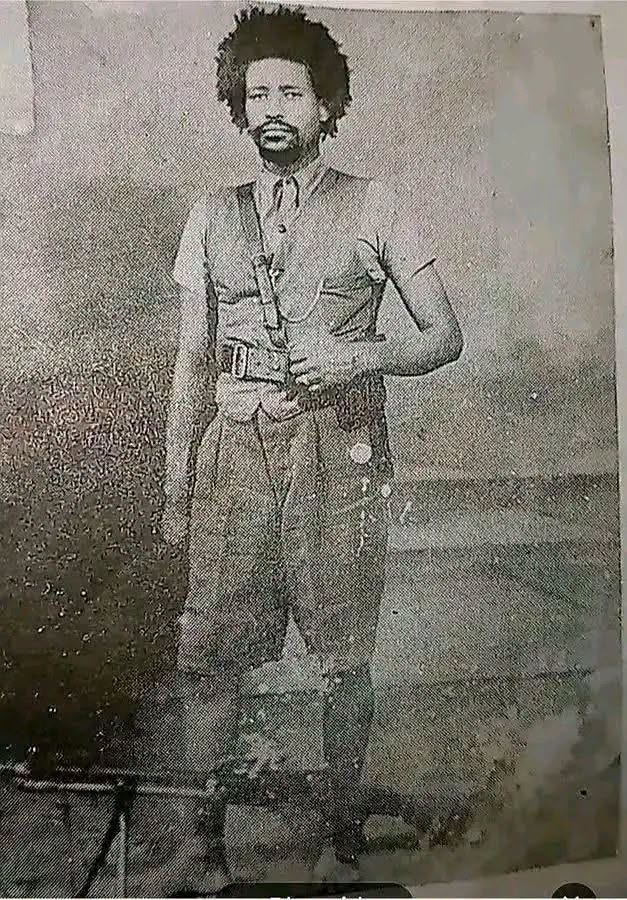
The Unwavering Spirit of General Garasuu Dhukii and the Eternal Struggle for Oromo Liberation
By Daandii Ragabaa
In the annals of Oromo history, few figures embody the spirit of sacrifice and unwavering dedication to the cause of freedom as profoundly as General Garasuu Dhukii. A man forged in the crucible of war, he stood as a pillar of resistance against colonial subjugation, his life intertwined with the struggle for Oromo self-determination.
His story, however, is not merely one of military might, but of a man whose deepest pain was not for his own fate, but for the future of his people and their ancestral capital. His dying wish echoes through the ages, a stark reminder of the burden carried by those who fight for justice.
The Weight of a General’s Resolve
General Garasuu Dhukii was a symbol of Oromo resistance during the fierce battles against the Italian colonial forces. On the frontlines, where the fighting was most brutal, the general found himself trapped in a harrowing situation. He had done all he could, given his all for the cause. As he later confided, the heaviest burden was not the fear of death in battle, but the thought of dying while his homeland remained unfree.
In his final moments, he is remembered for a profound reflection, etched into the memory of those who knew him. He declared, “I have done all that I should do. If I die, it is not my time that grieves me. But what truly grieves me is the thought that Finfinne, the land of my people, will remain unfree.” These were not the words of a coward, but the lament of a leader for whom victory was measured not in personal glory, but in the liberation of his people’s heartland.
This sentiment captures the essence of the Oromo struggle: the fight for Finfinne is not a matter of political maneuvering but a fight for identity, dignity, and historical justice.
Finfinne: The Eternal Heart of the Struggle
Finfinne is not just a city of political and economic power. It is the “eye” of the Oromo people, the axis around which their history and destiny revolve. From the legendary heroes of the past, like General Garasuu Dhukii, to the modern-day Qeerroo youth, Finfinne stands as an unyielding symbol.
The general’s reflections echo a truth that has been carried through the generations: “The eye does not tolerate an obstruction.”
For the Oromo people, Finfinne is that eye, and the struggles of the past have made it clear that its people will never accept a future where they are not masters of their own land. The recent history of resistance in Finfinne is a testament to this unwavering spirit, proving that the fight for liberation is a continuous legacy passed down through generations.
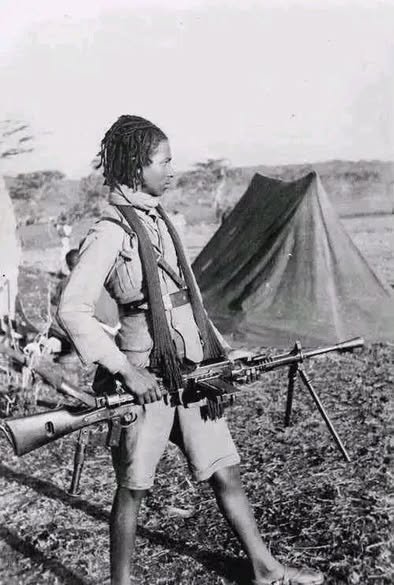
A Legacy That Lives On
The sacrifice of General Garasuu Dhukii is a poignant testament to the resilience of the Oromo nation. He, like countless others, understood that his personal survival was secondary to the collective destiny of his people. His grief, recorded for history, is not just a memory but a call to action, a reminder that the battle for Finfinne’s soul is a long and arduous one that requires the commitment of all.
His death serves as a powerful message to the world and to the Oromo people themselves: that the spirit of resistance, kindled in the hearts of heroes like him, remains alight. The realization that a hero’s greatest regret was not his own mortal end, but the continued subjugation of his homeland, continues to fuel the struggle for Oromo liberation.

Conclusion: A Grief That Inspires
General Garasuu Dhukii gave his life for a cause he believed in, but his legacy lives on in the countless Oromos who continue to demand justice and freedom. His dying words are a profound reflection of the Oromo struggle: a fight not for land alone, but for the very soul of a nation.
The battle for Finfinne continues. But the general’s grief will never be in vain as long as the Oromo people remember his sacrifice and carry the torch of resistance forward.
Injifannoon Ummata Oromoo!
Finfinne haa jabaattu!
Wareegama Seenaa Oromoo Finfinnee
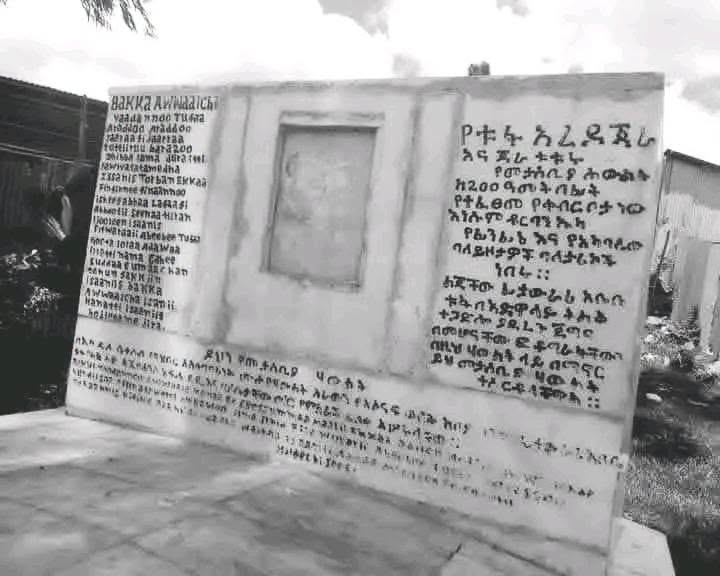
Oromoon lafa dhaloota isaa fi handhuura seenaa isaa taate Finfinnee irratti eenyummaa isaa, kabaja isaa fi Oromoo ta’uu isaa tiksuuf seenaa keessatti wareegama guddaa kaffaleera. Kanaafis wareegamni kabajaa Tufaa Araddoo Jaarraa fi Jaarraa Tuturuu ragaa seenaa lubbuun jiru ta’anii dhaabbatu.
Finfinneen Bakka Hunda Oromooti
Magaalaan Finfinnee, kan amma Addis Ababa jedhamuun beekamtu, bakka hunda Oromooti. Isheen handhuura Oromiyaa keessatti argamti, qabiyyee fi seenaa Oromooti. Oromoon Finfinnee irratti lafa fi dhugaa qaba. Seenaan Oromoo fi Finfinnee walitti hidhata. Oromoon Finfinnee irratti lafa isaa fi dhugaa isaa qabaachuun isaa, seenaadhaan fi aadaadhaan walqabata.
Wareegama Goototaa
Tufaa Araddoo Jaarraa fi Jaarraa Tuturuun gootota Oromoo keessaa isaan tokko. Isaanis Finfinnee irratti dhugaa isaanii qabaachuuf, Oromoo fi Oromummaa tiksuuf wareegaman. Wareegamni isaanii ragaa seenaa lubbuun jiru ta’uun isaanii, Oromoon Finfinnee irratti dhugaa qabaachuun isaa agarsiisa. Akkasumas, isaanis Oromoon Finfinnee irratti lafa isaa fi dhugaa isaa qabaachuuf qabsoo itti fufuuf kan gargaaru dha.
Xumura
Oromoon Finfinnee irratti dhugaa qaba. Seenaan Oromoo fi Finfinnee walitti hidhata. Gootonni akka Tufaa Araddoo Jaarraa fi Jaarraa Tuturuu, Oromoon Finfinnee irratti dhugaa qabaachuun isaa agarsiisaniiru. Kanaaf, Oromoon Finfinnee irratti lafa isaa fi dhugaa isaa qabaachuuf qabsoo itti fufuuf jira.
Injifannoon Ummata Oromoo!
Finfinneen lafa Oromooti!
Finfinne Maaliif Lafa Falmii Taate?
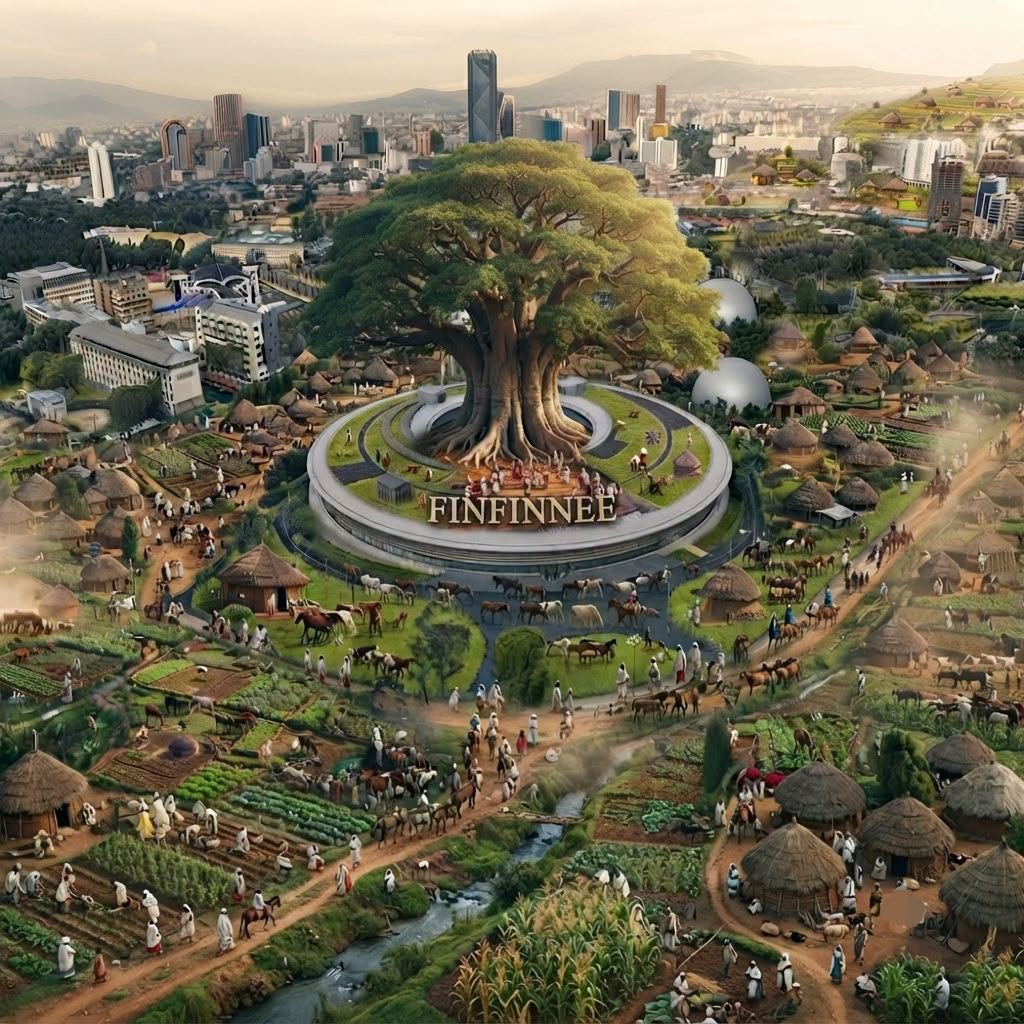
Seenaa, Waan Badde, fi Qabsoo Deebisuu
Barreessaa: Asheetuu Sanbata Raggaasaa
Finfinneen, magaalaan waan amma Addis Ababa jedhamuun beekamtu, Afrikaa Bahaatti digrii dagalee/latiituudii 9′ Kaabaafi digrii irraangadee/loongituudii 39′ gara Bahaatti argamti. Isheenis handhuura Oromiyaa, handhuura biyya Itoophiyaa keessatti hundooftee jirti. Finfinneen dachii handhuura Oromoo taatee qabiyyee gosa Oromoo Tuulamaa torban Oboofi ja’an Galaan irratti hundoofte ta’uu barreeffamoonni gara garaa ni ibsu.
Waa’ee seenaa Finfinnee barreessuuf kitaabolee garaa garaa dubbisuun, manguddoota, hayyootaafi jiraattota magaalittii irraa odeeffannoon funaanameera. Dhimmi Finfinnee dhimma Oromoo marti xiiqiidhaan ilaalu, lafa seenaan irratti dabe, lafa Oromoon irratti cabe, lafa fardeen Oromoo irratti ajjeefaman, lafa Oromoorraa diinni adda kuteefi lafa bara hedduudhaaf Oromootti madaa seenaa taatee jirtuudha. Finfinneen lafa Oromoon dhugaa irraa barbaadu, qe’eesaa ganamaa, mana keessaa ari’ametti deebi’uuf qabsaa’uufidha.
Finfinneen Kolonii, Oromoon Aarsaa
Magaalaan Finfinnee magaala koloniin ijaaramte yoo taatu, dhiiga ilmaan Oromoo hedduu dhangalaasaa fi lafees isaanii caccabsuun sadarkaa amma irra jirturra geese. Magaalli tun yoo ijaarramtu humna namaafi meeshaalee ijaarsaa dhiyeessuun kan gumaacha hunda ba’e ummata Oromooti. Kana yoo jennu, sirni nafxanyaa Minilik ijaare humna namaafi meeshaalee ijaarsaa qabeenya Oromootti fayyadamuun magaalatti ijaare. Mukeen magaalatti ijaaruuf oolanis handhuuruma Oromiyaa, Finfinnee fi naannawaa isheerraa kan argamanidha.
Kunis kanumaaf, Finfinneen magaalaa “dhiiga Oromootiin ijaaramte” jedhamuun beekamti. Oromoon lafa isaatti, qabeenya isaatti, fi jireenya isaatti aarsaa ta’ee, isa immoo qabeenya isaanii irraa buqqifamee, iddoo isaaniitiin ala godhamee, bakka isaanii keessatti keessummaa taasisame.
Finfinneen dur osoo gara magaalatti hin dhufin dura ganda qonnaan bultootaa Gullallee fi Harbuu Marii turte. Ganda qonnaan bultootaa irraa kan hafe lafa duwwaa margaafi bosonaan uwwifame ture akka ta’e ragaaleen hedduun ni ibsu. Naannoon Finfinnee jedhamee beekkamu addatti naannoo xiqqoo Horri Finfinnee jiru kanadha. Kunis bakkeewwan amma ‘Filwuhaa’, ‘Masqal Addababayi’, 70 Biheeraawwii’ fi ‘Istaadiyeemii’ jedhamee waamamu kana ofkeessatti hammata.
Finfinneen Qorqalbiin Oromummaa
Qorqalbiin Oromummaa ummata Oromoo, Finfinnee irratti ijaarame. Sababiin isaas, Finfinneen qe’ee heeraafi seeraa, araddaa muudaa ta’uudhaan Oromticha ganamaa tajaajiluu bira darbee giddugala ilmaan Booranaafi Baareentuu ta’uudhaan beekkamti.
Magaalaan Finfinnee akka magaalota naannolee biyya kanaa kanneen biroo qooqa naannichaatiin tajaajiluu baattus magaalaa guddittii mootummaa naannoo Oromiyaa; akkasumas, teessoo Mootummaa Federaalawaa Rippaabilika Itoophiyaafi teessoo Gamtaa Afrikaa ta’uudhaan magaalaa tajaajilaa turteefi tajaajilaa jirtudha. Finfinneen teessoo mootummaa federaalaati jechuun, magaalaan tun qabeenyummaan ishee kan naannolee kurnaniiti jechuun miti. Seerri akkas jedhus hin jiru. Kanaaf, handhuura Oromiyaa waan taateef qabeenyummaan ishee kan ummata Oromooti.
Kana malees, Finfinnee dabalatee Dirree Dhawaanis sababa daangaa bulchiinsaa mootummaa naannoo Oromiyaa kessatti argamtuuf qofa osoo hin taane, Oromiyaan dhugaa seeraafi heeraas irraa qabdi waan ta’eef magaalaawwan Oromiyaafi Oromoo ta’uudhaan beekkamu; Oromoon dhugaa kana deeffachuuf qabsaa’aa jira.
Sababoonni Finfinneen Lafa Falmii Taate
Finfinneen lafa falmii ta’uuf sababoonni hedduun jiru. Isaan keessaa muraasni:
1. Seenaa Hiraarsaa fi Qabsoo
Finfinneen lafa Oromoon irratti cabe. Lafti kun dhugaa Oromooti, garuu akkaataa humnaatiin isaan irraa buqqifame. Kunis sababa qabsoo dheeraa Oromootiif ta’ee jira.
2. Qabeenya Oromoo
Finfinneen handhuura Oromiyaa taatee, qabeenya uumamaa, qabeenya namaa, fi qabeenya aadaa Oromoo ofkeessatti qabdi. Kunis Oromoon lafa isaa irratti dhugaa qabaachuun isaa agarsiisa.
3. Teessoo Siyaasaa
Finfinneen teessoo mootummaa federaalaa ta’uun ishee, Oromoof haala siyaasaa keessatti iddoo guddaa qabdi. Kunis Oromoon lafa isaa irratti aangoo qabaachuu qabu agarsiisa.
4. Aadaa fi Eenummaa
Finfinneen aadaa fi eenummaa Oromoo keessatti iddoo guddaa qabdi. Oromoon Finfinneen lafa isaa ta’uun ishee haala aadaa fi eenummaa isaatiin wal qabata.
Qabsoo Deebisuu
Oromoon Finfinneen lafa isaa ta’uun ishee deebisuu qaba. Kunis qabsoo dheeraa ta’uu danda’a, garuu Oromoon lafa isaa irratti dhugaa qaba. Qabsoo kun:
- Qabsoo Seenaa: Oromoon seenaa isaa irratti dhugaa qaba. Finfinneen seenaa Oromooti.
- Qabsoo Seeraa: Oromoon seera irratti dhugaa qaba. Finfinneen seera Oromooti.
- Qabsoo Aadaa: Oromoon aadaa isaa irratti dhugaa qaba. Finfinneen aadaa Oromooti.
Xumura
Finfinneen lafa falmii ta’uuf sababoonni hedduun jiru. Isaan keessaa muraasni seenaa hiraarsaa fi qabsoo, qabeenya Oromoo, teessoo siyaasaa, fi aadaa fi eenummaa Oromooti. Oromoon Finfinneen lafa isaa ta’uun ishee deebisuu qaba. Kunis qabsoo dheeraa ta’uu danda’a, garuu Oromoon lafa isaa irratti dhugaa qaba.
Finfinneen lafa Oromooti!
Oromoon Finfinneen lafa isaa ta’uun ishee deebisuu qaba!
Qabsoon Oromoo itti fufa!
Injifannoon Ummata Oromoo!
Finfinne haa jabaattu!
Barruun kun Asheetuu Sanbata Raggaasaa irraa kan argame yoo ta’u, Finfinneen lafa Oromoo ta’uun ishee deebisuuf qabsoo Oromoo itti fufuuf kan gargaaru dha.
Massacre in East Wollega: Over 30 Civilians Killed in Fano Attack

Eyewitnesses Describe Brutal Assault on Andode Dicho Village
By Oromia News Agency
(ONA, Finfinne, 12 August 2026)-Reports coming from Gida Ayana District in the East Wollega Zone indicate that armed Fano forces have carried out a devastating attack, resulting in the deaths of more than 30 innocent civilians. Eyewitnesses have told Oromia News Agency that the assault, which took place in the village of Andode Dicho, was deliberately targeted at unarmed residents.
The Attack: Eyewitness Accounts
According to eyewitnesses who spoke with Oromia News Agency, the armed group launched a coordinated assault on multiple villages in the area. Witnesses described a scene of chaos and terror as fighters swept through the community, opening fire on civilians.
“We saw them coming and there was nothing we could do,” one eyewitness recounted. “They were shooting at anyone in sight—men, women, children. It was not a battle; it was a slaughter.”
The attack has left over 30 people dead and many others wounded. Survivors are struggling to come to terms with the scale of the violence.
A Pattern of Violence
This incident is part of a disturbing pattern of violence targeting civilian populations in the region. Local residents have expressed fear and frustration over the lack of security and the continued presence of armed groups.
“They attacked without warning,” another survivor said. “We are farmers, we are families—we have nothing to do with their politics. We just want to live in peace.”
Eyewitnesses also reported that the attackers looted property and burned homes before fleeing the area, adding to the suffering of the already traumatized community.
Victims Include Women and Children
The victims of the attack included men, women, and children. Families have been torn apart, and the community is in mourning. Emergency responders and local authorities are struggling to provide medical care and support to the wounded, many of whom are in critical condition.
Local officials have condemned the attack and called for an immediate investigation to bring those responsible to justice. However, eyewitnesses expressed doubt about the ability of authorities to protect them in the future.
Fano Group and the Conflict in Oromia
The Fano militia has been active in various parts of Ethiopia, particularly in the Amhara region, but has increasingly been involved in cross-regional violence. In Oromia, Fano forces have been accused of targeting civilians in areas with mixed populations, exacerbating ethnic tensions and causing widespread displacement.
Previous attacks in the region have led to mass displacement, economic devastation, and loss of life. The international community has raised concerns over the growing instability and the humanitarian crisis unfolding in parts of Oromia.
Eyewitness Testimonies
One survivor told Oromia News Agency:
“They came to Andode Dicho, shooting at everyone they saw. They didn’t care who it was—whether old or young, man or woman. My neighbor was killed in front of her children. We are afraid to go back to our homes. We don’t know if they will return.”
Another witness added:
“The government has failed to protect us. We are being killed and nothing is being done. We want the world to know what is happening here.”
Call for Investigation and Accountability
Human rights groups and local leaders are calling for an immediate and thorough investigation into the massacre. They demand that those responsible for the attack be held accountable and that measures be taken to ensure the safety of civilians in the region.
“We have buried our loved ones. We have cried enough,” one community elder said. “We need justice, but more than that, we need peace.”
Government Response
As of now, the Fano group has not issued any official statement regarding the incident. Meanwhile, local authorities have pledged to investigate the attack and bring perpetrators to justice. However, community members remain skeptical, citing previous incidents where perpetrators were not held accountable.
Humanitarian Concerns
The violence in East Wollega has left many families displaced and in urgent need of humanitarian assistance. Medical facilities are overwhelmed, and there are reports of shortages of essential supplies. The United Nations and other humanitarian organizations have expressed concern over the growing insecurity in the region and its impact on civilians.
Conclusion: A Call for Peace and Justice
The massacre in Andode Dicho is another tragic chapter in the ongoing conflict that continues to devastate communities across Oromia. As the death toll rises and families mourn, the international community, human rights organizations, and Ethiopian authorities must take urgent action to stop the violence and protect innocent civilians.
The people of Gida Ayana have suffered enough. They deserve peace, security, and justice.
This feature news is dedicated to the victims of the Andode Dicho attack and all civilians who have suffered in the ongoing conflict.
Siinqee Bank: From Financial Access to Economic Power
Transforming Scale into Tangible Community Impact
By Abdi Milkessa
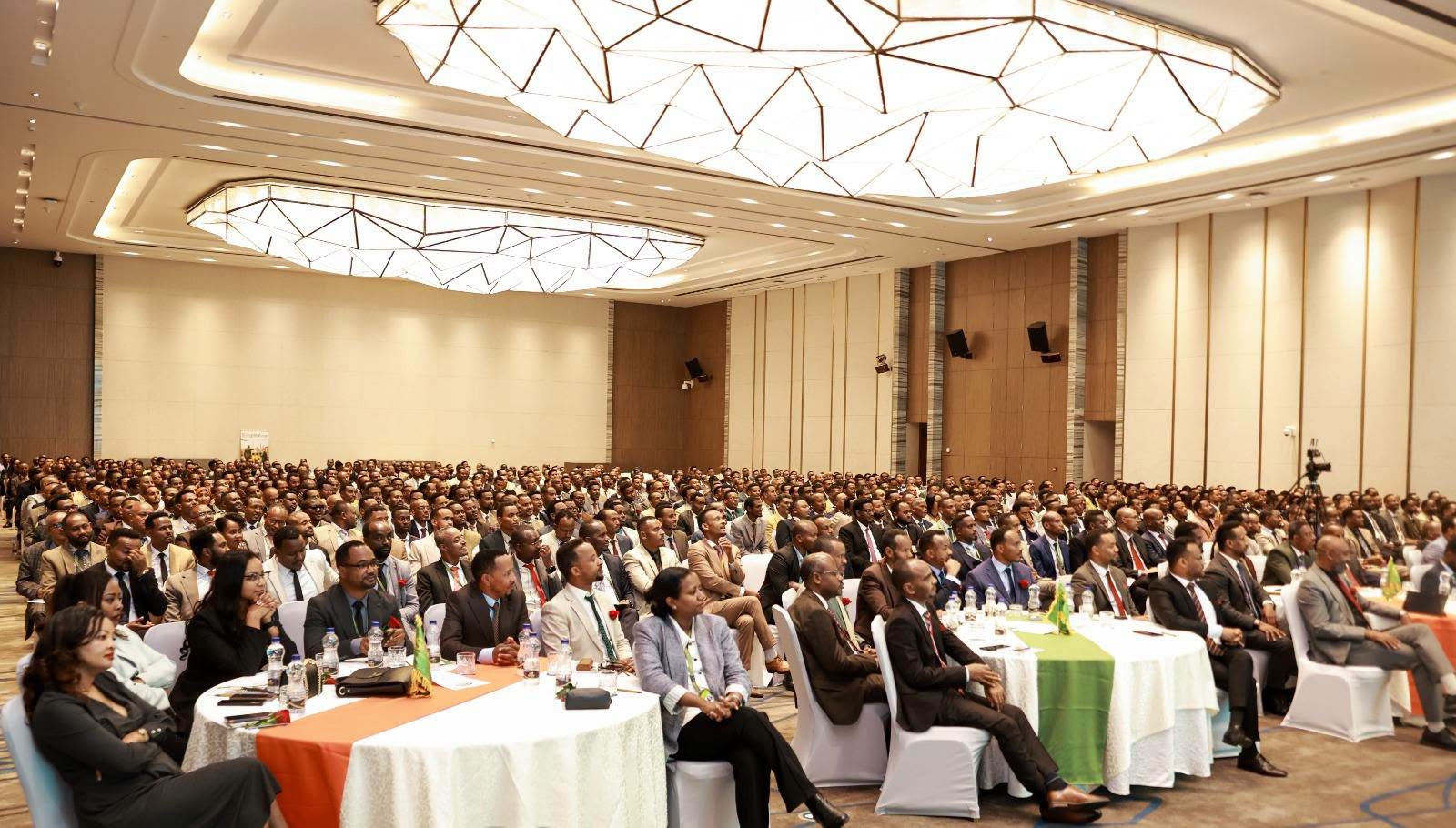
(Finfinne-12 August 2026)-Building a strong economy is not a task for the government alone. Economic progress requires financial institutions that actively drive production, investment, and innovation. In the effort to empower the Oromo people economically, institutions that mobilize capital and involve the broader community play a central role. Siinqee Bank, in recent years, has taken significant steps to move this vision from theory to reality.

For a long time, Ethiopia’s financial system has been largely inaccessible to low-income earners, farmers, pastoralists, youth, and small-scale entrepreneurs. Breaking this barrier and bringing finance to the wider community is where Siinqee Bank has distinguished itself. To date, the Bank has disbursed over 127.1 Billion Birr in cumulative loans, reaching more than 855,000 people. Through its digital service “Wabii” alone, it has provided over 8.3 Billion Birr in loans, serving more than 1.6 million people. These numbers reflect not just the breadth of the Bank’s operations but a shift from financial exclusion to active participation in the economy.
When finance reaches farmers, it creates more than just loans—it builds productive capacity. When a young entrepreneur or a smallholder gains access to capital, their ideas can turn into enterprises, and their skills into production. Small enterprises, when supported, create jobs and generate income. Therefore, the role of Siinqee Bank should be measured not just by the number of customers or volume of loans, but by its success in turning financial access into productive capacity and improved livelihoods.
The Bank’s growth is also built on a solid financial foundation. In the past fiscal year alone, it recorded a pre-tax profit of 10.7 billion Birr. Customer deposits reached 178.1 billion Birr, total assets grew to 216.2 billion Birr, and total capital stood at 23.1 billion Birr. This evidence shows more than just institutional growth; it demonstrates the Bank is building the human and financial capacity to achieve its mission.
However, the ultimate success of Siinqee Bank is not measured solely by financial returns or asset growth. The real measure is how that financial growth translates into productive power, how productive power becomes investment, how investment creates jobs and income, and how that income leads to tangible improvements in community life. True success lies in breaking financial barriers, bringing low-income communities into the economic mainstream, helping farmers become investors, enabling youth and women to turn their ideas into businesses, and ultimately transforming finance into prosperity.
Therefore, the next step must focus not just on the Bank’s asset growth but on the quality of capital allocation. On one hand, the Bank’s capital should be systematically directed toward high-productivity sectors: from agriculture and agro-processing to industry, services, technology, and youth-led enterprises. On the other hand, there is a need to expand digital financial infrastructure, making services faster, more accessible, and more affordable. As Siinqee Bank continues to grow, its growth must increasingly serve as a catalyst for grassroots economic empowerment.

The Oromia Sovereign Fund and a Vision for the Future
In this regard, the reforms undertaken through the Oromia Sovereign Fund are a strategic step forward. By strengthening the capital capacity of public enterprises and creating interconnected financial institutions, the Fund is laying the groundwork for a more integrated and robust financial system. Under the Siinqee Group, the establishment of Siinqee Bank, Siinqee Leasing, Siinqee Insurance, and Siinqee Investment Bank—by combining capital mobilization, lending, investment, insurance, and leasing—creates a powerful opportunity to build a comprehensive and inclusive financial system.
The key question moving forward is: “How do we turn this structure into real economic power that reaches our communities?”
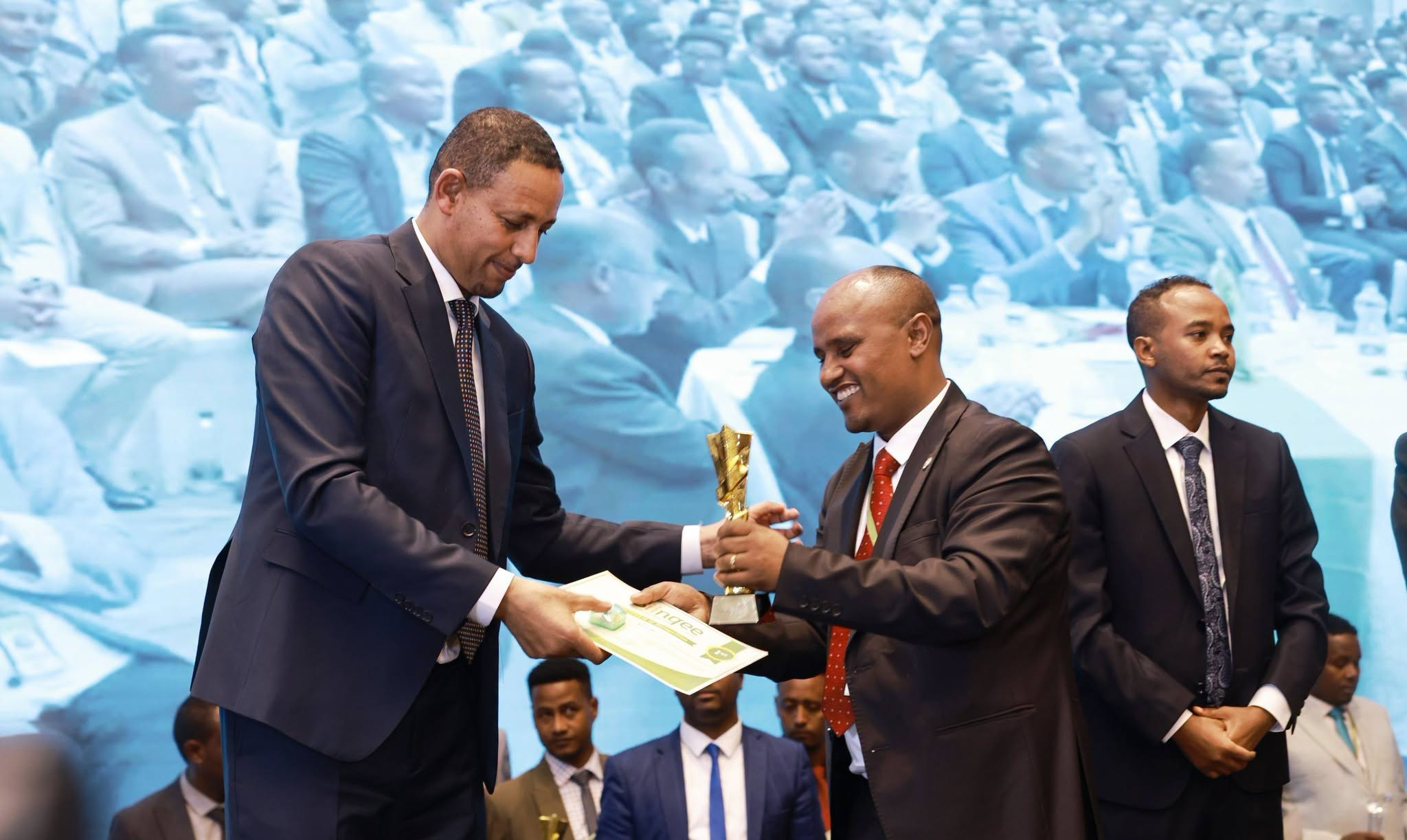
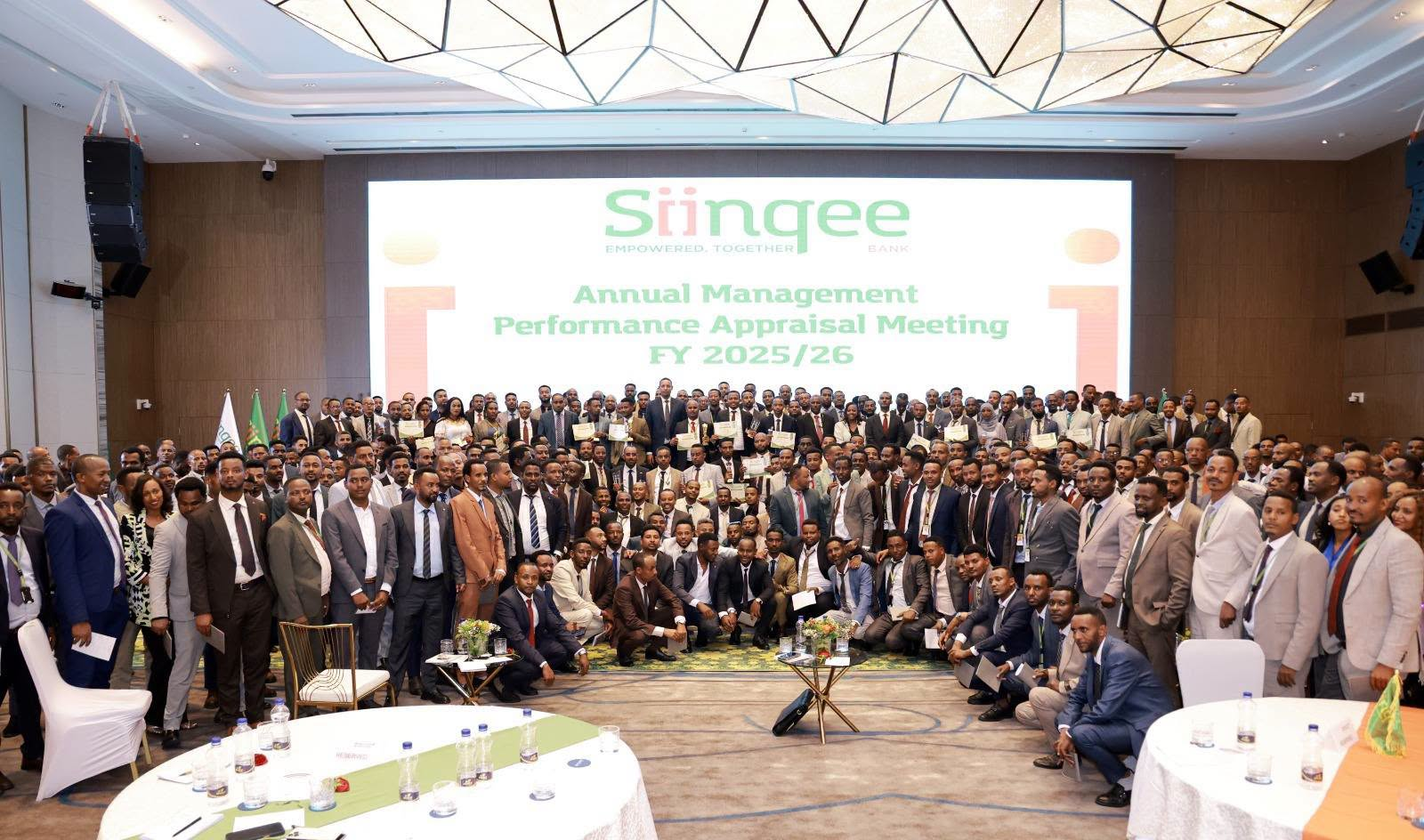
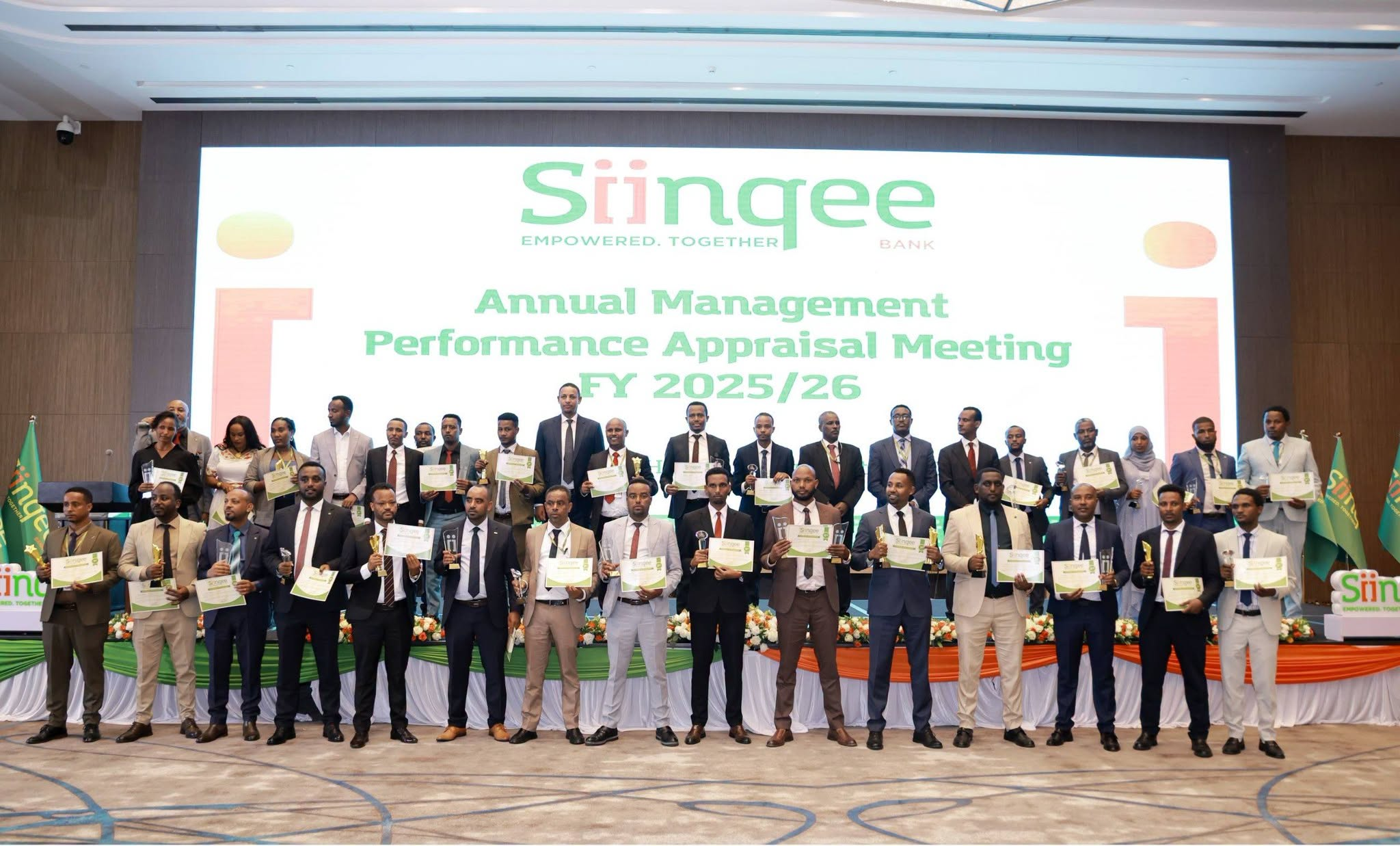
For the outstanding performance of the past fiscal year, the leadership, board, and staff of Siinqee Bank deserve recognition on behalf of the Oromo people. The Oromia Regional Government remains committed to providing the necessary support for Siinqee Bank to continue growing in line with its core mission and to fulfill its role in driving economic empowerment.
ኢትዮጵያን ከወጣቶቿ ነጥሎ ማየት አይቻልም!
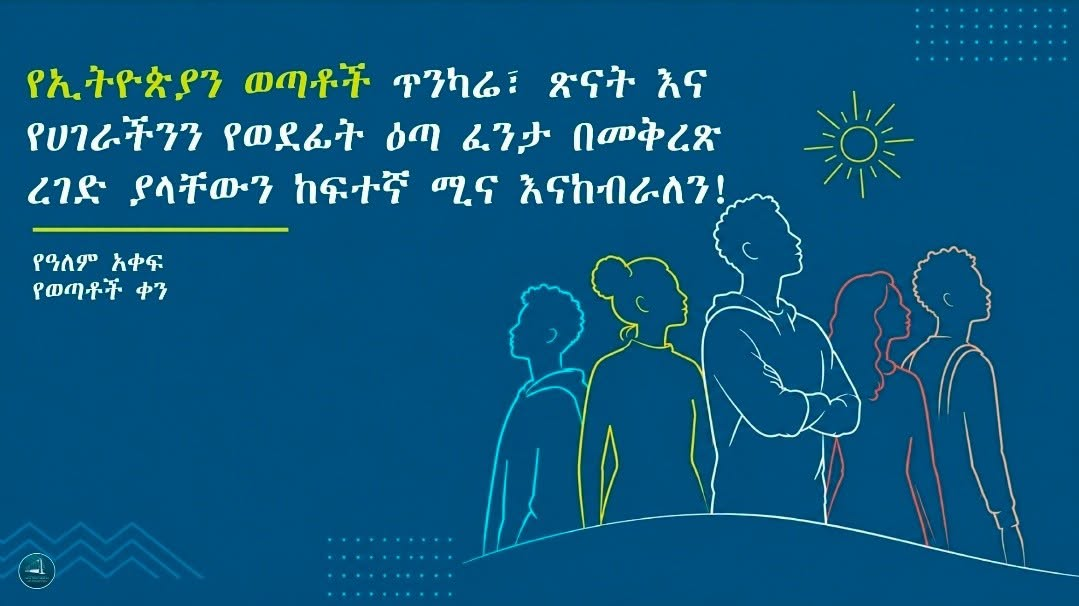
ጠቅላይ ሚኒስትር ዐቢይ አህመድ ወጣቶችን የለውጥ ሞተር እና የሉዓላዊነት ማገር አድርገው ጠሩ
ጸሐፊ፦ አብዲ ሚልኬሳ
የኢትዮጵያ ህዝብ የእድሜ ስብጥር እንደሚያመላክተው፣ ወጣቶች ከፍተኛውን ቁጥር መያዛቸው ሀገሪቱ ለብልጽግና እና ለዘላቂ እድገት ያላትን ታላቅ እድል ያሳያል። ጠቅላይ ሚኒስትር ዐቢይ አህመድ አሊ ወጣቶችን የለውጥ ዋነኛ ሞተር እና የሀገሪቱ ሉዓላዊነት ጽኑ ማገር አድርገው በመግለፅ ወደፊት ለሚገነባው ኢትዮጵያ ግንባታ ቁልፍ ሚና እንዳላቸው አጥብቀው ተናግረዋል።
ወጣቶች፦ የለውጥ ሞተር እና የሉዓላዊነት ማገር
ጠቅላይ ሚኒስትሩ በቅርቡ ባስተላለፉት መልዕክት፣ የኢትዮጵያ ወጣት መልካም ዓላማን አንግቦ የሚንቀሳቀስ፣ የለውጥ ዋነኛ ሞተርና የሉዓላዊነታችን ጽኑ ማገር መሆኑን አስምረውበታል። የኢትዮጵያ ወጣት የሀገሩን ታሪክ በአዲስ ብዕርና ብራና እየፃፈ መሆኑን ገልፀው፣ ዛሬው ወጣት ከሀገሪቱን ከኋላ ጠፍንገው ከያዙዋት አጓጉል ልማዶች፣ አላስፈላጊ ንትርኮች፣ ጭቅጭቅ እና ግጭቶች በመራቅ በልማት ላይ ማተኮሩን እና ድህነትን መቃወሙን አመላክተዋል።
የኢትዮጵያ ህዝብ የእድሜ ስብጥር እንደሚያመላክተው ወጣቶች ከፍተኛውን ቁጥር መያዛቸው ሀገሪቱ ለብልጽግና እና ለዘላቂ እድገት ያላትን ታላቅ እድል ያሳያል።
የመደመር መንግሥት ለወጣቶች ቁርጠኝነት
ጠቅላይ ሚኒስትሩ የመደመር መንግሥት የወጣቶችን ሁለንተናዊ ተጠቃሚነትና የአመራርነት ሚና ለማጠናከር በትኩረትና በቁርጠኝነት እየሰራ መሆኑን አስታውቀዋል። መንግሥት ወጣቶችን በማበረታታት፣ በማጎልበት እና በአመራርነት ሚና ለማበልጸግ የተለያዩ መርሃ ግብሮችን እያከናወነ መሆኑን ገልፀዋል።
ወጣቶች በሀገር ግንባታ ውስጥ ያላቸው ተሳትፎ እንዲጠናከር እና የእነሱን የፈጠራ እና የስራ አቅም በማሳደግ ረገድ መንግስት የተለያዩ እርምጃዎችን እየወሰደ ነው።
ወጣቶች፦ የተሻለ ነገ መሠረት
ወጣቶች የኢትዮጵያ ልዩ ሀብት መሆናቸውን የተናገሩት ጠቅላይ ሚኒስትሩ፣ የሀገር ግንባታ ስራ በወጣቶች እጅ እንደሚዳብር አመላክተዋል። የኢትዮጵያ ወጣት የሀገሪቱን ታሪክ በአዲስ ብዕርና ብራና እየፃፈ መሆኑ በልማት መስክ እያሳዩ ያሉት ተሳትፎ ጎልቶ ይታያል።
ጠቅላይ ሚኒስትሩ በመጨረሻም ሀገራዊ ራዕያችንን ዕውን ለማድረግ ሁላችሁም በንቃት እየተጋን፣ በፍቅር እንድንመላለስ ጥሪያቸውን አቅርበዋል።
ማጠቃለያ፦ ወጣቶች የተሻለ ነገ መሠረት ናቸው
ኢትዮጵያ ወደፊት የምትገነባው በወጣቶቿ እጅ ነው። ወጣቶች የሀገር ግንባታ፣ የለውጥ ሞተር እና የሉዓላዊነት ማገር ናቸው። መንግሥት ወጣቶችን በማጎልበት እና በሁሉም የሀገር ግንባታ ዘርፎች እንዲሳተፉ በማድረግ ረገድ ቁርጠኝነቱን ገልፆታል።
ኢትዮጵያ ትነግር!
ወጣቶች ኃይል ናቸው!
ለውጥ ይኑር!