ፊንፊኔ፣ የአገሬው ተወላጆች መብቶች እና እኩል ዜግነት፦ ለፍትህ እና ለጋራ መኖር የሚሆን ራዕይ
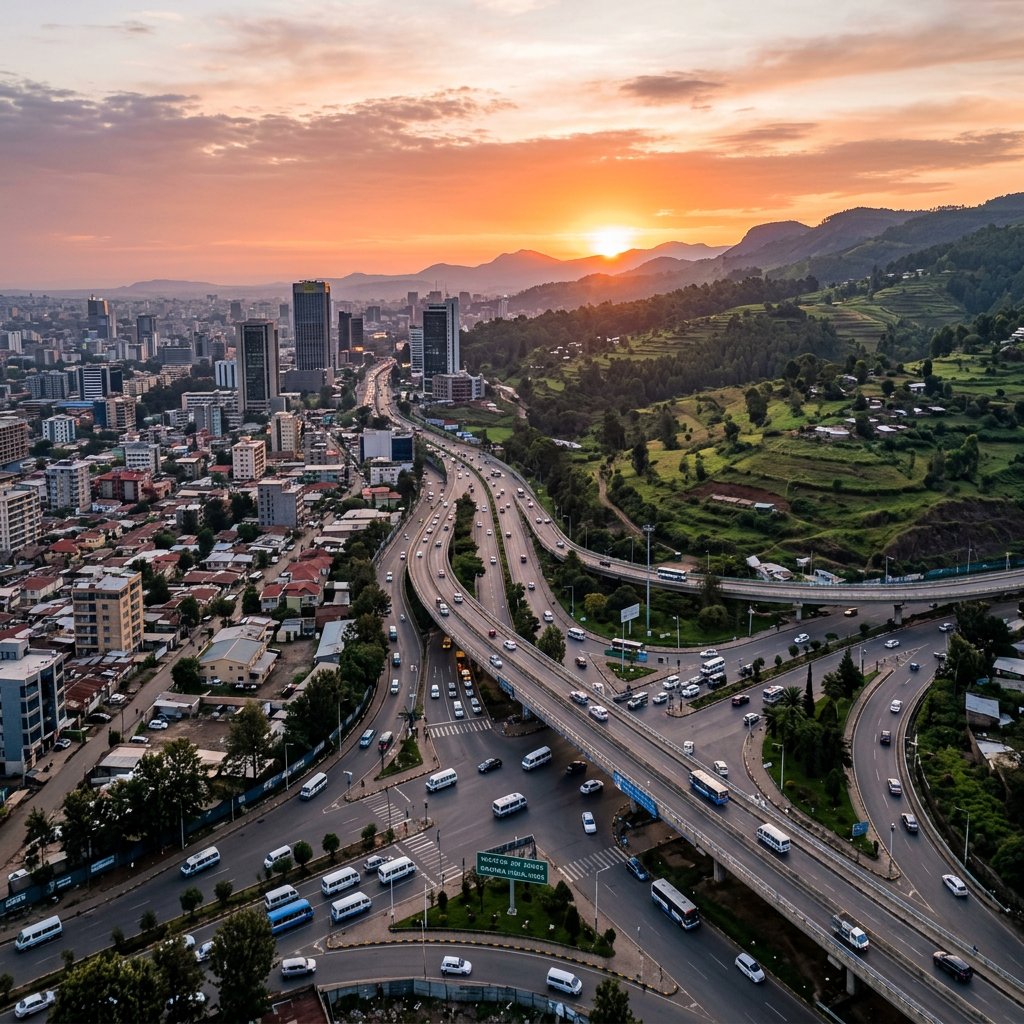
በኦሮሚያ ልብ ውስጥ ያሉትን ታሪካዊ ጥያቄዎች እና ዴሞክራሲያዊ መርሆችን ማስታረቅ
ጸሐፊ፦ ኢያሱ እኖሮ
በፊንፊኔ—በአለም አቀፍ ደረጃ አዲስ አበባ በመባል በምትታወቀው ከተማ—ዙሪያ በሚካሄደው ቀጣይ ውይይት ውስጥ፣ መሠረታዊ ጥያቄ አለ፦ የኦሮሞ ህዝብ ታሪካዊ እና የአገሬው ተወላጆች መብቶች ከአሁን የከተማዋ ነዋሪ ከሆኑት ሁሉ እኩል የዜግነት መብቶች ጋር እንዴት ማስታረቅ ይቻላል?
ለኦሮሞ ህዝብ መልሱ ግልጽ ነው። ፊንፊኔ የተመሰረተችው በኦሮሞ መሬት ላይ ነው፣ እና እሷ የኦሮሞ ህዝብ ታሪካዊ እና የአባቶች የትውልድ መሬት ወሳኝ አካል ናት። ከዚህ አንፃር፣ ስጋቱ ጥልቅ ነው፦ አንዳንድ የፖለቲካ ተዋናዮች ኦሮሞዎች የራሳቸው የአባቶች ንብረት አድርገው በሚቆጥሩት ነገር ላይ እንደ ሸቀጣ ሸቀጥ ለመደራደር እየሞከሩ ነው።
በተመሳሳይ ጊዜ፣ ዓለም አቀፍ የሰብአዊ መብቶች መርሆች ለሁሉም ነዋሪዎች እኩልነት እና አድልዎ አለመደረግን ያረጋግጣሉ። የሰብአዊ መብቶች ዓለም አቀፍ አዋጅ (UDHR) እና ሌሎች ዓለም አቀፍ የሰብአዊ መብቶች መሳሪያዎች እንደሚያረጋግጡት፣ እያንዳንዱ ሰው—በዘር፣ በቋንቋ፣ በሃይማኖት ወይም በአመጣጥ ሳይለይ—እኩል መብቶች አሉት። እነዚህ መብቶች በህግ ፊት እኩልነት፣ የመናገር ነጻነት፣ የመደራጀት ነጻነት፣ በህዝብ ጉዳዮች ውስጥ መሳተፍ፣ እና የመምረጥ እና ተመራጭ የመሆን መብትን ያካትታሉ።
እንግዲህ ጥያቄው እነዚህ ሁለት የመብቶች ስብስቦች አብረው መኖር ይችሉ እንደሆነ አይደለም—ይችላሉ፣ እና አለባቸውም። ጥያቄው ሁለቱንም ለመገንዘብ የፖለቲካ ፈቃድ ካለ ነው።
የኦሮሞ አቋም፦ የአባቶች የትውልድ መሬት፣ የማይደራደር ንብረት
ከኦሮሞ አመለካከት፣ በፊንፊኔ ዙሪያ ድርድር ወይም ስምምነት አያስፈልግም። ከተማዋ የተመሰረተችው በባዶ መሬት ላይ አይደለም፤ የተመሰረተችው በኦሮሞ ግዛት ላይ ነው፣ እና የኦሮሞ ህዝብ ከተማዋን እንደ ታሪካዊ እና የአባቶች የትውልድ መሬታቸው አካል አድርገው ይመለከቷታል።
ይህ በፖለቲካ ምቾት የተመሰረተ ጥያቄ አይደለም—በታሪክ የተመሰረተ ነው። የኢትዮጵያ ንጉሠ ነገሥት በሚኒሊክ መስፋፋት በፊት፣ አሁን ፊንፊኔ በመባል የምትታወቀው አካባቢ በኦሮሞ ህዝብ ይኖርባት ነበር። የሙቅ ጸዋዎች፣ የግጦሽ መሬቶች እና የባህላዊ ጠቀሜታ ቦታ ነበረች። የከተማዋ ስም እራሷ፣ ፊንፊኔ—”የሙቅ ጸዋ ቦታ” ማለት ነው—ኦሮሞ ነው።
የከተማዋ መስራች እና የኦሮሞ ህዝብ ተከታዩ መፈናቀል በታሪክ ሙሉ በሙሉ እውቅና ያላገኙ እና ያልተፈቱ የንብረት መንጠቅ ተግባራት ነበሩ። ለኦሮሞ ህዝብ፣ ፊንፊኔ የፖለቲካ ድርድር አይደለችም—የትውልድ አገራቸው ልብ፣ ከመሬት ጋር ያላቸውን ታሪካዊ ትስስር ምልክት፣ እና የነጻ ኦሮሚያ የወደፊት ዋና ከተማ ናት።
የእኩል ዜግነት መርህ፦ የሁሉም ነዋሪዎች መብቶች
ዓለም አቀፍ የሰብአዊ መብቶች ህግ ግልጽ ነው፦ ሁሉም ዜጎች እኩል የሲቪል እና የፖለቲካ መብቶች የተጠበቁላቸው ናቸው። ማንኛውም የፊንፊኔ ነዋሪ በዘር ማንነት ምክንያት ከዲሞክራሲያዊ ተሳትፎ፣ ከህዝብ አገልግሎቶች፣ ከስራ እድሎች ወይም ከህጋዊ ጥበቃ መከልከል የለበትም። በፊንፊኔ የሚኖሩ ሁሉም ዜጎች በከተማዋ የፖለቲካ እና የሲቪል ህይወት ውስጥ እኩል አያያዝ እና እኩል ተሳትፎ የማድረግ መብት አላቸው።
ይህ መርህ የማይደራደር ነው። ነዋሪው ኦሮሞ፣ አማራ፣ ጉራጌ፣ ትግራይ ወይም ሌላ ማንኛውም ዳራ ቢኖረውም፣ የህግ ሙሉ ጥበቃ እና የሲቪልነት ሙሉ መብቶች የተጠበቁለት ነው። በዘር ላይ የተመሰረተ መድልዎ በጣም መሠረታዊ የሰብአዊ መብቶች ጥሰት ነው።
በፊንፊኔ ላይ ሲተገበር፣ ይህ ማለት የከተማዋ እያንዳንዱ ነዋሪ—በአመጣጣቸው ምንም ይሁን ምን—እኩል መብቶች ሊኖራቸው ይገባል ማለት ነው። ማንም ነዋሪ እንደ ሁለተኛ ደረጃ ዜጋ እንዲሰማው ሊደረግ አይገባም። ማንም ሰው የህዝብ አገልግሎቶችን፣ ኢኮኖሚያዊ እድሎችን፣ ወይም የፖለቲካ ተሳትፎን ሊከለከል አይገባም።
የአገሬው ተወላጆች መብቶች፦ ታሪክን እና የአባቶች ትስስርን መገንዘብ
እኩል ዜግነት ለሁሉም ሰው በህግ ስር ተሳትፎ እና ጥበቃ ያረጋግጣል፣ ነገር ግን የታሪካዊ ባለቤትነት፣ የአገሬው ተወላጆች መብቶች፣ ወይም የግዛት ሁኔታ ጥያቄዎችን አይፈታም። እነዚህ የተለያዩ ግን እኩል አስፈላጊ ጥያቄዎች ናቸው።
የተባበሩት መንግስታት የአገሬው ተወላጆች መብቶች አዋጅ (UNDRIP) የአገሬው ተወላጆች ባህላዊ ማንነት፣ ቅርስ እና ከአባቶች ግዛቶቻቸው ጋር ያላቸውን ታሪካዊ ትስስር መጠበቅ አስፈላጊ መሆኑን ያረጋግጣል። የአገሬው ተወላጆች የተለዩ የፖለቲካ፣ ህጋዊ፣ ኢኮኖሚያዊ፣ ማህበራዊ እና ባህላዊ ተቋማቶቻቸውን የማጠበቅ እና የማጠናከር መብት እንዳላቸው ይገነዘባል።
የኦሮሞ አቋም ደጋፊዎች በኦሮሞ ህዝብ እና ፊንፊኔ በተመሰረተችበት መሬት መካከል ያለው ታሪካዊ ግንኙነት እውቅና እና ክብር ሊያገኝ ይገባል ብለው ይከራከራሉ። ይህ የሌሎች ነዋሪዎች መብቶች ውድቅ አይደለም—የታሪካዊ ፍትህ እና እውቅና ጥያቄ ነው።
ዓለም አቀፍ ምሳሌዎች፦ የአገሬው ተወላጆች እና የዜግነት መብቶች አብሮ መኖር
በዓለም ዙሪያ፣ የአገሬው ተወላጆች መብቶች የሌሎች ነዋሪዎችን እኩል የዜግነት መብቶች ሳይነጠቁ እውቅና ያገኙባቸው በርካታ ምሳሌዎች አሉ። እነዚህ ምሳሌዎች ሁለቱም የመብቶች ስብስቦች አብረው መኖር እንደሚችሉ እና የአገሬው ተወላጆች ጥያቄዎችን መገንዘብ የሌሎችን መብቶች እንደማያሳንስ ያሳያሉ።
ኒው ዚላንድ፦ የዋይታንጊ ስምምነት
የማኦሪ ህዝብ የኒው ዚላንድ አገሬው ተወላጅ ህዝብ እንደሆነ ይታወቃል። የዋይታንጊ ስምምነት የማኦሪ መብቶችን፣ ባህልን እና የአባቶች መሬቶች ጥያቄዎችን ለመጠበቅ መሠረት ይሰጣል፣ በተመሳሳይ ጊዜ ለሁሉም ኒው ዚላንዳውያን እኩል ዜግነት ያረጋግጣል። የማኦሪ የፖለቲካ ውክልና፣ ባህላዊ ጥበቃ እና የመሬት ጥያቄዎች ከሁሉም ዜጎች ሙሉ ዴሞክራሲያዊ መብቶች ጋር እውቅና አግኝተዋል።
ካናዳ፦ የመጀመሪያ ብሄሮች፣ ኢኑይት እና ሜቲስ
በካናዳ፣ የመጀመሪያ ብሄሮች፣ ኢኑይት እና ሜቲስ ህዝቦች በሕገ መንግሥት እውቅና ያገኙ የአገሬው ተወላጆች መብቶች አሏቸው። የመሬት ጥያቄ ስምምነቶች እና የራስ ገዝ አስተዳደር ዝግጅቶች ከባህላዊ ግዛቶች ጋር ያለውን ታሪካዊ ትስስር ይገነዘባሉ፣ በተመሳሳይ ጊዜ ከተሞች እና ማህበረሰቦች ለሁሉም ዳራ ነዋሪዎች ክፍት ሆነው ይቀጥላሉ። የአገሬው ተወላጆች መብቶች እና የዜግነት መብቶች በጋራ የመከባበር ማዕቀፍ ውስጥ አብረው ይኖራሉ።
አውስትራሊያ፦ የማቦ ውሳኔ
የአውስትራሊያ ከፍተኛ ፍርድ ቤት ታሪካዊ የሆነው የማቦ ውሳኔ የቴራ ኑሊየስ (ባዶ መሬት) መርህን ውድቅ አድርጎ የአገሬው ተወላጆች የመሬት ባለቤትነት (Native Title) መብቶችን እውቅና ሰጠ። የአውስትራሊያ አገሬው ተወላጆች ከመሬት ጋር ያላቸውን የአባቶች ትስስር ህጋዊ እውቅና አገኙ፣ ይህም የሌሎች አውስትራሊያውያንን እኩል የሲቪል እና የፖለቲካ መብቶች አልጎዳም። ይህ ውሳኔ ታሪካዊ ኢፍትህን እያመነጨ ሁሉንም ዜጎች መብቶች አረጋግጧል።
ኖርዌይ፣ ስዊድን እና ፊንላንድ፦ የሳሚ ህዝብ
በኖርዌይ፣ ስዊድን እና ፊንላንድ ውስጥ የሳሚ ህዝብ እንደ አገሬው ተወላጅ ህዝብ እውቅና አግኝቷል—ባህላዊ፣ ቋንቋዊ እና ፖለቲካዊ መብቶች አሉት። የሳሚ ተወካይ ተቋማት ከሁሉም ዜጎች እኩል ከሚደሰቱበት ዴሞክራሲያዊ መብቶች ጋር አብረው ይኖራሉ። ይህ እውቅና የሳሚ ያልሆኑ ነዋሪዎችን መብቶች አልቀነሰም።
ዩናይትድ ስቴትስ፦ የአሜሪካ ተወላጆች ጎሳዎች
በዩናይትድ ስቴትስ ውስጥ የአሜሪካ ተወላጆች ጎሳዎች ከራስ ገዝ አስተዳደር፣ ባህል እና የአባቶች ግዛቶች ጋር የተያያዙ የተወሰኑ መብቶችን ይይዛሉ። እነዚህ መብቶች በዩናይትድ ስቴትስ ውስጥ ከሁሉም ነዋሪዎች የዜግነት መብቶች ጋር አብረው ይኖራሉ። የጎሳ ሉዓላዊነት እና የግለሰብ የዜግነት መብቶች እንደ ተጓዳኝ፣ እንጂ እንደ ተቃራኒ አይደሉም ይታወቃሉ።
የጋራ ዓለም አቀፍ መርህ
እነዚህ ምሳሌዎች የጋራ ዓለም አቀፍ መርህን ያሳያሉ፦ የአገሬው ተወላጆችን ከመሬት ጋር ያላቸውን ታሪካዊ እና የአባቶች ትስስር መገንዘብ ለሌሎች ነዋሪዎች የዴሞክራሲ፣ የሲቪል ወይም የሰብአዊ መብቶች መከልከልን አያስፈልግም። ከዚህ ይልቅ፣ ሁለቱም የመብቶች ስብስቦች አብረው መኖር ይችላሉ።
የአገሬው ተወላጆች መብቶች እውቅና የዜግነት ተዋረድ አይፈጥርም። አንዳንድ ማህበረሰቦች ከአሁኑ የፖለቲካ ሥርዓት በፊት ከአንድ የተወሰነ ግዛት ጋር የተለየ ታሪካዊ ግንኙነት እንዳላቸው ይገነዘባል። ይህ እውቅና ለእኩል ዜግነት ስጋት አይደለም፤ ለእሱ ማሟያ ነው።
የእኩልነት ፈተና
ራሳቸውን ከሌሎች በላይ የሚያስቀምጡ ሰዎች ብዙ ጊዜ እውነተኛ እኩልነትን ለመቀበል ይቸገራሉ። በታሪክ፣ የበላይ ቡድኖች የአገሬው ተወላጆች መብቶችን እውቅና መስጠትን ለልዩ ቦታቸው ስጋት አድርገው በመቃወም ተቃውመዋል። ነገር ግን ዘላቂ ሰላም እና አብሮ መኖር በበላይነት እና በመካድ ሊገነቡ አይችሉም።
ከኦሮሞ አመለካከት፣ ወደፊት የሚወስደው መንገድ የሁሉንም ነዋሪዎች እኩል መብቶች እና የኦሮሞ ህዝብ ህጋዊ ታሪካዊ እና የአገሬው ተወላጆች ጥያቄዎችን ማወቅ ይጠይቃል። ይህ ዜሮ-ድምር ጨዋታ አይደለም—ሁለቱም የመብቶች ስብስቦች ሊከበሩ ይችላሉ።
ለፊንፊኔ ራዕይ
ፊንፊኔ የኦሮሚያ ዋና አካል ሆና ትቀጥላለች። በኦሮሞ መሬት ላይ ትገኛለች፣ እና የኦሮሞ ህዝብ ከከተማዋ ጋር ያለው ታሪካዊ ትስስር እውቅና እና ክብር ሊያገኝ ይገባል። ይህ እውቅና የሌሎች ነዋሪዎችን መገለል አያስፈልገውም—በጋራ መከባበር እና ፍትህ ላይ የተመሰረተ አዲስ የአብሮ መኖር ማዕቀፍ ይጠይቃል።
እንዲህ ያለው ማዕቀፍ የሚከተሉትን ያካትታል፦
- የኦሮሞ የአገሬው ተወላጆች መብቶች እውቅና፦ ፊንፊኔ በተመሰረተችበት መሬት ላይ የኦሮሞ ህዝብ ታሪካዊ ትስስር መደበኛ እውቅና።
- ለሁሉም ነዋሪዎች እኩል ዜግነት፦ ሁሉም ነዋሪዎች በዘር ሳይለዩ የተረጋገጠ ዲሞክራሲያዊ ተሳትፎ፣ የህዝብ አገልግሎቶች እና ህጋዊ ጥበቃ።
- የጋራ አስተዳደር፦ ሁሉም ነዋሪዎች ለከተማዋ የወደፊት ዕጣ ፈንታ ድምጽ እንዲኖራቸው የሚያረጋግጡ ሁሉን አቀፍ የአስተዳደር ስልቶች።
- ታሪካዊ ፍትህ፦ በእውቅና፣ በይቅርታ እና በተገቢ መፍትሄዎች የኦሮሞ ህዝብ ታሪካዊ የንብረት መንጠቅን መፍታት።
- ባህላዊ ጥበቃ፦ በከተማዋ ውስጥ የኦሮሞ ባህል፣ ቋንቋ እና ቅርስ ጥበቃ እና ማስተዋወቅ ድጋፍ።
ማጠቃለያ፦ ወደ ዘላቂ ሰላም የሚወስድ መንገድ
የአገሬው ተወላጆች መብቶች እውቅና እና እኩል ዜግነት ተቃርኖ አይደለም—ለዘላቂ ሰላም እና አብሮ መኖር መሠረት ነው። ዓለም አቀፉ ማህበረሰብ ሁለቱም የመብቶች ስብስቦች ሊከበሩ እንደሚችሉ አሳይቷል፣ እና የኦሮሞ ህዝብ ለዚህ እውቅና መብት አለው።
ይህንን እውቅና የሚቃወሙ ሰዎች ለቦታቸው ስጋት ሊመለከቱት ይችላሉ፣ ነገር ግን እውነተኛ ሰላም በመካድ እና በበላይነት ሊገነባ አይችልም። ዘላቂ ሰላም የታሪክን እውነት መገንዘብ፣ የሁሉንም መብቶች ማክበር፣ እና በፍትህ ላይ የተመሰረተ የወደፊት ጊዜ መገንባት ይጠይቃል።
ከኦሮሞ አመለካከት፣ ፊንፊኔ የኦሮሚያ ዋና አካል ሆና ትቀጥላለች—ሊገነዘብ፣ ሊከበር እና ሊመለስ የሚገባው የተቀደሰ የትውልድ አገር። ነገር ግን ይህ መመለስ የሌሎችን ውድቅ አይደለም፤ የኦሮሞ ህዝብ ለቅርሳቸው፣ ለማንነታቸው እና ለወደፊታቸው ያላቸው መብት ማረጋገጫ ነው።
ይህ የፊቸር ጽሁፍ ለኦሮሞ ህዝብ እና በፍትህ፣ በእኩልነት እና በጋራ መኖር መርሆች ለሚያምኑ ሁሉ የተሰጠ ነው።
ለጋዜጠኛነት ራሱን ለሚጠራው ጌታቸው ሽፈራው እና ለፕሮፓጋንዳ አስተያየቱ የተሰጠ ምላሽ

የመስፋፋት ፖለቲካ፣ የብሔራዊ ምክክር ክህደት፣ እና የፊንፊኔ የማይቀለበስ እውነት
ጸሐፊ፦ ኢብሳ ናጋዎ
ለራሱ ጋዜጠኛ ነኝ ለሚለው ጌታቸው ሽፈራው እና በፌዴራል መንግሥትና በፌዴራሊዝም ሥርዓት ላይ ተመሳሳይ ጥርጣሬና ተቃውሞ ለሚያነሱ ሰዎች የምለው አለኝ።
በአማራ ሕዝብ ስም እያለቀሱ እና ፕሮፓጋንዳ እየነዙ ኢትዮጵያን በሴራ ማፍረስ ይቻላል ብሎ ማሰብ ትልቅ ስህተት ነው። ታሪክ ያስተምረናል—ሴራ ሀገርን አይገነባም፤ ያፈርሳል። እና አፍራሽ ሀሳብ የዘላቂ መፍትሔ መሠረት ሊሆን አይችልም።
የመስፋፋት አስተሳሰብ፦ ለአማራም ሆነ ለኢትዮጵያ አደገኛ
ከዚህም በላይ የኦሮሚያን መሬት ቆርጦ ለፌዴራል መንግሥት ማስተላለፍ ወይም ፊንፊኔን ከኦሮሚያ መለየት ኢትዮጵያን የሚያድን መፍትሔ አይሆንም። በተቃራኒው ዛሬ እንደሚታየው በጽንፈኝነትና በመስፋፋት ላይ የተመሰረተ አስተሳሰብ ከቀጠለ፣ የአማራን ክልል ራሱንም ወደ አለመረጋጋትና መበታተን ሊመራ ይችላል።
የቅርብ ታሪክ ለዚህ ግልጽ ማስረጃ ነው። በአማራ ክልል ውስጥ የነበሩ አንዳንድ ጽንፈኛ ኃይሎች “አራት ኪሎን እንቆጣጠራለን” በማለት በኃይል የሚመራ አሃዳዊ ሥርዓት በምኞት ለመመስረት ሞክረዋል። ይህ የበላይነት ህልም ግን ወደ አስከፊ ውጤት አመራ።
በመጨረሻም የራሳቸውን ክልል ወደ ታላቅ ችግር በመክተት፣ ከታጠቁ ቡድኖች ጋር በመተባበር፣ የኤርትራ፣ የሱዳንና የግብፅ ፍላጎት አገልጋዮች በመሆን በራሳቸው መንግሥትና ሕዝብ ላይ ጉዳት አድርሰዋል። የውጭ ኃይሎችን ፍላጎት ማገልገል መቼም ለሀገር ሰላም አላገለገለም፤ ሁልጊዜ ወደ መበታተን አመራ።
የብሔራዊ ምክክር ክህደት፦ ሰላምን ማደናቀፍ እንጂ ማስፈን አይደለም
ዛሬም የብሔራዊ ምክክር አጀንዳን ተቀብለው በመወያየት ፋንታ፣ ውይይቱን ለማደናቀፍና ለማክሸፍ እየሠሩ ይገኛሉ። ይህ ደግሞ በሀገሪቱ ሰላም፣ እርቅና መረጋጋት ላይ ከፍተኛ ጉዳት ሊያደርስ ይችላል።
እንዲህ ያሉ ሰዎች ብሔራዊ ምክክሩ ከከሸፈ የሚጎዳው ኦሮሞና ሌሎች ብሔሮች ብቻ ነው ብለው ራሳቸውን እያታለሉ መሆኑን ሊገነዘቡ ይገባል። ምክክሩ ከከሸፈ ጉዳቱ በፌዴራል መንግሥት ላይ ብቻ ሳይሆን በመላው የኢትዮጵያ ሕዝብ ላይ ይደርሳል።
የብሔራዊ ምክክር ማክሸት ማለት የሁሉም ኢትዮጵያውያን ውድቀት ነው። ይህንን እውነታ ለመረዳት ፈቃደኛ ያልሆኑ ሰዎች በጭፍን ጥላቻ እንጂ በምክንያታዊ አስተሳሰብ እየተመሩ አይደለም።
ፊንፊኔ፦ በፕሮፓጋንዳ የማይወሰን ጉዳይ
በአሁኑ ወቅት በፊንፊኔ እየተካሄደ ባለው ብሔራዊ ምክክር ውስጥ እንደ ጌታቸው ሽፈራው ያሉ ሰዎች ፊንፊኔ የኦሮሚያ አካል እንዳትሆን ጫና ለመፍጠር እየሞከሩ ነው። ሆኖም የፊንፊኔ ጉዳይ በግል አስተያየት ወይም በፖለቲካ ፕሮፓጋንዳ የሚወሰን ጉዳይ አይደለም። ይህ ጉዳይ በሕገ መንግሥት፣ በሕግ፣ በታሪክና በሰፊ ብሔራዊ ውይይት ላይ ተመስርቶ መፍትሔ ሊያገኝ ይገባል።
ፊንፊኔ የኦሮሚያ ዋና ከተማ ናት። ይህ የፖለቲካ አቋም አይደለም—ታሪካዊ እውነታ ነው። ይህ ሊደራደር የሚችል ጉዳይ አይደለም—የህልውና እውነት ነው። ይህንን እውነት ለመቀየር የሚደረግ ማንኛውም ሙከራ በሕግ፣ በታሪክ እና በህዝቡ ፈቃድ ላይ ጥቃት ነው።
የፌዴራሊዝም መፍትሔ፦ እኩልነት እንጂ የበላይነት አይደለም
የፌዴራሊዝም ሥርዓቱ ሁሉንም ክልሎች በእኩልነት የሚመለከት ከሆነ፣ ለዚህ ረጅም ዘመን የቆየ ውዝግብ ሚዛናዊ መፍትሔ ሊገኝ ይችላል። ይህም በፌዴራል መንግሥትና በሁሉም የክልል መንግሥታት መካከል እውነተኛ እኩልነት መፍጠር ማለት ነው።
በመሆኑም የሁሉም ክልሎች ዋና ከተሞች፣ ፊንፊኔን ጨምሮ፣ በሕጋዊ ስምምነትና በእኩልነት መርህ መሠረት ከፌዴራል መንግሥት ጋር ያላቸውን ግንኙነት በሰፊ ውይይት ሊወስኑ ይገባል።
ይህ የግል ሐሳቤ ብቻ ሳይሆን፣ ለረጅም ጊዜ የፖለቲካ መፍትሔ ሊያመጣ ከሚችሉ አማራጮች አንዱ መሆን እንደሚችል አምናለሁ። ነገር ግን ማንኛውም ቡድን በራሱ ውሳኔ ፊንፊኔን ከኦሮሚያ ለይቶ ለፌዴራል መንግሥት ብቻ እንድትገዛ ማወጅ በሕግም ሆነ በሕገ መንግሥት ተቀባይነት የለውም።
የማስፋፋት አስተሳሰብ ውድቀት
የሌላ ክልል መስፋፋትን የሚያበረታታ አስተሳሰብ ከቀጠለ፣ የኦሮሞ ሕዝብም ወደ ሌላ የፖለቲካ አማራጭ እንዲያስብ ሊገደድ ይችላል። በጽንፈኝነት የተነሳሱ ሰዎች ይህንን እውነታ በማቃለል ከራሳቸው በስተቀር ማንንም አያታልሉም።
ሁሉም ክልሎች በእኩልነት መርህ ላይ ከተስማሙ፣ አዲሱ የፌዴራል አወቃቀር ለረጅም ዘመን የቆዩ የፖለቲካ አለመግባባቶችን በማስወገድ፣ በእውነተኛ እኩልነት ላይ የተመሰረተ ሥርዓት ለመገንባት መሠረት ሊሆን ይችላል። በተለይም በፊንፊኔ ጉዳይ ላይ ለብዙ ዓመታት የቆየውን አለመግባባት በዘላቂነት ለመፍታት አስተዋፅኦ ሊያደርግ ይችላል።
ሆኖም፣ “የእኔ የእኔ ነው፤ ያንተም የእኔ ነው” የሚል አስተሳሰብ በዴሞክራሲያዊ ሥርዓት ውስጥ ቦታ የለውም። እንዲህ ዓይነቱ አመለካከት በሕግ የበላይነት ላይ በተመሠረተ መንግሥት ውስጥ ተቀባይነት የለውም፤ ከዚህ ይልቅ ለአምባገነናዊ ሥርዓትና ለመስፋፋት ፖለቲካ የሚመች ነው።
የታሪክ ትምህርት፦ የቱለማ ኦሮሞዎች ቁስል
ከዚህም በላይ፣ ይህ አስተሳሰብ ቀደም ሲል “የአዲስ አበባ ማስተር ፕላን” በሚል ስም ቀርቦ በኦሮሞ ሕዝብ ከፍተኛ ተቃውሞ ገጥሞት ከተሰረዘው ፕሮጀክት ጋር በመሠረቱ የሚለይ አይደለም። ስለዚህ እንዲህ ያለ አስተሳሰብ እንደገና እንዳይነሳ ማድረግ በእኩልነት፣ በፍትሕና በዴሞክራሲ ላይ የተመሰረተ ሥርዓት ለመገንባት አስፈላጊ ነው።
እንዲህ ያለው የፖለቲካ ፕሮፓጋንዳ በኦሮሞ ሕዝብ ላይ በተፈጸመው ታሪካዊ በደል ፍትሕና ይቅርታ ለሚጠብቁ ሰዎች ተጨማሪ ስድብ ነው። በተለይም ከአባቶቻቸው መሬት በግዳጅ ለተፈናቀሉት የቱላማ ኦሮሞዎችና ቤተሰቦቻቸው ላይ የደረሰውን በደል በድጋሚ ማቃለል ለብሔራዊ እርቅ ምንም አስተዋፅኦ አያደርግም።
የቱለማ ኦሮሞዎች—ከፊንፊኔ የተገፉት እና የተፈናቀሉት—ከማንም ይበልጥ በተለየና በብዛት መገኝት ነበረባቸው። የጥፋቱን ጉዳትና ቁስል ተሸክመው የሚዞሩት እነሱ ሰለ ሆኑ። ያለባለቤቱ ቡዳ ነው ይባላል አይደለም።
የኦሮሞ ባህል ጥበብ፦ “ክፉ ሰው ከክፉነቱ አይታጠብም”
እንደ ኦሮሞ ባህል አባባል፣ “ክፉ ሰው ከክፉነቱ አይታጠብም።” ኢትዮጵያን መጠበቅና መገንባት የሁሉም ሕዝቦች ኃላፊነት ነው፤ የኦሮሞ ሕዝብ ብቻ አይደለም። ስለዚህ በአንድ ሀገር ውስጥ በእኩልነት መኖር ካልተቻለ፣ ማንኛውም ሕዝብ በራሱ ዕጣ ፈንታ ላይ በሰላም የመወሰን መብቱ ሊከበር ይገባል።
የአንዳንድ ጽንፈኛ ቡድኖች “ይህን መሬት አባቶቻችን ሰጥተውናል (አውርሶናል)” የሚሉት አባባል በታሪክና በሕግ ላይ የተመሠረተ ሳይሆን፣ የመስፋፋት የፖለቲካ አመለካከት ውጤት መሆኑ ሊገነዘብ ይገባል።
ታሪክ የተጻፈው በደም እንጂ በምኞት አይደለም። መሬት የሚወረሰው በዘር ሳይሆን በህልውና እና በፍትህ ነው።
የኦሮሞ ሕዝብ መልእክት፦ ግልጽ እና የማያሻማ
የኦሮሞ ሕዝብ መልእክቱን በተደጋጋሚና በግልጽ ሁኔታ አስተላልፏል። “የእኔ የእኔ ነው፤ ያንተም የእኔ ነው” በሚል አመለካከት የተመሠረተውን ኢ-ፍትሃዊ የፖለቲካ ሥርዓት ተቃውሞ ታግሏል። ዛሬም አንዳንድ ጽንፈኛ ኃይሎችና ከቀድሞ የነበሩ የፖለቲካ ቡድኖች ጋር በመተባበር ብሔራዊ ምክክሩን ለማደናቀፍ የሚደረገው ጥረት መፍትሔ ሳይሆን ችግሩን የሚያራዝም ነው።
የኦሮሞ ሕዝብ ከሌሎች ሕዝቦች ጋር በመልካም ጉርብትና፣ በመከባበርና በእኩልነት ላይ ተመስርቶ መኖርን ይፈልጋል። ነገር ግን ማንኛውም አካል በሕግ የተረጋገጠውን መብቱን በመጣስ በራሱ ቤት ውስጥ እንደ እንግዳ እንዲኖር ማስገደድን አይቀበልም።
በአገራዊ ምክክር ላይ የተገኙት ኦሮሞዎች የመፍትሔ አሳብ መብት እንደሌላቸው ያቀረበው ከጽንፈኝነት ባለፈ ምንም ልባል የሚችል አይደለም።
የመጨረሻ መልእክት፦ በግልጽነት የቀረበ
በመጨረሻም፣ ለአቶ ጌታቸው ሽፈራውና አመለካከታቸውን ለሚጋሩ ሰዎች የማስተላልፈው መልእክት ግልጽ ነው።የምትናገሩላት ኢትዮጵያ አንድን ሕዝብ ለመጨቆንና የጥቂት ቡድኖችን ጥቅም ለማስጠበቅ ብቻ የምትውል ከሆነ፣ እንዲህ ዓይነቱ አስተሳሰብ በዴሞክራሲያዊ ሥርዓት ውስጥ ምንም ቦታ የለውም።
እኛ ግን ለሀገራችን በክብር፣ በሰላም፣ በእኩልነት፣ በፍትሕና በዴሞክራሲ ላይ የተመሠረተ ሥርዓት እንዲገነባ እንፈልጋለን።
ስለዚህ በዚህ የጽንፈኝነትና የመስፋፋት አስተሳሰብ ላይ አጥብቃችሁ የምትቀጥሉ ከሆነ፣ ሐሳባችሁን በሰላማዊና በዴሞክራሲያዊ መንገድ የማቅረብ መብታችሁ የተጠበቀ ነው። ሆኖም ሀገራችንን፣ መሬታችንንና በሕግ የተረጋገጡ መብቶቻችንን በማንኛውም ጫና ወይም ፕሮፓጋንዳ ከእኛ መነጠቅ አይቻልም።
ማጠቃለያ፦ እውነት ይበልጣል
በማጠቃለያው፣ የመስፋፋት ፖለቲካ፣ የጽንፈኝነት አስተሳሰብ፣ እና ብሔራዊ ምክክርን የማደናቀፍ ሙከራ ሁሉ ውድቀት የተፈረደበት ነው። ታሪክ በጎናችን ነው። ሕገ መንግሥቱ በጎናችን ነው። ህዝባችን ፈቃድ በጎናችን ነው።
ፊንፊኔ የኦሮሚያ ናት። ዘላለም የኦሮሚያ ትሆናለች።
ይህንን መልእክቴን በግልጽነት አቀርባለሁ።
ኦሮሚያ ትነግር!
ፊንፊኔ የኦሮሚያ ናት!
ዘላለም የኦሮሚያ ትሆናለች!
“ክፉ ሰው ከክፉነቱ አይታጠብም” — የኦሮሞ ምሳሌ
ፊንፊኔ፣ ኦሮሚያ
ነሐሴ ፮ ቀን፣ ፳፻፲፰ ዓ.ም. (ኦገስት ፮፣ ፳፻፲፮ ዓ.ም.)
ፊንፊኔ የኦሮሚያ ዋና ከተማ ሆና ትኖራለች!
ህልሞች ሥር ሲሰድዱ፦ የኦሮሞ የነጻነት ትግል ህልም ለምን የተሻለ ሊያድግ ይችላል?
የሕገ መንግሥት ተስፋ፣ የባህል መነቃቃት እና ወደ ፍትህ የሚወስደው ረጅም መንገድ
ለትውልዶች፣ የኦሮሞ የነጻነት ትግል በመቋቋም ችሎታው ይገለጻል። ለአስርተ ዓመታት በተደረገ ገለልተኝነት፣ በግዳጅ መፈናቀል እና በሥርዓታዊ መገለል ውስጥ እንኳን፣ ህልሙ እንደ ጠፍቶ የሚታወስ ትውስታ ሳይሆን ሊጠፋ የማይችል ሕያው ኃይል ሆኖ ቆይቷል።
ዛሬ፣ ያ ህልም በመስቀለኛ መንገድ ላይ ቆሟል። ወደፊት ያለው መንገድ ቀላልም አይደለም ዋስትና ያለውም አይደለም። ነገር ግን ከግጭት እና ከፖለቲካ ሁከት በታች፣ የኦሮሞ የነጻነት ትግል ህልም የተሻለ ሊያድግ እንደሚችል ለማመን ምክንያቶች አሉ—ተግዳሮቶች ቢኖሩም አይደለም፤ ይልቁንም በተማሩት ትምህርቶች፣ በተገነቡት ተቋማት እና ፍጹም ባይሆኑም በሥርአት ላይ በተቀመጡት ሕገ መንግሥታዊ መሠረቶች ምክንያት።
ይህ ህልሙ ሊያድግ የሚችልበትን ምክንያት የሚተርክ ታሪክ ነው።
ሕገ መንግሥታዊ መሠረቱ፦ ሊፈጸም የሚጠብቅ ተስፋ
እያንዳንዱ ታላቅ ትግል ሕጋዊ እና ሥነ ምግባራዊ ማዕቀፍ ይጠይቃል። ለኦሮሞ ህዝብ፣ ያ ማዕቀፍ በኢትዮጵያ 1995 ሕገ መንግሥት ውስጥ አለ—በወረቀት ላይ አስደናቂ ነገር የሚያቀርብ ሰነድ።
የሕገ መንግሥቱ አንቀጽ 39 እያንዳንዱ ብሔር፣ ብሔረሰብ እና ህዝብ የራስን ዕድል በራስ የመወሰን መብት፣ የመገንጠል መብትን ጨምሮ፣ ያለቅድመ ሁኔታ እንዳለው ያረጋግጣል። ሕገ መንግሥቱ ኢትዮጵያን እንደ መድብለ ብሔራዊ ፌዴራላዊ መንግሥት አቋቁሟል፣ ለአናሳ ህዝቦች በግዛት ድንበር ላይ የተመሠረተ ራስ ገዝ አስተዳደር በመስጠት እና ራስን በራስ የማስተዳደር እና የክልል ቁጥጥርን በማጎልበት ላይ ነው። አፋን ኦሮሞ አሁን በኦሮሚያ ፍርድ ቤቶች፣ ትምህርት ቤቶች እና ቢሮክራሲ ውስጥ ጥቅም ላይ ይውላል፣ ይህም ለበርካታ አስርተ ዓመታት የነበረውን ገለልተኝነት ይቀለብሳል።
ይሁን እንጂ ምሁራን በሕገ መንግሥታዊ ተስፋ እና በፖለቲካዊ እውነታ መካከል ያለውን የማያቋርጥ ክፍተት ይገልጻሉ። የፌዴራል አሠራሩ በማዕከላዊነት የተጠመቀ ሆኖ ቆይቷል። የኦሮሚያ ልዩ ጥቅም በፊንፊኔ (አዲስ አበባ) ላይ ያለው ጥያቄ በአብዛኛው አልተፈታም።
ይህ ክፍተት ለተስፋ መቁረጥ ምክንያት አይደለም—ለተስፋ መንስኤ ነው። ሕገ መንግሥቱ አለ። ሕጋዊ ማዕቀፉ ተቀምጧል። ከፊት ያለው ትግል አዳዲስ መብቶችን መፍጠር ሳይሆን ያሉትን ማስፈጸም ነው። ሕገ መንግሥታዊ ዋስትናዎች ችላ ሲባሉ፣ የህዝብ መተማመን ይሸረሽራል፤ ነገር ግን በመጨረሻ ሲፈጸሙ፣ ለዘላቂ ሰላም መሠረት ይጣላል።
የፖለቲካ ዝግመተ ለውጥ፦ ከትጥቅ ትግል ወደ ፖለቲካዊ ተሳትፎ
የኦሮሞ ነጻነት ግንባር (ኦነግ)፣ በ1973 የኦሮሞ ህዝብ ራስን የመወሰን መብትን የሚደግፍ የፖለቲካ ድርጅት ሆኖ የተመሠረተው፣ አስደናቂ ለውጥ አሳልፏል። በ2018፣ የኢትዮጵያ መንግሥት ኦነግን ከሽብርተኝነት ዝርዝር አስወግዶ፣ መሪዎቹ ከስደት እንዲመለሱ አስችሏል። በጁን 2025፣ ኦነግ ከነሐሴ 2020 ጀምሮ መጠቀም ያልቻለውን ዋና መሥሪያ ቤቱን በፊንፊኔ (አዲስ አበባ) በይፋ መልሶ አግኝቷል።
ይህ ተምሳሌታዊ ብቻ አይደለም። ከትጥቅ ትግል ወደ ፖለቲካዊ ተሳትፎ የሚደረግ ሽግግርን ይወክላል—ዘላቂ ለውጥ በዲሞክራሲያዊ ሂደት ውስጥ መሳተፍ እንደሚጠይቅ እውቅና መስጠት፣ ያ ሂደት ምንም ያህል ውስን ቢሆንም።
ኦነግ በምርጫዎች ተሳትፏል—በ2026 ምርጫ ለፌዴራል ፓርላማ እና ለክልላዊ ምክር ቤት 163 እጩዎችን በማቅረብ። ምንም እንኳን አንድም መቀመጫ ባያሸንፍም፣ ፓርቲው ዓላማዎቹን እና መርሆቹን ለህዝብ ለማስተላለፍ ያለውን ጠባብ የፖለቲካ ቦታ ተጠቅሟል።
ፕሮፌሰር መረራ ጉዲና፣ የኦሮሞ ፌዴራሊስት ኮንግረስ (ኦፌኮ) ሊቀመንበር፣ ከረጅም ጊዜ ጀምሮ “ግንድ እና ቅርንጫፎች” የሚለውን ፍልስፍና ይደግፋሉ—ኦሮሚያ የኢትዮጵያ እገዛ የማይቻልበት ልብ እንደሆነች እና ህዝቦቿ በአንድነት፣ በዲሞክራሲያዊ መንግሥት ውስጥ ራስን በራስ ማስተዳደር እና የጋራ አስተዳደር ማረጋገጥ እንዳለባቸው ያምናሉ። የእርሱ አመለካከት፣ ከአምስት አስርት ዓመታት እንቅስቃሴ በኋላ፣ ኢትዮጵያ አሁንም ጥልቅ የሆነ ውይይት ለማድረግ እውነተኛ የፖለቲካ ፈቃድ እንደሌላት ይከራከራሉ።
ነገር ግን የፖለቲካ ፈቃድ ሊገነባ ይችላል። ተቋማት ሊጠናከሩ ይችላሉ። ተቃዋሚ ፓርቲዎች ማደራጀታቸው፣ ምርጫን መወዳደራቸው እና ተጠያቂነትን መጠየቃቸው ህልሙ ሕያው እና እየተሻሻለ መሆኑን የሚያሳይ ማስረጃ ነው።
የባህል መነቃቃት፦ የማንነት ዳግም ልደት
የነጻነት ትግል ስለ ፖለቲካ ብቻ አይደለም—ስለ ማንነት፣ ስለ ትውስታ እና ስለ መታየት መብት ነው።
ኢሬቻ፣ የኦሮሞ ህዝብ ዓመታዊ በዓል፣ አስደናቂ ለውጥ አሳልፏል—ከታገደ ዝግጅት ወደ እውቅና ያገኘ ብሔራዊ ባህላዊ ቅርስ እና ለዓለም አቀፍ ቱሪዝም መስህብ በመሸጋገር። የ2025 መሪ ቃል፣ “ኢሬቻ፡ ለብሔራዊ መታደስ፣” ዘላቂ እድገት በባህላዊ እርቅ እና በጋራ እሴቶች ላይ መመሥረት እንዳለበት ያመለክታል።
አፋን ኦሮሞ፣ በአንድ ወቅት ወደ አናሳነት የተቀነሰው፣ አሁን በማደስ ጥረቶች እየታየ ነው። ምንም እንኳን አተገባበሩ አሁንም ያልተስተካከለ ቢሆንም፣ በኢትዮጵያ እና በአጎራባች ሀገራት የመገናኛ ቋንቋ የሆነው ቋንቋ ቦታውን እየመለሰ ነው። የጋዳ ሥርዓት የዲሞክራሲ እና የአካባቢ አስተዳደር ሞዴል በመሆን ዓለም አቀፍ እውቅና አግኝቷል።
የባህል መነቃቃት ከትግሉ መበታተን አይደለም—የትግሉ ነፍስ ነው። አንድ ህዝብ ማን እንደሆነ ሲያስታውስ፣ ምን እንደሚገባው ያስታውሳል።
ኢኮኖሚያዊ ልማት፦ የቁሳዊ መሠረት መገንባት
ፍትህ በባዶ ሆድ ላይ ሊገነባ አይችልም። በኦሮሚያ ያለው ኢኮኖሚያዊ ልማት የፖለቲካ ህልሞች እውን ሊሆኑ የሚችሉበትን ቁሳዊ መሠረት ያቀርባል።
እንደ ወንጪ እና ሶፍ ኦመር የቅንጦት ሎጅ፣ ከሚቀጥለው የግብርና ዘመናዊነት እና በባሌ ዞን የቱሪዝም ጥረቶች ጋር፣ የኢኮኖሚ ለውጥ ምሰሶዎች ናቸው። አዲሱ የያቤሎ አውሮፕላን ማረፊያ የክልል ንግድን፣ ቱሪዝምን እና ኢንቨስትመንትን በእጅጉ ለማሳደግ እንዲሁም የህዝብ ለህዝብ ግንኙነቶችን ለማጠናከር ይጠበቃል።
የኦሮሚያ ክልላዊ መንግሥት ፈጣን ልማትን ለማራመድ የአገር ውስጥ የአየር ጉዞን ማስፋፋትን ቅድሚያ ሰጥቷል። የኢንቨስትመንት ፕሮጀክቶች በተለያዩ ዘርፎች—በተለይም በግብርና፣ በማኑፋክቸሪንግ እና በአገልግሎቶች—ከ284,174 በላይ ሰዎችን የሥራ ዕድል እንደሚፈጥሩ ይጠበቃል።
ኢኮኖሚያዊ ዕድሎች ሲስፋፉ፣ የፖለቲካ ተሳትፎ የበለጠ ትርጉም ያለው ይሆናል። ማህበረሰቦች ለወደፊቱ ተሳትፎ ሲኖራቸው፣ ለዚያ ወደፊት በሚደረገው ትግል ለመዋዕለ ንዋይ ለማፍሰስ የበለጠ ፈቃደኛ ይሆናሉ።
መወጣት ያለባቸው ተግዳሮቶች
የኦሮሞ የነጻነት ትግል ቅን ግምገማ የሚቀሩትን ጥልቅ ተግዳሮቶች ሳይገልጽ ሊቀር አይችልም።
የኦሮሞ ነጻነት ሰራዊት (ኦነሰ) ከ2018 ጀምሮ ለበለጠ ራስ ገዝ አስተዳደር ከኢትዮጵያ መንግሥት ጋር ሲዋጋ ቆይቷል። ግጭቱ ከፍተኛ ጉዳት አድርሷል። በጃንዋሪ 2025፣ የተባበሩት መንግሥታት ድርጅት በጦርነቱ ምክንያት 3.2 ሚሊዮን ልጆች ትምህርት ቤት እንደማይሄዱ ዘግቧል። በኦሮሚያ ግጭቶች መካከል የሰው ልጅ ሕይወት እና ነጻነት በዘፈቀደ መነፈግ ተመዝግቧል።
የፖለቲካ ቦታ ቀንሷል። የተቃዋሚ መሪዎች ታስረዋል። የምርጫ ውድድር ብቻ የኦሮሚያን የፖለቲካ ተግዳሮቶች ለመፍታት በቂ ተደርጎ አይታይም። ኦነግ “ጽምዱ” (አጋር) ኃይሎች በአካባቢው ነዋሪዎች ላይ ጉዳት ያደረሱ ጥቃቶችን ሞክረዋል የሚል ስጋት አስነስቷል።
እነዚህ ተግዳሮቶች እውነተኛ ናቸው። አሳዛኝ ናቸው። ተሻጋሪ አይደሉም።
ወደፊት የሚወሰደው መንገድ፦ ህልሙ ለምን የተሻለ ሊያድግ ይችላል
የኦሮሞ የነጻነት ትግል ህልም የተሻለ ሊያድግ ይችላል ምክንያቱም ለእድገቱ የሚያስፈልጉ ሁኔታዎች እየተዘረጉ ስለሆነ—በውጭ ኃይሎች ሳይሆን በኦሮሞ ህዝብ ራሱ።
በመጀመሪያ፣ ሕገ መንግሥታዊ መሳሪያዎች አሉ። የ1995 ሕገ መንግሥት ለራስን የመወሰን መብት ማዕቀፍ ያቀርባል፣ ፍጹም ባይተገበርም፣ ኃይለኛ የሕግ መሳሪያ ሆኖ ይቀራል። በተስፋ እና በእውነታ መካከል ያለው ክፍተት ዘላቂ አይደለም—በቀጣይ የፖለቲካ ግፊት እና በሕግ ተከራካሪነት ሊዘጋ ይችላል።
በሁለተኛ፣ የፖለቲካ ተሳትፎ እየጠለቀ ነው። የኦነግ ከስደት መመለስ፣ በምርጫዎች መሳተፍ እና ሁሉን አቀፍ ውይይት ለማድረግ ያቀረበው ጥሪ የትግሉን ብስለት ያሳያል። ኦነግ መንግሥት በፍትህ፣ በእውነት እና በእርቅ በኩል ያሉትን ቅሬታዎች ለመፍታት እውነተኛ የፖለቲካ ፈቃድ እንዲያሳይ ጥሪ አቅርቧል።
በሦስተኛ፣ የባህል ማንነት እየተጠናከረ ነው። የኢሬቻ መነቃቃት፣ የአፋን ኦሮሞ መነሳት እና የገዳ ሥርዓት ዓለም አቀፍ እውቅና ምንም የፖለቲካ ጭቆና ሊያጠፋው የማይችለውን ባህላዊ መሠረት ያቀርባሉ።
በአራተኛ፣ ኢኮኖሚያዊ ልማት አዳዲስ ዕድሎችን እየፈጠረ ነው። የኦሮሚያ ኢኮኖሚ እያደገ ሲሄድ፣ የህዝቦቿ አቅምም ያድጋል—ማደራጀት፣ መደገፍ እና መብቶቻቸውን መጠየቅ።
በአምስተኛ፣ ዓለም አቀፍ ማህበረሰብ እየተመለከተ ነው። የሰብአዊ መብቶች ዘገባዎች፣ የተባበሩት መንግሥታት ድርጅት ሰነዶች እና ዓለም አቀፍ ተሟጋችነት ለተጠያቂነት ግፊት ይፈጥራሉ። የኦሮሞ ጉዳይ ከእንግዲህ የማይታይ አይደለም።
ማጠቃለያ፦ ረጅሙ መንገድ
የኦሮሞ የነጻነት ትግል ረጅም ነበር። ውድ ነበር። በክህደት፣ በአመጽ እና በልብ ስብር ተለይቷል። ነገር ግን በመቋቋም ችሎታ፣ በድፍረት እና ለፍትህ በማይናወጥ ቁርጠኝነትም ተለይቷል።
ህልሙ የተሻለ ሊያድግ ይችላል ምክንያቱም ታሪክ ሊወረውረው የሚችለውን ከባዱን ነገር አስቀድሞ በመትረፉ ነው። የቆየው በእውነት ሥር ስለሆነ ነው—በፕሮፓጋንዳ አይደለም፣ በሐሰተኛ ትረካዎች አይደለም፤ ይልቁንም ያጡትን እና ምን እንደሚገባቸው በሚያውቁ ህዝቦች ሕያው እውነታ ላይ ነው።
ኦነግ እንደገለጸው፣ በኦሮሚያ እና በመላው ኢትዮጵያ ያለው ሁኔታ የምርጫ ድል በማወጅ ብቻ ሊፈታ አይችልም። “ሁሉን አቀፍ፣ እውነተኛ እና ግልጽ ውይይት” ይጠይቃል። ታሪካዊ እውነታዎችን የመቀበል ድፍረት፣ የተለያዩ አመለካከቶችን የማክበር ጥበብ እና የሕገ መንግሥታዊ ዴሞክራሲ እና የሕግ የበላይነት መርሆችን የማስከበር ቁርጠኝነት ይጠይቃል።
የኦሮሞ የነጻነት ትግል ህልም የተሻለ ሊያድግ ይችላል ምክንያቱም የኦሮሞ ህዝብ ህልም ማየቱን በጭራሽ ስላላቆመ ነው። እና ህልሞች፣ በእውነት፣ በፍትህ እና በማይናወጥ ቁርጠኝነት ሲዳበሩ፣ እውን የመሆን ባህሪ አላቸው።
—
ይህ መጣጥፍ በአዲስ ስታንዳርድ፣ ዘ ሪፖርተር ኢትዮጵያ፣ ኦሮሚያ ቱዴይ፣ አሶሺየትድ ፕሬስ፣ ኦቨርሳይት ቦርድ እና ሌሎች የኦሮሞ የነጻነት ትግል፣ የፖለቲካ ለውጦች እና በኢትዮጵያ ያለውን የባህል መነቃቃት በሚመለከቱ ምንጮች ላይ የተመሠረተ ነው።
Fifty Years of Unyielding Resolve: The Oromo Freedom Struggle and the Blueprint for Tomorrow

The 2023 theme was more than a commemoration; it was a clarion call to witness the indomitable spirit of a nation that refuses to be erased.
—
The year 2023 did not simply pass through the calendars of the Oromo people; it carved itself into the bedrock of their collective memory. As the Oromo Liberation Front (OLF) unveiled its theme—”50 Years of Freedom Struggle”—it invited not just a celebration, but a profound reckoning. It asked us to pause. To look back at the winding, thorn-filled path of the past half-century. To measure the weight of sacrifices made. And most importantly, to draw strength from the wisdom of our ancestors while fueling the fire of our future.
For five decades, the Oromo people have stood as a pillar of resilience in the Horn of Africa. Despite facing systems historically aligned against their identity, rights, and aspirations, they have not only survived—they have thrived in their cultural essence. The 2023 theme served as a mirror, reflecting the “strength, wisdom, and resilience of Oromo people, past and present.”
The Voices That Guide Us
Throughout the anniversary year, we have heard from the Oromo people themselves—the backbone of this enduring movement. Their voices are not just echoes from the past; they are the vibrant, unwavering chords of the present. These are the voices of mothers who taught their children the Gadaa principles of justice, fathers who instilled the importance of self-reliance, and young activists who amplify the call for dignity on global stages.
“We walk alongside the many children of the Oromo nation in our community,” they reminded us. This journey is not a solitary march. It is a collective pilgrimage. As a community, the goal remains singular and sacred: to ensure that every Oromo individual experiences the fundamental human gifts of being safe, connected, and thriving. The celebration of fifty years is, therefore, a testament to the unbreakable bonds that hold the nation together, even under the crushing weight of adversity.
Anchoring the Legacy, Charting the Future
As the curtains slowly draw on the official festivities of the 50-year commemoration, we find ourselves at a powerful crossroads. The stories of our founding ancestors—the brave visionaries who lit the torch of liberation—serve as our guiding constellations. Their legacy is not merely historical; it is a living testament to the enduring sovereignty of the Oromo nation.
Yet, looking backward is only half the journey. The true measure of our success lies in our foresight. In reflecting on the journey, a profound realization has echoed through the gatherings:
“The last fifty years showed what Oromo people can achieve despite many systems being against us. The next fifty years depend on building a stronger foundation and investing in our leadership and solutions.”
These are not just words; they are a strategic manifesto. They acknowledge that while survival in the face of opposition was the triumph of the past, sustainability and prosperity are the mandates of the future. This means doubling down on Oromo-led solutions. It means cultivating a new generation of leaders—educated, principled, and deeply rooted in the cultural ethos of Jaarsummaa (elder wisdom) and Gumaa (justice). It means shifting from merely resisting external systems to constructing robust, indigenous frameworks for governance, economy, and social wellbeing.
A Shared Commitment to Self-Determination
We extend our deepest gratitude to the generations who have led the way—the freedom fighters who laid down their youth, the activists who spoke when speaking was dangerous, and the families who kept the language and culture alive in the quiet sanctity of their homes. Their courage is the soil from which our current momentum grows.
As we move forward, we reaffirm our unshakable commitment to supporting the leadership, strength, and self-determination of those who are currently shaping the future. The torch is passed, but the flame grows brighter. The Oromo nation is not waiting for permission to exist; it is actively defining its destiny.
The Future We Build, Together
The story of the Oromo freedom struggle is far from over—in fact, a new and exciting chapter is only just beginning. The next fifty years will be written by the hands of the youth, the intellect of the scholars, and the unity of the diaspora.
Today, we invite you to be a part of this historical narrative. Share this post. Celebrate the remarkable contributions of the Oromo people. Let the world see a nation that honors its past with dignity, navigates its present with courage, and builds its future with unwavering hope.
We have walked fifty years in the valley of the shadow. Now, we climb together toward the dawn.
የኦሮሞ ትግል በጠላት እይታ በላይ እንዴት እያበበ ነው

በዳንዲ ረገባ
የኦሮሚያ ጠላቶች ዓይናቸውን ዘግተው የኦሮሞ ነፃነት ትግል እንደጠፋ ቢያስቡም፣ ከእግራቸው በታች ያለው መሬት ግን ሁሉንም እየቀየረ ነበር። የኦሮሞ ነፃነት ትግል ለጠላቶች እይታ የተዘጋጀ ትርኢት አይደለም፤ ዓለም ባትመለከትም መልክዓ ምድሩን እየቀረጸ የሚሄድ ጸጥተኛና የማያቋርጥ ማዕበል ነው። ዛሬ እንቅስቃሴው በተጓዘበት መንገድ ላይ ሲያሰላስል፣ አንድ እውነት ግልጽ ሆኗል፦ ሥራው ቀጥሏል፣ ፍሬዎቹ ተባዝተዋል፣ የኦሮሞ ብሔር መሠረትም ከመቼውም ጊዜ በላይ ጠንካራ ሆኗል።
የመቀዛቀዝ ተረት
የኦሮሞ ነፃነት ተቃዋሚዎች ዝምታ መገዛት እንደሆነ በመገመት ለዓመታት ተናግረዋል። ዘዴያዊ እንደገና ማስተካከያዎችን ወይም ጊዜያዊ እረፍቶችን በመጥቀስ ትግሉ እንደሞተ አውጀዋል። ተሳስተዋል። አንድ ነጸብራቅ እንደሚያስታውሰን፣ “Diinonni Oromoo otuu hin beekiin hojiilee ABO hojjataa ture” —ጠላቶቹ እየተሠራ ስላለው ሥራ አያውቁም ነበር። የኦሮሞ ነፃነት ግንባር አልጠፋም፤ ተላመደ። ሠራ። በጭቆና ኮንክሪት ውስጥ ዘልቀው የሚወጡ ዘሮችን ተከለ።
ትግሉ ቀጥተኛ መስመር አይደለም፤ ከጊዜ በኋላ ሸለቆዎችን የሚቀርጽ ጠመዝማዛ ወንዝ ነው። የመመለስ ጊዜያት ነበሩ፣ ተዋጊዎቹ ራሳቸው በማያውቁት ግዛት ውስጥ ሲሰናከሉበት ነበር። “Yeroo garii qabsaa’oti waan muuxannoo itti hin qabneef danqamuun ifaa dha.” መደናቀፍ፣ ያልታወቀ ነገር መጋፈጥ፣ የማንኛውም የነፃነት ጉዞ ተፈጥሯዊና አብራሪ አካል ነው። ነገር ግን ነጸብራቁ ወሳኝ ልዩነት ያሳያል፦ “Danqamuun garuu qabsoo irraa yeroof duubatti deebi’uu malee qabsoo dhiisuu jechuu miti.”
መደናቀፍ የማቆሚያ ምልክት አይደለም፤ ማዞሪያ ነው። ለጊዜው ወደ ኋላ መመለስ፣ መገምገም፣ መሰባሰብ እና በብልህነት መምታት ሽንፈት ሳይሆን እውነተኛ ድል ለማግኘት የሚያስችል እንቅስቃሴ ምልክት ነው።
የማይታገል ፈቃድ ተጨባጭ ፍሬዎች
ተቺዎች በምናብ ድክመቶች ላይ ባተኮሩ ቁጥር፣ የኦሮሞ ትግል በጸጥታ ሊሰረዙ የማይችሉ ድሎችን እያከማቸ ነበር። ነጸብራቁ እነዚህን ስኬቶች በገርነትና በተገቢው ኩራት ዘርዝሯል፦
ኦሮሚያ ተነስታለች። ኦሮሚያ ረቂቅ ነገር ናት ብለው መደበቅ አይችሉም። እውቅና ያለው አካል፣ ክብር የሚሰጠው የትውልድ አገር፣ ፍትሕ የሚጠይቅ ታሪክ ሆናለች። “Oromiyaan bobaa diinaa jalaa bahee beekamee jira.” ብሔሩ ከመካድ ጥላ ወጥቶ ወደ አለም አቀፍና ሀገር ውስጥ እውቅና ብርሃን ወጥቷል።
ቋንቋው ተገቢውን ቦታ አግኝቷል። አፋን ኦሮሞ፣ በአንድ ወቅት ወደ ግል ሕይወት ዳር የተገፋው ቋንቋ፣ አሁን የትምህርትና የመንግሥት ሥራ ቋንቋ በመሆን ከፍ ብሎ ቆሟል። “Afaan Oromoo afaan barnootaa fi hojii mootummaa ta’eera.” ይህ ትንሽ ስጦታ አይደለም፤ አብዮታዊ ለውጥ ነው። የአንድ ሕዝብ ቋንቋ የክፍል እና የቢሮ ቋንቋ በሚሆንበት ጊዜ፣ የዚያ ሕዝብ ነፍስ በይፋ እውቅና አግኝታለች።
ጽሑፉ በሕይወት አለ። “Qubeen Afaan Oromoo kan Afaan Oromoo ittiin barsiisan ta’eera.” የኦሮሞ ፊደል—በአንድ ወቅት የታገደ፣ በአንድ ወቅት የተሰረዘ—አሁን ልጆች የራሳቸውን ቅርስ ውበት እንዲማሩ በንቃት ጥቅም ላይ ይውላል። ፊደል መማር ነፃነት ነው። በእናት ቋንቋ ማንበብ አእምሮን ከቅኝ ግዛት ባርነት መልሶ መያዝ ነው።
ባንዲራው ሳይሸነፍ ይውለበልባል። “Alaabaan Oromoo mallattoo diddaa fi bilisummaa qabsoo Oromoo ta’ee beekamee jira.” የኦሮሞ ባንዲራ ከእንግዲህ የተሸሸገ የአመጽ ምልክት አይደለም፤ እውቅና ያለው የመቋቋምና የነፃነት አርማ ነው። በስብሰባዎች፣ በዲያስፖራ አዳራሾችና በሚሊዮኖች ልብ ውስጥ ይንፀባርቃል። እንደገና ሊሰየም ፈቃደኛ ያልሆነ ብሔር ቀለሞች ናቸው።
የዘሩ አበባ
ነጸብራቁ ስለ አንድ ቆንጆና ጥልቅ ለውጥ ይናገራል፦ “Akkanaan sanyiin bilisummaa facaafamee daraaree hundee sabboonummaa Oromoo fi Oromummaa ta’aa jira.”
የነፃነት ዘሮች፣ በትግሉ አስቸጋሪ አፈር ላይ የተበተኑት፣ አሁን እያበቡ ነው። በኦሮሞ ማንነትና ብሔርነት መሠረቶች ላይ ሥር እየሰደዱ ነው። ይህ አፋጣኝ ድል አይደለም፤ ትውልዳዊ ለውጥ ነው። የኦሮሞ ሕዝብ ቅድመ አያቶቻቸው ስለታገሉት ነገር አበባ እያዩ ነው። ማንነቱ ከእንግዲህ ዝም ትውስታ አይደለም፤ በየቀኑ እያደገ የሚሄድ ሕያውና ትንፋሽ ያለው እውነታ ነው።
የመቀጠል ቅዱስ ግዴታ
ሆኖም፣ ነጸብራቁ የእርካታ ዘፈን አይደለም። የሚያስተጋባውን ተጠያቂነት የሚያሳይ ቃል ይዞ አምጥቷል፦ “Kun haga hireen murteeffannaa ummata Oromoo dhugoomutti jabaatee kan itti fufu ta’a.”
ይህ ጉዞ ቀጥሎ ይቆያል—በጥንካሬ፣ ያለ ምንም ይቅርታ፣ እየጨመረ በሚሄድ ሞገድ—የኦሮሞ ሕዝብ መሠረታዊ መብቶች ሙሉ በሙሉ እስኪሳኩ ድረስ። ራስን መወሰን ጥያቄ ከመሆን ይልቅ እውነታ እስኪሆን ድረስ። የኦሮሚያ ምድር በራሷ ልጆች ፈቃድ እስክትተዳደር ድረስ።
የትግሉ የአሁኑ ምዕራፍ ያልተለመደ ክስተት አይደለም፤ የዚያ የማይታገል ቁርጠኝነት ቀጥተኛ ውጤት ነው። “Waanti amna qabsoo keessatti argaa jirrus dhugaadhuma kana.” ዛሬ የምናየው ሁሉ መንበርከክ ፈቃደኛ ያልሆኑ ሕዝቦች ንጹሕ እውነት ነው።
የመቋቋም ቅርስ፣ የፍትሕ የወደፊት ጊዜ
“Qabsoon Bilisummaa fi haqa Oromoo kabachiisuuf yoomiyyuu jabatee itti fufa; hireen murteeffannaa ummata Oromoof godhamus kan wareegama keenyaan dhugoomuu dha.”
የኦሮሚያን ነፃነትና ፍትሕ ለማክበር የሚደረገው ትግል በማይዳከም ጥንካሬ ይቀጥላል—ለዘላለም እና ለዘለዓለም። የኦሮሞ ሕዝብ የሚታገለው መብቶች ለመለመን የሚቻሉ ስጦታዎች አይደሉም፤ መገኘት ያለባቸው ውስጣዊ እውነቶች ናቸው። የእነዚያ መብቶች ማሳካትም የፖለቲካ ምኞት ብቻ አይደለም፤ የተቀደሰ አደራ፣ በኦሮሞ ሁሉ ትከሻ ላይ ያረፈ ሃላፊነት—በትውልድ አገሩም ሆነ በዲያስፖራ ሩቅ አገሮች።
ጠላቶቹ ወደ ጎን ተመልክተው ሊሆን ይችላል። ሥራው እንደቆመ አስበው ሊሆን ይችላል። ነገር ግን የኦሮሞ ሕዝብ ከመቼውም ጊዜ በበለጠ ጥልቅ እየቆፈረ፣ ከጭቆኞች የሚበልጡ ዘሮችን እየተከለ፣ እና ለብዙ ሺህ ዓመታት የሚቆይ ብሔራዊ ማንነት እየገነባ ነው።
ያልታየው ሥራ አሁን ታይቷል። የተተከሉት ዘሮች እያበቡ ነው። በእሳት የተፈተነውና በትዕግሥት የተደቀነው ትግልም ወደ ፊት ይጓዛል—ቆራጭ፣ ወጥ፣ እና የማይሸነፍ።
ድል ለኦሮሞ ሕዝብ! 

የቀኝና የግራ ክንፍ አክራሪዎች የፖለቲካ ጀልባ “ጥምቦ” (ጽምዶ) ከየት ወዴት እያመራ ነው?

በዘመናዊ ፖለቲካ አስገራሚ ቲያትር ውስጥ፣ እንግዳ የሆኑ አጋሮች ይወጣሉ—ጊዜያዊ ጥምረት የተወለደው ከጋራ ራዕይ ሳይሆን ከጋራ ጥላቻ ነው
በአቶ ኢብሳ ናጋዎ
በዘመናዊ የፖለቲካ ታሪክ መዝገቦች ውስጥ፣ እንደ የቀኝ እና የግራ ፖለቲካ አክራሪዎች የፖለቲካ ጀልባ “ጥምቦ” አስደናቂ ክስተት ተደርጎ ሊወሰድ ይችላል። ይህ ጽምዶ እንግዳ መንገደኞችን የሚሸከም፣ አስቸጋሪ ውኃዎችን የሚጓዝ፣ እና በመጨረሻም በጀልባው ላይ ላሉት ሁሉ ወደ ጥሩ ቦታ የማያመራ መርከብ ነው።
እንግዳው ጥምረት
“በዘመናዊው የዓለም ፖለቲካ ከሚታዩ አስገራሚ ክስተቶች መካከል አንዱ፣ በመሠረታዊ የፖለቲካ ፍልስፍናቸው፣ በኢኮኖሚ ፖሊሲያቸውና በመንግሥት ሚና ላይ ፈጽሞ የሚቃረኑ ኃይሎች አንድን ‘የጋራ ጠላት’ በመለየት ለጊዜው የፖለቲካ ጥምረት ሲፈጥሩ መታየታቸው ነው።”
ይህ አዲስ ክስተት አይደለም፣ ነገር ግን በቅርብ ዓመታት ውስጥ እጅግ በግልፅ ታይቷል። ግራ እና ቀኝ፣ በተለምዶ በርዕዮተ ዓለም ትግል ውስጥ የተቆለፉት፣ ለአንድ የተወሰነ መሪ፣ መንግስት፣ ወይም የፖለቲካ አቅጣጫ ያላቸው ጥላቻ ልዩነቶቻቸውን እንደሚያሸንፍ ያገኛሉ። የጋራ ጠላትን ለማስወገድ ጊዜያዊ ጥምረት ይፈጥራሉ—ነገር ግን ከዚያ በኋላ ምን መሆን እንዳለበት ምንም ግልፅ ራዕይ ሳይኖራቸው።
“ይሁን እንጂ እንዲህ ዓይነቱ ጥምረት በጋራ ራዕይና በጋራ ፖለቲካዊ መርህ ላይ ሳይሆን በጋራ ጠላትነት ላይ የተመሠረተ ስለሆነ፣ ብዙ ጊዜ ዘላቂነት አይኖረውም።”
ይህ የእነዚህ ጥምረቶች ገዳይ ጉድለት ነው። እነሱ የምቾት ጥምረት እንጂ የእምነት ጥምረት አይደሉም። ማፍረስ ይችላሉ፣ ግን መገንባት አይችሉም። መቃወም ይችላሉ፣ ግን ማቅረብ አይችሉም። በጥላት አንድ መሆን ይችላሉ፣ ግን በሰላም ማስተዳደር አይችሉም።
የኢትዮጵያ የራሱ ተሞክሮ
“የዓለምም ሆነ የኢትዮጵያ የፖለቲካ ታሪክ ይህን የሚያረጋግጡ በርካታ ምሳሌዎችን ያቀርባል።”
በቅርብ ዓመታት ውስጥ ኢትዮጵያ ይህንን ክስተት በግልፅ አይታለች። በፌዴራል መንግስት እና በወያኔ መካከል የተካሄደው ጦርነት እና በዙሪያው የተፈጠሩት ጥምረት በሀገሪቱ ታሪክ ውስጥ በጣም ያልተለመዱ የፖለቲካ ጋብቻዎችን ፈጥረዋል።
“በኢትዮጵያም በቅርብ ዓመታት ይህ አዝማሚያ በግልጽ ሁኔታ ታይቷል። በወያኔ ትንኮሳ በፌዴራል የኢትዮጵያ መንግሥትና በወያኔ መካከል የተካሄደው ጦርነትና የተፈጠሩትን ጥምረት የማይመሳሰል የፖለቲካ ጋብቻን መውሰድና መገምገም ይቻላል።”
ለአስርተ ዓመታት እርስ በርሳቸው የሚቃወሙ ቡድኖች—በርዕዮተ ዓለም፣ በፖለቲካ፣ አንዳንዴም በወታደራዊ—በአንድ ግጭት ላይ አንድ ላይ ሆነው አግኝተዋል። የወያኔን ከስልጣን ለማስወገድ የጋራ ግብ ስለኢትዮጵያ የፖለቲካ የወደፊት ጊዜ መሰረታዊ አለመግባባቶችን የሚሸፍን ጊዜያዊ አንድነት ፈጠረ።
በኦሮሞ ጥቅም ላይ ያለው ኢ-ቅዱስ ጥምረት
“በኦሮሞ ሕዝብ፣ በአማራ፣ በትግራይና በኢትዮጵያ ሕዝብ ስም የአዞ እንባ የሚያፈሱ የቀኝና የግራ ክንፍ አክራሪ ኃይሎች የፈጠሩት ኢ-ቅዱስ ጥምረት ምንም ያህል ቢጠናከርም፣ የኦሮሞ ሕዝብ በረጅም ትግልና በብዙ ዓመታት መስዋዕትነት ያገኘውን ፖለቲካዊ፣ ኢኮኖሚያዊና ሕጋዊ መብት በቀላሉ አሳልፎ አይሰጥም።”
ይህ የነጸብራቁ ማዕከላዊ ማስጠንቀቂያ ነው፡ ለትውልዶች መብቶቻቸውን ለማስጠበቅ የታገሉት የኦሮሞ ህዝብ፣ ለኦሮሞ መናገር ይገባል ለሚሉ የምቾት ጥምረት ሊሰጥ አይችልም—ያ ጥምረት ለኦሮሞ መናገር ይገባል ቢናገርም ባይናገርም።
“ነገሩ የህልውና ጉዳዩም እየሆነ ነው። የተገኘውም ድል በጊዜያዊ የፖለቲካ ግፊት ወይም በውሸት ፕሮፓጋንዳ ብዛት ሊነጠቅ የሚችል ጉዳይም አይደለም።”
የኦሮሞ ትግል ማለፍ ያልሆነ ወይም ጊዜያዊ የፖለቲካ ማሰባሰብ አይደለም። ለአስርተ ዓመታት ጭቆናን፣ መግዛትን፣ እና መገለልን የተቋቋመ ጥልቅ፣ ዘላቂ፣ እና መርሃዊ እንቅስቃሴ ነው። የኦሮሞ ትግል ወደ ፊት መሄዱን በማያውቅ ጥምረት ሊበላሽ አይችልም።
የአንዳንድ ኦሮሞዎች ዕውርነት
“በኢትዮጵያ ውስጥ የኦሮሞ ሕዝብ ትግል እየተጠናከረ እና አንዳንድ ድሎችን እያስመዘገበ ስመጣ የኦሮሞ ጥላቻ በተደራጀ የፖለቲካ አጀንዳ መልክ ለረጅም ጊዜ ሲገነባ መቆየቱን ማየት ያልቻሉ ወይም ማመን የማይፈልጉ አንዳንድ የኦሮሞ ግለሰቦችና ቡድኖች፣ ዛሬም በለውጡ አራማጅ ጠቅላይ ሚኒስትር ዶ/ር አብይ አህመድ ላይ የሚካሄደው የተጋነነ የፖለቲካ ጥላቻ፣ የስም ማጥፋትና የተቀናጀ የበሬ ወለደ ፕሮፓጋንዳ በመጨረሻ ዒላማው ዶ/ር አብይ ብቻ ሳይሆን ኦሮሞውን በአጠቃላይ መሆኑን ለመገንዘብ አልቻሉም።”
ይህ አንዳንድ ኦሮሞዎች ለመጋፈጥ ደፋር ያልነበሩት አሳዛኝ እውነት ነው። በጠቅላይ ሚኒስትር ዶ/ር አብይ አህመድ ላይ የሚደረገው ዘመቻ በአንድ ግለሰብ ላይ የግል በቀል ብቻ አይደለም። በኦሮሞ አመራር፣ በኦሮሞ ጥቅሞች፣ እና በኦሮሞ ምኞቶች ላይ ጥቃት ነው። አንዳንድ ኦሮሞዎች በዚህ ዘመቻ ውስጥ መሳተፋቸው ወይም በፊቱ ዝም ማለታቸው የኦሮሞ ጉዳይ ክህደት ነው።
“ለምን እንደዚህ ሆነ የሚለውን ጥያቄ የሚመልሱት ራሳቸው እነሱ ብቻ ናቸው።”
ነጸብራቁ ይህንን ጥያቄ በአየር ላይ ትቶታል፣ ለራስ መመርመር ጋብዟል። ለምን አንዳንድ ኦሮሞዎች የኦሮሞን መብቶች ከሚቃወሙት ጋር ኃይላቸውን ተቀላቀሉ? ለምን የፀረ-ኦሮሞ ንግግር አደገኛ ደረጃ ላይ በደረሰ ጊዜ አንዳንዶቹ ዝም አሉ? ለምን አንድ ኦሮሞ መሪ ላይ የሚደረገው ጥቃት በሁሉም ኦሮሞዎች ላይ ጥቃት መሆኑን ለማየት አንዳንዶቹ አልቻሉም?
የዋሽንግተን መግለጫ እና ውጤቱ
“ሁላችንም የማንረሳው አንድ ጉዳይና ትልቅ አቅ አለ። በዋሽንግተን የተነበበው የዓለም አቀፍ የፋኖ ‘ምሁራን’ መግለጫ፣ ‘ጋሎችን ወደ ማዳጋስካር እንመልሳለን’ የሚል አደገኛ ንግግር ነበር። እስካሁንም በመሃይማኑ ፋኖ እየተስተጋባ ይገኛል።”
ይህ በውስጡ ያለውን አደጋ የሚያስታውስ ነገር ነው። እየተዘራው ያለው የፀረ-ኦሮሞ ንግግር ምንም ጉዳት የሌለው አይደለም—በእውነተኛ ዓለም ውጤቶች አሉት። ንጹህ ኦሮሞዎች ተጠቂ፣ ጥቃት ደርሶባቸዋል፣ እና ተገድለዋል። የጥላቻ ቃላቶች የጥቃት ተግባራት ሆነዋል።
“እውነተኛ ነው።”
ነጸብራቁ የዚህን ጥቃት እውነት በግልፅ ይገልፃል።
“የሚያሳዝነው ግን እራሳቸውን ‘የነፃነት ታጋዮች’ነን በሚሉ አንዳንድ ኃይሎች ይህንን ጉዳይ በዝምታ መሸፈናቸው ወይም ማለፋቸው ነው። ይህ ዝምታ በራሱ ትልቅ የፖለቲካ መልዕክት አለው።”
እራሳቸውን የነጻነት ተዋጊዎች ነን የሚሉት ዝምታ ሰሚ ነው። ራሳቸውን የነጻነት ሻምፒዮኖች አድርገው የሚያቀርቡት በኦሮሞ ላይ የሚደርሰውን ጥቃት ለማውገዝ ፈቃደኛ ባለመሆናቸው እውነተኛ ቅድሚያ የሚሰጡትን ያሳያሉ። ዝምታቸው ገለልተኝነት አይደለም—አጋዥነት ነው።
የተመረዘው ጀልባ
“በዚህ ምክንያትም አንዳንድ የኦሮሞ ፖለቲከኞችና አቀንቃኞች የራሳቸውን የፖለቲካ አቅጣጫ በማጣት፣ ከአማራ አክራሪ አሃዳዊ ቀኝ ጽንፈኞች ጋር በአንድ የፖለቲካ ጀልባ (ጽምዶ) ውስጥ ሳይሰማቸው ተገኝተዋል።”
ይህ ምናልባት በነጸብራቁ ውስጥ በጣም አሳሳቢ ትችት ነው፡ አንዳንድ ኦሮሞዎች መንገዳቸውን አጥተዋል። የኦሮሞ ነጻነት መርሆችን ትተው በታሪካዊ መልኩ የኦሮሞን መብቶች ከተቃወሙት እና አሁንም ከሚቃወሙት ጋር ኃይላቸውን ተቀላቅለዋል።
“ይህ ድርጊት ከኦሮሞ ሕዝብ የጋራ ጥቅምና ፖሊቲካዊ ፍላጎት ጋር የሚጋጭ በመሆኑ፣ ለትውልድ የሚያስተምር የፖለቲካ ትምህርትና የታሪክ ማስጠንቀቂያ ሆኖ ሊታወስ ይገባል።”
ይህ ወደ ኦሮሞ ፖለቲካ ተዋናዮች ግልፅ ጥሪ ነው፡ እናንተ ማን እንደሆናችሁ፣ ምን እንደምትቆሙ፣ እና እውነተኛ አጋሮቻችሁ እና ጠላቶቻችሁ ማን እንደሆኑ ወቅታችሁ። መስመሮች በግልፅ መሳል አለባቸው። የኦሮሞ ህዝብ ህልውና አደጋ ላይ በሚሆንበት ጊዜ አሻሚነት ቦታ የለውም።
ጀልባውን ለመተው ጥሪ
“በዚህ በጅምላ ኦሮሞ ጥላቻ ላይ በተመሰረተ የፖለቲካ ፕሮፓጋንዳ ውስጥ ራሳችሁን ካገኛችሁ፣ ከዚህ የጥፋት የፖለቲካ ጀልባ (ጽምዶ) ራሳችሁን ማራቅ ይገባችኋል።”
ይህ የመምረጥ ጥሪ ነው። የጥላቻ ጥምረትን ትተው ወደ ፍትህ፣ ራስን በራስ መወሰን፣ እና አንድነት መርሆች ለመመለስ ጥሪ ነው። የጽንፈኝነት መንገድ ወደ ምንም ጥሩ ነገር እንደማያመራ ለመገንዘብ ጥሪ ነው።
“ዛሬም ከዚህ አክራሪ የፖለቲካ አቅጣጫ ለመራቅ ዘግይቶ አይደለም፤ የሚበጀውም ይህን ማቆም ነው።”
አሁንም ለመመለስ ጊዜ አለ። አሁንም የውይይት፣ የጋራ መከባበር፣ እና የሰላማዊ የፖለቲካ ውድድር መንገድን ለመምረጥ ጊዜ አለ። አሁንም ከማፍረስ ይልቅ ለመገንባት ጊዜ አለ።
የውጭ ኃይሎች ሚና
“በመጨረሻም፣ ይህ የጽንፈኝነት የፖለቲካና የጦርነት ‘ጽምዶ’ የውስጥ ችግር ብቻ ሳይሆን፣ የውጭ ኃይሎች ፍላጎትና የውክልና ጦርነትም መሳሪያ ሊሆን የሚችልና የታለመለትም ይህ በመሆኑ፣ ለኦሮሞ፣ ለአማራ፣ ለትግራይና ለሌሎች ብሔር ብሔረሰቦችም ሆነ ለኢትዮጵያ ሕዝብ በአጠቃላይ ዘላቂ ጥቅም አያመጣም።”
ነጸብራቁ “ጽምዶ”ን የሚያንቀሳቅሱት ኃይሎች የውስጥ ብቻ እንዳልሆኑ ይገነዘባል። የውጭ ተዋናዮች በኢትዮጵያ የፖለቲካ መልክዓ ምድር ውስጥ የራሳቸው ፍላጎቶች አሏቸው። ክፍፍሎችን ለመጠቀም፣ ሀገሪቱን ለማዳከም፣ እና የራሳቸውን አጀንዳዎች ለማሳደግ ይፈልጋሉ። ጽምዶ የኢትዮጵያን ህዝብ ፍላጎት ሳይሆን የራሳቸውን ፍላጎት ያገለግላል።
“ስለዚህ ይህ የጥላቻ፣ የክፍፍልና የጽንፈኝነት ፖለቲካን በመተው ወደ ውይይት፣ መተማመንና ሰላማዊ የፖለቲካ ውድድር መመለስ ለሁሉም የሚበጅ መንገድ ነው ብዬ አምናለሁ።”
ይህ የተስፋ ራዕይ ነው፡ ልዩነቶችን ለማፍታረት ፖለቲካን እንደ መሳሪያ መመለስ፣ ጠላቶችን ለማጥፋት መሳሪያ አይደለም። ውይይት እና መተማመን ይቻላል ወደሚለው እምነት መመለስ። የኢትዮጵያ የወደፊት ጊዜ የሚገነባው እንጂ የማይፈራረስበት እምነት ነው።
ወደ ፊት ያለው መንገድ
“የኢትዮጵያ የወደፊት ዕጣ ፈንታ በጥላቻ ላይ በተመሠረተ ጥምረት ውስጥ አይገኝም። የሀገሪቱ ዘላቂ ሰላም፣ መረጋጋትና ዴሞክራሲያዊ የሂደት ዕድገት ሊረጋገጥ የሚችለው በሕገ መንግሥት የበላይነት፣ በሕግ የበላይነት፣ በመከባበር፣ በእውነተኛ ዴሞክራሲያዊ ውይይትና በጋራ ብሔራዊ ራዕይ ላይ ሲመሠረት ብቻ ነው።”
ይህ የመልዕክቱ ልብ ነው፡ የወደፊት ጊዜ የሚገባው ለሚጠሉት ሳይሆን ለሚገነቡት ነው። ለሚከፋፍሉት ሳይሆን ለሚያንደኑት ነው። ለሚያጠፉት ሳይሆን ለሚፈጥሩት ነው።
“አንድ እውነት ግን ግልጽ ነው፤ በጥላቻ ላይ የተመሰረተ የፖለቲካ ጥምረት መንግሥትን ሊለውጥ ይችል ይይሆናል፤ ሀገርን ግን ሊገነባ አይችልም።”
ይህ ጥልቅ ግንዛቤ ነው። ጽምዶ በቅጽበት ግቡ ሊሳካ ይችላል—የአንድ የተወሰነ መሪ መወገድ ወይም የአንድ የተወሰነ መንግስት መጣል። ነገር ግን ከዚያ በኋላ ምን? ለወደፊት ምን ራዕይ ያቀርባል? ምን መርሆች ይመራሉ? በምን መሠረት ላይ ይገነባል?
መልሱ ምንም የለም። በጥላቻ ላይ ብቻ የተመሰረተ ጥምረት ማጥፋት ብቻ ይችላል፤ መፍጠር አይችልም። ማፍረስ ይችላል፤ መገንባት አይችልም። መቃወም ይችላል፤ ማስተዳደር አይችልም።
መደምደሚያ፡ መወሰን ያለበት ምርጫ
ጽምዶ የተባለው የፖለቲካ ጀልባ አደገኛ መርከብ ነው። መንገዳቸውን ያጡትን፣ ጥላቻን ከመርህ ጋር ያመቻቹትን፣ የፍትህ ትግልን በመበቀል ቀላል መንገድ የተዉትን ይሸከማል።
ግን ሌላ መንገድ አለ። የውይይት፣ የመተማመን፣ እና የሰላማዊ የፖለቲካ ውድድር መንገድ። ከማፍረስ ይልቅ የሚገነባው መንገድ። ከማከፋፈል ይልቅ የሚያንድነው መንገድ። ወደ ዘላቂ ሰላም፣ መረጋጋት፣ እና ዴሞክራሲ የሚመራው መንገድ።
ምርጫው ግልፅ ነው። የመምረጥ ጊዜው አሁን ነው።
“በጥላቻ ላይ የተመሰረተ የፖለቲካ ጥምረት መንግሥትን ሊለውጥ ይችል ይይሆናል፤ ሀገርን ግን ሊገነባ አይችልም።”
ለመገንባት እንምረጥ። ለመአደን እንምረጥ። የሰላም፣ የፍትህ፣ እና የጋራ ብሔራዊ ራዕይ መንገድን እንምረጥ።
ሁላችንም ትክክለኛውን ምርጫ እንምረጥ።
*ከላይ ያለው የፌቸር ጽሁፍ የተመሰረተው በአቶ ኢብሳ ናጋዎ ግላዊ አስተሳሰብ ላይ ነው።
ሀገር መገንባት፦ ወደ ነጻነትና አንድነት የሚወስደው ረጅሙ ጉዞ
በዳበሳ ዋቅጅራ
—
ሀገር መገንባት ቀላል ሥራ አይደለም። እርሱ ረጅም፣ አድካሚ ጉዞ ሲሆን የማያቋርጥ ቁርጠኝነትን፣ ከፍተኛ መስዋዕትነትንና የማይበገር መንፈስን ይጠይቃል። ሀገር መገንባት ማለት ዕውቀትን፣ ድፍረትንና ጽናትን ወደማይበጠስ ጨርቅ መሸመን ነው—ለማንኛውም ጠላት ፊት ለፊት ለመቆም የሚያስችል ጋሻ። እርሱ የባርነት ሰንሰለትን አለመቀበል፣ ከባርነት ለመውጣት በፍጥነት ማደራጀትና በብሔራዊ ነቅቶ መነሳት ውስጥ የየራሳችንን ሚና መገበር ነው። የባርነትን ቀንበር ያፈረሰና ከውስጧ የወጣች ማንኛዋም ብሔር ያለ ታጋሽ ትግል ነጻ የሆነች የለም።
ይህ እውነት በኦሮሚያ ልብ ውስጥ በጥልቅ ያስተጋባል።
የትግሉ ምንነት
በታሪክ ዘመናት ሁሉ ወደ ነጻነት የሚወስደው መንገድ እነዚያን መስገድ ፈቃደኛ ባልሆኑት ደም፣ ላብና እንባ ተዘርግቷል። ሀገር መገንባት መንገዶችን፣ ትምህርት ቤቶችን ወይም ሆስፒታሎችን ከመሥራት በላይ ነው—እነዚህ አስፈላጊ ቢሆኑም—እርሱ የጋራ ማንነትን፣ የጋራ ዓላማንና የተሻለ ነገ እንደሚቻል የሚያሳድር የማያወላውል እምነትን መገንባት ነው። ዕውቀትንና ድፍረትን ማዋሐድ፣ ተስፋን ወደ ንቁ ተቃውሞ መለወጥ፣ የሕዝብን ክብር ለማጉደል የሚፈልጉትን ኃይሎች ሁሉ መቋቋም ያስፈልጋል።
የጭቆናን እንግላ ያፈረሰች እያንዳንዷ ሀገር ይህንን ያደረገችው በንቃተ ምልከታ፣ በሆነ ሆነ በተዘጋጀና በተቀጠለ ትግል ነው። አጭር መንገድ የለም። የሚሰጥ ስጦታ የለም። ነጻነት፣ ታሪክ እንደሚያስተምረን፣ በፈቃድ አይሰጥም—የሚወሰድ ነው። የሚገኘው ለነጻነት ሙሉ ዋጋ ለመክፈል፣ መከራን ለመቋቋምና አስቸጋሪው ቢመስልም ወደፊት ለመገስገስ ባለን ፈቃድ ነው።
ወደ አንድነት ጥሪ
ኦሮሚያ የሁሉም ኦሮሞ ሕዝብ ናት—ይህ የማይካድ እውነት ነው። ነገር ግን መጠቀሚያ ብቻ በቂ አይደለም። በሕግ የራሳቸውን ነገር በትክክል ለመያዝ ኦሮሞ ሕዝቦች አንድ ሆነው መቆም አለባቸው። መለያየት የጨቋኝ መሣሪያ ነው፤ አንድነት የተጨቈኑት ጋሻ ነው። እጆች በጋራ ዓላማ ሲጣመሩ ነጻ ለመሆን የወሰነውን ሕዝብ መንፈስ የሚያፈርስ ኃይል የለም።
የነጻነት ትግል የተመልካች ስፖርት አይደለም። ከእያንዳንዱ የኦሮሚያ ወንድና ሴት ልጅ ንቁ ተሳትፎ ይጠይቃል። ልዩነቶችን ወደ ጎን በመተው፣ የውስጥ ግጭቶችን በማሸነፍና በአንድ ራዕይ ላይ መሰባሰብ ያስፈልጋል፦ ነጻ፣ የበለጸገችና ክብር ያላት ኦሮሚያ፣ በውስጧ እያንዳንዱ ዜጋ ሊያድግ የሚችልባት።
የነጻነት ዋጋ
የመጨረሻውን ዋጋ ያልከፈለች ነጻ ብሔር የለም። ነጻነት በዋጋ ይገኛል፣ ያ ዋጋም በጋራ መሸከም አለበት። ነጻነትን ተስፋ ማድረግ ብቻ አይበቃም፤ ለእርሱ መታገል ዝግጁ መሆን ይገባል። ትግሉ ለደካማ ልብ አይደለም፣ ወይም ምቾትን በነባር ሁኔታ ውስጥ ለሚፈልጉ አይደለም። እርሱ ለደፋሮች፣ ለቆራጦችና ለማያወላውሉት ነው።
ከፊት ያለው መንገድ ረጅምና በተለያዩ ፈተናዎች የተሞላ ነው። ሽንፈቶች፣ ተስፋ መቁረጦችና የመጠራጠር ጊዜያት ይኖራሉ። ነገር ግን ታሪክ የሚያሳየን እነዚያ የጸኑ፣ መከራ በገጠማቸው ጊዜ ሊተዉት ፈቃደኛ ያልሆኑት በመጨረሻ የሚያሸንፉት መሆኑን ነው። የኦሮሞ ሕዝብ በዚህ ትግል አንድ ሆኖ በመቆም ሁሉን ሊያገኝ ይችላል፤ ሊያጣውም የሚችለው ነገር የለም።
የመጨረሻው ድል
አንድነት ስልት ብቻ አይደለም—እርሱ የትግሉ መንፈስ ነው። የኦሮሞ ሕዝብ አንድ ሆኖ በቆመ ጊዜ፣ እጅ ለእጅ ተያይዘው፣ ትከሻ ለትከሻ ተጠግተው፣ ሊገታቸው የማይችል ኃይል ይሆናሉ። የጋራ ጥንካሬያቸው በጦር መሣሪያም ሆነ በሀብት ላይ አይደለም—ነገር ግን ለማሸነፍ ባላቸው የጋራ ቁርጠኝነት ላይ ነው።
ትግሉ ረጅም ነው፣ ፈተናዎቹም ትልቅ ናቸው። ነገር ግን የኦሮሞ ሕዝብ መንፈስ የማይበገር ነው። አንድነትን መሠረት አድርገው፣ ድፍረትን መሪ አድርገው፣ የነጻነት ሕልምንም ኢላማ አድርገው በእርግጠኝነት ያሸንፋሉ።
ኦሮሚያዉያን በእርግጠኝነት ያሸንፋሉ!
ኦሮሚያ የኦሮሞ እውነት መናገር ለምን ትፈልጋለች?

አንድ ሀገር ያለፈ ታሪኳን በሐቀኝነት መጋፈጥ ፈቃደኛ ባልሆነች ጊዜ ወደ ፊት መራመድ አትችልም። ያልተገነዘቡት የታሪክ ቁስሎች እስኪፈወሱ ድረስ የሚቆዩ አይደሉም—ያባብሳሉ።
በባህሎች እና በአህጉራት ላይ፣ በትውልዶች እና በሥልጣኔዎች ውስጥ የሚያስተጋባ ጥልቅ እውነት አለ፡ ያለፈ ታሪኩን ለመጋፈጥ ፈቃደኛ ያልሆነ ማህበረሰብ ስህተቶቹን እንደገና እንዲደግም ተፈርዶበታል። ያልተገነዘቡት ቁስሎች አይፈወሱም—ያባብሳሉ። ያልተነገሩት ታሪኮች አይጠፉም—ያስጨንቃሉ። ያልተፈቱት ፍትህ መዛባቶች አይጠፉም—ይቀጥላሉ።
ለኦሮሚያ፣ የእውነት መናገር አስፈላጊነት የቅንጦት ጉዳይ አይደለም። አስፈላጊነት ነው። ፍትሃዊ እና እኩል የሆነ የወደፊት ጊዜ መገንባት ያለበት መሠረት ነው።
ታላቁ ዝምታ
ብዙ ኦሮሞዎች የቅኝ ግዛት ሙሉ ታሪክ ተምረው አያውቁም።
ይህ በአጋጣሚ አይደለም። ሆን ተብሎ የተደረገ ምርጫ ነው—የኦሮሞ ህዝብ ቀጣይ መገዛት ተጠቃሚ ለሆኑት ፍላጎቶች የሚያገለግል ስልታዊ መሰረዝ ነው።
ትውልዶች ኦሮሞ ልጆች ታሪካቸውን የሚማሩት በቅኝ ገዢው እይታ ነው። ተጎጂዎቹን እያለቀሱ አሸናፊዎችን እንዲያከብሩ ተምረዋል። ተቃዋሚዎችን ሳያውቁ የንጉሠ ነገሥትና የጄኔራሎች ስሞችን ተምረዋል። የእነዚያ ጦርነቶች ሰብአዊ ዋጋ በጭራሽ ሳይረዱ የጦርነቶችን ቀናት በልባቸው ገምተዋል።
የቅኝ ግዛት ታሪክ የራቀ የአካዳሚክ ትምህርት አይደለም። ኦሮሚያ ዛሬ እንዴት እንደሆነች ታሪክ ነው። አያቶቻችን አያቶች መሬታቸውን፣ ነጻነታቸውን፣ እና የህይወት መንገዳቸውን እንዴት እንዳጡ ታሪክ ነው። የህብረተሰባችን ዋና ህንፃ እንዴት እንደተቀደደ እና በሌሎች ንድፎች መሰረት እንደገና እንደተሸመነ ታሪክ ነው።
ያልተማሩት ትምህርቶች
በኦሮሞ ታሪካዊ ትምህርት ውስጥ ያሉት ክፍተቶች ሰፊ እና ጉልህ ናቸው። ምን እንዳልተማረ አስቡት፡
የድንበር ጥቃት፡ በ19ኛው ክፍለ ዘመን መገባደጃ ላይ ኦሮሚያን ያጠለቀላት የድል ጦርነቶች ቀስቃሽ መስፋፋት አልነበሩም—በታሪክ ውስጥ በማይታመን ሁኔታ ላይ በጭፍጨፋ፣ በመፈናቀል፣ እና በጥፋት ምልክት የተደረጉ የጭካኔ የመገዛት ዘመቻዎች ነበሩ። የተቃጠሉ መንደሮች፣ የተበተኑ ቤተሰቦች፣ እና የጠፉ ማህበረሰቦች ታሪኮች ስልታዊ በሆነ መንገድ ዝም ተደርገዋል።
የተዘረፈ መሬት እና ባህል፡ የኦሮሚያ መሬት ወደ አሁኑ አቀማመጥ የመጣው በሰላማዊ ድርድር አይደለም። ተወስዷል—በጥንካሬ፣ በማታለል፣ የኦሮሞ ህዝብን ምድራዊ መብትም ሆነ ሰብአዊነት የማያውቁ የባዕድ የህግ ስርዓቶችን በማስገደድ። ከመሬቱ ጋር፣ ባህሉ ጥቃት ደርሶበታል—ቋንቋው ተከልክሏል፣ ባህሎቹ ተጨቁነዋል፣ ማንነቱ ተክዷል።
ቅኝ ግዛቱ፡ የኦሮሞ ቅኝ ግዛት ልዩ እና ብዙ ጊዜ የሚሳሳትበት ክስተት ነው። ከባህር ማዶ ድል አልነበረም፣ ነገር ግን ከአህጉሩ ውስጥ—አንድ አፍሪካዊ ኢምፓየር ሌሎች አፍሪካዊ ህዝቦችን በማስገዛት ራሱን መገንባት። ይህ የውስጥ ቅኝ ግዛት በተለይ አደገኛ ሆኗል ምክንያቱም ተክዷል፣ ተቀልሏል፣ እና “ብሄራዊ አንድነት” ተብሎ እንኳን ተከብሯል።
የተገለሉ ትውልዶች፡ ሁሉም ኦሮሞዎች ቅኝ ግዛትን በተመሳሳይ መንገድ አልተሞክሩም። አንዳንዶች ተፈናቅለዋል፤ ሌሎች ተግዘዋል። አንዳንዶች ተገድለዋል፤ ሌሎች በባርነት ተይዘዋል። ነገር ግን ትውልዶች ኦሮሞዎች በዚህ ስርዓት ጥላ ስር ኖረዋል—ዕድላቸው የተገደበ፣ ድምፃቸው የተረፈ፣ አቅማቸው ያልተሳካ።
የኦሮሞን ህይወት የተቆጣጠሩ ህጎች፡ የቅኝ ግዛት ህጋዊ እና አስተዳደራዊ መዋቅሮች ገለልተኛ መሳሪያዎች አልነበሩም—የቁጥጥር መሳሪያዎች ነበሩ። ከግዴታ የጉልበት ስርዓቶች እስከ የመሬት አጠቃቀም ስርዓቶች፣ ከእንቅስቃሴ ገደቦች እስከ የባህል አገላለጽ ክልከላዎች፣ የኢትዮጵያ ኢምፓየር ህጎች የኦሮሞን መገዛት ለማስቀጠል ተዘጋጅተው ነበር።
ያለፈው ታሪክ አልሆነም
እነዚያ ክስተቶች ከአሁኑ የተለዩ አይደሉም። ተጽዕኖዎቻቸው ዛሬም በቤተሰቦች፣ በማህበረሰቦች፣ እና በተቋማት ውስጥ ይታያሉ።
የኦሮሚያ ቅኝ ግዛት በነጻነት ወይም በስምምነት መፈረም ያበቃ የታሪክ ምዕራፍ አይደለም። ተጽዕኖዎቹ በጊዜ ውስጥ እያንቀላፉ የኦሮሞ ህዝብ ህይወት ላይ በሁለቱም ግልፅ እና ስውር መንገዶች ተጽዕኖ ማሳደራቸውን ቀጥለዋል።
በቤተሰቦች ውስጥ፡ የቅኝ ግዛት ጉዳት በትውልዶች ተላልፏል። የመሬት መጥፋት፣ የቤተሰብ መለያየት፣ የባህል መጨቆን—እነዚህ ተሞክሮዎች በቤተሰብ ውስጥ በሚታዩ ችግሮች፣ በአእምሮ ጤና ተግዳሮቶች፣ እና በትውልድ ትውልድ ጉዳት ማስተላለፍ ውስጥ የሚታዩ የስቃይ ቅጦችን ፈጥረዋል።
በማህበረሰቦች ውስጥ፡ በቅኝ ግዛት የተፈጠሩት ክፍፍሎች በኦሮሞ ማህበረሰቦች ማህበራዊ ገጽታ ላይ ቀጥለዋል። የከፋፍል እና ግዛት ፖሊሲዎች፣ አንዳንድ ኦሮሞዎችን በሌሎች ላይ ማስተባበር፣ ለቅኝ ገዢው የሚያገለግሉ ተዋረዶችን መፍጠር—እነዚህ ኦሮሞዎች እርስ በርሳቸው እንዴት እንደሚዛመዱ ተጽዕኖ ማሳደራቸውን ቀጥለዋል።
በተቋማት ውስጥ፡ በኦሮሚያ ላይ የተጫኑት የቅኝ ግዛት መዋቅሮች አልጠፉም። ተለውጠዋል፣ እንደገና ጥቅም ላይ ውለዋል፣ እና እንደገና ተሰይመዋል፣ ነገር ግን አሁንም አሉ—የህግ ስርዓቶቹ፣ የአስተዳደር ማዕቀፎቹ፣ የትምህርት ተቋማቱ፣ የኢኮኖሚ መዋቅሮቹ። የቅኝ ግዛት አመጣጣቸውን ቅድሚያዎች እና የስልጣን ተለዋዋጭነት ማንፀባረቃቸውን ቀጥለዋል።
የእውነት መናገር ኃይል
የኦሮሞ እውነት መናገር ኦሮሚያ ሀገር እንደሆነች የጋራ ግንዛቤ ይፈጥራል።
እውነት መናገር ስለ ጥፋተኝነት መመደብ ወይም በቅሬታዎች ላይ ማሰላሰል አይደለም። ፍትሃዊ የወደፊት ጊዜ ሊገነባበት የሚችልበት የጋራ የመረዳት መሠረት መፍጠር ነው። የኦሮሞ ህዝብ የራሱን ታሪክ እንዲረዳ እና የራሱን እጣ ፈንታ እንዲቀርፅ የሚያስፈልጉትን መሳሪያዎች መስጠት ነው።
የኦሮሞ ድምፆች በእኛ ፋንታ ታሪካችን ከመብራራት ይልቅ እንዲሰሙ ያደርጋል።
ለረጅም ጊዜ የኦሮሚያ ታሪክ በሌሎች ተነግሯል—ድርጊቶቻቸውን ባጸደቁ አሸናፊዎች፣ ወንጀሎቻቸውን በካዱ መንግስታት፣ ኦሮሞን ከምቹ ርቀት ባጠኑ ምሁራን። የኦሮሞ እውነት መናገር ትረካውን ይመልሳል። የኦሮሞ ህዝብ የራሱን ታሪክ፣ በራሱ ቃላት፣ ከራሱ እይታ የመናገር እድል ይሰጣል።
ይህ የጥቃት ተግባር አይደለም—የነጻነት ተግባር ነው።
ከመረዳት ወደ ተግባር
ስለ ያለፈው መኖር አይደለም። ኦሮሚያ ፍትሃዊ የወደፊት ጊዜ መገንባት እንድትችል ያለፈውን መረዳት ነው።
እውነት መናገር በቅሬታዎች ላይ ማሰላሰል ወይም ቂም ማፍራት አይደለም። አዲስ ማህበረሰብ ሊገነባበት የሚችልበትን መሬት ማጽዳት ነው። ህንፃ በውሸት መሠረት ላይ ሊገነባ እንደማይችል፣ ፍትሃዊ ማህበረሰብ በታሪክ መካድ ላይ ሊገነባ አይችልም።
ፍትሃዊ የወደፊት ጊዜ ለመገንባት፣ ኦሮሚያ መረዳት አለባት፡
- መሬቱ እንዴት እንደተወሰደ
- ህዝቡ እንዴት እንደተከፋፈለ
- ባህሉ እንዴት እንደተጨቆነ
- ተቋማቱ እንዴት እንደተነደፉ
- ቁስሎቹ እንዴት እንደተደረሱ
በዚህ ግንዛቤ ብቻ የፈውስ ስራ በእውነት ሊጀምር ይችላል። በዚህ እውቀት ብቻ የፍትህ መዛባት ዑደት ሊሰበር ይችላል።
የሞራል ግዴታ
የማታውቀውን ነገር መፈወስ አትችልም።
ይህ ምናልባት ከሁሉም እውነታዎች የበለጠ ጥልቅ ነው። መካድ ፈውስ አይደለም—የእስር አይነት ነው። ያለፈውን ለመገነዘብ ፈቃደኛ ባለመሆን፣ በቅጦቹ ውስጥ ተይዘን እንቀራለን። ቁስሎቹን በመካድ፣ ህክምናቸውን እንከላከላለን። ታሪኮቹን በማጥፋት፣ ስቃዩን እናስቀጥላለን።
ለኦሮሚያ፣ የቅኝ ግዛት ታሪክን ለመገነዘብ ፈቃደኛ አለመሆን ከፍተኛ ዋጋ አስከፍሏል። አጥፊዎቹ ተጠያቂ እንዳይሆኑ ፈቅዷል። ተጎጂዎቹ የሚገባቸውን እውቅና እንዳያገኙ ከልክሏል። እውነቱ በሚነገርበት ጊዜ ብቻ የሚቻለውን ፈውስ ከልክሏል።
የሞራል ግዴታው ግልፅ ነው፡ እውነቱ መነገር አለበት።
የእውነት መናገር ሂደት
የኦሮሞ እውነት መናገር ምን ይመስላል? እሱ ይሆናል፡
አጠቃላይ፡ የኦሮሞ ልምድን ሙሉ ወሰን ያካትታል—የድል ጦርነቶች፣ የመሬት መዘረፍ፣ የባህል መጨቆን፣ የህግ አድልዎ፣ የኢኮኖሚ ብዝበዛ።
ሁሉን አቀፍ፡ የኦሮሞ ድምፆችን እና እይታዎችን ያማከላል፣ በተለይም የተገለሉትን እና ተጋላጮቹን። ሁሉም ኦሮሞዎች ልምዳቸውን እና ጥበባቸውን ለመጋራት ቦታ ይፈጥራል።
ደፋር፡ አስቸጋሪ እውነቶችን ይጋፈጣል—አንዳንድ ኦሮሞዎች ከቅኝ ገዢው ጋር መተባበር፣ የተፈጠሩት እና የተበዘበዙት ክፍፍሎች፣ ተቃውሞን ያዳከሙት የውስጥ ግጭቶች።
ወደ ፊት የሚመለከት፡ ወደ ተሻለ የወደፊት ጊዜ መገንባት ያመራል—ካለፈው የሚማር እንጂ በሱ የማይታሰር፣ ቁስሎቹን የሚገነዘብ እንጂ ወደ ፈውስ የሚሰራ፣ የበቀል ዑደቶችን ሳያስቀጥል ፍትህ የሚፈልግ።
እውነተኛ፡ ስለተከሰተው እና አሁንም ስለሚከሰተው ሐቀኛ ነው። አያጸዳም፣ አያቀልም፣ አይክድም።
የኦሮሞ ጋዜጠኝነት ሚና
የኦሮሞ እውነት መናገር ስራ በኦሮሞ ጋዜጠኞች፣ ጸሃፊዎች፣ እና የታሪክ ምሁራን ተቀጥሏል። በአፋን ኦሮሞ ለማተም እስር መያዝን ከተደፈሩት ቀደምት አቅኚዎች እስከ ሙሉ የኦሮሞ ታሪክን የሚመዘግቡ ዘመናዊ ምሁራን ድረስ፣ የኦሮሞ እውነት ነጋሪዎች ታሪኩን በህይወት አስቀምጠዋል።
ባሪሳአ፣ የሮኦ፣ የኦሮሞ ነጻነት ድምፅ—እነዚህ እና ሌሎች በርካታ የኦሮሞ ሚዲያዎች የእውነት መናገር መሳሪያዎች ነበሩ፣ በጭቆና ጨለማ ውስጥ ብርሃን በማብራት፣ ድምፅ ለሌላቸው ድምፅ በመስጠት፣ እና የኦሮሞ ህዝብን ትውስታ በመጠበቅ።
የኦሮሞ ጋዜጠኝነት ዜና መዘገብ ብቻ አይደለም—እውነትን መናገር ነው። ሌሎች ሊያጠፉት የሚፈልጉትን ታሪክ መዘገብ፣ ሌሎች ሊያጠፉት የሚፈልጉትን ቃላት መናገር፣ እና ሌሎች ሊክዱት የሚፈልጉትን ልምዶች መመስከር ነው።
የእውነት ፈውስ ኃይል
እውነት መናገር በራሱ መጨረሻ አይደለም—መጀመሪያ ነው። በረጅሙ የፈውስ መንገድ ላይ አስፈላጊው የመጀመሪያ እርምጃ ነው።
የኦሮሞ ታሪክ በመጨረሻ ሲነገር—በሁሉም ውስብስብነቱ እና ስቃዩ—የበቀል ተግባር አይሆንም። የነጻነት ተግባር ይሆናል። የኦሮሞ ህዝብ የማይረዱትን ታሪክ የመሸከም ሸክም ነጻ ያደርጋል። የወደፊት ትውልዶችን ከሚስጥሮች እና ከውሸቶች ክብደት ነጻ ያደርጋል። ለእውነተኛ ፈውስ፣ ለእርቅ፣ እና ለፍትህ ሁኔታዎችን ይፈጥራል።
እውነት መናገር ቁስሎችን ክፍት ማድረግ አይደለም—በትክክል እንዲፈወሱ መፍቀድ ነው። በያለፈው ውስጥ መኖር አይደለም—በሱ የማይከበድ የወደፊት ጊዜ መገንባት ነው።
ለኦሮሞ ህዝብ ጥሪ
የእውነት መናገር ጥሪ ለተስፋ መቁረጥ ጥሪ አይደለም—ለድፍረት ጥሪ ነው። ለልጆቻችን እና የልጅ ልጆቻችን የተሻለ የወደፊት ጊዜ መገንባት እንድንችል የታሪካችንን አስቸጋሪ እውነቶች ለመጋፈጥ ጥሪ ነው።
ይህ የሚከተለውን ጥሪ ነው፡
- ተከልክሎ የነበረውን ታሪክ መማር
- የተጠፋውን እውነት መናገር
- የተገለሉትን ድምፆች ማዳመጥ
- የተረሱትን ታሪኮች ማስታወስ
- ችላ የተባሉትን ቁስሎች መፈወስ
- የእኛ የትውልድ መብት የሆነውን የወደፊት ጊዜ መገንባት
እውነቱ አሳዛኝ ሊሆን ይችላል፣ ግን ነጻ የሚያወጣም ነው። እውነቱ አስቸጋሪ ሊሆን ይችላል፣ ግን የሚፈውስም ነው። እውነቱ ሊቃወም ይችላል፣ ግን የማይቀርም ነው።
ለአለም አቀፍ ማህበረሰብ ጥሪ
የእውነት መናገር ግዴታ ከኦሮሚያ ያልፋል። አለም አቀፉ ማህበረሰብ የኦሮሞ እውነት መናገርን በመደገፍ፣ የቅኝ ግዛት ታሪክን በመገነዘብ፣ እና ወደ ፍትህ በመስራት ሚና አለው።
ይህ በውስጥ ጉዳዮች ውስጥ ጣልቃ መግባት አይደለም—ሁለንተናዊ የሰብአዊ መብቶችን፣ ክብርን፣ እና ፍትህን መርሆች ማስጠበቅ ነው። ያለፈው አላለፈም፣ የቅኝ ግዛት ተጽዕኖዎች እየተሰማቸው መሆኑን፣ እና ፍትህ ያለ እውነት ሊገኝ እንደማይችል መገነዘብ ነው።
ኦሮሚያ እንድትፈወስ እውነቱ መነገር አለበት። ኦሮሚያ ወደ ፊት እንድትራመድ ያለፈው መገነዘብ አለበት። ኦሮሚያ ነጻ እንድትሆን የቅኝ ግዛት ታሪክ መረዳት አለበት።
መደምደሚያ፡ ያልተጠናቀቀው ስራ
የኦሮሞ እውነት መናገር ስራ አልተጠናቀቀም። ዝምታን ለመስበር ደፋር በሆኑ፣ እውነቱን ለመናገር ሁሉንም ነገር ለአደጋ በተጋረጡ፣ ፍትህ በመጨረሻ እንደሚሰፍን ባመኑ ትውልዶች ቀጥሏል።
ዛሬ የምንቆመው እኛ ያንን ቅርስ ወራሾች ነን። ስራውን ማጠናቀቅ ያለብን እኛ ነን። እውነቱን መናገር ያለብን እኛ ነን።
ታሪካቸውን የሚያውቁ ልጆች—በቅኝ ገዢዎች የተጣራውን ስሪት ሳይሆን ሙሉውን፣ ውስብስብ፣ አሳዛኝ፣ እና ውብ እውነቱን—ለሚያውቁ ልጆች። እንዴት እንደተከፋፈሉ እና እንዴት ሊፈወሱ እንደሚችሉ በመጨረሻ ለሚረዱ ማህበረሰቦች። በፍትህ መሠረት እንደገና ሊመሠረቱ እና ሊገነቡ ለሚችሉ ተቋማት። ካለፈው የበለጠ ፍትሃዊ እና እኩል ሊሆን ለሚችል የወደፊት ጊዜ።
የማታውቀውን ነገር መፈወስ አትችልም።
እንገነዘብ። እንረዳ። እንፈወስ። እንገንባ።
“የኦሮሞ እውነት መናገር ኦሮሚያ ሀገር እንደሆነች የጋራ ግንዛቤ ይፈጥራል። ታሪካችን በእኛ ፋንታ ከመብራራት ይልቅ የኦሮሞ ድምፆች እንዲሰሙ ያደርጋል። ስለ ያለፈው መኖር አይደለም። ኦሮሚያ ፍትሃዊ የወደፊት ጊዜ መገንባት እንድትችል ያለፈውን መረዳት ነው።”
ስራው ይቀጥላል። እውነቱ ይነገራል። እና ኦሮሚያ ነጻ ትሆናለች።
የችቦውን ማስተላለፍ፦ 50 ዓመታት የኦሮሞ ነፃነት ትግል

የግማሽ ምእተ ዓመት የመቋቋም፣ የመቻልና የማይሰበር የሕዝብ መንፈስ ነጸብራቅ
—
በ2023 ዓ.ም. በተረጋጋ ቀን፣ ዓለም የለውጥና የለውጥ ሞገዶችን ማሽከርከሩን በቀጠለበት ጊዜ፣ የኦሮሞ ሕዝብ ትልቅ የዚህ ዘመን ምዕራፍ ለማስታወስ ዝግጅት ያደርጋል። ዘመናዊው የኦሮሞ ነፃነት ትግል በፖለቲካዊ እና ትጥቅ መልክ በይፋ ከተጀመረ አምሳ ዓመታት ሞሉ። “50 ዓመታት የኦሮሞ ነፃነት ትግል” በሚል መሪ ቃል የተካሄደው ይህ የመታሰቢያ ሥነ-ሥርዓት ወደ ታሪክ መለስ ብሎ የሚመለከት ብቻ አይደለም። ይህ የጥንካሬውን ሸክም ወደ መጪው ጊዜ ማስተላለፍ እንዳለብን የሚያሳይ ጉልህ መግለጫ ነው።
“Kunis waan nu ibsuu fi nu boonsu tokko akka baatee jiru mirkaneessa” — ይህም ማለት የሚያስተዋውቀን እና የሚያኮራን አንድ ነገር እንዳለ ያረጋግጣል። በእርግጥም አለ።
—
የጥንት ባህል ባለቤቶች
የዚህን የአምሳ ዓመት የበኩል ትርጉም ለመረዳት የኦሮሞ ትግል ከሚነሳበትን ጥልቅ ሥረ-መሠረት መገንዘብ ይገባል። ኦሮሞዎች በቅርብ ጊዜ የተፈጠሩ የፖለቲካ ፍጥረታት አይደሉም፤ እነሱ በዓለም ላይ ካሉ ጥንታዊና የበሰሉ ሥልጣኔዎች አንዱን የሚጠብቁ ናቸው።
ገዳ የሚባለው ባህላዊ የዴሞክራሲ አስተዳደር ሥርዓት ለዘመናት የኦሮሞ ማኅበረሰብን የመራ ሲሆን የማደራጀት ችሎታቸውን የሚያሳይ ምስክር ነው። ዘመናዊ ዴሞክራሲዎች የስልጣን መወሰኛ፣ የመደራደሪያ እና የአስተዳደር ተሳትፎ መርሆዎችን ከመቅረጻቸው ከረጅም ጊዜ በፊት፣ ኦሮሞዎች እነዚህን መርሆዎች በገዳ አሟልተው ነበር። በየስምንት ዓመቱ ሥልጣን ከትውልድ ወደ ትውልድ በሰላም ያስተላለፉ ነበር — ይህ የአመራር ለውጥ ዑደት ተጠያቂነትንና የሕብረት ውሳኔ አሰጣጥን ያረጋግጣል።
ከዚህ በተጨማሪ ዋቄፈና የሚባለው ባሕል አንድ አምላክ (ዋቃ) ያምናል፤ ይህም ከተፈጥሮ፣ ከእውነትና ከፍትሕ ጋር ያለውን ስምምነት ያጎላል። በተቀደሱ ሐይቆችና ኮረብታዎች ላይ የሚከበረው ኢሬቻ በዓል ባህላዊ ክንውን ብቻ ሳይሆን መንፈሳዊ መታደስ ነው — ለሕይወት፣ ለጤናና ለፍጥረት በረከት የምስጋና ጊዜ ነው። በሚሊዮን የሚቆጠሩ ሰዎች በባህላዊ ልብሳቸው ተዘጋጅተው እጃቸውን ወደ ላይ በማንሳት የዘመናት ዘለላ ዘፈኖችን እየዘመሩ ይጸልያሉ።
ይህ የኦሮሞ ማንነት ነው፦ ጥንታዊ፣ ኩሩና ተቋቃሚ። ኢምፓየሮችን፣ ወረራዎችንና የመጥፋት ሙከራዎችን የተረፈ ሥልጣኔ። ይህንኑ ማንነት የነፃነት ትግሉ ለመጠበቅና ለማስመለስ ይፈልጋል።
—
ያልተጠናቀቀው ታሪክ
የኦሮሞ ነፃነት ትግል፣ ባለፉት አምሳ ዓመታት ዘመናዊ መልክ እንደተለበሰው፣ የጥቃት ታሪክ አይደለም። ይልቁንም አንድ ሕዝብ በተፈጥሮ የሚገባውን ነገር የሚጠይቅበት ታሪክ ነው፦ እውቅና፣ ክብር፣ ራስን የመወሰን መብትና በሕዝቦች መካከል ተገቢውን ቦታ ማግኘት።
የዚህ ትግል መዛግብት በደም የተጻፉ፣ በቆርቆሮም የተቀረጹ፣ ግን ሁሉም በኦሮሞ ሕዝብ የጋራ ትውስታ ውስጥ ያልጠፉ ስሞችን ይዘዋል። ይህ ትግል መጠናቀቅ የማይፈልግ የጀግንነት ታሪክን መዝግቧል — በየዓመቱ እየተገለጠ የሚሄድ ትረካ።
ይህ ትግል ልዩ የሚያደርገው በጥልቅ ባህላዊ መሠረቱ ላይ የተመሠረተ መሆኑ ነው። ኦሮሞዎች አዲስ ነገር ለመፍጠር አይዋጉም፤ ይልቁንም ጥንታዊ የሆነውን ለመመለስ ይታገላሉ። የገዳ የፍትሕ መርሆዎች፣ የዋቄፈና የእውነት እሴቶች፣ የኢሬቻ የምስጋና መንፈስ በመማሪያ መጽሐፍ ወይም በቱሪዝም በራሪ ወረቀቶች ውስጥ እንዳይቀሩ ለማድረግ ነው — ለትውልድ ልጆች የሚተላለፉ ሕያው እውነታዎች እንዲሆኑ ማድረግ ነው።
“Qabsoon Bilisummaa Oromoo seenaa boonsaa himamee hin dhumne galmeessee jira” — የኦሮሞ ነፃነት ትግል ገና ያልተጠናቀቀ የጀግንነት ታሪክ መዝግቧል። በእርግጥም እሱ ሕያው ሰነድ ነው፤ በየተግባሩ የድፍረት፣ በየመቋቋሚያ ዘፈኑ፣ እና ርስቱን በሚያውቅ በእያንዳንዱ ልጅ እየተጻፈ ነው።
—
ለሁሉም ትውልዶች የሚሆን ታሪክ
ምናልባት የዚህ የመታሰቢያ ክብረ በዓል በጣም የሚያምረው ገጽታ ትግሉ ከማንኛውም ነጠላ ትውልድ እንደሚበልጥ ያለው እውቅና ነው። እሱ ከአያቶች ወደ ወላጆች፣ ከወላጆች ወደ ልጆች የሚተላለፍ ውርስ ነው። በመዋዕለ ሕጻናት ዘፈኖች ውስጥ የሚዘመር፣ በትምህርት ክፍሎች ውስጥ የሚከራከርበት፣ በጸሎቶችም ውስጥ የሚሾለቅ ታሪክ ነው።
“Kun barayyuu dhalootaan kan leellifamuu fi faarfamuu dha” — ይህ በመጪዎቹ ትውልዶች የሚወደስና የሚዘመር ታሪክ ነው። መዘጋት ያለበት ምዕራፍ ሳይሆን መደገም ያለበት መዝሙር፣ መማር ያለበት ትምህርት፣ ሕያው እንዲቆይ መደረግ ያለበት ነበልባል ነው።
ዛሬ ያሉት ወጣት ኦሮሞዎች የዚህ ውርስ ሸክም ይሸከማሉ፣ ግን ተስፋውንም ይሸከማሉ። እነሱ በትግሉ አርበኞች የተላለፈውን ችቦ ተቀብለው የሚቀጥሉት ዙር የሚሮጡት ናቸው። የነጻ፣ የክብርና የበለጸገ ኦሮሚያ ሕልም ከመፈክር በላይ እውነታ እንዲሆን የሚያደርጉት እነሱ ናቸው።
—
በጥንካሬ ወደ ፊት መጠመቅ
ኦሮሞዎች አምሳ ዓመታትን ሲያከብሩ፣ ይህንን የሚያደርጉት ከፊታቸው ስላለው መንገድ ግልጽ ግንዛቤ ይዘው ነው። ፈተናዎች ከፍተኛ ናቸው። ትግሉ ከመጠናቀቅ የራቀ ነው። ነገር ግን የግማሽ ምእተ ዓመት የመታሰቢያ ሥነ-ሥርዓት ራሱ የመቃወም ተግባር ነው — ኦሮሞዎች አሁንም እንደቆሙ፣ አሁንም እንደሚቃወሙ እና አሁንም እንደሚያምኑ የሚያሳይ መግለጫ ነው።
ዓለም የኦሮሞን መቻል ተመልክቷል። ከደጋ እስከ ደጋ፣ ከከተማ እስከ ገጠር፣ የኦሮሚያ መንፈስ የማይረባ ነው። የነፃነት ትግሉ የፖለቲካ እንቅስቃሴ ብቻ አይደለም፤ እሱ የባህል ሕዳሴ፣ የመንፈሳዊ መነቃቃት እና የሥነ-ምግባር ግዴታ ነው።
—
ማጠቃለያ
አምሳ ዓመታት። ይህ ቁጥር ክብደት አለው — የመስዋዕትነት ክብደት፣ የተስፋ ክብደት እና ያልተጠናቀቀ ጉዞ ክብደት። የኦሮሞ ነፃነት ትግል ረጅምና አስቸጋሪ መንገድ ነበር፤ በእንባ እንዲሁም በድል የተሞላ መንገድ። ነገር ግን ኦሮሞዎች ይህን የበኩል ጊዜ ለማሰላሰል ሲሰበሰቡ፣ ይህንን የሚያደርጉት በመራራ ወይም በተስፋ መቁረጥ አይደለም። ያሉትን ማንነታቸውንና መብታቸውን የሚያውቁ ሕዝቦች በረጋ በሆነ በራስ መተማመን ያደርጉታል።
“50 ዓመታት የኦሮሞ ነፃነት ትግል” የሚለው መሪ ቃል ያለፈውን ለማክበር ብቻ አይደለም። ይልቁንም ያንን ጥንካሬ ወደ ፊት ማስተላለፍ፣ ቀጣዮቹ አምሳ ዓመታት ይበልጥ እድገትና የመጨረሻ ድል እንደሚያመጡ ማረጋገጥ ነው። ገዳ፣ ዋቄፈና እና ኢሬቻ ትውስታዎች ብቻ ሳይሆኑ ኦሮሞዎችን ወደ ብሩህ ነገ የሚመሩ ሕያው ወጎች እንዲሆኑ ማድረግ ነው።
የኦሮሞ ታሪክ ከሰው ልጅ ታሪክ ታላላቅ ግጥሞች አንዱ ነው — የመቻል፣ የባህል እና የማይጠገብ የነፃነት ጥማት ታሪክ። ኦሮሞ ሊናገሩት፣ ሊዘምሩትና ሊኖሩት እስካሉ ድረስ ይህ ታሪክ ፈጽሞ አያልቅም። ለወደፊት ትውልዶች እንደሚገባው ይወደሳልና ይዘመራል።
—
“Qabsoon keenya bilisummaa fi mirga namaa kan mata keenyaati. Kun hidhannoo keenyatti amanuufi dhaloota dabarsuuti.”
“ትግላችን ለነፃነት እና ለሰብዓዊ መብቶች የሚደረግ ነው። ይህ ለመጪው ጊዜ እና ለመጪዎቹ ትውልዶች ያለን ቃል ኪዳን ነው።”

የትግሉ ክብደት፡ የኦሮሞን ጉዞ ማክበር እንጂ ማቃለል አይገባም

ረጅሙን መንገድ—በስደት፣ እና በመስዋዕትነት—የተራመዱት ለእኛ ጥልቅ ክብር ይገባቸዋል፣ በቀላል አለማድረግ አይደለም
በዘመናችን አደገኛ አዝማሚያ አለ—በፊታችን የመጡትን መስዋዕትነት የማቃለል ልማድ። በጫማቸው ባልተራመድን ጊዜ የሌሎችን ትግል መቀልበስ ቀላል ነው፣ ህመማቸውን ባልተሰማን ጊዜ መከራቸውን ማቃለል ቀላል ነው፣ የማይቻሉ ምርጫዎችን ባልገጠሙን ጊዜ ውሳኔዎቻቸውን መፍረድ ቀላል ነው።
ይህ ነጸብራቅ ለዚህ አዝማሚያ ኃይለኛ ማስተካከያ ይሰጣል። የኦሮሞ ህዝብ የተጓዘውን እጅግ በጣም ረጅም ጉዞ—የተቋቋሟቸውን ፈተናዎች፣ ያደረጉትን መስዋዕትነት፣ እና በሁሉም ነገር ላይ ጠብቀው የቆዩትን ክብር—እንድንገነዘብ ይጠራናል።
በእንቅስቃሴ ላይ ያለ ህዝብ
“Nama Oromoo bu’aa bahii hedduu keessa darbuun har’a gahe, xiqqeessuu fi salphisuun faayidaan argamu hin jiru; jiraatus yoo nutti hafe wayya.”
በብዙ ፈተናዎች ውስጥ አልፎ ዛሬ የደረሰው ኦሮሞ ሰው—እሱን ማቃለል ወይም ማሳነስ ምንም ጥቅም የለውም። ምንም እንኳን የሆነ ነገር ቢቀርም፣ ለእኛ ቢተወው ይሻላል።
ይህ መግለጫ በትውልዶች መካከል ስላለው ግንኙነት ጥልቅ ማሰላሰያ ነው። የኦሮሞ ህዝብ እጅግ በጣም ከባድ ችግሮችን እንደተቋቋመ ይገነዘባል—በመቶዎች የሚቆጠሩ የቅኝ ግዛት ዓመታት፣ አስርት ዓመታት የባህል መጨቆን፣ ትውልዶች መፈናቀል፣ እና ተደጋጋሚ የጭካኔ ጭቆና ማዕበሎች።
ዛሬ በፊታችን የሚቆሙት ኦሮሞዎች የዚያ ትግል ውጤቶች ናቸው። እኛ ከመወለዳችን ከረጅም ጊዜ በፊት ከተካሄዱ ጦርነቶች ያሉ ጠባሳዎችን ይሸከማሉ። ዝምታን ባወቁ ድምፆች ይናገራሉ፣ ብዙ ባዩ ዓይኖች ያለቅሳሉ፣ እና ደጋግመው በተሰበሩ እና እንደገና በተገነቡ ልቦች ተስፋ ያደርጋሉ።
እነሱን ማቃለል ራሳችንን ማቃለል ነው። ስኬቶቻቸውን ማቅለል ራሳችን የምንቆምበትን መሠረት እንኳን ማቅለል ነው።
የስደት ጉዞ
“Oromoon hedduun imala godaansaa keessatti gidiraa hedduu keessa darban.”
ብዙ ኦሮሞዎች በስደት ጉዞአቸው ወቅት በብዙ ችግሮች ውስጥ አልፈዋል። የኦሮሞ ዲያስፖራ የበጎ ፈቃድ ፍልሰት ታሪክ አይደለም—ከስደት መሸሽ፣ መጠለያ መፈለግ፣ ህይወትን ራሱን ለማስጠበቅ ሁሉንም ነገር መተው ታሪክ ነው።
የኦሮሞ ስደት ከዘመናዊው ዘመን በፊት ጀምሯል። ትውልዶች ኦሮሞዎች ከትውልድ አገራቸው ለመሸሽ ተገደዋል—ከጦርነት፣ ከረሃብ፣ ከፖለቲካ ጭቆና፣ እና ማህበረሰቦቻቸው ስልታዊ ውድመት ሸሽተዋል። ድንበሮችን፣ ውቅያኖሶችን፣ እና አህጉራትን ተሻግረው ደህንነትን በመፈለግ አልፈዋል።
ይህ የምርጫ ጉዞ አይደለም። የመትረፍ ጉዞ ነው። እና ይህን ጉዞ ያደረገ እያንዳንዱ ኦሮሞ ያጣውን ነገር ክብደት እና ምናልባትም ሊያገኘው የሚችለውን ተስፋ ይሸከማል።
በእሳት ፈተናዎች
“Biyya baqannaa keessatti qormaata hedduuf saaxilanii darban.”
በመጠለያ አገሮች ውስጥ፣ ስፍር ቁጥር የሌላቸውን ፈተናዎች ገጥሟቸዋል። የስደት ተሞክሮ ከአደጋ ቀላል ማምለጫ አይደለም—ወደ አዲስ የትግል ዓይነቶች መግባት ነው። ኦሮሞ ስደተኞች እና ፍልሰቶች ጥላቻን፣ አድልዎን፣ ኢኮኖሚያዊ ብዝበዛን፣ ባህላዊ መገለልን፣ እና እርግጠኛ ያልሆነ የህግ ሁኔታ የማያቋርጥ ጭንቀት ገጥሟቸዋል።
ህይወታቸውን ከምንም ነገር መልሰው መገንባት ነበረባቸው—አዲስ ቋንቋዎችን መማር፣ አዲስ ባህሎችን መላመድ፣ ትምህርታቸው እና ክህሎታቸው ሊያልፍባቸው የሚገባ ዝቅተኛ ስራዎችን መቀበል። ከቤተሰቦቻቸው ተለይተዋል፣ ከማህበረሰቦቻቸው ተቋርጠዋል፣ እና በጭራሽ ለእነሱ ባልተዘጋጁ ስርዓቶች ውስጥ ለመንቀሳቀስ ተገደዋል።
እና ግን ጸንተዋል። በባዕድ አገሮች አዳዲስ ማህበረሰቦችን ገንብተዋል። ቋንቋቸውን፣ ባህላቸውን፣ እና ማንነታቸውን በሁሉም ችግሮች ላይ ጠብቀዋል። ትግሉን ለመደገፍ ገንዘብ ወደ አገራቸው ልከዋል። ልጆቻቸውን አስተምረዋል፣ ድርጅቶችን አቋቁመዋል፣ እና የኦሮሞ ማንነት ችቦ እንዲቃጠል አድርገዋል።
የማቃለል አደጋ
“Qormaata isaan mudatee fi keessa darban kan akka tasaa ykn beekaa nu harka gale baafnee ittiin isaan salphisuu fi xiqqeessuuf yaaluun akka naamusa hojiittis akka safuu hojiittis fudhatama hin qabu.”
ያጋጠሟቸውን እና ያለፉባቸውን ፈተናዎች ለማቃለል እና ለማሳነስ መሞከር—እኛ በተአምር ወይም በእውቀት ያልቻሉትን አሳክተናል በማለት—በሙያዊ ስነምግባርም ሆነ በሞራላዊ ግዴታ ተቀባይነት የለውም።
ይህ ነጸብራቅ በቀጥታ የሚናገረው አሳሳቢ ክስተትን ነው፡ አንዳንዶች የቀድሞ ትውልዶችን ትግሎች የማቃለል፣ እነሱ የተሻለ ባደረጉ ነበር የሚል የይገባኛል ጥያቄ ለማቅረብ፣ ወይም የአሁኑን ስኬቶች ያስቻሉትን መስዋዕትነት ለማቃለል የሚሞክርበትን አዝማሚያ ነው።
ይህ አክብሮት ማጣት ብቻ አይደለም—በታሪክም እና በሞራልም ስህተት ነው።
ከእኛ በፊት መንገዱን የተራመዱት ሙሉ በሙሉ ልንገነዘባቸው የማንችላቸው ፈተናዎች ገጠሟቸው። እኛ በጭራሽ ባላጋጠሙን ሁኔታዎች ውስጥ ሰርተዋል። ውስን መረጃ እና በማይቻሉ ሁኔታዎች ውስጥ ምርጫዎችን አድርገዋል። ውስንነቶቻቸው ምንም ቢሆኑም ስኬቶቻቸው የአሁኑ ቦታችን የተገነባበት መሠረት ናቸው።
የአክብሮት ስነምግባር
ነጸብራቁ የሌሎችን ትግሎች ማቃለል ተቀባይነት የሌለው መሆኑን በሁለት ምክንያቶች ይከራከራል፡
በመጀመሪያ፣ እንደ ሙያዊ ስነምግባር ጉዳይ—”naamusa hojii“ —ከእኛ በፊት የመጡትን ስራ አክብሮት የሚጠይቅ የምግባር ደረጃ አለ። በማንኛውም መስክ የቀድሞዎችን አስተዋፅኦ መቀልበስ የራሳችንን ስራ ያስቻለውን ባህል ማለት ነው።
በሁለተኛ፣ እንደ ሞራላዊ ግዴታ ጉዳይ—”safuu hojii“ —የሌሎችን መስዋዕትነት ለማክበር መሰረታዊ የሰው ልጅ ግዴታ አለ። የአንድን ሰው መከራ ማቃለል የጥቃት አይነት ነው። የአንድን ሰው ትግል መካድ የመሻር አይነት ነው።
ለኦሮሞ ጉዳይ መስዋዕት ያደረጉት ለእኛ ፍርዳቸውን ሳይሆን ምስጋናቸውን ይገባቸዋል። ለእኛ አዋራጅነት ሳይሆን ክብራቸውን ይገባቸዋል። የሚገባቸው መቀለስ ሳይሆን መከበር ነው።
ለአሁኑ ትውልድ ትምህርቶች
ነጸብራቁ የኦሮሞ ትግል ቅርስ ለምንወርስ በርካታ ጠቃሚ ትምህርቶችን ይሰጣል፡
1. እውቅና፡ አሁን ያለንበት ቦታ—ምንም ይሁን ምን—በሌሎች በተጣለ መሠረት ላይ የተገነባ መሆኑን ማወቅ አለብን። የኦሮሞ ማንነትን አልፈጠርንም፤ ወርሰነዋል። የኦሮሞ ትግልን አልፈለሰፍንም፤ እንቀጥለዋለን።
2. ትህትና፡ የቀድሞ ትውልዶችን ስኬቶች በትህትና መቅረብ አለብን። እነሱ የሌላቸው ጥቅሞች ሊኖሩን ይችላሉ—የተሻለ ቴክኖሎጂ፣ ተጨማሪ ሀብቶች፣ የበለጠ ዓለም አቀፍ ግንዛቤ—ነገር ግን እኛም እነሱ የሌላቸው ፈተናዎች ያጋጥሙናል። የትኛውም ትውልድ የላቀ አይደለም፤ እያንዳንዱ የራሱን ሚና ተጫውቷል።
3. ምስጋና፡ ከእኛ በፊት ለመጡት መስዋዕትነት አመስጋኝ መሆን አለብን። ዛሬ በአፋን ኦሮሞ ማንበብ እና መጻፍ የሚችል እያንዳንዱ ኦሮሞ በቋንቋው ለማተም እስር ለመያዝ ለተደፈሩ እዳ አለበት። በማንነቱ ኩራት መግለፅ የሚችል እያንዳንዱ ኦሮሞ ለዚያው ሲሰቃዩ ለቆዩት እዳ አለበት።
4. ቀጣይነት፡ እኛ ቀጣይ ታሪክ አካል መሆናችንን መረዳት አለብን። የኦሮሞ ትግል በእኛ አልተጀመረም፣ በእኛም አያበቃም። የእኛ ሚና ቅርሱን ማስቀጠል፣ በመሠረቶቹ ላይ መገንባት፣ እና የተሻለ ነገር ለሚከተሉት ማስተላለፍ ነው።
ያልተጠናቀቀው ጉዞ
“Nama Oromoo bu’aa bahii hedduu keessa darbuun har’a gahe…”
በብዙ ፈተናዎች ውስጥ አልፎ ዛሬ የደረሰው ኦሮሞ ሰው—ይህ የተጠናቀቀ ጉዞ መግለጫ አይደለም። አሁንም በመካሄድ ላይ ያለ ጉዞ መግለጫ ነው።
የኦሮሞ ህዝብ አሁንም እየታገለ ነው። አሁንም ለእውቅና፣ ለመብቶች፣ ለራስን በራስ መወሰን እየታገለ ነው። አሁንም ጭቆናን፣ አድልዎን፣ እና ጥቃትን እያጋጠመ ነው። አንዳንዶች በሌሎች አገሮች መጠለያ ማግኘታቸው ትግሉ አለቀ ማለት አይደለም። አንዳንዶች በስደት ስኬት ማግኘታቸው የትውልድ አገሩ ነጻ ነው ማለት አይደለም።
እያንዳንዱ ትውልድ የራሱ ሚና አለው። እያንዳንዱ ትውልድ የራሱ ፈተና

