ኦነግ፡ በኦሮሚያ ውስጥ ለሚካሄደው ጦርነት ዘላቂ መፍትሔ ለማምጣት መንግሥት ለእውነተኛ እርቅ በር መክፈት አለበት!
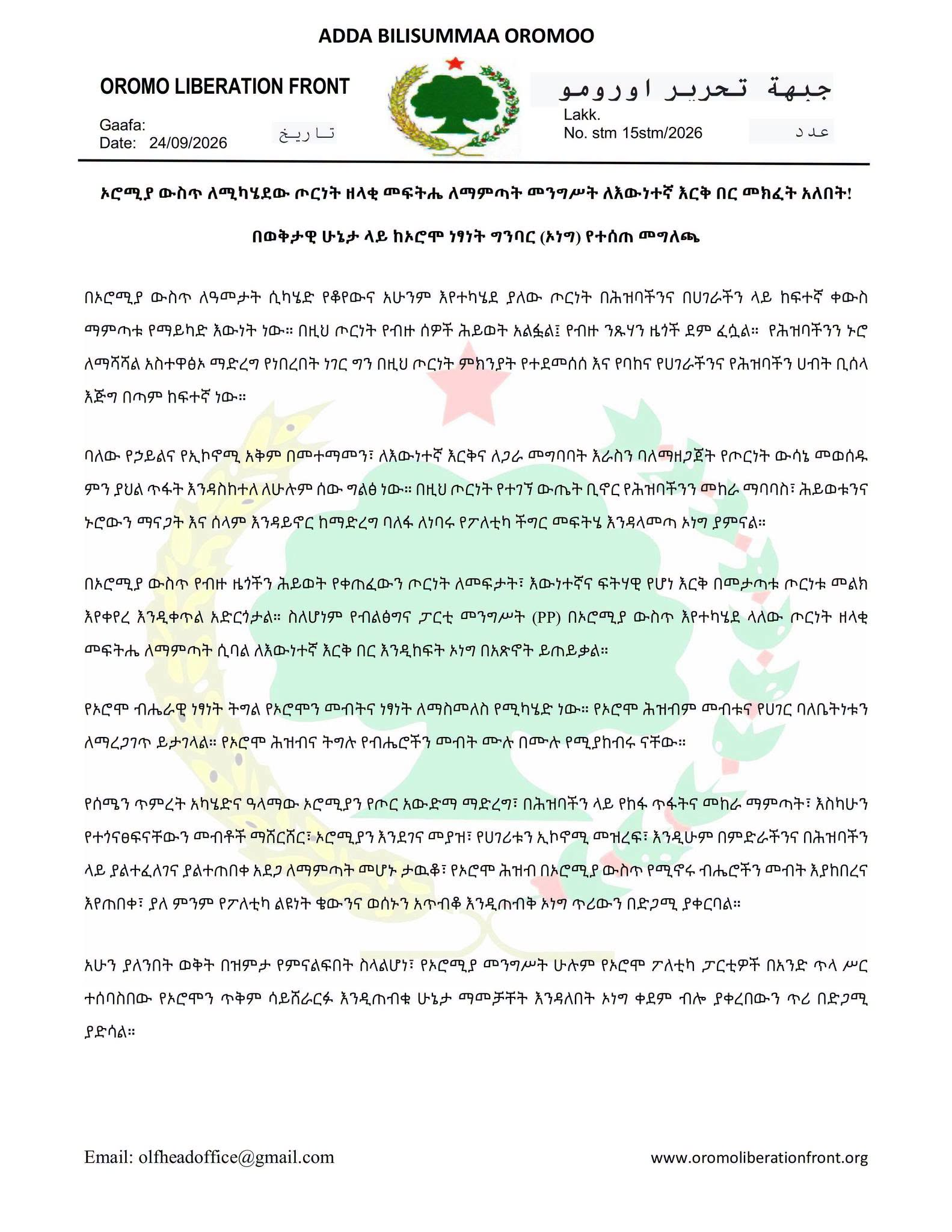
ፊንፊኔ፣ መስከረም 14 ቀን 2019 ዓ.ም — የኦሮሞ ነፃነት ግንባር (ኦነግ) በወቅታዊ ሁኔታ ላይ መግለጫ አውጥቶ፣ በኦሮሚያ ውስጥ ለዓመታት ሲካሄድ የቆየውን ጦርነት ለማስቆም እና ዘላቂ መፍትሔ ለማምጣት የብልፅግና ፓርቲ መንግሥት ለእውነተኛ እርቅ በር እንዲከፍት በአጽኖት ጠይቋል።
የጦርነቱ አስከፊ ውጤት
መግለጫው እንደሚያስረዳው፣ በኦሮሚያ ውስጥ ለዓመታት ሲካሄድ የቆየውና አሁንም እየተካሄደ ያለው ጦርነት በሕዝባችንና በሀገራችን ላይ ከፍተኛ ቀውስ ማምጣቱ የማይካድ እውነት ነው። በዚህ ጦርነት የብዙ ሰዎች ሕይወት አልፏል፤ የብዙ ንጹሃን ዜጎች ደም ፈሷል።
የሕዝባችንን ኑሮ ለማሻሻል አስተዋፅኦ ማድረግ የነበረበት ነገር ግን በዚህ ጦርነት ምክንያት የተደመሰሰ እና የባከና የሀገራችንና የሕዝባችን ሀብት ቢሰላ እጅግ በጣም ከፍተኛ ነው።
የተሳሳተ የጦርነት ውሳኔ
ኦነግ እንዳስታወቀው፣ ባለው የኃይልና የኢኮኖሚ አቅም በመተማመን፣ ለእውነተኛ እርቅና ለጋራ መግባባት እራስን ባለማዘጋጀት የጦርነት ውሳኔ መወሰዱ ምን ያህል ጥፋት እንዳስከተለ ለሁሉም ሰው ግልፅ ነው። በዚህ ጦርነት የተገኘ ውጤት ቢኖር የሕዝባችንን መከራ ማባባስ፣ ሕይወቱንና ኑሮውን ማናጋት እና ሰላም እንዳይኖር ከማድረግ ባለፈ ለነባሩ የፖለቲካ ችግር መፍትሄ እንዳላመጣ ኦነግ ያምናል።
ለእውነተኛ እርቅ ጥሪ
በኦሮሚያ ውስጥ የብዙ ዜጎችን ሕይወት የቀጠፈውን ጦርነት ለመፍታት፣ እውነተኛና ፍትሃዊ የሆነ እርቅ በመታጣቱ ጦርነቱ መልክ እየቀየረ እንዲቀጥል አድርጎታል። ስለሆነም የብልፅግና ፓርቲ መንግሥት (PP) በኦሮሚያ ውስጥ እየተካሄደ ላለው ጦርነት ዘላቂ መፍትሔ ለማምጣት ሲባል ለእውነተኛ እርቅ በር እንዲከፍት ኦነግ በአጽኖት ይጠይቃል።
የኦሮሞ ትግል እና የብሔሮች መብት
የኦሮሞ ብሔራዊ ነፃነት ትግል የኦሮሞን መብትና ነፃነት ለማስመለስ የሚካሄድ ነው። የኦሮሞ ሕዝብም መብቱና የሀገር ባለቤትነቱን ለማረጋገጥ ይታገላል። የኦሮሞ ሕዝብና ትግሉ የብሔሮችን መብት ሙሉ በሙሉ የሚያከብሩ ናቸው።
የሰሜን ጥምረት አደጋ
ኦነግ እንዳስጠነቀቀው፣ የሰሜን ጥምረት አካሄድና ዓላማው ኦሮሚያን የጦር አውድማ ማድረግ፣ በሕዝባችን ላይ የከፋ ጥፋትና መከራ ማምጣት፣ እስካሁን የተጎናፀፍናቸውን መብቶች ማሸርሸር፣ ኦሮሚያን እንደገና መያዝ፣ የሀገሪቱን ኢኮኖሚ መዝረፍ፣ እንዲሁም በምድራችንና በሕዝባችን ላይ ያልተፈለገና ያልተጠበቀ አደጋ ለማምጣት መሆኑ ታዉቆ፣ የኦሮሞ ሕዝብ በኦሮሚያ ውስጥ የሚኖሩ ብሔሮችን መብት እያከበረና እየጠበቀ፣ ያለ ምንም የፖለቲካ ልዩነት ቄውንና ወሰኑን አጥብቆ እንዲጠብቅ ኦነግ ጥሪውን በድጋሚ ያቀርባል።
የአንድነት ጥሪ
አሁን ያለንበት ወቅት በዝምታ የምናልፍበት ስላልሆነ፣ የኦሮሚያ መንግሥት ሁሉም የኦሮሞ ፖለቲካ ፓርቲዎች በአንድ ጥላ ሥር ተሰባስበው የኦሮሞን ጥቅም ሳይሸራርፉ እንዲጠብቁ ሁኔታ ማመቻቸት እንዳለበት ኦነግ ቀደም ብሎ ያቀረበውን ጥሪ በድጋሚ ያድሳል።
የፖለቲካ እስረኞች ጉዳይ
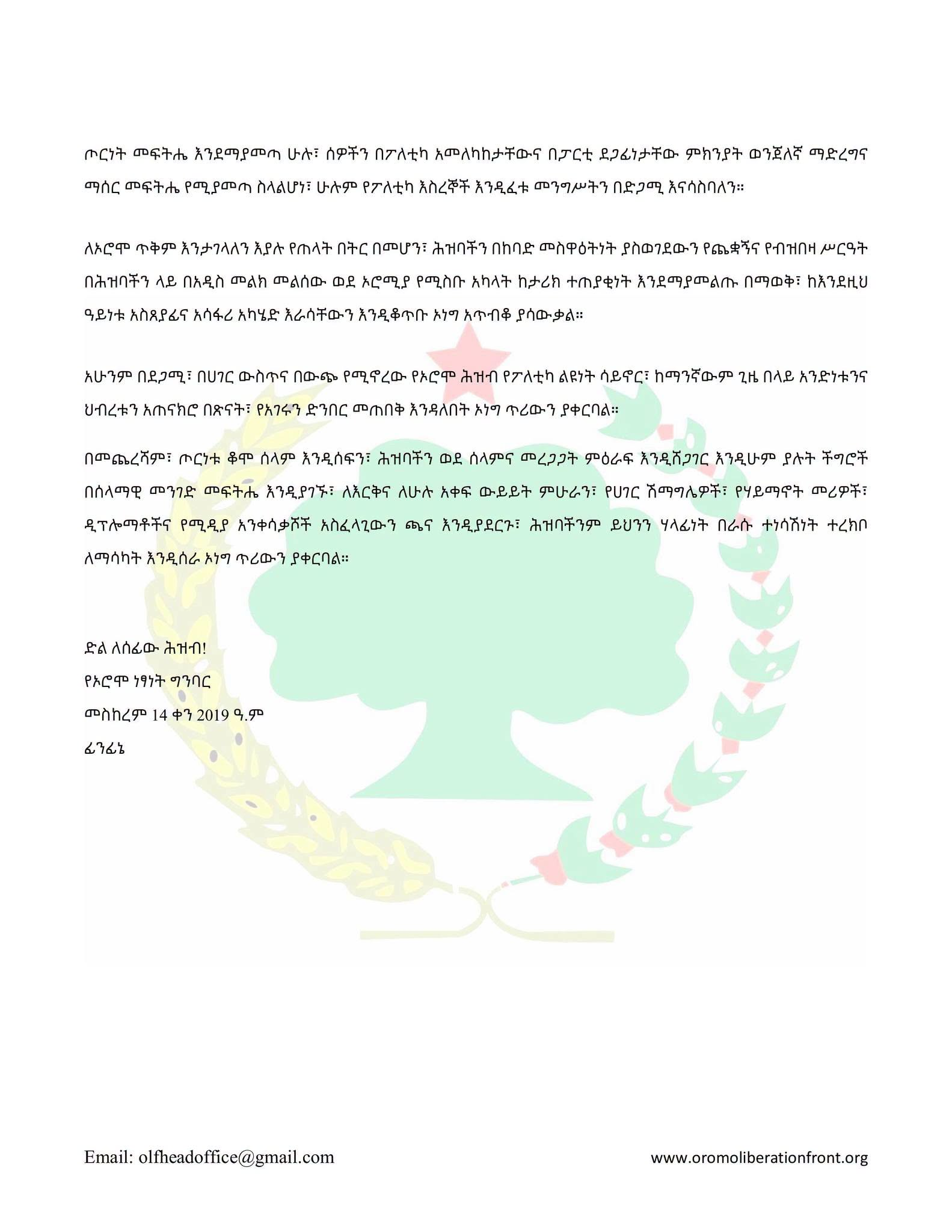
ጦርነት መፍትሔ እንደማያመጣ ሁሉ፣ ሰዎችን በፖለቲካ አመለካከታቸውና በፓርቲ ደጋፊነታቸው ምክንያት ወንጀለኛ ማድረግና ማሰር መፍትሔ የሚያመጣ ስላልሆነ፣ ሁሉም የፖለቲካ እስረኞች እንዲፈቱ መንግሥትን በድጋሚ እናሳስባለን።
ለኦሮሞ ጥቅም እንታገላለን እያሉ…
ለኦሮሞ ጥቅም እንታገላለን እያሉ የጠላት በትር በመሆን፣ ሕዝባችን በከባድ መስዋዕትነት ያስወገደውን የጨቋኝና የብዝበዛ ሥርዓት በሕዝባችን ላይ በአዲስ መልክ መልሰው ወደ ኦሮሚያ የሚስቡ አካላት ከታሪክ ተጠያቂነት እንደማያመልጡ በማወቅ፣ ከእንደዚህ ዓይነቱ አስጸያፊና አሳፋሪ አካሄድ እራሳቸውን እንዲቆጥቡ ኦነግ አጥብቆ ያሳውቃል።
የመጨረሻ ጥሪ
በመጨረሻም፣ ጦርነቱ ቆሞ ሰላም እንዲሰፍን፣ ሕዝባችን ወደ ሰላምና መረጋጋት ምዕራፍ እንዲሸጋገር እንዲሁም ያሉት ችግሮች በሰላማዊ መንገድ መፍትሔ እንዲያገኙ፣ ለእርቅና ለሁሉ አቀፍ ውይይት ምሁራን፣ የሀገር ሽማግሌዎች፣ የሃይማኖት መሪዎች፣ ዲፕሎማቶችና የሚዲያ አንቀሳቃሾች አስፈላጊውን ጫና እንዲያደርጉ፣ ሕዝባችንም ይህንን ሃላፊነት በራሱ ተነሳሽነት ተረክቦ ለማሳካት እንዲሰራ ኦነግ ጥሪውን ያቀርባል።
ድል ለሰፊው ሕዝብ!
ምንጭ፡ የኦሮሞ ነፃነት ግንባር (ኦነግ)
ABO: Lola Oromiyaa Keessatti Furmaata Waaraa Argamsiisuuf Mootummaan Araara Dhugaaf Balbala Banuu Qaba!
Finfinnee, Fulbaana 24, 2026 — Adda Bilisummaa Oromoo (ABO) haala yeroo ammaa irratti ibsa adda baasaa baastee, lola Oromiyaa keessaatti furmaata waaraa argamsiisuuf mootummaan Paartii Badhaadhinaa (PP) araara dhugaaf balbala banuu akka qabu gadi jabeessee gaafatte.
Ibsi ABO, Fulbaana 24, 2026 Finfinneerraa bahe, lolli Oromiyaa keessatti waggootaaf geggeeffamaa ture gaaga’ama olaanaa ummataa fi biyya keenya irratti fiduun isaa dhugaa hin haalamne ta’uu ibse. Lola kanaan lubbuu namoota hedduutu bade; dhiigni lammiilee qulqulluu baay’eetu dhangala’e. Qabeenyi biyyaa fi ummata keenyaa kan silaa jireenya isaa wayyeessuu keessatti gumaachu lola kanaan barbadaa’ee fi qisaasame yoo shallagame haalaan guddaa dha.
Wal Hubannaa fi Araara Dhugaa Dhabuu
ABO ibsa isaa keessatti, “Wal hubannaa fi araara dhugaaf of qopheessuu dhabuun, humnaa fi dinagdee jirutti abdatamee murtiin lolatti seename hagam gaaga’ama akka dhaqqabsiise hundaafuu ifaa dha” jette. Lola kanaan bu’aan argame yoo jiraate gidiraa ummata keenyaa hammeessuu, jiruu fi jireenya isaa gaaga’uu fi nageenyi akka dhabamu gochuun ala rakkoo siyaasaa jiruuf furmaata akka hin fidin ABO itti amante.
Furmaata Waaraa: Araara Dhugaa fi Haqa Qabeessa
ABO akka ibsite, lola Oromiyaa keessaa lubbuu lammiilee hedduu galaafate kanatti furmaata barbaaduuf, araarri dhugaa fi haqa qabeessi dhibamuu irraa lolichi bifa jijjiirrataa akka deemu taasisee argama. “Kana waan ta’eef, mootummaan paartii Badhaadhinaa (PP), lola Oromiyaa keessaaf furmaata waaraa argamsiisuuf, araara dhugaaf balbala banuu akka qabu ABOn gadi jabeessee gaafata,” jette.
Qabsoo Bilisummaa Oromoo fi Mirga Sabootaa
Ibsi ABO qabsoon bilisummaa Oromoo mirgaa fi bilisummaa Oromoo deebisuuf kan adeemsisamuu ta’uu, ummatni Oromoos gaaffii mirgaa fi abbaa biyyummaa isaa mirkaneeffachuuf qabsa’uu ibse. “Ummatni Oromoo fi qabsoon isaa mirga sabootaa guutuutti kan kabajanii dha,” jette ABO.
Akeekaa fi Imallii Tumsaa Kaabaa
ABO ibsa isaa keessatti, tumsi Kaabaa imallii fi akeekni isaa Oromiyaa dirree waraanaa taasisuun, dhumaatii kan daranii fi hiraara gara biraa ummata keenyatti fiduu, mirgoota haga ammaa gonfataman sharafuu, Oromiyaa deebisanii dhuunfatuun dinagdee biyyaa saamuu, balaa hin hawwamnee fi hin eegamne dachee keenyaa fi ummata keenyatti fiduuf kan sossohamu ta’uun beekamee, ummatni Oromoo mirga saboota Oromiyaa keessaa kabajaa fi tiksaa, garaagarummaa siyaasaa tokko malee qe’ee fi daangaa isaa jabaatee akka tikfatu ABOn irra deebi’ee dhaame.
Tokkummaa Oromoo: Yaamicha Haaromsaa
“Yeroon amma keessa jirru kan cal’isaan wal bira darban waan hin taaneef, Mootummaan Oromiyaa paartiileen Oromoo hundi gaaddisa tokkotti dhufuun dantaa Oromoo bifa hin sharafamneen akka tiksaniif haala mijeessuu akka qabu ABOn yaamicha amma dura taasise irra deebi’ee haaromsa,” jette ABO.
Hidhaa Siyaasaa fi Araara
ABO ibsa isaa keessatti, “Ilaalcha siyaasaa fi deggertummaa dhaabotaa ykn paartileen nama yakkuun hidhuun akkuma lolli furmaata hin argamsiisin kunis furmaata fidu waan hin qabneef, hidhamtootni siyaasaa hundi akka hiikaman irra deebiin mootummaa hubachiisna,” jette.
Akeekkachiisa Qaamotaa fi Yaamicha Araaraa
ABO qaamotni dantaa Oromoof qabsoofna jechaa ulee diinaa ta’uun sirna cunqursaa fi saaminsaa kaleessa ummatni keenya wareegama guddaa itti kafalee of irraa darbate bifa haaraan deebisanii Oromiyaatti harkisan itti gaafatama seenaa jalaa akka hin baane beekuudhaan, deemsa fokkisaa fi qaanfachiisaa akkanaa irraa akka if qusatan cimsee hubachiiste.
Yaamicha Ummata Oromoof
Ammas irra deebi’uudhaan ummatni Oromoo keessaa fi alaa garaagartummaa siyaasaa tokkoon alatti, kan yeroo kamii caalaatti tokkummaa fi gurmuu isaa jabeeffatuu fi itichuun, daangaa biyya isaa eeggachuu akka qabu ABOn yaamicha isaa dhiheessite.
Yaamicha Furmaata Nagaa
Maayii irratti, lolli dhaabbatee nageenyi akka bu’uuf, ummatni keenya boqonnaa nagaa fi tasgabbiitti akka ce’uuf, dhibdeeleen jiran karaa nagaan furmaata akka argataniif, Araaraa fi Marii hunda galeessaaf, hayyootni, maanguddootnii fi abbootiin amantaa, dippilomaatotnii fi rogeeyyiin miidiyaa dhiibbaa barbaachisu akka taasisan, ummatni keenyas kana ofitti fudhatee milkeessuu irratti akka hojjetu ABOn yaamicha isaa dhiheessite.
Injifannoo Ummata Bal’aaf!
Madda: Adda Bilisummaa Oromoo (ABO)
“ኢትዮጵያ ለሰው ልጅ የምትሰጠውን የመጨረሻ ክብር ሰጥታኛለች — ለሀገሬ ኢትዮጵያ ያልከፈልኩት ነገር የለም”ፊልድ ማርሻል ብርሃኑ ጁላ
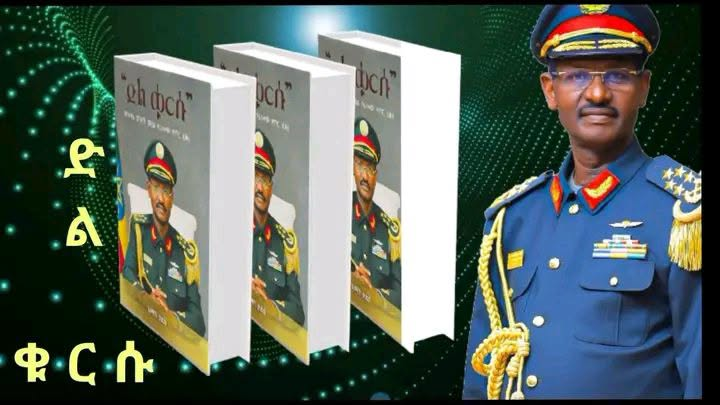
አዲስ አበባ፣ መስከረም 12/2019 (ኢኤንኤ) — የኢትዮጵያ ብሔራዊ መከላከያ ሠራዊት ጠቅላይ ሹም ፊልድ ማርሻል ብርሃኑ ጁላ፣ ኢትዮጵያ ለሰው ልጅ የምትሰጠውን የመጨረሻ ክብር ሰጥታኛለች፤ ለሀገሬም ያልከፈልኩት ነገር የለም ብለዋል።
ፊልድ ማርሻል ብርሃኑ ጁላ ይህን ያሉት ትናንት ማታ “ድል ቁርሱ” በሚል ርዕስ የተጻፈውን የመጽሐፍ መገለጫ ሥነ ሥርዓት ላይ ነው። መጽሐፉ ፊልድ ማርሻል ብርሃኑ ጁላ በሕይወታቸው ውስጥ ያለፉበትን የሕይወት ታሪክና የወታደራዊ ጉዞ ያሳያል።
ፊልድ ማርሻል ብርሃኑ ጁላ በሥነ ሥርዓቱ ላይ መልእክት አስተላልፈው፣ ሀገሬ ክብር ሰጥታኛለች፤ እኔም ለሀገሬ ያልከፈልኩት ነገር የለም፤ በሙሉ ኃይሌ አገለግላለሁ ብለዋል።
“ድል ቁርሱ” የሚል ርዕስ ያለው መጽሐፍ ፊልድ ማርሻል ብርሃኑ ጁላ ካሳለፉት የሕይወት ጉዞ ጀምሮ እስከ ወታደራዊ ጀግንነታቸው ታሪክ ድረስ የያዘ ሲሆን፣ ለዩኒቨርሲቲዎችና ለታሪክ ተመራማሪዎች እንዲሁም ለመከላከያ ሠራዊቱ ጠቃሚ መሆኑን ፊልድ ማርሻል ብርሃኑ ጁላ ገልጸዋል።
የጦር ኃይሉ ጠቅላይ ሹም ፊልድ ማርሻል ብርሃኑ ጁላ፣ የጀግኖችን ታሪክ መጻፍና ለትውልድ ማስተላለፍ መጀመራቸውን፣ የጀግኖችን ስም ማክበር የሀገሪቱን ትውልድ በብዛት እንዲቆም ያደርጋል ብለዋል።
“ድል ቁርሱ” የሚል ርዕስ ያለው መጽሐፍ በ8 ምዕራፎች የተከፈለ ሲሆን 355 ገጽ እንዳለው ተገልጿል። መጽሐፉ ከልጅነታቸው ጀምሮ እስከ ከፍተኛው ደረጃ ድረስ ያለፉበትን ሁኔታ በስፋት ያብራራል።
የመከላከያ ሠራዊት ጀግኖችን የሚመዘግቡ መጻሕፍት የወደፊት ትውልድን ለመገንባት ይረዳሉ ያሉት ፊልድ ማርሻል ብርሃኑ ጁላ፣ ሀገር ለመገንባት ትውልድን ማሳደግ ያስፈልጋል ብለዋል።
ምንጭ፡ የኢትዮጵያ ዜና አገልግሎት (ኢኤንኤ)
“Itoophiyaan dhala namaaf kabaja isa xumuraa kan kennamu naaf laachuun na kabajjeetti; anis Biyya koo Itoophiyaaf waanan waakkadhe tokkollee hin jiru”-Fiildi Maarshaal Birhaanuu Juulaa
Fulbaana 12/2019(ENA):Itoophiyaan dhala namaaf kabaja isa xumuraa kan kennamu naaf laachuun na kabajjeetti;anis Biyya koo Itoophiyaaf waanan waakkadhe tokkollee hin jiru jedhan Itaamaajooriin shuumii walii galaa Raayyaa Ittisa Biyyaa Fiildi Maarshaal Birhaanuu Juulaa.
Fiildi Maarshaal Birhaanuun kana kan jedhan sagantaa eebba kitaaba mata dureen isaa “Dil Qursuu” jedhu, seenaa jireenyaafi imala loltummaa isaan keessa darban irratti xiyyeeffatee barreeffamuun galgala kana eebbifameerrattidha.
Itaamaajoor Shuumii Waliigalaa Humna Waraanaa Fiildi Maarshaal Birhaanuu Juulaan saganticharratti ergaa dabarsaniin biyyi koo na kabajjeettii kaasuun anis biyya koof waaniin qusadhu hin qabu humna koo guutuun nan tajaajila jedhaniiru.
Kitaabni mata dureen isaa ‘Dil Qursuu’ jedhu bu’aa ba’ii jireenya dabarsan wal duraa duubaan hanga seenaa gootummaa isaanii kan qabate yoo tahu Yuunivarsiitiwwaniifi qorattoota seenaa raayyaa ittisa biyyaaf kan fayyadu ta’uu Fiildi Maarshaal Birhaanuun eeraniiru.
Itaamaajoor Shuumiin Waliigalaa Humna Waraanaa Itoophiyaa Fiildi Maarshaal Birhaanuu Juullaan seenaa goototaa barreessuun dhalootaaf olkaa’uu irraa eegalee maqaa gootota leellisuun dhalootni biyya isaaf dhaabbatu akka baay’inaan horatamaa deemus taasisa jechuun hubachiisaniiru.
Kitaabni mata duree “Dil Qursuu” jedhun bu’aa ba’ii jireenyaa Fiildi Maarshaal Birhaanuu Juullaarratti xiyyeeffachuun ijoollummaa isaanii irraa eegalee hanga sadarkaa olaanaa ga’anitti keessa darban bal’inaan kan ibsu yoo tahu boqonnaa 8’tti qoodamuun fuula 355 akka qabu ibsameera.
Kitaabochi Gootota Raayyaa egeree ijaaruuf gargaara kan jedhan Fiildi Maarshaal Birhaanuu Juulaan,biyya ijaaruuf dhaloota ceesisuu kan danda’u ta’uu ibsaniiru.
Field Marshal Birhanu Jula: “Ethiopia Has Honored Me with Its Highest Recognition — I Have Withheld Nothing from My Country”
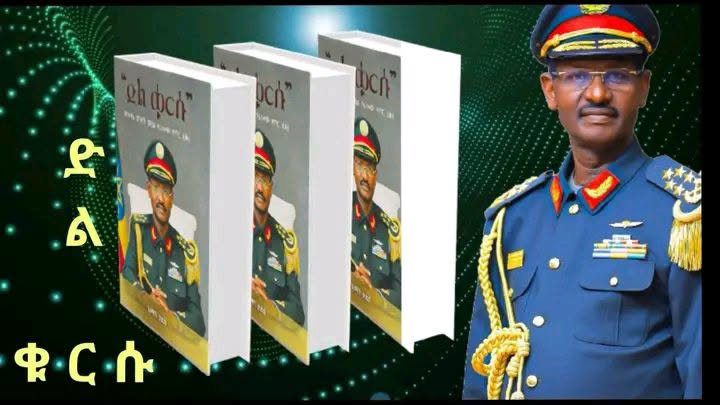
Addis Ababa, September 12, 2019 (ENA) — Field Marshal Birhanu Jula, Chief of the General Staff of the Ethiopian National Defense Force, has declared that Ethiopia has honored him with its highest recognition, and that he has withheld nothing in service to his nation.
“I am honored that Ethiopia has given me the highest honor bestowed upon a person,” Field Marshal Birhanu said. “There is nothing I have withheld for my country Ethiopia.”
The Field Marshal made these remarks during a ceremony held this evening to launch a book titled “Dil Qursuu” (The Unbroken Bond), which focuses on his life story and the military journey he has traversed.
A Life of Service, A Legacy of Courage
The book, written to chronicle the life and military career of Field Marshal Birhanu Jula, was officially inaugurated at the ceremony. It details his journey from childhood through to his rise to the highest ranks of the Ethiopian military, capturing the history of his heroism and dedication to national service.
During the event, Field Marshal Birhanu conveyed a powerful message: “My country has honored me, and I, in turn, have nothing to withhold from my country. I will serve with my full strength.”
The book, he noted, is not only a record of his personal life but also a valuable resource for universities, historians, and researchers studying the Ethiopian National Defense Force.
Preserving History, Inspiring Generations
Field Marshal Birhanu emphasized the importance of documenting the history of heroes for future generations. “Writing the history of heroes and elevating it for generations, and honoring the names of heroes, will inspire the younger generation to stand up for their country in greater numbers,” he said.
He stated that books chronicling the heroes of the Defense Force will help build the future generation. “Building a country requires nurturing a generation,” he affirmed, underscoring the role of historical documentation in shaping national identity and patriotic commitment.
A Detailed Account of an Extraordinary Journey
The book “Dil Qursuu” is divided into 8 chapters and spans 355 pages. It provides a comprehensive account of Field Marshal Birhanu’s life, beginning from his childhood and tracing his path through the various stages of his military career up to his current position at the pinnacle of the Ethiopian defense establishment.
The title “Dil Qursuu” — meaning “The Unbroken Bond” — reflects the enduring connection between the Field Marshal and his nation, a bond that has never been severed despite the many challenges and sacrifices of his military journey.
A Testament to Duty and Patriotism
The launch of this book serves as a testament to the values of duty, sacrifice, and patriotism that Field Marshal Birhanu Jula embodies. His words — “I have withheld nothing from my country” — resonate as a powerful declaration of selfless service, a reminder of the profound commitment required of those who take up arms in defense of their nation.
For Ethiopia, the book is more than a biography. It is a historical document, a teaching tool, and an inspiration for generations to come. It reminds young Ethiopians that heroism is not merely a thing of the past but a living tradition, carried forward by those who serve with honor and dedication.
A Nation’s Gratitude
Field Marshal Birhanu’s statement — “Ethiopia has honored me with its highest recognition” — reflects a reciprocal relationship between the nation and its servants. The honor bestowed upon him is not merely a personal accolade; it represents the gratitude of a nation for a lifetime of service, sacrifice, and unwavering commitment.
As the book “Dil Qursuu” takes its place in the historical record, it stands as both a tribute to one man’s extraordinary journey and a beacon for future generations — a reminder that the bond between a patriot and his country is, indeed, unbroken.
Source: Ethiopian News Agency (ENA)
Jawar Mohammed Releases Strategic Analysis of Ethiopia’s New “Survival Alliance,” Warning of Internal Contradictions and Unpredictable Outcomes
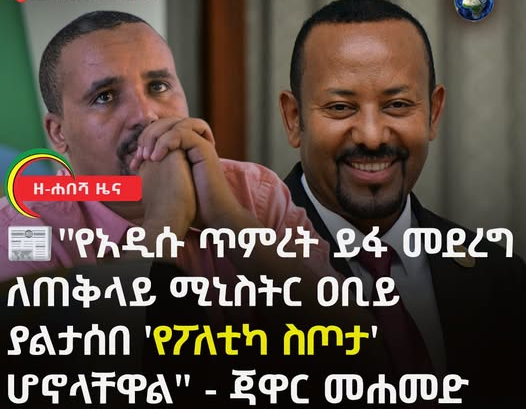
(Zehabesha, ADDIS ABABA) — Political analyst and activist Jawar Mohammed has released a comprehensive strategic and political analysis of the newly formed “Survival Alliance” (Alliance for Survival), a coalition established against the Ethiopian federal government that reportedly includes the Tigray People’s Liberation Front (TPLF), the Eritrean government, the Oromo Liberation Army (OLA/Shane), and Fano.
The analysis, which has circulated widely among political observers, paints a picture of a coalition fraught with internal tensions, where the stakes vary dramatically between members and where recent military and political decisions will determine its ultimate fate.
A Coalition of Unequal Stakes
According to Jawar’s analysis, the Survival Alliance represents an existential question for some of its members—particularly the TPLF and Eritrea—for whom the coalition is a matter of life and death, survival or annihilation. If the alliance succeeds, it could preserve their political standing; if it fails, it could accelerate their destruction.
For Fano and the OLA/Shane, however, the calculation is different. Jawar argues that for these groups, the alliance is a strategic matter rather than an existential threat. They do not face the same level of risk if the coalition collapses, giving them greater flexibility in their commitments.
The Ball is in Tigray’s Court
The analysis suggests that the immediate burden of action falls on the TPLF. Having exerted significant pressure for the alliance to be publicly announced, the TPLF now faces a critical test: if it does not launch a large-scale and decisive offensive soon, it will struggle to bring other alliance members into active operation.
The Eritrean government, meanwhile, is said to be pursuing a “wait and see” strategy, seeking to keep the war as far from its borders as possible. According to Jawar’s analysis, Eritrea will only enter direct combat if the TPLF either wins decisively or is defeated and pushed back to Eritrean territory.
The Role of External Actors
A crucial dimension of the conflict, according to the analysis, is the role of external supporters. How much force Egypt is willing to commit to break the air superiority enjoyed by Prime Minister Abiy Ahmed and the United Arab Emirates (UAE), as well as how much support the UAE and Saudi Arabia provide to whom, will significantly determine the war’s trajectory.
Additionally, the analysis suggests that if Eritrea enters the war directly, Prime Minister Abiy may seize the opportunity to link his “Red Sea and Assab” agenda to existential and security concerns, potentially making it a central focus of the conflict.
The Great Paradox
The most significant and controversial conclusion of Jawar’s analysis concerns what he describes as the “stunning contradiction” created by the alliance’s public announcement.
On one hand, the formation of the alliance strengthens the TPLF’s negotiating position with the government, allowing it to demonstrate that it has “another option” at the negotiating table.
On the other hand, the same public announcement has handed Prime Minister Abiy’s administration what Jawar describes as a “political gift from the sky.” The government can now reinforce its long-standing narrative of a “security threat emanating from the north,” using it as a powerful tool to mobilize public opinion—particularly among the Oromo people—and consolidate support around its leadership.
The True Measure of Success
Jawar’s analysis concludes that the success of this alliance will not be measured by its public statements, but by the internal cohesion and coordination that forces with vastly different territorial ambitions and histories—such as Fano and the TPLF—can demonstrate on the battlefield, and how they withstand the government’s counter-offensive capacity.
The coming weeks and months will reveal whether the Survival Alliance can translate its public declaration into coordinated military action, or whether its internal contradictions will prove insurmountable.
About the Analyst:
Jawar Mohammed is a prominent Oromo political analyst, activist, and former media owner known for his commentary on Ethiopian politics, federalism, and Oromo nationalism. He has been a controversial figure in Ethiopian political discourse, advocating for Oromo rights and systemic reform.
Oromo Advocacy Group Rejects Pan-Ethiopian Alliance, Citing Historical Erasure and Political Opportunism
ADDIS ABABA — A prominent Oromo advocacy organization has formally rejected the newly formed “Ethiopian Peoples’ Forces Alliance for Survival,” accusing the coalition of failing to acknowledge the historical suffering of the Oromo people and of engaging in political opportunism rather than genuine problem-solving.
In a detailed statement released on 21 September 2026, Advocacy for Oromia outlined its objections to the alliance, which was established on 10/2019 E.C. (Ethiopian Calendar) and claims to represent a broad coalition of Ethiopian peoples against the current government.
The Alliance’s Platform
The Ethiopian Peoples’ Forces Alliance for Survival presents itself as a unified front against what it describes as a regime that has institutionalized national and religious divisions. Its stated objectives include removing the current government through “any means necessary,” establishing a transitional government, ensuring security for all citizens, and rebuilding the economy. The alliance explicitly calls for the right to self-determination for seven major ethnic groups: Oromo, Amhara, Tigray, Afar, Somali, Benishangul-Gumuz, and Gambella.
The alliance’s rhetoric is sweeping: “We have reached a point where we must unite to save ourselves and our country,” reads its preamble, which accuses the current regime of fueling conflicts, engaging in widespread human rights violations, and pushing the country to the brink of disaster.
The Oromo Rejection
Advocacy for Oromia, however, sees the alliance as fundamentally flawed. In its statement, the organization argues that the coalition’s generic language about “immense suffering” and “widespread displacement” deliberately avoids naming the Oromo people as specific victims of systemic oppression.
“The harm includes, but is not limited to, land dispossession, political marginalization, cultural suppression, and economic exploitation under successive Ethiopian regimes—the imperial era, the Derg regime, the EPRDF administration, and continuing under the current government,” the statement reads. “This omission is not accidental; it reflects a deliberate refusal to centre Oromo historical trauma within the alliance’s political framework.”
The advocacy group further accuses the alliance of refusing to accept the reality of systemic oppression inflicted upon the Oromo people by past regimes. Rather than demanding accountability for historical wrongs, the alliance frames the current crisis as a departure from an otherwise acceptable trajectory—a framing that Advocacy for Oromia rejects outright.
A Question of Strategy
At the heart of the dispute lies a fundamental strategic disagreement within Ethiopian opposition politics: whether to prioritize unity against a common enemy or to insist upon historical justice as a precondition for any alliance.
The alliance positions itself as a broad-based coalition, calling for unity among Ethiopia’s diverse ethnic groups to confront a shared adversary. Its document lists self-determination for multiple peoples and declares that “the unity of the Ethiopian peoples is paramount.”
Advocacy for Oromia, however, argues that without acknowledging past wrongs, any coalition risks reproducing the same structural injustices that have historically subjugated the Oromo people. “Formal recognition of Oromo rights within a reformed Ethiopian state is insufficient,” the statement asserts. “What is required is transformative justice that addresses the structural legacy of Oromo dispossession.”
The “Survival” Critique
The advocacy group also takes issue with the alliance’s very name. In the original Oromo statement, Advocacy for Oromia notes that the alliance is called “Survival”—a designation the group argues reveals its limited and inadequate scope.
“The alliance is named ‘Survival,’ which reveals its limited and inadequate scope,” the statement reads. “It is not founded to genuinely resolve the country’s problems, but rather to engage in political maneuvering and gamesmanship.”
This critique suggests that the alliance’s focus on mere survival—bare existence—falls far short of the Oromo struggle for liberation, justice, and systemic transformation.
Political Opportunism Alleged
The most serious charge leveled by Advocacy for Oromia is that the alliance is a vehicle for political opportunism. The group points to the alliance’s inclusion of multiple ethnic groups and its call for armed struggle as evidence of a framework that “superficially accommodates Oromo demands while failing to address the fundamental historical injustice against the Oromo people.”
“This framework offers only formal recognition, not substantive transformation,” the statement argues.
Advocacy for Oromia explicitly rejects any pan-Ethiopian initiative that does not subordinate itself to Oromo nationalist priorities, describing the alliance’s refusal to do so as exposing it “as a vehicle for political opportunism rather than a genuine instrument for liberating the Oromo people.”
An Unresolved Contradiction
The advocacy group also highlights what it sees as a contradiction within the alliance’s logic. The alliance’s stated objective is to remove the current regime—which Advocacy for Oromia notes is itself a product of past systems of Oromo oppression.
“If the alliance succeeds in dismantling the current order, does that not constitute a form of accountability?” the statement asks rhetorically. “Removal without acknowledgment and redress is insufficient. True liberation requires not merely a change of personnel but a reckoning with the structural foundations of Oromo subjugation.”
The Broader Context
The rejection of the alliance reflects long-standing tensions within Ethiopian opposition politics. The Oromo people, Ethiopia’s largest ethnic group, have historically experienced marginalization and dispossession under successive regimes. The emergence of Oromo nationalist movements—both peaceful and armed—has challenged the centralized Ethiopian state, demanding greater autonomy, self-determination, and historical justice.
The Ethiopian Peoples’ Forces Alliance for Survival appears to be an attempt to bridge these divides, bringing together diverse ethnic groups under a common banner. But Advocacy for Oromia’s rejection suggests that such efforts will face significant obstacles, particularly when they require subordinating specific historical grievances to a broader, more generic narrative of national suffering.
The Unanswered Question
The statement from Advocacy for Oromia leaves an important question unresolved: can Oromo liberation be achieved through alliance with other Ethiopian peoples, or does it require a separate, Oromo-centred path?
The group clearly leans toward the latter, but does not fully grapple with the strategic costs of that position—including potential isolation, the difficulty of achieving liberation without allies, and the risk of perpetuating the very divisions that have historically weakened Ethiopian opposition movements.
For now, Advocacy for Oromia’s rejection of the alliance stands as a clear statement of its position: any coalition that does not explicitly centre Oromo historical suffering and commit to its redress cannot be trusted.
Advocacy for Oromia formally rejects the “Ethiopian Peoples’ Forces Alliance for Survival” as an unsuitable vehicle for the liberation and advancement of the Oromo people.
Political Survival or Liberation Struggle? Abbaa Gammachiis’s Uncomfortable Questions for the WBO–Fano Alliance

ADDIS ABABA — In September 2026, when seven Ethiopian armed groups announced the formation of an “Alliance for Survival” in Addis Ababa, the expected euphoria did not materialize within Oromo political circles. Instead, it triggered a profound reckoning.
A widely circulated reflection text attributed to the Oromo political commentator Abbaa Gammachiis — titled “Political Survival or Self-Destruction?” — has become a focal point of that reckoning. Its central question is as blunt as it is uncomfortable: Is the alliance between the Oromo Liberation Army (WBO/OLA) and the Amhara Fano militia a strategic choice in service of Oromo liberation, or a cynical maneuver by organizational leaderships seeking to preserve their own political relevance?
The timing of this reflection is no accident. On September 20, Fano leader Zemene Kassie announced on Tigray TV that seven armed organizations — including the WBO, Fano, and the TPLF — had formed a coordinated front aimed at removing Prime Minister Abiy Ahmed’s government from power. Yet within Oromo communities, the declaration was met not with celebration but with deep suspicion.
A Fundamental Contradiction
Abbaa Gammachiis’s reflection rests on a premise stated and restated throughout: the goal of the Oromo liberation struggle is not to replace one occupant of Menelik Palace with another. It is to achieve self-determination, political freedom, and the genuine restoration of Oromo territorial sovereignty.
“If the only goal were to topple Abiy’s government, then allying with any force could be understandable,” the text argues. “But what happens after? Who guarantees Oromo self-rule? Who ensures that Oromos in Wallagga and Shawa are no longer attacked by Fano?”
This concern has a concrete empirical basis. According to multiple reports, Fano forces have been active in western Wallagga and northern Shawa, where Oromo communities have repeatedly reported attacks, abductions, and property destruction. A European Union Agency for Asylum report from October 2025 documented direct clashes between Fano and the Oromo Liberation Army in the Dera area; a June 2024 skirmish left four civilians dead.
The WBO itself has not been unaware of this. On September 17, 2026 — just three days before the alliance was announced — the WBO issued a statement explicitly demanding that Amhara armed forces “distance themselves from the Wallagga faction,” warning that “association with this small armed faction could carry political consequences.” Three days later, the WBO appeared alongside Fano in the “Alliance for Survival.”
The Gap Between Narrative and Reality
A BBC Amharic and Oromo investigation from August 2025 revealed deeper contradictions. At that time, the outlet “Africa Intelligence” first reported that the WBO and Fano had allegedly reached a ceasefire agreement. But WBO senior commander Jireenyaa Guddataa explicitly denied it to the BBC: “No negotiations ever took place between the WBO and Fano prisoners.” He went further, characterizing Fano’s presence in Oromo areas as that of an enemy: “Fano entered Oromo territory, displaced our people, and the WBO regards it as an enemy.”
Fano denied any agreement as well. Fano National Movement spokesperson Geetaa Asraddaa stated that “no direct or indirect talks, relations, or agreements exist with the WBO.”
A year later, that “nonexistent relationship” was publicly unveiled as a formal alliance. For Oromos paying attention, the shift raises serious questions about decision-making transparency and internal democracy.
A “Cursed Alliance”
Not all WBO-affiliated voices have accepted the pivot. In March 2026, a group claiming to represent “WBO Foreign Affairs” issued a scathing statement branding any alliance with Fano a “cursed alliance.”
The statement leveled several accusations: that the leadership had “abandoned the political program and charter published in 2017,” “chosen to side with Fano and other enemies of the Oromo liberation struggle,” and “chosen closeness with Fano over the defense of Oromos while Oromos are being ethnically cleansed by Fano.”
It concluded: “We call on the Oromo people and the WBO not to choose between two enemies, but to intensify the struggle on both fronts — against Prosperity and against Fano.”
Whether this statement represents a significant internal faction or a minority dissent is difficult to independently verify. But its very existence signals that the Fano alliance is far from a consensus position within the WBO.
The Logic of “Political Survival”
Abbaa Gammachiis’s text ultimately directs its critique toward a more sensitive target: the “political survival” motives of organizational leadership.
The logic is as follows: when an armed organization lacks military breakthroughs or political progress over an extended period, the legitimacy of its leadership gradually erodes. An alliance with another armed force — even one unpopular among the grassroots — can provide leadership with a narrative of “action,” sustain the interest of external funders, and defer internal questions about strategic direction.
“The question is: is this alliance serving the goal of Oromo liberation, or is it serving the survival of the organization and its current leadership?” the text asks.
The sharpness of this critique lies in its refusal to rely on speculation about individual motives. Instead, it points to a structural dilemma: when an armed organization’s decision-making is characterized by information asymmetry with the population it claims to represent, the leadership’s behavioral logic can gradually drift from its proclaimed goals.
Where Are the People?
A recurring theme in Abbaa Gammachiis’s analysis is the “absence of the people.” The text stresses that a strategic pivot of this magnitude — allying with former enemies — should have been thoroughly debated among the Oromo public and WBO’s grassroots membership.
“The WBO is not composed solely of armed fighters,” the text states. “It is built on the foundation of the entire Oromo people — youth, scholars, the diaspora, political parties. To make such a consequential political decision without consulting them is itself a serious problem.”
This critique also touches on a broader dilemma in Oromo politics. Since Abiy’s rise in 2018, Oromo political forces have undergone severe fragmentation and realignment. From the Qeerroo youth movement that propelled Abiy to power, to subsequent disillusionment with Prosperity Party’s centralizing tendencies, to the WBO’s years-long armed struggle in the bush, Oromo political choices have oscillated and struggled among multiple forces.
Against this backdrop, a WBO–Fano alliance — with Fano widely viewed in western Oromo areas as an attacking force against Oromo communities — may deepen Oromo political alienation. If the largest Oromo armed organization chooses to cooperate with what Oromo communities perceive as an enemy, the narrative of “liberation” faces a serious credibility crisis.
What Comes Next?
As of press time, the future trajectory of the “Alliance for Survival” remains uncertain. Analysts broadly note that internal ideological and strategic divisions — particularly the fundamental contradiction between the WBO and Fano over western Oromo territory and community security — may cause it to fracture in the near term.
WBO commander Jaal Marroo told local media in early September that the organizations had “met multiple times” before the eventual announcement. But the frequency of meetings does not conceal substantive disagreements.
Abbaa Gammachiis’s reflection offers no simple answers. It returns instead to a basic question: “Is this alliance for Oromo liberation, or for the survival of the organization and its current leadership? The answer will profoundly shape the Oromo people and the future of their struggle.”
For many Oromos, the fact that this question must even be asked is itself part of the answer.
“Any Alliance with ONA/Shene Is a Betrayal of Our Blood”: Wallagga Amhara Unity Bloc Rejects WBO–Fano Cooperation

ADDIS ABABA — On September 21, 2026, as reports of a formal alliance between the Oromo Liberation Army (WBO/OLA) and the Amhara Fano militia continued to reverberate across Ethiopia, a newly formed Amhara diaspora organization issued a scathing declaration rejecting any cooperation with the Oromo armed group — and warning Fano itself that such a pact would be historically unforgivable.
The statement, released by the Wallagga Amhara Natives Unity Association (የወለጋ አማራ ተወላጆች አንድነት ህብረት) and dated Meskerem 11, 2019 in the Ethiopian calendar (September 21, 2026), is the first organized Amhara response to the emerging WBO–Fano axis from a constituency directly affected by the conflict in Wallagga. Its language is unambiguous: any political, strategic, or tactical collaboration with the Oromo Liberation Front (OLF/ONEG) and its armed wing, commonly known as “Shene,” constitutes complicity in genocide.
The statement arrives at a critical juncture. Just one day earlier, Fano leader Zemene Kassie had announced on Tigray TV the formation of a seven-member “Alliance for Survival” alongside the WBO, the TPLF, and other armed factions, with the stated goal of removing Prime Minister Abiy Ahmed’s government. For Amharas with roots in Wallagga — a region that has witnessed some of the most brutal intercommunal violence of the past several years — the announcement was not a cause for celebration but a call to resistance.
A History of Coexistence, a Present of Atrocity
The declaration opens by invoking a shared past. For generations, it states, Amhara natives of Wallagga — in East Wallagga, West Wallagga, Horo Guduru, and Qellem Wallagga zones — lived alongside their Oromo neighbors “bound by marriage, religion, culture, and social ties, in peace and love.”
That coexistence, the group argues, has been systematically dismantled over the past few decades, and especially in recent years, by what it describes as “the radical Oromo Liberation Front (OLF/ONEG Shene) and affiliated extremist groups.”
The specific allegations are grave and detailed:
- Mass killings: The statement claims that massacres in West, East, Horo Guduru, and Qellem Wallagga zones, as well as in various kebeles, were “primarily carried out by OLF/Shene and its allies,” a finding it says has been documented by human rights organizations and verified internationally.
- Identity-based targeting: Victims were not killed for political or social reasons, the group asserts, but “solely because they were identified as Amhara.”
- Atrocities against the vulnerable: Children, pregnant mothers, the elderly, and the infirm were not spared. The statement describes “horrific acts” in which bodies were dismembered — acts it says make any cooperation with the perpetrators “a trampling of the blood of the dead and complicity in historical injustice.”
- Economic and social destruction: Thousands of farming households were burned; property, livestock, and harvests were looted. Millions were displaced from their birthplaces and forced into “roofless shelters and extreme suffering.” Schools, health stations, and places of worship were destroyed, pushing the community “entirely outside a humane way of life.”
These accounts align with broader patterns documented by international observers. The EU Agency for Asylum’s October 2025 report noted significant civilian displacement and intercommunal violence in western Oromia, though it did not attribute specific massacres to a single perpetrator. The Ethiopian Human Rights Commission has also documented widespread abuses in the region, often without clear attribution amid the fog of armed conflict.
The Wallagga Amhara group, however, places responsibility squarely on the OLF/Shene — a designation that has become increasingly common in Amhara political discourse but remains contested by Oromo advocates who argue it conflates legitimate armed resistance with criminal violence.
The Ideological Core: “The Amhara Is a Settler and an Enemy”
The statement moves beyond documenting atrocities to diagnose their root cause. It identifies the OLF’s “extremist ideology” as being built on a “false and hostile narrative” that “the Amhara is a settler and an enemy.”
This narrative, the group argues, has destroyed “the values of coexistence and peace” that bound Amhara and Oromo communities together for centuries, endangered the possibility of future generations living together, and spread a dangerous cycle of vengeance.
The charge is a familiar one in Amhara political discourse: that Oromo ethnonationalism, as expressed by the OLF and its offshoots, treats Amharas in regions like Wallagga as foreign interlopers who must be expelled or eliminated. Oromo scholars and activists have long disputed this characterization, arguing that Amhara settlement in Wallagga was historically encouraged by imperial governments and that the OLF’s primary grievance is with a centralized state, not with Amhara individuals.
Yet the Wallagga group’s testimony reflects a lived experience that cannot be dismissed as mere propaganda. For Amharas in western Oromia, the past several years have brought displacement, violence, and a pervasive sense of being targeted for their identity — a reality that shapes their reception of any political alliance involving Oromo armed groups.
A Moral Reckoning, Not Just a Political One
The statement’s fourth major argument elevates the objection from political calculation to moral principle. It condemns what it calls “the loss of political and moral principle” — the willingness to pursue political advantage “above human life, justice, and truth.”
“To ignore the lost lives of thousands, the destroyed wealth, and the tears that have flowed,” it reads, “and to cooperate with a murderous group is not to stand for justice but to become an accomplice to the crime.”
This moral framing is significant. It suggests that for the Wallagga Amhara group, the question of WBO–Fano cooperation is not merely about strategic efficacy — whether the alliance can achieve its stated goal of toppling Abiy — but about whether such cooperation is permissible at all, given the WBO’s alleged role in atrocities. The declaration positions itself as a moral red line, not a tactical objection.
It also implicitly challenges the logic of “the enemy of my enemy is my friend” that appears to underpin the “Alliance for Survival.” For the Wallagga Amhara group, the WBO is not a potential partner against a common foe but an existential threat in its own right.
Direct Warnings to Fano and Amhara Political Forces
The statement’s most consequential section is its direct message to Fano and to any Amhara political organization considering collaboration with the WBO.
“Any political organization, association, or coalition claiming to represent the Amhara people,” it warns, “must understand that any negotiation or agreement with these extremist groups is a denial of the people’s blood and bones, will find no acceptance among our people, and will be held accountable by history.”
This is not a call for dialogue. It is an ultimatum: any Amhara force that aligns with the WBO forfeits its claim to represent the Amhara people.
The warning is especially pointed given that Fano itself is not a monolithic organization. The Fano movement encompasses numerous factions with varying degrees of centralization and differing attitudes toward Oromo armed groups. Some Fano commanders in Gojjam and Gondar have focused their operations against the federal government, while those in Wallagga and northern Shawa have been directly engaged in clashes with the WBO. The Wallagga Amhara statement appears designed to strengthen the hand of Fano factions opposed to any WBO deal — and to deter those who might see tactical advantage in such an alliance.
It also implicitly criticizes any Amhara political leadership that would negotiate with the WBO without the consent of affected communities. The statement positions the Wallagga Amhara diaspora as a veto-holding constituency, asserting that its experience of violence gives it the authority to determine what Amhara political forces may and may not do.
A Call for Justice, Not Just Rejection
The declaration is not solely negative. It also lays out a positive program:
- International accountability: It calls for the atrocities against Wallagga Amharas to be investigated by the International Criminal Court (ICC) and independent bodies, with perpetrators and their coordinators brought to justice.
- Return and compensation: It demands that displaced Amharas be allowed to return to their lands “in peace and with full guarantees,” that they receive compensation for destroyed property, and that social services be restored — calling on both the Ethiopian government and the international community to fulfill their responsibilities.
- A call to the Oromo people: In a notable gesture, the statement distinguishes between “the radical few and political merchants” and “our Oromo brothers,” urging Oromo elders, religious leaders, and youth to join in resisting “this destructive force” and to preserve “the brotherhood that has lasted for centuries.”
- A call to the Amhara people and opposition forces: It urges Amhara political organizations to reject any negotiation with “these extremist groups” and warns that such deals will not be accepted by the people.
The dual appeal — rejecting Oromo armed groups while extending a hand to the Oromo people — reflects a strategic distinction common in Amhara political discourse: separating “the people” from “the armed group” and appealing to the former against the latter. Whether this distinction resonates with Oromo audiences, particularly those who view the WBO as a legitimate liberation army, is another matter.
The Broader Implications
The Wallagga Amhara statement is significant on several levels.
First, it demonstrates that the WBO–Fano alliance is not merely an elite-level arrangement but one that will face resistance from constituencies directly affected by the conflict. The Wallagga Amhara diaspora — organized, vocal, and deeply invested in the fate of their homeland — represents a significant obstacle to any durable cooperation between the two armed groups.
Second, it exposes the internal contradictions of the “Alliance for Survival.” The alliance’s stated purpose is to unite armed groups against a common enemy — Abiy’s government. But for many Amharas in Wallagga, the WBO is not a potential ally but the primary perpetrator of violence against their community. The statement effectively asks: How can Fano claim to defend Amhara interests while allying with those accused of massacring Amharas?
Third, it raises questions about the representativeness of the forces negotiating in the “Alliance for Survival.” The Wallagga Amhara group’s assertion that any deal with the WBO lacks popular legitimacy among Amharas suggests that the alliance’s architects may be speaking for themselves rather than for their claimed constituencies.
Fourth, it highlights the intractability of the underlying conflict. The statement does not merely oppose cooperation; it calls for international criminal accountability for the WBO’s alleged atrocities. This is not a position that leaves room for political negotiation. It is a demand for justice that, if pursued, would foreclose any possibility of alliance.
Fifth, it underscores the fragmentation of Amhara political representation. The Wallagga Amhara Unity Association is one of many Amhara diaspora organizations, and its positions may not reflect those of Amhara political forces elsewhere. But its willingness to directly challenge Fano’s strategic direction suggests that the Amhara political landscape is far from unified behind the “Alliance for Survival.”
Conclusion: A Line in the Blood
The Wallagga Amhara Natives Unity Association’s declaration is not a conventional political statement. It is a testimony of grief, a demand for justice, and a warning to those who would trade principle for tactical advantage.
Its core message is stark: for Amharas of Wallagga, the WBO is not a potential partner in a shared struggle against Abiy. It is the force that killed their families, burned their homes, and drove them from their lands. Any Fano leader who shakes hands with the WBO, the statement suggests, shakes hands with the blood of Wallagga’s dead.
Whether this warning will be heeded — by Fano, by other Amhara political forces, or by the architects of the “Alliance for Survival” — remains to be seen. But as Ethiopia’s armed opposition scrambles to form a united front against Addis Ababa, the Wallagga Amhara declaration is a reminder that the deepest divisions may not be between the government and its opponents, but among the opponents themselves.
“Justice for our massacred and displaced kin in Wallagga!” the statement concludes. “The true coexistence and brotherhood of our peoples will prevail!”
For now, those words read less as a prediction than as a prayer — and a warning that the road to any united opposition runs through the blood-soaked fields of western Oromia.
“A Betrayal of Blood and Bones”: Oromo Lawyers Group Rejects WBO Alliance with Fano and TPLF
ADDIS ABABA — As the ink dries on the “Alliance for Survival” — the seven-member armed coalition announced on September 20, 2026, with the stated aim of toppling Prime Minister Abiy Ahmed’s government — a new and deeply consequential challenge has emerged from within Oromo legal and intellectual circles. In a searing position paper, the Oromo Lawyers Group has declared the alliance between the Oromo Liberation Army (WBO/OLA), the Fano militia, and the Tigray People’s Liberation Front (TPLF) not merely strategically unsound but a fundamental betrayal of the Oromo people’s historical struggle.
The document, titled “Why the Coalition Formed to Topple the Prosperity Government (ONEG/WBO, TPLF, Fano) Cannot Succeed: Ideological Conflicts, the Oromo People’s Painful Questions, and the Dangers Facing the Struggle,” represents one of the most systematic and unsparing critiques yet produced by an Oromo professional body against the WBO leadership’s strategic direction.
Its conclusion is unequivocal: the WBO, by allying with forces that deny Addis Ababa’s Oromo character and by negotiating in secret without popular mandate, has forfeited its claim to represent the Oromo people — and risks repeating the catastrophic mistakes of 1991.
Three Armies, Three Irreconcilable Goals
The Lawyers Group’s central analytical claim is that the WBO, Fano, and TPLF may share a common enemy, but they do not share a common cause. Their ideological foundations, historical grievances, and political objectives are not merely different but actively contradictory.
The WBO’s stated purpose, the document notes, is to assert Oromo national sovereignty and land rights — including over Addis Ababa (Finfinnee), which Oromo nationalists regard as the historic heart of Oromo territory. Yet the organization’s leadership, the paper charges, has pursued “a secretive approach” with the TPLF and Fano that is “fundamentally opposed” to this objective.
Fano, by contrast, is described as a movement built on “the old and outdated extremist view of ‘one country, one faith.'” More pointedly, the document accuses Fano of actively propagating the position that “Addis Ababa (Finfinnee) is not Oromo” and of building military capacity in Oromia — particularly in Wallagga — to advance this objective. This, the Lawyers Group asserts, has made Fano “more than 99% rejected” by the Oromo public and by Oromo political thought.
The TPLF, meanwhile, is characterized in even harsher terms. The document reminds its readers that the TPLF, despite having no border with Oromia, “came from Tigray and controlled the center of Oromia for 27 years,” during which it “killed, displaced, tortured, and looted the wealth of the Oromo people.” The TPLF knows, the paper argues, that it cannot return to Addis Ababa and reassert dominance over Oromos due to its historical crimes. Its strategy, therefore, is to use the WBO “as a ladder” — a vehicle to return to power and resume economic exploitation.
The implication is stark: the WBO is not a partner in this alliance but a tool. And the Oromo people, the document insists, “clearly understand this.”
The Internal Dangers: Division and Illegitimacy
The Lawyers Group warns that the alliance has already created “high internal danger” within the WBO. Members who oppose the leadership’s secretive approach, it argues, may follow the path seen during the TPLF’s internal splits — abandoning the struggle or surrendering to the government. The document frames this not as a hypothetical risk but as an unfolding process.
More fundamentally, it contends that the Oromo people’s rejection of the alliance is overwhelming — “more than 95%” — and that a military effort lacking popular base and acceptance is doomed to ultimate failure.
This claim of near-universal Oromo rejection cannot be independently verified. Oromo public opinion is neither monolithic nor easily measurable under current conditions. But the Lawyers Group’s assertion reflects a broader sentiment that has surfaced repeatedly in Oromo diaspora discourse since the alliance was announced: that the WBO’s leadership has acted without consulting the very population it claims to represent.
“Trampling the Blood of Martyrs”
The document’s most emotionally charged section addresses what it calls “the betrayal of blood and sacrifice.”
It invokes the thousands of Oromo youth — the Qeerroo generation — who, it says, “shed their blood and broke their bones” for the cause of making Addis Ababa the “heartland of the Oromo people.” To now ally with forces that say “Addis Ababa is not Oromo” and attempt to enter the capital alongside them, the Lawyers Group argues, is “to trample the blood of those martyrs and to render their lives meaningless.”
The document further charges that the alliance “reopens the wounds of history” by embracing the TPLF — the same force that, for 27 years, “persecuted, killed, displaced, and looted” Oromos — and paving its way back to Addis Ababa. This, it says, inflicts “another indelible wound on the hearts of Oromo mothers.”
And it accuses the WBO leadership of preparing to “surrender the Oromo people’s historical rights” — national self-determination, cultural autonomy, and land ownership — in exchange for the promise of “power first,” negotiated with “extremist Fano forces.”
Unanswered Questions at the Heart of the Alliance
The Lawyers Group identifies what it considers the fatal flaw in the “Alliance for Survival”: the absence of any agreement on the most fundamental questions of political transition.
If the Prosperity government falls, the document asks, how will power be divided in the transitional government? What system of governance will be established? Who will lead the transition? And what will be the fate and ownership of Addis Ababa?
“To say, without answering these fundamental questions and without signing a clear agreement, that ‘after we topple the regime, the people will decide,'” the document states, “is to deceive the people.”
This is a direct challenge to statements reportedly made by WBO commander Jaal Marroo and other spokespeople, who have suggested that the post-Abiy political order will be determined by the people. The Lawyers Group argues that history — specifically, the experience of 1991 — demonstrates precisely the opposite: that the force controlling Addis Ababa after a regime’s collapse determines the transition, not the public.
The Lessons of 1991
The document’s historical section is its most pointed warning.
In 1991, when the Derg regime fell and a transitional government was formed, “it was not the people who decided everything, but the TPLF, which controlled Addis Ababa.” The TPLF, the Lawyers Group reminds its readers, “controlled the transitional government and imposed its will on the people by force.”
The implication for today is unmistakable: if the WBO, Fano, and TPLF succeed in toppling Abiy and enter Addis Ababa together, the post-conflict order will not be determined by the Oromo people — it will be determined by whichever armed force controls the capital. And given the TPLF’s historical dominance and Fano’s hostility to Oromo claims on Addis Ababa, the Oromo people are likely to find themselves once again marginalized, if not actively repressed.
The document calls the WBO’s promise of post-collapse popular sovereignty “100% false” — a deliberate deception designed to pacify a population that would otherwise reject the alliance outright.
The Oromo People’s Painful Questions
Perhaps the most powerful section of the Lawyers Group’s paper is its catalog of questions that it says the Oromo people are asking — questions that the WBO leadership has not answered.
First, why did the WBO reject peace talks? The document notes that when a group of Oromo lawyers and intellectuals proposed negotiations with the government, and the government expressed willingness to talk, it was the WBO that rejected dialogue and reconciliation. “The people are asking you every day,” the paper states, “‘Solve your political problem with the regime through peace and negotiation.’ Why did you choose to ally with Fano and TPLF — forces that are not the desire or purpose of the Oromo people — instead of accepting reconciliation when the government was ready to talk?”
Second, why the secrecy and deception? The WBO, the document notes, has publicly denied relations with the Tigray diaspora/TPLF while simultaneously acknowledging relations with domestic armed forces. “How can you form a military alliance with these forces without a written, verified agreement signed before trustworthy and neutral observers?” the paper asks. “Why have you not fulfilled your leadership duty to inform the people?”
Third, who will lead the transitional government? “When you negotiated with these forces,” the document asks, “did you agree on who — which person or entity — will lead the transitional government if the current system falls? Or did you leave this critical issue to be decided after the collapse?”
Fourth, what if 1991 repeats itself? The document poses a series of hypothetical but historically grounded scenarios: If these forces — the same TPLF that conspired with Eritrean forces against the OLF in 1991 — repeat that conspiracy and attack you, what will you do? If, after seizing the center of power, they declare “one country” and “Addis Ababa is not Oromo” and open war against you, will you return to the bush and continue the struggle, or will you abandon it and go home? Or will you open a civil war within Addis Ababa and violently confront the transitional government?
Fifth, why was a written agreement not signed in advance? “If you say, ‘We will form an alliance and topple the regime,’ why did you initiate military activity without signing and publicizing this alliance on paper, before witnesses?”
Sixth, why deceive the people with false promises? “History — the 1991 experience — clearly shows that when a regime falls, it is not the people who seize power, but the military group with weapons in hand. Why, then, was it necessary to deceive and confuse the people with the false promise that ‘after the regime’s collapse, the people will decide’?”
The Demand: Transparency, Apology, Withdrawal
The Lawyers Group does not merely criticize. It issues a set of urgent demands to the WBO leadership.
First, if a clear agreement with these forces has already been signed, it must be fully disclosed to the Oromo people and their representatives.
Second, if the WBO entered this alliance without such an agreement — “out of emotion and conspiracy” — its leaders must appear in public media and apologize to the Oromo people.
Third, the WBO must urgently withdraw from the alliance and clearly restate its position on Addis Ababa and Oromo historical rights.
The document concludes with a warning: “Any secret effort with Fano and TPLF, without a clear agreement on the historical rights of Addis Ababa and Oromia — the very cause for which thousands of Oromo youth have laid down their lives — has reduced the WBO’s credibility and acceptance among the Oromo people to zero. The current approach risks surrendering the Oromo struggle to others. If the position is not corrected, it will be held accountable by history and by the people.”
The Broader Reckoning
The Oromo Lawyers Group’s intervention is significant not only for what it says but for who is saying it. This is not a statement from a rival armed faction or a diaspora opposition group with its own organizational agenda. It is a position paper from a professional body — lawyers, presumably with training in evidence, argumentation, and legal accountability — applying those skills to the WBO’s political strategy.
Its critique is comprehensive: ideological, historical, strategic, and moral. It challenges not just the wisdom of the alliance but its legitimacy. And it does so in the name of the Oromo people — a people the document insists have been neither consulted nor convinced.
The paper also implicitly raises a question that will haunt the WBO long after the current alliance’s fate is decided: What is the relationship between an armed organization and the population it claims to represent? If the WBO can enter a military alliance with forces that deny Oromo claims to Addis Ababa — the central symbolic and territorial demand of the Oromo struggle — without popular mandate, what does “Oromo liberation” actually mean?
For now, the “Alliance for Survival” remains intact on paper. But the Oromo Lawyers Group’s intervention suggests that its real battle may not be against Abiy’s government, but against the skepticism, alienation, and outright opposition of the very people it claims to be fighting for.
The WBO has not yet responded publicly to the Lawyers Group’s demands. Whether it will — and how — may determine whether the alliance becomes a turning point in the Oromo struggle or the moment it began to unravel.

