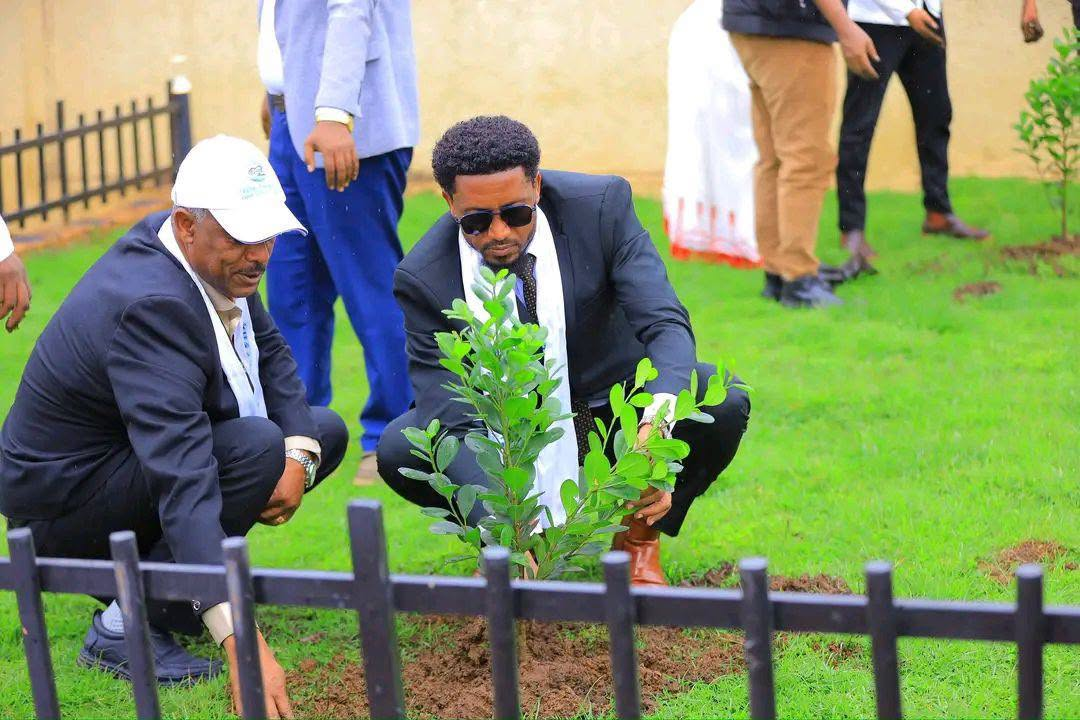
Dirree Incinnii: A Legacy of Resistance, A Future of Progress
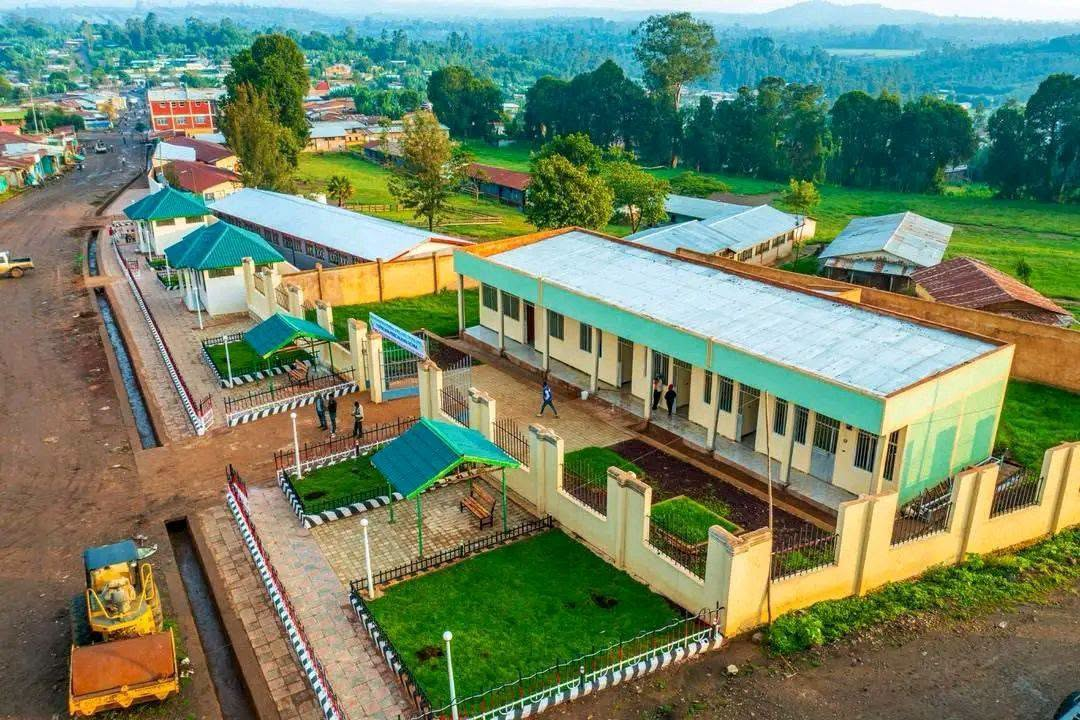
Community and government join hands to inaugurate 23 development projects worth over 278 million birr in a district shaped by heroism and resilience
DIRREE INCINNII, OROMIYA — There are places in the world where history and hope meet—where the struggles of the past become the foundation for the dreams of the future. Dirree Incinnii, a district in West Shewa Zone, is one such place. Rich in natural resources and agricultural abundance, it is also a land steeped in the memory of heroism, anti-slavery struggles, and the enduring legacy of Oromo resistance.
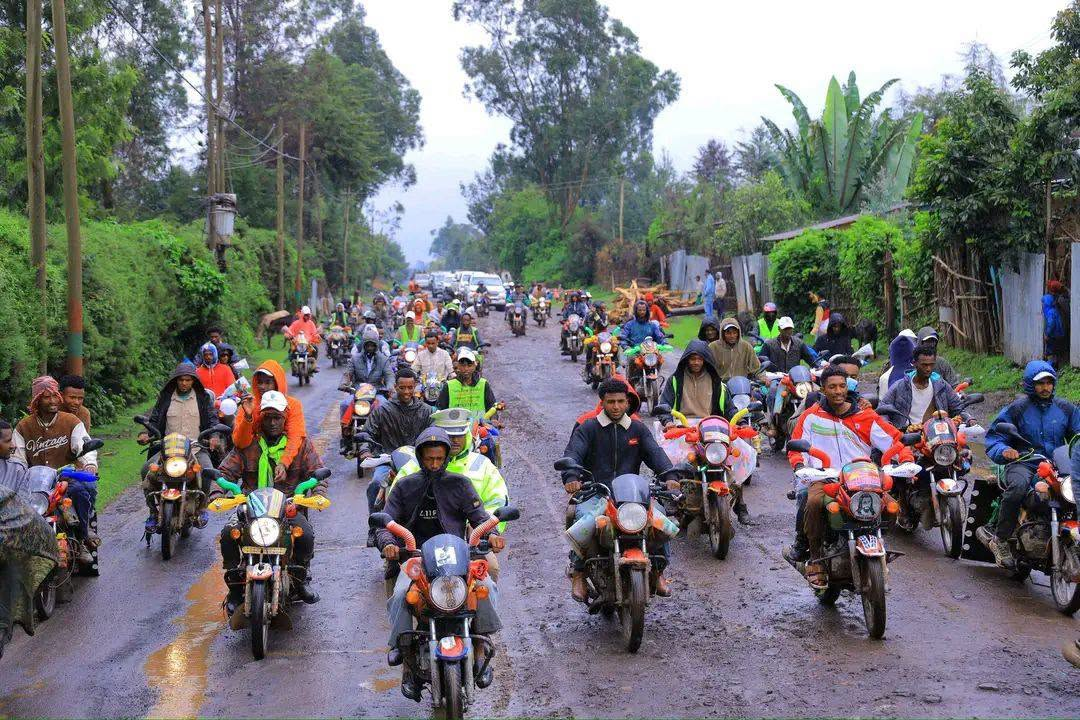
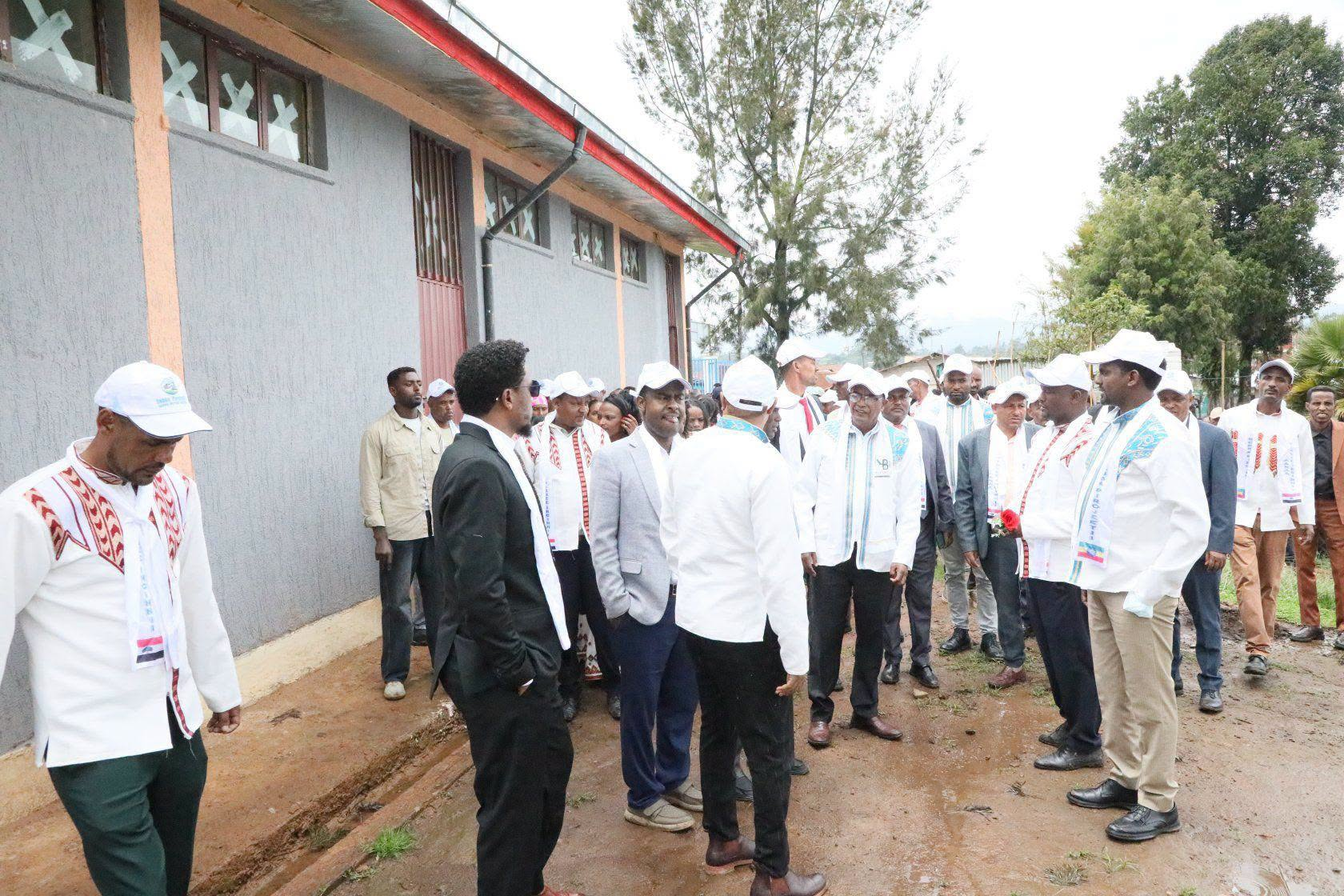
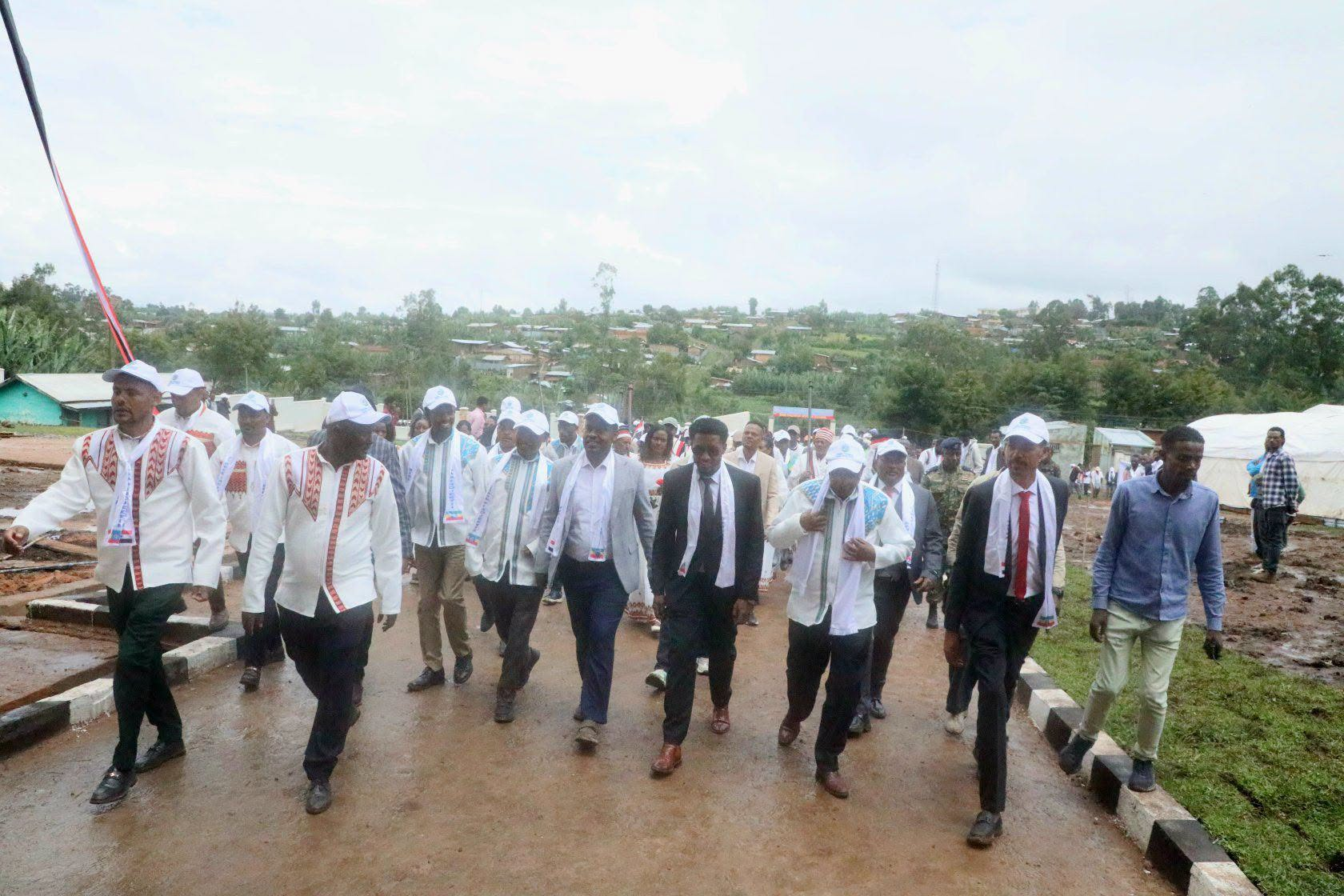
On Adoolessa 16, 2018, this proud community came together to celebrate a new chapter in its journey. In a ceremony filled with gratitude and pride, 23 community development projects—valued at over 278.7 million birr—were officially inaugurated. These projects, built through a combination of community participation and government budget, represent not just physical infrastructure but the collective will of a people determined to build a better future.
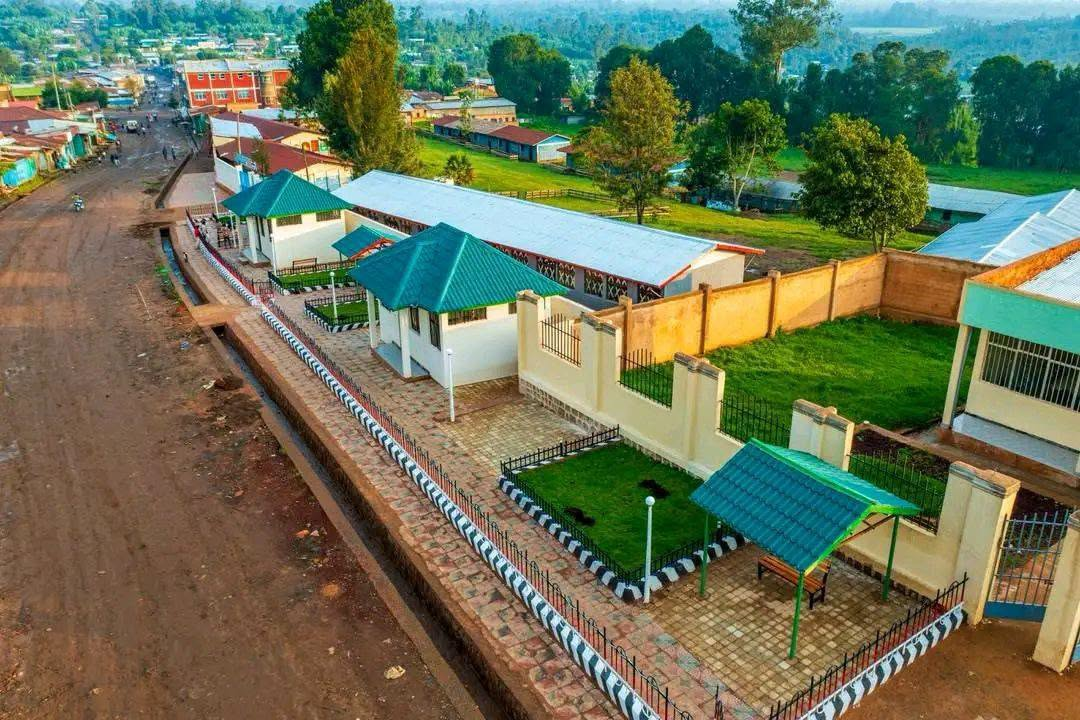
A Day of Celebration and Gratitude
“Uummatni Aanaa Dirree Incinnii Marti Baga Guyyaa Eebba Pirojektota bajata Mootummaa fi hirmaannaa keessaaniin hojjettanii tokkummaa keessan itti agarsiiftanii fi firii dadhabbii keessanii ijaan agartan.”
The people of Dirree Incinnii were greeted with a message of celebration: “Happy Inauguration Day of the Projects built with government budget and your participation—where you have shown your unity and demonstrated the fruits of your sacrifice with your own hands.”
The ceremony was a testament to the power of collective effort. The projects were not handed down from above; they were built from the ground up, with the active participation of the community. From the planning stages to the final construction, the people of Dirree Incinnii contributed their labour, their resources, and their unwavering commitment to the development of their district.
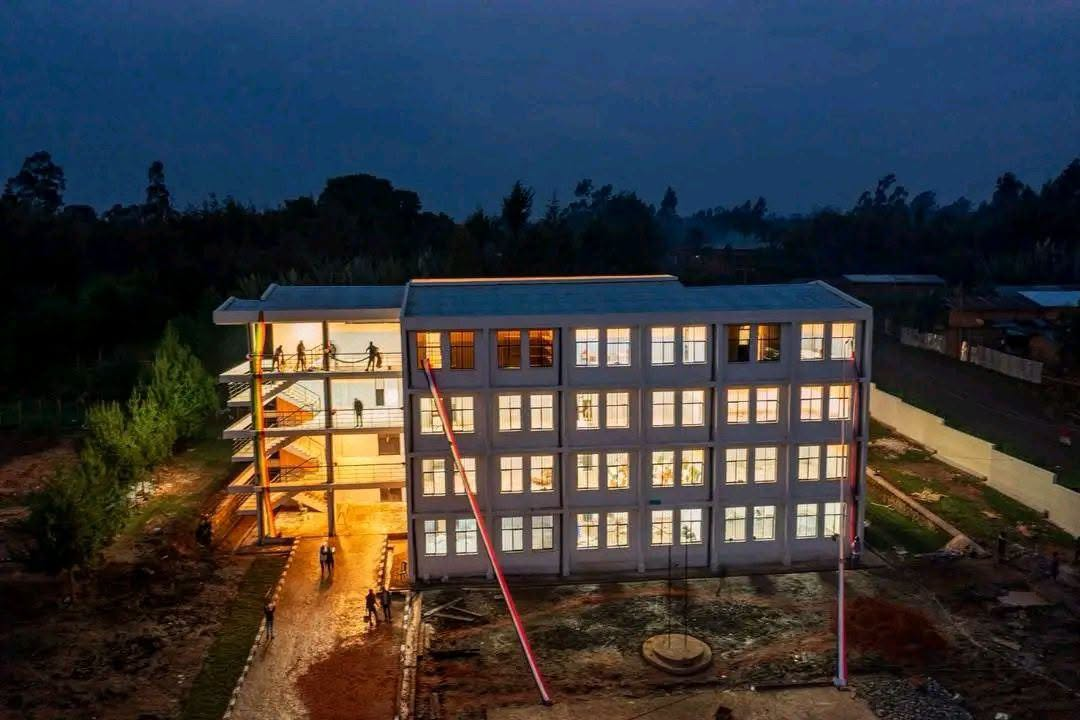
23 Projects, One Vision
“Pirojektoonni baay’inni isaanii 23 ta’an, kanneen akka magariisummaa magaalaa, riqicha, mana barumsaa oolmaa addaa hirmaannaa hawaasaatiin ijaarame, dareewwan dabalataa, dijitaala laibraarii fi kanneen biroo maallaqa miiliyoona 278.7 oliin ijaaramee xumuramee eebbaaf qaqqabee jira.”
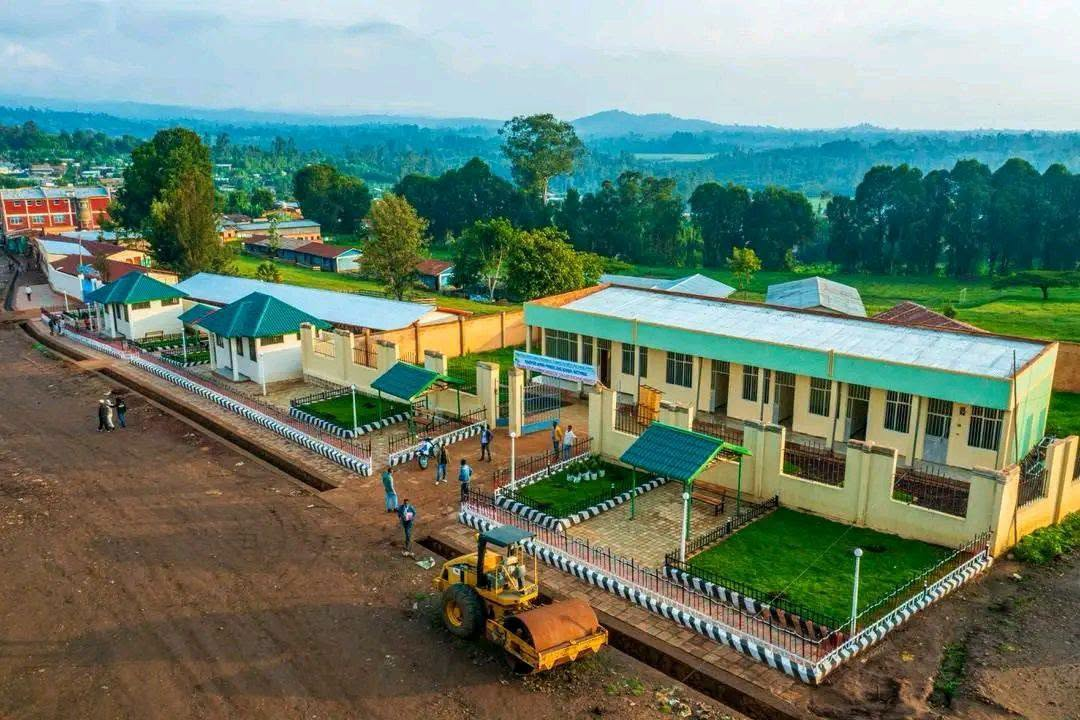
A total of 23 projects have been completed, including:
- Urban greenery initiatives: Beautifying and greening the district
- A clinic: Improving access to healthcare for the community
- A special needs school: Built with community participation, ensuring inclusive education
- Additional classrooms: Expanding access to quality education
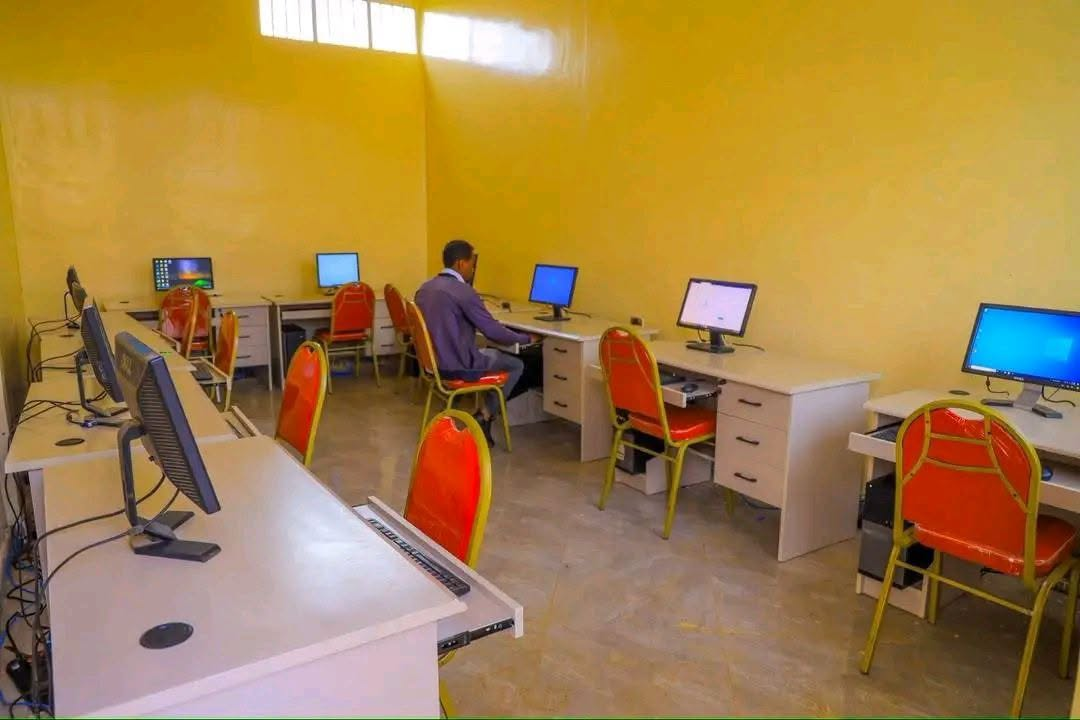
- A digital library: Bringing technology and knowledge to the district
These projects, valued at over 278.7 million birr, represent a comprehensive investment in the future of Dirree Incinnii. They address the core needs of the community—health, education, and environmental sustainability—while laying the foundation for long-term growth and prosperity.
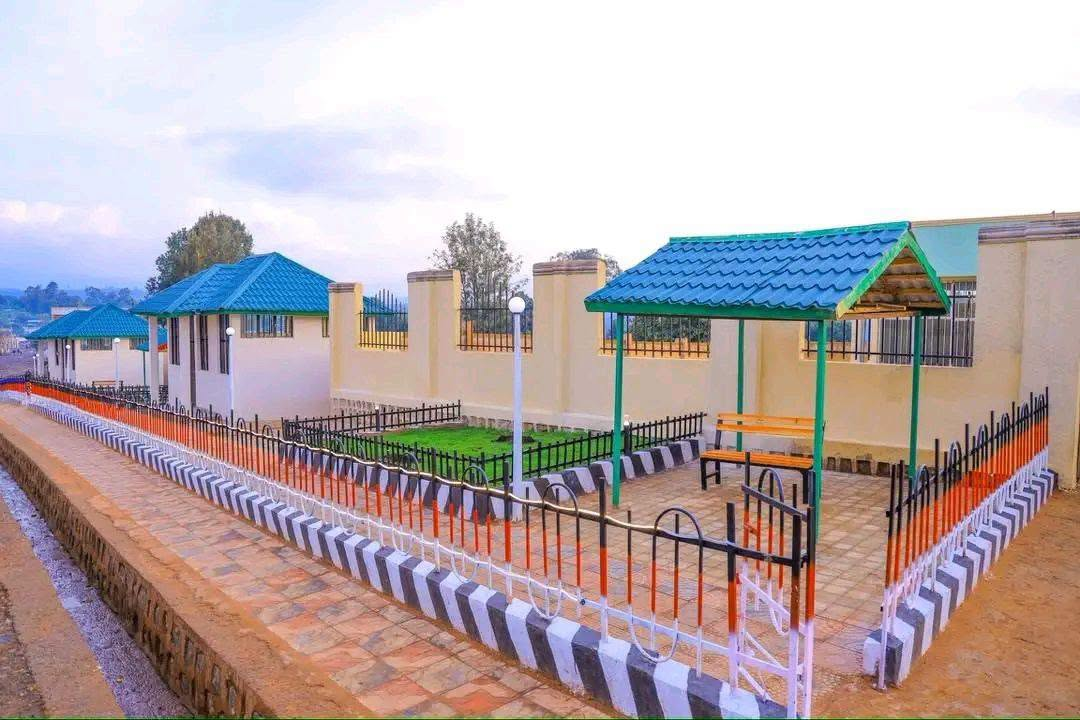
Community Participation: The Key to Success
“Tumsii hawaasni Dirree Incinnii fi jaalattoonni aanichaa bakka garaa garaa garaa jiran karoora waloon qopheessuun, koree dhaabanii milkaa’ina pirojektoota aanichaaf deeggarsa guddaa taasisaniiru.”
The success of these projects is a direct result of the active participation of the community. The people of Dirree Incinnii, along with supporters from various places, prepared a joint plan, established a committee, and worked tirelessly to ensure the success of the projects. Their collective effort demonstrates the power of unity and the importance of community ownership in development.
The projects were not imposed from outside—they were built by the community, for the community.
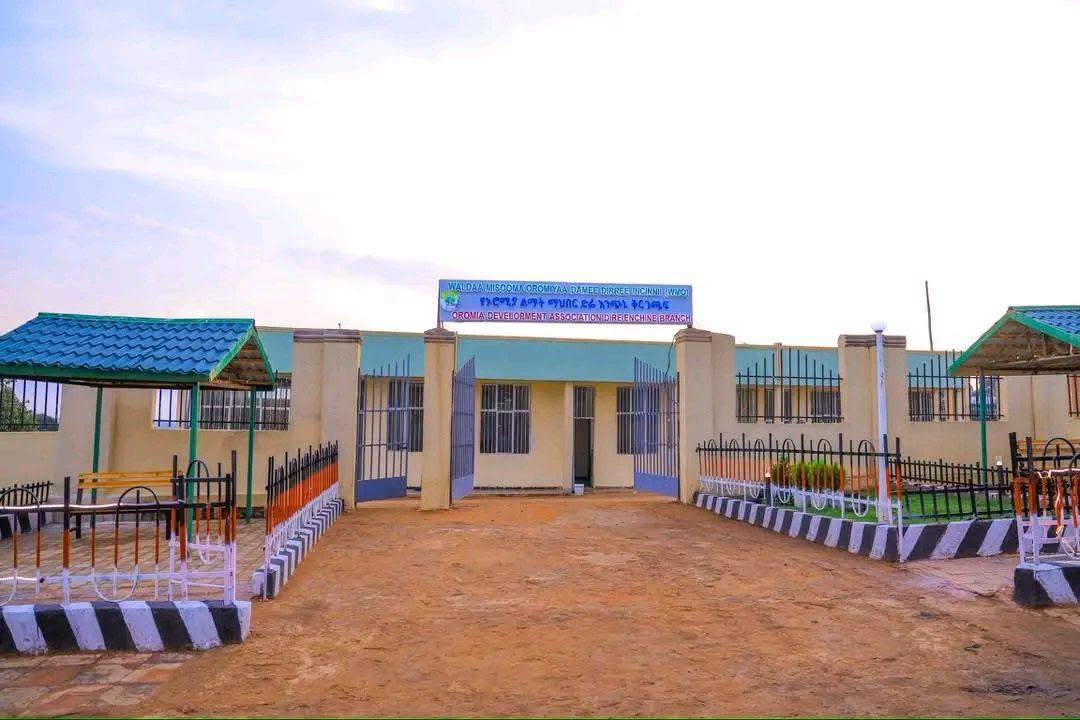
A District of Historical Significance
“Aanaan Dirree Incinnii badhaadhina uumamaa fi omisha qonnaatiin qofa osoo hin taane, seenaa gootummaa, falmaa diddaa garbummaa fi gootota seenaa Oromoo keessatti iddoo guddaa qabdi.”
Dirree Incinnii is not merely a land of natural wealth and agricultural production—it is a place steeped in the history of heroism, anti-slavery struggles, and the legacy of Oromo heroes. The district’s rich history of resistance and resilience serves as an inspiration for its current development efforts.
The spirit of the ancestors who fought against oppression lives on in the determination of the current generation to build a better future.
A Vision for Transformation
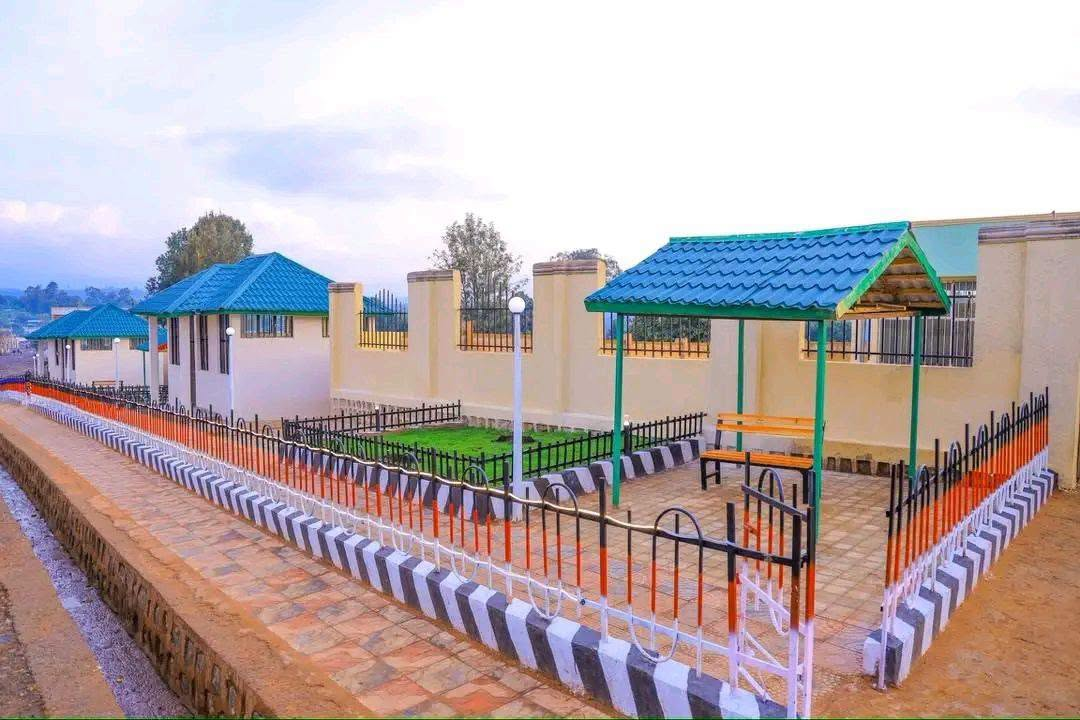
The inauguration of these projects marks a significant milestone in the transformation of Dirree Incinnii. It reflects the broader vision of the current leadership to address socio-economic challenges, improve education, and foster community participation.
As the community celebrates these achievements, it does so with a deep appreciation for its history and a hopeful vision for a prosperous future. The district’s journey from a history of struggle to a present of progress is a testament to the resilience and determination of the Oromo people.
Conclusion
The inauguration of 23 community development projects in Dirree Incinnii is more than a celebration of infrastructure—it is a celebration of unity, resilience, and hope. It is a testament to what can be achieved when a community comes together, when government and people work hand in hand, and when the spirit of sacrifice is matched by the vision of transformation.
As the people of Dirree Incinnii look to the future, they carry with them the legacy of their ancestors—the heroes who fought for freedom, the resisters who refused to be enslaved, and the visionaries who dreamed of a better tomorrow. In the classrooms, the clinics, and the green spaces that now grace their district, that dream is becoming a reality.
The Wisdom of Waaqeffannaa: Ancient Truths for a Modern World

In an age of ecological crisis, political division, and spiritual searching, the indigenous Oromo faith offers profound lessons in balance, justice, and harmony with creation
In the highlands and lowlands of the Horn of Africa, long before the arrival of Christianity and Islam, the Oromo people developed a sophisticated spiritual worldview centred on one supreme Creator: Waaqa . This ancient faith, known as Waaqeffannaa, is not merely a relic of the past but a living tradition whose core principles speak directly to the most pressing challenges of our time.
From the climate crisis to the erosion of democratic values, from social fragmentation to the loss of meaning, the wisdom of Waaqeffannaa offers a coherent and ethical framework for navigating a complex world. It reminds us that we are not separate from nature, that balance is the foundation of all well-being, and that truth is sacred.
The Core Principles
Waaqa: The One God
At the heart of Waaqeffannaa lies a steadfast belief in Waaqa Tokkicha—the One God. The Oromo have historically been monotheistic, never substituting other gods or carved statues for their Waaqa . This supreme being is understood through attributes that, in their simplicity, speak to a profound understanding of the divine:
- Uumaa: The creator of everything in the world
- Hunda Beekaa: The all-knowing (omniscient)
- Hunda Danda’aa: The all-powerful (omnipotent)
- Hundaa Tola’a: The all-good (omnibenevolent)
- Qulqulluu: Pure
- Gonkumaa Kan Hin Duune: Immortal, eternal
Waaqa is also the “source and lover of dhugaa (truth)” . This emphasis on truth is not merely theological—it is an ethical call to live with integrity, honesty, and justice.
Safuu: The Moral Order
One of the most powerful concepts in Waaqeffannaa is Safuu—the moral and spiritual balance that Waaqa offered to human beings . Safuu governs relationships between humans, the community, the divine, and nature. It is not merely a list of rules but a cosmic order that must be maintained for Nagaa (peace, well-being, and balance) to prevail.
When Safuu is broken—through lying, stealing, harming nature, or breaking sacred oaths—it is a sin (cubbuu) that disrupts the harmony of the universe . Unlike in some other traditions, however, the consequences of sin are experienced during earthly life, not in an afterlife. There is no concept of eternal punishment in hell . This places responsibility squarely on human beings to create a just and balanced world here and now.
Ayyaana: Divine Manifestations
The power of Waaqa is manifested through Ayyaana, a divine spirit that serves as an intermediary between God and the world . The Ayyaana are “both that causes something to come into being and to become that which it has caused” . They are not additional gods but manifestations of the divine essence of Waaqa.
All creatures (Uuma) are believed to be assigned an Ayyaana by Waaqa for guidance and protection . This belief has profound ethical implications: all life is sacred, all beings are guided, and all existence is interconnected.
Uumaa: Creation as Sacred
The Oromo concept of Uumaa includes the sky, water (laga), trees (muka), and mountains (tullu) as sacred elements . The most sacred of these is the Odaa tree (sycamore), considered a symbol of justice and often used as a site for prayer, community gatherings, and conflict resolution .
The Oromo believe that “they suck the breast of the Earth as the baby sucks its mother’s breast. All things originate from the Earth and depend on the resources of the Earth for their survival” . This profound connection to nature makes environmental stewardship a religious duty, not a political option.
The Institutional Pillars
The Gadaa System
Waaqeffannaa is closely linked with the Gadaa system, the indigenous democratic governance structure of the Oromo people . The Gadaa system is recognized by UNESCO as an Intangible Cultural Heritage of Humanity. It is a sophisticated republican model of governance marked by “codified separation of powers, democratic deliberation, and jurisprudential sophistication” .
According to the Oromo worldview, knowledge is classified into two types:
- Beekumsa addaa: Cultural and customary knowledge
- Beekumsa seeraa: Knowledge of laws, subdivided into:
- Seera Waaqaa: The law of God—immutable
- Seera Namaa: The laws of human beings—changeable through consensus and democratic means
The Gadaa system embodies principles of equality, participatory democracy, and the peaceful transfer of power, principles that predate Enlightenment republicanism by centuries . American anthropologist Bonnie Holcomb noted that Gadaa “organized the Oromo people in an all-encompassing democratic republic even before the few European pilgrims arrived from England on the shores of North America and only later built a democracy” .
The Qaalluu Institution
The Qaalluu (male priest) and Qaallitti (female priestess) serve as spiritual intermediaries and guardians of the laws of Waaqa . The term Qaalluu derives from the Oromiffa word qull, meaning “pure, holy, sacred, blameless, black” .
The Qaalluu and Qaallitti are expected to remain politically neutral, condemn tyranny, and support the democratic Gadaa system . They have the power to give or withhold blessings to the Gadaa leadership as they see fit, serving as a powerful check on political power.
The Abbaa Muudaa, regarded as the highest Qaalluu and a prophet, receives pilgrims seeking blessings and anointment . Those who make the pilgrimage must pass the highest moral standards of society and are given the title Jila (saintly people), qualifying them to perform rituals and sermons in their clans and villages .
Women’s Institutions
Waaqeffannaa recognizes women’s spiritual authority and rights through specific institutions. The Siinqee is a ritual stick given to married women, symbolizing their dignity and protection against violence and injustice . If a woman’s rights are violated, she can raise the Iyya Siinqee (Siinqee scream), which mobilizes all women in the community to support her cause .
The Maaram is the divinity of women, considered “another creation of Waaqa” and the mother of the ocean. Maaram was believed to help barren women conceive and help pregnant women give birth without complications . The Qaalluu pray for Maaram biweekly for fertility and children .
The Rituals of Connection
The Irreechaa Festival
Irreechaa is the most prominent Oromo festival—the thanksgiving celebration at sacred lakesides held twice a year . It is a time to thank Waaqa for rain, harvest, and the gift of life .
“Irreecha is a celebration of fertility, love, and peace. We pray for peace not only for Ethiopia but for all of Africa and the world” . The festival draws millions of participants from across the Oromo community, dressed in traditional white attire to express their gratitude .
Irreechaa represents the deep spiritual connection between the Oromo people and the natural world. The ritual of putting wet grass (cogorsa) on riverbanks and sacred sites expresses thanks and respect for God, acknowledging the hope for the continuation of life .
The Ekeraa
The Waaqeffataa believe that when a person dies, they will be reunited with former loved ones in Iddoo Dhugaa (the Place of Truth) . They honour the spirits of the deceased and observe Ekeraa (the spirit of the deceased person) . Every year in December, they celebrate the Ekeraa with bread, cheese with butter, beer, and honey .
Lessons for the Modern World
Lesson 1: Environmental Stewardship as a Sacred Duty
The Oromo concept of interconnectedness with nature—expressed through Waaqa, Safuu, Ayyaana, and the Gadaa system—offers a powerful framework for ecological ethics . In a world facing climate crisis, biodiversity loss, and environmental degradation, the Oromo belief that “they suck the breast of the Earth as the baby sucks its mother’s breast” is a profound call to stewardship. When trees, water, and mountains are understood as sacred, they cannot simply be exploited for profit. Environmental protection becomes a religious obligation.
Lesson 2: Democracy Rooted in Indigenous Wisdom
The Gadaa system demonstrates that democratic governance is not a Western invention but has deep roots in African political thought . Its principles of separation of powers, participatory deliberation, and peaceful transfer of power offer a model of governance that predates and parallels European democratic traditions. The dual failure—by Abyssinia to transform internally and by Europe to learn externally—represents a profound historical loss for the global democratic evolution . Rediscovering Gadaa’s democratic wisdom is essential for reimagining governance in Africa and beyond.
Lesson 3: Balance and Harmony as Moral Principles
Safuu, the Oromo concept of moral and spiritual balance, is a powerful corrective to the extremism that characterises much of modern life. The breach of Safuu disrupts the harmony of the universe; the restoration of Safuu is essential for peace and well-being . This principle applies equally to politics, economics, social relations, and our relationship with nature.
Lesson 4: Religious Tolerance and Coexistence
Waaqeffannaa has demonstrated a remarkable degree of tolerance in its historical interaction with Christianity and Islam. Scholars note “the historical symbiotic relationship between Waaqeffana and the major religions reflecting a significant degree of tolerance on the part of the former” . Whether the Oromo have become Christians or Muslims, “a true belief in one God (Waaqeffanna dhugaa) remains the basic tenet of Oromo identity” . This model of religious coexistence offers a valuable lesson for societies divided by religious conflict.
Lesson 5: The Power of Oral Tradition and Living Wisdom
Waaqeffannaa has no written scriptures . Its wisdom is transmitted through oral tradition, ritual, and lived experience. This is not a weakness but a strength. It ensures that knowledge remains relevant, adaptable, and embedded in community practice. The Waaqeffataa believe that Waaqa gave human beings their minds to distinguish right from wrong, and the natural order as a guide to living well . This is a profound challenge to the modern tendency to rely on external authority rather than internal wisdom.
Conclusion
The wisdom of Waaqeffannaa is not a relic of the past but a living tradition with profound relevance for the present. Its core principles—the unity of God, the importance of truth and justice, the sacredness of nature, the value of democratic governance, and the necessity of balance and harmony—speak directly to the challenges of the modern world.
As the Oromo continue to revive and celebrate their faith, they offer a gift to the wider world: a vision of life that is spiritually rich, ecologically sustainable, socially just, and deeply human. In an age of fragmentation and crisis, the wisdom of Waaqeffannaa is a light worth following.
“Whether the Oromo are Christians or Muslims, a true belief in one God remains the basic tenet of Oromo identity. This common denominator could be an important asset for democratization, creating harmony, understanding and better integration among the population” .
This feature draws on scholarly research, oral traditions, and the lived experience of the Oromo community, synthesising insights from Ethiopia’s largest ethnic group.
Dirree Incinnii Celebrates Inauguration of Major Community Development Projects
A symbol of resilience and progress, the district honours its history of resistance while embracing a future of transformation and growth
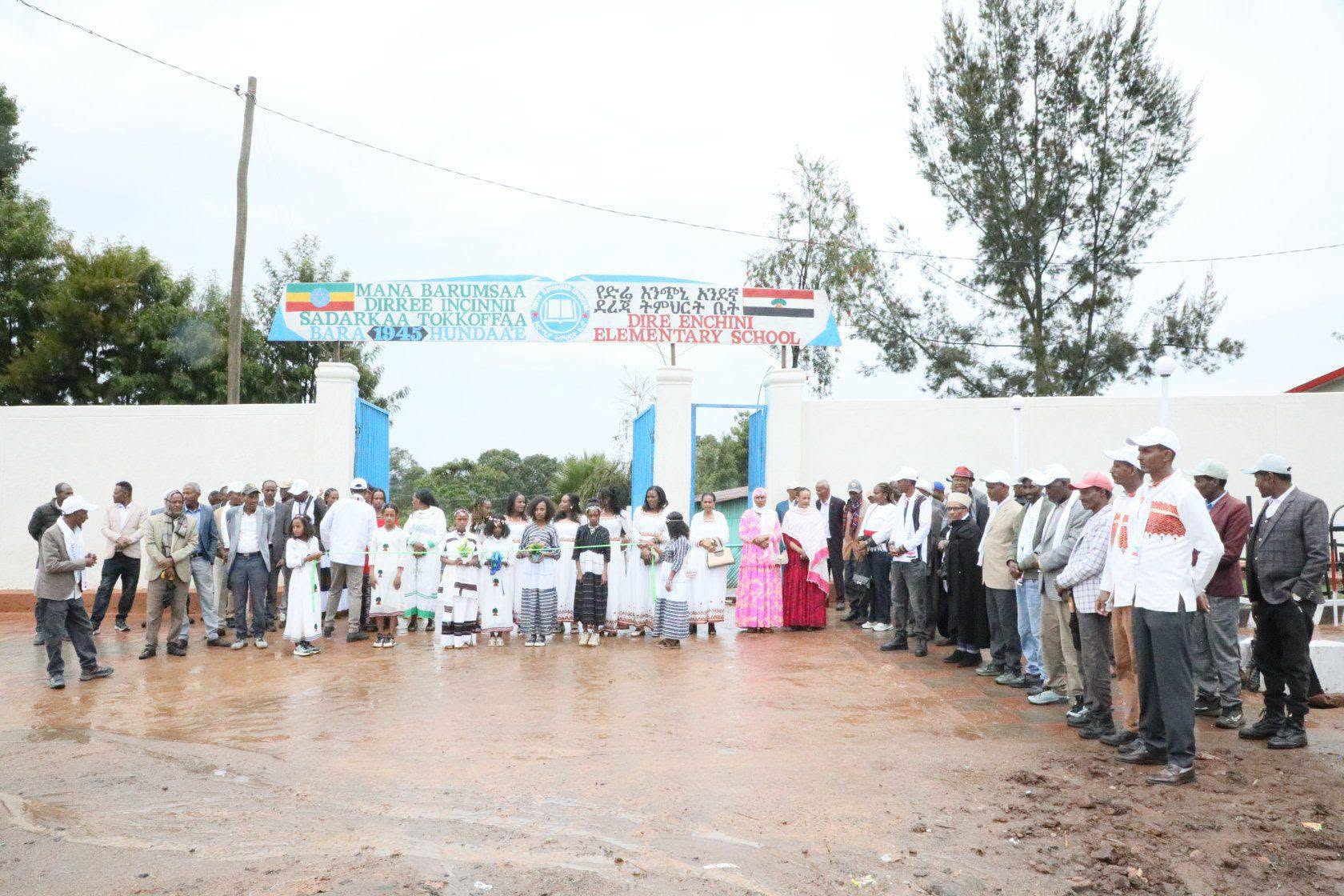
DIRREE INCINNII, OROMIYA — The district of Dirree Incinnii in West Shewa Zone is not merely a land of natural wealth and agricultural abundance—it is a place steeped in the history of Oromo resistance, a site where the struggle against oppression has left an indelible mark on the identity of its people. On Adoolessa 16, 2018, this proud community came together to celebrate the inauguration of a series of community development projects, marking a significant milestone in the district’s journey toward progress and prosperity.
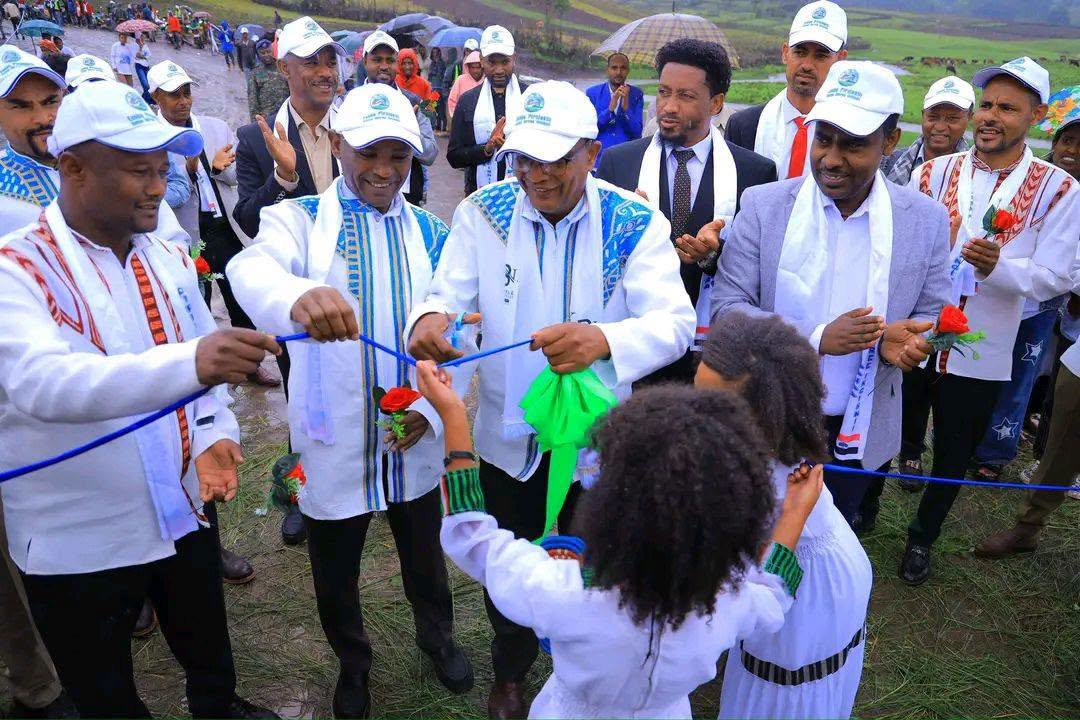
The projects, which have been implemented through a combination of community participation and government budget, were officially inaugurated in a ceremony that underscored the transformative vision of the current leadership.
A Vision for Transformation
“Jijjiiramni amma addunyaan dinqisiifachaa jirtu kun tarsiimoo hoggansi jijjiiramaa ittiin hoggananiin mul’achuu danda’e.”
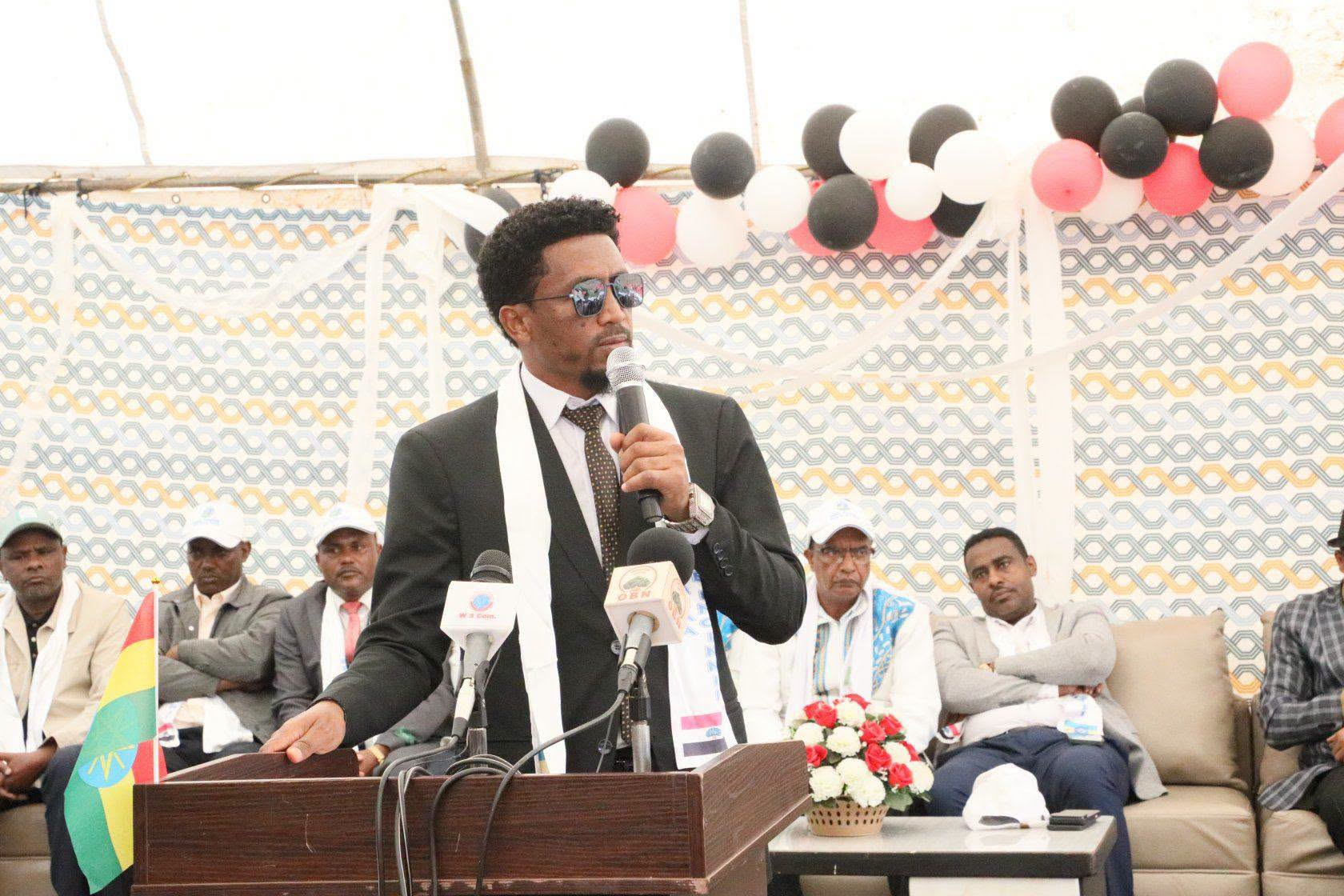
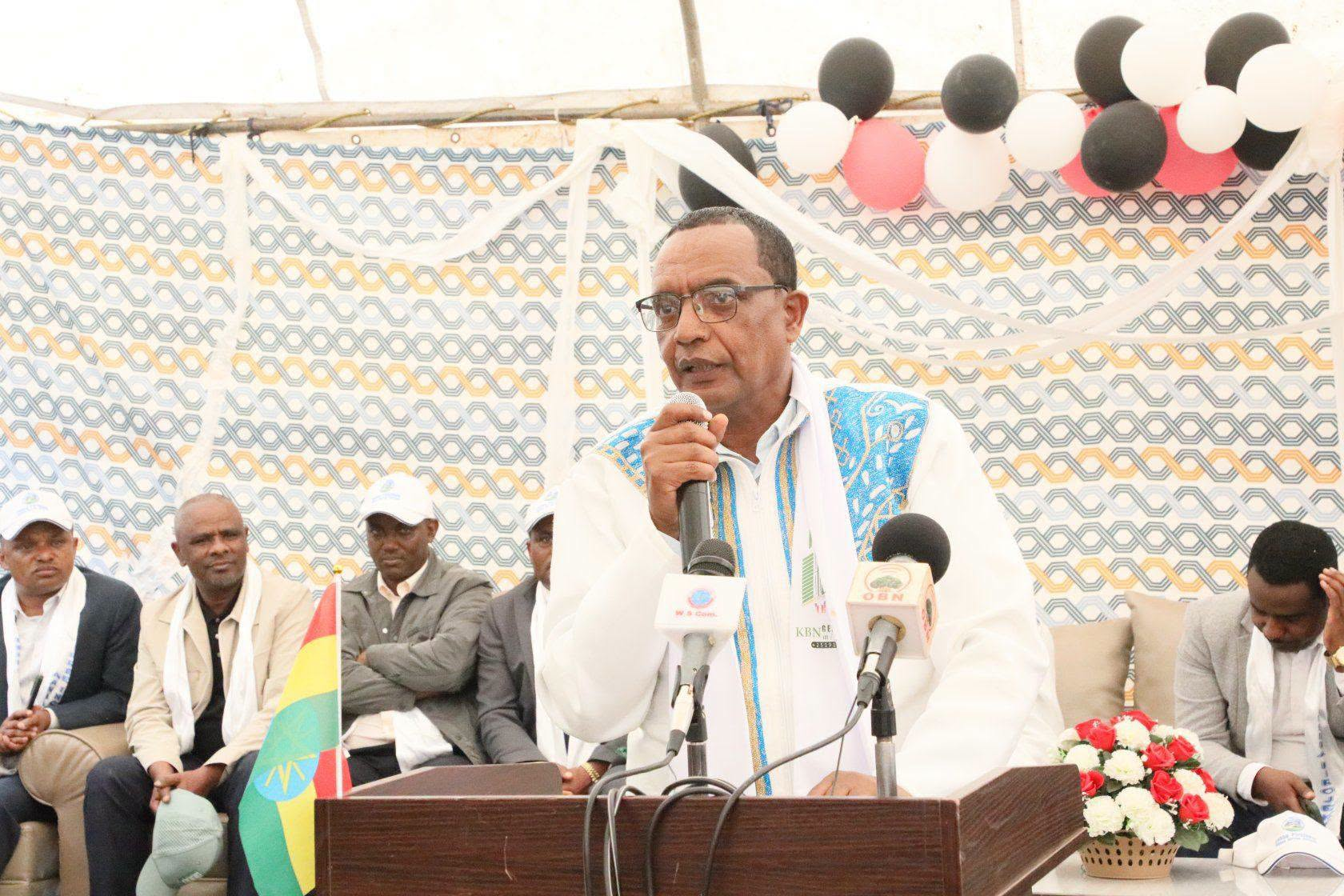
Speaking at the ceremony, the Administrator of West Shewa Zone, Ababa Camada, highlighted that the current transformation is a testament to the vision of the reformist leadership under the Abbaa Gadaa-led government. He noted that while economic resources existed in the past, there was a deliberate effort to weaken the Oromo people economically. However, today, under the new leadership, the era of instability has ended, and the focus has shifted to development.
A Call for Vigilance and Unity
“Baroota darban keessa qormaata nageenyaa ture keessaa ba’uun pirojektoota gurguddaa rakkoo hawaas-dinagdee hiikuu danda’an eebbisuun wanta guddaadha. Ammas warra rakkoo uumanii deebi’anii isinitti himuu barbaadaniif gurra keessan gurra arbaa godhaa, jala hin qabinaa.”
The People’s Representative Council Representative, Kab. Gen. Hayiluu Gonfaa, called on the community to celebrate the achievement of emerging from past security challenges to inaugurate major projects that address socio-economic problems. He urged the people to remain vigilant against those who seek to destabilise the region, advising them not to be swayed by misleading voices.
Education at the Forefront
“Sirnoota darban keessa cabsi barnootaa, teeknoloji fi qulqullinni barnootaa baay’ee kuufaatii yaaddeessaa keessa ture. Sana hubachuun bu’uura irratti hojjechuun hiikuuf hojiin guddaan hojjetamaa jira.”
The representative of the Oromia Education Bureau, Galaatuu Tukee, spoke about the critical state of education under previous regimes, where a collapse in education, technology, and quality was evident. He emphasised that significant work is now being done to address these challenges by building on the existing foundations. Efforts are underway to construct educational projects that align with cultural values.
23 Projects Inaugurated
“Pirojektootni baay’inni isaanii 23 ta’an, kanneen akka magariisummaa magaalaa, riqicha, mana barumsaa oolmaa addaa hirmaannaa hawaasaatiin ijaarame, dareewwan dabalataa, dijitaala laibraarii fi kanneen biroo maallaqa miiliyoona 278.7 oliin ijaaramee xumuramee eebbaaf qaqqabee jira.”
The Administrator of Dirree Incinnii District, Araarsaa Hirphaa, announced that a total of 23 projects have been completed, including urban greenery initiatives, a clinic, a special needs school constructed with community participation, additional classrooms, a digital library, and other facilities. These projects, valued at over 278.7 million birr, have been completed and are now ready for official inauguration.
He expressed his gratitude to the community of Dirree Incinnii and the supporters from various places who prepared a joint plan and established a committee to ensure the success of the projects.
A District of Historical Significance
Dirree Incinnii is not only a district blessed with natural resources and agricultural production but also a place of great historical importance for the Oromo people. It is a site of heroism, anti-slavery struggles, and a legacy of Oromo heroes who have shaped the history of the nation. The district’s rich history of resistance and resilience serves as an inspiration for its current development efforts.
Conclusion
The inauguration of the 23 community development projects in Dirree Incinnii represents a significant step forward in the district’s transformation. The ceremony highlighted the commitment of the current leadership to address socio-economic challenges, improve education, and foster community participation.
As the people of Dirree Incinnii celebrate these achievements, they do so with a deep appreciation for their history and a hopeful vision for a prosperous future. The district’s journey from a history of struggle to a present of progress is a testament to the resilience and determination of the Oromo people.
Transformation is not only possible—it is already becoming real in Dirree Incinnii.