Homecoming of a Pioneer: The Return of Oromia’s First President

By Daandii Oromia
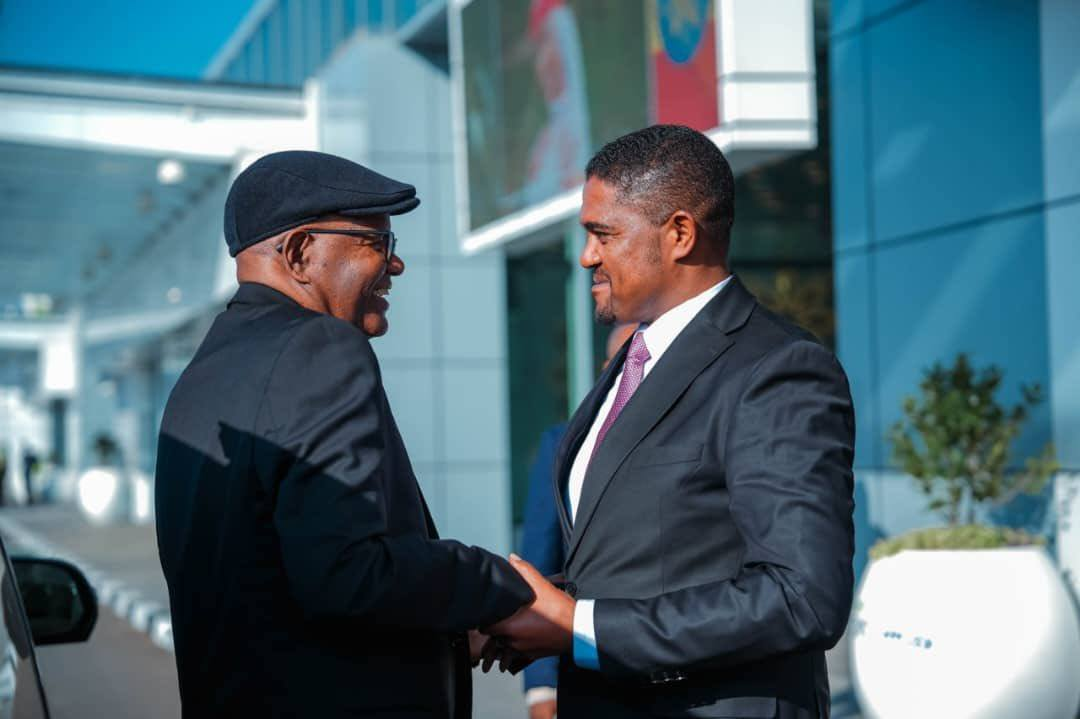
Addis Ababa, Ethiopia — In a moment laden with history and emotion, the first President of the Oromia Regional State, Honorable Mr. Hassan Ali, has returned to his homeland, ending nearly three decades of exile. His arrival marks more than a personal journey; it represents a symbolic closing of a long chapter and a deliberate gesture of reconciliation by the current Oromia leadership.
The official welcome, extended by the sitting President of Oromia, Mr. Shimelis Abdisa, was framed not just in political terms, but in the language of profound respect and historical acknowledgment. “It is with the utmost respect that I welcome Mr. Hassan Ali home with his family after nearly three decades,” President Abdisa stated, setting a tone of deference to a foundational figure of the region’s modern autonomy.

The Architect Returns
Mr. Hassan Ali’s presidency in the 1990s came during a formative and volatile period, following the adoption of Ethiopia’s ethnic federalist constitution. He and his contemporaries were tasked with the monumental challenge of building the nascent Oromia Regional State from the ground up—establishing its institutions, defining its administrative contours, and navigating the complex politics of a post-Derg Ethiopia.
In his remarks, President Abdisa explicitly honored this legacy. “They are the pioneers who laid the foundation for the Oromia Regional State to reach this level,” he said. This recognition serves as a formal validation of the struggles and efforts of the region’s early architects, whose work has often been overshadowed by subsequent political turmoil and exile.

“To See the Government He Established”
Perhaps the most poignant element of President Abdisa’s welcome was his focus on the personal significance of this return for Mr. Hassan Ali. “I want to congratulate him today not only on his safe return home with his families; for being able to see the government he established,” Abdisa noted.
For a leader who departed in the early days of the institution he helped create, this return offers a tangible, living assessment of that foundational work. It is an opportunity to witness the evolution of the state structure he pioneered, now led by a new generation. President Abdisa emphasized the resilience of that foundation: “He not only endures all pressures but also strengthen and expand to serve the people he fought for at the home level.”
A Commitment to Broader Reconciliation
Beyond the personal welcome, the current President used the occasion to make a significant policy-oriented declaration, signaling a potential shift toward greater inclusivity. “On behalf of myself and the Oromia Regional Government, I would like to thank them for their roles at all levels and for their services,” he said, offering official gratitude.
He then extended an olive branch that resonated far beyond the single homecoming: “I would like to take this opportunity to confirm that the Oromia Regional State Government is committed to bringing the children of the people who have been away for various reasons back home according to our ancient traditions.”
This statement frames reconciliation not merely as a political process, but as a cultural and social one, rooted in Oromo traditions of conflict resolution and homecoming (Gumaa and Araara). It proposes a pathway for the return of other exiled figures and diaspora communities, suggesting a future where Oromia’s governance is informed by a wider, more diverse set of its native sons and daughters.
A Symbol for the Future
The return of President Hassan Ali, facilitated by the sitting administration, is a powerful symbol. It bridges historical divides, acknowledges foundational contributions, and tests the waters for broader national dialogue. While the long-term political implications remain to be seen, the event itself has been successfully cast as an act of statesmanship and historical unity.
As Mr. Hassan Ali reacquaints himself with a homeland transformed, his presence invites reflection on Oromia’s journey—from the struggle for self-administration to the complex realities of exercising it. His homecoming, wrapped in official honor and traditional promise, may well be remembered as a pivotal moment in the region’s ongoing story of governance, identity, and reconciliation.

Sirna Gadaa: Hiriira Oromoo fi Seenaa Karrayyuu
AMN PLUS- Sadaasa 24/2018
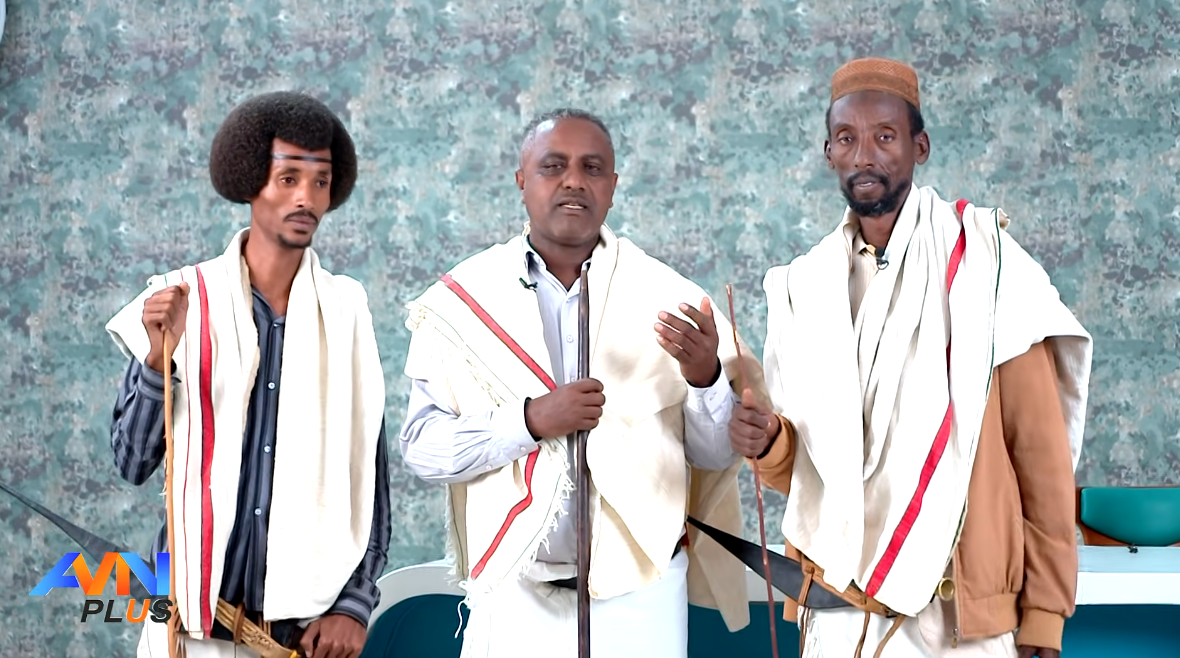
Bakka maluuf keessaa qooda dhabanii Gadaan isaanii xiyyeeffannoo dhabuu Roobaa Jiloo Luba Gadaa Dullachaa Karrayyuu AMN PLUS Roga Dubbiitti himan.
”Gadaan isaa akkuma Gadaa Oromoo biraa bakka argachuun wal nuuf qixxaatu barbaanna” jedhan. Giddugala Aadaa Oromoo keessaalee Abbaan Gadaa Karrayyuu Waajjira akka hin qabne eeruun.
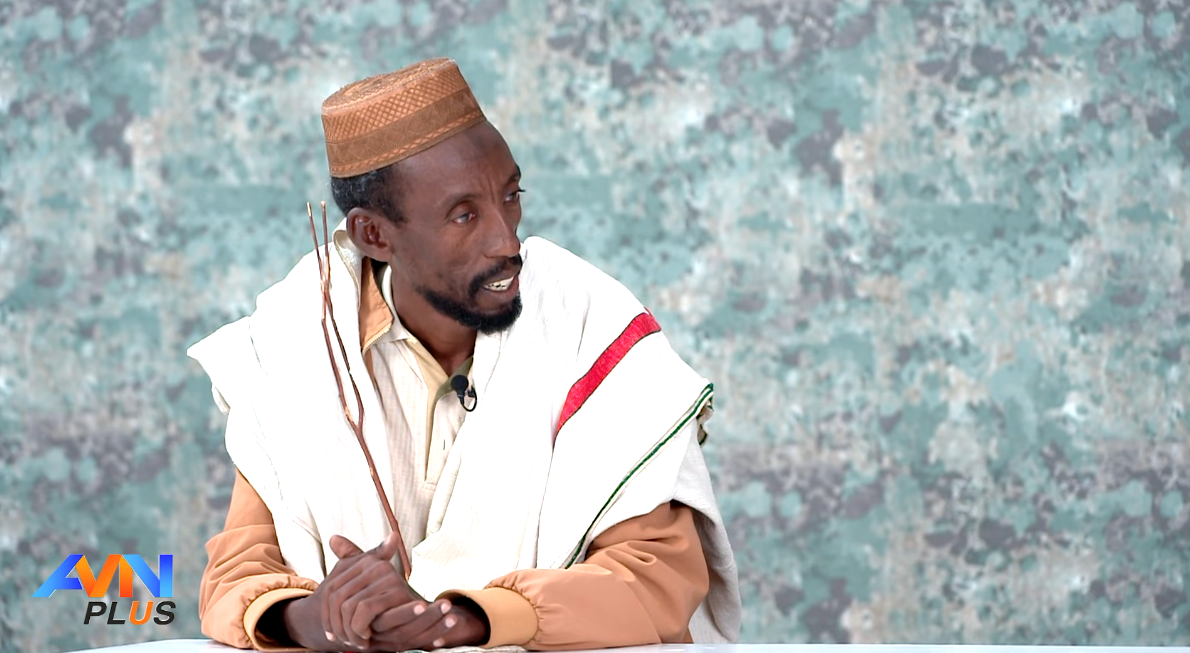
”Karayyuun daangaa hin cabsu, Laga hin cabsu, nama hin miidhu” kan jedhan Roobaa Jiloo, wal- dhabdee mudatus iccitiidhaan Gadaa keessatti ilaalee akka furu dubbataniiru.
Karrayyuu keessatti Sirni Gadaa laafee akka hin beekne kaasuun, seenaa keessattis maqaa lafaatiin moggaasni namaa kan walitti dhufu Karrayyuu qofa keessatti ta’uu ibsaniiru.
”Maqaa lafaa, mukaa, Gadaa, maqaa keenyaan walitti hirkifnee daba nutti dhufu ittiin ofii fi biyya keenya falmina ” jedhan.

”Gadaan bakka tokko tokkotti huuqqatee jira” kan jedhan Roobaa Jiloo, uummatni Oromoo, “Dabballee irraa kaasee guutummaa guutuutti tartiiba Gadaa bakkatti deebisuu qaba” jechuun dubbataniiru.
”Gadaan ilmoo rabbiiti, dhugaadha” jedhanii, Oromoon hundi kan wallaalee irraa alatti harkifatus ta’e, kan beekee itti siqes Gadaa gabbisuu qaba” jedhani
Akkuma “waan argan nyaatu malee waan argan hin dubbatan” jedhamu Karrayyuun iccitii walii qabatu jedhani Fantaallee Hawaas Raaba Gadaa Baasoo Karrayyuu.
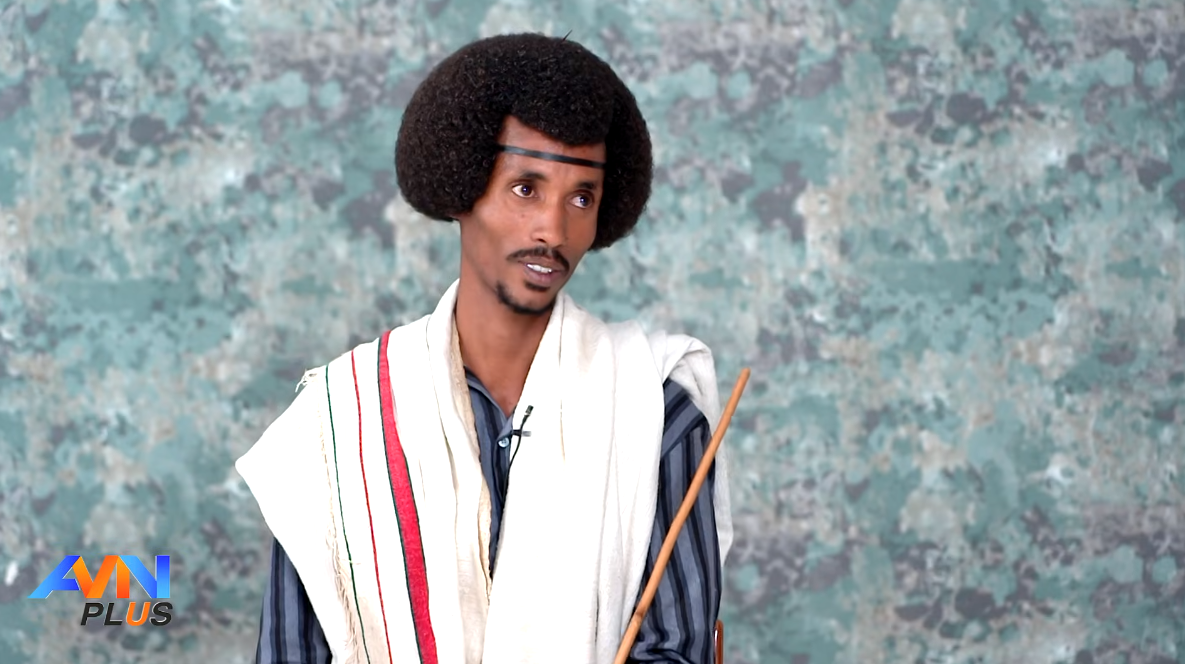
Seenaa keessatti maqaan sanyii maatii ofii akka hin banneef maqaan waliin naanna’a, maquma akaakkayuutiin ilmi akka moggaafamu himaniiru.
”Maqaa ilma angafaa akaakayyuu Karaa abbaatti akka moggaasan himanii, maqaa mucaa lammaffaa amma akaakayyuu Karaa haadhaatti moggaasu” jedhan Fantaallee Hawaas Raaba Gadaa Baasoo Karrayyuu.
”Gadaa jechuun nagaadha, sirni keessatti raawwatamus karaa nagaan ta’a” jechuun, bara kanas sirna buttaa qaluuf Godaanuuf akka jiran himaniiru.
Baatii 4 ffaa keessa godaansa warra baasuuf qophii irra akka jiran ibsaniiru.
Sirna sana keessatti namootni hirmaachuu qaban aadaadhumaan adda kan baafaman ta’uu kaasanii, namoota gumaata gara godaansaatti geessaniifis uffannaan kan kennamuuf ta’uu kaasaniiru.
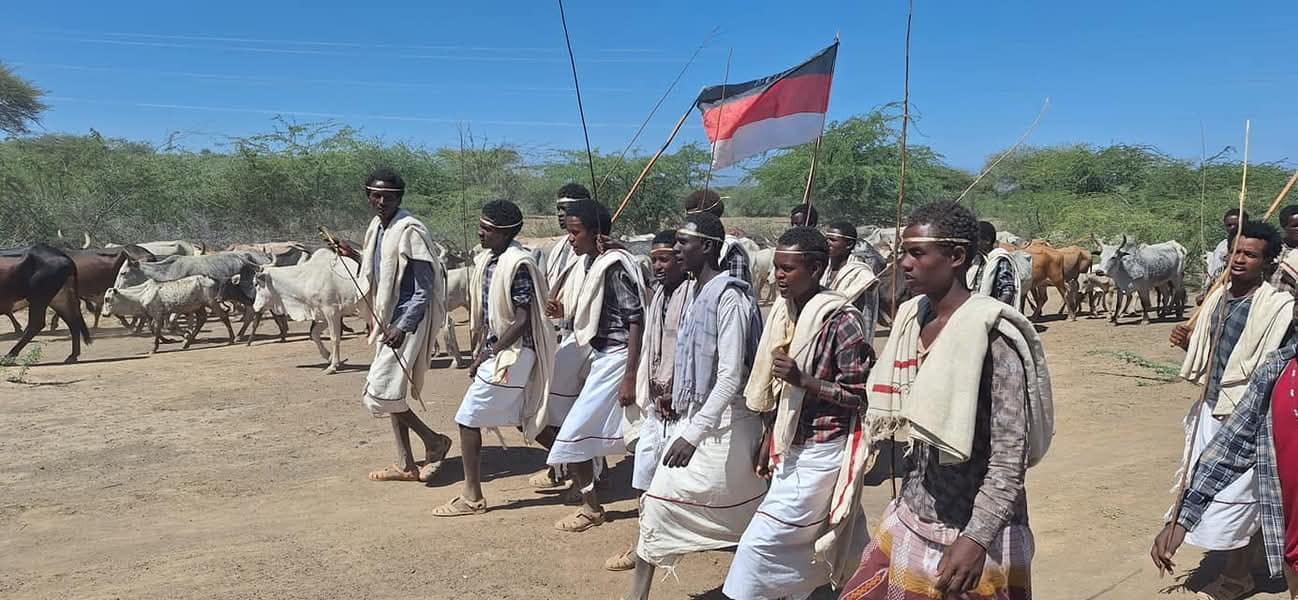
Gadaan Diimookiraasii, akkuma cidhaatti eebbaafi gamnachuudhaan aangoon dabarfamee wal harkaa sina itti fuudhamu ta’uu dubbatanii.
Guyyaa godaansa Gadaa isaanii kanattis mootummaanis ta’e, uummatni Oromoo biyya keessaafi alaa tumsa adda addaa akka taasisuuf turtii AMN PLUS Qophii Roga Dubbii waliin taasisaniin waamicha dhiyeessaniiru.
Daraartuu Tarreessaatiin
 Oromedia