OLF Prepares for 7th Round Elections: Key Strategies Revealed
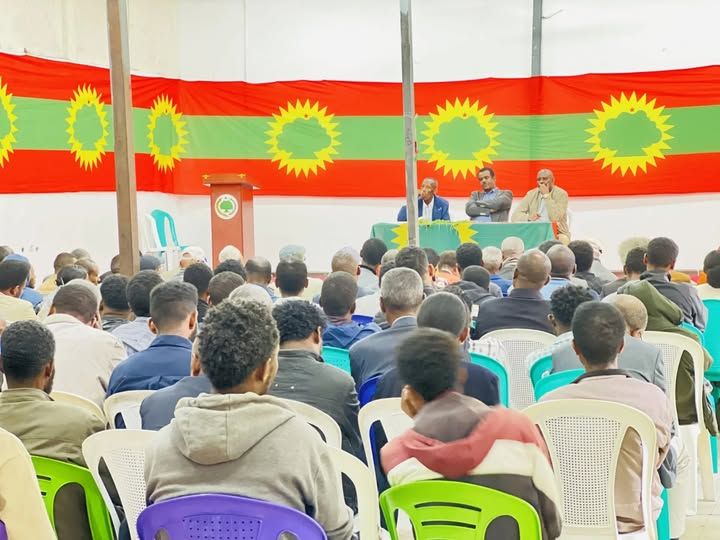
FINFINNE – The Oromo Liberation Front (OLF) is finalizing its preparations for the upcoming 7th round of national elections and is collaborating with the National Election Board to meet all requirements, according to a statement from the party.
The announcement was made by OLF Member Secretary-General Jaal Abdii Raggaasaa during a meeting at the party’s headquarters in Gullalle. He outlined the party’s strategic direction, emphasizing member duties, organizational growth, and the current political landscape.
On Party Building and Member Duties
Jaal Abdii Raggaasaa stressed that every member has a fundamental duty to recruit and mentor new members, beyond their assigned roles. “If the organization is not built, it cannot grow,” he stated, challenging each member to personally recruit at least ten individuals to strengthen the party’s structure.
He connected personal experience to collective success, noting that individuals bring diverse characteristics to the struggle. “From individual to group or union, there are those who take responsibility in the OLF struggle and bring results,” he said.
On Political Vigilance and Internal Security
The Secretary-General issued a stern warning against internal division and espionage. He urged members to report any individuals suspected of spying on the party for the government.
He also condemned members who work in multiple places or factions, describing such behavior as self-destructive. “The Irbuu (oath) is devouring,” he said, warning that those who take an oath of allegiance cannot stand in “two or three places.” He urged introspection, asking members to question their contribution to the collective cause.
On the National Political Context
Jaal Abdii Raggaasaa addressed the ongoing conflict in northern Ethiopia, expressing the participants’ concern that the war could expand into Oromia. He asserted that the OLF would not allow “Northerners to take over the country again,” and would not be a passive observer if any forces attempted to enter Oromia.
Regarding international influence, he pointed out that no one in Africa comes to power without the will of Western governments. However, he added that the OLF does not believe Western governments are currently willing to empower either Tigray or Amhara factions at the expense of Oromia.
He concluded by reaffirming the party’s position: “The OLF is in a good position, and we must fulfill our duty by turning our existence into action. The struggle is to give priority to the people first of all and to work for the interest of the people rather than personal interest.”
The meeting concluded with participants affirming that an “awakened nation is built and the built is united,” underscoring the theme of unity and mobilization.
Irreechaa Festival: Celebrating Oromo Culture in Melbourne
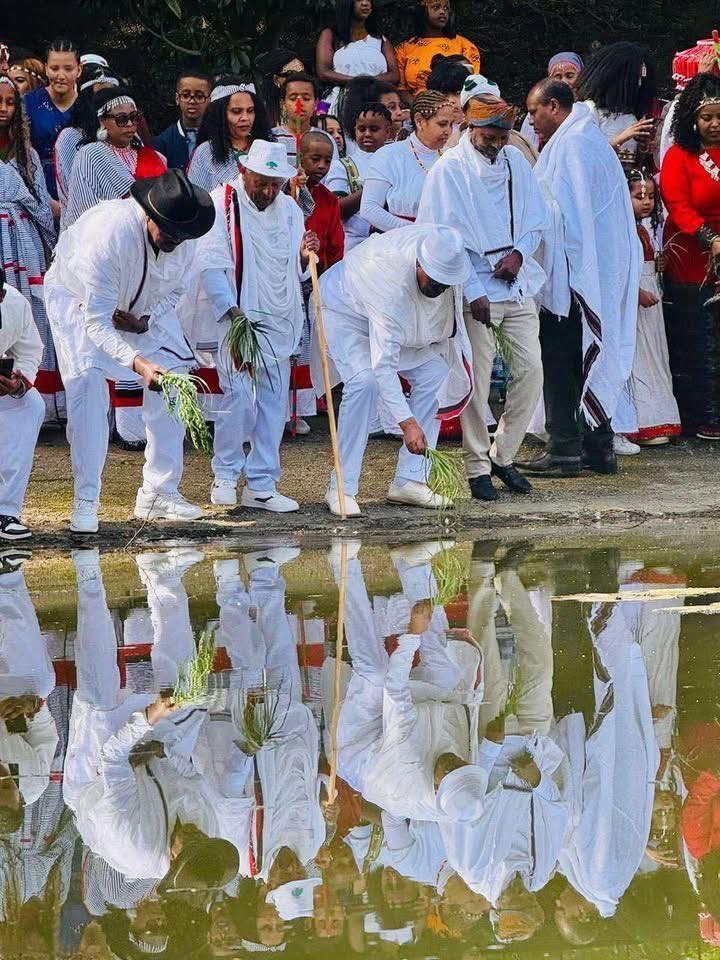
(Oromedia, 29 September 2025) Irreechaa celebrations in Melbourne have become a notable expression of Oromo culture, bringing the local Oromo diaspora together to honor traditional values and strengthen communal bonds.
The festival typically features blessings by elders, cultural performances, music, dancing, and communal meals, all designed to replicate the spiritual essence of Irreechaa as celebrated in Oromia.
Festival Highlights in Melbourne
– The celebration is usually held at riversides or parks—often at the iconic Wilson Botanical Garden—to maintain the symbolic tradition of giving thanks to Waaqa (God) by water.
– Community leaders and elders lead the prayers and blessings, paying homage to nature and ancestral wisdom.
– Attendees wear traditional Oromo clothing, display cultural ornaments, and use symbolic colors such as black, red, and white.
– Music, and dances (including Siiqqee and Gumii) are performed to educate and entertain both the Oromo community and local Australians.
Purpose and Impact
– The event fosters Oromo cultural identity and unity among diaspora members.
– It serves as a platform for educating younger generations about heritage and traditions, helping them maintain a connection to their roots.
– Many celebrations invite local government officials, multicultural organizations, and curious residents, encouraging mutual respect and intercultural exchange.
Growth and Community Engagement
– Participation has steadily grown, with increased efforts by local Oromo associations to expand outreach and inclusivity.
– Social media and diaspora networks play a crucial role in organizing, publicizing, and preserving the festival’s traditions, even reaching Oromo youth who may be distant from their homeland.
Irreechaa in Melbourne embodies both cultural pride and adaptation, allowing the Oromo community to sustain meaningful traditions while building bridges with the wider Australian society.
Participants took memorable photos with family, friends and each other and shared them on social media.
All those who participated in this celebration filled with love and respect are saying that they remember it with joy.
Irreechaa is a festival of wisdom that Oromo have contributed to the world community, which promotes gratitude, peace, reconciliation, hope, life, social harmony, connection, mutual assistance, sharing, harmony and morality.
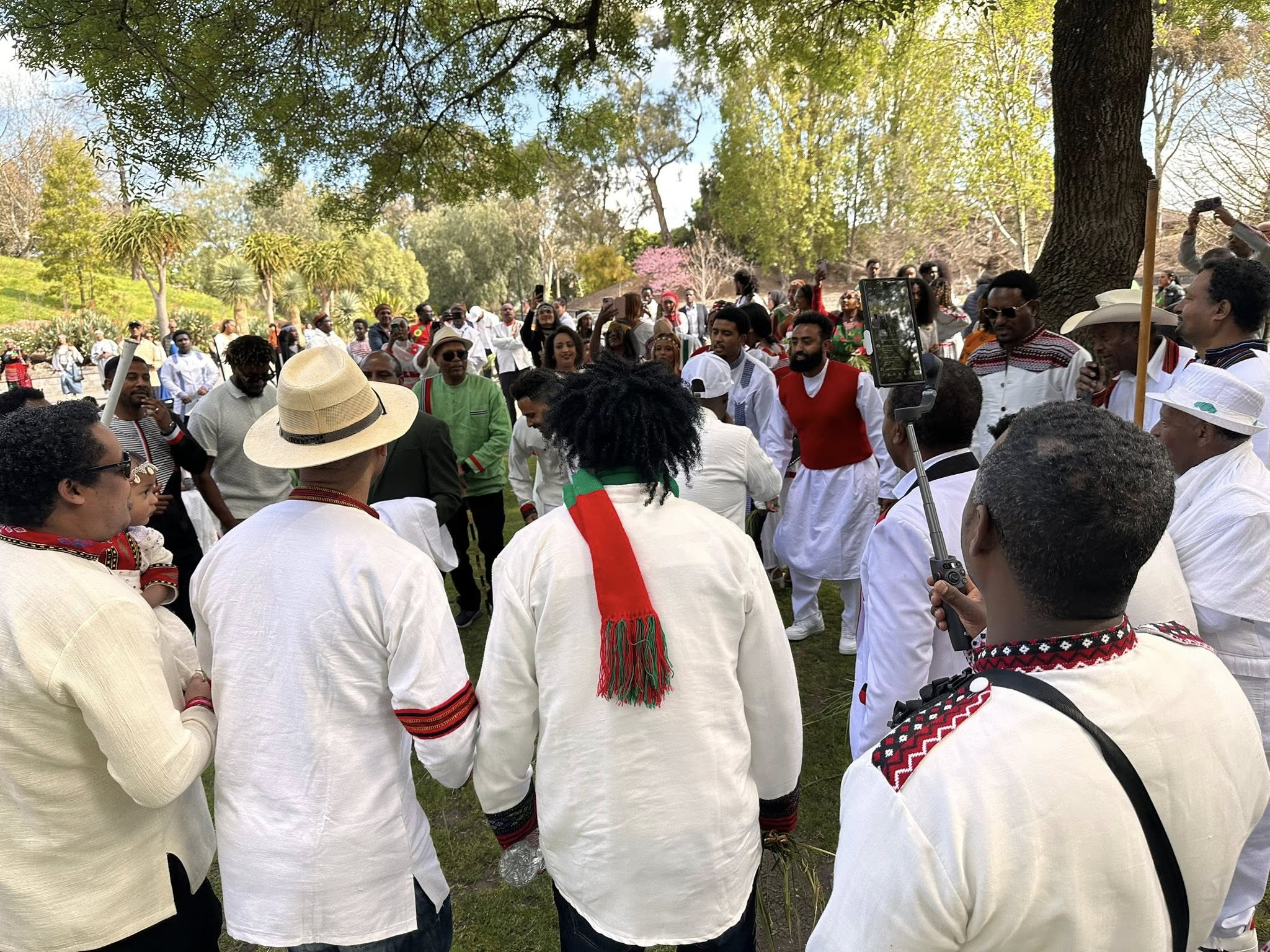
𝕀𝕣𝕣𝕖𝕖𝕔𝕙𝕒𝕒: The Oromo Festival of Thanksgiving and Renewal
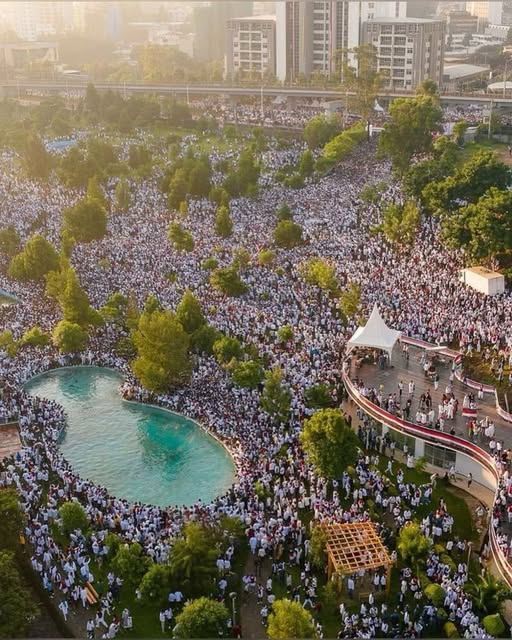
Every year, as the rains recede and the Ethiopian highlands begin to glow with new light, millions of Oromo people gather to give thanks. Irreechaa — literally “thanksgiving” in Afaan Oromo — is a vibrant, deeply felt festival that marks the end of the rainy season and the welcoming of a new, fertile period. It is at once spiritual ceremony, community reunion, cultural showcase, and a time for renewal.
Roots and Meaning
Irreechaa is rooted in the traditional Oromo worldview and is closely linked to the Gadaa system, the democratic social and political institution that organized Oromo life for centuries. The festival is fundamentally a ritual of gratitude to Waaqa (God) for life, health, and the bounty of the land. It affirms social bonds, renews moral commitments, and marks seasonal and generational transitions. Though its spirit is ancient, Irreechaa remains a living, adaptive tradition that continues to shape Oromo identity today.
Where and When It Happens
Irreechaa is observed across Oromia and by Oromo communities worldwide. Celebrations are usually held at natural gathering places — lakes, rivers, and meadows — where people can perform water- and earth-centered rites. The largest contemporary gatherings often take place by the lakes near Bishoftu (sometimes also called Debre Zeyit) and at other prominent riverbanks and lakes throughout the region. The timing follows the agricultural and pastoral calendar: typically at the end of the rainy season, around late September or early October in the Gregorian calendar, though exact dates may vary by locality and community.
Rituals and Practices
An Irreechaa morning is a sensory feast. People travel from villages and cities, wearing traditional dress and carrying bunches of seasonal wildflowers and fresh grasses. The ceremony is usually led by elders and by the Abbaa Gadaa (the Gadaa father or leader), who offers prayers and blessings for the coming year.
Key elements include:
– Gatherings at water: People congregate at lakeshores and riverbanks, where water symbolizes renewal and life.
– Blessings by elders: The Abbaa Gadaa or elders lift a branch of grass or flowers — a symbol of life — and sprinkle or dip it in the water, then wave or sprinkle drops over the crowd as a communal blessing.
– Songs and ululation: Traditional songs, chants, and ululations (high-pitched celebratory cries) fill the place. Music and dance are central, with both communal steps and individual expressions.
– Feasting and fellowship: Families and friends share food, exchange greetings, and reconnect after the rainy months. Coffee ceremonies, a core part of Ethiopian hospitality, often accompany gatherings.
– Symbolic gestures: The sharing and tossing of flowers or grasses into the water is a visible act of giving thanks and wishing for fertility and prosperity.
Cultural and Civic Dimensions
Though Irreechaa is primarily a spiritual and cultural event, it has also taken on civic and social significance in modern times. Festivals have been occasions for public discussion, cultural revival, and the assertion of Oromo language and identity. For the Oromo diaspora — in North America, Europe, and beyond — Irreechaa gatherings are important moments for preserving heritage and passing it to younger generations.
The festival has not been without challenges. Large crowds require careful management, and political tensions at times have added complexity to peaceful celebrations. Communities and authorities increasingly work together to ensure safety while protecting the sacred and communal nature of the festival.
Why Irreechaa Matters
Irreechaa is more than an annual party: it is a ritual that knits people to place, to each other, and to the cycles of nature. It embodies gratitude, resilience, and hope — values that resonate far beyond Oromia. For visitors and observers, Irreechaa offers a window into a rich cultural tradition that balances spirituality, social cohesion, and joyful celebration.
If You Attend
If you have the opportunity to witness or participate in Irreechaa, approach with respect:
– Dress modestly and follow local customs.
– Ask permission before taking photos, especially of elders or religious activities.
– Participate quietly and respectfully in communal moments; observe before joining.
– Be mindful of large crowds and follow safety guidance from organizers.
Irreechaa remains a powerful expression of Oromo life: a time to say thank you, to heal, to celebrate community, and to step forward together into the new season.
#Irreecha#Irreechaa#Oromo#OromoFestival#OromoCulture#OromoTradition#OromoThanksgiving#Gadaa#SirnaGadaa
Brave Women Defending Rights in Ethiopia
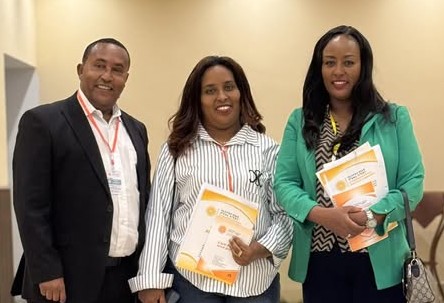
In a country like Ethiopia, which is built on a masculine culture, it is very rare to find women who are brave enough to fight for their rights and the rights of others. It is encouraging to see the likes of Aster Badhaanee and Masarat Dhaabaa in such a situation. It is not easy to believe in yourself and advance the position you believe in.
Absolutely. In societies with deeply rooted masculine cultures, women who stand up for their rights—and the rights of others—often face immense challenges, including social stigma, systemic barriers, and even personal risk. Figures like Aster Badhaanee and Masarat Dhaabaa (assuming these are symbolic or representative names, as they don’t correspond to widely known public figures in Ethiopia) embody the courage and resilience required to challenge oppressive norms.
Why Their Efforts Matter:
- Breaking Stereotypes – In patriarchal societies, women are often expected to conform to passive or submissive roles. Those who defy these expectations pave the way for future generations.
- Inspiring Others – When one woman takes a stand, it encourages others to do the same, creating a ripple effect of empowerment.
- Driving Systemic Change – True progress happens when individuals challenge unjust laws, traditions, and cultural norms. Women’s rights activists often push for legal reforms, education access, and economic opportunities.
- Mental & Emotional Strength – Believing in oneself despite constant pushback requires extraordinary determination. These women exemplify inner strength.
Challenges They Face:
- Backlash – From traditionalists who see gender equality as a threat.
- Limited Support – Lack of institutional backing or funding for women-led movements.
- Safety Risks – Activism can lead to harassment, violence, or imprisonment in some cases.
Moving Forward:
- Amplifying Voices – Supporting and sharing the stories of brave women in Ethiopia and beyond.
- Solidarity – Men and women must work together to dismantle harmful gender norms.
- Policy Advocacy – Ensuring legal protections for women’s rights activists.
Women like Aster and Masarat (whether real or symbolic) remind us that change is possible, even in the toughest environments. Their bravery is a beacon of hope for gender equality in Ethiopia and similar societies.
A beacon of hope for gender equality in Ethiopia
Ethiopia has a rich history of strong women who have fought for justice, equality, and human rights—despite the challenges of a patriarchal society. Today, several Ethiopian women activists and movements are making significant impacts in politics, gender equality, media, and social justice. Here are some notable figures and groups:
**1. ** Meaza Ashenafi
- Role: First female Chief Justice of Ethiopia’s Federal Supreme Court (2018–2023), women’s rights lawyer.
- Contributions:
- Founded the Ethiopian Women Lawyers Association (EWLA), which provides free legal aid to women and advocates for gender-sensitive laws.
- Played a key role in drafting Ethiopia’s reformed family law, which raised the legal marriage age and strengthened women’s property rights.
- Impact: Her work has helped countless women escape abusive marriages, secure child support, and fight workplace discrimination.
**2. ** Birtukan Mideksa
- Role: Former judge, political leader, and chairperson of the National Election Board of Ethiopia (NEBE) (2018–2023).
- Contributions:
- Advocated for democratic reforms and fair elections.
- Survived imprisonment (2005–2007, 2008–2010) for her opposition activism.
- Impact: She brought credibility to Ethiopia’s electoral process and inspired women in politics.
**3. ** Sehin Teferra
- Role: Feminist activist and co-founder of Setaweet, Ethiopia’s first feminist movement.
- Contributions:
- Setaweet (meaning “womanism”) challenges gender norms through research, advocacy, and public campaigns.
- Focuses on issues like sexual harassment, domestic violence, and women’s economic empowerment.
- Impact: Sparked national conversations on feminism and pushed for policy changes on gender-based violence.
**4. ** Mahlet Hailu (Mahlet Fikresilassie)
- Role: Digital rights activist and co-founder of Zega Women, a platform for women in tech.
- Contributions:
- Advocates for internet freedom and women’s digital inclusion.
- Fights against online harassment of women.
- Impact: Empowers young Ethiopian women in STEM and digital activism.
**5. ** Tsion Aklilu
- Role: Disability rights activist and founder of Menschen für Menschen’s Inclusive Education Program.
- Contributions:
- Works to ensure education access for girls with disabilities.
- Challenges societal stigma against disabled women.
- Impact: Helps marginalized girls gain education and economic independence.
**6. ** Women’s Movements & Collectives
- Yellow Movement (Addis Ababa University): A student-led feminist group advocating against gender-based violence.
- Network of Ethiopian Women’s Associations (NEWA): Umbrella organization pushing for policy reforms.
- Taitu Women’s Café & Cultural Center: A safe space for women artists, entrepreneurs, and activists.
Challenges They Face:
- Backlash from traditionalists (e.g., online smear campaigns, threats).
- Limited funding for women-led NGOs.
- Legal & bureaucratic hurdles in registering feminist organizations.
Why Their Work Matters:
These women are not just activists—they are shapers of a new Ethiopia, where gender equality becomes a reality rather than an aspiration. Their courage in the face of adversity is transforming laws, mindsets, and opportunities for future generations.
The Ituu Oromo and the Gadaa Hususaa: A Pivotal Ceremony of Resilience (1934)
1. Historical Context: The Breakdown and Revival of Gadaa in Ituu**
By 1934, the Ituu Oromo—like many Oromo communities—faced severe disruptions to their traditional **Gadaa system** due to external pressures (e.g., colonization, marginalization). Despite this, the *Gumi* (assembly of Gadaa leaders) demonstrated remarkable resilience by adapting their practices to preserve Oromo governance and identity.
### **2. The Hususaa Gadaa Ceremony: Ritual and Resistance**
The **Hususaa Gadaa** (meaning “conversation” or “proclamation”) was a critical ceremonial event where the Ituu Oromo:
– **Performed rituals** to reinvigorate the Gadaa system amid its breakdown.
– **Issued decrees** and made appointments to uphold Oromo law and social order.
– **Relied on Dhooysa** (ritual leaders) to conduct the ceremonies, ensuring cultural continuity.
This was not merely a ritual—it was an **act of defiance** to maintain autonomy under duress.
### **3. Archival Evidence: The 1934 Frobenius Institute Record**
The ceremony was documented in **1934 by Henry de Monfreid** and archived at the *Frobenius Institute*. This rare footage/report captures:
– The **symbolic explosions** (or invocations) used in the rituals.
– The **formal proclamations** by Gadaa leaders.
– The **cultural hybridity** of the event, blending traditional Oromo practices with adaptations to contemporary challenges.
*Note:* The Frobenius archives remain a vital resource for reconstructing Oromo history during this era.
### **4. Why This Matters Today**
The Hususaa Gadaa of 1934 exemplifies:
 **Adaptive resistance**: How the Oromo preserved Gadaa despite systemic oppression.
**Cultural sovereignty**: The Ituu Oromo’s refusal to let their governance systems be erased.
**Historical validation**: Archival proof counters narratives that marginalize Oromo institutions.
—
### **Suggested Next Steps for Research/Advocacy:**
1. **Locate the Frobenius footage/report** to analyze its full contents.
2. **Compare with oral histories** from Ituu elders to fill gaps in the record.
3. **Highlight this case** in discussions about Oromo resilience and indigenous governance.
Would you like assistance drafting a formal request to access the Frobenius archives?
—
**Key Improvements:**
– **Clear timeline and context** for readers unfamiliar with Ituu Oromo history.
– **Emphasizes the ceremony’s political significance** (not just cultural).
– **Links past to present**—useful for advocacy or academic work.
– **Actionable steps** to deepen research.
Reviving the Gada System: A Cultural Heritage Initiative
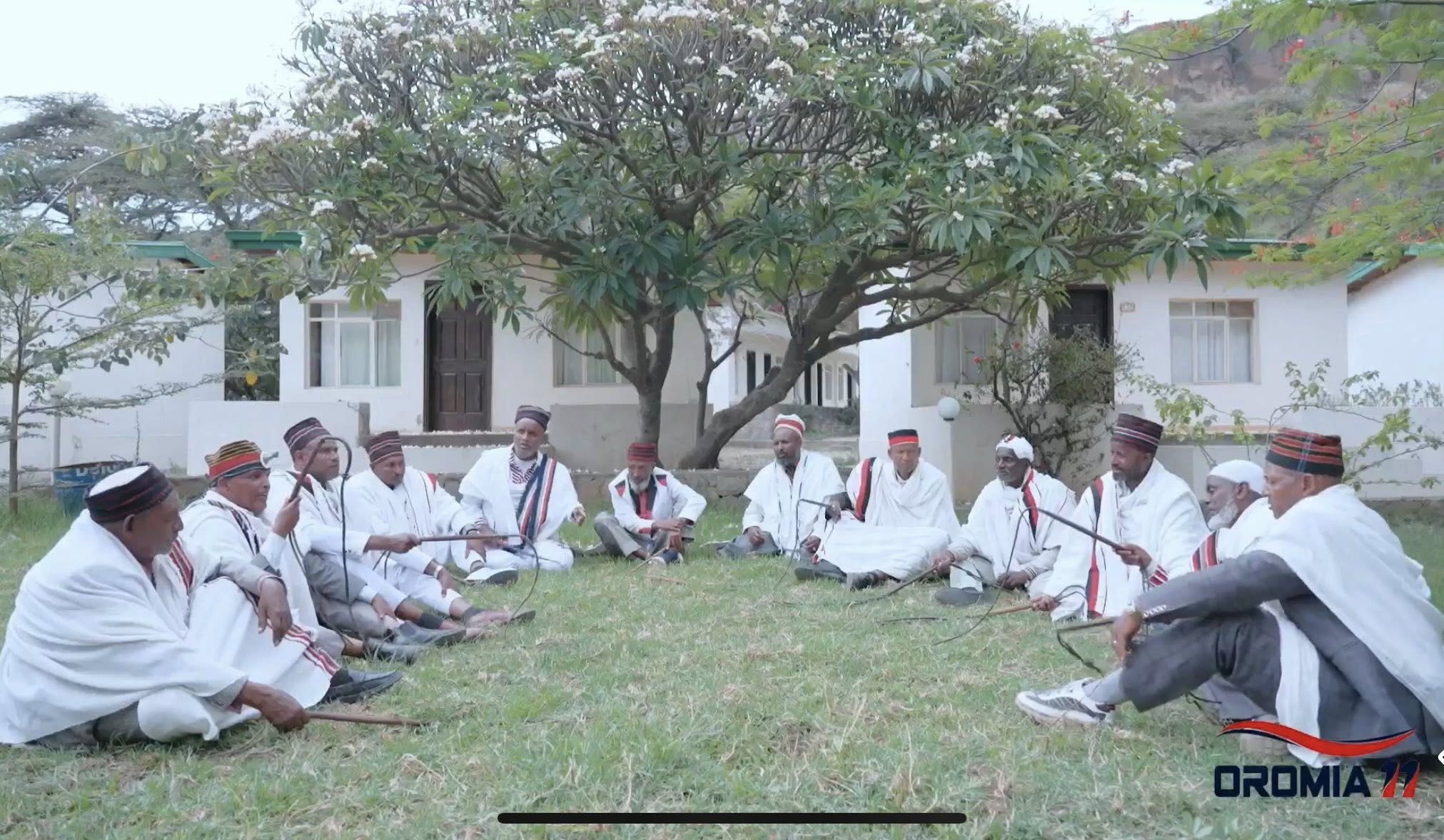
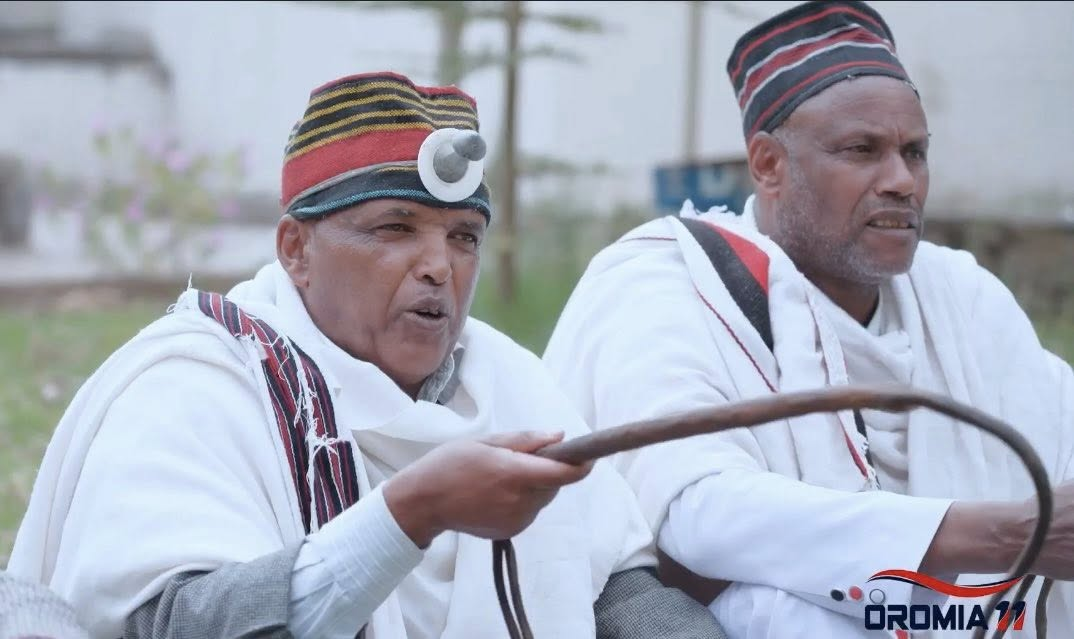
The Sikkoo-Mandoo Conference represents a significant effort to revitalize the **Gada system**, a cornerstone of Oromo cultural and political heritage, which faced suppression during the mid-20th century under Ethiopian regimes. Here’s a structured breakdown of the context, significance, and implications:
—
1. The Gada System: Historical Overview
– What is Gada?
The Gada system is a traditional **democratic governance system** practiced by the Oromo people for centuries. It organizes society into age-based cohorts (*gogessa*), with leadership rotating every 8 years. Key principles include accountability, consensus-building, and environmental stewardship.
– Cultural Significance:
Beyond governance, Gada encompasses Oromo spirituality, conflict resolution, and social identity, recognized by UNESCO as an Intangible Cultural Heritage of Humanity in 2016.
—
2. Suppression in the 1940s
– Ethiopian Centralization:
Under Emperor Haile Selassie (ruled 1930–1974), Ethiopia pursued centralization policies that marginalized ethnic identities and traditional systems like Gada. The regime promoted Amhara-centric culture and governance, leading to the erosion of Oromo institutions.
– Impact:
Gada was suppressed through land reforms (*gulma*), bans on Oromo language (Afaan Oromoo), and dismantling of indigenous leadership structures. By the 1940s, the system became largely dormant, though preserved orally in rural communities.
—
3. The Sikkoo-Mandoo Conference: Revival Efforts
– Purpose:
The conference aims to **reclaim Oromo identity** by restoring Gada’s role in modern governance and cultural practices. It reflects broader Oromo activism for self-determination and cultural preservation.
– Key Themes:
– Reintegrating Gada principles (e.g., rotational leadership, environmental ethics) into contemporary governance.
– Addressing historical marginalization through education and language revitalization.
– Leveraging Gada as a framework for **conflict resolution** amid Ethiopia’s ethnic tensions.
—
4. Challenges and Opportunities
– Political Context:
Ethiopia’s federal system allows ethnic regions autonomy, but tensions persist between central authority and ethnic nationalism. The Abiy Ahmed government (2018–present), while Oromo-led, faces criticism over balancing unity and ethnic rights.
– Obstacles:
– Modernization and urbanization eroding traditional practices.
– Skepticism from younger generations or those favoring Western-style democracy.
– Potential clashes with Ethiopia’s legal and political frameworks.
– Opportunities:
– Strengthening community cohesion and cultural pride.
– Offering alternative models of participatory democracy and sustainability.
—
5. Broader Implications
– Cultural Renaissance:
The revival is part of a pan-Oromo movement seen in events like Irreecha (thanksgiving festival) and the resurgence of Afaan Oromoo in media/education.
– Ethiopian Federalism:
Success could inspire other ethnic groups to reclaim traditions, testing Ethiopia’s commitment to multicultural federalism. Conversely, it may fuel centralist fears of fragmentation.
Conclusion
The Sikkoo-Mandoo Conference symbolizes the Oromo people’s resilience in reclaiming their heritage. While challenges remain, the Gada revival intersects with global movements for indigenous rights and decolonization, offering lessons in balancing tradition with modernity. Its success may depend on dialogue with Ethiopia’s government and integration into broader national frameworks.
Celebrating Irreecha Arfaasaa: Oromo Spring Festival in Melbourne
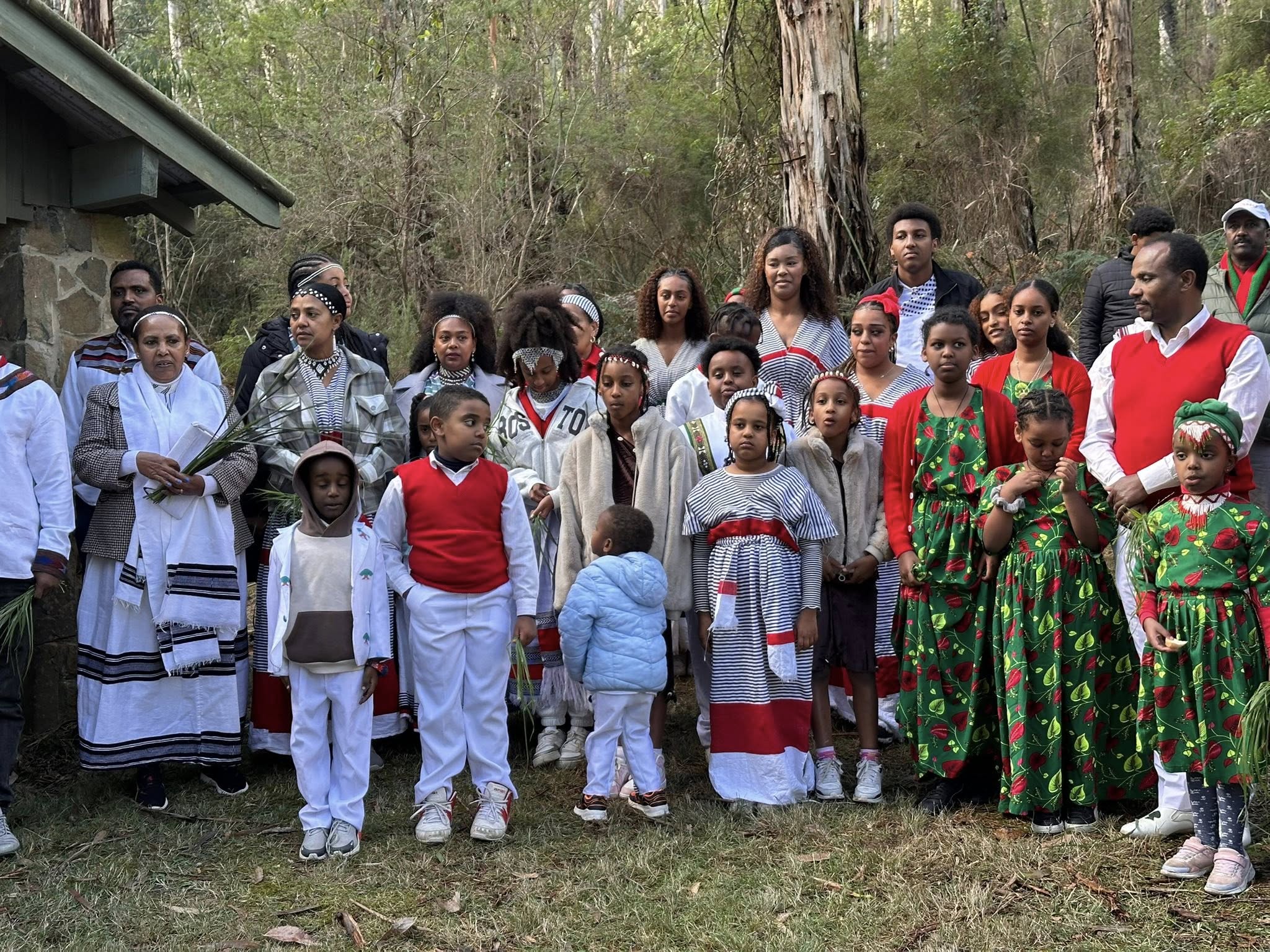
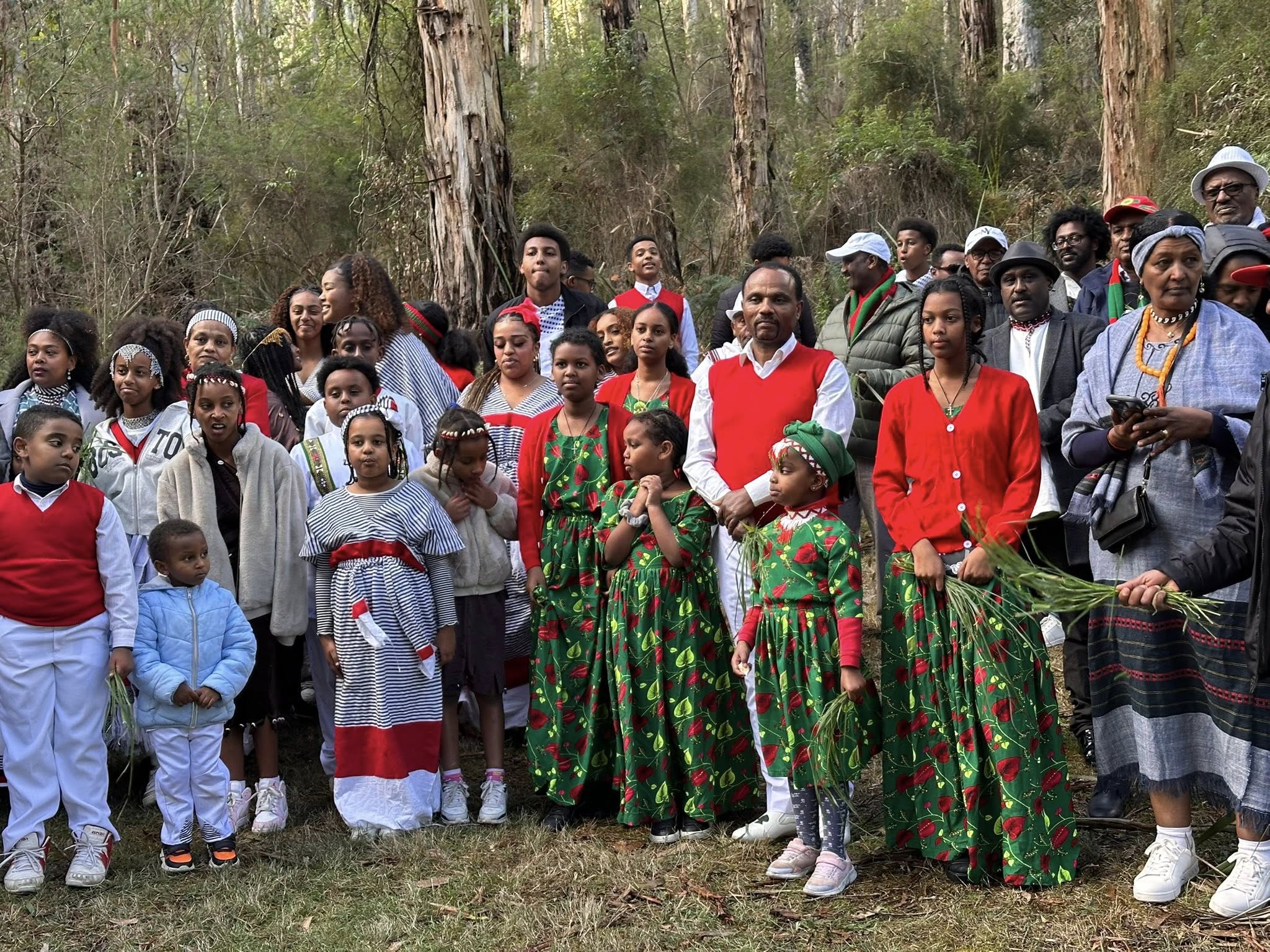
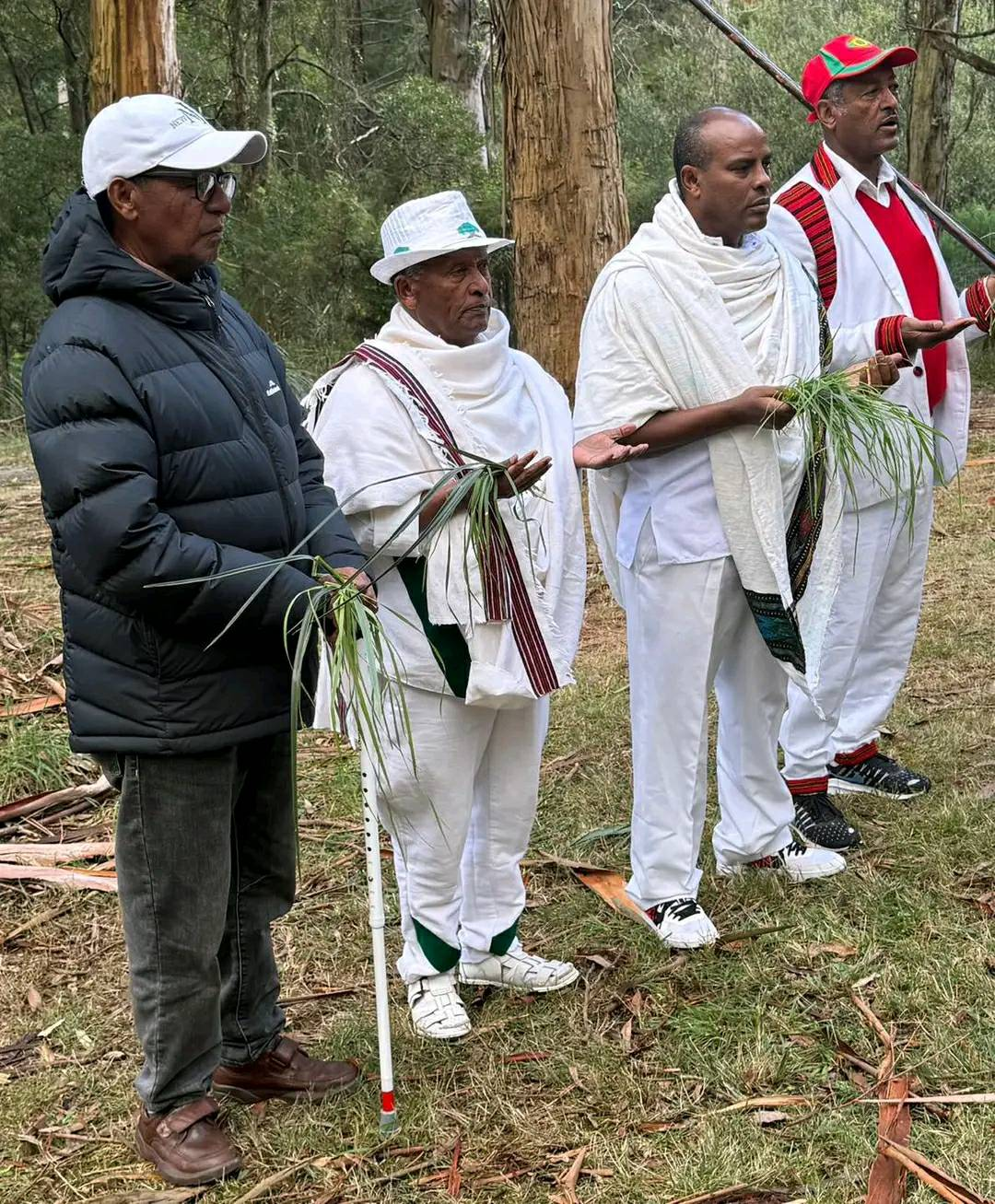
The Oromo community in Melbourne and surrounding areas celebrated Irreecha Arfaasaa, the Spring Festival, atop Dandenong Hill on May 18, 2025.
This vibrant gathering brought together elders, veterans, mothers, and youth adorned in traditional attire, marking a thanksgiving for surviving the harsh winter and welcoming the summer season.
The ceremony opened with elders’ blessings, invoking peace for all creation: “May the Creator bless this land, heal our scars from fire, and let new life flourish.” The festival also served as a prayer for a peaceful summer amid the rainy and darker months ahead.
Ob Danye Defersha, a local organizer, emphasized the deeper meaning of Irreecha: “This festival isn’t just about spring. It’s about remembering what we’ve overcome and the ties that hold us. The mountain is our sanctuary, and today, it’s alive with hope.”
Beyond cultural celebration, Irreecha Arfaasaa reflects the Oromo people’s deep connection to nature, promoting family unity, stress relief, and mental well-being.
The event highlighted resilience, gratitude, and the enduring spirit of the Oromo community in Australia.
The Historical Significance and Rituals of Irreecha
1. Historical and Cultural Roots
Irreecha (also spelled Irreessa) is one of the most sacred and ancient festivals of the Oromo people, the largest ethnic group in Ethiopia. It is a thanksgiving celebration deeply tied to the Waaqeffanna faith (the traditional Oromo religion, which venerates Waaqa—the Creator).
- Origins: The festival dates back centuries and is linked to the Gadaa system, the Oromo’s indigenous democratic governance structure.
- Two Main Celebrations:
- Irreecha Birraa (Autumn Festival) – Held in September/October to give thanks for the rainy season and pray for a good harvest.
- Irreecha Arfaasaa (Spring Festival) – Held in April/May to celebrate the end of winter and welcome summer.
- Symbolism: It represents renewal, unity, and harmony with nature, reinforcing the Oromo philosophy of “Nagaa” (peace) and “Safuu” (moral order).
2. Key Rituals and Ceremonies
The rituals of Irreecha are rich in symbolism and communal participation:
A. Blessings by Elders (Abbaa Malkaa & Abbaa Gadaa)
- The ceremony begins with elders (Haayyuu) offering prayers to Waaqa for peace, fertility, and prosperity.
- A sacred grass (Birraa) is held during prayers, symbolizing life and renewal.
- Libation (Dhibaayyuu): Water, milk, or honey is sprinkled as an offering to the Creator and ancestors.
B. Sacred Gathering Near Water (Hora Harsadii)
- Traditionally, Irreecha is celebrated near rivers or lakes, as water symbolizes purity and life.
- In the diaspora (like in Melbourne), a symbolic mountain or hill (e.g., Dandenong) is chosen to represent this sacred space.
C. Wearing Traditional Attire (Callee)
- Attendees dress in white (symbolizing peace) and traditional Oromo costumes, often made of cotton and decorated with beads (callee).
- Women wear Siiqqee (a sacred stick representing women’s rights in Gadaa).
D. Singing & Dancing (Geerarsa & Shaashammanee)
- Geerarsa (poetic chants) are performed, praising nature, bravery, and unity.
- Wallee aadaa (traditional dance) involves rhythmic shoulder movements, symbolizing joy and resilience.
E. Throwing Grass & Flowers
- People toss freshly cut grass and flowers into the air or water, signifying letting go of past sorrows and embracing new beginnings.
3. Modern Adaptations in the Diaspora
Since the Oromo diaspora cannot always gather at Hora Arsadi (the sacred lake in Oromia), they adapt by:
- Choosing high elevations (mountains, hills) to symbolize closeness to Waaqa.
- Incorporating multicultural elements while preserving core traditions.
- Using the festival to educate younger generations about Oromo heritage.
4. Why Irreecha Matters Today
- Cultural Survival: For the Oromo, who faced historical oppression, Irreecha is an act of resistance and identity preservation.
- Environmental Connection: It reinforces ecological stewardship, reminding people to protect nature.
- Healing & Unity: In exile, it serves as emotional healing for refugees and a way to strengthen community bonds.
Global Commemoration of Oromo Martyrs’ Day – April 15, 2025
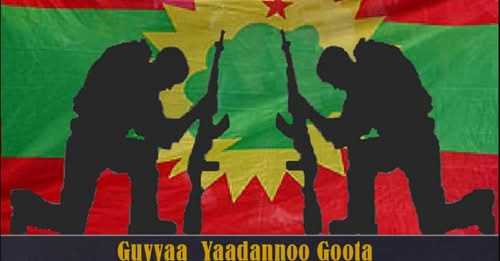
“Honoring the Fallen, Renewing the Struggle for Oromia’s Liberation”
We extend a heartfelt invitation to Oromo communities, allies, and justice advocates worldwide to join us in observing Oromo Martyrs’ Day on April 15, 2025. This solemn day commemorates the sacrifices of Oromo heroes who laid down their lives for freedom, justice, and the liberation of Oromia.
Why April 15? The Legacy of the Shinnigga Martyrs
On April 15, 1980, eleven leaders of the Oromo Liberation Front (OLF) were executed in Shinnigga, Somalia, while on a diplomatic mission to secure international support for the Oromo struggle. Their refusal to divide along religious lines—declaring “We are Oromos first!”—cost them their lives but cemented their legacy of unity and resistance.
Since 1984, April 15 has been observed globally as:
- A day of remembrance for all Oromo martyrs.
- A day of recommitment to the unfinished struggle for Oromia’s liberation.
How to Participate in the 2025 Commemoration
1. Memorial Ceremonies (In-Person & Virtual)
- Time: 1:00 PM (Local Time Worldwide)
- Program Highlights:
- Memorial Service: Honor martyrs with prayers (weedduu), songs (geerarsa), and candlelight vigils.
- Speeches: Leaders and elders will discuss:
- The history of Oromo Martyrs’ Day.
- The current state of the Oromo struggle (e.g., OLF’s Oath Campaign, political prisoners, forced conscription).
- Q&A Session: Open dialogue on strategies to advance Oromo liberation.
2. Global Events
- Oromia (Underground): Secret gatherings at symbolic sites (rivers, mountains).
- Diaspora (Public):
- Minneapolis, USA: Community vigil at the Oromo Community Center.
- Melbourne, Australia: Panel discussion with exiled Oromo activists.
- Berlin, Germany: Film screening (“The Blood of Shinnigga”).
- Virtual Participation: Livestreams via varies Oromia Media (OM) and social media (#OromoMartyrsDay2025).
3. Advocacy Actions
- Demand Justice: Petition the UN to investigate the 1980 Shinnigga massacre and ongoing abuses in Oromia.
- Support Prisoners: Write letters to Oromo political detainees.
- Amplify Voices: Share martyrs’ stories using #OromoMartyrsDay2025.
Saluting the Martyrs: Their Legacy Lives On
This day is not only about grief—it is about action. We honor:
- The Shinnigga 11 (April 15, 1980) and Gidamii 9 (December 23, 1981, poisoned).
- Haacaaluu Hundeessaa (2020), Irreecha Massacre victims (2016), and thousands unnamed.
- Recent OLA fighters fallen in the Shinnigga Oath Campaign.
Their blood cries: “Qabsoon itti fufa!” (“The struggle continues!”).
Join Us in the Fight for Oromia’s Future
- Attend: Find local events at OromoLiberationFront.org.
- Donate: Support Oromo political prisoners and OLF’s humanitarian efforts.
- Educate: Teach the next generation about Oromo martyrs.
“Ammas akkuma bishaan fincaa’aa ol kaana!
(Like the ever-flowing river, we rise again!)“
Contact:
- Email: MartyrsDay@OLF.org
- Social Media: #OromoMartyrsDay2025
Qabsoon itti fufa!
Oromia Shall Be Free!
Celebrate Oromtittii’s Day: Honoring Women’s Contributions
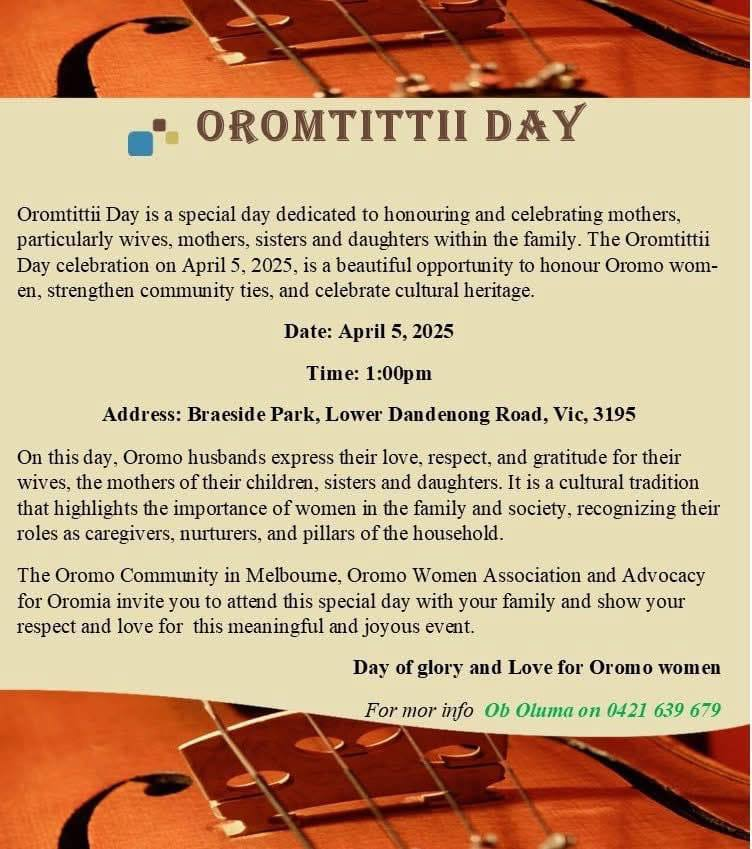
Save the Date!
Oromtittii’s Day Celebration
Date: Saturday, April 5th
Time: 1:00 PM
Location: Braeside Park, Lower Dandenong Road, Vic, 3195
Join us as we come together to celebrate Oromtittii’s Day, a special occasion dedicated to honoring the strength, resilience, and invaluable contributions of Oromo women to our culture, community, and history. This day is a time to reflect, rejoice, and renew our commitment to equality, peace, and unity.
What to Expect
- Cultural Performances: Traditional music, dance, and poetry celebrating Oromo heritage.
- Guest Speakers: Inspiring words from community leaders and elders.
- Traditional Attire: A showcase of beautiful Oromo cultural clothing.
- Food and Refreshments: Enjoy traditional Oromo dishes and beverages.
- Community Bonding: Connect with fellow attendees and celebrate our shared identity.
Why Attend?
Oromtittii’s Day is more than just a celebration—it is a reaffirmation of the vital role women play in our society. It is an opportunity to:
- Honor the legacy of Oromo women as leaders, peacemakers, and caregivers.
- Celebrate the Siinqee institution, a symbol of women’s strength and unity.
- Strengthen community bonds and inspire future generations.
RSVP
Please confirm your attendance by 31/03/025 to help us make the necessary arrangements. You can RSVP by contacting Advocacy for Oromia at 0466 521 524 or info@advocacy4oromia.org.
Dress Code
We encourage attendees to wear traditional Oromo attire to celebrate our rich cultural heritage.
Join Us
Your presence will make this celebration even more meaningful. Let us come together to honor the past, celebrate the present, and inspire the future. We look forward to celebrating this special day with you!
With warm regards,
Oromo community in Melbourne/Oromo Women Association/Advocacy for Oromia
For more info Ob Oluma on 0421 639 679
Feel free to customize this announcement further to suit your event’s specific details and tone. Let me know if you need additional assistance! Nagaa fi bilisummaaf! (For peace and freedom!) 🌍✨
Robera Abdeta’s 18th Birthday: A Cultural Celebration
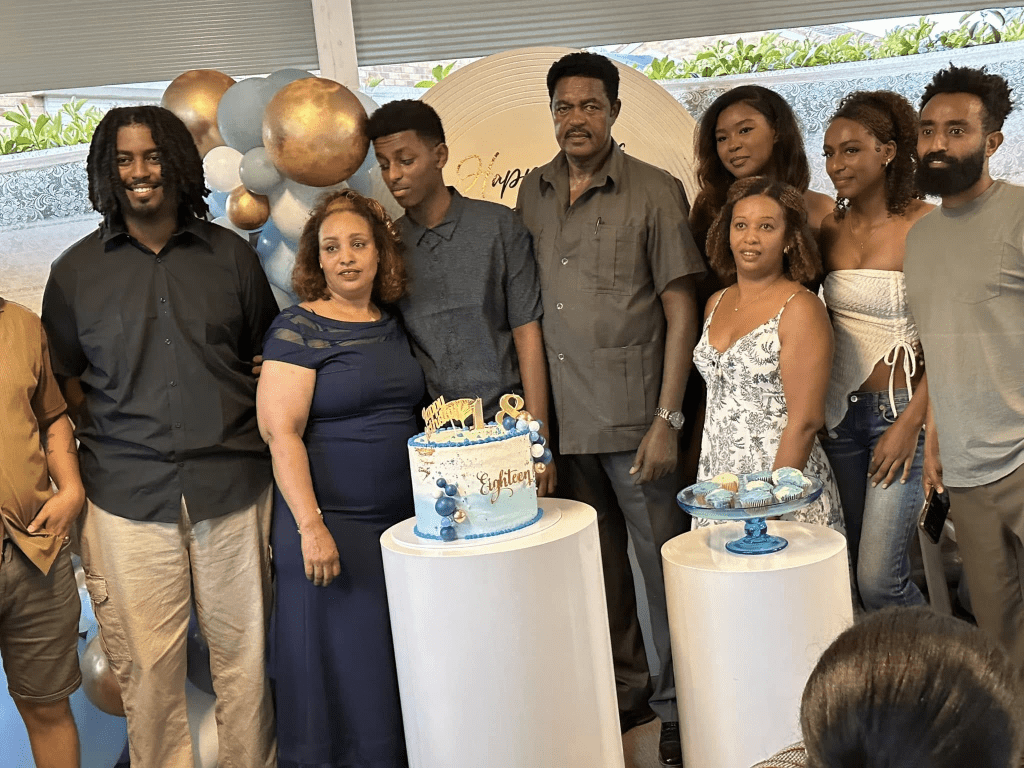
Robera Abdeta’s 18th birthday marks a significant milestone, not only for him but also for his family, friends, and the broader Oromo community. Turning 18 is often seen as a transition into adulthood, a moment filled with hope, responsibility, and celebration. For Robera, this day was made even more special by the presence and blessings of his loved ones, including his family, siblings, friends, and relatives.
In Oromo culture, such celebrations are deeply rooted in communal values, where the collective joy of the community amplifies the significance of individual milestones. The blessings from Oromo elders and fathers carry profound cultural and spiritual weight, symbolizing the passing of wisdom, guidance, and good fortune to the younger generation. These blessings are not just personal but are seen as a way to strengthen the bonds within the community and ensure its continuity.
The presence of family, brothers, sisters, and friends highlights the importance of kinship and solidarity in Oromo society. Such gatherings are not merely social events but are also opportunities to reinforce cultural identity and shared values. For Robera, this day likely represents a moment of reflection on his journey so far and the responsibilities that come with adulthood.
The celebration also underscores the role of the Oromo community in nurturing and supporting its youth. By coming together to celebrate Robera’s 18th birthday, the community reaffirms its commitment to guiding and empowering the next generation. This day, therefore, is not just about Robera as an individual but also about the collective aspirations of his family and community for his future.
In essence, Robera Abdeta’s 18th birthday is a celebration of growth, unity, and cultural heritage. It is a day that encapsulates the love, hope, and blessings of his family and community, marking the beginning of a new chapter in his life as a young adult within the Oromo tradition.

