The Unquenchable Flame: Amajjii and the Living Memory of Oromo Resistance

By Dhabessa Wakjira
OROMIA – Across the highlands and valleys of Oromia, and within diaspora communities spanning the globe, the Oromo people are preparing to observe Ayyaana Amajjii—a day that is far more than a cultural anniversary. It is a living chronicle of resistance, a solemn vow of continuity, and a beacon of collective identity lit against a backdrop of enduring struggle. As one message proclaims: “AYYAANA AMAJJII BAGA GEESSAN!” – “Happy Amajjii Holiday!”
Celebrated for over 40 years, Amajjii commemorates a pivotal historical moment of defiance. Its roots lie in “a history of resilience in the Oromo freedom struggle and the heroism of Oromo fighters,” a day when a courageous few secured a landmark victory against formidable enemies. This singular event is etched into the Oromo consciousness not merely as a past triumph, but as an eternal wellspring of strength.
“Amajjii is a symbol of the endurance and perseverance that defines our entire struggle,” explains a community historian. “It is a holiday that surpasses all others, a flame we keep alive to illuminate the path to Oromo freedom from within the darkness of oppression.”
This year, the commemoration carries a particularly profound weight. The community gathers in what is described as “a time of difficulty and darkness,” marked by reports of severe hardship, drone strikes, militia violence, and widespread military crackdowns. “This brutal oppression wounds us,” the message states, “but without losing hope, we resist fiercely and honor our Amajjii, learned from our ancestors.”
It is precisely in such moments of intensified pressure, the tradition holds, that the history of Amajjii becomes most vital. The day serves as a crucial space—a sanctuary in time—to reaffirm unity, recommit to the quest for a dignified and egalitarian society, and honor the foundational values of respect and justice. The ceremony itself is a multi-faceted lesson in the Oromo liberation narrative.
The central, unifying ritual is the lighting of the Amajjii bonfire atop the highest hill. This “Xomboorrii Amajjii” is far more than a fire; it is the primary symbol of Oromo freedom. As its flames climb skyward, it is seen as broadcasting a powerful message: a message of true liberty, of emerging from subjugation, of unbreakable hope rising from the ashes of despair, and of light piercing a profound darkness.
“Amajjii is the day we remember the Oromo freedom fighters who sacrificed their lives without hesitation to liberate and protect Oromia and its people,” the commemoration note affirms. This act of remembrance is inextricably linked to the deep Oromo tradition of honoring elders and pioneers—those who preserve culture, offer guidance, and advocate for justice. Amajjii is, in essence, the national-scale enactment of this duty of respect.
The 2026 observance is therefore framed not just as a look backward, but as a strategic reaffirmation for the future. It is a time to “renew our pledge” to continue the struggle, bolstered by the conviction that Oromia will ultimately be a place where rights are asserted and the Oromo nation is honored in its unity and freedom.
From the ancestral hills of Oromia to community centers worldwide, the lighting of the Amajjii fire this year will be a potent, silent, and luminous declaration. It asserts that memory is resistance, that collective ceremony is a form of resilience, and that an unquenchable flame, passed down through generations, continues to light the way forward.
AYYAANA AMAJJII GAARII! – A dignified Amajjii to all!
Homecoming of a Pioneer: The Return of Oromia’s First President

By Daandii Oromia
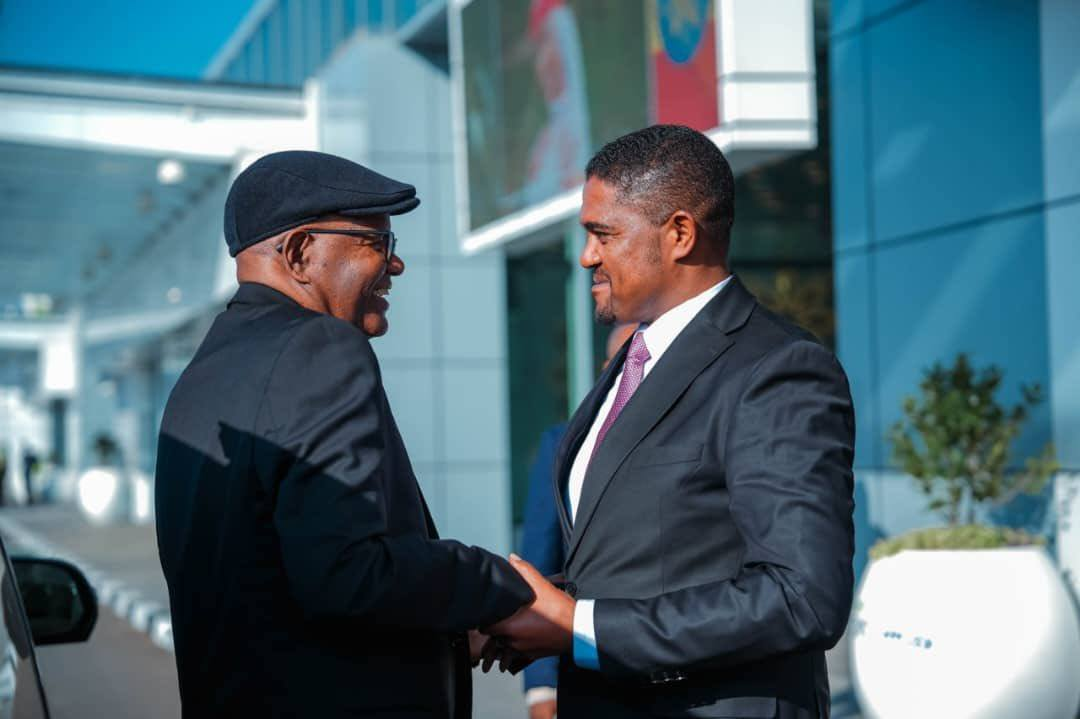
Addis Ababa, Ethiopia — In a moment laden with history and emotion, the first President of the Oromia Regional State, Honorable Mr. Hassan Ali, has returned to his homeland, ending nearly three decades of exile. His arrival marks more than a personal journey; it represents a symbolic closing of a long chapter and a deliberate gesture of reconciliation by the current Oromia leadership.
The official welcome, extended by the sitting President of Oromia, Mr. Shimelis Abdisa, was framed not just in political terms, but in the language of profound respect and historical acknowledgment. “It is with the utmost respect that I welcome Mr. Hassan Ali home with his family after nearly three decades,” President Abdisa stated, setting a tone of deference to a foundational figure of the region’s modern autonomy.

The Architect Returns
Mr. Hassan Ali’s presidency in the 1990s came during a formative and volatile period, following the adoption of Ethiopia’s ethnic federalist constitution. He and his contemporaries were tasked with the monumental challenge of building the nascent Oromia Regional State from the ground up—establishing its institutions, defining its administrative contours, and navigating the complex politics of a post-Derg Ethiopia.
In his remarks, President Abdisa explicitly honored this legacy. “They are the pioneers who laid the foundation for the Oromia Regional State to reach this level,” he said. This recognition serves as a formal validation of the struggles and efforts of the region’s early architects, whose work has often been overshadowed by subsequent political turmoil and exile.

“To See the Government He Established”
Perhaps the most poignant element of President Abdisa’s welcome was his focus on the personal significance of this return for Mr. Hassan Ali. “I want to congratulate him today not only on his safe return home with his families; for being able to see the government he established,” Abdisa noted.
For a leader who departed in the early days of the institution he helped create, this return offers a tangible, living assessment of that foundational work. It is an opportunity to witness the evolution of the state structure he pioneered, now led by a new generation. President Abdisa emphasized the resilience of that foundation: “He not only endures all pressures but also strengthen and expand to serve the people he fought for at the home level.”
A Commitment to Broader Reconciliation
Beyond the personal welcome, the current President used the occasion to make a significant policy-oriented declaration, signaling a potential shift toward greater inclusivity. “On behalf of myself and the Oromia Regional Government, I would like to thank them for their roles at all levels and for their services,” he said, offering official gratitude.
He then extended an olive branch that resonated far beyond the single homecoming: “I would like to take this opportunity to confirm that the Oromia Regional State Government is committed to bringing the children of the people who have been away for various reasons back home according to our ancient traditions.”
This statement frames reconciliation not merely as a political process, but as a cultural and social one, rooted in Oromo traditions of conflict resolution and homecoming (Gumaa and Araara). It proposes a pathway for the return of other exiled figures and diaspora communities, suggesting a future where Oromia’s governance is informed by a wider, more diverse set of its native sons and daughters.
A Symbol for the Future
The return of President Hassan Ali, facilitated by the sitting administration, is a powerful symbol. It bridges historical divides, acknowledges foundational contributions, and tests the waters for broader national dialogue. While the long-term political implications remain to be seen, the event itself has been successfully cast as an act of statesmanship and historical unity.
As Mr. Hassan Ali reacquaints himself with a homeland transformed, his presence invites reflection on Oromia’s journey—from the struggle for self-administration to the complex realities of exercising it. His homecoming, wrapped in official honor and traditional promise, may well be remembered as a pivotal moment in the region’s ongoing story of governance, identity, and reconciliation.

Solidarity Beyond Borders: Oromo Community’s Call for Unity
FOR IMMEDIATE RELEASE
Melbourne’s Oromo Community Stands in Solidarity with Jewish Australians After Bondi Attack
MELBOURNE, VIC – 19 December 2025 – The Oromo Community in Melbourne has issued a powerful statement of solidarity and support for the Australian Jewish community following the horrific antisemitic terror attack on peaceful Chanukah celebrations in Bondi.
The statement expresses the community’s profound grief and unwavering support for the victims, their families, and all those impacted by the tragedy. “Our deepest condolences, sympathy, and love are with the bereaved families, the injured victims, the courageous first responders, and all members of the Jewish and wider Bondi community impacted by this tragedy,” the statement reads.
In a show of national unity, the Oromo community announced it has joined over 200 civil society organisations across Australia in signing a collective statement against hate, representing millions of Australians.
A Call for Unity and Safety
The community’s Chairperson, Mr. Alemayehu Kube, emphasized the shared values of peace and safety. “Love is what fortifies a community, while violence and hatred only destroy,” said Mr. Kube. “There is no place for hatred and violence in any form. We stand shoulder-to-shoulder with the Jewish community, who have an absolute right to feel safe and be safe in our shared country.”
The statement explicitly frames the attack as an assault on the nation’s core principles, calling it “an affront to the tolerance and inclusion that define our national character.” It asserts that the right to safety is universal and “cannot depend on identity, origin, cultural background, age, or gender.”
A Commitment to Action and Reflection
Beyond words of support, the Oromo community has committed to tangible action, stating it is “committed to deep reflection and meaningful action” in the face of such evil. The statement highlights the long-term trauma of such events, especially for children and families, and calls for a collective national response.
“In this difficult moment, we call on all Australians to come together as one united people,” the statement urges. “Our strength has always resided in our diversity—in people of all faiths and cultures, from over 236 backgrounds, standing side by side in empathy and mutual respect.”
The message concludes with a hopeful vision, advocating for a response of compassion over fear and unity over division. “May we support one another, honour those who have been impacted, and continue building an Australia where every person feels safe, valued, and supported—in both body and mind.”
The full statement from the Oromo Community in Melbourne is available for review.
About the Oromo Community in Melbourne: The Oromo Community in Melbourne represents members of the Oromo diaspora in Victoria, fostering cultural preservation, community support, and active civic engagement within Australia’s multicultural society.
The Case for Dual Citizenship in Ethiopia

In our increasingly interconnected world, the Ethiopian diaspora represents a vast reservoir of talent, capital, and cultural richness. To fully harness this potential, the Ethiopian government should formally recognize dual citizenship. This policy shift is a strategic imperative for national development, moving beyond outdated notions of exclusive allegiance to embrace a more inclusive and pragmatic vision of Ethiopian identity.
The current denial of dual citizenship creates an artificial and counterproductive divide. It forces a choice between a new life abroad and a fundamental connection to their homeland, stifling the very contributions the nation needs. The benefits of reform are clear and compelling:
- Economic Growth: Dual citizenship would unlock significant investment. By granting diaspora Ethiopians the full rights and security of citizenship, they would be empowered to invest more confidently in businesses, real estate, and the stock market, directly fueling entrepreneurship and economic growth.
- Knowledge and Cultural Exchange: This policy would fortify the bonds of culture and knowledge. It facilitates the seamless flow of ideas, skills, and heritage, ensuring that future generations remain connected to their roots and actively engaged in Ethiopia’s cultural and intellectual landscape.
- Political Engagement and Unity: Granting dual citizenship integrates the diaspora into the nation’s democratic fabric. It provides a formal voice in Ethiopia’s future, transforming alienation into engagement and fostering a stronger, more unified global Ethiopian community.
- Global Competitiveness: Ethiopia is currently an outlier. Many nations across Africa and the world actively leverage dual citizenship to engage their diaspora. To compete for global talent and investment, Ethiopia must modernize its citizenship laws and join this progressive trend.
Ultimately, accepting dual citizenship is more than a legal update—it is a profound commitment to inclusivity and progress. It is a recognition that the strength of a nation lies not only within its borders but also in the hands of its global citizens. By embracing its diaspora, Ethiopia can unlock a new chapter of development, unity, and shared prosperity.
Oromo Studies Association Remembers Professor Hamdeessaa Tusoo

Oromo Studies Association (OSA) Mourns the Passing of Professor Hamdeessaa Tusoo
The Oromo Studies Association (OSA) has expressed its profound sorrow upon the passing of the esteemed scholar and activist, Professor Hamdeessaa Tusoo.
In an official statement, OSA remembered Professor Hamdeessaa not only as a brilliant Oromo intellectual but also as a founding member who played an indispensable role in the establishment of the association. The statement emphasized that his contributions to the fields of Oromo scholarship and the global academic community were truly immeasurable.
The association highlighted his pivotal leadership from the very beginning, noting that he served as its first president and laid a strong foundation for the organization. This was at a critical time in 1986 when Oromo history, knowledge, and culture were under significant pressure. Professor Hamdeessaa provided crucial leadership and made immense contributions to building a robust institution dedicated to critical inquiry, intellectual empowerment, and collective advancement.
OSA’s statement further detailed the professor’s lifelong dedication. Born and raised in Oromia, he waged a long and steadfast struggle for the rights, dignity, and freedom of the oppressed Oromo people.
His commitment to the Oromo cause was evident early on; while in secondary school, he began his activism in human rights, demonstrating an unwavering sense of justice and a spirit of self-sacrifice for the goals of his people. These early experiences set the tone for a life dedicated to scholarship, mentorship, and public service.
After earning his Ph.D. from Michigan State University in 1981, Professor Hamdeessaa held significant academic positions at numerous prestigious institutions, including George Mason University, Antioch University, Nova Southeastern University, Menno Simons College, and the University of Manitoba.
His scholarly work was robust, focusing on critical areas such as peace and conflict, indigenous peacemaking, African oral traditions, and the politics of the Horn of Africa.
Beyond the academy, OSA noted, Professor Hamdeessaa Tusoo also played a major role in community service and empowerment, leaving a legacy that extends far beyond the classroom.
Oromia Support Group Details Human Rights Abuses in Ethiopia
Oromia Support Group Report Details Widespread Human Rights Abuses in Ethiopia
November 21, 2025 – The Oromia Support Group (OSG), an organization advocating for human rights, has released a damning 70-page report alleging systematic and widespread human rights violations across Ethiopia and the wider Horn of Africa.
The report, released on November 20, 2025, documents a severe crisis in Ethiopia, citing extensive human rights abuses, extrajudicial killings, the suppression of public dissent, and the widespread intimidation of civil society leaders.
The OSG’s findings echo concerns previously raised by international bodies. On September 9, 2025, during its 60th session, the UN Human Rights Council (UNHRC) expressed alarm over the human rights situation in Ethiopia, noting that rights to free expression, assembly, and political party association have been severely curtailed.
The OSG further highlighted significant concerns regarding the environment for the country’s upcoming 7th national election, scheduled for 2026, stating that civil society organizations and journalists are operating in a climate of intense fear and repression.
According to the OSG, a significant portion of the human rights violations in Ethiopia are perpetrated by state security forces and affiliated militias. The report details that the recurring inter-ethnic conflicts in Oromia, Amhara, and the post-conflict Tigray regions continue to inflict severe harm on civilian populations.
The group’s documentation provides a grim snapshot of Oromia, alleging that summary executions, arbitrary detentions, and property seizures by government forces are commonplace.
The OSG report specifically names numerous locations where these alleged killings have occurred, including major urban centers such as:
- Finfinnee (Addis Ababa)
- Shaggar
- Adaama
The list also encompasses a wide range of zones and regions across Oromia, such as:
- Shaawa: East, West, South-West, and Central Shaawa
- Arsi: West Arsi and East Arsi
- Hararge: East and West Hararge
- Wallagga: East, West, Qellam, and Horro Guduru Wallagga
- Gujii: East and West Guji
- Boorana
- Bunnoo Badallee
- Jimma
- Iluu Abbaa Booraa
This extensive list underscores the report’s central claim that human rights abuses are not isolated incidents but are pervasive throughout the Oromia region.
The Gada System: A Living Legacy Passed to a New Generation
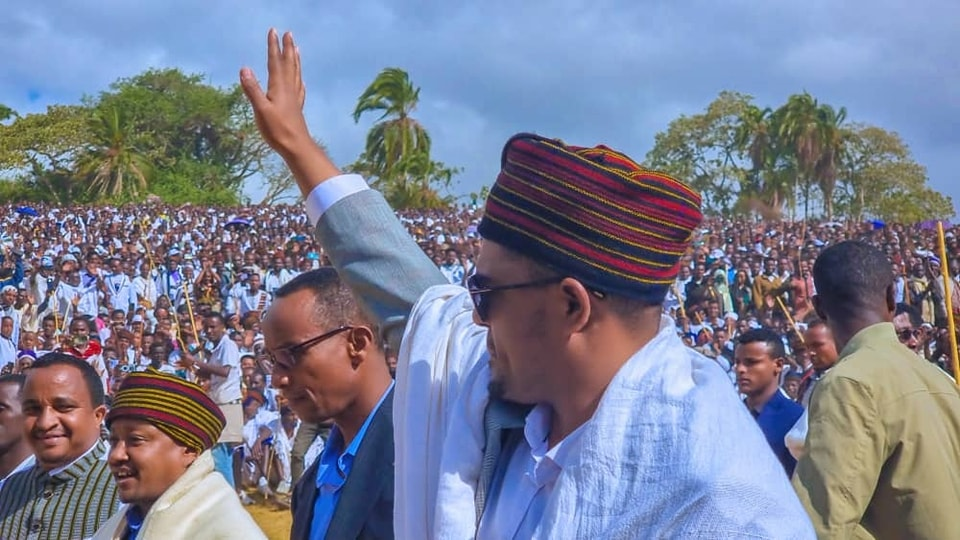
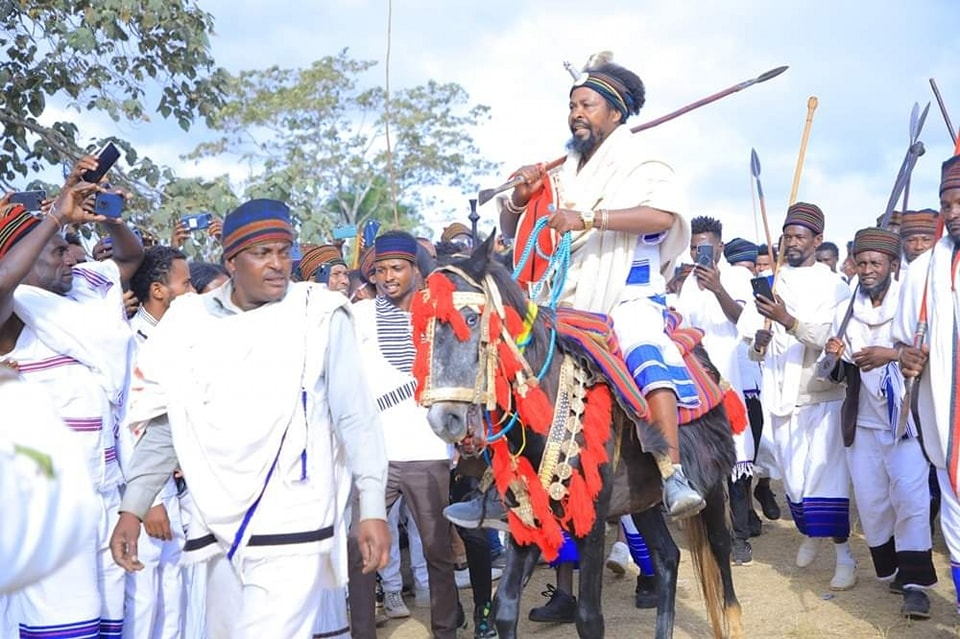
The Gada system is the proud heritage of the Oromo people. It is a system of bravery and discipline, founded on structured laws, principles, and timelines.
For over a century, the succession of Gada assemblies faced suppression and was pushed to the brink of being lost to the harsh pressures of the time. However, because our people held steadfast to their system and culture, it has not only been revived but has also gained worldwide recognition. As is well known, the Gada system is registered by the United Nations Educational, Scientific and Cultural Organization (UNESCO) as an Intangible Cultural Heritage of Humanity.
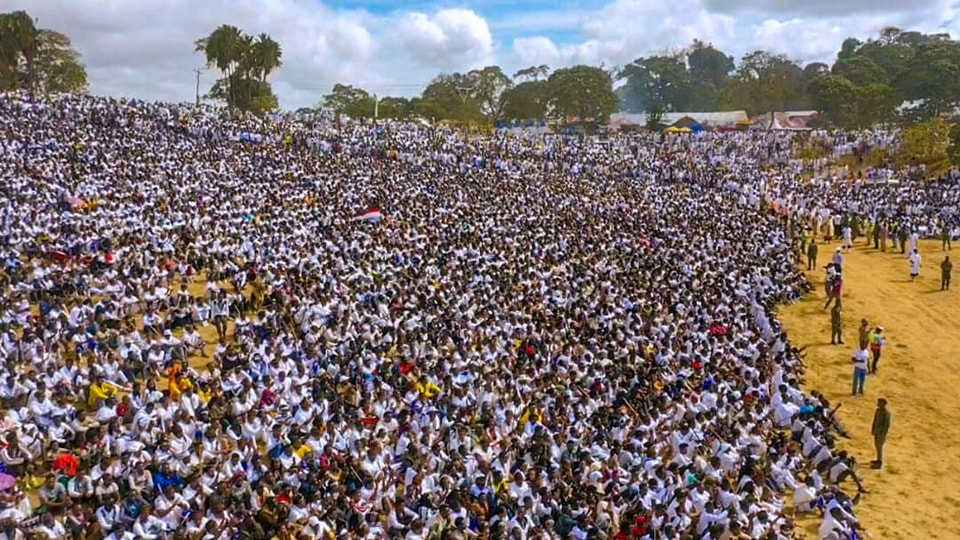
The Guji Oromo have played an exceptional role in preserving this system to the present day. For the Guji, Gada is not just for the leaders; the entire community forms the foundation of this system. As evidence, since 1424 [2012 EC], the Guji have recorded every Abbaa Gada who has led them through successive generations, without significant error or omission. In that year, following established tradition, they gathered at Me’ee Bokkoo for the transfer of power (Baallii), establishing laws and conducting various rituals and ceremonies.
In accordance with Oromo law and tradition, the assembly sat continuously at Me’ee Bokkoo for the past seven days. They established and proclaimed the nine articles of “The Wayyooma Waaqaa Lafaa and the Bulii Olii of Sons and Daughters.” This assembly has a father. Its father is Abbaa Gadaa Jiloo Maandhoo. He was the 74th Haaganaa, or General Abbaa Gadaa, of the Guji.
The process for the 75th Baallii transfer has been completed. Abbaa Gadaa Jiloo Maandhoo has concluded his term and received his honor (daraaraa). He was celebrated with the verse:
“Hoo’aa mi’ii gadaa tiyyaa
Hoo’aa itittuu gadaa tiyyaa
Hoo’aa areera gadaa tiyyaa
Hoo’aa daraaraa gadaa tiyyaa”
(Farewell, the council of my Gada; / Farewell, the foundation of my Gada; / Farewell, the legacy of my Gada; / Farewell, the honor of my Gada.)
The Gada power has moved from Gadaa Harmuufa to Gadaa Roobalee. Abbaa Gadaa Jaarsoo Dhugoo has received the Baallii! The former Abbaa Gadaa, Jiloo Maandhoo, has become an elder! The door has been closed! The door is now closed!
This is how the Oromo people have brought the Gada system to this day. As a member of this generation, witnessing the Gada assembly at Me’ee Bokkoo and the peaceful transfer of power for the 75th time filled me with immense joy.
The core mission of our Reformist Government is to restore the Oromo people to their culture and identity. Consequently, we are focusing significant effort on revitalizing it for the benefit of our society. The Gada system is being integrated into the educational curriculum, taught from primary school levels. At the higher education level, we are encouraging research leading to Master’s and PhD degrees.
Furthermore, we are working to re-establish and institutionalize Gada values. By drawing from its philosophy, we have established the Cultural Court of Law to ensure restorative justice. We have institutionalized community service to strengthen social bonds.
To foster mutual support and responsibility, we have re-established the Buusaa Gonofaa system. Going a step further, we are providing nutritious meals to schoolchildren, building a healthy future generation. We are establishing the Gaachana Sirnaa (Security Institutions) to ensure public safety. In the future, these civic institutions will continue to expand their reach and efficiency.
Me’ee Bokkoo is a sacred site. For generations, it has been a center for legislative debate and judicial verdicts. Because it is where the Gada assembly convenes for the transfer of power, it is the parliamentary center for the Guji Oromo. It is a place of respect and cleanliness. This is why the Guji invoke the name of Me’ee Bokkoo when they pray to Waaqaa.
In this spirit, the Oromia Regional Government announces that the ceremony for the 76th Baallii transfer will be preceded by the construction of a grand amphitheater at Me’ee Bokkoo, as a cultural center.
I extend my congratulations—baga geessan—to the Guji people and all Oromo people, for successfully reaching the 75th Gada transfer at Me’ee Bokkoo. My hope and vision for the coming years is that it will be a time when our culture flourishes and our identity is fully restored.
Gadaan quufaa gabbina (The Gada of Quufa is prosperity);
Gadaan Roobalee misa (The Gada of Roobalee is honey).
Horaa Bulaa; Deebanaa! (The Hora of Bulaa shall return!)
President of the Oromia Regional Government
Ethiopian Opposition Calls for Fair 2026 Election Conditions
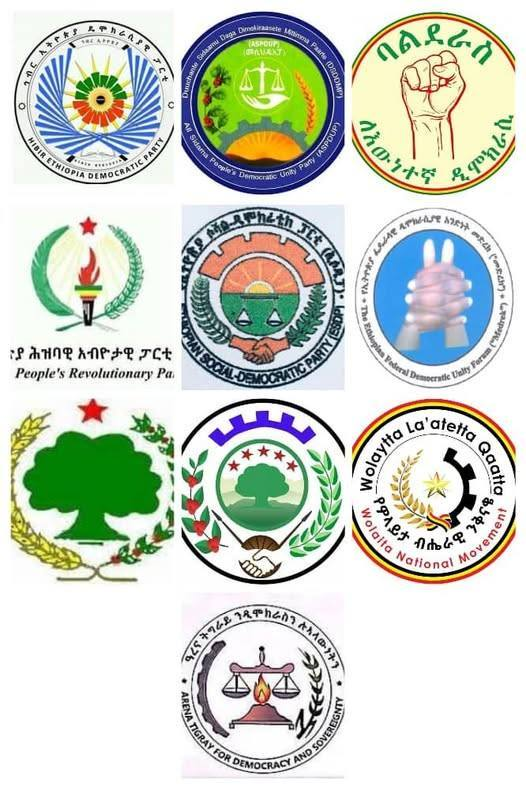
Press Release: Ethiopian Opposition Parties Outline Fundamental Preconditions for a Credible 2026 Election
Addis Ababa, November 12, 2025 – The undersigned coalition of Ethiopian opposition parties has closely monitored the National Electoral Board of Ethiopia’s (NEBE) preliminary activities concerning the 2026 General Election.
While we acknowledge this as a procedural step, we state unequivocally: in the complete absence of a democratic foundation in Ethiopia today, and without a guaranteed conducive environment, this exercise is a hollow and meaningless endeavor.
Historically, Ethiopian elections have been political performances designed to legitimize an authoritarian system. They have been neither free nor fair, their results neither credible nor publicly accepted. Consequently, they have exacerbated conflict and instability rather than resolving the nation’s profound political crises. A genuine election must be an expression of citizens’ democratic rights, not a tool for rulers to consolidate power.
Therefore, for the 2026 election to represent a genuine step toward lasting peace and a decisive break from this past, we insist that creating a conducive environment is not optional, but an absolute prerequisite. Before any discussion of an electoral calendar can begin, the Ethiopian government must take immediate and concrete action on the following non-negotiable foundational conditions:
1. An Inclusive National Dialogue and Political Settlement
The government must immediately initiate a comprehensive political dialogue with all opposition parties, including those in exile and armed struggle, to agree on a shared roadmap for a genuine democratic transition. An election held without prior national consensus on the nation’s existential issues will only deepen the crisis and cannot produce a legitimate outcome.
2. An End to Armed Conflict and Guaranteed Security
The devastating wars in Oromia, Amhara, Tigray, Afar, and beyond must be brought to a swift, permanent, and verifiable end. Peace and security are the bedrock of any credible election. All parties, candidates, voters, and observers must be able to operate freely and safely across the entire country.
3. The Unconditional Opening of Political Space
The government must immediately and unconditionally release all political prisoners. Hundreds of illegally shuttered opposition party offices must be reopened, and the systematic harassment and intimidation of political opponents must cease. Participating in an election while our leaders are imprisoned and our offices are closed is not a credible democratic process.
4. Fundamental Institutional and Legal Reforms
We question the capacity and independence of the NEBE and demand its reconstitution—from the board level to polling station staff—through a transparent, consensus-based process with full political party participation. The electoral law must be fundamentally amended to ensure a fair, inclusive, and proportional system, including the removal of the restrictive support signature requirement.
5. Guaranteed Neutrality of State Institutions
A legally binding agreement must ensure the tangible neutrality of all security forces (defense, police, intelligence) and the judiciary. These institutions must serve the constitution and the nation, not the ruling party. A secure environment where citizens can vote without fear is non-negotiable.
6. Unfettered Press Freedom
The persecution of journalists must end, and all legal barriers stifling independent media must be removed. All local and international media must have equal access to information and polling stations, and face no restrictions on dissemination.
7. Robust Observation by Domestic and International Monitors
The government must legally guarantee the unhindered participation of credible domestic and international observers throughout the entire electoral process. The NEBE’s deployment of unvetted “domestic observers” is insufficient and will not guarantee credibility.
A Call for Verification and Unity
To ensure these are not empty words, the fulfillment of these conditions must be verified by independent international actors, including the African Union (AU), European Union (EU), and United Nations (UN). Public trust must be built through reliable agreements among all electoral stakeholders.
We therefore issue a collective call to the government and ruling party to immediately begin fulfilling these preconditions.
We also call upon all genuine democratic political parties, civic organizations, media, and the people of Ethiopia to unite in demanding this democratic foundation. The 2026 election can only be historic if we first build the ground upon which it can stand. Our mission for unity cannot be postponed.
Finally, we call upon Ethiopia’s international partners and friendly nations to stand with the Ethiopian people in this struggle to build a democratic system, thereby rendering a great service to our nation and its future.
Unity is Strength! A United Struggle Will Prevail!
List of Signatory Parties:
- Hibir Ethiopia Democratic Party (Hibir Ethiopia)
- All Sidama People’s Democratic Unity Party (ASPDUP)
- Balderas for Genuine Democracy (Balderas)
- Ethiopian People’s Revolutionary Party (EPRP)
- Ethiopian Social Democratic Party (ESDP)
- Ethiopian Political Parties Joint Forum (MEDREK)
- Oromo Liberation Front (OLF)
- Oromo Federalist Congress (OFC)
- Wolaytta National Movement (WNM)
- Arena Tigray for Democracy and Sovereignty (Arena Tigray)
November 12, 2025, Addis Ababa, Ethiopia
Why Sadaasa 9 (November 9) holds a place of supreme importance in the history of the Oromo struggle for freedom?
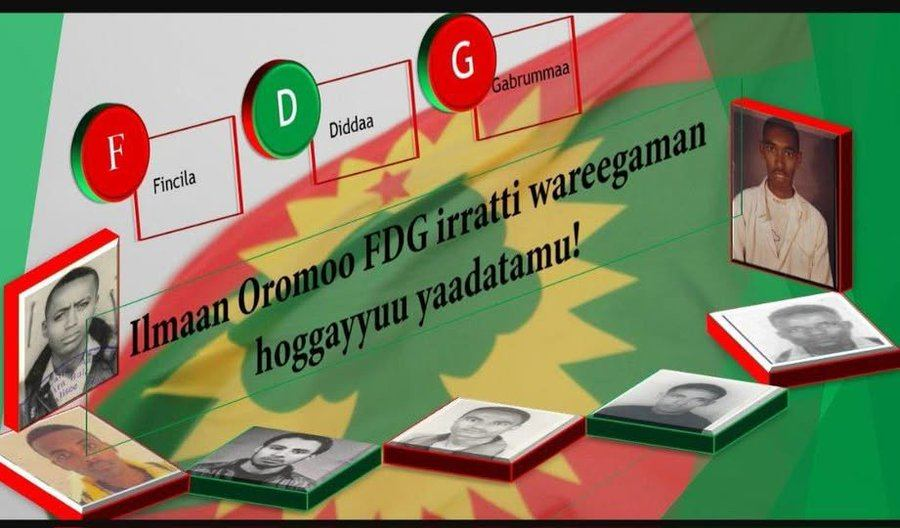
Sadaasa 9 (November 9) holds a place of supreme importance in the modern Oromo struggle for freedom because it marks the beginning of a watershed protest movement that fundamentally transformed the nature of the resistance against the Ethiopian government.
Here is a detailed breakdown of why this date is so significant and is commemorated annually.
1. The Trigger: The “Master Plan” for Addis Ababa
The immediate catalyst was the **2006 Master Plan**, a massive urban expansion scheme by the government that aimed to annex large swathes of Oromia farmland surrounding the capital, Finfinne (Addis Ababa). For the Oromo people, this was not merely a municipal boundary adjustment; it was an **existential threat**. It meant:
* Mass Dispossession: The forced eviction of Oromo farmers from their ancestral land with little to no compensation.
* Cultural Erasure: The further erosion of Oromo identity, sovereignty, and their historical connection to Finfinne.
* Economic Marginalization: The loss of livelihood for millions, turning self-sufficient farmers into a displaced underclass.
The Master Plan was seen as the ultimate symbol of garbummaa (systemic exploitation, subjugation, and denial of Oromo rights) under the Ethiopian state.
2. The Outbreak of the Oromo Protests (Fincila Diddaa Garbummaa – FDG)
In response to this plan, widespread protests erupted spontaneously, primarily led by **Oromo youth (the Qeerroo)**. While discontent had been simmering for decades, **Sadaasa 9, 2015**, marks a pivotal moment when these protests exploded into a coordinated, mass movement.
The protests that began on and around this date were characterized by:
* Mass Mobilization: It was not led by a single political party but was a genuine grassroots uprising involving students, farmers, professionals, and elders across virtually all of Oromia.
* Strategic Non-Violence: Initially, the protests were largely peaceful, involving marches, sit-ins, and the symbolic raising of the Oromo flag.
* A Clear, Unified Message: The protests unified various Oromo grievances—political marginalization, economic exploitation, cultural suppression—under the central demand to cancel the Master Plan and secure Oromo self-rule.
3. The Government’s Brutal Crackdown and Martyrdom
The Ethiopian government’s response was swift and extremely violent. Security forces used live ammunition, mass arrests, torture, and intimidation to crush the protests.
This crackdown had a profound effect:
* Creation of Martyrs: Hundreds, and eventually thousands, of unarmed protesters were killed. Sadaasa 9 became a day to remember these wareegamtoota (martyrs) who gave their lives for the cause.
* International Spotlight: The brutal suppression drew unprecedented international attention from human rights organizations like Amnesty International and Human Rights Watch, global media, and diplomats, putting the Ethiopian government under intense scrutiny.
* Radicalization of the Movement: The violence convinced many Oromos that peaceful protest was futile, further cementing their resolve and transforming the **Qeerroo** into a formidable, disciplined force for change.
4. A Historic Turning Point
The protests that began on Sadaasa 9, 2015, ignited a fire that could not be extinguished. They:
* Shattered the Climate of Fear: For the first time in a generation, the Oromo public massively and openly defied the state.
* Forged a New Generation of Leaders: The **Qeerroo** movement demonstrated immense organizational skill and strategic patience.
* Laid the Groundwork for Political Change: The sustained pressure from these protests over the next three years critically weakened the ruling party and was the primary force that led to the resignation of Prime Minister Hailemariam Desalegn and the rise of Abiy Ahmed in 2018. The **Master Plan was officially canceled** in January 2016 as a direct result of the protests.
—
Summary: Why Sadaasa 9 is Commemorated
In essence, Sadaasa 9 is commemorated because it marks the birth of the Oromo Protest Movement—a decisive, transformative moment in the struggle.
* It is a Day of Remembrance: To honor the courage and sacrifice of the wareegamtootaa (martyrs) who were killed.
* It is a Day of Resistance: It symbolizes the collective rejection of garbummaa and the reclaiming of Oromo identity and agency.
* It is a Day of Resilience: It celebrates the power of a united people to challenge a repressive state and force historic political concessions.
* It is a Foundational Date for Modern Oromo Nationalism: For the Oromo youth and the diaspora, it represents their “1776” or “Sharpeville”—a defining date where their generation took center stage in the fight for their people’s future.
Therefore, Sadaasa 9 is not just a date on the calendar; it is a powerful symbol of sacrifice, unity, and the unyielding pursuit of freedom in the face of overwhelming odds.
What problems could Ethiopia’s push for sea access, which it champions as a national cause, create for the region?
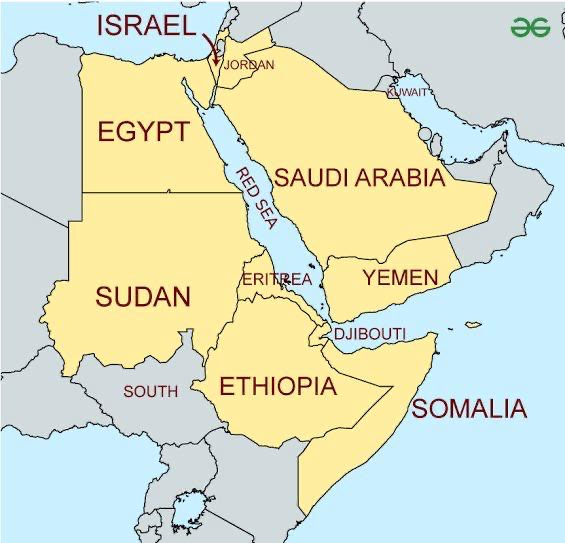
This is a well-framed question that gets to the heart of a complex geopolitical issue. Ethiopia’s push for sea access, while driven by its own economic and historical imperatives, has the potential to create significant problems for the Horn of Africa region.
Here is a breakdown of the potential problems, categorized for clarity:
1. Direct Bilateral Tensions and Conflict
The most immediate risk is the escalation of disputes with neighboring countries.
· With Eritrea: Any assertion of a “right” to sea access is likely to be interpreted by Eritrea as a direct threat to its hard-won sovereignty and its ports of Assab and Massawa. This could:
· Re-ignite the dormant border conflict and military tensions.
· Scupper any chance of normalizing relations, keeping the region in a perpetual state of cold war.
· With Somalia: Any potential deal for port access or a lease in the Somali region (e.g., Somaliland) that bypasses the fragile Federal Government in Mogadishu would:
· Be seen as a violation of Somali sovereignty and territorial integrity.
· Severely undermine the federal government’s authority and fuel nationalist sentiment.
· Potentially destabilize the delicate political balance within Somalia, empowering extremist groups like Al-Shabaab, who could use it as a rallying cry.
2. Regional Destabilization and Shifting Alliances
Ethiopia’s actions could force a realignment of regional alliances, creating new fault lines.
· The Somaliland Precedent: A formal deal with the breakaway region of Somaliland would be a seismic event. It would:
· Effectively recognize Somaliland’s independence, shattering the African Union’s long-standing principle of upholding colonial-era borders (uti possidetis).
· Inflame secessionist tensions across the entire continent, setting a dangerous precedent.
· Force other regional powers (Egypt, UAE, Turkey) to take sides, potentially creating a proxy conflict.
· Red Sea Militarization: The Red Sea is already a strategic chokehold with heavy international naval presence. A desperate or assertive Ethiopian push could lead to:
· An arms build-up along coastlines as neighboring countries seek to secure their assets.
· Increased interest and intervention from non-African powers (e.g., Iran, Turkey, Gulf States) seeking to leverage the dispute for their own strategic advantage.
3. Economic and Trade Disruptions
The Horn of Africa is a critical node for global trade.
· Port Politics and Leverage: Neighboring countries like Djibouti (which hosts a major Ethiopian military base and handles ~95% of its trade) could use Ethiopia’s desperation as leverage.
· They could raise port fees or restrict access during diplomatic spats, holding the Ethiopian economy hostage.
· Disruption of Critical Sea Lanes: Any significant military conflict or sustained political instability in the region risks disrupting traffic through the Bab el-Mandeb strait, a vital passage for global shipping and energy supplies. This would have immediate international economic consequences.
4. Undermining Regional Diplomacy and Norms
Ethiopia’s approach challenges foundational principles of regional cooperation.
· Erosion of IGAD and AU Authority: By pursuing a unilateral, assertive path, Ethiopia undermines the regional bodies (IGAD, African Union) that are meant to mediate such disputes. It signals that might-makes-right is preferable to diplomatic negotiation.
· Breakdown of Trust: For decades, regional cooperation has been built on fragile trust. A forceful Ethiopian campaign to secure a port would shatter that trust, making future collaboration on shared challenges (climate change, terrorism, water management) extremely difficult.
Conclusion
In summary, Ethiopia’s championing of sea access as a national cause is not just a bilateral trade issue; it is a potential regional catalyst. It threatens to:
· Re-open old wounds with Eritrea.
· Dismember a sovereign state in Somalia.
· Shatter a foundational continental norm on border integrity.
· Trigger a new round of arms races and proxy conflicts in the strategically vital Horn of Africa.
While Ethiopia’s economic arguments have merit, the manner in which it pursues this goal will determine whether it becomes a driver of development or a source of profound and lasting regional instability.

