Celebrating Irreecha Arfaasaa: Oromo Spring Festival in Melbourne
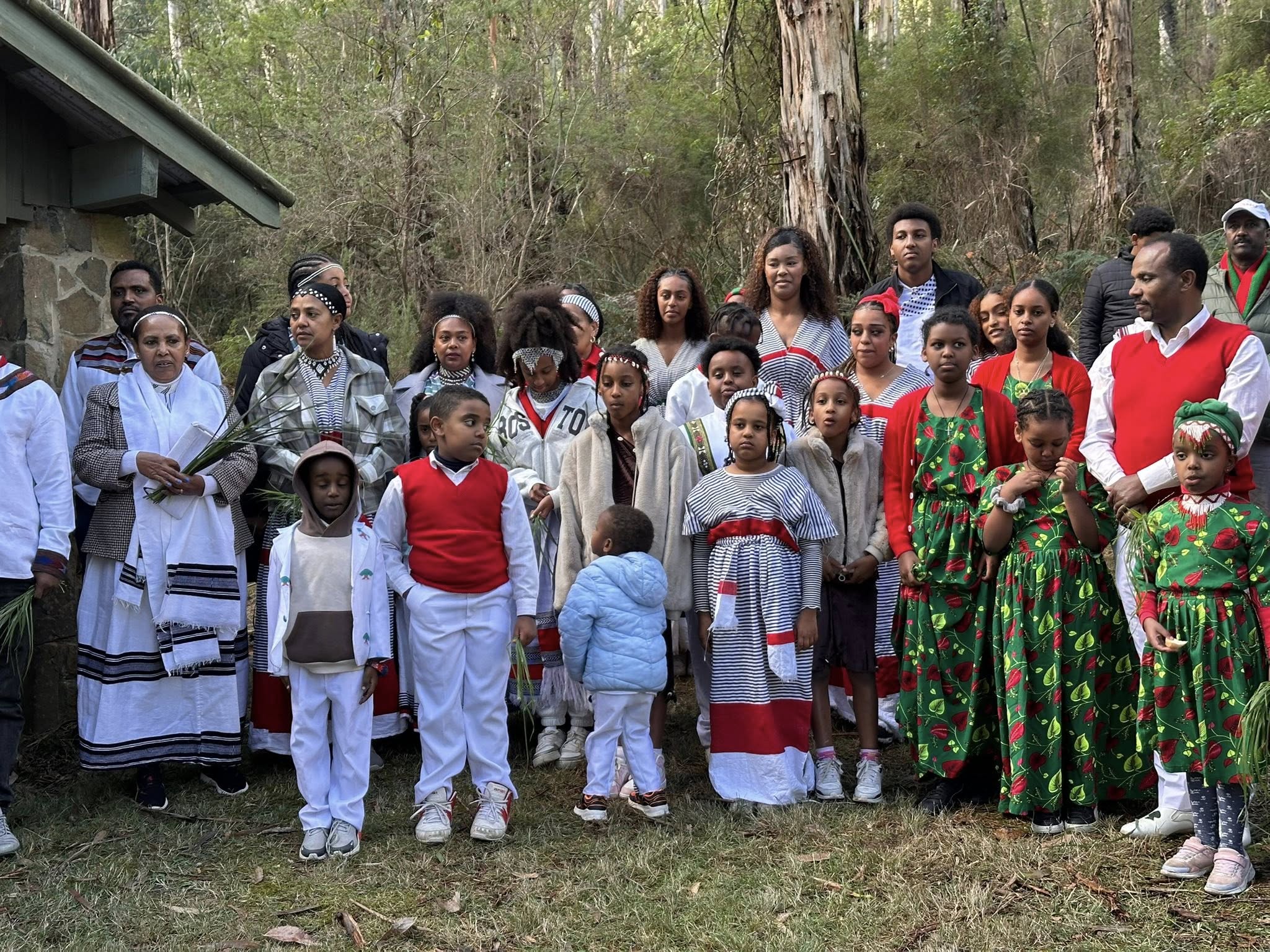
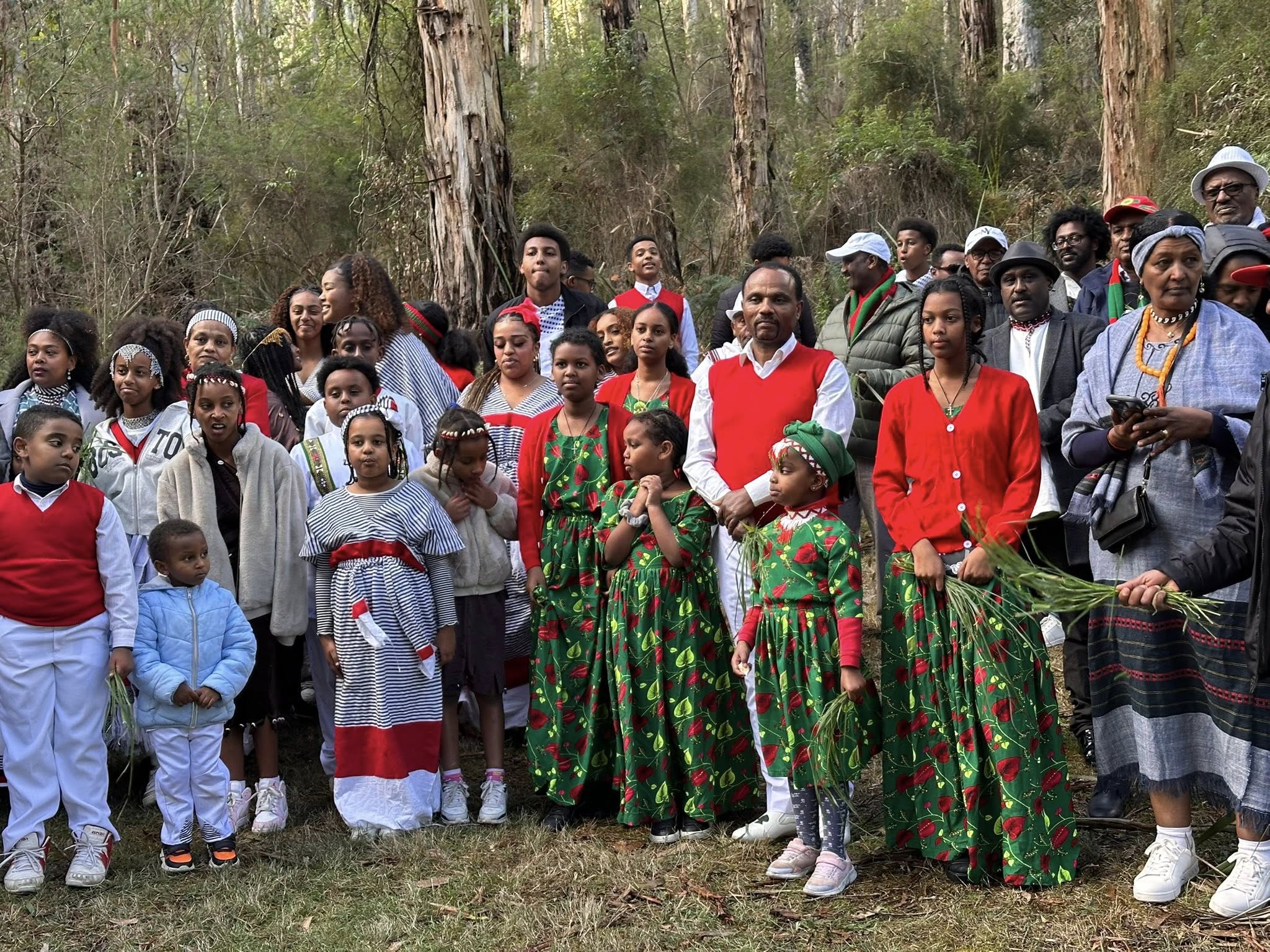
The Oromo community in Melbourne and surrounding areas celebrated Irreecha Arfaasaa, the Spring Festival, atop Dandenong Hill on May 18, 2025.
This vibrant gathering brought together elders, veterans, mothers, and youth adorned in traditional attire, marking a thanksgiving for surviving the harsh winter and welcoming the summer season.
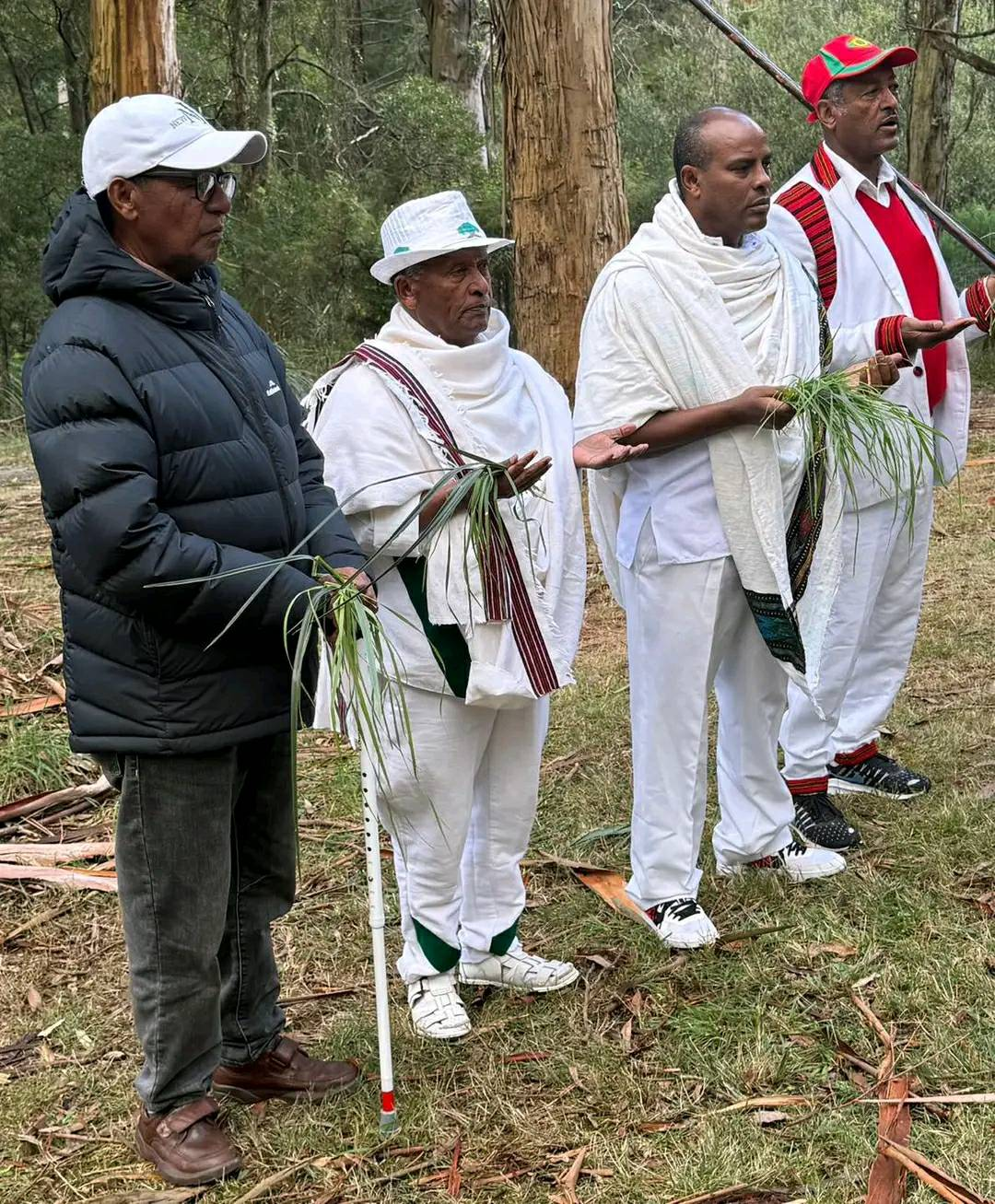
The ceremony opened with elders’ blessings, invoking peace for all creation: “May the Creator bless this land, heal our scars from fire, and let new life flourish.” The festival also served as a prayer for a peaceful summer amid the rainy and darker months ahead.
Ob Danye Defersha, a local organizer, emphasized the deeper meaning of Irreecha: “This festival isn’t just about spring. It’s about remembering what we’ve overcome and the ties that hold us. The mountain is our sanctuary, and today, it’s alive with hope.”
Beyond cultural celebration, Irreecha Arfaasaa reflects the Oromo people’s deep connection to nature, promoting family unity, stress relief, and mental well-being.
The event highlighted resilience, gratitude, and the enduring spirit of the Oromo community in Australia.
The Historical Significance and Rituals of Irreecha
1. Historical and Cultural Roots
Irreecha (also spelled Irreessa) is one of the most sacred and ancient festivals of the Oromo people, the largest ethnic group in Ethiopia. It is a thanksgiving celebration deeply tied to the Waaqeffanna faith (the traditional Oromo religion, which venerates Waaqa—the Creator).
- Origins: The festival dates back centuries and is linked to the Gadaa system, the Oromo’s indigenous democratic governance structure.
- Two Main Celebrations:
- Irreecha Birraa (Autumn Festival) – Held in September/October to give thanks for the rainy season and pray for a good harvest.
- Irreecha Arfaasaa (Spring Festival) – Held in April/May to celebrate the end of winter and welcome summer.
- Symbolism: It represents renewal, unity, and harmony with nature, reinforcing the Oromo philosophy of “Nagaa” (peace) and “Safuu” (moral order).
2. Key Rituals and Ceremonies
The rituals of Irreecha are rich in symbolism and communal participation:
A. Blessings by Elders (Abbaa Malkaa & Abbaa Gadaa)
- The ceremony begins with elders (Haayyuu) offering prayers to Waaqa for peace, fertility, and prosperity.
- A sacred grass (Birraa) is held during prayers, symbolizing life and renewal.
- Libation (Dhibaayyuu): Water, milk, or honey is sprinkled as an offering to the Creator and ancestors.
B. Sacred Gathering Near Water (Hora Harsadii)
- Traditionally, Irreecha is celebrated near rivers or lakes, as water symbolizes purity and life.
- In the diaspora (like in Melbourne), a symbolic mountain or hill (e.g., Dandenong) is chosen to represent this sacred space.
C. Wearing Traditional Attire (Callee)
- Attendees dress in white (symbolizing peace) and traditional Oromo costumes, often made of cotton and decorated with beads (callee).
- Women wear Siiqqee (a sacred stick representing women’s rights in Gadaa).
D. Singing & Dancing (Geerarsa & Shaashammanee)
- Geerarsa (poetic chants) are performed, praising nature, bravery, and unity.
- Wallee aadaa (traditional dance) involves rhythmic shoulder movements, symbolizing joy and resilience.
E. Throwing Grass & Flowers
- People toss freshly cut grass and flowers into the air or water, signifying letting go of past sorrows and embracing new beginnings.
3. Modern Adaptations in the Diaspora
Since the Oromo diaspora cannot always gather at Hora Arsadi (the sacred lake in Oromia), they adapt by:
- Choosing high elevations (mountains, hills) to symbolize closeness to Waaqa.
- Incorporating multicultural elements while preserving core traditions.
- Using the festival to educate younger generations about Oromo heritage.
4. Why Irreecha Matters Today
- Cultural Survival: For the Oromo, who faced historical oppression, Irreecha is an act of resistance and identity preservation.
- Environmental Connection: It reinforces ecological stewardship, reminding people to protect nature.
- Healing & Unity: In exile, it serves as emotional healing for refugees and a way to strengthen community bonds.
Global Commemoration of Oromo Martyrs’ Day – April 15, 2025
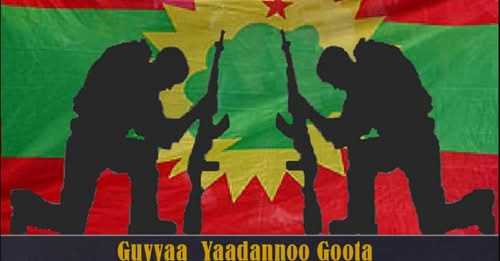
“Honoring the Fallen, Renewing the Struggle for Oromia’s Liberation”
We extend a heartfelt invitation to Oromo communities, allies, and justice advocates worldwide to join us in observing Oromo Martyrs’ Day on April 15, 2025. This solemn day commemorates the sacrifices of Oromo heroes who laid down their lives for freedom, justice, and the liberation of Oromia.
Why April 15? The Legacy of the Shinnigga Martyrs
On April 15, 1980, eleven leaders of the Oromo Liberation Front (OLF) were executed in Shinnigga, Somalia, while on a diplomatic mission to secure international support for the Oromo struggle. Their refusal to divide along religious lines—declaring “We are Oromos first!”—cost them their lives but cemented their legacy of unity and resistance.
Since 1984, April 15 has been observed globally as:
- A day of remembrance for all Oromo martyrs.
- A day of recommitment to the unfinished struggle for Oromia’s liberation.
How to Participate in the 2025 Commemoration
1. Memorial Ceremonies (In-Person & Virtual)
- Time: 1:00 PM (Local Time Worldwide)
- Program Highlights:
- Memorial Service: Honor martyrs with prayers (weedduu), songs (geerarsa), and candlelight vigils.
- Speeches: Leaders and elders will discuss:
- The history of Oromo Martyrs’ Day.
- The current state of the Oromo struggle (e.g., OLF’s Oath Campaign, political prisoners, forced conscription).
- Q&A Session: Open dialogue on strategies to advance Oromo liberation.
2. Global Events
- Oromia (Underground): Secret gatherings at symbolic sites (rivers, mountains).
- Diaspora (Public):
- Minneapolis, USA: Community vigil at the Oromo Community Center.
- Melbourne, Australia: Panel discussion with exiled Oromo activists.
- Berlin, Germany: Film screening (“The Blood of Shinnigga”).
- Virtual Participation: Livestreams via varies Oromia Media (OM) and social media (#OromoMartyrsDay2025).
3. Advocacy Actions
- Demand Justice: Petition the UN to investigate the 1980 Shinnigga massacre and ongoing abuses in Oromia.
- Support Prisoners: Write letters to Oromo political detainees.
- Amplify Voices: Share martyrs’ stories using #OromoMartyrsDay2025.
Saluting the Martyrs: Their Legacy Lives On
This day is not only about grief—it is about action. We honor:
- The Shinnigga 11 (April 15, 1980) and Gidamii 9 (December 23, 1981, poisoned).
- Haacaaluu Hundeessaa (2020), Irreecha Massacre victims (2016), and thousands unnamed.
- Recent OLA fighters fallen in the Shinnigga Oath Campaign.
Their blood cries: “Qabsoon itti fufa!” (“The struggle continues!”).
Join Us in the Fight for Oromia’s Future
- Attend: Find local events at OromoLiberationFront.org.
- Donate: Support Oromo political prisoners and OLF’s humanitarian efforts.
- Educate: Teach the next generation about Oromo martyrs.
“Ammas akkuma bishaan fincaa’aa ol kaana!
(Like the ever-flowing river, we rise again!)“
Contact:
- Email: MartyrsDay@OLF.org
- Social Media: #OromoMartyrsDay2025
Qabsoon itti fufa!
Oromia Shall Be Free!

