Siinqee Bank: From Financial Access to Economic Power
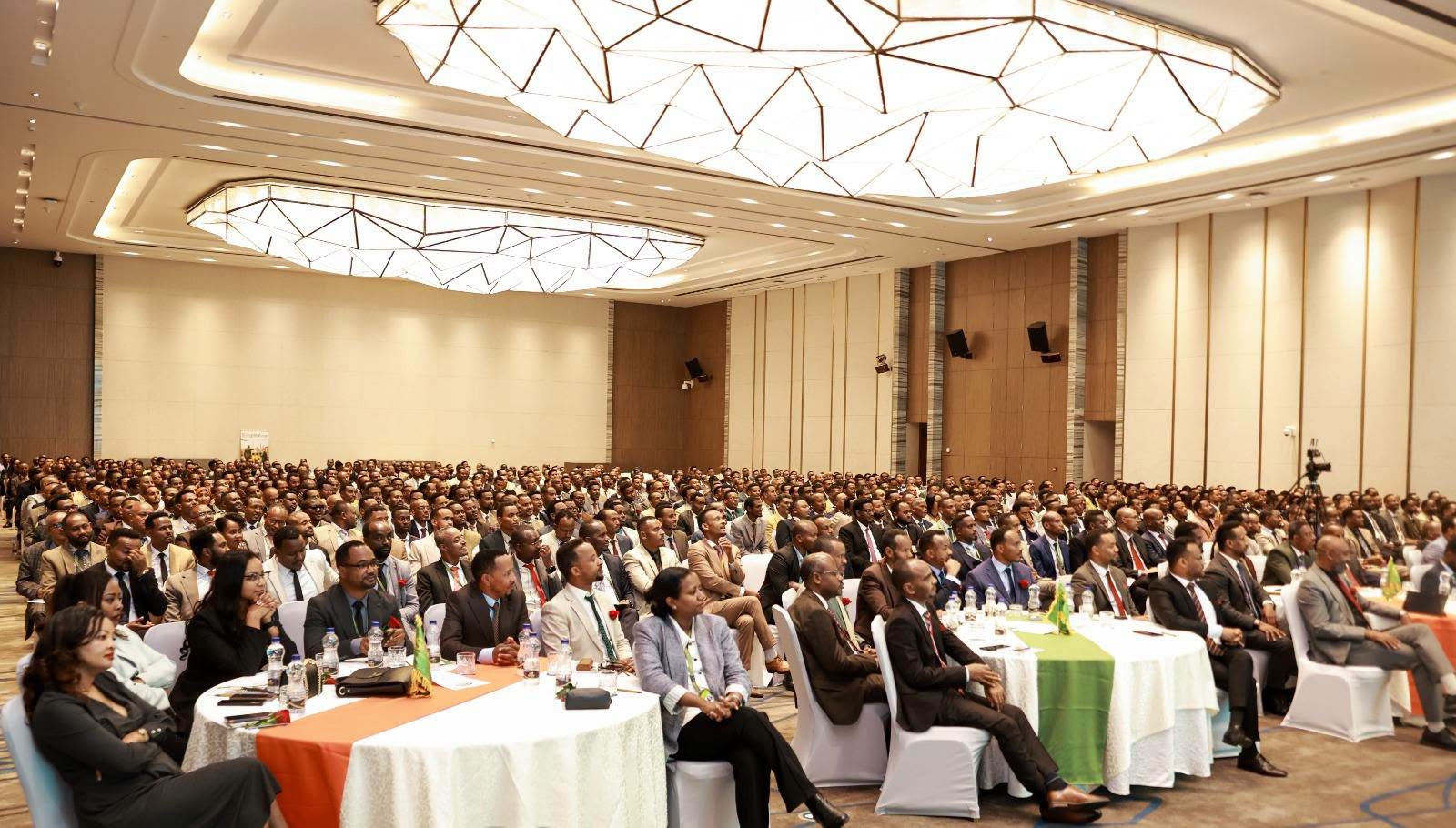
Transforming Scale into Tangible Community Impact
By Abdi Milkessa
(Finfinne-12 August 2026)-Building a strong economy is not a task for the government alone. Economic progress requires financial institutions that actively drive production, investment, and innovation. In the effort to empower the Oromo people economically, institutions that mobilize capital and involve the broader community play a central role. Siinqee Bank, in recent years, has taken significant steps to move this vision from theory to reality.

For a long time, Ethiopia’s financial system has been largely inaccessible to low-income earners, farmers, pastoralists, youth, and small-scale entrepreneurs. Breaking this barrier and bringing finance to the wider community is where Siinqee Bank has distinguished itself. To date, the Bank has disbursed over 127.1 Billion Birr in cumulative loans, reaching more than 855,000 people. Through its digital service “Wabii” alone, it has provided over 8.3 Billion Birr in loans, serving more than 1.6 million people. These numbers reflect not just the breadth of the Bank’s operations but a shift from financial exclusion to active participation in the economy.
When finance reaches farmers, it creates more than just loans—it builds productive capacity. When a young entrepreneur or a smallholder gains access to capital, their ideas can turn into enterprises, and their skills into production. Small enterprises, when supported, create jobs and generate income. Therefore, the role of Siinqee Bank should be measured not just by the number of customers or volume of loans, but by its success in turning financial access into productive capacity and improved livelihoods.
The Bank’s growth is also built on a solid financial foundation. In the past fiscal year alone, it recorded a pre-tax profit of 10.7 billion Birr. Customer deposits reached 178.1 billion Birr, total assets grew to 216.2 billion Birr, and total capital stood at 23.1 billion Birr. This evidence shows more than just institutional growth; it demonstrates the Bank is building the human and financial capacity to achieve its mission.
However, the ultimate success of Siinqee Bank is not measured solely by financial returns or asset growth. The real measure is how that financial growth translates into productive power, how productive power becomes investment, how investment creates jobs and income, and how that income leads to tangible improvements in community life. True success lies in breaking financial barriers, bringing low-income communities into the economic mainstream, helping farmers become investors, enabling youth and women to turn their ideas into businesses, and ultimately transforming finance into prosperity.
Therefore, the next step must focus not just on the Bank’s asset growth but on the quality of capital allocation. On one hand, the Bank’s capital should be systematically directed toward high-productivity sectors: from agriculture and agro-processing to industry, services, technology, and youth-led enterprises. On the other hand, there is a need to expand digital financial infrastructure, making services faster, more accessible, and more affordable. As Siinqee Bank continues to grow, its growth must increasingly serve as a catalyst for grassroots economic empowerment.

The Oromia Sovereign Fund and a Vision for the Future
In this regard, the reforms undertaken through the Oromia Sovereign Fund are a strategic step forward. By strengthening the capital capacity of public enterprises and creating interconnected financial institutions, the Fund is laying the groundwork for a more integrated and robust financial system. Under the Siinqee Group, the establishment of Siinqee Bank, Siinqee Leasing, Siinqee Insurance, and Siinqee Investment Bank—by combining capital mobilization, lending, investment, insurance, and leasing—creates a powerful opportunity to build a comprehensive and inclusive financial system.
The key question moving forward is: “How do we turn this structure into real economic power that reaches our communities?”
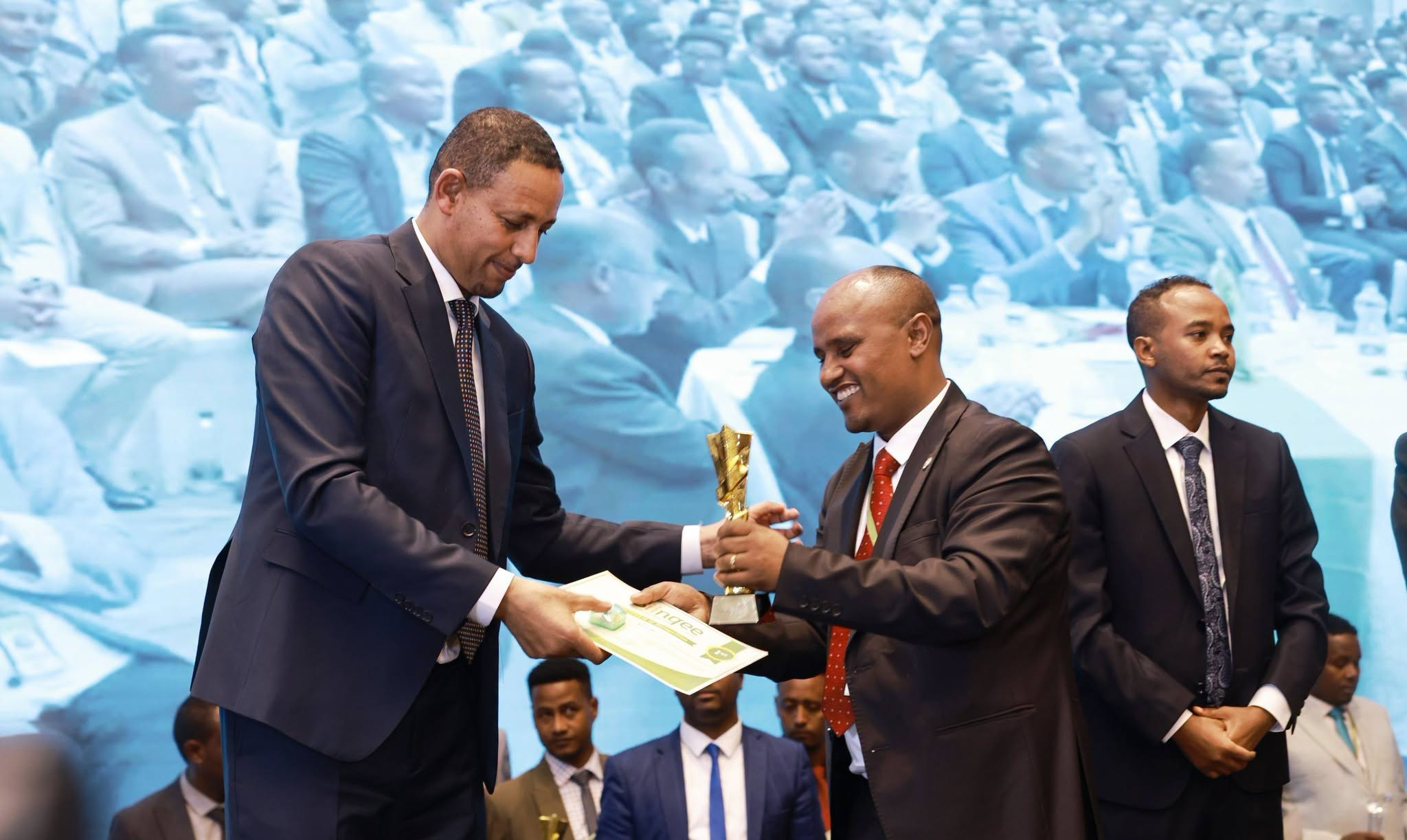
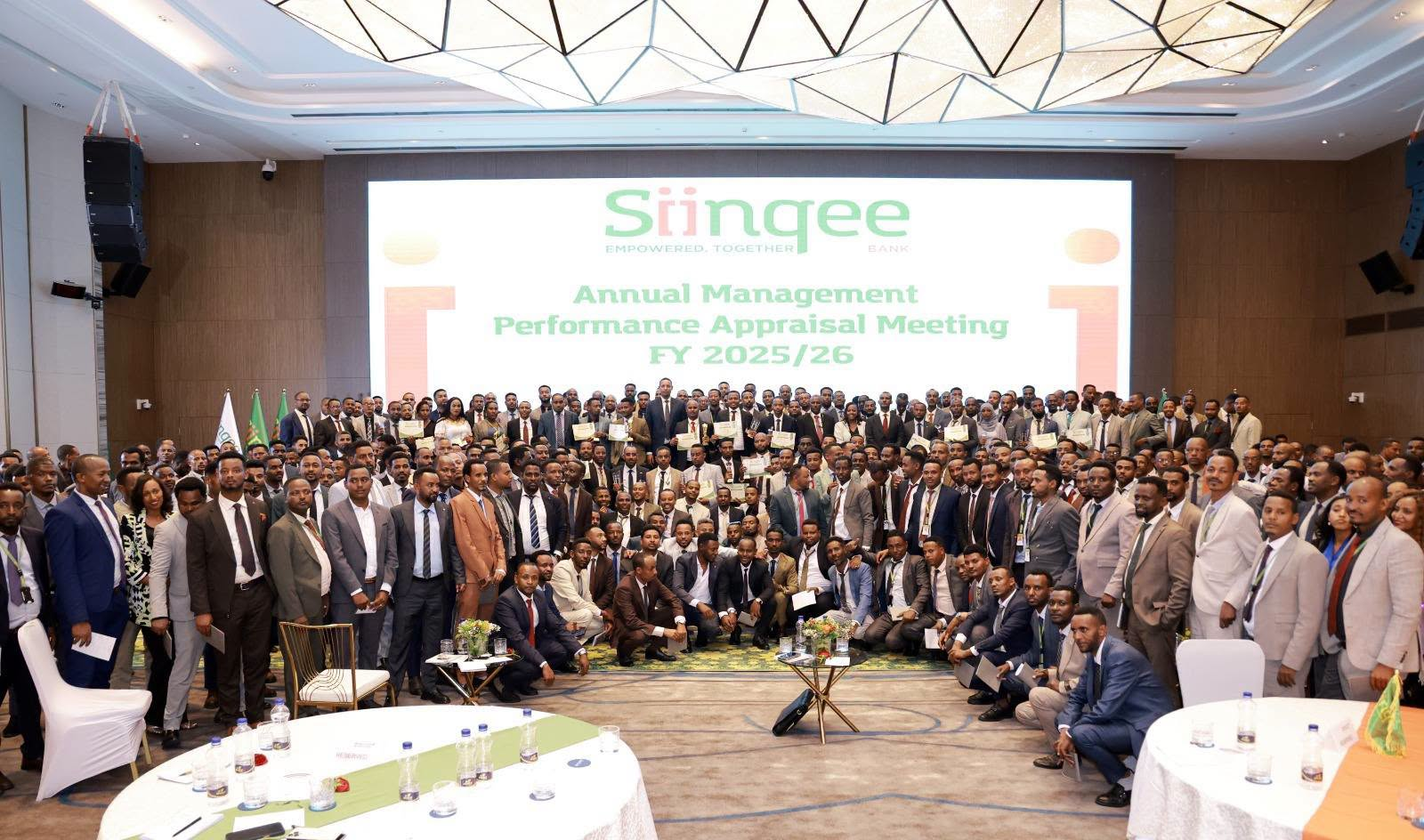
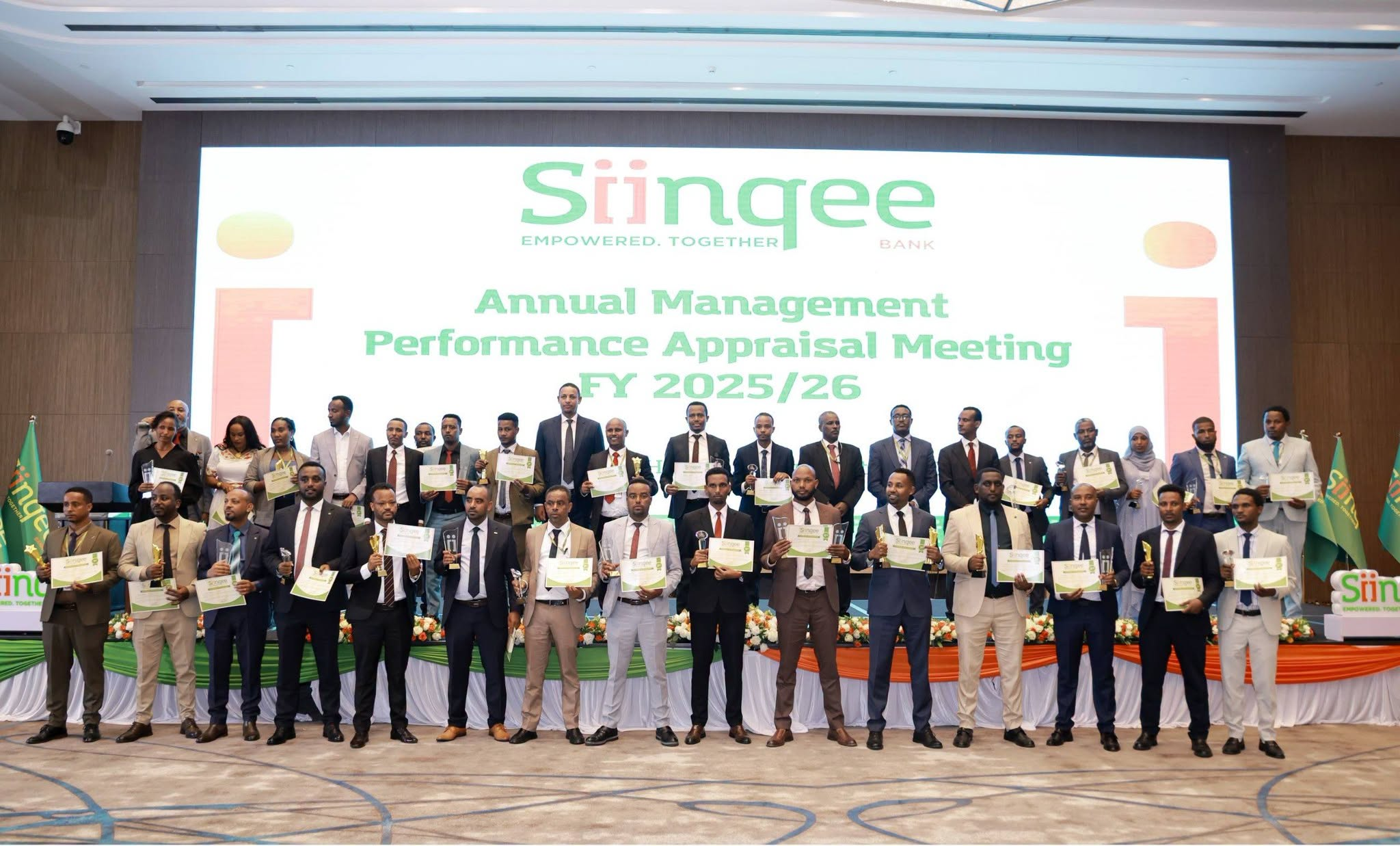
For the outstanding performance of the past fiscal year, the leadership, board, and staff of Siinqee Bank deserve recognition on behalf of the Oromo people. The Oromia Regional Government remains committed to providing the necessary support for Siinqee Bank to continue growing in line with its core mission and to fulfill its role in driving economic empowerment.
ኢትዮጵያን ከወጣቶቿ ነጥሎ ማየት አይቻልም!
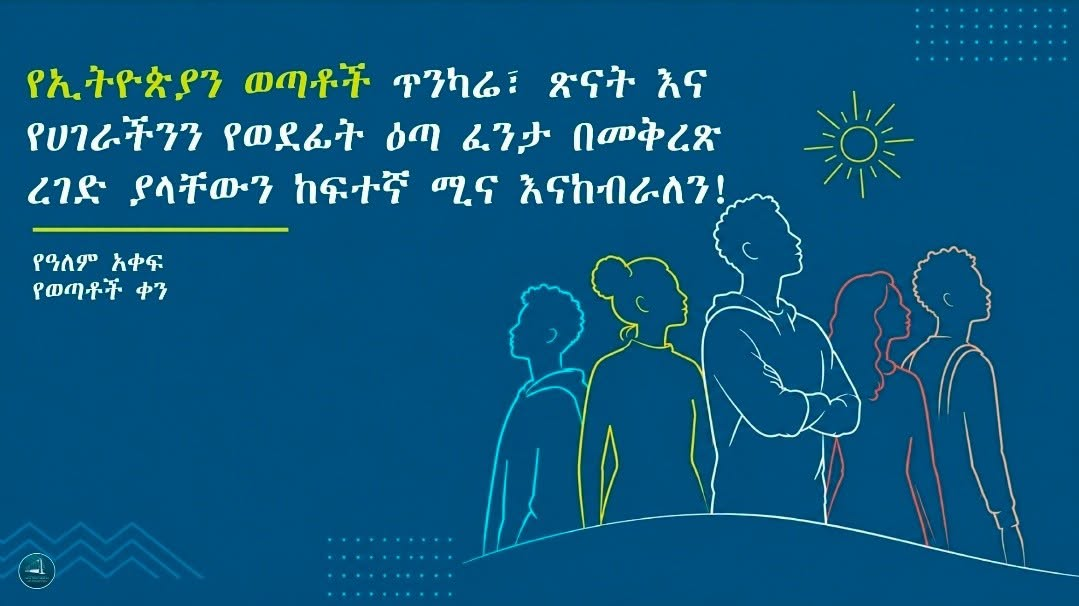
ጠቅላይ ሚኒስትር ዐቢይ አህመድ ወጣቶችን የለውጥ ሞተር እና የሉዓላዊነት ማገር አድርገው ጠሩ
ጸሐፊ፦ አብዲ ሚልኬሳ
የኢትዮጵያ ህዝብ የእድሜ ስብጥር እንደሚያመላክተው፣ ወጣቶች ከፍተኛውን ቁጥር መያዛቸው ሀገሪቱ ለብልጽግና እና ለዘላቂ እድገት ያላትን ታላቅ እድል ያሳያል። ጠቅላይ ሚኒስትር ዐቢይ አህመድ አሊ ወጣቶችን የለውጥ ዋነኛ ሞተር እና የሀገሪቱ ሉዓላዊነት ጽኑ ማገር አድርገው በመግለፅ ወደፊት ለሚገነባው ኢትዮጵያ ግንባታ ቁልፍ ሚና እንዳላቸው አጥብቀው ተናግረዋል።
ወጣቶች፦ የለውጥ ሞተር እና የሉዓላዊነት ማገር
ጠቅላይ ሚኒስትሩ በቅርቡ ባስተላለፉት መልዕክት፣ የኢትዮጵያ ወጣት መልካም ዓላማን አንግቦ የሚንቀሳቀስ፣ የለውጥ ዋነኛ ሞተርና የሉዓላዊነታችን ጽኑ ማገር መሆኑን አስምረውበታል። የኢትዮጵያ ወጣት የሀገሩን ታሪክ በአዲስ ብዕርና ብራና እየፃፈ መሆኑን ገልፀው፣ ዛሬው ወጣት ከሀገሪቱን ከኋላ ጠፍንገው ከያዙዋት አጓጉል ልማዶች፣ አላስፈላጊ ንትርኮች፣ ጭቅጭቅ እና ግጭቶች በመራቅ በልማት ላይ ማተኮሩን እና ድህነትን መቃወሙን አመላክተዋል።
የኢትዮጵያ ህዝብ የእድሜ ስብጥር እንደሚያመላክተው ወጣቶች ከፍተኛውን ቁጥር መያዛቸው ሀገሪቱ ለብልጽግና እና ለዘላቂ እድገት ያላትን ታላቅ እድል ያሳያል።
የመደመር መንግሥት ለወጣቶች ቁርጠኝነት
ጠቅላይ ሚኒስትሩ የመደመር መንግሥት የወጣቶችን ሁለንተናዊ ተጠቃሚነትና የአመራርነት ሚና ለማጠናከር በትኩረትና በቁርጠኝነት እየሰራ መሆኑን አስታውቀዋል። መንግሥት ወጣቶችን በማበረታታት፣ በማጎልበት እና በአመራርነት ሚና ለማበልጸግ የተለያዩ መርሃ ግብሮችን እያከናወነ መሆኑን ገልፀዋል።
ወጣቶች በሀገር ግንባታ ውስጥ ያላቸው ተሳትፎ እንዲጠናከር እና የእነሱን የፈጠራ እና የስራ አቅም በማሳደግ ረገድ መንግስት የተለያዩ እርምጃዎችን እየወሰደ ነው።
ወጣቶች፦ የተሻለ ነገ መሠረት
ወጣቶች የኢትዮጵያ ልዩ ሀብት መሆናቸውን የተናገሩት ጠቅላይ ሚኒስትሩ፣ የሀገር ግንባታ ስራ በወጣቶች እጅ እንደሚዳብር አመላክተዋል። የኢትዮጵያ ወጣት የሀገሪቱን ታሪክ በአዲስ ብዕርና ብራና እየፃፈ መሆኑ በልማት መስክ እያሳዩ ያሉት ተሳትፎ ጎልቶ ይታያል።
ጠቅላይ ሚኒስትሩ በመጨረሻም ሀገራዊ ራዕያችንን ዕውን ለማድረግ ሁላችሁም በንቃት እየተጋን፣ በፍቅር እንድንመላለስ ጥሪያቸውን አቅርበዋል።
ማጠቃለያ፦ ወጣቶች የተሻለ ነገ መሠረት ናቸው
ኢትዮጵያ ወደፊት የምትገነባው በወጣቶቿ እጅ ነው። ወጣቶች የሀገር ግንባታ፣ የለውጥ ሞተር እና የሉዓላዊነት ማገር ናቸው። መንግሥት ወጣቶችን በማጎልበት እና በሁሉም የሀገር ግንባታ ዘርፎች እንዲሳተፉ በማድረግ ረገድ ቁርጠኝነቱን ገልፆታል።
ኢትዮጵያ ትነግር!
ወጣቶች ኃይል ናቸው!
ለውጥ ይኑር!
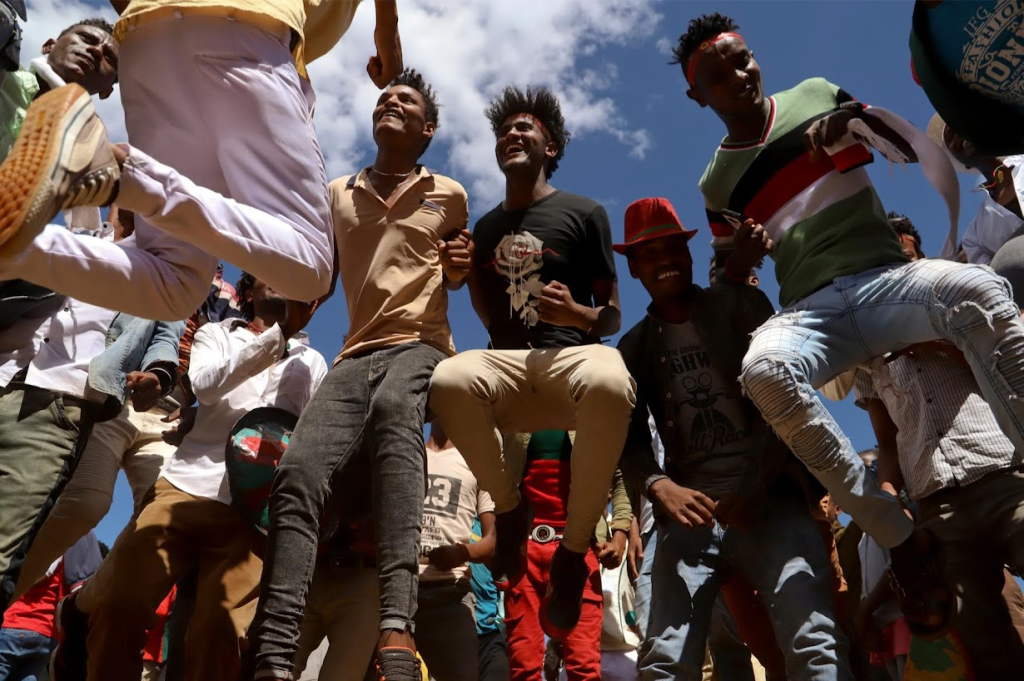
A Grand Opening: Godo Housing and Smart Real Estate Ushers in a New Era of Development
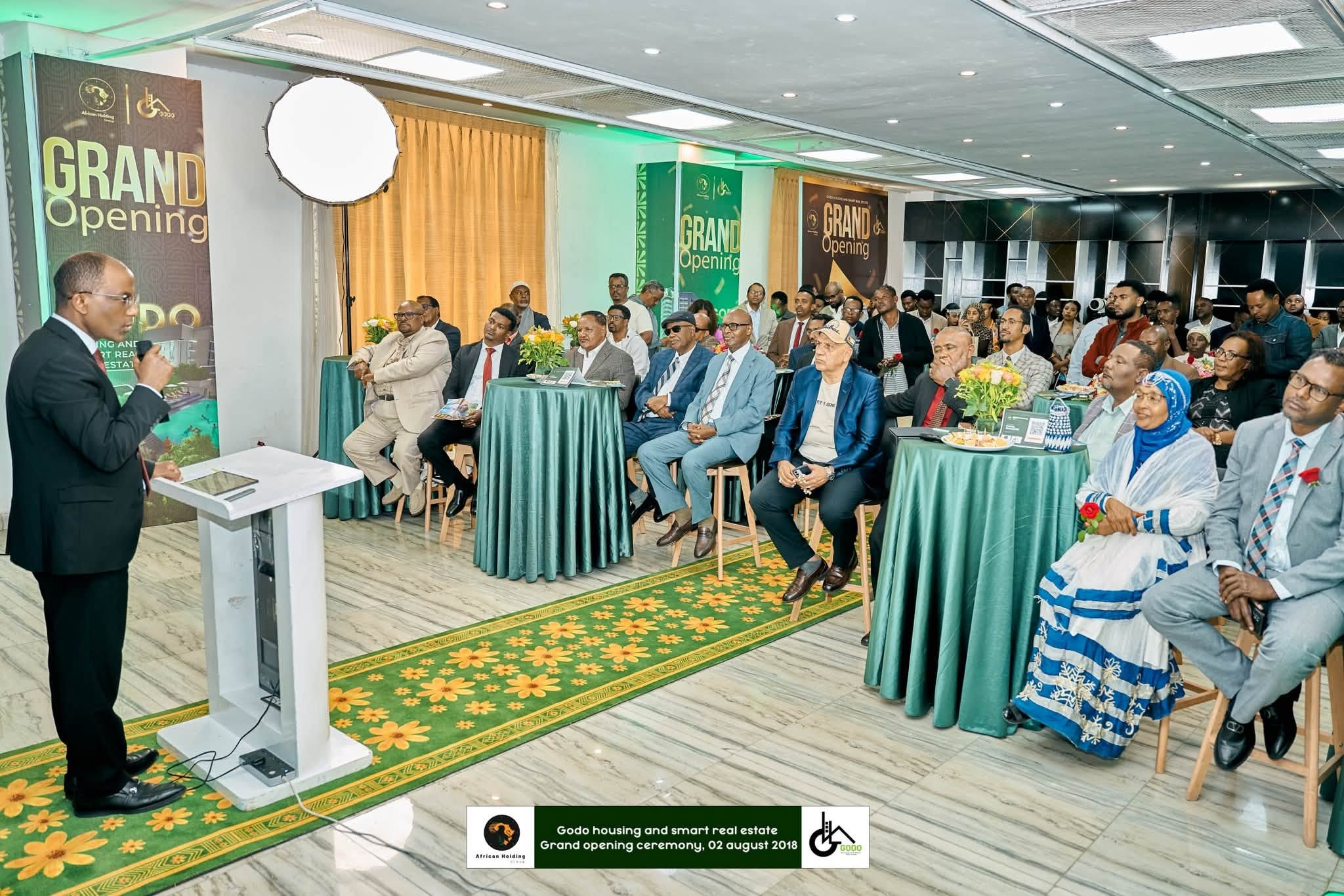
A Celebration of Partnership, Innovation, and Community in Finfinne
By Dhabessa Wakjira
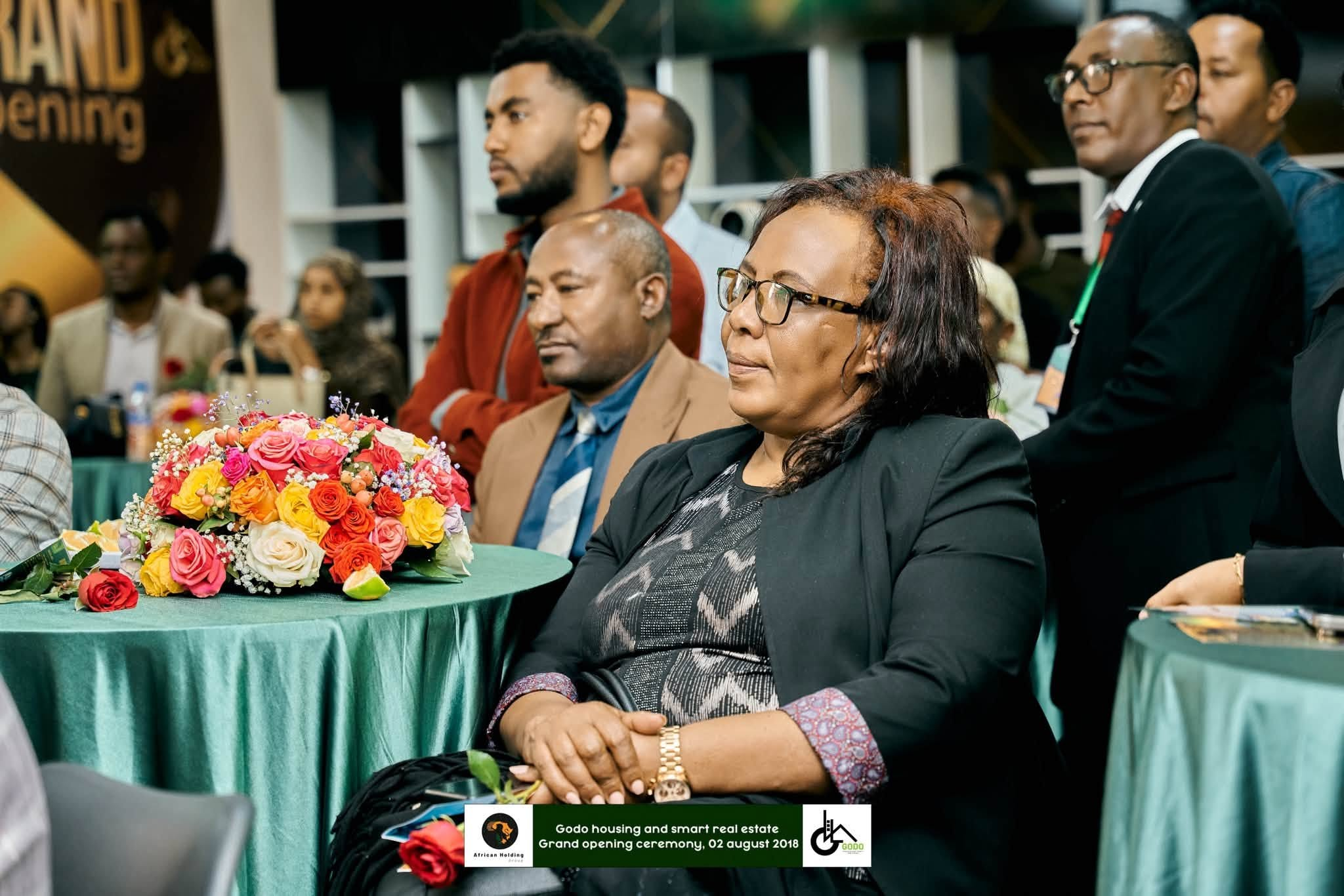
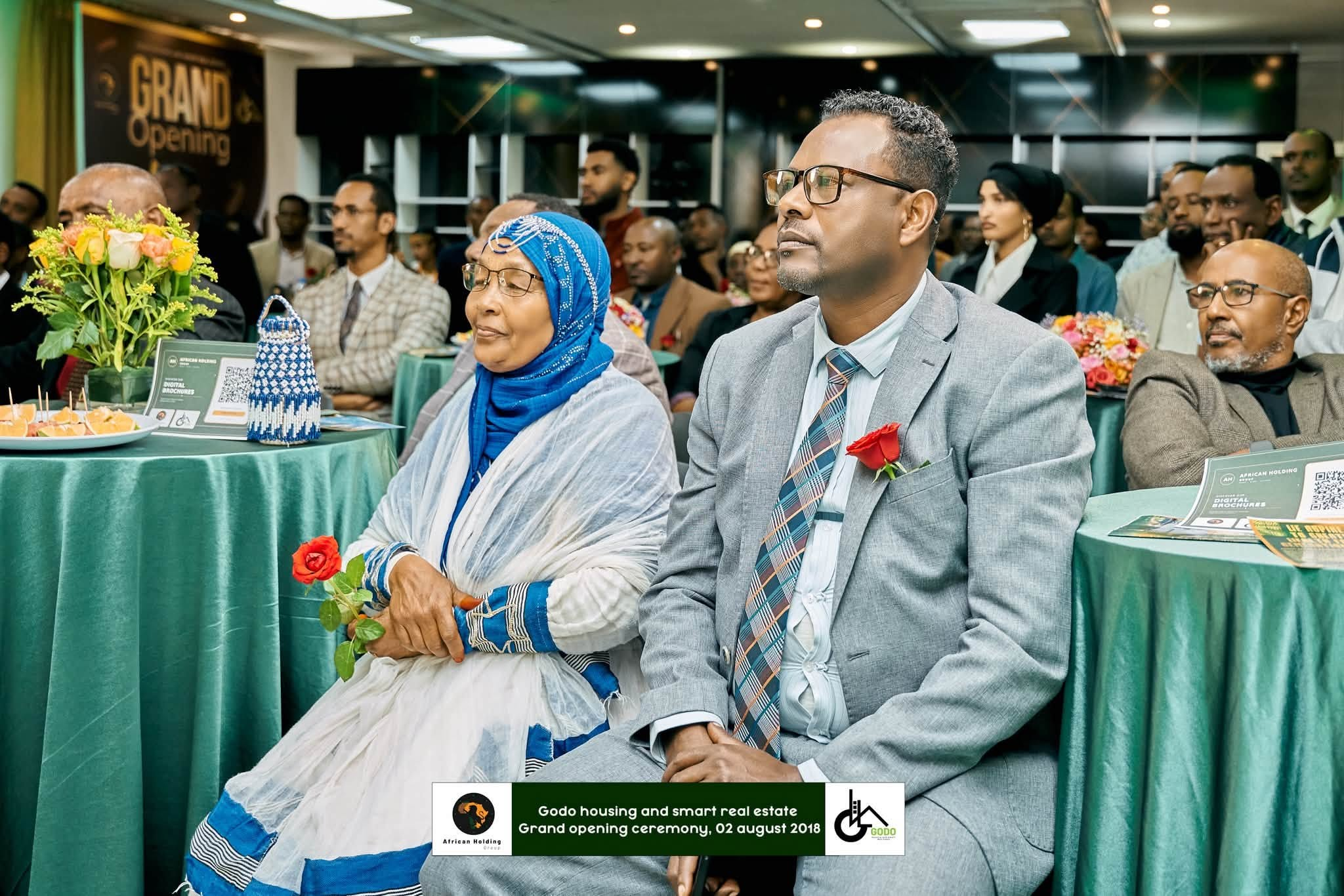
(Finfinne — Saturday, August 8, 2026) In a spectacular display of progress and collaboration, the grand opening ceremony of Godo Housing and Smart Real Estate took place in Finfinne, marking a significant milestone in the region’s development. The event, held on August 8, 2026, brought together distinguished guests, government officials, and community leaders to celebrate the successful launch of the groundbreaking project.
The ceremony was a testament to the power of partnership and shared vision, featuring the presence of Oromia’s highest leadership and key figures behind this transformative initiative.

A Gathering of Leaders
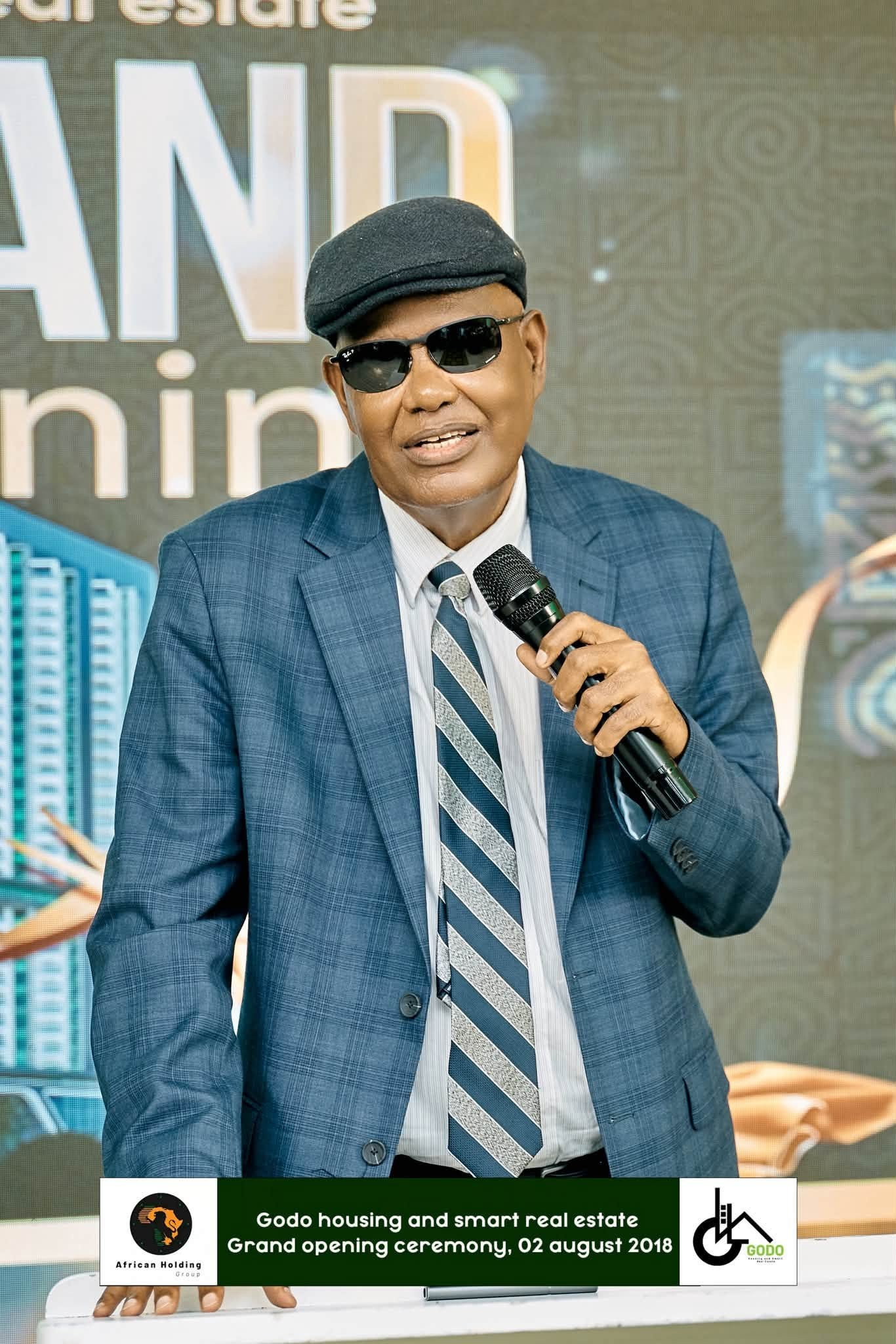
The opening ceremony was graced by a host of esteemed dignitaries, reflecting the project’s importance to the region.
- His Excellency Obbo Hasan Ali, the President of the Oromia Regional Government, was in attendance, underscoring the administration’s commitment to development and economic growth.
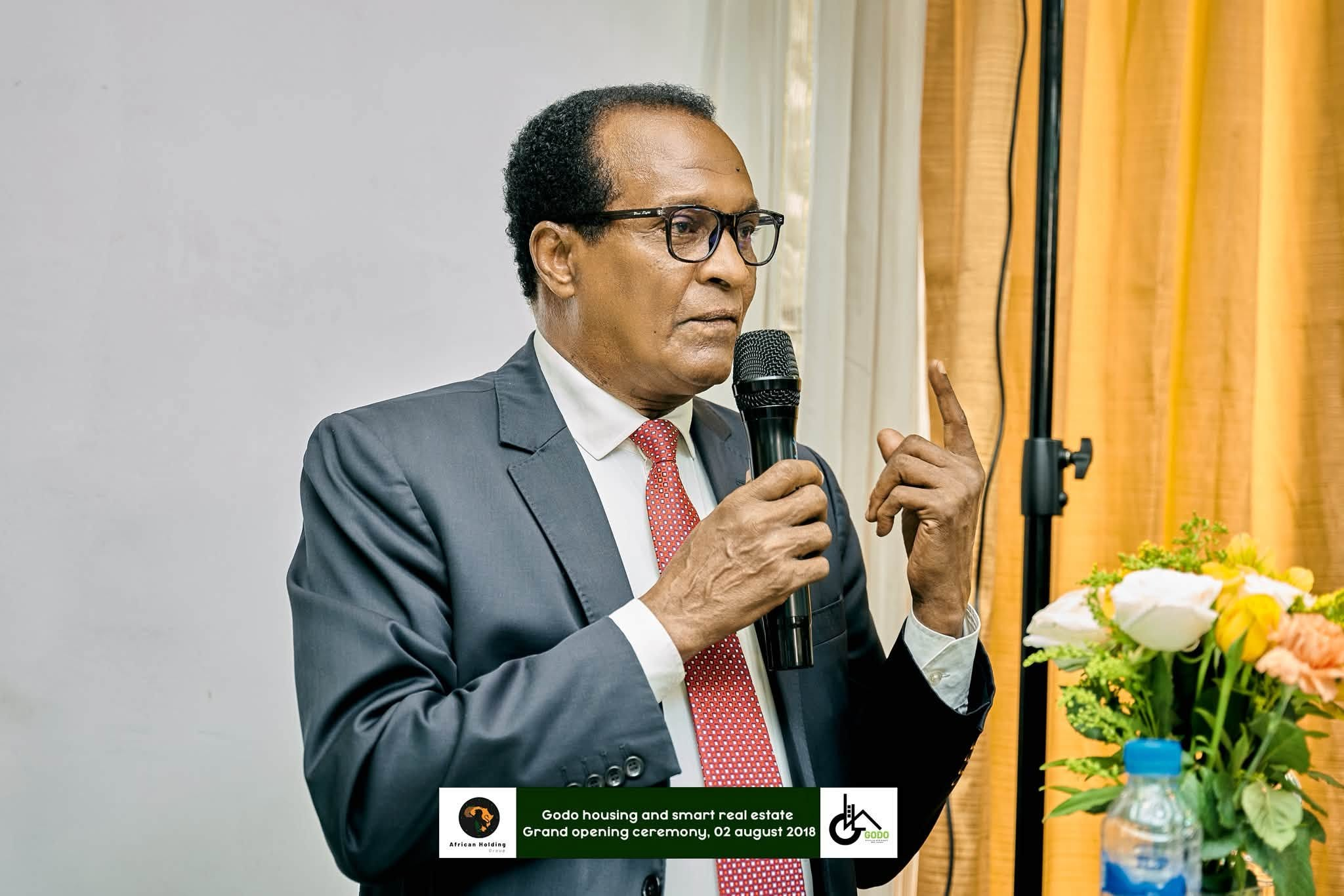
- Representing the “Public-Private Partnership” (70/30) project was Honorable Dr. Abdii Fufaa, who spoke on the collaborative model that combines public sector support with private sector efficiency.
- The Founder and CEO of the African Holding Group, Obbo Darajjee Maammuyyee, was also present, highlighting his company’s vision and execution of this ambitious project.
The event also welcomed numerous invited guests, all of whom contributed to the celebratory atmosphere and the exchange of ideas for the future.
Voices of Support and Vision
The program featured insightful speeches that focused on strengthening and expanding the project’s impact. Attendees praised the initiative’s potential to reshape the real estate landscape and boost the local economy. The collaborative spirit of the 70/30 model was a central theme, emphasizing how government and private entities can work together to achieve sustainable development.
Godo Housing: A Symbol of Progress
The inauguration of Godo Housing and Smart Real Estate represents a significant achievement in Oromia’s development journey. As a key project under the public-private partnership framework, it is expected to:
- Provide modern and accessible housing solutions.
- Create employment opportunities for the local population.
- Boost investment and economic activity in the region.
- Showcase a model of sustainable and collaborative urban development.
A Bright Future Ahead
The successful ceremony marks the beginning of a new chapter for urban development in Finfinne. The project stands as a beacon of what can be achieved when vision, innovation, and collaboration come together.

Injifannoon Ummata Oromoo!
Godo Housing and Smart Real Estate haa jabaattu!
This feature article is dedicated to all those who have worked tirelessly to bring this vision to life.
የፊንፊኔ ልዩ ሁኔታ ህጋዊ መሠረቶች፦ የፌዴራል እና የክልል ህጎች ግምገማ
የኦሮሚያን ልዩ ጥቅም በዋና ከተማው ላይ የሚያረጋግጡ ሕገ መንግሥታዊ እና ህጋዊ ድንጋጌዎችን መመርመር
ጸሐፊ፦ ዳበሳ ዋቅጂራ
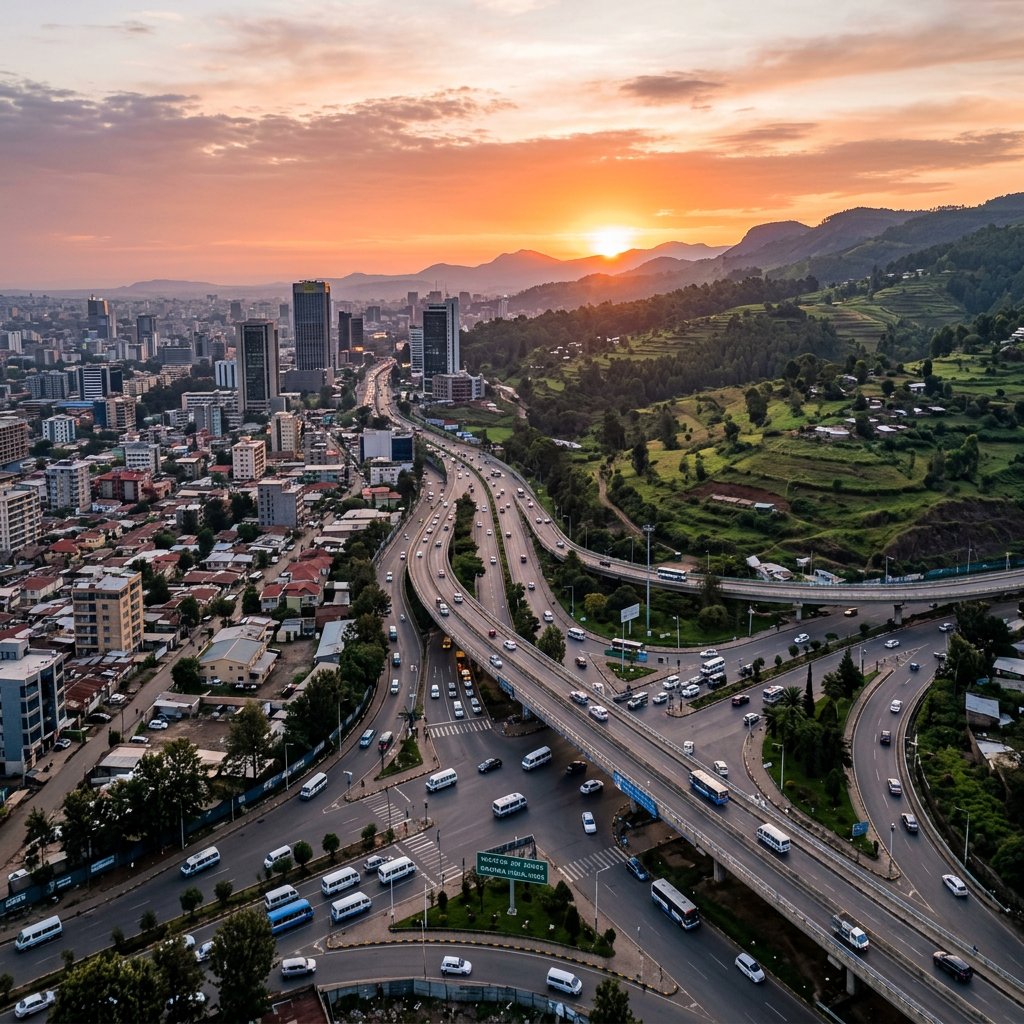
የፊንፊኔ—በአለም አቀፍ ደረጃ አዲስ አበባ በመባል የምትታወቀው ከተማ—ጉዳይ የፖለቲካ ክርክር ወይም ታሪካዊ ትረካ ጉዳይ ብቻ አይደለም፤ የህግ ጉዳይም ነው። ባለፉት አራት አስርት ዓመታት ውስጥ፣ ተከታታይ የፌዴራል እና የክልል ህጋዊ መሳሪያዎች በኦሮሞ ህዝብ እና በቅድመ አያቶቻቸው ዋና ከተማ መካከል ያለውን ልዩ ግንኙነት እውቅና ሰጥተው በህግ አስቀምጠዋል።
ከደርግ ውድቀት በኋላ ካለው የሽግግር ወቅት ጀምሮ እስከ አሁን ድረስ፣ የኢትዮጵያ ህግ ፊንፊኔ በኦሮሚያ ግዛት ውስጥ በመገኘቷ ምክንያት ለኦሮሚያ “ልዩ ጥቅም” —ማህበራዊ አገልግሎቶችን፣ የተፈጥሮ ሀብቶችን እና የጋራ አስተዳደር ጉዳዮችን ያካተተ ጥቅም—እንዳላት እውቅና ሰጥቷል። ይህ ህጋዊ ማዕቀፍ፣ በተግባር ተግባራዊነቱ አከራካሪ ቢሆንም፣ የኦሮሞ ህዝብ ለታሪካዊ ዋና ከተማቸው ለሚያቀርቡት ጥያቄ ሕገ መንግሥታዊ መሠረት ይሰጣል።
የፌዴራል ህጋዊ መሳሪያዎች፦ ሕገ መንግሥታዊ እና ህጋዊ ማዕቀፍ
ሀ. አዋጅ ቁጥር 7/1984፦ ብሔራዊ ክልላዊ የሽግግር መስተዳድሮችን ማቋቋም
የኦሮሚያ ልዩ ጥቅም በፊንፊኔ ላይ ያለው ህጋዊ እውቅና ከ1995 ሕገ መንግሥት በፊት ይጀምራል። ከደርግ አገዛዝ ውድቀት በኋላ በሽግግር ወቅት፣ የኢትዮጵያ ሽግግር መንግሥት ብሔራዊ ክልላዊ የሽግግር መስተዳድሮችን ለማቋቋም አዋጅ ቁጥር 7/1984 አውጥቷል።
የዚህ አዋጅ አንቀጽ 3(1) የኦሮሞ ብሔር የክልል ራስ ገዝ አስተዳደር ለማቋቋም ከተፈቀደላቸው ብሔሮች፣ ብሔረሰቦች እና ህዝቦች መካከል አንዱ መሆኑን ለይቷል፣ ክልሉም “ክልል 4” ተብሎ ተሰይሟል። በአንቀጽ 3(4) መሠረት በክልል 13 (ሐረሪ ብሔረሰብ ወይም የሐረር ከተማ) እና በክልል 14 (አዲስ አበባ) ላይ የኦሮሞ “ልዩ ብሔራዊ ጥቅም እና የፖለቲካ መብት” የተጠበቀ ይሆናል ተብሏል።
ይህ ድንጋጌ የነጠላ መንግሥት ውድቀትን ተከትሎ የኦሮሚያን ልዩ ጥያቄ በዋና ከተማው ላይ የመጀመሪያውን መደበኛ ህጋዊ እውቅና ይወክላል። ከተማው እንደ ተለየ የአስተዳደር አካል ቢመደብም፣ በኦሮሚያ ውስጥ መገኘቷ ሊታለፍ የማይችል ልዩ ግንኙነት እንደፈጠረ እውቅና ሰጥቷል።
ለ. የኢፌዲሪ ሕገ መንግሥት፣ አንቀጽ 49(5)፦ ሕገ መንግሥታዊ እውቅና
በፊንፊኔ ላይ የኦሮሚያን ልዩ ጥቅም በጣም አስፈላጊው ህጋዊ እውቅና በ1995 የኢትዮጵያ ፌዴራላዊ ዲሞክራሲያዊ ሪፐብሊክ ሕገ መንግሥት ውስጥ ተካቷል።
አንቀጽ 49(5) እንዲህ ይላል፦
“የኦሮሚያ ክልል ፡ የአገልግሎት አቅርቦት ወይም የተፈጥሮ ሀብት አጠቃቀምንና የመሳሰሉትን ጉዳዮች በተመለከተ እንዲሁም አዲስ አበባ በኦሮሚያ ክልል መሀል የሚገኝ በመሆኑ የሚነሱ ሁለቱን የሚያስተሳስሩ አስተዳደራዊ ጉዳዮች በተመለከተ ያለው ልዩ ጥቅም ይጠበቅለታል፡፡ ዝርዝሩ በህግ ይወሰናል።”
ይህ ድንጋጌ በሕገ መንግሥት ጉባዔ ውስጥ ሰፊ ክርክር የተደረገበት ነው። የሕገ መንግሥት ጉባዔ የውይይት ቃለ ጉባዔ ገፅ 106-108 እንደሚያሳየው፣ የኦሮሞ ተወካዮች ይህ አንቀጽ እንዲካተት የተከራከሩት በበርካታ ምክንያቶች ነው፦
- መልክዓ-ምድራዊ እውነታ፦ ፊንፊኔ በኦሮሚያ ግዛት ውስጥ ትገኛለች።
- ታሪካዊ ትስስር፦ ከተማዋ የተመሰረተችው በኦሮሞ መሬት ላይ ነው እና የኦሮሚያ እምብርት ናት።
- ተግባራዊ አስፈላጊነት፦ የከተማዋ መስፋፋት በአካባቢው ያሉ የኦሮሞ አርሶ አደሮች ላይ ተጽዕኖ ያሳድራል።
- ሕገ መንግሥታዊ ማንነት፦ ከተማዋ የኦሮሚያ ክልል ዋና ከተማ ሆና ታገለግላለች እና ከኦሮሞ ማንነት ጋር ጥልቅ ትስስር አላት።
አንቀጹ በ507 ድጋፍ እና በ6 ተቃውሞ ተፀድቋል፣ ይህም የኦሮሚያ ልዩ ጥቅም መርህ ላይ ሰፊ መግባባት መኖሩን ያሳያል።
ሐ. የአዲስ አበባ ከተማ አስተዳደር ቻርተር አዋጅ ቁጥር 87/1989
ለአዲስ አበባ ከተማ አስተዳደር የመጀመሪያው ቻርተር፣ አዋጅ ቁጥር 87/1989፣ በከተማው እና በኦሮሚያ መካከል ስላለው ግንኙነት ዝርዝር ድንጋጌዎችን አስቀምጧል።
አንቀጽ 33 የዚህ አዋጅ የኦሮሚያን ልዩ ጥቅም አራት ቁልፍ አካላት አስቀምጧል፦
- የወሰን ውሳኔ፦ የከተማው ወሰን በከተማው አስተዳደር እና በኦሮሚያ ክልላዊ መንግሥት በጋራ ይለያል እና የወሰን ምልክት ይደረግበታል።
- የመቀመጫ መብት፦ የኦሮሚያ ክልላዊ መንግሥት መቀመጫውን በአዲስ አበባ የማድረግ መብት አለው።
- የአገልግሎት ተደራሽነት፦ የከተማው አስተዳደር ለአዲስ አበባ ነዋሪዎች የሚያቀርባቸው አገልግሎቶች ለአካባቢው የኦሮሚያ ማህበረሰቦችም ተደራሽ መሆን አለባቸው።
- በልማት ላይ ምክክር፦ የከተማው አስተዳደር የኦሮሚያን ህዝብ የሚነኩ የልማት ሥራዎችን ከኦሮሚያ ክልላዊ መንግሥት ጋር በመመካከር እና በመስማማት ብቻ ሊሠራ ይችላል።
ይህ ቻርተር በከተማው እና በአካባቢው ክልል መካከል ያለውን ተግባራዊ ትስስር ጠቃሚ ህጋዊ እውቅና ይወክላል።
መ. የተሻሻለው የከተማ ቻርተር አዋጅ ቁጥር 311/1995 እና 361/1995
የከተማው ቻርተር ተከታይ ማሻሻያዎች፣ አዋጅ ቁጥር 311/1995 እና አዋጅ ቁጥር 361/1995ን ጨምሮ፣ በከተማው እና በኦሮሚያ መካከል ስላለው ግንኙነት ያለውን ማዕቀፍ ቀይረዋል።
የእነዚህ አዋጆች አንቀጽ 62፣ በከተማው አስተዳደር እና በኦሮሚያ ክልላዊ መንግሥት መካከል ስላለው ግንኙነት፣ የሚከተሉትን ደንግጓል፦
- የከተማው አስተዳደር ከኦሮሚያ ክልል ጋር ፍሬያማ ትብብርን መሠረት ያደረገ ግንኙነት ይኖረዋል።
- በሕገ መንግሥቱ አንቀጽ 49(5) መሠረት የኦሮሚያ ክልል ጥቅም የተጠበቀ ነው። ዝርዝሩ በከተማው አስተዳደር እና በክልሉ መንግሥት መካከል በሚደረግ ስምምነት ወይም በሕዝብ ተወካዮች ምክር ቤት በሚወጣ ህግ ይወሰናል።
አንቀጽ 5፣ የከተማውን ወሰን በተመለከተ፣ ከቀዳሚው ቻርተር ተለይቷል። ወሰኑ በከተማው አስተዳደር እና በኦሮሚያ መካከል በስምምነት ወይም በፌዴራል መንግሥት ውሳኔ ሊወሰን እንደሚችል ደንግጓል—ይህም የኦሮሚያ ክልል ፈቃድ ሳያስፈልግ ወሰኖች በፌዴራል ደረጃ ሊወሰኑ እንደሚችሉ ያሳያል።
ይህ ለውጥ ከ1989 ቻርተር ጋር ሲነጻጸር የኦሮሚያን ልዩ ጥቅም ህጋዊ መቀነስን ይወክላል፣ ይህም ቀጣይ ውጥረት ምንጭ ሆኗል።
የክልል ህጋዊ መሳሪያዎች፦ የኦሮሚያ ሕገ መንግሥታዊ ማዕቀፍ
ሀ. የኦሮሚያ ሽግግር ሕገ መንግሥት (1984)
የኦሮሚያ ብሔራዊ ክልላዊ መንግሥት የመጀመሪያው ሕገ መንግሥት፣ በ1984 አዋጅ ቁጥር 2/1985 የወጣው፣ የክልሉን መሠረታዊ ማንነት አስቀምጧል።
ይህ ታሪካዊ ሰነድ፣ በህዝባዊ ምርጫ ተከትሎ በአዲስ በተቋቋመው የኦሮሚያ ምክር ቤት የጸደቀው፣ የሚከተሉትን አስታውቋል፦
- አንቀጽ 55፦ የክልሉ ስም ኦሮሚያ ይሆናል።
- አንቀጽ 57፦ የክልሉ የሥራ ቋንቋ አፋን ኦሮሞ ይሆናል፣ የሚጻፈውም በላቲን ፊደል ነው።
- አንቀጽ 58፦ የክልሉ ዋና ከተማ ፊንፊኔ ይሆናል።
ይህ ሕገ መንግሥት የመጀመሪያውን መደበኛ የኦሮሞ ራስ ገዝ አስተዳደር ማረጋገጫ ይወክላል እና ፊንፊኔን እንደ ኦሮሚያ ልብ አረጋግጧል።
ለ. የኦሮሚያ ሕገ መንግሥት (1987)
ሁለተኛው የኦሮሚያ ሕገ መንግሥት፣ በአዋጅ ቁጥር 1/1987 የወጣው፣ የሲቪል መንግሥት ሽግግርን ተከትሎ የክልሉን ማንነት እና ዋና ከተማ አረጋግጧል።
አንቀጽ 6 የዚህ ሕገ መንግሥት የኦሮሚያ ክልል ዋና ከተማ ፊንፊኔ መሆኑን አረጋግጧል፣ ይህም የክልሉን ሕገ መንግሥታዊ ማንነት ቀጣይነት ጠብቋል።
ሐ. የተሻሻለው የኦሮሚያ ሕገ መንግሥት (1994) እና አዋጅ ቁጥር 94/1997
ሶስተኛው የኦሮሚያ ሕገ መንግሥት፣ በአዋጅ ቁጥር 46/1994 የወጣው፣ በ1993 የፖለቲካ ማሻሻያዎችን ተከትሎ፣ ጉልህ ለውጥ አስተዋወቀ፦ አንቀጽ 6 የኦሮሚያ ዋና ከተማ አዳማ ይሆናል ብሏል።
ይህ ለውጥ የተደረገው የኦሮሚያ ዋና ከተማን ለመወሰን በወጣው አዋጅ ቁጥር 35/1992 አንቀጽ 3(1) መሠረት ከሐምሌ 5 ቀን 1992 ጀምሮ አዳማ የኦሮሚያ ዋና ከተማ መሆኑ በመታወቁ ነው።
ሆኖም ይህ ውሳኔ ሰፊ ህዝባዊ ተቃውሞ እና ተቃውሞ ገጠመው።
የ1997 ምርጫዎችን ተከትሎ፣ የኦሮሚያ ክልላዊ መንግሥት ህዝባዊ ፍላጎትን በመቀበል መቀመጫውን ወደ ፊንፊኔ መለሰ። ከዚያም በኦሮሚያ ምክር ቤት የጸደቀው አዋጅ ቁጥር 94/1997 የኦሮሚያ ዋና ከተማ ፊንፊኔ መሆኑን በማረጋገጥ የ1994 ማሻሻያን ቀለበሰ።
አንቀጽ 2(3) የዚህ አዋጅ የኦሮሚያ ዋና ከተማ ፊንፊኔ መሆኑን በመደበኛነት አስታውቋል። ይህ ውሳኔ በኦሮሞ ህዝብ እና በቅድመ አያቶች ዋና ከተማቸው መካከል ያለውን ጥልቅ ታሪካዊ እና ባህላዊ ትስስር ያንጸባርቃል።
ቀጣይ ክርክር፦ ትግበራ እና ውዝግብ
የኦሮሚያን ልዩ ጥቅም በፊንፊኔ ላይ የሚያረጋግጠው ህጋዊ ማዕቀፍ በደንብ የተቋቋመ ቢሆንም፣ ተግባራዊነቱ ቀጣይ ውጥረት ምንጭ ሆኗል።
የልዩ ጥቅም ምክር ቤት
በአዲስ አበባ ላይ የኦሮሚያን ልዩ ጥቅም በተመለከተ የተዘጋጀው ረቂቅ አዋጅ ከከተማው አስተዳደር እና ከኦሮሚያ ክልላዊ መንግሥት የተውጣጡ ተወካዮችን ያቀፈ የጋራ ምክር ቤት እንዲቋቋም ያስባል። ነገር ግን የህግ ባለሙያዎች የአባላትን ብዛት፣ አወቃቀር፣ ስልጣኖች እና የስልጣን ጊዜ መወሰንን ጨምሮ ቁልፍ ዝርዝሮችን ለሌላ ጊዜ ማስተላለፉን እንደ ጉልህ ጉድለት ጠቁመዋል።
የ2014 ማስተር ፕላን ውዝግብ
በ2014 የቀረበው የአዲስ አበባ የተቀናጀ ልማት ማስተር ፕላን የከተማውን ወሰን ወደ አካባቢው የኦሮሚያ ወረዳዎች 1.1 ሚሊዮን ሄክታር ለማስፋት ያቀደው፣ ሰፊ ተቃውሞ አስነስቶ በመቶዎች የሚቆጠሩ ሰዎች ህይወታቸውን አስተዋለ። ተቺዎች እቅዱ ከኦሮሚያ ክልላዊ መንግሥት ቅድመ ምክክር ወይም ተሳትፎ ውጭ በማዕከላዊ ደረጃ ተጭኗል ብለው ተከራክረዋል፣ ይህም ከሕገ መንግሥታዊ መርሆች ጋር ይቃረናል።
አንቀጽ 49(5) ሙሉ በሙሉ አለመተግበር
የህግ ተንታኞች “ልዩ ጥቅም” የሚለው ፅንሰ-ሀሳብ የባለቤትነት አይነት እና የኦሮሞ ህዝብ ከከተማው እንዳይባረር መከላከልን ለማመላከት የታሰበ ነበር። ሆኖም ተከታታይ የፌዴራል መንግሥታት ሕገ መንግሥታዊ ድንጋጌውን በትርጉም ተግባራዊ ማድረግ ባለመቻላቸው ተከሰዋል፣ ይልቁንም በዋና ከተማው እና በአካባቢው ያሉ የኦሮሞ ማህበረሰቦችን የሚያገለሉ ፖሊሲዎችን በመከተላቸው ተችተዋል።
ማጠቃለያ፦ ትግበራን የሚጠባበቅ ህጋዊ ማዕቀፍ
በዚህ ጽሁፍ ውስጥ የተመለከቱት ህጋዊ መሳሪያዎች ወጥ የሆነ ንድፍ ያሳያሉ፦ ከሽግግር ወቅት ጀምሮ እስከ አሁን ድረስ፣ የኢትዮጵያ ህግ የኦሮሚያን ልዩ ጥቅም በፊንፊኔ ላይ እውቅና ሰጥቷል። የኢፌዲሪ ሕገ መንግሥት፣ የከተማው ቻርተሮች እና የኦሮሚያ ሕገ መንግሥቶች በከተማው እና በዙሪያው ባለው ክልል መካከል ያለውን ልዩ ግንኙነት ሁሉ ያምናሉ።
ሆኖም ህጋዊ እውቅና ብቻውን በቂ አይደለም። በወረቀት ላይ ባለው ህግ እና በተግባር በሚተገበርበት መካከል ያለው ክፍተት ቀጣይ ውጥረት እና ግጭት ምንጭ ሆኗል። አንቀጽ 49(5) ሙሉ በሙሉ አለመተግበር፣ የወሰን መስፋፋት ውዝግቦች እና በዋና ከተማው አስተዳደር ውስጥ የኦሮሞ ጥቅሞች በቂ ያልሆነ ውክልና ሁሉ የኦሮሚያ ሕገ መንግሥታዊ መብቶች እየተጣሱ ነው የሚል ግንዛቤ እንዲፈጠር አስተዋፅኦ አድርገዋል።
ወደፊት የሚወስደው መንገድ በጋራ የአስተዳደር ዘዴዎች፣ በትርጉም ምክክር እና በከተማው መስፋፋት ለተጎዱ የኦሮሞ ማህበረሰቦች ጥበቃ በማድረግ የሕገ መንግሥት እና ህጋዊ ማዕቀፉን እውነተኛ ትግበራ ላይ ነው። አንድ የህግ ተንታኝ እንዳስተዋሉት፦ “ልዩ ጥቅም የሚለው ፅንሰ-ሀሳብ ዋና ከተማውን ለማቋቋም መሬታቸው የተወሰደው የኦሮሞ ህዝብ ከከተማው ህልውና ጥቅሞች እንዳይገለሉ ለማድረግ ወደ ኢትዮጵያ ህጋዊ ቃላት ገብቷል።” ይህን ራዕይ መፈጸም ህጋዊ እውቅና ብቻ ሳይሆን የፖለቲካ ፈቃድም ይጠይቃል።
ይህ የፊቸር ጽሁፍ የፌዴራል እና የክልል ህጋዊ መሳሪያዎችን ግምገማ ላይ የተመሠረተ ነው እና የኦሮሚያን ሕገ መንግሥታዊ መብቶች በፊንፊኔ ሙሉ በሙሉ ተግባራዊ ለማድረግ ለሚታገሉ ሁሉ የተሰጠ ነው።
የኦሮሞ ማንነት መልሶ ማግኘት፦ በትግሉ ውስጥ የመጀመሪያው እርምጃ

የኦሮሞን ስም ወደ ቀድሞ ሁኔታው መመለስ — ለታሪካዊ ፍትህ መሠረት
ጸሐፊ፦ ዳበሳ ዋቅጅራ
የኦሮሞ ህዝብ ለነጻነት፣ ለፍትህ እና ለራስን በራስ የመወሰን ትግል ዘርፈ ብዙ ነው። የፖለቲካ መብቶችን፣ የመሬት መብቶችን፣ ኢኮኖሚያዊ ማጎልበትን እና ባህላዊ ጥበቃን ያጠቃልላል። ነገር ግን ከትግሉ ዓላማዎች ሁሉ መካከል ቀዳሚ እና መሠረታዊ ሥራ አለ—ከማንኛውም ሌላ ሙሉ በሙሉ ከመፈጸሙ በፊት መፍታት ያለበት ሥራ፦
የኦሮሞ ስም በተበላሸበት፣ በተለወጠበት ወይም በተደመሰሰበት ቦታ ሁሉ መልሶ ማቋቋም።
ለብዙ መቶ ዘመናት፣ የኦሮሞ ህዝብ የማንነት መደምሰስ ስርዓታዊ ዘመቻ ተቋቁሟል። የስሞቻቸው—የሰዎች፣ የቦታዎች እና የተቋማት—ተቀይረዋል፣ ተዛብተዋል እና ተተክተዋል። ይህ በአጋጣሚ አይደለም፤ የኦሮሞ ህዝብ ከታሪካቸው፣ ከቅርሳቸው እና ከራስ ማንነታቸው ለመለየት የታሰበ ሆን ተብሎ የተደረገ የበላይነት ስትራቴጂ ነው።
ስለዚህ በኦሮሞ ትግል ውስጥ የመጀመሪያው እርምጃ የኦሮሞ ስም መልሶ ማቋቋም መሆን አለበት። ያለዚህ የኦሮሞ ህዝብ ታሪክ በእውነት ሊነገር አይችልም። ያለዚህ የኦሮሞ ህዝብ ማንነት ሙሉ በሙሉ ሊመለስ አይችልም። ያለዚህ የኦሮሞ ህዝብ የወደፊት ጊዜ በእውነት መሠረት ላይ ሊገነባ አይችልም።
የስሞች ጠቀሜታ፦ ከቃላት በላይ
በኦሮሞ ባህል ውስጥ፣ ስሞች መለያዎች ብቻ አይደሉም፤ ታሪክን፣ ማንነትን፣ ትርጉምን እና ከመሬት ጋር ያለውን ትስስር ይሸከማሉ። አንድ ስም የአንድን ሰው፣ የአንድን ቦታ ወይም የአንድን ማህበረሰብ ታሪክ ይናገራል። የእነሱን እሴቶች፣ ትግሎች እና ምኞቶች ያካትታል።
ስሞች ሲቀየሩ ወይም ሲደመሰሱ፣ ጥልቅ ነገር ይጠፋል። ከበፊቱ ጋር ያለው ግንኙነት ይሰበራል። የባህል ቀጣይነት ይቋረጣል። የህዝብ ማንነት ጥያቄ ውስጥ ይጣላል።
ለኦሮሞ ህዝብ፣ የስሞች መለወጥ የቅኝ ግዛት እና የበላይነት መሳሪያ ሆኖ ቆይቷል። በተከታታይ አገዛዞች ስር—ከአፄ ሚኒሊክ የኢትዮጵያ ንጉሠ ነገሥት መስፋፋት ጀምሮ እስከ ደርግ እና በኋላ—የኦሮሞ ስሞች በስርዓት በአማርኛ ወይም በሌሎች ስሞች ተተክተዋል። ይህ ንጹህ ተግባር አልነበረም፤ የኦሮሞን ማንነት ለማጥፋት እና አዲስ፣ እንግዳ ማንነት በኦሮሞ ህዝብ ላይ ለመጫን የታሰበ ሆን ተብሎ የተደረገ ስትራቴጂ ነበር።
ፊንፊኔ፦ የማንነት መደምሰስ ጉዳይ ጥናት
ምናልባት የዚህ ክስተት እጅግ ኃይለኛ ምሳሌ ፊንፊኔ—በአለም አቀፍ ደረጃ አዲስ አበባ በመባል የምትታወቀው ከተማ—ነው።
“ፊንፊኔ” የሚለው ስም ኦሮሞ ነው። ትርጉሙ “የሙቅ ጸዋ ቦታ” ማለት ነው። ይህ ስም ዘመናዊቷ ከተማ ከመቋቋሟ ከረጅም ጊዜ በፊት የአካባቢውን ታሪክ፣ ጂኦግራፊ እና ባህል ያንጸባርቃል። ኦሮሞ ህዝብ ከአባቶች መሬታቸው ጋር የሚያገናኝ ስም ነው።
ሆኖም አፄ ሚኒሊክ በ1886 ከተማዋን ሲመሰርቱ፣ አዲስ ስም ሰጡት፦ በአማርኛ “አዲስ አበባ” ማለት “አዲስ አበባ” ማለት ነው። ይህ ገለልተኛ ምርጫ አልነበረም፤ የንጉሠ ነገሥት ስልጣን ማረጋገጫ እና የኦሮሞ ማንነት መካድ የሆነ የፖለቲካ ተግባር ነበር።
ፊንፊኔን ወደ አዲስ አበባ መቀየር የኦሮሞ መገኘት እና ታሪክ ለማጥፋት የተደረገ ሰፊ ዘመቻ አካል ነበር። ስሙን በመቀየር፣ ንጉሠ ነገሥቱ ከተማዋን የራሱ አድርጎ ለመያዝ እና የኦሮሞ ህዝብ ከአባቶች መሬታቸው ጋር ያለውን ግንኙነት ለማስቆረጥ ፈለገ።
ዛሬ፣ “ፊንፊኔ” የሚለው ስም ከ”አዲስ አበባ” ጋር እየጨመረ እውቅና እያገኘ ነው። ይህ አዎንታዊ እድገት ነው—የኦሮሞ ህዝብ ከከተማዋ ጋር ያለው ታሪካዊ ግንኙነት እውቅና እያገኘ መሆኑ ምልክት ነው። ነገር ግን በቂ አይደለም። “ፊንፊኔ” የሚለው ስም ሙሉ በሙሉ መመለስ አለበት፣ እና የኦሮሞ ህዝብ በከተማዋ ውስጥ ያለው ታሪክ እውቅና ማግኘት አለበት።
ሰፊው ንድፍ፦ በመላው ኦሮሚያ የስሞች መለወጥ
ፊንፊኔ ብቸኛው ምሳሌ አይደለም። በመላው ኦሮሚያ፣ የኦሮሞ ስሞች ተቀይረዋል፣ ተዛብተዋል ወይም ተተክተዋል፦
- ተራሮች፣ ወንዞች እና ሸለቆች በአንድ ወቅት የኦሮሞ ስሞችን የያዙት በአማርኛ ወይም በሌሎች ስሞች ተቀይረዋል።
- ከተሞች እና መንደሮች የበላይ ባህልን ለማንጸባረቅ ስማቸው ተቀይሯል።
- ታሪካዊ ቦታዎች የኦሮሞ ቅርሳቸውን የሚደብቁ አዳዲስ ስሞች ተሰጥቷቸዋል።
- ተቋማት እና ድርጅቶች የኦሮሞ ማንነትን በሚደብቁ መንገዶች ተሰይመዋል።
ይህ ንድፍ በአጋጣሚ አይደለም፤ የኦሮሞ ህዝብ በራሳቸው የትውልድ አገር ውስጥ የማይታዩ ለማድረግ የታሰበ ሆን ተብሎ የተደረገ የባህል መደምሰስ ስትራቴጂ ነው። ስሞችን በመቀየር፣ ጨቋኙ ታሪክን ለመለወጥ ይፈልጋል። ስሞችን በማጥፋት፣ ጨቋኙ ማንነትን ለማጥፋት ይፈልጋል።
የስሞች መልሶ ማቋቋም አስፈላጊነት
የኦሮሞ ስሞች መልሶ ማቋቋም ተምሳሌታዊ እርምጃ አይደለም፤ መሠረታዊ የፍትህ ተግባር እና በኦሮሞ ትግል ውስጥ አስፈላጊ እርምጃ ነው።
1. ታሪክን መልሶ ማግኘት
ታሪክ የሚነገረው በስሞች ነው። ስሞች ሲቀየሩ፣ ታሪክ ይዛባል። የኦሮሞ ስም መልሶ ማቋቋም የኦሮሞ ትረካን መልሶ ማቋቋም ነው—የኦሮሞ ህዝብ ታሪክ በራሳቸው ቃላት፣ በራሳቸው ሁኔታ ለመናገር።
2. ማንነትን ማረጋገጥ
ስሞች ለማንነት ማዕከላዊ ናቸው። የኦሮሞ ስም መልሶ ማቋቋም የኦሮሞ ህዝብ እንዳለ፣ ታሪክ እንዳላቸው እና ለማንነታቸው መብት እንዳላቸው ማረጋገጥ ነው። የኦሮሞ ህዝብ እንደማይጠፋ መግለጫ ነው።
3. ታሪካዊ ቁስሎችን መፈወስ
የኦሮሞ ስሞች መለወጥ የአመጽ አይነት ነው—በኦሮሞ ህዝብ ላይ የሚደርስ ስነ-ልቦናዊ እና ባህላዊ ጥቃት። እነዚህን ስሞች መልሶ ማቋቋም የመፈወስ ተግባር ነው። የተደረሰውን ጉዳት ያምናል እና የመጠገን ሂደት ይጀምራል።
4. ለወደፊት ጊዜ መሠረት መገንባት
የኦሮሞ ትግል ስለ ፍትህ፣ እኩልነት እና ራስን በራስ የመወሰን የወደፊት ጊዜ ስለ መገንባት ነው። ነገር ግን ያ የወደፊት ጊዜ በእውነት መሠረት ላይ መገንባት አለበት። የኦሮሞ ስሞች መልሶ ማቋቋም የዚያ መሠረት አስፈላጊ አካል ነው።
5. የወደፊት ትውልዶችን ማስተማር
የሚቀጥለው የኦሮሞ ትውልድ የራሳቸውን ስሞች—የአባቶቻቸውን፣ የቦታዎቻቸውን እና የታሪካቸውን ስሞች—የማያውቅ ከሆነ፣ ከቅርሳቸው ጋር ግንኙነት ይቋረጣል። ስሞችን መልሶ ማቋቋም ያንን ቅርስ ለማስተላለፍ መንገድ ነው።
አለም አቀፍ አውድ፦ የአገሬው ተወላጆች የስም መልሶ ማቋቋም
የኦሮሞ ስሞችን ለመመለስ የሚደረገው ትግል የአለም አቀፍ እንቅስቃሴ አካል ነው። በዓለም ዙሪያ ያሉ የአገሬው ተወላጆች ስሞቻቸውን እና ታሪኮቻቸውን እየመለሱ ነው።
- በኒው ዚላንድ፣ የማኦሪ ህዝብ በአውሮፓ ቅኝ ገዥዎች እንደገና ተሰይመው ለነበሩ ቦታዎች የማኦሪ ስሞችን መልሶ ለማቋቋም ተጋድለዋል።
- በአውስትራሊያ፣ የአቦርጂናል ማህበረሰቦች ባህላዊ ስሞችን ለምልክቶች እና ለቦታዎች መልሶ ለማቋቋም ሰርተዋል።
- በካናዳ፣ የአገሬው ተወላጆች በቅኝ ግዛት ወቅት እንደገና ለተሰየሙ ቦታዎች ባህላዊ ስሞችን መልሶ ለማቋቋም ተሳክቶላቸዋል።
- በዩናይትድ ስቴትስ፣ የአሜሪካ ተወላጆች ጎሳዎች ለተራሮች፣ ለወንዞች እና ለሌሎች ምልክቶች የአገሬው ተወላጆች ስሞች እንዲመለሱ አቅደዋል።
እነዚህ እንቅስቃሴዎች ስለ ናፍቆት አይደሉም፤ ስለ ፍትህ ናቸው። ስለ እውቅና ናቸው። አንድ ህዝብ በራሱ ሁኔታ ራሱን የመግለጽ መሠረታዊ መብት ላይ ነው።
የኦሮሞ ስም መልሶ ለማቋቋም የሚደረገው ትግል የዚህ አለም አቀፍ እንቅስቃሴ አካል ነው፤ ሌሎች የአገሬው ተወላጆች የሚፈልጉትን ተመሳሳይ እውቅና እና አክብሮት ጥያቄ ነው።
የኦሮሞ ዲያስፖራ ሚና
የኦሮሞ ዲያስፖራ የኦሮሞ ስሞችን መልሶ ለማቋቋም ወሳኝ ሚና አለው። በዓለም ዙሪያ ባሉ ማህበረሰቦች ውስጥ—በዩናይትድ ስቴትስ፣ በካናዳ፣ በአውሮፓ፣ በአውስትራሊያ እና ከዚያ በላይ—የኦሮሞ ዲያስፖራ የሚከተሉትን ማድረግ ይችላል፦
- የኦሮሞ ስሞችን በዕለት ተዕለት ህይወታቸው፣ በንግዶቻቸው እና በድርጅቶቻቸው ውስጥ መጠቀም።
- የኦሮሞ ስሞች እውቅና በአለም አቀፍ መድረኮች ላይ መደገፍ።
- ሌሎችን ስለ ኦሮሞ ስሞች ታሪክ እና ጠቀሜታ ማስተማር።
- በኦሮሚያ ውስጥ ስሞችን ለመመለስ እና ታሪክን ለመልሶ ለማግኘት ጥረቶችን መደገፍ።
- የኦሮሞ ቋንቋ እና ባህል የሚጠብቁ እና የሚያበረታቱ ተቋማት መገንባት።
ዲያስፖራ ከትግሉ የተለየ አይደለም፤ የእሱ ዋና አካል ነው። የኦሮሞ ስሞች መልሶ ማቋቋም የኦሮሞ ህዝብን በድንበሮች እና በትውልዶች የሚያገናኝ ፕሮጀክት ነው።
ፈተናው እና ተስፋው
የኦሮሞ ስሞች መልሶ ማቋቋም ያለ ፈተናዎች አይደለም። ይህንን ለውጥ የሚቃወሙ ኃይሎች አሉ—የኦሮሞ ማንነት መደምሰስ ተጠቃሚዎች እና ታሪካቸውን እንደገና የሚያገኙትን ህዝብ ኃይል የሚፈሩ።
ነገር ግን ተስፋም አለ። የኦሮሞ ህዝብ ማንነታቸውን እየጨመረ እያረጋገጠ ነው። “ፊንፊኔ” የሚለው ስም ከ”አዲስ አበባ” ጋር እየተጠቀመ ነው። የኦሮሞ ቋንቋ እና ባህል እየታደሰ ነው። እና አዲስ የኦሮሞ ወጣቶች ትውልድ እውቅና እና ፍትህ እየጠየቀ ነው።
የኦሮሞ ስሞች መልሶ ማቋቋም ጥያቄ ብቻ አይደለም—እንቅስቃሴ ነው። የኦሮሞ ህዝብ እዚህ እንዳለ፣ ታሪክ እንዳላቸው እና እንደማይጠፉ መግለጫ ነው።
ማጠቃለያ፦ በትግሉ ውስጥ የመጀመሪያው እርምጃ
የኦሮሞ ትግል ረጅም እና ውስብስብ ነው። የፖለቲካ፣ ኢኮኖሚያዊ፣ ማህበራዊ እና ባህላዊ ልኬቶችን ያጠቃልላል። ነገር ግን ከእነዚህ ዓላማዎች ሁሉ መካከል ቀዳሚ እና መሠረታዊ ሥራ አለ፦
የኦሮሞ ስም በተበላሸበት፣ በተለወጠበት ወይም በተደመሰሰበት ቦታ ሁሉ መልሶ ማቋቋም።
ያለዚህ የኦሮሞ ህዝብ ታሪካቸውን ሙሉ በሙሉ መልሶ ማግኘት አይችሉም። ያለዚህ የኦሮሞ ህዝብ ማንነታቸውን ሙሉ በሙሉ ማረጋገጥ አይችሉም። ያለዚህ የኦሮሞ ህዝብ የወደፊት ጊዜን ሙሉ በሙሉ መገንባት አይችሉም።
ፊንፊኔ በኦሮሞ ስም መጠራት አለባት።
እንደገና ተሰይሞ የነበረ እያንዳንዱ ቦታ የኦሮሞ ስሙ መመለስ አለበት።
የውጭ ስም የተሰጠ እያንዳንዱ ሰው የኦሮሞ ማንነቱን መልሶ የማግኘት መብት ሊኖረው ይገባል።
ይህ የባህል ፕሮጀክት ብቻ አይደለም—የፖለቲካ ፕሮጀክት ነው። የራስን በራስ የመወሰን መግለጫ ነው። ለፍትህ በሚደረገው ትግል ውስጥ የመጀመሪያው እርምጃ ነው።
ፊንፊኔ የኦሮሞ ናት።
ኦሮምማነት የማይደራደር ነው።
የኦሮሞ ስሞች መልሶ ማቋቋም የትግሉ መሠረት ነው።
ይህ የፊቸር ጽሁፍ የኦሮሞ ስሞችን ለመመለስ እና የኦሮሞ ታሪክን ለመልሶ ለማግኘት ለሚሰሩ ሁሉ የተሰጠ ነው። ትግሉ ቀጥሏል፣ እና መሠረቱ እየተጣለ ነው።
ፊንፊኔ እና የታሪካዊ እውቅና ጥያቄ፦ ለሞገስ ዘውዱ ተሾመ ምላሽ
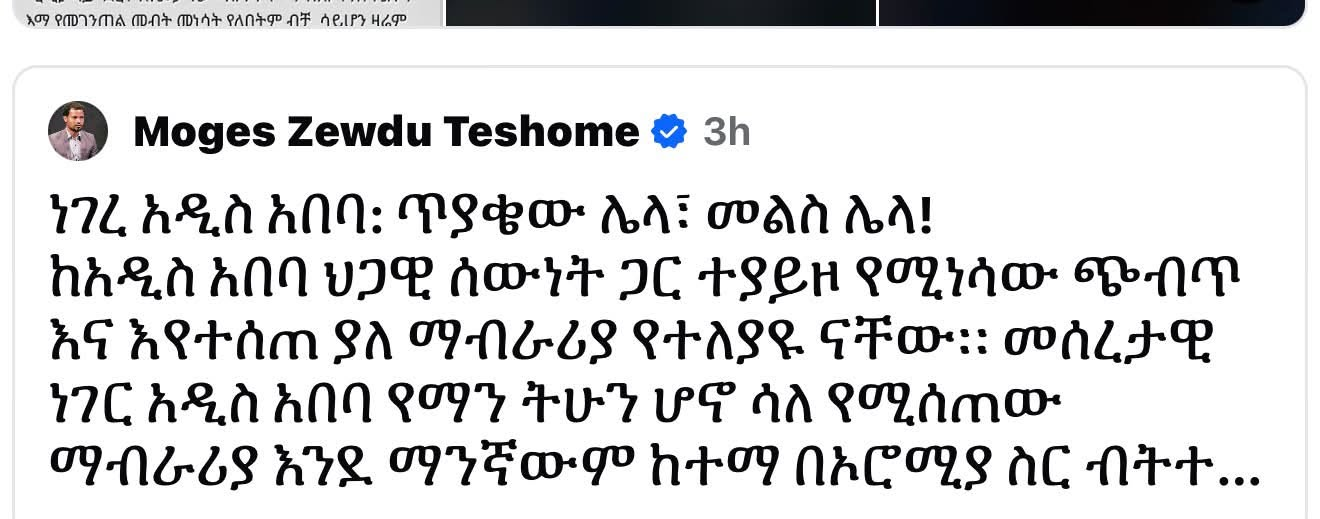
ታሪክን ማወቅ፣ ዜግነትን ማረጋገጥ እና ለአብሮ መኖር መሠረት መገንባት
ጸሐፊ፦ ኢያሱ እኖሮ
በፊንፊኔ—በአለም አቀፍ ደረጃ አዲስ አበባ በመባል በምትታወቀው ከተማ—ዙሪያ ያለው ክርክር ለረጅም ጊዜ በተፎካካሪ ትረካዎች፣ በፖለቲካ አቋሞች እና በጥልቅ ስጋቶች ተለይቶ ይታወቃል። በቅርቡ ለዚህ ውይይት ባደረጉት አስተዋፅኦ፣ ሞገስ ዘውዱ ተሾመ የኦሮሚያን ከዋና ከተማዋ ጋር ያለውን ግንኙነት እውቅና መስጠት ስላለው አንድምታ አሳሳቢ ጉዳዮችን አንስተዋል። ዋናው ጉዳይ አስተዳደር ሳይሆን ፊንፊኔ በአንድ የዘር ቡድን ብቸኛ ቁጥጥር ስር እንድትውል የሚደረገው ስጋት እንደሆነ ይከራከራሉ። በተጨማሪም ፊንፊኔን ከኦሮሚያ ጋር ማያያዝ በሚሊዮኖች ለሚቆጠሩ ነዋሪዎች መገለል እና አድልዎ ያስከትላል ብለው ይጠቁማሉ።
እነዚህ ስጋቶች ከባድ ውይይት ሊደረግባቸው የሚገባ ቢሆንም፣ በውይይቱ መሃል ያለውን ታሪካዊ ጥያቄ በበቂ ሁኔታ አይመልሱም። ይህ ምላሽ ከሞገስ ዘውዱ ተሾመ ክርክሮች ጋር ገንቢ በሆነ መንገድ ለመሳተፍ እና ለፊንፊኔ ጉዳይ ሰፊ አመለካከት ለማቅረብ ያለመ ነው።
ዋናው ጉዳይ፦ የታሪካዊ እውቅና እንጂ የዘር ባለቤትነት አይደለም
የመጀመሪያው እና መሠረታዊው ጉዳይ ስለ ፊንፊኔ ውይይት በመሠረቱ የታሪካዊ እውቅና ጥያቄ እንጂ የዘር ባለቤትነት አይደለም። የኦሮሞ ሰዎች ፊንፊኔን በተመለከተ የሚያነሱት ጥያቄ የሚመነጨው ኦሮሞዎች ብቻ በከተማዋ ውስጥ መኖር አለባቸው ከሚል እምነት አይደለም፤ ይልቁንም ፊንፊኔ በመባል የምትታወቀው አካባቢ የከተማዋ መስራች በፊት የነበረች እና በኦሮሞ ማህበረሰቦች ይኖርባት ከነበረው ታሪካዊ እውነታ ይነሳል።
ታሪካዊ መዛግብት ክልሉ ፊንፊኔ በመባል ይታወቅ እንደነበር እና አፄ ሚኒሊክ በ1886 የከተማዋን መስራች ከማቋቋማቸው በፊት የኦሮሞ ጎሳዎች እዚያ ይኖሩ እንደነበር ያረጋግጣሉ።
ስለዚህ የፊንፊኔን የኦሮሞ ቅርስ ማወቅ የኦሮሞ ካልሆኑ ነዋሪዎች መባረር፣ መገለል ወይም መብት መንጠቅ ጥያቄ አያመጣም። የአገሬው ተወላጆች ታሪክ እውቅና ከዘር ብቸኝነት ጋር መምታታት የለበትም።
ዓለም አቀፍ ቅድመ ሁኔታ፦ የአገሬው ተወላጆች እውቅና ለአብሮ መኖር መሠረት
በፊንፊኔ እና በኦሮሚያ መካከል ያለ ማንኛውም ጠንካራ ግንኙነት የግድ ወደ ጭቆና ይመራል የሚለው ክርክር ምርመራ ይጠይቃል። በዓለም ዙሪያ፣ የአገሬው ተወላጆች ህዝቦች ከአባቶች ግዛቶቻቸው ጋር ያላቸውን ትስስር እውቅና ይፈልጋሉ፣ ይህም የግድ በእነዚያ ግዛቶች ላይ ብቸኛ የፖለቲካ ቁጥጥር ሳይፈልጉ ነው።
- በአውስትራሊያ፣ የከፍተኛ ፍርድ ቤት ታሪካዊ የማቦ ውሳኔ የቴራ ኑሊየስ (ባዶ መሬት) መርህን ውድቅ አድርጎ የአገሬው ተወላጆች የመሬት ባለቤትነት መብቶችን እውቅና ሰጠ። የአውስትራሊያ አገሬው ተወላጆች ከመሬት ጋር ያላቸውን የአባቶች ትስስር ህጋዊ እውቅና አገኙ፣ ይህም የሌሎች አውስትራሊያውያንን እኩል የሲቪል እና የፖለቲካ መብቶች አልጎዳም።
- በኒው ዚላንድ፣ የዋይታንጊ ስምምነት የማኦሪ መብቶችን፣ ባህልን እና የአባቶች መሬቶች ጥያቄዎችን ለመጠበቅ መሠረት ይሰጣል፣ በተመሳሳይ ጊዜ ለሁሉም ኒው ዚላንዳውያን እኩል ዜግነት ያረጋግጣል።
- በካናዳ፣ የመጀመሪያ ብሄሮች፣ ኢኑይት እና ሜቲስ ህዝቦች በሕገ መንግሥት እውቅና ያገኙ የአገሬው ተወላጆች መብቶች አሏቸው። የመሬት ጥያቄ ስምምነቶች እና የራስ ገዝ አስተዳደር ዝግጅቶች ከባህላዊ ግዛቶች ጋር ያለውን ታሪካዊ ትስስር ይገነዘባሉ፣ በተመሳሳይ ጊዜ ከተሞች እና ማህበረሰቦች ለሁሉም ዳራ ነዋሪዎች ክፍት ሆነው ይቀጥላሉ።
- በዩናይትድ ስቴትስ፣ የአሜሪካ ተወላጆች ጎሳዎች ከራስ ገዝ አስተዳደር፣ ባህል እና የአባቶች ግዛቶች ጋር የተያያዙ የተወሰኑ መብቶችን ይይዛሉ። እነዚህ መብቶች በዩናይትድ ስቴትስ ውስጥ ከሁሉም ነዋሪዎች የዜግነት መብቶች ጋር አብረው ይኖራሉ።
እነዚህ ምሳሌዎች የጋራ ዓለም አቀፍ መርህን ያሳያሉ፦ የአገሬው ተወላጆችን ከመሬት ጋር ያላቸውን ታሪካዊ እና የአባቶች ትስስር መገንዘብ ለሌሎች ነዋሪዎች የዴሞክራሲ፣ የሲቪል ወይም የሰብአዊ መብቶች መከልከልን አያስፈልግም።
ከዚህ በኋላ ጥያቄው ይህ ነው፦ የኦሮሞን ከፊንፊኔ ጋር ያለውን ታሪካዊ ትስስር ማወቅ ለምን ብዙ ጊዜ ስጋት ተብሎ ይተረጎማል፣ ሌሎች ህዝቦች ከአባቶች መሬቶቻቸው ጋር ያላቸውን ታሪካዊ ትስስር ማወቅ ግን ህጋዊ ተብሎ ይታያል?
ታሪካዊ ቅሬታዎች፦ ከአስተዳደር ድንበሮች በላይ
ለፊንፊኔ ጥያቄዎች የሚሰጠው ምላሽ ብዙ ጊዜ ከከተማዋ መስራች ጋር የተያያዙ ታሪካዊ ቅሬታዎችን ያስወግዳል። ለብዙ ኦሮሞዎች፣ ክርክሩ ስለ አስተዳደር ድንበሮች ብቻ ሳይሆን ስለ አስራ ዘጠነኛው ክፍለ ዘመን የመንግሥት መስፋፋት፣ የመሬት ዘረፋ እና ባህላዊ መገለል ቅርስ ነው።
በአፄ ሚኒሊክ የፊንፊኔ መስራች መቋቋም የኦሮሞ ማህበረሰቦች ከአባቶች መሬቶቻቸው መፈናቀል፣ የኦሮሞ ንብረት መዘረፍ እና የኦሮሞ ማንነት ስርዓታዊ መደምሰስ አብሮ መጣ። ይህ ታሪክ የሩቅ ትውስታ አይደለም፤ ከአንድ ክፍለ ዘመን በላይ የኦሮሞ ህዝብ እና የኢትዮጵያ መንግሥት ግንኙነት የቀረጸ ህያው እውነታ ነው።
እነዚህን ስጋቶች ችላ ማለት እና ውይይቱን እንደ የወደፊት የአስተዳደር ጉዳይ ብቻ መግለጽ የአገሬው ተወላጆች ታሪካዊ ጥያቄዎች ከመሳተፍ ይልቅ የሚያስወገዱበትን አሰራር ለመድገም ያጋልጣል። ስለ ፊንፊኔ እውነተኛ ውይይት ይህንን ታሪክ ማወቅ እና የፈጠራቸውን ቅሬታዎች መፍታት አለበት።
የአስተዳደር ውድቀቶች ታሪካዊ ጥያቄዎችን አያሳንሱም
በኦሮሚያ ውስጥ ያሉ የአስተዳደር ውድቀቶችን ወይም የዘር ጥቃቶችን መጥቀስ በፊንፊኔ እና በኦሮሚያ መካከል ያለውን ታሪካዊ ግንኙነት አያሳንስም። ታሪካዊ እውነታዎች የዘመኑ የፖለቲካ ተቋማት ፍጹም ስላልሆኑ በዋጋ አይቀንሱም።
የአስተዳደር ውድቀቶች ካሉ፣ እነዚያ ውድቀቶች በቀጥታ በሕገ መንግሥታዊ ማሻሻያ፣ በህግ የበላይነት እና በዲሞክራሲያዊ ተጠያቂነት መፍታት አለባቸው። የአንድ ቦታ ታሪካዊ ማንነት ለመካድ ምክንያት መሆን የለባቸውም። በሌሎች የኦሮሚያ ክፍሎች ያለው የአስተዳደር ውድቀት ምክንያት የኦሮሞን ቅርስ በፊንፊኔ ማወቅ አደገኛ ነው ብሎ መከራከር ጉዳዩን ማደናገር ነው። ደካማ የአስተዳደር ችግር የፊንፊኔን ሁኔታ ምንም ይሁን ምን አለ፣ እና በራሱ መፍታት አለበት።
ሕገ መንግሥታዊ ልኬት፦ ቀድሞውንም እውቅና ያገኘ ልዩ ጥቅም
የኢትዮጵያ ሕገ መንግሥት ከተማዋ በኦሮሚያ ውስጥ በመገኘቷ እና ከአካባቢው ክልል ጋር ባላት ግንኙነት ምክንያት የኦሮሚያን ልዩ ጥቅም በፊንፊኔ ውስጥ ያምናል። የሕገ መንግሥቱ አንቀጽ 49(5) ማህበራዊ አገልግሎቶችን፣ የተፈጥሮ ሀብቶችን እና ከተማዋ በኦሮሚያ ግዛት ውስጥ ካለመገኘት የሚነሱ የጋራ አስተዳደር ጉዳዮችን በሚመለከት የኦሮሚያን ልዩ ጥቅም ያረጋግጣል።
የዚህ ሕገ መንግሥታዊ ድንጋጌ መኖር በፊንፊኔ እና በኦሮሚያ መካከል ያለው ግንኙነት የፈጠራ የፖለቲካ ጥያቄ ሳይሆን ቀድሞውንም በኢትዮጵያ ህጋዊ ማዕቀፍ ውስጥ እውቅና ያገኘ ጉዳይ መሆኑን ያሳያል። ሕገ መንግሥቱ ለኦሮሚያ በዋና ከተማዋ ላይ ብቸኛ ባለቤትነት ወይም ቁጥጥር አይሰጥም፤ ይልቁንም ተግባራዊ እና ታሪካዊ እውነታን ያምናል፦ ከተማዋ በኦሮሚያ ውስጥ ትገኛለች፣ እና ሥራዋ ከአካባቢው ኦሮሞ ማህበረሰቦች በሚገኙ ሀብቶች፣ መሠረተ ልማቶች እና ትብብር ላይ የተመሠረተ ነው።
ጥያቄው ሕገ መንግሥቱ በፊንፊኔ እና በኦሮሚያ መካከል ግንኙነት ይገነዘባል ወይ የሚል አይደለም፤ ጥያቄው ያ ግንኙነት በተግባር እንዴት መተግበር አለበት የሚል ነው።
የውሸት ምርጫ፦ ኦሮሚያ እና ኢትዮጵያ
የፊንፊኔን ታሪክ ማወቅ በራሱ ከተማዋን ለዘር የበላይነት መስጠት ማለት ነው የሚለው ፍራቻ የውሸት ምርጫ ይፈጥራል። ክርክሩ “ኦሮሚያ እና ኢትዮጵያ” ተብሎ መቅረጽ የለበትም፤ ይልቁንም ኢትዮጵያ ታሪካዊ እውነታዎችን እያወቀች እኩል ዜግነትን፣ ዲሞክራሲያዊ አስተዳደርን እና ፊንፊኔን ቤት አድርገው ለሚጠሩት ሁሉ ክብርን እንዴት ማረጋገጥ እንደምትችል መቅረጽ አለበት።
ኢትዮጵያ ዛሬ የምትገጥማት እውነተኛ ፈተና በኦሮሞ መብቶች እና በኢትዮጵያ ዜግነት መካከል መምረጥ አይደለም፤ ሁለቱንም ማስተናገድ የሚችል የፖለቲካ ማዕቀፍ ማግኘት ነው። የፊንፊኔን የኦሮሞ ቅርስ ማወቅ እና የሁሉም የፊንፊኔ ነዋሪዎች መብቶች መጠበቅ እርስ በርስ የሚጋጩ ግቦች አይደሉም። በእውነቱ፣ ዘላቂ መፍትሔ ሁለቱንም ይጠይቃል።
ለፊንፊኔ ዘላቂ የወደፊት ጊዜ በርካታ እውነቶችን በአንድ ጊዜ መገንዘብ ይጠይቃል፦
- ፊንፊኔ የኢትዮጵያ ዋና ከተማ ናት እና ለሁሉም ነዋሪዎቿ ናት። የከተማዋ የተለያየ ህዝብ—ኦሮሞ፣ አማራ፣ ጉራጌ፣ ትግራይ፣ ሶማሌ እና ሌሎች—ሁሉም ለወደፊት ዕጣዋ አስተዋፅኦ አላቸው።
- ፊንፊኔ ከኦሮሞ ህዝብ ጋር ጥልቅ ታሪካዊ እና ባህላዊ ትስስር አላት። ይህ ቅርስ ሊታወቅ እና ሊከበር ይገባል፣ ሊካድ ወይም ሊደመሰስ አይገባም።
- የኦሮሞ ባህል የከተማዋን ማንነት እና ልማት ማበልጸግ ቀጥሏል። ከተማዋ ለተለያዩነቷ ጠንካራ ናት፣ እና የሁሉም ማህበረሰቦች አስተዋፅኦ መከበር አለበት።
- የፊንፊኔ መስፋፋት በአካባቢው ያሉ የኦሮሞ ማህበረሰቦች ላይ ቀጥተኛ ተጽዕኖ ያሳድራል። ድምጻቸው ህይወታቸውን በሚነኩ ውሳኔዎች ውስጥ መሰማት አለበት።
- ኦሮሚያ ከተማዋን በሚመለከት ጉዳዮች ላይ ሕገ መንግሥታዊ እውቅና ያገኙ ጥቅሞች አሏት። እነዚህ ጥቅሞች በጋራ የአስተዳደር ዘዴዎች እና በትብብር አስተዳደር ተግባራዊ መሆን አለባቸው።
- ልማት ማህበረሰቦችን ከማግለል ይልቅ መጠቀም አለበት። ፍትሃዊ ካሳ፣ ምክክር እና ተሳትፎ አስፈላጊ ናቸው።
ወደፊት የሚወስደው መንገድ፦ ለአብሮ መኖር ማዕቀፍ
ወደፊት የሚወስደው መንገድ ባለቤትነት፣ መገለል ወይም ታሪካዊ መካድ አይደለም፤ በሕገ መንግሥታዊ አክብሮት፣ በባህላዊ እውቅና፣ በኢኮኖሚያዊ ፍትህ እና በእውነተኛ ትብብር ላይ የተመሠረተ ሽርክና ነው።
እንዲህ ያለው ማዕቀፍ የሚከተሉትን ያካትታል፦
- የሕገ መንግሥታዊ ድንጋጌዎች ትግበራ፦ የኦሮሚያ ልዩ ጥቅም በአንቀጽ 49(5) እውቅና ያገኘው ከተማዋን እና አካባቢውን ማህበረሰቦች በሚመለከቱ ውሳኔዎች ውስጥ ትርጉም ያለው የኦሮሞ ተሳትፎ በሚያረጋግጡ የጋራ የአስተዳደር ዘዴዎች ተግባራዊ መሆን አለበት።
- ባህላዊ እውቅና፦ የፊንፊኔ የኦሮሞ ቅርስ በባህላዊ ተቋማት፣ በሕዝብ እውቅና እና የከተማዋን የተለያየ ታሪክ በሚያከብሩ የትምህርት ፕሮግራሞች ማወቅ አለበት።
- ፍትሃዊ ልማት፦ የከተማ መስፋፋት ከተጎዱ ማህበረሰቦች ጋር ትርጉም ባለው ምክክር፣ ፍትሃዊ ካሳ፣ የአካባቢ ጥበቃ እና ጋራ ጥቅሞችን በማረጋገጥ ማቀድ አለበት።
- ሁሉን አቀፍ አስተዳደር፦ ሁሉም የፊንፊኔ ነዋሪዎች—በዘር ሳይለዩ—እኩል የተሳትፎ፣ የህዝብ አገልግሎቶች እና የህጋዊ ጥበቃ መብቶች ሊኖራቸው ይገባል።
- ጋራ ብልጽግና፦ የዋና ከተማዋ እድገት ኢኮኖሚያዊ ጥቅሞች ከአካባቢው ማህበረሰቦች ጋር መጋራት አለባቸው፣ ከመበዝበዝ ንድፍ ይልቅ የልማት አዎንታዊ ክበብ መፍጠር አለበት።
ማጠቃለያ፦ ታሪክን ማክበር፣ የወደፊት ጊዜን መገንባት
የፊንፊኔ ጉዳይ በፊት ለፊት ግጭት ወይም በመካድ አይፈታም፤ በታሪክ ሐቀኝነት እውቅና፣ ለሕገ መንግሥታዊ መርሆች አክብሮት እና ሁሉም ኢትዮጵያውያን—ኦሮሞ እና ኦሮሞ ያልሆኑ—በክብር፣ በደህንነት እና በተስፋ መኖር በሚችሉበት የወደፊት ጊዜ ለመገንባት በጋራ ቁርጠኝነት ይፈታል።
ፊንፊኔ ለሁሉም ኢትዮጵያውያን ናት።
ፊንፊኔ የኦሮሞ ቅርስ ናት።
የወደፊት ጊዜ የጋራ ነው።
የፊንፊኔን የኦሮሞ ቅርስ ማወቅ እና የሁሉም የፊንፊኔ ነዋሪዎች መብቶች መጠበቅ እርስ በርስ የሚጋጩ ግቦች አይደሉም፤ ለፍትሃዊ እና ዘላቂ የወደፊት ጊዜ ተጓዳኝ ምሰሶዎች ናቸው።
ታሪክን ማወቅ ከተማዋን ለዘር የበላይነት መስጠት ማለት አይደለም፤ ለትውልድ ኢትዮጵያን ሊደግፍ የሚችል የመተማመን፣ የመግባባት እና የአብሮ መኖር መሠረት መገንባት ማለት ነው።
ይህ የፊቸር ጽሁፍ ለሞገስ ዘውዱ ተሾመ ምላሽ ነው እና ለፊንፊኔ ጉዳይ ፍትሃዊ፣ ሕገ መንግሥታዊ እና ዘላቂ መፍትሔ ለማግኘት ለሚታገሉ ሁሉ የተሰጠ ነው።
ፊንፊኔ እና ኦሮሚያ፦ በታሪክ፣ በባህል እና በሕገ መንግሥታዊ እውነታ ላይ የተመሠረተ የጋራ የወደፊት ጊዜ
ከባለቤትነት ባሻገር ወደ ሽርክና፣ ፍትህ እና ዘላቂ አብሮ መኖር
ጸሐፊ፦ ዳንዲ ረገባ
በፊንፊኔ—በአለም አቀፍ ደረጃ አዲስ አበባ በመባል በምትታወቀው ከተማ—ዙሪያ ያለው ክርክር ለረጅም ጊዜ በተፎካካሪ ታሪካዊ ትረካዎች፣ በስሜታዊ ይግባኝ እና በማንነት ፖለቲካ ተለይቶ ይታወቃል። ነገር ግን የፊንፊኔ ጉዳይ በመሠረቱ በዋናነት ታሪካዊ ወይም መልክዓ-ምድራዊ አይደለም፤ የህግ፣ የአስተዳደር እና የፖለቲካ ፈቃድ ጉዳይ ነው።
ፊንፊኔ የኢትዮጵያ ፌዴራል ዲሞክራሲያዊ ሪፐብሊክ ዋና ከተማ ናት። የፌዴራል መንግሥት መቀመጫ ሆና ታገለግላለች። ነገር ግን እሷ በኦሮሚያ ድንበሮች ውስጥ የምትገኝ ከተማ ናት፣ እና ይህ መልክዓ-ምድራዊ እውነታ ሊታለፍ የማይችል ሕገ መንግሥታዊ አንድምታ ይዟል። የከተማዋ የፌዴራል ዋና ከተማነት ሚና እና የክልል አቀማመጥ መካከል ያለው ልዩነት ዘላቂ መፍትሔ ለማግኘት በግልጽ መረዳት አለበት።
የሕገ መንግሥቱ ማዕቀፍ፦ በኦሮሚያ ውስጥ የምትገኝ ከተማ
ፊንፊኔ የኢትዮጵያ ዋና ከተማ የሆነችው ባለቤት ስለሌላት አይደለም። የሆነችው የኦሮሞ ህዝብ—የመሬቱ ህጋዊ ባለቤቶች—ለመሬታቸው የፌዴራል መንግሥት መቀመጫ ሆና ለማገልገል ስለፈቀዱ ነው። ይህ ፈቃድ በኢትዮጵያ ሕገ መንግሥት ውስጥ ተመዝግቧል፣ ይህም ማህበራዊ አገልግሎቶችን፣ የተፈጥሮ ሀብቶችን እና ከተማዋ በኦሮሚያ ግዛት ውስጥ ካለመገኘት የሚነሱ የጋራ አስተዳደር ጉዳዮችን በሚመለከት የኦሮሚያን “ልዩ ጥቅም” እውቅና ሰጥቷል።
ይህ ሕገ መንግሥታዊ እውቅና የኦሮሚያን ብቸኛ ባለቤትነት አዋጅ አይደለም። ይልቁንም ተግባራዊ እና ታሪካዊ እውነታን ያምናል፦ የፊንፊኔ የወደፊት ጊዜ እና የአካባቢው የኦሮሞ ማህበረሰቦች የወደፊት ጊዜ የማይነጣጠሉ ናቸው።
ሁለት የተለያዩ ልኬቶች በግልጽ መለየት አለባቸው፦
- የከተማዋ የክልል ሁኔታ — በኦሮሚያ ውስጥ መገኘቷ እና ከአካባቢው ማህበረሰቦች ጋር ያላት ግንኙነት።
- የከተማዋ የፌዴራል ሁኔታ — የኢትዮጵያ ዋና ከተማ እና የፌዴራል መንግሥት መቀመጫ ሆና ያላት ሚና።
ሁለቱም ልኬቶች ህጋዊ ናቸው እና መከበር አለባቸው። ፈተናው ሁለቱንም የሚያከብር የአስተዳደር ማዕቀፍ ማግኘት ነው።
የኦሮሞ አቋም፦ ግልጽ እና ህጋዊ ጥያቄ
የኦሮሞ ህዝብ ፊንፊኔን በተመለከተ ያለው ፍላጎት ግልጽ እና ቀጥተኛ ነው፦ ፊንፊኔ የኢትዮጵያ ዋና ከተማ ሆና ትቀጥል፣ ነገር ግን አስተዳደሯ በኦሮሚያ ብሔራዊ ክልላዊ መንግሥት ሥር መሆን አለበት።
ይህ ፍላጎት በሚከተሉት ጉዳዮች ላይ የተመሠረተ ነው፦
- መልክዓ-ምድራዊ እውነታ፦ ፊንፊኔ በኦሮሚያ ከበባ ናት እና የኦሮሞ የትውልድ አገር ዋና አካል ናት።
- ታሪካዊ ትስስር፦ ፊንፊኔ በመባል የምትታወቀው አካባቢ ለትውልድ በኦሮሞ ህዝብ ይኖርባት ነበር እና ጥልቅ ባህላዊ ጠቀሜታ አላት።
- ሕገ መንግሥታዊ እውቅና፦ ሕገ መንግሥቱ የኦሮሚያን ልዩ ጥቅም ያምናል፣ ይህ ድንጋጌ በተግባር ግን ተግባራዊ ሆኖ አያውቅም።
- ተግባራዊ አስፈላጊነት፦ የከተማዋ ልማት እና የአካባቢው ማህበረሰቦች ደህንነት እርስ በርስ የተያያዙ ናቸው እና የተቀናጀ አስተዳደር ይጠይቃሉ።
የኦሮሞ አቋም የፊንፊኔን የፌዴራል ዋና ከተማነት ሚና ውድቅ አይደለም፤ ለሕገ መንግሥታዊ ትግበራ፣ ለአስተዳደር ፍትህ እና ለተግባራዊ ትብብር የሚቀርብ ጥያቄ ነው።
የኦሮሚያ ባህላዊ አስተዋፅኦ ለፊንፊኔ
የፊንፊኔ ታሪክ ከኦሮሞ ባህል እና ቅርስ ታሪክ ሊለይ አይችልም። ዘመናዊ የፖለቲካ ክርክሮች ከመፈጠራቸው ከረጅም ጊዜ በፊት፣ ፊንፊኔ በመባል የምትታወቀው አካባቢ የቱላማ ኦሮሞ ማህበራዊ እና ባህላዊ ገጽታ አካል ነበረች።
ዛሬ፣ የኦሮሞ ባህል የዋና ከተማዋን ማንነት መቅረጽ ቀጥሏል፦
- አፋን ኦሮሞ በሕዝብ ህይወት፣ በመገናኛ ብዙሀን፣ በትምህርት፣ በንግድ እና በባህላዊ ተቋማት ውስጥ እየጨመረ ታይነት አግኝቷል።
- የኦሮሞ አርቲስቶች፣ ሙዚቀኞች፣ ጸሐፊዎች፣ ምሁራን፣ ሥራ ፈጣሪዎች፣ አትሌቶች እና የህዝብ አገልጋዮች ለፊንፊኔ ባህላዊ እና ኢኮኖሚያዊ ህይወት ከፍተኛ አስተዋፅኦ ማድረጋቸውን ቀጥለዋል።
- የስሙ ፊንፊኔ እውቅና እየጨመረ መምጣት የከተማዋን ታሪካዊ ሥሮች ለማወቅ እና የብሄራዊ ዋና ከተማነት ሚናዋን ለመጠበቅ የሚደረግ ጥረትን ያሳያል።
- እንደ ኢርሬቻ ያሉ ዋና ዋና የኦሮሞ ባህላዊ ክብረ በዓላት በዋና ከተማዋ እና በሰፊው የኦሮሚያ ክልል መካከል ያለውን ባህላዊ ትስስር አጠናክረዋል።
የኦሮሞ ቅርስ እውቅና የአማራ፣ የጉራጌ፣ የስልጤ፣ የሶማሌ፣ የትግራይ፣ የአፋር ወይም የማንኛውም ሌላ ማህበረሰብ አስተዋፅኦ አያሳንስም። ፊንፊኔ በብዙ ህዝቦች የጋራ ጥረት ተገንብታለች። እውነተኛ ሁሉን አቀፍ ከተማ የኦሮሞ ህዝብን ጨምሮ ሁሉንም እነዚህን አስተዋፅኦዎች ማክበር አለባት፣ ምክንያቱም የእነሱ ታሪካዊ ትስስር ከአካባቢው ጋር የማይካድ ነው።
ልማት እና በኦሮሞ ማህበረሰቦች ላይ ያለው ተጽዕኖ
በፊንፊኔ እና በኦሮሚያ መካከል ያለው ግንኙነት ተምሳሌታዊ ብቻ አይደለም፤ በአካባቢው ላሉ ማህበረሰቦች ቀጥተኛ መዘዝ አለው።
በ2014 በተዘጋጀው የፊንፊኔ የተቀናጀ ልማት ማስተር ፕላን ዙሪያ የተፈጠረው ውዝግብ እነዚህን ስጋቶች አጉልቶ አሳይቷል። ብዙ የኦሮሞ ማህበረሰቦች የዋና ከተማዋ ወደ አካባቢው የኦሮሚያ ወረዳዎች የታቀደው መስፋፋት ወደ መፈናቀል፣ የእርሻ መሬት መጥፋት እና በሀብቶች ላይ የአካባቢ ቁጥጥር መቀነስ ያስከትላል ብለው ፈሩ። የተከሰቱት ተቃውሞዎች በመላው ኦሮሚያ ተስፋፍተው በመጨረሻም የእቅዱ መሰረዝ አስከተለ።
ልምዱ አንድ አስፈላጊ እውነታ አሳይቷል፦ በፊንፊኔ የሚደረጉ ውሳኔዎች ብዙ ጊዜ በአካባቢው ያሉ የኦሮሞ ማህበረሰቦች ላይ ቀጥተኛ ተጽዕኖ ያሳድራሉ።
ፈጣን የከተማነት መስፋፋት ተግዳሮቶችን ማስከተሉን ቀጥሏል፦
- የእርሻ መሬት ወደ መኖሪያ እና የንግድ ልማቶች መቀየር
- በከተማዋ እና በአካባቢው ማህበረሰቦች መካከል በጋራ የሚጋሩ የውሃ ምንጮች፣ የአካባቢ ሀብቶች እና የህዝብ መሠረተ ልማት ላይ ጫና
- በከተማ መስፋፋት ምክንያት መተዳደሪያቸው በተጎዳው የግብርና ቤተሰቦች ላይ ኢኮኖሚያዊ መዛባት
- በልማት ፕሮጀክቶች ውስጥ ፍትሃዊ ካሳ፣ ምክክር እና ተሳትፎን በተመለከተ ስጋቶች
- ባህላዊ ማህበረሰቦች በፍጥነት እየሰፉ ባሉ የከተማ አካባቢዎች ሲዋሃዱ ሊከሰቱ የሚችሉ ባህላዊ እና ቋንቋዊ ጫናዎች
እነዚህ የንድፈ ሀሳብ ስጋቶች አይደሉም፤ በፊንፊኔ ዙሪያ ለሚኖሩ ብዙ ማህበረሰቦች የዕለት ተዕለት እውነታዎች ናቸው፣ ይህም ለዘላቂ ልማት ምክክር እና ትብብር አስፈላጊ ያደርጋቸዋል።
የፊንፊኔ እድገት በኦሮሚያ ላይ ያለው ኢኮኖሚያዊ ተጽዕኖ
በፊንፊኔ እና በኦሮሚያ መካከል ያለው ግንኙነት ኢኮኖሚያዊም ነው። የኢትዮጵያ ዋና ከተማ እየሰፋች ስትሄድ፣ የዚያ እድገት ጥቅሞችም ሆኑ ሸክሞች በአካባቢው ባሉ የኦሮሞ ማህበረሰቦች ላይ እየተሰማ መጥቷል።
የቅርብ ጊዜ ጥናቶች ወደ ፊንፊኔ አካባቢዎች ፈጣን መስፋፋት ለግብርና መሬት መጥፋት፣ ለደን መራቆት እና ለባህላዊ መተዳደሪያ መዳከም አስተዋፅኦ እንዳደረገ አረጋግጠዋል።
በ2024 የተደረገ ጥናት በፊንፊኔ የመሬት አጠቃቀም ለውጥን መርምሯል፤ የከተማዋ ግንባታ አካባቢ በ2000 እና 2020 መካከል በ25.28 በመቶ መጨመሩን ሪፖርት አድርጓል። በተመሳሳይ ጊዜ፣ የግብርና መሬት በ15.92 በመቶ ቀንሷል እና የእፅዋት ሽፋን የከተማ ልማት ወደ ውጭ ሲሰፋ በ9.35 በመቶ ቀንሷል።
ጥናቱ ተጨማሪ ያስተዋለው ይህ መስፋፋት አብዛኛውን ጊዜ የመኖሪያ ቤት ፕሮጀክቶች፣ የመሠረተ ልማት ግንባታ፣ የኢንዱስትሪ ልማት እና የከተማ ዳርቻ ገጽታዎችን የለወጡ የኢንቨስትመንት እንቅስቃሴዎች ጋር የተያያዘ መሆኑን ነው።
በከተማ መስፋፋት በተጎዱ ማህበረሰቦች ላይ የተደረገ ጥናት መሬታቸው ለተዘረፈ ብዙ ገበሬዎች ከፍተኛ ኢኮኖሚያዊ መዘዝ አግኝቷል። አንድ ጥናት እንደሚያሳየው ብዙ የተፈናቀሉ ገበሬዎች ገቢ እየቀነሰ እንደሄደ ተናግሯል፣ ሌሎች ደግሞ የእርሻ መሬት ተደራሽነት ካጡ በኋላ ወደ ጊዜያዊ ወይም ዝቅተኛ ክፍያ ሥራ ተገፋፍተዋል። ሌላ ጥናት የከተማ መስፋፋት በተጎዱ የኦሮሞ የግብርና ማህበረሰቦች ህይወት ላይ ኢኮኖሚያዊ እና ማህበራዊ ደህንነታቸውን ጨምሮ በብዙ ገጽታዎች ላይ አሉታዊ ተጽዕኖ እንዳሳደረ አረጋግጧል።
በተመሳሳይ ጊዜ፣ የፊንፊኔ እድገት በሥራ፣ በትራንስፖርት ትስስር፣ በትምህርት፣ በንግድ መስፋፋት፣ በኢንዱስትሪ ኢንቨስትመንት እና በከተማ ገበያዎች ተደራሽነት ለኦሮሞ ነዋሪዎች እድሎችን ፈጥሯል። ፈተናው የልማት ጥቅሞች በፍትሃዊነት መጋራታቸውን እና በከተማ እድገት በቀጥታ የተጎዱ ማህበረሰቦች ከውሳኔ አሰጣጥ ሂደቶች እንዳይገለሉ ማድረግ ነው።
ይህ እውነታ የኦሮሚያ ሕገ መንግሥታዊ ልዩ ጥቅም በፊንፊኔ ውስጥ ዛሬም ተገቢ የሆነበትን ምክንያት ለማስረዳት ይረዳል። ጉዳዩ የዋና ከተማዋ ባለቤትነት ሳይሆን የመሬት አጠቃቀም፣ መሠረተ ልማት፣ የተፈጥሮ ሀብቶች፣ የህዝብ አገልግሎቶች እና የከተማ መስፋፋት ውሳኔዎች ከነሱ በቀጥታ ከሚጎዱ ማህበረሰቦች ትርጉም ባለው ተሳትፎ መደረጋቸውን ማረጋገጥ ነው።
ከባለቤትነት ባሻገር፦ ወደ ሽርክና
እውነተኛው ጥያቄ ፊንፊኔን ማን እንደሚይዝ አይደለም። ከተማዋ ለማንኛውም ነጠላ የዘር ቡድን ብቻ መሆን አትችልም እና አይገባትም። በተመሳሳይ ጊዜ፣ የኦሮሚያን ታሪካዊ መገኘት፣ ባህላዊ አስተዋፅኦ፣ ኢኮኖሚያዊ ተሳትፎ እና ሕገ መንግሥታዊ እውቅና ያገኙ ጥቅሞች መካድ ፍትህን ወይም የረጅም ጊዜ መረጋጋትን አያበረታታም።
ዘላቂ የወደፊት ጊዜ በርካታ እውነቶችን በአንድ ጊዜ መገንዘብ ይጠይቃል፦
- ፊንፊኔ የኢትዮጵያ ዋና ከተማ ናት እና ለሁሉም ነዋሪዎቿ ናት።
- ፊንፊኔ ከኦሮሞ ህዝብ ጋር ጥልቅ ታሪካዊ እና ባህላዊ ትስስር አላት።
- የኦሮሞ ባህል የከተማዋን ማንነት እና ልማት ማበልጸግ ቀጥሏል።
- የፊንፊኔ መስፋፋት በአካባቢው ያሉ የኦሮሞ ማህበረሰቦች ላይ ቀጥተኛ ተጽዕኖ ያሳድራል።
- ኦሮሚያ ከተማዋን እና ከአካባቢው ማህበረሰቦች ጋር ያላትን ግንኙነት በሚመለከት በሕገ መንግሥት እውቅና ያገኙ ጥቅሞች አሏት።
- ልማት ማህበረሰቦችን ከማግለል ይልቅ መጠቀም አለበት።
ስለዚህ ወደፊት የሚወስደው መንገድ ባለቤትነት፣ መገለል ወይም ታሪካዊ መካድ አይደለም። በሕገ መንግሥታዊ አክብሮት፣ በባህላዊ እውቅና፣ በኢኮኖሚያዊ ፍትህ እና በእውነተኛ ትብብር ላይ የተመሠረተ ሽርክና ነው።
ፊንፊኔ የፊንፊኔን ቅርስ እያወቀች፣ የአካባቢውን የኦሮሞ ማህበረሰቦች ጥቅሞች እየጠበቀች እና በዋና ከተማዋ እና በኦሮሚያ መካከል ያለውን ግንኙነት ለማስተዳደር የተነደፉ ሕገ መንግሥታዊ መርሆችን እያከበረች ለሁሉም ኢትዮጵያውያን ከተማ ሆና መቀጠል ትችላለች። እንዲህ ያለው አካሄድ ለፍትህ፣ ለመረጋጋት፣ ለማካተት እና ለዘላቂ አብሮ መኖር ጠንካራውን መሠረት ይሰጣል።
ማጠቃለያ፦ ለፍትህ እና ለዘላቂ አብሮ መኖር መሠረት
የፊንፊኔ ጉዳይ በሽርክና፣ በሕገ መንግሥታዊ አክብሮት እና በትብብር ሊፈታ ይችላል። ወደፊት የሚወስደው መንገድ የሚከተሉትን ያካትታል፦
- ሕገ መንግሥታዊ ትግበራ፦ የኦሮሚያ ልዩ ጥቅም በጋራ የአስተዳደር ዘዴዎች ተግባራዊ መሆን አለበት።
- ባህላዊ እውቅና፦ የፊንፊኔ የኦሮሞ ቅርስ በባህላዊ ተቋማት እና በሕዝብ እውቅና መገንዘብ አለበት።
- ፍትሃዊ ልማት፦ የከተማ መስፋፋት ከተጎዱ ማህበረሰቦች ጋር ትርጉም ባለው ምክክር ማቀድ አለበት።
- ሁሉን አቀፍ አስተዳደር፦ ሁሉም የፊንፊኔ ነዋሪዎች በዘር ሳይለዩ እኩል የተሳትፎ እና የህዝብ አገልግሎት መብቶች ሊኖራቸው ይገባል።
- ጋራ ብልጽግና፦ የዋና ከተማዋ እድገት ኢኮኖሚያዊ ጥቅሞች ከአካባቢው ማህበረሰቦች ጋር መጋራት አለባቸው።
ፊንፊኔ ለሁሉም ኢትዮጵያውያን ከተማ ሆና መቀጠል ትችላለች፣ የፊንፊኔን ቅርስ እያወቀች፣ የአካባቢውን የኦሮሞ ማህበረሰቦች ጥቅሞች እየጠበቀች እና በዋና ከተማዋ እና በኦሮሚያ መካከል ያለውን ግንኙነት ለማስተዳደር የተነደፉ ሕገ መንግሥታዊ መርሆችን እያከበረች። እንዲህ ያለው አካሄድ ለፍትህ፣ ለመረጋጋት፣ ለማካተት እና ለዘላቂ አብሮ መኖር ጠንካራውን መሠረት ይሰጣል።
ይህ የፊቸር ጽሁፍ ፍትሃዊ፣ ሕገ መንግሥታዊ እና ዘላቂ መፍትሔ ለማግኘት ለሚታገሉ ሁሉ የተሰጠ ነው።
The Qunnii Buqqifannaa Ceremony: Welcoming the Spring Season Through Oromo Cultural Tradition
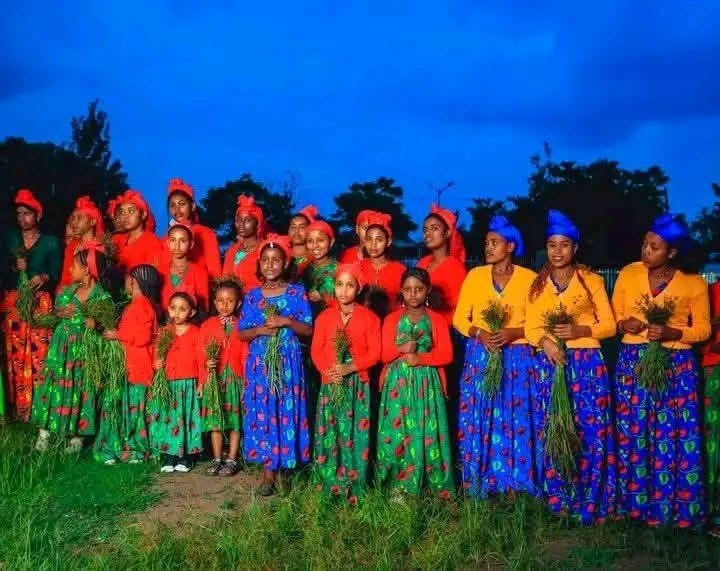
Young Women’s Shinooyyee Ritual Marks the Transition from Winter to Spring with Blessings, Song, and Community Unity
By Maatii Sabaa
Across the vast landscapes of Oromia, the changing of seasons has always been marked by rich cultural traditions that connect the Oromo people to their land, their heritage, and their community. As the harsh winter months give way to the renewal of spring (Birraa), the Oromo people celebrate this transition through a series of sacred rituals and ceremonies.
Among these, the Qunnii Buqqifannaa ceremony holds a special place—a tradition performed by young unmarried women (Shamarran) as part of the larger Shinooyyee celebration. This beautiful ritual marks the end of winter and the joyful arrival of spring, symbolizing renewal, hope, and the continuity of Oromo culture.
Understanding Shinooyyee: The Celebration of Spring
Shinooyyee is one of the most vibrant and significant cultural celebrations in Oromo tradition. It marks the transition from the rainy, cold season of Ganna (winter) to the warmer, blooming season of Birraa (spring). This transition is not merely a change in weather—it is a spiritual and cultural moment of renewal.
During Shinooyyee, young unmarried women (Shaammarranii/Shamarran) gather in groups and go from house to house, singing traditional songs, expressing their joy, and receiving blessings and gifts from elders and community members. The celebration is a time of happiness, community bonding, and cultural pride.
The Shinooyyee tradition embodies several important cultural values:
- Community Unity: The celebration brings together families, neighbours, and entire communities in shared joy and purpose.
- Respect for Elders: The young women seek the blessings of elders, reinforcing the importance of intergenerational relationships.
- Cultural Continuity: Through songs, rituals, and traditions, the younger generations learn about their heritage and their responsibilities to their community.
- Gratitude and Hope: The celebration expresses gratitude for the past season and hope for the abundance of the coming spring.
The Qunnii Buqqifannaa Ceremony: A Sacred Ritual
Within the larger Shinooyyee celebration, the Qunnii Buqqifannaa ceremony is one of the most important and sacred rituals. Qunnii refers to a special type of grass or plant (marga jiidhaa) that grows during the rainy season and has cultural and practical significance.
The Qunnii Buqqifannaa ceremony involves the following elements:
Preparation and Gathering
As the end of winter approaches, young unmarried women begin preparing for the ceremony. They gather in groups, often organized by their neighbourhood or community, and coordinate the activities for the celebration.
The Breaking and Preparation of Qunnii
The central ritual of the ceremony is the Buqqisaa—the breaking or preparation of the Qunnii plant. The women collect the Qunnii, which grows abundantly during the rainy season, and prepare it for use in the ceremony.
The Qunnii plant is significant for several reasons:
- It represents the abundance of the rainy season
- It has a pleasant fragrance that is pleasing to the senses
- It has practical uses, including as a natural perfume
- It symbolizes the renewal and growth associated with spring
Songs, Dance, and Community Procession
The women, carrying the prepared Qunnii, go from house to house in their community, singing traditional songs and dancing. The songs, known as Faaruu Shinooyyee or Abaabilee, celebrate the arrival of spring and express joy and gratitude.
Receiving Blessings and Gifts
At each household, the women are received warmly by the elders and community members. They receive blessings, prayers, and sometimes small gifts or food. The elders offer prayers for the young women’s well-being, prosperity, and future.
Passing the Qunnii Forward
The Qunnii that has been prepared is passed from house to house, symbolizing the sharing of blessings and the continuity of community bonds.

The Role of Young Men in the Celebration
While the Qunnii Buqqifannaa ceremony is primarily focused on young women, young unmarried men also participate in the broader Shinooyyee celebration. They accompany the women in their processions, participating in the songs and dances while respecting the cultural protocols of the ceremony.
The participation of young men reflects the collective nature of Oromo culture, where celebrations and rituals are shared by the entire community. It also provides opportunities for young men and women to interact in culturally appropriate ways, strengthening social bonds and community cohesion.
Cultural Significance and Meaning
The Qunnii Buqqifannaa ceremony carries deep cultural and spiritual meaning for the Oromo people:
1. Renewal and Rebirth
The transition from winter to spring represents renewal and rebirth. The Qunnii, which grows during the rainy season, symbolizes this renewal and the promise of abundance.
2. Gratitude and Thanksgiving
The ceremony is an act of thanksgiving—giving thanks for the rains, the harvest, and the continuity of life.
3. Community and Unity
The tradition of going from house to house reinforces community bonds and collective responsibility. It reminds the Oromo people that they are part of a larger community, connected by shared traditions and values.
4. Respect for Elders
By seeking the blessings of elders, the young women demonstrate respect for those who came before them. This reinforces the importance of intergenerational relationships and the passing down of cultural knowledge.
5. Identity and Pride
The celebration of Shinooyyee and the Qunnii Buqqifannaa ceremony is an expression of Oromo identity and cultural pride. In a world where many indigenous traditions are at risk of being lost, these celebrations are vital for preserving Oromo culture for future generations.
The Role of Cultural Institutions
The revival and preservation of traditions like Shinooyyee and Qunnii Buqqifannaa have received increasing attention in recent years. Cultural institutions, community organizations, and government bodies have recognized the importance of preserving and promoting Oromo cultural heritage.
The Oromo people’s cultural heritage is increasingly being recognized and celebrated through festivals, cultural events, and educational programs. These efforts help to reconnect the younger generation with their roots and ensure that these beautiful traditions are not lost to time.
As the statement from the community emphasizes: “Mootummaan jijjiiramaa hojiilee Misooma Aadaatiif xiyyeeffannaa kenneen Aadaan keenya bakka isaatti deebi’ee Haaromaa kan jiruufi duudhaa ganamaatti deebisuu keessatti injifannoowwan argamaniiru.” —The government, through its renewed focus on cultural development activities, has achieved successes in restoring and revitalizing our traditions.
Conclusion: Honouring Tradition, Building the Future
The Qunnii Buqqifannaa ceremony and the broader Shinooyyee celebration are more than just cultural events—they are expressions of Oromo identity, resilience, and continuity. They connect the present generation to their ancestors, reinforce community bonds, and provide a foundation for the future.
As the Oromo people continue to navigate the challenges of the modern world, these traditions serve as anchors—reminders of who they are, where they come from, and the values that unite them as a people.
Sirni Qunnii Buqqifannaa haa jabaattu!
Ayyaanni Birraa nuun haa jegu!
Shinooyyee haa jabaattu!
This feature article is dedicated to all the young Oromo women who carry the spirit of Shinooyyee in their hearts, and to the communities who are working to preserve and revitalize this beautiful tradition for future generations.
ፊንፊኔ፣ የአገሬው ተወላጆች መብቶች እና እኩል ዜግነት፦ ለፍትህ እና ለጋራ መኖር የሚሆን ራዕይ
በኦሮሚያ ልብ ውስጥ ያሉትን ታሪካዊ ጥያቄዎች እና ዴሞክራሲያዊ መርሆችን ማስታረቅ
ጸሐፊ፦ ኢያሱ እኖሮ
በፊንፊኔ—በአለም አቀፍ ደረጃ አዲስ አበባ በመባል በምትታወቀው ከተማ—ዙሪያ በሚካሄደው ቀጣይ ውይይት ውስጥ፣ መሠረታዊ ጥያቄ አለ፦ የኦሮሞ ህዝብ ታሪካዊ እና የአገሬው ተወላጆች መብቶች ከአሁን የከተማዋ ነዋሪ ከሆኑት ሁሉ እኩል የዜግነት መብቶች ጋር እንዴት ማስታረቅ ይቻላል?
ለኦሮሞ ህዝብ መልሱ ግልጽ ነው። ፊንፊኔ የተመሰረተችው በኦሮሞ መሬት ላይ ነው፣ እና እሷ የኦሮሞ ህዝብ ታሪካዊ እና የአባቶች የትውልድ መሬት ወሳኝ አካል ናት። ከዚህ አንፃር፣ ስጋቱ ጥልቅ ነው፦ አንዳንድ የፖለቲካ ተዋናዮች ኦሮሞዎች የራሳቸው የአባቶች ንብረት አድርገው በሚቆጥሩት ነገር ላይ እንደ ሸቀጣ ሸቀጥ ለመደራደር እየሞከሩ ነው።
በተመሳሳይ ጊዜ፣ ዓለም አቀፍ የሰብአዊ መብቶች መርሆች ለሁሉም ነዋሪዎች እኩልነት እና አድልዎ አለመደረግን ያረጋግጣሉ። የሰብአዊ መብቶች ዓለም አቀፍ አዋጅ (UDHR) እና ሌሎች ዓለም አቀፍ የሰብአዊ መብቶች መሳሪያዎች እንደሚያረጋግጡት፣ እያንዳንዱ ሰው—በዘር፣ በቋንቋ፣ በሃይማኖት ወይም በአመጣጥ ሳይለይ—እኩል መብቶች አሉት። እነዚህ መብቶች በህግ ፊት እኩልነት፣ የመናገር ነጻነት፣ የመደራጀት ነጻነት፣ በህዝብ ጉዳዮች ውስጥ መሳተፍ፣ እና የመምረጥ እና ተመራጭ የመሆን መብትን ያካትታሉ።
እንግዲህ ጥያቄው እነዚህ ሁለት የመብቶች ስብስቦች አብረው መኖር ይችሉ እንደሆነ አይደለም—ይችላሉ፣ እና አለባቸውም። ጥያቄው ሁለቱንም ለመገንዘብ የፖለቲካ ፈቃድ ካለ ነው።
የኦሮሞ አቋም፦ የአባቶች የትውልድ መሬት፣ የማይደራደር ንብረት
ከኦሮሞ አመለካከት፣ በፊንፊኔ ዙሪያ ድርድር ወይም ስምምነት አያስፈልግም። ከተማዋ የተመሰረተችው በባዶ መሬት ላይ አይደለም፤ የተመሰረተችው በኦሮሞ ግዛት ላይ ነው፣ እና የኦሮሞ ህዝብ ከተማዋን እንደ ታሪካዊ እና የአባቶች የትውልድ መሬታቸው አካል አድርገው ይመለከቷታል።
ይህ በፖለቲካ ምቾት የተመሰረተ ጥያቄ አይደለም—በታሪክ የተመሰረተ ነው። የኢትዮጵያ ንጉሠ ነገሥት በሚኒሊክ መስፋፋት በፊት፣ አሁን ፊንፊኔ በመባል የምትታወቀው አካባቢ በኦሮሞ ህዝብ ይኖርባት ነበር። የሙቅ ጸዋዎች፣ የግጦሽ መሬቶች እና የባህላዊ ጠቀሜታ ቦታ ነበረች። የከተማዋ ስም እራሷ፣ ፊንፊኔ—”የሙቅ ጸዋ ቦታ” ማለት ነው—ኦሮሞ ነው።
የከተማዋ መስራች እና የኦሮሞ ህዝብ ተከታዩ መፈናቀል በታሪክ ሙሉ በሙሉ እውቅና ያላገኙ እና ያልተፈቱ የንብረት መንጠቅ ተግባራት ነበሩ። ለኦሮሞ ህዝብ፣ ፊንፊኔ የፖለቲካ ድርድር አይደለችም—የትውልድ አገራቸው ልብ፣ ከመሬት ጋር ያላቸውን ታሪካዊ ትስስር ምልክት፣ እና የነጻ ኦሮሚያ የወደፊት ዋና ከተማ ናት።
የእኩል ዜግነት መርህ፦ የሁሉም ነዋሪዎች መብቶች
ዓለም አቀፍ የሰብአዊ መብቶች ህግ ግልጽ ነው፦ ሁሉም ዜጎች እኩል የሲቪል እና የፖለቲካ መብቶች የተጠበቁላቸው ናቸው። ማንኛውም የፊንፊኔ ነዋሪ በዘር ማንነት ምክንያት ከዲሞክራሲያዊ ተሳትፎ፣ ከህዝብ አገልግሎቶች፣ ከስራ እድሎች ወይም ከህጋዊ ጥበቃ መከልከል የለበትም። በፊንፊኔ የሚኖሩ ሁሉም ዜጎች በከተማዋ የፖለቲካ እና የሲቪል ህይወት ውስጥ እኩል አያያዝ እና እኩል ተሳትፎ የማድረግ መብት አላቸው።
ይህ መርህ የማይደራደር ነው። ነዋሪው ኦሮሞ፣ አማራ፣ ጉራጌ፣ ትግራይ ወይም ሌላ ማንኛውም ዳራ ቢኖረውም፣ የህግ ሙሉ ጥበቃ እና የሲቪልነት ሙሉ መብቶች የተጠበቁለት ነው። በዘር ላይ የተመሰረተ መድልዎ በጣም መሠረታዊ የሰብአዊ መብቶች ጥሰት ነው።
በፊንፊኔ ላይ ሲተገበር፣ ይህ ማለት የከተማዋ እያንዳንዱ ነዋሪ—በአመጣጣቸው ምንም ይሁን ምን—እኩል መብቶች ሊኖራቸው ይገባል ማለት ነው። ማንም ነዋሪ እንደ ሁለተኛ ደረጃ ዜጋ እንዲሰማው ሊደረግ አይገባም። ማንም ሰው የህዝብ አገልግሎቶችን፣ ኢኮኖሚያዊ እድሎችን፣ ወይም የፖለቲካ ተሳትፎን ሊከለከል አይገባም።
የአገሬው ተወላጆች መብቶች፦ ታሪክን እና የአባቶች ትስስርን መገንዘብ
እኩል ዜግነት ለሁሉም ሰው በህግ ስር ተሳትፎ እና ጥበቃ ያረጋግጣል፣ ነገር ግን የታሪካዊ ባለቤትነት፣ የአገሬው ተወላጆች መብቶች፣ ወይም የግዛት ሁኔታ ጥያቄዎችን አይፈታም። እነዚህ የተለያዩ ግን እኩል አስፈላጊ ጥያቄዎች ናቸው።
የተባበሩት መንግስታት የአገሬው ተወላጆች መብቶች አዋጅ (UNDRIP) የአገሬው ተወላጆች ባህላዊ ማንነት፣ ቅርስ እና ከአባቶች ግዛቶቻቸው ጋር ያላቸውን ታሪካዊ ትስስር መጠበቅ አስፈላጊ መሆኑን ያረጋግጣል። የአገሬው ተወላጆች የተለዩ የፖለቲካ፣ ህጋዊ፣ ኢኮኖሚያዊ፣ ማህበራዊ እና ባህላዊ ተቋማቶቻቸውን የማጠበቅ እና የማጠናከር መብት እንዳላቸው ይገነዘባል።
የኦሮሞ አቋም ደጋፊዎች በኦሮሞ ህዝብ እና ፊንፊኔ በተመሰረተችበት መሬት መካከል ያለው ታሪካዊ ግንኙነት እውቅና እና ክብር ሊያገኝ ይገባል ብለው ይከራከራሉ። ይህ የሌሎች ነዋሪዎች መብቶች ውድቅ አይደለም—የታሪካዊ ፍትህ እና እውቅና ጥያቄ ነው።
ዓለም አቀፍ ምሳሌዎች፦ የአገሬው ተወላጆች እና የዜግነት መብቶች አብሮ መኖር
በዓለም ዙሪያ፣ የአገሬው ተወላጆች መብቶች የሌሎች ነዋሪዎችን እኩል የዜግነት መብቶች ሳይነጠቁ እውቅና ያገኙባቸው በርካታ ምሳሌዎች አሉ። እነዚህ ምሳሌዎች ሁለቱም የመብቶች ስብስቦች አብረው መኖር እንደሚችሉ እና የአገሬው ተወላጆች ጥያቄዎችን መገንዘብ የሌሎችን መብቶች እንደማያሳንስ ያሳያሉ።
ኒው ዚላንድ፦ የዋይታንጊ ስምምነት
የማኦሪ ህዝብ የኒው ዚላንድ አገሬው ተወላጅ ህዝብ እንደሆነ ይታወቃል። የዋይታንጊ ስምምነት የማኦሪ መብቶችን፣ ባህልን እና የአባቶች መሬቶች ጥያቄዎችን ለመጠበቅ መሠረት ይሰጣል፣ በተመሳሳይ ጊዜ ለሁሉም ኒው ዚላንዳውያን እኩል ዜግነት ያረጋግጣል። የማኦሪ የፖለቲካ ውክልና፣ ባህላዊ ጥበቃ እና የመሬት ጥያቄዎች ከሁሉም ዜጎች ሙሉ ዴሞክራሲያዊ መብቶች ጋር እውቅና አግኝተዋል።
ካናዳ፦ የመጀመሪያ ብሄሮች፣ ኢኑይት እና ሜቲስ
በካናዳ፣ የመጀመሪያ ብሄሮች፣ ኢኑይት እና ሜቲስ ህዝቦች በሕገ መንግሥት እውቅና ያገኙ የአገሬው ተወላጆች መብቶች አሏቸው። የመሬት ጥያቄ ስምምነቶች እና የራስ ገዝ አስተዳደር ዝግጅቶች ከባህላዊ ግዛቶች ጋር ያለውን ታሪካዊ ትስስር ይገነዘባሉ፣ በተመሳሳይ ጊዜ ከተሞች እና ማህበረሰቦች ለሁሉም ዳራ ነዋሪዎች ክፍት ሆነው ይቀጥላሉ። የአገሬው ተወላጆች መብቶች እና የዜግነት መብቶች በጋራ የመከባበር ማዕቀፍ ውስጥ አብረው ይኖራሉ።
አውስትራሊያ፦ የማቦ ውሳኔ
የአውስትራሊያ ከፍተኛ ፍርድ ቤት ታሪካዊ የሆነው የማቦ ውሳኔ የቴራ ኑሊየስ (ባዶ መሬት) መርህን ውድቅ አድርጎ የአገሬው ተወላጆች የመሬት ባለቤትነት (Native Title) መብቶችን እውቅና ሰጠ። የአውስትራሊያ አገሬው ተወላጆች ከመሬት ጋር ያላቸውን የአባቶች ትስስር ህጋዊ እውቅና አገኙ፣ ይህም የሌሎች አውስትራሊያውያንን እኩል የሲቪል እና የፖለቲካ መብቶች አልጎዳም። ይህ ውሳኔ ታሪካዊ ኢፍትህን እያመነጨ ሁሉንም ዜጎች መብቶች አረጋግጧል።
ኖርዌይ፣ ስዊድን እና ፊንላንድ፦ የሳሚ ህዝብ
በኖርዌይ፣ ስዊድን እና ፊንላንድ ውስጥ የሳሚ ህዝብ እንደ አገሬው ተወላጅ ህዝብ እውቅና አግኝቷል—ባህላዊ፣ ቋንቋዊ እና ፖለቲካዊ መብቶች አሉት። የሳሚ ተወካይ ተቋማት ከሁሉም ዜጎች እኩል ከሚደሰቱበት ዴሞክራሲያዊ መብቶች ጋር አብረው ይኖራሉ። ይህ እውቅና የሳሚ ያልሆኑ ነዋሪዎችን መብቶች አልቀነሰም።
ዩናይትድ ስቴትስ፦ የአሜሪካ ተወላጆች ጎሳዎች
በዩናይትድ ስቴትስ ውስጥ የአሜሪካ ተወላጆች ጎሳዎች ከራስ ገዝ አስተዳደር፣ ባህል እና የአባቶች ግዛቶች ጋር የተያያዙ የተወሰኑ መብቶችን ይይዛሉ። እነዚህ መብቶች በዩናይትድ ስቴትስ ውስጥ ከሁሉም ነዋሪዎች የዜግነት መብቶች ጋር አብረው ይኖራሉ። የጎሳ ሉዓላዊነት እና የግለሰብ የዜግነት መብቶች እንደ ተጓዳኝ፣ እንጂ እንደ ተቃራኒ አይደሉም ይታወቃሉ።
የጋራ ዓለም አቀፍ መርህ
እነዚህ ምሳሌዎች የጋራ ዓለም አቀፍ መርህን ያሳያሉ፦ የአገሬው ተወላጆችን ከመሬት ጋር ያላቸውን ታሪካዊ እና የአባቶች ትስስር መገንዘብ ለሌሎች ነዋሪዎች የዴሞክራሲ፣ የሲቪል ወይም የሰብአዊ መብቶች መከልከልን አያስፈልግም። ከዚህ ይልቅ፣ ሁለቱም የመብቶች ስብስቦች አብረው መኖር ይችላሉ።
የአገሬው ተወላጆች መብቶች እውቅና የዜግነት ተዋረድ አይፈጥርም። አንዳንድ ማህበረሰቦች ከአሁኑ የፖለቲካ ሥርዓት በፊት ከአንድ የተወሰነ ግዛት ጋር የተለየ ታሪካዊ ግንኙነት እንዳላቸው ይገነዘባል። ይህ እውቅና ለእኩል ዜግነት ስጋት አይደለም፤ ለእሱ ማሟያ ነው።
የእኩልነት ፈተና
ራሳቸውን ከሌሎች በላይ የሚያስቀምጡ ሰዎች ብዙ ጊዜ እውነተኛ እኩልነትን ለመቀበል ይቸገራሉ። በታሪክ፣ የበላይ ቡድኖች የአገሬው ተወላጆች መብቶችን እውቅና መስጠትን ለልዩ ቦታቸው ስጋት አድርገው በመቃወም ተቃውመዋል። ነገር ግን ዘላቂ ሰላም እና አብሮ መኖር በበላይነት እና በመካድ ሊገነቡ አይችሉም።
ከኦሮሞ አመለካከት፣ ወደፊት የሚወስደው መንገድ የሁሉንም ነዋሪዎች እኩል መብቶች እና የኦሮሞ ህዝብ ህጋዊ ታሪካዊ እና የአገሬው ተወላጆች ጥያቄዎችን ማወቅ ይጠይቃል። ይህ ዜሮ-ድምር ጨዋታ አይደለም—ሁለቱም የመብቶች ስብስቦች ሊከበሩ ይችላሉ።
ለፊንፊኔ ራዕይ
ፊንፊኔ የኦሮሚያ ዋና አካል ሆና ትቀጥላለች። በኦሮሞ መሬት ላይ ትገኛለች፣ እና የኦሮሞ ህዝብ ከከተማዋ ጋር ያለው ታሪካዊ ትስስር እውቅና እና ክብር ሊያገኝ ይገባል። ይህ እውቅና የሌሎች ነዋሪዎችን መገለል አያስፈልገውም—በጋራ መከባበር እና ፍትህ ላይ የተመሰረተ አዲስ የአብሮ መኖር ማዕቀፍ ይጠይቃል።
እንዲህ ያለው ማዕቀፍ የሚከተሉትን ያካትታል፦
- የኦሮሞ የአገሬው ተወላጆች መብቶች እውቅና፦ ፊንፊኔ በተመሰረተችበት መሬት ላይ የኦሮሞ ህዝብ ታሪካዊ ትስስር መደበኛ እውቅና።
- ለሁሉም ነዋሪዎች እኩል ዜግነት፦ ሁሉም ነዋሪዎች በዘር ሳይለዩ የተረጋገጠ ዲሞክራሲያዊ ተሳትፎ፣ የህዝብ አገልግሎቶች እና ህጋዊ ጥበቃ።
- የጋራ አስተዳደር፦ ሁሉም ነዋሪዎች ለከተማዋ የወደፊት ዕጣ ፈንታ ድምጽ እንዲኖራቸው የሚያረጋግጡ ሁሉን አቀፍ የአስተዳደር ስልቶች።
- ታሪካዊ ፍትህ፦ በእውቅና፣ በይቅርታ እና በተገቢ መፍትሄዎች የኦሮሞ ህዝብ ታሪካዊ የንብረት መንጠቅን መፍታት።
- ባህላዊ ጥበቃ፦ በከተማዋ ውስጥ የኦሮሞ ባህል፣ ቋንቋ እና ቅርስ ጥበቃ እና ማስተዋወቅ ድጋፍ።
ማጠቃለያ፦ ወደ ዘላቂ ሰላም የሚወስድ መንገድ
የአገሬው ተወላጆች መብቶች እውቅና እና እኩል ዜግነት ተቃርኖ አይደለም—ለዘላቂ ሰላም እና አብሮ መኖር መሠረት ነው። ዓለም አቀፉ ማህበረሰብ ሁለቱም የመብቶች ስብስቦች ሊከበሩ እንደሚችሉ አሳይቷል፣ እና የኦሮሞ ህዝብ ለዚህ እውቅና መብት አለው።
ይህንን እውቅና የሚቃወሙ ሰዎች ለቦታቸው ስጋት ሊመለከቱት ይችላሉ፣ ነገር ግን እውነተኛ ሰላም በመካድ እና በበላይነት ሊገነባ አይችልም። ዘላቂ ሰላም የታሪክን እውነት መገንዘብ፣ የሁሉንም መብቶች ማክበር፣ እና በፍትህ ላይ የተመሰረተ የወደፊት ጊዜ መገንባት ይጠይቃል።
ከኦሮሞ አመለካከት፣ ፊንፊኔ የኦሮሚያ ዋና አካል ሆና ትቀጥላለች—ሊገነዘብ፣ ሊከበር እና ሊመለስ የሚገባው የተቀደሰ የትውልድ አገር። ነገር ግን ይህ መመለስ የሌሎችን ውድቅ አይደለም፤ የኦሮሞ ህዝብ ለቅርሳቸው፣ ለማንነታቸው እና ለወደፊታቸው ያላቸው መብት ማረጋገጫ ነው።
ይህ የፊቸር ጽሁፍ ለኦሮሞ ህዝብ እና በፍትህ፣ በእኩልነት እና በጋራ መኖር መርሆች ለሚያምኑ ሁሉ የተሰጠ ነው።
ለጋዜጠኛነት ራሱን ለሚጠራው ጌታቸው ሽፈራው እና ለፕሮፓጋንዳ አስተያየቱ የተሰጠ ምላሽ

የመስፋፋት ፖለቲካ፣ የብሔራዊ ምክክር ክህደት፣ እና የፊንፊኔ የማይቀለበስ እውነት
ጸሐፊ፦ ኢብሳ ናጋዎ
ለራሱ ጋዜጠኛ ነኝ ለሚለው ጌታቸው ሽፈራው እና በፌዴራል መንግሥትና በፌዴራሊዝም ሥርዓት ላይ ተመሳሳይ ጥርጣሬና ተቃውሞ ለሚያነሱ ሰዎች የምለው አለኝ።
በአማራ ሕዝብ ስም እያለቀሱ እና ፕሮፓጋንዳ እየነዙ ኢትዮጵያን በሴራ ማፍረስ ይቻላል ብሎ ማሰብ ትልቅ ስህተት ነው። ታሪክ ያስተምረናል—ሴራ ሀገርን አይገነባም፤ ያፈርሳል። እና አፍራሽ ሀሳብ የዘላቂ መፍትሔ መሠረት ሊሆን አይችልም።
የመስፋፋት አስተሳሰብ፦ ለአማራም ሆነ ለኢትዮጵያ አደገኛ
ከዚህም በላይ የኦሮሚያን መሬት ቆርጦ ለፌዴራል መንግሥት ማስተላለፍ ወይም ፊንፊኔን ከኦሮሚያ መለየት ኢትዮጵያን የሚያድን መፍትሔ አይሆንም። በተቃራኒው ዛሬ እንደሚታየው በጽንፈኝነትና በመስፋፋት ላይ የተመሰረተ አስተሳሰብ ከቀጠለ፣ የአማራን ክልል ራሱንም ወደ አለመረጋጋትና መበታተን ሊመራ ይችላል።
የቅርብ ታሪክ ለዚህ ግልጽ ማስረጃ ነው። በአማራ ክልል ውስጥ የነበሩ አንዳንድ ጽንፈኛ ኃይሎች “አራት ኪሎን እንቆጣጠራለን” በማለት በኃይል የሚመራ አሃዳዊ ሥርዓት በምኞት ለመመስረት ሞክረዋል። ይህ የበላይነት ህልም ግን ወደ አስከፊ ውጤት አመራ።
በመጨረሻም የራሳቸውን ክልል ወደ ታላቅ ችግር በመክተት፣ ከታጠቁ ቡድኖች ጋር በመተባበር፣ የኤርትራ፣ የሱዳንና የግብፅ ፍላጎት አገልጋዮች በመሆን በራሳቸው መንግሥትና ሕዝብ ላይ ጉዳት አድርሰዋል። የውጭ ኃይሎችን ፍላጎት ማገልገል መቼም ለሀገር ሰላም አላገለገለም፤ ሁልጊዜ ወደ መበታተን አመራ።
የብሔራዊ ምክክር ክህደት፦ ሰላምን ማደናቀፍ እንጂ ማስፈን አይደለም
ዛሬም የብሔራዊ ምክክር አጀንዳን ተቀብለው በመወያየት ፋንታ፣ ውይይቱን ለማደናቀፍና ለማክሸፍ እየሠሩ ይገኛሉ። ይህ ደግሞ በሀገሪቱ ሰላም፣ እርቅና መረጋጋት ላይ ከፍተኛ ጉዳት ሊያደርስ ይችላል።
እንዲህ ያሉ ሰዎች ብሔራዊ ምክክሩ ከከሸፈ የሚጎዳው ኦሮሞና ሌሎች ብሔሮች ብቻ ነው ብለው ራሳቸውን እያታለሉ መሆኑን ሊገነዘቡ ይገባል። ምክክሩ ከከሸፈ ጉዳቱ በፌዴራል መንግሥት ላይ ብቻ ሳይሆን በመላው የኢትዮጵያ ሕዝብ ላይ ይደርሳል።
የብሔራዊ ምክክር ማክሸት ማለት የሁሉም ኢትዮጵያውያን ውድቀት ነው። ይህንን እውነታ ለመረዳት ፈቃደኛ ያልሆኑ ሰዎች በጭፍን ጥላቻ እንጂ በምክንያታዊ አስተሳሰብ እየተመሩ አይደለም።
ፊንፊኔ፦ በፕሮፓጋንዳ የማይወሰን ጉዳይ
በአሁኑ ወቅት በፊንፊኔ እየተካሄደ ባለው ብሔራዊ ምክክር ውስጥ እንደ ጌታቸው ሽፈራው ያሉ ሰዎች ፊንፊኔ የኦሮሚያ አካል እንዳትሆን ጫና ለመፍጠር እየሞከሩ ነው። ሆኖም የፊንፊኔ ጉዳይ በግል አስተያየት ወይም በፖለቲካ ፕሮፓጋንዳ የሚወሰን ጉዳይ አይደለም። ይህ ጉዳይ በሕገ መንግሥት፣ በሕግ፣ በታሪክና በሰፊ ብሔራዊ ውይይት ላይ ተመስርቶ መፍትሔ ሊያገኝ ይገባል።
ፊንፊኔ የኦሮሚያ ዋና ከተማ ናት። ይህ የፖለቲካ አቋም አይደለም—ታሪካዊ እውነታ ነው። ይህ ሊደራደር የሚችል ጉዳይ አይደለም—የህልውና እውነት ነው። ይህንን እውነት ለመቀየር የሚደረግ ማንኛውም ሙከራ በሕግ፣ በታሪክ እና በህዝቡ ፈቃድ ላይ ጥቃት ነው።
የፌዴራሊዝም መፍትሔ፦ እኩልነት እንጂ የበላይነት አይደለም
የፌዴራሊዝም ሥርዓቱ ሁሉንም ክልሎች በእኩልነት የሚመለከት ከሆነ፣ ለዚህ ረጅም ዘመን የቆየ ውዝግብ ሚዛናዊ መፍትሔ ሊገኝ ይችላል። ይህም በፌዴራል መንግሥትና በሁሉም የክልል መንግሥታት መካከል እውነተኛ እኩልነት መፍጠር ማለት ነው።
በመሆኑም የሁሉም ክልሎች ዋና ከተሞች፣ ፊንፊኔን ጨምሮ፣ በሕጋዊ ስምምነትና በእኩልነት መርህ መሠረት ከፌዴራል መንግሥት ጋር ያላቸውን ግንኙነት በሰፊ ውይይት ሊወስኑ ይገባል።
ይህ የግል ሐሳቤ ብቻ ሳይሆን፣ ለረጅም ጊዜ የፖለቲካ መፍትሔ ሊያመጣ ከሚችሉ አማራጮች አንዱ መሆን እንደሚችል አምናለሁ። ነገር ግን ማንኛውም ቡድን በራሱ ውሳኔ ፊንፊኔን ከኦሮሚያ ለይቶ ለፌዴራል መንግሥት ብቻ እንድትገዛ ማወጅ በሕግም ሆነ በሕገ መንግሥት ተቀባይነት የለውም።
የማስፋፋት አስተሳሰብ ውድቀት
የሌላ ክልል መስፋፋትን የሚያበረታታ አስተሳሰብ ከቀጠለ፣ የኦሮሞ ሕዝብም ወደ ሌላ የፖለቲካ አማራጭ እንዲያስብ ሊገደድ ይችላል። በጽንፈኝነት የተነሳሱ ሰዎች ይህንን እውነታ በማቃለል ከራሳቸው በስተቀር ማንንም አያታልሉም።
ሁሉም ክልሎች በእኩልነት መርህ ላይ ከተስማሙ፣ አዲሱ የፌዴራል አወቃቀር ለረጅም ዘመን የቆዩ የፖለቲካ አለመግባባቶችን በማስወገድ፣ በእውነተኛ እኩልነት ላይ የተመሰረተ ሥርዓት ለመገንባት መሠረት ሊሆን ይችላል። በተለይም በፊንፊኔ ጉዳይ ላይ ለብዙ ዓመታት የቆየውን አለመግባባት በዘላቂነት ለመፍታት አስተዋፅኦ ሊያደርግ ይችላል።
ሆኖም፣ “የእኔ የእኔ ነው፤ ያንተም የእኔ ነው” የሚል አስተሳሰብ በዴሞክራሲያዊ ሥርዓት ውስጥ ቦታ የለውም። እንዲህ ዓይነቱ አመለካከት በሕግ የበላይነት ላይ በተመሠረተ መንግሥት ውስጥ ተቀባይነት የለውም፤ ከዚህ ይልቅ ለአምባገነናዊ ሥርዓትና ለመስፋፋት ፖለቲካ የሚመች ነው።
የታሪክ ትምህርት፦ የቱለማ ኦሮሞዎች ቁስል
ከዚህም በላይ፣ ይህ አስተሳሰብ ቀደም ሲል “የአዲስ አበባ ማስተር ፕላን” በሚል ስም ቀርቦ በኦሮሞ ሕዝብ ከፍተኛ ተቃውሞ ገጥሞት ከተሰረዘው ፕሮጀክት ጋር በመሠረቱ የሚለይ አይደለም። ስለዚህ እንዲህ ያለ አስተሳሰብ እንደገና እንዳይነሳ ማድረግ በእኩልነት፣ በፍትሕና በዴሞክራሲ ላይ የተመሰረተ ሥርዓት ለመገንባት አስፈላጊ ነው።
እንዲህ ያለው የፖለቲካ ፕሮፓጋንዳ በኦሮሞ ሕዝብ ላይ በተፈጸመው ታሪካዊ በደል ፍትሕና ይቅርታ ለሚጠብቁ ሰዎች ተጨማሪ ስድብ ነው። በተለይም ከአባቶቻቸው መሬት በግዳጅ ለተፈናቀሉት የቱላማ ኦሮሞዎችና ቤተሰቦቻቸው ላይ የደረሰውን በደል በድጋሚ ማቃለል ለብሔራዊ እርቅ ምንም አስተዋፅኦ አያደርግም።
የቱለማ ኦሮሞዎች—ከፊንፊኔ የተገፉት እና የተፈናቀሉት—ከማንም ይበልጥ በተለየና በብዛት መገኝት ነበረባቸው። የጥፋቱን ጉዳትና ቁስል ተሸክመው የሚዞሩት እነሱ ሰለ ሆኑ። ያለባለቤቱ ቡዳ ነው ይባላል አይደለም።
የኦሮሞ ባህል ጥበብ፦ “ክፉ ሰው ከክፉነቱ አይታጠብም”
እንደ ኦሮሞ ባህል አባባል፣ “ክፉ ሰው ከክፉነቱ አይታጠብም።” ኢትዮጵያን መጠበቅና መገንባት የሁሉም ሕዝቦች ኃላፊነት ነው፤ የኦሮሞ ሕዝብ ብቻ አይደለም። ስለዚህ በአንድ ሀገር ውስጥ በእኩልነት መኖር ካልተቻለ፣ ማንኛውም ሕዝብ በራሱ ዕጣ ፈንታ ላይ በሰላም የመወሰን መብቱ ሊከበር ይገባል።
የአንዳንድ ጽንፈኛ ቡድኖች “ይህን መሬት አባቶቻችን ሰጥተውናል (አውርሶናል)” የሚሉት አባባል በታሪክና በሕግ ላይ የተመሠረተ ሳይሆን፣ የመስፋፋት የፖለቲካ አመለካከት ውጤት መሆኑ ሊገነዘብ ይገባል።
ታሪክ የተጻፈው በደም እንጂ በምኞት አይደለም። መሬት የሚወረሰው በዘር ሳይሆን በህልውና እና በፍትህ ነው።
የኦሮሞ ሕዝብ መልእክት፦ ግልጽ እና የማያሻማ
የኦሮሞ ሕዝብ መልእክቱን በተደጋጋሚና በግልጽ ሁኔታ አስተላልፏል። “የእኔ የእኔ ነው፤ ያንተም የእኔ ነው” በሚል አመለካከት የተመሠረተውን ኢ-ፍትሃዊ የፖለቲካ ሥርዓት ተቃውሞ ታግሏል። ዛሬም አንዳንድ ጽንፈኛ ኃይሎችና ከቀድሞ የነበሩ የፖለቲካ ቡድኖች ጋር በመተባበር ብሔራዊ ምክክሩን ለማደናቀፍ የሚደረገው ጥረት መፍትሔ ሳይሆን ችግሩን የሚያራዝም ነው።
የኦሮሞ ሕዝብ ከሌሎች ሕዝቦች ጋር በመልካም ጉርብትና፣ በመከባበርና በእኩልነት ላይ ተመስርቶ መኖርን ይፈልጋል። ነገር ግን ማንኛውም አካል በሕግ የተረጋገጠውን መብቱን በመጣስ በራሱ ቤት ውስጥ እንደ እንግዳ እንዲኖር ማስገደድን አይቀበልም።
በአገራዊ ምክክር ላይ የተገኙት ኦሮሞዎች የመፍትሔ አሳብ መብት እንደሌላቸው ያቀረበው ከጽንፈኝነት ባለፈ ምንም ልባል የሚችል አይደለም።
የመጨረሻ መልእክት፦ በግልጽነት የቀረበ
በመጨረሻም፣ ለአቶ ጌታቸው ሽፈራውና አመለካከታቸውን ለሚጋሩ ሰዎች የማስተላልፈው መልእክት ግልጽ ነው።የምትናገሩላት ኢትዮጵያ አንድን ሕዝብ ለመጨቆንና የጥቂት ቡድኖችን ጥቅም ለማስጠበቅ ብቻ የምትውል ከሆነ፣ እንዲህ ዓይነቱ አስተሳሰብ በዴሞክራሲያዊ ሥርዓት ውስጥ ምንም ቦታ የለውም።
እኛ ግን ለሀገራችን በክብር፣ በሰላም፣ በእኩልነት፣ በፍትሕና በዴሞክራሲ ላይ የተመሠረተ ሥርዓት እንዲገነባ እንፈልጋለን።
ስለዚህ በዚህ የጽንፈኝነትና የመስፋፋት አስተሳሰብ ላይ አጥብቃችሁ የምትቀጥሉ ከሆነ፣ ሐሳባችሁን በሰላማዊና በዴሞክራሲያዊ መንገድ የማቅረብ መብታችሁ የተጠበቀ ነው። ሆኖም ሀገራችንን፣ መሬታችንንና በሕግ የተረጋገጡ መብቶቻችንን በማንኛውም ጫና ወይም ፕሮፓጋንዳ ከእኛ መነጠቅ አይቻልም።
ማጠቃለያ፦ እውነት ይበልጣል
በማጠቃለያው፣ የመስፋፋት ፖለቲካ፣ የጽንፈኝነት አስተሳሰብ፣ እና ብሔራዊ ምክክርን የማደናቀፍ ሙከራ ሁሉ ውድቀት የተፈረደበት ነው። ታሪክ በጎናችን ነው። ሕገ መንግሥቱ በጎናችን ነው። ህዝባችን ፈቃድ በጎናችን ነው።
ፊንፊኔ የኦሮሚያ ናት። ዘላለም የኦሮሚያ ትሆናለች።
ይህንን መልእክቴን በግልጽነት አቀርባለሁ።
ኦሮሚያ ትነግር!
ፊንፊኔ የኦሮሚያ ናት!
ዘላለም የኦሮሚያ ትሆናለች!
“ክፉ ሰው ከክፉነቱ አይታጠብም” — የኦሮሞ ምሳሌ
ፊንፊኔ፣ ኦሮሚያ
ነሐሴ ፮ ቀን፣ ፳፻፲፰ ዓ.ም. (ኦገስት ፮፣ ፳፻፲፮ ዓ.ም.)
ፊንፊኔ የኦሮሚያ ዋና ከተማ ሆና ትኖራለች!

