የትህነግ ሁለት ቁጭቶች ሲቃኝ
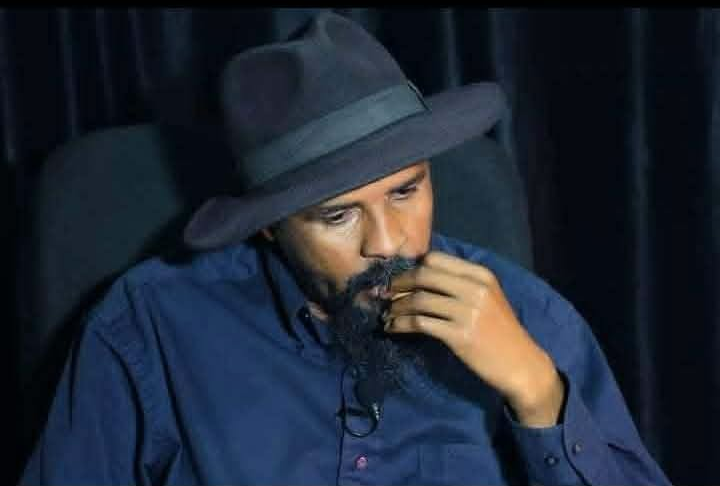
በኢትዮጵያ ፖለቲካ ተለዋዋጭ ሁኔታዎች ውስጥ፣ የትግራይ ህዝብ ነጻነት ግንባር በጊዜ ያልተፈወሱ ቁስሎችን ተቀብሏል—እና የኦሮሞ ህዝብ በዚህ እየተገለጠ ባለው ድራማ ውስጥ ማዕከላዊ ተዋናይ ሆኖ ይቀራል
በኢትዮጵያ ፖለቲካ ታሪክ መዝገቦች ውስጥ፣ ጥቂት ድርጅቶች እንደ ትግራይ ህዝብ ነጻነት ግንባር (ትህነግ) ከፍ ያለ እና በአስደናቂ ሁኔታ የወደቀ አሉ። ለሦስት አስርት ዓመታት ያህል፣ የኢትዮጵያን ኢምፓየር የፖለቲካ መልክዓ ምድር በብረት እጅ ተቆጣጥሮ፣ ራሱን እንደ አብዮታዊ ህጋዊ መንግስት አድርጎ ያቀረበ ነበር። ዛሬ ግን ትህነግ በጊዜ ሊረሱ የማይችሉ ቁስሎችን ሲያስተናግድ ይገኛል—በውጭ ጠላቶች ሳይሆን ለማስገዛት በፈለገው ህዝብ የተጎዱ ቁስሎች።
የአባ ኤባ ነጸብራቅ የትህነግን “ሁለት ቁጭቶች” አሳዛኝ ትንተና ያቀርባል—ቁጭቶች በእሱ አመለካከት ከኦሮሞ ህዝብ እና ከመነቃቃቱ ጋር የማይነጻጠሩ ናቸው። እነዚህ ወታደራዊ ሽንፈቶች ብቻ ሳይሆኑ ትህነግ መቀበል ወይም ማስኬድ ያልቻለው የሞራል እና የፖለቲካ ሂሳብ አጠቃላይ ግምገማዎች ናቸው።
የመጀመሪያው ቁጭት፡ የመቀሌ ውድቀት
“ለ27 ዓመታት፣ ‘የጥንቸልን ቆዳ ዝሆን ላይ ማጥለቅ አይቻልም’ እንደሚባለው፣ ትፕልፍ ቆዳውን ከአካሉ በላይ ለሆነ ኢምፓየር ለመዘርጋት ሞክሯል። በመጨረሻው ሰዓት፣ የኦሮሞ ቁርጥ ቀን ልጆች—ቄሮና ቀሬ—ባዶ እጃቸውን ታንክ ፊት ቆመው አገዛዙን አዋረዱ። ትፕልፍ ሀብቱን አዝረክርኮ ወደ መቀሌ እንዲሸሽ አስገደዱት። ይህ ዛሬ ድረስ ያልሻረ የመጀመሪያው ቁጭት ነው።”
የ2018 የኦሮሞ ተቃውሞ የፖለቲካ አመጽ ብቻ አልነበረም—በኢትዮጵያ የፖለቲካ መልክዓ ምድር ውስጥ የመሬት መንቀጥቀጥ ነበር። ቄሮና ቀሬ በመባል የሚታወቁት የኦሮሞ ወጣቶች ትህነግ ሊቆጣጠረው ባልቻለው የህዝብ ተቃውሞ ማዕበል ተነሱ። ተቃውሞዎቹ ያልተማከሉ፣ መሪ የሌላቸው፣ ነገር ግን ለፍትህ፣ ለእኩልነት፣ እና ለትፕልፍ የበላይነት መጨረሻ በሚጠይቁ ጥያቄዎች ላይ በሚያስደንቅ ሁኔታ የተወዳጁ ነበሩ።
በ27 ዓመታት የኢትዮጵያን አገዛዝ የቆጣጠረው ትህነግ፣ ወደ ሰሜናዊው ምሽጉ መቀሌ ለመሸሽ ተገዷል። ይህ በተቀናቃኝ ወታደራዊ ኃይል የተጎዳ ሽንፈት አልነበረም ነገር ግን በጦር መሳሪያ በሌላቸው ሰላማዊ ተቃዋሚዎች ፊት መውደቅ ነበር። ቁጭቱ ጥልቅ ነበር እና እንደ አባ ኤባ ገለጻ፣ በትፕልፍ አመራር ዘንድ በጭራሽ ተቀባይነት አላገኘም።
“ትህነግ የተሸነፈው ከኦሮሚያ እስከ ዳር ዳር በተቀጣጠለው የህዝብ ማዕበል—የኦሮሞ ነጻነት ትግል አካል በሆነው ማዕበል ነው። ይህ የማይካድ እውነት ነው። ኦሮሞ ዝሆን ነው፤ ሲረግጥ ይደፈጥጣል። ትህነግ ይህንን እውነታ ቢወደውም ባይወደውም ለመዋጥ ተገዷል።”
ሁለተኛው ቁጭት፡ ወደ መቀሌ መመለስ
ሁለተኛው ቁጭት የመጀመሪያውን ተከትሏል። መጀመሪያ ወደ መቀሌ ከተሸሸ በኋላ፣ ትህነግ በብሔራዊ መድረክ ላይ ተፅዕኖውን እንደገና ለማረጋገጥ ፈለገ። ከተለያዩ ኃይሎች—በተለይም በአማራ የፖለቲካ ህዝቦች መካከል ያሉ—ጋር ህብረት ፈጠረ እና የብልጽግና ፓርቲን መንግስት ለመቃወም ሞከረ።
ነገር ግን ይህ ጥረት በሌላ ሽንፈት አበቃ። ትህነግ እንደገና ወደ መቀሌ ለመሸሽ ተገዷል፣ ምኞቶቹን እና አጋሮቹን ትቶ፣ እሱ ባቀጣጠለው እሳት እየተቃጠለ። ይህ ሁለተኛ ሽንፈት፣ አባ ኤባ በሚከራከሩት መሠረት፣ ጥሬ እና ያልተስተካከለ ሌላ ቁጭት ነው።
“ትህነግ ወደ ፊንፊኔ ሊመለስ ሲል፣ እሱ ባቀጣጠለው እሳት ሲቃጠል አገኘ። ያለ ቅጣት አስተናግዶ ወደ መቀሌ ለመመለስ ተገዷል—ሌላው ያላሻረ ቁጭት።”
ያልተማረው ትምህርት
እነዚህ ቁጭቶች ቢኖሩም፣ ትህነግ ትምህርቱን አልተማረም። ይልቁንም፣ ለአዲስ ጦርነት መዘጋጀቱን ቀጥሏል፣ ይህንን ጊዜ በብልጽግና ፓርቲ መንግስት ሽፋን ተጠቅሟል። ከአራት ዓመት ያልቀረ ወታደራዊ ዝግጅት በኋላ፣ ትህነግ እንደገና ወደ ግጭት ለመግባት እየተዘጋጀ ነው።
አባ ኤባ ይህ ዝግጅት የበቀል ፍላጎት እንደሆነ ያስጠነቅቃል—ለኦሮሞ ህዝብ ለተፈጸሙ ቁጭቶቹ መውጫ የማግኘት ፍላጎት። “በብልጽግና ፓርቲ መንግስት ሽፋን፣ ትህነግ ለያለፉት ቁጭቶቹ በህዝባችን ላይ ቂም ለመውጣት እየፈለገ ነው።”
አላስፈላጊው ዋጋ
አባ ኤባ አሳሳቢ ጥያቄ ያነሳል፡ ለትህነግ ምኞቶች የኦሮሞ ህዝብ ለምን ዋጋ መክፈል አለበት? ኦሮሚያ በራሱ ፈጠራ ባልሆኑ ግጭቶች ውስጥ ለምን የጦር ሜዳ መሆን አለበት?
“ትህነግ ዛሬም ሆነ ትናንት 600 ኪሎ ሜትር ወደ ሀገሪቱ ልብ ወደ ኢትዮጵያ የዳቦ ቅርጫት ወደ ኦሮሚያ መጓዝ አያስፈልገውም ነበር። ደርግ ሲወድቅ እንደ ኤርትሪያ ነጻነት ማወጅ ይችል ነበር፣ እና ዛሬም ይችላል። ያስፈልገዋል የራሱን ሂሳብ ማወራረድ እና የህዝቡን ፈቃድ ማግኘት ብቻ ነው።”
ትህነግ ሽንፈትን ለመቀበል ፈቃደኛ አለመሆኑ የኦሮሞ ህዝብ በብዙ ስጋቶች መካከል እንዲጣላ አድርጓል። በአንድ በኩል፣ የትህነግ ቀጣይ ወታደራዊ ዝግጅቶች እና የበቀል ፍላጎት አለ። በሌላ በኩል ደግሞ እንደ ፋኖ ያሉ ኃይሎች እና ሌሎች የታጠቁ ቡድኖች የኦሮሞን ማህበረሰቦች ኢላማ አድርገዋል።
የኦሮሞ ልሂቃን ሃላፊነት
አባ ኤባ ጣቱን ወደ ኦሮሞ ልሂቃን ይመራል፣ ሃላፊነታቸውን በመወጣት መውደቃቸውን በመክሰስ። ለኢትዮጵያ ኢምፓየር በመቃወም ትግል ውስጥ ከፍተኛውን ዋጋ የከፈለው የኦሮሞ ህዝብ፣ አሁን የሁለት ዓይነት ስጋቶች ይጋፈጣል፡ የትህነግ የበቀል ጥማት እና የኦሮሞ ልሂቃን የትግሉን ጥቅሞች ለመጠበቅ አለመቻላቸው።
“የኦሮሞ ልሂቃን በኦሮሞ ህዝባዊ ትግል የተገኘውን ታሪካዊ ድል ለመጠበቅ አልቻሉም። የህዝቡን የዴሞክራሲ፣ የፍትህ፣ እና የራስን ዕድል በራስ መወሰን ህገመንግስታዊ መብት ከመጎዳት ለመጠበቅም አልቻሉም።”
ይህ መውደቅ፣ አባ ኤባ በሚከራከሩት መሠረት፣ የኦሮሞ ህዝብ እንዲገለል እና በጎረቤቶቹ ዘንድ በጥርጣሬ እንዲታይ አድርጓል። የኦሮሞ ልሂቃን ወደ ፊት ለመምጣት አለመቻላቸው ህዝቡን ለመጠቀሚያ እና ለመገለል ተጋላጭ አድርጓል።
ለንቃት ጥሪ
አባ ኤባ ለኦሮሞ ህዝብ በሚያቀርቡት መደምደሚያ ጥሪ ላይ፡
“ህዝባችን ለሚመጣው ጦርነት አደጋ ከወዲሁ ራሱን ማዘጋጀት እና ሁኔታውን በንቃት መከታተል አለበት እላለሁ። በትህነግ ሆነ በፋኖ ኃይሎች እየተዘጋጀ ያለው ጦርነት ለመጪው የኦሮሞ ትውልድ ስጋት ነው። ቆራጥ እርምጃ ተወስዶ ቀጣይነት ያለው መፍትሄ ሊገኝለት ይገባል።”
በአጥብቆ ይናገራል ኦሮሚያ ለሌሎች ምኞቶች ማቅለጫ ሆና መቆየት እንደሌለባት። “ኦሮሚያ የፋኖ ወይም የትህነግ መረማመጃ አትሆንም! በቁርጥ ቀን ልጆቿ ነጻ ወጥታ ተከብራና ተፈርታ ለዘለዓለም ጸንታ ትኖራለች።”
ታሪካዊ ማስጠንቀቂያ
የአባ ኤባ ነጸብራቅ ወቅታዊ የፖለቲካ ትችት ብቻ አይደለም—ታሪካዊ ማስጠንቀቂያ ነው። የኦሮሞ ህዝብ ትህነግ በምኞቶቹ ውስጥ እንዳልተተወ እና ሁለቱ ቁጭቶች እንዳልፈወሱ ያስታውሳቸዋል። ነገር ግን ነጸብራቁ የተስፋ እና የቁርጠኝነት መልእክትም ይዟል። የኦሮሞ ህዝብ አንዴ ከተነሳ፣ እንደገና ሊነሳ ይችላል። ዝሆን ከዚህ በፊት ጠላቶቹን ደፍጦአል፣ እንደገናም ይችላል።
መደምደሚያ
የትህነግ ሁለት ቁጭቶች ወታደራዊ ወይም የፖለቲካ ሽንፈቶች ብቻ አይደሉም—ድርጅቱ መቀበል ያልቻላቸው ምሳሌያዊ ቁስሎች ናቸው። ትፕልፍ ከታሪኩ ለመማር ፈቃደኛ አለመሆኑ የኦሮሞ ህዝብ አዲስ ስጋት እንዲገጥም አድርጓል። ነገር ግን የኦሮሞ ህዝብ፣ ኃይሉን አሳይቶ፣ አስቸጋሪ አይደለም።
እንደ አባ ኤባ ገለጻ፡ “ኦሮሚያ የፋኖ ወይም የትፕልፍ መረማመጃ አትሆንም! በቁርጥ ቀን ልጆቿ ነጻ ወጥታ ተከብራና ተፈርታ ለዘለዓለም ጸንታ ትኖራለች።”
ዝሆን ከዚህ በፊት ጠላቶቹን ደፍጦአል፣ እንደገናም ይችላል።
ቸር ያሰማን!
Dirree Incinnii: A Legacy of Resistance, A Future of Progress
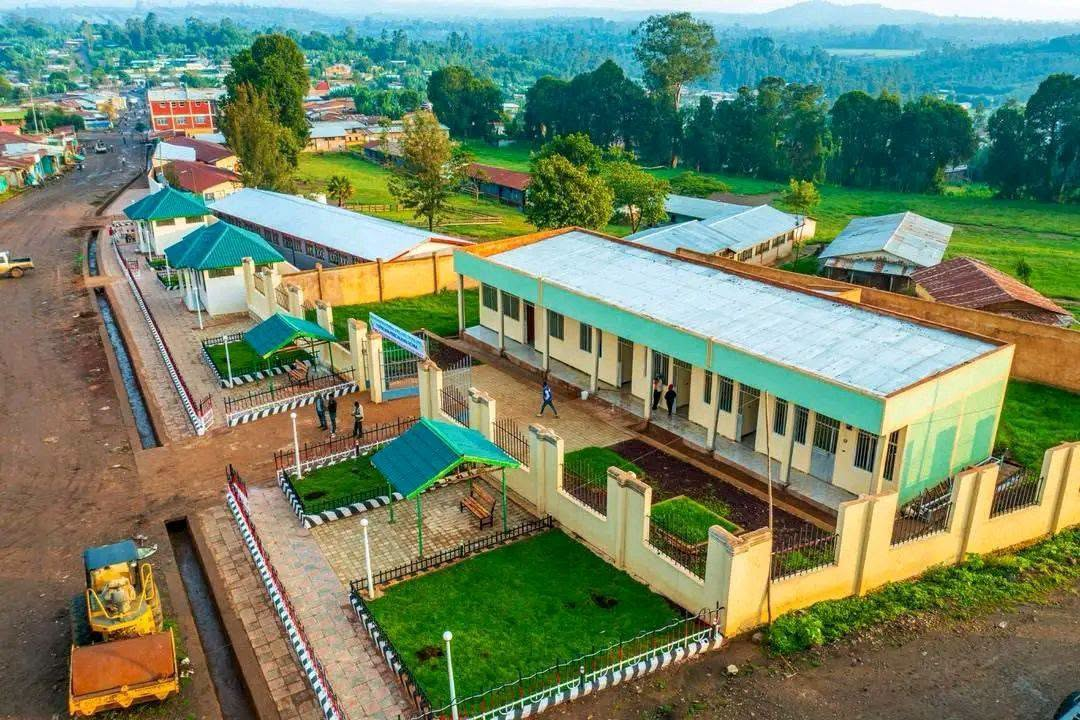
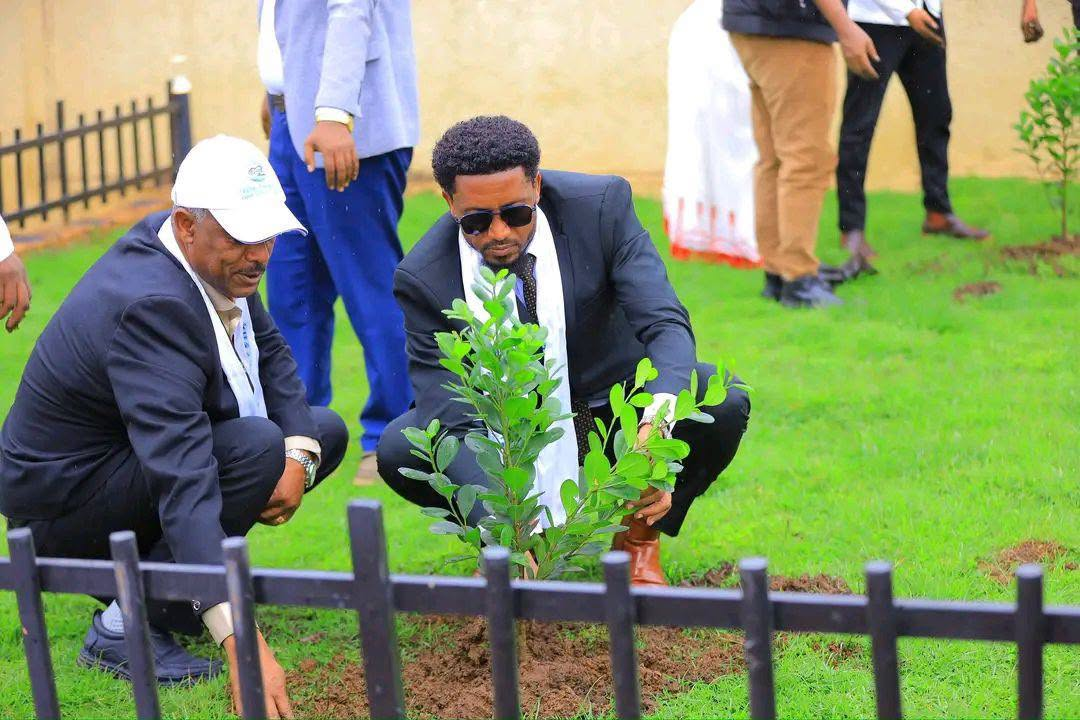
Community and government join hands to inaugurate 23 development projects worth over 278 million birr in a district shaped by heroism and resilience
DIRREE INCINNII, OROMIYA — There are places in the world where history and hope meet—where the struggles of the past become the foundation for the dreams of the future. Dirree Incinnii, a district in West Shewa Zone, is one such place. Rich in natural resources and agricultural abundance, it is also a land steeped in the memory of heroism, anti-slavery struggles, and the enduring legacy of Oromo resistance.
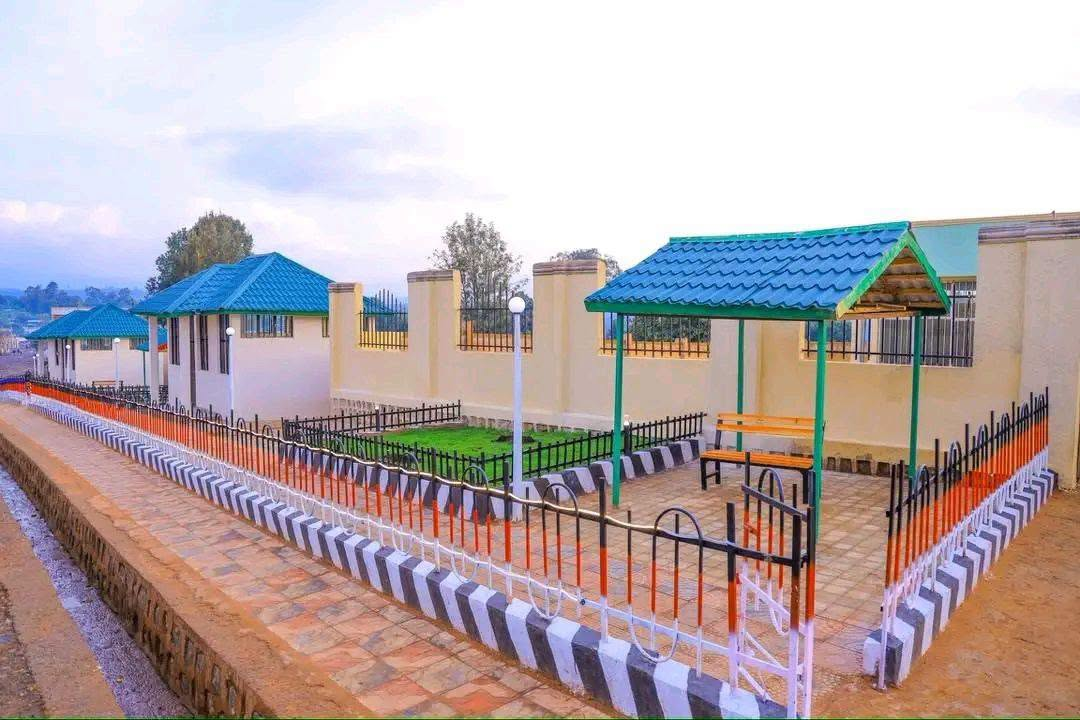
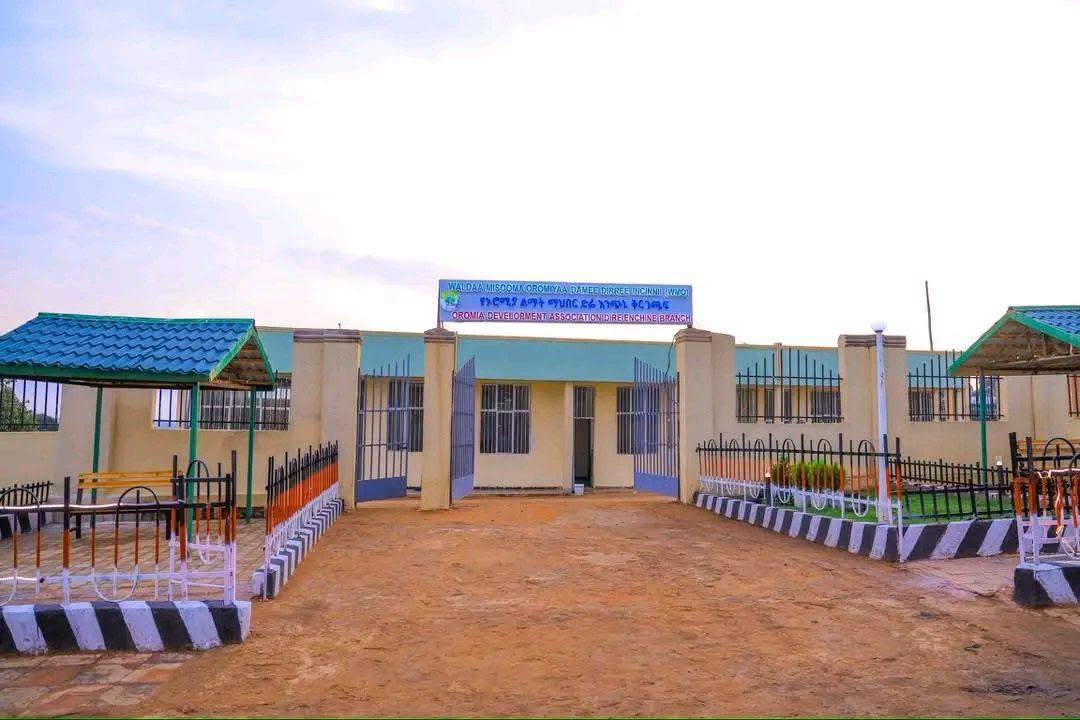
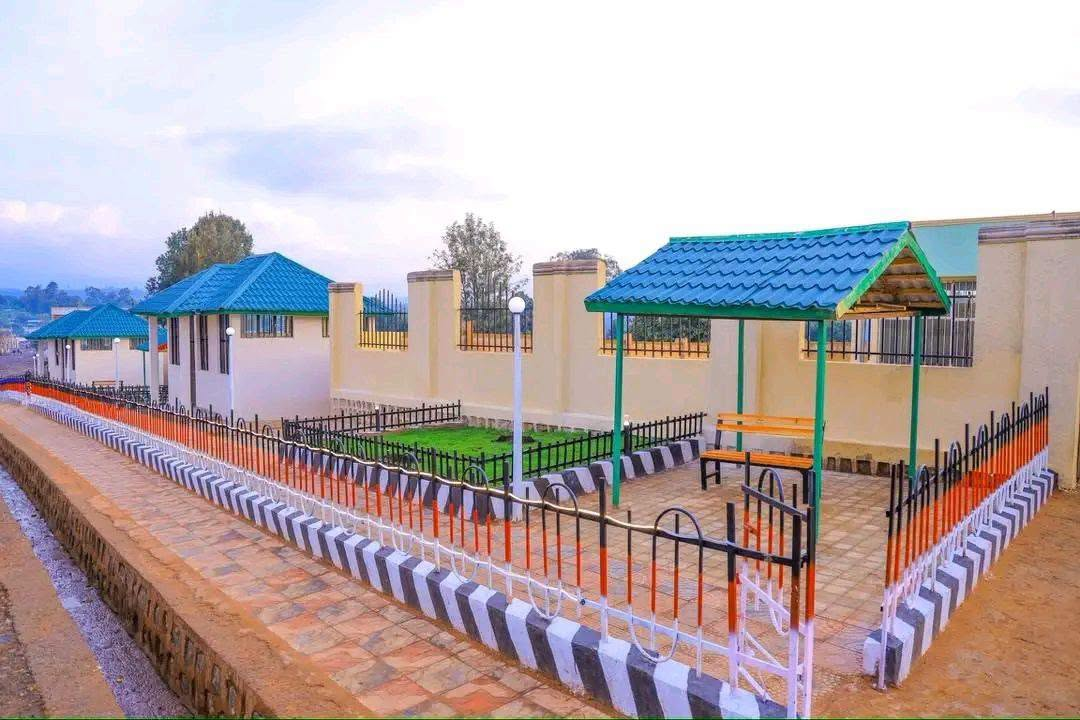
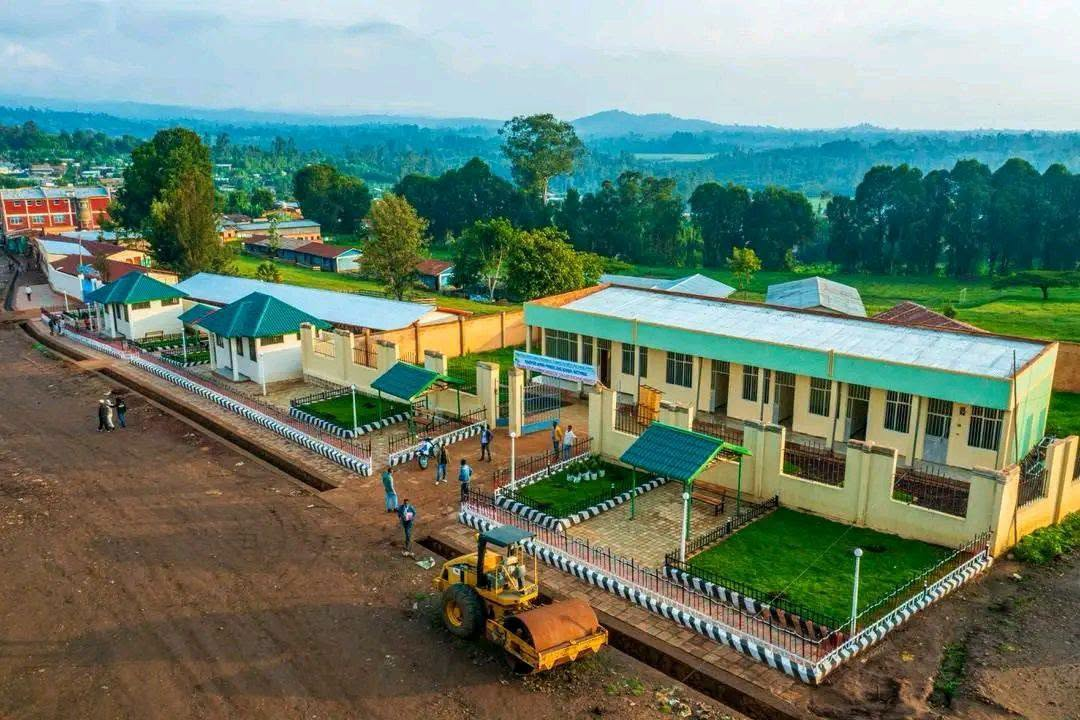
On Adoolessa 16, 2018, this proud community came together to celebrate a new chapter in its journey. In a ceremony filled with gratitude and pride, 23 community development projects—valued at over 278.7 million birr—were officially inaugurated. These projects, built through a combination of community participation and government budget, represent not just physical infrastructure but the collective will of a people determined to build a better future.
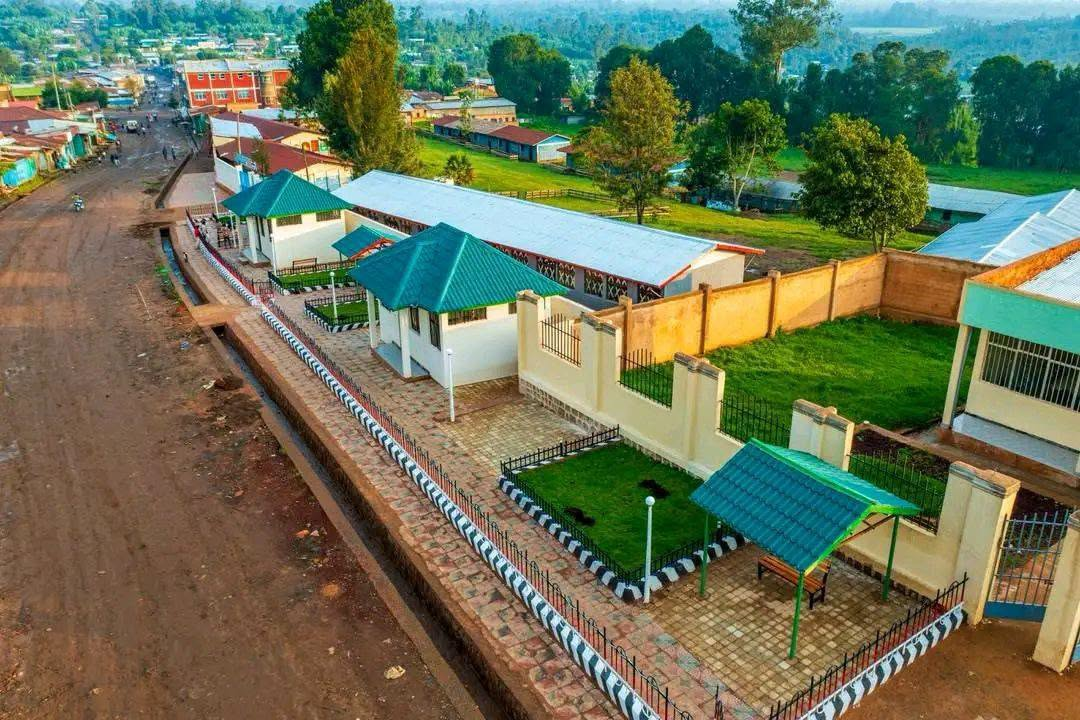
A Day of Celebration and Gratitude
“Uummatni Aanaa Dirree Incinnii Marti Baga Guyyaa Eebba Pirojektota bajata Mootummaa fi hirmaannaa keessaaniin hojjettanii tokkummaa keessan itti agarsiiftanii fi firii dadhabbii keessanii ijaan agartan.”
The people of Dirree Incinnii were greeted with a message of celebration: “Happy Inauguration Day of the Projects built with government budget and your participation—where you have shown your unity and demonstrated the fruits of your sacrifice with your own hands.”
The ceremony was a testament to the power of collective effort. The projects were not handed down from above; they were built from the ground up, with the active participation of the community. From the planning stages to the final construction, the people of Dirree Incinnii contributed their labour, their resources, and their unwavering commitment to the development of their district.
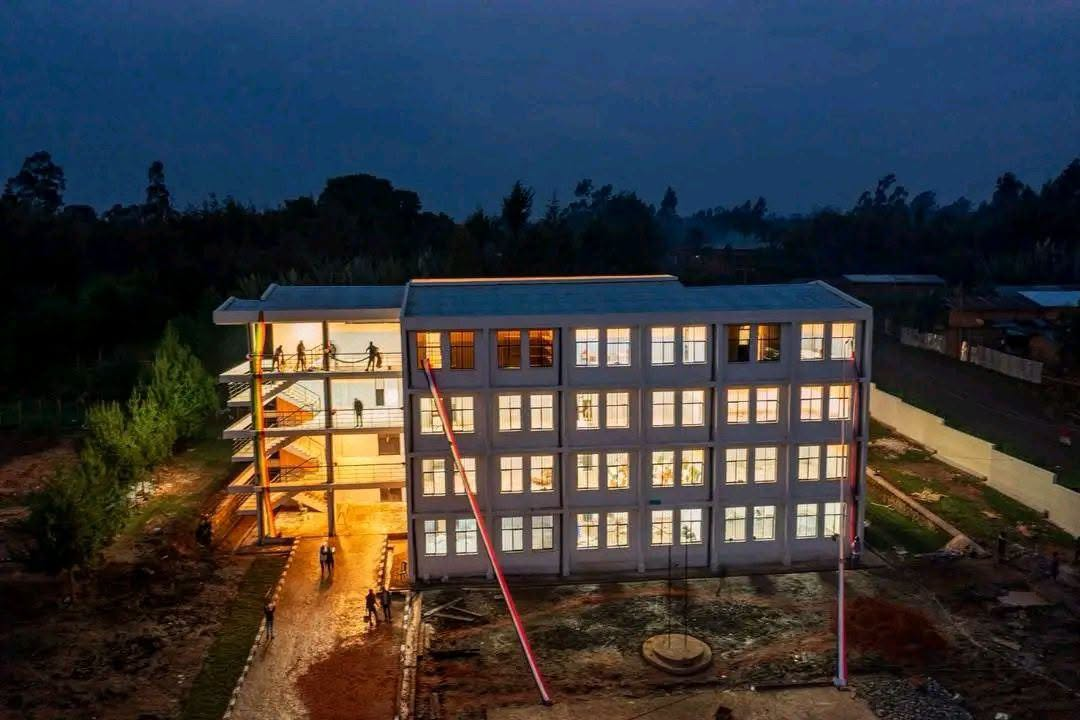
23 Projects, One Vision
“Pirojektoonni baay’inni isaanii 23 ta’an, kanneen akka magariisummaa magaalaa, riqicha, mana barumsaa oolmaa addaa hirmaannaa hawaasaatiin ijaarame, dareewwan dabalataa, dijitaala laibraarii fi kanneen biroo maallaqa miiliyoona 278.7 oliin ijaaramee xumuramee eebbaaf qaqqabee jira.”
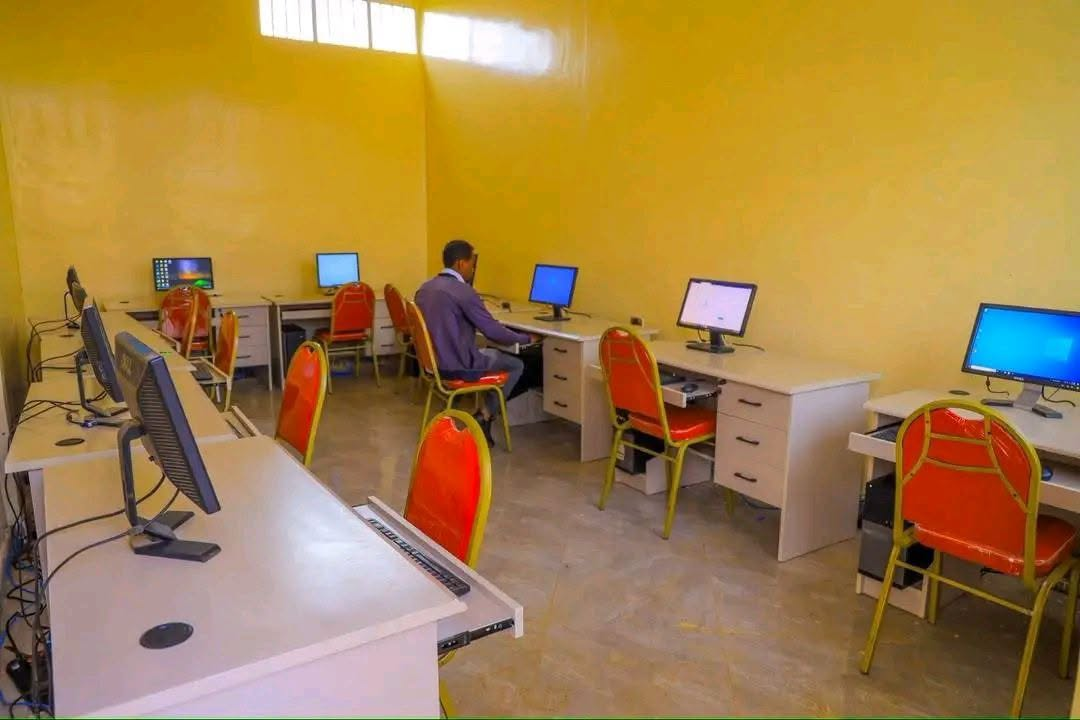
A total of 23 projects have been completed, including:
- Urban greenery initiatives: Beautifying and greening the district
- A clinic: Improving access to healthcare for the community
- A special needs school: Built with community participation, ensuring inclusive education
- Additional classrooms: Expanding access to quality education
- A digital library: Bringing technology and knowledge to the district
These projects, valued at over 278.7 million birr, represent a comprehensive investment in the future of Dirree Incinnii. They address the core needs of the community—health, education, and environmental sustainability—while laying the foundation for long-term growth and prosperity.
Community Participation: The Key to Success
“Tumsii hawaasni Dirree Incinnii fi jaalattoonni aanichaa bakka garaa garaa garaa jiran karoora waloon qopheessuun, koree dhaabanii milkaa’ina pirojektoota aanichaaf deeggarsa guddaa taasisaniiru.”
The success of these projects is a direct result of the active participation of the community. The people of Dirree Incinnii, along with supporters from various places, prepared a joint plan, established a committee, and worked tirelessly to ensure the success of the projects. Their collective effort demonstrates the power of unity and the importance of community ownership in development.
The projects were not imposed from outside—they were built by the community, for the community.
A District of Historical Significance
“Aanaan Dirree Incinnii badhaadhina uumamaa fi omisha qonnaatiin qofa osoo hin taane, seenaa gootummaa, falmaa diddaa garbummaa fi gootota seenaa Oromoo keessatti iddoo guddaa qabdi.”
Dirree Incinnii is not merely a land of natural wealth and agricultural production—it is a place steeped in the history of heroism, anti-slavery struggles, and the legacy of Oromo heroes. The district’s rich history of resistance and resilience serves as an inspiration for its current development efforts.
The spirit of the ancestors who fought against oppression lives on in the determination of the current generation to build a better future.
A Vision for Transformation
The inauguration of these projects marks a significant milestone in the transformation of Dirree Incinnii. It reflects the broader vision of the current leadership to address socio-economic challenges, improve education, and foster community participation.
As the community celebrates these achievements, it does so with a deep appreciation for its history and a hopeful vision for a prosperous future. The district’s journey from a history of struggle to a present of progress is a testament to the resilience and determination of the Oromo people.
Conclusion
The inauguration of 23 community development projects in Dirree Incinnii is more than a celebration of infrastructure—it is a celebration of unity, resilience, and hope. It is a testament to what can be achieved when a community comes together, when government and people work hand in hand, and when the spirit of sacrifice is matched by the vision of transformation.
As the people of Dirree Incinnii look to the future, they carry with them the legacy of their ancestors—the heroes who fought for freedom, the resisters who refused to be enslaved, and the visionaries who dreamed of a better tomorrow. In the classrooms, the clinics, and the green spaces that now grace their district, that dream is becoming a reality.
The Wisdom of Waaqeffannaa: Ancient Truths for a Modern World

In an age of ecological crisis, political division, and spiritual searching, the indigenous Oromo faith offers profound lessons in balance, justice, and harmony with creation
In the highlands and lowlands of the Horn of Africa, long before the arrival of Christianity and Islam, the Oromo people developed a sophisticated spiritual worldview centred on one supreme Creator: Waaqa . This ancient faith, known as Waaqeffannaa, is not merely a relic of the past but a living tradition whose core principles speak directly to the most pressing challenges of our time.
From the climate crisis to the erosion of democratic values, from social fragmentation to the loss of meaning, the wisdom of Waaqeffannaa offers a coherent and ethical framework for navigating a complex world. It reminds us that we are not separate from nature, that balance is the foundation of all well-being, and that truth is sacred.
The Core Principles
Waaqa: The One God
At the heart of Waaqeffannaa lies a steadfast belief in Waaqa Tokkicha—the One God. The Oromo have historically been monotheistic, never substituting other gods or carved statues for their Waaqa . This supreme being is understood through attributes that, in their simplicity, speak to a profound understanding of the divine:
- Uumaa: The creator of everything in the world
- Hunda Beekaa: The all-knowing (omniscient)
- Hunda Danda’aa: The all-powerful (omnipotent)
- Hundaa Tola’a: The all-good (omnibenevolent)
- Qulqulluu: Pure
- Gonkumaa Kan Hin Duune: Immortal, eternal
Waaqa is also the “source and lover of dhugaa (truth)” . This emphasis on truth is not merely theological—it is an ethical call to live with integrity, honesty, and justice.
Safuu: The Moral Order
One of the most powerful concepts in Waaqeffannaa is Safuu—the moral and spiritual balance that Waaqa offered to human beings . Safuu governs relationships between humans, the community, the divine, and nature. It is not merely a list of rules but a cosmic order that must be maintained for Nagaa (peace, well-being, and balance) to prevail.
When Safuu is broken—through lying, stealing, harming nature, or breaking sacred oaths—it is a sin (cubbuu) that disrupts the harmony of the universe . Unlike in some other traditions, however, the consequences of sin are experienced during earthly life, not in an afterlife. There is no concept of eternal punishment in hell . This places responsibility squarely on human beings to create a just and balanced world here and now.
Ayyaana: Divine Manifestations
The power of Waaqa is manifested through Ayyaana, a divine spirit that serves as an intermediary between God and the world . The Ayyaana are “both that causes something to come into being and to become that which it has caused” . They are not additional gods but manifestations of the divine essence of Waaqa.
All creatures (Uuma) are believed to be assigned an Ayyaana by Waaqa for guidance and protection . This belief has profound ethical implications: all life is sacred, all beings are guided, and all existence is interconnected.
Uumaa: Creation as Sacred
The Oromo concept of Uumaa includes the sky, water (laga), trees (muka), and mountains (tullu) as sacred elements . The most sacred of these is the Odaa tree (sycamore), considered a symbol of justice and often used as a site for prayer, community gatherings, and conflict resolution .
The Oromo believe that “they suck the breast of the Earth as the baby sucks its mother’s breast. All things originate from the Earth and depend on the resources of the Earth for their survival” . This profound connection to nature makes environmental stewardship a religious duty, not a political option.
The Institutional Pillars
The Gadaa System
Waaqeffannaa is closely linked with the Gadaa system, the indigenous democratic governance structure of the Oromo people . The Gadaa system is recognized by UNESCO as an Intangible Cultural Heritage of Humanity. It is a sophisticated republican model of governance marked by “codified separation of powers, democratic deliberation, and jurisprudential sophistication” .
According to the Oromo worldview, knowledge is classified into two types:
- Beekumsa addaa: Cultural and customary knowledge
- Beekumsa seeraa: Knowledge of laws, subdivided into:
- Seera Waaqaa: The law of God—immutable
- Seera Namaa: The laws of human beings—changeable through consensus and democratic means
The Gadaa system embodies principles of equality, participatory democracy, and the peaceful transfer of power, principles that predate Enlightenment republicanism by centuries . American anthropologist Bonnie Holcomb noted that Gadaa “organized the Oromo people in an all-encompassing democratic republic even before the few European pilgrims arrived from England on the shores of North America and only later built a democracy” .
The Qaalluu Institution
The Qaalluu (male priest) and Qaallitti (female priestess) serve as spiritual intermediaries and guardians of the laws of Waaqa . The term Qaalluu derives from the Oromiffa word qull, meaning “pure, holy, sacred, blameless, black” .
The Qaalluu and Qaallitti are expected to remain politically neutral, condemn tyranny, and support the democratic Gadaa system . They have the power to give or withhold blessings to the Gadaa leadership as they see fit, serving as a powerful check on political power.
The Abbaa Muudaa, regarded as the highest Qaalluu and a prophet, receives pilgrims seeking blessings and anointment . Those who make the pilgrimage must pass the highest moral standards of society and are given the title Jila (saintly people), qualifying them to perform rituals and sermons in their clans and villages .
Women’s Institutions
Waaqeffannaa recognizes women’s spiritual authority and rights through specific institutions. The Siinqee is a ritual stick given to married women, symbolizing their dignity and protection against violence and injustice . If a woman’s rights are violated, she can raise the Iyya Siinqee (Siinqee scream), which mobilizes all women in the community to support her cause .
The Maaram is the divinity of women, considered “another creation of Waaqa” and the mother of the ocean. Maaram was believed to help barren women conceive and help pregnant women give birth without complications . The Qaalluu pray for Maaram biweekly for fertility and children .
The Rituals of Connection
The Irreechaa Festival
Irreechaa is the most prominent Oromo festival—the thanksgiving celebration at sacred lakesides held twice a year . It is a time to thank Waaqa for rain, harvest, and the gift of life .
“Irreecha is a celebration of fertility, love, and peace. We pray for peace not only for Ethiopia but for all of Africa and the world” . The festival draws millions of participants from across the Oromo community, dressed in traditional white attire to express their gratitude .
Irreechaa represents the deep spiritual connection between the Oromo people and the natural world. The ritual of putting wet grass (cogorsa) on riverbanks and sacred sites expresses thanks and respect for God, acknowledging the hope for the continuation of life .
The Ekeraa
The Waaqeffataa believe that when a person dies, they will be reunited with former loved ones in Iddoo Dhugaa (the Place of Truth) . They honour the spirits of the deceased and observe Ekeraa (the spirit of the deceased person) . Every year in December, they celebrate the Ekeraa with bread, cheese with butter, beer, and honey .
Lessons for the Modern World
Lesson 1: Environmental Stewardship as a Sacred Duty
The Oromo concept of interconnectedness with nature—expressed through Waaqa, Safuu, Ayyaana, and the Gadaa system—offers a powerful framework for ecological ethics . In a world facing climate crisis, biodiversity loss, and environmental degradation, the Oromo belief that “they suck the breast of the Earth as the baby sucks its mother’s breast” is a profound call to stewardship. When trees, water, and mountains are understood as sacred, they cannot simply be exploited for profit. Environmental protection becomes a religious obligation.
Lesson 2: Democracy Rooted in Indigenous Wisdom
The Gadaa system demonstrates that democratic governance is not a Western invention but has deep roots in African political thought . Its principles of separation of powers, participatory deliberation, and peaceful transfer of power offer a model of governance that predates and parallels European democratic traditions. The dual failure—by Abyssinia to transform internally and by Europe to learn externally—represents a profound historical loss for the global democratic evolution . Rediscovering Gadaa’s democratic wisdom is essential for reimagining governance in Africa and beyond.
Lesson 3: Balance and Harmony as Moral Principles
Safuu, the Oromo concept of moral and spiritual balance, is a powerful corrective to the extremism that characterises much of modern life. The breach of Safuu disrupts the harmony of the universe; the restoration of Safuu is essential for peace and well-being . This principle applies equally to politics, economics, social relations, and our relationship with nature.
Lesson 4: Religious Tolerance and Coexistence
Waaqeffannaa has demonstrated a remarkable degree of tolerance in its historical interaction with Christianity and Islam. Scholars note “the historical symbiotic relationship between Waaqeffana and the major religions reflecting a significant degree of tolerance on the part of the former” . Whether the Oromo have become Christians or Muslims, “a true belief in one God (Waaqeffanna dhugaa) remains the basic tenet of Oromo identity” . This model of religious coexistence offers a valuable lesson for societies divided by religious conflict.
Lesson 5: The Power of Oral Tradition and Living Wisdom
Waaqeffannaa has no written scriptures . Its wisdom is transmitted through oral tradition, ritual, and lived experience. This is not a weakness but a strength. It ensures that knowledge remains relevant, adaptable, and embedded in community practice. The Waaqeffataa believe that Waaqa gave human beings their minds to distinguish right from wrong, and the natural order as a guide to living well . This is a profound challenge to the modern tendency to rely on external authority rather than internal wisdom.
Conclusion
The wisdom of Waaqeffannaa is not a relic of the past but a living tradition with profound relevance for the present. Its core principles—the unity of God, the importance of truth and justice, the sacredness of nature, the value of democratic governance, and the necessity of balance and harmony—speak directly to the challenges of the modern world.
As the Oromo continue to revive and celebrate their faith, they offer a gift to the wider world: a vision of life that is spiritually rich, ecologically sustainable, socially just, and deeply human. In an age of fragmentation and crisis, the wisdom of Waaqeffannaa is a light worth following.
“Whether the Oromo are Christians or Muslims, a true belief in one God remains the basic tenet of Oromo identity. This common denominator could be an important asset for democratization, creating harmony, understanding and better integration among the population” .
This feature draws on scholarly research, oral traditions, and the lived experience of the Oromo community, synthesising insights from Ethiopia’s largest ethnic group.
Dirree Incinnii Celebrates Inauguration of Major Community Development Projects
A symbol of resilience and progress, the district honours its history of resistance while embracing a future of transformation and growth
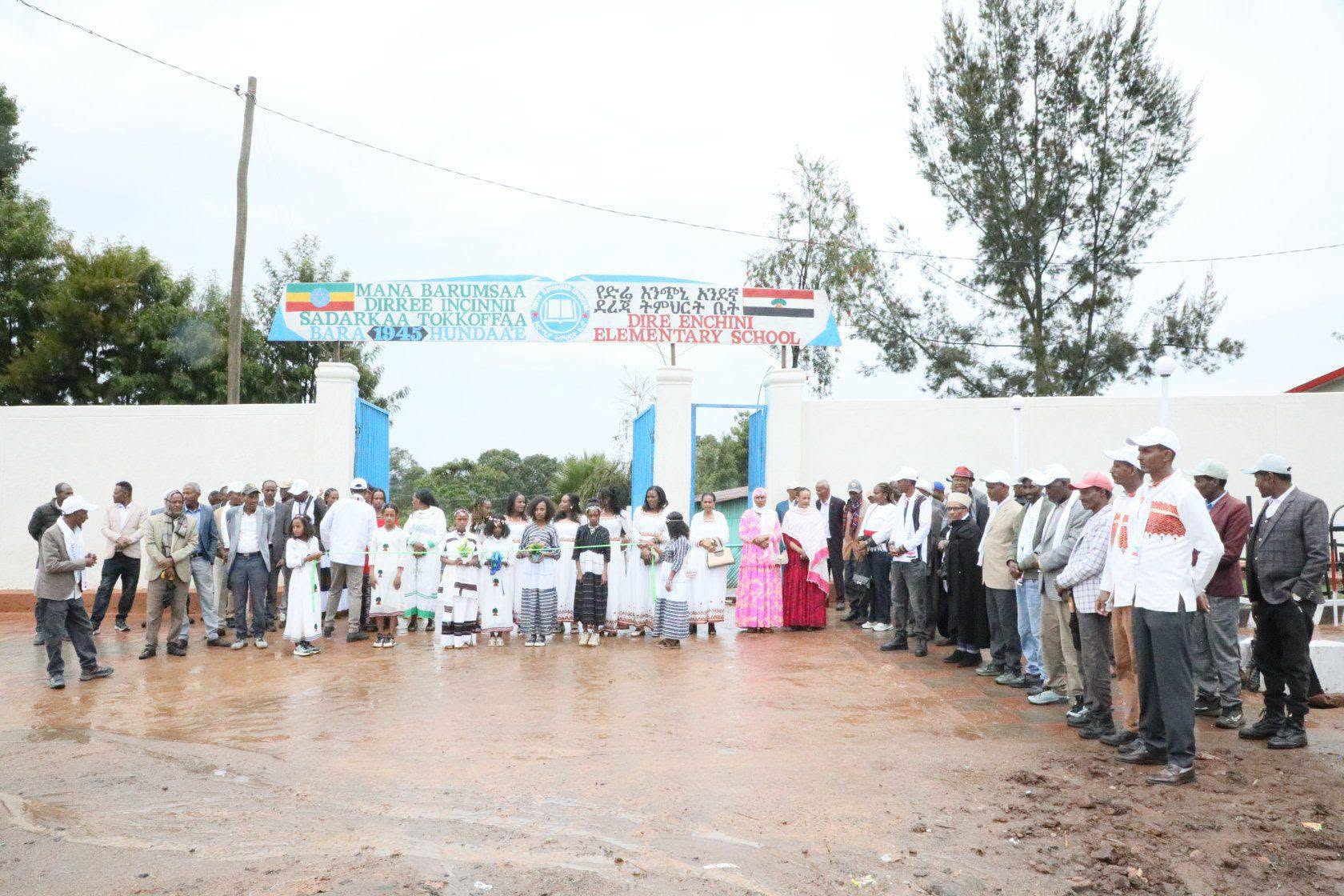
DIRREE INCINNII, OROMIYA — The district of Dirree Incinnii in West Shewa Zone is not merely a land of natural wealth and agricultural abundance—it is a place steeped in the history of Oromo resistance, a site where the struggle against oppression has left an indelible mark on the identity of its people. On Adoolessa 16, 2018, this proud community came together to celebrate the inauguration of a series of community development projects, marking a significant milestone in the district’s journey toward progress and prosperity.
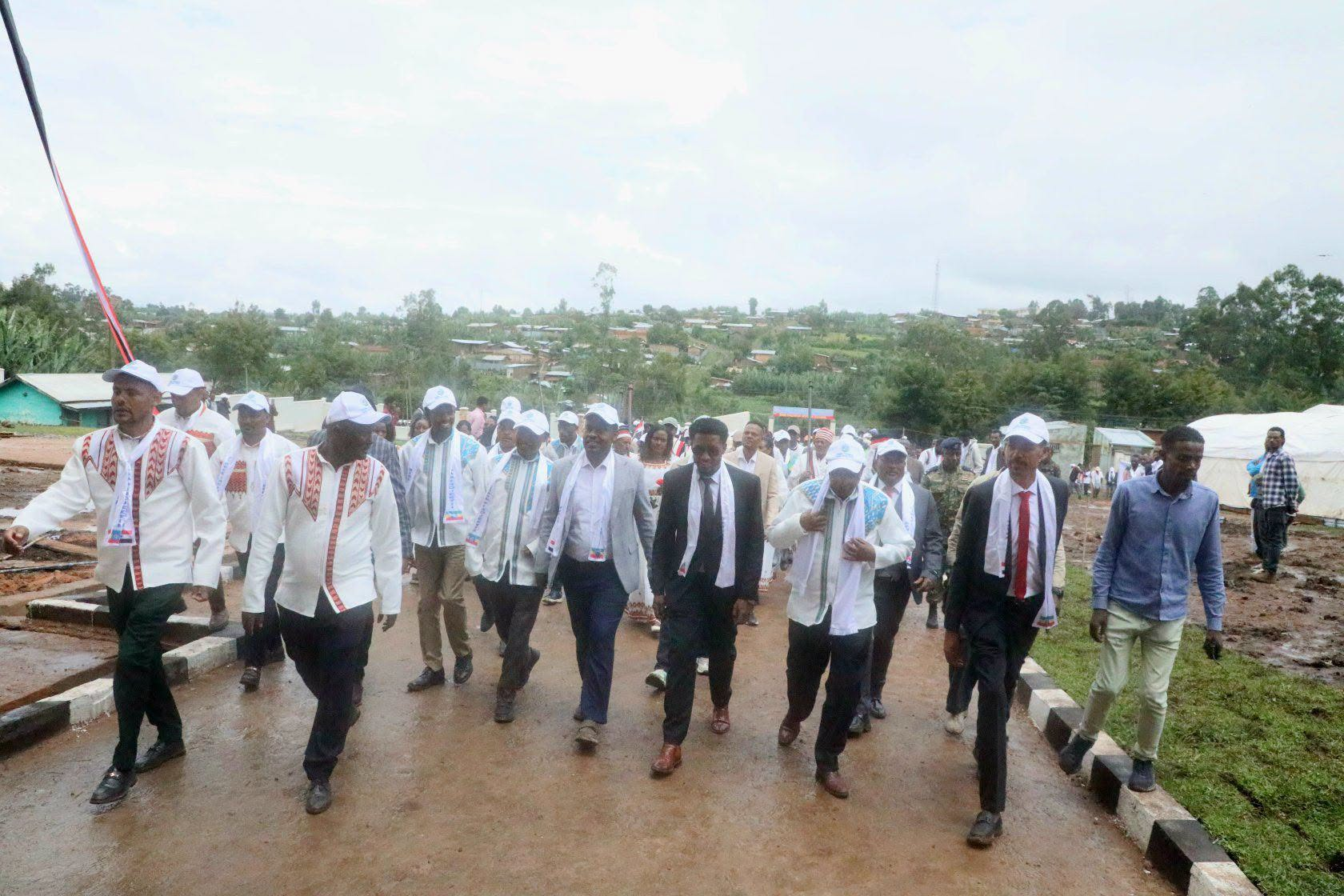
The projects, which have been implemented through a combination of community participation and government budget, were officially inaugurated in a ceremony that underscored the transformative vision of the current leadership.
A Vision for Transformation
“Jijjiiramni amma addunyaan dinqisiifachaa jirtu kun tarsiimoo hoggansi jijjiiramaa ittiin hoggananiin mul’achuu danda’e.”
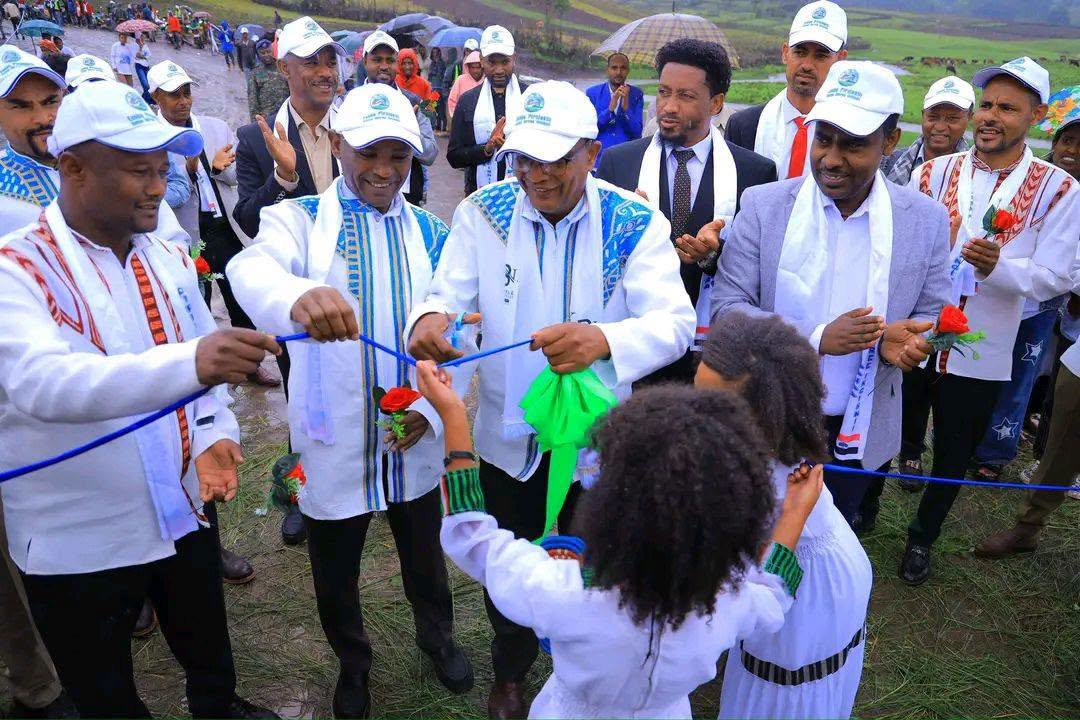
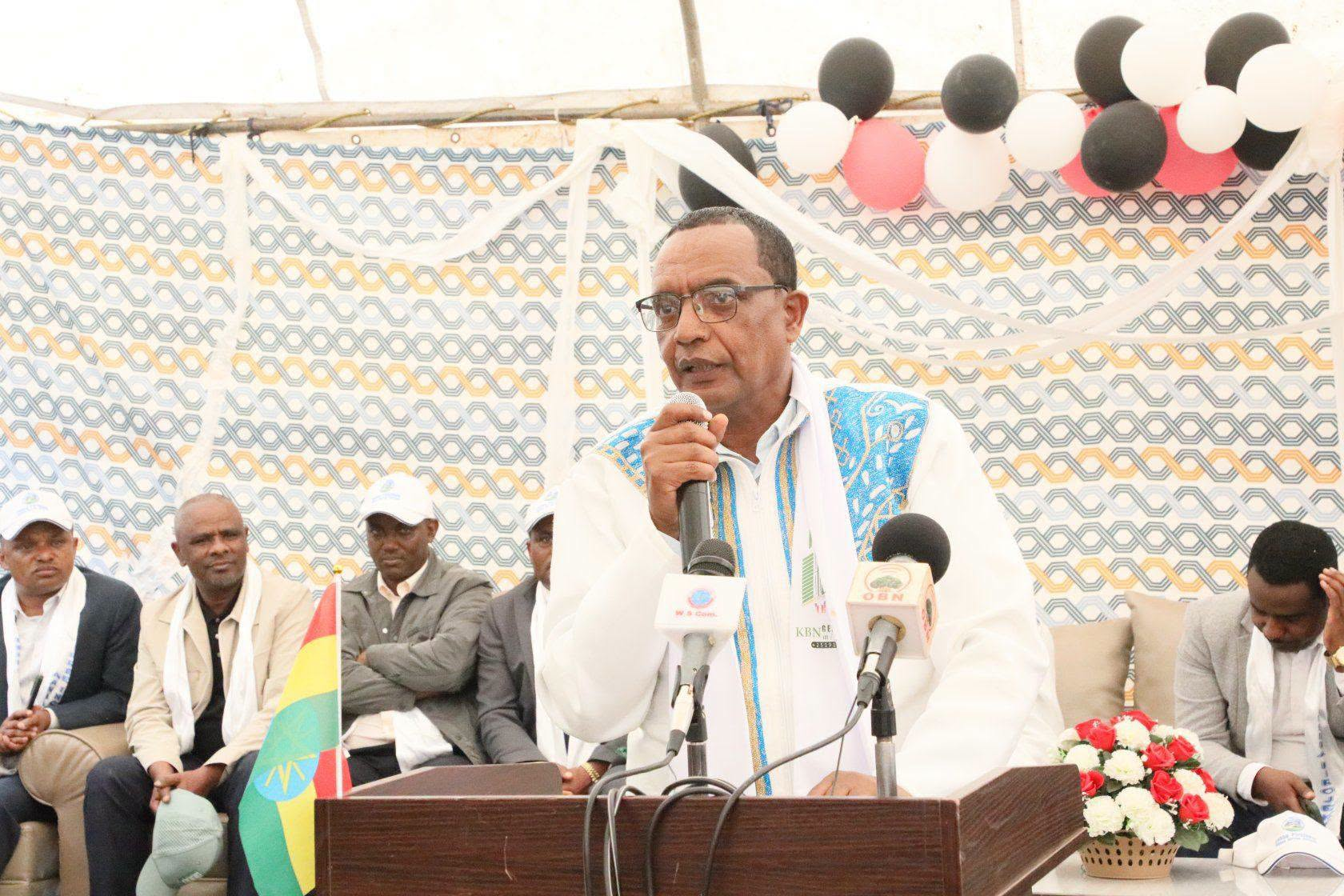
Speaking at the ceremony, the Administrator of West Shewa Zone, Ababa Camada, highlighted that the current transformation is a testament to the vision of the reformist leadership under the Abbaa Gadaa-led government. He noted that while economic resources existed in the past, there was a deliberate effort to weaken the Oromo people economically. However, today, under the new leadership, the era of instability has ended, and the focus has shifted to development.
A Call for Vigilance and Unity
“Baroota darban keessa qormaata nageenyaa ture keessaa ba’uun pirojektoota gurguddaa rakkoo hawaas-dinagdee hiikuu danda’an eebbisuun wanta guddaadha. Ammas warra rakkoo uumanii deebi’anii isinitti himuu barbaadaniif gurra keessan gurra arbaa godhaa, jala hin qabinaa.”
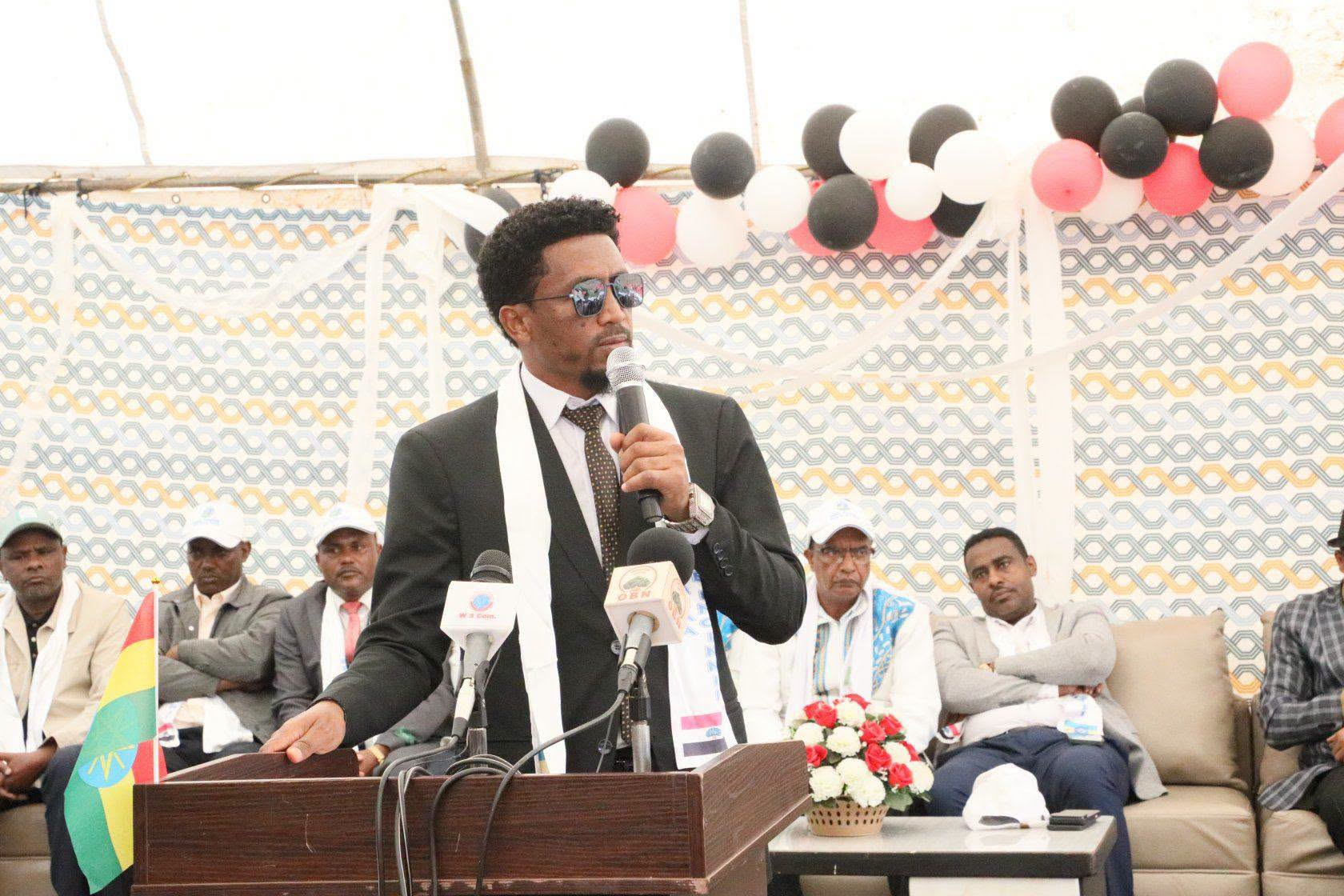
The People’s Representative Council Representative, Kab. Gen. Hayiluu Gonfaa, called on the community to celebrate the achievement of emerging from past security challenges to inaugurate major projects that address socio-economic problems. He urged the people to remain vigilant against those who seek to destabilise the region, advising them not to be swayed by misleading voices.
Education at the Forefront
“Sirnoota darban keessa cabsi barnootaa, teeknoloji fi qulqullinni barnootaa baay’ee kuufaatii yaaddeessaa keessa ture. Sana hubachuun bu’uura irratti hojjechuun hiikuuf hojiin guddaan hojjetamaa jira.”
The representative of the Oromia Education Bureau, Galaatuu Tukee, spoke about the critical state of education under previous regimes, where a collapse in education, technology, and quality was evident. He emphasised that significant work is now being done to address these challenges by building on the existing foundations. Efforts are underway to construct educational projects that align with cultural values.
23 Projects Inaugurated
“Pirojektootni baay’inni isaanii 23 ta’an, kanneen akka magariisummaa magaalaa, riqicha, mana barumsaa oolmaa addaa hirmaannaa hawaasaatiin ijaarame, dareewwan dabalataa, dijitaala laibraarii fi kanneen biroo maallaqa miiliyoona 278.7 oliin ijaaramee xumuramee eebbaaf qaqqabee jira.”
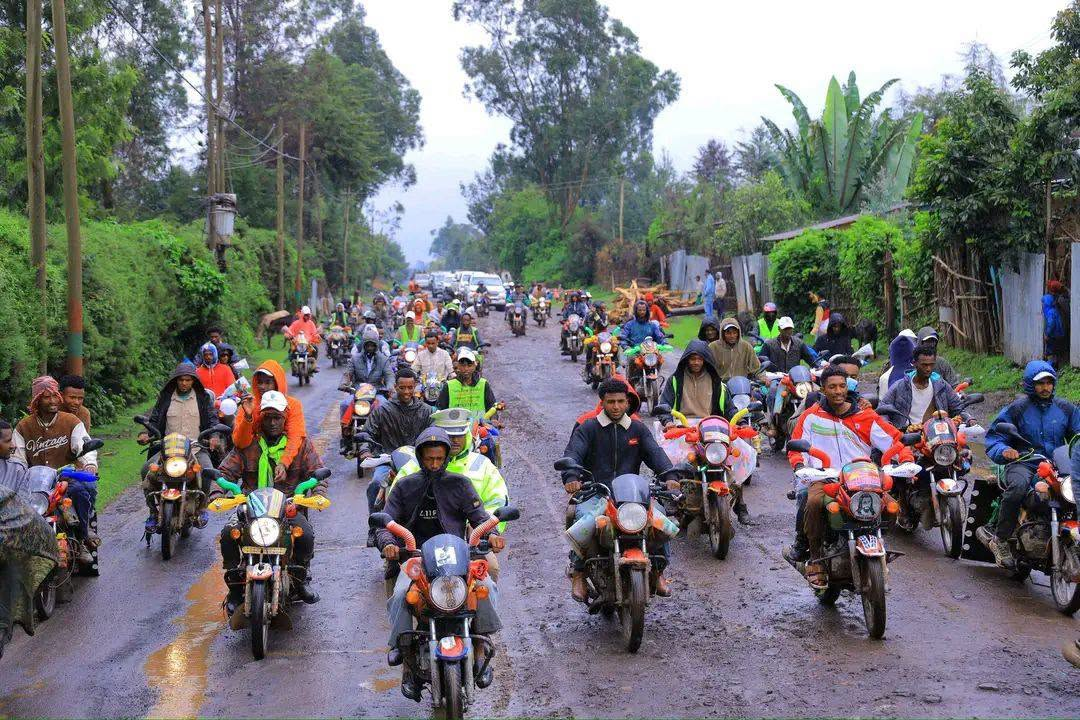
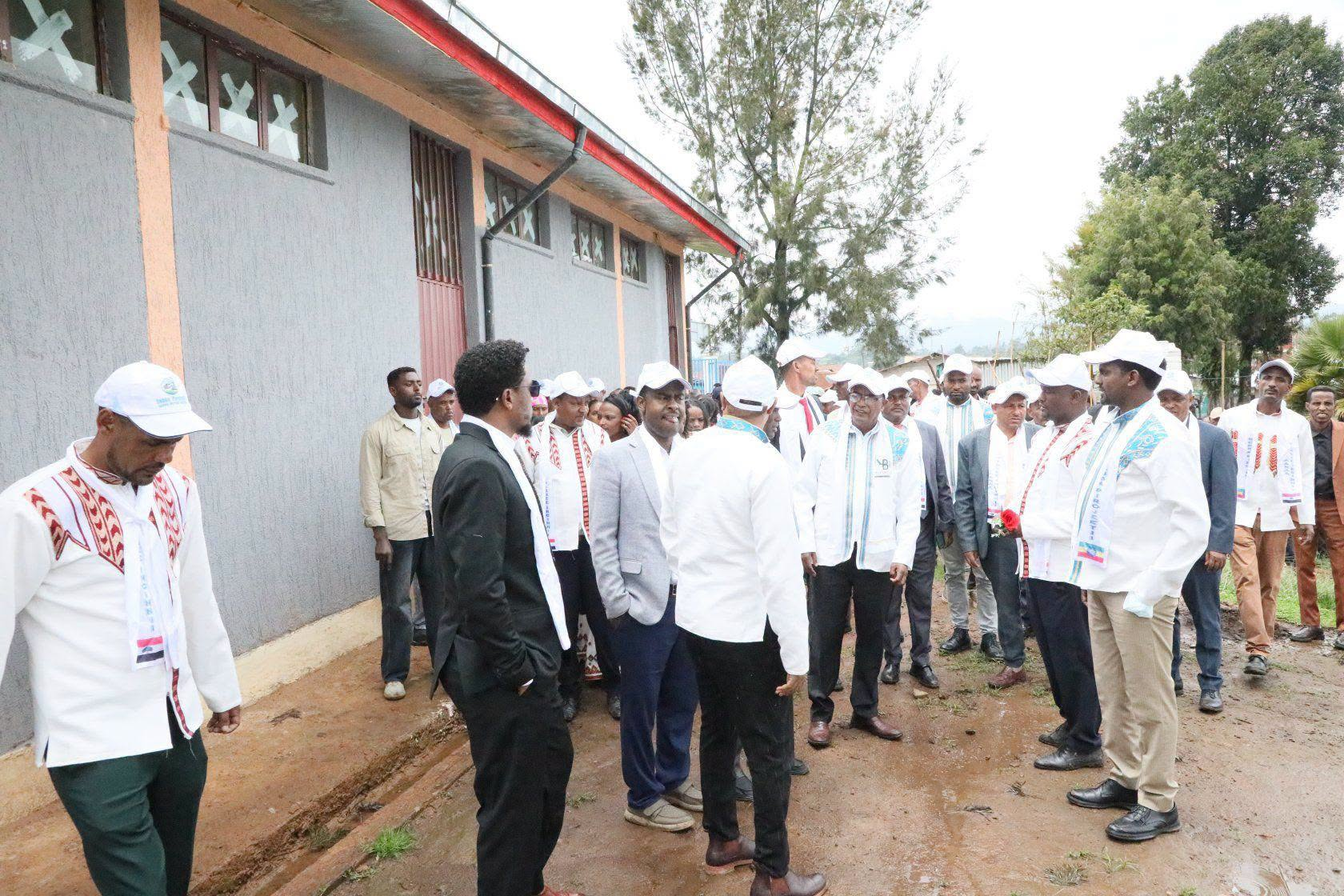
The Administrator of Dirree Incinnii District, Araarsaa Hirphaa, announced that a total of 23 projects have been completed, including urban greenery initiatives, a clinic, a special needs school constructed with community participation, additional classrooms, a digital library, and other facilities. These projects, valued at over 278.7 million birr, have been completed and are now ready for official inauguration.
He expressed his gratitude to the community of Dirree Incinnii and the supporters from various places who prepared a joint plan and established a committee to ensure the success of the projects.
A District of Historical Significance
Dirree Incinnii is not only a district blessed with natural resources and agricultural production but also a place of great historical importance for the Oromo people. It is a site of heroism, anti-slavery struggles, and a legacy of Oromo heroes who have shaped the history of the nation. The district’s rich history of resistance and resilience serves as an inspiration for its current development efforts.
Conclusion
The inauguration of the 23 community development projects in Dirree Incinnii represents a significant step forward in the district’s transformation. The ceremony highlighted the commitment of the current leadership to address socio-economic challenges, improve education, and foster community participation.
As the people of Dirree Incinnii celebrate these achievements, they do so with a deep appreciation for their history and a hopeful vision for a prosperous future. The district’s journey from a history of struggle to a present of progress is a testament to the resilience and determination of the Oromo people.
Transformation is not only possible—it is already becoming real in Dirree Incinnii.
ህልሞች ሥር ሲሰድዱ፦ የኦሮሞ የነጻነት ትግል ህልም ለምን የተሻለ ሊያድግ ይችላል?
የሕገ መንግሥት ተስፋ፣ የባህል መነቃቃት እና ወደ ፍትህ የሚወስደው ረጅም መንገድ
ለትውልዶች፣ የኦሮሞ የነጻነት ትግል በመቋቋም ችሎታው ይገለጻል። ለአስርተ ዓመታት በተደረገ ገለልተኝነት፣ በግዳጅ መፈናቀል እና በሥርዓታዊ መገለል ውስጥ እንኳን፣ ህልሙ እንደ ጠፍቶ የሚታወስ ትውስታ ሳይሆን ሊጠፋ የማይችል ሕያው ኃይል ሆኖ ቆይቷል።
ዛሬ፣ ያ ህልም በመስቀለኛ መንገድ ላይ ቆሟል። ወደፊት ያለው መንገድ ቀላልም አይደለም ዋስትና ያለውም አይደለም። ነገር ግን ከግጭት እና ከፖለቲካ ሁከት በታች፣ የኦሮሞ የነጻነት ትግል ህልም የተሻለ ሊያድግ እንደሚችል ለማመን ምክንያቶች አሉ—ተግዳሮቶች ቢኖሩም አይደለም፤ ይልቁንም በተማሩት ትምህርቶች፣ በተገነቡት ተቋማት እና ፍጹም ባይሆኑም በሥርአት ላይ በተቀመጡት ሕገ መንግሥታዊ መሠረቶች ምክንያት።
ይህ ህልሙ ሊያድግ የሚችልበትን ምክንያት የሚተርክ ታሪክ ነው።
ሕገ መንግሥታዊ መሠረቱ፦ ሊፈጸም የሚጠብቅ ተስፋ
እያንዳንዱ ታላቅ ትግል ሕጋዊ እና ሥነ ምግባራዊ ማዕቀፍ ይጠይቃል። ለኦሮሞ ህዝብ፣ ያ ማዕቀፍ በኢትዮጵያ 1995 ሕገ መንግሥት ውስጥ አለ—በወረቀት ላይ አስደናቂ ነገር የሚያቀርብ ሰነድ።
የሕገ መንግሥቱ አንቀጽ 39 እያንዳንዱ ብሔር፣ ብሔረሰብ እና ህዝብ የራስን ዕድል በራስ የመወሰን መብት፣ የመገንጠል መብትን ጨምሮ፣ ያለቅድመ ሁኔታ እንዳለው ያረጋግጣል። ሕገ መንግሥቱ ኢትዮጵያን እንደ መድብለ ብሔራዊ ፌዴራላዊ መንግሥት አቋቁሟል፣ ለአናሳ ህዝቦች በግዛት ድንበር ላይ የተመሠረተ ራስ ገዝ አስተዳደር በመስጠት እና ራስን በራስ የማስተዳደር እና የክልል ቁጥጥርን በማጎልበት ላይ ነው። አፋን ኦሮሞ አሁን በኦሮሚያ ፍርድ ቤቶች፣ ትምህርት ቤቶች እና ቢሮክራሲ ውስጥ ጥቅም ላይ ይውላል፣ ይህም ለበርካታ አስርተ ዓመታት የነበረውን ገለልተኝነት ይቀለብሳል።
ይሁን እንጂ ምሁራን በሕገ መንግሥታዊ ተስፋ እና በፖለቲካዊ እውነታ መካከል ያለውን የማያቋርጥ ክፍተት ይገልጻሉ። የፌዴራል አሠራሩ በማዕከላዊነት የተጠመቀ ሆኖ ቆይቷል። የኦሮሚያ ልዩ ጥቅም በፊንፊኔ (አዲስ አበባ) ላይ ያለው ጥያቄ በአብዛኛው አልተፈታም።
ይህ ክፍተት ለተስፋ መቁረጥ ምክንያት አይደለም—ለተስፋ መንስኤ ነው። ሕገ መንግሥቱ አለ። ሕጋዊ ማዕቀፉ ተቀምጧል። ከፊት ያለው ትግል አዳዲስ መብቶችን መፍጠር ሳይሆን ያሉትን ማስፈጸም ነው። ሕገ መንግሥታዊ ዋስትናዎች ችላ ሲባሉ፣ የህዝብ መተማመን ይሸረሽራል፤ ነገር ግን በመጨረሻ ሲፈጸሙ፣ ለዘላቂ ሰላም መሠረት ይጣላል።
የፖለቲካ ዝግመተ ለውጥ፦ ከትጥቅ ትግል ወደ ፖለቲካዊ ተሳትፎ
የኦሮሞ ነጻነት ግንባር (ኦነግ)፣ በ1973 የኦሮሞ ህዝብ ራስን የመወሰን መብትን የሚደግፍ የፖለቲካ ድርጅት ሆኖ የተመሠረተው፣ አስደናቂ ለውጥ አሳልፏል። በ2018፣ የኢትዮጵያ መንግሥት ኦነግን ከሽብርተኝነት ዝርዝር አስወግዶ፣ መሪዎቹ ከስደት እንዲመለሱ አስችሏል። በጁን 2025፣ ኦነግ ከነሐሴ 2020 ጀምሮ መጠቀም ያልቻለውን ዋና መሥሪያ ቤቱን በፊንፊኔ (አዲስ አበባ) በይፋ መልሶ አግኝቷል።
ይህ ተምሳሌታዊ ብቻ አይደለም። ከትጥቅ ትግል ወደ ፖለቲካዊ ተሳትፎ የሚደረግ ሽግግርን ይወክላል—ዘላቂ ለውጥ በዲሞክራሲያዊ ሂደት ውስጥ መሳተፍ እንደሚጠይቅ እውቅና መስጠት፣ ያ ሂደት ምንም ያህል ውስን ቢሆንም።
ኦነግ በምርጫዎች ተሳትፏል—በ2026 ምርጫ ለፌዴራል ፓርላማ እና ለክልላዊ ምክር ቤት 163 እጩዎችን በማቅረብ። ምንም እንኳን አንድም መቀመጫ ባያሸንፍም፣ ፓርቲው ዓላማዎቹን እና መርሆቹን ለህዝብ ለማስተላለፍ ያለውን ጠባብ የፖለቲካ ቦታ ተጠቅሟል።
ፕሮፌሰር መረራ ጉዲና፣ የኦሮሞ ፌዴራሊስት ኮንግረስ (ኦፌኮ) ሊቀመንበር፣ ከረጅም ጊዜ ጀምሮ “ግንድ እና ቅርንጫፎች” የሚለውን ፍልስፍና ይደግፋሉ—ኦሮሚያ የኢትዮጵያ እገዛ የማይቻልበት ልብ እንደሆነች እና ህዝቦቿ በአንድነት፣ በዲሞክራሲያዊ መንግሥት ውስጥ ራስን በራስ ማስተዳደር እና የጋራ አስተዳደር ማረጋገጥ እንዳለባቸው ያምናሉ። የእርሱ አመለካከት፣ ከአምስት አስርት ዓመታት እንቅስቃሴ በኋላ፣ ኢትዮጵያ አሁንም ጥልቅ የሆነ ውይይት ለማድረግ እውነተኛ የፖለቲካ ፈቃድ እንደሌላት ይከራከራሉ።
ነገር ግን የፖለቲካ ፈቃድ ሊገነባ ይችላል። ተቋማት ሊጠናከሩ ይችላሉ። ተቃዋሚ ፓርቲዎች ማደራጀታቸው፣ ምርጫን መወዳደራቸው እና ተጠያቂነትን መጠየቃቸው ህልሙ ሕያው እና እየተሻሻለ መሆኑን የሚያሳይ ማስረጃ ነው።
የባህል መነቃቃት፦ የማንነት ዳግም ልደት
የነጻነት ትግል ስለ ፖለቲካ ብቻ አይደለም—ስለ ማንነት፣ ስለ ትውስታ እና ስለ መታየት መብት ነው።
ኢሬቻ፣ የኦሮሞ ህዝብ ዓመታዊ በዓል፣ አስደናቂ ለውጥ አሳልፏል—ከታገደ ዝግጅት ወደ እውቅና ያገኘ ብሔራዊ ባህላዊ ቅርስ እና ለዓለም አቀፍ ቱሪዝም መስህብ በመሸጋገር። የ2025 መሪ ቃል፣ “ኢሬቻ፡ ለብሔራዊ መታደስ፣” ዘላቂ እድገት በባህላዊ እርቅ እና በጋራ እሴቶች ላይ መመሥረት እንዳለበት ያመለክታል።
አፋን ኦሮሞ፣ በአንድ ወቅት ወደ አናሳነት የተቀነሰው፣ አሁን በማደስ ጥረቶች እየታየ ነው። ምንም እንኳን አተገባበሩ አሁንም ያልተስተካከለ ቢሆንም፣ በኢትዮጵያ እና በአጎራባች ሀገራት የመገናኛ ቋንቋ የሆነው ቋንቋ ቦታውን እየመለሰ ነው። የጋዳ ሥርዓት የዲሞክራሲ እና የአካባቢ አስተዳደር ሞዴል በመሆን ዓለም አቀፍ እውቅና አግኝቷል።
የባህል መነቃቃት ከትግሉ መበታተን አይደለም—የትግሉ ነፍስ ነው። አንድ ህዝብ ማን እንደሆነ ሲያስታውስ፣ ምን እንደሚገባው ያስታውሳል።
ኢኮኖሚያዊ ልማት፦ የቁሳዊ መሠረት መገንባት
ፍትህ በባዶ ሆድ ላይ ሊገነባ አይችልም። በኦሮሚያ ያለው ኢኮኖሚያዊ ልማት የፖለቲካ ህልሞች እውን ሊሆኑ የሚችሉበትን ቁሳዊ መሠረት ያቀርባል።
እንደ ወንጪ እና ሶፍ ኦመር የቅንጦት ሎጅ፣ ከሚቀጥለው የግብርና ዘመናዊነት እና በባሌ ዞን የቱሪዝም ጥረቶች ጋር፣ የኢኮኖሚ ለውጥ ምሰሶዎች ናቸው። አዲሱ የያቤሎ አውሮፕላን ማረፊያ የክልል ንግድን፣ ቱሪዝምን እና ኢንቨስትመንትን በእጅጉ ለማሳደግ እንዲሁም የህዝብ ለህዝብ ግንኙነቶችን ለማጠናከር ይጠበቃል።
የኦሮሚያ ክልላዊ መንግሥት ፈጣን ልማትን ለማራመድ የአገር ውስጥ የአየር ጉዞን ማስፋፋትን ቅድሚያ ሰጥቷል። የኢንቨስትመንት ፕሮጀክቶች በተለያዩ ዘርፎች—በተለይም በግብርና፣ በማኑፋክቸሪንግ እና በአገልግሎቶች—ከ284,174 በላይ ሰዎችን የሥራ ዕድል እንደሚፈጥሩ ይጠበቃል።
ኢኮኖሚያዊ ዕድሎች ሲስፋፉ፣ የፖለቲካ ተሳትፎ የበለጠ ትርጉም ያለው ይሆናል። ማህበረሰቦች ለወደፊቱ ተሳትፎ ሲኖራቸው፣ ለዚያ ወደፊት በሚደረገው ትግል ለመዋዕለ ንዋይ ለማፍሰስ የበለጠ ፈቃደኛ ይሆናሉ።
መወጣት ያለባቸው ተግዳሮቶች
የኦሮሞ የነጻነት ትግል ቅን ግምገማ የሚቀሩትን ጥልቅ ተግዳሮቶች ሳይገልጽ ሊቀር አይችልም።
የኦሮሞ ነጻነት ሰራዊት (ኦነሰ) ከ2018 ጀምሮ ለበለጠ ራስ ገዝ አስተዳደር ከኢትዮጵያ መንግሥት ጋር ሲዋጋ ቆይቷል። ግጭቱ ከፍተኛ ጉዳት አድርሷል። በጃንዋሪ 2025፣ የተባበሩት መንግሥታት ድርጅት በጦርነቱ ምክንያት 3.2 ሚሊዮን ልጆች ትምህርት ቤት እንደማይሄዱ ዘግቧል። በኦሮሚያ ግጭቶች መካከል የሰው ልጅ ሕይወት እና ነጻነት በዘፈቀደ መነፈግ ተመዝግቧል።
የፖለቲካ ቦታ ቀንሷል። የተቃዋሚ መሪዎች ታስረዋል። የምርጫ ውድድር ብቻ የኦሮሚያን የፖለቲካ ተግዳሮቶች ለመፍታት በቂ ተደርጎ አይታይም። ኦነግ “ጽምዱ” (አጋር) ኃይሎች በአካባቢው ነዋሪዎች ላይ ጉዳት ያደረሱ ጥቃቶችን ሞክረዋል የሚል ስጋት አስነስቷል።
እነዚህ ተግዳሮቶች እውነተኛ ናቸው። አሳዛኝ ናቸው። ተሻጋሪ አይደሉም።
ወደፊት የሚወሰደው መንገድ፦ ህልሙ ለምን የተሻለ ሊያድግ ይችላል
የኦሮሞ የነጻነት ትግል ህልም የተሻለ ሊያድግ ይችላል ምክንያቱም ለእድገቱ የሚያስፈልጉ ሁኔታዎች እየተዘረጉ ስለሆነ—በውጭ ኃይሎች ሳይሆን በኦሮሞ ህዝብ ራሱ።
በመጀመሪያ፣ ሕገ መንግሥታዊ መሳሪያዎች አሉ። የ1995 ሕገ መንግሥት ለራስን የመወሰን መብት ማዕቀፍ ያቀርባል፣ ፍጹም ባይተገበርም፣ ኃይለኛ የሕግ መሳሪያ ሆኖ ይቀራል። በተስፋ እና በእውነታ መካከል ያለው ክፍተት ዘላቂ አይደለም—በቀጣይ የፖለቲካ ግፊት እና በሕግ ተከራካሪነት ሊዘጋ ይችላል።
በሁለተኛ፣ የፖለቲካ ተሳትፎ እየጠለቀ ነው። የኦነግ ከስደት መመለስ፣ በምርጫዎች መሳተፍ እና ሁሉን አቀፍ ውይይት ለማድረግ ያቀረበው ጥሪ የትግሉን ብስለት ያሳያል። ኦነግ መንግሥት በፍትህ፣ በእውነት እና በእርቅ በኩል ያሉትን ቅሬታዎች ለመፍታት እውነተኛ የፖለቲካ ፈቃድ እንዲያሳይ ጥሪ አቅርቧል።
በሦስተኛ፣ የባህል ማንነት እየተጠናከረ ነው። የኢሬቻ መነቃቃት፣ የአፋን ኦሮሞ መነሳት እና የገዳ ሥርዓት ዓለም አቀፍ እውቅና ምንም የፖለቲካ ጭቆና ሊያጠፋው የማይችለውን ባህላዊ መሠረት ያቀርባሉ።
በአራተኛ፣ ኢኮኖሚያዊ ልማት አዳዲስ ዕድሎችን እየፈጠረ ነው። የኦሮሚያ ኢኮኖሚ እያደገ ሲሄድ፣ የህዝቦቿ አቅምም ያድጋል—ማደራጀት፣ መደገፍ እና መብቶቻቸውን መጠየቅ።
በአምስተኛ፣ ዓለም አቀፍ ማህበረሰብ እየተመለከተ ነው። የሰብአዊ መብቶች ዘገባዎች፣ የተባበሩት መንግሥታት ድርጅት ሰነዶች እና ዓለም አቀፍ ተሟጋችነት ለተጠያቂነት ግፊት ይፈጥራሉ። የኦሮሞ ጉዳይ ከእንግዲህ የማይታይ አይደለም።
ማጠቃለያ፦ ረጅሙ መንገድ
የኦሮሞ የነጻነት ትግል ረጅም ነበር። ውድ ነበር። በክህደት፣ በአመጽ እና በልብ ስብር ተለይቷል። ነገር ግን በመቋቋም ችሎታ፣ በድፍረት እና ለፍትህ በማይናወጥ ቁርጠኝነትም ተለይቷል።
ህልሙ የተሻለ ሊያድግ ይችላል ምክንያቱም ታሪክ ሊወረውረው የሚችለውን ከባዱን ነገር አስቀድሞ በመትረፉ ነው። የቆየው በእውነት ሥር ስለሆነ ነው—በፕሮፓጋንዳ አይደለም፣ በሐሰተኛ ትረካዎች አይደለም፤ ይልቁንም ያጡትን እና ምን እንደሚገባቸው በሚያውቁ ህዝቦች ሕያው እውነታ ላይ ነው።
ኦነግ እንደገለጸው፣ በኦሮሚያ እና በመላው ኢትዮጵያ ያለው ሁኔታ የምርጫ ድል በማወጅ ብቻ ሊፈታ አይችልም። “ሁሉን አቀፍ፣ እውነተኛ እና ግልጽ ውይይት” ይጠይቃል። ታሪካዊ እውነታዎችን የመቀበል ድፍረት፣ የተለያዩ አመለካከቶችን የማክበር ጥበብ እና የሕገ መንግሥታዊ ዴሞክራሲ እና የሕግ የበላይነት መርሆችን የማስከበር ቁርጠኝነት ይጠይቃል።
የኦሮሞ የነጻነት ትግል ህልም የተሻለ ሊያድግ ይችላል ምክንያቱም የኦሮሞ ህዝብ ህልም ማየቱን በጭራሽ ስላላቆመ ነው። እና ህልሞች፣ በእውነት፣ በፍትህ እና በማይናወጥ ቁርጠኝነት ሲዳበሩ፣ እውን የመሆን ባህሪ አላቸው።
—
ይህ መጣጥፍ በአዲስ ስታንዳርድ፣ ዘ ሪፖርተር ኢትዮጵያ፣ ኦሮሚያ ቱዴይ፣ አሶሺየትድ ፕሬስ፣ ኦቨርሳይት ቦርድ እና ሌሎች የኦሮሞ የነጻነት ትግል፣ የፖለቲካ ለውጦች እና በኢትዮጵያ ያለውን የባህል መነቃቃት በሚመለከቱ ምንጮች ላይ የተመሠረተ ነው።
Fifty Years of Unyielding Resolve: The Oromo Freedom Struggle and the Blueprint for Tomorrow
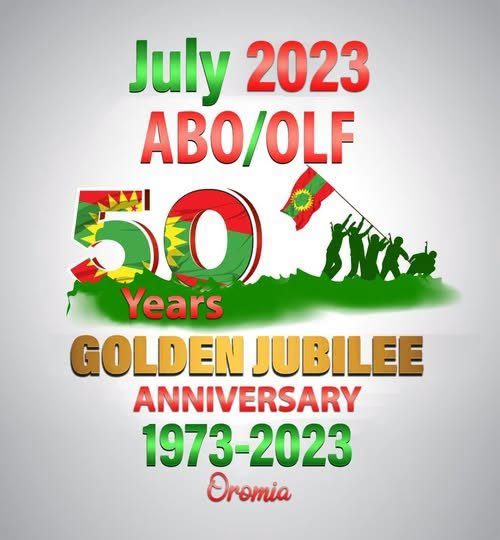
The 2023 theme was more than a commemoration; it was a clarion call to witness the indomitable spirit of a nation that refuses to be erased.
—
The year 2023 did not simply pass through the calendars of the Oromo people; it carved itself into the bedrock of their collective memory. As the Oromo Liberation Front (OLF) unveiled its theme—”50 Years of Freedom Struggle”—it invited not just a celebration, but a profound reckoning. It asked us to pause. To look back at the winding, thorn-filled path of the past half-century. To measure the weight of sacrifices made. And most importantly, to draw strength from the wisdom of our ancestors while fueling the fire of our future.
For five decades, the Oromo people have stood as a pillar of resilience in the Horn of Africa. Despite facing systems historically aligned against their identity, rights, and aspirations, they have not only survived—they have thrived in their cultural essence. The 2023 theme served as a mirror, reflecting the “strength, wisdom, and resilience of Oromo people, past and present.”
The Voices That Guide Us
Throughout the anniversary year, we have heard from the Oromo people themselves—the backbone of this enduring movement. Their voices are not just echoes from the past; they are the vibrant, unwavering chords of the present. These are the voices of mothers who taught their children the Gadaa principles of justice, fathers who instilled the importance of self-reliance, and young activists who amplify the call for dignity on global stages.
“We walk alongside the many children of the Oromo nation in our community,” they reminded us. This journey is not a solitary march. It is a collective pilgrimage. As a community, the goal remains singular and sacred: to ensure that every Oromo individual experiences the fundamental human gifts of being safe, connected, and thriving. The celebration of fifty years is, therefore, a testament to the unbreakable bonds that hold the nation together, even under the crushing weight of adversity.
Anchoring the Legacy, Charting the Future
As the curtains slowly draw on the official festivities of the 50-year commemoration, we find ourselves at a powerful crossroads. The stories of our founding ancestors—the brave visionaries who lit the torch of liberation—serve as our guiding constellations. Their legacy is not merely historical; it is a living testament to the enduring sovereignty of the Oromo nation.
Yet, looking backward is only half the journey. The true measure of our success lies in our foresight. In reflecting on the journey, a profound realization has echoed through the gatherings:
“The last fifty years showed what Oromo people can achieve despite many systems being against us. The next fifty years depend on building a stronger foundation and investing in our leadership and solutions.”
These are not just words; they are a strategic manifesto. They acknowledge that while survival in the face of opposition was the triumph of the past, sustainability and prosperity are the mandates of the future. This means doubling down on Oromo-led solutions. It means cultivating a new generation of leaders—educated, principled, and deeply rooted in the cultural ethos of Jaarsummaa (elder wisdom) and Gumaa (justice). It means shifting from merely resisting external systems to constructing robust, indigenous frameworks for governance, economy, and social wellbeing.
A Shared Commitment to Self-Determination
We extend our deepest gratitude to the generations who have led the way—the freedom fighters who laid down their youth, the activists who spoke when speaking was dangerous, and the families who kept the language and culture alive in the quiet sanctity of their homes. Their courage is the soil from which our current momentum grows.
As we move forward, we reaffirm our unshakable commitment to supporting the leadership, strength, and self-determination of those who are currently shaping the future. The torch is passed, but the flame grows brighter. The Oromo nation is not waiting for permission to exist; it is actively defining its destiny.
The Future We Build, Together
The story of the Oromo freedom struggle is far from over—in fact, a new and exciting chapter is only just beginning. The next fifty years will be written by the hands of the youth, the intellect of the scholars, and the unity of the diaspora.
Today, we invite you to be a part of this historical narrative. Share this post. Celebrate the remarkable contributions of the Oromo people. Let the world see a nation that honors its past with dignity, navigates its present with courage, and builds its future with unwavering hope.
We have walked fifty years in the valley of the shadow. Now, we climb together toward the dawn.
Sirni Seera Qofaa Miti…
(Taliila Bulbula Tulluutiin)
Gubuun sirnaa bal’ina hariiroo uumamaa keessatti argama
Garaagarummaa fi walitinsa uumamaa keessatti, namoonni karaa ittiin waliin jiraatan barbaadu. Namni tokko karaa ittiin bulu qaba; namoota hedduunis karaa ittiin walbulchan qabu. Karaan kun seera dha. Seerri immoo wantoota uumamaa keessatti argaman kan akka bishaan, lafa, qilleensa fi lubbu-qabeeyyii waliin walqabatee jira.
“Sirni seera ittiin walbulchan qofaa miti; karaa hariiroo Uumaa fi uumamaa waliin ittiin horataniidhas.”
Seerri namoonni ittiin walbulchan qofaa miti. Seerri karaa hariiroo Uumaa (Waaqayyoo) fi uumamaa (namootaa fi wantoota uumaman) waliin ittiin walqabatanidha. Kunis wanti sirni dhumaa isaa nama qofaaf utuu hin taane, uumama guutuuf akka ta’ee agarsiisa. Yeroo nama tokko seera cabsu, namoota kaan qofa utuu hin taane, uumama guutuutti miidhaa gahaa.
“Hariiroo Uumamaa kana keessaa immoo sirni karaa ilmi namaa ittiin waltoo’atuu fi walqajeelchuudha.”
Sirni karaa ilmi namaa ittiin wal hormaata, wal gargaara, wal qajeelcha. Karaan kun nama tokko tokkoo fi namoota gidduutti hariiroo qajeelaa uumu. Innis haala jireenyaa namaaf ta’u, kabajaa, jaalala fi walgargaarsa irratti hundaa’a. Qaamni tokko kan biraa wajjin akkaataa ittiin walqabatu qaba; akkuma wantoonni uumamaa kanneen biroo wajjin hariiroo qaban.
Sabni Sirna Hin Qabne
“Ummanni sirna hin qabne karaa ittiin waltoo’atus hin qabu.”
Ummanni sirna hin qabne karaa ittiin wal qindeessan, wal gargaaran, wal to’atan hin qabu. Wanti kun ummata addaan baasa; namoota tokko tokkoo fi gareewwan gidduutti walitti buusa.
“Kana jechuun karaa ittiin jabaa ofii jabeeffatu, karaa ittiin dadhabaa tini’ifatu, karaa ittiin hamaa/dabaa ofii qajeelfatu hin qabu.”
Ummanni sirna hin qabne:
- Karaa ittiin jabaan ofii jabeessatu hin qabu
- Karaa ittiin dadhabaan ofii tumsatu hin qabu
- Karaa ittiin nama hamaa/dabaa qajeelchu hin qabu
Wanti kun fedhii fi hawwii waloo hin qabu. Namni hunduu waan fedhu fi barbaadu ofii isaatiif qofa. Wal gargaarsa, wal kabaju, wal jaallachu hin jiru.
“Hunduu quba wal hinqabu waan ta’eef…”
Sababni hunduu wal hin qabnee fi wal hin simnee, gidduu isaanitti walitti bu’insa fi waldhabdeetu jira. Namni tokko fedhii ofii isaatiif qofa hawwata. Namni biraan maal barbaada, maal fedha, maal rakkoo qaba hin yaadu. Kunis haala wal hin beekne, wal hin kabajne, wal hin gargaarne uuma.
Dhugeeffannaa Ummataa Keessaa Ba’uu
“Kan quufee buluuf namni hunduu quufee waan jiru se’a; kan beelaan dararamaa jiru immoo isa qofatu akkas ta’e itti fakkaata…”
Yeroo sirni hin jirree, namni quufee bulu hunduu akka quufee jiru se’a. Namni beelaan dararamaa jiru immoo isa qofatu akkas ta’uu, namoota biroo hundaatu quufee akka jiran se’a. Fakkaattin kana jireenya keessatti yeroo hedduu mul’ata. Namoonni rakkoo hin qabne warra rakkoo qaban hin argu; warri rakkoo qaban immoo akka nama hunduu isaan wajjin rakkoo keessa jiran se’u.
“kan hataa jirus namni hunduu waan saamaa jiru itti fakkaata…”
Yeroo tokko tokko, namni saamuu fedhu hataa jiru namoonni biroo hundaatu akka saamaa jiran itti fakkeessa. Wanti kun fudhatama namaa argachuuf, yakka ofii isaatiif mirkanaa’ina argachuuf, ykn waan ofii barbaadu karaa ittiin argatu. Wanti kun ammoo jireenya walii wajjin jiraachuu, wal amanuu fi wal gargaaru akka hin jirre godha.
“kan dantaa dhuunfatif jecha shiraan ajjeesaa jirus yoo namni isa arguu baate Waaqni akka isa argu hin beeku…”
Namni dantaa dhuunfatiif jecha shiraan ajjeesaa jiru, yoo namni isa arguu baate, Waaqayyo akka isa argu hin beeku. Kunis dhugeeffannaa ummataa keessaa ba’uu. Dantaa dhuunfaa isaa biyyaa, saba, ummata, fi waan hundumaa irratti gora. Namni akkasii waan ofii barbaadu qofa. Innis wantoota ummataaf barbaachisan hin ilaalu; fedhii ofii isaatiif qofa tajaajila.
Walborcuu fi Walmarquu
“Haala akkasii keessatti eenyutu eenyu qulqulleessaa? Walborceera, walmarqeera waan ta’eef eenyutu eenyun Xaddecha dhaabaa?”
Yeroo hunduu walborceeranii fi walmarqanitti, eenyutu eenyu qulqulleessuu danda’a? Yeroo tokko tokko namoonni guutumaan guututti wal borceeranii fi wal marqanitti, eenyutu seera dhaabuu, haqa dhaabuu, fi qajeelina dhaabuu danda’a?
Wanti kun gaaffii ulfaataa ta’e dhiyeessa. Yeroo haalli akkasii ta’u, yeroo namoonni hunduu yakkamaa fi balleessaa ta’an, yeroo namni tokko dhugaa dubbachuu ykn haqa dhaabuu hin danda’amne, yeroo hunduu wal qulqulleessuu dhiisanii, wal yakkuu jalqaban, maal ta’a?
Dhugaan dubbatamaa, haqni dhaabamaa, qajeelinichi cimaa ta’uu qaba. Garuu yeroo hunduu walborceeraniifi walmarqanitti, haqa dhaabuu, dhugaa dubbachuu, fi qajeelina dhaabuu ulfaataa ta’a. Yeroo akkasii keessatti, namoota haqa dhaabuu, dhugaa dubbachuu, fi qajeelina dhaabuu danda’an barbaaduun ulfaataa ta’uu danda’a, garuu barbaachisaadha.
Rakkoo Himuun fi Rakkoo Itti Aansisuu
“Rakkoo jiru himuun, badii namoota dhuunfaa ykn gareen raawwatamu saaxiluun barbaachisaadha; garuu isuma hojii godhachuun rakkoo ittuu hammeessa deemuu waan ta’uuf innuu mataa isaatin rakkoodha!”
Rakkoo jiru himuun fi badii namoota dhuunfaa ykn gareen raawwatamu saaxiluun barbaachisaadha. Wanti kun dhugaa fi haqa dubbachuu, rakkoo adda baasuu, fi furmaata argachuuf. Garuu rakkoo himuu qofa osoo hin taane, isuma hojii godhachuun (rakkoo himuu irraa itti aansuu) rakkoo ittuu hammeessa deemuu danda’a.
Fakkeenyaaf, yoo namni tokko rakkoo himuu qofa, osoo furmaata hin barbaadin, kun rakkoo itti fufiinsaa, hammeessuu, fi walitti bu’insa uumuu danda’a. Kanaaf, rakkoo himuu qofa utuu hin taane, furmaata barbaaduu fi hojii godhachuun barbaachisaadha.
“Innuu mataa isaatin rakkoodha!”
Wanti kun rakkoo mataa isaatiif rakkoodha jechuu dha. Rakkoo akkasii keessa jiraachuun ofii isaatiif, namoota kaanif, fi ummataaf rakkoodha. Kanaaf, rakkoo kana irraa bahuuf tattaafachuun barbaachisaadha.
Falli Sirna Ummataa Deebisanii Ijaaruu
“Maraamartoo kana obbaafachuuf falli tokkichi jiru sirna ummataa deebisanii ijaaruu irratti akeekaa fi tarsimoo waloo tolfatanii marii fi marabbaatti dhufuu feesisa!”
Rakkoo maraamartoo kana obbaafachuuf, ykn walborceeruu, walmarquu, fi dhugeeffannaa ummataa keessaa ba’uu obbaafachuuf, falli tokkichi jiru:
Sirna ummataa deebisanii ijaaruu.
Wanti kun akeekaa fi tarsimoo waloo tolfatanii marii fi marabbaatti dhufuu feesisa. Kana jechuun:
- Akeekaan: Waan sirna ummataa ta’uu qabu, waan isa jeequ, fi waan isa jabaachisu hubachuu
- Tarsiimoon: Karaa ittiin sirna ummataa ijaaruu, karaa ittiin isa jabeessuu, fi karaa ittiin rakkoo isaa furuu
- Marii fi Marabbaan: Namoota hunda waliin mari’achuu, yaada walii qabuu, fi waliin hojjachuu
Sirni ummataa kan ijaaramu:
- Hubannaa waloo irratti: Namoota hundaatu waan tokko irratti walii galuu
- Wal kabaju irratti: Namni hunduu kan biraa kabaju, fi kan biraan isa kabaju
- Wal gargaaru irratti: Namni hunduu kan biraa gargaaru, fi kan biraan isa gargaaru
- Haqa irratti: Namni hunduu haqa dhaabuu, fi haqni hundumaaf ta’uu
- Dhugaa irratti: Namni hunduu dhugaa dubbachuu, fi dhugaan waan hundumaa irratti dhaabuu
Gubuun Sirnaa
Waan armaan olitti dubbatame hunda keessaa, wanti tokko ifa ta’e jira: sirni seera qofaa miti.
Sirni karaa hariiroo Uumaa fi uumamaa waliin ittiin walqabatanidha. Sirni karaa ilmi namaa ittiin waltoo’atuu fi walqajeelchuudha.
- Sirni hin jiraanne, namoonni hunduu quba wal hin qabnee waan ta’eef, waldhabdeetu jira.
- Sirni hin jiraanne, namoonni hunduu waan ofii isaaniif qofa hawwatan, wal gargaarsu hin jiru.
- Sirni hin jiraanne, dhugeeffannaa ummataa keessaa ba’uun mul’ata.
- Sirni hin jiraanne, walborceeruu fi walmarquun mul’ata.
- Sirni hin jiraanne, eenyutu eenyu qulqulleessuu, haqa dhaabuu, fi dhugaa dubbachuu danda’a?
Kanaaf, sirni barbaachisaadha. Sirni ummataa deebisanii ijaaruu dirqama. Kanaaf, akeekaa fi tarsimoo waloo tolfatanii marii fi marabbaatti dhufuun barbaachisaadha.
Xumura
Yeroo dhumaatti, wanti keenya hubannu tokko: sirni ummataa ijaaruun dirqama. Sirna kanaan ummata tokko wal qindeessuu, wal gargaaruu, wal kabajuu, fi waliin jiraachuu danda’a.
“Maraamartoo kana obbaafachuuf falli tokkichi jiru sirna ummataa deebisanii ijaaruu irratti akeekaa fi tarsimoo waloo tolfatanii marii fi marabbaatti dhufuu feesisa!”
Akka kanaan, namoonni hunduu waliin mari’achuun, yaada walii qabuun, fi waliin hojjachuun sirna ummataa ijaaruun barbaachisaadha. Wanti kun dhugaa dubbachuu, haqa dhaabuu, fi qajeelina dhaabuu keessatti gargaara.
Gubuun sirnaa, seera qofa miti; karaa hariiroo uumamaa waliin ittiin wal qabatanidha!
የኦሮሞ ትግል በጠላት እይታ በላይ እንዴት እያበበ ነው

በዳንዲ ረገባ
የኦሮሚያ ጠላቶች ዓይናቸውን ዘግተው የኦሮሞ ነፃነት ትግል እንደጠፋ ቢያስቡም፣ ከእግራቸው በታች ያለው መሬት ግን ሁሉንም እየቀየረ ነበር። የኦሮሞ ነፃነት ትግል ለጠላቶች እይታ የተዘጋጀ ትርኢት አይደለም፤ ዓለም ባትመለከትም መልክዓ ምድሩን እየቀረጸ የሚሄድ ጸጥተኛና የማያቋርጥ ማዕበል ነው። ዛሬ እንቅስቃሴው በተጓዘበት መንገድ ላይ ሲያሰላስል፣ አንድ እውነት ግልጽ ሆኗል፦ ሥራው ቀጥሏል፣ ፍሬዎቹ ተባዝተዋል፣ የኦሮሞ ብሔር መሠረትም ከመቼውም ጊዜ በላይ ጠንካራ ሆኗል።
የመቀዛቀዝ ተረት
የኦሮሞ ነፃነት ተቃዋሚዎች ዝምታ መገዛት እንደሆነ በመገመት ለዓመታት ተናግረዋል። ዘዴያዊ እንደገና ማስተካከያዎችን ወይም ጊዜያዊ እረፍቶችን በመጥቀስ ትግሉ እንደሞተ አውጀዋል። ተሳስተዋል። አንድ ነጸብራቅ እንደሚያስታውሰን፣ “Diinonni Oromoo otuu hin beekiin hojiilee ABO hojjataa ture” —ጠላቶቹ እየተሠራ ስላለው ሥራ አያውቁም ነበር። የኦሮሞ ነፃነት ግንባር አልጠፋም፤ ተላመደ። ሠራ። በጭቆና ኮንክሪት ውስጥ ዘልቀው የሚወጡ ዘሮችን ተከለ።
ትግሉ ቀጥተኛ መስመር አይደለም፤ ከጊዜ በኋላ ሸለቆዎችን የሚቀርጽ ጠመዝማዛ ወንዝ ነው። የመመለስ ጊዜያት ነበሩ፣ ተዋጊዎቹ ራሳቸው በማያውቁት ግዛት ውስጥ ሲሰናከሉበት ነበር። “Yeroo garii qabsaa’oti waan muuxannoo itti hin qabneef danqamuun ifaa dha.” መደናቀፍ፣ ያልታወቀ ነገር መጋፈጥ፣ የማንኛውም የነፃነት ጉዞ ተፈጥሯዊና አብራሪ አካል ነው። ነገር ግን ነጸብራቁ ወሳኝ ልዩነት ያሳያል፦ “Danqamuun garuu qabsoo irraa yeroof duubatti deebi’uu malee qabsoo dhiisuu jechuu miti.”
መደናቀፍ የማቆሚያ ምልክት አይደለም፤ ማዞሪያ ነው። ለጊዜው ወደ ኋላ መመለስ፣ መገምገም፣ መሰባሰብ እና በብልህነት መምታት ሽንፈት ሳይሆን እውነተኛ ድል ለማግኘት የሚያስችል እንቅስቃሴ ምልክት ነው።
የማይታገል ፈቃድ ተጨባጭ ፍሬዎች
ተቺዎች በምናብ ድክመቶች ላይ ባተኮሩ ቁጥር፣ የኦሮሞ ትግል በጸጥታ ሊሰረዙ የማይችሉ ድሎችን እያከማቸ ነበር። ነጸብራቁ እነዚህን ስኬቶች በገርነትና በተገቢው ኩራት ዘርዝሯል፦
ኦሮሚያ ተነስታለች። ኦሮሚያ ረቂቅ ነገር ናት ብለው መደበቅ አይችሉም። እውቅና ያለው አካል፣ ክብር የሚሰጠው የትውልድ አገር፣ ፍትሕ የሚጠይቅ ታሪክ ሆናለች። “Oromiyaan bobaa diinaa jalaa bahee beekamee jira.” ብሔሩ ከመካድ ጥላ ወጥቶ ወደ አለም አቀፍና ሀገር ውስጥ እውቅና ብርሃን ወጥቷል።
ቋንቋው ተገቢውን ቦታ አግኝቷል። አፋን ኦሮሞ፣ በአንድ ወቅት ወደ ግል ሕይወት ዳር የተገፋው ቋንቋ፣ አሁን የትምህርትና የመንግሥት ሥራ ቋንቋ በመሆን ከፍ ብሎ ቆሟል። “Afaan Oromoo afaan barnootaa fi hojii mootummaa ta’eera.” ይህ ትንሽ ስጦታ አይደለም፤ አብዮታዊ ለውጥ ነው። የአንድ ሕዝብ ቋንቋ የክፍል እና የቢሮ ቋንቋ በሚሆንበት ጊዜ፣ የዚያ ሕዝብ ነፍስ በይፋ እውቅና አግኝታለች።
ጽሑፉ በሕይወት አለ። “Qubeen Afaan Oromoo kan Afaan Oromoo ittiin barsiisan ta’eera.” የኦሮሞ ፊደል—በአንድ ወቅት የታገደ፣ በአንድ ወቅት የተሰረዘ—አሁን ልጆች የራሳቸውን ቅርስ ውበት እንዲማሩ በንቃት ጥቅም ላይ ይውላል። ፊደል መማር ነፃነት ነው። በእናት ቋንቋ ማንበብ አእምሮን ከቅኝ ግዛት ባርነት መልሶ መያዝ ነው።
ባንዲራው ሳይሸነፍ ይውለበልባል። “Alaabaan Oromoo mallattoo diddaa fi bilisummaa qabsoo Oromoo ta’ee beekamee jira.” የኦሮሞ ባንዲራ ከእንግዲህ የተሸሸገ የአመጽ ምልክት አይደለም፤ እውቅና ያለው የመቋቋምና የነፃነት አርማ ነው። በስብሰባዎች፣ በዲያስፖራ አዳራሾችና በሚሊዮኖች ልብ ውስጥ ይንፀባርቃል። እንደገና ሊሰየም ፈቃደኛ ያልሆነ ብሔር ቀለሞች ናቸው።
የዘሩ አበባ
ነጸብራቁ ስለ አንድ ቆንጆና ጥልቅ ለውጥ ይናገራል፦ “Akkanaan sanyiin bilisummaa facaafamee daraaree hundee sabboonummaa Oromoo fi Oromummaa ta’aa jira.”
የነፃነት ዘሮች፣ በትግሉ አስቸጋሪ አፈር ላይ የተበተኑት፣ አሁን እያበቡ ነው። በኦሮሞ ማንነትና ብሔርነት መሠረቶች ላይ ሥር እየሰደዱ ነው። ይህ አፋጣኝ ድል አይደለም፤ ትውልዳዊ ለውጥ ነው። የኦሮሞ ሕዝብ ቅድመ አያቶቻቸው ስለታገሉት ነገር አበባ እያዩ ነው። ማንነቱ ከእንግዲህ ዝም ትውስታ አይደለም፤ በየቀኑ እያደገ የሚሄድ ሕያውና ትንፋሽ ያለው እውነታ ነው።
የመቀጠል ቅዱስ ግዴታ
ሆኖም፣ ነጸብራቁ የእርካታ ዘፈን አይደለም። የሚያስተጋባውን ተጠያቂነት የሚያሳይ ቃል ይዞ አምጥቷል፦ “Kun haga hireen murteeffannaa ummata Oromoo dhugoomutti jabaatee kan itti fufu ta’a.”
ይህ ጉዞ ቀጥሎ ይቆያል—በጥንካሬ፣ ያለ ምንም ይቅርታ፣ እየጨመረ በሚሄድ ሞገድ—የኦሮሞ ሕዝብ መሠረታዊ መብቶች ሙሉ በሙሉ እስኪሳኩ ድረስ። ራስን መወሰን ጥያቄ ከመሆን ይልቅ እውነታ እስኪሆን ድረስ። የኦሮሚያ ምድር በራሷ ልጆች ፈቃድ እስክትተዳደር ድረስ።
የትግሉ የአሁኑ ምዕራፍ ያልተለመደ ክስተት አይደለም፤ የዚያ የማይታገል ቁርጠኝነት ቀጥተኛ ውጤት ነው። “Waanti amna qabsoo keessatti argaa jirrus dhugaadhuma kana.” ዛሬ የምናየው ሁሉ መንበርከክ ፈቃደኛ ያልሆኑ ሕዝቦች ንጹሕ እውነት ነው።
የመቋቋም ቅርስ፣ የፍትሕ የወደፊት ጊዜ
“Qabsoon Bilisummaa fi haqa Oromoo kabachiisuuf yoomiyyuu jabatee itti fufa; hireen murteeffannaa ummata Oromoof godhamus kan wareegama keenyaan dhugoomuu dha.”
የኦሮሚያን ነፃነትና ፍትሕ ለማክበር የሚደረገው ትግል በማይዳከም ጥንካሬ ይቀጥላል—ለዘላለም እና ለዘለዓለም። የኦሮሞ ሕዝብ የሚታገለው መብቶች ለመለመን የሚቻሉ ስጦታዎች አይደሉም፤ መገኘት ያለባቸው ውስጣዊ እውነቶች ናቸው። የእነዚያ መብቶች ማሳካትም የፖለቲካ ምኞት ብቻ አይደለም፤ የተቀደሰ አደራ፣ በኦሮሞ ሁሉ ትከሻ ላይ ያረፈ ሃላፊነት—በትውልድ አገሩም ሆነ በዲያስፖራ ሩቅ አገሮች።
ጠላቶቹ ወደ ጎን ተመልክተው ሊሆን ይችላል። ሥራው እንደቆመ አስበው ሊሆን ይችላል። ነገር ግን የኦሮሞ ሕዝብ ከመቼውም ጊዜ በበለጠ ጥልቅ እየቆፈረ፣ ከጭቆኞች የሚበልጡ ዘሮችን እየተከለ፣ እና ለብዙ ሺህ ዓመታት የሚቆይ ብሔራዊ ማንነት እየገነባ ነው።
ያልታየው ሥራ አሁን ታይቷል። የተተከሉት ዘሮች እያበቡ ነው። በእሳት የተፈተነውና በትዕግሥት የተደቀነው ትግልም ወደ ፊት ይጓዛል—ቆራጭ፣ ወጥ፣ እና የማይሸነፍ።
ድል ለኦሮሞ ሕዝብ! 

የቀኝና የግራ ክንፍ አክራሪዎች የፖለቲካ ጀልባ “ጥምቦ” (ጽምዶ) ከየት ወዴት እያመራ ነው?

በዘመናዊ ፖለቲካ አስገራሚ ቲያትር ውስጥ፣ እንግዳ የሆኑ አጋሮች ይወጣሉ—ጊዜያዊ ጥምረት የተወለደው ከጋራ ራዕይ ሳይሆን ከጋራ ጥላቻ ነው
በአቶ ኢብሳ ናጋዎ
በዘመናዊ የፖለቲካ ታሪክ መዝገቦች ውስጥ፣ እንደ የቀኝ እና የግራ ፖለቲካ አክራሪዎች የፖለቲካ ጀልባ “ጥምቦ” አስደናቂ ክስተት ተደርጎ ሊወሰድ ይችላል። ይህ ጽምዶ እንግዳ መንገደኞችን የሚሸከም፣ አስቸጋሪ ውኃዎችን የሚጓዝ፣ እና በመጨረሻም በጀልባው ላይ ላሉት ሁሉ ወደ ጥሩ ቦታ የማያመራ መርከብ ነው።
እንግዳው ጥምረት
“በዘመናዊው የዓለም ፖለቲካ ከሚታዩ አስገራሚ ክስተቶች መካከል አንዱ፣ በመሠረታዊ የፖለቲካ ፍልስፍናቸው፣ በኢኮኖሚ ፖሊሲያቸውና በመንግሥት ሚና ላይ ፈጽሞ የሚቃረኑ ኃይሎች አንድን ‘የጋራ ጠላት’ በመለየት ለጊዜው የፖለቲካ ጥምረት ሲፈጥሩ መታየታቸው ነው።”
ይህ አዲስ ክስተት አይደለም፣ ነገር ግን በቅርብ ዓመታት ውስጥ እጅግ በግልፅ ታይቷል። ግራ እና ቀኝ፣ በተለምዶ በርዕዮተ ዓለም ትግል ውስጥ የተቆለፉት፣ ለአንድ የተወሰነ መሪ፣ መንግስት፣ ወይም የፖለቲካ አቅጣጫ ያላቸው ጥላቻ ልዩነቶቻቸውን እንደሚያሸንፍ ያገኛሉ። የጋራ ጠላትን ለማስወገድ ጊዜያዊ ጥምረት ይፈጥራሉ—ነገር ግን ከዚያ በኋላ ምን መሆን እንዳለበት ምንም ግልፅ ራዕይ ሳይኖራቸው።
“ይሁን እንጂ እንዲህ ዓይነቱ ጥምረት በጋራ ራዕይና በጋራ ፖለቲካዊ መርህ ላይ ሳይሆን በጋራ ጠላትነት ላይ የተመሠረተ ስለሆነ፣ ብዙ ጊዜ ዘላቂነት አይኖረውም።”
ይህ የእነዚህ ጥምረቶች ገዳይ ጉድለት ነው። እነሱ የምቾት ጥምረት እንጂ የእምነት ጥምረት አይደሉም። ማፍረስ ይችላሉ፣ ግን መገንባት አይችሉም። መቃወም ይችላሉ፣ ግን ማቅረብ አይችሉም። በጥላት አንድ መሆን ይችላሉ፣ ግን በሰላም ማስተዳደር አይችሉም።
የኢትዮጵያ የራሱ ተሞክሮ
“የዓለምም ሆነ የኢትዮጵያ የፖለቲካ ታሪክ ይህን የሚያረጋግጡ በርካታ ምሳሌዎችን ያቀርባል።”
በቅርብ ዓመታት ውስጥ ኢትዮጵያ ይህንን ክስተት በግልፅ አይታለች። በፌዴራል መንግስት እና በወያኔ መካከል የተካሄደው ጦርነት እና በዙሪያው የተፈጠሩት ጥምረት በሀገሪቱ ታሪክ ውስጥ በጣም ያልተለመዱ የፖለቲካ ጋብቻዎችን ፈጥረዋል።
“በኢትዮጵያም በቅርብ ዓመታት ይህ አዝማሚያ በግልጽ ሁኔታ ታይቷል። በወያኔ ትንኮሳ በፌዴራል የኢትዮጵያ መንግሥትና በወያኔ መካከል የተካሄደው ጦርነትና የተፈጠሩትን ጥምረት የማይመሳሰል የፖለቲካ ጋብቻን መውሰድና መገምገም ይቻላል።”
ለአስርተ ዓመታት እርስ በርሳቸው የሚቃወሙ ቡድኖች—በርዕዮተ ዓለም፣ በፖለቲካ፣ አንዳንዴም በወታደራዊ—በአንድ ግጭት ላይ አንድ ላይ ሆነው አግኝተዋል። የወያኔን ከስልጣን ለማስወገድ የጋራ ግብ ስለኢትዮጵያ የፖለቲካ የወደፊት ጊዜ መሰረታዊ አለመግባባቶችን የሚሸፍን ጊዜያዊ አንድነት ፈጠረ።
በኦሮሞ ጥቅም ላይ ያለው ኢ-ቅዱስ ጥምረት
“በኦሮሞ ሕዝብ፣ በአማራ፣ በትግራይና በኢትዮጵያ ሕዝብ ስም የአዞ እንባ የሚያፈሱ የቀኝና የግራ ክንፍ አክራሪ ኃይሎች የፈጠሩት ኢ-ቅዱስ ጥምረት ምንም ያህል ቢጠናከርም፣ የኦሮሞ ሕዝብ በረጅም ትግልና በብዙ ዓመታት መስዋዕትነት ያገኘውን ፖለቲካዊ፣ ኢኮኖሚያዊና ሕጋዊ መብት በቀላሉ አሳልፎ አይሰጥም።”
ይህ የነጸብራቁ ማዕከላዊ ማስጠንቀቂያ ነው፡ ለትውልዶች መብቶቻቸውን ለማስጠበቅ የታገሉት የኦሮሞ ህዝብ፣ ለኦሮሞ መናገር ይገባል ለሚሉ የምቾት ጥምረት ሊሰጥ አይችልም—ያ ጥምረት ለኦሮሞ መናገር ይገባል ቢናገርም ባይናገርም።
“ነገሩ የህልውና ጉዳዩም እየሆነ ነው። የተገኘውም ድል በጊዜያዊ የፖለቲካ ግፊት ወይም በውሸት ፕሮፓጋንዳ ብዛት ሊነጠቅ የሚችል ጉዳይም አይደለም።”
የኦሮሞ ትግል ማለፍ ያልሆነ ወይም ጊዜያዊ የፖለቲካ ማሰባሰብ አይደለም። ለአስርተ ዓመታት ጭቆናን፣ መግዛትን፣ እና መገለልን የተቋቋመ ጥልቅ፣ ዘላቂ፣ እና መርሃዊ እንቅስቃሴ ነው። የኦሮሞ ትግል ወደ ፊት መሄዱን በማያውቅ ጥምረት ሊበላሽ አይችልም።
የአንዳንድ ኦሮሞዎች ዕውርነት
“በኢትዮጵያ ውስጥ የኦሮሞ ሕዝብ ትግል እየተጠናከረ እና አንዳንድ ድሎችን እያስመዘገበ ስመጣ የኦሮሞ ጥላቻ በተደራጀ የፖለቲካ አጀንዳ መልክ ለረጅም ጊዜ ሲገነባ መቆየቱን ማየት ያልቻሉ ወይም ማመን የማይፈልጉ አንዳንድ የኦሮሞ ግለሰቦችና ቡድኖች፣ ዛሬም በለውጡ አራማጅ ጠቅላይ ሚኒስትር ዶ/ር አብይ አህመድ ላይ የሚካሄደው የተጋነነ የፖለቲካ ጥላቻ፣ የስም ማጥፋትና የተቀናጀ የበሬ ወለደ ፕሮፓጋንዳ በመጨረሻ ዒላማው ዶ/ር አብይ ብቻ ሳይሆን ኦሮሞውን በአጠቃላይ መሆኑን ለመገንዘብ አልቻሉም።”
ይህ አንዳንድ ኦሮሞዎች ለመጋፈጥ ደፋር ያልነበሩት አሳዛኝ እውነት ነው። በጠቅላይ ሚኒስትር ዶ/ር አብይ አህመድ ላይ የሚደረገው ዘመቻ በአንድ ግለሰብ ላይ የግል በቀል ብቻ አይደለም። በኦሮሞ አመራር፣ በኦሮሞ ጥቅሞች፣ እና በኦሮሞ ምኞቶች ላይ ጥቃት ነው። አንዳንድ ኦሮሞዎች በዚህ ዘመቻ ውስጥ መሳተፋቸው ወይም በፊቱ ዝም ማለታቸው የኦሮሞ ጉዳይ ክህደት ነው።
“ለምን እንደዚህ ሆነ የሚለውን ጥያቄ የሚመልሱት ራሳቸው እነሱ ብቻ ናቸው።”
ነጸብራቁ ይህንን ጥያቄ በአየር ላይ ትቶታል፣ ለራስ መመርመር ጋብዟል። ለምን አንዳንድ ኦሮሞዎች የኦሮሞን መብቶች ከሚቃወሙት ጋር ኃይላቸውን ተቀላቀሉ? ለምን የፀረ-ኦሮሞ ንግግር አደገኛ ደረጃ ላይ በደረሰ ጊዜ አንዳንዶቹ ዝም አሉ? ለምን አንድ ኦሮሞ መሪ ላይ የሚደረገው ጥቃት በሁሉም ኦሮሞዎች ላይ ጥቃት መሆኑን ለማየት አንዳንዶቹ አልቻሉም?
የዋሽንግተን መግለጫ እና ውጤቱ
“ሁላችንም የማንረሳው አንድ ጉዳይና ትልቅ አቅ አለ። በዋሽንግተን የተነበበው የዓለም አቀፍ የፋኖ ‘ምሁራን’ መግለጫ፣ ‘ጋሎችን ወደ ማዳጋስካር እንመልሳለን’ የሚል አደገኛ ንግግር ነበር። እስካሁንም በመሃይማኑ ፋኖ እየተስተጋባ ይገኛል።”
ይህ በውስጡ ያለውን አደጋ የሚያስታውስ ነገር ነው። እየተዘራው ያለው የፀረ-ኦሮሞ ንግግር ምንም ጉዳት የሌለው አይደለም—በእውነተኛ ዓለም ውጤቶች አሉት። ንጹህ ኦሮሞዎች ተጠቂ፣ ጥቃት ደርሶባቸዋል፣ እና ተገድለዋል። የጥላቻ ቃላቶች የጥቃት ተግባራት ሆነዋል።
“እውነተኛ ነው።”
ነጸብራቁ የዚህን ጥቃት እውነት በግልፅ ይገልፃል።
“የሚያሳዝነው ግን እራሳቸውን ‘የነፃነት ታጋዮች’ነን በሚሉ አንዳንድ ኃይሎች ይህንን ጉዳይ በዝምታ መሸፈናቸው ወይም ማለፋቸው ነው። ይህ ዝምታ በራሱ ትልቅ የፖለቲካ መልዕክት አለው።”
እራሳቸውን የነጻነት ተዋጊዎች ነን የሚሉት ዝምታ ሰሚ ነው። ራሳቸውን የነጻነት ሻምፒዮኖች አድርገው የሚያቀርቡት በኦሮሞ ላይ የሚደርሰውን ጥቃት ለማውገዝ ፈቃደኛ ባለመሆናቸው እውነተኛ ቅድሚያ የሚሰጡትን ያሳያሉ። ዝምታቸው ገለልተኝነት አይደለም—አጋዥነት ነው።
የተመረዘው ጀልባ
“በዚህ ምክንያትም አንዳንድ የኦሮሞ ፖለቲከኞችና አቀንቃኞች የራሳቸውን የፖለቲካ አቅጣጫ በማጣት፣ ከአማራ አክራሪ አሃዳዊ ቀኝ ጽንፈኞች ጋር በአንድ የፖለቲካ ጀልባ (ጽምዶ) ውስጥ ሳይሰማቸው ተገኝተዋል።”
ይህ ምናልባት በነጸብራቁ ውስጥ በጣም አሳሳቢ ትችት ነው፡ አንዳንድ ኦሮሞዎች መንገዳቸውን አጥተዋል። የኦሮሞ ነጻነት መርሆችን ትተው በታሪካዊ መልኩ የኦሮሞን መብቶች ከተቃወሙት እና አሁንም ከሚቃወሙት ጋር ኃይላቸውን ተቀላቅለዋል።
“ይህ ድርጊት ከኦሮሞ ሕዝብ የጋራ ጥቅምና ፖሊቲካዊ ፍላጎት ጋር የሚጋጭ በመሆኑ፣ ለትውልድ የሚያስተምር የፖለቲካ ትምህርትና የታሪክ ማስጠንቀቂያ ሆኖ ሊታወስ ይገባል።”
ይህ ወደ ኦሮሞ ፖለቲካ ተዋናዮች ግልፅ ጥሪ ነው፡ እናንተ ማን እንደሆናችሁ፣ ምን እንደምትቆሙ፣ እና እውነተኛ አጋሮቻችሁ እና ጠላቶቻችሁ ማን እንደሆኑ ወቅታችሁ። መስመሮች በግልፅ መሳል አለባቸው። የኦሮሞ ህዝብ ህልውና አደጋ ላይ በሚሆንበት ጊዜ አሻሚነት ቦታ የለውም።
ጀልባውን ለመተው ጥሪ
“በዚህ በጅምላ ኦሮሞ ጥላቻ ላይ በተመሰረተ የፖለቲካ ፕሮፓጋንዳ ውስጥ ራሳችሁን ካገኛችሁ፣ ከዚህ የጥፋት የፖለቲካ ጀልባ (ጽምዶ) ራሳችሁን ማራቅ ይገባችኋል።”
ይህ የመምረጥ ጥሪ ነው። የጥላቻ ጥምረትን ትተው ወደ ፍትህ፣ ራስን በራስ መወሰን፣ እና አንድነት መርሆች ለመመለስ ጥሪ ነው። የጽንፈኝነት መንገድ ወደ ምንም ጥሩ ነገር እንደማያመራ ለመገንዘብ ጥሪ ነው።
“ዛሬም ከዚህ አክራሪ የፖለቲካ አቅጣጫ ለመራቅ ዘግይቶ አይደለም፤ የሚበጀውም ይህን ማቆም ነው።”
አሁንም ለመመለስ ጊዜ አለ። አሁንም የውይይት፣ የጋራ መከባበር፣ እና የሰላማዊ የፖለቲካ ውድድር መንገድን ለመምረጥ ጊዜ አለ። አሁንም ከማፍረስ ይልቅ ለመገንባት ጊዜ አለ።
የውጭ ኃይሎች ሚና
“በመጨረሻም፣ ይህ የጽንፈኝነት የፖለቲካና የጦርነት ‘ጽምዶ’ የውስጥ ችግር ብቻ ሳይሆን፣ የውጭ ኃይሎች ፍላጎትና የውክልና ጦርነትም መሳሪያ ሊሆን የሚችልና የታለመለትም ይህ በመሆኑ፣ ለኦሮሞ፣ ለአማራ፣ ለትግራይና ለሌሎች ብሔር ብሔረሰቦችም ሆነ ለኢትዮጵያ ሕዝብ በአጠቃላይ ዘላቂ ጥቅም አያመጣም።”
ነጸብራቁ “ጽምዶ”ን የሚያንቀሳቅሱት ኃይሎች የውስጥ ብቻ እንዳልሆኑ ይገነዘባል። የውጭ ተዋናዮች በኢትዮጵያ የፖለቲካ መልክዓ ምድር ውስጥ የራሳቸው ፍላጎቶች አሏቸው። ክፍፍሎችን ለመጠቀም፣ ሀገሪቱን ለማዳከም፣ እና የራሳቸውን አጀንዳዎች ለማሳደግ ይፈልጋሉ። ጽምዶ የኢትዮጵያን ህዝብ ፍላጎት ሳይሆን የራሳቸውን ፍላጎት ያገለግላል።
“ስለዚህ ይህ የጥላቻ፣ የክፍፍልና የጽንፈኝነት ፖለቲካን በመተው ወደ ውይይት፣ መተማመንና ሰላማዊ የፖለቲካ ውድድር መመለስ ለሁሉም የሚበጅ መንገድ ነው ብዬ አምናለሁ።”
ይህ የተስፋ ራዕይ ነው፡ ልዩነቶችን ለማፍታረት ፖለቲካን እንደ መሳሪያ መመለስ፣ ጠላቶችን ለማጥፋት መሳሪያ አይደለም። ውይይት እና መተማመን ይቻላል ወደሚለው እምነት መመለስ። የኢትዮጵያ የወደፊት ጊዜ የሚገነባው እንጂ የማይፈራረስበት እምነት ነው።
ወደ ፊት ያለው መንገድ
“የኢትዮጵያ የወደፊት ዕጣ ፈንታ በጥላቻ ላይ በተመሠረተ ጥምረት ውስጥ አይገኝም። የሀገሪቱ ዘላቂ ሰላም፣ መረጋጋትና ዴሞክራሲያዊ የሂደት ዕድገት ሊረጋገጥ የሚችለው በሕገ መንግሥት የበላይነት፣ በሕግ የበላይነት፣ በመከባበር፣ በእውነተኛ ዴሞክራሲያዊ ውይይትና በጋራ ብሔራዊ ራዕይ ላይ ሲመሠረት ብቻ ነው።”
ይህ የመልዕክቱ ልብ ነው፡ የወደፊት ጊዜ የሚገባው ለሚጠሉት ሳይሆን ለሚገነቡት ነው። ለሚከፋፍሉት ሳይሆን ለሚያንደኑት ነው። ለሚያጠፉት ሳይሆን ለሚፈጥሩት ነው።
“አንድ እውነት ግን ግልጽ ነው፤ በጥላቻ ላይ የተመሰረተ የፖለቲካ ጥምረት መንግሥትን ሊለውጥ ይችል ይይሆናል፤ ሀገርን ግን ሊገነባ አይችልም።”
ይህ ጥልቅ ግንዛቤ ነው። ጽምዶ በቅጽበት ግቡ ሊሳካ ይችላል—የአንድ የተወሰነ መሪ መወገድ ወይም የአንድ የተወሰነ መንግስት መጣል። ነገር ግን ከዚያ በኋላ ምን? ለወደፊት ምን ራዕይ ያቀርባል? ምን መርሆች ይመራሉ? በምን መሠረት ላይ ይገነባል?
መልሱ ምንም የለም። በጥላቻ ላይ ብቻ የተመሰረተ ጥምረት ማጥፋት ብቻ ይችላል፤ መፍጠር አይችልም። ማፍረስ ይችላል፤ መገንባት አይችልም። መቃወም ይችላል፤ ማስተዳደር አይችልም።
መደምደሚያ፡ መወሰን ያለበት ምርጫ
ጽምዶ የተባለው የፖለቲካ ጀልባ አደገኛ መርከብ ነው። መንገዳቸውን ያጡትን፣ ጥላቻን ከመርህ ጋር ያመቻቹትን፣ የፍትህ ትግልን በመበቀል ቀላል መንገድ የተዉትን ይሸከማል።
ግን ሌላ መንገድ አለ። የውይይት፣ የመተማመን፣ እና የሰላማዊ የፖለቲካ ውድድር መንገድ። ከማፍረስ ይልቅ የሚገነባው መንገድ። ከማከፋፈል ይልቅ የሚያንድነው መንገድ። ወደ ዘላቂ ሰላም፣ መረጋጋት፣ እና ዴሞክራሲ የሚመራው መንገድ።
ምርጫው ግልፅ ነው። የመምረጥ ጊዜው አሁን ነው።
“በጥላቻ ላይ የተመሰረተ የፖለቲካ ጥምረት መንግሥትን ሊለውጥ ይችል ይይሆናል፤ ሀገርን ግን ሊገነባ አይችልም።”
ለመገንባት እንምረጥ። ለመአደን እንምረጥ። የሰላም፣ የፍትህ፣ እና የጋራ ብሔራዊ ራዕይ መንገድን እንምረጥ።
ሁላችንም ትክክለኛውን ምርጫ እንምረጥ።
*ከላይ ያለው የፌቸር ጽሁፍ የተመሰረተው በአቶ ኢብሳ ናጋዎ ግላዊ አስተሳሰብ ላይ ነው።
ሀገር መገንባት፦ ወደ ነጻነትና አንድነት የሚወስደው ረጅሙ ጉዞ
በዳበሳ ዋቅጅራ
—
ሀገር መገንባት ቀላል ሥራ አይደለም። እርሱ ረጅም፣ አድካሚ ጉዞ ሲሆን የማያቋርጥ ቁርጠኝነትን፣ ከፍተኛ መስዋዕትነትንና የማይበገር መንፈስን ይጠይቃል። ሀገር መገንባት ማለት ዕውቀትን፣ ድፍረትንና ጽናትን ወደማይበጠስ ጨርቅ መሸመን ነው—ለማንኛውም ጠላት ፊት ለፊት ለመቆም የሚያስችል ጋሻ። እርሱ የባርነት ሰንሰለትን አለመቀበል፣ ከባርነት ለመውጣት በፍጥነት ማደራጀትና በብሔራዊ ነቅቶ መነሳት ውስጥ የየራሳችንን ሚና መገበር ነው። የባርነትን ቀንበር ያፈረሰና ከውስጧ የወጣች ማንኛዋም ብሔር ያለ ታጋሽ ትግል ነጻ የሆነች የለም።
ይህ እውነት በኦሮሚያ ልብ ውስጥ በጥልቅ ያስተጋባል።
የትግሉ ምንነት
በታሪክ ዘመናት ሁሉ ወደ ነጻነት የሚወስደው መንገድ እነዚያን መስገድ ፈቃደኛ ባልሆኑት ደም፣ ላብና እንባ ተዘርግቷል። ሀገር መገንባት መንገዶችን፣ ትምህርት ቤቶችን ወይም ሆስፒታሎችን ከመሥራት በላይ ነው—እነዚህ አስፈላጊ ቢሆኑም—እርሱ የጋራ ማንነትን፣ የጋራ ዓላማንና የተሻለ ነገ እንደሚቻል የሚያሳድር የማያወላውል እምነትን መገንባት ነው። ዕውቀትንና ድፍረትን ማዋሐድ፣ ተስፋን ወደ ንቁ ተቃውሞ መለወጥ፣ የሕዝብን ክብር ለማጉደል የሚፈልጉትን ኃይሎች ሁሉ መቋቋም ያስፈልጋል።
የጭቆናን እንግላ ያፈረሰች እያንዳንዷ ሀገር ይህንን ያደረገችው በንቃተ ምልከታ፣ በሆነ ሆነ በተዘጋጀና በተቀጠለ ትግል ነው። አጭር መንገድ የለም። የሚሰጥ ስጦታ የለም። ነጻነት፣ ታሪክ እንደሚያስተምረን፣ በፈቃድ አይሰጥም—የሚወሰድ ነው። የሚገኘው ለነጻነት ሙሉ ዋጋ ለመክፈል፣ መከራን ለመቋቋምና አስቸጋሪው ቢመስልም ወደፊት ለመገስገስ ባለን ፈቃድ ነው።
ወደ አንድነት ጥሪ
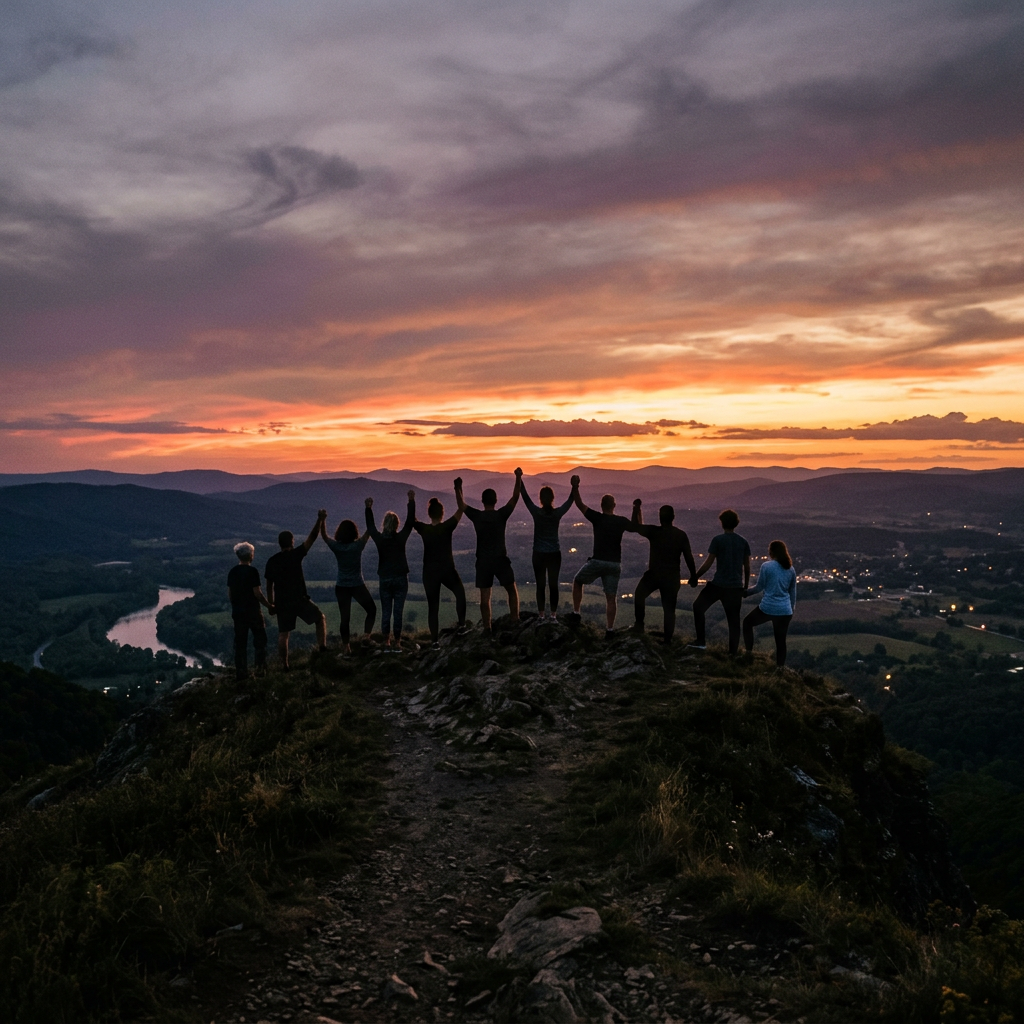
ኦሮሚያ የሁሉም ኦሮሞ ሕዝብ ናት—ይህ የማይካድ እውነት ነው። ነገር ግን መጠቀሚያ ብቻ በቂ አይደለም። በሕግ የራሳቸውን ነገር በትክክል ለመያዝ ኦሮሞ ሕዝቦች አንድ ሆነው መቆም አለባቸው። መለያየት የጨቋኝ መሣሪያ ነው፤ አንድነት የተጨቈኑት ጋሻ ነው። እጆች በጋራ ዓላማ ሲጣመሩ ነጻ ለመሆን የወሰነውን ሕዝብ መንፈስ የሚያፈርስ ኃይል የለም።
የነጻነት ትግል የተመልካች ስፖርት አይደለም። ከእያንዳንዱ የኦሮሚያ ወንድና ሴት ልጅ ንቁ ተሳትፎ ይጠይቃል። ልዩነቶችን ወደ ጎን በመተው፣ የውስጥ ግጭቶችን በማሸነፍና በአንድ ራዕይ ላይ መሰባሰብ ያስፈልጋል፦ ነጻ፣ የበለጸገችና ክብር ያላት ኦሮሚያ፣ በውስጧ እያንዳንዱ ዜጋ ሊያድግ የሚችልባት።
የነጻነት ዋጋ
የመጨረሻውን ዋጋ ያልከፈለች ነጻ ብሔር የለም። ነጻነት በዋጋ ይገኛል፣ ያ ዋጋም በጋራ መሸከም አለበት። ነጻነትን ተስፋ ማድረግ ብቻ አይበቃም፤ ለእርሱ መታገል ዝግጁ መሆን ይገባል። ትግሉ ለደካማ ልብ አይደለም፣ ወይም ምቾትን በነባር ሁኔታ ውስጥ ለሚፈልጉ አይደለም። እርሱ ለደፋሮች፣ ለቆራጦችና ለማያወላውሉት ነው።
ከፊት ያለው መንገድ ረጅምና በተለያዩ ፈተናዎች የተሞላ ነው። ሽንፈቶች፣ ተስፋ መቁረጦችና የመጠራጠር ጊዜያት ይኖራሉ። ነገር ግን ታሪክ የሚያሳየን እነዚያ የጸኑ፣ መከራ በገጠማቸው ጊዜ ሊተዉት ፈቃደኛ ያልሆኑት በመጨረሻ የሚያሸንፉት መሆኑን ነው። የኦሮሞ ሕዝብ በዚህ ትግል አንድ ሆኖ በመቆም ሁሉን ሊያገኝ ይችላል፤ ሊያጣውም የሚችለው ነገር የለም።
የመጨረሻው ድል
አንድነት ስልት ብቻ አይደለም—እርሱ የትግሉ መንፈስ ነው። የኦሮሞ ሕዝብ አንድ ሆኖ በቆመ ጊዜ፣ እጅ ለእጅ ተያይዘው፣ ትከሻ ለትከሻ ተጠግተው፣ ሊገታቸው የማይችል ኃይል ይሆናሉ። የጋራ ጥንካሬያቸው በጦር መሣሪያም ሆነ በሀብት ላይ አይደለም—ነገር ግን ለማሸነፍ ባላቸው የጋራ ቁርጠኝነት ላይ ነው።
ትግሉ ረጅም ነው፣ ፈተናዎቹም ትልቅ ናቸው። ነገር ግን የኦሮሞ ሕዝብ መንፈስ የማይበገር ነው። አንድነትን መሠረት አድርገው፣ ድፍረትን መሪ አድርገው፣ የነጻነት ሕልምንም ኢላማ አድርገው በእርግጠኝነት ያሸንፋሉ።
ኦሮሚያዉያን በእርግጠኝነት ያሸንፋሉ!

