Oromo Heroes’ Day: Celebrating Identity in St. Paul
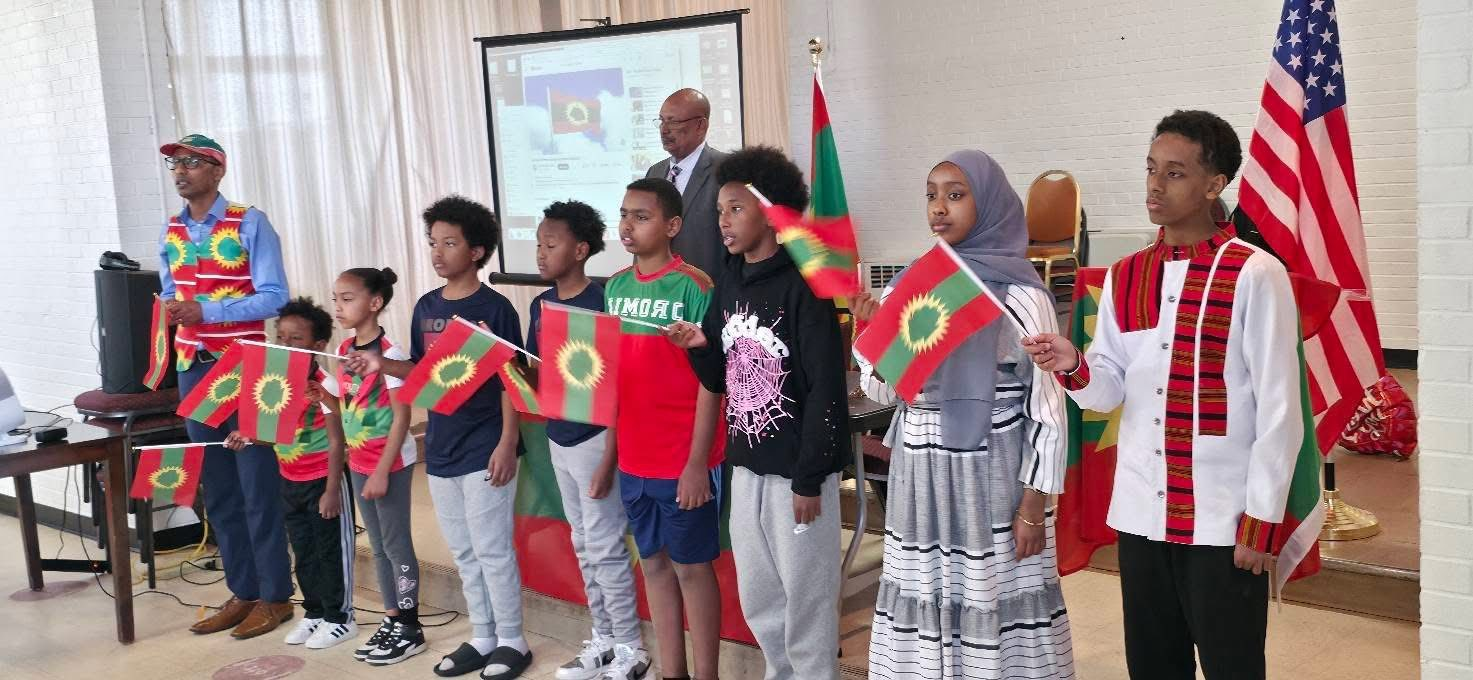
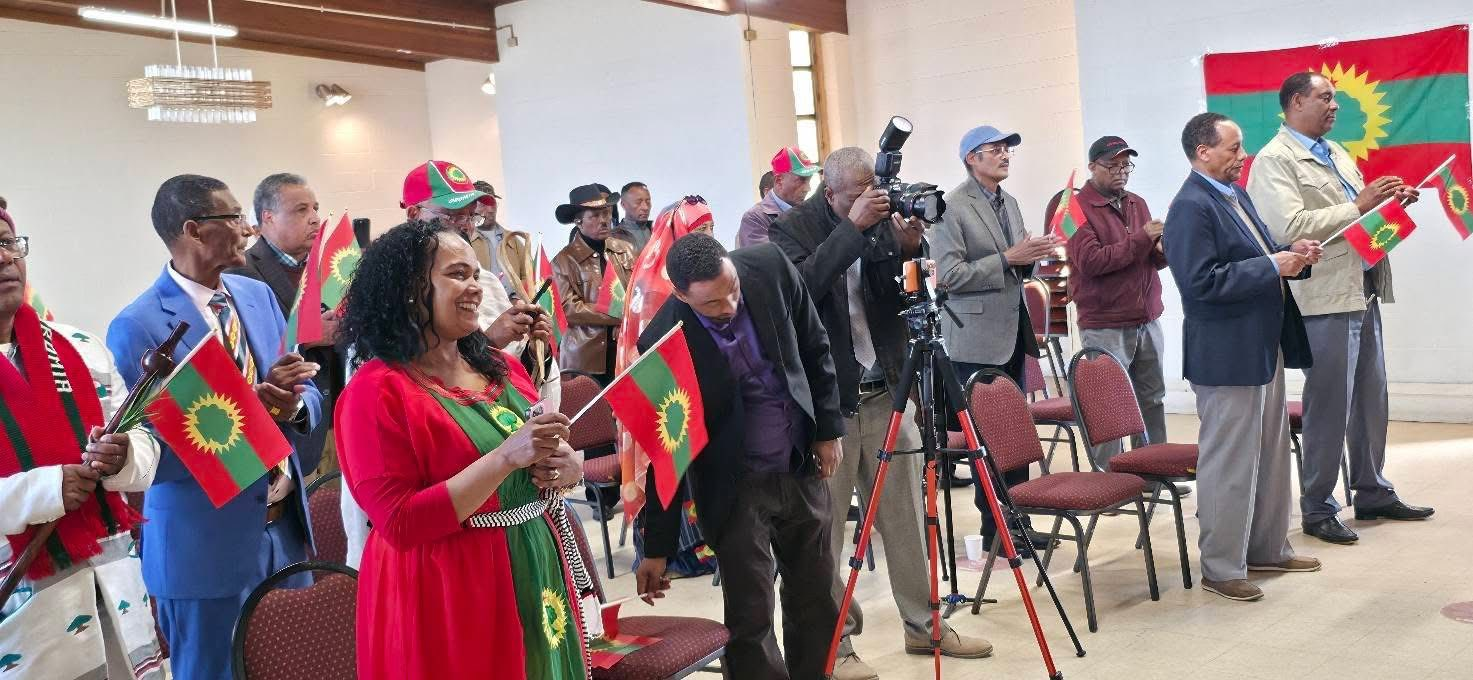
St. Paul, Minnesota — On a spring day in April 2026, the city of St. Paul became a distant but powerful outpost of Oromo heritage. Hundreds gathered under a canopy of the Oromo national flag for a “beautiful and warm” ceremony to mark Guyyaa Gootota Oromoo (Oromo Heroes’ Day), a global day of remembrance for those who sacrificed everything for the liberation of the Oromo people.
A Day of Remembrance and Cultural Pride
The ceremony was held in a hall adorned with Oromo cultural motifs, where attendees dressed in traditional attire like the iconic qooccoo scarf and callee garments, creating a space that was both deeply emotional and defiantly proud.
The centerpiece was the dungoo yaadannoo (“pillar of remembrance”), a memorial dedicated to fallen patriots. As a moment of silence was observed and the names of known martyrs were read, many wept openly, while parents held their children close, whispering in Afaan Oromo: “Isaan kun sababiin ati bilisaan jiraattu” (“They are the reason you live free”).
Voices from the Past and Present
The ceremony bridged generations through a series of powerful rituals and speeches:
· Elders’ Blessings: Custodians of Oromo tradition stepped forward to offer blessings, raising their hands to invoke Waaqa (God) to protect the Oromo people and grant paradise to the fallen martyrs.
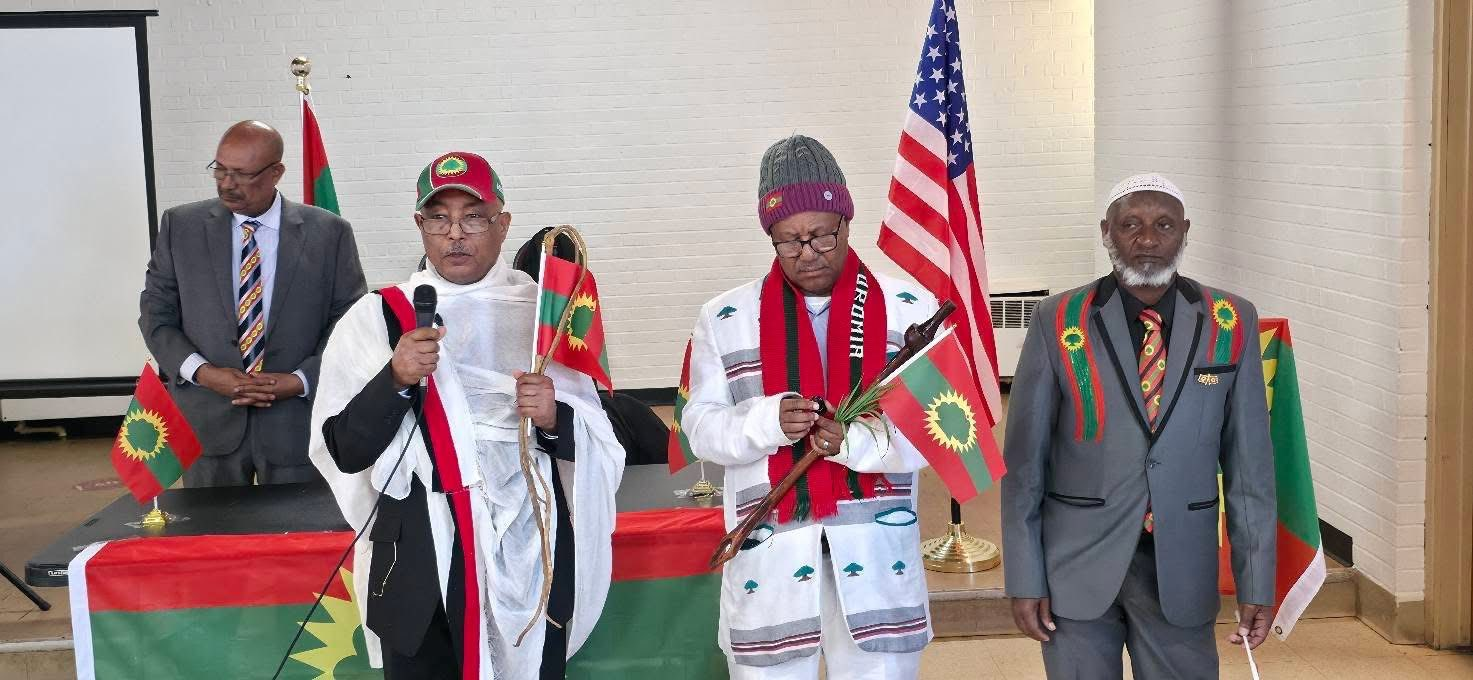
· Songs of Struggle: One of the most moving moments came when Oromo children, some as young as five, took the stage. Clutching small flags, they sang patriotic songs with voices that were both innocent and powerful.
· A Unified Message: Speakers traced a continuum of Oromo resistance—from the Gadaa system, through armed struggles, to the Qeerroo protests and up to the present day. A young activist born in Minnesota declared: “Ani Oromiyaa hin argine. Garuu onneen koo Oromiyaa keessa jiraata” (“I have never seen Oromia. But my heart lives in Oromia”), to which the crowd responded: “Qabsoo itti fufuu!” (“To continue the struggle!”).
The Flag as a Symbol of Identity
The Oromo flag was omnipresent. For decades, it was banned in Ethiopia—carrying it could lead to arrest or death. In St. Paul, it flew freely, with each color carrying deep meaning: red for the blood of martyrs, green for the fertile land of Oromia, and the yellow sun representing the Gadaa system’s justice. As one participant put it: “We are Oromo. We have a flag. We have a history. We have a future. And we will never abandon any of them.”
The Diaspora’s Role: Carrying the Struggle Forward
Minnesota is home to one of the largest Oromo populations in the United States, and the St. Paul event was a testament to the diaspora’s enduring commitment. For the community, GGO Day is not merely a ritual; it is a tool for preserving identity, building unity, and inspiring action.
The ceremony was ultimately described by participants as “haala miidhagaa fi hoo’aan kabajame”—conducted in a beautiful and warm manner. It was not a protest or a rally, but a celebration of survival and a declaration that the Oromo people remain proud and resilient. As the Oromo flag flew high in St. Paul, a message echoed from the diaspora to the homeland: the struggle lives on.
FILE MANDARA (QANYAA) (1873-1954): Gooticha Oromoo Du’a Booji’amuu Caalchise
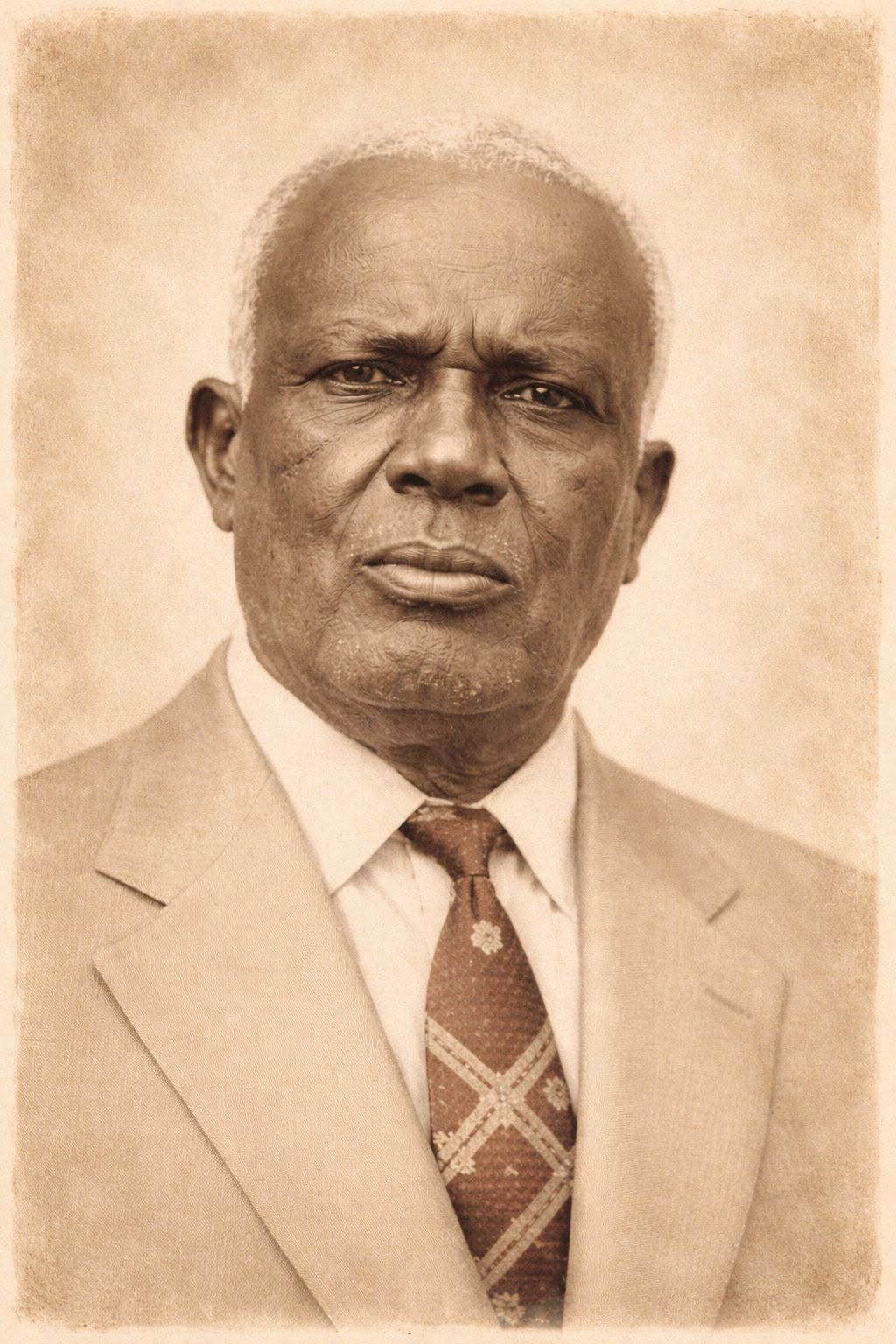
Abbaa lafaa, abbaa duulaa, fi jagna lola Xaaliyaanii irratti lubbuu isaa kenne.
Barreessaa: Seenaa Oromoo | Ebla 2026
SEENSA
File Mandara (Qanyaa) maqaa seenaa Oromoo keessatti kan hin duune. Inni goota, abbaa lafaa, fi abbaa duulaa ture. Bara 1873 Godina Horroo Guduruu Wallaggaatti dhalate. Yeroo lola Xaaliyaanii lammaffaa (1930s) keessatti, inni diina koloneeffattootaaf rooraa ta’e. Du’a booji’amuu caalchise.
Seenaan isaa har’a illee onneewwan Oromoo keessa jiraata.
GORAA 1: Dhaloota fi Ijoollummaa
File Mandara bara 1873, naannoo Laga Miixaa qarqaratti, Aanaa Guduruu keessatti dhalate.
| Maqaa Abbaa | Mandara Guddaa |
|---|---|
| Maqaa Harmee | Yaadatee Aliimaa |
Abbaan isaa Mandara Guddaa abbaa lafaa fi namicha kabajamaa ture. File ijoollummaa isaa irraa eegalee abbaa isaa hordofaa guddate. Akka ilma Oromoo tokkootti, seenaa, duudhaa, safuu, fi aadaa hawaasaa isaa barate.
GORAA 2: Warraa fi Maatii
File yeroo ga’eelaaf ga’e, akka aadaa Oromootti Warqituu Lamuu fuudhe. Isaan irraa ijoollee sadii (dhiira lama, durba tokko) horate.
Sababa abbaa lafaa ta’eef, dubartii lammaffaa fuudhe. Isaan irraa ijoollee lama (dhiira tokko, durba tokko) horate.
Waliigalaa, File abbaa ijoollee shani ture.
GORAA 3: Lola Xaaliyaanii Irratti Hirmaachuu
Bara 1928/29 A.L.I., koloneeffattoonni Xaaliyaanii weerara marsaa lammafaa biyya irratti labsan. File Mandara hin boqonne. Inni abbaa duulaa ta’ee bosona seenee diina mormuuf qophaa’e.
Lola isaa naannoo hedduutti gaggeesse:
| Iddoo | Gahee |
|---|---|
| Guduru | Qabsaa’aa |
| Amuru | Qabsaa’aa |
| Jaartee | Qabsaa’aa |
| Jaardagaa | Qabsaa’aa |
| Giddaa | Qabsaa’aa |
File diina booji’uu qofa osoo hin taane, meeshaalee waraanaa isaanii (qawwee, rasaasa, fi minishirii) baachisa ture. Kunis humna qabsoo isaaniif guddaa ture.
GORAA 4: Hiriyyaa isaa Lammaa Heenii
File Mandara hiriyyaa isaa Lammaa Heenii wajjin walitti dhiyeenya cimaa qaba ture. Lamaanuu gootota garaa guutuu turan. Bara lola keessatti, wal hin dhiisan. Waliin lolan. Waliin du’uu ga’an.
Seenaan isaan lamaanuu walitti fide.
GORAA 5: Lola Dannabaa – Guyyaa Gootummaa
Lola naannoo Jimma Raaree, Guduru Laga Dannabaa jedhamu keessatti gaggeeffame. Kun lola dirree kamittuu caalaa hamaa ture. Diinni Xaaliyaanii lafoofi qilleensaa irraa deeggarsa waraanaa godhee ture.
Haala Lola
File fi Lammaa waliin lolan. Diinni isaan marse. Rasaasaan isaanii fixe. Isaan lamaanuu hubatan: amma diina afaan bu’aniiru.
Loltuun diinaa tokko – matiriyeesii fi qawwee qabaate – gara Filee fiigee dhufe. Inni File booji’uu barbaade.
Filannaa Gootichaa
File booji’amuu hin fedhe. Du’uun isaaf filatama ture.
Obbo Lammaan Heenii rasaasa isa hafte jirtu tokko fudhate. Matiriyeesii diinaa adda keessa dhahe. Awwaara fi ibiddi diina nyaate. Qanyaa Fileen matiriyeesii fi rasaasa hedduu diina irraa booji’e.
Ergasiis, loltoonni isaa diina camaranii harca’an.
“File du’a booji’amuu caalchise. Kun gootummaadha.”
GORAA 6: Faarsa Gootichaa
Lola booda, loltoonni File jiraatan, dhiirummaa inni agarsiise faarsan.
Jechuunis:
“Daggalli dhidhiqatte. Mosoloonii guggubatte. Garuu File hin boqonne. Inni qawwee diinaa qabatee isaanitti deebise.”
Lola Dannabaa guyyaa File Mandara gootummaan isaa ifa ta’e.
GORAA 7: Du’a fi Awwaala
File Mandara lola kana keessatti du’e. Guyyaa du’aa isaa guutummaatti hin beekamu. Garuu awwaalchi isaa Fulbaana 1, 1955 (A.L.I.) gaggeeffame.
Sirni awwaalchaa bakka firoonni isaa itti filatanitti, haala gootaaf maluun gaggeeffame. Kunis kabaja guddaa ta’e.
GORAA 8: Seenaan Oral History Keessatti
Waanti File Mandara adda ta’e isa kana: seenaan isaa kitaabota mootummaa keessatti hin barreessamne. Garuu seenaa afaanii (oral history) keessatti, onneewwan Oromoo keessatti jiraata.
Abbootiin Oromoo seenaa kana daa’immaniif dabarsaniiru. Sababiin isaa: File Oromummaa isaaf du’e. Inni lola koloneeffattoota Xaaliyaanii qofa osoo hin taane, lola namoota Oromiyaa qopheessan hunda morme.
GORAA 9: File Mandara Maal Nuuf Barsise?
| Barsiisa | Hiikkaa |
|---|---|
| Lafti kee duultuuf | Abbaa lafaa ta’uun dirqama qaba |
| Diinni yoo dhufe, hin boqonnina | Ofirraa eegamtuu qaba |
| Booji’amuuf du’a filadhu | Kabajaan waan hundaa caala |
| Hiriyyaa kee hin dhiisina | Lammaa wajjin lole |
| Meeshaa diinaa qabadhu | Isaanumatti deebisi |
File Mandara akka agarsiise: lubbuun qabeenya miti. Kabajaan qabeenya dha.
GORAA 10: Yeroo Amma – File Mandara Har’a
Bara 2026, yeroo Oromoon kunuunsa isaanii argachuuf qabsoo itti fufu, File Mandara fakkeenya.
Inni nu yaadachiisa:
- Qabsoon Oromoo har’a jalqabuu miti
- Dhiigni gootota durii dhangala’eera
- Du’a isaanii akka waan taphatti ilaaluu hin qabnu
- Qabsoon isaan jalqaban nuun xumuruu qaba
“Isaan du’a booji’amuu caalchisan. Nu maal caalchifna?”
XUMURA: Maqaan Jiraata
File Mandara (Qanyaa) bara 1873 dhalate. Bara 1930s keessatti du’e. Garuu maqaan isaa har’a illee jiraata.
Inni lola keessatti hin boqonne.
Inni booji’amuu hin fedhe.
Inni diina isaa wajjin du’uu caalchise.
Inni goota Oromoo.
Awwaalchi isaa fulbaana 1, 1955 gaggeeffame. Isaan firoonni isaa awwaalan. Isaan waliin jechuu danda’an:
“Yeroo lola, abbaan lafaa fi abbaan duulaa ture. Yeroo nagaa, fakkeenya nuuf hafe.”
Har’a, yeroo Oromoon qabsoo bilisummaa isaanii itti fufu, hafuura File Mandaraa nu wajjin jira. Sababiin isaa: inni waan nuti har’a goonuuf du’e.
Inni du’a booji’amuu caalchise. Nu maal caalchifna?
YAADANNOO XUMURA
File Mandara (Qanyaa) – ati abbaa lafaa, abbaa duulaa, fi goota Oromoo.
Ati booji’amuu hin fedhe. Du’a filatte.
Ati diina kee morme. Lafti kee eegde.
Maqaan kee hin du’u. Qabsoo kee hin darbe.
Nu, warri booda dhufne, si galateeffanna.“Fileen du’a booji’amuu caalchise. Kun jechuun: inni diina isaa sodaachise. Inni maqaa isaaf du’e. Inni Oromummaaf du’e.”
Waaqni goota kana haa rahmate.
Seenaan isaa haa jiraatu.
Qabsoon Oromoo galmaan haa gahu.
© 2026 – Gabaasni Seenaa Gooticha Oromoo File Mandara (Qanyaa)
FILE MANDARA (QANYA) (1873-1954): The Oromo Patriot Who Chose Death Over Surrender
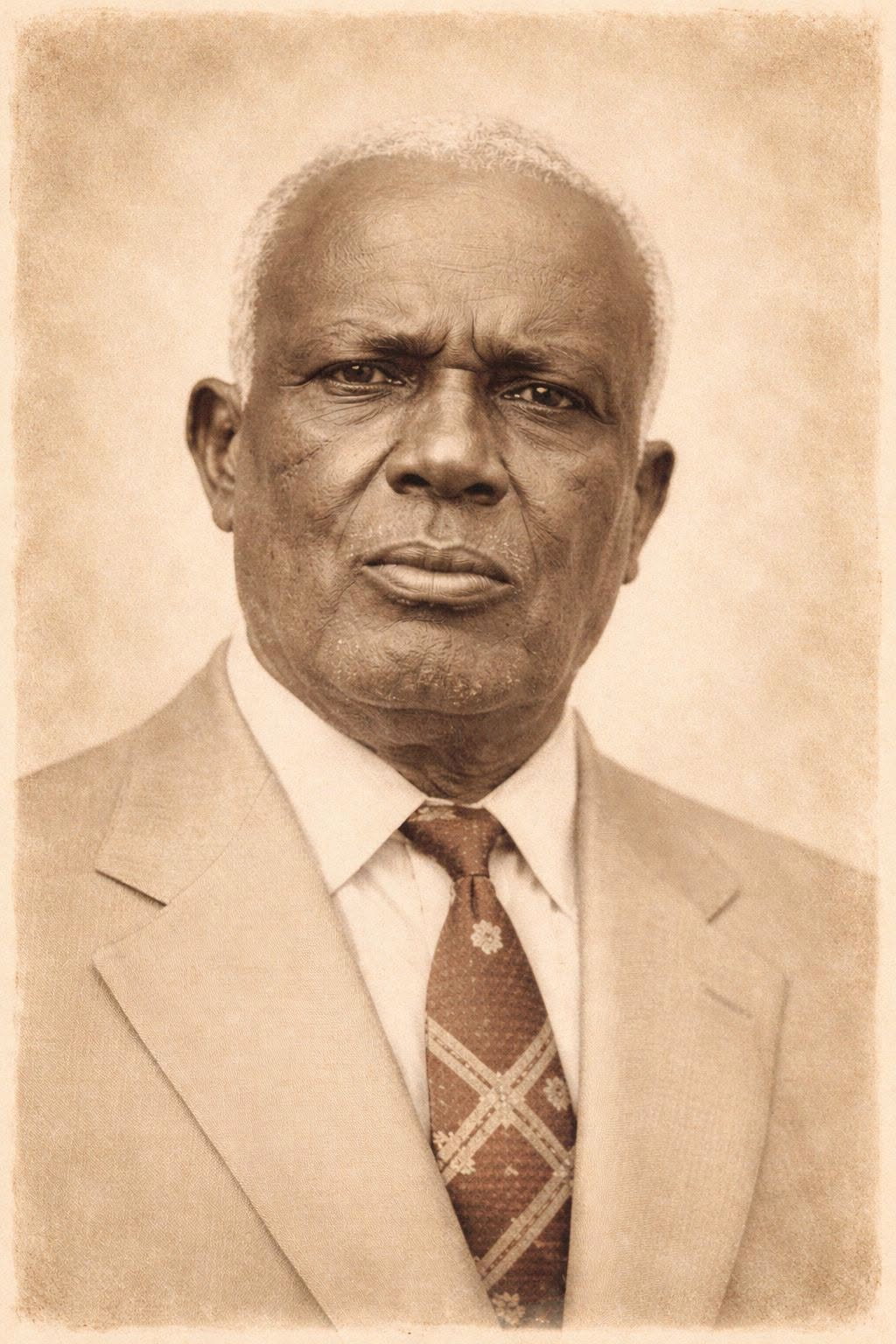
A warrior’s bloodline, a fighter’s courage, and a martyr’s final stand against colonial occupation.
A Feature Story – Oromo History, Resistance, and Heroism
PROLOGUE: A NAME CARVED IN HISTORY
There are names that echo through generations – not because they were written in royal chronicles, but because they were carved into the memory of a people by the edge of a sword and the weight of sacrifice.
File Mandara, known also as Qanyaa, is one such name.
Born into an Oromo society that valued courage above comfort and loyalty above life, File Mandara grew from a boy learning the ways of his people into a warrior who would face the Italian colonial army – and refuse to bow.
This is his story. It is a story of family, of tradition, of love, of war, and of a final, defiant stand at the banks of the Dannabaa River.
PART ONE: BIRTH AND BLOODLINE
The Time and Place
File Mandara (Qanyaa) was born in 1873 in what is today the Horro Guduru Wallagga region, specifically in the Guduru district, near the banks of the Miixaa River.
At the time of his birth, the Oromo people of Wallagga still governed themselves according to the ancient Gadaa system. The Italian colonial invasion – the second wave – had not yet reached his homeland. But it was coming.
His Parents
| Parent | Name |
|---|---|
| Father | Mandara Guddaa |
| Mother | Yaadatee Aliimaa |
From his father, File learned the arts of war, the responsibilities of land ownership (he was an abbaa lafaa – a landholder), and the duty of protecting the community. From his mother, he learned the stories, the customs, and the moral code of the Oromo people.
Growing Up
Like every Oromo boy of his era, File grew up following his father – learning by watching, by listening, by doing. He studied the history of his people, the strategies of defense, the value of livestock, and the sacred duty of resisting anyone who threatened their way of life.
He was not raised to be a conqueror. He was raised to be a protector.
PART TWO: FAMILY AND LOVE
First Marriage
When File reached the age of marriage – according to Oromo custom – he took Warqituu Lamuu as his first wife. Together, they had three children: two sons and one daughter.
Second Marriage
As an abbaa lafaa (landholder), File also took a second wife – Lataa – according to the traditions of his society. From this union, he had two more children: one son and one daughter.
In total, File Mandara was father to five children – a legacy that would carry his name forward even after his death.
PART THREE: THE CALL TO WAR – RESISTING ITALIAN COLONIALISM
The Second Italo-Ethiopian War
By the late 1920s and early 1930s (Ethiopian calendar years 1928/29 A.L.I.), the Italian colonial forces under Fascist leader Benito Mussolini were preparing for a second invasion of Ethiopia. The first invasion (1895-96) had ended in Italian defeat at Adwa. The second would be far more brutal – using poison gas, aerial bombardment, and scorched-earth tactics.
File Mandara answered the call. He became a warrior leader (abbaa duulaa) and joined the resistance.
The Battlefield
File fought across multiple fronts:
| Location | Role |
|---|---|
| Guduru | Resistance fighter |
| Amuru | Resistance fighter |
| Jaartee | Resistance fighter |
| Jaardagaa | Resistance fighter |
| Giddaa | Resistance fighter |
He did not fight alone. He fought alongside his fellow Oromo patriots, men who shared his conviction that no foreign power had the right to occupy their land.
“He made himself a thorn in the side of Haile Selassie and his bandits.”
Capturing Weapons
One of File’s key contributions to the resistance was his ability to capture Italian weapons and ammunition. When the resistance fighters defeated colonial troops, they did not simply kill or drive them away. They took their rifles, their machine guns, their mortars, and their supplies – turning the enemy’s own arsenal against them.
PART FOUR: THE BATTLE OF DANNABAA RIVER – A STAND FOR THE AGES
The Setting
One of the fiercest battles took place near the Dannabaa River in the Jimma Raaree and Guduru areas. File fought alongside his comrade and brother-in-arms, Lammaa Heenii.
The Italian forces – backed by colonial auxiliaries loyal to Emperor Haile Selassie’s local allies – launched a massive assault. They had air support. They had artillery. They had machine guns.
The Oromo resistance had courage.
The Battle
According to oral historians who know the story of this hero, the battle on that day was more intense than any they had faced before. The enemy surrounded them.
File and Lammaa realized the situation was desperate. They had run out of ammunition. The enemy was closing in.
The Choice
A colonial soldier – armed with a bayonet and a mortar – rushed toward File, intending to capture him alive. The soldier wanted the glory of taking a prominent resistance leader as a prisoner.
File Mandara faced a choice: surrender or die.
He chose death.
Before the soldier could reach him, File’s comrade Lammaa Heenii took his last remaining bullet and fired it into the mortar – engulfing the colonial soldier in smoke and flames.
The Escape
File seized the opportunity. He captured the colonial soldier’s weapons – the mortar, the bayonet, and ammunition – and turned them against the enemy. He and his surviving fighters cut down many of the colonial troops and broke through the encirclement.
“He captured the enemy who had come to capture him – and then used his own weapons to destroy his men.”
PART FIVE: THE FINAL MOMENTS
The battle at Dannabaa River was not easily won. File’s fighters were scattered. The enemy regrouped. The Mosoloon (perhaps a reference to colonial militias or local collaborators) burned the area.
But File’s courage that day became legendary.
After the battle, the surviving fighters praised his bravery. They said:
“He stood like a lion. He refused to bow. He chose death over dishonor.”
File Mandara did not survive the war. But he did not die as a prisoner. He did not die on his knees. He died fighting – a warrior’s death, an Oromo patriot’s death.
PART SIX: THE FUNERAL – HONORING A HERO
File Mandara died in battle on or around the 5th of Qaammee (Ethiopian calendar), 1954? The precise dating is complex, but what is clear is that his funeral ceremony was held on Fulbaana 1, 1955 (Ethiopian calendar), at a location chosen by his family and relatives.
The ceremony was conducted in a manner worthy of a hero – with all the rites and traditions that an Oromo patriot deserved.
His body was laid to rest among his own people, in the land for which he had fought, in the soil that had been watered by his sweat and his blood.
PART SEVEN: LEGACY – WHAT FILE MANDARA REPRESENTS
A Warrior of the Oromo People
File Mandara was not fighting for an emperor. He was not fighting for a political party. He was fighting for his land, his people, and his way of life. The enemy was not just Italy – it was any foreign power that sought to impose its will on Oromo soil.
A Symbol of Resistance
His refusal to surrender – even when surrounded, even when out of ammunition – became a model for future generations. He demonstrated that death is preferable to life under a conqueror’s boot.
A Family Man
Despite his life as a warrior, File was also a husband and a father. He left behind two wives and five children. His descendants carry his name and his legacy.
A Figure of Oromo Oral Tradition
The story of File Mandara (Qanyaa) is preserved not in government archives (which often ignore or suppress Oromo heroes) but in the oral histories of the Oromo people. It is passed from elders to youth, from parents to children, ensuring that his name is never forgotten.
PART EIGHT: THE PHOTOGRAPH – A FACE FOR THE NAME
The original bio mentions a photograph – an image of this hero. Photographs from the late 19th and early 20th centuries are rare, especially of Oromo resistance fighters. If such an image exists, it is a priceless artifact.
It would show not just a man, but an era – a time when Oromo warriors stood against colonial armies with rifles and courage, before the age of modern weapons and mass armies.
That face – File Mandara’s face – would be a testament to the Oromo struggle that began long before the 20th century and continues today.
CONCLUSION: A HERO FOR ALL SEASONS
File Mandara (Qanyaa) was born in 1873, when Oromia was still largely independent. He fought in the 1920s and 1930s, when the colonial wolves were at the door. He died on the battlefield, refusing to be taken alive.
His story is not merely history. It is instruction.
| Lesson | Meaning |
|---|---|
| Know your land | File knew the rivers, the forests, the hills of Wallagga |
| Know your enemy | He studied the Italians and their local collaborators |
| Fight with what you have | He captured enemy weapons and used them |
| Stand with your comrades | He fought alongside Lammaa Heenii and others |
| Never surrender | He chose death over captivity |
In an age when some Oromos debate the merits of armed struggle versus political negotiation, File Mandara’s life offers a clear answer from history: When your land is invaded and your people are threatened, the only honorable response is resistance.
He did not win the war. The Italians were eventually driven out by a combination of Allied forces and Ethiopian resistance – but not before they had killed hundreds of thousands and left deep scars.
But File Mandara won something else: the memory of a people.
And that memory, unlike colonial regimes, does not die.
FINAL TRIBUTE
To File Mandara (Qanyaa) – abbaa lafaa, abbaa duulaa, goota Oromoo:
You were born free. You lived as a protector. You died as a warrior. You refused to bow to any foreign flag. You chose death over chains. May the land for which you fought remember your name. May the people for whom you died honor your sacrifice. And may every Oromo who hears your story find in it the courage to stand – as you stood – for Oromia.
Waaqni goota kana haa rahmate.
May God have mercy on this hero.
Seenaan isaa haa jiraatu.
May his story live forever.
Qabsoon Oromoo galmaan haa gahu.
May the Oromo struggle reach its goal.
“He was surrounded. He was out of bullets. The enemy wanted to take him alive. He chose death. That is what makes a hero.”
© 2026 – A Feature on Oromo Patriot File Mandara (Qanyaa)

