Feature Commentary: “መመለስ” – The Return of a Voice and the Resonance of Memory
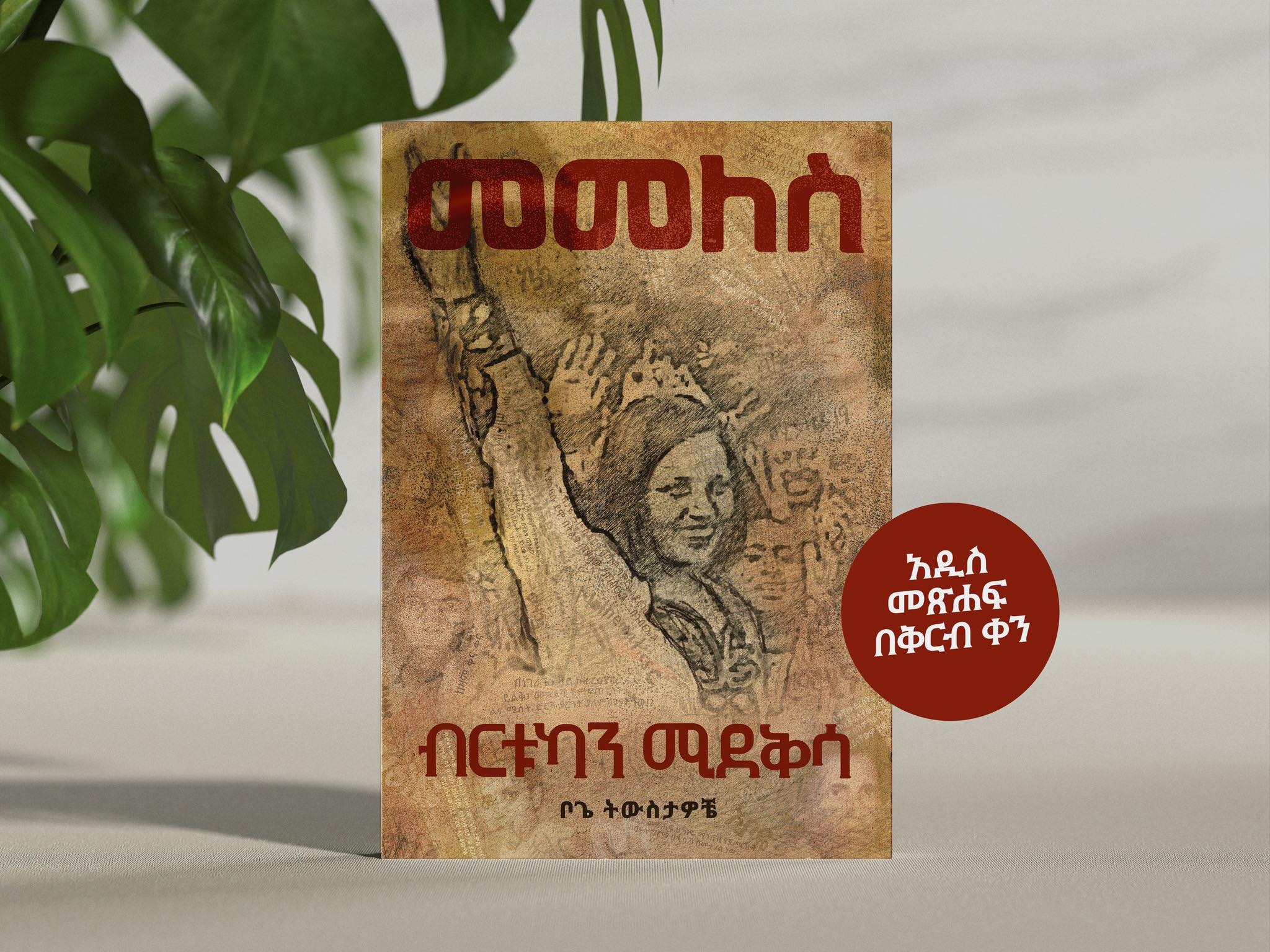
In the rich tapestry of Ethiopian political life, few contemporary figures command the blend of unwavering principle and administrative acumen quite like W/ro Burtukan Mideksa. Her journey—from the bench to political leadership, from imprisonment to international diplomacy—has been a defining narrative of Ethiopia’s turbulent recent decades. The recent ceremonial launch of her Amharic-language memoir, “መመለስ: ቦጌ ትውስታዎቼ” (“Return: My Bogé Memories”), is therefore more than a literary event. It is a significant political and cultural moment, a formal re-entry of a pivotal perspective into the nation’s ongoing dialogue about its past and its future.
The title itself, “መመለስ” (Return), is profoundly evocative. On one level, it refers to a physical and spiritual return to Bogé—a place steeped in personal and national history, likely referencing a period of reflection, struggle, or origin. On another, it signifies the return of Burtukan Mideksa’s own voice to the public sphere in a new, enduring form. After years of being analyzed, quoted, and defined by others—as a judge, an opposition leader, a prisoner of conscience, and most recently as the Chairperson of the National Election Board of Ethiopia (NEBE)—this book represents her opportunity to define her own narrative, to “return” the story to its source.
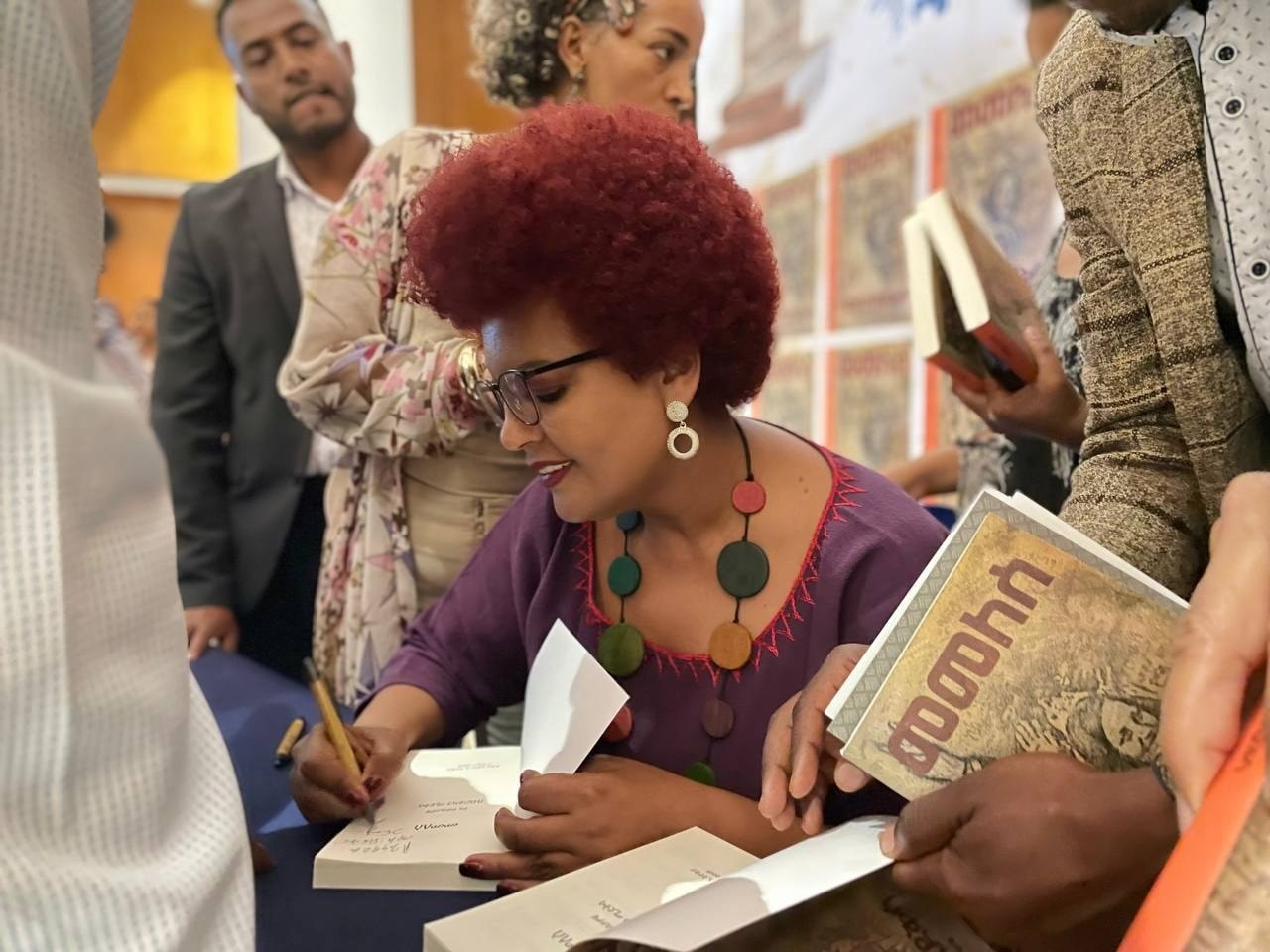
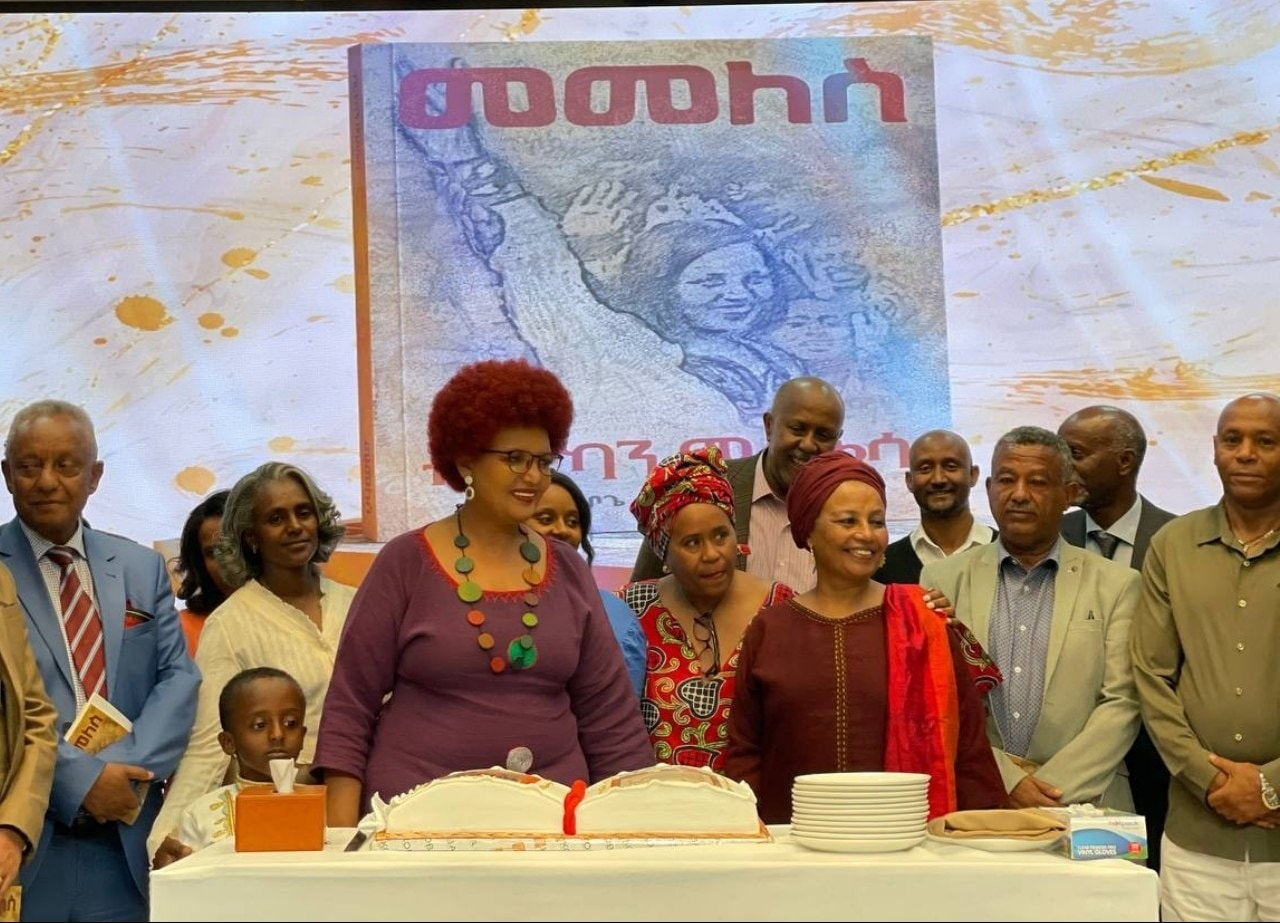
The launch event, as reported, was fittingly dignified, attended by a host of guests and featuring readings by prominent figures like Abba Balcha and Konjit Seyoum. The participation of intellectuals and analysts such as Soliana Shimelis, Worqneh Tefera, Hirut Tefaye, Tewodros Aylaw, and Dawit Birhanu underscores the book’s perceived weight. It is not treated as a mere personal account but as a primary source document, a contribution to the collective understanding of Ethiopia’s political evolution over the last thirty years.
The book’s structure—37 chapters spanning 292 pages—suggests a comprehensive and detailed reckoning. For students of Ethiopian politics, the promise lies in the granular, firsthand account of critical junctures: the fraught 2005 elections, the experience of political imprisonment, the internal dynamics of opposition politics, and the complex challenges of leading an institution like the NEBE in a polarized environment. It offers a rare, insider’s view from a figure who has operated at the highest stakes of the country’s democratic struggle.
However, the publication of “መመለስ” arrives at a deeply complex moment. Ethiopia is a nation still grappling with the wounds of a brutal civil war, severe internal fractures, and an uncertain political transition. In this context, a memoir by a figure of Burtukan’s stature is inevitably a political act. It will be read not just for its recollections, but for its judgments, its silences, and its implicit commentary on present-day actors and crises. It has the potential to reframe debates, validate certain historical narratives, and challenge others.
Ultimately, the significance of “መለሰ” extends beyond its immediate political insights. It represents the power of personal testimony in a national story often dominated by grand ideologies and collective movements. By sharing her “Bogé memories,” Burtukan Mideksa does more than recount events; she invites a conversation about resilience, principle, and the personal cost of public life in Ethiopia. Whether as a tool for historical clarification, a mirror for the present, or a guide for future leaders, this “return” of memory to the public domain is a vital addition to the fragile architecture of Ethiopia’s national understanding. Its true impact will be measured not just in book sales, but in the depth and quality of the dialogue it inspires.
GREATER DANDENONG, VIC – In a proactive move to strengthen the social fabric of one of Australia’s most diverse regions, three neighbouring councils are joining forces to host a unique community workshop. The City of Greater Dandenong, the City of Casey, and the Shire of Cardinia are calling on local residents to help define and build a shared vision for a stronger, fairer future.
The initiative, a facilitated workshop titled “Defining Social Cohesion,” aims to create a safe space for residents to explore what unity, belonging, and mutual respect mean in their rapidly growing communities today.
Turning Shared Visions into Reality
“Every voice matters,” states the joint announcement, framing the workshop as a foundational step in collaborative community planning. The goal is to move beyond abstract ideals and turn collective aspirations into tangible outcomes. The facilitated discussion will focus not only on defining social cohesion but also on the practical role each resident plays in shaping it.
“Together, we can turn our shared visions into reality,” the councils propose, positioning the event as a grassroots opportunity to directly influence the social landscape of Melbourne’s vibrant southeast.
A Call for Diverse Voices
Participation is specifically limited to residents of the southeast Melbourne area, ensuring the conversation is grounded in local experiences and challenges. With limited spots available, organisers are urging interested community members to register early.
Event Details:
Date: Wednesday, 28 January
Time: 12:30 PM – 3:30 PM
Location: Dandenong Civic Centre – Training Rooms 1 and 2
Registration & Info: Residents are encouraged to register promptly via their local council websites or contact the organising academic partner for questions at tmiletic@unimelb.edu.au.
Building Resilience from the Ground Up
This workshop comes at a time when communities nationwide are reflecting on social harmony and resilience. By facilitating these conversations locally, the councils of Greater Dandenong, Casey, and Cardinia are investing in a community-led model for social planning, recognizing that the strongest cohesion is built from the ground up, one conversation at a time.
The event represents a significant opportunity for residents to become active architects of their community’s future, ensuring the southeast continues to be a place where diversity is not just acknowledged but is the very source of its strength.
Condolence News: The Passing of Dr. Lata Tesfaye Jule
It is with profound sorrow and heavy hearts that we announce the sudden passing of Dr. Lata Tesfaye Jule, former President of Dembi Dollo University and a senior advisor to the Prime Minister of Ethiopia. Dr. Lata passed away in his hotel room at the Hilton Hotel in Virginia, USA, earlier today.
He was in Washington D.C. as part of an official Ethiopian government delegation, having arrived just yesterday. The cause of death is not yet publicly known, pending the results of a hospital examination. His remains are expected to be repatriated to Ethiopia tomorrow, Sunday, through the coordination of the Ethiopian Embassy.
Dr. Lata was also a member of the Ethiopian Parliament. He was widely recognized as a brilliant and accomplished scholar, having earned two doctorate degrees at a young age and playing a pivotal role in the expansion and development of Dembi Dollo University during his presidency.
A colleague who knew him personally from his time in Washington shared these reflections:
“I had the privilege of meeting Dr. Lata closely when he came to Washington D.C. for work. In our time together, I came to understand what a profoundly knowledgeable man he was—a scholar with great dreams. He never stopped learning. He had come to America to pursue his third doctoral degree when his life was tragically cut short in his hotel room, leaving his ambitions unfulfilled. The grief is double when people of such integrity and grand vision are taken from us so soon.”
The news of Dr. Lata’s untimely demise has sent shockwaves through communities in Ethiopia and abroad, prompting an outpouring of grief. Many express a deep sense of loss, mourning a dedicated public servant who worked with humility for his community and a man whose character and expertise transformed many lives.
Our deepest condolences go to his family, friends, colleagues, and all who knew and loved him. May God grant strength and solace to his loved ones during this unimaginably difficult time. May his soul rest in eternal peace.
The Return: Burtukan Mideksa’s Memoir Set to Unveil Decades of Political Journey
ADDIS ABABA – One of Ethiopia’s most resilient and influential political figures is set to share her remarkable story in a keenly anticipated autobiography. The life memoir of Burtukan Mideksa, titled “መመለስ” (The Return / The Answer), is scheduled for release in the coming days, promising an intimate account of three turbulent decades at the heart of the nation’s politics.
A symbol of strength for many, especially women and youth, Burtukan—often affectionately called “Birtu Kan” (The Strong One) by her admirers—has navigated a journey few can match. Her forthcoming book chronicles a path that has spanned from the judiciary to political leadership, from exile to the helm of the National Election Board.
A Title with Dual Meaning
The choice of the single-word title “መመለስ” is profoundly evocative. It is a word loaded with dual significance in Amharic, reflecting the dual arcs of her narrative. It can be read as “The Return”—signifying her physical and political comeback to Ethiopia and to the public stage. Simultaneously, it resonates as “The Answer”—suggesting her response to long-standing questions about her role, her struggles, and the nation’s transformative journey. In either interpretation, the title promises a compelling and revealing narrative.
Charting a Nation’s Journey Through One Life
The memoir is expected to trace her unique passage through Ethiopia’s modern history. From her early career as a judge and her bold stance for judicial independence, to her political activism, subsequent imprisonment, and years in exile, Burtukan’s life mirrors the nation’s own struggles with democracy, justice, and change.
Her later return to Ethiopia and her historic appointment as the first woman chairperson of the National Election Board of Ethiopia (NEBE) marked a pivotal chapter, placing her at the center of the country’s most consequential democratic exercises. The book is anticipated to provide an insider’s perspective on these critical moments, detailing both the triumphs and profound challenges faced along the way.
Highly Anticipated by Scholars and Public Alike
The announcement has generated significant excitement among political analysts, historians, and the general public. Many hope the memoir will shed new light on untold stories, private reflections, and the inner workings of Ethiopia’s political evolution over the last 30 years. It is viewed not just as a personal history, but as a vital primary source for understanding contemporary Ethiopia.
A High-Profile Launch
Plans are underway for a high-profile official book launch ceremony this month. Arts TV has been named as the exclusive media partner for the event, ensuring comprehensive coverage and bringing the proceedings to millions of viewers across the nation and the diaspora.
Burtukan Mideksa’s “መመለስ” arrives at a critical juncture, offering a deeply personal lens on Ethiopia’s ongoing quest for stability and democracy. It is poised to be one of the most significant political memoirs of the year, providing answers, prompting reflection, and celebrating the return of a formidable voice to the literary and public sphere.
Bringing ‘Oromummaa’ into Focus: Four Decades of Reclaiming an Indigenous Legacy
JANUARY 9, 2026 – As the Oromo Studies Association (OSA) approaches its 40th anniversary, it has released a landmark statement that is part historical reflection, part scholarly triumph, and part urgent defense. The statement, authored by OSA President Dr. Ibrahim Amae Elemo, chronicles a transformative journey: from the systemic erasure of Oromo history to the global recognition of its indigenous democratic systems, and now, to a new wave of attacks targeting the scholars who brought this legacy to light.
Central to this four-decade effort is the concept of Oromummaa—a term embodying the collective values, institutions, and worldview of the Oromo people, the largest ethnic group in Ethiopia. Once dismissed, Oromummaa has been meticulously restored by OSA scholars through research that has redrawn the map of Horn of Africa studies.
From Erasure to Reclamation
The OSA’s founding in the 1980s was a direct response to a void. Prior to its establishment, Oromo heritage was not merely absent from academia and state narratives; it was actively suppressed. As the statement details, a state ideology of “Ethiopianism” promoted Orthodox Christianity, the Amharic language, and Abyssinian culture as the sole legitimate national identity. The Oromo language, Afaan Oromoo, was banned in schools and public life until 1992, and students were punished for speaking it or using Oromo names.
“The national project,” the statement asserts, “was to ‘Ethiopianize’ the peoples of the south and center through enforced cultural unification.” In this process, the Oromo—despite constituting about half of Ethiopia’s population—were portrayed as backward and ahistorical.
OSA’s intervention was revolutionary. Its scholars, many of whom were part of that first generation of students reclaiming their language, engaged in rigorous research that recovered suppressed histories. Through conferences, journals, and collaborative work, they produced a substantial body of knowledge that countered centuries of denigration and “restored collective dignity.”
Reshaping History and Highlighting Indigenous Democracy
A cornerstone of OSA scholarship has been re-examining Ethiopian state formation. Drawing on archives and oral histories, researchers have framed the expansion of the Abyssinian empire in the late 19th century as a colonial project, supported by European powers and marked by violent conquest, dispossession, and the enslavement of independent societies like the Oromo.
More celebratory research has focused on Oromummaa as an indigenous democratic worldview, anchored in three core institutions:
The Gadaa System: A complex socio-political system featuring an eight-year leadership cycle, checks and balances, and principles of accountability and rule of law. Its global significance was recognized by UNESCO’s inscription on its Intangible Cultural Heritage list.
Siinqee (Siiqee): A women’s institution that ensures gender balance and social justice.
The Qaallu: The spiritual authority maintaining harmony between society, nature, and the spiritual realm.
Together, these institutions embody values of democracy, peace (nagaa), and ecological stewardship that OSA argues offer lessons of “global relevance.”
A New Era of Attacks and a Call to Action
This hard-won scholarly recognition is now under threat. The OSA statement warns of “renewed attacks on Oromo scholars and scholarship” from actors seeking to “restore inequitable power relations.”
These attacks have evolved from formal complaints accusing scholars of “hate speech” to coordinated social media campaigns that vilify Oromummaa itself as a dangerous ideology. Internationally respected figures like Professor Asafa Jalata, a pioneering sociologist, have been targeted.
“These attacks do not represent scholarly debate grounded in evidence,” the statement declares. “Rather, they reflect a politicized rejection of any scholarship that challenges centralized authoritarian narratives.” It draws a stark warning: “History demonstrates that vilification of a people’s identity is often a precursor to mass violence.”
In conclusion, the OSA issues a powerful call to the global academic community and the public. It urges the defense of academic freedom and support for Oromo scholarship, framing it not as a niche field but as vital to understanding one of the continent’s oldest continuous democratic traditions. The Oromo legacy, the statement concludes, is a contribution not only of “agricultural and animal bounty” but of a resilient, indigenous democratic way of life whose study is now more critical than ever.
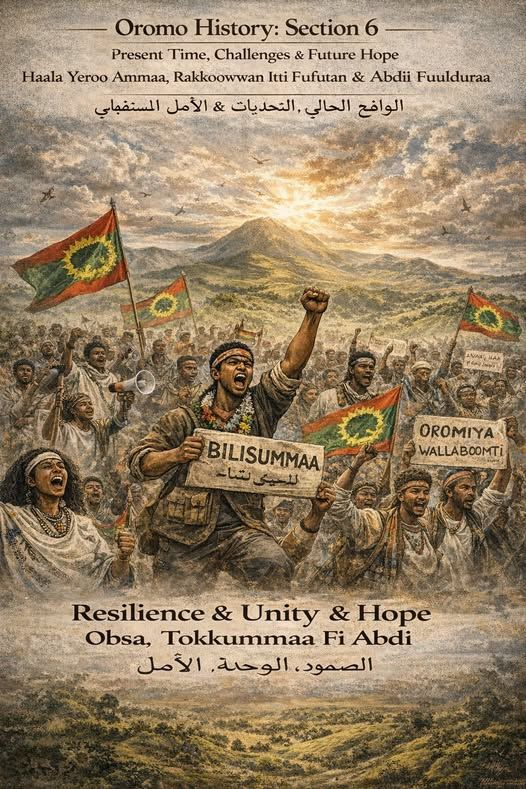
The story of the Oromo people, the largest ethnic group in Ethiopia, has long been narrated as a history of resistance against centuries of marginalization. But history is not a closed book. As the community moves through the 21st century, its narrative is one of a profound and tense present—a reality where deep-rooted political challenges coexist with an unprecedented cultural revival, and where the struggle for self-determination is being redefined by a new generation.
This sixth chapter of Oromo history is not about the past; it is a living document, written daily in protests, in songs, in displacement camps, and in the global halls of advocacy.
The Persistent Political Paradox
Demography has not translated into democracy for the Oromo. Constituting an estimated 35-40% of Ethiopia’s population, they remain in a paradoxical position: a numerical majority without commensurate political power. Critical decisions concerning land, security, and resources are still centralized, leaving many Oromos feeling politically sidelined in their own homeland. This structural marginalization is the bedrock of ongoing discontent and the primary catalyst for the powerful protest movements that have shaken the nation over the past decade.
A Landscape of Insecurity and Displacement
The political tension has a human cost. In recent years, several Oromia regions have been plagued by instability. Reports from human rights organizations and media detail cycles of violence involving armed groups and state security forces, leading to civilian casualties, widespread internal displacement, and persistent allegations of rights abuses. Families have been uprooted, farms abandoned, and a pervasive climate of fear has disrupted the social fabric, casting a long shadow over daily life and economic stability.
The Unbreakable Spirit: Cultural Renaissance
Against this challenging backdrop, a powerful counter-narrative flourishes: a cultural renaissance. The Oromo language, *Afaan Oromo*, once suppressed, is now a working language of the Oromia region and is thriving in media, education, and digital spaces. Oromo music, art, and literature are experiencing a golden age, with artists like the late Hachalu Hundessa becoming national icons of resistance and identity. This cultural reawakening is not a retreat but a reclamation—a tool of resilience and a defiant affirmation of existence. Young people, in particular, wear their Oromo identity with a pride that is both personal and political.
The New Architects: Qeerroo and Qarree
The engines of this new chapter are the youth (*Qeerroo*) and women (*Qarree*). The *Qeerroo* movement, a leaderless network of young Oromos, demonstrated its formidable power in the 2014-2018 protests that helped usher in a political transition. Simultaneously, *Qarree*—Oromo women—are moving powerfully from the background to the forefront, organizing, advocating, and demanding a seat at every table, challenging both external oppression and internal patriarchy. Their grassroots activism represents the most dynamic force in contemporary Oromo society.
A Global Struggle with a Peaceful Heart
Oromo activism has consistently emphasized peaceful resistance, even in the face of violence. This principled stance, coupled with the strategic work of a large and mobilized global diaspora, has successfully internationalized the Oromo question. From parliaments in Washington and Brussels to universities worldwide, the call for Oromo rights and self-determination is now part of the global discourse on human rights and federalism in Ethiopia.
Hope Anchored in Unity and Knowledge
The path forward is fraught but illuminated by a clear vision. Community leaders and intellectuals stress that the future hinges on internal unity, a deep understanding of their own history, and an unwavering commitment to peaceful struggle and dialogue. The goal is not just political change but the building of a society where Oromo identity is the foundation for dignity, justice, and shared prosperity.
Conclusion: A Story Still Being Told
This Oromo history confirms that their story is still unfolding. It is a present-tense narrative of simultaneous pain and power, of loss and limitless cultural vitality. The struggle for a truly equitable place within Ethiopia continues, but it is now carried by a generation armed with history, mobilized by technology, and inspired by an unbroken spirit. The Oromo history, as it is written today, remains—above all—a enduring story of survival, resistance, and an undimmed hope for a future of their own making.
Feature Commentary: The Covenant Renewed – How a Washington D.C. Celebration Forged a Blueprint for Continuity
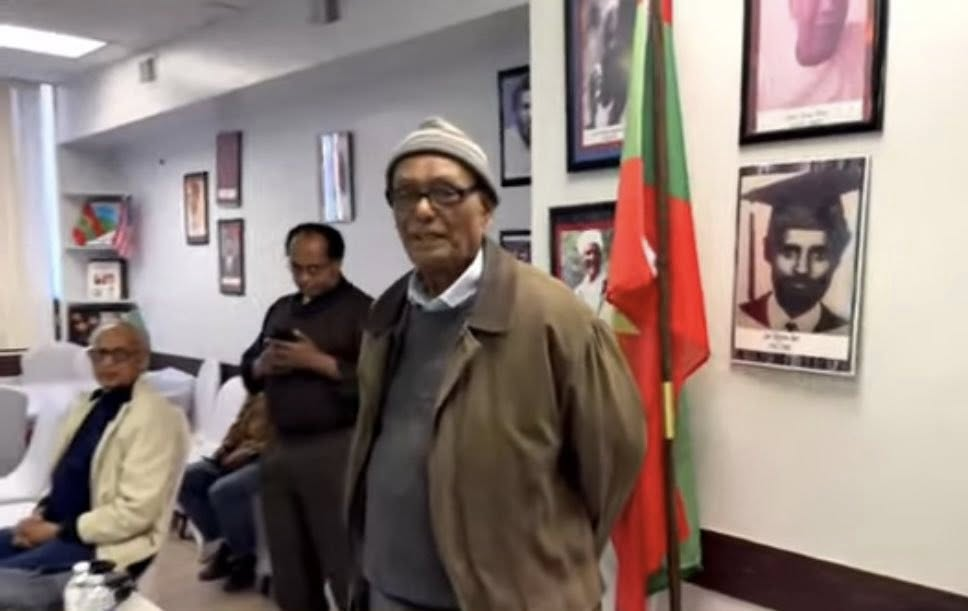
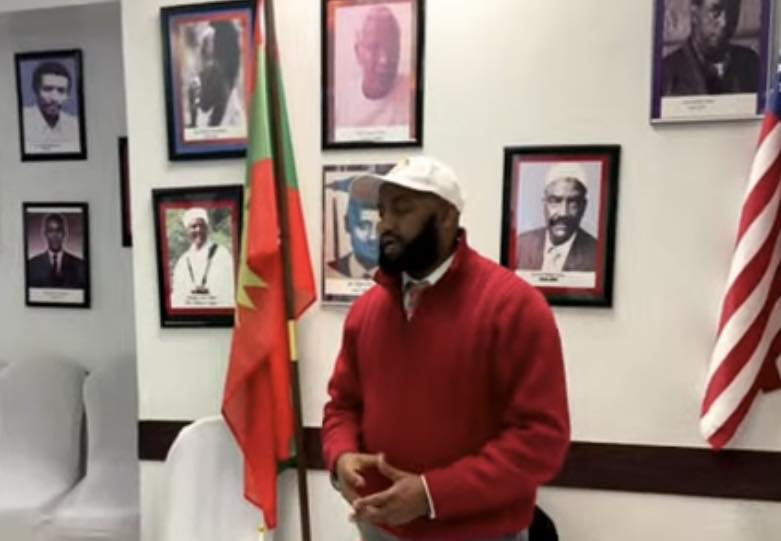
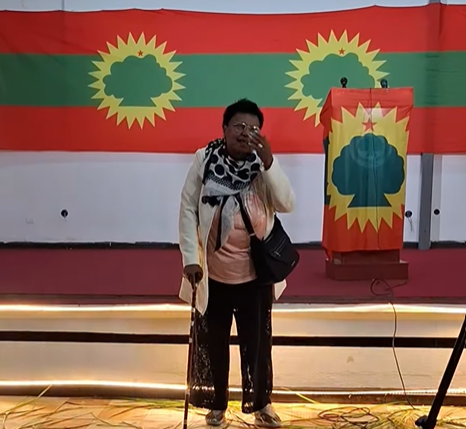
On the surface, the gathering by the Washington D.C. chapter of the Oromo Liberation Front (OLF-Konyaa) was a familiar ritual: the commemoration of Oromo Liberation Army (WBO) Day and the celebration of Amajjii, the Oromo New Year. Yet, within the traditional prayers (eebba), speeches, and shared resolve, a powerful and sophisticated blueprint for the struggle’s future was being articulated—one that skillfully wove together gratitude, clear-eyed assessment, intergenerational blessing, and a philosophy of endurance.
The ceremony, opened by the spiritual invocation of veteran leader Jaal Qaxalee Waaqjiraa, immediately grounded the political in the spiritual. His thanksgiving prayer, “We thank God who, after years of wandering, has brought us here,” was profoundly layered. It acknowledged a journey—a long, arduous “wandering” of exile, displacement, and conflict—while celebrating the “here”: a community intact, organized, and capable of gathering in defiance of that very displacement. It framed the present not as an endpoint, but as a providentially granted platform, creating a sense of both debt and opportunity.
This spiritual framing set the stage for a starkly realistic assessment from chapter chairperson Jaal Bilisummaa Tasgara. By openly detailing “the current situation of the struggle,” he performed a crucial act of transparency. There was no empty triumphalism. Instead, there was a communal acknowledgment of the “complex and difficult” (ulfaataa) reality. This honesty is the bedrock of trust and mature mobilization. It prevents disillusionment and transforms collective understanding from a source of despair into a foundation for strategic perseverance. As he noted, the day was both a “day of mourning and celebration,” a duality that honestly captures the Oromo condition—grieving the fallen while celebrating the unbroken spirit.
From this realistic ground sprang the core directive: “Our people must become stronger and more resilient.” This was not a vague wish but a clear, operational imperative. The call for jabeenya (strength) and ijaarsa (building/construction) shifts the focus from merely reacting to oppression to proactively building communal, institutional, and personal fortitude. It answers the “how” of continuing in a difficult phase.
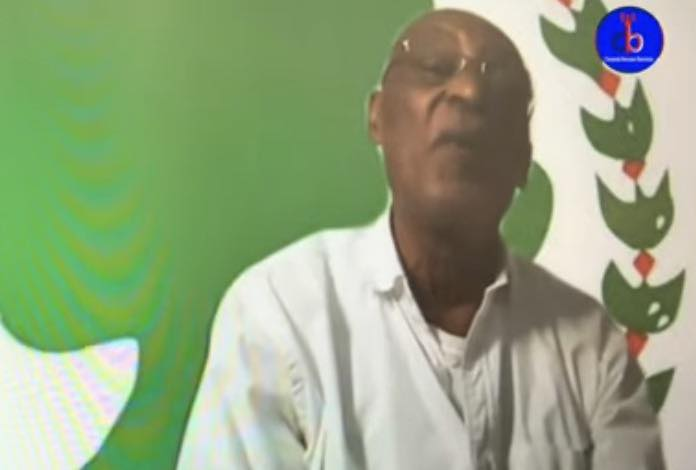
The most poignant moment of strategic continuity was the virtual participation of legendary elder Jaal Dhugaasaa Bakakkoo. His Zoom presence was a powerful technological bridge across time. By thanking him for his “guidance and perseverance,” the assembly did more than honor a hero; it ritually drew a line of legitimacy and tactical wisdom from the founding generation directly into the present. It signaled that the current path is not a divergence but an inheritance, blessed by those who laid the first stones.
This synthesis of elements reveals a sophisticated political culture. The event masterfully connected:
Spiritual Legitimacy (Eebba) with Political Analysis.
Honest Acknowledgment of Hardship with a Call for Proactive Strength.
Reverence for the Past with a Practical Roadmap for the Future.
The closing reflection, “Our struggle is alive and will continue to be remembered as one with a clear direction and sustainable objective,” is thus not a hopeful slogan but a conclusion drawn from the evening’s architecture. They have defined “alive” not as mere existence, but as the state of being guided, united, building strength, and connected to one’s source.
The Washington D.C. celebration, therefore, was a masterclass in sustaining a liberation movement in the long haul. It moved beyond mere remembrance into the realm of active stewardship. It showed that the covenant of struggle is renewed not by ignoring the present cost, but by confronting it with faith, honesty, unity, and an unwavering commitment to building the resilience needed to see the journey through. The message was clear: the wandering has brought us to this point of clarity. Now, we build, we endure, and we march, strengthened by the very weight of the journey itself.
News Feature: The Unbroken Flame – Ilfinash Qannoo Embodies a Lifetime of Struggle and Steadfastness
GULLALLE, OROMIA – In the bustling activity of the Oromo Liberation Front (OLF) headquarters this Amajji 1 celebration, one figure sits with a quiet, palpable gravity. Ilfinash Qannoo, her body bearing the weight of years and the toll of relentless struggle, is a living archive of the Oromo quest for freedom. Too weak to stand, too ill to move independently, she is carried to gatherings, not as an invalid, but as a revered ember of the movement’s enduring fire.
Her presence is a testament, not to frailty, but to an indomitable will. It is the final, physical testament of a life offered completely—uleetti rarraatee—stretched across the altar of the Oromo struggle. Her commitment, born of a profound and unwavering love for the cause, saw her pour her energy into every space she could reach, for as long as she could manage, until her very body could no longer sustain the pace of the fight.
Today, on Oromo World Brotherhood Day (WBO), surrounded by a new generation of activists and leaders at the OLF Gullalle office, Ilfinash Qannoo’s role has transformed from frontline mobilizer to living monument and moral compass. Her journey is a bridge connecting the sacrifices of the past to the responsibilities of the present.
“A Seed That Moves Does Not Rot; The Dead Do Not Rise, So Do Not Fear Them.”
This powerful Oromo proverb, evoked by those who know her story, encapsulates her legacy. Ilfinash Qannoo was never static. She was a “seed” that moved—organizing, advocating, supporting—ensuring the ideas of liberation never stagnated or “rotted” in passivity. Her life’s work was to keep the movement in motion.
Now, her physical stillness speaks volumes. It forces a confrontation with the cost of the struggle and the solemn duty of those who remain. “Do not fear the dead,” the proverb advises, urging the living to act with the courage of those who can no longer stand. In her silent, observant presence, she embodies this charge, a silent reminder that the true threat is not the fallen, but the inaction of those who inherit their dreams.
Her life has been one of radical interdependence—naamaan deeggaramtee—leaning on and being leaned upon by the community she helped build. From providing shelter and intelligence in perilous times to offering counsel and moral support, her strength was always relational, woven into the fabric of the collective struggle.
As officials and well-wishers approach her chair on this day of celebration, they do not offer pity. They offer kabaja—deep respect. They bend to whisper words of gratitude, to seek a silent blessing from her weary eyes. The whispers that surround her are not about illness, but about endurance; not about an ending, but about a transcendent persistence.
“Ulfaadhu, umurii dheeradhu jenna!” – “Be strong, may you have long life!” is the fervent wish expressed for her. It is a wish for the longevity of the spirit she represents: the spirit of self-sacrifice, unconditional love for the cause, and an resilience that refuses to be extinguished.
Ilfinash Qannoo, in her dignified fragility, is more than an individual. She is a symbol. She represents every parent who lost a child, every activist who endured prison, every anonymous supporter who carried the movement forward in shadows. On this Amajji 1, as the Oromo people worldwide celebrate their brotherhood and identity, the image of Ilfinash Qannoo, carried to the heart of the movement’s headquarters, serves as the most profound reminder: that the journey is long, the cost is high, and the flame, once lit by love, must be tended by every generation.
Her silent message echoes in the hall: The seed must keep moving. Do not let it rot. And do not fear—build the future with the courage her life has demanded.
Karrayyu Gadaa Council Prepares Historic “Buttaa Qaluun” Rite for Leadership Transition
TARREE KEEDII, OROMIA — In accordance with the sacred eight-year cycles of the Oromo Gadaa system, the Karrayyu community is undertaking profound preparations for the Buttaa Qaluu ceremony—a pivotal ritual that facilitates the peaceful and systematic transfer of power from one Gadaa grade to the next.
Central to this process is the revered Baallii Gadoomaa (the scepter of Gadaa). Per Oromo law, the scepter is transferred every eight years. For the Karrayyu, the incumbent Gadaa council, having held the scepter and led the people for its designated eight-year term, is now charged with preparing the successor grade to assume power.
“The current Gadaa grade, having taken the Baallii Gadoomaa and governed for eight years, must now create the space—the Goobaa or Irreessa—for the next Gadaa set to rise,” explained a senior cultural analyst familiar with the rites. “This act of ‘giving space’ is a core constitutional principle of Gadaa, ensuring balanced, rotational, and non-hereditary leadership.”
The elaborate Buttaa Qaluu ceremony, now being organized at the sacred site of Tarree Keedii, is the formal mechanism for this transition. The term Goobaa itself encompasses the acts of vacating, clearing the path, mentoring, and imparting wisdom to the incoming leaders.
“The Karrayyu use Gadaa’s peaceful and consensual transfer of power as a model for national governance,” the analyst added. “The Goobaa demonstrates how leadership can be relinquished gracefully to ensure continuity and stability.”
Current Council Prepares the Ground
All eyes are now on the Gadaa Michillee council, the current custodians of power. Their critical preparatory duty is to receive the final blessings (Eebbaa) from the Abbaa Bokkuu (the presiding father) at their designated ritual ground (Ardaa).
Following this, they will proceed to the assembly site at Tarree Leedii to take their positions and oversee the meticulous execution of the Goobaa rituals. Their role is to ensure every sacred protocol is followed to legitimize and empower the incoming grade.
This meticulous process underscores the Gadaa system’s enduring sophistication as a indigenous system of democracy, conflict resolution, and constitutional governance. The Buttaa Qaluun ceremony is not merely a cultural event but a living enactment of a social contract that has guided the Oromo people for centuries.
The upcoming rites are expected to draw elders, scholars, and community members from across the region to witness this foundational practice of Oromo democracy in action.
# # #
About the Gadaa System: Gadaa is the traditional, holistic social system of the Oromo people that governs political, economic, social, and religious life. It is based on an eight-year cyclical timeline, with power rotating democratically among five generational grades. In 2016, UNESCO inscribed the Gadaa system on the Representative List of the Intangible Cultural Heritage of Humanity.