New Year, New Hope: Oromo Youth Demand Freedom

Feature News: A New Year’s Covenant – Oromo Youth Pledge Action to Fulfill “The Price of Freedom”
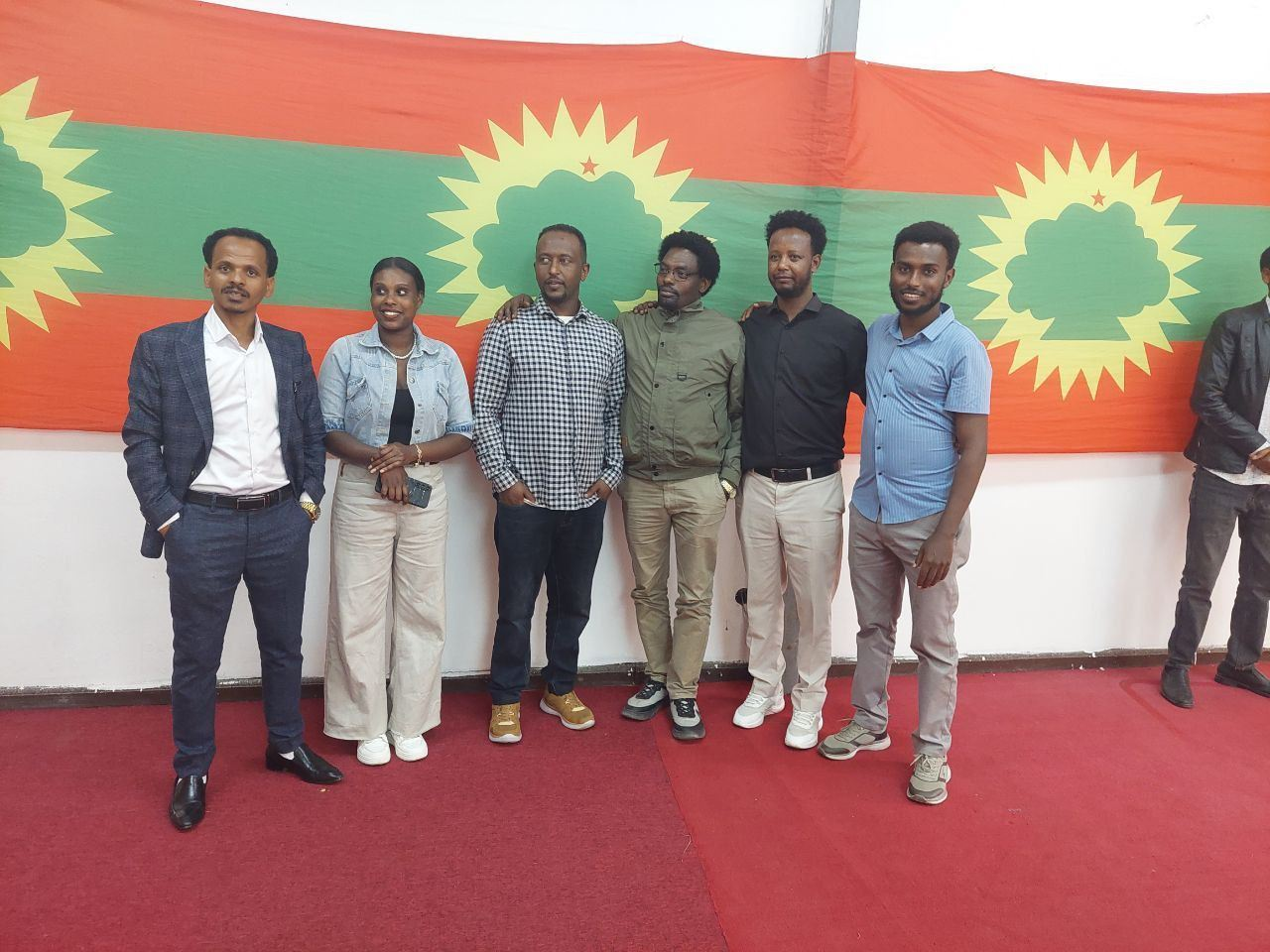
As the Oromo community worldwide celebrated the dawn of a new year, a powerful and solemn pledge emerged from its youth vanguard, framing the occasion not just as a celebration, but as a moment of collective accounting and renewed commitment.
In a statement reflecting the spirit of the season, representatives of the Oromo youth movement affirmed their core aspirations: “Our hope is for the freedom, dignity, peace, and security of our people.” This declaration, however, was immediately coupled with a stark acknowledgment of responsibility. They stated they stand firmly “under the vanguard of the Qeerroo Bilisummaa Oromoo (QBO), which is led by the OLF,” ready to shoulder the burden required to make that hope a reality.
The most striking element of their message was the concept of a debt to be paid. “To fulfill that hope… we have paid and will continue to pay the necessary price,” the statement read. This “price” is understood as the immense sacrifices—lives lost, freedoms curtailed, and years of struggle—endured by the Oromo people throughout generations of what they term “the darkness of subjugation.”
The message transforms New Year’s optimism into a blueprint for action. It positions the coming year not as a passive waiting period, but as an active campaign to “lead our people from the darkness of subjugation into the light of freedom.” This imagery powerfully defines their political struggle as a journey toward enlightenment and liberation.
The closing acclamations—“Long live the OLF! Victory is for our people!”—root this forward-looking energy in the existing political structure and collective identity. It confirms the QBO’s alignment with the Oromo Liberation Front’s historical mission while placing the agency for the final push squarely on the shoulders of the mobilized youth.
Analysts see this statement as a significant articulation of the movement’s current phase. It moves beyond protest and resistance toward a language of fulfillment and debt settlement. The youth are not just asking for freedom; they are announcing their intention to actively “pay for it” through continued struggle and sacrifice, seeing themselves as the executors of a long-held national promise.
The feature of this news is its encapsulation of a pivotal mindset: the Oromo New Year has become a time to audit the balance sheet of the struggle. The hopes are the credit; the sacrifices are the debit. The message from the youth is clear—they are committed to closing the ledger, whatever the cost, until the account of freedom is settled. The journey from darkness to light, they assert, is a bill they are prepared to pay in full.
Oromo Diaspora’s Commitment: Honoring the Liberation Struggle

In Cairo, a Distant Diaspora Keeps the Flame Alive: Commemorating the Oromo Liberation Struggle
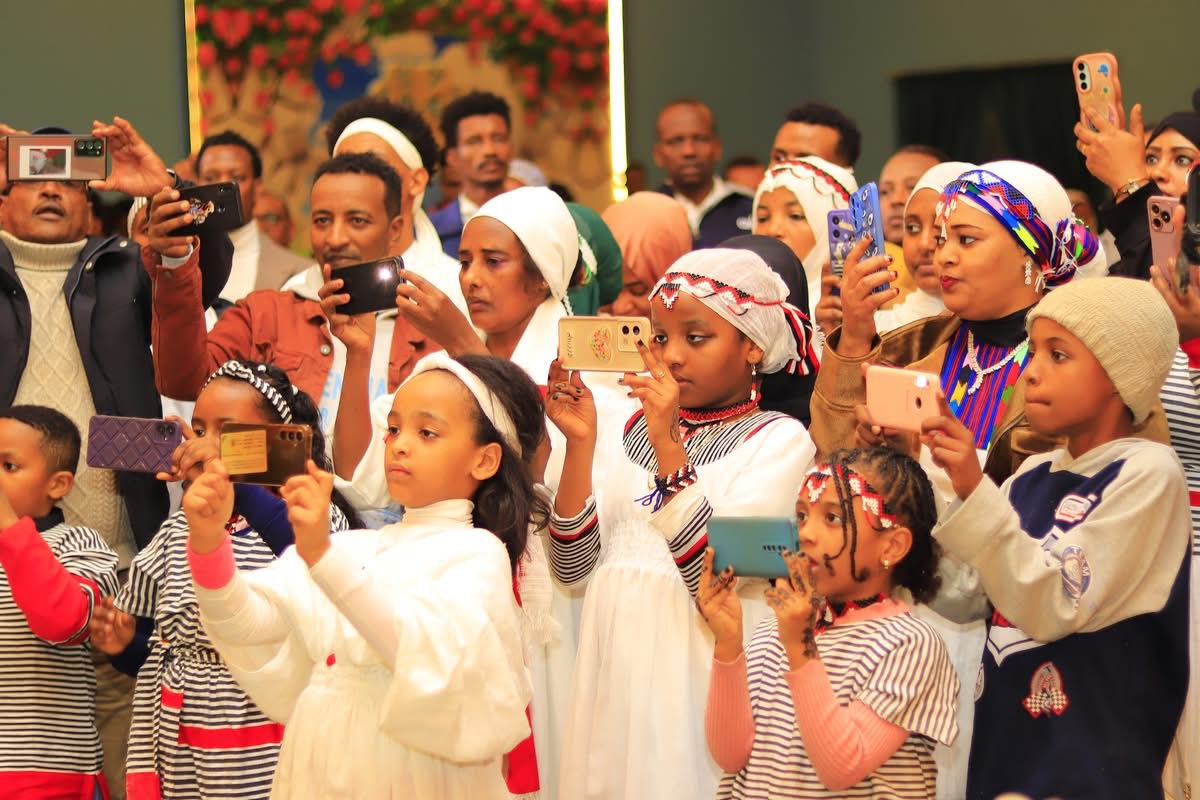
CAIRO – In a gathering marked by solemn reflection and resilient spirit, the Oromo community in Cairo recently commemorated Oromo Liberation Army (OLA) Day on January 1, 2026. The event was more than a calendar observance; it was a powerful act of collective memory, a reaffirmation of identity, and a declaration of unwavering commitment to a cause that spans decades and continents.
The atmosphere was charged with the weight of history. As noted by Mr. Nasralla Abdu, Chairman of the Association, the day serves a dual purpose: to honor the souls of fallen freedom fighters and to fortify the resolve of those who continue the struggle. This is not mere ritual; it is the lifeblood of a diaspora movement, a vital mechanism to ensure that distance does not dilute purpose nor time erode sacrifice.
The historical anchor of the commemoration, as recounted, is crucial. The reference to the OLA’s reconstitution in 1980, following the severe challenges of the late 1970s, transforms April 1st from a simple date into a symbol of regeneration and stubborn endurance. It marks a moment when the struggle, against formidable odds, chose to persist. Celebrating this anniversary yearly, as the chairman explained, is to ritually reaffirm that same choice to persist, generation after generation.
The testimonies from attendees cut to the heart of the matter. For them, this was an “anniversary of covenant”—a renewal of the sacred promise to the struggle—and a moment of remembrance for those who paid the “ultimate price.” This language transcends politics; it enters the realm of collective oath and sacred duty. Furthermore, their powerful statement linking the ongoing sacrifice of Oromo people inside the homeland—for their identity, culture, history, and land—to the diaspora’s obligation to “stand in solidarity and fight for our people’s rights” creates a potent bridge. It connects the internal resistance with external advocacy, framing a unified struggle on two fronts.
This event in Cairo is a microcosm of a global phenomenon. It demonstrates how diasporas function as custodians of history and amplifiers of voice when direct expression at home is constrained. The careful observance in Egypt underscores that the Oromo quest for recognition, justice, and self-determination is not confined by geography. It is nurtured in community halls abroad as much as it is in the hearts of people within Oromia.
Ultimately, the commemoration was a tapestry woven with threads of grief, pride, and ironclad resolution. It acknowledged a painful past of loss and “severe circumstances,” celebrated the resilience that emerged from it, and boldly projected that spirit into an uncertain future. As long as such gatherings occur—where names are remembered, covenants renewed, and solidarity declared—the narrative of the Oromo struggle remains alive, authored not just by fighters on the ground but by communities in exile holding vigil for the dawn they believe must come.
The Legacy of Oromo Founders: Unfinished Business
Feature Commentary: The Unclaimed Inheritance – On the Unfinished Debt to Oromoo’s Founders
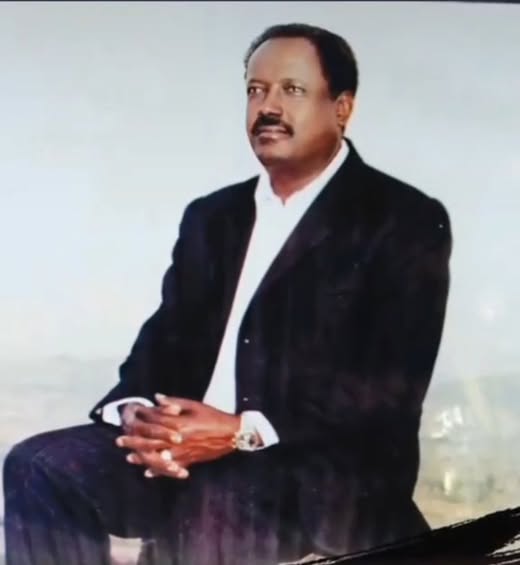
In the sacred narrative of the Oromo struggle, certain names are whispered with reverence, not merely as historical footnotes, but as living accusations against the present. The story of Hotel Jibaat and Maccaa, and the founding father Ob. Beellamaa Futtaasaa, is one such story. It is not a eulogy for the departed; it is a mirror held up to the community, revealing an unsettling and unresolved question of legacy, debt, and collective conscience.
The tale is stark in its simplicity. When the modern Oromo political struggle was ignited in Ambo, it was men like Ob. Beellamaa Futtaasaa—owners of the Hotel Jibaat and Maccaa—who provided the crucial, tangible infrastructure. Their support was not passive sympathy; it was the active, risky bedrock upon which early organizing was built. Their hotel was not just a business; it was a sanctuary, a meeting hall, a nerve center for the nascent Oromo Liberation Front (OLF). They were, as the text states, “hundeessitoota”—foundational pillars—who stood with the architects of the political dream.
The piercing tragedy, however, lies in the chilling coda to this foundation story: “Today… their descendants are in want.”
This single line unravels a profound moral and social contradiction. The children and grandchildren of those who provided the deeggarsa qabsoo hidhannoo—the support that sustained the struggle in its most fragile, clandestine phase—are now left struggling. Their material inheritance has seemingly evaporated, and the immense social capital of their forefathers’ sacrifice has not translated into security or dignity. The comparison drawn is as painful as it is deliberate: while the children of other heroes (like Ob. Daraaraa) are seen to have flourished, the lineage of Beellamaa Futtaasaa faces neglect.
This is more than a family’s hardship. It is a fracture in the very covenant of the struggle. A movement built on principles of justice, self-determination, and collective upliftment now stands accused of failing its most immediate creditors—the families of its earliest benefactors. The hotel that once housed the dream now symbolically stands empty for its heirs.
The commentary this situation demands is multifaceted:
First, on the Nature of Sacrifice: The story forces a reckoning with what we value in our history. We glorify the martyr on the battlefield and the political theorist, but often forget the enabler—the one who risked property, livelihood, and safety to create the space for the movement to breathe. Their contribution, though less cinematic, was equally vital. By forgetting them, we create a hierarchy of sacrifice that is both unjust and historically myopic.
Second, on the Ethics of Legacy: Every revolutionary movement eventually grapples with the transition from struggle to governance, from resistance to responsibility. A core part of that responsibility is social and historical accountability. Have the structures built by the struggle—whether formal institutions or community networks—developed a mechanism to honor and support the living legacies of its founders? The plight of the Fitaaxaa family suggests a failing grade. It raises the uncomfortable question: does the movement consume its own, leaving the children of its hosts to face the bill?
Third, on Collective Amnesia and Power: There is a dangerous tendency in evolving political movements to become forward-obsessed, to distance themselves from the “old stories” in a rush to claim new ground. But this amnesia is a form of power. It allows new elites to consolidate status while disengaging from the foundational debts that morally bind them. Remembering Beellamaa Fitaaxaa is not nostalgia; it is an act of political hygiene, a check against the corrupting notion that the present leadership owes nothing to the past.
Finally, on the Meaning of Victory: If the ultimate goal of the Qabsoo is nagaa fi bilisummaa—peace and freedom—what does that freedom mean? Surely, it must encompass a community where the descendants of those who poured the foundation are not left destitute. A struggle that cannot care for the children of its first guardians risks winning a hollow prize, a state or a recognition that has lost its moral compass.
The story of Hotel Jibaat and Maccaa is, therefore, an urgent parable. It is a call for the Oromo nation—its leadership, its diaspora, its institutions—to conduct an audit not just of its political strategies, but of its conscience. It is a demand to reclaim that inheritance of collective responsibility.
The physical hotel may be gone, but the debt it represents remains outstanding. Until it is addressed, the struggle’s claim to justice will carry this quiet, haunting contradiction. True victory will not be complete until the heirs of those who housed the revolution are themselves brought in from the cold. The seeds they watered must bear fruit for their own garden as well.
Oromo Diaspora Celebrates 46th OLA Anniversary Online
Oromo Diaspora Marks 46th OLA Anniversary and New Year with Virtual Gathering, Honors Foundational Victory
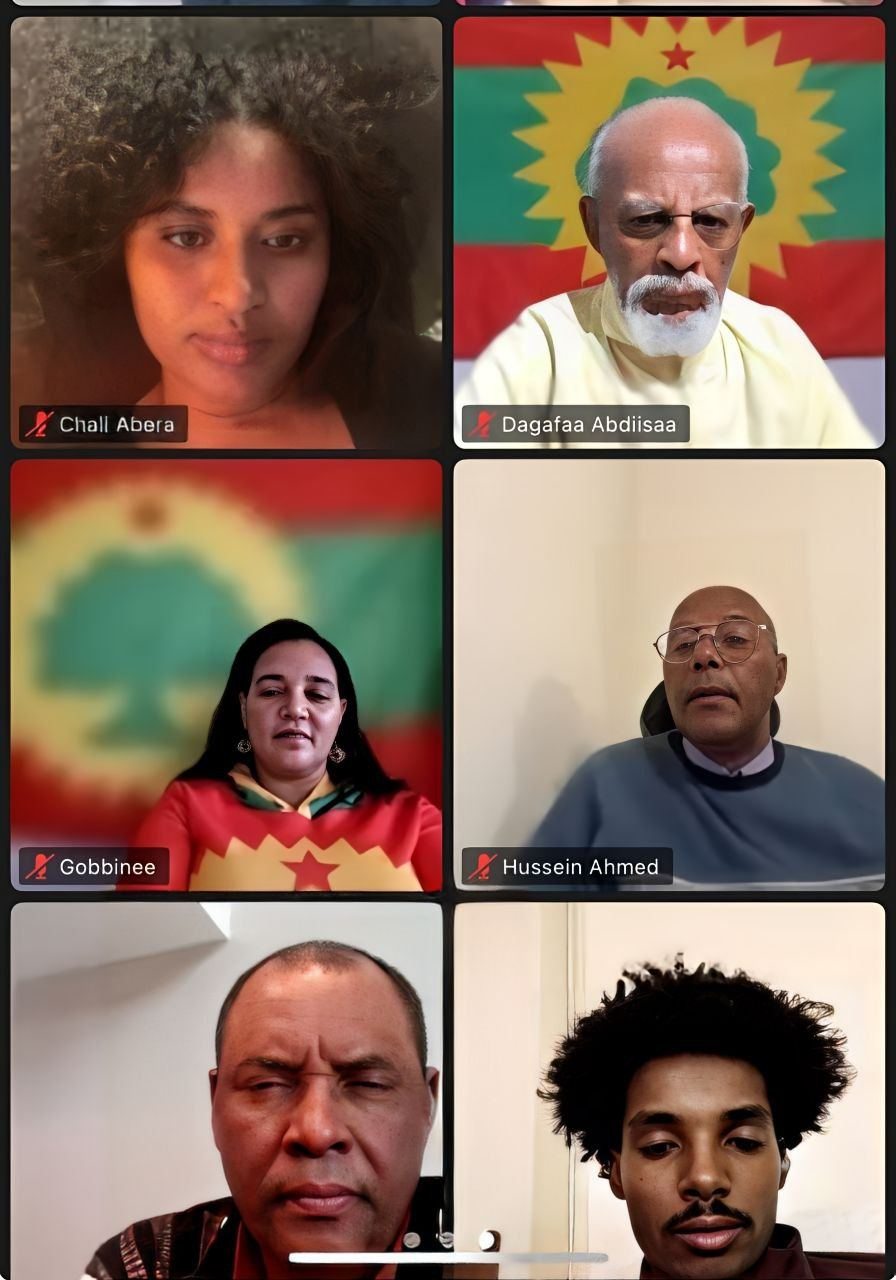
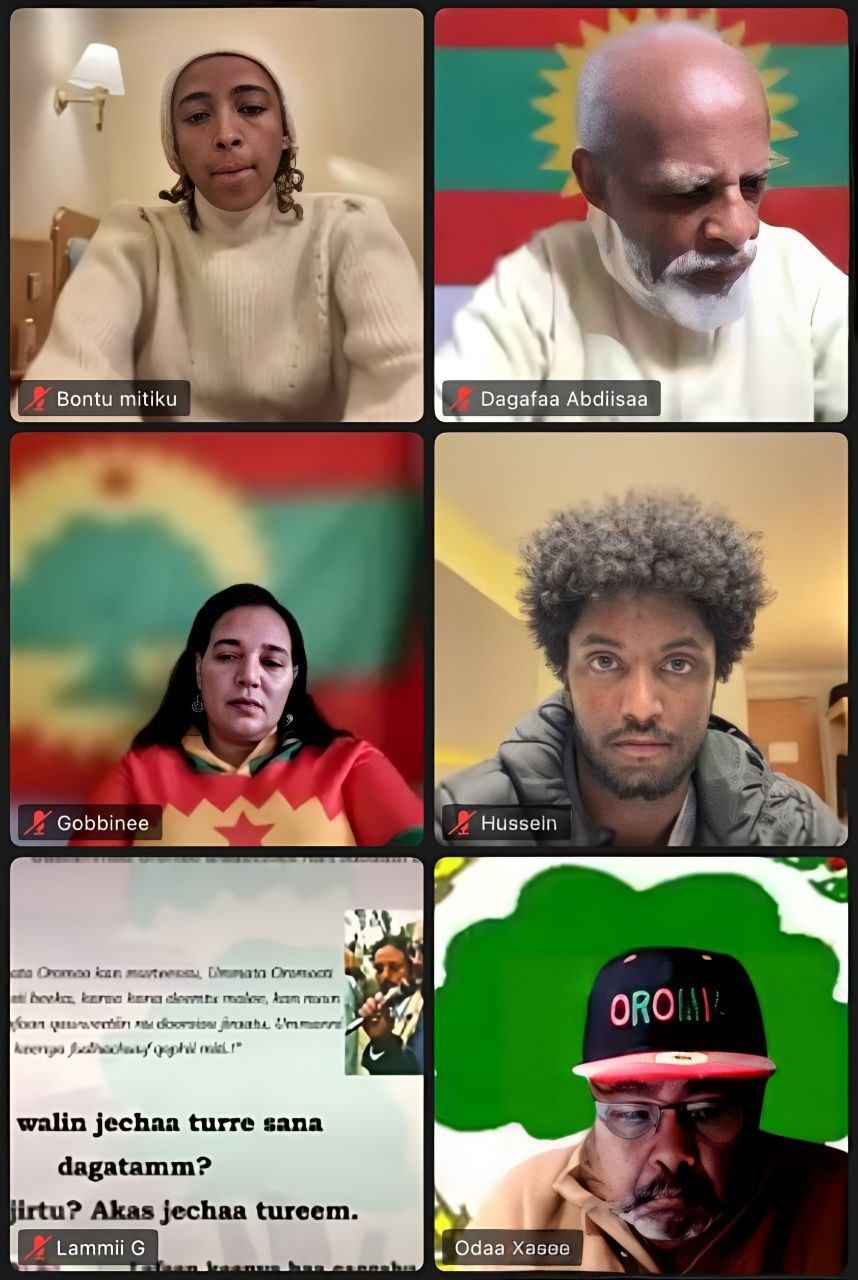
January 2, 2026-In a significant online assembly bridging continents, the global Oromo community gathered on January 2, 2026, for a dual commemoration: the 46th anniversary of the Oromo Liberation Army (OLA/WBO) and the celebration of Ayyaana Amajjii 1, the Oromo New Year. The virtual event, held via Zoom, served as a space for reflection, strategic review, and a powerful reaffirmation of commitment to the liberation struggle.
The gathering provided a platform to assess the achievements and persistent challenges of the Oromo quest for self-determination. Speakers connected the modern struggle directly to its historical roots, with participant Jaal Dhugaasaa Bakakkoo detailing the harsh founding conditions of the OLA. He highlighted a pivotal foundational moment: the first official day of the OLA was celebrated on January 1, 1980, to mark a victory over a major campaign by the then-ruling Darg (Derg) regime. This historical note underscored that the movement was born not in abstraction, but in the crucible of direct combat and early triumph.
The intertwining of the cultural New Year (Ayyaana Amajjii) with the military anniversary was emphasized as a core feature of Oromo resistance, symbolizing the inseparable link between cultural identity and political struggle. Organizers stated that these dates are perennially observed wherever Oromo patriots, members of the Oromo Liberation Front (OLF/ABO), and supporters of the cause are found.
A central and poignant message was directed at the Oromo youth. In his keynote address, Dr. Daggafaa Abdiisaa framed the continuation of the struggle as a sacred duty inherited from past sacrifices, declaring, “The duty to pursue the goal and objective of the OLF rests upon you, the beloved children of the fallen heroes.”
The event concluded with a sense of solemn purpose, honoring the legacy of the last 46 years—from the first victory commemorated in March 1980 to the present-day resistance—while charting a determined course for the future. It reinforced the global diaspora’s role as a pillar of solidarity and historical memory for the ongoing movement in Oromia.
###
Background Notes:
- The Oromo Liberation Army (OLA/WBO) is the armed wing associated with the Oromo Liberation Front (OLF/ABO).
- On January 1, 1980, the Oromo Liberation Army (OLA) celebrated its first formal day to commemorate a hard-fought victory over the Darg regime’s campaigns.
- This day stands as a testament to the early courage and sacrifice that laid the foundation for the ongoing struggle. We remember, honor, and draw strength from the resilience shown from the very beginning.
- Ayyaana Amajjii 1 marks the Oromo New Year based on the traditional Gadaa calendar.
- The OLA’s first commemorative day was March 1, 1980, following a military victory against the Derg (Darg) government.
- The Oromo have been engaged in a long-standing struggle for self-determination within Ethiopia.
Oromo Grievance: The Call for Historical Reckoning

News Feature: The Unfinished Burial – Oromo Grievance and a Call for Reckoning
FINFINNE – In a powerful and poignant declaration circulating within Oromo intellectual and activist circles, a statement titled “Our Grievance” (Dogongora keenya) lays bare a deep-seated historical pain and issues a stark challenge to the community’s present path. Framed not as a political manifesto but as a moral and cultural reckoning, the text articulates three core wounds that continue to fester, preventing collective healing and progress.
The statement’s first grievance cuts to the heart of historical memory. It accuses the Oromo people of having “abandoned the history of yesterday”—specifically, the foundational legacy of the Gadaa system and the sacrifices of those who fought to preserve Oromo identity. This, the authors argue, is a profound act of self-neglect, a failure to honor the very struggles that define the nation.
The second point presents a searing economic and spiritual critique. It states that the community has “failed to understand the value of land or the value of bone.” This evocative phrase unpacks a dual tragedy: the loss of ancestral territory (land) and the dishonoring of martyrs (bone). The text contends that while the physical land was lost, the greater failure lies in not ensuring that the sacrifice of those who died defending it was redeemed through continued, effective struggle. The declaration warns against a cyclical resignation where one generation’s defeat is accepted, hoping the next will simply be born into a new fight, rather than completing the unfinished work of the past.
The most direct and impassioned grievance addresses the legacy of state violence. It lists the targeted losses of “Oromo scholars, teachers, doctors, sheikhs, priests, artists, and Gadaa leaders,” accusing the community of a catastrophic failure: while knowing the perpetrators and witnessing ongoing atrocities, there has been a critical absence of holding them accountable. The text condemns this as both a failure to “settle the score” for crimes against the Oromo elite and, more damningly, a failure to “return and differentiate friend from foe,” suggesting a dangerous ambiguity in the face of oppression.
Analysis: Beyond Grievance, A Call for Cohesion
This “Dogongora” transcends a simple list of complaints. Analysts view it as a crucial internal dialogue, a mirror held up to the Oromo national movement at a complex juncture.
“It is a lamentation, but also a prescription,” says Dr. Lemmi Bula, a historian of Oromo studies. “The authors are diagnosing a crisis of continuity and accountability. The grievance about ‘bone’ versus ‘land’ is particularly profound—it asks whether we have honored the sacrifice of our heroes by building upon it strategically, or merely mourned them while the underlying conditions remain.”
The statement’s circulation comes amid ongoing conflict in the Oromia region and persistent debates over political strategy, representation, and reconciliation within Ethiopia. Its significance lies in its source: it is an introspective critique from within, demanding a higher standard of historical consciousness, strategic clarity, and moral resolve from the community itself.
A Community’s Response
The reaction among Oromo intellectuals and activists has been one of solemn reflection. Many agree the issues raised are fundamental. “It hurts because it is true,” shared activist Fayisa Lelisa. “We are quick to declare our heroes but slow to build the disciplined, unified institutions that would make their sacrifice truly meaningful. This is a wake-up call to move from mourning to a more purposeful honoring.”
There has been no official response from the Ethiopian government, to whom the indirect accusations of violence are aimed. The statement concludes not with a demand of the state, but with a challenge to the Oromo people: to reclaim their history, re-evaluate their struggle, and insist on justice for their fallen, framing these not as optional pursuits but as the essential duties required for true liberation.
As one elder, upon reading the text, summarized: “It is not enough to say we remember. We must build a future that makes the memory of our sacrifices proud.” The “Dogongora” now stands as a watershed document, compelling a nation to confront its deepest pains to chart a more coherent and honorable path forward.
Historic Launch of Borana Student Association in Ethiopia

Kenya and Ethiopia Leaders Unite for Historic Launch of Cross-Border Borana Student Association
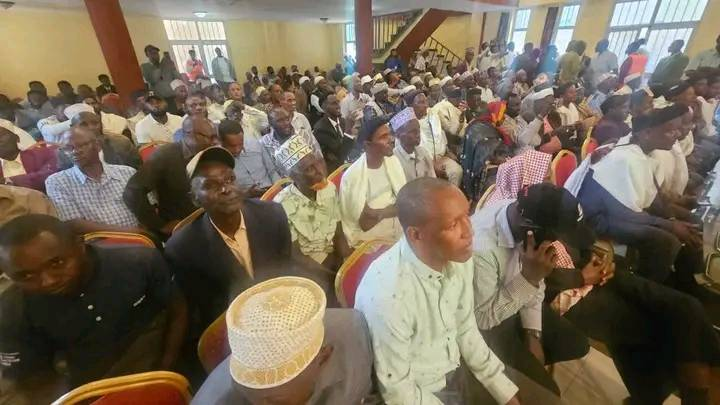
KOKET, ETHIOPIA — In a landmark event symbolizing cross-border cooperation, political, academic, and community leaders from Kenya and Ethiopia joined university students in Koket, Ethiopia, for the official inauguration of the Borana Ethiopia University Students Association (BESA).
Held under the unifying theme “Education, Empowerment, and Unity,” the launch ceremony brought together a diverse assembly of students, elders, and government officials. The forum served as a platform for critical discussions on leadership, the preservation of cultural identity, and the pivotal role of education in fostering peace and sustainable development within the Borana community and across the region.
The high-profile event underscored the initiative’s significant political and social backing, with notable attendees including:
- H.E. Abagada Guyyo Boru Guyyo (Ethiopia)
- PS Kello Harsama, Principal Secretary, The State Department for Livestock (Kenya)
- Hon. Prof. Guyo Jaldesa, Member of Parliament, Moyale Constituency (Kenya)
- Hon. Col. (Rtd) Dido Ali Rasso, Member of Parliament, Saku Constituency (Kenya)
- Sen. Mohamed Chute, Senator, Marsabit County (Kenya)
They were joined by other distinguished guests and elders from both nations, highlighting a shared commitment to the association’s goals.
The primary mission of BESA is to strengthen unity, academic collaboration, and cultural cohesion among Borana university students in Ethiopia. Organizers envision the association as a catalyst for empowering youth to become proactive leaders and change-makers, equipped to contribute to their communities’ socio-economic progress.
“This is more than a student club; it is a bridge,” said one of the founding student members. “A bridge between generations, between our campuses, and between our nations. Through BESA, we are investing in a unified future rooted in knowledge and shared purpose.”
The launch of BESA marks a proactive step in harnessing the potential of the region’s youth, emphasizing that education and collaborative spirit are fundamental pillars for lasting peace and shared prosperity in the Horn of Africa.
About BESA:
The Borana Ethiopia University Students Association (BESA) is a newly formed organization dedicated to uniting Borana university students across Ethiopia. Its core objectives include promoting academic excellence, cultural exchange, leadership development, and community service, with a vision to nurture a generation of empowered and socially responsible leaders.
The Calculated Return: Rebranding Hassan Ali and the Politics of Historical Amnesia
By Koste Abdiisaa (Political Commentary)

Since last week, a familiar yet troubling political theatre has unfolded on our social media feeds. The return of former Oromia president Mr. Hassan Ali has been met not with sober reflection, but with a coordinated campaign of glorification. The volume and tenor of this noise are not organic; they are a political product. And they demand a critical question: Why the aggressive, sudden need to rewrite a man’s past?
Let us be clear: the return of any individual is, in itself, a neutral event. What is not neutral is the systematic attempt to whitewash a deeply problematic political record against the backdrop of profound, ongoing suffering. Mr. Hassan Ali, like millions of Oromos, was once a vocal critic of the very system he later led. Yet, his presidency under the OPDO—the regional arm of the then-ruling EPRDF—was not a period of liberation. It was a chapter in the same grim story of state-sanctioned violence against the Oromo people.
Historical memory cannot be deleted by a hashtag. It was under the governance structure he led that figures like Nadhii Gammadaa, Dararaa Kafanii, and Jireenyaa Adunyaa were executed or forcibly disappeared. It was a system that normalized imprisonment, exile, and death for countless innocent Oromos. To launch a social media campaign that glosses over this reality is not just revisionism; it is an insult to the victims and their families who still seek justice.
Therefore, the fixation on whether he is being praised misses the point. The urgent questions are strategic and forward-looking:
- Why now? Why has the Prosperity Party (PP) and the Shimelis Abdisa administration chosen this precise moment to facilitate and amplify his return? Is it coincidental that this occurs amid escalating political and security crises in Oromia and other regions?
- What is the political calculus? The PP is not a charitable organization. Its every move is tactical. Is Hassan Ali’s return intended as a distraction, a shiny object to divert public attention from state failures? Is it an attempt to create a semblance of “reconciliation” with a discredited faction to split opposition sentiment? Or, more cynically, is it the first move in grooming him as a “reformed” candidate for a future managed election, providing a veneer of Oromo leadership while serving PP’s centralist agenda?
- Who benefits from the noise? The sheer volume of orchestrated praise serves to drown out these very questions. It aims to replace critical analysis with emotional reception, shifting the narrative from accountability to celebrity.
History offers a clear lesson: the political machinery Hassan Ali once served has never acted without cold, strategic intent. Invitations back into the fold are extended not as acts of grace, but as moves on a chessboard.
My apprehension is not personal. It is political. At this stage of his life, one hopes Mr. Hassan Ali would seek a legacy of truth, not convenience. To become a pawn in a strategy designed to legitimize a system that continues to oppress his own people would be to stand, once more, on the wrong side of history.
Ultimately, the Oromo struggle for justice, self-determination, and dignity is larger than any individual. It will not be derailed by a rebranding campaign or short-term political maneuvering by the PP. The people’s quest for accountability is relentless.
However, for the individual, history offers a space for reflection and correction. The most consequential mistakes are often those we repeat. The real test is whether this return is a step toward genuine atonement and independent voice, or whether it is a political trap—for him, and a painkiller for a government under pressure. Only time will reveal the true diagnosis, but we must not let the noise of the moment silence our critical inquiry. The past is prologue, and ignoring its lessons is a luxury the Oromo nation can no longer afford.
Beyond Protest: The AU’s Somaliland Stance and the Chasm Between Principle and Practice
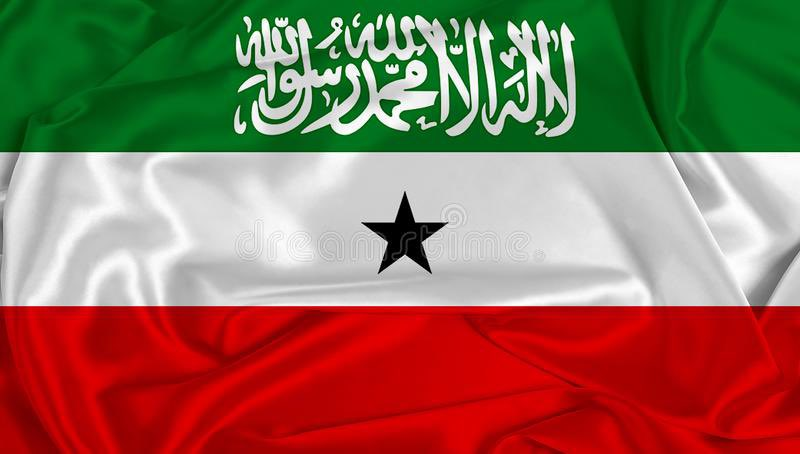
In the intricate chessboard of international diplomacy, the African Union (AU) has made its latest move: a firm rejection of Israel’s recent recognition of Somaliland as a sovereign state. This position is predictable, anchored in the bedrock principle of territorial integrity and the sacrosanctity of colonial borders—a cornerstone of the AU’s founding charter designed to maintain continental stability.
But the announcement lands with a thud of hollow irony across a continent long accustomed to the gulf between declared principle and lived reality. It prompts a weary, yet urgent, question: What, in practice, has the African Union actually implemented that holds real power to shape events on the ground?
The AU’s rejection of Somaliland’s recognition is rooted in a familiar doctrine. It echoes the organization’s long-standing stance that the union of Somalia and Somaliland is inviolable. Yet, this position exists in a parallel universe to the factual, on-the-ground existence of Somaliland for over three decades. Hargeisa has its own government, currency, police force, and democratic elections—all while maintaining a stability that eludes Mogadishu. The AU’s protest, therefore, feels less like a governing policy and more like a ritualistic incantation of a map that ceased to reflect political realities a generation ago.
This dissonance is symptomatic of a deeper institutional paralysis. The AU repeatedly and correctly states that “it is impossible to uphold a government changed by force.” This principle condemns military coups and unconstitutional changes of government. Yet, the practice has not stopped in Africa. From the Sahel to Central Africa, putsches and military takeovers have continued with alarming frequency. The AU’s response—typically suspension from the bloc and stern rhetoric—has proven to be a temporary slap on the wrist, not a deterrent. Coup leaders often eventually negotiate their way to legitimacy or remain in power with minimal long-term consequence from the continental body. The principle is clear; the enforceable mechanism to uphold it is conspicuously absent.
Thus, when the AU protests Israel’s recognition of Somaliland, its voice carries limited weight. The protest is, as critics argue, “worthless except for itself.” It serves to reinforce the AU’s own internal dogma and satisfy diplomatic formalities but does little to alter the evolving situation. It does not help Somalia regain control over its northern territories, nor does it force Somaliland to abandon its quest for recognition. It simply registers a diplomatic complaint that major powers and regional actors may increasingly choose to ignore, as they engage with Somaliland on practical issues of security, trade, and development.
The danger here is not just ineffectiveness, but irrelevance. As global powers and regional neighbors begin to engage Somaliland based on de facto realities rather than de jure fictions, the AU risks becoming a spectator to its own continental affairs. Its protests, unsupported by credible political or economic leverage, become background noise.
The lesson from this episode is stark: the African Union’s authority cannot rest on proclamation alone. It must be built on a capacity for proactive engagement, conflict resolution, and the creation of pathways that address legitimate political aspirations within a framework of continental peace. Endlessly defending a status quo that has already fractured, while being unable to uphold its own rules against power grabs, erodes its credibility.
Until the AU bridges the chasm between its noble principles and its tangible power to enact them, its rejections and condemnations will remain just that—words on paper, echoing in halls far removed from the dynamic, complex, and often defiant realities of the African continent. The challenge is not merely to protest a change on the map, but to develop a credible response to the forces that are redrawing it.
Gadaa Elders, Women Leaders Condemn Ethnic Slurs Against Salaale Oromo Community
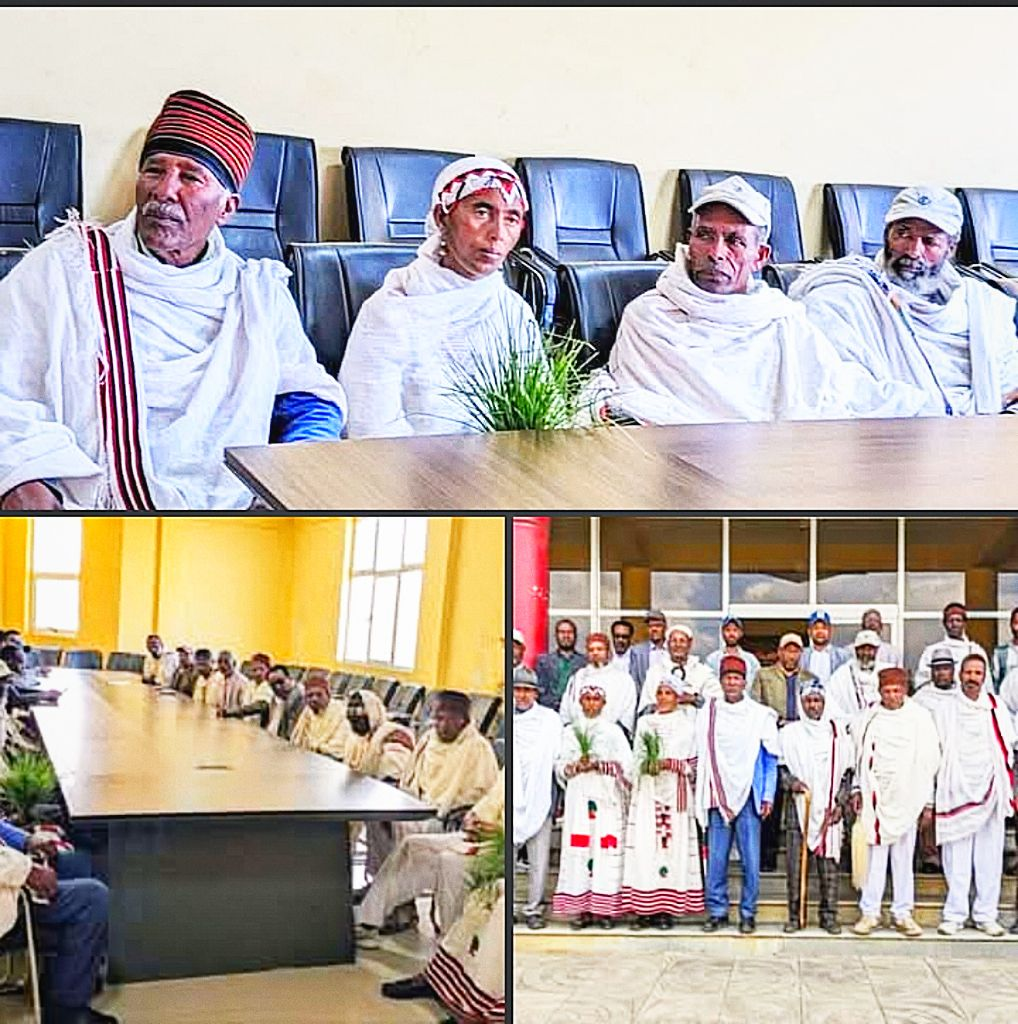
SALAALE, OROMIA — A coalition of traditional and community leaders, including the Abbootii Gadaa (Gadaa Councilors), Haadholee Siinqee (Siinqee Women Leaders), and Jaarsollee Biyyaa (Elders of the Land), has issued a strong condemnation against recent derogatory remarks made about the Salaale Oromo people.
The leaders have denounced a social media broadcast in which an individual named Heenok Girmaa allegedly used offensive language that “attacked the dignity and honor of the Salaale people.” The broadcast, aired on December 13, 2018, on a private media outlet called J.P.S., is described by the leaders as containing “insulting speech and false information” that violates Oromo cultural norms of respect (safuu) and taboo (duudhaa).
In their statement, the traditional authorities emphasized the respected standing of the Salaale community. They highlighted that the Salaale people are known for their “dignity, deep adherence to Oromo culture, and peaceful coexistence.” The community comprises followers of various religions who, they stated, “live together in love and peace, without their faiths causing division.”
The leaders contextualized the Salaale community’s significant contributions to Ethiopia. They noted that Salaale is the homeland of renowned national figures who fought for equality among nations and nationalities, including General Taaddasaa Birruu, Archbishop Luuba Abune Pheexiroos, and heroines like H/mariyaam Gammadaa. It is also the birthplace of global athletics champion Shaambal Abbabaa Biqilaa.
“Like other parts of our country, the Salaale people paid immense sacrifices for the sovereignty of this nation,” the statement reads. “Therefore, the act of defamation by this individual against this community is baseless and far from the truth.”
The condemnation also raises legal and ethical concerns. The leaders argued that in a country governed by law, it is unacceptable for a private individual to broadly insult and belittle a large community. They characterized the slurs as a calculated act driven by a “hidden personal agenda,” not representative of any religious or ethnic position.
Consequently, the Abbootii Gadaa, Haadholee Siinqee, and Jaarsollee Biyyaa have formally called upon the government to intervene. They have requested that the relevant legal authorities take appropriate measures against the broadcaster for launching what they deem a “campaign of hate speech and defamation” against a dignified segment of society. The leaders reaffirmed that such attacks have no place in the community and will not be tolerated.
Homecoming of a Pioneer: The Return of Oromia’s First President

By Daandii Oromia
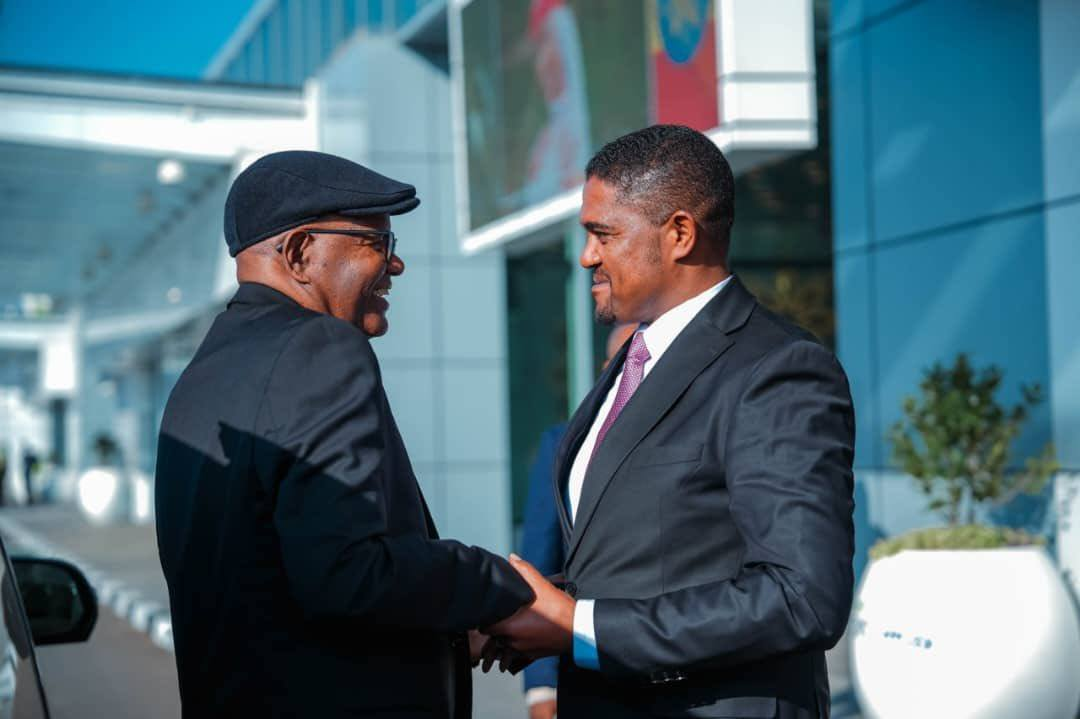
Addis Ababa, Ethiopia — In a moment laden with history and emotion, the first President of the Oromia Regional State, Honorable Mr. Hassan Ali, has returned to his homeland, ending nearly three decades of exile. His arrival marks more than a personal journey; it represents a symbolic closing of a long chapter and a deliberate gesture of reconciliation by the current Oromia leadership.
The official welcome, extended by the sitting President of Oromia, Mr. Shimelis Abdisa, was framed not just in political terms, but in the language of profound respect and historical acknowledgment. “It is with the utmost respect that I welcome Mr. Hassan Ali home with his family after nearly three decades,” President Abdisa stated, setting a tone of deference to a foundational figure of the region’s modern autonomy.

The Architect Returns
Mr. Hassan Ali’s presidency in the 1990s came during a formative and volatile period, following the adoption of Ethiopia’s ethnic federalist constitution. He and his contemporaries were tasked with the monumental challenge of building the nascent Oromia Regional State from the ground up—establishing its institutions, defining its administrative contours, and navigating the complex politics of a post-Derg Ethiopia.
In his remarks, President Abdisa explicitly honored this legacy. “They are the pioneers who laid the foundation for the Oromia Regional State to reach this level,” he said. This recognition serves as a formal validation of the struggles and efforts of the region’s early architects, whose work has often been overshadowed by subsequent political turmoil and exile.

“To See the Government He Established”
Perhaps the most poignant element of President Abdisa’s welcome was his focus on the personal significance of this return for Mr. Hassan Ali. “I want to congratulate him today not only on his safe return home with his families; for being able to see the government he established,” Abdisa noted.
For a leader who departed in the early days of the institution he helped create, this return offers a tangible, living assessment of that foundational work. It is an opportunity to witness the evolution of the state structure he pioneered, now led by a new generation. President Abdisa emphasized the resilience of that foundation: “He not only endures all pressures but also strengthen and expand to serve the people he fought for at the home level.”
A Commitment to Broader Reconciliation
Beyond the personal welcome, the current President used the occasion to make a significant policy-oriented declaration, signaling a potential shift toward greater inclusivity. “On behalf of myself and the Oromia Regional Government, I would like to thank them for their roles at all levels and for their services,” he said, offering official gratitude.
He then extended an olive branch that resonated far beyond the single homecoming: “I would like to take this opportunity to confirm that the Oromia Regional State Government is committed to bringing the children of the people who have been away for various reasons back home according to our ancient traditions.”
This statement frames reconciliation not merely as a political process, but as a cultural and social one, rooted in Oromo traditions of conflict resolution and homecoming (Gumaa and Araara). It proposes a pathway for the return of other exiled figures and diaspora communities, suggesting a future where Oromia’s governance is informed by a wider, more diverse set of its native sons and daughters.
A Symbol for the Future
The return of President Hassan Ali, facilitated by the sitting administration, is a powerful symbol. It bridges historical divides, acknowledges foundational contributions, and tests the waters for broader national dialogue. While the long-term political implications remain to be seen, the event itself has been successfully cast as an act of statesmanship and historical unity.
As Mr. Hassan Ali reacquaints himself with a homeland transformed, his presence invites reflection on Oromia’s journey—from the struggle for self-administration to the complex realities of exercising it. His homecoming, wrapped in official honor and traditional promise, may well be remembered as a pivotal moment in the region’s ongoing story of governance, identity, and reconciliation.


