Smiles and Respect: The Cornerstones of Ethiopia’s Tourism Transformation
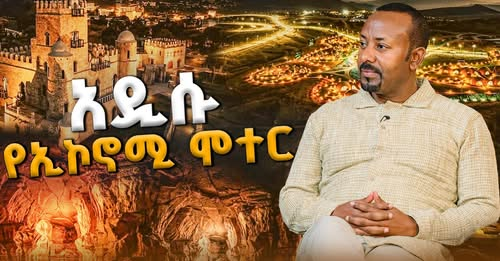
Prime Minister Abiy Ahmed has issued a national call to replace “sternness” with “smiles and respect,” positioning hospitality as the key to unlocking Ethiopia’s vast tourism potential.
Ethiopia is a land of ancient wonders—the rock-hewn churches of Lalibela, the obelisks of Axum, the castles of Gondar, and the breathtaking landscapes of the Simien Mountains. Yet for decades, the country’s immense tourism potential remained largely untapped. Infrastructure was inadequate, destinations were limited, and visitors often left after a brief tour of a few well-known sites .
That narrative is now changing. Through a comprehensive Homegrown Economic Reform Agenda, the Ethiopian government has identified tourism as one of the five key pillars of national economic transformation . But according to Prime Minister Abiy Ahmed (PhD), the success of this vision depends not just on infrastructure—but on a fundamental shift in national mindset.
“One visa, a world within!”
This is the vision the Prime Minister has articulated for Ethiopia’s tourism future. And at its heart lies a simple but powerful call: replace “sternness” with “smiles and respect.”
The Five Pillars: Tourism as an Economic Engine
Ethiopia’s economic reform agenda is a comprehensive, multi-sector strategy designed to develop agriculture, manufacturing, mining, tourism, and the digital economy simultaneously . Tourism was selected for profound reasons: the sector possesses a unique capacity to generate extensive employment, secure foreign currency, and portray the true image of the country on the global stage .
The results are already visible. In the first nine months of the recent budget year alone, Ethiopia attracted 1.2 million foreign tourists, generating over $2.6 billion in revenue . The capital, Addis Ababa, hosted approximately 150 international and continental events in just six months—a 50% increase compared to the previous year—injecting 155 billion Birr into the economy .
But these numbers represent more than statistics. They reflect a deliberate, strategic effort to transform Ethiopia’s tourism landscape.
A New Face for Ethiopian Tourism
The transformation has been driven by landmark initiatives: Dine for Sheger, Dine for the Nation, and Dine for a Generation. These projects have fundamentally reshaped the nation’s tourism map .
Dine for Sheger transformed the heart of Addis Ababa through the development of Unity Park, Sheger Park, and Entoto Park—creating green spaces and recreational hubs where none existed before. The Addis Ababa Riverbank Development Project, spanning 50 kilometers and encompassing eight rivers, has converted polluted, hazardous areas into lush recreational spaces .
Dine for the Nation developed destinations like Halala Kela, Chebera Churchura, and Wenchi, blending natural beauty with historical footprints. Dine for the Generation continued this momentum with modern destinations such as Gorgora, Dembi, Shebelle, and Lake Logo .
Beyond new destinations, the government has focused on restoring Ethiopia’s historical heritage. The Castle of Fasilides in Gondar, which had suffered neglect for a century, has undergone sophisticated restoration that will preserve it for the next 50 to 60 years . The rock-hewn churches of Lalibela are undergoing delicate restoration guided by international experts. The Sof Omar Cave, previously inaccessible due to infrastructure deficits, has been transformed to ensure a seamless tourist experience .
The message from the Prime Minister is clear: “We are restorers and protectors of heritages, not destroyers” .
The Call for Service Excellence
Yet infrastructure alone is not enough. As the Prime Minister has emphasized, natural and historical assets must be matched by service excellence . This is where the call for “smiles and respect” becomes crucial.
For years, a culture of “sternness”—what some have called kostaranet—has been a significant barrier to tourism growth. Visitors arriving at airports, using taxis, or checking into hotels have sometimes encountered indifference or even hostility. This cultural disconnect has undermined the hospitality that Ethiopia is historically known for.
The Prime Minister has called for a national shift, urging citizens to greet visitors with warmth and professionalism starting from the moment they arrive at the airport . This is not merely about being polite—it is about economic necessity.
The Role of Transport Workers
One of the first interactions visitors have with Ethiopia is with transport workers—taxi drivers, bus operators, and airport transfers. The Prime Minister has stressed that these individuals are, in effect, “national ambassadors.” They have the power to shape a visitor’s entire perception of the country .
Drivers are expected to:
- Reflect Ethiopia’s great tradition of hospitality in practice
- Charge fair prices
- Serve with integrity and honesty
- Recognize their role as ambassadors for the nation
Hospitality and Accommodation
The Prime Minister has also called upon hotels and tourism service providers to deliver quality, internationally competitive service to guests . Beyond welcoming guests, hotels are expected to promote local products and strengthen economic linkages by showcasing Ethiopian goods to visitors.
Tour industry professionals have noted that the greatest success lies in completing the service chain. While beautiful sites existed in the past, they were often bypassed due to a lack of suitable accommodations. Now, international-standard lodges and resorts allow tourists to stay longer and enjoy their visit without haste .
The Diaspora: Ambassadors of a New Ethiopia
The diaspora community has a special role to play. The Prime Minister has called on Ethiopians abroad to take the lead in presenting the true and beautiful Ethiopia to the world—rather than allowing negative narratives to dominate .
Previously, diaspora members returning home often worried about finding quality destinations to take their families. The Prime Minister has declared that this concern is now fully resolved. Attractive destinations are being built across the country, and the diaspora is expected to use its resources and knowledge for national image building .
The government has actively encouraged this engagement. Ethiopian Airlines has offered 15-20% discounts on airfare and hotel accommodation for second-generation Ethiopians returning to their homeland, along with free one-day tours of Addis Ababa for the first 100 participants . The “Leave Your Legacy” program has brought numerous diaspora members to Ethiopia for Green Legacy initiatives, renovation projects, and educational programs .
Every Citizen’s Responsibility
The Prime Minister has emphasized that tourism success is not solely the responsibility of government or service providers—it belongs to every citizen. All Ethiopians have a role to play in :
- Protecting natural treasures
- Maintaining national parks and green spaces
- Strengthening peace and unity
- Presenting a welcoming face to the world
Ethiopia’s Growing International Recognition
The results of these efforts are being noticed internationally. The President of the Pan-African Tourism Board (PATB), Mariam Lesian, has recognized Ethiopia as a leading model for tourism development in Africa, citing rapid growth, rich cultural heritage, and expanding infrastructure as key drivers of continental influence .
Lesian highlighted Ethiopia’s unique attractions—from its globally renowned coffee heritage to its landscapes, museums, parks, and lakes—as strong draws for visitors .
“When you come to Ethiopia, you get that appetite to come again because there are so many things to see,” she said. “It’s peaceful, it’s clean and the people are very friendly” .
She also credited Ethiopian Airlines as a strategic pillar in Ethiopia’s tourism expansion, describing the carrier as a major force in positioning the country as a gateway to Africa .
A Message of Unity and Hope
The Prime Minister’s call for “smiles and respect” is also a broader message about national identity. Drawing on a cultural comparison, he described Ethiopia as being like the people of Wollo—immensely hospitable when approached with love, yet invincible when faced with aggression .
“Ethiopia has a deep-rooted culture of extending its hand in a smile and welcoming others with honor,” he said. “Conflict hinders development and prosperity; it prolongs our journey” .
This message resonates beyond tourism. It speaks to the kind of nation Ethiopia aspires to be: open, welcoming, and united. As the Prime Minister has said, “Let’s show them why Ethiopia is known for its unmatched hospitality. Let’s make them feel at home, greet them with respect, and embrace them with love” .
The Path Forward
The transformation of Ethiopia’s tourism sector is well underway. From the restoration of ancient heritage sites to the creation of world-class modern destinations, the physical infrastructure is being built . But the final ingredient is the one that only the Ethiopian people can provide: a culture of service, warmth, and genuine hospitality.
The Prime Minister’s message is clear: tourism growth can only continue sustainably when every citizen—not just the government—fulfils their national responsibility. Transport workers, hotel staff, tour operators, diaspora members, and ordinary citizens all have a role to play.
“Together, let’s work to further increase the contribution of the tourism industry to national growth.”
This is the message—a call for a national movement to position Ethiopia as Africa’s premier destination through professional and competent hospitality . It is a vision where ancient history meets modern service, where the warmth of the Ethiopian people becomes as legendary as their heritage.
And it all begins with a smile.
The era of limited destinations is over. Ethiopia now offers a wealth of experiences—historical wonders, natural beauty, modern comfort, and most importantly, a people ready to welcome the world with open arms.
Artiin kan qabsoofte, geerarsasaan kan baroodde Maaramee Harqaa eenyu?
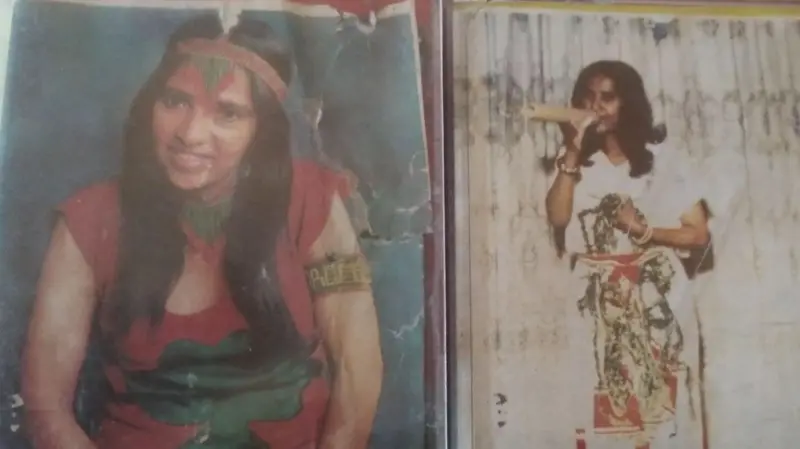
Zelalem Tadesse Duressa (BBC Afaan Oromoo)
Gahee,Senior Broadcast JournalistGabaasni irraati,Nairobi
Fo’ii loli ……goonni haa baruudu…
Fo’ii loli, goonni haa baroodu… jechuun weellisuun beekamti. Qixa isa hidhatee loleetti sirbaan qabsoofteetti jedhu warri ishee beekan.
Bilisummaan tola hin dhufu sirbi ishee jedhus haalaan beekama. Maaramee Harqaa Kaasaa akkamiin yaadatamti?
Dubartummaa, Mirga, Finfinnee weelluuwan isheen ittiin beekamtu keessaa muraasa.
Barsiiftuu qofa osoo hin taane qabsooftuu mirga namoomaa jabduudha. Weellistuu Maaramee Harqaa. Xiiqiin kan isheen ittiin beekamtudha, Jagnadha. Garuu gara laafettiidha. Amala qabeettii ammoo saba isheef akka malee quuqamuun beekamti.
Uuummata Oromoof aarsaa kamuu kaffaluuf yeroo hundaa qophooftuu turte. Gochaanis agarsiifteetti. Hojii barsiisummaa ramadamte keessattis waan irraa eegamu bahatteetti jedhu namoonni Maarameetti dhiyaataa turan.
Maaramee Harqaa uummata Oromoof akka malee quuqamti ture. Dubartoo onnee guutuu fi uummanni Oromoo akka baratuuf tattaafataa turtedha jedhe barreessaan kitaaba Seenaa Qabsaa’ota Dubartoota Oromoo Baqqalaa Warquu.
Cunqursaa uummata isheerra gahu jibbuun lubbuu fi jireenya ishees nama mararsiifataa ture miti jedhu namoonni waa’ee Maaramee Harqaa dubbatan. Maaramee Harqaa Ijoollee ishee lamaan Gammachuu fi Lalisee dhiistee yeroo waraana Bilisummaa Oromootti makamuuf turtes ni jira. Sanuu erga abbaan warraa ishee irraa du’ee ture.
Dubartii beekamtuu maatii qabsaa’otaa irraa dhalatte tokkotu akka isheen haftu gorse.
Silaa sirbi Gundoo Booree kan isheen ittiin beekamtudha. Kitaaba Gundoo Booree jedhus uummata isheef gumaachiteetti. Gundoo Booreen sirna fuudha afi heerumaa uummata Wallaggaa biratti bakka olaanaa qaba.
Maaramee Harqaa eenyu?
Xumura bara 1950 keessa abbaashee Obbo Harqaa Kaasaafi haadhashee aadde Geexee Baloo irraa godina Wallaggaa Bahaa, Aanaa Gobbuu Sayyoo, ganda Qeejjoo jedhamutti dhalatte.
Obboleewwan dhiiraa 5 fi dubara 1 waliin gara addunyaa kanaa, kan dhufte gootittiin kun, umrii daa’imummaa isheetti amala qabeettii, dhugaa dubbattuufi karaa dabaan ammoo tole kan hin jenne, kan xiiqii hin dandeenye, waan hundi kan irraa miidhagu faaya Oromoo turte jedhe barreessaan kitaaba Seenaa Gootota Dubartoota Oromoo Obbo Baqqalaa warquu.
Barnootashee sadarkaa 1ffaa Baakkotti, sadarkaa 2ffaa ammoo Ambootti kan baratte gootittiin kun, yeruma barattus qaama Oromoof hojjatu waliin hojjachaa kan turteefi quuqama Oromoof qabdu karaa addaatin agarsiisaa nama turte, sabboontuu Oromooti.
Barnootashee sadarkaa lammaffaa akka xumurteenis gara Koolleejjii Dabra Birhaanitti imaluun leenjii barsiisummaa (TTI) fudhattee gara Amboo deebi’uun magaalaa Amboo naannawa Awwaaroofi achuma iddoo garagaraa barsiisaa turteetti.
Bara Dargii keessas Miseensa ABO ta’uun, Amboofi naannawa sanatti, Jajjabeef barnootaafi leenjii jajjaboo kennaa akka turtetu himama. Keessattuu qabsoo qubee barsiisuu keessattis adda duree ta’uun, shamarran hedduu dirree barnootaatti waamteetti.
Kana malees, gootota dubartoota Oromoo kanneen akka Ilfinash Qannoo, Angaatuu Baalchaafi kkf danuu waliin ta’uun qabsoo walleefi weelluu Oromoo keessatti ashaaraa mataashee keesseetti.
Addi Bilisummaa Oromoo erga mootummaa ce’umsaa keessaa bahees, bara 1984 sirna mootummaa yeroo sanaan dhiibbaa isheerra gahaa tureen baqachuun gara Finfinneetti galte.
Haa ta’u malee, erga gara Finfinnee dhuftees mootummaan yerosii hordoffii ishee dhiisuu waan dideef, tasgabbiin taa’uu hin dandeenye.
Gidiraan ittuu hammaachaa dhufnaan hojii barsiisummaa dhiistee dhaabbata dhuunfaa Oromo Relief Association (ORA)tti qacaramtee hojjachuu eegalte jedhe Baqqalaa Warquu.
Utuu gara barsiisummaa hin dhufin yeruma barattuu turtetti baay’ee cimtuu turte.
Kanarraa ka’uun, hawwannaafi cimina isheen gama kamiinuu qabdu ilaalee, qalbii isaa fudhattee yeroo kutaa 9ffaa barattu barsiisaashee kan ture nama jabaafi seenaa qabeessa ta’e, barsiisaa Jifaara Qarneessaa jedhamuun gaa’elaaf gaafatamtee itti heerumuun ijoollee lama horataniiru.
Ijoollee Leellisee Jifaaraa fi Gammachuu Jifaaraa jedhamu horatanii jiru.
Baqqalaan ilma Maaramee wabeeffachuun kitaaba isaa keessatti akka ibsetti, Maarameen uummatni Oromoo lafa utuu qabu, biyya utuu qabu, mirga bilisummaan jiraachuu utuu qabuu, maaf lafasaa dhaba?
Maaf namasaa dhaba? Maaf gootasaa dhaba? Maaf biyyasaa dhaba? Maaf mirgasaa dhaba? Maaf alagaan gidirfamee jiraata? Jechuun gaafattee deebii dararaa ittuu jabeessu erga argiteen booda, jajjabee Oromoof qabsaa’u faana taatee cichoominaan falmuuf kaate jedha.
Barreessituun dubartii qubeetiin barreessuun hangafa taate kun, walleewwan hedduus weellistootaaf barreessuun ofiifis weellisuun haadha ogummaa baayyee tahuu hime.
Biyyoo biyya lafaa eenyut sirratti hafaa
Du’a biyya lafaa eenyu irraa hafaa? jettee akkuma weelliste Maarameen bara 1995 boqatte.
Sirba kana abbaa warra isheef weellisuu hin hafne. Sababni isaa ammoo erga inni boqatee baay’ee miidhamtee turte jedhan namooni Maaramee beekan.
Jabaatanii dhukkubaa fi du’arraa wal hin hanbifannu, Dabareen kiyya na gahee hanga sibira gahuttii, nagaatti jettee kan sirbite kaasseta ishee tokko keessa jira.
Maarameen yeroo adda addaatti hidhamtee, reebamtee dararaa arguun erga dabarsitee booda, uummata isheef jiraatte bara 1995 dhukkubsatee utuu yaalamaa jirtuu lubbuun dabarte.
Waldaan Barreessitoota Oromiyaa badhaasa ogbarruu Gaaddisaa bara 2022 qopheeserratti, barreessituu hangafa kanaaf badhaasa beekamtii bakka isheen hin jirretti yaadannoodhaaf kennameera.
Gudoo Booree
Oromoota Maccaa keessumaa ilmaan Jaawwii biratti yeroo cidhaa sirbi Gundoo Booree bakka olaanaa qaba.
Fuutuu….. eenyu isheen dhuftee fuutu……
jechuun hiriyyoonni misirrittii xiiqiidhaan qabatanii warra waayillan gurbaatti sirbu. Aarii qabu. Hiriyyaa isaanii waan jalaa fudhataniif aarii fi xiiqiidhaan sirnuma gammachuu kana irratti sirbama.
Yeroo waayillan gurbaa Gundoo Booree fudhachuu dadhaban Gundoo Booree… Dhiistee galta mooree? Gundoo dhiigaa….. Gurroo dhiiraa dhiistee galta mooree? jedhanii sirbu.
Gundoon Booree aadaa jabaa uummata Oromoo yoo ta’u, gootittii Maaramee Harqaan ammoo mata duree kitaabashee godhattee taateewwan akka aadaa, siyaasa, safuufi seenaa danuu achi keessatti dibdee agarsiiste jedhe Baqqalaan.
Gundoo Booree
Booree Gundoo Booree kan jedhan
Missirroof hodhama meeshaa isaa kaan wajjin
Hanga gundoo addooyyee hin ga’u Gundoon kaan
Feetus addooyyeen ishee hodhitee ni fiddi
Bareedina intalaa kuftee kaatee eegdi
Addooyyee jechuun hiika aadaa keenyati jechuun Maarameen kitaaba ishee keessatti walaleesiteetti.
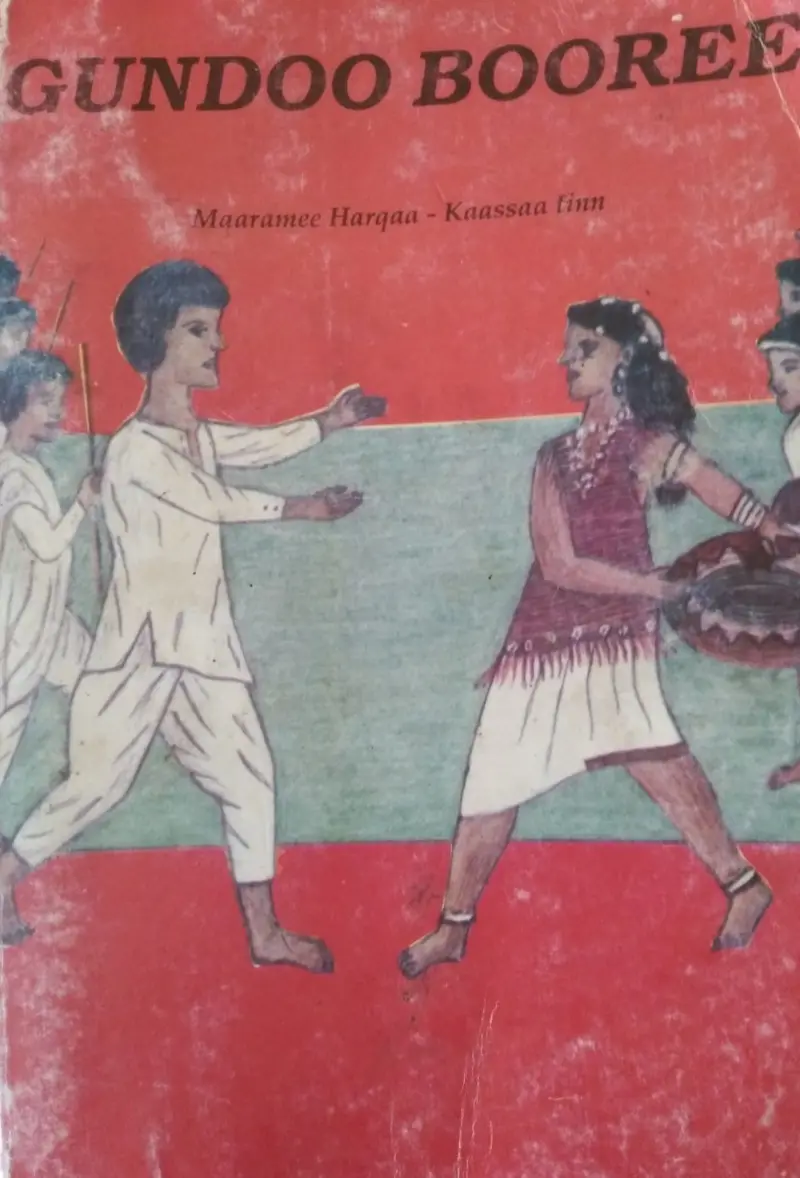
Kitaaba Maarmee Harqaa, Gundoo BooreeMadda suuraa,Kitaaba Maarmee Harqaa
Sirboota Maaramee Harqaa
Maaramee Harqaa walumaa gala kaasseta afur maxxansiifteetti.
Kaassettaa is ajalqabaa A.L.Atti bara 1997 mana muuziqaa Zeddiitti maxxansiiste. Kaassetti jalqabaa kun sirboota kudhan qaba.
Boonaa warraa
Fandishee Alaa’ee
Asham Baabee
Ishoo loli yaa durbee
Hin booyin golloo
Qarree durbaa baali hinhaadu
Bilisummaan tola hin dhufu
Harcumme yaa looyye
Si hin waamne yaa seesaa
Yaa Sharrittii koo Jedhan ni argamu.
Akkasumas, kaassetta isa biroo bara 2000 A.L.A. mana maxxansaa muuziqaa Kiiloleetti maxxansite keessaas mata-dureewwan kudhan
Finfinnee, Kuufama kee yaa garaa, Geerarsa,Faaruu Oromiyaa, Ongololi, Falmadhu addooyyee, Yoona malee yoomiree jedhan jiru.
Maaramee Harqaa barsiiftuu fi weellistuu qofa hin turre. Qabsooftuu mirga namoomaa fi ambaasadara aadaati jechuun danda’ama.
The Truth Behind the Lens: A Reflection on Activism, Legacy, and Identity
“Dabeessi afaan goota, yoo diina arge hoota.” (A coward speaks like a hero, but flees at the sight of the enemy.)
In the period of transformation, a desire emerged among some activists from the Oromo Liberation Front (ABO) and the Oromo Federalist Congress (KFO) to meet and exchange views. This led to an unusual gathering at the residence of Jawar Mohammed—a meeting that would later become a source of profound reflection for those who attended.
The story of that day, and the subsequent events, reveals a complex narrative about leadership, media representation, and the ownership of a people’s struggle.
The Summons and the Scrutiny
Darajjee Margaa, who at the time had a role in the KFO concerning youth affairs, acted as an intermediary. He was contacted by Jawar Mohammed, who expressed a desire to discuss important matters with several youth from the ABO. Darajjee then extended the invitation to a group of us.
On the appointed day, about 15 of us assembled and went to Jawar’s residence in Bole. The atmosphere was laden with suspicion. Before we entered, we were subjected to a thorough security check. We were disarmed—our phones and even our pens were taken from us. The justification given was the fear that if we recorded the conversation, it could be weaponized against them.
This act of stripping us of our basic belongings set the tone for a meeting that was meant to be a dialogue but felt more like an interrogation. It was the first time most of us had seen Jawar in person. He appeared to us not as the figure we saw on television, but as someone seated in a posture we found peculiar—sitting low like a Somali woman selling jima (khat) at a market.
The Core of the Conversation
Once the formalities were over, Jawar laid out his intentions. He stated that the struggle had moved past the phase of confrontation, and now it was time to work for the people. He urged the youth, whom he acknowledged had paid a heavy price in the struggle, to join him in this new endeavor. He raised a crucial question for debate: Should he found a new political party? Or should he join the existing ABO or KFO? Or should he continue as an activist?
This was the moment for us to speak. I took the opportunity to respond with two critical points:
- The Silence on Atrocities: I questioned Jawar’s moral standing, pointing out that while he spoke of struggle, he remained silent on the fate of Oromo prisoners and massacres. I asked him why he had not raised his voice against the suffering of Oromos. “Why are you silent when Oromos are being imprisoned and killed?”
- The Redundancy of a New Party: I argued that the Oromo people do not need a new party. The existing structures—the ABO and KFO—are sufficient vehicles for the struggle. If he wished to serve the people, he should join one of these existing organizations. “The Oromo people do not need a new party. The ABO and KFO are enough for us.”
The meeting was charged with emotion. Fellow youth, particularly those from Guji, were visibly angry and spoke with deep frustration.
The Interview with Tom Gardner and the “Father of Qeerroo”
Following the meeting, a documentary filmmaker named Tom Gardner from the UK began researching the Oromo youth movement. He interviewed many figures, including Jawar Mohammed, and then approached me for an interview at the Hyatt Regency in Finfinne.
During the interview, Tom asked a series of pivotal questions regarding the emergence of the Qeerroo (Oromo Youth) movement. He wanted to know when I joined and how the movement was organized.
In my response, I clarified that while the youth movement had existed since 2005, it was formalized as the “Qeerroo Bilisummaa Oromoo” (QBO) in 2011. I explained that this structure was established under the umbrella of the ABO, with its leaders reporting to ABO officials. I emphasized that Jawar Mohammed had no role in founding the QBO; his influence came much later, around 2014, and was limited to social media activism.
When Tom Gardner indicated that Jawar had claimed to be the leader of the Qeerroo, I felt it was necessary to correct the record. I urged Tom to interview more youth who had been actively involved in the struggle from 2014 to 2018, assuring him they would confirm that the leadership and direction came from the ABO, not from Jawar.
The Fight for Truth
Later, I learned that Jawar was attempting to claim ownership of the Qeerroo movement. He aimed to position himself as the “Father of Qeerroo” to legitimize his political ambitions and draw youth away from the ABO and KFO. This was a betrayal of the trust of the youth who had sacrificed so much.
The narrative that Jawar was the architect of the Qeerroo movement is a distortion. The QBO was established in 2011 by the ABO, and its legitimacy is rooted in its connection to the Oromo people’s long struggle for freedom, not in the media campaigns of an individual.
A Final Reflection
Jawar Mohammed has used his platform for personal gain. He has surrounded himself with people who flatter him, failing to build a genuine relationship with the courageous youth who have endured imprisonment and the frontlines. In my view, he is like a dog that barks endlessly, but in the end, it is the bite that reveals true intent.
The Oromo struggle is bigger than any single individual. The history of our freedom is written by those who have sacrificed, not by those who seek to rewrite it for their own benefit.
It is my duty to tell this story so that the Oromo people may know the truth about those who seek to lead them.
Beyond the Ballot Box: ABO Calls for Inclusive Dialogue as Ethiopia’s 7th Election Looms
In a sweeping declaration, the Oromo Liberation Front (ABO) has charted a course that transcends electoral politics, positioning itself as a champion of comprehensive national dialogue rather than a mere participant in Ethiopia’s upcoming 7th round of elections.
“Rakkoon Biyya keenya qabatee jiru, Filannoo qofaan kan furamu osoo hin taane, Marii hunda galeessa barbaada” — “The problems gripping our country cannot be solved by elections alone; we need inclusive dialogue.”
This powerful assertion forms the cornerstone of the ABO’s latest communiqué, issued from Finfinnee on June 22, 2026, as the party reflects on its participation in the electoral process while maintaining its commitment to peaceful struggle and national reconciliation.
A Dual Path Forward
The ABO’s statement reveals a nuanced position: while the party has engaged in the electoral mechanisms established by the electoral board, it maintains that genuine solutions to Ethiopia’s multifaceted crises require far more than ballot box outcomes. The party emphasizes that genuine, transparent dialogue involving all stakeholders must be conducted without undue time constraints.
“We have participated in Ethiopia’s 7th election, fulfilling our obligations and addressing gaps through our communications to the public,” the statement reads. “We have achieved this; there is no doubt.”
Yet beneath this measured tone lies a persistent critique of the electoral process itself. The ABO has raised concerns about irregularities and submitted complaints to the Electoral Board — though they express skepticism about whether these grievances have been properly investigated with the depth and fairness the situation demands.
The Cost of Participation
In a particularly striking passage, the ABO acknowledges the sacrifices made by its members and supporters throughout the campaign period. Despite challenging circumstances, the party has maintained its presence in various election-related forums, demonstrating resilience in the face of obstacles.
“ABO members, the public, and security forces who endured difficulties during the ‘choose me’ campaign are thanked for their support,” the statement declares.
This recognition of grassroots sacrifice underscores the party’s broader narrative: that meaningful political participation often comes at great personal cost, yet remains essential for those committed to democratic transformation.
A Warning to Political Rivals
Perhaps most significantly, the ABO’s statement delivers a pointed warning to both victorious parties and perceived adversaries. The party cautions that electoral victory alone cannot resolve Ethiopia’s fundamental challenges, suggesting that those who believe otherwise risk perpetuating cycles of conflict and instability.
“Those who have won through elections must not believe that winning and gaining power alone can solve the country’s problems,” the statement warns. “They must demonstrate genuine commitment, determination, and resolve to resolve the crises through justice and truth, so that Oromia may find peace.”
The ABO particularly singles out the “Tsimdoo” forces, described as political and military groups operating from the North against Oromia and the Oromo people. “What are they coming to bring to the Oromo people?” the statement asks, urging clear-eyed reflection on the consequences of continued conflict.
Unity and Peace as Paramount Goals
Throughout the communiqué, the ABO returns to themes of unity and peace as essential prerequisites for meaningful progress. The party calls for strengthened unity among Oromo political parties through dialogue, suggesting that a unified Oromo front represents the best defense against external threats.
The statement also demands the release of political prisoners and detainees held without proper legal proceedings, framing this as a fundamental matter of justice and human rights.
“Security and unity in Oromia are serious matters that cannot be ignored,” the ABO insists, calling on Gadaa leaders and religious institutions to continue their crucial work toward peace and unity in the region.
Looking Forward
Despite its criticisms, the ABO maintains that it harbors no regrets about participating in the electoral process. The party reaffirms its commitment to the path of peaceful struggle and ideological competition, promising to strengthen and expand the space for political engagement.
“The door for ideological competition has been opened small and must be strengthened and widened,” the statement concludes. “Others must work to achieve this.”
As Ethiopia approaches this pivotal election, the ABO’s message serves as both a call to action and a cautionary tale: that democracy requires more than elections, peace requires more than power, and the nation’s future demands participation from all its diverse voices.
Adda Bilisummaa Oromoo
June 22, 2026
Finfinnee
‘An Avoidable War’: Oromo Federalist Congress Demands Immediate Action Amid Escalating Mass Atrocities in Oromia

By Oromia News Agency
FINFINNE, OROMIA– The Oromo Federalist Congress (OFC) has issued an urgent and deeply alarming statement condemning the escalating wave of mass killings, civilian displacement, and identity-based violence that has gripped the Oromia region of Ethiopia. The party, which has long been a voice for federalism and the rights of the Oromo people, expressed profound grief and anger over what it describes as a systematic campaign of violence that is spreading to new areas with unprecedented ferocity.
In a detailed press release, the OFC highlighted that the conflict, once confined to certain areas, has now expanded into central and eastern parts of the region. Specifically, the party points to the districts of Arsi, East Shewa, and West Hararghe as the latest theaters of brutal violence. The statement describes a “coordinated attack” in the Asako district of East Arsi, where civilians were reportedly targeted regardless of their ethnicity or religion, with both Amhara and Oromo, Christians and Muslims, falling victim to the bloodshed.
A Crisis of Displacement and Suffering
The humanitarian situation detailed by the OFC paints a picture of a population in despair. The party reports that in the Seru district, a systematic burning campaign has destroyed entire villages, displacing an estimated 17,000 households. Tens of thousands of vulnerable citizens have been forced to flee to remote and inhospitable areas, including dense forests and deserts. The press release described harrowing accounts of mothers giving birth alone in the wilderness, and children dying from cold, hunger, and lack of basic medical care .
The OFC’s statement squarely blames the violence on a complex and chaotic mix of actors. “The peaceful people of Oromia are currently being subjected to horrific massacres in the war between the government and armed groups,” the statement reads. It further expresses deep concern over the proliferation of splinter groups, opportunistic bandits, and counterfeit armed factions operating under various names.
The Weaponization of Identity
A key element of the OFC’s alarm is the deliberate strategy of using identity as a weapon of war. The party vehemently condemns what it calls the “cynical and dangerous” tactic of orchestrating violence to pit communities against one another—killing Christians to blame Muslims, and vice versa, or igniting conflict between Amhara and Oromo civilians. The press release warns that this strategy is a calculated attempt to dismantle the social fabric of the region for narrow political gain. “In this atmosphere of chaos, fueled by finger-pointing and mutual suspicion, truth is obscured and accountability has vanished entirely,” the statement declared .
A Call for an End to the Military-Only Approach
After eight years of military campaigns, the OFC argues that the government’s reliance on a purely military solution has proven to be a catastrophic failure, only multiplying the number and types of armed groups and leading to more civilian casualties. The party asserts that the primary, constitutional, and moral duty to protect its citizens lies with the government. “A government that has failed to protect its most vulnerable citizens has failed in its most fundamental duty,” the statement proclaims.
Urgent Demands from the OFC
To stop the bloodshed and prevent further catastrophe, the OFC has issued four urgent demands :
- An Immediate Cessation of Attacks on Civilians: The party calls on all parties to the conflict—including the Ethiopian National Defense Force, regional forces, all government-affiliated militias, and the Oromo Liberation Army (OLA)—to strictly adhere to international humanitarian law and immediately cease all attacks on non-combatants.
- Unrestricted Humanitarian Access: The OFC demands that federal and regional governments, as well as armed opposition groups, immediately open pathways for unrestricted humanitarian aid to reach the affected populations. It stresses the need for emergency food, shelter, and medical supplies for the displaced in severely affected districts like Seru, Asako, Merti, and Heben Arsi.
- An Independent International Investigation: Given the complexity and the conflicting narratives surrounding the violence, the OFC is calling for an urgent, independent, and transparent international investigation. The party argues that domestic institutions alone cannot ensure impartiality and accountability. It proposes an investigation involving the UN Human Rights Council and independent domestic human rights bodies to identify the true perpetrators of these horrific acts .
- An Inclusive Political Solution: The OFC reiterates its firm stance that the root cause of the conflict is political and cannot be resolved through force of arms. The party calls for the immediate commencement of urgent, inclusive, and unconditional political dialogue and negotiation to achieve a lasting, negotiated solution.
The Oromo Federalist Congress concluded its statement with a stark warning: “The people of Oromia must not continue to be used as pawns in a political gamble. The bloodshed must end, the rule of law must be respected, and genuine political dialogue must begin immediately.”
#Oromia #Ethiopia #OFC #HumanitarianCrisis #MassAtrocities #PoliticalSolution
Sagaleen Bilisummaa Oromoo: Sagalee Hincallisne, Hinjilbeeffanne

**Barreessaa: Daandii Ragabaa
Seenaa qabsoo Oromoo keessatti, miidiyaan bakka guddaa qaba. Garuu miidiyaa keessaa, sagaleen qulqulluun kan sababa jaalalaa fi amantaa sabaatiif sagalee baasu kan qabsoo Oromoo irratti gahee addaa buusu qaba. Kunis *Sagaleen Bilisummaa Oromoo* (The Voice of Oromo Freedom) ti.
Sagaleen Bilisummaa Oromoo kan jalqaba bara 1980 fi 1990 keessatti raadiyoodhaan akka “Sagalee Oromoo” ykn “Voice of Oromo Liberation” jedhamee waamamu ture . Yeroo Dergii jiraatu, yeroo afaan Oromoo dubbachuun balaadha ture, yeroo gaazexni wayita qabametti, yeroo namni Oromoo fedhii isaa ibsuuf lafa hin argamne, *Sagaleen Bilisummaa Oromoo* akka ifa ta’e.
Innis bara dheeraaf akka “madda odeeffannoo” tajaajile. Qabsooftota Oromoof, maatiifi firoota isaaniif, fi ummata Oromoo bal’ina isaatiif akka mirkanaa’ina ta’e.
Qabsoo Bilisummaa Oromoo Humneessuu
Gaheen jalqabaa *Sagaleen Bilisummaa Oromoo* tajaajile: humneessuu qabsoo Bilisummaa Oromooti.
Yeroo ummata Oromoo arrabsaa fi cunqursaa jala turan, Sagaleen Bilisummaa Oromoo gabaasa qabsoo irratti, gootota Oromoo irratti, fi milkaa’insa qabsoo Oromoo irratti odeeffannoo dhugaa tamsaasa ture.
Karaa gaggaarii itti qabsoo humneesse:
– **Odeeffannoo dhugaa raabsu:** Mootummaan cinaatti waan tamsaasu utuu hin ta’in, qabsooftota fi ummata Oromoo waa’ee qabsoo dhugaa akka beekan godhe.
– **Gootota fi qabsooftota jajjabeessu:** Yeroo qabsooftonni Oromoo abdii kutatan, sagaleen kun ergaa abdii fi jajjabina isaaniif tamsaasa ture.
– **Walitti qabuuf gargaaruu:** Oromoonni dhuunfaa, miti. Qabsoo Oromoo kan jaalatu hundi tokko akka ta’an beeku. *Sagaleen Bilisummaa Oromoo* Oromoota gamtaa ta’aniif chaanaala ta’e.
Akka seenaatti, sagaleen kun “jajjaboo callisuu hin dandeenye” ta’ee tajaajile. Mootummaan yeroo baayyee sagalee kana cufuu yaalu, carraaqqii balleessuuf godhu. Garuu hin milkaa’ine. Sagaleen kun ammallee jira. Ammallee ni dhaga’ama.
Ummata Oromoo Dammaqsuu
Gaheen lammaffaa *Sagaleen Bilisummaa Oromoo* tajaajile: dammaqsuu ummata Oromooti.
Yeroo dheeraaf, ummata Oromoo akka “hin beekne”, akka “hin hubanne”, fi akka “hin dammaqne” godhame. Mootummaan adda addaa ofii isaaniif tola Oromoo callisuu fi abjuu isaanii dhoksanii turan.
*Sagaleen Bilisummaa Oromoo* dammaqsiisa.
Akkamitti dammaqsiisa?
– **Seenaa Oromoo ibsu:** Barumsi mootummaa seena Oromoo dhoksa; Sagaleen Bilisummaa Oromoo ibsa.
– **Faarfannaa fi walaloo Oromoo tamsaasu:** Yeroo namni Oromoo faarfannaa isaa dhaga’u, onneen isaa ni ‘socho’a. Yeroo walaloo dhaga’u, fedhiin isaa ni ka’a.
– **Eenyummaa Oromoo mirkaneessu:** Ati Oromoo. Ani Oromoo. Nuti Oromoo. Waan kana sagaleen kun iyyuu fi haasa’uu isaatiin, ummanni Oromoo ofii isaa beekuu jalqaba.
Akka fakkeenyaatti, sagaleen kun wallee Oromoo, sirboota aadaa Oromoo, fi oduu durii Oromoo tamsaasa. Kuni Oromoota dargaggoota magaalaa fi alaatti jiran waliin hidha. Isaanis “ani Oromoo” jechuun itti waamama.
Yeroo ummanni Oromoo dammaqu, inni ofii isaa beeka. Yeroo of beeku, mirga isaaf dhaabbachuu danda’a. Yeroo mirga isaatiif dhaabbachuu danda’e, bilisummaan isaa ni dhufa.
Kaayyoo Bilisummaa Oromoo Bekeesisuu
Gaheen sadaffaa *Sagaleen Bilisummaa Oromoo* tajaajile: kaayyoo Bilisummaa Oromoo beeksisuu ti.
Kaayyoon kun maal? Bilisummaan Oromoo maal jechuudha?
*Sagaleen Bilisummaa Oromoo* deebisa:
– Bilisummaan Oromoo mirqa Oromoo keessaa isa tokkoffaadha.
– Bilisummaan Oromoo tajaajila mootummaa namaaf kennu qofa miti; inni ofiin Oromoo akka mataa isaa muree buluu danda’u.
– Bilisummaan Oromoo akka Oromootti jiraachuudha – kabaja, ulfina, fi bilisummaan.
Yeroo mootummaan Bilisummaa Oromoo “balali” ykn “tajaajila hin mirkanaa’in” jechuun carraaqqii balleessuu yaalu, *Sagaleen Bilisummaa Oromoo* amanamummaa isaatiin dhaabbata.
Yeroo hundatti kan beeksisu:
– Gootota Oromoo fira keenya akka ta’an
– Qabsoon Oromoo kaayyoon isaa akka qabu
– Bilisummaan Oromoo abjuu miti; dhugaa ta’uu danda’a
Sagaleen kun akka “dungoo” ta’ee fageenya ifa baasa. Akka “barii” ta’ee waaree barii oolma.
Gaheen Dabalataa: Walabummaa fi Amanamummaa
Gaheen dabalataa *Sagaleen Bilisummaa Oromoo* tajaajile: walabummaa fi amanamummaa (trust).
Yeroo miidiyaan mootummaa yeroo baayyee “wandaba” waliin beekamu, *Sagaleen Bilisummaa Oromoo* amanamaa ta’uuf carraaqa. Innis:
– Waan dhugaa ta’e qofa tamsaasa
– Odeeffannoo osoo hin cinaatti hiikni
– Sababa garee addaa, miti, sababa Oromoo hundaa
Kanaaf, ummanni Oromoo yeroo sagalee kana dhaga’u, amanama. Yeroo amanamuu, ni fayyadam. Yeroo fayyadamuu, qabsoo Oromoo ni jajjabeessa.
Rakkoo fi Cimina
*Sagaleen Bilisummaa Oromoo* karaa salphaa hin deeme. Mootummaan yeroo adda addaa:
– Sagalee kana cufuu yaale
– Raadiyoo irratti jamming (dhaabu) hojjete
– Ogeeyyii sagalee kanaa qabuu ykn balleessuu yaale
Garuu, sagaleen kun cimina qaba. Yeroo mootummaan karaa tokko cufu, karaa biraa bana. Yeroo ogeessi tokko qabamu, kan biraa ni ka’a.
*Sagaleen Bilisummaa Oromoo* hin callisne. Garaan isaa hin duune.
Haala Ammaa
Yeroo ammaa, *Sagaleen Bilisummaa Oromoo* akka raadiyoo, akka weebsaayitii, fi akka tajaajila dijitaalaa jira. Oromoonni addunyaa maraa, miiliyoonaan, isa dhaggeeffatu.
Innis ammallee:
– Qabsoo humneessa
– Ummata dammaqsa
– Kaayyoo Bilisummaa Oromoo beeksisa
Maaluma duri ture, ammallee isa.
Ibsa Dhuma
*Sagaleen Bilisummaa Oromoo* sagalee qofa miti. Innis waadaa ummata Oromoo gidduu ti. Innis mirkanaa’ina: “Nu Oromoo. Mirga keenya qabna. Bilisummaan keenya ni dhufa.”
Kanaaf, yeroo gaazexaa fi raadiyoon biraa callisaniyyuu, yeroo mootummaan sagalee Oromoo cufuu yaalutti, yeroo mormiin Oromoo cimsiifamutti, *Sagaleen Bilisummaa Oromoo* ni haasa’a.
Innis sagalee ummataa. Innis sagalee qabsoo. Innis sagalee Bilisummaa Oromoo ti.
*Sagalee kana dhaggeeffadhu. Ati Oromoo. Waan kunis kan kee ti.*
—
*Daandii Ragabaa, miidiyaa fi qabsoo Oromoo irratti kan gabaase*
*Sagaleen Bilisummaa Oromoo – yeroo tokko irratti, ammallee ni jira.*
ገዳ የኢትዮጵያ ሥልጣኔ
—
የገዳ ስርዓት የኦሮሞ ህዝብ ከመሠረታቸውና ካዳበራቸው ሁሉን አቀፍ የአስተዳደር ስርዓቶች መካከል ከፍተኛው ነው ማለት ይቻላል፡፡ የገዳ ሥርዓት የወንዶች የዕድሜ መደብ መሠረት አድርጎ የኦሮሞ ሕዝብ በመንግሥተ ሕዝብ (ዴሞክራሲ) ወግ የሚተዳደርበት ሥርዓተ ማህበር ነው። ገዳ አንድ ዓይነት ተቋማዊ ሥራ ብቻ የሚከናወንበት ሳይሆን፣ ፈርጀ ብዙና አያሌ ዘርፎችን በውስጡ ያካተተ፣ የኦሮሞን ሁለንተናዊ ሕይወት በሁሉም አቅጣጫ የሚመራ ሥርዓት ነው። በውስጡም የሚከተሉት ተቋማት ይገኛሉ።
ገዳ የተወሰነ ዑደት ያለው ሆኖ፣ በየስምንት ዓመቱ ከአንዱ የገዳ እርከን ወደሚቀጥለው እርከን የሚተላለፍበት እና ሥልጣን በሰላማዊ መንገድ የሚሸጋገሩበት ዴሞክራሲያዊ የአስተዳደር ሥርዓት ነው። እያንዳንዱ የገዳ መደብለተወሰነ ጊዜ (ገዳ) በስልጣን ላይ የሚቆይበት ይህ ስርዓት በመደበኛ የስልጣን ማስተላለፍ ሥነ-ስርዓት የሚጀመርና የሚጠናቀቅ ይሆናል፡፡ የገዳ ስርዓት የርስ በርስ ሚዛናዊ ክትትልና ቁጥጥርን፣ በየስምንት ዓመቱ በተከታታይ የሚደረግ የስልጣን ሽግግር፣ የስልጣን ክፍፍል (በአስፈፃሚ፣ በሕግ አውጭ እና በፍትህ አካላት)፣ ሚዛናዊ ተቀናቃኝ (በአምስት ፓርቲዎች መካከል) እና በከፍተኛ እና ዝቅተኛ መካከል የሥልጣን መጋራት መርሆዎች አሉት፡፡ የአስተዳደራዊ አካላት ስልጣን በአፋኞች እጅ እንዳይወድቅ ይከላከላል፡፡
እንደታዋቂው የኦሮሞ ህዝብ የፖለቲካ ታሪክ ጸሐፊ አስመሮም (1973) ገለጻ ገዳ የፖለቲካዊ፣ ወታደራዊ፣ ኢኮኖሚያዊ እና የአምልኮ ሥርዓቶችን በማካተት በየስምንት ዓመቱ እርስበርሳቸው በሚተካኩ የመደብ (ሉባ) ስርዓት ላይ የተመሠረተ ነው፡፡ ከዚህ አንጻር በየጊዜው የሚካሄዱ ምርጫዎች፣ ተጠያቂነት የሚሰፍንበት አሠራር፣ ሰላማዊ የስልጣን ሽግግር የሚከናወንበት አካሄድ፣ ሀሳብን በነፃነት መግለፅ፣ እንዲሁም መግባባትን ታሳቢ ያደረጉ ረጃጅምና የተዋቀሩ ክርክሮች የማኅበረ-ባህላዊ ሃብቱን (የገዳ ስርዓትን) ዴሞክራሲያዊነት የሚያረጋግጡ ናቸው፡፡ እነዚህ የስርዓቱ ገፅታዎች የኦሮሞ ህዝብን ውስጣዊ አንድነት ከማጠናከር ባለፈ የተለያዩ ባህሎች፣ ሃይማኖቶች እና የፖለቲካ ፍላጎቶች ባሏቸው ህዝቦች መካከል የውይይት ባህልን በማጠናከር ሰላማዊ ግንኙነቶችን አዳብረዋል፡፡
ገዳ የኦሮሞን የዓለም አተያይ፣ ሥነምግባር፣ እሴቶችን እና ደንቦችን በመቅረፅ እንዲሁም የኦሮሞን ህዝብ እርስበእርስ እና ከሌሎች ብሄረሰቦች ጋር በማስተሳሰር ረገድ ወሳኝ አስተዋጽኦ ያበረክታል፡፡ በገዳ ስርዓት ውስጥ ያሉ ተቋማት ማህበራዊ ትስስርና ውህደት ለመፍጠር፣ የጋራመግባባት፣ ግጭቶችን እና አለመግባባቶችን በሰላም ለመፍታት፣ የሰብአዊ መብቶችን ማክበር እንዲሁም ማህበራዊ መረጋጋት እና ዘላቂ የሀብት አያያዝን ለመፍጠር የታቀዱ ናቸው፡፡
የኦሮሞ ህዝብ ከጥንት ጀምሮ ሲጠቀምባቸው የነበሩና አሁንም ግልጋሎት እየሰጡ ያሉ የበርካታ ግጭት ከልካይ ማኅበረ-ባህላዊ ሃብቶች ባለቤት ነው፡፡ የሥርዓቱ መርሆዎች የሁሉም ጎሳዎች፣ የዘር ሐረጎች፣ ክልሎች እና ኮንፌዴሬሽኖች ሚዛናዊ ውክልና፣ የመሪዎች ተጠያቂነት፣ በእርቀሰላም አለመግባባቶችን መፍታት እና መሰረታዊ መብቶች እና ነፃነቶች መከበራቸዉን ያካተቱ ናቸው፡፡ በመሆኑም የገዳ ስርዓት ግጭትን ከመከላከል አንጻር የጎላ ሚና ይጫወታል፡፡ ለምሣሌ “የገዳ ምክር ቤት ከአንድ ባህላዊ ክዋኔ በፊት ወይም በክዋኔው ወቅት የሚፈጠሩ ቀውሶችንና ማንኛውንም ዓይነት ግጭቶችን (ልማዳዊ፣ ፖለቲካዊ፣ ሞራላዊ፣ ህጋዊ ወይም ኢኮኖሚያዊ) ይፈታል” በማለት አስመሮም በጽሁፉ ያብራረል (1973፡ 86)፡፡ በአጠቃላይ እነዚህ ሃብቶች የኦሮሞን ህዝብ እርስበርስ ያጋመዱና ሰላማዊ መስተጋብርን ማጽናት የቻሉ ከመሆናቸውም ባሻገር ከከሌሎች ወንድም ህዝቦችና ጎረቤቶቹ ጋር በሰላም አብሮ መኖር እንዲችል ማህበረ-ባህላዊ ምህዳሩን አመቻችቶለታል፡፡ ከነዚህ መካከል የሚከተሉት ማኅበረ-ባህላዊ ሃብቶች በግጭት ከልካይነታቸው ከፍተኛ አስተዋጽኦ ያበረክታሉ በሚል የተጠቀሱ ናቸው፡፡
የገዳ እርከንና አኗኗር
የገዳ እርከን ማህበራዊ አገልግሎትንና ጠቀሜታን ማእከል በማድረግ የስራ ሀላፊነትና ተጠያቂነትን ለህዝቦች በመስጠት የተዋቀረ ነው፡፡ ይህም በሁለት መልኩ ይመሰረታል፡፡ ይህም አንደኛው አባቶቻቸው ከ40 ዓመት በታች የሆኑት እንደ ተወለዱ የመጀመሪያው ገዳ እርከን ይገባሉ፡፡ ይህም ማለት አባቱ ስልጣን ላይ እያሉ የተወለደ ልጅ ዳባሌ ይገባል፡፡ ይህ ከ40 አመት በኋላ አባ ገዳ የመሆን እድል ያለው ይሆናል፡፡ ሌላው የጃርሳ ልጆች በትውልድ እድሜ እኩል ሳይሆኑ በአንድ ገዳ እርከን ውስጥ የሚገኝ ማለት ነው፡፡ ይህም አባቶቻቸው ከገዳ የወጡ ልጆች ማለት ነው ወይንም፡፡ ይህም እንተወለዱ የሚገቡት እርከናቸው ደግሞ ሌላ እርከን ይሆናል፡፡ በዚህም ምክንያት ከ40 አመት ቀድመው ገዳ ይገባሉ ወይንም ዘግይተው ከገዳ ይወጣሉ በዚህ ምክንያት አባ ገዳ የመሆን እድል ሊያጡ ይችላሉ፡፡ የማህበራዊና የስራ ድርሻ እንደየእድሜ ያቸው ተመሣሣይ ሲሆን የስላጣን ተጠያቂነታቸው ላይ ልዩነት ይኖራቸዋል፡፡ በአጠቃለላይ ስም የእርከን ስሞች እንደሚታወቀው ይከተላሉ፡
1. ደበሌ ከ0—8
2. ጋሜ ከ9-16
3. ፎሌ ከ17-24
4. ራባ ከ25-32
5. ዶሪ ከ33-40
6. ገዳ ከ41-48
7. ዩባ 1 ከ49-56
8. ዩባ 2 ከ57-64
9. ዩባ 3 ከ65-72
10. ዩባ 4 ከ73-80
11. ገዳሞጂ ከ80 በላይ
ማንኛውም የኦሮሞ ወንድ ከተወለደበት ዕለት ጀምሮ በገዳ ሥርዓት ይታቀፋል። ሲታቀፍም ከገዳ መደቦች መካከል የአንዱ አባል በመሆኑ ነው። በጥንቱ የገዳ ሥርዓት የገዳ መደቦች ብዛት ዐሥር ሲሆን፣ ከዐሥሩ የገዳ መደቦች መካከል የመጀመሪያዎቹ አምስት መደቦች የአባቶች ሲሆኑ፣ ቀጣዮቹ የገዳ መደቦች ደግሞ የልጆች ገዳዎች ናቸው። አምስቱ የገዳ መደቦች ዑደት (አንዳንዴ ቡታ ይባላሉ)። እያንዳንዳቸው መጠሪያ ስሞች አሏቸው።
ገዳ ወይንም ገዶማ ከሁሉ እርከኖች እጅግ በጣም ወሳኝ እርከን ነው፡፡ ይህም የፖለቲካና ማህበራነት መሪነትን የሚጨብጡበት ስልጣን ብቻ ሳይሆን የሀገር እጣፈንታ በእጅ ላይ የሚወድቃበት ጊዜ ነው፡፡ ይህ እርከን በጣም ወሣኝና እጅግ አስፈላጊ እርከን ሲሆን የገዳ ትልቁ ስልጣን የሚይዝበት እንዲሁም የእምነት መሪነትም የሚሆንበት ጊዜ ነው፡፡ አባ ገዳ በገዳ ሥርዓት ሕግ ለስምንት ዓመታት ብቻ እንዲያገለግሉ በሕዝብ ተመርጠው ሥልጣን ላይ የሚወጡ ባለሥልጣኖች ወይም የአስተዳደር አብላጫ ቁንጮ ነው።
እያንዳንዱ የገዳ ሥልጣን ዘመን 8 ዓመት ነው። ሥልጣን ላይ የሚቆዩ 5 ገዳዎች አሉ። ስለዚህም የገዳ የሥልጣን ዑደት 40 ዓመት ይሆናል። በሌላ አገላለጽ በ40 ዓመት ዑደት ውስጥ 5 ገዳዎች አሉ ማለት ነው። አንድ ሰው አሁን ሥልጣን ቢይዝ ወይም ሉባ ቢሆን ከዛሬ 40 ዓመት በኋላ ደግሞ የሱ ልጅ ሉባ ይሆናል ማለት ነው። ስለሆነም ገዳ ዐውደ ግዛት ይሰኛል።
መጽሐፉን በ PDF ለማንበብ የምትፈልጉ ካላችሁ ከሥር የሚገኘውን Link በመጫን ማውረድ ትችላላችሁ።
Qabsoo Hin Xumuramne: Leencoo Lataa fi Karaa Dheeraa Bilisummaa Oromoo
Barreessaa: Daandii Ragabaa*
“Mootummaa kana akkuma mootummaa Hayilasillaasee, Dargiifi Wayyaanee lolaa turetti lolla taanaan gaarii hinta’u.”
— Obbo Leencoo Lataa
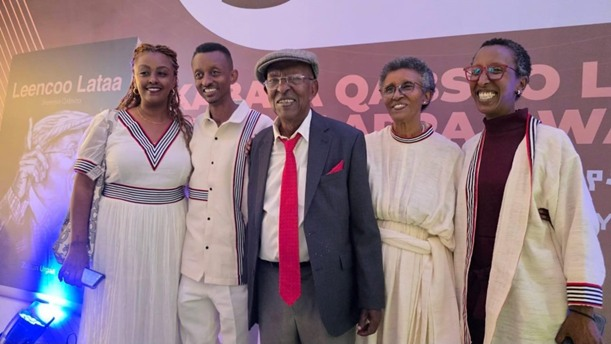
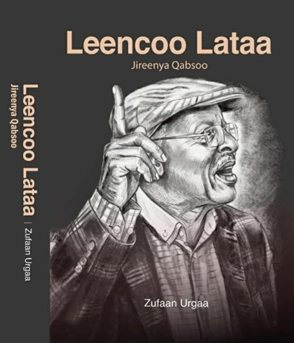
Jechoonni kun kan dubbataman yeroo ayyaana eebba kitaabaa keessatti, kan jedhaman nama waggoota 50 ol qabsoo Oromoo keessa tureeti. Obbo Leencoo Lataa, nama seenaan qabsoo Oromoo keessatti kan beekamu, hayyuu siyaasaa kan jaarraa walakkaa ol Oromoofi Oromiyaaf qabsaa’ee, kan ABO fi Gaazexaa Bariisaa hundeessan keessaa tokko.
Kitaabni seenaafi imala qabsoo jaarraa walakkaa isaati, “Leencoo Lataa: Jireenya Qabsoo” jedhu, kan barreessituu Zufaan Urgaatiin Afaan Oromoofi Amaariffaan qophaa’e, Dilbata darbe Finfinneetti eebbifame. Kutaalee sadii, boqonnaawwan 11, fi fuulawwan 447 kan qabu, kitaabichi qarshii 1,200n gabaarra oole.
Sirnichatti, namoonni hedduun—hoggantoonni mootummaa federaalaafi naannoo Oromiyaa, miseensonni mana maree, hayyoonni, ambaasaaddaroonni, artistoonni, abbootiin Gadaa, haadholiin Siinqee, maatiifi firoonni Obbo Leencoo—walitti qalaman. Isaanis ilaalcha qabsoo waggoota 50 kan turan, gaaddisa fi ifa, milkaa’inaafi rakkinawwan walitti qaban.
Maatii Qabsoon Hidhe
Obbo Leencoo Lataa Pirofesar Kuwee (Maartaa) Kumsaa waliin bultii dhaabbate. Ijoollee sadii: Huriyaa, Roobaa, fi Goolii. Garuu seenaan maatii kanaa kan akka maatii kaanii miti. Kana keessatti, qabsoon mana keessa seena. Mana keessaa, qabsoon baqaqa.
Huriyaa Leencoo: Yaadannoo Intala Hangafaa
Huriyaan, intala hangafaa, sirratti dubbachuun yaadannoo ishee dhiyaatte. Garaan ni dhaga’ama. Afaaniin baay’ee hin miidhammu:
“Ijoollummaa kootti abbaa koo baay’ee hin yaadadhu. Garuu dhiphina haati koo keessa turte nan yaadadha. Haatiifi abbaan koo bultii dhaabbatanii waggaa sadii keessatti ijoollee sadii horatan.
Abbaan warraashee, jaalli qabsoofi abbaan ijoollee ishee, baay’ee mararfatu, haala hin taaneen manaa bahee dirree qabsoo seene. Yeroo abbaan keenya manaa bahe, haati keenya baay’ee dhiphattee, soofaarra ciiste, imimmaan dhangala’aa, ‘Beenu ka’ii, beenu ka’ii, allaattii koo joobiraa beenu sifaanan bu’aa’ jettee boossu nan yaadadha.
Ani yeroo sana maaliif akka isheen boossu hin beeku. Garuu ishee gaafachuuf yaalaan ture; gaafachuus nan sodaadhan ture.
Abbaan keenya utuu gara dirree qabsoo hin deemin, akka ijoolleetti daa’immee nu waliin taphata ture. Utuu jaalala isaa dhandhamnee hin quufiin, manaa bahee qabsoo seene.
Erga deemee booda, aniifi obboleessi koo, ‘Abbaan keenya eessa jiraa?’ jennee haadha keenya baay’ee rakkisaa turre.
Haati keenya poostarii (suura abbaa keenyaa) girgiddaarratti maxxansitee, ‘Har’arraa kaastanii waa’ee abbaa keessanii na hin gaafatinaa! Abbaan keessan kunooti!’ nuun jette. Nuti garuu carraa arganne hundaan waa’ee abbaa keenyaa haasa’uu barbaannu.
Erga haati keenya nurraa hidhamtee booda, waa’een abbaa keenyaa baay’ee hin dubbatamu ture. Erga isheen mana hidhaatii baatee, baqannee biyyaa baane, Keeniyaa, Naayiroobii geenyee booda, sagalee abbaa keenyaa bilbilaan dhageenye.
Abbaan keenya yeroo sana konfaransii Landan irra jira. Bilbilichi bilbilamee, ‘Ati eenyu?’ jedhee gaafate. Anis, ‘Bineensa naan jedhe,’ nan jedhe. Sagalee abbaa koo ta’uu keessa kootti natti dhaga’ame. Bilbila sana abbaa keenya ture.
Ji’oota sadiif, waa’een isaa mana keessatti baay’ee haasa’amaa ture. Innis utuu nuti gara Kaanaadaa hin deemin, guyyaa lamaaf dhufee nu arge.
Nuti maqaa abbaa keenyaa Yohaannis Lataatti beekna turre. Maqaa Leencoo Lataa jedhu akka haaraatti shaakalaa turre. Maqaan Leencoo jedhu sammuu koo keessatti nama daran dheeraafi guddaa ta’ee natti mul’ata ture.
Oggaa inni konkolaataa keessaa bu’ee nu dubbisu, waanti afaan koo keessaa bahe, ‘Maal atoo baay’ee gabaabaadha!’ jedhu ture.”
Waggaa hedduu booda, ijoolleen abbaa isaanii wajjiin walbaran. Kuni jaalala qabsoo fi jaalala maatii gidduu jiru.
Roobaa Leencoo: Ilmi Dubbata
“Abbaa koo xinnummaa kootti hin beeku. Abbaa koo waliin walitti dhufnee maatii kan taane Kanaadaatti ture. Nuti waliin hin guddanne. Kanaaf, abbaan koo gaaf tokko maatii walitti qabee, ‘Akka abbaa irraa jalqabuurra, hiriyyaa taanee haa jalqabnu’ jedhe.
Suuta obsaan hariiroo keenya cimsee, abbaa gaarii nuu ta’e. Inni nama obsa guddaa qabuufi kutannoo cimaa qabuudha.”
Goolii Leencoo: Intala Addummaan Dubbatti
“Maatiin koo maatii kaanirraa adda ta’uu jireenya koo guutuun beeka. Yeroo ijoollummaa keenyatti, haatiifi abbaan keenya nu bira hin turre. Abbaan keenya bosona, haati keenya ammoo mana hidhaa seenan.
Nuti sadanuu fira biratti guddanne. Erga ofbaraafi guddachaa dhufee booda, maaliif akka haadhaafi abbaa irra adda baane guddanne hubadhe. Haati keenya, ‘Ani ani hatee ykn ajjeesee miti kanan hidhame. Waan Oromummaafan hidhame,’ nuun jechaa turte.
Ergan abbaa keenya barreetti booda, maaliif akka qabsaa’u nutti haasa’aa ture. Haadhaafi abbaa keenya waliin erga guguddannee booda walitti dhufne. Garuu jaalalli nu gidduu jiru, akki itti walbarree, walii obsinee, wal deggarree, wal sirreessinee, wal gorsinee as geenye—anaaf daran adda.”
Pirofesar Kuwee Kumsaa: Qabsoo fi Of Darbuu
Pirofesar Kuween, haadha warraasaa, keessummeef dubbachuun akka jedhan:
“Seenaa qabsoo Obbo Leencoorraa waan xiqqoo gabaabsee haasa’uun barbaada. Yeroo jalqaba qabsootti seennu, akka qabsoon bara dheeraa fudhatuufi dhaloota baay’ee gaaga’u ni beekna turre.
Hacuuccaafi gabrummaan ummata keenya irra ture waggaa 100 ykn 200 qofa utuu hin taane, kan dhaloota dheeraa fudhatedha. Yeroo qabsoo kanatti seenne, ‘utuu lubbuun jirru kana argina’ jennee hin yaadne.
Leencoon haqaaf loluuf jecha, kanaanis sanaanis walitti bu’eera. Aniifi inni qabsaa’aafi qabsooftuutu wal argate. Qabsaa’aan dhugaa ofiisaatiif jiraatee saba isaa hin miidhu.
Qabsaa’aan dhugaa saba isaa tiif dabarsuuf ofii darba. Qabsaa’aan dhugaa ofii kootii darbeen, saba kootiif dabarsa jedhee qabsootti seena. Kaayyoon qabsoo Leencoos ofii darbee saba isaa fi dabarsuudha.
Leencoon nama kaayyoon qabsoo isaa hojiifi gochaan mul’iseedha. Bilisummaa, haqaafi walqixxummaa barbaachaaf hafuura nu keessaa wixxifatutu jira.”
Obbo Leencoo Lataa: Akeekkachiisa fi Ergaa
Obbo Leencoon, erga qabsoo dheeraa booda, sababa isaatiif hamatama, tuffatama, garuu hin dhokatu. Inni akkas jedhe:
“Galanni kan maluuf namoota qabsoo kanarratti wareegaman qofaafi. Nuti warri lubbuudhaan jiru, beekamtii yoo arganne nu ga’a. Seenaa koo keessatti nama dallansiiseeran ta’a. Abaarsi baay’eenis narra gahaa tureera.
Yeroo mootummaa ce’umsaa sana, gaafa Finfinnee seennu, Afaan Oromoo sadarkaa dhabamuurra gahee ture. Afaan Oromoo dhabamnaan ammoo sabichis dhabameera jechuudha.
Yeroo ammaa garuu Oromoon ‘Baala Gizee’ jedhamee hamatama. Hamiin akkasii gaariidha. Kanaan dura akkas jedhamnee hamatamuu dadhabne.
Qabsoon kun bakka irraa ka’eefi waan galmeeffate qaba. Waan ammayyuu irraa hafetu jira. Yoo waan hanqate xiinxallee, guuttachaa yoo deemuu baane, gaarii hin ta’u.
Akkuma mootummoota Hayilasillaasee, Dargiifi Wayyaanee lolaa turetti, kanas lola taanaan gaarii hin ta’u. Haala yeroo wajjin tarsiimoo keenya fooyyessuu qabna.
Qabsoo taasifneen: maaltu galmaa’e? maaltu hir’ate? jennee of gaafachuun, isa hir’ate guuttachaa deemuu malee, zeeroorraa ka’uu hin qabnu.”
Yaadannoo Daandii Ragabaa: Ergaan Kee Maali?
Yeroo Obbo Leencoon “Mootummaa kana akkuma mootummaa Hayilasillaasee, Dargiifi Wayyaanee lolaa turetti lola taanaan gaarii hin ta’u” jedhu, inni hubachiisa: Qabsoon lolaaf loluu miti. Qabsoon, xumuraaf, bilisummaaf, haqaaf, fi namoomni akka maatii jiraachuu danda’an biyya ijaaruuf.
Garuu, akka yaadannoo Daandii Ragabaa, Oromoon har’a sadarkaa qabsoo haaraa keessa jira. Hayilasillaasee fi Derg dabarani. Woyaanes ni dabare. Ammas immoo waggoota 50 booda, mootummaan ammaas “lola taanaan gaarii hin ta’u.” Mee hamma yoom? Mee hamma dhiiga yoom?
Obbo Leencoo akka jedhetti, karaan duubatti, bakka jalqabnee, galmaa’e hubachuudha. Akkasumas waa’ee hanqinaa of gaafachuudha. Waan hanqate guutuu. Garuu zeeroo kaasee bilbiluu fi qabsoo lolaatti deebisuu miti.
Huriyaan abbaa ishee “gabaaba” jette. Roobaan “obsa” fi “kutannoo” dhaha. Goliin “walbaruu, walobsii, waldeeggarsa, walsirreessuu, fi walgorsuu” maatii isaanii adda isaan ta’uu dubbatti. Pirofesar Kuween “qabsaa’aan dhugaa ofiisaatiif jiraatee saba isaa hin miidhu” jetti.
Hooggantoonni, hayyuunni, Gadaan, Siinqeen, artistoonni, ambaasaaddaroonni, fi ummatni walitti qabamanii kitaabicha eebbisan. Garuu eebbi kun kan galmaan ga’uu isa dhugaa eebbisa. Eebbi kun gaaffii: “Ati, karaa kana irraa, maal fudhata?” jedhu gaafata.
Xumura: Qabsoon Itti Fufa
Obbo Leencoo Lataa, tarsiimoo fooyyessuu qabna. Isaan kan dabaraniin, karaa isaanii irratti baruu qabna. Waan milkaa’e ijaaruu. Waan hanqate guutuu. Kana malee, lola lolaaf gadhee.
Kitaabichis, yaadannoo fi dhugaattiin, eebba qofa miti; tokkummaafi akeekkachiisa.
Ammas waan hafe jira. Ijoolleen Leencoo, walitti dhufan. Haatiifi abbaan, erga waggoota booda, walitti dhufan. Oromoon jaalala qabsoo fi jaalala maatii gidduu madaala barbaada. Kuni qabsoo dhugaa.
Ergaa Obbo Leencoo Lataa:
“Haala yeroo wajjin tarsiimoo keenya fooyyessuu qabna. Qabsoo taasifneen maaltu galmaa’e? maaltu hir’ate? jennee of gaafachuun, isa hir’ate guuttachaa deemuu malee, zeeroorraa ka’uu hin qabnu.”
Karaan lola miti. Karaan deeggarsa, tolcha, fi tokkummaa ti. Oromoon duuba hin deebi’u. Garuu duuba ilaaluun, waan qabu hubachuufi waan dhabe guutuu ni danda’a.
Qabsoo Leencoo Lataa, qabsoo Pirofesar Kuwee, qabsoo Huriyaa, Roobaa, fi Goolii—qabsoon kun qabsoo Oromoo ti. Akka dhiiga dhangala’uu dhiisu, lubbuun akka hin badne, fi biyyi akka ijaaramtu.
“Mootummaa kana akkuma mootummaa Hayilasillaasee, Dargiifi Wayyaanee lolaa turetti lola taanaan gaarii hinta’u.”
Lola miti. Tokkummaa. Nagaa. Bilisummaa.
Qabsoon itti fufa.
*Gabaasti kun kan barreeffame dhaabbata ‘Gaazexaa Bariisaa’ irratti Natsaannat Taadsasaatiin guyyaa Caamsaa 5, 2018 maxxanfame irratti hundaa’e. Barreeffama asii olii yaadannoo fi ibsa Daandii Ragabaa ti. Yaanni, haasawiifi dhugaattiin as keessatti dhiyaatu kan abbootii qabsoo Obbo Leencoo Lataa, Pirofesar Kuwee Kumsaa, fi ijoollee isaanii (Huriyaa, Roobaa, fi Goolii Leencoo) irraa dhufe. Daandii Ragabaan akka yaadannoo fi ibsituutti tajaajileera. Maddi bu’uuraa yaadannoo kan Natsaannat Taadsasaa fi Gaazexaa Bariisaa ti.
A People of Dignity: The Path of Dirree Incinnii
By Daandii Ragabaa*
“Uummata safuu fi safeeffannaa qabu.”
A people with dignity and a sense of honor.
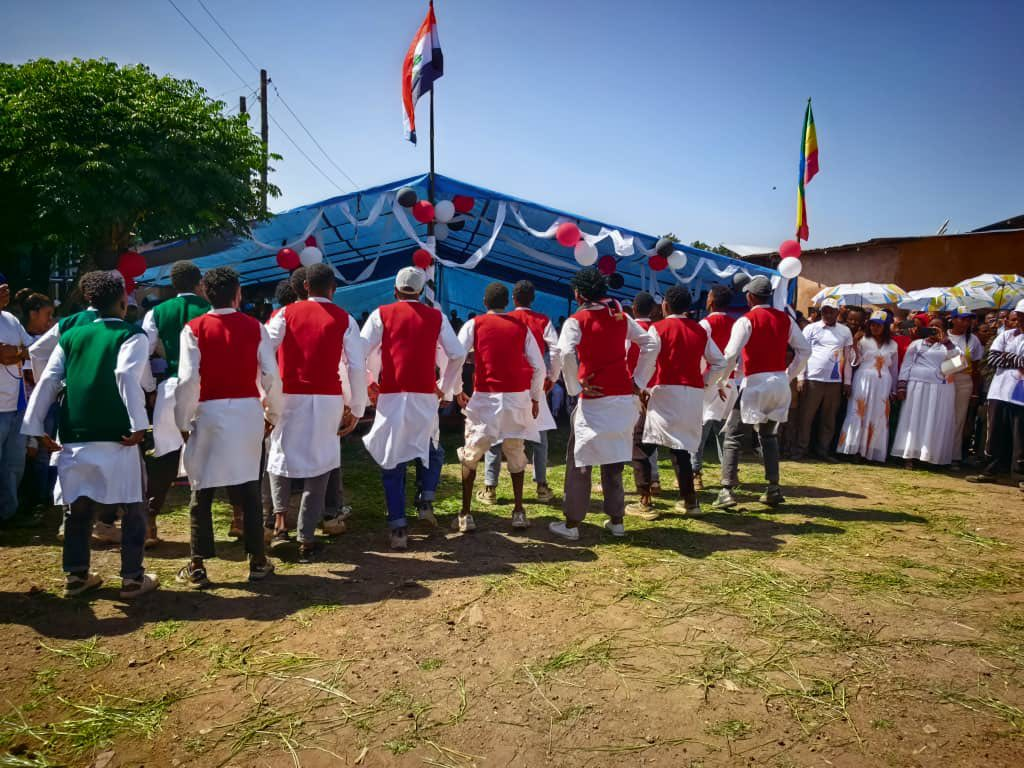
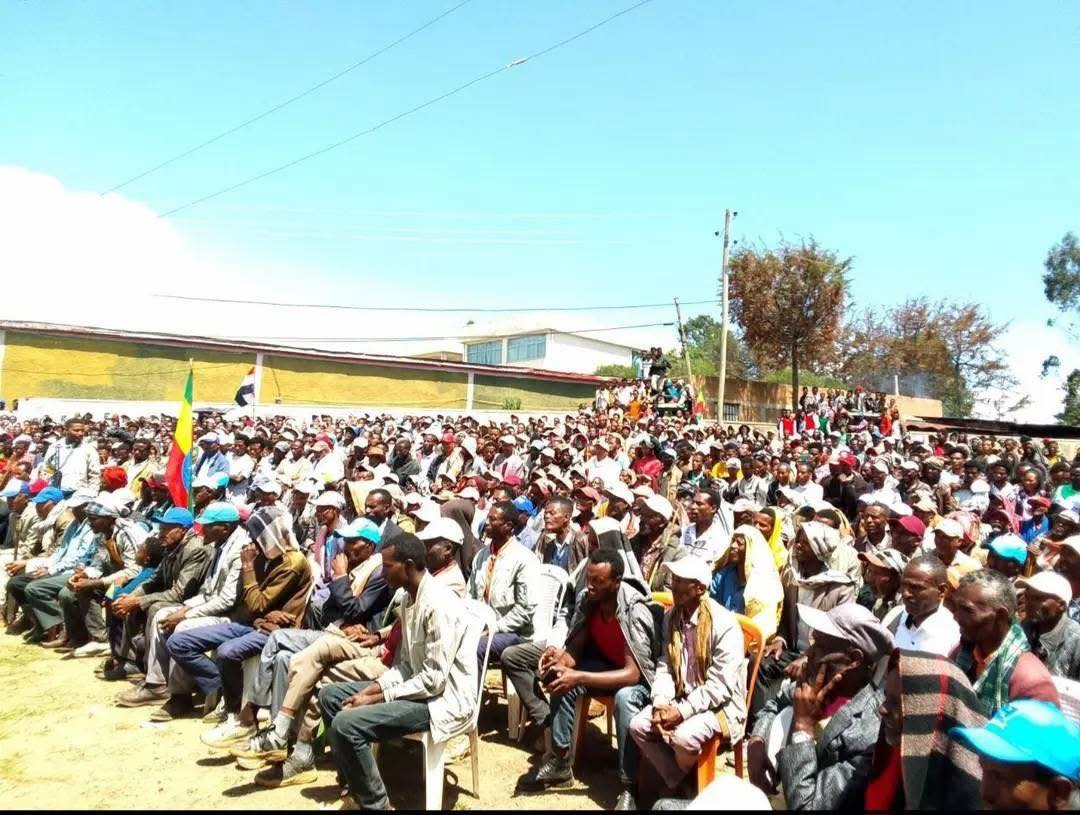
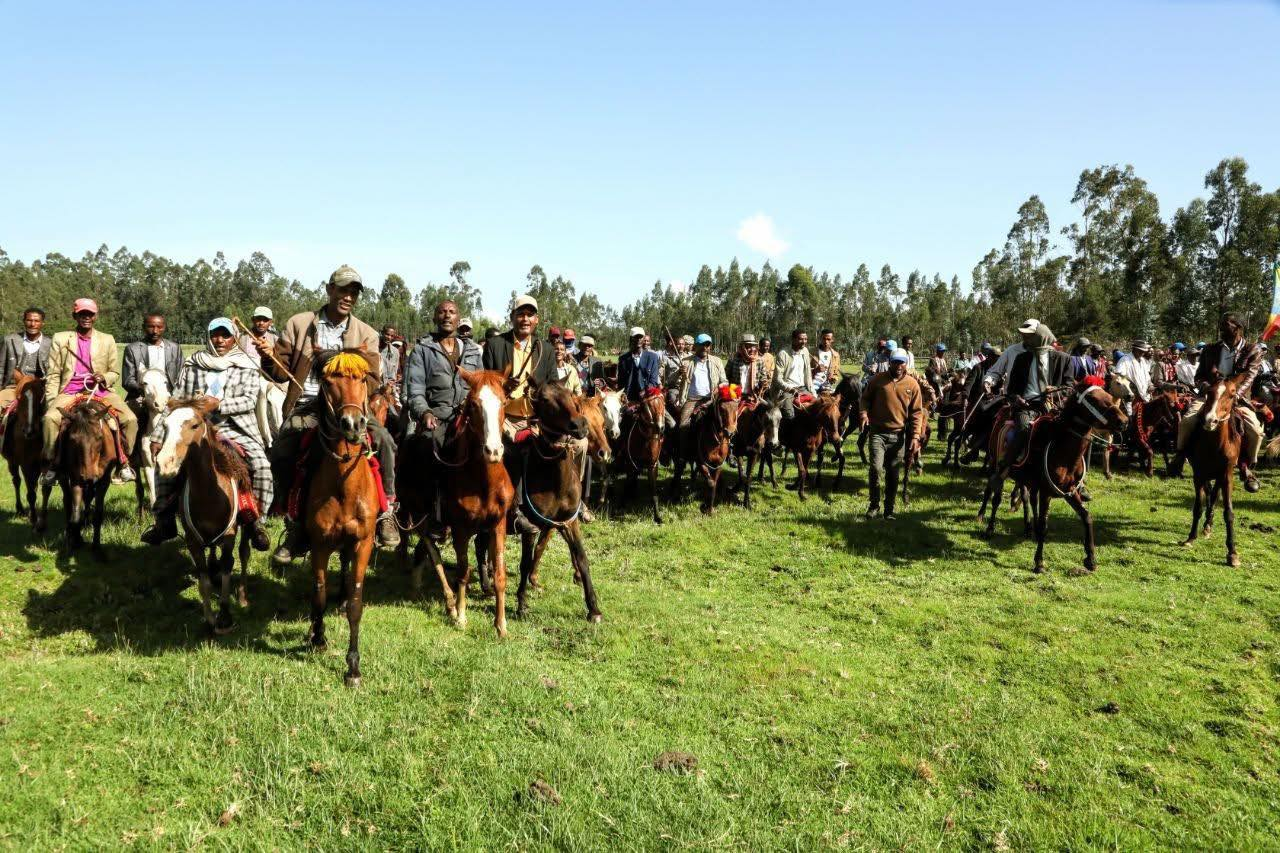
These words open a reflection that is at once a meditation and a summons. They speak of a community that has walked alongside the plains of Dirree Incinnii—a place heavy with history, where the Oromo people have gathered to assert their identity, to mourn their wounds, and to chart their collective future.
Hailu Gonfa, whose original post sparked this reflection, writes not as a distant observer but as one who stands within the circle. And Daandii Ragabaa, as commentator, amplifies that voice—calling attention to what has been done, what remains undone, and what must yet be dared.
The Work That Was Begun
The reflection turns first to the recent electoral process. It acknowledges that work was begun. But it does not shy away from naming the shortcomings—the gaps, the failures, the moments when the promise of democratic participation was not fully realized.
Peace. Development. Unity.
These are the pillars upon which the Oromo people have built their aspirations. Yet the reflection insists that these cannot be achieved through mere declarations. They require labor. They require patience. And they require something that cannot be legislated: the warmth of tradition and the binding force of mutual respect.
“Simannaa ho’aa aadaa fi safuu qabun,” the post reads.
With the warm embrace of culture and dignity.
It is a striking phrase. The image is not one of cold legalism or bureaucratic procedure. It is an embrace—a welcome, a recognition that the leaders and representatives of the people are not distant functionaries but kin, bound by the same history and the same hopes.
We thank you, the reflection says, for what you have done for us.
The Wisdom of the Eldest Sons
There is a particular quality attributed to the people of Dirree Incinnii and the eldest sons of the Warra Ammayyaa. They know. They know when. They know what. They know where. They know how.
This is not the arrogance of knowledge without experience. It is the earned wisdom of a people who have learned, through generations of struggle and survival, that action without timing is wasted, that strategy without place is lost, that effort without method is scattered.
The reflection captures this in a cascade of questions that are really affirmations:
Yoom? When?
Maaltu? What?
Eessetti? Where?
Akkamitti? How?
These are not the questions of the confused. They are the questions of the prepared—of a people who have learned to ask everything before they act, because the cost of acting without knowing has been paid too many times already.
The Gathering of the Community
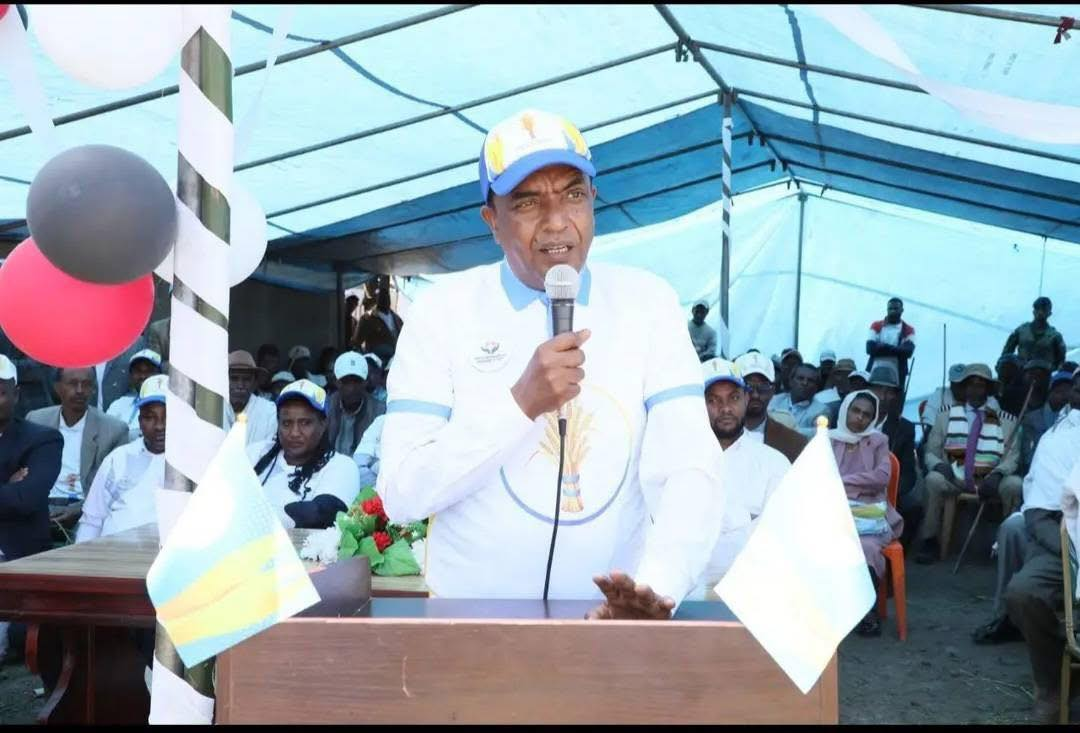
The heart of the reflection lies in a series of verbs that describe the work of community:
Nyaaraa fi qalbiin wal hubannee — We understood one another with patience and heart.
Afaaniin walitti dubbannee — We spoke to one another directly, mouth to mouth.
Dhaamsa wal bira keewwanne — We conveyed messages to one another, side by side.
There is no translation in these lines. There is only the texture of a people who have refused to allow distance to become division. They have talked. They have listened. They have passed the word from hand to hand, from house to house, from heart to heart.
This is democracy before the ballot box. This is the Gadaa assembly on the grass. This is the chaffe under the tree. It is the ancient Oromo way of making decisions—not through the silence of isolated individuals but through the noise of collective deliberation.
Choosing Wealth or Choosing Peace
The reflection then arrives at a stark choice:
“Badhaadhina filachuun, nagaa, kan jalqabame xumurree waantota aaraa jalqabuu fi tokkummaa sabaa fi biyyaa tiksuun biyya ijaaruudha.”
Choosing wealth, peace, completing what has been begun, beginning things that heal, and protecting the unity of the nation and the country—this is how we build the nation.
The phrasing is deliberate. Wealth is named first—not because it is the highest good, but because it cannot be separated from the other goods. A people without material foundation cannot sustain peace. A people without peace cannot accumulate wealth. A people without unity cannot defend either.
The reflection insists that building a nation is not the work of slogans. It is the work of finishing what was started. It is the work of starting things that do not injure but heal. It is the work of protecting unity—not the false unity of silence, but the hard-won unity of a people who have disagreed and still chosen to stand together.
The Final Affirmation
The post closes with a line that lands like a stone dropped into still water—the ripples spreading outward, unstoppable:
“Biyya wal gargaarree ijaarru malee, biyya wal gargaarree diignu hin qabnu.”
We build a country by helping one another. We do not have a country that we destroy by helping one another.
It is a sentence that turns logic on its head. The usual expectation is that helping one another builds a country, while turning against one another destroys it. But the reflection says something more radical: there is no country that we destroy by helping one another. Because the moment we help one another, we are already building. And the moment we turn against one another, we are no longer in possession of a country—we are only occupying the ruins of one.
The Unspoken Challenge
What makes this reflection powerful is what it does not say directly. It does not name the enemies of unity. It does not catalogue the betrayals. It does not rehearse the litany of wounds.
Instead, it assumes that the people of Dirree Incinnii already know. They know when. They know what. They know where. They know how.
The challenge, then, is not to inform them. It is to remind them. To call them back to the warmth of tradition, to the embrace of dignity, to the work of finishing what was begun.
A People Who Remember
Dirree Incinnii is not just a place. It is a memory. It is the field where the Oromo have gathered in times of celebration and times of mourning. It is the ground that has absorbed the footsteps of ancestors and the tears of the dispossessed. It is the stage upon which the drama of Oromo political life has been performed again and again.
To say that a people walks alongside Dirree Incinnii is to say that they carry that memory with them. They are not lost. They are not scattered. They are not forgetful.
They know.
Conclusion: The Work Continues
Hailu Gonfa’s post, as reflected upon by Daandii Ragabaa, is not a victory lap. It is not a eulogy. It is a work report—a sober assessment of what has been achieved, what has been neglected, and what remains to be done.
The electoral process had shortcomings. Peace is fragile. Development is uneven. Unity is tested daily.
But the people of Dirree Incinnii have not despaired. They have gathered. They have spoken. They have understood one another with patience and heart.
And now, they build.
They build by helping one another. Not by destroying one another. Not by allowing the enemy to divide them. Not by forgetting that the warmth of culture and the dignity of honor are the only foundations upon which a nation can stand.
Biyya wal gargaarree ijaarru malee, biyya wal gargaarree diignu hin qabnu.
We build a country by helping one another. We do not have a country that we destroy by helping one another.
May that truth endure. May that work continue. May the people of Dirree Incinnii never forget what they already know.
Yoom? Maaltu? Eessetti? Akkamitti?
When? What? Where? How?
They know. And they build.
*Author’s Note on Attribution: The feature story is based on a social media post written by Hailu Gonfa. Daandii Ragabaa engaged with that post as a commentator, and the present reflection draws substantially from the ideas, themes, and framing originally articulated by Hailu Gonfa. This feature story is offered as a synthesis and expansion of that shared conversation, with full acknowledgment of the original source.
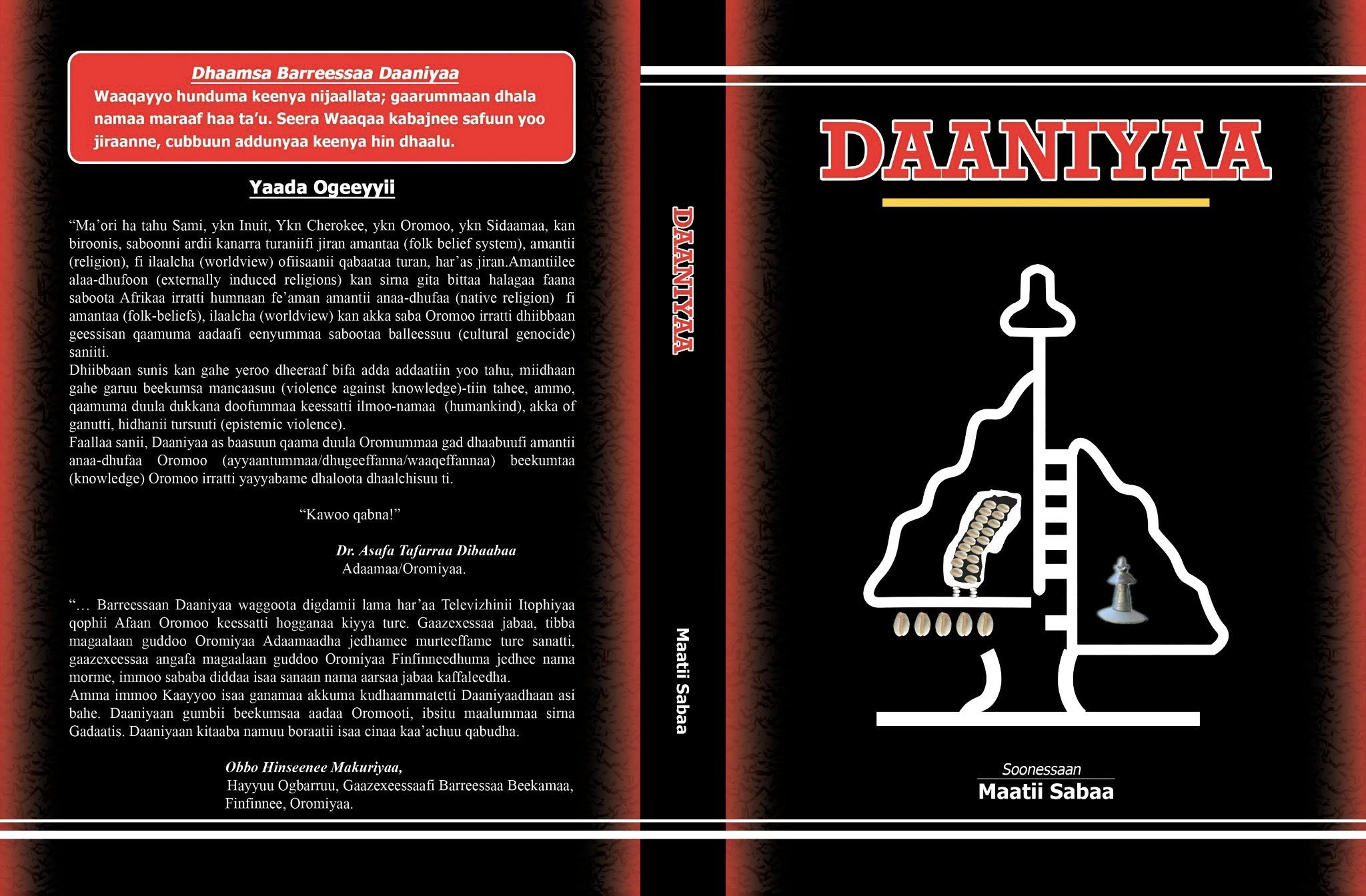
Daaniyaa – The Ancient Soul of Oromia, Now in Your Hands
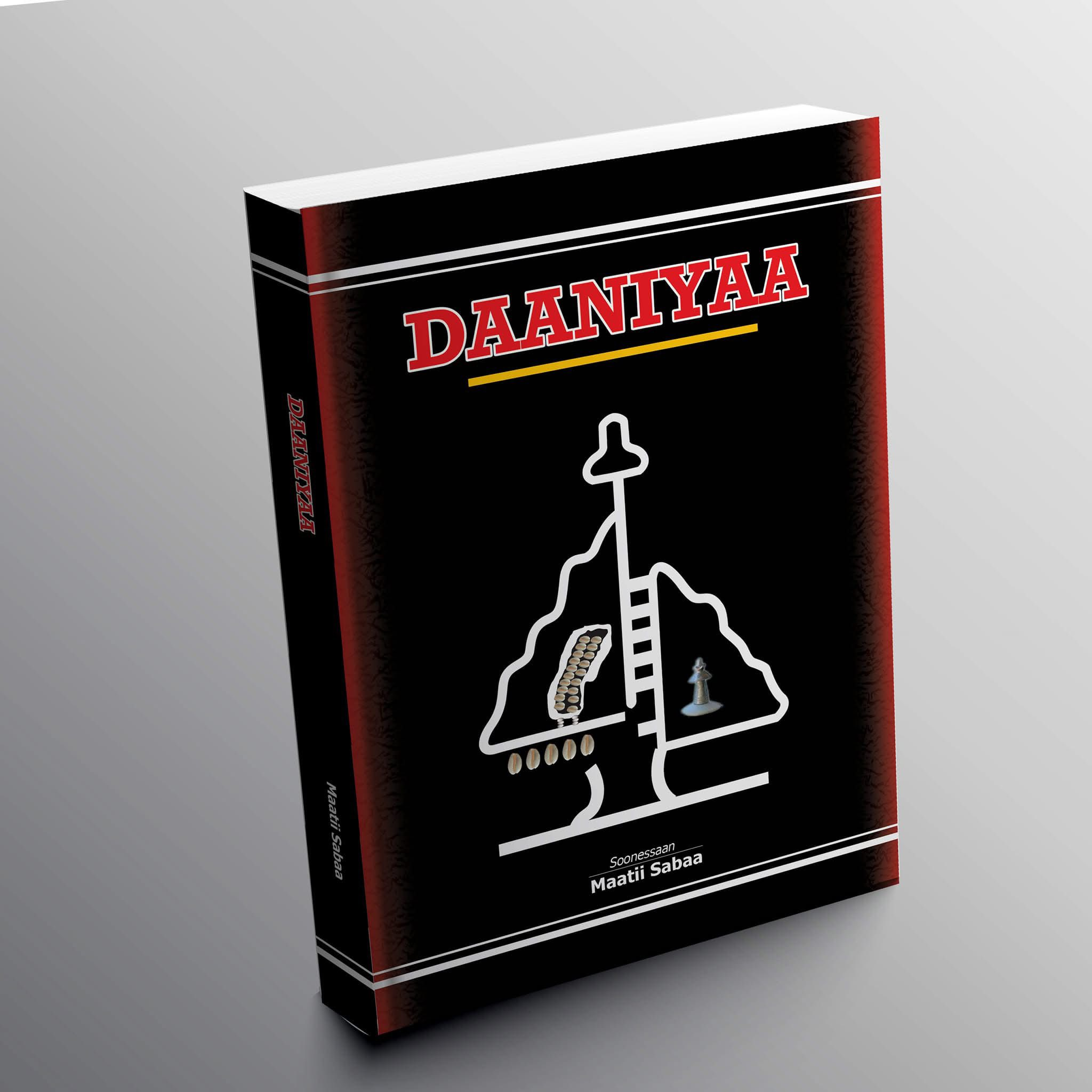
A sacred record of Oromo culture, religion, and identity finally available in hard copy at Elellee Bookstore in Finfinne
By: Daandii Ragabaa
FINFINNE – Every home has its treasures. For some, it is a photograph album. For others, a family heirloom passed down through generations. But for every Oromo family, there is now something more: #Daaniyaa.
This ancient collection – a vital record of Oromo culture, religion, and identity – has finally been released in hard copy. And it is available now at Elellee Bookstore in Finfinne (Addis Ababa).
“Everyone should have a copy of Daaniyaa in their home,” the announcement declares. “More than just a book to be read, it is a heritage to be cherished – a testament to who we are, to be valued as dearly as one’s own family.”
What Is Daaniyaa?
Daaniyaa is not a new book. It is an ancient collection – a compilation of Oromo knowledge, beliefs, practices, and identity that has survived through centuries of oral transmission, through eras of marginalization, through regimes that tried to erase everything Oromo.
It contains:
- Oromo religious traditions – the spiritual worldview of the Oromo people before and alongside external influences.
- Cultural practices – the customs, ceremonies, and social norms that have bound Oromo communities together for generations.
- Identity markers – the stories, genealogies, and historical memories that answer the question: Who are we?
For decades, access to Daaniyaa was limited. Copies were rare. Scholars fought over fragments. Ordinary Oromo families could only hear about it from elders or catch glimpses in academic libraries.
No longer.
More Than a Book – A Heritage
The announcement makes a powerful distinction: Daaniyaa is more than just a book to be read.
A book can be borrowed, returned, and forgotten. A heritage must be cherished – kept close, protected, passed down.
“It is a testament to who we are,” the announcement continues. “To be valued as dearly as one’s own family.”
This is not an exaggeration. For a people whose history has often been written by others – distorted, erased, or weaponized – possessing one’s own cultural record is an act of survival. Daaniyaa is not merely decorative. It is constitutive – part of what makes Oromia Oromia and Oromo Oromo.
The Hard Copy – Finally Available
The release of the hard copy of Daaniyaa is a significant moment. Digital versions have circulated, but there is something irreplaceable about a physical book – especially one of this cultural weight.
- A hard copy can be held. It can be passed from parent to child. It can be placed on a shelf where every visitor sees it. It can be marked, annotated, and treasured.
- A hard copy is permanent. It does not require electricity, internet, or a working device. It endures.
Elellee Bookstore in Finfinne now has Daaniyaa in stock.
How to Get Your Copy
For those who wish to bring this heritage into their homes, the process is simple:
- Location: Elellee Bookstore, Finfinne (Addis Ababa)
- Phone: +251 916 410 66
- Purpose: Call to check availability or to hold a copy for pickup
The announcement urges Oromo families not to delay. Demand is expected to be high.
“A must-have for your collection!”
Why Every Oromo Home Should Have Daaniyaa
Consider what it means to have Daaniyaa in one’s home:
- For children – It is a window into their ancestors’ world, a bridge to a past they might otherwise never know.
- For parents – It is a tool for teaching, a resource for answering the endless questions of curious young minds.
- For elders – It is validation – a confirmation that what they were told as children was not lost, not forgotten, not erased.
- For the diaspora – It is a tether to the homeland, a physical object that carries the weight of identity across oceans and generations.
In a world where Oromo youth are often surrounded by foreign media, foreign values, and foreign languages, Daaniyaa is a counterweight – a reminder that the Oromo have their own civilization, their own wisdom, their own way of being in the world.
A Call to Cherish
The announcement ends with a call that is both simple and profound:
“Everyone should have a copy of Daaniyaa in their home. This ancient collection is a vital record of Oromo culture, religion, and identity. More than just a book to be read, it is a heritage to be cherished – a testament to who we are, to be valued as dearly as one’s own family.”
There is no political slogan here. No protest chant. No anger.
There is only an invitation – to own, to read, to cherish, to pass down.
And for a people who have fought so hard simply to exist, that invitation is revolutionary.
Go Get Your Copy
The hard copy of Daaniyaa is in. It is waiting at Elellee Bookstore in Finfinne. A phone call away.
Do not wait for someone else to buy it for you. Do not assume it will always be available. Do not let another generation grow up without this heritage.
Pick up your phone. Dial +251 916 410 66. Ask for Daaniyaa.
And then, when you hold it in your hands, remember: this is not just a book. This is who you are.
| Item | Detail |
|---|---|
| Name: | Daaniyaa |
| Type: | Ancient collection of Oromo culture, religion, and identity |
| Format: | Hard copy (physical book) |
| Availability: | Now in stock |
| Location: | Elellee Bookstore, Finfinne (Addis Ababa) |
| Phone: | +251 916 410 66 |
| Purpose: | Call to check availability or hold a copy |
| Significance: | “A testament to who we are – to be valued as dearly as one’s own family” |