Sirna Gadaa: Hiriira Oromoo fi Seenaa Karrayyuu
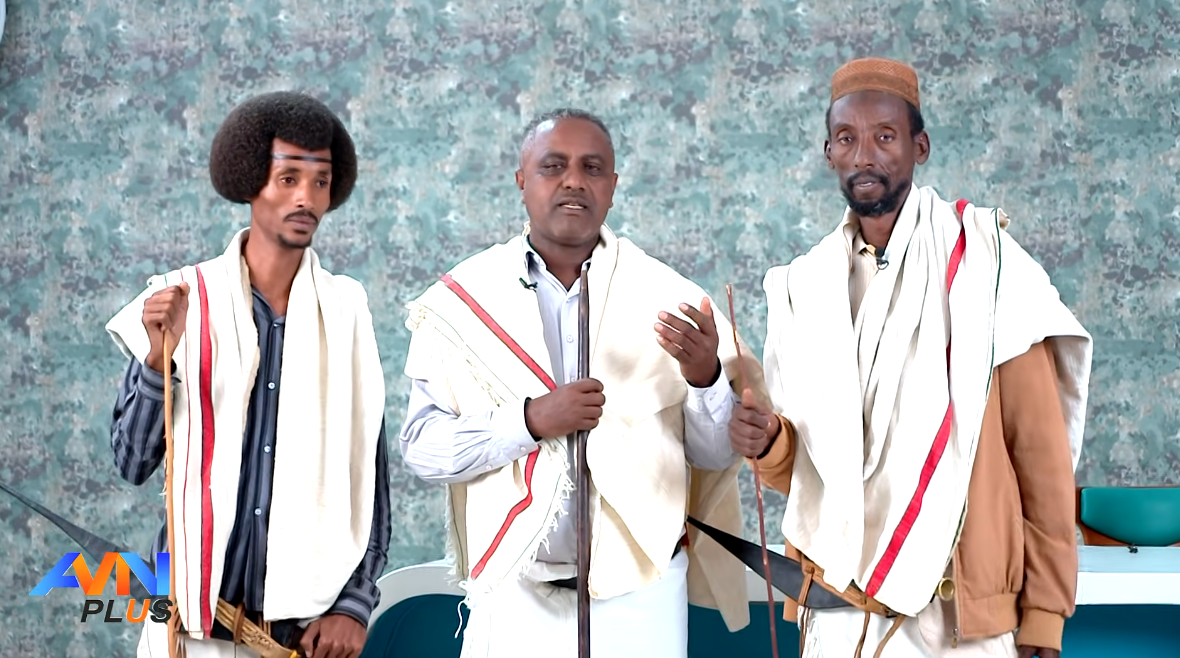
AMN PLUS- Sadaasa 24/2018
Bakka maluuf keessaa qooda dhabanii Gadaan isaanii xiyyeeffannoo dhabuu Roobaa Jiloo Luba Gadaa Dullachaa Karrayyuu AMN PLUS Roga Dubbiitti himan.
”Gadaan isaa akkuma Gadaa Oromoo biraa bakka argachuun wal nuuf qixxaatu barbaanna” jedhan. Giddugala Aadaa Oromoo keessaalee Abbaan Gadaa Karrayyuu Waajjira akka hin qabne eeruun.
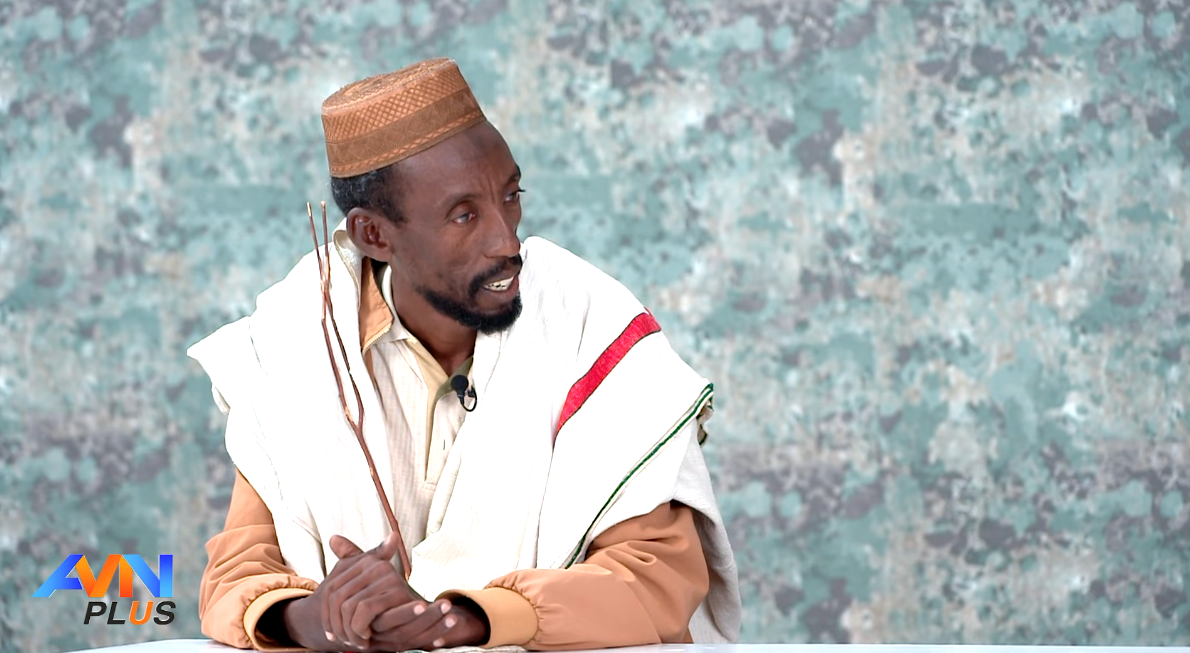
”Karayyuun daangaa hin cabsu, Laga hin cabsu, nama hin miidhu” kan jedhan Roobaa Jiloo, wal- dhabdee mudatus iccitiidhaan Gadaa keessatti ilaalee akka furu dubbataniiru.
Karrayyuu keessatti Sirni Gadaa laafee akka hin beekne kaasuun, seenaa keessattis maqaa lafaatiin moggaasni namaa kan walitti dhufu Karrayyuu qofa keessatti ta’uu ibsaniiru.
”Maqaa lafaa, mukaa, Gadaa, maqaa keenyaan walitti hirkifnee daba nutti dhufu ittiin ofii fi biyya keenya falmina ” jedhan.

”Gadaan bakka tokko tokkotti huuqqatee jira” kan jedhan Roobaa Jiloo, uummatni Oromoo, “Dabballee irraa kaasee guutummaa guutuutti tartiiba Gadaa bakkatti deebisuu qaba” jechuun dubbataniiru.
”Gadaan ilmoo rabbiiti, dhugaadha” jedhanii, Oromoon hundi kan wallaalee irraa alatti harkifatus ta’e, kan beekee itti siqes Gadaa gabbisuu qaba” jedhani
Akkuma “waan argan nyaatu malee waan argan hin dubbatan” jedhamu Karrayyuun iccitii walii qabatu jedhani Fantaallee Hawaas Raaba Gadaa Baasoo Karrayyuu.
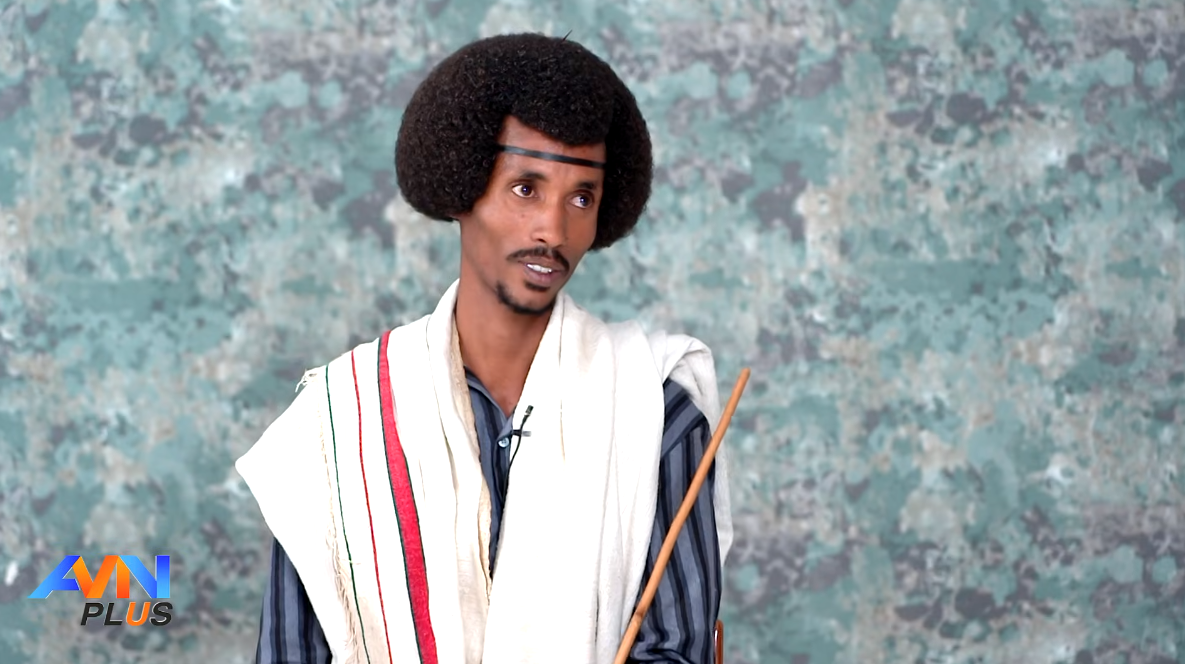
Seenaa keessatti maqaan sanyii maatii ofii akka hin banneef maqaan waliin naanna’a, maquma akaakkayuutiin ilmi akka moggaafamu himaniiru.
”Maqaa ilma angafaa akaakayyuu Karaa abbaatti akka moggaasan himanii, maqaa mucaa lammaffaa amma akaakayyuu Karaa haadhaatti moggaasu” jedhan Fantaallee Hawaas Raaba Gadaa Baasoo Karrayyuu.
”Gadaa jechuun nagaadha, sirni keessatti raawwatamus karaa nagaan ta’a” jechuun, bara kanas sirna buttaa qaluuf Godaanuuf akka jiran himaniiru.
Baatii 4 ffaa keessa godaansa warra baasuuf qophii irra akka jiran ibsaniiru.
Sirna sana keessatti namootni hirmaachuu qaban aadaadhumaan adda kan baafaman ta’uu kaasanii, namoota gumaata gara godaansaatti geessaniifis uffannaan kan kennamuuf ta’uu kaasaniiru.
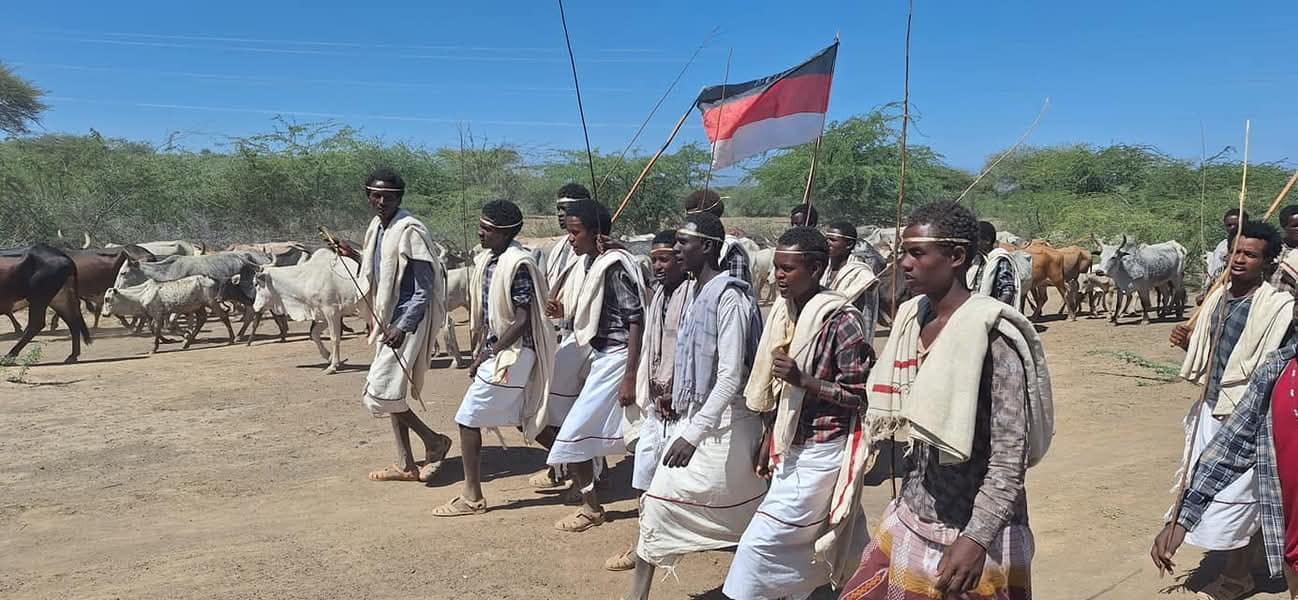
Gadaan Diimookiraasii, akkuma cidhaatti eebbaafi gamnachuudhaan aangoon dabarfamee wal harkaa sina itti fuudhamu ta’uu dubbatanii.
Guyyaa godaansa Gadaa isaanii kanattis mootummaanis ta’e, uummatni Oromoo biyya keessaafi alaa tumsa adda addaa akka taasisuuf turtii AMN PLUS Qophii Roga Dubbii waliin taasisaniin waamicha dhiyeessaniiru.
Daraartuu Tarreessaatiin
Oromo Communities Under Siege: A 20-Year Conflict Overview

HNN: The Price of Conflict – A Chronicle of Suffering in Chinaksen, Makanniisa Oromo, and Tulluu
Part One: Two Decades of Unrelenting Aggression
For over 20 years, the Oromo communities residing in the lands of Chinaksen, Makanniisa Oromo, and Tulluu have endured relentless attacks. These assaults have been carried out by forces of the Somali Regional State and armed factions of the Somali ethnic group. Living in a state of perpetual siege, these communities have never known a moment free from the threat of violence.
Women and children, in particular, are trapped in an endless cycle of terror and displacement. The joint military operations—codenamed A.L.A—conducted by the Liyu Police of the Somali Region and supported by these armed groups from 2004 to the present have had a singular, brutal objective: to exterminate, dispossess, and erase.
The strategy is systematic: **kill** those who resist, **forcibly displace** the survivors from their ancestral lands, and **loot or destroy** all their property. The victims of this war of aggression are countless. They include Oromo children, women, peaceful civilians, and even Oromia regional militia and police officers, with casualties estimated in the thousands.
The following list names just a fraction of the Oromo individuals killed by Somali attackers. It is not exhaustive and primarily documents victims from 2020 onward. A forthcoming analysis will provide detailed statistics on the total casualties (2020-2025), the scale of property destruction, and the systematic looting that has accompanied this campaign of forced displacement.
—
List of Victim Names: Oromo Sons of Chinaksen and Makanniisa Oromo
1. Aadam Usmaa’il Ahmad
2. Abdeeq Mahamud Abdulahi
3. Abdi Ali
4. Abdi Kalif
5. Abdi Xahir
6. Abdi Adam Ali
7. Abdi Adam Yuusuf
8. Abdi Ahmad
9. Abdi Ahmad Adam
10. Abdi Ibrahim Abdi
11. Abdi Ibrahim Adam
12. Abdi Iseemuhumad
13. Abdi Mahamud Ahmad
14. Abdi Samatar Muhumad
15. Abdi Feeysal Ibrahim
16. Abdii Jibriil
17. Abdii Issee
18. Abdii Aadam Jamal
19. Abdii Abtidoon Huseen
20. Abdii Adam Ow Issee
21. Abdii Ahmad Abdii
22. Abdii Ahmad Mu Mad
23. Abdii Ahmad Xahiir
24. Abdii Ahmadee
25. Abdii Farah Hassan
26. Abdii Ibroo Abdullee
27. Abdii Issee Ow Abdii
28. Abdii Kadar Ahmad Gu Reey
29. Abdii Mahamad Ow Muyadiin
30. Abdii Mu Humad Mahamud
31. Abdii Muhumad Mahamud
32. Abdii Mussaa Gu Reey
33. Abdii Nuur Adam Hassan
34. Abdii Ow Issaa
35. Abdii Umaar
36. Abdii Xahiir
37. Abdii Yuusuf Mu Mad
38. Abdii Alii Faraah
39. Abdinasir Indoo Buur
40. Abdinur Adam Hassan
41. Abdinur Mahamad Hassan
42. Abdi Nuur Abdi Doon
43. Abdinuur Mahmad Hassan
44. Abdirashiid Abdullahi Asgar
45. Abdu Naasir Hashim Yusuf
46. Abdu Razaaq Ahmad
47. Abdu Razaq Ahmadee Muhu Mad
48. Abdulfata Abdullah
49. Abiib Ahmad Iggee
50. Abiib Geedi Yuusuf
51. Abrahiim Ahmad Gu Reey
52. Abshiir Ali Usmaan
53. Abshir Ha/Ahmad
54. Adam Abdii Usmaan
55. Adam Imaan Farah
56. Adam Mahamud Alii
57. Adam Mussaa
58. Adam Shun Mahamad
59. Ahamad Ibrahim Abdullahi
60. Ahmad Yuuyaa
61. Ahmad Abdii Abiib
62. Ahmad Abdii Adam
63. Ahmad Idiris Soodan
64. Ahmadnur Mahamad Idlee
65. Ali Abdii Mahamad
66. Ali Abdulahi Ahmad
67. Ali Abdurahman Husseen
68. Ali Habannee
69. Ali Imaan Dukalee
70. Ali Isaaq Muhumad
71. Ali Sheek Mussaa
72. Alii Issaaq
73. Alii Abdu Rahman Yusuf
74. Alii Habbanee Aammee
75. Amadee Muussaa
76. Araab Muhu Mad
77. Aydiid Adoosh Ahmaad
78. Badee Abdi Abdulahi
79. Basassoo Abdii Ahmad
80. Bashiir Ali Xahiir
81. Buduul Xahir Usmaail
82. Daawwee Abdullaah
83. Faraah Mussaa Ahmad
84. Faraah Abdi Yusuf
85. Faraah Dhagoolee
86. Farahaan Abdulaahi
87. Farahan Abdu Nasir
88. Farahan Ahmad Issee
89. Farahan Harreed
90. Farahan Mahamud Ahmad
91. Farahan Rashid Abdullahi
92. Farhaan Ahmad
93. Farhaan Hareed
94. Fu’aad Abdullah Yusuf
95. Guddon Adam Mahamad (Shun)
96. Haawaa Abdii
97. Habiib Abadiir Ali
98. Habsa Husseen Amad
99. Hannaa Hussen Ahmad
100. Hasan Abdii Xahiir
101. Hasan Farah Adam
102. Hasan Mahamade Muhumad
103. Hasan Xayib Mahamad Abdi
104. Hashi Aleel
105. Hassaan Faraah Adam
106. Hassan Abdi Ibrahim
107. Hassan Abib
108. Hassan Adam
109. Hassan Ali Ahmad
110. Hassan Alii Nuur
111. Hassan Dawid
112. Hassan Dayib Mahmmad Abdi
113. Hassan Farah
114. Hassan Ibrahim Ali
115. Hassan Mahamad
116. Hassan Mahamad Bidaar
117. Hassan Mahamad Muhumad
118. Hassan Qaasim Muhumad
119. Hassan Umar Ali
120. Hassan Yusuf Ibrahiim
121. Hassannur Hilin
122. Hassn Usma’il Gu Reey
123. Huseen Adam Bahadoon
124. Husseen Jibril
125. Husseen Abdii Xahiir
126. Husseen Ali Bariis
127. Husseen Arab
128. Husseen Jibril Ahmad
129. Husseen Yuusuf Hassan
130. Hussen Abdu Lee
131. Ibraahim Abdii Aammee
132. Ibraahim Ali
133. Ibraahim Gu Reey
134. Ibrahiim Abdii
135. Ibrahiim Husseen
136. Ibrahiim Adam Keeyshee
137. Iliyaas Mahamad Mussaa
138. Jamaal Abdullee Muussee
139. Jamal Ahmad Hashii
140. Kadar Hassan Faraah
141. Kadar Jigree
142. Kadar Mowliid
143. Kadarmahamad Jibriil
144. Kadiire Qeebe
145. Kadiir Muktar
146. Kaliif Ibraahim Mader
147. Kon/Abdii Adam Yk (Yaree)
148. Kon/Kadiir Abdurahaman
149. Mahadi Ali Heydar
150. Mahadii Abdii Haajii
151. Mahad Mahamad Hassan
152. Mahamad Habib
153. Mahamad Hassan Adam
154. Mahamad Hassan Ibrahim
155. Mahamad Abdulahi Hassan
156. Mahamad Abdulahi Bilal
157. Mahamad Abdulahi Doolal
158. Mahamad Ahmad Hashii
159. Mahamad Arab Ahmad
160. Mahamad Mahamud Mussa
161. Mahamad Nu Re Adam
162. Mahamad She/Mussaa
163. Mahamad Usmaa’il
164. Mahamad Usmaa’il (Indabur)
165. Mahamad Usmaan
166. Mahamad Xahiir Amad
167. Mahamad Adam Usmaa’il
168. Mahamad Ali Habiib
169. Mahamad Alii Abdullaah
170. Mahamad Amad Kabiroo
171. Mahamad Musse Ibrahim
172. Mahammad Abrahimee
173. Mahammad Nuuree Adam
174. Mahammad Yuyaa
175. Mahamud Artee Amad
176. Mamadin
177. Mowlud Mahamud Amboo
178. Muhumad Hassan Abdulahi
179. Mursal Ahmadnuur
180. Musadhere Ahmad
181. Mussa Adam Abdii
182. Mussa Ow Abdiumar
183. Muussa Awo Abdiumar
184. Muyyaddiin Adam Xahir
185. Nasiir Usmaanee
186. Nimaan Askaar
187. Qasiim Abdii Adam
188. Rashid Ahmad Ali
189. Rashid Ahmad Hassan
190. Rashiid Adam Igee
191. Rashiid Usmaan Alisho
192. Rudwaan Abdii Hassan
193. Shamshadin Abdusalam
194. Sharaf Mahamad Ukash
195. Shu’eeb Faysal Muhumad
196. Shu’eebi Abdii Mahamad
197. Siyaad Ahmadiftin
198. Siyad Abdi Karee
199. Toofiq Umaar Faxansaa
200. Umaar Mahamad Abduulahi
201. Umar Abdulah Habiib
202. Umar Abdullah
203. Umar Abdullahi
204. Umar Abrahim
205. Umar Ahmad
206. Umar Ahmad Mussa
207. Umar Farah
208. Umar Mahamad Hussen
209. Usma’iil Ahmad
210. Usma’iil Ahmad Muhu Mad
211. Usmaa’iil Abdulaahi Xahiir
212. Usmaa’iil Farah Hassan
213. Usmaa’il Amad Adam
214. Usmaa’il Yusuf Umar
215. Usmaa’il Ahmad Adam
216. Usmaan Mahamad Hassan
217. Usmaan Mussa Umaar
218. Xahiir Abdii Ahmaad
219. Xayib Geellee Askar
220. Xayib Umar Filfil
221. Xayib Usma’il Muhumad
222. Xayiib Ahmad Ibro
223. Xayiib Musaaa
224. Xayyiib Hassan Alii
225. Yaayee Aliyyi Abdulahi
226. Yahayaa Ahmad
227. Yasiin Usmaan
228. Yasinee Ahamad
229. Yoniis Yuyaa Adam
230. Yusuf Aadam Usmaan
231. Yusuf Farah Ali
232. Yusuf Alimuhumad
233. Yuusuf Ahmad
234. Yuusuf Jamaa Ashuur
235. Zakariyaa Abrahiim Adam
236. Ziyaad Ahmadiftin
237. Ziyad Abdii Karee
238. Ziyad Ahmad
**By Ilias Abdella Mohammed**
**December 02, 2025**
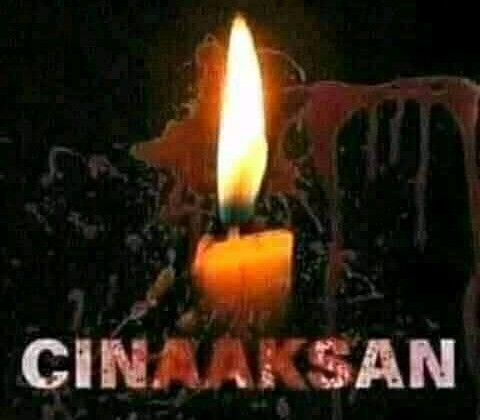
Seenaa Gadaa: Ajjeecha Fi Dhukaasa Godina Shawaa Bahaa

Godina Shawaa Bahaa, Aanaa Fantaallee, Bakka “Mootoma Kaarra” jedhamutti ta’e.
Guyyaa Mudde 1, 2021, guyyaa Roobii ture. Abbootiin Gadaa, Jarri Michillee ka Dullachaa, waaq-kadhataa bullanii, buna ganamaa dhugatanii, mana wallirra ya’anii wal biifatan. Wal jalaa eebbisanii, qe’etti horii bobbaafachuun deeman. Halkan galgala waaq-kadhataa bu’uun manatti deebi’anii rafan.
Horiin isaas yeroo boodaa qe’umatti deebi’ee bobba’e, qalbii nagaaan hordofee itti aane. Naannoon kun naannoo nageenyaa, qe’ee Gadaa, qe’ee siyaasa kamirraas bilisaa ture. Waraanni mootummaa qe’ee kana dhufuun waan nuu godhu hin shakkine. Diinni ofirraa eeganis, humni finxaaleyyii Am**raa Faannoo ofiin jedhu Qorkee fi Gororaa irraa qofa ture. Diina biraa eessaa akka dhuftu hin yaadanne.
Garuu, waan ofirraa hin eegneen isaanitti dhufe. Waraanni mootummaa—milishaa, humna addaa Oromiyaa, fi poolisii idilee—qe’ee warra Gadaa mooraa dhufe. Dhufuu qofa, moti dhufanii, eddoo (abbaa-duulaa) warra Gadaa sheenuf yaalan.
Eddoon Gadaas, qaama hidhate dhiisii, qaamumti beekamtii Gadaa wajjin akka argite hin sheenamu. Kabajaa fi safuu qabdi. Ittiin bulmaata mataa isii qabdi. Kaay’oo isii dabartee deemuu hin dandeessu. Yoo didde, dabartee qe’ee isiittu jiraata. Akkuma mooraan biyya bulchu, mooraan Gadaas eeggannoo fi dandeettii bulchaa ofii qaba.
Waraanni kun safuu hundaa cabsee, eddoo sheene. Yeroo san, warri Korma Garaa hidhee, miseensonni Gadaa, fi jaarsonni mooraa faajjii Gadaa fidaniif agarsiisanii, seera qe’ee sanii himaniif: “Akka isaan itti hin sheenneef ofirraa kadhaa.”
Waraannis “Lakkii! Nuti isin miidhuufii motii walitti nuu qabamaa” jedhan. Warri meeshaa harkaa qabu tarkaanfii ofirraa deebisuu qophaa’anii turan. Yeroo kana jaarsonni isaan dhaabanii, “Qawween yoo asitti dhiifti, ijoolleen fi dubartoonni hin hafanu. Ijoolleen fi dubartoonni qe’ee kanaatti dhiiga dhangala’u. Nuti waan feene haa ta’u” jedhanii.
Ergasii daa’imaa fi dubartiif jecha, meeshaan isaanii lafa kaayan. Waraanni mootummaa meeshaa mana hunda funaane. Dubartii fi dhiira hundaa walitti qabee, kiilomeetira tokkoo fagaatee deemsisee, dubartii gadi lakkise.
Dhiiraa guutuus bakka “Dhakaa Nyaaqoo” jedhamutti geessan. Achittis, Abbaa Bokkuu, warra Korma Garaa hidhee, Qaalluu, fi jaarsa Gadaa adda baasanii, fuula lafatti gadi deebisanii, harka matarraan qaxxamursanii akka ciciisan ajajan. Warri kaanis akkuma kana ciciifamanii booda, konkolaataan fe’amanii deeman.
Gareen Abbaa Bokkuu, Korma Garaa, fi jaarsa Gadaa, ammoo bakka “Dhakaa Cabbii Aanolee” jedhamutti geessanii, ammas fuula gadi deebisanii, harka hidhanii, tumuu eegalan. Erga qaama isaanii quncisanii booda, korommiin Michillee sagalee xumuraa dhageessise: “Yaabboo! Nuttin taphatinaanii jirtan, silaa meeshaa harkaa qabdaniif qawwee nutti dhukaasaa, nu fixaa!”
Waraanni isaanitti taphataa ture konkolaatota baay’ee fi ajajoota dabalatee dhufe ture. Warri Godina Shawaa Bahaaatiifi bulchaan Aanaa sanaa tureefis bilbilaan itti himaman ture. Isaan irraa namni tokko abbootii Gadaa kanaa wallaale hin turre; garuu akka rashanamaniif ajaja isaanii kennan ture.
Dhuma irratti, namoota 16 ramadamaniif. Yeroo warri meeshaa dhaabanii qophaa’an, abbootiin Gadaa kana jedhan: “Sa’atiin itti ajjeefamtan waan ga’eef, waan kiisaa qabdaniif baasaa nuu kennaa.” Isaanis kiisa isaanii keessaa maallaqa funaananii, erga isaaniif kennanii booda… rashanan. 😭
Abbootiin Gadaa kun bakka namni hin geenyetti geeffamanii rashanaman. Maatiin fi biyyi eessatti akka dhumanillee dafanii hin beekanu. Booda dhagayanii reeffa fudhatuuf dhaqan, waraanni lolaa itti bobba’e. Dhumarratti, yeroo bira gayan, reeffi isaanii eenyuu akka ta’e hin beekamneen, bineensa nyaatame ture.
Akkasitti, korommiin Michillee fi Gadaa Oromoo hanbaa osoo wal hin dhiifatin, boolla takkatti galtaniiru. 😭
#Yaadannoo_Abbootii_Gadaa_Karrayyuu #Mudde_1, 2025
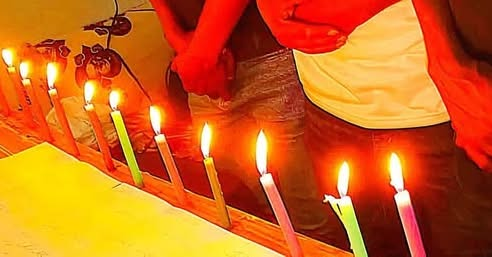
The Case for Dual Citizenship in Ethiopia

In our increasingly interconnected world, the Ethiopian diaspora represents a vast reservoir of talent, capital, and cultural richness. To fully harness this potential, the Ethiopian government should formally recognize dual citizenship. This policy shift is a strategic imperative for national development, moving beyond outdated notions of exclusive allegiance to embrace a more inclusive and pragmatic vision of Ethiopian identity.
The current denial of dual citizenship creates an artificial and counterproductive divide. It forces a choice between a new life abroad and a fundamental connection to their homeland, stifling the very contributions the nation needs. The benefits of reform are clear and compelling:
- Economic Growth: Dual citizenship would unlock significant investment. By granting diaspora Ethiopians the full rights and security of citizenship, they would be empowered to invest more confidently in businesses, real estate, and the stock market, directly fueling entrepreneurship and economic growth.
- Knowledge and Cultural Exchange: This policy would fortify the bonds of culture and knowledge. It facilitates the seamless flow of ideas, skills, and heritage, ensuring that future generations remain connected to their roots and actively engaged in Ethiopia’s cultural and intellectual landscape.
- Political Engagement and Unity: Granting dual citizenship integrates the diaspora into the nation’s democratic fabric. It provides a formal voice in Ethiopia’s future, transforming alienation into engagement and fostering a stronger, more unified global Ethiopian community.
- Global Competitiveness: Ethiopia is currently an outlier. Many nations across Africa and the world actively leverage dual citizenship to engage their diaspora. To compete for global talent and investment, Ethiopia must modernize its citizenship laws and join this progressive trend.
Ultimately, accepting dual citizenship is more than a legal update—it is a profound commitment to inclusivity and progress. It is a recognition that the strength of a nation lies not only within its borders but also in the hands of its global citizens. By embracing its diaspora, Ethiopia can unlock a new chapter of development, unity, and shared prosperity.
የአባት ዶቲ ቱራ አጭር የትግል እና የህይወት ታሪክ

አባት ዶቲ ቱራ ከቀደሙት የትምህርት ጠበቃዎችና ለህዝባቸው ነጻነት የቆመው ከጥቂቱ ታጋዮች መካከል አንዱ ነበሩ። የትምህርት ኃይል በሙሉ የሚያስተውሉትን ብርሃን ለሌሎች ለማካፈል ያልተዳከሙ የእውቀት አባት ነበሩ።
በምዕራብ አርሲ ዞን፣ ነጌሌ አርሲ ወረዳ ከተወለዱ በኋላ፣ አባት ዶቲ ከህጻንነታቸው አንስቶ ለህዝባቸው የሚደርሰውን እውቀታዊ እና ማንነታዊ ጭፍጨፋ አስተውለው ነበር። በንጉሠ ነገሥቱ ዘመን የመጀመሪያ ደረጃ ትምህርታቸውን እስከ 5ኛ ክፍል ካጠናቀቁ በኋላ፣ በጎቤና በመቂ (ምሥራቅ ሸዋ) ከተሞች እንደ መምህር ተመድበው ለብዙዎች የእውቀት ብርሃን አበራላቸው። በእግራቸው ብዙ ኪሎሜትሮችን ተጉዘው ትውልዳቸውን በትምህርት ለማሳደግ አስተዳደሩ።
የአባት ዶቲ ትግል ግን በመማርና በመማር ብቻ አልተገደበም። የኦሮሞ ማህበረሰብ ባህል፣ እሴት እና ማንነት እንዲያድግ በማድረግ፣ እንዲሁም በወቅቱ ከነበረው አስተዳደራዊ ስርአት ለመጣል መንገድ አሳይተዋል። ወደ አዲስ አበባ ከመጡ በኋላ፣ ከመምህርነት በተጨማሪ የተለያዩ የንግድ ስራዎችን በመከናወን ሀብት አፍርተው፣ ይህንንም ሀብት ሙሉ በሙሉ ለኦሮሞ ሕዝብ የነጻነት ትግል አበረክተው።
በ1960 ዎቹ የተነሳውን የትጥቅ ትግል፣ የተማሪዎች ንቅናቄ እና የመጫና ቱለማ ማህበር እንቅስቃሴ በገንዘብ እና በሙያ ረድተዋል። አባት ዶቲ በኦሮሞ የትግል ታሪክ ውስጥ ከቄስ ጉዲና ቱምሳ፣ ጃል ባሮ ቱምሳ፣ ጃል ሞቱማ አብዲ እና ጃል መገርሳ በሪና ከሌሎችም ጉምቱዎች ጎን ለጎን ቆሞ በጋራ ያገለገሉ አንዱ ናቸው።
ለዚህም ትግላቸው ዋጋ፣ ከቄስ ቱምሳ ጉዲና ጋር ለ10 ዓመታት በእስር ታስረዋል። ከኃይለሥላሴ መንግሥት አስተዳደር እስከ ወያኔ መንግሥት ዘመን ድረስ በተደጋጋሚ እስርና እንግልት ከደረሰባቸው በኋላ፣ ሀገራቸውን ለቅቀው ለመሰደድ ተገደዱ። ትግላቸው ግን በስደት ያለባቸው አሜሪካ፣ ፖርትላንድ ግዛት ላይ ቀጠለ።
አባት ዶቲ በስደት አገር በረጅም ህመም ከተያዙ በኋላ በህክምና ሲረዱ ቆይተው በህዳር 18 ቀን 2018 ዓ.ም ከዚህ ዓለም በሞት ተለዩ። ዜና ህልፈታቸው ለሚያውቋቸው ሁሉ ጥልቅ ሐዘን ፈጥሯል።
የቀብር ሥርዓት
የአባት ዶቲ ሬና ከአሜሪካ አገር ነገ ጠዋት 1:00 ሰዓት (ማለዳ) ቦሌ ዓለም አቀፍ አውሮፕላን ማረፊያ ላይ በክብር ይቀበላል። ከዚያም ወደ ባቱ-ዝዋይ ከተማ (5:00 ሰዓት) እና ነጌሌ አርሲ ከተማ (7:00 ሰዓት) በሚደረግ ስነ-ስርዓት ከተሰናበተ በኋላ፣ ስርዓተ ቀብራቸው በትውልድ ሀገራቸው ኩየራ አድቬንቲስት ቤተ ክርስቲያን ከቀኑ 8:00 ሰዓት ላይ ይፈጸማል።
የአባት ዶቲ ወዳጆች፣ የቃል አዛውንት እና አድናቂዎች ሁሉ በዚህ አሳፋሪ ጊዜ በስነ-ስርዓቱ ላይ ተገኝተው የመጨረሻ አዳም ስግደት እንደሚሰጡ በሙሉ ክብር እንጠይቃለን።
ለቤተሰቦቻቸው፣ ለዘመዶቻቸው እና ለኦሮሞ ሕዝብ በጠቅላላ መጽናናትን እንመኛለን። ለዘላለም ይታሰባሉ!
Irreecha Festival at Hora Shaankurii Celebrates Peace, Unity, and Gratitude
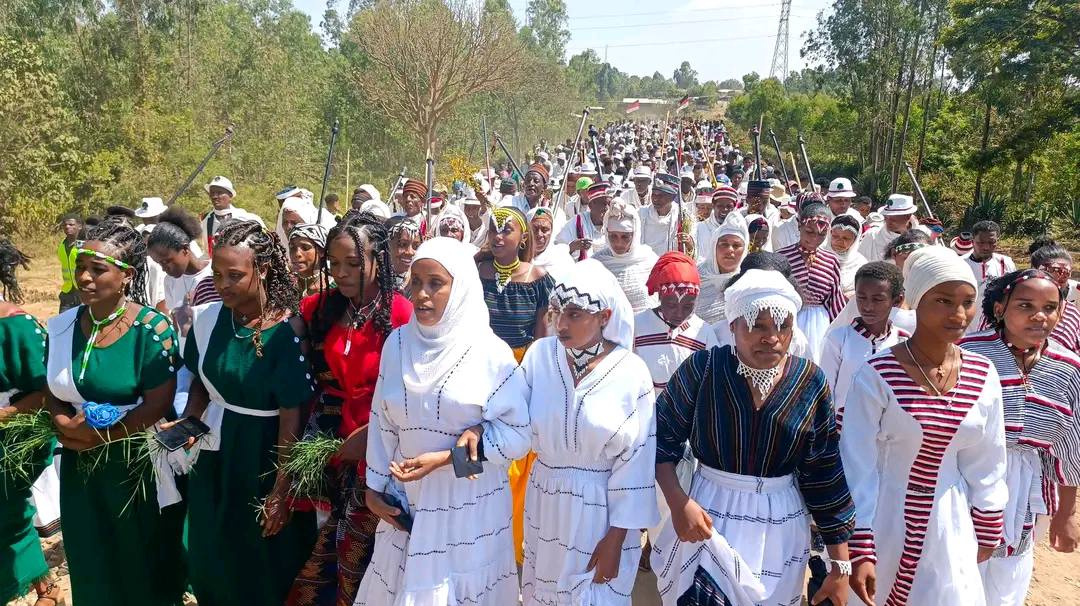
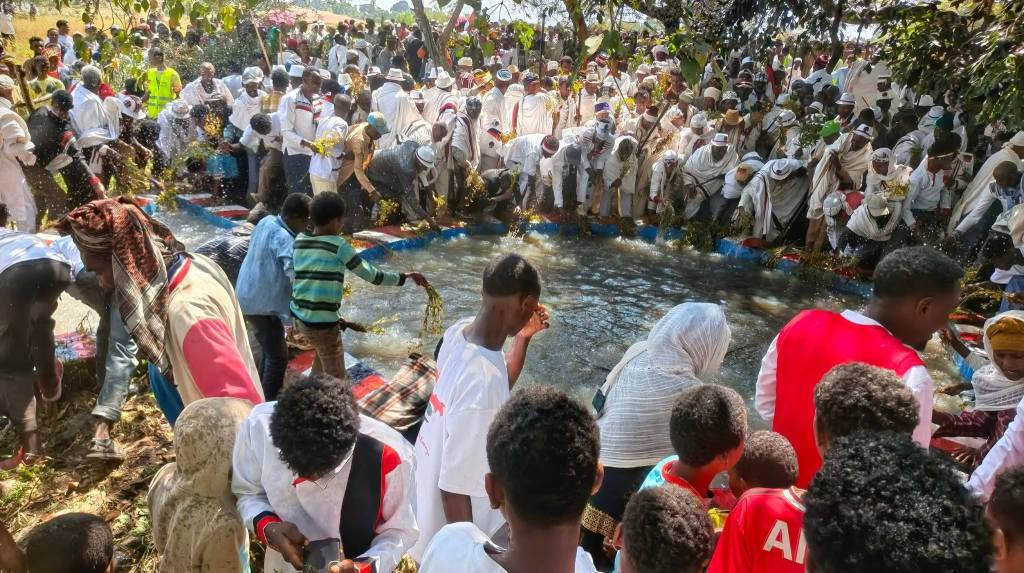
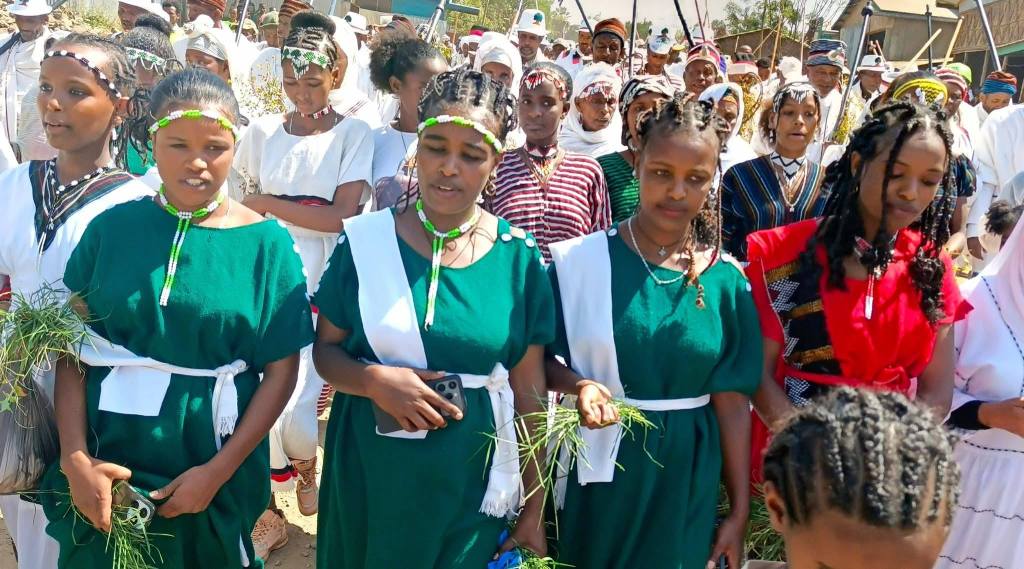
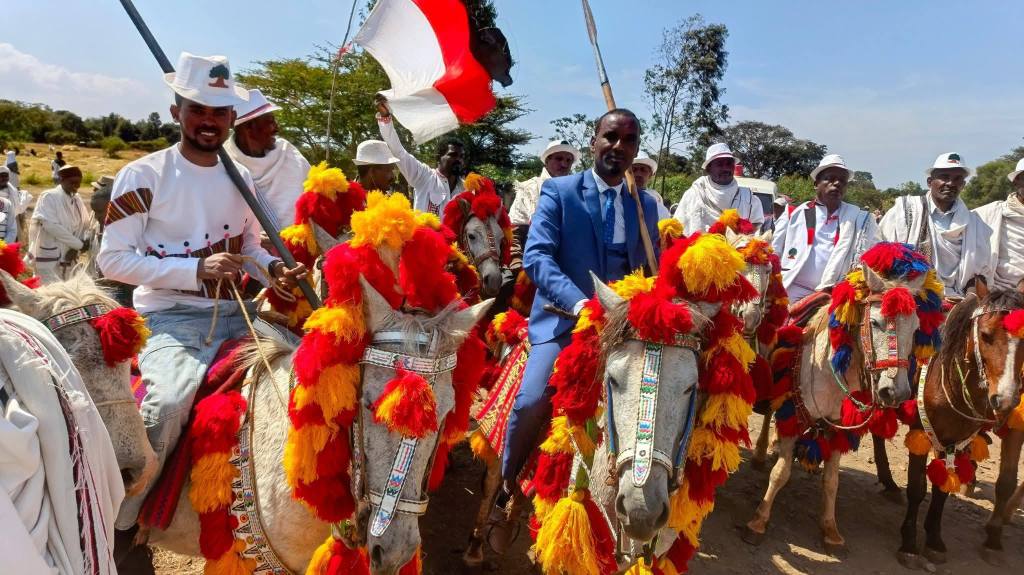
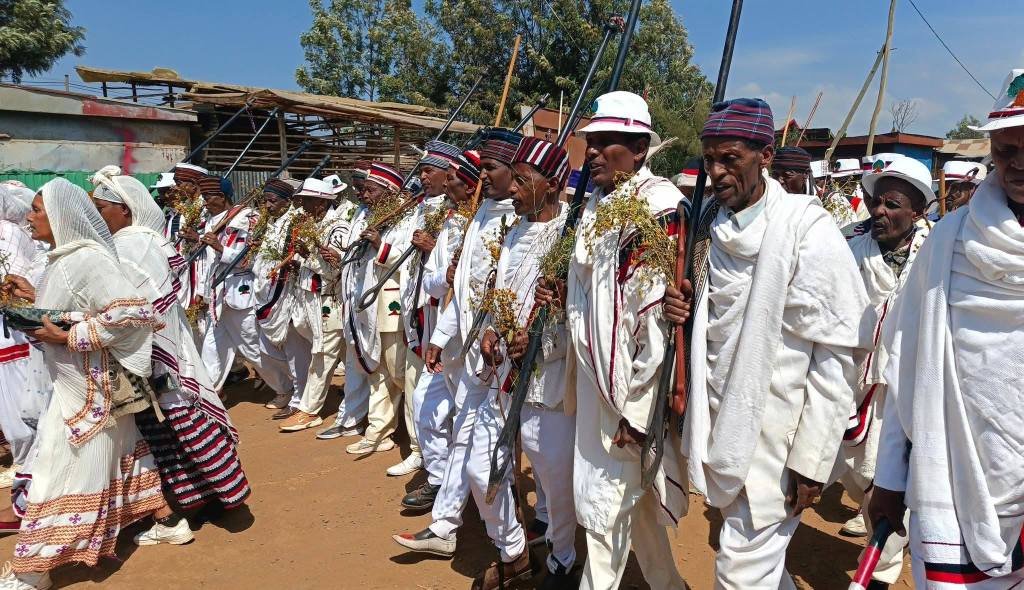
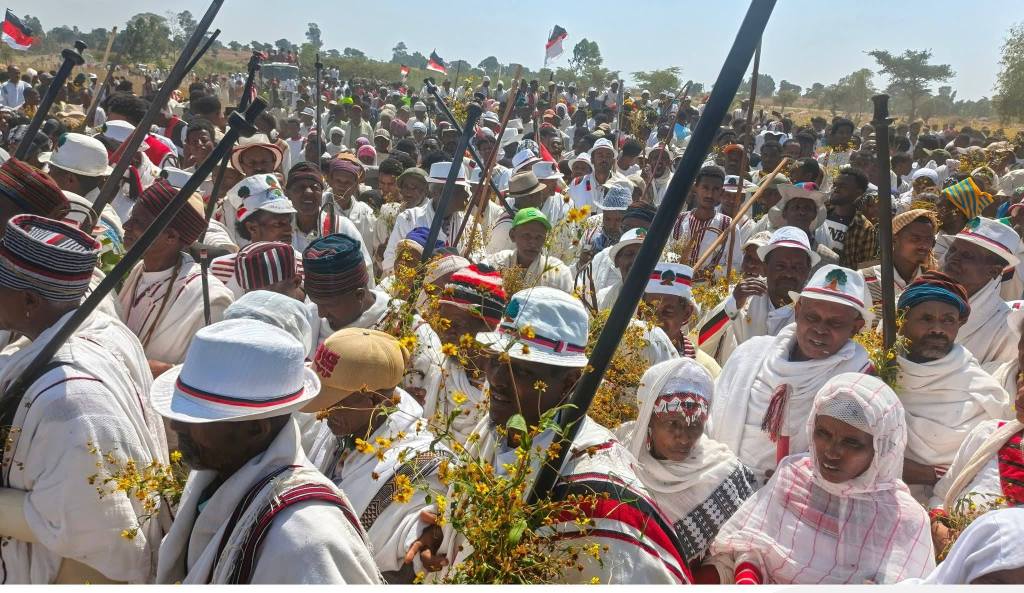
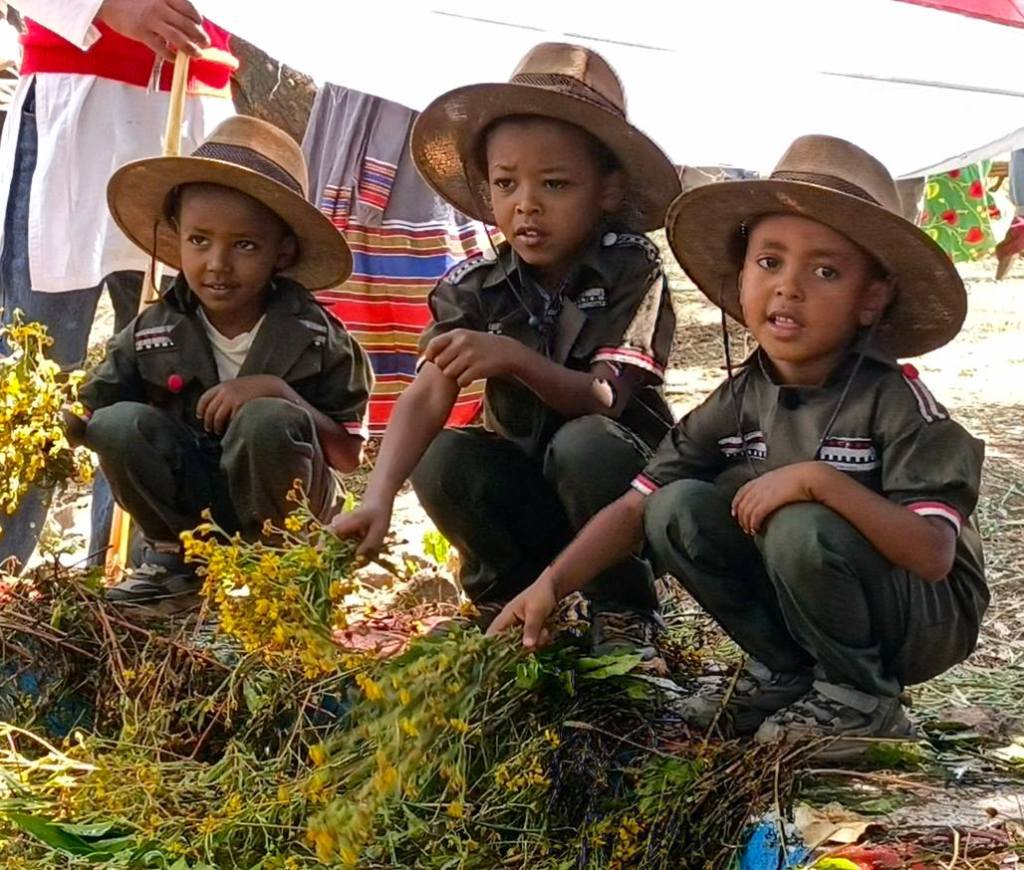
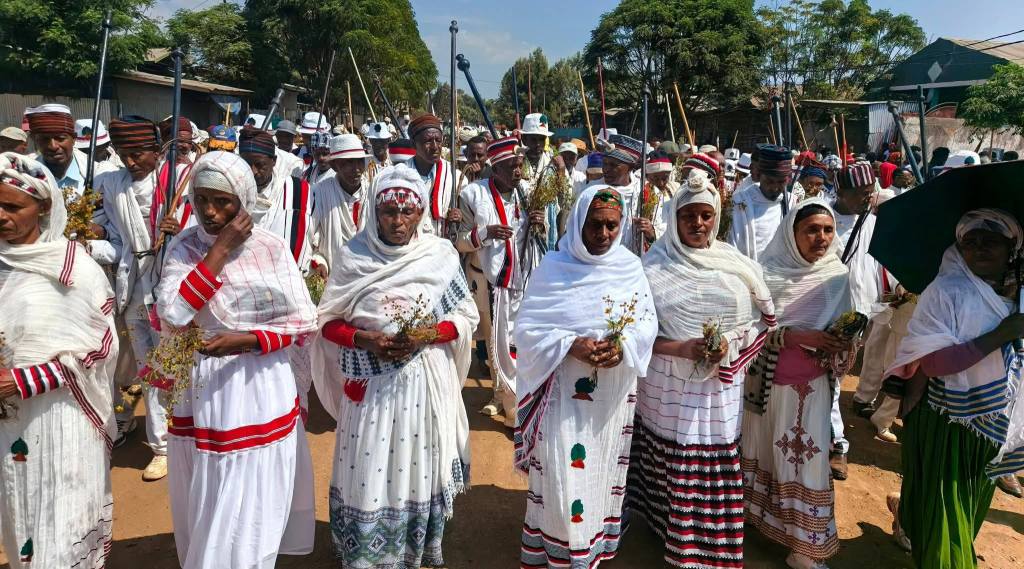
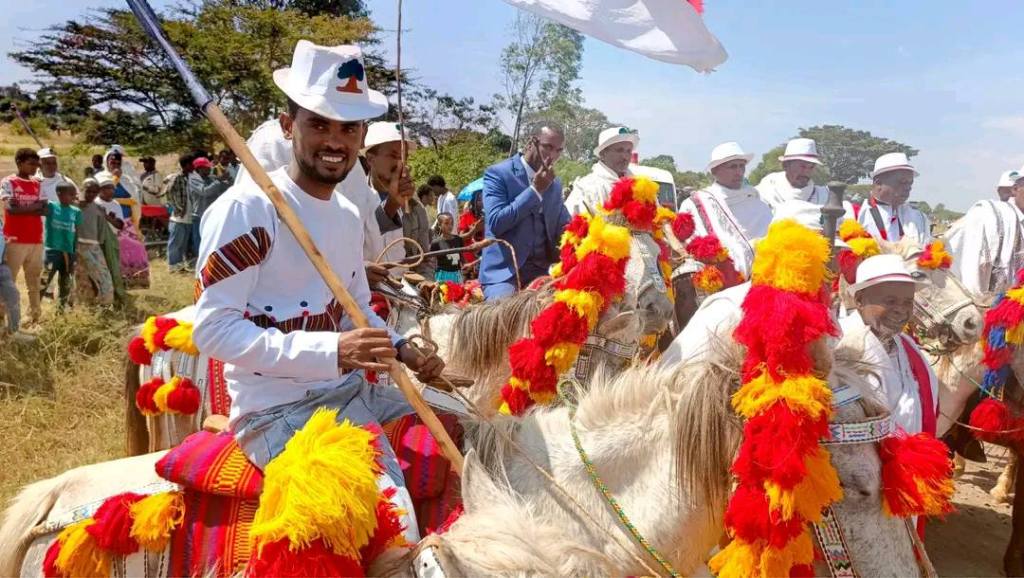
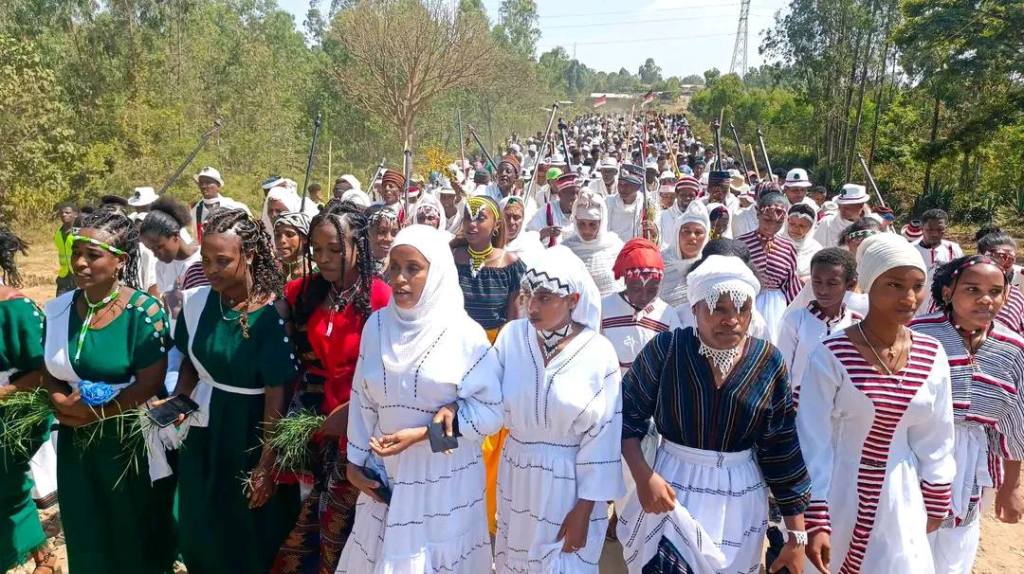
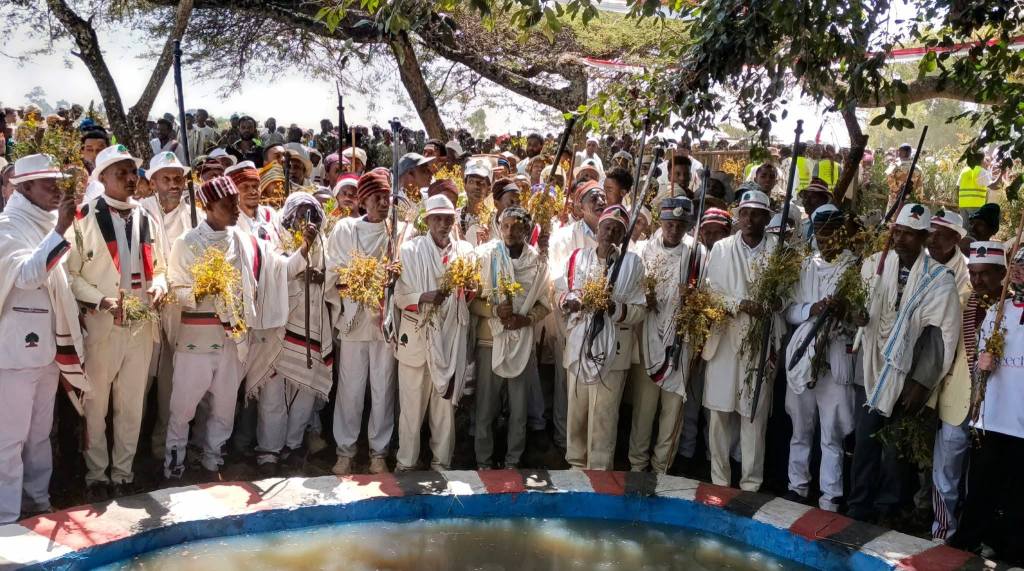
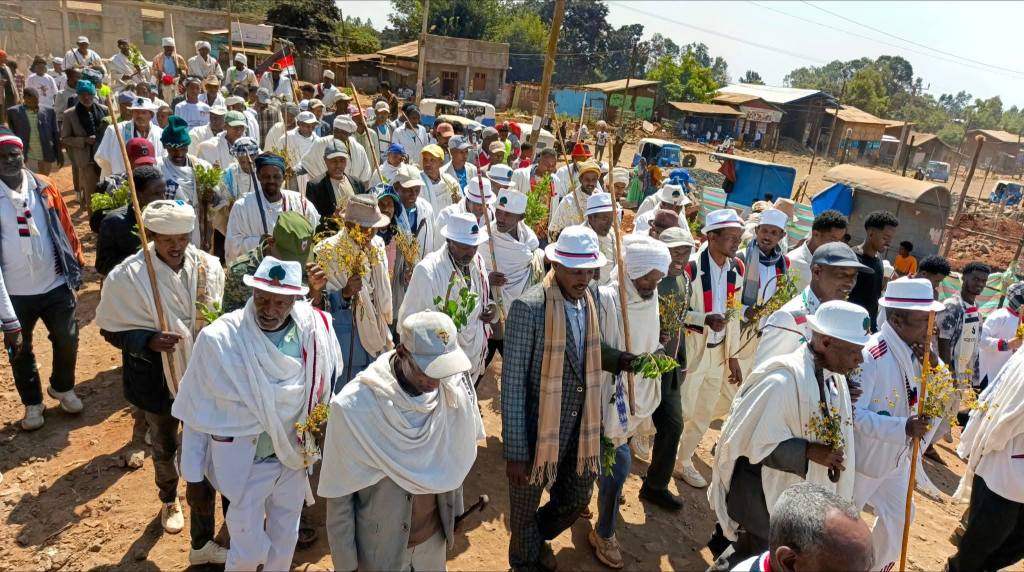
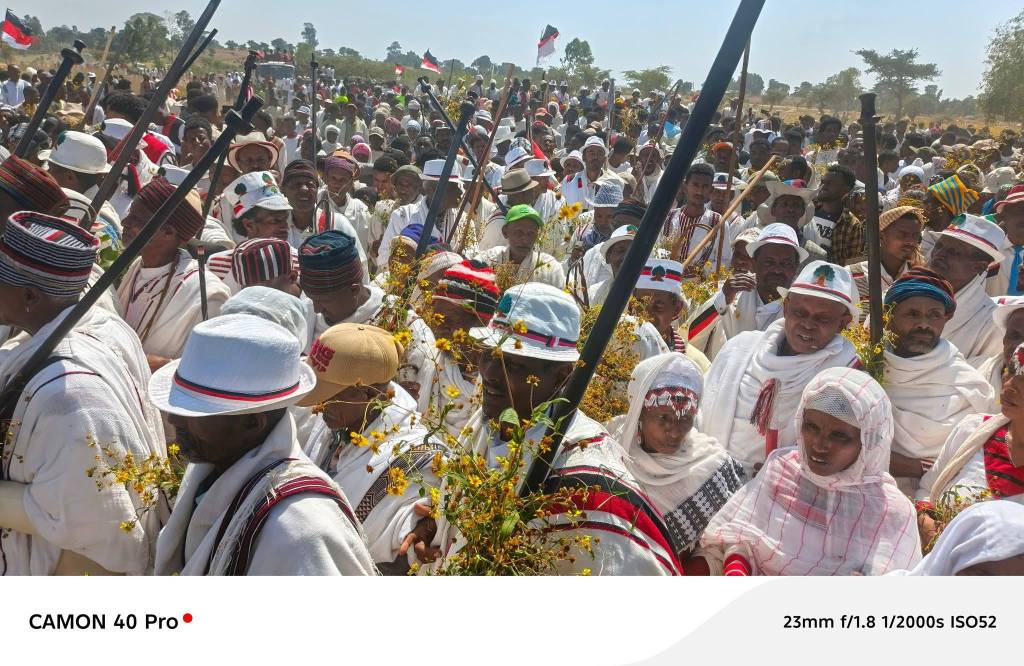
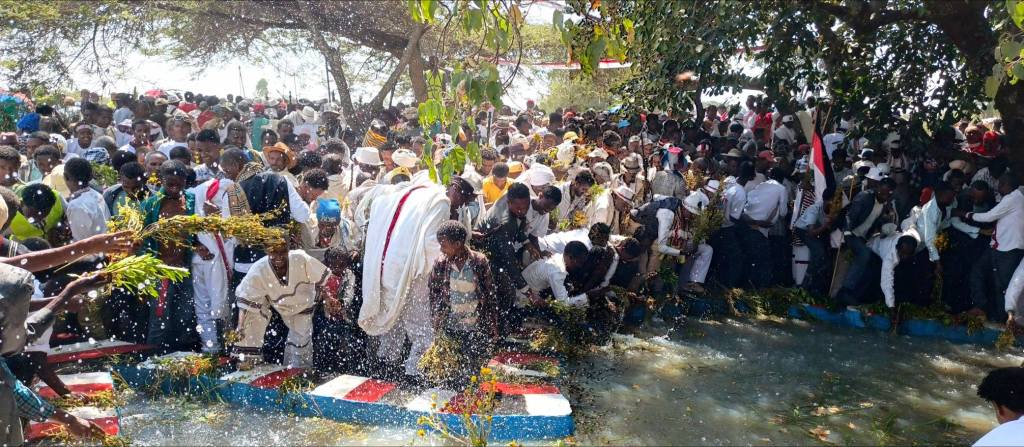
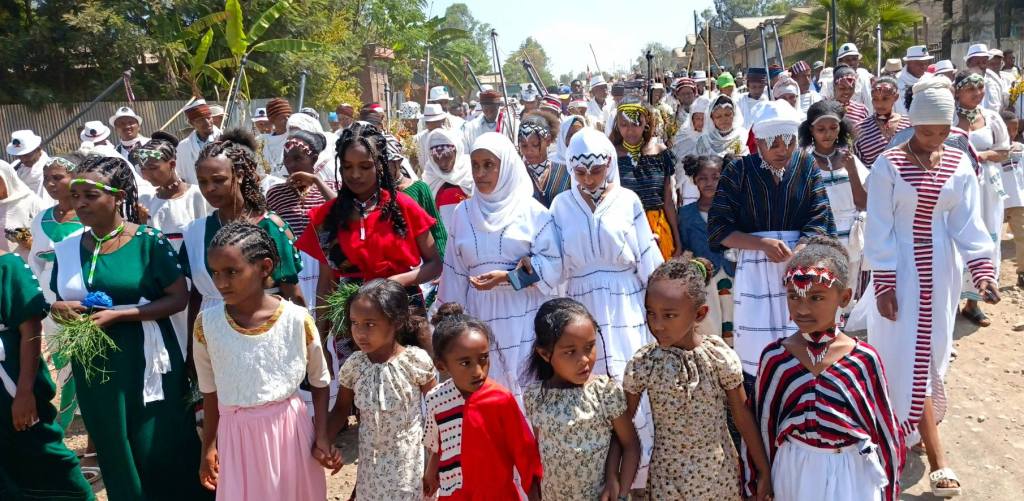
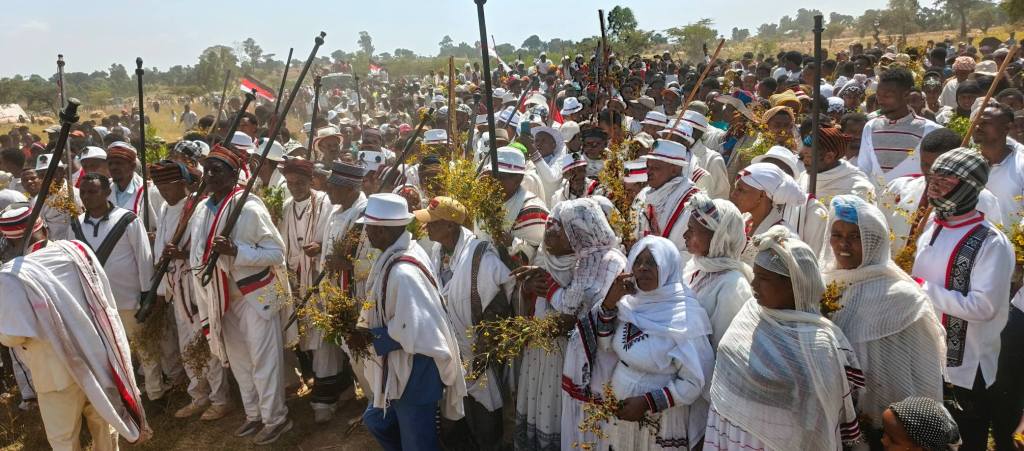
NOONNO, WEST SHEWA – The Irreecha festival, a symbol of peace, reconciliation, thanksgiving, love, brotherhood, and prosperity, was celebrated with great fervor at the Hora Shaankurii spring in the Nonno district of the West Shewa Zone.
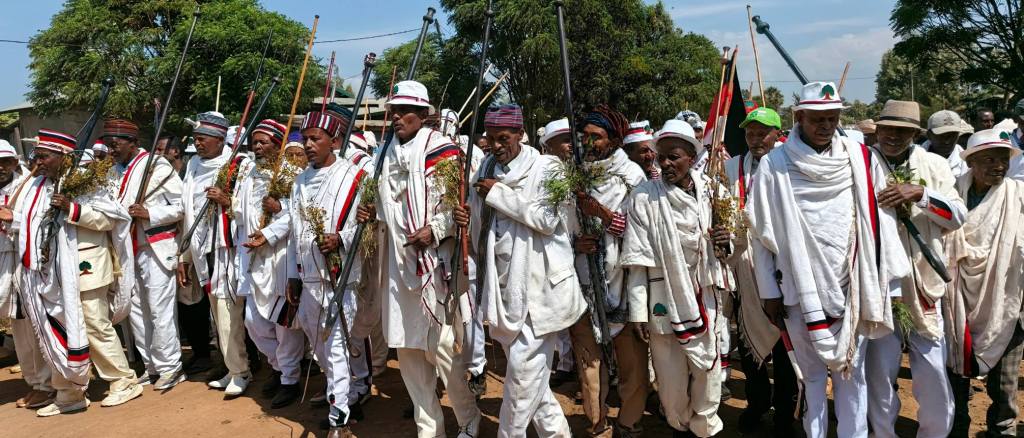
On Saturday, September 29, 2025, the ceremony was held at the sacred site, drawing large crowds of participants. The celebration was a profound display of Oromo culture and spirituality, attended by Qeerroo and Qarree youth, women carrying siinqee (symbols of women’s power), and Gadaa leaders.
In Oromo tradition, Irreecha is a thanksgiving festival through which the Oromo people express gratitude to Waaqaa (God), celebrate life, and pray for the resolution of hidden conflicts and for a prosperous future. The ceremony commenced with the Abbaa Horaa (custodian of the spring) performing the ritual, followed by the Eebba (prayers and blessings) led by the Gadaa leaders.
The festival serves not only the Oromo people but also as a beacon of unity, love, and genuine brotherhood among all nations and nationalities, strengthening mutual respect and understanding.
In conclusion, the Gadaa leaders of Noonno district extended their gratitude to the Foolee (youth), various security forces, the community of the district, and all individuals who contributed to the successful and respectful celebration of the festival.
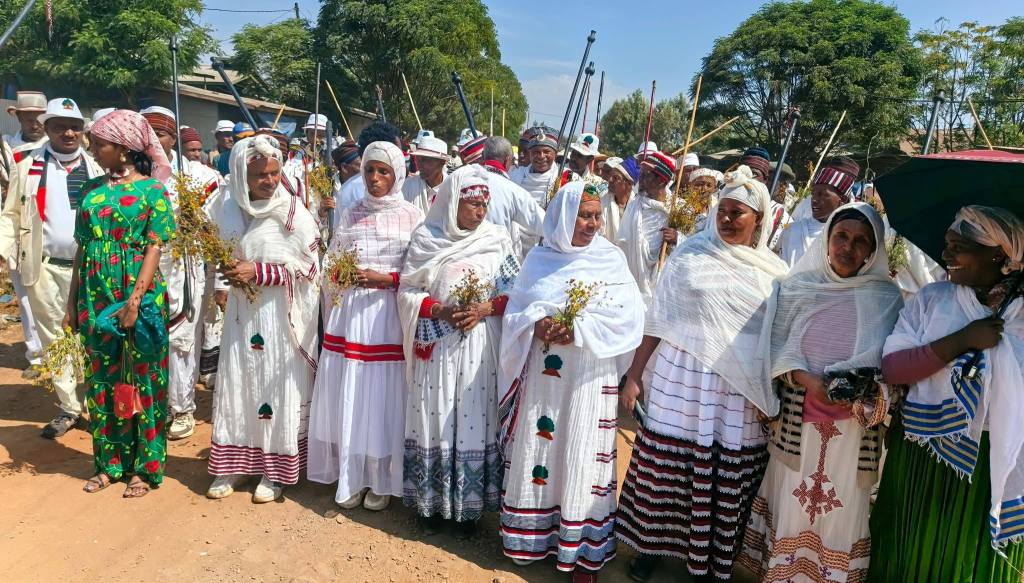



A tragic incident: Oromo woman was shot and killed.
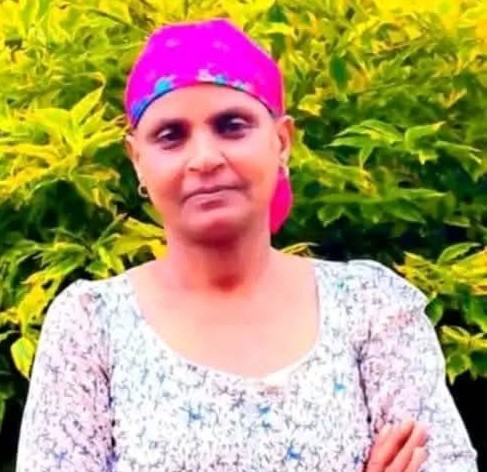
[SBO – November 24, 2025] Oromo Woman, Likkinesh Tarrafaa, Reportedly Killed by Gunfire in Boji, West Wallagga.
A tragic incident has been reported in the West Wollega Zone of Oromia, where an Oromo woman was shot and killed.
According to a report obtained by the Sagalee Bilisummaa Oromoo (SBO) media outlet, the victim, identified as Likkinesh Tarrafaa, was fatally shot by armed assailants on the morning of Monday, November 23, 2025. The killing took place in the Boji area of the West Wallagga zone.
The report states that the identity of the armed group responsible for this act remains unknown. It is also reported that the local community has been plunged into a state of severe fear and anxiety following the killing.
This targeted killing of Likkinesh Tarrafaa is a heinous act that demands immediate and transparent investigation. All relevant authorities must be held accountable to clarify the circumstances of this death and bring the perpetrators to justice.
Remembering Professor Hamdeessaa Tusoo: A Legacy of Oromo Advocacy
A Message of Condolence from the Oromo Liberation Front (OLF) on the Passing of Professor Hamdeessaa Tusoo
The Oromo Liberation Front (OLF) expresses its profound grief and sorrow upon learning of the passing of the esteemed Oromo scholar, historian, and human rights advocate, Professor Hamdeessaa Tusoo.
Professor Hamdeessaa Tusoo was born and raised in Nageellee Arsi, West Arsi Zone, in the southeastern region of Oromia.
From his youth, Professor Hamdeessaa was a witness to the oppression and resistance of the Oromo people under successive Ethiopian imperial regimes. His personal history reveals that he grew up amidst the struggles of his people, developing from an early age into a resolute individual who refused to be a tool of the enemy’s oppression.
After completing his primary and secondary education, Professor Hamdeessaa pursued advanced studies abroad. He earned a B.A. in History from Avondale College, Australia (1972), an M.A. in Conflict Resolution from Andrews University, USA (1974), and a Ph.D. in Conflict Resolution and Peacebuilding from Michigan State University, USA (1981). His doctoral research focused on conflict resolution, peacebuilding, and the role of Oromo cultural traditions.
Leveraging his academic expertise, he conducted various research projects and served as the Director of International Student Services and Oromo Cultural Affairs at George Mason University (1982–1990), where he engaged deeply with the Oromo diaspora.
His distinguished academic career also included positions as a Professor in the Department of Conflict Resolution at Nova Southeastern University (1998–2004), the Esau Distinguished Visiting Professor of Conflict Resolution at Menno Simons College, University of Winnipeg (2006–2007), and a Professor in the Department of Peace and Conflict Studies at the University of Manitoba (2011–2019).
Among his numerous scholarly publications is the work Creating The Third Force: Indigenous Processes of Peacemaking, which presents the Oromo Gadaa system as a model for other nations.
Professor Hamdeessaa also played a significant role in the Oromo liberation struggle. He collaborated with Oromo activists, both living and deceased—such as Luba Guddinaa Tumsaa, Jaal Baaroo Tumsaa, Professor Muhaammad Hasan, Professor Asaffaa Jaallataa, and others—on matters concerning Oromummaa (Oromo national identity).
Furthermore, he initiated the “Shanachaa Jaarsummaa” (Elders’ Mediation) process (2001–2004) in a long-standing effort to resolve political conflicts within the Oromo liberation movement.
His contributions extended to international advocacy, including his involvement in the “Immigration and Refugee Forum” during the 1980s, which helped secure refugee status for Oromos in the USA, and his participation in the London Peace Conference (1991) aimed at transforming Ethiopia’s political system.
He was also instrumental in founding the Oromo Studies Association (OSA), through which he promoted extensive research and scholarship.
Moreover, as a professor to countless university students, he planted the seeds of peace, human rights, and social change, inspiring many to become advocates and achievers in these fields.
Professor Hamdeessaa Tusoo was an Oromo intellectual born into the Oromo struggle, who matured within it, and strived tirelessly to see the fruits of Oromo liberation. He passed away on November 22, 2025, in Winnipeg, Manitoba, Canada.
The Oromo Liberation Front (OLF) shares in this irreplaceable loss and extends its deepest condolences to his family, relatives, and the entire Oromo nation, wishing them patience and strength.
A fighter falls, but the struggle continues!
Victory to the Masses!
Oromo Liberation Front (OLF)
November 23, 2025
Finfinnee
Oromo Studies Association Remembers Professor Hamdeessaa Tusoo

Oromo Studies Association (OSA) Mourns the Passing of Professor Hamdeessaa Tusoo
The Oromo Studies Association (OSA) has expressed its profound sorrow upon the passing of the esteemed scholar and activist, Professor Hamdeessaa Tusoo.
In an official statement, OSA remembered Professor Hamdeessaa not only as a brilliant Oromo intellectual but also as a founding member who played an indispensable role in the establishment of the association. The statement emphasized that his contributions to the fields of Oromo scholarship and the global academic community were truly immeasurable.
The association highlighted his pivotal leadership from the very beginning, noting that he served as its first president and laid a strong foundation for the organization. This was at a critical time in 1986 when Oromo history, knowledge, and culture were under significant pressure. Professor Hamdeessaa provided crucial leadership and made immense contributions to building a robust institution dedicated to critical inquiry, intellectual empowerment, and collective advancement.
OSA’s statement further detailed the professor’s lifelong dedication. Born and raised in Oromia, he waged a long and steadfast struggle for the rights, dignity, and freedom of the oppressed Oromo people.
His commitment to the Oromo cause was evident early on; while in secondary school, he began his activism in human rights, demonstrating an unwavering sense of justice and a spirit of self-sacrifice for the goals of his people. These early experiences set the tone for a life dedicated to scholarship, mentorship, and public service.
After earning his Ph.D. from Michigan State University in 1981, Professor Hamdeessaa held significant academic positions at numerous prestigious institutions, including George Mason University, Antioch University, Nova Southeastern University, Menno Simons College, and the University of Manitoba.
His scholarly work was robust, focusing on critical areas such as peace and conflict, indigenous peacemaking, African oral traditions, and the politics of the Horn of Africa.
Beyond the academy, OSA noted, Professor Hamdeessaa Tusoo also played a major role in community service and empowerment, leaving a legacy that extends far beyond the classroom.
Oromia Support Group Details Human Rights Abuses in Ethiopia
Oromia Support Group Report Details Widespread Human Rights Abuses in Ethiopia
November 21, 2025 – The Oromia Support Group (OSG), an organization advocating for human rights, has released a damning 70-page report alleging systematic and widespread human rights violations across Ethiopia and the wider Horn of Africa.
The report, released on November 20, 2025, documents a severe crisis in Ethiopia, citing extensive human rights abuses, extrajudicial killings, the suppression of public dissent, and the widespread intimidation of civil society leaders.
The OSG’s findings echo concerns previously raised by international bodies. On September 9, 2025, during its 60th session, the UN Human Rights Council (UNHRC) expressed alarm over the human rights situation in Ethiopia, noting that rights to free expression, assembly, and political party association have been severely curtailed.
The OSG further highlighted significant concerns regarding the environment for the country’s upcoming 7th national election, scheduled for 2026, stating that civil society organizations and journalists are operating in a climate of intense fear and repression.
According to the OSG, a significant portion of the human rights violations in Ethiopia are perpetrated by state security forces and affiliated militias. The report details that the recurring inter-ethnic conflicts in Oromia, Amhara, and the post-conflict Tigray regions continue to inflict severe harm on civilian populations.
The group’s documentation provides a grim snapshot of Oromia, alleging that summary executions, arbitrary detentions, and property seizures by government forces are commonplace.
The OSG report specifically names numerous locations where these alleged killings have occurred, including major urban centers such as:
- Finfinnee (Addis Ababa)
- Shaggar
- Adaama
The list also encompasses a wide range of zones and regions across Oromia, such as:
- Shaawa: East, West, South-West, and Central Shaawa
- Arsi: West Arsi and East Arsi
- Hararge: East and West Hararge
- Wallagga: East, West, Qellam, and Horro Guduru Wallagga
- Gujii: East and West Guji
- Boorana
- Bunnoo Badallee
- Jimma
- Iluu Abbaa Booraa
This extensive list underscores the report’s central claim that human rights abuses are not isolated incidents but are pervasive throughout the Oromia region.
 Oromedia