Beyond Celebration: Edmonton’s Amajjii as a Covenant of Continuity

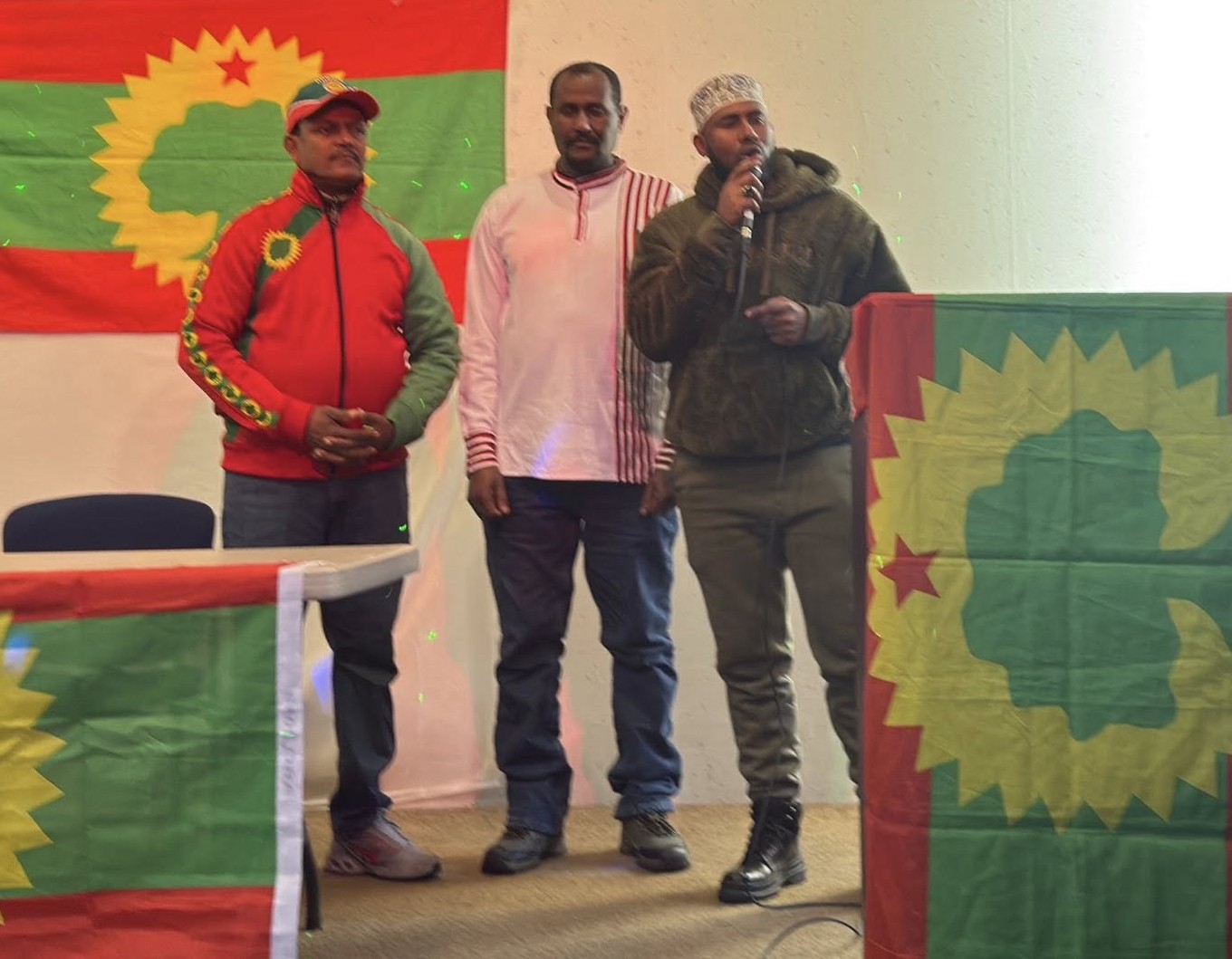
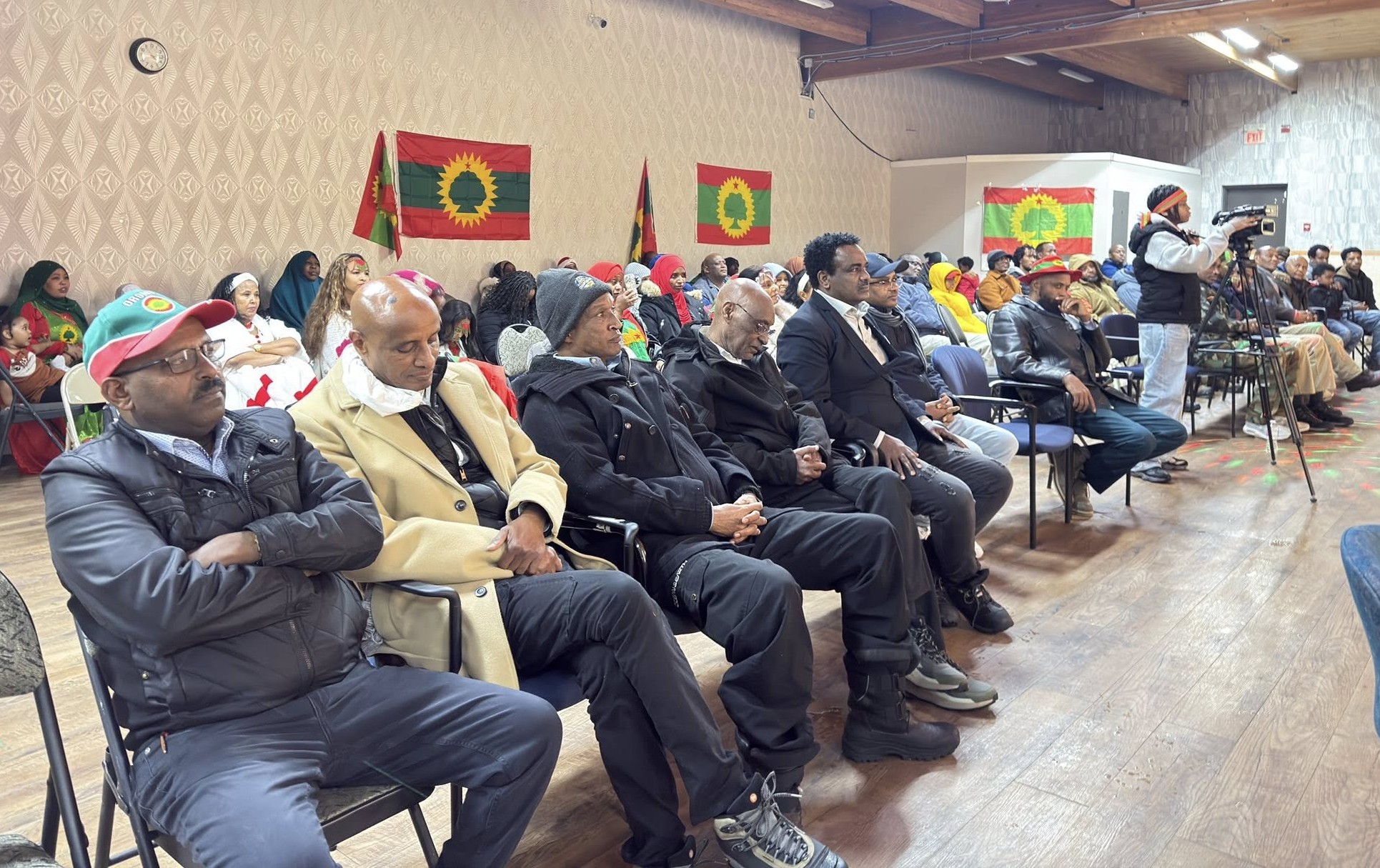
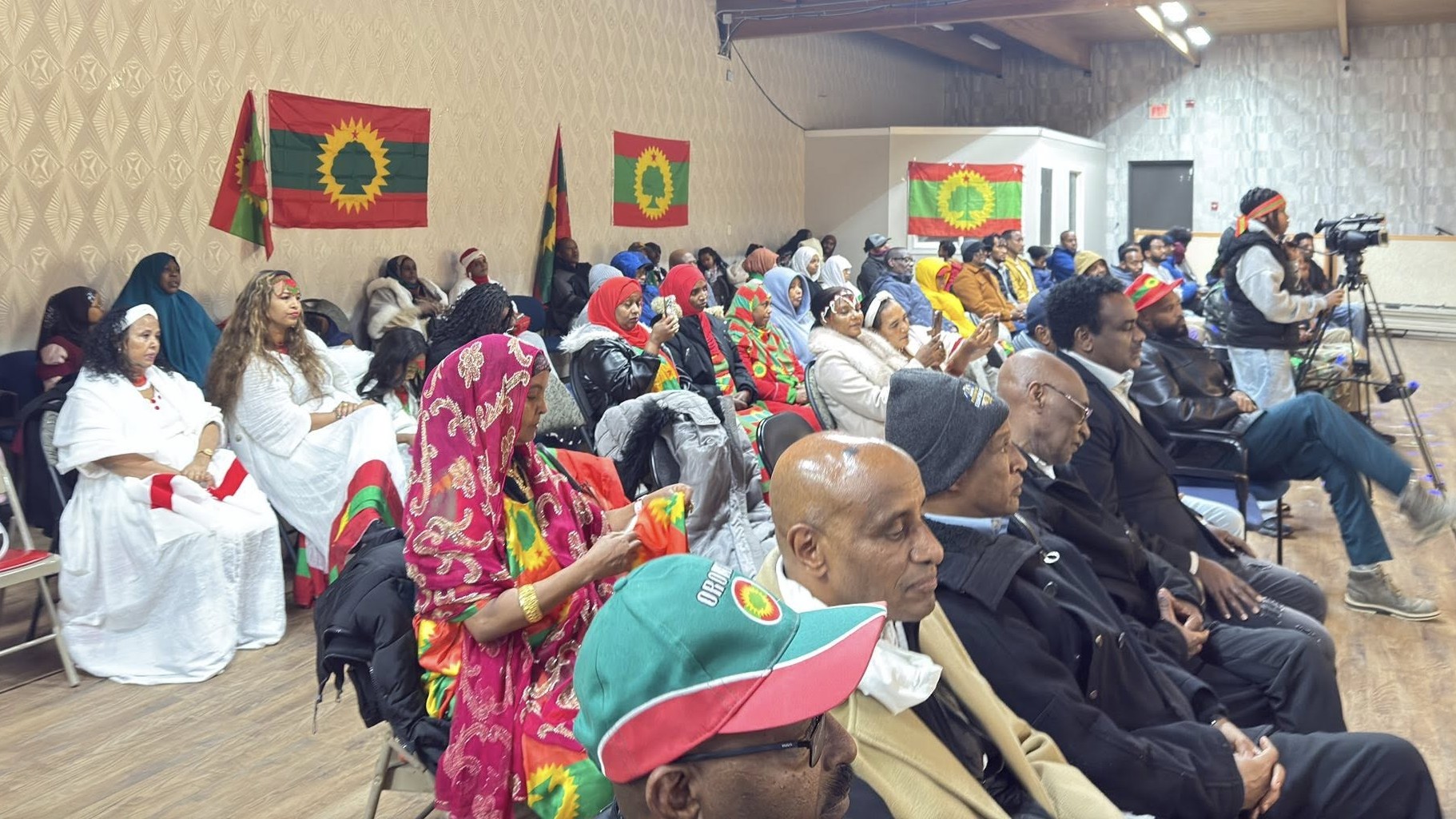
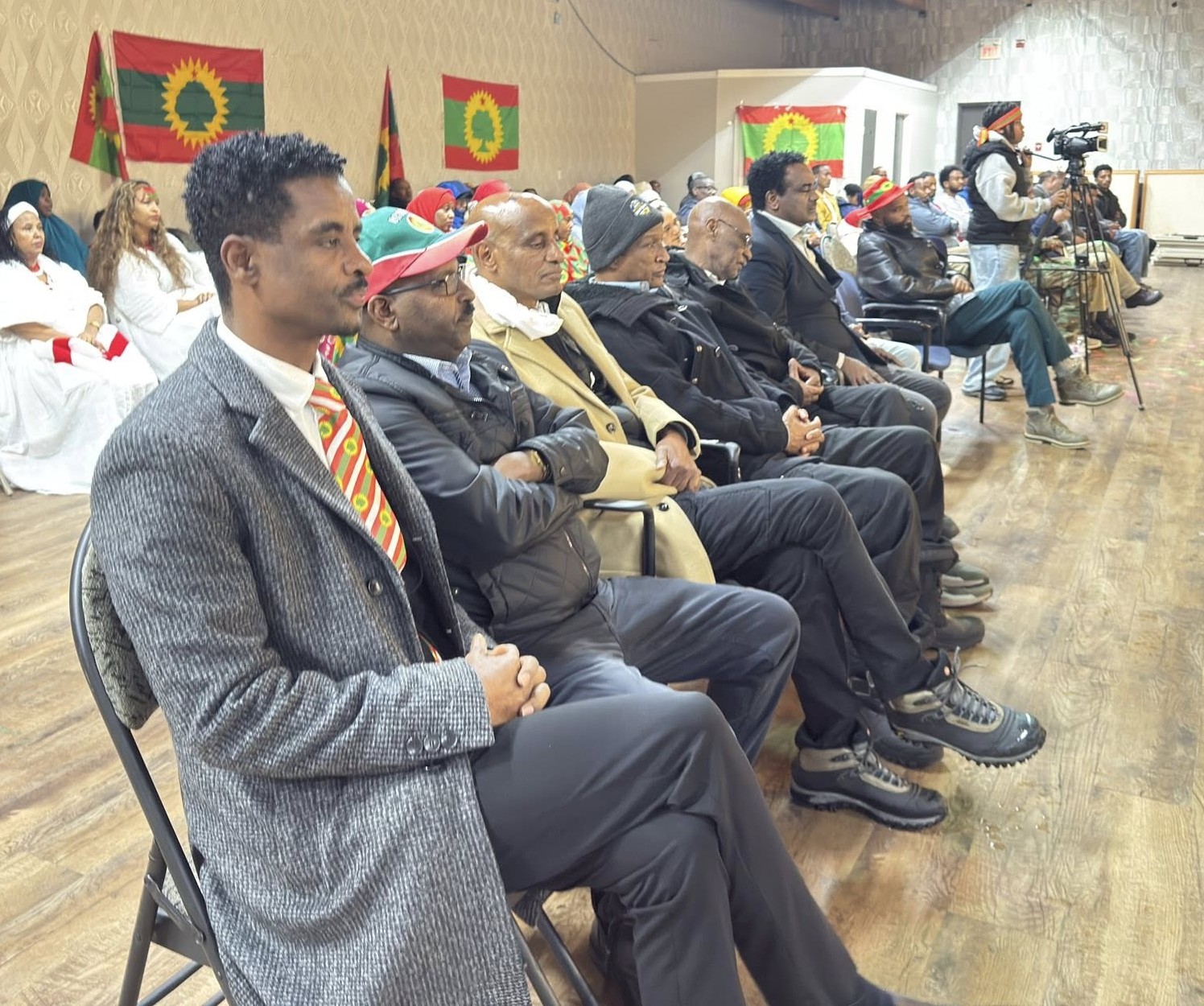
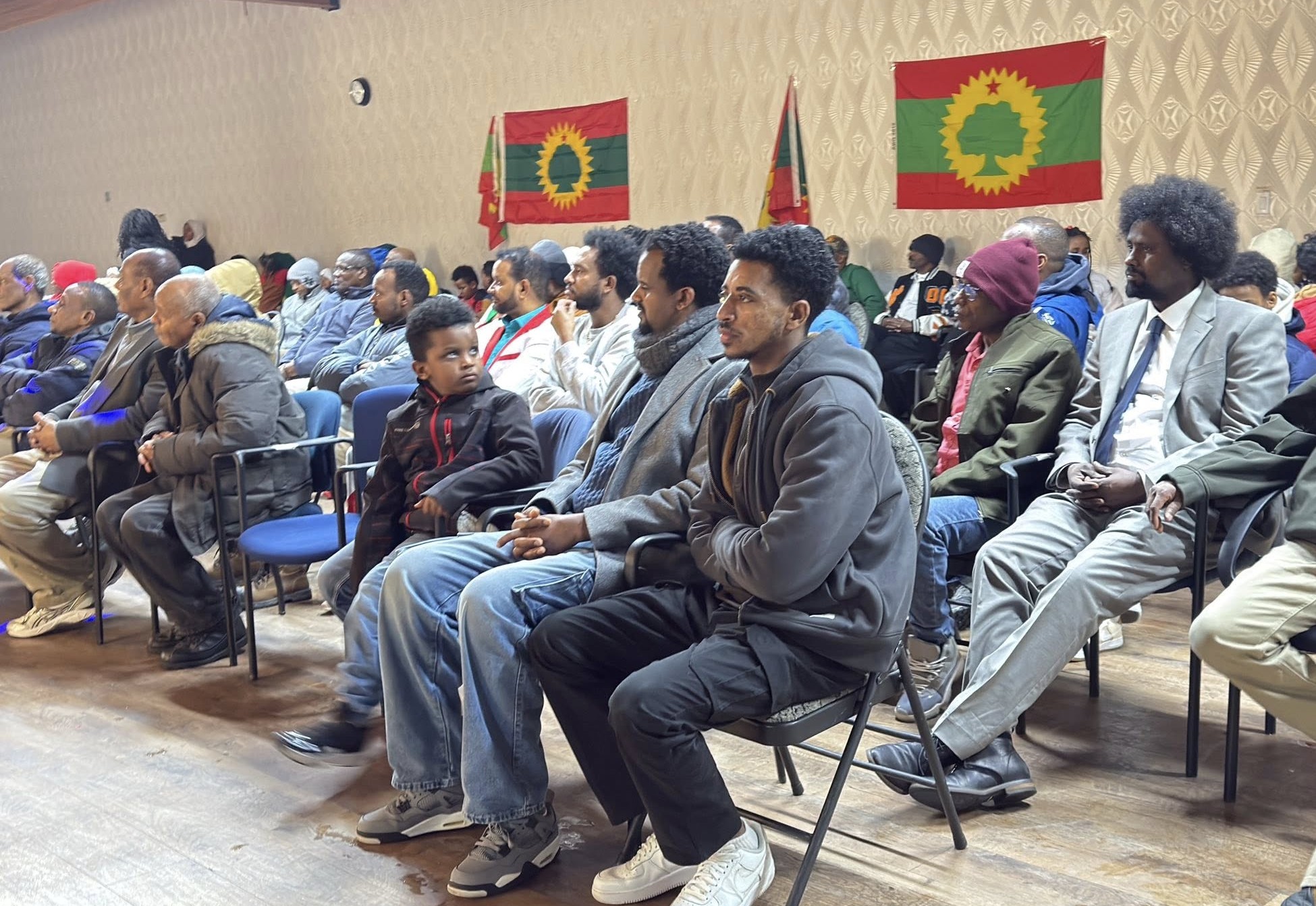
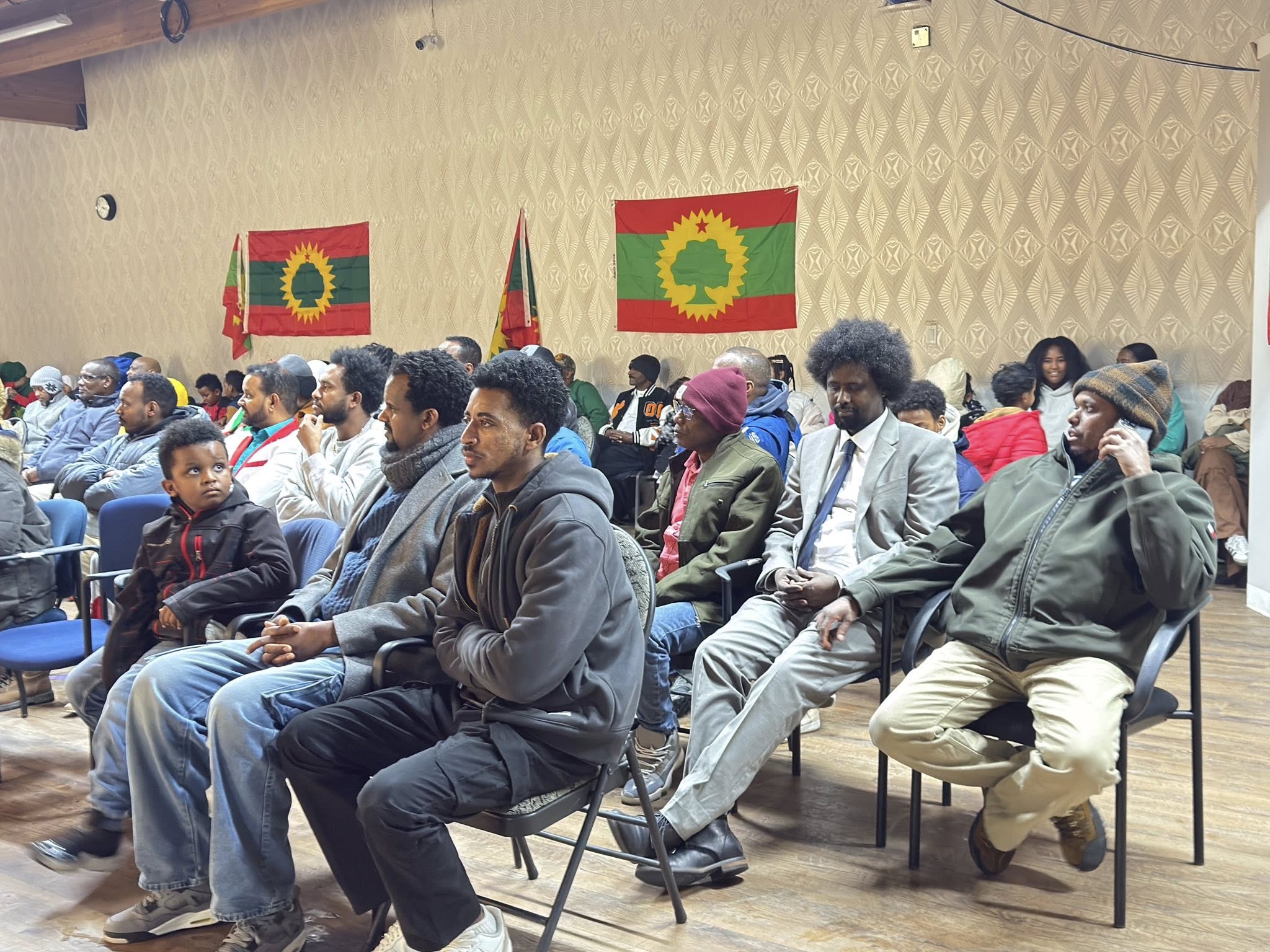
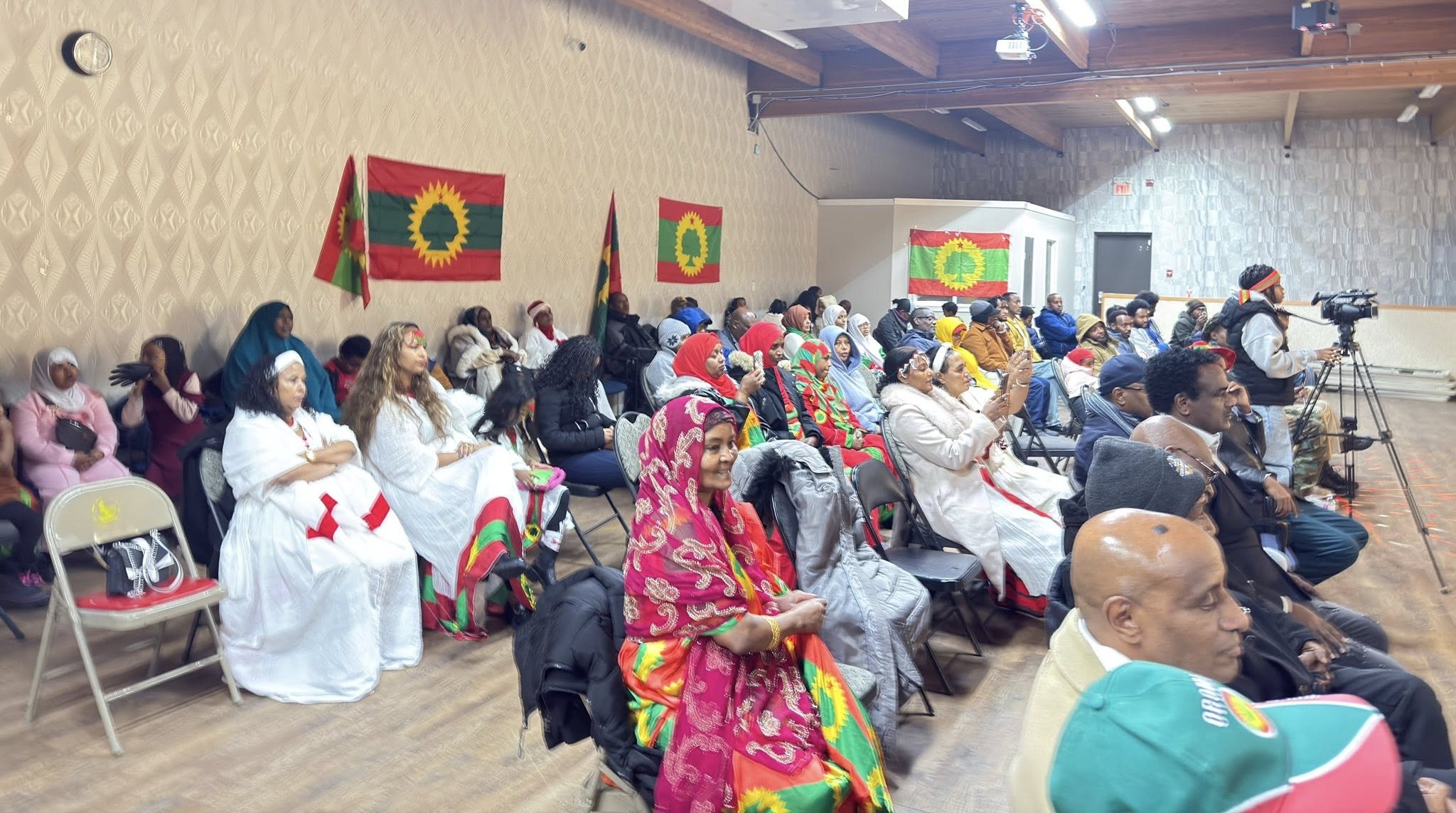
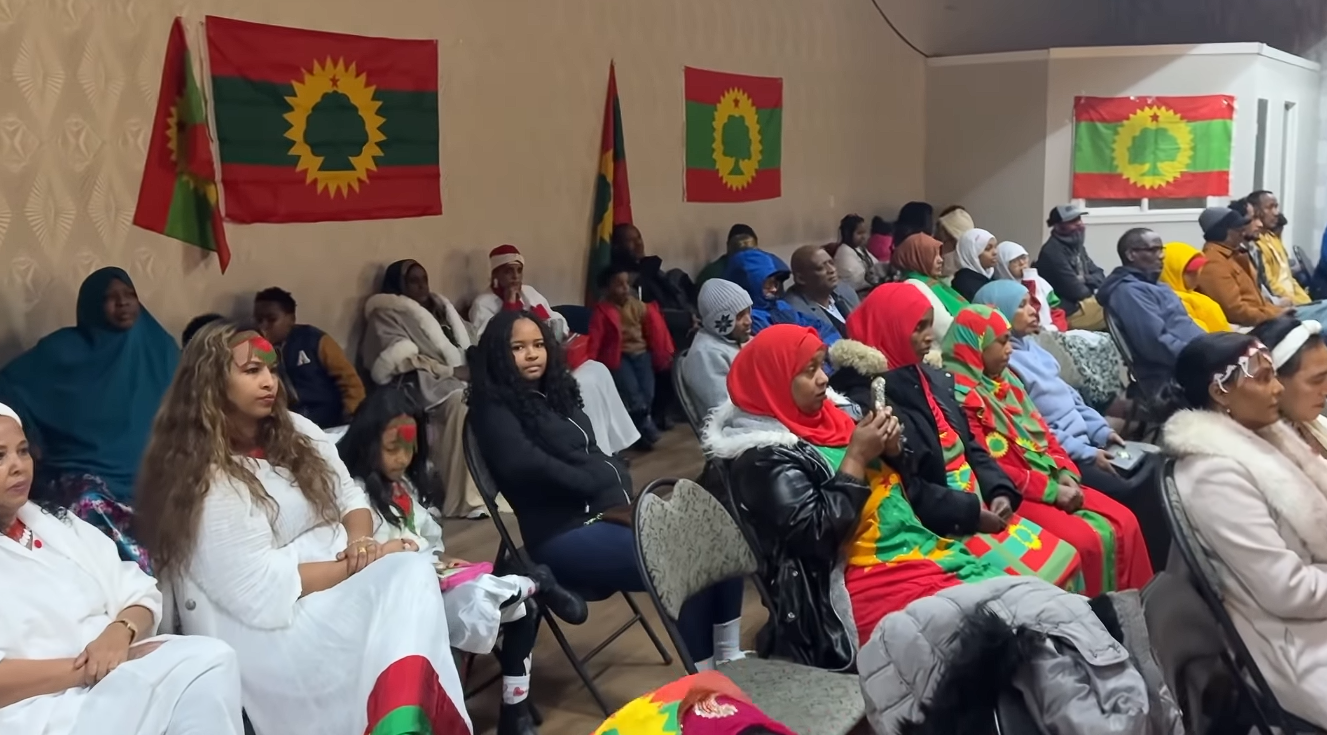
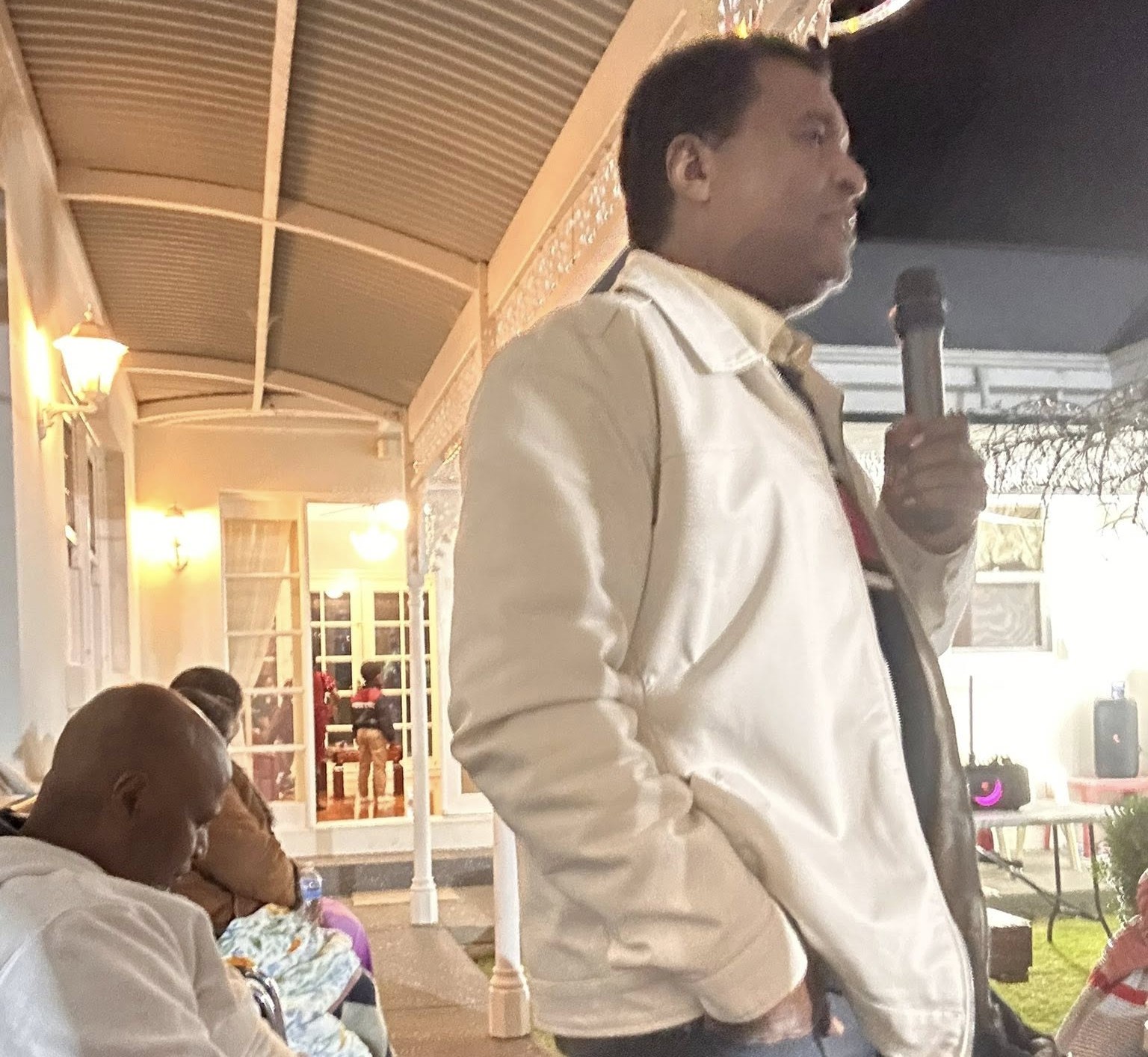
A photo of the gathered community, with a focus on Jaal Dhugaasaa Bakakkoo addressing the crowd or a group shot with the Oromo flag.
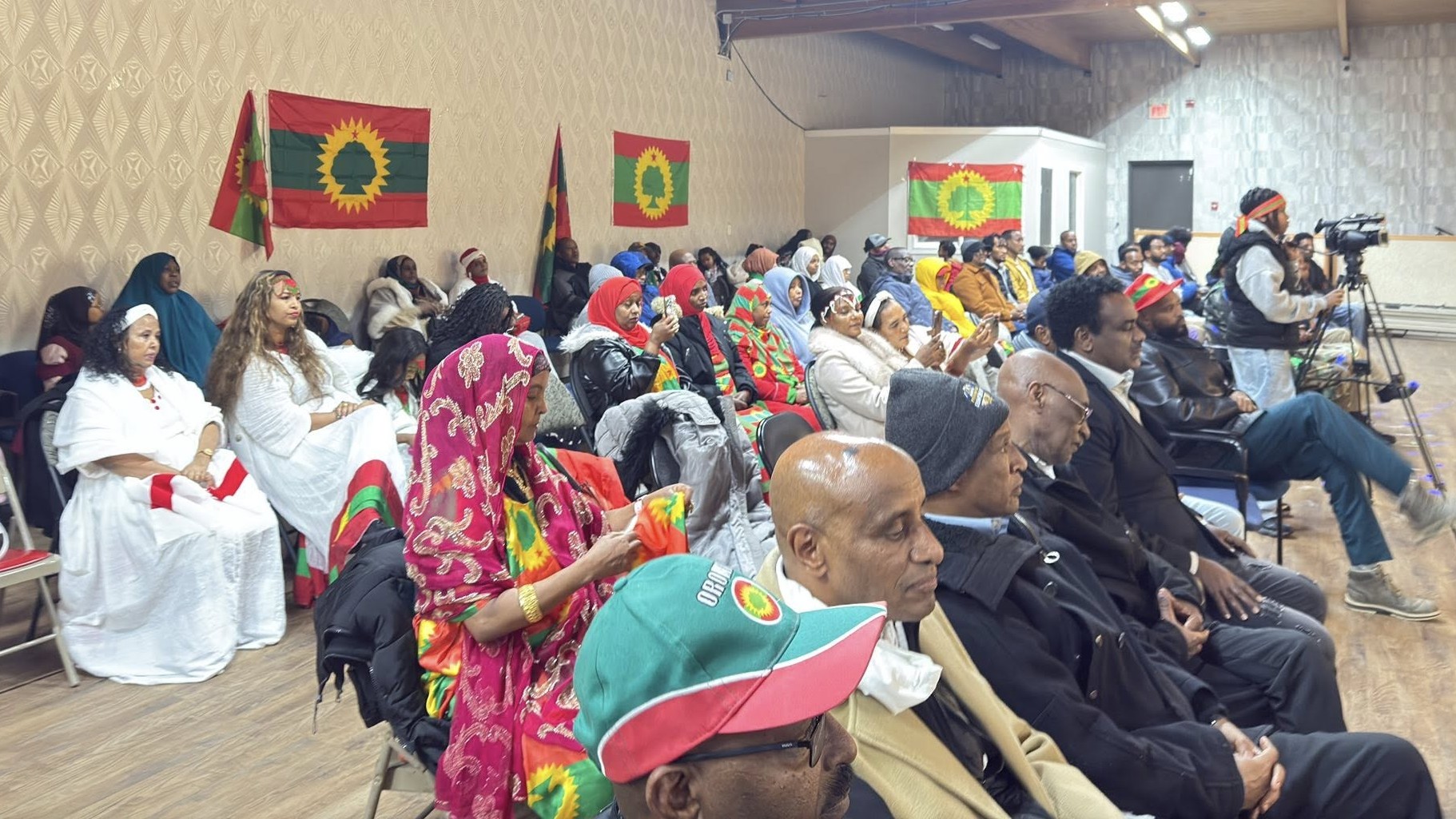
In Edmonton, the Oromo New Year (Amajjii 1) and World Brotherhood Day (WBO) were marked by more than tradition—they were a powerful statement of institutional endurance and collective will.
The OLF Edmonton Konya’s celebration was graced by the presence of a foundational leader, Jaal Dhugaasaa Bakakkoo, a former WBO executive and senior OLF figure. His attendance symbolized a vital bridge between the struggle’s history and its living, active diaspora heartbeat.
The core of the gathering was a shared focus on “jabeenya jaarmiyaa”—the strength of the institution. Attendees engaged in constructive dialogue (yaada ijaaraa waliif qooduu), understanding that the organization itself is the bedrock of the long journey to freedom.
Crucially, the event’s organizers were honored for a specific, vital duty: ensuring that “support and sustenance for the freedom struggle continues to receive continuity.” This reframes diaspora community work as a direct, indispensable lifeline.
As one attendee powerfully stated, the act of organizing such a program is itself a declaration: “By organizing this, saying ‘we are here!’ (ni jirra!) is a duty and a task that must continue.”
From the Canadian prairies, the message is clear: Our presence is our promise. Our organization is our strength. The struggle continues, fueled by unity and unwavering resolve.
Baga guyyaa Amajjii 1 geessan! ✊
#Amajjii #WBO #OromoNewYear #OLF #Edmonton #OromoDiaspora #NiJirra #InstitutionalStrength #Bilisummaa #Oromia
Ilfinash Qannoo: A Symbol of Oromo Resilience
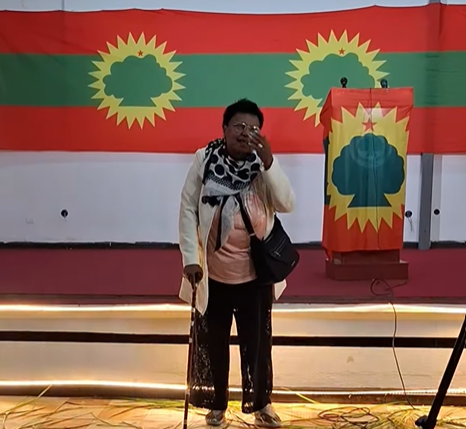
News Feature: The Unbroken Flame – Ilfinash Qannoo Embodies a Lifetime of Struggle and Steadfastness
GULLALLE, OROMIA – In the bustling activity of the Oromo Liberation Front (OLF) headquarters this Amajji 1 celebration, one figure sits with a quiet, palpable gravity. Ilfinash Qannoo, her body bearing the weight of years and the toll of relentless struggle, is a living archive of the Oromo quest for freedom. Too weak to stand, too ill to move independently, she is carried to gatherings, not as an invalid, but as a revered ember of the movement’s enduring fire.
Her presence is a testament, not to frailty, but to an indomitable will. It is the final, physical testament of a life offered completely—uleetti rarraatee—stretched across the altar of the Oromo struggle. Her commitment, born of a profound and unwavering love for the cause, saw her pour her energy into every space she could reach, for as long as she could manage, until her very body could no longer sustain the pace of the fight.
Today, on Oromo World Brotherhood Day (WBO), surrounded by a new generation of activists and leaders at the OLF Gullalle office, Ilfinash Qannoo’s role has transformed from frontline mobilizer to living monument and moral compass. Her journey is a bridge connecting the sacrifices of the past to the responsibilities of the present.
“A Seed That Moves Does Not Rot; The Dead Do Not Rise, So Do Not Fear Them.”
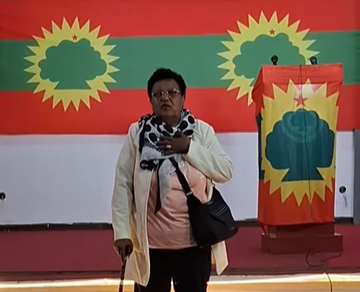
This powerful Oromo proverb, evoked by those who know her story, encapsulates her legacy. Ilfinash Qannoo was never static. She was a “seed” that moved—organizing, advocating, supporting—ensuring the ideas of liberation never stagnated or “rotted” in passivity. Her life’s work was to keep the movement in motion.
Now, her physical stillness speaks volumes. It forces a confrontation with the cost of the struggle and the solemn duty of those who remain. “Do not fear the dead,” the proverb advises, urging the living to act with the courage of those who can no longer stand. In her silent, observant presence, she embodies this charge, a silent reminder that the true threat is not the fallen, but the inaction of those who inherit their dreams.
Her life has been one of radical interdependence—naamaan deeggaramtee—leaning on and being leaned upon by the community she helped build. From providing shelter and intelligence in perilous times to offering counsel and moral support, her strength was always relational, woven into the fabric of the collective struggle.
As officials and well-wishers approach her chair on this day of celebration, they do not offer pity. They offer kabaja—deep respect. They bend to whisper words of gratitude, to seek a silent blessing from her weary eyes. The whispers that surround her are not about illness, but about endurance; not about an ending, but about a transcendent persistence.
“Ulfaadhu, umurii dheeradhu jenna!” – “Be strong, may you have long life!” is the fervent wish expressed for her. It is a wish for the longevity of the spirit she represents: the spirit of self-sacrifice, unconditional love for the cause, and an resilience that refuses to be extinguished.
Ilfinash Qannoo, in her dignified fragility, is more than an individual. She is a symbol. She represents every parent who lost a child, every activist who endured prison, every anonymous supporter who carried the movement forward in shadows. On this Amajji 1, as the Oromo people worldwide celebrate their brotherhood and identity, the image of Ilfinash Qannoo, carried to the heart of the movement’s headquarters, serves as the most profound reminder: that the journey is long, the cost is high, and the flame, once lit by love, must be tended by every generation.
Her silent message echoes in the hall: The seed must keep moving. Do not let it rot. And do not fear—build the future with the courage her life has demanded.
Dhaamsa ABOn Bara 2026: Tokkummaa fi Qabsoo Jabeessuu
Guyyaa Mudde 31, 2025 — Addi Bilisummaa Oromoo (ABO) dhaamsa bara haaraa 2026 isaa dabarsuun, waggaa darbe sirna fi hidhannoo hamaa keessa darbee, qabsoo bilisummaa Oromoo itti fufsiisuuf, tokkummaa fi cimina ummataa waamicha guddaa taasiseera.
Dhaamsi kun, miseensota, hogganoota, deeggartoota ABO fi ummata Oromoo maraaf baga bara haaraa dabarsuun jalqabame, barri haaraas “bara nagaa, milkii, haqaa fi dhugaa” ummataaf akka ta’u abdii guddaa isa keessa qaba.
Hanga ta’us, ABOn hubachiise akka barri 2025 kanatti dhiibbaan siyaasaa fi hidhaa mootummaa Wayyaanee irra gahaa ture, gufuulee hedduu dhaaba fi miseensota isaa irratti geggeeffame. Haala kana keessatti, ABOn akka ibsutti, “sodaa fi bir’annaa tokko malee” hojii siyaasaa geggeessuun itti fufeera. Kunis, waajjira muummee Gullalleen ABO, leenjii haaromsaa miseensotaaf kennuu, fi gumiin sabaa ABO walga’ii dhaabbataa 3ffaa geggeeffachuun hojiilee dandamachaa hojjeteera.
Haala rakkoo kana keessa, dhaabichaan ibsa ulfaataa ummata Oromoo irratti roorroon itti fufuun geggeeffamaa jiru mirkaneessee, akkaataan ajjeechaan maqaan adda addaa, hidhamuun, saamamuun, fi buqqaachisni lammiilee kumootaa Oromiyaa keessatti itti fufuun “ummatni wabii jireenyaa dhabe” jedhee dubbateera.
Dhaabichaan, furmaata kanaaf, “humna Oromoon qabu inni guddaan tokkummaa isaati” jedhee waamicha jabeessaa ummataaf godheera. ABOn waamicha ummatatiin, “sab-boonummaa Oromummaa” jabeessuu, fi “ololoota farrummaa” kan ABO fi qabsoo irratti geggeeffaman irraa of eeguu qofa irratti akka xiyyeeffatan dhaammateera.
Gama siyaasaa biyyattii ilaalchisee, ABOn mormiin isaa sirna PP fi’ila isaa irratti fooyyeessuun, rakkoon siyaasaa fi dinagdee biyyattii “karaa siyaasaa, dinagdee fi hawaasummaan dabalaa jiru” jedhee dubbateera. Kanaaf, ABOn, “qulqullummaan gadi taa’ee qaamota dhimmi ilaalu waliin marii nagaa” geggeeffamuun furmaata argamsiisu irratti yaamicha deebise.
Xumurri dhaamsaa kanaatiin, ABOn ummata Oromoo fi qabsaawoota isaa “irbuu keenya yoom illee haarawaa, abdiin keenyaas guddaa” ta’uu wal irratti abdanna jechuun, qabsoo jabeessuun daandii filannoo biraa hin qabne ta’uu mirkaneessee, barri 2026 bara “ajjeechaa, roorroo fi gidiraan irraa dhaabbatu” akka ta’u abdii guddaa dabarseera.
Dhaamsi ABO kana, fiixaa fi kaka’umsi qabsoo Oromoo itti aanuuf bu’uura cimaa fi waamicha tokkummaa ummataa ta’uun, rakkoo fi dhibee waggaa 2025 keessa mudate irraa ka’uun, qabsoo itti fufuuf yaada gama hundaan qaba.
Oromo Diaspora Celebrates 46th OLA Anniversary Online
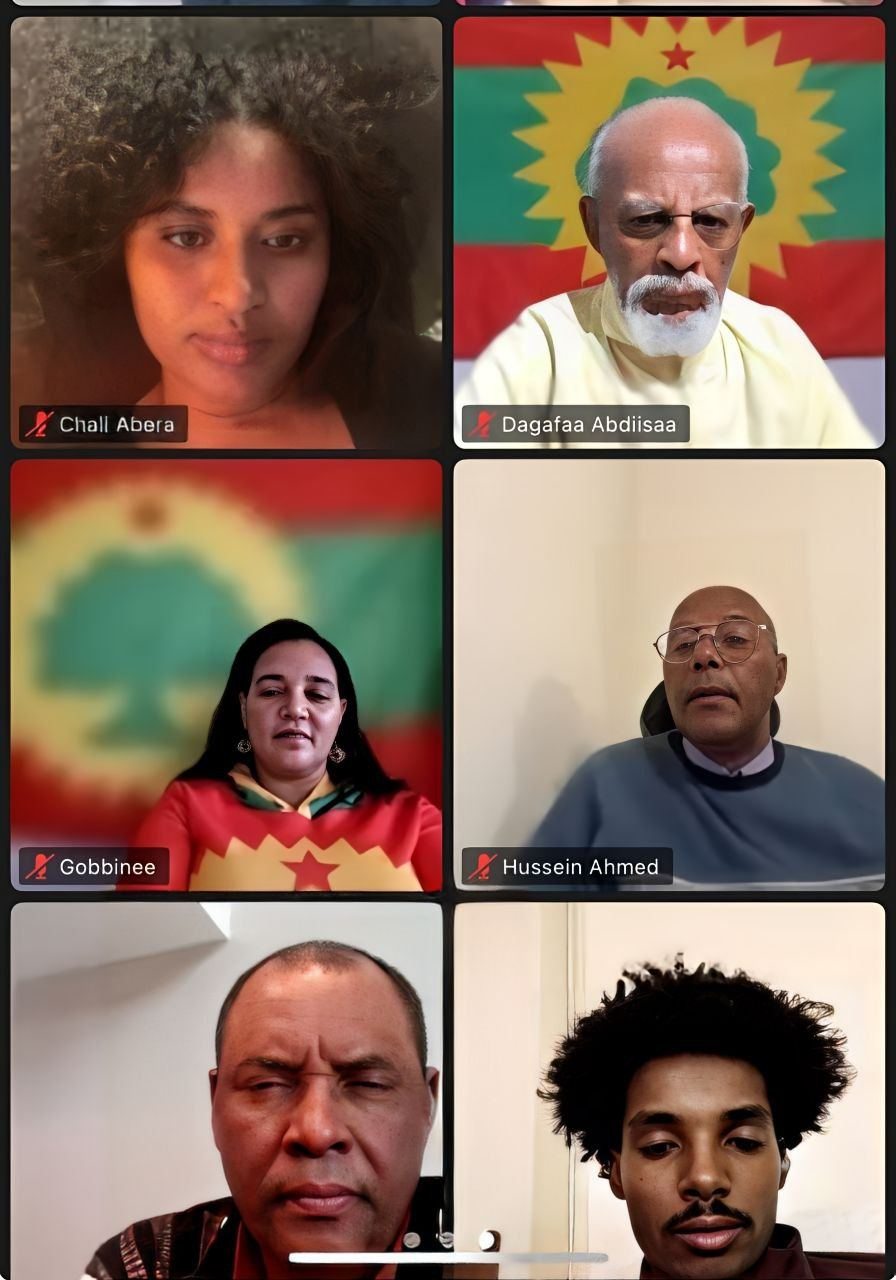
Oromo Diaspora Marks 46th OLA Anniversary and New Year with Virtual Gathering, Honors Foundational Victory
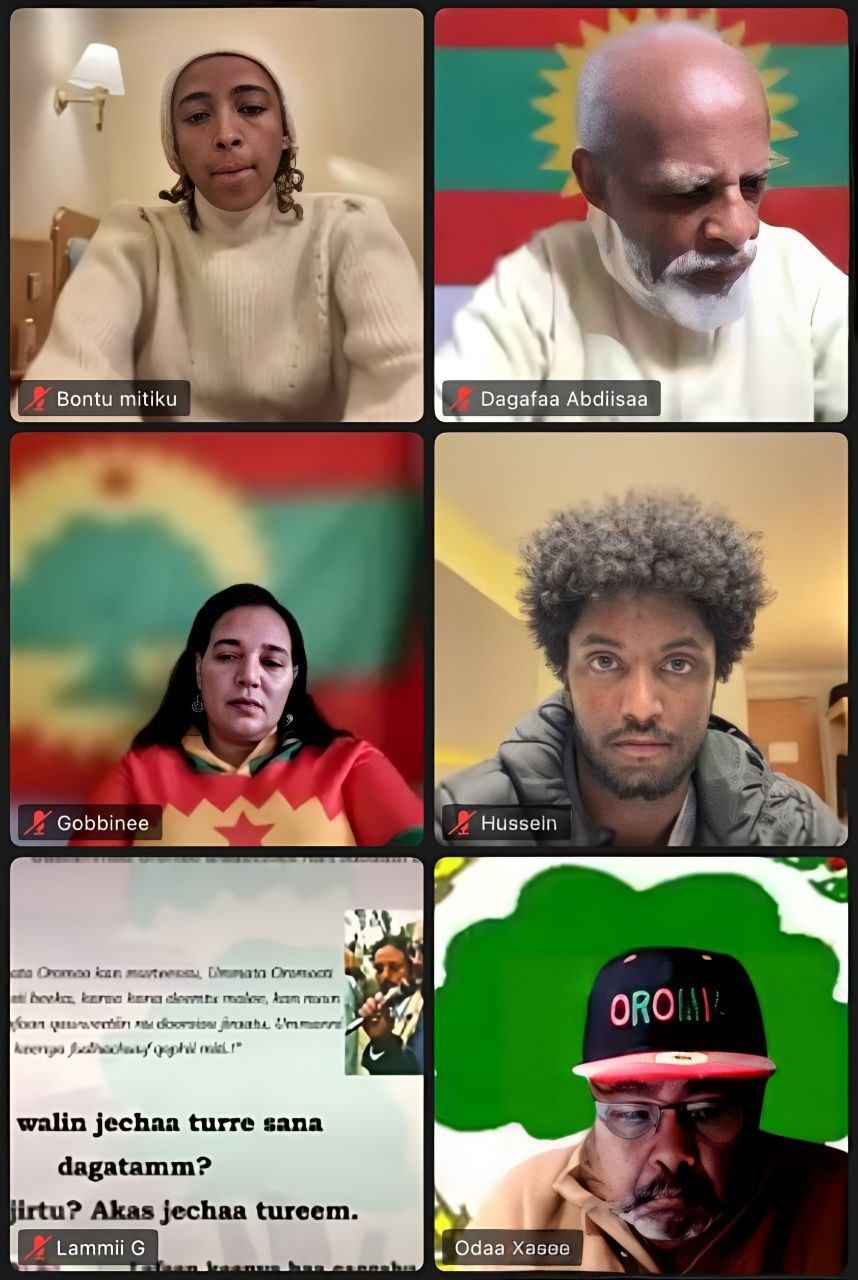
January 2, 2026-In a significant online assembly bridging continents, the global Oromo community gathered on January 2, 2026, for a dual commemoration: the 46th anniversary of the Oromo Liberation Army (OLA/WBO) and the celebration of Ayyaana Amajjii 1, the Oromo New Year. The virtual event, held via Zoom, served as a space for reflection, strategic review, and a powerful reaffirmation of commitment to the liberation struggle.
The gathering provided a platform to assess the achievements and persistent challenges of the Oromo quest for self-determination. Speakers connected the modern struggle directly to its historical roots, with participant Jaal Dhugaasaa Bakakkoo detailing the harsh founding conditions of the OLA. He highlighted a pivotal foundational moment: the first official day of the OLA was celebrated on January 1, 1980, to mark a victory over a major campaign by the then-ruling Darg (Derg) regime. This historical note underscored that the movement was born not in abstraction, but in the crucible of direct combat and early triumph.
The intertwining of the cultural New Year (Ayyaana Amajjii) with the military anniversary was emphasized as a core feature of Oromo resistance, symbolizing the inseparable link between cultural identity and political struggle. Organizers stated that these dates are perennially observed wherever Oromo patriots, members of the Oromo Liberation Front (OLF/ABO), and supporters of the cause are found.
A central and poignant message was directed at the Oromo youth. In his keynote address, Dr. Daggafaa Abdiisaa framed the continuation of the struggle as a sacred duty inherited from past sacrifices, declaring, “The duty to pursue the goal and objective of the OLF rests upon you, the beloved children of the fallen heroes.”
The event concluded with a sense of solemn purpose, honoring the legacy of the last 46 years—from the first victory commemorated in March 1980 to the present-day resistance—while charting a determined course for the future. It reinforced the global diaspora’s role as a pillar of solidarity and historical memory for the ongoing movement in Oromia.
###
Background Notes:
- The Oromo Liberation Army (OLA/WBO) is the armed wing associated with the Oromo Liberation Front (OLF/ABO).
- On January 1, 1980, the Oromo Liberation Army (OLA) celebrated its first formal day to commemorate a hard-fought victory over the Darg regime’s campaigns.
- This day stands as a testament to the early courage and sacrifice that laid the foundation for the ongoing struggle. We remember, honor, and draw strength from the resilience shown from the very beginning.
- Ayyaana Amajjii 1 marks the Oromo New Year based on the traditional Gadaa calendar.
- The OLA’s first commemorative day was March 1, 1980, following a military victory against the Derg (Darg) government.
- The Oromo have been engaged in a long-standing struggle for self-determination within Ethiopia.
Oromo Grievance: The Call for Historical Reckoning

News Feature: The Unfinished Burial – Oromo Grievance and a Call for Reckoning
FINFINNE – In a powerful and poignant declaration circulating within Oromo intellectual and activist circles, a statement titled “Our Grievance” (Dogongora keenya) lays bare a deep-seated historical pain and issues a stark challenge to the community’s present path. Framed not as a political manifesto but as a moral and cultural reckoning, the text articulates three core wounds that continue to fester, preventing collective healing and progress.
The statement’s first grievance cuts to the heart of historical memory. It accuses the Oromo people of having “abandoned the history of yesterday”—specifically, the foundational legacy of the Gadaa system and the sacrifices of those who fought to preserve Oromo identity. This, the authors argue, is a profound act of self-neglect, a failure to honor the very struggles that define the nation.
The second point presents a searing economic and spiritual critique. It states that the community has “failed to understand the value of land or the value of bone.” This evocative phrase unpacks a dual tragedy: the loss of ancestral territory (land) and the dishonoring of martyrs (bone). The text contends that while the physical land was lost, the greater failure lies in not ensuring that the sacrifice of those who died defending it was redeemed through continued, effective struggle. The declaration warns against a cyclical resignation where one generation’s defeat is accepted, hoping the next will simply be born into a new fight, rather than completing the unfinished work of the past.
The most direct and impassioned grievance addresses the legacy of state violence. It lists the targeted losses of “Oromo scholars, teachers, doctors, sheikhs, priests, artists, and Gadaa leaders,” accusing the community of a catastrophic failure: while knowing the perpetrators and witnessing ongoing atrocities, there has been a critical absence of holding them accountable. The text condemns this as both a failure to “settle the score” for crimes against the Oromo elite and, more damningly, a failure to “return and differentiate friend from foe,” suggesting a dangerous ambiguity in the face of oppression.
Analysis: Beyond Grievance, A Call for Cohesion
This “Dogongora” transcends a simple list of complaints. Analysts view it as a crucial internal dialogue, a mirror held up to the Oromo national movement at a complex juncture.
“It is a lamentation, but also a prescription,” says Dr. Lemmi Bula, a historian of Oromo studies. “The authors are diagnosing a crisis of continuity and accountability. The grievance about ‘bone’ versus ‘land’ is particularly profound—it asks whether we have honored the sacrifice of our heroes by building upon it strategically, or merely mourned them while the underlying conditions remain.”
The statement’s circulation comes amid ongoing conflict in the Oromia region and persistent debates over political strategy, representation, and reconciliation within Ethiopia. Its significance lies in its source: it is an introspective critique from within, demanding a higher standard of historical consciousness, strategic clarity, and moral resolve from the community itself.
A Community’s Response
The reaction among Oromo intellectuals and activists has been one of solemn reflection. Many agree the issues raised are fundamental. “It hurts because it is true,” shared activist Fayisa Lelisa. “We are quick to declare our heroes but slow to build the disciplined, unified institutions that would make their sacrifice truly meaningful. This is a wake-up call to move from mourning to a more purposeful honoring.”
There has been no official response from the Ethiopian government, to whom the indirect accusations of violence are aimed. The statement concludes not with a demand of the state, but with a challenge to the Oromo people: to reclaim their history, re-evaluate their struggle, and insist on justice for their fallen, framing these not as optional pursuits but as the essential duties required for true liberation.
As one elder, upon reading the text, summarized: “It is not enough to say we remember. We must build a future that makes the memory of our sacrifices proud.” The “Dogongora” now stands as a watershed document, compelling a nation to confront its deepest pains to chart a more coherent and honorable path forward.
A Celebration of Resilience and Remembrance
Feature Commentary
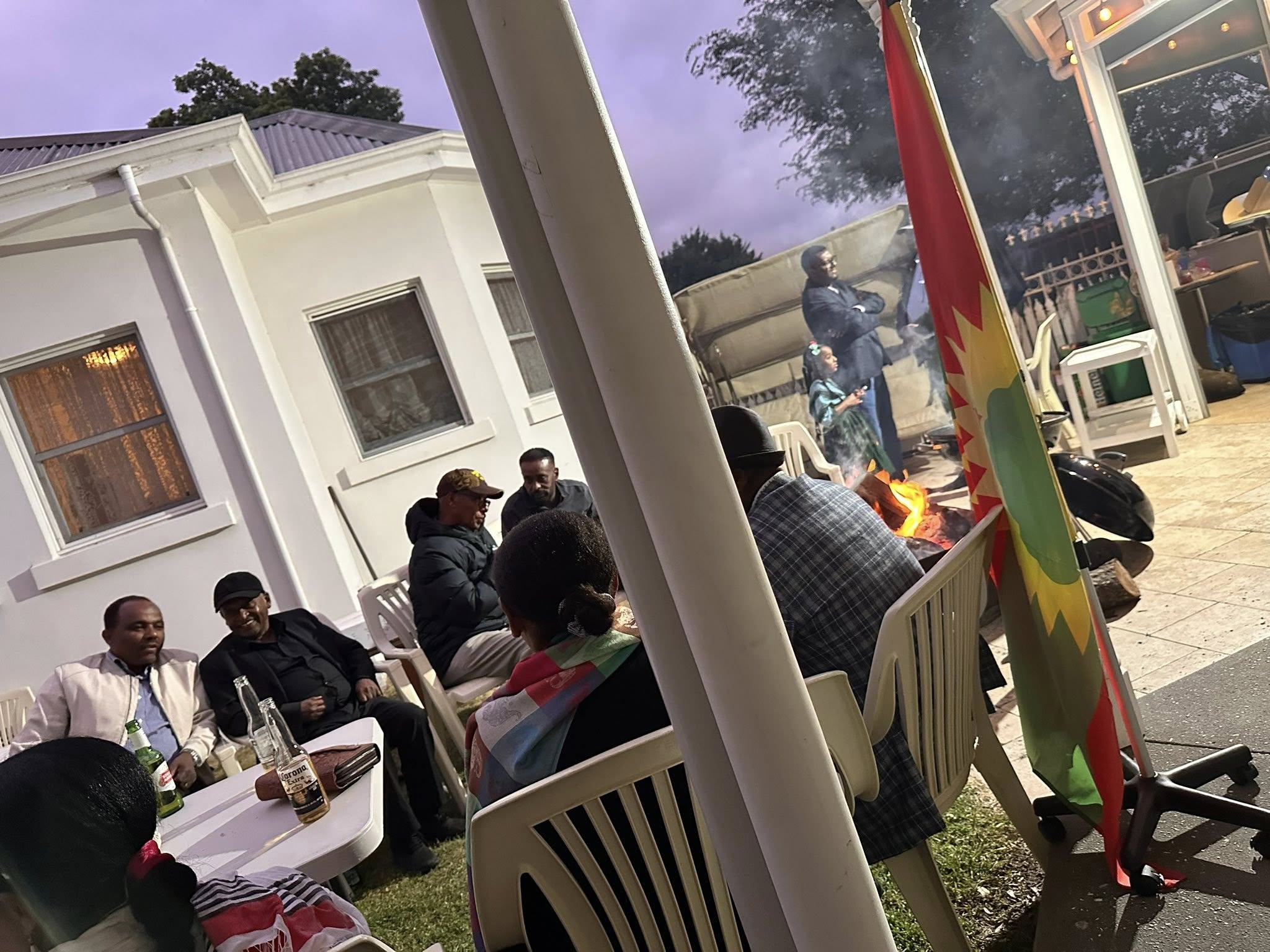
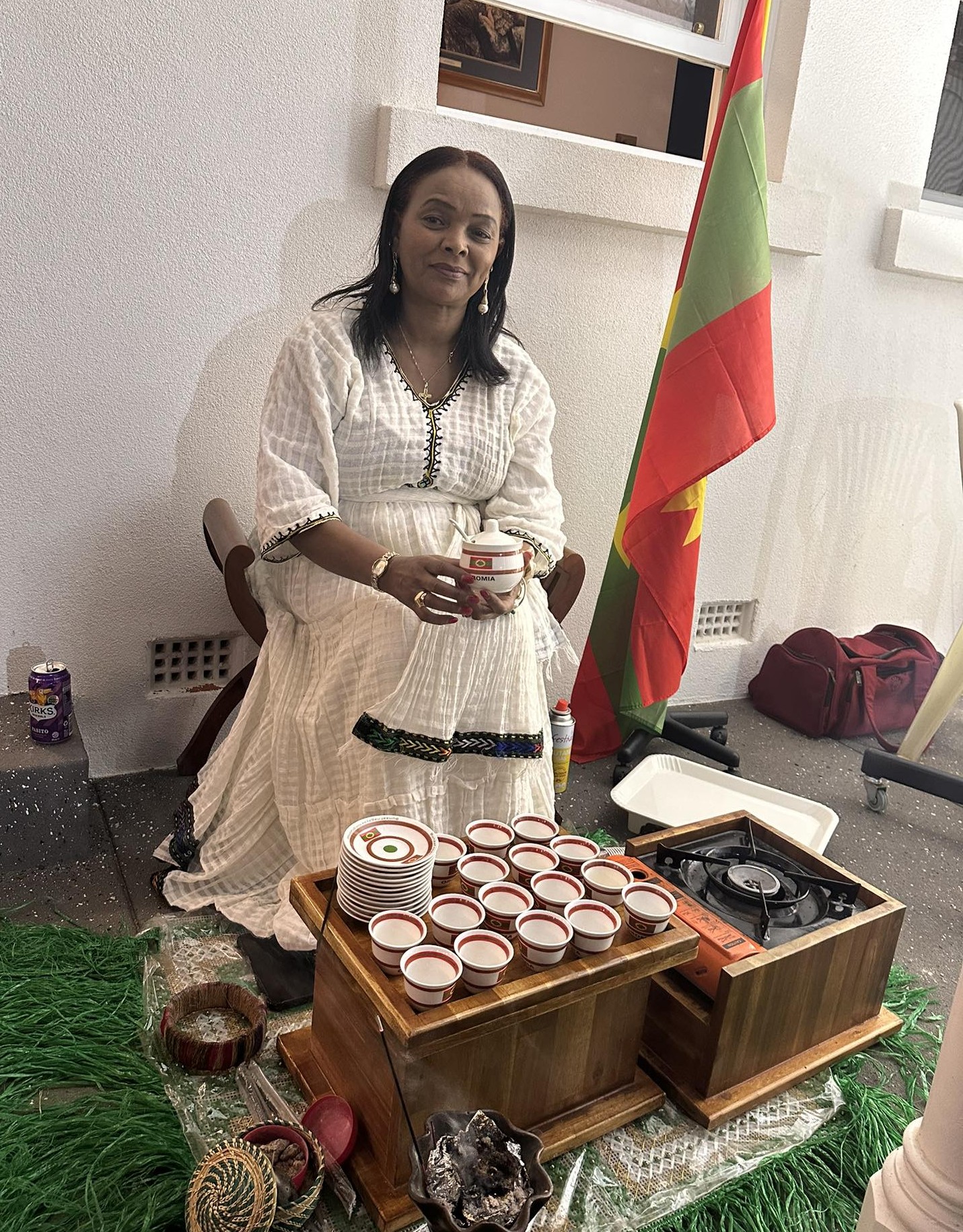
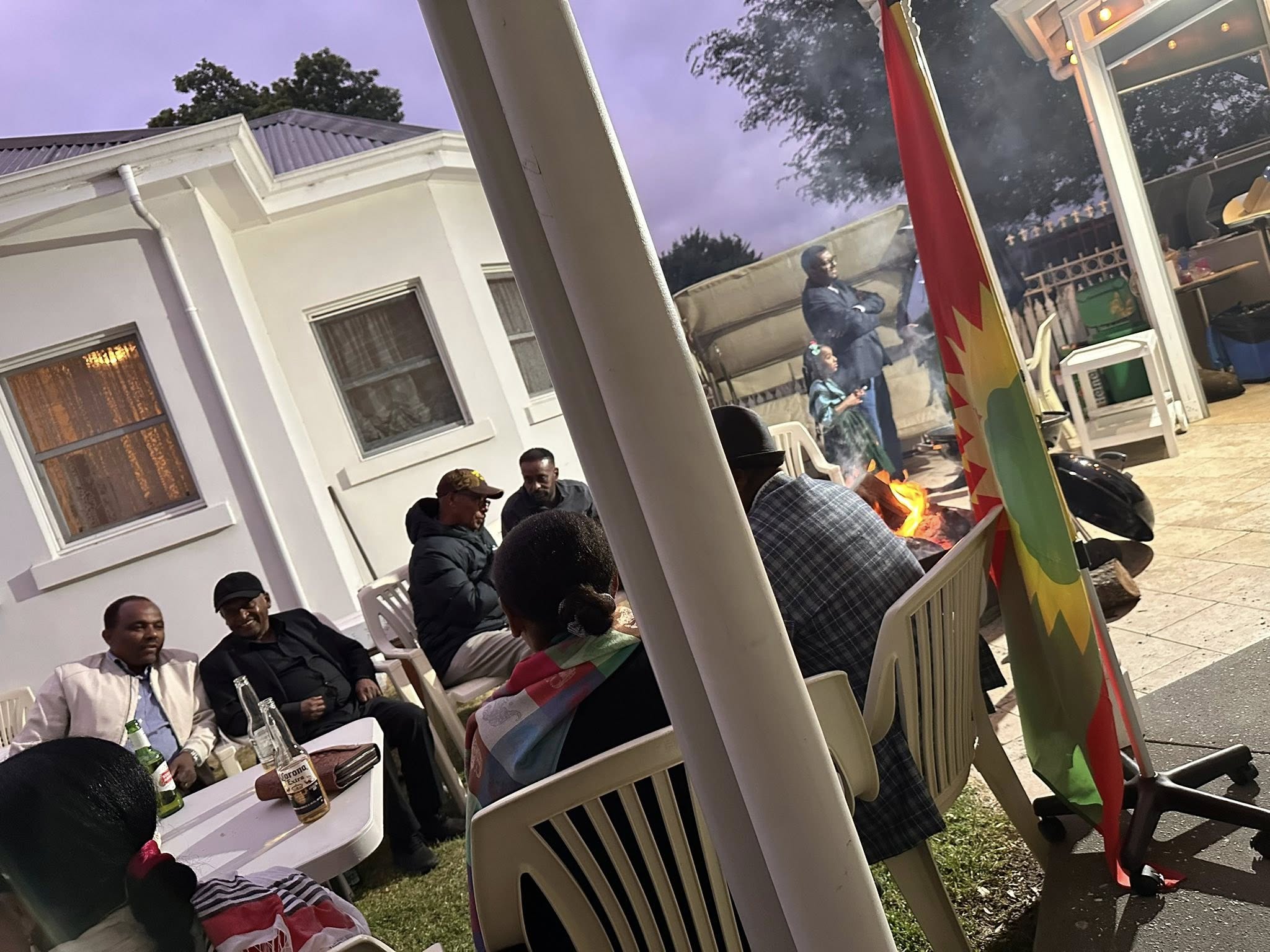
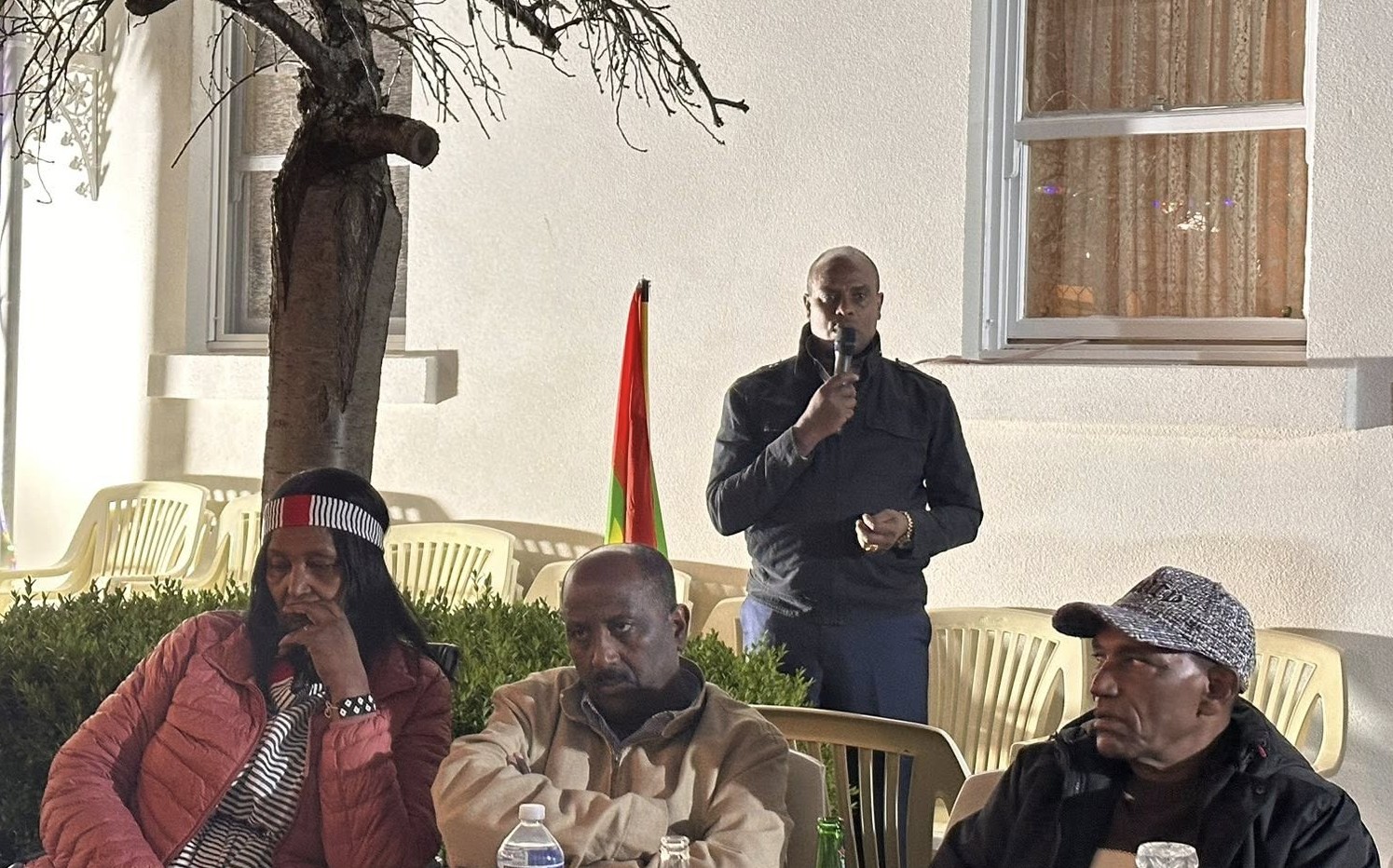
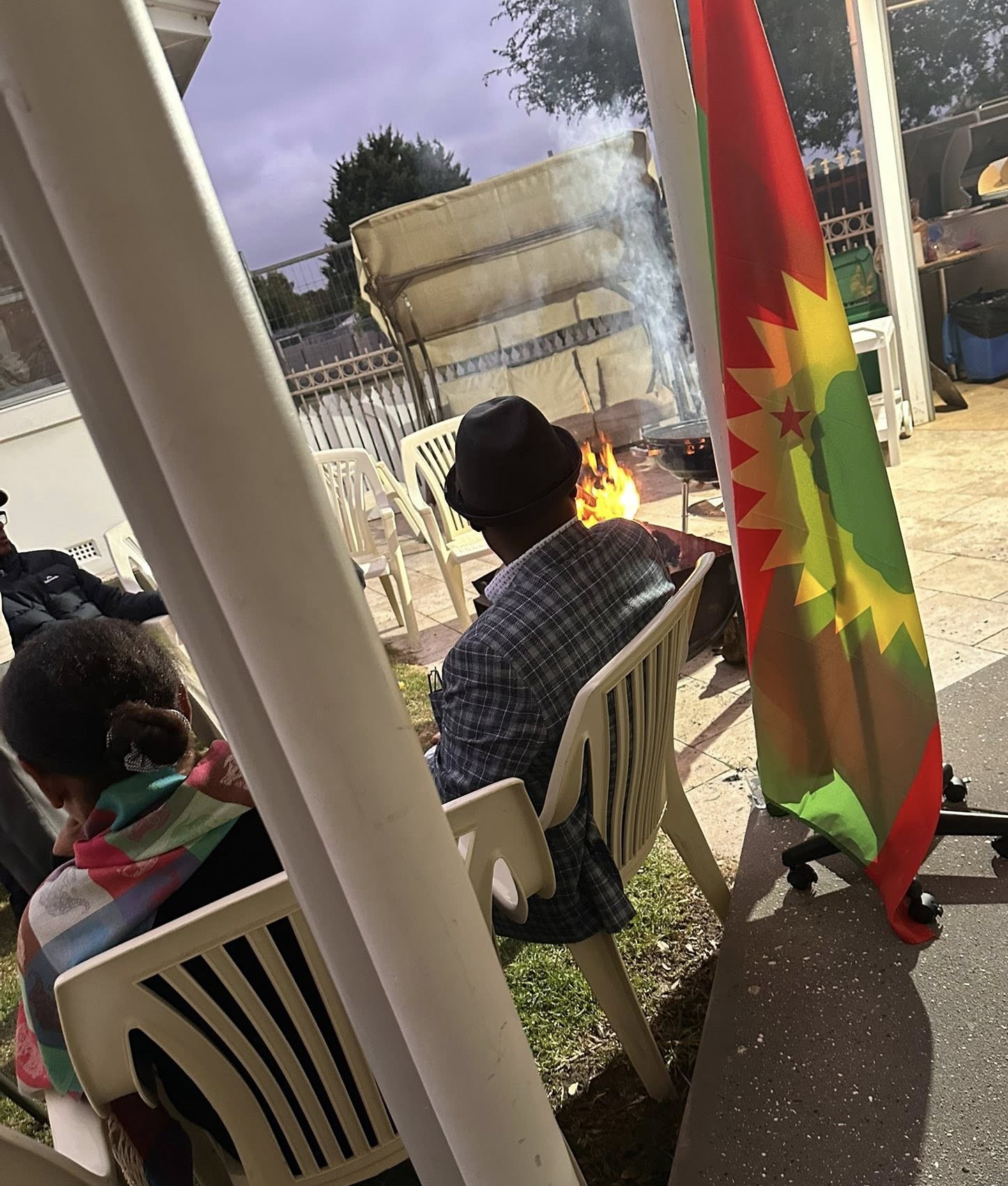
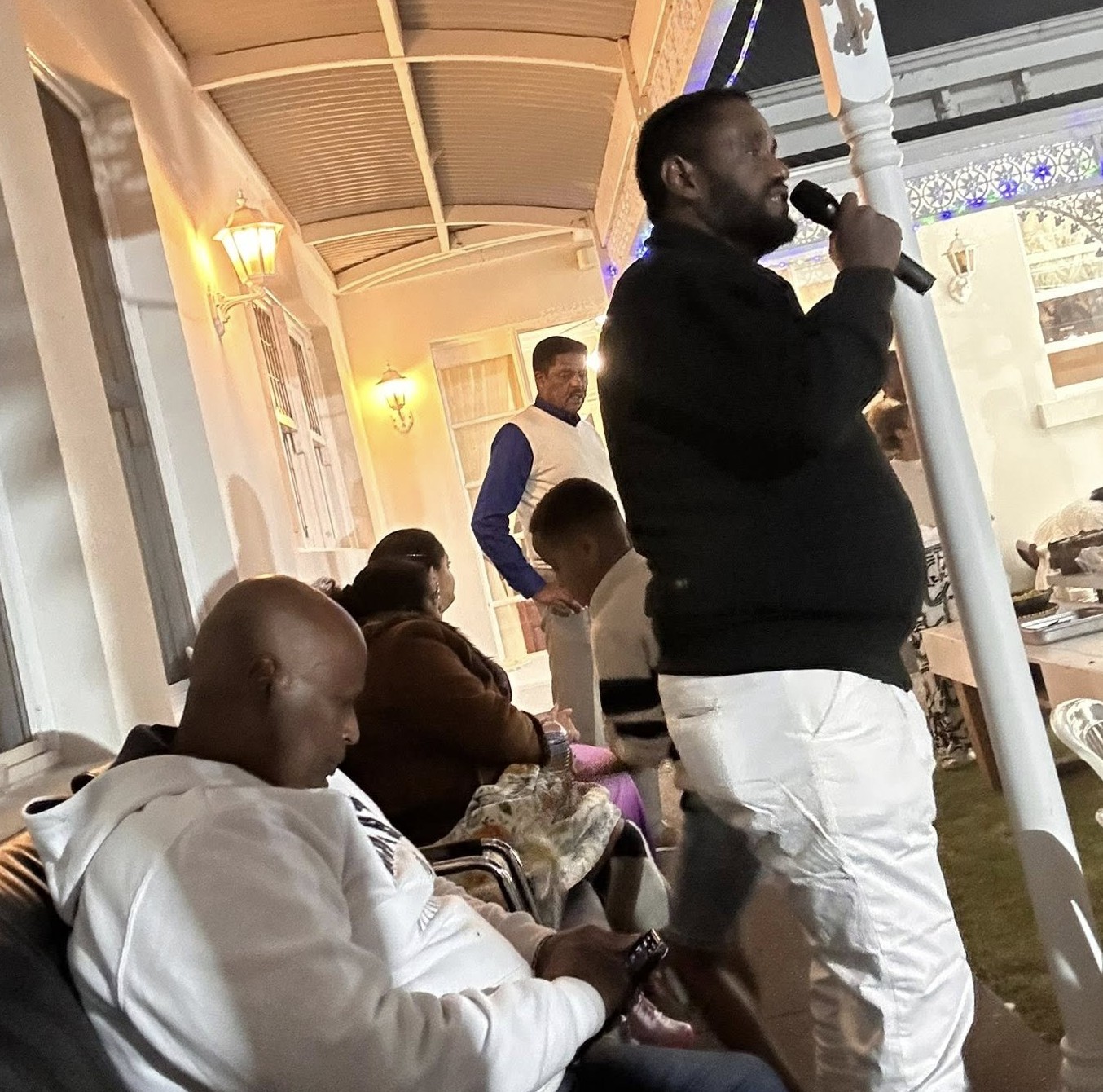
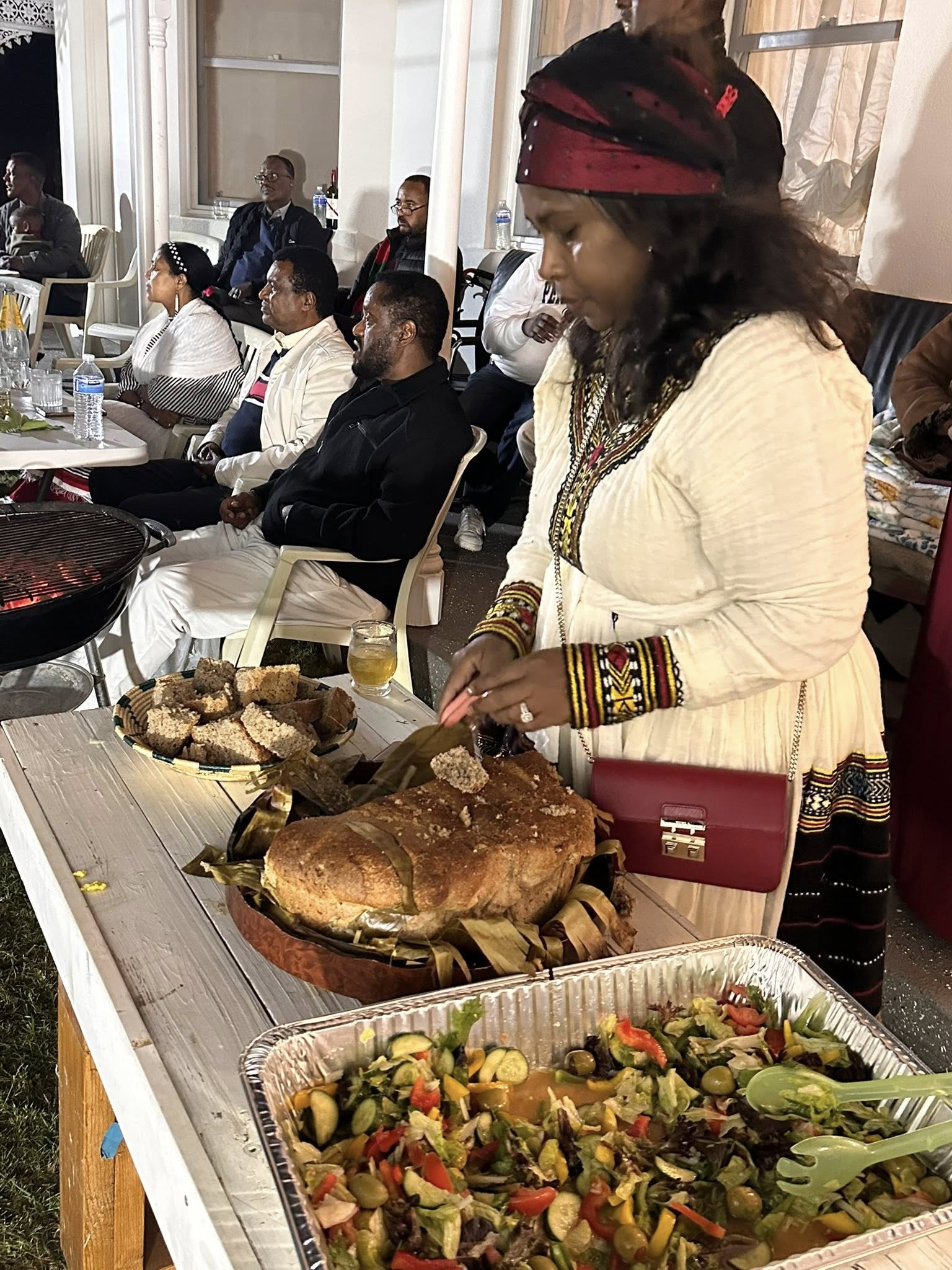
Beneath the warm embrace of a shared meal and the quiet hum of community, members and supporters of the Oromo Liberation Front (OLF)-Konyaa ABO Victoria gathered to mark the eve of January 2026. The atmosphere was one of familiar camaraderie, yet it was underscored by a profound and collective gravity. This was more than a festival’s eve; it was a vigil of memory and resolve.
The wishes exchanged were simple, universal: for peace, for happiness in the coming year. But here, these words carried the weight of a long struggle. As one speaker noted, this day is a confluence of two powerful streams of consciousness: the hope inherent in a new year, and the solemn remembrance of the Oromo Liberation Army (OLA) – its founding and its continued sacrifice.
The true heart of the evening beat in the acknowledgments of those sacrifices. An elder’s voice, tempered by time and loss, cut through the gathering: “God bless our sons who sacrificed for us.” It was a prayer, a benediction, and a thread connecting generations. It spoke of a raw, personal cost paid by families across the Oromia region.
This sentiment was echoed, with hardened clarity, by Oromo fighters present. “We were able to come out in the open because of the sacrifices of a few people,” one stated. This simple sentence framed their current visibility not as a given, but as a hard-won space purchased by the lives of others. It acknowledged a debt that could not be repaid, only honored.
And so, the celebration naturally evolved into a covenant. The warm atmosphere became a crucible for renewed determination. The final, prevailing message was a call borne from both gratitude and grief: we must continue our struggle to put an end to the sacrifices that have been made so far. It was a recognition that the ultimate honor to the fallen is not just in remembrance, but in forging a future where such sacrifices are no longer required. The evening thus closed, holding in tension the joy of community, the sorrow of memory, and the unwavering steel of a continued journey.

Honoring the Guardians of the Struggle

Feature Commentary
“Galata Qabsaa’otaa…” – Honor the Warriors. These words resonate as a sacred debt of gratitude within the Oromo community, a recognition of those who risked everything when the price of freedom was ultimate sacrifice.
In the tumultuous years following the fall of the Derg regime, a period of profound uncertainty and danger descended upon Ethiopia. For many Oromo freedom fighters, the dawn of a new era brought not peace, but a brutal twilight. Stripped of legal protection, they became targets—some left to perish from untreated wounds by the roadside, others hunted and thrown into the shadows of prisons. It was a time of severe crisis, a test of collective conscience.
Amidst this pervasive fear in Finfinnee (Addis Ababa), a flicker of humanity refused to be extinguished. A handful of Oromo residents, themselves navigating a treacherous landscape, made a courageous choice. They became protectors, hiding wounded and wanted fighters in plain sight, providing not just shelter but life-saving medicine and care. Their homes became field hospitals; their quiet defiance, a shield against the state’s wrath.
Among these unsung heroes is Obbo Araggaa Qixxataa. Born and raised in Dirree Incinnii, Oromia, he had come to Finfinnee as a businessman, establishing his life for many years in the Birbirsa Goora area. But when history demanded more than commerce, he answered. His residence became a sanctuary, a critical node in a clandestine network of survival. The business acumen that guided his public life was redirected to the covert logistics of preservation—securing medicine, arranging safe passage, sustaining lives that the official order sought to erase. Today, residing in America, his legacy is not measured in capital but in the lives he helped safeguard. Galataa fi Kabaja Oromummaatu isaanif mala! Gratitude and respect for Oromummaa are his rightful due.
This act of remembrance is being formally honored. The organization Oromo Global has undertaken the vital mission of strengthening and recognizing these aging veterans of the struggle. By bestowing acknowledgments like the one upon Obbo Araggaa, they perform a critical act of historical preservation—ensuring that the quiet bravery of the past is not lost to the noise of the present.
The Bottom Line:
The story of Obbo Araggaa Qixxataa is a microcosm of a broader, often unrecorded history. It reminds us that liberation movements are not sustained by soldiers and speeches alone. They are nourished by the shopkeeper who shares his bread, the homeowner who opens her door, and the businessman who uses his resources to heal rather than just to profit. Honoring the warriors also means honoring their guardians.
As organizations like Oromo Global step forward to say “Galata haa argatan”—let them receive thanks—they are piecing together a fuller, more human tapestry of resistance. They affirm that in the economy of gratitude, the currency of courage spent in dark times never depreciates.
Traditional Hookkuu Tournament Sparks Joy in Oromia

Gujii Adoolaa’s “Reeddee Ardaa Jilaa” Tournament Sparks Community Celebration and Competition
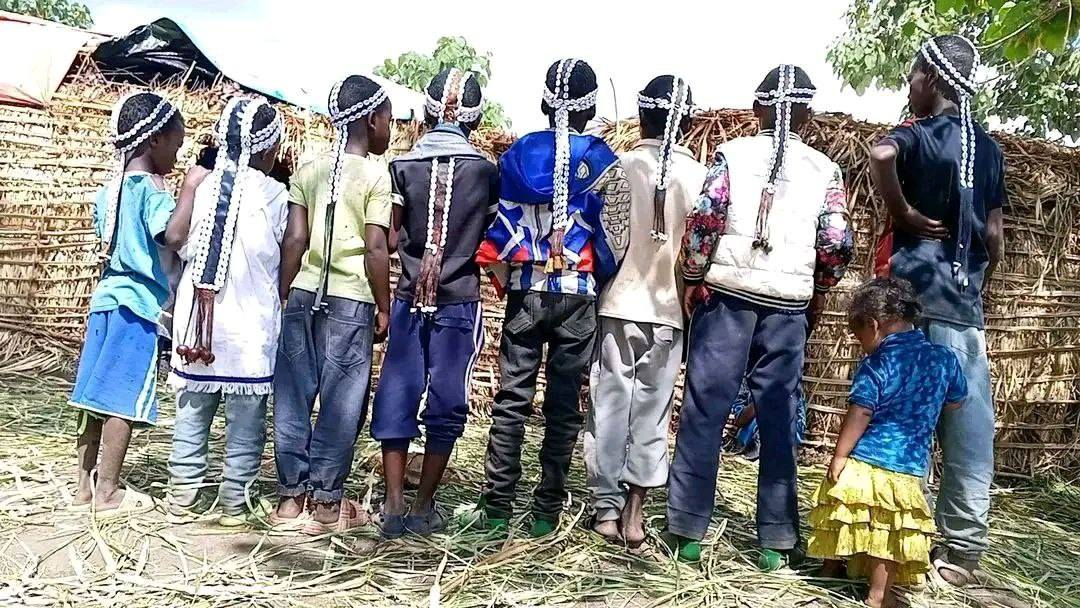
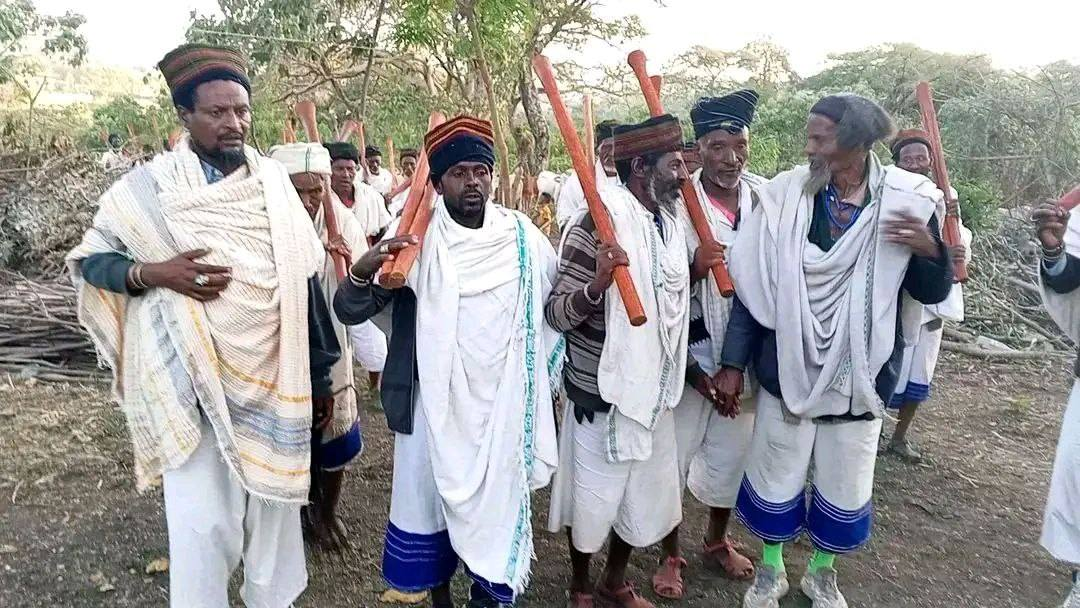
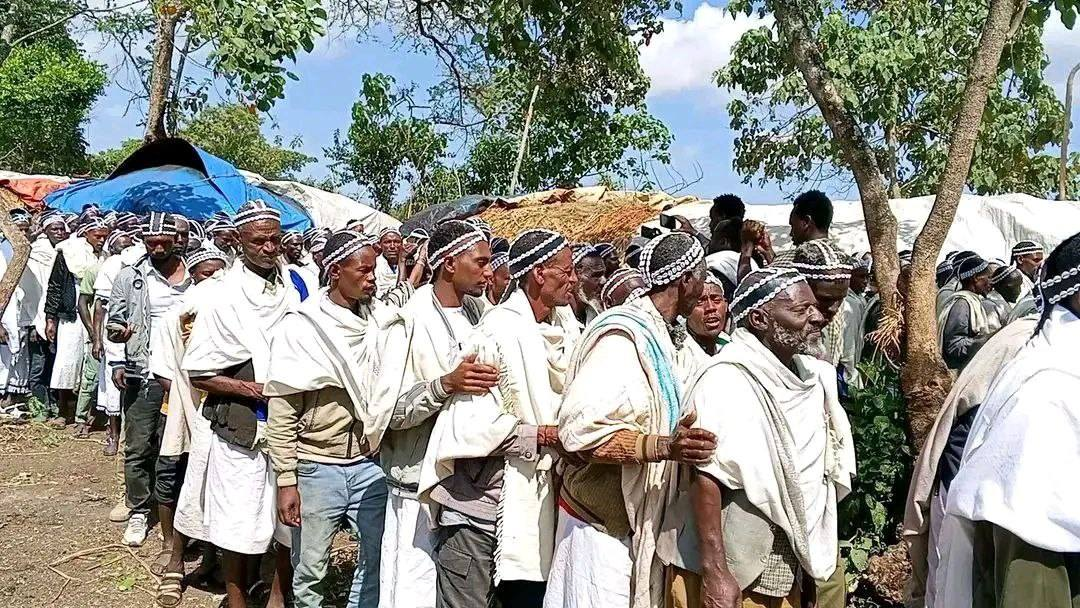
Gomboba, Oromia – In a vibrant display of community spirit and youth engagement, Gujii Adoolaa’s Reeddee Ardaa Jilaa sports tournament kicked off today in Gomboba. The event, centered around the traditional game of Hookkuu (a hockey-like sport), is drawing enthusiastic participation from across the area.
The opening ceremony was highlighted by a special match for elementary school children, adding a festive and inclusive atmosphere to the proceedings. However, the spirit of friendly competition took center stage as the tournament formally began.
The focus of the day was a decisive match officiated by Murtii Doorii Galaanaa Ciraa. In a thrilling and closely contested game, the Woddeessaa team emerged victorious, earning a commendable win on the field.
In a unique and celebratory local tradition following the match, supporters of the Daballee team, though disappointed by the loss, engaged in the customary practice of “qooxoo saaquu”—a playful and symbolic act of good-naturedly pursuing their rivals. This tradition underscores the deep-rooted cultural context of the tournament, where competition is balanced with communal bonds and customary expressions of sportsmanship.
The Reeddee Ardaa Jilaa tournament is seen as a significant event for Gomboba, promoting physical activity, preserving traditional games, and strengthening social ties within the community. The tournament is expected to continue with further matches in the coming days.
Karrayyu Community’s Sacred Ritual for Power Transition

Karrayyu Gadaa Council Prepares Historic “Buttaa Qaluun” Rite for Leadership Transition
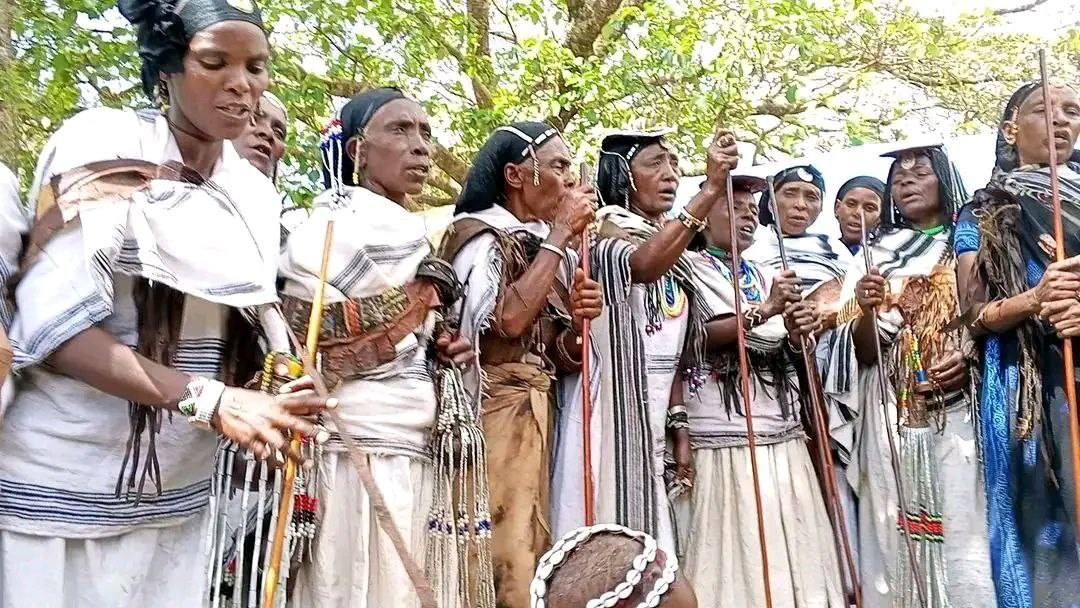
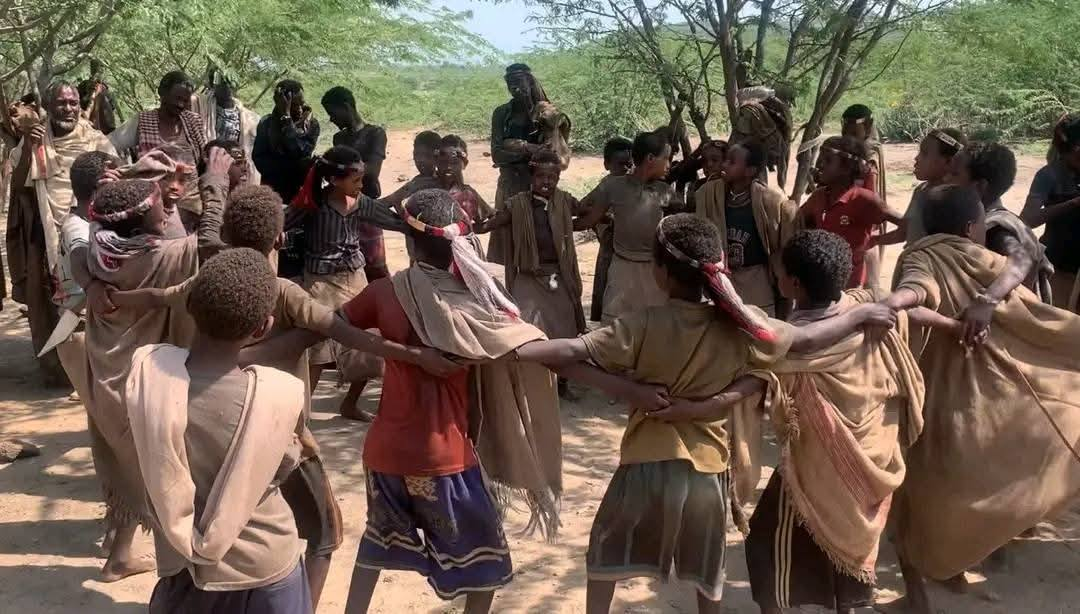
TARREE KEEDII, OROMIA — In accordance with the sacred eight-year cycles of the Oromo Gadaa system, the Karrayyu community is undertaking profound preparations for the Buttaa Qaluu ceremony—a pivotal ritual that facilitates the peaceful and systematic transfer of power from one Gadaa grade to the next.
Central to this process is the revered Baallii Gadoomaa (the scepter of Gadaa). Per Oromo law, the scepter is transferred every eight years. For the Karrayyu, the incumbent Gadaa council, having held the scepter and led the people for its designated eight-year term, is now charged with preparing the successor grade to assume power.
“The current Gadaa grade, having taken the Baallii Gadoomaa and governed for eight years, must now create the space—the Goobaa or Irreessa—for the next Gadaa set to rise,” explained a senior cultural analyst familiar with the rites. “This act of ‘giving space’ is a core constitutional principle of Gadaa, ensuring balanced, rotational, and non-hereditary leadership.”
The elaborate Buttaa Qaluu ceremony, now being organized at the sacred site of Tarree Keedii, is the formal mechanism for this transition. The term Goobaa itself encompasses the acts of vacating, clearing the path, mentoring, and imparting wisdom to the incoming leaders.
“The Karrayyu use Gadaa’s peaceful and consensual transfer of power as a model for national governance,” the analyst added. “The Goobaa demonstrates how leadership can be relinquished gracefully to ensure continuity and stability.”
Current Council Prepares the Ground
All eyes are now on the Gadaa Michillee council, the current custodians of power. Their critical preparatory duty is to receive the final blessings (Eebbaa) from the Abbaa Bokkuu (the presiding father) at their designated ritual ground (Ardaa).
Following this, they will proceed to the assembly site at Tarree Leedii to take their positions and oversee the meticulous execution of the Goobaa rituals. Their role is to ensure every sacred protocol is followed to legitimize and empower the incoming grade.
This meticulous process underscores the Gadaa system’s enduring sophistication as a indigenous system of democracy, conflict resolution, and constitutional governance. The Buttaa Qaluun ceremony is not merely a cultural event but a living enactment of a social contract that has guided the Oromo people for centuries.
The upcoming rites are expected to draw elders, scholars, and community members from across the region to witness this foundational practice of Oromo democracy in action.
# # #
About the Gadaa System:
Gadaa is the traditional, holistic social system of the Oromo people that governs political, economic, social, and religious life. It is based on an eight-year cyclical timeline, with power rotating democratically among five generational grades. In 2016, UNESCO inscribed the Gadaa system on the Representative List of the Intangible Cultural Heritage of Humanity.
Historic Launch of Borana Student Association in Ethiopia

Kenya and Ethiopia Leaders Unite for Historic Launch of Cross-Border Borana Student Association
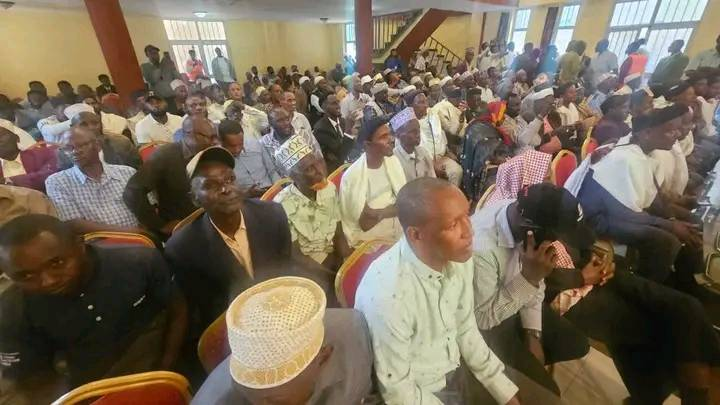
KOKET, ETHIOPIA — In a landmark event symbolizing cross-border cooperation, political, academic, and community leaders from Kenya and Ethiopia joined university students in Koket, Ethiopia, for the official inauguration of the Borana Ethiopia University Students Association (BESA).
Held under the unifying theme “Education, Empowerment, and Unity,” the launch ceremony brought together a diverse assembly of students, elders, and government officials. The forum served as a platform for critical discussions on leadership, the preservation of cultural identity, and the pivotal role of education in fostering peace and sustainable development within the Borana community and across the region.
The high-profile event underscored the initiative’s significant political and social backing, with notable attendees including:
- H.E. Abagada Guyyo Boru Guyyo (Ethiopia)
- PS Kello Harsama, Principal Secretary, The State Department for Livestock (Kenya)
- Hon. Prof. Guyo Jaldesa, Member of Parliament, Moyale Constituency (Kenya)
- Hon. Col. (Rtd) Dido Ali Rasso, Member of Parliament, Saku Constituency (Kenya)
- Sen. Mohamed Chute, Senator, Marsabit County (Kenya)
They were joined by other distinguished guests and elders from both nations, highlighting a shared commitment to the association’s goals.
The primary mission of BESA is to strengthen unity, academic collaboration, and cultural cohesion among Borana university students in Ethiopia. Organizers envision the association as a catalyst for empowering youth to become proactive leaders and change-makers, equipped to contribute to their communities’ socio-economic progress.
“This is more than a student club; it is a bridge,” said one of the founding student members. “A bridge between generations, between our campuses, and between our nations. Through BESA, we are investing in a unified future rooted in knowledge and shared purpose.”
The launch of BESA marks a proactive step in harnessing the potential of the region’s youth, emphasizing that education and collaborative spirit are fundamental pillars for lasting peace and shared prosperity in the Horn of Africa.
About BESA:
The Borana Ethiopia University Students Association (BESA) is a newly formed organization dedicated to uniting Borana university students across Ethiopia. Its core objectives include promoting academic excellence, cultural exchange, leadership development, and community service, with a vision to nurture a generation of empowered and socially responsible leaders.
 Oromedia