Asmerom Legesse: Champion of Oromo History and Gadaa System
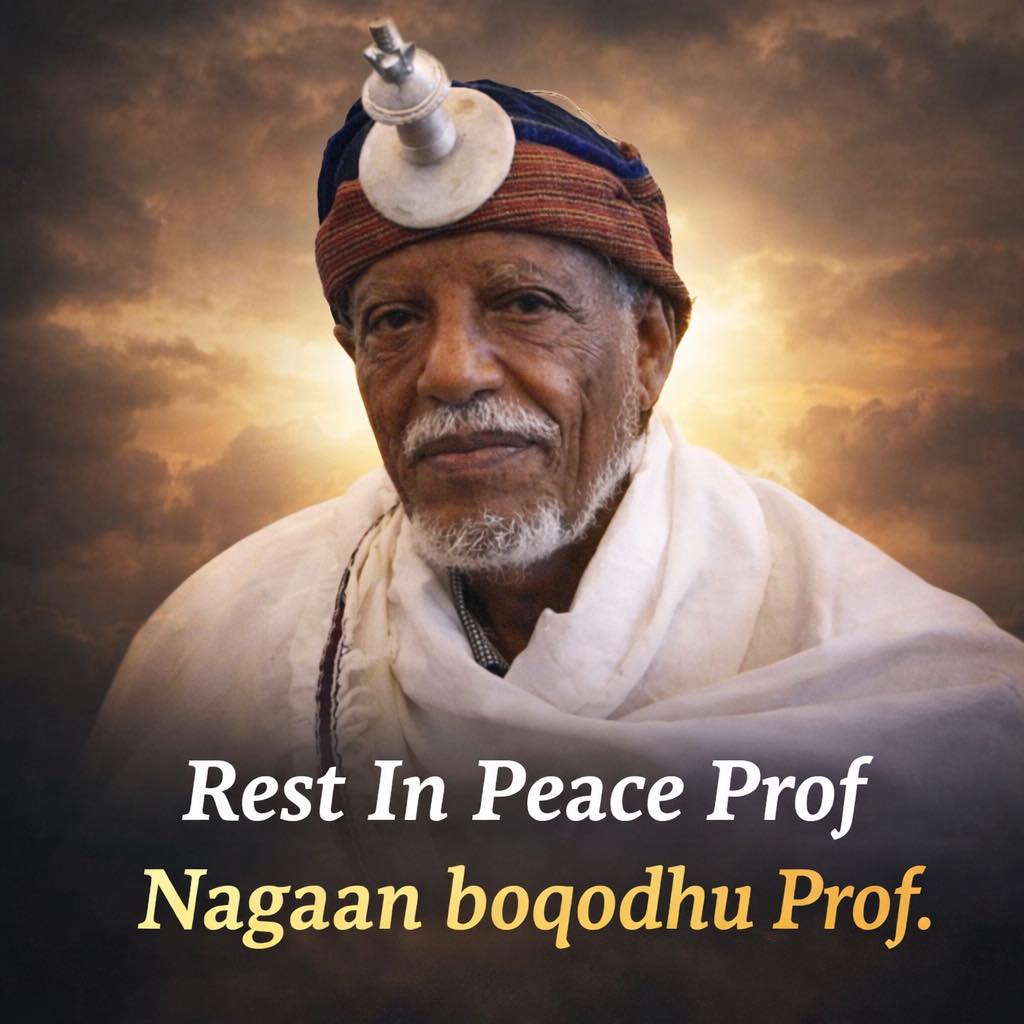
We are deeply saddened by the passing of Abbaa Gadaa Professor Asmerom Legesse, a towering African intellectual whose scholarship stands among the most consequential contributions to Oromo history and African political thought.
Abbaa Gadaa Professor Asmerom Legesse, an Eritrean social anthropologist trained at Harvard University and later a distinguished professor at institutions including Boston University, Northwestern University, Swarthmore College, and Yale University, devoted rare rigor and integrity to African knowledge systems. Yet his true stature was not defined by titles, but by the seriousness with which he treated the Oromo Gadaa system.
At a time when African societies were routinely dismissed as lacking political sophistication, he refused to reduce Gadaa to “custom” or folklore. Through disciplined research and cultural immersion, he framed Gadaa as an indigenous constitutional order—built on rotating generational leadership, codified law (seera), institutional checks and balances, accountability, and collective sovereignty.
His landmark work, Gadaa: Three Approaches to the Study of African Society (1973), introduced the world to the depth and coherence of Oromo political organization. Decades later, Oromo Democracy: An Indigenous African Political System (2000) further clarified Gadaa as an egalitarian democratic system whose institutional logic long predates modern Western models. These works remain core references for understanding Oromo governance and for challenging enduring stereotypes about African political thought.
Abbaa Gadaa Professor Asmerom Legesse understood what many still refuse to acknowledge: Oromo history is not marginal, not invented, and not secondary to anyone else’s narrative. It is a complete intellectual tradition—deserving serious documentation, protection, and transmission. By recording Gadaa with scholarly precision, he did more than study Oromo society; he defended it against erasure and misrepresentation.
For this reason, Oromo communities came to hold him in special esteem, symbolically recognizing him as an “Abbaa Gadaa”—a guardian of truth and a custodian of a threatened heritage. Beyond Oromo studies, he wrote on Eritrean refugees, and wider questions of displacement, power, and justice in the Horn of Africa, embodying the responsibilities of a public intellectual.
We at OROMEDIA express our heartfelt condolences to his family, colleagues, students, and all communities touched by his life and work. We also offer our deep gratitude for the intellectual ground he helped secure for generations of Oromo scholars and citizens. His scholarship did not merely preserve the past; it equipped future generations with evidence and language to assert historical truth.
Rest in power, Abbaa Gadaa Professor Asmerom Legesse. Your work lives on, wherever Gadaa is studied, defended, and lived as a testament to indigenous Oromo democracy and African intellectual greatness.
Oromo Community Mourns a Great Scholar: Asmerom Legesse’s Impact
Feature Commentary
A World Mourns an Intellectual Giant: Unified Tributes Honor Professor Asmerom Legesse, Scholar of Oromo Democracy
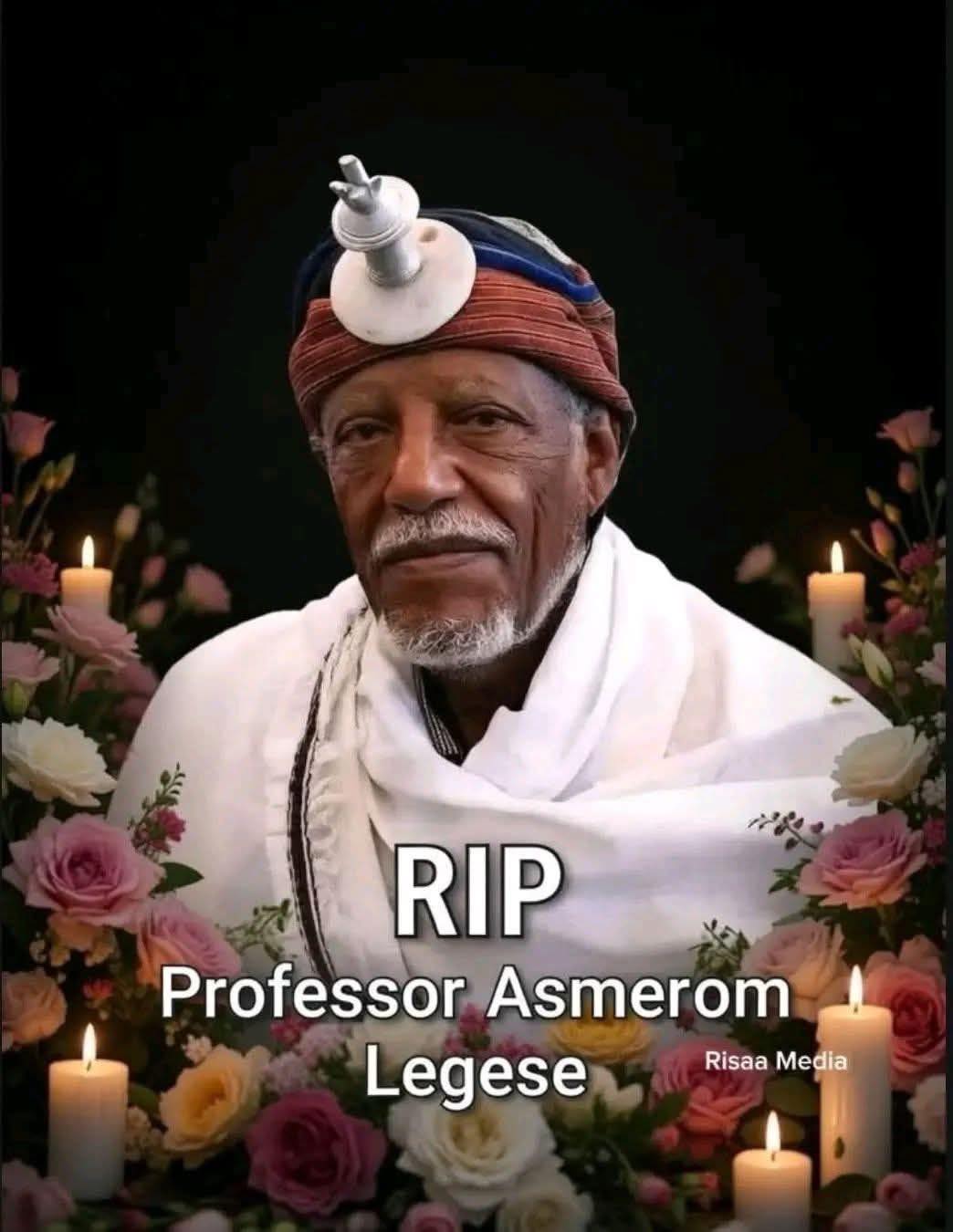
4 February 2026 – The global Oromo community, alongside academic and cultural institutions, is united in profound grief following the passing of Professor Asmerom Legesse, the preeminent scholar whose life’s work defined the study of the Oromo Gadaa system. Hailed as a “towering scholar,” “global voice,” and “steadfast guardian,” his death has prompted a powerful wave of tributes that collectively affirm his unparalleled role in bringing an indigenous African democratic tradition to the world stage.
Across statements from scholars, activists, and organizations, a consistent narrative emerges: Professor Legesse was far more than an academic. He was a truth-teller, a bridge-builder, and a revolutionary intellectual who dedicated his career to the reclamation and elevation of a system long marginalized by colonial and oppressive narratives.
Scholars and Leaders Reflect on a Transformative Legacy
Prominent voices have emphasized the transformative nature of his work. Scholar Asebe Regassa called him a “pioneer of Gadaa studies,” whose “groundbreaking anthropological work” ensured he will be “remembered forever.” Tayiba Hassen Kayo noted his “unwavering commitment” left an “enduring mark on academia and on the Oromoo people,” ensuring his life’s work “will never be forgotten.”
The personal dimension of his scholarship was highlighted by Israel Fayisa, who poignantly described him as “Eritrean by birth and Oromo by choice,” a scholar treated “like an enemy by many Ethiopianist scholars merely because he dedicated his life to revealing the truth.” This sentiment underscores the courageous stance his research represented.
A Legacy of Global Recognition and Cultural Pride
His work is credited with achieving what once seemed impossible: securing global academic respect for an indigenous African system. As Visit Oromia stated, his research “gave international recognition to one of Africa’s most remarkable indigenous governance systems.” Activist Dereje Hawas pointed out that what defined him was “the seriousness with which he treated African and especially Oromo knowledge systems,” elevating them to their rightful place in global discourse.
Activist and journalist Dhabessa Wakjira captured the core of his academic revolution, writing that Legesse “proved definitively that principles of equality, rotational leadership, checks and balances, and the rule of law were not foreign imports to the continent, but were deeply embedded, living traditions.” This work, as Lelise Dhugaa noted, was foundational to UNESCO’s inscription of the Gadaa system as Intangible Cultural Heritage of Humanity in 2016.
A Community’s Deep Personal Loss
For the Oromo people, the loss is both intellectual and deeply personal. The tribute from Olumaa Qubee expresses this communal grief: “Oromoon fira guddaa tokko dhabe” (“The Oromo people have lost a great sibling”). The call for schools and institutions to be named in his honor within Oromia reflects a desire to anchor his legacy physically in the land of the people he championed.
As tributes from colleagues like Zewdu Lechissa remember the “truly brilliant scholar and a kind soul,” the collective message is one of both mourning and determined continuity. Professor Asmerom Legesse’s pioneering scholarship did not merely document the Gadaa system; it restored a pillar of Oromo identity and gifted the world a timeless model of democracy. His legacy, as echoed by all, will undoubtedly “continue to inspire generations.”
Professor Asmerom Legesse: A Champion of Oromo Democracy

FOR IMMEDIATE RELEASE
A Guardian of Heritage: Advocacy for Oromia Mourns the Passing of Professor Asmerom Legesse (1931-2026)
(Melbourne, Victoria) – February 5, 2026 – Advocacy for Oromia, with profound respect and deep sorrow, announces the passing of the world-renowned scholar, Professor Asmerom Legesse. We extend our most heartfelt condolences to his family, his colleagues in academia, and to the entire Oromo people, for whom his work held monumental significance.
Professor Legesse was not simply an academic; he was a steadfast guardian and a preeminent global ambassador for the ancient Gadaa system, the sophisticated democratic and socio-political foundation of Oromo society. For more than forty years, he dedicated his intellect and passion to meticulously studying, documenting, and advocating for this profound indigenous system of governance, justice, and balanced social order.
His seminal work, including the definitive text Oromo Democracy: An Indigenous African Political System, transcended mere historical analysis. Professor Legesse’s scholarship performed a vital act of cultural reclamation and global education. It restored dignity to a marginalized history, affirmed the cultural identity of millions, and presented to the international community a powerful, self-originating model of African democracy that predated and paralleled Western constructs.
Born in Asmara in 1931, Professor Legesse’s intellectual journey—from political science at the University of Wisconsin to a doctorate in anthropology from Harvard University, where he later taught—was always directed by a profound sense of purpose. His research provided the rigorous, academic foundation for understanding indigenous African political philosophy.
His passing is felt as a deeply personal loss within our community, reminding us of the interconnected threads of Oromo history and resilience. On a recent visit to Asmara, a delegation from Advocacy for Oromia visited a site of immense historical importance: the church where Abbaa Gammachis and Aster Ganno, giants of faith and resistance, resided while translating the Bible into Afaan Oromo. It was there we learned that the family home of Professor Asmerom Legesse stood adjacent.
This physical proximity stands as a powerful metaphor. It connects the spiritual and linguistic preservation embodied by Abbaa Gammachis with the intellectual and political excavation led by Professor Legesse. They were neighbors not only in geography but in sacred purpose: both dedicated their lives to protecting, promoting, and elucidating the core pillars of Oromo identity against historical forces of erasure.
Professor Legesse’s lifetime of contributions has endowed current and future generations with the intellectual tools to claim their rightful place in global narratives of democracy and governance. For this invaluable and enduring gift, we offer our eternal gratitude.
While we mourn the silence of a towering intellect, we choose to celebrate the immortal legacy he leaves behind—a legacy of knowledge, pride, and empowerment that will continue to guide and inspire.
May his soul rest in eternal peace. May his groundbreaking work continue to illuminate the path toward understanding, justice, and self-determination.
Rest in Power, Professor Asmerom Legesse.
About Advocacy for Oromia:
Advocacy for Oromia is a global network dedicated to promoting awareness, justice, and the rights of the Oromo people. We work to uphold the principles of democracy, human rights, and cultural preservation central to Oromo identity and heritage.
Unpacking the Controversies in General Gonfa’s Narrative
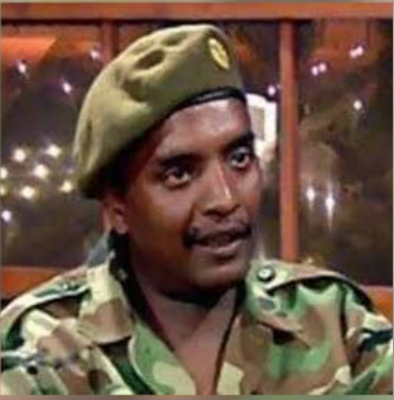
Feature Commentary: Unpacking the Narrative – A Rebuttal to General Hailu Gonfa’s ETV Interview
By Daandii Ragabaa
February 1, 2026
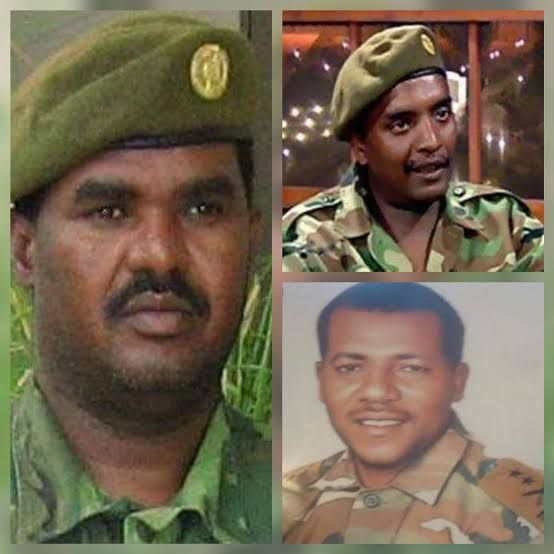
A recent interview given by General Hailu Gonfa, a former high-ranking member of the Oromo Liberation Army (OLA), to Ethiopian state television (ETV) has sent ripples through political and activist circles. Presented as a “tell-all,” the interview was a stark narrative of disillusionment with the OLF/OLA, peppered with allegations of foreign manipulation and internal failure. For the state broadcaster, it was a coup—a former insurgent commander validating state narratives. For many observers, however, it was a performance laden with contradictions and historical revisionism that demands scrutiny, not passive acceptance.
General Gonfa’s core thesis is one of victimhood at the hands of the Eritrean government (Shaebia) and strategic confusion within the OLF/OLA. He paints a picture of being used, misled, and ultimately betrayed. Yet, a closer examination of his own points reveals a narrative more complex and less absolving of his own agency.
1. The Eritrea Conundrum: Pawns or Strategic Partners?
Gonfa claims they went to Eritrea not out of hatred for Ethiopia, but to oppose the system, following the path of Eritreans themselves. He then details a three-month military training at Camp Ashfaray, a period of intense hardship. The critical question he sidesteps is: what did he and his comrades believe they were building towards in Asmara? Did they receive a political program from the OLF leadership? As senior military cadres, did they simply execute orders without understanding the overarching political strategy? His portrayal reduces seasoned officers to naive children, which insults both their intelligence and the gravity of their decision to seek foreign military training.
2. The Phantom “Russian Assignment” and Internal Discord.
He recounts a meeting in Russia where OLF members approached him, but they could not agree on a common agenda for working inside Ethiopia. He claims he was later given a vague, “impossible” national assignment. This raises a fundamental question: if there was such profound disagreement on core strategy before undertaking major actions, why proceed? The attempt to blame subsequent failures on a pre-existing lack of consensus suggests a failure of leadership and collective decision-making, not merely the deceit of others.
3. The “Oromia Republic” Straw Man.
This is perhaps the most disingenuous claim. Gonfa asserts a foundational disagreement over the goal of an “Oromia Republic,” which he labels a “colonial agenda.” He claims this deadlock was irreconcilable. Yet, the public record shows that figures like General Kamal Galchu, in a VOA interview, spoke openly about the possibility of a republic after achieving liberation. Furthermore, the OLF’s own political programs have historically navigated the spectrum between self-determination and possible independence based on a popular referendum. To frame a central, debated political aspiration as a shocking, divisive “colonial” plot is a gross misrepresentation of the struggle’s own intellectual history, likely tailored for his current audience in Addis Ababa.
4, 5 & 7: The Shaebia Scapegoat and the Mystery of Betrayal.
Gonfa dedicates significant time to blaming Eritrea for their imprisonment and manipulating the OLA’s military wing. He describes a mysterious Colonel “Xamee” who allegedly controlled them. This narrative of total Eritrean control sits awkwardly with his other claims of internal OLA agency, such as the alleged refusal of some army units to follow orders in 2018. If the OLA was merely a puppet, how did it exercise such defiance? His testimony about Colonel Abebe (allegedly now a Brigadier General in the OLA) is particularly damaging but presented without context or corroboration. It creates a convenient fog where all failures can be attributed to a shadowy foreign hand, absolving internal leadership of critical misjudgments.
6. The Uncomfortable Transition from Refugee to Parliamentarian.
Gonfa’s personal journey—from an economic refugee with a Swedish passport to a member of parliament—is presented as a triumph of resilience. Yet, it unavoidably invites questions about the pathway from armed opposition to state legitimization. He speaks of the hardships of struggle, but for many watching, the stark contrast between the described suffering and his current official position underscores the complex, often ambiguous, transitions in Ethiopian political life, where former enemies can become state stakeholders.
8 & 9: Rewriting the Homecoming and the Gadaa Model.
He claims that upon returning to Ethiopia, they chose to work on national issues within the political system, respecting the existing OLF leadership. This sanitizes what many saw as a major split and a demobilization. His praise for the “Gadaa model” of conflict resolution, now being adopted in Amhara region, rings hollow. It appears less as a genuine endorsement of traditional systems and more as an endorsement of the federal government’s current policy of co-opting ethnic administrative models, a far cry from the Gadaa system’s principles of sovereignty and self-rule.
Conclusion: A Performance with a Purpose
General Hailu Gonfa’s interview is less a revelation and more a strategic repositioning. It is an effort to construct a personal and political narrative that reconciles a past of armed rebellion with a present of state accommodation. In doing so, it simplifies a multifaceted struggle into a story of foreign deception and internal error, draining it of its political substance and reducing it to a series of personal grievances and bad partnerships.
For the state, it is a useful narrative: the rebels were confused, controlled by Eritrea, and have now seen the light. For the still-active struggle, it is a warning about the power of state platforms to reshape history. For critical observers, it is a reminder that every testimony, especially those given in such loaded circumstances, must be read not just for what is said, but for the silences it cultivates and the interests it serves. The truth of the Oromo struggle, in all its sacrifice, complexity, and ongoing evolution, lies not in this single curated confession, but in the totality of its lived history, which is far messier, more principled, and more enduring than this interview suggests.
The Gedeo Daraaro Festival: A Celebration of Renewal and Justice

“Daraaro”: The Gedeo Festival of Renewal and its Modern Resonance
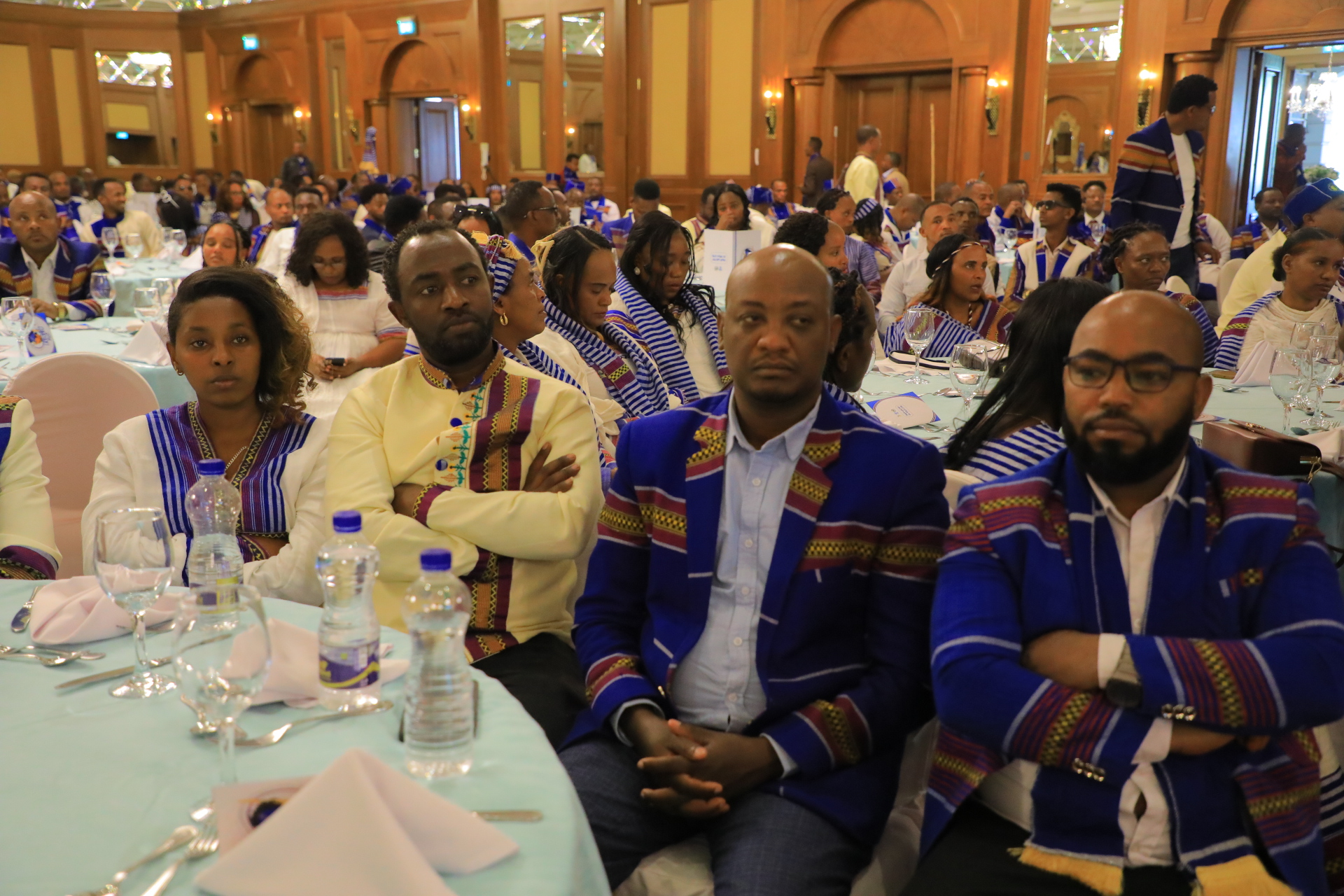
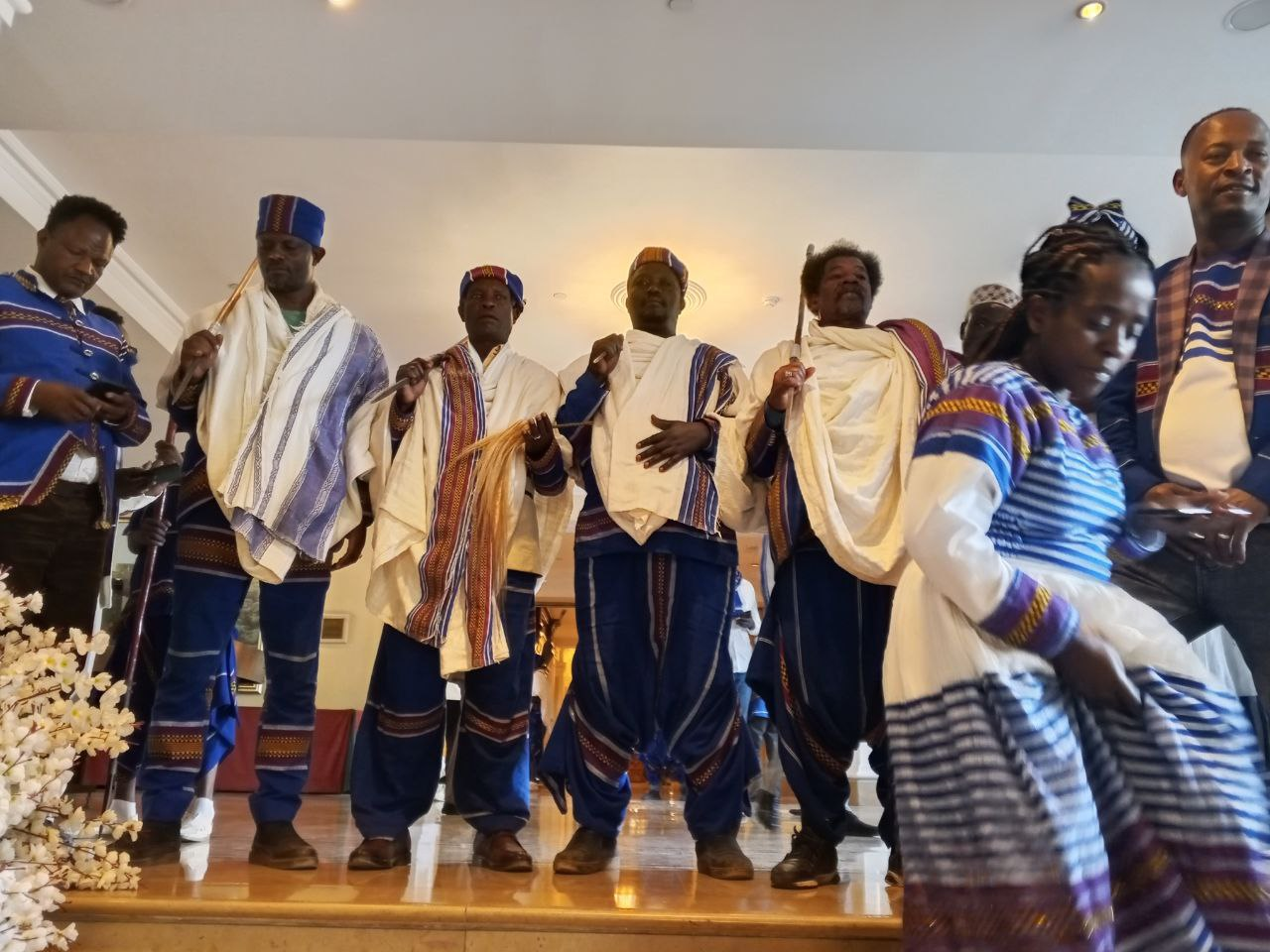
In the heart of Ethiopia’s capital, a celebration of profound cultural and spiritual significance is unfolding. The Gedeo people’s “Daraaro” festival—the annual marker of their transition from the old year to the new—is being observed in Addis Ababa with a solemnity and vibrancy that speaks to both its deep roots and its contemporary relevance.
Described as a festival of “gift, gratitude, and peace,” Daraaro is far more than a calendrical event. It is a living embodiment of a worldview. At its core, it is an act of communal reorientation: a time to present gifts (sita) to spiritual leaders (Abba Gada), expressing thanks for peace and success granted, and articulating collective hopes for health, security, and a bountiful harvest in the year ahead. This intertwining of the spiritual, the social, and the agricultural reveals a holistic philosophy where human well-being is inseparable from divine favor and environmental harmony.
What makes the current observance in Addis Ababa particularly noteworthy is its dual character. It is simultaneously an act of cultural preservation and a statement of modern identity. The inclusion of symposia and events detailing Gedeo history, culture, and language transforms the celebration into a platform for education and dialogue. It asserts that Gedeo heritage is not a relic of the past, but a vital, intellectual, and artistic tradition deserving of national recognition and understanding.
The festival’s official framing around the theme of “development for culture and tourism” is a significant and complex evolution. On one hand, it represents a strategic move to gain visibility and economic leverage within the Ethiopian state, which actively promotes cultural tourism. On the other, it risks commodifying a sacred tradition. The true test will be whether this external framing can remain a vessel for the festival’s intrinsic meanings of gratitude, peace, and social justice, rather than subsuming them.
Indeed, the commentary’s note that issues of “justice and the national system” are part of the discourse during Daraaro is crucial. For the Gedeo—a people with a distinct identity and a history intertwined with questions of land, resource rights, and administrative recognition—a festival of renewal is inevitably also a moment to reflect on societal structures. Prayers for a good harvest and communal safety are, in the modern context, also implicit commentaries on land tenure, economic equity, and political inclusion.
The most forward-looking aspect of the report is the work towards UNESCO recognition as intangible cultural heritage. This pursuit is a high-stakes endeavor. Success would provide a global shield for the festival, fostering preservation, research, and prestige. However, it must be navigated carefully to avoid fossilizing the tradition or divorcing it from the community that gives it life.
A Commentary: The Bridge of Daraaro
Daraaro, in its essence, builds a bridge. It bridges the old year and the new, the human and the divine, the individual and the community. Now, as celebrated in Addis Ababa, it builds another: a bridge between the particularity of Gedeo culture and the broader Ethiopian—and indeed global—conversation.
Its message of gratitude and peace is a universal one, yet it is delivered in the specific, potent vocabulary of Gedeo tradition. Its emphasis on social justice ties an ancient ritual to the most pressing contemporary debates. Its pursuit of UNESCO status places a local Ethiopian practice within an international framework of cultural value.
The celebration of Daraaro in the capital is thus a powerful symbol. It signifies that Ethiopia’s strength does not lie in a monolithic culture, but in the ability of its diverse nations and peoples to bring their unique, rich, and reflective traditions to the national table. It reminds us that a “new year” is not just a change of date, but an opportunity for societal recalibration—a time to offer gratitude, seek justice, and plant collective hopes for the future. In honoring Daraaro, we are reminded that some of the most vital frameworks for building a peaceful and prosperous society are not new political doctrines, but ancient festivals of renewal, patiently observed year after year.
US-Ethiopia Accord: Unpacking the Anti-Terror Strategy

A Strategic Embrace: Reading Between the Lines of the US-Ethiopia “Anti-Terror” Accord
By Maatii Sabaa
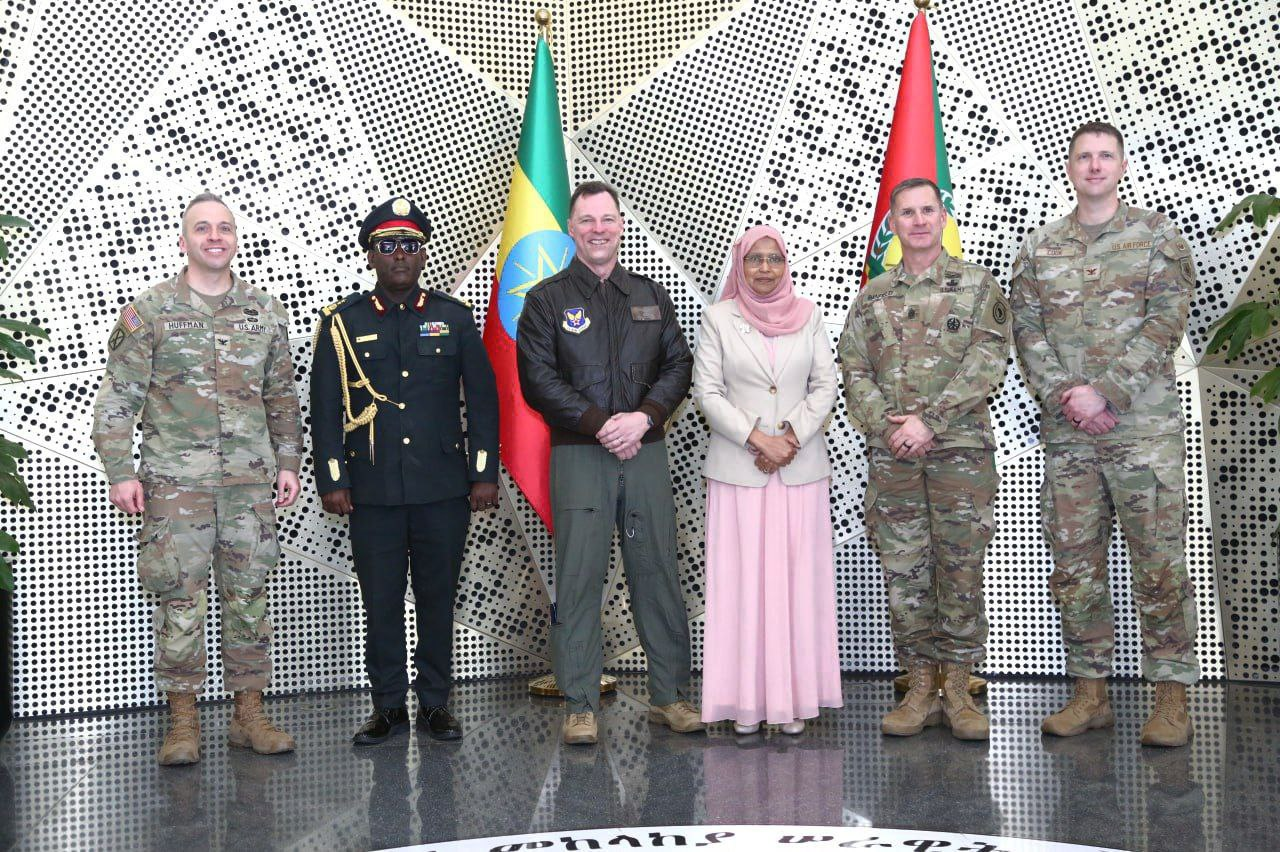
This week, the corridors of power in Addis Ababa hosted a meeting that was, on the surface, all about forward momentum. Ethiopian Defense Minister Engineer Aisha Mohammed received United States Africa Command (USAFRICOM) Commander General Dagvin Anderson, and the subsequent joint statement was a masterclass in diplomatic phraseology. The two nations, we are told, agreed to elevate their “growing diplomatic and military relations into a higher strategic partnership,” reaffirmed a shared commitment to “peace and security,” and—most pointedly—pledged to “jointly combat terrorism to safeguard their respective national interests.”
The language is smooth, strategic, and designed for international news wires. Yet, in the complex geopolitical theater of the Horn of Africa, such declarations are never just ink on paper. They are seismic signals, revealing shifting tectonic plates of influence, ambition, and realpolitik. To understand this meeting, one must read not just the statement, but the subtext, the timing, and the unspoken needs of both parties.
For the United States, represented by the commander of its African military umbrella, the engagement is a calibrated re-engagement. Ethiopia, long a cornerstone of US strategy in the region, experienced a profound rupture in relations following the Tigray War. The meeting signals a deliberate American pivot: from a posture of pressure and sanctions to one of renewed partnership, albeit with a clear, security-first agenda. The framing of “combating terrorism” provides a mutually acceptable chassis for this rebuilt relationship. It allows the US to re-establish critical military-to-military ties, secure influence in a strategically vital nation bordering volatile regions, and counter the deepening foothold of rivals like Russia and China. General Anderson’s presence at the 90th anniversary of the Ethiopian Air Force was not merely ceremonial; it was a symbolic reinvestment in a key institutional partner.
For the Ethiopian government of Prime Minister Abiy Ahmed, the benefits are equally compelling, but stem from a position of seeking consolidation. Emerging from a devastating internal conflict and facing persistent security challenges—from insurgent groups in Oromia to tensions with neighboring Somalia—Addis Ababa craves international legitimacy and material support. A publicized strategic partnership with the world’s preeminent military power serves both ends. It burnishes the government’s diplomatic standing, frames its internal conflicts through the lens of a global “war on terror,” and potentially unlocks access to security assistance, intelligence sharing, and diplomatic cover. The phrase “safeguard their respective national interests” is crucial here; it acknowledges Ethiopia’s sovereign prerogative to define its threats, while America gains a partner in regional stability.
However, the term “terrorism” in this context is a Pandora’s Box. Who defines it? Which groups fall under this banner? The agreement risks providing international sanction for the domestic suppression of political dissent or armed resistance movements, branding them as terrorists in the name of shared security. This has profound implications for human rights and political negotiation within Ethiopia. Critics will argue that such pacts can embolden securitized approaches to complex political problems, prioritizing military solutions over dialogue and reconciliation.
Ultimately, the Addis Ababa meeting is a transaction. The United States gains a relaunched strategic foothold. Ethiopia gains validation and support. The glue binding the deal is a shared, if vaguely defined, enemy: “terrorism.” While the language speaks of peace and partnership, the underlying calculus is one of hard-nosed interest. The test of this new chapter will not be in the warmth of high-level meetings, but in the concrete actions that follow. Will it lead to greater stability and rights-respecting security in Ethiopia, or will it simply militarize a troubled landscape under a new banner of cooperation? The joint statement opens a door; what walks through it will define the true meaning of this strategic embrace.
Honoring Ob Mama Argoo: A Pillar of Oromo Community in Seattle

A Pillar in the Diaspora: The Deep Loss of Ob Maammaa Argoo and the Meaning of Home
By Maatii Sabaa
A community’s strength is often measured in its quiet pillars—the individuals who don’t just inhabit a space, but who become synonymous with its heartbeat, its memory, and its sense of home. When such a pillar falls, the tremor is felt across oceans, reaching from a neighborhood in Seattle to the soul of a global nation. The recent, stark announcement from the Oromo community carries this profound weight: “OROMOON har’a nama jabaa tokko dhabne; Keessumattu Oromoon Seattle, Ob Maammaa Argoo dhabnee jirra. Ob Maammaa Argoon Abbaa Margituu Argoo ti.” (Today, the Oromo people have lost a strong one; Especially we, the Oromo of Seattle, have lost Ob Mama Argoo. Ob Mama Argoo is Abbaa Margituu Argoo.)
This is more than an obituary. It is a communal acknowledgment of a foundational fracture. The title “Ob” or “Abbaa” is not given lightly; it denotes fatherhood, leadership, and a gravitas earned through steadfast presence. He was not just a resident of Seattle, but a cornerstone for Oromoon Seattle, a vital node in the vast diaspora network that sustains Oromo culture, politics, and mutual aid far from the physical borders of Oromia.
The loss of such a figure in the diaspora cuts with a unique sharpness. For a community shaped by displacement, struggle, and the constant work of preserving identity in a foreign land, people like Ob Argoo are more than leaders. They are living archives and architects. They are the ones who remember the names and stories of new arrivals. They are the organizers behind cultural festivals that transform a community hall into a pocket of Oromiyaa for an evening. They are the first call in times of crisis—whether it’s navigating a bureaucratic system or mourning a loss back home. They become the embodied answer to the unspoken question: Where is our home here?
Abbaa Margituu Argoo—Father of Margituu Argoo—this final identification roots him in the most sacred of Oromo traditions: lineage and relational identity. Even in announcing his passing, the community defines him by his cherished role as a father, reminding us that the strongest community pillars are always, first, pillars of a family. His strength (“nama jabaa”) was likely not the loud, theatrical kind, but the resilient, reliable strength of a great tree: providing shade, stability, and a point of orientation for all who gathered beneath.
His passing leaves a silence that is both personal and structural. Who will now hold the intricate web of connections with the same familiarity? Who will offer that specific, grounding wisdom that comes from having witnessed decades of the community’s joys and struggles in this particular city? The grief expressed is for the man, undoubtedly, but also for the irreplaceable role he occupied—a role that represents the very glue of diaspora life.
In mourning Ob Maammaa Argoo, the Oromo community of Seattle, and indeed the wider Oromo nation, confronts a poignant truth about diaspora. The greatest assets are not buildings or institutions, but the living human repositories of memory, commitment, and unwavering presence. The work of a community is to build upon the foundation such individuals leave behind, to ensure that the “home” they helped construct does not crumble with their passing.
Today, Seattle feels less like home for many. But in their collective grief and in the powerful, simple act of naming his loss and his title, they perform the very culture he helped sustain. They affirm that an Oromo community exists, that it feels its losses deeply, and that it honors its fathers. Ob Maammaa Argoo’s legacy is not just in what he did, but in the palpable space his absence reveals—a space that testifies to the immense weight of the presence that once filled it. May his roots nourish the generations that follow.
Mootuu Ayyaanoo Secondary School: A Legacy of Education and Sacrifice

Legacy in Learning: World Food Prize Laureate Professor Gebisa Ejeta Honors Mother with New School in Hometown
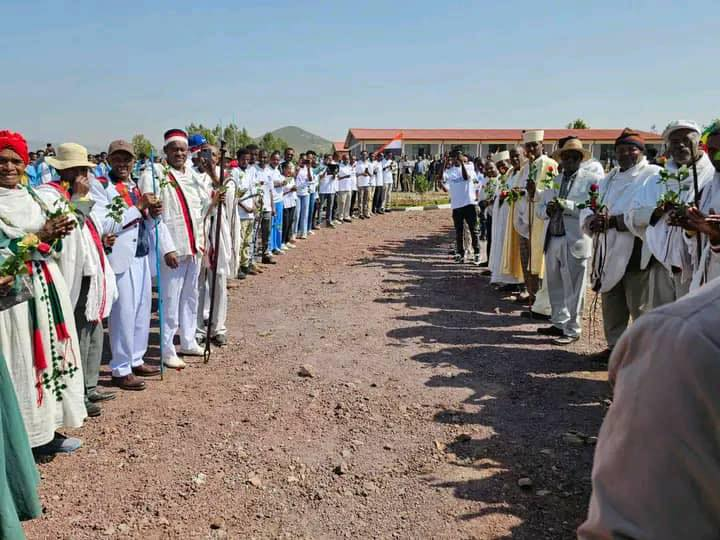
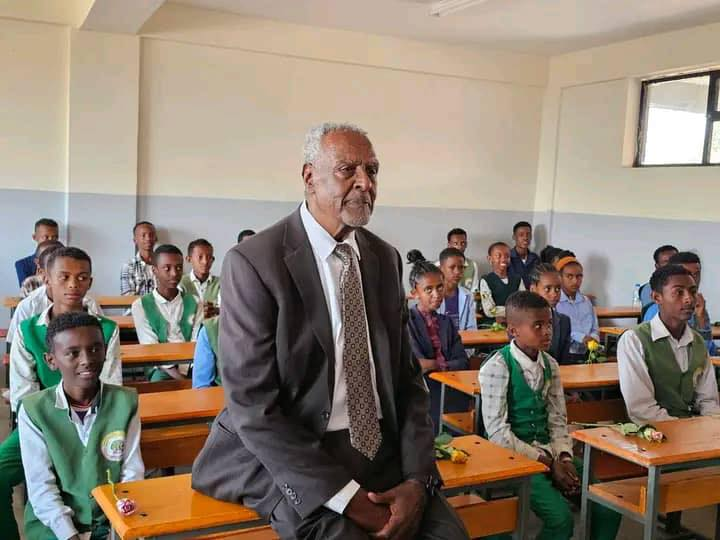
EJERSA LAFO, OROMIA REGION, ETHIOPIA – In a powerful tribute to maternal sacrifice and the roots of education, a newly constructed secondary school in the rural heartland of Ethiopia now bears the name of a mother whose vision changed a family’s destiny. The “Mootuu Ayyaanoo Secondary School,” named in honor of Professor Gebisa Ejeta’s late mother, was officially inaugurated in Ejersa Lafo, West Shewa Zone.
The state-of-the-art facility, built at a cost of over 60 million Ethiopian Birr, stands as a permanent monument to the enduring power of a parent’s belief in education. The school is equipped with modern classrooms, laboratories, and facilities designed to provide quality education for the community.
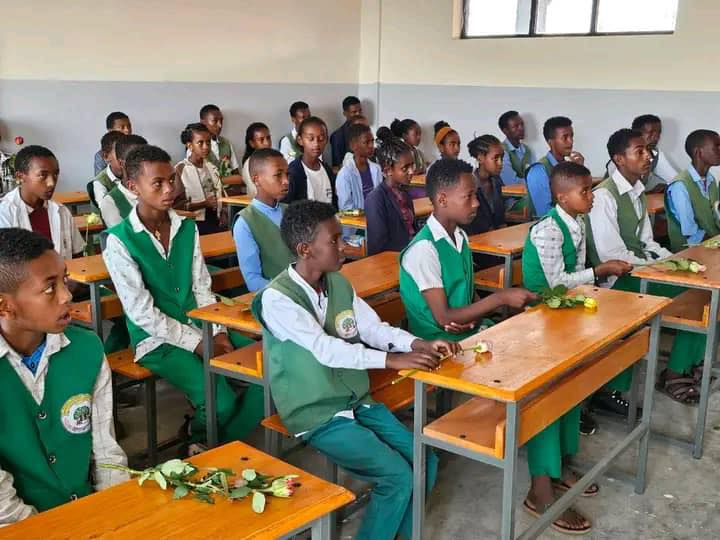
Professor Gebisa Ejeta, a globally renowned plant geneticist and 2009 World Food Prize Laureate, was born in the nearby village of Holonkomii in 1950. In numerous interviews, he has consistently credited his mother, Mootuu Ayyaanoo, as the foundational force behind his academic journey. He has recounted how she sold firewood and walked vast distances to markets to earn the funds necessary for his early schooling, instilling in him the values of perseverance and the transformative power of knowledge.
“It is the deep wish of every child to honor their parents. We are profoundly moved and grateful that this school, a place of learning and future-building, carries our mother’s name,” said Professor Ejeta, reflecting on the inauguration. He and his family have long championed the critical importance of education for rural development.
The school’s inauguration is more than a local event; it is a symbolic closing of a circle. The boy who walked dusty paths from Holonkomii, propelled by his mother’s sacrifices, has become a world-leading scientist whose work on drought-tolerant sorghum has improved food security for millions. Now, his legacy ensures that children from his homeland will walk into a modern school bearing the very name that set him on his path.
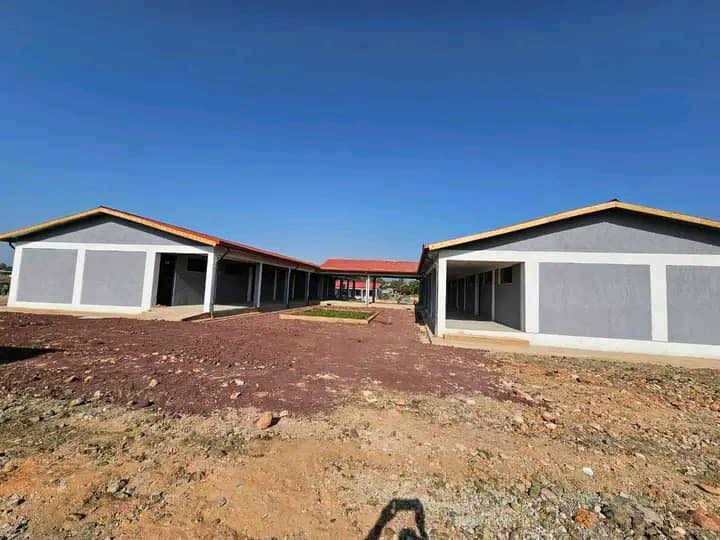
“For us, this is the fulfillment of a long-held hope,” said a community elder during the celebrations. “Professor Gebisa has not forgotten his home. This modern, clean, and high-standard school is a gift that will change generations. We are overjoyed.”
Local residents expressed immense pride and gratitude, highlighting that the “Mootuu Ayyaanoo Secondary School” is a beacon of inspiration. It serves as a constant reminder that from the humblest beginnings—fueled by love, sacrifice, and education—global leaders can emerge.
The naming elegantly weaves together personal history and national progress. It honors a mother’s silent labor while investing directly in Ethiopia’s most vital resource: the educated mind of its youth. As students begin their studies within its walls, they will learn not only from textbooks but from the story embedded in the school’s very name—a story of unwavering belief and the seeds of greatness sown by a mother’s hands.
Australia’s Crackdown on Migrant Exploitation
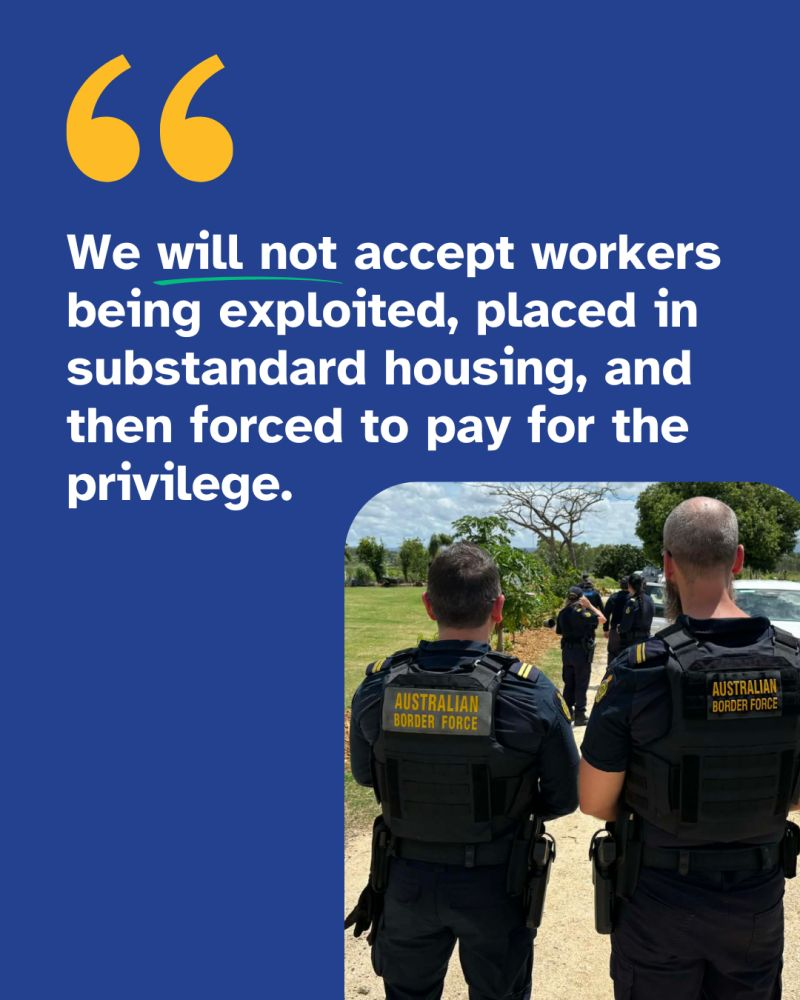
EXCLUSIVE
MAJOR BORDER FORCE OPERATION NETS FOUR IN FAR NORTH QUEENSLAND CRACKDOWN ON MIGRANT EXPLOITATION SYNDICATES
CAIRNS, QLD – Australian Border Force (ABF) officers have launched a major offensive against criminal networks profiting from the illegal exploitation of migrant workers, detaining four high-priority targets in Far North Queensland in a sweeping operation.
The Department of Home Affairs-led operation, which targeted immigration non-compliance, visa fraud, and labour trafficking, marks a significant escalation in efforts to dismantle sophisticated syndicates preying on vulnerable workers and undermining the integrity of Australia’s migration system.
“This operation sends a strong message that Australia will not tolerate the abuse of our visa system or the exploitation of people who come here to work,” a senior ABF official stated. “Regional communities do not want this criminal behaviour in their backyard, and we are acting decisively to disrupt it.”
The Detained:
According to ABF sources, those apprehended include:
- A suspected fraudulent migration agent and his partner, who allegedly targeted workers from the Pacific Australia Labour Mobility (PALM) scheme. They are accused of charging exorbitant fees to lodge invalid Protection Visa applications, leaving workers in legal limbo and severe debt.
- An unlawful non-citizen alleged to be a key facilitator, trafficking illegal migrant workers to local businesses while providing unlawful immigration assistance.
- An individual accused of using violence and coercion to control vulnerable migrants, funneling them into illegal work while subjecting them to substandard housing and appalling working conditions.
Cracking Down on “Modern Slavery” in Plain Sight
The operation highlights a growing national focus on what authorities describe as “modern slavery in plain sight” within certain industries. Criminal syndicates are suspected of using complex visa fraud, deceptive recruitment, and intimidation to create a cheap, compliant, and illegal workforce.
The exploitation of PALM scheme workers, a government program designed to support Australia’s agricultural and regional sectors through legal, protected labour, is of particular concern. The alleged actions of the detained migration agent represent a direct attack on a vital bilateral program, jeopardising the welfare of workers and community trust.
Community Vigilance Crucial
Authorities have praised the role of the public and regional communities in reporting suspicious activity, which directly contributed to the intelligence-led operation.
“Members of the public continue to play a critical role,” the ABF emphasised. “Their reports help us build a picture of these exploitative networks and take action.”
The ABF urges anyone with information on visa fraud, illegal work, or worker exploitation to report it anonymously via the Border Watch program online. The public is reminded that illegal workers are often victims themselves, ensnared by deceptive promises and crippling debt.
The four individuals are now in immigration detention pending their removal from Australia. Investigations into the wider networks involved are ongoing, with the ABF warning that further enforcement action is expected.
Burtukan Mideksa’s Journey: A Political Memoir Unveiled

Feature Commentary: “መመለስ” – The Return of a Voice and the Resonance of Memory
In the rich tapestry of Ethiopian political life, few contemporary figures command the blend of unwavering principle and administrative acumen quite like W/ro Burtukan Mideksa. Her journey—from the bench to political leadership, from imprisonment to international diplomacy—has been a defining narrative of Ethiopia’s turbulent recent decades. The recent ceremonial launch of her Amharic-language memoir, “መመለስ: ቦጌ ትውስታዎቼ” (“Return: My Bogé Memories”), is therefore more than a literary event. It is a significant political and cultural moment, a formal re-entry of a pivotal perspective into the nation’s ongoing dialogue about its past and its future.
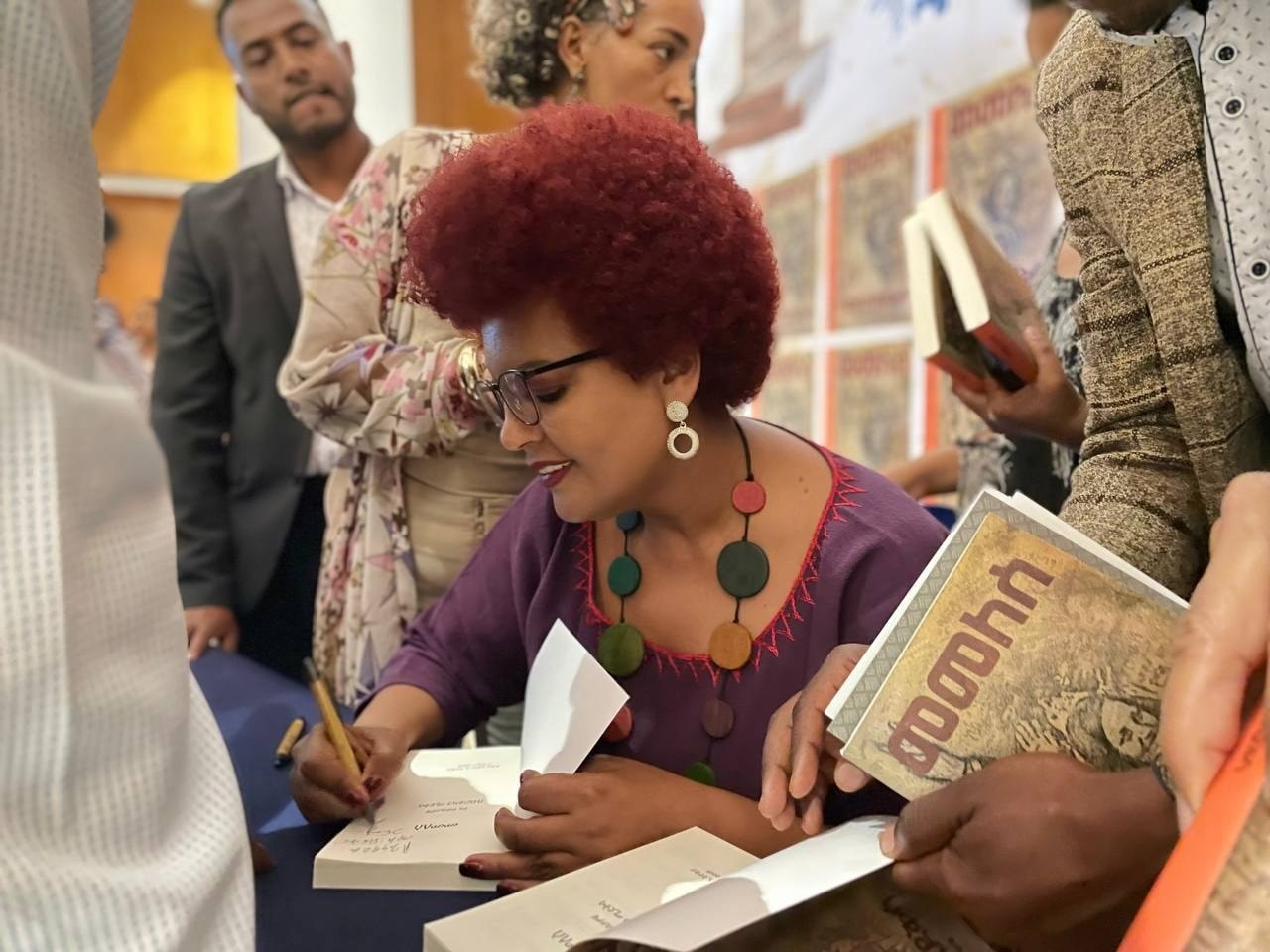
The title itself, “መመለስ” (Return), is profoundly evocative. On one level, it refers to a physical and spiritual return to Bogé—a place steeped in personal and national history, likely referencing a period of reflection, struggle, or origin. On another, it signifies the return of Burtukan Mideksa’s own voice to the public sphere in a new, enduring form. After years of being analyzed, quoted, and defined by others—as a judge, an opposition leader, a prisoner of conscience, and most recently as the Chairperson of the National Election Board of Ethiopia (NEBE)—this book represents her opportunity to define her own narrative, to “return” the story to its source.
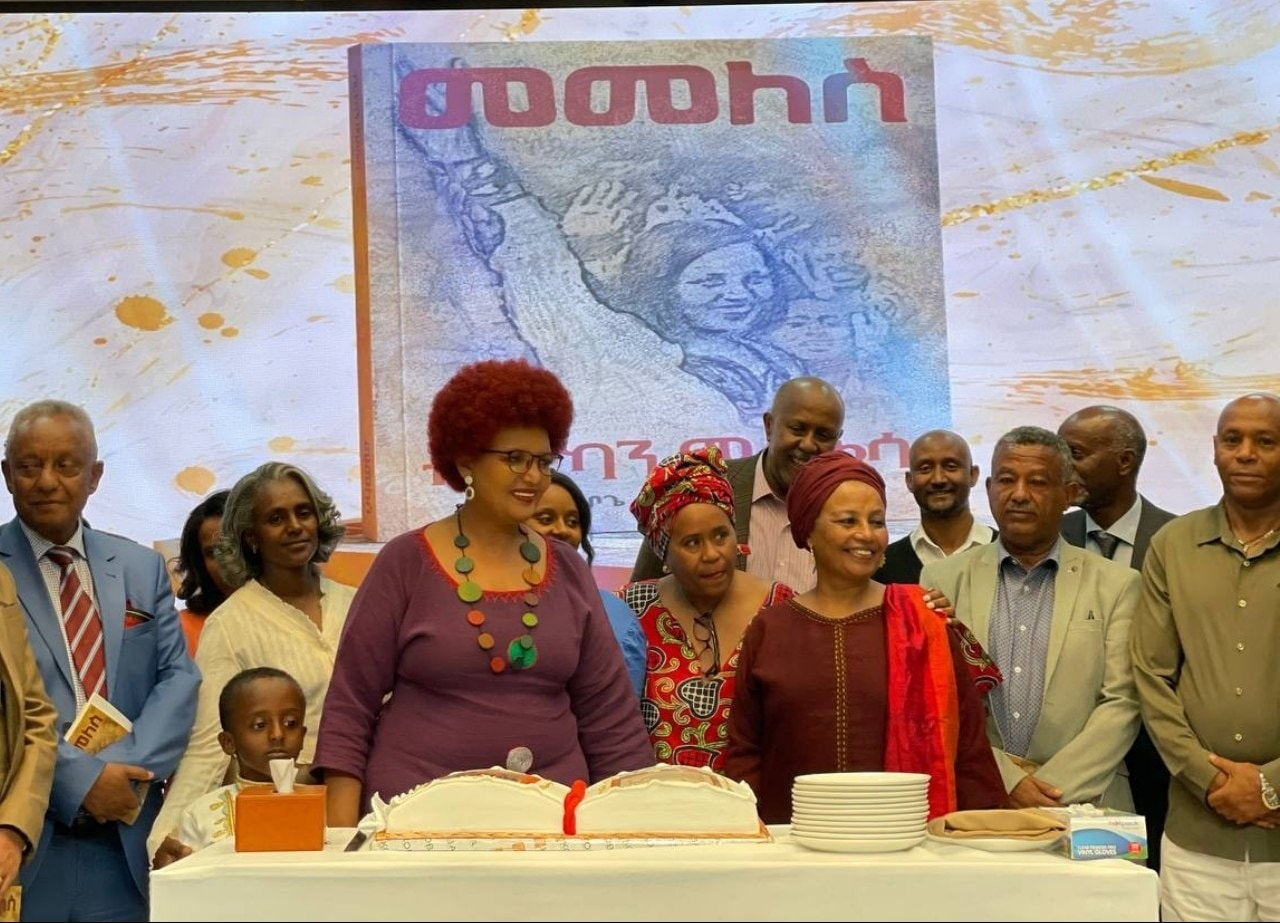
The launch event, as reported, was fittingly dignified, attended by a host of guests and featuring readings by prominent figures like Abba Balcha and Konjit Seyoum. The participation of intellectuals and analysts such as Soliana Shimelis, Worqneh Tefera, Hirut Tefaye, Tewodros Aylaw, and Dawit Birhanu underscores the book’s perceived weight. It is not treated as a mere personal account but as a primary source document, a contribution to the collective understanding of Ethiopia’s political evolution over the last thirty years.
The book’s structure—37 chapters spanning 292 pages—suggests a comprehensive and detailed reckoning. For students of Ethiopian politics, the promise lies in the granular, firsthand account of critical junctures: the fraught 2005 elections, the experience of political imprisonment, the internal dynamics of opposition politics, and the complex challenges of leading an institution like the NEBE in a polarized environment. It offers a rare, insider’s view from a figure who has operated at the highest stakes of the country’s democratic struggle.
However, the publication of “መመለስ” arrives at a deeply complex moment. Ethiopia is a nation still grappling with the wounds of a brutal civil war, severe internal fractures, and an uncertain political transition. In this context, a memoir by a figure of Burtukan’s stature is inevitably a political act. It will be read not just for its recollections, but for its judgments, its silences, and its implicit commentary on present-day actors and crises. It has the potential to reframe debates, validate certain historical narratives, and challenge others.
Ultimately, the significance of “መለሰ” extends beyond its immediate political insights. It represents the power of personal testimony in a national story often dominated by grand ideologies and collective movements. By sharing her “Bogé memories,” Burtukan Mideksa does more than recount events; she invites a conversation about resilience, principle, and the personal cost of public life in Ethiopia. Whether as a tool for historical clarification, a mirror for the present, or a guide for future leaders, this “return” of memory to the public domain is a vital addition to the fragile architecture of Ethiopia’s national understanding. Its true impact will be measured not just in book sales, but in the depth and quality of the dialogue it inspires.
 Oromedia