The Goal is Deeper Than the Net: How a Kora Lammii—a community pitch Match Rekindles a Nation’s Soul
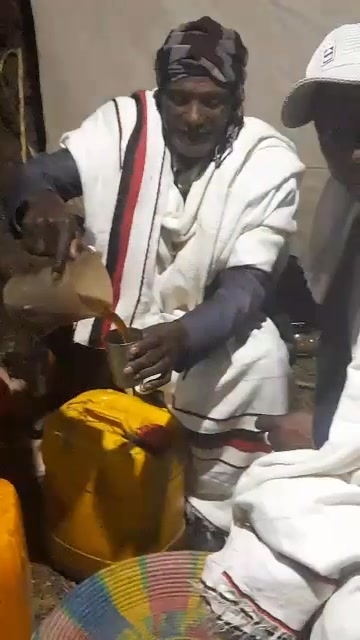
Subtitle: In Ambo Ejersa, the beautiful kora lammii—a community pitch Becomes a Classroom for Culture, Proving That Our Strongest Defence is Unity
The scene is familiar—a dusty pitch, the sharp cry of a whistle, the unified gasp of a crowd as a ball soars toward the goal. But in the Boji area of Ambo, the familiar scene is telling a profoundly unfamiliar, and more beautiful, story. Here, the Ambo Ejersa Community gathering has become something far greater than a community gathering. It has transformed into a living, breathing symposium on survival.
Kora Lammii of Buundhaa from Itaya, Ambo, Meti, Machi, Wadesse, and Shanen did not just come to compete. They came to convene. In a world where fragmentation is often the default, these generation chose convergence. They built a kora lammii—a community pitch—and upon it, they are rebuilding a community spirit. The real match is not just between teams; it is a collective struggle against the erosion of identity. The victory they seek is the preservation of their cultural soul: aadaa and safuu.
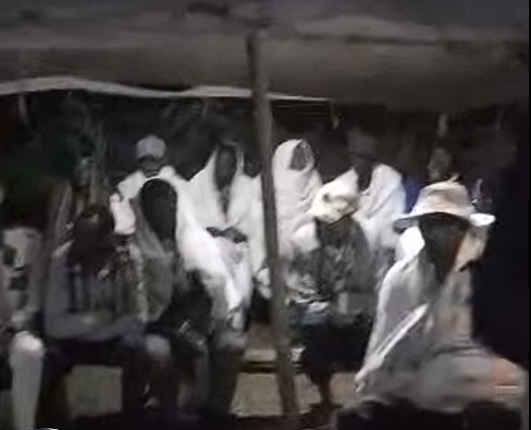
This is the quiet, revolutionary power of what is happening. In the breaks between matches, in the shade of Odaa tree, the kora lammii gathering organically spawns marii boonsaa—deep, communal dialogues. These are not academic lectures, but urgent, grassroots consultations. How do we practice respect (safuu) in a digital age? How do we wear our culture (aadaa) not as a costume for holidays, but as daily armour against assimilation? The gathering is the ignition; the conversation is the sustainable fire.
What these young people in Boji instinctively understand is a truth many societies grapple with: culture is not a museum artifact. It is a muscle. It atrophies without use. It strengthens under collective strain. By using the universal language of community gathering to strengthening the dispersed chapters of their community, they are creating a gymnasium for their Oromumma. They are exercising their shared identity, passing the weight of tradition from elder to youth, ensuring it does not grow weak.
The palpable joy reported by participants—“waan haalan nama gammachisuu dha” (it is something that brings deep joy)—is the most important metric here. This joy is not merely the thrill of sport. It is the profound relief and empowerment that comes from reconnection. It is the joy of speaking your mother tongue freely in a crowd that understands its nuance. It is the joy of seeing your values reflected in the conduct of your peers—in a fair tackle on the field, in the respectful deference to an elder off it.
In an era where globalized culture often flattens uniqueness, the Ambo Ejersa Buundhaa gathering is an act of gentle defiance. It declares that the future need not be a departure from the past, but a continuation of it, adapted on our own terms. These players are not running away from their heritage to chase modernity; they are sprinting toward a future where their heritage is the foundation of their strength.
The commentary from the sidelines, therefore, should be one of keen observation and high praise. This is grassroots cultural innovation at its finest. The kora lammii gathering is proof that the most effective guardians of a people’s spirit are not always politicians or institutions, but can be its youth, a ball, and a collective will to remember. They have remembered that the most crucial goal to defend is the one protecting their very essence. And in that defense, they are finding not just victory, but a deep and abiding joy.
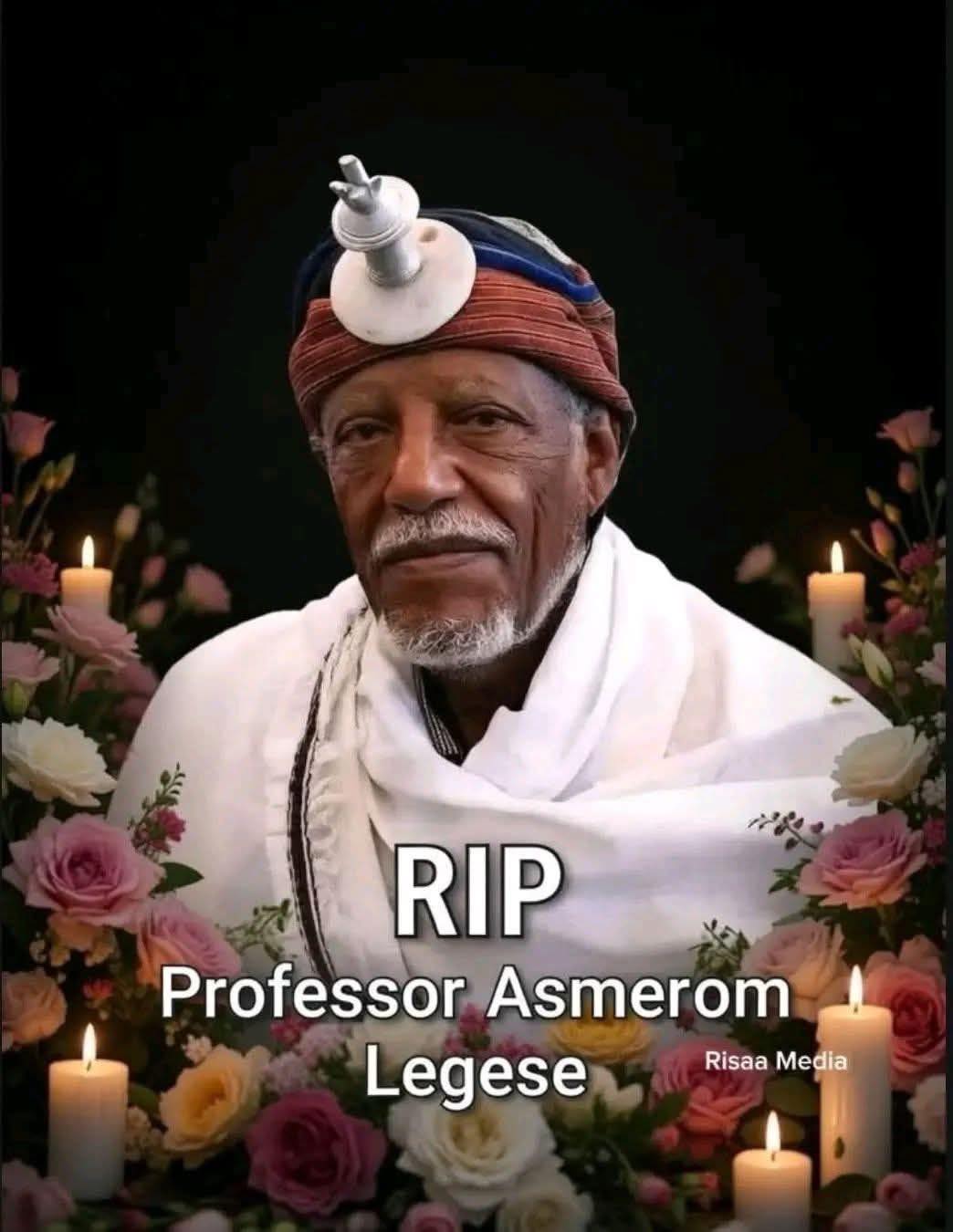
Oromo Community Mourns a Great Scholar: Asmerom Legesse’s Impact
Feature Commentary
A World Mourns an Intellectual Giant: Unified Tributes Honor Professor Asmerom Legesse, Scholar of Oromo Democracy
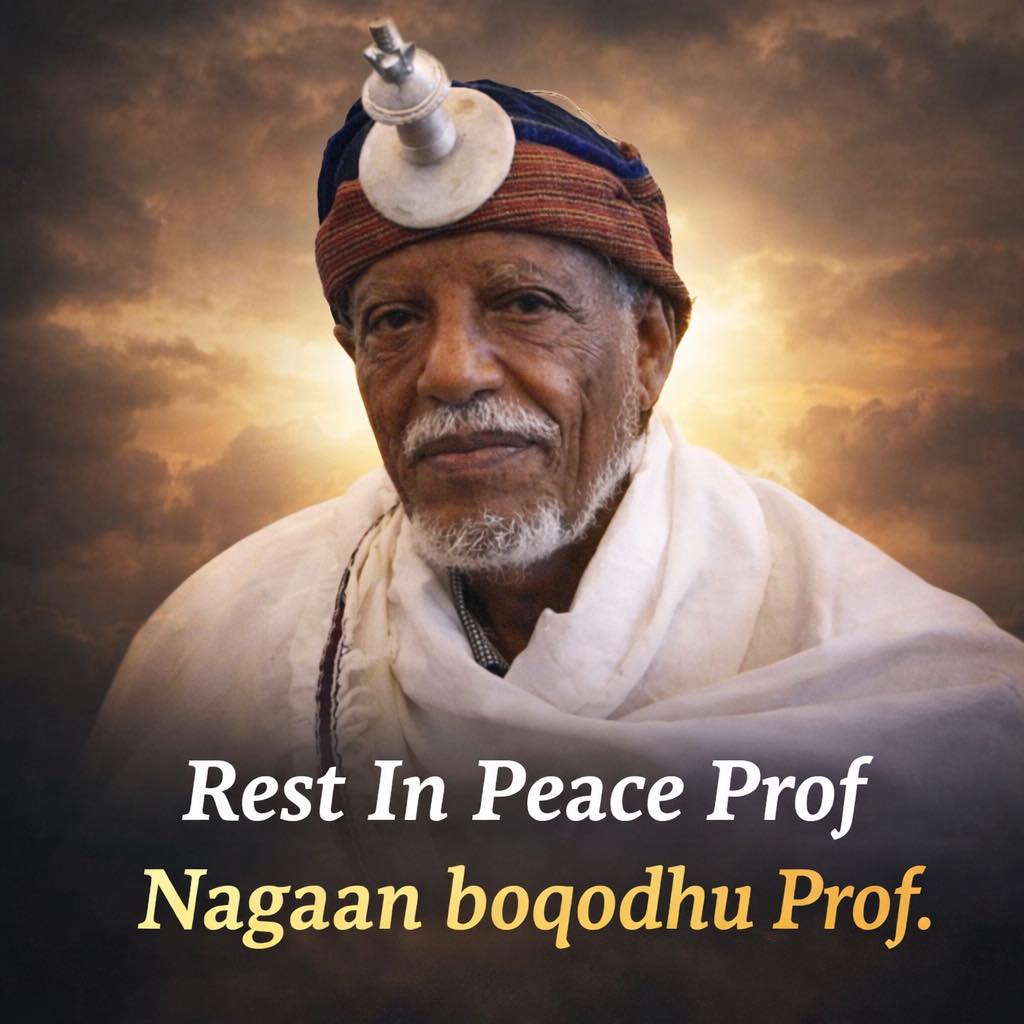
4 February 2026 – The global Oromo community, alongside academic and cultural institutions, is united in profound grief following the passing of Professor Asmerom Legesse, the preeminent scholar whose life’s work defined the study of the Oromo Gadaa system. Hailed as a “towering scholar,” “global voice,” and “steadfast guardian,” his death has prompted a powerful wave of tributes that collectively affirm his unparalleled role in bringing an indigenous African democratic tradition to the world stage.
Across statements from scholars, activists, and organizations, a consistent narrative emerges: Professor Legesse was far more than an academic. He was a truth-teller, a bridge-builder, and a revolutionary intellectual who dedicated his career to the reclamation and elevation of a system long marginalized by colonial and oppressive narratives.
Scholars and Leaders Reflect on a Transformative Legacy
Prominent voices have emphasized the transformative nature of his work. Scholar Asebe Regassa called him a “pioneer of Gadaa studies,” whose “groundbreaking anthropological work” ensured he will be “remembered forever.” Tayiba Hassen Kayo noted his “unwavering commitment” left an “enduring mark on academia and on the Oromoo people,” ensuring his life’s work “will never be forgotten.”
The personal dimension of his scholarship was highlighted by Israel Fayisa, who poignantly described him as “Eritrean by birth and Oromo by choice,” a scholar treated “like an enemy by many Ethiopianist scholars merely because he dedicated his life to revealing the truth.” This sentiment underscores the courageous stance his research represented.
A Legacy of Global Recognition and Cultural Pride
His work is credited with achieving what once seemed impossible: securing global academic respect for an indigenous African system. As Visit Oromia stated, his research “gave international recognition to one of Africa’s most remarkable indigenous governance systems.” Activist Dereje Hawas pointed out that what defined him was “the seriousness with which he treated African and especially Oromo knowledge systems,” elevating them to their rightful place in global discourse.
Activist and journalist Dhabessa Wakjira captured the core of his academic revolution, writing that Legesse “proved definitively that principles of equality, rotational leadership, checks and balances, and the rule of law were not foreign imports to the continent, but were deeply embedded, living traditions.” This work, as Lelise Dhugaa noted, was foundational to UNESCO’s inscription of the Gadaa system as Intangible Cultural Heritage of Humanity in 2016.
A Community’s Deep Personal Loss
For the Oromo people, the loss is both intellectual and deeply personal. The tribute from Olumaa Qubee expresses this communal grief: “Oromoon fira guddaa tokko dhabe” (“The Oromo people have lost a great sibling”). The call for schools and institutions to be named in his honor within Oromia reflects a desire to anchor his legacy physically in the land of the people he championed.
As tributes from colleagues like Zewdu Lechissa remember the “truly brilliant scholar and a kind soul,” the collective message is one of both mourning and determined continuity. Professor Asmerom Legesse’s pioneering scholarship did not merely document the Gadaa system; it restored a pillar of Oromo identity and gifted the world a timeless model of democracy. His legacy, as echoed by all, will undoubtedly “continue to inspire generations.”
The Gedeo Daraaro Festival: A Celebration of Renewal and Justice

“Daraaro”: The Gedeo Festival of Renewal and its Modern Resonance
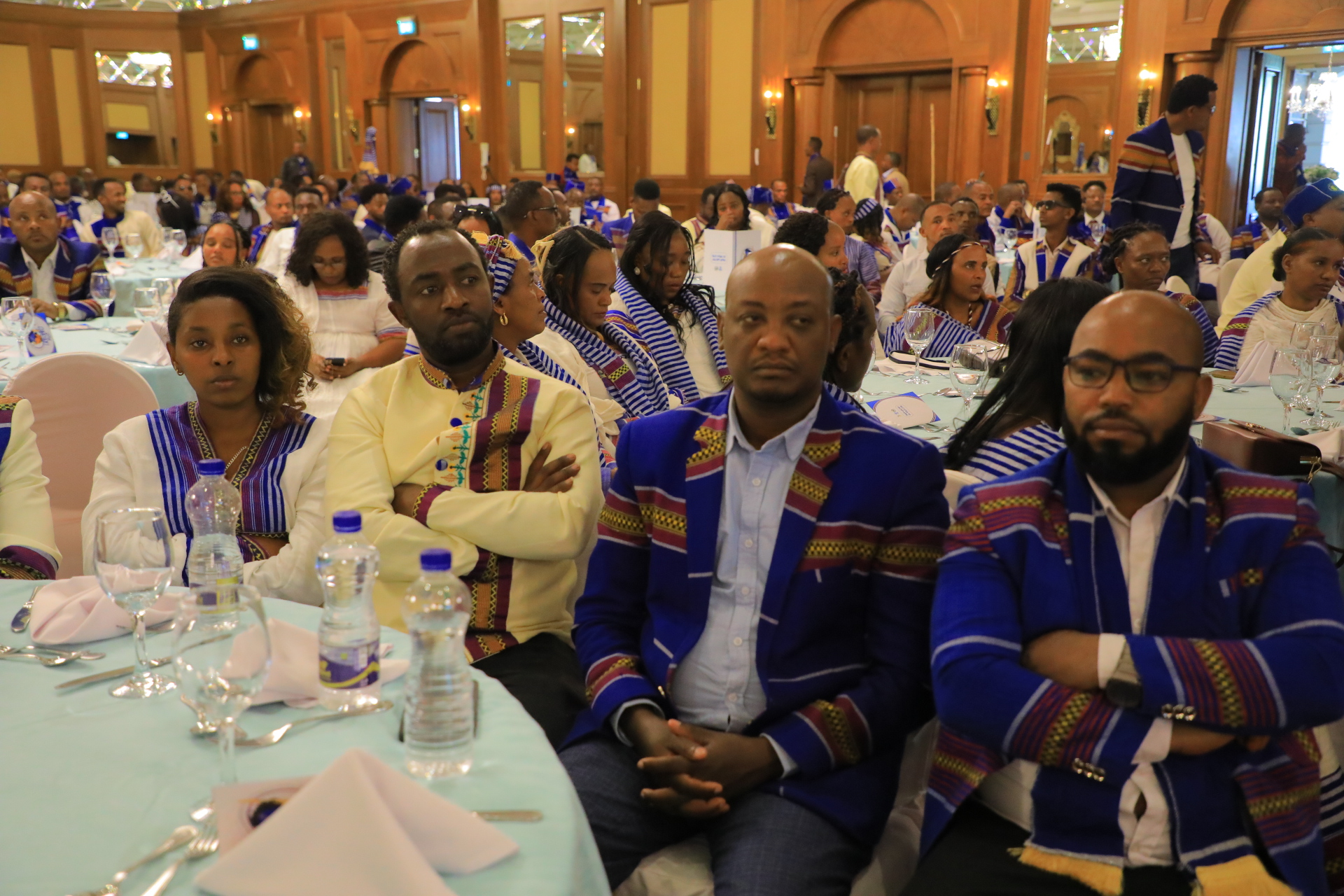
In the heart of Ethiopia’s capital, a celebration of profound cultural and spiritual significance is unfolding. The Gedeo people’s “Daraaro” festival—the annual marker of their transition from the old year to the new—is being observed in Addis Ababa with a solemnity and vibrancy that speaks to both its deep roots and its contemporary relevance.
Described as a festival of “gift, gratitude, and peace,” Daraaro is far more than a calendrical event. It is a living embodiment of a worldview. At its core, it is an act of communal reorientation: a time to present gifts (sita) to spiritual leaders (Abba Gada), expressing thanks for peace and success granted, and articulating collective hopes for health, security, and a bountiful harvest in the year ahead. This intertwining of the spiritual, the social, and the agricultural reveals a holistic philosophy where human well-being is inseparable from divine favor and environmental harmony.
What makes the current observance in Addis Ababa particularly noteworthy is its dual character. It is simultaneously an act of cultural preservation and a statement of modern identity. The inclusion of symposia and events detailing Gedeo history, culture, and language transforms the celebration into a platform for education and dialogue. It asserts that Gedeo heritage is not a relic of the past, but a vital, intellectual, and artistic tradition deserving of national recognition and understanding.
The festival’s official framing around the theme of “development for culture and tourism” is a significant and complex evolution. On one hand, it represents a strategic move to gain visibility and economic leverage within the Ethiopian state, which actively promotes cultural tourism. On the other, it risks commodifying a sacred tradition. The true test will be whether this external framing can remain a vessel for the festival’s intrinsic meanings of gratitude, peace, and social justice, rather than subsuming them.
Indeed, the commentary’s note that issues of “justice and the national system” are part of the discourse during Daraaro is crucial. For the Gedeo—a people with a distinct identity and a history intertwined with questions of land, resource rights, and administrative recognition—a festival of renewal is inevitably also a moment to reflect on societal structures. Prayers for a good harvest and communal safety are, in the modern context, also implicit commentaries on land tenure, economic equity, and political inclusion.
The most forward-looking aspect of the report is the work towards UNESCO recognition as intangible cultural heritage. This pursuit is a high-stakes endeavor. Success would provide a global shield for the festival, fostering preservation, research, and prestige. However, it must be navigated carefully to avoid fossilizing the tradition or divorcing it from the community that gives it life.
A Commentary: The Bridge of Daraaro
Daraaro, in its essence, builds a bridge. It bridges the old year and the new, the human and the divine, the individual and the community. Now, as celebrated in Addis Ababa, it builds another: a bridge between the particularity of Gedeo culture and the broader Ethiopian—and indeed global—conversation.
Its message of gratitude and peace is a universal one, yet it is delivered in the specific, potent vocabulary of Gedeo tradition. Its emphasis on social justice ties an ancient ritual to the most pressing contemporary debates. Its pursuit of UNESCO status places a local Ethiopian practice within an international framework of cultural value.
The celebration of Daraaro in the capital is thus a powerful symbol. It signifies that Ethiopia’s strength does not lie in a monolithic culture, but in the ability of its diverse nations and peoples to bring their unique, rich, and reflective traditions to the national table. It reminds us that a “new year” is not just a change of date, but an opportunity for societal recalibration—a time to offer gratitude, seek justice, and plant collective hopes for the future. In honoring Daraaro, we are reminded that some of the most vital frameworks for building a peaceful and prosperous society are not new political doctrines, but ancient festivals of renewal, patiently observed year after year.
US-Ethiopia Accord: Unpacking the Anti-Terror Strategy

A Strategic Embrace: Reading Between the Lines of the US-Ethiopia “Anti-Terror” Accord
By Maatii Sabaa
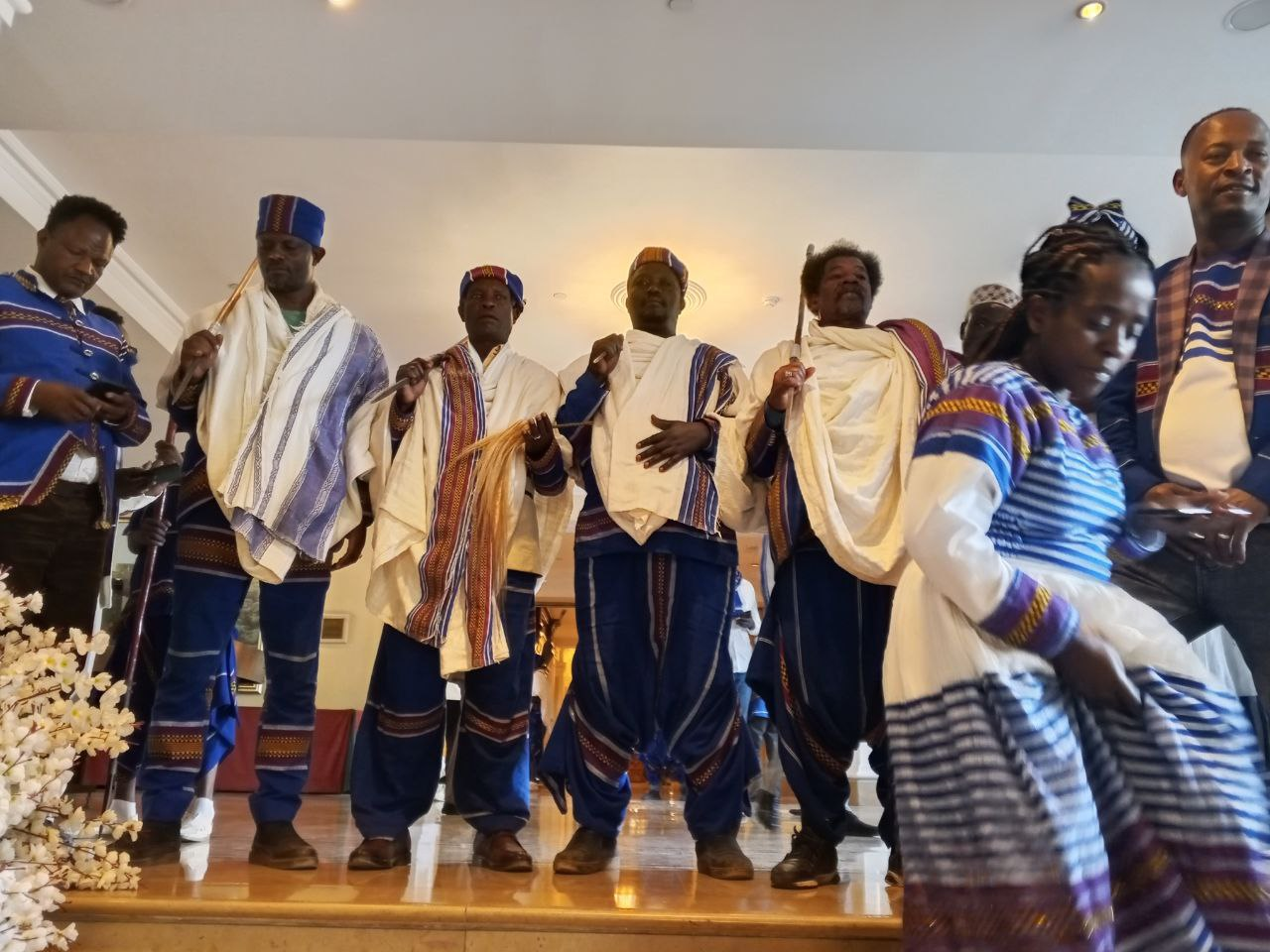
This week, the corridors of power in Addis Ababa hosted a meeting that was, on the surface, all about forward momentum. Ethiopian Defense Minister Engineer Aisha Mohammed received United States Africa Command (USAFRICOM) Commander General Dagvin Anderson, and the subsequent joint statement was a masterclass in diplomatic phraseology. The two nations, we are told, agreed to elevate their “growing diplomatic and military relations into a higher strategic partnership,” reaffirmed a shared commitment to “peace and security,” and—most pointedly—pledged to “jointly combat terrorism to safeguard their respective national interests.”
The language is smooth, strategic, and designed for international news wires. Yet, in the complex geopolitical theater of the Horn of Africa, such declarations are never just ink on paper. They are seismic signals, revealing shifting tectonic plates of influence, ambition, and realpolitik. To understand this meeting, one must read not just the statement, but the subtext, the timing, and the unspoken needs of both parties.
For the United States, represented by the commander of its African military umbrella, the engagement is a calibrated re-engagement. Ethiopia, long a cornerstone of US strategy in the region, experienced a profound rupture in relations following the Tigray War. The meeting signals a deliberate American pivot: from a posture of pressure and sanctions to one of renewed partnership, albeit with a clear, security-first agenda. The framing of “combating terrorism” provides a mutually acceptable chassis for this rebuilt relationship. It allows the US to re-establish critical military-to-military ties, secure influence in a strategically vital nation bordering volatile regions, and counter the deepening foothold of rivals like Russia and China. General Anderson’s presence at the 90th anniversary of the Ethiopian Air Force was not merely ceremonial; it was a symbolic reinvestment in a key institutional partner.
For the Ethiopian government of Prime Minister Abiy Ahmed, the benefits are equally compelling, but stem from a position of seeking consolidation. Emerging from a devastating internal conflict and facing persistent security challenges—from insurgent groups in Oromia to tensions with neighboring Somalia—Addis Ababa craves international legitimacy and material support. A publicized strategic partnership with the world’s preeminent military power serves both ends. It burnishes the government’s diplomatic standing, frames its internal conflicts through the lens of a global “war on terror,” and potentially unlocks access to security assistance, intelligence sharing, and diplomatic cover. The phrase “safeguard their respective national interests” is crucial here; it acknowledges Ethiopia’s sovereign prerogative to define its threats, while America gains a partner in regional stability.
However, the term “terrorism” in this context is a Pandora’s Box. Who defines it? Which groups fall under this banner? The agreement risks providing international sanction for the domestic suppression of political dissent or armed resistance movements, branding them as terrorists in the name of shared security. This has profound implications for human rights and political negotiation within Ethiopia. Critics will argue that such pacts can embolden securitized approaches to complex political problems, prioritizing military solutions over dialogue and reconciliation.
Ultimately, the Addis Ababa meeting is a transaction. The United States gains a relaunched strategic foothold. Ethiopia gains validation and support. The glue binding the deal is a shared, if vaguely defined, enemy: “terrorism.” While the language speaks of peace and partnership, the underlying calculus is one of hard-nosed interest. The test of this new chapter will not be in the warmth of high-level meetings, but in the concrete actions that follow. Will it lead to greater stability and rights-respecting security in Ethiopia, or will it simply militarize a troubled landscape under a new banner of cooperation? The joint statement opens a door; what walks through it will define the true meaning of this strategic embrace.
Oromo Diaspora’s Commitment: Honoring the Liberation Struggle

In Cairo, a Distant Diaspora Keeps the Flame Alive: Commemorating the Oromo Liberation Struggle
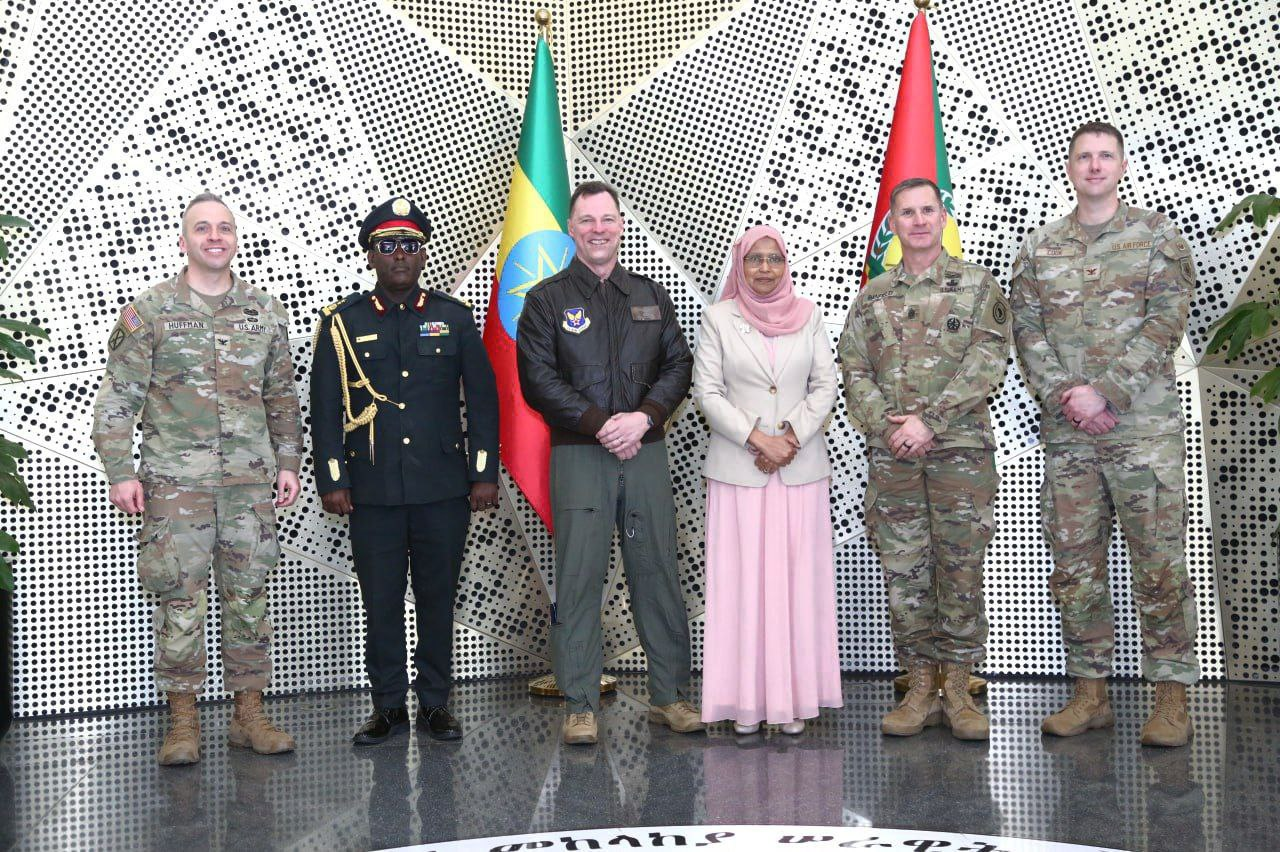
CAIRO – In a gathering marked by solemn reflection and resilient spirit, the Oromo community in Cairo recently commemorated Oromo Liberation Army (OLA) Day on January 1, 2026. The event was more than a calendar observance; it was a powerful act of collective memory, a reaffirmation of identity, and a declaration of unwavering commitment to a cause that spans decades and continents.
The atmosphere was charged with the weight of history. As noted by Mr. Nasralla Abdu, Chairman of the Association, the day serves a dual purpose: to honor the souls of fallen freedom fighters and to fortify the resolve of those who continue the struggle. This is not mere ritual; it is the lifeblood of a diaspora movement, a vital mechanism to ensure that distance does not dilute purpose nor time erode sacrifice.
The historical anchor of the commemoration, as recounted, is crucial. The reference to the OLA’s reconstitution in 1980, following the severe challenges of the late 1970s, transforms April 1st from a simple date into a symbol of regeneration and stubborn endurance. It marks a moment when the struggle, against formidable odds, chose to persist. Celebrating this anniversary yearly, as the chairman explained, is to ritually reaffirm that same choice to persist, generation after generation.
The testimonies from attendees cut to the heart of the matter. For them, this was an “anniversary of covenant”—a renewal of the sacred promise to the struggle—and a moment of remembrance for those who paid the “ultimate price.” This language transcends politics; it enters the realm of collective oath and sacred duty. Furthermore, their powerful statement linking the ongoing sacrifice of Oromo people inside the homeland—for their identity, culture, history, and land—to the diaspora’s obligation to “stand in solidarity and fight for our people’s rights” creates a potent bridge. It connects the internal resistance with external advocacy, framing a unified struggle on two fronts.
This event in Cairo is a microcosm of a global phenomenon. It demonstrates how diasporas function as custodians of history and amplifiers of voice when direct expression at home is constrained. The careful observance in Egypt underscores that the Oromo quest for recognition, justice, and self-determination is not confined by geography. It is nurtured in community halls abroad as much as it is in the hearts of people within Oromia.
Ultimately, the commemoration was a tapestry woven with threads of grief, pride, and ironclad resolution. It acknowledged a painful past of loss and “severe circumstances,” celebrated the resilience that emerged from it, and boldly projected that spirit into an uncertain future. As long as such gatherings occur—where names are remembered, covenants renewed, and solidarity declared—the narrative of the Oromo struggle remains alive, authored not just by fighters on the ground but by communities in exile holding vigil for the dawn they believe must come.
Oromo New Year Birboo: Tradition and Unity in Waaqeffannaa Faith

Feature News: Celebrating Heritage and Harmony – Waaqeffannaa Faithful Usher in Oromo New Year 6420 at Walisoo Liiban Temple
WALISOO LIIBAN, OROMIA – In a profound celebration of cultural rebirth and spiritual unity, the Waaqeffannaa faithful gathered at the sacred Galma Amantaa (House of Worship) here on Thursday to solemnly and joyfully observe the Oromo New Year, Birboo, marking the dawn of the year 6420.
The ceremony was far more than a ritual; it was a powerful reaffirmation of an ancient identity, a prayer for peace, and a community’s declaration of continuity. Under the sacred Ficus tree (Odaa) that stands as a central pillar of the Galma, elders, families, and youth came together in a vibrant display of thanksgiving (Galata) to Waaqaa (the Supreme Creator) and reverence for nature and ancestry.
The air was thick with the fragrance of burning incense (qumbii) and the sound of traditional hymns (weeduu) as the Qalluu (spiritual leader) guided the congregation through prayers for blessing, prosperity, and, above all, peace for the coming year. The central message of the celebration, as echoed by the organizers, was a heartfelt benediction for the entire Oromo nation: “May this New Year bring you peace, love, and unity!” (Barri kun kan nagaa, jaalalaafi tokkummaa isiniif haa ta’u!).
This public and dignified observance of Birboo carries deep significance in the contemporary context of Oromia. As Ethiopia’s largest ethnic group navigates complex social and political landscapes, the celebration at Walisoo Liiban served as a potent symbol of cultural resilience.
“Observing Birboo at our Galma is not just about marking a calendar,” explained an elder attending the ceremony. “It is about remembering who we are. It is about connecting our past to our future, grounding ourselves in the values of balance, respect for all creation, and community that Waaqeffannaa teaches. In praying for peace, we are actively willing it into being for our people.”
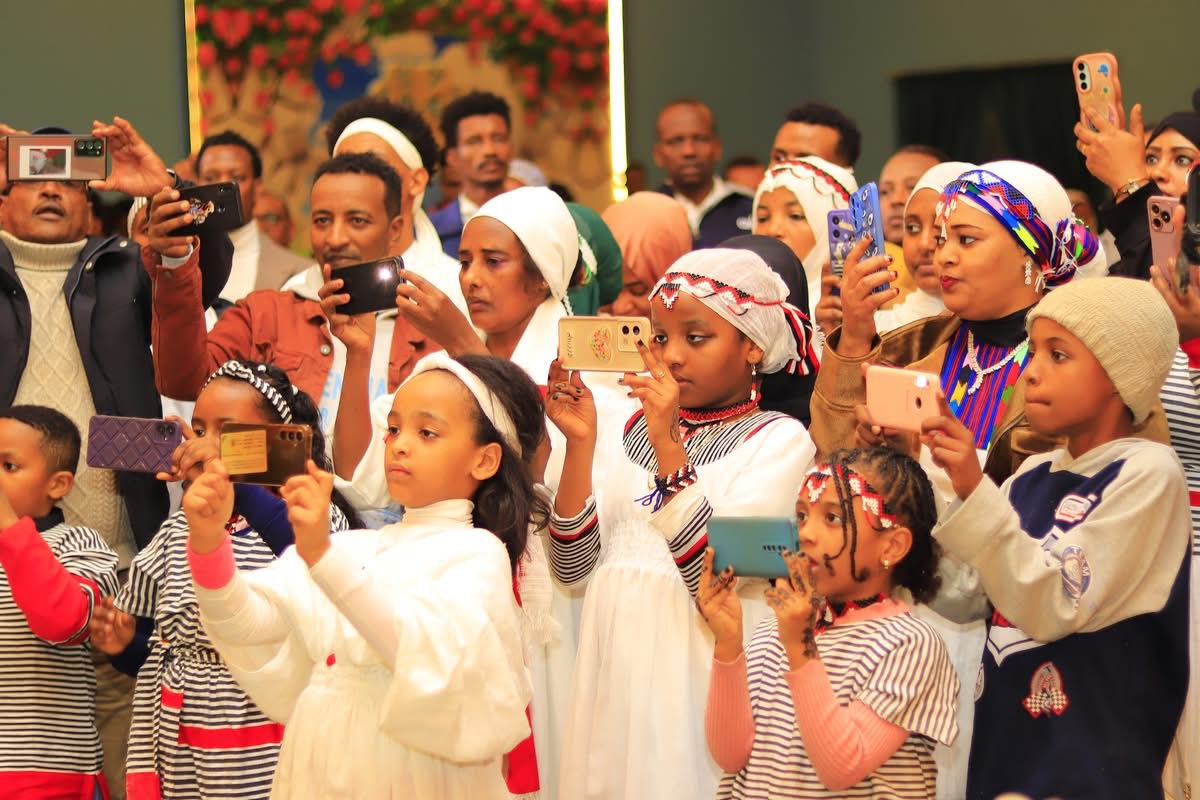
The sight of children learning the rituals and youths actively participating underscored a vital theme: the intergenerational transmission of indigenous knowledge and spirituality. The celebration was a living classroom, ensuring that the philosophy of Safuu (moral and ethical order) and the connection to the Oromo calendar, based on sophisticated astronomical observation, are not relegated to history books but remain a vibrant part of community life.
The event concluded with a communal meal, sharing of blessings, and a collective sense of renewal. As the sun set on the first day of 6420, the message from the Galma Amantaa at Walisoo Liiban was clear and resonant. It was a declaration that the Oromo spirit, guided by its ancient covenant with Waaqaa and nature, remains unbroken, steadfastly hoping for and working towards a year—and a future—defined by nagaa (peace), jaalala (love), and tokkummaa (unity).
Irreechaa Festival: Celebrating Oromo Culture in Melbourne
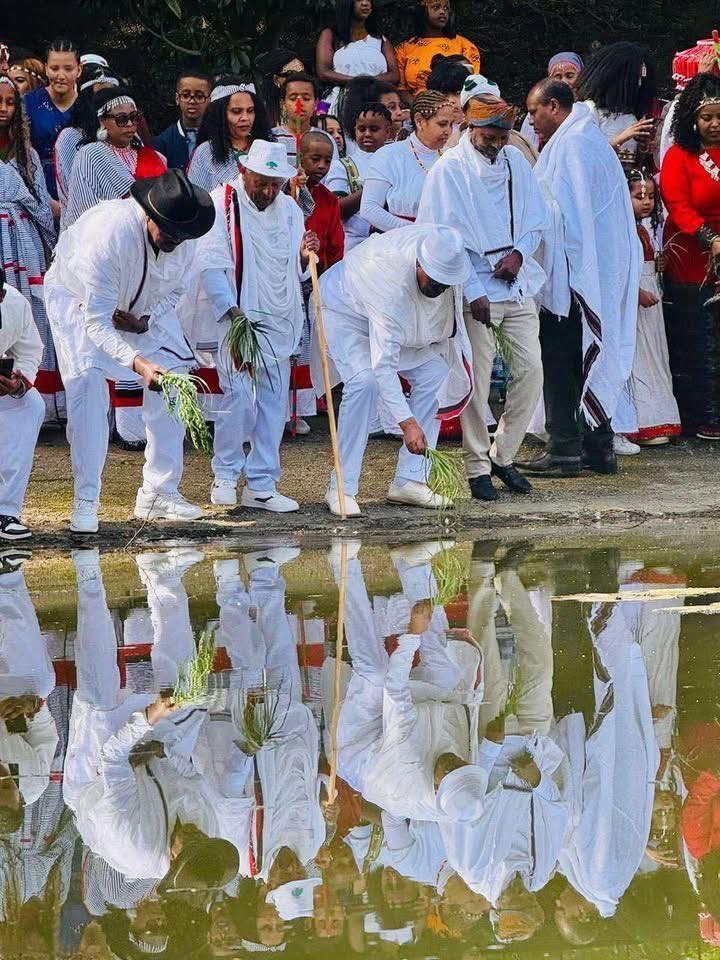
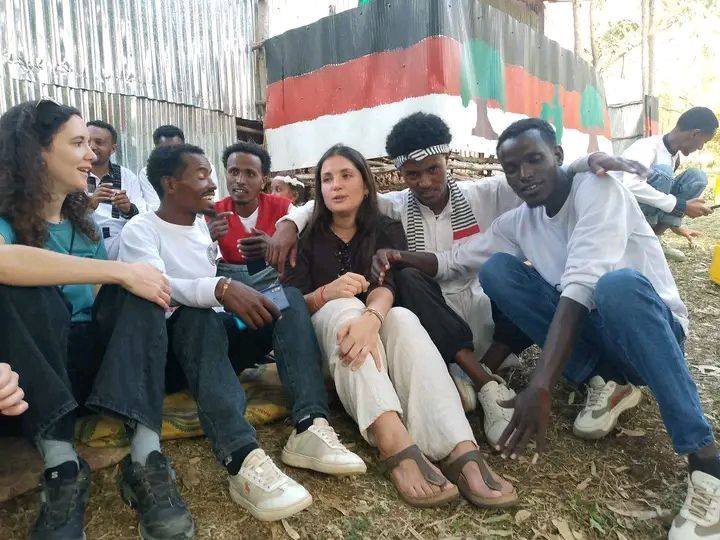
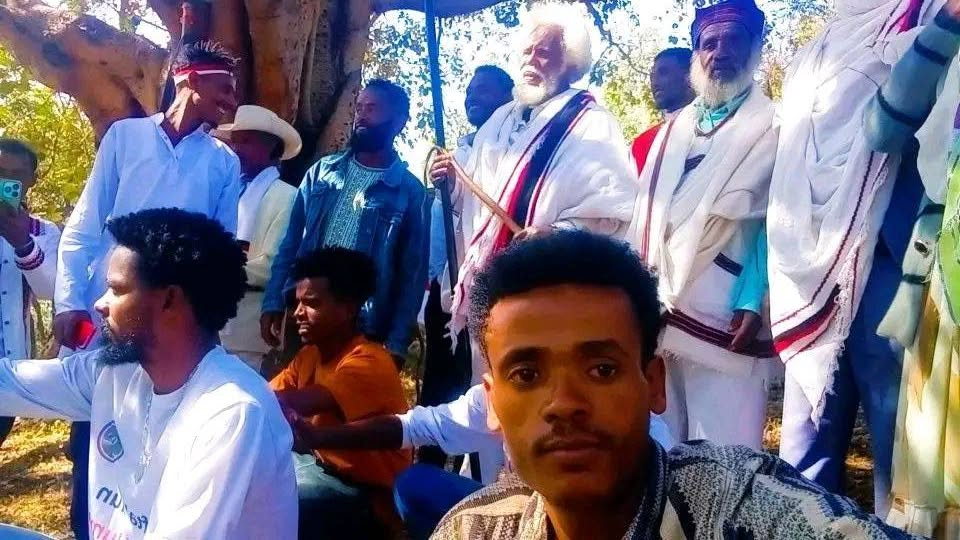
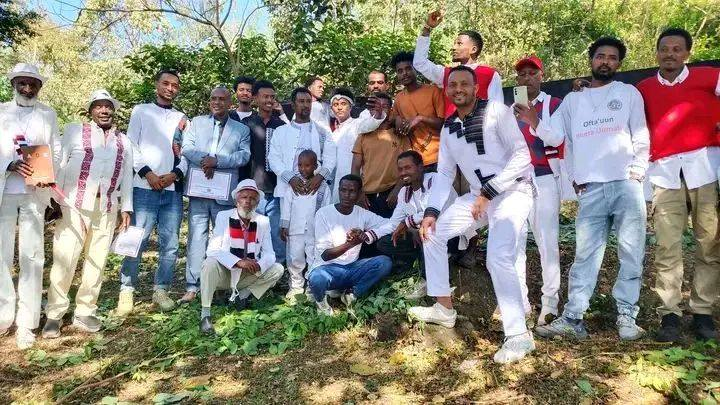
(Oromedia, 29 September 2025) Irreechaa celebrations in Melbourne have become a notable expression of Oromo culture, bringing the local Oromo diaspora together to honor traditional values and strengthen communal bonds.
The festival typically features blessings by elders, cultural performances, music, dancing, and communal meals, all designed to replicate the spiritual essence of Irreechaa as celebrated in Oromia.
Festival Highlights in Melbourne
– The celebration is usually held at riversides or parks—often at the iconic Wilson Botanical Garden—to maintain the symbolic tradition of giving thanks to Waaqa (God) by water.
– Community leaders and elders lead the prayers and blessings, paying homage to nature and ancestral wisdom.
– Attendees wear traditional Oromo clothing, display cultural ornaments, and use symbolic colors such as black, red, and white.
– Music, and dances (including Siiqqee and Gumii) are performed to educate and entertain both the Oromo community and local Australians.
Purpose and Impact
– The event fosters Oromo cultural identity and unity among diaspora members.
– It serves as a platform for educating younger generations about heritage and traditions, helping them maintain a connection to their roots.
– Many celebrations invite local government officials, multicultural organizations, and curious residents, encouraging mutual respect and intercultural exchange.
Growth and Community Engagement
– Participation has steadily grown, with increased efforts by local Oromo associations to expand outreach and inclusivity.
– Social media and diaspora networks play a crucial role in organizing, publicizing, and preserving the festival’s traditions, even reaching Oromo youth who may be distant from their homeland.
Irreechaa in Melbourne embodies both cultural pride and adaptation, allowing the Oromo community to sustain meaningful traditions while building bridges with the wider Australian society.
Participants took memorable photos with family, friends and each other and shared them on social media.
All those who participated in this celebration filled with love and respect are saying that they remember it with joy.
Irreechaa is a festival of wisdom that Oromo have contributed to the world community, which promotes gratitude, peace, reconciliation, hope, life, social harmony, connection, mutual assistance, sharing, harmony and morality.
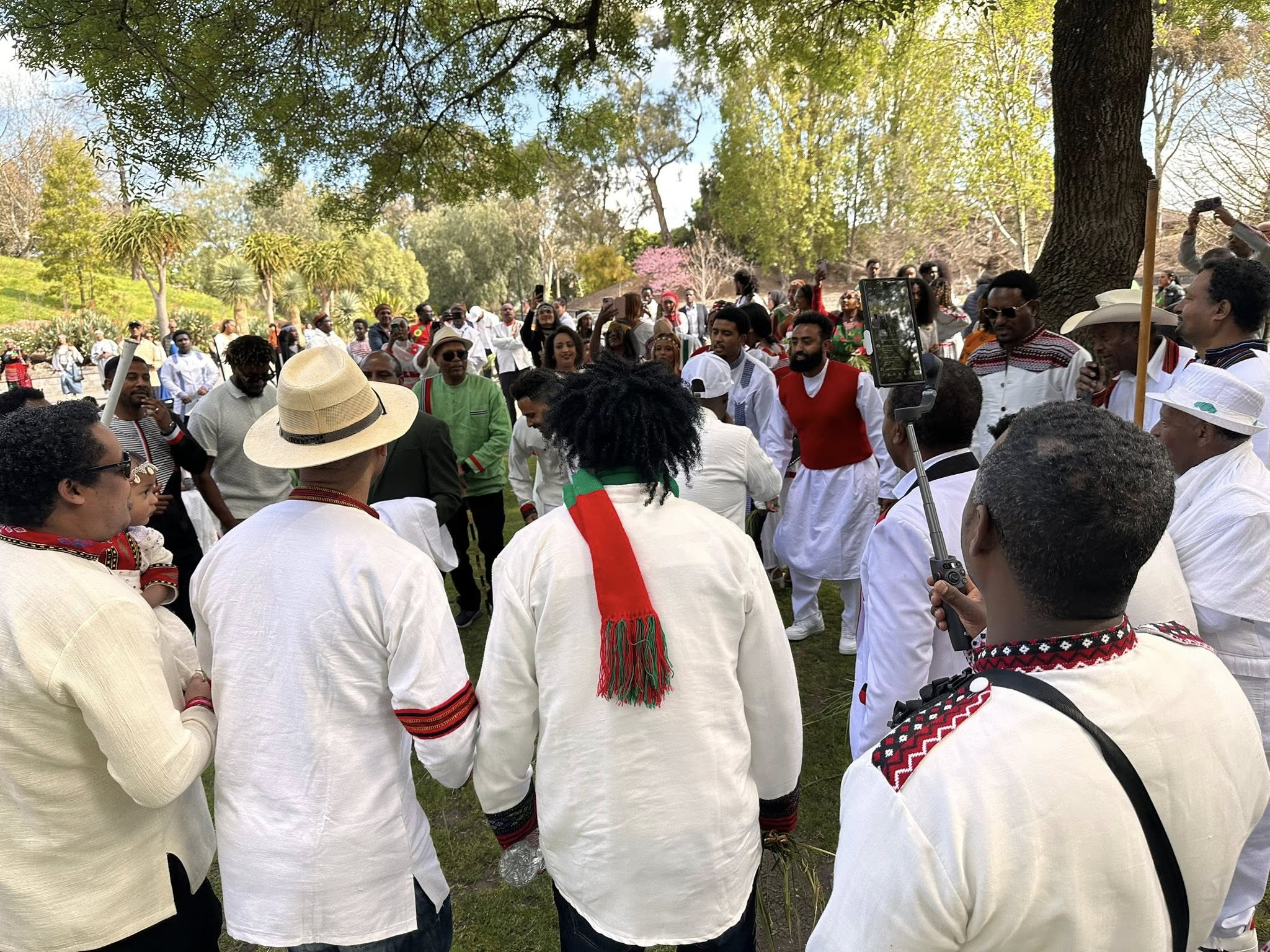
𝕀𝕣𝕣𝕖𝕖𝕔𝕙𝕒𝕒: The Oromo Festival of Thanksgiving and Renewal
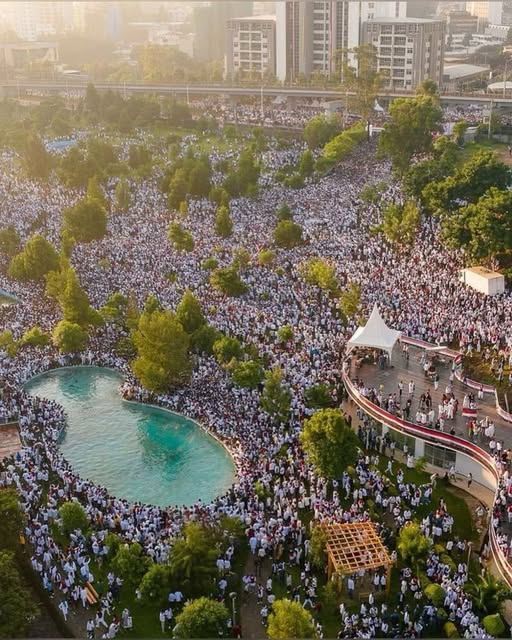
Every year, as the rains recede and the Ethiopian highlands begin to glow with new light, millions of Oromo people gather to give thanks. Irreechaa — literally “thanksgiving” in Afaan Oromo — is a vibrant, deeply felt festival that marks the end of the rainy season and the welcoming of a new, fertile period. It is at once spiritual ceremony, community reunion, cultural showcase, and a time for renewal.
Roots and Meaning
Irreechaa is rooted in the traditional Oromo worldview and is closely linked to the Gadaa system, the democratic social and political institution that organized Oromo life for centuries. The festival is fundamentally a ritual of gratitude to Waaqa (God) for life, health, and the bounty of the land. It affirms social bonds, renews moral commitments, and marks seasonal and generational transitions. Though its spirit is ancient, Irreechaa remains a living, adaptive tradition that continues to shape Oromo identity today.
Where and When It Happens
Irreechaa is observed across Oromia and by Oromo communities worldwide. Celebrations are usually held at natural gathering places — lakes, rivers, and meadows — where people can perform water- and earth-centered rites. The largest contemporary gatherings often take place by the lakes near Bishoftu (sometimes also called Debre Zeyit) and at other prominent riverbanks and lakes throughout the region. The timing follows the agricultural and pastoral calendar: typically at the end of the rainy season, around late September or early October in the Gregorian calendar, though exact dates may vary by locality and community.
Rituals and Practices
An Irreechaa morning is a sensory feast. People travel from villages and cities, wearing traditional dress and carrying bunches of seasonal wildflowers and fresh grasses. The ceremony is usually led by elders and by the Abbaa Gadaa (the Gadaa father or leader), who offers prayers and blessings for the coming year.
Key elements include:
– Gatherings at water: People congregate at lakeshores and riverbanks, where water symbolizes renewal and life.
– Blessings by elders: The Abbaa Gadaa or elders lift a branch of grass or flowers — a symbol of life — and sprinkle or dip it in the water, then wave or sprinkle drops over the crowd as a communal blessing.
– Songs and ululation: Traditional songs, chants, and ululations (high-pitched celebratory cries) fill the place. Music and dance are central, with both communal steps and individual expressions.
– Feasting and fellowship: Families and friends share food, exchange greetings, and reconnect after the rainy months. Coffee ceremonies, a core part of Ethiopian hospitality, often accompany gatherings.
– Symbolic gestures: The sharing and tossing of flowers or grasses into the water is a visible act of giving thanks and wishing for fertility and prosperity.
Cultural and Civic Dimensions
Though Irreechaa is primarily a spiritual and cultural event, it has also taken on civic and social significance in modern times. Festivals have been occasions for public discussion, cultural revival, and the assertion of Oromo language and identity. For the Oromo diaspora — in North America, Europe, and beyond — Irreechaa gatherings are important moments for preserving heritage and passing it to younger generations.
The festival has not been without challenges. Large crowds require careful management, and political tensions at times have added complexity to peaceful celebrations. Communities and authorities increasingly work together to ensure safety while protecting the sacred and communal nature of the festival.
Why Irreechaa Matters
Irreechaa is more than an annual party: it is a ritual that knits people to place, to each other, and to the cycles of nature. It embodies gratitude, resilience, and hope — values that resonate far beyond Oromia. For visitors and observers, Irreechaa offers a window into a rich cultural tradition that balances spirituality, social cohesion, and joyful celebration.
If You Attend
If you have the opportunity to witness or participate in Irreechaa, approach with respect:
– Dress modestly and follow local customs.
– Ask permission before taking photos, especially of elders or religious activities.
– Participate quietly and respectfully in communal moments; observe before joining.
– Be mindful of large crowds and follow safety guidance from organizers.
Irreechaa remains a powerful expression of Oromo life: a time to say thank you, to heal, to celebrate community, and to step forward together into the new season.
#Irreecha#Irreechaa#Oromo#OromoFestival#OromoCulture#OromoTradition#OromoThanksgiving#Gadaa#SirnaGadaa
Celebrating Irreecha Arfaasaa: Oromo Spring Festival in Melbourne
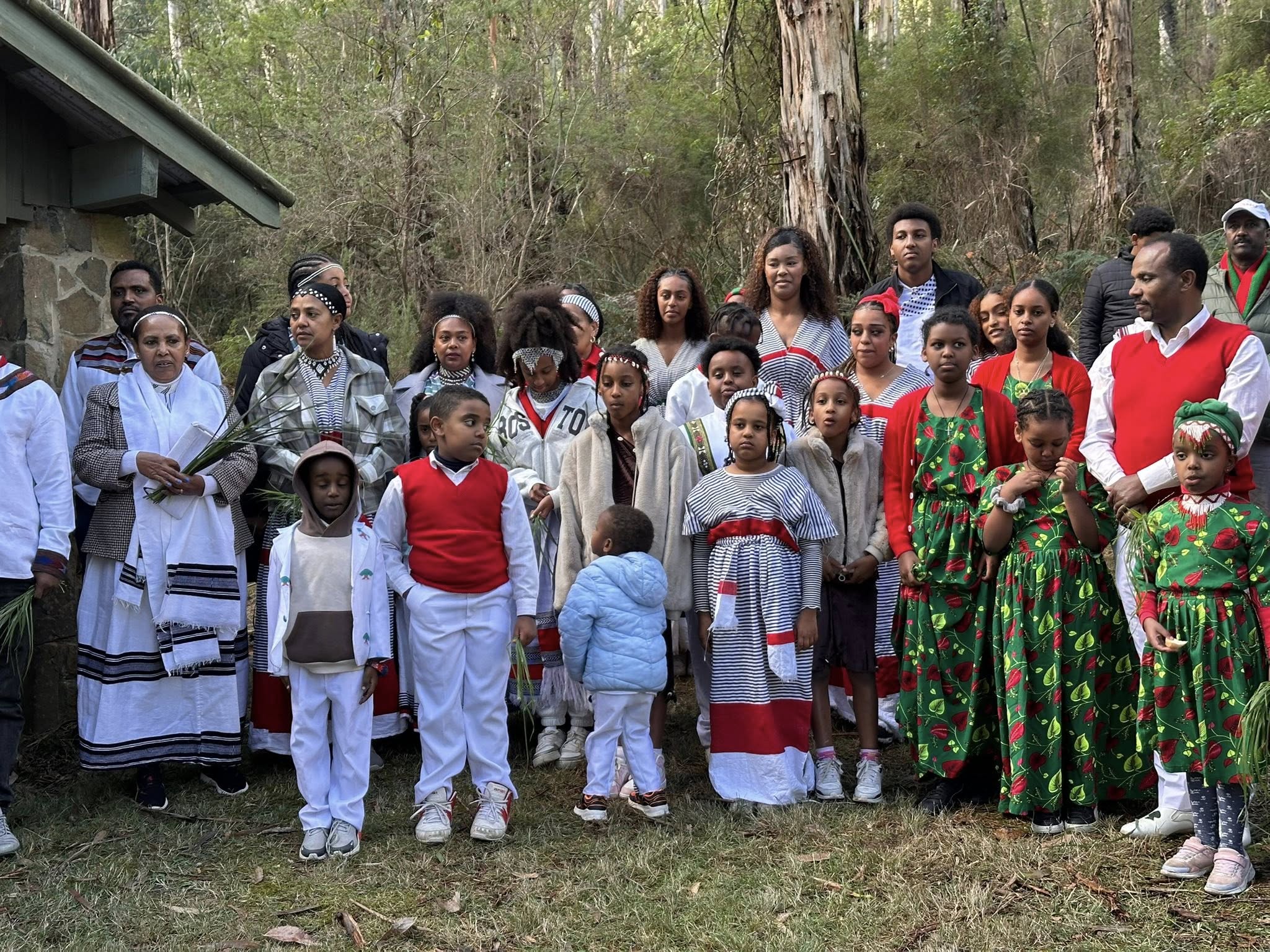
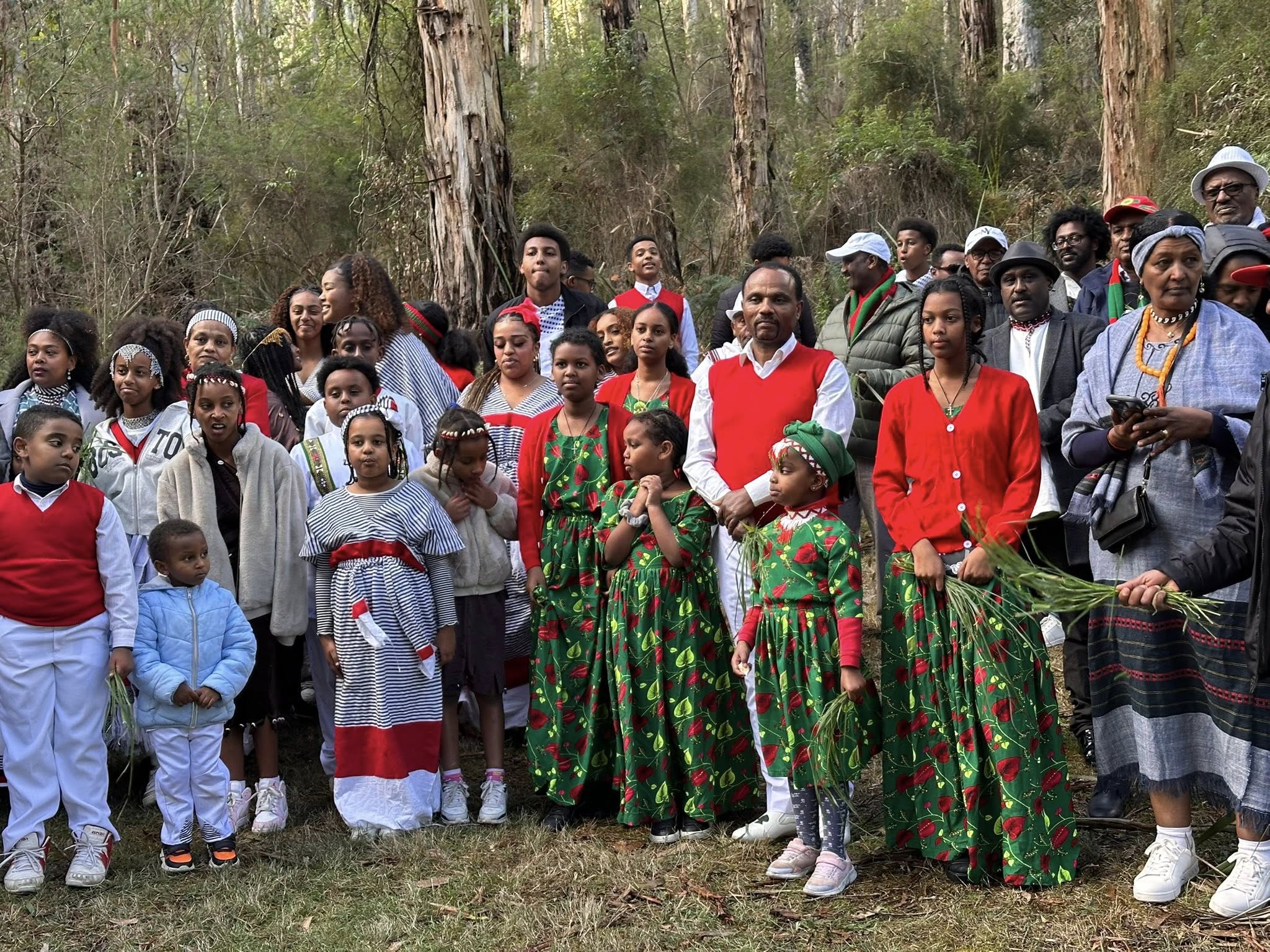
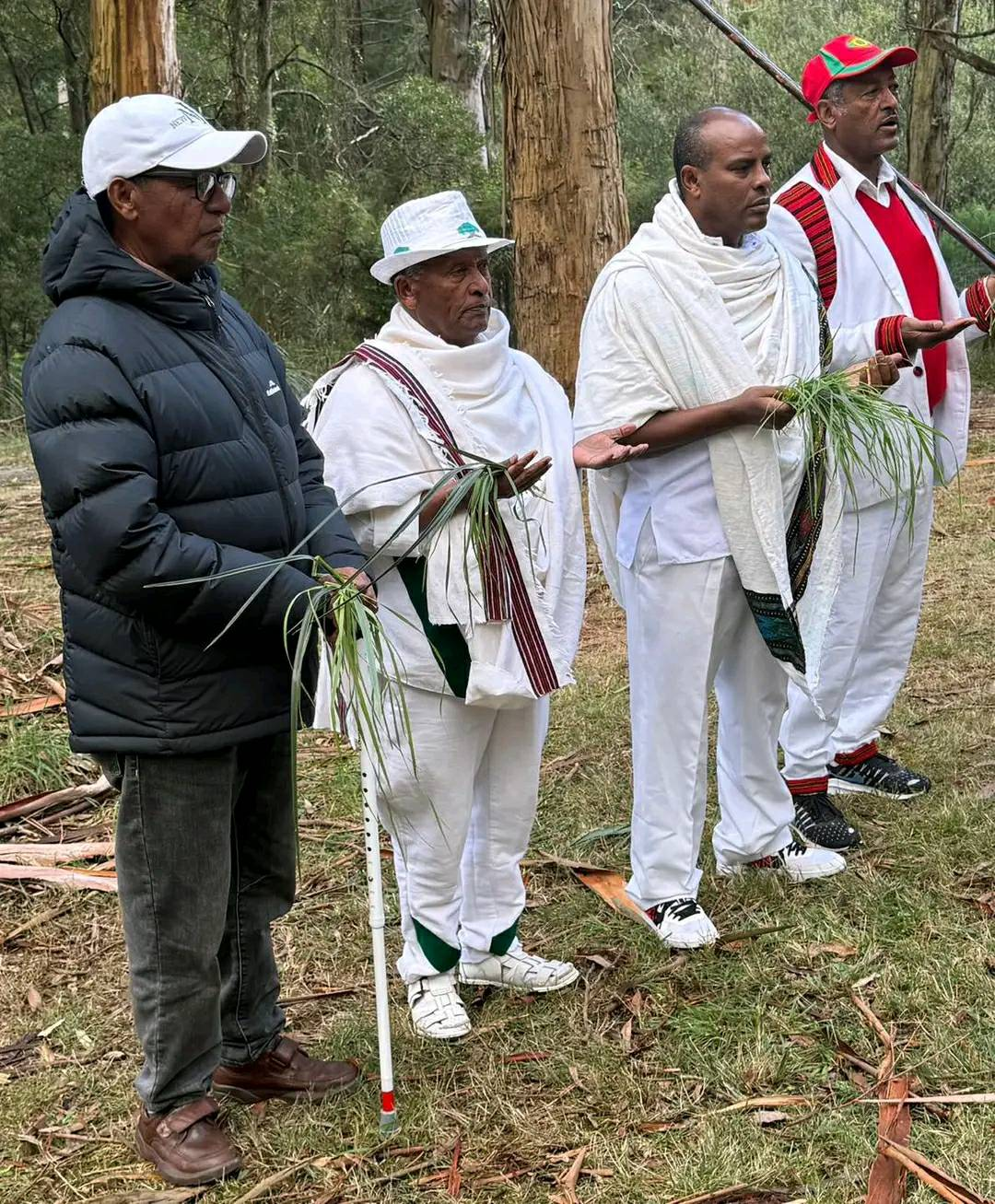
The Oromo community in Melbourne and surrounding areas celebrated Irreecha Arfaasaa, the Spring Festival, atop Dandenong Hill on May 18, 2025.
This vibrant gathering brought together elders, veterans, mothers, and youth adorned in traditional attire, marking a thanksgiving for surviving the harsh winter and welcoming the summer season.
The ceremony opened with elders’ blessings, invoking peace for all creation: “May the Creator bless this land, heal our scars from fire, and let new life flourish.” The festival also served as a prayer for a peaceful summer amid the rainy and darker months ahead.
Ob Danye Defersha, a local organizer, emphasized the deeper meaning of Irreecha: “This festival isn’t just about spring. It’s about remembering what we’ve overcome and the ties that hold us. The mountain is our sanctuary, and today, it’s alive with hope.”
Beyond cultural celebration, Irreecha Arfaasaa reflects the Oromo people’s deep connection to nature, promoting family unity, stress relief, and mental well-being.
The event highlighted resilience, gratitude, and the enduring spirit of the Oromo community in Australia.
The Historical Significance and Rituals of Irreecha
1. Historical and Cultural Roots
Irreecha (also spelled Irreessa) is one of the most sacred and ancient festivals of the Oromo people, the largest ethnic group in Ethiopia. It is a thanksgiving celebration deeply tied to the Waaqeffanna faith (the traditional Oromo religion, which venerates Waaqa—the Creator).
- Origins: The festival dates back centuries and is linked to the Gadaa system, the Oromo’s indigenous democratic governance structure.
- Two Main Celebrations:
- Irreecha Birraa (Autumn Festival) – Held in September/October to give thanks for the rainy season and pray for a good harvest.
- Irreecha Arfaasaa (Spring Festival) – Held in April/May to celebrate the end of winter and welcome summer.
- Symbolism: It represents renewal, unity, and harmony with nature, reinforcing the Oromo philosophy of “Nagaa” (peace) and “Safuu” (moral order).
2. Key Rituals and Ceremonies
The rituals of Irreecha are rich in symbolism and communal participation:
A. Blessings by Elders (Abbaa Malkaa & Abbaa Gadaa)
- The ceremony begins with elders (Haayyuu) offering prayers to Waaqa for peace, fertility, and prosperity.
- A sacred grass (Birraa) is held during prayers, symbolizing life and renewal.
- Libation (Dhibaayyuu): Water, milk, or honey is sprinkled as an offering to the Creator and ancestors.
B. Sacred Gathering Near Water (Hora Harsadii)
- Traditionally, Irreecha is celebrated near rivers or lakes, as water symbolizes purity and life.
- In the diaspora (like in Melbourne), a symbolic mountain or hill (e.g., Dandenong) is chosen to represent this sacred space.
C. Wearing Traditional Attire (Callee)
- Attendees dress in white (symbolizing peace) and traditional Oromo costumes, often made of cotton and decorated with beads (callee).
- Women wear Siiqqee (a sacred stick representing women’s rights in Gadaa).
D. Singing & Dancing (Geerarsa & Shaashammanee)
- Geerarsa (poetic chants) are performed, praising nature, bravery, and unity.
- Wallee aadaa (traditional dance) involves rhythmic shoulder movements, symbolizing joy and resilience.
E. Throwing Grass & Flowers
- People toss freshly cut grass and flowers into the air or water, signifying letting go of past sorrows and embracing new beginnings.
3. Modern Adaptations in the Diaspora
Since the Oromo diaspora cannot always gather at Hora Arsadi (the sacred lake in Oromia), they adapt by:
- Choosing high elevations (mountains, hills) to symbolize closeness to Waaqa.
- Incorporating multicultural elements while preserving core traditions.
- Using the festival to educate younger generations about Oromo heritage.
4. Why Irreecha Matters Today
- Cultural Survival: For the Oromo, who faced historical oppression, Irreecha is an act of resistance and identity preservation.
- Environmental Connection: It reinforces ecological stewardship, reminding people to protect nature.
- Healing & Unity: In exile, it serves as emotional healing for refugees and a way to strengthen community bonds.
Global Commemoration of Oromo Martyrs’ Day – April 15, 2025
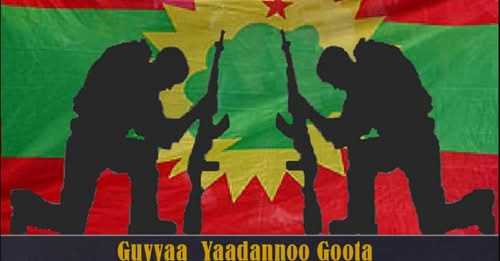
“Honoring the Fallen, Renewing the Struggle for Oromia’s Liberation”
We extend a heartfelt invitation to Oromo communities, allies, and justice advocates worldwide to join us in observing Oromo Martyrs’ Day on April 15, 2025. This solemn day commemorates the sacrifices of Oromo heroes who laid down their lives for freedom, justice, and the liberation of Oromia.
Why April 15? The Legacy of the Shinnigga Martyrs
On April 15, 1980, eleven leaders of the Oromo Liberation Front (OLF) were executed in Shinnigga, Somalia, while on a diplomatic mission to secure international support for the Oromo struggle. Their refusal to divide along religious lines—declaring “We are Oromos first!”—cost them their lives but cemented their legacy of unity and resistance.
Since 1984, April 15 has been observed globally as:
- A day of remembrance for all Oromo martyrs.
- A day of recommitment to the unfinished struggle for Oromia’s liberation.
How to Participate in the 2025 Commemoration
1. Memorial Ceremonies (In-Person & Virtual)
- Time: 1:00 PM (Local Time Worldwide)
- Program Highlights:
- Memorial Service: Honor martyrs with prayers (weedduu), songs (geerarsa), and candlelight vigils.
- Speeches: Leaders and elders will discuss:
- The history of Oromo Martyrs’ Day.
- The current state of the Oromo struggle (e.g., OLF’s Oath Campaign, political prisoners, forced conscription).
- Q&A Session: Open dialogue on strategies to advance Oromo liberation.
2. Global Events
- Oromia (Underground): Secret gatherings at symbolic sites (rivers, mountains).
- Diaspora (Public):
- Minneapolis, USA: Community vigil at the Oromo Community Center.
- Melbourne, Australia: Panel discussion with exiled Oromo activists.
- Berlin, Germany: Film screening (“The Blood of Shinnigga”).
- Virtual Participation: Livestreams via varies Oromia Media (OM) and social media (#OromoMartyrsDay2025).
3. Advocacy Actions
- Demand Justice: Petition the UN to investigate the 1980 Shinnigga massacre and ongoing abuses in Oromia.
- Support Prisoners: Write letters to Oromo political detainees.
- Amplify Voices: Share martyrs’ stories using #OromoMartyrsDay2025.
Saluting the Martyrs: Their Legacy Lives On
This day is not only about grief—it is about action. We honor:
- The Shinnigga 11 (April 15, 1980) and Gidamii 9 (December 23, 1981, poisoned).
- Haacaaluu Hundeessaa (2020), Irreecha Massacre victims (2016), and thousands unnamed.
- Recent OLA fighters fallen in the Shinnigga Oath Campaign.
Their blood cries: “Qabsoon itti fufa!” (“The struggle continues!”).
Join Us in the Fight for Oromia’s Future
- Attend: Find local events at OromoLiberationFront.org.
- Donate: Support Oromo political prisoners and OLF’s humanitarian efforts.
- Educate: Teach the next generation about Oromo martyrs.
“Ammas akkuma bishaan fincaa’aa ol kaana!
(Like the ever-flowing river, we rise again!)“
Contact:
- Email: MartyrsDay@OLF.org
- Social Media: #OromoMartyrsDay2025
Qabsoon itti fufa!
Oromia Shall Be Free!
 Oromedia