New Year, New Hope: Oromo Youth Demand Freedom

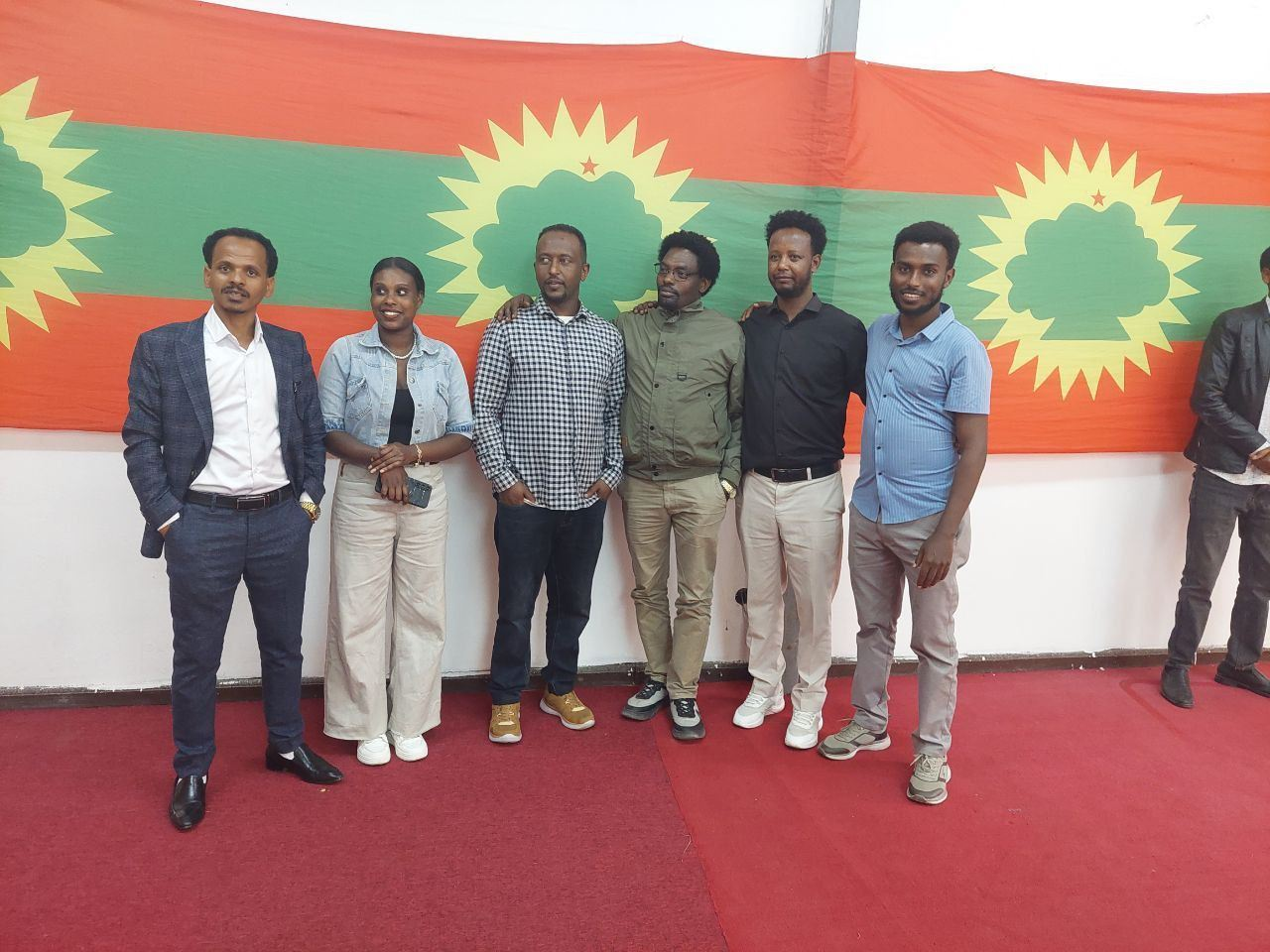
Feature News: A New Year’s Covenant – Oromo Youth Pledge Action to Fulfill “The Price of Freedom”
As the Oromo community worldwide celebrated the dawn of a new year, a powerful and solemn pledge emerged from its youth vanguard, framing the occasion not just as a celebration, but as a moment of collective accounting and renewed commitment.
In a statement reflecting the spirit of the season, representatives of the Oromo youth movement affirmed their core aspirations: “Our hope is for the freedom, dignity, peace, and security of our people.” This declaration, however, was immediately coupled with a stark acknowledgment of responsibility. They stated they stand firmly “under the vanguard of the Qeerroo Bilisummaa Oromoo (QBO), which is led by the OLF,” ready to shoulder the burden required to make that hope a reality.
The most striking element of their message was the concept of a debt to be paid. “To fulfill that hope… we have paid and will continue to pay the necessary price,” the statement read. This “price” is understood as the immense sacrifices—lives lost, freedoms curtailed, and years of struggle—endured by the Oromo people throughout generations of what they term “the darkness of subjugation.”
The message transforms New Year’s optimism into a blueprint for action. It positions the coming year not as a passive waiting period, but as an active campaign to “lead our people from the darkness of subjugation into the light of freedom.” This imagery powerfully defines their political struggle as a journey toward enlightenment and liberation.
The closing acclamations—“Long live the OLF! Victory is for our people!”—root this forward-looking energy in the existing political structure and collective identity. It confirms the QBO’s alignment with the Oromo Liberation Front’s historical mission while placing the agency for the final push squarely on the shoulders of the mobilized youth.
Analysts see this statement as a significant articulation of the movement’s current phase. It moves beyond protest and resistance toward a language of fulfillment and debt settlement. The youth are not just asking for freedom; they are announcing their intention to actively “pay for it” through continued struggle and sacrifice, seeing themselves as the executors of a long-held national promise.
The feature of this news is its encapsulation of a pivotal mindset: the Oromo New Year has become a time to audit the balance sheet of the struggle. The hopes are the credit; the sacrifices are the debit. The message from the youth is clear—they are committed to closing the ledger, whatever the cost, until the account of freedom is settled. The journey from darkness to light, they assert, is a bill they are prepared to pay in full.
Revival of Sirna Goobaa: A New Dawn for Oromo Governance

Feature News: Dawn Reclamation – Oromo Gadaa Assembly Ushers in New Era at Historic Tarree Leedii Site
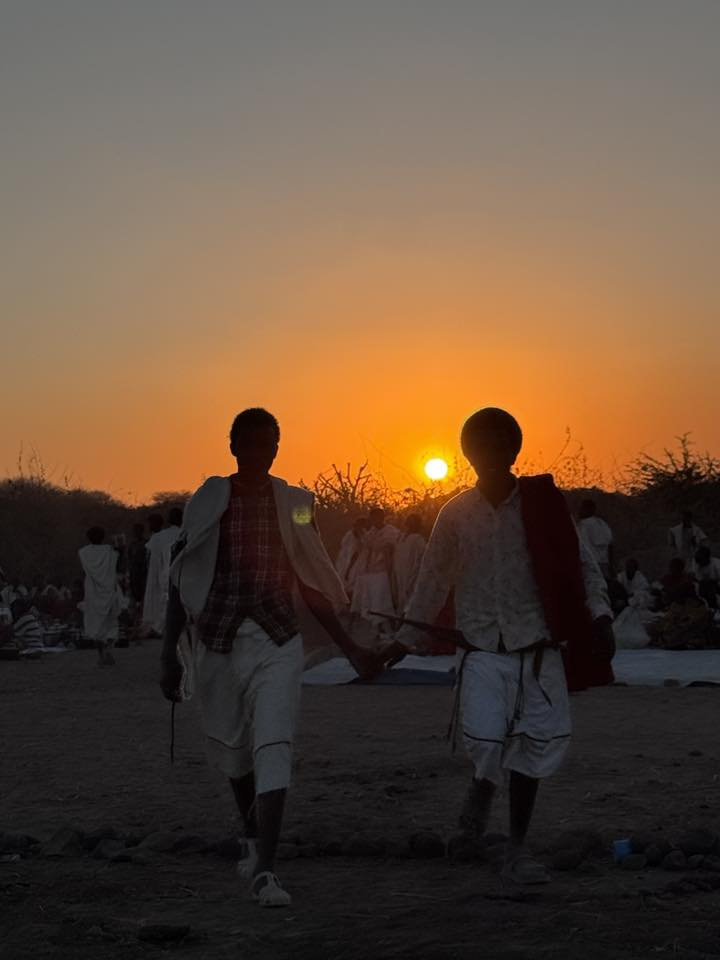
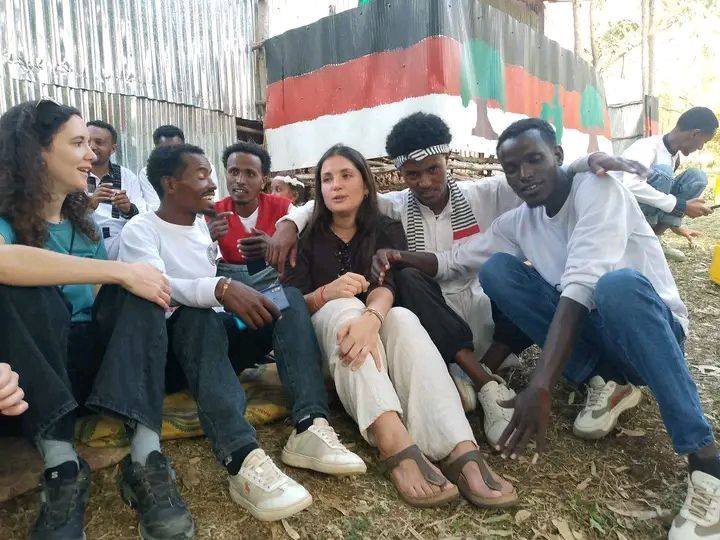
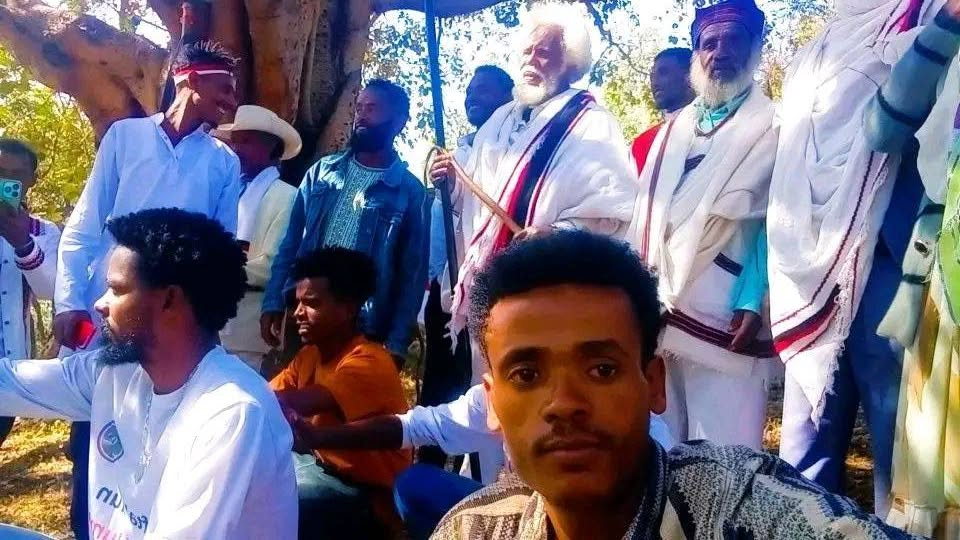
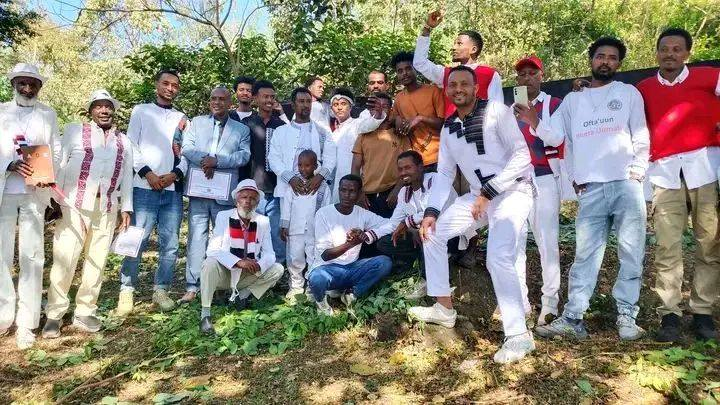
FANTAALLEE, SHAWA BAHAA, OROMIA – In a powerful act of cultural restoration and communal resolve, the Oromo Gadaa system of the Karrayyuu region has formally reinstated its traditional assembly, the Sirna Goobaa, at the sacred grounds of Ardaa Jilaa, Tarree Leedii. This landmark gathering, conducted at dawn on Saturday according to sacred custom, marks not just a meeting, but the revival of an ancient democratic and spiritual heartbeat in Eastern Shawa.
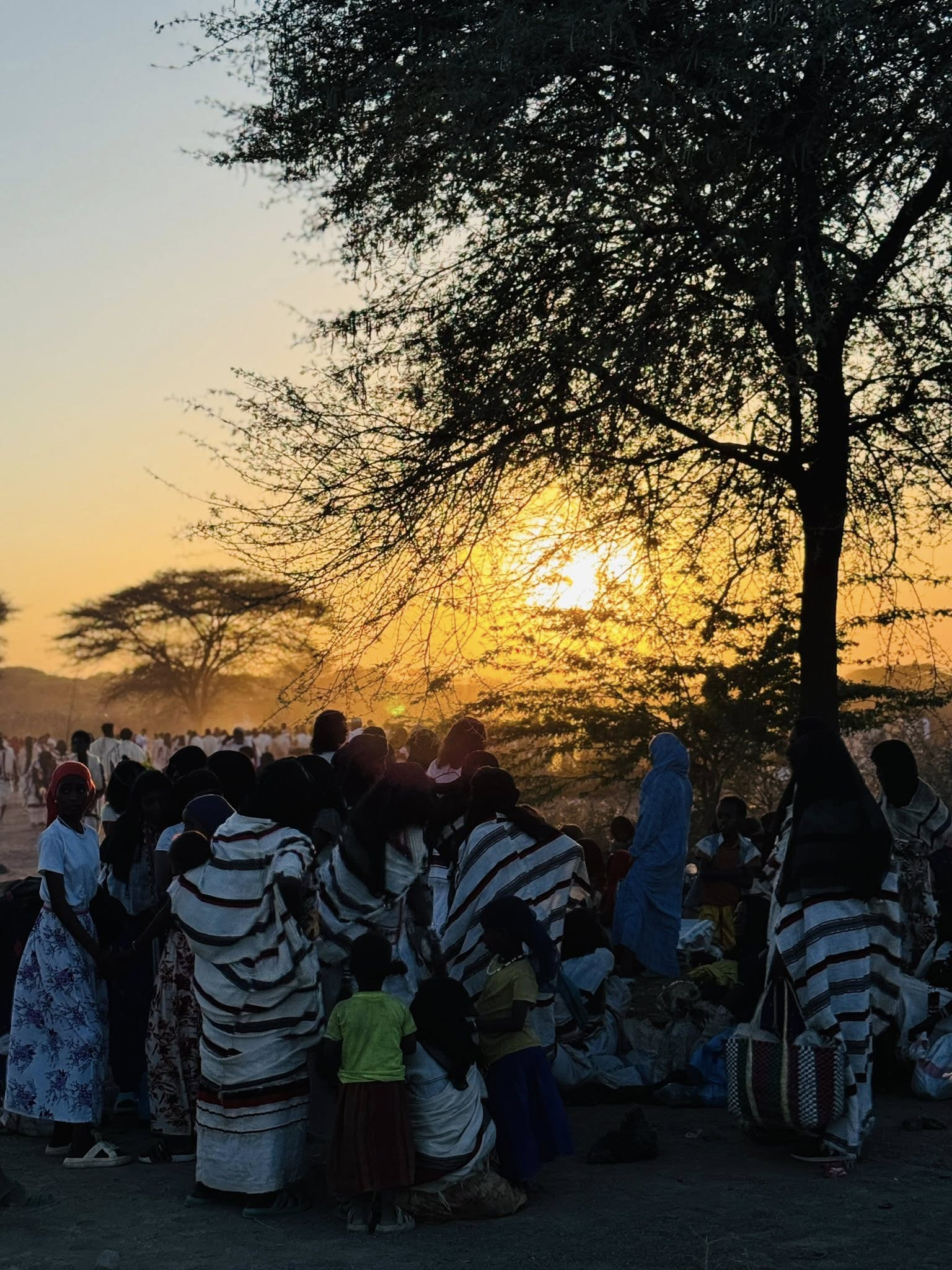
The ceremony, led by Abbaa Gadaas, elders, and community representatives, began in the pre-dawn hours, adhering strictly to the profound rituals and aesthetics of Oromo tradition. Participants gathered under the ancient trees of Ardaa Jilaa, a site long held as a seat of ancestral wisdom and collective decision-making, to reignite the principles of the Sirna Goobaa—the assembly of law, justice, and social order.

“This is not a symbolic gesture; it is a homecoming,” declared one senior elder, his voice echoing in the crisp morning air. “We are reclaiming our space, our process, and our responsibility to govern ourselves according to the laws of our forefathers and the balance of nature. The Goobaa is where our society heals, deliberates, and progresses.”
The choice of location and time is deeply significant. Tarree Leedii is historically a cornerstone of socio-political life for the Karrayyuu. By convening at dawn (ganamaa), the assembly honors the Oromo cosmological view that links the freshness of the morning with clarity, purity, and the blessing of Waaqaa (the Supreme Creator). The meticulous observance of rituals involving sacred items, chants (weeduu), and the pouring of libations underscores a commitment to authenticity and spiritual sanction.
Community members, young and old, observed in reverent silence as the protocols unfolded. For many youth, it was a first-time witnessing of the full, unbroken ceremony. “To see our governance system in action, here on this land, is transformative,” said a young university student in attendance. “It connects the history we read about directly to our future. It shows our systems are alive.”
The reinstatement of the Sirna Goobaa at Ardaa Jilaa sends a resonant message beyond the borders of Fantuallee District. It represents a grassroots-driven renaissance of indigenous Oromo governance, asserting its relevance and authority in contemporary community life. It serves as a forum to address local disputes, environmental concerns, and social cohesion through the framework of Gadaa principles—Mooraa (council), Raqaa (law), and Seera (covenant).
Analysts view this move as part of a broader movement across Oromia where communities are actively revitalizing Gadaa and Waaqeffannaa institutions as pillars of cultural identity and self-determination. The successful convening at Tarree Leedii demonstrates local agency and the enduring power of these systems to mobilize and inspire.
As the sun rose over the assembly, illuminating the faces of the gathered, the event concluded with a collective affirmation for peace, justice, and unity. The revival of the Sirna Goobaa at this historic site is a dawn in every sense—a new beginning for community-led governance, a reconnection with ancestral wisdom, and a bold statement that the Gadaa of the Karrayyuu is once again in session, ready to guide its people forward.
Oromo Diaspora’s Commitment: Honoring the Liberation Struggle

In Cairo, a Distant Diaspora Keeps the Flame Alive: Commemorating the Oromo Liberation Struggle
CAIRO – In a gathering marked by solemn reflection and resilient spirit, the Oromo community in Cairo recently commemorated Oromo Liberation Army (OLA) Day on January 1, 2026. The event was more than a calendar observance; it was a powerful act of collective memory, a reaffirmation of identity, and a declaration of unwavering commitment to a cause that spans decades and continents.
The atmosphere was charged with the weight of history. As noted by Mr. Nasralla Abdu, Chairman of the Association, the day serves a dual purpose: to honor the souls of fallen freedom fighters and to fortify the resolve of those who continue the struggle. This is not mere ritual; it is the lifeblood of a diaspora movement, a vital mechanism to ensure that distance does not dilute purpose nor time erode sacrifice.
The historical anchor of the commemoration, as recounted, is crucial. The reference to the OLA’s reconstitution in 1980, following the severe challenges of the late 1970s, transforms April 1st from a simple date into a symbol of regeneration and stubborn endurance. It marks a moment when the struggle, against formidable odds, chose to persist. Celebrating this anniversary yearly, as the chairman explained, is to ritually reaffirm that same choice to persist, generation after generation.
The testimonies from attendees cut to the heart of the matter. For them, this was an “anniversary of covenant”—a renewal of the sacred promise to the struggle—and a moment of remembrance for those who paid the “ultimate price.” This language transcends politics; it enters the realm of collective oath and sacred duty. Furthermore, their powerful statement linking the ongoing sacrifice of Oromo people inside the homeland—for their identity, culture, history, and land—to the diaspora’s obligation to “stand in solidarity and fight for our people’s rights” creates a potent bridge. It connects the internal resistance with external advocacy, framing a unified struggle on two fronts.
This event in Cairo is a microcosm of a global phenomenon. It demonstrates how diasporas function as custodians of history and amplifiers of voice when direct expression at home is constrained. The careful observance in Egypt underscores that the Oromo quest for recognition, justice, and self-determination is not confined by geography. It is nurtured in community halls abroad as much as it is in the hearts of people within Oromia.
Ultimately, the commemoration was a tapestry woven with threads of grief, pride, and ironclad resolution. It acknowledged a painful past of loss and “severe circumstances,” celebrated the resilience that emerged from it, and boldly projected that spirit into an uncertain future. As long as such gatherings occur—where names are remembered, covenants renewed, and solidarity declared—the narrative of the Oromo struggle remains alive, authored not just by fighters on the ground but by communities in exile holding vigil for the dawn they believe must come.
Oromo New Year Birboo: Tradition and Unity in Waaqeffannaa Faith

Feature News: Celebrating Heritage and Harmony – Waaqeffannaa Faithful Usher in Oromo New Year 6420 at Walisoo Liiban Temple
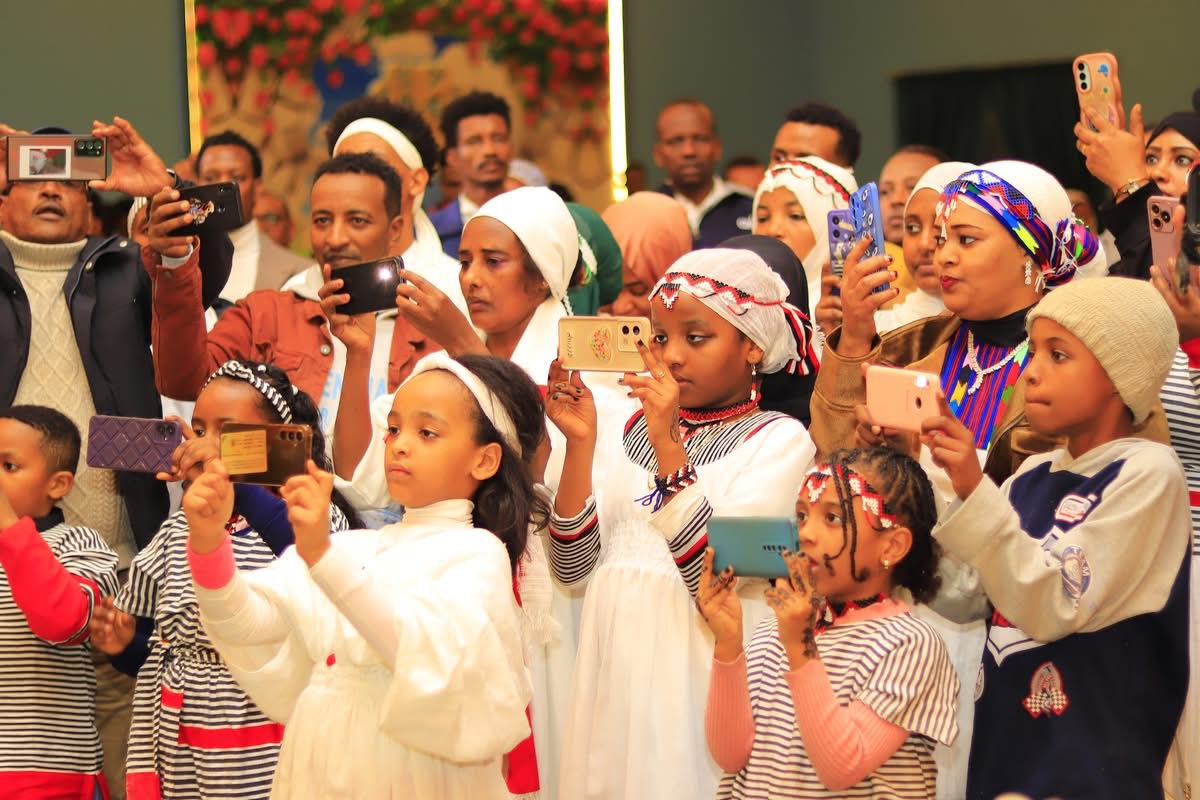
WALISOO LIIBAN, OROMIA – In a profound celebration of cultural rebirth and spiritual unity, the Waaqeffannaa faithful gathered at the sacred Galma Amantaa (House of Worship) here on Thursday to solemnly and joyfully observe the Oromo New Year, Birboo, marking the dawn of the year 6420.
The ceremony was far more than a ritual; it was a powerful reaffirmation of an ancient identity, a prayer for peace, and a community’s declaration of continuity. Under the sacred Ficus tree (Odaa) that stands as a central pillar of the Galma, elders, families, and youth came together in a vibrant display of thanksgiving (Galata) to Waaqaa (the Supreme Creator) and reverence for nature and ancestry.
The air was thick with the fragrance of burning incense (qumbii) and the sound of traditional hymns (weeduu) as the Qalluu (spiritual leader) guided the congregation through prayers for blessing, prosperity, and, above all, peace for the coming year. The central message of the celebration, as echoed by the organizers, was a heartfelt benediction for the entire Oromo nation: “May this New Year bring you peace, love, and unity!” (Barri kun kan nagaa, jaalalaafi tokkummaa isiniif haa ta’u!).
This public and dignified observance of Birboo carries deep significance in the contemporary context of Oromia. As Ethiopia’s largest ethnic group navigates complex social and political landscapes, the celebration at Walisoo Liiban served as a potent symbol of cultural resilience.
“Observing Birboo at our Galma is not just about marking a calendar,” explained an elder attending the ceremony. “It is about remembering who we are. It is about connecting our past to our future, grounding ourselves in the values of balance, respect for all creation, and community that Waaqeffannaa teaches. In praying for peace, we are actively willing it into being for our people.”
The sight of children learning the rituals and youths actively participating underscored a vital theme: the intergenerational transmission of indigenous knowledge and spirituality. The celebration was a living classroom, ensuring that the philosophy of Safuu (moral and ethical order) and the connection to the Oromo calendar, based on sophisticated astronomical observation, are not relegated to history books but remain a vibrant part of community life.
The event concluded with a communal meal, sharing of blessings, and a collective sense of renewal. As the sun set on the first day of 6420, the message from the Galma Amantaa at Walisoo Liiban was clear and resonant. It was a declaration that the Oromo spirit, guided by its ancient covenant with Waaqaa and nature, remains unbroken, steadfastly hoping for and working towards a year—and a future—defined by nagaa (peace), jaalala (love), and tokkummaa (unity).
The Legacy of Oromo Founders: Unfinished Business
Feature Commentary: The Unclaimed Inheritance – On the Unfinished Debt to Oromoo’s Founders
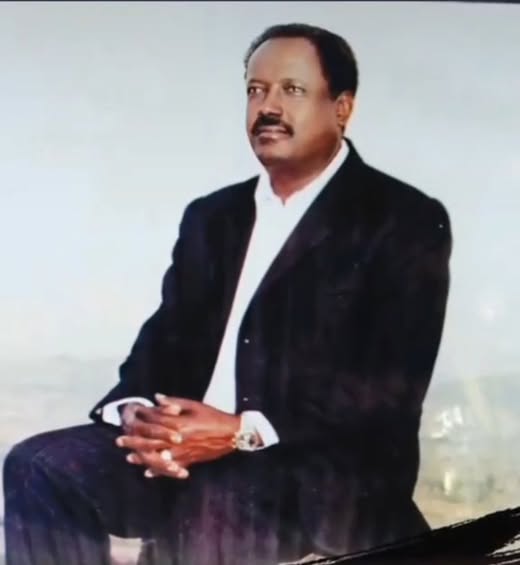
In the sacred narrative of the Oromo struggle, certain names are whispered with reverence, not merely as historical footnotes, but as living accusations against the present. The story of Hotel Jibaat and Maccaa, and the founding father Ob. Beellamaa Futtaasaa, is one such story. It is not a eulogy for the departed; it is a mirror held up to the community, revealing an unsettling and unresolved question of legacy, debt, and collective conscience.
The tale is stark in its simplicity. When the modern Oromo political struggle was ignited in Ambo, it was men like Ob. Beellamaa Futtaasaa—owners of the Hotel Jibaat and Maccaa—who provided the crucial, tangible infrastructure. Their support was not passive sympathy; it was the active, risky bedrock upon which early organizing was built. Their hotel was not just a business; it was a sanctuary, a meeting hall, a nerve center for the nascent Oromo Liberation Front (OLF). They were, as the text states, “hundeessitoota”—foundational pillars—who stood with the architects of the political dream.
The piercing tragedy, however, lies in the chilling coda to this foundation story: “Today… their descendants are in want.”
This single line unravels a profound moral and social contradiction. The children and grandchildren of those who provided the deeggarsa qabsoo hidhannoo—the support that sustained the struggle in its most fragile, clandestine phase—are now left struggling. Their material inheritance has seemingly evaporated, and the immense social capital of their forefathers’ sacrifice has not translated into security or dignity. The comparison drawn is as painful as it is deliberate: while the children of other heroes (like Ob. Daraaraa) are seen to have flourished, the lineage of Beellamaa Futtaasaa faces neglect.
This is more than a family’s hardship. It is a fracture in the very covenant of the struggle. A movement built on principles of justice, self-determination, and collective upliftment now stands accused of failing its most immediate creditors—the families of its earliest benefactors. The hotel that once housed the dream now symbolically stands empty for its heirs.
The commentary this situation demands is multifaceted:
First, on the Nature of Sacrifice: The story forces a reckoning with what we value in our history. We glorify the martyr on the battlefield and the political theorist, but often forget the enabler—the one who risked property, livelihood, and safety to create the space for the movement to breathe. Their contribution, though less cinematic, was equally vital. By forgetting them, we create a hierarchy of sacrifice that is both unjust and historically myopic.
Second, on the Ethics of Legacy: Every revolutionary movement eventually grapples with the transition from struggle to governance, from resistance to responsibility. A core part of that responsibility is social and historical accountability. Have the structures built by the struggle—whether formal institutions or community networks—developed a mechanism to honor and support the living legacies of its founders? The plight of the Fitaaxaa family suggests a failing grade. It raises the uncomfortable question: does the movement consume its own, leaving the children of its hosts to face the bill?
Third, on Collective Amnesia and Power: There is a dangerous tendency in evolving political movements to become forward-obsessed, to distance themselves from the “old stories” in a rush to claim new ground. But this amnesia is a form of power. It allows new elites to consolidate status while disengaging from the foundational debts that morally bind them. Remembering Beellamaa Fitaaxaa is not nostalgia; it is an act of political hygiene, a check against the corrupting notion that the present leadership owes nothing to the past.
Finally, on the Meaning of Victory: If the ultimate goal of the Qabsoo is nagaa fi bilisummaa—peace and freedom—what does that freedom mean? Surely, it must encompass a community where the descendants of those who poured the foundation are not left destitute. A struggle that cannot care for the children of its first guardians risks winning a hollow prize, a state or a recognition that has lost its moral compass.
The story of Hotel Jibaat and Maccaa is, therefore, an urgent parable. It is a call for the Oromo nation—its leadership, its diaspora, its institutions—to conduct an audit not just of its political strategies, but of its conscience. It is a demand to reclaim that inheritance of collective responsibility.
The physical hotel may be gone, but the debt it represents remains outstanding. Until it is addressed, the struggle’s claim to justice will carry this quiet, haunting contradiction. True victory will not be complete until the heirs of those who housed the revolution are themselves brought in from the cold. The seeds they watered must bear fruit for their own garden as well.
Oromo Diaspora Celebrates 46th OLA Anniversary Online
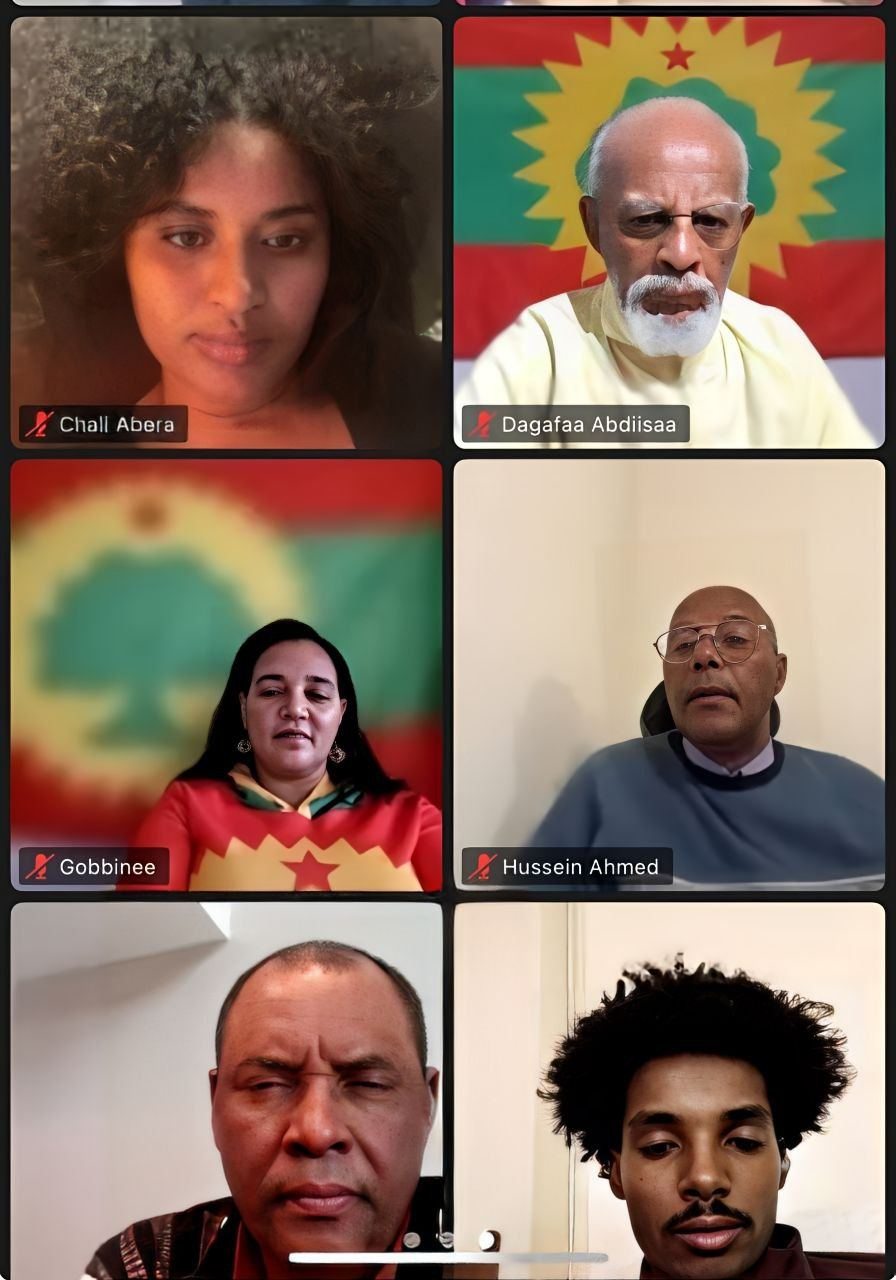
Oromo Diaspora Marks 46th OLA Anniversary and New Year with Virtual Gathering, Honors Foundational Victory
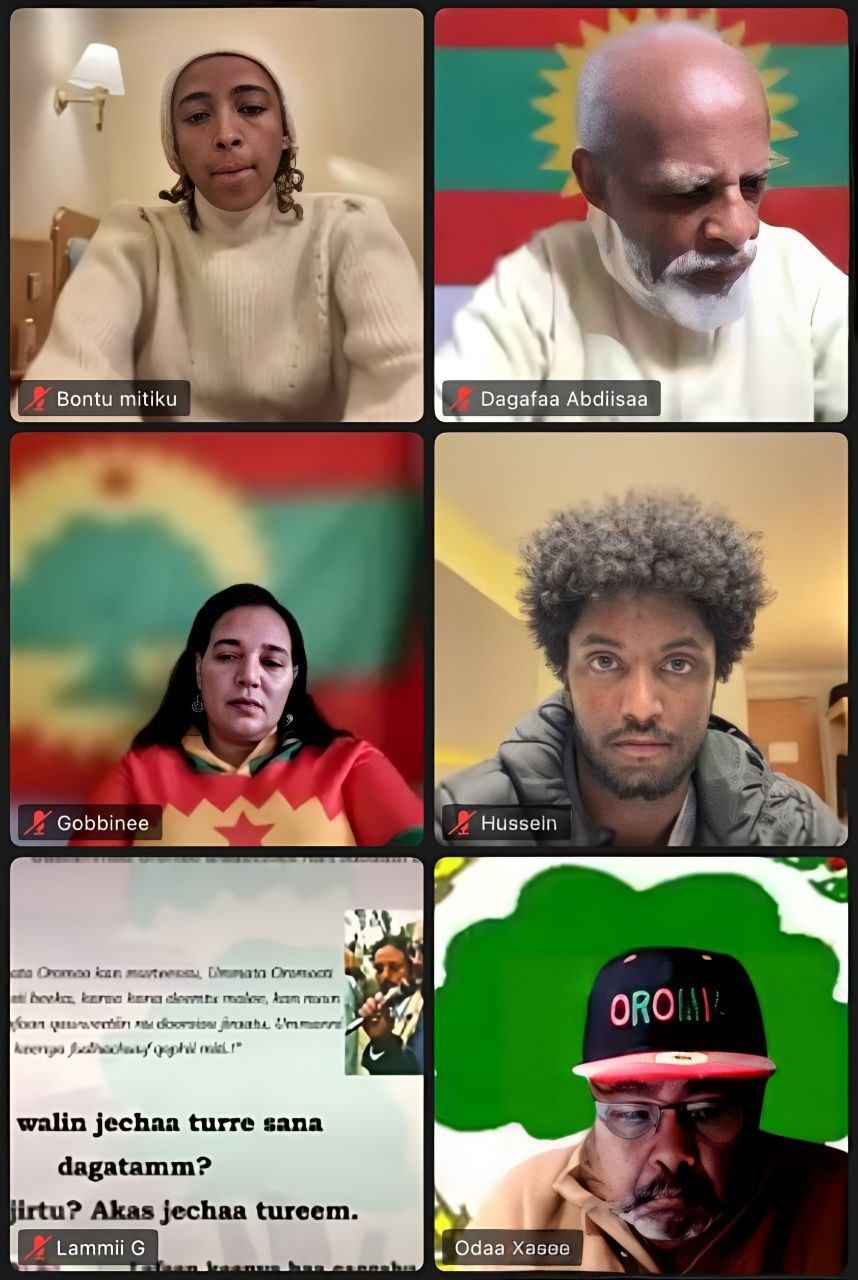
January 2, 2026-In a significant online assembly bridging continents, the global Oromo community gathered on January 2, 2026, for a dual commemoration: the 46th anniversary of the Oromo Liberation Army (OLA/WBO) and the celebration of Ayyaana Amajjii 1, the Oromo New Year. The virtual event, held via Zoom, served as a space for reflection, strategic review, and a powerful reaffirmation of commitment to the liberation struggle.
The gathering provided a platform to assess the achievements and persistent challenges of the Oromo quest for self-determination. Speakers connected the modern struggle directly to its historical roots, with participant Jaal Dhugaasaa Bakakkoo detailing the harsh founding conditions of the OLA. He highlighted a pivotal foundational moment: the first official day of the OLA was celebrated on January 1, 1980, to mark a victory over a major campaign by the then-ruling Darg (Derg) regime. This historical note underscored that the movement was born not in abstraction, but in the crucible of direct combat and early triumph.
The intertwining of the cultural New Year (Ayyaana Amajjii) with the military anniversary was emphasized as a core feature of Oromo resistance, symbolizing the inseparable link between cultural identity and political struggle. Organizers stated that these dates are perennially observed wherever Oromo patriots, members of the Oromo Liberation Front (OLF/ABO), and supporters of the cause are found.
A central and poignant message was directed at the Oromo youth. In his keynote address, Dr. Daggafaa Abdiisaa framed the continuation of the struggle as a sacred duty inherited from past sacrifices, declaring, “The duty to pursue the goal and objective of the OLF rests upon you, the beloved children of the fallen heroes.”
The event concluded with a sense of solemn purpose, honoring the legacy of the last 46 years—from the first victory commemorated in March 1980 to the present-day resistance—while charting a determined course for the future. It reinforced the global diaspora’s role as a pillar of solidarity and historical memory for the ongoing movement in Oromia.
###
Background Notes:
- The Oromo Liberation Army (OLA/WBO) is the armed wing associated with the Oromo Liberation Front (OLF/ABO).
- On January 1, 1980, the Oromo Liberation Army (OLA) celebrated its first formal day to commemorate a hard-fought victory over the Darg regime’s campaigns.
- This day stands as a testament to the early courage and sacrifice that laid the foundation for the ongoing struggle. We remember, honor, and draw strength from the resilience shown from the very beginning.
- Ayyaana Amajjii 1 marks the Oromo New Year based on the traditional Gadaa calendar.
- The OLA’s first commemorative day was March 1, 1980, following a military victory against the Derg (Darg) government.
- The Oromo have been engaged in a long-standing struggle for self-determination within Ethiopia.
Oromo Grievance: The Call for Historical Reckoning

News Feature: The Unfinished Burial – Oromo Grievance and a Call for Reckoning
FINFINNE – In a powerful and poignant declaration circulating within Oromo intellectual and activist circles, a statement titled “Our Grievance” (Dogongora keenya) lays bare a deep-seated historical pain and issues a stark challenge to the community’s present path. Framed not as a political manifesto but as a moral and cultural reckoning, the text articulates three core wounds that continue to fester, preventing collective healing and progress.
The statement’s first grievance cuts to the heart of historical memory. It accuses the Oromo people of having “abandoned the history of yesterday”—specifically, the foundational legacy of the Gadaa system and the sacrifices of those who fought to preserve Oromo identity. This, the authors argue, is a profound act of self-neglect, a failure to honor the very struggles that define the nation.
The second point presents a searing economic and spiritual critique. It states that the community has “failed to understand the value of land or the value of bone.” This evocative phrase unpacks a dual tragedy: the loss of ancestral territory (land) and the dishonoring of martyrs (bone). The text contends that while the physical land was lost, the greater failure lies in not ensuring that the sacrifice of those who died defending it was redeemed through continued, effective struggle. The declaration warns against a cyclical resignation where one generation’s defeat is accepted, hoping the next will simply be born into a new fight, rather than completing the unfinished work of the past.
The most direct and impassioned grievance addresses the legacy of state violence. It lists the targeted losses of “Oromo scholars, teachers, doctors, sheikhs, priests, artists, and Gadaa leaders,” accusing the community of a catastrophic failure: while knowing the perpetrators and witnessing ongoing atrocities, there has been a critical absence of holding them accountable. The text condemns this as both a failure to “settle the score” for crimes against the Oromo elite and, more damningly, a failure to “return and differentiate friend from foe,” suggesting a dangerous ambiguity in the face of oppression.
Analysis: Beyond Grievance, A Call for Cohesion
This “Dogongora” transcends a simple list of complaints. Analysts view it as a crucial internal dialogue, a mirror held up to the Oromo national movement at a complex juncture.
“It is a lamentation, but also a prescription,” says Dr. Lemmi Bula, a historian of Oromo studies. “The authors are diagnosing a crisis of continuity and accountability. The grievance about ‘bone’ versus ‘land’ is particularly profound—it asks whether we have honored the sacrifice of our heroes by building upon it strategically, or merely mourned them while the underlying conditions remain.”
The statement’s circulation comes amid ongoing conflict in the Oromia region and persistent debates over political strategy, representation, and reconciliation within Ethiopia. Its significance lies in its source: it is an introspective critique from within, demanding a higher standard of historical consciousness, strategic clarity, and moral resolve from the community itself.
A Community’s Response
The reaction among Oromo intellectuals and activists has been one of solemn reflection. Many agree the issues raised are fundamental. “It hurts because it is true,” shared activist Fayisa Lelisa. “We are quick to declare our heroes but slow to build the disciplined, unified institutions that would make their sacrifice truly meaningful. This is a wake-up call to move from mourning to a more purposeful honoring.”
There has been no official response from the Ethiopian government, to whom the indirect accusations of violence are aimed. The statement concludes not with a demand of the state, but with a challenge to the Oromo people: to reclaim their history, re-evaluate their struggle, and insist on justice for their fallen, framing these not as optional pursuits but as the essential duties required for true liberation.
As one elder, upon reading the text, summarized: “It is not enough to say we remember. We must build a future that makes the memory of our sacrifices proud.” The “Dogongora” now stands as a watershed document, compelling a nation to confront its deepest pains to chart a more coherent and honorable path forward.
A Celebration of Resilience and Remembrance
Feature Commentary
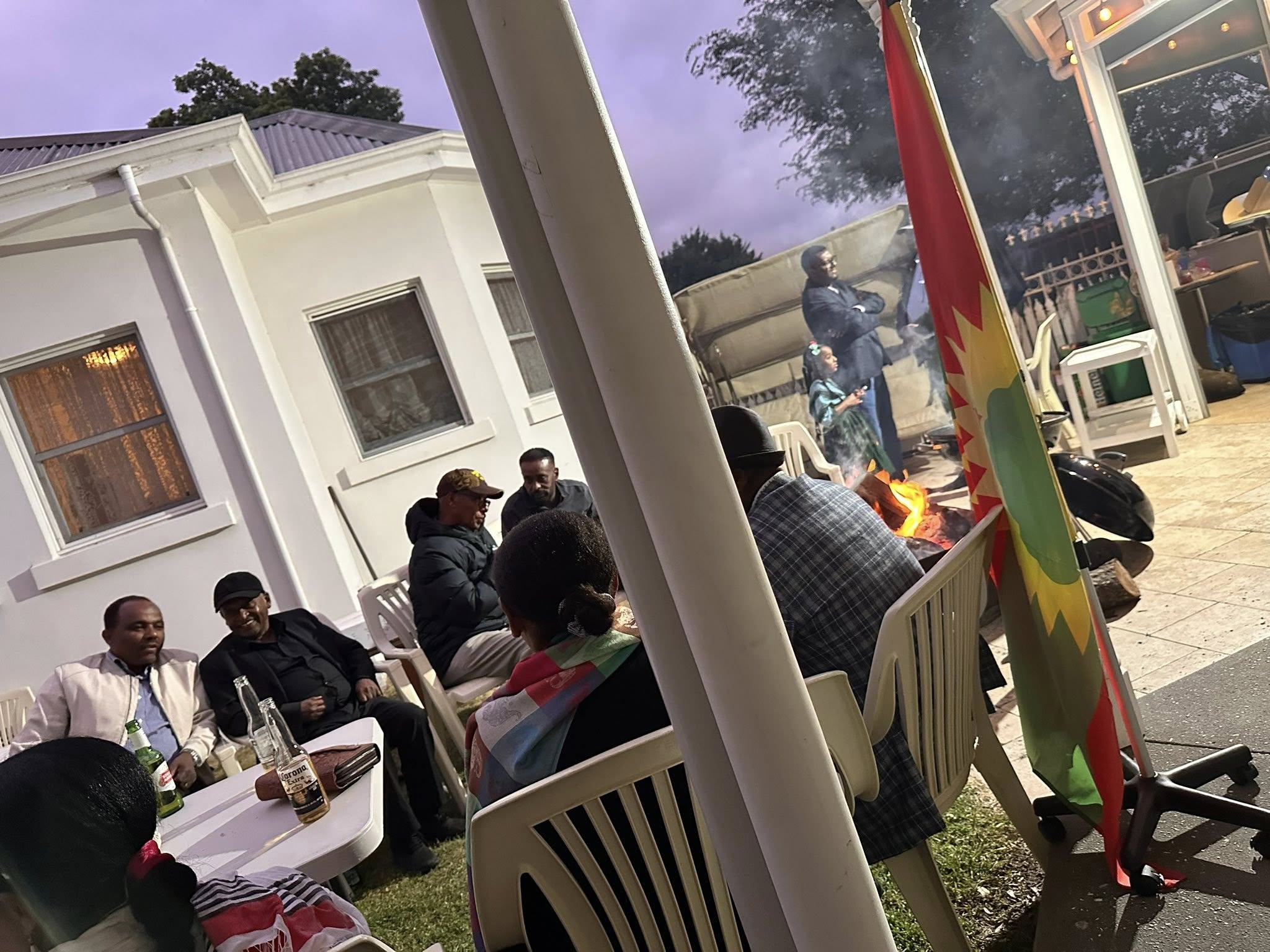
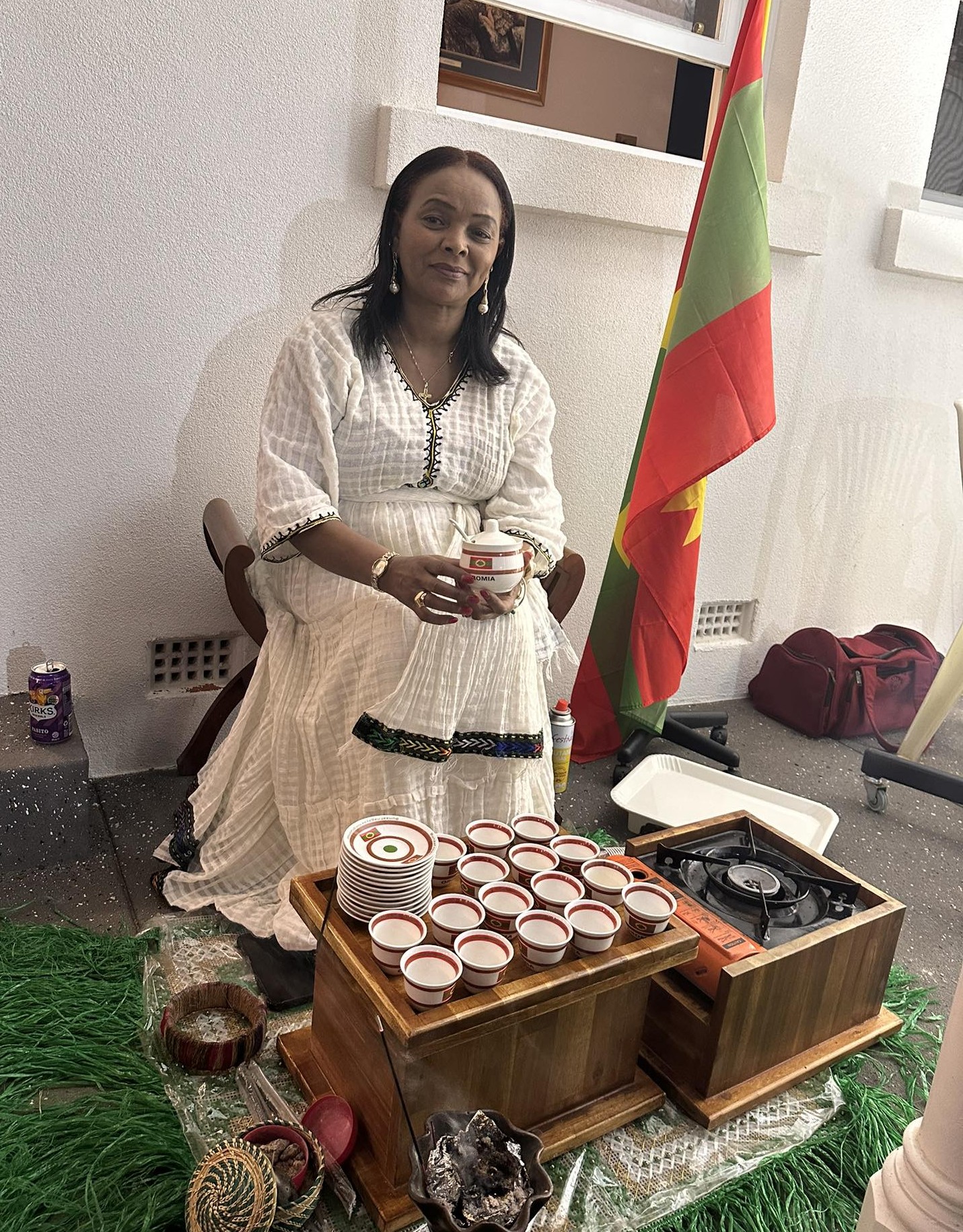
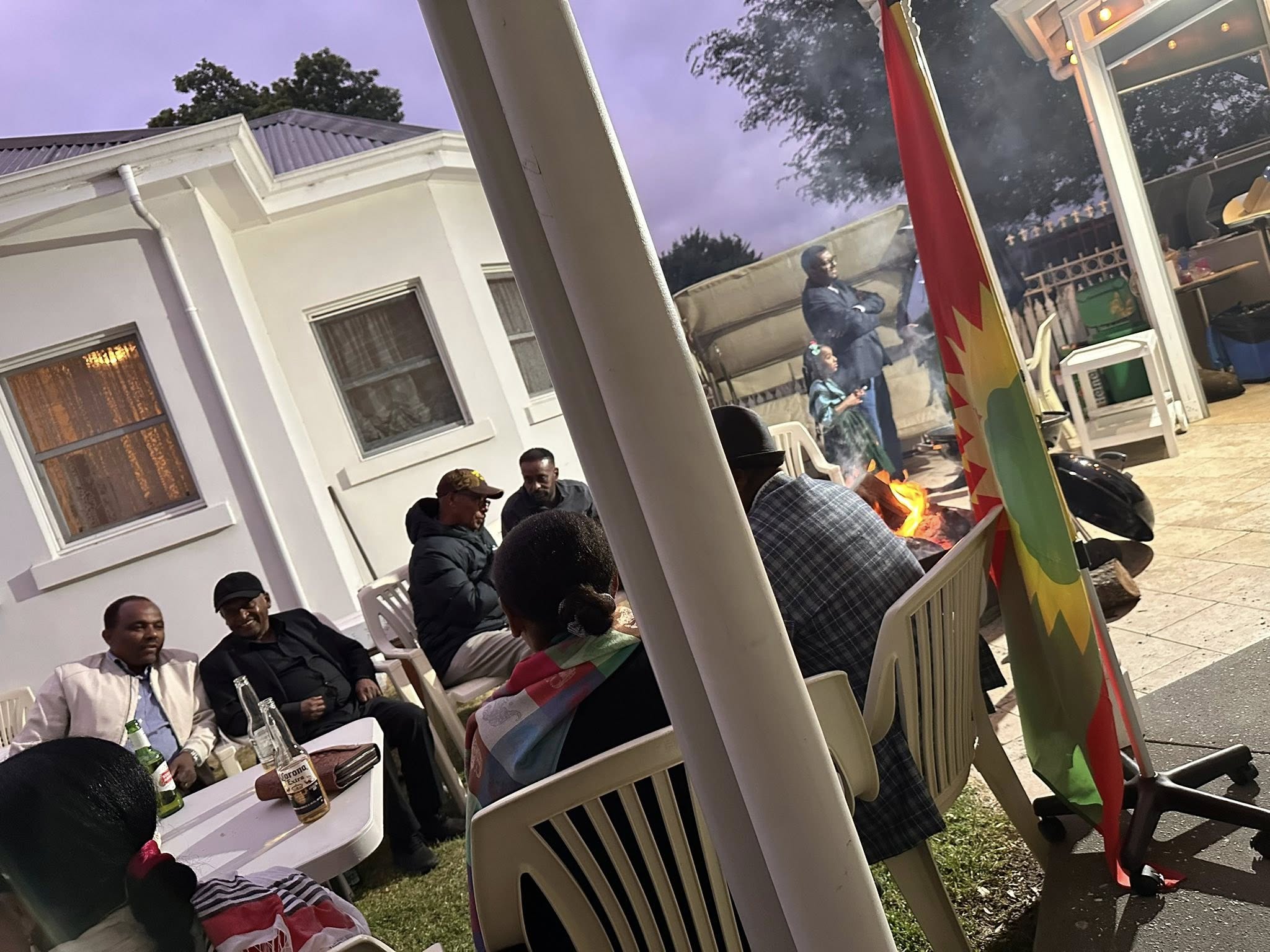
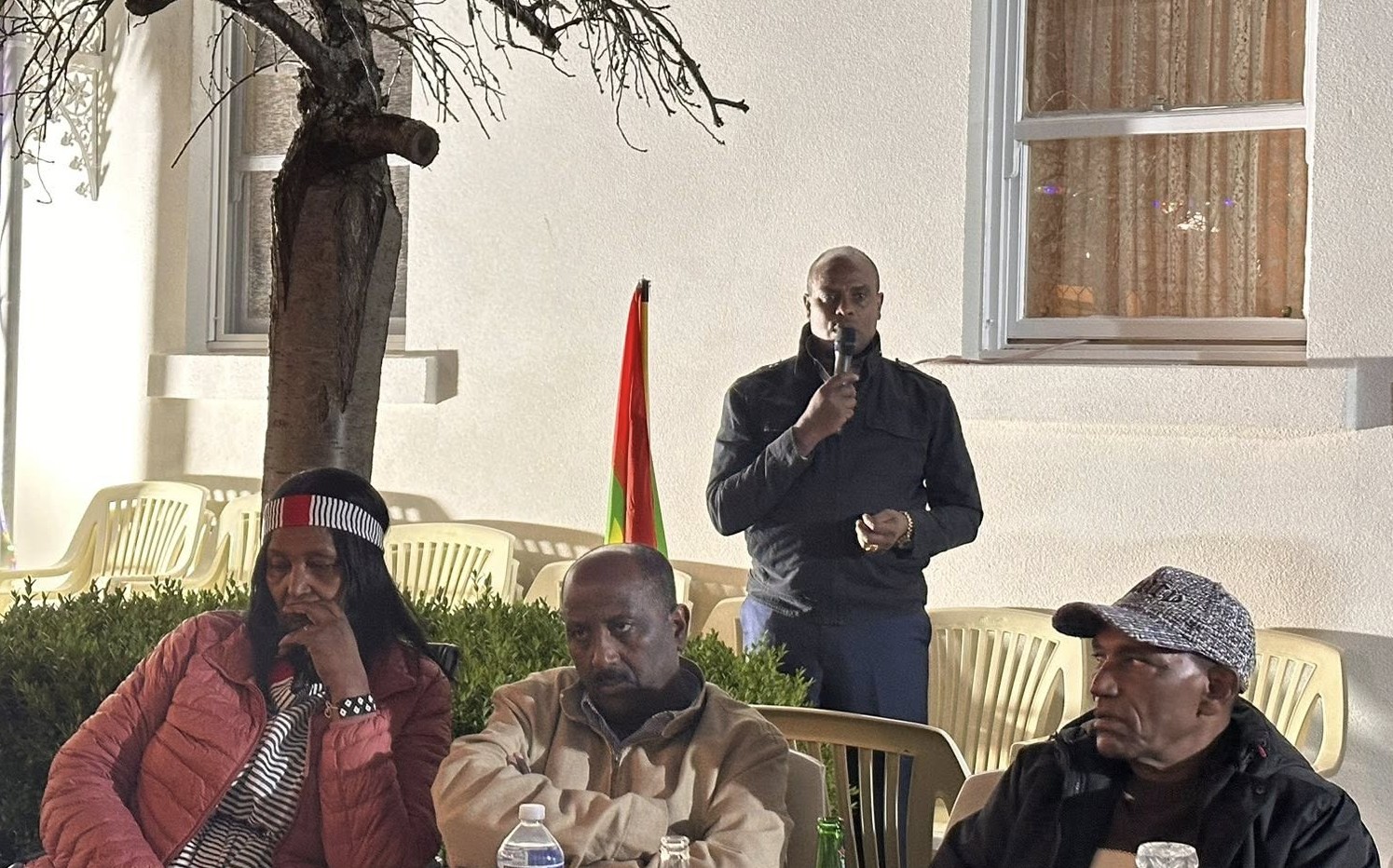
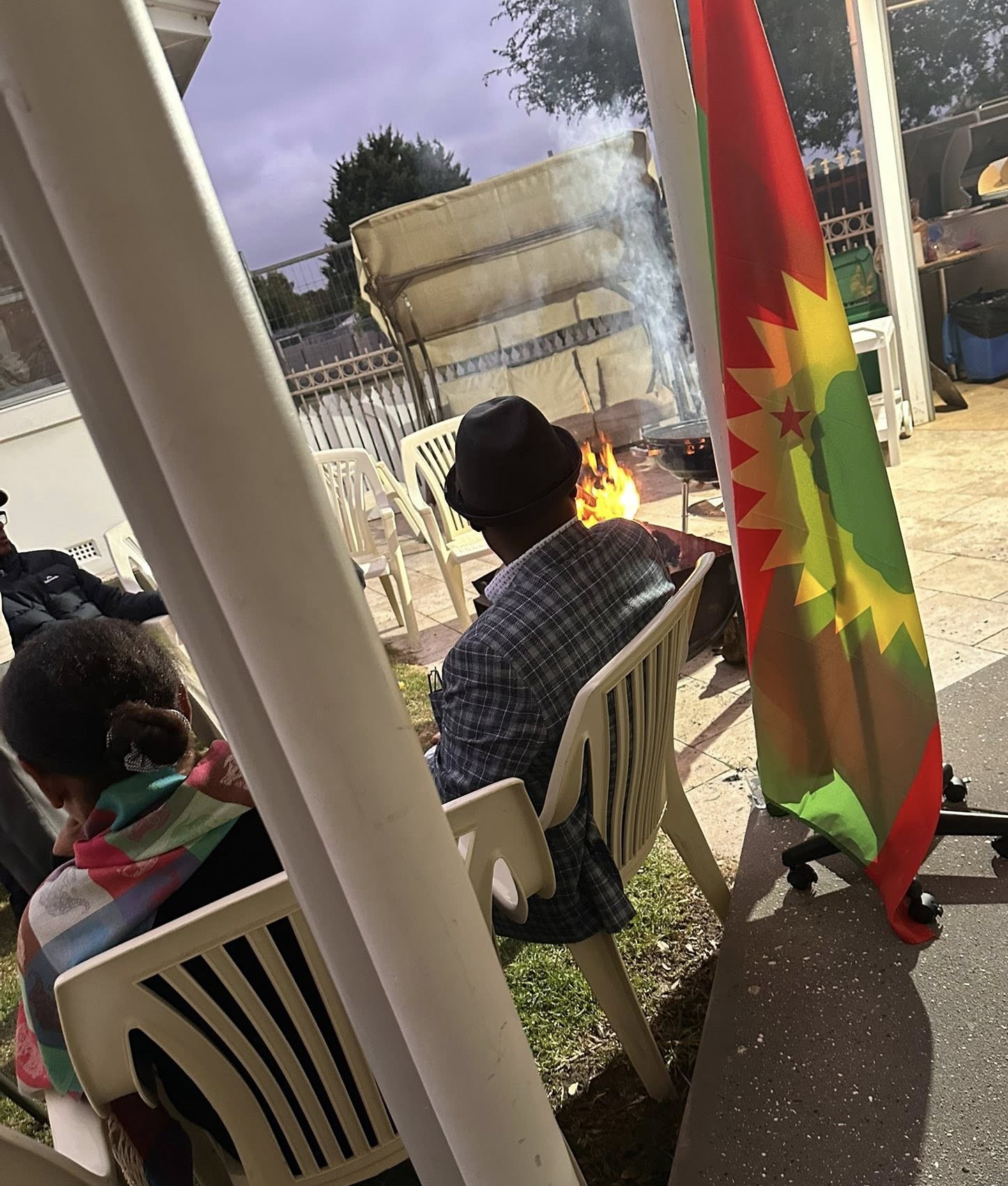
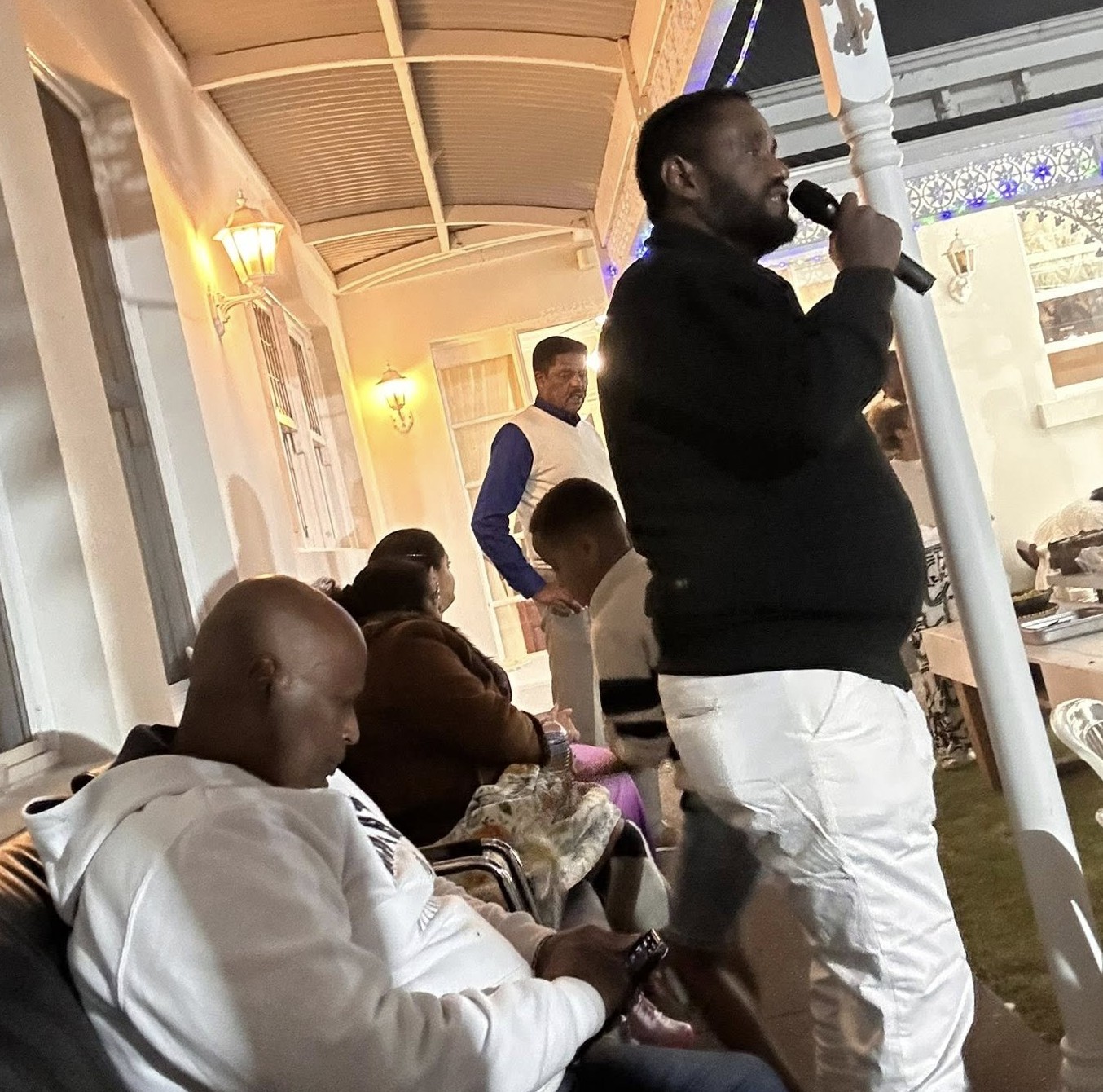
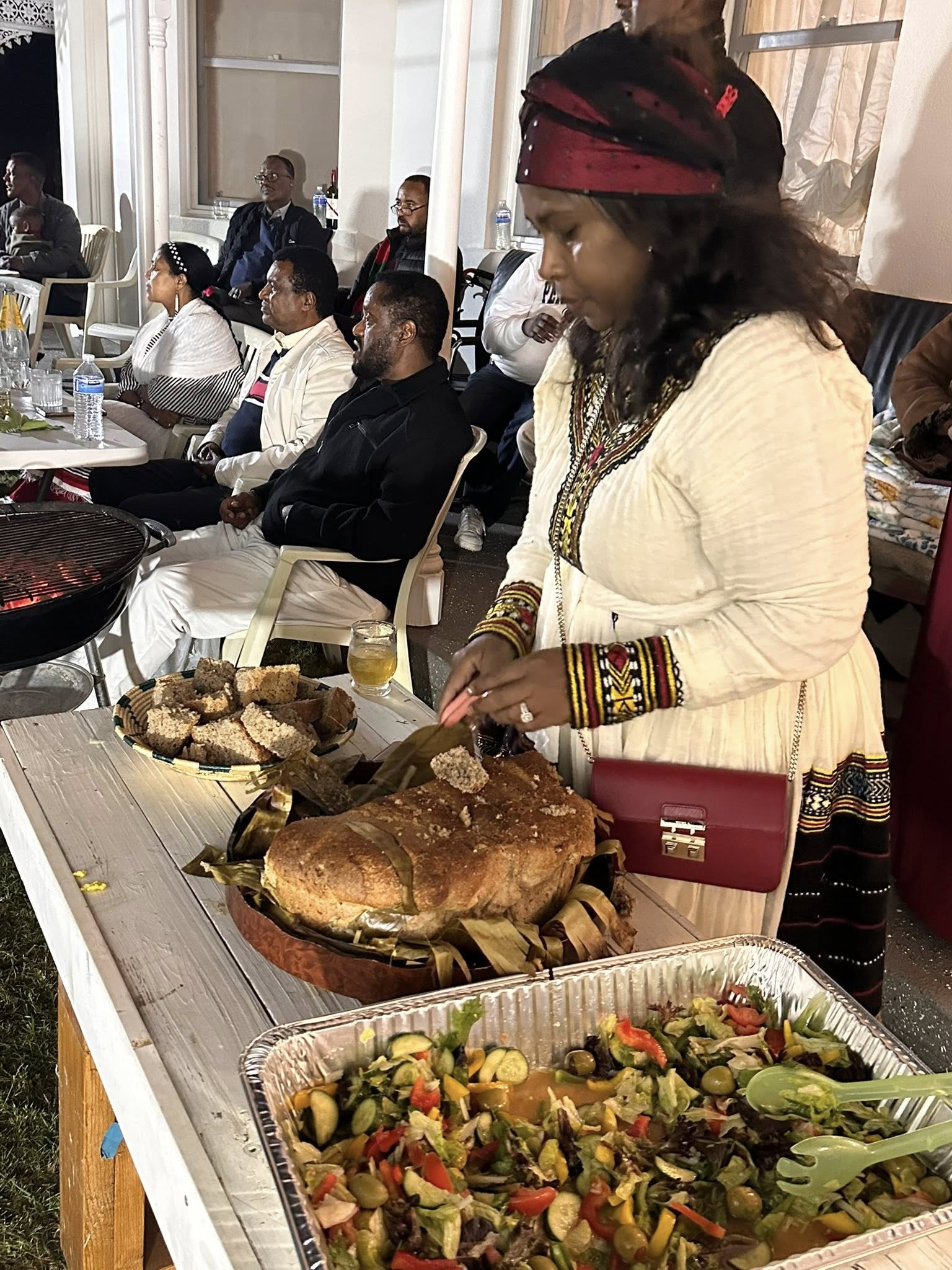
Beneath the warm embrace of a shared meal and the quiet hum of community, members and supporters of the Oromo Liberation Front (OLF)-Konyaa ABO Victoria gathered to mark the eve of January 2026. The atmosphere was one of familiar camaraderie, yet it was underscored by a profound and collective gravity. This was more than a festival’s eve; it was a vigil of memory and resolve.
The wishes exchanged were simple, universal: for peace, for happiness in the coming year. But here, these words carried the weight of a long struggle. As one speaker noted, this day is a confluence of two powerful streams of consciousness: the hope inherent in a new year, and the solemn remembrance of the Oromo Liberation Army (OLA) – its founding and its continued sacrifice.
The true heart of the evening beat in the acknowledgments of those sacrifices. An elder’s voice, tempered by time and loss, cut through the gathering: “God bless our sons who sacrificed for us.” It was a prayer, a benediction, and a thread connecting generations. It spoke of a raw, personal cost paid by families across the Oromia region.
This sentiment was echoed, with hardened clarity, by Oromo fighters present. “We were able to come out in the open because of the sacrifices of a few people,” one stated. This simple sentence framed their current visibility not as a given, but as a hard-won space purchased by the lives of others. It acknowledged a debt that could not be repaid, only honored.
And so, the celebration naturally evolved into a covenant. The warm atmosphere became a crucible for renewed determination. The final, prevailing message was a call borne from both gratitude and grief: we must continue our struggle to put an end to the sacrifices that have been made so far. It was a recognition that the ultimate honor to the fallen is not just in remembrance, but in forging a future where such sacrifices are no longer required. The evening thus closed, holding in tension the joy of community, the sorrow of memory, and the unwavering steel of a continued journey.

Honoring the Guardians of the Struggle

Feature Commentary
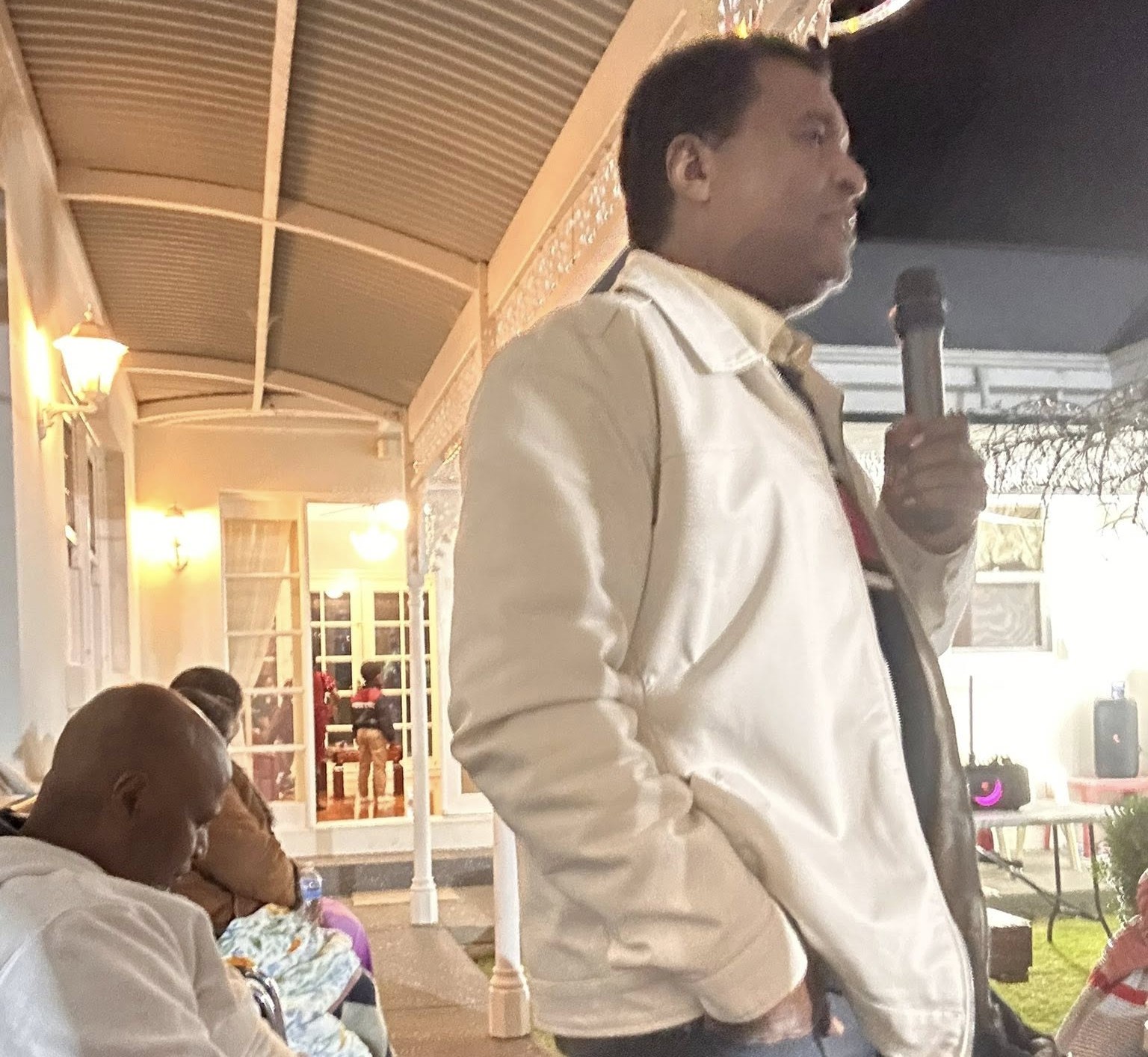
“Galata Qabsaa’otaa…” – Honor the Warriors. These words resonate as a sacred debt of gratitude within the Oromo community, a recognition of those who risked everything when the price of freedom was ultimate sacrifice.
In the tumultuous years following the fall of the Derg regime, a period of profound uncertainty and danger descended upon Ethiopia. For many Oromo freedom fighters, the dawn of a new era brought not peace, but a brutal twilight. Stripped of legal protection, they became targets—some left to perish from untreated wounds by the roadside, others hunted and thrown into the shadows of prisons. It was a time of severe crisis, a test of collective conscience.
Amidst this pervasive fear in Finfinnee (Addis Ababa), a flicker of humanity refused to be extinguished. A handful of Oromo residents, themselves navigating a treacherous landscape, made a courageous choice. They became protectors, hiding wounded and wanted fighters in plain sight, providing not just shelter but life-saving medicine and care. Their homes became field hospitals; their quiet defiance, a shield against the state’s wrath.
Among these unsung heroes is Obbo Araggaa Qixxataa. Born and raised in Dirree Incinnii, Oromia, he had come to Finfinnee as a businessman, establishing his life for many years in the Birbirsa Goora area. But when history demanded more than commerce, he answered. His residence became a sanctuary, a critical node in a clandestine network of survival. The business acumen that guided his public life was redirected to the covert logistics of preservation—securing medicine, arranging safe passage, sustaining lives that the official order sought to erase. Today, residing in America, his legacy is not measured in capital but in the lives he helped safeguard. Galataa fi Kabaja Oromummaatu isaanif mala! Gratitude and respect for Oromummaa are his rightful due.
This act of remembrance is being formally honored. The organization Oromo Global has undertaken the vital mission of strengthening and recognizing these aging veterans of the struggle. By bestowing acknowledgments like the one upon Obbo Araggaa, they perform a critical act of historical preservation—ensuring that the quiet bravery of the past is not lost to the noise of the present.
The Bottom Line:
The story of Obbo Araggaa Qixxataa is a microcosm of a broader, often unrecorded history. It reminds us that liberation movements are not sustained by soldiers and speeches alone. They are nourished by the shopkeeper who shares his bread, the homeowner who opens her door, and the businessman who uses his resources to heal rather than just to profit. Honoring the warriors also means honoring their guardians.
As organizations like Oromo Global step forward to say “Galata haa argatan”—let them receive thanks—they are piecing together a fuller, more human tapestry of resistance. They affirm that in the economy of gratitude, the currency of courage spent in dark times never depreciates.
Karrayyu Community’s Sacred Ritual for Power Transition

Karrayyu Gadaa Council Prepares Historic “Buttaa Qaluun” Rite for Leadership Transition
TARREE KEEDII, OROMIA — In accordance with the sacred eight-year cycles of the Oromo Gadaa system, the Karrayyu community is undertaking profound preparations for the Buttaa Qaluu ceremony—a pivotal ritual that facilitates the peaceful and systematic transfer of power from one Gadaa grade to the next.
Central to this process is the revered Baallii Gadoomaa (the scepter of Gadaa). Per Oromo law, the scepter is transferred every eight years. For the Karrayyu, the incumbent Gadaa council, having held the scepter and led the people for its designated eight-year term, is now charged with preparing the successor grade to assume power.
“The current Gadaa grade, having taken the Baallii Gadoomaa and governed for eight years, must now create the space—the Goobaa or Irreessa—for the next Gadaa set to rise,” explained a senior cultural analyst familiar with the rites. “This act of ‘giving space’ is a core constitutional principle of Gadaa, ensuring balanced, rotational, and non-hereditary leadership.”
The elaborate Buttaa Qaluu ceremony, now being organized at the sacred site of Tarree Keedii, is the formal mechanism for this transition. The term Goobaa itself encompasses the acts of vacating, clearing the path, mentoring, and imparting wisdom to the incoming leaders.
“The Karrayyu use Gadaa’s peaceful and consensual transfer of power as a model for national governance,” the analyst added. “The Goobaa demonstrates how leadership can be relinquished gracefully to ensure continuity and stability.”
Current Council Prepares the Ground
All eyes are now on the Gadaa Michillee council, the current custodians of power. Their critical preparatory duty is to receive the final blessings (Eebbaa) from the Abbaa Bokkuu (the presiding father) at their designated ritual ground (Ardaa).
Following this, they will proceed to the assembly site at Tarree Leedii to take their positions and oversee the meticulous execution of the Goobaa rituals. Their role is to ensure every sacred protocol is followed to legitimize and empower the incoming grade.
This meticulous process underscores the Gadaa system’s enduring sophistication as a indigenous system of democracy, conflict resolution, and constitutional governance. The Buttaa Qaluun ceremony is not merely a cultural event but a living enactment of a social contract that has guided the Oromo people for centuries.
The upcoming rites are expected to draw elders, scholars, and community members from across the region to witness this foundational practice of Oromo democracy in action.
# # #
About the Gadaa System:
Gadaa is the traditional, holistic social system of the Oromo people that governs political, economic, social, and religious life. It is based on an eight-year cyclical timeline, with power rotating democratically among five generational grades. In 2016, UNESCO inscribed the Gadaa system on the Representative List of the Intangible Cultural Heritage of Humanity.
 Oromedia