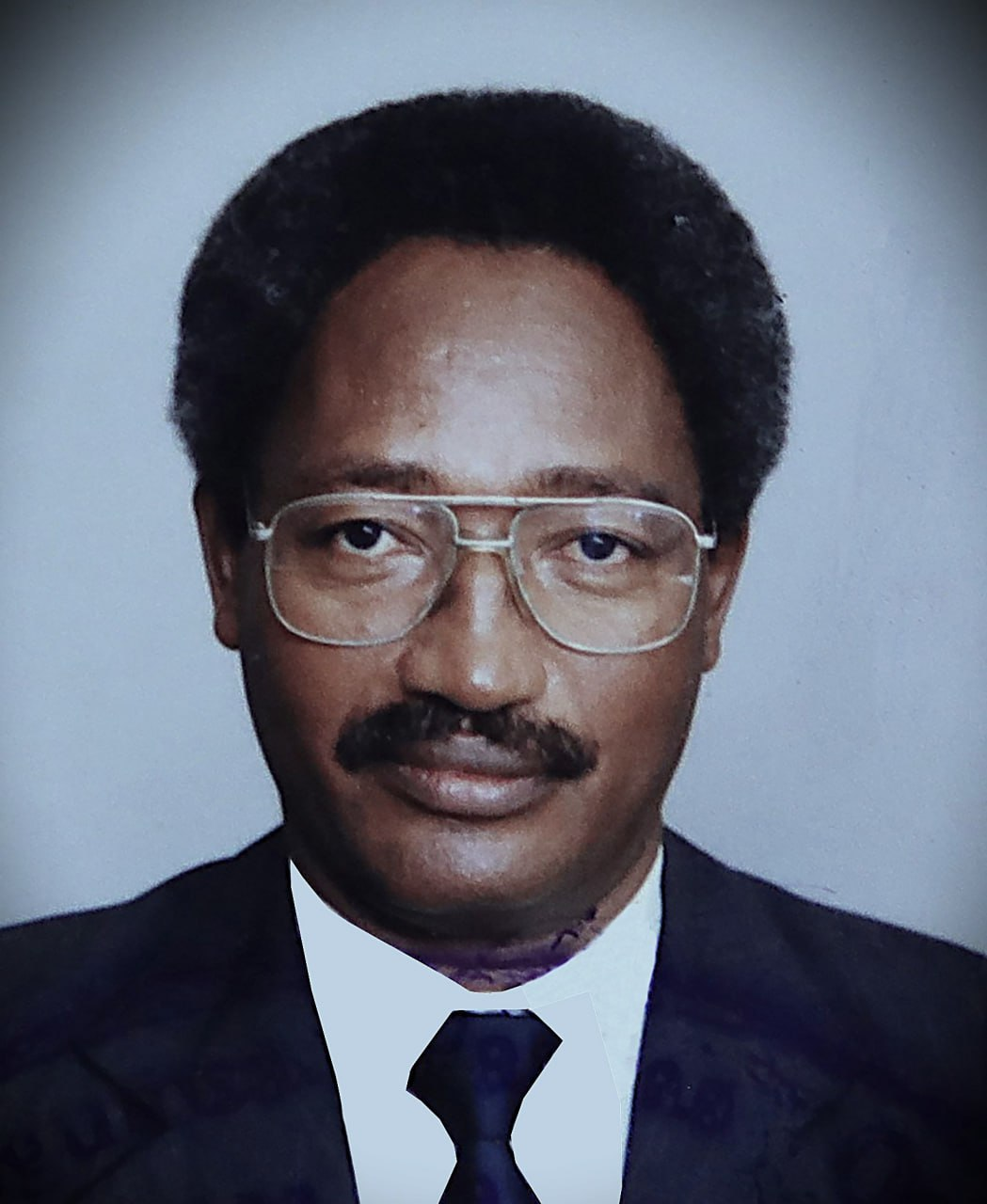
Addis Ababa, Ethiopia – The life of Dr. Paulos Dubale, a groundbreaking Ethiopian agronomist and soil scientist, stands as a powerful testament to a relentless pursuit of knowledge and an unwavering dedication to national development, often achieved in the face of severe institutional and financial constraints.
Born in June 1936 E.C. in Kendo Wolayta, Dr. Paulos’s journey began humbly in local schools before he pursued agriculture at the then-Alemaya College of Agriculture. His talent was quickly recognized; excelling as both a student and a singer, he was appointed as a “Student Singer” to a national development campaign, which led to his first research posting at the Jimma Agricultural Research Station in 1968 E.C.
His career would become synonymous with coffee research, a cornerstone of Ethiopia’s economy. Recognizing a critical shortage of specialists, the research institute sponsored him for a Master’s degree at the University of Hawaii, USA, which he earned in Horticulture with a focus on coffee. Despite his professors’ strong recommendations to pursue a doctorate immediately, a lack of replacement staff at home forced his premature return to Ethiopia—a recurring theme of institutional limitations that would challenge his progress for years.
A Champion of Collaboration Against Scarcity
Back at the Jimma research center, Dr. Paulos rose to lead the coffee research team and later coordinated the entire national coffee research program. His role expanded dramatically as he was tasked with simultaneously managing the nascent Soil and Water Research directorate. Archival documents reveal a continuous, frustrating struggle: numerous invitations for doctoral fellowships in Italy, the Netherlands, and the UK were declined by the institute due to a crippling “lack of qualified manpower” to fill his role.
His perseverance finally paid off in 1982 E.C. when, with World Bank funding, he secured a “Split PhD” program at Wye College in the UK. This allowed him to conduct research in Ethiopia while completing his degree, which he earned in 1986 E.C. He returned immediately to Ethiopia and was appointed Director of the newly formed National Soil and Water Research Directorate.
A Life of Multifaceted Service and Modest Reward
Dr. Paulos’s leadership extended beyond the lab. He taught at Alemaya University, served on the board of the Metehara Sugar Factory, and was an active member of the Ethiopian Society of Soil Science. His scientific contributions were prolific, authoring or co-authoring over 60 publications, including progress reports, technical papers, journal articles, and handbooks.
Despite his monumental contributions, his personal compensation starkly highlighted the sacrifices made by a generation of scientists. Records show that upon his retirement, his monthly salary was just 3,335 Ethiopian Birr, with a responsibility allowance of 450 Birr. His pension was calculated at 1,576.78 Birr per month.
His career was also marked by extensive international travel for training and conferences, taking him to the USA, UK, Brazil, Ghana, Tanzania, India, Uganda, Sri Lanka, and Kenya, where he represented Ethiopia’s scientific community.
Forced to retire in 1991 E.C. upon reaching the mandatory age, his expertise was deemed so indispensable that his tenure was extended twice, allowing him to continue coordinating vital research projects for an additional six years before his final retirement in 1997 E.C.
Dr. Paulos Dubale’s story is not merely one of personal achievement but a narrative of intellectual resilience. It illustrates the profound impact one dedicated scientist can have—nurturing a key economic sector, mentoring future generations, and building institutional capacity—even when operating within a system strained by scarcity. His legacy endures in Ethiopia’s agricultural research foundations and serves as a powerful inspiration for the nation’s scientific community.
Feature Commentary: The Unbroken Seed – A Grandson’s Oath to Hundee
In the heart of every liberation struggle lies a covenant between the fallen and the living, a sacred trust passed down through blood and memory. It is not just a political cause; it is a familial debt, an amaanaa.
This truth burns at the core of a powerful testament written by Afandii Muttaqii, a grandson of the Oromo martyr known as Hundee—The Foundation. His words are not a dry historical account but a raw, personal reckoning that bridges generations. “Ani shanyii Hundeeti,” he declares. “I am the grandson of Hundee.” With this, he steps forward not merely as a commentator, but as a living vessel of an unfinished promise.
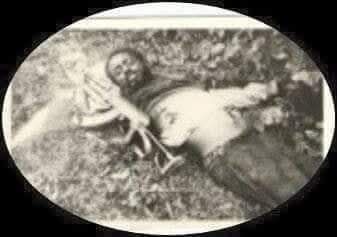
The story he narrates is one of deliberate, symbolic terror and unbreakable prophecy. In September 1974, the Ethiopian military regime executed a group of Oromo freedom fighters, including the iconic Elemoo Qilxuu. Among them was Hundee, born Ahmad Taqii. In a calculated act meant to crush the spirit of his people, the regime singled out Hundee’s body. They transported it to his hometown, Galamso, and publicly dragged it through the streets behind a vehicle. The message was clear: This is the fate of those who defy us.
The regime’s calculus was one of fear. They hoped the desecration would shatter the community’s will. But in the courtyard of history, they misjudged their audience. Hundee’s own father, the respected Sheikh Muhammad Rashiid, heard the news and responded not with a wail of despair, but with a prophecy of fierce resilience. He reframed the atrocity: “They are doing this to break our morale. But this is more astonishing than it is saddening. For them to drag my son’s body on the ground is a great thing. It means the seed of the Oromo liberation struggle has been sown. This seed, now planted, will grow and spread; nothing will stop it until it bears fruit.”
Today, as Afandii Muttaqii writes, that fruit is ripening. The Oromo struggle has indeed “spread.” But his commentary arrives at a critical juncture, asking a piercing question of the present generation: How do we honor the seed that was sown in such brutal soil?
His answer is the core of his testimony: the concept of Amaanaa—the sacred trust. He issues a thunderous, poetic vow, a litany of names that stretches from the martyrs of that day in 1974—Elemoo, Colonel Mahdi, Sheekh Jamaal, Suleymaan, Abdi Kaahin—across decades to fallen heroes like Mecha Tullu, Bakkalchaa, Baaroo Tumsaa, and the victims of more recent state violence. “Amaanaa Hundee hin nyaannu,” he repeats like a mantra. “We will not betray the trust of Hundee.”
This is the powerful pivot of his commentary. He warns against the ultimate betrayal: using the hard-won spaces of the struggle for personal gain, of “walking on the blood of Oromo martyrs to polish Abyssinian nationalism.” In remembering the specific, gruesome detail of his grandfather’s martyrdom, he fortifies a collective moral compass. The struggle, he insists, must remain pure to its foundational purpose—the liberation of Oromiya—lest the sacrifice of Hundee and thousands others be consumed and forgotten.
The image of Hundee’s body, that “seed” dragged to be destroyed, becomes the central, haunting metaphor. It was meant to be a final exhibit of power. Instead, as foretold by a grieving father, it became a source of inextinguishable life. Afandii Muttaqii’s commentary is a vital act of watering that seed. He reminds us that true victory is not just in territorial gains or political seats, but in guarding the amaanaa. The struggle continues not merely in protests and negotiations, but in the daily, conscious choice to refuse betrayal, to remember each name, and to ensure that the fruit of freedom, once borne, belongs wholly and justly to the people for whom the seed was sown.
The foundation—the Hundee—was laid in sacrifice. The grandson’s oath is to build upon it with integrity. The harvest is yet to come.
Condolence News: The Passing of Dr. Lata Tesfaye Jule
It is with profound sorrow and heavy hearts that we announce the sudden passing of Dr. Lata Tesfaye Jule, former President of Dembi Dollo University and a senior advisor to the Prime Minister of Ethiopia. Dr. Lata passed away in his hotel room at the Hilton Hotel in Virginia, USA, earlier today.
He was in Washington D.C. as part of an official Ethiopian government delegation, having arrived just yesterday. The cause of death is not yet publicly known, pending the results of a hospital examination. His remains are expected to be repatriated to Ethiopia tomorrow, Sunday, through the coordination of the Ethiopian Embassy.
Dr. Lata was also a member of the Ethiopian Parliament. He was widely recognized as a brilliant and accomplished scholar, having earned two doctorate degrees at a young age and playing a pivotal role in the expansion and development of Dembi Dollo University during his presidency.
A colleague who knew him personally from his time in Washington shared these reflections:
“I had the privilege of meeting Dr. Lata closely when he came to Washington D.C. for work. In our time together, I came to understand what a profoundly knowledgeable man he was—a scholar with great dreams. He never stopped learning. He had come to America to pursue his third doctoral degree when his life was tragically cut short in his hotel room, leaving his ambitions unfulfilled. The grief is double when people of such integrity and grand vision are taken from us so soon.”
The news of Dr. Lata’s untimely demise has sent shockwaves through communities in Ethiopia and abroad, prompting an outpouring of grief. Many express a deep sense of loss, mourning a dedicated public servant who worked with humility for his community and a man whose character and expertise transformed many lives.
Our deepest condolences go to his family, friends, colleagues, and all who knew and loved him. May God grant strength and solace to his loved ones during this unimaginably difficult time. May his soul rest in eternal peace.
Here in Victoria, kids are turbid back to school from the school holidays. This is a happy situation for many families. At such times, the role of many families is crucial to make the fate of our children happier. When children come home from school, what should families do to encourage their children?
When children come home from school, it’s an important time for families to create a supportive and nurturing environment that encourages learning, emotional well-being, and family bonding. Here are some practical and meaningful ways families can encourage their children after school:
1. Create a Warm and Welcoming Atmosphere Greet Them Positively: Welcome your children with a smile, a hug, or a cheerful greeting. This helps them feel loved and valued after a long day.
Provide a Snack: Offer a healthy snack to refuel their energy. This can also be a great time to sit together and chat about their day.
2. Engage in Meaningful Conversations Ask Open-Ended Questions: Instead of just asking, “How was school?” try questions like:
“What was the most interesting thing you learned today?”
“Did anything make you laugh or feel proud today?”
“Was there anything that was challenging for you?”
Listen Actively: Show genuine interest in their responses and avoid interrupting. This helps build trust and encourages them to share more.
3. Encourage Relaxation and Downtime Allow Time to Unwind: After a busy day at school, children need time to relax. Encourage activities like reading, drawing, or playing outside.
Limit Screen Time: While some screen time is okay, encourage activities that promote creativity and physical activity instead of excessive TV or video games.
4. Support Homework and Learning Create a Homework Routine: Set aside a quiet, well-lit space for homework and establish a consistent routine to help them stay organized.
Offer Help, Not Answers: Be available to assist with homework, but encourage them to solve problems independently. Ask guiding questions like, “How do you think you can approach this?”
Celebrate Effort: Praise their hard work and effort, not just the results. This helps build confidence and a growth mindset.
5. Promote Physical Activity Encourage Outdoor Play: Physical activity helps children release energy, reduce stress, and stay healthy. Encourage them to play outside or participate in sports.
Join Them: If possible, join your children in physical activities like walking, biking, or playing a game. This strengthens family bonds and sets a positive example.
6. Foster Emotional Well-Being Check In on Their Feelings: Ask how they’re feeling emotionally and validate their emotions. For example, “It sounds like you had a tough day. Do you want to talk about it?”
Teach Coping Skills: Help them develop healthy ways to manage stress, such as deep breathing, journaling, or talking to a trusted adult.
7. Encourage Responsibility and Independence Assign Age-Appropriate Chores: Involve children in household tasks like setting the table, tidying their room, or helping with dinner. This teaches responsibility and life skills.
Let Them Make Choices: Allow them to make small decisions, such as what to wear or what snack to have. This builds confidence and decision-making skills.
8. Spend Quality Time Together Family Activities: Plan activities that the whole family can enjoy, such as board games, cooking together, or watching a movie.
Read Together: Reading aloud or discussing books can strengthen literacy skills and create special bonding moments.
9. Encourage Social Connections Playdates and Friendships: Encourage your children to maintain friendships by organizing playdates or allowing them to connect with friends after school.
Family Bonding: Use after-school time to strengthen family relationships through shared activities and conversations.
10. Model Positive Behavior Show Enthusiasm for Learning: Share your own interests and hobbies with your children. For example, talk about a book you’re reading or a project you’re working on.
Demonstrate Kindness and Respect: Treat your children and others with kindness and respect, setting an example for how they should interact with the world.
11. Prepare for the Next Day Organize Together: Help your children prepare for the next school day by packing their bags, laying out clothes, and reviewing their schedule.
Set a Bedtime Routine: Ensure they get enough sleep by establishing a consistent bedtime routine that includes calming activities like reading or listening to soft music.
12. Celebrate Achievements Acknowledge Successes: Celebrate both big and small achievements, whether it’s finishing a project, making a new friend, or showing kindness to others.
Create a Reward System: Use a sticker chart or other incentives to motivate and reward positive behavior and effort.
Conclusion Encouraging children after school is about creating a balanced environment that supports their academic, emotional, and social development. By fostering open communication, providing structure, and spending quality time together, families can help their children feel loved, supported, and motivated to thrive. Every child is unique, so tailor these suggestions to fit your family’s needs and dynamics.


 Oromedia