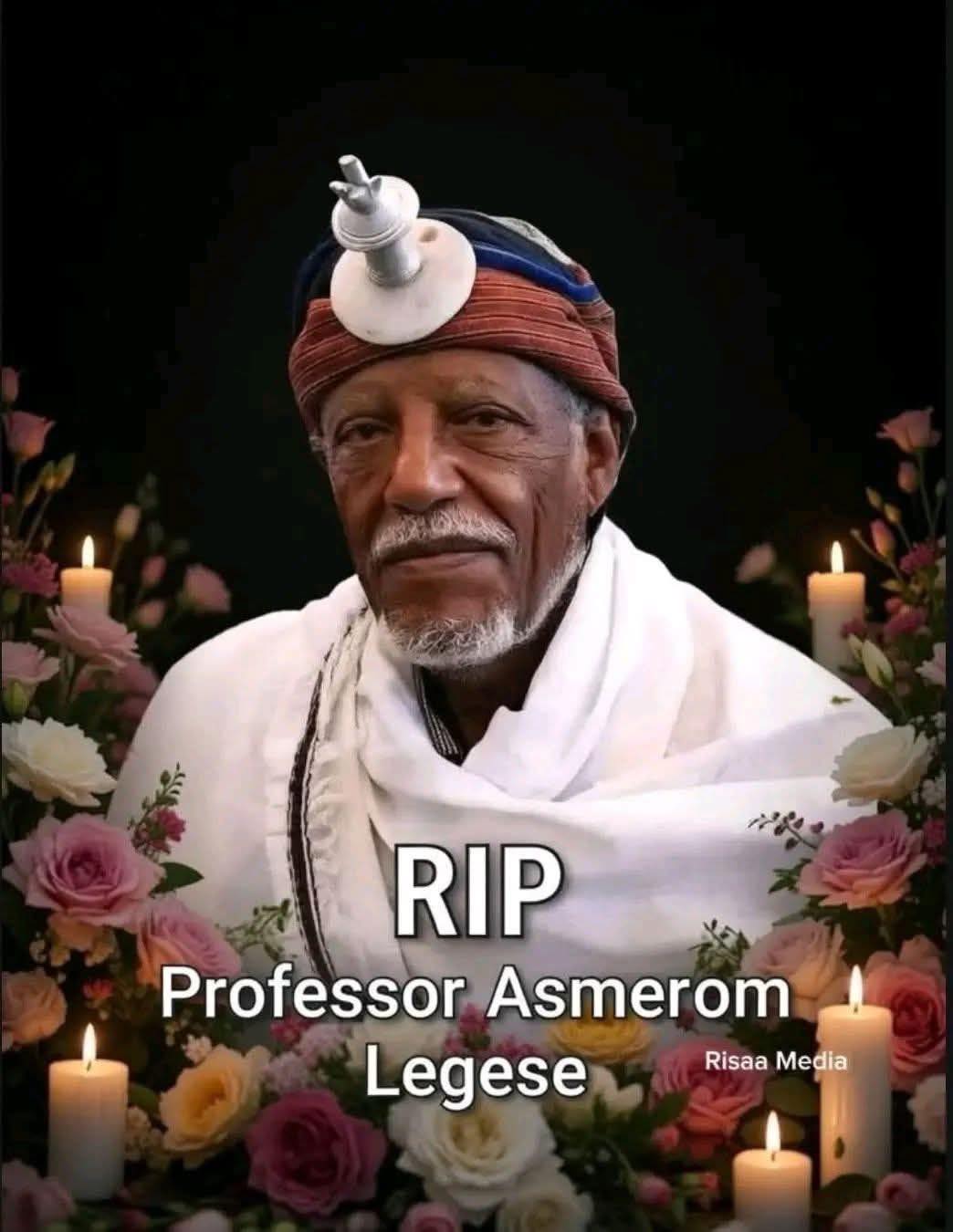
Borana University Mourns a Beacon of Indigenous Knowledge: Professor Asmarom Legesse
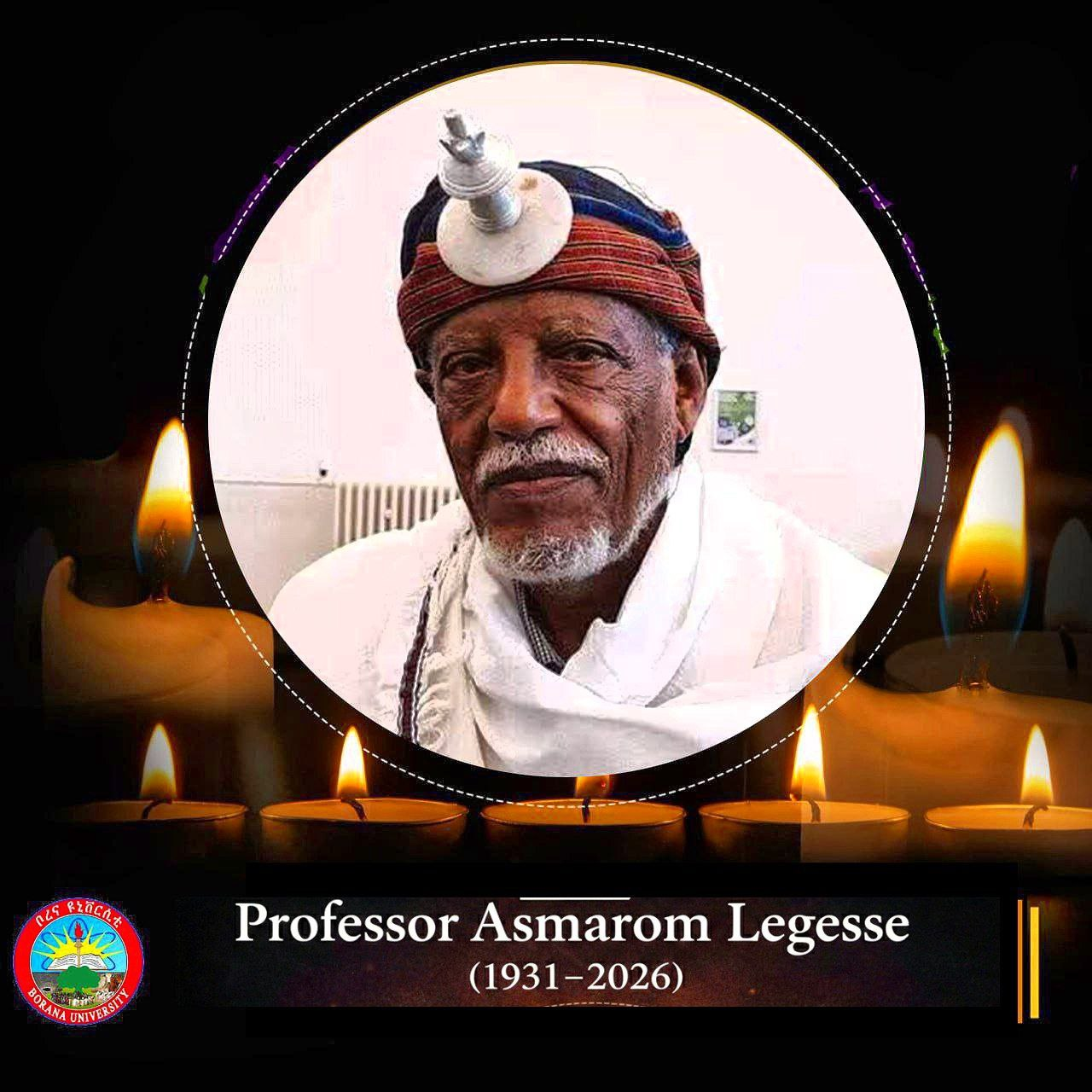
Borana University Mourns a Beacon of Indigenous Knowledge: Professor Asmarom Legesse
(Yabelo, Oromia – February 5, 2026) Borana University, an institution deeply embedded in the cultural landscape it studies, today announced its profound sorrow at the passing of Professor Asmarom Legesse, the preeminent anthropologist whose lifelong scholarship fundamentally defined and defended the indigenous democratic traditions of the Oromo people. The University’s tribute honors the scholar not only as an academic giant but as a “goota” (hero) for the Oromo people and for Africa.
In an official statement, the University highlighted Professor Legesse’s “lifelong dedication to understanding the complexities of Ethiopian society—especially the Gadaa system,” crediting him with leaving “an indelible mark on both the academic and cultural landscapes.” This acknowledgment carries special weight from an institution situated in the heart of the Borana community, whose traditions formed the bedrock of the professor’s most celebrated work.
The tribute detailed the pillars of his academic journey: a Harvard education, esteemed faculty positions at Boston University, Northwestern University, and Swarthmore College, and the groundbreaking field research that led to his seminal texts. His 1973 work, “Gada: Three Approaches to the Study of African Society,” was cited as revolutionary for revealing “the innovative solutions indigenous societies developed to tackle the challenges of governance.”
It was his 2000 magnum opus, however, that solidified his legacy as the definitive voice on the subject. In “Oromo Democracy: An Indigenous African Political System,” Professor Legesse meticulously documented a system characterized by eight-year term limits for all leaders, a sophisticated separation of powers, and the Gumi assembly for public review—a structure that presented a centuries-old model of participatory democracy. “His insights challenged prevalent misconceptions about African governance,” the University noted, “showcasing the rich traditions and political innovations of the Oromo community.”
For his unparalleled contributions, he was awarded an honorary Doctor of Letters from Addis Ababa University in 2018.
Perhaps the most powerful element of the University’s statement was its framing of his legacy beyond academia. By “intertwining the mechanics of the Gadaa system with the broader narrative of Oromo history and cosmology,” Professor Legesse was credited with fostering “a profound understanding of Oromo cultural identity.” It is for this work of preservation, interpretation, and transmission that he is declared “a hero—a goota—to the Oromo people and to Africa as a whole.”
Looking forward, Borana University management has called upon its students and faculty to honor his memory through “ongoing research and discourse on indigenous governance systems,” ensuring his foundational work continues to inspire new generations of scholars.
The entire university community extended its deepest condolences to Professor Legesse’s family, friends, and loved ones, mourning the loss of a true champion of Oromo culture and a guiding light in the study of African democracy.
About Borana University:
Located in Yabelo, Borana Zone, Oromia, Borana University is a public university committed to academic excellence, research, and community service, with a focus on promoting and preserving the rich cultural and environmental heritage of the region and beyond.
Mootuu Ayyaanoo Secondary School: A Legacy of Education and Sacrifice

Legacy in Learning: World Food Prize Laureate Professor Gebisa Ejeta Honors Mother with New School in Hometown
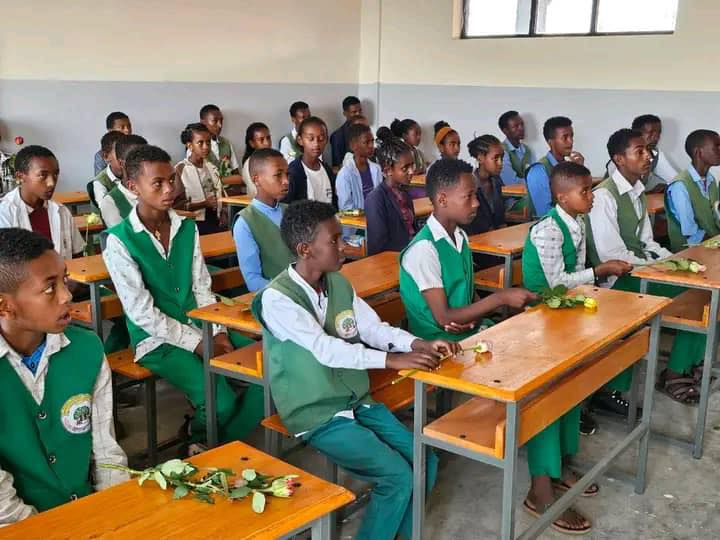
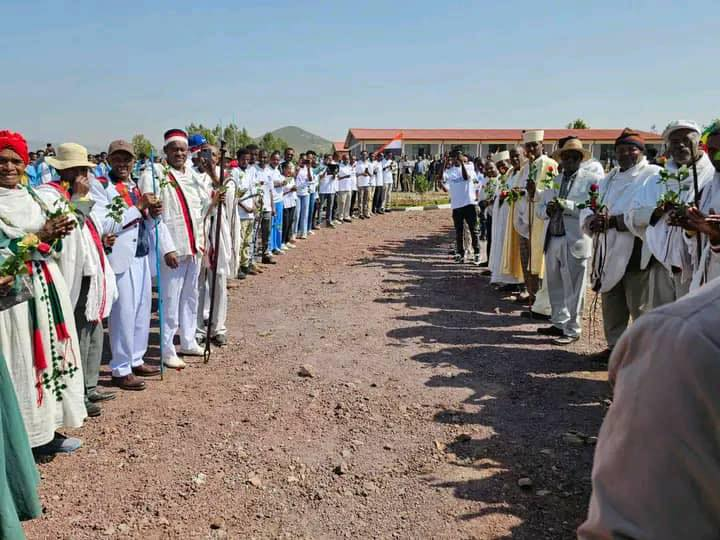
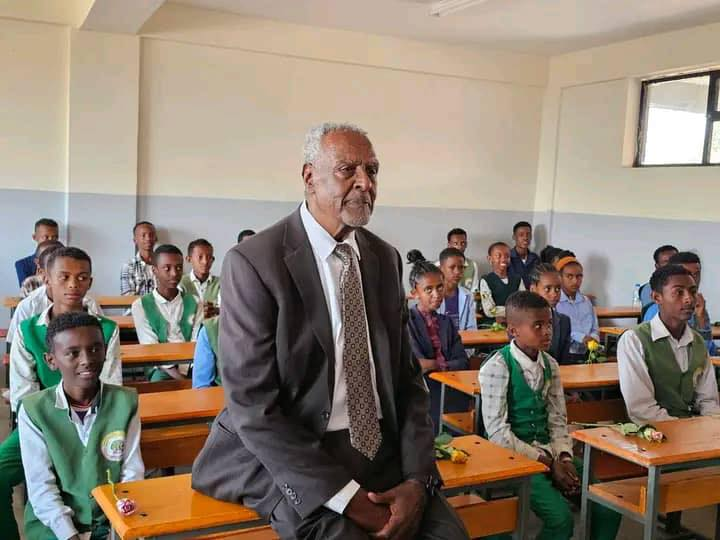
EJERSA LAFO, OROMIA REGION, ETHIOPIA – In a powerful tribute to maternal sacrifice and the roots of education, a newly constructed secondary school in the rural heartland of Ethiopia now bears the name of a mother whose vision changed a family’s destiny. The “Mootuu Ayyaanoo Secondary School,” named in honor of Professor Gebisa Ejeta’s late mother, was officially inaugurated in Ejersa Lafo, West Shewa Zone.
The state-of-the-art facility, built at a cost of over 60 million Ethiopian Birr, stands as a permanent monument to the enduring power of a parent’s belief in education. The school is equipped with modern classrooms, laboratories, and facilities designed to provide quality education for the community.
Professor Gebisa Ejeta, a globally renowned plant geneticist and 2009 World Food Prize Laureate, was born in the nearby village of Holonkomii in 1950. In numerous interviews, he has consistently credited his mother, Mootuu Ayyaanoo, as the foundational force behind his academic journey. He has recounted how she sold firewood and walked vast distances to markets to earn the funds necessary for his early schooling, instilling in him the values of perseverance and the transformative power of knowledge.
“It is the deep wish of every child to honor their parents. We are profoundly moved and grateful that this school, a place of learning and future-building, carries our mother’s name,” said Professor Ejeta, reflecting on the inauguration. He and his family have long championed the critical importance of education for rural development.
The school’s inauguration is more than a local event; it is a symbolic closing of a circle. The boy who walked dusty paths from Holonkomii, propelled by his mother’s sacrifices, has become a world-leading scientist whose work on drought-tolerant sorghum has improved food security for millions. Now, his legacy ensures that children from his homeland will walk into a modern school bearing the very name that set him on his path.
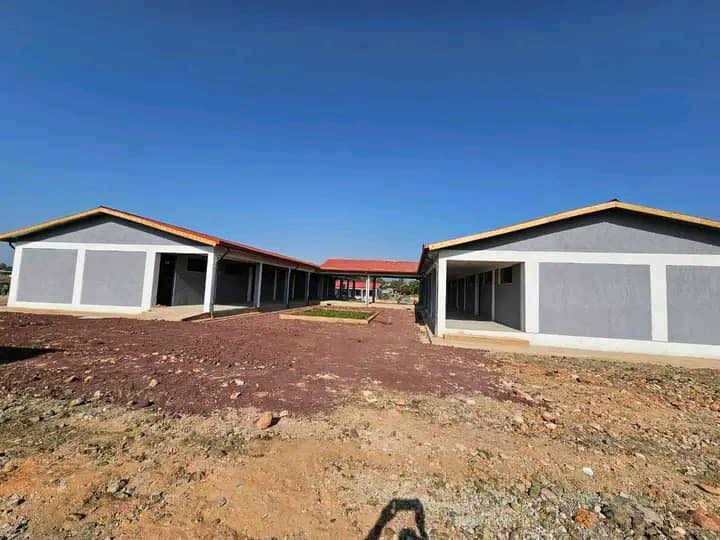
“For us, this is the fulfillment of a long-held hope,” said a community elder during the celebrations. “Professor Gebisa has not forgotten his home. This modern, clean, and high-standard school is a gift that will change generations. We are overjoyed.”
Local residents expressed immense pride and gratitude, highlighting that the “Mootuu Ayyaanoo Secondary School” is a beacon of inspiration. It serves as a constant reminder that from the humblest beginnings—fueled by love, sacrifice, and education—global leaders can emerge.
The naming elegantly weaves together personal history and national progress. It honors a mother’s silent labor while investing directly in Ethiopia’s most vital resource: the educated mind of its youth. As students begin their studies within its walls, they will learn not only from textbooks but from the story embedded in the school’s very name—a story of unwavering belief and the seeds of greatness sown by a mother’s hands.
Empowering Victoria’s Multicultural Homes in Clean Energy
Feature News: Empowering Victoria’s Multicultural Homes in the Clean Energy Transition
MELBOURNE, VIC – As Victoria accelerates its shift toward renewable energy, one question remains central for many households: how can every family participate in and benefit from electrification? The answer lies not just in technology, but in accessible information and community-led support. Recognising this, the Ethnic Communities’ Council of Victoria (ECCV) is launching a pioneering new project designed to empower multicultural households to make confident, informed decisions about electrifying their homes.
Titled “Empowering Multicultural Communities at Home,” the initiative directly addresses a critical gap in the clean energy transition: ensuring that language barriers, cultural nuances, and access to trusted information do not leave diverse communities behind.
“Every Victorian deserves the opportunity to lower their energy bills and reduce their carbon footprint through home electrification,” a project spokesperson said. “But to do that, people need information that is clear, in their own language, and delivered by those they trust. That’s where this project comes in.”
A Tailored, In-Language Approach
The project will move beyond generic brochures by providing clear, culturally relevant, and in-language information about home electrification and available energy upgrades. This includes everything from understanding efficient electric heating and cooling (reverse-cycle systems) and hot water systems to navigating government rebates and installer qualifications. The goal is to equip people with the knowledge to understand their options and ask the right questions of providers.
“Information is power,” the spokesperson added. “We’re demystifying the process—from what an induction cooktop is really like to use, to how to finance upgrades—so households can make choices that are right for their family and budget.”
Community at the Core
The project’s methodology is deeply community-centric. Key activities will include:
- Local Information Sessions & Workshops: Held within community hubs, these sessions will provide practical, hands-on guidance.
- Training Community Electrification Leads: ECCV will train and support trusted community members to become local points of knowledge and guidance.
- Developing Accessible Multilingual Resources: Creating easy-to-understand guides, checklists, and digital content in multiple languages.
- Facilitating Peer-to-Peer Learning: Creating spaces for communities to share experiences, concerns, and successes.
This model ensures information is not only translated but also transcreated—adapted to be meaningful within specific cultural contexts—and delivered through trusted channels.
Navigating the Transition with Confidence
With a focus on practical support, the project aims to do more than just inform; it aims to build confidence. For many families, the upfront cost and complexity of upgrading appliances or installing solar can be daunting. By breaking down the steps, explaining long-term savings, and clarifying available support, the project helps households see a clear pathway forward.
“Our focus is on making sure multicultural communities across Victoria have the information and support they need to navigate this transition with confidence,” the spokesperson emphasised. “This is about equity, ensuring the benefits of a clean energy future—like healthier homes, lower bills, and a safer climate—are shared by all.”
The “Empowering Multicultural Communities at Home” project is set to launch in the coming months, with ECCV beginning outreach to communities across the state. It represents a vital step toward an inclusive and just energy transition for Victoria.
For more information or to express interest in partnering, community organisations are encouraged to contact the Ethnic Communities’ Council of Victoria (ECCV).
Historic Launch of Borana Student Association in Ethiopia

Kenya and Ethiopia Leaders Unite for Historic Launch of Cross-Border Borana Student Association
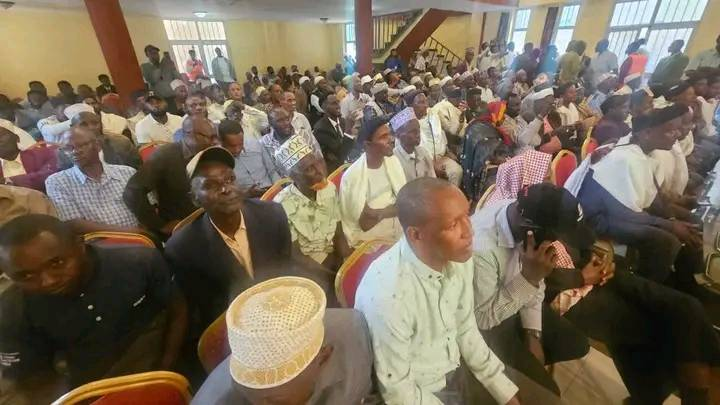
KOKET, ETHIOPIA — In a landmark event symbolizing cross-border cooperation, political, academic, and community leaders from Kenya and Ethiopia joined university students in Koket, Ethiopia, for the official inauguration of the Borana Ethiopia University Students Association (BESA).
Held under the unifying theme “Education, Empowerment, and Unity,” the launch ceremony brought together a diverse assembly of students, elders, and government officials. The forum served as a platform for critical discussions on leadership, the preservation of cultural identity, and the pivotal role of education in fostering peace and sustainable development within the Borana community and across the region.
The high-profile event underscored the initiative’s significant political and social backing, with notable attendees including:
- H.E. Abagada Guyyo Boru Guyyo (Ethiopia)
- PS Kello Harsama, Principal Secretary, The State Department for Livestock (Kenya)
- Hon. Prof. Guyo Jaldesa, Member of Parliament, Moyale Constituency (Kenya)
- Hon. Col. (Rtd) Dido Ali Rasso, Member of Parliament, Saku Constituency (Kenya)
- Sen. Mohamed Chute, Senator, Marsabit County (Kenya)
They were joined by other distinguished guests and elders from both nations, highlighting a shared commitment to the association’s goals.
The primary mission of BESA is to strengthen unity, academic collaboration, and cultural cohesion among Borana university students in Ethiopia. Organizers envision the association as a catalyst for empowering youth to become proactive leaders and change-makers, equipped to contribute to their communities’ socio-economic progress.
“This is more than a student club; it is a bridge,” said one of the founding student members. “A bridge between generations, between our campuses, and between our nations. Through BESA, we are investing in a unified future rooted in knowledge and shared purpose.”
The launch of BESA marks a proactive step in harnessing the potential of the region’s youth, emphasizing that education and collaborative spirit are fundamental pillars for lasting peace and shared prosperity in the Horn of Africa.
About BESA:
The Borana Ethiopia University Students Association (BESA) is a newly formed organization dedicated to uniting Borana university students across Ethiopia. Its core objectives include promoting academic excellence, cultural exchange, leadership development, and community service, with a vision to nurture a generation of empowered and socially responsible leaders.
Oromo Studies Association Remembers Professor Hamdeessaa Tusoo

Oromo Studies Association (OSA) Mourns the Passing of Professor Hamdeessaa Tusoo
The Oromo Studies Association (OSA) has expressed its profound sorrow upon the passing of the esteemed scholar and activist, Professor Hamdeessaa Tusoo.
In an official statement, OSA remembered Professor Hamdeessaa not only as a brilliant Oromo intellectual but also as a founding member who played an indispensable role in the establishment of the association. The statement emphasized that his contributions to the fields of Oromo scholarship and the global academic community were truly immeasurable.
The association highlighted his pivotal leadership from the very beginning, noting that he served as its first president and laid a strong foundation for the organization. This was at a critical time in 1986 when Oromo history, knowledge, and culture were under significant pressure. Professor Hamdeessaa provided crucial leadership and made immense contributions to building a robust institution dedicated to critical inquiry, intellectual empowerment, and collective advancement.
OSA’s statement further detailed the professor’s lifelong dedication. Born and raised in Oromia, he waged a long and steadfast struggle for the rights, dignity, and freedom of the oppressed Oromo people.
His commitment to the Oromo cause was evident early on; while in secondary school, he began his activism in human rights, demonstrating an unwavering sense of justice and a spirit of self-sacrifice for the goals of his people. These early experiences set the tone for a life dedicated to scholarship, mentorship, and public service.
After earning his Ph.D. from Michigan State University in 1981, Professor Hamdeessaa held significant academic positions at numerous prestigious institutions, including George Mason University, Antioch University, Nova Southeastern University, Menno Simons College, and the University of Manitoba.
His scholarly work was robust, focusing on critical areas such as peace and conflict, indigenous peacemaking, African oral traditions, and the politics of the Horn of Africa.
Beyond the academy, OSA noted, Professor Hamdeessaa Tusoo also played a major role in community service and empowerment, leaving a legacy that extends far beyond the classroom.
A Legacy of Empowerment: Oromo Inauguration Day Insights

The inauguration day is a profoundly significant and honorable occasion, not just for the immediate family but for the entire Oromo community. It is a celebration of sacrifice, resilience, and the collective effort to uplift future generations. Specifically, honoring families like Latii Habte Tolessa Bechere’s, who have dedicated their time and resources to educate their children despite not having the opportunity to educate themselves, is a powerful testament to the values of perseverance, love, and community.
Why This Inauguration Day is a Great Success:
- Celebration of Sacrifice:
- Families like Latii Habte Tolessa Bechere’s represent the countless parents who have prioritized their children’s education over their own aspirations. Their sacrifices are the foundation of this success, and the inauguration day is a moment to honor their selflessness.
- This day serves as a reminder that education is a collective journey, often built on the sacrifices of those who came before.
- A Milestone for the Family:
- The inauguration day marks the culmination of years of hard work, dedication, and perseverance. It is a celebration of the family’s unwavering commitment to ensuring their children’s success.
- For the children, it is a moment of pride and achievement, knowing that their accomplishments are a direct result of their family’s support and sacrifices.
- A Victory for the Oromo Community:
- The success of one family is a success for the entire Oromo community. It demonstrates the power of education as a tool for empowerment and progress.
- This inauguration day inspires others in the community to value education and invest in the future of their children, reinforcing the idea that collective effort leads to collective success.
- Preserving Cultural Values:
- The Oromo community places great importance on family, community, and education. This inauguration day is a reflection of these values, showcasing how cultural traditions and modern achievements can coexist and strengthen one another.
- It is also an opportunity to celebrate Oromo identity and resilience, reminding the community of their shared history and aspirations.
- A Legacy of Empowerment:
- Families like Latii Habte Tolessa Bechere’s are creating a legacy of empowerment. By prioritizing education, they are breaking cycles of poverty and opening doors for future generations.
- This inauguration day is a reminder that education is not just an individual achievement but a communal one, with the potential to transform entire communities.
A Message to the Family and Community:
To Latii Habte Tolessa Bechere and the family, this inauguration day is a testament to your unwavering commitment, love, and sacrifice. Your efforts have not only brought success to your family but have also inspired the entire Oromo community. This day is a celebration of your resilience and a reminder of the power of education to create lasting change.
To the Oromo community, this inauguration day is a call to continue supporting one another, valuing education, and working together to uplift future generations. It is a reminder that every sacrifice made for the sake of education is a step toward a brighter, more empowered future.
In conclusion, this inauguration day is not just a personal milestone but a communal triumph. It is a celebration of the past, present, and future—a day to honor sacrifices, celebrate achievements, and inspire hope for generations to come. Fayyaa fi nagaa! (Health and peace!)
 Oromedia