Professor Asmerom Legesse: A Champion of Oromo Democracy

FOR IMMEDIATE RELEASE
A Guardian of Heritage: Advocacy for Oromia Mourns the Passing of Professor Asmerom Legesse (1931-2026)
(Melbourne, Victoria) – February 5, 2026 – Advocacy for Oromia, with profound respect and deep sorrow, announces the passing of the world-renowned scholar, Professor Asmerom Legesse. We extend our most heartfelt condolences to his family, his colleagues in academia, and to the entire Oromo people, for whom his work held monumental significance.
Professor Legesse was not simply an academic; he was a steadfast guardian and a preeminent global ambassador for the ancient Gadaa system, the sophisticated democratic and socio-political foundation of Oromo society. For more than forty years, he dedicated his intellect and passion to meticulously studying, documenting, and advocating for this profound indigenous system of governance, justice, and balanced social order.
His seminal work, including the definitive text Oromo Democracy: An Indigenous African Political System, transcended mere historical analysis. Professor Legesse’s scholarship performed a vital act of cultural reclamation and global education. It restored dignity to a marginalized history, affirmed the cultural identity of millions, and presented to the international community a powerful, self-originating model of African democracy that predated and paralleled Western constructs.
Born in Asmara in 1931, Professor Legesse’s intellectual journey—from political science at the University of Wisconsin to a doctorate in anthropology from Harvard University, where he later taught—was always directed by a profound sense of purpose. His research provided the rigorous, academic foundation for understanding indigenous African political philosophy.
His passing is felt as a deeply personal loss within our community, reminding us of the interconnected threads of Oromo history and resilience. On a recent visit to Asmara, a delegation from Advocacy for Oromia visited a site of immense historical importance: the church where Abbaa Gammachis and Aster Ganno, giants of faith and resistance, resided while translating the Bible into Afaan Oromo. It was there we learned that the family home of Professor Asmerom Legesse stood adjacent.
This physical proximity stands as a powerful metaphor. It connects the spiritual and linguistic preservation embodied by Abbaa Gammachis with the intellectual and political excavation led by Professor Legesse. They were neighbors not only in geography but in sacred purpose: both dedicated their lives to protecting, promoting, and elucidating the core pillars of Oromo identity against historical forces of erasure.
Professor Legesse’s lifetime of contributions has endowed current and future generations with the intellectual tools to claim their rightful place in global narratives of democracy and governance. For this invaluable and enduring gift, we offer our eternal gratitude.
While we mourn the silence of a towering intellect, we choose to celebrate the immortal legacy he leaves behind—a legacy of knowledge, pride, and empowerment that will continue to guide and inspire.
May his soul rest in eternal peace. May his groundbreaking work continue to illuminate the path toward understanding, justice, and self-determination.
Rest in Power, Professor Asmerom Legesse.
About Advocacy for Oromia:
Advocacy for Oromia is a global network dedicated to promoting awareness, justice, and the rights of the Oromo people. We work to uphold the principles of democracy, human rights, and cultural preservation central to Oromo identity and heritage.
Colonel Gammachuu: The Unyielding Truth Teller of Oromia
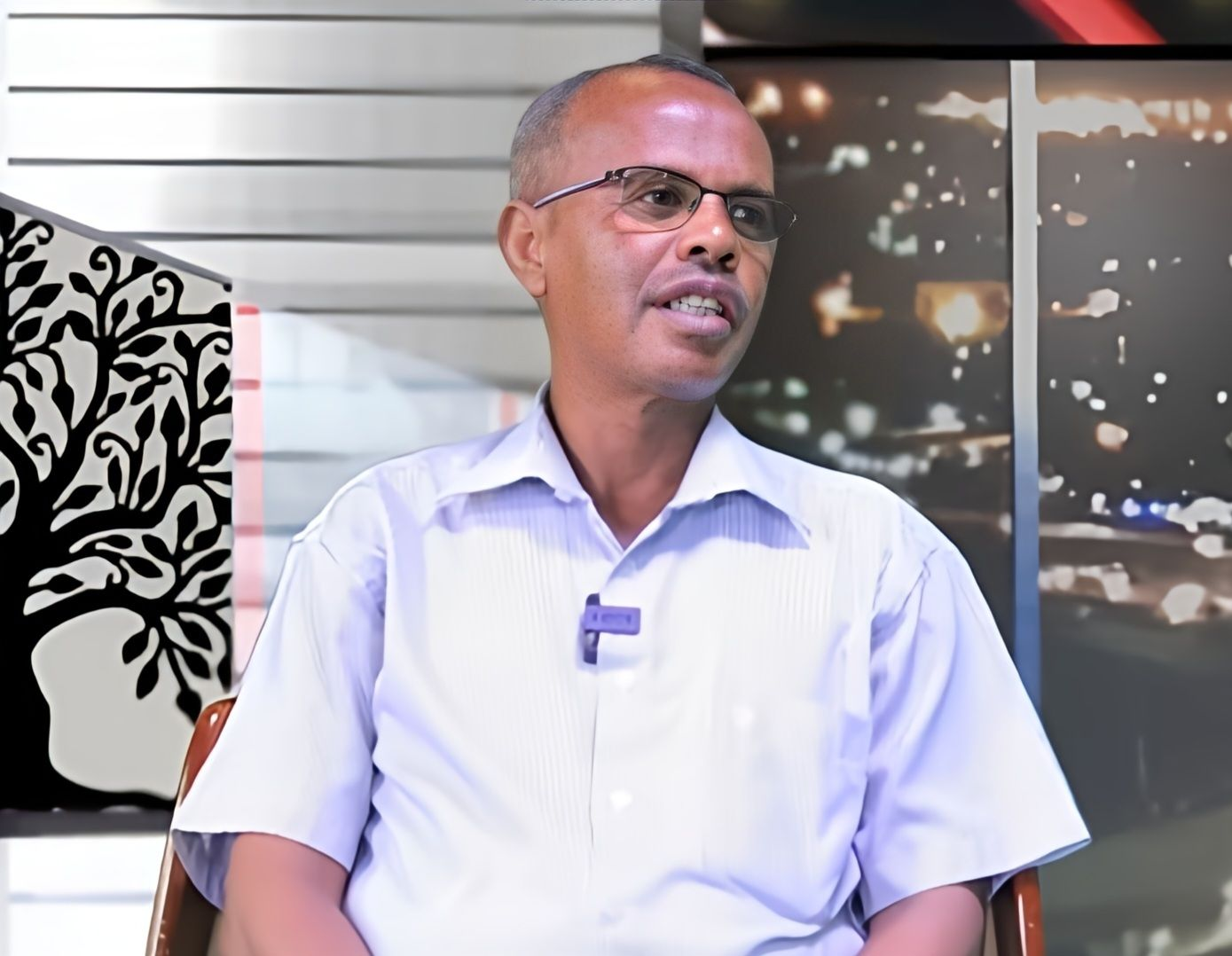
Title: The Unbent Reed: A Commentary on Colonel Gammachuu Ayyaanaa and the Cost of Truth
By Maatii Sabaa
In the suffocating political atmosphere of empires, where silence is often traded for security and allegiances are bartered for comfort, a singular figure stands apart not for the power he wields, but for the truth he refuses to relinquish. Colonel Gammachuu Ayyaanaa, as profiled in a recent and fervent tribute, is presented not merely as a man, but as a phenomenon—an unbent reed in a storm of compromise. He embodies a rare and dangerous archetype: the native son who, understanding the inner workings of the Ethiopian imperial system, chooses not to dine at its table but to speak its crimes aloud.
The commentary paints him with the brush of absolute conviction. He is a man who “knows no malice” and “speaks no falsehood.” This is his foundational identity. In a landscape riddled with coded language and strategic ambiguity, his clarity is itself a revolution. He does not speak truth as a strategy for a better personal life; indeed, his truth-telling guarantees the opposite. As the piece starkly notes, he has “no private life,” existing instead in a state of “lowly livelihood.” The trade-off is explicit: his comfort for his people’s cause. What worries him is not personal hardship, but the “encroachment on the rights of the Oromo people and the violation of Oromia’s borders.”
This is where Gammachuu transcends the typical political or military figure. He is portrayed not as a commander giving orders from a safe remove, but as a “dhaabee”—one who is stationed, rooted, and bearing the brunt. He stands not on a podium, but in the line of fire. His advocacy is particular and painful, giving voice to the displaced communities of Tulama Oromos, whose land and heritage have been erased by force. He channels their specific grief into a universal indictment.
The tribute makes a searing observation about the Oromo community itself, suggesting a troubling tendency to withhold honor from those who most deserve it. It frames Gammachuu as a man whose primary, overriding identity is Oromummaa—Oromo nationhood—which supersedes all clan, regional, or religious affiliations. This unitary focus makes him a stark anomaly in a system, and a society, often fractured by internal divisions the empire readily exploits.
His fearlessness is not born of ignorance, but of profound understanding. Having “analyzed the politics of the Ethiopian Empire,” he comprehends the full weight of its machinery. Yet, this knowledge does not paralyze him with caution; it liberates him with purpose. The system, the commentary asserts, has already declared its verdict on such men, whether they are called “scholars” or “heroes.” In the face of this, Gammachuu speaks with “no fear,” save the fear of failing his unwavering commitment.
The final exhortation—”Nama kana Kunuunsadhu Oromoo!” (Oromo people, support this man!)—is the crucial pivot from admiration to action. It recognizes that such singular courage is not a self-sustaining artifact. It is a flame that must be shielded by the collective will of the people it seeks to illuminate. Colonel Gammachuu Ayyaanaa, as presented, is the unwavering voice. The question implicit in the commentary is whether the people for whom he speaks will become the unshakeable chorus, ensuring that the cost of truth is borne not by one man alone, but shared by a nation determined to hear it. In an age of calculated silence, his story is a piercing reminder that the most potent form of resistance is a life lived in uncompromising alignment with truth, regardless of the price.
Mootuu Ayyaanoo Secondary School: A Legacy of Education and Sacrifice

Legacy in Learning: World Food Prize Laureate Professor Gebisa Ejeta Honors Mother with New School in Hometown
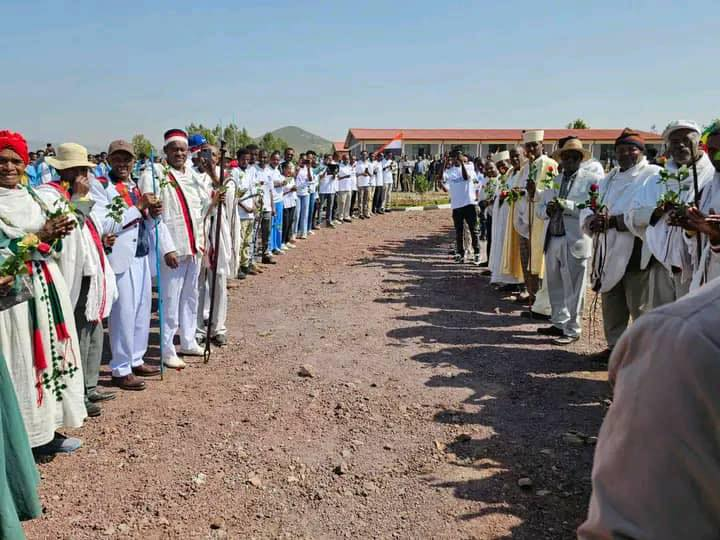
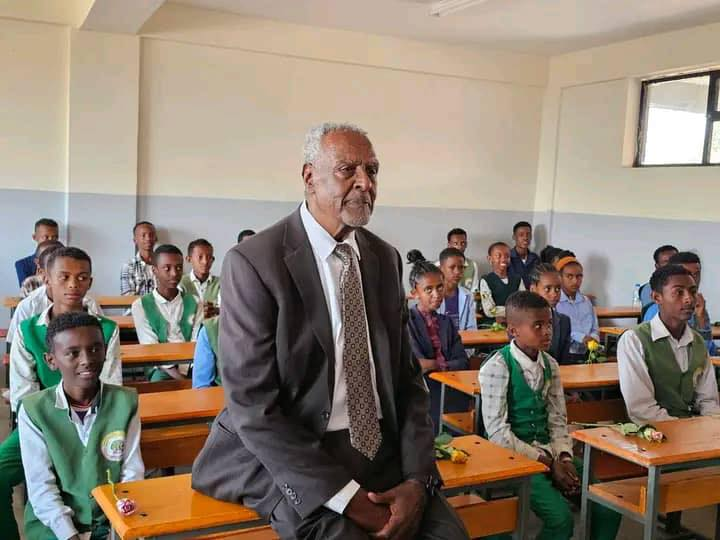
EJERSA LAFO, OROMIA REGION, ETHIOPIA – In a powerful tribute to maternal sacrifice and the roots of education, a newly constructed secondary school in the rural heartland of Ethiopia now bears the name of a mother whose vision changed a family’s destiny. The “Mootuu Ayyaanoo Secondary School,” named in honor of Professor Gebisa Ejeta’s late mother, was officially inaugurated in Ejersa Lafo, West Shewa Zone.
The state-of-the-art facility, built at a cost of over 60 million Ethiopian Birr, stands as a permanent monument to the enduring power of a parent’s belief in education. The school is equipped with modern classrooms, laboratories, and facilities designed to provide quality education for the community.
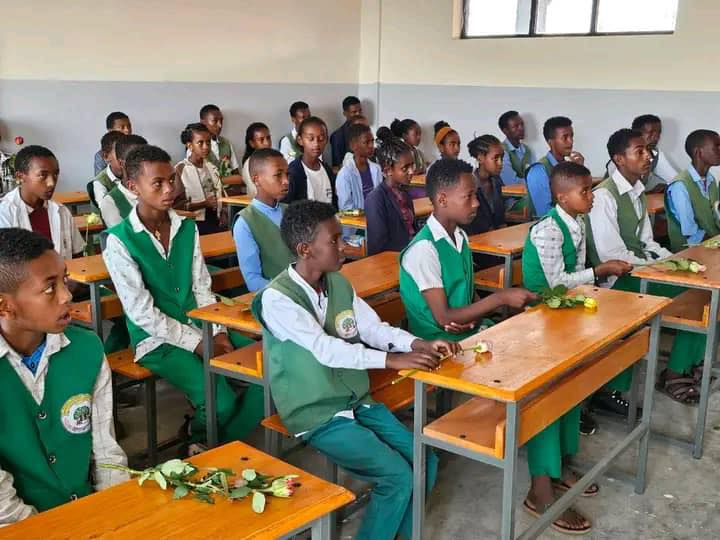
Professor Gebisa Ejeta, a globally renowned plant geneticist and 2009 World Food Prize Laureate, was born in the nearby village of Holonkomii in 1950. In numerous interviews, he has consistently credited his mother, Mootuu Ayyaanoo, as the foundational force behind his academic journey. He has recounted how she sold firewood and walked vast distances to markets to earn the funds necessary for his early schooling, instilling in him the values of perseverance and the transformative power of knowledge.
“It is the deep wish of every child to honor their parents. We are profoundly moved and grateful that this school, a place of learning and future-building, carries our mother’s name,” said Professor Ejeta, reflecting on the inauguration. He and his family have long championed the critical importance of education for rural development.
The school’s inauguration is more than a local event; it is a symbolic closing of a circle. The boy who walked dusty paths from Holonkomii, propelled by his mother’s sacrifices, has become a world-leading scientist whose work on drought-tolerant sorghum has improved food security for millions. Now, his legacy ensures that children from his homeland will walk into a modern school bearing the very name that set him on his path.
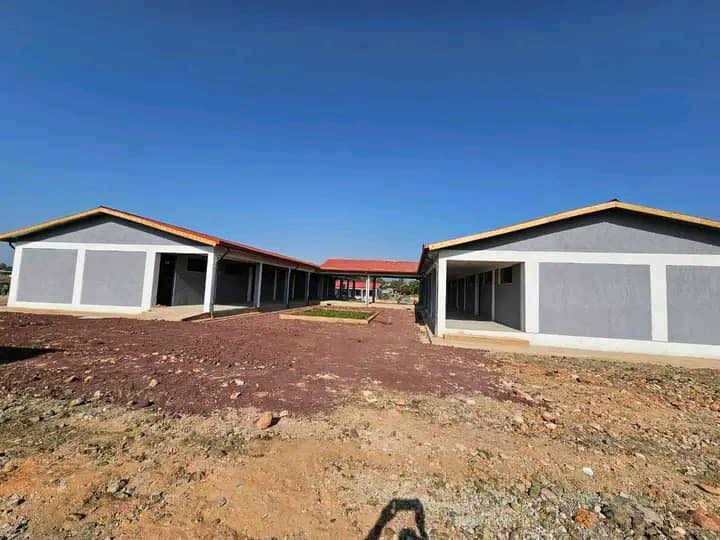
“For us, this is the fulfillment of a long-held hope,” said a community elder during the celebrations. “Professor Gebisa has not forgotten his home. This modern, clean, and high-standard school is a gift that will change generations. We are overjoyed.”
Local residents expressed immense pride and gratitude, highlighting that the “Mootuu Ayyaanoo Secondary School” is a beacon of inspiration. It serves as a constant reminder that from the humblest beginnings—fueled by love, sacrifice, and education—global leaders can emerge.
The naming elegantly weaves together personal history and national progress. It honors a mother’s silent labor while investing directly in Ethiopia’s most vital resource: the educated mind of its youth. As students begin their studies within its walls, they will learn not only from textbooks but from the story embedded in the school’s very name—a story of unwavering belief and the seeds of greatness sown by a mother’s hands.
Burtukan Mideksa’s Journey: A Political Memoir Unveiled

Feature Commentary: “መመለስ” – The Return of a Voice and the Resonance of Memory
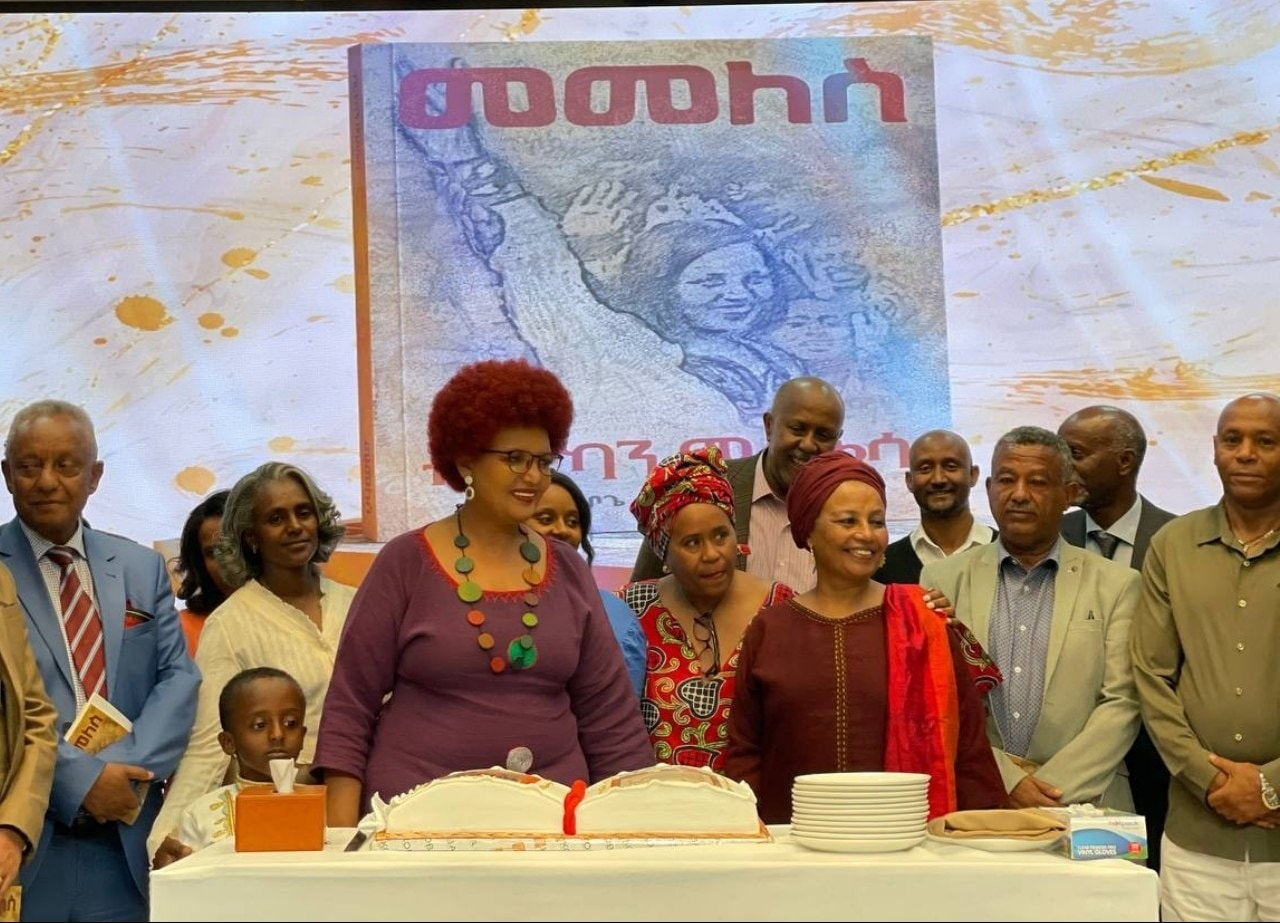
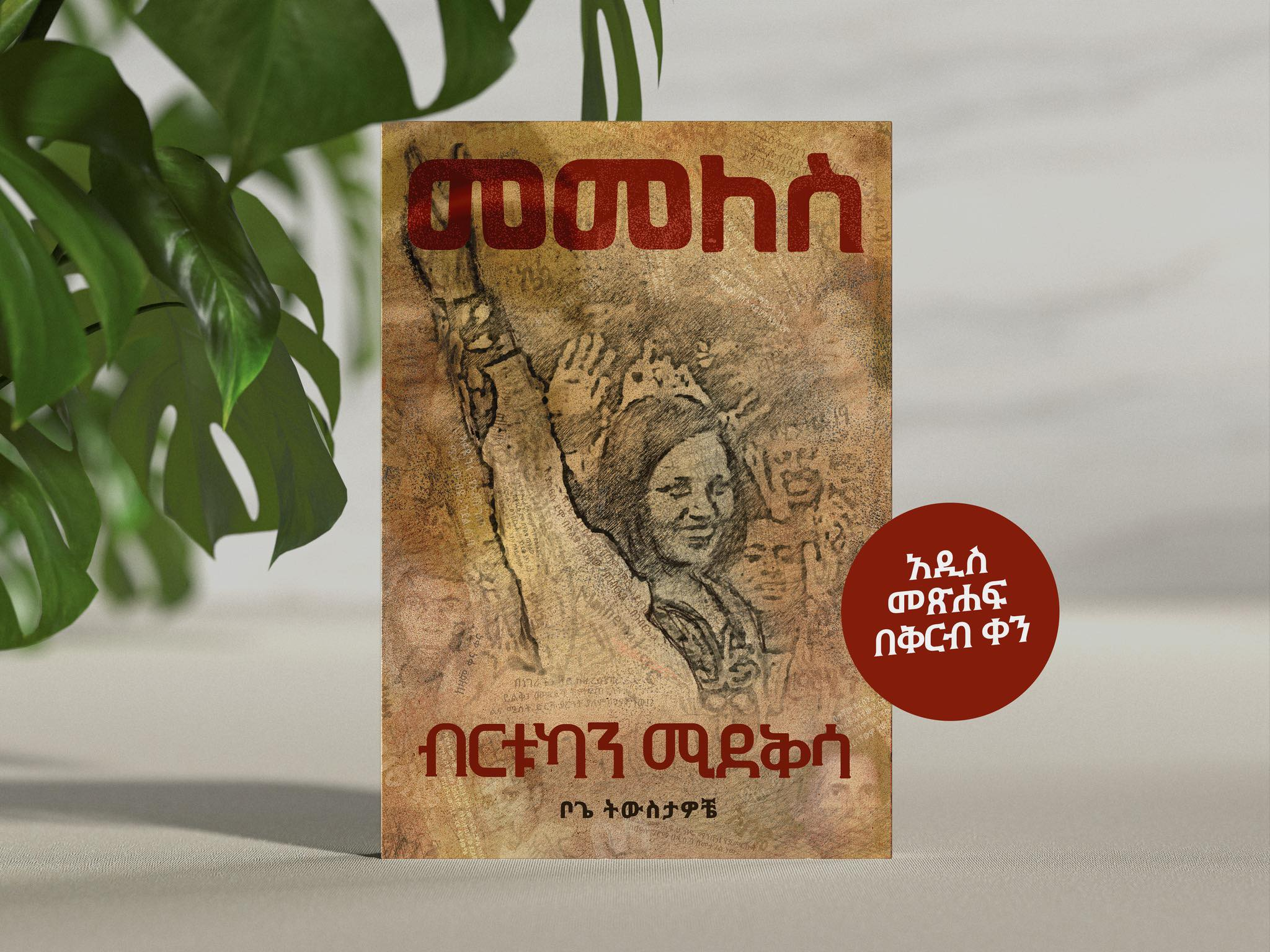
In the rich tapestry of Ethiopian political life, few contemporary figures command the blend of unwavering principle and administrative acumen quite like W/ro Burtukan Mideksa. Her journey—from the bench to political leadership, from imprisonment to international diplomacy—has been a defining narrative of Ethiopia’s turbulent recent decades. The recent ceremonial launch of her Amharic-language memoir, “መመለስ: ቦጌ ትውስታዎቼ” (“Return: My Bogé Memories”), is therefore more than a literary event. It is a significant political and cultural moment, a formal re-entry of a pivotal perspective into the nation’s ongoing dialogue about its past and its future.
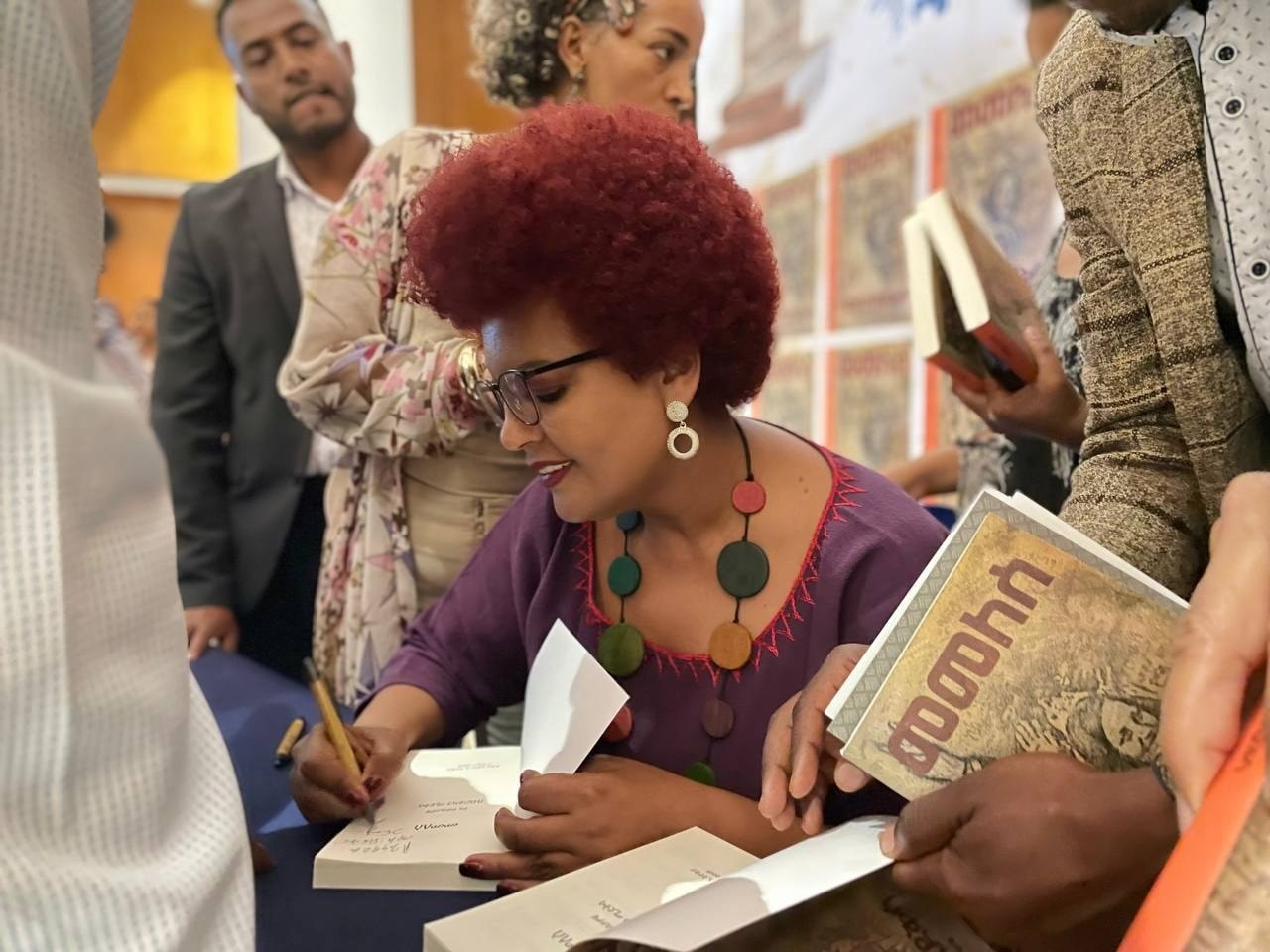
The title itself, “መመለስ” (Return), is profoundly evocative. On one level, it refers to a physical and spiritual return to Bogé—a place steeped in personal and national history, likely referencing a period of reflection, struggle, or origin. On another, it signifies the return of Burtukan Mideksa’s own voice to the public sphere in a new, enduring form. After years of being analyzed, quoted, and defined by others—as a judge, an opposition leader, a prisoner of conscience, and most recently as the Chairperson of the National Election Board of Ethiopia (NEBE)—this book represents her opportunity to define her own narrative, to “return” the story to its source.
The launch event, as reported, was fittingly dignified, attended by a host of guests and featuring readings by prominent figures like Abba Balcha and Konjit Seyoum. The participation of intellectuals and analysts such as Soliana Shimelis, Worqneh Tefera, Hirut Tefaye, Tewodros Aylaw, and Dawit Birhanu underscores the book’s perceived weight. It is not treated as a mere personal account but as a primary source document, a contribution to the collective understanding of Ethiopia’s political evolution over the last thirty years.
The book’s structure—37 chapters spanning 292 pages—suggests a comprehensive and detailed reckoning. For students of Ethiopian politics, the promise lies in the granular, firsthand account of critical junctures: the fraught 2005 elections, the experience of political imprisonment, the internal dynamics of opposition politics, and the complex challenges of leading an institution like the NEBE in a polarized environment. It offers a rare, insider’s view from a figure who has operated at the highest stakes of the country’s democratic struggle.
However, the publication of “መመለስ” arrives at a deeply complex moment. Ethiopia is a nation still grappling with the wounds of a brutal civil war, severe internal fractures, and an uncertain political transition. In this context, a memoir by a figure of Burtukan’s stature is inevitably a political act. It will be read not just for its recollections, but for its judgments, its silences, and its implicit commentary on present-day actors and crises. It has the potential to reframe debates, validate certain historical narratives, and challenge others.
Ultimately, the significance of “መለሰ” extends beyond its immediate political insights. It represents the power of personal testimony in a national story often dominated by grand ideologies and collective movements. By sharing her “Bogé memories,” Burtukan Mideksa does more than recount events; she invites a conversation about resilience, principle, and the personal cost of public life in Ethiopia. Whether as a tool for historical clarification, a mirror for the present, or a guide for future leaders, this “return” of memory to the public domain is a vital addition to the fragile architecture of Ethiopia’s national understanding. Its true impact will be measured not just in book sales, but in the depth and quality of the dialogue it inspires.
Burtukan Mideksa’s Memoir: A Political Odyssey
FEATURE NEWS
The Return: Burtukan Mideksa’s Memoir Set to Unveil Decades of Political Journey
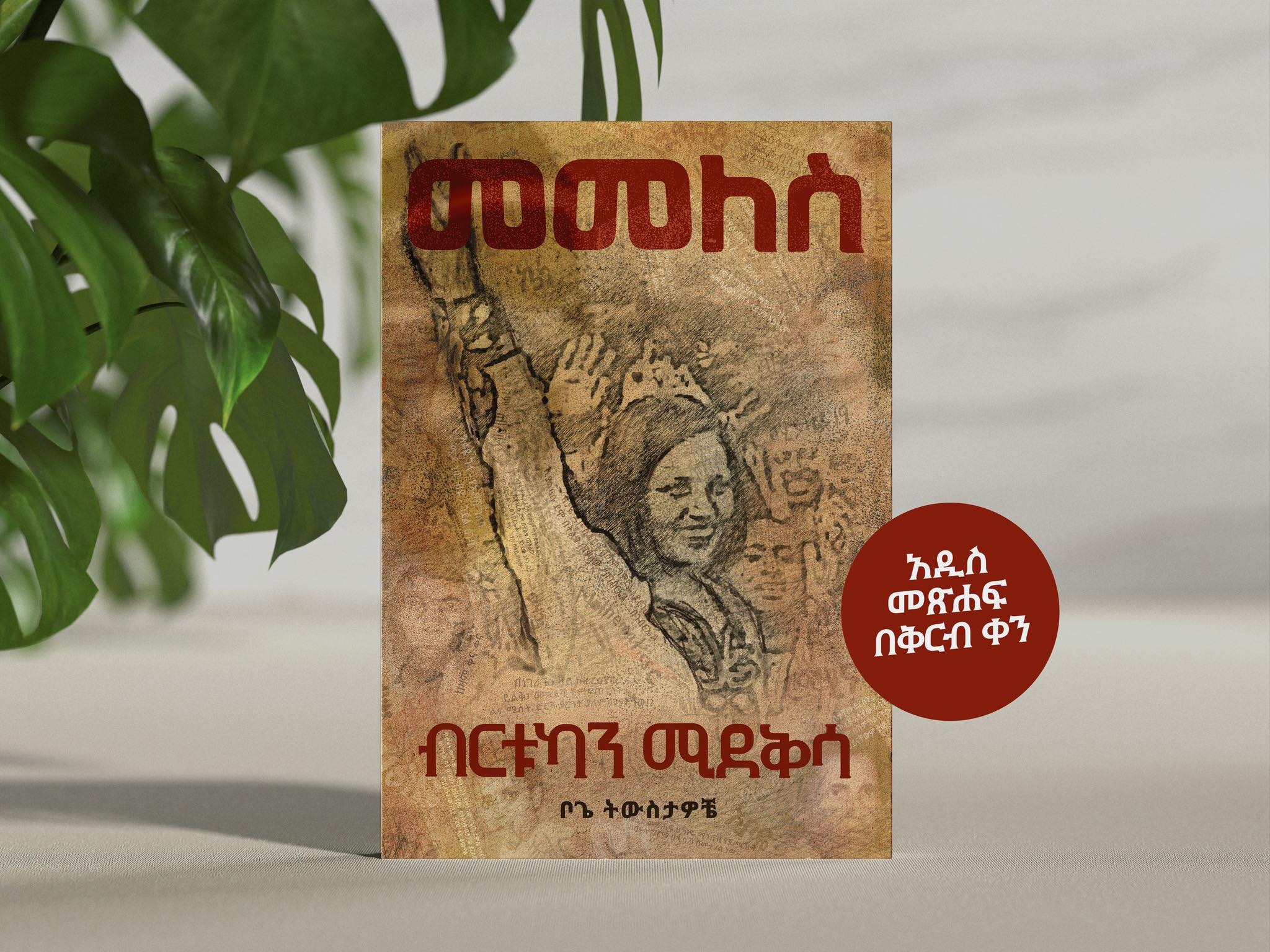
ADDIS ABABA – One of Ethiopia’s most resilient and influential political figures is set to share her remarkable story in a keenly anticipated autobiography. The life memoir of Burtukan Mideksa, titled “መመለስ” (The Return / The Answer), is scheduled for release in the coming days, promising an intimate account of three turbulent decades at the heart of the nation’s politics.
A symbol of strength for many, especially women and youth, Burtukan—often affectionately called “Birtu Kan” (The Strong One) by her admirers—has navigated a journey few can match. Her forthcoming book chronicles a path that has spanned from the judiciary to political leadership, from exile to the helm of the National Election Board.
A Title with Dual Meaning
The choice of the single-word title “መመለስ” is profoundly evocative. It is a word loaded with dual significance in Amharic, reflecting the dual arcs of her narrative. It can be read as “The Return”—signifying her physical and political comeback to Ethiopia and to the public stage. Simultaneously, it resonates as “The Answer”—suggesting her response to long-standing questions about her role, her struggles, and the nation’s transformative journey. In either interpretation, the title promises a compelling and revealing narrative.
Charting a Nation’s Journey Through One Life
The memoir is expected to trace her unique passage through Ethiopia’s modern history. From her early career as a judge and her bold stance for judicial independence, to her political activism, subsequent imprisonment, and years in exile, Burtukan’s life mirrors the nation’s own struggles with democracy, justice, and change.
Her later return to Ethiopia and her historic appointment as the first woman chairperson of the National Election Board of Ethiopia (NEBE) marked a pivotal chapter, placing her at the center of the country’s most consequential democratic exercises. The book is anticipated to provide an insider’s perspective on these critical moments, detailing both the triumphs and profound challenges faced along the way.
Highly Anticipated by Scholars and Public Alike
The announcement has generated significant excitement among political analysts, historians, and the general public. Many hope the memoir will shed new light on untold stories, private reflections, and the inner workings of Ethiopia’s political evolution over the last 30 years. It is viewed not just as a personal history, but as a vital primary source for understanding contemporary Ethiopia.
A High-Profile Launch
Plans are underway for a high-profile official book launch ceremony this month. Arts TV has been named as the exclusive media partner for the event, ensuring comprehensive coverage and bringing the proceedings to millions of viewers across the nation and the diaspora.
Burtukan Mideksa’s “መመለስ” arrives at a critical juncture, offering a deeply personal lens on Ethiopia’s ongoing quest for stability and democracy. It is poised to be one of the most significant political memoirs of the year, providing answers, prompting reflection, and celebrating the return of a formidable voice to the literary and public sphere.
#BurtukanMideksa #TheReturn #NewBook #Ethiopia #ArtsTV
Celebrating Oromo Strength: Lessons from D.C. Gathering

Feature Commentary: The Covenant Renewed – How a Washington D.C. Celebration Forged a Blueprint for Continuity
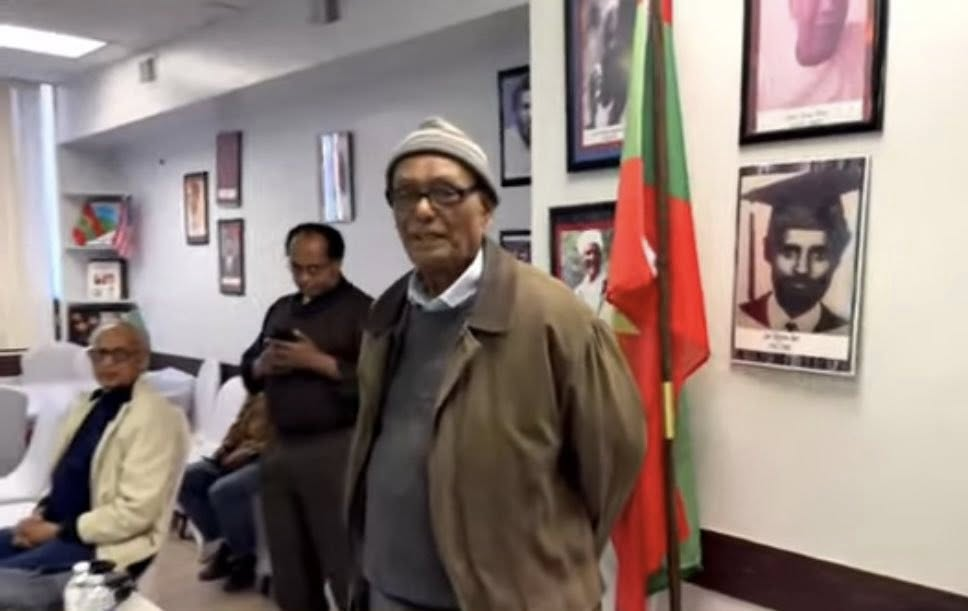
On the surface, the gathering by the Washington D.C. chapter of the Oromo Liberation Front (OLF-Konyaa) was a familiar ritual: the commemoration of Oromo Liberation Army (WBO) Day and the celebration of Amajjii, the Oromo New Year. Yet, within the traditional prayers (eebba), speeches, and shared resolve, a powerful and sophisticated blueprint for the struggle’s future was being articulated—one that skillfully wove together gratitude, clear-eyed assessment, intergenerational blessing, and a philosophy of endurance.
The ceremony, opened by the spiritual invocation of veteran leader Jaal Qaxalee Waaqjiraa, immediately grounded the political in the spiritual. His thanksgiving prayer, “We thank God who, after years of wandering, has brought us here,” was profoundly layered. It acknowledged a journey—a long, arduous “wandering” of exile, displacement, and conflict—while celebrating the “here”: a community intact, organized, and capable of gathering in defiance of that very displacement. It framed the present not as an endpoint, but as a providentially granted platform, creating a sense of both debt and opportunity.
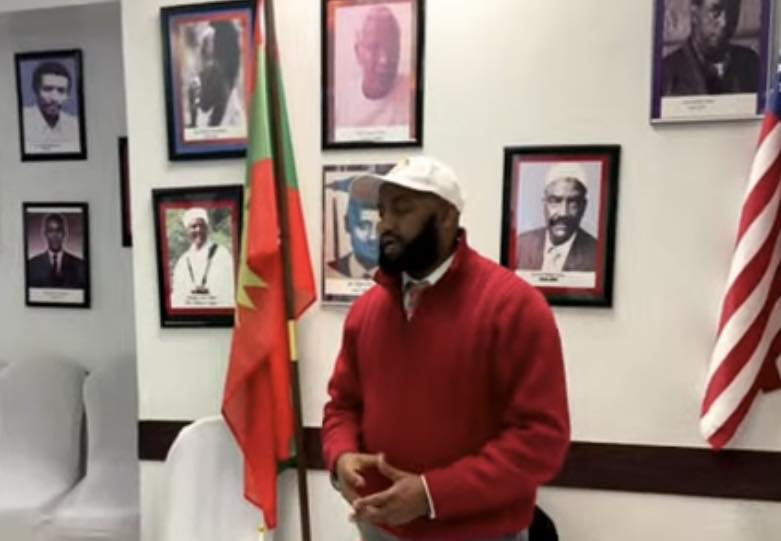
This spiritual framing set the stage for a starkly realistic assessment from chapter chairperson Jaal Bilisummaa Tasgara. By openly detailing “the current situation of the struggle,” he performed a crucial act of transparency. There was no empty triumphalism. Instead, there was a communal acknowledgment of the “complex and difficult” (ulfaataa) reality. This honesty is the bedrock of trust and mature mobilization. It prevents disillusionment and transforms collective understanding from a source of despair into a foundation for strategic perseverance. As he noted, the day was both a “day of mourning and celebration,” a duality that honestly captures the Oromo condition—grieving the fallen while celebrating the unbroken spirit.
From this realistic ground sprang the core directive: “Our people must become stronger and more resilient.” This was not a vague wish but a clear, operational imperative. The call for jabeenya (strength) and ijaarsa (building/construction) shifts the focus from merely reacting to oppression to proactively building communal, institutional, and personal fortitude. It answers the “how” of continuing in a difficult phase.
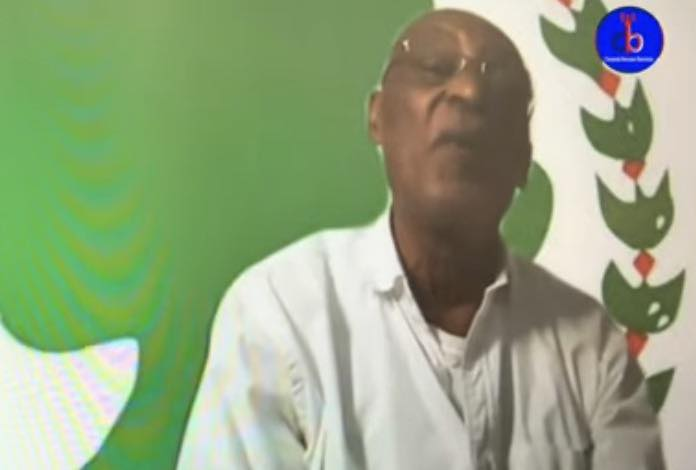
The most poignant moment of strategic continuity was the virtual participation of legendary elder Jaal Dhugaasaa Bakakkoo. His Zoom presence was a powerful technological bridge across time. By thanking him for his “guidance and perseverance,” the assembly did more than honor a hero; it ritually drew a line of legitimacy and tactical wisdom from the founding generation directly into the present. It signaled that the current path is not a divergence but an inheritance, blessed by those who laid the first stones.
This synthesis of elements reveals a sophisticated political culture. The event masterfully connected:
- Spiritual Legitimacy (Eebba) with Political Analysis.
- Honest Acknowledgment of Hardship with a Call for Proactive Strength.
- Reverence for the Past with a Practical Roadmap for the Future.
The closing reflection, “Our struggle is alive and will continue to be remembered as one with a clear direction and sustainable objective,” is thus not a hopeful slogan but a conclusion drawn from the evening’s architecture. They have defined “alive” not as mere existence, but as the state of being guided, united, building strength, and connected to one’s source.
The Washington D.C. celebration, therefore, was a masterclass in sustaining a liberation movement in the long haul. It moved beyond mere remembrance into the realm of active stewardship. It showed that the covenant of struggle is renewed not by ignoring the present cost, but by confronting it with faith, honesty, unity, and an unwavering commitment to building the resilience needed to see the journey through. The message was clear: the wandering has brought us to this point of clarity. Now, we build, we endure, and we march, strengthened by the very weight of the journey itself.
Dhaamsa ABOn Bara 2026: Tokkummaa fi Qabsoo Jabeessuu
Guyyaa Mudde 31, 2025 — Addi Bilisummaa Oromoo (ABO) dhaamsa bara haaraa 2026 isaa dabarsuun, waggaa darbe sirna fi hidhannoo hamaa keessa darbee, qabsoo bilisummaa Oromoo itti fufsiisuuf, tokkummaa fi cimina ummataa waamicha guddaa taasiseera.
Dhaamsi kun, miseensota, hogganoota, deeggartoota ABO fi ummata Oromoo maraaf baga bara haaraa dabarsuun jalqabame, barri haaraas “bara nagaa, milkii, haqaa fi dhugaa” ummataaf akka ta’u abdii guddaa isa keessa qaba.
Hanga ta’us, ABOn hubachiise akka barri 2025 kanatti dhiibbaan siyaasaa fi hidhaa mootummaa Wayyaanee irra gahaa ture, gufuulee hedduu dhaaba fi miseensota isaa irratti geggeeffame. Haala kana keessatti, ABOn akka ibsutti, “sodaa fi bir’annaa tokko malee” hojii siyaasaa geggeessuun itti fufeera. Kunis, waajjira muummee Gullalleen ABO, leenjii haaromsaa miseensotaaf kennuu, fi gumiin sabaa ABO walga’ii dhaabbataa 3ffaa geggeeffachuun hojiilee dandamachaa hojjeteera.
Haala rakkoo kana keessa, dhaabichaan ibsa ulfaataa ummata Oromoo irratti roorroon itti fufuun geggeeffamaa jiru mirkaneessee, akkaataan ajjeechaan maqaan adda addaa, hidhamuun, saamamuun, fi buqqaachisni lammiilee kumootaa Oromiyaa keessatti itti fufuun “ummatni wabii jireenyaa dhabe” jedhee dubbateera.
Dhaabichaan, furmaata kanaaf, “humna Oromoon qabu inni guddaan tokkummaa isaati” jedhee waamicha jabeessaa ummataaf godheera. ABOn waamicha ummatatiin, “sab-boonummaa Oromummaa” jabeessuu, fi “ololoota farrummaa” kan ABO fi qabsoo irratti geggeeffaman irraa of eeguu qofa irratti akka xiyyeeffatan dhaammateera.
Gama siyaasaa biyyattii ilaalchisee, ABOn mormiin isaa sirna PP fi’ila isaa irratti fooyyeessuun, rakkoon siyaasaa fi dinagdee biyyattii “karaa siyaasaa, dinagdee fi hawaasummaan dabalaa jiru” jedhee dubbateera. Kanaaf, ABOn, “qulqullummaan gadi taa’ee qaamota dhimmi ilaalu waliin marii nagaa” geggeeffamuun furmaata argamsiisu irratti yaamicha deebise.
Xumurri dhaamsaa kanaatiin, ABOn ummata Oromoo fi qabsaawoota isaa “irbuu keenya yoom illee haarawaa, abdiin keenyaas guddaa” ta’uu wal irratti abdanna jechuun, qabsoo jabeessuun daandii filannoo biraa hin qabne ta’uu mirkaneessee, barri 2026 bara “ajjeechaa, roorroo fi gidiraan irraa dhaabbatu” akka ta’u abdii guddaa dabarseera.
Dhaamsi ABO kana, fiixaa fi kaka’umsi qabsoo Oromoo itti aanuuf bu’uura cimaa fi waamicha tokkummaa ummataa ta’uun, rakkoo fi dhibee waggaa 2025 keessa mudate irraa ka’uun, qabsoo itti fufuuf yaada gama hundaan qaba.
Remembering Aayyoo Asinaa Abduramaan: A Legacy of Strength

A Pillar of the Struggle Departs: Mourning the Passing of Aayyoo Asinaa Abduramaan, Mother of Jaal Hundee Daraaraa
The Oromo global community is in mourning following the passing of Aayyoo Asinaa Abduramaan, a revered matriarch and steadfast symbol of resilience, who died today after a prolonged illness. Her departure marks not just a personal loss for her family, but a profound moment of collective grief for a nation that saw in her the unbreakable spirit of Oromo motherhood.
Aayyoo Asinaa was more than a mother; she was an expert in life and a mother of freedom fighters. She lived a life defined by immense sacrifice and unwavering dedication to the cause of Oromo liberation. While her own children dedicated their lives to the struggle, she bore the heaviest of burdens, suffering the ultimate loss and enduring hardship without complaint.
She was the mother of Jaal Hundee Daraaraa (MGS_ABO), a freedom fighter of the Oromo Liberation Front (OLF). In the pursuit of Oromia’s freedom, she gave her sons, experiencing both the pain of their loss and the suffering of those who returned bearing the scars of battle. She endured these trials with a heart that remained a source of strength for others, even as her own body and spirit carried wounds that never fully healed.
A Personal Testament to Her Strength
A community member who witnessed her fortitude firsthand shared a poignant memory: “I saw Aayyoo Asinaa for the first time in 2018 when OLF leadership returned to the country. During a public event in Ghindhir town, as leaders addressed the crowd in the South-East region, she saw Jaal Hundee Daraaraa. Remembering her son, lost in the struggle for so many years, she collapsed in tears. It was a heartbreaking scene. She was a consoler of others, a mother of fighters, and a heroine who displayed exceptional grace for Oromia. Her passing leaves a deep ache in our hearts.”
Her life story embodies the quiet, often overlooked, heroism of mothers in liberation movements—those who send their children to the front lines and must find a way to live with the consequences, becoming pillars for their communities while nursing private grief.
A Legacy of Sacrifice and Strength
Aayyoo Asinaa Abduramaan’s legacy is one of profound sacrifice and unyielding dignity. She navigated a path of personal tragedy without allowing bitterness to overshadow her love for her people and their cause. Her life was a testament to the Oromo proverb that true strength is often found in silent endurance.
The community now rallies around her remaining family, offering prayers for strength and unity. “May God grant her mercy,” the statement concluded. “May He provide patience, solace, and resilience to Jaal Hundee and the rest of the family.”
As news of her passing spreads under the hashtag #AayyooAsinaaAbduramaan, social media is filling with tributes, honoring a woman whose name will be remembered alongside the freedom fighters she raised and supported—a true Aayyoo (revered mother) of the nation.
Rest in Power, Aayyoo Asinaa. Your struggle is now your eternal peace.
 Oromedia