World Tourism Day Celebrated in Bunno Beddelle with Focus on Sustainable Change

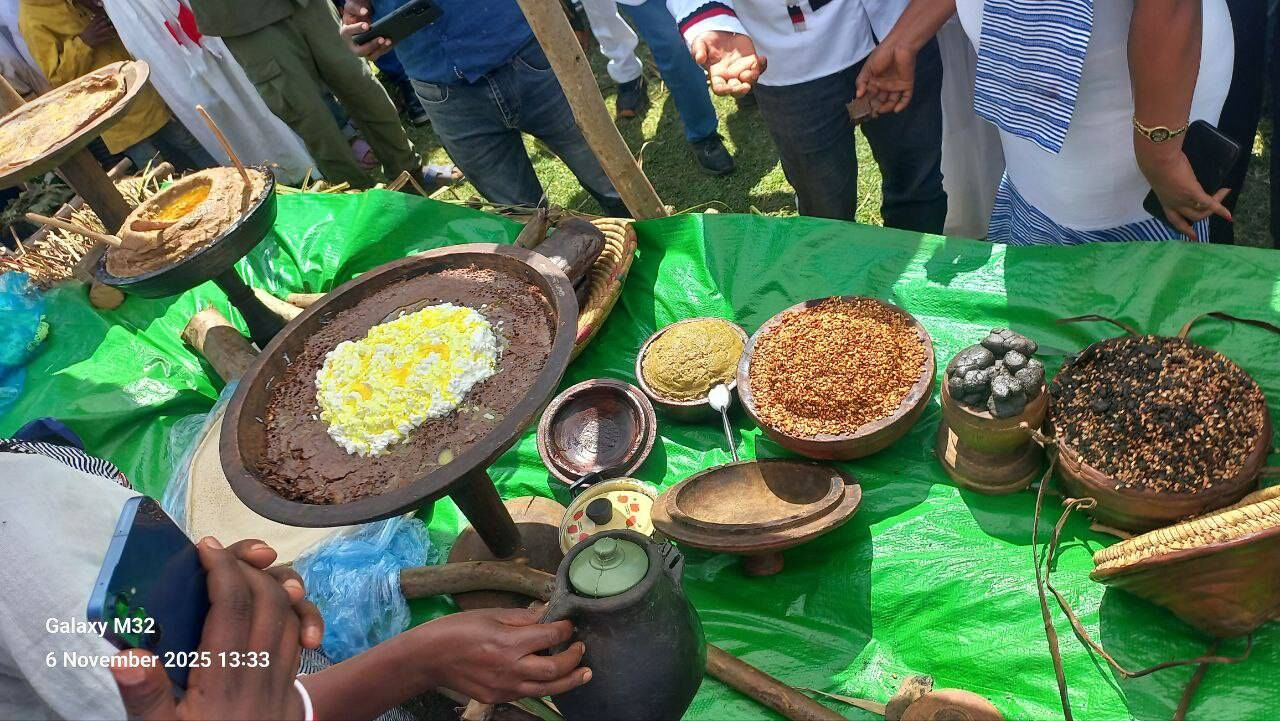
Bunno Beddelle, Ethiopia – World Tourism Day was observed at the district level in Makkoo district, under the global theme “Tourism and Sustainable Change.”
The event highlighted the region’s significant potential for tourism-driven economic growth.
Makkoo District Governor, Tamasgeen Ayyaanaa, emphasized that the district is endowed with numerous tourism resources that can serve as a vital source of income for the community.
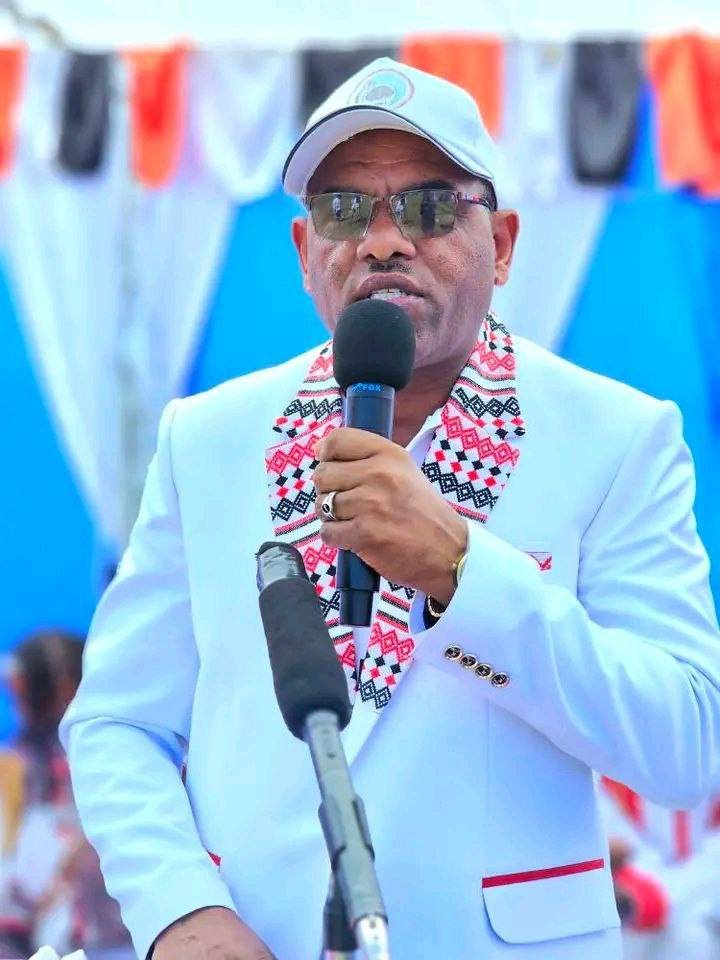
Echoing this commitment, the Head of the Buno Beddellee District Culture and Tourism Office, Mrs. Tigist Andaargee, outlined ongoing efforts to develop the area’s natural and cultural attractions.
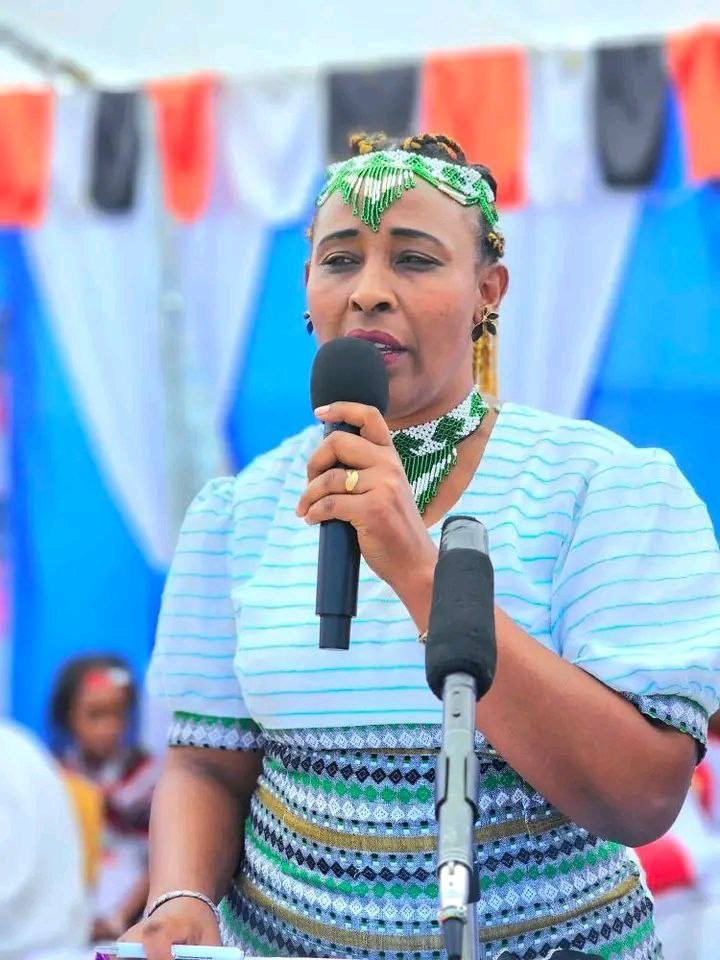
“As a district, we are working to systematically develop our natural and cultural tourism resources and make them a cornerstone of our local economy,” she stated.
Adding to this, the Deputy Governor of the District, Mr. Xilaahun Lammaa, underscored the administration’s dedication to preservation.
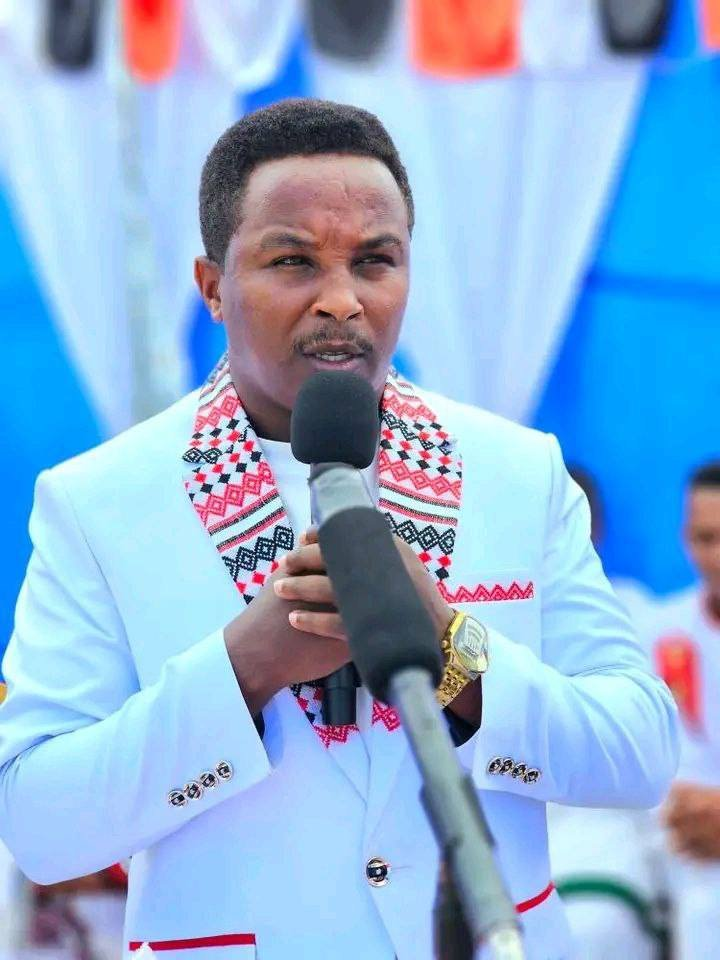
Mr. Xilaahun confirmed that the district will prioritize conserving its natural resources and actively promoting the unique cultural traditions of its people.
Sirna Gadaa Oromoo: Walargii fi Maaliif Murteessaa Dha?

Wal-argii hanga Nyaachisaatti Jila Gaammee Gurguddaa Ardaa Gaayootti
Finfinnee, Hagayya 20, 2017 (FMC) – Sirna Gadaa Oromoo, bu’uura aadaa, dudhaafi bulchiinsa uummata Oromoo keessatti ilmi Oromoo kamuu sadarkaalee guddinaa keessa darbu qaba.
Gadaan adeemsaa dheeraa keessa dhaloota horataa, guddisaa, gurmeessee, ijaaree gahoomsa.
Akkaataa sirna Gadaatti, keessumaa Gadaa Booranaa keessatti namni fuulduraaf Abbaa Gadaa ta’ee filatamu kan adda ba’u sadarkaalee guddinaa keessaa tokko kan ta’e sadarkaa Gaammee Gurguddaa irraa gara Kuusaa ce’uu lallabama.
Ijoolleen sadarkaa Gaammee gurguddaa keessa jiran, kan gogeessa tokkoo, utuu gara Kuusaatti hin ce’in bakka jiran hundarraa walitti dhufanii wal argu. Sirni Gaammeewwan gurguddoon kallattii adda addaatti dhufani itti walbaran kun Walargii jedhama.
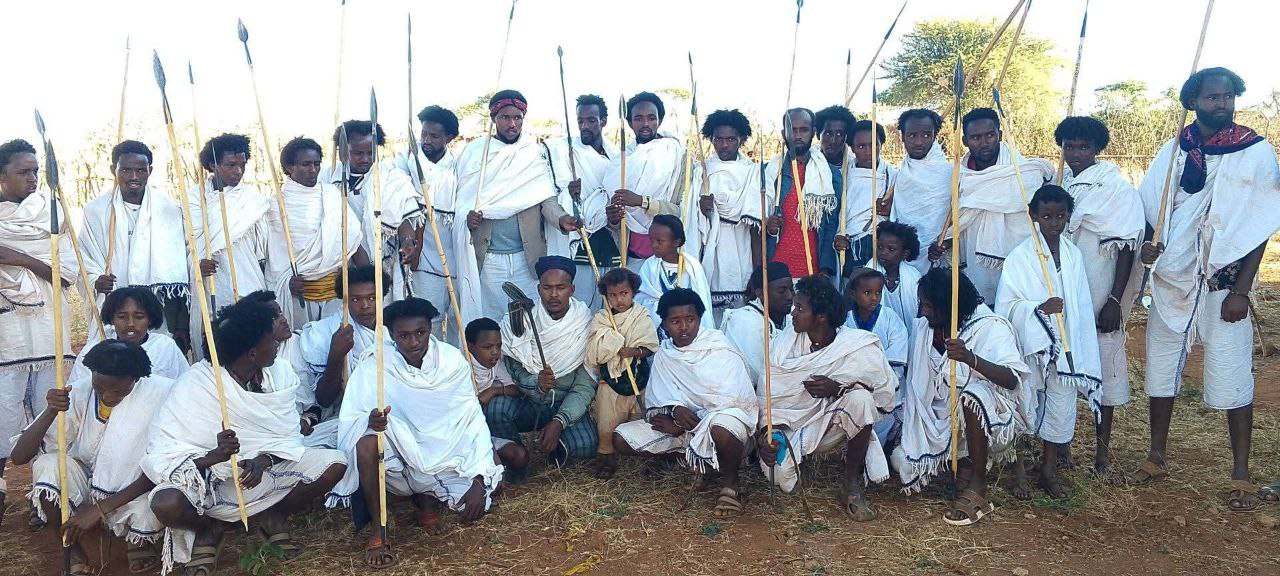
Biiroo Aadaa fi Tuurizimii Oromiyaatti dursaan garee sona aadaa Bonayaa Diidoo Faanaa Dijiitaalitti akka himanitti, ijoolleen Booranaa umurii kana keessa jiran biyya Keeniyaa irraa utuu hin hafin deggersa abbootii isaaniin bakka Gumii Gaayyootti walitti dhufanii walargu.
Kaayyoon wal argii kanaa ijoolleen gaammee gurguddoo gogeessa tokko ta’an ardaa kanatti dhufanii wal barachuu, wal arguufi wal beekuudha. Kaayyoon biraa seera, aadaa, safuu uummataa kabajuufi tokkummaa gogeessa isaanii cimsuudha
Walargiin waggaa saddeet keessatti yeroo tokko kan raawwatamuu dha.
Sirna guyyoota sadii hanga afuriitti turu kana irratti hirmaachuuf Gaammeewwan yeroo imala eegalan irraa kaasee bakka ga’anitti qubachaa uummannis qalee nyaachisaa, godina Booranaa aanaa Dhaas, bakka ardaa Gaayoo jedhamu hanga ga’anitti akkaataa kanaan imala itti fufu.
Gumii Gaayoottis Abbootiin Gadaa fi Abbootiin Lubaa ijoollee kana goggeessa tokko keessa jiraachuu isaanii adda baasuun walbarsiisu. Wal argiin kun qa’ee abbootii isaanii Abbaa Gadaa duraanii Guyyoo Gobbaatti wal geettee sangaa qalattee eebbifatti.
Sirni walargii kun sagantaa guddaa kan Abbaan Gadaa gara fuula duraa keessatti madaalamu sirna , ”Nyaachisa” jedhamee kan beekamuuf boqonnaa jalqabaati.
Sirni Nyaachisaa walbaruun booda ji’oota gara kudhanii booda kan raawwatamuu dha.
sirna nyaachisaa keessatti gara ji’oota shaniif Gaammeewwan utuu manatti hingalin diida turu, leenjii aadaa, duudhaafi safuu ummataa barataa lenji’aa turu.
Yeroo leenjii kana fooniifi dhiiga horiin alatti waan biraa hin nyaatan, manatti hingalan, qaama hin dhiqatan. Uffata hin dhiqatan, kophee faanaa hin keeyyatan, Qormaatilee jireenyaa shaakalaa turu.
Akkaataa ayyaana kaalandara aadaatiin yeroon nyaachisaa yemmuu ga’u, Gaammeewwan walbaranii turan sirna Guddaa kana irratti, Abbootii Gadaa, Luboota fi jaarrolee waliin deebi’anii walga’u.

Qalanii nyaatu, ni eebbifamu. Sirnicha Guddaa kan jechisiisu garuu nyaachuu fi dhuguun alatti qormaataafi leenjiin guddaan bakka itti kennamu ta’uu isaa ti.
Gaammeewwan leenjii fudhataa turan waldorgomu, ni madaalamu, ciminni qaamaa fi hubannaan bulchiinsa Gadaaf qaban ni qorama, dandeettii dubbii isaaniis ni ilaalama.
Gaammeewwan achitti walga’an keessaa kan qormaatilee kanaan hunda caalaa milkaa’etu gama gogeessaafi uummata bal’aatiin Hayyoota Adulaa fuula duraaf filamee, eebbifamee gosa biratti beekama. Gaafa umuriin isaa guutus Gadaa ta’ee baallii fudhatu.
Tibbanas Godina Booranaa Bahaa Aanaa Dhaasitti Gammeewwan guguddaan Booranaa Gaayootti walagii irra jiru.
Adoolessa 2018 keessa ammoo sirna Nyaachisaatu geggeeffama.
Kuluulaa Garbichaa fi Yoonaataan Birhaanuun.
Commemorating the 20th Anniversary of the FDG Revolution
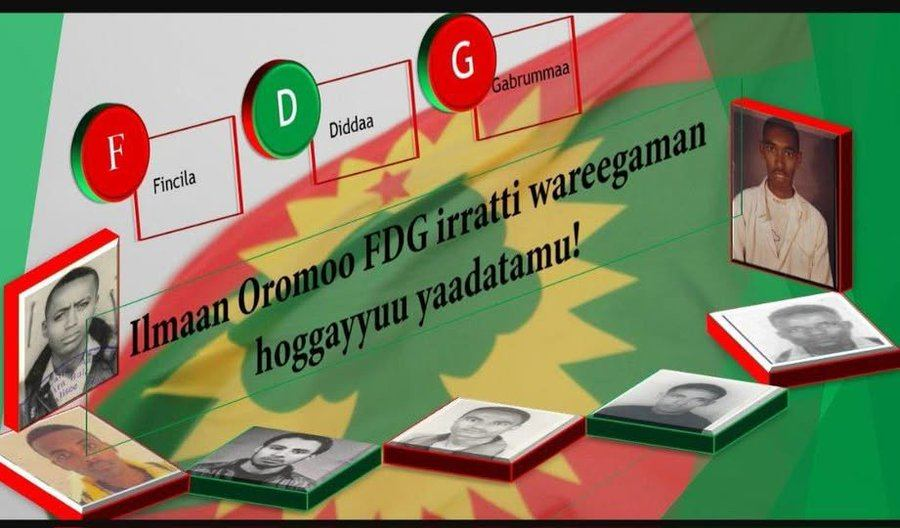
On November 9, 2005, the Oromo Liberation Front (OLF) called upon the Oromo people to embark on a historic, peaceful struggle—the FDG Revolution. This call was answered with immense courage and profound organization by the Oromo youth, students, and farmers, who rose in unified resistance.
In this struggle, our Oromo heroes made the ultimate sacrifice, giving their irreplaceable lives for their nation. Their valor served to strengthen the foundation of the OLF-led liberation movement within the country and ensure its enduring presence among the people.
The enduring legacy of the FDG is its dual mission: to dismantle the forces of dictatorship and to lay the foundation for an Oromo people standing at the threshold of freedom. As we mark this 20th anniversary, we honor their sacrifice and reaffirm our commitment to the cause for which they so bravely fought.
The ‘Without Me’ Mentality and Ethiopia’s Crisis

Examining the Broader Causes of Instability in Ethiopia
===============================
The core argument, as articulated by Sena Jimjimo, founder of OLLAA, is that a lack of internal consensus and a toxic culture of “without me” thinking within Oromo political factions pose a significant danger to Ethiopia.
She contends that this mindset has led to a situation where:
Truth is Sacrificed for Unity: Oromo fighters avoid difficult truths with each other to maintain a superficial unity.
Individual Ambition Over Collective Good: The belief that liberation can only be achieved through a specific leader or group (“without me”) has been destructive.
Resulting Instability: This failure to build a unified, truth-based movement has ultimately made Ethiopia unsafe.
Counter-Response
While Sena Jimjimo raises valid concerns about the dangers of political fragmentation and individual ambition, her analysis risks misdiagnosing the core problem by focusing on a single group.
A more comprehensive perspective would argue that Ethiopia’s instability stems from a systemic failure to build a genuinely inclusive, multi-ethnic state, not from the internal dynamics of one community.
Here is a counter-response:
Subject: Re: Examining the Broader Causes of Instability in Ethiopia
The challenges facing Ethiopia are complex and cannot be attributed to the internal politics of any single group. While introspection within all political movements is necessary, framing the “Oromo” or “Oromo fighters” as the primary danger is a reductive and counterproductive narrative.
The true source of Ethiopia’s instability is the decades-long, systemic failure to establish a political framework where all ethnic groups feel they have a secure and equitable stake in the nation’s future. The “without me” mentality is not an Oromo-specific issue; it is a symptom of a zero-sum political culture that has been fostered by successive central governments. When communities are historically marginalized and their demands for self-determination are met with violence or empty promises, it inevitably breeds factionalism and a desperate struggle for agency.
Furthermore, the call for “unity” must be critically examined. Too often, calls for national unity have been a pretext for suppressing legitimate grievances and enforcing assimilation. The courage to tell “the truth” that Ms. Jimjimo calls for must apply equally to all sides—including acknowledging the historical injustices that have fueled the very divisions she laments.
Therefore, the path to a safe and stable Ethiopia does not lie in singling out one group, but in addressing the foundational issues: building robust institutions that guarantee justice and equality for all, fostering a culture of genuine political compromise, and creating a shared national identity that respects and celebrates Ethiopia’s rich diversity. The solution requires a collective responsibility from all of Ethiopia’s national political forces, not a critique of one.
OLF Prepares for 7th Round Elections: Key Strategies Revealed
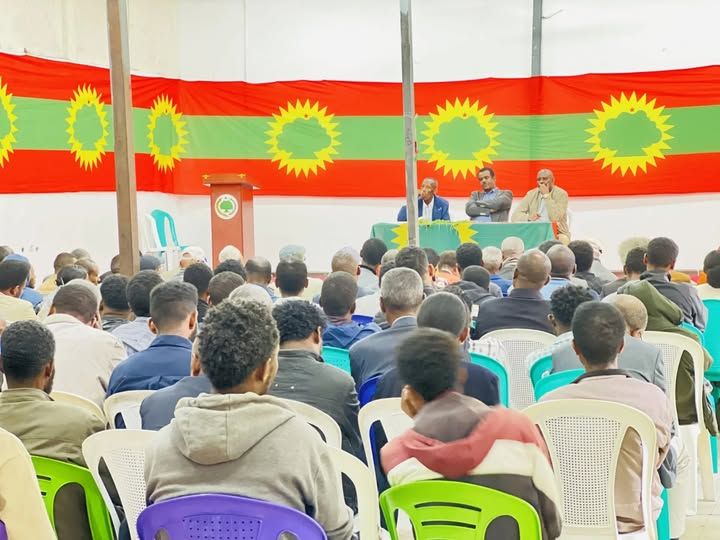
FINFINNE – The Oromo Liberation Front (OLF) is finalizing its preparations for the upcoming 7th round of national elections and is collaborating with the National Election Board to meet all requirements, according to a statement from the party.
The announcement was made by OLF Member Secretary-General Jaal Abdii Raggaasaa during a meeting at the party’s headquarters in Gullalle. He outlined the party’s strategic direction, emphasizing member duties, organizational growth, and the current political landscape.
On Party Building and Member Duties
Jaal Abdii Raggaasaa stressed that every member has a fundamental duty to recruit and mentor new members, beyond their assigned roles. “If the organization is not built, it cannot grow,” he stated, challenging each member to personally recruit at least ten individuals to strengthen the party’s structure.
He connected personal experience to collective success, noting that individuals bring diverse characteristics to the struggle. “From individual to group or union, there are those who take responsibility in the OLF struggle and bring results,” he said.
On Political Vigilance and Internal Security
The Secretary-General issued a stern warning against internal division and espionage. He urged members to report any individuals suspected of spying on the party for the government.
He also condemned members who work in multiple places or factions, describing such behavior as self-destructive. “The Irbuu (oath) is devouring,” he said, warning that those who take an oath of allegiance cannot stand in “two or three places.” He urged introspection, asking members to question their contribution to the collective cause.
On the National Political Context
Jaal Abdii Raggaasaa addressed the ongoing conflict in northern Ethiopia, expressing the participants’ concern that the war could expand into Oromia. He asserted that the OLF would not allow “Northerners to take over the country again,” and would not be a passive observer if any forces attempted to enter Oromia.
Regarding international influence, he pointed out that no one in Africa comes to power without the will of Western governments. However, he added that the OLF does not believe Western governments are currently willing to empower either Tigray or Amhara factions at the expense of Oromia.
He concluded by reaffirming the party’s position: “The OLF is in a good position, and we must fulfill our duty by turning our existence into action. The struggle is to give priority to the people first of all and to work for the interest of the people rather than personal interest.”
The meeting concluded with participants affirming that an “awakened nation is built and the built is united,” underscoring the theme of unity and mobilization.
Irreechaa Festival: Celebrating Oromo Culture in Melbourne
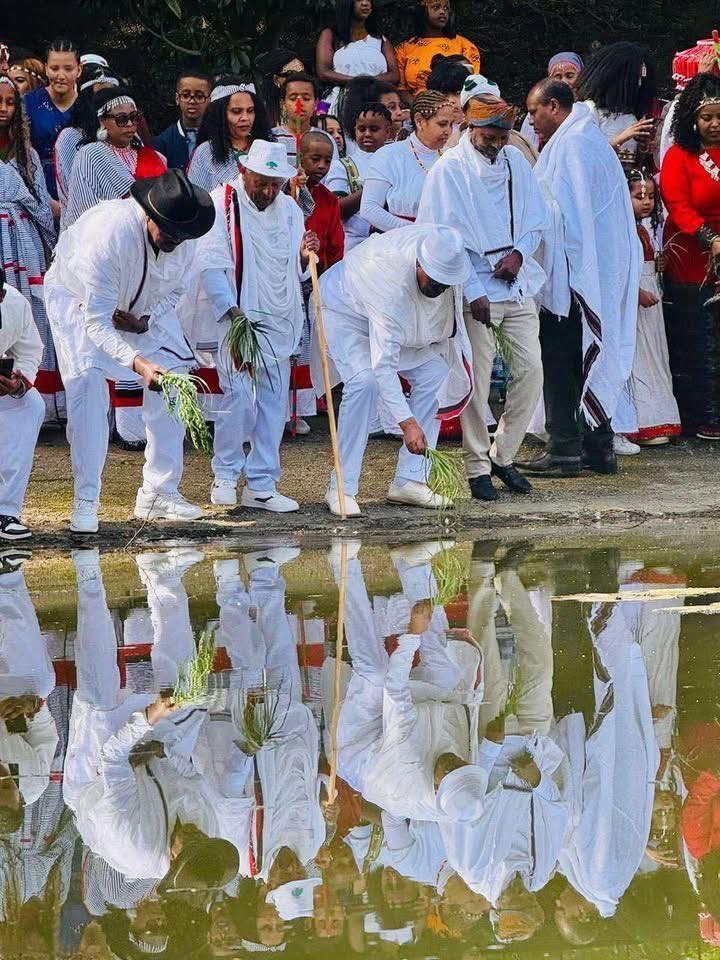
(Oromedia, 29 September 2025) Irreechaa celebrations in Melbourne have become a notable expression of Oromo culture, bringing the local Oromo diaspora together to honor traditional values and strengthen communal bonds.
The festival typically features blessings by elders, cultural performances, music, dancing, and communal meals, all designed to replicate the spiritual essence of Irreechaa as celebrated in Oromia.
Festival Highlights in Melbourne
– The celebration is usually held at riversides or parks—often at the iconic Wilson Botanical Garden—to maintain the symbolic tradition of giving thanks to Waaqa (God) by water.
– Community leaders and elders lead the prayers and blessings, paying homage to nature and ancestral wisdom.
– Attendees wear traditional Oromo clothing, display cultural ornaments, and use symbolic colors such as black, red, and white.
– Music, and dances (including Siiqqee and Gumii) are performed to educate and entertain both the Oromo community and local Australians.
Purpose and Impact
– The event fosters Oromo cultural identity and unity among diaspora members.
– It serves as a platform for educating younger generations about heritage and traditions, helping them maintain a connection to their roots.
– Many celebrations invite local government officials, multicultural organizations, and curious residents, encouraging mutual respect and intercultural exchange.
Growth and Community Engagement
– Participation has steadily grown, with increased efforts by local Oromo associations to expand outreach and inclusivity.
– Social media and diaspora networks play a crucial role in organizing, publicizing, and preserving the festival’s traditions, even reaching Oromo youth who may be distant from their homeland.
Irreechaa in Melbourne embodies both cultural pride and adaptation, allowing the Oromo community to sustain meaningful traditions while building bridges with the wider Australian society.
Participants took memorable photos with family, friends and each other and shared them on social media.
All those who participated in this celebration filled with love and respect are saying that they remember it with joy.
Irreechaa is a festival of wisdom that Oromo have contributed to the world community, which promotes gratitude, peace, reconciliation, hope, life, social harmony, connection, mutual assistance, sharing, harmony and morality.
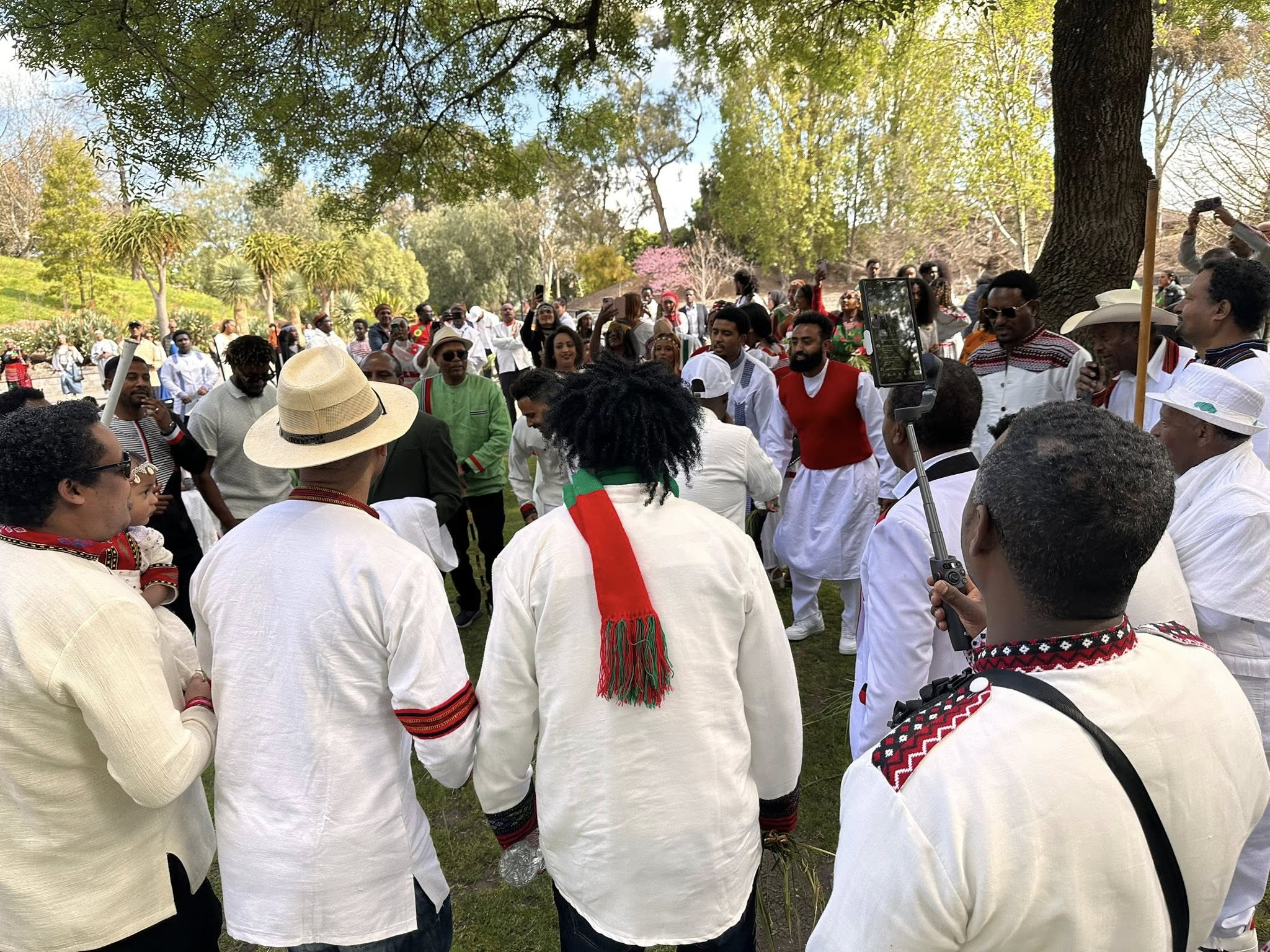
𝕀𝕣𝕣𝕖𝕖𝕔𝕙𝕒𝕒: The Oromo Festival of Thanksgiving and Renewal
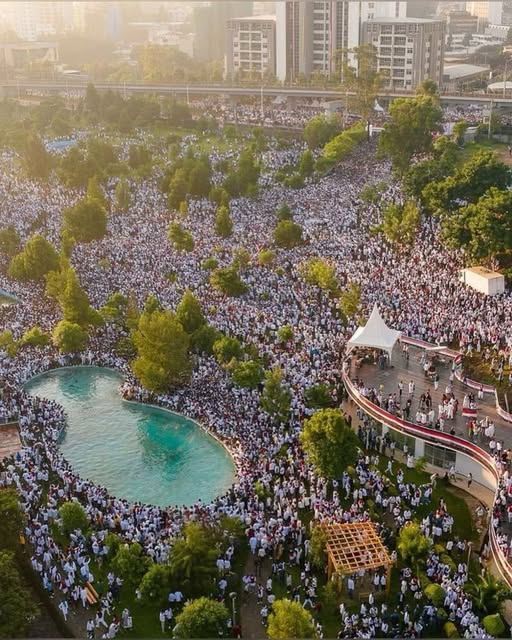
Every year, as the rains recede and the Ethiopian highlands begin to glow with new light, millions of Oromo people gather to give thanks. Irreechaa — literally “thanksgiving” in Afaan Oromo — is a vibrant, deeply felt festival that marks the end of the rainy season and the welcoming of a new, fertile period. It is at once spiritual ceremony, community reunion, cultural showcase, and a time for renewal.
Roots and Meaning
Irreechaa is rooted in the traditional Oromo worldview and is closely linked to the Gadaa system, the democratic social and political institution that organized Oromo life for centuries. The festival is fundamentally a ritual of gratitude to Waaqa (God) for life, health, and the bounty of the land. It affirms social bonds, renews moral commitments, and marks seasonal and generational transitions. Though its spirit is ancient, Irreechaa remains a living, adaptive tradition that continues to shape Oromo identity today.
Where and When It Happens
Irreechaa is observed across Oromia and by Oromo communities worldwide. Celebrations are usually held at natural gathering places — lakes, rivers, and meadows — where people can perform water- and earth-centered rites. The largest contemporary gatherings often take place by the lakes near Bishoftu (sometimes also called Debre Zeyit) and at other prominent riverbanks and lakes throughout the region. The timing follows the agricultural and pastoral calendar: typically at the end of the rainy season, around late September or early October in the Gregorian calendar, though exact dates may vary by locality and community.
Rituals and Practices
An Irreechaa morning is a sensory feast. People travel from villages and cities, wearing traditional dress and carrying bunches of seasonal wildflowers and fresh grasses. The ceremony is usually led by elders and by the Abbaa Gadaa (the Gadaa father or leader), who offers prayers and blessings for the coming year.
Key elements include:
– Gatherings at water: People congregate at lakeshores and riverbanks, where water symbolizes renewal and life.
– Blessings by elders: The Abbaa Gadaa or elders lift a branch of grass or flowers — a symbol of life — and sprinkle or dip it in the water, then wave or sprinkle drops over the crowd as a communal blessing.
– Songs and ululation: Traditional songs, chants, and ululations (high-pitched celebratory cries) fill the place. Music and dance are central, with both communal steps and individual expressions.
– Feasting and fellowship: Families and friends share food, exchange greetings, and reconnect after the rainy months. Coffee ceremonies, a core part of Ethiopian hospitality, often accompany gatherings.
– Symbolic gestures: The sharing and tossing of flowers or grasses into the water is a visible act of giving thanks and wishing for fertility and prosperity.
Cultural and Civic Dimensions
Though Irreechaa is primarily a spiritual and cultural event, it has also taken on civic and social significance in modern times. Festivals have been occasions for public discussion, cultural revival, and the assertion of Oromo language and identity. For the Oromo diaspora — in North America, Europe, and beyond — Irreechaa gatherings are important moments for preserving heritage and passing it to younger generations.
The festival has not been without challenges. Large crowds require careful management, and political tensions at times have added complexity to peaceful celebrations. Communities and authorities increasingly work together to ensure safety while protecting the sacred and communal nature of the festival.
Why Irreechaa Matters
Irreechaa is more than an annual party: it is a ritual that knits people to place, to each other, and to the cycles of nature. It embodies gratitude, resilience, and hope — values that resonate far beyond Oromia. For visitors and observers, Irreechaa offers a window into a rich cultural tradition that balances spirituality, social cohesion, and joyful celebration.
If You Attend
If you have the opportunity to witness or participate in Irreechaa, approach with respect:
– Dress modestly and follow local customs.
– Ask permission before taking photos, especially of elders or religious activities.
– Participate quietly and respectfully in communal moments; observe before joining.
– Be mindful of large crowds and follow safety guidance from organizers.
Irreechaa remains a powerful expression of Oromo life: a time to say thank you, to heal, to celebrate community, and to step forward together into the new season.
#Irreecha#Irreechaa#Oromo#OromoFestival#OromoCulture#OromoTradition#OromoThanksgiving#Gadaa#SirnaGadaa
Irreechaa: For Peace and Reconciliation

By Girma Mirgisa Reba
Ethiopia is endowed with beautiful diversity and richness of cultures, which are celebrated at different times in the country. In particular, September is a month of festivals, holidays and celebrations around the country, among which, are Meskel festival and Irreechaa festival, thanksgiving of the Oromo people.
It also represents the start of Ethiopian New Year , symbolizing a stimulating time of change, thanksgiving and renewal, with the celebration of a series of cultural and religious festivals throughout the month. It is also a season when the landscape is dressed with the golden color of Ethiopian daisies, locally known as Adey Abeba flower.
Ethiopian New Year signifies a time of renewal, as the rainy season subsides leaving behind lush fields blooming with yellow daisies which adorns homes of many Ethiopians throughout September, and representing the spirit of peace, hope, harmony and love which come along the New Year.
Meskel, a UNESCO-inscribed intangible cultural heritage, is also celebrated by Ethiopian Orthodox Christians on Meskerem 27 and commemoration of the unearthing of the True Cross of Jesus. The Yo Yo Gifata of the Wolaita, Yo Masqalaa of the Gamo, Ya Hode of the Hadiya, Meskel of the Gurage, Hashu Masqala of the Kembata Tembaro, Gofa Gaze Masqalaa, and Mashqare-Kaficho, among others, adorn the month of September in southern part of the country by festivities and joy. It is also a time of attracting more tourists.
Similarly, the week-long Irreechaa cultural festival is observed by the Oromo people at the beginning of spring as a time of peace, reconciliation, unity and thanksgiving and forgiveness. Irreechaa is ‘Thanksgiving Day’ for the Oromo people after the end of the rainy season. It is celebrated for all things that Waqaa ‘God’ has done for people like bringing rain, peace, health, fertility, abundance, and for the beautiful weather they have cherished. In the course of Irreechaa festivals, thanks will be given for the achievements of last year and chanting for the hope and productivity of the future.
The Oromo people consider the winter; rainy season that lasts from June to September as the time of difficulty because the rainy season causes much muddy and the surroundings covered with heavy cloud. The heavy rains are also accompanied by thunder and cold weather. The weather conditions make life inconvenient for human movements. The heavy rains may cause rivers to over floods and family relationships to fall into difficulty. Therefore, the Irreechaa festival is all about rekindling about family connections, hope and joy. Friends and relatives who missed each other and the beautiful nature for a long time due to the rainy seasons long for getting together for the blessings and festival of Irreechaa by the Oromo people. It is also a season where sowed crops will blossom, get ripe and bear fruits.
Irreechaa is celebrated in different localities across Oromia and worldwide where Oromos are living. In particular, the Irreechaa festivity which is taking place at Hora Finfinne and Hora Arsadi in Bishoftu town, is a unique thanksgiving festival which brings together millions of people from all corners of Oromia and the country.
Irreechaa is a time for the Oromo people to celebrate their culture and traditions. People during the festival wear colorful traditional attires as well as sing and dance. It is one of the best festivities of Ethiopia where cultural singing and dancing are common. This grand festival attracts a large number of the Oromo people and people from all parts of the country regardless of age, religion, political affiliations and sex to come together and celebrate the festival with extraordinary love, chanting and unity. It is a time to honor nature and give thanks for the blessings of brotherhood.
The concept of peace and reconciliation are an important and integral part of the daily activities of the Oromo people. The Oromo preach peace and reconciliation and offer blessings during thanksgiving ceremonies of Irreechaa. The worldview of the Oromo is to forge unity, peace and social relations with other people. Peace is achieved when mankind is at peace with God, nature and all creations. According to the sayings of the Oromo“Peace is a gift from God; and peace is better than wealth.” This shows how much the Oromo people value peace.
The Oromo people love and respect their Creator, take care of nature, have a good relationship with God, and take the view that a person who does not have a good relationship with God will not have peace with man and other creatures either.
So, Irreechaa celebration is a manifestation where the whole walks of life practice chanting about peace and reconciliation. And all who participate in the chanting pray for the peace of the Earth, the country, children, elders, wish best for the present life and next generation as well as for livestock and all living things. Thanksgiving Day is where the Oromo people proclaim peace and reconciliation to all without revenge but with pure heart.
Forgiveness is central to the Ireechaa festival. Ireechaa is believed to be of great importance to those people who are able to give forgiveness for their intentional or unintentional grievances with other people.
The day of the festival is believed to be a day of peace, happiness, reconciliation, forgiveness and prosperity. Accordingly, before anyone celebrates Irreechaa, be they individuals or groups, resolving conflicts between them, reconciling, forgiving each other, establishing peace and reconciling with God are the preconditions to be observed. That is why the saying of the Oromo has it: “Yoo namni walitti araarame, Waaqnis namaaf araarama” which means “If a man is reconciled to a man, God is reconciled to man.”
In Irreechaa celebration where Oromo people celebrated this grand festival along with other nations and nationalities of this country. Since recently, not only Oromo people, but also different nations and nationalities in the country are celebrating the event together with their Oromo brothers and sisters. This in turn has been consolidating linkage among the nations and nationalities thereby strengthening the love, unity and harmony among Ethiopians. Such a festival serves as a significant forum to further exchange cultural values among the Ethiopian nations and nationalities.
Since the Gada System has been registered as one of the Intangible International Cultural Heritage by UNESCO, Irreechaa festival is also embraced by the international community at large as part and parcel of an ancient tradition of the Gada system. So, a lot is required from all stakeholders to promote this festival and exploit its tourism potential. It is also important to promote the significance of this grand festival at international level and get registered by UNESCO. The festival should also be celebrated in accordance with its values and assets and pass on to the next generation.
Wal Harkaa Fuudhinsa Baallii Michillee irraa gara Birmajiitti: Gadaa fi Tokkummaa Oromoo
Dhimmi:
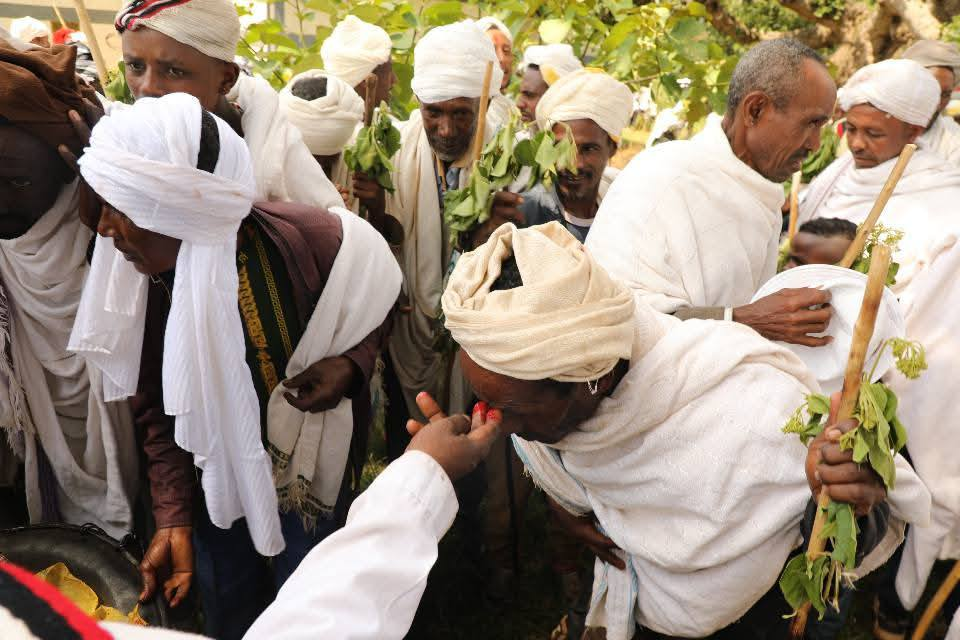
Miseensonni Gadaa Galma Giddugala Aadaa Oromoo (Jahaan Noonnoo, Ardaa Jilaa) guyyaa sadaffaaf wal harkaa fuudhinsa Baallii Michillee irraa gara Birmajiitti darbuu itti fufuun, sirna Gadaa fi seera Oromoo akka jijjiiramaa fi kabajamaa jiru agarsiisa. Kun ummati Oromoo sirna isaa eeguu, seera isaa kabajuufi waliin jiraachuuf murteessaa ta’uu isaa mirkaneessa.
1. Maaliif Wal Harkaa Fuudhinsa Kun Barbaachisaa?
✔ Seera Gadaa Eeguu:
- Gadaan siyaasa, hawaasa, fi qabeenya ummata Oromoo murteessuuf karaa sirrii ta’uu isaa mirkaneessuu.
- Korma dagaagaa qaluun seerota raawwachiisuun, safuu fi heera kabajuu.
✔ Tokkummaa Oromoo Cimsuu:
- Wal harkaa fuudhinsa kana keessatti miseensonni Gadaa mirga fi dirqama ummata Oromoo irratti walii galu.
- Birmajiin (Birma-jii) akka bakka mijaawaa ta’uun, garee lammiiwwan Oromoo walitti fiduu.
✔ Dhaabbannaa Barruulee Aadaa:
- Baalli Michillee (sacred covenant) fi Birmajiin (traditional assembly) keessatti seerota fi heerummaa Oromoo dhaabbachuu.
2. Sagantaawwan Gadaa Raawwachiifamaa Jiran
✔ Korma Dagaagaa Qaluu:
- Miseensonni Gadaa seera fi heera Oromoo irratti marii gaggeessu.
- Murteewwan hawaasaa, siyaasaa fi qabeenyaa murteessu.
✔ Aadaa fi Safuu Eeguu:
- Ayyaana, qooqa, fi seera Oromoo akka hin jijjiiramne eeguu.
✔ Waliin Jiraachuu Cimsuu:
- Garee lammiiwwan Oromoo (e.g., Noonnoo, Ardaa Jilaa) waliin tumsa fi heerummaa uumu.
3. Dandeettii fi Dhiibbaa
✔ Dandeettii:
- Gadaan akka sirna demokiraatawaa uummamaa ta’uun, ummata Oromoo mirga isaa kabajuu danda’a.
- Wal harkaa fuudhinsa kana keessatti haasawa waliifaa gaggeessuun, jijjiirama siyaasaa gaggeessuu danda’a.
✔ Dhiibbaa:
- Mootummaan Itoophiyaa Gadaa dhiisuuf yaaluu danda’a.
- Seera Gadaa fi heerummaa Oromoo akka hin jijjiiramne eeguu qaba.
4. Gorsa Ummata Oromoof
✔ Gadaa fi Seera Kabajaa:
- Ummati Oromoo sirna Gadaa isaa eeguu, kabajuu fi ittiin buluu qaba.
✔ Waliin Jiraachuu: - Wal harkaa fuudhinsa kana keessatti hirmaachuun, tokkummaa Oromoo cimsuu.
✔ Aadaa fi Afaan Oromoo Eeguu: - Seenaa fi aadaa Oromoo barachuun, durbee isaa eeguu.
5. Xumura
“Gadaan safuu, Gadaan nagaa, Gadaan ummata Oromoo buluu dha!”
Wal harkaa fuudhinsa kana keessatti mirga ummata Oromoo kabajuu, seera isaa eeguu, fi tokkummaa cimsuu gochuu qaba.
#Gadaa #Oromoo #WalHarkaaFuudhinsa #Birmajiin
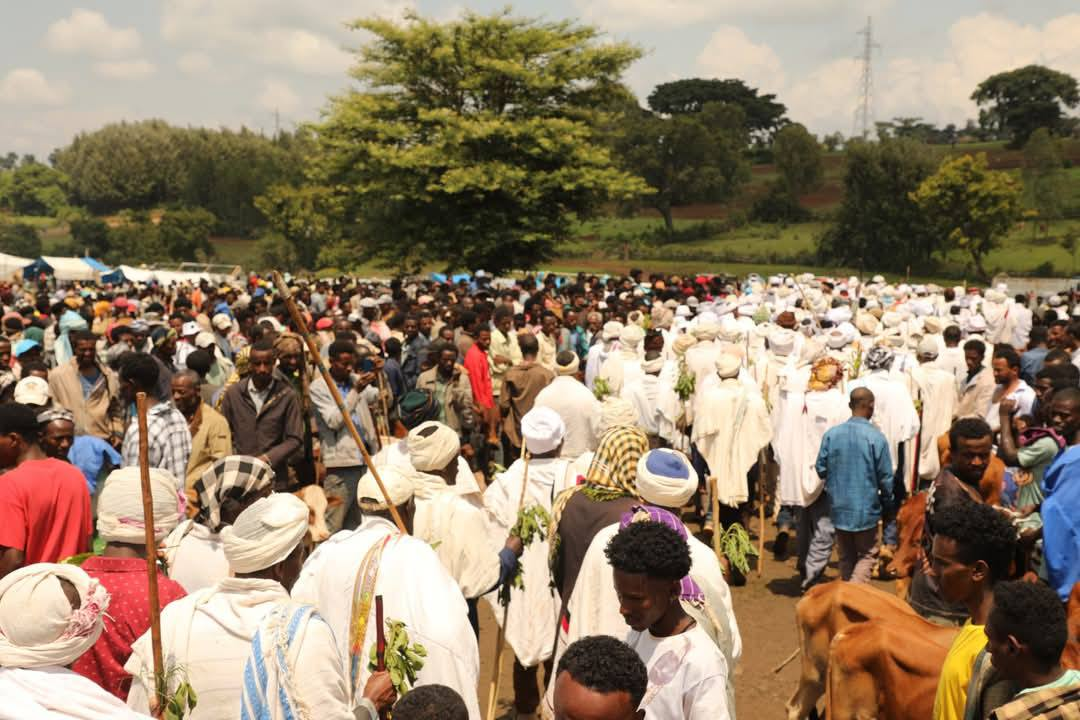
Araara Gadaa Muudanaa: Gogeessa Muudanaa Quufafi Eebbaa
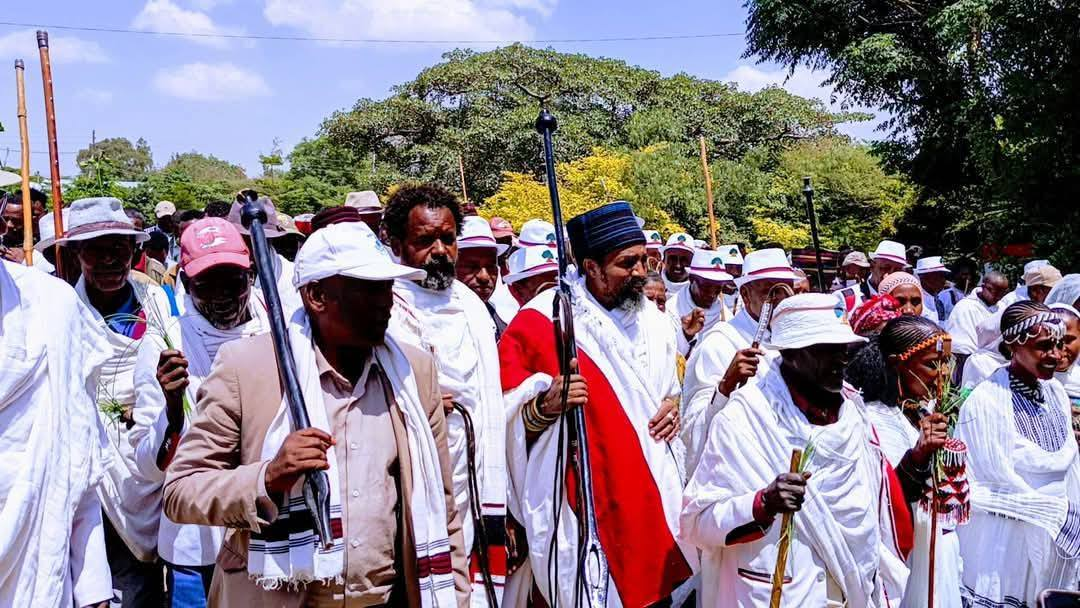
Jilli Godaansa Gadaa Oromoo Tuulamaa Odaa Nabeetti Faajjiifi Birbirsa dhaabuun sirna araaraa gaggeesse.
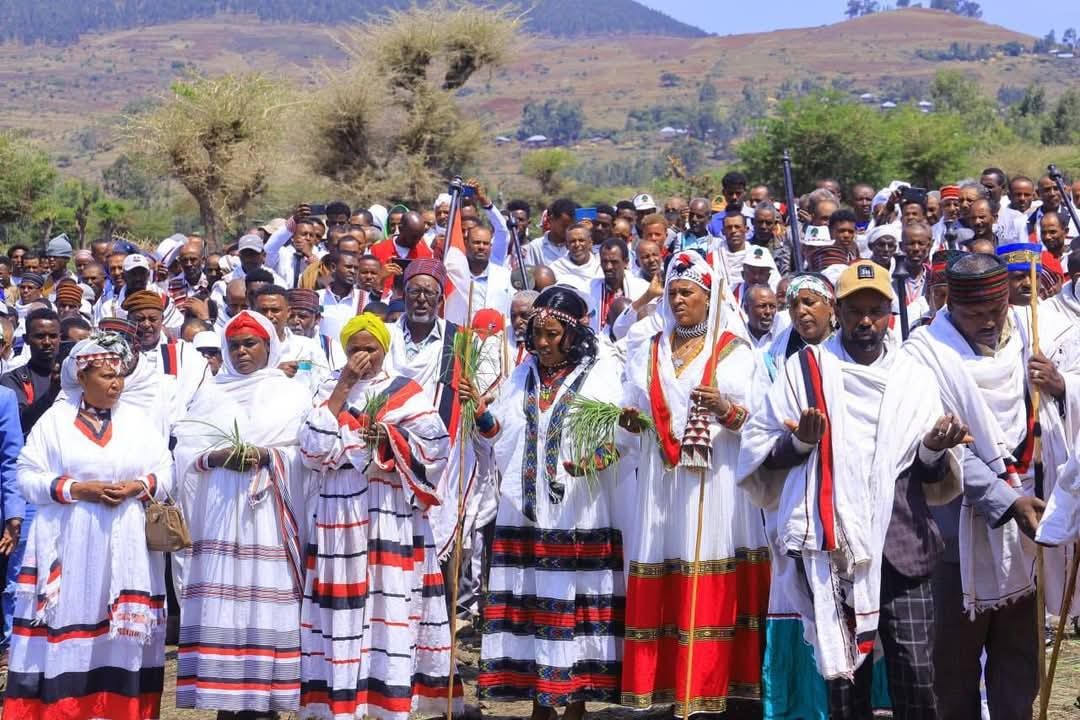
Jilli kun ilmaan Oromoo Tuulama sadeenii Daaccii, Bachoofi Jiille warreen miseensa Gadaa Muudanaatiin kan taasifamu yoota’u, guyyootaaf deemsa gara Odaa Nabeetti taasisan raawwachuun guyyaa har’aa Faajjiifi Birbirsa dhaabuun sirna araaraa erga raawwatanii booda korma qalanii bilachuun qophii godaansa gara Caffee Tumaa taasisan.
Sirna araaraa kanaan waldhabdee gosoota gidduu turan ilaaluun araara gaggeessan. Araara kanaan sirna gumaa kennuufi fudhachuu gosoota gidduu hiikanii, furmaata waaraa dhibdeewwanii turaniif kennameera.
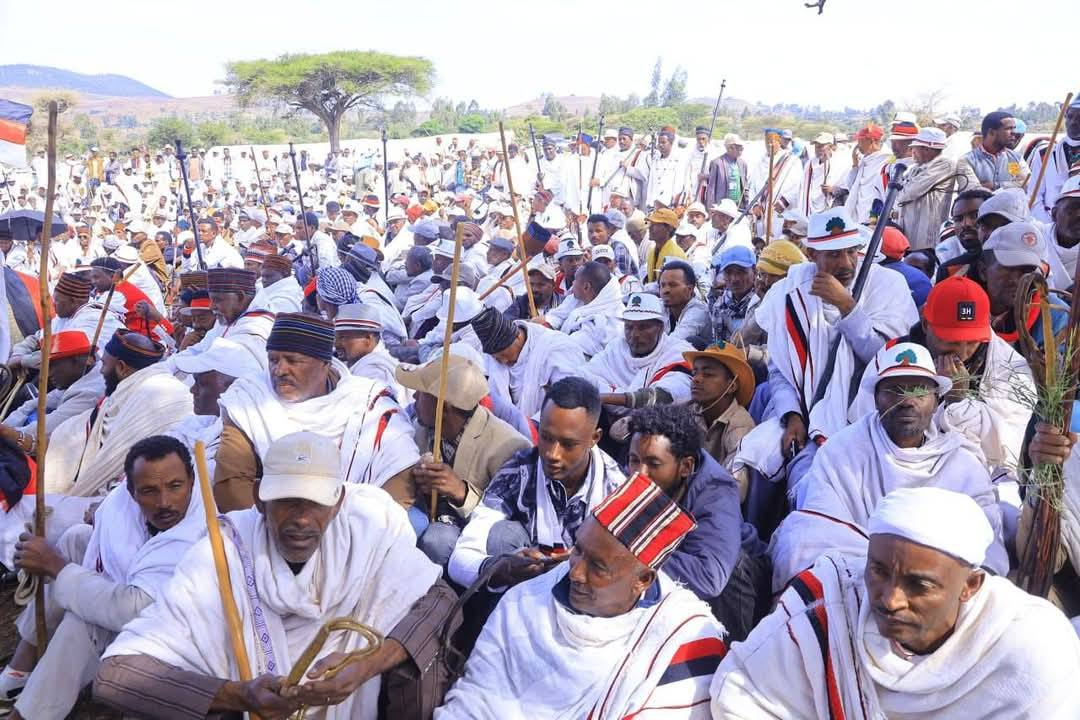
Godaansi kun itti fufuun, Caffee Tumaatti wixinee seeraa baasu. Seerri kun kan Muudanni ittiin waggoota saddeettan dhufaniif bulchudha. Bu’uuruma kanaan seera haaraa baasuufi kan ture fooyyessuun, miseensonni Muudanaa seera bahe fudhatanii gara qe’eefi gosa isaanitti deebi’uun, Bultoo Bulanii miseensota gadaa hafaniifi ummata bal’aaf seera bahe dhaqqabsiisu.
Ummannis seera bahe gabbisuun, waan dabalamu qabuufi waan hir’achuu qabu erga dhiyeessaniin booda, waggaa tokko booda muudanni gara Caffee Tumaa deemuun seera raggaasisa. Seera raggaasifame kanaan, miseensi Gadaa Muudanaa yemmuu Baallii fudhatu, waggoottan saddeet dhufaniif ittiin kan bulchuudha.
Mootummaan gama aadaa, duudhaa, beekumsaa Oromoo dagaagsuu ilaalchisee tarkaanfii addaa addaa fudhateera. Hojiilee dursee raawwate keessaa tokko galmoota gulantaa qabsoo ummata Oromoo madaalan bocuu ture. Galmoonni sabboonummaa gochaatin ibsaman keessaa tokko “sirna cimaa ijaaruu”dha.
Galmi kun gama tokkoon aadaa (seenaa, duudhaa, safuufi eenyummaa) ummata Oromoo bu’uura kan taasisuu yoota’u, sagantaaleen kamuu yaadamuma kana hordofanii kan bocamanidha. Jalqabbii tureen yaadamoonni aadaa ummata keenyaa irraa sirnoome milkaa’inoota qabatamaa hedduuf ka’umsa ta’aniiru. Fuldurattis Mootummaa dhimma eenyummaa, aadaafi qaroomina ummata eeguufi dhaloota dhufutti ceesisuu ilaalchisee deeggarsafi ittigaafatamummaa kamuu kan bahatuudha.
Gogeessi Muudanaa quufafi eebbaa!
Gadaafi sirni isaa guutuudha!
 Oromedia