Remembering Obbo Dootii Turaa: A Legacy of Oromo Leadership
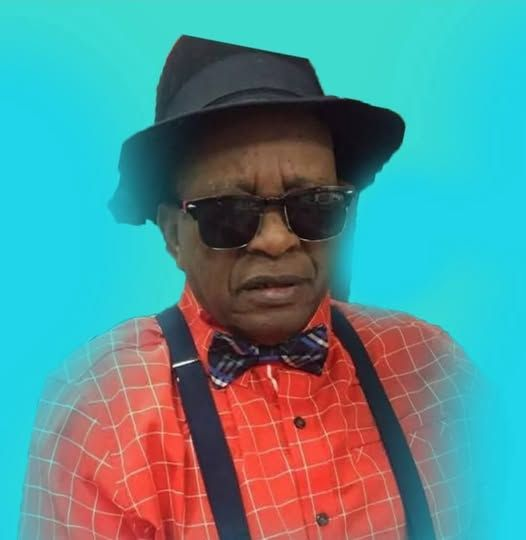
The Oromo Liberation Front (OLF) has announced the passing of the esteemed Oromo freedom fighter and elder, Obbo Dootii Turaa, expressing its profound sorrow at this great loss.
In an official statement, the OLF conveyed that the death of Obbo Dootii Turaa has left them with a sense of deep and immense grief.
Obbo Dootii was born in 1925 in Nageellee Arsi, Arsi West Zone, in the Southeastern part of Oromia. From a young age, he was deeply conscious of his identity. After completing his elementary education, he became a teacher in his home region, serving in Goobee town and later in Maqii, in East Shewa. In this role, he was dedicated to educating his people on various subjects, ensuring they knew their culture and identity, and teaching them about the realities of living under a foreign colonial system.
After moving to Finfinnee (Addis Ababa), he continued his education and, during the reign of Haile Selassie, ventured into business. He built a family home and a business enterprise, and he strategically used the wealth he accumulated to openly support the Oromo struggle for liberation.
He actively participated in the resistance against the feudal regime, taking part in the 1960s student movements and the initial organized resistance. He also supported the Macca and Tuulama Self-Help Association, contributing his professional skills and financial resources in a significant and visible manner.
Furthermore, during a time when few were dedicating themselves to the cause, Obbo Dootii transformed his business into a meeting place for freedom fighters and his family home into a safe house for them. He also provided material support to the Oromo Liberation Army (OLA).
Through his overt and covert work, he collaborated with members and supporters of the OLF, such as the late Luba Guddinaa Tumsaa, Baaroo Tumsaa, Muhee Abdoo, and former OLF High Council member Magarsaa Barii. He was subsequently accused by the oppressive regime of the time and imprisoned for ten years alongside Luba Guddinaa Tumsaa.
Throughout successive Ethiopian regimes—the Haile Selassie monarchy, the Derg, and the TPLF/EPRDF—Obbo Dootii Turaa was repeatedly imprisoned and severely persecuted.
Under the particularly brutal repression of the EPRDF/TPLF/OPDO regime, he was forced into exile, ultimately living as a refugee in the United States.
Obbo Dootii Turaa was a wise Oromo elder, a visionary leader, and a respected authority on Oromo affairs and identity. He remained unwavering in his commitment to Oromo freedom until his final days. He passed away on November 18, 2025, in the United States, at an advanced age after a period of illness.
Remembering Obbo Dootii Turaa: Oromo Freedom Fighter
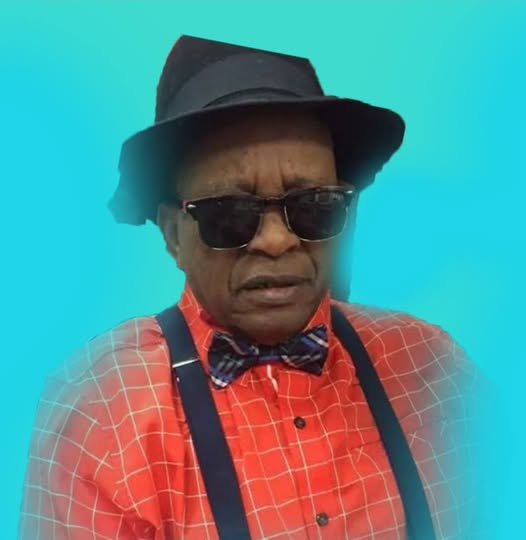
Condolence Statement
On the Passing of Oromo Freedom Fighter and Elder, Obbo Dootii Turaa (1925-2025)
Oromo Liberation Front (OLF)
The Oromo Liberation Front (OLF) expresses its profound and deepest sorrow at the passing of the esteemed Oromo freedom fighter and elder, Obbo Dootii Turaa.
Obbo Dootii was born in 1925 in Nageellee Arsi, Arsi West Zone, in Southeastern Oromia. From a young age, he was deeply conscious of his identity. After completing his elementary education, he became a teacher in his home region, first in Goobee and later in Maqii, in North Shewa. In this role, he was dedicated to educating his people about their culture and history, teaching them about Oromo identity and the realities of living under a colonial system.
After moving to Finfinnee (Addis Ababa), he pursued business during the reign of Haile Selassie. He strategically used the wealth he accumulated to openly support the Oromo struggle for liberation.
He actively participated in the resistance against the feudal regime, taking part in the 1960s student movements and the initial organized resistance, including supporting the Macca and Tuulama Self-Help Association. He was among the few who dedicated their lives to the cause, transforming his business into a meeting place for freedom fighters and his home into a safe house. Furthermore, he provided material support to the Oromo Liberation Army.
Through his overt and covert work, he collaborated with members and supporters of the OLF, such as the late Luba Guddinaa Tumsaa, Jaal Baaroo Tumsaa, Jaal Muhee Abdoo, and former OLF High Council member Jaal Magarsaa Barii. He was subsequently accused by the oppressive regime of the time and imprisoned for ten years alongside Luba Guddinaa Tumsaa.
Throughout successive Ethiopian regimes—the Haile Selassie monarchy, the Derg, and the TPLF/EPRDF—Obbo Dootii Turaa was repeatedly accused, imprisoned, and severely persecuted. Under the particularly brutal repression of the EPRDF/TPLF/OPDO regime, he was forced into exile, ultimately living as a refugee in the United States.
Obbo Dootii Turaa was a wise Oromo elder, a visionary leader, and a respected authority on Oromo affairs and identity. He remained unwavering in his commitment to Oromo freedom until his final days. He passed away on November 18, 2025, in the United States, at an advanced age after a period of illness.
The Oromo Liberation Front (OLF) conveys its heartfelt condolences and shares in the grief of his family, relatives, and the wider Oromo nation. We pray for strength and resilience during this difficult time.
A Fighter Falls, The Struggle Continues!
Victory to the Masses!
Oromo Liberation Front (OLF)
November 18, 2025
Finfinnee
The Gada System: A Living Legacy Passed to a New Generation
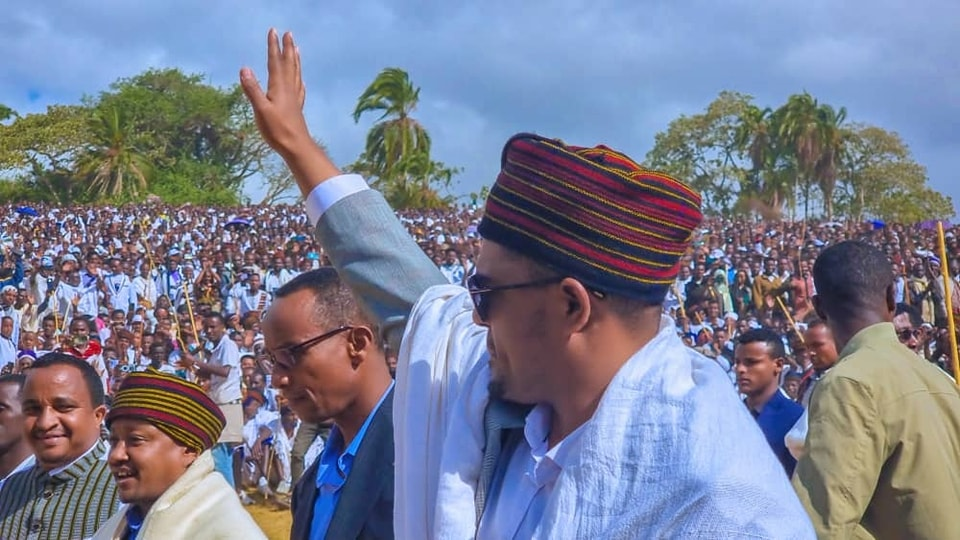
The Gada system is the proud heritage of the Oromo people. It is a system of bravery and discipline, founded on structured laws, principles, and timelines.
For over a century, the succession of Gada assemblies faced suppression and was pushed to the brink of being lost to the harsh pressures of the time. However, because our people held steadfast to their system and culture, it has not only been revived but has also gained worldwide recognition. As is well known, the Gada system is registered by the United Nations Educational, Scientific and Cultural Organization (UNESCO) as an Intangible Cultural Heritage of Humanity.
The Guji Oromo have played an exceptional role in preserving this system to the present day. For the Guji, Gada is not just for the leaders; the entire community forms the foundation of this system. As evidence, since 1424 [2012 EC], the Guji have recorded every Abbaa Gada who has led them through successive generations, without significant error or omission. In that year, following established tradition, they gathered at Me’ee Bokkoo for the transfer of power (Baallii), establishing laws and conducting various rituals and ceremonies.
In accordance with Oromo law and tradition, the assembly sat continuously at Me’ee Bokkoo for the past seven days. They established and proclaimed the nine articles of “The Wayyooma Waaqaa Lafaa and the Bulii Olii of Sons and Daughters.” This assembly has a father. Its father is Abbaa Gadaa Jiloo Maandhoo. He was the 74th Haaganaa, or General Abbaa Gadaa, of the Guji.
The process for the 75th Baallii transfer has been completed. Abbaa Gadaa Jiloo Maandhoo has concluded his term and received his honor (daraaraa). He was celebrated with the verse:
“Hoo’aa mi’ii gadaa tiyyaa
Hoo’aa itittuu gadaa tiyyaa
Hoo’aa areera gadaa tiyyaa
Hoo’aa daraaraa gadaa tiyyaa”
(Farewell, the council of my Gada; / Farewell, the foundation of my Gada; / Farewell, the legacy of my Gada; / Farewell, the honor of my Gada.)
The Gada power has moved from Gadaa Harmuufa to Gadaa Roobalee. Abbaa Gadaa Jaarsoo Dhugoo has received the Baallii! The former Abbaa Gadaa, Jiloo Maandhoo, has become an elder! The door has been closed! The door is now closed!
This is how the Oromo people have brought the Gada system to this day. As a member of this generation, witnessing the Gada assembly at Me’ee Bokkoo and the peaceful transfer of power for the 75th time filled me with immense joy.
The core mission of our Reformist Government is to restore the Oromo people to their culture and identity. Consequently, we are focusing significant effort on revitalizing it for the benefit of our society. The Gada system is being integrated into the educational curriculum, taught from primary school levels. At the higher education level, we are encouraging research leading to Master’s and PhD degrees.
Furthermore, we are working to re-establish and institutionalize Gada values. By drawing from its philosophy, we have established the Cultural Court of Law to ensure restorative justice. We have institutionalized community service to strengthen social bonds.
To foster mutual support and responsibility, we have re-established the Buusaa Gonofaa system. Going a step further, we are providing nutritious meals to schoolchildren, building a healthy future generation. We are establishing the Gaachana Sirnaa (Security Institutions) to ensure public safety. In the future, these civic institutions will continue to expand their reach and efficiency.
Me’ee Bokkoo is a sacred site. For generations, it has been a center for legislative debate and judicial verdicts. Because it is where the Gada assembly convenes for the transfer of power, it is the parliamentary center for the Guji Oromo. It is a place of respect and cleanliness. This is why the Guji invoke the name of Me’ee Bokkoo when they pray to Waaqaa.
In this spirit, the Oromia Regional Government announces that the ceremony for the 76th Baallii transfer will be preceded by the construction of a grand amphitheater at Me’ee Bokkoo, as a cultural center.
I extend my congratulations—baga geessan—to the Guji people and all Oromo people, for successfully reaching the 75th Gada transfer at Me’ee Bokkoo. My hope and vision for the coming years is that it will be a time when our culture flourishes and our identity is fully restored.
Gadaan quufaa gabbina (The Gada of Quufa is prosperity);
Gadaan Roobalee misa (The Gada of Roobalee is honey).
Horaa Bulaa; Deebanaa! (The Hora of Bulaa shall return!)
President of the Oromia Regional Government
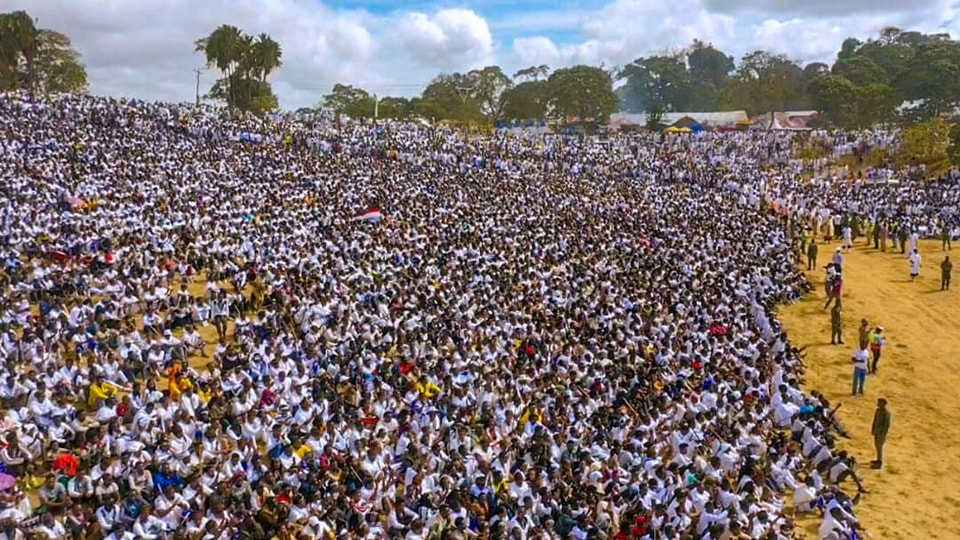
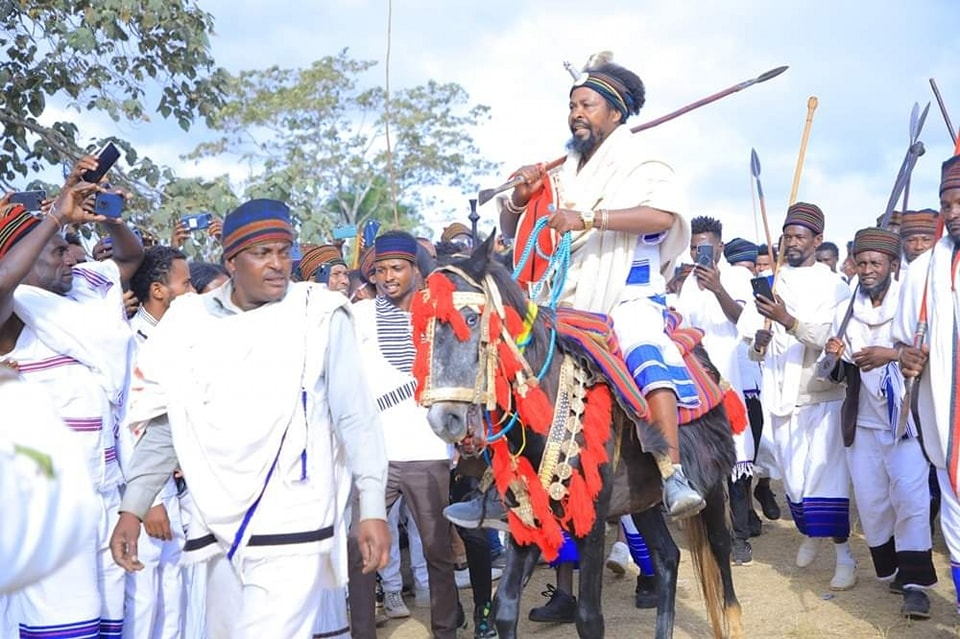
Oromo Story
The Oromo Story: A Living Tradition of History, Myth, and Memory
An “Oromo story” embodies the vast and vibrant tapestry of oral traditions, historical narratives, and collective experiences of the Oromo people, the largest ethnic group in Eastern Africa. Primarily inhabiting Ethiopia and northern Kenya, the Oromo have preserved their identity through a powerful oral culture, passing down through generations a rich heritage of myths, legends, folktales, and biographies of pivotal figures.
Historical and Cultural Narratives
These stories are deeply rooted in the Oromo experience as pastoralists and agriculturalists, chronicling their history of resilience against marginalization and their enduring efforts to safeguard a unique cultural identity. The narratives weave together epic events like the Great Oromo Migrations, the evolution of the sophisticated Gadaa system of democratic governance, the spiritual beliefs of Waaqeffanna, and the profound rites of passage that mark a lifetime—from birth and marriage to funeral ceremonies.
Exemplar: The Tale of Hawecha the Dreamer
A quintessential story from this tradition is that of Hawecha, a revered prophetess who lived two centuries ago. In an era dominated by male leadership, Hawecha emerged as a central spiritual figure, renowned for her prophetic dreams. Her visions, which foretold wars, famines, and epidemics, remain a celebrated part of Oromo folklore, underscoring the vital role of women’s wisdom and mystical insight. The enduring legacy of Hawecha’s story serves to inspire and guide the community, reflecting core Oromo values of prophecy, collective well-being, and resilience.
Stories of Struggle and Survival
The Oromo narrative tradition also gives voice to profound historical trauma, including the harrowing accounts of Oromo children enslaved in the late 19th century. Preserved in autobiographical records, these stories transform past suffering into a testament of survival, offering critical insight into the unyielding endurance of Oromo identity despite forced displacement and immense hardship.
Enduring Themes in Oromo Stories
Across this diverse body of work, several powerful themes resonate:
· The central importance of community and familial bonds.
· A deep reverence for ancestors, the natural world, and spiritual beliefs.
· Foundational lessons in justice, resilience, and ethical leadership.
· The crucial preservation of language and collective memory through oral tradition.
More than mere tales, Oromo stories are the vital vessels of identity, cultural values, and shared aspirations. They are the living thread that sustains cultural continuity, ensuring the survival of the Oromo spirit through centuries of challenge and change.
Ethiopian Opposition Calls for Fair 2026 Election Conditions
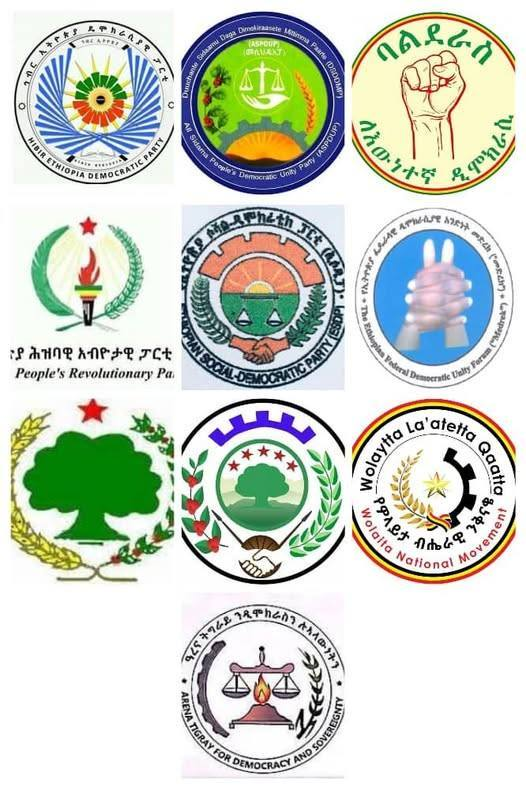
Press Release: Ethiopian Opposition Parties Outline Fundamental Preconditions for a Credible 2026 Election
Addis Ababa, November 12, 2025 – The undersigned coalition of Ethiopian opposition parties has closely monitored the National Electoral Board of Ethiopia’s (NEBE) preliminary activities concerning the 2026 General Election.
While we acknowledge this as a procedural step, we state unequivocally: in the complete absence of a democratic foundation in Ethiopia today, and without a guaranteed conducive environment, this exercise is a hollow and meaningless endeavor.
Historically, Ethiopian elections have been political performances designed to legitimize an authoritarian system. They have been neither free nor fair, their results neither credible nor publicly accepted. Consequently, they have exacerbated conflict and instability rather than resolving the nation’s profound political crises. A genuine election must be an expression of citizens’ democratic rights, not a tool for rulers to consolidate power.
Therefore, for the 2026 election to represent a genuine step toward lasting peace and a decisive break from this past, we insist that creating a conducive environment is not optional, but an absolute prerequisite. Before any discussion of an electoral calendar can begin, the Ethiopian government must take immediate and concrete action on the following non-negotiable foundational conditions:
1. An Inclusive National Dialogue and Political Settlement
The government must immediately initiate a comprehensive political dialogue with all opposition parties, including those in exile and armed struggle, to agree on a shared roadmap for a genuine democratic transition. An election held without prior national consensus on the nation’s existential issues will only deepen the crisis and cannot produce a legitimate outcome.
2. An End to Armed Conflict and Guaranteed Security
The devastating wars in Oromia, Amhara, Tigray, Afar, and beyond must be brought to a swift, permanent, and verifiable end. Peace and security are the bedrock of any credible election. All parties, candidates, voters, and observers must be able to operate freely and safely across the entire country.
3. The Unconditional Opening of Political Space
The government must immediately and unconditionally release all political prisoners. Hundreds of illegally shuttered opposition party offices must be reopened, and the systematic harassment and intimidation of political opponents must cease. Participating in an election while our leaders are imprisoned and our offices are closed is not a credible democratic process.
4. Fundamental Institutional and Legal Reforms
We question the capacity and independence of the NEBE and demand its reconstitution—from the board level to polling station staff—through a transparent, consensus-based process with full political party participation. The electoral law must be fundamentally amended to ensure a fair, inclusive, and proportional system, including the removal of the restrictive support signature requirement.
5. Guaranteed Neutrality of State Institutions
A legally binding agreement must ensure the tangible neutrality of all security forces (defense, police, intelligence) and the judiciary. These institutions must serve the constitution and the nation, not the ruling party. A secure environment where citizens can vote without fear is non-negotiable.
6. Unfettered Press Freedom
The persecution of journalists must end, and all legal barriers stifling independent media must be removed. All local and international media must have equal access to information and polling stations, and face no restrictions on dissemination.
7. Robust Observation by Domestic and International Monitors
The government must legally guarantee the unhindered participation of credible domestic and international observers throughout the entire electoral process. The NEBE’s deployment of unvetted “domestic observers” is insufficient and will not guarantee credibility.
A Call for Verification and Unity
To ensure these are not empty words, the fulfillment of these conditions must be verified by independent international actors, including the African Union (AU), European Union (EU), and United Nations (UN). Public trust must be built through reliable agreements among all electoral stakeholders.
We therefore issue a collective call to the government and ruling party to immediately begin fulfilling these preconditions.
We also call upon all genuine democratic political parties, civic organizations, media, and the people of Ethiopia to unite in demanding this democratic foundation. The 2026 election can only be historic if we first build the ground upon which it can stand. Our mission for unity cannot be postponed.
Finally, we call upon Ethiopia’s international partners and friendly nations to stand with the Ethiopian people in this struggle to build a democratic system, thereby rendering a great service to our nation and its future.
Unity is Strength! A United Struggle Will Prevail!
List of Signatory Parties:
- Hibir Ethiopia Democratic Party (Hibir Ethiopia)
- All Sidama People’s Democratic Unity Party (ASPDUP)
- Balderas for Genuine Democracy (Balderas)
- Ethiopian People’s Revolutionary Party (EPRP)
- Ethiopian Social Democratic Party (ESDP)
- Ethiopian Political Parties Joint Forum (MEDREK)
- Oromo Liberation Front (OLF)
- Oromo Federalist Congress (OFC)
- Wolaytta National Movement (WNM)
- Arena Tigray for Democracy and Sovereignty (Arena Tigray)
November 12, 2025, Addis Ababa, Ethiopia
Oromo Rights Protest Held in London, Demanding International Action on Ethiopia
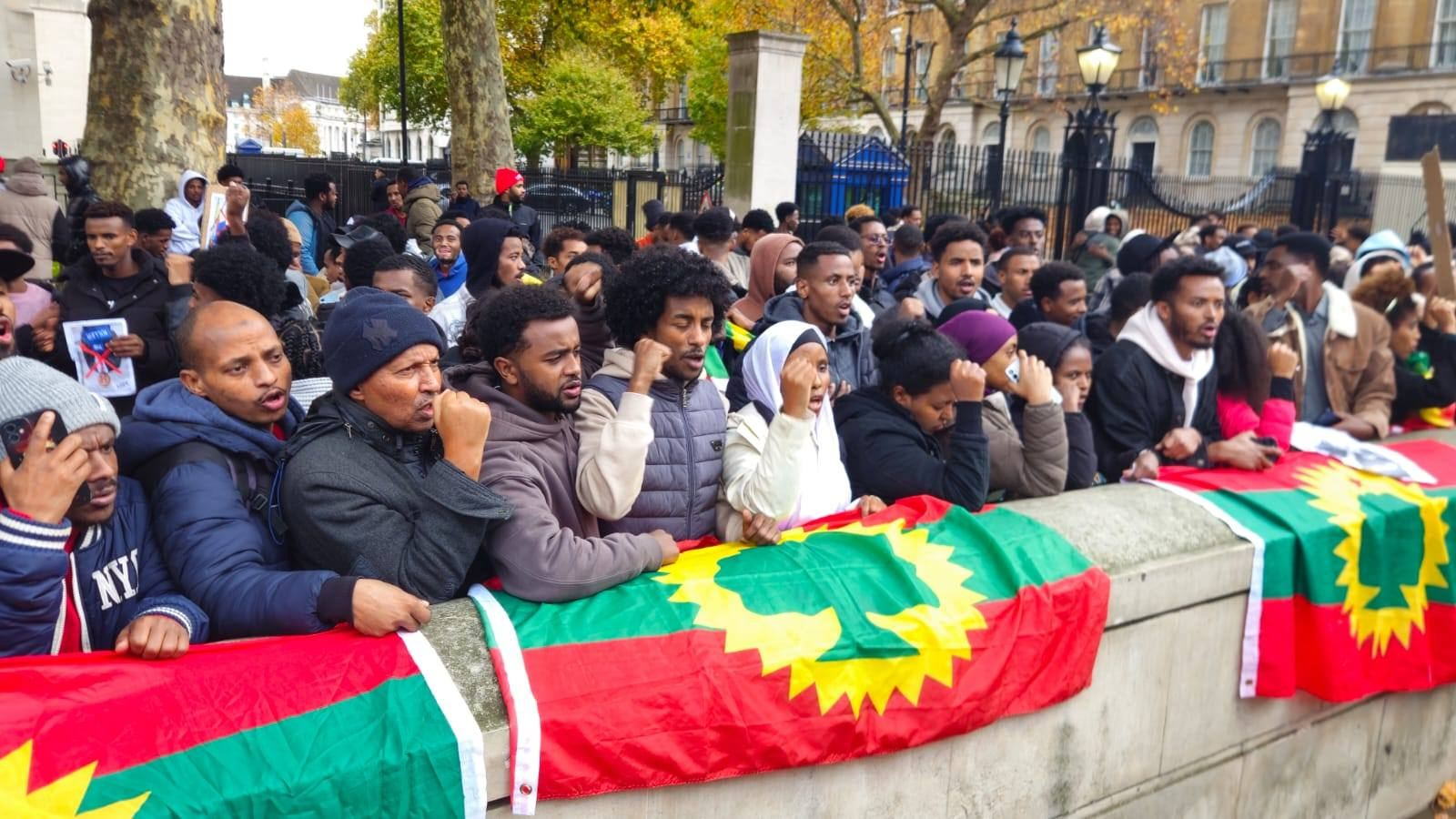
LONDON, UK – December 10, 2025 – A protest organized under the banner “Tumsa Haqa Oromoo” (Support Oromo Rights) was held in London, with participants calling for an end to human rights abuses in Ethiopia and international intervention to halt the ongoing violence in the Oromia region.
According to Dr. Gizaaw Taasisaa, a member of the organizing committee who spoke to OMN, the protest’s key objectives were to condemn the widespread human rights violations and killings targeting the Oromo people, demand an end to the attacks on Oromia’s borders, and urge the global community to take decisive action.
Protesters highlighted that the offensive on Oromia’s borders has enabled militias, particularly the “Fino” in Western and Central Oromia, to carry out mass killings against civilians.
Key Demands Presented
As outlined by Dr. Gizaaw Taasisaa, the demonstrators presented several critical demands to the Ethiopian government:
- Immediately halt the forced conscription of children into the military.
- Cease the killings of Oromo civilians.
- End the genocide and the military operations being conducted across Ethiopia.
- Withdraw all forces from Oromia.
Furthermore, protesters called for justice and accountability, demanding:
- The cases of murdered artists and activists, including Haacaaluu Hundeessaa and Battee Urgeessaa, and all other victims be brought to light.
- The unconditional release of all political prisoners in Ethiopia.
- That Ethiopian officials responsible for crimes be brought before international courts.
Focus on Dirree Dhawaa and International Complicity
The protest also specifically condemned the government’s ongoing attacks in the Somali regional state against Oromia. Dr. Gizaaw Taasisaa emphasized that the city of Dirree Dhawaa is historically, legally, demographically, and geographically part of Oromia.
Finally, the demonstrators called on the UK Government and international financial institutions to suspend all financial and diplomatic support to the Ethiopian government. A formal petition detailing these grievances was also submitted to the UK Foreign Office.

የግጭቶች መቆምና የፀጥታ ዋስትና
በኢትዮጵያ ነፃና ፍትሃዊ ምርጫ ለማካሄድ የሚያስችሉ ሁኔታዎችን ስለመፍጠር ከተቃዋሚ ፓርቲዎች የተሰጠ ጋዜጣዊ የጋራ መግለጫ
*************
ቀን መቁጠሪያ ዴሞክራሲ አይደለም፤ ለ2018 ዓ.ም ምርጫ የተጀመረውን እንቅስቃሴ አስመልክቶ የምርጫ ሂደቱ ከመጀመሩ በፊት መሰረታዊ ማሻሻያዎች እንዲደረጉ በጋራ እንጠይቃለን።
እኛ ስማችን ከሥር የተዘረዘረው የተቃዋሚ ፓርቲዎች የኢትዮጵያ ብሔራዊ ምርጫ ቦርድ ለ2018 ዓ.ም.ጠቅላላ ምርጫ እያደረገ ያለውን እንቅስቃሴ በቅርበት እየተከታተልን ነው፡፡ ይህንን የአሰራር ሂደት ከቦርዱ ተግባርና ኃላፊነት አንጻር የምንገነዘብ ቢሆንም፣ ዛሬ በኢትዮጵያ ውስጥ ምንም አይነት የዴሞክራሲያዊ ሂደት መሰረት በሌለበት ሁኔታ፤ በተጀመረው እንቅስቃሴ አስቻይ ሁኔታዎች መኖራቸው ባልተረጋገጠበት ጥረቱ ሁሉ ትርጉም አልባ መሆኑን በግልፅ መናገር እንፈልጋለን።
ቀደምት የኢትዮጵያ ምርጫዎች አግላይ፣ ጠቅላይና አምባገነናዊ ለሆነ የፖለቲካ ስርዓት ህጋዊነትን ለማላበስ የሚደረጉ የፖለቲካ ትወናዎች ሆነው ቆይተዋል። እነዚህ ያለፉት ምርጫዎች በሂደታቸው ነፃ፣ፍትሃዊና አሳታፊ፣ በውጤታቸውም ተኣማኒና በህዝብ ተቀባይነት ያገኙ አልነበሩም።
በዚህም ምክንያት የሀገሪቱን ጥልቅ የፖለቲካ ችግሮች ከመፍታት ይልቅ የግጭትና ያለመረጋጋት አዙሪትን ሲያባብሱ ቆይተዋል። እውነታው ምርጫ የዜጎች ዲሞክራሲያዊ መብት መገለጫ እንጂ የገዢዎች ሥልጣን ማስረገጫ ሊሆን አይገባም:: ስለሆነም የ2018 ዓ.ም. ምርጫ ካለፈው ታሪክ የተለየና አስተማማኝ ሰላም ለመገንባት የሚያስችል እውነተኛ እርምጃ እንዲሆን፤ ምቹ ሁኔታ መፍጠር አማራጭ ሳይሆን ቅድመ ሁኔታ መሆኑን አበክረን እናሳስባለን ፡፡
ስለሆነም ሀገራችን ስለምርጫ ፍኖተ ካርታው/ ሂደቱም ሆነ የጊዜ ሰሌዳው ትርጉም ባለው ደረጃ ከመወያየቷ በፊት የኢትዮጵያ መንግስት በሚከተሉት የማይታለፉ መሰረታዊ ሁኔታዎች ላይ አፋጣኝና ተጨባጭ እርምጃዎችን እንዲወስድ ጥሪ እናቀርባለን። እኛ ተቃዋሚ ፓርቲዎች በኢትዮጵያ ውስጥ ነፃ፣ ፍትሃዊና ተዓማኒነት ያለው ምርጫ ሊካሄድ የሚችለው መሰረታዊ ዲሞክራሲያዊ ሁኔታዎች ሲሟሉ ብቻ መሆኑን በተደጋጋሚ በጋራና በተናጠል ስናሳስብ ቆይተናል። በመሆኑም አሁንም ለዲሞክራሲያዊ ምርጫ መካሄድ ወሳኝ ናቸው የምንላቸው የሚከተሉት ቅድመ ሁኔታዎች እንዲሟሉ አጥብቀን እንጠይቃለን፡፡
1. ሁሉን አቀፍ የፖለቲካ ድርድር
መንግስት ከሁሉም ተቃዋሚ ፓርቲዎች ጋር በእውነተኛ የዴሞክራሲያዊ ሽግግር የጋራ ፍኖተ-ካርታ ላይ ለመስማማት የሚያስችል አፋጣኝና ሁሉን አቀፍ ፖለቲካዊ ውይይት መጀመር አለበት። ምርጫ ከመካሄዱ በፊት በስደትና በትጥቅ ትግል የሚገኙትን ጨምሮ በሁሉም የፖለቲካ ሃይሎችና ባለድርሻ አካላት መካከል ሁሉን አቀፍ ውይይት በማድረግ ብሔራዊ መግባባት መፍጠርና ዕርቅ ማውረድ አስፈላጊ ነው። በሀገሪቱ አንገብጋቢ ጉዳዮች ላይ ሰፊ ውይይትና ድርድር ሳይደረግና ስምምነት ላይ ሳይደረስ የሚካሄድ ምርጫ የፖለቲካ ቀውሱን ከማባባስ ውጪ መፍትሄ ሊያመጣ አይችልምና በድርድር ስምምነት ላይ ሊደረስ ይገባል።
2. የግጭቶች መቆምና የፀጥታ ዋስትና
መንግሥት የሀገሪቱን ሠላና ጸጥታ የማረጋገጥ ቀዳሚና ዋነኛ ተግባርና ኃላፊነቱ ቢሆንም በኦሮሚያ፣ በአማራ፣በትግራይ፣ በአፋርና በሌሎች የሀገሪቱ ክልሎች እየተካሄዱ ያሉ አውዳሚ ጦርነቶችና ግጭቶች እየተሰፋፉና እየከፉ ነው፡፡ ይህ እውነታ በአፋጣኝ፣ በቋሚነትና በሚረጋገጥ መልኩ መቆም አለበት። ሰላምና ፀጥታ ለማንኛውም አስተማማኝ ምርጫ መሰረት ሲሆኑ፣ ፓርቲዎችና እጩዎቻቸው፣ መራጮች፣ ገለልተኛ ታዛቢዎችና የዲሞክራሲ ተቋማት/ መገናኛ ብዙሃን በመላ ሀገሪቱ በነፃነትና በደህንነት መንቀሳቀስ ለምርጫው ተኣማኒነት፣ ተቀባይነትና ዲሞክራሲያዊነት ወሳኝ ናቸው።
3. የፖለቲካ ምህዳሩ ያለ ምንም ቅድመ ሁኔታ መከፈት
መንግስት አሁንም በግፍ ታስረው የሚገኙ የፖለቲካ ፓርቲ አመራሮችና አባላትን ጨምሮ ሁሉንም የፖለቲካ እስረኞች ያለ ምንም ቅድመ ሁኔታ በአፋጣኝ መልቀቅ አለበት። በህገ-ወጥ መንገድ በመላ ሀገሪቱ የተዘጉ በመቶዎች የሚቆጠሩ የሁሉም የተቃዋሚ ፓርቲ ቢሮዎች እንዲከፈቱ መደረግና በፖለቲካ ተቃዋሚዎች ላይ የሚደርሰው ማዋከብና ማስፈራራት ሙሉ በሙሉ መቆም አለበት። አሁን ባለው ሁኔታ አብዛኞቹ የፓርቲ አመራሮችና አባላት በእስር ላይ በሚገኙበትና ቢሮዎቻቸው በተዘጉበት ሁኔታ በምርጫ መሳተፍ እጅግ ፈታኝ ብቻ ሳይሆን ከአጃቢነት ያለፈ ፋይዳ አይኖረውምና መስተካከል እንዳለበት ይታመናል።
4. መሰረታዊ የዲሞክራሲ የተቋማትና የህግ ማሻሻያዎች
የህዝብን እምነት ለመመለስ ቁልፍ የዴሞክራሲ ተቋማት ከተጽዕኖ ነጻ የሆነ እንቅስቃሴ ማድረግ አለባቸው። እኛ ከነዚህ ዋናውን የኢትዮጵያ ብሔራዊ ምርጫ ቦርድ- ምርጫን የማስፈጸም አቅምና ብቃት አለውን ? የሚለውን ጥያቄ አስቀድመን፣ በፖለቲካ ፓርቲዎች ውክልናና ተሳትፎ፣ በግልፅና በስምምነት ላይ በተመሰረተ ሂደት፣ ከላይ/ከቦርዱ እስከ ታቺኛው/ምርጫ ጣቢያ በነጻና ገለልተኛ ብቁ አባላት እንደገና እንዲዋቀር እንጠይቃለን። በተጨማሪም የምርጫ ህጉ ሁሉን አቀፍ፣ ፍትሃዊና ተመጣጣኝ ውክልናን የሚያረጋግጥ ስርዓት ለመፍጠር መሰረታዊ ማሻሻያ ሊደረግበት፣ እና የፓርቲዎች የድጋፍ ፊርማ ማሰባሰብ ድንጋጌ ከህጉ ሊወጣ ይገባል።
5. የመንግስት መዋቅሮች ገለልተኝነት ማረጋገጥ
በእኛ እምነት ገለልተኛና ከፖለቲካ ወገንተኝነት የጸዳ የጸጥታ መዋቅር መፍጠር ለምርጫ ወሳኝ ነው። የጸጥታ ሃይሎች የዜጎችን ሰብአዊና ዲሞክራሲያዊ መብቶች እንዲያከብሩና ለሁሉም ፓርቲዎች እኩል የሆነ የመወዳደሪያ ሜዳ እንዲኖር እንዲያደርጉ እንጠይቃለን። ዜጎች ያለስጋት በሰላም ተንቀሳቅሰው ድምጻቸውን መስጠት የሚችሉበት አስተማማኝ ሁኔታ ሊፈጠር ይገባል። በመሆኑም የፀጥታ ሀይሎች—የመከላከያ ሰራዊት፣ የፌደራልና የክልል ፖሊስ እንዲሁም የደህንነት ተቋማትን—እንዲሁም የፍትህ አካላትን ሙሉና ተጨባጭ ገለልተኝነት የሚያረጋግጥ በህግ የሚያስገድድ የጋራ ስምምነት መኖር አለበት። እነዚህ ተቋማት ገዥውን ፓርቲ ሳይሆን ሐገርንና ህገ-መንግስቱን ማገልገል አለባቸው።
6. የፕሬስ ነፃነትን ማረጋገጥ
በጋዜጠኞች ላይ የሚደርሰው ስደት መቆምና ገለልተኛ ሚዲያዎችን የሚያፍኑ ህጋዊና አስተዳደራዊ እንቅፋቶችን ማስወገድ ለአንድ ግልፅ የምርጫ ሂደት ወሳኝ ነው። ስለሆነም ለሁሉም የአገር ውስጥና የውጪ/ዓለም አቀፍ ሚዲያዎችና ምርጫ ጣቢያዎችና መረጃዎች እኩል ተደራሽነት እንዲኖራቸውና የማሰራጨት ገደብ እንዳያጋጥማቸው ይደረግ ዘንድ ይጠበቃል፡፡
7. የሀገር ውስጥና አለም አቀፍ የምርጫ ታዛቢዎች ተሳትፎ
መንግስት ምርጫው ፍትሃዊ፤ አሳታፊና ነፃ መሆኑን ለማረጋገጥ የሀገር አቀፍና ዓለም አቀፍ ታዛቢዎችና የሌሎች የዲሞክራሲ ተቋማት በምርጫ ሂደቱ ከቅድመ ምርጫ የአስቻይ ሁኔታዎችና የምርጫ ምዝገባና ዝግጅት ዳሰሳ ጥናት እስከ ድኅረ-ምርጫ ኩነቶች ክትትል፣ ከተጽዕኖ ነጻ ሆነው ስለመሳተፋቸው በግልጽ መደንገግና ለተግባራዊነቱም ተገቢና አስፈላጊ ሁኔታዎች መሟላታቸውን ማረጋገጥ አለበት፡፡ ምርጫ ቦርድ የሀገር ውስጥ ታዛቢዎች የሚባሉት ነጻነታቸውና ገለልተኝነታቸው በፖለቲካ ፓርቲዎች ሳይረጋገጥ መመደብ የምርጫውን ተኣማኒነትና ተቀባይነት አያረጋግጥምና ተገቢው ጥንቃቄ ሊደረግ ይገባል፡፡
እነዚህ ተስፋዎች ባዶ ቃላት እንዳይሆኑና የፍትሃዊ ምርጫ አስቻይ ሁኔታዎች መሟላት በአፍሪካ ህብረት (AU)፣በአውሮፓ ህብረት (EU) እና፣ በተባበሩት መንግስታት (UN) በሚገኙ ገለልተኛ አለም አቀፍ ተዋናዮች ክትትል ሊደረግባቸውና በዋና ዋና የምርጫው ተሳታፊዎች – በምርጫ ቦርድ ፣ የፖለቲካ ፓርቲዎች፣ የምርጫ ታዛቢዎች፣ መገናኛ ብዙሃን፣ የዲሞክራሲ ተቋማት መካከል አስተማማኝ መተማመንና ስምምነት መደረስ በይፋ ሊረጋገጥ ይገባል።
ስለሆነም እኛ የመግለጫው ባለቤቶች መንግስትና ገዥው ፓርቲ እነዚህን መሰረታዊ ቅድመ ሁኔታዎች እንዲያሟሉና ለሁሉም ወገኖች ነፃና ፍትሃዊ የሆነ የውድድር ምህዳር እንዲፈጥሩ በድጋሚ ጥሪያችንን እናቀርባለን ። እነዚህ ሁኔታዎች ሳይሟሉ የሚደረግ ማንኛውም ምርጫ የህዝብን ፍላጎት ከመግለጽ ይልቅ የይስሙላ ዲሞክራሲ ማሳያ እንደሚሆን እናምናለን።
እኛ ወደ ዴሞክራሲያዊት ኢትዮጵያ የሚደረገው ጉዞ አንድ ፓርቲ ብቻውን ቀርቶ የተወሰኑ የዲሞክራሲ ተቋማት ብቻቸውን ሊወጡት የማይችሉት ታላቅ ተግባር ነው ብለን በፅኑ እናምናለን ፡፡
ስለሆነም እኛ የዚህ መግለጫ ባለቤት የተቃዋሚ ፓርቲዎች ፡-
– በኢትዮጵያ ውስጥ ላሉ ሃቀኛ ዲሞክራሲያዊ የፖለቲካ ፓርቲዎችና የሲቪክ ሀይሎች፣ የሚዲያ ተቋማት፣…ሁላችንም ባለድርሻ አካላት በአንድነት እንድንቆም ጥብቅና አስቸኳይ ጥሪ እናቀርባለን፡፡
– በሀገር ዘላቂ ሠላምና ልማት፣ ሉዓላዊነትና አንድነት፣ በህዝብ መተሳሰብና መረዳዳት፣ አብሮነትና ፍቅር ያለተቀናቃኝነት በአጋርነት በመቆም እነዚህን መሰረታዊ ቅድመ ሁኔታዎች በጋራ እንጠይቅ ዘንድ ጥሪያችንን እናቀርባለን፡፡
– የ2018 ዓ.ም. ምርጫ ታሪካዊ ለውጥ ሊያመጣ የሚችለው፣ መጀመሪያ መገንባት ያለበትን የዴሞክራሲ መሰረት ከገነባን ብቻ ነውና በአንድነት የመቆማችን ተልዕኮ ለነገ የሚባል አይደለምና እንተባበር ዘንድ ጥሪያችንን እናቀርባለን።
– የኢትዮጵያችን ወዳጅ ሀገራትና አጋር ዓለማቀፋዊ፣ አህጉራዊና ቀጠናዊ ህዝቦች ለሀገራችን ዲሞክራሲያዊ ሥርዓት ግንባታ በምናደርገው ትግል ከጎናችን በመቆም ለሀገራችንና ህዝቦቿ ከፍተኛ ውለታ እንድትውሉ ጥሪያችንን እናቀርባለን፡፡
አንድነት ኃይል ነው!! የተባበረ ትግል ያሸንፋል!!
የተቃዋሚ ፓርቲዎች :-
1) ህብር ኢትዮጵያ ዲሞክራሲያዊ ፓርቲ (ህብር ኢትዮጵያ)
2) የመላው ሲዳማ ሕዝብ ዲሞክራሲያዊ አንድነት ፓርቲ (መሲሕዴአፓ)
3) ባልደራስ ለእውነተኛ ዲሞክራሲ ፓርቲ (ባልደራስ)
4) የኢትዮጵያ ሕዝብ አብዮታዊ ፓርቲ (ኢህአፓ)
5) የኢትዮጵያ ሶሻል ዲሞክራቲክ ፓርቲ (ኢሶዴፓ)
6) የኢትዮጵያ ፖለቲካ ፓርቲዎች አንድነት መድረክ (መድረክ)
7) የኦሮሞ ነጻነት ግንባር (ኦነግ)
8 ) የኦሮሞ ፌዴራሊስት ኮንግሬስ (ኦፌኮ)
9) የዎላይታ ብሄራዊ ንቅናቄ (ዎብን)
10) ዐረና ትግራይ ለዲሞክራሲና ሉዓላዊነት (ዐረና ትግራይ)
አዲስ አበባ፣
ህዳር 03, 2018 ዓ.ም.
Why Sadaasa 9 (November 9) holds a place of supreme importance in the history of the Oromo struggle for freedom?
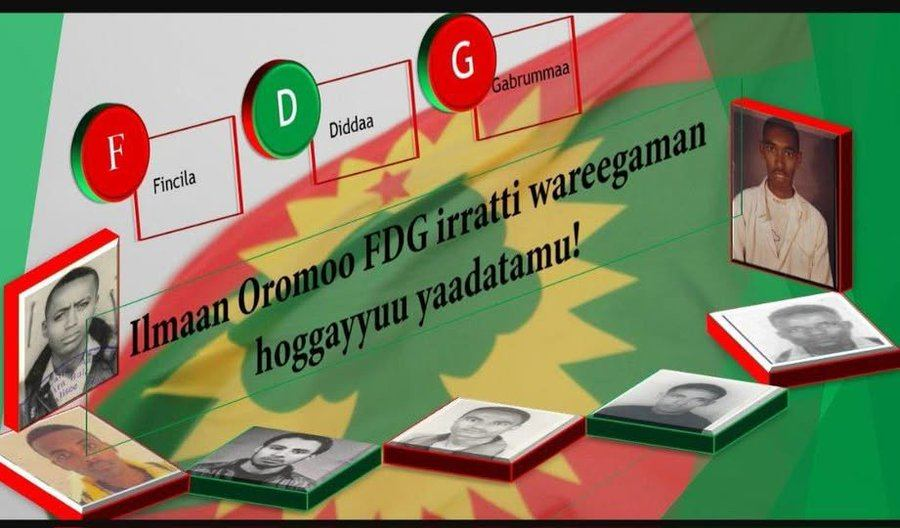
Sadaasa 9 (November 9) holds a place of supreme importance in the modern Oromo struggle for freedom because it marks the beginning of a watershed protest movement that fundamentally transformed the nature of the resistance against the Ethiopian government.
Here is a detailed breakdown of why this date is so significant and is commemorated annually.
1. The Trigger: The “Master Plan” for Addis Ababa
The immediate catalyst was the **2006 Master Plan**, a massive urban expansion scheme by the government that aimed to annex large swathes of Oromia farmland surrounding the capital, Finfinne (Addis Ababa). For the Oromo people, this was not merely a municipal boundary adjustment; it was an **existential threat**. It meant:
* Mass Dispossession: The forced eviction of Oromo farmers from their ancestral land with little to no compensation.
* Cultural Erasure: The further erosion of Oromo identity, sovereignty, and their historical connection to Finfinne.
* Economic Marginalization: The loss of livelihood for millions, turning self-sufficient farmers into a displaced underclass.
The Master Plan was seen as the ultimate symbol of garbummaa (systemic exploitation, subjugation, and denial of Oromo rights) under the Ethiopian state.
2. The Outbreak of the Oromo Protests (Fincila Diddaa Garbummaa – FDG)
In response to this plan, widespread protests erupted spontaneously, primarily led by **Oromo youth (the Qeerroo)**. While discontent had been simmering for decades, **Sadaasa 9, 2015**, marks a pivotal moment when these protests exploded into a coordinated, mass movement.
The protests that began on and around this date were characterized by:
* Mass Mobilization: It was not led by a single political party but was a genuine grassroots uprising involving students, farmers, professionals, and elders across virtually all of Oromia.
* Strategic Non-Violence: Initially, the protests were largely peaceful, involving marches, sit-ins, and the symbolic raising of the Oromo flag.
* A Clear, Unified Message: The protests unified various Oromo grievances—political marginalization, economic exploitation, cultural suppression—under the central demand to cancel the Master Plan and secure Oromo self-rule.
3. The Government’s Brutal Crackdown and Martyrdom
The Ethiopian government’s response was swift and extremely violent. Security forces used live ammunition, mass arrests, torture, and intimidation to crush the protests.
This crackdown had a profound effect:
* Creation of Martyrs: Hundreds, and eventually thousands, of unarmed protesters were killed. Sadaasa 9 became a day to remember these wareegamtoota (martyrs) who gave their lives for the cause.
* International Spotlight: The brutal suppression drew unprecedented international attention from human rights organizations like Amnesty International and Human Rights Watch, global media, and diplomats, putting the Ethiopian government under intense scrutiny.
* Radicalization of the Movement: The violence convinced many Oromos that peaceful protest was futile, further cementing their resolve and transforming the **Qeerroo** into a formidable, disciplined force for change.
4. A Historic Turning Point
The protests that began on Sadaasa 9, 2015, ignited a fire that could not be extinguished. They:
* Shattered the Climate of Fear: For the first time in a generation, the Oromo public massively and openly defied the state.
* Forged a New Generation of Leaders: The **Qeerroo** movement demonstrated immense organizational skill and strategic patience.
* Laid the Groundwork for Political Change: The sustained pressure from these protests over the next three years critically weakened the ruling party and was the primary force that led to the resignation of Prime Minister Hailemariam Desalegn and the rise of Abiy Ahmed in 2018. The **Master Plan was officially canceled** in January 2016 as a direct result of the protests.
—
Summary: Why Sadaasa 9 is Commemorated
In essence, Sadaasa 9 is commemorated because it marks the birth of the Oromo Protest Movement—a decisive, transformative moment in the struggle.
* It is a Day of Remembrance: To honor the courage and sacrifice of the wareegamtootaa (martyrs) who were killed.
* It is a Day of Resistance: It symbolizes the collective rejection of garbummaa and the reclaiming of Oromo identity and agency.
* It is a Day of Resilience: It celebrates the power of a united people to challenge a repressive state and force historic political concessions.
* It is a Foundational Date for Modern Oromo Nationalism: For the Oromo youth and the diaspora, it represents their “1776” or “Sharpeville”—a defining date where their generation took center stage in the fight for their people’s future.
Therefore, Sadaasa 9 is not just a date on the calendar; it is a powerful symbol of sacrifice, unity, and the unyielding pursuit of freedom in the face of overwhelming odds.
Irreecha: A Celebration of Thanksgiving and National Aspiration

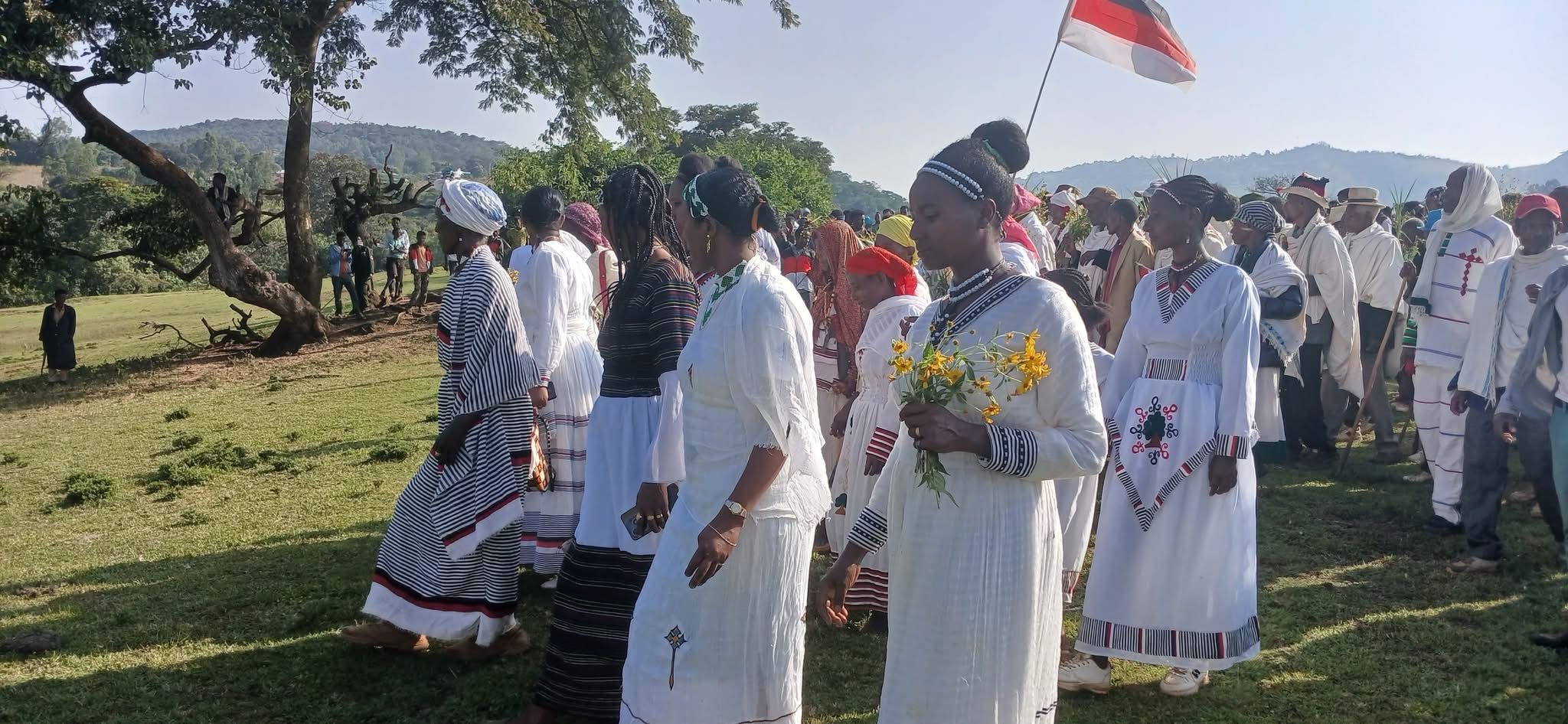
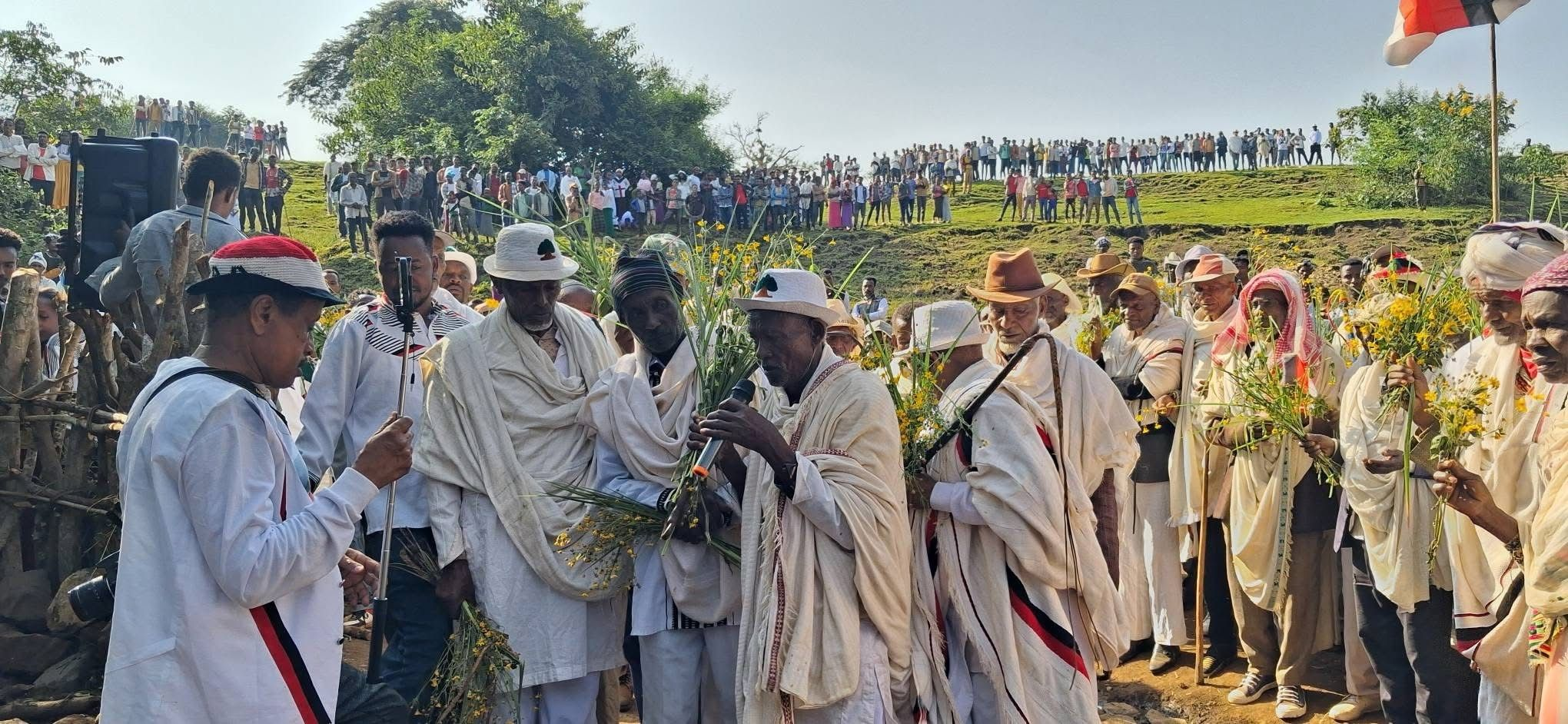
In 2025, the Irreecha festival was celebrated with great warmth and magnificence in Iluu Hagaloo Hora Haleeluut, Waamaa district of the East Wollega Zone, Oromia.
Irreecha is more than a festival; it is a profound cultural cornerstone of the Oromo people, born from the Gadaa system. It strengthens the bond between past and present generations and, crucially, fosters brotherhood and unity among the diverse nations and nationalities of our country.
Irreecha: A symbol of hope, a festival of forgiveness and reconciliation. During Irreecha, the Oromo people gather, holding fresh grass, and journey to the river. They give thanks to Waaqa (God) for guiding them through the harsh winter and into the promising spring. It is a moment to pray for peace, prosperity, unity, and love for our nation and society, showcasing the greatness and virtuous name of the Oromo people to the world.
This grand festival stands as a powerful example for the world. It is a celebration that affirms Oromo identity and culture, strengthens unity and brotherhood, reinforces social bonds, and serves as a collective prayer for national peace and an expression of hope for a bright future.
Therefore, national development must be rooted in more than just knowledge, capability, specialized skills, wealth, and strong military power. It is essential to nurture, develop, and proudly transmit our rich culture, history, language, and national identity from generation to generation, presenting them as a solid foundation to the global community.
We must harness the global recognition of Irreecha—this festival of peace, love, unity, beauty, mutual respect, and inclusivity—for the benefit of our national economy. In doing so, we solidify the foundation of our country’s development.
What problems could Ethiopia’s push for sea access, which it champions as a national cause, create for the region?
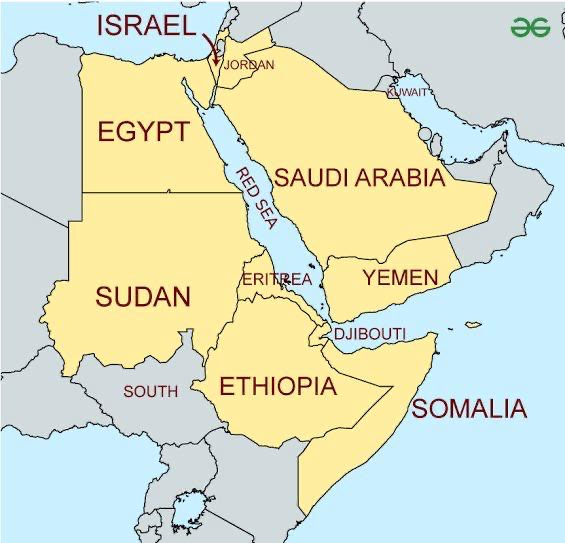
This is a well-framed question that gets to the heart of a complex geopolitical issue. Ethiopia’s push for sea access, while driven by its own economic and historical imperatives, has the potential to create significant problems for the Horn of Africa region.
Here is a breakdown of the potential problems, categorized for clarity:
1. Direct Bilateral Tensions and Conflict
The most immediate risk is the escalation of disputes with neighboring countries.
· With Eritrea: Any assertion of a “right” to sea access is likely to be interpreted by Eritrea as a direct threat to its hard-won sovereignty and its ports of Assab and Massawa. This could:
· Re-ignite the dormant border conflict and military tensions.
· Scupper any chance of normalizing relations, keeping the region in a perpetual state of cold war.
· With Somalia: Any potential deal for port access or a lease in the Somali region (e.g., Somaliland) that bypasses the fragile Federal Government in Mogadishu would:
· Be seen as a violation of Somali sovereignty and territorial integrity.
· Severely undermine the federal government’s authority and fuel nationalist sentiment.
· Potentially destabilize the delicate political balance within Somalia, empowering extremist groups like Al-Shabaab, who could use it as a rallying cry.
2. Regional Destabilization and Shifting Alliances
Ethiopia’s actions could force a realignment of regional alliances, creating new fault lines.
· The Somaliland Precedent: A formal deal with the breakaway region of Somaliland would be a seismic event. It would:
· Effectively recognize Somaliland’s independence, shattering the African Union’s long-standing principle of upholding colonial-era borders (uti possidetis).
· Inflame secessionist tensions across the entire continent, setting a dangerous precedent.
· Force other regional powers (Egypt, UAE, Turkey) to take sides, potentially creating a proxy conflict.
· Red Sea Militarization: The Red Sea is already a strategic chokehold with heavy international naval presence. A desperate or assertive Ethiopian push could lead to:
· An arms build-up along coastlines as neighboring countries seek to secure their assets.
· Increased interest and intervention from non-African powers (e.g., Iran, Turkey, Gulf States) seeking to leverage the dispute for their own strategic advantage.
3. Economic and Trade Disruptions
The Horn of Africa is a critical node for global trade.
· Port Politics and Leverage: Neighboring countries like Djibouti (which hosts a major Ethiopian military base and handles ~95% of its trade) could use Ethiopia’s desperation as leverage.
· They could raise port fees or restrict access during diplomatic spats, holding the Ethiopian economy hostage.
· Disruption of Critical Sea Lanes: Any significant military conflict or sustained political instability in the region risks disrupting traffic through the Bab el-Mandeb strait, a vital passage for global shipping and energy supplies. This would have immediate international economic consequences.
4. Undermining Regional Diplomacy and Norms
Ethiopia’s approach challenges foundational principles of regional cooperation.
· Erosion of IGAD and AU Authority: By pursuing a unilateral, assertive path, Ethiopia undermines the regional bodies (IGAD, African Union) that are meant to mediate such disputes. It signals that might-makes-right is preferable to diplomatic negotiation.
· Breakdown of Trust: For decades, regional cooperation has been built on fragile trust. A forceful Ethiopian campaign to secure a port would shatter that trust, making future collaboration on shared challenges (climate change, terrorism, water management) extremely difficult.
Conclusion
In summary, Ethiopia’s championing of sea access as a national cause is not just a bilateral trade issue; it is a potential regional catalyst. It threatens to:
· Re-open old wounds with Eritrea.
· Dismember a sovereign state in Somalia.
· Shatter a foundational continental norm on border integrity.
· Trigger a new round of arms races and proxy conflicts in the strategically vital Horn of Africa.
While Ethiopia’s economic arguments have merit, the manner in which it pursues this goal will determine whether it becomes a driver of development or a source of profound and lasting regional instability.
 Oromedia