Feature Commentary
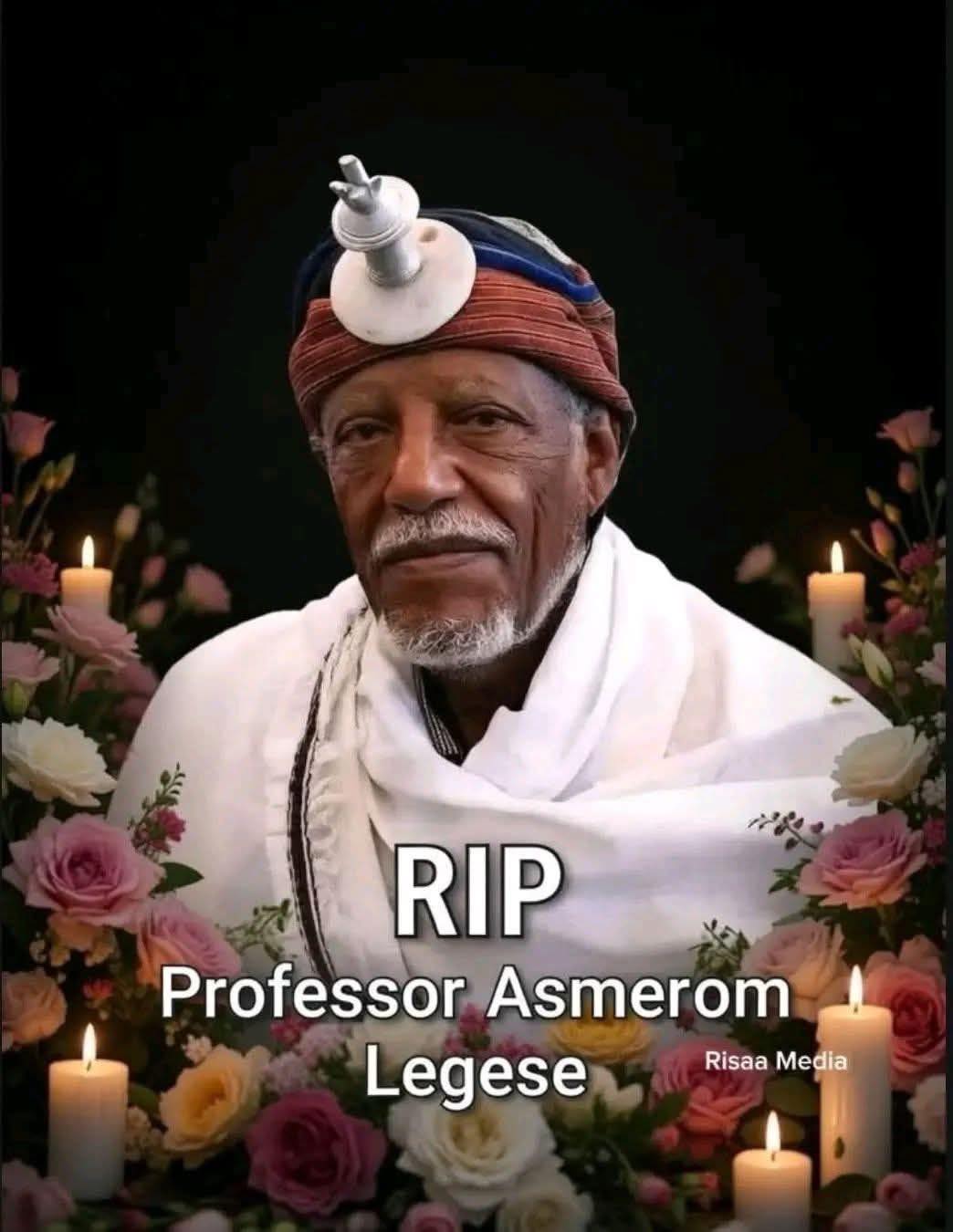
A World Mourns an Intellectual Giant: Unified Tributes Honor Professor Asmerom Legesse, Scholar of Oromo Democracy
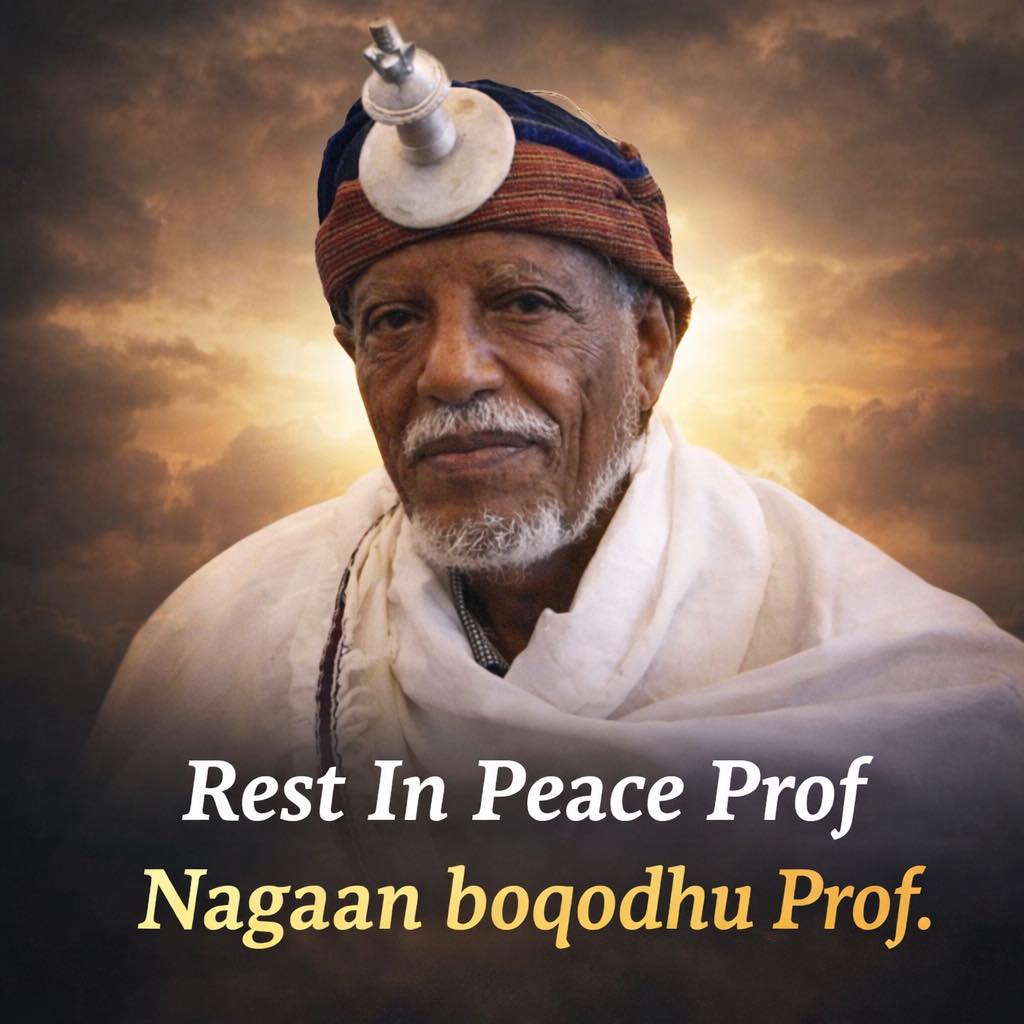
4 February 2026 – The global Oromo community, alongside academic and cultural institutions, is united in profound grief following the passing of Professor Asmerom Legesse, the preeminent scholar whose life’s work defined the study of the Oromo Gadaa system. Hailed as a “towering scholar,” “global voice,” and “steadfast guardian,” his death has prompted a powerful wave of tributes that collectively affirm his unparalleled role in bringing an indigenous African democratic tradition to the world stage.
Across statements from scholars, activists, and organizations, a consistent narrative emerges: Professor Legesse was far more than an academic. He was a truth-teller, a bridge-builder, and a revolutionary intellectual who dedicated his career to the reclamation and elevation of a system long marginalized by colonial and oppressive narratives.
Scholars and Leaders Reflect on a Transformative Legacy
Prominent voices have emphasized the transformative nature of his work. Scholar Asebe Regassa called him a “pioneer of Gadaa studies,” whose “groundbreaking anthropological work” ensured he will be “remembered forever.” Tayiba Hassen Kayo noted his “unwavering commitment” left an “enduring mark on academia and on the Oromoo people,” ensuring his life’s work “will never be forgotten.”
The personal dimension of his scholarship was highlighted by Israel Fayisa, who poignantly described him as “Eritrean by birth and Oromo by choice,” a scholar treated “like an enemy by many Ethiopianist scholars merely because he dedicated his life to revealing the truth.” This sentiment underscores the courageous stance his research represented.
A Legacy of Global Recognition and Cultural Pride
His work is credited with achieving what once seemed impossible: securing global academic respect for an indigenous African system. As Visit Oromia stated, his research “gave international recognition to one of Africa’s most remarkable indigenous governance systems.” Activist Dereje Hawas pointed out that what defined him was “the seriousness with which he treated African and especially Oromo knowledge systems,” elevating them to their rightful place in global discourse.
Activist and journalist Dhabessa Wakjira captured the core of his academic revolution, writing that Legesse “proved definitively that principles of equality, rotational leadership, checks and balances, and the rule of law were not foreign imports to the continent, but were deeply embedded, living traditions.” This work, as Lelise Dhugaa noted, was foundational to UNESCO’s inscription of the Gadaa system as Intangible Cultural Heritage of Humanity in 2016.
A Community’s Deep Personal Loss
For the Oromo people, the loss is both intellectual and deeply personal. The tribute from Olumaa Qubee expresses this communal grief: “Oromoon fira guddaa tokko dhabe” (“The Oromo people have lost a great sibling”). The call for schools and institutions to be named in his honor within Oromia reflects a desire to anchor his legacy physically in the land of the people he championed.
As tributes from colleagues like Zewdu Lechissa remember the “truly brilliant scholar and a kind soul,” the collective message is one of both mourning and determined continuity. Professor Asmerom Legesse’s pioneering scholarship did not merely document the Gadaa system; it restored a pillar of Oromo identity and gifted the world a timeless model of democracy. His legacy, as echoed by all, will undoubtedly “continue to inspire generations.”
 Oromedia