Global Commemoration of Oromo Martyrs’ Day – April 15, 2025
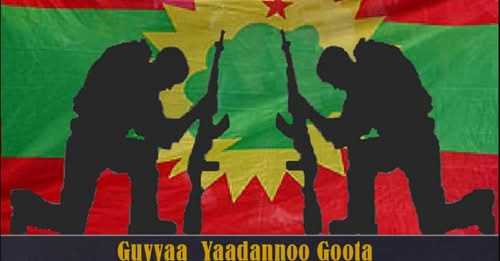
“Honoring the Fallen, Renewing the Struggle for Oromia’s Liberation”
We extend a heartfelt invitation to Oromo communities, allies, and justice advocates worldwide to join us in observing Oromo Martyrs’ Day on April 15, 2025. This solemn day commemorates the sacrifices of Oromo heroes who laid down their lives for freedom, justice, and the liberation of Oromia.
Why April 15? The Legacy of the Shinnigga Martyrs
On April 15, 1980, eleven leaders of the Oromo Liberation Front (OLF) were executed in Shinnigga, Somalia, while on a diplomatic mission to secure international support for the Oromo struggle. Their refusal to divide along religious lines—declaring “We are Oromos first!”—cost them their lives but cemented their legacy of unity and resistance.
Since 1984, April 15 has been observed globally as:
- A day of remembrance for all Oromo martyrs.
- A day of recommitment to the unfinished struggle for Oromia’s liberation.
How to Participate in the 2025 Commemoration
1. Memorial Ceremonies (In-Person & Virtual)
- Time: 1:00 PM (Local Time Worldwide)
- Program Highlights:
- Memorial Service: Honor martyrs with prayers (weedduu), songs (geerarsa), and candlelight vigils.
- Speeches: Leaders and elders will discuss:
- The history of Oromo Martyrs’ Day.
- The current state of the Oromo struggle (e.g., OLF’s Oath Campaign, political prisoners, forced conscription).
- Q&A Session: Open dialogue on strategies to advance Oromo liberation.
2. Global Events
- Oromia (Underground): Secret gatherings at symbolic sites (rivers, mountains).
- Diaspora (Public):
- Minneapolis, USA: Community vigil at the Oromo Community Center.
- Melbourne, Australia: Panel discussion with exiled Oromo activists.
- Berlin, Germany: Film screening (“The Blood of Shinnigga”).
- Virtual Participation: Livestreams via varies Oromia Media (OM) and social media (#OromoMartyrsDay2025).
3. Advocacy Actions
- Demand Justice: Petition the UN to investigate the 1980 Shinnigga massacre and ongoing abuses in Oromia.
- Support Prisoners: Write letters to Oromo political detainees.
- Amplify Voices: Share martyrs’ stories using #OromoMartyrsDay2025.
Saluting the Martyrs: Their Legacy Lives On
This day is not only about grief—it is about action. We honor:
- The Shinnigga 11 (April 15, 1980) and Gidamii 9 (December 23, 1981, poisoned).
- Haacaaluu Hundeessaa (2020), Irreecha Massacre victims (2016), and thousands unnamed.
- Recent OLA fighters fallen in the Shinnigga Oath Campaign.
Their blood cries: “Qabsoon itti fufa!” (“The struggle continues!”).
Join Us in the Fight for Oromia’s Future
- Attend: Find local events at OromoLiberationFront.org.
- Donate: Support Oromo political prisoners and OLF’s humanitarian efforts.
- Educate: Teach the next generation about Oromo martyrs.
“Ammas akkuma bishaan fincaa’aa ol kaana!
(Like the ever-flowing river, we rise again!)“
Contact:
- Email: MartyrsDay@OLF.org
- Social Media: #OromoMartyrsDay2025
Qabsoon itti fufa!
Oromia Shall Be Free!
The Unbreakable Oromo Philosophy of Resistance

“Ammas Akkuma Bishaan Finca’aa Ol Ni Kaana”
The Unbreakable Oromo Philosophy of Resistance
This revolutionary mantra (jechi qabsoo) is more than a slogan—it’s a survival code etched into Oromo identity. Below is a breakdown of its power, historical proof, and modern application:
1. Anatomy of the Mantra
- “Ammas” (Yet/Again) → Asserts cyclical resistance (defeat is temporary).
- “Akkuma Bishaan Finca’aa” (Like Flowing Water) → Symbolizes adaptability and unstoppable force.
- “Ol Ni Kaana” (We Rise) → A promise of resurgence, no matter the oppression.
Scientific Parallel:
Water’s properties mirror Oromo resistance:
- Fluidity → Shifting tactics (protests → art → armed struggle).
- Erosion → Outlasting oppressors (e.g., Derg fell, OLF persists).
- Universal Need → Oromo demands for justice are non-negotiable.
2. Oppression’s Tools vs. Oromo Defiance
| Oppressor’s Weapon | Oromo Counteraction | Historical Example |
|---|---|---|
| Jibba (Hatred) | Jaalala (Love for Oromumma) | 2016 Irreecha massacre → Global #OromoProtests |
| Dhukkubbi (Sickness) | Fayyaa (Healing networks) | Underground medics treating tortured activists |
| Hameenya (Poverty) | Qabeenya Gadaa (Shared resource systems) | Hundee funds for displaced families |
| Roorroo (Brutality) | Dandamachuu (Relentless persistence) | Jawar’s 2019 speech: “They jail bodies, not minds.” |
3. Historical Moments of “Ol Kaana”
- 1890s: After Anole’s massacre, Oromo scribes hid gadaa laws in geerarsa (songs).
- 1970s: Derg executed General Tadesse Birru → inspired OLF’s guerrilla resurgence.
- 2014–2018: Qeerroo movement used “watermelon symbolism” (green/red/black) to organize under tyranny.
Modern Application:
- #OromoTwitter: Flooding hashtags to drown state propaganda.
- “Bishaan Finca’aa” graffiti on Ethiopian federal buildings.
4. Why This Philosophy Terrifies Oppressors
- It Denies Finality: Even after:
- Mass arrests (e.g., 2020 Oromo politicians jailed).
- Media blackouts (e.g., Oromia Media Network bans).
- Economic sabotage (e.g., starving Oromo regions).
→ The resistance evolves, never ends.
- It’s Rooted in Cosmology:
- Waaqaa (God) designed water to always return.
- Ayyaana (spirit) ensures generational justice.
5. How to Weaponize This Mantra Today
A. For Activists
- Encrypt messages using water metaphors (e.g., “The river meets tonight” = protest location).
- Economic warfare: Boycott regime products → create “droughts” in their coffers.
B. For Artists
- Protest art: Paint bishaan finca’aa murals over regime propaganda.
- Music: Hidden lyrics in walaloo (traditional songs), like:
“You dam us? We become flood.
You drink us? We become blood in your throat.”
C. For Diaspora
- #DigitalFlood: Coordinate social media storms every Friday.
- “Water Funds”: Finance underground education in Oromia.
Poetic Challenge to the Oppressor
“You counted our dead,
But forgot—we bury seeds in their wounds.
Now watch the harvest.“
The Pioneers of Afaan Oromo Radio in Mogadishu (1960s-1970s): A Revolutionary Broadcast Against All Odds
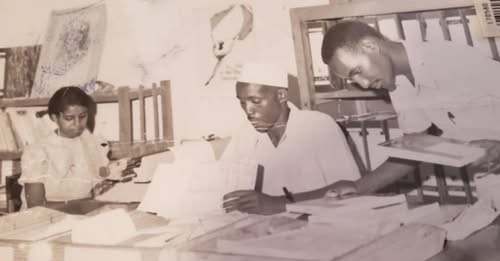
This is the story of the first Oromo-language radio program, secretly launched in Mogadishu, Somalia, in the 1960s—a daring act of defiance against Emperor Haile Selassie’s suppression of Afaan Oromo.
1. The Birth of Oromo Radio in Exile
Why Mogadishu?
- Under Haile Selassie, Afaan Oromo was banned in Ethiopian media, schools, and government.
- Somalia (1960s): Became a safe haven for Oromo exiles, allowing them to broadcast in their language.
The Founders & Their Mission
| Name | Role | Fate |
|---|---|---|
| Ayub Abubakar | First Oromo radio broadcaster (1960s) | Assassinated in 1967 (stabbed at Lido Beach, Mogadishu) |
| Shantam Shubbisaa | Co-founder, journalist (still alive) | Survived, now in Australia |
| Abdi Hussein | Journalist, co-host | Fled to USA after imprisonment |
| Hindia Ahmed | Producer (Shantam’s wife) | Died after returning to Ethiopia |
| Sheikh Muhammad Rashad | Quranic teacher (broadcast religious programs) | Fate unknown |
The Broadcast (5 Minutes of Revolution)
- Name: “Sagantaa Afaan Oromoo” (Oromo Language Program)
- Content:
- News: Updates on Oromo resistance (e.g., Bale Uprising).
- Music: Revolutionary songs (geerarsa).
- Education: Quranic lessons in Afaan Oromo (by Sheikh Muhammad Rashad).
- Duration: Initially just 5 minutes—later expanded.
2. The Crackdown & Betrayal
Ayub Abubakar’s Assassination (1967)
- How: Stabbed to death by Haile Selassie’s agents (including a white foreign operative) while swimming at Lido Beach, Mogadishu.
- Why: His broadcasts threatened Ethiopia’s linguistic oppression.
- Aftermath:
- Body found two days later, buried secretly in Somalia.
- No justice—killers never identified.
Persecution of the Team
- Abdi Hussein:
- Imprisoned in Somalia for 9 months, later fled to the USA.
- Now 76 years old, living in Minnesota.
- Hindia Ahmed:
- Arrested, released, but died shortly after returning to Ethiopia.
- Shantam Shubbisaa:
- Survived, migrated to Australia.
- Last living witness of this historic broadcast.
3. The Legacy: How Their Work Changed History
Breaking the Silence
- First-ever Afaan Oromo radio program—paved the way for:
- Radio Bilal (1980s)
- Oromia Media Network (OMN)
- Proved Oromo language could not be erased.
Inspiration for Today’s Media
Modern Oromo journalists ( Dhabessa Wakjira, Dejene Gutema) stand on the shoulders of these pioneers.
4. Unfinished Justice
Demands
- Official recognition of Ayub Abubakar as a martyr of free press.
- Documentary: Preserve Shantam Shubbisaa’s testimony.
- Investigate the assassination—who gave the order?
How to Honor Them
- April 15 (Oromo Martyrs’ Day): Include these media heroes.
- Award in Ayub’s name for courageous Oromo journalism.
“They started with 5 minutes of airtime—but gave us a lifetime of resistance.”
Qabsoon itti fufa! (The struggle continues!)
Ayub Abubakar: The Oromo Radio Pioneer Assassinated for Breaking Haile Selassie’s Silence

Ayub Abubakar was one of the first Oromo journalists to defy Emperor Haile Selassie’s ban on Oromo-language media by launching a clandestine radio broadcast in the 1960s. His assassination in 1967—brutally stabbed to death by Haile Selassie’s agents in Mogadishu, Somalia—marked a pivotal moment in the struggle for Oromo voice and visibility.
1. The Birth of Oromo Radio: Defying Linguistic Oppression
The Ban on Afaan Oromo
Under Haile Selassie’s rule (1930–1974):
- Afaan Oromo was banned in education, media, and government.
- Speaking Oromo in public institutions risked imprisonment or violence.
Ayub Abubakar’s Underground Radio
- Location: Broadcasted from Mogadishu, Somalia (beyond Ethiopian state control).
- Mission: To counter regime propaganda and unite Oromos across borders.
- Content:
- News on Oromo resistance (e.g., Bale Revolt).
- Cultural programs promoting Oromo history, music, and language.
2. The Assassination (1967)
How He Was Killed
- Date: 1967, Friday afternoon.
- Location: Lido Beach, Mogadishu (while swimming in the Indian Ocean).
- Assassins:
- Haile Selassie’s imperial guards (including a white foreign agent).
- Likely coordinated with Somali collaborators.
- Aftermath:
- Body discovered two days later, buried hastily in Mogadishu.
- No official investigation; the killers never faced justice.
Surviving Comrades (Last Living Witness: Shantam Shubbisaa)
Ayub’s team included:
- Abubakar Musa
- Dr. Sheikh Muhammad Rashad Abdullah
- Abdi Hussein
- Hindia Ahmed (Shantam Shubbisaa’s wife)
- Shantam Shubbisaa (the only known survivor today).
3. Why His Legacy Matters
A. The First Oromo Voice in Media
- Ayub’s radio paved the way for later Oromo broadcasts (e.g., Radio Bilal, Oromia Media Network).
- Proved that censorship could be broken.
B. A Symbol of Regime Brutality
His murder exposed:
- Haile Selassie’s fear of Oromo awakening.
- Transnational repression (Ethiopian agents operating in Somalia).
C. Inspiration for Today’s Oromo Media
Modern Oromo journalists (Jawar Mohammed, Eskinder Nega) stand on Ayub’s shoulders.
4. Unresolved Justice & Honoring Ayub
Demands
- Official recognition of Ayub as a martyr of free press.
- Documentation of his work in Oromo historical archives.
- Investigation into his killers (if still alive).
How to Remember Him
- April 15 (Oromo Martyrs’ Day): Include Ayub in commemorations.
- Journalism awards in his name for courageous Oromo media.
“Ayub Abubakar did not just broadcast words—he broadcast resistance.
His microphone was a weapon. His voice, a revolution.”
Qabsoon itti fufa! (The struggle continues!)
New chat
ኦቦ ሌንጮ: የታሪካዊ እና ፖለቲካ ዕይታ

ኦቦ ሌንጮ ለታ
በበርካቶች ዘንድ በፖለቲካ ሰውነታቸው በጉልህ ይታወሳሉ። ገና በለጋ ዕድሜያቸው የጀመሩት በትጥቅ የተደገፈው የፖለቲካ ትግላቸው በበርካታ ውጣ ውረዶች የተሞላ እንደሆነ ታሪካቸው ይመሰክራል።
ትውልዳቸውና እድገታቸው ወለጋ ደምቢዶሎ ነው።ሁለተኛ ደረጃ ትምህርት የተከታተሉት ደግሞ አዳማ።ወደአሜሪካ አቅንተው ከፍተኛ ትምህርታቸውን በኬሚካል ኢኒጂነሪንግ ተመርቀዋል። በቅርብ የሚውቋቸው ሁሉ አንባቢ እና ፈጣን አእምሮ ያላቸው ናቸው ይሏቸዋል።
የኦሮሞ ነፃነት ግንባርን (ኦነግ) ከመሰረቱት ቀዳሚ አመራሮች አንዱ ናቸው። በትጥቅ የታገዘው የትግል ታሪካቸው ከሀገር ውስጥ እስከውጪ የሚታወቁበትም ሆኖ አልፏል። አብዛኛውን እድሜያቸው በትግል ነው ያሳለፉት።«ሶስት ልጆች ወልጃለው።ልጆቼን ወለድኳቸው እንጂ አላሳደኳቸውም።እኔ ዘመኔን ሁሉ ታጋይ ሆኜ ተለይቻቸው ነው የኖርኩት።ባለቤቴም በደርግ ለ10 ዓመት ታስራ ስለነበር ልጆቻችን ተገቢውን የወላጅ ክብካቤ አላገኙም ነበር »ሲሉ ይናገራሉ።
በወጣትነት ስህተት መስራታቸውን በትጥቅ ትግል እና በአብዮት መንግስት መጣል ዲሞክራሲያዊ ስርዓት መፍጠር እንደማያስችል ዘግይተው መረዳታቸውን በዚህ ምክንያት የትጥቅ ትግል እንቅስቃሴን መደገፍ ማቆማቸውን ይገልጻሉ።በምትኩ ወደዲሞክራሲ የሚወስዱ የሲቪልና የፖለቲካ ጥረቶችን መደገፍ ምርጫቸው መሆኑን ያወሳሉ።
አሁን ድረስ የዴሞክራሲ አቀንቃኝ በመሆን ለሀገር ይጠቅማል ያሉትን ሀሳብ በማዋጣት የሚታወቁት ኦቦ ሌንጮ፤ በሚሰጧቸው አስተያየቶች በአንዳንዶች ዘንድ አወዛጋቢ ቢባሉም ለአገር ይጠቅማል የሚሉትን ከማዋጣት ወደሗላ እንደማይሉ ይናገራሉ።
ኤፍ ኤም አዲስ 97.1 ሬዲዮ “ለተሻለ ነገ እናንብብ” በሚል በጀመረው የመቶ ቀናት ግድድር፤ ኦቦ ሌንጮ ለታም የምንጊዜም ምርጦቼ ናቸው ያሏቸውን መፅሐፍት እንደሚከተለው አሳውቀውናል።
1- War and Peace በሊዮ ቶሎስቶይ
2- Nineteen Eighty – Four በጆርጅ ኦርዌል
3- The Wretched of the Earth በፍራንቴዝ ፋኖን
 Oromedia