Subtitle: In Ambo Ejersa, the beautiful kora lammii—a community pitch Becomes a Classroom for Culture, Proving That Our Strongest Defence is Unity
The scene is familiar—a dusty pitch, the sharp cry of a whistle, the unified gasp of a crowd as a ball soars toward the goal. But in the Boji area of Ambo, the familiar scene is telling a profoundly unfamiliar, and more beautiful, story. Here, the Ambo Ejersa Community gathering has become something far greater than a community gathering. It has transformed into a living, breathing symposium on survival.
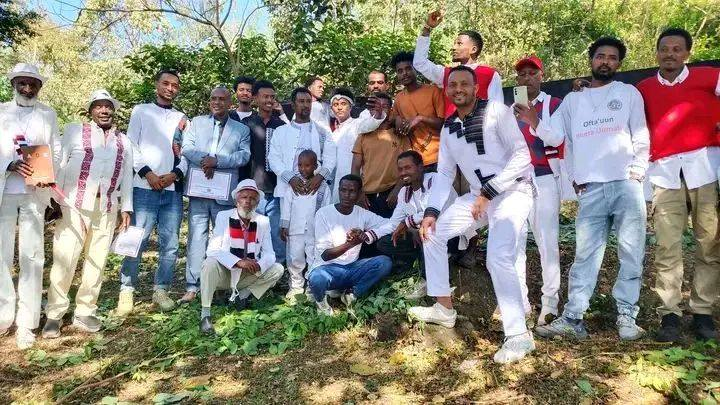
Kora Lammii of Buundhaa from Itaya, Ambo, Meti, Machi, Wadesse, and Shanen did not just come to compete. They came to convene. In a world where fragmentation is often the default, these generation chose convergence. They built a kora lammii—a community pitch—and upon it, they are rebuilding a community spirit. The real match is not just between teams; it is a collective struggle against the erosion of identity. The victory they seek is the preservation of their cultural soul: aadaa and safuu.
This is the quiet, revolutionary power of what is happening. In the breaks between matches, in the shade of Odaa tree, the kora lammii gathering organically spawns marii boonsaa—deep, communal dialogues. These are not academic lectures, but urgent, grassroots consultations. How do we practice respect (safuu) in a digital age? How do we wear our culture (aadaa) not as a costume for holidays, but as daily armour against assimilation? The gathering is the ignition; the conversation is the sustainable fire.
What these young people in Boji instinctively understand is a truth many societies grapple with: culture is not a museum artifact. It is a muscle. It atrophies without use. It strengthens under collective strain. By using the universal language of community gathering to strengthening the dispersed chapters of their community, they are creating a gymnasium for their Oromumma. They are exercising their shared identity, passing the weight of tradition from elder to youth, ensuring it does not grow weak.
The palpable joy reported by participants—“waan haalan nama gammachisuu dha” (it is something that brings deep joy)—is the most important metric here. This joy is not merely the thrill of sport. It is the profound relief and empowerment that comes from reconnection. It is the joy of speaking your mother tongue freely in a crowd that understands its nuance. It is the joy of seeing your values reflected in the conduct of your peers—in a fair tackle on the field, in the respectful deference to an elder off it.
In an era where globalized culture often flattens uniqueness, the Ambo Ejersa Buundhaa gathering is an act of gentle defiance. It declares that the future need not be a departure from the past, but a continuation of it, adapted on our own terms. These players are not running away from their heritage to chase modernity; they are sprinting toward a future where their heritage is the foundation of their strength.
The commentary from the sidelines, therefore, should be one of keen observation and high praise. This is grassroots cultural innovation at its finest. The kora lammii gathering is proof that the most effective guardians of a people’s spirit are not always politicians or institutions, but can be its youth, a ball, and a collective will to remember. They have remembered that the most crucial goal to defend is the one protecting their very essence. And in that defense, they are finding not just victory, but a deep and abiding joy.
Subtitle: Lammii gathering of Buundhaa from Across the Region Unite on the Pitch, Spark Community Dialogue on Aadaa and Safuu
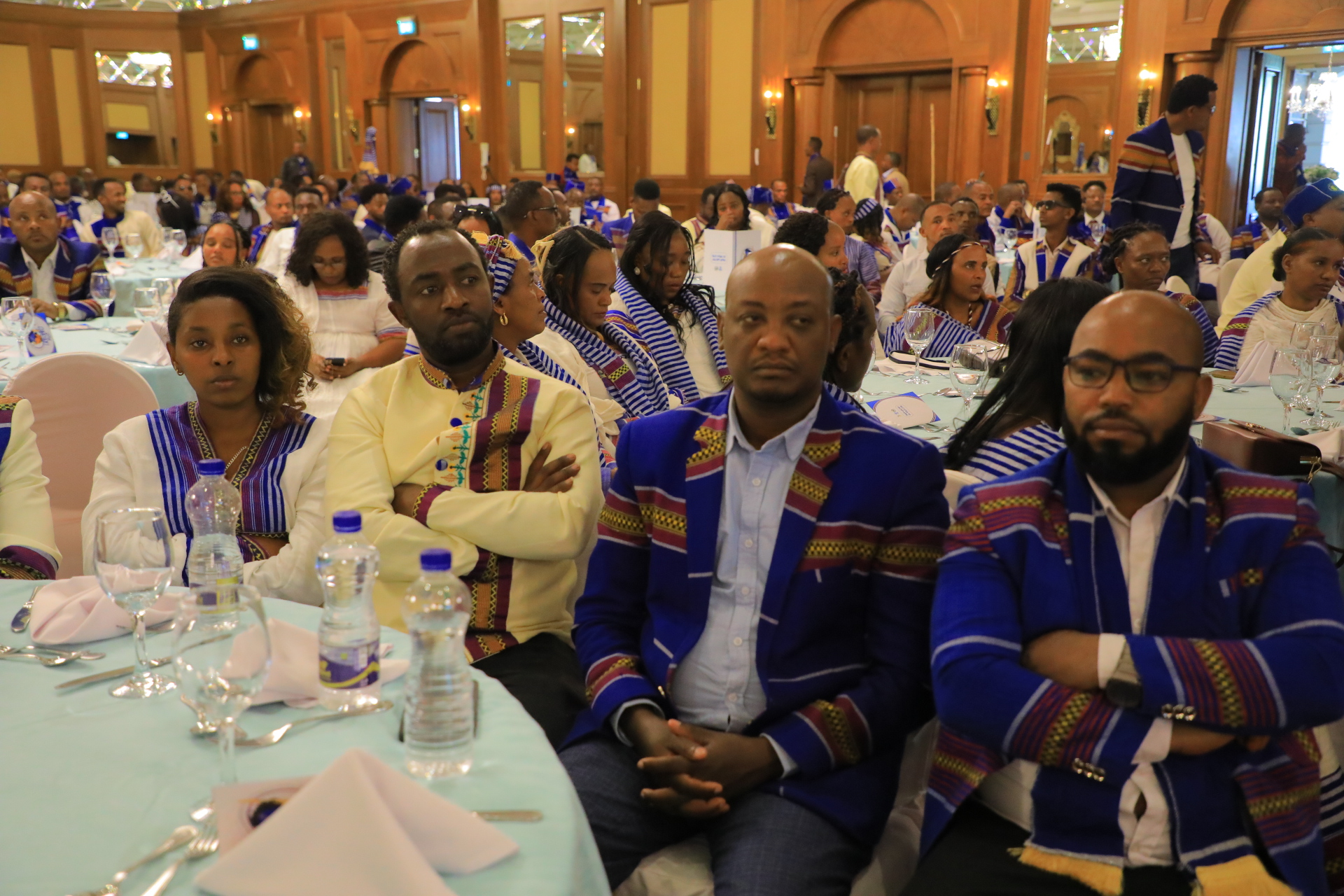
BOJI, OROMIA — The sound of cheering fans and bouncing footballs has become a powerful call to unity in the rural landscape of Boji. Here, at the Ambo Ejersa gathering, a simple cultural gathering event has blossomed into a profound social gathering, uniting Oromo generations from various parts of the country and reigniting vital conversations about cultural heritage and values.
The generation gathering has successfully drawn teams that map the Oromo heartland: local generation from Boji are competing alongside their brothers from Itaya, Ambo, Meexxii, Maatii, Wadesse, and Shanan. This convergence on the lammii pitch represents a significant grassroots effort to strengthen communal bonds that stretch across the region.
“This is truly something that brings joy,” remarked an elderly spectator, Bulo Tadese, his eyes following the energetic play. “In these times, seeing our sons from different corners come together in peace and healthy competition… it warms the heart. Waan haalan nama gammachisudha (It is profoundly joyous).”
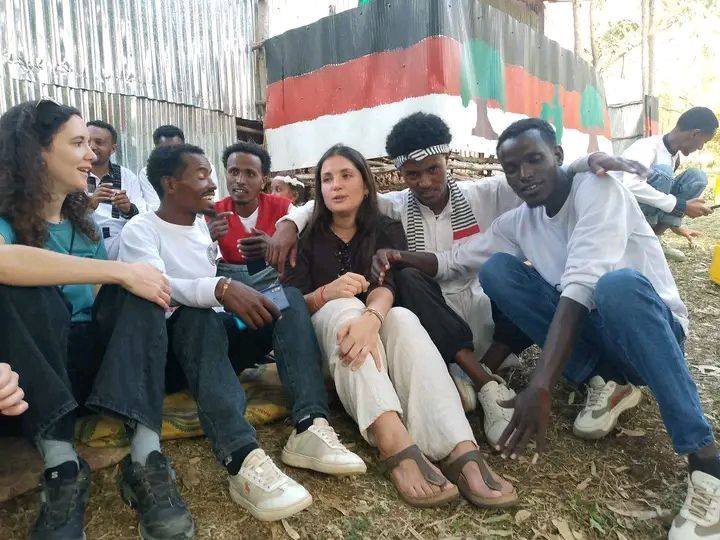
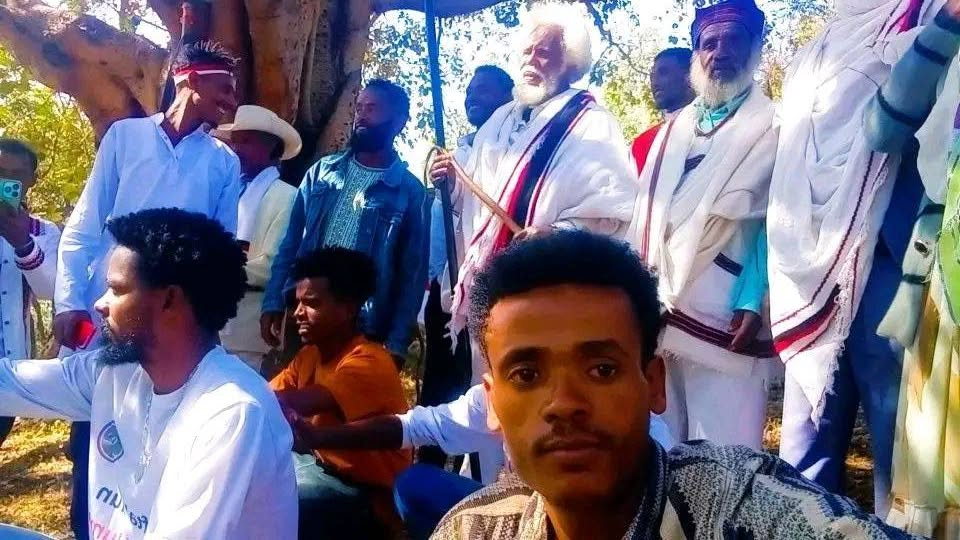
Yet, the true significance of the event extends far beyond the final score. In the shade of trees and under makeshift tents, the community surrounding the gathering is engaging in a parallel, equally important contest: a collective effort to reclaim and revive core Oromo principles.
During breaks and after matches, elders, players, and spectators are gathering for marii boonsaa—meaningful, extended community dialogues. The central focus is the urgent discussion of aadaa (culture/tradition) and safuu (a deep-seated moral and ethical code governing respect and social harmony).
“This lammii gathering of Buundhaa was the spark, but the conversation is the real fire,” said organizer Dhaqaba Gammada. “We play the meeting to bring the generation of Buundhaa together, but we use this gathering to ask important questions: How do we preserve our identity? How do we practice safuu in our daily lives? The energy here shows our people are hungry for this discussion.”
The spontaneous emergence of these dialogues points to a deep-seated community desire to navigate modernity while firmly rooting the younger generation in their cultural foundation. Elders see it as a chance to impart wisdom, while youth see it as a space to understand their heritage in a contemporary context.
The Ambo Ejersa lammii gathering of Buundhaa stands as a powerful example of how lammii gathering can serve as a catalyst for social cohesion and cultural preservation. It demonstrates that the goal is not only to win games but to strengthen the very fabric of the community, ensuring that the values of aadaa and safuu are passed on, debated, and lived.
As the lammii gathering of Buundhaa continues, the message is clear: the most important victory is happening off the field, in the hearts and minds of a people rediscovering the strength of their shared identity.
Addis Ababa, Ethiopia – The life of Dr. Paulos Dubale, a groundbreaking Ethiopian agronomist and soil scientist, stands as a powerful testament to a relentless pursuit of knowledge and an unwavering dedication to national development, often achieved in the face of severe institutional and financial constraints.
Born in June 1936 E.C. in Kendo Wolayta, Dr. Paulos’s journey began humbly in local schools before he pursued agriculture at the then-Alemaya College of Agriculture. His talent was quickly recognized; excelling as both a student and a singer, he was appointed as a “Student Singer” to a national development campaign, which led to his first research posting at the Jimma Agricultural Research Station in 1968 E.C.
His career would become synonymous with coffee research, a cornerstone of Ethiopia’s economy. Recognizing a critical shortage of specialists, the research institute sponsored him for a Master’s degree at the University of Hawaii, USA, which he earned in Horticulture with a focus on coffee. Despite his professors’ strong recommendations to pursue a doctorate immediately, a lack of replacement staff at home forced his premature return to Ethiopia—a recurring theme of institutional limitations that would challenge his progress for years.
A Champion of Collaboration Against Scarcity
Back at the Jimma research center, Dr. Paulos rose to lead the coffee research team and later coordinated the entire national coffee research program. His role expanded dramatically as he was tasked with simultaneously managing the nascent Soil and Water Research directorate. Archival documents reveal a continuous, frustrating struggle: numerous invitations for doctoral fellowships in Italy, the Netherlands, and the UK were declined by the institute due to a crippling “lack of qualified manpower” to fill his role.
His perseverance finally paid off in 1982 E.C. when, with World Bank funding, he secured a “Split PhD” program at Wye College in the UK. This allowed him to conduct research in Ethiopia while completing his degree, which he earned in 1986 E.C. He returned immediately to Ethiopia and was appointed Director of the newly formed National Soil and Water Research Directorate.
A Life of Multifaceted Service and Modest Reward
Dr. Paulos’s leadership extended beyond the lab. He taught at Alemaya University, served on the board of the Metehara Sugar Factory, and was an active member of the Ethiopian Society of Soil Science. His scientific contributions were prolific, authoring or co-authoring over 60 publications, including progress reports, technical papers, journal articles, and handbooks.
Despite his monumental contributions, his personal compensation starkly highlighted the sacrifices made by a generation of scientists. Records show that upon his retirement, his monthly salary was just 3,335 Ethiopian Birr, with a responsibility allowance of 450 Birr. His pension was calculated at 1,576.78 Birr per month.
His career was also marked by extensive international travel for training and conferences, taking him to the USA, UK, Brazil, Ghana, Tanzania, India, Uganda, Sri Lanka, and Kenya, where he represented Ethiopia’s scientific community.
Forced to retire in 1991 E.C. upon reaching the mandatory age, his expertise was deemed so indispensable that his tenure was extended twice, allowing him to continue coordinating vital research projects for an additional six years before his final retirement in 1997 E.C.
Dr. Paulos Dubale’s story is not merely one of personal achievement but a narrative of intellectual resilience. It illustrates the profound impact one dedicated scientist can have—nurturing a key economic sector, mentoring future generations, and building institutional capacity—even when operating within a system strained by scarcity. His legacy endures in Ethiopia’s agricultural research foundations and serves as a powerful inspiration for the nation’s scientific community.
“Daraaro”: The Gedeo Festival of Renewal and its Modern Resonance
In the heart of Ethiopia’s capital, a celebration of profound cultural and spiritual significance is unfolding. The Gedeo people’s “Daraaro” festival—the annual marker of their transition from the old year to the new—is being observed in Addis Ababa with a solemnity and vibrancy that speaks to both its deep roots and its contemporary relevance.
Described as a festival of “gift, gratitude, and peace,” Daraaro is far more than a calendrical event. It is a living embodiment of a worldview. At its core, it is an act of communal reorientation: a time to present gifts (sita) to spiritual leaders (Abba Gada), expressing thanks for peace and success granted, and articulating collective hopes for health, security, and a bountiful harvest in the year ahead. This intertwining of the spiritual, the social, and the agricultural reveals a holistic philosophy where human well-being is inseparable from divine favor and environmental harmony.
What makes the current observance in Addis Ababa particularly noteworthy is its dual character. It is simultaneously an act of cultural preservation and a statement of modern identity. The inclusion of symposia and events detailing Gedeo history, culture, and language transforms the celebration into a platform for education and dialogue. It asserts that Gedeo heritage is not a relic of the past, but a vital, intellectual, and artistic tradition deserving of national recognition and understanding.
The festival’s official framing around the theme of “development for culture and tourism” is a significant and complex evolution. On one hand, it represents a strategic move to gain visibility and economic leverage within the Ethiopian state, which actively promotes cultural tourism. On the other, it risks commodifying a sacred tradition. The true test will be whether this external framing can remain a vessel for the festival’s intrinsic meanings of gratitude, peace, and social justice, rather than subsuming them.
Indeed, the commentary’s note that issues of “justice and the national system” are part of the discourse during Daraaro is crucial. For the Gedeo—a people with a distinct identity and a history intertwined with questions of land, resource rights, and administrative recognition—a festival of renewal is inevitably also a moment to reflect on societal structures. Prayers for a good harvest and communal safety are, in the modern context, also implicit commentaries on land tenure, economic equity, and political inclusion.
The most forward-looking aspect of the report is the work towards UNESCO recognition as intangible cultural heritage. This pursuit is a high-stakes endeavor. Success would provide a global shield for the festival, fostering preservation, research, and prestige. However, it must be navigated carefully to avoid fossilizing the tradition or divorcing it from the community that gives it life.
A Commentary: The Bridge of Daraaro
Daraaro, in its essence, builds a bridge. It bridges the old year and the new, the human and the divine, the individual and the community. Now, as celebrated in Addis Ababa, it builds another: a bridge between the particularity of Gedeo culture and the broader Ethiopian—and indeed global—conversation.
Its message of gratitude and peace is a universal one, yet it is delivered in the specific, potent vocabulary of Gedeo tradition. Its emphasis on social justice ties an ancient ritual to the most pressing contemporary debates. Its pursuit of UNESCO status places a local Ethiopian practice within an international framework of cultural value.
The celebration of Daraaro in the capital is thus a powerful symbol. It signifies that Ethiopia’s strength does not lie in a monolithic culture, but in the ability of its diverse nations and peoples to bring their unique, rich, and reflective traditions to the national table. It reminds us that a “new year” is not just a change of date, but an opportunity for societal recalibration—a time to offer gratitude, seek justice, and plant collective hopes for the future. In honoring Daraaro, we are reminded that some of the most vital frameworks for building a peaceful and prosperous society are not new political doctrines, but ancient festivals of renewal, patiently observed year after year.
Feature News: Victoria Joins National Day of Mourning, Illuminating a Path Forward from Bondi Tragedy
MELBOURNE, VIC – Today, Victoria stands in solemn solidarity with the nation, observing a National Day of Mourning to honour the 15 lives lost in the devastating terrorist attack at Bondi Beach’s Jewish community centre on December 14, 2025.
The Victorian Department of Premier and Cabinet has outlined the state’s formal acts of remembrance, framing the day as both a moment for collective grief and a resolute stance against hate. “It is a day for all Australians to come together to grieve, remember, and stand against antisemitism and hate,” the statement read.
Across the state and the country, visual symbols will mark the day’s gravity. Flags will be flown at half-mast at all Commonwealth and Victorian Government buildings—a universal gesture of loss and respect. As dusk falls, the tribute will transform. Major landmark buildings across Victoria’s skyline will be illuminated in white, a deliberate symbol of light, peace, and resilience cutting through the darkness of tragedy. “A symbol of light, as we move forward as a nation,” the government statement noted.
The commemoration will reach its poignant peak at 7:01 PM, the exact time the attack unfolded. Australians are invited nationwide to observe a minute of silence, a shared national pause to remember the 15 innocent victims whose lives and futures were tragically stolen.
The coordinated national response, which includes similar observances from federal and other state authorities, underscores a unified commitment to social cohesion. By designating a National Day of Mourning, officials aim to channel raw community sorrow into a reaffirmation of shared values—condemning antisemitic violence and all forms of bigotry while honoring the victims with dignity.
Today, as buildings glow white and flags hang low, Victoria’s official acts of remembrance serve as a public covenant: to mourn deeply, to remember collectively, and to walk forward together, guided by light.
DIRRE DHAWAA, OROMIA – In a move set to transform the cultural and academic landscape of eastern Oromia, Dirre Dhawaa University has announced the foundation of a new institution dedicated to musical excellence: the Dr. Alii Birraa Memorial Music School.
The university made the formal announcement via its official Facebook page, outlining plans to establish the school in the legendary artist’s hometown. This initiative is not just about building a structure, but about rooting a center of artistic excellence in the very soil that inspired one of Ethiopia’s most cherished musical voices.
Bridging Institutions for a Harmonious Future
The project is already hitting the right notes through a powerful collaboration. Experts and lecturers from the renowned Yared Music School at Addis Ababa University are providing crucial initial support. According to the university, these seasoned academics are traveling to Dirre Dhawaa to share their expertise, helping to design curricula and establish foundational frameworks. This knowledge transfer represents a significant vote of confidence and a bridge between the nation’s premier music academy and this promising new venture.
A key driving force behind this collaborative spirit is Dr. Malaaku Yigzaw, Dean of the Yared Music School. The university confirmed that Dr. Malaaku has formally pledged his institution’s full professional support to ensure the successful establishment of the memorial school.
Honoring a Native Son, Investing in a Region’s Soul
The decision to name the school after the late Kabajaa Artist Alii Birraa is deeply symbolic. Born in the Dirre Dhawaa area, Alii Birraa was a monumental figure in Ethiopian music, celebrated for popularizing the Oromo musical tradition of Biftuu and singing powerfully about love, social issues, and identity. Establishing a music school in his name serves a dual purpose: immortalizing his legacy and actively nurturing the next generation of artists from his region.
President of Dirre Dhawaa University, Magarsaa Qaasim (PhD), emphasized this point, highlighting the area’s rich but often under-recognized artistic heritage. “Dirre Dhawaa is a wellspring of many renowned artists,” President Magarsaa noted, underscoring the school’s mission to cultivate this latent talent formally.
A Conductor’s Baton for Regional Development
The university stated that it is undertaking all necessary preparations for the project and has already begun receiving “favorable support” from various organizations. This suggests the project is resonating beyond academic circles, potentially attracting cultural and developmental partners.
The establishment of the Dr. Alii Birraa Memorial Music School is more than an academic expansion. It is an act of cultural preservation, a tribute to a national icon, and a strategic investment in the creative future of eastern Ethiopia. By transforming the memory of a single great artist into a living institution of learning, Dirre Dhawaa University is ensuring that the region’s melodies will not only be remembered but will continue to evolve, inspire, and educate for generations to come.
Feature News: Empowering Victoria’s Multicultural Homes in the Clean Energy Transition
MELBOURNE, VIC – As Victoria accelerates its shift toward renewable energy, one question remains central for many households: how can every family participate in and benefit from electrification? The answer lies not just in technology, but in accessible information and community-led support. Recognising this, the Ethnic Communities’ Council of Victoria (ECCV) is launching a pioneering new project designed to empower multicultural households to make confident, informed decisions about electrifying their homes.
Titled “Empowering Multicultural Communities at Home,” the initiative directly addresses a critical gap in the clean energy transition: ensuring that language barriers, cultural nuances, and access to trusted information do not leave diverse communities behind.
“Every Victorian deserves the opportunity to lower their energy bills and reduce their carbon footprint through home electrification,” a project spokesperson said. “But to do that, people need information that is clear, in their own language, and delivered by those they trust. That’s where this project comes in.”
A Tailored, In-Language Approach
The project will move beyond generic brochures by providing clear, culturally relevant, and in-language information about home electrification and available energy upgrades. This includes everything from understanding efficient electric heating and cooling (reverse-cycle systems) and hot water systems to navigating government rebates and installer qualifications. The goal is to equip people with the knowledge to understand their options and ask the right questions of providers.
“Information is power,” the spokesperson added. “We’re demystifying the process—from what an induction cooktop is really like to use, to how to finance upgrades—so households can make choices that are right for their family and budget.”
Community at the Core
The project’s methodology is deeply community-centric. Key activities will include:
Local Information Sessions & Workshops: Held within community hubs, these sessions will provide practical, hands-on guidance.
Training Community Electrification Leads: ECCV will train and support trusted community members to become local points of knowledge and guidance.
Developing Accessible Multilingual Resources: Creating easy-to-understand guides, checklists, and digital content in multiple languages.
Facilitating Peer-to-Peer Learning: Creating spaces for communities to share experiences, concerns, and successes.
This model ensures information is not only translated but also transcreated—adapted to be meaningful within specific cultural contexts—and delivered through trusted channels.
Navigating the Transition with Confidence
With a focus on practical support, the project aims to do more than just inform; it aims to build confidence. For many families, the upfront cost and complexity of upgrading appliances or installing solar can be daunting. By breaking down the steps, explaining long-term savings, and clarifying available support, the project helps households see a clear pathway forward.
“Our focus is on making sure multicultural communities across Victoria have the information and support they need to navigate this transition with confidence,” the spokesperson emphasised. “This is about equity, ensuring the benefits of a clean energy future—like healthier homes, lower bills, and a safer climate—are shared by all.”
The “Empowering Multicultural Communities at Home” project is set to launch in the coming months, with ECCV beginning outreach to communities across the state. It represents a vital step toward an inclusive and just energy transition for Victoria.
For more information or to express interest in partnering, community organisations are encouraged to contact the Ethnic Communities’ Council of Victoria (ECCV).
Condolence News: The Passing of Dr. Lata Tesfaye Jule
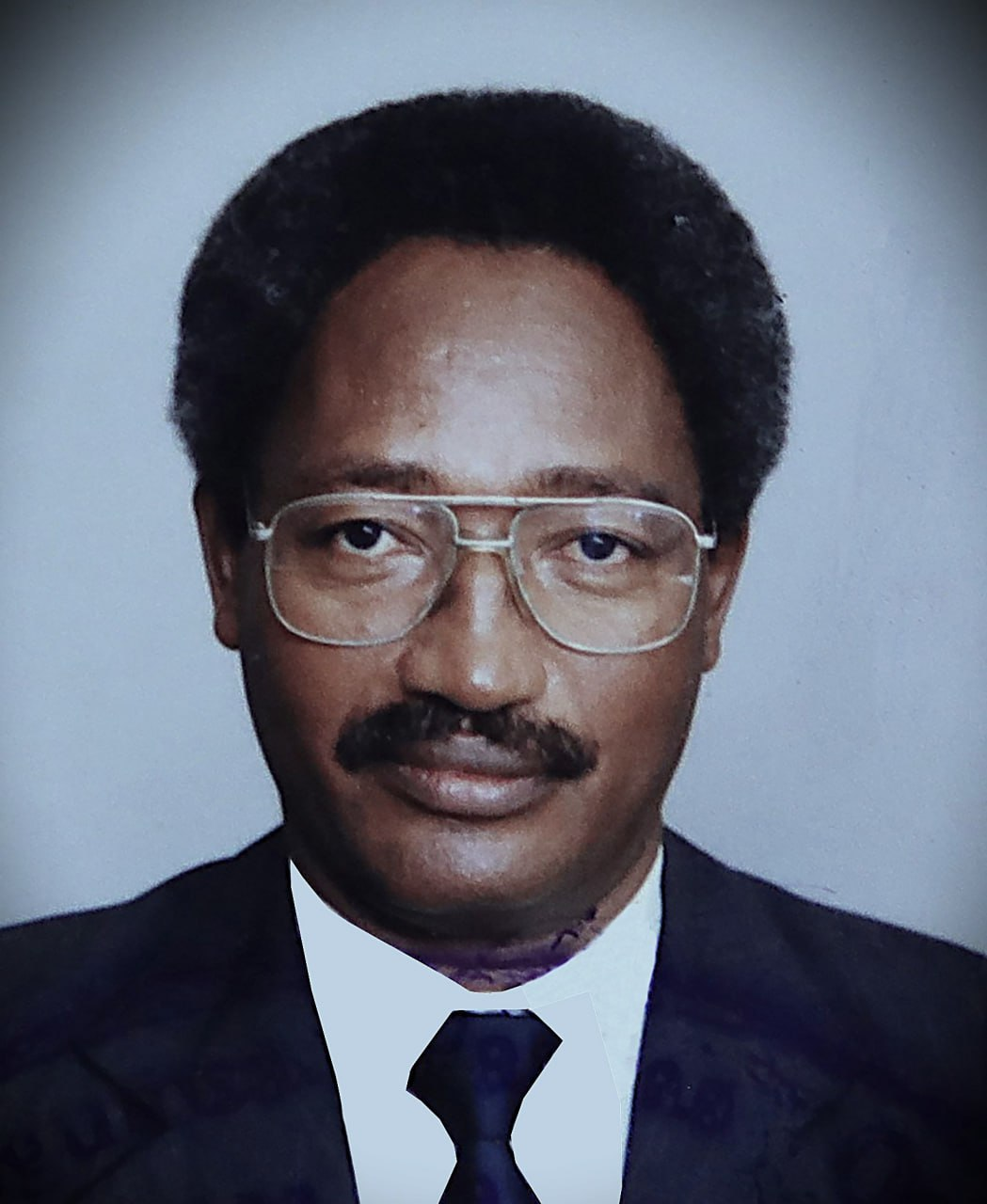
It is with profound sorrow and heavy hearts that we announce the sudden passing of Dr. Lata Tesfaye Jule, former President of Dembi Dollo University and a senior advisor to the Prime Minister of Ethiopia. Dr. Lata passed away in his hotel room at the Hilton Hotel in Virginia, USA, earlier today.
He was in Washington D.C. as part of an official Ethiopian government delegation, having arrived just yesterday. The cause of death is not yet publicly known, pending the results of a hospital examination. His remains are expected to be repatriated to Ethiopia tomorrow, Sunday, through the coordination of the Ethiopian Embassy.
Dr. Lata was also a member of the Ethiopian Parliament. He was widely recognized as a brilliant and accomplished scholar, having earned two doctorate degrees at a young age and playing a pivotal role in the expansion and development of Dembi Dollo University during his presidency.
A colleague who knew him personally from his time in Washington shared these reflections:
“I had the privilege of meeting Dr. Lata closely when he came to Washington D.C. for work. In our time together, I came to understand what a profoundly knowledgeable man he was—a scholar with great dreams. He never stopped learning. He had come to America to pursue his third doctoral degree when his life was tragically cut short in his hotel room, leaving his ambitions unfulfilled. The grief is double when people of such integrity and grand vision are taken from us so soon.”
The news of Dr. Lata’s untimely demise has sent shockwaves through communities in Ethiopia and abroad, prompting an outpouring of grief. Many express a deep sense of loss, mourning a dedicated public servant who worked with humility for his community and a man whose character and expertise transformed many lives.
Our deepest condolences go to his family, friends, colleagues, and all who knew and loved him. May God grant strength and solace to his loved ones during this unimaginably difficult time. May his soul rest in eternal peace.
Feature News: Celebrating Heritage and Harmony – Waaqeffannaa Faithful Usher in Oromo New Year 6420 at Walisoo Liiban Temple
WALISOO LIIBAN, OROMIA – In a profound celebration of cultural rebirth and spiritual unity, the Waaqeffannaa faithful gathered at the sacred Galma Amantaa (House of Worship) here on Thursday to solemnly and joyfully observe the Oromo New Year, Birboo, marking the dawn of the year 6420.
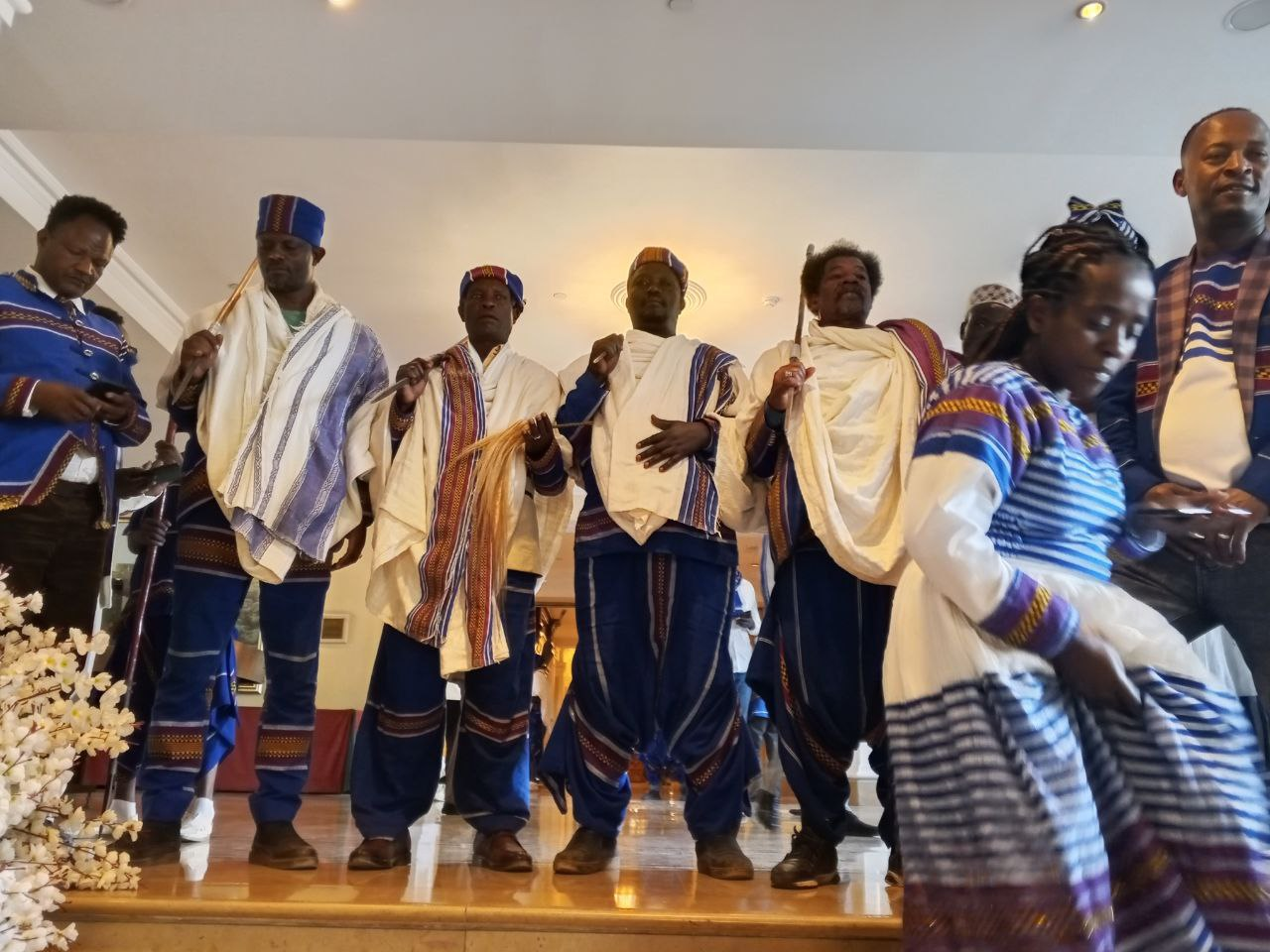
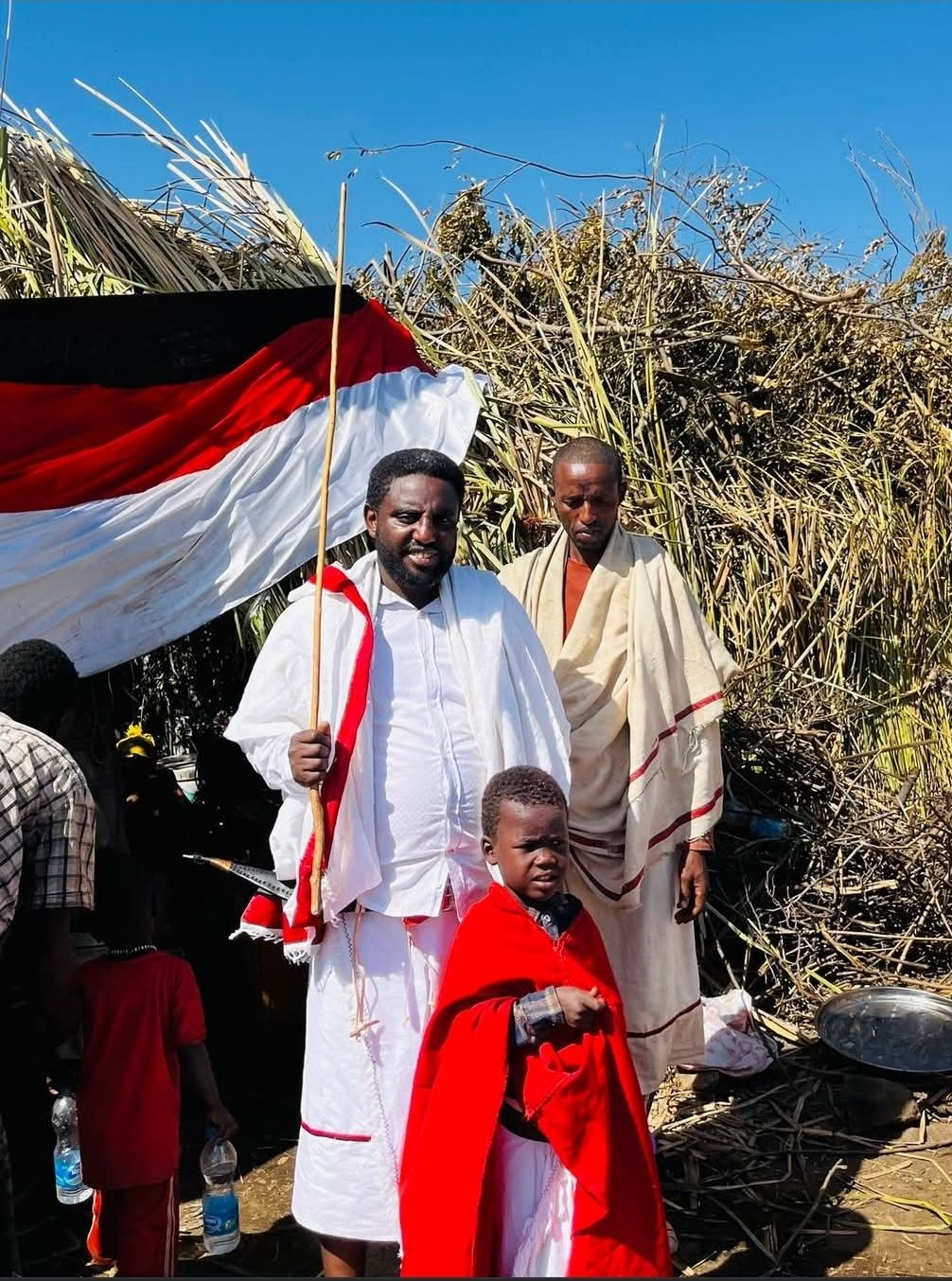
The ceremony was far more than a ritual; it was a powerful reaffirmation of an ancient identity, a prayer for peace, and a community’s declaration of continuity. Under the sacred Ficus tree (Odaa) that stands as a central pillar of the Galma, elders, families, and youth came together in a vibrant display of thanksgiving (Galata) to Waaqaa (the Supreme Creator) and reverence for nature and ancestry.
The air was thick with the fragrance of burning incense (qumbii) and the sound of traditional hymns (weeduu) as the Qalluu (spiritual leader) guided the congregation through prayers for blessing, prosperity, and, above all, peace for the coming year. The central message of the celebration, as echoed by the organizers, was a heartfelt benediction for the entire Oromo nation: “May this New Year bring you peace, love, and unity!” (Barri kun kan nagaa, jaalalaafi tokkummaa isiniif haa ta’u!).
This public and dignified observance of Birboo carries deep significance in the contemporary context of Oromia. As Ethiopia’s largest ethnic group navigates complex social and political landscapes, the celebration at Walisoo Liiban served as a potent symbol of cultural resilience.
“Observing Birboo at our Galma is not just about marking a calendar,” explained an elder attending the ceremony. “It is about remembering who we are. It is about connecting our past to our future, grounding ourselves in the values of balance, respect for all creation, and community that Waaqeffannaa teaches. In praying for peace, we are actively willing it into being for our people.”
The sight of children learning the rituals and youths actively participating underscored a vital theme: the intergenerational transmission of indigenous knowledge and spirituality. The celebration was a living classroom, ensuring that the philosophy of Safuu (moral and ethical order) and the connection to the Oromo calendar, based on sophisticated astronomical observation, are not relegated to history books but remain a vibrant part of community life.
The event concluded with a communal meal, sharing of blessings, and a collective sense of renewal. As the sun set on the first day of 6420, the message from the Galma Amantaa at Walisoo Liiban was clear and resonant. It was a declaration that the Oromo spirit, guided by its ancient covenant with Waaqaa and nature, remains unbroken, steadfastly hoping for and working towards a year—and a future—defined by nagaa (peace), jaalala (love), and tokkummaa (unity).
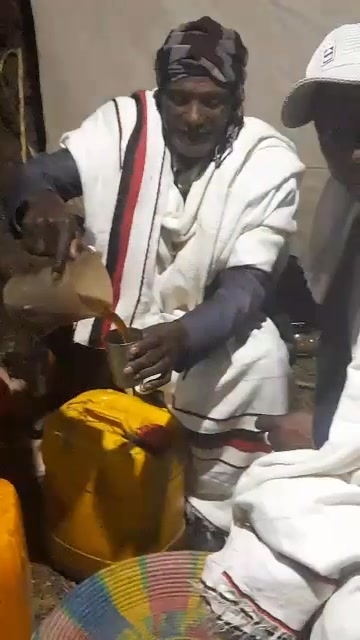
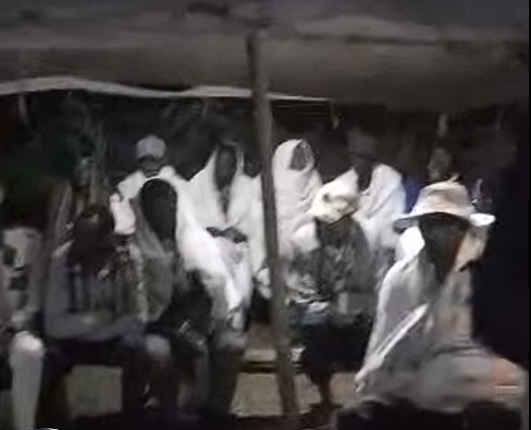
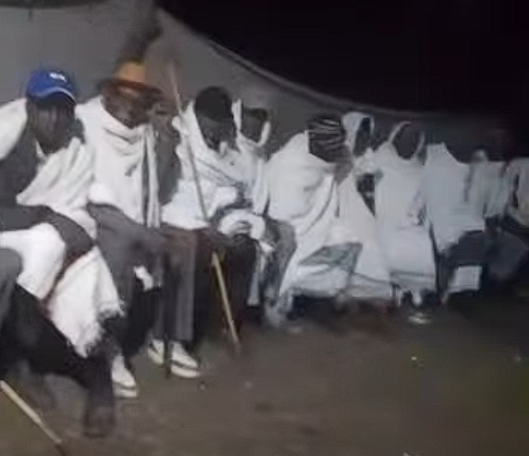
Muddee 26, 2025 — The esteemed Gadaa council of the Michillee clan within the Karrayyu Oromo nation has officially inaugurated the grand Cidha Buttaa ritual at Tarree Leedii, marking the beginning of a profound 12-day cultural and spiritual observance. The ceremony, which began on the 26th of Muddee (December), is set to conclude with major rites on the 26th and 27th.
The Cidha Buttaa is a complex sequence of traditional rites performed in a strict, consecutive order over its duration. The opening days have seen powerful foundational ceremonies:
Day 1 (Muddee 26):
The Gadaa council members formally took their designated seats (Tarree Leedii).
The sacred fire at the Abbaa Bokkuu’s (leader’s) hut was ignited.
Blessing rituals (Eebbaa) were performed.
A ritual of communion and sharing of ceremonial drink (Qubsuma) was held.
Camels (Geejjiba) were paraded in a display of honor and strength.
At Tulluu Huffeenna, a Kataarii tree was erected and burned, with prayers for abundance (Korbeessa Huffeenaa).
The Raabaa officials conducted rituals involving a ceremonial staff (Dhaddacha) and the planting of a ritual stake (Ardaaga).
Day 2 (Muddee 27):
A mature bull (Dullacha) was sacrificed at the entrance of the leader’s hut.
Vigil was kept over the sacred fire and the Ardaaga stake.
From the third to the fifth day (Muddee 28-30), the focus shifted to construction: building the main ritual lodge (Galma), installing the central ritual object (Daasa Keessummaa), and constructing enclosures for cattle and camels.
The period from the fifth to the ninth day (Muddee 30-Amajjii 3) involves spiritual and communal deliberations:
Pilgrimages to sacred sites like Uman, hills, and valleys.
Prayers for peace to Waaqa (the Creator).
A series of assemblies to discuss the preservation and transmission of Gadaa laws, customs, and clan identities.
Deliberations on environmental stewardship and land protection.
All these preparatory rituals will lead to the climactic ceremonies on the tenth day.
Day 10 (Amajjii 6):
At dawn, the final preparations (Hiiddii) will be made.
A special shelter (Bitimaa) will be erected behind the cattle enclosure.
In the afternoon, the Abbaa Galmaa (ceremony head) will stand before the shelter to formally authorize the appointed ritual actors (Gumaachitoota).
The Cidha Buttaa will then enter its final, most sacred phase on the night of the 6th of January, continuing into the 7th of January.
This elaborate ceremony reaffirms the vitality of the Gadaa system, serving as a critical mechanism for cultural renewal, social cohesion, spiritual blessing, and the intergenerational transfer of authority and knowledge among the Karrayyu Oromo.






 Oromedia