Unpacking the Controversies in General Gonfa’s Narrative
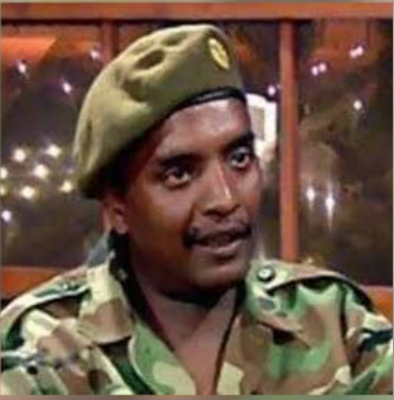
Feature Commentary: Unpacking the Narrative – A Rebuttal to General Hailu Gonfa’s ETV Interview
By Daandii Ragabaa
February 1, 2026
A recent interview given by General Hailu Gonfa, a former high-ranking member of the Oromo Liberation Army (OLA), to Ethiopian state television (ETV) has sent ripples through political and activist circles. Presented as a “tell-all,” the interview was a stark narrative of disillusionment with the OLF/OLA, peppered with allegations of foreign manipulation and internal failure. For the state broadcaster, it was a coup—a former insurgent commander validating state narratives. For many observers, however, it was a performance laden with contradictions and historical revisionism that demands scrutiny, not passive acceptance.
General Gonfa’s core thesis is one of victimhood at the hands of the Eritrean government (Shaebia) and strategic confusion within the OLF/OLA. He paints a picture of being used, misled, and ultimately betrayed. Yet, a closer examination of his own points reveals a narrative more complex and less absolving of his own agency.

1. The Eritrea Conundrum: Pawns or Strategic Partners?
Gonfa claims they went to Eritrea not out of hatred for Ethiopia, but to oppose the system, following the path of Eritreans themselves. He then details a three-month military training at Camp Ashfaray, a period of intense hardship. The critical question he sidesteps is: what did he and his comrades believe they were building towards in Asmara? Did they receive a political program from the OLF leadership? As senior military cadres, did they simply execute orders without understanding the overarching political strategy? His portrayal reduces seasoned officers to naive children, which insults both their intelligence and the gravity of their decision to seek foreign military training.
2. The Phantom “Russian Assignment” and Internal Discord.
He recounts a meeting in Russia where OLF members approached him, but they could not agree on a common agenda for working inside Ethiopia. He claims he was later given a vague, “impossible” national assignment. This raises a fundamental question: if there was such profound disagreement on core strategy before undertaking major actions, why proceed? The attempt to blame subsequent failures on a pre-existing lack of consensus suggests a failure of leadership and collective decision-making, not merely the deceit of others.
3. The “Oromia Republic” Straw Man.
This is perhaps the most disingenuous claim. Gonfa asserts a foundational disagreement over the goal of an “Oromia Republic,” which he labels a “colonial agenda.” He claims this deadlock was irreconcilable. Yet, the public record shows that figures like General Kamal Galchu, in a VOA interview, spoke openly about the possibility of a republic after achieving liberation. Furthermore, the OLF’s own political programs have historically navigated the spectrum between self-determination and possible independence based on a popular referendum. To frame a central, debated political aspiration as a shocking, divisive “colonial” plot is a gross misrepresentation of the struggle’s own intellectual history, likely tailored for his current audience in Addis Ababa.
4, 5 & 7: The Shaebia Scapegoat and the Mystery of Betrayal.
Gonfa dedicates significant time to blaming Eritrea for their imprisonment and manipulating the OLA’s military wing. He describes a mysterious Colonel “Xamee” who allegedly controlled them. This narrative of total Eritrean control sits awkwardly with his other claims of internal OLA agency, such as the alleged refusal of some army units to follow orders in 2018. If the OLA was merely a puppet, how did it exercise such defiance? His testimony about Colonel Abebe (allegedly now a Brigadier General in the OLA) is particularly damaging but presented without context or corroboration. It creates a convenient fog where all failures can be attributed to a shadowy foreign hand, absolving internal leadership of critical misjudgments.
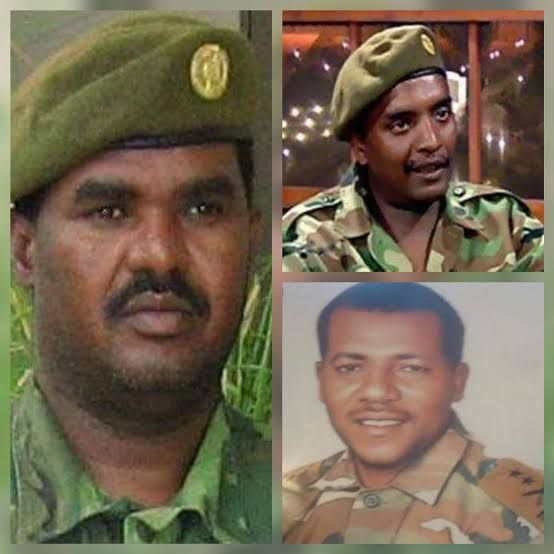
6. The Uncomfortable Transition from Refugee to Parliamentarian.
Gonfa’s personal journey—from an economic refugee with a Swedish passport to a member of parliament—is presented as a triumph of resilience. Yet, it unavoidably invites questions about the pathway from armed opposition to state legitimization. He speaks of the hardships of struggle, but for many watching, the stark contrast between the described suffering and his current official position underscores the complex, often ambiguous, transitions in Ethiopian political life, where former enemies can become state stakeholders.
8 & 9: Rewriting the Homecoming and the Gadaa Model.
He claims that upon returning to Ethiopia, they chose to work on national issues within the political system, respecting the existing OLF leadership. This sanitizes what many saw as a major split and a demobilization. His praise for the “Gadaa model” of conflict resolution, now being adopted in Amhara region, rings hollow. It appears less as a genuine endorsement of traditional systems and more as an endorsement of the federal government’s current policy of co-opting ethnic administrative models, a far cry from the Gadaa system’s principles of sovereignty and self-rule.
Conclusion: A Performance with a Purpose
General Hailu Gonfa’s interview is less a revelation and more a strategic repositioning. It is an effort to construct a personal and political narrative that reconciles a past of armed rebellion with a present of state accommodation. In doing so, it simplifies a multifaceted struggle into a story of foreign deception and internal error, draining it of its political substance and reducing it to a series of personal grievances and bad partnerships.
For the state, it is a useful narrative: the rebels were confused, controlled by Eritrea, and have now seen the light. For the still-active struggle, it is a warning about the power of state platforms to reshape history. For critical observers, it is a reminder that every testimony, especially those given in such loaded circumstances, must be read not just for what is said, but for the silences it cultivates and the interests it serves. The truth of the Oromo struggle, in all its sacrifice, complexity, and ongoing evolution, lies not in this single curated confession, but in the totality of its lived history, which is far messier, more principled, and more enduring than this interview suggests.
US-Ethiopia Accord: Unpacking the Anti-Terror Strategy

A Strategic Embrace: Reading Between the Lines of the US-Ethiopia “Anti-Terror” Accord
By Maatii Sabaa
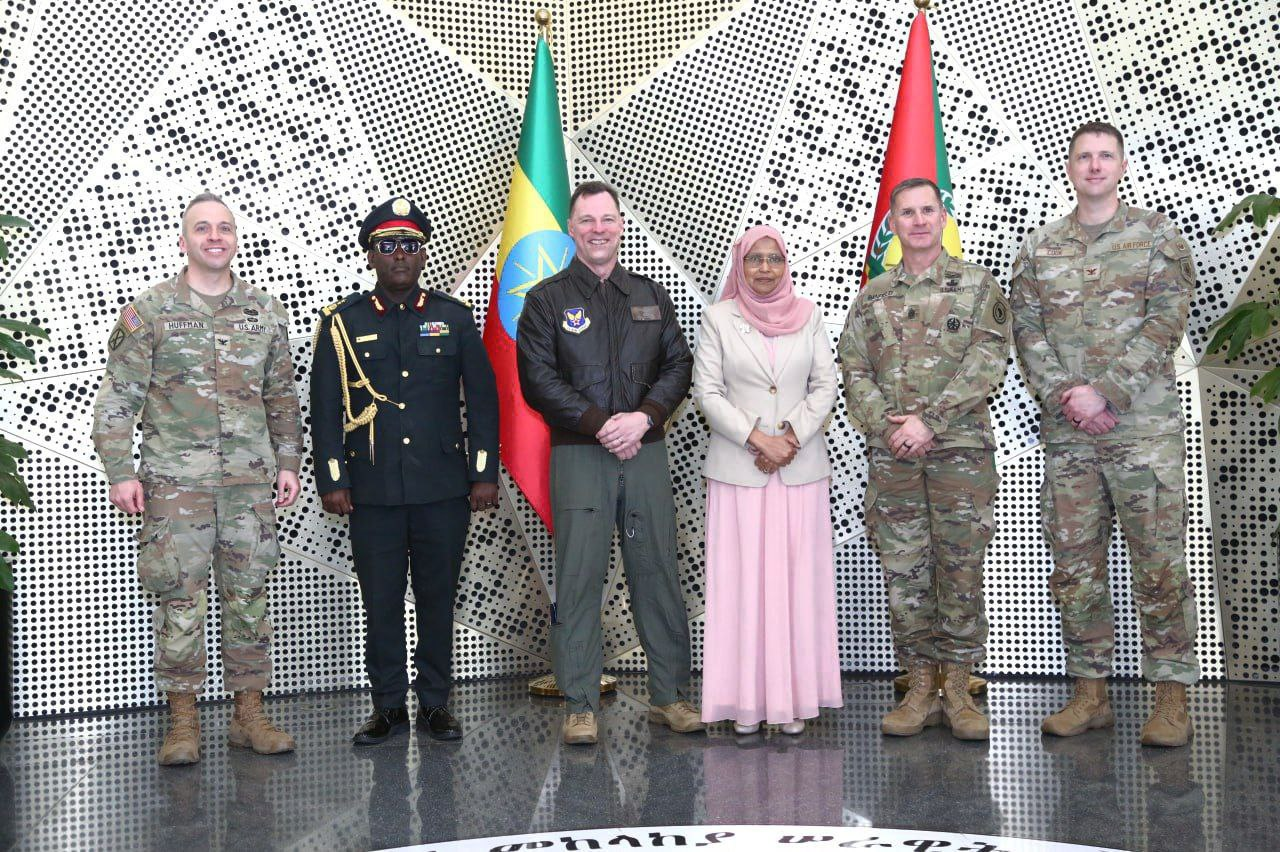
This week, the corridors of power in Addis Ababa hosted a meeting that was, on the surface, all about forward momentum. Ethiopian Defense Minister Engineer Aisha Mohammed received United States Africa Command (USAFRICOM) Commander General Dagvin Anderson, and the subsequent joint statement was a masterclass in diplomatic phraseology. The two nations, we are told, agreed to elevate their “growing diplomatic and military relations into a higher strategic partnership,” reaffirmed a shared commitment to “peace and security,” and—most pointedly—pledged to “jointly combat terrorism to safeguard their respective national interests.”
The language is smooth, strategic, and designed for international news wires. Yet, in the complex geopolitical theater of the Horn of Africa, such declarations are never just ink on paper. They are seismic signals, revealing shifting tectonic plates of influence, ambition, and realpolitik. To understand this meeting, one must read not just the statement, but the subtext, the timing, and the unspoken needs of both parties.
For the United States, represented by the commander of its African military umbrella, the engagement is a calibrated re-engagement. Ethiopia, long a cornerstone of US strategy in the region, experienced a profound rupture in relations following the Tigray War. The meeting signals a deliberate American pivot: from a posture of pressure and sanctions to one of renewed partnership, albeit with a clear, security-first agenda. The framing of “combating terrorism” provides a mutually acceptable chassis for this rebuilt relationship. It allows the US to re-establish critical military-to-military ties, secure influence in a strategically vital nation bordering volatile regions, and counter the deepening foothold of rivals like Russia and China. General Anderson’s presence at the 90th anniversary of the Ethiopian Air Force was not merely ceremonial; it was a symbolic reinvestment in a key institutional partner.
For the Ethiopian government of Prime Minister Abiy Ahmed, the benefits are equally compelling, but stem from a position of seeking consolidation. Emerging from a devastating internal conflict and facing persistent security challenges—from insurgent groups in Oromia to tensions with neighboring Somalia—Addis Ababa craves international legitimacy and material support. A publicized strategic partnership with the world’s preeminent military power serves both ends. It burnishes the government’s diplomatic standing, frames its internal conflicts through the lens of a global “war on terror,” and potentially unlocks access to security assistance, intelligence sharing, and diplomatic cover. The phrase “safeguard their respective national interests” is crucial here; it acknowledges Ethiopia’s sovereign prerogative to define its threats, while America gains a partner in regional stability.
However, the term “terrorism” in this context is a Pandora’s Box. Who defines it? Which groups fall under this banner? The agreement risks providing international sanction for the domestic suppression of political dissent or armed resistance movements, branding them as terrorists in the name of shared security. This has profound implications for human rights and political negotiation within Ethiopia. Critics will argue that such pacts can embolden securitized approaches to complex political problems, prioritizing military solutions over dialogue and reconciliation.
Ultimately, the Addis Ababa meeting is a transaction. The United States gains a relaunched strategic foothold. Ethiopia gains validation and support. The glue binding the deal is a shared, if vaguely defined, enemy: “terrorism.” While the language speaks of peace and partnership, the underlying calculus is one of hard-nosed interest. The test of this new chapter will not be in the warmth of high-level meetings, but in the concrete actions that follow. Will it lead to greater stability and rights-respecting security in Ethiopia, or will it simply militarize a troubled landscape under a new banner of cooperation? The joint statement opens a door; what walks through it will define the true meaning of this strategic embrace.
Australia’s Crackdown on Migrant Exploitation
EXCLUSIVE
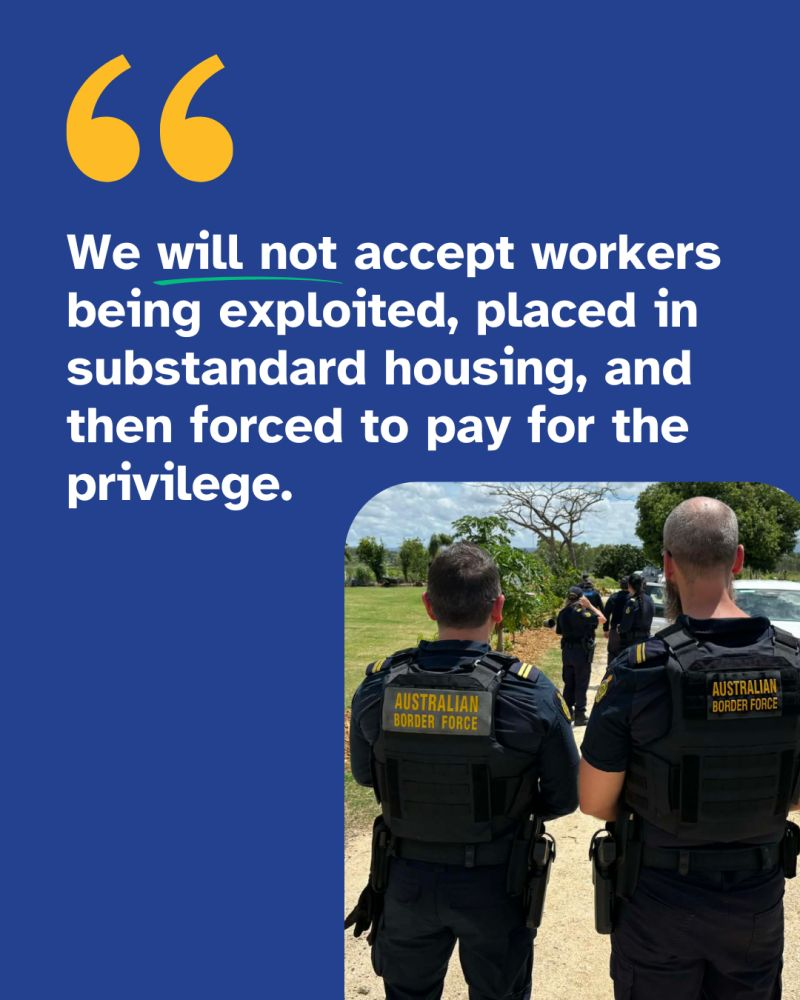
MAJOR BORDER FORCE OPERATION NETS FOUR IN FAR NORTH QUEENSLAND CRACKDOWN ON MIGRANT EXPLOITATION SYNDICATES
CAIRNS, QLD – Australian Border Force (ABF) officers have launched a major offensive against criminal networks profiting from the illegal exploitation of migrant workers, detaining four high-priority targets in Far North Queensland in a sweeping operation.
The Department of Home Affairs-led operation, which targeted immigration non-compliance, visa fraud, and labour trafficking, marks a significant escalation in efforts to dismantle sophisticated syndicates preying on vulnerable workers and undermining the integrity of Australia’s migration system.
“This operation sends a strong message that Australia will not tolerate the abuse of our visa system or the exploitation of people who come here to work,” a senior ABF official stated. “Regional communities do not want this criminal behaviour in their backyard, and we are acting decisively to disrupt it.”
The Detained:
According to ABF sources, those apprehended include:
- A suspected fraudulent migration agent and his partner, who allegedly targeted workers from the Pacific Australia Labour Mobility (PALM) scheme. They are accused of charging exorbitant fees to lodge invalid Protection Visa applications, leaving workers in legal limbo and severe debt.
- An unlawful non-citizen alleged to be a key facilitator, trafficking illegal migrant workers to local businesses while providing unlawful immigration assistance.
- An individual accused of using violence and coercion to control vulnerable migrants, funneling them into illegal work while subjecting them to substandard housing and appalling working conditions.
Cracking Down on “Modern Slavery” in Plain Sight
The operation highlights a growing national focus on what authorities describe as “modern slavery in plain sight” within certain industries. Criminal syndicates are suspected of using complex visa fraud, deceptive recruitment, and intimidation to create a cheap, compliant, and illegal workforce.
The exploitation of PALM scheme workers, a government program designed to support Australia’s agricultural and regional sectors through legal, protected labour, is of particular concern. The alleged actions of the detained migration agent represent a direct attack on a vital bilateral program, jeopardising the welfare of workers and community trust.
Community Vigilance Crucial
Authorities have praised the role of the public and regional communities in reporting suspicious activity, which directly contributed to the intelligence-led operation.
“Members of the public continue to play a critical role,” the ABF emphasised. “Their reports help us build a picture of these exploitative networks and take action.”
The ABF urges anyone with information on visa fraud, illegal work, or worker exploitation to report it anonymously via the Border Watch program online. The public is reminded that illegal workers are often victims themselves, ensnared by deceptive promises and crippling debt.
The four individuals are now in immigration detention pending their removal from Australia. Investigations into the wider networks involved are ongoing, with the ABF warning that further enforcement action is expected.
Burtukan Mideksa’s Journey: A Political Memoir Unveiled

Feature Commentary: “መመለስ” – The Return of a Voice and the Resonance of Memory
In the rich tapestry of Ethiopian political life, few contemporary figures command the blend of unwavering principle and administrative acumen quite like W/ro Burtukan Mideksa. Her journey—from the bench to political leadership, from imprisonment to international diplomacy—has been a defining narrative of Ethiopia’s turbulent recent decades. The recent ceremonial launch of her Amharic-language memoir, “መመለስ: ቦጌ ትውስታዎቼ” (“Return: My Bogé Memories”), is therefore more than a literary event. It is a significant political and cultural moment, a formal re-entry of a pivotal perspective into the nation’s ongoing dialogue about its past and its future.
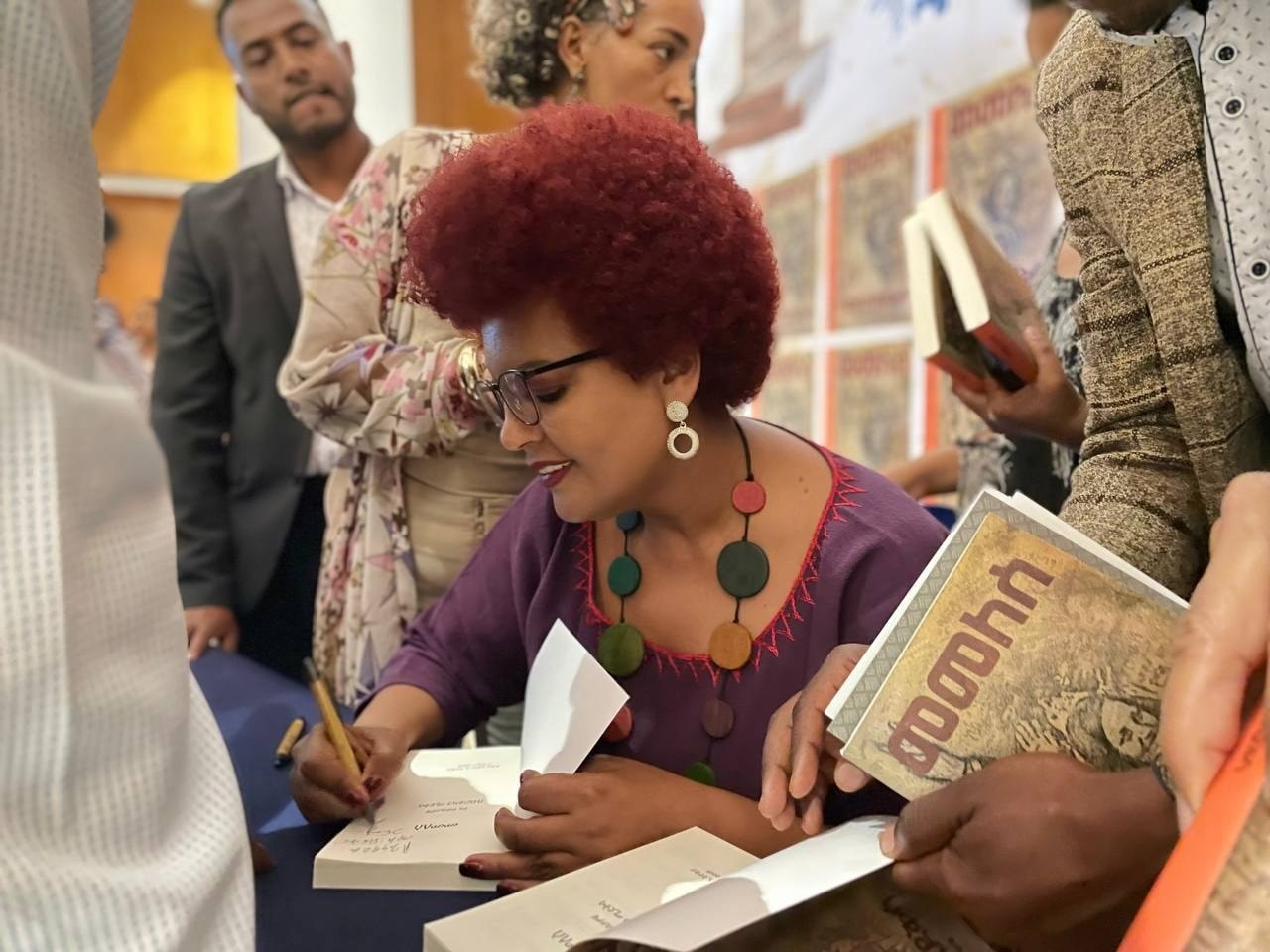
The title itself, “መመለስ” (Return), is profoundly evocative. On one level, it refers to a physical and spiritual return to Bogé—a place steeped in personal and national history, likely referencing a period of reflection, struggle, or origin. On another, it signifies the return of Burtukan Mideksa’s own voice to the public sphere in a new, enduring form. After years of being analyzed, quoted, and defined by others—as a judge, an opposition leader, a prisoner of conscience, and most recently as the Chairperson of the National Election Board of Ethiopia (NEBE)—this book represents her opportunity to define her own narrative, to “return” the story to its source.
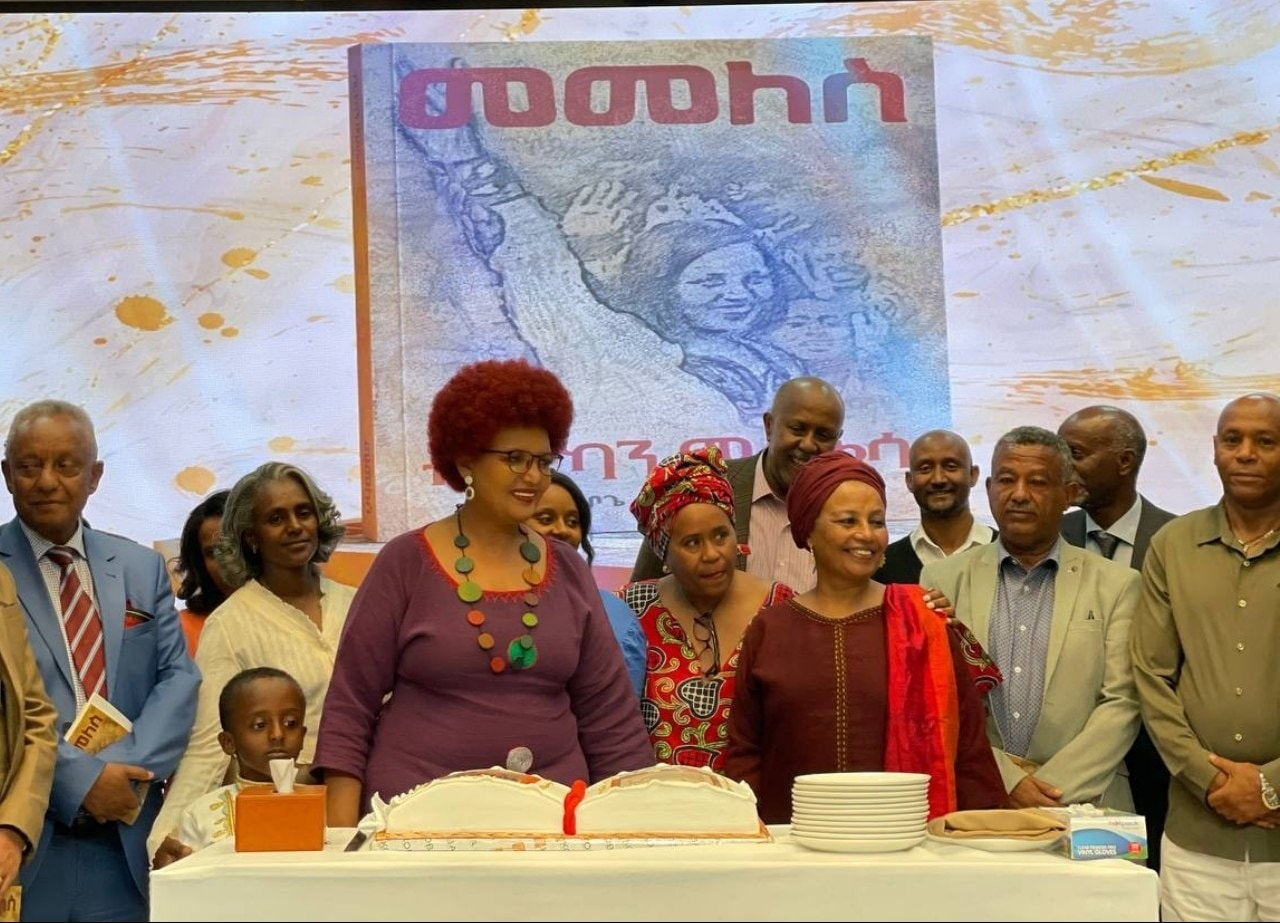
The launch event, as reported, was fittingly dignified, attended by a host of guests and featuring readings by prominent figures like Abba Balcha and Konjit Seyoum. The participation of intellectuals and analysts such as Soliana Shimelis, Worqneh Tefera, Hirut Tefaye, Tewodros Aylaw, and Dawit Birhanu underscores the book’s perceived weight. It is not treated as a mere personal account but as a primary source document, a contribution to the collective understanding of Ethiopia’s political evolution over the last thirty years.
The book’s structure—37 chapters spanning 292 pages—suggests a comprehensive and detailed reckoning. For students of Ethiopian politics, the promise lies in the granular, firsthand account of critical junctures: the fraught 2005 elections, the experience of political imprisonment, the internal dynamics of opposition politics, and the complex challenges of leading an institution like the NEBE in a polarized environment. It offers a rare, insider’s view from a figure who has operated at the highest stakes of the country’s democratic struggle.
However, the publication of “መመለስ” arrives at a deeply complex moment. Ethiopia is a nation still grappling with the wounds of a brutal civil war, severe internal fractures, and an uncertain political transition. In this context, a memoir by a figure of Burtukan’s stature is inevitably a political act. It will be read not just for its recollections, but for its judgments, its silences, and its implicit commentary on present-day actors and crises. It has the potential to reframe debates, validate certain historical narratives, and challenge others.
Ultimately, the significance of “መለሰ” extends beyond its immediate political insights. It represents the power of personal testimony in a national story often dominated by grand ideologies and collective movements. By sharing her “Bogé memories,” Burtukan Mideksa does more than recount events; she invites a conversation about resilience, principle, and the personal cost of public life in Ethiopia. Whether as a tool for historical clarification, a mirror for the present, or a guide for future leaders, this “return” of memory to the public domain is a vital addition to the fragile architecture of Ethiopia’s national understanding. Its true impact will be measured not just in book sales, but in the depth and quality of the dialogue it inspires.
The Truth Behind the Grand Ethiopian Renaissance Dam

Feature Commentary: Untangling the Nile – Correcting the Record on Africa’s Renaissance Dam
In the global discourse surrounding the Grand Ethiopian Renaissance Dam (GERD), facts have often been submerged under waves of political rhetoric and historical bias. A recent intervention by former U.S. President Donald Trump, laden with sweeping inaccuracies, serves as a stark case study in how misinformation can poison complex transboundary issues. By examining his ten central claims, we can separate hydroelectric reality from hydrological fiction and recenter a conversation that is fundamentally about development, sovereignty, and dignity.
The False Financial Ledger
The assertion that “The United States paid for the dam” (Claim No. 1) is not merely incorrect; it is an erasure of a national endeavor. GERD stands as a monument to domestic sacrifice, funded by Ethiopian bonds, civil servant contributions, and public mobilization. This narrative of external funding subtly strips Ethiopia of its agency, reframing a sovereign project as a foreign-sponsored venture. The truth is more powerful: Africa’s largest hydropower plant is being built by Africans, for Africans.
The Hydro-Logic of Power, Not Theft
The core technical misrepresentations reveal a fundamental misunderstanding—or deliberate mischaracterization—of how a dam functions. GERD does not “stop the Nile” (Claim No. 2) nor did Ethiopia ever “cut off Egypt’s water” (Claim No. 3). A run-of-the-river hydropower plant generates electricity from the flow of water, which then continues downstream. It is not a reservoir of contention but a conduit of energy. Repeating the fiction of water theft does not make it fact; it manufactures a crisis where none exists.
The Colonial Claim vs. The Geographic Truth
The most historically loaded falsehood is that “The Nile belongs to Egypt” (Claim No. 4). This claim is a relic of colonial-era agreements from which Ethiopia was excluded. Over 86% of the Nile’s water originates in the Ethiopian highlands. A nation does not seek permission to use a river that springs from its own soil. Sovereignty over natural resources is not granted by historical habit or downstream hegemony.
Sovereignty, Not Permission
This leads directly to the paternalistic fantasy that “someone allowed Ethiopia to build this dam” (Claim No. 6). Ethiopia, a sovereign state, did not request nor require an external permit to develop its infrastructure. To frame GERD’s existence as something that was “allowed” is to deny the very essence of self-determination. Similarly, labeling national development as a “crisis Ethiopia created” (Claim No. 5) inverts the moral framework. The crisis is the persistent expectation that African nations should forgo electrification and growth to preserve an untenable status quo.
Weaponizing Rhetoric vs. Generating Watts
The rhetorical escalation to call GERD “a weapon” (Claim No. 7) or a direct threat to “Egypt’s survival” (Claim No. 8) is dangerous alarmism. The dam is concrete and steel, producing megawatts, not conflict. Egypt’s water security challenges—rooted in population growth and resource management—predate GERD. Blaming an upstream dam is a political diversion from difficult domestic reforms.
The Fallacy of the Outsider Savior & The Apology That Is Not Owed
Finally, the twin falsehoods of a solitary “powerful outsider” capable of solving the dispute (Claim No. 9) and that “Ethiopia must apologize for progress” (Claim No. 10) are two sides of the same coin. They suggest African agency is insufficient and that development is an offense. Sustainable resolution will come from good-faith negotiation among the Nile Basin nations—Egypt, Sudan, and Ethiopia—not from external diktat. And using one’s own resources to lift millions from energy poverty warrants celebration, not contrition.
The Real Dam Blocking Progress
In the end, GERD is not the problem. Ethiopia’s pursuit of development is not the problem. The problem, as this list of false claims makes abundantly clear, is misinformation. It is the circulation of outdated narratives, the weaponization of technical ignorance, and the refusal to acknowledge a simple truth: that the long-overdue renaissance the dam’s name promises is for Ethiopia, and its light need not dim any other nation’s future. The path forward is lit by facts, not fiction.

Australia Mourns Bondi Victims with Light and Silence, as Communities Reaffirm Hope
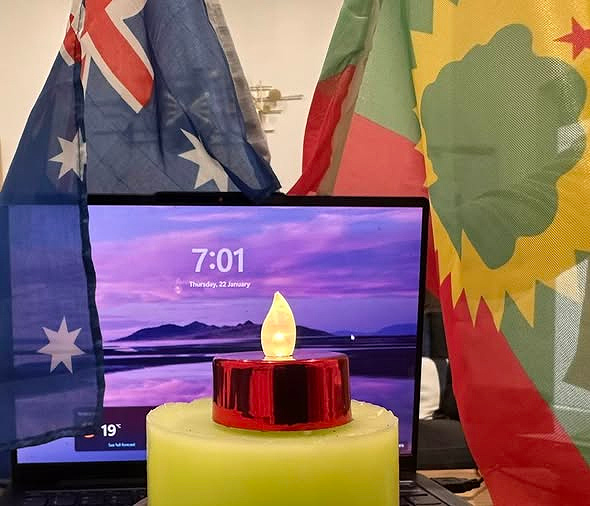
January 22, 2026 | AUSTRALIA – Today, Australia stands still in a sombre moment of national unity, observing a National Day of Mourning for the 15 lives taken in the devastating terrorist attack at Bondi’s Jewish community centre last month.
The Day of Mourning has been declared as a time for collective reflection, with all Australians called upon to join together in grief and solidarity. “It is a day for all Australians to come together to grieve, remember, and stand against antisemitism and hate,” a government statement affirmed.
In a series of formal tributes, flags are being flown at half-mast across federal and Victorian government buildings. As evening falls, iconic landmarks throughout Victoria will be illuminated in white—a powerful visual symbol of resilience, peace, and the collective determination to move forward.
At exactly 7:01 PM, the time the attack unfolded on December 14, 2025, the nation is invited to pause for a minute of silence—a shared moment to remember the innocent victims whose lives and futures were violently cut short.
Personal Acts of Remembrance Echo National Resolve
The official day of mourning is mirrored in the private homes of Australians from all walks of life, where the national tragedy resonates with personal histories of loss and resilience. For some, the act of remembrance is profoundly intertwined with their own experiences.
“At 7:01 PM, my family and I lit memorial candles for a minute of silence,” shared one community member, speaking from Melbourne. Their reflection wove together the national moment with a deeply personal journey: “We found the peace and freedom in Australia that was violated in our homeland, Oromia. Therefore, we condemn any act of hatred. We reiterated our hope that any darkness will be conquered by light.”
This sentiment underscores the profound significance of safety and social cohesion for Australia’s multicultural communities. For many who have sought refuge and stability, the attack strikes at the very promise of sanctuary that Australia represents.
A Nation’s Grief, A Shared Commitment
Today’s observances are more than ritual; they are a national reaffirmation of the values that bind a diverse society together. The minute of silence, the lowered flags, and the glowing white landmarks serve as public pledges against hate, offering a collective response to tragedy through unity and remembrance.
As candles flicker in windows and cities shine with light, the message echoing across the country is clear: from the depths of shared mourning arises a strengthened commitment to ensure that light—and the hope it carries—will always prevail.
Victoria Commemorates National Day of Mourning for Bondi Victims

Feature News: Victoria Joins National Day of Mourning, Illuminating a Path Forward from Bondi Tragedy
MELBOURNE, VIC – Today, Victoria stands in solemn solidarity with the nation, observing a National Day of Mourning to honour the 15 lives lost in the devastating terrorist attack at Bondi Beach’s Jewish community centre on December 14, 2025.
The Victorian Department of Premier and Cabinet has outlined the state’s formal acts of remembrance, framing the day as both a moment for collective grief and a resolute stance against hate. “It is a day for all Australians to come together to grieve, remember, and stand against antisemitism and hate,” the statement read.
Across the state and the country, visual symbols will mark the day’s gravity. Flags will be flown at half-mast at all Commonwealth and Victorian Government buildings—a universal gesture of loss and respect. As dusk falls, the tribute will transform. Major landmark buildings across Victoria’s skyline will be illuminated in white, a deliberate symbol of light, peace, and resilience cutting through the darkness of tragedy. “A symbol of light, as we move forward as a nation,” the government statement noted.
The commemoration will reach its poignant peak at 7:01 PM, the exact time the attack unfolded. Australians are invited nationwide to observe a minute of silence, a shared national pause to remember the 15 innocent victims whose lives and futures were tragically stolen.
The coordinated national response, which includes similar observances from federal and other state authorities, underscores a unified commitment to social cohesion. By designating a National Day of Mourning, officials aim to channel raw community sorrow into a reaffirmation of shared values—condemning antisemitic violence and all forms of bigotry while honoring the victims with dignity.
Today, as buildings glow white and flags hang low, Victoria’s official acts of remembrance serve as a public covenant: to mourn deeply, to remember collectively, and to walk forward together, guided by light.
Australia Observes National Day of Mourning After Bondi Attack

SYDNEY, Thursday, 22 January 2026 – The nation will come to a standstill in quiet reflection today as Australia marks a National Day of Mourning for the 15 innocent lives lost in the tragic anti-semitic attack at Bondi Beach last month.
On 14 December 2025, a devastating act of violence shattered the community of Bondi, targeting its Jewish community centre and leaving a nation in mourning. Today, Thursday, 22 January, is dedicated to honouring the victims, their grieving families, and all communities scarred by the tragedy.
A Nation’s Symbols at Half-Mast
As a mark of solemn respect, the Australian Government has directed all flags across the country, including on government buildings and naval vessels, to be flown at half-mast from sunrise to sunset. The visual gesture represents a nation’s collective grief and solidarity.
The official commemoration will reach its poignant peak this evening. Australians in every state and territory are invited to join in a shared national moment: lighting a candle at 7:01pm AEST—the time the attack unfolded—and observing one minute of silence.
“This simple, powerful act is a symbol of our remembrance and our unity,” a government statement read. “It is a light against the darkness of hate, a silent promise to stand together.”
Community and Coalition Stands in Solidarity
The Federation of Ethnic Communities’ Councils of Australia (FECCA), the peak national body representing Australia’s multicultural communities, issued a powerful statement of solidarity.
“FECCA stands firmly with the Jewish community and all those affected by this horrific act of hate,” the statement said. “We call for unity, compassion, and responsible public discourse in our shared efforts to eradicate anti-Semitism, racism, and all forms of bigotry from our society.”
The call underscores the day’s dual purpose: not only to mourn but to reaffirm a commitment to social cohesion. Vigils and interfaith gatherings are being held in capital cities and towns nationwide, bringing together leaders from diverse faiths and cultural backgrounds in a show of collective resilience.
A Day of Reflection and Resolve
Today is more than a date on the calendar; it is a national pause. It is a day for Australians to reflect on the preciousness of life, the strength found in community, and the enduring values of tolerance and respect that define the nation.
As candles are lit in windows from Bondi to Broome, the message is clear: Australia mourns together, remembers together, and stands determined to ensure that light and unity prevail over hatred and division.
Oromo Freedom Fight: Adapting Through Generations
The Unstoppable Train of Oromo Struggle: Navigating Detours on the Long Road to Freedom
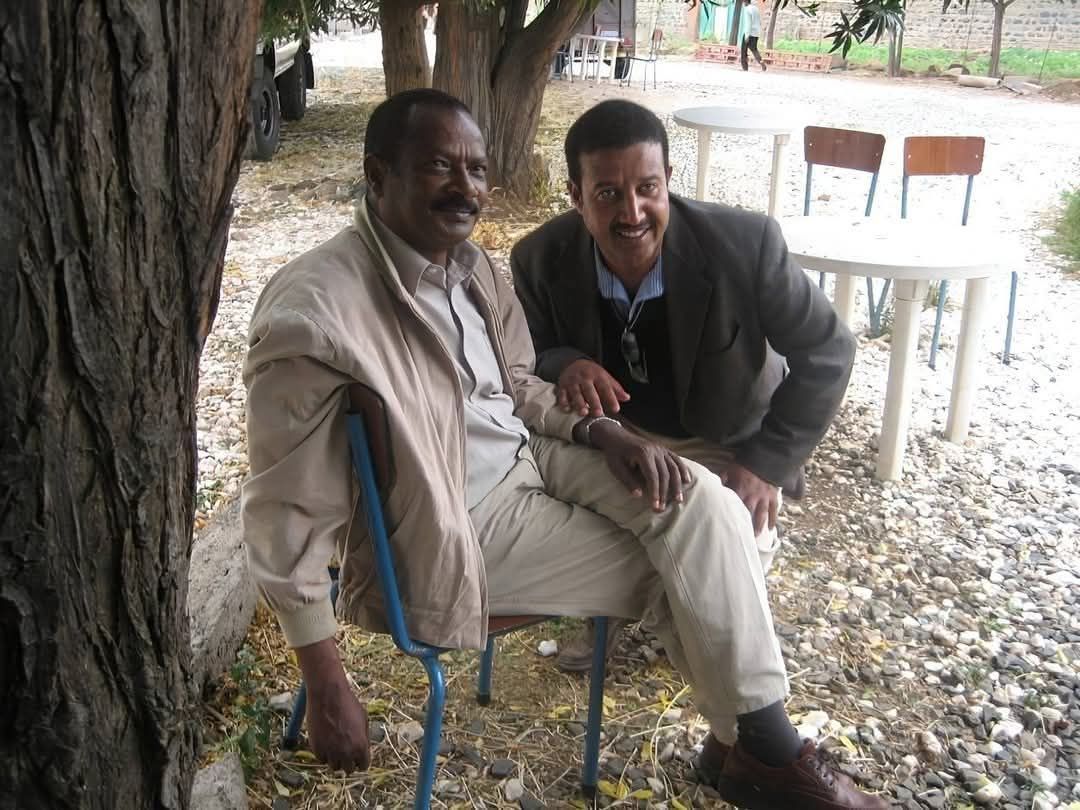
As the Oromo Liberation Struggle evolves through generations, internal debates and shifting allegiances test its unity while fueling its enduring momentum.
The Oromo struggle for self-determination has never relied on today’s technology or instant communication. Historically, Oromo intellectuals and leaders from all regions – East, West, North, and South – united under the common banner of Oromumma (Oromo national identity). They converged with a shared goal: to liberate the Oromo people and their homeland from subjugation. This foundational mission continues to live on in new generations.
History shows that in any protracted struggle, there are those who win and those who are won over. Individuals who were once active participants or leaders sometimes shift allegiances, abandon the cause, or change sides at critical junctures. Within the Oromo struggle, some who initially fought against the imperial system later shifted to defending the very Ethiopian imperial structure when the Oromo people mobilized to reclaim their inherent right to self-rule. We see those who left the Oromo Liberation Front (OLF) to spend their twilight years propping up the oppressive empire.
When a people’s struggle is long, the commitment of its fighters is tested. Some persevere through the long years, while others, from leadership to the rank-and-file, grow weary. Some withdraw, others are co-opted, and some simply disappear. Yet, the struggle itself does not halt; it regenerates, absorbing new generations and maintaining its forward momentum. This is why it is likened to a train.
A train, once departed, does not stop until it reaches its final destination. Some passengers disembark at stations convenient for them, having traveled as far as they wished. Others may fall off along the tracks. But the train continues, picking up new passengers at every stop, joining them with those who began the journey, all moving together. The struggle operates similarly. If it stalls for a decade, thousands more join its ranks. Thus, even if some OLF leaders or members abandon it, new generations, believing deeply in its cause and ready for sacrifice, will take their place.
The core mission of the OLF is to secure a system of freedom for the Oromo people.
Historical figures like Jaal Dawud Ibsa and Obbo Leencoo Baati once shared a common goal and vision. Their paths, and those of many others, reflect the complex dynamics of a movement navigating the arduous journey toward liberation.
Bishoftu Landholders Imprisoned: Unpacking Eviction Controversy

Eight Farmers and Landholders Imprisoned in Bishoftu After Defying Eviction Order
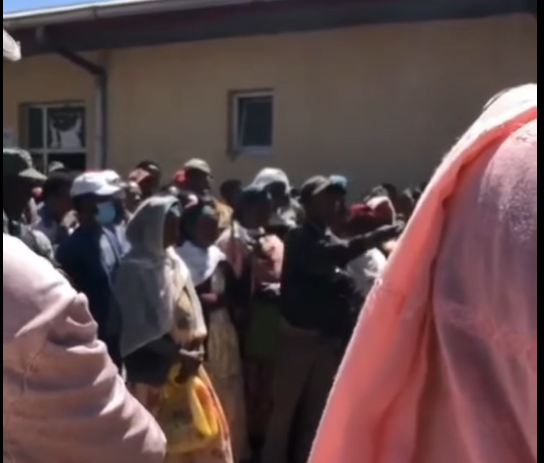
BISHOFTU, OROMIA – Eight individuals, primarily farmers and family heads, are currently being held at the Dhaka Booraa detention center in Bishoftu town after reportedly refusing to vacate their homes on an area known as “Aabbuu” land. The group was forcibly evicted and detained after their refusal to leave voluntarily, according to information obtained by the Oromo Media Network (OMN).
The individuals detained are identified as both landowners and tenant farmers, holding legal documentation for the land from either their fathers or previous owners. The list provided by OMN details their circumstances:
- Biraanuu Tolosaa: Holds ownership documents certified by a court. Father of 2.
- Dammaa Kaasa: A tenant farmer (qotee bultuu).
- Zawuduu Juuflaa: Holds court-certified documents granted by his father. Father of 6.
- Likkuu Miidhaksa: Holds court-certified ownership documents. Mother of 5.
- Shuumii Juuflaa: Holds court-certified documents granted by his father. Father of 6.
- Biree Tarruu: Holds court-certified documents granted by his father. Father of 2.
- Baalchaa Bashaadaa: Holds court-certified documents granted by his father. Father of 3.
- Abarraa Lammeechoo: Holds court-certified documents granted by his father. Is a person with a disability.
- Qorichoo Gammachuu: Holds land received from his family. Father of 4.
The case highlights tensions over land rights and eviction procedures. The detainees’ possession of court-certified documents suggesting legal ownership or tenure raises significant questions about the basis of the eviction order and their subsequent arrest.
Officials from the Bishoftu city administration or local police have not yet issued a public statement regarding the specific charges against the group or the legal authority for the eviction at the “Aabbuu” site.
Community sources express concern over the detention of multiple breadwinners and a person with a disability. The incident is expected to amplify ongoing debates about land disputes, due process, and the protection of livelihoods in the region.
This is a developing story. Further updates will follow as more information becomes available from official sources.
 Oromedia