Strengthening Community Bonds: Social Cohesion Event

Feature News: Southeast Melbourne Councils Launch “Social Cohesion” Workshops, Seek Community Architects
GREATER DANDENONG, VIC – In a proactive move to strengthen the social fabric of one of Australia’s most diverse regions, three neighbouring councils are joining forces to host a unique community workshop. The City of Greater Dandenong, the City of Casey, and the Shire of Cardinia are calling on local residents to help define and build a shared vision for a stronger, fairer future.
The initiative, a facilitated workshop titled “Defining Social Cohesion,” aims to create a safe space for residents to explore what unity, belonging, and mutual respect mean in their rapidly growing communities today.
Turning Shared Visions into Reality
“Every voice matters,” states the joint announcement, framing the workshop as a foundational step in collaborative community planning. The goal is to move beyond abstract ideals and turn collective aspirations into tangible outcomes. The facilitated discussion will focus not only on defining social cohesion but also on the practical role each resident plays in shaping it.
“Together, we can turn our shared visions into reality,” the councils propose, positioning the event as a grassroots opportunity to directly influence the social landscape of Melbourne’s vibrant southeast.
A Call for Diverse Voices
Participation is specifically limited to residents of the southeast Melbourne area, ensuring the conversation is grounded in local experiences and challenges. With limited spots available, organisers are urging interested community members to register early.
Event Details:
- Date: Wednesday, 28 January
- Time: 12:30 PM – 3:30 PM
- Location: Dandenong Civic Centre – Training Rooms 1 and 2
- Registration & Info: Residents are encouraged to register promptly via their local council websites or contact the organising academic partner for questions at tmiletic@unimelb.edu.au.
Building Resilience from the Ground Up
This workshop comes at a time when communities nationwide are reflecting on social harmony and resilience. By facilitating these conversations locally, the councils of Greater Dandenong, Casey, and Cardinia are investing in a community-led model for social planning, recognizing that the strongest cohesion is built from the ground up, one conversation at a time.
The event represents a significant opportunity for residents to become active architects of their community’s future, ensuring the southeast continues to be a place where diversity is not just acknowledged but is the very source of its strength.
Gadaa Assembly: Reviving Oromo Identity and Democracy

Gadaa Assembly in Harar Champions Oromo Identity, Peace, and Pre-Colonial Democracy
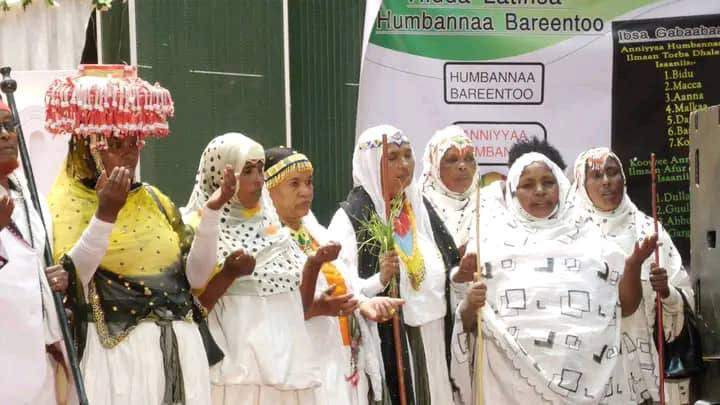
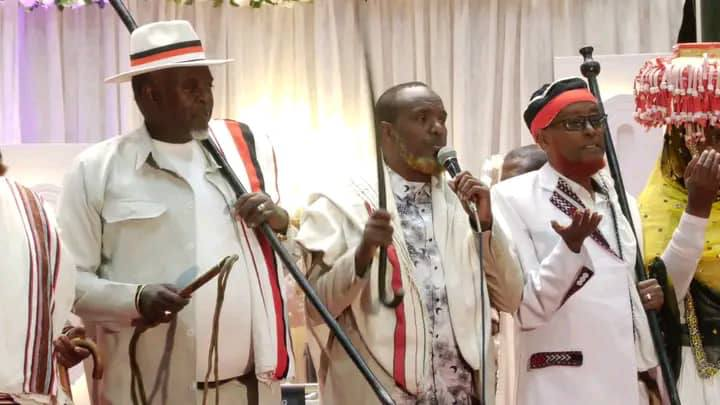
HARAR, OROMIA – In a vibrant display of cultural continuity and unity, the Gumii Gadaa (Gadaa Assembly) of the Humbannaa Bareentoo Oromo generation was held in the historic city of Harar. Convening under the theme “Gadaa is Oromo Identity, Equality, Peace, and Justice,” the assembly brought together diverse Gadaa councils and a broad public audience to reaffirm the enduring values of the indigenous Oromo governance system.
The significant gathering saw the participation of leaders from three major Oromo Gadaa lineages: the Abbootiin Gadaa Humbannaa, Abbootiin Gadaa Afran Qalloo, and Abbootiin Gadaa Ituu. The event served as a powerful platform to discuss Gadaa’s role as a bedrock of social order and a precursor to modern democratic ideals.
Gadaa as a Foundational System of Equality and Governance
Addressing the assembly, Abbaa Gadaa Humbannaa Bareentoo, Gugsaa Ibsaa, articulated the system’s core philosophy. He stated that the Gadaa system is the framework through which all human beings are born equal and should live as equals—a principle embedded in its social and political structures.
“Peace is essential for everyone, and therefore, paramount attention must be given to peace,” Abbaa Gadaa Gugsaa emphasized, highlighting the system’s intrinsic link to stability and social harmony. He further described Gadaa as a system of “development, unity, brotherhood, and love.”
Official Recognition of Historical Contribution
Regional officials acknowledged the profound historical and contemporary relevance of the Gadaa system and the Oromo people.
Mr. Naasir Ahmad, Head of the Harari Regional Culture, Sports, and Tourism Bureau, praised the Humbannaa Bareentoo lineage for playing a distinctive and vital role in the struggle and interests of the Oromo people throughout history.
He also made a striking historical assertion, noting that “the Gadaa system was an example of democracy before the concept of democracy itself [existed in the region].”
Echoing this sentiment, Ms. Sa’aada Abdurahman, Head of the East Hararghe Zone Culture and Tourism Bureau, reminded attendees that the Oromo people have lived for centuries with their own history, language, culture, and self-governing Gadaa system.
She provided a compelling timeline, asserting that “the Oromo people governed themselves with the Gadaa system for over 700 years,” and that this system predates the democracies currently practiced in Western nations by some 200 years.
A Convergence of Leadership and Legacy
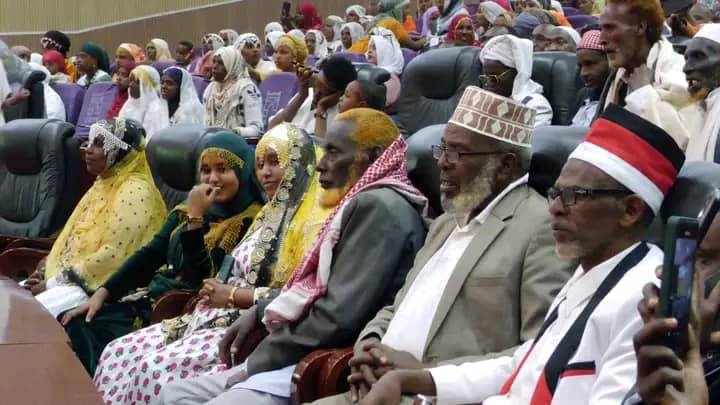
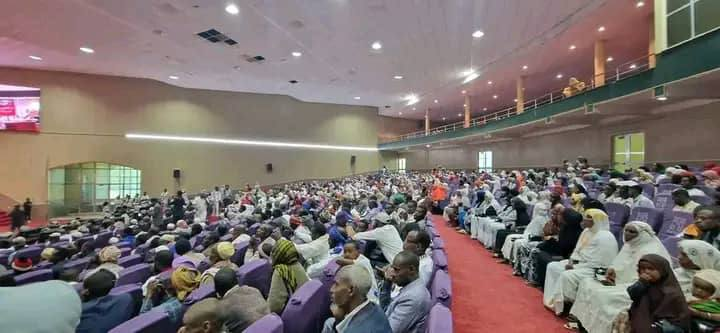
The assembly was attended by senior leadership from the Harari Regional State and East Hararghe Zone, alongside delegations from the three participating Gadaa councils and numerous invited guests.
The convening of this Gadaa assembly in Harar—a city emblematic of Ethiopia’s rich Islamic and cultural heritage—signifies a strengthening cross-cultural recognition of the Oromo system. It reinforces Gadaa not as a relic of the past, but as a living, breathing institution that offers timeless principles of egalitarianism, peaceful coexistence, and cyclical leadership.
By framing Gadaa as both the core of Oromo identity and a pioneering democratic model, the Humbannaa Bareentoo assembly serves as a potent reminder of Ethiopia’s deep and diverse wells of indigenous governance knowledge, now receiving renewed scholarly and official appreciation.
Lessons from Oromo Liberation: The Pitfalls of Factionalism
A Commentary on Factionalism and Fidelity: Lessons from the Oromo Liberation Struggle
The history of any protracted liberation movement is often marked not only by external conflict but by the internal tremors of factionalism and dissent. The Oromo Liberation Front (OLF), as the vanguard of the Oromo national struggle for self-determination, has been no stranger to these internal fractures. A recurring narrative emerges across decades: groups breaking away in protest, creating a moment of internal chaos and heightened rhetoric, only to ultimately seek refuge or alignment with the very forces the movement was founded to oppose.
This pattern is worth examining. In 1998, a faction rebelled, sowing what is described as “chaos” within the struggle’s camp. Soon after, figures like the Biqilcha Sanyii group gathered and surrendered to the TPLF camp—the ruling party in Ethiopia that the OLF was fundamentally contesting. A decade later, in 2008, a group styling itself “Change” staged another revolt, creating a similar atmosphere of internal terror before fragmenting and, like the earlier Lichoo Bukuraa group, entering the TPLF fold.
These episodes, and the more recent schisms post-2018—such as the faction led by Jireenyaa Guddataa—follow a disturbingly familiar script. The dissidents frame all the struggles’ challenges and failures as creations of the OLF leadership itself. They present their rebellion as a necessary corrective, a purifying force. Yet, their trajectory often leads not to the renewal of the struggle, but to its weakening and, paradoxically, to the camp of the adversary.
This recurring fate points to a fundamental, painful lesson for liberation movements: The problem of struggle is not solved by rebellion against one’s own political home.
The immediate allure of schism is clear. It offers a clean break from perceived stagnation, a platform for new voices, and a dramatic claim to moral or strategic superiority. It channels frustration into action, even if that action is turned inward. However, when such rebellions are rooted primarily in opposition—in defining oneself against the parent organization rather than for a coherent, sustainable alternative—they often become politically orphaned. Lacking a deep, independent base and a clear path to victory, they become vulnerable to co-option or absorption by external powers eager to exploit divisions within their opposition.
The commentary concludes with a powerful, counterintuitive axiom: “The problem of struggle is solved by submission to one’s own values and principles, patience and determination to overcome it.”
This is not a call for blind obedience, but for a deeper, more difficult fidelity. It suggests that the solution to internal crisis lies not in fragmentation but in rigorous recommitment to the core values and principles that birthed the movement: self-determination, democratic practice, justice, and the primacy of the Oromo people’s cause. It calls for the patience to engage in internal reform, dialogue, and criticism without the poison of treachery. It demands the determination to endure hardship, strategic setbacks, and internal debate as part of the long march toward liberation.
The historical pattern within the OLF suggests that splits which are reactions, not revolutions—that are born of frustration without a foundational vision—ultimately serve to validate the resilience of the original struggle’s framework, even as they wound it. They become cautionary tales, reminding current and future generations that the most perilous terrain for a liberation movement is often not the battlefield ahead, but the divisive ground under its own feet. True strength, the narrative implies, is found not in the ease of walking away, but in the hard labor of staying, rebuilding, and holding fast to the principles that make the walk meaningful.
Revival of Sirna Goobaa: A New Dawn for Oromo Governance

Feature News: Dawn Reclamation – Oromo Gadaa Assembly Ushers in New Era at Historic Tarree Leedii Site
FANTAALLEE, SHAWA BAHAA, OROMIA – In a powerful act of cultural restoration and communal resolve, the Oromo Gadaa system of the Karrayyuu region has formally reinstated its traditional assembly, the Sirna Goobaa, at the sacred grounds of Ardaa Jilaa, Tarree Leedii. This landmark gathering, conducted at dawn on Saturday according to sacred custom, marks not just a meeting, but the revival of an ancient democratic and spiritual heartbeat in Eastern Shawa.
The ceremony, led by Abbaa Gadaas, elders, and community representatives, began in the pre-dawn hours, adhering strictly to the profound rituals and aesthetics of Oromo tradition. Participants gathered under the ancient trees of Ardaa Jilaa, a site long held as a seat of ancestral wisdom and collective decision-making, to reignite the principles of the Sirna Goobaa—the assembly of law, justice, and social order.

“This is not a symbolic gesture; it is a homecoming,” declared one senior elder, his voice echoing in the crisp morning air. “We are reclaiming our space, our process, and our responsibility to govern ourselves according to the laws of our forefathers and the balance of nature. The Goobaa is where our society heals, deliberates, and progresses.”
The choice of location and time is deeply significant. Tarree Leedii is historically a cornerstone of socio-political life for the Karrayyuu. By convening at dawn (ganamaa), the assembly honors the Oromo cosmological view that links the freshness of the morning with clarity, purity, and the blessing of Waaqaa (the Supreme Creator). The meticulous observance of rituals involving sacred items, chants (weeduu), and the pouring of libations underscores a commitment to authenticity and spiritual sanction.
Community members, young and old, observed in reverent silence as the protocols unfolded. For many youth, it was a first-time witnessing of the full, unbroken ceremony. “To see our governance system in action, here on this land, is transformative,” said a young university student in attendance. “It connects the history we read about directly to our future. It shows our systems are alive.”
The reinstatement of the Sirna Goobaa at Ardaa Jilaa sends a resonant message beyond the borders of Fantuallee District. It represents a grassroots-driven renaissance of indigenous Oromo governance, asserting its relevance and authority in contemporary community life. It serves as a forum to address local disputes, environmental concerns, and social cohesion through the framework of Gadaa principles—Mooraa (council), Raqaa (law), and Seera (covenant).
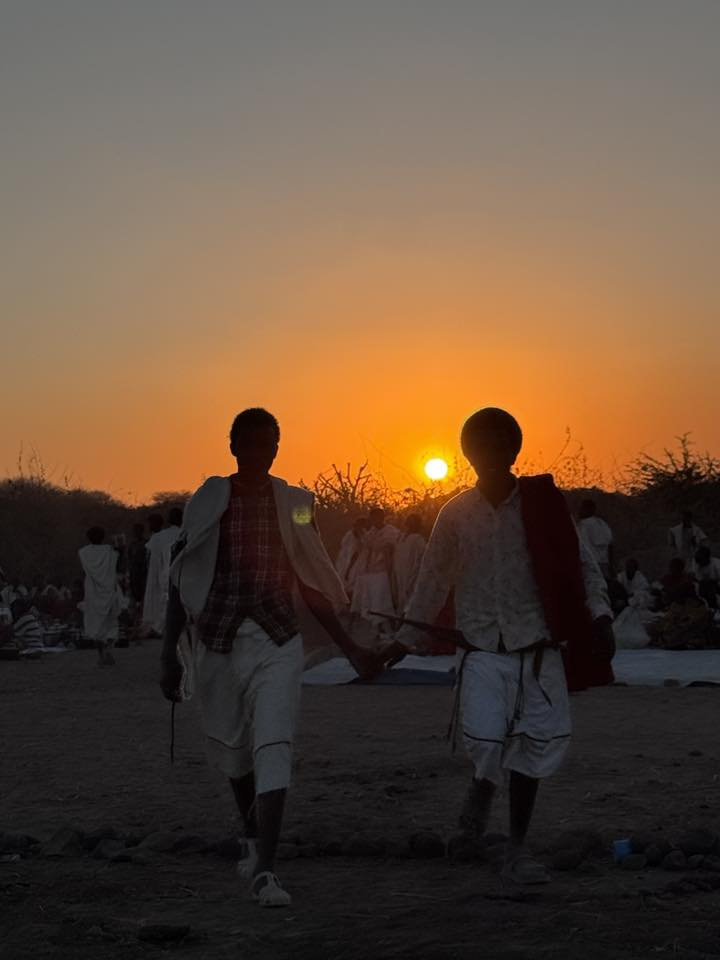
Analysts view this move as part of a broader movement across Oromia where communities are actively revitalizing Gadaa and Waaqeffannaa institutions as pillars of cultural identity and self-determination. The successful convening at Tarree Leedii demonstrates local agency and the enduring power of these systems to mobilize and inspire.
As the sun rose over the assembly, illuminating the faces of the gathered, the event concluded with a collective affirmation for peace, justice, and unity. The revival of the Sirna Goobaa at this historic site is a dawn in every sense—a new beginning for community-led governance, a reconnection with ancestral wisdom, and a bold statement that the Gadaa of the Karrayyuu is once again in session, ready to guide its people forward.
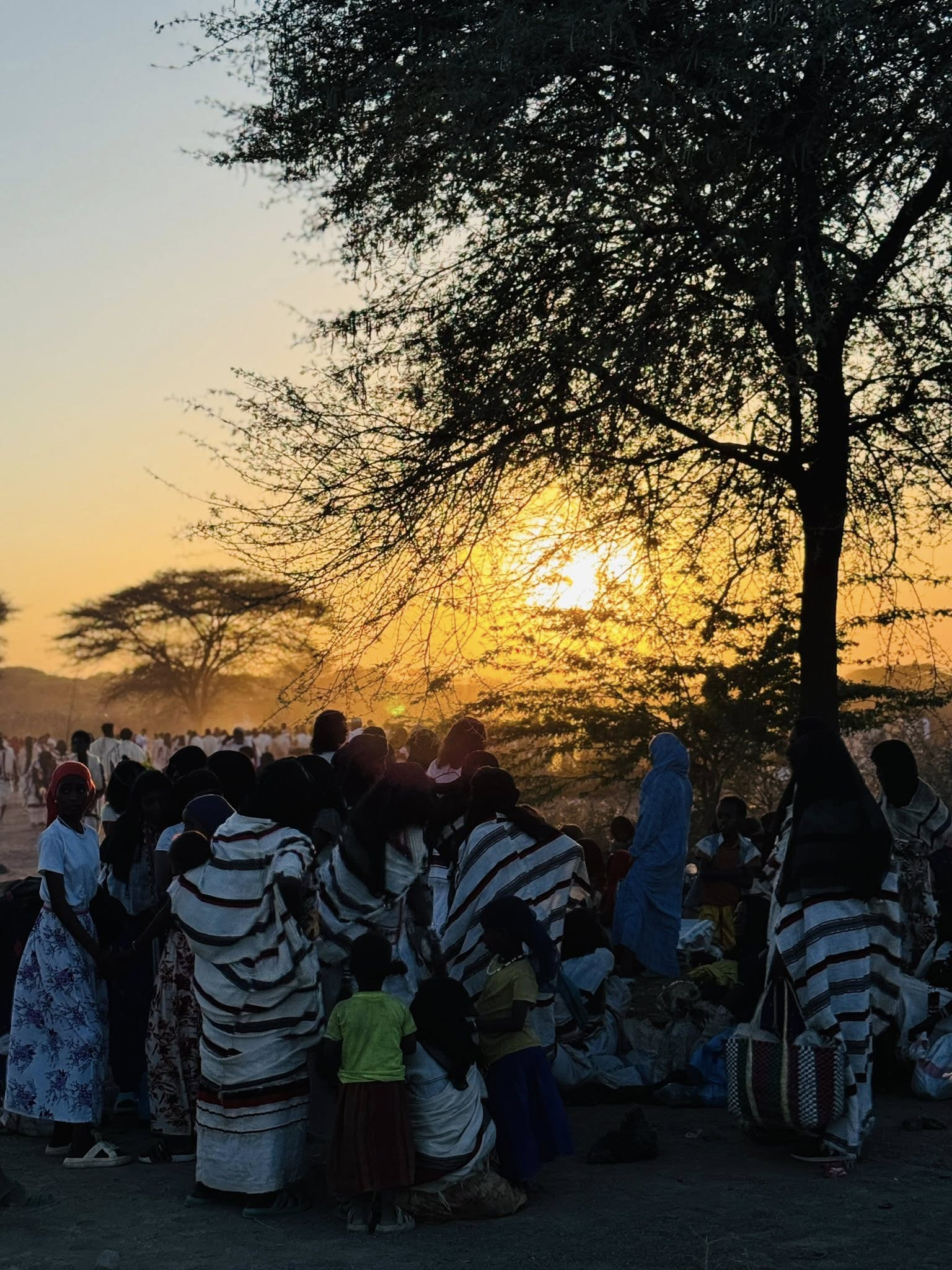
Karrayyu Community’s Sacred Ritual for Power Transition

Karrayyu Gadaa Council Prepares Historic “Buttaa Qaluun” Rite for Leadership Transition
TARREE KEEDII, OROMIA — In accordance with the sacred eight-year cycles of the Oromo Gadaa system, the Karrayyu community is undertaking profound preparations for the Buttaa Qaluu ceremony—a pivotal ritual that facilitates the peaceful and systematic transfer of power from one Gadaa grade to the next.
Central to this process is the revered Baallii Gadoomaa (the scepter of Gadaa). Per Oromo law, the scepter is transferred every eight years. For the Karrayyu, the incumbent Gadaa council, having held the scepter and led the people for its designated eight-year term, is now charged with preparing the successor grade to assume power.
“The current Gadaa grade, having taken the Baallii Gadoomaa and governed for eight years, must now create the space—the Goobaa or Irreessa—for the next Gadaa set to rise,” explained a senior cultural analyst familiar with the rites. “This act of ‘giving space’ is a core constitutional principle of Gadaa, ensuring balanced, rotational, and non-hereditary leadership.”
The elaborate Buttaa Qaluu ceremony, now being organized at the sacred site of Tarree Keedii, is the formal mechanism for this transition. The term Goobaa itself encompasses the acts of vacating, clearing the path, mentoring, and imparting wisdom to the incoming leaders.
“The Karrayyu use Gadaa’s peaceful and consensual transfer of power as a model for national governance,” the analyst added. “The Goobaa demonstrates how leadership can be relinquished gracefully to ensure continuity and stability.”
Current Council Prepares the Ground
All eyes are now on the Gadaa Michillee council, the current custodians of power. Their critical preparatory duty is to receive the final blessings (Eebbaa) from the Abbaa Bokkuu (the presiding father) at their designated ritual ground (Ardaa).
Following this, they will proceed to the assembly site at Tarree Leedii to take their positions and oversee the meticulous execution of the Goobaa rituals. Their role is to ensure every sacred protocol is followed to legitimize and empower the incoming grade.
This meticulous process underscores the Gadaa system’s enduring sophistication as a indigenous system of democracy, conflict resolution, and constitutional governance. The Buttaa Qaluun ceremony is not merely a cultural event but a living enactment of a social contract that has guided the Oromo people for centuries.
The upcoming rites are expected to draw elders, scholars, and community members from across the region to witness this foundational practice of Oromo democracy in action.
# # #
About the Gadaa System:
Gadaa is the traditional, holistic social system of the Oromo people that governs political, economic, social, and religious life. It is based on an eight-year cyclical timeline, with power rotating democratically among five generational grades. In 2016, UNESCO inscribed the Gadaa system on the Representative List of the Intangible Cultural Heritage of Humanity.
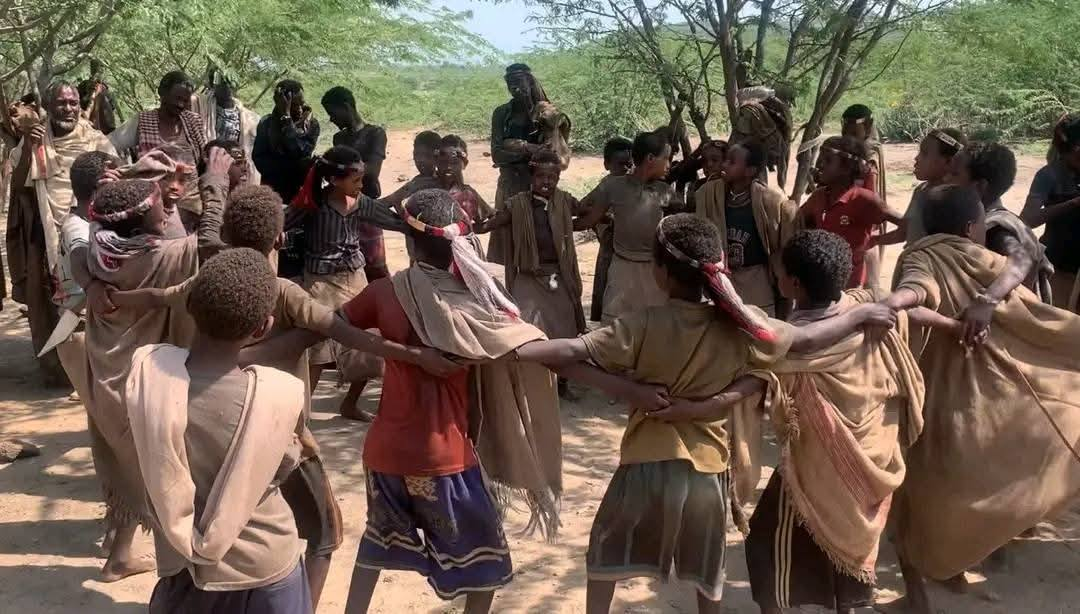
Bokkuu and Qaalluu: The Sacred Pillars of Oromo Democracy
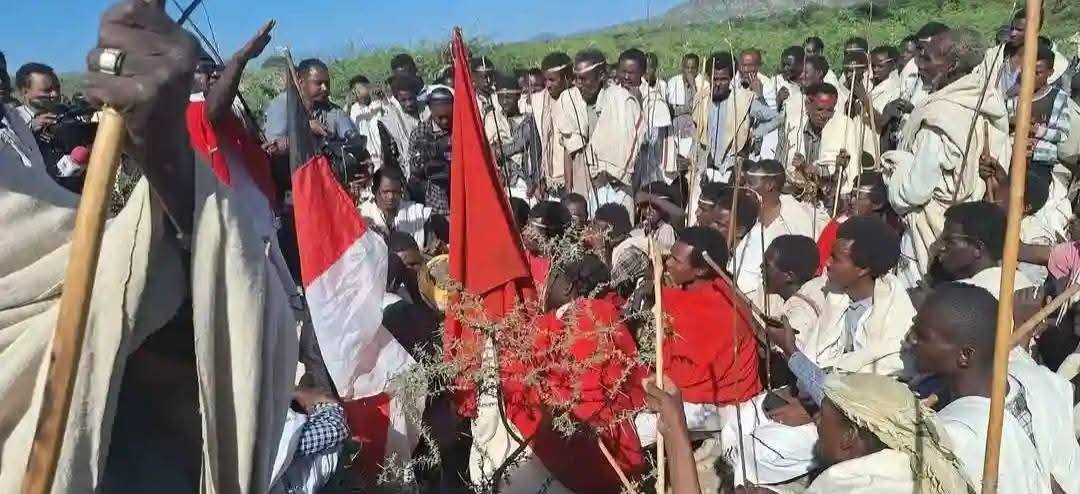
OROMIA — At the heart of the Oromo Gadaa system, an indigenous democratic governance structure recognized by UNESCO as an Intangible Cultural Heritage of Humanity, lies a refined balance of power and spirituality, embodied in two sacred pillars: the Bokkuu and the Qaalluu.
This dual authority forms the cornerstone of a system that has guided Oromo social, political, and spiritual life for centuries. Among the Karrayyuu Oromo, custodians of deeply traditional Gadaa practices, the Holder of the Bokkuu (Abbaa Bokkuu) leads the active Raaba Gadaa council, symbolizing lawful political authority, unity, and temporal governance.
The authority of the Bokkuu is absolute in ceremonial life. No Gadaa ritual—from a temporary ceremonial visit (jila) to a full-scale relocation of the assembly—can commence without its sacred blessing. The scepter is not merely a symbol; it is the source of legitimacy for all communal undertakings.
While the Abbaa Bokkuu governs the political, economic, and social spheres, spiritual authority rests with the Qaalluu. This sacred office is responsible for blessings, prayers for rain and fertility, and invoking peace (nagaa) for the land and people. This clear separation and interdependence of spiritual (Qaalluu) and temporal (Bokkuu) powers ensure a holistic system of checks and balances, preventing the concentration of power and aligning leadership with moral and divine will.
The system also has a built-in mechanism for continuity. In the absence of the Abbaa Bokkuu, leadership is seamlessly entrusted to the Abbaa Sabbataa, who acts as deputy to ensure governance never falters.
Furthermore, Oromo tradition dictates that for any Gadaa ceremony to be valid and declared complete, three indispensable elements must be present: men, women, and cattle. This triad represents the foundational pillars of Oromo society—humanity in its complementary duality, and the cattle that symbolize sustenance, wealth, and the covenant between the people and their environment.
This intricate structure highlights the Gadaa system’s sophistication, where democracy is not a secular political exercise but a sacred covenant involving the entire community, the natural world, and the divine. As modern governance seeks sustainable and inclusive models, the ancient balance of the Bokkuu and Qaalluu offers a timeless lesson in integrated leadership.
The Sacred Fire Burns Anew: Karrayyu Ushers in a New Gadaa Generation

By Maatii Sabaa
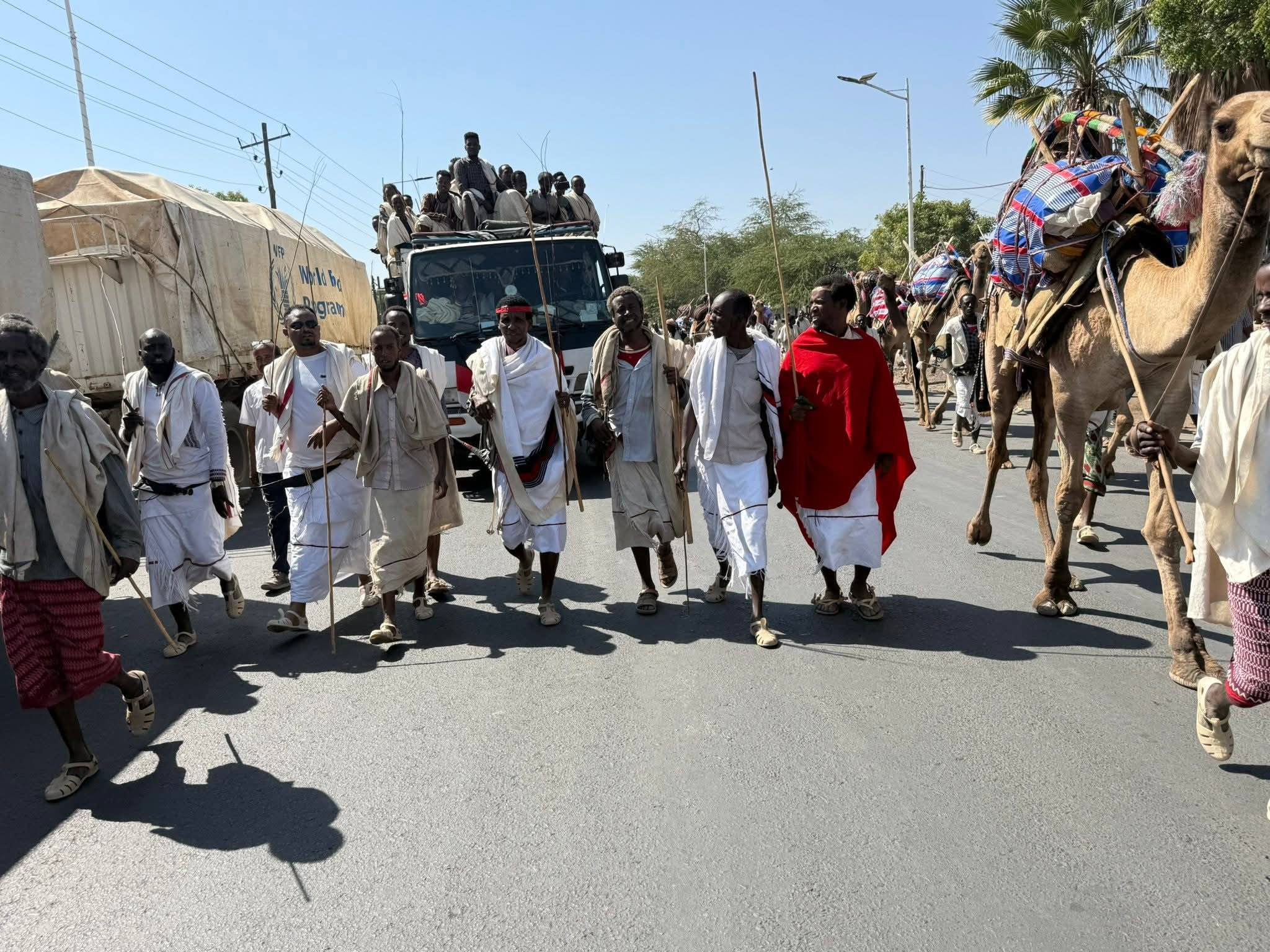
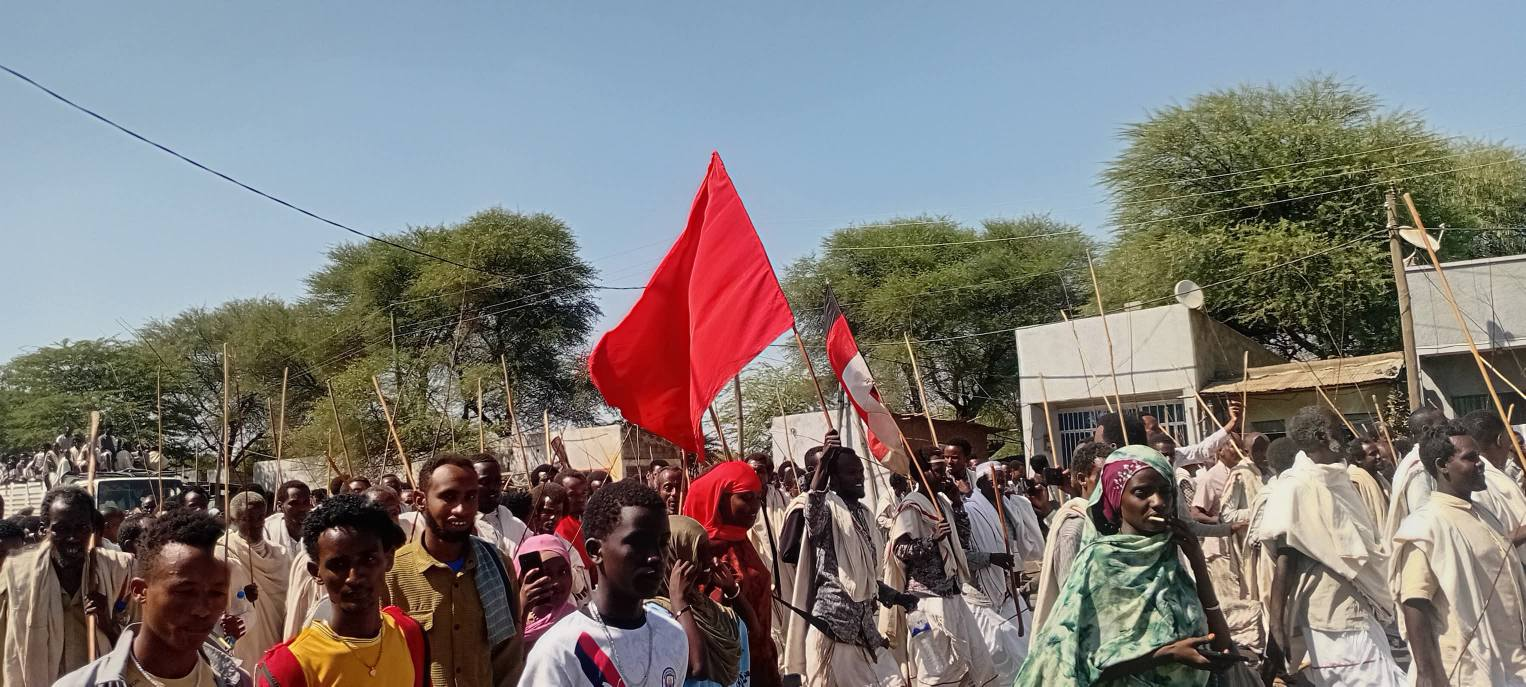
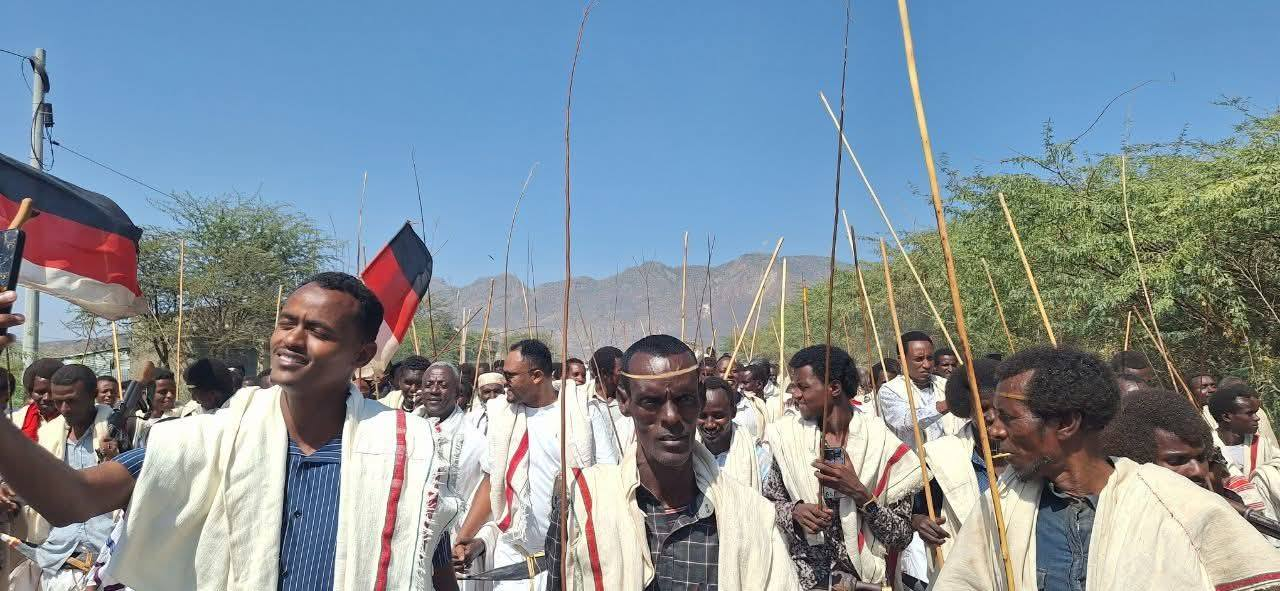
Oromia, Ethiopia – A profound spiritual and cultural renewal is unfolding in the heart of Oromia. The Karrayyu Oromo, renowned custodians of a deeply traditional way of life, have ignited the sacred Jila fire, signaling the commencement of a momentous transition. The declaration echoes across the community: “Karrayyuun Jilaaf bobba’a jira..!!” – “The Karrayyu have lit the Jila!” This flame is not just physical; it is a beacon of identity, continuity, and the living pulse of the Gadaa system.
The Karrayyu have officially entered a sacred preparatory phase, initiating the complex, multi-year rituals to install a new Gadaa assembly, known as the Michillee. In a ceremony of great solemnity, the Abba Gadas—the ritual leaders—have formally designated the Tarree Leedii as the upcoming Gadaa class to assume leadership. This act, performed alongside five existing Gadaa sets, is a masterstroke of long-term democratic planning, scheduling leadership transitions for generations yet unborn.
“The Gadaa is our constitution, our school, and our soul,” explained one elder, his eyes reflecting the ceremonial fire. “By naming the Tarree Leedii today, we are not just planning for eight years; we are securing the wisdom and order of our society for 80 years ahead.”
A Ten-Day Tapestry of Tradition
The official inauguration of this transfer process began ten days ago, launching a meticulously orchestrated series of preparations. The community has been immersed in rituals, spiritual cleansings, and assemblies designed to purify the participants and sanctify the proceedings. These days are a vibrant tapestry of oratory, prayer, and the passing of sacred knowledge from one generation to the next.
The culmination is set for the 26th and 27th of Muddee (approximately early December). On these sacred days, the Karrayyu will perform the grand ceremony of Buttaa Qalaa, the 75th ritual stage within the Gadaa cycle specifically dedicated to the Tarree Leedii. This is the pivotal moment where symbolic authority and immense responsibility begin their formal passage.
An Open Invitation to a Sacred Trust
In a powerful move that underscores the inclusivity at the heart of Oromo identity, the Abba Gadaa of the Karrayyu has extended an open invitation. “The Cidha Buttaa Qalaa of the Karrayyu Gadaa will be open to all who come,” they announced. With profound respect, they have called upon the entire Oromo nation, from every region and walk of life, to witness and partake in this national heritage.
This invitation is more than a courtesy; it is a call to collective remembrance and unity. It is an opportunity for Oromos worldwide to connect with the ancient democratic and spiritual roots that bind them, to see the living Gadaa—a system UNESCO recognizes as an Intangible Cultural Heritage of Humanity—in its most authentic and dynamic form.
As the Jila fire burns brightly in Karrayyu territory, its light reaches far beyond the ceremonial ground. It illuminates the resilience of a people fiercely protecting their worldview. It signals the unwavering commitment to govern through a system built on cyclic accountability, environmental stewardship, and social justice. The lighting of the fire is just the beginning. The world is now watching, invited to witness a civilization ensuring its own future by honoring the sacred cycles of its past.
Remembering Obbo Dootii Turaa: Oromo Freedom Fighter
Condolence Statement
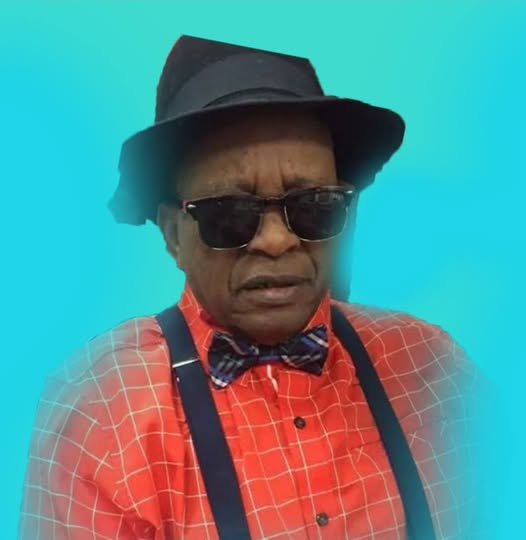
On the Passing of Oromo Freedom Fighter and Elder, Obbo Dootii Turaa (1925-2025)
Oromo Liberation Front (OLF)
The Oromo Liberation Front (OLF) expresses its profound and deepest sorrow at the passing of the esteemed Oromo freedom fighter and elder, Obbo Dootii Turaa.
Obbo Dootii was born in 1925 in Nageellee Arsi, Arsi West Zone, in Southeastern Oromia. From a young age, he was deeply conscious of his identity. After completing his elementary education, he became a teacher in his home region, first in Goobee and later in Maqii, in North Shewa. In this role, he was dedicated to educating his people about their culture and history, teaching them about Oromo identity and the realities of living under a colonial system.
After moving to Finfinnee (Addis Ababa), he pursued business during the reign of Haile Selassie. He strategically used the wealth he accumulated to openly support the Oromo struggle for liberation.
He actively participated in the resistance against the feudal regime, taking part in the 1960s student movements and the initial organized resistance, including supporting the Macca and Tuulama Self-Help Association. He was among the few who dedicated their lives to the cause, transforming his business into a meeting place for freedom fighters and his home into a safe house. Furthermore, he provided material support to the Oromo Liberation Army.
Through his overt and covert work, he collaborated with members and supporters of the OLF, such as the late Luba Guddinaa Tumsaa, Jaal Baaroo Tumsaa, Jaal Muhee Abdoo, and former OLF High Council member Jaal Magarsaa Barii. He was subsequently accused by the oppressive regime of the time and imprisoned for ten years alongside Luba Guddinaa Tumsaa.
Throughout successive Ethiopian regimes—the Haile Selassie monarchy, the Derg, and the TPLF/EPRDF—Obbo Dootii Turaa was repeatedly accused, imprisoned, and severely persecuted. Under the particularly brutal repression of the EPRDF/TPLF/OPDO regime, he was forced into exile, ultimately living as a refugee in the United States.
Obbo Dootii Turaa was a wise Oromo elder, a visionary leader, and a respected authority on Oromo affairs and identity. He remained unwavering in his commitment to Oromo freedom until his final days. He passed away on November 18, 2025, in the United States, at an advanced age after a period of illness.
The Oromo Liberation Front (OLF) conveys its heartfelt condolences and shares in the grief of his family, relatives, and the wider Oromo nation. We pray for strength and resilience during this difficult time.
A Fighter Falls, The Struggle Continues!
Victory to the Masses!
Oromo Liberation Front (OLF)
November 18, 2025
Finfinnee
 Oromedia