The Truth Behind the Grand Ethiopian Renaissance Dam

Feature Commentary: Untangling the Nile – Correcting the Record on Africa’s Renaissance Dam
In the global discourse surrounding the Grand Ethiopian Renaissance Dam (GERD), facts have often been submerged under waves of political rhetoric and historical bias. A recent intervention by former U.S. President Donald Trump, laden with sweeping inaccuracies, serves as a stark case study in how misinformation can poison complex transboundary issues. By examining his ten central claims, we can separate hydroelectric reality from hydrological fiction and recenter a conversation that is fundamentally about development, sovereignty, and dignity.
The False Financial Ledger
The assertion that “The United States paid for the dam” (Claim No. 1) is not merely incorrect; it is an erasure of a national endeavor. GERD stands as a monument to domestic sacrifice, funded by Ethiopian bonds, civil servant contributions, and public mobilization. This narrative of external funding subtly strips Ethiopia of its agency, reframing a sovereign project as a foreign-sponsored venture. The truth is more powerful: Africa’s largest hydropower plant is being built by Africans, for Africans.
The Hydro-Logic of Power, Not Theft
The core technical misrepresentations reveal a fundamental misunderstanding—or deliberate mischaracterization—of how a dam functions. GERD does not “stop the Nile” (Claim No. 2) nor did Ethiopia ever “cut off Egypt’s water” (Claim No. 3). A run-of-the-river hydropower plant generates electricity from the flow of water, which then continues downstream. It is not a reservoir of contention but a conduit of energy. Repeating the fiction of water theft does not make it fact; it manufactures a crisis where none exists.
The Colonial Claim vs. The Geographic Truth
The most historically loaded falsehood is that “The Nile belongs to Egypt” (Claim No. 4). This claim is a relic of colonial-era agreements from which Ethiopia was excluded. Over 86% of the Nile’s water originates in the Ethiopian highlands. A nation does not seek permission to use a river that springs from its own soil. Sovereignty over natural resources is not granted by historical habit or downstream hegemony.
Sovereignty, Not Permission
This leads directly to the paternalistic fantasy that “someone allowed Ethiopia to build this dam” (Claim No. 6). Ethiopia, a sovereign state, did not request nor require an external permit to develop its infrastructure. To frame GERD’s existence as something that was “allowed” is to deny the very essence of self-determination. Similarly, labeling national development as a “crisis Ethiopia created” (Claim No. 5) inverts the moral framework. The crisis is the persistent expectation that African nations should forgo electrification and growth to preserve an untenable status quo.
Weaponizing Rhetoric vs. Generating Watts
The rhetorical escalation to call GERD “a weapon” (Claim No. 7) or a direct threat to “Egypt’s survival” (Claim No. 8) is dangerous alarmism. The dam is concrete and steel, producing megawatts, not conflict. Egypt’s water security challenges—rooted in population growth and resource management—predate GERD. Blaming an upstream dam is a political diversion from difficult domestic reforms.
The Fallacy of the Outsider Savior & The Apology That Is Not Owed
Finally, the twin falsehoods of a solitary “powerful outsider” capable of solving the dispute (Claim No. 9) and that “Ethiopia must apologize for progress” (Claim No. 10) are two sides of the same coin. They suggest African agency is insufficient and that development is an offense. Sustainable resolution will come from good-faith negotiation among the Nile Basin nations—Egypt, Sudan, and Ethiopia—not from external diktat. And using one’s own resources to lift millions from energy poverty warrants celebration, not contrition.
The Real Dam Blocking Progress
In the end, GERD is not the problem. Ethiopia’s pursuit of development is not the problem. The problem, as this list of false claims makes abundantly clear, is misinformation. It is the circulation of outdated narratives, the weaponization of technical ignorance, and the refusal to acknowledge a simple truth: that the long-overdue renaissance the dam’s name promises is for Ethiopia, and its light need not dim any other nation’s future. The path forward is lit by facts, not fiction.

Australia Mourns Bondi Victims with Light and Silence, as Communities Reaffirm Hope
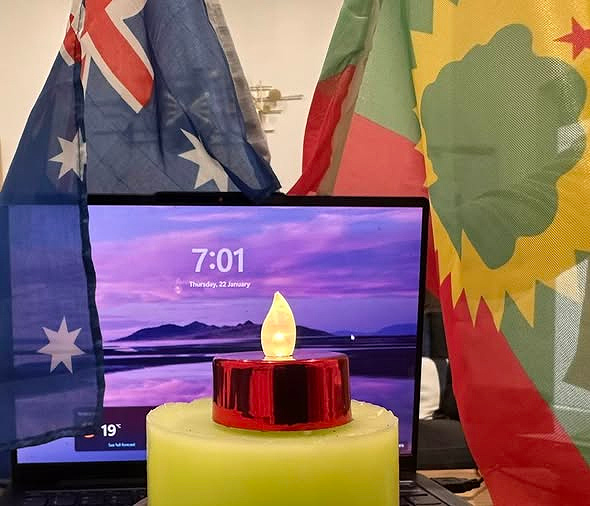
January 22, 2026 | AUSTRALIA – Today, Australia stands still in a sombre moment of national unity, observing a National Day of Mourning for the 15 lives taken in the devastating terrorist attack at Bondi’s Jewish community centre last month.
The Day of Mourning has been declared as a time for collective reflection, with all Australians called upon to join together in grief and solidarity. “It is a day for all Australians to come together to grieve, remember, and stand against antisemitism and hate,” a government statement affirmed.
In a series of formal tributes, flags are being flown at half-mast across federal and Victorian government buildings. As evening falls, iconic landmarks throughout Victoria will be illuminated in white—a powerful visual symbol of resilience, peace, and the collective determination to move forward.
At exactly 7:01 PM, the time the attack unfolded on December 14, 2025, the nation is invited to pause for a minute of silence—a shared moment to remember the innocent victims whose lives and futures were violently cut short.
Personal Acts of Remembrance Echo National Resolve
The official day of mourning is mirrored in the private homes of Australians from all walks of life, where the national tragedy resonates with personal histories of loss and resilience. For some, the act of remembrance is profoundly intertwined with their own experiences.
“At 7:01 PM, my family and I lit memorial candles for a minute of silence,” shared one community member, speaking from Melbourne. Their reflection wove together the national moment with a deeply personal journey: “We found the peace and freedom in Australia that was violated in our homeland, Oromia. Therefore, we condemn any act of hatred. We reiterated our hope that any darkness will be conquered by light.”
This sentiment underscores the profound significance of safety and social cohesion for Australia’s multicultural communities. For many who have sought refuge and stability, the attack strikes at the very promise of sanctuary that Australia represents.
A Nation’s Grief, A Shared Commitment
Today’s observances are more than ritual; they are a national reaffirmation of the values that bind a diverse society together. The minute of silence, the lowered flags, and the glowing white landmarks serve as public pledges against hate, offering a collective response to tragedy through unity and remembrance.
As candles flicker in windows and cities shine with light, the message echoing across the country is clear: from the depths of shared mourning arises a strengthened commitment to ensure that light—and the hope it carries—will always prevail.
Victoria Commemorates National Day of Mourning for Bondi Victims

Feature News: Victoria Joins National Day of Mourning, Illuminating a Path Forward from Bondi Tragedy
MELBOURNE, VIC – Today, Victoria stands in solemn solidarity with the nation, observing a National Day of Mourning to honour the 15 lives lost in the devastating terrorist attack at Bondi Beach’s Jewish community centre on December 14, 2025.
The Victorian Department of Premier and Cabinet has outlined the state’s formal acts of remembrance, framing the day as both a moment for collective grief and a resolute stance against hate. “It is a day for all Australians to come together to grieve, remember, and stand against antisemitism and hate,” the statement read.
Across the state and the country, visual symbols will mark the day’s gravity. Flags will be flown at half-mast at all Commonwealth and Victorian Government buildings—a universal gesture of loss and respect. As dusk falls, the tribute will transform. Major landmark buildings across Victoria’s skyline will be illuminated in white, a deliberate symbol of light, peace, and resilience cutting through the darkness of tragedy. “A symbol of light, as we move forward as a nation,” the government statement noted.
The commemoration will reach its poignant peak at 7:01 PM, the exact time the attack unfolded. Australians are invited nationwide to observe a minute of silence, a shared national pause to remember the 15 innocent victims whose lives and futures were tragically stolen.
The coordinated national response, which includes similar observances from federal and other state authorities, underscores a unified commitment to social cohesion. By designating a National Day of Mourning, officials aim to channel raw community sorrow into a reaffirmation of shared values—condemning antisemitic violence and all forms of bigotry while honoring the victims with dignity.
Today, as buildings glow white and flags hang low, Victoria’s official acts of remembrance serve as a public covenant: to mourn deeply, to remember collectively, and to walk forward together, guided by light.
Strengthening Community Bonds: Social Cohesion Event

Feature News: Southeast Melbourne Councils Launch “Social Cohesion” Workshops, Seek Community Architects
GREATER DANDENONG, VIC – In a proactive move to strengthen the social fabric of one of Australia’s most diverse regions, three neighbouring councils are joining forces to host a unique community workshop. The City of Greater Dandenong, the City of Casey, and the Shire of Cardinia are calling on local residents to help define and build a shared vision for a stronger, fairer future.
The initiative, a facilitated workshop titled “Defining Social Cohesion,” aims to create a safe space for residents to explore what unity, belonging, and mutual respect mean in their rapidly growing communities today.
Turning Shared Visions into Reality
“Every voice matters,” states the joint announcement, framing the workshop as a foundational step in collaborative community planning. The goal is to move beyond abstract ideals and turn collective aspirations into tangible outcomes. The facilitated discussion will focus not only on defining social cohesion but also on the practical role each resident plays in shaping it.
“Together, we can turn our shared visions into reality,” the councils propose, positioning the event as a grassroots opportunity to directly influence the social landscape of Melbourne’s vibrant southeast.
A Call for Diverse Voices
Participation is specifically limited to residents of the southeast Melbourne area, ensuring the conversation is grounded in local experiences and challenges. With limited spots available, organisers are urging interested community members to register early.
Event Details:
- Date: Wednesday, 28 January
- Time: 12:30 PM – 3:30 PM
- Location: Dandenong Civic Centre – Training Rooms 1 and 2
- Registration & Info: Residents are encouraged to register promptly via their local council websites or contact the organising academic partner for questions at tmiletic@unimelb.edu.au.
Building Resilience from the Ground Up
This workshop comes at a time when communities nationwide are reflecting on social harmony and resilience. By facilitating these conversations locally, the councils of Greater Dandenong, Casey, and Cardinia are investing in a community-led model for social planning, recognizing that the strongest cohesion is built from the ground up, one conversation at a time.
The event represents a significant opportunity for residents to become active architects of their community’s future, ensuring the southeast continues to be a place where diversity is not just acknowledged but is the very source of its strength.
A Legacy in Melody – Dirre Dhawaa University to Establish Dr. Alii Birraa Music School

DIRRE DHAWAA, OROMIA – In a move set to transform the cultural and academic landscape of eastern Oromia, Dirre Dhawaa University has announced the foundation of a new institution dedicated to musical excellence: the Dr. Alii Birraa Memorial Music School.
The university made the formal announcement via its official Facebook page, outlining plans to establish the school in the legendary artist’s hometown. This initiative is not just about building a structure, but about rooting a center of artistic excellence in the very soil that inspired one of Ethiopia’s most cherished musical voices.
Bridging Institutions for a Harmonious Future
The project is already hitting the right notes through a powerful collaboration. Experts and lecturers from the renowned Yared Music School at Addis Ababa University are providing crucial initial support. According to the university, these seasoned academics are traveling to Dirre Dhawaa to share their expertise, helping to design curricula and establish foundational frameworks. This knowledge transfer represents a significant vote of confidence and a bridge between the nation’s premier music academy and this promising new venture.
A key driving force behind this collaborative spirit is Dr. Malaaku Yigzaw, Dean of the Yared Music School. The university confirmed that Dr. Malaaku has formally pledged his institution’s full professional support to ensure the successful establishment of the memorial school.
Honoring a Native Son, Investing in a Region’s Soul
The decision to name the school after the late Kabajaa Artist Alii Birraa is deeply symbolic. Born in the Dirre Dhawaa area, Alii Birraa was a monumental figure in Ethiopian music, celebrated for popularizing the Oromo musical tradition of Biftuu and singing powerfully about love, social issues, and identity. Establishing a music school in his name serves a dual purpose: immortalizing his legacy and actively nurturing the next generation of artists from his region.
President of Dirre Dhawaa University, Magarsaa Qaasim (PhD), emphasized this point, highlighting the area’s rich but often under-recognized artistic heritage. “Dirre Dhawaa is a wellspring of many renowned artists,” President Magarsaa noted, underscoring the school’s mission to cultivate this latent talent formally.
A Conductor’s Baton for Regional Development
The university stated that it is undertaking all necessary preparations for the project and has already begun receiving “favorable support” from various organizations. This suggests the project is resonating beyond academic circles, potentially attracting cultural and developmental partners.
The establishment of the Dr. Alii Birraa Memorial Music School is more than an academic expansion. It is an act of cultural preservation, a tribute to a national icon, and a strategic investment in the creative future of eastern Ethiopia. By transforming the memory of a single great artist into a living institution of learning, Dirre Dhawaa University is ensuring that the region’s melodies will not only be remembered but will continue to evolve, inspire, and educate for generations to come.

The Unbroken Seed – A Grandson’s Oath to Hundee

Feature Commentary: The Unbroken Seed – A Grandson’s Oath to Hundee
In the heart of every liberation struggle lies a covenant between the fallen and the living, a sacred trust passed down through blood and memory. It is not just a political cause; it is a familial debt, an amaanaa.
This truth burns at the core of a powerful testament written by Afandii Muttaqii, a grandson of the Oromo martyr known as Hundee—The Foundation. His words are not a dry historical account but a raw, personal reckoning that bridges generations. “Ani shanyii Hundeeti,” he declares. “I am the grandson of Hundee.” With this, he steps forward not merely as a commentator, but as a living vessel of an unfinished promise.
The story he narrates is one of deliberate, symbolic terror and unbreakable prophecy. In September 1974, the Ethiopian military regime executed a group of Oromo freedom fighters, including the iconic Elemoo Qilxuu. Among them was Hundee, born Ahmad Taqii. In a calculated act meant to crush the spirit of his people, the regime singled out Hundee’s body. They transported it to his hometown, Galamso, and publicly dragged it through the streets behind a vehicle. The message was clear: This is the fate of those who defy us.
The regime’s calculus was one of fear. They hoped the desecration would shatter the community’s will. But in the courtyard of history, they misjudged their audience. Hundee’s own father, the respected Sheikh Muhammad Rashiid, heard the news and responded not with a wail of despair, but with a prophecy of fierce resilience. He reframed the atrocity: “They are doing this to break our morale. But this is more astonishing than it is saddening. For them to drag my son’s body on the ground is a great thing. It means the seed of the Oromo liberation struggle has been sown. This seed, now planted, will grow and spread; nothing will stop it until it bears fruit.”
Today, as Afandii Muttaqii writes, that fruit is ripening. The Oromo struggle has indeed “spread.” But his commentary arrives at a critical juncture, asking a piercing question of the present generation: How do we honor the seed that was sown in such brutal soil?
His answer is the core of his testimony: the concept of Amaanaa—the sacred trust. He issues a thunderous, poetic vow, a litany of names that stretches from the martyrs of that day in 1974—Elemoo, Colonel Mahdi, Sheekh Jamaal, Suleymaan, Abdi Kaahin—across decades to fallen heroes like Mecha Tullu, Bakkalchaa, Baaroo Tumsaa, and the victims of more recent state violence. “Amaanaa Hundee hin nyaannu,” he repeats like a mantra. “We will not betray the trust of Hundee.”
This is the powerful pivot of his commentary. He warns against the ultimate betrayal: using the hard-won spaces of the struggle for personal gain, of “walking on the blood of Oromo martyrs to polish Abyssinian nationalism.” In remembering the specific, gruesome detail of his grandfather’s martyrdom, he fortifies a collective moral compass. The struggle, he insists, must remain pure to its foundational purpose—the liberation of Oromiya—lest the sacrifice of Hundee and thousands others be consumed and forgotten.
The image of Hundee’s body, that “seed” dragged to be destroyed, becomes the central, haunting metaphor. It was meant to be a final exhibit of power. Instead, as foretold by a grieving father, it became a source of inextinguishable life. Afandii Muttaqii’s commentary is a vital act of watering that seed. He reminds us that true victory is not just in territorial gains or political seats, but in guarding the amaanaa. The struggle continues not merely in protests and negotiations, but in the daily, conscious choice to refuse betrayal, to remember each name, and to ensure that the fruit of freedom, once borne, belongs wholly and justly to the people for whom the seed was sown.
The foundation—the Hundee—was laid in sacrifice. The grandson’s oath is to build upon it with integrity. The harvest is yet to come.
Oromo Freedom Fight: Adapting Through Generations
The Unstoppable Train of Oromo Struggle: Navigating Detours on the Long Road to Freedom
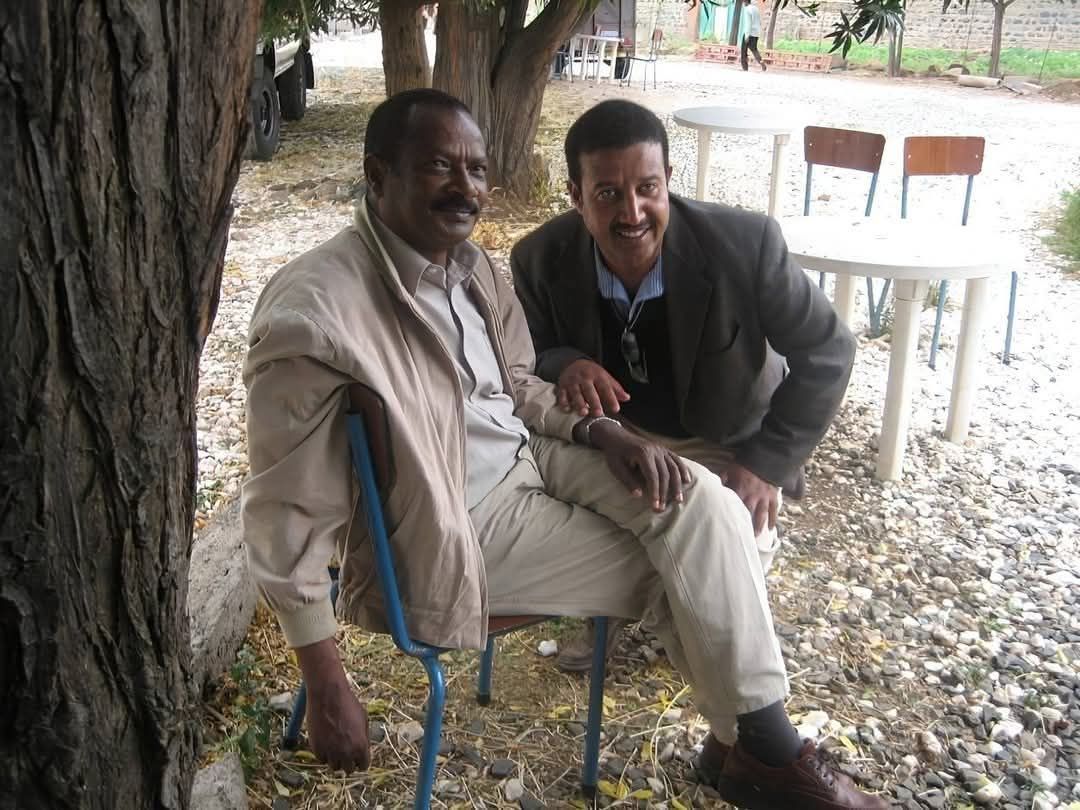
As the Oromo Liberation Struggle evolves through generations, internal debates and shifting allegiances test its unity while fueling its enduring momentum.
The Oromo struggle for self-determination has never relied on today’s technology or instant communication. Historically, Oromo intellectuals and leaders from all regions – East, West, North, and South – united under the common banner of Oromumma (Oromo national identity). They converged with a shared goal: to liberate the Oromo people and their homeland from subjugation. This foundational mission continues to live on in new generations.
History shows that in any protracted struggle, there are those who win and those who are won over. Individuals who were once active participants or leaders sometimes shift allegiances, abandon the cause, or change sides at critical junctures. Within the Oromo struggle, some who initially fought against the imperial system later shifted to defending the very Ethiopian imperial structure when the Oromo people mobilized to reclaim their inherent right to self-rule. We see those who left the Oromo Liberation Front (OLF) to spend their twilight years propping up the oppressive empire.
When a people’s struggle is long, the commitment of its fighters is tested. Some persevere through the long years, while others, from leadership to the rank-and-file, grow weary. Some withdraw, others are co-opted, and some simply disappear. Yet, the struggle itself does not halt; it regenerates, absorbing new generations and maintaining its forward momentum. This is why it is likened to a train.
A train, once departed, does not stop until it reaches its final destination. Some passengers disembark at stations convenient for them, having traveled as far as they wished. Others may fall off along the tracks. But the train continues, picking up new passengers at every stop, joining them with those who began the journey, all moving together. The struggle operates similarly. If it stalls for a decade, thousands more join its ranks. Thus, even if some OLF leaders or members abandon it, new generations, believing deeply in its cause and ready for sacrifice, will take their place.
The core mission of the OLF is to secure a system of freedom for the Oromo people.
Historical figures like Jaal Dawud Ibsa and Obbo Leencoo Baati once shared a common goal and vision. Their paths, and those of many others, reflect the complex dynamics of a movement navigating the arduous journey toward liberation.
Bishoftu Landholders Imprisoned: Unpacking Eviction Controversy

Eight Farmers and Landholders Imprisoned in Bishoftu After Defying Eviction Order
BISHOFTU, OROMIA – Eight individuals, primarily farmers and family heads, are currently being held at the Dhaka Booraa detention center in Bishoftu town after reportedly refusing to vacate their homes on an area known as “Aabbuu” land. The group was forcibly evicted and detained after their refusal to leave voluntarily, according to information obtained by the Oromo Media Network (OMN).
The individuals detained are identified as both landowners and tenant farmers, holding legal documentation for the land from either their fathers or previous owners. The list provided by OMN details their circumstances:
- Biraanuu Tolosaa: Holds ownership documents certified by a court. Father of 2.
- Dammaa Kaasa: A tenant farmer (qotee bultuu).
- Zawuduu Juuflaa: Holds court-certified documents granted by his father. Father of 6.
- Likkuu Miidhaksa: Holds court-certified ownership documents. Mother of 5.
- Shuumii Juuflaa: Holds court-certified documents granted by his father. Father of 6.
- Biree Tarruu: Holds court-certified documents granted by his father. Father of 2.
- Baalchaa Bashaadaa: Holds court-certified documents granted by his father. Father of 3.
- Abarraa Lammeechoo: Holds court-certified documents granted by his father. Is a person with a disability.
- Qorichoo Gammachuu: Holds land received from his family. Father of 4.
The case highlights tensions over land rights and eviction procedures. The detainees’ possession of court-certified documents suggesting legal ownership or tenure raises significant questions about the basis of the eviction order and their subsequent arrest.
Officials from the Bishoftu city administration or local police have not yet issued a public statement regarding the specific charges against the group or the legal authority for the eviction at the “Aabbuu” site.
Community sources express concern over the detention of multiple breadwinners and a person with a disability. The incident is expected to amplify ongoing debates about land disputes, due process, and the protection of livelihoods in the region.
This is a developing story. Further updates will follow as more information becomes available from official sources.
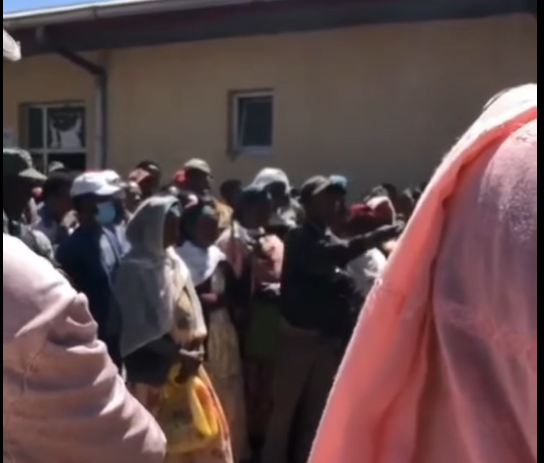
Oromia’s Smart City Revolution: Governance, Services, and Mobility

A New Urban Vision for Oromia: How Smart Cities Are Redefining Governance, Service, and Mobility
An In-Depth Analysis of the Transformative Projects in Adama, Gadaa, Bishoftu, and Shaggar
By Maatii Sabaa, Feature Commentary
A quiet revolution in urban planning is unfolding in the heart of Oromia. It’s a vision that moves beyond concrete and asphalt to embed technology, data, and citizen-centric design into the very DNA of its cities. Following a significant directive from President Shimelis Abdisa, the Oromia Regional Government has embarked on an ambitious journey to transform Adama, Gadaa, Bishoftu, and Shaggar into model “smart cities” for Ethiopia and East Africa.
This initiative recognizes a fundamental truth: the success of a modern city is no longer measured solely by its buildings but by the intelligence of its systems—its governance, services, mobility, and environmental sustainability. For too long, our cities have lagged, not just nationally but regionally, in the foundational digital infrastructure that powers 21st-century urban life. This project is a decisive attempt to bridge that gap.
1. Smart Governance: The Backbone of a New System
The transformation begins with governance itself. The regional government understands that overcoming legacy planning, economic, and political hurdles requires, first and foremost, modernizing city leadership and administration.
All four pilot cities have initiated a new, streamlined governance model for smart cities. This involves tech-driven planning processes, digitalized workflows, and participatory monitoring systems. The aim is to foster transparency, accountability, and digital inclusion. For instance, the use of digital technologies is already enhancing community safety and information-sharing protocols.
The Gadaa Special Economic Zone stands out as a test case for autonomous, specialized urban governance. Operating under its own set of bylaws and directives, the Zone manages investment and administrative processes with remarkable agility, including handling its own fiscal instruments like taxes and capital goods imports. This specialized governance model is proving to be a catalyst for rapid development, having already attracted 39 significant local and international investors.
2. Smart Service: The “One-Stop Shop” Revolution
A smart city is only as good as the services it provides. The flagship innovation here is the “WIIRTUU TOKKOffaa” or One-Stop Service Center. This is far more than a convenience; it’s a complete re-engineering of the citizen-government interface.
These centers are architecturally designed and digitally saturated hubs. They eliminate the need for citizens to trek between disparate offices. A citizen can check requirements online, arrive at a welcoming space with amenities, and have their request processed under camera-monitored, streamlined systems. Adama currently offers 138 services, Bishoftu 131, and Shaggar 159 through these centers, with notable improvements in service quality and speed.
Crucially, reform extends to the civil servants. Work environments have been upgraded, and training systems now focus on enhancing skills, efficiency, and a culture of servitude. The vision is expansive: by 2030, aligned with “Digital Ethiopia 2030,” the government aims to digitize all city-level services and extend the one-stop-shop model to the woreda (district) level, bringing government to the people’s doorstep.
3. Smart Mobility: Engineering Connection, Not Just Concrete
The master plans for these cities envision more than roads; they envision integrated, sustainable, and intelligent mobility ecosystems. The focus is on creating multi-modal corridors that facilitate economic flow, are technologically enabled, and offer choices for all citizens.
Each city has a detailed, phased roadmap:
- Adama has planned over 425 km of asphalt roads, strategically categorizing them into major corridors (62km), arterial links (39km), and extensive local and collector streets to ensure seamless intra-city and inter-regional connectivity.
- Gadaa (the SEZ) is planning approximately 900 km of road network, including an 88 km expressway to link it directly with Bishoftu’s international airport. The plan also includes dedicated bicycle lanes and new bus terminals.
- Bishoftu has a comprehensive plan for 1,674 km of roads and rail lines, carefully tiered from high-capacity corridors to local neighborhood streets. Over 55% of the first-phase corridor development is already complete.
- Shaggar (Addis Ababa) is undertaking the most extensive overhaul, planning 7,000 km of intelligent asphalt roads. Projects like the Galaan-Galaan corridor and upgrades to major arteries are already underway. Plans even include futuristic options like a cable car system.
The underlying principle for all this infrastructure is integration—of energy lines, universal accessibility, climate resilience, and technology. The future points toward implementing Intelligent Transportation Systems (ITS) to manage traffic in real-time and developing Bus Rapid Transit (BRT) systems. The goal is fluid movement: efficient, uncongested, and safe.
Conclusion: A Holistic Blueprint for the Future
The smart city initiative in Oromia is not a piecemeal tech upgrade. It is a holistic blueprint that interlinks intelligent governance, human-centered service delivery, and sustainable mobility. It acknowledges that a city’s greatness lies in its ability to improve the lives of its inhabitants—their environment, their daily experience, and their connection to opportunity.
The journey has begun with significant early wins in investor confidence and citizen satisfaction metrics. The path ahead is long and requires sustained investment and commitment. However, by placing data, transparency, and citizen needs at the core of urban development, Oromia is not just building smarter cities; it is forging a more responsive, efficient, and inclusive model of urban life for all of Ethiopia. The transformation of Adama, Gadaa, Bishoftu, and Shaggar is a project worth watching, a bold experiment in writing a new chapter for the Ethiopian city.
Empowering Victoria’s Multicultural Homes in Clean Energy
Feature News: Empowering Victoria’s Multicultural Homes in the Clean Energy Transition
MELBOURNE, VIC – As Victoria accelerates its shift toward renewable energy, one question remains central for many households: how can every family participate in and benefit from electrification? The answer lies not just in technology, but in accessible information and community-led support. Recognising this, the Ethnic Communities’ Council of Victoria (ECCV) is launching a pioneering new project designed to empower multicultural households to make confident, informed decisions about electrifying their homes.
Titled “Empowering Multicultural Communities at Home,” the initiative directly addresses a critical gap in the clean energy transition: ensuring that language barriers, cultural nuances, and access to trusted information do not leave diverse communities behind.
“Every Victorian deserves the opportunity to lower their energy bills and reduce their carbon footprint through home electrification,” a project spokesperson said. “But to do that, people need information that is clear, in their own language, and delivered by those they trust. That’s where this project comes in.”
A Tailored, In-Language Approach
The project will move beyond generic brochures by providing clear, culturally relevant, and in-language information about home electrification and available energy upgrades. This includes everything from understanding efficient electric heating and cooling (reverse-cycle systems) and hot water systems to navigating government rebates and installer qualifications. The goal is to equip people with the knowledge to understand their options and ask the right questions of providers.
“Information is power,” the spokesperson added. “We’re demystifying the process—from what an induction cooktop is really like to use, to how to finance upgrades—so households can make choices that are right for their family and budget.”
Community at the Core
The project’s methodology is deeply community-centric. Key activities will include:
- Local Information Sessions & Workshops: Held within community hubs, these sessions will provide practical, hands-on guidance.
- Training Community Electrification Leads: ECCV will train and support trusted community members to become local points of knowledge and guidance.
- Developing Accessible Multilingual Resources: Creating easy-to-understand guides, checklists, and digital content in multiple languages.
- Facilitating Peer-to-Peer Learning: Creating spaces for communities to share experiences, concerns, and successes.
This model ensures information is not only translated but also transcreated—adapted to be meaningful within specific cultural contexts—and delivered through trusted channels.
Navigating the Transition with Confidence
With a focus on practical support, the project aims to do more than just inform; it aims to build confidence. For many families, the upfront cost and complexity of upgrading appliances or installing solar can be daunting. By breaking down the steps, explaining long-term savings, and clarifying available support, the project helps households see a clear pathway forward.
“Our focus is on making sure multicultural communities across Victoria have the information and support they need to navigate this transition with confidence,” the spokesperson emphasised. “This is about equity, ensuring the benefits of a clean energy future—like healthier homes, lower bills, and a safer climate—are shared by all.”
The “Empowering Multicultural Communities at Home” project is set to launch in the coming months, with ECCV beginning outreach to communities across the state. It represents a vital step toward an inclusive and just energy transition for Victoria.
For more information or to express interest in partnering, community organisations are encouraged to contact the Ethnic Communities’ Council of Victoria (ECCV).
 Oromedia