Historic Launch of Borana Student Association in Ethiopia

Kenya and Ethiopia Leaders Unite for Historic Launch of Cross-Border Borana Student Association
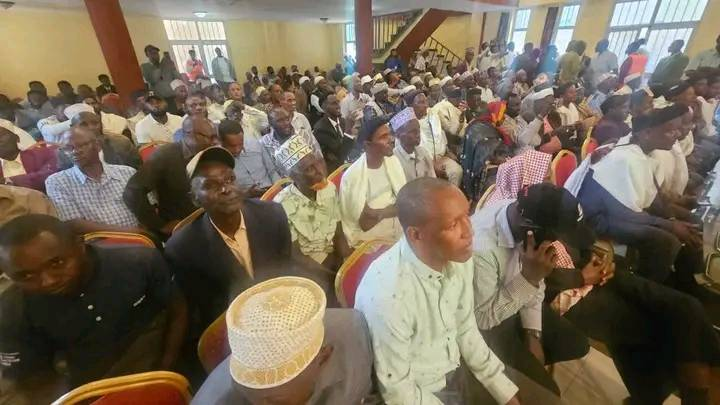
KOKET, ETHIOPIA — In a landmark event symbolizing cross-border cooperation, political, academic, and community leaders from Kenya and Ethiopia joined university students in Koket, Ethiopia, for the official inauguration of the Borana Ethiopia University Students Association (BESA).
Held under the unifying theme “Education, Empowerment, and Unity,” the launch ceremony brought together a diverse assembly of students, elders, and government officials. The forum served as a platform for critical discussions on leadership, the preservation of cultural identity, and the pivotal role of education in fostering peace and sustainable development within the Borana community and across the region.
The high-profile event underscored the initiative’s significant political and social backing, with notable attendees including:
- H.E. Abagada Guyyo Boru Guyyo (Ethiopia)
- PS Kello Harsama, Principal Secretary, The State Department for Livestock (Kenya)
- Hon. Prof. Guyo Jaldesa, Member of Parliament, Moyale Constituency (Kenya)
- Hon. Col. (Rtd) Dido Ali Rasso, Member of Parliament, Saku Constituency (Kenya)
- Sen. Mohamed Chute, Senator, Marsabit County (Kenya)
They were joined by other distinguished guests and elders from both nations, highlighting a shared commitment to the association’s goals.
The primary mission of BESA is to strengthen unity, academic collaboration, and cultural cohesion among Borana university students in Ethiopia. Organizers envision the association as a catalyst for empowering youth to become proactive leaders and change-makers, equipped to contribute to their communities’ socio-economic progress.
“This is more than a student club; it is a bridge,” said one of the founding student members. “A bridge between generations, between our campuses, and between our nations. Through BESA, we are investing in a unified future rooted in knowledge and shared purpose.”
The launch of BESA marks a proactive step in harnessing the potential of the region’s youth, emphasizing that education and collaborative spirit are fundamental pillars for lasting peace and shared prosperity in the Horn of Africa.
About BESA:
The Borana Ethiopia University Students Association (BESA) is a newly formed organization dedicated to uniting Borana university students across Ethiopia. Its core objectives include promoting academic excellence, cultural exchange, leadership development, and community service, with a vision to nurture a generation of empowered and socially responsible leaders.
Gadaa Michillee Clan of Karrayyu Commences Historic “Cidha Buttaa” Ceremony
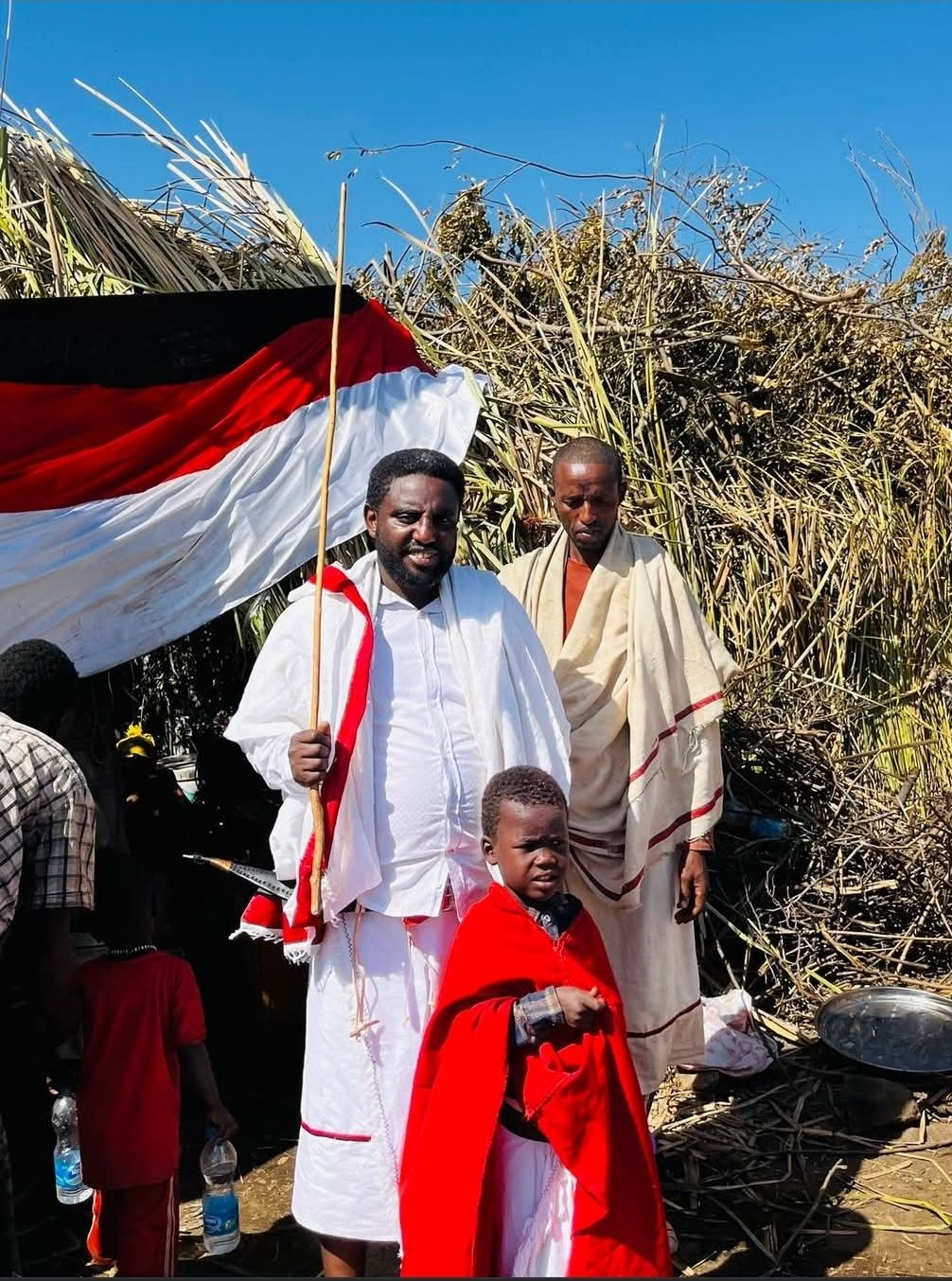
Muddee 26, 2025 — The esteemed Gadaa council of the Michillee clan within the Karrayyu Oromo nation has officially inaugurated the grand Cidha Buttaa ritual at Tarree Leedii, marking the beginning of a profound 12-day cultural and spiritual observance. The ceremony, which began on the 26th of Muddee (December), is set to conclude with major rites on the 26th and 27th.
The Cidha Buttaa is a complex sequence of traditional rites performed in a strict, consecutive order over its duration. The opening days have seen powerful foundational ceremonies:
Day 1 (Muddee 26):
- The Gadaa council members formally took their designated seats (Tarree Leedii).
- The sacred fire at the Abbaa Bokkuu’s (leader’s) hut was ignited.
- Blessing rituals (Eebbaa) were performed.
- A ritual of communion and sharing of ceremonial drink (Qubsuma) was held.
- Camels (Geejjiba) were paraded in a display of honor and strength.
- At Tulluu Huffeenna, a Kataarii tree was erected and burned, with prayers for abundance (Korbeessa Huffeenaa).
- The Raabaa officials conducted rituals involving a ceremonial staff (Dhaddacha) and the planting of a ritual stake (Ardaaga).
Day 2 (Muddee 27):
- A mature bull (Dullacha) was sacrificed at the entrance of the leader’s hut.
- Vigil was kept over the sacred fire and the Ardaaga stake.
From the third to the fifth day (Muddee 28-30), the focus shifted to construction: building the main ritual lodge (Galma), installing the central ritual object (Daasa Keessummaa), and constructing enclosures for cattle and camels.
The period from the fifth to the ninth day (Muddee 30-Amajjii 3) involves spiritual and communal deliberations:
- Pilgrimages to sacred sites like Uman, hills, and valleys.
- Prayers for peace to Waaqa (the Creator).
- A series of assemblies to discuss the preservation and transmission of Gadaa laws, customs, and clan identities.
- Deliberations on environmental stewardship and land protection.
All these preparatory rituals will lead to the climactic ceremonies on the tenth day.
Day 10 (Amajjii 6):
- At dawn, the final preparations (Hiiddii) will be made.
- A special shelter (Bitimaa) will be erected behind the cattle enclosure.
- In the afternoon, the Abbaa Galmaa (ceremony head) will stand before the shelter to formally authorize the appointed ritual actors (Gumaachitoota).
The Cidha Buttaa will then enter its final, most sacred phase on the night of the 6th of January, continuing into the 7th of January.
This elaborate ceremony reaffirms the vitality of the Gadaa system, serving as a critical mechanism for cultural renewal, social cohesion, spiritual blessing, and the intergenerational transfer of authority and knowledge among the Karrayyu Oromo.
The Calculated Return: Rebranding Hassan Ali and the Politics of Historical Amnesia
By Koste Abdiisaa (Political Commentary)

Since last week, a familiar yet troubling political theatre has unfolded on our social media feeds. The return of former Oromia president Mr. Hassan Ali has been met not with sober reflection, but with a coordinated campaign of glorification. The volume and tenor of this noise are not organic; they are a political product. And they demand a critical question: Why the aggressive, sudden need to rewrite a man’s past?
Let us be clear: the return of any individual is, in itself, a neutral event. What is not neutral is the systematic attempt to whitewash a deeply problematic political record against the backdrop of profound, ongoing suffering. Mr. Hassan Ali, like millions of Oromos, was once a vocal critic of the very system he later led. Yet, his presidency under the OPDO—the regional arm of the then-ruling EPRDF—was not a period of liberation. It was a chapter in the same grim story of state-sanctioned violence against the Oromo people.
Historical memory cannot be deleted by a hashtag. It was under the governance structure he led that figures like Nadhii Gammadaa, Dararaa Kafanii, and Jireenyaa Adunyaa were executed or forcibly disappeared. It was a system that normalized imprisonment, exile, and death for countless innocent Oromos. To launch a social media campaign that glosses over this reality is not just revisionism; it is an insult to the victims and their families who still seek justice.
Therefore, the fixation on whether he is being praised misses the point. The urgent questions are strategic and forward-looking:
- Why now? Why has the Prosperity Party (PP) and the Shimelis Abdisa administration chosen this precise moment to facilitate and amplify his return? Is it coincidental that this occurs amid escalating political and security crises in Oromia and other regions?
- What is the political calculus? The PP is not a charitable organization. Its every move is tactical. Is Hassan Ali’s return intended as a distraction, a shiny object to divert public attention from state failures? Is it an attempt to create a semblance of “reconciliation” with a discredited faction to split opposition sentiment? Or, more cynically, is it the first move in grooming him as a “reformed” candidate for a future managed election, providing a veneer of Oromo leadership while serving PP’s centralist agenda?
- Who benefits from the noise? The sheer volume of orchestrated praise serves to drown out these very questions. It aims to replace critical analysis with emotional reception, shifting the narrative from accountability to celebrity.
History offers a clear lesson: the political machinery Hassan Ali once served has never acted without cold, strategic intent. Invitations back into the fold are extended not as acts of grace, but as moves on a chessboard.
My apprehension is not personal. It is political. At this stage of his life, one hopes Mr. Hassan Ali would seek a legacy of truth, not convenience. To become a pawn in a strategy designed to legitimize a system that continues to oppress his own people would be to stand, once more, on the wrong side of history.
Ultimately, the Oromo struggle for justice, self-determination, and dignity is larger than any individual. It will not be derailed by a rebranding campaign or short-term political maneuvering by the PP. The people’s quest for accountability is relentless.
However, for the individual, history offers a space for reflection and correction. The most consequential mistakes are often those we repeat. The real test is whether this return is a step toward genuine atonement and independent voice, or whether it is a political trap—for him, and a painkiller for a government under pressure. Only time will reveal the true diagnosis, but we must not let the noise of the moment silence our critical inquiry. The past is prologue, and ignoring its lessons is a luxury the Oromo nation can no longer afford.
Bokkuu and Qaalluu: The Sacred Pillars of Oromo Democracy
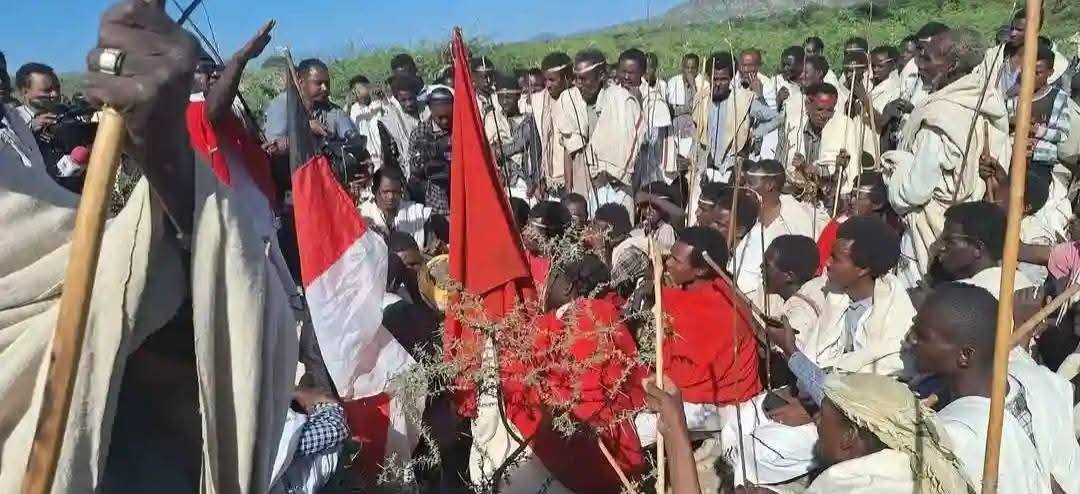
OROMIA — At the heart of the Oromo Gadaa system, an indigenous democratic governance structure recognized by UNESCO as an Intangible Cultural Heritage of Humanity, lies a refined balance of power and spirituality, embodied in two sacred pillars: the Bokkuu and the Qaalluu.
This dual authority forms the cornerstone of a system that has guided Oromo social, political, and spiritual life for centuries. Among the Karrayyuu Oromo, custodians of deeply traditional Gadaa practices, the Holder of the Bokkuu (Abbaa Bokkuu) leads the active Raaba Gadaa council, symbolizing lawful political authority, unity, and temporal governance.
The authority of the Bokkuu is absolute in ceremonial life. No Gadaa ritual—from a temporary ceremonial visit (jila) to a full-scale relocation of the assembly—can commence without its sacred blessing. The scepter is not merely a symbol; it is the source of legitimacy for all communal undertakings.
While the Abbaa Bokkuu governs the political, economic, and social spheres, spiritual authority rests with the Qaalluu. This sacred office is responsible for blessings, prayers for rain and fertility, and invoking peace (nagaa) for the land and people. This clear separation and interdependence of spiritual (Qaalluu) and temporal (Bokkuu) powers ensure a holistic system of checks and balances, preventing the concentration of power and aligning leadership with moral and divine will.
The system also has a built-in mechanism for continuity. In the absence of the Abbaa Bokkuu, leadership is seamlessly entrusted to the Abbaa Sabbataa, who acts as deputy to ensure governance never falters.
Furthermore, Oromo tradition dictates that for any Gadaa ceremony to be valid and declared complete, three indispensable elements must be present: men, women, and cattle. This triad represents the foundational pillars of Oromo society—humanity in its complementary duality, and the cattle that symbolize sustenance, wealth, and the covenant between the people and their environment.
This intricate structure highlights the Gadaa system’s sophistication, where democracy is not a secular political exercise but a sacred covenant involving the entire community, the natural world, and the divine. As modern governance seeks sustainable and inclusive models, the ancient balance of the Bokkuu and Qaalluu offers a timeless lesson in integrated leadership.
Beyond Protest: The AU’s Somaliland Stance and the Chasm Between Principle and Practice
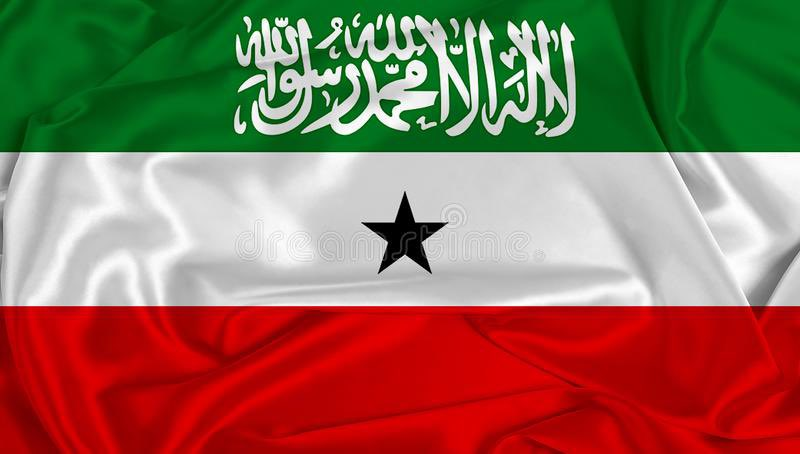
In the intricate chessboard of international diplomacy, the African Union (AU) has made its latest move: a firm rejection of Israel’s recent recognition of Somaliland as a sovereign state. This position is predictable, anchored in the bedrock principle of territorial integrity and the sacrosanctity of colonial borders—a cornerstone of the AU’s founding charter designed to maintain continental stability.
But the announcement lands with a thud of hollow irony across a continent long accustomed to the gulf between declared principle and lived reality. It prompts a weary, yet urgent, question: What, in practice, has the African Union actually implemented that holds real power to shape events on the ground?
The AU’s rejection of Somaliland’s recognition is rooted in a familiar doctrine. It echoes the organization’s long-standing stance that the union of Somalia and Somaliland is inviolable. Yet, this position exists in a parallel universe to the factual, on-the-ground existence of Somaliland for over three decades. Hargeisa has its own government, currency, police force, and democratic elections—all while maintaining a stability that eludes Mogadishu. The AU’s protest, therefore, feels less like a governing policy and more like a ritualistic incantation of a map that ceased to reflect political realities a generation ago.
This dissonance is symptomatic of a deeper institutional paralysis. The AU repeatedly and correctly states that “it is impossible to uphold a government changed by force.” This principle condemns military coups and unconstitutional changes of government. Yet, the practice has not stopped in Africa. From the Sahel to Central Africa, putsches and military takeovers have continued with alarming frequency. The AU’s response—typically suspension from the bloc and stern rhetoric—has proven to be a temporary slap on the wrist, not a deterrent. Coup leaders often eventually negotiate their way to legitimacy or remain in power with minimal long-term consequence from the continental body. The principle is clear; the enforceable mechanism to uphold it is conspicuously absent.
Thus, when the AU protests Israel’s recognition of Somaliland, its voice carries limited weight. The protest is, as critics argue, “worthless except for itself.” It serves to reinforce the AU’s own internal dogma and satisfy diplomatic formalities but does little to alter the evolving situation. It does not help Somalia regain control over its northern territories, nor does it force Somaliland to abandon its quest for recognition. It simply registers a diplomatic complaint that major powers and regional actors may increasingly choose to ignore, as they engage with Somaliland on practical issues of security, trade, and development.
The danger here is not just ineffectiveness, but irrelevance. As global powers and regional neighbors begin to engage Somaliland based on de facto realities rather than de jure fictions, the AU risks becoming a spectator to its own continental affairs. Its protests, unsupported by credible political or economic leverage, become background noise.
The lesson from this episode is stark: the African Union’s authority cannot rest on proclamation alone. It must be built on a capacity for proactive engagement, conflict resolution, and the creation of pathways that address legitimate political aspirations within a framework of continental peace. Endlessly defending a status quo that has already fractured, while being unable to uphold its own rules against power grabs, erodes its credibility.
Until the AU bridges the chasm between its noble principles and its tangible power to enact them, its rejections and condemnations will remain just that—words on paper, echoing in halls far removed from the dynamic, complex, and often defiant realities of the African continent. The challenge is not merely to protest a change on the map, but to develop a credible response to the forces that are redrawing it.
Karrayyu Gadaa Announces Historic Ceremony: Call to Witness Buttaa Qaluu and Passing of the Goobaa Scepter
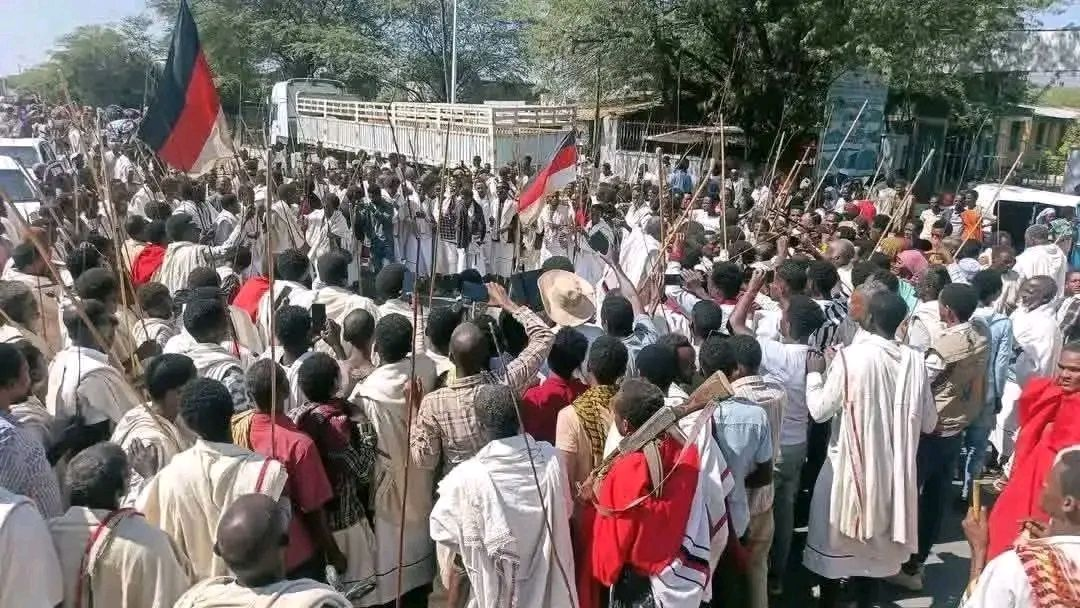
OROMIA, ETHIOPIA – In a profound continuation of a centuries-old tradition, the Karrayyu Gadaa system has officially entered the preparatory phase for one of its most sacred rites: the Buttaa Qaluu ceremony and the formal transfer of the Goobaa, the leadership scepter. This pivotal event, scheduled to take place one week from today, marks a critical juncture in the eight-year Gadaa cycle, where power is peacefully passed to the next generation.
The Gadaa system, a UNESCO-recognized indigenous democratic and socio-political institution of the Oromo people, operates on a strict eight-year rotational leadership schedule. For the Karrayyu, this process involves a meticulous two-year preparatory period. The current Gadaa assembly is now finalizing preparations to hand over the Goobaa to the incoming class, ensuring the unbroken chain of governance, law, and cultural continuity.
“Karrayyu Gadaa continues its journey. The existing Gadaa, after two years of preparatory work, has begun the process of transferring leadership to the next group by presenting the Goobaa,” stated the official announcement.
The upcoming week will culminate in the Cidha Buttaa Qaluu, a specific and elaborate ritual that formalizes this transfer. The ceremony is not merely administrative but a deeply spiritual and communal reaffirmation of identity, law, and social order.
In a move that underscores the communal and intergenerational nature of Gadaa, the Karrayyu elders have extended a formal and respectful invitation to members of the community to witness this historic passage.
“In this regard, an invitation has been extended to you to participate as part of this history, to be present as the historical Cidha Buttaa Qaluu and the passing of the Goobaa are conducted next week,” the announcement declared.

The Goobaa is far more than a symbolic object; it is the embodiment of authority, justice, and the collective will of the people under Gadaa law. Its transfer is a carefully orchestrated event that educates the incoming leaders and binds them to their responsibilities.
The call concludes with a powerful affirmation of cultural purpose: “Guides of generations, let us manifest our culture together!”
The ceremony is expected to draw participants and observers from across the community, serving as a living testament to the resilience of the Gadaa system and its enduring role in guiding the social, political, and spiritual life of the Karrayyu Oromo.
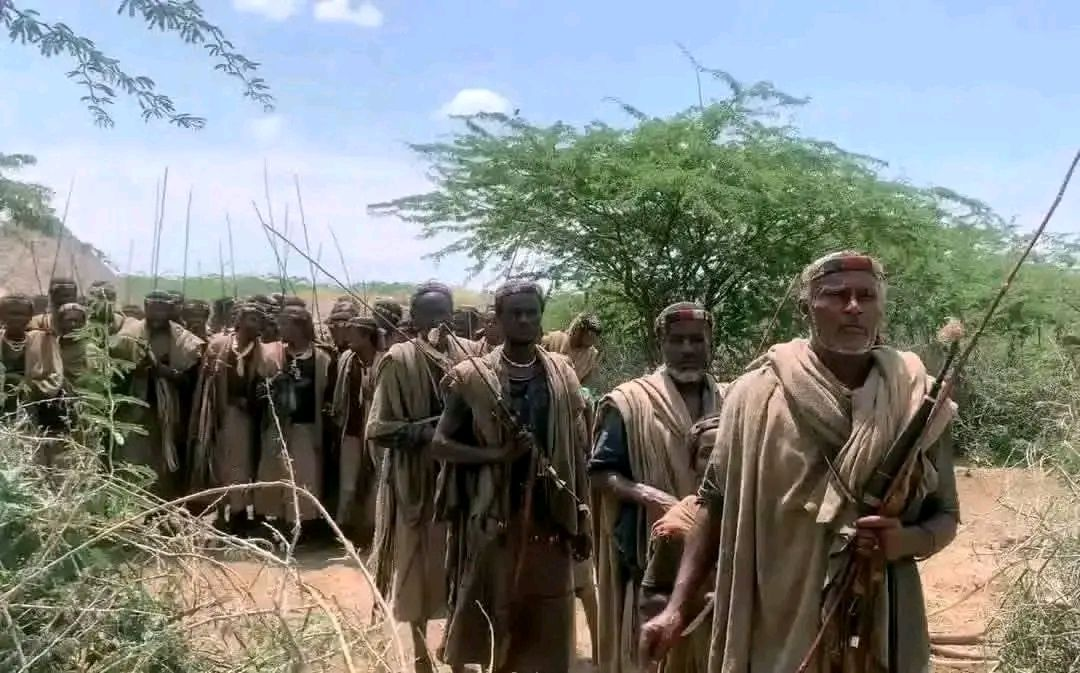
Gadaa Elders, Women Leaders Condemn Ethnic Slurs Against Salaale Oromo Community
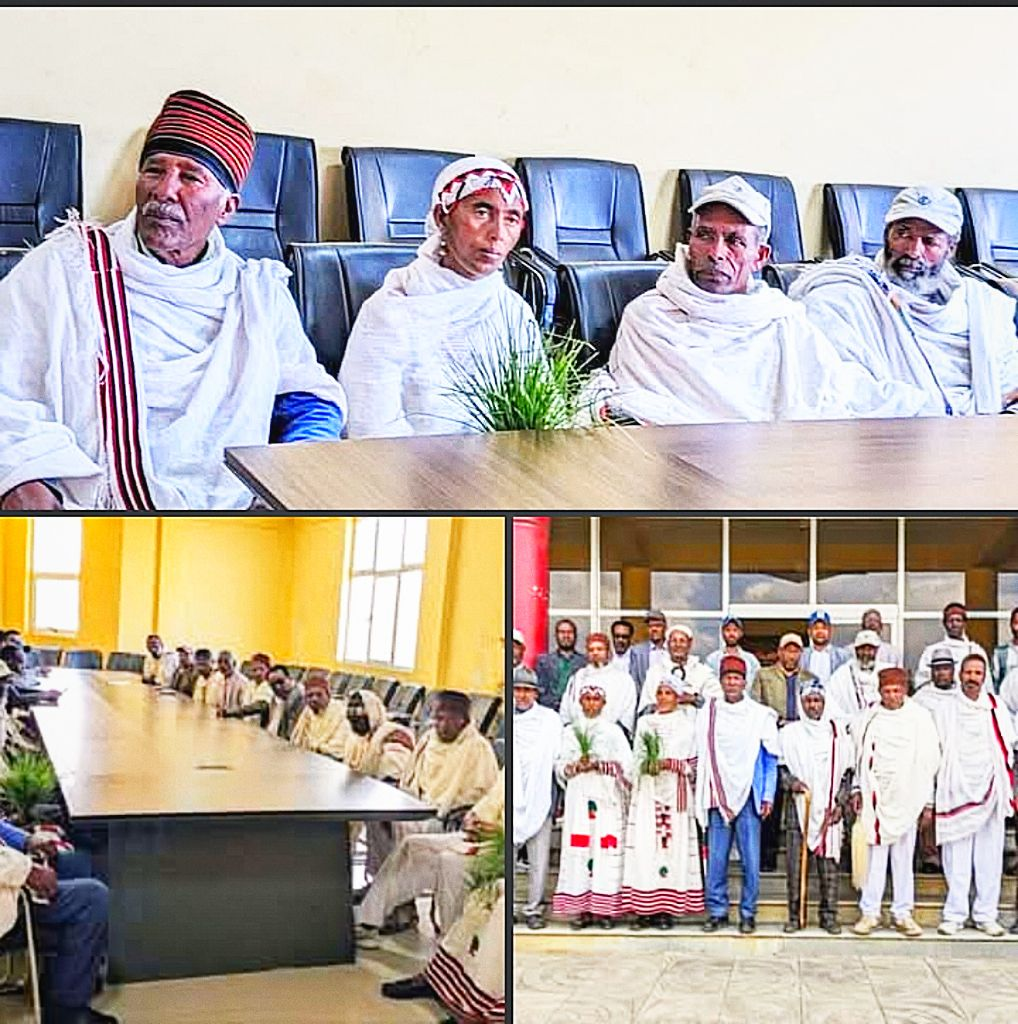
SALAALE, OROMIA — A coalition of traditional and community leaders, including the Abbootii Gadaa (Gadaa Councilors), Haadholee Siinqee (Siinqee Women Leaders), and Jaarsollee Biyyaa (Elders of the Land), has issued a strong condemnation against recent derogatory remarks made about the Salaale Oromo people.
The leaders have denounced a social media broadcast in which an individual named Heenok Girmaa allegedly used offensive language that “attacked the dignity and honor of the Salaale people.” The broadcast, aired on December 13, 2018, on a private media outlet called J.P.S., is described by the leaders as containing “insulting speech and false information” that violates Oromo cultural norms of respect (safuu) and taboo (duudhaa).
In their statement, the traditional authorities emphasized the respected standing of the Salaale community. They highlighted that the Salaale people are known for their “dignity, deep adherence to Oromo culture, and peaceful coexistence.” The community comprises followers of various religions who, they stated, “live together in love and peace, without their faiths causing division.”
The leaders contextualized the Salaale community’s significant contributions to Ethiopia. They noted that Salaale is the homeland of renowned national figures who fought for equality among nations and nationalities, including General Taaddasaa Birruu, Archbishop Luuba Abune Pheexiroos, and heroines like H/mariyaam Gammadaa. It is also the birthplace of global athletics champion Shaambal Abbabaa Biqilaa.
“Like other parts of our country, the Salaale people paid immense sacrifices for the sovereignty of this nation,” the statement reads. “Therefore, the act of defamation by this individual against this community is baseless and far from the truth.”
The condemnation also raises legal and ethical concerns. The leaders argued that in a country governed by law, it is unacceptable for a private individual to broadly insult and belittle a large community. They characterized the slurs as a calculated act driven by a “hidden personal agenda,” not representative of any religious or ethnic position.
Consequently, the Abbootii Gadaa, Haadholee Siinqee, and Jaarsollee Biyyaa have formally called upon the government to intervene. They have requested that the relevant legal authorities take appropriate measures against the broadcaster for launching what they deem a “campaign of hate speech and defamation” against a dignified segment of society. The leaders reaffirmed that such attacks have no place in the community and will not be tolerated.
The Unquenchable Flame: Amajjii and the Living Memory of Oromo Resistance
By Dhabessa Wakjira
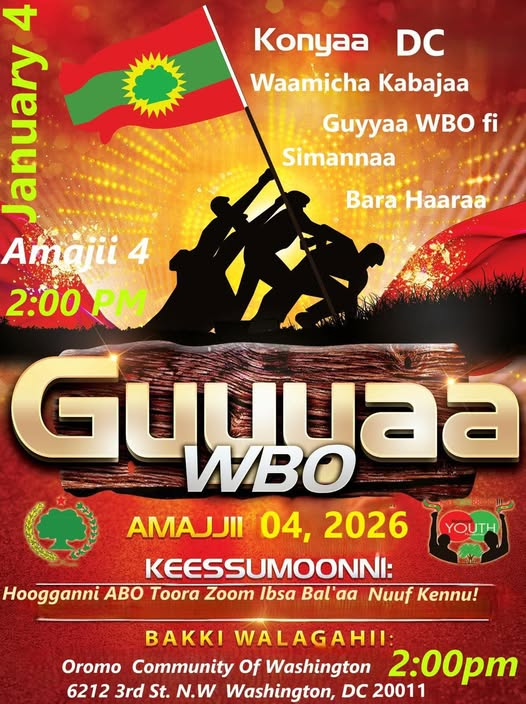
OROMIA – Across the highlands and valleys of Oromia, and within diaspora communities spanning the globe, the Oromo people are preparing to observe Ayyaana Amajjii—a day that is far more than a cultural anniversary. It is a living chronicle of resistance, a solemn vow of continuity, and a beacon of collective identity lit against a backdrop of enduring struggle. As one message proclaims: “AYYAANA AMAJJII BAGA GEESSAN!” – “Happy Amajjii Holiday!”
Celebrated for over 40 years, Amajjii commemorates a pivotal historical moment of defiance. Its roots lie in “a history of resilience in the Oromo freedom struggle and the heroism of Oromo fighters,” a day when a courageous few secured a landmark victory against formidable enemies. This singular event is etched into the Oromo consciousness not merely as a past triumph, but as an eternal wellspring of strength.
“Amajjii is a symbol of the endurance and perseverance that defines our entire struggle,” explains a community historian. “It is a holiday that surpasses all others, a flame we keep alive to illuminate the path to Oromo freedom from within the darkness of oppression.”
This year, the commemoration carries a particularly profound weight. The community gathers in what is described as “a time of difficulty and darkness,” marked by reports of severe hardship, drone strikes, militia violence, and widespread military crackdowns. “This brutal oppression wounds us,” the message states, “but without losing hope, we resist fiercely and honor our Amajjii, learned from our ancestors.”
It is precisely in such moments of intensified pressure, the tradition holds, that the history of Amajjii becomes most vital. The day serves as a crucial space—a sanctuary in time—to reaffirm unity, recommit to the quest for a dignified and egalitarian society, and honor the foundational values of respect and justice. The ceremony itself is a multi-faceted lesson in the Oromo liberation narrative.
The central, unifying ritual is the lighting of the Amajjii bonfire atop the highest hill. This “Xomboorrii Amajjii” is far more than a fire; it is the primary symbol of Oromo freedom. As its flames climb skyward, it is seen as broadcasting a powerful message: a message of true liberty, of emerging from subjugation, of unbreakable hope rising from the ashes of despair, and of light piercing a profound darkness.
“Amajjii is the day we remember the Oromo freedom fighters who sacrificed their lives without hesitation to liberate and protect Oromia and its people,” the commemoration note affirms. This act of remembrance is inextricably linked to the deep Oromo tradition of honoring elders and pioneers—those who preserve culture, offer guidance, and advocate for justice. Amajjii is, in essence, the national-scale enactment of this duty of respect.
The 2026 observance is therefore framed not just as a look backward, but as a strategic reaffirmation for the future. It is a time to “renew our pledge” to continue the struggle, bolstered by the conviction that Oromia will ultimately be a place where rights are asserted and the Oromo nation is honored in its unity and freedom.
From the ancestral hills of Oromia to community centers worldwide, the lighting of the Amajjii fire this year will be a potent, silent, and luminous declaration. It asserts that memory is resistance, that collective ceremony is a form of resilience, and that an unquenchable flame, passed down through generations, continues to light the way forward.
AYYAANA AMAJJII GAARII! – A dignified Amajjii to all!
The Sacred Fire Burns Anew: Karrayyu Ushers in a New Gadaa Generation

By Maatii Sabaa
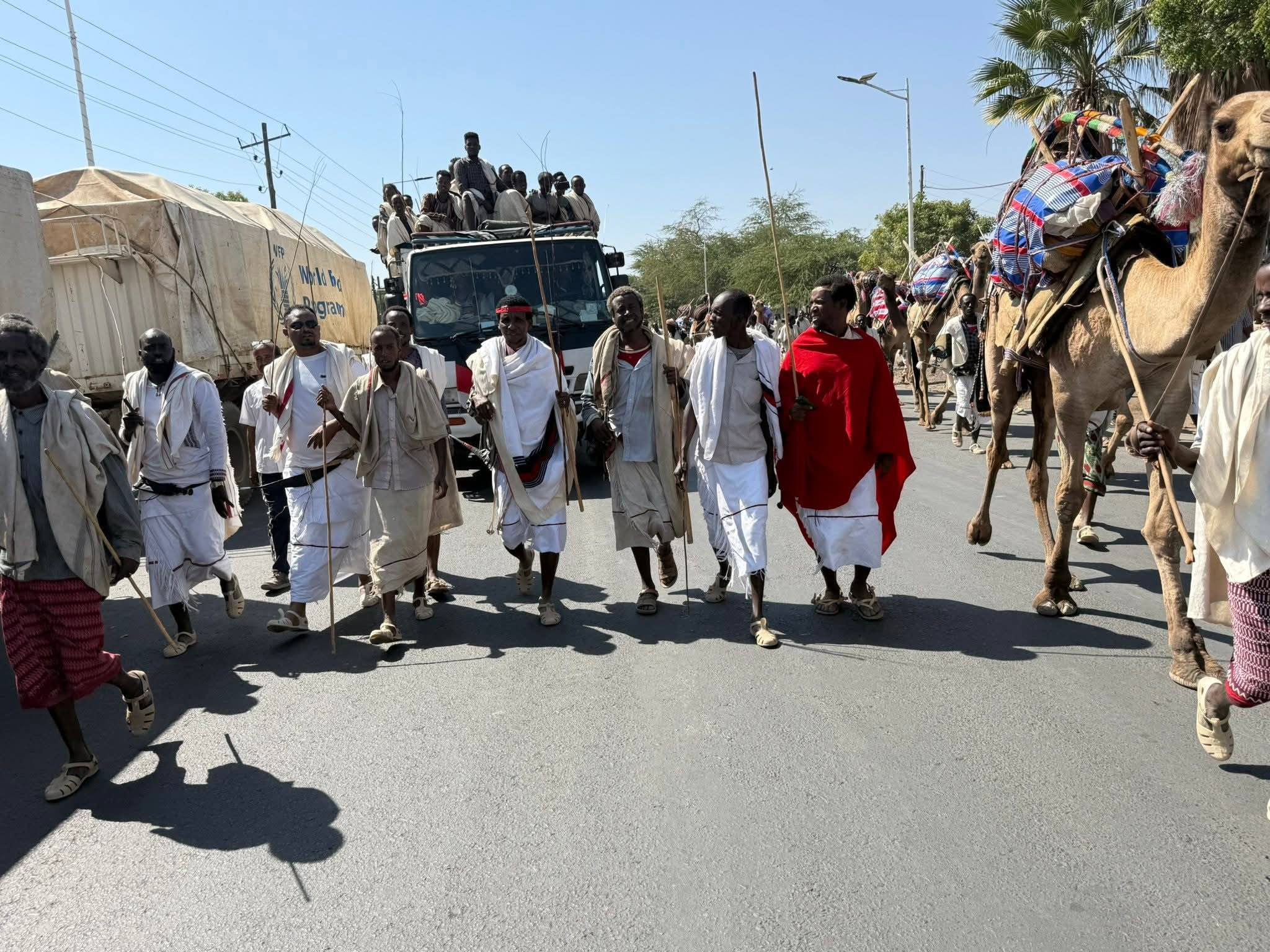
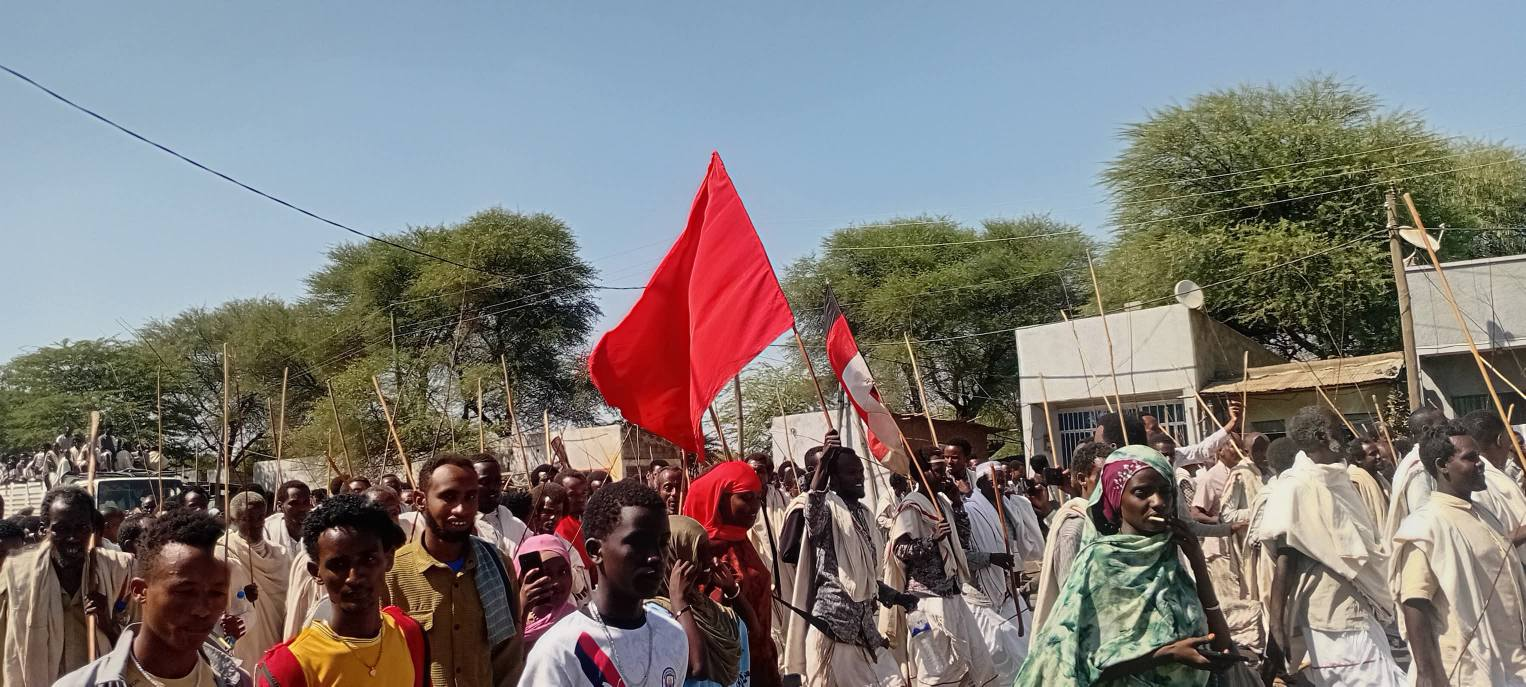
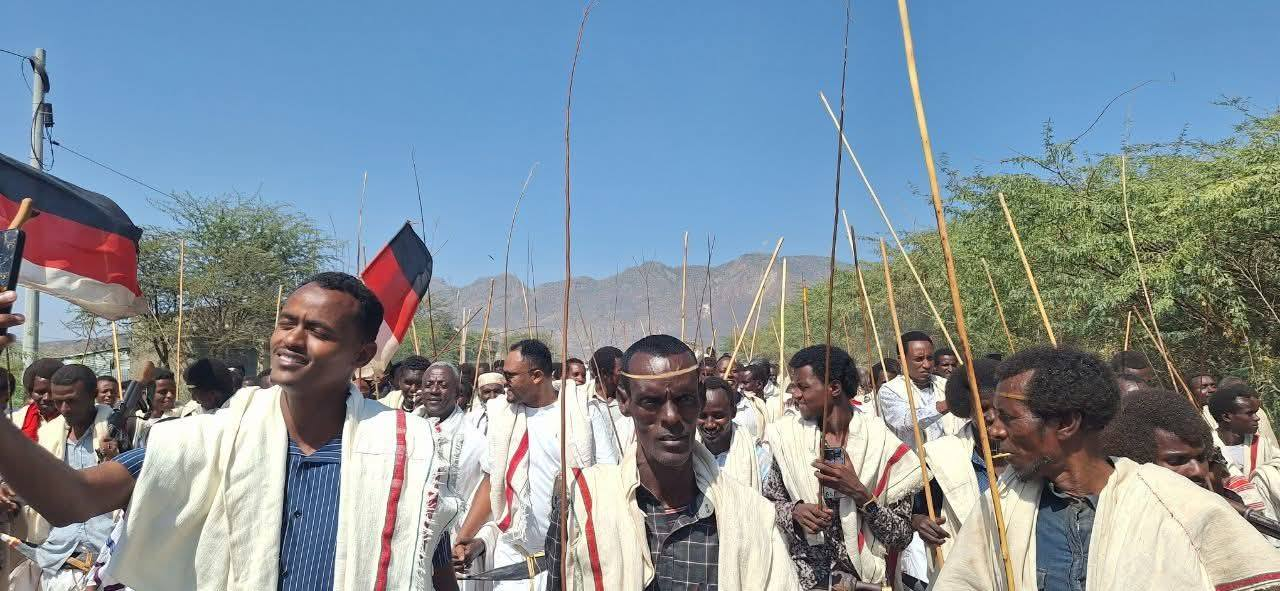
Oromia, Ethiopia – A profound spiritual and cultural renewal is unfolding in the heart of Oromia. The Karrayyu Oromo, renowned custodians of a deeply traditional way of life, have ignited the sacred Jila fire, signaling the commencement of a momentous transition. The declaration echoes across the community: “Karrayyuun Jilaaf bobba’a jira..!!” – “The Karrayyu have lit the Jila!” This flame is not just physical; it is a beacon of identity, continuity, and the living pulse of the Gadaa system.
The Karrayyu have officially entered a sacred preparatory phase, initiating the complex, multi-year rituals to install a new Gadaa assembly, known as the Michillee. In a ceremony of great solemnity, the Abba Gadas—the ritual leaders—have formally designated the Tarree Leedii as the upcoming Gadaa class to assume leadership. This act, performed alongside five existing Gadaa sets, is a masterstroke of long-term democratic planning, scheduling leadership transitions for generations yet unborn.
“The Gadaa is our constitution, our school, and our soul,” explained one elder, his eyes reflecting the ceremonial fire. “By naming the Tarree Leedii today, we are not just planning for eight years; we are securing the wisdom and order of our society for 80 years ahead.”
A Ten-Day Tapestry of Tradition
The official inauguration of this transfer process began ten days ago, launching a meticulously orchestrated series of preparations. The community has been immersed in rituals, spiritual cleansings, and assemblies designed to purify the participants and sanctify the proceedings. These days are a vibrant tapestry of oratory, prayer, and the passing of sacred knowledge from one generation to the next.
The culmination is set for the 26th and 27th of Muddee (approximately early December). On these sacred days, the Karrayyu will perform the grand ceremony of Buttaa Qalaa, the 75th ritual stage within the Gadaa cycle specifically dedicated to the Tarree Leedii. This is the pivotal moment where symbolic authority and immense responsibility begin their formal passage.
An Open Invitation to a Sacred Trust
In a powerful move that underscores the inclusivity at the heart of Oromo identity, the Abba Gadaa of the Karrayyu has extended an open invitation. “The Cidha Buttaa Qalaa of the Karrayyu Gadaa will be open to all who come,” they announced. With profound respect, they have called upon the entire Oromo nation, from every region and walk of life, to witness and partake in this national heritage.
This invitation is more than a courtesy; it is a call to collective remembrance and unity. It is an opportunity for Oromos worldwide to connect with the ancient democratic and spiritual roots that bind them, to see the living Gadaa—a system UNESCO recognizes as an Intangible Cultural Heritage of Humanity—in its most authentic and dynamic form.
As the Jila fire burns brightly in Karrayyu territory, its light reaches far beyond the ceremonial ground. It illuminates the resilience of a people fiercely protecting their worldview. It signals the unwavering commitment to govern through a system built on cyclic accountability, environmental stewardship, and social justice. The lighting of the fire is just the beginning. The world is now watching, invited to witness a civilization ensuring its own future by honoring the sacred cycles of its past.
Homecoming of a Pioneer: The Return of Oromia’s First President

By Daandii Oromia
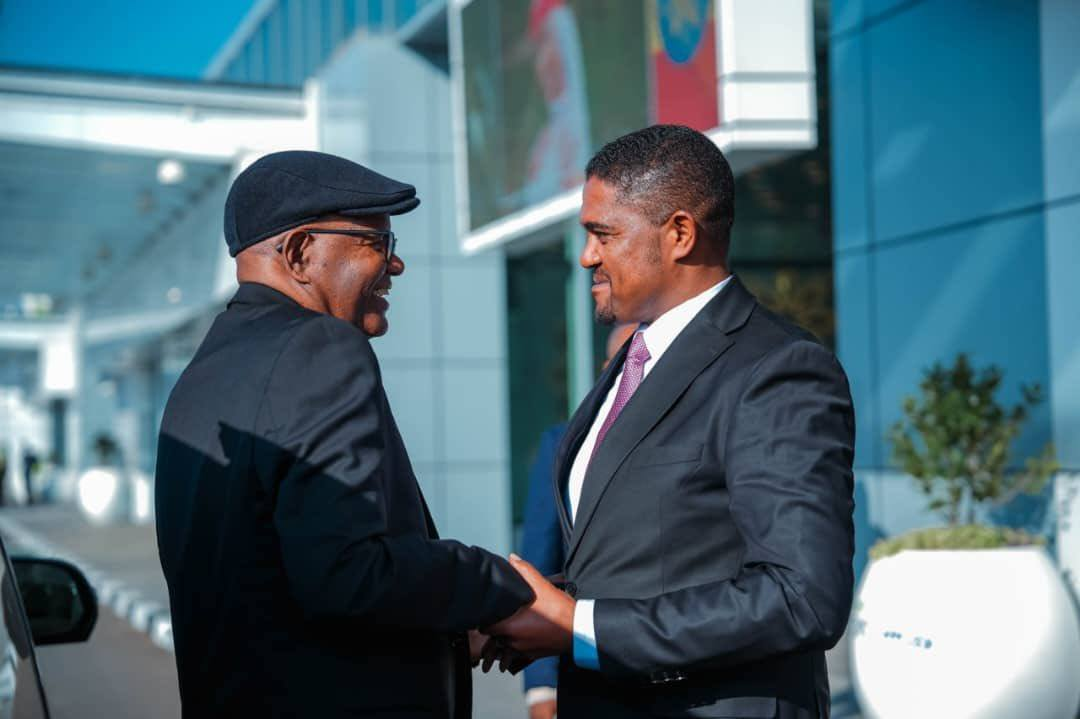
Addis Ababa, Ethiopia — In a moment laden with history and emotion, the first President of the Oromia Regional State, Honorable Mr. Hassan Ali, has returned to his homeland, ending nearly three decades of exile. His arrival marks more than a personal journey; it represents a symbolic closing of a long chapter and a deliberate gesture of reconciliation by the current Oromia leadership.
The official welcome, extended by the sitting President of Oromia, Mr. Shimelis Abdisa, was framed not just in political terms, but in the language of profound respect and historical acknowledgment. “It is with the utmost respect that I welcome Mr. Hassan Ali home with his family after nearly three decades,” President Abdisa stated, setting a tone of deference to a foundational figure of the region’s modern autonomy.

The Architect Returns
Mr. Hassan Ali’s presidency in the 1990s came during a formative and volatile period, following the adoption of Ethiopia’s ethnic federalist constitution. He and his contemporaries were tasked with the monumental challenge of building the nascent Oromia Regional State from the ground up—establishing its institutions, defining its administrative contours, and navigating the complex politics of a post-Derg Ethiopia.
In his remarks, President Abdisa explicitly honored this legacy. “They are the pioneers who laid the foundation for the Oromia Regional State to reach this level,” he said. This recognition serves as a formal validation of the struggles and efforts of the region’s early architects, whose work has often been overshadowed by subsequent political turmoil and exile.

“To See the Government He Established”
Perhaps the most poignant element of President Abdisa’s welcome was his focus on the personal significance of this return for Mr. Hassan Ali. “I want to congratulate him today not only on his safe return home with his families; for being able to see the government he established,” Abdisa noted.
For a leader who departed in the early days of the institution he helped create, this return offers a tangible, living assessment of that foundational work. It is an opportunity to witness the evolution of the state structure he pioneered, now led by a new generation. President Abdisa emphasized the resilience of that foundation: “He not only endures all pressures but also strengthen and expand to serve the people he fought for at the home level.”
A Commitment to Broader Reconciliation
Beyond the personal welcome, the current President used the occasion to make a significant policy-oriented declaration, signaling a potential shift toward greater inclusivity. “On behalf of myself and the Oromia Regional Government, I would like to thank them for their roles at all levels and for their services,” he said, offering official gratitude.
He then extended an olive branch that resonated far beyond the single homecoming: “I would like to take this opportunity to confirm that the Oromia Regional State Government is committed to bringing the children of the people who have been away for various reasons back home according to our ancient traditions.”
This statement frames reconciliation not merely as a political process, but as a cultural and social one, rooted in Oromo traditions of conflict resolution and homecoming (Gumaa and Araara). It proposes a pathway for the return of other exiled figures and diaspora communities, suggesting a future where Oromia’s governance is informed by a wider, more diverse set of its native sons and daughters.
A Symbol for the Future
The return of President Hassan Ali, facilitated by the sitting administration, is a powerful symbol. It bridges historical divides, acknowledges foundational contributions, and tests the waters for broader national dialogue. While the long-term political implications remain to be seen, the event itself has been successfully cast as an act of statesmanship and historical unity.
As Mr. Hassan Ali reacquaints himself with a homeland transformed, his presence invites reflection on Oromia’s journey—from the struggle for self-administration to the complex realities of exercising it. His homecoming, wrapped in official honor and traditional promise, may well be remembered as a pivotal moment in the region’s ongoing story of governance, identity, and reconciliation.

 Oromedia