Unity and Revival: The Rise of the Heero Council

Historic Gathering at Odaa Roobaa: The Heero Council Ascends, Uniting the Five Branches of Arsii
In a landmark ceremony resonating with deep historical significance, the 20 Dhaddachas (Gadaa class leaders) of the Arsii Sikkoo Mandoo generation gathered under the sacred Odaa Roobaa sycamore. From this assembly, the most senior and pivotal leader, the Dhaddacha Heeroo, has formally risen, marking a decisive moment in the restoration and unity of the Arsii Gadaa system.
The ascension of the Dhaddacha Heeroo is the culmination of a major decree passed during the recent Dhaddacha Guutaa (Grand Assembly). This decree, rooted in a call made by the Abbaa Gadaa of all Arsii, Aliyyii Muhaammad-Suruur, mandated the reconstitution of this supreme council. Its purpose is to reunite the five historic branches (Baalli) of the Arsii nation—Birmajii, Bultuma, Bahara, Horata, and Roobalee—whose people are spread across the lands of Baale, Diida’a, Gadab, Albaso, Laangannoo, and Dambal.

A Unifying Vision for a Dispersed People
Abbaa Gadaa Aliyyii Muhaammad-Suruur, during his term of office, has spearheaded efforts to bring the dispersed children of Sikkoo Mandoo back to their rightful place within the Gadaa structure. Strengthening this mission, the recent decrees are a high-level strategy designed to foster unity among the five branches. The plan specifically allocates a dedicated week for the branches to meet, allowing communities separated by distance to see each other, share ideas, and discuss their collective concerns.

A Community’s Determined Effort
The successful execution of this profound ceremony is credited to the exceptional effort and organization of the broader community, particularly the people of Baalee Bahaa and the residents of the historic Laga Hidhaa district. Their deep commitment to the success of this Gadaa event underscores the living, community-driven nature of the institution.
This gathering at Odaa Roobaa transcends ritual. It is a powerful act of political and cultural revitalization, signaling the Arsii Sikkoo Mandoo’s intent to reclaim the cohesion and governance envisioned by their forefathers. As the Heero council takes its place, it reaffirms the core Gadaa principle: “Gadaan ta misaaf mirgaati” — “Gadaa is both a duty and a right.”
The rise of the Heero is not just a return to formality; it is the reassembly of a people’s parliament under their sacred tree, ready to guide their future through the ancient, yet ever-relevant, laws of balance, justice, and collective responsibility.

Vanguard Generation: Candidates Shaping Oromo Future

FEATURE NEWS
The Vanguard Generation: Young Oromo Candidates Emerge as the Face of OLF’s Election Bid
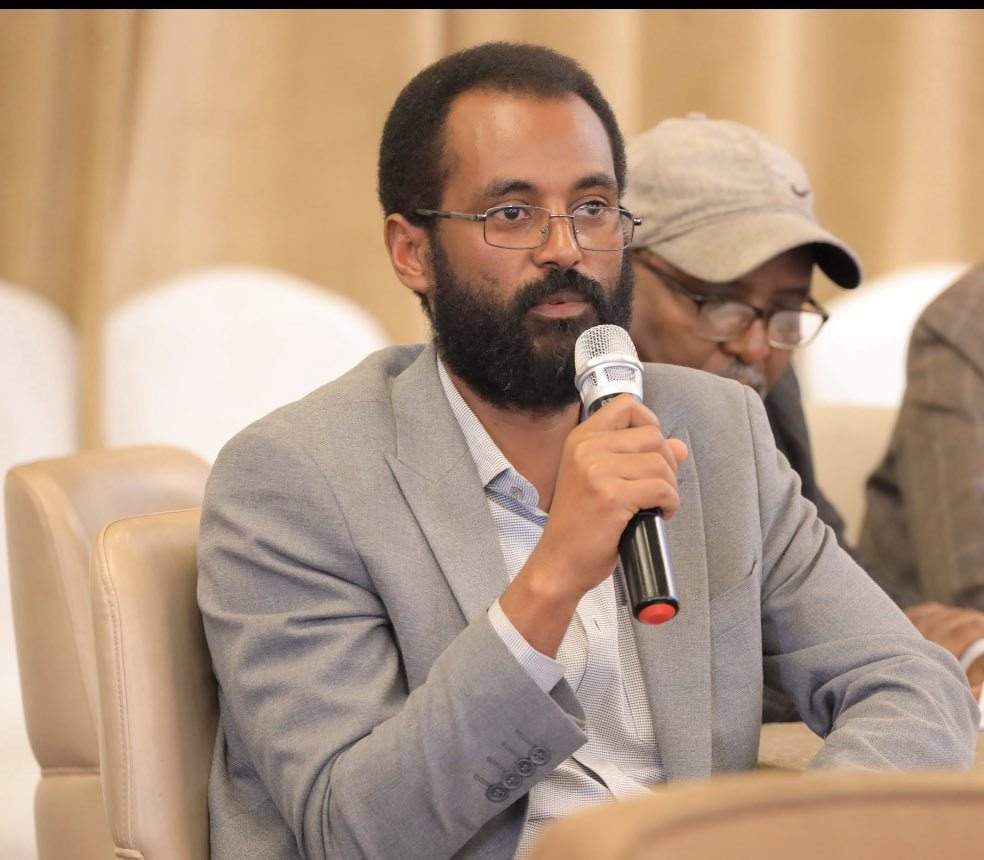
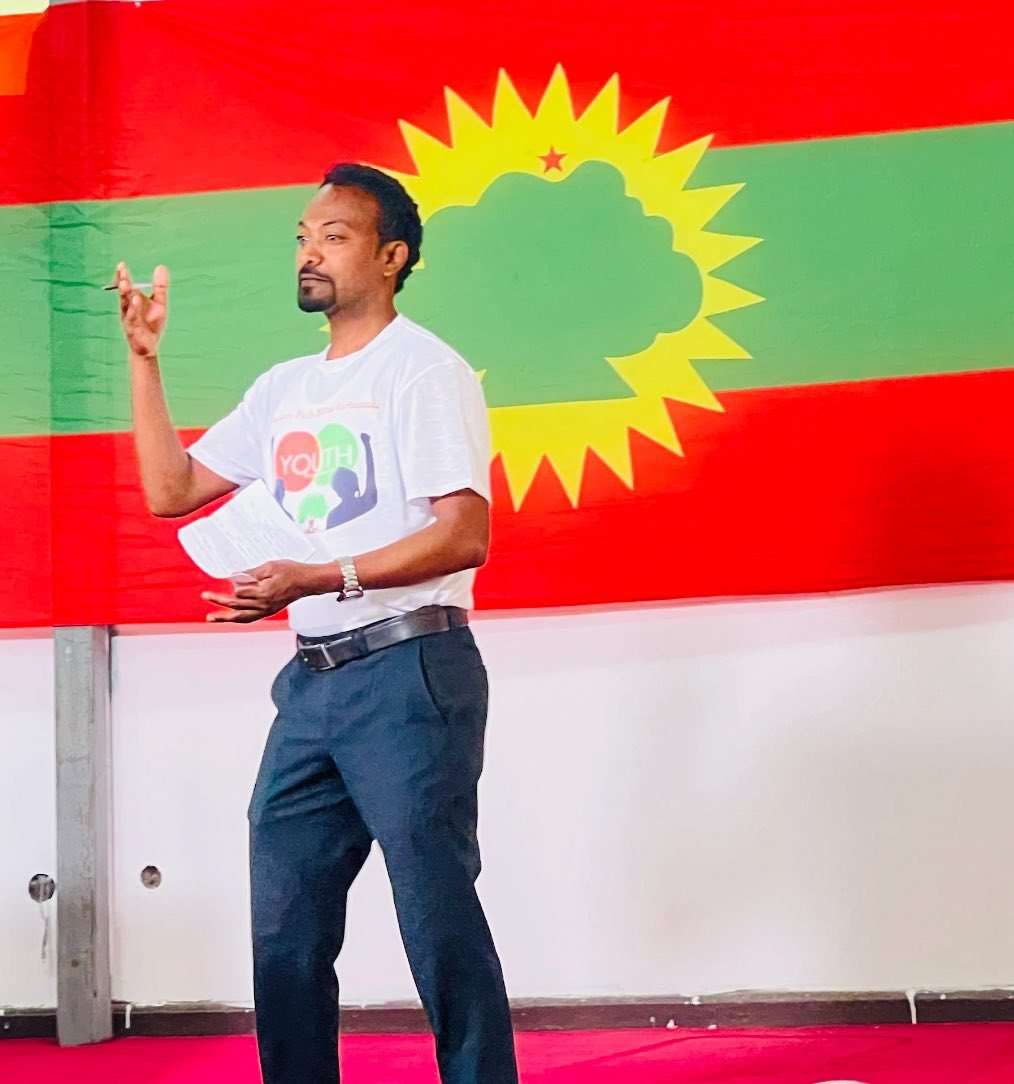
As Ethiopia prepares for its pivotal Seventh General Election, a profound generational shift is unfolding within the ranks of the Oromo Liberation Front (OLF). The party’s slate of candidates is increasingly defined by a cadre of highly educated, media-savvy, and strategically-minded young Oromos who represent the maturation of a decades-long struggle and the living hope of their people.
The upcoming election is viewed by many within the Oromo national movement not merely as a political contest, but as a potential culmination. The prospect of seeing these young, academically and professionally accomplished candidates—”who have grown up wise and skilled within the sphere of the OLF”—enter Parliament is seen as the realization of the Oromo people’s long-held aspiration for rightful representation and justice.
From Sacrifice to the Ballot Box
The OLF underscores that these candidates embody a legacy of sacrifice. “The OLF is presenting these educated youth,” states a party communique, “who have forsaken their own personal lives and safety to fight for the protection of their people’s interests.” Their candidacies are framed not as personal ambition, but as the logical next step in a collective liberation struggle. They are portrayed as the intellectual and political heirs of that struggle, now prepared to translate its objectives from the fields of activism into the halls of legislation.
The party message strikes a tone of determined optimism and urgent action: “As you know, the Oromo people who speak for you and on your behalf—when the day comes that the National Election Board confirms the locations where the election will be held, we will gather the candidates who represent you and prepare them.” The ultimate aim is to ensure the election becomes a peaceful, legitimate forum where “the rights of our nation are respected.”
More Than Politicians: Storytellers, Historians, and Strategists
Crucially, the OLF is reframing the identity of its political representatives. “These are not just political figures,” the narrative asserts. “They are historians, writers, strategists. They are the children of the Oromo people.”
This characterization is powerful. It positions these candidates not as distant bureaucrats, but as organic intellectuals whose understanding is rooted in the lived history and cultural consciousness of their community. They are presented as the very storytellers and analysts who can articulate the Oromo narrative within—and to—the Ethiopian state.
A Critical Test of the Political Transition
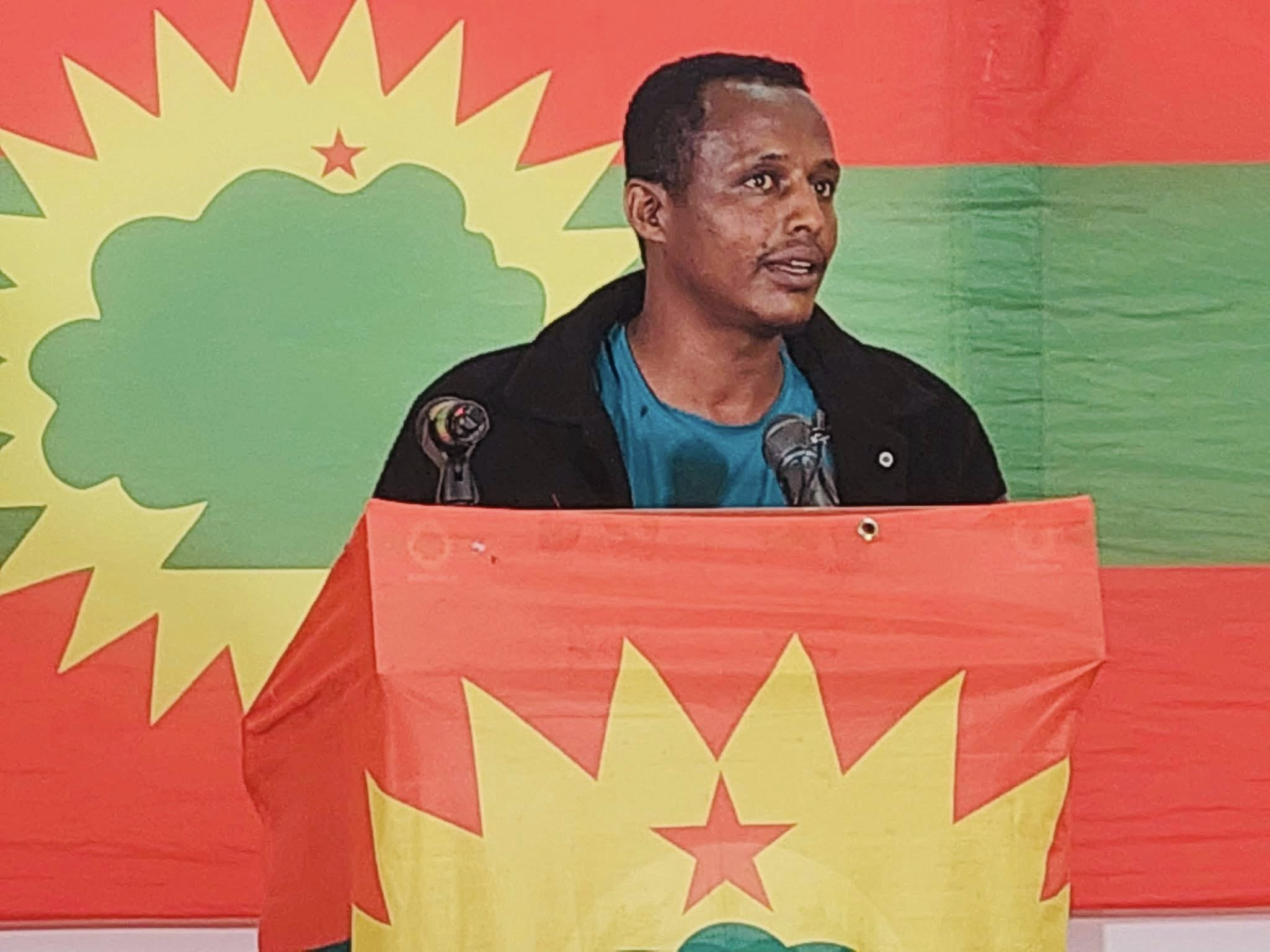
The emergence of this “vanguard generation” within the OLF’s electoral strategy marks a critical test for Ethiopia’s post-2018 political transition. Their participation seeks to answer a fundamental question: Can a movement historically engaged in armed struggle successfully channel its energy, its grievances, and its vision through democratic competition?
For the Oromo electorate, particularly the youth (Qeerroo), these candidates represent a bridge between the protest-filled recent past and a potential future of institutional influence. Their success or failure at the polls will be interpreted as a verdict on the feasibility of achieving Oromo objectives through parliamentary means.
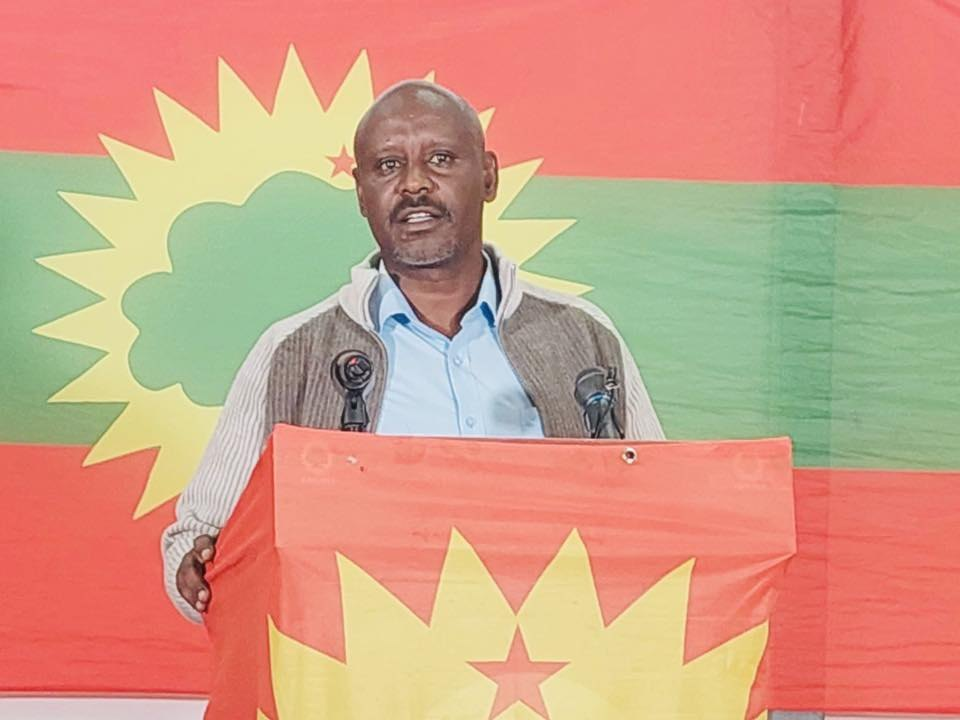
As the election campaign begins, the world will be watching not just the OLF as a party, but this new generation of leaders. They carry with them the weight of history, the expectations of a nation, and the formidable task of transforming a legacy of resistance into a blueprint for governance.
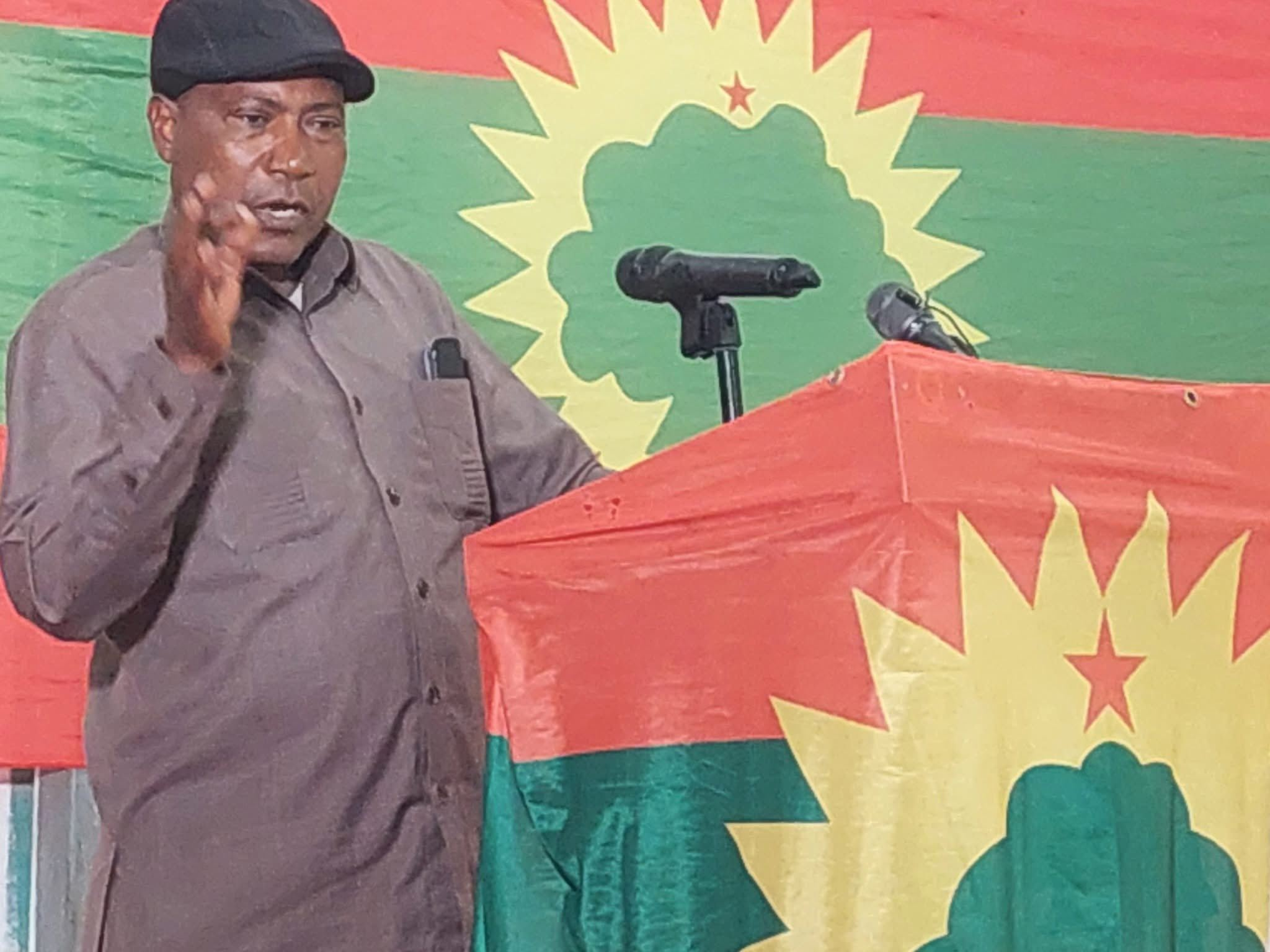
Six Major Decrees from the Historic Gadaa Assembly for Community Renewal

Historic Gadaa Assembly in Baalee Bahaa Enacts Six Major Decrees for Social Renewal
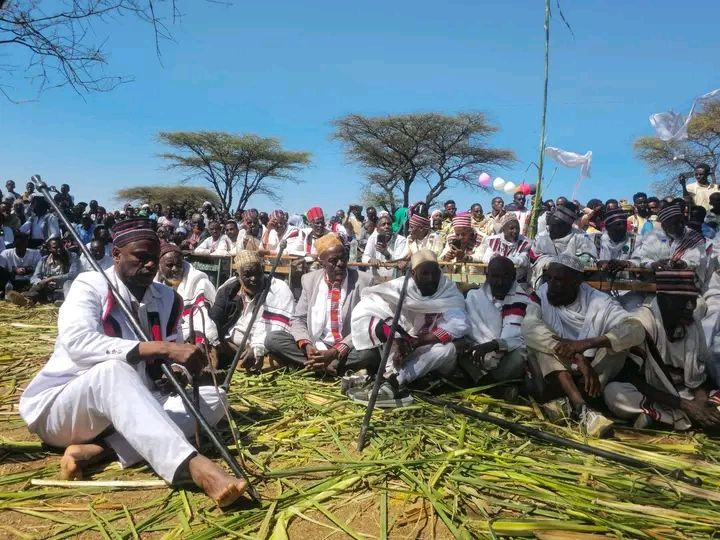
LAGA HIDHAA DHAADDACHA HEEROO, BAALEE BAHAA – A major Gadaa assembly of the Arsii Sikkoo Mandoo generation is currently underway at the historic site of Dhaddacha Heeroo, signaling a significant restoration of its traditional leadership structure and the enactment of sweeping social mandates.
The central act of the assembly is the formal reinstatement of the senior Dhaddacha Heeroo council. This council, comprised of the five senior Luba Gadaa from among the younger Gadaa classes operating under the Odaa Roobaa ritual center, is being restored to its full authority. This move directly implements a prior resolution to reinstate twenty (Dhaddachas) of the Sikkoo Mandoo generation.
With the restoration of this senior council, the assembly has proceeded to deliberate on and proclaim six major decrees (murtiiwwan gurguddoo), addressing critical issues from marriage and culture to security and environmental protection.
The Six Major Decrees of the Assembly:
- Leadership Restoration: Formalizes the return of the Dhaddacha Heeroo council and the reinstatement of the twenty Sikkoo Mandoo Dhaddachas, completing a key structural revival.
- Regulation of Marriage and Heerumaa (Bridewealth): Mandates that gabbarri (a customary fine or compensatory payment) must be settled in cases related to marriage and bridewealth, aiming to standardize and resolve disputes within these customary practices.
- Cultural Revival and Propriety: Calls for the return and strict observance of safuu (moral and ethical codes) and traditional customs (aadaa fi duudhaa), emphasizing a cultural renaissance rooted in ancestral values.
- A Universal Mandate for Peace: Issues a powerful decree on peace (nagaa), stating that all unresolved conflicts must be settled peacefully. It calls upon every individual to heed the call of Gadaa fathers and Siinqee (women’s institution) elders and come forward for reconciliation, placing peace as the foremost communal priority.
- Curbing Illegal Migration: Addresses the concerning trend of youth being trafficked and illegally sent abroad. The decree states this must stop, highlighting the Gadaa system’s role in confronting modern social crises affecting its youth.
- Environmental Protection: Decrees the protection of natural resources (qabeenya uumamaa), specifically ordering that deforestation (biqiltuu) must be halted and managed. This underscores the indigenous ecological stewardship inherent in the Gadaa system.

A Living System Addressing Contemporary Challenges
The convocation of this assembly and the scope of its decrees demonstrate the Gadaa system’s dynamic role as a living governance framework. It is not merely conducting ritual observances but is actively legislating on pressing issues—from safeguarding youth against trafficking to enforcing environmental conservation and mandating universal peace-building.
The reinstatement of the senior council provides the institutional authority to oversee the implementation of these far-reaching decisions. The assembly at Dhaddacha Heeroo thus stands as a potent example of indigenous sovereignty in action, using its restored structures to mandate social, cultural, and environmental order for the Arsii Sikkoo Mandoo community and beyond.
Seventh General Election: OLF’s Strategic Shift to Politics

Oromo Liberation Front Prepares for Seventh General Election, Announces Strategic Pivot
FINFINNEE – In a significant political announcement, the Oromo Liberation Front (OLF) has declared its readiness to contest in Ethiopia’s upcoming Seventh General Election, scheduled to be held in five months. The party’s announcement signals its intent to transition fully from its historical armed struggle to a peaceful political competition within the nation’s electoral framework.
OLF officials confirmed that the party is undertaking final preparations to meet all the legal and procedural requirements set by the National Election Board of Ethiopia (NEBE) for participation. The statement underscores a pivotal shift: “The OLF, which returned from armed struggle to peaceful political struggle in 2018, announces that it is completing the prerequisites required of it by the NEBE to participate.”
This move represents the most concrete step yet in the party’s often-turbuous journey into mainstream politics since its leadership returned to Ethiopia following the 2018 peace agreement. By affirming it can contest “in places where the National Election Board conducts elections,” the OLF is positioning itself as a nationwide contender, aiming to mobilize its traditional base and beyond.
A Commitment to Democratic Process
A core tenet of the announcement is the party’s stated respect for the will of the Oromo people. “In this Seventh General Election, it is stated that the OLF will respect the vote that its people give it,” the declaration noted. This framing presents the OLF as a democratic entity prepared to accept electoral outcomes, a crucial message for both its supporters and the broader political landscape.
Jaal Jabeessaa Gabbisaa, a party official, emphasized the organization’s commitment, stating, “The OLF will do everything required of it for the Seventh General Election… it is prepared.”
Forging a New Political Identity
The announcement also hints at an internal reorganization and candidate selection process. The OLF indicated it is “placing people who represent it and execute the objectives of the OLF” into candidacy positions. This suggests an effort to build a coherent electoral team that can translate the party’s longstanding objectives into a compelling political platform for the ballot box.
Analysis: A High-Stakes Gambit
The OLF’s participation in the election is a high-stakes endeavor. For the government and international observers, it tests the inclusivity and credibility of Ethiopia’s post-conflict political process. For the OLF, it is a definitive test of its political relevance and organizational capacity in a peaceful, competitive arena.
Success could see the party secure a substantial bloc in parliament, giving it a direct platform to advocate for Oromo interests within the federal system. Failure, or a poor electoral showing, could weaken its influence and spark internal dissent.
The next five months will be critical as the OLF finalizes its registration, campaigns, and navigates the complex electoral environment. Its participation promises to make the Seventh General Election one of the most closely watched and consequential in recent Ethiopian history, a direct measure of whether a historic armed movement can successfully reinvent itself as a potent political force.

Gadaa Assembly: Reviving Oromo Identity and Democracy

Gadaa Assembly in Harar Champions Oromo Identity, Peace, and Pre-Colonial Democracy
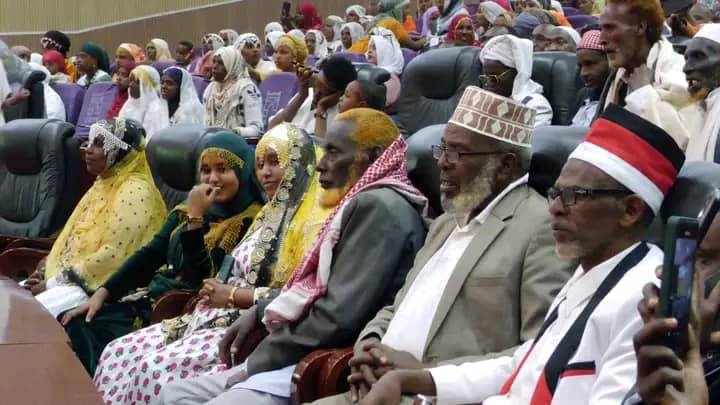
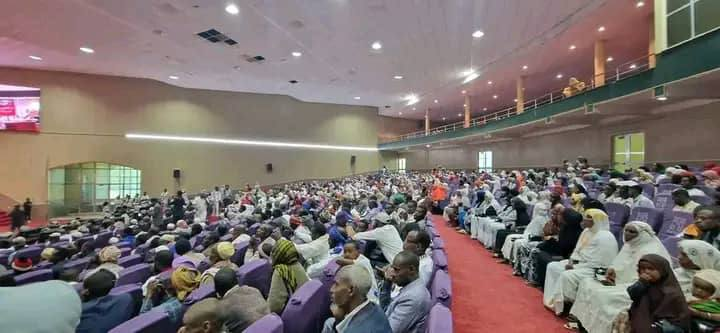
HARAR, OROMIA – In a vibrant display of cultural continuity and unity, the Gumii Gadaa (Gadaa Assembly) of the Humbannaa Bareentoo Oromo generation was held in the historic city of Harar. Convening under the theme “Gadaa is Oromo Identity, Equality, Peace, and Justice,” the assembly brought together diverse Gadaa councils and a broad public audience to reaffirm the enduring values of the indigenous Oromo governance system.
The significant gathering saw the participation of leaders from three major Oromo Gadaa lineages: the Abbootiin Gadaa Humbannaa, Abbootiin Gadaa Afran Qalloo, and Abbootiin Gadaa Ituu. The event served as a powerful platform to discuss Gadaa’s role as a bedrock of social order and a precursor to modern democratic ideals.
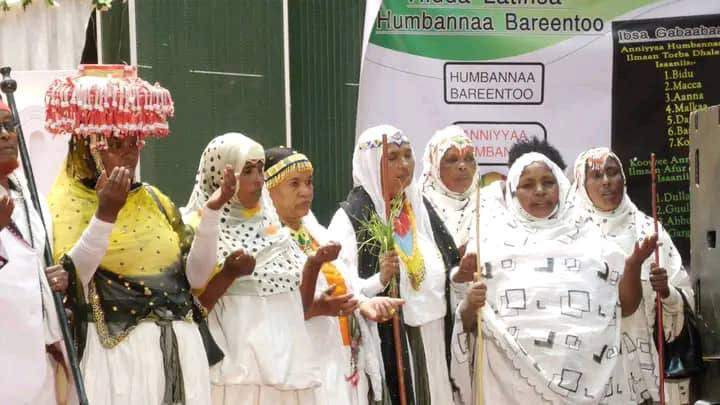
Gadaa as a Foundational System of Equality and Governance
Addressing the assembly, Abbaa Gadaa Humbannaa Bareentoo, Gugsaa Ibsaa, articulated the system’s core philosophy. He stated that the Gadaa system is the framework through which all human beings are born equal and should live as equals—a principle embedded in its social and political structures.
“Peace is essential for everyone, and therefore, paramount attention must be given to peace,” Abbaa Gadaa Gugsaa emphasized, highlighting the system’s intrinsic link to stability and social harmony. He further described Gadaa as a system of “development, unity, brotherhood, and love.”
Official Recognition of Historical Contribution
Regional officials acknowledged the profound historical and contemporary relevance of the Gadaa system and the Oromo people.
Mr. Naasir Ahmad, Head of the Harari Regional Culture, Sports, and Tourism Bureau, praised the Humbannaa Bareentoo lineage for playing a distinctive and vital role in the struggle and interests of the Oromo people throughout history.
He also made a striking historical assertion, noting that “the Gadaa system was an example of democracy before the concept of democracy itself [existed in the region].”
Echoing this sentiment, Ms. Sa’aada Abdurahman, Head of the East Hararghe Zone Culture and Tourism Bureau, reminded attendees that the Oromo people have lived for centuries with their own history, language, culture, and self-governing Gadaa system.
She provided a compelling timeline, asserting that “the Oromo people governed themselves with the Gadaa system for over 700 years,” and that this system predates the democracies currently practiced in Western nations by some 200 years.
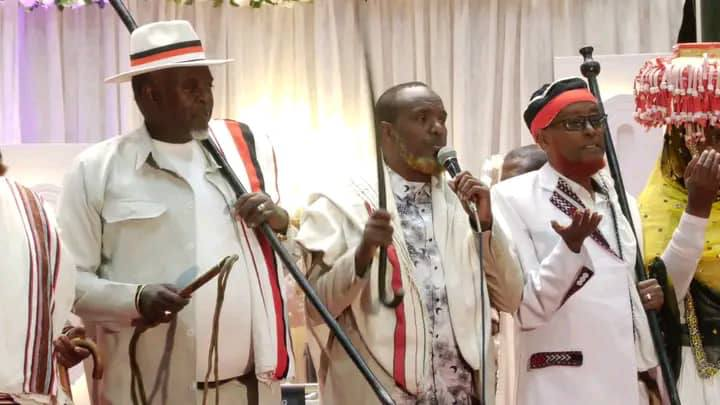
A Convergence of Leadership and Legacy
The assembly was attended by senior leadership from the Harari Regional State and East Hararghe Zone, alongside delegations from the three participating Gadaa councils and numerous invited guests.
The convening of this Gadaa assembly in Harar—a city emblematic of Ethiopia’s rich Islamic and cultural heritage—signifies a strengthening cross-cultural recognition of the Oromo system. It reinforces Gadaa not as a relic of the past, but as a living, breathing institution that offers timeless principles of egalitarianism, peaceful coexistence, and cyclical leadership.
By framing Gadaa as both the core of Oromo identity and a pioneering democratic model, the Humbannaa Bareentoo assembly serves as a potent reminder of Ethiopia’s deep and diverse wells of indigenous governance knowledge, now receiving renewed scholarly and official appreciation.
Reclaiming Oromummaa: The Journey of Oromo Studies

Bringing ‘Oromummaa’ into Focus: Four Decades of Reclaiming an Indigenous Legacy
JANUARY 9, 2026 – As the Oromo Studies Association (OSA) approaches its 40th anniversary, it has released a landmark statement that is part historical reflection, part scholarly triumph, and part urgent defense. The statement, authored by OSA President Dr. Ibrahim Amae Elemo, chronicles a transformative journey: from the systemic erasure of Oromo history to the global recognition of its indigenous democratic systems, and now, to a new wave of attacks targeting the scholars who brought this legacy to light.
Central to this four-decade effort is the concept of Oromummaa—a term embodying the collective values, institutions, and worldview of the Oromo people, the largest ethnic group in Ethiopia. Once dismissed, Oromummaa has been meticulously restored by OSA scholars through research that has redrawn the map of Horn of Africa studies.
From Erasure to Reclamation
The OSA’s founding in the 1980s was a direct response to a void. Prior to its establishment, Oromo heritage was not merely absent from academia and state narratives; it was actively suppressed. As the statement details, a state ideology of “Ethiopianism” promoted Orthodox Christianity, the Amharic language, and Abyssinian culture as the sole legitimate national identity. The Oromo language, Afaan Oromoo, was banned in schools and public life until 1992, and students were punished for speaking it or using Oromo names.
“The national project,” the statement asserts, “was to ‘Ethiopianize’ the peoples of the south and center through enforced cultural unification.” In this process, the Oromo—despite constituting about half of Ethiopia’s population—were portrayed as backward and ahistorical.
OSA’s intervention was revolutionary. Its scholars, many of whom were part of that first generation of students reclaiming their language, engaged in rigorous research that recovered suppressed histories. Through conferences, journals, and collaborative work, they produced a substantial body of knowledge that countered centuries of denigration and “restored collective dignity.”
Reshaping History and Highlighting Indigenous Democracy
A cornerstone of OSA scholarship has been re-examining Ethiopian state formation. Drawing on archives and oral histories, researchers have framed the expansion of the Abyssinian empire in the late 19th century as a colonial project, supported by European powers and marked by violent conquest, dispossession, and the enslavement of independent societies like the Oromo.
More celebratory research has focused on Oromummaa as an indigenous democratic worldview, anchored in three core institutions:
- The Gadaa System: A complex socio-political system featuring an eight-year leadership cycle, checks and balances, and principles of accountability and rule of law. Its global significance was recognized by UNESCO’s inscription on its Intangible Cultural Heritage list.
- Siinqee (Siiqee): A women’s institution that ensures gender balance and social justice.
- The Qaallu: The spiritual authority maintaining harmony between society, nature, and the spiritual realm.
Together, these institutions embody values of democracy, peace (nagaa), and ecological stewardship that OSA argues offer lessons of “global relevance.”
A New Era of Attacks and a Call to Action
This hard-won scholarly recognition is now under threat. The OSA statement warns of “renewed attacks on Oromo scholars and scholarship” from actors seeking to “restore inequitable power relations.”
These attacks have evolved from formal complaints accusing scholars of “hate speech” to coordinated social media campaigns that vilify Oromummaa itself as a dangerous ideology. Internationally respected figures like Professor Asafa Jalata, a pioneering sociologist, have been targeted.
“These attacks do not represent scholarly debate grounded in evidence,” the statement declares. “Rather, they reflect a politicized rejection of any scholarship that challenges centralized authoritarian narratives.” It draws a stark warning: “History demonstrates that vilification of a people’s identity is often a precursor to mass violence.”
In conclusion, the OSA issues a powerful call to the global academic community and the public. It urges the defense of academic freedom and support for Oromo scholarship, framing it not as a niche field but as vital to understanding one of the continent’s oldest continuous democratic traditions. The Oromo legacy, the statement concludes, is a contribution not only of “agricultural and animal bounty” but of a resilient, indigenous democratic way of life whose study is now more critical than ever.
#Oromummaa #OromoStudies #Gadaa #AcademicFreedom #OSA40

Dr. Gammachuu Magarsaa: A Scholar’s Struggle in Oromia

A Scholar in Exile: The Plight of Dr. Gammachuu Magarsaa and a Community’s Anguish
A quiet crisis is unfolding in the heart of Oromia, one that speaks volumes about the precarious state of its intellectuals. Dr. Gammachuu Magarsaa, a revered Oromo scholar, author, and elder, is reportedly in a dire situation, having lost his home and been forced to return to his birthplace in Qeellem Wallagga under difficult circumstances.
The news of Dr. Gammachuu’s troubles first circulated months ago but, as sources lament, “became a topic of discussion and then, while the Oromo community failed to find a solution, it was forgotten and left behind.” The issue was recently brought back to public attention through a poignant interview on Mo’aa Media, where the scholar himself confirmed the severity of his plight.
In the interview, Dr. Gammachuu shared a stark reality. After losing his house—reportedly sold to fund the publication of his scholarly work on Oromo history—he has returned to his ancestral land. “We have returned to our birthplace and are living there, farming our family’s land,” he stated, describing this turn as a significant hardship in his life. He revealed a history of being targeted, mentioning a prior expulsion from Addis Ababa University under the Derg regime.
His current predicament stems from a sacrifice for knowledge: “They sold their house to publish a book about the Oromo people,” he explained of the decision. He expressed frustration that people who know him seem unwilling to acknowledge his struggle, stating, “For the first time, I don’t know how this problem caught up with me, but I also don’t know how to be humiliated by a problem.”
The revelation has sparked profound concern and indignation within the Oromo community, both in Ethiopia and across the diaspora. The case of such an esteemed figure—a PhD holder who has contributed greatly to the preservation of Oromo history and culture—living without a stable home has become a powerful and troubling symbol.
The public reaction is crystallizing around urgent, critical questions directed at the Oromia Regional State government:
- Where is Oromo Wealth? Community members are asking, “The wealthy Oromos, where are they?” The question highlights a perceived disconnect between the region’s economic elite and the welfare of its most valuable intellectual assets.
- What is the Government’s Role? A more direct challenge is posed to the regional leadership: “The government that calls itself the government of the Oromo people spends money on festivals and various things. How is it that Dr. Gammachuu Magarsaa, who has served the country with great distinction, has fallen through the cracks and is not provided a house?”
The situation of Dr. Gammachuu Magarsaa is no longer seen as a personal misfortune but as a test case. It tests the community’s commitment to honoring its elders and scholars, and it tests the regional government’s stated mission to uplift and protect the Oromo nation. His empty study is a silent indictment, and his return to the soil he has spent a lifetime documenting is a powerful, somber metaphor. The Oromo public now watches and waits to see if a solution will be found for one of its own, or if his struggle will remain an unanswered question in the ongoing narrative of Oromo self-determination.
The Crisis of Dr. Gammachuu Magarsaa in Oromia
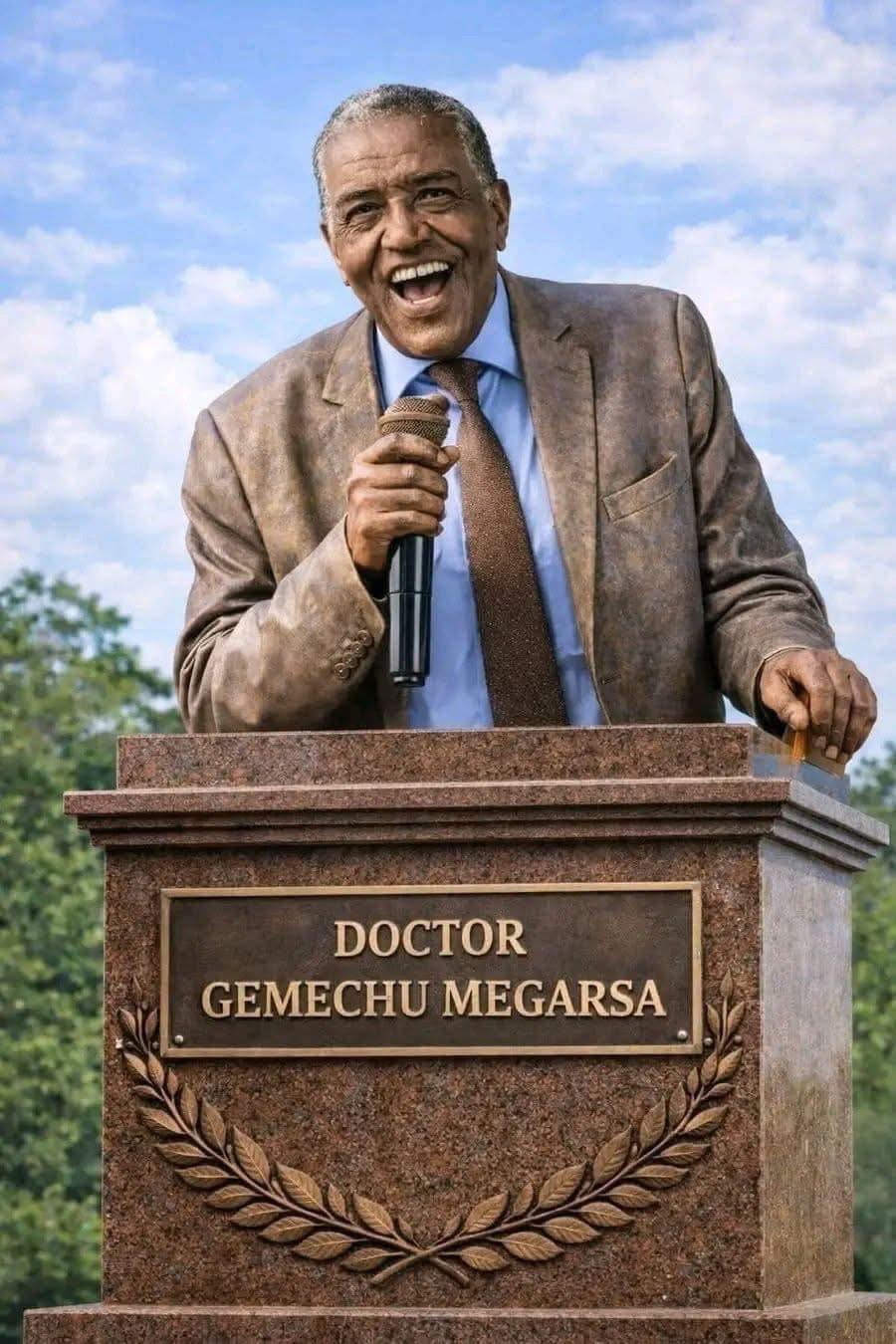
A Scholar in Exile: The Plight of Dr. Gammachuu Magarsaa and a Community’s Anguish
A quiet crisis is unfolding in the heart of Oromia, one that speaks volumes about the precarious state of its intellectuals. Dr. Gammachuu Magarsaa, a revered Oromo scholar, author, and elder, is reportedly in a dire situation, having lost his home and been forced to return to his birthplace in Qeellem Wallagga under difficult circumstances.
The news of Dr. Gammachuu’s troubles first circulated months ago but, as sources lament, “became a topic of discussion and then, while the Oromo community failed to find a solution, it was forgotten and left behind.” The issue was recently brought back to public attention through a poignant interview on Mo’aa Media, where the scholar himself confirmed the severity of his plight.
In the interview, Dr. Gammachuu shared a stark reality. After losing his house—reportedly sold to fund the publication of his scholarly work on Oromo history—he has returned to his ancestral land. “We have returned to our birthplace and are living there, farming our family’s land,” he stated, describing this turn as a significant hardship in his life. He revealed a history of being targeted, mentioning a prior expulsion from Addis Ababa University under the Derg regime.
His current predicament stems from a sacrifice for knowledge: “They sold their house to publish a book about the Oromo people,” he explained of the decision. He expressed frustration that people who know him seem unwilling to acknowledge his struggle, stating, “For the first time, I don’t know how this problem caught up with me, but I also don’t know how to be humiliated by a problem.”
The revelation has sparked profound concern and indignation within the Oromo community, both in Ethiopia and across the diaspora. The case of such an esteemed figure—a PhD holder who has contributed greatly to the preservation of Oromo history and culture—living without a stable home has become a powerful and troubling symbol.
The public reaction is crystallizing around urgent, critical questions directed at the Oromia Regional State government:
- Where is Oromo Wealth? Community members are asking, “The wealthy Oromos, where are they?” The question highlights a perceived disconnect between the region’s economic elite and the welfare of its most valuable intellectual assets.
- What is the Government’s Role? A more direct challenge is posed to the regional leadership: “The government that calls itself the government of the Oromo people spends money on festivals and various things. How is it that Dr. Gammachuu Magarsaa, who has served the country with great distinction, has fallen through the cracks and is not provided a house?”
The situation of Dr. Gammachuu Magarsaa is no longer seen as a personal misfortune but as a test case. It tests the community’s commitment to honoring its elders and scholars, and it tests the regional government’s stated mission to uplift and protect the Oromo nation. His empty study is a silent indictment, and his return to the soil he has spent a lifetime documenting is a powerful, somber metaphor. The Oromo public now watches and waits to see if a solution will be found for one of its own, or if his struggle will remain an unanswered question in the ongoing narrative of Oromo self-determination.
Lessons from Oromo Liberation: The Pitfalls of Factionalism
A Commentary on Factionalism and Fidelity: Lessons from the Oromo Liberation Struggle
The history of any protracted liberation movement is often marked not only by external conflict but by the internal tremors of factionalism and dissent. The Oromo Liberation Front (OLF), as the vanguard of the Oromo national struggle for self-determination, has been no stranger to these internal fractures. A recurring narrative emerges across decades: groups breaking away in protest, creating a moment of internal chaos and heightened rhetoric, only to ultimately seek refuge or alignment with the very forces the movement was founded to oppose.
This pattern is worth examining. In 1998, a faction rebelled, sowing what is described as “chaos” within the struggle’s camp. Soon after, figures like the Biqilcha Sanyii group gathered and surrendered to the TPLF camp—the ruling party in Ethiopia that the OLF was fundamentally contesting. A decade later, in 2008, a group styling itself “Change” staged another revolt, creating a similar atmosphere of internal terror before fragmenting and, like the earlier Lichoo Bukuraa group, entering the TPLF fold.
These episodes, and the more recent schisms post-2018—such as the faction led by Jireenyaa Guddataa—follow a disturbingly familiar script. The dissidents frame all the struggles’ challenges and failures as creations of the OLF leadership itself. They present their rebellion as a necessary corrective, a purifying force. Yet, their trajectory often leads not to the renewal of the struggle, but to its weakening and, paradoxically, to the camp of the adversary.
This recurring fate points to a fundamental, painful lesson for liberation movements: The problem of struggle is not solved by rebellion against one’s own political home.
The immediate allure of schism is clear. It offers a clean break from perceived stagnation, a platform for new voices, and a dramatic claim to moral or strategic superiority. It channels frustration into action, even if that action is turned inward. However, when such rebellions are rooted primarily in opposition—in defining oneself against the parent organization rather than for a coherent, sustainable alternative—they often become politically orphaned. Lacking a deep, independent base and a clear path to victory, they become vulnerable to co-option or absorption by external powers eager to exploit divisions within their opposition.
The commentary concludes with a powerful, counterintuitive axiom: “The problem of struggle is solved by submission to one’s own values and principles, patience and determination to overcome it.”
This is not a call for blind obedience, but for a deeper, more difficult fidelity. It suggests that the solution to internal crisis lies not in fragmentation but in rigorous recommitment to the core values and principles that birthed the movement: self-determination, democratic practice, justice, and the primacy of the Oromo people’s cause. It calls for the patience to engage in internal reform, dialogue, and criticism without the poison of treachery. It demands the determination to endure hardship, strategic setbacks, and internal debate as part of the long march toward liberation.
The historical pattern within the OLF suggests that splits which are reactions, not revolutions—that are born of frustration without a foundational vision—ultimately serve to validate the resilience of the original struggle’s framework, even as they wound it. They become cautionary tales, reminding current and future generations that the most perilous terrain for a liberation movement is often not the battlefield ahead, but the divisive ground under its own feet. True strength, the narrative implies, is found not in the ease of walking away, but in the hard labor of staying, rebuilding, and holding fast to the principles that make the walk meaningful.
Unfinished Liberation: The Oromo People at a Crossroads of Struggle and Resurgence
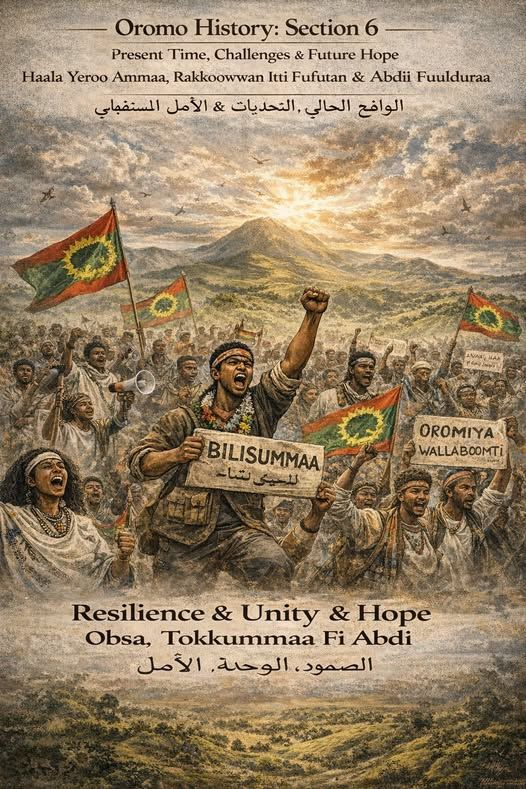
A PRESENT OF PROTEST, A FUTURE OF POSSIBILITY**
The story of the Oromo people, the largest ethnic group in Ethiopia, has long been narrated as a history of resistance against centuries of marginalization. But history is not a closed book. As the community moves through the 21st century, its narrative is one of a profound and tense present—a reality where deep-rooted political challenges coexist with an unprecedented cultural revival, and where the struggle for self-determination is being redefined by a new generation.
This sixth chapter of Oromo history is not about the past; it is a living document, written daily in protests, in songs, in displacement camps, and in the global halls of advocacy.
The Persistent Political Paradox
Demography has not translated into democracy for the Oromo. Constituting an estimated 35-40% of Ethiopia’s population, they remain in a paradoxical position: a numerical majority without commensurate political power. Critical decisions concerning land, security, and resources are still centralized, leaving many Oromos feeling politically sidelined in their own homeland. This structural marginalization is the bedrock of ongoing discontent and the primary catalyst for the powerful protest movements that have shaken the nation over the past decade.
A Landscape of Insecurity and Displacement
The political tension has a human cost. In recent years, several Oromia regions have been plagued by instability. Reports from human rights organizations and media detail cycles of violence involving armed groups and state security forces, leading to civilian casualties, widespread internal displacement, and persistent allegations of rights abuses. Families have been uprooted, farms abandoned, and a pervasive climate of fear has disrupted the social fabric, casting a long shadow over daily life and economic stability.
The Unbreakable Spirit: Cultural Renaissance
Against this challenging backdrop, a powerful counter-narrative flourishes: a cultural renaissance. The Oromo language, *Afaan Oromo*, once suppressed, is now a working language of the Oromia region and is thriving in media, education, and digital spaces. Oromo music, art, and literature are experiencing a golden age, with artists like the late Hachalu Hundessa becoming national icons of resistance and identity. This cultural reawakening is not a retreat but a reclamation—a tool of resilience and a defiant affirmation of existence. Young people, in particular, wear their Oromo identity with a pride that is both personal and political.
The New Architects: Qeerroo and Qarree
The engines of this new chapter are the youth (*Qeerroo*) and women (*Qarree*). The *Qeerroo* movement, a leaderless network of young Oromos, demonstrated its formidable power in the 2014-2018 protests that helped usher in a political transition. Simultaneously, *Qarree*—Oromo women—are moving powerfully from the background to the forefront, organizing, advocating, and demanding a seat at every table, challenging both external oppression and internal patriarchy. Their grassroots activism represents the most dynamic force in contemporary Oromo society.
A Global Struggle with a Peaceful Heart
Oromo activism has consistently emphasized peaceful resistance, even in the face of violence. This principled stance, coupled with the strategic work of a large and mobilized global diaspora, has successfully internationalized the Oromo question. From parliaments in Washington and Brussels to universities worldwide, the call for Oromo rights and self-determination is now part of the global discourse on human rights and federalism in Ethiopia.
Hope Anchored in Unity and Knowledge
The path forward is fraught but illuminated by a clear vision. Community leaders and intellectuals stress that the future hinges on internal unity, a deep understanding of their own history, and an unwavering commitment to peaceful struggle and dialogue. The goal is not just political change but the building of a society where Oromo identity is the foundation for dignity, justice, and shared prosperity.
Conclusion: A Story Still Being Told
This Oromo history confirms that their story is still unfolding. It is a present-tense narrative of simultaneous pain and power, of loss and limitless cultural vitality. The struggle for a truly equitable place within Ethiopia continues, but it is now carried by a generation armed with history, mobilized by technology, and inspired by an unbroken spirit. The Oromo history, as it is written today, remains—above all—a enduring story of survival, resistance, and an undimmed hope for a future of their own making.
 Oromedia