Vanguard Generation: Candidates Shaping Oromo Future

FEATURE NEWS
The Vanguard Generation: Young Oromo Candidates Emerge as the Face of OLF’s Election Bid
As Ethiopia prepares for its pivotal Seventh General Election, a profound generational shift is unfolding within the ranks of the Oromo Liberation Front (OLF). The party’s slate of candidates is increasingly defined by a cadre of highly educated, media-savvy, and strategically-minded young Oromos who represent the maturation of a decades-long struggle and the living hope of their people.
The upcoming election is viewed by many within the Oromo national movement not merely as a political contest, but as a potential culmination. The prospect of seeing these young, academically and professionally accomplished candidates—”who have grown up wise and skilled within the sphere of the OLF”—enter Parliament is seen as the realization of the Oromo people’s long-held aspiration for rightful representation and justice.
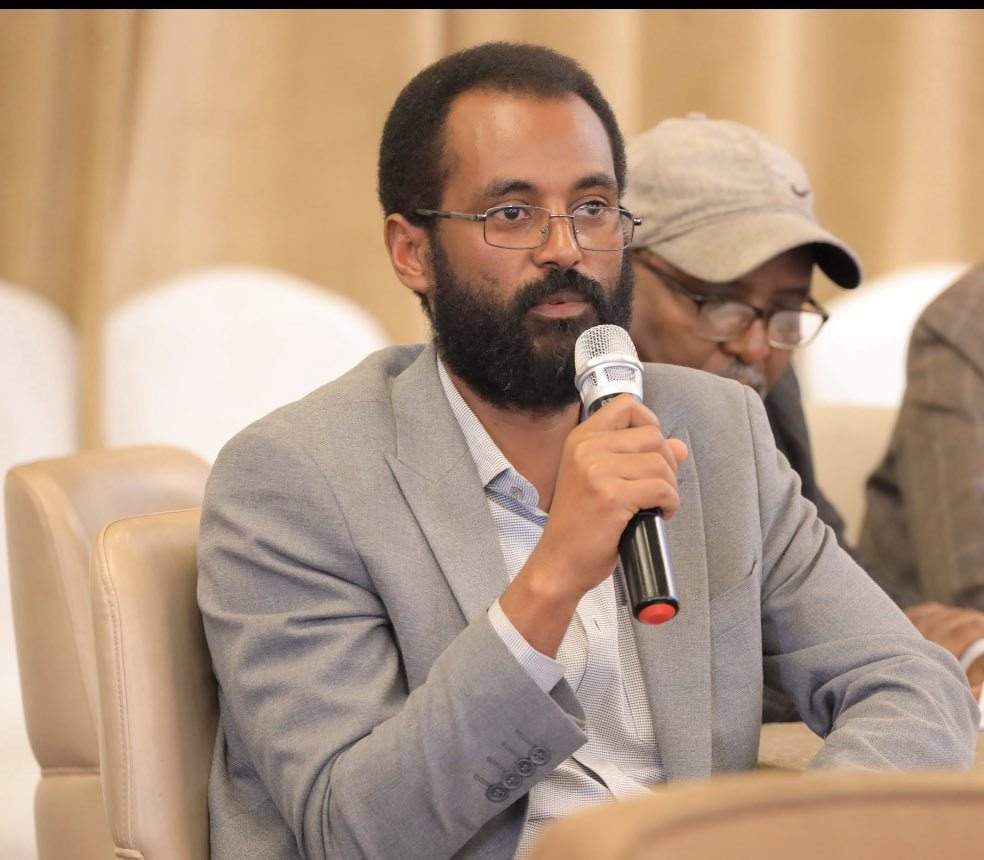
From Sacrifice to the Ballot Box
The OLF underscores that these candidates embody a legacy of sacrifice. “The OLF is presenting these educated youth,” states a party communique, “who have forsaken their own personal lives and safety to fight for the protection of their people’s interests.” Their candidacies are framed not as personal ambition, but as the logical next step in a collective liberation struggle. They are portrayed as the intellectual and political heirs of that struggle, now prepared to translate its objectives from the fields of activism into the halls of legislation.
The party message strikes a tone of determined optimism and urgent action: “As you know, the Oromo people who speak for you and on your behalf—when the day comes that the National Election Board confirms the locations where the election will be held, we will gather the candidates who represent you and prepare them.” The ultimate aim is to ensure the election becomes a peaceful, legitimate forum where “the rights of our nation are respected.”
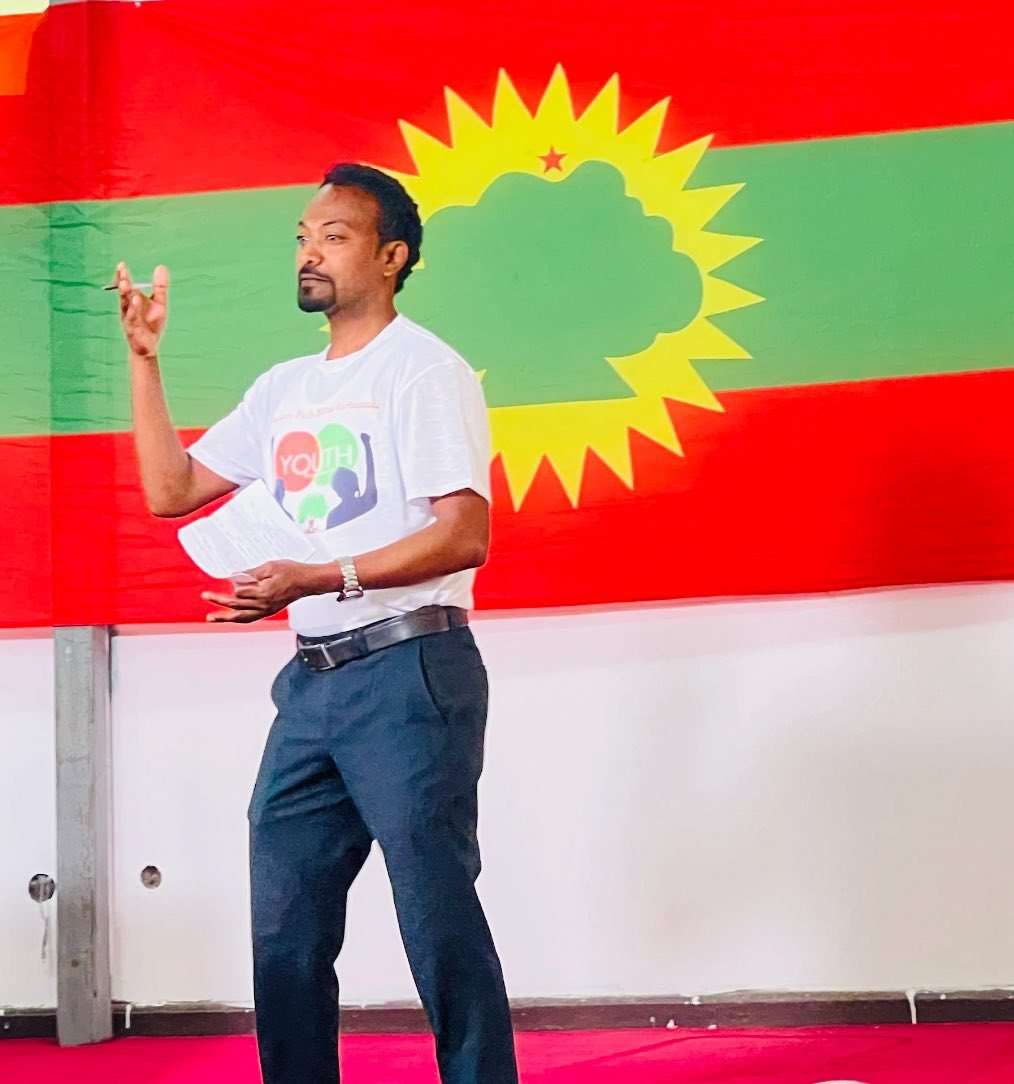
More Than Politicians: Storytellers, Historians, and Strategists
Crucially, the OLF is reframing the identity of its political representatives. “These are not just political figures,” the narrative asserts. “They are historians, writers, strategists. They are the children of the Oromo people.”
This characterization is powerful. It positions these candidates not as distant bureaucrats, but as organic intellectuals whose understanding is rooted in the lived history and cultural consciousness of their community. They are presented as the very storytellers and analysts who can articulate the Oromo narrative within—and to—the Ethiopian state.
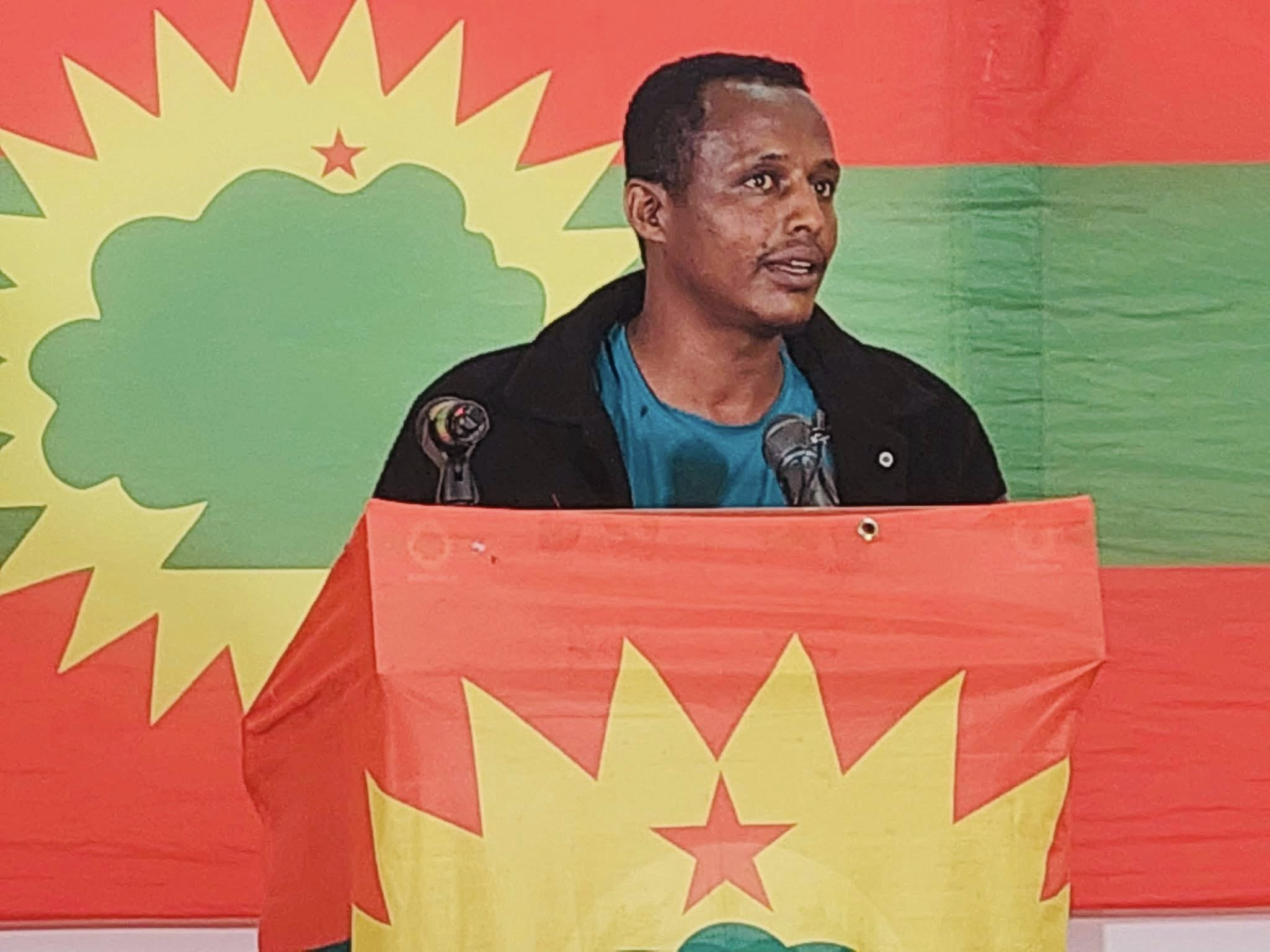
A Critical Test of the Political Transition
The emergence of this “vanguard generation” within the OLF’s electoral strategy marks a critical test for Ethiopia’s post-2018 political transition. Their participation seeks to answer a fundamental question: Can a movement historically engaged in armed struggle successfully channel its energy, its grievances, and its vision through democratic competition?
For the Oromo electorate, particularly the youth (Qeerroo), these candidates represent a bridge between the protest-filled recent past and a potential future of institutional influence. Their success or failure at the polls will be interpreted as a verdict on the feasibility of achieving Oromo objectives through parliamentary means.
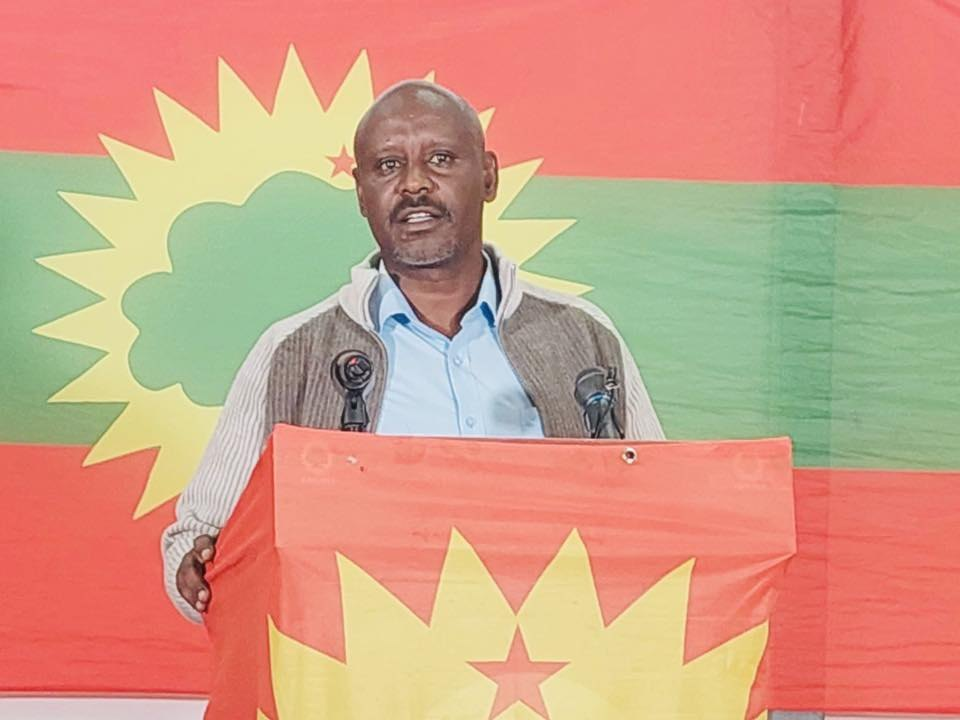
As the election campaign begins, the world will be watching not just the OLF as a party, but this new generation of leaders. They carry with them the weight of history, the expectations of a nation, and the formidable task of transforming a legacy of resistance into a blueprint for governance.
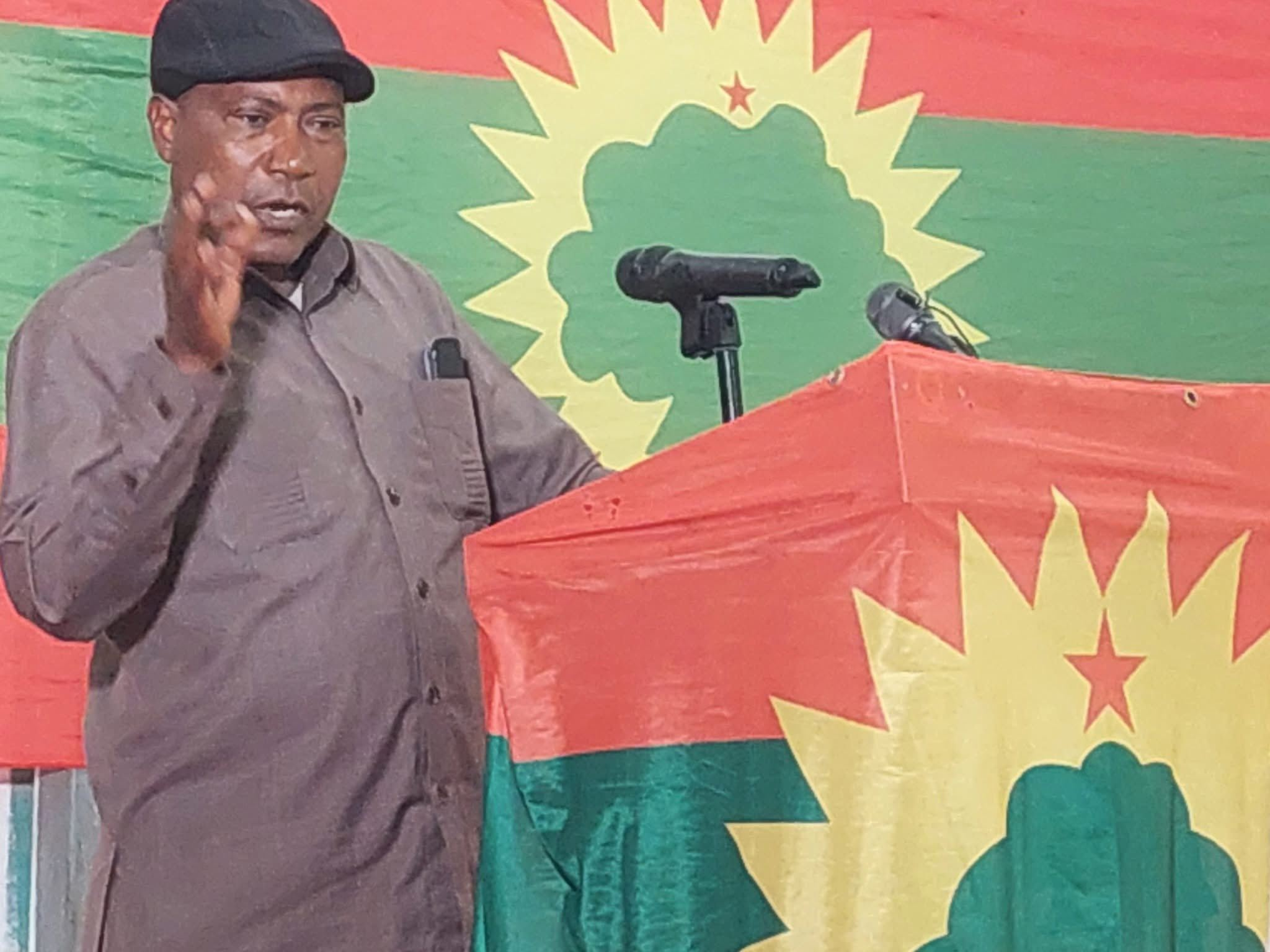
Seventh General Election: OLF’s Strategic Shift to Politics

Oromo Liberation Front Prepares for Seventh General Election, Announces Strategic Pivot
FINFINNEE – In a significant political announcement, the Oromo Liberation Front (OLF) has declared its readiness to contest in Ethiopia’s upcoming Seventh General Election, scheduled to be held in five months. The party’s announcement signals its intent to transition fully from its historical armed struggle to a peaceful political competition within the nation’s electoral framework.
OLF officials confirmed that the party is undertaking final preparations to meet all the legal and procedural requirements set by the National Election Board of Ethiopia (NEBE) for participation. The statement underscores a pivotal shift: “The OLF, which returned from armed struggle to peaceful political struggle in 2018, announces that it is completing the prerequisites required of it by the NEBE to participate.”
This move represents the most concrete step yet in the party’s often-turbuous journey into mainstream politics since its leadership returned to Ethiopia following the 2018 peace agreement. By affirming it can contest “in places where the National Election Board conducts elections,” the OLF is positioning itself as a nationwide contender, aiming to mobilize its traditional base and beyond.
A Commitment to Democratic Process
A core tenet of the announcement is the party’s stated respect for the will of the Oromo people. “In this Seventh General Election, it is stated that the OLF will respect the vote that its people give it,” the declaration noted. This framing presents the OLF as a democratic entity prepared to accept electoral outcomes, a crucial message for both its supporters and the broader political landscape.
Jaal Jabeessaa Gabbisaa, a party official, emphasized the organization’s commitment, stating, “The OLF will do everything required of it for the Seventh General Election… it is prepared.”
Forging a New Political Identity
The announcement also hints at an internal reorganization and candidate selection process. The OLF indicated it is “placing people who represent it and execute the objectives of the OLF” into candidacy positions. This suggests an effort to build a coherent electoral team that can translate the party’s longstanding objectives into a compelling political platform for the ballot box.
Analysis: A High-Stakes Gambit
The OLF’s participation in the election is a high-stakes endeavor. For the government and international observers, it tests the inclusivity and credibility of Ethiopia’s post-conflict political process. For the OLF, it is a definitive test of its political relevance and organizational capacity in a peaceful, competitive arena.
Success could see the party secure a substantial bloc in parliament, giving it a direct platform to advocate for Oromo interests within the federal system. Failure, or a poor electoral showing, could weaken its influence and spark internal dissent.
The next five months will be critical as the OLF finalizes its registration, campaigns, and navigates the complex electoral environment. Its participation promises to make the Seventh General Election one of the most closely watched and consequential in recent Ethiopian history, a direct measure of whether a historic armed movement can successfully reinvent itself as a potent political force.

Ethiopian Opposition Calls for Fair 2026 Election Conditions
Press Release: Ethiopian Opposition Parties Outline Fundamental Preconditions for a Credible 2026 Election
Addis Ababa, November 12, 2025 – The undersigned coalition of Ethiopian opposition parties has closely monitored the National Electoral Board of Ethiopia’s (NEBE) preliminary activities concerning the 2026 General Election.
While we acknowledge this as a procedural step, we state unequivocally: in the complete absence of a democratic foundation in Ethiopia today, and without a guaranteed conducive environment, this exercise is a hollow and meaningless endeavor.
Historically, Ethiopian elections have been political performances designed to legitimize an authoritarian system. They have been neither free nor fair, their results neither credible nor publicly accepted. Consequently, they have exacerbated conflict and instability rather than resolving the nation’s profound political crises. A genuine election must be an expression of citizens’ democratic rights, not a tool for rulers to consolidate power.
Therefore, for the 2026 election to represent a genuine step toward lasting peace and a decisive break from this past, we insist that creating a conducive environment is not optional, but an absolute prerequisite. Before any discussion of an electoral calendar can begin, the Ethiopian government must take immediate and concrete action on the following non-negotiable foundational conditions:
1. An Inclusive National Dialogue and Political Settlement
The government must immediately initiate a comprehensive political dialogue with all opposition parties, including those in exile and armed struggle, to agree on a shared roadmap for a genuine democratic transition. An election held without prior national consensus on the nation’s existential issues will only deepen the crisis and cannot produce a legitimate outcome.
2. An End to Armed Conflict and Guaranteed Security
The devastating wars in Oromia, Amhara, Tigray, Afar, and beyond must be brought to a swift, permanent, and verifiable end. Peace and security are the bedrock of any credible election. All parties, candidates, voters, and observers must be able to operate freely and safely across the entire country.
3. The Unconditional Opening of Political Space
The government must immediately and unconditionally release all political prisoners. Hundreds of illegally shuttered opposition party offices must be reopened, and the systematic harassment and intimidation of political opponents must cease. Participating in an election while our leaders are imprisoned and our offices are closed is not a credible democratic process.
4. Fundamental Institutional and Legal Reforms
We question the capacity and independence of the NEBE and demand its reconstitution—from the board level to polling station staff—through a transparent, consensus-based process with full political party participation. The electoral law must be fundamentally amended to ensure a fair, inclusive, and proportional system, including the removal of the restrictive support signature requirement.
5. Guaranteed Neutrality of State Institutions
A legally binding agreement must ensure the tangible neutrality of all security forces (defense, police, intelligence) and the judiciary. These institutions must serve the constitution and the nation, not the ruling party. A secure environment where citizens can vote without fear is non-negotiable.
6. Unfettered Press Freedom
The persecution of journalists must end, and all legal barriers stifling independent media must be removed. All local and international media must have equal access to information and polling stations, and face no restrictions on dissemination.
7. Robust Observation by Domestic and International Monitors
The government must legally guarantee the unhindered participation of credible domestic and international observers throughout the entire electoral process. The NEBE’s deployment of unvetted “domestic observers” is insufficient and will not guarantee credibility.
A Call for Verification and Unity
To ensure these are not empty words, the fulfillment of these conditions must be verified by independent international actors, including the African Union (AU), European Union (EU), and United Nations (UN). Public trust must be built through reliable agreements among all electoral stakeholders.
We therefore issue a collective call to the government and ruling party to immediately begin fulfilling these preconditions.
We also call upon all genuine democratic political parties, civic organizations, media, and the people of Ethiopia to unite in demanding this democratic foundation. The 2026 election can only be historic if we first build the ground upon which it can stand. Our mission for unity cannot be postponed.
Finally, we call upon Ethiopia’s international partners and friendly nations to stand with the Ethiopian people in this struggle to build a democratic system, thereby rendering a great service to our nation and its future.
Unity is Strength! A United Struggle Will Prevail!
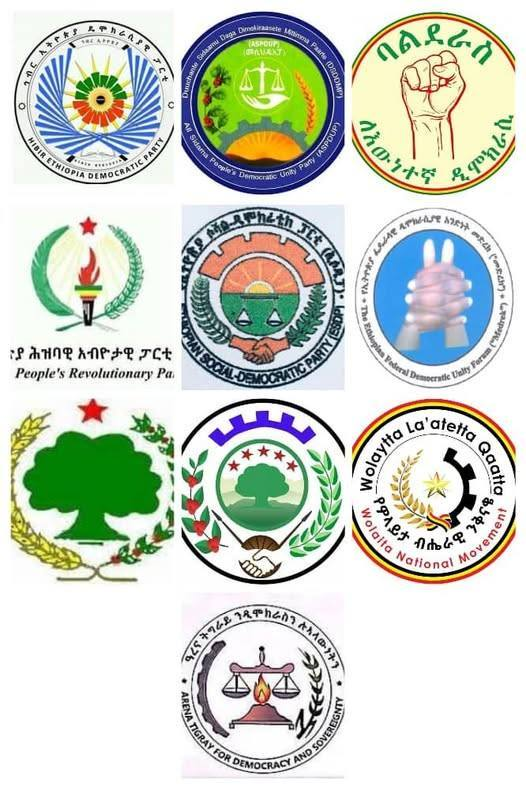
List of Signatory Parties:
- Hibir Ethiopia Democratic Party (Hibir Ethiopia)
- All Sidama People’s Democratic Unity Party (ASPDUP)
- Balderas for Genuine Democracy (Balderas)
- Ethiopian People’s Revolutionary Party (EPRP)
- Ethiopian Social Democratic Party (ESDP)
- Ethiopian Political Parties Joint Forum (MEDREK)
- Oromo Liberation Front (OLF)
- Oromo Federalist Congress (OFC)
- Wolaytta National Movement (WNM)
- Arena Tigray for Democracy and Sovereignty (Arena Tigray)
November 12, 2025, Addis Ababa, Ethiopia
OLF Prepares for 7th Round Elections: Key Strategies Revealed
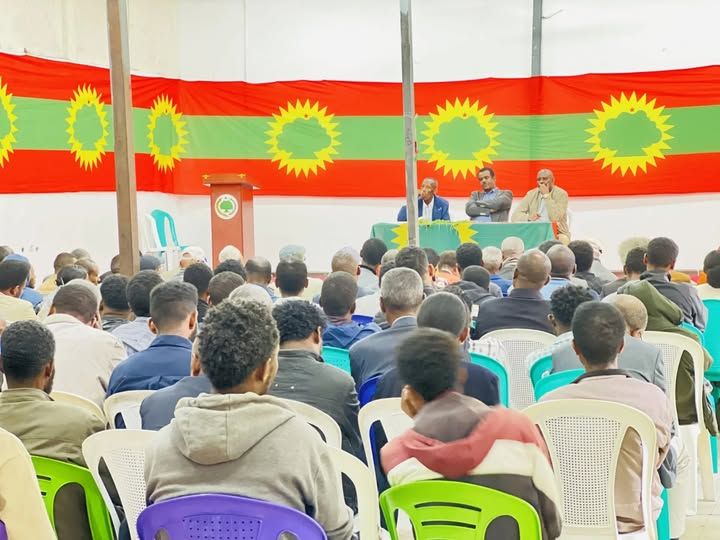
FINFINNE – The Oromo Liberation Front (OLF) is finalizing its preparations for the upcoming 7th round of national elections and is collaborating with the National Election Board to meet all requirements, according to a statement from the party.
The announcement was made by OLF Member Secretary-General Jaal Abdii Raggaasaa during a meeting at the party’s headquarters in Gullalle. He outlined the party’s strategic direction, emphasizing member duties, organizational growth, and the current political landscape.
On Party Building and Member Duties
Jaal Abdii Raggaasaa stressed that every member has a fundamental duty to recruit and mentor new members, beyond their assigned roles. “If the organization is not built, it cannot grow,” he stated, challenging each member to personally recruit at least ten individuals to strengthen the party’s structure.
He connected personal experience to collective success, noting that individuals bring diverse characteristics to the struggle. “From individual to group or union, there are those who take responsibility in the OLF struggle and bring results,” he said.
On Political Vigilance and Internal Security
The Secretary-General issued a stern warning against internal division and espionage. He urged members to report any individuals suspected of spying on the party for the government.
He also condemned members who work in multiple places or factions, describing such behavior as self-destructive. “The Irbuu (oath) is devouring,” he said, warning that those who take an oath of allegiance cannot stand in “two or three places.” He urged introspection, asking members to question their contribution to the collective cause.
On the National Political Context
Jaal Abdii Raggaasaa addressed the ongoing conflict in northern Ethiopia, expressing the participants’ concern that the war could expand into Oromia. He asserted that the OLF would not allow “Northerners to take over the country again,” and would not be a passive observer if any forces attempted to enter Oromia.
Regarding international influence, he pointed out that no one in Africa comes to power without the will of Western governments. However, he added that the OLF does not believe Western governments are currently willing to empower either Tigray or Amhara factions at the expense of Oromia.
He concluded by reaffirming the party’s position: “The OLF is in a good position, and we must fulfill our duty by turning our existence into action. The struggle is to give priority to the people first of all and to work for the interest of the people rather than personal interest.”
The meeting concluded with participants affirming that an “awakened nation is built and the built is united,” underscoring the theme of unity and mobilization.
 Oromedia