Historic Launch of Borana Student Association in Ethiopia

Kenya and Ethiopia Leaders Unite for Historic Launch of Cross-Border Borana Student Association
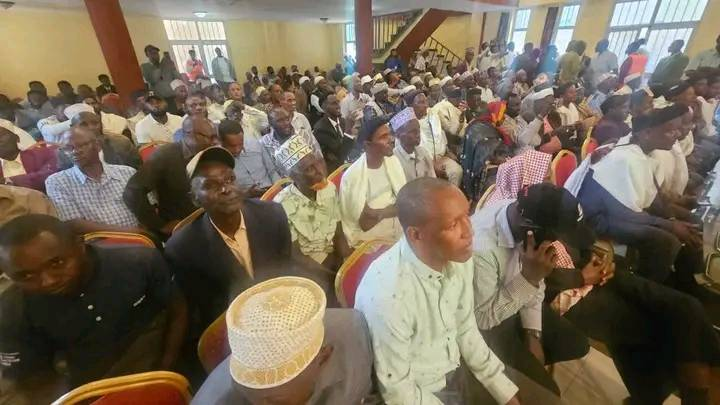
KOKET, ETHIOPIA — In a landmark event symbolizing cross-border cooperation, political, academic, and community leaders from Kenya and Ethiopia joined university students in Koket, Ethiopia, for the official inauguration of the Borana Ethiopia University Students Association (BESA).
Held under the unifying theme “Education, Empowerment, and Unity,” the launch ceremony brought together a diverse assembly of students, elders, and government officials. The forum served as a platform for critical discussions on leadership, the preservation of cultural identity, and the pivotal role of education in fostering peace and sustainable development within the Borana community and across the region.
The high-profile event underscored the initiative’s significant political and social backing, with notable attendees including:
- H.E. Abagada Guyyo Boru Guyyo (Ethiopia)
- PS Kello Harsama, Principal Secretary, The State Department for Livestock (Kenya)
- Hon. Prof. Guyo Jaldesa, Member of Parliament, Moyale Constituency (Kenya)
- Hon. Col. (Rtd) Dido Ali Rasso, Member of Parliament, Saku Constituency (Kenya)
- Sen. Mohamed Chute, Senator, Marsabit County (Kenya)
They were joined by other distinguished guests and elders from both nations, highlighting a shared commitment to the association’s goals.
The primary mission of BESA is to strengthen unity, academic collaboration, and cultural cohesion among Borana university students in Ethiopia. Organizers envision the association as a catalyst for empowering youth to become proactive leaders and change-makers, equipped to contribute to their communities’ socio-economic progress.
“This is more than a student club; it is a bridge,” said one of the founding student members. “A bridge between generations, between our campuses, and between our nations. Through BESA, we are investing in a unified future rooted in knowledge and shared purpose.”
The launch of BESA marks a proactive step in harnessing the potential of the region’s youth, emphasizing that education and collaborative spirit are fundamental pillars for lasting peace and shared prosperity in the Horn of Africa.
About BESA:
The Borana Ethiopia University Students Association (BESA) is a newly formed organization dedicated to uniting Borana university students across Ethiopia. Its core objectives include promoting academic excellence, cultural exchange, leadership development, and community service, with a vision to nurture a generation of empowered and socially responsible leaders.
Beyond Protest: The AU’s Somaliland Stance and the Chasm Between Principle and Practice
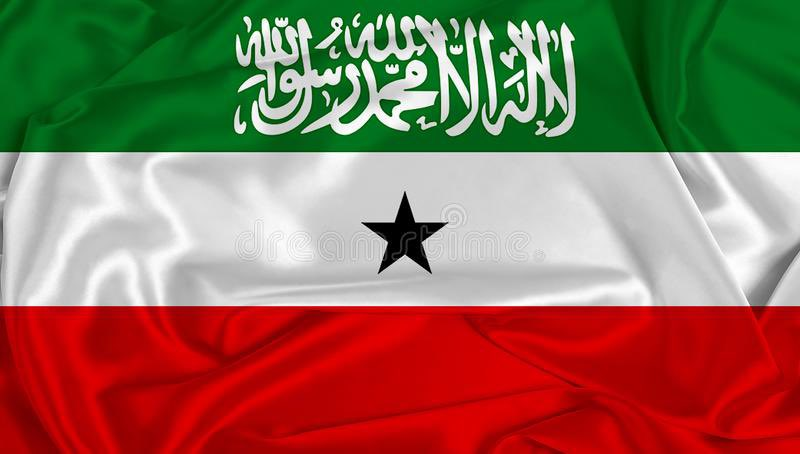
In the intricate chessboard of international diplomacy, the African Union (AU) has made its latest move: a firm rejection of Israel’s recent recognition of Somaliland as a sovereign state. This position is predictable, anchored in the bedrock principle of territorial integrity and the sacrosanctity of colonial borders—a cornerstone of the AU’s founding charter designed to maintain continental stability.
But the announcement lands with a thud of hollow irony across a continent long accustomed to the gulf between declared principle and lived reality. It prompts a weary, yet urgent, question: What, in practice, has the African Union actually implemented that holds real power to shape events on the ground?
The AU’s rejection of Somaliland’s recognition is rooted in a familiar doctrine. It echoes the organization’s long-standing stance that the union of Somalia and Somaliland is inviolable. Yet, this position exists in a parallel universe to the factual, on-the-ground existence of Somaliland for over three decades. Hargeisa has its own government, currency, police force, and democratic elections—all while maintaining a stability that eludes Mogadishu. The AU’s protest, therefore, feels less like a governing policy and more like a ritualistic incantation of a map that ceased to reflect political realities a generation ago.
This dissonance is symptomatic of a deeper institutional paralysis. The AU repeatedly and correctly states that “it is impossible to uphold a government changed by force.” This principle condemns military coups and unconstitutional changes of government. Yet, the practice has not stopped in Africa. From the Sahel to Central Africa, putsches and military takeovers have continued with alarming frequency. The AU’s response—typically suspension from the bloc and stern rhetoric—has proven to be a temporary slap on the wrist, not a deterrent. Coup leaders often eventually negotiate their way to legitimacy or remain in power with minimal long-term consequence from the continental body. The principle is clear; the enforceable mechanism to uphold it is conspicuously absent.
Thus, when the AU protests Israel’s recognition of Somaliland, its voice carries limited weight. The protest is, as critics argue, “worthless except for itself.” It serves to reinforce the AU’s own internal dogma and satisfy diplomatic formalities but does little to alter the evolving situation. It does not help Somalia regain control over its northern territories, nor does it force Somaliland to abandon its quest for recognition. It simply registers a diplomatic complaint that major powers and regional actors may increasingly choose to ignore, as they engage with Somaliland on practical issues of security, trade, and development.
The danger here is not just ineffectiveness, but irrelevance. As global powers and regional neighbors begin to engage Somaliland based on de facto realities rather than de jure fictions, the AU risks becoming a spectator to its own continental affairs. Its protests, unsupported by credible political or economic leverage, become background noise.
The lesson from this episode is stark: the African Union’s authority cannot rest on proclamation alone. It must be built on a capacity for proactive engagement, conflict resolution, and the creation of pathways that address legitimate political aspirations within a framework of continental peace. Endlessly defending a status quo that has already fractured, while being unable to uphold its own rules against power grabs, erodes its credibility.
Until the AU bridges the chasm between its noble principles and its tangible power to enact them, its rejections and condemnations will remain just that—words on paper, echoing in halls far removed from the dynamic, complex, and often defiant realities of the African continent. The challenge is not merely to protest a change on the map, but to develop a credible response to the forces that are redrawing it.
The Case for Dual Citizenship in Ethiopia

In our increasingly interconnected world, the Ethiopian diaspora represents a vast reservoir of talent, capital, and cultural richness. To fully harness this potential, the Ethiopian government should formally recognize dual citizenship. This policy shift is a strategic imperative for national development, moving beyond outdated notions of exclusive allegiance to embrace a more inclusive and pragmatic vision of Ethiopian identity.
The current denial of dual citizenship creates an artificial and counterproductive divide. It forces a choice between a new life abroad and a fundamental connection to their homeland, stifling the very contributions the nation needs. The benefits of reform are clear and compelling:
- Economic Growth: Dual citizenship would unlock significant investment. By granting diaspora Ethiopians the full rights and security of citizenship, they would be empowered to invest more confidently in businesses, real estate, and the stock market, directly fueling entrepreneurship and economic growth.
- Knowledge and Cultural Exchange: This policy would fortify the bonds of culture and knowledge. It facilitates the seamless flow of ideas, skills, and heritage, ensuring that future generations remain connected to their roots and actively engaged in Ethiopia’s cultural and intellectual landscape.
- Political Engagement and Unity: Granting dual citizenship integrates the diaspora into the nation’s democratic fabric. It provides a formal voice in Ethiopia’s future, transforming alienation into engagement and fostering a stronger, more unified global Ethiopian community.
- Global Competitiveness: Ethiopia is currently an outlier. Many nations across Africa and the world actively leverage dual citizenship to engage their diaspora. To compete for global talent and investment, Ethiopia must modernize its citizenship laws and join this progressive trend.
Ultimately, accepting dual citizenship is more than a legal update—it is a profound commitment to inclusivity and progress. It is a recognition that the strength of a nation lies not only within its borders but also in the hands of its global citizens. By embracing its diaspora, Ethiopia can unlock a new chapter of development, unity, and shared prosperity.
Oromia Support Group Details Human Rights Abuses in Ethiopia
Oromia Support Group Report Details Widespread Human Rights Abuses in Ethiopia
November 21, 2025 – The Oromia Support Group (OSG), an organization advocating for human rights, has released a damning 70-page report alleging systematic and widespread human rights violations across Ethiopia and the wider Horn of Africa.
The report, released on November 20, 2025, documents a severe crisis in Ethiopia, citing extensive human rights abuses, extrajudicial killings, the suppression of public dissent, and the widespread intimidation of civil society leaders.
The OSG’s findings echo concerns previously raised by international bodies. On September 9, 2025, during its 60th session, the UN Human Rights Council (UNHRC) expressed alarm over the human rights situation in Ethiopia, noting that rights to free expression, assembly, and political party association have been severely curtailed.
The OSG further highlighted significant concerns regarding the environment for the country’s upcoming 7th national election, scheduled for 2026, stating that civil society organizations and journalists are operating in a climate of intense fear and repression.
According to the OSG, a significant portion of the human rights violations in Ethiopia are perpetrated by state security forces and affiliated militias. The report details that the recurring inter-ethnic conflicts in Oromia, Amhara, and the post-conflict Tigray regions continue to inflict severe harm on civilian populations.
The group’s documentation provides a grim snapshot of Oromia, alleging that summary executions, arbitrary detentions, and property seizures by government forces are commonplace.
The OSG report specifically names numerous locations where these alleged killings have occurred, including major urban centers such as:
- Finfinnee (Addis Ababa)
- Shaggar
- Adaama
The list also encompasses a wide range of zones and regions across Oromia, such as:
- Shaawa: East, West, South-West, and Central Shaawa
- Arsi: West Arsi and East Arsi
- Hararge: East and West Hararge
- Wallagga: East, West, Qellam, and Horro Guduru Wallagga
- Gujii: East and West Guji
- Boorana
- Bunnoo Badallee
- Jimma
- Iluu Abbaa Booraa
This extensive list underscores the report’s central claim that human rights abuses are not isolated incidents but are pervasive throughout the Oromia region.
The Gada System: A Living Legacy Passed to a New Generation
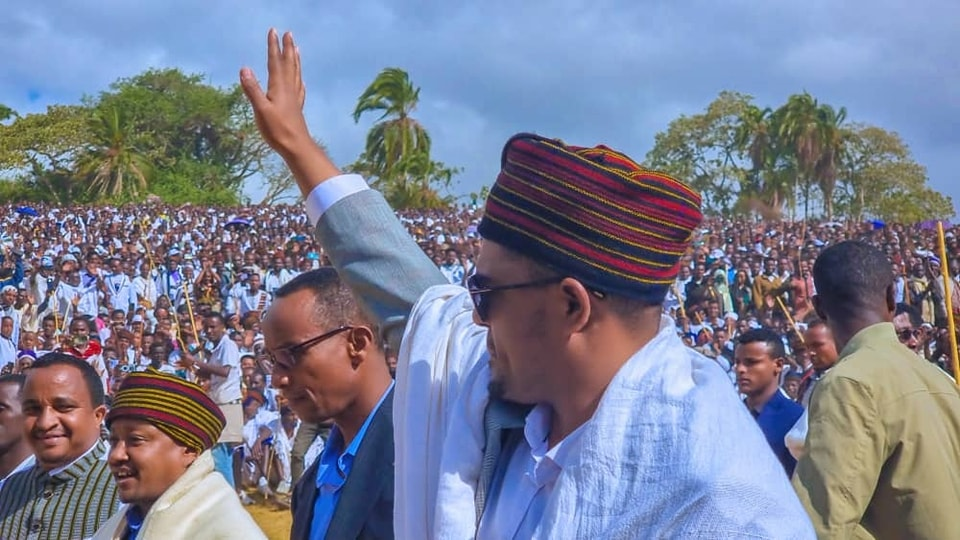
The Gada system is the proud heritage of the Oromo people. It is a system of bravery and discipline, founded on structured laws, principles, and timelines.
For over a century, the succession of Gada assemblies faced suppression and was pushed to the brink of being lost to the harsh pressures of the time. However, because our people held steadfast to their system and culture, it has not only been revived but has also gained worldwide recognition. As is well known, the Gada system is registered by the United Nations Educational, Scientific and Cultural Organization (UNESCO) as an Intangible Cultural Heritage of Humanity.
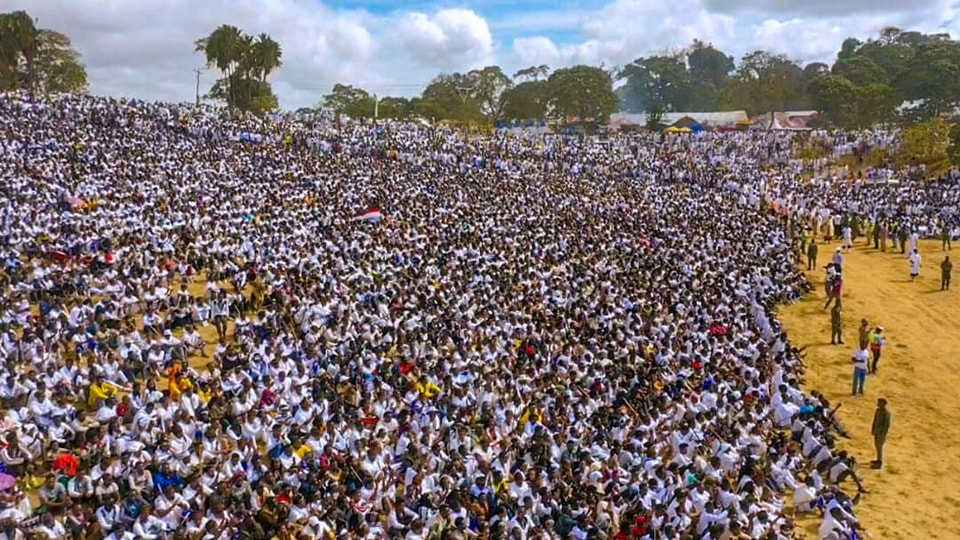
The Guji Oromo have played an exceptional role in preserving this system to the present day. For the Guji, Gada is not just for the leaders; the entire community forms the foundation of this system. As evidence, since 1424 [2012 EC], the Guji have recorded every Abbaa Gada who has led them through successive generations, without significant error or omission. In that year, following established tradition, they gathered at Me’ee Bokkoo for the transfer of power (Baallii), establishing laws and conducting various rituals and ceremonies.
In accordance with Oromo law and tradition, the assembly sat continuously at Me’ee Bokkoo for the past seven days. They established and proclaimed the nine articles of “The Wayyooma Waaqaa Lafaa and the Bulii Olii of Sons and Daughters.” This assembly has a father. Its father is Abbaa Gadaa Jiloo Maandhoo. He was the 74th Haaganaa, or General Abbaa Gadaa, of the Guji.
The process for the 75th Baallii transfer has been completed. Abbaa Gadaa Jiloo Maandhoo has concluded his term and received his honor (daraaraa). He was celebrated with the verse:
“Hoo’aa mi’ii gadaa tiyyaa
Hoo’aa itittuu gadaa tiyyaa
Hoo’aa areera gadaa tiyyaa
Hoo’aa daraaraa gadaa tiyyaa”
(Farewell, the council of my Gada; / Farewell, the foundation of my Gada; / Farewell, the legacy of my Gada; / Farewell, the honor of my Gada.)
The Gada power has moved from Gadaa Harmuufa to Gadaa Roobalee. Abbaa Gadaa Jaarsoo Dhugoo has received the Baallii! The former Abbaa Gadaa, Jiloo Maandhoo, has become an elder! The door has been closed! The door is now closed!
This is how the Oromo people have brought the Gada system to this day. As a member of this generation, witnessing the Gada assembly at Me’ee Bokkoo and the peaceful transfer of power for the 75th time filled me with immense joy.
The core mission of our Reformist Government is to restore the Oromo people to their culture and identity. Consequently, we are focusing significant effort on revitalizing it for the benefit of our society. The Gada system is being integrated into the educational curriculum, taught from primary school levels. At the higher education level, we are encouraging research leading to Master’s and PhD degrees.
Furthermore, we are working to re-establish and institutionalize Gada values. By drawing from its philosophy, we have established the Cultural Court of Law to ensure restorative justice. We have institutionalized community service to strengthen social bonds.
To foster mutual support and responsibility, we have re-established the Buusaa Gonofaa system. Going a step further, we are providing nutritious meals to schoolchildren, building a healthy future generation. We are establishing the Gaachana Sirnaa (Security Institutions) to ensure public safety. In the future, these civic institutions will continue to expand their reach and efficiency.
Me’ee Bokkoo is a sacred site. For generations, it has been a center for legislative debate and judicial verdicts. Because it is where the Gada assembly convenes for the transfer of power, it is the parliamentary center for the Guji Oromo. It is a place of respect and cleanliness. This is why the Guji invoke the name of Me’ee Bokkoo when they pray to Waaqaa.
In this spirit, the Oromia Regional Government announces that the ceremony for the 76th Baallii transfer will be preceded by the construction of a grand amphitheater at Me’ee Bokkoo, as a cultural center.
I extend my congratulations—baga geessan—to the Guji people and all Oromo people, for successfully reaching the 75th Gada transfer at Me’ee Bokkoo. My hope and vision for the coming years is that it will be a time when our culture flourishes and our identity is fully restored.
Gadaan quufaa gabbina (The Gada of Quufa is prosperity);
Gadaan Roobalee misa (The Gada of Roobalee is honey).
Horaa Bulaa; Deebanaa! (The Hora of Bulaa shall return!)
President of the Oromia Regional Government
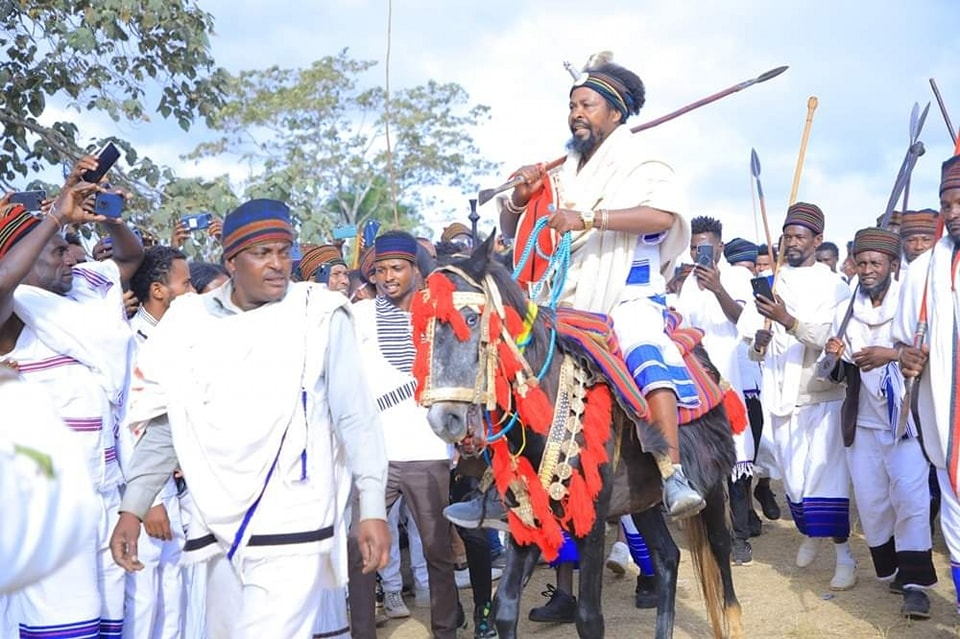
What problems could Ethiopia’s push for sea access, which it champions as a national cause, create for the region?
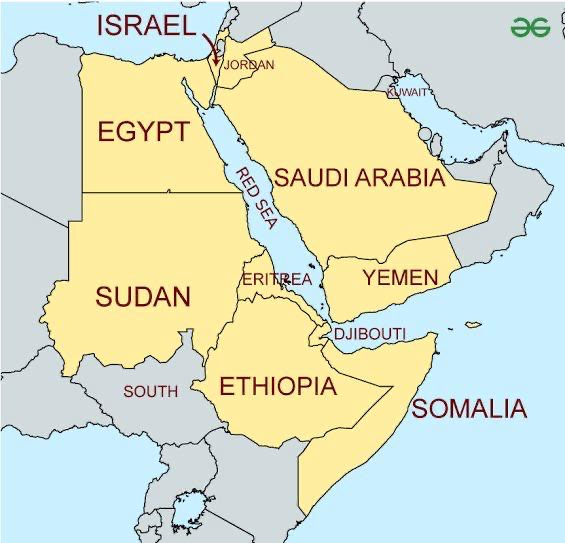
This is a well-framed question that gets to the heart of a complex geopolitical issue. Ethiopia’s push for sea access, while driven by its own economic and historical imperatives, has the potential to create significant problems for the Horn of Africa region.
Here is a breakdown of the potential problems, categorized for clarity:
1. Direct Bilateral Tensions and Conflict
The most immediate risk is the escalation of disputes with neighboring countries.
· With Eritrea: Any assertion of a “right” to sea access is likely to be interpreted by Eritrea as a direct threat to its hard-won sovereignty and its ports of Assab and Massawa. This could:
· Re-ignite the dormant border conflict and military tensions.
· Scupper any chance of normalizing relations, keeping the region in a perpetual state of cold war.
· With Somalia: Any potential deal for port access or a lease in the Somali region (e.g., Somaliland) that bypasses the fragile Federal Government in Mogadishu would:
· Be seen as a violation of Somali sovereignty and territorial integrity.
· Severely undermine the federal government’s authority and fuel nationalist sentiment.
· Potentially destabilize the delicate political balance within Somalia, empowering extremist groups like Al-Shabaab, who could use it as a rallying cry.
2. Regional Destabilization and Shifting Alliances
Ethiopia’s actions could force a realignment of regional alliances, creating new fault lines.
· The Somaliland Precedent: A formal deal with the breakaway region of Somaliland would be a seismic event. It would:
· Effectively recognize Somaliland’s independence, shattering the African Union’s long-standing principle of upholding colonial-era borders (uti possidetis).
· Inflame secessionist tensions across the entire continent, setting a dangerous precedent.
· Force other regional powers (Egypt, UAE, Turkey) to take sides, potentially creating a proxy conflict.
· Red Sea Militarization: The Red Sea is already a strategic chokehold with heavy international naval presence. A desperate or assertive Ethiopian push could lead to:
· An arms build-up along coastlines as neighboring countries seek to secure their assets.
· Increased interest and intervention from non-African powers (e.g., Iran, Turkey, Gulf States) seeking to leverage the dispute for their own strategic advantage.
3. Economic and Trade Disruptions
The Horn of Africa is a critical node for global trade.
· Port Politics and Leverage: Neighboring countries like Djibouti (which hosts a major Ethiopian military base and handles ~95% of its trade) could use Ethiopia’s desperation as leverage.
· They could raise port fees or restrict access during diplomatic spats, holding the Ethiopian economy hostage.
· Disruption of Critical Sea Lanes: Any significant military conflict or sustained political instability in the region risks disrupting traffic through the Bab el-Mandeb strait, a vital passage for global shipping and energy supplies. This would have immediate international economic consequences.
4. Undermining Regional Diplomacy and Norms
Ethiopia’s approach challenges foundational principles of regional cooperation.
· Erosion of IGAD and AU Authority: By pursuing a unilateral, assertive path, Ethiopia undermines the regional bodies (IGAD, African Union) that are meant to mediate such disputes. It signals that might-makes-right is preferable to diplomatic negotiation.
· Breakdown of Trust: For decades, regional cooperation has been built on fragile trust. A forceful Ethiopian campaign to secure a port would shatter that trust, making future collaboration on shared challenges (climate change, terrorism, water management) extremely difficult.
Conclusion
In summary, Ethiopia’s championing of sea access as a national cause is not just a bilateral trade issue; it is a potential regional catalyst. It threatens to:
· Re-open old wounds with Eritrea.
· Dismember a sovereign state in Somalia.
· Shatter a foundational continental norm on border integrity.
· Trigger a new round of arms races and proxy conflicts in the strategically vital Horn of Africa.
While Ethiopia’s economic arguments have merit, the manner in which it pursues this goal will determine whether it becomes a driver of development or a source of profound and lasting regional instability.
The ‘Without Me’ Mentality and Ethiopia’s Crisis

Examining the Broader Causes of Instability in Ethiopia
===============================
The core argument, as articulated by Sena Jimjimo, founder of OLLAA, is that a lack of internal consensus and a toxic culture of “without me” thinking within Oromo political factions pose a significant danger to Ethiopia.
She contends that this mindset has led to a situation where:
Truth is Sacrificed for Unity: Oromo fighters avoid difficult truths with each other to maintain a superficial unity.
Individual Ambition Over Collective Good: The belief that liberation can only be achieved through a specific leader or group (“without me”) has been destructive.
Resulting Instability: This failure to build a unified, truth-based movement has ultimately made Ethiopia unsafe.
Counter-Response
While Sena Jimjimo raises valid concerns about the dangers of political fragmentation and individual ambition, her analysis risks misdiagnosing the core problem by focusing on a single group.
A more comprehensive perspective would argue that Ethiopia’s instability stems from a systemic failure to build a genuinely inclusive, multi-ethnic state, not from the internal dynamics of one community.
Here is a counter-response:
Subject: Re: Examining the Broader Causes of Instability in Ethiopia
The challenges facing Ethiopia are complex and cannot be attributed to the internal politics of any single group. While introspection within all political movements is necessary, framing the “Oromo” or “Oromo fighters” as the primary danger is a reductive and counterproductive narrative.
The true source of Ethiopia’s instability is the decades-long, systemic failure to establish a political framework where all ethnic groups feel they have a secure and equitable stake in the nation’s future. The “without me” mentality is not an Oromo-specific issue; it is a symptom of a zero-sum political culture that has been fostered by successive central governments. When communities are historically marginalized and their demands for self-determination are met with violence or empty promises, it inevitably breeds factionalism and a desperate struggle for agency.
Furthermore, the call for “unity” must be critically examined. Too often, calls for national unity have been a pretext for suppressing legitimate grievances and enforcing assimilation. The courage to tell “the truth” that Ms. Jimjimo calls for must apply equally to all sides—including acknowledging the historical injustices that have fueled the very divisions she laments.
Therefore, the path to a safe and stable Ethiopia does not lie in singling out one group, but in addressing the foundational issues: building robust institutions that guarantee justice and equality for all, fostering a culture of genuine political compromise, and creating a shared national identity that respects and celebrates Ethiopia’s rich diversity. The solution requires a collective responsibility from all of Ethiopia’s national political forces, not a critique of one.
President Afwerki’s Disappointing Remarks on Oromummaa

By Zelalem Negassa
The internet is abuzz following President Isaias Afwerki’s recent speech commemorating the 34th anniversary of Eritrea’s independence. While his address touched on a range of global and regional issues, one particular remark struck a deep and troubling chord for me: his dismissal of Oromummaa as part of an externally driven destabilization agenda.
Such a statement reveals either a profound ignorance of Oromo history and identity (which I doubt on his part) or a calculated attempt to delegitimize one of the most significant indigenous movements in the Horn of Africa. As Oromo nationalists, we must collectively and unequivocally reject this distortion and reaffirm both the authenticity and legitimacy of Oromummaa as the rightful expression of our people’s journey toward justice, dignity, and self-determination. Oromo community, scholarly, professional, and civic organizations should raise their voices and ensure that the Eritrean people understand our deep disappointment with their leader’s betrayal. Moreover, President Afwerki’s deliberate or careless conflation of Oromummaa with the ideology of the Prosperity Party (PP) must be corrected without delay. Oromummaa is not a state-sponsored doctrine like MEDEMER. It is a people-rooted identity forged through struggle, not power. Misrepresenting it undermines not only Oromo aspirations but also regional understanding and trust.
President Afwerki’s claim that Oromummaa “does not represent the Oromo people” is not only factually incorrect, it is deeply offensive. More importantly, who gave him the authority to speak on behalf of the Oromo people? This is the same man who hosted the Oromo Liberation Front (OLF) in Eritrea for years, not out of solidarity, but seemingly as a strategic pawn, keeping the movement inactive while waiting for an opportune moment to bargain. That moment came in 2018, when he handed over OLF leaders to the Ethiopian government in a move that many rightly view as a betrayal. Oromummaa is not an invention of foreign powers. It is a homegrown cultural and political consciousness grounded in the Oromo people’s values, language, Gadaa system, and collective memory. It emerged organically as a response to a century of marginalization under successive regimes, and it now serves as a unifying force among Oromos across religion, region, and generation.
His comments have already sparked widespread responses from Oromo voices, including outlets like Oromia Dispatch and scholars such as Dr. Mebratu Kelecha, who have rightfully condemned the characterization and challenged other problematic claims in his speech. These responses reflect a growing awareness within the Oromo public of the importance of defending our narrative and confronting external efforts to distort it.
To President Afwerki, I would offer this reminder: once, Eritreans too were told they were not a real people, that their language was an invention. That their struggle for independence was orchestrated by foreign hands (Ya Arab kitrenyoch). They were mocked, dismissed, and delegitimized. History proved those voices wrong.
It will do so again, this time, with respect to Oromummaa. No amount of propaganda, denial, or geopolitical spin can silence a people who have found their voice, reclaimed their history, and are determined to shape their future.
Reviving the Gada System: A Cultural Heritage Initiative
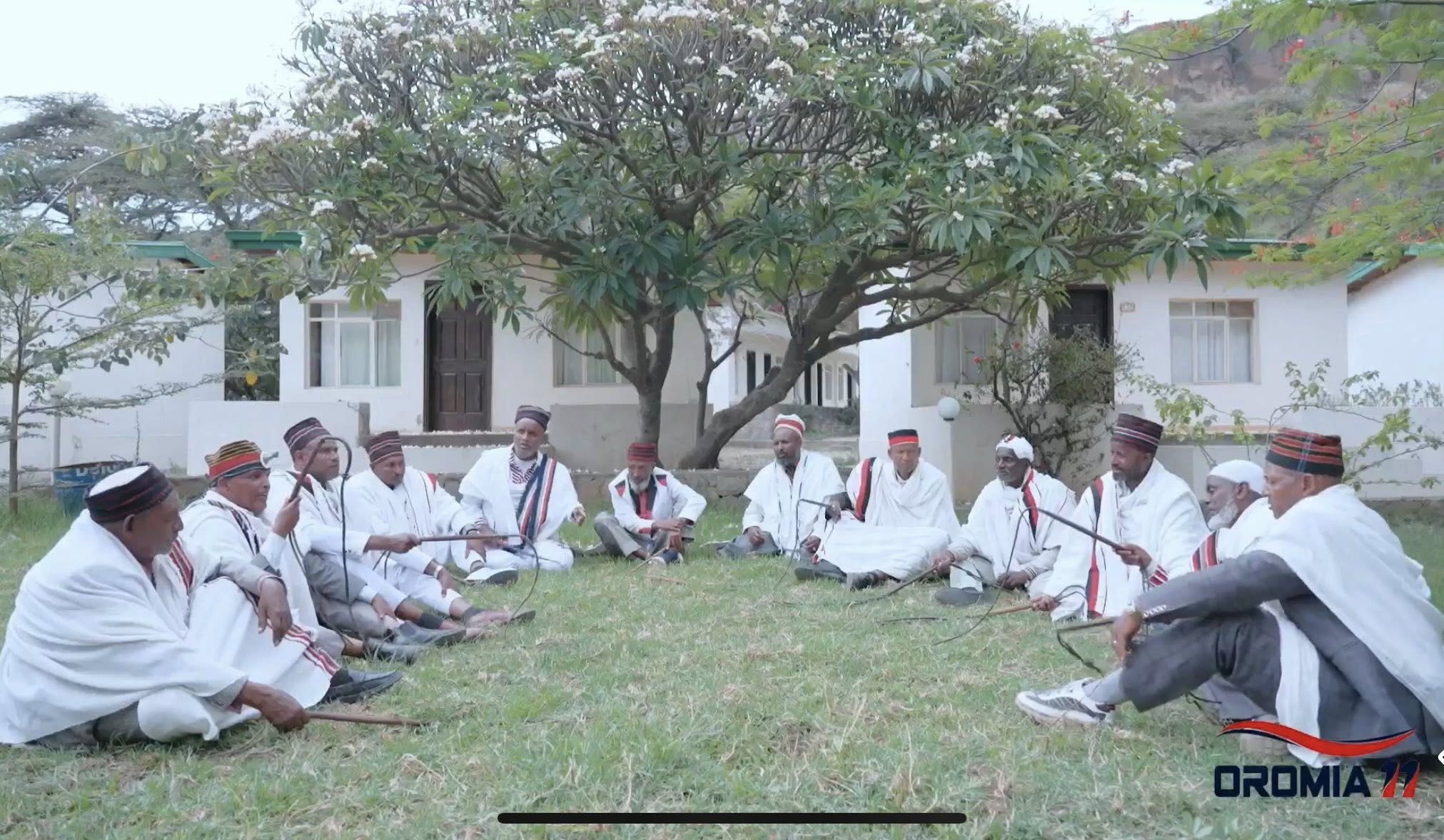
The Sikkoo-Mandoo Conference represents a significant effort to revitalize the **Gada system**, a cornerstone of Oromo cultural and political heritage, which faced suppression during the mid-20th century under Ethiopian regimes. Here’s a structured breakdown of the context, significance, and implications:
—
1. The Gada System: Historical Overview
– What is Gada?
The Gada system is a traditional **democratic governance system** practiced by the Oromo people for centuries. It organizes society into age-based cohorts (*gogessa*), with leadership rotating every 8 years. Key principles include accountability, consensus-building, and environmental stewardship.
– Cultural Significance:
Beyond governance, Gada encompasses Oromo spirituality, conflict resolution, and social identity, recognized by UNESCO as an Intangible Cultural Heritage of Humanity in 2016.
—
2. Suppression in the 1940s
– Ethiopian Centralization:
Under Emperor Haile Selassie (ruled 1930–1974), Ethiopia pursued centralization policies that marginalized ethnic identities and traditional systems like Gada. The regime promoted Amhara-centric culture and governance, leading to the erosion of Oromo institutions.
– Impact:
Gada was suppressed through land reforms (*gulma*), bans on Oromo language (Afaan Oromoo), and dismantling of indigenous leadership structures. By the 1940s, the system became largely dormant, though preserved orally in rural communities.
—
3. The Sikkoo-Mandoo Conference: Revival Efforts
– Purpose:
The conference aims to **reclaim Oromo identity** by restoring Gada’s role in modern governance and cultural practices. It reflects broader Oromo activism for self-determination and cultural preservation.
– Key Themes:
– Reintegrating Gada principles (e.g., rotational leadership, environmental ethics) into contemporary governance.
– Addressing historical marginalization through education and language revitalization.
– Leveraging Gada as a framework for **conflict resolution** amid Ethiopia’s ethnic tensions.
—
4. Challenges and Opportunities
– Political Context:
Ethiopia’s federal system allows ethnic regions autonomy, but tensions persist between central authority and ethnic nationalism. The Abiy Ahmed government (2018–present), while Oromo-led, faces criticism over balancing unity and ethnic rights.
– Obstacles:
– Modernization and urbanization eroding traditional practices.
– Skepticism from younger generations or those favoring Western-style democracy.
– Potential clashes with Ethiopia’s legal and political frameworks.
– Opportunities:
– Strengthening community cohesion and cultural pride.
– Offering alternative models of participatory democracy and sustainability.
—
5. Broader Implications
– Cultural Renaissance:
The revival is part of a pan-Oromo movement seen in events like Irreecha (thanksgiving festival) and the resurgence of Afaan Oromoo in media/education.
– Ethiopian Federalism:
Success could inspire other ethnic groups to reclaim traditions, testing Ethiopia’s commitment to multicultural federalism. Conversely, it may fuel centralist fears of fragmentation.
Conclusion
The Sikkoo-Mandoo Conference symbolizes the Oromo people’s resilience in reclaiming their heritage. While challenges remain, the Gada revival intersects with global movements for indigenous rights and decolonization, offering lessons in balancing tradition with modernity. Its success may depend on dialogue with Ethiopia’s government and integration into broader national frameworks.
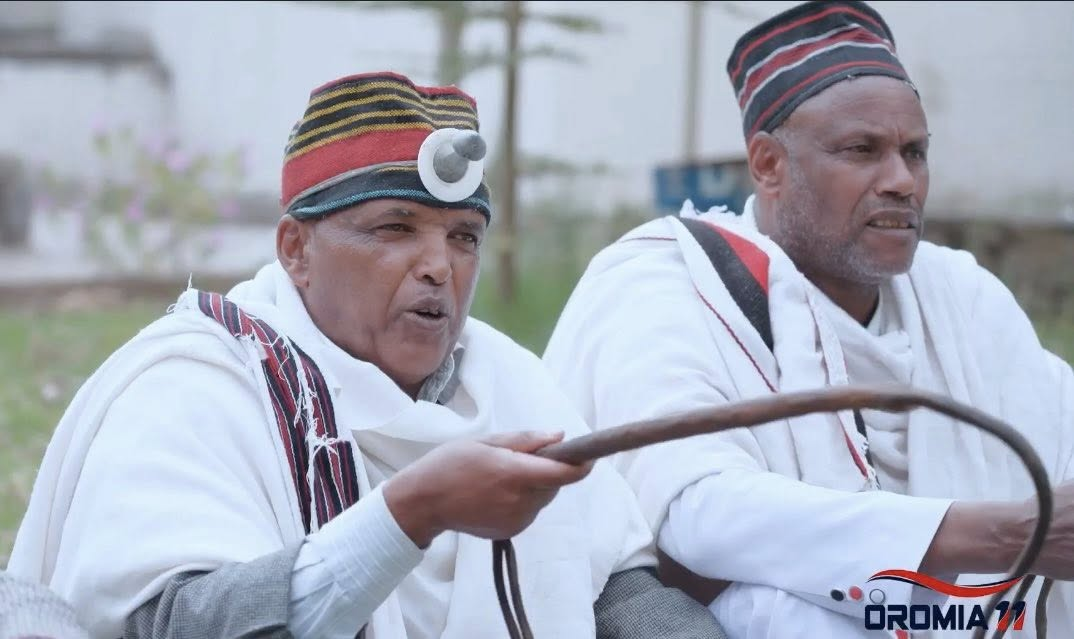
Ethiopia’s Crisis: Human Rights Violations in Oromia
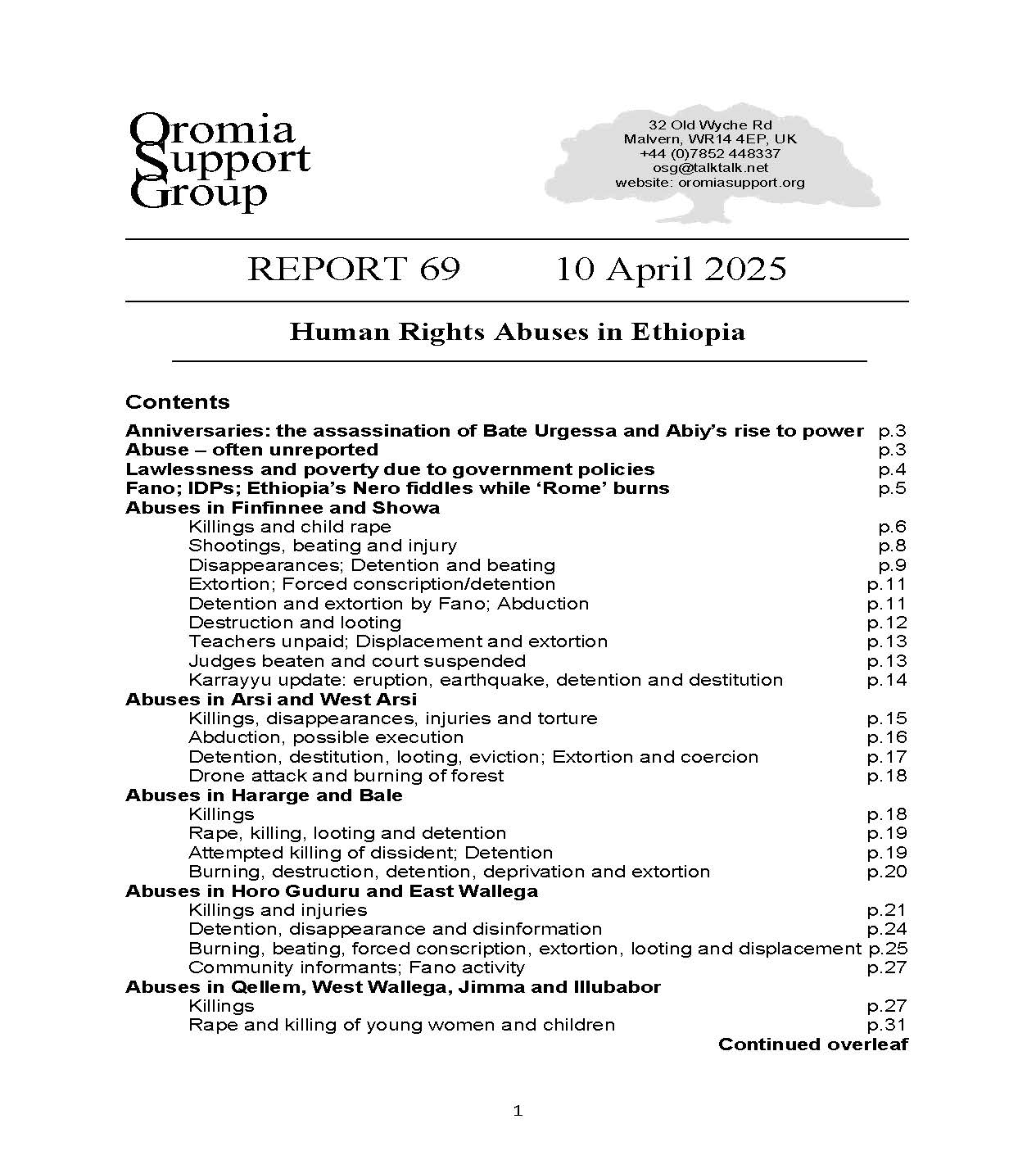
The 10 April report from the Oromia Support Group is shocking. Among unprecedented levels of human rights violations, it documents increasing persecution of Oromo youth, the Qeerroo generation which propelled Abiy Ahmed to power, with page after page of documented killings.
Prime Minister Abiy Ahmed’s security forces – the ENDF, regional police forces and poorly trained militia – are taking punitive measures against Oromo civilians, killing young and old, destroying homes and looting livestock to deter the population from supporting the Oromo Liberation Army.
Report 69 includes information about areas which usually receive little attention such as the zones of Guji and West Guji. But nowhere in Oromia Region is safe or secure.
Ordinary people in urban and rural settings are suffering unsustainable levels of taxation and abuse. Farmers are made to sell their grain to the government at prices below market value. Villagers are forced at gunpoint to provide their children as conscripts, to pay taxes and fees for construction, and to arm and sustain the federal army and militia at district and kebele levels. Undisciplined militia live off the populace, demanding money and goods in addition to spurious fees for party membership, uniforms, ammunition and ‘health insurance.’
Lawlessness and a dog-eat-dog mentality pervades rural Ethiopia. Villagers and townsfolk in areas adjacent to Amhara Region, especially Horo Guduru and East Wallega, but also zones of Showa and within the Oromia Special Zone in Amhara Region, are also subjected to group killings and looting by Fano militants, originally from Amhara Region but now operating from bases in Oromia.
The ideology of Fano ‘to make Amhara great again’ denies history and portrays the Prosperity Party regime as an ‘Oromo government’ to justify its acts of ethnic cleansing in Oromia Region. Meanwhile, the populace in Amhara Region suffers attacks and reprisal killings from ENDF and Fano forces in the zero-sum game of absolute domination which has bedevilled the Ethiopian empire since its formation.
The current instability and mayhem is unsustainable. Ethiopia’s survival as a state depends on a negotiated peace between the government, Amhara and Oromo forces.
Dr Trevor Trueman, Chair, Oromia Support Group, 10 April 2025.
 Oromedia