Federaalizimii Afaanii Biyyoota Addaddaa Keessatti: India fi Switzerland
Federaalizimii afaanii kan biyyoota India fi Switzerland keessatti hojiirra oolaa jiru. Biyyoonni kunneen ummatoota afaanii fi aadaa adda addaa qaban kan walqixxummaa, nagaa fi bulchiinsa sirrii tiin buluu danda’an.
1. Switzerland: Federaalizimii Afaanii Keessatti Taphataa
Qubee Afaanii (Official Languages):
✅ Afaan Jarmanii (63%)
✅ Afaan Faransaayii (23%)
✅ Afaan Itaaliyaa (8%)
✅ Afaan Roomaanshii (0.5%)
Haala Federaalizimii:
✔ Kantoonii (States) Hunda Afaanii Isaa Qaba
- Jarmanii: Zurich, Bern
- Faransaayii: Geneva, Vaud
- Itaaliyaa: Ticino
- Roomaanshii: Graubünden (kan afaan xiqqaa ta’e)
✔ Mootummaa Federaalaa Keessatti Walqixxummaa Afaanii
- Parlamaanni Switzerland afaan Jarmanii, Faransaayii fi Itaaliyaa dubbata.
- Dhaabbileen mootummaa afaanota adda addaatiin hojjatu.
✔ Barumsa Afaan Mana Isaa (Mother-Tongue Education)
- Kantoonni hundi afaan isaanii kan mana barumsaa fi hojii mootummaa keessatti hojiirra oolu.
Faayidaa:
✅ Dhiibbaa afaanii hin jiru (lammiileen afaan isaa kabajama).
✅ Wal’aansoo afaanii xiqqaadha (sababni isaa mirga afaanii kabajamaa jiraachuu dha).
2. India: Federaalizimii Afaanii Ummata Baay’ee Addaddaa Keessatti
Qubee Afaanii (Official Languages):
✅ Afaan Hindii (44%)
✅ Afaan Ingiliffaa (Lakkoofsa 2ffaa)
✅ Afaanota Biyyoolessaa 22+ (Tamil, Telugu, Bengali, Odiya, fi kkf)
Haala Federaalizimii:
✔ Naannoleen (States) Afaanii Isaanii Qabu
- Tamil Nadu: Afaan Tamil
- Andhra Pradesh: Afaan Telugu
- West Bengal: Afaan Bengali
- Kerala: Afaan Malayalam
✔ Seera Afaan Mana Barumsaa (Three-Language Policy)
- Afaan mana isaa (mother tongue)
- Afaan Hindii (kan biyyaa)
- Afaan Ingiliffaa (kan addunyaa)
✔ Dhaabbileen Mootummaa Naannoo Afaan Isaa Hojiirra Oolu
- Mana barumsaa, mana murtii, fi TV/raadiyoo afaan naannoo isaa dubbatu.
Faayidaa:
✅ Ummatni afaanii fi aadaa isaa kabajamaa jiraachuu (e.g., Tamil Nadu keessatti afaan Tamil baay’ee kabajama).
✅ Dhiibbaa afaanii gad dhiifama (Hindii hin force-goffamu).
3. Itoophiyaaf Qo’annoo (Lessons for Ethiopia)
| Biyya | Federaalizimii Afaanii | Itoophiyaaf Qo’annoo |
|---|---|---|
| Switzerland | Kantoonni afaan isaa kabajatu | Naannoleen Oromiyaa, Tigraay fi Sumaalee afaan isaa kabajatu |
| India | Seera afaan 3 (mother tongue + Hindii + English) | Itoophiyaatti Afaan Oromoo + Amharic + English |
| Itoophiyaa | Federaalizimii afaanii kan 1991 | Yoo federaalizimii dhabame, wal’aansoo uumuu danda’a |
Yaada Dheeraa:
- Switzerland: Kantoonni afaan isaa kabajatuun nagaa fi walqixxummaa jiraachisu.
- India: Afaanota baay’ee qabu garuu seeraan eeguun dhiibbaa gad dhiisu.
- Itoophiyaa: Federaalizimii afaanii kan kabajamee yoo ta’e, nagaa fi qindoomina uumuu danda’a.
“Afaan mirga uumamaa dha. Mirga afaanii dhabuun mirga lubbuu dhabuu dha.”
Faayidaa Federaalizimii Afaanii: Sababaa Itoophiyaaf Gargaaruu Danda’u

Federaalizimii afaanii (Linguistic Federalism) kan biyya Itoophiyaa keessatti eebba 1991 jalqabee tajaajilaa jiru, kan ummataaf mirgaa fi kabajaa afaanii, aadaa fi dhaabbilee bulchiinsaa fiduudhaan guddaa ta’e. Kana keessatti, Oromiyaa, Sumaalee, Tigraay fi naannolee adda addaa afaanii fi aadaa isaanii hojiratti fayyadamuun faayidaa guddaa argatan.
1. Hojiirra Oolii Aadaa fi Afaanii (Cultural & Linguistic Revival)
✅ Afaan Oromoo, Tigree, Sumaalee fi kkf kan mana barumsaa, mana murtiifi hojii mootummaa keessatti hojiirra oolan.
✅ Barumsa afaanii afaan mana isaa (mother-tongue education) kan dandeettii barannoo barsiisuu danda’u.
✅ Aadaa fi seenaa ummataa kan eegumsa fi kabaja argatu.
Fakkeenya:
- Oromiyaa keessatti afaan Oromoon kan barsiisaa, sagantaa TV fi raadiyoo ta’ee jira.
- Tigraay keessatti afaan Tigree kan mana barumsaa fi mana murtii keessatti hojiirra oolaa jira.
2. Mirkanaa’eessaa Siyaasaa (Political Empowerment)
✅ Naannoon hundi afaanii fi aadaa isaa mirkaneeffachuun bulchuu danda’a.
✅ Ummanni mirga isaa kan afaanii fi aadaa isaa tiin mirkanaa’eessuun dhiibbaa siyaasaa gad dhiisuu danda’a.
Fakkeenya:
- Oromiyaa kan abbaa biyyummaa (autonomy) qabu, kan hojii naannoo isaa afaan Oromoon bulchu.
- Sumaalee kan hojii mana barumsaa fi qonnaa isaa afaan Sumaaleen bulchu.
3. Dhimma Qabsaa’ota (Conflict Resolution)
✅ Federaalizimii afaanii kan walitti dhufeenya ummataa (national unity) eegu.
✅ Ummatni afaanii fi aadaa isaa kabajamee kan dhiibbaa fi wal’aansoo gad dhiisu.
Fakkeenya:
- Oromiyaa fi Sumaalee lamaanuu afaanii isaanii hojirra oolanii jiran, kanaaf dhiibbaa gidduu isaanii xiqqaadha.
- Yoo afaanii ummataa hin kabajamin, akka dargaggii Oromoo 2014-2018 keessatti wal’aansoo guddaa uumuu danda’a.
4. Qabeenya Ummataa (Economic Development)
✅ Naannoon hundi afaanii isaa hojii qabeenyaa (business, qonnaa, misooma) keessatti fayyadamuun qabeenya isaa dagaaguu danda’a.
✅ Barattoonni afaanii isaanii baratanii kan dandeettii isaanii guddisu.
Fakkeenya:
- Oromiyaa keessatti hojii qonnaa (coffee, cereals) fi misooma afaan Oromoon hojiirra oolama.
- Tigraay keessatti barumsa afaan Tigree kan dandeettii teeknooloojii guddisu.
5. Haala Federaalizimii Afaanii Itoophiyaa Keessatti
| Naannoo | Afaan Hojiirra Oolan | Faayidaa Argate | Dhibeen |
|---|---|---|---|
| Oromiyaa | Afaan Oromoo | Barumsa, TV, raadiyoo, hojii mootummaa | Amhariffaa fi dhiibbaa biyyaa |
| Sumaalee | Afaan Sumaalee | Qonnaa, misooma, barumsa | Xiyyeeffannaa hojii xiqqaa |
| Tigraay | Afaan Tigree | Teeknooloojii, barumsa | Diddaa fi dhiibbaa siyaasaa |
Yaada Dheeraa:
Federaalizimii afaanii kan Itoophiyaa haqa ummataa fi kabajaa afaanii tiin jireenya tasgabbaa’uu danda’a. Yoo federaalizimii kana dhabne, ummatni afaanii fi aadaa isaa dhabuun dhiibbaa guddaa uumuu danda’a.
“Afaan mirga ummataa dha. Mirga afaanii dhabuun mirga uumamaa dhabuu dha.”
የቋንቋ ፌደራሊዝም ጥቅሞች፡ ለምን ለኢትዮጵያ ወሳኝ ነው?
ቋንቋዊ ፌደራሊዝም (Linguistic Federalism) ከ1991 ዓ.ም. ጀምሮ የኢትዮጵያ የፖለቲካ ስርዓት መሰረት ሆኖ፣ በተለይም ለኦሮሞ፣ ሶማሌ፣ ትግሬ እና ሌሎች ብሄረሰቦች ታሪካዊ ጭቆናን ለመቃወም እና የራስ-መራራት መብትን ለማስጠበቅ አስተዋጽኦ አድርጓል። ከዚህ በታች ዋነኛ ጥቅሞቹ ቀርበዋል።
1. ታሪካዊ ግፍን መታከም እና ማንነት ጥበቃ
- ቋንቋ እና ባህል ማዳከም፡ በአማራ ነገስታት እና ደርግ ዘመን፣ አማርኛ ብቻ ይፈቀድ ነበር፣ ሌሎች ቋንቋዎች (እንደ ኦሮምኛ፣ ትግርኛ) በትምህርት እና መንግስት ውስጥ እየታገዱ ነበር።
- የቋንቋ ፌደራሊዝም ለውጥ፡ አሁን ኦሮሚያ በኦሮምኛ፣ ትግራይ በትግርኛ፣ ሶማሌ ክልል በሶማልኛ ይሠራሉ። ይህ ለማንነት ኩራት አስገኝቷል።
ምሳሌ፡ ከ1991 በኋላ ኦሮምኛ ትምህርት ቋንቋ ሆነ፣ የትምህርት ውጤታማነት ጨምሯል።
2. የፖለቲካ እኩልነትን ማስጠበቅ
- አካባቢያዊ አስተዳደር፡ ክልሎች የራሳቸውን ትምህርት፣ ጤና እና የሕግ ስርዓት በራሳቸው ቋንቋ ያስተዳድራሉ።
- የሀይል መከፋፈል፡ የአንድ ብሄር በሙሉ ሀይል ላይ የመቆመት አደጋ ይቀንሳል (ለምሳሌ፣ በአማራ ነገስታት ዘመን የነበረውን የአማርኛ እና የአማራ ተወላጅ የመንግስት ቁጥጥር መቀነስ)።
3. ግጭት መቀነስ እና የሰላም ማረጋገጫ
- በታሪክ የተነሱ ቅሬታዎችን መፍታት፡ ከብዙ ዓመታት የቋንቋ ጭቆና የተነሱ አለመርዳታዎች (ለምሳሌ፣ የኦሮሞ ተቃውሞዎች በ1960ዎቹ እና 2014–2018) በራስ-መራራት መብት ተቀንሰዋል።
- የመነጣጠል ግጭቶችን መከላከል፡ ክልሎች የራሳቸውን ቋንቋ እና ባህል ሲያከብሩ፣ እንደ ኤርትራ ያሉ የመፈናቀል ጥያቄዎች ይቀንሳሉ።
4. የማኅበራዊ-ኢኮኖሚ እድገት
- የትምህርት ውጤታማነት፡ ልጆች በእናት ቋንቋቸው (እንደ ኦሮምኛ፣ ሶማልኛ) ሲማሩ፣ የትምህርት እድል ይጨምራል።
- የአካባቢ ልማት፡ ክልሎች የራሳቸውን የምግብ አበቃቀል፣ የግብርና ፖሊሲዎች እና የቢዝነስ ዕድሎች በቋንቋቸው ሊያቀዱ ይችላሉ።
ምሳሌ፡ ትግራይ ክልል በትግርኛ የትምህርት ስርዓቱን በመጠቀም ከፍተኛ የትምህርት ውጤታማነት አሳይቷል።
5. ዴሞክራሲያዊ ተሳትፎን ማጎልበት
- የዜጎች ተሳትፎ፡ ሰዎች በራሳቸው ቋንቋ የፖለቲካ ውይይት፣ የፍትህ ስርዓት እና የመንግስት አገልግሎቶች ሲያገኙ፣ የዴሞክራሲያዊ ተሳትፎ ይጨምራል።
- የመንግስት ለጋሽነት፡ የአካባቢ ቋንቋ በመጠቀም የድህረ-ገጾች፣ የፖሊስ አገልግሎቶች እና የፍትህ ስርዓት ይበልጥ ተደራሽ ይሆናሉ።
ግብርና እና ምክረ ሃሳቦች
✔ ጠንከር ያለ የቋንቋ ፖሊሲ አሰጣጥ (ለምሳሌ፣ ኦሮምኛ በኦሮሚያ በሙሉ ይጠቀም)
✔ የትምህርት እና የፍትህ ስርዓቶች በአካባቢ ቋንቋ ማጠናከር
✔ በፌደራል መንግስት ውስጥ የሁሉም ቋንቋዎች እኩልነት ማረጋገጫ
ማጠቃለያ
የቋንቋ ፌደራሊዝም ለኢትዮጵያ ሰላም፣ እኩልነት እና እድገት የሚያስፈልግ አስፈላጊ ስርዓት ነው። ከተቀነሰ ወይም ቢያፈርስ፣ የብሄራዊ አንድነት አደጋ ሊፈጠር ይችላል።
“ቋንቋ የማንነት መሠረት ነው። ማንነት የሌለው ህዝብ ሰላም አያገኝም።”
― ብሄራዊ የቋንቋ ፖሊሲ ባለሙያ
የቋንቋ ፌደራሊዝም ጥቅሞች በተወሰኑ ክልሎች: ሶማሌ, ትግራይ እና ሌሎች
በኢትዮጵያ ውስጥ ያሉ ክልሎች በቋንቋ ፌደራሊዝም ስርዓት የተለያዩ ጥቅሞችን አግኝተዋል። ከዚህ በታች የተወሰኑ ክልሎች እና የቋንቋ አገዛዝ እንዴት ልማትን እንደሚያመጡ በምሳሌዎች እንመለከታለን።
1. ሶማሌ ክልል: ቋንቋን በመጠቀም የልማት ሞዴል
ጥቅሞች:
✔ የትምህርት ማሻሻያ:
- በሶማልኛ የሚሰጡ ናሙና የትምህርት መርጃዎች የትምህርት ውጤታማነትን ከፍ አድርጓል።
- ልጆች በእናት ቋንቋቸው ስለሚማሩ፣ የትምህርት መተው መጠን ቀንሷል።
✔ የጤና አገልግሎት ተደራሽነት:
- የጤና ሰራተኞች በሶማልኛ በመናገር፣ የአካባቢው ህዝብ የበለጠ የጤና እውቀት አግኝቷል።
✔ የኢኮኖሚ እድገት:
- በሶማልኛ የሚደረጉ የንግድ ልውውጦች የአካባቢ ንግድን አፋጥተዋል።
- የከብት ንግድ (ዋና የኢኮኖሚ ምንጭ) በአካባቢው ቋንቋ ስለሚካሄድ፣ የገቢ �ድሎች ጨምረዋል።
ተግዳሮቶች:
- በአንዳንድ ክፍሎች የአማርኛ ድጋሜ ቢሆንም፣ የሶማልኛ አጠቃቀም እየጨመረ ነው።
2. ትግራይ ክልል: በትግርኛ የተጠናከረ ስርዓት
ጥቅሞች:
✔ የትምህርት እና የምርምር ማዕከል:
- ትግራይ በትግርኛ የሚሰጡ የከፍተኛ ትምህርት ተቋማት (እንደ ሜከሌ ዩኒቨርሲቲ) አሉት።
- ይህ የአካባቢውን የምርምር እና ቴክኖሎጂ አቅም ከፍ አድርጓል።
✔ የፍትህ ስርዓት ብቃት:
- የክልሉ ፍርድ ቤቶች በትግርኛ ይሠራሉ፣ የሕግ ተደራሽነትን አስጠብቀዋል።
✔ የማህበራዊ አስተዳደር ብቃት:
- የአካባቢ አስተዳደር በትግርኛ ስለሚካሄድ፣ የሕዝብ ተሳትፎ ከፍ ያለ ነው።
ተግዳሮቶች:
- በአሁኑ ጊዜ በግጭት ምክንያት የቋንቋ ፌደራሊዝም ስርዓቱ ተበላሽቷል።
3. ደቡብ ብሔሮች ክልል: የብዙ ቋንቋዎች ሞዴል
ይህ ክልል በርካታ ቋንቋዎችን (እንደ ሲዳማኛ፣ ወላይታኛ፣ ክፋቸኛ) ይጠቀማል።
ጥቅሞች:
✔ የትምህርት ብዙ አማራጮች:
- እያንዳንዱ የቋንቋ ቡድን በራሱ ቋንቋ ይማራል።
✔ የባህል ተክነት: - የተለያዩ ቋንቋዎች እና ባህሎች ይኖራሉ፣ ግጭቶች ይቀንሳሉ።
ተግዳሮች:
- የገንዘብ እጦት ሁሉንም ቋንቋዎች በሙሉ ለማስተዳደር።
ማጠቃለያ: የቋንቋ ፌደራሊዝም ለኢትዮጵያ ያለው አስፈላጊነት
- ሶማሌ ክልል → የትምህርት እና የኢኮኖሚ እድገት
- ትግራይ ክልል → የትምህርት እና የፍትህ ስርዓት ብቃት
- ደቡብ ብሔሮች → የባህል ተክነት እና የብዙ ቋንቋ ሞዴል
የቋንቋ ፌደራሊዝም ከተወገደ፣ እነዚህ ክልሎች የተገኙት ጥቅሞች ይጠፋሉ፣ ይህም የግጭት አደጋ ያስከትላል።
“ቋንቋ የማንነት መሠረት ነው። ማንነት የሌለው ህዝብ ሰላም አያገኝም።”
Brave Women Defending Rights in Ethiopia
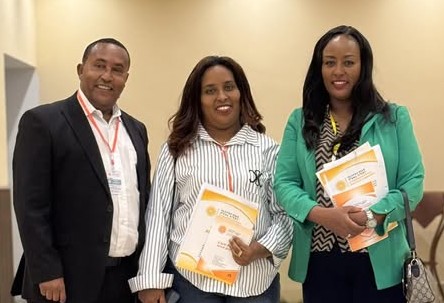
In a country like Ethiopia, which is built on a masculine culture, it is very rare to find women who are brave enough to fight for their rights and the rights of others. It is encouraging to see the likes of Aster Badhaanee and Masarat Dhaabaa in such a situation. It is not easy to believe in yourself and advance the position you believe in.
Absolutely. In societies with deeply rooted masculine cultures, women who stand up for their rights—and the rights of others—often face immense challenges, including social stigma, systemic barriers, and even personal risk. Figures like Aster Badhaanee and Masarat Dhaabaa (assuming these are symbolic or representative names, as they don’t correspond to widely known public figures in Ethiopia) embody the courage and resilience required to challenge oppressive norms.
Why Their Efforts Matter:
- Breaking Stereotypes – In patriarchal societies, women are often expected to conform to passive or submissive roles. Those who defy these expectations pave the way for future generations.
- Inspiring Others – When one woman takes a stand, it encourages others to do the same, creating a ripple effect of empowerment.
- Driving Systemic Change – True progress happens when individuals challenge unjust laws, traditions, and cultural norms. Women’s rights activists often push for legal reforms, education access, and economic opportunities.
- Mental & Emotional Strength – Believing in oneself despite constant pushback requires extraordinary determination. These women exemplify inner strength.
Challenges They Face:
- Backlash – From traditionalists who see gender equality as a threat.
- Limited Support – Lack of institutional backing or funding for women-led movements.
- Safety Risks – Activism can lead to harassment, violence, or imprisonment in some cases.
Moving Forward:
- Amplifying Voices – Supporting and sharing the stories of brave women in Ethiopia and beyond.
- Solidarity – Men and women must work together to dismantle harmful gender norms.
- Policy Advocacy – Ensuring legal protections for women’s rights activists.
Women like Aster and Masarat (whether real or symbolic) remind us that change is possible, even in the toughest environments. Their bravery is a beacon of hope for gender equality in Ethiopia and similar societies.
A beacon of hope for gender equality in Ethiopia
Ethiopia has a rich history of strong women who have fought for justice, equality, and human rights—despite the challenges of a patriarchal society. Today, several Ethiopian women activists and movements are making significant impacts in politics, gender equality, media, and social justice. Here are some notable figures and groups:
**1. ** Meaza Ashenafi
- Role: First female Chief Justice of Ethiopia’s Federal Supreme Court (2018–2023), women’s rights lawyer.
- Contributions:
- Founded the Ethiopian Women Lawyers Association (EWLA), which provides free legal aid to women and advocates for gender-sensitive laws.
- Played a key role in drafting Ethiopia’s reformed family law, which raised the legal marriage age and strengthened women’s property rights.
- Impact: Her work has helped countless women escape abusive marriages, secure child support, and fight workplace discrimination.
**2. ** Birtukan Mideksa
- Role: Former judge, political leader, and chairperson of the National Election Board of Ethiopia (NEBE) (2018–2023).
- Contributions:
- Advocated for democratic reforms and fair elections.
- Survived imprisonment (2005–2007, 2008–2010) for her opposition activism.
- Impact: She brought credibility to Ethiopia’s electoral process and inspired women in politics.
**3. ** Sehin Teferra
- Role: Feminist activist and co-founder of Setaweet, Ethiopia’s first feminist movement.
- Contributions:
- Setaweet (meaning “womanism”) challenges gender norms through research, advocacy, and public campaigns.
- Focuses on issues like sexual harassment, domestic violence, and women’s economic empowerment.
- Impact: Sparked national conversations on feminism and pushed for policy changes on gender-based violence.
**4. ** Mahlet Hailu (Mahlet Fikresilassie)
- Role: Digital rights activist and co-founder of Zega Women, a platform for women in tech.
- Contributions:
- Advocates for internet freedom and women’s digital inclusion.
- Fights against online harassment of women.
- Impact: Empowers young Ethiopian women in STEM and digital activism.
**5. ** Tsion Aklilu
- Role: Disability rights activist and founder of Menschen für Menschen’s Inclusive Education Program.
- Contributions:
- Works to ensure education access for girls with disabilities.
- Challenges societal stigma against disabled women.
- Impact: Helps marginalized girls gain education and economic independence.
**6. ** Women’s Movements & Collectives
- Yellow Movement (Addis Ababa University): A student-led feminist group advocating against gender-based violence.
- Network of Ethiopian Women’s Associations (NEWA): Umbrella organization pushing for policy reforms.
- Taitu Women’s Café & Cultural Center: A safe space for women artists, entrepreneurs, and activists.
Challenges They Face:
- Backlash from traditionalists (e.g., online smear campaigns, threats).
- Limited funding for women-led NGOs.
- Legal & bureaucratic hurdles in registering feminist organizations.
Why Their Work Matters:
These women are not just activists—they are shapers of a new Ethiopia, where gender equality becomes a reality rather than an aspiration. Their courage in the face of adversity is transforming laws, mindsets, and opportunities for future generations.
The Ituu Oromo and the Gadaa Hususaa: A Pivotal Ceremony of Resilience (1934)
1. Historical Context: The Breakdown and Revival of Gadaa in Ituu**
By 1934, the Ituu Oromo—like many Oromo communities—faced severe disruptions to their traditional **Gadaa system** due to external pressures (e.g., colonization, marginalization). Despite this, the *Gumi* (assembly of Gadaa leaders) demonstrated remarkable resilience by adapting their practices to preserve Oromo governance and identity.
### **2. The Hususaa Gadaa Ceremony: Ritual and Resistance**
The **Hususaa Gadaa** (meaning “conversation” or “proclamation”) was a critical ceremonial event where the Ituu Oromo:
– **Performed rituals** to reinvigorate the Gadaa system amid its breakdown.
– **Issued decrees** and made appointments to uphold Oromo law and social order.
– **Relied on Dhooysa** (ritual leaders) to conduct the ceremonies, ensuring cultural continuity.
This was not merely a ritual—it was an **act of defiance** to maintain autonomy under duress.
### **3. Archival Evidence: The 1934 Frobenius Institute Record**
The ceremony was documented in **1934 by Henry de Monfreid** and archived at the *Frobenius Institute*. This rare footage/report captures:
– The **symbolic explosions** (or invocations) used in the rituals.
– The **formal proclamations** by Gadaa leaders.
– The **cultural hybridity** of the event, blending traditional Oromo practices with adaptations to contemporary challenges.
*Note:* The Frobenius archives remain a vital resource for reconstructing Oromo history during this era.
### **4. Why This Matters Today**
The Hususaa Gadaa of 1934 exemplifies:
 **Adaptive resistance**: How the Oromo preserved Gadaa despite systemic oppression.
**Cultural sovereignty**: The Ituu Oromo’s refusal to let their governance systems be erased.
**Historical validation**: Archival proof counters narratives that marginalize Oromo institutions.
—
### **Suggested Next Steps for Research/Advocacy:**
1. **Locate the Frobenius footage/report** to analyze its full contents.
2. **Compare with oral histories** from Ituu elders to fill gaps in the record.
3. **Highlight this case** in discussions about Oromo resilience and indigenous governance.
Would you like assistance drafting a formal request to access the Frobenius archives?
—
**Key Improvements:**
– **Clear timeline and context** for readers unfamiliar with Ituu Oromo history.
– **Emphasizes the ceremony’s political significance** (not just cultural).
– **Links past to present**—useful for advocacy or academic work.
– **Actionable steps** to deepen research.
Sirna Haqaa moo Sirna Danqaa?

-Yaada Feysel Abdurramaan Hidhamuufi Sirni Murtii
Dhiyeenya keessan miira cimaa fi gaaffii sirna haqaa Oromiyaa keessatti dhiibbaa jiru irratti kan xiyyeeffatu ta’a. Rakkoolee Feysel Abdurramaan hidhamuun muldhise sirna haqaa, murtiifi mirga namoomaa irratti dhiibbaa jiran ibsuu keessatti ifa guddaa ta’u. Kanaaf galata guddoo gochuu barbaada.
### Hojii Sirrii Mee Ilalla:
1. **Hidhamuu Sirrii Hinqabne:** Feysel Abdurramaan guyyaa kudhan mana murtii dhiyaatee gaafatamaa hin taane. Kun akkaataa hidhamuu sirrii (due process) fi seeraan hidhamuu (legal detention) sirrii hin taane agarsiisa. Seeraan, namni yakke gaafatamuun sa’aatii 48 (yookaa guyyaa 2) keessatti mana murtii dhiyaachuu qaba. Kana malee hidhamuun isaa seera alaa ta’a.
2. **Meeshaa Sirnaatiin Geeddaruu (Dehumanization):** Yaadni “akka meeshaatti adaraadhaan ilma namaa maranii olkaayu” dhiibbaa guddaa sirna murtii jalaa dhoksanii akka jiran agarsiisa. Kun akkaataa mirga namoomaa fi kabajaa lubbuu (human dignity) danfamuufi gargaaramuu qabu ta’uu isaa ibsa.
3. **Seeraa ala Bishooftuu (Illegal Transfer):** Feysel gara Bishooftutti seeraa ala geefamuun akka “meeshaa gurguramuu” gaafii malee guyyaa kudhaniif kaayame. Kun seera fi heera alaa ta’a. Seeraan, namni yakke gara bakka biraatti geefamuuf murteessaan mana murtii qofa.
4. **Sirna Haqaa Dhabuu (Lack of Due Process):** Waadaan Bitootessa 24/2010 sirna haqaa fooyyessuuf seenamee jiraachuu isaa irratti hundaa’uun, hidhamuu Feysel akka seeraan, karaan, fi sirna haqaan hin taane agarsiisa. Kuni akka sirni kun ofii jedhamee waan hojjatamuufi kan hojjatamaa jiru gidduu jiru faallaa (hypocrisy) guddaa ta’uu ibsa.
5. **Gaaffii Poolisii Oromiyaa, Mana Murtiifi Mootummaa Oromoo:** Gaaffiin keessan:
* **Poolisii Oromiyaa:** Akkamitti qabsoo gaachana ummataa ture? Yeroo ammaa akkamitti gaafatama sirrii mirgaa eegu?
* **Manni Murtii:** Akkamitti sirna haqaa fi murteessaa haqaa eegu? Akkamitti namoota yakke gaafatamanii jiran seeraan eegu?
* **Mootummaa Oromoo (“Abbaan Alangaa”):** Akkamitti “Mootummaa Oromoo” jedhamee waan of jedhuufi waan hojjatamu gidduutti faallaa jiru hubachuuf? Akkamitti mirga saba Oromoo fi ilmaan isaa eegu?
### Yaada Kana Waliin Walqabsiisuun:
Dhiyeenya keessan miira cimaa fi beekumsa sirna haqaa, murtii, fi mirga namoomaa irratti hundaa’u. Yaada “Ilmaan sabaa haqaaf malee danqaaf gatii hin baafne!” qabsoo haqaa fi mirga abbaa biyyummaa saba Oromoo irratti kan xiyyeeffatu ta’a. Hidhamuu Feysel Abdurramaan sirna haqaa fi seera Oromiyaa keessatti miidhaa jiru agarsiisuu keessatti fakkeenya guddaa ta’uu danda’a.
### Dhaamsa:
“**Free Feysel Abdurramaan!**” jedhuun dhaamsa sirrii ta’a. Namni yakke gaafatamuun mirga isaa seeraan, sirna haqaan, fi kabajaa lubbuun eegamaa qaba. Hidhamuu isaa seera alaatiin yeroo dheeraaf deebifamuun sirna haqaa fi heera mootummaa Oromoof miidhaa guddaa ta’a.
Kanaafuu:
* Feysel Abdurramaan haqa seeraa qabu: Yakka irratti murteeffamuu sirna haqaan yookiin bilisummaan deebifamuu.
* Poolisii Oromiyaa, Manni Murtii Oromiyaa, fi Mootummaa Oromoo sirna haqaa, murtii haqaa, fi kabajaa mirga namoomaa akka eegan gaafachuu qaba. “Mootummaa Oromoo” jedhamuun of jedhu sirna haqaa fi mirga sabaatiif kabajaa akka argatu gaafachuu qaba.
* Ummanni Oromoo fi namoonni haqa ofii eeguu barbaadan qabsoo haqaa saba Oromoo fi mirga abbaa biyyummaa isaa akka itti fufan gaafachuu qaba.
Qabsoon kun haqaaf, sirna haqaaaf, fi murtiin haqaa akka argamuuf ta’a. Feysel Abdurramaan haqa isaaf kennameef murteessaa sirna haqaa argachuu qaba.
President Afwerki’s Disappointing Remarks on Oromummaa

By Zelalem Negassa
The internet is abuzz following President Isaias Afwerki’s recent speech commemorating the 34th anniversary of Eritrea’s independence. While his address touched on a range of global and regional issues, one particular remark struck a deep and troubling chord for me: his dismissal of Oromummaa as part of an externally driven destabilization agenda.
Such a statement reveals either a profound ignorance of Oromo history and identity (which I doubt on his part) or a calculated attempt to delegitimize one of the most significant indigenous movements in the Horn of Africa. As Oromo nationalists, we must collectively and unequivocally reject this distortion and reaffirm both the authenticity and legitimacy of Oromummaa as the rightful expression of our people’s journey toward justice, dignity, and self-determination. Oromo community, scholarly, professional, and civic organizations should raise their voices and ensure that the Eritrean people understand our deep disappointment with their leader’s betrayal. Moreover, President Afwerki’s deliberate or careless conflation of Oromummaa with the ideology of the Prosperity Party (PP) must be corrected without delay. Oromummaa is not a state-sponsored doctrine like MEDEMER. It is a people-rooted identity forged through struggle, not power. Misrepresenting it undermines not only Oromo aspirations but also regional understanding and trust.
President Afwerki’s claim that Oromummaa “does not represent the Oromo people” is not only factually incorrect, it is deeply offensive. More importantly, who gave him the authority to speak on behalf of the Oromo people? This is the same man who hosted the Oromo Liberation Front (OLF) in Eritrea for years, not out of solidarity, but seemingly as a strategic pawn, keeping the movement inactive while waiting for an opportune moment to bargain. That moment came in 2018, when he handed over OLF leaders to the Ethiopian government in a move that many rightly view as a betrayal. Oromummaa is not an invention of foreign powers. It is a homegrown cultural and political consciousness grounded in the Oromo people’s values, language, Gadaa system, and collective memory. It emerged organically as a response to a century of marginalization under successive regimes, and it now serves as a unifying force among Oromos across religion, region, and generation.
His comments have already sparked widespread responses from Oromo voices, including outlets like Oromia Dispatch and scholars such as Dr. Mebratu Kelecha, who have rightfully condemned the characterization and challenged other problematic claims in his speech. These responses reflect a growing awareness within the Oromo public of the importance of defending our narrative and confronting external efforts to distort it.
To President Afwerki, I would offer this reminder: once, Eritreans too were told they were not a real people, that their language was an invention. That their struggle for independence was orchestrated by foreign hands (Ya Arab kitrenyoch). They were mocked, dismissed, and delegitimized. History proved those voices wrong.
It will do so again, this time, with respect to Oromummaa. No amount of propaganda, denial, or geopolitical spin can silence a people who have found their voice, reclaimed their history, and are determined to shape their future.
Reviving the Gada System: A Cultural Heritage Initiative
The Sikkoo-Mandoo Conference represents a significant effort to revitalize the **Gada system**, a cornerstone of Oromo cultural and political heritage, which faced suppression during the mid-20th century under Ethiopian regimes. Here’s a structured breakdown of the context, significance, and implications:
—
1. The Gada System: Historical Overview
– What is Gada?
The Gada system is a traditional **democratic governance system** practiced by the Oromo people for centuries. It organizes society into age-based cohorts (*gogessa*), with leadership rotating every 8 years. Key principles include accountability, consensus-building, and environmental stewardship.
– Cultural Significance:
Beyond governance, Gada encompasses Oromo spirituality, conflict resolution, and social identity, recognized by UNESCO as an Intangible Cultural Heritage of Humanity in 2016.
—
2. Suppression in the 1940s
– Ethiopian Centralization:
Under Emperor Haile Selassie (ruled 1930–1974), Ethiopia pursued centralization policies that marginalized ethnic identities and traditional systems like Gada. The regime promoted Amhara-centric culture and governance, leading to the erosion of Oromo institutions.
– Impact:
Gada was suppressed through land reforms (*gulma*), bans on Oromo language (Afaan Oromoo), and dismantling of indigenous leadership structures. By the 1940s, the system became largely dormant, though preserved orally in rural communities.
—
3. The Sikkoo-Mandoo Conference: Revival Efforts
– Purpose:
The conference aims to **reclaim Oromo identity** by restoring Gada’s role in modern governance and cultural practices. It reflects broader Oromo activism for self-determination and cultural preservation.
– Key Themes:
– Reintegrating Gada principles (e.g., rotational leadership, environmental ethics) into contemporary governance.
– Addressing historical marginalization through education and language revitalization.
– Leveraging Gada as a framework for **conflict resolution** amid Ethiopia’s ethnic tensions.
—
4. Challenges and Opportunities
– Political Context:
Ethiopia’s federal system allows ethnic regions autonomy, but tensions persist between central authority and ethnic nationalism. The Abiy Ahmed government (2018–present), while Oromo-led, faces criticism over balancing unity and ethnic rights.
– Obstacles:
– Modernization and urbanization eroding traditional practices.
– Skepticism from younger generations or those favoring Western-style democracy.
– Potential clashes with Ethiopia’s legal and political frameworks.
– Opportunities:
– Strengthening community cohesion and cultural pride.
– Offering alternative models of participatory democracy and sustainability.
—
5. Broader Implications
– Cultural Renaissance:
The revival is part of a pan-Oromo movement seen in events like Irreecha (thanksgiving festival) and the resurgence of Afaan Oromoo in media/education.
– Ethiopian Federalism:
Success could inspire other ethnic groups to reclaim traditions, testing Ethiopia’s commitment to multicultural federalism. Conversely, it may fuel centralist fears of fragmentation.
Conclusion
The Sikkoo-Mandoo Conference symbolizes the Oromo people’s resilience in reclaiming their heritage. While challenges remain, the Gada revival intersects with global movements for indigenous rights and decolonization, offering lessons in balancing tradition with modernity. Its success may depend on dialogue with Ethiopia’s government and integration into broader national frameworks.
Celebrating Irreecha Arfaasaa: Oromo Spring Festival in Melbourne
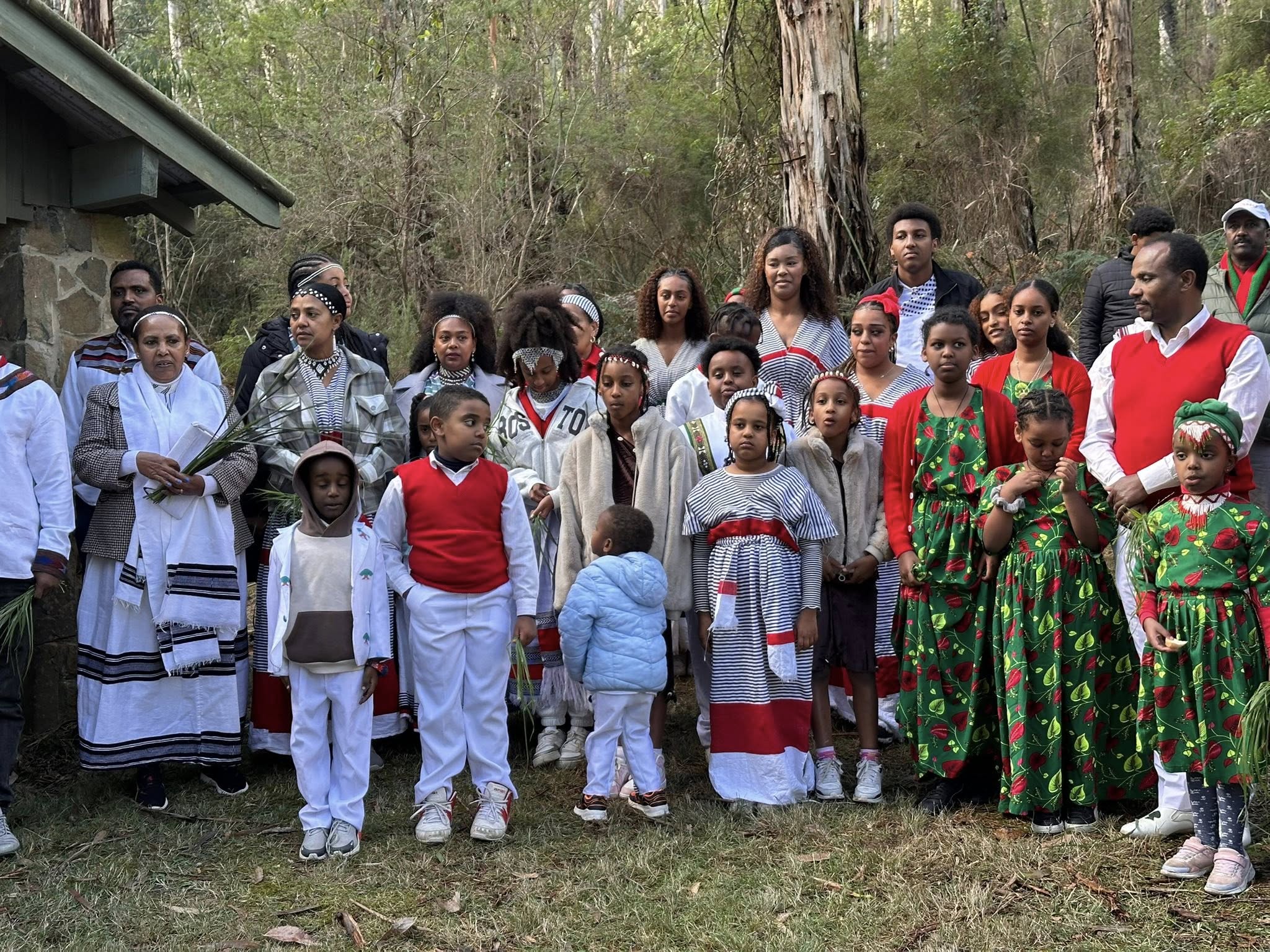
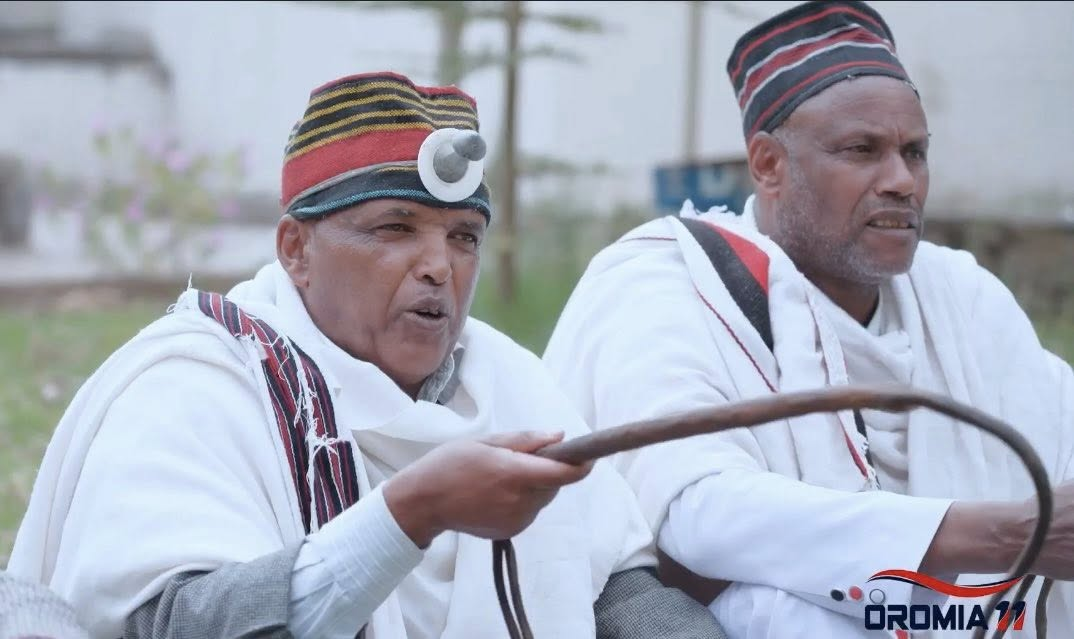
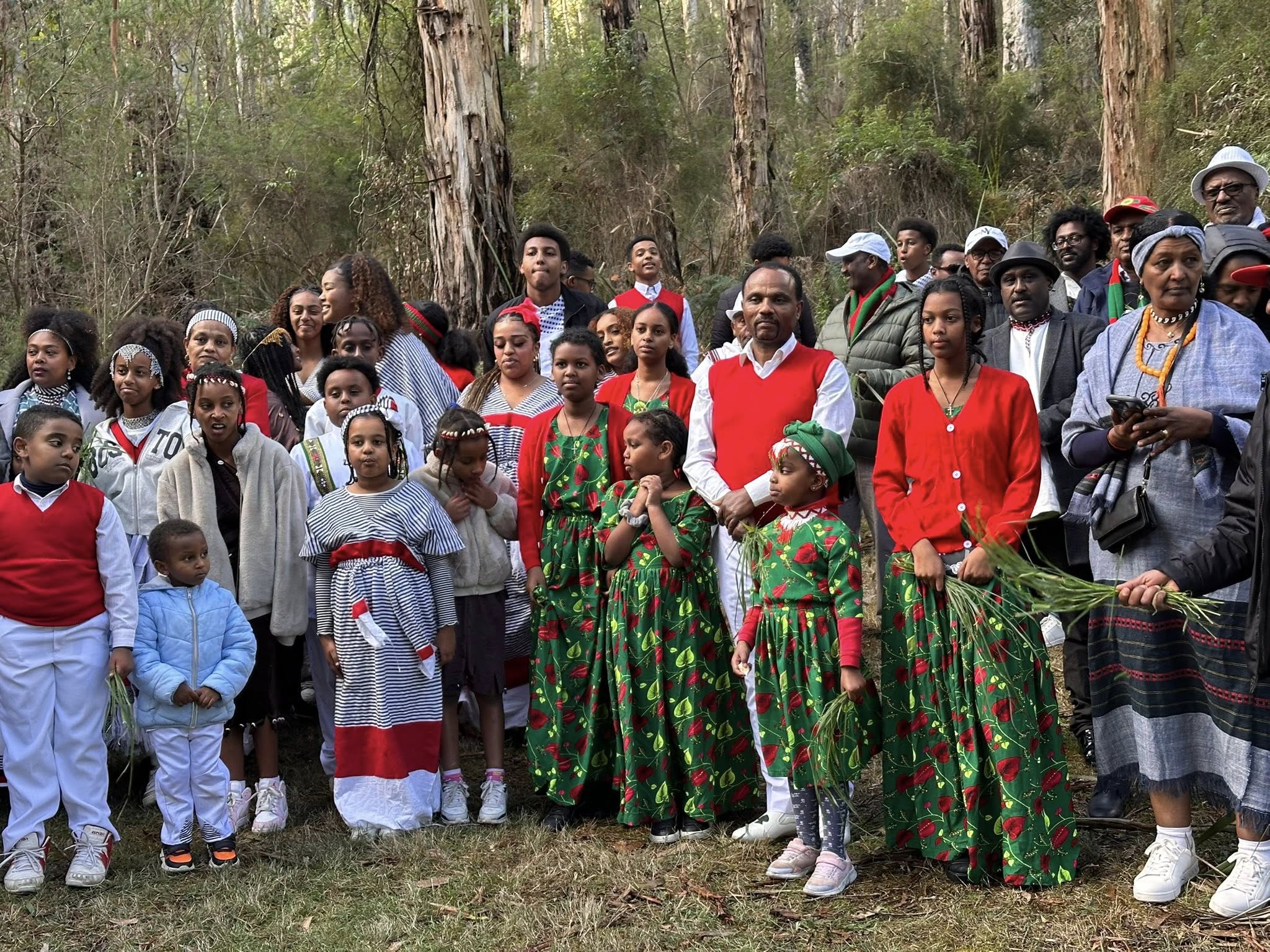
The Oromo community in Melbourne and surrounding areas celebrated Irreecha Arfaasaa, the Spring Festival, atop Dandenong Hill on May 18, 2025.
This vibrant gathering brought together elders, veterans, mothers, and youth adorned in traditional attire, marking a thanksgiving for surviving the harsh winter and welcoming the summer season.
The ceremony opened with elders’ blessings, invoking peace for all creation: “May the Creator bless this land, heal our scars from fire, and let new life flourish.” The festival also served as a prayer for a peaceful summer amid the rainy and darker months ahead.
Ob Danye Defersha, a local organizer, emphasized the deeper meaning of Irreecha: “This festival isn’t just about spring. It’s about remembering what we’ve overcome and the ties that hold us. The mountain is our sanctuary, and today, it’s alive with hope.”
Beyond cultural celebration, Irreecha Arfaasaa reflects the Oromo people’s deep connection to nature, promoting family unity, stress relief, and mental well-being.
The event highlighted resilience, gratitude, and the enduring spirit of the Oromo community in Australia.
The Historical Significance and Rituals of Irreecha
1. Historical and Cultural Roots
Irreecha (also spelled Irreessa) is one of the most sacred and ancient festivals of the Oromo people, the largest ethnic group in Ethiopia. It is a thanksgiving celebration deeply tied to the Waaqeffanna faith (the traditional Oromo religion, which venerates Waaqa—the Creator).
- Origins: The festival dates back centuries and is linked to the Gadaa system, the Oromo’s indigenous democratic governance structure.
- Two Main Celebrations:
- Irreecha Birraa (Autumn Festival) – Held in September/October to give thanks for the rainy season and pray for a good harvest.
- Irreecha Arfaasaa (Spring Festival) – Held in April/May to celebrate the end of winter and welcome summer.
- Symbolism: It represents renewal, unity, and harmony with nature, reinforcing the Oromo philosophy of “Nagaa” (peace) and “Safuu” (moral order).
2. Key Rituals and Ceremonies
The rituals of Irreecha are rich in symbolism and communal participation:
A. Blessings by Elders (Abbaa Malkaa & Abbaa Gadaa)
- The ceremony begins with elders (Haayyuu) offering prayers to Waaqa for peace, fertility, and prosperity.
- A sacred grass (Birraa) is held during prayers, symbolizing life and renewal.
- Libation (Dhibaayyuu): Water, milk, or honey is sprinkled as an offering to the Creator and ancestors.
B. Sacred Gathering Near Water (Hora Harsadii)
- Traditionally, Irreecha is celebrated near rivers or lakes, as water symbolizes purity and life.
- In the diaspora (like in Melbourne), a symbolic mountain or hill (e.g., Dandenong) is chosen to represent this sacred space.
C. Wearing Traditional Attire (Callee)
- Attendees dress in white (symbolizing peace) and traditional Oromo costumes, often made of cotton and decorated with beads (callee).
- Women wear Siiqqee (a sacred stick representing women’s rights in Gadaa).
D. Singing & Dancing (Geerarsa & Shaashammanee)
- Geerarsa (poetic chants) are performed, praising nature, bravery, and unity.
- Wallee aadaa (traditional dance) involves rhythmic shoulder movements, symbolizing joy and resilience.
E. Throwing Grass & Flowers
- People toss freshly cut grass and flowers into the air or water, signifying letting go of past sorrows and embracing new beginnings.
3. Modern Adaptations in the Diaspora
Since the Oromo diaspora cannot always gather at Hora Arsadi (the sacred lake in Oromia), they adapt by:
- Choosing high elevations (mountains, hills) to symbolize closeness to Waaqa.
- Incorporating multicultural elements while preserving core traditions.
- Using the festival to educate younger generations about Oromo heritage.
4. Why Irreecha Matters Today
- Cultural Survival: For the Oromo, who faced historical oppression, Irreecha is an act of resistance and identity preservation.
- Environmental Connection: It reinforces ecological stewardship, reminding people to protect nature.
- Healing & Unity: In exile, it serves as emotional healing for refugees and a way to strengthen community bonds.
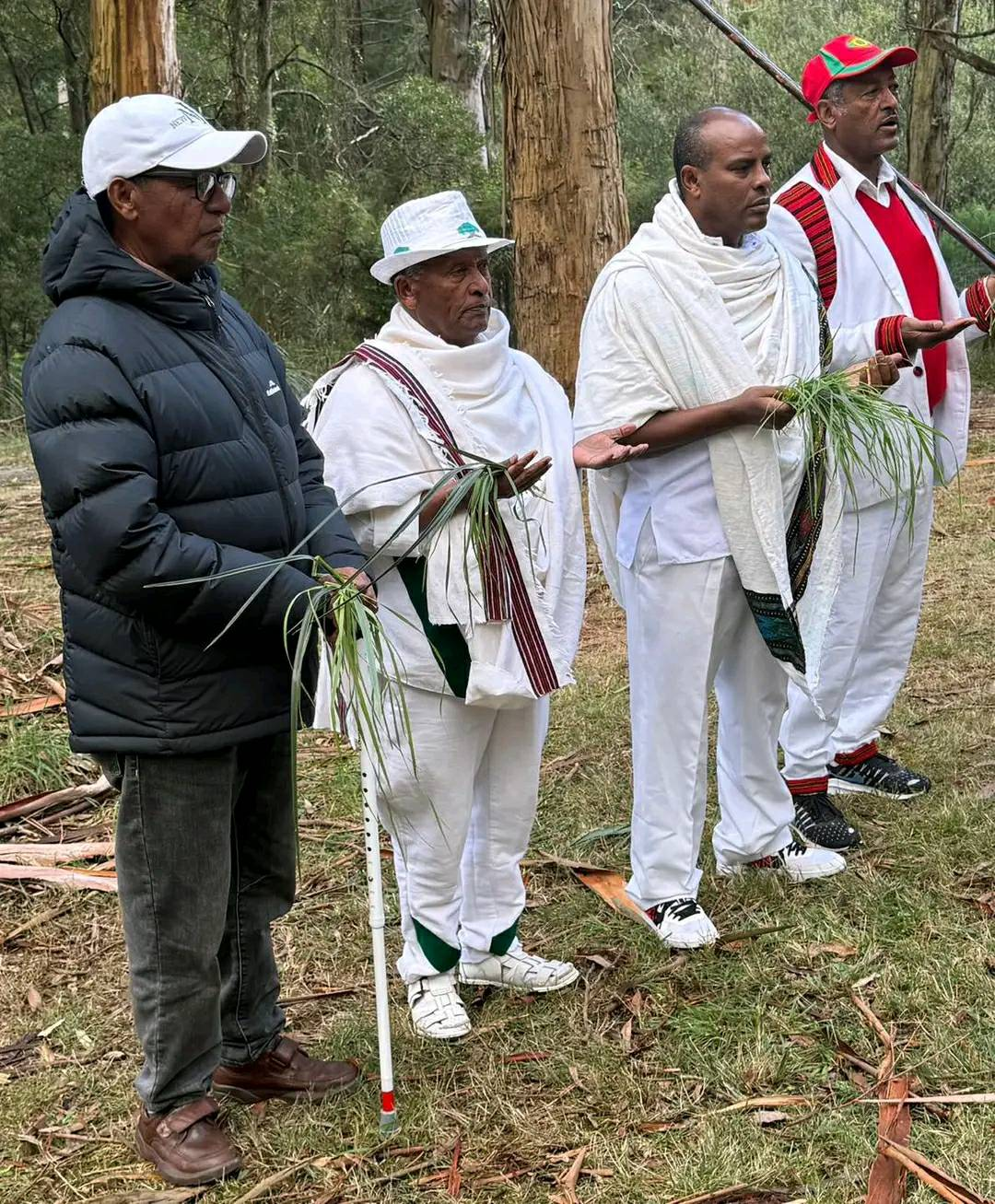
የፀደይ የምስጋና ፌስቲቫል 2025 በዳንደኖንግ
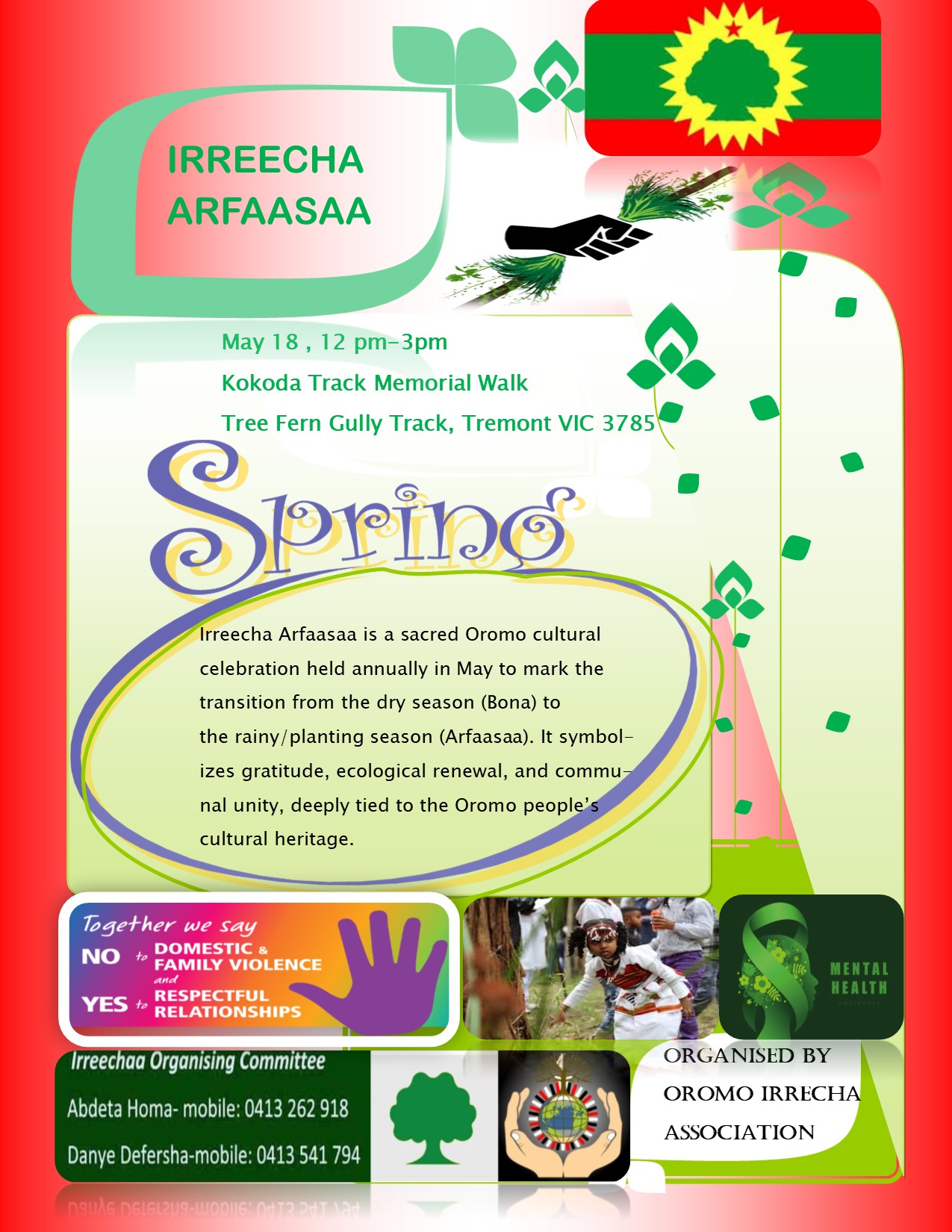
የፀደይ የምስጋና ፌስቲቫል በሜይ 18፣ 2025 በዳንደኖንግ ተራራ (ምናልባትም በቪክቶሪያ፣ አውስትራሊያ ውስጥ ያለውን የዳንደኖንግ ክልል) ይከበራል። ይህ በሜልበርን የኦሮሞ ማህበረሰብ ያዘጋጀው የዲያስፖራ አከባበር ነው። የእሱ ጠቀሜታ እና አውድ ዝርዝር እነሆ፡-
- 1. የፀደይ ፌስቲቫል
– በተለምዶ በሚያዝያ/ግንቦት በኦሮሚያ/በኢትዮጵያ ተከብሯል *የበልግ ዝናብን ለመቀበል) እና ለእርሻ እድሳት አድናቆቱን ይገልፃል። – ቀኖች * የእንግሊዘኛ የጨረቃ አቆጣጠር* (በዓል ስርዓት) ይከተላሉ፣ ስለዚህ የግሪጎሪያን ቀናቶች በየአመቱ በትንሹ ይቀየራሉ። ሆኖም፣ የዲያስፖራ ማህበረሰቦች በተግባራዊ ወይም በምሳሌያዊ ምክንያቶች (ለምሳሌ ከአካባቢው ወቅቶች ወይም ቅዳሜና እሁድ ጋር መጣጣም) ጊዜውን ያስተካክላሉ።
- ግንቦት 18፣2025
- እ.ኤ.አ. በ 2025 ሜይ 18 እሁድ ላይ ይውላል ፣ ይህም የማህበረሰብ ተሳትፎን ከፍ ለማድረግ ለዲያስፖራ ባህላዊ ዝግጅቶች የተለመደ ምርጫ ነው።
- በ 2025 የፀደይ ፌስቲቫል ትክክለኛ የኦሮምኛ የቀን መቁጠሪያ ቀን በጨረቃ ዑደቶች ላይ ተመስርቶ ማስላት ቢያስፈልግ ፣ የዲያስፖራ ማህበረሰቦች አንዳንድ ጊዜ የጎርጎሪያንን ቀን ለፅንሰ-ሀሳብ እና ለእቅድ ያዘጋጃሉ። በውጭ አገር ወጎችን መጠበቅ ብዙውን ጊዜ መላመድን ስለሚጨምር ይህ የተለመደ አይደለም.
- 3. ዳንደኖንግ ተራራ
– “ኮረብታ” በእንግሊዝኛ “ተራራ” ማለት ነው. በሜልበርን አቅራቢያ ያለው *ዳንደኖንግ ክልል* ለምለም፣ በደን የተሸፈነ፣ በምሳሌያዊ ሁኔታ በኦሮሚያ/ኢትዮጵያ ኢሬቻ መሃል ያለውን የተቀደሰ ተራራማ መልክአ ምድር ያስተጋባል (ለምሳሌ፣ ሆራ አርሰዲ)።
- ኢሬቻን እንደ ዳንደኖንግ ባሉ የተፈጥሮ ቦታዎች ማክበር ዲያስፖራ ኦሮሞ ማህበረሰቦች ከባህላዊ ሥሮቻቸው ጋር እንዲገናኙ እና ከቤት ርቀው እንዲኖሩ ይረዳል።
- ይህ ለምን አስፈላጊ ነው
– **ባህላዊ ጥበቃ**፡ ለኦሮሞ ዲያስፖራ እንደዚህ አይነት ክስተቶች በታናሽ ትውልዶች መካከል ማንነትን፣ ቋንቋንና ወግን ያጠናክራሉ። – **ምልክት**፡- የተራራ ምርጫ በኢሬቻ ውስጥ ካለው ተፈጥሮ ጋር ያለውን መንፈሳዊ ትስስር የሚያንፀባርቅ በዲያስፖራ አውድ ውስጥ እንኳን። – **የማህበረሰብ አንድነት**፡- እንዲህ አይነት ስብሰባዎች አንድነትን ያጠናክራሉ እናም ለጋራ ፈውስ በተለይም በኦሮሚያ/ኢትዮጵያ ውስጥ መፈናቀል ወይም የፖለቲካ ትግል ለተጎዱ ማህበረሰቦች ምቹ ሁኔታን ይፈጥራል። – 5. *እንዴት መሳተፍ እንደሚቻል* – ለመገኘት ካሰቡ ለዝርዝሩ በሜልበርን የሚገኙ የኦሮሞ ተወላጆችን ያነጋግሩ (ለምሳሌ *ሜልቦርን ኦሮሞ ማህበረሰብ፣ የኦሮሞ ኢሬቻ ማህበር፣ ተሟጋች ለኦሮሚያ*)። እንቅስቃሴዎች የሚከተሉትን ሊያካትቱ ይችላሉ- – ባህላዊ ዘፈኖች (ገይራርሳ)፣ ጭፈራዎች (ኬሎ) እና በረከቶች (ኢሬቻ የአምልኮ ሥርዓቶች)።
- ንግግሮች፣ የባህል ማሳያዎች እና የጋራ ምግቦች።
– እንደ ልማዳዊ ኢሬቻ * ትኩስ ሳር* (ሰላምን የሚያመለክት) እና አበቦች (የመራባት ምሳሌ) ያላቸው ሥነ ሥርዓቶች።
- ስለ ትክክለኛነት ማስታወሻ
የ*ሜይ 18፣ 2025** ቀን በአዘጋጅ ማህበረሰብ ሊስተካከል ይችላል፣ ሁል ጊዜም ከአካባቢው አዘጋጆች ጋር ለዝግጅቱ ቅርብ ይሁኑ። የዲያስፖራ ክብረ በዓላት በሎጂስቲክስ፣ በአየር ሁኔታ ወይም በባህላዊ ጉዳዮች ላይ ተመስርተው ዝርዝሮችን ማስተካከል ይችላሉ።
 Oromedia