Liberal Party in Turmoil: Angus Taylor Elected Opposition Leader as Susan Lee Announces Retirement from Politics

By Hayyuu Oromia
Feature News
In a stunning political realignment that has sent shockwaves through Australia’s political landscape, Angus Taylor has been elected as the new leader of the Liberal Party and Opposition, decisively defeating Susan Lee in a 34–17 vote of the Liberal Party room. The result, which hands Taylor a commanding 17-vote margin, marks the first time in the Liberal Party’s history that a woman leader has been ousted and effectively compelled to exit public life altogether.
Ms Lee, who made history as the first female leader of the federal Liberal Party, has announced she will tender her resignation to the Speaker and retire from Parliament entirely—bringing a definitive close to a political career that once held the promise of breaking the nation’s highest glass ceiling.
The Numbers That Shifted
According to sources within the party room who spoke to SBS News on condition of anonymity, Taylor secured 37 votes from the 51-member Liberal Party room—a commanding majority that reflected not merely his own support base but a significant cross-over of former Lee loyalists.
“Some of Susan’s own people crossed the floor in that room,” one senior Liberal source said. “That’s what made the margin so devastating. It wasn’t just that Angus won. It was that her own tent had holes she hadn’t seen coming.”
The 34–17 count among voting members represented not merely a defeat but a collapse. For a sitting leader—particularly one who had broken historical ground—to lose by such a margin signaled deep fractures that had been concealed beneath public displays of unity.
‘I Don’t Know What Comes Next’
Emerging from the party room, Ms Lee appeared composed but visibly somber as she addressed waiting journalists. Her statement was brief, personal, and delivered with the restraint of a politician accustomed to public composure—yet carrying undertones of finality.
“I will be tendering my resignation letter to the Speaker,” she said. “I don’t know what comes next. I intend to spend time with my family—to withdraw entirely from public life.”
There was no pledge to contest again. No hint of a return. No fight for redemption. In a matter of sentences, Australia’s most senior female Liberal parliamentarian signaled the quiet close of a chapter that many had hoped would span years.
Colleagues who spoke with her afterward described a woman at peace with her decision, if not the circumstances that precipitated it.
“She wasn’t angry,” one longtime ally said. “She was tired. There’s a difference between being defeated and being done. Susan was done.”
Taylor’s Challenge: Unity Without Concession
For Angus Taylor, the victory presents both opportunity and immediate pressure. Assuming the leadership of a divided party room requires more than numbers; it demands the ability to heal wounds he did not create but from which he has now benefited.
Taylor’s supporters characterize him as a seasoned economic manager with the gravitas to hold the government to account. His detractors—including some who voted for him—wonder whether the manner of his ascension will haunt his early tenure.
“He didn’t just win. He won because Susan’s people abandoned her,” a Liberal moderate said. “That creates expectations. It creates resentments. And it creates questions about what promises were made behind closed doors.”
Taylor himself has not commented on the internal dynamics of the vote, issuing a brief statement thanking his colleagues and paying tribute to Ms Lee’s “historic leadership and dedicated service to the party and the nation.”
The First Woman Curse?
Ms Lee’s departure renews uncomfortable questions within the Liberal Party about its relationship with women leaders—and the political price they appear to pay for occupying the role.
She is the third woman to lead the federal Liberal partyroom, following the tenures of Julie Bishop, who never led the party to an election and was deposed before contesting one, and Tony Abbott’s single term. But Lee’s case is distinct: she was elected leader, contested an election, and was removed before she could lead the party to a second.
“She did what she was asked to do,” a former staffer reflected. “She stabilised the party. She made them competitive again. And this is how it ends—not with a loss at the ballot box, but with her own colleagues deciding they’d seen enough.”
The contrast with Labor’s treatment of female leaders—Julia Gillard was removed by her party, but contested again and remained in Parliament—has not gone unnoticed. Lee’s immediate and total exit suggests a rupture beyond ordinary leadership defeat.
What Remains
Ms Lee’s departure leaves a vacuum not only in the Liberal Party’s leadership but in its parliamentary ranks. Her seat, considered reasonably safe, will trigger a closely watched by-election that will serve as an early referendum on the Taylor leadership and the government’s standing.
For the Liberal Party, the challenge is immediate: present a coherent alternative to a government seeking re-election, while managing the fallout of removing—and effectively retiring—a leader who broke barriers but could not hold her ground.
For Ms Lee, the future is deliberately undefined. “I don’t know what comes next,” she said. For a woman who spent decades knowing exactly what came next—policy briefings, media appearances, late sittings, electorate events—that uncertainty is itself a form of liberation.
Whether it is also a loss—for her party, for women in politics, for the institution of Parliament itself—will be debated long after she has cleared her office and returned to the private life she has briefly, poignantly claimed as her next act.
Ethiopia’s Strategic Crossroads: When Criticism Blurs the Line Between Government and Nation
By Maatii Sabaa
Feature News
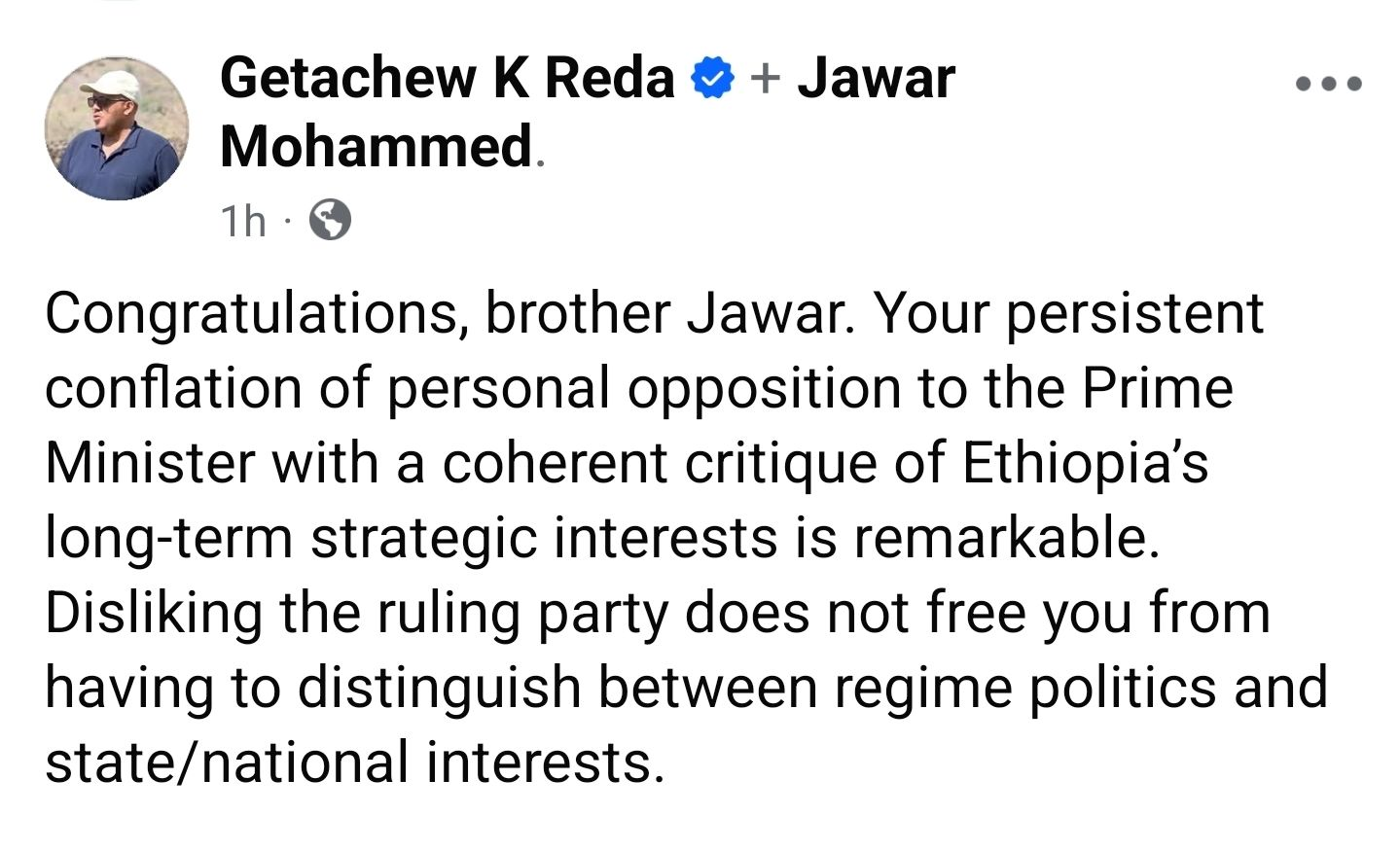
In the high-stakes arena of the Horn of Africa, where geopolitics shifts like tectonic plates beneath ancient soils, a troubling pattern has emerged in Ethiopia’s opposition discourse—one that increasingly conflates personal grievances against a sitting prime minister with the nation’s enduring strategic interests.
Over the past several days, Jawar Mohammed, once a close ally of Prime Minister Abiy Ahmed and now one of his most prominent critics, has launched a series of attacks against Ethiopia’s posture toward the deepening crisis in neighboring Sudan. His criticism, while occasionally resting on isolated facts, appears to systematically strip those facts of their broader strategic context—reducing complex national security calculations to evidence of government incompetence or malice.
The distinction being lost, critics argue, is one upon which stable democracies are built: the difference between the party in power and the state itself.
Facts Without Context: The Strategic Vacuum
Some of the reports circulated by Mohammed and his associates may be factually accurate in their narrowest sense. Ethiopia has indeed sought to protect its strategic interests amid Sudan’s collapse. It has engaged with actors on the ground. It has not adopted the posture of a passive observer.
Yet to present these moves as evidence of strategic folly—without reference to the regional power competition, Ethiopia’s existential stake in Sudanese stability, or the active interventions of other external actors—is to substitute selective outrage for sober analysis.
“The tragedy unfolding in Sudan is indeed exacerbated by foreign intervention,” one regional analyst noted, speaking on condition of anonymity. “But Ethiopia is hardly unique in pursuing its interests. What’s unique is Ethiopia’s vulnerability.”
No country in the region, and perhaps few beyond it, stands to lose more from a permanently destabilized Sudan. Ethiopia shares a 744-kilometer border with its northern neighbor. It hosts hundreds of thousands of Sudanese refugees. Its access to critical trade routes, its management of transboundary water resources, and its exposure to cross-border armed group proliferation are all directly implicated in Sudan’s trajectory.
Egypt and other regional actors are not neutral mediators. They have been actively shaping the conflict’s trajectory to favor preferred belligerents. To suggest that Ethiopia should operate as though this were not the case—or that acknowledging these realities somehow constitutes aggression—reflects what one foreign policy specialist described as “an aversion to the very language of national security.”
The Luxury of Abstraction
Mohammed positions himself as a politician-activist, a hybrid role that in theory could bridge grassroots mobilization and high-level policy engagement. But his recent posture suggests discomfort with the hard currency of statecraft: strategic interest, national security, geopolitical positioning.
In the Horn of Africa—a region defined by proxy competition, transboundary militant threats, and zero-sum maneuvering among rival states—such discomfort is not a virtue. It is a liability.
“States do not have the luxury of moral abstraction when core national interests are at stake,” said a former Ethiopian diplomat who requested anonymity to speak candidly. “You can critique how a government pursues those interests. You can propose alternative strategies. But to pretend that Ethiopia should have no strategy at all—or to frame every strategic move as evidence of malign intent simply because it originates from this prime minister—is not analysis. It’s partisan grievance dressed in policy language.”
The pattern has raised concerns among observers who note that Mohammed, widely believed to harbor ambitions for higher office, appears to be adopting what one analyst termed a “scorched-earth posture” not merely toward the Abiy administration but toward the Ethiopian state itself.
Governments Change. Geography Doesn’t.
This conflation carries implications beyond the immediate policy debates.
Governments are transient. Parties rise and fall. But strategic geography is stubborn. Ethiopia’s long-term national interests—its access to the sea, the security of its borders, the stability of its neighborhood, the viability of its water security arrangements—will outlast any single administration.
A credible political alternative, analysts argue, must demonstrate the capacity to distinguish between the party temporarily in power and the permanent interests of the nation. It must show that it can inherit the state without seeking to dismantle it.
“Thus far, Jawar has shown a near-pathological inability to make that distinction,” said Meheret Ayenew, a political scientist at Addis Ababa University. “The criticism never stops at the government. It bleeds into delegitimization of the state’s very right to defend its interests. That’s not opposition. That’s something else entirely.”
The Accountability Question
To be clear: critique of government policy is not only legitimate but essential. Ethiopia’s approach to the Sudan crisis, like any foreign policy posture, warrants scrutiny. Questions about coordination, consistency, and effectiveness are fair game.
But critique demands an alternative framework. What, precisely, should Ethiopia be doing differently? Should it abandon its engagement in Sudan entirely? Should it defer to Cairo’s preferred outcomes? Should it pretend that its national security is not implicated in the fate of its neighbor?
These questions, conspicuously absent from Mohammed’s recent broadsides, are the ones that distinguish serious opposition from performance.
Beyond the Immediate
The tragedy in Sudan has already claimed thousands of lives and displaced millions. For Ethiopia, the stakes are not abstract. They involve real security threats, real economic costs, and real humanitarian obligations that will persist regardless of who sits in the prime minister’s office in Addis Ababa.
In such moments, the distinction between government and state matters. A political culture that cannot sustain that distinction is one that struggles to produce durable alternatives—only perpetual opposition.
Whether Mohammed and his allies can evolve beyond this posture remains to be seen. But the clock is ticking. The region does not pause for Ethiopia to resolve its internal political debates.
And strategic interests, neglected or denied, have a way of asserting themselves regardless.
The Gavel in Chains: Judges Detained Over Alleged OLA Links in East Hararge
Subtitle: Legal Authorities Arrested as Police Claim Orders “From Above,” Raising Alarms About Judicial Independence.
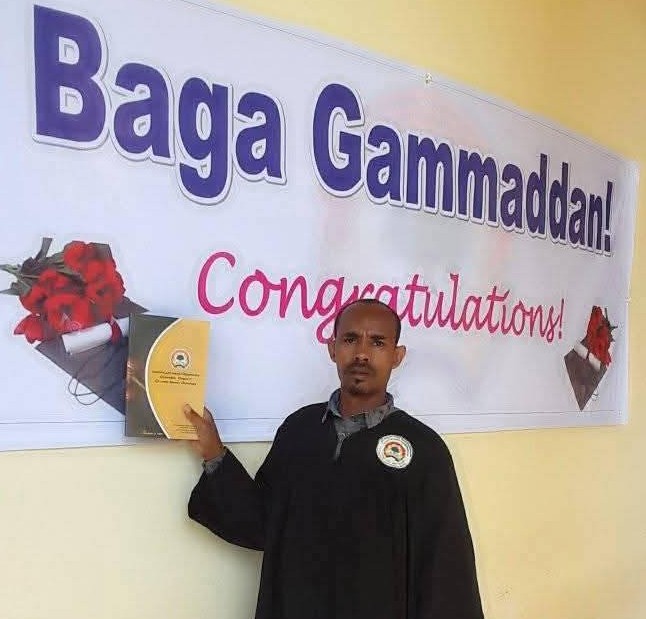
In a move that strikes at the heart of judicial independence, two judges in East Hararge have been arrested on accusations of having links to the Oromo Liberation Army (OLA). The arrests, carried out by the East Hararge Zonal Police, were justified with a chillingly simple explanation: “The higher body commanded us.”
The detained officials are:
- Judge Mahbuubee Jundaa, a judge serving in the Qarsaa District of East Hararge Zone. He was arrested on Saturday morning.
- Judge Abdallaa Mahammad, a judge at the East Hararge Zone High Court. He was also arrested on Saturday morning.
Both men are currently being held under the custody of the East Hararge Zonal Police Command. The sole public reason given for their detention is the allegation that they “have connections with the OLA.”
The police command’s stated justification—”The higher body commanded us”—raises immediate and profound concerns. It implies an extra-judicial directive, bypassing standard legal procedures and the principle of due process. This phrase suggests that the arrests were not necessarily based on independently investigated evidence presented to a prosecutorial body, but on orders from an unnamed superior authority.
Why This Matters:
- Assault on Judicial Independence: Judges are the cornerstone of the rule of law. Their arrest on seemingly political grounds, without transparent legal process, undermines the very notion of an impartial judiciary. It creates a climate of fear where legal decisions may be influenced by political considerations rather than evidence and law.
- The “Higher Body” Precedent: The invocation of an unnamed superior command sets a dangerous precedent. It effectively places certain individuals or institutions above the law, allowing for detentions without clear accountability or a defined chain of evidence.
- Erosion of Public Trust: When those sworn to uphold the law can be arbitrarily detained, public trust in the entire justice system erodes. Citizens may lose faith in the courts as fair arbiters, which is fundamental for social stability.
- Context of Broader Arrests: These arrests occur amidst a wider pattern of detentions of local and regional officials in Oromia under various allegations. This incident specifically targets the judiciary, marking a significant and alarming escalation.
The legal community, civil society, and all advocates for the rule of law must seek clarity. Who is the “higher body”? What specific, admissible evidence exists to warrant the arrest of these judges? They are entitled to due process, a transparent charge, and the right to a fair hearing—the very rights they were appointed to safeguard for others.
A nation cannot be governed by secret commands. The gavel must not be silenced by the chain.
#FreeTheJudges #EastHararge #JudicialIndependence #RuleOfLaw #Oromia #Ethiopia
The Dangerous Diversion: Arresting Local Leaders While Security Crumbles
Subtitle: In Ilu Abbaa Boor, a Crackdown on Prosperity Party Officials Coincides with a Deepening Security Crisis.
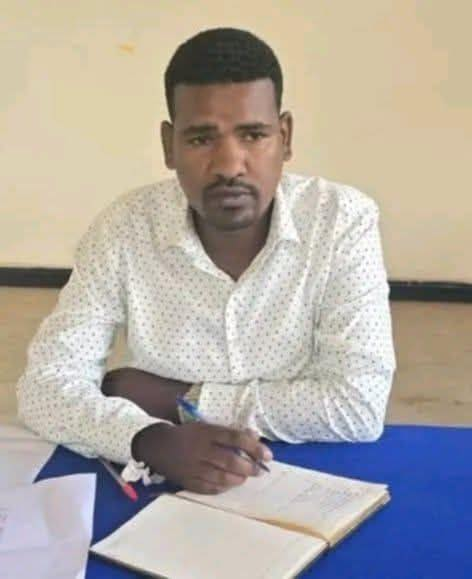
In a move that has sent shockwaves through the local political landscape, Obbo Rashidoo Baalchaa, the head of the Prosperity Party in Ilu Abbaa Boor Zone, along with numerous members of his executive committee, have been arrested on accusations of forming a “clandestine committee.”
This political crackdown unfolds against a backdrop of a severe and deteriorating security situation across the zone. Many districts (aanaas) are currently grappling with profound safety crises. Farmers are unable to tend to their fields, and even essential food crops left for harvest are reportedly being looted. The timing raises urgent questions: Why this focus now?
This pattern is not isolated to Ilu Abbaa Boor. In recent days, similar arrests of district and municipal administrators have been reported in several other zones. The stated justifications vary, with some vaguely linked to alleged associations with “Shane” (the OLA). This strategy of detaining mid-level officials appears to be a growing tactic.
However, this approach rings hollow against the national reality. While a full federal cabinet sits in the capital, and regional presidents operate with apparent normalcy, the relentless arrest of local administrators does not solve the core problem of instability. It often feels like a superficial fix—applying a small bandage to a gaping wound.
Furthermore, the narrative framing these detained individuals as “revolutionary sympathizers” lacks credibility. Many of those targeted are not ideological militants; they are often pragmatic local figures who have, at times, acted as crucial bridges to calm and negotiate with communities. Their removal may not weaken armed groups, but it almost certainly weakens the fragile lines of communication and local governance.
This creates a dangerous paradox: at the very moment when communities most need effective, trusted local leadership to navigate security threats, that leadership is being systematically removed from the equation. The result is not greater state control, but a deepening vacuum where fear and lawlessness thrive.
The people of Ilu Abbaa Boor and similar zones are left with a pressing plea: Do not distract us with political purges while our basic safety is stripped away. Address the root causes of the conflict. Reinforce, do not dismantle, the local structures that can build peace. The security of our homes and farms cannot be sacrificed on the altar of political maneuvering. The bandage is too small, and the wound is too deep.
The Wolves Among Us: When the Guardians Become the Predators
Subtitle: The Brutal Abduction of Two Oromia Officials and a Crisis of Trust
A chilling Oromo proverb cuts to the heart of a profound societal betrayal: “Abiyootiin ilmaan ishii nyaachutti ceete fakkaata.” – “The hyena, having eaten her own children, licks her lips.”
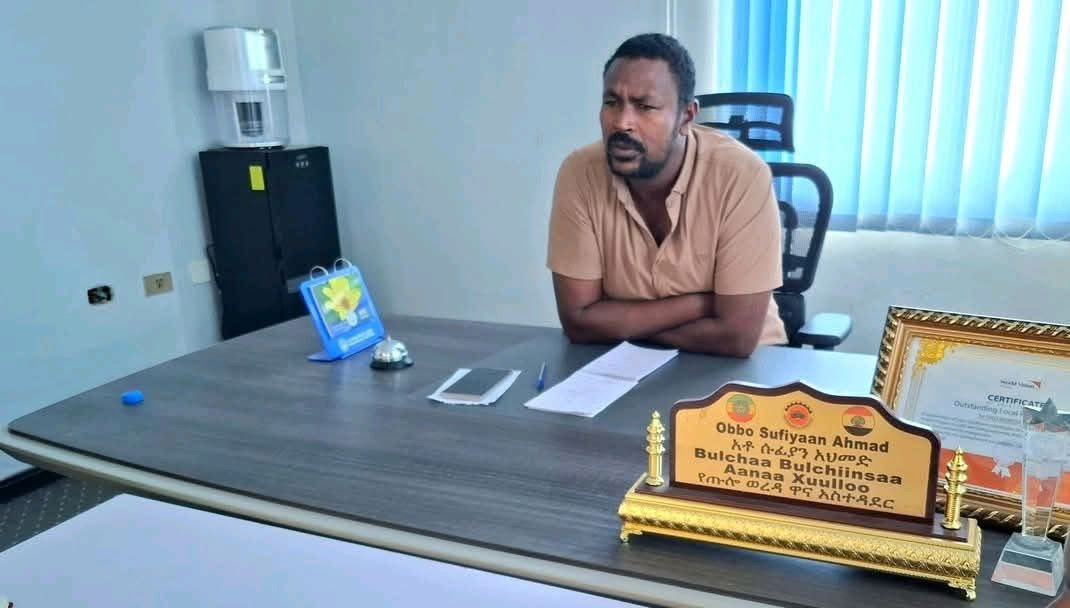
This week, in West Hararge, this proverb ceased to be a metaphor and became a terrifying reality. In a brazen and cowardly act, two local administrators—the very figures entrusted with the safety and governance of their communities—were violently abducted from their own homes. Hassan Mahammad, Administrator of Odaa Bultum District, and Sufiyan Ahmad, Administrator of Habro District, were reportedly taken by armed men from their residences late on Saturday night. As of this report, their whereabouts remain unknown, and their fate is a source of agonizing dread for their families and constituents.
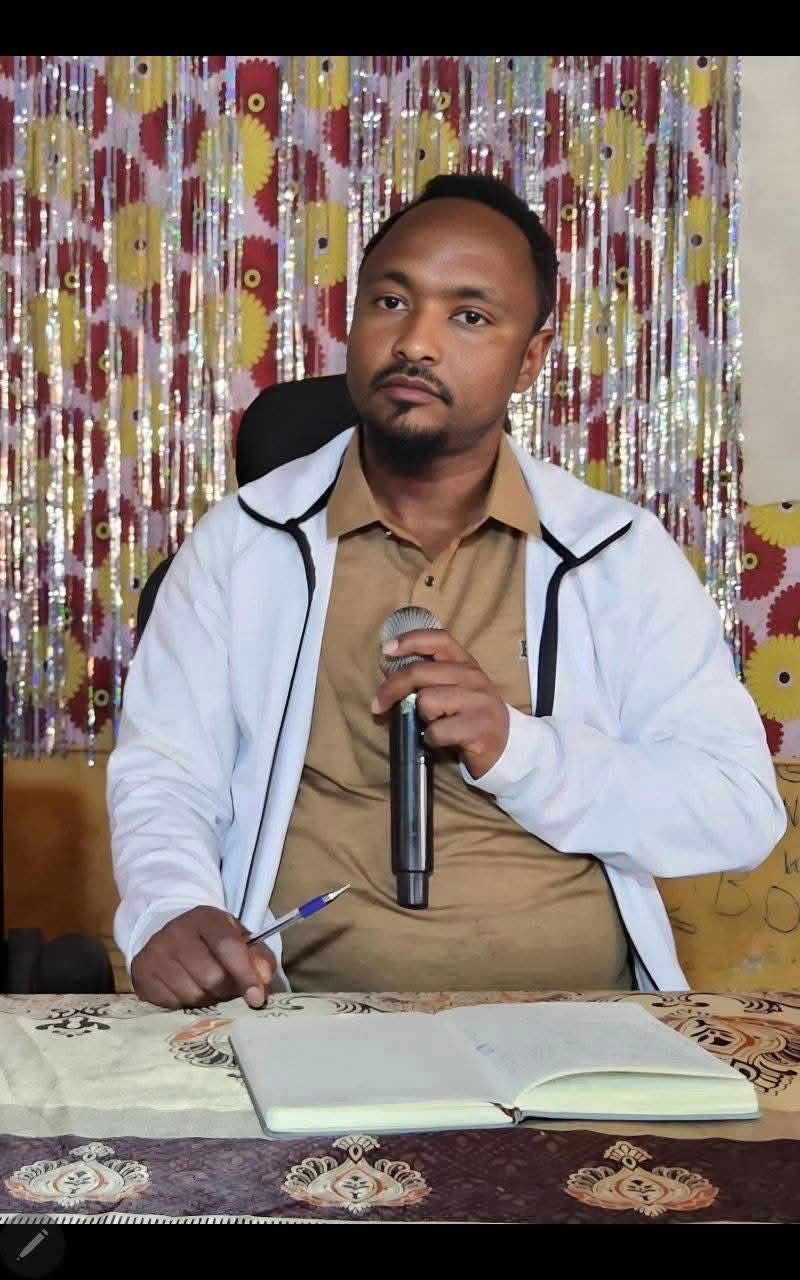
This is not merely a crime; it is a symbolic catastrophe. These men were not just officials; they were the embodiment of the local social contract. They were the points of contact between the people and the state, responsible for development, justice, and order. Their abduction from the sanctity of their homes sends a seismic shock through the very foundations of community trust. Who, then, is safe? If those appointed to protect can be so easily seized, what security exists for the ordinary farmer, teacher, or merchant?
The hyena of the proverb is an apt image for the perpetrators, whomever they may be. It represents a force that preys upon its own, that violates the most sacred bonds of protection and community. This act consumes the very social fabric it pretends to guard, leaving behind only trauma and a bitter taste of fear.
The deafening silence and lack of immediate resolution amplify the terror. The unknown is a weapon. The community is left suspended in a nightmare, caught between grief for their leaders and fear for their own futures. This event exposes a terrifying vulnerability and raises urgent, unanswerable questions about who holds power in the shadows, and to what brutal end.
We stand in solidarity with the families of Hassan Mahammad and Sufiyan Ahmad, and with the people of Odaa Bultum and Habro. We demand immediate and transparent action from all relevant authorities to secure their safe return. A community cannot be governed by the law of the jungle. The hyena must be exposed, driven out, and held to account. The lips of the predator must be stained not with satisfaction, but with the dust of defeat.
#BringThemHome #OdaaBultum #Habro #WestHararge #Oromia
Akkamitti Korri Lammii Buundhaa Aadaa Oromoo Cimsuuf Ta’e?
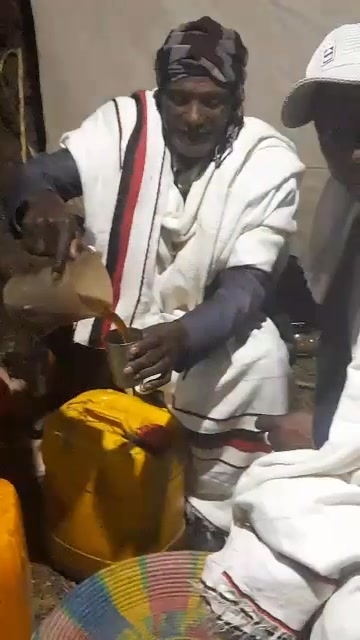
Kora Lammii akka Dirree Sabaatti: Akkamitti Korri Lammii Buundhaa Hundee Tokkummaa Aadaa Oromoof Mootora Ta’e
Amboo Ejersaatti Korri Lammii Buundhaa ardaalee Jaha jiraniif Aadaa fi Safuu Cimsuuf Ta’e
AMBO EJERSA, OROMIA — Dirree aduudhaan jiidhe naannoo Boojii irratti, sagaleen sirba kora lammii Buundhaa waa’ee eenyummaa fi duudhaalee callisaa, gadi fagoo ta’e waliin walsimsiisaa jira. Wanti akka jalqabbiilammii keessaatti jalqabe gara taatee hawaasaa guddaatti guddateera, korri lammii haaromsa aadaa wajjin haala wal hin tuqneen wal makaa jira.
Dorgommiin Kora Lammii Amboo Ejersaa dargaggoota Oromoo ardaalee adda addaa ja’a: Itayyaa, Amboo, Meexxii, Maatiii, Waddeessaa, fi Shanan irraa walitti fiduun milkaa’inaan walitti fiduun isaa ni yaadatama. Walga’iin isaanii walgahii caalaa; itti yaadanii gocha hawaasummaa deebi’anii walitti hidhamuudha. Kaayyoon giddu-galeessaa, akkuma hirmaattotaa fi qindeessitoonni walqixa ibsaman, waancaa bira darbee kan babal’atudha: Korri lammii aadaa aadaa (aadaa) fi safuu (seera naamusaa fi naamusaa) Oromoo cimsuuf akkamitti humna cimaa ta’uu akka danda’u qorachuuf yaalii walooti.
“Kaayyoon waltajjii marii uumuu ture,” jechuun qindeessaan korichaa ibseera. “Goolii fi qusannaa qofaaf osoo hin taane, haasa’uuf, dhaggeeffachuu fi eenyu akka taane yaadachuuf. Humna korichaa fayyadamuun waa’ee bu’uuraalee keenyaa marii boba’aa jirra.”
Mul’ata kanaaf dhugaa ta’ee, cinaa fi iddoowwan hawaasaa naannoo dirree jiran gara waltajjii marii boonsaatti jijjiiramaniiru-marii hawaasaa bal’aa, gadi fageenya qabu. Maanguddoonni, daawwattoonnis hojiirra oolmaa qabatamaa safuu jireenya ammayyaa keessatti, kunuunsa afaanii fi seenaa afaaniin dubbatamu, akkasumas gahee dargaggoonni akka guca aadaatti qaban irratti ofumaan marii irratti bobba’aa jiru.
”Korri Lammii kun maagneetiidha, garuu haasofni kun qabeenya dhugaati,” jedhan jaarsi buleeyyiin yeroo akeeka isaa ibsan. “Miseensi Kora Lammii Waddeessaa akaakayyuu Itaayyaa irraa dhufe tokko waliin taa’ee waa’ee kabajaa fi hawaasaa haasa’uu arguun… aadaan akkasitti hafuura baafata. Duudhaaleen kun kitaabota qofa keessatti osoo hin taane, gocha keenya guyyaa guyyaa keessatti akka ta’an akkamitti mirkaneessina.”
Miirri garmalee hirmaattota biratti mul’atu gammachuu fi itti quufinsa gadi fagoodha. ”Hirmaachuuf qofa hin dhufne,” jedhe miseensi Kora Lammii Buundhaa irraa dhufe. “Walqabsiisuuf dhufne. Jarreen kana waliin walarguu, achiis nyaachuu fi booda isaan waliin haasa’uu-dallaa ijaan hin mul’anne ni diiga. Akka ummata tokkootti akka cimnu nu taasisa.”
Miira namoota hedduu kan dhageessisan, hirmaattonni saganticha gaalee Afaan Oromoo humna guddaa qabuun wal irraa hin cinne ibsu: “Korre lammii kun waan haalan nama gammachisuu dha,” hiikni isaas, “Lammummaan hawaasaa kun waan gammachuu gadi fagoo, onnee irraa madde fiduudha.”
Korri Lammii Buundhaa Amboo Ejersaa akka moodeela dirqisiisaa sochii aadaa bu’uuraa ta’ee dhaabbatee jira. Meeshaaleen lubbuu ummata tokkoo kunuunsuuf gargaaran yeroo hunda dhaabbilee idilee keessatti akka hin argamne, garuu jaalala waloo kora lammii, dorgommii fi eenyummaa waliinii irraa maddu akka danda’an agarsiisa. Taphi kora lammii yommuu dhihaatu, injifannoowwan waaraa asitti argaman qabxiidhaan osoo hin taane, walitti hidhamiinsa cimee fi waadaa haaromfameen hambaa Oromoo boonsaan fuulduratti ceesisuuf akka madaalamu ifaadha.
The Goal is Deeper Than the Net: How a Kora Lammii—a community pitch Match Rekindles a Nation’s Soul
Subtitle: In Ambo Ejersa, the beautiful kora lammii—a community pitch Becomes a Classroom for Culture, Proving That Our Strongest Defence is Unity
The scene is familiar—a dusty pitch, the sharp cry of a whistle, the unified gasp of a crowd as a ball soars toward the goal. But in the Boji area of Ambo, the familiar scene is telling a profoundly unfamiliar, and more beautiful, story. Here, the Ambo Ejersa Community gathering has become something far greater than a community gathering. It has transformed into a living, breathing symposium on survival.
Kora Lammii of Buundhaa from Itaya, Ambo, Meti, Machi, Wadesse, and Shanen did not just come to compete. They came to convene. In a world where fragmentation is often the default, these generation chose convergence. They built a kora lammii—a community pitch—and upon it, they are rebuilding a community spirit. The real match is not just between teams; it is a collective struggle against the erosion of identity. The victory they seek is the preservation of their cultural soul: aadaa and safuu.
This is the quiet, revolutionary power of what is happening. In the breaks between matches, in the shade of Odaa tree, the kora lammii gathering organically spawns marii boonsaa—deep, communal dialogues. These are not academic lectures, but urgent, grassroots consultations. How do we practice respect (safuu) in a digital age? How do we wear our culture (aadaa) not as a costume for holidays, but as daily armour against assimilation? The gathering is the ignition; the conversation is the sustainable fire.
What these young people in Boji instinctively understand is a truth many societies grapple with: culture is not a museum artifact. It is a muscle. It atrophies without use. It strengthens under collective strain. By using the universal language of community gathering to strengthening the dispersed chapters of their community, they are creating a gymnasium for their Oromumma. They are exercising their shared identity, passing the weight of tradition from elder to youth, ensuring it does not grow weak.
The palpable joy reported by participants—“waan haalan nama gammachisuu dha” (it is something that brings deep joy)—is the most important metric here. This joy is not merely the thrill of sport. It is the profound relief and empowerment that comes from reconnection. It is the joy of speaking your mother tongue freely in a crowd that understands its nuance. It is the joy of seeing your values reflected in the conduct of your peers—in a fair tackle on the field, in the respectful deference to an elder off it.
In an era where globalized culture often flattens uniqueness, the Ambo Ejersa Buundhaa gathering is an act of gentle defiance. It declares that the future need not be a departure from the past, but a continuation of it, adapted on our own terms. These players are not running away from their heritage to chase modernity; they are sprinting toward a future where their heritage is the foundation of their strength.
The commentary from the sidelines, therefore, should be one of keen observation and high praise. This is grassroots cultural innovation at its finest. The kora lammii gathering is proof that the most effective guardians of a people’s spirit are not always politicians or institutions, but can be its youth, a ball, and a collective will to remember. They have remembered that the most crucial goal to defend is the one protecting their very essence. And in that defense, they are finding not just victory, but a deep and abiding joy.
More Than a Gathering: Lammii gathering of Buundhaa in Boji Becomes a Hub for Oromo Cultural Revival
Subtitle: Lammii gathering of Buundhaa from Across the Region Unite on the Pitch, Spark Community Dialogue on Aadaa and Safuu
BOJI, OROMIA — The sound of cheering fans and bouncing footballs has become a powerful call to unity in the rural landscape of Boji. Here, at the Ambo Ejersa gathering, a simple cultural gathering event has blossomed into a profound social gathering, uniting Oromo generations from various parts of the country and reigniting vital conversations about cultural heritage and values.
The generation gathering has successfully drawn teams that map the Oromo heartland: local generation from Boji are competing alongside their brothers from Itaya, Ambo, Meexxii, Maatii, Wadesse, and Shanan. This convergence on the lammii pitch represents a significant grassroots effort to strengthen communal bonds that stretch across the region.
“This is truly something that brings joy,” remarked an elderly spectator, Bulo Tadese, his eyes following the energetic play. “In these times, seeing our sons from different corners come together in peace and healthy competition… it warms the heart. Waan haalan nama gammachisudha (It is profoundly joyous).”
Yet, the true significance of the event extends far beyond the final score. In the shade of trees and under makeshift tents, the community surrounding the gathering is engaging in a parallel, equally important contest: a collective effort to reclaim and revive core Oromo principles.
During breaks and after matches, elders, players, and spectators are gathering for marii boonsaa—meaningful, extended community dialogues. The central focus is the urgent discussion of aadaa (culture/tradition) and safuu (a deep-seated moral and ethical code governing respect and social harmony).
“This lammii gathering of Buundhaa was the spark, but the conversation is the real fire,” said organizer Dhaqaba Gammada. “We play the meeting to bring the generation of Buundhaa together, but we use this gathering to ask important questions: How do we preserve our identity? How do we practice safuu in our daily lives? The energy here shows our people are hungry for this discussion.”
The spontaneous emergence of these dialogues points to a deep-seated community desire to navigate modernity while firmly rooting the younger generation in their cultural foundation. Elders see it as a chance to impart wisdom, while youth see it as a space to understand their heritage in a contemporary context.
The Ambo Ejersa lammii gathering of Buundhaa stands as a powerful example of how lammii gathering can serve as a catalyst for social cohesion and cultural preservation. It demonstrates that the goal is not only to win games but to strengthen the very fabric of the community, ensuring that the values of aadaa and safuu are passed on, debated, and lived.
As the lammii gathering of Buundhaa continues, the message is clear: the most important victory is happening off the field, in the hearts and minds of a people rediscovering the strength of their shared identity.
አቢይና ኢሳይያስ ስለ ሰብአዊ መብት ጥሰቶች የጋራ ስጋት
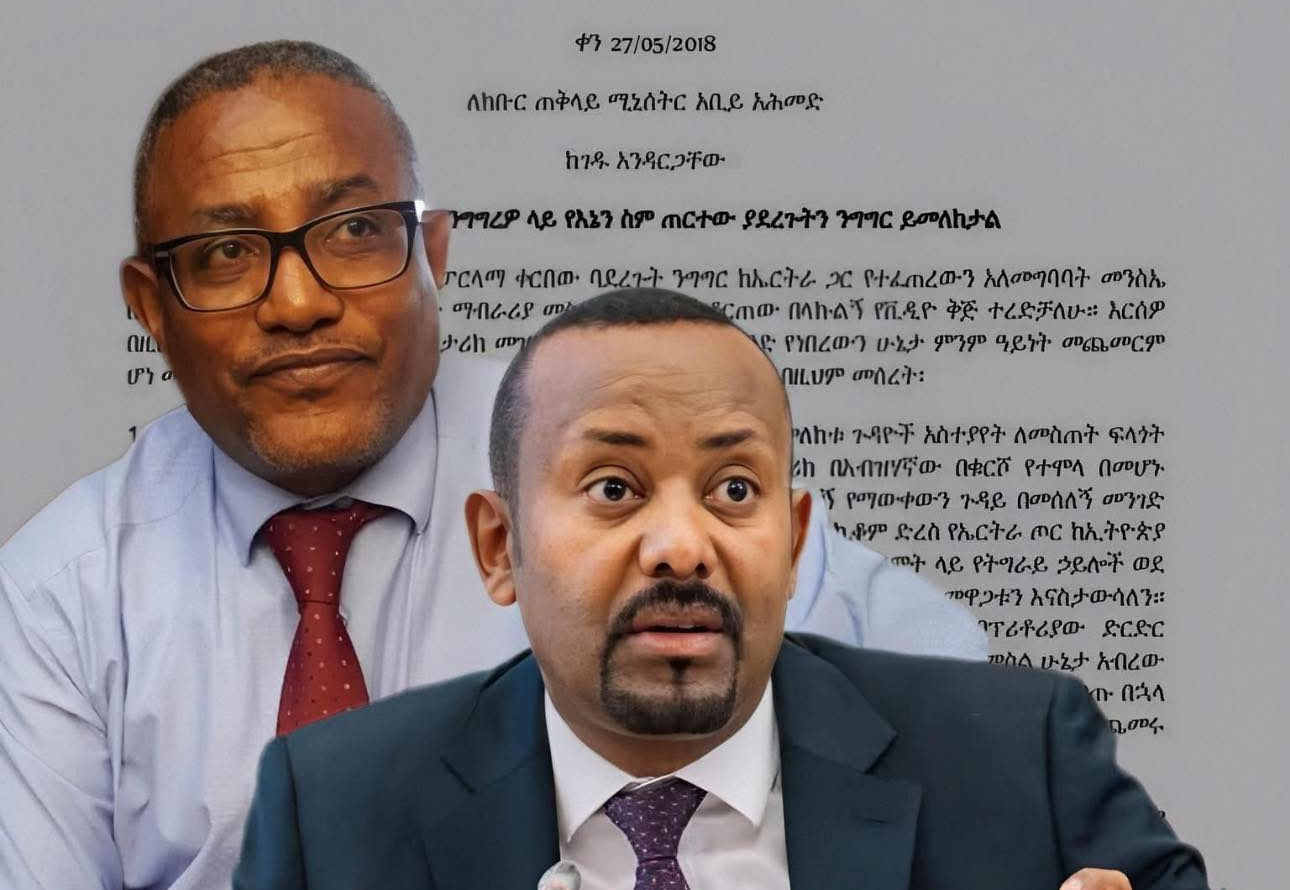
የግላዊ ደብዳቤ ያጋለጠው፡ አቢይና ኢሳያስ ስለ ሰብአዊ መብት ጥሰቶች ተጠያቂነት የጋራ ስጋት ነበራቸው
የካትት 2026 – የቀድሞው ባለስልጣን ገዱ አንደርጋቸው በጠቅላይ ሚኒስትር አቢይ አህመድ ላይ ባቀረቡት ግላዊ ደብዳቤ ውስጥ የቀረበው ውስጣዊ መልዕክት ማስተላለፍ፣ የኢትዮጵያና የኤርትራ መሪዎች በትግራይ ጦርነቱ መጀመሪያ ላይ በሰብአዊ መብት ጥሰቶች ዙሪያ ሊመጣ የሚችል ተጠያቂነት የጋራ ስጋት እንደነበራቸውና ይህን በግል ውይይት እንደተነጋገሩበት ያመለክታል።
እንደ ደብዳቤው መረጃ፣ በጥር 2021 ዓ.ም. ጠቅላይ ሚኒስትር አቢይ አህመድ ገዱን በማንሳት ወደ ፕሬዚዳንት ኢሳይያስ አፈወርቂ የሚያስተላልፉትን መልዕክት እንዲያቀርቡ ማዘዛቸው ተመስክሯል። ከመልዕክቶቹ መካከል አንዱ፣ “አንዳንድ የወያኔ ደጋፊዎች እና የኢትዮጵያን እና የኤርትራን መልካም ግንኙነት የማይፈልጉ የውጭ ሃይሎች፣ በተለያዩ ዓለም አቀፍ ድርጅቶችና ሚዲያዎች አማካኝነት ከሰብአዊ መብት ጥሰት ጋር በተያያዘ ሰፊ የስም ማጥፋት ዘመቻ ከፍተውብናል፡፡” በማለት የያዘ ነበር።
መልዕክቱ፣ “ይህ ነገር ውሎ አድሮ በሁለታችንም ላይ ጣጣ ሊያመጣብን ስለሚችል የጋራ ጥንቃቄ ልናደርግ ይገባል” በማለት ከተስፋፋው ክስ ቀጣይ ከባድ ማስከፋት ሊያጋጥማቸው እንደሚችል ያሳስባል።
እንደ ደብዳቤው ዘገባ፣ የፕሬዚዳንት ኢሳይያስ አፈወርቂ ምላሽ በዚህ አመለካከት ተስማምቶ “የሚቻለው ጥንቃቄ ሁሉ እንዲደረግ” ሁለቱም ወገኖች ለተቀናጀ አቅጣጫ ማሰጠት እንዳለባቸው ተናግሮ፣ ከዚያም “በተረፈ እኔና አብይ በተስማማነው መሰረት ገና ብዙ የሚሰሩ ስራዎች አሉ” ማለታቸው ተመስክሯል።
ደብዳቤው እንደሚያመለክተው፣ ገዱ ይህን መልስ ለጠቅላይ ሚኒስትር አቢይ ሲያቀርቡ ስብሰባው አዎንታዊ እንደነበር እና ፕሬዚዳንት ኢሳይያስም በሰብአዊ መብት ክሶች ዙሪያ የጥንቃቄ አስፈላጊነትን እንደገና እንዳጠነከሩ ሪፖርት አድርገዋል።
ይህ የግል ውይይት፣ አሁን ወደ ህዝብ ተሰርዞ፣ በሁለቱም የጦርነት ጊዜ የሁለቱም አገራት መደበኛ የሆኑትን ሪፖርቶችን በመቃወም የተለየ አቀራረብ ሲያቀርቡ ከነበረው መደበኛ የወገን አመለካከት ጋር ተቃራኒ ነው። በሁለቱም መሪዎች ደረጃ ከጦርነቱ መጀመሪያ ጀምሮ የሰብአዊ መብት ጥሰቶች የሚያስከትሉት “ከባድ ተጠያቂነት” እንደ እውነተኛ አደጋ እንደተደረሰበት ያሳያል።
የገዱ ደብዳቤ ይህን ውይይት በአስመራ የነበረው ተልዕኮ በፖለቲካዊና በሕጋዊ መከላከያ ላይ ያተኮረ እንጂ በሰብአዊ እርዳታ ላይ አልነበረም በማለት በመግለጽ “ስለ ትግራይ ህዝብ መከራ ምንም ዓይነት መልእክት አልተላለፍም” በማለት አጽንቷል።
For more detail see the official Amharic letter of Gedu Andargachew
Pioneering Agronomist Dr. Paulos Dubale (1944-2026): A Legacy of Science and Service Against the Odds
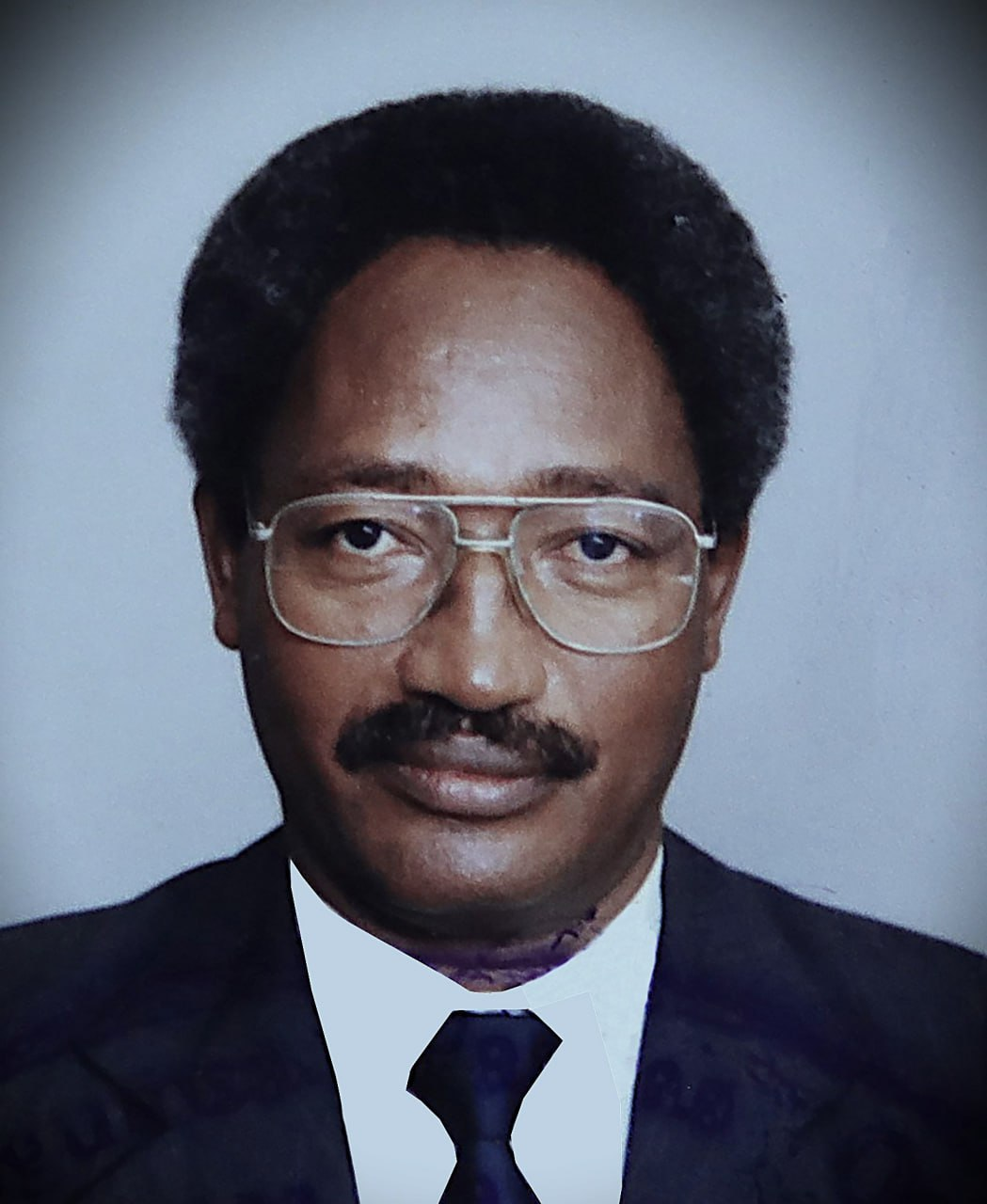
Addis Ababa, Ethiopia – The life of Dr. Paulos Dubale, a groundbreaking Ethiopian agronomist and soil scientist, stands as a powerful testament to a relentless pursuit of knowledge and an unwavering dedication to national development, often achieved in the face of severe institutional and financial constraints.
Born in June 1936 E.C. in Kendo Wolayta, Dr. Paulos’s journey began humbly in local schools before he pursued agriculture at the then-Alemaya College of Agriculture. His talent was quickly recognized; excelling as both a student and a singer, he was appointed as a “Student Singer” to a national development campaign, which led to his first research posting at the Jimma Agricultural Research Station in 1968 E.C.
His career would become synonymous with coffee research, a cornerstone of Ethiopia’s economy. Recognizing a critical shortage of specialists, the research institute sponsored him for a Master’s degree at the University of Hawaii, USA, which he earned in Horticulture with a focus on coffee. Despite his professors’ strong recommendations to pursue a doctorate immediately, a lack of replacement staff at home forced his premature return to Ethiopia—a recurring theme of institutional limitations that would challenge his progress for years.
A Champion of Collaboration Against Scarcity
Back at the Jimma research center, Dr. Paulos rose to lead the coffee research team and later coordinated the entire national coffee research program. His role expanded dramatically as he was tasked with simultaneously managing the nascent Soil and Water Research directorate. Archival documents reveal a continuous, frustrating struggle: numerous invitations for doctoral fellowships in Italy, the Netherlands, and the UK were declined by the institute due to a crippling “lack of qualified manpower” to fill his role.
His perseverance finally paid off in 1982 E.C. when, with World Bank funding, he secured a “Split PhD” program at Wye College in the UK. This allowed him to conduct research in Ethiopia while completing his degree, which he earned in 1986 E.C. He returned immediately to Ethiopia and was appointed Director of the newly formed National Soil and Water Research Directorate.
A Life of Multifaceted Service and Modest Reward
Dr. Paulos’s leadership extended beyond the lab. He taught at Alemaya University, served on the board of the Metehara Sugar Factory, and was an active member of the Ethiopian Society of Soil Science. His scientific contributions were prolific, authoring or co-authoring over 60 publications, including progress reports, technical papers, journal articles, and handbooks.
Despite his monumental contributions, his personal compensation starkly highlighted the sacrifices made by a generation of scientists. Records show that upon his retirement, his monthly salary was just 3,335 Ethiopian Birr, with a responsibility allowance of 450 Birr. His pension was calculated at 1,576.78 Birr per month.
His career was also marked by extensive international travel for training and conferences, taking him to the USA, UK, Brazil, Ghana, Tanzania, India, Uganda, Sri Lanka, and Kenya, where he represented Ethiopia’s scientific community.
Forced to retire in 1991 E.C. upon reaching the mandatory age, his expertise was deemed so indispensable that his tenure was extended twice, allowing him to continue coordinating vital research projects for an additional six years before his final retirement in 1997 E.C.
Dr. Paulos Dubale’s story is not merely one of personal achievement but a narrative of intellectual resilience. It illustrates the profound impact one dedicated scientist can have—nurturing a key economic sector, mentoring future generations, and building institutional capacity—even when operating within a system strained by scarcity. His legacy endures in Ethiopia’s agricultural research foundations and serves as a powerful inspiration for the nation’s scientific community.
 Oromedia