Oromo Rights Protest Held in London, Demanding International Action on Ethiopia
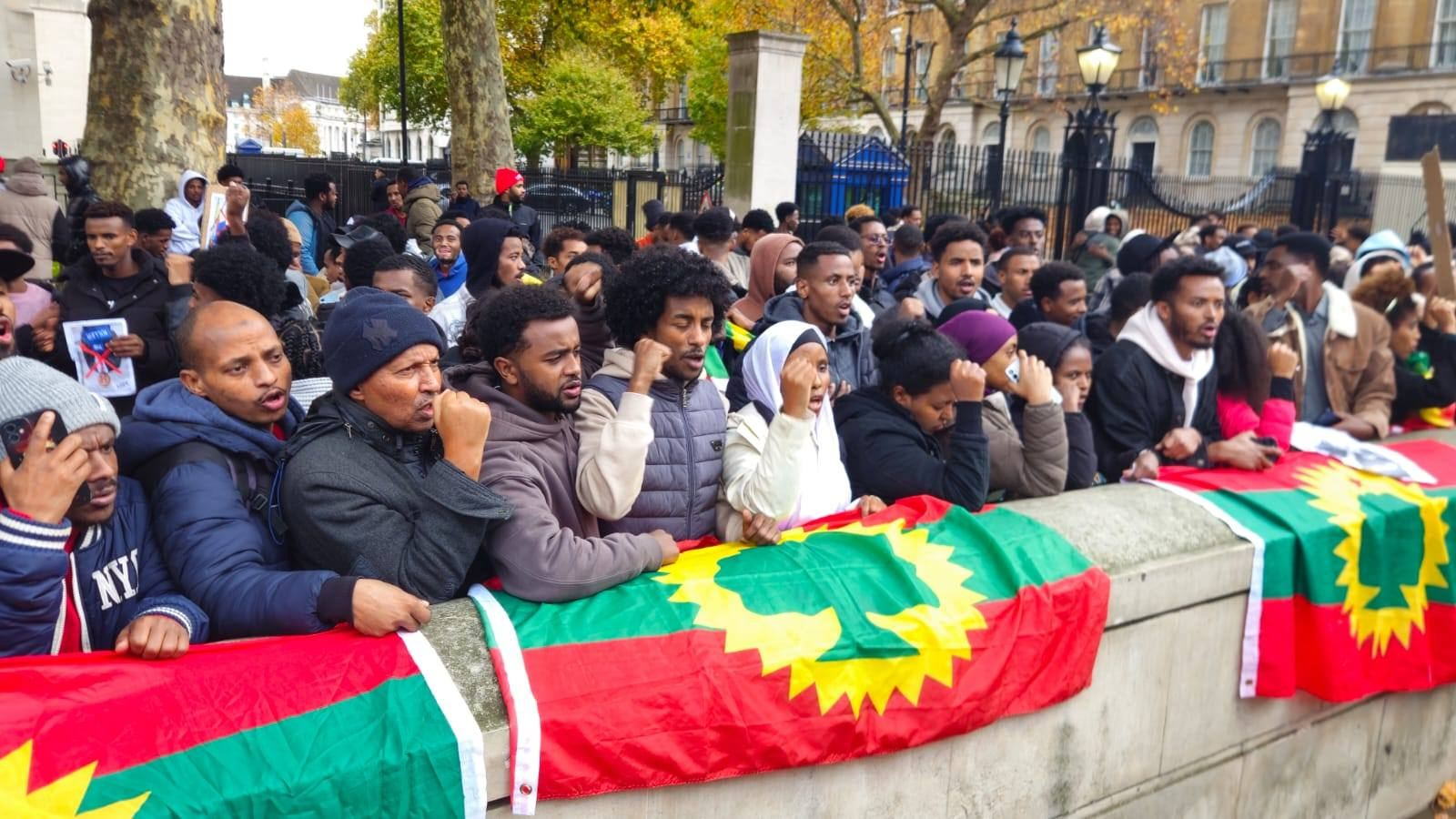
LONDON, UK – December 10, 2025 – A protest organized under the banner “Tumsa Haqa Oromoo” (Support Oromo Rights) was held in London, with participants calling for an end to human rights abuses in Ethiopia and international intervention to halt the ongoing violence in the Oromia region.
According to Dr. Gizaaw Taasisaa, a member of the organizing committee who spoke to OMN, the protest’s key objectives were to condemn the widespread human rights violations and killings targeting the Oromo people, demand an end to the attacks on Oromia’s borders, and urge the global community to take decisive action.
Protesters highlighted that the offensive on Oromia’s borders has enabled militias, particularly the “Fino” in Western and Central Oromia, to carry out mass killings against civilians.
Key Demands Presented
As outlined by Dr. Gizaaw Taasisaa, the demonstrators presented several critical demands to the Ethiopian government:
- Immediately halt the forced conscription of children into the military.
- Cease the killings of Oromo civilians.
- End the genocide and the military operations being conducted across Ethiopia.
- Withdraw all forces from Oromia.
Furthermore, protesters called for justice and accountability, demanding:
- The cases of murdered artists and activists, including Haacaaluu Hundeessaa and Battee Urgeessaa, and all other victims be brought to light.
- The unconditional release of all political prisoners in Ethiopia.
- That Ethiopian officials responsible for crimes be brought before international courts.
Focus on Dirree Dhawaa and International Complicity
The protest also specifically condemned the government’s ongoing attacks in the Somali regional state against Oromia. Dr. Gizaaw Taasisaa emphasized that the city of Dirree Dhawaa is historically, legally, demographically, and geographically part of Oromia.
Finally, the demonstrators called on the UK Government and international financial institutions to suspend all financial and diplomatic support to the Ethiopian government. A formal petition detailing these grievances was also submitted to the UK Foreign Office.

የግጭቶች መቆምና የፀጥታ ዋስትና
በኢትዮጵያ ነፃና ፍትሃዊ ምርጫ ለማካሄድ የሚያስችሉ ሁኔታዎችን ስለመፍጠር ከተቃዋሚ ፓርቲዎች የተሰጠ ጋዜጣዊ የጋራ መግለጫ
*************
ቀን መቁጠሪያ ዴሞክራሲ አይደለም፤ ለ2018 ዓ.ም ምርጫ የተጀመረውን እንቅስቃሴ አስመልክቶ የምርጫ ሂደቱ ከመጀመሩ በፊት መሰረታዊ ማሻሻያዎች እንዲደረጉ በጋራ እንጠይቃለን።
እኛ ስማችን ከሥር የተዘረዘረው የተቃዋሚ ፓርቲዎች የኢትዮጵያ ብሔራዊ ምርጫ ቦርድ ለ2018 ዓ.ም.ጠቅላላ ምርጫ እያደረገ ያለውን እንቅስቃሴ በቅርበት እየተከታተልን ነው፡፡ ይህንን የአሰራር ሂደት ከቦርዱ ተግባርና ኃላፊነት አንጻር የምንገነዘብ ቢሆንም፣ ዛሬ በኢትዮጵያ ውስጥ ምንም አይነት የዴሞክራሲያዊ ሂደት መሰረት በሌለበት ሁኔታ፤ በተጀመረው እንቅስቃሴ አስቻይ ሁኔታዎች መኖራቸው ባልተረጋገጠበት ጥረቱ ሁሉ ትርጉም አልባ መሆኑን በግልፅ መናገር እንፈልጋለን።
ቀደምት የኢትዮጵያ ምርጫዎች አግላይ፣ ጠቅላይና አምባገነናዊ ለሆነ የፖለቲካ ስርዓት ህጋዊነትን ለማላበስ የሚደረጉ የፖለቲካ ትወናዎች ሆነው ቆይተዋል። እነዚህ ያለፉት ምርጫዎች በሂደታቸው ነፃ፣ፍትሃዊና አሳታፊ፣ በውጤታቸውም ተኣማኒና በህዝብ ተቀባይነት ያገኙ አልነበሩም።
በዚህም ምክንያት የሀገሪቱን ጥልቅ የፖለቲካ ችግሮች ከመፍታት ይልቅ የግጭትና ያለመረጋጋት አዙሪትን ሲያባብሱ ቆይተዋል። እውነታው ምርጫ የዜጎች ዲሞክራሲያዊ መብት መገለጫ እንጂ የገዢዎች ሥልጣን ማስረገጫ ሊሆን አይገባም:: ስለሆነም የ2018 ዓ.ም. ምርጫ ካለፈው ታሪክ የተለየና አስተማማኝ ሰላም ለመገንባት የሚያስችል እውነተኛ እርምጃ እንዲሆን፤ ምቹ ሁኔታ መፍጠር አማራጭ ሳይሆን ቅድመ ሁኔታ መሆኑን አበክረን እናሳስባለን ፡፡
ስለሆነም ሀገራችን ስለምርጫ ፍኖተ ካርታው/ ሂደቱም ሆነ የጊዜ ሰሌዳው ትርጉም ባለው ደረጃ ከመወያየቷ በፊት የኢትዮጵያ መንግስት በሚከተሉት የማይታለፉ መሰረታዊ ሁኔታዎች ላይ አፋጣኝና ተጨባጭ እርምጃዎችን እንዲወስድ ጥሪ እናቀርባለን። እኛ ተቃዋሚ ፓርቲዎች በኢትዮጵያ ውስጥ ነፃ፣ ፍትሃዊና ተዓማኒነት ያለው ምርጫ ሊካሄድ የሚችለው መሰረታዊ ዲሞክራሲያዊ ሁኔታዎች ሲሟሉ ብቻ መሆኑን በተደጋጋሚ በጋራና በተናጠል ስናሳስብ ቆይተናል። በመሆኑም አሁንም ለዲሞክራሲያዊ ምርጫ መካሄድ ወሳኝ ናቸው የምንላቸው የሚከተሉት ቅድመ ሁኔታዎች እንዲሟሉ አጥብቀን እንጠይቃለን፡፡
1. ሁሉን አቀፍ የፖለቲካ ድርድር
መንግስት ከሁሉም ተቃዋሚ ፓርቲዎች ጋር በእውነተኛ የዴሞክራሲያዊ ሽግግር የጋራ ፍኖተ-ካርታ ላይ ለመስማማት የሚያስችል አፋጣኝና ሁሉን አቀፍ ፖለቲካዊ ውይይት መጀመር አለበት። ምርጫ ከመካሄዱ በፊት በስደትና በትጥቅ ትግል የሚገኙትን ጨምሮ በሁሉም የፖለቲካ ሃይሎችና ባለድርሻ አካላት መካከል ሁሉን አቀፍ ውይይት በማድረግ ብሔራዊ መግባባት መፍጠርና ዕርቅ ማውረድ አስፈላጊ ነው። በሀገሪቱ አንገብጋቢ ጉዳዮች ላይ ሰፊ ውይይትና ድርድር ሳይደረግና ስምምነት ላይ ሳይደረስ የሚካሄድ ምርጫ የፖለቲካ ቀውሱን ከማባባስ ውጪ መፍትሄ ሊያመጣ አይችልምና በድርድር ስምምነት ላይ ሊደረስ ይገባል።
2. የግጭቶች መቆምና የፀጥታ ዋስትና
መንግሥት የሀገሪቱን ሠላና ጸጥታ የማረጋገጥ ቀዳሚና ዋነኛ ተግባርና ኃላፊነቱ ቢሆንም በኦሮሚያ፣ በአማራ፣በትግራይ፣ በአፋርና በሌሎች የሀገሪቱ ክልሎች እየተካሄዱ ያሉ አውዳሚ ጦርነቶችና ግጭቶች እየተሰፋፉና እየከፉ ነው፡፡ ይህ እውነታ በአፋጣኝ፣ በቋሚነትና በሚረጋገጥ መልኩ መቆም አለበት። ሰላምና ፀጥታ ለማንኛውም አስተማማኝ ምርጫ መሰረት ሲሆኑ፣ ፓርቲዎችና እጩዎቻቸው፣ መራጮች፣ ገለልተኛ ታዛቢዎችና የዲሞክራሲ ተቋማት/ መገናኛ ብዙሃን በመላ ሀገሪቱ በነፃነትና በደህንነት መንቀሳቀስ ለምርጫው ተኣማኒነት፣ ተቀባይነትና ዲሞክራሲያዊነት ወሳኝ ናቸው።
3. የፖለቲካ ምህዳሩ ያለ ምንም ቅድመ ሁኔታ መከፈት
መንግስት አሁንም በግፍ ታስረው የሚገኙ የፖለቲካ ፓርቲ አመራሮችና አባላትን ጨምሮ ሁሉንም የፖለቲካ እስረኞች ያለ ምንም ቅድመ ሁኔታ በአፋጣኝ መልቀቅ አለበት። በህገ-ወጥ መንገድ በመላ ሀገሪቱ የተዘጉ በመቶዎች የሚቆጠሩ የሁሉም የተቃዋሚ ፓርቲ ቢሮዎች እንዲከፈቱ መደረግና በፖለቲካ ተቃዋሚዎች ላይ የሚደርሰው ማዋከብና ማስፈራራት ሙሉ በሙሉ መቆም አለበት። አሁን ባለው ሁኔታ አብዛኞቹ የፓርቲ አመራሮችና አባላት በእስር ላይ በሚገኙበትና ቢሮዎቻቸው በተዘጉበት ሁኔታ በምርጫ መሳተፍ እጅግ ፈታኝ ብቻ ሳይሆን ከአጃቢነት ያለፈ ፋይዳ አይኖረውምና መስተካከል እንዳለበት ይታመናል።
4. መሰረታዊ የዲሞክራሲ የተቋማትና የህግ ማሻሻያዎች
የህዝብን እምነት ለመመለስ ቁልፍ የዴሞክራሲ ተቋማት ከተጽዕኖ ነጻ የሆነ እንቅስቃሴ ማድረግ አለባቸው። እኛ ከነዚህ ዋናውን የኢትዮጵያ ብሔራዊ ምርጫ ቦርድ- ምርጫን የማስፈጸም አቅምና ብቃት አለውን ? የሚለውን ጥያቄ አስቀድመን፣ በፖለቲካ ፓርቲዎች ውክልናና ተሳትፎ፣ በግልፅና በስምምነት ላይ በተመሰረተ ሂደት፣ ከላይ/ከቦርዱ እስከ ታቺኛው/ምርጫ ጣቢያ በነጻና ገለልተኛ ብቁ አባላት እንደገና እንዲዋቀር እንጠይቃለን። በተጨማሪም የምርጫ ህጉ ሁሉን አቀፍ፣ ፍትሃዊና ተመጣጣኝ ውክልናን የሚያረጋግጥ ስርዓት ለመፍጠር መሰረታዊ ማሻሻያ ሊደረግበት፣ እና የፓርቲዎች የድጋፍ ፊርማ ማሰባሰብ ድንጋጌ ከህጉ ሊወጣ ይገባል።
5. የመንግስት መዋቅሮች ገለልተኝነት ማረጋገጥ
በእኛ እምነት ገለልተኛና ከፖለቲካ ወገንተኝነት የጸዳ የጸጥታ መዋቅር መፍጠር ለምርጫ ወሳኝ ነው። የጸጥታ ሃይሎች የዜጎችን ሰብአዊና ዲሞክራሲያዊ መብቶች እንዲያከብሩና ለሁሉም ፓርቲዎች እኩል የሆነ የመወዳደሪያ ሜዳ እንዲኖር እንዲያደርጉ እንጠይቃለን። ዜጎች ያለስጋት በሰላም ተንቀሳቅሰው ድምጻቸውን መስጠት የሚችሉበት አስተማማኝ ሁኔታ ሊፈጠር ይገባል። በመሆኑም የፀጥታ ሀይሎች—የመከላከያ ሰራዊት፣ የፌደራልና የክልል ፖሊስ እንዲሁም የደህንነት ተቋማትን—እንዲሁም የፍትህ አካላትን ሙሉና ተጨባጭ ገለልተኝነት የሚያረጋግጥ በህግ የሚያስገድድ የጋራ ስምምነት መኖር አለበት። እነዚህ ተቋማት ገዥውን ፓርቲ ሳይሆን ሐገርንና ህገ-መንግስቱን ማገልገል አለባቸው።
6. የፕሬስ ነፃነትን ማረጋገጥ
በጋዜጠኞች ላይ የሚደርሰው ስደት መቆምና ገለልተኛ ሚዲያዎችን የሚያፍኑ ህጋዊና አስተዳደራዊ እንቅፋቶችን ማስወገድ ለአንድ ግልፅ የምርጫ ሂደት ወሳኝ ነው። ስለሆነም ለሁሉም የአገር ውስጥና የውጪ/ዓለም አቀፍ ሚዲያዎችና ምርጫ ጣቢያዎችና መረጃዎች እኩል ተደራሽነት እንዲኖራቸውና የማሰራጨት ገደብ እንዳያጋጥማቸው ይደረግ ዘንድ ይጠበቃል፡፡
7. የሀገር ውስጥና አለም አቀፍ የምርጫ ታዛቢዎች ተሳትፎ
መንግስት ምርጫው ፍትሃዊ፤ አሳታፊና ነፃ መሆኑን ለማረጋገጥ የሀገር አቀፍና ዓለም አቀፍ ታዛቢዎችና የሌሎች የዲሞክራሲ ተቋማት በምርጫ ሂደቱ ከቅድመ ምርጫ የአስቻይ ሁኔታዎችና የምርጫ ምዝገባና ዝግጅት ዳሰሳ ጥናት እስከ ድኅረ-ምርጫ ኩነቶች ክትትል፣ ከተጽዕኖ ነጻ ሆነው ስለመሳተፋቸው በግልጽ መደንገግና ለተግባራዊነቱም ተገቢና አስፈላጊ ሁኔታዎች መሟላታቸውን ማረጋገጥ አለበት፡፡ ምርጫ ቦርድ የሀገር ውስጥ ታዛቢዎች የሚባሉት ነጻነታቸውና ገለልተኝነታቸው በፖለቲካ ፓርቲዎች ሳይረጋገጥ መመደብ የምርጫውን ተኣማኒነትና ተቀባይነት አያረጋግጥምና ተገቢው ጥንቃቄ ሊደረግ ይገባል፡፡
እነዚህ ተስፋዎች ባዶ ቃላት እንዳይሆኑና የፍትሃዊ ምርጫ አስቻይ ሁኔታዎች መሟላት በአፍሪካ ህብረት (AU)፣በአውሮፓ ህብረት (EU) እና፣ በተባበሩት መንግስታት (UN) በሚገኙ ገለልተኛ አለም አቀፍ ተዋናዮች ክትትል ሊደረግባቸውና በዋና ዋና የምርጫው ተሳታፊዎች – በምርጫ ቦርድ ፣ የፖለቲካ ፓርቲዎች፣ የምርጫ ታዛቢዎች፣ መገናኛ ብዙሃን፣ የዲሞክራሲ ተቋማት መካከል አስተማማኝ መተማመንና ስምምነት መደረስ በይፋ ሊረጋገጥ ይገባል።
ስለሆነም እኛ የመግለጫው ባለቤቶች መንግስትና ገዥው ፓርቲ እነዚህን መሰረታዊ ቅድመ ሁኔታዎች እንዲያሟሉና ለሁሉም ወገኖች ነፃና ፍትሃዊ የሆነ የውድድር ምህዳር እንዲፈጥሩ በድጋሚ ጥሪያችንን እናቀርባለን ። እነዚህ ሁኔታዎች ሳይሟሉ የሚደረግ ማንኛውም ምርጫ የህዝብን ፍላጎት ከመግለጽ ይልቅ የይስሙላ ዲሞክራሲ ማሳያ እንደሚሆን እናምናለን።
እኛ ወደ ዴሞክራሲያዊት ኢትዮጵያ የሚደረገው ጉዞ አንድ ፓርቲ ብቻውን ቀርቶ የተወሰኑ የዲሞክራሲ ተቋማት ብቻቸውን ሊወጡት የማይችሉት ታላቅ ተግባር ነው ብለን በፅኑ እናምናለን ፡፡
ስለሆነም እኛ የዚህ መግለጫ ባለቤት የተቃዋሚ ፓርቲዎች ፡-
– በኢትዮጵያ ውስጥ ላሉ ሃቀኛ ዲሞክራሲያዊ የፖለቲካ ፓርቲዎችና የሲቪክ ሀይሎች፣ የሚዲያ ተቋማት፣…ሁላችንም ባለድርሻ አካላት በአንድነት እንድንቆም ጥብቅና አስቸኳይ ጥሪ እናቀርባለን፡፡
– በሀገር ዘላቂ ሠላምና ልማት፣ ሉዓላዊነትና አንድነት፣ በህዝብ መተሳሰብና መረዳዳት፣ አብሮነትና ፍቅር ያለተቀናቃኝነት በአጋርነት በመቆም እነዚህን መሰረታዊ ቅድመ ሁኔታዎች በጋራ እንጠይቅ ዘንድ ጥሪያችንን እናቀርባለን፡፡
– የ2018 ዓ.ም. ምርጫ ታሪካዊ ለውጥ ሊያመጣ የሚችለው፣ መጀመሪያ መገንባት ያለበትን የዴሞክራሲ መሰረት ከገነባን ብቻ ነውና በአንድነት የመቆማችን ተልዕኮ ለነገ የሚባል አይደለምና እንተባበር ዘንድ ጥሪያችንን እናቀርባለን።
– የኢትዮጵያችን ወዳጅ ሀገራትና አጋር ዓለማቀፋዊ፣ አህጉራዊና ቀጠናዊ ህዝቦች ለሀገራችን ዲሞክራሲያዊ ሥርዓት ግንባታ በምናደርገው ትግል ከጎናችን በመቆም ለሀገራችንና ህዝቦቿ ከፍተኛ ውለታ እንድትውሉ ጥሪያችንን እናቀርባለን፡፡
አንድነት ኃይል ነው!! የተባበረ ትግል ያሸንፋል!!
የተቃዋሚ ፓርቲዎች :-
1) ህብር ኢትዮጵያ ዲሞክራሲያዊ ፓርቲ (ህብር ኢትዮጵያ)
2) የመላው ሲዳማ ሕዝብ ዲሞክራሲያዊ አንድነት ፓርቲ (መሲሕዴአፓ)
3) ባልደራስ ለእውነተኛ ዲሞክራሲ ፓርቲ (ባልደራስ)
4) የኢትዮጵያ ሕዝብ አብዮታዊ ፓርቲ (ኢህአፓ)
5) የኢትዮጵያ ሶሻል ዲሞክራቲክ ፓርቲ (ኢሶዴፓ)
6) የኢትዮጵያ ፖለቲካ ፓርቲዎች አንድነት መድረክ (መድረክ)
7) የኦሮሞ ነጻነት ግንባር (ኦነግ)
8 ) የኦሮሞ ፌዴራሊስት ኮንግሬስ (ኦፌኮ)
9) የዎላይታ ብሄራዊ ንቅናቄ (ዎብን)
10) ዐረና ትግራይ ለዲሞክራሲና ሉዓላዊነት (ዐረና ትግራይ)
አዲስ አበባ፣
ህዳር 03, 2018 ዓ.ም.
Why Sadaasa 9 (November 9) holds a place of supreme importance in the history of the Oromo struggle for freedom?
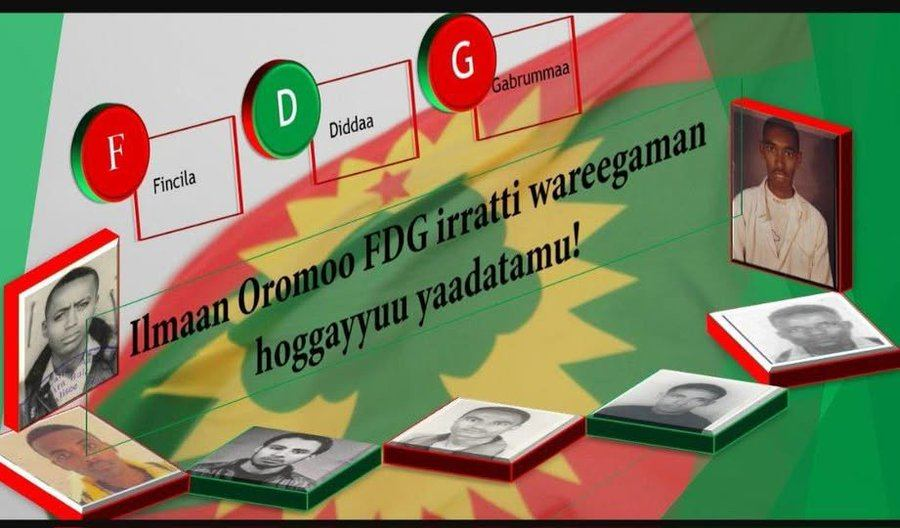
Sadaasa 9 (November 9) holds a place of supreme importance in the modern Oromo struggle for freedom because it marks the beginning of a watershed protest movement that fundamentally transformed the nature of the resistance against the Ethiopian government.
Here is a detailed breakdown of why this date is so significant and is commemorated annually.
1. The Trigger: The “Master Plan” for Addis Ababa
The immediate catalyst was the **2006 Master Plan**, a massive urban expansion scheme by the government that aimed to annex large swathes of Oromia farmland surrounding the capital, Finfinne (Addis Ababa). For the Oromo people, this was not merely a municipal boundary adjustment; it was an **existential threat**. It meant:
* Mass Dispossession: The forced eviction of Oromo farmers from their ancestral land with little to no compensation.
* Cultural Erasure: The further erosion of Oromo identity, sovereignty, and their historical connection to Finfinne.
* Economic Marginalization: The loss of livelihood for millions, turning self-sufficient farmers into a displaced underclass.
The Master Plan was seen as the ultimate symbol of garbummaa (systemic exploitation, subjugation, and denial of Oromo rights) under the Ethiopian state.
2. The Outbreak of the Oromo Protests (Fincila Diddaa Garbummaa – FDG)
In response to this plan, widespread protests erupted spontaneously, primarily led by **Oromo youth (the Qeerroo)**. While discontent had been simmering for decades, **Sadaasa 9, 2015**, marks a pivotal moment when these protests exploded into a coordinated, mass movement.
The protests that began on and around this date were characterized by:
* Mass Mobilization: It was not led by a single political party but was a genuine grassroots uprising involving students, farmers, professionals, and elders across virtually all of Oromia.
* Strategic Non-Violence: Initially, the protests were largely peaceful, involving marches, sit-ins, and the symbolic raising of the Oromo flag.
* A Clear, Unified Message: The protests unified various Oromo grievances—political marginalization, economic exploitation, cultural suppression—under the central demand to cancel the Master Plan and secure Oromo self-rule.
3. The Government’s Brutal Crackdown and Martyrdom
The Ethiopian government’s response was swift and extremely violent. Security forces used live ammunition, mass arrests, torture, and intimidation to crush the protests.
This crackdown had a profound effect:
* Creation of Martyrs: Hundreds, and eventually thousands, of unarmed protesters were killed. Sadaasa 9 became a day to remember these wareegamtoota (martyrs) who gave their lives for the cause.
* International Spotlight: The brutal suppression drew unprecedented international attention from human rights organizations like Amnesty International and Human Rights Watch, global media, and diplomats, putting the Ethiopian government under intense scrutiny.
* Radicalization of the Movement: The violence convinced many Oromos that peaceful protest was futile, further cementing their resolve and transforming the **Qeerroo** into a formidable, disciplined force for change.
4. A Historic Turning Point
The protests that began on Sadaasa 9, 2015, ignited a fire that could not be extinguished. They:
* Shattered the Climate of Fear: For the first time in a generation, the Oromo public massively and openly defied the state.
* Forged a New Generation of Leaders: The **Qeerroo** movement demonstrated immense organizational skill and strategic patience.
* Laid the Groundwork for Political Change: The sustained pressure from these protests over the next three years critically weakened the ruling party and was the primary force that led to the resignation of Prime Minister Hailemariam Desalegn and the rise of Abiy Ahmed in 2018. The **Master Plan was officially canceled** in January 2016 as a direct result of the protests.
—
Summary: Why Sadaasa 9 is Commemorated
In essence, Sadaasa 9 is commemorated because it marks the birth of the Oromo Protest Movement—a decisive, transformative moment in the struggle.
* It is a Day of Remembrance: To honor the courage and sacrifice of the wareegamtootaa (martyrs) who were killed.
* It is a Day of Resistance: It symbolizes the collective rejection of garbummaa and the reclaiming of Oromo identity and agency.
* It is a Day of Resilience: It celebrates the power of a united people to challenge a repressive state and force historic political concessions.
* It is a Foundational Date for Modern Oromo Nationalism: For the Oromo youth and the diaspora, it represents their “1776” or “Sharpeville”—a defining date where their generation took center stage in the fight for their people’s future.
Therefore, Sadaasa 9 is not just a date on the calendar; it is a powerful symbol of sacrifice, unity, and the unyielding pursuit of freedom in the face of overwhelming odds.
Irreecha: A Celebration of Thanksgiving and National Aspiration

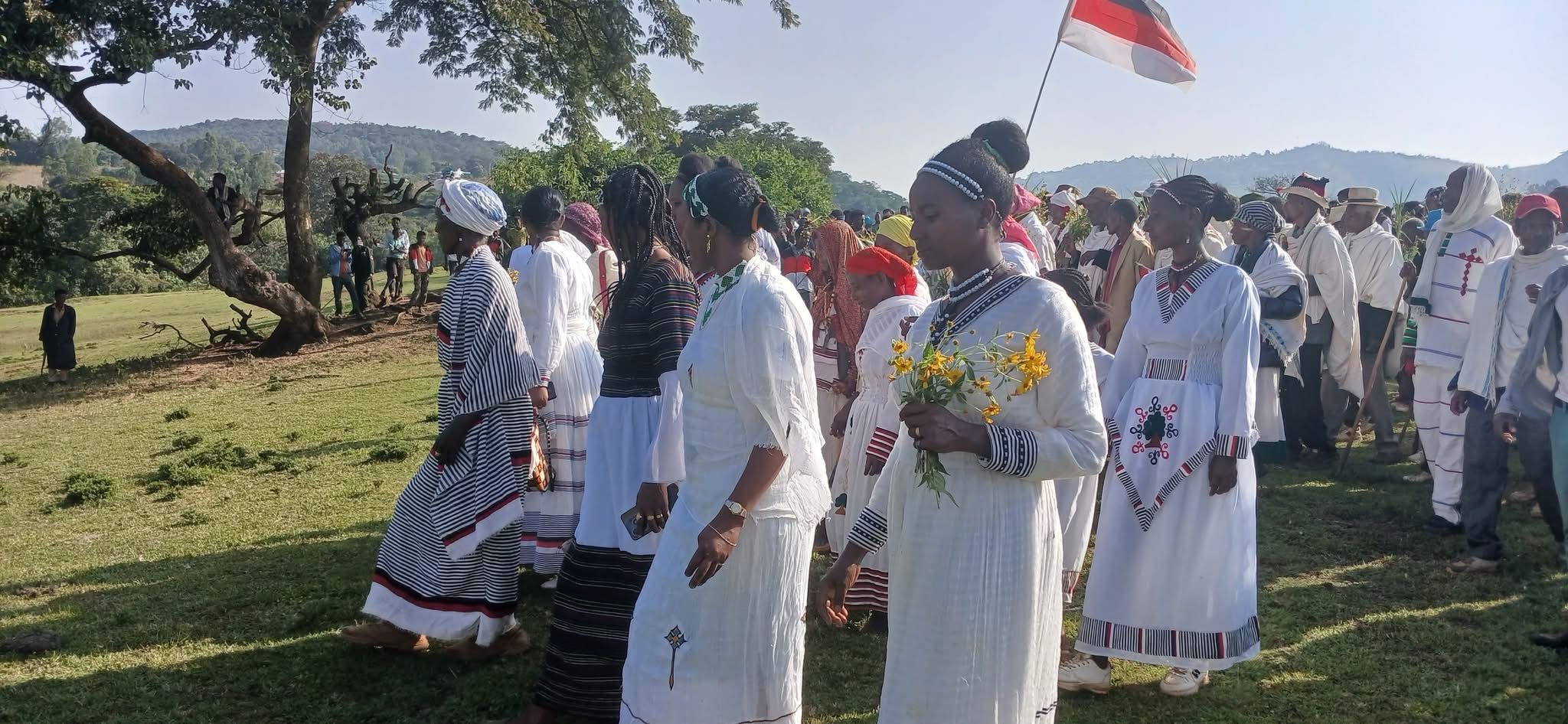
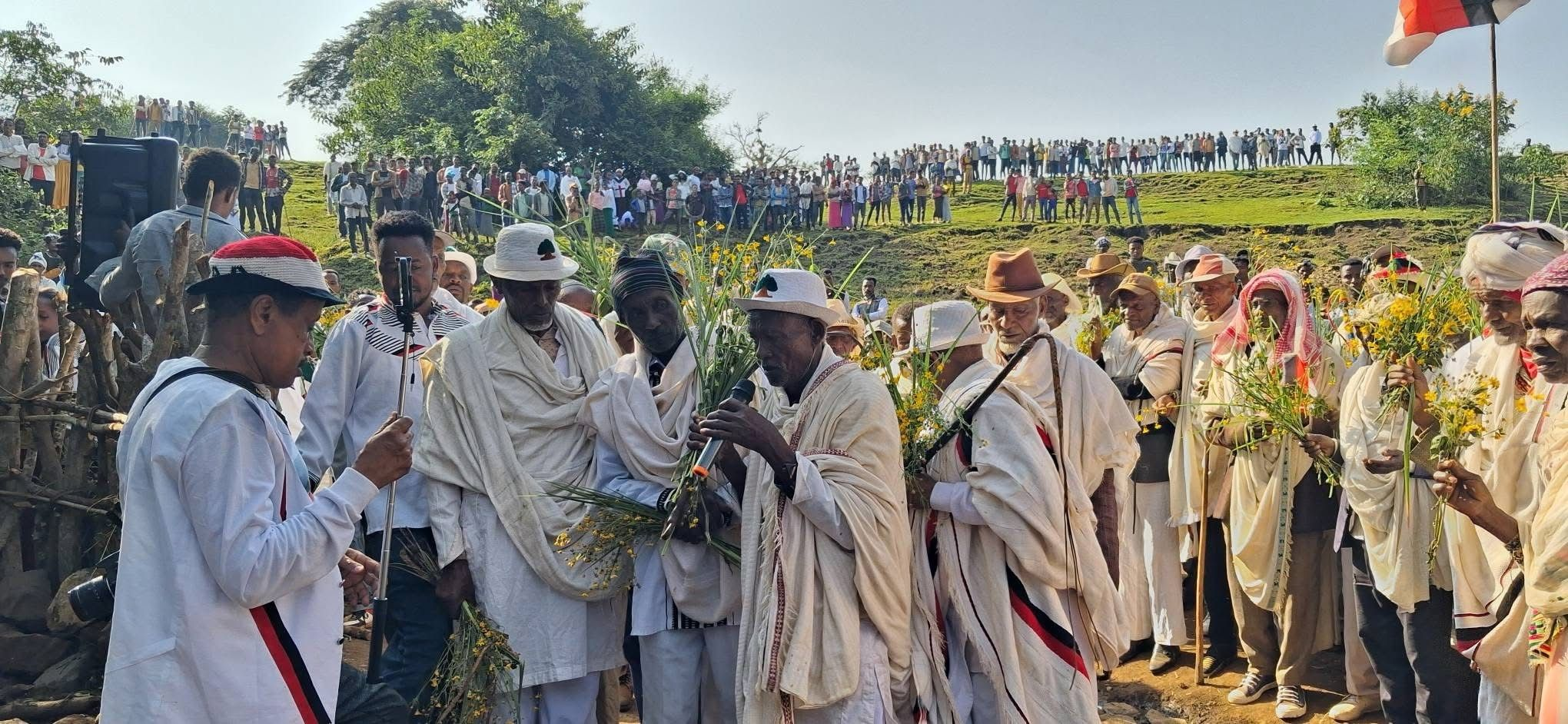
In 2025, the Irreecha festival was celebrated with great warmth and magnificence in Iluu Hagaloo Hora Haleeluut, Waamaa district of the East Wollega Zone, Oromia.
Irreecha is more than a festival; it is a profound cultural cornerstone of the Oromo people, born from the Gadaa system. It strengthens the bond between past and present generations and, crucially, fosters brotherhood and unity among the diverse nations and nationalities of our country.
Irreecha: A symbol of hope, a festival of forgiveness and reconciliation. During Irreecha, the Oromo people gather, holding fresh grass, and journey to the river. They give thanks to Waaqa (God) for guiding them through the harsh winter and into the promising spring. It is a moment to pray for peace, prosperity, unity, and love for our nation and society, showcasing the greatness and virtuous name of the Oromo people to the world.
This grand festival stands as a powerful example for the world. It is a celebration that affirms Oromo identity and culture, strengthens unity and brotherhood, reinforces social bonds, and serves as a collective prayer for national peace and an expression of hope for a bright future.
Therefore, national development must be rooted in more than just knowledge, capability, specialized skills, wealth, and strong military power. It is essential to nurture, develop, and proudly transmit our rich culture, history, language, and national identity from generation to generation, presenting them as a solid foundation to the global community.
We must harness the global recognition of Irreecha—this festival of peace, love, unity, beauty, mutual respect, and inclusivity—for the benefit of our national economy. In doing so, we solidify the foundation of our country’s development.
What problems could Ethiopia’s push for sea access, which it champions as a national cause, create for the region?
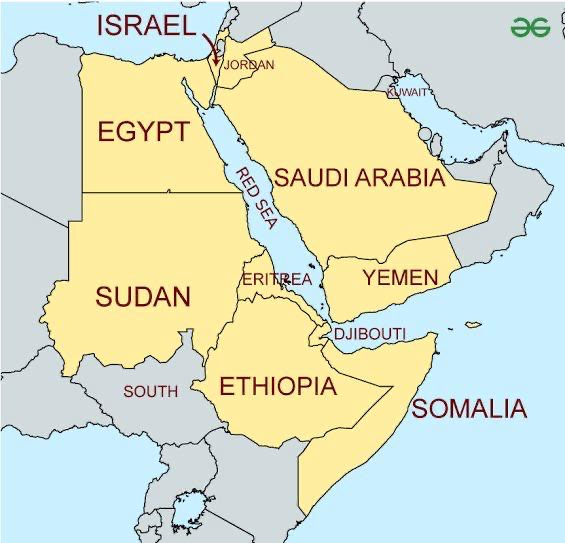
This is a well-framed question that gets to the heart of a complex geopolitical issue. Ethiopia’s push for sea access, while driven by its own economic and historical imperatives, has the potential to create significant problems for the Horn of Africa region.
Here is a breakdown of the potential problems, categorized for clarity:
1. Direct Bilateral Tensions and Conflict
The most immediate risk is the escalation of disputes with neighboring countries.
· With Eritrea: Any assertion of a “right” to sea access is likely to be interpreted by Eritrea as a direct threat to its hard-won sovereignty and its ports of Assab and Massawa. This could:
· Re-ignite the dormant border conflict and military tensions.
· Scupper any chance of normalizing relations, keeping the region in a perpetual state of cold war.
· With Somalia: Any potential deal for port access or a lease in the Somali region (e.g., Somaliland) that bypasses the fragile Federal Government in Mogadishu would:
· Be seen as a violation of Somali sovereignty and territorial integrity.
· Severely undermine the federal government’s authority and fuel nationalist sentiment.
· Potentially destabilize the delicate political balance within Somalia, empowering extremist groups like Al-Shabaab, who could use it as a rallying cry.
2. Regional Destabilization and Shifting Alliances
Ethiopia’s actions could force a realignment of regional alliances, creating new fault lines.
· The Somaliland Precedent: A formal deal with the breakaway region of Somaliland would be a seismic event. It would:
· Effectively recognize Somaliland’s independence, shattering the African Union’s long-standing principle of upholding colonial-era borders (uti possidetis).
· Inflame secessionist tensions across the entire continent, setting a dangerous precedent.
· Force other regional powers (Egypt, UAE, Turkey) to take sides, potentially creating a proxy conflict.
· Red Sea Militarization: The Red Sea is already a strategic chokehold with heavy international naval presence. A desperate or assertive Ethiopian push could lead to:
· An arms build-up along coastlines as neighboring countries seek to secure their assets.
· Increased interest and intervention from non-African powers (e.g., Iran, Turkey, Gulf States) seeking to leverage the dispute for their own strategic advantage.
3. Economic and Trade Disruptions
The Horn of Africa is a critical node for global trade.
· Port Politics and Leverage: Neighboring countries like Djibouti (which hosts a major Ethiopian military base and handles ~95% of its trade) could use Ethiopia’s desperation as leverage.
· They could raise port fees or restrict access during diplomatic spats, holding the Ethiopian economy hostage.
· Disruption of Critical Sea Lanes: Any significant military conflict or sustained political instability in the region risks disrupting traffic through the Bab el-Mandeb strait, a vital passage for global shipping and energy supplies. This would have immediate international economic consequences.
4. Undermining Regional Diplomacy and Norms
Ethiopia’s approach challenges foundational principles of regional cooperation.
· Erosion of IGAD and AU Authority: By pursuing a unilateral, assertive path, Ethiopia undermines the regional bodies (IGAD, African Union) that are meant to mediate such disputes. It signals that might-makes-right is preferable to diplomatic negotiation.
· Breakdown of Trust: For decades, regional cooperation has been built on fragile trust. A forceful Ethiopian campaign to secure a port would shatter that trust, making future collaboration on shared challenges (climate change, terrorism, water management) extremely difficult.
Conclusion
In summary, Ethiopia’s championing of sea access as a national cause is not just a bilateral trade issue; it is a potential regional catalyst. It threatens to:
· Re-open old wounds with Eritrea.
· Dismember a sovereign state in Somalia.
· Shatter a foundational continental norm on border integrity.
· Trigger a new round of arms races and proxy conflicts in the strategically vital Horn of Africa.
While Ethiopia’s economic arguments have merit, the manner in which it pursues this goal will determine whether it becomes a driver of development or a source of profound and lasting regional instability.
World Tourism Day Celebrated in Bunno Beddelle with Focus on Sustainable Change

Bunno Beddelle, Ethiopia – World Tourism Day was observed at the district level in Makkoo district, under the global theme “Tourism and Sustainable Change.”
The event highlighted the region’s significant potential for tourism-driven economic growth.
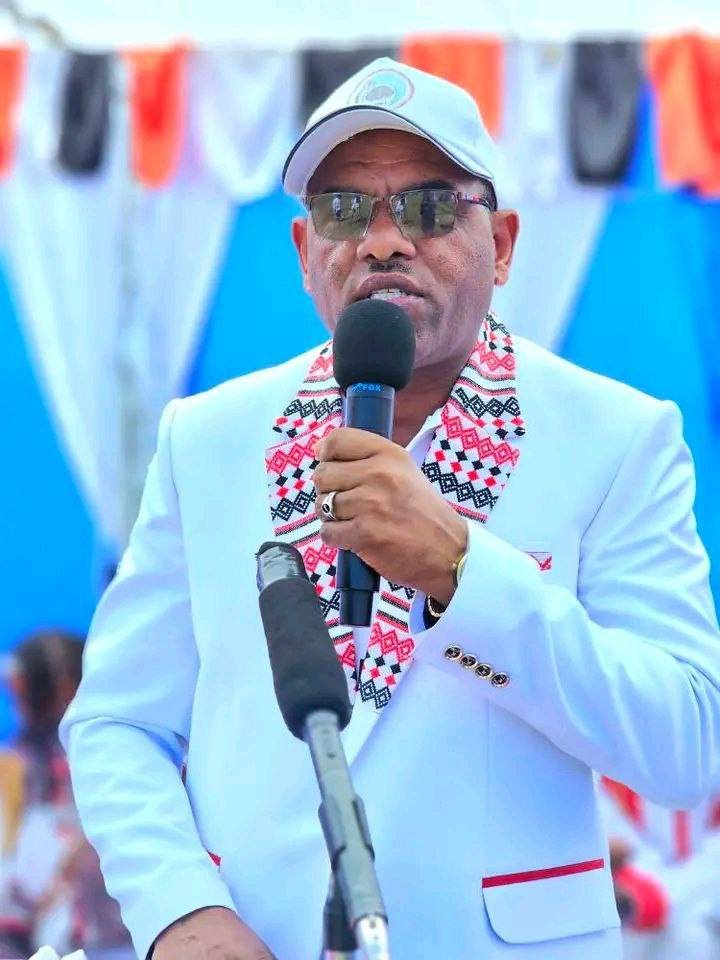
Makkoo District Governor, Tamasgeen Ayyaanaa, emphasized that the district is endowed with numerous tourism resources that can serve as a vital source of income for the community.
Echoing this commitment, the Head of the Buno Beddellee District Culture and Tourism Office, Mrs. Tigist Andaargee, outlined ongoing efforts to develop the area’s natural and cultural attractions.
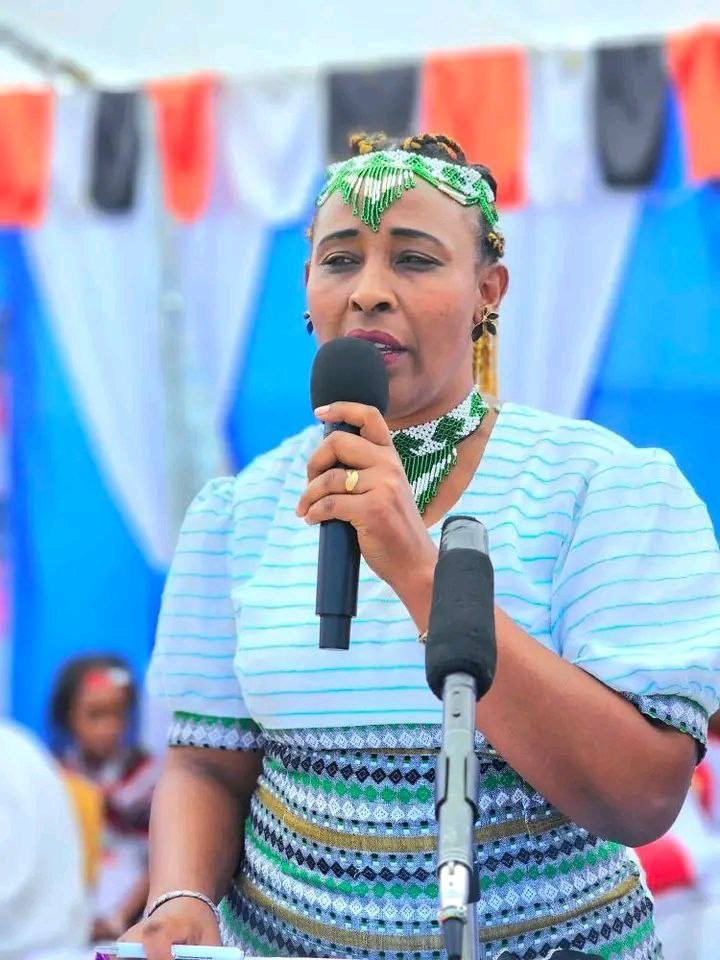
“As a district, we are working to systematically develop our natural and cultural tourism resources and make them a cornerstone of our local economy,” she stated.
Adding to this, the Deputy Governor of the District, Mr. Xilaahun Lammaa, underscored the administration’s dedication to preservation.
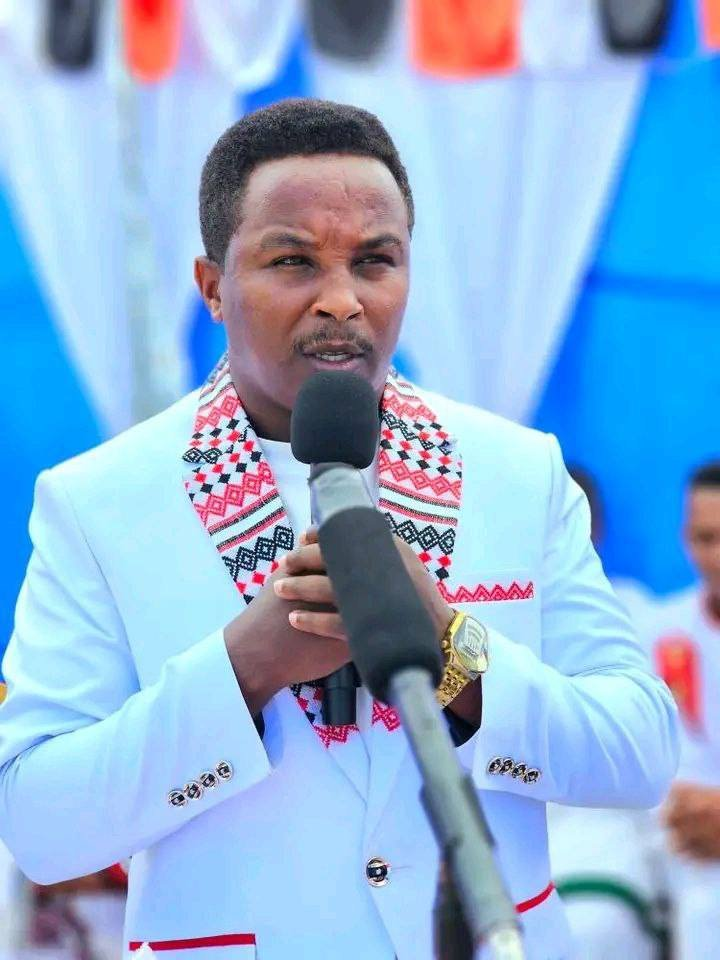
Mr. Xilaahun confirmed that the district will prioritize conserving its natural resources and actively promoting the unique cultural traditions of its people.
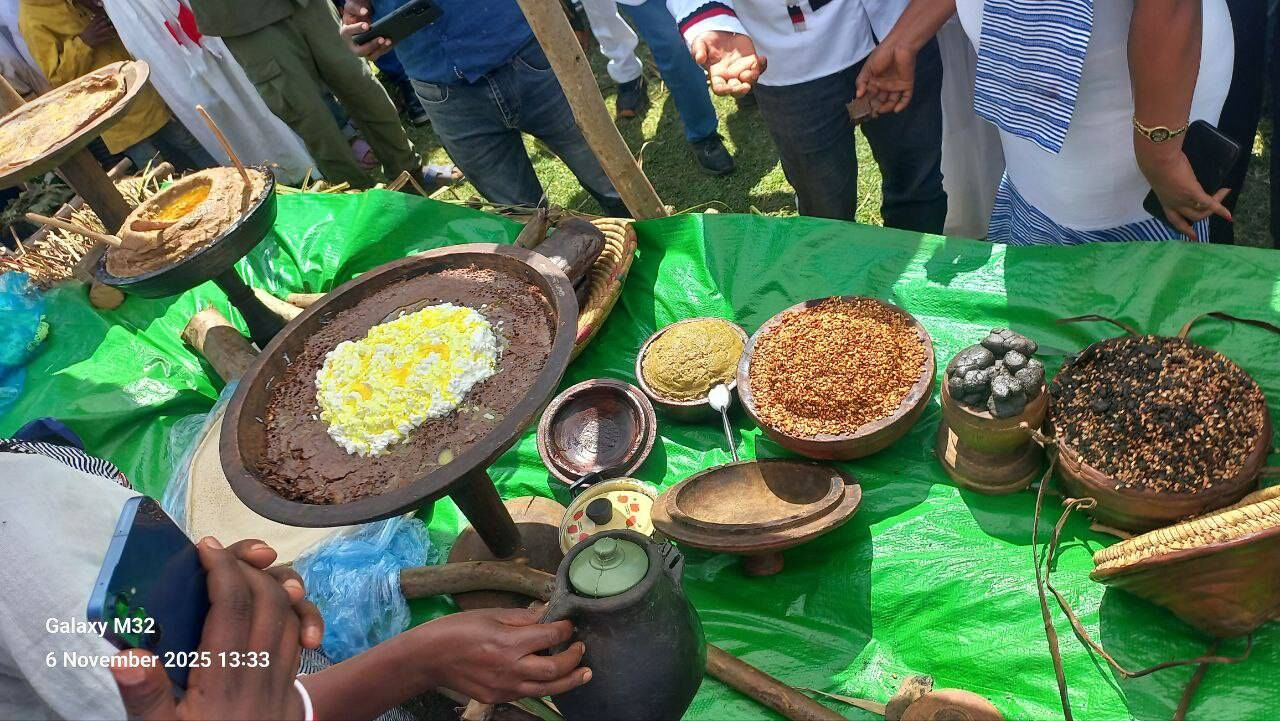
Sirna Gadaa Oromoo: Walargii fi Maaliif Murteessaa Dha?

Wal-argii hanga Nyaachisaatti Jila Gaammee Gurguddaa Ardaa Gaayootti
Finfinnee, Hagayya 20, 2017 (FMC) – Sirna Gadaa Oromoo, bu’uura aadaa, dudhaafi bulchiinsa uummata Oromoo keessatti ilmi Oromoo kamuu sadarkaalee guddinaa keessa darbu qaba.
Gadaan adeemsaa dheeraa keessa dhaloota horataa, guddisaa, gurmeessee, ijaaree gahoomsa.
Akkaataa sirna Gadaatti, keessumaa Gadaa Booranaa keessatti namni fuulduraaf Abbaa Gadaa ta’ee filatamu kan adda ba’u sadarkaalee guddinaa keessaa tokko kan ta’e sadarkaa Gaammee Gurguddaa irraa gara Kuusaa ce’uu lallabama.
Ijoolleen sadarkaa Gaammee gurguddaa keessa jiran, kan gogeessa tokkoo, utuu gara Kuusaatti hin ce’in bakka jiran hundarraa walitti dhufanii wal argu. Sirni Gaammeewwan gurguddoon kallattii adda addaatti dhufani itti walbaran kun Walargii jedhama.
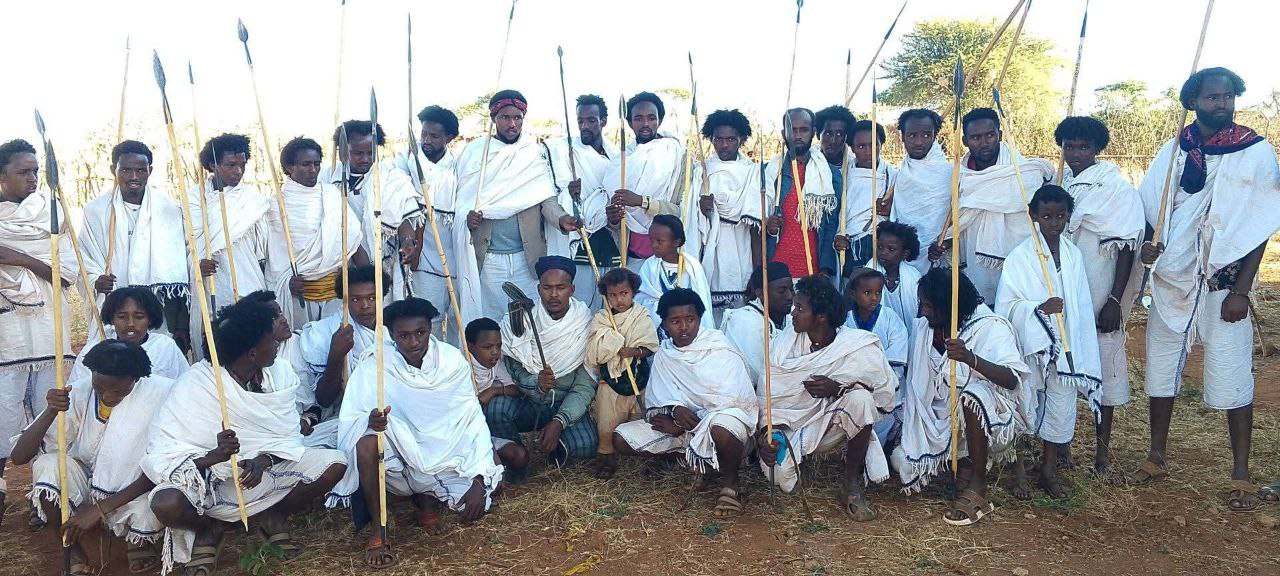
Biiroo Aadaa fi Tuurizimii Oromiyaatti dursaan garee sona aadaa Bonayaa Diidoo Faanaa Dijiitaalitti akka himanitti, ijoolleen Booranaa umurii kana keessa jiran biyya Keeniyaa irraa utuu hin hafin deggersa abbootii isaaniin bakka Gumii Gaayyootti walitti dhufanii walargu.
Kaayyoon wal argii kanaa ijoolleen gaammee gurguddoo gogeessa tokko ta’an ardaa kanatti dhufanii wal barachuu, wal arguufi wal beekuudha. Kaayyoon biraa seera, aadaa, safuu uummataa kabajuufi tokkummaa gogeessa isaanii cimsuudha
Walargiin waggaa saddeet keessatti yeroo tokko kan raawwatamuu dha.
Sirna guyyoota sadii hanga afuriitti turu kana irratti hirmaachuuf Gaammeewwan yeroo imala eegalan irraa kaasee bakka ga’anitti qubachaa uummannis qalee nyaachisaa, godina Booranaa aanaa Dhaas, bakka ardaa Gaayoo jedhamu hanga ga’anitti akkaataa kanaan imala itti fufu.
Gumii Gaayoottis Abbootiin Gadaa fi Abbootiin Lubaa ijoollee kana goggeessa tokko keessa jiraachuu isaanii adda baasuun walbarsiisu. Wal argiin kun qa’ee abbootii isaanii Abbaa Gadaa duraanii Guyyoo Gobbaatti wal geettee sangaa qalattee eebbifatti.
Sirni walargii kun sagantaa guddaa kan Abbaan Gadaa gara fuula duraa keessatti madaalamu sirna , ”Nyaachisa” jedhamee kan beekamuuf boqonnaa jalqabaati.
Sirni Nyaachisaa walbaruun booda ji’oota gara kudhanii booda kan raawwatamuu dha.
sirna nyaachisaa keessatti gara ji’oota shaniif Gaammeewwan utuu manatti hingalin diida turu, leenjii aadaa, duudhaafi safuu ummataa barataa lenji’aa turu.
Yeroo leenjii kana fooniifi dhiiga horiin alatti waan biraa hin nyaatan, manatti hingalan, qaama hin dhiqatan. Uffata hin dhiqatan, kophee faanaa hin keeyyatan, Qormaatilee jireenyaa shaakalaa turu.
Akkaataa ayyaana kaalandara aadaatiin yeroon nyaachisaa yemmuu ga’u, Gaammeewwan walbaranii turan sirna Guddaa kana irratti, Abbootii Gadaa, Luboota fi jaarrolee waliin deebi’anii walga’u.

Qalanii nyaatu, ni eebbifamu. Sirnicha Guddaa kan jechisiisu garuu nyaachuu fi dhuguun alatti qormaataafi leenjiin guddaan bakka itti kennamu ta’uu isaa ti.
Gaammeewwan leenjii fudhataa turan waldorgomu, ni madaalamu, ciminni qaamaa fi hubannaan bulchiinsa Gadaaf qaban ni qorama, dandeettii dubbii isaaniis ni ilaalama.
Gaammeewwan achitti walga’an keessaa kan qormaatilee kanaan hunda caalaa milkaa’etu gama gogeessaafi uummata bal’aatiin Hayyoota Adulaa fuula duraaf filamee, eebbifamee gosa biratti beekama. Gaafa umuriin isaa guutus Gadaa ta’ee baallii fudhatu.
Tibbanas Godina Booranaa Bahaa Aanaa Dhaasitti Gammeewwan guguddaan Booranaa Gaayootti walagii irra jiru.
Adoolessa 2018 keessa ammoo sirna Nyaachisaatu geggeeffama.
Kuluulaa Garbichaa fi Yoonaataan Birhaanuun.
Commemorating the 20th Anniversary of the FDG Revolution
On November 9, 2005, the Oromo Liberation Front (OLF) called upon the Oromo people to embark on a historic, peaceful struggle—the FDG Revolution. This call was answered with immense courage and profound organization by the Oromo youth, students, and farmers, who rose in unified resistance.
In this struggle, our Oromo heroes made the ultimate sacrifice, giving their irreplaceable lives for their nation. Their valor served to strengthen the foundation of the OLF-led liberation movement within the country and ensure its enduring presence among the people.
The enduring legacy of the FDG is its dual mission: to dismantle the forces of dictatorship and to lay the foundation for an Oromo people standing at the threshold of freedom. As we mark this 20th anniversary, we honor their sacrifice and reaffirm our commitment to the cause for which they so bravely fought.
The ‘Without Me’ Mentality and Ethiopia’s Crisis

Examining the Broader Causes of Instability in Ethiopia
===============================
The core argument, as articulated by Sena Jimjimo, founder of OLLAA, is that a lack of internal consensus and a toxic culture of “without me” thinking within Oromo political factions pose a significant danger to Ethiopia.
She contends that this mindset has led to a situation where:
Truth is Sacrificed for Unity: Oromo fighters avoid difficult truths with each other to maintain a superficial unity.
Individual Ambition Over Collective Good: The belief that liberation can only be achieved through a specific leader or group (“without me”) has been destructive.
Resulting Instability: This failure to build a unified, truth-based movement has ultimately made Ethiopia unsafe.
Counter-Response
While Sena Jimjimo raises valid concerns about the dangers of political fragmentation and individual ambition, her analysis risks misdiagnosing the core problem by focusing on a single group.
A more comprehensive perspective would argue that Ethiopia’s instability stems from a systemic failure to build a genuinely inclusive, multi-ethnic state, not from the internal dynamics of one community.
Here is a counter-response:
Subject: Re: Examining the Broader Causes of Instability in Ethiopia
The challenges facing Ethiopia are complex and cannot be attributed to the internal politics of any single group. While introspection within all political movements is necessary, framing the “Oromo” or “Oromo fighters” as the primary danger is a reductive and counterproductive narrative.
The true source of Ethiopia’s instability is the decades-long, systemic failure to establish a political framework where all ethnic groups feel they have a secure and equitable stake in the nation’s future. The “without me” mentality is not an Oromo-specific issue; it is a symptom of a zero-sum political culture that has been fostered by successive central governments. When communities are historically marginalized and their demands for self-determination are met with violence or empty promises, it inevitably breeds factionalism and a desperate struggle for agency.
Furthermore, the call for “unity” must be critically examined. Too often, calls for national unity have been a pretext for suppressing legitimate grievances and enforcing assimilation. The courage to tell “the truth” that Ms. Jimjimo calls for must apply equally to all sides—including acknowledging the historical injustices that have fueled the very divisions she laments.
Therefore, the path to a safe and stable Ethiopia does not lie in singling out one group, but in addressing the foundational issues: building robust institutions that guarantee justice and equality for all, fostering a culture of genuine political compromise, and creating a shared national identity that respects and celebrates Ethiopia’s rich diversity. The solution requires a collective responsibility from all of Ethiopia’s national political forces, not a critique of one.
OLF Prepares for 7th Round Elections: Key Strategies Revealed
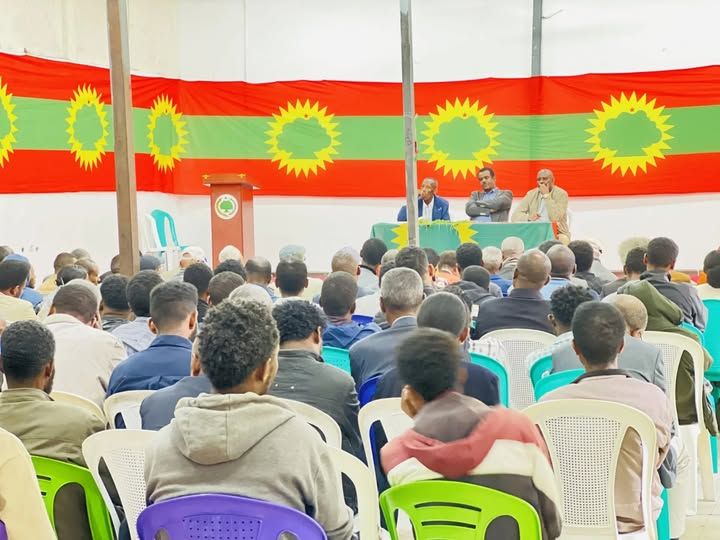
FINFINNE – The Oromo Liberation Front (OLF) is finalizing its preparations for the upcoming 7th round of national elections and is collaborating with the National Election Board to meet all requirements, according to a statement from the party.
The announcement was made by OLF Member Secretary-General Jaal Abdii Raggaasaa during a meeting at the party’s headquarters in Gullalle. He outlined the party’s strategic direction, emphasizing member duties, organizational growth, and the current political landscape.
On Party Building and Member Duties
Jaal Abdii Raggaasaa stressed that every member has a fundamental duty to recruit and mentor new members, beyond their assigned roles. “If the organization is not built, it cannot grow,” he stated, challenging each member to personally recruit at least ten individuals to strengthen the party’s structure.
He connected personal experience to collective success, noting that individuals bring diverse characteristics to the struggle. “From individual to group or union, there are those who take responsibility in the OLF struggle and bring results,” he said.
On Political Vigilance and Internal Security
The Secretary-General issued a stern warning against internal division and espionage. He urged members to report any individuals suspected of spying on the party for the government.
He also condemned members who work in multiple places or factions, describing such behavior as self-destructive. “The Irbuu (oath) is devouring,” he said, warning that those who take an oath of allegiance cannot stand in “two or three places.” He urged introspection, asking members to question their contribution to the collective cause.
On the National Political Context
Jaal Abdii Raggaasaa addressed the ongoing conflict in northern Ethiopia, expressing the participants’ concern that the war could expand into Oromia. He asserted that the OLF would not allow “Northerners to take over the country again,” and would not be a passive observer if any forces attempted to enter Oromia.
Regarding international influence, he pointed out that no one in Africa comes to power without the will of Western governments. However, he added that the OLF does not believe Western governments are currently willing to empower either Tigray or Amhara factions at the expense of Oromia.
He concluded by reaffirming the party’s position: “The OLF is in a good position, and we must fulfill our duty by turning our existence into action. The struggle is to give priority to the people first of all and to work for the interest of the people rather than personal interest.”
The meeting concluded with participants affirming that an “awakened nation is built and the built is united,” underscoring the theme of unity and mobilization.
 Oromedia